GRACE SKILLED NURSING AND THERAPY JENKS
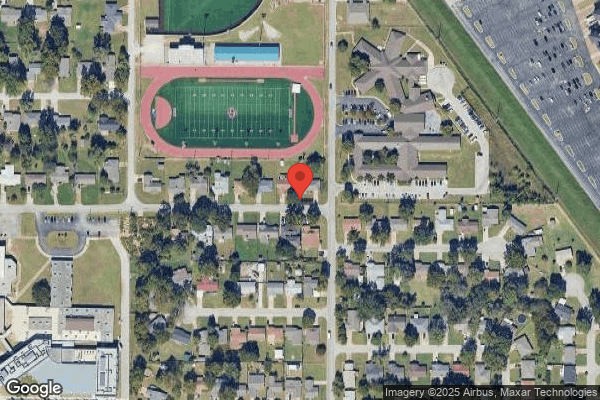
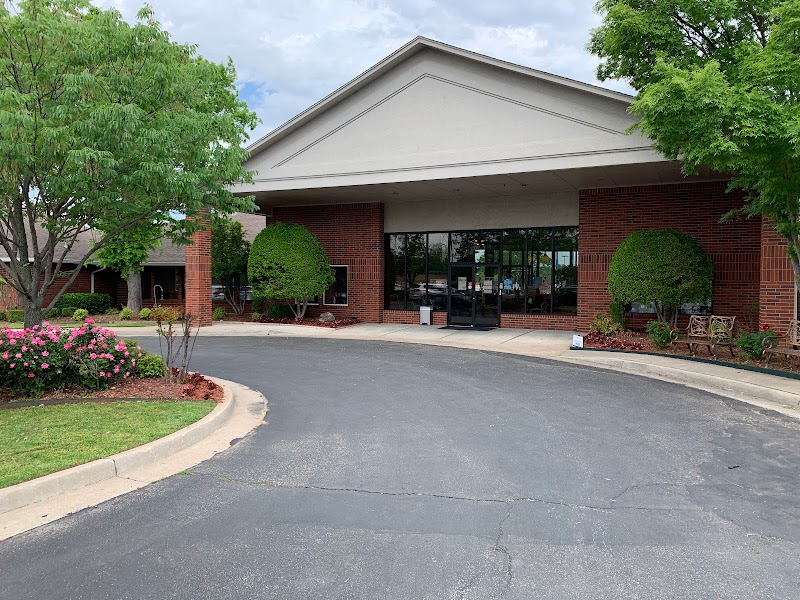
711 NORTH 5TH STREET, JENKS, OK 74037 (918) 299-8508
For profit - Partnership 187 Beds BRIDGES HEALTH Data: November 2025 2 Immediate Jeopardy citations
Trust Grade
29/100
#108 of 282 in OK
Last Inspection: September 2024

Within standard 12-15 month inspection cycle. Federal law requires annual inspections.

Overview

Families considering Grace Skilled Nursing and Therapy in Jenks, Oklahoma should note that the facility has received a Trust Grade of F, which indicates significant concerns about care quality. Ranked #108 out of 282 facilities in Oklahoma, they are in the top half, but still face serious issues. The situation is currently improving, with reported problems decreasing from 17 in 2024 to 4 in 2025. However, staffing is a weakness, rated at 2 out of 5 stars with a high turnover rate of 61%, indicating that many staff members leave the facility. Specific incidents have raised alarms, such as a critical situation where a resident was found unsupervised while smoking with oxygen, which poses serious risks, and concerns about cleanliness, including an ice machine with moldy substances. While there are efforts to address these issues, families should weigh both the strengths and weaknesses carefully.

Trust Score
F
29/100
In Oklahoma
#108/282
Top 38%
Safety Record
High Risk
Review needed
Inspections
Getting Better
17 → 4 violations
Staff Stability
⚠ Watch
61% turnover. Above average. Higher turnover means staff may not know residents' routines.
Penalties
✓ Good
$15,646 in fines. Lower than most Oklahoma facilities. Relatively clean record.
Skilled Nurses
⚠ Watch
Each resident gets only 9 minutes of Registered Nurse (RN) attention daily — below average for Oklahoma. Fewer RN minutes means fewer trained eyes watching for problems.
Violations
⚠ Watch
31 deficiencies on record. Higher than average. Multiple issues found across inspections.
★★★☆☆
3.0
Overall Rating
★★☆☆☆
2.0
Staff Levels
★★☆☆☆
2.0
Care Quality
★★★☆☆
3.0
Inspection Score
Stable
2024: 17 issues
2025: 4 issues

The Good

  • Full Sprinkler Coverage · Fire safety systems throughout facility
  • No fines on record

Facility shows strength in fire safety.

The Bad

3-Star Overall Rating

Near Oklahoma average (2.6)

Meets federal standards, typical of most facilities

Staff Turnover: 61%

15pts above Oklahoma avg (46%)

Frequent staff changes - ask about care continuity

Federal Fines: $15,646

Below median ($33,413)

Minor penalties assessed

Chain: BRIDGES HEALTH

Part of a multi-facility chain

Ask about local staffing decisions and management

Staff turnover is elevated (61%)

13 points above Oklahoma average of 48%

The Ugly 31 deficiencies on record

2 life-threatening
Sept 2025 3 deficiencies
CONCERN (D) 📢 Someone Reported This

A family member, employee, or ombudsman was alarmed enough to file a formal complaint

Potential for Harm - no one hurt, but risky conditions existed

Deficiency F0620 (Tag F0620)

Could have caused harm · This affected 1 resident

Based on record review and interview, the facility failed to ensure a resident's damaged personal property was replaced for 1 (#66) of 1 resident sampled who was reviewed for personal property.The adm...

Read full inspector narrative →
Based on record review and interview, the facility failed to ensure a resident's damaged personal property was replaced for 1 (#66) of 1 resident sampled who was reviewed for personal property.The administrator identified #107 residents resided in the facility. Findings: A quarterly assessment, dated 07/16/25, showed Resident #66 had a BIMS of 14 which indicated the resident's cognition was intact and diagnosis which included stroke. Review of the grievance log showed no grievance for Resident #66 regarding their television. On 09/02/25 at 9:49 a.m., Resident #66 stated after a power outage at the facility, their television would not come on. They stated he screen would stay black and they only had sound. Resident #66 stated the facility took their television and loaned them one of theirs to use, but did not replace their television. They stated the administrator told them the facility would not replace their television. On 09/02/25 at 10:41 a.m., the administrator stated they were not aware of an issue with the television for Resident #66. They stated if a power outage had fried their television the family would have to replace it because the facility did not replace personal property. The administrator stated it was in their admission agreement.
CONCERN (D) 📢 Someone Reported This

A family member, employee, or ombudsman was alarmed enough to file a formal complaint

Potential for Harm - no one hurt, but risky conditions existed

Accident Prevention (Tag F0689)

Could have caused harm · This affected 1 resident

Based on observation, record review, and interview, the facility failed to ensure fall interventions were implemented for 2 (#3 and #48) of 2 sampled residents who were reviewed for falls.The administ...

Read full inspector narrative →
Based on observation, record review, and interview, the facility failed to ensure fall interventions were implemented for 2 (#3 and #48) of 2 sampled residents who were reviewed for falls.The administrator identified 107 residents resided in the facility. Findings: 1. On 09/02/25 at 9:45 a.m., a visitor was observed in the room of Resident #3. A floor fall mat was not observed on the floor next to the bed. An over the bed grab bar was observed to be hooked onto the boom of the grab bar. On 09/02/25 at 10:17 a.m., a fall mat was not observed on the floor next to the bed or under the bed of Resident #3. On 09/03/25 at 10:19 a.m., a fall mat was not observed on the floor next to the bed of Resident #3. On 09/03/25 at 2:05 p.m., a fall mat was not observed on the floor next to the bed of Resident #3. A care plan, dated 03/31/25, showed a focus for risk for falls related to decondition, gait/balance problems, psychotropic medications, psychoactive drug use and history of falls. The care plan showed interventions which included to ensure the call light was within reach, encourage to request assistance, falling star program, Hoyer lift for transfers, replace bolsters on bed to cue resident to the edge of bed, replace posey cover to mattress, and positioning bars. An unwitnessed fall report, dated 05/12/25 at 2:00 a.m., showed Resident #3 was on the floor and upon nurse assessment, Resident #3 kept yelling they wanted to go to the hospital and did not know how they fell. The nurse assessment showed no new injuries noted, vital signs normal, and Resident #3 denied pain with notifications made to all parties. The report showed the intervention was to place a floor mat at bedside.An incident note, dated 05/12/25 at 2:48 a.m., read in part, CNA notified nurse of resident on the floor .Resident kept yelling .to go to the hospital .Head to toe [assessment] preformed on resident. No new injuries notied [sic].An admission note, dated 05/14/25 at 4:39 p.m., showed, an incision site to left thigh with five staples noted. The note showed a bandage wrap to the left leg and immobilizer to the right leg. Review of a final state report, dated 05/16/25, showed Resident #3 sustained a closed fracture of the distal (a location farther away from the origin) end of the left femur and a tibial plateau fracture (a break in the shinbone (tibia) at the knee joint) of the right femur. An annual assessment, dated 06/12/25, showed Resident #3 had a BIMS of 13 which indicated the resident's cognition was intact and diagnoses which included arthritis, anxiety, bipolar, and respiratory failure. The assessment showed Resident #3 required supervision or touching assistance with bed mobility and transfers were not attempted due to medical condition or safety concerns. On 09/03/25 at 2:05 p.m., CMA #2 stated Resident #3 was on hospice and would normally require a fall mat, but Resident #3 did not move out of the bed. On 09/03/25 at 2:07 p.m., LPN #3 stated measures to prevent falls/injury for Resident #3 were to position them with pillows to prevent falling out of bed, keep the bed low, ensure frequent checks, and they were right by the nurse's station. LPN #3 was asked if Resident #3 required a fall mat. They stated Resident #3 could not get out of bed by themself or even turn themself. They stated the ADON or DON were responsible to ensure the care plan was updated. 2. On 08/29/25 at 2:34 p.m., Resident #48 was observed in bed with the fall mat under their bed. On 08/29/25 at 3:40 p.m., Resident #48 was observed in bed with the fall mat under their bed. On 09/02/25 at 9:32 a.m., Resident #48 was observed in bed with the bedside table near the head of the bed in front of their nightstand and the fall mat under their bed. An annual assessment, dated 05/21/25, showed a BIMS of 00 which indicated severely impaired for daily decision making. The assessment showed diagnoses which included chronic obstructive pulmonary disease, anxiety, and Bell's palsy. A fall risk assessment, dated 07/16/25, showed Resident #48 was a high fall risk. A progress note, dated 07/16/25 at 4:00 a.m., showed a focused assessment related to a fall on 07/16/25. The note showed Resident #48 had a laceration to the right side of the head with a hematoma (bruise) noted to the forehead. The note showed abrasions were noted to both knees with the fall mat in place. The note showed neurological checks were initiated, and Resident #48 had complained of generalized pain. The note showed an order was received to send Resident #48 to the hospital for evaluation and treatment. A care plan, revised 08/12/25, showed interventions for falls to include ensure a baby doll was in bed with Resident #48, assist with toileting at night, concave mattress while in bed, educate to not remove oxygen, fall mat at bedside, sign in room to ask for help, keep call light in reach, keep bed in lowest position, and nonskid footwear before transfers. On 09/02/25 at 11:09 a.m., CNA #1 stated the interventions for Resident #48 were a fall mat and to keep the bed low. On 09/03/25 at 2:03 p.m., CNA #4 stated interventions in place for Resident #48 were a fall mat and low bed. They stated they did not know why the fall mat was not there. On 09/03/25 at 2:20 p.m., the DON stated they provided in-service and education to the staff and observed to ensure the interventions were in place. On 09/03/25 at 5:29 p.m., LPN #4 stated Resident #48 was observed partially on the fall mat when they fell. They stated the event was so rushed they were trying to remember. LPN #4 stated they were not sure if Resident #48 hit their head on the nightstand, bed side table, or a clothes hamper that was close to them. They stated they did not see blood on anything, so they were not sure, but were sure Resident #48 had the fall mat because they used it anytime Resident #48 was in bed.
CONCERN (D) 📢 Someone Reported This

A family member, employee, or ombudsman was alarmed enough to file a formal complaint

Potential for Harm - no one hurt, but risky conditions existed

Deficiency F0725 (Tag F0725)

Could have caused harm · This affected 1 resident

Based on observation, record review, and interview, the facility failed to ensure sufficient staff to meet the needs of 1 (#110) of 1 sampled resident who was reviewed for sufficient staffing.The admi...

Read full inspector narrative →
Based on observation, record review, and interview, the facility failed to ensure sufficient staff to meet the needs of 1 (#110) of 1 sampled resident who was reviewed for sufficient staffing.The administrator identified 107 residents resided in the facility. Findings: On 08/26/25 at 2:10 p.m., Resident #110 was observed to be calling out for help to the bathroom. CNA #2 came down the hall to get the dirty linen cart and did not check on Resident #110. Resident #110 continued to call out for help to the bathroom. A quarterly assessment, dated 06/05/25, showed Resident #110 had a BIMS of 06 which indicated severe cognitive impairment. The assessment showed Resident #110 required supervision for sitting to standing and partial to moderate assistance with toilet hygiene. On 08/26/25 at 2:15 p.m., LPN #3 stated CNA #2 monitored the hall for residents who required assistance. LPN #3 was informed staff were not on the hall to monitor, and Resident #110 was yelling out for help to the bathroom. LPN #3 went down the hall and entered the room of Resident #110. On 09/03/25 at 5:26 p.m., CNA #6 stated they should get to call lights in a minimum of five minutes. They stated they did not feel there was enough staff to answer call lights that fast.On 09/03/25 at 5:27 p.m., CNA #2 stated they had five minutes to answer a call light, and they did not have enough staff to answer them that fast.On 09/03/25 at 5:29 p.m., CNA #7 stated they had five minutes to answer call lights, and they did not have enough staff to answer them that fast.
Jun 2025 1 deficiency
CONCERN (E) 📢 Someone Reported This

A family member, employee, or ombudsman was alarmed enough to file a formal complaint

Potential for Harm - no one hurt, but risky conditions existed

Resident Rights (Tag F0550)

Could have caused harm · This affected multiple residents

Based on observation, record review, and interview, the facility failed to ensure resident's right of choice regarding diet for 1 (#2) of 3 residents sampled reviewed for resident rights. The administ...

Read full inspector narrative →
Based on observation, record review, and interview, the facility failed to ensure resident's right of choice regarding diet for 1 (#2) of 3 residents sampled reviewed for resident rights. The administrator identified 111 residents resided at the facility. Findings: On 05/28/25 at 8:23 a.m., Resident #2 was observed to be in their room drinking soda. An admission assessment, dated 07/25/23, showed Resident #2 had a brief interview for mental status score of 14 which indicated the resident's cognition was intact. The assessment showed the resident had diagnoses which included history of stroke and aphasia. A physician's order, dated 07/25/23, showed a regular diet of regular texture and thin liquids. A hospital discharge record, dated 01/11/24, showed a diet order for low cholesterol, low fat, and low sodium. A physician's order, dated 01/11/24, showed a regular diet, level 6-soft and bite-sized texture with honey thick liquids. On 05/28/25 at 8:23 a.m., Resident #2 stated they received a soft diet and did not want a soft diet and thickened liquids. They stated they had not ever choked on their food or drink. Resident #2 stated they were told by staff at the facility they would choke if they ate regular food. On 05/29/25 at 12:18 p.m., Resident #2 stated friends had brought them food from outside the facility like pizza, cake, candy chips, and soda pop. They stated the last swallow evaluation they had was while they were at home. Resident #2 stated they had not had a swallow evaluation while at the facility because the facility informed them their insurance would not cover it. Resident #2 stated they had been eating regular food while at home and when they first admitted to the facility. On 05/29/25 at 1:21 p.m., the ADON stated the nurses transcribed the orders from the hospital and entered them into the electronic clinical record. They stated Resident #2 had signed a waiver to eat regular food while on hospice after their hospitalization, but had since been discharged from hospice and the facility did not offer a waiver. The ADON stated they did not know where the soft diet order had originated from. They stated they did not remember if Resident #2 had a swallow study and were not aware if Resident #2 had any incidents of choking. The ADON stated the only thing they could think of was when Resident #2 returned from the hospital, they had requested over easy eggs instead of scrambled and maybe that was where the soft diet had originated. On 06/02/25 at 10:21 a.m., the social services director stated they did not know where the order had originated. They stated Resident #2 had been on hospice and had signed a waiver for a regular diet, but had since been discharged from hospice and the diet would have reverted back to a soft diet. On 06/02/25 at 10:39 a.m., the administrator stated they would not know why Resident #2 was ordered a soft diet and would need to get with nursing. The administrator stated the facility did not offer any waivers to any residents. They stated they did not tell Resident #2 they could not eat regular food, but they would not offer a waiver. On 06/02/25 at 11:08 a.m., the administrator and interim DON stated they had a physician's order and they were following it. The DON stated they would not question the physician for a justification for the order. On 06/02/25 at 11:14 a.m., the primary physician of Resident #2 was called and a voicemail was left for them to return the call. No return call was received. On 06/02/25 at 12:45 p.m., via phone call, LPN #1 stated after reviewing the hospital discharge orders for Resident #2 they could not trace the soft diet order to the discharge orders. They stated they believed the order on 01/11/25 was an error and the order was meant for another resident. LPN #1 stated they were not the nurse for Resident #2 on that day, but had been the admission nurse for the facility and had entered the orders from the hospital on that date. On 06/02/25 at 12:49 p.m., via phone call, the medical director stated they believed the soft diet order was due to a stroke and Resident #2 had a diagnosis of dysphasia. The medical director was informed the hospital discharge paperwork nor the facility had a diagnosis of dysphasia for Resident #2. The medical director was informed Resident #2 had no incident of choking. The medical director stated they were not the primary physician for Resident #2. On 06/02/25 at 12:51 p.m., via phone call, the office of the primary physician for Resident #2 was called and their office informed the primary physician was out of the office seeing patients and would return the call later in the afternoon. A return phone call was not received before the end of the survey.
Sept 2024 10 deficiencies
CONCERN (D) 📢 Someone Reported This

A family member, employee, or ombudsman was alarmed enough to file a formal complaint

Potential for Harm - no one hurt, but risky conditions existed

Notification of Changes (Tag F0580)

Could have caused harm · This affected 1 resident

Based on record review, and interview, the facility failed to ensure a resident who had not had a bowel movement for three more days had their attending physician notified for one (#16) of one sampled...

Read full inspector narrative →
Based on record review, and interview, the facility failed to ensure a resident who had not had a bowel movement for three more days had their attending physician notified for one (#16) of one sampled resident reviewed for constipation. The DON identified 70 residents who had a diagnosis of constipation. Findings: The facility policy, titled Nursing Policies and Procedures Constipation, dated 10/10/03, read in part, .It is the policy of the facility to identify bowel elimination problems and intervene to assist residents with optimal bowel elimination. Assessment for constipation is initiated from a resident complaint or observation that the resident has been 3 days without a bowel movement .procedure for identification .review the flow sheet documentation to determine frequency .assess for signs and symptoms of constipation .identify usual bowel elimination patterns .procedure for correction notify the attending physician . Resident #16 had diagnoses which included encounter for orthopedic aftercare following a surgical ambulation and constipation. Resident #16's quarterly assessment, dated 08/07/24, documented they had moderate impairment with cognition and was always continent of bowel and bladder. ADL documentation for 08/29/24 through 09/05/24 documented Resident #16 had a bowel movement on 08/30/24. The next documented bowel movement for Resident #16 was five days later on 09/05/24. Resident #16 had not had a bowel movement in five days and the documentation on 09/05/24 indicated the resident was constipated. There was no documentation Resident #16's physician had been notified of them not having a bowel movement for five days and being constipated. Resident #16's September 2024 MAR documented they received an as needed order of magnesium hydroxide oral suspension (laxative medication) 400 MG/5 ML (magnesium hydroxide) 30 ml for constipation on 09/05/24 at 10:50 p.m. Resident #16's ADL documentation for 09/06/24 documented they did not have a bowel movement. There was no documentation Resident #16's physician had been notified of no bowel movements on 09/06/24. Resident #16 ADL documentation for 09/07/24 documented the they did not have a bowel movement. Resident #16's progress note, dated 09/07/24 at 4:36 p.m., documented, Therapy here working with resident. [He/She] states that resident states that [he/she] is constipated. Abdomen soft, ABS x 4. [He/She] is complaining of [his/her] rectum hurting I checked it and a sm amt of runny BM at entrance. No impaction noted. Bedside commode has wipes in it with smears of BM. No noted BM in commode. Informed [Name withheld] and new order received for Miralax [laxative medication] 17GM daily and Dulcolax [laxative medication] 5mg 2 BID PRN. A progress note, dated 09/07/24 at 4:36 p.m., documented notification to Resident #16's physician. On 09/19/2024 at 9:53 a.m., RN # 1 stated they were not aware Resident #16 was constipated and went five days without a bowel movement. They stated they had never notified the physician. RN #1 stated the physician was not notified until 09/07/24 when the resident went out to the hospital. On 09/19/24 at 11:11 a.m., the DON stated they identified the resident had not had a bowel movement for more then three days when they came back from vacation. They stated they realized nothing had been addressed. They stated the physician had not been notified until 09/07/2024 when the resident went to the hospital.
CONCERN (D) 📢 Someone Reported This

A family member, employee, or ombudsman was alarmed enough to file a formal complaint

Potential for Harm - no one hurt, but risky conditions existed

Report Alleged Abuse (Tag F0609)

Could have caused harm · This affected 1 resident

Based on record review and interview, it was determined the facility failed to report an allegation of neglect to OSDH for one (#86) of one sampled resident reviewed for neglect. The DON identified 1...

Read full inspector narrative →
Based on record review and interview, it was determined the facility failed to report an allegation of neglect to OSDH for one (#86) of one sampled resident reviewed for neglect. The DON identified 123 residents resided in the facility. Findings: The Resident Abuse, Neglect and Misappropriation of Property policy, revised 12/28/17, read in part, .neglect is defined as failure to provide good and services necessary to avoid physical harm, mental anguish or mental illness. Neglect occurs on an individual basis when a resident receives a lack of care in one or more areas .Facility responsibility .All allegations and incidents of abuse, neglect .must be reported to appropriate Federal and State Agencies including OSDH and investigated . Resident #86's quarterly MDS assessment, dated 07/18/24 , documented their cognition was intact and they had no cognitive impairments. The facility form, Quality Assurance Patient Concern Form, dated 09/10/24, read in part, .Resident complained about nurse aide not providing good care. Nurse Aide was told to help change people but refused . There was no documentation the facility had reported the allegation of neglect to OSDH. On 09/17/24 at 8:28 a.m., Resident #86 stated they had turned on their call light and after several hours an aide shut it off without providing care to both their roommate and themselves. The resident stated the nurse aide, after shutting off the call light, stated they would come back and provide care to the roommate and never returned. The resident stated they had spoken with and filed a complaint of the care not being provided with the ADON about two weeks previously. They stated nothing was done about it. On 09/18/24 at 3:12 p.m., the ADON confirmed Resident #86 had complained about the lack of care and they stated they reported it to the administrator. The ADON stated a grievance form was filled out and the administrator completed everything after that. They stated they did not document the report from the resident and was not sure who it all was reported to. On 09/19/24 at 2:10 p.m., the administrator confirmed they had spoken with the ADON and a grievance form was filled out. They stated they only reported to OSDH if they felt abuse occurred and it was the opinion of Resident #86 care was not provided.
CONCERN (D)

Potential for Harm - no one hurt, but risky conditions existed

Investigate Abuse (Tag F0610)

Could have caused harm · This affected 1 resident

Based on record review and interview, it was determined the facility failed to thoroughly investigate an allegation of neglect for one (#86) of one sampled resident reviewed for neglect. The DON iden...

Read full inspector narrative →
Based on record review and interview, it was determined the facility failed to thoroughly investigate an allegation of neglect for one (#86) of one sampled resident reviewed for neglect. The DON identified 123 residents resided in the facility. Findings: The Resident Abuse, Neglect and Misappropriation of Property policy, revised 12/28/17, read in part, .neglect is defined as failure to provide good and services necessary to avoid physical harm, mental anguish or mental illness. Neglect occurs on an individual basis when a resident receives a lack of care in one or more areas .Facility responsibility .All allegations and incidents of abuse, neglect .must be .investigated . Resident #86's quarterly MDS assessment, dated 07/18/24 , documented their cognition was intact and they had no cognitive impairments. The facility form, Quality Assurance Patient Concern Form, dated 09/10/24, read in part, .Resident complained about nurse aide not providing good care. Nurse Aide was told to help change people but refused . There was no documentation the facility completed a thorough investigation into the allegation of neglect. On 09/17/24 at 8:28 a.m., Resident #86 stated they had turned on their call light and after several hours an aide shut it off without providing care to both their roommate and themselves. The resident stated that the nurse aide, after shutting off the call light, stated they would come back and provide care to the roommate and never returned. The resident stated they had spoken with and filed a complaint of the care not being provided with the ADON about two weeks previously. They stated nothing was done about it. On 09/18/24 at 3:12 p.m., the ADON confirmed Resident #86 had complained about the lack of care. They stated they reported it to the administrator. The ADON stated a grievance form was filled out and the administrator completed everything after that. They stated they did not document the report from the resident and was not sure who it all was reported to. The ADON stated they did not complete an investigation and only reported it to the administrator. On 09/19/24 at 2:10 p.m., the administrator confirmed they had spoken with the ADON and a grievance form was filled out. The administrator stated they only spoke to one aide that was working on the hall and did not speak with the roommate or take a full statement from Resident #86. The administrator stated they did not interview other residents, but completed a full investigation. The administrator then stated they did not have statements to provide for the one aide that was interviewed. They did not document anything due to Resident #86 always complaining about the aide.
CONCERN (D) 📢 Someone Reported This

A family member, employee, or ombudsman was alarmed enough to file a formal complaint

Potential for Harm - no one hurt, but risky conditions existed

MDS Data Transmission (Tag F0640)

Could have caused harm · This affected 1 resident

Based on record review and interview, the facility failed to ensure assessments were transmitted within the time frame for one (#53) of one sampled resident who was reviewed for timely transmission of...

Read full inspector narrative →
Based on record review and interview, the facility failed to ensure assessments were transmitted within the time frame for one (#53) of one sampled resident who was reviewed for timely transmission of assessments. The DON identified 123 residents who resided in the facility. Findings: Resident #53 had diagnoses which included dementia. The electronic clinical record documented a significant change assessment had an ARD date of 06/20/24 and was completed 07/04/24. A Assessment History form, dated 09/20/24, documented the significant change assessment, dated 06/20/24, had been transmitted on 09/16/24. On 09/20/24 at 1:23 p.m., corporate MDS coordinator #1 stated during the time of the transmission of the significant change assessment the facility had not had an MDS coordinator. They stated they had been assisting with MDS completion and transmission. On 09/20/24 at 1:34 p.m., corporate MDS coordinator #1 stated the facility's MDS coordinator and the corporate office were responsible to monitor to ensure assessments were transmitted timely. They stated monitoring occurred twice a week and they were looking into the reason the significant change assessment for Resident #53 had been transmitted late.
CONCERN (D)

Potential for Harm - no one hurt, but risky conditions existed

Quality of Care (Tag F0684)

Could have caused harm · This affected 1 resident

**NOTE- TERMS IN BRACKETS HAVE BEEN EDITED TO PROTECT CONFIDENTIALITY** Based on record review, and interview, the facility failed to ensure a resident who had not had a bowel movement for three more ...

Read full inspector narrative →
**NOTE- TERMS IN BRACKETS HAVE BEEN EDITED TO PROTECT CONFIDENTIALITY** Based on record review, and interview, the facility failed to ensure a resident who had not had a bowel movement for three more days had their attending physician notified for one (#16) of one sampled resident reviewed for hospitalization. Resident #16 had not had a bowel movement for five days and was not assessed for the constipation. Resident #16 was sent to the hospital in pain with and admitted for stercoral colitis (a condition caused by constipation). The DON identified 70 residents who had an active diagnosis of constipation. Findings: The facility policy titled Nursing Policies and Procedures Constipation, dated 10/10/03, read in part, .It is the policy of the facility to identify bowel elimination problems and intervene to assist residents with optimal bowel elimination. Assessment for constipation is initiated from a resident complaint or observation that the resident has been 3 days without a bowel movement .procedure for identification .review the flow sheet documentation to determine frequency .assess for signs and symptoms of constipation .identify usual bowel elimination patterns .procedure for correction notify the attending physician . Resident #16 had diagnoses which included encounter for orthopedic aftercare following a surgical amputation and constipation. Resident #16's quarterly assessment, dated 08/07/24, documented they were moderately impaired with cognition and were always continent of bowel and bladder. Resident #16's physician's order, dated 08/28/24, documented they had an as needed order for magnesium hydroxide oral suspension (laxative medication) for constipation. A review of ADL documentation for 08/29/24 through 09/05/24 documented Resident #16 had a bowel movement on 08/30/24. The next documented bowel movement for Resident #16 was five days later on 09/05/24. Resident #16 had not had a bowel movement in five days and the documentation on 09/05/24 indicated the resident was constipated. There was no documentation Resident #16's physician had been notified of the resident not having a bowel movement for five days and being constipated. There was no documentation the facility assessed the resident after three days of no bowel movements. Resident #16 's September 2024 MAR documented they received an as needed order of magnesium hydroxide oral suspension 400 MG/5ML (magnesium hydroxide) 30 ml for constipation on 09/05/24 at 10:50 p.m. This was the only documented administration of the medication from 08/30/24 through 09/05/24. Resident #16 ADL documentation for 09/06/24 documented the resident did not have a bowel movement. There was no documentation Resident #16's physician had been notified of no bowel moments on 09/06/24. There was no documentation the facility had administered the as needed medication for constipation in the continued absence of bowel movements. Resident #16 ADL documentation for 09/07/24 documented the resident did not have a bowel movement. Resident #16's progress note, dated 09/07/24 at 4:36 p.m., documented, Therapy here working with resident. [He/She] states that resident states that she is constipated. Abdomen soft, ABS x 4. [He/She] is complaining of [his/her] rectum hurting I checked it and a sm amt of runny BM at entrance. No impaction noted. Bedside commode has wipes in it with smears of BM. No noted BM in commode. Informed [Name withheld] and new order received for Miralax [laxative medication] 17GM daily and Dulcolax [laxative medication] 5mg 2 BID PRN. This was the first documented notification Resident #16's physician had been notified of the constipation. Resident #16's progress note, dated 09/07/24 at 5:32 p.m., documented, Resident is now crying saying [he/she] wants to go to hospital. [He/She] refused at first but now want to go. Hypoactive bowel sounds and cry's out when I press on [his/her] stomach. Call in to Dr .Awaiting call back. Resident #16's progress note, dated 09/07/24 at 6:34 p.m., documented EMSA was present to transport the resident to the hospital. A Hospital Trauma Surgery Consult note, dated 09/07/24, read in part, .seen/examined longstanding constipation, presents with rectal pain .recommended medical admission, aggressive bowel regimen with disimpaction .scan demonstrated large stool ball within the patient's rectum, with findings concerning for stercoral colitis . A hospital Discharge summary, dated [DATE], documented Resident #16 was admitted to the hospital with a diagnosis of stercoral colitis. On 09/19/24 at 9:33 a.m., CNA #1 stated they charted in the computer when there was a bowel movement. They stated if the resident had not had one in a while they would let the nurse know. CNA #1 stated Resident #16 had regular bowel movements and they were not aware of them being constipated. On 09/19/24 at 9:43 a.m., CMA #1 stated prior to Resident #16 coming back from the hospital for constipation there were no routine orders for preventive measures. They stated the aides monitored and reported to the nurse if there had not been any bowel movements. CMA #1 stated there were no medications provided for constipation between 08/30/24 and 09/04/24. On 09/19/24 at 9:53 a.m., RN #1 stated the electronic health record would flag the nurse and let them know after three days if a resident did not have a bowel movement for three days. They stated if the resident had not a bowel movement they would provide a laxative and call the physician. They were asked how many bowels movements Resident #16 had between the dates of 08/31/2024 through 09/07/2024. They stated after reviewing the documentation they had one on 09/05/24. They stated the resident had gone five days without a bowel movement. RN #1 stated Resident #16 was not on any medications for constipation between 08/30/24 through 09/07/24. They stated the resident went to the hospital on [DATE] complaining of abdominal pain and crying. They stated it was not flagged in the computer and they were not aware of the constipation. RN #1 was asked to provide information on assessments and notification to the physician and the constipation. They stated Resident #16 bowels were not assessed and the physician was not notified until 09/07/24. RN #1 then stated the physician should have been notified and they were not aware the resident had been constipated and required assessing. They stated the facility should have acted quicker on the resident's constipation and did not follow the facility policy. 09/19/24 at 11:11 a.m., the DON stated the facility had a dashboard as part of the electronic record and if a resident had not gone for three days it would send a report to them. They stated they would then flag it in the electronic record for the nurses to assess and call the physician. The DON stated if a resident did not have a bowel for three days they were to be assessed, provided medication, and the physician should be notified. They stated Resident #16 had one bowel movement on 09/05/24 and it was documented the resident was constipated. The DON stated the MAR documented the as needed medication was provided. They stated Resident #16 did not have a bowel movement again on 09/06/24 and was sent to the hospital on [DATE]. The DON was asked to locate assessments and the notification to the physician for Resident #16's constipation. The DON stated there were no assessments or nurses' notes regarding the constipation. They stated the physician was not notified until 09/07/24 when Resident #16 went to the hospital. They stated when they got back from vacation they identified the constipation had not been addressed and it was a concern. On 09/19/24 at 11:59 a.m., Resident #16 stated they went to the hospital in pain due to constipation.
CONCERN (D) 📢 Someone Reported This

A family member, employee, or ombudsman was alarmed enough to file a formal complaint

Potential for Harm - no one hurt, but risky conditions existed

Pharmacy Services (Tag F0755)

Could have caused harm · This affected 1 resident

Based on record review and interview, the facility failed to keep medication records in order and keep an accurate account of reconciled controlled drugs for one (Resident #110) of one sampled residen...

Read full inspector narrative →
Based on record review and interview, the facility failed to keep medication records in order and keep an accurate account of reconciled controlled drugs for one (Resident #110) of one sampled resident reviewed for drug reconciliation. The administrator reported 123 residents received medications in the facility. Findings: A policy titled Medication Storage in the Facility, dated January 2022, read in part, .Completed accountability records are submitted to the director of nursing and kept on file for 5 years at the facility . A facility policy titled Specific Medication Administration Procedure, dated January 2022, read in part, Chart medication administration on Medication Administration Record immediately following each resident's medication administration. Resident #110 had diagnosis which included an unspecified fracture of right pubis. A physician order, dated 03/15/24, documented oxycodone (opioid medication) 5 mg. Give one table by mouth every 4 hours as needed for pain. The order was discontinued on 07/31/24. A review of the MARS for March, April, May, June, and July of 2024 documented the resident had received a total of 18 doses of oxycodone during this period. A review of the narcotics sheets for oxycodone for March, April, May, June, and July of 2024 documented a total of 49 doses of oxycodone was administered from 03/15/24 to 07/31/24. The first page of the narcotics count sheet was not provided. On 09/19/24 at 2:02 p.m., CMA #4 stated narcotics were counted at the end of each shift. They stated CMAs and LPNs would do the controlled medication counts. On 9/19/24 at 2:02 p.m., The corporate nurse stated an investigation was conducted into Resident #110's controlled medication due to a report of a missing medication card. They stated the investigation determined medication had been ordered, but the pharmacy had not sent the medication. They stated during their investigation it was discovered the CMAs and LPNs were not documenting the medication given in the electronic record, but were frequently only documenting on the narcotic sheets. The corporate nurse stated they looked at the narcotic sheets to determine if there was potential medication diversion, but determined there was not evidence of diversion. They stated there was a problem with documentation in the electronic record. They stated after the investigation and drug reconciliation with the pharmacist, the first sheet of the narcotic record had been misplaced. The corporate nurse stated they and the DON and medical records staff were searching for the missing sheet. On 09/19/24 at 04:07 p.m., the pharmacist stated they were confident the missing count sheet was available during medication destruction. The missing count sheet was not provided to the survey team by the end of the survey.
CONCERN (D)

Potential for Harm - no one hurt, but risky conditions existed

Deficiency F0760 (Tag F0760)

Could have caused harm · This affected 1 resident

Based on observation, record review, and interview, the facility failed to ensure residents were free from significant medication errors for one (#4) of four sampled residents who were observed during...

Read full inspector narrative →
Based on observation, record review, and interview, the facility failed to ensure residents were free from significant medication errors for one (#4) of four sampled residents who were observed during medication administration. The DON identified 123 residents who received medication in the facility. Findings: The Specific Medication Administration policy, dated January 2022, read in parts, .For liquid medications: Pour correct amount directly into a graduated/calibrated medication cup or measuring device or pull up correct amount into an oral syringe .Any dropper supplied with a medication should be used to measure dose. If none is supplied, oral dosing syringes with appropriate calibrations are used . Resident #4 had diagnoses which included seizures. The Care Plan, dated 08/01/24, documented the resident had seizures and to administer Dilantin (anti-epileptic medication) as ordered by the physician. The Laboratory Report, dated 08/09/24, read in part, .Dilantin .Abnormal 3 L .Reference Range .10-20 mg/L . The Physician's Order, dated 08/10/24, documented the resident was to receive Dilantin 125 mg/5 ml give 8 mls via peg tube three times a day for seizures. The Laboratory Report, dated 08/16/24, read in part, .Dilantin .Critical 27 H .Reference Range .10-20 mg/L . The report documented to hold the Dilantin until another level had been resulted. The Laboratory Report, dated 08/17/24, read in part, .Dilantin .In Range 16.5 ug/mL .Reference Range .10-20 . The Laboratory Report, dated 08/22/24, read in part, .Dilantin .Abnormal 22 H .Reference Range 10-20 mg/L . On 09/18/24 at 1:39 p.m., ACMA #1 was observed to prepare medications during medication administration observation for Resident #4. ACMA #1 was observed to pour 7.5 mls of Dilantin into a 30 ml medication cup and 5 ml of Dilantin into a second 30 ml medication cup. The ACMA stated the first medication cup contained 7.5 mls of Dilantin and the second medication cup contained 0.5 mls of Dilantin for a total of 8 mls. ACMA #1 stated the 30 ml medication cup did not have an 8 ml marking so they divided the medication between two cups to get the appropriate dose. On 09/18/24 at 1:47 p.m., ACMA #1 stated the pharmacy usually sent a syringe to draw up the liquid medications but they did not have one so they utilized two medication cups. ACMA #1 was asked what the marking was under the 5 ml marking on the medication cup. They stated 2.5 mls. They stated the zero and the dot were not visible on the medication cup but 5 mls meant 0.5 mls. ACMA #1 then donned a gown and gloves and entered the resident's room with the tray of medications. On 09/18/24 at 1:49 p.m., LPN #1 observed the medication cups which contained the liquid Dilantin with CMA #1. LPN #1 stated one cup had 7.5 mls and one cup had 5 mls. ACMA #1 stated Is that 0.5 mls? The LPN stated it was 5 mls and the ACMA needed to draw the medication up in a syringe to get the appropriate dosage for the resident. On 09/19/24 at 3:33 p.m., the DON stated if the ordered dose was indicated on the medication cup, liquid medications could be measured in the medication cups. They stated if the dose was not indicated on the cup staff were to utilize a syringe to measure the amount. The DON stated Resident #4's Dilantin level had fluctuated quite a bit in August so they monitored the medication given by implementing a count record for the Dilantin. On 09/19/24 at 3:41 p.m., the liquid Dilantin and the count record was observed with the DON. The DON stated the bottle of Dilantin contained 300 mls and the count record documented the bottle should have 312 mls. They stated they had not been notified of the discrepancy with the Dilantin count, but they were to be notified by the CMAs if the count on the bottle was different than the count on the count record.
CONCERN (D)

Potential for Harm - no one hurt, but risky conditions existed

Deficiency F0761 (Tag F0761)

Could have caused harm · This affected 1 resident

Based on observation and interview, the facility failed to ensure medications were dated when opened for four (200 hall medication cart, 200/400 hall treatment cart, 100/300 hall treatment cart, and t...

Read full inspector narrative →
Based on observation and interview, the facility failed to ensure medications were dated when opened for four (200 hall medication cart, 200/400 hall treatment cart, 100/300 hall treatment cart, and the 600 hall medication cart) of four medication/treatment carts observed. The DON identified eight medication/treatment carts in the facility. Findings: On 09/20/24 at 11:50 a.m., the 200 hall medication cart was observed with CMA #2. Ventolin inhaler for Resident #35 was observed to be opened, but not dated. On 09/20/24 at 12:02 p.m., the 200/400 treatment cart was observed with LPN #1. LPN #1 stated they were to date medications when they were opened. The following medications were observed to be opened but not dated. a. insulin lispro (diabetic medication) for Resident #115; b. fluticasone propionate inhaler for Resident #83; c. Trelegy inhaler and an albuterol inhaler for Resident #224; and d. one bottle of glucometer test strips. On 09/20/24 at 12:21 p.m., the 100/300 hall treatment cart was observed with LPN #3. The following medications were observed to be opened but not dated. a. a vial of lidocaine 1% for Resident #225; and b. a house stock vial of sterile water. On 09/20/24 at 12:28 p.m., the 600 hall medication cart was observed with CMA #3. CMA #3 stated they were to date medications when they were opened. The following medications were observed to be opened but not dated. a. Refresh eye drops for Resident #23; b. Refresh eye drops for Resident #17; and c. polyvinyl alcohol liquifilm tears for Resident #15. On 09/20/24 at 12:37 p.m., the DON stated staff were to date eye drops, nose sprays, insulin, inhalers, and glucometer test strips when they were opened. They stated the consultant pharmacist audited the medication carts monthly.
CONCERN (E)

Potential for Harm - no one hurt, but risky conditions existed

Accident Prevention (Tag F0689)

Could have caused harm · This affected multiple residents

**NOTE- TERMS IN BRACKETS HAVE BEEN EDITED TO PROTECT CONFIDENTIALITY** Based on observation, record review, and interview, the facility failed to ensure chemicals were secured for three (100/200 hall...

Read full inspector narrative →
**NOTE- TERMS IN BRACKETS HAVE BEEN EDITED TO PROTECT CONFIDENTIALITY** Based on observation, record review, and interview, the facility failed to ensure chemicals were secured for three (100/200 hall, 700 hall, and 800 hall) of eight halls observed. The facility map identified eight halls in the facility. Findings: The Housekeeping policy, dated 06/29/12, read in part, .ALL HARMFUL CHEMICALS .MUST BE STORED IN A LOCKED STORAGE AT ALL TIMES, BEFORE AND AFTER USE . The Red Juice Stain Remover MSDS, dated 03/25/15, read in part, .KEEP OUT OF REACH OF CHILDREN . The Film Away MSDS, dated 04/16/15, read in parts, .Store locked up . The Shineline Emulsifier Plus MSDS, read in part, .Keep out of reach of children . The PRO-543 Universal Wallcovering Adhesive MSDS, dated 08/09/18, read in part, .Keep out of the reach of children . The FiberPRO TLC MSDS, dated 10/07/21, read in part, .Causes severe skin burns and eye damage .Store locked up . The [NAME] Clean + Protect or Advanced Clean + Protect MSDS, dated 06/20/23, read in part, .Store Out Of Reach Of Children . The Xcelente MSDS, dated 12/18/23, read in part, .Keep out of reach of children . The Heavy Duty Floor Stripper MSDS, dated 07/31/24, read in part, .Store locked up . On 09/16/24 at 12:26 p.m., the 800 hall linen closet was observed to be unlocked. The closet was observed to contain the following. a. six bottles of 7.5 fluid ounce periwash. The label documented to keep out of reach of children; and b. one, 11 ounce can of shaving cream. The label documented to keep out of reach of children. On 09/16/24 at 12:35 p.m., the 700 hall house keeping closet was observed to be unlocked. The closet was observed to contain the following. a. one box of multi-purpose floor finish. The label documented to keep out of reach of children; b. three, 32 ounce bottles of Betco spot cleaner. The label documented to keep out of reach of children; c. four, 946 ml bottles of red juice stain remover bottles. The label documented to keep out of reach of children; d. two, 32 ounce bottles of easy task cleaner. The label documented to keep out of reach of children; e. two, unlabeled bottles of blue liquid with approximately 11 ounces in one bottle and 32 ounces in the other one; f. one gallon of fiber pro tlc. The label documented to keep out of reach of children; g. one bottle of Xcelente multipurpose cleaner. The label documented to keep out of reach of children; h. three, five gallon buckets of hard as nails film floor finish. The label documented to keep out of reach of children; i. one bottle of film away with approximately 10 ounces of product in it. The label documented to keep out of reach of children; j. one gallon of heavy duty stripper floor stripper. The label documented to keep out of reach of children; k. one gallon of shine line emulsifier plus. The label documented to keep out of reach of children; l. one, 62 ounce bottle of [NAME] advanced clean and refresh approximately half full. The label documented to keep out of reach of children; m. one gallon of pro 543 universal wallpaper border adhesive. The label documented to keep out of reach of children; and n. one, 16.9 ounce bottle labeled as purified drinking water. The bottle was observed to contain a green liquid that foamed at the top when moved. On 09/16/24 at 12:37 p.m., the 100/200 hall central supply closet was observed to be unlocked. The latch on the door was observed to be taped open causing the door not to lock when shut. The closet was observed to contain iodine swab sticks. The label documented to keep out of reach of children. On 09/16/24 at 12:48 p.m., the DON stated the floor technician had been in the facility the previous night and must not have locked the door to the 700 hall housekeeping closet when they were finished. The DON stated the 800 hall linen closet did not lock, but the chemicals were to be stored in a locked cabinet. On 09/16/24 at 12:52 p.m., the administrator stated the green liquid in the purified drinking water bottle in the 700 hall housekeeping closet was not water and the door should have been locked. On 09/16/24 at 12:55 p.m., the DON observed the tape on the latch for the 100/200 hall central supply closet and stated nothing should be utilized to keep the door from locking. On 09/17/24 at 9:46 a.m., the 800 hall linen closet and the cabinet inside the closet were observed to be unlocked. The unlocked cabinet contained eight bottles of periwash and one bottle of shaving cream. The labels on the periwash and the shaving cream documented to keep out of reach of children. On 09/17/24 at 9:53 a.m., the DON stated they had placed a lock on the cabinet in the 800 hall linen closet yesterday. They stated central supply personnel were to monitor to ensure chemicals were secure when they stocked supplies daily.
CONCERN (E)

Potential for Harm - no one hurt, but risky conditions existed

Food Safety (Tag F0812)

Could have caused harm · This affected multiple residents

Based on observation and interview, the facility failed to ensure food items were labeled and dated. The DON identified 122 residents received nourishment from the kitchen. Findings: On 09/16/24 at...

Read full inspector narrative →
Based on observation and interview, the facility failed to ensure food items were labeled and dated. The DON identified 122 residents received nourishment from the kitchen. Findings: On 09/16/24 at 8:50 a.m., two plastic containers with sliced cheese, one plastic container with diced onion, one plastic container with diced tomatoes, one plastic container with diced honey dew melon, one paper plate with sliced cheese, and one opened container of tuna salad were observed in refrigerator #1. The food products were not labled and dated. On 09/16/24 at 8:55 a.m., dietary manager #1 stated they do not know why the containers were not labeled or dated, but they should be.
Sept 2024 1 deficiency 1 IJ
CRITICAL (J) 📢 Someone Reported This

A family member, employee, or ombudsman was alarmed enough to file a formal complaint

Immediate Jeopardy (IJ) - the most serious Medicare violation

Accident Prevention (Tag F0689)

Someone could have died · This affected 1 resident

On 09/05/24, a Past Noncompliance Immediate Jeopardy situation was determined to exist related to the facilities failure to ensure Resident #1 was supervised and not using oxygen while smoking. A pla...

Read full inspector narrative →
On 09/05/24, a Past Noncompliance Immediate Jeopardy situation was determined to exist related to the facilities failure to ensure Resident #1 was supervised and not using oxygen while smoking. A plan of correction document, titled Smoking Incident, the facility documented the facility completed the following actions: - Designated the smoking area as the patio off the north unit. - Posted No Oxygen Beyond This Point signs on the smoking area doors. - Added No Smoking signs to the garden area and the south door. - In-serviced all staff on smoking policy/plan. - Held a resident council meeting to discuss changes with residents. - Reassessed all residents who smoke for safety. - Updated smoking contracts on residents who smoke. - Educated residents on smoking hazards, options for smoking cessation and vaping. - All smoking will now be supervised, all smoking material will be secured by staff. - Smoking will be from 8:00 am until 8:00 pm on even hours. - All units now have a red folder with a current list of residents who smoke. A Quality Assurance Committee meeting was held on 08/28/24 at 1:00pm. On 09/05/24 staff were interviewed regarding recent training related to smoking and safety. All components of the plan of correction were verified. It was determined that the facility was in substantial compliance. Based on record review and interview, the facility failed to ensure a resident who required supervision while smoking was supervised and did not wear oxygen while smoking for one (#1) of four residents reviewed for smoking. The Administrator reported the census was 120. Findings: A facility policy titled Smoking Policy and Procedure, revised 02/24/20, read in parts .Oxygen equipment is not permitted in smoking areas. Smoking is not permitted while in possession of or in the presence of oxygen equipment .If it is determined by the interdisciplinary team that the resident is unable to smoke without supervision, such team will develop a plan that will allow the resident to smoke with supervision . Resident #1 had diagnoses which included dementia and chronic obstructive pulmonary disease. A quarterly assessment, dated 06/05/24, documented Resident #1 was moderately impaired for daily decision making and could independently operate a manual wheelchair. A physician's order, dated 07/29/24, documented the resident was to receive oxygen at 2-4 liters per minute via a nasal cannula as needed to maintain an oxygen saturation above 90 percent. A Smoking/Vaping Supervision Checklist, dated 06/19/24, documented Resident #1 was to be supervised while smoking. A nurse note, dated 08/27/24 at 7:26 p.m., documented that at 4:00 pm the nurse was notified by a CMA that Resident #1 was on fire. The nurse accompanied the CMA outside where Resident #1 was sitting in a wheelchair that appeared burned or melted, Resident #1 was naked and appeared to have multiple areas of burned skin. The note further documented that it appeared Resident #1 had tried to smoke with their oxygen on. The note documented the resident was transported via EMS to a hospital burn center. On 09/09/24 at 10:03 am, a supervised smoke break was observed. Two staff members were present along with eight residents, two residents were observed to be wearing smoking aprons. RA #1 stated that each nurses desk has a red folder with a list of smokers and what interventions are required. They also stated that staff now secures everyones smoking material. On 09/05/24 at 12:10 p.m., LPN #1 stated that on 08/27/24 around 4:00 pm they were called to the courtyard area by a CMA. They stated Resident #1 was no longer on fire when they arrived outside, and several staff members were present trying to assist the resident. They stated that Resident #1 was conscious and complaining they could not breathe, Resident #1 was taken inside and placed on oxygen. LPN #1 stated they provided assistance to Resident #1 until EMS arrived. On 09/05/24 at 1:00 p.m., the ADON stated that on 08/27/24 around 4:00 pm they were in their office when they heard someone yelling fire, they went to investigate and located the resident outside with several staff members. They stated by the time they arrived the fire was out, and staff were assessing and rendering aid to the resident. They also stated that Resident #1 was alert when EMS took them out of the building and that they were told the next day by Resident #1's hospice provider that the resident had passed away at the hospital. On 09/05/24 at 1:27 p.m., CMA #1 stated that on 08/27/24 around 4:00 p.m. they had gone outside to administer medication to Resident #5 who was under the gazebo. They stated Resident #5 pointed at Resident #1 across the courtyard and yelled that Resident #1 was on fire. CMA #1 stated that they observed Resident #1 seated in their wheelchair burning. CMA #1 stated they did not have anything to put out the fire with, so they ran inside to get help. CMA #1 stated that no staff members had been supervising Resident #1. On 09/05/24 at 3:34 p.m., CNA #1 stated that on 08/27/24 around 4:00 p.m., they were in the dining room passing out drinks for dinner when they heard someone yelling about a fire. CNA #1 reported they observed Resident #1 seated in their wheelchair on fire in the courtyard. They also reported that they got a shower blanket and went outside and began smothering the flames with the blanket. CNA #1 reported that after the fire was out and Resident #1 was transferred to another wheelchair they were brought inside until paramedics arrived. CNA #1 stated Resident #1 was not being supervised while smoking. On 09/05/24 at 2:50 p.m., the administrator stated that their investigation did not indicate Resident #1 was being supervised while smoking on 08/27/24. The administrator also stated fire blankets had been ordered, but had not been received.
Apr 2024 6 deficiencies
CONCERN (D) 📢 Someone Reported This

A family member, employee, or ombudsman was alarmed enough to file a formal complaint

Potential for Harm - no one hurt, but risky conditions existed

Notification of Changes (Tag F0580)

Could have caused harm · This affected 1 resident

Based on record review and interview the facility failed to ensure notification to the physician of a change in status for one (#1) of three residents reviewed for notification of change. The Business...

Read full inspector narrative →
Based on record review and interview the facility failed to ensure notification to the physician of a change in status for one (#1) of three residents reviewed for notification of change. The Business Office Manager identified 126 residents who resided in the facility. Findings: A Resident's Family or Physician Notification of Change Guideline policy, effective 12/01/09, read in parts, .The facility will .consult with the resident's physician .a significant change in the resident's physical, mental, or psychosocial status . Resident #1 had diagnoses which included congestive heart failure, chronic kidney disease, and a sacrum pressure ulcer. A Physician's Order, dated 04/04/24, documented to obtain blood pressure twice a day and to report to the physician if the systolic blood pressures were greater than 170 or below 90, and if diastolic blood pressure was greater than 100 or below 70. The Medication Administration Record, dated April 2024, documented a blood pressure of 99/59 at 6:00 p.m. on 04/11/24 and a blood pressure of 78/40 on 04/12/24. Review of the progress notes did not reveal the physician had been notified of the blood pressures. On 04/18/24 at 1:14 p.m., LPN #1 stated they were 99% sure they had not documented notification because they failed to call the physician. On 04/18/24 at 2:18 p.m., the nurse practitioner stated they were not notified via telephone of the low blood pressure. They stated they had identified the low blood pressure during a review of the clinical record. The nurse practitioner stated after an unsuccessful attempt to intervene related to Resident #1's low blood pressure at the facility, the resident was sent to the hospital for evaluation and treatment.
CONCERN (D) 📢 Someone Reported This

A family member, employee, or ombudsman was alarmed enough to file a formal complaint

Potential for Harm - no one hurt, but risky conditions existed

Pressure Ulcer Prevention (Tag F0686)

Could have caused harm · This affected 1 resident

Based on record review and interview, the facility failed to ensure wound care was provided as ordered for one (#1) of three residents reviewed for pressure wounds. The DON identified 18 residents wit...

Read full inspector narrative →
Based on record review and interview, the facility failed to ensure wound care was provided as ordered for one (#1) of three residents reviewed for pressure wounds. The DON identified 18 residents with pressure wounds. Findings: Resident #1 was admitted with diagnoses which included a sacral pressure ulcer. A Physician's order, dated 03/07/24, documented to cleanse the sacrum with normal saline, apply medihoney/durafiber ag (silver), and cover with bordered foam daily. The Treatment Administration Record, dated March 2024, revealed wound care had not been documented as completed eight times out of 22 opportunities. A Physician's Order, dated 03/14/24, documented to paint the left heel with skin prep and leave open to air every shift and as needed. The Treatment Administration Record, dated March 2024, documented the left heel wound treatment had not been documented as completed nine times out of 31 opportunities. A Physician's Order, dated 04/04/24, documented to cleanse the sacrum wound with normal saline, pack wound with dakins soaked gauze, cover with an ABD (abdominal) pad, and secure with tape daily. The Treatment Administration Record, dated April 2024, revealed the wound care to the sacrum had not been documented as completed one time out of eight opportunities. On 04/18/24 at 1:14 p.m., the wound nurse stated they did not know why the wound care had not been completed on Sunday 04/17/24. The wound nurse stated they must not have documented wound care for Resident #1 because they had provided it as ordered. On 04/19/24 at 4:25 p.m., the DON stated corporate staff monitored to ensure wound treatments were completed and they usually received a report if treatments were missed.
CONCERN (D) 📢 Someone Reported This

A family member, employee, or ombudsman was alarmed enough to file a formal complaint

Potential for Harm - no one hurt, but risky conditions existed

Deficiency F0697 (Tag F0697)

Could have caused harm · This affected 1 resident

Based on record review and interview, the facility failed to ensure pain management was provided for one (#1) of three sampled residents who were reviewed for pain management. The DON identified six r...

Read full inspector narrative →
Based on record review and interview, the facility failed to ensure pain management was provided for one (#1) of three sampled residents who were reviewed for pain management. The DON identified six residents who received routine pain medication. Findings: Resident #1 had diagnoses which included a sacral pressure wound and fracture of the sixth and seventh cervical spine. A Physician's Order, dated 04/05/24, documented to administer hydrocodone/acetaminophen 5/325 mg one tablet by mouth every six hours for pain. The Medication Administration Record, dated April 2024, did not contain documentation of the effectiveness of the pain medication. Review of the electronic health record did not reveal documentation of the effectiveness of the routine pain medication. On 04/18/24 at 1:39 p.m., CMA #1 stated they did not monitor for effectiveness of routine pain medication. On 04/18/24 at 1:50 p.m., LPN #1 stated they did not document the effectiveness of routine pain medication. They stated staff asked the resident if the medication were effective but do not document the response. On 04/19/24 at 5:12 p.m., the DON stated pain assessments were completed every three months and one hour after pain medication was administered the charge nurses were to monitor for effectiveness. The DON stated monitoring for effectiveness of routine pain medications was not documented in the clinical record.
CONCERN (E) 📢 Someone Reported This

A family member, employee, or ombudsman was alarmed enough to file a formal complaint

Potential for Harm - no one hurt, but risky conditions existed

ADL Care (Tag F0677)

Could have caused harm · This affected multiple residents

**NOTE- TERMS IN BRACKETS HAVE BEEN EDITED TO PROTECT CONFIDENTIALITY** Based on record review and interview, the facility failed to ensure dependent residents were offered/provided showers for two (#...

Read full inspector narrative →
**NOTE- TERMS IN BRACKETS HAVE BEEN EDITED TO PROTECT CONFIDENTIALITY** Based on record review and interview, the facility failed to ensure dependent residents were offered/provided showers for two (#2 and #4) of six sampled residents who were reviewed for ADL care. The DON identified 63 residents who were dependent on staff for bathing. Findings: 1. Resident #2 had diagnoses which included fracture of the left femur. The five day assessment, dated 11/26/23, documented Resident #2 required moderate assistance from staff with bathing. A Skilled Nurses Note, dated 11/28/23, documented the resident had received a shower. Review of the electronic health record revealed one shower/bath had been offered/provided from 11/20/23 through 12/02/23. On 04/19/24 at 3:33 p.m., Regional Nurse #1 stated they had reviewed the electronic health record and did not find documentation baths/showers had been offered/provided other than 11/28/23 for Resident #2. 2. Resident #4 admitted with diagnoses which included right and left humerus fractures. The admission assessment, dated 04/07/24, documented Resident #4 required maximum assistance with showers/bathing. Review of the bathing task for Resident #4 documented bathing was scheduled for Wednesday and Saturday. The task documented one bath/shower occurred since admission on [DATE]. On 04/19/24 at 3:47 p.m., the DON stated themselves and the ADON monitored showers during Q2 meetings and asked residents on Fridays if their showers had been completed. The DON stated they had realized showers were not being completed so they began staffing shower aides in January 2024. They stated when a resident refused a shower, a refusal sheet was to be signed by the aide and the resident.
CONCERN (E) 📢 Someone Reported This

A family member, employee, or ombudsman was alarmed enough to file a formal complaint

Potential for Harm - no one hurt, but risky conditions existed

Deficiency F0692 (Tag F0692)

Could have caused harm · This affected multiple residents

Based on record review and interview, the facility failed to ensure weights were monitored as ordered by the physician for two (#4 and #8) of five sampled residents reviewed for nutrition. The DON ide...

Read full inspector narrative →
Based on record review and interview, the facility failed to ensure weights were monitored as ordered by the physician for two (#4 and #8) of five sampled residents reviewed for nutrition. The DON identified nine residents who had experienced significant weight loss. Findings: The Weight List policy, dated 10/21/09, read in part, .Residents weights are routinely and systematically monitored . 1. Resident #8 had diagnoses which included osteoporosis. The Care Plan, dated 02/13/24, documented the resident was at risk for a nutritional problem related to anemia and GERD and an intervention for weekly weights. The electronic health record, dated 03/07/24, documented a weight of 83.6 pounds. A Physician's Order, dated 03/14/24, documented to obtain weekly weights every seven days for weight loss. The Treatment Administration Record, dated 03/14/24 through 03/31/24, documented a weight had been obtained on 03/18/24 and 03/25/24. The electronic health record did not contain documentation of the value of the weight. The Treatment Administration Record, dated 04/01/24 through 04/18/24, documented a weight had been obtained on 04/01/24, 04/08/24, and 04/15/24. The electronic health record did not contain documentation of the value of the weight on 04/01/24 or 04/15/24. The electronic health record, dated 04/08/24, documented a weight of 83.0 pounds. On 04/19/24 at 3:46 p.m., the DON stated weekly weights should be documented in the electronic health record. They stated they would need to review the records but there may not be a space to document weekly weights on the treatment record. 2. Resident #4 had diagnoses which included right and left humerus fractures. A Care Plan, dated 04/05/24, documented Resident #4 was at risk for unplanned weight loss. An intervention documented to monitor and report signs and symptoms of malnutrition, i.e. emaciation, muscle wasting, and significant weight loss which included a three pound loss in one week, >5% loss in one month, >7.5% loss in three months, or >10% loss in six months. The intervention documented to administer multivitamins, and to provide and serve a regular diet as ordered with superceral at breakfast. On 04/16/24 at 10:13 a.m., Resident #4 stated they usually do not eat breakfast. The breakfast meal was observed to be uneaten. Resident #4 stated they had unintentionally lost weight since they admitted to the facility. Review of weights for Resident #4 revealed an admission weight on 04/02/24 of 136 pounds and a weight on 04/16/24 was of 123 pounds which was a 13 pound loss in 14 days. On 04/19/24 at 6:04 p.m., the DON stated they did not find any further documentation of the weight values for Resident #4 or Resident #8.
CONCERN (E) 📢 Someone Reported This

A family member, employee, or ombudsman was alarmed enough to file a formal complaint

Potential for Harm - no one hurt, but risky conditions existed

Deficiency F0809 (Tag F0809)

Could have caused harm · This affected multiple residents

Based on observation, record review, and interview, the facility failed to ensure snacks were provided for four (#2, 6, 9, and #10) of five residents reviewed for nutrition. The DON identified 27 resi...

Read full inspector narrative →
Based on observation, record review, and interview, the facility failed to ensure snacks were provided for four (#2, 6, 9, and #10) of five residents reviewed for nutrition. The DON identified 27 residents who were diabetic. Findings: 1. Resident #2 had diagnoses which included diabetes mellitus. The Documentation Survey Report v2, dated November 2023, did not contain documentation snacks had been offered/provided from 11/20/23 through 11/30/23. The Documentation Survey Report v2, dated December 2023, did not reveal snacks had been offered/provided on 12/01/23. 2. Resident #6 had diagnoses which included diabetes mellitus. Review of the electronic health record, dated 04/09/24 through 04/18/24, did not reveal snacks had been offered/provided. On 04/19/24 at 4:07 p.m., Resident #6 stated they were not offered snacks and was unaware they were available. 3. Resident #10 had diagnoses which included GERD. The admission assessment, dated 01/30/24, documented the resident was cognitively intact for daily decision making. Review of the electronic health record, dated 04/19/24, revealed documentation the resident had been offered and accepted a snack once during the 30 day look back period. On 04/19/24 at 2:20 p.m., the dietary manager stated they delivered snacks to the nurses stations at 2:00 p.m. for the afternoon snack and at 4:00 p.m. for the bedtime snack. On 04/19/24 at 2:27 p.m., the dietary manager delivered snacks to the nurses station for 100, 200, 300, and 400 halls. On 04/19/24 at 3:18 p.m., Resident #10 was observed to wheel themselves to the nurses station and obtained a snack from CNA #1. On 04/19/24 at 3:35 p.m., Resident #10 stated they wheeled to the nurses station to obtain snacks. They stated staff did not offer snacks but they could get a snack if they went to the nurses station and asked. 4. Resident #9 had diagnoses which included cerebrovascular disease. On 04/19/24 at 2:44 p.m., Resident #9 stated they received snacks but did not always eat them. Review of the electronic clinical record revealed the resident was offered a snack seven days out of 30 days reviewed. The electronic health record did not document if snacks were offered and refused. On 04/19/24 at 3:38 p.m., CNA #1 stated residents could ask for snack anytime but they did not offer them to the residents. They stated residents just came to the nurses station if they wanted a snack. CNA #1 stated they were not sure how bed bound residents obtained a snack. On 04/19/24 at 3:40 p.m., CNA #2 stated most residents would come to the nurses station to obtain snacks and sometimes they passed them out on the hall. They stated they were not aware of where to document snacks. On 04/19/24 at 3:51 p.m., the DON stated CNAs were to pass snacks at bedtime and if residents asked for snacks they were available at the nurses station. They stated bed bound residents would need to use their call light and ask the CNAs to obtain a snack for them. They stated residents who had a diagnosis of diabetes mellitus had orders for snacks at bedtime.
Dec 2023 1 deficiency
CONCERN (D) 📢 Someone Reported This

A family member, employee, or ombudsman was alarmed enough to file a formal complaint

Potential for Harm - no one hurt, but risky conditions existed

ADL Care (Tag F0677)

Could have caused harm · This affected 1 resident

Based on record review and interview, the facility failed to ensure bathing was offered/provided to dependent residents for one (#1) of three sampled residents who were reviewed for ADL assistance. Th...

Read full inspector narrative →
Based on record review and interview, the facility failed to ensure bathing was offered/provided to dependent residents for one (#1) of three sampled residents who were reviewed for ADL assistance. The DON identified 77 residents who were dependent on staff for bathing. Findings: Resident #1 had diagnoses which included chronic pain. The quarterly assessment, dated 09/09/23, documented the resident was cognitively intact for daily decision making and was dependent on staff for bathing. The Documentation Survey Report v2, dated October 2023, documented the resident was scheduled a bed bath on Mondays and Fridays. The report documented Resident #1 had been offered or received five baths out of eight opportunities. The Documentation Survey Report v2, dated November 2023, documented the resident was scheduled a bed bath on Mondays and Fridays. The report documented Resident #1 had been offered or received three baths out of eight opportunities. On 12/04/23 at 1:38 p.m., Resident #1 stated they preferred a bed bath and were not offered bed baths as scheduled. On 12/05/23 at 10:33 a.m., the DON provided bathing documentation from the electronic clinical record and stated they felt the issue with bathing was documentation and did not have any further information regarding offering/providing baths for Resident #1.
Aug 2023 3 deficiencies
CONCERN (D)

Potential for Harm - no one hurt, but risky conditions existed

Transfer Notice (Tag F0623)

Could have caused harm · This affected 1 resident

**NOTE- TERMS IN BRACKETS HAVE BEEN EDITED TO PROTECT CONFIDENTIALITY** Based on record review and interview, the facility failed to ensure residents were provided a written notice of transfer for one...

Read full inspector narrative →
**NOTE- TERMS IN BRACKETS HAVE BEEN EDITED TO PROTECT CONFIDENTIALITY** Based on record review and interview, the facility failed to ensure residents were provided a written notice of transfer for one (#105) of one sampled residents who were reviewed for hospitalization. The Resident Census and Conditions of Residents form, dated 08/21/23, identified 109 residents who resided in the facility. Findings: Resident #105 had diagnoses which included atrial fibrillation. The Discharge summary, dated [DATE], documented the resident was transferred to the hospital for complaints of shortness of breath and wheezing. Review of the clinical record did not reveal the resident/resident representative or the ombudsman had been provided written notification of the transfer to the hospital. On 08/28/23 at 11:09 a.m., the DON was asked who was responsible to to provide written notification of the transfer to the hospital to the resident and/or the resident representative and the ombudsman. They stated they would find out. On 08/28/23 at 11:25 a.m., RN #1, accompanied by the DON, stated they did not provide written notification to the resident/resident representative when a resident transferred to the hospital. On 08/28/23 at 12:42 p.m., the DON stated they only notified the ombudsman of facility initiated transfers.
CONCERN (D)

Potential for Harm - no one hurt, but risky conditions existed

Deficiency F0625 (Tag F0625)

Could have caused harm · This affected 1 resident

**NOTE- TERMS IN BRACKETS HAVE BEEN EDITED TO PROTECT CONFIDENTIALITY** Based on record review and interview, the facility failed to ensure residents were provided a copy of the bed hold policy upon t...

Read full inspector narrative →
**NOTE- TERMS IN BRACKETS HAVE BEEN EDITED TO PROTECT CONFIDENTIALITY** Based on record review and interview, the facility failed to ensure residents were provided a copy of the bed hold policy upon transfer to the hospital for one (#105) of one sampled residents who were reviewed for hospitalization. The Resident Census and Conditions of Residents form, dated 08/21/23, identified 109 residents who resided in the facility. Findings: The Bed Hold Policy, dated 01/23/08, read in part, .Resident shall be given notice of the bed hold option at the time of hospitalization or other leave . Resident #105 had diagnoses which included atrial fibrillation. The Discharge summary, dated [DATE], documented the resident was transferred to the hospital for complaints of shortness of breath and wheezing. Review of the clinical record did not reveal the resident/resident representative had been provided a copy of the bed hold policy when the resident was sent to the hospital. On 08/28/23 at 12:37 p.m., the DON was asked who was responsible to provide a copy of the bed hold policy upon transfer to the hospital. They stated the charge nurses provided the bed hold policy. The DON was asked where they documented a copy of the bed hold policy had been provided. They stated they did not think they documented. On 08/28/23 at 12:45 p.m., LPN #1 was asked who provided the bed hold policy to residents when they were transferred to the hospital. They stated the charge nurse. They stated the paperwork, including a face sheet, was provided to the emergency personnel but not to the resident. They were asked for a copy of the bed hold policy they provided. They obtained a paper from a binder at the nurses station and stated they sent it as a copy of the bed hold policy. The form was reviewed and read, FACESHEET TO BE SENT WITH PATIENT TO THE ER OR HOSPITAL BED HOLD POLICY
CONCERN (D) 📢 Someone Reported This

A family member, employee, or ombudsman was alarmed enough to file a formal complaint

Potential for Harm - no one hurt, but risky conditions existed

ADL Care (Tag F0677)

Could have caused harm · This affected 1 resident

Based on observation, record review, and interview, the facility failed to ensure dependent residents were assisted with oral care for one (#9) of five sampled residents who were reviewed for activiti...

Read full inspector narrative →
Based on observation, record review, and interview, the facility failed to ensure dependent residents were assisted with oral care for one (#9) of five sampled residents who were reviewed for activities of daily living. The Resident Census and Conditions of Residents form, dated 08/21/23, identified 109 residents who resided in the facility. Findings: Resident #9 had diagnoses which included The significant change assessment, dated 05/21/23, documented the resident required extensive assistance of one staff member for personal hygiene and was cognitively intact for daily decision making. The Care Plan, revised 05/26/23, documented the resident had an ADL self care performance deficit related to limited mobility and required extensive assistance of one staff member for personal hygiene. The Documentation Survey Report v2 form, dated June 2023, documented the resident was offered oral hygiene two times out of 90 opportunities. The Documentation Survey Report v2 form, dated July 2023, documented the resident was offered oral hygiene one time out of 93 opportunities. The Documentation Survey Report v2 form, dated August 2023, documented the resident was offered oral hygiene one time out of 84 opportunities. On 08/21/23 at 12:17 p.m., Resident #9 was asked about their activities of daily living. They stated they required set up for oral hygiene but only the night shift would set up the supplies for them. The resident was observed to have some white colored debris between the lower front teeth. On 08/28/23 at 1:25 p.m., the resident was observed in their room. [NAME] colored debris was observed on the lower front teeth. The resident stated they wished to brush their teeth in the morning and at night. They stated they only rinsed their mouth out last night. Resident #9 stated if the staff would set up a basin and a cup of water they could perform the task. On 08/28/23 at 1:33 p.m., CNA #1 was asked what type of assistance Resident #9 required for oral hygiene. They stated the resident required staff to set up supplies. They were asked how often the resident received set up assistance for oral hygiene. CNA #1 stated it should be done twice daily. CNA #1 was asked who had set the supplies up today for oral hygiene for Resident #9. They stated the resident had not requested assistance so they had not offered. On 08/28/23 at 1:44 p.m., the DON was asked where oral hygiene was documented. They stated on the activity of daily living task. They were asked how they monitored to ensure oral hygiene assistance had been provided. They stated they had not received any complaints related to oral hygiene and had not identified an issue with oral care not being completed. The DON was asked why Resident #9 had not received set up assistance with oral hygiene each shift as indicated on the activity of daily living documentation. They stated the resident made their needs known and it was probably a documentation issue.
Oct 2019 6 deficiencies 1 IJ (1 affecting multiple)
CRITICAL (K)

Immediate Jeopardy (IJ) - the most serious Medicare violation

Accident Prevention (Tag F0689)

Someone could have died · This affected multiple residents

On 09/26/19 at 7:05 a.m., an Immediate Jeopardy (IJ) situation was verified with the Oklahoma State Department of Health (OSDH) related to the failure to prevent accident hazards in a resident accessi...

Read full inspector narrative →
On 09/26/19 at 7:05 a.m., an Immediate Jeopardy (IJ) situation was verified with the Oklahoma State Department of Health (OSDH) related to the failure to prevent accident hazards in a resident accessible area of the satellite kitchenette. At 7:08 a.m., the steam table in the south dining room satellite kitchen was observed with an ADON. Steam was visible from the steam table. The temperature of the top corner of the steam table was measured at 199.5 degrees F and she was informed of the IJ. Communication with the administrator was requested. At 7:15 a.m., the administrator was informed of the IJ related to the resident accessibility to the hot steam table. The temperature of the top corner of the steam table was measured in the presence of the administrator at 200 degrees F. The administrator was asked for a plan removal. At 7:16 a.m., the administrator secured the doors to the kitchenette and posted a staff member to remain in the kitchenette while the steam table was hot. An acceptable plan of removal was received from the administrator on 09/26/19 at 9:30 a.m. The plan of removal documented: Plan of removal [name deleted facility] 9/26/19 Area where steam table is located was secured immediately by administrator. 7:15 am 9/26/19[.] All staff will be inserviced. This will be completed by 9/26/19[.] In-service scope will include steam table area will be locked or attended by staff while steam table is on or temp above 115 degrees. The IJ was removed on 09/26/19 at 10:02 p.m., after all components of the plan of removal had been completed. The deficient practice remained at a pattern level with the potential for more than minimal harm. Based on observation and interview, it was determined the facility failed to provide a safe environment in the satellite kitchenette adjacent to the south dining room by failing to monitor, supervise, and/or secure the hot steam table. The kitchenette housed a refrigerator, microwave, commercial coffee and tea makers, and a steam table for meal service. The facility identified 25 residents utilized the kitchenette for coffee and/or tea and seven confused and wandering residents resided on the center or south halls adjacent to the south dining room and kitchenette. Findings: The State Operations Manual Appendix PP - Guidance to Surveyors for Long Term Care Facilities, dated revised on 11/22/17, documented the following related to hazardous hot water temperatures: .Many residents in long-term care facilities have conditions that may put them at increased risks for burns caused by scalding. These conditions include: decreased skin thickness, decreased skin sensitivity, peripheral neuropathy, decreased agility (reduced reaction time), decreased cognition or dementia, decreased mobility, and decreased ability to communicate . The degree of injury depends on factors including the water temperature, the amount of skin exposed, and the duration of exposure . [A chart in the regulations documented that a water temperature of 155 degrees F. would result in a 3rd degree burn in one second] . Third-degree burns penetrate the entire thickness of the skin and permanently destroy tissue. These present as loss of skin layers, often painless (pain may be caused by patches of first- and second-degree burns surrounding third-degree burns), and dry, leathery skin. Skin may appear charred or have patches that appear white, brown, or black . On 09/25/19 at 3:10 p.m., an observation of the south dining room, situated between the center and south halls/nurses' station was conducted. On the south end of the dining room, there was an open entryway onto a short hall which ran parallel to a portion of the dining room and housed an ice machine, a small kitchenette with double doors, a dining table, and a small office. The hall exited at another entryway on the north end of the dining room. The doors to the kitchenette were open. Standing at the doorway, a commercial coffee maker/dispenser and commercial tea maker/dispenser were observed on the left, to either side of a large sink. A microwave, steam table, and refrigerator were observed to the right. The microwave was observed facing north on a small table in the south west corner of the kitchenette. Beside the microwave lay the steam table, its length running north to south for approximately eight feet, creating a walkway between the west wall of the kitchenette and the steam table. This walkway provided access to the microwave and the front of the steam table. Behind the steam table and in the south east corner of the kitchenette was the refrigerator. On 09/25/19 at 3:20 p.m., the steam table was observed to be on and hot. The temperature of the corner edge of the steam table was measured at 186 degrees F. On 09/25/19 at 4:15 p.m., resident #86 was propelling herself in a wheelchair in the south dining room. Resident #86 propelled herself into the hallway that led to kitchen. She propelled herself approximately three feet from the open door where the steam table was located. The surveyor brought it to the attention of the activities staff member #1 that a resident was entering the kitchenette. The activities staff member walked over to the resident and asked the resident if she needed help as she was assisted back into the south dining room. On 09/25/19 at 5:30 p.m., the steam table was observed off and only warm to the touch. On 09/26/19 at 6:10 a.m., the steam table in the kitchenette was observed to be on but not burning hot to the touch. There was no nursing or dietary staff present in the kitchenette. At 6:35 a.m., resident #114 was observed to enter the kitchenette and obtain a cup of coffee from the coffee dispenser. He then exited the kitchenette. The temperature of the corner of the steam table was measured at 171 degrees F. There was no facility staff present in or near the kitchenette. At 6:38 a.m., DA #3 was observed to enter the hall and continue to clear ice from the ice machine located just south and outside of the kitchenette. The DA remained at the ice machine, clearing the stored ice for the machine to be commercially cleaned, until just after 7:00 a.m. when she left the area. At 7:08 a.m., the steam table in the south dining room satellite kitchen was observed with an ADON/LPN #1. The temperature of the top corner of the steam table was measured at 199.5 degrees F and she was informed of the IJ. She stated she would monitor the steam table for resident safety and contact the administrator. At 7:12 a.m., resident #79 was observed to enter the kitchenette in her wheelchair with a coffee cup in her hand. The resident was observed beside the steam table when she was stopped by staff. The resident stated she wanted to use the microwave to heat up her coffee. At 7:15 a.m., the administrator was informed of the IJ related to accident hazards. He asked if he needed to close and secure the doors to the kitchenette. At 7:16 a.m., the administrator closed and secured the doors to the kitchenette. At 9:45 a.m., the administrator asked if any residents were observed in the kitchenette. Resident #79 was present and she was asked if she used the microwave located in the kitchenette. She stated, she often used it to heat up her coffee.
CONCERN (E)

Potential for Harm - no one hurt, but risky conditions existed

ADL Care (Tag F0677)

Could have caused harm · This affected multiple residents

**NOTE- TERMS IN BRACKETS HAVE BEEN EDITED TO PROTECT CONFIDENTIALITY** Based on observation and interview, it was determined the facility failed to provide nail care for one (#29) of four sampled res...

Read full inspector narrative →
**NOTE- TERMS IN BRACKETS HAVE BEEN EDITED TO PROTECT CONFIDENTIALITY** Based on observation and interview, it was determined the facility failed to provide nail care for one (#29) of four sampled residents who were observed for ADL care to dependent residents. The facility identified 139 residents who were dependent on nail care. Findings: Resident #29 was admitted to the facility on [DATE]. The resident had diagnoses which included traumatic brain injury and quadriplegia. The quarterly assessment, dated 09/01/19, documented the resident was moderately impaired in cognition and was totally dependent for personal hygiene and bathing. The care plan, reviewed 09/20/19, documented to ensure the resident's nails were cleaned daily and trimmed as needed. On 10/02/19 at 11:02 a.m., resident #29 was observed in bed. His hair appeared dirty and not brushed. His right hand fingers and nails were soiled and his left hand had rough and jagged edges to the finger nails. The resident was observed on 10/03/19 and 10/07/19 with dirty, rough, and jagged edges to his finger nails. On 10/03/19 at 2:50 p.m., the resident's bilateral feet were observed uncovered. The resident's toe nails on both feet were observed to be long and jagged, with a few of the nails of each foot curved around the ends of the toes. On 10/07/19 at 8:50 a.m., the resident's bilateral feet were observed uncovered. The resident's toe nails on both feet were observed to be long and jagged, with a few of the nails of each foot curved around the ends of the toes. On 10/08/19 at 10:40 a.m., CNA #1 was asked who was responsible for providing nail care to dependent residents. She stated she provided nail care as long as the resident was not diabetic or had other medical diagnoses for which nail care might be problematic. She was asked how she knew who to provide nail care for. She stated she asked the nurse. She was asked if she provided nail care for resident #29. She stated yes. She was asked why the resident's finger nails were dirty, rough, and jagged and his toe nails were long and jagged with a few nails curling around the ends of the toes. She stated she did not cut difficult toe nails such as those that curled around the toes. She stated that would be the nurse's responsibility. She was asked if resident #29 was diabetic or had other diagnoses which prevented her from performing nail care. She stated no. She was asked why the resident's toe nails were allowed to grow to the length which allowed them to curl around the ends of the toes. She stated she had only worked the hall for a few months and did not know. On 10/08/19 at 10:50 a.m., RN #1 was asked who provided nail care to dependent residents. She stated the CNA provided nail care to everyone except diabetic residents. She was asked if resident #29 was diabetic. She stated no. She was asked why were the resident's nails long and jagged with some curling around the ends of the toes. She stated long toe nails would be the responsibility of the podiatrist and she would check on the resident being added to the list for the podiatrist to see. She was asked who was responsible for keeping the toe nails from becoming so long they required the attention of a podiatrist. She stated since the resident was not diabetic, it would be the CNA. She was asked who was responsible for ensuring nail care was provided by the CNA. She stated that would be the nurse's responsibility. On 10/08/19 at 12:30 p.m., the administrator was informed of the observations of rough and jagged nails. The administrator stated since the resident was not diabetic, the nail care should have been performed by the CNA.
CONCERN (E)

Potential for Harm - no one hurt, but risky conditions existed

Incontinence Care (Tag F0690)

Could have caused harm · This affected multiple residents

Based on observation, interview, and record review, it was determined the facility failed to provide indwelling urinary catheter care to prevent urinary tract infections for one (#29) of two residents...

Read full inspector narrative →
Based on observation, interview, and record review, it was determined the facility failed to provide indwelling urinary catheter care to prevent urinary tract infections for one (#29) of two residents' whose urinary catheter bags were observed in contact with the floor. The facility identified 12 residents with indwelling urinary catheters. Findings: Resident #29 had diagnoses which included traumatic brain injury, neurogenic bladder, and quadriplegia. The quarterly assessment, dated 09/01/19, documented the resident was moderately impaired in cognition, totally dependent for personal hygiene and bathing, was incontinent of bowel, and utilized a urinary catheter for elimination. On 09/25/19, 09/26, 10/01, 10/02, 10/03, 10/07, and 10/08/19, multiple observations of resident #29 were conducted throughout the days. The resident's indwelling urinary catheter was observed in contact with the floor on each observation. On 10/08/19 at 10:40 a.m., CNA #1 was asked what did the facility do to minimize the risk of infection for residents with indwelling urinary catheters. She stated she performed catheter care for those residents daily. On 10/08/19 at 10:50 a.m., RN #1 was asked what did the facility do to minimize the risk of infection for residents with indwelling urinary catheters. She stated catheter care was performed every shift, the catheter tubing and bag was replaced twice a month, and the urinary catheter was replaced monthly. She was asked where the indwelling urinary catheter drainage bag needed to be placed to minimize infection. She stated it needed to be in a dependent position with the bag lower than the resident's bladder. She was asked if the resident's urinary catheter drainage bag was in contact with the floor, would that increase the resident's risk for a urinary tract infection. She stated yes. She was asked why the resident's urinary catheter drainage bag had been observed in contact with the floor for every day of the survey. She stated the resident was in a low bed for safety and the catheter drainage bag had to be positioned in a specific place to keep it off the floor. She was asked who was responsible to ensure the urinary catheter drainage bag was not in contact with the floor. She stated it was the nursing staff.
CONCERN (E)

Potential for Harm - no one hurt, but risky conditions existed

Medical Records (Tag F0842)

Could have caused harm · This affected multiple residents

Based on observation, interview, and record review, it was determined the facility failed to accurately document ordered treatments for one (#29) of 29 residents' whose clinical records were reviewed....

Read full inspector narrative →
Based on observation, interview, and record review, it was determined the facility failed to accurately document ordered treatments for one (#29) of 29 residents' whose clinical records were reviewed. The facility census was 140 residents. Findings: Resident #29 had diagnoses which included traumatic brain injury, neurogenic bladder, and quadriplegia. The physician's order, dated 05/28/19, documented, Apply skin prep to pressure point to left lateral malleolus and pad and protect with Alleyvn foam dressing every day shift every 3 day(s) for prevention . The physician's order, dated 05/28/19, documented, Apply skin prep to pressure point to right inner malleolus and pad and protect with Alleyvn foam dressing every day shift every 3 day(s) for prevention . The physician's order, dated 05/28/19, documented, Apply skin prep to pressure point to sacrum and pad and protect with Alleyvn foam dressing every day shift every 3 day(s) for prevention . The quarterly assessment, dated 09/01/19, documented the resident was moderately impaired in cognition, had a pressure reducing device for bed, received a nonsurgical dressing other than to feet, and received ointments/medication other than to feet. The September 2019 treatment sheet documented the application of a foam dressing to the left lateral malleolus (ankle), the right inner malleolus (ankle), and the sacrum on the 17th, 20th, 23rd, 26th, and 29th of the month. The October 2019 treatment sheet documented the application of a foam dressing to the left lateral malleolus (ankle), the right inner malleolus (ankle), and the sacrum on the 2nd and the 5th of the month. On 10/07/19 at 8:50 a.m., the resident's lower legs and feet were observed with CNA #1. The inner ankle of the right foot had a padded adhesive dressing dated 09/16/19. The outer ankle of the left foot had a padded adhesive dressing dated 09/16/19. There was no dressing to the sacrum and the skin was intact. On 10/07/19 at 3:10 p.m., the wound care nurse was asked who was responsible for performing the dressing changes to the resident's ankles. She stated since the skin was intact, the dressing was the responsibility of the floor nurse. She was asked who was responsible for the resident's skin assessment. She stated she performed the skin assessment on all the residents on the center and south halls. She was asked how often the resident's skin was assessed. She stated weekly. She was asked if the resident had any dressing that were applied to his skin. She stated the resident was to have a dressing to each ankle and to his sacrum. She was asked if she observed a dressing on the resident's sacrum. She stated no. She was asked if she observed any dressings on the resident's ankles. She stated yes, on the inner right ankle and outer left ankle. She was asked how often the dressings were to be changed. She stated they were ordered to be changed every three days. She was asked if she knew why the dressings observed earlier in the day were dated 09/16/19. She stated she had observed the same thing when the floor nurse had asked for her assistance in changing the dressings but did not know why. She stated when she looked at the resident's skin, she did not pay attention to the dates on the dressings but did look at the skin under the dressing. On 10/08/19 at 9:45 a.m., the wound care nurse practitioner was asked how often padded adhesive dressing over bony prominent areas of intact skin needed to be changed. She stated she preferred to change them every few days to monitor the condition of the skin and ensure its integrity. On 10/08/19 at 11:30 a.m., the DON was asked how did the facility monitor to ensure nursing tasks documented as performed were actually completed. She stated the nursing administration randomly checked the nursing staff members' work to ensure tasks were accurately documented. On 10/08/19 at 12:30 p.m., RN #1 was asked who was responsible for applying the dressings to the resident's sacrum, left, and right ankles. She stated the nurse was to perform the dressing. She was asked how often nursing was to perform the dressing. She stated every three days. She was asked where she documented the dressings were performed. She stated in the electronic medical record on the treatment record. She was asked why the treatment record documented the resident's sacrum, left and right ankles were dressed on 09/17/19, 09/20/19, 09/23/19, 09/26/19, 09/29/19, 10/02/19, and 10/05/19 when there was no dressing on the sacrum present and the ankle dressings were dated 09/16/19. She stated she was very busy performing resident care all through her shifts and thought she had done the dressings. She stated there was too much to do in the time given.
CONCERN (E)

Potential for Harm - no one hurt, but risky conditions existed

Infection Control (Tag F0880)

Could have caused harm · This affected multiple residents

**NOTE- TERMS IN BRACKETS HAVE BEEN EDITED TO PROTECT CONFIDENTIALITY** Based on observation, interview, and record review, it was determined the facility failed to: - incorporate standards of practi...

Read full inspector narrative →
**NOTE- TERMS IN BRACKETS HAVE BEEN EDITED TO PROTECT CONFIDENTIALITY** Based on observation, interview, and record review, it was determined the facility failed to: - incorporate standards of practice for an indwelling urinary catheter in contact with the floor for one (#29) of two residents whose urinary catheter bags were reviewed. The facility identified 12 residents with indwelling urinary catheters. - implement infection control policies and use hand hygiene in a manner to prevent infection during the delivery of meal trays and provision of care on two (Hall 700 and Hall 800) of eight halls. The facility identified 19 residents on the 700 and 800 halls who ate meals in their rooms. - wear a face mask appropriately for one (#117) of one sampled resident observed in reverse isolation. The facility identified three residents on isolation. Findings: An infection control and isolation policy, revised 06/23/17, documented, Hand hygiene has been cited frequently as the single most important practice to reduce the transmission of infectious agents in healthcare settings and is an essential element of Standard Precautions .Gloves are to be used to prevent contamination of healthcare personnel hands .Hand Hygiene following glove removal further ensures that the hands will not carry potentially infectious material that might have penetrated through unrecognized tears or that could contaminate the hands during glove removal . 1. Resident #29 had diagnoses which included traumatic brain injury, neurogenic bladder, and quadriplegia. The quarterly assessment, dated 09/01/19, documented the resident was moderately impaired in cognition, totally dependent for personal hygiene and bathing, was incontinent of bowel, and utilized a urinary catheter for elimination. On 09/25/19, 09/26, 10/01, 10/02, 10/03, 10/07, and 10/08/19, multiple observations of resident #29 were conducted throughout the days. The resident's indwelling urinary catheter was observed in contact with the floor on each observation. On 10/08/19 at 10:40 a.m., CNA #1 was asked what did the facility do to minimize the risk of infection for residents with indwelling urinary catheters. She stated she performed catheter care for those residents daily. On 10/08/19 at 10:50 a.m., RN #1 was asked what did the facility do to minimize the risk of infection for residents with indwelling urinary catheters. She stated catheter care was performed every shift, the catheter tubing and bag was replaced twice a month, and the urinary catheter was replaced monthly. She was asked where the indwelling urinary catheter drainage bag needed to be placed to minimize infection. She stated it needed to be in a dependent position with the bag lower than the resident's bladder. She was asked if the resident's urinary catheter drainage bag was in contact with the floor, would that increase the resident's risk for a urinary tract infection. She stated yes. She was asked why the resident's urinary catheter drainage bag had been observed in contact with the floor for every day of the survey. She stated the resident was in a low bed for safety and the catheter drainage bag had to be positioned in a specific place to keep it off the floor. She was asked who was responsible to ensure the urinary catheter drainage bag was not in contact with the floor. She stated it was the nursing staff. 2. On 10/01/19, the noon meal was observed. CMA #1 was observed to deliver trays to the residents on the 800 hall. She was observed to remove the plastic sleeve from the cart. The strawberry cake desserts were not covered. The CMA was observed to go in and out of resident rooms as she delivered lunch trays. She did not wash or sanitize her hands in between residents as she delivered the trays. She was observed to put a gown on and don gloves before she entered an isolation room and delivered a lunch tray to resident #18. The resident's door was open and she was observed to pull the resident up in bed and then remove her gown and gloves and exit the room. Without washing or sanitizing her hands she retrieved a lunch tray off the cart and delivered it to another resident. The CMA was observed to enter resident #41's room. The resident, who was seated in a wheelchair, stated his colostomy bag was full and needed to be emptied. The CMA left the room and returned with gloves and wash clothes. The resident's room door was open. The CMA was observed as she donned gloves and bent over the resident's abdomen. She stated she would get someone to help him in bed and then they could empty the colostomy bag due to it was too full to be emptied while he was up in his chair. She removed the gloves and left the room. Without washing or sanitizing her hands she went into another resident's room and told the resident she was there to feed her. The resident refused the meal and the CNA took the tray and left the room. She placed the tray on the hall cart and left the area without washing or sanitizing her hands. At 12:19 p.m., resident #41 was asked what the CMA had looked at on his abdomen. He stated she had checked his colostomy bag and it was full. He stated she told him it would be better for him to get in bed to have it changed and she was getting someone to assist him. On 10/07/19 at 12:27 p.m., CNA #1 was observed to raise the plastic sleeve on the hall cart that held the noon meal trays for Hall 700. The bottom tray on the cart was exposed. There was an uncovered bowl of cake on the tray. The CNA was observed to move the cart down the hall and delivered the tray to a resident. On 10/08/19 at 12:03 p.m., RN #1 was asked why resident #18 was in isolation precautions. She stated he had C diff (clostridium difficile) and was in contact isolation precautions. She was asked if the staff should wash or sanitize their hands after providing care for the resident. She stated yes. At 12:40 p.m., the administrator was asked about the uncovered desserts on the noon meal carts on 700 and 800 halls. He stated they needed to address how the trays were passed and ensure the foods on them were kept covered until served to the residents. At 4:11 p.m., the DON was asked what the process was regarding hand hygiene when passing meal trays and providing care to residents. She stated it should be done between residents. She was informed of the observations regarding the trays being passed and care provided without hand hygiene. She stated it was an infection control issue and staff should have stopped and washed/sanitized their hands before and after resident care. 3. Resident #117 was admitted to the facility on [DATE] with diagnoses which included non-Hodgkin lymphoma and Pancytopenia. A physician's order, dated 08/16/19, documented the resident was to be placed on reverse isolation as he was on chemotherapy. A care plan, dated 08/16/19, documented the resident was on reverse isolation per physician's order r/t chemotherapy. On 10/01/19 at 12:02 p.m., CNA #2 entered the resident's room to deliver his noon meal tray. The CNA had a face mask on her face. The CNA did not have her nose covered by the face mask, just her mouth. On 10/08/19 at 2:00 p.m., the DON was asked if a staff member should wear their face mask covering their mouth and nose when entering a resident's room who was on reverse isolation. She stated yes.
CONCERN (F)

Potential for Harm - no one hurt, but risky conditions existed

Food Safety (Tag F0812)

Could have caused harm · This affected most or all residents

Based on observation, interview, and record review, it was determined the facility failed to maintain a clean ice machine for two of two ice machines observed at the facility. The facility identified ...

Read full inspector narrative →
Based on observation, interview, and record review, it was determined the facility failed to maintain a clean ice machine for two of two ice machines observed at the facility. The facility identified 135 residents who utilized ice from the ice machines. Findings: On 09/25/19 at 1:50 p.m., the ice machine located in a locked room off of the main dining room was observed with the dietary manager. The dietary manager removed the front panel of the ice machine, giving view of the mechanical parts, tubing, and a top view of where the ice drops from the machine into the ice storage bin. The ice storage bin was observed to be full of ice. Around the top six to 12 inches of the ice bin were patches of a slimy peach and black colored substances all around the walls and back panel of the ice storage bin. Condensation was observed on the walls/back panel and drops of water were observed to flow over the slimy peach and black colored substances before dropping into the ice stored in the bin. The ice was observed only two to three inches below the patches of slimy peach and black colored substances. The area was easily wiped clear of the surface with a clean white paper towel. Under the evaporator housing in the machine area atop of the ice storage bin, there was a dark yellow and black slimy substance covering the walls and floor with water condensing in the area. On 09/25/19 at 2:00 p.m., the dietary manager stated she had only been informed they needed to clean the ice storage bin. She stated she had no idea the ice machine was dirty at the top of the storage bin and in the ice machine. At 2:25 p.m., the second ice machine was observed with a dietary aide. This ice machine was located in a hall that ran parallel to the south dining room and was accessible from two entryways. The ice machine storage bin was unlocked and a hand written note which stated the ice machine was out of order was pushed up from where it had been secured with tape, blocking the written message from view. The dietary aide was asked why the ice machine was out of order. She stated a resident had opened the ice storage bin and poured creamer over the stored ice. She stated the machine was to be cleaned later that day. The dietary aide removed the front panel of the ice machine, giving view of the mechanical parts, tubing, and a top view of where the ice drops from the machine into the ice storage bin. The inner side wall adjacent to the evaporator had a slimy orange and black substance which covered the wall. The area was easily wiped clear of the surface with a clean white paper towel. The inner corners and edges were observed to be covered in a slimy black substance. There was opaque tubing present with a dark brown to black substance adhering to the inner walls of the tubing. The dietary manager was present and shown the areas. She stated she had no idea the ice machine was dirty and had already contacted the commercial ice machine company to clean both units. She stated the technician was to arrive at 5:00 a.m. The dietary manager secured the ice machine with a combination lock and replaced the out of order signage, stating the ice machine would need to be free of ice for the technician to clean it. She stated she would purchase ice for resident use. At 5:30 p.m., the second ice machine was observed off and secured with a combination lock. There was signage present which denoted the ice machine was out of order. On 09/26/19 at 6:10 a.m., the second ice machine was observed unlocked with a bin half full of ice. At 6:15 a.m., the ice company technician was observed cleaning the first ice machine. He stated he was replacing the dirty tubing in the first unit. He was asked if he had cleaned the second unit already. He stated no. At 6:20 a.m., dietary aide #3 was asked why the second ice machine was running and had ice in it if it had not been cleaned yet. She stated she had unplugged the ice machine the evening before and it had still been unplugged when she last saw it at 6:00 p.m. She stated she did not know who would have plugged the machine back in to use. At 8:15 a.m., the ice machine technician was observed cleaning the second ice machine. The opaque tubing was illuminated to show the brown to black substances adhering to the internal walls of the tubing. He stated it was not uncommon for the tubing to become dirty. He was asked if the opaque tubing carried water back to the evaporator. He stated yes. On 10/01/19 at 10:00 a.m., the corporate dietary supervisor was informed of the observations and asked what was the facility policy regarding the cleaning of the ice machines. He stated the company was serious about keeping the ice machines clean and the ice machines were professionally cleaned on April 22nd, 2019 and July 26th, 2019, while pointing at paid service orders for the work. He stated the company was looking into increasing the frequency of the professional cleanings, improved filtration, and other technologies to help maintain clean ice machines as well.
Understanding Severity Codes (click to expand)
Life-Threatening (Immediate Jeopardy)
J - Isolated K - Pattern L - Widespread
Actual Harm
G - Isolated H - Pattern I - Widespread
Potential for Harm
D - Isolated E - Pattern F - Widespread
No Harm (Minor)
A - Isolated B - Pattern C - Widespread

Questions to Ask on Your Visit

  • "What changes have you made since the serious inspection findings?"
  • "Why is there high staff turnover? How do you retain staff?"
  • "Can I speak with families of current residents?"
  • "What's your RN coverage like on weekends and overnight?"

Our Honest Assessment

Strengths
  • • Licensed and certified facility. Meets minimum state requirements.
Concerns
  • • Multiple safety concerns identified: 2 life-threatening violation(s). Review inspection reports carefully.
  • • 31 deficiencies on record, including 2 critical (life-threatening) violations. These warrant careful review before choosing this facility.
  • • $15,646 in fines. Above average for Oklahoma. Some compliance problems on record.
  • • Grade F (29/100). Below average facility with significant concerns.
Bottom line: Trust Score of 29/100 indicates significant concerns. Thoroughly evaluate alternatives.

About This Facility

What is Grace Skilled Nursing And Therapy Jenks's CMS Rating?

CMS assigns GRACE SKILLED NURSING AND THERAPY JENKS an overall rating of 3 out of 5 stars, which is considered average nationally. Within Oklahoma, this rating places the facility higher than 99% of the state's 100 nursing homes. This mid-range rating indicates the facility meets federal standards but may have areas for improvement.
How is Grace Skilled Nursing And Therapy Jenks Staffed?

CMS rates GRACE SKILLED NURSING AND THERAPY JENKS's staffing level at 2 out of 5 stars, which is below average compared to other nursing homes. Staff turnover is 61%, which is 15 percentage points above the Oklahoma average of 46%. High turnover can affect care consistency as new staff learn residents' individual needs. RN turnover specifically is 60%, which is notably high. RNs provide skilled clinical oversight, so turnover in this role can affect medical care quality.

What Have Inspectors Found at Grace Skilled Nursing And Therapy Jenks?

State health inspectors documented 31 deficiencies at GRACE SKILLED NURSING AND THERAPY JENKS during 2019 to 2025. These included: 2 Immediate Jeopardy (the most serious level, indicating potential for serious harm or death) and 29 with potential for harm. Immediate Jeopardy findings are rare and represent the most serious regulatory concerns. They require immediate corrective action.
Who Owns and Operates Grace Skilled Nursing And Therapy Jenks?

GRACE SKILLED NURSING AND THERAPY JENKS is owned by a for-profit company. For-profit facilities operate as businesses with obligations to shareholders or private owners. The facility is operated by BRIDGES HEALTH, a chain that manages multiple nursing homes. With 187 certified beds and approximately 113 residents (about 60% occupancy), it is a mid-sized facility located in JENKS, Oklahoma.
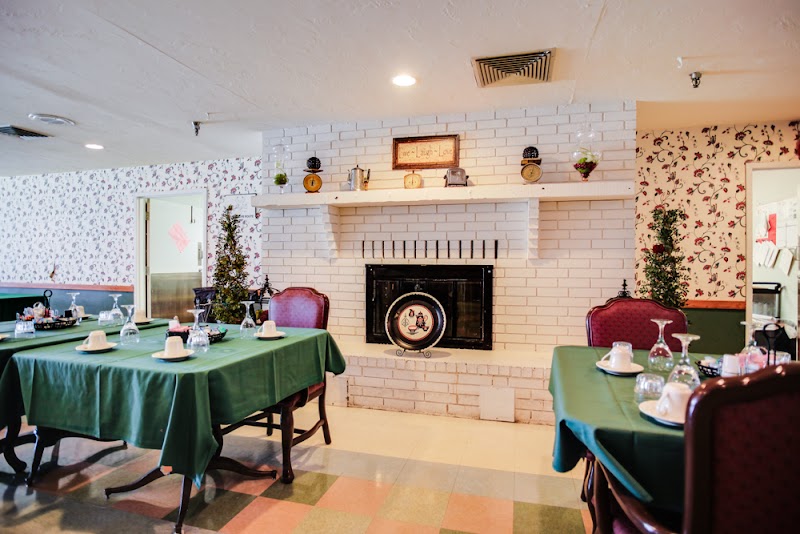
How Does Grace Skilled Nursing And Therapy Jenks Compare to Other Oklahoma Nursing Homes?

Compared to the 100 nursing homes in Oklahoma, GRACE SKILLED NURSING AND THERAPY JENKS's overall rating (3 stars) is above the state average of 2.6, staff turnover (61%) is significantly higher than the state average of 46%, and health inspection rating (3 stars) is at the national benchmark.

What Should Families Ask When Visiting Grace Skilled Nursing And Therapy Jenks?

Based on this facility's data, families visiting should ask: "What changes have been made since the serious inspection findings, and how are you preventing similar issues?" "How do you ensure continuity of care given staff turnover, and what is your staff retention strategy?" "Can you walk me through typical staffing levels on day, evening, and night shifts?" "Can I visit during a mealtime to observe dining assistance and food quality?" These questions are particularly relevant given the facility's Immediate Jeopardy citations, the facility's high staff turnover rate, and the below-average staffing rating.

Is Grace Skilled Nursing And Therapy Jenks Safe?

Based on CMS inspection data, GRACE SKILLED NURSING AND THERAPY JENKS has documented safety concerns. Inspectors have issued 2 Immediate Jeopardy citations (the most serious violation level indicating risk of serious injury or death). The facility has a 3-star overall rating and ranks #1 of 100 nursing homes in Oklahoma. Families considering this facility should ask detailed questions about what corrective actions have been taken since these incidents.

Do Nurses at Grace Skilled Nursing And Therapy Jenks Stick Around?

Staff turnover at GRACE SKILLED NURSING AND THERAPY JENKS is high. At 61%, the facility is 15 percentage points above the Oklahoma average of 46%. Registered Nurse turnover is particularly concerning at 60%. RNs handle complex medical decisions and coordinate care — frequent RN changes can directly impact care quality. High turnover means new staff may not know residents' individual needs, medications, or preferences. It can also be disorienting for residents, especially those with dementia who rely on familiar faces. Families should ask: What is causing the turnover? What retention programs are in place? How do you ensure care continuity during staff transitions?

Was Grace Skilled Nursing And Therapy Jenks Ever Fined?

GRACE SKILLED NURSING AND THERAPY JENKS has been fined $15,646 across 1 penalty action. This is below the Oklahoma average of $33,235. While any fine indicates a compliance issue, fines under $50,000 are relatively common and typically reflect isolated problems that were subsequently corrected. Families should ask what specific issues led to these fines and confirm they've been resolved.

Is Grace Skilled Nursing And Therapy Jenks on Any Federal Watch List?

GRACE SKILLED NURSING AND THERAPY JENKS is not on any federal watch list. The most significant is the Special Focus Facility (SFF) program, which identifies the bottom 1% of nursing homes nationally based on persistent, serious quality problems. Not being on this list means the facility has avoided the pattern of deficiencies that triggers enhanced federal oversight. This is a positive indicator, though families should still review the facility's inspection history directly.