CIMARRON NURSING CENTER
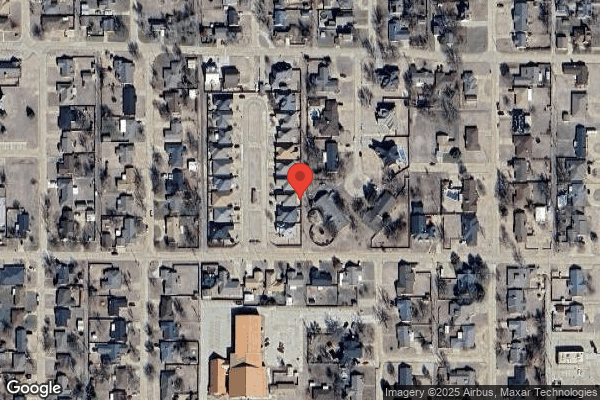
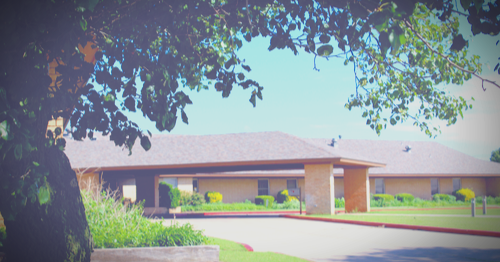
905 BEALL ROAD, KINGFISHER, OK 73750 (405) 375-6857
For profit - Corporation 92 Beds BGM ESTATE Data: November 2025
Trust Grade
90/100
#6 of 282 in OK
Last Inspection: February 2025

Within standard 12-15 month inspection cycle. Federal law requires annual inspections.

Overview

Cimarron Nursing Center in Kingfisher, Oklahoma, has earned a Trust Grade of A, indicating it is highly recommended and provides excellent care. It ranks #6 out of 282 facilities in Oklahoma, placing it in the top tier, and is the best option among the three nursing homes in Kingfisher County. The facility is improving, with reported issues decreasing from four in 2022 to two in 2025. Staffing is a strong point, as it has a perfect 5-star rating and a turnover rate of 38%, which is significantly lower than the state average. Although there have been no fines reported, the inspector found concerning incidents, such as failing to update care plans for residents with complex medical needs and not administering insulin as prescribed, which could pose risks to those residents. Overall, while the center has notable strengths, families should be aware of these specific deficiencies.

Trust Score
A
90/100
In Oklahoma
#6/282
Top 2%
Safety Record
Low Risk
No red flags
Inspections
Getting Better
4 → 2 violations
Staff Stability
○ Average
38% turnover. Near Oklahoma's 48% average. Typical for the industry.
Penalties
✓ Good
No fines on record. Clean compliance history, better than most Oklahoma facilities.
Skilled Nurses
○ Average
Each resident gets 34 minutes of Registered Nurse (RN) attention daily — about average for Oklahoma. RNs are the most trained staff who monitor for health changes.
Violations
○ Average
6 deficiencies on record. Average for a facility this size. Mostly minor or procedural issues.
★★★★★
5.0
Overall Rating
★★★★★
5.0
Staff Levels
★★★★☆
4.0
Care Quality
★★★★☆
4.0
Inspection Score
Stable
2022: 4 issues
2025: 2 issues

The Good

  • 5-Star Staffing Rating · Excellent nurse staffing levels
  • 4-Star Quality Measures · Strong clinical quality outcomes
  • Full Sprinkler Coverage · Fire safety systems throughout facility
  • No fines on record
  • Staff turnover below average (38%)

    10 points below Oklahoma average of 48%

Facility shows strength in staffing levels, quality measures, fire safety.

The Bad

Staff Turnover: 38%

Near Oklahoma avg (46%)

Typical for the industry

Chain: BGM ESTATE

Part of a multi-facility chain

Ask about local staffing decisions and management

The Ugly 6 deficiencies on record

Feb 2025 2 deficiencies
CONCERN (E)

Potential for Harm - no one hurt, but risky conditions existed

Deficiency F0657 (Tag F0657)

Could have caused harm · This affected multiple residents

Based on record review and interview, the facility failed to update and/or revise a care plan for two (#2 and #49) of fourteen sampled residents reviewed for care plans. The DON identified 53 resident...

Read full inspector narrative →
Based on record review and interview, the facility failed to update and/or revise a care plan for two (#2 and #49) of fourteen sampled residents reviewed for care plans. The DON identified 53 residents resided in the facility. Findings: An undated Update and Maintain Care plans policy, read in part, with the most accurate resident preferences and needs available. 1. Resident #2 had diagnoses which included recurrent urinary tract infections and multiple sclerosis. A Physician Order, dated 05/13/24, documented Resident #2 was placed on Macrobid (antibiotic medication) 50mg daily prophylactically for diagnosis of recurrent UTI's. A Care Plan, review date 01/02/25, did not document a focus problem for recurrent UTI's or being on Macrobid prophylactic. 2. Resident #49 had diagnoses which included schizoaffective disorder (bipolar type) and dementia. A Physician Order, dated 06/08/24, documented the resident was placed on Seroquel (antipsychotic medication) 200mg at bedtime for diagnosis of schizoaffective disorder (bipolar type). A Care plan, review date 01/02/25, did not document a focus problem for use of an antipsychotic medication. On 02/03/25 at 8:58 a.m., MDS coordinator #1 was asked the facility policy for updating and revision of care plans. They stated they got information from floor staff regarding a resident and then they put it in the careplan. They stated they tried to update at that time. They were then asked to review the care plan for Resident #2 and then asked if the care plan had a focus problem for recurrent UTI's and Macrobid prophylactic. They stated, No. On 02/03/25 at 10:46 a.m., MDS coordinator #1 was asked what the steps were for adding a problem and/or focus on a care plan. They stated they looked at the admission paperwork and then placed the main problem areas on the initial care plan and then added new problems as needed. MDS Coordinator #1 was asked to review the care plan for Resident #49 and were then asked if the care plan included a problem or focus area for their antipsychotic medication use. They stated No.
CONCERN (E)

Potential for Harm - no one hurt, but risky conditions existed

Pharmacy Services (Tag F0755)

Could have caused harm · This affected multiple residents

Based on record review and interview, the facility failed to administer insulin per physician orders for two (#5 and #47) of six sampled residents whose medications were reviewed. The DON identified ...

Read full inspector narrative →
Based on record review and interview, the facility failed to administer insulin per physician orders for two (#5 and #47) of six sampled residents whose medications were reviewed. The DON identified 10 residents received insulin. Findings: An Administering Medications policy, dated April 2010, documented medications must be administered as prescribed. 1. Resident #5 had diagnoses which included diabetes mellitus. A physician's order, dated 01/11/24, documented to administer insulin aspart 100 units/ml per sliding scale, subcutaneous, before meals and at bedtime at 7:00 a.m., 11:00 a.m., 4:00 p.m., and 8:00 p.m. It documented: a. if BS was less than 60 call physician, b. if BS was 151 to 200 give 2 units, c. if BS was 201 to 250 give 4 units, d. if BS was 251 to 300 give 6 units, e. if BS was 301 to 350 give 8 units, f. if BS was 351 to 400 give 10 units, g. if BS was 401 to 450 give 12 units, and h. if BS was greater than 450 call physician. A physician's order, dated 11/12/24, documented to administer Tresiba insulin 100 units/ml, 11 units; subcutaneous twice daily between 7:00 a.m. - 08:00 a.m. and 7:00 p.m. - 8:00 p.m. A December 2024 FSBS and insulin administration sheet documented the following: a. on 12/01/24 at 8:00 p.m., FSBS was 163, 2 units of insulin was ordered to be administered. There was no insulin administered, b. on 12/05/24 at 7:50 p.m., FSBS was 161, 2 units of insulin was ordered to be administered. There was no insulin administered, c. on 12/07/24 at 7:59 p.m., FSBS was 98, Tresiba 11 units was ordered to be administered. There was no insulin administered, d. on 12/08/24 at 4:00 p.m., FSBS was 302, 8 units of insulin was ordered to be administered. There was 6 units of insulin administered, e. on 12/08/24 at 8:00 p.m., FSBS was 314, 8 units of insulin was ordered to be administered. There was 4 units of insulin administered, f. on 12/16/24 at 8:12 p.m., FSBS was 186, 4 units of insulin was ordered to be administered. There was no insulin administered, and g. on 12/31/24 at 7:31 p.m., FSBS was 163, 2 units of insulin was ordered to be administered. There was no insulin administered. A January 2025 FSBS and insulin administration sheet documented on 01/28/25 at 8:42 p.m., FSBS was 162, and 2 units of insulin should have been administer. There was no insulin administered. 2. Resident #47 had diagnoses which included diabetes mellitus. A physician's order, dated 10/24/24, documented to administer insulin aspart 100 units/ml, insulin pen, per sliding scale, subcutaneous, before meals and at bedtime at 7:00 a.m., 11:00 a.m., 4:00 p.m., 8:00 p.m. It documented: a. if BS was less than 60 call physician, b. if BS was 151 to 175 give 3 units, c. if BS was 176 to 200 give 4 units, d. if BS was 201 to 225 give 6 units, e. if BS was 226 to 250 give 8 units, f. if BS was 251 to 275 give 10 units, g. if BS was 276 to 300 give 12 units, and h. if BS was greater than 300 give 14 units. A December 2024 FSBS and insulin administration sheet documented the following: a. on 12/01/24 at 11:00 a.m., FSBS was 217, 6 units of insulin was ordered to be administered. Other Comment: 4 units where administered, b. on 12/08/24 at 8:00 p.m., FSBS was 177, 4 units of insulin was ordered to be administered. There were 2 units of insulin administered, c. on 12/21/24 at 8:00 p.m., FSBS was 228, 6 units was ordered to be administered. There were 4 units of insulin administered, d. on 12/22/24 at 11:00 a.m., FSBS was 154, 3 units of insulin was ordered to be administered. There were 2 units of insulin administered, e. on 12/22/24 at 8:00 p.m., FSBS was 184, 4 units of insulin was ordered to be administered. There were 2 units of insulin administered, f. on 12/28/24 at 11:00 a.m., FSBS was 191, 4 units of insulin was ordered to be administered. There were 2 units of insulin administered, g. on 12/28/24 at 4:00 p.m., FSBS was 191, 4 units of insulin was ordered to be administered. There were 2 units of insulin administered, and h. on 12/28/24 at 8:00 p.m., FSBS was 321, 14 units of insulin was ordered to be administered. There were 8 units of insulin administered. A January 2025 FSBS and insulin administration sheet documented the following: a. on 01/03/25 at 4:00 p.m., FSBS was 286, 12 units of insulin was ordered to be administered. There were 8 units of insulin administered, b. on 01/05/25 at 4:00 p.m., FSBS was 261, 10 units of insulin was ordered to be administered. There were 8 units of insulin administered, c. on 01/18/25 at 8:00 p.m., FSBS was 209, 6 units of insulin was ordered to be administered. There were 4 units of insulin administered, and d. on 01/19/25 at 11:00 a.m., FSBS was 185, 4 units of insulin was ordered to be administered. There were 3 units of insulin administered. A February 2025 FSBS and insulin administration sheet documented the following: a. on 02/01/25 at 11:00 a.m., FSBS was 236, 8 units of insulin was ordered to be administered. There were 6 units of insulin administered, and b. on 02/02/25 at 8:00 p.m., FSBS was 227, 8 units of insulin was ordered to be administered. There were 6 units of insulin administered. On 02/02/25 at 9:37 a.m., LPN #2 stated Resident #47 received FSBS's before meals and at bedtime. LPN #2 stated Resident #47 was on a high sliding scale, so they sometimes used their own judgement on how much insulin they would administer. On 02/04/25 at 9:18 a.m., LPN #3 was asked what the policy was for insulin administration. They stated they would check the FSBS, verify the physician's order to see how much insulin was to be administered, then go administer the insulin. LPN #3 was asked what the policy was if they felt like the insulin dosage was too high. They stated they would not give the insulin if their FSBS was not much over 150 or if they had not eaten a snack. LPN #3 stated there were times they had not administered the sliding scale insulin.
Dec 2022 4 deficiencies
CONCERN (D)

Potential for Harm - no one hurt, but risky conditions existed

Deficiency F0578 (Tag F0578)

Could have caused harm · This affected 1 resident

Based on record review and interview, the facility failed to ensure a resident's Advance Directive was part of clinical record for one (#1) of one sampled resident reviewed for Advance Directives. Th...

Read full inspector narrative →
Based on record review and interview, the facility failed to ensure a resident's Advance Directive was part of clinical record for one (#1) of one sampled resident reviewed for Advance Directives. The Resident Census and Conditions of Residents report, dated 11/29/22, documented 61 residents resided in the facility. Findings: 1. Resident #1 had diagnoses which included cerebral palsy. An Advance Directive Acknowledgement record, dated 11/15/11, documented the resident had executed an Advance Directive. No documentation of the resident's advance directive was located in the clinical record. On 11/30/22 at 10:19 a.m., the DON was asked to locate the resident's advance directive. On 11/30/22 at 10:25 a.m., the DON returned stating the advanced directive acknowledgement form was not from the facility. She stated it was from the facility the resident previously resided in. She stated the document was scanned in. She stated she believed the form was inaccurate as the facility did not locate a copy of the resident's advance directive. On 11/30/22 at 10:33 a.m., Resident #1 was asked if they had an advance directive. They stated, Yes. They stated they completed it a long time ago at a previous facility and it should be in their records. On 12/01/22 at 11:34 a.m., the DON was asked what the facility policy was for obtaining information related to a resident's advance directive. The DON stated the facility requested that information on admission. She stated staff would request a copy from the resident or family prior to admission. She was asked if the facility was able to locate Resident #1's advance directive. She stated, No. She stated unfortunately the home the resident previously lived in was no longer in service.
CONCERN (D)

Potential for Harm - no one hurt, but risky conditions existed

Incontinence Care (Tag F0690)

Could have caused harm · This affected 1 resident

Based on observation, record review, and interview the facility failed to ensure the correct urinary catheter was utilized as ordered to prevent leakage for one (#7) of two sampled residents reviewed ...

Read full inspector narrative →
Based on observation, record review, and interview the facility failed to ensure the correct urinary catheter was utilized as ordered to prevent leakage for one (#7) of two sampled residents reviewed for urinary catheters. The Resident Census and Conditions of Residents report, dated 11/29/22, documented 6 residents with indwelling or external catheters resided in the facility. Findings: 1. Resident #7 had diagnoses which included paraplegia and neuromuscular dysfunction of bladder. A Physician Order, dated 07/15/22, read in part, S/P CATHETER 18F, WITH 10CC BULB, TO BE CHANGED MONTHLY BETWEEN THE 14TH AND THE 16TH. DX: NEUROGENIC BLADDER MAY FLUSH WITH 60 CC STERILE WATER AS NEEDED TO PREVENT OBSTRUCTION . A Nursing Note, dated 11/11/22 at 12:07 a.m., read in part, .SP Catheter changed - Resident had urinated requiring complete change. Catheter would not flush. Attempted to flush and aspirate multiple times. 8.5cc of liquid removed from the bulb. 18F 30cc catheter removed. Upon pulling the cath, a large amount of urine drained from SP site .New lubed 18Fr 30cc catheter inserted to resistance. Bulb filled with 10cc NS . A Nursing Note, dated 11/15/22 at 10:53 a.m., read in part, .Resident's SP catheter reported leaking this morning . A Nursing Note, dated 11/20/22 at 7:01 a.m., read in part, .SP Catheter changed with sterile technique .New lubed 18F 30cc catheter inserted to resistance .Bulb filled with 15cc NS . A Nursing Note, dated 11/24/22 at 3:39 p.m., read in part, .S/P [INDWELLING URINARY CATHETER] BULB BUSTED NOTED [INDWELLING URINARY CATHETER] LAYING BESIDE HIM IN BED . On 11/29/22 at 10:09 a.m., Resident #7 was asked if they had a urinary catheter. They stated they did have a urinary catheter. They stated it would get clogged from sediment. They stated something was wrong with it. They stated they spoke to staff about it approximately a month ago. On 12/01/22 at 2:50 p.m., LPN #1 was asked how staff knew what catheter to use for the resident. They stated the orders documented the size of the catheter as well as how much saline to use to fill the bulb. They stated the package that contained the urinary catheter also documented the size of the catheter and how much saline to use in the bulb. LPN #1 was asked what size urinary catheter and bulb the resident had. They stated the resident used an 18 fr 30 cc bulb. The resident's catheter was observed to be an 18fr with a 30cc bulb. They were asked what the purpose of the bulb was. They stated the bulb was used to block urine from coming out of the insertion site. They stated if there wasn't enough saline in the bulb, it could cause leakage around the insertion site. On 12/01/22 at 4:00 p.m., LPN #1 was asked to review the resident's catheter order. They were asked if the order documented 18fr 10cc bulb. They stated it did. They stated the order needed to be updated. They stated the resident's catheter would leak if they used anything less than a 30cc bulb. On 12/01/22 at 5:44 p.m., the DON was asked to explain the facility policy related to suprapubic catheters. She stated the catheters and dressings were to be changed per physicians orders. She was asked how staff knew what size of catheter to use. She stated, It's in the order. She was asked how staff knew how much fluid to put in the bulb of the catheter. She stated when staff looked at the catheter, it would tell them how much to use. She stated it was also in the orders. The DON was asked what the purpose was for the catheter bulb. She stated it was used to keep the catheter in place in the bladder. The DON was asked if the nursing note dated 11/11/22 at 12:07 a.m. documented an 18fr 30cc catheter was inserted to resistance and the bulb was filled with 10 cc of normal saline. She stated, Yes ma'am. She was asked if she could explain the reason the bulb was filled with 10cc of fluid. She stated she would need to review the order. She was asked if the nursing note dated 11/15/22 at 10:53 a.m. documented the resident's suprapubic catheter was leaking. She stated, Yes ma'am. The DON stated the order was for 18fr suprapubic catheter with 10 cc bulb. She was asked if the nursing note dated 11/20/22 at 7:01 a.m. documented an 18fr 30cc catheter was inserted and filled with 15 cc ns. She stated, Yes. She was asked if she could explain the reason 15cc was used to fill the 30cc bulb. She stated, No ma'am, I cannot. The DON was asked if the nursing note dated 11/24/22 at 3:39 p.m. documented the bulb had busted and the catheter was laying next to the resident. She stated, Yes ma'am it does. She was asked if not filling the catheter bulb to the manufacturer's recommended amount could result in the catheter leaking. She stated, No ma'am. She stated the reason was because the nurse had just called her into the resident's room due to the catheter leaking. She stated the bulb was filled to the maximum and it was still leaking.
CONCERN (E) 📢 Someone Reported This

A family member, employee, or ombudsman was alarmed enough to file a formal complaint

Potential for Harm - no one hurt, but risky conditions existed

ADL Care (Tag F0677)

Could have caused harm · This affected multiple residents

Based on observation, record review, and interview, the facility failed to provide dependent residents baths as scheduled for three (#1, 14 and #22) of three sampled residents reviewed for bathing. Th...

Read full inspector narrative →
Based on observation, record review, and interview, the facility failed to provide dependent residents baths as scheduled for three (#1, 14 and #22) of three sampled residents reviewed for bathing. The Resident Census and Conditions of Residents report, dated 11/29/22, documented 61 residents resided in the facility. Findings: 1. Resident #1 had diagnoses which included cerebral palsy. The resident's Care Plan, revised 06/30/22, read in part, .BATHING: I AM TOTAL ASSIST OF ONE WITH SHOWERS. IT TAKES ME 45 MINUTES TO ONE HOUR FOR SHOWERS A daily shower schedule sheet, dated 11/02/22, documented a blank for the resident's shower. A daily shower schedule sheet, dated 11/14/22, documented a blank for the resident's shower. Resident #1's annual assessment, dated 11/16/22, documented the resident was total dependence on staff with one person physical assist for the task of bathing. A daily shower schedule sheet, dated 11/28/22, documented a blank for the resident's shower. There were no daily shower schedule sheets located for November 4th, 9th, 18th, or 21st. A facility shower schedule, undated, documented the resident's scheduled shower days were Mondays, Wednesdays, and Fridays. On 11/29/22 at 1:03 p.m., Resident #1 was asked if they received their bath/shower as often as they would like. They stated, No. They stated in the last month to six weeks, staff refused to give them a shower because they refuse to allow the resident to hold the shower head. Resident #1 stated they had gotten staff wet while holding the shower head and now staff mark they refuse baths because of it. They stated, I need better care here. They stated their mother told staff to give them a shower but they don't listen. Resident #1's hair was observed to be greazy in appearance. 2. Resident #14 had diagnoses which included quadriplegia and need for assistance with personal care. The resident's Care Plan, revised 06/29/22, read in part, .BATHING: I AM TOTAL ASSIST OF ONE WITH BATHING . A daily shower schedule sheet, dated 11/14/22, documented a blank for the resident's shower. Resident #14's annual assessment, dated 11/16/22, documented the resident was total dependence with one person physical assist for the task of bathing. There were no daily shower schedule sheets located for November 4th, 9th, 18th, or 21st. A facility shower schedule, undated, documented the resident's scheduled shower days were Mondays, Wednesdays, and Fridays. On 11/29/22 at 8:20 a.m., Resident #14 was asked if they received their bath/shower as often as they would like. They stated , No. They stated one shower aide quit and the new shower aide had a heart problem. They stated they hadn't received a shower in a couple of weeks. They were asked what type of help they required for bathing. They stated they needed staff to help them in a shower. 3. Resident #22 has diagnoses which included need for assistance with personal care and COPD. Resident #22's annual assessment, dated 07/02/22, documented the resident was total assist for bathing. Shower schedules reviewed from 11/01/22 through 11/28/22 documented Resident #22 had not been bathed six out of 12 opportunities in November, 2022. A facility shower schedule, undated, documented the resident's scheduled shower days were Mondays, Wednesdays, and Fridays. On 11/29/22 at 2:13 p.m., Resident #22 stated their bath days were Monday, Wednesday, and Friday. Resident #22 stated they had not received a bath on Monday. On 12/02/22 at 10:19 a.m., the DON was asked how staff knew when a resident was supposed to be bathed. She stated staff would look at the bathing book. She stated the book documented a list of residents which were to be bathed on each date. On 12/02/22 at 10:41 a.m., the DON, ADON, and the DOO were asked what staff charted on the daily shower schedules. The ADON stated staff would document an R for refused or a D for done and then initial it. She was asked if the form was blank next to the resident's name, did that mean the bath/shower wasn't given? The ADON stated not necessarily, sometimes staff forgot to fill it in. They were asked if there was no documentation the resident received their shower or bath, how would staff know if they did. The DOO stated they would get back on that. On 12/02/22 at 10:54 a.m., CMA #2 was asked who was responsible for bathing residents. They stated any staff could assist with bathing but mostly the aides. They were asked if they were responsible for bathing residents today. They stated, Yes. They were asked what days Resident # 1 and Resident #14 were scheduled to be bathed. They stated they were both scheduled to be bathed on Mondays, Wednesdays, and Fridays. CMA #2 was asked what type of assistance Resident #14 required to bathe. They stated the resident needed help from the staff. They stated the resident would do as much as they could, but staff would washed the resident's body and shaved the resident as needed. CMA #2 was asked what type of assistance Resident #1 required to bathe. They stated the resident was full total care. They were asked where staff charted baths/showers. They stated there was a form at the nurses' station where staff charted them. They were asked what staff were instructed to chart. They stated staff would initial the ones they completed. CMA #2 was asked if there was no documentation next to the resident's name what did that mean. They stated, That it didn't get done. On 12/02/22 at 11:04 a.m., the DON was asked to explain the blanks in documentation on the shower schedule forms. She stated the facility had a shower aide who quit last week. She stated when the facility had a shower aide, they would document on the form. She stated, since they no longer had a shower aide, the CNAs on the floor were responsible for showers. She stated the CNAs were to document the showers electronically and on the form. She stated if a resident refused a shower, staff were to notify the nurse. The DON was asked if all November shower forms should be in the book. She stated, Yes ma'am. She was asked to review the shower book and confirm there was no shower schedule form for 11/04, 11/09, 11/18, and 11/21/22. She stated, Correct. The DON was shown the daily shower schedules for 11/02, 11/07, 11/11, 11/14, 11/23, 11/28/22 and ask if Resident #22 had a shower on any of those days. The DON stated no, she did not.
CONCERN (E) 📢 Someone Reported This

A family member, employee, or ombudsman was alarmed enough to file a formal complaint

Potential for Harm - no one hurt, but risky conditions existed

Deficiency F0809 (Tag F0809)

Could have caused harm · This affected multiple residents

On 12/01/22 at 3:11 p.m., CNA #1 was asked what time they passed out snacks on hall 300. They stated,10 a.m. to 11 a.m. and then after supper. When asked who passed out snacks today, CNA #1 stated, CN...

Read full inspector narrative →
On 12/01/22 at 3:11 p.m., CNA #1 was asked what time they passed out snacks on hall 300. They stated,10 a.m. to 11 a.m. and then after supper. When asked who passed out snacks today, CNA #1 stated, CNA #2 passed snacks this morning and there has been a problem with the kitchen keeping snacks stocked. They were asked who received snacks today on their hall. They stated, I don't know for sure. On 12/01/22 at 3:15 p.m., CNA #3 was asked what time they passed out snacks on hall 400. They stated,10:30 a.m., 2:30 p.m., 7:30 p.m. When asked who passed out snacks today, CNA #3 stated, I think that the other CNA passed out snacks today. They were asked who received snacks today on their hall. They stated, I don't know. On 12/01/22 at 3:22 p.m., CNA #4 was asked what time they passed out snacks on hall 200. They stated, 10:00 a.m. after breakfast and then at 7:30 p.m. They were asked who passed out snacks today. CNA #4 stated, I passed after breakfast, but I have not passed the after-lunch snacks yet. They were asked who received snacks today. CNA #4 stated, Only two residents got snacks this morning everyone else got ice this morning. On 12/01/22 at 3:37 p.m., Dietary Aide #1 was asked who was responsible to ensure residents received their snacks. They stated, I do as the Dietary Aide. They stated snacks were stocked in the nourishment room, and the CNAs passed the snacks on the hall. On 12/01/22 at 4:14 p.m., the CDM stated there was an ongoing problem with residents not receiving their snacks and the DON was aware. 2. Resident #22 had diagnoses which include anxiety disorder and GERD. On 11/29/22 at 2:13 p.m. Resident #22 was asked if meals were provided as ordered and if snacks were available. Resident #22 stated that meals were provided, snacks weren't always available or offered. On 12/01/22 from 1:45 p.m. through 3:11 p.m. observations were made of all three resident halls. No snacks were observed coming out of the kitchen and no staff were observed passing snacks on the halls to the residents. Based on record review, observation, and interview, it was determined the facility failed to ensure afternoon snacks were offered/passed to two (#22 and #51) of two sampled residents reviewed for snacks. The Resident Census and Conditions of Residents report, dated 11/29/22, documented 61 residents resided in the facility. Findings: A meal and snack time form, undated, documented the snack times for the facility were 10:00 a.m., 2:00 p.m. and 7:00 p.m. 1. Resident #51 had diagnoses which included type two diabetes mellitus and GERD. On 11/29/22 at 7:58 a.m., Resident #51 was asked if they received their meals as ordered and if snacks were available. They stated not always. They stated sometimes they didn't get snacks. On 12/01/22 at 2:03 p.m., Resident #51 was observed lying in bed, eyes closed. No staff were observed on resident halls passing snacks.
Understanding Severity Codes (click to expand)
Life-Threatening (Immediate Jeopardy)
J - Isolated K - Pattern L - Widespread
Actual Harm
G - Isolated H - Pattern I - Widespread
Potential for Harm
D - Isolated E - Pattern F - Widespread
No Harm (Minor)
A - Isolated B - Pattern C - Widespread

Questions to Ask on Your Visit

  • "Can I speak with families of current residents?"
  • "What's your RN coverage like on weekends and overnight?"

Our Honest Assessment

Strengths
  • • Grade A (90/100). Above average facility, better than most options in Oklahoma.
  • • No major safety red flags. No abuse findings, life-threatening violations, or SFF status.
  • • No fines on record. Clean compliance history, better than most Oklahoma facilities.
  • • 38% turnover. Below Oklahoma's 48% average. Good staff retention means consistent care.
Concerns
  • • No significant concerns identified. This facility shows no red flags across CMS ratings, staff turnover, or federal penalties.
Bottom line: Generally positive indicators. Standard due diligence and a personal visit recommended.

About This Facility

What is Cimarron Nursing Center's CMS Rating?

CMS assigns CIMARRON NURSING CENTER an overall rating of 5 out of 5 stars, which is considered much above average nationally. Within Oklahoma, this rating places the facility higher than 99% of the state's 100 nursing homes. This rating reflects solid performance across the metrics CMS uses to evaluate nursing home quality.

How is Cimarron Nursing Center Staffed?

CMS rates CIMARRON NURSING CENTER's staffing level at 5 out of 5 stars, which is much above average compared to other nursing homes. Staff turnover is 38%, compared to the Oklahoma average of 46%. This relatively stable workforce can support continuity of care.

What Have Inspectors Found at Cimarron Nursing Center?

State health inspectors documented 6 deficiencies at CIMARRON NURSING CENTER during 2022 to 2025. These included: 6 with potential for harm.

Who Owns and Operates Cimarron Nursing Center?

CIMARRON NURSING CENTER is owned by a for-profit company. For-profit facilities operate as businesses with obligations to shareholders or private owners. The facility is operated by BGM ESTATE, a chain that manages multiple nursing homes. With 92 certified beds and approximately 52 residents (about 57% occupancy), it is a smaller facility located in KINGFISHER, Oklahoma.

How Does Cimarron Nursing Center Compare to Other Oklahoma Nursing Homes?

Compared to the 100 nursing homes in Oklahoma, CIMARRON NURSING CENTER's overall rating (5 stars) is above the state average of 2.7, staff turnover (38%) is near the state average of 46%, and health inspection rating (4 stars) is above the national benchmark.

What Should Families Ask When Visiting Cimarron Nursing Center?

Based on this facility's data, families visiting should ask: "Can I visit during a mealtime to observe dining assistance and food quality?" "How do you handle medical emergencies, and what is your hospital transfer rate?" "Can I speak with family members of current residents about their experience?"

Is Cimarron Nursing Center Safe?

Based on CMS inspection data, CIMARRON NURSING CENTER has a clean safety record: no substantiated abuse findings (meaning no confirmed cases of resident harm), no Immediate Jeopardy citations (the most serious violation level indicating risk of serious injury or death), and is not on the Special Focus Facility watch list (a federal program monitoring the lowest-performing 1% of nursing homes). The facility has a 5-star overall rating and ranks #1 of 100 nursing homes in Oklahoma. While no facility is perfect, families should still ask about staff-to-resident ratios and recent inspection results during their visit.

Do Nurses at Cimarron Nursing Center Stick Around?

CIMARRON NURSING CENTER has a staff turnover rate of 38%, which is about average for Oklahoma nursing homes (state average: 46%). Moderate turnover is common in nursing homes, but families should still ask about staff tenure and how the facility maintains care continuity when employees leave.

Was Cimarron Nursing Center Ever Fined?

CIMARRON NURSING CENTER has no federal fines on record. CMS issues fines when nursing homes fail to meet care standards or don't correct problems found during inspections. The absence of fines suggests the facility has either maintained compliance or corrected any issues before penalties were assessed. This is a positive indicator, though families should still review recent inspection reports for the full picture.

Is Cimarron Nursing Center on Any Federal Watch List?

CIMARRON NURSING CENTER is not on any federal watch list. The most significant is the Special Focus Facility (SFF) program, which identifies the bottom 1% of nursing homes nationally based on persistent, serious quality problems. Not being on this list means the facility has avoided the pattern of deficiencies that triggers enhanced federal oversight. This is a positive indicator, though families should still review the facility's inspection history directly.