FIRST SHAMROCK CARE CENTER
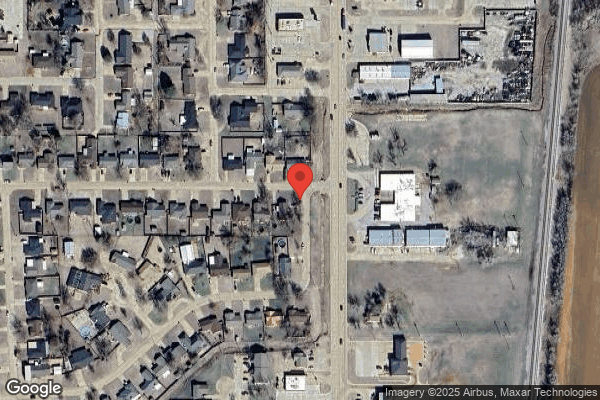
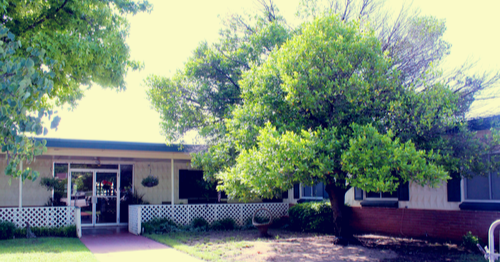
1415 SOUTH MAIN STREET, KINGFISHER, OK 73750 (405) 375-3157
For profit - Limited Liability company 55 Beds BGM ESTATE Data: November 2025
Trust Grade
20/100
#222 of 282 in OK
Last Inspection: July 2024

Within standard 12-15 month inspection cycle. Federal law requires annual inspections.

Overview

First Shamrock Care Center in Kingfisher, Oklahoma, has a Trust Grade of F, indicating significant concerns and a poor quality of care. The facility ranks #222 out of 282 statewide, placing it in the bottom half of Oklahoma nursing homes, and is last in its county of Kingfisher. Although the trend is improving with a decrease in issues from seven in 2024 to five in 2025, the staffing rating is low at 1 out of 5 stars, with a turnover rate of 58%, which is typical for the state. There have been no fines reported, which is a positive sign, but the RN coverage is only average, meaning residents may not always receive the higher level of care that comes from registered nurses. Specific incidents of concern include the failure to designate a full-time Director of Nursing, leading to confusion about leadership, and a reported failure to protect residents from abuse, as two out of six sampled residents were not adequately safeguarded. Additionally, there were issues with managing residents' personal funds, with discrepancies noted in the trust accounts. While the absence of fines is encouraging, families should weigh these significant shortcomings against the few positive aspects when considering this facility for their loved ones.

Trust Score
F
20/100
In Oklahoma
#222/282
Bottom 22%
Safety Record
High Risk
Review needed
Inspections
Getting Better
7 → 5 violations
Staff Stability
⚠ Watch
58% turnover. Above average. Higher turnover means staff may not know residents' routines.
Penalties
✓ Good
No fines on record. Clean compliance history, better than most Oklahoma facilities.
Skilled Nurses
⚠ Watch
Each resident gets only 16 minutes of Registered Nurse (RN) attention daily — below average for Oklahoma. Fewer RN minutes means fewer trained eyes watching for problems.
Violations
⚠ Watch
27 deficiencies on record. Higher than average. Multiple issues found across inspections.
★☆☆☆☆
1.0
Overall Rating
★☆☆☆☆
1.0
Staff Levels
★★★☆☆
3.0
Care Quality
★★☆☆☆
2.0
Inspection Score
Stable
2024: 7 issues
2025: 5 issues

The Good

  • Full Sprinkler Coverage · Fire safety systems throughout facility
  • No fines on record

Facility shows strength in fire safety.

The Bad

1-Star Overall Rating

Below Oklahoma average (2.6)

Significant quality concerns identified by CMS

Staff Turnover: 58%

12pts above Oklahoma avg (46%)

Frequent staff changes - ask about care continuity

Chain: BGM ESTATE

Part of a multi-facility chain

Ask about local staffing decisions and management

Staff turnover is elevated (58%)

10 points above Oklahoma average of 48%

The Ugly 27 deficiencies on record

Aug 2025 5 deficiencies
CONCERN (D) 📢 Someone Reported This

A family member, employee, or ombudsman was alarmed enough to file a formal complaint

Potential for Harm - no one hurt, but risky conditions existed

Report Alleged Abuse (Tag F0609)

Could have caused harm · This affected 1 resident

Based on record review and interview, the facility failed to report allegations of abuse to the Oklahoma State Department of Health for 1 (#1) of 6 sampled residents reviewed for abuse.The DON reporte...

Read full inspector narrative →
Based on record review and interview, the facility failed to report allegations of abuse to the Oklahoma State Department of Health for 1 (#1) of 6 sampled residents reviewed for abuse.The DON reported 44 residents resided in the facility. Findings:An undated facility policy titled Resident to Resident Abuse/Abuse Prohibition Policy, read in part, Administrator or DON will initiate an immediate investigation of alleged abuse at the time of occurrence, and document findings. Investigation will continue for a minimum of 72 hours. The administrator and/or designee will notify the Oklahoma State Department of Health within 24 hours, by fax or telephone, of an actual abuse. A report of the incident shall be mailed/faxed to OSDH within 5 working days of the incident.An undated resident face sheet showed Res #1 had diagnoses which included disorganized schizophrenia, major depressive disorder, anxiety disorder, dissociative and conversion disorder.An annual assessment, dated 07/24/25, showed Res #1's cognition was severely impaired. The assessment showed the resident had delusions; verbal behavioral symptoms directed toward others daily which put the resident at significant risk for physical illness or injury. The assessment showed the behavior significantly interfered with the resident's participation in activities and social interactions.A nurse note, dated 08/13/25 at 1:43 p.m., showed Res #1 was witnessed by staff running up behind Res #5, jumping up, and as Res #1 came back down, hit Res #5 near the neck/shoulder/head area. Residents were separated immediately and assessed. Res #5 had no injuries related to this incident. The doctor and DON were notified. Res #1 continued on every 15-minute checks.On 08/20/25 at 11:45 a.m., the ADON reported the incident should have been reported to the Oklahoma State Department of Health. On 08/21/25 at 9:48 a.m., the DON reported they were not notified of the incident. The DON reported the incident should have been reported the OSDH.
CONCERN (D) 📢 Someone Reported This

A family member, employee, or ombudsman was alarmed enough to file a formal complaint

Potential for Harm - no one hurt, but risky conditions existed

Investigate Abuse (Tag F0610)

Could have caused harm · This affected 1 resident

Based on record review and interview, the facility failed to conduct a thorough investigation after an allegation of resident-to-resident abuse for 1 (#1) of 6 sampled residents reviewed for abuse.The...

Read full inspector narrative →
Based on record review and interview, the facility failed to conduct a thorough investigation after an allegation of resident-to-resident abuse for 1 (#1) of 6 sampled residents reviewed for abuse.The DON reported 44 residents resided in the facility.Findings: An undated facility policy titled Resident to Resident Abuse/Abuse Prohibition Policy, read in part, Administrator or DON will initiate an immediate investigation of alleged abuse at the time of occurrence, and document findings. Investigation will continue for a minimum of 72 hours.An undated resident face sheet showed Res #1 had diagnoses which included disorganized schizophrenia, major depressive disorder, anxiety disorder, dissociative and conversion disorder.An annual assessment, dated 07/24/25, showed the Res #1's cognition was severely impaired.A nurse note, dated 08/13/25 at 1:43 p.m., showed Res #1 was witnessed by staff running up behind Res #5, jumping up, and as Res #1 came back down, hit Res #5 near the neck/shoulder/head area. The residents were separated immediately and assessed. Res #5 denied any pain but had slight redness behind the left ear related to this incident. The doctor and DON were notified. Res #1 continued on every 15-minute checks.On 08/20/25 at 11:45 a.m., the ADON reported the incident should have had a thorough investigation completed.
CONCERN (D) 📢 Someone Reported This

A family member, employee, or ombudsman was alarmed enough to file a formal complaint

Potential for Harm - no one hurt, but risky conditions existed

Deficiency F0657 (Tag F0657)

Could have caused harm · This affected 1 resident

Based on record review and interview, the facility failed to ensure a resident's care plan was updated to include an intervention related to aggressive behaviors for 1 (#1) of 6 sampled residents revi...

Read full inspector narrative →
Based on record review and interview, the facility failed to ensure a resident's care plan was updated to include an intervention related to aggressive behaviors for 1 (#1) of 6 sampled residents reviewed for care plans.The DON reported 44 residents resided in the facility.Findings: An undated resident face sheet showed Res #1 had diagnoses which included disorganized schizophrenia, expressive language disorder, restlessness and agitation.A care plan, initiated 08/10/24, showed Res #1 had agitation and aggressive behavior with no new interventions added to the care plan since 08/10/24.An annual assessment, dated 07/24/25, documented Res #1s cognition was severely impaired. The assessment showed the resident had delusions; verbal behavioral symptoms directed toward others daily which put the resident at significant risk for physical illness or injury. The assessment showed the behaviors significantly interfered with the resident's participation in activities and social interactions.A nurse note, dated 08/13/25 at 1:43 p.m., showed Res #1 was witnessed by staff running up behind Res #5, jumping up, and as Res #1 came back down, hit Res #5 near the neck/shoulder/head area. The residents were separated immediately and assessed. Res #5 denied pain but had slight redness behind left ear related to the incident. The doctor and DON were notified. Res #1 continued on every 15-minute checks.On 08/20/25 at 11:45 a.m., the ADON reported the care plan should have been reviewed/revised with new interventions added.
CONCERN (D) 📢 Someone Reported This

A family member, employee, or ombudsman was alarmed enough to file a formal complaint

Potential for Harm - no one hurt, but risky conditions existed

Deficiency F0740 (Tag F0740)

Could have caused harm · This affected 1 resident

Based on record review and interview, the facility failed to ensure antipsychotic medications were administered as ordered for a serious mental illness for 1 (#1) of 6 sampled residents reviewed for b...

Read full inspector narrative →
Based on record review and interview, the facility failed to ensure antipsychotic medications were administered as ordered for a serious mental illness for 1 (#1) of 6 sampled residents reviewed for behaviors.The DON reported 44 residents resided in the facility.Findings:An undated face sheet showed Res #1 had diagnoses which included disorganized schizophrenia, vascular dementia, major depressive disorder, and anxiety. A care plan, dated 08/10/24, showed Res #1 had a problem with psychotropic drug use, had an active diagnosis of schizophrenia and required anti psychotic medications. Interventions included the nurse would monitor and report side effects/behaviors to the physician.A physician order, dated 05/04/25, showed Uzedy (an antipsychotic) suspension 125mg/0.35ml; 1 injection subcutaneous once a day every 28 days for disorganized schizophrenia. A treatment administration record, dated 06/01/25 - 06/30/25, showed a missed injection on 06/01/25.An annual assessment, dated 07/24/25, documented Res #1s cognition was severely impaired. The assessment showed the resident had delusions; verbal behavioral symptoms directed toward others daily which put the resident at significant risk for physical illness or injury. The assessment showed the behaviors significantly interfered with the resident's participation in activities and social interactions.A mental health progress note, dated 08/04/25, read in part, Res #1's condition deteriorated significantly after nursing staff overlooked his monthly injection. Despite receiving the missed dose on July 22nd and being prescribed hydroxyzine [an antihistamine] 25mg every 6 hours as needed, the patient continued to exhibit physical aggressive behavior toward other residents. By July 28th, there was no improvement in the patient's condition. A 7-day course of Risperidone 0.5mg twice daily was initiated as a bridge to stabilize the patient and return them to their therapeutic levels.On 08/20/25 the ADON reported the injection was overlooked and they now have a board in their office to ensure it did not happen again.
CONCERN (E) 📢 Someone Reported This

A family member, employee, or ombudsman was alarmed enough to file a formal complaint

Potential for Harm - no one hurt, but risky conditions existed

Free from Abuse/Neglect (Tag F0600)

Could have caused harm · This affected multiple residents

Based on record review and interview, the facility failed to ensure residents were free from abuse for 2 (#1 and #5) of 6 sampled residents reviewed for abuse.The DON reported 44 residents resided in ...

Read full inspector narrative →
Based on record review and interview, the facility failed to ensure residents were free from abuse for 2 (#1 and #5) of 6 sampled residents reviewed for abuse.The DON reported 44 residents resided in the facility.Findings:An undated facility policy titled Resident to Resident Abuse/Abuse Prohibition Policy read in part, The resident has the right to be free from verbal, sexual, physical, and mental abuse, corporal punishment, involuntary seclusion and mistreatment.1.A care plan for Res #1, dated 08/10/24, showed Resident #1 had a problem with agitation and aggressive behavior. Approaches included to separate from stressful situations, persons or places, understand triggers, observe for signs of frustration and intervene early.Res #1's annual assessment, dated 07/24/25, showed the resident's cognition was severely impaired. The assessment showed the resident had diagnoses which included non-Alzheimer's dementia, schizophrenia, depression, and anxiety. The assessment showed the resident had delusions; verbal behavioral symptoms directed toward others daily which put the resident at significant risk for physical illness or injury.A progress note, dated 08/13/25 at 3:46 p.m., showed Res #1 was witnessed by staff running up to Res #5, jumping up and as Res #1 came back down hit Res #5 near the neck/shoulder/head area. Residents were separated immediately and assessed. Res #1 had no injuries, Res #5 had slight redness noted behind their left ear. The progress note showed the doctor and DON were notified of the incident. 2.Res #5's annual assessment, dated 06/26/25, showed the resident had a BIMS score of 9 which indicated their cognition was moderately impaired. The assessment showed the resident had diagnoses which included schizophrenia, depression, and anxiety.On 08/20/25 at 1:28 p.m., Res #5 stated they felt safe in the facility, but was worried Res #1 would hit them again.On 08/21/25 at 9:48 a.m., the DON stated they were not aware of the incident. They stated an incident report should have been completed and reported to the OSDH.On 08/21/25 at 1:38 p.m., the ADON reported Res #1 continues on every 15 minutes checks.
Jul 2024 4 deficiencies
CONCERN (D)

Potential for Harm - no one hurt, but risky conditions existed

Assessment Accuracy (Tag F0641)

Could have caused harm · This affected 1 resident

Based on record review and interview, the facility failed to accurately complete a quarterly assessment for one (#3) of twelve sampled residents reviewed for accurate MDS assessments. The facility man...

Read full inspector narrative →
Based on record review and interview, the facility failed to accurately complete a quarterly assessment for one (#3) of twelve sampled residents reviewed for accurate MDS assessments. The facility manager identified 40 residents resided in the facility. Findings: The facilities Accuracy of MDS Assessment policy, undated, read in part, the assessment must accurately reflect the resident's status. Resident #3 was admitted with diagnosis of mood disorder, bipolar, schizoaffective disorder, and major depression. A Medication Regimen Review dated 05/14/24, documented pharmacist recommending a GDR for medications Venlafaxine, Trintellix, and Lamotrigine. Recommendation denied by doctor with reason stating A reduction would likely worsen or destabilize resident's condition. A Medication Regimen Review dated 05/14/24, signed by doctor 05/24/24, documented physician response as disagree due to patient continues to cycle and have behaviors at times. A reduction would likely cause a decline. A Quarterly assessment, dated 05/23/24, documented in section N the last GDR was completed on 09/5/21 and the last doctors contraindication was 01/4/23. On 07/18/24 at 11:19 a.m. MDS coordinator #1 was asked to review the MDS for Resident #3 dated 05/23/24, and then they were asked if the date for last GDR 09/5/21 and the date for last contraindication 01/4/23 were correct. They stated No. They were asked what the facility policy was for accuracy of assessments. They sated I don't know.
CONCERN (D)

Potential for Harm - no one hurt, but risky conditions existed

Deficiency F0661 (Tag F0661)

Could have caused harm · This affected 1 resident

**NOTE- TERMS IN BRACKETS HAVE BEEN EDITED TO PROTECT CONFIDENTIALITY** Based on record review and interview, the facility failed to ensure a discharge summary was completed for one (#40) of two sampl...

Read full inspector narrative →
**NOTE- TERMS IN BRACKETS HAVE BEEN EDITED TO PROTECT CONFIDENTIALITY** Based on record review and interview, the facility failed to ensure a discharge summary was completed for one (#40) of two sampled residents for discharge summaries. The facility manager identified 40 residents resided in the facility. Findings: The facilities' Discharge Summary and Plan policy, revised 04/2009, read in part, When a residence discharge is anticipated, a discharge summary and post discharge plan will be developed to assist the resident to adjust to his/her new living environment. Resident #40 was admitted on [DATE] with diagnoses which included depression, protein malnutrition , Wernicke's encephalopathy,chronic systolic, mixed hyperlipidemia, cerebral infarction, and nicotine dependence. There was no discharge summary located in the Residents clinical health record. A facility Against Medical Advice form, dated 05/9/24, documented Resident #40 signed the form and acknowledged the risk of discharging against medical advice. On 07/19/24 at 9:53 a.m., the facility manager was asked to provide a discharge summary for Resident #40. They stated they did not complete the discharge summary at that the time of discharge.
CONCERN (D)

Potential for Harm - no one hurt, but risky conditions existed

Food Safety (Tag F0812)

Could have caused harm · This affected 1 resident

Based on observation, record review, and interview, the facility failed to ensure opened food items were labeled with the date opened and opened food items were stored in a sealed container. The facil...

Read full inspector narrative →
Based on observation, record review, and interview, the facility failed to ensure opened food items were labeled with the date opened and opened food items were stored in a sealed container. The facility manager identified 38 residents received nutrition from the kitchen. Findings: The facility's IT IS THE POLICY OF [Name Deleted] document, undated, read in part, All food coming into the kitchen will be labeled and dated upon entering. The document also read, All food once opened, will be labeled, dated, and stored in an airtight container, wrapped in plastic wrap, or placed in sealed bags prior to being refrigerated or frozen. 07/16/24 9:10 AM initial tour of kitchen The following items were observed in the refrigerator during initial tour of the kitchen: a. 1 bag of whipped topping opened, b. 1 bag salad mix opened with no date , c. 1 bag of shredded cheese opened with no date, d. sliced cheeses opened, not covered, and no date, e. Ranch and french dressing opened with no date, On 07/16/24 9:15 a.m., cook #1 was shown the above items from the refrigerator and asked what was the issue. They stated the the items have no date or label they were opened, the sliced cheese and sliced ham should be in a sealed contained with the date. On 07/16/24 9:29 a.m., the CDM was asked what the policy was for labeling, dating, and covering opened food items in the refrigerator. The CDM stated that all items should be in a sealed bag with the open date labeled on the item. The CDM stated the policy was not followed.
CONCERN (D)

Potential for Harm - no one hurt, but risky conditions existed

Infection Control (Tag F0880)

Could have caused harm · This affected 1 resident

**NOTE- TERMS IN BRACKETS HAVE BEEN EDITED TO PROTECT CONFIDENTIALITY** Based on observation, record reciew, and interview, the facility failed to ensure enhanced barrier precautions notifications wer...

Read full inspector narrative →
**NOTE- TERMS IN BRACKETS HAVE BEEN EDITED TO PROTECT CONFIDENTIALITY** Based on observation, record reciew, and interview, the facility failed to ensure enhanced barrier precautions notifications were is place for two (#2 and #21) sampled residents reviewed for enhanced barrier precautions. The facility manager identified two residents with indwelling devices requiring enhanced barrier precautions. Findings: The facility's It is the Policy of First Shamrock policy, undated, read in part,Post clear signage on the door or wall outside of the residence room, indicating the types of precautions and required personal protective equipment. 1. Resident # 12 was admitted on [DATE] with diagnoses which included epilepsy and neuromuscular dysfunction of bladder. Resident #2's physician order, dated 06/20/24, documented a foley catheter in place and enteral feeding tube site care. On 07/16/24 at 11:22 a.m., Resident #2 was observed to have a enteral feeding tube and a catheter. No enhanced barrier precaution notification was observed posted. 2. Resident #21 was admitted on [DATE] with diagnoses which included cerebral infarction due to thrombosis of unspecified precererbal artery and hyperlipidemia. Resident #21's physician order, dated 05/16/24, documented a gastrointestinal peg tube replacement. On 07/16/24 at 11:23 a.m., Resident #21 was observed to have a enteral feeding tube and has a peg tube. No enhanced barrier precaution notification was observed posted. On 07/18/24 at 12:52 p.m., CNA #2 was asked what they knew about enhanced barrier precautions during patient care. CNA #2 stated they were not aware what enhanced barrier precautions and had not been trained on the subject. On 07/18/24 at 1:01 p.m., CNA#1 was asked tell me what you know about enhanced barrier precaution during patient care. CNA #1 stated they had not been trained on enhanced barrier precautions and were not sure what enhanced barrier precautions were. On 07/18/24 at 1:09 p.m., the DON was asked what they knew about enhanced barrier precautions during patient care and which residents would require enhanced barrier precautions. The DON stated they did not know about enhanced barrier precautions and did not know which residents would of required enhanced barrier precautions. On 07/18/24 at 1:13 p.m., the facility manager was asked to discuss enhanced barrier precautions. The facility manager stated they were informed about enhanced barrier precautions two weeks prior, staff had not been trained, and signs had not been posted outside of the residents room. The facility manager stated they have two residents (#2 and #21) who should of been on enhanced barrier precautions.
Jan 2024 3 deficiencies
CONCERN (E) 📢 Someone Reported This

A family member, employee, or ombudsman was alarmed enough to file a formal complaint

Potential for Harm - no one hurt, but risky conditions existed

Deficiency F0567 (Tag F0567)

Could have caused harm · This affected multiple residents

Based on record review and interview, the facility failed to ensure a system was in place to manage and safeguard residents' personal funds for two (#3 and #4) of three sampled residents whose trust a...

Read full inspector narrative →
Based on record review and interview, the facility failed to ensure a system was in place to manage and safeguard residents' personal funds for two (#3 and #4) of three sampled residents whose trust accounts were reviewed. A Resident Trust Fund report, dated 01/29/24, documented 15 residents were in the trust account. Findings: A Trust Fund Policy, undated, read in part, .accounting principles means that facility staff employ proper bookkeeping techniques .Proper bookkeeping techniques include an individual record .for each resident on which only those transactions involving his or her personal funds are recorded and maintained. The record should have information on when transactions occurred, what they were, and maintain the ongoing balance for every resident . 1. A Resident Petty Cash Log, dated 08/24/23, documented Resident #3's balance was $455. A Resident Petty Cash Log, dated 08/30/23, documented Resident #3's carry over balance was $155. There was $300 unaccounted for. 2. A Resident Petty Cash Log, dated 10/31/23, documented Resident #4's balance was $63. A Resident Petty Cash Log, dated 11/01/23, documented Resident #4's carry over balance was $48. There was $15 unaccounted for. A Resident Petty Cash Log, dated 11/30/23, documented Resident #4's balance was $81.75. A Resident Petty Cash Log, dated 12/01/23, documented Resident #4's carry over balance was $79. There was $2.75 unaccounted for. On 01/30/24 at 1:20 p.m., the nurse manager stated they have been managing the trust accounts since June 2023. She stated the resident received $30 or $75 and was able to spend it however they wanted to. She was asked what they did when they identified discrepancies in the accounts. The nurse manager stated when they took over managing the trust accounts It was a hot mess. She stated they track the money on logs. She stated she didn't think they had identified any discrepancies. On 01/30/24 at 1:24 p.m., the nurse manager was asked to review Resident #4's logs. She identified the balance and carry over balances did not match. On 01/30/24 at 1:31 p.m., the nurse manager was asked to review Resident #3's logs. She identified the balance from August and the carry over balance did not match. She stated, That's not right. No explanation was provided for the missing $300. On 01/30/24 at 1:50 p.m., the nurse manager was asked who had access to the resident's money. She stated most of the time, the money was locked in her closet in her office. She stated the staff have a store twice a week where the residents can shop for items. She was asked who all filled out the logs. She stated, Multiple people. She stated there wasn't a system in place prior to her taking over managing the trust accounts.
CONCERN (E) 📢 Someone Reported This

A family member, employee, or ombudsman was alarmed enough to file a formal complaint

Potential for Harm - no one hurt, but risky conditions existed

Deficiency F0602 (Tag F0602)

Could have caused harm · This affected multiple residents

Based on record review and interview, the facility failed to ensure a system was in place to manage and safeguard residents' personal funds to prevent misappropriation of residents' funds for two (#3 ...

Read full inspector narrative →
Based on record review and interview, the facility failed to ensure a system was in place to manage and safeguard residents' personal funds to prevent misappropriation of residents' funds for two (#3 and #4) of three sampled residents who's trust accounts were reviewed. A Resident Trust Fund report, dated 01/29/24, documented 15 residents were in the trust account. Findings: A Trust Fund Policy, undated, read in part, .accounting principles means that facility staff employ proper bookkeeping techniques .Proper bookkeeping techniques include an individual record .for each resident on which only those transactions involving his or her personal funds are recorded and maintained. The record should have information on when transactions occurred, what they were, and maintain the ongoing balance for every resident . 1. A Resident Petty Cash Log, dated 08/24/23, documented Resident #3's balance was $455. A Resident Petty Cash Log, dated 08/30/23, documented Resident #3's carry over balance was $155. There was $300 unaccounted for. 2. A Resident Petty Cash Log, dated 10/31/23, documented Resident #4's balance was $63. A Resident Petty Cash Log, dated 11/01/23, documented Resident #4's carry over balance was $48. There was $15 unaccounted for. A Resident Petty Cash Log, dated 11/30/23, documented Resident #4's balance was $81.75. A Resident Petty Cash Log, dated 12/01/23, documented Resident #4's carry over balance was $79. There was $2.75 unaccounted for. On 01/30/24 at 1:20 p.m., the nurse manager stated they have been managing the trust accounts since June 2023. She was asked what they did when they identified discrepancies in the accounts. She stated they track the money on logs. She stated she didn't think they had identified any discrepancies. On 01/30/24 at 1:24 p.m., the nurse manager was asked to review Resident #4's logs. She identified the balance and carry over balances did not match. On 01/30/24 at 1:31 p.m., the nurse manager was asked to review Resident #3's logs. She identified the balance from August and the carry over balance did not match. She stated, That's not right. No explanation was provided for the missing $300. On 01/30/24 at 1:50 p.m., the nurse manager was asked who all had access to the resident's money. She stated most of the time, the money was locked in her closet in her office. She stated the staff have a store twice a week where the residents can shop for items. She was asked who filled out the logs. She stated, Multiple people. She stated there wasn't a system in place prior to her taking over managing the trust accounts. The nurse manager was asked what was misappropriation of resident's funds. She stated the residents were able to use the money however they wanted, and the facility staff just kept the receipts. The nurse manager was asked how they knew the funds weren't misappropriated. She stated, before her, they didn't go to the store, completed spend down of residents' funds, and there were no transactions.
CONCERN (F) 📢 Someone Reported This

A family member, employee, or ombudsman was alarmed enough to file a formal complaint

Potential for Harm - no one hurt, but risky conditions existed

Deficiency F0727 (Tag F0727)

Could have caused harm · This affected most or all residents

Based on record review and interview, the facility failed to ensure a RN was designated to serve as DON on a full time basis. A Daily Census report, dated 01/29/24, documented 35 residents resided in ...

Read full inspector narrative →
Based on record review and interview, the facility failed to ensure a RN was designated to serve as DON on a full time basis. A Daily Census report, dated 01/29/24, documented 35 residents resided in the facility. Findings: A Director of Nursing policy, dated August 2006, read in part, .The Nursing Services department is managed by the Director of Nursing Services. The Director is a Registered Nurse .licensed by this state, and has experience in nursing service administration, rehabilitation, and geriatric nursing . An Employee Changes report, undated, didn't identify an employee as the DON. On 01/29/24 at 7:00 a.m., RN #1 was asked who was the DON. They stated they have a nurse manager. They identified the nurse manager as a LPN. On 01/29/24 at 7:31 a.m., CMA #1 stated the nurse manager was the DON. On 01/29/24 at 7:49 a.m., the nurse consultant was asked who was the DON. They hesitated then walked away without providing an answer.
Jun 2023 7 deficiencies
CONCERN (D)

Potential for Harm - no one hurt, but risky conditions existed

Deficiency F0655 (Tag F0655)

Could have caused harm · This affected 1 resident

**NOTE- TERMS IN BRACKETS HAVE BEEN EDITED TO PROTECT CONFIDENTIALITY** Based on record review and interview, the facility failed to ensure a baseline care plan had been completed within 48 hours of a...

Read full inspector narrative →
**NOTE- TERMS IN BRACKETS HAVE BEEN EDITED TO PROTECT CONFIDENTIALITY** Based on record review and interview, the facility failed to ensure a baseline care plan had been completed within 48 hours of admission for one ( #43) of 16 sampled residents reviewed for baseline care plans. The Resident Census and Conditions of Residents report, dated 06/20/23, documented 40 residents resided in the facility. Findings: A Care Plans - Preliminary policy, revised August 2006, read in parts, A preliminary plan of care to meet the resident's immediate needs shall be developed for each resident within twenty-four (24) hours of admission .To assure that the resident's immediate care needs are met and maintained, a preliminary care plan will be developed within twenty-four (24) hours of the resident's admission .The preliminary care plan will be used until the staff can conduct the comprehensive assessment and develop an interdisciplinary care plan . Resident #47 was admitted on [DATE] with diagnoses which included Parkinson's disease, other seizures, and generalized anxiety disorder. No baseline care plan was located in the resident's clinical record. The facility manager was asked what the facility policy was for developing initial care plans. They stated upon admission with 48 hours. When asked what day Resident #47 had admitted . They stated they had admitted on [DATE] and did not have a baseline care plan.
CONCERN (D)

Potential for Harm - no one hurt, but risky conditions existed

Comprehensive Care Plan (Tag F0656)

Could have caused harm · This affected 1 resident

Based on record review and interview, the facility failed to fully develop a comprehensive care plan for one (#26) of five sampled residents reviewed for unnecessary medications. The Resident Census a...

Read full inspector narrative →
Based on record review and interview, the facility failed to fully develop a comprehensive care plan for one (#26) of five sampled residents reviewed for unnecessary medications. The Resident Census and Conditions of Residents report, dated 06/20/23, documented 40 residents with behavioral healthcare needs and 35 residents on psychoactive medication. Findings: A Care Plans- Comprehensive policy, revised 10/10, read in parts, .An individual comprehensive care plan that includes measurable objectives and timetables to meet the resident's medical, nursing, mental and psychological needs is developed for each resident . Resident #26 had diagnoses which included psychotic disorder with hallucinations due to known physiological condition, Alzheimer's disease, depression and insomnia. Physician Orders, dated 01/03/23, documented the resident was to receive Lamictal, Lexapro, and Rozerem. A Significant Change Resident Assessment, dated 02/24/23, documented the resident was observed for the behavior of hallucinations, experienced the behavior of wandering, and received an antidepressant, antipsychotic, antianxiety, and hypnotic medication seven of the past seven days. The Care Area Summary with this assessment documented behavioral symptoms and psychotropic drug use had triggered and would be addressed in the resident's care plan. Resident #26's Care Plan, last revised 03/28/23, did not address the resident's psychotropic drug use or behaviors. On 06/22/23 at 2:40 p.m., MDS Coordinator #1 was asked how they determined what areas were included in a resident's care plan. They stated there were CAAs that triggered on the resident assessments that were the starting point for the care plan. They stated they would read nursing notes to see if there was additional information that needed to be captured in the care plan. On 06/22/23 at 2:42 p.m., MDS Coordinator #1 was asked to review Resident #26's significant change resident assessment, dated 02/24/23, and determine what areas were to be care planned. They stated Resident #26's CAAs included behavioral symptoms and psychotropic drug use. On 06/22/23 at 2:45 p.m., MDS Coordinator #1 was asked to locate Resident #26's care plan for behavioral symptoms and psychotropic drug use. They reviewed the resident's care plan and stated they did not see anything for behavioral symptoms or psychotropic drug use. On 06/22/23 at 2:51 p.m., MDS Coordinator #1 was asked if behavioral symptoms should be included in the resident's care plan. They stated. Yes. MDS Coordinator #1 acknowledged the resident was also receiving psychotropic medication. On 06/22/23 at 2:52 p.m., MDS Coordinator #1 was asked if the resident's comprehensive care plan had been fully developed. They stated, No.
CONCERN (D)

Potential for Harm - no one hurt, but risky conditions existed

Deficiency F0726 (Tag F0726)

Could have caused harm · This affected 1 resident

Based on observation, record review, and interview, the facility failed to ensure hospitality aides did not provide feeding assistance to residents for two (#24 and #26) of two sampled residents obser...

Read full inspector narrative →
Based on observation, record review, and interview, the facility failed to ensure hospitality aides did not provide feeding assistance to residents for two (#24 and #26) of two sampled residents observed being assisted during the lunch meal service. The Resident Census and Conditions of Residents report, dated 06/20/23, documented 39 residents required the assistance of one or two staff members for eating and one resident was dependent on staff for the task of eating. Findings: 1. Resident #24 had diagnoses which included Huntington's disease and depression. A Physician Order, dated 02/09/22, documented the resident was to receive nectar thick liquids. A Physician Order, dated 03/09/22, documented the resident was to receive a mechanically altered diet, puree consistency. A Quarterly Resident Assessment, dated 05/16/23, documented the resident required limited assistance of one person physical assist for the task of eating. A Care Plan, revised 05/17/23, documented Resident #24 ate in the dining room and staff would encourage, cue, and remind the resident for all meals. 2. Resident #26 had diagnoses which included psychotic disorder with hallucinations due to known physiological condition, Alzheimer's disease, depression, and insomnia. A Physician Order, dated 01/03/23, documented the resident received thin liquids. A Physician order, dated 02/01/23, documented the resident received a regular diet. A Care Plan, revised 03/28/23, documented the resident required assistance with meals related to posture needs and used a lower table to complete meals. A Quarterly Resident Assessment, dated 05/23/23, documented the resident required limited assistance of one person physical assist for the task of eating. 3. The Skills check for Hospitality Aide #1, dated 01/04/23, documented CNA Skills Evaluation. There was no CNA certification or Paid Feeding Assistance training completion located in the employee's file. On 06/20/23 at 12:04 p.m., Hospitality Aide #1 was observed giving Resident #24 a bite of pureed consistency food at the half moon shaped table in the corner of the dining room. On 06/20/23 at 12:06 p.m., Hospitality Aide #1 was observed giving Resident #26 a bite of rice. On 06/23/23 at 8:30 a.m., the Facility Manager was asked to explain the role of Hospitality Aide #1. They stated the staff member had completed training through a local program and had tested. They stated Hospitality Aide #1 could not complete the skills check off until August due to the campus being closed for the summer. They stated the staff member had to work as a hospitality aide until then. On 06/23/23 at 8:33 a.m., the Facility Manager was asked what Hospitality Aides could do. They stated they could not perform direct care such as showers and peri care independently. They stated as long as they had another CNA with them, they could assist with care. The Facility Manager was asked if they could provide feeding assistance to residents. They stated, They are not supposed to be.
CONCERN (D)

Potential for Harm - no one hurt, but risky conditions existed

Laboratory Services (Tag F0770)

Could have caused harm · This affected 1 resident

Based on record review and interview, the facility failed to obtain lab as ordered per physician order for one (#21) of five sampled residents reviewed for unnecessary medications. The Resident Censu...

Read full inspector narrative →
Based on record review and interview, the facility failed to obtain lab as ordered per physician order for one (#21) of five sampled residents reviewed for unnecessary medications. The Resident Census and Condition of Residents report, dated 06/20/23, documented 40 residents resided in the facility. Findings: Resident #21 admitted with diagnoses which included cerebral infarct, seizures, and resistance to antimicrobial drugs. A Physician Order, dated 01/31/23, documented Vitamin D 5000 units by mouth daily. A Medication Regimen Review, dated 03/08/23, documented a request to add yearly vitamin D level. The attending physician responded to the pharmacy recommendation by circling agree and signed and dated the form 03/27/23. There was no vitamin D level lab results located in the residents clinical record. On 06/23/23 at 11:13 a.m., the LPN Facility Manager was asked who was responsible for responding to pharmacy recommendations. They stated, the physician responded to them and the LPN Facility Manager received them. They were asked to review the recommendation from 03/08/23 and identify if the physician wanted to add a yearly vitamin d level. They stated, It states agree. The facility manager was asked to show where the facility acted on the order. They stated, It is not ordered.
CONCERN (E)

Potential for Harm - no one hurt, but risky conditions existed

Deficiency F0578 (Tag F0578)

Could have caused harm · This affected multiple residents

Based on record review and interview, the facility failed to ensure residents were offered the opportunity to formulate an Advance Directive for two (#23 and #26) of 16 sampled residents reviewed for ...

Read full inspector narrative →
Based on record review and interview, the facility failed to ensure residents were offered the opportunity to formulate an Advance Directive for two (#23 and #26) of 16 sampled residents reviewed for Advance Directives. The Resident Census and Conditions of Residents report, dated 06/20/23, documented 40 residents resided in the facility. Findings: An Advance Directives policy, revised 04/08, read in parts, .Prior to or upon admission of a resident to our facility, the Social Services Director or designee will provide written information to the resident concerning his/her right to make decisions concerning medical care .the right to formulate advance directives .Prior to or upon admission of a resident, the Social Services Director or designee will inquire of the resident, and/or his/her family members, about the existence of any written advance directives . 1. Resident #23 had a current admission date of 07/05/22. On 06/20/23 at 12:45 p.m., the RN consultant and Facility Manager were asked for Resident #23's Advance Directive or acknowledgement form for an Advanced Directive. On 06/20/23 at 1:29 p.m., the RN consultant stated the resident did not have an Advance Directive or an acknowledgment form for an Advance Directive. 2. Resident #26 had a current admission date of 01/03/23. On 06/20/23 at 2:25 a.m., the RN consultant and Facility Manager were asked for Resident #26's Advance Directive or acknowledgement form for an Advanced Directive. On 06/20/23 at 2:49 p.m., the RN consultant stated Resident #26 did not have an Advance Directive or Acknowledgement form. The RN consultant was asked the policy was for offering residents the right to execute an Advance Directive. They stated staff were to discuss an Advance Directive with every resident on admission. They stated if a resident did not already have an Advance Directive, staff would offer them the opportunity to formulate an Advance Directive at that time.
CONCERN (E) 📢 Someone Reported This

A family member, employee, or ombudsman was alarmed enough to file a formal complaint

Potential for Harm - no one hurt, but risky conditions existed

Abuse Prevention Policies (Tag F0607)

Could have caused harm · This affected multiple residents

Based on record review and interview, the facility failed to complete pre-employment screening for history of abuse and neglect per their abuse policy for two (CNA #1 and RN #1) of five employee files...

Read full inspector narrative →
Based on record review and interview, the facility failed to complete pre-employment screening for history of abuse and neglect per their abuse policy for two (CNA #1 and RN #1) of five employee files reviewed. The current Employee List, undated, documented 39 facility employees. Findings: A Resident to Resident Abuse/ Abuse Prohibition policy, undated, read in part, .Screening: All potential employees will be screened for a history of abuse, neglect or mistreating resident. This facility will obtain OSBI checks, attempt to obtain information from prior employers, current employers and licensing boards and registries . CNA #1 had a hire date of 02/05/18. The OK Screen for CNA #1 was dated 02/07/18. RN #1 had a hire date of 11/01/22. The OK Screen for RN #1 was dated 11/17/22. On 06/22/23 at 3:55 p.m., the Facility Manager was asked to clarify the hire dates and the OK Screen dates of the above staff members. They stated they had spoken to a representative from the State agency and they were allowed 10 days from the hire date to get the OK Screen results back. They were asked to provide the documentation related to the 10 day allowance. On 06/23/23 at 8:00 a.m., the RN Consultant stated the hire dates on the employee files were accurate. They were asked to clarify the 10 day allowance. They stated the information was incorrect. They stated they did not have a 10 day period for completing the OK Screen. On 06/23/23 at 8:48 a.m., the RN Consultant was asked the policy for completing OK Screens for newly hired employees. They stated the criminal background check had to be completed before they started on the floor. They were asked to confirm the hire date for RN #1 was 11/01/22. They stated, Yes. They were asked to confirm the OK Screen date for RN #1 was 11/17/22. They stated, Yes. On 06/23/23 at 8:49 a.m., the RN Consultant was asked if the facility abuse policy for pre-employment screening had been followed. They reviewed the policy and stated, No. On 06/23/23 at 9:00 a.m., the RN Consultant was asked to confirm CNA #1's hire date. They stated, 02/05/18. They were asked to identify when the OK Screen was completed for CNA #1. They stated 02/07/18.
CONCERN (E) 📢 Someone Reported This

A family member, employee, or ombudsman was alarmed enough to file a formal complaint

Potential for Harm - no one hurt, but risky conditions existed

Deficiency F0727 (Tag F0727)

Could have caused harm · This affected multiple residents

Based on record review and interview, the facility failed to ensure: A. an RN worked eight consecutive hours seven days a week, and B. an RN was designated to serve as DON on a full time basis. The Re...

Read full inspector narrative →
Based on record review and interview, the facility failed to ensure: A. an RN worked eight consecutive hours seven days a week, and B. an RN was designated to serve as DON on a full time basis. The Resident Census and Conditions of Residents report, dated 06/20/23, documented 40 residents resided in the facility. Findings: On 06/20/23 at 9:13 a.m., during the Entrance Conference Meeting, the LPN Facility Manager and RN Consultant were asked who the full time DON was for the facility. The LPN Facility Manager stated they had an RN waiver in the past. They stated they had applied for a renewal and the State office had informed them they did not have to have an RN who was acting as the DON. They stated they had RNs on staff, but no one who would take the DON position. The LPN Facility Manager was asked if they had an RN that worked eight hours a day. They stated, No. The fiscal year quarter two PBJ Staffing Data report, dated 06/19/23, documented the facility had no RN hours on 02/16/23, 02/23/23, 02/28/23, 03/08/23, 03/09/23, 03/10/23, 03/14/23, 03/21/23, 03/22/23, 03/23/23, and 03/24/23. The LPN Facility Manager and RN Consultant were provided the copy of the PBJ Staffing Data report during the Entrance Conference Meeting and were asked to provide documentation of RN coverage for the above dates. The RN clock in time sheets for the above dates were reviewed. There was no documentation of an RN working eight consecutive hours on the above dates. On 06/20/23 at 2:37 p.m., the RN Consultant was asked if they were the RN available by phone to the facility staff. They stated, Yes. The RN Consultant was asked when they were available to the staff in the facility. The RN Consultant stated, 24/7. The RN Consultant was asked who was in there place if they took vacation. The Facility Manager stated, Corporate will have an RN cover [them]. The LPN Facility Manager stated whenever they or the RN Consultant were off, there was a sign posted at the nurses' station with the phone number of who was covering for them. On 06/22/23 at 11:29 a.m., the LPN Facility Manager and the RN consultant were asked to review the RN clock in time sheets and identify if an RN worked eight consecutive hours on 02/16/23, 02/23/23, 02/28/23, 03/08/23, 03/09/23, 03/10/23, 03/14/23, 03/21/23, 03/22/23, 03/23/23, and 03/24/23. The LPN Facility Manager reviewed the above dates and confirmed there was not an RN on duty eight consecutive hours for the above dates. The LPN Facility Manager stated they did work at least eight hours a day for the above dates. On 06/22/23 at 11:32 a.m., the LPN Facility Manager was asked to clarify they were not an RN. They stated, No, you are right. They were asked to confirm the DON was not a filled position at the facility. They stated, Correct. On 06/22/23 at 11:33 a.m., the LPN Facility Manager explained per State guidance, the facility was informed as long as the RN Consultant or another RN was available by phone, that met the requirement. On 06/27/23 at 12:36 p.m. the LPN Facility Manager and RN consultant were asked if they had changed the facility policy regarding RN coverage. Both stated, No. They were asked if Corporate was the facility's governing body. Both stated, Yes. The LPN Facility Manager and RN consultant were asked if the governing body had approved any changes to the staffing requirement with the RN/DON coverage. The LPN Facility Manager stated Corporate was made aware of the emails from State but no changes were made related to RN/DON.
Mar 2020 8 deficiencies
CONCERN (D)

Potential for Harm - no one hurt, but risky conditions existed

Deficiency F0637 (Tag F0637)

Could have caused harm · This affected 1 resident

Based on interview and record review, it was determined the facility failed to ensure a significant change assessment was completed related to hospice services for one (#44) of 10 residents whose reco...

Read full inspector narrative →
Based on interview and record review, it was determined the facility failed to ensure a significant change assessment was completed related to hospice services for one (#44) of 10 residents whose records were reviewed for assessments. Findings: Resident #44 had diagnoses which included Huntington's disease, Alzheimer's dementia, and pain. A physician order, dated 05/01/19, documented to admit the resident to hospice for Huntington's disease. A quarterly assessment, dated 01/28/20, documented the resident received hospice services. The clinical record was reviewed and contained no significant change assessment for hospice services. On 03/05/20 at 10:49 a.m., the assessment coordinator reviewed the findings and reported a significant change assessment should have been completed within 14 days of initiating hospice services.
CONCERN (E)

Potential for Harm - no one hurt, but risky conditions existed

Safe Environment (Tag F0584)

Could have caused harm · This affected multiple residents

Based on observation, interview, and record review, it was determined the facility failed to repair a broken window in a resident room and ensure a safe and homelike environment for one (#13) of ten r...

Read full inspector narrative →
Based on observation, interview, and record review, it was determined the facility failed to repair a broken window in a resident room and ensure a safe and homelike environment for one (#13) of ten residents reviewed for environment. The facility reported 44 residents resided in the facility. Findings: On 03/02/20 at 2:20 p.m., resident #13 was interviewed in her room and reported one side of the window in her room had been boarded up since she was admitted to the facility. She reported it would get really cold in her room when the wind was blowing hard and she could feel it leaking air around the board. The resident stated she had reported the window to staff on several occasions but nothing had been done. On 03/03/20 at 10:24 a.m., staff members were interviewed regarding a process for reporting a problem to maintenance. All staff interviewed reported a maintenance log was kept at the nurse's station to write down problems or repairs to be addressed. The maintenance log book was reviewed for the previous 60 days. The log documented no reports related to the resident's window. On 03/04/20 at 10:30 a.m., the resident's window was observed from outside the facility and noted to be boarded from the outside also. On 03/04/20 at 11:00 a.m., the ADM reported a maintenance log was not kept for 2019 and maintenance staff had not kept a record of repairs made in 2019. On 03/04/20 at 2:00 p.m., the DON reported she had noticed the board on the resident's window after she was hired in January 2020. She reported she had asked the maintenance worker about the window and was told the window had been ordered. On 03/04/20 at 2:31 p.m., the corporate nurse reported she contacted one of the maintenance workers and he stated he didn't know the window was broken again. He reported having two invoices where the window had been replaced in the past. The nurse then contacted the other maintenance worker and he said the window had not been ordered and it had not been replaced in the past but it would be ordered immediately. The nurse also reported she went outside and checked the window with the maintenance worker and it was apparent the window had never been replaced.
CONCERN (E)

Potential for Harm - no one hurt, but risky conditions existed

Deficiency F0657 (Tag F0657)

Could have caused harm · This affected multiple residents

**NOTE- TERMS IN BRACKETS HAVE BEEN EDITED TO PROTECT CONFIDENTIALITY** Based on interview and record review, the facility failed to ensure care plans were updated related to falls for four (#44, #5, ...

Read full inspector narrative →
**NOTE- TERMS IN BRACKETS HAVE BEEN EDITED TO PROTECT CONFIDENTIALITY** Based on interview and record review, the facility failed to ensure care plans were updated related to falls for four (#44, #5, #14, and #34) of 10 residents whose care plans were reviewed. Findings: 1. Resident #44 had diagnoses which included Huntington's disease, Alzheimer's dementia, and pain. A care plan, dated 09/13/19, documented the resident was at risk for falls. The care plan had not been updated to reflect the resident had experienced multiple falls since September 2019. A quarterly assessment, dated 01/28/20, documented the resident had multiple falls. 4. Resident #34 was admitted to the facility on [DATE] with diagnoses which included dementia with behavioral disturbance and Alzheimer's disease. A care plan, dated 10/22/19, documented the resident was a fall risk and extremely confused due to dementia. The care plan had not been updated to reflect multiple falls. A quarterly assessment, dated 01/18/20, documented the resident's cognition was severely impaired. The assessment documented behaviors of wandering and the resident ambulated with supervision only. The assessment documented the resident had two or more falls since the last assessment. On 03/03/20 at 1:59 p.m., the DON reported the care plans had not been updated related to interventions to help prevent falls. On 03/04/20 at 1:27 p.m., the MDS coordinator reported she was responsible for resident care plans at this facility but was new to the job. She reported she had just became aware that care plans needed to be updated or reviewed at least quarterly. She reported the care plans should have been reviewed and updated related to falls. 2. Resident #5 was admitted with diagnoses which included alcohol dependence with persisting dementia and seizures. An assessment, dated 12/12/19, documented the resident's cognition was intact. The assessment documented the resident required supervision with activities of daily living and had experienced one fall. A care plan, updated 02/27/20, did not include goals or interventions for prevention of falls. 3. Resident #14 was admitted with diagnoses which included Schizophrenia, obsessive-compulsive disorder, and anxiety. A care plan, dated 09/05/19, documented the resident was at risk for falls. The care plan had not been updated to reflect the resident had experienced falls. A quarterly assessment, dated 12/04/19, documented the resident's cognition was intact. The assessment documented the resident required limited assistance with transfers and supervision only with ambulating. The assessment documented the resident had experienced two or more falls.
CONCERN (E)

Potential for Harm - no one hurt, but risky conditions existed

Deficiency F0678 (Tag F0678)

Could have caused harm · This affected multiple residents

**NOTE- TERMS IN BRACKETS HAVE BEEN EDITED TO PROTECT CONFIDENTIALITY** Based on observation, interview, and record review it was determined the facility failed to have a system in place to identify a...

Read full inspector narrative →
**NOTE- TERMS IN BRACKETS HAVE BEEN EDITED TO PROTECT CONFIDENTIALITY** Based on observation, interview, and record review it was determined the facility failed to have a system in place to identify a resident's DNR status and failed to ensure each shift had a certified CPR-trained staff on duty. The facility identified 44 residents resided in the facility. Findings: On [DATE] at 11:15 a.m., LPN # 2 reported a red name label outside the resident's room was for DNR and a green label indicated full code status. She reported the resident's code status could be found in the resident's chart. On [DATE] at 11:50 a.m., CNA #1 reported being unaware until today that the red name label outside of a resident room was for DNR code status and green was for full code status. On [DATE] at 2:49 p.m., LPN #3 reported the name label outside the room was red for DNR and green for full code status. She reported the code status could be found in the electronic medical record and in the resident's hard chart. Clinical records were reviewed for the resident DNR/code status. Four of 18 residents reviewed were found to have inaccurate documentation related to code status. On [DATE] at 8:43 a.m., the DON was asked to provide documentation for staff who were CPR certified. The DON provided certificates for five staff members. On [DATE] at 9:26 a.m., the DON reported the facility was not able to have a CPR certified staff member on duty for each shift with the limited number of employees currently certified in CPR. The DON reported the facility was working toward getting all employees certified. The DON acknowledged staff training would be required related to the facility's process for identifying a resident's code status.
CONCERN (E)

Potential for Harm - no one hurt, but risky conditions existed

Deficiency F0726 (Tag F0726)

Could have caused harm · This affected multiple residents

Based on interview and record review, it was determined the facility failed to ensure nurse aides could demonstrate competency of skills and techniques to adequately care for resident needs. The facil...

Read full inspector narrative →
Based on interview and record review, it was determined the facility failed to ensure nurse aides could demonstrate competency of skills and techniques to adequately care for resident needs. The facility reported 44 residents resided in the facility. Findings: On 03/03/20 at 3:12 p.m., the DON was asked to provide copies of CNA skills and technique checklists. The DON provided a stack of in-services labeled 2019. The yearly in-service checklist had not been updated for 2019. The DON was asked again to provide specific CNA skills and technique checklists and the corporate nurse reported those were usually kept in the employee file. On 03/03/20 at 3:53 p.m., the DON provided CNA skills checklists from 2017 and 2018. The DON was asked if there were any CNA skills checklists for 2019 and she stated to her knowledge there were none. The DON reported she understood the need for CNAs to demonstrate competency of skills and techniques and this would be completed in the near future.
CONCERN (E)

Potential for Harm - no one hurt, but risky conditions existed

Laboratory Services (Tag F0770)

Could have caused harm · This affected multiple residents

**NOTE- TERMS IN BRACKETS HAVE BEEN EDITED TO PROTECT CONFIDENTIALITY** 2. Resident # 13 was admitted to the facility on [DATE] with diagnoses which included diabetes, edema, and left below knee amput...

Read full inspector narrative →
**NOTE- TERMS IN BRACKETS HAVE BEEN EDITED TO PROTECT CONFIDENTIALITY** 2. Resident # 13 was admitted to the facility on [DATE] with diagnoses which included diabetes, edema, and left below knee amputation. Physician orders, dated 03/08/19, documented to obtain a CBC and CMP every six months, HGB A1C every three months, and a lipid panel annually. The clinical record was reviewed and documented lab tests were obtained on 03/12/19 and 08/21/19. Lab tests obtained included CMP, CBC, lipid panel, BMP and HGB A1C. There was no documentation to indicate lab tests were performed every three months and six months as ordered by the physician. No other blood work results were documented in the clinical record. On 03/05/20 at 10:00 a.m., RN #1 reviewed the clinical record and reported the ordered lab tests had not been obtained per physician orders. Based on interview and record review, it was determined the facility failed to obtain laboratory blood tests, per physician orders, for two (#11 and #13) of five residents reviewed for routine laboratory tests. The facility reported 24 residents who had physician orders for routine laboratory tests. Findings: 1. Resident #11 was admitted with diagnoses which included diabetes mellitus, vitamin deficiency, and chronic obstructive pulmonary disease. A care plan, dated 04/08/19, documented to perform lab tests as ordered and notify the physician of lab results. Physician orders, dated 03/01/20 and with a start date of 01/19/18, documented laboratory test to be done yearly, Lipid (cholesterol), CMP, and CBC in January. The orders documented to obtain an A1C, vitamin B12, and lithium test every three months. The clinical record was reviewed and contained no documentation of laboratory test results. On 03/04/19 at 3:25 p.m., the consultant nurse reviewed the resident's clinical record and reported the labs had not been obtained for the past year as ordered.
CONCERN (E)

Potential for Harm - no one hurt, but risky conditions existed

QAPI Program (Tag F0867)

Could have caused harm · This affected multiple residents

**NOTE- TERMS IN BRACKETS HAVE BEEN EDITED TO PROTECT CONFIDENTIALITY** Based on observation, interview, and record review it was determined the facility failed to identify and correct quality deficie...

Read full inspector narrative →
**NOTE- TERMS IN BRACKETS HAVE BEEN EDITED TO PROTECT CONFIDENTIALITY** Based on observation, interview, and record review it was determined the facility failed to identify and correct quality deficiencies, related to having an adequate system in place to identify a resident's code status, and for ensuring each shift had a certified CPR-trained staff on duty. The facility identified 44 residents resided in the facility. Findings: On [DATE], staff members were interviewed regarding a system for identifying a resident's code status. Staff reported a red name label outside a resident's room was for DNR and a green label indicated full code status. Staff reported the resident's code status could be found in the electronic medical record or the resident's hard chart. One staff member reported they had previously not been aware of what the red and green name labels represented. Clinical records were reviewed for the resident DNR/code status. Four of 18 residents reviewed were found to have inaccurate documentation related to code status. On [DATE] at 9:05 a.m., the ADM was interviewed regarding QAA meetings and the facility QAPI plan. The ADM reported she had a binder with guidelines for the QAA committee but stated the facility had not been having quarterly meetings for the past year. There was no documentation to indicate the facility had identified and/or addressed the issue of resident code status and how staff would respond. There was no documentation to indicate the facility had recognized an issue related to lack of CPR certified staff. On [DATE] at 8:43 a.m., the DON was asked to provide documentation for staff who were CPR certified. The DON provided certificates for five staff members. On [DATE] at 9:26 a.m., the DON reported the facility was not able to have a CPR certified staff member on duty for each shift with the limited number of employees currently certified in CPR. The DON reported the facility was working toward getting all employees certified.
CONCERN (E)

Potential for Harm - no one hurt, but risky conditions existed

Deficiency F0868 (Tag F0868)

Could have caused harm · This affected multiple residents

Based on interview and record review, it was determined the facility failed to have a quality assessment and assurance committee in place, with the required members, and failed to ensure the committee...

Read full inspector narrative →
Based on interview and record review, it was determined the facility failed to have a quality assessment and assurance committee in place, with the required members, and failed to ensure the committee met at least quarterly to identify and address quality concerns. The facility reported 44 residents resided at the facility. Findings: On 03/02/20 at 10:27 a.m., during the entrance conference, the ADM reported the QAA committee had not been meeting over the past year. The ADM reported she was new to the position of ADM and the previous ADM had left no documentation of any QAA meetings. On 03/03/20 at 9:05 a.m., the ADM was interviewed again regarding QAA meetings and the facility QAPI plan. The ADM reported she had a binder with guidelines for the QAA committee but stated again the facility had not been having quarterly meetings for the past year. The ADM provided minutes from a meeting held in January 2020, but this appeared to be an in-service related to infection control.
Understanding Severity Codes (click to expand)
Life-Threatening (Immediate Jeopardy)
J - Isolated K - Pattern L - Widespread
Actual Harm
G - Isolated H - Pattern I - Widespread
Potential for Harm
D - Isolated E - Pattern F - Widespread
No Harm (Minor)
A - Isolated B - Pattern C - Widespread

Questions to Ask on Your Visit

  • "What safeguards are in place to prevent abuse and neglect?"
  • "Why is there high staff turnover? How do you retain staff?"
  • "Can I speak with families of current residents?"
  • "What's your RN coverage like on weekends and overnight?"

Our Honest Assessment

Strengths
  • • No fines on record. Clean compliance history, better than most Oklahoma facilities.
Concerns
  • • Multiple safety concerns identified: Federal abuse finding. Review inspection reports carefully.
  • • 27 deficiencies on record. Higher than average. Multiple issues found across inspections.
  • • Grade F (20/100). Below average facility with significant concerns.
  • • 58% turnover. Above average. Higher turnover means staff may not know residents' routines.
Bottom line: This facility has a substantiated abuse finding. Extreme caution advised. Explore alternatives.

About This Facility

What is First Shamrock's CMS Rating?

CMS assigns FIRST SHAMROCK CARE CENTER an overall rating of 1 out of 5 stars, which is considered much below average nationally. Within Oklahoma, this rating places the facility higher than 0% of the state's 100 nursing homes. A rating at this level reflects concerns identified through health inspections, staffing assessments, or quality measures that families should carefully consider.

How is First Shamrock Staffed?

CMS rates FIRST SHAMROCK CARE CENTER's staffing level at 1 out of 5 stars, which is much below average compared to other nursing homes. Staff turnover is 58%, which is 12 percentage points above the Oklahoma average of 46%. High turnover can affect care consistency as new staff learn residents' individual needs. RN turnover specifically is 60%, which is notably high. RNs provide skilled clinical oversight, so turnover in this role can affect medical care quality.

What Have Inspectors Found at First Shamrock?

State health inspectors documented 27 deficiencies at FIRST SHAMROCK CARE CENTER during 2020 to 2025. These included: 27 with potential for harm.

Who Owns and Operates First Shamrock?

FIRST SHAMROCK CARE CENTER is owned by a for-profit company. For-profit facilities operate as businesses with obligations to shareholders or private owners. The facility is operated by BGM ESTATE, a chain that manages multiple nursing homes. With 55 certified beds and approximately 37 residents (about 67% occupancy), it is a smaller facility located in KINGFISHER, Oklahoma.

How Does First Shamrock Compare to Other Oklahoma Nursing Homes?

Compared to the 100 nursing homes in Oklahoma, FIRST SHAMROCK CARE CENTER's overall rating (1 stars) is below the state average of 2.6, staff turnover (58%) is significantly higher than the state average of 46%, and health inspection rating (2 stars) is below the national benchmark.

What Should Families Ask When Visiting First Shamrock?

Based on this facility's data, families visiting should ask: "What safeguards and monitoring systems are in place to protect residents from abuse or neglect?" "How do you ensure continuity of care given staff turnover, and what is your staff retention strategy?" "Can you walk me through typical staffing levels on day, evening, and night shifts?" "Can I visit during a mealtime to observe dining assistance and food quality?" These questions are particularly relevant given the substantiated abuse finding on record, the facility's high staff turnover rate, and the below-average staffing rating.

Is First Shamrock Safe?

Based on CMS inspection data, FIRST SHAMROCK CARE CENTER has documented safety concerns. The facility has 1 substantiated abuse finding (meaning confirmed case of resident harm by staff or other residents). The facility has a 1-star overall rating and ranks #100 of 100 nursing homes in Oklahoma. Families considering this facility should ask detailed questions about what corrective actions have been taken since these incidents.

Do Nurses at First Shamrock Stick Around?

Staff turnover at FIRST SHAMROCK CARE CENTER is high. At 58%, the facility is 12 percentage points above the Oklahoma average of 46%. Registered Nurse turnover is particularly concerning at 60%. RNs handle complex medical decisions and coordinate care — frequent RN changes can directly impact care quality. High turnover means new staff may not know residents' individual needs, medications, or preferences. It can also be disorienting for residents, especially those with dementia who rely on familiar faces. Families should ask: What is causing the turnover? What retention programs are in place? How do you ensure care continuity during staff transitions?

Was First Shamrock Ever Fined?

FIRST SHAMROCK CARE CENTER has no federal fines on record. CMS issues fines when nursing homes fail to meet care standards or don't correct problems found during inspections. The absence of fines suggests the facility has either maintained compliance or corrected any issues before penalties were assessed. This is a positive indicator, though families should still review recent inspection reports for the full picture.

Is First Shamrock on Any Federal Watch List?

FIRST SHAMROCK CARE CENTER is not on any federal watch list. The most significant is the Special Focus Facility (SFF) program, which identifies the bottom 1% of nursing homes nationally based on persistent, serious quality problems. Not being on this list means the facility has avoided the pattern of deficiencies that triggers enhanced federal oversight. This is a positive indicator, though families should still review the facility's inspection history directly.