FAMILY CARE CENTER OF KINGSTON
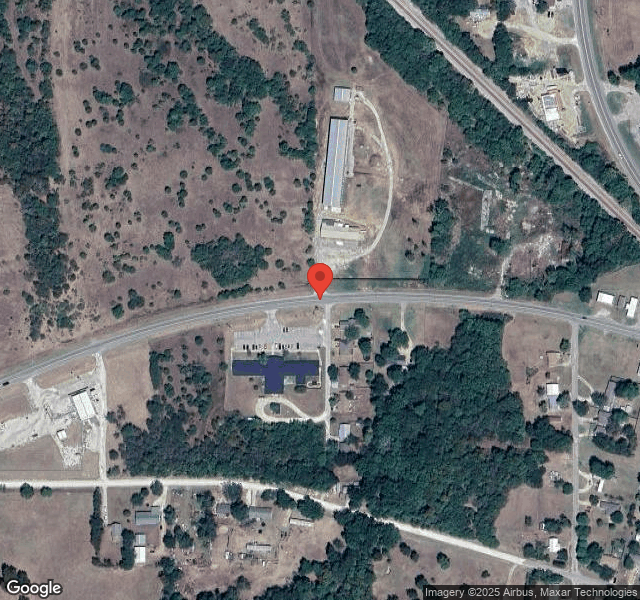

701 HIGHWAY 32, KINGSTON, OK 73439 (580) 564-2216
For profit - Limited Liability company 60 Beds Independent Data: November 2025
Trust Grade
70/100
#104 of 282 in OK
Last Inspection: August 2025

Inspected within the last 6 months. Data reflects current conditions.

Overview

Family Care Center of Kingston has a Trust Grade of B, which means it is considered a good choice among nursing homes. It ranks #104 out of 282 facilities in Oklahoma, putting it in the top half, and it is the best option in Marshall County, where there are only two facilities. The facility's trend is stable, showing a consistent number of issues over the past two years, while its staffing rating is poor, at only 1 out of 5 stars, with a notable turnover rate of 0%, which is better than the state average. There have been no fines, but there are some concerns, such as a resident's urinary catheter bag being left uncovered, compromising dignity, and the ice machine not being maintained properly, raising hygiene issues. Overall, while the facility has strengths in its ranking and absence of fines, it does have weaknesses in staffing and specific care practices that need attention.

Trust Score
B
70/100
In Oklahoma
#104/282
Top 36%
Safety Record
Low Risk
No red flags
Inspections
Holding Steady
5 → 5 violations
Staff Stability
○ Average
Turnover data not reported for this facility.
Penalties
✓ Good
No fines on record. Clean compliance history, better than most Oklahoma facilities.
Skilled Nurses
○ Average
RN staffing data not reported for this facility.
Violations
⚠ Watch
12 deficiencies on record. Higher than average. Multiple issues found across inspections.
★★★☆☆
3.0
Overall Rating
★☆☆☆☆
1.0
Staff Levels
★★★☆☆
3.0
Care Quality
★★★★☆
4.0
Inspection Score
Stable
2024: 5 issues
2025: 5 issues

The Good

  • Full Sprinkler Coverage · Fire safety systems throughout facility
  • No fines on record

Facility shows strength in fire safety.

The Bad

3-Star Overall Rating

Near Oklahoma average (2.6)

Meets federal standards, typical of most facilities

The Ugly 12 deficiencies on record

Aug 2025 5 deficiencies
CONCERN (D)

Potential for Harm - no one hurt, but risky conditions existed

Deficiency F0578 (Tag F0578)

Could have caused harm · This affected 1 resident

**NOTE- TERMS IN BRACKETS HAVE BEEN EDITED TO PROTECT CONFIDENTIALITY** Based on record review and interview, the facility failed to ensure residents were offered the opportunity to create an advance ...

Read full inspector narrative →
**NOTE- TERMS IN BRACKETS HAVE BEEN EDITED TO PROTECT CONFIDENTIALITY** Based on record review and interview, the facility failed to ensure residents were offered the opportunity to create an advance directive for 2 (#38 and #43) of 3 sampled residents reviewed for advanced directives.The administrator identified 38 residents resided in the facility.Findings: An Advance Directive policy, revised 12/2016, read in part, Upon admission, the resident will be provided with written information concerning the right to refuse or accept medical or surgical treatment and to formulate an advance directive if he or she chooses to do so.Written information will include a description of the facility's policies to implement advance directives.Prior to or upon admission of a resident, the Social Services Director or designee will inquire of the resident, his/her family members and/or his or her legal representative, about the existence of any written advance directive.Information about whether or not the resident has executed an advance directive shall be displayed prominently in the medical record.The resident will be given the option to accept or decline the assistance, and care will not be contingent on either decision. 1. An undated Transfer/Discharge report for Resident #38 showed the resident was admitted to the facility on [DATE]. A review of Resident #38's electronic health record showed no advance directive information had been provided. 2. An undated Transfer/Discharge report for Resident #43 showed the resident was admitted to the facility on [DATE]. A review of Resident #43's electronic health record showed no advance directive information had been provided. On 07/30/25 at 11:36 a.m., the MDS coordinator stated, As of right now we do not have an advance directive for [Resident #38] or [Resident #43].
CONCERN (D)

Potential for Harm - no one hurt, but risky conditions existed

Deficiency F0637 (Tag F0637)

Could have caused harm · This affected 1 resident

Based on record review and interview, the facility failed to complete a significant change assessment for 1 (#30) of 12 sampled residents whose assessments were reviewed. The administrator identified ...

Read full inspector narrative →
Based on record review and interview, the facility failed to complete a significant change assessment for 1 (#30) of 12 sampled residents whose assessments were reviewed. The administrator identified 38 residents resided in the facility.Findings:An undated discharge/transfer report showed Res #30 had diagnoses which included acute kidney failure, dementia, and disorder of the skin and subcutaneous tissue. A physician order, dated 06/13/25, showed Res #30 had an order to admit to hospice service for a diagnosis of heart disease with heart failure. The electronic record for Res #30 showed a significant change assessment, dated 06/18/25, was in progress. On 08/04/25 at 11:22 a.m., the MDS coordinator was interviewed regarding a significant change assessment still in progress dated 06/18/25 for Resident #30. The MDS coordinator stated a significant change assessment was to be completed 14 days after a resident was admitted for hospice services. The MDS coordinator stated a significant change assessment was not completed in the required time frame and was an oversite.
CONCERN (D)

Potential for Harm - no one hurt, but risky conditions existed

Deficiency F0657 (Tag F0657)

Could have caused harm · This affected 1 resident

Based on record review and interview, the facility failed to ensure care plans were revised for 2 (#3 and #25) of 12 sampled residents reviewed for care plans.The administrator identified 38 residents...

Read full inspector narrative →
Based on record review and interview, the facility failed to ensure care plans were revised for 2 (#3 and #25) of 12 sampled residents reviewed for care plans.The administrator identified 38 residents resided in the facility.Findings:1. A physician's order for Resident #3, dated 04/16/25, showed to admit the resident to hospice for diagnosis of dementia.A review of Resident #3's care plan showed no documentation of the resident being on hospice.On 07/30/25 at 1:22 p.m., the MDS coordinator stated Resident #3's care plan did not reflect the resident was on hospice.2. Resident #25's Order Summary Report, dated 07/31/25, showed the resident had diagnosis of gastro-esophageal reflux disease.A review of Resident #25's electronic health record showed the resident weighed 190 pounds on 05/29/25 and 163.4 pounds on 07/30/25. This was a 14% weight loss in two months.A review of Resident #25's care plan showed no documentation or interventions for Resident #25's weight loss.On 08/04/25 at 11:24 a.m., the MDS coordinator stated Resident #25's care plan had not been updated to reflect the resident having weight loss.
CONCERN (D)

Potential for Harm - no one hurt, but risky conditions existed

Infection Control (Tag F0880)

Could have caused harm · This affected 1 resident

Based on observation, record review, and interview, the facility failed to implement their policy for enhanced barrier precautions and hand hygiene for 1 (#19) of 1 sampled resident reviewed for enhan...

Read full inspector narrative →
Based on observation, record review, and interview, the facility failed to implement their policy for enhanced barrier precautions and hand hygiene for 1 (#19) of 1 sampled resident reviewed for enhanced barrier precautions.The DON identified seven residents on enhanced barrier precautions. Findings:On 07/31/25 at 10:34 a.m., LPN #1 was observed providing wound care for Resident #19. No signage was posted at the door for enhanced barrier precautions. LPN #1 gathered wound care supplies per the physician orders and placed them on the barrier on the bedside table. LPN #1 donned a pair of gloves and removed the old dressing. LPN #1 did not wash their hands prior to donning gloves. LPN #1 changed their gloves and used gauze with wound wash to clean the wound. LPN #1 placed the calcium alginate dressing (wound dressing) on the wound to the right foot. LPN #1 did not wash their hands with each glove change. LPN #1 was not wearing a gown.An undated facility form titled Enhanced Barrier Precautions (EBP) Decision Making-Algorithm showed if a resident had a wound or indwelling medical device and was not infected, enhanced barrier precautions should be used. The form showed chronic wounds included, but were not limited to: pressure ulcers, diabetic foot ulcers, unhealed/dehisced surgical wound, and venous stasis ulcers. Undated facility signage titled ENHANCED BARRIER PRECAUTIONS EVERYONE MUST, read in part, Wear gloves and a gown for the following High-Contact Resident Care Activities.Wound Care: any skin opening requiring a dressing A facility policy titled Handwashing/Hand Hygiene, revised 08/2015, read in part, All personnel shall follow the handwashing/hand hygiene procedures to help prevent the spread of infections to other personnel, residents, and visitors.Use an alcohol-based hand rub containing at least 62% alcohol; or, alternatively, soap (antimicrobial or non-antimicrobial) and water for the following situations:.Before and after direct contact with residents.Before donning sterile gloves.Before handling clean or soiled dressings, gauze pads, etc.After removing gloves An undated transfer/discharge report showed Res #19 had diagnoses which included altered mental status, morbid obesity, and encounter for change or removal of surgical wound. A physician order, dated 07/17/25, showed staff were to clean a stage 3 pressure ulcer to the right lateral ankle with saline, pat dry, apply calcium alginate, wrap with Kerlix (gauze bandage roll), and secure with an ACE wrap (elastic bandage) every other day. On 07/31/25 at 10:50 a.m., LPN #1 stated enhanced barrier precautions were not required for Res #19 with a wound because it was not a chronic wound. LPN #1 was asked when handwashing was to be performed. LPN #1 stated handwashing should be with glove changes, when visibly soiled, and when moving from clean to unclean surfaces. LPN #1 stated they did not wash their hands when entering Res #19's room or with each glove change and should have. On 07/31/25 at 10:55 a.m., the DON stated enhanced barrier precautions were used for chronic unhealing wounds, not wounds that could be healed. On 07/31/25 at 11:14 a.m., the DON reviewed the facility policy for enhanced barrier precautions and stated they had misread the policy. The DON stated enhanced barrier precautions should be used for wounds with an open healing area and dressing. On 07/31/25 at 11:40 a.m., the DON stated staff should wash their hands when entering a resident room for care and with each glove change.
CONCERN (E)

Potential for Harm - no one hurt, but risky conditions existed

Resident Rights (Tag F0550)

Could have caused harm · This affected multiple residents

Based on observation, record review, and interview, the facility failed to provide dignity for 1 (#1) of 1 sampled resident reviewed an indwelling urinary catheter. The DON identified three residents ...

Read full inspector narrative →
Based on observation, record review, and interview, the facility failed to provide dignity for 1 (#1) of 1 sampled resident reviewed an indwelling urinary catheter. The DON identified three residents with indwelling urinary catheters. Findings: On 07/28/25 at 2:23 p.m., Res #1 was observed lying in bed with their eyes closed. The resident's indwelling urinary catheter bag was hanging from the bedside uncovered. On 07/29/25 at 9:53 a.m., Res #1 was observed lying in bed watching television. The resident's indwelling urinary catheter bag was hanging from the bedside and did not have a privacy cover. On 07/30/25 at 12:21 p.m., Res #1's indwelling urinary catheter bag was observed hanging from the bedside uncovered and was in full view from the resident's doorway. A facility policy titled Quality of Life - Dignity, revised 08/2009, read in part, Demeaning practices and standards of care that compromise dignity are prohibited. Staff shall promote dignity and assist residents as needed by: a. Helping the resident to keep urinary catheter bags covered An undated transfer/discharge report showed Res #1 had diagnoses which included cerebral infarction, chronic pain, urinary tract infection, and benign prostatic hyperplasia. An annual assessment, dated 07/07/25, showed Res #1's memory was ok and was independent for daily decision making. The assessment showed the resident had an indwelling catheter. On 07/30/25 at 1:33 p.m., certified nursing assistant #1 stated Res #1's indwelling urinary catheter bag was not covered and should be placed in a privacy bag. On 07/30/25 at 1:39 p.m., LPN #1 stated indwelling urinary catheter bags should be in a privacy bag. On 07/30/25 at 2:33 p.m., the DON stated residents with indwelling urinary catheters should have their catheter bags in a privacy bag.
Mar 2024 5 deficiencies
CONCERN (D)

Potential for Harm - no one hurt, but risky conditions existed

Deficiency F0637 (Tag F0637)

Could have caused harm · This affected 1 resident

Based on record review and interview, the facility failed to complete a significant change assessment, when the resident required hospice services, for one (#25) of one resident reviewed for significa...

Read full inspector narrative →
Based on record review and interview, the facility failed to complete a significant change assessment, when the resident required hospice services, for one (#25) of one resident reviewed for significant change. The Administrator reported 34 residents resided in the facility. Findings: A Resident Assessment Instrument policy, dated September 2010, documented the assessment coordinator would be responsible for ensuring the interdisciplinary assessment team conducted timely resident assessments and reviews when there had been a significant change in the resident's condition. Resident #25 had diagnoses which included protein-calorie malnutrition and diabetes mellitus. A progress note, dated 09/18/23 at 5:51 p.m., documented staff had talked with the resident's son and it was agreed the resident would benefit from hospice services. The note documented the resident's primary care physician was notified of the resident's decline and the physician ordered a hospice evaluation. A physician's order, dated 09/19/23, documented the resident would receive hospice care for a diagnosis of protein-calorie malnutrition. A progress note, dated 09/28/23 at 5:04 p.m., documented resident #25 was now on hospice. The note documented the resident was refusing meals and continued to lose weight. A quarterly MDS assessment, dated 11/03/23, documented the resident received hospice care. Resident #25's care plan, dated 02/22/24, documented the resident was admitted to hospice care for protein-calorie malnutrition. On 03/21/24 at 10:30 a.m., the MDS coordinator reported a significant change assessment should have been completed when the resident had a decline and required hospice services. The MDS coordinator stated she had updated the resident's care plan about a week later but failed to complete the significant change assessment.
CONCERN (D)

Potential for Harm - no one hurt, but risky conditions existed

MDS Data Transmission (Tag F0640)

Could have caused harm · This affected 1 resident

**NOTE- TERMS IN BRACKETS HAVE BEEN EDITED TO PROTECT CONFIDENTIALITY** Based on record review and interview, the facility failed to ensure the resident assessment was transmitted within seven days of...

Read full inspector narrative →
**NOTE- TERMS IN BRACKETS HAVE BEEN EDITED TO PROTECT CONFIDENTIALITY** Based on record review and interview, the facility failed to ensure the resident assessment was transmitted within seven days of completion for one (#19) of one sampled resident reviewed for discharge assessments. The Administrator identified 34 residents resided in the facility. Findings: A Submission and Correction of the MDS Assessments document, read in part, .All Medicare and/or Medicaid-certified nursing homes and swing beds or agents of those facilities, must transmit required (MDS) data records to CMS' Quality Improvement and Evaluation System (QIES) Assessment Submission and Processing (ASAP) system . On 03/20/24 at 4:32 p.m., the clinical record documented resident #19 was admitted on [DATE] and discharged on 11/27/23. The facility EMR showed a discharge, return anticipated, in progress and dated 11/20/23. On 03/21/24 at 3:45 p.m., the MDS coordinator reported the discharge assessment for resident #19 was completed on 11/22/23 but had not been signed by the registered nurse. On 03/21/24 at 3:45 p.m., the RN/DON reported they had not signed the discharge assessment, which resulted in the assessment not being transmitted as required.
CONCERN (D)

Potential for Harm - no one hurt, but risky conditions existed

Comprehensive Care Plan (Tag F0656)

Could have caused harm · This affected 1 resident

Based on record review and interview, the facility failed to develop a comprehensive care plan for one (#2) of 12 residents sampled for care plans. The Administrator identified 34 residents resided i...

Read full inspector narrative →
Based on record review and interview, the facility failed to develop a comprehensive care plan for one (#2) of 12 residents sampled for care plans. The Administrator identified 34 residents resided in the facility. Findings: The Resident Care Plan Policy, revised December 2016, read in part, .Each discipline will assess each resident starting from the time of admission and periodically thereafter until discharged from the facility. Through these progressive, serial assessments, the needs of the resident will be identified, monitored, and updated .Resident care plans will be reviewed at least every three months, with significant changes and as indicated to ensure that timely updating of problems, goals, and interventions are being done by the Multidisciplinary Team . The McGeer Criteria for Infection Surveillance Checklist for resident #2 read in part, .date of infection 2/27/24 .UTI without indwelling catheter .Acute dysuria or pain, swelling .New or marked increase in urgency .New or marked increase in frequency .Meropenem (antibiotic) 1 GM 3x daily for 10 days .ESBL (Extended-spectrum beta lactamases) . Resident #2's care plan, dated 12/27/23, did not identify a current or history of urinary tract infections. Resident #2's admission assessment, dated 01/05/24, documented the resident was alert and oriented with a history of urinary tract infections. The assessment documented the resident was always continent of urine and was independent with care for her ostomy appliance. On 03/21/24 at 8:45 a.m., the RN/DON reported resident #2's care plan did not address urinary tract infections and should have been included. The DON reported the resident's most recent UA result was obtained on 02/24/24 and the urine culture results were received on 02/27/24. On 03/21/24 at 8:50 a.m., the MDS coordinator reported they were responsible for developing and updating resident care plans. They reported they would normally update the care plan quarterly, unless there was a change, and resident #2's care plan should have addressed a history of urinary tract infections when the resident was admitted .
CONCERN (D)

Potential for Harm - no one hurt, but risky conditions existed

Deficiency F0657 (Tag F0657)

Could have caused harm · This affected 1 resident

Based on observation, record review, and interview, the facility failed to revise the care plan to include fall interventions for one (#17) of five residents reviewed for care plans. The Administrato...

Read full inspector narrative →
Based on observation, record review, and interview, the facility failed to revise the care plan to include fall interventions for one (#17) of five residents reviewed for care plans. The Administrator reported 34 residents resided in the facility. Findings: A Care Plan policy, dated December 2016, documented resident care plans would be reviewed at least every three months, with significant changes and as indicated, to ensure timely updating of problems, goals, and interventions were being done by the multidisciplinary team. Resident #17 was admitted with a history of falls, arthritis, and age-related cognitive decline. A quarterly MDS assessment, dated 02/07/24, documented the resident was severely impaired with cognition. The assessment documented no falls since admission. A discharge-return anticipated MDS assessment, dated 02/19/24, documented the resident had a fall with injury. Resident #17's care plan, dated 02/19/24, documented the resident was at high risk for falls and had a previous fall at home prior to admission. The care plan documented the resident ambulated with a rolling walker. Interventions to prevent falls included keeping the call light within reach and to encourage the resident to use the call light. An incident report, dated 02/19/24, documented resident #17 fell in their room, hit the back of their head, and sustained a laceration. The report documented the resident was sent to the hospital and received staples to the laceration. The report documented the cause of the fall was related to the resident ambulating without their walker. No interventions to prevent future falls were documented. A progress note, dated 02/20/24 at 10:15 a.m., documented facility staff received a report from a nurse at the hospital who stated the resident had five staples to the back of the head, and a CT scan had cleared the resident of any other injuries or broken bones. The note documented physical therapy was working with the resident in the hospital. A progress note, dated 02/23/24 at 5:00 p.m., documented resident #17 returned to the facility from the hospital. The note documented the resident was readmitted to skilled services for fall with injury, weakness, inability to ambulate, and severe pain with movement. On 03/21/24 at 1:49 p.m., resident #17 was observed sitting on the couch in their room. The resident was asked if they could use their call light if they needed assistance. The resident did not understand and the surveyor pointed out the call light stretched across the back of the couch. The resident shook their head no, and stated they didn't know how to use it. On 03/21/24 at 1:53 p.m., the MDS coordinator was interviewed regarding the resident's fall on 02/19/24. The MDS coordinator reported they didn't document any interventions right away because the resident was sent to the hospital. She stated the resident was started on therapy when they returned from the hospital. On 03/21/24 at 1:53 p.m., the DON was interviewed regarding the resident's fall on 02/19/24. the DON reported the resident was using a regular walker with therapy but no longer used the rolling walker. The DON stated the resident would use the call light on occasion but most of the time would get up and find someone when they needed assistance.
CONCERN (E)

Potential for Harm - no one hurt, but risky conditions existed

Food Safety (Tag F0812)

Could have caused harm · This affected multiple residents

Based on observation, record review, and interview, the facility failed to maintain the ice machine in a safe and sanitary manner. The Administrator reported 34 residents resided in the facility. Fi...

Read full inspector narrative →
Based on observation, record review, and interview, the facility failed to maintain the ice machine in a safe and sanitary manner. The Administrator reported 34 residents resided in the facility. Findings: On 03/19/24 at 11:15 a.m., the ice machine in the main hallway near the facility dining room was observed to be unlocked. The ice machine was observed to remain unlocked throughout the day. On 03/20/24 at 9:54 a.m., the ice machine was observed to remain unlocked. A scoop was observed to be kept in a holder mounted on the wall beside the machine. The surveyor used a white paper towel and wiped along the upper inside of the ice machine. A jelly-type, brownish-orange substance was observed on the paper towel. The substance on the paper towel was shown to the dietary manager and maintenance staff. The dietary manager reported dietary staff were responsible for cleaning the scoop. She stated there was a lock and key for the ice machine but she didn't know where it was located. Maintenance staff reported the ice machine was maintained by an outside company and that he usually scheduled the cleaning to be done monthly. On 03/20/24 at 10:25 a.m., preventive maintenance reports from an outside company were provided. The most recent report/invoice documented the ice machine was cleaned and serviced on 01/23/24. On 03/20/24 at 10:30 a.m., the administrator reported the ice machine should be locked when not in use. The administrator stated since the ice machine is in the hallway and exposed to all traffic, it was her expectation it should be locked when not in use.
Feb 2023 2 deficiencies
CONCERN (D)

Potential for Harm - no one hurt, but risky conditions existed

Menu Adequacy (Tag F0803)

Could have caused harm · This affected 1 resident

Based on record review, observation, and interview, the facility failed to follow the menu and provide pureed foods listed on the menu for one (#12) of one sampled resident reviewed for pureed foods. ...

Read full inspector narrative →
Based on record review, observation, and interview, the facility failed to follow the menu and provide pureed foods listed on the menu for one (#12) of one sampled resident reviewed for pureed foods. The Administrator identified one resident which required a pureed diet. Findings: Review of the facility policy titled Menus, revision date October 2017, read in parts .Menus are developed and prepared to meet resident choices including religious, cultural and ethnic needs while following established national guidelines for nutritional adequacy . Menus provide a variety of foods from the basic daily food groups and indicate standard portions at each meal .If a food group is missing from a resident's daily diet (e.g., dairy products), the resident is provided an alternate means of meeting his or her nutritional needs . Resident #12 was admitted with diagnoses of Alzheimer's disease and chronic obstructive pulmonary disease. The Care Plan, for resident #12, documented the resident had a chewing difficulty, which increased the risk of nutritional deficit related to the need for an altered diet of puree. A Physician Order, for resident #12, dated 04/27/22, documented regular diet, pureed texture, and regular consistency. Review of the Tuesday lunch menu documented ground beef cube steak with gravy, broccoli and cheese rice baked, creamed corn, dinner roll/margarine, cinnamon diced pears, and beverage would be served. On 01/31/23 at 12:00 p.m., cook #1 was observed preparing the meal for the resident requiring a pureed diet. The cook was observed to puree the meat, broccoli and cheese, and corn. The cook was observed to place the items on the steam table as she pureed each item. [NAME] #1 was asked about bread for the resident. The cook stated she wasn't sure about the process to puree bread so did not include bread for the resident requiring the pureed diet. On 01/31/23 at 12:30 p.m., resident #12 was observed during the noon meal. The resident's tray had pureed meat, broccoli and cheese, corn, and ice cream. There was no pureed bread. On 02/01/23 at 10:37 a.m., the DM reported the menu included the food guide pyramid. The DM reported if all the food was not on the tray, the resident would not get the correct amount of food servings or calories. The DM reported all foods on the menu should have been on the pureed plate. The DM stated the bread could have been included in the meat or there was a guide to instruct staff how to puree the bread. The DM stated she would educate the staff member on how to include the bread in the pureed diet. On 02/02/23 at 9:47 a.m., the DON reported the facility followed the state menu. The DON stated she would expect everything on the menu to be included on the pureed diet unless there was an approved alternate. On 02/02/23 at 9:51 a.m., the Administrator reported staff should follow the menu to ensure residents were provided appropriate nutrition and a balanced diet.
CONCERN (D)

Potential for Harm - no one hurt, but risky conditions existed

Food Safety (Tag F0812)

Could have caused harm · This affected 1 resident

Based on record review, observation, and interview, the facility failed to date foods stored in the freezer with the received and/or use-by dates. The Resident Census and Condition of Residents form d...

Read full inspector narrative →
Based on record review, observation, and interview, the facility failed to date foods stored in the freezer with the received and/or use-by dates. The Resident Census and Condition of Residents form documented 31 residents received meals from the facility kitchen. Findings: A facility policy, Food Receiving and Storage, revised July 2014, documented in part .all foods stored in the refrigerator or freezer will be covered, labeled and dated (use by date). On 01/30/23 at 2:29 p.m., a tour of the kitchen was conducted and the following foods were observed in the freezer, in sealed bags, undated: ~14 bags green beans ~8 bags yellow squash ~12 bags of corn ~2 bag zucchini ~4 bags mixed bell peppers ~17 bags mixed vegetables ~1 bag of breaded squash ~6 bags of sweet potato fries ~whole chicken 4 bags ~1 bag of pretzels On 01/30/23 at 2:45 p.m., cook #1 reported once the food was received in the kitchen, the food should be dated and placed in the freezer. On 02/01/23 at 10:37 a.m., the DM reported the frozen vegetables did not have use-by dates on them. The DM stated all food items should have been labeled and dated when the food was received and opened. The DM stated she had not labeled the foods because the marker would not stay on the bags due to condensation. On 02/02/23 at 9:47 a.m., the DON reported every food item should be dated with the date it was received. On 02/02/23 at 9:51 a.m., the Administrator reported all food items should be dated and labeled when received.
Understanding Severity Codes (click to expand)
Life-Threatening (Immediate Jeopardy)
J - Isolated K - Pattern L - Widespread
Actual Harm
G - Isolated H - Pattern I - Widespread
Potential for Harm
D - Isolated E - Pattern F - Widespread
No Harm (Minor)
A - Isolated B - Pattern C - Widespread

Questions to Ask on Your Visit

  • "Can I speak with families of current residents?"
  • "What's your RN coverage like on weekends and overnight?"

Our Honest Assessment

Strengths
  • • No major safety red flags. No abuse findings, life-threatening violations, or SFF status.
  • • No fines on record. Clean compliance history, better than most Oklahoma facilities.
Concerns
  • • 12 deficiencies on record. Higher than average. Multiple issues found across inspections.
Bottom line: Mixed indicators with Trust Score of 70/100. Visit in person and ask pointed questions.

About This Facility

What is Family Of Kingston's CMS Rating?

CMS assigns FAMILY CARE CENTER OF KINGSTON an overall rating of 3 out of 5 stars, which is considered average nationally. Within Oklahoma, this rating places the facility higher than 99% of the state's 100 nursing homes. This mid-range rating indicates the facility meets federal standards but may have areas for improvement.

How is Family Of Kingston Staffed?

CMS rates FAMILY CARE CENTER OF KINGSTON's staffing level at 1 out of 5 stars, which is much below average compared to other nursing homes.

What Have Inspectors Found at Family Of Kingston?

State health inspectors documented 12 deficiencies at FAMILY CARE CENTER OF KINGSTON during 2023 to 2025. These included: 12 with potential for harm.

Who Owns and Operates Family Of Kingston?

FAMILY CARE CENTER OF KINGSTON is owned by a for-profit company. For-profit facilities operate as businesses with obligations to shareholders or private owners. The facility operates independently rather than as part of a larger chain. With 60 certified beds and approximately 36 residents (about 60% occupancy), it is a smaller facility located in KINGSTON, Oklahoma.

How Does Family Of Kingston Compare to Other Oklahoma Nursing Homes?

Compared to the 100 nursing homes in Oklahoma, FAMILY CARE CENTER OF KINGSTON's overall rating (3 stars) is above the state average of 2.6 and health inspection rating (4 stars) is above the national benchmark.

What Should Families Ask When Visiting Family Of Kingston?

Based on this facility's data, families visiting should ask: "Can you walk me through typical staffing levels on day, evening, and night shifts?" "Can I visit during a mealtime to observe dining assistance and food quality?" "How do you handle medical emergencies, and what is your hospital transfer rate?" "Can I speak with family members of current residents about their experience?" These questions are particularly relevant given the below-average staffing rating.

Is Family Of Kingston Safe?

Based on CMS inspection data, FAMILY CARE CENTER OF KINGSTON has a clean safety record: no substantiated abuse findings (meaning no confirmed cases of resident harm), no Immediate Jeopardy citations (the most serious violation level indicating risk of serious injury or death), and is not on the Special Focus Facility watch list (a federal program monitoring the lowest-performing 1% of nursing homes). The facility has a 3-star overall rating and ranks #1 of 100 nursing homes in Oklahoma. While no facility is perfect, families should still ask about staff-to-resident ratios and recent inspection results during their visit.

Do Nurses at Family Of Kingston Stick Around?

FAMILY CARE CENTER OF KINGSTON has not reported staff turnover data to CMS. Staff turnover matters because consistent caregivers learn residents' individual needs, medications, and preferences. When staff frequently change, this institutional knowledge is lost. Families should ask the facility directly about their staff retention rates and average employee tenure.

Was Family Of Kingston Ever Fined?

FAMILY CARE CENTER OF KINGSTON has no federal fines on record. CMS issues fines when nursing homes fail to meet care standards or don't correct problems found during inspections. The absence of fines suggests the facility has either maintained compliance or corrected any issues before penalties were assessed. This is a positive indicator, though families should still review recent inspection reports for the full picture.

Is Family Of Kingston on Any Federal Watch List?

FAMILY CARE CENTER OF KINGSTON is not on any federal watch list. The most significant is the Special Focus Facility (SFF) program, which identifies the bottom 1% of nursing homes nationally based on persistent, serious quality problems. Not being on this list means the facility has avoided the pattern of deficiencies that triggers enhanced federal oversight. This is a positive indicator, though families should still review the facility's inspection history directly.