BRENTWOOD EXTENDED CARE & REHAB
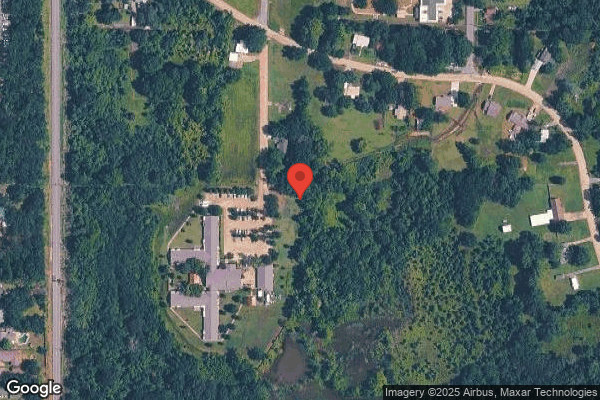
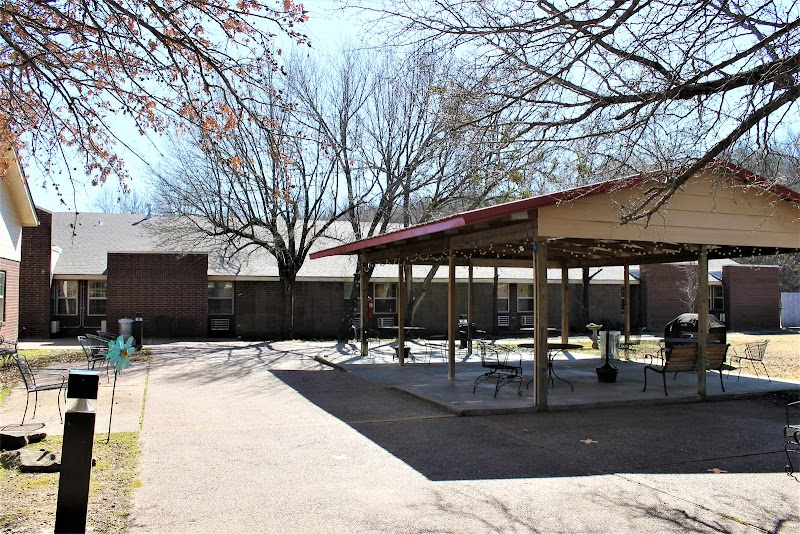
841 NORTH 38TH STREET, MUSKOGEE, OK 74401 (918) 683-8070
For profit - Individual 90 Beds Independent Data: November 2025 1 Immediate Jeopardy citation
Trust Grade
18/100
#199 of 282 in OK
Last Inspection: March 2024

Within standard 12-15 month inspection cycle. Federal law requires annual inspections.

Overview

Brentwood Extended Care & Rehab has a Trust Grade of F, indicating significant concerns about care quality and safety. With a state rank of #199 out of 282 facilities in Oklahoma, they are in the bottom half of nursing homes in the state, and #8 out of 10 in Muskogee County, meaning only two local options are worse. The facility has shown some improvement, reducing its issues from 26 in 2024 to 4 in 2025, but it still has a troubling history, including $97,625 in fines, which is higher than 94% of facilities in Oklahoma. Staffing is somewhat concerning, with a below-average rating of 2/5 stars, but a low turnover rate of 0% means staff stability is strong. Specific incidents raise alarms, such as a resident suffering a broken neck after multiple falls that were not properly monitored, and failures in COVID-19 infection control protocols, which could have endangered all residents. Overall, while there are strengths in staffing stability, the facility's serious deficiencies and poor grades warrant careful consideration.

Trust Score
F
18/100
In Oklahoma
#199/282
Bottom 30%
Safety Record
High Risk
Review needed
Inspections
Getting Better
26 → 4 violations
Staff Stability
○ Average
Turnover data not reported for this facility.
Penalties
✓ Good
$97,625 in fines. Lower than most Oklahoma facilities. Relatively clean record.
Skilled Nurses
⚠ Watch
Each resident gets only 13 minutes of Registered Nurse (RN) attention daily — below average for Oklahoma. Fewer RN minutes means fewer trained eyes watching for problems.
Violations
⚠ Watch
63 deficiencies on record. Higher than average. Multiple issues found across inspections.
★☆☆☆☆
1.0
Overall Rating
★★☆☆☆
2.0
Staff Levels
★☆☆☆☆
1.0
Care Quality
★☆☆☆☆
1.0
Inspection Score
Stable
2024: 26 issues
2025: 4 issues

The Good

  • Full Sprinkler Coverage · Fire safety systems throughout facility
  • No fines on record

Facility shows strength in fire safety.

The Bad

1-Star Overall Rating

Below Oklahoma average (2.6)

Significant quality concerns identified by CMS

Federal Fines: $97,625

Well above median ($33,413)

Moderate penalties - review what triggered them

The Ugly 63 deficiencies on record

1 life-threatening
Jul 2025 4 deficiencies
CONCERN (D) 📢 Someone Reported This

A family member, employee, or ombudsman was alarmed enough to file a formal complaint

Potential for Harm - no one hurt, but risky conditions existed

Abuse Prevention Policies (Tag F0607)

Could have caused harm · This affected 1 resident

Based on record review and interview, the facility failed to ensure the facility administrator was aware of the provisions and responsibilities of the facility abuse policy which resulted in a substan...

Read full inspector narrative →
Based on record review and interview, the facility failed to ensure the facility administrator was aware of the provisions and responsibilities of the facility abuse policy which resulted in a substandard investigation of an abuse allegation for 1 (#59) of 15 sampled residents reviewed for abuse.The administrator reported 55 residents resided in the facility.Findings:An undated policy titled Management of Suspected Abuse/Neglect, read in part, The facility staff, during employee orientation and through an ongoing training program, provides all employees with information regarding abuse and related reporting requirements, including prevention, intervention, and detection.A quarterly MDS assessment, dated 02/03/25, showed Res #59 had a BIMS score of 15 which indicated the resident's cognition was intact at the time of the assessment.An OOSDH incident form, incident date 05/07/25, showed the form was the initial report regarding an allegation of physical abuse that had been made regarding Res #59. The corresponding fax receipt showed OSDH had received the incident report on 05/08/25 at 8:59 a.m. Investigation documentation for the allegation of abuse toward Res #59 on 05/07/25, that was provided by the facility administrator on 07/31/25 was reviewed. The documents did not show interviews of staff or residents regarding the alleged abuse.On 07/31/25 at 12:26 p.m., the administrator was asked who conducted abuse investigations at the facility. They stated they did. They were asked if they had conducted the investigation regarding Res #59 that occurred on 05/07/25. They stated they had conducted that investigation. They were asked to provide all their documentation related to that investigation.On 07/31/25 at 2:23 p.m., the administrator was asked to describe the investigation they had conducted regarding the alleged abuse of Res #59 on 05/07/25. The administrator stated at the time of the investigation they were unaware of all the requirements of conducting an abuse investigation as they were new to the organization and had not been trained in the process at that time. They stated they had not conducted interviews with other residents or staff members to determine if they had information regarding that or other incidents. They stated they had not suspended or took other actions to prevent the accused perpetrator from contacting the resident during the investigation. They had not contacted OSDH in the required time frame and had not contacted the local law enforcement agency of the allegation. They stated they have since been trained and were aware of the process.
CONCERN (D) 📢 Someone Reported This

A family member, employee, or ombudsman was alarmed enough to file a formal complaint

Potential for Harm - no one hurt, but risky conditions existed

Report Alleged Abuse (Tag F0609)

Could have caused harm · This affected 1 resident

Based on record review and interview, the facility failed to ensure the OSDH was informed of an allegation of physical abuse by a staff member in the mandated time frame and the facility failed to con...

Read full inspector narrative →
Based on record review and interview, the facility failed to ensure the OSDH was informed of an allegation of physical abuse by a staff member in the mandated time frame and the facility failed to contact the local law enforcement agency of an allegation of physical abuse by a staff member for 1 (#59) of 15 sampled resident reviewed for abuse.The administrator reported 55 residents resided in the facility.Findings:An undated policy titled Management of Suspected Abuse/Neglect, read in part, It is the policy of this facility, under the guidance of applicable laws, that any person having reasonable cause to believe that any person in a state of abuse, exploitation or neglect shall report the information to the Oklahoma Stated Department of Health and any additional regulatory agencies required by the allegation.A quarterly MDS assessment, dated 02/03/25, showed Res #59 had a BIMS score of 15 which indicated the resident's cognition was intact at the time of the assessment.An OSDH incident form, incident date 05/07/25, showed the form was the initial report regarding an allegation of abuse that had been made regarding Res #59. The corresponding fax receipt showed the OSDH had received the incident report on 05/08/25 at 8:59 a.m. The incident report showed on 05/07/25 the activities director was informed by Res #59 a staff member had slapped them, but did not provide a date of the alleged assault. The section of the incident form that indicated if law enforcement had been contacted and when, was blank.On 07/31/25 at 2:23 p.m., the administrator was asked regarding the allegation of physical abuse toward Res #59 if they had reported the allegations of abuse to the OSDH within the required two hours. They stated they had not because at the time of the report they had not yet been trained on conducting abuse investigations at the facility. They were asked if they had contacted any law enforcement agency regarding the allegation of abuse. They stated they had not because they were unaware of that requirement at that time.
CONCERN (D) 📢 Someone Reported This

A family member, employee, or ombudsman was alarmed enough to file a formal complaint

Potential for Harm - no one hurt, but risky conditions existed

Investigate Abuse (Tag F0610)

Could have caused harm · This affected 1 resident

Based on record review and interview, the facility failed to conduct a thorough investigation of an allegation of physical abuse for 1 (#59) of 15 sampled residents reviewed for abuse.The administrato...

Read full inspector narrative →
Based on record review and interview, the facility failed to conduct a thorough investigation of an allegation of physical abuse for 1 (#59) of 15 sampled residents reviewed for abuse.The administrator reported 55 residents resided in the facility.Findings:An undated policy titled Management of Suspected Abuse/Neglect, read in part, The facility shall ensure, in a timely and thorough manner, objective investigation of all allegations of abuse, neglect and mistreatment.A quarterly MDS assessment, dated 02/03/25, showed Res #59 had a BIMS score of 15 which indicated the resident's cognition was intact at the time of the assessment.An OSDH incident form, incident date 05/07/25, showed the form was the initial report regarding an allegation of abuse that had been made regarding Res #59. The corresponding fax receipt showed the OSDH had received the incident report on 05/08/25 at 8:59 a.m. The incident report showed on 05/07/25 the activities director was informed by Res #59 a staff member had slapped them, but did not provide a date of the alleged assault. Investigation documentation for the allegation of abuse toward Res #59 on 05/07/25, that was provided by the facility administrator on 07/31/25 was reviewed. The documents did not show interviews with staff or residents regarding the alleged abuse around the time of the allegation. There were interviews regarding the incident dated 07/25/25 included in the packet of investigation material the administrator had provided.On 07/31/25 at 2:23 p.m., the administrator was asked to describe the investigation they had conducted regarding the alleged abuse of Res #59 on 05/07/25. The administrator stated at the time of the investigation they were unaware of all the requirements of conducting an abuse investigation. They stated they were new to the organization and had not been trained in the abuse investigation process at that time. They stated their investigation of the incident did not include interviews with residents and staff members regarding the incident with Res #59 or possible concerns regarding the alleged perpetrator. They stated they have since been trained and were aware of the process.
CONCERN (F) 📢 Someone Reported This

A family member, employee, or ombudsman was alarmed enough to file a formal complaint

Potential for Harm - no one hurt, but risky conditions existed

Staffing Data (Tag F0851)

Could have caused harm · This affected most or all residents

Based on record review and interview, the facility failed to ensure the required PBJ staffing data was submitted to CMS for the second quarter of FY 2025. The administrator identified 55 residents res...

Read full inspector narrative →
Based on record review and interview, the facility failed to ensure the required PBJ staffing data was submitted to CMS for the second quarter of FY 2025. The administrator identified 55 residents resided in the facility.Findings: A PBJ Staffing Data Report, dated 01/01/25 through 03/31/25 (second quarter of FY 2025), showed the facility had not provided staffing data to CMS for the PBJ staffing data report for the quarter. On 07/31/25 at 11:00 a.m., the office manager stated the employee that handled submitting the PBJ staffing data to CMS no longer worked at the facility and that at the time they did not have anyone that was able to send the data. They stated they now have multiple employees can submit the staffing data.
Dec 2024 4 deficiencies
CONCERN (D) 📢 Someone Reported This

A family member, employee, or ombudsman was alarmed enough to file a formal complaint

Potential for Harm - no one hurt, but risky conditions existed

Notification of Changes (Tag F0580)

Could have caused harm · This affected 1 resident

Based on record review and interview, the facility failed to ensure a resident's legal representative was notified of inappropriate sexual behavior for three (#1, 3 and #4) of four sampled residents r...

Read full inspector narrative →
Based on record review and interview, the facility failed to ensure a resident's legal representative was notified of inappropriate sexual behavior for three (#1, 3 and #4) of four sampled residents reviewed for abuse. The administrator identified 52 residents resided in the facility. Findings: An undated Management of Suspected Abuse/Neglect policy, read in parts, The charge nurse should complete an incident report, being very precise about the incident .physician and family notification will occur at this time. 1. Resident #1 had diagnoses which included PVD and essential hypertension. An OSDH incident report, dated 12/01/24, documented Resident #1 was sexually inappropriate with multiple female residents (Resident #3 and Resident #4). The clinical health record did not contain documentation of family notification of the inappropriate sexual behavior. 2. Resident #3 had diagnoses which included anxiety disorder and depression. The clinical health record did not contain documentation of family notification after an allegation of inappropriate sexual behavior by Resident #1. 3. Resident #4 had diagnoses which included dementia and major depression disorder. The clinical health record did not contain documentation of family notification after an allegation of inappropriate sexual behavior by Resident #1. On 12/27/24 at 9:34 a.m., the administrator stated, The LPN did not feel it necessary to notify the family.
CONCERN (D) 📢 Someone Reported This

A family member, employee, or ombudsman was alarmed enough to file a formal complaint

Potential for Harm - no one hurt, but risky conditions existed

Free from Abuse/Neglect (Tag F0600)

Could have caused harm · This affected 1 resident

**NOTE- TERMS IN BRACKETS HAVE BEEN EDITED TO PROTECT CONFIDENTIALITY** Based on record review and interview, the facility failed to ensure a resident was free from abuse for one (#1) of four sampled ...

Read full inspector narrative →
**NOTE- TERMS IN BRACKETS HAVE BEEN EDITED TO PROTECT CONFIDENTIALITY** Based on record review and interview, the facility failed to ensure a resident was free from abuse for one (#1) of four sampled residents reviewed for abuse. The administrator identified 52 residents resided in the facility. Findings: An undated facility policy, Management of Suspected Abuse/Neglect, read in parts, The nursing facility resident has the right to be free from verbal, sexual, physical, and mental abuse, corporal punishment, and involuntary seclusion. Residents must not be subjected to abuse by anyone, including, but not limited to, facility staff, other residents .Physical Abuse .Physical injury that results in substantial harm: to the person, or the genuine threat of substantial harm from physical injury to the person .Failure to make a reasonable effort to prevent an action by another person that results in physical injury. Resident #2 was admitted on [DATE] with diagnoses which included cerebrovascular accident and PVD. Resident #2's admission assessment, dated 09/09/24, documented their cognition was intact and they were dependent on staff for transfers. An Initial Incident Report OSDH form, dated 10/20/24 at 10:00 a.m., documented the resident reported to the nurse staff were rough with assisting them in bed. It documented staff told the resident you're gonna die in here. It was documented there was a red area noted to the resident's right upper arm. It documented the resident complained of pain 6/10 on a 0/10 scale. It was documented staff were suspended pending investigation. A Initial/Final Incident Report OSDH form, dated 10/24/24 at 8:16 a.m., documented the resident reported CNA #1 used a mechanical lift to transfer them and hurt their right upper arm. It documented the resident was alert and oriented times four, cooperative with care, and was wheelchair bound. It documented the resident had a history of CVA. It documented sit to stand with transfers or slide board. It documented CNA #1 was terminated and CNA #2 was suspended and educated on reporting suspected abuse. On 11/07/24, an in-service related to resident rights and abuse was conducted. On 12/26/24 at 10:52 a.m., Resident #2 stated CNA #1 purposefully put the straps on wrong and they had significant bruising. They stated CNA #1 was no longer in the facility. On 12/27/24 at 12:24 p.m., the administrator stated, I don't have documentation of QA being involved, no formal QA involvement. We discussed steps to be taken to prevent further incident. After review of the in-service logs, interviews with staff, documentation of monitoring and interviews with residents it was determined the facility had corrective action in place on 11/07/24.
CONCERN (D) 📢 Someone Reported This

A family member, employee, or ombudsman was alarmed enough to file a formal complaint

Potential for Harm - no one hurt, but risky conditions existed

Report Alleged Abuse (Tag F0609)

Could have caused harm · This affected 1 resident

Based on record review and interview, the facility failed to ensure the results of an abuse investigation were submitted to the SSA within five business days of the incident for one (#1) of four sampl...

Read full inspector narrative →
Based on record review and interview, the facility failed to ensure the results of an abuse investigation were submitted to the SSA within five business days of the incident for one (#1) of four sampled residents reviewed for abuse. The administrator identified 52 residents resided in the facility. Findings: An undated facility policy titled Management of Suspected Abuse/Neglect, read in part, It is the policy of this facility, under the guidance of applicable laws, that any person having reasonable cause to believe that any person in a state of abuse .shall report the information to the Oklahoma State Department of Health. 1. Resident #1 had diagnoses which included PVD and Diabetes Mellitus type two. An Initial State Reportable Incident form, faxed on 12/01/24 at 4:19 p.m., documented an allegation of abuse/mistreatment. It documented (unknown) resident reported to (unknown) nurse, Resident #1 was sexually inappropriate with multiple female residents. It documented Resident #1 was placed on one on one supervision during investigation. There was no documentation the results of the investigation were submitted to the SSA. On 12/27/24 at 12:12 p.m., the administrator stated the policy for reporting abuse was to turn in an initial within two hours, remove the threat, call the police, and turn in a five day/final within five days. On 12/27/24 at 1:37 p.m., the administrator stated they did not think they had turned in a five day or final report. They stated they thought the DON had done it, but the DON did not. They stated, I'm just gonna be honest, it wasn't done.
CONCERN (D) 📢 Someone Reported This

A family member, employee, or ombudsman was alarmed enough to file a formal complaint

Potential for Harm - no one hurt, but risky conditions existed

Quality of Care (Tag F0684)

Could have caused harm · This affected 1 resident

Based on record review and interview, the facility failed to assess a resident after allegation of inappropriate sexual behavior for two (#3 and #4) of four sampled residents reviewed for abuse. The a...

Read full inspector narrative →
Based on record review and interview, the facility failed to assess a resident after allegation of inappropriate sexual behavior for two (#3 and #4) of four sampled residents reviewed for abuse. The administrator identified 52 residents resided in the facility. Findings: An undated facility policy titled Management of Suspected Abuse/Neglect, read in part, A complete assessment of both the resident's should be done by the charge nurse. An Initial State Reportable Incident form, faxed on 12/01/24 at 4:19 p.m., documented an allegation of abuse/mistreatment. It documented (unknown) resident reported to (unknown) nurse, Resident #1 was sexually inappropriate with multiple female residents (Resident #3 and Resident #4). 1. Resident #3 had diagnoses which included anxiety disorder and depression. There was no documentation in the clinical record of Resident #3 being assessed after the sexual abuse allegation. On 12/27/24 at 10:35 a.m., LPN #1 reviewed the resident's clinical record for nurses notes and assessments. They were unable to locate nursing notes or assessments related to the sexual abuse. 2. Resident #4 had diagnoses which included dementia and major depression disorder. There was no documentation in the clinical record of Resident #4 being assessed after the sexual abuse allegation. On 12/27/24 at 12:14 p.m., the administrator stated if there was no documentation in the clinical record then the resident had not been assessed after the allegation of sexual abuse.
May 2024 1 deficiency 1 IJ (1 affecting multiple)
CRITICAL (K) 📢 Someone Reported This

A family member, employee, or ombudsman was alarmed enough to file a formal complaint

Immediate Jeopardy (IJ) - the most serious Medicare violation

Accident Prevention (Tag F0689)

Someone could have died · This affected multiple residents

**NOTE- TERMS IN BRACKETS HAVE BEEN EDITED TO PROTECT CONFIDENTIALITY** On 05/20/24, an Immediate Jeopardy (IJ) situation was determined to exist related to the facility's failure to ensure residents ...

Read full inspector narrative →
**NOTE- TERMS IN BRACKETS HAVE BEEN EDITED TO PROTECT CONFIDENTIALITY** On 05/20/24, an Immediate Jeopardy (IJ) situation was determined to exist related to the facility's failure to ensure residents were protected from falls with major injury. Res #1 had a non-injury fall on 04/11/24. Record review and interview confirmed hourly checks were not documented as completed. Res #1 had a fall on 04/14/24 resulting in a broken neck. On 05/17/24, Res #1's call light was observed unplugged, and wrapped up on top of the dresser. Res #2 had a fall with minor injury on 04/20/24. No interventions were developed following the fall according to facility policy. Res #2 had a fall on 04/23/24 resulting in a broken back. The intervention for this fall was to move the resident closer to the nurse's station. As of 05/20/24, the two rooms closest to the nurse's station are occupied and Res #2 was unable to be moved closer than current room. No new interventions had been put in place. On 05/20/24 at 4:36 p.m., the Oklahoma State Department of Health was notified and verified the existence of the IJ situation related to falls with major injury for Res #1 and Res #2. On 05/20/24 at 4:40 p.m., the administrator was notified of the IJ situation. On 05/21/24 at 9:40 a.m., an acceptable plan of removal was submitted to the Oklahoma State Department of Health. The plan of removal documented: 1. Placing all residents on Q 1 hr. checks relating to prevention of falls it will be documented on TAR's 2. Call light for Res #1 has been secured so it cannot be unplugged. 3. Resident #2 is currently in hospital but have relocated her room across from nurse station. 4. All staff has been in-serviced on new policy and procedure for fall prevention and falls. 5. All nurses have been in-serviced on development and implementation of fall interventions and updated fall procedure. 6. Every resident will have a new Fall Risk Assessment completed. Regarding #1 5/20/24 at 6:20 p.m. Regarding #2 was completed 5/20/24, all staff was in-serviced by 6PM, all came in person except those 5 on medical leave, we had 1 in California (her father was in a wreck), 5 had second jobs and could not leave, we facetimed each on safely and securely, we had around 20 employees that live 45 mins to an hour away and didn't have gas money to come back as tomorrow is payday .but myself and the DON divided and facetimed each of those employees over the IJ R/T FALLS . we developed a new fall protocol and went over it with ach one, the others who were able to come up we in-serviced and educated as well. We explained how we are going to do every hour checks on all residents and chart it. How we are going to do interventions and implement them with the guidance of the DON and MDS coordinator. Regarding #3 they were completed yesterday 5/20/24. The IJ was lifted, effective 05/20/24 at 6:20 p.m., when all components of the plan of removal had been completed. The deficiency remained at a level of actual harm. Based on observation, record review, and interview, the facility failed to develop and implement interventions to prevent falls with major injury for two (#1 and #2) of four sampled residents reviewed for falls. The DON identified 51 residents resided in the facility. Findings: An undated facility fall policy, read in part, .Nurse to complete an Incident Report and initiate fall interventions for fall prevention . 1. Res #1 had diagnoses which included history of falls and multiple sclerosis. A progress note, dated 04/11/24 at 9:52 a.m., documented Res #1 had a fall without injury. A facility incident report, dated 04/11/24, documented steps to prevent recurrence of fall as resident to be placed on hourly checks for resident safety and fall prevention. A TAR for April 2024 documented no order for hourly checks. A progress note, dated 04/14/24 at 12:55 p.m., documented Res #1 had a fall and was sent to the emergency room for further evaluation. A progress note, dated 04/14/24 at 10:48 p.m., documented Res #1 returned from the hospital with a diagnosis of a cervical fracture to cervical vertebrae 2. A quarterly MDS, dated [DATE], documented Res #1 was cognitively intact, required supervision with toileting, moderate assistance with transfers, was independent with bed mobility, and had no behaviors. A care plan, reviewed 05/12/24, documented to keep the call light within reach of the resident. On 05/17/24 at 10:59 a.m., Res #1 was observed resting in their bed. The call light was observed removed from the wall and coiled on top of the dresser by the entrance to the room. Res #1 stated they could use the call light when it was within reach. On 05/17/24 at 11:23 a.m., there was no change to the call light in Res #1's room. On 05/17/24 at 11:30 a.m., CNA #4 stated Res #1 used their call light to get assistance. They stated there were no residents that were unable to use a call light. The CNA was asked to locate the resident's call light. The CNA located the call light on the dresser. They stated the resident would have to call out to get assistance. On 05/17/24 at 11:32 a.m., LPN #1 was asked to locate the resident's call light. They were able to locate the call light on the dresser. They stated they were unsure how it got there, but thought maintenance may have removed or replaced the call light. On 05/17/24 at 12:29 p.m., maintenance staff #1 stated they had made call light replacements over a month ago. They denied removal or adjustment to Res #1's call light. 2. Res #2 had diagnoses which included impulse disorder, depression, and insomnia. A quarterly MDS, dated [DATE], documented the resident was moderately impaired cognitively, had no behaviors, and required moderate assistance with ADLs. A progress note, dated 04/20/24 at 7:56 p.m., documented Res #2 had a fall and was sent to the emergency room for evaluation. A hospital after visit summary, dated 04/20/24, documented the resident sustained an abrasion and skin tear from the fall. There was no incident report related to the 04/20/24 fall. The care plan was not updated with an intervention following the 04/20/24 fall. A progress note, dated 04/23/24 at 10:23 a.m., documented Res #2 had a fall and was sent to the emergency room for evaluation. A progress note, dated 04/23/24 at 7:58 p.m., documented Res #2 returned from the hospital with a diagnosis of a compression fracture to the thoracic vertebrae 4-7. An incident report, dated 04/23/24, related to the fall documented an intervention to prevent recurrence as a room change closer to the nurses station. There was no additional documentation regarding the room change in the resident's chart. On 05/17/24 at 11:14 a.m., Res #2 was observed ambulating in the hall with a rolling walker with the assistance of one staff member. The resident declined interview. On 05/20/24 at 2:47 p.m., the administrator stated they were unable to locate an intervention documented related to the fall on 04/20/24. On 05/20/24 at 3:00 p.m., the administrator stated the resident was not moved because there was not a room available to move the resident to. They stated there was no documentation of a relevant intervention since the room change was not applicable.
Mar 2024 21 deficiencies
CONCERN (D)

Potential for Harm - no one hurt, but risky conditions existed

Deficiency F0582 (Tag F0582)

Could have caused harm · This affected 1 resident

Based on record review and interview, the facility failed to provide a SNF ABN to one (#23) of three sampled residents whose beneficiary notices reviewed. The MDS Coordinator identified four residents...

Read full inspector narrative →
Based on record review and interview, the facility failed to provide a SNF ABN to one (#23) of three sampled residents whose beneficiary notices reviewed. The MDS Coordinator identified four residents who were discharged from skilled services with Medicare benefit days remaining. Findings: Res #23 was admitted to skilled services on 01/18/24 and discharged from skilled services on 02/21/24 and remained in the facility. A SNF Beneficiary Protection Notification Review documented an ABN was not provided to the resident. On 03/20/24 at 11:10 a.m., the MDS coordinator reported Res #23 was not provided an ABN form.
CONCERN (D)

Potential for Harm - no one hurt, but risky conditions existed

Deficiency F0637 (Tag F0637)

Could have caused harm · This affected 1 resident

Based on record review and interview, the facility failed to ensure a significant change resident assessment was completed within 14 days of the assessment reference date for one (#26) of four sampled...

Read full inspector narrative →
Based on record review and interview, the facility failed to ensure a significant change resident assessment was completed within 14 days of the assessment reference date for one (#26) of four sampled residents whose resident assessment were reviewed. The administrator identified 49 residents who resided in the facility. Findings: The facility's Resident Assessment Instrument policy, revised 10/2010, read in part, .The Assessment Coordinator is responsible for ensuring that the Interdisciplinary Assessment Team conduct timely resident assessments and reviews according to the following scheduled .When there has been a significant change in the resident's condition . Res #26's significant change assessment, dated 10/19/23, was not completed and signed until 11/09/23. 03/22/24 at 1:02 p.m., the administrator reported the resident assessment should have been signed within 14 days. The administrator could not explain why the assessment wasn't completed and signed within the required timeframe.
CONCERN (D)

Potential for Harm - no one hurt, but risky conditions existed

Assessment Accuracy (Tag F0641)

Could have caused harm · This affected 1 resident

Based on record review and interview, the facility failed to ensure a resident assessment was accurate for two (#4 and #14) of four sampled residents whose resident assessments were reviewed. The admi...

Read full inspector narrative →
Based on record review and interview, the facility failed to ensure a resident assessment was accurate for two (#4 and #14) of four sampled residents whose resident assessments were reviewed. The administrator identified 49 residents who resided in the facility. Findings: 1. Res #4 had diagnoses which included congestive heart failure. A physician's order, dated 11/09/22, read in part, Aspir-Low (anti-platelet) Oral Tablet Delayed Release 81 mg, administer one tablet by mouth daily. A quarterly resident assessment, dated 01/05/24, documented in error Res #4 was on an anti-coagulant. Res #4 was not documented to be on an anti-platelet. A quarterly resident assessment, dated 10/07/23, documented in error Res #4 was on an anti-coagulant. Res #4 was not documented to be on an anti-platelet. On 03/22/24 at 1:10 p.m., the administrator and MDS Coordinator #1 reported they were not aware aspirin was an anti-platelet. The administrator report the MDS coordinator should have documented the aspirin as an anti-platelet and not an anti-coagulant. 2. Res #14 admitted to the facility with diagnoses of type 2 diabetes mellitus with ketoacidosis without coma, recurrent depressive disorders, and chronic viral hepatitis C. A side rail assessment, dated 01/14/24, documented the resident did not require bedrails. An MDS re-admission assessment, dated 01/19/24, documented the use of other restraints. On 03/25/24 at 9:30 a.m., the administrator reported the resident has never required the use of restraints and the MDS was inaccurate.
CONCERN (D)

Potential for Harm - no one hurt, but risky conditions existed

PASARR Coordination (Tag F0644)

Could have caused harm · This affected 1 resident

Based on record review and interview, the facility failed to refer a resident with a new mental health diagnosis to OHCA for a PASRR level II evaluation for one (#23) of three sampled residents review...

Read full inspector narrative →
Based on record review and interview, the facility failed to refer a resident with a new mental health diagnosis to OHCA for a PASRR level II evaluation for one (#23) of three sampled residents reviewed for PASRR. The Administrator reported 49 residents resided in the facility. Findings: Res #23 admitted to the facility with diagnoses of diffuse traumatic brain injury with loss of consciousness of unspecified duration. Review of the resident's diagnosis documented he was diagnosed with Mood disorder due to known physiological condition, unspecified on 12/23/19 and with Major depressive disorder, recurrent, severe with psychotic symptoms on 12/09/20. On 03/22/24 at 8:31 a.m., the administrator reported OHCA should have been notified of the new mental health diagnosis.
CONCERN (D)

Potential for Harm - no one hurt, but risky conditions existed

Deficiency F0655 (Tag F0655)

Could have caused harm · This affected 1 resident

Based on record review and interview, the facility failed to ensure a baseline care plan included hospice services and interventions for pain management for one (#100) of two sampled residents who wer...

Read full inspector narrative →
Based on record review and interview, the facility failed to ensure a baseline care plan included hospice services and interventions for pain management for one (#100) of two sampled residents who were on hospice. The administrator identified 49 residents who resided in the facility. Findings: The facility's Care Plans-Preliminary policy, revised 04/2006, read in part, .A preliminary plan of care to meet the resident's immediate needs shall be developed for each resident .To assure that the resident's immediate care needs are met and maintained .IDT to review all orders/treatments/medications and implement nursing care plans to meet residents' needs . Resident #100 was admitted the facility on 03/19/24 with diagnoses which included chronic pain. The resident was on hospice prior to admission to the facility. The baseline care plan was reviewed and revealed the baseline care plan did not document Res #100 was on hospice. The baseline care plan documented the resident had diagnosis of chronic pain. The care plan did not document interventions for pain or which services would be provided by hospice. On 03/21/24 at 10:05 a.m., Res #100 stated they were receiving hospice services. Res #100 stated they had not received their pain medication since 03/20/24 because it was delivered to the wrong facility. On 03/25/24 at 1:00 p.m., the administrator stated the pain interventions and hospice services should have been documented on the baseline care plan.
CONCERN (D)

Potential for Harm - no one hurt, but risky conditions existed

Deficiency F0688 (Tag F0688)

Could have caused harm · This affected 1 resident

Based on observation, interview, and record review the facility failed to ensure residents with limited range of motion were offered assistance with splints for one (#30) of two sampled residents revi...

Read full inspector narrative →
Based on observation, interview, and record review the facility failed to ensure residents with limited range of motion were offered assistance with splints for one (#30) of two sampled residents reviewed for limited ROM. The administrator identified one resident who had a contracture and 14 residents who had limited range of motion. Findings: Res #30 had diagnoses which included cerebrovascular disease with left sided hemiplegia. An ADL care, dated 01/23/24, read in part, .I have left sided hemiplegia with some contractures to LUE .I have a left hand spling (sic) I may or may not wear .Assist me with enough staff for safety . An assessment, dated 01/15/24, documented Res #30 had moderately impaired cognition, limited range of motion to upper and lower extremity on one side, and required moderate to partial assistance with upper body dressing. On 03/19/24 at 9:47 a.m., Res #30 stated the staff did not assist them with exercises for their arms or hands. Res #30's left hand was observed closed and they were unable to open their hand and did not have a splint on their left hand. On 03/21/24 at 10:44 a.m., restorative aide stated they thought Res #30 was on their list to do range of motion. The restorative aide stated they could not determine when they were last able to perform restorative range of motion exercises for the residents because they were working as a CNA providing care to the residents. On 03/21/24 at 10:44 a.m., the OT stated they may have turned the range of motion exercises over to the nurse aides. The OT stated Res #30's hand was very tight. On 03/21/24 at 10:52 a.m., the OT was observed applying the splint to Res #30's left hand. The OT stated Res #30 has had a partial contracture for a long time. On 03/21/24 at 10:55 a.m., Res #30 stated the staff had not offered to help them with applying the splint this morning. Res #30 was asked when the last time they had worn the splint. They stated about two months ago. Res #30 stated the OT had found the splint in their drawer. Res #30 was asked if they wanted to wear the splint to keep their hand from becoming more contracted. They stated, Yes. On 03/21/24 at 2:30 p.m., the administrator stated Res #30 could wear the splint on her left hand if she wanted to wear it and the staff should offer to assist the resident with putting it on. On 03/22/24 at 7:55 a.m., Res #30 was observed in the beauty shop without her left hand in the splint. On 03/22/24 at 7:55 a.m., Res #30 was asked if the staff offered to help them apply the splint this morning. They stated, No, I need to put it on.
CONCERN (D)

Potential for Harm - no one hurt, but risky conditions existed

Incontinence Care (Tag F0690)

Could have caused harm · This affected 1 resident

**NOTE- TERMS IN BRACKETS HAVE BEEN EDITED TO PROTECT CONFIDENTIALITY** Based on observation, record review, and interview the facility failed to have physician orders for maintaining an indwelling ur...

Read full inspector narrative →
**NOTE- TERMS IN BRACKETS HAVE BEEN EDITED TO PROTECT CONFIDENTIALITY** Based on observation, record review, and interview the facility failed to have physician orders for maintaining an indwelling urinary catheter for one (#36) of one sampled resident whose indwelling urinary catheter was reviewed. The administrator identified six residents who had indwelling urinary catheters. Findings: Res #36 was admitted on [DATE] with an indwelling urinary catheter and diagnoses which included urinary retention, calculus of kidney and ureter. The How to insert, remove and care for a patient with a Foley catheter policy, undated, read in part, .j. If foley catheter is to remain indwelling for 30 days, obtain an order for foley catheter and bag change at 30 day intervals . A physician's order, dated 02/19/24, read in part, .provide catheter care per protocol every shift and as needed. A physician's order, dated 02/19/24, read in part, .obtain output and record every shift and as needed. There was no physician's order to the changing of the catheter and drainage bag at least every 30 days. The nursing notes did not document a catheter and drainage bag change and indwelling urinary catheter had been in place over 30 days. 03/19/24 at 2:22 p.m., Res #36 was in their room in bed with an indwelling urinary catheter in place. On 03/22/24 at 12:35 p.m., the administrator reported the resident was admitted from the hospital with a catheter. The administrator reported Res #36's indwelling urinary catheter and bag should have been changed since it had been in place for longer than 30 days. The administrator reported there should have been a physician's order for the catheter tubing and bag to be changed at least monthly and as needed.
CONCERN (D)

Potential for Harm - no one hurt, but risky conditions existed

Respiratory Care (Tag F0695)

Could have caused harm · This affected 1 resident

Based on observation, record review, and interview, the facility failed to follow physician's orders for oxygen therapy for one (#4) of one resident sampled for oxygen therapy. The administrator repor...

Read full inspector narrative →
Based on observation, record review, and interview, the facility failed to follow physician's orders for oxygen therapy for one (#4) of one resident sampled for oxygen therapy. The administrator reported 49 residents resided in the facility. Findings: Res #4 admitted to the facility with diagnoses of acute respiratory failure and tracheostomy. A physician's order, dated 04/15/23, documented O2 @3.5 liters per minute per nasal cannula or trach mask, pulse ox Q shift, titrate to keep O2 sats >92% **Fill humidifier bottle Q shift/PRN** On 03/19/24 at 10:28 a.m., the resident's oxygen setting was observed at 2.5 liters per minute per nasal cannula. On 03/20/24 at 8:21 a.m., the resident's oxygen setting was observed at 2.5 liters per minute per nasal cannula. On 03/21/24 at 10:16 a.m., the resident's oxygen setting was observed at 2.5 liters per minute per nasal cannula. On 03/22/24 at 8:20 a.m., LPN #1 was asked what the resident's oxygen setting was set on. She reported she did not know what is was set at. LPN #1 reported she would have to look at the orders to see what it said.
CONCERN (D)

Potential for Harm - no one hurt, but risky conditions existed

Staffing Information (Tag F0732)

Could have caused harm · This affected 1 resident

Based on observation, record review, and interview the facility failed to document and retain the required staffing information. The administrator identified 49 residents who resided in the facility. ...

Read full inspector narrative →
Based on observation, record review, and interview the facility failed to document and retain the required staffing information. The administrator identified 49 residents who resided in the facility. Findings: On 03/18/24 at 12:00 p.m., and throughout the survey there were two white boards observed to be at each nursing station. The facility name, date, census and staff with titles were documented on each board. Staffing hours worked were not documented. 03/22/24 at 12:56 p.m., the administrator reported they were unaware of the requirements regarding posted staffing information and keeping staffing information for at least 18 months.
CONCERN (D)

Potential for Harm - no one hurt, but risky conditions existed

Deficiency F0757 (Tag F0757)

Could have caused harm · This affected 1 resident

Based on interview and record review the facility failed to ensure each resident's drug regimen was free from unnecessary drugs without adequate indication for use one (#48) residents reviewed for unn...

Read full inspector narrative →
Based on interview and record review the facility failed to ensure each resident's drug regimen was free from unnecessary drugs without adequate indication for use one (#48) residents reviewed for unnecessary medications. The administrator identified 49 residents who resided in the facility. Findings: Res #48 had diagnoses which included ESRD. Current physician's orders, dated 01/11/24, read in part, .Eliquis Oral tablet 5mg diagnosis .Hypertension secondary to other renal disorder . (Eliquis is a blood thinner that reduces blood clotting.) A pharmacy review, dated 01/15/24. read in part, .Suggest clarification of Eliquis diagnosis, this is not for hypertension . The physician's response to the pharmacy recommendation, dated 01/21/24, read in part, I DO concur. On 03/25/24 at 11:53 a.m., the administrator was asked about diagnoses for Eliquis. The administrator called the medical director. The administrator stated the medical director reported the Eliquis was not prescribed for hypertension. They stated the diagnosis should have been changed. They stated it was a preventative medication because the resident had a fistula for dialysis.
CONCERN (D)

Potential for Harm - no one hurt, but risky conditions existed

Room Equipment (Tag F0908)

Could have caused harm · This affected 1 resident

Based on observation, record review, and interview, the facility failed to ensure the microwave used to heat up resident food after hours was in good repair. The administrator identified 49 residents ...

Read full inspector narrative →
Based on observation, record review, and interview, the facility failed to ensure the microwave used to heat up resident food after hours was in good repair. The administrator identified 49 residents who resided in the facility. Findings: The facility's Maintenance Service policy, revised 12/2009, read in part, .The Maintenance Department is responsible for maintaining the buildings, grounds, and equipment in a safe operable manner at all times . On 03/20/24 at 9:27 a.m., Res #42 stated they were not allowed to have a microwave in their room and the microwave the staff utilized to heat up their food after hours was broken. They stated the staff had told them the microwave would not be replaced for a few weeks. Res #42 stated the staff were unable to heat up their food last night (03/19/24). On 03/20/24 at 10:00 a.m., dietary aide #1 stated when the kitchen was closed the staff used the microwave in the employee break room to heat up the residents' food. On 03/20/24 at 11:58 a.m., the employee break room was observed with dietary aide #1. There was not a microwave located in the employee break room. On 03/20/24 at 11:58 a.m., dietary aide #1 stated there was not away to heat up the resident's food after hours at this time. The dietary aide stated the microwave had not been working for two days. They were asked how they were heating up the resident's food after hours until the microwave could be replaced. Dietary aide #1 stated they would have to get a replacement. On 03/20/24 at 12:04 p.m., the corporate maintenance personnel brought a microwave from the maintenance building for the employee break room. The microwave was observed to be discolored and had stained areas of food build up and was unable to be wiped clean. On 03/20/24 at 12:08 p.m., the administrator stated the staff should not use the microwave provided by the maintenance personnel to heat up the residents' food.
CONCERN (D)

Potential for Harm - no one hurt, but risky conditions existed

Deficiency F0919 (Tag F0919)

Could have caused harm · This affected 1 resident

Based on observation and interview, the facility failed to place a call activation call button in an occupied room for one (#39) of one sampled resident reviewed for call lights. The administrator ide...

Read full inspector narrative →
Based on observation and interview, the facility failed to place a call activation call button in an occupied room for one (#39) of one sampled resident reviewed for call lights. The administrator identified 49 residents resided in the facility. Findings: A facility policy titled Call Light, Use of, undated, read in part, .Bedside call light in functioning order . Res #39 was admitted to the facility with diagnoses of acquired absence of right leg above the knee and unspecified abnormalities of gait and mobility. On 03/19/24 at 10:19 a.m., an observation of the resident's room was conducted. There was no call light in the room. The resident reported he has not had one since he moved into the room. On 03/20/24 at 11:43 a.m., the administrator reported that every resident should have had a call light regardless of room changes.
CONCERN (E)

Potential for Harm - no one hurt, but risky conditions existed

Safe Environment (Tag F0584)

Could have caused harm · This affected multiple residents

3. On 03/25/24 at 10:29 a.m., a tour of laundry room was conducted. The washer on the left was observed to have a blanket and a bucket observed on the floor under in front of the washer. The washer on...

Read full inspector narrative →
3. On 03/25/24 at 10:29 a.m., a tour of laundry room was conducted. The washer on the left was observed to have a blanket and a bucket observed on the floor under in front of the washer. The washer on the right was observed to have a bucket under the drainage pipe behind the washer. The bucket had a small amount of water in it. An area of drywall behind the washers was pushed in and broken The electric and water lines behind the washers and dryers have a moderate amount of dust on them. Laundry detergents stored behind the washers was sitting directly on the floor. There were two boxes and one basket observed stored directly on the ground under the clean hanging clothes. Several areas of tile in front of the washers and in between the washers and dryers is missing. On 03/25/24 at 10:35 a.m., laundry staff #1 reported the washer on the left has been leaking for at least a year and was not sure how long the other washer had been leaking. They reported the area behind the washers and dryers do not get cleaned. Based on observation, record review, and interview, the facility failed to ensure: a. the floors were maintained in a safe manner; b. the window blinds, wall, and wheelchair was in good repair for one (#30) of eight sampled resident rooms observed; and c. the washing machines were in proper working order. The administrator identified 49 residents who resided in the facility. Findings: The facility's Maintenance Service policy, revised 12/2009, read in part, .The Maintenance Department is responsible for maintaining the buildings, grounds, and equipment in a safe operable manner at all times .Functions of maintenance personnel include .Maintaining the building in good repair and free from hazards . The facility's undated Work Orders, Maintenance policy, read in part, .In order to establish a priority of maintenance service, work orders must be filled out in the log book .It shall be the responsibility of employees to fill out the log book and identify the area of concern for repairs . The maintenance request log books were reviewed and revealed the floor, window blinds, wheelchair, and wall had not been documented as needing to be repaired. 1. On 03/18/24 at 12:55 p.m., the dining room was observed to have two missing tiles, the surface was uneven, the area was not blocked off to keep the residents from stepping on the uneven surface. The floor in the hall enterance to the resident care areas had cracked, loose, and missing tiles, the floor in the common area/dining area had loose, cracked, and missing tiles. The floor leading to the dining room, common area, smoking area and extending to the resident halls was observed to have uneven floor surfaces. On 03/20/24 at 11:26 a.m., maintenance #1 stated they tried to apply quick cement to level out the surfaces when the tile was broken or they would block off the area to avoid accidents. Maintenance #1 observed the tile in the dining rooms and the hall. Maintenance #1 stated the tile had been like that for approximately two to three months. They stated the uneven surfaces were a trip hazard for the residents. On 03/20/24 at 11:30 a.m., the administrator stated the whole floor needed to be replaced. 2. On 03/18/24 at 12:44 p.m., Res #30's room was observed to be missing sheetrock on the lower corner of the wall, the window blinds had broken slats hanging down, and the resident's wheelchair arm rests were torn and had the padding showing through. On 03/20/24 at 11:34 a.m., maintenance #1 stated the wall looked like the corner at the bottom of the wall had a piece missing. Maintenance #1 stated the window blinds covering the window were missing two slats, and the wheelchair arm rests needed to be replaced. They stated they were not aware of the broken window blinds or the missing sheetrock on the wall. They stated the staff were supposed to put maintenance requests in a log book.
CONCERN (E)

Potential for Harm - no one hurt, but risky conditions existed

Deficiency F0638 (Tag F0638)

Could have caused harm · This affected multiple residents

Based on record review and interview, the facility failed to ensure quarterly resident assessments were completed within 14 days of the assessment reference date for two (#24 and #29) of four sampled ...

Read full inspector narrative →
Based on record review and interview, the facility failed to ensure quarterly resident assessments were completed within 14 days of the assessment reference date for two (#24 and #29) of four sampled residents whose resident assessments were reviewed. The administrator identified 49 residents who resided in the facility. Findings: 1. Res #24's quarterly resident assessment, dated 10/12/23, was not completed and signed until 11/09/23. 2. Res #29's quarterly resident assessment, dated 10/22/23, was not completed and signed until 11/28/23. On 03/21/24 at 1:12 p.m. the administrator reported the resident assessments should have been completed and signed within 14 days and could not explain why that was not done.
CONCERN (E)

Potential for Harm - no one hurt, but risky conditions existed

Deficiency F0645 (Tag F0645)

Could have caused harm · This affected multiple residents

Based on record review and interview, the facility failed to ensure the PASARR for a resident with a mental health diagnosis was filled out correctly and referred to the OHCA for two (#18 and #41) of ...

Read full inspector narrative →
Based on record review and interview, the facility failed to ensure the PASARR for a resident with a mental health diagnosis was filled out correctly and referred to the OHCA for two (#18 and #41) of three sampled residents reviewed for PASARR evaluations. The Administrator identified 49 residents resided in the facility. Findings: 1. Res #18 admitted to the facility with diagnoses of major depressive disorder and anxiety. A PASARR level I, dated 03/04/20, did not document the resident had a mental health diagnosis. 2. Res #41 admitted to the facility with diagnoses of delusional disorders and major depressive disorder. A PASARR Level I, dated 06/14/21, did not document the resident had mental health diagnosis. On 03/22/24 at 8:30 a.m., the administrator reported mental health diagnosis should have been documented and OHCA should have been notified.
CONCERN (E)

Potential for Harm - no one hurt, but risky conditions existed

ADL Care (Tag F0677)

Could have caused harm · This affected multiple residents

Based on observation, record review, and interview, the facility failed to ensure: a. baths were given as schedule for two (#15 and #16) of two sampled residents whose baths were reviewed; and b. ass...

Read full inspector narrative →
Based on observation, record review, and interview, the facility failed to ensure: a. baths were given as schedule for two (#15 and #16) of two sampled residents whose baths were reviewed; and b. assistance with eating was provided for one (#18) of one sampled resident who required assistance with eating. The administrator identified five residents who required assistance with eating and 47 residents who required assistance with bathing. Findings: 1. Res #15 had diagnoses which included chronic obstructive pulmonary disease, neuropathy, and rheumatoid arthritis. The Bathing Schedule documented Res #15 was to receive a shower on Mondays and Thursdays. There was no documentation Res #15 received a shower from 03/01/24 to 03/22/24. On 03/18/24 at 10:38 a.m., Res #15 complained they had not received a shower this month and reported they have gone three to four weeks without a shower before. On 03/22/24 at 11:30 a.m., MDS Coordinator #1 reported Res #15 frequently refused baths, but was not able to provide documentation regarding the refusals. The MDS Coordinator reported Res #15's noncompliance with bathing should have been care planned and wasn't. 03/22/24 at 1:15 p.m., the administrator reported Res #15 does refuse showers but those refusals should have been documented and were not. The administrator reported they did not offer another day or time to make up missed showers. The administrator reported if it is not documented then it is not done. 2. Res #16 had diagnoses which included Parkinson's disease, neuralgia, and pain. The Bathing schedule documented Res #16 was to receive a shower on Tuesdays and Fridays. Res #16 received a shower on 03/20/24. There was no documentation Res #16 received a shower from 03/01/24 through 03/22/24. On 03/19/24 at 9:44 a.m., Res #16 reported they do not receive shower on their scheduled days and has gone one to two weeks without a shower before. 03/22/24 at 1:15 p.m., the administrator reported Res #16 does refuse showers but those refusals should have been documented and were not. The administrator reported they did not offer to another day or time to make up missed showers. The administrator reported if it is not documented then it was not done. 3. Resident #18 had diagnoses which included hemiplegia and hemiparesis following cerebrovascular disease An assessment, dated 01/09/24, documented Res #18's cognition was moderately impaired, required cues and supervision for decision making, had limited range of motion to the upper and lower extremity on one side, and required supervision or touching assistance for eating. A care plan for ADL, dated 01/15/24, read in part, .I need some help with ADL care .Set up all meal trays and encourage me to eat . On 03/20/24 at 11:14 a.m., Res #18 was observed sitting in dining room with lights off eating their meal with their right hand. There was no staff in dining room to assist or supervise the resident. On 03/20/24 at 11:15 a.m., a staff member walked through the dining room. The staff member asked Res #18 if their food was good. They did not turn on the lights or encourage the resident to use utensils to eat their food. On 03/20/24 at 11:16 a.m., a staff member walked through the dining area. The staff member did not cue Res #18 to use a spoon or fork to eat their meal and did not turn the lights on in the dining room. On 03/20/24 at 11:17 a.m., the administrator observed Res #18 in the dining room with the lights off. The administrator found a staff member and asked them to move the resident to a lighted area. On 03/20/24 at 11:18 a.m., Res #18 continued to eat ground meat, strawberry dessert, green beans, and mashed potatoes with their hands. On 03/20/24 at 11:23 a.m., Res #18 continued to eat their meal with their hands. On 03/20/24 at 11:24 a.m., CNA #2 brought another resident into the dining area and assisted them with their meal. Res #18 was observed to use their spoon to eat their dessert after CNA #2 sat at the dining room table. On 03/22/24 at 9:38 a.m., the administrator stated the staff had not provided Res #18 supervision during lunch on 03/20/24. They stated the staff should not have given the resident their tray and left.
CONCERN (E)

Potential for Harm - no one hurt, but risky conditions existed

Quality of Care (Tag F0684)

Could have caused harm · This affected multiple residents

**NOTE- TERMS IN BRACKETS HAVE BEEN EDITED TO PROTECT CONFIDENTIALITY** Based on observation, interview, and record review, the facility failed to ensure care was coordinated with hospice to ensure re...

Read full inspector narrative →
**NOTE- TERMS IN BRACKETS HAVE BEEN EDITED TO PROTECT CONFIDENTIALITY** Based on observation, interview, and record review, the facility failed to ensure care was coordinated with hospice to ensure resident's medications were available for administration for one (#100) of two residents reviewed for hospice. The administrator identified 13 residents who received hospice services. Findings: The undated,Hospice policy, read in part, .It shall be the policy .to remain responsible for primary care for all residents .staff will communicate and coordinate residents care with Hospice . The facility's Medication Ordering and Receiving from Pharmacy policy, dated 04/2018, read in part, .Reorder medication four days in advance of need .to assure an adequate supply is on hand . A document titled, Hospice-Skilled Nursing Facility Service Agreement, dated 03/18/24, read in part, .Coordination of Care .Hospice and Facility shall communicate with one another regularly and as needed for the Hospice Patient .to ensure that the needs of the Hospice Patient are met 24 hours per day . Res #100 was admitted to the facility on [DATE] with diagnoses which included COPD and chronic pain. Current physician's order, dated 03/19/24, documented to administer Albuterol Sulfate Inhalation Nebulization Solution Albuterol 2.5 mg/ml every six hours at 2:00 a.m., 8:00 a.m., 2:00 p.m., and 8:00 p.m. The orders documented to administer oxycodone-acetaminophen oral tablet 10-325 mg every four hours at 12:00 a.m., 4:00 a.m., 8:00 a.m., 12:00 p.m., 4:00 p.m., 8:00 p.m. A nurse's note, dated 03/20/24 at 2:51 p.m., documented the nurse was notified by the staff that the resident was completely out of their Oxycodone/acetaminophen tablet 10-325 mg that was due every four hours routine. The note documented the nurse notified the hospice nurse. On 03/21/24 at 9:59 a.m., CMA #2 stated Res #100 had been out of their pain medication since yesterday at noon. On 03/21/24 at 10:05 a.m., Res #100 stated they were on hospice and had transferred from another nursing home. They stated their pain medication had been delivered to the wrong facility and they had not been administered a nebulizer treatment since they were admitted to the facility on [DATE]. On 03/21/24 at 10:15 a.m., the DON stated the pain medication was delivered to the wrong facility. The DON was asked if the resident had their nebulizer treatment. They stated they did not know. On 03/21/24 at 10:28 a.m., LPN #1 stated they could not find the Albuterol nebulizer inhalation medication. LPN #1 stated there had been a mix up with Res #100's medications. LPN #1 stated Res #100 had breathing treatments ordered but did not have the medication in the building to administer the breathing treatments. On 03/21/24 at 10:29 a.m., CMA#2 who was present during the interview with LPN #1 stated they had signed the nebulizer treatment out on the MAR in error. They stated the Albuterol nebulizer treatment had not been administered. On 03/21/24 at 10:39 a.m., LPN #1 looked for the Albuterol nebulizer inhalation medication in Res #100's room. They did not find any medication in the resident's room. Res #100 reported to LPN #1 they had not had a breathing treatment since they had been admitted to the facility on [DATE]. On 03/21/24 at 11:44 a.m., the hospice nurse stated when a resident was admitted to a facility they would have someone from the hospice company come and ensure the resident was settled in with all of their medications and belongings. The hospice nurse stated they were notified on 03/21/24, Res #100 did not have their nebulizer inhalation treatment medication. They stated they were notified Res #100 was out of their pain medication yesterday (03/20/24) at 2:56 p.m., after the last dose had been administered.
CONCERN (E)

Potential for Harm - no one hurt, but risky conditions existed

Deficiency F0697 (Tag F0697)

Could have caused harm · This affected multiple residents

**NOTE- TERMS IN BRACKETS HAVE BEEN EDITED TO PROTECT CONFIDENTIALITY** Based on observation, record review, and interview, the facility failed to ensure pain medication was administered as ordered fo...

Read full inspector narrative →
**NOTE- TERMS IN BRACKETS HAVE BEEN EDITED TO PROTECT CONFIDENTIALITY** Based on observation, record review, and interview, the facility failed to ensure pain medication was administered as ordered for one (#100) of one sampled resident who was reviewed for pain management. The administrator identified 29 residents who received pain management. Findings: The facility's Medication Ordering and Receiving from Pharmacy policy, dated 04/2018, read in part, .Reorder medication four days in advance of need .to assure an adequate supply is on hand . A document titled, Hospice-Skilled Nursing Facility Service Agreement, dated 03/18/24, read in part, .Coordination of Care .Hospice and Facility shall communicate with one another regularly and as needed for the Hospice Patient .to ensure that the needs of the Hospice Patient are met 24 hours per day . Res #51 was admitted to the facility on [DATE] with diagnoses which included chronic pain and opioid dependence. A baseline care plan, dated 03/19/24, documented Res #30 had diagnoses of chronic pain issues. The care plan did not document interventions for chronic pain. A Controlled Drug Receipt form, dated 03/19/24, documented Res #30 was admitted to the facility with six oxycodone/acetaminophen 10-325 mg tablets. Res #30's clinical record did not contain a pain assessment completed by a nurse. Current physician's orders, dated 03/19/24, documented to administer oxycodone-acetaminophen 10-325 mg every four hours at 12:00 a.m., 4:00 a.m., 8:00 a.m., 12:00 p.m., 4:00 p.m., and at 8:00 p.m. On 03/21/24 at 9:59 a.m., CMA #2 stated Res #100 had been out of their pain medication since yesterday at noon. On 03/21/24 at 10:05 a.m., Res #100 was observed in bed. On 03/21/24 at 10:05 a.m., Res #100 stated their feet was killing them. They stated they had neuropathy and they were dealing with a lot of pain. Res #100 was asked to rate their pain on a scale of one-10 with 10 being the worst pain. They stated their pain level was a 10. Res #100 stated they were taking gabapentin and oxycodone for pain. They stated they had been out of their oxycodone pain medication since yesterday (03/20/24) at 12:00 p.m. They were asked if the pain was keeping them from doing anything. They stated Oh yes. Res #30 stated they usually took the pain medication and then were able to get up some. The resident was not administered their oxycodone-acetaminophen 10 mg on 03/20/24 at 4:00 p.m., 8:00 p.m., or on 03/21/24 at 12:00 a.m., 4:00 a.m., or 8:00 a.m. Res #30 was not administered five doses of their pain medication. On 03/21/24 at 10:15 a.m., the DON stated the pain medication was sent to the wrong nursing home. They stated the pain medication was on the way. On 03/21/24 at 11:22 a.m., Res # 100 stated after taking their oxycodone their pain level usually went down to a two, and every four hours their body would know it was time for more pain medication. On 03/21/24 at 11:24 a.m., CMA #2 was observed administering Res #100 their oxycodone for pain. On 03/21/24 at 11:24 a.m., CMA #2 stated the pain medication had just arrived at the facility. On 03/21/24 at 11:44 a.m., The hospice nurse stated they were notified Res #100 was out of their pain medication yesterday (03/20/24) at 2:56 p.m. On 03/21/24 at 12:14 p.m., administrator stated they expected to staff to reorder medication when the resident had two -three days supply left in the building. On 03/21/24 at 12:41 p.m., LPN #1 stated they had done a few of the required assessments for Res #100 when they were admitted . They stated they had not done a pain assessment and did not find one in the clinical record. LPN #1 stated the staff should perform a pain assessment for the residents on admission. LPN #1 stated the facility staff should have notified hospice at the time of admission to reorder the oxycodone.
CONCERN (E)

Potential for Harm - no one hurt, but risky conditions existed

Deficiency F0760 (Tag F0760)

Could have caused harm · This affected multiple residents

Based on record review and interview, the facility failed to ensure insulin and/or blood pressure medication was administered per physician's orders for two (#31 and #46) of three sampled residents wh...

Read full inspector narrative →
Based on record review and interview, the facility failed to ensure insulin and/or blood pressure medication was administered per physician's orders for two (#31 and #46) of three sampled residents whose medication regime was reviewed. The administrator identified 49 residents who resided in the facility. Findings: The facility's Medication Administration-General Guidelines policy, revised 01/2018, read in part, .Medications are administered as prescribed .A triple check .is recommended .Check #1: Select the Medication- label, container and contents .compared against the medication administration record .Check #2: Prepare the dose - the dose is removed from the container and verified against the label and the MAR .Check #3: Complete the preparation of the dose and re-verify the label against the MAR . 1. Res #31 had diagnoses which included hypertension and diabetes. A physician's order, dated 06/27/23, read in part, Insulin Detemir subcutaneous 100u/ml, administer 20u subcutaneously at 7am and 4pm. HOLD IF FSBS <100 . A physician's order, dated 08/09/23, read in part, Metoprolol Succinate ER (an anti-hypertensive) .50mg, 1 tablet by mouth at am/HOLD FOR SBP LESS THAN 100 OR APICAL PULSE LESS THAN 60. The insulin administration/glucocheck record documented the following: On 01/05/24 at 4:42 p.m., Res #31's blood sugar was 97, 20u of Detemir was administered but should have been held. On 01/14/24 at 4:12 p.m., Res #31's blood sugar was 76, 20u of Detemir was administered but should have been held. On 01/25/24 at 4:11 p.m., Res #31's blood sugar was 86, 20u of Detemir was administered but should have been held. On 02/16/24 at 3:59 p.m., Res #31's blood sugar was 94, 20u of Detemir was administered but should have been held. The MAR for March 2024 documented the following: On 03/17/24 for the am/morning medication administration Metoprolol ER 50mg was held due to vital signs being too low. The vital sign flow sheet for 03/17/24, documented a blood pressure of 111/60 and a pulse of 67. On 03/20/24 at 2:00 p.m., the MDS Coordinator reported Res #31's insulin should have been held when their blood sugar was below 100. On 03/20/24 at 2:30 p.m., LPN #1 reported on 01/05/24 they should have held Res #31's insulin but didn't. LPN #1 reported they weren't sure why the administered the insulin and stated it was an error. On 03/20/24 at 2:45 p.m., CMA #1 reported Metoprolol should have been administered on 3/17/24. CMA #1 reported they aren't sure why they medication was held. 2. Res #46 had diagnosis which included hypertension. Current physician's orders, dated 07/24/23, documented to administer Metoprolol Tartrate 25 mg one tablet by mouth three times a day, hold medication if systolic blood pressure was less than 100 or diastolic blood pressure was less than 60. On 03/19/24 at 8:33 a.m., CMA #2 obtained Res #46's blood pressure. The blood pressure reading was 106/52. CMA #2 reported the blood pressure to LPN #2. CMA #2 was told to give the Metoprolol. CMA #2 prepared the medication to be administered to Res #46. The medication label for the Metoprolol documented to hold the medication if the resident's systolic (top number of blood pressure reading) blood pressure was less than 100 or the diastolic (bottom number of the blood pressure reading) blood pressure was less than 60. On 03/19/24 at 8:44 CMA #2 verified they were going to administer the Metoprolol. The CMA was asked to verify the directions on the medication label. CMA #2 read the label and stated they were not supposed to administer the Metoprolol because the resident diastolic blood pressure was less than 60. On 03/19/24 at 10:35 a.m., CMA #2 stated they had not read the blood pressure parameters on label of the Metoprolol because they were nervous and did not see the hold directions in the computer.
CONCERN (E)

Potential for Harm - no one hurt, but risky conditions existed

Infection Control (Tag F0880)

Could have caused harm · This affected multiple residents

Based on observation, record review, and interview, the facility failed to ensure: a. blood pressure machine was disinfected between residents for three (#14, 39, and #46) of three sampled residents w...

Read full inspector narrative →
Based on observation, record review, and interview, the facility failed to ensure: a. blood pressure machine was disinfected between residents for three (#14, 39, and #46) of three sampled residents who were observed during medication administration; b. soiled linens were not placed on the floor; c. nebulizer mouth piece was stored in a manner to prevent cross contamination for one (#100) of two sampled resident who had breathing treatments; d. a surveillance system was in place to identify infections and communicable diseases; and e. the buildings water system was assessed, monitored, and measures put in place to prevent the growth of Legionella and other opportunistic waterborne pathogens. The administrator identified 49 residents who resided in the facility and three residents who received nebulizer treatments. Findings: The facility's Specific Medication Administration procedure, revised 01/2018, read in part, Nebulizer .Rinse and disinfect the equipment according to manufacturer's recommendations .Wash pieces with warm soapy water daily. Rinse with hot water. Allow to air dry completely on paper towel .When equipment is completely dry, store in a plastic bag with the resident's name and the date on it . 1. On at 03/19/22 at 8:22 CMA #2 obtained Res #39's blood pressure using a wrist blood pressure monitoring device. The CMA placed the wrist blood pressure device on top of the medication cart without disinfecting the blood pressure cuff. On 03/19/24 at 8:33 a.m., CMA #2 obtained Res #46's blood pressure using the same wrist blood pressure monitoring device used on Res #39. The CMA did not disinfect the blood pressure cuff prior to or after obtaining Res #46's blood pressure. On 03/19/24 at 8:46 a.m., CMA #2 obtained Res #14's blood pressure using the same wrist blood pressure monitoring device used on Res #39 and Res #46. The CMA did not disinfect the blood pressure cuff prior to or after obtaining Res #14's blood pressure. On 03/19/24 at 10:35 a.m., CMA #2 stated they cleaned the blood pressure machine a couple of times a day with alcohol or bleach wipes. They stated they did not usually disinfect the blood pressure machine/cuff in between each resident. They stated they did not know they needed to disinfect the blood pressure machine/cuff in between each resident. 2. On 03/21/24 at 10:36 a.m., CNA #1 was observed in a resident room with the door open. There was a strong urine odor and soiled linen on the floor. On 03/21/24 at 10:37 a.m., CNA #1 stated they did not bring a big enough bag for the soiled linens. CNA #1 stated they were not supposed to put soiled linens on the floor. 3. On 03/21/24 at 10:39 a.m. Res #100's room was observed with LPN #1 a nebulizer mouth piece was sitting on top of the nebulizer machine. On 03/21/24 at 10:40 a.m., LPN #1 stated the nebulizer mouth piece should not have been stored on top of the nebulizer machine. They stated it should have been stored in a bag. 4. The tracking and trending infection control book was reviewed and revealed the facility had not tracked their infections or potential communicable diseases since December 2023. On 03/25/24 at 10:12 a.m., administrator stated they have not tracked the infections since December 2023. On 03/25/24 at 12:51 p.m., the IP stated in March three residents had clostridium difficile infection (A bacterium that causes diarrhea and inflammation of the colon requiring contact isolation.) and were on contact isolation. They were asked if they monitored the staff to ensure they were using the correct PPE and washing their hands with soap and water. They stated they talked about it in stand up. There was no documentation the residents infections or communicable diseases were tracked or monitored to ensure infection control measures were put in place. 5. On 03/25/24 at 11:02 a.m., the administrator stated the facility did not have a water Legionella prevention program. The administrator stated the maintenance personnel did not know anything about the water Legionella management program. No documentation was provided related to the facility's water system.
CONCERN (E)

Potential for Harm - no one hurt, but risky conditions existed

Antibiotic Stewardship (Tag F0881)

Could have caused harm · This affected multiple residents

Based on record review and interview, the facility failed to have a system in place to assess residents for infections using standardized tools and criteria for the initiation of antibiotics. The admi...

Read full inspector narrative →
Based on record review and interview, the facility failed to have a system in place to assess residents for infections using standardized tools and criteria for the initiation of antibiotics. The administrator identified 49 residents resided in the facility. Findings: The facility's undated, Communication of Resident Condition and Treatment with Antimicrobial Orders, read in part, .when facility staff suspects a resident has an infection, the nurse should perform and appropriately document a comprehensive assessment of the resident using established and accepted assessment protocols. This assessment will determine if the resident's status meets minimum criteria for initiating antibiotics . The tracking and trending infection control book was reviewed and revealed the facility had not tracked antibiotic use since December 2023. An undated document, titled, Attention All Nurses, read in part, We are initiating a new tool to help with antibiotic stewardship .Please note that there are assessment forms for urinary tract infections, skin and soft tissue infections and respiratory infections. It is required that we fill out the assessment form, as well as the antibiotic/anti-infective order forms .when an infection is identified and/or antibiotics are prescribed . On 03/25/24 at 10:27 a.m., the IP stated they could not determine if an assessment tool had been utilized prior to the initiation of the antibiotics. On 03/25/24 at 12:51 p.m., the IP stated based on the information in the computer 13 residents were administered antibiotics in January 2024, 12 residents were administered antibiotics in February 2024, 15 residents were administered antibiotics in March 2024.
Nov 2023 1 deficiency
CONCERN (E) 📢 Someone Reported This

A family member, employee, or ombudsman was alarmed enough to file a formal complaint

Potential for Harm - no one hurt, but risky conditions existed

Safe Environment (Tag F0921)

Could have caused harm · This affected multiple residents

Based on observation and interview, it was determined the facility failed to provide a safe, clean, sanitary, homelike environment. The facility failed to ensure the ceiling in between the dining area...

Read full inspector narrative →
Based on observation and interview, it was determined the facility failed to provide a safe, clean, sanitary, homelike environment. The facility failed to ensure the ceiling in between the dining area and the common area was free from water leakage. The administrator identified 78 residents resided in the facility. Findings: On 11/20/23 at 11:04 a.m., an observation was made of two wet and dirty blankets on the floor in between the dining area and the common area. There was also observation of water damage to the wall and paint over the doorway. On 11/20/23 at 11:20 a.m., an interview with Res #4 stated every time it rains hard they have to put blankets down and sometimes a mop bucket to catch the water that is leaking into the building. They also stated the water leak has been there for a while. On 11/20/23 at 11:35 a.m., an interview with the owner stated the water leak had been there for awhile related to the damage over the doorway. They also stated they had just hired a full time maintenance man and so the water leak would be one on the first things fixed.
Aug 2023 2 deficiencies
CONCERN (D) 📢 Someone Reported This

A family member, employee, or ombudsman was alarmed enough to file a formal complaint

Potential for Harm - no one hurt, but risky conditions existed

Safe Environment (Tag F0584)

Could have caused harm · This affected 1 resident

**NOTE- TERMS IN BRACKETS HAVE BEEN EDITED TO PROTECT CONFIDENTIALITY** Based on observation and interview, the facility failed to ensure the physical environment of the facility was kept clean and ma...

Read full inspector narrative →
**NOTE- TERMS IN BRACKETS HAVE BEEN EDITED TO PROTECT CONFIDENTIALITY** Based on observation and interview, the facility failed to ensure the physical environment of the facility was kept clean and maintained in good repair. The Resident Census and Conditions of Residents report documented 46 residents resided in the facility. Findings: On 07/31/23 at 9:39 a.m., the main hallway was entered through the door separating the lobby area to the resident area of the facility. A urine smell was observed. On unit two the urine smell was observed to become stronger and the floor on unit two hall was observed to have a dark tacky/sticky substance on the floor tiles. On 07/31/23 at 9:44 a.m., Res #2 stated the floor was always dirty and sticky. Res #2 stated they cleaned their room once a week. The floor in Res #2's room was observed to be tacky and sticky. On 07/31/23 at 9:58 a.m., a spilled pink color substance was observed on the sink in room [ROOM NUMBER]. Flies were observed all over the sink. The resident in the room stated they did not know when the last time the room had been cleaned. On 07/31/23 at 11:55 a.m., Res #7 stated the hallway on unit two was always sticky and had been for a long time. Res #7 stated his room was swept and mopped because they asked for the staff to mop it when it needed it. Their room was observed and Res #7's room had a different flooring than the hall and was not sticky. On 07/31/23 at 3:26 p.m., Res #3's room was observed. The smell of urine was noticed but the resident was dry. The floor was observed to have what looked like spillage on the floor which was dark brown/black in color. The resident was asked when the last time their room was cleaned and Res #3 stated they did not know. On 07/31/23 at 3:36 p.m., the housekeeping staff was not able to be found for interview. On 07/31/23 at 3:38 p.m., the corporate VPO stated unit two floors needed to be stripped and waxed. The VPO stated the floor was tacky. The VPO stated the facility had someone hired to come redo the flooring but was working on another facility first. The VPO observed unit two and stated they were not sure if the hall had been cleaned that day. room [ROOM NUMBER] was observed and the flies were still on the sink. The VPO stated they would poor some bleach in the sink. On 07/31/23 at 3:57 p.m., the DON stated the substance on the floor in Res #3's room may have been enteral tube feeding. On 08/01/23 at 9:49 a.m., Housekeeper #1 was observed using a machine and mopping the hall on unit two. Housekeeper #1 stated they started working at the facility a week and a half ago and even after cleaning the floors on unit two it was still sticky. They stated they did not clean the floor in Res #3's room yesterday because the resident was yelling at another housekeeper. On 08/01/23 at 12:38 p.m., Res #6 stated it was difficulty to get staff to change their bed and/or clean their room. On 08/01/23 at 1:07 p.m., Housekeeper #2 stated this was their fifth day on the job. Housekeeper #2 stated they would mop with a disinfectant and stench and stain cleaner and if, when the floor dried, the urine smell was still present they would mop again. They stated they also used a deodorizer air freshener.
CONCERN (D) 📢 Someone Reported This

A family member, employee, or ombudsman was alarmed enough to file a formal complaint

Potential for Harm - no one hurt, but risky conditions existed

Accident Prevention (Tag F0689)

Could have caused harm · This affected 1 resident

**NOTE- TERMS IN BRACKETS HAVE BEEN EDITED TO PROTECT CONFIDENTIALITY** Based on observation, record review, and interview, the facility failed to ensure interventions to prevent the reoccurrence fall...

Read full inspector narrative →
**NOTE- TERMS IN BRACKETS HAVE BEEN EDITED TO PROTECT CONFIDENTIALITY** Based on observation, record review, and interview, the facility failed to ensure interventions to prevent the reoccurrence falls were put in place for one (#6) of four residents sampled for falls. The corporate VPO identified 21 resident who had fallen in the past three months. Findings: Res #6 had diagnoses which included history of fracture of the right femur. An incident report, dated 02/12/23, documented a fall outside in the smoking area. Res #6 was sent to ER and had no injury. The intervention was to educate the resident when getting up from a sitting position to make sure and get balance under both feet and make sure the resident was steady on BLE. An incident report, dated 06/16/ 23, documented the resident was found in the floor in their room. The report documented the resident fell due to the water in floor from the shower. The report documented the resident had pain to right hip from the fall and was sent to the ER. The report documented an intervention of maintenance was notified to fix the drain. A care plan, updated 06/22/23, documented PT and OT orders were in place due to the recent fall on 06/16/23. The care plan documented the resident discharged and returned from hospital on [DATE] and to continue the plan of care. An incident report, dated 06/23/23, documented Res #6 was sitting in the floor by the side of the bed. The report documented the resident stated they slid to the floor while attempting to stand up and walk to the bathroom. The report documented the resident denied hitting their head and was uninjured. The report documented an intervention to place non skid strips as res #6 refused to wear non slip socks. The report documented the resident was reeducated to use call light and wait for assistance with transfers. A care plan, last updated 06/28/23, documented to place non skid strips as Res #6 refused to wear non slip socks. A significant change assessment, dated 07/06/23, documented the resident was intact with cognition and required limited assistance with most ADLs. On 08/01/23 at 12:38 p.m., Res #6 was observed in a wheel chair in their room. Res #6 stated they had a fall and broke their hip and went to the hospital for surgery. Res #6 stated they had left the water running in the shower and slipped and fell in the water. Res #6 stated they were currently in therapy. There were no non skid strips observed on the floor in the resident's room. The resident was asked if the facility had placed non skid strips on the floor. Res #6 stated there had never been strips placed on the floor in their room. On 08/01/23 at 12:49 a.m., the DON observed Res #6's room and floor and confirmed there were no strips on the floor. The DON stated there were no strips placed in the resident room and the care plan had not been followed.
Feb 2023 13 deficiencies
CONCERN (D)

Potential for Harm - no one hurt, but risky conditions existed

Deficiency F0578 (Tag F0578)

Could have caused harm · This affected 1 resident

Based on record review and interview, the facility failed to ensure a DNR was signed by an individual with the authority to do so for one (#45) of 24 residents whose records were reviewed for advanced...

Read full inspector narrative →
Based on record review and interview, the facility failed to ensure a DNR was signed by an individual with the authority to do so for one (#45) of 24 residents whose records were reviewed for advanced directives. The Resident Census and Conditions of Residents form documented 12 residents had advanced directives. Findings: Res #45 had diagnoses which included Alzheimer's disease, blindness, and severe intellectual disability. A DNR form for Res #45, dated 04/19/22, documented a signature of a family member. A significant change assessment, dated 01/27/23, documented Res #45 was severely impaired in cognitive skills for daily decision making. On 02/15/23 at 12:22 p.m., Res #45's EHR was reviewed and revealed a POA for financial only which documented the family member was to make financial decisions for the resident. The POA form did not document a health care proxy. On 02/16/23 at 2:25 p.m., the corporate VPO confirmed the resident did not have a POA, health care proxy, or guardianship documentation for Res #45 on file at the facility. She stated the form should not have been signed by a family member without the proper documentation. On 02/16/23 at 3:37 p.m., an interview was conducted with the family member who confirmed they did not have a POA for health care, health care proxy, or guardianship for Res #45.
CONCERN (D)

Potential for Harm - no one hurt, but risky conditions existed

Deficiency F0637 (Tag F0637)

Could have caused harm · This affected 1 resident

Based on record review and interview, the facility failed to ensure a significant change assessment was completed when a resident experienced a major decline for one (#46) of 14 residents whose assess...

Read full inspector narrative →
Based on record review and interview, the facility failed to ensure a significant change assessment was completed when a resident experienced a major decline for one (#46) of 14 residents whose assessments were reviewed. The Resident Census and Conditions of Residents form revealed 49 residents resided in the facility. Findings: Res #46 had diagnoses which included unspecified dementia with behavioral disturbance and a traumatic brain injury. A quarterly assessment, dated 10/06/22, documented Res #46 was moderately impaired in cognition, had no behaviors, and was frequently incontinent of urine and bowel. A quarterly assessment, dated 01/04/23, documented Res #46 was severely impaired in cognition, had verbal behaviors directed toward others, and was always incontinent of urine and bowel. On 02/12/23 at 12:22 p.m., the DON - MDS coordinator reported he did not think the resident had experienced a change in condition. The DON reviewed the quarterly MDS assessment, dated 01/04/23, and confirmed this should have been a significant change assessment.
CONCERN (D)

Potential for Harm - no one hurt, but risky conditions existed

Deficiency F0645 (Tag F0645)

Could have caused harm · This affected 1 resident

**NOTE- TERMS IN BRACKETS HAVE BEEN EDITED TO PROTECT CONFIDENTIALITY** Based on record review and interview, the facility failed to ensure accuracy of a level I PASRR for one (#36) of one resident wh...

Read full inspector narrative →
**NOTE- TERMS IN BRACKETS HAVE BEEN EDITED TO PROTECT CONFIDENTIALITY** Based on record review and interview, the facility failed to ensure accuracy of a level I PASRR for one (#36) of one resident who reviewed for PASRR evaluations. The Resident Census and Conditions of Residents form documented 49 residents resided in the facility. Findings: Res #36 was admitted on [DATE] and had diagnoses which included anxiety disorder dated 04/21/21, post-traumatic stress disorder, chronic dated 04/21/21, and major depressive disorder, recurrent, severe with psychotic symptoms dated 06/30/21, Review of the resident's clinical record revealed a negative Level 1 PASRR was completed on 09/15/21. A significant change assessment dated , 01/25/23, documented the resident was intact with cognition and received an antipsychotic medication during the look back period. On 02/16/23 at 2:04 p.m., the corporate VPO stated the PASRR I was not filed out correctly.
CONCERN (D)

Potential for Harm - no one hurt, but risky conditions existed

Deficiency F0888 (Tag F0888)

Could have caused harm · This affected 1 resident

Based on record review and interview, the facility failed to ensure they followed their staff COVID vaccination policy by ensuring staff members completed the primary vaccination series or had obtaine...

Read full inspector narrative →
Based on record review and interview, the facility failed to ensure they followed their staff COVID vaccination policy by ensuring staff members completed the primary vaccination series or had obtained an exemption. The Resident Census and Conditions of Residents form documented 49 residents resided in the facility. Findings: An undated facility policy, titled Mandatory COVID-19 Vaccination Policy, read in parts, .Newly hired Covered Employees .have (4) weeks from the date of hire .Employees who do not comply with this vaccine requirement within the time period allowed will be suspended without pay for thirty (30) days. Suspended Employees who do not comply with this vaccine requirement by the end of their thirty-day suspension will be terminated . The BOM provided a staff COVID vaccination report which documented one staff member had not completed their primary COVID vaccination series. On 02/21/23 at 1:20 p.m., the BOM stated CNA #1, who was hired on 03/17/22, had received the first dose of COVID-19 vaccination in May of 2022 and had not received their second dose. On 02/21/23 at 3:49 p.m., the corporate VPO stated she was unaware CNA #1 had not received the second dose of COVID-19 vaccination. She stated the CNA would be taken off the schedule until they received their second dose.
CONCERN (E)

Potential for Harm - no one hurt, but risky conditions existed

Assessment Accuracy (Tag F0641)

Could have caused harm · This affected multiple residents

Based on record review, observation, and interview, the facility failed to ensure resident assessments accurately reflected residents' status for five (#30, 33, 36, 45, and #46) of 14 residents whose ...

Read full inspector narrative →
Based on record review, observation, and interview, the facility failed to ensure resident assessments accurately reflected residents' status for five (#30, 33, 36, 45, and #46) of 14 residents whose assessments were reviewed. The facility failed to accurately code for: a. GDR dates were correct for Res #33. b. pressure ulcers for Res #36. c. diagnoses for Res #46. d. the presence of a urinary catheter for resident #45. e. GDR for Res #30. The Resident Census and Conditions of Residents form documented 49 residents resided in the facility. Findings: 1. Res #33 had diagnoses which included major depressive disorder, schizoaffective disorder, delusional disorders, and Alzheimer's disease. A MRR, dated 10/12/22, documented a request for a dosage reduction attempt for Seroquel from 25 mg in the morning and 50 mg in the evening to 25 mg twice daily. The physician documented he did concur and signed the MRR on 10/22/22. A physician order, dated 10/23/22, documented Seroquel 25 mg administer one tablet two times a day for schizoaffective disorder, depressive type. A MRR, dated 01/11/23, documented that Remeron was for appetite, but since it was an antidepressant, was a dosage reduction attempt possible from 7.5 mg daily to every other day. The physician documented he did not concur and signed the MRR on 01/14/23. An annual assessment, dated 01/22/23, documented the resident was severely impaired with cognition and received an antipsychotic medication during the assessment period. The assessment documented a GDR was attempted on 01/11/23 and a GDR was contraindicated on 01/14/23. On 02/21/23 at 10:39 a.m., the DON stated he stated he had help with the GDR dates. He stated he did not see where a GDR was attempted on 01/11/23. He did not realize the GDR date on the MDS was for only the antipsychotic medication. 2. Res #36 had diagnoses which included unstageable pressure ulcer of left ankle and unstageable pressure ulcer of other site. A significant change assessment, dated 11/01/22, documented the resident was intact with cognition and required extensive assistance with most ADLs. The assessment documented the resident was impaired on one side and had one stage two pressure ulcer. A physician wound note, dated 01/11/23, documented a stage four wound to the residents left ankle. A significant change assessment, dated 01/25/23, documented the resident was intact with cognition and had one stage two pressure ulcer. A physician wound note, dated 02/15/23, documented a stage IV wound to the left ankle. The note documented the wounds duration had been 179 days. The wound measured length 1.8 x 2.0 x 0.3 cm. The note documented the wound was healing. On 02/17/23 at 9:07 a.m., the pressure ulcer was observed during wound care. The resident's left foot was edematous and had a full thickness wound to the left ankle. ON 02/17/23 at 12:10 p.m., the DON stated he did not realize it was a stage IV pressure ulcer. He stated he documented in the MDS what he had been told the stage of the pressure ulcer was. 3. Res #46 had diagnoses which included dementia with behavioral disturbance and traumatic brain injury. The EHR contained diagnoses,dated 03/29/22, which documented Res #46 had been diagnosed with pneumonia due to aspiration and acute respiratory failure with hypoxia. A quarterly assessment, dated 01/04/23, documented the resident was severely impaired in cognition and had active diagnoses of pneumonia and respiratory failure. On 02/22/23 at 8:06 a.m., during an interview with the DON/MDS coordinator stated the program pre-populated the MDS assessments. He stated he had found out recently he should unclick the diagnoses which were resolved. On review of Res #46's quarterly assessment, he stated he should not have coded the resident had pneumonia or respiratory failure as this was an admission diagnosis and he no longer was dealing with them. 4. Res #45 had diagnoses which included retention of urine and benign prostatic hyperplasia with lower urinary tract symptoms. A care plan review, dated 06/20/22, documented Res #45 had a indwelling urinary catheter and staff were to provide catheter changes and peri care as needed. A quarterly assessment, dated 12/20/22, documented the resident was severely impaired in daily decision making and was occasionally incontinent of urine. A care plan review, dated 12/26/22, documented the resident had an indwelling urinary catheter and to continue with the plan of care. On 02/15/23 at 10:41 a.m., a family member of the resident was interviewed and reported he had the urinary catheter for a long time as he was unable to urinate without it. At that time, the resident was observed sitting in a geri-chair and eating a cookie. A urinary catheter was observed below the geri-chair attached to the side of the chair. On 02/21/23 at 11:57 a.m., the DON/MDS confirmed the quarterly assessment was inaccurate as the resident had a indwelling urinary catheter. He stated he must have accidentally pressed the wrong button. 5. Res #30 had diagnoses which included schizoaffective disorder, bipolar type. A MRR, dated 11/09/22 , documented a request for a dosage reduction attempt possible for any of the following: Trazodone 100 mg daily, Lamictal 100 mg twice daily, Zoloft 100 mg daily or Risperdal 1 mg in the morning and 1.5 mg in the evening. The physician did not concur and documented the resident continues to have increased anxiety. The physician signed the MRR 11/13/22. An annual assessment, dated 01/18/23, documented the resident was moderately impaired with cognition and required limited to extensive assistance with most ADLs. The assessment documented a GDR had not been contraindicated by the physician. On 02/21/23 at 10:45 a.m., the DON stated he should have answered the question on the MDS as the GDR had been contraindicated and dated it 11/09/22.
CONCERN (E)

Potential for Harm - no one hurt, but risky conditions existed

Comprehensive Care Plan (Tag F0656)

Could have caused harm · This affected multiple residents

Based on record review, observation, and interview, the facility failed to develop a comprehensive person-centered care plan for three (#16, 33, and #45) of 14 residents whose care plans that were rev...

Read full inspector narrative →
Based on record review, observation, and interview, the facility failed to develop a comprehensive person-centered care plan for three (#16, 33, and #45) of 14 residents whose care plans that were reviewed. The Resident Census and Conditions of Residents form documented 49 residents resided in the facility. Findings: 1. Res #33 had diagnoses which included diabetes mellitus and Alzheimer's disease. A physician order, dated, 07/22/20, documented Aricept 10 mg daily for Alzheimer's disease. A physician order, dated 11/05/22, documented the facility was to administer Lispro insulin administer per sliding scale for diabetes mellitus. A physician order, dated 12/21/22, documented the facility was to administer Glargine insulin for diabetes mellitus. A annual assessment, dated 01/22/23 documented the resident was severely impaired with cognition and required supervision to limited assistance with most activities of daily living. The assessment documented the resident received insulin injections seven days during the look back period. The resident care plan was reviewed. The care plan did not contain a care plan for diabetes mellitus or Alzheimer's disease. On 02/21/23 at 10:39 a.m., the DON stated Res #33 did not have a care plan for diabetes. He stated the resident did receive insulin. On 02/21/23 at 12:17 p.m., the DON stated the resident did not have a dementia care plan. The corporate VPO also stated there was not a dementia care plan for the resident. 2. Res #45 had diagnoses which included Alzheimer's disease, severe intellectual disabilities, and blindness. A physician order, dated 01/24/23, documented to admit the resident to the care of a local hospice. A significant change assessment, dated 01/27/23, documented the resident was severely impaired in cognition, had behavioral symptoms, required extensive to total assistance with ADLs, had a prognosis of less than six months and was receiving hospice cares. On 02/15/23 at 10:49 a.m., a family member of Res #45 stated they were satisfied with the care the resident received from hospice. At that time, Res #45 was observed sitting in a geri chair in a common area. Res #45 was unable to be interviewed. The care plan for Res #45 was reviewed and did not reveal a care plan for hospice or end of life care. On 02/21/23 at 12:28 p.m., the corporate VPO reported there had been a care plan for hospice for Res #45 which had been discontinued when the resident was discharged from hospice care. She stated when the resident had been readmitted to hospice care the care plan had not been reinstated. 3. Res #45 had diagnoses which included retention of urine and benign prostatic hyperplasia with lower urinary tract symptoms. A care plan, dated 07/15/22, documented the resident had urinary incontinence. The care plan described interventions relevant to residents without a indwelling catheter. A significant change assessment, dated 01/27/23, documented the resident was severely impaired in cognition and had a urinary catheter. On 02/17/23 at 2:17 p.m., Res #45 was observed in his room, an indwelling urinary catheter bag was observed covered by a privacy bag. On 02/21/23 at 11:57 a.m., the DON/MDS coordinator reviewed the resident plan of care and confirmed the care plan did not document a catheter care plan. 4. Res #16 had diagnoses which included acute kidney failure, end stage renal disease, and diabetes with diabetic neuropathy. An annual assessment, dated 01/04/23, documented the resident was intact in cognition and was independent to requiring limited assistance with ADLs. On 02/15/23 at 11:39 a.m., the resident was observed in her room. She reported she asked for a bath but the facility rarely gave her one. Res #16's bathing records were reviewed and documented the resident was receiving regular baths. The care plan was reviewed and did not reveal a care plan for ADL cares. On 02/22/23 at 10:59 a.m., the DON reviewed Res #16's care plan and stated it did not document an ADL care plan. He stated he would put one in at that time.
CONCERN (E)

Potential for Harm - no one hurt, but risky conditions existed

Deficiency F0657 (Tag F0657)

Could have caused harm · This affected multiple residents

Based on record review, observation, and interview, the facility failed to revise the care plan for one (#36) of 14 residents whose care plans were reviewed. The Resident Census and Conditions of Resi...

Read full inspector narrative →
Based on record review, observation, and interview, the facility failed to revise the care plan for one (#36) of 14 residents whose care plans were reviewed. The Resident Census and Conditions of Residents form documented 49 residents resided in the facility. Findings: Res #36 had diagnoses which included CHF, pulmonary embolus, and diabetes mellitus. A significant change assessment, dated 11/01/22, documented the resident was intact with cognition and required extensive assistance with most activities of daily living. A physician order, dated 01/25/23, documented hospice to evaluate and treat. A care plan, reviewed 02/15/23, documented the resident was on hospice care for CHF and signed a DNR on 06/28/22. The heading of the resident's EHR documented the resident was a full code. On 02/16/23 at 2:07 p.m., the corporate VPO stated the resident was a full code he had revoked his DNR on 10/31/22. On 02/16/23 at 2:23 p.m., Res #36 was in a geri chair in the day room in front of the television. Res #36 stated he wanted to be a full code now. He stated he had a girlfriend and he wanted to live if something happened. On 02/16/23 at 2:40 p.m. the DON stated the resident's DNR care plan had been deleted yesterday. The DON stated the resident was a full code. The DON was informed the hospice care plan still documented the resident had a DNR.
CONCERN (E)

Potential for Harm - no one hurt, but risky conditions existed

Medication Errors (Tag F0758)

Could have caused harm · This affected multiple residents

Based on record review and interview, the facility failed to ensure residents were free from unnecessary psychotropic medications for one (#33) of five residents reviewed for unnecessary medications. ...

Read full inspector narrative →
Based on record review and interview, the facility failed to ensure residents were free from unnecessary psychotropic medications for one (#33) of five residents reviewed for unnecessary medications. The Resident Census and Conditions of Residents form documented 21 residents resided in the facility who receive antipsychotic medications. Findings: 1. Res #33 had diagnoses which included major depressive disorder, schizoaffective disorder depressive type, and delusional disorders. A MRR, dated 04/12/22, documented a request for a dosage reduction attempt for Seroquel from 50 mg twice daily to 25 mg in the morning and 50 mg in the evening. The physician responded he concurred and the MRR was dated 04/16/22. A physician order, dated 06/06/22, documented Seroquel 50 mg administer once a day in the evening for delusional disorders. A physician order, dated 06/07/22, documented Seroquel 25 mg administer once a day in the a.m. for delusional disorders. A review of the resident EHR, documented the Seroquel was not changed on the MAR until 06/06/22. The medication was not decreased as ordered for 51 days. A annual assessment, dated 01/22/23 documented the resident was severely impaired with cognition and received antipsychotic medication. On 02/21/23 at 10:39 a.m., the DON stated he did not see a medication decrease after the April MRR. He stated the Seroquel reduction was missed in April.
CONCERN (E)

Potential for Harm - no one hurt, but risky conditions existed

Laboratory Services (Tag F0770)

Could have caused harm · This affected multiple residents

Based on record review and interview, the facility failed to ensure physician ordered laboratory tests were obtained for three (#6, 33 and #46) of five residents reviewed for unnecessary medications. ...

Read full inspector narrative →
Based on record review and interview, the facility failed to ensure physician ordered laboratory tests were obtained for three (#6, 33 and #46) of five residents reviewed for unnecessary medications. The Resident Census and Conditions of Residents form documented 49 residents resided in the facility. Findings: 1. Res #33 had diagnoses which included atrial fibrillation, schizoaffective disorder, and diabetes mellitus. A physician order, dated 01/15/21, documented to obtain a HgbA1c (venipuncture) every three months in January, April, July, and October. The resident's EHR did not have a HgbA1c completed in April or July of 2022. A physician order, dated 01/15/21, documented obtain CBC, CMP, TSH, and lipid panel (venipuncture) every six months in January and July. The resident's EHR did not document a CBC, CMP, TSH and lipid panel was obtained in July 2022. A annual assessment, dated 01/22/23, documented the resident was severely impaired with cognition and received antipsychotic medication. On 02/21/23 at 11:54 a.m., the corporate VPO stated she was unable to find the April or July 2022 HgbA1C. She stated the labs for July 2022 CBC, CMP, TSH and Lipid for Res #33 were not completed. 2. Res #6 had diagnoses which included bipolar disorder, schizoaffective disorder, and unspecified convulsions. A physician order, dated 08/11/22, documented the facility was to obtain a CMP, along with other lab tests, every six months in July and January. A lab result, dated 10/03/22, documented the facility obtained a BMP rather than CMP. On 02/16/23 at 3:00 p.m., the corporate VPO reported the facility had put in a BMP rather than CMP. She stated she had contacted the resident's physician to see if he wanted the lab redrawn. 3. Res #46 had diagnoses which included dementia with behavioral disturbance, iron deficiency anemia, and traumatic brain injury. A physician order, dated 08/11/22, documented the facility was to obtain a CBC, CMP, HgbA1C, TSH, and a lipid panel every six months in July and January. A review of Res #46's EHR did not reveal the ordered labs had been obtained in January of 2023. On 02/17/23 at 10:42 a.m., the corporate VPO stated the laboratory tests had not been drawn in January as ordered. She stated the resident's physician had been contacted and the labs were reordered to draw on 02/20/23.
CONCERN (E)

Potential for Harm - no one hurt, but risky conditions existed

Food Safety (Tag F0812)

Could have caused harm · This affected multiple residents

Based on observation and interview, the facility failed to ensure: a. the kitchen was clean and maintained in good repair. b. the staff prepared food in a sanitary work space. The corporate VPO identi...

Read full inspector narrative →
Based on observation and interview, the facility failed to ensure: a. the kitchen was clean and maintained in good repair. b. the staff prepared food in a sanitary work space. The corporate VPO identified 46 residents received services from the kitchen. Findings: On 02/21/23 at 11:10 a.m., during an observation of the kitchen, a hole was observed in the wall of the kitchen where the freezer lid hit the wall. Walls in the kitchen had damaged drywall behind the freezer and around the door facings. Trim was observed to be missing at the bottom of a door facing and the dry wall was damaged. Broken tiles were observed under the fryer and in the dish room. A bowl containing a flour like substance was observed sitting unattended on the top of the freezer. On 02/21/23 at 11:15 a.m., during a meal service, the wall behind the steam table was observed to have areas where the dry wall was damaged. On 02/21/23 at 11:21 a.m., DA #1 was observed with the bowl which was on the top of the freezer. The DA #1 was standing at the three compartment sink making pumpkin bars. Two sanitizer buckets were observed on the surface area where she was preparing the food. At that time DA #1 was asked if she usually made food on the sink. DA #1 stated she normally used the top of the freezer as the mixing counter. On 02/21/23 at 11:24 a.m., the DM stated the staff should not have prepped food on the sink. The DM stated she and the dietician had requested for the broken tiles and the holes in the kitchen walls be repaired. On 02/22/23 at 4:10 p.m., the thermostat in the kitchen was observed to not have a cover on it and the wires were exposed. On 02/22/23 at 4:12 p.m., the DM stated she did not fill out a request form for kitchen repairs and verbally reported the needed repairs to the administrator in stand up meeting. The DM stated the locked cover for the thermostat was in the other room but the thermostat had not had a front cover in a long time. On 02/21/23 at 4:50 p.m., the corporate VPO stated she had requested the administrator repair the broken tiles and the hole in the wall. On 02/22/23 at 12:20 p.m., the corporate VPO was asked for the dietitian reports regarding repairs needed in the kitchen she stated she could not find them.
CONCERN (E)

Potential for Harm - no one hurt, but risky conditions existed

Deficiency F0847 (Tag F0847)

Could have caused harm · This affected multiple residents

Based on record review and interview, the facility failed to ensure the arbitration agreement documented the required wording. The Resident Census and Conditions of Residents form documented 49 resid...

Read full inspector narrative →
Based on record review and interview, the facility failed to ensure the arbitration agreement documented the required wording. The Resident Census and Conditions of Residents form documented 49 residents resided in the facility. Findings: On 02/22/23 the facility arbitration agreement was reviewed and did not reveal a statement that the resident or resident's representative would not be prohibited from contacting state or federal surveyors, other health department employees or the office of the ombudsman. On 02/22/23 at 9:51 a.m., the corporate VPO reported she had reviewed the arbitration agreement with the facility attorney and the above wording was not documented in the agreement. She stated they would update the agreement to be in compliance.
CONCERN (E)

Potential for Harm - no one hurt, but risky conditions existed

Deficiency F0848 (Tag F0848)

Could have caused harm · This affected multiple residents

Based on record review and interview, the facility failed to ensure the arbitration agreement documented the required wording. The Resident Census and Conditions of Residents form documented 49 resid...

Read full inspector narrative →
Based on record review and interview, the facility failed to ensure the arbitration agreement documented the required wording. The Resident Census and Conditions of Residents form documented 49 residents resided in the facility. Findings: On 02/22/23 the facility arbitration agreement was reviewed and did not reveal a statement which provided for the selection of a neutral arbitrator agreed upon by both parties or venue which was convenient for both parties. On 02/22/23 at 9:51 a.m., the corporate director of operations reported she had reviewed the arbitration agreement with the facility attorney and the above wording was not documented in the agreement. She stated they would update the agreement to be in compliance.
CONCERN (E)

Potential for Harm - no one hurt, but risky conditions existed

Staffing Data (Tag F0851)

Could have caused harm · This affected multiple residents

Based on record review and interview, the facility failed to electronically submit direct care staffing data based on the facility payroll. The Resident Census and Conditions of Residents form docume...

Read full inspector narrative →
Based on record review and interview, the facility failed to electronically submit direct care staffing data based on the facility payroll. The Resident Census and Conditions of Residents form documented 49 residents resided in the facility. Findings: The Quality Improvement and Evaluation System was reviewed and did not reveal PBJ data for the facility during the previous two quarters. On 02/22/23 at 8:40 a.m., the corporate VPO stated the facility had hired an outside company to submit the PBJ data for them. She had contacted human resources for the facilities owner and stated they had not followed up to ensure the data had been submitted as required.
Jul 2021 17 deficiencies
CONCERN (D)

Potential for Harm - no one hurt, but risky conditions existed

Transfer Notice (Tag F0623)

Could have caused harm · This affected 1 resident

**NOTE- TERMS IN BRACKETS HAVE BEEN EDITED TO PROTECT CONFIDENTIALITY** Based on interview and record review, it was determined the facility failed to provide a 30 day notice of involuntary discharge ...

Read full inspector narrative →
**NOTE- TERMS IN BRACKETS HAVE BEEN EDITED TO PROTECT CONFIDENTIALITY** Based on interview and record review, it was determined the facility failed to provide a 30 day notice of involuntary discharge due to non-payment before an attempted discharge for one (#49) of two residents who were reviewed for discharges. The facility identified 13 residents as being discharged from the facility in the last 90 days. Findings: The facility's undated policy on notice of a transfer or discharge documented, . Except as specified below, a resident, and/or his or her representative (sponsor) will be give a thirty (30) -day advance notice of an impending transfer or discharge from our facility: . The resident has failed, after reasonable and appropriate notice, to pay for (or to have paid under Medicare or Medicaid) a stay at the facility . The resident, and/or representative (sponsor) will be provided with the following information: . The reason for the transfer or discharge . The effective date of the transfer or discharge . Resident #49 was admitted to the facility on [DATE] with diagnoses that included congestive heart failure, mood disorders, shortness of breath, anemia, and hypertension. Review of the resident's business file revealed the following: ~ Review of the resident's admission agreement, dated 11/19/20, revealed documentation the resident was admitted to the facility under Medicare skilled nursing coverage; ~ The Contract for Payment form, dated 11/19/20 and included in the admission agreement, documented, . $171.64 Rate per Day x 12 # of Days = $2059.68 Total Due this Month[;] $5,320.84 Monthly Rate Thereafter . The form also documented Days 1-20 of the resident's stay would be covered at 100% of the cost and for days 21-100, the resident would be responsible for a payment of $170.50 per day. The form documented the resident's income and a net balance of $1,900 to be paid to the nursing home. The form did not address when this balance was to be paid or what the balance was for. Under the Payment To The Care Center, the form was blank where it was to be recorded what the resident's financial responsibility was for the month of admission and any subsequent months; ~ A Room Rate and Payment Agreement, dated 11/19/20 and included in the admission agreement, documented the resident's payer source was Medicare; the amount owed for the current month was $2059.68; and the amount due in a 31-day month was $5320.84. The form documented, . Medicare (Skilled Nursing) in [sic] covered @ days 1-20 100% and days 21-100 the resident is responsible for $170.50 per day . I understand that I will be responsible for this amount if I do not have a secondary to Medicare, or if my insurance does not cover it. If I am admitted with Oklahoma Healthcare Authority Pending and not approved I will be responsible for this amount per day, (while on Skilled Nursing) . The form had an area to notate if the resident was Medicaid Pending, and it was not notated the resident was Medicaid Pending; ~ A Notification Regarding a Patient in a Long Term Care (LTC) Facility form documented, . use this form to notify . (DHS) each time a patient . want to make a LTC application. This form is submitted within five calendar days of admission or discharge . The form was signed by the business office manager and dated 12/07/20; ~ An email communication from the facility to the Oklahoma Department of Human Services (DHS), dated 02/28/21, documented, . To whom it may concern, I sent this application in on 12/10/2020. I don't know what happened but I called to ask for an update on [resident #49] and the worker said there was nothing on him. I don't know if that was when they was working on your computers or not. All I know is I though I had sent this paper work in on him a long time ago. Please help me with this ASAP . The response from DHS, dated 02/28/21, documented the name of the case worker the resident's case was being assigned to. It was documented they did not have previous information for the resident and had no idea of what the problem was. Hand-written on a printed version of the above email correspondence was documented the resident switched to ICF [intermediate care] on 02/06/21. It was also documented that on 03/04/21, the resident's case worker called and stated the resident's application looked ok as far as income but his resources would have to be checked. It was documented the facility called the case worker on 03/10/21 twice with no return call by 03/12/21. It was documented two phone messages were left for the case worker on 03/12/21; ~ A Social Security Administration Important Information letter, dated 04/22/21 and addressed to the facility, documented, . We attached the application you submitted requesting to be representative payee for [resident #49]. You declared under penalty of perjury that you examined all the information on the application and it is true and correct to the best of your knowledge . I request that the Social Security Benefits for [resident #49] be paid to Brentwood Extended Care and Rehab as representative payee. [Resident #49] needs a payee because he has a mental impairment. I would be the best payee for [resident #49] because I take care of him, and there is no one else who is willing to be payee. I will know about [resident #49]'s needs because he is cared for by our organization . [Resident #49] has no relatives or close friends who live with or are interested in being his representative payee. [Resident #49] owes Brentwood Extended Care and Rehab $1,900.00 from April 2021 for Vender [sic] co pay monthly. [Resident #49] does not have a legal guardian . ; ~ A undated, handwritten note, located in the resident's business file, documented, . [DHS case worker] called about [resident #49] 5/6/21 to talk to him appointment made for 5/7/21 for information to process LTC application . Included in the business file were papers sent to DHS for the resident's application for Medicaid long term care benefits; ~ A Social Security Administration Retirement, Survivors and Disability Insurance Important Information letter, dated 05/25/21 and addressed to the facility, documented, . we have chose you to be [resident #49]'s representative payee . Effective May 2021, [resident #49]'s payments will no longer be sent to a financial institution . You will receive $1685.00 for May 2021 around June 23, 2021 . after that you will receive $1,685.00 on or about the fourth Wednesday of each month . ; and ~ A Social Security Administration Retirement, Survivors and Disability Insurance Important Information letter, dated 05/25/21 and addressed to resident #49, documented, . We have chosen Brentwood Extended Care and Rehab to be your representative payee. Your payee will receive your payments each month and will use this money for your needs . If you do not agree with this decision, you have the right to appeal . Review of the resident's business file revealed no documentation the resident had been provided statements or invoices detailing the amount of money he owed to the facility. There was no documentation detailing any discussions the facility may have had with the resident regarding any outstanding balance. There was no documentation the resident had been notified he would have to leave the facility due to nonpayment of his bill. A quarterly assessment, dated 05/27/21, documented the resident required limited assistance with bed mobility; extensive assistance with transfers, personal hygiene, and toileting; supervision with eating; and was totally dependent with bathing. It was documented the resident was moderately impaired in cognitive skills for daily decision making. A letter from DHS, dated 07/06/21 and addressed to the facility, documented, . Provider Notice of Denial Regarding Long-Term Care Effective February 23, 2021, nursing care services or assisted living is being denied for the following recipient. recipient Name: [resident #49] . Notification and explanation of this action has been sent to the recipient . Handwritten on the letter was, Since admitted to home $10,240.00. Told AP 3/5/21 He instructed [family member] to put money away[.] 4,733 for someone else . A nurses' note, dated 07/09/21 at 3:07 p.m., documented, . Spoke with [name withheld] at [home health agency name withheld], all paperwork sent to their office, address given, resident home phone number give. [Home health agency staff name withheld] checking Medicare and will be sending nurse to evaluate and admit resident upon arrival at home . A nurses' note, dated 07/09/21 at 3:17 p.m., documented, . Again spoke with [home health agency staff name withheld], verified she did receive paperwork and they will accept resident . A nurses' note, dated 07/09/21 at 3:32 p.m., documented, . Per [name withheld] administrator, resident discharge on hold . On 07/15/21 at 2:08 p.m., the administrator was asked what the nurses' note, dated 07/09/21 at 3:32 p.m., was regarding. She stated the resident could not leave the facility AMA (against medical advice). She stated he was unable to care for himself. She stated she could not let him leave AMA. The administrator was asked if the resident wanted to leave AMA. She stated, I don't think so. She stated she and the corporate representative had gone and talked with the resident about his bill, and he had said he was leaving AMA. She stated the resident said, I'll just get out of this place. I will leave AMA. The administrator stated the resident came in for skilled services, and the facility applied for Medicaid to pay for his stay. She stated the facility ate the 20% copayment due for the resident's skilled services stay. She stated she had talked the facility's owner into absorbing the 20% copayment. She stated the resident started having fainting spells. She stated, He cannot stand up, much less walk. She stated the resident had said to just take him to his house; he would go home. The administrator stated someone had said, Ok. She was asked who said ok. The administrator did not answer the question. The administrator stated the corporate representative had asked the resident if he was saying he would leave AMA, and the resident had said, I guess because I can't crap the money. The administrator stated, I guess you read in the notes where he kicked the APS worker out of his room. She stated, The man can't go home, he just can't. She stated the corporate representative and she had asked the resident if he had any of his money left, and he had responded that he had it in a safe spot and would not tell them where it was. The administrator was asked who the resident's payer source was on admission to the facility. She stated, Medicare. She was asked if the facility had opted to forgo the resident's 20% copayment for skilled services. She stated, Yes. The administrator stated the resident had a full three months of skilled services. She was asked if the skilled services had ended sometime during February, 2021. She stated, Yes. She was asked who the resident's payer source was once the skilled services had ended. She stated, He didn't have one. She was asked if she had been aware the resident did not have a payer source once the skilled services had ended. She stated, I thought he would be approved [for Medicaid as a payer source] at any time. On 07/15/21 at 2:19 p.m., the business office manager was asked to describe the resident's admission and stay at the facility, in relation to the business office. She stated he had came to the nursing home for skilled services for like a 100 days. She stated in the meantime, paperwork was sent to DHS and the application for Medicaid long term care payment coverage was started. She stated the DHS worker had said she thought the resident would be approved, that she did not see a reason he would not be. She stated the DHS worker stated they had to find out about the resident's resources. She stated the facility made an appointment, the resident had talked with DHS, and the paperwork had been completed. She stated during the application process, the DHS work had found out that some one had taken approximately $10,000 of the resident's money while he was in the hospital and in the nursing home. The business office manager stated a family member had told the DHS worker she had been giving the money to the resident. The business office manager stated that could not be the case because the facility had been on lock down due to COVID-19. The business office manager stated in some kind of way, Adult Protective Services (APS) had become involved in the case and came to the facility to investigate the situation. She stated when the APS worker had talked with the resident, the resident had told the worker it was not any of her business where he gave his money. The business office manager stated the APS worker reported the resident had cursed her and told her to leave his room. The APS worker stated the allegation of exploitation had been unsubstantiated. The business office manager stated she ended up calling the DHS worker after she got a letter of denial. She stated she did not know why the resident was denied for Medicaid benefits. She stated the resident had stated he wanted to leave the facility for a long time. She stated he did not want to live there. She stated the resident had said he would rather crawl on the floor of his home instead of staying there. She stated he had said he did not want to be in a nursing home and had said he wanted to use his money to pay his bills. The business office manager was asked who was paying for the resident's stay at the facility. She stated, No one is paying. She stated the facility became the payee for the resident's Social Security check during May or June, 2021. She stated, I applied for the payee. She stated, So there was a whole thing, we took his check. She was asked if the resident's social security check had came to the facility after the facility became the payee. She stated, Yes, it got deposited into the trust account. She stated, I think it's $1,985 a month he gets. She was asked why the family member brought $6,000 to the facility and it was accepted by the facility. She stated the resident had multiple invoices. She was asked what the invoices were for. She stated, For his co-pays, what he was behind. She was asked if the resident was behind more than the $6,000. She stated, Yes. She stated if his pay was $1,985, his co-pay would be $1,910. She stated his $75 allowance would come out of the $1,985. The business office manager was asked as of today, how much money the resident owed the facility. She stated, I don't know. I just put the money in the bank. The business office manager was asked if the resident asked or tried to leave the facility. She stated he was always wanting to the leave the facility. She was asked if anyone ever tried to set up home health for the resident to go home. She stated, I don't know. I might have heard someone talking about it. The business office manager was asked why the resident was still at the facility. She stated, I don't know. I don't know where he would go. She was asked if the resident had a home. She stated, Yes. She stated he did not get approved for Medicaid. She was asked if the resident had been notified of the rate he would have to pay for his stay at the facility. She stated, When he first came, I told him. The business office manager stated she believed the corporate representative had told the resident he owed $17,000. On 07/15/21 at 3:10 p.m., the resident was asked if he had asked to leave the facility and go home with home health services. He stated, No. The resident stated he had always told people he would rather be home and wanted to be at home, but he had not asked anyone to make arrangements for him to go home. He was asked if staff had made any arrangements for him to go home. He stated, No. The resident stated on 07/09/21, two ladies came to his room and told him they were kicking him out of the nursing home because he had not paid his bill. He stated, They even sent a little red headed boy down here to help clean out my stuff. The resident stated the nurse had informed him it would cost around $50 for a local medical transport company to take him to his home. The resident was asked if the facility had ever provided him with a notice of involuntary discharge because he had not paid his bill. He stated, No. He stated, They told me I had to sign something before I left. The resident was asked if he had thought he was going to have to leave the facility. He stated, Yes, but my [family member] came up with that money. She brought the $6000. The resident stated he had given his family member $6000 to keep for him, and after the two ladies had told him they were kicking him out, he had the family member bring the money to the facility to pay on his bill. The resident stated he had received a ten day extension after the family member paid the facility $6000. He stated he had filed an appeal with Medicaid on the day the surveyor had first visited with the resident (07/12/21). On 07/15/21 at 3:51 p.m., the resident was asked how it had made him feel when he had been told he had to leave the facility. He stated, I was scared for myself. The resident began to cry and stated he had first been told he still owed the facility $4000 but then they changed the amount to $5000. He stated that was the amount the facility said was due through June, 2021. The resident stated he would also need to pay for his stay during July, 2021. The resident stated he had the $6000 and he had paid that, but he did not have any more money. He stated, I'm destitute. The resident called the surveyor by name and stated it was hell getting older. He stated he could not care for himself, and he could not even go out and kill himself. The resident stated he did not have the money for his funeral and had told his family member to just cremate him. He stated he had knowledge cremation cost around $1200 in 2003 but had no idea of what it would cost now because of inflation. He stated he had told his family member just to spread his ashes around a tree on her property. On 07/16/21 at 11:30 a.m., the home healthcare agency (HHA) staff was asked to provide information related to the referral they received for resident #49. HHA staff #1 stated she had received a call from licensed practical nurse (LPN) #1 of Brentwood. She stated LPN #1 called her to let them know the resident was discharging from the facility and needed home health care. HHA #1 stated she took the resident's information and told LPN #1 that he could probably be admitted to home health care based on the information provided. HHA staff #1 stated it was not revealed the resident was bed bound until the second phone call with LPN #1. HHA staff #1 stated the conversations went back and forth with herself, LPN #1, and another person at the facility. HHA staff #1 stated she heard the other person saying in the background that the resident was unable to go home as he was bedbound and could not care for himself. HHA staff #1 stated she had asked who would be providing physician care for the resident, and LPN #1 had informed her it was a local physician. HHA Staff #1 informed LPN #1 it would have to be someone else as that physician did not make house calls. She stated LPN #1 told her it would have to be the physician's nurse practitioner as she did make house calls. HHA staff #1 stated after she was informed the resident was bedbound, she told LPN #1 that if they went to admit the resident, and he was unable to get out of bed and answer the door or had someone there with him, the home health agency would have to make a referral to APS. HHA staff #1 stated LPN #1 then told her the resident had a family member who was involved in his care, but lived out of town. She stated LPN #1 told her the family member would come and make visits to the resident. HHA #1 stated LPN #1 had informed her the resident wanted to go home. She stated in the final conversation, LPN #1 informed her the facility had talked the resident into staying at the facility, and there had been no further communication. On 07/17/21 at 11:35 a.m., the resident was asked if he had been informed when his Medicare quit paying for his stay in the facility. He stated, No. He was asked if the facility had informed him of how much money he would owe for each day of his stay there after Medicare quit paying. He stated, No. He was asked if the facility had talked with him about having his Social Security check sent to the facility to help with paying his bill there. He stated, No. He stated he did not know they were getting his Social Security check. The resident was asked if he would want his family member involved in the financial aspects of his stay there. He stated, Yes. He stated he trusted her completely. He stated, She's all I got. The resident was asked if he felt he had any mental impairments. He stated, My mind's alright. It's just my legs. He stated he had a pretty good memory. The resident went on to account his life story, including the histories of his parents, his sibling, and his social history. On 07/19/21 at 9:32 a.m., the resident's family member was asked how involved she was with the resident and his stay at the facility. She stated she saw the resident almost every day. The family member stated on 07/09/21 at about 3:00 p.m., the facility let her know they were sending him home unless we came up with some money. She stated, They called me at 3:00 [p.m.] and told me they were kicking him out. She stated she had no idea of when his skilled coverage started or ended. She stated he had been sent to the hospital several different times since his admission, so she did not know when skilled services started or stopped. The family member was asked if the facility provided a 30 day notice of involuntary discharge due to nonpayment. She stated, No. She stated she had been at the facility at approximately 12:00 p.m. on 07/09/21, and everything was fine. She stated she did not know anything was wrong until they called her. The family member stated the facility told her they could not keep people who did not pay, so they were sending him home with home health. She stated, They wouldn't give me a dollar amount. She stated the facility staff member stated a dollar amount but would not provide it in writing because the facility staff member said she didn't want to be stuck with that in case it was different. And I had to have it there by 5:00 p.m. The family member was asked if anyone had informed her or the resident the facility was applying to be the payee for the resident's Social Security check. She stated no one had talked with her about it. She stated she did not believe anyone had talked with him about it either as she felt he would have told her so. The family member was asked if anyone had asked if she was willing to take part in helping manage the financial portion of the resident's stay at the facility. She stated, No. The family member stated she knew the resident's Social Security check had not been deposited in his bank account for the last two months. She stated she had asked for a detailed statement of the resident's account on 07/09/21 but the facility did not provide one. The family member was asked what the facility told the resident and herself after the $6000 was paid on 07/09/21. She stated she had asked them what she needed to do but did not remember what all they said. She stated she had the resident sign the DHS appeal papers, and she took them to the DHS office herself. She stated the paperwork noted if an appeal was filed, a 10 day extension would be granted. The family member was asked if the resident had a mental impairment. She stated, Not that I know of. He's in his right mind. She stated, He knows when is is supposed to be paid. He can keep up with all of that. On 07/19/21 at 10:12 a.m., the business office manager and administrator were interviewed. The business office manager stated the resident's skilled services started on the day he admitted to the facility which was on 11/19/20. She stated he was transferred to intermediate care, meaning his skilled services ended, on 02/06/21. She stated his skilled services ended because he had used his 100 days of coverage. She stated the documentation of the resident being notified his skilled services were ending was in the director of nursing's office. She was asked where it was documented the resident was informed of how much his charges per day would be since his skilled services ended. She referred to the document titled Room Rate and Payment Agreement, dated 11/19/20. She was asked if the document noted how much the charges would be per day after a resident's skilled services ended. She stated, No. She stated she would just say it to the resident at the time of admission. She was asked if the form addressed applying for Medicaid, and what the charges would be if the resident was denied Medicaid benefits. She stated, No. The business office manager was asked who applied for the facility to become the payee for the resident's Social Security benefit. She stated she did. She was asked how the resident was involved in that or notified. She stated, He signed the paperwork. She stated the paperwork should be in his business files, but if not, she had it on her computer. The business office manager was asked how the resident's family member was involved in dealing with the financial aspect of the resident's stay. She stated, We didn't involve her in it. She stated the resident's DHS case worker had found that money was missing and they had called APS. She was asked if he allegation of exploitation was substantiated by APS. She stated it was not. The business office manager was asked who was responsible for discharge planning. She stated, Usually, we all are. She stated, We just already know they are going home. She was asked how the facility knew about a resident's plans for discharge without doing initial discharge planning. She stated, I didn't think he was planning on discharging. She was asked what kind of discharge planning was done for the resident. The administrator stated, I know the doctor was seeing him. They were asked if there was any documentation regarding the resident's discharge planning. The administrator stated, No. At 10:30 a.m., the business office manager provided a letter titled, Advance Notification of Representative Payment. The letter documented, . The Social Security Administration (SSA) has decided that I need someone to manage my benefits. Because of this, SSA will send my benefits to a representative payee. It is the duty of the representative payee to use my benefits for my best interests . The letter was signed by the resident and dated 03/08/21. Attached to the letter was a form requesting Brentwood to become the resident's representative payee. The form documented the resident had no relatives or close friends who had provided support or had shown an active interest with the claimant. The form was signed by the facility's business office manager, in her social services capacity, on 03/17/21. The form was also signed by the resident's physician. The physician had notated the resident was incapable of managing his finances due to diagnoses of acute diastolic congestive heart failure, history of falling, atrial fibrillation, morbid obesity, sleep apnea, encephalopathy, cardiomyopathy, and hypertension. On 07/19/21 at 11:22 a.m., the administrator was asked to provide the invoices and/or statements were the resident was notified of the amount he owed the facility. At approximately 1:00 p.m., the administrator provided statements, dated 11/30/20 through 07/19/21. The statements documented as of 06/30/21, the resident's balance was $16,755.99. It was documented the resident's balance as of 07/19/21 was 10,647.74. The 07/19/21 balance reflected the $6000 payment made on 07/09/21. The statements were addressed to the resident, in care of the administrator. The administrator also provided a Customer Ledgers report, for the period from 11/01/20 through 07/19/21. This form documented the resident's balance was $20, 841.04. This form noted the payment of $6000 made on 07/09/21. On 07/19/21 at 1:22 p.m., the resident was shown the invoices and customer ledger report and asked if he had received an invoice or statement from the facility. He stated, No. He was asked if he knew what he owed the facility. He stated, No.
CONCERN (D)

Potential for Harm - no one hurt, but risky conditions existed

Comprehensive Assessments (Tag F0636)

Could have caused harm · This affected 1 resident

**NOTE- TERMS IN BRACKETS HAVE BEEN EDITED TO PROTECT CONFIDENTIALITY** Based on observation, interview, and record review, it was determined the facility failed to complete an admission comprehensive...

Read full inspector narrative →
**NOTE- TERMS IN BRACKETS HAVE BEEN EDITED TO PROTECT CONFIDENTIALITY** Based on observation, interview, and record review, it was determined the facility failed to complete an admission comprehensive assessment for one (#166) of 21 residents whose assessments were reviewed. The facility identified 70 residents who resided at the facility. Findings: Resident #166 was admitted to the facility on [DATE] and had diagnoses that included diabetes mellitus, pressure ulcer of the sacral region, and Parkinson's disease. On 07/14/21 at 8:30 a.m., the resident was observed being assisted with the morning meal. The resident's family member was also at the table. A white board was observed on the table in front of the resident. Review of the resident's clinical record revealed no documentation an admission comprehensive assessment [minimum data set assessment (MDS)] had been completed for the resident. On 07/15/21 at 5:15 p.m., the MDS/care plan coordinator stated she did not have a chance to do the MDS assessment or the baseline care plan for the resident. She stated she did not start a care plan for the resident until 06/22/21. She stated nurses have been out and she had been working the floor more. She stated resident care came before the paper work.
CONCERN (D)

Potential for Harm - no one hurt, but risky conditions existed

Deficiency F0645 (Tag F0645)

Could have caused harm · This affected 1 resident

**NOTE- TERMS IN BRACKETS HAVE BEEN EDITED TO PROTECT CONFIDENTIALITY** Based on interview and record review, it was determined the facility failed to update the Preadmission Screening and Resident Re...

Read full inspector narrative →
**NOTE- TERMS IN BRACKETS HAVE BEEN EDITED TO PROTECT CONFIDENTIALITY** Based on interview and record review, it was determined the facility failed to update the Preadmission Screening and Resident Review (PASARR) information after a new diagnosis of psychotic schizophrenia was added for one (#30) of three sampled residents who were reviewed for PASARRs. The facility identified 70 residents as residing at the facility. Findings: Resident #30 was admitted to the facility on [DATE] with diagnoses that included hypertension. Review of the resident's clinical record revealed a Level 1 PASARR was completed on 10/28/10. On 10/21/20, new diagnoses of recurrent depressive psychosis, paranoid schizophrenia, and unspecified psychosis were added to the resident's diagnoses. On 10/22/20, a new medication, Ziprasidone (an antipsychotic medication) 40 milligrams by mouth twice daily, was added to the resident's medication regimen. Review of the resident's clinical record revealed no documentation an updated PASARR was completed for the resident after the addition of the new diagnoses on 10/21/20 or the addition of the antipsychotic medication on 10/22/20. On 07/19/21 at 1:53 p.m., the administrator stated if a resident received a new medication or diagnosis for psychosis, a new PASARR should be completed. She stated she could not remember doing a new PASARR for resident #30 but would look. On 07/19/21 at 3:14 p.m., the administrator stated a new PASARR had not been completed for the resident.
CONCERN (D)

Potential for Harm - no one hurt, but risky conditions existed

Comprehensive Care Plan (Tag F0656)

Could have caused harm · This affected 1 resident

**NOTE- TERMS IN BRACKETS HAVE BEEN EDITED TO PROTECT CONFIDENTIALITY** Based on interview and record review, it was determined the facility failed to develop a comprehensive care plan related to dial...

Read full inspector narrative →
**NOTE- TERMS IN BRACKETS HAVE BEEN EDITED TO PROTECT CONFIDENTIALITY** Based on interview and record review, it was determined the facility failed to develop a comprehensive care plan related to dialysis for one (#62) of one sampled resident who was reviewed for dialysis. The facility identified three residents as receiving dialysis. Findings: Resident #62 was admitted to the facility on [DATE]. The clinical record revealed the resident weighed 271 pounds (lbs) on admission. Resident #62 was re-admitted to the facility on [DATE] with diagnoses that included end stage renal disease, urinary retention, coronary artery disease, hypertension, and below the knee amputation of both extremities. The resident's care plan, dated 05/27/21, documented a care area of dialysis with no approach for monitoring weights, as per current standards of practice. Review of the resident's clinical record revealed the resident weighed 255 lbs on 04/06/21. There were no documented weights from 04/06/21 through 07/11/21. On 07/12/21 at 11:22 a.m., the resident stated he went to dialysis three times a week, on Tuesdays, Thursdays, and Saturdays. On 07/19/21 at 10:00 a.m., the resident was asked how often he was weighed. He stated he was weighed when he arrived at dialysis and before he left. On 07/19/21 at 1:54 p.m., licensed practical nurse (LPN) #2 was asked who obtained weights and where they were documented. She stated the restorative aide obtained the weights and entered them in the computer. LPN #2 and the Infection Preventionist (IP) were shown the log of weights for the resident and were asked why no weights were logged since 04/06/21. The IP stated, There should be some for May, June and July. I don't know why they aren't there. The restorative aide should have put them in. She was asked where the weights from dialysis were kept. She stated they were supposed to receive the weights when the resident returned to the facility, and they should be entered into the resident's clinical record. She stated she knew she received them, and began looking in a box of papers that contained information that had not been entered into the clinical records. On 07/19/21 at 3:02 p.m., the IP was asked how the facility monitored the resident for fluid overload. She stated, What should be charted are pre and post weights from dialysis, that should be done when he returns from dialysis. She stated the facility sent a form to the dialysis center on which to document the resident's weights, but it was blank when they received it back. She was asked if the care plan was comprehensive. She reviewed the care plan and stated No.
CONCERN (D)

Potential for Harm - no one hurt, but risky conditions existed

Deficiency F0661 (Tag F0661)

Could have caused harm · This affected 1 resident

**NOTE- TERMS IN BRACKETS HAVE BEEN EDITED TO PROTECT CONFIDENTIALITY** Based on interview and record review, it was determined the facility failed to document a discharge summary for one (#67) of two...

Read full inspector narrative →
**NOTE- TERMS IN BRACKETS HAVE BEEN EDITED TO PROTECT CONFIDENTIALITY** Based on interview and record review, it was determined the facility failed to document a discharge summary for one (#67) of two sampled residents who were reviewed for discharge requirements. The facility identified 22 residents as discharged from the facility in the last 90 days. Findings: The faclity's policy on discharge summaries, dated 10/19/10, documented, . It shall be the policy of the facility that on any and all new admits a discharge summary will be placed in their charts. Upon discharge they will be filled out and signed by the DON and that resident's physician within 30 days from the date they were discharged . The completed discharge summary will then be placed in their closed discharged chart . Resident #67 was admitted to the facility on [DATE] with diagnoses that included psychosis, depression, and chronic pain. A nurse's note, dated 05/07/21 at 3:18 p.m., documented, . Discharge to home with meds and belongings via private vehicle accompanied by his brother. Awake alert and oriented on discharge, resp [respirations] with ease . abdomen soft . skin warm et [and] dry, small skin tear to left eyebrow with bandaid in place. Denies pain or discomfort. Self caths [catheter] for urination, continent of bowel with bathroom privileges. Transfers self, self propels wheelchair for travel can ambulate with assist and wheeled walker. No s/s [signs or symptoms] of acute distress noted . Review of the resident's clinical record revealed no discharge summary, detailing a recapitulation of the resident's stay at the facility. On 07/19/21 at 10:00 a.m., a discharge checklist was provided by licensed practicl nurse (LPN) #1. LPN #1stated the facility only completed a narrative nurse's note and a discharge checklist when a resident discharged from the facility. She stated no discharge summary had been completed for resident #67. On 07/19/21 at 11:03 a.m., the administrator stated a discharge summary should have been in the chart, but the discharge summary had not been done.
CONCERN (D)

Potential for Harm - no one hurt, but risky conditions existed

Pressure Ulcer Prevention (Tag F0686)

Could have caused harm · This affected 1 resident

**NOTE- TERMS IN BRACKETS HAVE BEEN EDITED TO PROTECT CONFIDENTIALITY** 2. Resident #64 was admitted to the facility on [DATE] with diagnoses that included pressure ulcer of the heels. An assessment, ...

Read full inspector narrative →
**NOTE- TERMS IN BRACKETS HAVE BEEN EDITED TO PROTECT CONFIDENTIALITY** 2. Resident #64 was admitted to the facility on [DATE] with diagnoses that included pressure ulcer of the heels. An assessment, dated 06/17/21, documented the resident was severely cognitively impaired and required moderate assistance with activities of daily living. The resident's care plan, dated 07/05/21, documented, . will minimize pressure to bony prominences . On 07/13/21 at 10:25 a.m., the resident was observed lying in bed reading a book. His heel protectors were observed on the night stand. On 07/13/21 at 2:25 p.m., the resident was observed in bed without heel protectors in place. On 07/14/21 at 10:26 a.m., LPN #1 stated the resident was to have bilateral heel protectors on while he was in bed. On 07/14/21 at 1:20 p.m., the resident was observed in bed without heel protectors. The heel protectors were observed on the floor, at the foot of the bed. On 07/14/21 at 3:10 p.m., LPN #1 stated the heel protectors should be on the resident while he was lying in bed. She stated the physician had given a verbal order for the protectors, but it had not been entered into the computer. On 07/14/21 at 5:00 p.m., LPN #1 stated she had contacted the physician. She stated the physician did want the heel protectors and thought he had already ordered them. LPN #1 stated she would enter the order into the computer. On 07/15/21 at 12:02 p.m., the resident's clinical record was reviewed. A physician's order documented, . pressure boots to bilateral feet while in bed . On 07/15/21 at 1:40 p.m., the resident was observed lying in bed. His pressure boots were observed on the floor. On 07/15/21 at 1:44 p.m., LPN #1 observed the pressure boots on the floor and asked the resident why he kept kicking them off. The resident stated, Because you never put them on me. LPN #1 stated to the surveyor, The other girls take them off. The resident replied, That's not what I said. I said no one has put them on me, and I have not kicked them off. Based on observation, interview, and record review, it was determined the facility failed to identify pressure ulcer and/or implement interventions to prevent the development of pressure ulcers for two (#64 and #166) of four sampled residents reviewed for pressure ulcers. The facility identified four residents as having pressure ulcers. Findings: 1. Resident #166 was admitted to the facility on [DATE] and had diagnoses that included diabetes mellitus and Parkinson's disease. A nurses note, dated 06/09/21 at 12:15 p.m., documented the resident was admitted to the facility with hospice care. The note documented the resident's skin was warm and dry and had no open areas noted. The note documented redness was noted to groin, the resident was incontinent of bowel and bladder, and the resident required extensive assistance with activities of daily living and transfers. A physician's order, dated 06/09/2021, documented staff could apply barrier cream/ointment to peri area, groin, and buttocks with each incontinent episode for preventative care. A care plan, dated 06/22/21, documented the resident had the potential for alteration in skin integrity. Review of the resident's clinical record revealed an unstageable, deep tissue injury was noted to the resident's sacrum on 06/25/21. It was documented the physician was notified, the wound care doctor was notified, and treatment orders were obtained. It was documented the treatments were provided as ordered by the physician. A wound physician's note, dated 07/07/21, documented the resident had two pressure ulcers. It was documented there was an unstageable deep tissue injury to the sacrum, measuring 1 centimeter (cm) x 4 cm x 0.2 cm, and a stage 3 pressure ulcer to the left buttock, measuring 2 cm x 3 cm x 0.1 cm. Review of the resident's clinical record revealed documentation treatments were completed as ordered by the physician to the two pressure ulcers from 07/07/21 through 07/14/21. A wound physician's note, dated 07/14/21, documented the resident continued to have the two pressure ulcers, one to the sacrum and one to the left buttock. There was no documentation the resident had any other skin breakdown. On 07/14/21 at 2:11 p.m., licensed practical nurse (LPN) #1 was observed completing wound care to the resident's pressure ulcers. The wound care was performed per the physician's orders. During the wound care, the surveyor observed two additional open areas on the resident's lower buttocks, one on each side. The resident's buttocks were red. The area on the resident's right lower buttock was round and the wound bed appeared yellowish-white. The area on the resident's left buttock appeared oval and the wound bed appeared yellowish-white. LPN #1 did not comment about the areas nor did she provide any treatment to the areas. LPN #1 completed the wound care to the resident's sacral and upper left buttock pressure ulcers. She was asked if the resident had additional open areas on his lower buttocks. LPN #1 then observed the areas and stated those were new and she would call the wound doctor. She stated she did not make rounds with the wound doctor on this day, and she was not aware of the wounds. On 07/14/21 at 2:38 p.m., certified nurse aide (CNA) #5 was asked who she reported to when she observed skin breakdown. She stated she would report any skin issues to the charge nurse. On 07/14/21 at 3:29 p.m. CNA #6 stated she tried to check on the resident more than every two hours. She stated the resident could use his call light and tell staff when he was wet. CNA #5 stated incontinent care had been performed for the resident at approximately 1:40 p.m., before the wound care. CNA #5 stated the resident had two wounds at that time, and she did not observe any new wounds on the resident's buttocks. On 07/14/21 at 3:43 p.m., LPN #1 stated the wound physician did not see the new wounds when she was here today. She stated new orders for treatments to those areas had been received. She stated a zinc ointment had been ordered for the treatment. On 07/14/21 at 3:48 p.m., LPN #1 stated LPN #2 and herself were the chargé nurses and both did wound care. She stated LPN #2 made rounds with the wound doctor today. She stated the two new areas were not present yesterday when she performed the resident's wound care. She stated she called the wound doctor and explained what the resident's buttocks looked like today. She stated one new area on the right lower buttock was nickel sized, and the other one on the left lower buttocks appeared elongated. She stated the wounds were a stage 2 or possibly a stage 3. LPN #1 was asked, in her professional opinion, if the wounds had just appeared. LPN #1 stated, No. She stated there was an order for barrier cream. She was asked if there was any barrier cream on the resident when she had performed his wound care. She stated the resident had a shower and there was not any put on him afterwards because the wound care was going to be done. She stated the CNAs should have put barrier cream on the resident's buttocks. On 07/14/21 at 4:10 p.m., LPN #2 stated she made rounds with the wound doctor today. She stated the resident had a wound on his sacrum and she believed on his right upper buttock. She stated those were the pressure ulcers the doctor charted on today. She stated she rolled the resident on his side for the wound doctor to get the measurements of the two wounds. LPN #2 stated she did not see any other wounds to the resident's buttocks. She stated the resident's bottom was red, and she believed they were putting the zinc ointment on the area. She stated as far as she knew, they did not put any zinc ointment on him today because they were waiting for the physician to come and for wound care to be observed today. She stated there were no new open areas reported to her today for the resident. On 07/14/21 at 4:22 p.m., LPN #1 measured the two new pressure ulcers on the resident's lower buttocks. LPN #1 stated the area to the right lower buttock measured 1.7 cm x 1.5 cm and had a yellowish colored wound bed. She stated the area to the lower left buttock measured 6.0 cm x 3.5 cm x 0.1 cm. She stated the wound bed had slough and could almost be classified as a deep tissue injury with slough. The LPN stated she was going to call the wound doctor again, she did not think zinc would do anything for the wounds. On 07/14/21 at 5:17 p.m., LPN #1 brought in new wound orders and stated the wound doctor did not look at the resident whole bottom today. LPN #1 reported the physician said the resident's lower buttocks had been covered with the sheet, and she did not pull the sheet down. A physicians order, dated, 07/14/2021, documented to cleanse areas to bilateral buttock with wound wash, pat dry, apply santyl and cover with bordered foam dressing daily. On 07/15/21 at 10:28 a.m., CNA #8 stated she took care of the resident on 07/14/21. She stated she transferred him from his chair to the bed for the physician, but she did not see his buttocks. She stated she performs incontinent care for the resident every two hours during her shift if he is wet. She stated she had not noticed any new open areas to the resident's buttocks. On 07/15/21 at 10:53 a.m., CNA #9 stated she took care of the resident on 07/13/21. She stated the resident's wounds were near his sacrum and were usually covered with a dressing. She stated his buttocks were pinkish, and she could not say whether he had any other wounds. She stated she would notify the nurse is she saw skin breakdown. On 07/15/21 at 11:08 a.m., CNA #2 stated the resident had pressure ulcers on his upper portion of his buttocks. She stated that was the only wound she was aware of. She stated she had seen the old wound, and the resident had them for a while. She stated she had not changed the resident today. On 07/19/21 at 2:31 p.m., LPN #1 stated the resident was admitted with only a red area to his bottom, caused by moisture. She stated the resident had not been eating well before he arrived at the facility. She stated the resident was at high risk for pressure ulcers and he had only been in the facility a week or two when the breakdown started. She stated the resident was on hospice, and they received an air bed from hospice around 06/27/21 after the first pressure ulcers were noted. She stated the resident also has a pressure relieving cushion in his chair, he had barrier cream, and he was repositioned every 2 hours. She stated the new areas on the resident's buttock were now just red areas as of 07/18/21. She stated the resident's physician asked this morning about a catheter for the resident to keep the resident dry while his wounds healed. LPN #1 stated the new pressure ulcers should have been noticed by staff and reported to the charge nurse.
CONCERN (D)

Potential for Harm - no one hurt, but risky conditions existed

Incontinence Care (Tag F0690)

Could have caused harm · This affected 1 resident

**NOTE- TERMS IN BRACKETS HAVE BEEN EDITED TO PROTECT CONFIDENTIALITY** Based on observation, interview, and record review, it was determined the facility failed to provide indwelling urinary catheter...

Read full inspector narrative →
**NOTE- TERMS IN BRACKETS HAVE BEEN EDITED TO PROTECT CONFIDENTIALITY** Based on observation, interview, and record review, it was determined the facility failed to provide indwelling urinary catheter care and services and/or have a diagnosis for the use of an indwelling urinary catheter for two (#49 and #62) of three sampled residents reviewed for urinary catheters. The facility identified five residents as having an indwelling urinary catheter. Findings: The facility's undated policy on urinary catheter care documented, . Nursing assistants must do catheter and perineal care with a.m. and p.m. care, and after each of the resident's bowel movements . Clean the area where the catheter is inserted by wiping away from the insertion site, to prevent germs from being moved from the anus to the urethra . Check for irritation, redness, tenderness, swelling, drainage or leaking around the catheter entry site . Empty the catheter bag at the end of every shift and also when it is 2/3 full. If the bag were to fill completely, urine would back up into the bladder, causing risk of infection . Measure the urinary output, and record it in the resident's record . Notify the unit nurse if the output is low . The facility's undated policy on urinary catheter monitoring and documentation, documented, . The nursing assistant care forms must indicate that catheter care is part of the resident's a.m. and pm. [sic] care . All residents with urinary catheters must have intake and output monitored every shift and documented in the resident's chart . The catheter, tubing, and bag must be changed at least monthly, and this must be documented in the resident's chart . 1. Resident #62 was admitted to the facility on [DATE] with diagnoses that included end stage renal disease and retention of urine. The resident's care plan, dated 03/13/21, documented a problem related to the resident's urinary catheter. The goal was the resident would remain free of signs and symptoms of a urinary tract infection. Approaches included to provide catheter care every shift and as needed, document intake and output measurements in the clinical record, and to change the catheter every month and as needed. Review of physician's orders revealed an order, dated 05/19/21, to provide catheter care per facility guidelines and to change the catheter as needed. There was no order or diagnosis for the use of the urinary catheter. Review of the clinical record, including intake and output logs, dated 05/19/21 through 07/19/21, a total of 62 days, revealed no intake logged for 26 days, and no output logged for 41 days. There was no documentation catheter care had been performed. On 07/19/21 at 10:08 a.m., resident #62 stated he had required a urinary catheter for three years because of his kidneys. He was asked who emptied the bag. He stated he emptied it and did not measure the amount of urine. He was asked if staff provided catheter care and cleaned the tubing. He stated No. He stated, This morning, I had the nurse change the catheter, the whole thing, they do it every three months. He stated staff did not provide catheter care or any peri care at all. He was asked if he had been educated on emptying the catheter bag or if staff had observed him doing so. He stated No. On 07/19/21 at 12:47 p.m., certified nurse aide (CNA) #1 was asked who emptied the resident's catheter bag and provided catheter care. She looked around at the other CNAs and stated, It may be another CNA on 2-10 shift. On 07/19/21 at 12:48 p.m., the infection preventionist (IP) was asked if residents emptied their own catheter bags. She stated No. They are not supposed to. She was asked who was responsible for emptying the catheter bags and providing catheter care. She stated the CNA was responsible. She was asked if intake and output was measured for residents on dialysis and those with catheters. She stated Yes, the CNA should be entering it in the system daily. At 12:55 p.m., the IP was shown the intake and output logs for resident #62 where data had been added. She was asked if the logs were correct since the resident had been emptying the bag into the toilet himself and not measuring. She stated, It is not correct. The IP was asked to provide the physician's order for cleaning the resident's urinary catheter. She reviewed the orders and stated there was not a current order to clean the catheter. On 07/19/21 at 1:01 p.m., licensed practical nurse (LPN) #2 was asked who was responsible for ensuring catheter care was done. She stated, The charge nurse monitors for completion by reviewing the intake and output as well as the CNA documentation. On 07/19/21 at 1:36 p.m., catheter care was observed for resident #62. The IP nurse informed the resident of the care to be provided by CNA #2. She asked the resident if he preferred to stay in bed or be in his wheelchair. He chose to be in his wheelchair. CNA #2 washed her hands and prepared the tubs, one with soap and water and the another with only water. She placed a single cloth in each tub. She set up the tubs and donned gloves. She knelt down on the resident's left side obtained the cloth from the soapy water. With her left hand she held the catheter tubing, with the right she began cleaning in a downward motion, from the area just under his shorts. She then placed the cloth in the tub. She removed her gloves and washed her hands. She donned a new pair of gloves, obtained the cloth from the tub with only water in it and knelt down again on the resident's left side. She secured the tubing with her left hand and began to wipe the tubing in a downward motion from under his shorts with her right hand. She was not observed to clean the meatus of the penis where the tubing entered the resident, or observe for any signs and symptoms of infection or leakage. She then obtained a dry cloth and patted the tubing where she had just cleaned. She removed her gloves, washed her hands, and emptied both tubs. At 1:44 p.m., CNA #2 was asked if she was able to clean the meatus where the tubing entered the resident. She stated No, because he was sitting up in the chair. At 1:46 p.m., the IP nurse was informed of the observation. She was asked if proper catheter care was provided. She stated, No. 2. Resident #49 was admitted to the facility on [DATE] with diagnoses that included benign prostatic hypertrophy. A quarterly assessment, dated 05/27/21, documented the resident had an indwelling urinary catheter. A physician's order, dated 06/07/21, documented to perform catheter care per facility guidelines; however, there was no physician's order for the urinary catheter or a diagnosis listed for the use of the catheter. A nurse's note, dated 07/12/21 at 12:00 a.m., documented the resident's urinary catheter was changed, and the resident tolerated the procedure without issue. On 07/12/21 at 11:00 a.m., the resident was observed lying in bed, with a urinary catheter in place. The resident stated he did not know why he had the catheter. He stated people always asked why he had the catheter, but he did not know why. On 07/19/21 at 12:00 p.m., the Infection Preventionist was asked why the resident had a urinary catheter. She stated he had some bladder cysts that were removed. She stated the facility had attempted to remove the catheter, but the resident was unable to urinate. She stated the catheter had to be replaced. She stated she had written a nurses' note with the information. She was asked to provide the physician's order for the urinary catheter. She stated it should be in the resident's clinical record. She reviewed the record and stated there was no order.
CONCERN (D)

Potential for Harm - no one hurt, but risky conditions existed

Respiratory Care (Tag F0695)

Could have caused harm · This affected 1 resident

Based on observation, interview, and record review, it was determined the facility failed to notify the physician and obtain oxygen orders for one (#167) of one sampled residents reviewed for respirat...

Read full inspector narrative →
Based on observation, interview, and record review, it was determined the facility failed to notify the physician and obtain oxygen orders for one (#167) of one sampled residents reviewed for respiratory services. The facility identified one resident with a tracheostomy. Findings: Resident #167 had diagnoses that included tracheostomy and acute respiratory failure with hypoxia. A physician's admission order, dated 07/09/21, did not document the resident's oxygen orders. The oxygen flow rate and method of delivery were not documented. The physician's orders did not include oxygen saturation parameters and at what percentage the resident's oxygen saturation should be maintained. On 07/14/21 at 1:45 p.m., the resident was observed to be awake and alert in her room. She was observed to have oxygen per mask to the tracheostomy site at 3 liters per minute. She was not short of breath and was able to answer questions. She stated she did wear the oxygen and was not sure of the oxygen rate. At 2:00 p.m., LPN #1 was asked about the resident's oxygen. She stated it was ordered at 3 to 3.5 liters per minute and she had put the order in herself. At 3:45 p.m., LPN #1 was asked to provide the physician's order for oxygen. After she reviewed the resident's orders, she stated the order was not there. She was asked why the oxygen orders were not there. She stated the physician should have been called regarding the resident's oxygen. She then contacted the physician and received oxygen orders for the resident. The new physician's orders, dated 07/14/21, documented, O2 [oxygen] at 3 -3.5 liters per trach [tracheostomy] mask, Pulse Ox [oximetry]Q [every] Shift, titrate to keep O2 sats [saturation] >[greater than] 92%. The LPN stated she was not sure what happened. She stated she was training a new nurse and thought the orders were there and entered into the system.
CONCERN (D)

Potential for Harm - no one hurt, but risky conditions existed

Medication Errors (Tag F0758)

Could have caused harm · This affected 1 resident

**NOTE- TERMS IN BRACKETS HAVE BEEN EDITED TO PROTECT CONFIDENTIALITY** Based on observation, interview, and record review, it was determined the facility failed to ensure one (#266) of five sampled r...

Read full inspector narrative →
**NOTE- TERMS IN BRACKETS HAVE BEEN EDITED TO PROTECT CONFIDENTIALITY** Based on observation, interview, and record review, it was determined the facility failed to ensure one (#266) of five sampled residents who were reviewed for unnecessary medications was monitored for side effects of a psychoactive medication. The facility identified 60 residents as receiving a psychoactive medication. Findings: Resident #266 was admitted to the facility on [DATE] with diagnoses that included major depression disorder and anxiety. Physician's admission orders for the resident, dated 07/03/21, documented to administer buspirone, an antianxiety medication, 10 milligrams (mg) tablet by mouth twice daily and citalopram, an antidepressant medication, 10 mg daily. On 07/12/21 at 10:10 a.m., the resident was observed up in her wheelchair visiting with staff. No behaviors/side effects were observed. The resident's clinical record was reviewed. There was no documentation to show the resident was being monitored for side effects for the psychoactive medications, buspirone and citalopram. On 07/15/21 at 4:45 p.m., licensed practical nurse (LPN) #1 was asked about the side effect monitoring. She stated it should be in the electronic record. After she reviewed the record, she stated they had not been entered into the system and were not being monitored. She stated the side effects to monitor for should have been specific to the resident's medications and monitored/documented each shift by the charge nurse. She reviewed for documentation of side effects being monitored and stated there was none. LPN #1 stated she had been training a new nurse when the resident was admitted and had not checked the entered admission documentation for accuracy.
CONCERN (D)

Potential for Harm - no one hurt, but risky conditions existed

Deficiency F0761 (Tag F0761)

Could have caused harm · This affected 1 resident

Based on observation and interview, it was determined the facility failed to ensure expired medications were disposed of in one of one medication room. The facility identified 70 residents as residing...

Read full inspector narrative →
Based on observation and interview, it was determined the facility failed to ensure expired medications were disposed of in one of one medication room. The facility identified 70 residents as residing at the facility. Findings: On 07/15/21 at 3:42 p.m., an opened box containing a bottle of influenza vaccines was observed in the refrigerator of the medication room. The box was labeled with an expiration date of 06/30/21. On 07/15/21 at 3:43 p.m., licensed practical nurse (LPN) #1 observed the box and stated the expiration date was 06/30/21. She stated the expired vaccines should have been removed and a new bottle ordered. On 07/19/21 at 11:21 a.m., the administrator stated the expiration dates on medications should had been monitored by the director of nurses and the pharmacist. The administrator stated the expired influenza vaccines should had been disposed of and new ones ordered.
CONCERN (E)

Potential for Harm - no one hurt, but risky conditions existed

Safe Environment (Tag F0584)

Could have caused harm · This affected multiple residents

Based on observation and interview, it was determined the facility failed to maintain a clean and sanitary environment in two (hall A and hall D) of four shower rooms that were observed. The facility ...

Read full inspector narrative →
Based on observation and interview, it was determined the facility failed to maintain a clean and sanitary environment in two (hall A and hall D) of four shower rooms that were observed. The facility identified four shower rooms in the facility. Findings: On 07/15/21 at 10:17 a.m., all shower rooms were observed with the Infection Preventionist, housekeeper #1, and the administrator. The following was noted: Hall A Shower Room: ~ the privacy curtain, separating the sink and shower areas, was noted to have a large brown stain on the curtain; ~ the north shower stall was noted to have multiple areas of a black and brown substance on the walls and floor tile grout lines. The areas extended up the wall, approximately four feet. The black and brown substance was also noted in the grout lines outside of the shower stall on the west side of the shower room; ~ the north shower stall shower curtain was hard and curled up on itself along the lower edge. A build-up of brownish colored matter was observed inside and along the curled edge. Inside the pleated areas of the shower curtain, splotchy black areas were noted, extending approximately 1.5 feet up the shower curtain; ~ the bottom two rows of tile along the front portion of the partition separating the two shower stalls was noted to be broken on the left side. The bottom row of tile was also broken on the right side. All along the left side of the partition, extending upwards from the floor to approximately four feet high, the sub-structure of the partition was observed, were the tile and/or grout was missing from the corner edge; and ~ the light fixture over the vanity area did not have a cover, and the fluorescent bulbs were exposed. The administrator was asked what the black and brown substance was on the grout lines. She stated she did not know whether it was mold or dirt. She was asked why the shower tiles were broken and the sub-structure visible. She stated the concern had been listed on the maintenance log, but the work had not been completed at this time. The administrator was asked why the tile had not been repaired. She stated she could not answer that. Housekeeper #1 stated the substance on the shower curtain was probably mold. She stated the curtain was to be changed once monthly, but she did not have any shower curtains to replace it with. Hall D Shower Room: ~ a large piece of tile, approximately one ft square, was missing from the bottom of the partition separating the left and right shower stalls. The partition's sub-structure was observed at that area; ~ a brownish yellow substance was noted on the lower row of tile on the east side of the left shower stall; and ~ the privacy curtain was observed to have multiple stains. On 07/17/21 at 10:42 a.m., the administrator stated the brownish yellow substance was feces. She stated she did not know how long the tile had been missing.
CONCERN (E)

Potential for Harm - no one hurt, but risky conditions existed

Deficiency F0655 (Tag F0655)

Could have caused harm · This affected multiple residents

**NOTE- TERMS IN BRACKETS HAVE BEEN EDITED TO PROTECT CONFIDENTIALITY** 3. Resident #166 was admitted to the facility on [DATE] and had diagnoses that included diabetes mellitus, pressure ulcer of the...

Read full inspector narrative →
**NOTE- TERMS IN BRACKETS HAVE BEEN EDITED TO PROTECT CONFIDENTIALITY** 3. Resident #166 was admitted to the facility on [DATE] and had diagnoses that included diabetes mellitus, pressure ulcer of the sacral region, and Parkinson's disease. On 07/14/21 at 8:30 a.m., the resident was observed being assisted with the morning meal. The resident's family member was also at the table. A white board was observed on the table in front of the resident. A review of the resident's clinical record was conducted. The baseline care plan had not been completed for the resident. The care plan in the resident's record was dated 06/22/21. On 07/15/21 at 5:15 p.m., LPN #1 stated she did not have a chance to do the baseline care plan for the resident. She stated she did not start a care plan for the resident until 06/22/21. She stated nurses had been out and she had been working the floor more. She stated resident care came before the paper work. Based on observation, interview, and record review, it was determined the facility failed to develop a baseline care plan within 48 hours of admission for three (#166, #167, and #266) of 19 sampled residents whose care plans were reviewed. The facility identified four residents as being admitted to the facility in the last 30 days. Findings: 1. Resident #167 was admitted to the facility on [DATE] with diagnoses that included tracheostomy and acute respiratory failure with hypoxia. On 07/14/21, the resident's clinical record was reviewed. There was no baseline care plan found for the resident. At 2:50 p.m., care plan coordinator/LPN #1 was asked when a baseline care plan should be developed. She stated within 48 hours. She was asked for the care plan. After she reviewed the resident's clinical record, she stated it had not been completed. She was asked why it had not been done. She stated she had not taken the time to do it yet because she had been working the floor. She stated it should have been completed. 2. Resident #266 was admitted to the facility on [DATE] with diagnoses that included displaced fracture of the right tibia, major depression, anxiety, and insomnia. On 07/15/21, the resident's clinical record was reviewed. There was no baseline care plan found for the resident. At 4:47 p.m., LPN #1 was asked when a baseline care plan should be done. She stated within 48 hours. She was asked for the care plan. After she reviewed the resident's clinical record, she stated it had not been completed. She was asked why it was not done. She stated she had not taken the time to do it yet due to she had been working the floor.
CONCERN (E)

Potential for Harm - no one hurt, but risky conditions existed

ADL Care (Tag F0677)

Could have caused harm · This affected multiple residents

**NOTE- TERMS IN BRACKETS HAVE BEEN EDITED TO PROTECT CONFIDENTIALITY** 3. Resident #62 was readmitted to the facility on [DATE] with diagnoses that included end stage renal disease, obstructive uropa...

Read full inspector narrative →
**NOTE- TERMS IN BRACKETS HAVE BEEN EDITED TO PROTECT CONFIDENTIALITY** 3. Resident #62 was readmitted to the facility on [DATE] with diagnoses that included end stage renal disease, obstructive uropathy, glaucoma, bilateral below the knee amputation, and shortness of breath. Bathing records, dated 05/17/21 through 06/17/21, documented the resident received shower on 05/23/21 and 06/03/21. The resident's quarterly assessment, dated 06/17/21, documented the resident required extensive assistance with bathing. Bathing records, dated 06/18/21 through 07/19/21, contained no documentation the resident had received a shower. On 07/19/21 at 10:01 a.m., the resident was asked if he received his showers. He stated, It depends. My last shower was seven days ago, and I did it myself. He stated staff tells him they cannot find the key to the shower room or there is no hot water. On 07/19/21 at 3:25 p.m., licensed practical nurse (LPN) #1 was shown the shower documentation and asked when the resident last showered. She stated, 6/3/21. She was informed the resident had reported he had not received a shower for a week, but according to the documentation, he had not had a shower in over a month. LPN #1 asked CNA #5 how often the resident was showered. CNA #5 stated the resident requested a shower almost every day when he soiled himself. LPN #1 informed CNA #5 the showers were not documented. CNA #5 stated she did not know they had to because he showered himself. Based on observation, interview, and record review, it was determined the facility failed to provide showers/and or baths for three (#37, #62, and #118) of three sampled residents who were reviewed for bathing. The facility identified 43 residents who required assistance with bathing. Findings: The facility's undated policy on bathing, documented, . Residents will be bathed on a schedule of 3x's [three times] weekly and as needed/requested, unless indicated otherwise . Documentation of bathing must be complete and timely . 1. Resident #37 was admitted to the facility on [DATE] with diagnoses that included hemiplegia, hemiparesis, and cerebral infarction. The resident's care plan, dated 02/17/21, documented a problem related to the resident's dependence on staff to meet his needs. The goal was the resident would receive the appropriate level of care to optimize health conditions. Approaches included to assist the resident with personal hygiene. A quarterly assessment, dated 05/13/21, documented the resident was severely impaired in cognitive skills for daily decision making and required extensive assistance with bed mobility and personal hygiene. It was documented the resident was dependent on staff for bathing. Bathing records, dated 06/01/21 through 07/14/21, documented the resident had refused showers four times and had received three showers. There was no documentation the resident had refused or received showers from 07/04/21 through 07/12/21. On 07/13/21 at 10:58 a.m., the resident was observed lying in bed. His hair appeared oily and unkempt. A build-up of a whitish yellow substance was noted on the sole of his left foot and on the underside of his toes. On 07/15/21 at 10:08 a.m., certified nurse aide (CNA) #1 stated the resident received his baths on Tuesdays and Thursdays. She stated the documentation of baths and showers was kept in the computer and/or on a log sheet in the shower room. She was asked to show the log sheet. She stated the shower aide was not at the facility today, and she did not know how to get into the showers. On 07/15/21 at 11:12 a.m., CNA #2 stated the facility had bath aides. She stated they had a list of residents who required baths or showers, and every day, the aide switched halls, with residents on one hall getting baths on Mondays, Wednesdays, and Fridays, and then the other residents would get baths on Tuesdays and Thursdays. She stated if the bath aide did not come in, the aides assigned to the halls would have to give the baths or the bath aide would have to make the baths up on the next day she came in. She was asked what usually happened. She stated, Just depends, if we have enough staff. On 07/15/21 at 1:40 p.m., CNA #3 was asked if she had given any baths on this day. She stated, No. She stated certified medication aide (CMA) #1 was giving the baths. On 07/15/21 at 1:50 p.m., CMA #1 was asked if she had given any baths on this day. She stated, No, I have not. She stated she thought the evening shift was giving the baths on this day. She was asked if the shower aide was at the facility this day. She stated, I did not even ask. I have been so busy. On 07/15/21 at 2:10 p.m., CNA #4 was asked if she had given any showers on this day. She stated, No. She was asked if baths were part of her job duties. She stated, No. She stated she was not sure, but she assumed the bathe aide had called in on this day. She stated normally the director of nursing would assign someone to showers if the bath aide called in, but no one had assigned them to baths on this day. On 07/15/21 at 5:12 p.m., the administrator was asked why the residents were not receiving their showers or baths. She stated they were. She stated the aides were not documenting when the baths were given. 2. Resident #118 was admitted to the facility on [DATE] with diagnoses that included hemiplegia, heart failure, and convulsions. The resident's care plan, dated 02/15/21, documented a problem related to complex treatment plans. The goal was the resident would receive an appropriate level of care to assist him to optimize his health conditions. Interventions included to provide assistance with personal hygiene, dressing, and bathing. It was documented the resident preferred to shower in the mornings, three times weekly. A quarterly assessment, dated 05/10/21, documented the resident was severely impaired in cognitive skills for daily decision making and required extensive assistance with bathing. Bathing records, dated 06/01/21 through 07/12/21, documented the resident had received two showers. Review of the clinical record revealed no documentation the resident had refused showers. On 07/12/21 at 10:42 a.m., the resident was observed in his room. His hair was noted to be oily and matted. Bathing records, dated 07/13/21, documented the resident had received a shower. On 07/14/21 at 10:00 a.m., the resident was observed. His hair was trimmed and appeared clean. On 07/15/21 at 10:08 a.m., CNA #1 stated the resident received his baths on Tuesdays and Thursdays. She stated the documentation of baths and showers was kept in the computer and/or on a log sheet in the shower room. She was asked to show the log sheet. She stated the shower aide was not at the facility today, and she did not know how to get into the showers. On 07/15/21 at 11:12 a.m., CNA #2 stated the facility had bath aides. She stated they had a list of residents who required baths or showers, and every day, the aide switched hall, with residents on one hall getting baths on Mondays, Wednesdays, and Fridays, and then the other residents would get baths on Tuesdays and Thursdays. She stated if the bath aide did not come in, the aides assigned to the halls would have to give the baths or the bath aide would have to make the baths up on the next day she came in. She was asked what usually happened. She stated, Just depends, if we have enough staff. On 07/15/21 at 1:40 p.m., CNA #3 was asked if she had given any baths on this day. She stated, No. She stated certified medication aide (CMA) #1 was giving the baths. On 07/15/21 at 1:50 p.m., CMA #1 was asked if she had given any baths on this day. She stated, No, I have not. She stated she thought the evening shift was giving the baths on this day. She was asked if the shower aide was at the facility this day. She stated, I did not even ask. I have been so busy. On 07/15/21 at 2:10 p.m., CNA #4 was asked if she had given any showers on this day. She stated, No. She was asked if baths were part of her job duties. She stated, No. She stated she was not sure, but she assumed the bathe aide had called in on this day. She stated normally the director of nursing would assign someone to showers if the bath aide called in, but no one had assigned them to baths on this day. On 07/15/21 at 5:12 p.m., the administrator was asked why the residents were not receiving their showers or baths. She stated they were. She stated the aides were not documenting when the baths were given.
CONCERN (E)

Potential for Harm - no one hurt, but risky conditions existed

Deficiency F0692 (Tag F0692)

Could have caused harm · This affected multiple residents

**NOTE- TERMS IN BRACKETS HAVE BEEN EDITED TO PROTECT CONFIDENTIALITY** Based on interview and record review, it was determined the facility failed to monitor parameters of nutrition by obtaining and ...

Read full inspector narrative →
**NOTE- TERMS IN BRACKETS HAVE BEEN EDITED TO PROTECT CONFIDENTIALITY** Based on interview and record review, it was determined the facility failed to monitor parameters of nutrition by obtaining and monitoring weights of residents receiving dialysis for one (#62) of one sampled resident who was reviewed for nutrition and was receiving dialysis. The facility identified three residents as receiving dialysis. Findings: Resident #62 was admitted to the facility on [DATE]. The clinical record revealed the resident weighed 271 pounds (lbs) on admission. The resident's weight log, dated 04/06/21, documented the resident weighed 255 lbs. There were no other weights listed on the weight log. Resident #62 was re-admitted to the facility on [DATE] with diagnoses that included end stage renal disease. The resident's care plan, dated 05/27/21, documented a problem related to dialysis. Obtaining weights was not included as an approach for the problem. Physician's orders, dated 05/19/2021, documented to the resident was to receive a therapeutic diet and staff was to obtain and record intake and output levels every shift. There was no order to obtain weights. A quarterly assessment, dated 06/17/21, documented the resident weighed 240 lbs, a 15 lbs weight loss since 04/06/21. Review of the clinical record revealed no documentation of pre or post dialysis weights. On 07/12/21 at 11:22 a.m., resident #62 stated he went to dialysis three times a week; on Tuesdays, Thursdays, and Saturdays. On 07/19/21 at 10:05 a.m., the resident was asked if he was weighed and if he had noticed a weight loss. He stated he was weighed at dialysis, before and after his treatments. He stated he had not noticed a big weight loss and he would like to lose more. He stated dialysis took all of his energy, and when he got back, nothing tasted good or looked good. He was asked if he ate before going. He stated he ate breakfast. He was asked if he took food with him to dialysis. He stated no because the dialysis center did not allow it anymore. He was asked if he received a supplement drink when he did not eat a meal. He stated, I have asked for one, but haven't seen any yet. The resident was asked how the facility communicated with his dialysis center. He stated sometimes he took a folder and sometimes he did not. He stated, It just depends on who is working that day. On 07/19/21 at 1:54 p.m., licensed practical nurse (LPN) #2 was asked who obtained weights for the residents. She stated the restorative aide and she documented them in the computer. She was asked who reviewed the weights. She stated, Meetings are done to review with weights, and if there were significant gains or losses, they notify the doctor. She was asked when the meetings were held. The infection preventionist (IP) stated, Meetings are done the first of the month and weekly. LPN #2 and the IP were shown the weights in the computer and asked why there were no weights since April, 2021. The IP stated, There should be some for May, June and July, I don't know why they aren't there. The restorative aide should have put them in. She stated the weights from July were received from dialysis and put in a box to be scanned in. She began looking in the box. On 07/19/21 at 2:37 p.m., the IP stated she still had not found the July weights from dialysis and would check the restorative aide's book. She was asked if she could locate an order for weights. She reviewed the physician's orders and stated, No current active order for weights. On 07/19/21 at 3:02 p.m., the IP was asked how the facility monitored the resident for fluid overload. She stated, What should be charted are pre and post weights from dialysis, that should be done when he returns from dialysis. We send the folder but it's blank on their required fields when returned. She was asked to review the care plan and to determine if it was comprehensive and included obtaining weights. She reviewed the care plan and stated, No. On 07/19/21 at 3:14 p.m., the IP was asked if anyone had called the dialysis center to follow up on why there were no weights. She stated, Yes, the charge nurses do, but they tell them they are short handed. On 07/19/21 at 3:28 p.m., the IP delivered weights she had received from the dialysis center that day. She was asked if the weights were included in the last weight meeting. She stated, No, we just got them. She was asked when the last weight meeting occurred and what weight was used. She stated it was on 07/06/21, and they obtained a weight that day of 220 pounds. A comparison was made with the weight obtained on that date by the dialysis and what the facility obtained that day. The dialysis form documented a weight in kg on 07/06/21 of 117.10 (257.62 lb) post dialysis. This was a difference of approximately 37 pounds. She was asked why the weight be would different. She stated she did not know why.
CONCERN (E)

Potential for Harm - no one hurt, but risky conditions existed

Deficiency F0698 (Tag F0698)

Could have caused harm · This affected multiple residents

**NOTE- TERMS IN BRACKETS HAVE BEEN EDITED TO PROTECT CONFIDENTIALITY** Based on interview and record review it was determined the facility failed to assess and monitor the resident's condition before...

Read full inspector narrative →
**NOTE- TERMS IN BRACKETS HAVE BEEN EDITED TO PROTECT CONFIDENTIALITY** Based on interview and record review it was determined the facility failed to assess and monitor the resident's condition before and after dialysis treatments and coordinate care with the dialysis center for one (#62) of one sampled resident reviewed for dialysis services. The facility identified three residents as receiving dialysis treatments. Findings: Resident #62 was admitted to the facility on [DATE]. The clinical record revealed the resident weighed 271 pounds (lbs) on admission. The resident's weight log, dated 04/06/21, documented the resident weighed 255 lbs. There were no other weights listed on the weight log. Resident #62 was re-admitted to the facility on [DATE] with diagnoses that included end stage renal disease. The resident's care plan, dated 05/27/21, documented a problem related to dialysis. Obtaining weights was not included as an approach for the problem. Physician's orders, dated 05/19/2021, documented to the resident was to receive a therapeutic diet and staff was to obtain and record intake and output levels every shift. There was no order to obtain weights. A quarterly assessment, dated 06/17/21, documented the resident weighed 240 lbs, a 15 lbs weight loss since 04/06/21. Review of the clinical record revealed no documentation of pre or post dialysis weights. On 07/12/21 at 11:22 a.m., resident #62 stated he went to dialysis three times a week; on Tuesdays, Thursdays, and Saturdays. On 07/19/21 at 10:05 a.m., the resident was asked if he was weighed and if he had noticed a weight loss. He stated he was weighed at dialysis, before and after his treatments. He stated he had not noticed a big weight loss and he would like to lose more. He stated dialysis took all of his energy, and when he got back, nothing tasted good or looked good. He was asked if he ate before going. He stated he ate breakfast. He was asked if he took food with him to dialysis. He stated no because the dialysis center did not allow it anymore. He was asked if he received a supplement drink when he did not eat a meal. He stated, I have asked for one, but haven't seen any yet. The resident was asked how the facility communicated with his dialysis center. He stated sometimes he took a folder and sometimes he did not. He stated, It just depends on who is working that day. On 07/19/21 at 1:54 p.m., licensed practical nurse (LPN) #2 was asked who obtained weights for the residents. She stated the restorative aide and she documented them in the computer. She was asked who reviewed the weights. She stated, Meetings are done to review with weights, and if there were significant gains or losses, they notify the doctor. She was asked when the meetings were held. The infection preventionist (IP) stated, Meetings are done the first of the month and weekly. LPN #2 and the IP were shown the weights in the computer and asked why there were no weights since April, 2021. The IP stated, There should be some for May, June and July, I don't know why they aren't there. The restorative aide should have put them in. She stated the weights from July were received from dialysis and put in a box to be scanned in. She began looking in the box. On 07/19/21 at 2:37 p.m., the IP stated she still had not found the July weights from dialysis and would check the restorative aide's book. She was asked if she could locate an order for weights. She reviewed the physician's orders and stated, No current active order for weights. On 07/19/21 at 3:02 p.m., the IP was asked how the facility monitored the resident for fluid overload. She stated, What should be charted are pre and post weights from dialysis, that should be done when he returns from dialysis. We send the folder but it's blank on their required fields when returned. She was asked to review the care plan and to determine if it was comprehensive and included obtaining weights. She reviewed the care plan and stated, No. On 07/19/21 at 3:14 p.m., the IP was asked if using the folder was a good communication technique. She stated, It was, but not so much anymore. She was asked if anyone had called the dialysis center to follow up on why there were no weights. She stated, Yes, the charge nurses do, but they tell them they are short handed. On 07/19/21 at 3:28 p.m., the IP delivered weights she had received from the dialysis center that day. She was asked if the weights were included in the last weight meeting. She stated, No, we just got them. She was asked when the last weight meeting occurred and what weight was used. She stated it was on 07/06/21, and they obtained a weight that day of 220 pounds. A comparison was made with the weight obtained on that date by the dialysis and what the facility obtained that day. The dialysis form documented a weight in kg on 07/06/21 of 117.10 (257.62 lb) post dialysis. This was a difference of approximately 37 pounds. She was asked why the weight be would different. She stated she did not know why.
CONCERN (E)

Potential for Harm - no one hurt, but risky conditions existed

Deficiency F0925 (Tag F0925)

Could have caused harm · This affected multiple residents

Based on observation, interview, and record review, it was determined the facility failed to maintain an environment free of pests. This had the potential to affect 70 of 70 residents who resided at t...

Read full inspector narrative →
Based on observation, interview, and record review, it was determined the facility failed to maintain an environment free of pests. This had the potential to affect 70 of 70 residents who resided at the facility. Findings: Review of facility pest control invoices revealed the following: ~ 08/06/20 - treatment for roaches, ants, crickets, and spiders in the bathrooms, common areas, and kitchen; ~ 10/01/20 - exterior treatment only, at the customer request, for ants, crickets, and spiders; ~ 01/07/21 - treatment for roaches in the kitchen; and ~ 05/06/21, 06/03/21, and 07/01/21 - treatment for roaches in the kitchen. There was no documentation pest control treatment were completed during 11/2020, 12/2020, or from 02/01/21 through 04/2021. On 07/12/21 at 9:10 a.m., an initial tour was made of the kitchen. At 9:36 a.m., when the flour and sugar bins were moved, a roach was observed. The dietary manager stepped on the roach and stated she was calling the pest control company. She stated she was calling them all the time. She stated she called when she saw any bugs in the kitchen. She stated pest control had been in the facility last week. She stated the kitchen had a problem a while back with roaches but it had been better recently. On 07/15/21 at 10:17 a.m., the shower room for hall A was observed with the Infection Preventionist, housekeeper #1, and the administrator. Ants, too numerous to count, were observed on the west side of the double sink vanity. The trail of ants extended down the front of the sink, around the partition separating the sinks from the shower area, and along the floor on the west side of the room. On 07/17/21 at 11:30 a.m., flies, too numerous to count were noted in the room of resident #49. Flies were observed to land on the resident's feet, on the bed frame, and the resident's bed linens. On 07/19/21 at 1:25 p.m., six flies were observed flying around resident #49. The flies landed on the resident's feet, on his bed frame, and on his bed linens. The resident's bed linens were noted to be soiled with a blackish gray substance. There was a smell of stale urine noted in the room. The resident stated he had flies in his room all the time. He stated staff might come in with a fly swatter, but then the flies just scattered. On 07/19/21 at 3:16 p.m., the administrator was asked if she had noted any concerns related to ants in the building. She stated there had been reports. She stated the pest control had just came the previous week to spray. The administrator was asked if she had identified any concerns related to flies in the building. She stated she had observed one in the room where the surveyors sat and one in the dining room. She was informed of the flies noted in the room of resident #49. She was asked what caused flies to be attracted to a resident and/or their room. She stated, If they are dirty, urine.
CONCERN (F)

Potential for Harm - no one hurt, but risky conditions existed

Infection Control (Tag F0880)

Could have caused harm · This affected most or all residents

Based on observation, interview, and record review, it was determined the facility failed to implement their infection control program to prevent potential spreading of COVID-19 infection for all staf...

Read full inspector narrative →
Based on observation, interview, and record review, it was determined the facility failed to implement their infection control program to prevent potential spreading of COVID-19 infection for all staff and residents. The facility failed to maintain Centers for Disease Control (CDC) recommended infection control practices related to screening of staff and visitors for COVID-19 signs and symptoms before entry into the facility. This had the potential to affect 70 of 70 residents who resided at the facility. Findings: The facility's policy and procedure on COVID-19 visitation, dated 03/22/21, documented, . All visitors will complete questionnaire related to symptoms, travel, and have their temperature taken . All visitors will be screened prior to entering the door . Core Principles of COVID-19 Infection Prevention . Screening of all who enter the facility for signs and symptoms of COVID-19 . Instructional signage throughout the facility and proper visitor education on COVID19 [sic] signs and symptoms, infection control precautions, other applicable facility practices . The facility's policy and procedure on COVID-19, revised 03/22/21, documented, . All staff will have their temperatures checked prior to clocking in for each shift, during shift, and at the end of each shift. If their temperature is > [greater than] 100 degrees, the employee is to be sent home and unable to return to work without a doctor's note . Staff will have their temperature checked prior to beginning of shift/entry into facility and as needed . 1. Facility temperature monitoring logs, dated 07/17/21, documented the following: ~ 22 staff members checked their temperature upon arrival to the facility; ~ one staff member [certified nurse aide (CNA) #7 documented her temperature as 100.3 (degrees Fahrenheit); ~ only two staff members checked their temperature three times during their shift as per facility policy; and ~ the Infection Preventionist (IP) did not take her temperature as per facility policy. On 07/17/21 at 11:19 a.m., the front door to the facility was noted to be propped open with a trash can. A sign on the door noted all staff members were required to have their temperature monitored three times daily. No staff member was present at the screening table. There was no signage indicating a visitor or staff must be screened or their temperature taken before entering the resident care area. The surveyor took her own temperature and filled out the screening questionnaire located on the screening table. She then entered the resident care area without the knowledge of any staff member. The surveyor passed by the dining room where staff were observed obtaining noon meal trays for the residents. No staff member asked the surveyor about her screening status. At 11:24 a.m., the surveyor observed the IP come out of her office onto the hallway. The IP was asked why the front door was propped open. She stated, I don't know. I haven't been up there in a while. She stated someone must have gone for lunch and propped it open. She was asked why the door should not be propped open. She stated, Because anyone could come in and out and not get checked. On 07/17/21 at 11:35 a.m., CNA #7 was observed delivering noon meal trays to the residents. 2. Facility temperature monitoring logs, dated 07/18/21, documented the following: ~ 21 staff members checked their temperature upon arrival to the facility; ~ one staff member did not log any temperature; ~ only four staff members monitored their temperature three times during their shift, as per facility policy: and ~ the IP did not take her temperature as per facility policy. On 07/19/21 at 8:44 a.m., the administrator reported it had been determined a transportation person had left the door propped open on 07/17/21. She was asked who had screened the transportion person before they entered the facility. She stated, I don't know. On 07/19/21 at 8:52 a.m., the Infection Preventionist stated licensed practical nurse (LPN) #2 had let the transportation person into the facility and then came back to the resident care area. On 07/19/21 at 3:42 p.m., the IP asked if the facility had a policy related to screening before entering the facility. She stated, Yes. She stated staff should stop at the front door, have their temperatures checked, and answer the screening questions. She was asked how she monitored to ensure the screening was being done. She stated during weekdays, the facility had a staff member that answered the doors and did all the screenings. She stated she had been doing the screenings during the evenings when she was at work. She was asked how she monitored to ensure the screen was done. She stated, It's kind of hard to do. The IP was asked how the administrator and director of nursing (DON) supported her in her duties as the Infection Preventionist. She stated the administrator helped with her audits, helped her to develop policies and procedures, and helped with her quality assurance. She stated the DON brought stuff to her to make sure it was done and checked behind her. On 07/19/21 at 4:41 p.m., the Infection Preventionist and administrator were asked who was screening the staff when they entered the facility on 07/17/21. The IP stated, We screen ourselves when we come in. She stated staff monitored their temperatures three times daily, and they were supposed to record the readings on the temperature logs at the entrance to the facility. The IP was asked how many staff members screened themselves, per facility policy, on 07/17/21. She stated two out of 22. They were asked when a staff member should notify the nurse of their temperature. The IP stated, Anything over 100. She was asked if anyone had recorded a reading of over 100 degrees on 07/17/21. She reviewed the temperature log and stated CNA #7 had. The administrator asked if the staff member had remained at work. The surveyor informed her the staff member had been seen at 11:35 a.m. on 07/17/21 delivering the noon meal trays. The IP stated the staff member should have told the nurse about her temperature reading. The IP was asked if she had followed the facility's policy regarding temperature monitoring on 07/17/21. She stated, No. The administrator and IP were asked how many staff had worked on 07/18/21. The administrator stated 21. She was asked how many monitored their temperature as per policy. She stated, Four. The administrator was asked how the DON was involved in the infection control program. She stated she came to the meetings, was really good about making sure people kept their masks on, and she performed the COVID-19 tests. She was asked if there were disciplinary remedies for staff failing to follow infection control guidelines. She stated yes. She stated the remedies started with verbal warnings and then progressed through suspension to termination. She was asked if these remedies were in place for the failure to screen as per policy. She stated yes.
Understanding Severity Codes (click to expand)
Life-Threatening (Immediate Jeopardy)
J - Isolated K - Pattern L - Widespread
Actual Harm
G - Isolated H - Pattern I - Widespread
Potential for Harm
D - Isolated E - Pattern F - Widespread
No Harm (Minor)
A - Isolated B - Pattern C - Widespread

Questions to Ask on Your Visit

  • "What changes have you made since the serious inspection findings?"
  • "Can I speak with families of current residents?"
  • "What's your RN coverage like on weekends and overnight?"

Our Honest Assessment

Strengths
  • • Licensed and certified facility. Meets minimum state requirements.
Concerns
  • • Multiple safety concerns identified: 1 life-threatening violation(s), $97,625 in fines. Review inspection reports carefully.
  • • 63 deficiencies on record, including 1 critical (life-threatening) violation. These warrant careful review before choosing this facility.
  • • $97,625 in fines. Extremely high, among the most fined facilities in Oklahoma. Major compliance failures.
  • • Grade F (18/100). Below average facility with significant concerns.
Bottom line: Trust Score of 18/100 indicates significant concerns. Thoroughly evaluate alternatives.

About This Facility

What is Brentwood Extended Care & Rehab's CMS Rating?

CMS assigns BRENTWOOD EXTENDED CARE & REHAB an overall rating of 1 out of 5 stars, which is considered much below average nationally. Within Oklahoma, this rating places the facility higher than 0% of the state's 100 nursing homes. A rating at this level reflects concerns identified through health inspections, staffing assessments, or quality measures that families should carefully consider.
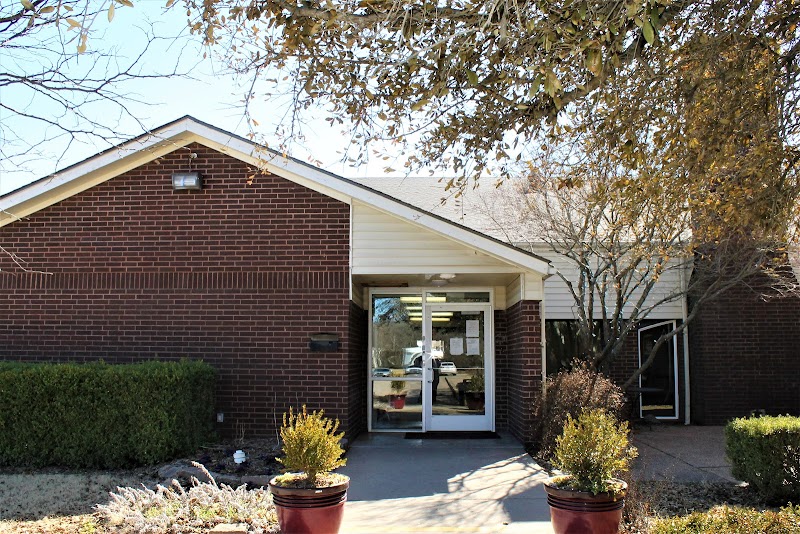
How is Brentwood Extended Care & Rehab Staffed?

CMS rates BRENTWOOD EXTENDED CARE & REHAB's staffing level at 2 out of 5 stars, which is below average compared to other nursing homes.

What Have Inspectors Found at Brentwood Extended Care & Rehab?

State health inspectors documented 63 deficiencies at BRENTWOOD EXTENDED CARE & REHAB during 2021 to 2025. These included: 1 Immediate Jeopardy (the most serious level, indicating potential for serious harm or death) and 62 with potential for harm. Immediate Jeopardy findings are rare and represent the most serious regulatory concerns. They require immediate corrective action.
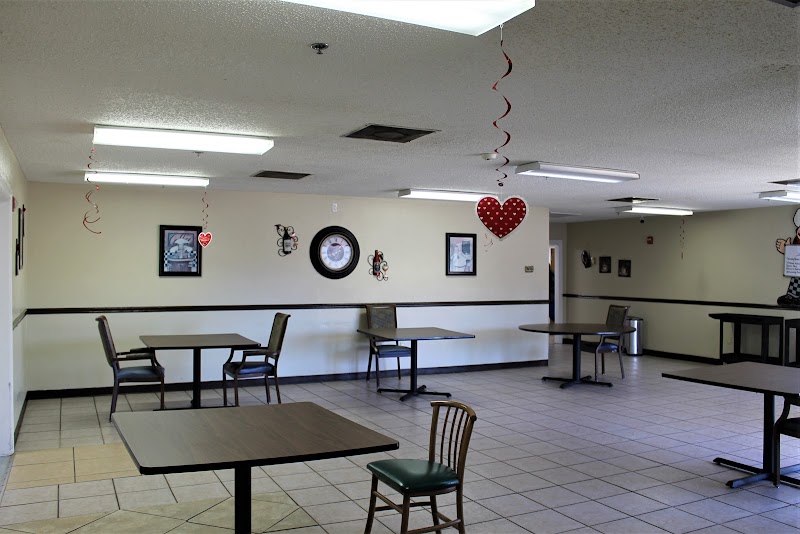
Who Owns and Operates Brentwood Extended Care & Rehab?

BRENTWOOD EXTENDED CARE & REHAB is owned by a for-profit company. For-profit facilities operate as businesses with obligations to shareholders or private owners. The facility operates independently rather than as part of a larger chain. With 90 certified beds and approximately 55 residents (about 61% occupancy), it is a smaller facility located in MUSKOGEE, Oklahoma.
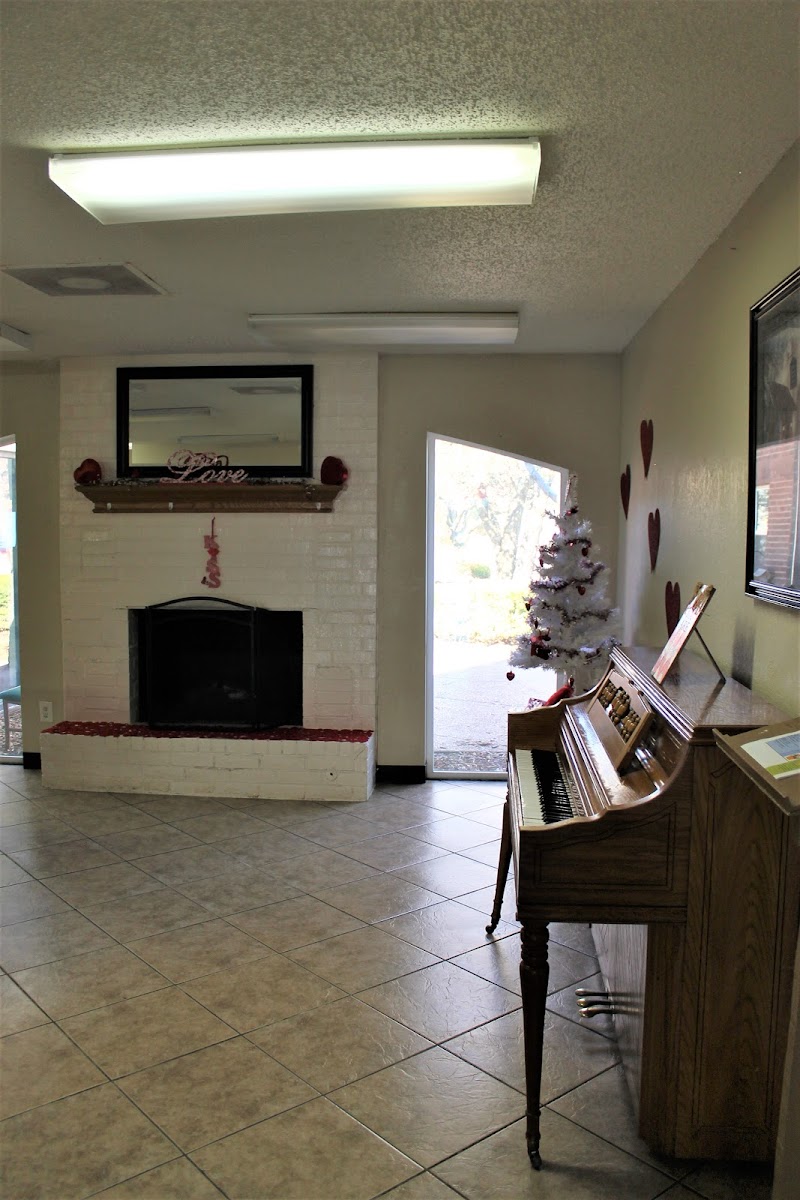
How Does Brentwood Extended Care & Rehab Compare to Other Oklahoma Nursing Homes?

Compared to the 100 nursing homes in Oklahoma, BRENTWOOD EXTENDED CARE & REHAB's overall rating (1 stars) is below the state average of 2.6 and health inspection rating (1 stars) is much below the national benchmark.

What Should Families Ask When Visiting Brentwood Extended Care & Rehab?

Based on this facility's data, families visiting should ask: "What changes have been made since the serious inspection findings, and how are you preventing similar issues?" "Can you walk me through typical staffing levels on day, evening, and night shifts?" "Can I visit during a mealtime to observe dining assistance and food quality?" "How do you handle medical emergencies, and what is your hospital transfer rate?" These questions are particularly relevant given the facility's Immediate Jeopardy citations and the below-average staffing rating.

Is Brentwood Extended Care & Rehab Safe?

Based on CMS inspection data, BRENTWOOD EXTENDED CARE & REHAB has documented safety concerns. Inspectors have issued 1 Immediate Jeopardy citation (the most serious violation level indicating risk of serious injury or death). The facility has a 1-star overall rating and ranks #100 of 100 nursing homes in Oklahoma. Families considering this facility should ask detailed questions about what corrective actions have been taken since these incidents.

Do Nurses at Brentwood Extended Care & Rehab Stick Around?

BRENTWOOD EXTENDED CARE & REHAB has not reported staff turnover data to CMS. Staff turnover matters because consistent caregivers learn residents' individual needs, medications, and preferences. When staff frequently change, this institutional knowledge is lost. Families should ask the facility directly about their staff retention rates and average employee tenure.

Was Brentwood Extended Care & Rehab Ever Fined?

BRENTWOOD EXTENDED CARE & REHAB has been fined $97,625 across 9 penalty actions. This is above the Oklahoma average of $34,055. Fines in this range indicate compliance issues significant enough for CMS to impose meaningful financial consequences. Common causes include delayed correction of deficiencies, repeat violations, or care failures affecting resident safety. Families should ask facility leadership what changes have been made since these penalties.

Is Brentwood Extended Care & Rehab on Any Federal Watch List?

BRENTWOOD EXTENDED CARE & REHAB is not on any federal watch list. The most significant is the Special Focus Facility (SFF) program, which identifies the bottom 1% of nursing homes nationally based on persistent, serious quality problems. Not being on this list means the facility has avoided the pattern of deficiencies that triggers enhanced federal oversight. This is a positive indicator, though families should still review the facility's inspection history directly.