THE SPRINGS SKILLED NURSING AND THERAPY
5800 WEST OKMULGEE, MUSKOGEE, OK 74401 (918) 683-2914
For profit - Partnership 105 Beds BRIDGES HEALTH Data: November 2025
Trust Grade
38/100
#188 of 282 in OK
Last Inspection: May 2024

Within standard 12-15 month inspection cycle. Federal law requires annual inspections.

Overview

The Springs Skilled Nursing and Therapy in Muskogee, Oklahoma has a Trust Grade of F, indicating significant concerns about the quality of care provided. With a state rank of #188 out of 282 facilities, they fall in the bottom half of nursing homes in Oklahoma and #6 out of 10 in Muskogee County, meaning only four local options are worse. Although the facility is showing improvement, reducing issues from 23 in 2023 to 4 in 2024, there are still serious concerns, including a recent incident where a resident at risk for falls was not properly monitored according to their care plan. Staffing is average with a 3/5 star rating, but the turnover rate is concerning at 63%, which is higher than the state average. Additionally, there were reports of inadequate food safety practices and complaints from residents about the quality and portion sizes of meals, raising further red flags about the overall care environment.

Trust Score
F
38/100
In Oklahoma
#188/282
Bottom 34%
Safety Record
Moderate
Needs review
Inspections
Getting Better
23 → 4 violations
Staff Stability
⚠ Watch
63% turnover. Above average. Higher turnover means staff may not know residents' routines.
Penalties
✓ Good
$15,593 in fines. Lower than most Oklahoma facilities. Relatively clean record.
Skilled Nurses
⚠ Watch
Each resident gets only 13 minutes of Registered Nurse (RN) attention daily — below average for Oklahoma. Fewer RN minutes means fewer trained eyes watching for problems.
Violations
⚠ Watch
55 deficiencies on record. Higher than average. Multiple issues found across inspections.
★★☆☆☆
2.0
Overall Rating
★★★☆☆
3.0
Staff Levels
★★☆☆☆
2.0
Care Quality
★★☆☆☆
2.0
Inspection Score
Stable
2023: 23 issues
2024: 4 issues

The Good

  • Full Sprinkler Coverage · Fire safety systems throughout facility
  • No fines on record

Facility shows strength in fire safety.

The Bad

2-Star Overall Rating

Below Oklahoma average (2.6)

Below average - review inspection findings carefully

Staff Turnover: 63%

17pts above Oklahoma avg (46%)

Frequent staff changes - ask about care continuity

Federal Fines: $15,593

Below median ($33,413)

Minor penalties assessed

Chain: BRIDGES HEALTH

Part of a multi-facility chain

Ask about local staffing decisions and management

Staff turnover is elevated (63%)

15 points above Oklahoma average of 48%

The Ugly 55 deficiencies on record

1 actual harm
May 2024 4 deficiencies
CONCERN (D) 📢 Someone Reported This

A family member, employee, or ombudsman was alarmed enough to file a formal complaint

Potential for Harm - no one hurt, but risky conditions existed

Pharmacy Services (Tag F0755)

Could have caused harm · This affected 1 resident

Based on record review and interview, the facility failed to ensure a medication was administered as ordered for one (#83) of five sampled residents reviewed for medications. The Administrator identi...

Read full inspector narrative →
Based on record review and interview, the facility failed to ensure a medication was administered as ordered for one (#83) of five sampled residents reviewed for medications. The Administrator identified 79 residents resided in the facility. Findings: A Specific Medication Administration procedure, date January 2022, read in part, .To administer oral medications in a safe, accurate, and effective manner . A Physician's Order, dated 02/08/24, documented to administer Levothyroxine Sodium Oral Tablet 88 MCG one tablet by mouth one time a day related to hypothyroidism. An April 2024 MAR documented blanks for the 6:00 a.m. Levothyroxine 88 mcg on 04/09, 04/10, 04/12, 04/16, 04/19, 04/20, 21, 04/23, 04/25, 04/27, and 04/28/24. A May 2024 MAR documented blanks for the 6:00 a.m. Levothyroxine 88 mcg on 05/04, 05/09, 05/13, 05/18, 05/21, 05/22, 05/26, 05/27, and on 05/31/24. On 05/30/24 at 10:09 a.m., CMA #1 was asked what the process was for administering medications. They stated they would look at the medication card and check it against the MAR. CMA #1 was asked how they documented when a medication was administered. They stated they pushed yes or no on the computer. CMA #1 stated if they pushed no, they would document a reason why the medication wasn't given. CMA #1 was asked what blanks on the MAR indicated. They stated it meant it wasn't given. CMA #1 was shown Resident #83's April and May MARs. They stated the night shift nurse should be giving the 6:00 a.m. medications.
CONCERN (E)

Potential for Harm - no one hurt, but risky conditions existed

Deficiency F0642 (Tag F0642)

Could have caused harm · This affected multiple residents

**NOTE- TERMS IN BRACKETS HAVE BEEN EDITED TO PROTECT CONFIDENTIALITY** Based on record review and interview, the facility failed to ensure resident assessment were completed within the required timef...

Read full inspector narrative →
**NOTE- TERMS IN BRACKETS HAVE BEEN EDITED TO PROTECT CONFIDENTIALITY** Based on record review and interview, the facility failed to ensure resident assessment were completed within the required timeframe for 10 (#11, 12, 15, 17, 33, 55, 59, 62, 64 and #78) of 11 residents whose transmission reports were reviewed. The Administrator identified 79 residents who resided in the facility Findings: The CMS Transmission Report, dated 05/28/24 documented the following resident assessments were completed late/more than 14 days after the assessment reference date. a. Res #11's quarterly assessment dated [DATE]. b. Res #12's quarterly assessment dated [DATE]. c. Res #15's quarterly assessment dated [DATE]. d. Res #17's quarterly assessment dated [DATE]. e. Res #33's annual assessment dated [DATE] and quarterly assessment dated [DATE]. f. Res #55's admission assessment dated [DATE] and end of skilled assessment dated [DATE]. g. Res #59's quarterly assessment dated [DATE] and 01/21/24. h. Res #62's quarterly assessment dated [DATE]. i. Res #64's quarterly assessment dated [DATE] and 01/23/24. j. Res #78's quarterly assessment dated [DATE] On 05/31/24 at 11:16 a.m., the MDS Coordinator reported they have been pulled to the floor to cover staffing and during those times they weren't able to complete resident assessments.
CONCERN (E)

Potential for Harm - no one hurt, but risky conditions existed

Respiratory Care (Tag F0695)

Could have caused harm · This affected multiple residents

Based on observation, record review, and interview, the facility failed to ensure oxygen and humidifier tubing was changed monthly for three (#11, 40, and #78) of three sampled residents whose respira...

Read full inspector narrative →
Based on observation, record review, and interview, the facility failed to ensure oxygen and humidifier tubing was changed monthly for three (#11, 40, and #78) of three sampled residents whose respiratory care was reviewed. The Administrator identified six residents who require oxygen. Findings: The Respiratory Equipment Changeout Schedule policy, last revised on 11/11/19, read in part, .Changeout Schedule .O2 Humidifier one time per month, Cannulas one time per month . 1. Res #11 had diagnoses which included COPD A physician's order, dated 06/09/23, documented oxygen nasal cannulas/tubing and humidifiers should be changed on the 15th of each month and as needed. On 05/28/24 at 10:45 a.m., Res #11's oxygen was in use with their cannula/tubing dated 02/13/24. Res #11's oxygen humidifier was empty and dated 04/30/24. On 05/29/24 at 11:02 a.m., Res #11's oxygen was in use with their cannula/tubing dated 05/28/24. Res #11's oxygen humidifier was empty and dated 04/30/24. 2. Res #40 had diagnoses which included COPD A physician's order, dated 08/25/23, documented oxygen 2-4 liters via nasal cannula if oxygen saturation less than 90%. On 05/28/24 at 11:35 a.m., Res #40's oxygen tubing was dated 02/13/24 and humidifier bottle was empty and dated 04/10/24. On 05/29/24 at 9:35 a.m., Res #40's oxygen tubing was dated 05/28/24 and humidifier bottle was empty and dated 04/10/24. 3. Res #78 had diagnoses which included COPD A physician's order, dated 08/05/23, documented oxygen 2-4 liters via nasal cannula is oxygen saturation less than 90%. On 05/28/24 at 1:05 p.m., Res #78's oxygen tubing was dated 02/13/24. On 05/29/24 at 2:21 p.m., Res #78's oxygen tubing was dated 05/28/24. Res #78 reported the staff changed the oxygen tubing last night. On 05/31/24 at 11:28 a.m., the DON reported the tubing should be changed at least monthly. The DON reported the changing of oxygen tubing has been a problem but reported with a full administrative team they should be able to monitor tubing changes better.
CONCERN (E) 📢 Someone Reported This

A family member, employee, or ombudsman was alarmed enough to file a formal complaint

Potential for Harm - no one hurt, but risky conditions existed

Deficiency F0725 (Tag F0725)

Could have caused harm · This affected multiple residents

Based on record review and interview, the facility failed to provide adequate staffing to ensure residents received their baths as scheduled for two (#34 and #71) of three sampled residents whose bath...

Read full inspector narrative →
Based on record review and interview, the facility failed to provide adequate staffing to ensure residents received their baths as scheduled for two (#34 and #71) of three sampled residents whose bathing documentation was reviewed. The administrator identified 79 residents who resided in the facility. Findings: 1. Res #34 had diagnoses which included end stage renal disease and congestive heart failure. The Inventory/Task Schedule documented Res #34 was scheduled to receive a bath on Monday and Wednesday each week. The Documentation Survey Report v2 for May 2024 documented Res #34 only received a bath on the following days: 05/01, 05/06, 05/15, 05/20 and 05/29/24. Res #34 did not receive a bath on the following scheduled days: 05/08, 05/13, 05/22, and 05/27/24. On 05/28/24 at 11:41 a.m., Res #34 reported they don't get baths when they are scheduled. Res #34 reported they were supposed to have a bath yesterday (05/27/24) and asked for one but was told by staff no one working could give them a bath. Res #34 reported the staff always say there aren't enough people when needing assistance with activities of daily living. 2. Res #71 had diagnoses which included COPD, history of falling and left hip replacement. The Inventory/Task Schedule documented Res #71 was scheduled to receive a bath on Wednesday and Saturday each week. The Documentation Survey Report v2 for May 2024 documented Res #71 only received a bath on the following days: 05/01, 05/04, 05/08, 05/15, 05/18, and 05/29/24. Res #71 did not receive a bath on the following scheduled days: 05/11, 05/22, and 05/25/24. On 05/28/24 at 11:40 a.m., Res #71 reported they were supposed to get two showers a week and stated tomorrow makes two weeks since I have had a shower. Res #71 reported they don't have enough staff to give everyone their baths when they are supposed to get them. Res #71 reported the staff do not attempt to make up missed showers. On 05/31/24 at 11:23 a.m., the DON reported their expectation is for any missed baths to be made up on another day. The DON reported our staffing problems are not the residents' problems. The DON reported the process of accounting for baths and documenting baths has not been organized and could not explain the lack of documented baths for Res #71.
Aug 2023 2 deficiencies
CONCERN (E) 📢 Someone Reported This

A family member, employee, or ombudsman was alarmed enough to file a formal complaint

Potential for Harm - no one hurt, but risky conditions existed

Pharmacy Services (Tag F0755)

Could have caused harm · This affected multiple residents

2. Res #10 had diagnoses which included chronic pain, human immunodeficiency virus, and unspecified convulsions. A physicians order, dated 04/20/22 documented the resident was prescribed divalproex s...

Read full inspector narrative →
2. Res #10 had diagnoses which included chronic pain, human immunodeficiency virus, and unspecified convulsions. A physicians order, dated 04/20/22 documented the resident was prescribed divalproex sodium tablets delayed release 500 mg to be given three times a day. The resident's MAR for August 2023 documented the divalproex 500 mg was to be given between 7:00 a.m. to 11:00 a.m., again at 3:00 p.m., and 6:00 p.m. to 10:00 p.m. On 08/24/23 at 3:50 p.m., during a medication pass, the 3:00 p.m. dose of divalproex 500 mg was observed to not have been available for Res #10. On 08/24/23 at 3:52 p.m., an interview was conducted with the ADON on the medication availability and they stated they would call the pharmacy and ask about the medication. The ADON stated if the medication was not shipped then they would request the medication to be drop shipped to the facility. On 08/24/23 at 4:05 p.m., an interview was conducted with LPN #3 on the medication not being available and they stated they had spoken to the pharmacy about the medication and it should be in the facility by 7:00 p.m. to 8:00 p.m. tonight. Based on observation, record review, and interview, the facility failed to ensure medications were available for one (#10) of 15 residents observed for medication pass and failed to administer medications as ordered for two (#1 and #5) of four residents reviewed for medication administration. The Census and Conditions of Residents report, documented 91 residents resided in the facility. Findings: 1. Res #1 had diagnoses which included atrial fibrillation, seizures, and GERD. A quarterly assessment, dated 05/24/23, documented the resident was intact with cognition and required limited assistance with most ADLs. On 08/24/23 at 9:50 a.m., Res #1 was observed sitting in their wheelchair in their room and stated they had missed nine pills and the nurse, after finishing on the 100 and 200 halls, came and gave them their medication. Res #1 stated they would have stayed at the nurses station all night to get the medication if they had to. The review of the resident MAR for August, 2023 reveled on 08/03/23 one medication was not marked as administered. On 08/08/23 the MAR documented 11 medications were not marked as administered and on 08/21/23 the MAR documented three medications not marked as administered. On 08/24/23 at 2:04 p.m., the corporate RN stated they were unable to know if the resident received medications on the days which were blank on the August MAR. On 08/24/23 at 2:52 p.m., the corporate RN stated the resident had not been out of the facility on the days the MAR documentation was blank. On 08/24/23 at 4:17 p.m., the quality manager stated they only new about the 21st because of MAR recorded the medications in red which indicated the medication had not been administered. They were not aware of the other days in August with blanks on the MAR. The quality manager stated if the medications were not documented on the MAR then they were not administered.3. Res #5 had diagnoses which included insomnia, depression, and neuropathy. An annual assessment, dated 07/28/23, documented the resident was moderately impaired in cognition and required supervision to limited assistance with ADLs. A review of the resident's MAR for August 2023 was reviewed and did not document the resident's doses of melatonin, gabapentin, or Trazodone were administered on 08/08/23. On 08/24/23 at 4:18 p.m., the Quality Manager was asked about blanks on the MAR. The Quality Manager reported if it was not documented it was not given.
CONCERN (F) 📢 Someone Reported This

A family member, employee, or ombudsman was alarmed enough to file a formal complaint

Potential for Harm - no one hurt, but risky conditions existed

Deficiency F0804 (Tag F0804)

Could have caused harm · This affected most or all residents

Based on observation, interview, and record review, the facility failed to: a. monitor food cooking and holding temperatures to ensure safe temperatures were maintained in the kitchen and on steam tab...

Read full inspector narrative →
Based on observation, interview, and record review, the facility failed to: a. monitor food cooking and holding temperatures to ensure safe temperatures were maintained in the kitchen and on steam table during a meal service. b. the facility servings sizes were appropriate for each item served. c. food served to residents was palatable. The Resident Census and Conditions of Residents form documented 91 residents resided in the facility. Findings: On 08/23/23 at 4:55 p.m., staff were observed delivering plates of food to residents. The plates were stacked on an open cart and had plastic wrap to cover them. Multiple plates were observed stacked together as a staff member was working delivering them on the 300 hall. The plates had no mechanism to prevent heat loss from the food being served which appeared to be a ravioli dish. On 08/24/23 at 10:00 a.m., Res #1 stated if it was not for friends bringing the resident food they would starve because of the palatability, quality, and serving sizes. On 08/24/23 at 12:40 p.m., the DM was asked how the staff delivered meals to the residents who ate in their rooms. The DM stated the staff delivered them one at a time to ensure the meals were delivered hot. The DM was asked about the observation of meals being delivered on a cart with plates covered with plastic wrap. The DM stated depending on how much floor staff were available to deliver meals, sometimes the facility had to take the plates out all at once. The DM was asked how the facility ensured the food was delivered at the resident's preferred temperature. The DM stated they did not know. The temperature logs for the kitchen and the main serving area were reviewed. The logs for both did not documented temperatures were obtained for breakfast or lunch on 08/24/23. On 08/24/23 at 1:38 p.m., the DM stated the staff obtained the temperature of the food today and they must have documented on yesterday's documentation slot because they did not obtain the temperatures of the food yesterday. The DM stated the residents' can order from the alternate menu anytime. The DM stated they wanted the residents to eat in the dining room but had a lot of residents who ate in their rooms. At that time, the alternate menu items were reviewed for availability and all items were present with the exception of peanut butter. The DM stated a truck was to deliver food, including the peanut butter, tomorrow. On 08/24/23 at 3:48 p.m., Res #7 stated they did not like the food as it did not have a lot of flavor. Res #7 stated they did not eat it most of the time and would instead just eat ham and cheese sandwiches and sometimes for breakfast would have the bacon if it was cooked right and a banana. On 08/24/23 at 3:49 p.m., Res #6 stated the portions were not very big and they had ran out of food before. Res #6 stated they have an alternate menu to choose from and have those foods available if they wanted. Res #6 stated the temperature of the food was always cool. On 08/24/23 at 3:54 p.m., Res #8 stated the food was so-so and cold most of the time. On 08/24/23 at 3:56 p.m., Res #9 stated the food was cool to warm and the servings sizes varied depending on who was serving. The resident stated they were not made aware there was an alternate menu and when shown the alternate menu the resident stated they wanted a chef salad for dinner.
Apr 2023 21 deficiencies 1 Harm
SERIOUS (G) 📢 Someone Reported This

A family member, employee, or ombudsman was alarmed enough to file a formal complaint

Actual Harm - a resident was hurt due to facility failures

Accident Prevention (Tag F0689)

A resident was harmed · This affected 1 resident

3. Res #10 had diagnoses which included chronic respiratory failure with hypoxia, COPD, atrial fibrillation, and HTN. A care plan for falls, initiated on 12/09/22, documented the resident had the pote...

Read full inspector narrative →
3. Res #10 had diagnoses which included chronic respiratory failure with hypoxia, COPD, atrial fibrillation, and HTN. A care plan for falls, initiated on 12/09/22, documented the resident had the potential for falls related to muscle weakness. The care plan documented the following interventions: a. keep the call light in reach and encourage the resident to use it, b. encourage the resident to participate in activities which promoted physical activity for strengthening and mobility, c. ensure the resident was wearing non skid footwear before ambulation, before transfers, and when up in the wheelchair. d. toilet the resident frequently, e. keep the high low bed in the low position, f. lock the wheelchair before transfers, g. assess the environment for potential hazards such as wetness, clutter, and newly waxed floors, h. keep personal and frequently used items in reach, i. anticipate the resident's needs, and j. follow the facility's fall protocol. A nurse incident note, dated 02/28/23, documented a CNA called the nurse to the resident's room. The note documented resident was setting on the edge of her bed. The note documented Res #10 stated she fell in the bathroom and hit her head on the cabinet and then she got up and walked back to her bed. The note documented the resident was observed to have a quarter sized hematoma to right side of her forehead with two abrasions on top of the raised area. The note documented the resident was sent to the ER for evaluation and the intervention to prevent falls was the resident would be checked hourly for three days upon return from hospital. The fall care plan, revised 02/28/23, documented the intervention for hourly checks for three days upon return from the hospital. The resident's medical record did not document the hourly checks for three days as completed. A nurse incident note, dated 03/03/23, documented Res #10 was sitting on the floor. The note documented the resident was assessed and was assisted up into a wheelchair and no injuries were observed. The note documented the resident refused to go to the emergency room. The note documented a fall intervention of the resident was educated to use the call light before transfers which was already documented on the initial fall care plan. A significant change assessment, dated 03/20/23, documented the resident was severely impaired with cognition, required limited assistance with most ADLs, and total assistance with bathing. The assessment documented no falls since reentry or last assessment. On 04/10/23 at 11:27 a.m., Res #10 was observed sitting on the side of her bed which was in the low position. A nurse incident note, dated 04/11/23 at 6:08 a.m., documented the resident was found sitting on the floor in her room leaning forward to the box fan in her room. The note documented the resident had placed herself on the floor to be near to the box fan and was not injured. The note documented the resident's box fan was to be kept in reach. On 04/11/23 at 11:32 a.m., Res #10 was observed asleep sitting on the side of the bed with one foot on the floor and lying on her right side. The bed was observed in the low position. The box fan was observed on the floor under the over the bed table out of reach of the resident. On 04/11/23 at 11:43 a.m., CNA #2 stated Res #10 had been out to the hospital after a fall but not fallen recently that she was aware of. The CNA stated the yellow paper on the resident's wall was to identify the resident as a fall risk. The CNA stated the nurses had not instructed the staff on any interventions to prevent falls for the resident. On 04/11/23 at 2:18 p.m., the DON stated the hourly checks should have been documented in a physician order and then would have been on the TAR for the staff to document checking on the resident. On 04/11/23 at 3:59 p.m., the DON stated he was not able to find where the hourly checks were documented for the three days upon return from hospital. Based on observation, record review, and interview, it was determined the facility failed to ensure residents received supervision to prevent falls for three (#10, 15, and #33) of five residents who were reviewed for accidents related to falls. Res #15 had a fall on 03/17/23. Hospital records related to this fall documented the resident sustained a right femoral neck fracture. The DON reported 68 residents had fallen in the previous six months. Findings: A facility policy, titled Fall Awareness Program, revised on 02/28/23, read in part, .11. Review the fall at the next Safety committee meeting and gain input for interdisciplinary team meeting members for other possible interventions to prevent falls. Make sure to update and revise plan of care as indicated. 1. Res #15 had diagnoses which included vascular dementia, senile degeneration of the brain, and history of falling. A care plan, initiated on 07/16/21, documented the resident was at risk for falls. The care plan documented the following interventions: a. a fall mat at bed side, b. staff were to anticipate the resident's needs, c. ensure the call light was in reach and encourage the resident to use it, d. staff were to respond quickly to all requests for assistance, e. utilize a bolster cover to the resident's mattress, f. ensure the resident was wearing appropriate footwear, g. keep frequently used items in reach, h. keep the pathways clear, dry, and clutter free, i. lock the wheelchair brakes prior to attempting a transfer, j. place non-skid strips at the bedside, k. keep the bed in the lowest position, and l. apply positioning bars to the bed. An incident report, dated 11/20/22, documented Res #15 had experienced an unwitnessed fall and was found on the floor in her room sitting on the fall mat. The incident report documented the resident had no apparent injuries and no steps to prevent the recurrence of falls. The care plan did not document any new fall interventions. An incident report, dated 11/23/22, documented the resident was found on the floor on the fall mat. The incident report documented the resident had not been injured and was assisted to a wheelchair and taken to the nurses station for a meal. The care plan did not reveal any new interventions to prevent falls. Another fall incident report, dated 11/23/22, documented the resident had been found on the floor lying on her back. The incident report documented the resident had no visible injuries and a CNA remained with the resident until she became restful. The incident report did not document interventions to prevent the recurrence of falls and the care plan did not reveal any new fall interventions. An annual assessment, dated 11/27/22, documented Res #15 was severely impaired in cognition, required extensive assistance with most ADLs, and had experienced two or more falls since the previous assessment. The care area assessment documented falls triggered for care planning. An incident report, dated 11/29/22, documented the resident had been found on the floor next to the fall mat. The incident report documented the resident had no apparent injury and did not document any steps to prevent the recurrence of falls. The care plan did not reveal any new fall interventions. An incident report, dated 12/05/22, documented the resident was found laying on the floor in her room. The report documented the staff found no apparent injuries. The interventions documented were previously documented on the care plan and no new interventions were added. The care plan was not updated. An incident report, dated 12/05/22, documented a second fall where the resident was found laying on the floor in her room. The incident report documented the resident was checked and did not appear to have been injured. The immediate intervention was to place the resident in a wheelchair and set her next to the nurse station. The care plan did not reveal any new fall interventions. An incident report, dated 12/13/22, documented the nursing staff were notified the resident was on the floor in her room. The immediate intervention was to place the resident in a wheelchair and bring her near the nursing station. No new interventions were documented in the care plan. An incident report, dated 12/15/22, documented the resident was on the floor in her room. The report documented the resident was assisted to her wheelchair. No new interventions were documented and the care plan did not reveal any new interventions to prevent falls. An incident report, dated 12/19/22, documented the nurse was notified the resident was on the floor. The report documented the resident was assisted to her wheelchair. The care plan was updated with previously used interventions on 12/19/22 to place the resident in a wheelchair and set her next to the nurse station. No new interventions to prevent falls were documented in the care plan. An incident report, dated 12/22/22, documented the resident was found on the floor in the dining area. The report documented an intervention to keep the resident near the staff when up in a wheelchair. A nurse note for this fall documented the resident was sent to the emergency room after appearing to lose consciousness several times after the fall. The care plan was not updated with any new interventions to prevent falls. An incident report, dated 12/25/22, documented the resident had been found on the floor next to her bed. The report documented the resident was assisted back to bed. No new interventions to prevent falls were documented on the care plan. An incident report, dated 12/28/22, documented the resident was found crawling on the floor in her room and she was stating she was trying to get a drink of water. The care plan was reviewed and did not document a new intervention to prevent falls. A significant change assessment, dated 01/02/23, documented Res #15 was severely impaired in cognition, required limited to extensive assistance with most ADLs, and had experienced two or more falls since the previous assessment. The care area assessment documented falls had been triggered for care planning. A significant change assessment, dated 01/18/23, documented Res #15 was severely impaired in cognition, required limited to extensive assistance with most ADLs, and had experienced two or more falls since the previous assessment. The care area assessment documented falls had triggered for care planning. An incident report, dated 01/28/23, documented the resident was found on the floor with a pillow under her head and a blanket over her. No steps to prevent the recurrence of falls was documented on the report and the care plan was not updated to address any new fall interventions. An incident report, dated 02/06/23, documented the resident was found on the floor on her right side. The note documented the resident complained of left hip pain and was sent to the emergency room. The incident report did not document steps to prevent falling and the care plan did not document any new interventions to prevent falling. An incident report, dated 02/17/23, documented the resident was found on the floor on a fall mat. No interventions were documented and the care plan was not updated to reflect any new interventions to prevent falls. An incident report for a second fall on 02/17/23 documented the resident was found on the floor next to the bed. No interventions were documented and the care plan was not updated to reflect any new interventions to prevent falls. An incident report, dated 02/19/23, documented the resident was found lying on the floor in her room. The report documented the resident complained that she hit her head. The report documented the resident was sent to the emergency room for evaluation. No steps to prevent the recurrence of falls was documented in the report. The care plan did not document any new interventions to prevent falls. A quarterly assessment, dated 02/20/23, documented Res #15 was severely impaired in cognition, required supervision to extensive assistance with ADLs, and had experienced two or more falls since the previous assessment. An incident report, dated 03/04/23, documented the resident was found on the floor next to her bed and the call light had been pulled out of the wall. The incident report did not document any interventions and the care plan was not updated to reflect any new fall prevention interventions. An incident report, dated 03/07/23, documented the resident slid out of her chair and sat on the floor. The report did not document interventions to prevent the recurrence of falls and the care plan did not document a fall intervention update. An incident report, dated 03/08/23, documented the resident had been sitting between the table and the medication carts and when the staff returned the resident was on the floor. The report did not document interventions to prevent the recurrence of falls and the care plan did not document a fall intervention update. An incident report, dated 03/11/23, documented the resident was found on the floor next to the bed. The report documented the resident complained of hip pain and an order for hip and pelvis X-rays were obtained from the practitioner. The report did not document interventions to prevent the recurrence of falls. The care plan did not document any new interventions to prevent falls. An incident report, dated 03/17/23, documented the resident was found on the floor in front of her wheelchair in her room. The report documented the resident complained of pain in her lower extremities and was sent to the emergency room for evaluation. The report did not document interventions to prevent the recurrence of falls. The care plan was reviewed and was found to not document any new interventions to prevent falls. Hospital records were reviewed related to this fall and documented the resident had fractured her hip. On 04/12/23 at 12:11 p.m., the DON stated, regarding the fall on 12/05/23, the facility had asked the consultant pharmacist to review the resident's medications as a possible contributor to falls and the review occurred on 12/12/22. He stated the resident's medication Remeron was discontinued several days later. The DON stated the care plan was not updated to include a medication review as a fall prevention intervention. On 04/12/23 at 12:16 p.m., the DON stated, regarding the fall on 12/13/22, he was waiting for hospice to get back to him if they had approved a restart of the resident's dose of Ativan as a medicinal intervention for falls. On the same date at 3:31 p.m., the DON confirmed the Ativan was added again but was not documented on the resident's fall care plan as a fall intervention. On 04/12/23 at 12:28 p.m., the DON stated, regarding the fall on 02/20/22, the resident had been sent to the emergency room and was diagnosed with a urinary tract infection. He stated this may have been the cause of the fall and confirmed the diagnosis of a urinary tract infection was not documented on the resident's care plan as a fall intervention. On 04/12/23 at 12:35 p.m., the DON stated, regarding the fall on 03/08/23, the facility had again requested the consultant pharmacist to review the resident's medications as a cause of the falls. He stated this occurred on 03/14/23 and the physician declined to reduce any medications. The DON confirmed the care plan had not been updated to include a review of the resident's medications as a fall prevention intervention. On 04/12/23 at 3:29 p.m., the DON reported the incident report for the fall on 03/11/23 documented placing bright colored tape on the resident's call light for ease of locating the call light by the resident. He stated he knew the tape had been applied as he did it himself. The DON confirmed the application of bright colored tape to the call light was not added to the care plan as a fall intervention. For the other falls, the DON was interviewed on 04/12/23 between 12:20 p.m. and 12:33 p.m., and stated he could find no further documentation or interventions placed on the incident reports or documented in the notes or care plan. 2. Res #33 had diagnoses which included dementia with behavioral disturbance, anxiety disorder, unspecified psychosis, and osteoporosis. A fall care plan, initiated on 08/03/21, documented the resident was at risk for falls with injuries. The care plan documented the following interventions: a. evaluate all falls and intervene as necessary to reduce the potential of significant injury, b. get the resident up when he was restless, c. keep the bed in the low position, d. anticipate the resident's needs, e. keep the call light close and answer it promptly, f. keep personal items in reach, g. bolster cover to the resident's mattress, h. staff to assist him to bed after meals and activities, i. ensure resident was wearing appropriate footwear, j. Dycem to his wheelchair, k. monitor the resident for attempting to put himself to bed, l. the falling star program and facility fall policy, m. positioning bars, m. physical therapy and occupational therapy as ordered, and o. a safety (beveled) fall mat. An incident report, dated 12/06/22, documented the resident was on the floor in the hallway. The report did not contain documentation of any interventions to prevent further falls. The care plan documented the resident was currently near the nursing station in a wheelchair but did not reveal any documentation of new interventions to prevent falls. An annual MDS assessment, dated 12/21/22, documented the resident was severely impaired in cognition, required limited to extensive assistance with most ADLs, and had experienced two or more falls since the previous assessment. The care area assessment documented falls were triggered to care plan. An incident report, dated 12/28/22, documented the resident was observed standing in his doorway with only an adult brief on. The report documented the resident lost his balance and fell. The report documented the resident stated he was hungry and a snack was provided to him. The report documented to ensure the resident was wearing proper footwear. The care plan had already documented appropriate footwear and no new interventions to prevent falls were documented. An incident report, dated 01/07/23, documented the resident was found on the floor in his room. The report and the resident's care plan did not contain documentation of any new steps to prevent falls. An incident report, dated 01/22/23, documented the resident was found sitting on his fall mat on the floor. The incident report documented the resident had on appropriate footwear and an adult brief. The incident report and the care plan documented safety measures were already in place and did not contain documentation of any new interventions to prevent falls. An incident report, dated 01/23/23, documented the resident was found sitting on the floor and scooting himself across the hallway. The report documented the resident was assisted to his wheelchair and brought near the nursing station. The care plan documented an intervention of every two hour safety checks. An incident report, dated 01/29/23, documented the resident was found on his bottom and was scooting himself across the floor. The report and the care plan did not contain documentation of any new interventions to prevent falls. An incident report, dated 02/24/23, documented the resident was observed crawling from his bed and onto the floor. An intervention documented on the report was to place the resident in his wheelchair and bring him to the common area when he was awake. The care plan did not reveal documentation of the intervention. An incident report, dated 02/27/23, documented the resident was observed sitting on the floor outside of his room. The report documented to add the resident to the morning get up list where CNAs were to assist the resident to get up before the end of their shift. The care plan did not contain documentation of this intervention. An incident report, dated 03/03/23, documented the resident was found sitting on the floor in his doorway. The incident report did not document any interventions and the care plan was not updated. A quarterly MDS assessment, dated 03/17/23, documented the resident was severely impaired in cognition, required extensive with most ADLs, and had experienced two or more falls since the previous assessment. On 04/07/23 at 10:36 p.m., Res #33 was observed sitting on the side of the bed, with his and legs over the side, pulling on the mattress and grab bar, attempting to stand up. A fall mat was observe at the side of the bed and the bed was observed to have a bolstered mattress cover. On 04/07/23 at 10:39 a.m., a staff member was passing by in the hall, saw the resident attempting to stand, and entered the room and closed the resident's door. On 04/07/23 at 12:09 p.m., a family member of Res #33 was interviewed and stated the resident fell frequently when attempting to get out of bed. On 04/12/23 from 5:03 p.m. to 5:13 p.m., the DON was interviewed regarding these falls. He confirmed there had been no new fall preventions added to the resident's care plan related to the resident's falls listed above. He stated every two hour checks was not an appropriate intention to prevent falls as the staff were to do this anyway.
CONCERN (D) 📢 Someone Reported This

A family member, employee, or ombudsman was alarmed enough to file a formal complaint

Potential for Harm - no one hurt, but risky conditions existed

Notification of Changes (Tag F0580)

Could have caused harm · This affected 1 resident

Based on record review and interview, the facility failed to consistently notify the resident's representative when the resident fell for one (#15) of five residents reviewed for falls. The DON repor...

Read full inspector narrative →
Based on record review and interview, the facility failed to consistently notify the resident's representative when the resident fell for one (#15) of five residents reviewed for falls. The DON reported 68 residents had fallen in the previous six months. Findings: Res #15 had diagnoses which included vascular dementia, senile degeneration of the brain, paranoid schizophrenia, and a history of falling. An incident report, dated 11/21/22, documented the resident had fallen. The EHR did not document the resident's representative had been notified of the fall. An incident report, dated 12/28/22, documented the resident had fallen. The EHR documented the facility had attempted to contact the resident's representative and a message was left. The EHR did not document the resident's representative had returned the call or the facility had attempted further contact with the representative. An incident report, dated 01/28/23, documented the resident had fallen. The EHR documented the facility had attempted to contact the resident's representative and a message was left. The EHR did not document the resident's representative had returned the call or the facility had attempted further contact with the representative. A quarterly assessment, dated 02/20/23, documented Res #15 was severely impaired in cognition, required limited to extensive assistance with ADLs and did not walk. The assessment documented the resident had fallen since the previous assessment with two or more falls with no injury and one with non major injury. An incident report, dated 03/07/23, documented the resident had fallen. The EHR did not document the facility had attempted to contact the resident's representative. An incident report, dated 03/08/23, documented the resident had fallen. The EHR did not document the facility had notified the resident's representative. A discharge return anticipated assessment, dated 03/17/23, documented the resident had fallen since the previous assessment with two or more falls without injury and one fall with a major injury. On 04/12/23 at 12:33 p.m., the DON reported he reviewed the resident's documentation both in the EHR and on paper and had been unable to provide documentation the resident's representative had been notified of the falls.
CONCERN (D) 📢 Someone Reported This

A family member, employee, or ombudsman was alarmed enough to file a formal complaint

Potential for Harm - no one hurt, but risky conditions existed

Free from Abuse/Neglect (Tag F0600)

Could have caused harm · This affected 1 resident

Based on observation, record review, and interview, facility failed to ensure its employees did not neglect a resident by failing to provided assistance to reposition a resident to avoid the developme...

Read full inspector narrative →
Based on observation, record review, and interview, facility failed to ensure its employees did not neglect a resident by failing to provided assistance to reposition a resident to avoid the development of a pressure ulcer for one (#148) of two residents reviewed for pressure ulcers. The Resident Census and Conditions of Residents form documented two residents residing in the facility had pressure ulcers. Findings: Res #148 had diagnoses which included congestive heart failure, kidney failure, rheumatoid arthritis, and osteoporosis without pathological fracture. An admission assessment, dated 03/17/23, documented the resident had no pressure areas or open wounds A care plan, dated 03/17/23, documented the resident had a risk for impaired skin integrity related to incontinence and decreased mobility. The care plan documented the staff were to implement skin interventions to minimize skin breakdown including, but not limited to, assisting the resident with turning and repositioning frequently and encourage the resident to turn and reposition frequently. The EHR documentation of turning and repositioning the resident did not reveal entries for the dates of 03/18/23, 03/22/23, and 03/23/23. The EHR documentation revealed the resident had been turned on one shift only on 03/19/23 and 03/21/23. An admission MDS assessment, dated 03/23/23, documented the resident was moderately impaired in cognition, required extensive assistance with bed mobility, transfer, toileting, personal hygiene, and did not walk. The assessment documented the resident was occasionally incontinent of urine and always incontinent of bowel. The assessment documented the resident did not have pressure ulcers but was at risk and triggered pressure ulcers for care planning. A weekly skin evaluation, dated 03/27/23, documented no new skin issues were identified. The EHR documentation revealed the resident had been turned and repositioned on one shift only on 03/25/23, 03/26/23, 03/27/23, and 03/28/23. The EHR documentation of turning and repositioning the resident did not reveal entries for the dates of 03/29/23, and 03/30/23. A skin/wound note, dated 03/31/23, documented the wound nurse had been notified of a possible open area to the resident's buttocks. The note documented a dime sized open area was identified on the resident's right buttock. The note documented the physician was notified and a treatment was ordered. A wound assessment, dated 03/31/23, documented a stage two pressure ulcer, measuring 1.5 cm by 1.5 cm by 0.1 cm on the resident's right buttock. The EHR documentation of turning and repositioning the resident did not reveal entries for 04/05/23. The EHR documentation revealed the resident had been turned and repositioned on one shift only on 04/01/23, 04/03/23, and 04/04/23. On 04/07/23 at 11:48 a.m., the resident and a family member reported the resident did not have a pressure ulcer when she had been admitted . The resident and her family member stated she developed a sore on her bottom after being left in a wheelchair from the morning until bedtime. The family member stated the facility had put a treatment in place and the sore was almost healed at that time. The EHR documentation revealed the resident had been turned and repositioned on one shift only on 04/08/23, 04/09/23 and 04/11/23. The EHR documentation of turning and repositioning the resident did not reveal entries for 04/10/23. On 04/13/23 at 9:49 a.m., wound care was observed on Res #148 performed by RN #2. No infection control issues were identified and the RN followed the physician orders. The resident did not appear to be in pain or distress during the wound care and the wound appeared to be nearly healed. On 04/18/23 at 10:50 a.m., PT #1 stated the resident had been instructed to shift her weight in the wheelchair to offload pressure. The PT stated the resident's family member was in the resident's room a lot and confirmed the staff should have offered to lay the resident down in bed. The PT stated he could not say if the resident had been put in bed on 03/30/23 after physical therapy as he was not the staff member which returned the resident to her room. The PT stated it was his practice to evaluate with the resident if the physical therapy session was too hard as residents might have become too fatigued to offload later in the day or may have refused therapy on the next day. The PT stated he did not document residents' responses to the evaluation of the intensity of the therapy session. On 04/18/23 at 11:16 a.m., the DON stated he could not prove the resident had been repositioned by the staff on the days in question. He stated according to the PT department, the resident could offload while sitting in the wheelchair. The DON was asked how long a resident of the age of Res #148 and/or the resident's medical diagnoses would have to sit in a wheelchair before the resident developed a pressure ulcer. He stated he was not sure but with some residents it would not have taken long.
CONCERN (D)

Potential for Harm - no one hurt, but risky conditions existed

Assessment Accuracy (Tag F0641)

Could have caused harm · This affected 1 resident

2. Res #5 had diagnoses which included history of falling, COPD, diabetes mellitus, and schizophrenia. A care plan, revised 03/12/23, documented to ensure the resident had on appropriate foot wear wh...

Read full inspector narrative →
2. Res #5 had diagnoses which included history of falling, COPD, diabetes mellitus, and schizophrenia. A care plan, revised 03/12/23, documented to ensure the resident had on appropriate foot wear when ambulating. A Medicare 5 day assessment, dated 03/20/23, documented the resident was severely impaired with cognition and required extensive assistance with of two staff members for walking. A significant change assessment, dated 03/31/23, documented the resident was independent in cognition and required supervision to limited assistance with most ADLs. The assessment documented walking occurred only once or twice during the look back period. On 04/10/23 at 6:58 a.m., Res #5 was observed sitting in a wheelchair at a table in the dining room. The resident was observed to have been a double amputee of the lower extremities and was unable to walk. On 04/13/23 at 10:53 a.m. MDS coordinator #2 stated the resident did not have legs so she could not walk. She stated it was an MDS inaccuracy. On 04/13/23 at 11:07 a.m., MDS Coordinator #1 stated a corporate MDS support staff member did the Medicare 5 day MDS and the resident was not able to walk. She stated the MDS for the 5 day was not correct. Based on observation, record review, and interview, the facility failed to ensure the resident assessments accurately reflected the residents' status for two (#5 and #33) of 27 residents whose assessments were reviewed. The facility failed to accurately code: a. walking for Res #5. b. physician documentation of contraindication to a gradual dose reduction for Res #33. The Resident Census and Conditions of Residents form documented 86 residents resided in the facility. Findings: 1. Res #33 had diagnoses which included dementia with behavioral disturbance, anxiety disorder, recurrent depressive disorders, and unspecified psychosis. A physician order, dated 11/28/22, documented the facility was to administer quetiapine fumarate tablet, 25 mg two times a day for a diagnosis of unspecified psychosis not due to a substance or known physiological condition. A consultant pharmacist medication review, dated 12/08/22, asked for a reduction in either Zoloft (an antidepressant medication), Ativan (an antianxiety medication), or Seroquel (quetiapine fumarate). On 12/17/22 the consultant pharmacist medication review documented a response from the resident's physician declining to reduce any of the resident's psychotropic medications as a dose reduction would likely cause an exacerbation of the condition. An annual MDS assessment, dated 12/21/22, documented the resident was severely impaired in cognition, received antipsychotic medications daily during the assessment period, and the resident's physician had not documented a clinical contraindication to attempting a reduction in the dosage of antipsychotic medication. A quarterly MDS assessment, dated 03/17/23, documented the resident was severely impaired in cognition, received antipsychotic medications daily during the assessment period and the resident's physician had not documented a clinical contraindication to attempting a reduction in the dosage of antipsychotic medication. On 04/07/23 at 10:36 p.m., Res #33 was observed sitting on the side of the bed, with his and legs over the side, pulling on the mattress and grab bar, attempting to stand up. A fall mat was observed at the side of the bed and the bed was observed to have a bolstered mattress cover. On 04/12/23 at 2:38 p.m., MDS coordinator #2 stated she had looked in the computer prior to the 12/21/22 annual assessment and the 03/17/23 quarterly assessment and had not located documentation of a contraindication for reduction. At that time she reviewed the 12/12/22 consultant pharmacist medication review and stated she had not seen this one and based on the documented contraindication the annual and quarterly assessment were incorrect. She stated there was no system in place to ensure the MDS team was notified of physician documented contraindications to reduction of antipsychotic medications.
CONCERN (D)

Potential for Harm - no one hurt, but risky conditions existed

Comprehensive Care Plan (Tag F0656)

Could have caused harm · This affected 1 resident

Based on observation, record review, and interview, it was determined the facility failed to develop a comprehensive care plan related to the resident's enteral feeding tube for one (#6) of two reside...

Read full inspector narrative →
Based on observation, record review, and interview, it was determined the facility failed to develop a comprehensive care plan related to the resident's enteral feeding tube for one (#6) of two residents who were sampled for enteral feeding tubes. The Resident Census and Conditions of Residents documented 86 residents resided in the facility. Findings: Res #6 had diagnoses which included encounter for attention to gastrostomy. An admission assessment, dated 02/28/23, documented the resident was cognitively intact, required extensive assistance with activities of daily living, and had a feeding tube. The care plan, dated 03/21/23, was reviewed and did not contain a plan of care related to the resident's enteral feeding tube. On 04/07/23 at 9:02 a.m., Res #6 was observed sitting in a wheelchair and lifted up her shirt to show the enteral tube feeding port. At that time, she stated she did not use it for feedings anymore and it was only used to administer medication. On 04/14/23 at 12:55 p.m., MDS coordinator #2 stated the enteral feeding tube was inserted during the last hospital stay but the enteral feeding tube was not care planned.
CONCERN (D)

Potential for Harm - no one hurt, but risky conditions existed

Deficiency F0679 (Tag F0679)

Could have caused harm · This affected 1 resident

Based on observation, record review, and interview, the facility failed to ensure a resident centered activity program was implemented to meet the resident's interest for one (#66) of three residents ...

Read full inspector narrative →
Based on observation, record review, and interview, the facility failed to ensure a resident centered activity program was implemented to meet the resident's interest for one (#66) of three residents sampled for choices. The Resident Census and Conditions of Residents, documented 86 residents resided in the facility. Findings: Res #66 had diagnoses which included diabetes mellitus, atrial fibrillation, acute and chronic respiratory failure, and depression. A care plan, initiated on 10/21/21, documented Res #66 was to be assisted to activities as needed. The care plan also documented to introduce the resident to her peers, notify the resident of scheduled activities, and to remind the resident when activities were starting. A significant change assessment, dated 09/09/22, documented the resident was moderately impaired in cognition. The assessment documented the resident required extensive assistance with most ADLs. The assessment documented it was very important to the resident to participate in group activities and to participate in religious services. A quarterly assessment, dated 03/03/23, documented the resident was moderately impaired in cognition. The assessment documented the resident required extensive assistance with most ADLs and required total assistance with transferring, bathing, toileting, and personal hygiene. On 04/06/23 at 11:40 a.m., the resident was observed lying in her bed watching television. The resident stated she would have liked to get up out of the bed, go into the dining room to eat, and attend scheduled activities. On 04/17/23 at 12:15 p.m., activity director #1 stated she had never seen the resident out of her bed and had never asked the resident if she wanted to get up and come to the scheduled activities in the dining room. When asked if the resident was informed of scheduled activities, the activity director #1 stated she took a calendar of scheduled activities to every room and Res #66 has one posted on her bathroom door. On 04/17/23 at 12:20 p.m., the resident stated she did have a calendar of scheduled activities posted on her bathroom door but she was unable too see the schedule related to her always being in the bed.
CONCERN (D) 📢 Someone Reported This

A family member, employee, or ombudsman was alarmed enough to file a formal complaint

Potential for Harm - no one hurt, but risky conditions existed

Quality of Care (Tag F0684)

Could have caused harm · This affected 1 resident

Based on record review, observation, and interview, the facility failed to ensure residents were cared for in accordance with professional standards of practice for one (#86) of two residents sampled ...

Read full inspector narrative →
Based on record review, observation, and interview, the facility failed to ensure residents were cared for in accordance with professional standards of practice for one (#86) of two residents sampled for mobility and range of motion and one (#6) of two residents sampled for nutrition. The facility failed to: a. to turn and reposition Res #86. b. obtain daily weights as ordered by the physician for Res #6. The Resident Census and Conditions of Residents report documented nine residents who were bed fast most of the time resided in the facility. Findings: 1. Res #86 had diagnoses which included hemiplegia and hemiparesis following cerebral infarction affecting right dominate side, and Parkinson's Disease. A care plan for transfer and mobility, last revised 12/03/22, documented the resident had an ADL self care performance deficit. The care plan documented the resident was independent to limited assist of one with transfers and bed mobility. A significant change assessment, dated 02/16/23, documented the resident was intact with cognition and required limited assistance with bed mobility and transfer. The assessment documented the resident had limited ROM impairment of both the upper and lower extremities. The mobility documentation for March 2023 on the 7:00 a.m. to 7:00 p.m. shift, revealed no documentation for repositioning the resident for two of 31 days. The mobility documentation for March 2023, the 7:00 p.m. to 7:00 a.m. shift, revealed no documentation for repositioning the resident 22 of 31 days. On 04/10/23 at 11:33 a.m., the resident stated she had a stroke to her right side. She stated she received no restorative care but would like it. The resident was observed positioned on her back. On 04/11/23 at 2:23 p.m., the resident was observed positioned on her back. On 04/17/23 at 1:06 p.m., the resident was observed positioned on her back. CNA #1, who was the only CNA working that hall on 04/17 stated normally they turned the resident four times a day. She stated when she was by herself it did not get done that often. On 04/17/23 at 3:06 p.m., Res #86 stated she was not able to reposition herself in the bed. CNA #1, who was providing care for the resident at that time, stated the resident was total care for positioning. On 04/18/23 at 8:45 a.m., MDS coordinator #1 stated the resident's care plan needed to be updated to limited to extensive with one to two staff for assistance with turning and repositioning. The mobility documentation for April 2023, the 7:00 p.m. to 7:00 a.m. shift, revealed no documentation for repositioning the resident 10 of 16 days. On 04/17/23 at 2:13 p.m., the DON provided the mobility documentation for March and April 2023. He confirmed the documentation of turning and repositioning had multiple blanks on them. 2. Res #6 had diagnoses which included encounter for attention to gastrostomy, end stage renal disease, diabetes mellitus and dependence on renal dialysis. A care plan, dated 07/25/19, documented to weigh the resident as ordered by the physician. A comprehensive assessment, dated 02/28/23, documented the resident was cognitively intact and needed extensive assistance with ADLs. The assessment documented the resident had a feeding tube. A physician's order, dated 03/23/23, documented to obtain daily weights. The EHR documented weights were obtained on 03/24/23, 03/27/23, 04/03/23, 04/12/23, and 04/13/23. On 04/14/23 at 12:55 p.m., MDS coordinator #2 and she stated for some reason she was only weighed on her dialysis days but should have been weighed daily.
CONCERN (D)

Potential for Harm - no one hurt, but risky conditions existed

Pressure Ulcer Prevention (Tag F0686)

Could have caused harm · This affected 1 resident

Based on observation, record review, and interview, the facility failed to ensure a resident received care consistent with professional standards of practice to prevent pressures ulcers for one (#148)...

Read full inspector narrative →
Based on observation, record review, and interview, the facility failed to ensure a resident received care consistent with professional standards of practice to prevent pressures ulcers for one (#148) of two residents sampled for pressure ulcer care. The Resident Census and Conditions of Residents form documented two residents residing in the facility had pressure ulcers. Findings: Res #148 had diagnoses which included congestive heart failure, atrioventricular block, acute kidney failure, rheumatoid arthritis, and hypertensive heart disease with heart failure. A care plan, dated 03/17/23, documented the resident was at risk for impaired skin integrity related to incontinence and decreased mobility. The care plan documented staff were to assist with turning and repositioning frequently and encourage the resident to turn herself and reposition herself frequently. The EHR documentation of turning and repositioning the resident did not reveal entries for the dates of 03/18/23, 03/22/23, and 03/23/23. The EHR documentation revealed the resident had been turned on one shift only on 03/19/23 and 03/21/23. An admission MDS assessment, dated 03/23/23, documented the resident was moderately impaired in cognition, required extensive assistance with bed mobility, transfer, toileting, personal hygiene, and did not walk. The assessment documented the resident was occasionally incontinent of urine and always incontinent of bowel. The assessment documented the resident did not have pressure ulcers but was at risk and triggered pressure ulcers for care planning. A weekly skin evaluation, dated 03/27/23, documented no new skin issues were identified. The EHR documentation revealed the resident had been turned and repositioned on one shift only on 03/25/23, 03/26/23, 03/27/23, and 03/28/23. The EHR documentation of turning and repositioning the resident did not reveal entries for the dates of 03/29/23, and 03/30/23. A skin/wound note, dated 03/31/23, documented the wound nurse had been notified of a possible open area to the resident's buttocks. The note documented a dime sized open area was identified on the resident's right buttock. The note documented the physician was notified and a treatment was ordered. A wound assessment, dated 03/31/23, documented a stage two pressure ulcer, measuring 1.5 cm by 1.5 cm by 0.1 cm on the resident's right buttock. A physician order, dated 03/31/23, documented to cleanse the open area to the right buttock with normal saline, apply Medihoney to wound bed, and cover with Allevyn dressing on Monday, Wednesday, and Friday, and as needed. The EHR documentation revealed the resident had been turned and repositioned on one shift only on 04/01/23, 04/03/23, and 04/04/23. The EHR documentation of turning and repositioning the resident did not reveal entries for 04/05/23. On 04/07/23 at 11:48 a.m., the resident and a family member reported the resident did not have a pressure ulcer when she had been admitted . The resident and her family member stated she developed a sore on her bottom after being left in a wheelchair from the morning until bedtime. The family member stated the facility had put a treatment in place and the sore was almost healed at that time. The EHR documentation revealed the resident had been turned and repositioned on one shift only on 04/08/23, 04/09/23, and 04/11/23. The EHR documentation of turning and repositioning the resident did not reveal entries for 04/10/23. On 04/18/23 at 10:50 a.m., PT #1 stated the resident had been instructed to shift her weight in the wheelchair to offload pressure. The PT stated the resident's family member was in the resident's room a lot and confirmed the staff should have offered to lay the resident down in bed. The PT stated he could not say if the resident had been put in bed on 03/30/23 after physical therapy as he was not the staff member which returned the resident to her room. The PT stated it was his practice to evaluate with the resident if the physical therapy session was too hard as residents might have become too fatigued to offload later in the day or may have refused therapy on the next day. The PT stated he did not document residents' responses to the evaluation of the intensity of the therapy session. On 04/18/23 at 11:16 a.m., the DON stated he could not prove the resident had been repositioned by the staff on the days in question. He stated according to the PT department, the resident could offload while sitting in the wheelchair. The DON was asked how long a resident of the age of Res #148 and/or the resident's medical diagnoses would have to sit in a wheelchair before the resident developed a pressure ulcer. He stated he was not sure but with some residents it would not have taken long.
CONCERN (D)

Potential for Harm - no one hurt, but risky conditions existed

Deficiency F0688 (Tag F0688)

Could have caused harm · This affected 1 resident

Based on observation, record review, and interview, the facility failed to ensure a resident with limited ROM received the appropriate treatment and services to increase or prevent further decrease in...

Read full inspector narrative →
Based on observation, record review, and interview, the facility failed to ensure a resident with limited ROM received the appropriate treatment and services to increase or prevent further decrease in ROM for one (#69) of two residents sampled for ROM. Findings: Res #69 had diagnoses which included hemiplegia and hemiparesis. An annual MDS assessment for Res #69, dated 11/08/22, documented the resident was intact in cognition, required extensive to total assistance with ADLs, and had range of motion impairment on both sides of his upper and lower extremities. A care plan, dated 02/07/23, documented the resident had an ADL self care performance deficit. The care plan documented Res #69 was to maintain his current level of function in ADLs through the next review date. The care plan documented the restorative aide was to do passive range of motion with the resident's left hand daily. On 04/10/23 at 9:18 a.m., the resident was observed in his room in bed. The resident stated he did not receive any therapy or restorative. His left hand was observed with his fingers curved at the first joint. He stated he could not open his hand fully but worked with it daily to try to keep it movable. On 04/17/23 at 12:14 p.m., the DON was asked why this resident was not receiving restorative on his hand. He stated this facility did not have a restorative aide or restorative program. On 04/18/23 at 8:43 a.m., MDS coordinator #2 stated the care plan did not address his range of motion and the facility did not have a restorative program.
CONCERN (D)

Potential for Harm - no one hurt, but risky conditions existed

Respiratory Care (Tag F0695)

Could have caused harm · This affected 1 resident

Based on observation, record review, and interview, the facility failed to have a physician order for oxygen for one (#10) of one sampled resident reviewed for oxygen. The Resident Census and Conditio...

Read full inspector narrative →
Based on observation, record review, and interview, the facility failed to have a physician order for oxygen for one (#10) of one sampled resident reviewed for oxygen. The Resident Census and Conditions of Residents form documented 21 residents received respiratory treatments. Findings: Res #10 had diagnoses which included chronic respiratory failure with hypoxia, COPD, atrial fibrillation, and HTN. A significant change assessment, dated 03/20/23, documented the resident was severely impaired with cognition and required limited assistance with most activities of daily living and total assistance with bathing. The assessment documented the resident received oxygen. A care plan for respiratory care, last revised 03/24/23, documented the resident had altered respiratory status related to COPD and acute and chronic respiratory failure with hypoxia. The care plan did not contain the amount of oxygen the resident was to receive. On 04/10/23 at 11:25 a.m., the resident was observed receiving four liters of oxygen per nasal cannula. A physician order, dated 04/11/23 at 11:00 p.m., documented oxygen at two to four liters via nasal cannula to keep sats above 90% every shift. On 04/12/23 at 5:02 p.m., the DON stated he saw the order before 11:00 p.m., yesterday and he would further investigate the oxygen order. On 04/13/23 at 11:24 a.m., MDS coordinator #2 stated on 04/11/23 the oxygen and the liter flow amount had been added to the care plan.
CONCERN (D)

Potential for Harm - no one hurt, but risky conditions existed

Deficiency F0698 (Tag F0698)

Could have caused harm · This affected 1 resident

Based on observation, record review, and interview, the facility failed to ensure to maintain communication with the dialysis unit for one (#69) of two residents sampled who required dialysis. The Re...

Read full inspector narrative →
Based on observation, record review, and interview, the facility failed to ensure to maintain communication with the dialysis unit for one (#69) of two residents sampled who required dialysis. The Resident Census and Conditions of Residents form documented nine residents residing in the facility who required dialysis. Findings: A facility policy, titled Guideline for Dialysis After Care, dated 07/11/12, read in part.g. Schedule visits to Dialysis Center and coordinate care accordingly. Res #69 had diagnoses which included end stage renal disease and dependence on renal dialysis. The resident's hard chart only documented dialysis records for the months of July and August of 2022. An annual MDS assessment, dated 11/08/22, documented the resident was intact in cognition, required extensive assistance with most ADLs, and was receiving dialysis. A care plan, reviewed on 02/07/23, documented the resident had renal failure related to end stage renal disease, complications from dialysis, and to schedule visits to the dialysis center and coordinate care accordingly. A review of the resident's clinical records revealed only two dialysis communication sheets from the 2023 year, one dated 03/01/23 and one dated 04/12/23. On 04/10/23 at 9:13 a.m., Res #69 stated he took the communication sheets back and forth every trip to the dialysis center. He stated he went to the dialysis center three times weekly. On 04/17/23 at 9:41 a.m., RN #1 stated he printed off the dialysis communication sheets and sent them with the resident. He reported when the resident brought them back, the dialysis part was frequently blank and he would have to call the dialysis center to get the information from them. The RN stated it was important to at least find out his weight. On 04/17/23 at 11:33 a.m., the DON stated he was not surprised to hear the resident's records did not contain many of the communication sheets from the dialysis unit. He stated the process was a problem as the dialysis unit did not often send the sheets back. The DON stated the staff should have called the dialysis unit if they did not receive it back to fill out the second page such as dry weights, labs, and any medications which were administered. He stated it was a problem if the dialysis unit did not return the sheets and/or if the staff did not call and follow up.
CONCERN (D) 📢 Someone Reported This

A family member, employee, or ombudsman was alarmed enough to file a formal complaint

Potential for Harm - no one hurt, but risky conditions existed

Pharmacy Services (Tag F0755)

Could have caused harm · This affected 1 resident

Based on record review and interview, the facility failed to administer medications as ordered for one (#86) of six residents whose medications were reviewed. The Resident Census and Conditions of Res...

Read full inspector narrative →
Based on record review and interview, the facility failed to administer medications as ordered for one (#86) of six residents whose medications were reviewed. The Resident Census and Conditions of Residents report documented 86 residents resided in the facility. Findings: Res #86's physician order, dated 02/02/23, documented to administer carbidopa-levodopa 25/100 mg three tablets TID related to Parkinson's Disease. A significant change assessment, dated 02/16/23, documented the resident was intact with cognition and required limited assistance with bed mobility and transfer. The March 2023 MAR documented the carbidopa-levodopa was not administered at the scheduled time of 6:00 a.m. four times, up until the 16th when the medication order was changed. A physician order, dated 03/16/23, documented to administer carbidopa-levodopa 25/100 mg three tablets QID related to Parkinson's Disease. The MAR for March 2023, documented the carbidopa-levodopa was not administered at the scheduled time of 6:00 a.m. two times, from the 16th until the 30th when the medication order was changed. A physician order, dated 03/30/23, documented to administer carbidopa-levodopa 25/100 mg three tablets TID related to Parkinson's Disease. The April 2023 MAR documented the carbidopa-levodopa was not administered at the scheduled time of 2:00 p.m., one time. On 04/10/23 at 11:35 p.m., Res #86 stated the medication for Parkinson's had been decreased back to three doses from four doses a day. She stated it decreased her quality of life. She stated she thought it was decreased because of her blood pressure and her kidneys. On 04/14/23 at 1:45 p.m., the pharmacist stated she would say according to the MARs the resident had missed doses of her carbidopa-levodopa.
CONCERN (D)

Potential for Harm - no one hurt, but risky conditions existed

Menu Adequacy (Tag F0803)

Could have caused harm · This affected 1 resident

Based on observation, record review, and interview, the facility failed to meet the nutritional needs of the residents for one meal observed. The Resident Census and Conditions of Residents report doc...

Read full inspector narrative →
Based on observation, record review, and interview, the facility failed to meet the nutritional needs of the residents for one meal observed. The Resident Census and Conditions of Residents report documented 86 residents resided in the facility. Findings: Menu cycle day 12, for 04/13/23, documented ham with macaroni and cheese 8 oz, sliced carrots 1/2 cup, bread of the day, and dessert of the day. On 04/13/23 at 11:39 a.m., a meal service was observed for the residents. The facility was observe to serve sliced ham, macaroni and cheese, a mixed vegetable, a roll, and dessert. The drinks and desserts are served to the residents before the meal service started. [NAME] #1 was observed serving the meal and plated a very thin slices of ham, one per plate, to the residents. On 04/13/23 at 12:01 p.m., the DM was asked about the thin slices of ham. She was asked to obtain a slice laying on top at this time and weigh the slice of ham. The DM stated the scale at this serving area was broke. She placed the slice of ham on a plate, covered it, and we walked to the 100 hall where she weighed the slice of ham. The slice was 1.25 oz weighed with a paper towel. The DM at that time stated the residents should be served three oz of ham. She stated the staff should have weighed the meat to know how much a serving should have been. On 04/13/23 at approximately 3:20 p.m., the DM brought a copy of the cooking temps and at that time she was asked about the menu for the noon meal. It documented they were to have ham in the mac and cheese. She stated the resident did not like it mixed so they served them separate. She stated again the resident should have received three oz of ham per serving.
CONCERN (D) 📢 Someone Reported This

A family member, employee, or ombudsman was alarmed enough to file a formal complaint

Potential for Harm - no one hurt, but risky conditions existed

Deficiency F0806 (Tag F0806)

Could have caused harm · This affected 1 resident

Based on observation and interview, the facility failed to serve an alternate food item of the resident's choice for one (#28) of two residents who were reviewed for food choices. The Resident Census ...

Read full inspector narrative →
Based on observation and interview, the facility failed to serve an alternate food item of the resident's choice for one (#28) of two residents who were reviewed for food choices. The Resident Census and Conditions of Residents report documented 86 residents resided in the facility. Findings: Res #28 had diagnoses which included diabetes mellitus with chronic kidney disease and end stage renal dialysis. A physician order, dated 06/14/22, documented a cardiac healthy heart diet with regular texture, thin liquids, and low concentrated sweets. A quarterly assessment, dated 02/17/23, documented the resident was intact with cognition and was independent with most ADLs. The assessment documented the resident had not had a weight gain or loss. On 04/05/23 at 12:46 p.m., during the initial tour of the kitchen, they did not have any pasteurized eggs at that time. The DM stated they were using bagged eggs for scrambled eggs. Several cartons of regular eggs were observed, the DM stated they were for Easter eggs on Friday. The DM stated they would get more pasteurized eggs when the truck came in the next day. On 04/10/23 at 7:35 a.m., Res #28 stated they asked for the same breakfast every day, two slices of toast, with sausage, and a fried egg, made like a sandwich. Res #28 stated last week they did not have any eggs to fry so they did not get the breakfast they wanted. Res #28 stated the food was always cold. Res #28 stated when they did get what they requested they had to heat it in the microwave. On 04/13/23 at 11:45 a.m., the DM stated there was an alternate menu the resident could choose from and also if they asked for anything different that was not on the alternate menu the staff would make it for them if they had what was requested. On 04/13/23 at 12:07 p.m. the DM stated normally the residents would catch a staff member at breakfast if they want an alternate meal for lunch. On 04/13/23 at 3:05 p.m., during resident council meeting, the residents stated sometimes the chicken was burnt or not cooked enough. The residents stated there were alternate meals but the menus were not always posted for meals and when they asked for an alternate meal they were told, No, if it was after 4:00 p.m. On 04/17/23 at 12:27 p.m., the DM stated Res #28 normally got two toasted sandwiches with sausage and fried eggs for breakfast. She stated he got French toast this morning. She stated the resident was not happy about it. The DM stated they were only out of pasteurized eggs one day on a Wednesday. She stated he missed one meal because of not having fried eggs available on a Thursday. The DM did not remember what the resident received for breakfast the day they were out of pasteurized eggs. The DM stated residents had the right to choose what they wanted to eat.
CONCERN (D)

Potential for Harm - no one hurt, but risky conditions existed

Food Safety (Tag F0812)

Could have caused harm · This affected 1 resident

Based on observation and interview, the facility failed to ensure food was stored in a sanitary manner. The Resident Census and Conditions of Residents form identified 86 residents resided in the fac...

Read full inspector narrative →
Based on observation and interview, the facility failed to ensure food was stored in a sanitary manner. The Resident Census and Conditions of Residents form identified 86 residents resided in the facility. Findings: On 04/05/23 from 12:46 p.m. through 1:05 p.m., an initial tour of the kitchen and food delivery areas or Bistros was conducted. [NAME] #2 was observed in the kitchen preparing to wipe down the counter tops with a bucket with sanitizer solution. At that time, she was asked to check the sanitizer level in the solution. The sanitizer in the sanitizer bucket did not register with the sanitizer solution strip. The DM told cook #2 to mix a new bucket of sanitizer solution. During inspection of the freezer, a pasteboard box of food was observed on the top shelf on the left of the door and was covered with ice and frost. The DM stated she had not looked up to notice the box. She stated it was for vegetarian meals. At 12:55 p.m., the refrigerator in the Bistro on hall 100 was observed with the DM. A open container of Thicket was observed in the refrigerator with an open date written on the box which read 3/17. The container of Thicket revealed instructions which documented an opened box of Thicket was to be disposed of after four days. The refrigerator also contained one wrapped hamburger, one salad, and one covered lunch plate with no documentation of the dates they had been placed in the refrigerator. At that time, the DM stated she did not know why the Thicket was being stored in this refrigerator. She stated the staff checked the refrigerators several times a day. An unidentified aide came into the Bistro and stated the hamburger, salad, and lunch plate, had been put in the refrigerator after lunch. She stated she should have dated them and marked which resident they belonged to. At 1:05 p.m., the Bistro for the 300 and 400 hall was observed with the DM. The ice drop for the ice machine was wiped with a clean, white, napkin by the DM. A brownish/orange substance was observed on the napkin after wiping the ice drop. At that time, the DM reported the kitchen staff cleaned the ice machine on Tuesdays and Fridays and the ice machine company sent someone out to clean the ice machine regularly. She stated the ice machine company had cleaned the ice machine on the previous day but had not done a good job. She stated the kitchen staff would dump the ice machine and clean it right away.
CONCERN (E)

Potential for Harm - no one hurt, but risky conditions existed

Deficiency F0657 (Tag F0657)

Could have caused harm · This affected multiple residents

**NOTE- TERMS IN BRACKETS HAVE BEEN EDITED TO PROTECT CONFIDENTIALITY** Based on observation, record review, and interview, it was determined the facility failed to ensure residents' care plans were r...

Read full inspector narrative →
**NOTE- TERMS IN BRACKETS HAVE BEEN EDITED TO PROTECT CONFIDENTIALITY** Based on observation, record review, and interview, it was determined the facility failed to ensure residents' care plans were reviewed and revised for six (#5, 10, 15, 33, 69, and #86) of 27 residents whose care plans were reviewed. The facility failed to update the residents' care plans: a. with new interventions in response to position and mobility for residents #69 and #86. b. with new interventions in response to the residents' falls for #5, 10, 15, and #33. c. with ADL cares and oxygen for resident #10. The Resident Census and Conditions of Residents documented 86 residents resided in the facility. Findings: 1. Res #5 had diagnoses which included history of falling, COPD, diabetes mellitus, and schizophrenia. A nurse note, dated 03/12/23, documented the resident had a fall in the dining room. The intervention was to place the resident on PRN incontinent care checks. A care plan, revised 03/12/23, documented an intervention was in place for incontinent care checks as needed. A Medicare 5 day assessment, dated 03/20/23, documented the resident was severely impaired with cognition and required extensive assistance with a two person assist for walking. A significant change assessment dated [DATE], documented the resident was independent in cognition and required supervision to limited assistance with most ADLs. The assessment documented walking occurred only once or twice during the look back period. On 04/10/23 at 6:58 a.m., Res #5 was observed sitting in a wheelchair at a table in the dining room. The resident was observed to have been a double amputee of the lower extremities. The DON was asked where the incontinent checks were documented for Res #5. On 04/13/23 at 9:30 a.m., the DON stated the intervention of incontinent checks was changed to watch for things on the ground which the resident might have leaned over to pick up. He stated the resident was observed for the fall and was leaning to retrieve something from the ground. He stated the resident had an incontinent episode after she fell. The DON stated the care plan had not been updated with the new intervention. 2. Res#10 had diagnoses which included chronic respiratory failure with hypoxia, COPD, atrial fibrillation, and HTN. A nurse incident note, dated 03/03/23, documented Res #10 was sitting on the floor. The resident was assessed and was assisted up into a wheelchair. The nurse incident note documented no injuries observed and the resident refused to go to the emergency room. The nurse incident note documented an intervention was the resident was educated to use the call light before transfers. A significant change assessment, dated 03/20/23, documented the resident was severely impaired with cognition and required limited assistance with most ADLs and total assistance with bathing. The assessment documented no falls since reentry or last assessment. The assessment documented the resident received oxygen. A care plan, revised 03/21/23 for falls, documented minor injury fall in room, bruising and bleeding from both elbows. The care plan documented an intervention for hourly safety checks for seven days. The care plan was updated with the fall from 03/03/23 and already contained the intervention for the call light being in reach and encourage to use. A care plan, last revised 03/24/23, for respiratory care, documented the resident had altered respiratory status related to COPD and acute and chronic respiratory failure with hypoxia. The care plan did not include oxygen therapy or the amount of oxygen the resident was to receive. A care plan, last revised 03/30/23, for ADL care documented when bathing the resident to avoid scrubbing and pat dry sensitive skin, check nail length, and trim and clean the nails on bath day. The care plan documented the resident required limited staff participation with bathing and the resident would be provided a sponge bath when a full bath or shower could not be tolerated. The care plan for personal care documented the resident required limited staff participation with personal hygiene and oral care. On 04/06/23 at 11:12 a.m., the resident stated she had facial hair and she would like it gone. The resident was observed to have facial hair on her chin which was approximately 1/2 inch long and curled. On 04/10/23 at 11:27 a.m., Res #10 stated she received showers but the staff did not take care of her facial hair. Res #10 rubbed her chin and stated she would like them to. The resident facial hair was observed to be long on the resident's chin. The resident was observed receiving four liters of oxygen per nasal cannula. On 04/11/23 at 11:32 a.m., Res #10 was asleep sitting on the side of the bed with her feet on the floor and lying over on her right side. The bed was in a low position. The resident was observed with facial hair present on her chin and on four liters of oxygen per nasal cannula. On 04/11/23 at 2:53 p.m., MDS coordinator #2 stated the 03/03/22 fall was not captured on the care plan and should have been updated with a new intervention. She stated the CNA who bathed the resident should have known to address shaving during the bath when shaving was needed or wanted. She stated she thought there was an option to make sure the shaving was on the care plan. She stated the care plan should have been updated after the significant change for the resident's ADLs. On 04/13/23 at 11:24 a.m., MDS coordinator #2 stated on 04/11/23 oxygen and the flow amount were added to the care plan. 3. Res #86 had diagnoses which included hemiplegia and hemiparesis following cerebral infarction affecting right dominate side, and Parkinson's Disease. A care plan, last revised 12/03/22 for transfer and mobility, documented the resident had an ADL self care performance deficit. The care plan documented the resident was independent to limited assist of one with transfers and bed mobility. A significant change assessment, dated 02/16/23, documented the resident was intact with cognition and required limited assistance with bed mobility and transfer. The assessment documented the resident had limited ROM impairment with both upper and lower extremities on both sides. On 04/17/23 at 3:06 p.m., Res #86 stated she was not able to reposition herself in the bed. CNA #1 stated the resident was total care for positioning. CNA #1 was providing care for the resident at that time and confirmed the resident was unable to turn and reposition herself. On 04/18/23 at 8:45 a.m., MDS coordinator #1 stated the resident's care plan needed to be updated to limited to extensive with one to two staff for assistance. 4. Res #15 had diagnoses which included vascular dementia, senile degeneration of the brain, and history of falling. A care plan, initiated on 07/16/21, documented the resident was at risk for falls. The care plan documented a fall mat had been placed at the side of the bed. The care plan documented staff were to anticipate the resident's needs, ensure the call light was in reach and encourage the resident to use it. The care plan documented staff were to respond quickly to all requests for assistance. The care plan documented the facility was to utilize a bolster cover to the resident's mattress, to ensure the resident was wearing appropriate footwear, to keep frequently used items in reach, keep the pathways clear, dry, and clutter free, and to lock the wheelchair brakes prior to attempting a transfer. The care plan documented to place non-skid strips at the bedside and to keep the bed in the lowest position. The care plan documented to apply positioning bars to the bed. An incident report, dated 11/20/22, documented Res #15 had experienced an unwitnessed fall and was found on the floor in her room sitting on the fall mat. The incident report documented no steps to prevent the recurrence of falls and the care plan did not document any new fall interventions. An incident report, dated 11/23/22, documented the resident was found on the floor on the fall mat. The incident report documented the resident had not been injured and was assisted to a wheelchair and taken to the nurses station for a meal. The care plan was reviewed and did not reveal any new interventions to prevent falls. Another fall incident report, dated 11/23/22, documented the resident had been found on the floor lying on her back. The incident report did not document interventions to prevent the recurrence of falls and the care plan did not reveal any new fall interventions. An annual assessment, dated 11/27/22, documented Res #15 was severely impaired in cognition, required extensive assistance with most ADLs, and had experienced two or more falls since the previous assessment. The care area assessment documented falls were to have been care planned. An incident report, dated 11/29/22, documented the resident had been found on the floor next to the fall mat. The incident report did not document any steps to prevent the recurrence of falls. The care plan did not reveal any new fall interventions. An incident report, dated 12/05/22, documented the resident was found laying on the floor in her room. The interventions documented were previously documented on the care plan and no new interventions were added. The care plan was not updated. An incident report, dated 12/05/22, documented a second fall where the resident was found laying on the floor in her room. The immediate intervention was to place the resident in a wheelchair and set her next to the nursing station. The care plan did not reveal any new fall interventions. An incident report, dated 12/13/22, documented the nursing staff were notified the resident was on the floor in her room. The immediate intervention was to place the resident in a wheelchair and bring her near the nursing station. No new interventions were documented in the care plan. An incident report, dated 12/15/22, documented a CNA notified the nurse the resident was on the floor in her room. No new interventions were documented and the care plan did not reveal any new interventions to prevent falls. An incident report, dated 12/19/22, documented the nurse was notified the resident was on the floor. The care plan was updated with previously used interventions on 12/19/22 to place the resident in a wheelchair and set her next to the nursing station. No new interventions to prevent falls were documented in the care plan. An incident report, dated 12/22/22, documented the resident was found on the floor in the dining area. The report documented an intervention to keep the resident near the staff when up in a wheelchair. A nurse note for this fall documented the resident was sent to the emergency room after appearing to lose consciousness several times after the fall. The care plan was not updated with any new interventions to prevent falls. An incident report, dated 12/25/22, documented the resident had been found on the floor next to her bed. No new interventions to prevent falls were documented on the care plan. An incident report, dated 12/28/22, documented the resident was found crawling on the floor in her room and she was stating she was trying to get a drink of water. The care plan was reviewed and did not document a new intervention to prevent falls. A significant change assessment, dated 01/02/23, documented Res #15 was severely impaired in cognition, required limited to extensive assistance with most ADLs, and had experienced two or more falls since the previous assessment. The care area assessment documented falls had been triggered for care planning. A significant change assessment, dated 01/18/23, documented Res #15 was severely impaired in cognition, required limited to extensive assistance with most ADLs, and had experienced two or more falls since the previous assessment. The care area assessment documented falls had triggered for care planning. An incident report, dated 01/28/23, documented the resident was found on the floor with a pillow under her head and a blanket over her. No steps to prevent the recurrence of falls was documented on the report and the care plan was not updated to address any new fall interventions. An incident report, dated 02/06/23, documented the resident was found on the floor on her right side. The note documented the resident complained of left hip pain and was sent to the emergency room. The incident report did not document steps to prevent falling and the care plan did not document any new interventions to prevent falling. An incident report, dated 02/17/23, documented the resident was found on the floor on a fall mat. No interventions were documented and the care plan was not updated to reflect any new interventions to prevent falls. An incident report for a second fall on 02/17/23 documented the resident was found on the floor next to the bed. No interventions were documented and the care plan was not updated to reflect any new interventions to prevent falls. An incident report, dated 02/19/23, documented the resident was found lying on the floor in her room. The report documented the resident complained that she hit her head. The report documented the resident was sent to the emergency room for evaluation. No steps to prevent the recurrence of falls was documented in the report. The care plan did not document any new interventions to prevent falls. A quarterly assessment, dated 02/20/23, documented Res #15 was severely impaired in cognition, required supervision to extensive assistance with ADLs, and had experienced two or more falls since the previous assessment. An incident report, dated 03/04/23, documented the resident was found on the floor next to her bed and the call light had been pulled out of the wall. The incident report did not document any interventions and the care plan was not updated to reflect any new fall prevention interventions. An incident report, dated 03/07/23, documented the resident slid out of her chair and sat on the floor. The report did not document interventions to prevent the recurrence of falls and the care plan did not document a fall intervention update. An incident report, dated 03/08/23, documented the resident had been sitting between the table and the medication carts and when the staff returned the resident was on the floor. The report did not document interventions to prevent the recurrence of falls and the care plan did not document a fall intervention update. An incident report, dated 03/11/23, documented the resident was found on the floor next to the bed. The report documented the resident complained of hip pain and an order for hip and pelvis X-rays were obtained from the practitioner. The report did not document interventions to prevent the recurrence of falls and the care plan did not document any new interventions to prevent falls. An incident report, dated 03/17/23, documented the resident was found on the floor in front of her wheelchair in her room. The report documented the resident complained of pain in her lower extremities and was sent to the emergency room for evaluation. The report did not document interventions to prevent the recurrence of falls. The care plan was reviewed and was found to not document any new interventions to prevent falls. Hospital records were reviewed related to this fall and documented the resident had fractured her hip. On 04/12/23 at 12:11 p.m., during an interview with the DON regarding the fall on 12/05/23, he reported the facility had asked the consultant pharmacist to review the resident's medications as a possible contributor to falls and the review occurred on 12/12/22. He stated the resident's medication Remeron was discontinued several days later. The DON stated the care plan was not updated to include a medication review as a fall prevention intervention. On 04/12/23 at 12:16 p.m., the DON stated, regarding the fall on 12/13/22, he was waiting for hospice to get back to him if they had approved a restart of the resident's dose of Ativan as a medicinal intervention for falls. On the same date at 3:31 p.m., the DON confirmed the Ativan was added again but was not documented on the resident's fall care plan as a fall intervention. On 04/12/23 at 12:28 p.m., during an interview with the DON regarding the fall on 02/20/22, he stated the resident had been sent to the emergency room and was diagnosed with a urinary tract infection. He stated this may have been the cause of the fall and confirmed the diagnosis of a urinary tract infection was not documented on the resident's care plan as a fall intervention. On 04/12/23 at 12:35 p.m., during an interview with the DON regarding the fall on 03/08/23, he stated the facility had again requested the consultant pharmacist to review the resident's medications as a cause of the falls. He stated this occurred on 03/14/23 and the physician declined to reduce any medications. The DON confirmed the care plan had not been updated to include a review of the resident's medications as a fall prevention intervention. On 04/12/23 at 3:29 p.m., the DON reported the incident report for the fall on 03/11/23 documented placing bright colored tape on the resident's call light for ease of locating the call light by the resident. He stated he knew the tape had been applied as he did it himself. The DON confirmed the application of bright colored tape to the call light was not added to the care plan as a fall intervention. For the other falls, the DON was interviewed on 04/12/23 between 12:20 p.m. and 12:33 p.m., and stated he could not find any further documentation or interventions placed on the incident reports or documented in the notes or care plan. 5. Res #33 had diagnoses which included dementia with behavioral disturbance, anxiety disorder, unspecified psychosis, and osteoporosis. A fall care plan, initiated on 08/03/21, documented the resident was at risk for falls with injuries. The care plan documented the staff were to evaluate all falls and intervene as necessary to reduce the potential of significant injury. The care plan documented interventions prior to 11/01/22 which included getting the resident up when he was restless, keep the bed in the low position, anticipate the resident's needs, keep the call light close and answer it promptly, keep his personal items in reach, bolster cover to the resident's mattress, staff to assist him to bed after meals and activities, ensure he was wearing appropriate footwear, Dycem to his wheelchair, monitor the resident for attempting to put himself to bed, the falling star program, facility fall policy, positioning bars, physical therapy and occupational therapy as ordered, and a safety (beveled) fall mat. An incident report, dated 12/06/22, documented the resident was on the floor in the hallway. The report did not contain documentation of any interventions to prevent further falls. The care plan documented the resident was currently near the nursing station in a wheelchair but did not reveal any documentation of new interventions to prevent falls. An annual MDS assessment, dated 12/21/22, documented the resident was severely impaired in cognition, required limited to extensive assistance with most ADLs, and had experienced two or more falls since the previous assessment. The care area assessment documented falls were triggered to care plan. An incident report, dated 12/28/22, documented the resident was observed standing in his doorway with only an adult brief on. The report documented the resident lost his balance and fell. The report documented the resident stated he was hungry and a snack was provided to him. The report documented to ensure the resident was wearing proper footwear. The care plan had already documented appropriate footwear and no new interventions to prevent falls were documented. An incident report, dated 01/07/23, documented the resident was found on the floor in his room. The report and the resident's care plan did not contain documentation of any new steps to prevent falls. An incident report, dated 01/22/23, documented the resident was found sitting on his fall mat on the floor. The incident report documented the resident had on appropriate footwear and an adult brief. The incident report and the care plan documented safety measures were already in place and did not contain documentation of any new interventions to prevent falls. An incident report, dated 01/23/23, documented the resident was found sitting on the floor and scooting himself across the hallway. The report documented the resident was assisted to his wheelchair and brought near the nursing station. The care plan documented an intervention of every two hour safety checks. An incident report, dated 01/29/23, documented the resident was found on his bottom and was scooting himself across the floor. The report and the care plan did not contain documentation of any new interventions to prevent falls. An incident report, dated 02/24/23, documented the resident was observed crawling from his bed and onto the floor. An intervention documented on the report was to place the resident in his wheelchair and bring him to the common area when he was awake. The care plan did not reveal documentation of the intervention. An incident report, dated 02/27/23, documented the resident was observed sitting on the floor outside of his room. The report documented to add the resident to the morning get up list where CNAs were to assist the resident to get up before the end of their shift. The care plan did not contain documentation of this intervention. An incident report, dated 03/03/23, documented the resident was found sitting on the floor in his doorway. The incident report did not document any interventions and the care plan was not updated. A quarterly MDS assessment, dated 03/17/23, documented the resident was severely impaired in cognition, required extensive with most ADLs, and had experienced two or more falls since the previous assessment. On 04/07/23 at 10:36 p.m., Res #33 was observed sitting on the side of the bed, with his and legs over the side, pulling on the mattress and grab bar, attempting to stand up. A fall mat was observe at the side of the bed and the bed was observed to have a bolstered mattress cover. On 04/07/23 at 10:39 a.m., a staff member was passing by in the hall, saw the resident attempting to stand, and entered the room and closed the resident's door. On 04/07/23 at 12:09 p.m., a family member of Res #33 was interviewed and stated the resident fell frequently when attempting to get out of bed. On 04/12/23 from 5:03 p.m. to 5:13 p.m., the DON was interviewed regarding these falls. He confirmed there had been no new fall prevention added to the resident's care plan related to the resident's falls listed above. He stated every two hour checks was not an appropriate intention to prevent falls as the staff were to do this anyway. 6. Res #33 had diagnoses which included GERD. A care plan, updated on 08/26/22, documented the resident had a diagnosis of GERD and to administer naloxegol as ordered by the physician. A physician order, dated 08/30/22, documented the facility was to administer naloxegol oxalate (a medication used to counteract the action of opioids and treat constipation), 25 mg daily for a diagnosis of GERD. An annual MDS assessment, dated 12/21/22, documented the resident was severely impaired in cognition, required limited to extensive assistance with most ADLs and was always incontinent of bowel. A quarterly MDS assessment, dated 03/17/23, documented the resident was severely impaired in cognition, required extensive assistance with most ADLs, and was always incontinent of bowel and bladder. On 04/12/23 at 3:35 p.m., the DON stated he checked with the pharmacist and the medication naloxegol was not used to treat GERD. He stated the medication was used to treat constipation caused by opioid medication. He stated he would have to correct the care plan. 7. Res #69 had diagnoses which included hemiplegia and hemiparesis. An annual MDS assessment, dated 11/08/22, documented the resident was intact in cognition; required extensive to total assistance with ADLs; and had range of motion impairment on both sides of his upper and lower extremities. A care plan, dated 02/07/23, documented the resident had an ADL self care performance deficit. The care plan documented Res #69 was to maintain his current level of function in ADLs through the next review date. The care plan documented the restorative aide was to do passive range of motion with the resident's left hand daily. On 04/10/23 at 9:18 a.m., the resident was observed in his room in bed. The resident stated he did not receive any therapy or restorative. His left hand was observed with his fingers curved at the first joint. He stated he could not fully open his hand but worked with it daily to try to keep it movable. On 04/17/23 at 12:14 p.m., the DON was asked why this resident was not receiving restorative on his hand. He stated this facility did not have a restorative aide or restorative program at that time. On 04/18/23 at 8:43 a.m., MDS coordinator #2 stated the care plan did not address his range of motion and the facility did not have a restorative program.
CONCERN (E) 📢 Someone Reported This

A family member, employee, or ombudsman was alarmed enough to file a formal complaint

Potential for Harm - no one hurt, but risky conditions existed

ADL Care (Tag F0677)

Could have caused harm · This affected multiple residents

**NOTE- TERMS IN BRACKETS HAVE BEEN EDITED TO PROTECT CONFIDENTIALITY** Based on observation, record review, and interview, the facility failed to ensure ADL care was provided to dependent residents f...

Read full inspector narrative →
**NOTE- TERMS IN BRACKETS HAVE BEEN EDITED TO PROTECT CONFIDENTIALITY** Based on observation, record review, and interview, the facility failed to ensure ADL care was provided to dependent residents for five (#10, 26, 51, 145, and #148) of eight residents reviewed for ADL care. The Resident Census and Conditions of Residents form documented 86 residents resided in the facility. Findings: 1. Res#10 had diagnoses which included chronic respiratory failure with hypoxia, COPD, and atrial fibrillation. A significant change assessment, dated 03/20/23, documented the resident was severely impaired with cognition and required limited assistance with most ADLs and total assistance with bathing. A care plan, last revised 03/30/23, for ADL care documented when bathing the resident to avoid scrubbing and pat dry sensitive skin, check nail length, and trim and clean the nails on bath day. The care plan documented the resident required limited staff participation with bathing and the resident would be provided a sponge bath when a full bath or shower could not be tolerated. The care plan for personal care documented the resident required limited staff participation with personal hygiene and oral care. On 04/06/23 at 11:12 a.m., the resident stated she had facial hair and she would like it gone. The resident was observed to have facial hair on her chin which was approximately 1/2 inch long and curled. On 04/10/23 at 11:27 a.m., Res #10 stated she received showers but the staff did not take care of her facial hair. Res #10 rubbed her chin and stated she would like them to. The resident facial hair was observed to be long on the resident's chin. On 04/11/23 at 11:32 a.m., Res #10 was observed with facial hair present on her chin. On 04/11/23 at 2:24 p.m. the DON observed the facial hair on the resident's chin. He stated it looked like she had not been shaved in a while. On 04/11/23 at 2:29 p.m., CNA #2 stated she helped the resident brush her teeth and the resident received showers. CNA #2 stated she had never shaved the resident. On 04/11/23 at 2:36 p.m., CNA #3 stated she never gave baths on the 400 hall. She stated she would shave a resident while they were in the shower if they wanted to be shaved. On 04/11/23 at 2:53 p.m., MDS coordinator #2 stated the CNA who bathed the resident should have known to address shaving during the bath when shaving was needed or wanted. 2. Res #26 admitted to the facility with diagnoses which included aftercare following a joint replacement surgery, COPD, and heart disease. A care plan, dated 03/08/23, documented the resident had an ADL self care performance deficit related to right knee replacement. The care plan documented the resident required extensive staff participation with bathing. The staff were to provide a sponge bath when a full bath or shower could not be tolerated. An admission assessment, dated 03/13/23, documented the resident was intact with cognition and required supervision of one person physical assist with most ADLs. The assessment documented bathing had not occurred in the look back period. The bathing documentation for March 2023 provided by the facility and documented the resident was to receive two baths a week on Tuesday and Friday. The bathing sheet, documented the resident received a bath on 03/14/23, refused a bath on 03/21/23, 03/24/23, and 03/28/23. The bathing documentation for March had four missed baths on 03/07/23, 03/10/23, 03/17/23, and 03/31/23. The April 2023 bathing sheet documented the resident had not had a bath this month and discharged from the facility on 04/09/23. The resident missed two baths on 04/04/23 and 04/07/23. On 04/06/23 at 3:02 p.m., the resident was observed to be unkept in his appearance. On 04/14/23 at 11:19 a.m. the DON stated the resident should have been scheduled for bathing two times a week. He stated the documentation showed the resident received one bath during his stay in the facility. He stated the resident had not been bathed according to the bathing schedule. 3. Res #51 had diagnoses which included hemiplegia and hemiparesis following unspecified cerebrovascular disease affecting right dominant side, COPD, and diabetes mellitus. A care plan, revised 12/10/22, documented the resident had the option of when to bathe and what kind of bath to take, with scheduled days suggested, but he had the option to change as he chose and he preferred to bathe twice a week. The care plan documented the resident refused baths at times. The care plan documented to provide the resident with a sponge bath when a full bath or shower could not be tolerated. The care plan documented the resident required one staff participation with bathing. An annual assessment, dated 03/03/23, documented the resident was intact with cognition and required limited assistance with a one person physical assist for bathing. The bathing sheet for March 2023 provided by the facility, documented the resident was to receive a bath two times a week on Wednesdays and Saturdays. The bathing sheet documented resident had missed baths on 03/11/23, 03/18/23, 03/22/23, and 03/25/23. The resident had four missed baths out of nine for March. The April 2023 bathing documentation reveled the resident had missed one bath on 04/08/23 out of four as of 04/14/23. On 04/13/23 at 3:05 p.m., during the resident council meeting Res #51 stated he had gone without a bath before because the facility did not have enough staff. On 04/14/23 at 12:30 p.m., the DON stated the resident did not receive his scheduled baths in March and had missed one in April. 4. Res #145 had diagnoses which included dyarthria, hemiplegia, and hemiparesis. A care plan, dated 08/11/22, documented the resident had an ADL self care deficit. The care plan documented Res #145 required the participation of one staff member with bathing and to provide the resident with a sponge bath if the full bath could not be tolerated. An admission MDS assessment, dated 08/16/22, documented the resident was intact in cognition and required set up and supervision for most ADLs. The bathing reports for the month of August 2022 was reviewed and did not document a bath occurring on the scheduled bath days of 08/17/22 and on 08/29/22 for a total of three baths received out of five baths scheduled. The resident was discharged on 08/29/22. On 04/13/23 at 12:00 p.m., the DON reviewed the bathing documentation and confirmed the resident should have received a bath on 08/17/22 and 08/24/22 and per the documentation. He stated the resident had been admitted on [DATE] and depending on the admission time should have received a bath then as well. He stated he had reviewed the resident's documentation and could not determine why the resident had not been bathed as scheduled. 5. Res #148 had diagnoses which included congestive heart failure, atrioventricular block, acute kidney failure, rheumatoid arthritis, and hypertensive heart disease with heart failure. A care plan, dated 03/17/23, documented the resident had an ADL self care deficit and the resident required extensive staff participation with bathing. An admission MDS assessment, dated 03/23/23, documented the resident was moderately impaired in cognition and required extensive assistance of two staff members with most ADLs. The assessment documented bathing had not occurred. The assessment documented the resident was occasionally incontinent of urine and always incontinent of bowel. On 04/07/23 at 11:41 a.m., the resident was observed in her room. She stated she had not received her baths as scheduled. The resident stated she received a bath once a week instead of her scheduled two times a week and it had been that way since she admitted . On 04/14/23 at 11:11 a.m., the DON provided bathing task sheets which documented the resident received four baths out of eight opportunities during her stay at the facility. At that time the DON confirmed the resident did not receive all baths which had been scheduled.
CONCERN (E) 📢 Someone Reported This

A family member, employee, or ombudsman was alarmed enough to file a formal complaint

Potential for Harm - no one hurt, but risky conditions existed

Deficiency F0725 (Tag F0725)

Could have caused harm · This affected multiple residents

**NOTE- TERMS IN BRACKETS HAVE BEEN EDITED TO PROTECT CONFIDENTIALITY** Based on observation, record review, and interview, it was determined the facility failed to provide a sufficient number of staf...

Read full inspector narrative →
**NOTE- TERMS IN BRACKETS HAVE BEEN EDITED TO PROTECT CONFIDENTIALITY** Based on observation, record review, and interview, it was determined the facility failed to provide a sufficient number of staff to ensure residents received the needed care and services. The Resident Census and Conditions of Residents, form documented 86 residents resided in the facility. Findings: 1. On 04/13/23 at 3:05 p.m., a resident council meeting was conducted. The residents expressed concerns of call lights not being answered in a timely manner stating it sometimes it would be hours before any staff came to check on them. Another concern expressed was staffing with one aide per hall stating it was not enough staff to meet the needs of the residents. 2. On 04/10/23 at 11:27 a.m., Res #10 stated she received showers but the staff did not take care of her facial hair. Res #10 rubbed her chin and stated she would like them to. The resident facial hair was observed to be long on the resident's chin. On 04/11/23 at 2:24 p.m. the DON observed the facial hair on the resident's chin. He stated it looked like she had not been shaved in a while. On 04/11/23 at 2:29 p.m., CNA #2 stated she helped the resident brush her teeth and the resident gets showers. CNA #2 she had never shaved the resident. On 04/11/23 at 3:00 p.m., MDS coordinator #2 stated she had been working the floor at least three to four times a week. She stated she had to take a med cart at 3:00 p.m., today. She stated if she was lucky she worked on the MDS and care plans one to two days. 3. A care plan for Res #26, dated 03/08/23 , documented the resident had an ADL self care performance deficit related to right knee replacement. The care plan documented the resident required extensive staff participation with bathing. The staff was to be provided a sponge bath when a full bath or shower could not be tolerated. The bathing documentation for March 2023 provided by the facility, documented the resident was to receive two baths a week on Tuesday and Friday. The bathing documentation for March had four missed baths on 03/07/23, 03/10/23, 03/17/23, and 03/31/23. The April 2023 bathing sheet documented the resident had not had a bath this month. The resident missed two 04/04/23 and 04/07/23. The resident was discharged from the facility 04/09/23. On 04/06/23 at 3:02 p.m., the resident was unkept in his appearance. On 04/14/23 at 11:19 a.m. the DON stated the resident should have been scheduled for bathing two times a week. He stated the documentation showed the resident received one bath during his stay in the facility. He stated the resident had not been bathed according to the bathing schedule. 4. A care plan for Res #51, revised 12/10/22,documented the resident had the option of when to bathe and what kind of bath to take, with scheduled days suggested, but he had the option to change as he chooses and he prefers to bathe twice a week. The care plan documented the resident refused baths at times. The care plan documented to provide the resident with a sponge bath when a full bath or shower could not be tolerated. The care plan documented the resident required one staff participation with bathing. The bathing sheet for March 23 provided by the facility, documented the resident was to receive a bath two times a week on Wednesdays and Saturdays. The resident had missed baths on 03/11/23, 03/18/23, 03/22/23, and 03/25/23. The resident had four missed baths out of nine for March. The April 23 bathing documentation reveled the resident had missed one bath on 04/08/23 out of four so far this month. On 04/13/23 at 3:05 p.m., the resident stated he had gone without a bath before because the facility did not have enough staff. On 04/14/23 at 12:30 p.m., the DON stated the resident did not receive his scheduled baths in March and had missed one in April. 5. A care plan for Res #86 for transfer and mobility, last revised 12/03/22, documented the resident had an ADL self care performance deficit. The care plan documented the resident was independent to limited assist of one with transfers and bed mobility. The mobility documentation for March 2023 on the 7:00 a.m. to 7:00 p.m. shift, revealed no documentation for repositioning the resident for two of 31 days. The mobility documentation for March 2023, the 7:00 p.m. to 7:00 a.m. shift, revealed no documentation for repositioning the resident 22 of 31 days. On 04/10/23 at 11:33 a.m., the resident stated she had a stroke to her right side. She stated she received no restorative care but would like it. The resident was observed positioned on her back. On 04/11/23 at 2:23 p.m., the resident was observed positioned on her back. On 04/17/23 for day shift the staffing board documented for 400 hall one CNA for 25 residents. On 04/17/23 at 1:06 p.m., the resident was observed positioned on her back. CNA #1, who was the only CNA working 400 hall on 04/17 stated normally they turned the resident four times a day. She stated when she was by herself it did not get done that often. The mobility documentation for April 2023, the 7:00 p.m. to 7:00 a.m. shift, revealed no documentation for repositioning the resident 10 of 16 days. On 04/17/23 at 2:13 p.m., the DON provided the mobility documentation for March and April 2023. He confirmed the documentation of turning and repositioning had multiple blanks on them. 6. Res #145's bathing reports for the month of August 2022 was reviewed and did not document a bath occurring on the scheduled bath days of 08/17/22 and on 08/29/22 for a total of three baths received out of five baths scheduled. The resident was discharged on 08/29/22. On 04/13/23 at 12:00 p.m., the DON reviewed the bathing documentation and confirmed the resident should have received a bath on 08/17/22 and 08/24/22 and per the documenting bathing did not occur. He stated the resident had been admitted on [DATE] and depending on the admission time should have received a bath then as well. He stated he had reviewed the resident's documentation and could not determine why the resident had not been bathed as scheduled. 7. On 04/07/23 at 11:41 a.m., Res #148 was observed in her room. She stated she had not received her baths as scheduled. The resident stated she received a bath once a week instead of her scheduled two times a week and it had been that way since she admitted . On 04/14/23 at 11:11 a.m., the DON provided bathing task sheets documented the resident received four baths out of eight opportunities during her stay at the facility. At that time the DON confirmed the resident did not receive all baths which had been scheduled. 8. Res #15's turning and repositioning record revealed no documentation of turning and repositioning occurred on March 18th, 22nd, 23rd, 29th, 30th, April 5th and 10th 2023. The documentation revealed the resident was turned only on one shift on March 19th, 21st, 25th, 26th, 27th, 28th, April 1st, 3rd, 4th, 8th, 9th, and 11th 2023. On 04/18/23 at 11:16 a.m., the DON stated he could not prove the resident had been repositioned by the staff on the days in question. He stated according to the PT department, the resident could offload while sitting in the wheelchair. The DON was asked how long a resident of the age of Res #148 and/or the resident's medical diagnoses would have to sit in a wheelchair before the resident developed a pressure ulcer. He stated he was not sure but with some residents it would not have taken long. 9. On 04/06/23 at 2:17 p.m., Res #90 stated the staff sleep on night shift and do not respond to the call lights. On 04/06/23 at 4:31 p.m., Res #13 stated sometimes it took two to three hours on all shifts to answer the call light. Res #13 stated the wooden beam located on the ceiling outside of her door hid the call light so the staff could not see it and the call lights did not have sound. On 04/07/23 10:14 a.m., Res #74 stated their call light did not get answered. On 04/10/23 at 7:30 a.m., Res #28 stated during the night shifts, he had to get up and had to go find an aide because other residents needed help and yelled out at night. He stated he did not turn his call light on as the staff never answered it. He stated he had witnessed the staff in a common area and were covered in a blanket watching television. He stated the administrator had to work over night because they did not have enough staff. On 04/10/23 at 9:11 a.m., Res #69 stated the facility did not have enough staff. He stated he wanted to go to bed yesterday and asked for help and it took over two hours for staff to put him in bed. He stated he did not get his medications as ordered mostly on the weekends. He stated he had blood pressure issues and it may have been noon before the staff brought him his medications. On 04/10/23 at 11:56 a.m., Res #13 stated they would have to use her cell phone to notify the facility that see needed assistance because they would not answer the call light. On 04/14/23 at 8:42 a.m., the administrator stated the call light board behind the nursing station alerted the staff to which call lights had been activated. She confirmed the call lights did not produce an audible sound. She confirmed staff were not always at the nurses stations. She stated if you leaned over you could see the call light for Res #13. On 04/17/23 at 9:06 a.m., the nursing station on the 200 hall was unattended. Call lights which had been activated were observed on the call light board. On 04/17/23 at 9:08 a.m., the nursing station on the 100 hall was unattended. Ten call lights on the call light board were observed as activated by residents. On 04/17/23 at 10:58 a.m., the nursing station on the 200 hall was unattended. Fourteen call lights on call light board had been activated by residents. On 04/17/23 at 12:59 p.m., an observation of the call board was made on the 300 and 400 hall. The call light board showed room [ROOM NUMBER] had the call light on at 12:20 p.m. and it was answered at 1:00 p.m. On 04/17/23 at 3:09 p.m., the call light board was observed. The call light for room [ROOM NUMBER] was activated at 2:35 p.m. and had not been answered. On 04/17/23 at 4:22 p.m., an observation was made of the call light board and one call light had been on for room [ROOM NUMBER] since 3:38 p.m. 10. A care plan for Res #148, dated 03/17/23, documented the resident was at risk for impaired skin integrity related to incontinence and decreased mobility. The care plan documented staff were to assist with turning and repositioning frequently and encourage the resident to turn herself and reposition herself frequently. The EHR documentation of turning and repositioning the resident did not reveal entries for any shifts for the dates of 03/18/23, 03/22/23, 03/23/23, 03/29/23, 03/30/23 and 04/10/23. The EHR documentation revealed the resident had been turned on one shift only on 03/19/23, 03/21/23, 03/25/23, 03/26/23, 03/27/23, 03/28/23, 04/01/23, 04/03/23, 04/04/23, 04/05/23, 04/08/23, 04/09/23 and 04/11/23. A wound assessment, dated 03/31/23, documented a stage two pressure ulcer, measuring 1.5 cm by 1.5 cm by 0.1 cm on the resident's right buttock. On 04/07/23 at 11:40 a.m., Res #148 stated the staff would put her in her chair in the morning and not put her back in bed until night time. She stated she thought they needed more staff. On 04/07/23 at 11:48 a.m., the resident and a family member reported the resident did not have a pressure ulcer when she had been admitted . The resident and her family member stated she developed a sore on her bottom after being left in a wheelchair from the morning until bedtime. The family member stated the facility had put a treatment in place and the sore was almost healed at that time. On 04/18/23 at 10:50 a.m., the PT stated the resident's family member was in the resident's room a lot and confirmed the staff should have offered to lay the resident down in bed. On 04/18/23 at 11:16 a.m., the DON stated he could not prove the resident had been repositioned by the staff on the days in question. He stated according to the PT department, the resident could offload while sitting in the wheelchair. The DON was asked how long a resident of the age of Res #148 and/or the resident's medical diagnoses would have to sit in a wheelchair before the resident developed a pressure ulcer. He stated he was not sure but with some residents it would not have taken long.
CONCERN (E) 📢 Someone Reported This

A family member, employee, or ombudsman was alarmed enough to file a formal complaint

Potential for Harm - no one hurt, but risky conditions existed

Deficiency F0760 (Tag F0760)

Could have caused harm · This affected multiple residents

3. Res #45 had diagnoses which included aftercare after following surgical amputation, diabetes mellitus, and chronic kidney disease. A physician order, dated 02/16/22, documented Humalog (a short act...

Read full inspector narrative →
3. Res #45 had diagnoses which included aftercare after following surgical amputation, diabetes mellitus, and chronic kidney disease. A physician order, dated 02/16/22, documented Humalog (a short acting insulin) inject as per sliding scale subcutaneously before meals and at bedtime related to diabetes mellitus with diabetic chronic kidney disease. A quarterly assessment, dated 10/11/22, documented the resident was intact with cognition and required required supervision with set up help with ADLs. The assessment documented the resident had received insulin six days during the seven day look back period. An annual assessment, dated 01/04/23, documented the resident was intact with cognition and required required supervision with set up help with ADLs. The assessment documented the resident had received seven days of insulin during the look back period. A physician order, dated 01/18/23, documented Lantus (a long acting insulin) inject 15 units subcutaneously two times a day for diabetes mellitus. A care plan, revised on 01/24/23, documented the resident had diabetes mellitus and staff were to administer Humalog and Lantus as ordered. The insulin administration record for March 2023, documented, a missed dose of Lantus on 03/11/23. The insulin administration record for March 2023, documented, Humalog had two missed doses on 7:00 p.m. to 11:00 p.m. on 03/14/23 and 03/17/23 and the resident's blood sugar was not documented to know if the medication was to have been administered or not. On 04/18/23 at 10:12 a.m., the DON stated the resident's insulin documentation record had blank areas for insulin administration. 4. Res #144 had diagnoses which included diabetes mellitus with diabetic chronic kidney disease. A physician order, dated 08/11/22, documented to administer Levemir (a long acting insulin) 30 units subcutaneously in the evening for diabetes. A care plan, dated 08/12/22, documented the resident had diabetes mellitus and to administer Detemir (Levemir) Solution as ordered by the physician, obtain fasting serum blood sugars as ordered by the physician, and document signs and symptoms of hypoglycemia. The insulin record for August 2022, documented the Levemir was not administered on 08/12/22. A physician order, dated 08/14/22, documented, to administer Levemir 30 units subcutaneously in the evening for diabetes. The insulin record for August 2022, documented the Levemir was not administered on 08/15/22. An admission assessment, dated 08/17/22, documented the resident was intact with cognition and required extensive assistance with most ADLs. The assessment documented insulin was administered three days during the look back period and had one change in insulin orders. On 04/18/23 at 10:13 a.m., the DON stated they could not find documentation were the insulin was given for the 12th and the 15th of August 2022 . Based on observation, record review, and interview, the facility failed to ensure residents were free from significant medication errors for four (#33, 45, 69, and #144) of five residents reviewed for medications. The Resident Census and Conditions of Residents form documented 86 residents resided in the facility. Findings: 1. Res #33's physician order, dated 09/26/22, documented to administer hydralazine hydrochloride (a medication used to dilate blood vessels) 25 mg four times a day. The order documented the staff were to obtain a B/P and hold the medication if the B/P reading was less than 100 for systolic reading or less than 60 for the diastolic reading and if the medication was held to notify the nurse/physician. The January 2023 MAR revealed no documentation the medication hydralazine was administered on 01/27/23 as well as multiple refusals. The February 2023 MAR revealed no documentation of obtaining blood pressures prior to administration of hydralazine on 02/11/23 for two doses, 02/12/23 for all doses, 02/18/23 for three doses, and 02/19/23 for all doses as well as multiple refusals The March 2023 MAR revealed no documentation of obtaining blood pressures prior to administration of hydralazine for all doses on 03/11/23 and 03/12/23; 03/17/23 for one dose; 03/18/23 for three doses; and 03/19/23, 03/25/23, and 03/26/23 for all doses; and 03/31/23 for two doses as well as documenting multiple refusals for the month of March. A care plan, last reviewed on 03/30/23, documented the resident had hypertension and to administer hydralazine per physician orders. The April MAR did not reveal documentation a blood pressure was obtained for all doses administered on 04/01/23 and 04/02/23; for two doses on 04/07/23; and for all doses on 04/08/23 and 04/09/23; as well as multiple refusals. On 04/13/23 at 7:49 a.m., the DON confirmed the facility should have administered the resident's medications per the physician orders. He stated the nurse should have been notified if the resident refused the medication or for any other reason the resident's medication had been held. 2. Res #69 had diagnoses which included end stage renal disease, dependence on renal dialysis, and type two diabetes mellitus. A physician order, dated 10/09/21, documented to administer Novolog (a type of insulin) per sliding scale before meals and at bedtime for a diagnosis of diabetes. A physician order, dated 04/15/22, documented to administer hydralazine (a medication used to treat high blood pressure and heart failure) 50 mg three times a day for a diagnosis of hypertension. The order documented to hold the dose if the residents B/P was less than 100 systolic or less than 60 diastolic and to notify the charge nurse or physician. A physician order, dated 04/24/22, documented to administer Levemir (a type of long acting insulin) 15 units one time a day for a diagnosis of diabetes. This dose was scheduled to have been administered in the evenings. A physician order, dated 04/24/22, documented to administer Levemir, 10 units one time a day for a diagnosis of diabetes. This dose was scheduled to have been administered in the mornings. A physician order, dated 09/05/22, documented to administer amlodipine (a medication used to treat high blood pressure) 5 mg one time a day for a diagnosis of hypertension. The order documented to hold the dose if the resident's B/P was less than 100 systolic or less than 60 diastolic and to notify the charge nurse or physician. A physician order, dated 09/05/22, documented to administer carvedilol (a medication used to treat high blood pressure and heart failure) 12.5 mg two times a day for a diagnosis of hypertension. The order documented to hold the dose if the resident's B/P was less than 100 systolic or less than 60 diastolic and to notify the charge nurse or physician. An annual MDS assessment, dated 11/08/22, documented the resident was intact in cognition and received insulin for seven days of the seven day assessment period. The resident's January 2023 insulin records did not reveal documentation the 4 p.m. to 7 p.m. dose of Levemir had been administered on 01/02/23, 01/04/23, 01/07/23, 01/15/23, 01/16/23, 01/18/23, 01/23/23, and 01/25/23. The insulin records did not reveal documentation of evaluation and administration of Novolog insulin per sliding scale on the 4 p.m. to 7 p.m. dose on 01/02/23, 01/04/23, 01/15/23, 01/16/23, 01/18/23, and 01/25/23. The insulin records did not reveal the evaluation and administration of Novolog on the 7 p.m. to 11 p.m. dose on 01/05/23, 01/06/23, 01/13/23, 01/19/23, 01/20/23, and 01/26/23. A care plan, last reviewed on 02/07/23, documented the resident had hypertension and to administer his anti-hypertensive medications as ordered and to monitor for side effects such as orthostatic hypotension and increased heart rate. The care plan documented to administer hydralazine per the physician orders. The care plan documented to administer the resident's diabetes medication and Levemir per physician orders. The resident's February 2023 insulin records did not reveal documentation the 4 p.m. to 7 p.m. dose of Levemir had been administered on 02/01/23 and 02/13/23. The insulin records did not reveal documentation of evaluation and administration of Novolog insulin per sliding scale had been administered on 02/13/23 on the 4 p.m. to 7 p.m. dose and on 02/06/23 on the 7 p.m. to 11 p.m. dose. The resident's March 2023 insulin administration records revealed no documentation the resident's dose of Levemir had been administered on the evening shifts of 03/06/23, 03/08/23, 03/15/23, and 03/29/23. The insulin records revealed documentation the resident had not been evaluated for a dose of sliding scale insulin and no insulin had been administered on the dates of 03/05/23, 03/08/23, 03/15/23, and 03/29/23 for the 4 p.m. to 7 p.m. dose; and 03/25/23 for the 7 p.m. to 11 p.m. dose. The residents MAR for March 2023 revealed no documentation a blood pressure had been obtained prior to the administration of amlodipine on 03/25/23 and 03/26/23; the 7 a.m. dose of carvedilol on 03/05/23, 03/19/23, and 03/26/23; and the 6 p.m., to 10 p.m. dose on 03/18/23, 03/19/23, and 03/25/23. The MAR revealed no documentation a blood pressure was obtained prior to the administration of hydralazine on 03/17/23, 03/24/23, and 03/25/23 for one dose; 03/06/23, 03/11/23, 03/18/23, and 03/19/23, for two doses; and 03/05/23 and 03/26/23 for all doses. The resident's April insulin administration records revealed no documentation the resident's dose of Levemir had been administered on the evening shift of 04/05/23. The insulin records revealed no documentation the resident had been evaluated for the need for Novolog and the dose was not documented on the 4 p.m. to 7 p.m. dose on 04/05/23. The residents MAR for April 2023 revealed no documentation a blood pressure had been obtained prior to the administration of amlodipine on 04/01/23, 04/02/23, and 04/08/23; the 7 a.m. dose of carvedilol on 04/01/23, 04/02/23, 04/08/23, and 04/09/23; and the 04/01/23 on the 6 p.m. to 10 p.m. dose. The MAR revealed no documentation a blood pressure was obtained prior to the administration of hydralazine on 04/01/23, 04/02/23 for all doses; 04/03/23 for two doses; 04/07/23 for one dose; and 04/08/23 and 04/09/23 for all doses. On 04/10/23 at 9:14 a.m., the resident was observed lying on his bed in his room. He stated he did not get his medications as ordered mostly on the weekends. He stated he had blood pressure issues and it may have been noon before the staff brought him his medications. On 04/14/23 at 1:49 p.m., the March and April 2023 MARs were reviewed with the pharmacist. The pharmacist agreed the blood pressures must be obtained prior to the administration of this resident's hypertensive medication. She stated this resident was on dialysis and the medications could make his blood pressures brittle. On 04/17/23 at 11:21 a.m., the DON reviewed the insulin records for March and April of 2023 and confirmed the insulin had not been given or given late. He stated the facility utilized block timing for insulin administration due to meals which may have come late. He stated the meals were rare to come late, but it has happened. He stated block timing was probably not a good way to put this order in and agreed there were probably multiple times the insulin had been administered late or not documented as given at all.
CONCERN (E) 📢 Someone Reported This

A family member, employee, or ombudsman was alarmed enough to file a formal complaint

Potential for Harm - no one hurt, but risky conditions existed

Deficiency F0919 (Tag F0919)

Could have caused harm · This affected multiple residents

**NOTE- TERMS IN BRACKETS HAVE BEEN EDITED TO PROTECT CONFIDENTIALITY** Based on observation and interview, the facility failed to have a call system which relayed the call directly to a staff member....

Read full inspector narrative →
**NOTE- TERMS IN BRACKETS HAVE BEEN EDITED TO PROTECT CONFIDENTIALITY** Based on observation and interview, the facility failed to have a call system which relayed the call directly to a staff member. The call system did not produce an audible sound and the call light boards which were located near each nursing station were often unmanned. The Resident Census and Conditions of Residents form documented 86 residents resided in the facility. Findings: On 04/06/23 at 4:31 p.m., Res #13 stated sometimes it took two to three hours on all shifts to answer the call light. Res #13 stated the wooden beam located on the ceiling outside of her door hid the call light so the staff could not see it and the call lights did not have sound. On 04/07/23 10:14 a.m., Res #74 stated their call light did not get answered. On 04/10/23 at 7:30 a.m., Res #28 stated about 2:35 a.m., he had to get up and had to go find an aide because other residents needed help and yelled out at night. He stated he did not turn his call light on as the staff never answered it. He stated he had witnessed the staff in a common area and were covered in a blanket watching television. He stated the administrator had to work over night because they did not have enough staff. On 04/11/23 at 11:36 a.m., Res #86's call light was observed to be activated and there was no audible sound heard. The call board behind the nurses station documented the time the light was activated was 11:11 a.m. The call light was answered at 11:38 a.m., by CNA #2. On 04/13/23 at 3:05 p.m., during the resident council meeting, the residents stated call lights were never answered in a timely manner. The residents reported they had to wait up to an hour at times for the call lights to be answered. On 04/14/23 at 8:42 a.m., the administrator stated the call light board behind the nursing station alerted the staff to which call lights had been activated. She confirmed the call lights did not produce an audible sound. She confirmed staff were not always at the nurses stations. She stated if you leaned over you could see the call light for Res #13. On 04/17/23 at 9:06 a.m., the nursing station on the 200 hall was unattended. Call lights which had been activated were observed on the call light board. On 04/17/23 at 9:08 a.m., the nursing station on the 100 hall was unattended. Ten call lights on the call light board were observed as activated. On 04/17/23 at 10:58 a.m., the nursing station on the 200 hall was unattended. Fourteen call lights on call light board had been activated. On 04/17/23 at 11:05 a.m., the nursing station on hall 100 was unattended. On 04/17/23 at 12:58 p.m., Res #86 call light above her door was observed to be activated. Staff were observed at the nurses desk, where the call light monitor board was located, and the desk was positioned so the monitor board was behind them. The staff were observed to have went through the door to administration then back out to answer a call light. During that time, no staff were present at the nurses station. On 04/17/23 at 12:59 p.m., an observation of the call board was made on the 300 and 400 hall. The call light board showed room [ROOM NUMBER] had the call light on at 12:20 p.m. and it was answered at 1:00 p.m. On 04/17/23 at 1:08 p.m., LPN #2 stated she was working the 300 hall. She stated she looked at the call light board and then came over to 400 hall to help answer the call lights. On 04/17/23 at 3:09 p.m., the call light board was observed. The call light for room [ROOM NUMBER] was activated at 2:35 p.m., and had not been answered.
MINOR (C)

Minor Issue - procedural, no safety impact

Deficiency F0661 (Tag F0661)

Minor procedural issue · This affected most or all residents

Based on record review and interview the facility failed to ensure a discharge summary documented the required components for one (#92) of three residents reviewed for discharges. The Resident Census...

Read full inspector narrative →
Based on record review and interview the facility failed to ensure a discharge summary documented the required components for one (#92) of three residents reviewed for discharges. The Resident Census and Conditions of Residents form documented 86 residents resided in the facility. Findings: Res #92 had diagnoses which included an exacerbation of COPD, acute and chronic respiratory failure with hypoxia, and hypertension. An admission assessment, dated 01/26/23, documented the resident was intact in cognition and required set up with ADLs. The assessment documented the resident received physical therapy, occupational therapy, and speech therapy, during the assessment period. A nurse note, dated 01/30/23, documented the resident was discharged to home with her medications. The note documented the resident verbalized how to take the prescribed medications. The facility provided a document, titled Post-Discharge Plan of Care as the discharge summary for the resident. On 04/17/23 at 9:28 a.m., MDS coordinator #1 reviewed the Post-Discharge Plan of Care document for Res #92 and confirmed it did not document a recapitulation of the resident's stay, the resident's most recent therapy, treatments, pertinent lab, radiology, and consultant reports, and the resident's status from the most recent assessment. She stated the form was used by all the facilities associated with this nursing home and it was sent with a copy of the resident's medication administration record which documented the resident's medications and diagnoses. The MDS coordinator stated the resident had not signed or dated the form as proof the form had been reviewed with her and she understood the instructions but stated there was a nurse note which stated the resident understood how to take her medications. She stated the form did not have a space to document all the required components.
Nov 2022 2 deficiencies
CONCERN (E) 📢 Someone Reported This

A family member, employee, or ombudsman was alarmed enough to file a formal complaint

Potential for Harm - no one hurt, but risky conditions existed

ADL Care (Tag F0677)

Could have caused harm · This affected multiple residents

Based on record review, observation, and interview, it was determined the facility failed to ensure residents who needed assistance with ADLs received the services needed to maintain good grooming and...

Read full inspector narrative →
Based on record review, observation, and interview, it was determined the facility failed to ensure residents who needed assistance with ADLs received the services needed to maintain good grooming and personal hygiene for eight (#1, 3, 4, 5, 6, 8, 9, and #10) of nine residents sampled for ADL care. The Resident Census and Conditions of Residents form documented 82 residents resided in the facility. Findings: 1. Res #1's annual assessment, dated 08/31/22, documented the resident was cognitively intact and required assistance with ADLs. The resident's bathing record documented the resident was scheduled for bathing every Monday, Wednesday, and Friday after breakfast. The record's 30 day look back period documented eight baths were received out of 14 scheduled opportunities. On 11/14/22 at 9:51 a.m., Res #1 on 400 hall, stated staffing is the worst it has ever been. She stated Wednesday night her call light was on for over an hour, so she starting blowing her whistle and the nurse responded. 2. Res #3's annual assessment, dated 10/28/22, documented the resident was cognitively intact and required assistance with ADLs. The resident's bathing record documented the resident was scheduled for bathing every Tuesday, Thursday, and Saturday. The record's 30 day look back period documented seven baths were received out of 12 scheduled opportunities. On 11/04/22 at 9:20 a.m., Res #3 on 400 hall, stated the facility doesn't have enough help on 400 hall. She stated she was supposed to get a bath yesterday but didn't because there was not enough help to give any. She stated it took a long time time to get help with toileting. She stated it took as long as 45 minutes to get help off the toilet. 3. Res #5's most current assessment, dated 08/25/22, documented the resident was cognitively intact and required extensive assistance of two staff for bathing. The resident's bathing record documented the resident was scheduled for bathing every Monday, Wednesday, and Friday. The record's 30 day look back period documented three baths were received out of 14 scheduled opportunities. On 11/04/22 at 10:07 a.m., on hall 300, Res #5's call light was observed to be on. On 11/04/22 at 10:22 a.m., the resident's light was still on, she stated she needed help up to the the restroom. She stated there was not enough staff. She stated on average she waited an hour for her light to be answered. She stated she had her light on earlier and [nurse name deleted] MDS nurse came in and turned it off. The resident stated the nurse said she would find someone to help and would be back. The resident stated that happened 30 minutes ago and she said her light had been on thirty minutes before that. The resident stated they used a lift for transfers. Res #5 stated she wanted a bath three times a week but had not had one in a month. At 10:30 a.m., IP nurse was observed to go in resident's room and turned the call light off and left the room. She was heard to say she would be back with help. 4. On 11/04/22 at 5:49 a.m., Res #6 on 300 hall, stated two CNAs recently quit and the facility did not have enough help. She stated she was not getting her showers when she needed them. She stated she had a stroke and did not have use of her right arm. The resident's bathing record documented the resident was scheduled for bathing every Tuesday and Thursday. The record's 30 day look back period documented five baths were received out of nine scheduled opportunities. 5. Res #8's quarterly assessment, dated 08/13/22, documented the resident was cognitively intact and did not receive a bath during the look back period. The resident's bathing record documented the resident was scheduled for bathing every Monday, Wednesday, and Friday. The record's 30 day look back period documented five baths were received out of 14 scheduled opportunities. On 11/04/22 at 6:29 a.m., Res #8, on 300 hall, stated sometimes the light is on for two hours before they come by. Res #8 stated they would come in and turn the light off and told her they would be back. She stated she was supposed to use call light for help to go to the bathroom. She stated she was not getting her baths as she should. 6. Res #9's quarterly assessment, dated 08/12/22, documented the resident's cognition was moderately impaired and required assistance with ADLs. The resident's bathing record documented the resident was scheduled for bathing every Tuesday and Friday. The record's 30 day look back period documented three baths were received out of nine scheduled opportunities. On 11/04/22 at 9:23 a.m., on 400 hall, Res #9's call light was observed on. At 9:35 a.m., the resident was interviewed. The resident was very hard of hearing. He was very upset and talking loudly. He said he had woke up on a wet bed and clothing was also wet with urine. The resident's blue mattress was observed to be wet, his pants were totally wet and his shirt he had on was wet on the left side. There was a wet T-shirt on the floor. The resident stated he was able to change his shirt. The resident was sitting in a w/c and had a catheter. The floor had puddles of water and the room had a strong odor of urine. He said he was mad because he had his call light on for an hour and wasn't getting any help. He had a catheter and thought it was leaking. The bag was observed half full and was not observed to be leaking from the bag or tubing. He stated there was only one aide on his hall and she was doing it all by herself. He said he had not had a shower in two months. At 9:52 a.m., the resident's light was answered. 7. Res #10's quarterly assessment, dated 10/01/22, documented the resident was cognitively intact and required assistance with ADLs. The resident's bathing record documented the resident was scheduled for bathing every Tuesday, Thursday, and Saturday. The record's 30 day look back period documented seven baths were received out of 14 scheduled opportunities. On 11/04/22 the call light monitoring board documented the resident's call light was initiated at 6:24 a.m. At 6:53 staff were observed to answer the call light. On 11/04/22 at 10:01 a.m., on hall 400, Res #10 stated she had to set in wet sometimes waiting on someone to answer the light. She stated she waited over 30 minutes last night and it happened a lot of the time. She stated sometimes she had to yell to get help. She stated she had not had a shower this week. 8. On 11/04/22 at 5:44 a.m., CNA #1 stated there was usually only two aides for both 300 and 400 halls. She stated tonight there was three aides plus the nurse for 56 residents. She stated it took awhile for the lights to get answered when there were only two aides. On 11/04/22 at 7:30 a.m., CNA #2 stated the evenings seems to be the worst time as far as having enough staff. She stated residents are missing showers because there was not enough staff to get it all done. She stated the office staff never come out to help unless they were scheduled. She stated they will be out watching lights today because State was here. On 11/04/22 at 9:26 a.m., the charge nurse for 300 and 400 halls stated the facility only had one CNA for 300 hall and one CNA for 400 hall. She stated they did have a bath aide but she was out indefinitely because of a family issue. She stated staffing the unit has been hard lately. She stated she helped the aides if needed. She stated there were 56 residents combined on both halls. On 11/04/22 at 9:40 a.m., a resident on 400 hall stated staff were always calling in or quitting. She stated there were too many people for one CNA to take care of. On 11/04/22 at 10:04 a.m., a resident on 400 hall stated staffing was short and the facility can't keep good help because they were worked to death. The resident stated an hour wait for the call lights to be answered was average. On 11/04/22 at 10:39 a.m., Res #4 stated the call lights take any where from 30 minutes to two hours. She said they are notorious for coming in and turning the light off and saying they will be back and don't come back. She stated the facility does not have enough help. She stated she had to have two staff for assistance to get up. The resident was observed in her chair eating breakfast. She stated they had just got her up to the chair and had wanted to get up several hours ago but they were unable to get to her earlier. She stated she was wet this morning and had to wait several hours to get help. The facility schedule for halls 300 and 400, which housed 56 residents, documented two nurses, two CNAs for 7a to 7p and two CMAs for 7a to 3p and for 3p to 11p. The schedule documented one nurse and three CNAs for the 7p to 7a shift. On 11/04/22 at 3:15 p.m., the administrator stated they had some people quit recently and were trying to hire more staff but were not getting many applications. She stated they were using agency and offering sign-on bonuses. She stated the staff should not be turning the call lights off until the residents needs were being taken care of. She stated she was not aware of the bathing issues.
CONCERN (E) 📢 Someone Reported This

A family member, employee, or ombudsman was alarmed enough to file a formal complaint

Potential for Harm - no one hurt, but risky conditions existed

Deficiency F0725 (Tag F0725)

Could have caused harm · This affected multiple residents

Based on record review, observation, and interview, it was determined the facility failed to provide sufficient staff to meet the needs of the residents for eight (#1, 3, 4, 5, 6, 8, 9, and #10) of ni...

Read full inspector narrative →
Based on record review, observation, and interview, it was determined the facility failed to provide sufficient staff to meet the needs of the residents for eight (#1, 3, 4, 5, 6, 8, 9, and #10) of nine residents sampled for ADL care. The Resident Census and Conditions of Residents form documented 82 residents resided in the facility. Findings: 1. Res #1's annual assessment, dated 08/31/22, documented the resident was cognitively intact and required assistance with ADLs. The resident's bathing record documented the resident was scheduled for bathing every Monday, Wednesday, and Friday after breakfast. The record's 30 day look back period documented eight baths were received out of 14 scheduled opportunities. On 11/14/22 at 9:51 a.m., Res #1 on 400 hall, stated staffing is the worst it has ever been. She stated Wednesday night her call light was on for over an hour, so she starting blowing her whistle and the nurse responded. 2. Res #3's annual assessment, dated 10/28/22, documented the resident was cognitively intact and required assistance with ADLs. The resident's bathing record documented the resident was scheduled for bathing every Tuesday, Thursday, and Saturday. The record's 30 day look back period documented seven baths were received out of 12 scheduled opportunities. On 11/04/22 at 9:20 a.m., Res #3 on 400 hall, stated the facility doesn't have enough help on 400 hall. She stated she was supposed to get a bath yesterday but didn't because there was not enough help to give any. She stated it took a long time time to get help with toileting. She stated it took as long as 45 minutes to get help off the toilet. 3. Res #5's most current assessment, dated 08/25/22, documented the resident was cognitively intact and required extensive assistance of two staff for bathing. The resident's bathing record documented the resident was scheduled for bathing every Monday, Wednesday, and Friday. The record's 30 day look back period documented three baths were received out of 14 scheduled opportunities. On 11/04/22 at 10:07 a.m., on hall 300, Res #5's call light was observed to be on. On 11/04/22 at 10:22 a.m., the resident's light was still on, she stated she needed help up to the the restroom. She stated there was not enough staff. She stated on average she waited an hour for her light to be answered. She stated she had her light on earlier and [nurse name deleted] MDS nurse came in and turned it off. The resident stated the nurse said she would find someone to help and would be back. The resident stated that happened 30 minutes ago and she said her light had been on thirty minutes before that. The resident stated they used a lift for transfers. Res #5 stated she wanted a bath three times a week but had not had one in a month. At 10:30 a.m., IP nurse was observed to go in resident's room and turned the call light off and left the room. She was heard to say she would be back with help. 4. On 11/04/22 at 5:49 a.m., Res #6 on 300 hall, stated two CNAs recently quit and the facility did not have enough help. She stated she was not getting her showers when she needed them. She stated she had a stroke and did not have use of her right arm. The resident's bathing record documented the resident was scheduled for bathing every Tuesday and Thursday. The record's 30 day look back period documented five baths were received out of nine scheduled opportunities. 5. Res #8's quarterly assessment, dated 08/13/22, documented the resident was cognitively intact and did not receive a bath during the look back period. The resident's bathing record documented the resident was scheduled for bathing every Monday, Wednesday, and Friday. The record's 30 day look back period documented five baths were received out of 14 scheduled opportunities. On 11/04/22 at 6:29 a.m., Res #8, on 300 hall, stated sometimes the light is on for two hours before they come by. Res #8 stated they would come in and turn the light off and told her they would be back. She stated she was supposed to use call light for help to go to the bathroom. She stated she was not getting her baths as she should. 6. Res #9's quarterly assessment, dated 08/12/22, documented the resident's cognition was moderately impaired and required assistance with ADLs. The resident's bathing record documented the resident was scheduled for bathing every Tuesday and Friday. The record's 30 day look back period documented three baths were received out of nine scheduled opportunities. On 11/04/22 at 9:23 a.m., on 400 hall, Res #9's call light was observed on. At 9:35 a.m., the resident was interviewed. The resident was very hard of hearing. He was very upset and talking loudly. He said he had woke up on a wet bed and clothing was also wet with urine. The resident's blue mattress was observed to be wet, his pants were totally wet and his shirt he had on was wet on the left side. There was a wet T-shirt on the floor. The resident stated he was able to change his shirt. The resident was sitting in a w/c and had a catheter. The floor had puddles of water and the room had a strong odor of urine. He said he was mad because he had his call light on for an hour and wasn't getting any help. He had a catheter and thought it was leaking. The bag was observed half full and was not observed to be leaking from the bag or tubing. He stated there was only one aide on his hall and she was doing it all by herself. He said he had not had a shower in two months. At 9:52 a.m., the resident's light was answered. 7. Res #10's quarterly assessment, dated 10/01/22, documented the resident was cognitively intact and required assistance with ADLs. The resident's bathing record documented the resident was scheduled for bathing every Tuesday, Thursday, and Saturday. The record's 30 day look back period documented seven baths were received out of 14 scheduled opportunities. On 11/04/22 the call light monitoring board documented the resident's call light was initiated at 6:24 a.m. At 6:53 staff were observed to answer the call light. On 11/04/22 at 10:01 a.m., on hall 400, Res #10 stated she had to set in wet sometimes waiting on someone to answer the light. She stated she waited over 30 minutes last night and it happened a lot of the time. She stated sometimes she had to yell to get help. She stated she had not had a shower this week. 8. On 11/04/22 at 5:44 a.m., CNA #1 stated there was usually only two aides for both 300 and 400 halls. She stated tonight there was three aides plus the nurse for 56 residents. She stated it took awhile for the lights to get answered when there were only two aides. On 11/04/22 at 7:30 a.m., CNA #2 stated the evenings seems to be the worst time as far as having enough staff. She stated residents are missing showers because there was not enough staff to get it all done. She stated the office staff never come out to help unless they were scheduled. She stated they will be out watching lights today because State was here. On 11/04/22 at 9:26 a.m., the charge nurse for 300 and 400 halls stated the facility only had one CNA for 300 hall and one CNA for 400 hall. She stated they did have a bath aide but she was out indefinitely because of a family issue. She stated staffing the unit has been hard lately. She stated she helped the aides if needed. She stated there were 56 residents combined on both halls. On 11/04/22 at 9:40 a.m., a resident on 400 hall stated staff were always calling in or quitting. She stated there were too many people for one CNA to take care of. On 11/04/22 at 10:04 a.m., a resident on 400 hall stated staffing was short and the facility can't keep good help because they were worked to death. The resident stated an hour wait for the call lights to be answered was average. On 11/04/22 at 10:39 a.m., Res #4 stated the call lights take any where from 30 minutes to two hours. She said they are notorious for coming in and turning the light off and saying they will be back and don't come back. She stated the facility does not have enough help. She stated she had to have two staff for assistance to get up. The resident was observed in her chair eating breakfast. She stated they had just got her up to the chair and had wanted to get up several hours ago but they were unable to get to her earlier. She stated she was wet this morning and had to wait several hours to get help. The facility schedule for halls 300 and 400, which housed 56 residents, documented two nurses, two CNAs for 7a to 7p and two CMAs for 7a to 3p and for 3p to 11p. The schedule documented one nurse and three CNAs for the 7p to 7a shift. On 11/04/22 at 3:15 p.m., the administrator stated they had some people quit recently and were trying to hire more staff but were not getting many applications. She stated they were using agency and offering sign-on bonuses. She stated the staff should not be turning the call lights off until the residents needs were being taken care of. She stated she was not aware of the bathing issues.
Jul 2022 26 deficiencies
CONCERN (D)

Potential for Harm - no one hurt, but risky conditions existed

Resident Rights (Tag F0550)

Could have caused harm · This affected 1 resident

Based on observation and interview, the facility failed to ensure residents were treated with dignity in the dining room during meal service. The Resident Census and Conditions of Residents report ide...

Read full inspector narrative →
Based on observation and interview, the facility failed to ensure residents were treated with dignity in the dining room during meal service. The Resident Census and Conditions of Residents report identified 90 residents who resided in the facility. Findings: On 07/21/22 at 11:44 a.m., eight residents were observed sitting together at a tables which had been pushed together. Two residents were observed to be served their meal at that time, then staff served other tables in the dining room. On 07/21/22 at 11:51 a.m., a third meal was served to a resident in the large group of eight residents. On 07/21/22 at 11:53 a.m., a forth meal was served to the table with the large group of eight residents. At that time more staff, including the administrator, came into the dining room to assist with meal service. On 07/21/22 at 11:56 a.m., the first resident in the large group of eight, who was served first, had finished her meal left the table. One resident at the table had not yet been served. At that time the last meal was served to the table. On 07/26/22 at 12:39 p.m., the DM stated the meals should have been served to all the residents who were eating together at the same table before serving other tables.
CONCERN (D)

Potential for Harm - no one hurt, but risky conditions existed

Investigate Abuse (Tag F0610)

Could have caused harm · This affected 1 resident

Based on record review and interview, the facility failed to ensure an investigation of an allegation of abuse was thorough and documented for one (#35) of three residents sampled for abuse. The Resi...

Read full inspector narrative →
Based on record review and interview, the facility failed to ensure an investigation of an allegation of abuse was thorough and documented for one (#35) of three residents sampled for abuse. The Resident Census and Conditions of Residents report documented 90 residents resided at the facility. Findings: A nurse note, dated 06/05/22 at 4:07 p.m., read in part, .this nurse was at nurses station when other residents yelled 'i need a nurse' in the dining room, this nurse ran over to the scene and residents were holding [Res #68 name deleted] back from another resident, it was reported to this nurse that he grabbed onto her [Res #35] sleeve and pulled on it while he hit the resident in the face. this nurse separated the 2 residents and proceeded to tell [Res #68] that putting your hands on others was unacceptable. this nurse escorted the other resident [#35] into the main lobby and talked to her about the incident. An initial Incident Report Form, with an incident date of 06/05/22, read in part, .On 06/09/2022 This nurse was notified that on 06/05/22 [Res #68 name deleted] had grabbed another resident [#35] sleeve and hit her in the face, nurse responded and separated the residents. Nurse instructed resident he could not hit others, Separated residents to different areas of building, Notified families, notified physician of events, Resident [#35] who was hit was assessed for injury none noted, Resident that was the aggressor is having medication review performed. Cont to keep resident separated in common areas. Both residents LTC uses w/c for mobility . A final Incident Report Form, with an incident date of 06/05/22, read in part, .Medication review performed with no changes at this time. Moving seating area while in the dinning [sic] room has been implemented and residents [sic] has no further aggression toward other resident. Plan of care updated and notification to all parties have been made. No new resident to resident aggression has been observed at this time intervention with change of seating area have been effective .'' A quality manager progress note, dated 06/09/22 at 5:24 p.m., read in part, .On 6/5/22, charge was informed that resident had grabbed and hit another resident (female) in the face. Resident does not recall incident when asked. Resident is pleasant and cooperative at this time. No further adverse behaviors displayed. Message left with [physician name deleted] to review behavior medications for possible adjustment. An Inservice Educational Program, sign-in sheet, dated 06/09/22 and 06/10/22, documented the in-service had covered staff were to report incidents immediately when observed, types of abuse, and abuse coordinator. Res #35 and #68 were in the hospital during the survey period. On 07/22/22 at 10:12 a.m., the ADON stated that the former DON told him to do the incident report and she would conduct the investigation. On 07/22/22 at 3:10 p.m., the administrator stated that LPN #3, who is no longer employed, reported to the former DON that Res #68 slapped Res #35 in the dining room. The administrator stated the former DON conducted the investigation but she could not find any of her documentation of the investigation.
CONCERN (D)

Potential for Harm - no one hurt, but risky conditions existed

Comprehensive Assessments (Tag F0636)

Could have caused harm · This affected 1 resident

**NOTE- TERMS IN BRACKETS HAVE BEEN EDITED TO PROTECT CONFIDENTIALITY** Based on record review and interview, the facility failed to complete a comprehensive admission assessment for one (#60) of 33 r...

Read full inspector narrative →
**NOTE- TERMS IN BRACKETS HAVE BEEN EDITED TO PROTECT CONFIDENTIALITY** Based on record review and interview, the facility failed to complete a comprehensive admission assessment for one (#60) of 33 residents whose assessments were reviewed. The Resident Census and Conditions of Residents form documented 90 residents who resided in the facility. Findings: Res #60 was admitted on [DATE] and had diagnoses which included atherosclerotic disease, dementia, gout, bradycardia, and hypertension. On 07/26/22 at 8:30 a.m., a review of Res #60's clinical record did not document an admission assessment had been conducted. On 07/26/22 at 8:53 a.m., MDS Coordinator #1 stated Res #60's comprehensive admission assessment was not completed but should have been.
CONCERN (D)

Potential for Harm - no one hurt, but risky conditions existed

Deficiency F0637 (Tag F0637)

Could have caused harm · This affected 1 resident

Based on record review and interview, the facility failed to ensure a significant change assessment was completed for one (#33) of 33 residents whose assessments were reviewed. The Residents Census a...

Read full inspector narrative →
Based on record review and interview, the facility failed to ensure a significant change assessment was completed for one (#33) of 33 residents whose assessments were reviewed. The Residents Census and Conditions of Residents'' report documented 90 residents resided in the facility. Findings: Res #33's quarterly assessment, dated 02/13/22, documented the resident's cognition was intact, was always continent of urine, and had no pressure ulcers. An annual assessment, dated 05/23/22, documented the resident's cognition was moderately impaired, occasionally incontinent of urine with no bladder training program, and two stage III pressure ulcers. On 07/25/22 at 5:04 p.m., the MDS coordinator #2 stated she did not realize the resident needed a significant change assessment. The MDS coordinator was working the floor at that time and said she would look at it later.
CONCERN (D)

Potential for Harm - no one hurt, but risky conditions existed

MDS Data Transmission (Tag F0640)

Could have caused harm · This affected 1 resident

**NOTE- TERMS IN BRACKETS HAVE BEEN EDITED TO PROTECT CONFIDENTIALITY** Based on record review and interview, the facility failed to ensure warning notices on transmittal reports were addressed to all...

Read full inspector narrative →
**NOTE- TERMS IN BRACKETS HAVE BEEN EDITED TO PROTECT CONFIDENTIALITY** Based on record review and interview, the facility failed to ensure warning notices on transmittal reports were addressed to allow submission of resident assessments to CMS for one, (#1) of one resident reviewed for MDS records over 120 days old. The Resident Census and Conditions of Residents form documented 90 residents resided in the facility. Findings: Res #1 had diagnoses which included COPD and acute respiratory failure. An entry MDS assessment for Res #1 was dated 03/08/22. The facility's EHR documented an Admission/Medicare - 5 day MDS 3.0 assessment was completed on 03/14/22 and a Discharge Return not anticipated/End of PPS Part A Stay MDS assessment had been completed on 04/20/22. On 07/26/22 at 3:12 p.m., MDS coordinator #2 stated Res #1 no longer resided in the facility. The MDS coordinator stated the MDS coordinators completed the MDS assessments on site then sent the completed MDS assessments to the facility's corporate office to review, sign, and submit the completed MDS to CMS. A CMS Submission Reports form, printed on 07/26/22 at 4:09 p.m., for the MDS assessment, dated 03/14/22, read in part, .Old: [name deleted] New: [name deleted] - 1031 WARNING Resident Information Mismatch: Submitted value(s) for the item(s) listed do not match the values in the QIES ASAP database. If the record was accepted, the resident information in the database was updated. Verify that the new information is correct . A CMS Submission Reports form, printed on 07/26/22 at 4:14 p.m., for the MDS assessment dated [DATE], read in part, .Part A PPS Discharge, MDS 3.0:, , -1018 WARNING Inconsistent Record Sequence: Under CMS sequencing guidelines, the type of assessment in this record does not logically follow the type of assessment in the record received prior to this one . On 07/26/22 at 4:30 p.m., MDS coordinator #2 stated the facility does not receive the CMS Submission Reports for review and correction. She stated the reports were received at the corporate offices and there was no way for the facility to know if a warning had been generated by CMS.
CONCERN (D)

Potential for Harm - no one hurt, but risky conditions existed

PASARR Coordination (Tag F0644)

Could have caused harm · This affected 1 resident

Based on record review, observation, and interview, the facility failed to ensure PASRR level II recommendations were incorporated in to the resident's care plan for one (#38) of two residents reviewe...

Read full inspector narrative →
Based on record review, observation, and interview, the facility failed to ensure PASRR level II recommendations were incorporated in to the resident's care plan for one (#38) of two residents reviewed for PASRR. The administrator identified six residents who had PASRR level II evaluations who resided in the facility. Findings: Res #38 had diagnoses which included schizophrenia, schizoaffective disorder - bipolar type, and major depressive disorder. A modification of an annual assessment for Res #38, dated 12/13/22, documented the resident was considered by the state level II PASRR process to have a serious mental illness. A PASRR-MI summary of findings (PASRR level II), dated 01/24/22, documented Res #38 was to have follow-up care with neurology, ophthalmology, pulmonary, cardiology, and wound care. In the section titled Identified Specialized Rehabilitated Services to be provided after admission to the Nursing Facility or in the Community documented the facility was to ensure Res #38 was to be monitored for increases in behavioral symptoms and to have monthly Psychiatric follow up services. Under the Medical Recommendations section, the facility was to ensure Res #38 was to receive services for the visually/hearing impaired. On 07/19/22 at 10:21 a.m., Res #38 was observed in her room sitting on a recliner. She stated she was completely blind. On 07/21/22, Res #38's care plan was reviewed and did not document a plan of care related to the PASRR-MI summary of findings (PASRR level II) documented above. On 07/21/22 at 4:43 p.m., MDS coordinator #2 stated she had not seen a PASRR level II and did not know how they were used. She stated the was unaware the facility had to incorporate the PASRR level II recommendations into the residents' plan of care. The MDS coordinator stated the corporate office supplied the facility with a care plan regarding the PASRR level II and stated it did not incorporate all the recommendations.
CONCERN (D)

Potential for Harm - no one hurt, but risky conditions existed

Deficiency F0645 (Tag F0645)

Could have caused harm · This affected 1 resident

**NOTE- TERMS IN BRACKETS HAVE BEEN EDITED TO PROTECT CONFIDENTIALITY** Based on record review and interview, the facility failed to ensure a resident with a serious mental health diagnosis was referr...

Read full inspector narrative →
**NOTE- TERMS IN BRACKETS HAVE BEEN EDITED TO PROTECT CONFIDENTIALITY** Based on record review and interview, the facility failed to ensure a resident with a serious mental health diagnosis was referred to the OHCA for one (#68) of two residents sampled for PASRR evaluations. The Resident Census and Conditions of Residents report documented 11 residents received antipsychotic medications. Findings: Res #68 was admitted on [DATE] with diagnoses which included unspecified psychosis not due to a substance or known physiological condition. The PASRR I screening tool, dated 11/12/20, did not document the resident had a serious mental illness. On 07/21/22 at 4:00 p.m., the BOM confirmed the resident did have a serious mental illness on admit and was not referred to OHCA. A quarterly assessment, dated 07/01/22, documented the resident had a psychotic disorder and received antipsychotic medication.
CONCERN (D)

Potential for Harm - no one hurt, but risky conditions existed

Deficiency F0655 (Tag F0655)

Could have caused harm · This affected 1 resident

**NOTE- TERMS IN BRACKETS HAVE BEEN EDITED TO PROTECT CONFIDENTIALITY** Based on record review, observation, and interview, the facility failed to complete a 48 hour baseline care plan for one (#60) o...

Read full inspector narrative →
**NOTE- TERMS IN BRACKETS HAVE BEEN EDITED TO PROTECT CONFIDENTIALITY** Based on record review, observation, and interview, the facility failed to complete a 48 hour baseline care plan for one (#60) of 24 residents whose care plans were reviewed. The Resident Census and Conditions of Residents report documented 90 residents who resided in the facility. Findings: 1. Res #60 was admitted to the facility on [DATE] and had diagnoses which included history of falls, pressure ulcers, and diabetes mellitus. A review of Res #60's medical record did not document a 48 hour baseline care plan had been completed after the 05/06/22 admission. On 07/19/22 at 3:54 p.m., Res #60 was observed in her room sitting in her w/c. Res #60 was wearing a hospital gown and eating a chocolate snack cake. On 07/26/22 at 3:55 p.m., the MDS/care plan coordinator stated Res #60 was admitted to the facility on a Friday 05/06/22 and she started the care plan on Monday 05/09/22. She stated the staff on the weekends did not complete 48 hour care plans.
CONCERN (D)

Potential for Harm - no one hurt, but risky conditions existed

Comprehensive Care Plan (Tag F0656)

Could have caused harm · This affected 1 resident

Based on record review, observation, and interview, the facility failed to develop a plan of care related to the use of side rails for one (#86) of one resident sampled for accident hazards. The admi...

Read full inspector narrative →
Based on record review, observation, and interview, the facility failed to develop a plan of care related to the use of side rails for one (#86) of one resident sampled for accident hazards. The administrator identified 71 residents in the facility had some type of side rail attached to their beds. Findings: Res #86 had diagnoses which included morbid (severe) obesity, osteoarthritis, and dementia. A quarterly assessment, dated 07/07/22, documented Res #86 was moderately impaired in cognition, required extensive assistance with bed mobility and total assistance with transferring. A care plan, last reviewed on 07/15/22, did not document a plan of care related to the use of side rails. On 07/19/22 at 11:31 a.m., Res #86 was observed lying on a low air loss mattress in her room. The bed was observed to have 1/4 side rails up on both sides of the head of the bed. On 07/22/22 at 4:28 p.m., MDS coordinator #2 stated Res #86's care plan did not have a plan for the use of side rails.
CONCERN (D)

Potential for Harm - no one hurt, but risky conditions existed

Deficiency F0657 (Tag F0657)

Could have caused harm · This affected 1 resident

Based on record review, observation, and interview, the facility failed to update resident care plan related to fall interventions for two (#33 and #90) of 33 residents whose records were reviewed. T...

Read full inspector narrative →
Based on record review, observation, and interview, the facility failed to update resident care plan related to fall interventions for two (#33 and #90) of 33 residents whose records were reviewed. The Resident Census and Conditions of Residents form documented 90 residents resided in the facility. Findings: 1. Resident #33 had diagnoses which includes anemia, hypertension, peripheral vascular disease, diabetes mellitus, dementia, epilepsy, and psychotic disorder. A fall care plan, updated on 05/25/21, documented to check on Res #33 hourly, ensure the call light was within reach, encourage the resident to use the call light to ask for assistance, keep frequently used items in reach, wear non-skid footwear, initiate the Falling Star Program, keep the pathways free from clutter, lock wheelchair brakes prior to transfers, and to follow the facility fall program. An update to Res #33's fall care plan, dated 10/31/21, documented to utilize slip tape to prevent falls. An incident report, dated 02/20/22, documented Res #33 was observed sitting on her buttocks, legs out in front of her, back leaned against her recliner. The incident report documented Res #33 attempted to stand, her feet started sliding, and she slid to the floor resulting in a fall. The report stated that there were no injuries. The incident report documented an intervention of application of slip tape. An incident report, dated 02/21/22, documented a CNA informed the nurse the resident had fallen. The incident report documented Res #33 was plugging in her phone, turned around, and her feet slipped out from under her resulting in a fall. The report stated there were no injuries. The STPR was to replace socks with non skid socks. An incident report, dated 03/14/22, documented Res #33 was standing at the edge of her bed, fell on the bed, landed on her stomach, and then slid to the floor. The report stated there were no injuries. The STPR was documented as to change socks to non skid socks. An incident report, dated 03/25/22, documented Res #33 stood up from sitting on the side of the bed and her feet slipped and she eased herself to the floor. The report stated there were no injuries. The incident report documented STPR was to ensure Res #33 had appropriate socks and shoes on when out of bed. An incident report dated, 03/30/22, documented Res #33 was trying to open her mini blinds, lost her balance, and fell to her knees. The report stated that there was a small abrasion to the left elbow. The STPR was documented as ensure Res #33 had non skids socks and replace the slip strips on the floor. An incident report, dated 04/08/22, documented Res #33 slipped from her wheelchair onto the floor landing on her buttocks. The report stated there were no injuries. The STPR was to apply non skid socks to Res #33's feet. An incident report dated, 04/09/22, documented Res #33 slipped from her wheelchair while reaching for chips she had dropped and landed onto the floor on her abdomen. The report stated there were no injuries. The STPR was to send Res #33's medication profile to the consultant pharmacist for review. The incident report documented to provide a grabber tool to allow the resident to reach for items without falling. The care plan was not updated to provide a grabber tool for resident so she could reach items without falling. An incident report, dated 04/16/22, documented Res #33 was found sitting on the floor. The incident report documented Res #33 was trying to get up and slid out of the chair. The report stated there were no injuries. The incident report documented STPR was non skid strips in front of the recliner. An incident report, dated 05/12/22, documented Res #33 was found sitting on her bottom in front of the toilet in the bathroom. The incident report documented Res #33 was attempting to change her clothing. The report noted the resident had two abrasions on her mid back and tenderness to the outside of her right knee and ankle. The STPR was to encourage Res #33 to ask for assistance when dressing. An incident report, dated 05/20/22, documented Res #33 attempted to get up out of her wheelchair, slipped to floor, and landing on buttocks without hitting her head. The STPR were documented as medication review and push call light for assistance. An incident report, dated 06/07/22, documented Res #33 was found sitting on her buttocks with her elbows on the bed. The incident report documented the resident had pajamas and non-skid socks on, but resident had slipped off of mattress onto the floor. The STPR was documented as non skid strips in front of the bed. Res #33's fall care plan, updated on 06/16/22, documented to place non skid strips to the floor in front of the bed and to call for assistance when trying to get up. Res #33's fall care plan, updated on 06/18/22, documented to place a fall sign in Res #33's room. On 07/26/22, two CNAs, a CMA, and an LPN stated they had no communication or documentation available notifying them of the resident's immediate STPR or updates to the care plans. On 07/26/22 at 2:45 p.m., Res #33 was observed lying on her bed in her room. The resident's grabber tool was observed in the resident's bathroom. On 07/26/22 at 3:00 p.m., the MDS coordinator stated she did not have time to update the care plans because they were always working on the floor as a charge nurse. 2. Resident #90 had diagnoses of malignant neoplasm of unspecified part of right bronchus or lung, malignant pleural effusion, and unspecified severe protein calories malnutrition. The resident was admitted for skilled services on 05/12/22. A care plan, dated 05/12/22, documented staff were to intervene as needed to prevent significant injuries from falls. An incident report dated, 05/13/22, documented the resident fell in the bathroom with no injuries noted. The incident report did not document STPR. The resident's care plan was not updated with new interventions to prevent falls.
CONCERN (D)

Potential for Harm - no one hurt, but risky conditions existed

Quality of Care (Tag F0684)

Could have caused harm · This affected 1 resident

Based on record review, observation, and interview, the facility failed to follow the physician orders related to daily treatments of wounds for one (54) of one resident reviewed for non-pressure woun...

Read full inspector narrative →
Based on record review, observation, and interview, the facility failed to follow the physician orders related to daily treatments of wounds for one (54) of one resident reviewed for non-pressure wounds. The Resident Census and Conditions of Residents report documented 11 residents had pressure ulcers. Findings: Res #54 had diagnoses which included non-pressure chronic ulcer of right foot, chronic venous hypertension with ulcer and inflammation of right lower extremity, diabetes mellitus, and peripheral vascular disease. Res #54's quarterly assessment, dated 06/18/22, documented the resident was cognitively intact, required limited assistance with ADLs, was always continent, had one unstageable pressure ulcer on admission, and two venous ulcers. A physician order, dated 06/22/22, documented to cleanse the wound to the right lower leg with saline, apply Silver Alginate, cover with stretch gauze dressing, and secure dressing with Coban (a self adherent elastic wrap which functions as tape but only adheres to itself) daily for venous ulcer. A physician order, dated 06/22/22, documented to cleanse the wound to the right lateral foot with saline, apply Silver Alginate, cover with stretch gauze dressing, and secure dressing with Coban daily for venous ulcer. A physician order, dated 06/22/22, documented to cleanse the wound to the right heel with saline, apply Silver Alginate, cover with stretch gauze dressing, and secure dressing with Coban daily for wound management. On 07/19/22 at 4:37 p.m., the resident stated on weekends his wounds do not get treated every time. The TAR for July 2022 was reviewed and there were four days wound treatments were not provided. On 7/20/22 at 3:55 p.m., RN #1 stated there had been a problem with wound care not being done on the weekends. She stated she would come back from the weekend and there would be the same bandage on which she had put on the week before. She stated the administration was aware and were supposed to have an in-service soon to educate the staff on how to treat each wound. On 07/21/22 at 3:22 p,m, LPN #5 was observed performing wound care. The resident had four wounds on his right foot. A physician order, dated 07/22/22, documented to cleanse the wound to the right dorsal foot with saline, apply silver alginate, cover with stretch gauze dressing, and secure dressing with Coban daily for non-pressure chronic ulcer of right foot. On 07/26/22 at 12:05 p.m., the interim DON had no comment related to the missed wound treatments.
CONCERN (D)

Potential for Harm - no one hurt, but risky conditions existed

Deficiency F0688 (Tag F0688)

Could have caused harm · This affected 1 resident

Based on record review, observation, and interview, the facility failed to ensure a resident with limited range of motion received services to increase, maintain, or prevent further decline in range o...

Read full inspector narrative →
Based on record review, observation, and interview, the facility failed to ensure a resident with limited range of motion received services to increase, maintain, or prevent further decline in range of motion for one (#21) of one resident reviewed for limited range of motion. The Resident Census and Conditions of Residents form documented seven residents who resided in the facility had contractures. Findings: Resident #21 was admitted to the facility with diagnoses of unspecified hemiplegia affecting the right dominant side and aphasia following cerebral infarction. A care plan dated 05/10/22, documented the resident had a decline in her ADL performance and was now requiring supervision to limited assist with her care. On 07/19/22 at 10:29 a.m., the restorative aide reported her and the bath aide were working hall 100. She stated she had not been able to do restorative because she had to work the floor. On 07/19/22 at 11:43 a.m., the resident reported she did not receive any restorative therapy but wanted it. On 07/26/22 at 2:20 p.m., the DON stated a restorative aide was hired about a month ago but the restorative program was not up and running yet.
CONCERN (D)

Potential for Harm - no one hurt, but risky conditions existed

Accident Prevention (Tag F0689)

Could have caused harm · This affected 1 resident

**NOTE- TERMS IN BRACKETS HAVE BEEN EDITED TO PROTECT CONFIDENTIALITY** Based on record review, observation, and interview, the facility failed to provide adequate supervision and assistance to preven...

Read full inspector narrative →
**NOTE- TERMS IN BRACKETS HAVE BEEN EDITED TO PROTECT CONFIDENTIALITY** Based on record review, observation, and interview, the facility failed to provide adequate supervision and assistance to prevent the recurrence of falls for one (#33) of three residents reviewed for falls. The Resident Census and Conditions of Residents form documented 90 residents resided in the facility. Findings: 1. Resident #33 had diagnoses which includes anemia, hypertension, peripheral vascular disease, diabetes mellitus, dementia, epilepsy, and psychotic disorder. A fall care plan, updated on 05/25/21, documented to check on Res #33 hourly, ensure the call light was within reach, encourage the resident to use the call light to ask for assistance, keep frequently used items in reach, wear non-skid footwear, initiate the Falling Star Program, keep the pathways free from clutter, lock wheelchair brakes prior to transfers, and to follow the facility fall program. The fall care plan, updated on 10/31/21, documented to use slip tape for fall prevention. A quarterly assessment, dated 02/13/22, documented Res #33 was intact in cognition. The assessment documented Res #33 had fallen without injury two or more times. An incident report, dated 02/20/22, documented Res #33 was observed sitting on her buttocks, legs out in front of her, and her back leaned against her recliner. The incident report documented Res #33 attempted to stand, her feet started sliding, and she slid to the floor resulting in a fall. The report stated that there were no injuries. The incident report documented STPR of application of slip tape. An incident report, dated 02/21/22, documented a CNA informed the nurse the resident had fallen. The incident report documented Res #33 was plugging in her phone, turned around, and her feet slipped out from under her resulting in a fall. The report stated there were no injuries. The incident report documented the STPR was to replace socks with non skid socks. An incident report, dated 03/14/22, documented Res #33 was standing at the edge of her bed, fell on the bed, landed on her stomach, and then slid to the floor. The report stated there were no injuries. The STPR was documented as to change socks to non skid socks. An incident report, dated 03/25/22, documented Res #33 stood up from sitting on the side of the bed and her feet slipped and she eased herself to the floor. The report stated that there were no injuries. The incident report documented STPR was to ensure Res #33 had appropriate socks and shoes on when out of bed. An incident report, dated 03/30/22, documented Res #33 was trying to open her mini blinds, lost her balance, and fell to her knees. The report stated that there was a small abrasion to the left elbow. The incident report documented STPR was to ensure Res #33 had non skids socks and replace the slip strips on the floor. An incident report, dated 04/08/22, documented Res #33 slipped from her wheelchair onto the floor landing on her buttocks. The report stated there were no injuries. The incident report documented the STPR was to apply non skid socks to Res #33's feet. An incident report dated, 04/09/22, documented Res #33 slipped from her wheelchair while reaching for chips she had dropped and landed onto the floor on her abdomen. The report stated there were no injuries. The incident report documented the STPR was to send Res #33's medication profile to the consultant pharmacist for review. The incident report documented to provide a grabber tool to allow the resident to reach for items without falling. The care plan was not updated to provide a grabber tool for resident so that she could reach items without falling. An incident report, dated 04/16/22, documented Res #33 was found sitting in the floor. The incident report documented Res #33 was trying to get up and slid out of the chair. The report documented there were no injuries. The incident report documented STPR was non skid strips in front of the recliner. An incident report, dated 05/12/22, documented Res #33 was found sitting on her bottom in front of the toilet in the bathroom. The incident report documented Res #33 was attempting to change her clothing. The report documented the resident had two abrasions on her mid back and tenderness to the outside of her right knee and ankle. The incident report documented STPR was to encourage Res #33 to ask for assistance when dressing. An incident report, dated 05/20/22, documented Res #33 attempted to get up out of her wheelchair, slipped to floor, and landing on her buttocks without hitting her head. The incident report documented the STPR were to perform a medication review and push the call light for assistance. An annual assessment, dated 05/23/22, documented Res #33 was moderately impaired in cognition. The assessment documented Res #33 had fallen two or more times without injury. An incident report, dated 06/07/22, documented Res #33 was found sitting on her buttocks with her elbows on the bed. The incident report documented the resident had pajamas and non-skid socks on and the resident had slipped off of mattress onto the floor. The incident report documented the STPR was non skid strips in front of the bed. Res #33's fall care plan, updated on 06/16/22, documented to place non skid strips to the floor in front of the bed and to call for assistance with getting up. Res #33's fall care plan, updated on 06/18/22, documented to place a fall sign in Res #33's room. On 07/26/22, two CNAs, a CMA, and an LPN stated they had no communication or documentation available to them that notified them of the resident's immediate STPR or updates to the care plans. On 07/26/22 at 2:45 p.m., Res #33 was observed lying on her bed in her room. The resident's grabber tool was observed in the resident's bathroom. On 07/26/22 at 3:00 p.m., the MDS coordinator stated she did not have time to update the care plans because she was always working on the floor as a charge nurse. On 07/26/22 two CNA's and a CMA were interviewed and stated they were not informed about changes to Res #33's care plans. The staff members stated there was frequently not a nurse to ask when they were working on the floor. On 07/26/22 at 3:05 p.m., the ADON stated the nurses have a meeting every morning to go over changes and come up with new interventions. On 07/26/22 at 3:30 p.m., the DON stated during the daily meetings a board in room [ROOM NUMBER] was updated for the staff to refer to regarding new interventions. On 07/26/22 at 3:45 p.m., the board in room [ROOM NUMBER] was observed to have no documentation regarding falls or new fall interventions. At that time, corporate nurse #1 and #2 stated they had not had time to update the boards.
CONCERN (D)

Potential for Harm - no one hurt, but risky conditions existed

Deficiency F0700 (Tag F0700)

Could have caused harm · This affected 1 resident

Based on record review, observation, and interview, the facility failed to attempt to use appropriate alternatives, assess the resident for risk of entrapment, educate on the risk and benefits, obtain...

Read full inspector narrative →
Based on record review, observation, and interview, the facility failed to attempt to use appropriate alternatives, assess the resident for risk of entrapment, educate on the risk and benefits, obtain an informed consent, and obtain a physician order prior to utilizing bed rails for one (#86) of one resident sampled for side rail use. The facility identified 71 residents who utilized some type of rail attached to their beds. Findings: Res #86 had diagnoses which included morbid (severe) obesity, osteoarthritis, and dementia. A quarterly assessment, dated 07/07/22, documented Res #86 was moderately impaired in cognition, required extensive assistance with bed mobility, and total assistance with transfer. A care plan, last reviewed on 07/15/22, did not document a plan of care related to the use of side rails. On 07/19/22 at 11:31 a.m., Res #86 was observed lying on a low air loss mattress in her room. The bed was observed to have 1/4 side rails up on both sides at the head of the bed. Approximately three to four inches of space was observed on both sides of the bed between the rails and the air mattress and the rails were observed to be wiggly and loose. Res #86 clinical records were reviewed and found not to contain a physician order for the use of side rails, an assessment documenting the need for rails, or an informed consent documenting the resident and/or family had been educated on the use of side rails and consented to their use. On 07/22/22 at 3:27 p.m., the DON reported the facility did not have a policy for the use of side rails. At that time, the DON was observed to enter Res #68's room and look at the side rails and air mattress on the resident's bed and confirmed there were large spaces between the mattress and the rails and the side rails were loose. Res #86 stated to the DON the side rails had been on her bed since she moved in and she used them to assist with turning over. The DON stated she would have the resident assessed for the need for side rails and possibly switch the rails out for U rails.
CONCERN (D)

Potential for Harm - no one hurt, but risky conditions existed

Pharmacy Services (Tag F0755)

Could have caused harm · This affected 1 resident

Based on record review, observation, and interview, the facility failed to ensure medications were administered within the correct time frame for one (#140) of one sampled residents observed for timel...

Read full inspector narrative →
Based on record review, observation, and interview, the facility failed to ensure medications were administered within the correct time frame for one (#140) of one sampled residents observed for timely medication administration. The Resident Census and Conditions of Residents report documented 90 residents resided in the facility. Findings: Res #140 had diagnoses which included COPD, diabetes mellitus, and depressive disorders. A Medicare 5 day assessment, dated 07/20/22, documented the resident was intact with cognition. The assessment documented the resident received an antipsychotic, antianxiety, antidepressant, anticoagulant, antibiotic, diuretic, and opioid medications. On 07/19/22 at 11:08 a.m., Res #140 stated he had not had his morning medication. He stated some medications needed to be given at the time they were ordered to be given. CMA #3 came in at that time and he told her he did not get his morning medication. On 07/19/22 at 11:11 a.m., CMA #3 returned to the resident's room with his medications. On 07/19/22 11:13 a.m., CMA #3 stated the resident's morning medications were late because she helped other resident's when they needed something when she was in the room passing their medications. The Springs Skilled Nursing & Therapy Medication Admin Audit Report, dated 07/19/22, documented one medication Levaquin (an antibiotic medication) was scheduled at 7:00 a.m., and administered at 11:08 a.m. The report documented an additional 13 medications, scheduled for 9:00 a.m., were not administered until 11:08 to 11:10 a.m.
CONCERN (D)

Potential for Harm - no one hurt, but risky conditions existed

Drug Regimen Review (Tag F0756)

Could have caused harm · This affected 1 resident

Based on record review and interview, the facility failed to ensure the physician responded to the consultant pharmacist MRRs for one (#68) of five residents sampled for medication review. The ''Resi...

Read full inspector narrative →
Based on record review and interview, the facility failed to ensure the physician responded to the consultant pharmacist MRRs for one (#68) of five residents sampled for medication review. The ''Resident Census and Conditions of Residents form documented 90 residents resided in the facility. Findings: Res #68 had diagnoses which included anxiety, dementia with behavioral disturbance, depression, and psychosis. A physician order, dated 08/05/21, documented quetiapine (an antipsychotic medication) 25 mg two times a day related to unspecified psychosis not due to a substance or known physiological condition. A pharmacist MRR, dated 02/10/22, documented a request to taper the dose of Seroquel (quetiapine). A quarterly assessment, dated 07/01/22, documented the resident was severely cognitively impaired, had no behaviors, received antipsychotic, antianxiety, and antidepressant medications. The assessment documented an antipsychotic medication gradual dose reduction had not been attempted and had not been documented by a physician to be contraindicated. On 07/25/22 at 2:22 p.m., the interim DON stated she could not locate the physician response related to the February MRR.
CONCERN (E)

Potential for Harm - no one hurt, but risky conditions existed

Free from Abuse/Neglect (Tag F0600)

Could have caused harm · This affected multiple residents

Based on record review and interview, the facility failed to ensure residents were free from abuse for two (#34 and #35) of three residents sampled for abuse. The Resident Census and Conditions of Re...

Read full inspector narrative →
Based on record review and interview, the facility failed to ensure residents were free from abuse for two (#34 and #35) of three residents sampled for abuse. The Resident Census and Conditions of Residents report documented 90 residents resided at the facility. Findings: The facility's Resident Abuse, Neglect and Misappropriation of Property policy and procedure, dated 12/28/17, read in parts, .The resident has the right to be free from verbal, sexual, physical, and mental abuse .A member of the administration staff will then conduct a thorough investigation of the incident/allegation . 1. Res #34's quarterly assessment, dated 03/01/22, documented the resident was severely cognitively impaired, required limited assistance with ADLs, and was independent with locomotion in her W/C. The assessment documented the resident had diagnoses which included heart failure, malnutrition, coronary artery disease, and renal insufficiency. Res #68's EHR documented diagnoses which included anxiety; low back pain; dementia with behavioral disturbance; depression; psychosis; and aphasia, dysphagia, and hemiplegia/hemiparesis affecting right dominant side following cerebral infarction, Res #68's quarterly assessment, dated 04/08/22, documented the resident was severely cognitively impaired; required extensive assistance with ADLs; assistance with eating and locomotion in his W/C; and was on hospice services. A nurse note, dated 04/25/22 at 7:40 a.m., read in part, .Was reported to this nurse by another resident that [Res #68 name deleted] was observed in common area of dinning room to have propelled self in W/C over to [Res #34 name deleted] and slapped her in the face then he turned himself away. This nurse assisted resident away from other residents. No injury noted. Denies pain or discomfort . An initial Incident Report Form, with an incident date of 04/25/22, read in part, .Nurse was notified by a resident that [Res #34 name deleted] was slapped on the left side of face by [Res #68 name deleted] while sitting at a common area in dinning [sic] room. [Res #68 name deleted] at this time had turned himself away from table. [Res #34 name deleted] was assessed. No injuries observed. Denies pain or discomfort at this time. When asked what had happened resident stated, 'I don't know. I was sitting here and some of the ladies were telling him to get quite [sic] and he came over and slapped me. Not hard, I'm ok, it's ok.' [Res #68 name deleted] was separated from the other residents and assisted to his room . An Inservice Educational Program, sign-in sheet, dated 04/26/22, documented the in-service covered F609 related to reporting allegations of abuse. The in-service did not document interventions related to the incident. Res #34's quarterly assessment, dated 05/25/22, documented the resident was severely cognitively impaired, required limited assistance with ADLs, and was independent with locomotion in her W/C. Res #68's quarterly assessment, dated 07/01/22, documented the resident was severely cognitively impaired; required extensive assistance with ADLs; assistance with eating and locomotion in his W/C; and was on hospice services. Res #68 was in the hospital during the survey period. On 07/22/22 at 9:26 a.m., the ADON stated he did the investigation for the allegation of abuse. He stated there were a couple of residents who witnessed the incident. He stated that LPN #2, who was no longer employed at the facility, reported to him that a resident told her that Res #68 hit Res #34 in the dining room. The ADON stated that LPN #2 told him that when she went to the dining room Res #68 was not near Res #34 and no other staff witnessed the incident. The ADON stated the witnesses told him Res #68 had been making noise and there were some residents at one of the dining room tables who wanted him to stop so they had told him to be quite, and that's when he came over and hit Res #34. The ADON stated they moved where he sat in the dining room. On 07/26/22 at 1:30 p.m., Res #34 was observed sitting in her W/C at the dining room table with other residents. The resident stated another resident had swatted at her but it didn't hurt. She stated he had not bothered her since. 2. Res #68's EHR documented diagnoses which included anxiety; low back pain; dementia with behavioral disturbance; depression; psychosis; and aphasia, dysphagia, and hemiplegia/hemiparesis affecting right dominant side following cerebral infarction, Res #68's quarterly assessment, dated 04/08/22, documented the resident was severely cognitively impaired; required extensive assistance with ADLs; assistance with eating and locomotion in his W/C; and was on hospice services. Res #35's quarterly assessment, dated 05/25/22, documented the resident's cognition was moderately impaired, required supervision and setup help only for ADLs, and was independent with locomotion on the unit and with eating. The assessment documented the resident had a diagnosis of encephalopathy. A nurse note, dated 06/05/22 at 4:07 p.m., read in part, .this nurse was at nurses station when other residents yelled 'i need a nurse' in the dining room, this nurse ran over to the scene and residents were holding [Res #68 name deleted] back from another resident, it was reported to this nurse that he grabbed onto her [Res #35] sleeve and pulled on it while he hit the resident in the face. this nurse separated the 2 residents and proceeded to tell [Res #68] that putting your hands on others was unacceptable. this nurse escorted the other resident [#35] into the main lobby and talked to her about the incident. An initial Incident Report Form, with an incident date of 06/05/22, read in part, .On 06/09/2022 This nurse was notified that on 06/05/22 [Res #68 name deleted] had grabbed another resident [#35] sleeve and hit her in the face, nurse responded and separated the residents. Nurse instructed resident he could not hit others, Separated residents to different areas of building, Notified families, notified physician of events, Resident [#35] who was hit was assessed for injury none noted, Resident that was the aggressor is having medication review performed. Cont to keep resident separated in common areas. Both residents LTC uses w/c for mobility . A final Incident Report Form, with an incident date of 06/05/22, read in part, .Medication review performed with no changes at this time. Moving seating area while in the dinning [sic] room has been implemented and residents [sic] has no further aggression toward other resident. Plan of care updated and notification to all parties have been made. No new resident to resident aggression has been observed at this time intervention with change of seating area have been effective .'' A quality manager progress note, dated 06/09/22 at 5:24 p.m., read in part, .On 6/5/22, charge was informed that resident had grabbed and hit another resident (female) in the face. Resident does not recall incident when asked. Resident is pleasant and cooperative at this time. No further adverse behaviors displayed. Message left with [physician name deleted] to review behavior medications for possible adjustment. An Inservice Educational Program, sign-in sheet, dated 06/09/22 and 06/10/22, documented an in-service which covered staff to report incidents immediately when observed, types of abuse, and abuse coordinator. The in-service did not document interventions related to the incident. Res #68's quarterly assessment, dated 07/01/22, documented the resident was severely cognitively impaired; required extensive assistance with ADLs; assistance with eating and locomotion in his W/C; and was on hospice services. Res #35 and #68 were in the hospital during the survey period. On 07/22/22 at 10:12 a.m., the ADON stated that the former DON told him to do the incident report and she would conduct the investigation. He stated LPN #2, who is no longer employed, was on duty and separated the residents. He stated the resident was now watched more closely when he is out of his room. He said the resident was able to propel himself throughout the building. On 07/22/22 at 3:10 p.m., the administrator stated that LPN #3, who is no longer employed, reported to the former DON that Res #68 slapped Res #35 in the dining room. The administrator stated the former DON conducted the investigation but she could not find any of her documentation of the investigation. The administrator stated they discussed possible long term interventions for resident safety, and conducted an in-service on abuse and reporting requirements. She stated Res #68 was moved to another table in the dining room. The administrator was asked if there were any new interventions besides moving the resident because that intervention had been initiated for the April incident. She stated someone was in the dining room during meals and watched him. On 07/22/22 at 4:12 p.m., the MDS/care plan coordinator #2 stated Res #68 behaviors and incidents of abuse were not care planed. On 07/26/22 at 1:45 p.m., the activity director stated she was not in-serviced related to Res #68's behaviors or interventions. She stated the ladies who attend activities had told her to watch out for him. She stated she did not know he had hit anyone. On 07/26/22 at 1:51 p.m., LPN #4 stated she had attended an abuse in-service but nothing was said about interventions related to Res #68. She stated she was not aware he had hit anyone. She stated if he got agitated we would move him to another area and try to keep him away from other residents. On 07/26/22 at 1:54 p.m., CNA #1 stated she did not know Res #68 had hit another resident. She knew he had hit a nurse. She stated we try to keep him away from other residents.
CONCERN (E)

Potential for Harm - no one hurt, but risky conditions existed

ADL Care (Tag F0677)

Could have caused harm · This affected multiple residents

**NOTE- TERMS IN BRACKETS HAVE BEEN EDITED TO PROTECT CONFIDENTIALITY** 8. Resident #65 had diagnoses which included fracture of the lumbar spine, chronic respiratory failure, heart failure, and kidne...

Read full inspector narrative →
**NOTE- TERMS IN BRACKETS HAVE BEEN EDITED TO PROTECT CONFIDENTIALITY** 8. Resident #65 had diagnoses which included fracture of the lumbar spine, chronic respiratory failure, heart failure, and kidney disease. A quarterly resident assessment, dated 06/07/22, documented the resident was cognitively intact and required extensive assistance from one staff for bathing. The resident's care plan documented Res #65 required extensive assistance with bathing. The bathing documentation for June 2022 documented the resident was not bathed from 06/01/22 to 06/05/22, 06/10/22 to 6/15/22, and 6/25/22 to 6/30/22. The bathing documentation for July 2022 documented the resident received one bath for the month on 07/11/22. On 07/19/22, at 4:20 p.m., resident #65 was observed in his room with greasy hair. He stated that he was going to ask for a bath tomorrow. On 07/26/22 at 2:34 p.m., CNA #1 stated that the bathing documentation for July was accurate for that resident. She stated it was difficult to complete showers or baths for the residents since she was often the only aid working on two halls. On 07/26/22, at 3:01 p.m., resident #65 was observed in his bed in a hospital gown. His hair was greasy and the room smelled of body odor. He stated that he did not get a bath on 07/20/22 and was going to get one tomorrow. Based on record review, observation, and interview, the facility failed to ensure dependent residents were provided ADL assistance for 13 (#16, 29, 30, 36, 38, 45, 54, 60, 65, 74, 83, 139, and #140) of 13 sampled residents reviewed for staff assistance with ADL's. The Resident Census and Conditions of Residents report documented 90 residents who resided in the facility. Findings: 1. Res #36 had diagnoses which included COPD, hypertensive heart disease with heart failure, and anxiety. A care plan, dated 05/23/22, documented Res #36 had an ADL self care deficit due to weakness. The care plan documented Res #36 required one staff member participation with bathing. An admission assessment, dated 05/26/22, documented Res #36 was intact with cognition and required limited assistance of one person for bed mobility and extensive assistance of two staff for transfers. The assessment documented Res #36 required limited assistance with personal hygiene, and supervision and set up help with bathing. The assessment documented Res #36 preferences for bathing were very important. Res #36's bathing records in the EHR documented they were to received a bath on Wednesday and Saturdays on the 7 a.m. to 7 p.m. shift. The May 2022 bathing records documented Res #36 had one missed bath out of two bathing opportunities. The June 2022 bathing records documented Res #36 missed four baths out of nine opportunities. The July 2022 bathing records documented Res #36 missed two baths on the 9th and 16th. Both of those days were Saturdays. On 07/19/22 at 3:39 p.m., Res #36 was observed in his bed and he was unshaven. Res #36 stated last time he had a bath was about a week ago. He stated he liked to be clean shaven. On 07/21/22 at 4:00 p.m., CNA # 2 stated if a resident had a scheduled bath on a Saturday they would not get a bath because she does not work on the weekends. She stated the resident will only do a bed bath and she sets up his supplies and he bathed himself. CNA #2 stated she charted the resident is independent with his baths. CNA #2 stated she was able to give baths today but she never knew until she got to work because she may have to work the floor and will not be able to give baths. On 07/22/22 at 10:02 a.m., the ADON stated the CNAs should have been giving baths on the weekends. The ADON looked at the July bathing documentation and stated the resident was missing Saturday baths. He stated he knew the bathing had been a challenge. 2. Res #60 had diagnoses which included history of falling, and pressure ulcers. A care plan, dated 05/09/22, documented Res #60 required one staff participation to dress the resident. An admission assessment, dated 07/04/22, documented Res #60 was severely impaired with cognition and required extensive assistance of one staff member for dressing. The ADL documentation for July 1st to July 19th for Res #60 documented 10 days where dressing the resident was not performed. On 07/19/22 at 3:54 p.m., Res #60 was observed sitting in a wheel chair in her room. Res # 60 was in a hospital gown with a blanket on her lap. The resident's side and buttocks were not fully covered by the gown and blanket. On 07/26/22 at 4:03 p.m., CNA #2 stated Res #60 was a two person assist. CNA #2 stated if the resident was in a hospital gown then therapy had assisted the resident up and the resident would stay in the hospital gown unless it was her shower day and then the CNA would dress her afterward. 3. Resident #74 had diagnoses which included history of falling, UTI, and COPD. A care plan, dated 06/28/22, documented Res #74 had an ADL self care deficit due to weakness and required one staff participation in bathing. An admission assessment, dated 07/04/22, documented the resident was intact with cognition and required physical help of one person in part of the bathing activity. The assessment documented the choice of bathing was very important to the resident. The resident was in the facility two days in June 2022. The bathing documentation did not document a bath was given. The July 2022 bathing records documented Res #74 had one bath on 07/01/22. On 07/19/22 at 10:48 a.m., Res #74 stated she had two baths since she has been in the facility. She stated the staff did not answer the call lights quickly and sometimes it was an hour or more before she received assistance. Res #60 stated she started getting up on her own for her needs unless she was unable. Res #74 reported she would be leaving the facility and going to another nursing home. Res #74 was discharged on 07/20/22. 4. Res #139 had diagnoses which included atrial fibrillation, history of falling, and CHF. A care plan, dated 07/07/22, documented Res #139 had an ADL self care performance deficit. The care plan documented the resident required assistance of one staff with bathing. The care plan documented to check nail length and trim and clean on bath day and as necessary. An admission assessment, dated 07/13/22, documented Res #139 was intact with cognition and required physical help in part of the bathing activity from one staff member. The assessment documented choosing her bath was very important. A review of Res #139 ADL sheets for July documented one bath from July 7th through July 19th 2022. On 07/19/22 at 10:26 a.m., Res #139 stated she had been at the facility about two weeks and her stay had been bad. She stated you call them and no one comes. Res #139 stated she needed assistance at that time because she had a accident. The call light was turned on by the resident and CNA #3 answered the light. When Res # 139 was assisted to the bed her dress was observed to be soiled in the back. On 07/19/22 at 10:57 a.m., Res #139 was observed in the bed wearing the same dress as before. 5. Res #140 had diagnoses which included COPD, diabetes mellitus, and depressive disorders. A 48 hour baseline care plan, dated 07/14/22, documented bathing ADL activity itself did not occur, personal hygiene with two person physical assist, and the resident preferred to use a whirlpool. A Medicare 5 day PPS assessment, dated 07/20/22, documented Res #140 was intact with cognition and required physical help with part of the bathing activity with a two person physical assist. A review of Res #140's ADL sheets for July 2022 documented the resident had one bath on 07/17/22. On 07/19/22 at 11:08 a.m., Res #140 stated staff did not come when they pushed the call light button. Res #140 stated he was not getting any baths even a bed bath. He stated I have not had a bath since I left [facility name removed]. The resident stated the facility was short staffed and he hollered at times because there had been times no one answered his call light. He stated staff cleaned him up one time after a BM and the next day, when he was being changed, he had not been cleaned well because still had BM on his skin. The resident was observed in the bed in a hospital gown with his hair not combed and he was unshaven. 6. Res #16 had diagnoses which included aftercare following surgical amputation, diabetes, and chronic kidney disease. Res #16's care plan, dated 02/02/22, documented Res #16 had an ADL self care deficit and required staff participation with bathing. An admission assessment, dated 02/07/22, documented Res #16 was intact in cognition and required extensive assistance with most ADLs. The assessment documented it was very important for Res #16 to be able to choose between a tub bath, shower, bed bath, or sponge bath. A nurse note, dated 04/23/22, documented a family member of Res #16 had expressed concerns to the staff that Res #16 was not receiving the scheduled showers during the week. A quarterly assessment, dated 04/25/22, documented Res #16 was intact in cognition and required the physical help of one person with part of the bathing activity. On 07/20/22 at 9:31 a.m., Res #16 was observed in bed and stated she had gone as long as two weeks without a bath. On 07/21/22 at 9:55 a.m., CNA #1 stated she was the only CNA for hall 300 and hall 400. The CNA stated she was unable to get things done, such as showers, when staffing was so low. On 07/21/22 at 10:05 a.m., the DON brought Res #16's bathing records for review. The bathing ADL sheets documented Res #16 received one bath from 06/11/22 though 06/18/22, one bath from 06/21/22 through 06/28/22, and one bath from 07/06/22 though 07/18/22. The DON stated the staff probably just did not document the baths and she would speak with Res #16. On 07/21/22 at 10:14 a.m., the DON was observed speaking with Res #16. Res #16 stated she had not received one bath since the beginning of last week. The DON was observed to ask Res #16 if any staff member had offered Res #16 a shower. Res #16 was observed to answer No. 7. Res #38 had diagnoses which included COPD, chronic heart failure, legal blindness, and diabetes. A care plan, dated 10/03/16, documented the staff were to encourage her to take baths. The care plan documented Res #38 required the assistance of one staff member with bathing/showering on bath days and as necessary. A quarterly assessment, dated 06/01/22, documented Res #38 was intact in cognition. On 07/19/22 at 10:21 a.m., Res #38 reported she received a bath about once a week because there was not enough staff. On 07/21/22 at 2:21 p.m., the bathing records for the previous 30 days were provided by the corporate assistant manager. The bathing records documented Res #38 had received a shower on 06/23/22, 07/12/22, 07/16/22, and 07/19/22. The corporate manager stated according to the bathing records the resident had not received baths as scheduled. 9. Res #30's quarterly assessment, dated 05/20/22, documented the resident was cognitively intact, required assistance with ADLs, and was occasionally incontinent of urine. On 07/19/22 at 3:44 p.m., the resident stated call lights would sometimes not be answered for two hours. She stated two nights ago there were no aides on night shift. The resident stated she was supposed to get baths three times a week but the aides told her they did not have time. She stated several times my son had to call them to put me in bed because they did not answer the call light. On 07/25/22 at 2:36 p.m., the resident's bath record was reviewed for the last 30 days. The record documented the resident was scheduled for bathing three days a week. The record documented baths were provided on 06/24/22, 07/15/22, and 07/22/22. 10. Res #45's quarterly assessment, dated 06/08/22, documented the resident was cognitively intact, required extensive assistance with ADLs, and was always incontinent of urine. On 07/19/22 at 12:22 p.m., the resident stated one day this week she was wet with urine and pressed her call light at 1:00 p.m., and it was not answered until 5:00 p.m. She stated she had been wet for 11 hours one day before they got to her. She stated she got a bath about once a week which was ok, but would like her teeth brushed more often. She stated the only time her teeth got brushed was on her bath day. She said they were lacking in staff. She stated when she was ready to get up and/or go to bed it took a long time for staff to get to her. On 07/25/22 at 2:00 p.m., the resident's bath record was reviewed. The record documented the baths for the last 30 days were provided on 7/13/22 and 07/20/22. 11. Resident #54's quarterly assessment, dated 06/18/22, documented the resident was cognitively intact and required limited assistance with ADLs. On 07/25/22 at 2:57 p.m., the bath record for the last 30 days was reviewed. The record documented the resident was scheduled for a bath on Wednesdays and Saturdays. The record documented the resident had a bath on 07/13/22, 07/16/22, and 07/23/22. On 07/19/22 at 4:28 p.m., the resident stated if you put the call light on they will come in and turn the light off and don't come back. He stated he needed help getting up. He stated he had waited from 5:00 a.m. to 8:00 a.m. to get out of bed. He stated last weekend he didn't get his bandage changed at all. He stated the nurse said she would do it but never came back. 12. Res #83's quarterly assessment, dated 07/01/22, documented the resident was moderately cognitively impaired and required extensive assistance with ADLs. On 07/20/22 at 8:27 a.m., the resident stated she was not getting her showers. She stated the call lights were not getting answered timely or not at all. She stated the average time for lights to be answered was 40 minutes. On 07/20/22 at 10:00 a.m., the resident's bathing record was reviewed. The record documented the resident was scheduled for baths on Monday, Wednesday, and Friday. The record documented the resident received six baths for June 2022 and three baths for July 2022. 13. Res #29's admission assessment, dated 05/10/22, documented the resident was cognitively intact and required extensive assistance with transfers. On 07/25/22 at 11:55 a.m., the call light board near the nurse station between halls 300 and 400 was observed. The call light board documented room [ROOM NUMBER]'s call light was activated at 11:08 a.m. At 11:58 a.m. Res #29 in room [ROOM NUMBER] was asked why she had her call light on. She stated right after they brought her some cereal, she realized she didn't have any sugar and wanted her peaches which were in her nearby refrigerator. The resident stated they missed bringing her breakfast tray that morning but they said she could have some cereal because they had quit serving breakfast. The resident was observed sitting up in her chair with an empty cereal bowl on the overbed table. On 07/25/22 at 12:04 p.m., CNA #1 answered the call light and got the peaches out of the refrigerator for the resident. The CNA stated she was the only CNA here for both 300 and 400 halls, approximately 56 residents. She stated it was this way almost every day, she said she would come in and she would be the only CNA. She said if she complained, they would try to get someone to come in. She stated today someone else came in around 11:30 a.m. She stated she did not have time to give baths. 14. On 07/19/22, during the entrance conference, the staff schedules were requested from the administrator. On 07/21/22 at 12:03 p.m., the ADON provided the schedules. There were several time slots on the schedule which were blank. The ADON stated where there were blanks, people had to be called in to fill the vacancies. He stated sometimes not every slot was filled. He provided a list of management and PRN staff who were called in. He stated he was aware of some baths were not given, and would try to get them on the next shift. On 07/19/22 at 10:56 a.m., CNA #7 stated the residents go months without baths because there is not enough staff. The bath aides and restorative aides get pulled to work the floor. The CNA stated sometimes there were no aides for the 7p to 7a shift and there may be only one CMA working three carts. The CNA stated most of the time there were only three staff members for both Hall 300 and 400, which was approximately 56 residents. The aide stated sometimes lights take an hour to get answered, especially on evening shift. The aide stated multiple aides have started but would not stay because there is not enough help to get it all done. The CNA stated the residents complain of cold food. The aide stated the meals stay on the hall until someone was free to pass them out. On 07/21/22 at 10:17 a.m., during the resident group meeting, one resident stated she had to wait from 6:30 p.m. to 9:00 p.m. on Monday night before her call light was answered. The resident stated she also waited 2 1/2 hours last Friday, from 9:30 p.m. to 12:00 a.m. Two of four residents stated the facility was short staffed and they had to wait a long periods of time for their lights to be answered. Two of four residents stated they did not get their showers as scheduled and had trouble getting someone to help them get out of bed. Two of the four in the meeting stated they could get their own selves out of bed and do most things for themselves. One resident stated her food was cold. The other three stated they ate in the dining room so they could get warm meals.
CONCERN (E)

Potential for Harm - no one hurt, but risky conditions existed

Pressure Ulcer Prevention (Tag F0686)

Could have caused harm · This affected multiple residents

2. Res #60 had diagnoses which included pressure ulcer of the sacral region and pressure ulcer of the left heel. A care plan, dated 05/09/22, documented the resident had impaired skin integrity. A fi...

Read full inspector narrative →
2. Res #60 had diagnoses which included pressure ulcer of the sacral region and pressure ulcer of the left heel. A care plan, dated 05/09/22, documented the resident had impaired skin integrity. A five day assessment, dated 07/04/22, documented the resident was severely impaired with cognition, and required extensive assistance of two staff members for bed mobility. The assessment documented transfer did not occur during the look back period. The assessment documented the resident had two unstageable pressure ulcers which were present on admission. A physician order, dated 07/06/22, documented to apply Dakins (1/2 strength) Solution 0.25 % (Sodium Hypochlorite) to sacral wound bed topically one time a day for wound management. Soak for 10-15 minutes prior to wound care A physician order, dated 07/19/22, documented to cleanse left heel with normal saline, pat dry, skin prep periwound, apply Santyl nickel thick to wound bed and cover with Allevyn dressing every day and PRN for soilage/dislodgement one time a day. A physician order, dated 07/19/22, documented to cleanse sacral area with normal saline, pat dry, skin prep periwound, apply Santyl to wound bed, pack with dry 4x4 gauze, cover with Allevyn daily, and as needed. Residents #60's TAR for July 2022 had missing wound care documentation. Dakins was not documented for Saturday the 9th, Monday the 11th, Tuesday the 19th, and Wednesday the 20th. The TAR had missing wound treatments for the left heal on the 9th, 11th, 12th, 17th, 19th, and 20th. The TAR had missing wound care for the sacrum on the 9th, 19th, and 20th. On 07/22/22/ at 12:16 p.m., wound care was observed for Res #60. Skin prep was not observed to be used as ordered. On 07/26/22 at 3:23 p.m., LPN #1 stated the skin prep was not performed when wound care was observed. Based on record review, observation, and interview, the facility failed to follow the physician orders related to daily treatments of pressure ulcers for two (#33 and #60) of three resident reviewed for pressure wounds. The Resident Census and Conditions of Residents report documented 11 residents had pressure ulcers. Findings: 1. Res #33's annual assessment, dated 05/23/22, documented the resident's cognition was moderately impaired, was independent with bed mobility, required limited assistance with most ADLs, was occasionally incontinent of urine, and had two stage III pressure ulcers. A physician order, dated 06/06/22 and discontinued on 07/18/22, documented to cleanse right buttock with normal saline, pat dry, skin prep periwound, apply Santyl to wound bed, cover with Allevyn dressing daily for a stage II pressure ulcer. A physician order, dated 06/14/22 and discontinued on 07/18/22, documented to cleanse right buttock with Dakins solution, pat dry, apply Santyl and cover with border foam daily for an unstageable pressure ulcer. A physician order, dated 07/19/22, documented to cleanse right buttock with Dakins Solution, pat dry, skin prep periwound, apply Durafiber Ag to wound bed, and cover with Allevyn daily for a stage III pressure ulcer. The TAR for July 2022 were reviewed and there were three days wound treatments were not provided. On 07/20/22 at 08:40 a.m., the resident stated she had a sore on her bottom. When asked about the treatments, she stated the nurses were doing treatments but not every day. She stated they do not get done on the weekends. On 7/20/22 at 3:55 p.m., RN #1 stated there had been a problem with wound care not being done on the weekends. She stated she would come back from the weekend and there would be the same bandage on which she had put on the week before. She stated the administration was aware and were supposed to have an in-service soon to educate the staff on how to treat each wound. On 07/21/22 at 3:56 p.m., an observation was made of RN#1 providing wound care to a stage III pressure ulcer on the resident's coccyx. On 07/26/22 at 12:05 p.m., the interim DON had no comment related to the missed wound treatments.
CONCERN (E)

Potential for Harm - no one hurt, but risky conditions existed

Incontinence Care (Tag F0690)

Could have caused harm · This affected multiple residents

**NOTE- TERMS IN BRACKETS HAVE BEEN EDITED TO PROTECT CONFIDENTIALITY** Based on record review, observation, and interview, the facility failed to ensure residents with an indwelling urinary catheter ...

Read full inspector narrative →
**NOTE- TERMS IN BRACKETS HAVE BEEN EDITED TO PROTECT CONFIDENTIALITY** Based on record review, observation, and interview, the facility failed to ensure residents with an indwelling urinary catheter received the appropriate services and treatments to prevent UTI's for two (#20 and #60) of two residents reviewed for indwelling urinary catheters. The Resident Census and Conditions of Residents form documented eight residents with indwelling or external urinary catheters. Findings: 1. Res #20 had diagnoses including cancer, hypertension, diabetes mellitus, end stage renal disease, and morbid obesity, A physician order, dated 05/05/22, documented to perform catheter care every shift and as needed with soap and water or disposable wipes. A physician order, dated 05/29/22, documented to change the urinary catheter every month on the 15th and as needed, and to change the urinary catheter bag twice monthly on the 1st and 15th and as needed. A physician order, dated 06/16/22, documented to record intake and output every shift. A nurse progress note, dated 07/10/22, documented Report results of recent UA to NP received new order to recollect UA with C&S and start Bactrim DS after recollection. Noted order and sent to pharmacy. A nurse progress note, dated 07/10/22, documented Received call back from NP decided to send to ER for further eval do [sic] to further review of UA results, noted order to transfer to ER and notified family of decision. The July TAR did not document catheter care was performed by staff on the night shift for 07/01/22, 07/06/22, 07/07/22, 07/08/22, 07/09/22, 07/18/22, and 07/21/22. The July TAR did not document the urinary catheter was changed by staff on 07/15/22. The July TAR did not document intake and output recorded every shift by the staff for 07/01/22, 07/02/22, 07/04/22, 07/05/22, 07/06/22, 07/07/22, 07/08/22, and 07/09/22. On 07/25/22 at 3:20 p.m., Res #20 was observed sitting in recliner in they room with the urinary catheter bag clipped to trash can beside the recliner. The catheter was observed draining clear medium yellow urine. Res #20 stated that none of the staff ever performed her catheter care. 2. Res #60 had diagnoses which included dementia, diabetes mellitus, pressure ulcers, and urinary tract infection. A physician order, dated 06/27/22, documented to perform urinary catheter care every shift and as needed with soap and water or disposable wipes. A physician order, dated 07/13/22, documented to change the urinary catheter bag twice monthly on the 1st and 15th and as needed. A physician order, dated 07/13/22, documented to record output every shift for catheter. The July TAR did not document catheter care was performed each shift by the staff for 07/01/22, 07/07/22, 07/08/22, 07/09/22, 07/15/22, 07/17/22, 07/18/22 and 07/21/22. The July TAR did not document the staff changed the urinary catheter bag on 07/15/22. The July TAR did not document staff recorded output every shift for 07/15/22, 07/17/22, 07/18/22, 07/19/22, 07/20/22, and 07/21/22. On 07/26/22 at 9:23 a.m., upon attempt to observe/interview resident, the facility housekeeper came running out of the resident's room and yelled for help. Staff entered room and attended to the resident who was observed to be having seizure like activity. EMS was called by staff and resident was transported to the hospital. On 07/26/22 at 11:56 a.m., LPN #1 stated it was the nurse's responsibility each shift to perform and document urinary catheter care, changing of catheter/bag, and intake and output during their shift. She stated if it is not charted then it must not have been done on the dates in question for both #20 and #60. On 07/26/22 at 12:11 p.m., the DON stated the TAR should have been documented on by the charge nurse every shift for urinary catheter care, catheter/bag change, and intake and output but it had not been documented on for the dates in question for both residents. She denied knowing when the urinary catheter was last changed for both residents. On 07/26/22 at 12:23 p.m., the DON stated that Res #20 catheter was changed on 07/02/22 and again after she returned from the hospital on [DATE] but there was no documentation on the TAR or in the nurse progress notes to support this.
CONCERN (E)

Potential for Harm - no one hurt, but risky conditions existed

Deficiency F0725 (Tag F0725)

Could have caused harm · This affected multiple residents

**NOTE- TERMS IN BRACKETS HAVE BEEN EDITED TO PROTECT CONFIDENTIALITY** 14. Res #36 had diagnoses which included COPD, hypertensive heart disease with heart failure, and anxiety. A care plan, dated 05...

Read full inspector narrative →
**NOTE- TERMS IN BRACKETS HAVE BEEN EDITED TO PROTECT CONFIDENTIALITY** 14. Res #36 had diagnoses which included COPD, hypertensive heart disease with heart failure, and anxiety. A care plan, dated 05/23/22, documented the resident had a ADL self care deficit due to weakness. The care plan documented the resident required one staff participation with bathing. An admission assessment, dated 05/26/22, documented the resident was intact with cognition and required limited assistance of one person for bed mobility, extensive assistance of two staff for transfers, personal hygiene was limited assistance of one person, and supervision with set up help with bathing. The assessment documented resident preferences for bathing were very important. A review of Res #36's bathing records in the EHR documented bath days were Wednesday and Saturdays on the 7 a.m. to 7 p.m. shift. May 2022 bathing records documented the resident had one missed bath out of two bathing opportunities. June 2022 bathing records documented Res #36 missed four baths out of nine opportunities. July 1st to the 19th bathing records documented the resident missed two baths on the 9th and 16th. Both dates were Saturdays. On 07/19/22 at 3:39 p.m., Res #36 was observed in his bed he was unshaven. Res #36 stated last time he had a bath was about a week ago. He stated he liked to be clean shaven. On 07/21/22 at 4:00 p.m., CNA # 2 stated if a resident had a scheduled bath on a Saturday they would not get a bath because she does not work on the weekends. She stated the resident would only do a bed bath and she sets up his supplies for him. CNA #2 stated she charted the resident was independent with his baths. CNA #2 stated she was able to give baths today but she never knows until she gets to work because she may have to work the floor and will not be able to give baths. On 07/22/22 at 10:02 a.m., the ADON stated the CNAs should have been giving baths on the weekends. The ADON stated weekend staff did not show up for work at times and then sometimes they all show up. The ADON looked at the July bathing documentation and stated the resident was missing Saturday baths and he knew the bathing had been a challenge. 15. Res #60 had diagnoses which included history of falling and pressure ulcers. A care plan, dated 05/09/22, documented Res #60 required one staff participation to dress the resident. An admission assessment, dated 07/04/22, documented the resident was severely impaired with cognition and required extensive assistance with a one person physical assist with dressing. A review of Res #60's ADL documentation showed 10 days where dressing the resident was not documented from July 1st to July 19th. There was no bath documented on the 19th which was a scheduled bath day. On 07/19/22 at 3:54 p.m., Res #60 was observed sitting in a wheel chair in her room. Res #60 was in a hospital gown with a blanket on her lap. The resident's side and buttocks were not fully covered by the gown and blanket. On 07/26/22 at 4:03 p.m., CNA #2 stated Res #60 was a two person assist. CNA #2 stated if the resident was in a hospital gown then therapy had gotten the resident up and the resident will stay in the hospital gown unless it was her shower day and then the CNA would dress her after her. 17. Resident #74 was admitted to the facility and had diagnoses which included history of falling, UTI , and COPD. A care plan, dated 06/28/22, documented Res #74 had an ADL self care deficit due to weakness and required one staff participation in bathing. An admission assessment, dated 07/04/22, documented the resident was intact with cognition and required physical help in part of the bathing activity with a one person physical assist. The assessment documented the choice of bathing was very important to the resident. The resident was in the facility two days in June 2022. The bathing documentation did not document a bath was given. The July 2022 bathing records documented Res #74 had one bath on 07/01/22. On 07/19/22 at 10:48 a.m., Res #74 stated she had two bathes since she has been in the facility. She reported the staff did not answer the call lights quickly and sometimes it was an hour or more before she would get assistance. Res #60 stated she started getting up on her own for her needs unless she was unable. Res #74 reported she would be leaving the facility and going to another nursing home. Res #74 was discharged on 07/20/22. 18. Res #139 had diagnoses which included atrial fibrillation, history of falling, and CHF. A care plan, dated 07/07/22, documented the resident had an ADL self care performance deficit. The care plan documented the resident required assistance of one staff with bathing. An admission assessment, dated 07/13/22, documented the resident was intact with cognition and required physical help in part of the bathing activity from one staff member. The assessment documented choosing her bath was very important. A review of Res #139 ADL sheets for July 2022 documented one bath from July 7th to the 19th. On 07/19/22 at 10:26 a.m., Res #139 stated she had been here about two weeks and her stay had been bad. She stated she called them and no one came. Resident stated she needed assistance at this time because she had a accident. The call light was turned on by the resident and CNA #3 answered the light. When Res #139 was assisted to the bed her dress was observed to be soiled in the back. On 07/19/22 at 10:29 a.m., CNA #3 stated her and the bath aide have had to work the floor and she had not been able to do restorative because she had to work the floor. On 07/19/22 at 10:57 a.m., Res #139 was observed in the bed in the same dress as before. 19. Res #140 had diagnoses which included COPD, diabetes mellitus, and depressive disorders. A 48 hour baseline care plan, dated 07/14/22, documented bathing ADL activity itself did not occur, personal hygiene two person physical assist, and the resident preferred a whirlpool bath. A Medicare 5 day assessment, dated 07/20/22, documented the resident was intact with cognition and required physical help in part of the bathing activity with a two person physical assist. A review of Res #140's ADL sheets for July 2022 documented the resident had one bath on 07/17/22. On 07/19/22 at 11:08 a.m., Res #140 stated the staff did not come when he pushed the call light. Res #140 stated he was not getting any baths even a bed bath. He stated I have not had a bath since I left [facility name removed]. He stated the were short staffed and he hollered at times because no one answered his call light. He stated staff cleaned him up one time after a BM. The next day while he was being changed he did not get cleaned well the previous day and still had BM on his skin. The resident was observed in the bed in a hospital gown with his hair not combed and was unshaven. On 07/23/22 at 8:14 p.m., the call light monitor between 300 and 400 halls was observed to have call lights on since 7:36 p.m., 7:56 p.m., 8:08p.m., and 8:13 p.m. One staff member was observed on halls 300 and 400 at this time. On 07/23/22 at 8:19 p.m., the call light that had been on since 7:36 p.m., was still observed to be on. On 7/23//22 at 8:29 p.m., the 200 hall was observed to have one staff member on the hall. On 07/23/22 at 8:31 p.m., an unidentified CMA stated the nurse was on the 100 hall and the CNA went back and forth and she was the CMA on the halls. On 07/23/22 at 8:40 p.m., CNA #5 was on hall 100 she stated she worked from 6:45 p.m. to 7:00 a.m. and was scheduled to work hall 100. She stated the staff had to watch the call light monitor to see who's call light was on unless she was on the floor and could see a call light on. CNA #5 stated the staff had a group chat and they text each other when they needed help. CNA #5 stated another nurse aide was on also on hall 100 when she had to go to another hall to help but he was not certified yet. On 07/23/22 at 9:06 p.m., Res #78 stated she had her call light on because she wanted to go to bed and needed assistance. Res #78 stated the nurse in the hall went by and she told the nurse and was told she would have to wait on the aide. Res #78 stated the CNA never came to help her to bed so she decided to go smoke. Res #78 stated the lights not being answered happened a lot and she has had to wait a long time for assistance. She stated the facility was short staffed and staff were over worked. Based on record review, observation, and interview, the facility failed to have sufficient nursing staff to ensure resident needs were met for residents reviewed for staffing. The Resident Census and Conditions of Residents form documented 90 residents resided in the facility. Findings: 1. Res #38 had diagnoses which included COPD, chronic heart failure, legal blindness, and diabetes. A care plan, dated 10/03/16, documented the staff were to encourage her to take baths. The care plan documented Res #38 required the assistance of one staff member with bathing/showering on bath days and as necessary. A quarterly assessment, dated 06/01/22, documented Res #38 was intact in cognition. On 07/19/22 at 10:21 a.m., Res #38 reported she received a bath about once a week because there was not enough staff. On 07/21/22 at 2:21 a.m., the bathing records for the previous 30 days were provided by the corporate assistant manager. The bathing records documented Res #38 had received a shower on 06/23/22, 07/12/22, 07/16/22, and 07/19/22. The corporate manager stated according to the bathing records the resident had not received baths as scheduled. 2. Res #73 had diagnoses which included encounter for orthopedic aftercare following surgical amputation, diabetes, and chronic heart and kidney disease. A comprehensive assessment, dated 07/07/22, documented Res #73 was moderately impaired in cognition. On 07/19/22 at 10:57 a.m., Res #73 stated the staffing in the facility was pitiful and he had not had a shower for three weeks. Res #73 was up and dressed and sitting in his wheelchair. The resident was observed to have beard stubble and his clothing did not appear to be recently laundered. Res #73's ADL records for the month of July 2022 documented Res #73 had received three baths out of seven opportunities. 3. Res #87 had diagnoses which included atrial fibrillation, chronic kidney disease, and dependence of supplemental oxygen. A quarterly assessment, dated 07/08/22, documented the resident was intact in cognition and required limited assistance of one staff member with personal hygiene. On 07/19/22 at 10:00 a.m., Res #87 was observed sitting in her room. Res #87 stated her only complaint was there was not enough staff. She stated she had to use a bed pan several times during the night and when she had to use the bed pan the staff told her they were busy and if they could not get to her in time, to just urinate in her brief and they would clean her up. The July 2022 ADL flow sheet for Res #87 documented the resident received two baths out of 10 opportunities and received hygiene and bladder continence care 10 times out of 26 opportunities. 4. Res #46 had diagnoses which included diabetes, osteoarthritis, and asthma. A quarterly assessment, dated 06/09/22, documented Res #46 was intact in cognition. On 07/19/22 at 11:22 a.m., Res #46 stated she was having a hard time getting her baths due to staffing. She stated she had a hard time getting bathed as the facility staff keep quitting. On 07/26/22 Res #46's bathing task records were reviewed and documented the resident received one bath in the previous 30 days. 5. On 07/20/22 at 7:44 a.m., Res #45 was overheard shouting at CNA #4. The resident stated she wanted to get out of bed and CNA #4 was overheard telling Res #45 she would have to wait to get up as the staff were getting other residents up and it took two staff member to get out of bed and she was the only CNA on the hall. On 07/20/22 at 7:52 a.m., CNA #4 and another CNA from a different hall were observed to go into Res #45's room to get the resident up. As the CNA's were entering the room, CNA #4 stated the residents were going to have cold food again. On 07/21/22 at 9:55 a.m., CNA #1 stated she was the only CNA on both 300 and 400 halls. She stated she loved her job but it was very frustrating when the staffing was so poor. CNA #1 stated she could not get every thing done for the residents. She stated sometimes a nurse would help her but they had their own jobs too. CNA #1 stated it was too much work for one staff member. At that time, CNA #1 stated a call light was broken on the hall and would not turn off. She stated she checked on the resident in the room more frequently. On 07/21/22 at 10:00 a.m., the 300 hall was observed to have no staff members present on the hall. 6. Res #48 had diagnoses which included chronic kidney disease, morbid obesity, and unspecified convulsions. A quarterly assessment, dated 06/03/22, documented Res #48 was intact in cognition and required limited assistance with toilet use and personal hygiene. On 07/19/22 at 4:48 p.m., Res #48 stated a lot of staff had quit and she was worried about how the facility could stay open with so little staff. On 07/20/22 at 11:18 a.m., Res #48 was observed sitting in a recliner in her room. She stated she had asked staff to help her dress and help her make her bed but they had not had time. Res #48 stated sitting in her nightgown was driving her crazy. The July 2022 ADL flow sheet for Res #48 documented she received two baths out of ten opportunities, assistance with dressing and hygiene for 13 times out of 25 opportunities. 7. Res #30's quarterly assessment, dated 05/20/22, documented the resident was cognitively intact, required assistance with ADLs, and was occasionally incontinent of urine. On 07/19/22 at 3:44 p.m., the resident stated call lights would sometimes not be answered for two hours. She stated two nights ago there were no aides on night shift. The resident stated she was supposed to get baths three times a week but the aides told her they did not have time. She stated several times my son had to call them to put me in bed because they did not answer the call light. On 07/25/22 at 2:36 p.m., the resident's bath record was reviewed for the last 30 days. The record documented the resident was scheduled for bathing three days a week. The record documented baths were provided on 06/24/22, 07/15/22 and 07/22/22. 8. Res #45's quarterly assessment, dated 06/08/22, documented the resident was cognitively intact, required extensive assistance with ADLs, and was always incontinent of urine. On 07/19/22 at 12:22 p.m., the resident stated one day this week she was wet with urine and pressed her call light at 1:00 p.m., and it was not answered until 5:00 p.m. She stated she had been wet for 11 hours one day before they got to her. She stated she got a bath about once a week which was ok, but would like her teeth brushed more often. She stated the only time her teeth got brushed was on her bath day. She stated they were lacking in staff. She stated when she was ready to get up and/or go to bed it took a long time for them to get to her. On 07/25/22 at 2:00 p.m., the resident's bath record was reviewed. The record documented the baths for the last 30 days were provided on 7/13/22 and 07/20/22. 9. Resident #54's quarterly assessment, dated 06/18/22, documented the resident was cognitively intact and required limited assistance with ADLs. On 07/25/22 at 2:57 p.m., the bath record for the last 30 days was reviewed. The record documented the resident was scheduled for a bath on Wednesdays and Saturdays. The record documented the resident had a bath on 07/13/22, 07/16/22, and 07/23/22. On 07/19/22 at 4:28 p.m., the resident stated if you put the call light on they will come in, turn the light off, and don't come back. He stated he needed help getting up. He stated he had waited from 5:00 a.m. to 8:00 a.m. to get out of bed. He stated last weekend he did not get his bandage changed at all. Stated the nurse said she would do it but never came back. 10. Res #83's quarterly assessment, dated 07/01/22, documented the resident was moderately cognitively impaired and required extensive assistance with ADLs. On 07/20/22 at 8:27 a.m., the resident stated she was not getting her showers. She stated the call lights were not getting answered timely or not at all. She stated the average time for lights to be answered was 40 minutes. On 07/20/22 at 10:00 a.m., the resident's bathing record was reviewed. The record documented the resident was scheduled for baths on Monday, Wednesday, and Friday. The record documented six baths for June 2022 and three baths for July 2022. 11. Res #29's admission assessment, dated 05/10/22, documented the resident was cognitively intact and required extensive assistance with transfers. On 07/25/22 at 11:55 a.m., the call light board near the nurses' station between halls 300 and 400 was observed. The call light board documented room [ROOM NUMBER]'s call light was activated at 11:08 a.m. At 11:58 a.m. Res #29 in room [ROOM NUMBER] was asked why she had her call light on. She stated right after they brought her some cereal, she realized she didn't have any sugar and wanted her peaches which were in her nearby refrigerator. The resident stated they missed bringing her breakfast tray that morning but they said she could have some cereal because they had quit serving breakfast. The resident was observed sitting up in her chair with an empty cereal bowl on the overbed table. On 07/25/22 at 12:04 p.m., CNA #1 answered the call light and got the peaches out of the refrigerator for the resident. The CNA stated she was the only CNA there for both 300 and 400 halls, approximately 56 residents. She stated it was that way almost every day, she said she would come in and she would be the only CNA. She said if she complained, they would try to get someone to come in. She stated today someone else came in around 11:30 a.m. She stated she did not have time to give baths. 12. On 07/21/22 at 10:17 a.m., during the resident group meeting, one resident stated she had to wait from 6:30 p.m. to 9:00 p.m. on Monday night before her call light was answered. The resident stated she also waited 2 1/2 hours last Friday, from 9:30 p.m. to 12:00 a.m. Two of four residents stated the facility was short staffed and they had to wait a long periods of time for their lights to be answered. Two of four residents stated they did not get their showers as scheduled and had trouble getting someone to help them get out of bed. Two of the four residents in the meeting stated they could get their own selves out of bed and do most things for themselves. One resident stated her food was cold. The other three stated they ate in the dining room so they could get warm meals. The resident council meeting notes, dated 04/06/22, documented the residents had a concern about not getting their baths as scheduled. The resident council meeting notes, dated 05/02/22, documented more aides were needed. The notes documented staff were not getting residents up when they wanted and not getting showers. The resident council meeting notes, dated 06/02/22, documented concerns of no help at night and could not get into bed before midnight. The notes documented a complaint of not being helped when asked and staff saying they would come back and never did. The resident council meeting notes, dated 07/11/22, documented the concern of the facility being short staffed and residents were not getting their showers. 13. On 07/19/22 at 10:56 a.m., CNA #7 stated the residents go months without baths because there is not enough staff. The CNA stated bath aides and restorative aides get pulled to work the floor. The CNA stated sometimes there were no aides for the 7 p.m. to 7 a.m. shift and there may be only one CMA working three carts. The CNA stated most of the time there were only three staff members for both Hall 300 and 400, which was approximately 56 residents. The CNA stated sometimes lights take an hour to get answered, especially on evening shift. The CNA stated multiple aides have started but don't stay because there is not enough help to get it all done. The CNA stated the residents complained of cold food. The CNA stated the meals stay on the hall until someone was free to pass them out. On 07/19/22, during the entrance conference, the staff schedules were requested from the administrator. On 07/21/22 at 12:03 p.m., the ADON provided the schedules. There were several time slots on the schedule which were blank. The ADON stated where there were blanks, people had to be called in to fill the vacancies. He stated sometimes not every slot was filled. He provided a list of management and PRN staff who were called in. He stated agency was also used. He stated he was aware some baths were not given and they would try to get them on the next shift. On 07/20/22 at 3:55 p.m., the wound nurse stated she had been pulled from wound care to the floor this week because of low staffing. She said she would still do wound care for Hall 300 but on the other three halls the nurse would do the treatments for their own halls. She stated she was following the LPN assigned to orientate Hall 300 so she could learn the residents. At that time the RN verified there were three nurses and two CNAs for 56 residents. The RN stated she was aware that wound care was not being completed on the weekends. On 07/26/22 at 2:41 p.m., the administrator stated they had several employees quit recently. She stated they had done several things to help with staffing such as use agency, sister facilities, advertising, sign-on bonuses, and referral bonuses. She stated they were in the process of hiring more employees.
CONCERN (E)

Potential for Harm - no one hurt, but risky conditions existed

Deficiency F0761 (Tag F0761)

Could have caused harm · This affected multiple residents

**NOTE- TERMS IN BRACKETS HAVE BEEN EDITED TO PROTECT CONFIDENTIALITY** Based on observation and interview, the facility failed to ensure the removal of expired supplies from the medication storage ro...

Read full inspector narrative →
**NOTE- TERMS IN BRACKETS HAVE BEEN EDITED TO PROTECT CONFIDENTIALITY** Based on observation and interview, the facility failed to ensure the removal of expired supplies from the medication storage rooms. The Resident Census and Conditions of Residents form documented 90 residents who resided in the facility. Findings: On [DATE] two of the medication rooms were observed. Expired supplies were found in the facility's medication storage rooms for the following: On [DATE] at 2:30 p.m., a tour of medication room [ROOM NUMBER] was conducted. 5 unopened boxes of Nestle fiber source peg tube feeding with a use by date of [DATE]. 1 opened box of Nestle fiber source peg tube feeding with a use by date of [DATE]. 14 - 21g needles with an expiration date of 06/2020 1 box monoject filter needle with an expiration date of 01/21. 1 box monoject standard hypodermic needle with an expiration date of 04/21. 1 statlock PICC Plus catheter device with a use by date of [DATE]. 4 monoject 60ml syringe with an expiration date of 02/21. 5 IV access caps with an expiration date of 10/19. 5 female luer lock connector extension sets with an expiration date of [DATE]. 1 med stream dressing change tray with an expiration date of [DATE]. 1- 22g x 1.00 in autoguard winged with an expiration date of [DATE]. 1- Biopatch protective disk with an expiration date of [DATE]. 1 CultureSwab with an expiration date of [DATE]. 1 BactiSwab with an expiration date of [DATE]. 1 Dover universal cath tray with an expiration date of [DATE]. On [DATE] at 3:00 p.m., ACMA #1 stated all expired supplies should have been removed. On [DATE] at 3:15 p.m., a tour of medication room [ROOM NUMBER] was conducted. 1 statlock with PICC CVC midline with an expiration date of [DATE]. 1 stalock stabilization devices with an expiration date of [DATE]. 1 dressing change tray with an expiration date of [DATE]. 1 enema bag and lube with an expiration date of [DATE]. 1 IV administer set with a use by date of [DATE]. 1 Med Stream IV filter luer lock with an expiration date of [DATE]. 2 Med Stream IV start kit with an expiration date of [DATE]. 1 box [NAME] colostomy bag with an expiration date of 04/21. On [DATE] at 3:35 p.m., RN #2 reported all expired supplies should have been removed.
CONCERN (E)

Potential for Harm - no one hurt, but risky conditions existed

Menu Adequacy (Tag F0803)

Could have caused harm · This affected multiple residents

Based on record review, observation, and interview, the facility failed to ensure menus were followed for 88 of 88 residents who received their meals from the dietary department. The Resident Census a...

Read full inspector narrative →
Based on record review, observation, and interview, the facility failed to ensure menus were followed for 88 of 88 residents who received their meals from the dietary department. The Resident Census and Conditions of Residents report documented the facility had 90 residents who resided in the facility and two resident who receive tube feedings. Findings: On 07/21/22 at 11:43 a.m., lunch service was observed being served in the dining room bistro area for 300 and 400 halls. The menu for July 21st, documented they were to have Swedish meatballs, butter noodles, sliced carrots, salad with dressing, bread of choice roll/slice, and dessert of the day. The meal that was served was on the menu for July 22nd, chicken fry steak, mashed potatoes, stewed tomatoes, bread of choice roll/slice, and dessert of the day. The puree menu documented smothered steak, mash potatoes, stewed tomatoes, puree bread, and dessert of the day. The puree that was served on the 21st was steak, corn, and peaches. Bread of any kind was not observed to be served with any of the meals on this day. On 07/26/22 at 11:41 the DM was asked for the menu for the day. She stated she had switched the lunch and dinner meals. On 07/26/22 at 11:59 a.m., [NAME] #2 stated the truck was late today and they had to switch the meals because they didn't have the beef tips in for lunch. The dinner menu for July 27th, which had been served for lunch on the 26th, was BBQ chicken, cheesy potatoes, baked beans, bread of choice roll/slice, and dessert of the day. The puree menu was baked chicken, cheesy potatoes, baked beans, puree bread, dessert of the day. On 07/26/22 at 12:04 p.m., the lunch meal was observed. BBQ chicken, cheesy potatoes, baked beans, and dessert of day was served. There was not any bread served with the meal. The puree meal was chicken, carrots, and corn. No bread was served with the puree meals. [NAME] #1 was asked if the menu called for bread to be served. [NAME] #1 stated they did not serve any bread with the meal today or the meal that was observed on the 21st. She stated they did serve rolls sometimes. The above meal was on the menu for July 27th. On 07/26/22 at 12:37 p.m., the DM stated the puree meals came pre packaged in a variety pack and they do not always have what was on the menu. The DM stated she was surprised there was no bread served during the meals observed. She stated they should follow the menu.
CONCERN (E)

Potential for Harm - no one hurt, but risky conditions existed

Deficiency F0804 (Tag F0804)

Could have caused harm · This affected multiple residents

Based on observation and interview, the facility failed to serve food that was at an appetizing temperature. The Resident Census and Conditions of Residents report documented the facility had 90 resi...

Read full inspector narrative →
Based on observation and interview, the facility failed to serve food that was at an appetizing temperature. The Resident Census and Conditions of Residents report documented the facility had 90 residents who resided in the facility and two resident who receive tube feedings. Findings: 1. Res #74 had diagnoses which included stage four chronic kidney disease, COPD, and UTI. A care plan, dated 06/28/22, documented Res #74 had the potential for nutritional problems related to multiple etiologies. An admissions assessment, dated 07/04/22, documented the resident was intact with cognition and required physical assist with eating. The assessment documented the resident was on a low salt diet. On 07/19/22 at 10:51 a.m., Res #74 stated the food was always cold. She stated she had became used to eating cold food but it would be nice if it was warm. She stated the food was not in a warming cart on the halls when being passed. 2. Res #139 had diagnoses which included chronic kidney disease, atherosclerotic heat disease, and hyperlipidemia. A care plan, dated 07/13/22, documented Res #139 had the potential for a nutritional problem and was at risk for weight loss related to being served a therapeutic diet. On 07/19/22 at 10:57 a.m., Res #139 stated the food was ice cold and last night's dinner was cold too. She was asked if it it was always cold. She said it was not just cold but ice cold. She stated her breakfast was brought to her room and left while she was in therapy and so the food was cold. 3. Resident Council meeting minutes, dated 05/02/22, documented the food was not good. The minutes documented breakfast was not fresh or resident were not getting breakfast at all. The minutes also documented the food was served late. Resident Council meeting minuets, dated 06/02/22, documented the food was cold and undercooked. 4. On 07/19/22 at 9:26 a.m., the initial tour of the kitchen was conducted and the DM stated the lunch meal service was at 11:30 a.m. She stated they were having baked chicken, mixed vegetables, mashed potatoes, and a roll for lunch. On 07/21/22 at 11:26 a.m., the food was not out on the steam table at the Bistro on 300 and 400 side of the building. On 07/21/22 at 12:00 p.m., the administrator was in the dining room and told staff to walk the resident meals to the residents' who ate their meals in their rooms. The surveyor asked kitchen staff what was their normal procedure for passing hall trays. [NAME] #1 stated they normally send the trays out on the cart to the halls. On 07/21/22 at 12:23 p.m., a test tray was received and was the last meal was delivered off the hall cart. On 07/21/22 at 12:26 p.m., a staff member delivered the test tray from hall 300. The food was palatable but was not hot. The tomatoes were warm to the taste, the chicken fry steak and mashed potatoes were luke warm. On 07/26/22 at 12:39 p.m., the DM stated she was aware the residents had complained about cold food and they had put in place things to try to deliver warmer food, such as new food carts and opening additional serving areas. She stated when the food leaves the steam table the food was hot. 5. Res #16 had diagnoses which included surgical amputation, diabetes, and cerebral infarction. A quarterly assessment, dated 04/25/22, documented Res #16 was intact in cognition. On 07/20/22 at 7:52 a.m., CNA #4 was observed to comment the residents food would be cold again. On 07/20/22 at 9:44 a.m., Res #16 was observed in her room. The resident stated the facility food was awful. 6. Res #48 had diagnoses which included kidney failure, atrial fibrillation, and obesity. A quarterly assessment, dated 06/03/22, documented Res #48 was intact in cognition. On 07/19/22 at 4:32 p.m., Res #48 stated the food was very bad. The resident stated she had received meat that was not cooked thoroughly and still bloody. Res #48 stated on 07/04/22 she received a cold hotdog to eat and the food in the facility frequently was not fit to eat. 7. Res #30's quarterly assessment, dated 05/20/22, documented the resident was cognitively intact and requires setup help for eating. On 07/19/22 at 3:55 p.m., the resident stated when she wants the alternate, she does not get it. She stated she ate in her room and the food was cold. She stated whenever she asked for fried eggs, they give her scrambled. She stated when she tried to return the eggs for fried ones they tell her the grill was shut down. 8. Res #33's annual assessment, dated 05/23/22, documented the resident's cognition was moderately impaired and she was independent with eating. On 07/20/22 at 8:47 a.m., the resident stated she had never had any hot food unless she ate in the dining room. She stated she liked to eat in her room. She stated she guessed they didn't have enough staff to get the meals out. 9. Res #54's quarterly assessment, dated 06/18/22, documented the resident was cognitively intact and independent with eating. On 07/19/22 at 4:39 p.m., the resident stated one day a few months ago the chicken was raw. He stated he ate in his room. He stated at times he has missed the evening meal and after calling it to their attention he was given a sandwich because they said they didn't have any food left. 10. Res #83's quarterly assessment, dated 07/01/22, documented the resident was moderately cognitively impaired, required setup help with meals. On 07/20/22 at 8:34 AM, the resident stated the food was always cold and nasty. 11. On 07/19/22 at 10:25 a.m., the corporate DM stated they had been aware of the complaints of cold food on the halls and had bought a new cart for the halls. At that time the corporate DM asked the current DM if they were using the cart yet and she said, No. On 07/19/22 at 10:56 a.m., CNA #7 stated the residents complain of cold food. The aide stated the meals stay on the hall until someone was free to pass them out.
CONCERN (E)

Potential for Harm - no one hurt, but risky conditions existed

Food Safety (Tag F0812)

Could have caused harm · This affected multiple residents

**NOTE- TERMS IN BRACKETS HAVE BEEN EDITED TO PROTECT CONFIDENTIALITY** Based on observation and interview, the facility failed to ensure food was prepared, stored, and distributed in a sanitary manne...

Read full inspector narrative →
**NOTE- TERMS IN BRACKETS HAVE BEEN EDITED TO PROTECT CONFIDENTIALITY** Based on observation and interview, the facility failed to ensure food was prepared, stored, and distributed in a sanitary manner. The Resident Census and Conditions of Residents report documented the facility had 90 residents who resided in the facility and two resident who received tube feedings. Findings: 1. On 07/19/22 at 9:32 a.m., a small plastic disposable cup, being used as a scoop, was observed sitting in the salt container. At that time [NAME] #1 was asked if scoops should be in the containers of condiments, she did not respond. [NAME] #2 was observed to walk over and remove the scoop from the salt bin and threw it away. On 07/19/22 at 9:32 a.m., a cut tomato in a plastic wrap was observed in the refrigerator, it was not dated or labeled. Strawberries in the original cartons were observed with with berries used out of them and mold was present on the remaining strawberries. The date of 07/01/22 was marked on the box holding the strawberries. An opened bag of shredded lettuce was observed tied at the top of the bag, had a slit in the bag opening it to air in the refrigerator. There was no date observed on the bag of lettuce. Gallons of milk in the refrigerator were not dated when received. Opened containers of thickened liquids were observed in the refrigerator and were dated when received but not dated when opened. 07/19/22 at 9:40 a.m., the DM stated the tomato should have been dated and labeled with the discard date. The strawberries, which were received on 07/01/22, were removed by the DM and thrown away. She stated the lettuce should not have been open to air and the milk should have been dated when received. She stated the thickened liquids should have been dated when opened. On 07/19/22 at 11:39 a.m., the food was brought from the kitchen and placed on steam table on the 100 hall. The utensils, which were laid on the top shelving of the glass area of the steam table, were observed and several utensils fell to the floor. [NAME] #2 came out of the serving area, picked up the utensils that fell on the floor, and returned to the serving area. [NAME] #2 was not observed to wash her hands. On 07/19/22 at 11:44 a.m., [NAME] # 2 left the serving area with a cart. DA #2 was observed to wash her hands when she entered the serving area. On 07/19/22 11:47 a.m., [NAME] #2 returned to serving area with the chicken. She placed a glove on her right hand. The DA was observed to use two gloves. Hand washing was not observed before they started serving the lunch. On 07/19/22 at 12:02 p.m., the trays for 100 hall were observed to have been sent out of the serving area. [NAME] #2 scratched her head and returned back to the serving area. She was observed to put a new glove but did not wash her hands. On 07/19/22 at 12:10 p.m., a tray was delivered to room [ROOM NUMBER]. CNA #2 was observed to pull up her pants and did not use hand hygiene before getting another tray for room [ROOM NUMBER]. On 07/19/22 at 12:14 p.m., CNA #2 was observed to pick up a meal ticket off the floor, which had fell from the cart, placed it back in the cart on a meal, and then delivered another meal to a resident. CNA #2 was not observed to use hand hygiene. On 07/19/22 at 12:22 p.m., meal service was observed on 200 hall. CNA #6 passed a meal to room [ROOM NUMBER] then room [ROOM NUMBER], then pushed cart to room [ROOM NUMBER], then room [ROOM NUMBER], picked up her name badge and placed it on pants, and then delivered a meal to room [ROOM NUMBER] and #224. CNA #6 was then observed to push the cart and delivered a second tray to a resident in the dining room who asked for another meal. The CNA was then observed to take silverware to room [ROOM NUMBER], the return to the hall cart and then delivered a meal to room [ROOM NUMBER]. The CNA was observed to touch the resident's recliner with one hand and her knee with the other hand while she talked to wake the resident. He stated he did not want to eat right now. She was observed to touch multiple door handles and knocked on the doors before entering. Hand hygiene was not observed during this observation. On 07/19/22 at 12:32 p.m., CNA #6 stated she washed her hands before starting to pass the meals. She stated she does not really touch things while passing meal trays. On 07/21/22 at 11:50 a.m., the concierge was observed to serve a meal to a resident in the dining room. She was observed to move a center piece which was on the table, cut up the resident's food, and then returned to the pass for another meal. On 07/21/22 11:51 a.m., the concierge was observed to serve a meal and cut up the meat for the resident. She then returned to pass for another meal, picked up a bowl for gravy and handed it to the cook. The cook was observed to put gravy in the bowl gave it back to the concierge. Neither the [NAME] #1 nor the concierge were observed to perform hand hygiene. On 07/21/22 at 11:53 a.m., the concierge was observed to touch her leggings as she was waiting on a meal. She then delivered another meal without performing hand hygiene. On 07/21/22 at 11:58 a.m., the concierge was observed to place a straw in a residents drink and cut up her meat. She was not observed to use any hand hygiene during the observation. On 07/21/22 at 12:08 p.m., DA #1 was observed to touch two food surfaces on the plates before plating the puree meals. On 07/21/22 at 12:17 p.m., an activities staff member was observed to deliver a meal to room [ROOM NUMBER]. She was observed to touch used containers and removed them from the resident's over bed table then placed them on the food cart. She then touched her glasses and delivered a meal to another resident. Hand hygiene was not observed. On 07/21/22 at 12:26 p.m., the concierge stated she was supposed to do hand hygiene every three residents, but she did not have have any gel, so she did not do it today at all during the meal pass. On 07/26/22 at 11:39 a.m., during an observation of the kitchen, DA #3 was observed without a hair net. On 07/26/22 at 11:40 a.m., the surfaces under the food preparation counters were observed to have debris on them and the cooking pots were stored upside down on the surfaces. Grill oil was observed on one counter surface and had been spilled by clean utensil holder. At that time the DM was asked about the surfaces and if she had a cleaning schedule. She stated she did not have a cleaning schedule. On 07/26/22 at 12:20 p.m., [NAME] #1 was observed touching the food surfaces on the plates with her thumb on multiple plates while serving the meals. On 07/26/22 at 2:39 p.m., DA #3 was observed in the kitchen again and did not have a hair net on. The DM was asked about hair nets in the kitchen area and the DM stated all staff should have hair nets on in the kitchen. The DM stated hand hygiene should be performed before serving the meals, when touching anything other than the serving utensils, and staff should not touch the plate surface the food will be on. The DM stated the staff in the dining room, serving meals, should use hand hygiene between residents. The DM stated gloves did not take the place of hand washing in the kitchen 2. On 07/19/22 between 11:44 a.m. and 12:11 p.m., an observation of the noon meal service for the bistro dining room between 300 and 400 hall was conducted. At 11:49 a.m., an unidentified kitchen staff member was observed to enter the food service area without washing her hands. At 11:50 a.m., and at 12:11 p.m., an unidentified kitchen staff member, who had been serving food from the steam table onto the residents' plates, was observed to not wash her hands after throwing garbage into a garbage can. She was observed bi-pass the sink and utilize an alcohol based hand sanitizer. At 12:26 p.m., an unidentified staff member was observed to enter the Bistro kitchen food service area and not don a hair net. She filled a pitcher with ice then left the food service area. No hand washing was observed. At 12:32 p.m., an unidentified staff member, who had been taking food plates to residents, was observed to have a surgical mask under her chin. She was observed to use her hand to wipe her mouth and chin, pull her mask over her nose, and continue to take plates of food to residents.
CONCERN (E)

Potential for Harm - no one hurt, but risky conditions existed

Infection Control (Tag F0880)

Could have caused harm · This affected multiple residents

3. Res #60 had diagnosis which included pressure ulcer of the sacral region and pressure ulcer of the left heel. A five day assessment, dated 07/04/22, documented the resident was severely impaired wi...

Read full inspector narrative →
3. Res #60 had diagnosis which included pressure ulcer of the sacral region and pressure ulcer of the left heel. A five day assessment, dated 07/04/22, documented the resident was severely impaired with cognition and had two unstageable pressure ulcers which were present on admission. On 07/22/22 at 12:16 p.m., LPN #5 was observed performing wound care to Res #60's sacrum. LPN #5 did not change her gloves and perform hand hygiene after cleaning the wound and before treatment. She then touched the resident in the same gloves. On 07/22/22 at 12:30 p.m., LPN #5 was observed to clean the residents wound to her left heel. LPN #5 removed her gloves, went to the wound supply cart for a new stick to apply the medication, and donned new gloves. Hand hygiene was not observed before new gloves were donned. On 07/22/22 at 12:36 p.m., RN #1 was observed to perform care to the resident's skin tear to her left arm. RN #1 removed the old dressing, cleaned the wound, changed her gloves, then treated the wound. Hand hygiene was not observed between cleaning the wound and dressing the wound. On 07/26/22 at 3:23 p.m., LPN #5 stated she did not remember if she used hand gel or not between cleaning the wound and treatment. On 07/26/22 at 3:27 p.m., RN #1 stated she should have performed hand hygiene and changed gloves after cleaning the wound and before dressing the wound. Based on record review, observation, and interview, the facility failed to maintain an infection prevention and control program to help prevent the development and transmission of communicable diseases and infections for three (#34, 54, and #60) of four residents observed for wound care. The Resident Census and Conditions of Residents form documented 11 residents with pressure ulcers. Findings: 1. Res #33's annual assessment, dated 05/23/22, documented the resident's cognition was moderately impaired, was independent with bed mobility, required limited assistance with most ADLs, was occasionally incontinent of urine, and had two stage III pressure ulcers. A physician order, dated 07/19/22, documented to cleanse right buttock with Dakins Solution, pat dry, skin prep periwound, apply Durafiber Ag to wound bed, and cover with Allevyn daily for a stage III pressure ulcer. On 07/21/22 at 3:55 p.m., an observation was made of RN #1 providing wound care to a stage III pressure ulcer on the resident's coccyx. The RN failed to change her gloves and do hand hygiene after cleaning the wound and before applying the treatment and dressing. On 07/26/22 at 12:05 p.m., the interim DON stated she would make sure the nurses received additional training for when to change gloves and do hand hygiene during wound care. 2. Res #54 had diagnoses which included non-pressure chronic ulcer of right foot, chronic venous hypertension with ulcer and inflammation of right lower extremity, diabetes mellitus, and peripheral vascular disease. Physician orders, dated 06/22/22, documented to cleanse the wounds to the right lower leg and foot with saline, apply Silver Alginate, cover with stretch gauze dressing, and secure dressing with Coban (a self adherent elastic wrap) daily for venous ulcers. On 07/21/22 at 3:22 p.m., LPN #5 was observed performing wound care. The resident had four wounds on his right foot. The LPN was observed to clean all four wounds without changing gloves and performing hand hygiene and then applied the treatment and dressings without a glove change and hand hygiene. On 07/26/22 at 12:05 p.m., the interim DON stated she would make sure the nurses received additional training for when to change gloves and do hand hygiene during wound care.
Understanding Severity Codes (click to expand)
Life-Threatening (Immediate Jeopardy)
J - Isolated K - Pattern L - Widespread
Actual Harm
G - Isolated H - Pattern I - Widespread
Potential for Harm
D - Isolated E - Pattern F - Widespread
No Harm (Minor)
A - Isolated B - Pattern C - Widespread

Questions to Ask on Your Visit

  • "Why is there high staff turnover? How do you retain staff?"
  • "Can I speak with families of current residents?"
  • "What's your RN coverage like on weekends and overnight?"

Our Honest Assessment

Strengths
  • • Licensed and certified facility. Meets minimum state requirements.
Concerns
  • • 55 deficiencies on record, including 1 serious (caused harm) violation. Ask about corrective actions taken.
  • • $15,593 in fines. Above average for Oklahoma. Some compliance problems on record.
  • • Grade F (38/100). Below average facility with significant concerns.
  • • 63% turnover. Above average. Higher turnover means staff may not know residents' routines.
Bottom line: Trust Score of 38/100 indicates significant concerns. Thoroughly evaluate alternatives.

About This Facility

What is The Springs Skilled Nursing And Therapy's CMS Rating?

CMS assigns THE SPRINGS SKILLED NURSING AND THERAPY an overall rating of 2 out of 5 stars, which is considered below average nationally. Within Oklahoma, this rating places the facility higher than 0% of the state's 100 nursing homes. A rating at this level reflects concerns identified through health inspections, staffing assessments, or quality measures that families should carefully consider.
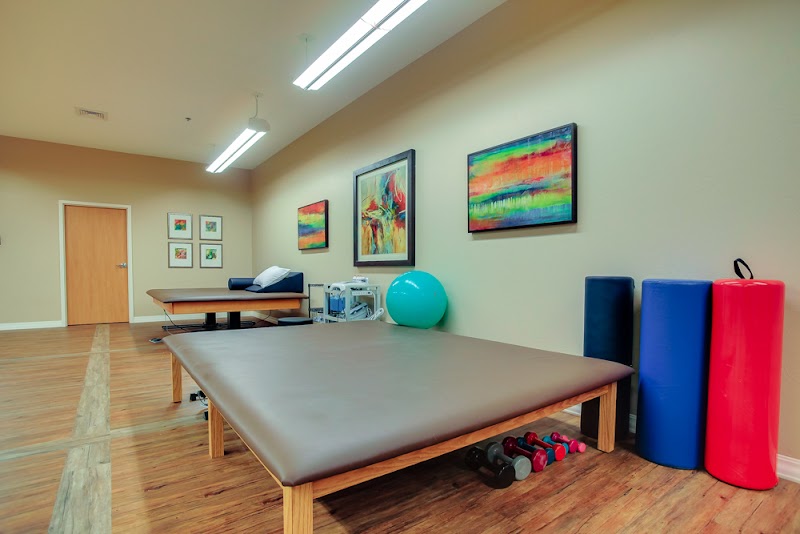
How is The Springs Skilled Nursing And Therapy Staffed?

CMS rates THE SPRINGS SKILLED NURSING AND THERAPY's staffing level at 3 out of 5 stars, which is average compared to other nursing homes. Staff turnover is 63%, which is 17 percentage points above the Oklahoma average of 46%. High turnover can affect care consistency as new staff learn residents' individual needs.

What Have Inspectors Found at The Springs Skilled Nursing And Therapy?

State health inspectors documented 55 deficiencies at THE SPRINGS SKILLED NURSING AND THERAPY during 2022 to 2024. These included: 1 that caused actual resident harm, 53 with potential for harm, and 1 minor or isolated issues. Deficiencies causing actual harm indicate documented cases where residents experienced negative health consequences.

Who Owns and Operates The Springs Skilled Nursing And Therapy?

THE SPRINGS SKILLED NURSING AND THERAPY is owned by a for-profit company. For-profit facilities operate as businesses with obligations to shareholders or private owners. The facility is operated by BRIDGES HEALTH, a chain that manages multiple nursing homes. With 105 certified beds and approximately 93 residents (about 89% occupancy), it is a mid-sized facility located in MUSKOGEE, Oklahoma.

How Does The Springs Skilled Nursing And Therapy Compare to Other Oklahoma Nursing Homes?

Compared to the 100 nursing homes in Oklahoma, THE SPRINGS SKILLED NURSING AND THERAPY's overall rating (2 stars) is below the state average of 2.6, staff turnover (63%) is significantly higher than the state average of 46%, and health inspection rating (2 stars) is below the national benchmark.

What Should Families Ask When Visiting The Springs Skilled Nursing And Therapy?

Based on this facility's data, families visiting should ask: "How do you ensure continuity of care given staff turnover, and what is your staff retention strategy?" "Can I visit during a mealtime to observe dining assistance and food quality?" "How do you handle medical emergencies, and what is your hospital transfer rate?" "Can I speak with family members of current residents about their experience?" These questions are particularly relevant given the facility's high staff turnover rate.

Is The Springs Skilled Nursing And Therapy Safe?

Based on CMS inspection data, THE SPRINGS SKILLED NURSING AND THERAPY has a clean safety record: no substantiated abuse findings (meaning no confirmed cases of resident harm), no Immediate Jeopardy citations (the most serious violation level indicating risk of serious injury or death), and is not on the Special Focus Facility watch list (a federal program monitoring the lowest-performing 1% of nursing homes). The facility has a 2-star overall rating and ranks #100 of 100 nursing homes in Oklahoma. While no facility is perfect, families should still ask about staff-to-resident ratios and recent inspection results during their visit.

Do Nurses at The Springs Skilled Nursing And Therapy Stick Around?

Staff turnover at THE SPRINGS SKILLED NURSING AND THERAPY is high. At 63%, the facility is 17 percentage points above the Oklahoma average of 46%. High turnover means new staff may not know residents' individual needs, medications, or preferences. It can also be disorienting for residents, especially those with dementia who rely on familiar faces. Families should ask: What is causing the turnover? What retention programs are in place? How do you ensure care continuity during staff transitions?

Was The Springs Skilled Nursing And Therapy Ever Fined?

THE SPRINGS SKILLED NURSING AND THERAPY has been fined $15,593 across 1 penalty action. This is below the Oklahoma average of $33,235. While any fine indicates a compliance issue, fines under $50,000 are relatively common and typically reflect isolated problems that were subsequently corrected. Families should ask what specific issues led to these fines and confirm they've been resolved.

Is The Springs Skilled Nursing And Therapy on Any Federal Watch List?

THE SPRINGS SKILLED NURSING AND THERAPY is not on any federal watch list. The most significant is the Special Focus Facility (SFF) program, which identifies the bottom 1% of nursing homes nationally based on persistent, serious quality problems. Not being on this list means the facility has avoided the pattern of deficiencies that triggers enhanced federal oversight. This is a positive indicator, though families should still review the facility's inspection history directly.