NOWATA NURSING CENTER
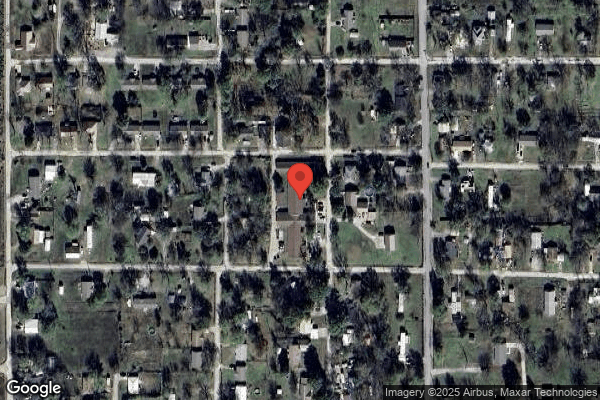
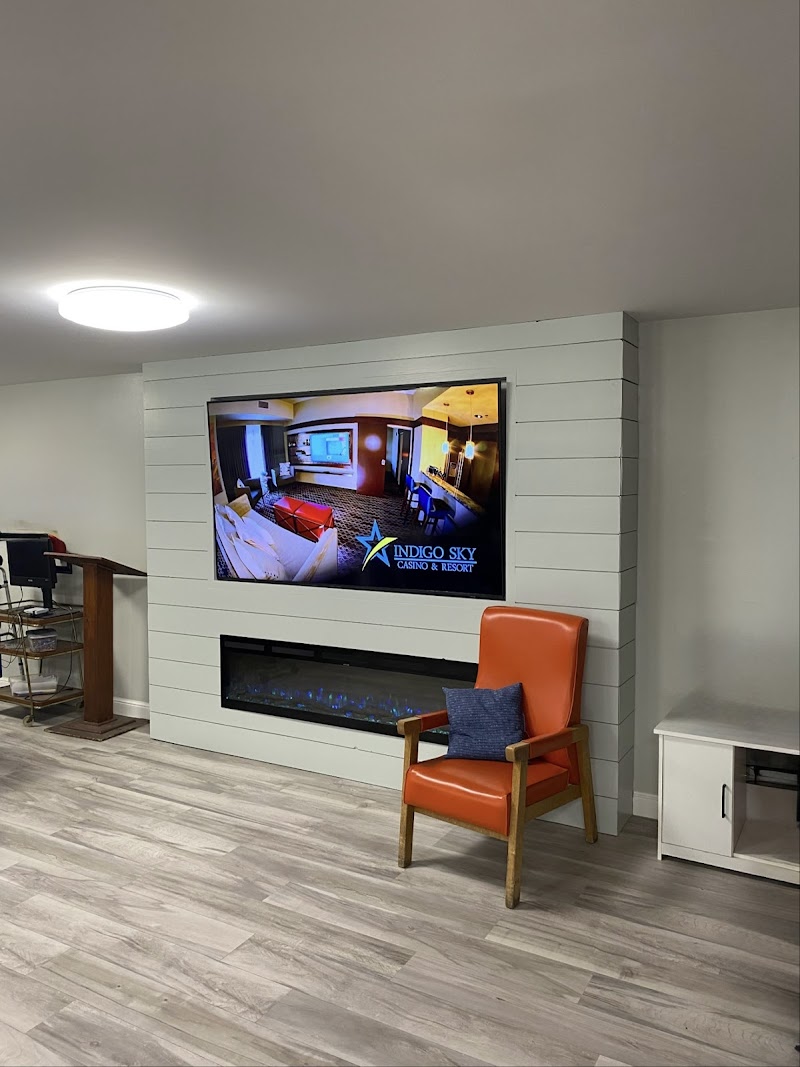
436 SOUTH JOE, NOWATA, OK 74048 (918) 273-2236
For profit - Limited Liability company 65 Beds OKLAHOMA NURSING HOMES, LTD. Data: November 2025
Trust Grade
63/100
#122 of 282 in OK
Last Inspection: November 2024

Within standard 12-15 month inspection cycle. Federal law requires annual inspections.

Overview

Nowata Nursing Center has a Trust Grade of C+, indicating a decent performance that is slightly above average compared to other facilities. It ranks #122 out of 282 nursing homes in Oklahoma, placing it in the top half overall, but it is last in Nowata County. Unfortunately, the facility's trend is worsening, with compliance issues increasing from 1 in 2023 to 7 in 2024. Staffing is a concern, receiving a 2/5 star rating and showing a turnover rate of 0%, which is good; however, this may indicate staffing shortages given the low rating. The center has accumulated $22,936 in fines, higher than 81% of facilities in Oklahoma, suggesting ongoing compliance issues. RN coverage is average, which is important since RNs can identify potential problems that CNAs might miss. Specific incidents noted by inspectors include failing to submit mandated staffing data, not providing accurate discharge forms for residents, and not properly managing residents' medications, such as prescribing an antianxiety drug without appropriate limits and not attempting dose reductions for antidepressants. While the facility has strengths in staff retention, the increasing number of issues and the concerning fines indicate that families should carefully consider these factors when evaluating care for their loved ones.

Trust Score
C+
63/100
In Oklahoma
#122/282
Top 43%
Safety Record
Low Risk
No red flags
Inspections
Getting Worse
1 → 7 violations
Staff Stability
○ Average
Turnover data not reported for this facility.
Penalties
✓ Good
$22,936 in fines. Lower than most Oklahoma facilities. Relatively clean record.
Skilled Nurses
⚠ Watch
Each resident gets only 19 minutes of Registered Nurse (RN) attention daily — below average for Oklahoma. Fewer RN minutes means fewer trained eyes watching for problems.
Violations
⚠ Watch
17 deficiencies on record. Higher than average. Multiple issues found across inspections.
★★★☆☆
3.0
Overall Rating
★★☆☆☆
2.0
Staff Levels
★★★☆☆
3.0
Care Quality
★★★☆☆
3.0
Inspection Score
Stable
2023: 1 issues
2024: 7 issues

The Good

  • Full Sprinkler Coverage · Fire safety systems throughout facility
  • No fines on record

Facility shows strength in fire safety.

The Bad

3-Star Overall Rating

Near Oklahoma average (2.6)

Meets federal standards, typical of most facilities

Federal Fines: $22,936

Below median ($33,413)

Minor penalties assessed

Chain: OKLAHOMA NURSING HOMES, LTD.

Part of a multi-facility chain

Ask about local staffing decisions and management

The Ugly 17 deficiencies on record

Nov 2024 7 deficiencies
CONCERN (D)

Potential for Harm - no one hurt, but risky conditions existed

Transfer Notice (Tag F0623)

Could have caused harm · This affected 1 resident

**NOTE- TERMS IN BRACKETS HAVE BEEN EDITED TO PROTECT CONFIDENTIALITY** Based on record review and interview, the facility failed to provide a written notice of transfer to a resident prior to a trans...

Read full inspector narrative →
**NOTE- TERMS IN BRACKETS HAVE BEEN EDITED TO PROTECT CONFIDENTIALITY** Based on record review and interview, the facility failed to provide a written notice of transfer to a resident prior to a transfer to an acute care hospital for one (#32) of two sampled residents reviewed for hospitalizations and discharges. The ADON reported that seven residents had transferred to a hospital in the previous six months. Findings: A facility Transfer or Discharge Notice policy, dated December 2016, read in part, Under the following circumstances, the notice will be given as soon as it is practicable but before the transfer or discharge: a. The transfer is necessary for the resident's welfare and the resident's needs cannot be met in the facility. A progress note, dated 08/27/24 at 7:50 a.m., documented Resident #32 had been sent to an acute care hospital for confusion and a low blood oxygen saturation rate. The note documented a family member of the family was notified of the situation. A progress note, dated 08/31/24 at 2:45 p.m., documented Resident #32 was returned to the facility from the hospital by a family member. On 11/21/24 at 9:35 a.m., Resident #32 stated they had been sent to the hospital earlier that year because of breathing problems. ON 11/21/24 at 9:50 a.m., RN #1 and LPN #1 stated they did not give a written notice of transfer to Resident #32 when they went to the hospital. They stated they had not heard of a written notice of transfer before. On 11/21/24 at 10:02 a.m., the ADON stated Resident #32 were not given a written notice of transfer when they had been sent to the hospital on [DATE]. They stated they were unaware of the requirement for the written notice.
CONCERN (D)

Potential for Harm - no one hurt, but risky conditions existed

Deficiency F0625 (Tag F0625)

Could have caused harm · This affected 1 resident

**NOTE- TERMS IN BRACKETS HAVE BEEN EDITED TO PROTECT CONFIDENTIALITY** Based on record review and interview, the facility failed to provide a written notice of the bed hold policy when a resident was...

Read full inspector narrative →
**NOTE- TERMS IN BRACKETS HAVE BEEN EDITED TO PROTECT CONFIDENTIALITY** Based on record review and interview, the facility failed to provide a written notice of the bed hold policy when a resident was sent to a hospital for one (#32) of two sampled residents reviewed for hospitalizations and discharges. The ADON reported that seven residents had transferred to a hospital in the previous six months. Findings: A facility Bed-Hold and Returns policy, dated March 2017, read in part, Prior to transfers and therapeutic leaves, residents or resident representatives will be informed in writing of the bed-hold and return policy. A progress note, dated 08/27/24 at 7:50 a.m., documented Resident #32 had been sent to an acute care hospital for confusion and a low blood oxygen saturation rate. On 11/21/24 at 9:35 a.m., Resident #32 stated they had been sent to the hospital earlier that year because of breathing problems. On 11/21/24 at 9:50 a.m., RN #1 and LPN #1 stated they did not give a written notice of the bed hold policy when Resident #32 was sent to the hospital on [DATE]. On 11/21/24 at 10:02 a.m., the ADON stated after review of Resident #32's records, they found no documentation of a bed hold policy having been given to the resident. They stated Resident #32 had not been given a written notice of the bed hold policy when they were sent to the hospital on [DATE].
CONCERN (E)

Potential for Harm - no one hurt, but risky conditions existed

Deficiency F0582 (Tag F0582)

Could have caused harm · This affected multiple residents

Based on record review and interview, the facility failed to provide accurate CMS-10055 forms to residents who discharged from part A services for two (#31 and #32) of three sampled residents reviewed...

Read full inspector narrative →
Based on record review and interview, the facility failed to provide accurate CMS-10055 forms to residents who discharged from part A services for two (#31 and #32) of three sampled residents reviewed for accurate skilled services beneficiary notices. The ADON reported four residents had discharged from skilled services in the previous six months. Findings: An undated facility document titled, Form Instructions Skill Nursing Facility Advanced Beneficiary Notice of Non-coverage (SNF ABN) Form CMS-10055 (2024), read in part, The SNF ABN provides information to the patient so that [they] can decide whether or not to get the care that may not be paid for by Medicare and assume financial responsibility. A CMS-10055 form, dated 02/16/24, documented it was for Resident #31 and had been approved via telephone by the resident's representative. The document did not document the estimated costs to the resident if they wished to continue the identified skilled services. The form did not document the resident representative's choice whether they wished to continue the services and bill Medicare for an official decision, continue services and bill the resident, or end the services. A CMS-10055 form, dated 08/31/24, documented it was for Resident #32 and included the resident's signature. The form did not include what type of skilled services that were to be billed to Medicare. On 11/19/24 at 11:41 a.m., ADON stated they must have forgotten to include the information on the forms for Residents #31 and #32. They stated the reason for this document was to inform the residents about the type of services to be provided and the residents financial responsibility if any. They stated not filling out the forms completely was an error on their part.
CONCERN (E)

Potential for Harm - no one hurt, but risky conditions existed

Medication Errors (Tag F0758)

Could have caused harm · This affected multiple residents

**NOTE- TERMS IN BRACKETS HAVE BEEN EDITED TO PROTECT CONFIDENTIALITY** Based on record review and interview, the facility failed to ensure: a. an antianxiety medication was not prescribed on an as ne...

Read full inspector narrative →
**NOTE- TERMS IN BRACKETS HAVE BEEN EDITED TO PROTECT CONFIDENTIALITY** Based on record review and interview, the facility failed to ensure: a. an antianxiety medication was not prescribed on an as needed basis without a 14-day limit or a physician's explanation why it should be used beyond 14 days for one (#24); and b. gradual dose reductions were recommended or attempted for antidepressants for two (#17 and #30) of five sampled residents reviewed for unnecessary medications. The ADON reported 27 residents at the facility were prescribed psychotropic medications. Findings: A facility policy titled Policy for the Management of Resident Medication, dated 10/2017, read in part, For resident who require the us of these medications, gradual dose reductions will be attempted unless contraindicated, and behavioral interventions implemented in an effort to discontinue the medication. 1. Resident #17 had diagnoses of recurrent depressive disorder. A medication administration record, dated 11/01/24 through 11/30/24, documented Resident #17 had been ordered citalopram hydrobromide (SSRI) 40mg one time daily for recurrent depressive disorder on 12/01/23. The record documented the resident had received the medication routinely. 2. Resident #24 had diagnoses of anxiety disorder. A medication administration record, dated 11/01/24 through 11/30/24, documented Resident #24 had been ordered lorazepam (benzodiazepine) 0.5mg one tablet to be given as needed only once daily for restlessness and agitation. The order was dated 10/07/24. The record documented the resident had received a dose of that medication on 11/17/24. 3. Resident #30 had diagnoses of major depressive disorder. A review of Resident #30's medication order history found a medication order for trazodone ([NAME]) 50mg once daily with a start date of 12/13/24 and a discontinue date of 06/07/24. A second order for trazadone 50mg once daily had a start date of 06/07/24 and was active at the date of the review which was 11/20/24. A medication administration record, dated 06/01/24 through 06/30/24, documented two orders for trazodone 50mg to have been given once daily. One order's last documented dose was given on 06/06/24 and the other's first documented dose was given on 06/07/24. The record documented the resident received trazadone 50mg once daily each day of that month. On 11/19/24 at 2:13 p.m., the ADON stated they recalled PRN antipsychotics need a reason for the order to go beyond 14 days, but they did not catch this one. On 11/20/24 at 9:52 a.m., the ADON stated they had reviewed pharmacy records and found no gradual dose reduction had been recommended by the pharmacy or attempted by the physician for Resident #30's trazadone order. On 11/20/24 at 10:54 a.m., the ADON stated they reviewed Resident #17's medical record and pharmacy records, but did not find any documentation of a gradual dose reduction having been recommended or attempted for the resident's citalopram. They stated they were unable to locate a policy that specifically speaks to PRN psychotropics.
CONCERN (E)

Potential for Harm - no one hurt, but risky conditions existed

Food Safety (Tag F0812)

Could have caused harm · This affected multiple residents

Based on observation and interview, the facility failed to ensure kitchen staff with beards wore beard guards while preparing food for the resident. The ADON stated 34 residents at the facility routin...

Read full inspector narrative →
Based on observation and interview, the facility failed to ensure kitchen staff with beards wore beard guards while preparing food for the resident. The ADON stated 34 residents at the facility routinely ate meals provided by the facility kitchen staff. Findings: On 11/18/24 at 8:10 a.m., the facility's dietary manager and dietary aide #1 were observed working in the kitchen where food items were being prepared. Each had a beard and were not wearing beard guards. On 11/18/24 at 11:03 a.m., the facility's dietary manager and dietary aide #1 were observed in the food preparation area. They were not wearing beard guards. The dietary manager stated they did not have any beard guards in the facility. On 11/19/24 at 9:35 a.m., the administrator stated they were unaware there were not beard guards in the facility and would immediately obtains some. They stated the beard guards were required in the facility when preparing food.
CONCERN (E)

Potential for Harm - no one hurt, but risky conditions existed

Infection Control (Tag F0880)

Could have caused harm · This affected multiple residents

Based on observation and interview, the facility failed to implement a policy related to enhanced barrier precautions to prevent the spread of MDROs in the facility. The ADON reported 34 residents res...

Read full inspector narrative →
Based on observation and interview, the facility failed to implement a policy related to enhanced barrier precautions to prevent the spread of MDROs in the facility. The ADON reported 34 residents resided in the facility. Findings: A facility Enhanced Barrier Precautions policy, revised 07/21/22, read in part, The expanded use of PPE .during high-contact care activities that provide opportunities for transfer of Multi-Drug Resistant Organisms [MDRO] to or from staff hands or clothing or indirectly transferred from resident/client to resident/client during high-contact activities Use Enhanced Barrier Precautions when providing care to any resident/client with an indwelling medical device or colonized infection with an MDRO. On 11/18/24 at 8:30 a.m., a tour of the facility was conducted. No signage was noted on resident doors indicating EBP was implemented for at risk residents. On 11/21/24 at 12:35 p.m., CMA #1 stated to their knowledge enhanced barrier precautions were not in place in the facility. On 11/21/24 at 12:49 p.m., CNA #1 stated they were unaware what EBP was or how they were supposed to be used. On 11/21/24 at 1:15 p.m., the ADON stated they were still in the process of implementing EBP and they were not consistently using EBP in the facility.
CONCERN (F)

Potential for Harm - no one hurt, but risky conditions existed

Staffing Data (Tag F0851)

Could have caused harm · This affected most or all residents

Based on record review and interview, the facility failed to provide staffing data to CMS for the third quarter of 2024. The ADON stated 34 residents resided at the facility. Findings: A PBJ Staffing...

Read full inspector narrative →
Based on record review and interview, the facility failed to provide staffing data to CMS for the third quarter of 2024. The ADON stated 34 residents resided at the facility. Findings: A PBJ Staffing Data Report for the third quarter of 2024 (04/01/24 through 06/30/24) documented the facility had failed to submit the mandated staffing data for that quarter. On 11/20/24 at 1:50 p.m., the administrator stated they were the person who put in the data for the third quarter. They stated they had not followed up to ensure the data have been uploaded to CMS. They stated the person who usually uploaded the data had been out ill and they had put in the data remotely. They stated the business office manager would put in the data in the future.
Aug 2023 1 deficiency
CONCERN (D)

Potential for Harm - no one hurt, but risky conditions existed

Medication Errors (Tag F0758)

Could have caused harm · This affected 1 resident

**NOTE- TERMS IN BRACKETS HAVE BEEN EDITED TO PROTECT CONFIDENTIALITY** Based on record review and interview, the facility failed to ensure a dose reduction recommendation was provided for one (#9) of...

Read full inspector narrative →
**NOTE- TERMS IN BRACKETS HAVE BEEN EDITED TO PROTECT CONFIDENTIALITY** Based on record review and interview, the facility failed to ensure a dose reduction recommendation was provided for one (#9) of five sampled residents who were reviewed for unnecessary medications. The Resident Census and Conditions of Residents report, dated 07/27/23, documented 15 residents who received psychoactive medications. Findings: Resident #9 admitted on [DATE], with diagnoses which included schizophrenia and depression. Review of Patient Discharge Instructions from the discharging hospital, dated 03/03/21, revealed Resident #9 admitted to the facility with psychoactive medications which included, Risperidone 3mg one tablet one time a day, and chlorpromazine Hcl 50 mg two tablets one time a day. An Expanded DRR [Drug Regimen Review] Report, dated 06/10/21, read in part, .Chlorpromazine 100mg daily ordered on adminssion[sp] with risperidone 3mg daily also ordered on admission dx schizophrenia . No recommendation was made for a reduction to these medications. The report was signed by the attending physician, the Director of Nursing, and the pharmacist. The care plan, dated 10/04/21, documented Resident #9 received psychotropic medications, it did not document any behaviors associated with psychotropic medications. A pharmacy Medical Director Report, dated 01/21/22, read in parts, .Spoke with [the medical director] and it was decided to not decrease or increase any of [Resident #9's] medications .He was admitted on this regimen and has been stable. He is alert oriented to time place and situation. No changes in medications . This has been the rationale since Resident #9 was admitted to the facility. Review of monthly medication regimen reviews, dated from January 2022 through July 2023, revealed no recommendations in a reduction of psychoactive medications. The Treatment Administration Record, dated May 2023, revealed Resident #9 had refused the medication risperidone one time out of 31 opportunities. The record documented Resident #9 had not received the medication risperidone due to sleeping six times out of 31 opportunities. A psychological Progress Note, dated 05/05/23, revealed Resident #9 stated they were doing well on their current medications. The note documented Resident #9 denied auditory/visual hallucinations, delusions, and self harming behavior. A quarterly assessment, dated 06/17/23, documented no evidence of delirium. The assessment documented Resident #9 had no hallucinations or delusions, and had not displayed any behavioral symptoms. The Treatment Administration Record, dated June 2023, revealed Resident #9 had refused the medication chlorpromazine HCL one time out of 30 opportunities. Resident #9 did not receive the medication due to sleeping one time out of 30 opportunities. The treatment record revealed Resident #9 had refused the medication risperidone three times out of 30 opportunities and had not received the medication due to sleeping one time out of 30 opportunities. A psychological Progress Note, dated 06/02/23, documented Resident #9 stated they were doing well on their current medications. Resident #9 had a bright affect and smiled. The note documented Resident #9 denied depression, anxiety, sleep issues or night terrors, was able to focus to watch television, and denied auditory/visual hallucinations, delusions, and self harming behaviors. The Treatment Administration Record, dated July 2023, documented Resident #9 had not received the medication chlorpromazine HCL one time out of 31 opportunities due to sleeping. The record documented Resident #9 had not received the medication risperidone nine times out of 31 opportunities, once for a refusal, and eight times for sleeping. A psychological Progress Note, dated 07/07/23, documented Resident #9 stated they were doing well on their current medications, and denied issues related to depression, anxiety, sleep, moods, or hallucinations. Review of current physician orders revealed, Resident #9 had continued to receive the medications of Risperidone and chlorpromazine HCL. Review of facility nursing progress notes, revealed no concerns for behaviors. On 08/01/23 at 11:17 a.m., the pharmacy consultant was asked how often gradual dose reductions were required. They stated every six months and yearly after that. The consultant stated Resident #9 came to the facility on the psychoactive medications from a hospital, and they asked the facility not to change the medications for Resident #9. The consultant was asked where the request was documented. They stated it may be in the admitting paperwork or the discharge paperwork from the hospital. The consultant stated they believed Resident #9 was the only resident the had not done a reduction on.
May 2021 9 deficiencies
CONCERN (E)

Potential for Harm - no one hurt, but risky conditions existed

Deficiency F0576 (Tag F0576)

Could have caused harm · This affected multiple residents

Based on interviews, it was determined the facility failed to deliver mail to the residents on Saturdays for 10 of 10 residents who attended the resident council meeting. The facility identified 30 re...

Read full inspector narrative →
Based on interviews, it was determined the facility failed to deliver mail to the residents on Saturdays for 10 of 10 residents who attended the resident council meeting. The facility identified 30 residents who resided in the facility. Findings: On 05/19/21 at 1:30 p.m., a resident council meeting was held with ten alert and oriented residents. The residents were asked if they received mail on Saturdays. All 10 of the residents stated they did not. One resident stated they only got mail on the days the activities director was working which was Monday through Friday. 05/19/21 at 2:02 p.m., the social services/activities director was asked if residents received mail on Saturdays. She stated, No. She stated she passed out the mail and she was not in the facility on Saturdays. On 05/26/21 at 3:05 p.m., the executive director was asked if the facility had a policy for mail delivery on Saturdays. She stated the mail was delivered to the facility on Saturday, but it was not passed out to residents on the weekends.
CONCERN (E)

Potential for Harm - no one hurt, but risky conditions existed

Comprehensive Assessments (Tag F0636)

Could have caused harm · This affected multiple residents

Based on interview and record review, it was determined the facility failed to ensure a comprehensive assessment was accurate related to hospice services for one (#23) of 12 sampled residents whose as...

Read full inspector narrative →
Based on interview and record review, it was determined the facility failed to ensure a comprehensive assessment was accurate related to hospice services for one (#23) of 12 sampled residents whose assessments were reviewed. The facility identified 30 residents who resided in the facility. Findings: A facility policy titled, Electronic Transmission of the MDS (minimum data set), dated September 2010, documented, .All staff members responsible for completion of the MDS receive training on the assessment .Staff members are trained on updates/revisions to the MDS form and software upgrades as they are released . Resident #23 was admitted to the facility with diagnoses which included covid-19, heart failure, and hypertension. A physician order, dated 12/18/20, documented, .Admit to [Hospice name withheld] . A review of the hospice record revealed the resident had been admitted to hospice on 12/18/20. A quarterly assessment, dated 12/21/20, documented the resident was cognitively intact and required supervision with most ADLs (activities of daily living). The assessment had not revealed the resident had a condition or chronic disease that resulted in a life expectancy of less than six month. There was no documentation in the assessment that the resident had received hospice services. A physician order, dated 02/18/21, documented to discharge the resident from [Hospice name withheld]. An annual assessment, dated 03/26/21, documented the resident was cognitively intact, required supervision with most ADLs, had a condition or chronic disease that may result in a life expectancy of less than six months, and received hospice care. On 05/26/21 at 2:45 p.m., the executive director was asked who was responsible for the MDS assessment. She stated the facility had not had full time MDS staff member since November 2020. She stated all departments had been completing their pertinent section of the MDS. She was asked what timeframe was used as a reference when completing the MDS. She stated a seven day look back. She was asked why resident #23's MDS assessment, dated 12/21/20, had not reflected the resident received hospice care. She stated she was not sure. She stated that assessment was not accurate. She was asked why the resident's MDS assessment, dated 03/26/21, had not reflected he had a condition or chronic disease that could result in a life expectancy of less than six months and/or received hospice care. She stated she was not sure but that assessment was not accurate.
CONCERN (E)

Potential for Harm - no one hurt, but risky conditions existed

MDS Data Transmission (Tag F0640)

Could have caused harm · This affected multiple residents

Based on interview and record review, it was determined the facility failed to electronically transmit data to the CMS system within 14 days after completion of an annual assessment for one (#1) of 19...

Read full inspector narrative →
Based on interview and record review, it was determined the facility failed to electronically transmit data to the CMS system within 14 days after completion of an annual assessment for one (#1) of 19 sampled residents whose MDS assessments were reviewed. This had the potential to affect all 30 residents who resided in the facility. Findings: Resident #1 was admitted to the facility with diagnoses which included major depressive disorder, mood affective disorder, anxiety disorder, and sexual aversion disorder. The annual assessment, dated 03/10/21, had a notation in red that read, Export Ready. A resident assessment had been triggered for further investigation related to the MDS record being over 120 days old. On 05/26/21 at 2:41 p.m., the executive director was asked who was responsible for transmitting MDS data to CMS. She stated they have been without a full time MDS person since November 2020. She stated their MDS person was only part time. She was asked what their process was for transmitting MDS data. She stated once the DON has signed the data information it was transmitted. She was asked why resident #1's assessment data, entered 03/10/21, had not been transmitted and still read, Export Ready. She stated when they were submitted it came up in a batch and the date has to be changed. She stated the date had not been changed so it did not come up to transmit.
CONCERN (E)

Potential for Harm - no one hurt, but risky conditions existed

Accident Prevention (Tag F0689)

Could have caused harm · This affected multiple residents

Based on observation and interview, it was determined the facility failed to: ~Ensure chemicals were secured for one of one utility closets observed for hazardous materials; and ~Ensure equipment was ...

Read full inspector narrative →
Based on observation and interview, it was determined the facility failed to: ~Ensure chemicals were secured for one of one utility closets observed for hazardous materials; and ~Ensure equipment was properly stored and the room locked for one of five resident room on the north hall, and one of 12 resident rooms on the dining room hall observed for storage. The facility identified 30 residents who resided in the facility. Findings: A facility policy titled, Storage Areas, Maintenance, dated December 2009, documented, .Maintenance storage areas shall be maintained in a clean and safe manner .Cleaning supplies .must be stored as instructed on the labels of such products . On 05/18/21 at 12:56 p.m., an unlocked and unoccupied resident room on the north hall was observed to contain the following: ~Four beds; and ~One wheelchair. At 1:00 p.m., the DON (director of nursing) was asked how many residents wandered in the facility. He stated two. At 1:05 p.m., the maintenance supervisor was asked how long the unoccupied resident room had been used for storage. He stated he did not know. He was asked why the resident room was being used for storage. He stated he did not know. He was asked what kept residents from entering the resident room being used for storage. He stated nothing. He was asked if a resident entering the room was a potential accident hazard. He stated yes. On 05/18/21 at 2:40 p.m., an unlocked and unoccupied resident room on the dining room hall was observed to contain the following: ~Four lifts; ~One wheelchair; ~One wedge; ~One shelf (on floor); and ~One cardboard box filled with miscellaneous items (sitting on top of chest of drawers). On 05/18/21 at 2:45 p.m., a utility closet, located on the dining room hall, was observed to be unlocked. The utility closet was observed to contain several cleaning products on the floor, cleaning products stacked on shelves, and an unlocked housekeeping cart. The following chemicals were observed unsecured on the housekeeping cart: ~A bottle of bowl cleaner; ~A bottle of disinfectant cleaner; and ~A bottle of disinfectant cleaner and deodorizer. A review of the chemicals safety instructions revealed the following: ~The bowl cleaner documented, .Wear safety glasses and gloves .Causes severe skin burns and eye damage .Store locked up .Keep out of reach of children . ~The disinfectant cleaner documented, .Keep out of reach of children .Danger .In case of emergency, call a poison control center or doctor for treatment advice . The disinfectant cleaner and deodorizer documented, .Keep out of reach of children . No wanderers were observed near or trying to enter these areas. At 2:55 p.m., the housekeeping supervisor was asked why the utility closet door was unlocked. She stated the door was usually locked. She was asked what would keep a resident from entering the utility closet. She stated it was usually locked. She was asked if a resident entering the unlocked utility closet was a potential accident hazard. She stated yes. At 3:10 p.m., maintenance was asked why the resident room, located on the dining room hall, was being used for storage. He stated he did not know. He was asked if a resident entering the room was a potential accident hazard. He stated yes.
CONCERN (E)

Potential for Harm - no one hurt, but risky conditions existed

Deficiency F0725 (Tag F0725)

Could have caused harm · This affected multiple residents

Based on interview and record review, it was determined the facility failed to: ~Provide sufficient qualified nursing staff to provide nursing and related services; and ~Ensure staffing met the state...

Read full inspector narrative →
Based on interview and record review, it was determined the facility failed to: ~Provide sufficient qualified nursing staff to provide nursing and related services; and ~Ensure staffing met the state minimum requirement. This had the potential to affect all 30 residents who resided in the facility. Findings: 1. On 05/18/21, during entrance conference the executive director was asked if the facility had any nursing waivers. She stated no. Staffing was reviewed for the period of May 9th through May 15, 2021. The review revealed the facility had been without an RN for eight consecutive hours, seven days a week on the following days: ~Thursday, 05/06/21, had an RN for 1.25 hours in a 24 hour period; ~Monday, 05/10/21; ~Tuesday, 05/11/21; and ~Wednesday, 05/12/21. On 05/26/21 at 2:41 p.m., the executive director was asked why they had been without an RN on the day mentioned above. She stated it had been difficult trying to find an RN to work. She stated the DON had gotten married and was gone on those dates. 2. Staffing was reviewed for the period of 12/01/2020 through 01/31/21. The review revealed the facility lacked sufficient staff according to state minimum staffing ratios on the following dates and shifts: ~During the first shift, 7:00 a.m. to 3:00 p.m., for three of 62 days; and ~During the second shift, 3:00 p.m. to 11:00 p.m., for three of 62 days, where direct care staffing was reviewed. ~12/14/20 - Census 32 - minimum required man hours for second shift 32 - the facility had provided 27.56; ~12/15/20 - Census 32 - minimum required man hours for second shift 32 - the facility had provided 25.43; ~12/16/20 - Census 32 - minimum required man hours for second shift 32 - the facility had provided 24.94; ~12/26/20 - Census 29 - minimum required man hours for first shift 39 - the facility had provided 33.35; ~12/27/20 - Census 29 - minimum required man hours for first shift 39 - the facility had provided 32; and ~01/03/21 - Census 26 - minimum required man hours for first shift 35 - the facility had provided 30.67. On 05/26/21 at 2:45 p.m., the executive director was asked why there was not sufficient staffing on several days and shifts December 2020 and January 2021. She stated we had staff that quit and staff that tested positive for covid-19 and could not work. She stated we did everything we could. She was asked how they ensured residents received care on days and shifts without sufficient staffing. She stated everyone helped provide resident care.
CONCERN (E)

Potential for Harm - no one hurt, but risky conditions existed

Deficiency F0727 (Tag F0727)

Could have caused harm · This affected multiple residents

Staffing was reviewed for the period of 12/01/2020 through January 31, 2021. The review revealed the facility had been without an RN (registered nurse) for eight consecutive hours, seven days a week o...

Read full inspector narrative →
Staffing was reviewed for the period of 12/01/2020 through January 31, 2021. The review revealed the facility had been without an RN (registered nurse) for eight consecutive hours, seven days a week on the following days: ~Tuesday, 12/22/20; ~Monday, 12/28/20; ~Wednesday, 12/30/20; ~Thursday, 12/31/20; ~Friday, 01/01/21; ~Wednesday, 01/06/21; ~Thursday, 01/07/21; ~Friday, 01/08/21; ~Monday, 01/11/21; ~Tuesday, 01/12/21; ~Thursday, 01/14/21; ~Friday, 01/15/21; ~Monday, 01/18/21; ~Tuesday, 01/19/21; ~Wednesday, 01/20/21; ~Thursday, 01/21/21; ~Friday, 01/22/21; ~Monday, 01/25/21; ~Tuesday, 01/26/21; ~Wednesday, 01/27/21; ~Thursday, 01/28/21; and ~Friday, 01/29/21. On 05/26/21 at 2:45 p.m., the executive director was asked why there was no RN for 22 days in December 2020 and January 2021. She stated they had no DON (director of nursing) or RN. Based on interview and record review, it was determined the facility failed to utilize a Registered Nurse at least eight consecutive hours a day, seven days a week. The facility identified 25 residents who resided in the facility. Findings: On 05/18/21, during entrance conference the administrator was asked if the facility had any nursing waivers. She stated no. Staffing was reviewed for the period of May 9th through May 15, 2021. The review revealed the facility had been without an RN for eight consecutive hours, seven days a week on the following days: ~Thursday, 05/06/21, had an RN for 1.25 hours in a 24 hour period; ~Monday, 05/10/21; ~Tuesday, 05/11/21; and ~Wednesday, 05/12/21. On 05/26/21 at 2:41 p.m., the executive director was asked why they had been without an RN on the day mentioned above. She stated it had been difficult trying to find an RN to work. She stated the DON had gotten married and was gone on those dates.
CONCERN (E)

Potential for Harm - no one hurt, but risky conditions existed

Drug Regimen Review (Tag F0756)

Could have caused harm · This affected multiple residents

Based on interview and record review, it was determined the facility failed to ensure the physician had provided a clinical rationale when he/she disagreed with a recommendation made by the consulting...

Read full inspector narrative →
Based on interview and record review, it was determined the facility failed to ensure the physician had provided a clinical rationale when he/she disagreed with a recommendation made by the consulting pharmacist during a medication regimen review for three (#1, 15, and #22) of five sampled residents whose records were reviewed for unnecessary medications. This had the potential to affect all 30 residents who resided in the facility. Findings: 1. Resident #1 was admitted to the facility with diagnoses which included major depressive disorder, mood affective disorder, anxiety disorder, and sexual aversion disorder. The assessment documented the resident had been administered an antidepressant and had not received an antipsychotic medication seven days of the seven day look back period. A monthly medication regimen review, dated 12/09/20, documented, Could we DC sliding Scale insulin increasing Victoza? The physician's response was, Disagree. He had not documented a clinical rationale as to why he had disagreed. An annual assessment, dated 03/10/21, documented the resident was moderately impaired in cognition, required extensive assistance with bed mobility, transfer and most ADLs. The physician order summary report, dated 05/26/21, documented, .Victoza Solution Pen-Injector 18MG/3ML .Inject 0.6 mg subcutaneously one time a day . On 05/26/21 at 3:14 p.m., the pharmacist/owner was asked why a rationale had not been provided when the physician disagreed with the recommendation to discontinue the sliding scale insulin and increase the Victoza. He stated he would work with the physician in finding a solution. 2. Resident #15 was admitted to the facility with diagnoses which included, unspecified dementia with behavioral disturbance, vascular dementia with behavioral disturbance, and psychotic disorder with delusions due to known physiological condition. A significant change assessment, dated 07/22/2020, documented the resident's cognition was severely impaired. The resident required maximum assistance for ADLs, and was incontinent of bowel and bladder. The assessment documented an antidepressant had been administered seven days of the seven day look back period. Physician orders, dated May 2021, documented trazodone hcl tablet 100 mg, administer one tablet by mouth one time a day related to other insomnia. A medication regimen review, dated 05/06/21, documented, Current orders include trazodone 100 mg ordered 06/20. May we try decreasing Trazodone to 75 mg daily at bedtime. The physician disagreed but had not provided a clinical rationale as to why he disagreed. On 05/24/21 at 1:00 p.m., the pharmacist was asked why a clinical rationale had not been provided by the physician when he disagreed with the pharmacist's recommendation to decrease the resident's Trazodone. He stated he would call the physician to get a rationale and make him aware of what was needed. 3. Resident #22 was admitted to the facility with diagnoses which included depression, schizophrenia, bipolar disorder, insomnia, and anxiety. An annual assessment, dated 04/10/21, documented the resident was cognitively intact, required supervision with walking and locomotion, limited assistance with bed mobility, transfers, and personal hygiene. The resident utilized a walker and cane for mobility, and received an antidepressant and hypnotic medication seven days of the seven day look back period. A medication regimen review, dated 08/17/20, documented, .Current orders include Zoloft 50mg daily. May we decrease to 25mg daily . The physician's response was, Disagree. He had not documented a clinical rationale as to why he had disagreed. The physician order summary report, dated 05/26/21, documented, .Zoloft Tablet 50 MG .Give 1 tablet by mouth one time a day . On 05/26/21 at 3:10 p.m., the pharmacist/owner was asked what the procedure was for medication review and gradual dose reduction for psychotropic medication. He stated the medications were reviewed monthly and they were to attempt a gradual dose reduction of psychotropic medication twice in the first year and annually thereafter. He was asked how the physician received the pharmacist's recommendations. He stated the physician received the recommendations during his weekly visit. He was asked why the physician had not included a clinical rationale when he disagreed with the 08/17/20 recommendation to decrease resident #22's Zoloft. He stated pharmacy recommendations and rationales were discussed during the weekly physician visits. He was asked where that was documented. He stated it had not been documented.
CONCERN (E)

Potential for Harm - no one hurt, but risky conditions existed

Food Safety (Tag F0812)

Could have caused harm · This affected multiple residents

Based on observation, interview, and record review, it was determined the facility failed to ensure the dishwasher temperatures were maintained at the manufacturer's recommended temperature during use...

Read full inspector narrative →
Based on observation, interview, and record review, it was determined the facility failed to ensure the dishwasher temperatures were maintained at the manufacturer's recommended temperature during use. The facility identified 30 residents who received meals from the kitchen. Findings: A facility policy titled, Dishwashing Machine Use, dated March 2010, documented, .The operator will check temperatures using the machine gauge with each dishwashing machine cycle, and will record the results in a facility approved log. The operator will monitor the gauge frequently during dishwashing machine cycle. Inadequate temperatures will be reported to the supervisor and corrected immediately .If hot water temperatures .do not meet requirements, cease use of dishwashing machine immediately until temperatures .are adjusted . On 05/18/21 at 10:45 a.m., the dish machine was observed to reach a wash temperature of 100 degrees F (Fahrenheit) and a rinse temperature of 100 degrees F. The manufacturer's label documented minimum temperature for wash and rinse was 120 degrees F. A Dish Machine Temperatures/Sanitizer log, dated May 2021, documented dish machine temperatures, dated May 17, 2021, of 120 degrees F wash and 138 degrees F rinse for breakfast, 121 degrees F wash and 139 degrees F rinse for lunch, and 120 degrees F wash and 141 degrees F rinse for dinner. At 11:00 a.m., the dietary manager was asked what temperature the dish machine should reach during the wash and rinse cycle. She stated at least 120 degrees but may have to run the machine more than once to reach that temperature. At 11:10 a.m., the dish machine, following several runs, was observed to reach a wash temperature of 115 degrees F and a rinse temperature of 115 degrees F. The dietary manager was asked what the procedure was when the dish machine temperature did not meet minimum requirements. She stated the dishes would not be used and maintenance would be notified.
CONCERN (E)

Potential for Harm - no one hurt, but risky conditions existed

Infection Control (Tag F0880)

Could have caused harm · This affected multiple residents

Based on observation, interview, and record review, it was determined the facility failed to ensure infection control had been maintained by serving meals in a manner to prevent cross contamination fo...

Read full inspector narrative →
Based on observation, interview, and record review, it was determined the facility failed to ensure infection control had been maintained by serving meals in a manner to prevent cross contamination for three (noon meals) of three meal services observed for infection control. The facility identified 30 residents who received nourishment from the kitchen and 18 resident who routinely ate in the dining room. Findings: A facility policy titled, Handwashing/Hand Hygiene, dated August 2015, documented, .The facility considers hand hygiene the primary means to prevent the spread of infections .Hand hygiene products and supplies ( .alcohol-based hand rub .) shall be readily accessible and convenient for staff use to encourage compliance with hand hygiene policies .Use an alcohol-based hand rub .for the following situations .Before and after direct contact with residents .After contact with objects (e.g., [for example] medical equipment) in the vicinity of the resident .Before and after assisting a resident with meals . On 05/18/21 at 11:50 a.m., the noon meal service was observed in the dining room. During meal service, staff was observed to touch residents clothing protector, wheelchair, and assist multiple residents, without sanitizing their hands. At 12:17 p.m., a staff member was observed to follow another staff member to a supply closet, retrieve several bottles of hand sanitizer, and carry them to the dining room. On 05/19/21 at 12:58 p.m., staff was observed to deliver a meal tray to a resident room, reposition the resident's bedside table, deliver a meal tray to a second resident room, place the meal tray on the bedside table, and remove the plastic cover from the drinking glass without sanitizing their hands. On 05/20/21 at 12:55 p.m., the noon meal was observed in the dining room. During meal service, staff was observed to reposition their face mask, wipe their hands on their pants, and deliver resident meal trays without sanitizing their hands. CNA (certified nursing assistant) #1 was observed to pick up a resident's bread with her fingers and assist multiple residents without sanitizing her hands. On 05/20/21 at 2:05 p.m., CNA #1 was asked how she ensured infection control was maintained during meal service. She stated by sanitizing your hands, ensuring tables and eating utensils were clean, and cleaning the resident's hands and face when they were finished eating. She was asked how she ensured infection control was maintained when assisting multiple residents during meal service. She stated by sanitizing hands between residents but I know that I don't every time. While in the dining room, she was asked where the hand sanitizer was located. She stated, Not in here. She stated she usually had it in her pocket. She was asked if she had hand sanitizer in her pocket at this time. She stated no. CNA #1 was informed of the observation during meal service regarding touching a resident's bread with bare hands. On 05/20/21 at 2:50 p.m., dietary aide #1 was asked how he ensured infection control was maintained during meal service. He stated by ensuring resident's received their own meals. He was asked how he ensured infection control was maintained during meal delivery. He stated he would deliver a resident meal tray then pick up another meal tray to deliver. He was asked how he ensured infection control while delivering meals to multiple residents. He stated I don't know. He was asked where the hand sanitizer was located in the dining room. He stated there was a bottle on the shelf by the kitchen serving window. He was asked why he did not sanitize his hands between residents while delivering meals. He stated he was in a hurry. On 05/26/21 at 11:10 a.m., LPN (licensed practical nurse) #1 was asked how she ensured staff maintained infection control during meal service. She stated staff knew to sanitize their hands between residents and carry hand sanitizer in their pockets. She was asked where hand sanitizer was located in the dining room. She stated there was none in the dining room but staff carried hand sanitizer in their pocket and it was available on the medication cart outside the dining room. She was asked if staff would sanitize their hands if hand sanitizer was not accessible. She stated maybe not.
Understanding Severity Codes (click to expand)
Life-Threatening (Immediate Jeopardy)
J - Isolated K - Pattern L - Widespread
Actual Harm
G - Isolated H - Pattern I - Widespread
Potential for Harm
D - Isolated E - Pattern F - Widespread
No Harm (Minor)
A - Isolated B - Pattern C - Widespread

Questions to Ask on Your Visit

  • "Can I speak with families of current residents?"
  • "What's your RN coverage like on weekends and overnight?"

Our Honest Assessment

Strengths
  • • No major safety red flags. No abuse findings, life-threatening violations, or SFF status.
Concerns
  • • 17 deficiencies on record. Higher than average. Multiple issues found across inspections.
  • • $22,936 in fines. Higher than 94% of Oklahoma facilities, suggesting repeated compliance issues.
Bottom line: Mixed indicators with Trust Score of 63/100. Visit in person and ask pointed questions.

About This Facility

What is Nowata Nursing Center's CMS Rating?

CMS assigns NOWATA NURSING CENTER an overall rating of 3 out of 5 stars, which is considered average nationally. Within Oklahoma, this rating places the facility higher than 99% of the state's 100 nursing homes. This mid-range rating indicates the facility meets federal standards but may have areas for improvement.
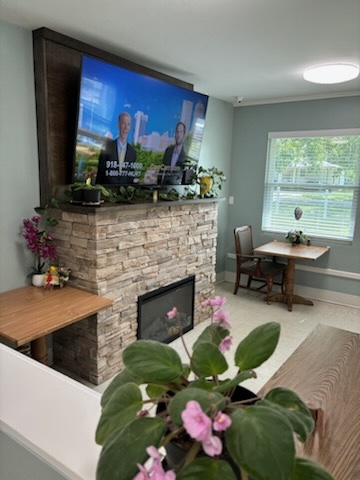
How is Nowata Nursing Center Staffed?

CMS rates NOWATA NURSING CENTER's staffing level at 2 out of 5 stars, which is below average compared to other nursing homes.

What Have Inspectors Found at Nowata Nursing Center?

State health inspectors documented 17 deficiencies at NOWATA NURSING CENTER during 2021 to 2024. These included: 17 with potential for harm.
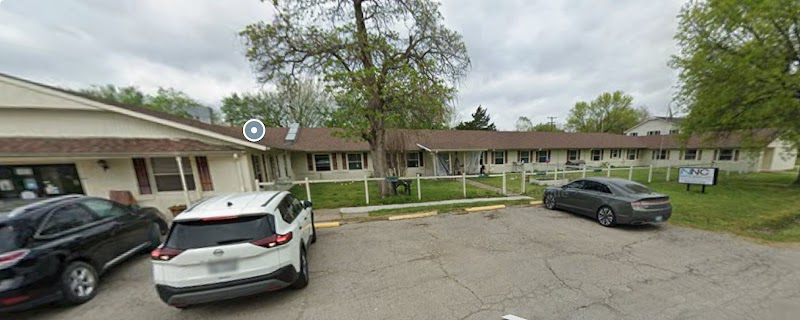
Who Owns and Operates Nowata Nursing Center?

NOWATA NURSING CENTER is owned by a for-profit company. For-profit facilities operate as businesses with obligations to shareholders or private owners. The facility is operated by OKLAHOMA NURSING HOMES, LTD., a chain that manages multiple nursing homes. With 65 certified beds and approximately 36 residents (about 55% occupancy), it is a smaller facility located in NOWATA, Oklahoma.

How Does Nowata Nursing Center Compare to Other Oklahoma Nursing Homes?

Compared to the 100 nursing homes in Oklahoma, NOWATA NURSING CENTER's overall rating (3 stars) is above the state average of 2.6 and health inspection rating (3 stars) is at the national benchmark.

What Should Families Ask When Visiting Nowata Nursing Center?

Based on this facility's data, families visiting should ask: "Can you walk me through typical staffing levels on day, evening, and night shifts?" "Can I visit during a mealtime to observe dining assistance and food quality?" "How do you handle medical emergencies, and what is your hospital transfer rate?" "Can I speak with family members of current residents about their experience?" These questions are particularly relevant given the below-average staffing rating.

Is Nowata Nursing Center Safe?

Based on CMS inspection data, NOWATA NURSING CENTER has a clean safety record: no substantiated abuse findings (meaning no confirmed cases of resident harm), no Immediate Jeopardy citations (the most serious violation level indicating risk of serious injury or death), and is not on the Special Focus Facility watch list (a federal program monitoring the lowest-performing 1% of nursing homes). The facility has a 3-star overall rating and ranks #1 of 100 nursing homes in Oklahoma. While no facility is perfect, families should still ask about staff-to-resident ratios and recent inspection results during their visit.

Do Nurses at Nowata Nursing Center Stick Around?

NOWATA NURSING CENTER has not reported staff turnover data to CMS. Staff turnover matters because consistent caregivers learn residents' individual needs, medications, and preferences. When staff frequently change, this institutional knowledge is lost. Families should ask the facility directly about their staff retention rates and average employee tenure.

Was Nowata Nursing Center Ever Fined?

NOWATA NURSING CENTER has been fined $22,936 across 3 penalty actions. This is below the Oklahoma average of $33,308. While any fine indicates a compliance issue, fines under $50,000 are relatively common and typically reflect isolated problems that were subsequently corrected. Families should ask what specific issues led to these fines and confirm they've been resolved.

Is Nowata Nursing Center on Any Federal Watch List?

NOWATA NURSING CENTER is not on any federal watch list. The most significant is the Special Focus Facility (SFF) program, which identifies the bottom 1% of nursing homes nationally based on persistent, serious quality problems. Not being on this list means the facility has avoided the pattern of deficiencies that triggers enhanced federal oversight. This is a positive indicator, though families should still review the facility's inspection history directly.