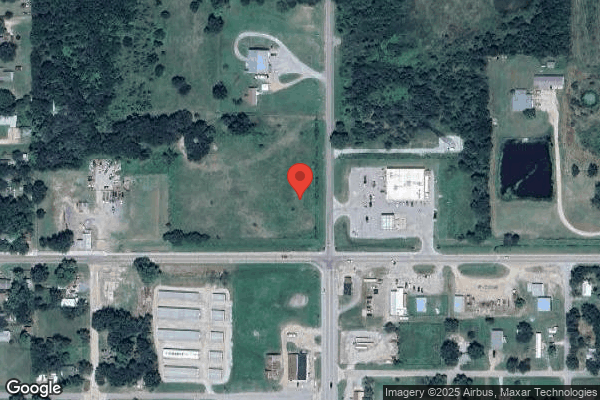

OKEMAH CARE CENTER

112 NORTH WOODY GUTHRIE, OKEMAH, OK 74859 (918) 623-1126
For profit - Limited Liability company 76 Beds Independent Data: November 2025
Trust Grade
50/100
#177 of 282 in OK
Last Inspection: June 2024

Within standard 12-15 month inspection cycle. Federal law requires annual inspections.

Overview

Okemah Care Center has a Trust Grade of C, indicating average performance among nursing homes, neither excelling nor failing. It ranks #177 out of 282 facilities in Oklahoma, placing it in the bottom half, but it is #2 out of 3 in Okfuskee County, meaning there is only one local option that is better. The facility is showing improvement, with the number of concerns decreasing from 18 in 2023 to 12 in 2024. While staffing is rated average with a turnover of 48%-lower than the state average of 55%-there are ongoing issues with cleanliness and resident privacy. For example, inspectors found food stored improperly and flies in the dining area, which could affect the well-being of residents. Additionally, privacy curtains were not used for some residents, compromising their dignity and comfort. Overall, while there are some positive aspects, families should weigh these concerns carefully.

Trust Score
C
50/100
In Oklahoma
#177/282
Bottom 38%
Safety Record
Low Risk
No red flags
Inspections
Getting Better
18 → 12 violations
Staff Stability
⚠ Watch
48% turnover. Above average. Higher turnover means staff may not know residents' routines.
Penalties
✓ Good
No fines on record. Clean compliance history, better than most Oklahoma facilities.
Skilled Nurses
⚠ Watch
Each resident gets only 13 minutes of Registered Nurse (RN) attention daily — below average for Oklahoma. Fewer RN minutes means fewer trained eyes watching for problems.
Violations
⚠ Watch
46 deficiencies on record. Higher than average. Multiple issues found across inspections.
★★☆☆☆
2.0
Overall Rating
★★★☆☆
3.0
Staff Levels
★★☆☆☆
2.0
Care Quality
★★☆☆☆
2.0
Inspection Score
Stable
2023: 18 issues
2024: 12 issues

The Good

  • Full Sprinkler Coverage · Fire safety systems throughout facility
  • No fines on record

Facility shows strength in fire safety.

The Bad

2-Star Overall Rating

Below Oklahoma average (2.6)

Below average - review inspection findings carefully

Staff Turnover: 48%

Near Oklahoma avg (46%)

Higher turnover may affect care consistency

The Ugly 46 deficiencies on record

Dec 2024 1 deficiency
CONCERN (D) 📢 Someone Reported This

A family member, employee, or ombudsman was alarmed enough to file a formal complaint

Potential for Harm - no one hurt, but risky conditions existed

Deficiency F0657 (Tag F0657)

Could have caused harm · This affected 1 resident

Based on record review and interview, the facility failed to update the care plan related to elopement for one (#2) of two residents sampled for elopement. The corporate nurse reported 44 residents re...

Read full inspector narrative →
Based on record review and interview, the facility failed to update the care plan related to elopement for one (#2) of two residents sampled for elopement. The corporate nurse reported 44 residents resided in the facility. Findings: Res #2 had diagnoses which included bipolar, mood disorder, and schizoaffective disorder. An incident report, dated 10/30/24, documented the resident had eloped the day before and interventions were put in place. There was no documentation related to the new interventions on the care plan. On 12/27/24 at 8:30 a.m., the administrator reported the care plan should have been updated.
Jun 2024 11 deficiencies
CONCERN (D)

Potential for Harm - no one hurt, but risky conditions existed

Deficiency F0578 (Tag F0578)

Could have caused harm · This affected 1 resident

Based on record review and interview, the facility failed to have a process in place to identify resident's code status for one (#33) of ten residents reviewed for code status. The Administrator iden...

Read full inspector narrative →
Based on record review and interview, the facility failed to have a process in place to identify resident's code status for one (#33) of ten residents reviewed for code status. The Administrator identified 43 residents resided in the facility. Findings: An Advanced Directivespolicy, revised April 2008, read in part, .Changes or revocations of a directive must be submitted in writing to the Administrator .The Care plan Team will be informed of such changes and/or revocations so that appropriate changes can be made in the resident assessment .and care plan . Resident #33 had diagnoses which included type two diabetes mellitus, anemia and malaise. An undated form titled Full Code was observed on the inside of a cabinet door at the nurse's station. The form documented Resident #33 was a full code. Resident #33 had a signed DNR, dated 05/13/22, in their hard chart. On 06/04/24 at 12:03 p.m., LPN #2 was asked what was the list of full code and DNR. They stated To let everyone know the DNR code status, if someone is down they will come up here and check it. They were asked how often the list is updated. They stated they though it was every month or every other month. They were asked who is responsible to update the list. They stated LPN #1. On 06/04/24 at 12:09 p.m., the DON was asked if the resident is a full code or DNR. They stated Resident #33 had a signed a DNR on 05/13/22. They were asked to review the form kept at the nurse's desk and asked how it identified Resident #33. They stated as a full code. They were asked if that was correct. They stated it was not correct. On 06/05/24 at 1:37 p.m., Corp. Nurse Consult. #1 was asked if the list full code that had been kept at the nurse's desk was accurate. They stated they did not think it was. They were asked how often the list should be updated. They stated with a change in the care plan or anytime it changes. Corp. Nurse Consult. #1 was asked if Resident #33 had signed and dated their DNR on 05/13/22, why wasn't the list updated and accurate. They stated the list had been updated last year. They were asked if their process in place correctly identified the resident's code status. They stated No, it was not.
CONCERN (D)

Potential for Harm - no one hurt, but risky conditions existed

Safe Environment (Tag F0584)

Could have caused harm · This affected 1 resident

Based on observation, record review, and interview, the facility failed to maintain a clean homelike environment for: a. residents who ate their meals in the dining room and who watched TV in the tele...

Read full inspector narrative →
Based on observation, record review, and interview, the facility failed to maintain a clean homelike environment for: a. residents who ate their meals in the dining room and who watched TV in the television room, and b. prevent lingering urine odors for two (#9 and #33) of all residents who resided in the facility. The Administrator identified 43 residents resided in the facility. Findings: An undated Housekeeping policy, read in part .It is the policy of this facility that housekeeping services will be provided every day. Housekeeping will be responsible to clean the residents area Housekeeping will also be responsible for cleaning the .halls .dining room . A. Dining Room On 06/03/24 at 11:54 a.m., Resident #3 was observed entering the television room and sitting near the coke machine. A puddle of water was observed on the floor near the resident and coke machine. On 06/03/24 at 12:05 p.m., the windows in the dining room were observed to have noted to have dust/dirt and dead flies lying on the window ledges. There was a dead fly in the southwest window, two dead flies and dirt and dust in the north west window and seven dead flies in the northwest window. The windows in the TV room were observed to have multiple dead flies and dirt in the southeast window and multiple dead bugs, flies and mouse droppings in the northeast window. The area of waster remained on the floor near the coke machine. On 06/03/24 at 12:33 p.m., CNA #3 was asked to observe the water on the floor. CNA #1 asked dietary manager what the water was, they were unsure. CNA #3 instructed Resident #3 to not walk through the water, but did not attempt to clean the area or notify housekeeping. On 06/03/24 at 12:45 p.m., water was still on the floor in the TV room. A resident was observed sitting nearby on a couch. On 06/03/24 at 12:52 p.m., a Resident #3 sitting in a wheel chair came into the TV room near the water spill. On 06/03/24 at 12:56 p.m., CNA #3 left the TV room and went into the dining room. They were not observed to attempt to clean the area or notify housekeeping. On 06/03/24 at 1:07 p.m., the DON was asked to observe the dining room. They stated there were dead flies and debris in the west windows and north windows. They were asked who was responsible to clean the windows. They stated kitchen or housekeeping. The DON observed the windows in the TV room and stated it looked like numerous flies and mouse pills. The DON was notified of the water on the floor in the TV room. The DON asked the dietary manager if they were aware of the water on the floor. They stated yes, but was unsure what it was from. The DON was asked what the staff should have done about the water. They stated the staff should have gotten someone (housekeeping) right away or got some towels and cleaned it themselves. The DON asked Maintenance 31 if they had been notified of the water near the coke machine. They stated, No. B. Lingering Oders On 06/03/24 at 2:53 p.m., there was a strong odor of urine in the hallway and in Resident #9's room. On 06/03/24 11:23 a.m., Resident #33's room was noted to have a strong smell of urine. On 06/04/24 at 2:13 p.m., Corp Nurse Consult. #1 was asked what was the odor in Resident #9's room. They stated they smelled bleach. On 06/04/24 at 2:16 p.m., Corp Nurse Consult. #1 was to observe Resident #33's room. They were asked what was the odor in Resident #33's room. They stated the room smelled like pee and there was a wet brief in the trash. On 06/05/24 at 8:10 am a strong odor of urine was noted in Resident #33's room during medication observation. On 06/05/24 at 8:23 a.m., CMA #1 was asked what the odor was in Resident #33's room. They stated, it smelled like urine to them.
CONCERN (D)

Potential for Harm - no one hurt, but risky conditions existed

Comprehensive Care Plan (Tag F0656)

Could have caused harm · This affected 1 resident

**NOTE- TERMS IN BRACKETS HAVE BEEN EDITED TO PROTECT CONFIDENTIALITY** Based on observation, record review, and interview, the facility failed to develop a comprehensive care plan for activities for ...

Read full inspector narrative →
**NOTE- TERMS IN BRACKETS HAVE BEEN EDITED TO PROTECT CONFIDENTIALITY** Based on observation, record review, and interview, the facility failed to develop a comprehensive care plan for activities for one (#38) of one sampled residents reviewed for activities. The Administrator identified 43 residents resided in the facilty. Findings: A Goals and Objectives, Care Plans policy, dated 8/2006, read in part, Care plans shall incorporate goals and objectives that lead to the resident's highest obtainable level of independence. The policy also read, Goals and objectives are entered on the resident's care plan so that all disciplines have access to such information and area able to report whether or not the desired outcomes are being achieved. Goals and objectives are reviewed and/or revised . at least quarterly. A Care Plans-Comprehensive policy, dated 10/2009, read in part, An individualized comprehensive care plan that includes measurable objectives and timetables to meet the resident's medical, nursing, mental and psychosocial needs is developed for each resident. The policy also read, The comprehensive care plan is based on a thorough assessment that includes, but is not limited to, the MDS. Assessments of residents are ongoing and care plans are revised as information about the resident and the resident's condition change. A Care Planning-Interdisciplinary Team policy, dated 12/2008, read in part, .The care plan is based on the resident's comprehensive assessment and is developed by a Care Panning/Interdisciplinary Team which includes, but is not necessarily limited to the following personnel: .The activity Director/Coordinator . Resident #38 admitted with diagnoses which included unspecified psychosis, paranoid personality disorder, dementia, and insomnia. Resident #38's annual assessment dated [DATE] documented their favorite activity was somewhat important and group activities was somewhat important and choosing their bedtime was very important. On 06/03/24 at 2:38 p.m. an activities calendar was observed in a resident room and it had no times or location on it. On 06/03/24 at 2:51 p.m., two residents were observed sitting in front of the front entrance sitting area watching t.v. On 06/04/24 at 9:02 a.m., Resident #38 stated there was nothing to do but sit there all day, sleep, go to the bathroom, watch Tv, sit around and watch everybody. They stated they have bingo once a month. They had told everyone about the activities and they will listen but not do anything. The resident stated they couldn't complain too much. They stated they play on their phone for entertainment. Resident #38 stated they will every once in a while will go out and ride in the van and did so last Friday. It is only done twice a year. On 06/04/24 at 9:33 a.m., a June 2024 activities calendar was observed on the door of room [ROOM NUMBER] with no times of the activities on it. On 06/05/24 at 10:16 a.m., there were no observations of activities occuring. On 06/05/24 at 10:49 a.m., Resident #38 stated they don't do what was on the calendar. They stated the movies and bowling were interesting but did not know what time or when they were. There was no time or location listed next to the activities on the June 2024 calendar provided to the residents. On 06/05/24 at 10:58 a.m., CNA #4 stated the activities they knew of where movies the day before and that activities were done maybe once a week. They stated the resident sometimes would go to bingo. On 06/05/24 at 11:02 a.m., the activity director stated the new admission and yearly screening was to find out what hobbies were prior, activities they like to do, and if they like music or t.v. and would provide if available. They stated Resident #38 declined activities and watched t.v. westerns or sports and bingo sometimes depending on their mood. They stated the resident participated about 2-3 times a month if there was bingo. The activity director also stated they ensure activities of choice were available by asking during resident council what kind of activities they would like to see and try a new one each month. On 06/05/24 at 11:04 a.m., the activity director stated they forgot to put the time on the June 2024 calendar and that there was a 10:00 a.m. and 2:00 p.m. activity. On 06/05/24 at 11:08 a.m., the MDS coordinator stated they stated Resident #38 did not have an activities care plan and they did not do them for everyone. They stated they had not care planned activities individually. They stated they would only care plan activities for level 2 PASRR, bed ridden, or when in covid isolation. They further stated that staff would know resident activity preferences from the activities coordinator that plans and gathers the residents. On 06/06/24 9:22 a.m., Resident #38 was observed sitting in their wheelchair in the hall outside of their room looking at their cell phone with earbuds in their ears. On 06/06/24 at 11:20 a.m., the Corporate Nurse Consultant #1 stated they would expect each resident to have an activity care plan. On 06/04/24 at 2:39 p.m. the Administrator stated, after looking at the June 2024 activities calendar, that they did not know what time the activities were done by looking at the calendar and they they just knew when they were and would have to ask. The administrator also stated the Podiatrist was not an activity as it was listed for Wednesday the 12th. They stated that the movies were also able to be shown on the resident individual t.v. as well as on the public t.v The administrator stated there had not been any residents to complain about activities. There was no activities care plan located in the medical record. A monthly summary 2024 documented the resident did not participate in activities. An Activity participation note dated 2/29/24 at 1:39 p.m., documented the resident participated in some activities, resident council, sitting outside when the weather permits, and enjoys visiting with staff and residents. An Activity participation note dated 3/29/24 at 2:00 p.m., documented the resident enjoyed watching t.v. in the family room, sitting outside when the weather permits, and visiting with staff and residents.
CONCERN (D)

Potential for Harm - no one hurt, but risky conditions existed

Pharmacy Services (Tag F0755)

Could have caused harm · This affected 1 resident

Based on record review and interview, the facility failed to administer tube feeding bolus according to physician order for one (#32) of one sampled resident reviewed for tube feeding. The administrat...

Read full inspector narrative →
Based on record review and interview, the facility failed to administer tube feeding bolus according to physician order for one (#32) of one sampled resident reviewed for tube feeding. The administrator identified two residents received tube feeding resided in the facility. Findings: A Intake, Measuring and Recording policy, dated 9/2005, read in part, The purpose of this procedure is to accurately determine the amount of liquid a resident consumes in a 24-hour period. The policy also read, Record the fluid intake as soon as possible after the resident has consumed the fluids. At the end of you shift total the amounts of all liquids the resident consumed . The policy also read, The following should be recorded in the resident's medical record per facility guidelines: .The amount (in mls) of liquid consumed .notify the supervisor if the resident refuses the procedure. Res #32 had diagnoses which included anorexia, cachexia. A physicians order dated 09/02/23 documented mighty shake one time a day for weight loss. A physicians order dated 10/19/23 documented regular diet mechanical soft texture, regular/thin consistency, give drink every 3 bites. Drink from cup side (no straws) sips only. Up 90 degrees in chair for all po intakes. A physician order dated 02/01/24 documented Osmolite give 1(240ml) 4 times a day-hold at meals if eats more than 50% as needed. On 06/06/24 at 9:26 a.m., LPN #2 stated Resident #32's tube feeding order was if they ate less than 50% they get a supplement of Osmolyte 270 ml's and to flush with 100 ml's of water each bolus and every shift. LPN #2 stated they also received a shake because of weight loss before. On 06/06/24 at 9:28 a.m., LPN #2 stated their should not be blanks on the medical record and if there were then it was not done or they were late. They stated there were seven blanks for the task of eating, six blanks for the task of amount eaten, and six blanks for the fluids. The LPN stated there was another sheet used for documenting intake that the CNA's document the meal percentages. On 06/06/24 at 9:49 a.m., the Corporate Nurse Consultant #1 reviewed the meal percentages on paper and documentation in the electronic medical record and stated there was no documentation of meal percentages for May 2024 on the 6th, 9th, 10th, 24th, or 26th. They stated there should be documentation. The Corporate Nurse Consultant #1 stated the resident needed to be fed regardless because the order was confusing.
CONCERN (D)

Potential for Harm - no one hurt, but risky conditions existed

Unnecessary Medications (Tag F0759)

Could have caused harm · This affected 1 resident

Based on observation, record review, and interview, the facility failed to ensure medication error rate was not greater than 5% for two (#6 and #12) of three sampled residents observed during medicati...

Read full inspector narrative →
Based on observation, record review, and interview, the facility failed to ensure medication error rate was not greater than 5% for two (#6 and #12) of three sampled residents observed during medication observation The Administrator identified 43 residents resided in the facility. Findings: An undated Medication Administration and General Guidelines policy, read in part .Medications are administered in accordance with written orders of the attending physician . 1. Resident #6 had diagnoses which included hypertension and mood disorder. A physician order, dated 02/06/24, documented to administer aspirin 81 milligram chewable tablet one time a day. On 06/05/24 7:58 a.m., CMA #1 was observed to prepare and administer Resident #6's medications. CMA #1 did not instruct Resident #6 to chew the Aspirin tablet when administered. 2. Resident #12 had diagnoses which included Atherosclerosis of native arteries of extremities. A physician order, dated 06/27/2, documented to administer aspirin 81 milligrams chewable tablet one time a day. On 06/05/24 at 8:17 a.m., CMA #1 was observed to prepare and administer Resident #12's medications. They did not instruct Resident #12 to chew the Aspirin tablet when administered. On 06/05/24 at 9:27 a.m., Corp. Nurse Consultant #1 was asked if the medication card documents the medication is a chewable aspirin how should it be administered. They stated it should be chewed, unless the doctor stated otherwise.
CONCERN (D)

Potential for Harm - no one hurt, but risky conditions existed

Infection Control (Tag F0880)

Could have caused harm · This affected 1 resident

Based on observation, record review, and interview, the facility failed to ensure: a. staff wore PPE during provision of care for one (#21) of one sampled residents reviewed for EBP and b. failed to e...

Read full inspector narrative →
Based on observation, record review, and interview, the facility failed to ensure: a. staff wore PPE during provision of care for one (#21) of one sampled residents reviewed for EBP and b. failed to ensure a syringe used for tube feeding administration was stored in a manner to prevent cross contamination for one (#32) of one sampled resident reviewed for tube feeding. The Administrator identified 43 residents resided in the facility. The Director of Nursing identified two residents received tube feeding. Findings: An Enhanced Barrier Precautions Policy and Procedure, dated 04/01/24, read in part .EBP will be used for resident with indwelling medical devices, wounds, or those who are colonized by or infected with a multidrug - resistant organism .procedure to use EBP when .other high-contact resident care activities . 1. Resident #21 had diagnoses which included, pressure ulcer of right buttock Stage 4, dementia, and depressive disorder. On 06/05/24 at 10:57 a.m., upon entry to the room, the resident was lying in the bed with their shorts pulled down with their buttocks exposed to the hallway. The privacy curtain was not pulled. Two staff CNA were observed in the room CNA #2 was on the side of the bed assisting with positioning of resident. They were not wearing PPE. One staff member left the room and donned PPE. They returned and incontinent care was provided. Wound care was performed by the LPN wearing PPE. After completion of wound care, CNA #2 was observed to assist with changing Resident #21's shorts. CNA #2 was not wearing PPE. On 06/05/24 at 11:21 a.m., LPN #2 was asked why did one staff DON PPE and one did not. They stated they did not know. They were asked if they were providing contact assistance should PPE be worn. They stated it should have been worn. On 06/05/24 1:44 p.m., Corp. Nurse Consultant #1 was informed of the wound care and assistance provided for Resident #21. They were asked would one staff provide care without PPE for enhanced barrier. They stated, I am not sure both staff should have worn PPE. On 06/06/24 at 9:05 a.m., CNA #2 was asked if they assisted on 06/05/24 when wound care was completed for Resident #21. They stated, Yes. They were asked what care was provided for Resident #21. They stated We helped [the Resident #21] change [their] shorts and got [the Resident #21] up for lunch. They were asked what they understood about enhanced barrier precautions. They stated they thought they only had to use PPE if it was on the door. They were asked if they had training on when to use PPE for EBP. They stated they had at their other job but had not had training here. 2. Resident #32 had diagnoses which included unspecified congestive heart failure. A quarterly assessment, dated 04/04/24, documented assist needed for eating. On 06/05/24 at 10:54 a.m., an observation was made of a tube feeding syringe on the small dresser next to Resident #32's bed without a protective barrier. On 06/06/24 at 9:04 a.m., an observation was made of a tube feeding syringe on the small dresser next to Resident #32's bed with the plunger end on the table and not in a protective barrier with an undated open container of apple sauce next to it. On 06/06/24 at 9:26 a.m., LPN #2 stated the resident received osmolyte tube feeding. They stated Resident #32 should be assisted with everything and had to be fed and staff were to stay with resident to feed them. LPN #2 stated there should not be food left in the room, suppose to pick up the trays. They stated the tube feeding syringe was usually put the sack back over the top of the syringe and should be clean and put on a napkin to let dry. On 06/06/24 at 9:28 a.m., LPN #2 stated the applesauce should have been thrown away if they did not eat it. They stated the concern was the syringe was left open.
CONCERN (E)

Potential for Harm - no one hurt, but risky conditions existed

Deficiency F0583 (Tag F0583)

Could have caused harm · This affected multiple residents

Based on observation, record review, and interview, the facility failed to ensure privacy curtains were used for two (#9 and #21) of three sampled residents reviewed for privacy. The Administrator ide...

Read full inspector narrative →
Based on observation, record review, and interview, the facility failed to ensure privacy curtains were used for two (#9 and #21) of three sampled residents reviewed for privacy. The Administrator identified 43 residents resided in the facility. Findings: An undated Privacy Curtains policy, read in part . It is the policy of this facility that each resident will have a privacy curtain in room to maintain him/her privacy from someone entering the room . Resident #9 had diagnoses which included cerebral palsy and severe intellectual disabilities. A quarterly assessment, dated 05/16/24, documented Resident #9 was dependent on staff for all ADL's. On 06/03/24 at 10:04 a.m., Resident #9 was observed from the hallway. They were lying uncovered with a t-shirt on, and their legs folded up. There was no sheet on the resident's lower body. On 06/03/24 at 2:53 p.m., Resident #9 was observed in bed from the hallway. The privacy curtain was not pulled and the resident was not covered from the waist down. On 06/03/24 at 03:10 p.m., CNA #1 was asked to observe Resident #9. They stated the resident's curtain should be pulled, but the curtain only goes halfway in the room. On 06/03/24 at 3:31 p.m., the Administrator was asked to observe the Resident lying in their bed from the hallway. Resident #9 was observed lying in their bed bilateral legs folded up towards their abdomen, with a blanket bunched up on the side of their right hip. They were asked if the curtain provided privacy for the resident. They stated, No. There was no curtain observed to be hanging to provide privacy for the resident. The curtain did not extend to the right side of the room. They were asked if the resident was exposed. They stated yes. 2. Resident #21 had diagnoses which included, pressure ulcer of right buttock Stage 4, dementia, and depressive disorder. On 06/05/24 at 10:57 a.m., upon entry to the room, the resident was lying in the bed with their shorts pulled down with their buttocks exposed to the hallway. The privacy curtain was not pulled. Two staff CNA were observed in the room CNA #2 was on the side of the bed assisting with positioning of resident. They were not wearing PPE. The other staff member left the room and donned PPE. They returned and provided incontinent care. Wound care was performed by the LPN wearing PPE . After completion of wound care CNA #2 was observed to assist with changing the Resident #21's shorts. The privacy curtain was not pulled at any time during provision of pericare or wound care. On 06/05/24 11:21 a.m., LPN #2 was asked if Resident #21 had a room mate. They stated Resident #21 did have a roommate. They were asked why the privacy curtain had not been pulled during the provision of pericare and wound care. They stated, Because the room mate was not in the room. On 06/05/24 at 1:42 Corp. Nurse Consult. #1 was asked when the privacy curtain should be used. They stated during treatment or care for the resident. They were asked if the curtain should be used during wound care on the buttocks or peri care. They stated, Definitely.
CONCERN (E)

Potential for Harm - no one hurt, but risky conditions existed

Pressure Ulcer Prevention (Tag F0686)

Could have caused harm · This affected multiple residents

Based on observation, record review, and interview, the facility failed to ensure Braden skin assessments, and weekly skin assessments were completed for two (#21 and #13) of two sampled residents rev...

Read full inspector narrative →
Based on observation, record review, and interview, the facility failed to ensure Braden skin assessments, and weekly skin assessments were completed for two (#21 and #13) of two sampled residents reviewed for wound care. The Administrator identified 43 residents resided in the facility. The Resident Matrix documented three residents had pressure ulcers that were not present on admission. Findings: An undated, Skin Assessments policy, read in part .It is the policy of this facility that skin assessment will be completed on every resident every week . An undated, Braden Skin Evaluation policy, read in part .A Braden scale skin evaluation will be completed no less than quarterly. This will be most likely completed with the MDS that comes due whether a quarterly, annual, significant change or admission . 1. Resident #21 had diagnoses which included, pressure ulcer of right buttock Stage 4, dementia, and depressive disorder. A Braden Scale for Predicting Pressure Ulcer Risk dated 12/29/2023, documented the resident was at high risk for pressure ulcers. The clinical health record did not contain documentation weekly skin assessments had been completed since 04/19/24. On 06/06/24 at 11:52 am LPN #1 was asked if they did skin weekly skin assessments, They stated they did the assessments but had been off, and if there was no documentation they did not get completed. On 06/06/24 at 1:38 p.m., LPN #1 was asked if any skin assessments had been completed for Resident #21 after 04/19/24. They stated they did not complete weekly skin assessments if the Resident #21 had outside wound care visits, unless another issue was identified. On 06/06/24 at 1:42 p.m., the DON was asked who is responsible to complete weekly skin assessments. They stated LPN #1. They were asked where the assessments should be documented. They stated the skin assessments should be in the computer. On 06/06/24 1:44 p.m., LPN #1 was asked how often Braden assessments are completed. They stated quarterly. They were asked when the last assessment had been completed on Resident #21. They stated in December 2023. On 06/06/24 at 1:47 p.m., Corp. Nurse Consultant #1 was asked who was responsible for completing weekly assessments. They stated LPN #1. They were asked where the assessments should be documented. They stated the assessments should be documented in the computer unless outside wound care see's the resident. 2. Resident #13 had diagnoses which included Alzheimer's disease and cognitive impairment. A Braden Scale For Predicting Pressure Sore Risk, dated 12/29/23, documented to completed on admission for four weeks then quarterly. The assessment documented Resident #21 was at risk. An annual assessment, dated 03/01/24, documented the resident needed partial to moderate assistance with toileting, upper body dressing. On 06/05/24 at 12:01 p.m., LPN #2 was asked if Resident #13 currently had a wound. They stated no, the wound had healed. . On 06/06/24 at 2:05 p.m., LPN #1 provided paper copies for Braden assessments for Resident #21 and Resident #13. Resident #21's paper assessment Braden Scale For Predicting Pressure Sore Risk, dated 12/1, 3/1, and 6/3, did not have a year, was unsigned by who completed the assessments, and 6/3 contained blanks on assessment. Resident #13's paper assessment Braden Scale For Predicting Pressure Sore Risk, dated 12/30, 3/1, and 6/1 did not have a year, was unsigned by who completed the assessments, and 6/1 contained blanks on assessment. On 06/06/24 at 2:05 p.m., Corp Nurse Consultant #1 reviewed Resident #21 and #13's Braden assessments and stated These were done last year and they are not completed. On 06/06/24 at 2:07 p.m., Corp. Nurse Consultant #1 was asked if outside wound care assessed other areas of the Resident's skin. They stated, Usually not. They were asked if the weekly skin assessments should be completed by facility staff for residents at risk. They stated every resident should have a weekly skin assessment. On 06/06/24 at 2:16 p.m., Resident # 13's heels were observed with Corp Nurse Consultant #1. They stated the left heel had dry flaky skin and a scabbed area and could use skin prep for treatment. Resident #1 was asked if they had any sores on their bottom, they stated no but their foot was. They were asked which one and they stated the left one. On 06/06/24 at 2:22 p.m., Corp. Nurse Consultant #1 was asked what had they observed. They stated the area was healed over with a small scab left and dry peeling tissue. They were asked if the resident had anything in place for prevention. They stated Those shoes. They were asked if any nurse note documented a description of the residents left foot. They reviewed the skin assessments and stated no skin assessments had been completed since April 2024. On 06/06/24 at 2:35 p.m., Corp. Nurse Consultant #1 was asked when Resident #13's wound had healed. They stated on 03/28/24. They were asked why the weekly skin assessments had not been completed. They were not sure why they had not been completed since 04/19/24. On 06/06/24 at 2:37 p.m., LPN #1 was asked when was the last time they had assessed Resident #13's skin. They stated they only document if there is an issue with the skin. On 06/06/24 at 2:42 p.m., Corp Nurse Consultant #1 was asked was the policy followed for weekly skin assessments and Braden assessments. They stated no. They were asked if Resident #13's heel was something the wound care doctor would assess. They stated, Yes. On 06/07/24 at 11:09 a.m., LPN #2 was asked if Resident #1 had been seen by the wound care doctor. They stated they had texted pics to the doctor and described the area as rough feeling and mushy. The physician ordered to skin prep the heel two times per day and offload.
CONCERN (E)

Potential for Harm - no one hurt, but risky conditions existed

Deficiency F0757 (Tag F0757)

Could have caused harm · This affected multiple residents

Based on record review and interview, the facility failed to monitor for side effects related to the use of antidepressants for four (#1, #3, #32 and #40) of five sampled residents reviewed for unnece...

Read full inspector narrative →
Based on record review and interview, the facility failed to monitor for side effects related to the use of antidepressants for four (#1, #3, #32 and #40) of five sampled residents reviewed for unnecessary medications. The Administrator identified 43 residents resided in the facility. The Resident Matrix, dated 06/03/24 documented 31 residents received antidepressants. Findings: An undated Monitoring of Antidepressants policy, read in part .Resident receive antidepressant medication routinely only when medically necessary. Every effort is made to ensure that resident who use antidepressants receive the intended benefit if [sic] the medication and to minimize the unwanted effects of the antidepressant medications . 1. Resident #1 had diagnoses which included depressive disorder and depression. A physician order, dated 07/06/23, documented to administer Trazadone 100 mg one time at bedtime. A physician order dated 06/25/23 documented to administer Escitalopram Oxalate 20 milligrams by mouth one time a day. An undated Monitoring of Antidepressants policy, read in part . There was no documentation for March, April, may June 2024 the resident had been monitored for the use of antidepressants: Lexapro and Trazadone. On 06/06/24 at 11:23 a.m., Corp Nurse Consultant #1 was asked if Resident #1 had been monitored for side effects related to the use of Trazadone and Lexapro. They stated there was no documentation side effects had been monitored. They were asked what the policy was to monitor. They stated side effects should have been monitored. 2. Resident #3 had diagnoses which included recurrent depressive disorder. A physician order, dated 12/18/23, documented to administer Pristiq 50 milligrams one time a day. A physician order, dated 06/27/23, documented to administer Trintellix 20 milligrams one time a day. Resident #3's treatment administration records for April, May and June 2024, did not contain documentation side effects had been monitored for the use of Pristiq and Trintellix. Resident #3's care plan, dated 02/07/24, read in part, .The resident has depression .Pristiq as ordered: side effects may include Blistering, peeling or loosening of the skin .bloating .blood in the stool or urine .chest tightness, discomfort, or pain .cough .dark urine .Trintellix as ordered: mood swings, headache, muscle stiffness, and runny nose . On 06/06/24 at 10:34 a.m., Corp. Nurse Consultant #1 was asked if Resident #3 had been monitored for side effects related to Pristiq and Trintellix. They stated they had not been monitoring for side effect for Pristiq or Tarantella. The care plan stated to monitor for specific side effects but that had not been done. 3. Resident #32 had diagnoses which included unspecified mood (affective) disorder and anxiety. A physicians order, dated 11/02/23, documented to administer Lexapro 10 milligrams one time a day. A physicians order, dated 11/9/23, documented to administer Lamotrigine 25 milligrams two times a day. Resident #32's treatment administration records for April, May and June 2024 did not contain documentation side effect monitoring for the use of Lexapro. Resident #32's care plan, dated 06/03/24, read in part, The resident has a mood disorder .Lomotrigine as ordered: side effects may include dizziness, light headedness, blurred vision. The care plan also read, Lexapro as ordered: side effects may include diarrhea, drowsiness, headache. On 06/06/24 at 11:26 a.m., the Corporate Nurse Consultant #1 stated there was no side effect monitoring. 4. Resident #40 had diagnoses which included Bipolar disorder. A physicians order, dated 06/26/23, documented to administer Bupropion 150 milligrams two times a day. A physicians order, dated 07/06/23 , documented to administer Trazodone 50 milligrams at bedtime. On 06/06/24 at 2:34 p.m., LPN #2 stated side effect monitoring was documented on the treatment administration record. They stated they should do side effect monitoring on depression, psychotropic and anxiety medications. LPN #2 stated there was no side effect monitoring for the Trazodone or the Wellbutrin (Bupropion.)
CONCERN (E)

Potential for Harm - no one hurt, but risky conditions existed

Deficiency F0801 (Tag F0801)

Could have caused harm · This affected multiple residents

Based on record review and interview, the facility failed to ensure the person designated to serve as the dietary manager had met the state requirement for dietary management. The Director of Nursing ...

Read full inspector narrative →
Based on record review and interview, the facility failed to ensure the person designated to serve as the dietary manager had met the state requirement for dietary management. The Director of Nursing stated 42 residents received food from the kitchen and 43 residents resided in the facility. Findings: There was no documentation the DM was certified as a dietary manager. A Office of Professional and Workforce Development Receipt dated 11/03/22, documented a transaction basket number dated for 03/11/22 for enrollment in the course. A document titled Grades for {name withheld}, documented the grades for the modules. The introduction was dated for 12/20/22. There was no final test score. There was no documentation the dietary manager had taken the test to become a certified dietary manager. On 06/05/24 at 11:22 a.m., the administrator stated the dietary manager had not taken the certification exam. They stated the dietary manager started around 03/11/22.
CONCERN (E)

Potential for Harm - no one hurt, but risky conditions existed

Food Safety (Tag F0812)

Could have caused harm · This affected multiple residents

Based on observation and interview, the facility failed to ensure the kitchen was maintained to promote food safety and sanitation. The Director of Nursing identified 42 residents who received servic...

Read full inspector narrative →
Based on observation and interview, the facility failed to ensure the kitchen was maintained to promote food safety and sanitation. The Director of Nursing identified 42 residents who received services from the kitchen. Findings: A Sanitization policy dated 10/08, read in part, The food service area shall be maintained in a clean and sanitary manner. All .kitchen areas and dining areas shall be kept clean, free from litter and rubbish and protected from rodent, roaches, flies and other insects. All utensils, counters, shelves and equipment shall be kept clean, maintained in good repair and shall be free from breaks, corrosions, open seams, cracks and chipped areas that may affect their use or proper cleaning. Seals, hinges and fasteners will be kept in good repair. All equipment, food contact surfaces and utensils shall be washed to remove or completely loosen soils by using the manual or mechanical means necessary and sanitized using hot water and/or chemical sanitizing solutions. The policy also read, Dishwashing machines must operate using the following specifications: .Low-Temperature Dishwasher (Chemical Sanitization) a. wash temperature (120 degree F); b. Final rinse with 50 parts per million(ppm) hypochlorite (chlorine) for at least 10 seconds. The policy also read, The Food Service Manager will be responsible for scheduling staff for regular cleaning of the kitchen .Food service staff will be trained to maintain cleanliness throughout their work areas during all tasks, and to clean after each task before proceeding to the next assignment. A Food Receiving and Storage policy, dated 07/14, read in part, Foods shall be received and stored in a manner that complies with safe food handling practices. Food services, or other designated staff, will maintain clean food storage areas at all times. The policy also read, Dry foods that are stored in bins will be removed from the original packaging, labeled and dated (use by date). The policy also read, Other opened containers must be dated and sealed or covered during storage. On 06/03/24 at 10:02 a.m., initial tour of the kitchen was conducted, and the following observations were made: a. Black substance along the back trim of the sink with the sprayer and the handwashing sink, b. Black wet substance on the floor under the sink and dishwasher, c. Rusty metal box overflow with suds/bubbles and two metal knives and a blue handled wrench on the floor next to the canned goods as well as debris under the shelf with cans, d. Two trays of the dessert for the day in cups/bowls with no label or date, e. Three bags of opened bread (one sandwich bread and two hot dog buns) with no date when opened and not sealed, f. Three more desserts in cups and two bowls with no label or date, g. One gallon of milk was almost empty with no opening date, h. One gallon of milk was almost full of no opening date, i. A three-tiered cart located next to the prep table across from the oven had food debris on all corners and on each shelf as well as debris on top of the items in a cup on the top, j. The dishwasher temp did not get above 112 degrees, k. No dishwashing wash and no dishwasher sanitation fluid. Both were empty and there had been dishes washed. On 06/03/24 at 10:21 a.m., [NAME] #1 stated there was a chore list for weekly and monthly so cleaning was done every day. They stated under the sink was stained then stated it was dirty after saw what was wiped with a paper towel. [NAME] #1 stated the floor in the dry storage room where the cans were was clean and stated it flooded the floor in that area, and also stated under the cans was not clean. On 06/03/24 at 110:35 a.m., the dietary manager stated they did not date the bread because it came in weekly. There were blanks throughout the cleaning schedule. The dietary manager was unaware of the need to date the bread when opened. On 06/03/24 at 10:43 a.m., the dietary manager stated the black substance at the sink was maybe mold. On 06/03/24 at 10:45 a.m., the dietary manager stated under the dishwasher was not clean after seeing debris from paper towel when wiped. On 06/03/24 at 10:54 a.m., the dietary manager stated they did not know when the desserts or the milk were prepared or opened because there was no date. On 06/03/24 at 11:21 a.m., the dietary manager stated they had tried to clean the three-tiered cart weekly, it just got back like that. On 06/03/24 at 11:36 a.m., the dietary manager stated the dishwasher was to be at 120 degrees to wash. On 06/03/24 at 11:36 a.m., there was no sanitization detected on the test strip. On 06/03/24 at 11:37 a.m., the dishwasher was restarted and tested again with no sanitization detected on the strip. On 06/03/24 at 11:40 a.m. observed the sanitizer and wash buckets for the dishwasher were both empty. On 06/03/24 at 11:42 a.m., the dietary manager stated they were told to order from the dishwasher company instead of their other delivery service they used prior. They stated thy requested the assistant administrator to order them. On 06/03/24 at 12:25 a.m., the dietary manager stated the process for reordering dishwasher and sanitizer for the dishwasher was that they ordered at least once a week and they had requested on Wednesday of last week to be there on Thursday. They stated they had no problem when they ordered from the food service but when they ordered from the machine company they were always on back order.
Aug 2023 1 deficiency
CONCERN (E) 📢 Someone Reported This

A family member, employee, or ombudsman was alarmed enough to file a formal complaint

Potential for Harm - no one hurt, but risky conditions existed

Deficiency F0745 (Tag F0745)

Could have caused harm · This affected multiple residents

**NOTE- TERMS IN BRACKETS HAVE BEEN EDITED TO PROTECT CONFIDENTIALITY** Based on record review and interviews, the facility failed to ensure physician ordered scheduled appointments were not canceled ...

Read full inspector narrative →
**NOTE- TERMS IN BRACKETS HAVE BEEN EDITED TO PROTECT CONFIDENTIALITY** Based on record review and interviews, the facility failed to ensure physician ordered scheduled appointments were not canceled for one of (#1) of 5 sampled residents reviewed for outside appointments. Findings: Resident #1 was admitted on [DATE] and had diagnoses of chronic pain, dry eye syndrome, and carcinoma of the face. Resident #1 had a consult appointment scheduled for 08/02/23 with a specialty physician for carcinoma of the face. Resident #1 had been rescheduled for the consult appointment to 08/27/23 without notifying Res #1 or their representative. A grievance form, dated 08/02/23 at 2:00 p.m., documented the administration had received a complaint from the resident's representative regarding the canceled appointment. The grievance form documented an in-service with the social service director on 08/02/23. The grievance form documented monitoring of the appointment schedule was conducted in the daily stand up meeting and was ongoing at the time of the survey. On 08/14/23 at 08:42 a.m., an interview was conducted with Res #1 and they stated their consult appointment for 08/02/23 had been rescheduled without notifying either the resident or their representative. On 08/14/23 at 11:00 a.m., an interview was conducted with the administrative assistant and they stated the facility did a full investigation and a one-on-one in-service related to rescheduling any appointment was conducted with the family member, medical staff, and social services to prevent any rescheduling problems again. On 08/14/23 at 11:30 a.m., an interview was conducted with the social service director and they stated they was in-serviced on rescheduling appointments and notifying the resident, their representative, medical staff members, and any person involved with the care of a resident.
May 2023 17 deficiencies
CONCERN (D)

Potential for Harm - no one hurt, but risky conditions existed

PASARR Coordination (Tag F0644)

Could have caused harm · This affected 1 resident

Based on observation, record review, and interview, the facility failed to coordinate assessments with the PASRR program and to incorporate the recommendations from the PASRR level II determination an...

Read full inspector narrative →
Based on observation, record review, and interview, the facility failed to coordinate assessments with the PASRR program and to incorporate the recommendations from the PASRR level II determination and the PASRR evaluation report into the residents' assessment and care plan for three (#2, 10, and #30) of seven residents reviewed for PASRR. The Resident Census and Conditions of Residents form documented three residents with intellectual and/or developmental disability and 22 residents with documented psychiatric diagnosis who resided in the facility. Findings: 1. Res #2's PASRR level II evaluation, dated 06/04/19, documented the resident had a major mental illness as defined by CMS. The resident was admitted , on 06/05/19, and had diagnoses which included schizophrenia, obsessive-compulsive disorder, and other recurrent depressive disorders. An annual assessment, dated 03/02/23, revealed the facility documented the resident was not considered by the state level II PASRR process to have serious mental illness and/or intellectual disability or a related condition. On 05/01/23 at 4:48 p.m., a copy of the PASRR II was not present in the facility. On 05/02/23 at 1:03 p.m., the corporate nurse consultant, who had been asked to provide a copy of the level II PASRR, stated it had not been in the facility. She stated she had to contact OHCA and obtain a copy and it had just arrived. On 05/03/23 at 9:33 a.m., the MDS coordinator stated Res #2's name was not on a list provided to her to complete the section on level II PASRR question in the MDS assessment and care plan. 2. Res #10 was admitted , on 12/08/10, and had diagnoses which included cerebral palsy, unspecified psychosis, and severe intellectual disabilities. The resident's PASRR level II evaluation, dated 11/06/20, documented the resident had severe intellectual disabilities. The resident's PASRR II evaluation documented to attempt to integrate the resident into the community as possible and included such suggestions as to take him outside when the weather was nice. The PASRR II documented for the facility to be creative when integrating the resident into the community. A care plan, dated 05/27/22, documented Res #10 had diagnosis of intellectual disability. The care plan did not document to attempt to have community integration for Res #10. An admission assessment, dated 08/17/22, revealed the facility documented the resident was not considered by the state level II PASRR process to have serious mental illness and/or intellectual disability or a related condition. On 05/01/23 at 9:55 a.m., Res #10 was observed in his room in a geri chair and was unable to be interviewed. On 05/03/23 at 9:36 a.m., the MDS coordinator stated the admission assessment did not capture the presence of the PASRR II. The MDS coordinator stated the resident's care plan did not include integrating the resident into the community. 3. Res #30's PASRR level II evaluation, dated 06/13/19, documented the resident had a major mental illness as defined by CMS. The evaluation documented recommendations which included weaning off opioid medications as well as other medication recommendations; obtain a guardian or power of attorney; psychiatric services; substance abuse counseling and education; and audiology and dental evaluations. The resident was admitted , on 06/27/19, and had diagnoses which included recurrent depressive disorders, bipolar disorder, and obsessive-compulsive disorder. An annual assessment, dated 07/07/22, revealed the facility documented the resident was not considered by the state level II PASRR process to have serious mental illness and/or intellectual disability or a related condition. On 05/01/23 at 1:34 p.m., Res #30 was observed in her room and was coloring. The resident stated they had a diagnosis of bi-polar. On 05/01/23 at 2:15 p.m., the corporate nurse consultant stated Res #10 had a PASRR II but there was not a copy of it at the facility. She stated she had contacted OHCA and they were to send a copy to the facility. On 05/03/22 at 9:22 a.m., the MDS coordinator stated the corporate nurse was responsible to update the PASRR book. The MDS coordinator reviewed the PASRR I and stated the form documented the resident was bi-polar on admission and should have had a level II evaluation documented on the MDS assessments. The PASRR II assessment revealed due to the resident's previous history to utilize certain medication classes utilizing CDC recommendations. The MDS coordinator confirmed the resident's care plan did not contain this information.
CONCERN (D)

Potential for Harm - no one hurt, but risky conditions existed

Comprehensive Care Plan (Tag F0656)

Could have caused harm · This affected 1 resident

2. Res #17 had diagnoses which included restlessness and agitation, Alzheimer's disease, and cachexia. A quarterly assessment, dated 12/08/22, documented the resident was moderately impaired with cogn...

Read full inspector narrative →
2. Res #17 had diagnoses which included restlessness and agitation, Alzheimer's disease, and cachexia. A quarterly assessment, dated 12/08/22, documented the resident was moderately impaired with cognition and required extensive assistance with most ADLs. The assessment documented the resident weighed 98 pounds. An annual assessment, dated 03/08/23, documented the resident was moderately impaired with cognition and required limited assistance with most ADLs. The assessment documented the resident's weight was 99 pounds. A dietary note, dated 04/14/2023, documented the resident was down four pounds since last month. The resident's current weight was 99 pounds. The note documented the resident was on a regular diet, health shake with all meals, a puree texture diet and ate all meals in the dining room. A dietitian note, dated 04/27/23, documented a nutritional assessment for significant weight loss of thirteen pounds which was a loss of 11.61% in 90 days. The dietitian note documented the resident was on a puree diet with health shakes at meals and pudding three times daily between meals. The note documented the dietitian had observed the resident walking around facility and constantly moving. The note documented an increased need for calories at this stage of Alzheimer's disease secondary to excessive movement. On 05/01/23 at 12:38 p.m., Res #17 was observed in the dining room eating her dessert. She was feeding herself at that time and then started using her straw to eat more of her pureed food from her plate. On 05/01/23 at 12:45 p.m., an unidentified CNA was observed to encourage Res #17 to drink more of her juice. The resident's clinical records documented the current weight was 101 pounds. A review of the resident's care plan did not document a nutrition care plan. On 05/03/23 at 4:24 p.m., the MDS coordinator stated the resident did not have a care plan for nutrition. She stated she was instructed to care plan off of the resident's diagnoses. 3. Res #21's admission assessment, dated 03/22/23, documented the resident was severely impaired with cognition and required limited to extensive assistance with ADLs. The assessment documented the resident was impaired on one side of the upper body and impaired on both sides of the lower body. A nurse note, dated 03/22/23, documented the resident had left side weakness, contracture in the left arm and hand, and had not attempted to ambulate while being at the hospital. The note documented the resident required feeding assistance had dysphagia and aphasia . A restorative nursing note, dated 03/24/23, documented Res #21 was up in wheelchair for breakfast and lunch. The note documented the resident needed total assistance from staff with all transfers and mobility and to use a lift for all transfers. A nurse note, dated 04/29/23, documented Res #21 squeezed with their right hand on command. The note documented the resident's left hand was drawn with contracture and staff had placed a rolled wash cloth in palm of their hand. A review of the resident's care plan did not document the resident had any contractures or ROM issues. On 05/01/23 at 12:11 p.m., the resident was observed in his bed. The resident had a contracture to their left hand. On 05/04/23 at 12:46 p.m., the MDS coordinator stated she had not care planned the resident's contracture or mobility issues. She stated she did not know if the resident was receiving restorative services. She stated there was not a physician order for restorative care for the resident. Based on observation, record review, and interview, the facility failed to develop and implement a care plan which included the residents' needs for three (#10, 17, and #21) of 15 residents whose care plans were reviewed. The facility failed to develop a care plan related to: a. hydration needs for Res #10. b. nutrition needs for Res #17. c. mobility and range of motion needs for Res #21. The Resident Census and Conditions of Residents form documented 38 residents resided in the facility. Findings: 1. Res #10 had diagnoses which included spastic quadriplegic cerebral palsy, severe intellectual disabilities, blindness, both eyes, contractures, calculus of kidney, calculus of ureter, and acute kidney failure. A quarterly assessment, dated 05/27/22, documented the resident was severely impaired in cognitive skills, and required total assistance with most ADLs. An admission assessment, dated 08/17/22, documented the resident was severely impaired in cognitive skills, and required total assistance with most ADLs. The care area assessment documented hydration and fluid maintenance triggered for care planning. Res #10's care plan was reviewed and did not contain documentation of a hydration and fluid maintenance care plan. On 05/01/23 at 12:10 p.m., the resident's room was observed and there was no water or drinks observed in room. On 05/04/23 at 10:16 a.m., the MDS coordinator and the DON, the care plan was reviewed and the DON stated there was no care plan documented regarding fluid maintenance and hydration for Res #10. The MDS coordinator reported the only fluids addressed with the care plan was under nutrition where it documented to give the resident a health shake if he ate less than a certain amount.
CONCERN (D)

Potential for Harm - no one hurt, but risky conditions existed

Deficiency F0657 (Tag F0657)

Could have caused harm · This affected 1 resident

**NOTE- TERMS IN BRACKETS HAVE BEEN EDITED TO PROTECT CONFIDENTIALITY** Based on record review and interview, the facility failed to ensure resident care plans were updated related to falls for two (#...

Read full inspector narrative →
**NOTE- TERMS IN BRACKETS HAVE BEEN EDITED TO PROTECT CONFIDENTIALITY** Based on record review and interview, the facility failed to ensure resident care plans were updated related to falls for two (#9 and #21) of 15 residents whose care plans were reviewed. The Resident Census and Conditions of Residents form documented 38 residents resided at the facility. Findings: 1. Res #9's care plan, dated 07/13/22, documented the resident had a potential for falls and was to be up in a geri/chair daily. The care plan documented interventions which included a fall risk assessment was to be done quarterly and as needed and to notify physician with any changes. The care plan did not contain any updates. An incident report, dated 02/22/23, documented Res #9 had a fall and the intervention was to check on the resident more frequently. A quarterly assessment, date 04/05/23, documented the resident was severely impaired with cognition; required extensive assistance with bed mobility, and was totally dependent with transferring; and had no falls. On 05/02/23 at 9:10 a.m., an observation was made of the resident sitting in a wheelchair in his room. An interview was conducted with Res #9 at that time and he stated he fell a couple of months ago. On 05/04/23 at 8:10 a.m., the MDS coordinator stated she did not capture the fall on the assessment dated [DATE]. She stated the care plan was not updated. 2. Res #21's admission assessment, dated 03/22/23, documented the resident was severely impaired with cognition, required extensive assistance with bed mobility, extensive assistance with transferring and other ADLs. The assessment documented the resident had a fall with no injury. An incident report, dated 03/27/23. documented Res #21 was found lying on the floor in the front lobby. A care plan, dated 03/31/23, documented the resident required extensive assistance for most transfers and the resident attempted to ambulate. The care plan documented nursing was to complete quarterly fall assessments, keep the call light in reach, and the resident required a two person assist with transfers or lift. An incident report, dated 04/24/23 at 7:30 a.m., documented the resident was found in his room, beside the geri-chair on the floor. The intervention documented was to make the resident visible while in the geri-chair. The care plan was not updated. On 05/01/23 at 11:28 a.m., a fall mat was observed in the resident's room next to his bed. On 05/02/23 at 10:52 a.m., the resident was observed in the lobby in front of the nursing station, sitting in a geri-chair. On 05/04/23 at 11:12 a.m., the MDS coordinator stated hospice brought the fall mat into the building and placed it next to the resident's bed. She stated she knew Res #21 had a fall but was not aware of the last fall. She stated the care plan had not been updated.
CONCERN (D)

Potential for Harm - no one hurt, but risky conditions existed

Deficiency F0688 (Tag F0688)

Could have caused harm · This affected 1 resident

Based on observation, record review, and interview, the facility failed to ensure a resident with limited ROM received the appropriate treatment and services to increase or prevent further decrease in...

Read full inspector narrative →
Based on observation, record review, and interview, the facility failed to ensure a resident with limited ROM received the appropriate treatment and services to increase or prevent further decrease in ROM for one (#21) of four residents sampled for ROM. The Resident Census and Conditions of Residents form documented seven residents who had contractures resided at the facility. Findings: Res #21's admission assessment, dated 03/22/23, documented the resident was severely impaired with cognition and required limited to extensive assistance with ADLs. The assessment documented the resident was impaired on one side of the upper body and impaired on both sides of the lower body. A nurse note, dated 03/22/23, documented the resident had left side weakness, contracture in the left arm and hand, and had not attempted to ambulate while being at the hospital. The note documented the resident required feeding assistance had dysphagia and aphasia . A nurse note, dated 04/29/23, documented Res #21 was pleasant and squeezed with right hand on command. The note documented the resident's left hand was drawn with contracture and staff had placed rolled wash cloth in palm of their hand. On 05/01/23 at 12:11 p.m., the resident was observed in their bed and had a contracture to their left hand. The resident's medical record did not have any documentation of restorative services. On 05/04/23 at 12:46 p.m., the MDS coordinator stated she did not have a contracture care planned for Res #21. She stated she did not know if the resident was receiving restorative services. She stated there was not a physician order for restorative care for the resident. On 05/04/23 at 12:52 p.m., the corporate nurse consultant stated the resident was currently not on a restorative program but could benefit from receiving restorative services.
CONCERN (D)

Potential for Harm - no one hurt, but risky conditions existed

Accident Prevention (Tag F0689)

Could have caused harm · This affected 1 resident

**NOTE- TERMS IN BRACKETS HAVE BEEN EDITED TO PROTECT CONFIDENTIALITY** Based on observation, interview, and record review, it was determined the facility failed to ensure a resident was supervised wh...

Read full inspector narrative →
**NOTE- TERMS IN BRACKETS HAVE BEEN EDITED TO PROTECT CONFIDENTIALITY** Based on observation, interview, and record review, it was determined the facility failed to ensure a resident was supervised while smoking for tone (#21 and #41) of four sampled residents who were reviewed for accidents. The corporate nurse consultant identified 15 residents who smoked cigarettes. Findings: Res #41 was admitted to the facility on [DATE] with diagnoses which included critical illness myopathy, seizures, and disorder of the brain. A 48-hour care plan, dated 03/15/23, was initiated which documented resident was a supervised smoker. A smoking assessment, dated 03/17/23, documented the smoking policy and procedure was discussed with Res #41 and their family. Both resident and family agreed with the policy and procedure which documented Res #41 would be supervised related to previous injuries from smoking. An admission assessment, dated 03/22/23, documented the resident was cognitively intact; was independent with bed mobility, and minimum assistance with transferring and other ADLs; and used tobacco. A care plan, dated 03/24/23, documented the resident would need supervision while smoking. On 05/01/23 at 12:51 p.m., Res #41 was observed in the smoking room without supervision. He was not observed to have any visible burn holes in his clothing. On 05/01/23, a smoking assessment documented the resident had a significant change and he would be a supervised smoker. On 05/04/23 at 8:30 a.m., the MDS coordinator stated the resident was supervised from day one because he came in with burn wounds. At that time, the DON had removed him from supervised smoking because a family member had become upset with supervised smoking plan. On 05/04/23 at 8:45 a.m., the DON stated she was trying to make the resident and his family happy and did not realize she could not change him from supervised to unsupervised smoking without an assessment.
CONCERN (D) 📢 Someone Reported This

A family member, employee, or ombudsman was alarmed enough to file a formal complaint

Potential for Harm - no one hurt, but risky conditions existed

Incontinence Care (Tag F0690)

Could have caused harm · This affected 1 resident

Based on observation, record review, and interview, the facility failed to change an indwelling urinary catheter per physician order, keep the catheter bag off the floor, and positioned below the resi...

Read full inspector narrative →
Based on observation, record review, and interview, the facility failed to change an indwelling urinary catheter per physician order, keep the catheter bag off the floor, and positioned below the resident's bladder for one (#21) of two residents reviewed for indwelling urinary catheter. The Resident Census and Conditions of Residents, form documented four residents resided at the facility who had indwelling urinary catheters. Findings: Res #21 had diagnoses which included pressure ulcer of sacral region. An admission assessment, dated 03/22/23, documented the resident had an indwelling urinary catheter and was receiving hospice services. A physician order, dated 03/22/23, documented to change the urinary catheter every 30 days. A physician order, dated 04/01/23, documented to change urinary catheter every 30 days. A care plan, dated 04/04/23, documented the resident had a urinary catheter related to skin breakdown as evidenced by sacral wound. A physician order, dated 04/23/23, documented the urinary catheter was to be changed every 30 days. The resident's record did not document the facility changed the resident's catheter as ordered by the physician. On 05/01/23 at 11:28 a.m., Res #21 was observed in the bed and the resident's catheter bag was observed on the floor touching the fall mat. The catheter bag was observed not in a cover/dignity bag. On 05/02/23 at 11:06 a.m., Res #21 was observed in the lobby in a geri chair. His catheter bag was observed to have been placed up on the foot rest, which was in the up position, in between his legs, and above the resident's bladder. On 05/04/23 at 3:49 p.m., the corporate nurse consultant stated the resident did not have the catheter changed as ordered. She stated the nurse changed the order and did not change the catheter.
CONCERN (D)

Potential for Harm - no one hurt, but risky conditions existed

Deficiency F0692 (Tag F0692)

Could have caused harm · This affected 1 resident

**NOTE- TERMS IN BRACKETS HAVE BEEN EDITED TO PROTECT CONFIDENTIALITY** Based on observation, record review, and interview, the facility failed to ensure a resident was offered sufficient fluid intake...

Read full inspector narrative →
**NOTE- TERMS IN BRACKETS HAVE BEEN EDITED TO PROTECT CONFIDENTIALITY** Based on observation, record review, and interview, the facility failed to ensure a resident was offered sufficient fluid intake to maintain proper hydration and health for one (#10) of one resident reviewed for hydration. The Resident Census and Conditions of Residents form documented two residents were dependent for eating. Findings: A facility policy, titled Resident Hydration and Prevention of Dehydration dated December 2008, read in parts, .6. Nursing will assess for signs and symptoms of dehydration during daily care. 7. Nurses Aides will provide and encourage intake of bedside, snack and meal fluids, on a daily and routine basis as part of daily care. Intake will be documented in the medical records. Aides will report intake of less than 1200 ml/day to nursing staff . Res #10 had diagnoses which included spastic quadriplegic cerebral palsy, severe intellectual disabilities, blindness, both eyes, contractures, calculus of kidney, calculus of ureter, and acute kidney failure. A quarterly assessment, dated 05/27/22, documented the resident was severely impaired in cognitive skills, and required total assistance with most ADLs. The fluid intake records for the month of May 2022 through 06/02/22 did not reveal documentation Res #10 was provided hydration on the dates of 05/04/22, 05/06/22, 05/09/22, and 05/11/22 as well as multiple entries for dates where the resident received 960 ml or less. A hospital record, dated 06/03/22, documented Res #10 had been admitted to the hospital with multiple diagnoses which included acute renal failure likely secondary to dehydration versus sepsis. An admission assessment, dated 08/17/22, documented the resident was severely impaired in cognitive skills and required total assistance with most ADLs. The care area assessment documented hydration and fluid maintenance triggered for care planning. A physician diet order, dated 11/10/22, documented the resident was to have one to one staff assistance with meals. The order documented the resident was to receive a pureed diet with thin consistency liquids and was to remain up in a chair for all oral intake for 30 minutes after intake. The order documented the staff were to provide small sips and small bites. A dietitian note, dated 01/26/23, documented the resident required 1700-1800 ml of fluids per day. Res #10's care plan was reviewed and did not contain documentation of a hydration and fluid maintenance care plan. The resident's intake records for the month of April 2023 did not reveal documentation of fluid intake for supper or snack on the dates of 04/12/23, 04/20/23, and 04/22/23. The output records for April 2023 through 05/02/23 did not reveal documentation of any urinary output on the dates of 04/09/23, 04/11/23, 04/20/23, 04/21/23, 04/25/23, and 05/02/23. On 05/01/23 at 12:10 p.m., the resident's room was observed and there were no water or drinks observed in room. On 05/01/23 at 12:40 p.m., Res #10 was observed in the dining room being fed by an unidentified CNA. The resident was observed to drink one full glass of orange drink and 1/2 a glass of a second orange drink. The CNA offered him a supplement shake and the resident refused to drink it. No water was observed to have been offered to the resident during the lunch meal. On 05/04/23 at 10:16 a.m., during an interview with the MDS Coordinator and the DON, the care plan was reviewed and the DON stated there was no care plan documented regarding fluid maintenance and hydration for Res #10. The MDS coordinator reported the only fluids addressed with the care plan were under nutrition where it documented to give the resident a health shake if he ate less than a certain amount. At that time, the DON stated the staff had just finished providing the residents with fresh water and ice. On 05/04/23 at 10:18 a.m., the resident's room was observed and no fresh water or ice had been placed in the room. On 05/04/23 at 10:35 a.m., the administrator was asked to provide the intake and output records for Res #10. She stated the staff had stopped documenting his intake and output in June of 2022 and she did not know why. On 05/04/23 at 12:17 p.m., the administrator and the corporate nurse consultant confirmed there were missing documentation of hydration during the month previous to the resident's hospital admission on [DATE]. The administrator confirmed there continued to be missing documentation on the current records.
CONCERN (D)

Potential for Harm - no one hurt, but risky conditions existed

Deficiency F0700 (Tag F0700)

Could have caused harm · This affected 1 resident

Based on observation, record review, and interview the facility failed to ensure residents were assessed for the need of bed rails and informed consent was obtained prior to the use of bed rails for o...

Read full inspector narrative →
Based on observation, record review, and interview the facility failed to ensure residents were assessed for the need of bed rails and informed consent was obtained prior to the use of bed rails for one (#21) of four residents reviewed for accident hazards. The Resident Census and Conditions of Residents form, documented 38 residents resided at the facility. Findings: Res #21's admission assessment, dated 03/22/23, documented the resident was severely impaired with cognition, required limited to extensive assistance with ADLs, and was receiving hospice care. A restraint assessment, dated 03/22/23, documented side rails were not indicated at that time. A care plan, dated 03/31/23, documented the resident required extensive to total assist with most ADLs related to illness as evidenced by decreased physical activity. The care plan documented the resident required extensive assist with dressing, bed mobility, personal hygiene, transfers at times, and bathing. The care plan did not include bed rails for the resident. On 05/01/23 at 11:28 a.m., a fall mat was observed in the resident's room next to his bed and a quarter bed rail was observed attached to the bed and was in the up position. On 05/04/23 at 10:52 a.m., the MDS coordinator stated she was not aware the resident had a bed rail and they should not have had one. On 05/04/23 at 11:21 a.m., the MDS coordinator stated she could not find any documentation on why the resident had the bed rail and she had maintenance take the rail off the residents bed.
CONCERN (D)

Potential for Harm - no one hurt, but risky conditions existed

Pharmacy Services (Tag F0755)

Could have caused harm · This affected 1 resident

Based on observation, record review, and interview, the facility failed to acquire physician ordered medication for one (#18) of three residents observed during medication administration. The Residen...

Read full inspector narrative →
Based on observation, record review, and interview, the facility failed to acquire physician ordered medication for one (#18) of three residents observed during medication administration. The Resident Census and Conditions of Residents form documented 38 residents resided in the facility. Findings: Res #18 had diagnoses which included chronic embolism and thrombosis of unspecified deep veins of the lower bilateral extremities. A quarterly assessment, dated 04/13/23, documented the resident received an anticoagulant daily during the assessment period. A physician order, dated 04/20/23, documented to administer Apixaban (Eliquis) 5 mg one time daily. On 05/01/23 at 12:16 a.m., CMA #1 was observed during medication administration for Res # 18. During the administration, Eliquis 5 mg was not available to administer. The CMA was observed to order the medication during the medication pass. On 05/02/23 at 1:07 p.m., the corporate nurse consultant stated the facility received a three day supply that morning so the resident would be covered until the pharmacy sent the rest of the medication. She stated she thought the Eliquis had been ordered last Friday but would have to check. On 05/02/23 at 1:48 p.m., the corporate nurse consultant stated the medication Eliquis had not been ordered until the medication pass on the previous day. She stated the pharmacy was to have sent it yesterday but the facility did not receive it until today.
CONCERN (D)

Potential for Harm - no one hurt, but risky conditions existed

Unnecessary Medications (Tag F0759)

Could have caused harm · This affected 1 resident

Based on observation, record review, and interview, the facility failed to ensure the medication error rate was less than 5% for one (#18) of four residents observed during medication pass. A total of...

Read full inspector narrative →
Based on observation, record review, and interview, the facility failed to ensure the medication error rate was less than 5% for one (#18) of four residents observed during medication pass. A total of 29 opportunities were observed with three errors and the total error rate was 10.34%. The Resident Census and Conditions of Residents documented 38 residents resided in the facility. Findings: A facility policy, titled Self-Administration of Drugs dated August 2006, read in part, .13. The staff and practitioner will periodically (for example, during quarterly MDS reviews) reevaluate a resident's ability to continue to self-administer medications. Res #18 had diagnoses which included chronic embolism and thrombosis of unspecified deep veins of the lower bilateral extremities, chronic obstructive pulmonary disease, and seasonal allergic rhinitis. A medication self administration assessment, dated 07/15/22, documented the resident was to be assisted by a CMA or nurse for inhaling with inhalers and no medications were to be left in the room. There were no other self administration assessments after this date in the resident's clinical records. A care plan, dated 07/20/22 documented to administer Breo Ellipta per the physician orders. The care plan documented the resident may assist with self administration of nasal spray and the nursing staff were to complete a self administration of medications quarterly and as needed. A physician order, dated 03/13/23, documented to administer fluticasone propionate 1 spray daily for an indication of nasal congestion. A physician order, dated 03/13/23, documented to administer Breo Ellipta, one puff daily, for a diagnosis of chronic obstructive pulmonary disease. A quarterly assessment, dated 04/13/23, documented the resident received an anticoagulant daily during the assessment period. A physician order, dated 04/20/23, documented to administer Apixaban (Eliquis) 5 mg one time daily. On 05/01/23 at 12:16 a.m., CMA #1 was observed during medication administration for Res #18. During the administration, Eliquis 5 mg was not available to administer. The CMA was observed to order the medication during the medication pass. The CMA was observed to hand the container of Breo Ellipta to Res #18. Res #18 was observed to inhale five times and activate the inhaler again and inhale again. At that time the CMA was observed to tell the resident he was only supposed to use one activation. The CMA was then observed to hand the resident a fluticasone propionate nasal spray bottle. The resident was observe to take the nasal spray bottle and place it is his left nostril and sprayed and sniffed approximately 4 times. He then placed the nasal spray bottle in his right nostril and sprayed and sniffed twice. On 05/01/23 at 12:52 p.m., CMA #1 was asked if Res #18 had self administered the medications correctly. She stated the resident administered his medication incorrectly and it was what he always did when self administering his medications. On 05/02/23 at 1:07 p.m., the corporate nurse consultant #1 stated she did not know why the medication self administration assessment was completed if they were not going to leave the inhaler and nasal spray in the resident's room. When informed of the observation of the medication self administration she stated if this resident was unable to use his nasal spray and inhaler correctly the staff were to administer it for him. She confirmed the resident had not received the ordered dose of Eliquis yesterday and stated the Eliquis was ordered and they had received a three day supply on 05/02/23 and the resident would have enough to get through until the pharmacy filled the entire prescription. She confirmed the facility had not completed any additional medication self administration assessments since 07/20/22.
CONCERN (D)

Potential for Harm - no one hurt, but risky conditions existed

Infection Control (Tag F0880)

Could have caused harm · This affected 1 resident

Based on observation, record review, and interview, the facility failed to ensure staff demonstrated proper infection control practices related to removing gloves after catheter care for one (#21) of ...

Read full inspector narrative →
Based on observation, record review, and interview, the facility failed to ensure staff demonstrated proper infection control practices related to removing gloves after catheter care for one (#21) of two residents reviewed for catheters. The Resident Census and Conditions of Residents form documented four residents resided at the facility who had indwelling urinary catheters. Findings: A facility policy, titled Catheter Care, Urinary, revised December 2007, read in parts, . 19. Discard disposable items into designated containers. Remove gloves and discard into designated container. Wash and dry your hands thoroughly .23. Clean the bedside stand and/or overbed table. Return the overbed table to its proper position . Res #21 had diagnoses which included chronic atrial fibrillation, COPD, and pressure ulcer of sacral region. An admission assessment, dated 03/22/23, documented the resident had an indwelling urinary catheter. A physician order, dated 03/23/23, documented to perform catheter care with soap and water daily. On 05/02/23 at 1:17 p.m., LPN #1 was observed to place gloves on her hands. The LPN was observed to use soap, water, and wash cloths to clean the resident and the catheter. The LPN was observed to rinse the resident with clean water and wash cloths. LPN #1 was observed to empty the water from one basin into the another basin. She was then observed to tie up the bag of dirty cloths and she then moved the resident's over the bed table next to the wall. LPN #1 was observed to not remove or change her gloves after performing catheter care for the resident and before repositioning the resident's over the bed table. On 05/02/23 at 1:22 p.m., LPN #1 stated she should have removed her gloves before she moved the resident's over the bed table.
CONCERN (D)

Potential for Harm - no one hurt, but risky conditions existed

Deficiency F0909 (Tag F0909)

Could have caused harm · This affected 1 resident

Based on record review and interview the facility failed to ensure a system to conduct regular inspection of all bed frames, mattresses, and bed rails, was in place. The Resident Census and Condition...

Read full inspector narrative →
Based on record review and interview the facility failed to ensure a system to conduct regular inspection of all bed frames, mattresses, and bed rails, was in place. The Resident Census and Conditions of Residents form documented 38 residents resided at the facility. Findings: On 05/01/23 at 11:28 a.m., a fall mat was observed in Res #21 room next to his bed and a quarter bed rail was observed attached to the bed and was in the up position. On 05/04/23 at 11:12 a.m., the maintenance person stated they did bed rail inspections once a month but did not document the inspections. He stated they did not install the bed rail for Res #21. He stated the beds in the facility were old and most the bed rails did not fit the beds properly.
CONCERN (E)

Potential for Harm - no one hurt, but risky conditions existed

Safe Environment (Tag F0584)

Could have caused harm · This affected multiple residents

**NOTE- TERMS IN BRACKETS HAVE BEEN EDITED TO PROTECT CONFIDENTIALITY** Based on observation and interview, the facility failed to ensure the environment was free of dust and kept the vents and ceilin...

Read full inspector narrative →
**NOTE- TERMS IN BRACKETS HAVE BEEN EDITED TO PROTECT CONFIDENTIALITY** Based on observation and interview, the facility failed to ensure the environment was free of dust and kept the vents and ceiling tiles in good repair. The Resident Census and Conditions of Residents form, documented 38 residents resided at the facility. Findings: On 05/02/23 at 9:30 a.m., an environmental tour of the facility was conducted to look at the vents in the resident rooms. The vents in room [ROOM NUMBER] were observed to have been full of dust, room [ROOM NUMBER] had one vent observed with dust, room [ROOM NUMBER] had one vent which was observed broken with paint chips and one vent with dust. room [ROOM NUMBER] was observed to have ceiling tiles with brown areas on them, tiles which had been taped, and the tape was observed to be peeling. Another ceiling tile was observed to have been cracked across the width of the tile. The vent was observed to have dust and what appeared to have been rust. room [ROOM NUMBER]'s intake vent was observed to be very dusty and room [ROOM NUMBER]'s ceiling tile around the vent was damaged and looked as if parts of the tile had come off. room [ROOM NUMBER]'s intake vent was observed to have been dirty with a black colored substance around the vent. On 05/02/23 at 12:41 p.m., the maintenance person was shown the rooms listed above. They stated housekeeping normally would clean the vents in the resident rooms. They stated he had ceiling tiles ordered and should be in during the upcoming weekend. The maintenance person stated the vents in the resident rooms should not have been full of dust like they were and the vent with cracks and peeling paint, and the vent with rust should have been replaced. They stated the vents had not been cleaned in about five months. On 05/02/23 at 12:51 p.m., the maintenance person stated room [ROOM NUMBER]'s vent had tape over it and when the tape was pulled off part of the ceiling tile came off with it. They stated the light cover in room [ROOM NUMBER] had some of the old ceiling, from above the dropped ceiling, which had fallen and was on the light cover and was blocking some of the light. On 05/02/23 at 12:53 p.m., Res #18 stated the light panels had not been replaced when they were broken. They stated the maintenance man put up the ceiling tile and took out the light cover. Res #18 stated they did not know why the maintenance person did that and they would like the light back. On 05/02/23 at 12:58 p.m., the maintenance person stated he performed checks of the facility once a month for things which needed repair.
CONCERN (E)

Potential for Harm - no one hurt, but risky conditions existed

MDS Data Transmission (Tag F0640)

Could have caused harm · This affected multiple residents

**NOTE- TERMS IN BRACKETS HAVE BEEN EDITED TO PROTECT CONFIDENTIALITY** 2. Res #36 had diagnoses which included COPD, end stage renal disease, anxiety, and dementia. An admission assessment, dated [DA...

Read full inspector narrative →
**NOTE- TERMS IN BRACKETS HAVE BEEN EDITED TO PROTECT CONFIDENTIALITY** 2. Res #36 had diagnoses which included COPD, end stage renal disease, anxiety, and dementia. An admission assessment, dated [DATE], was completed and transmitted to CMS. The resident's clinical records documented a discharge assessment, dated [DATE], was in process. The discharge assessment had been encoded in the seven day time frame but had not been transmitted at as of [DATE]. On [DATE] at 1:45 p.m., MDS coordinator stated she completed the MDS assessments and the corporate nurse consultant #1 transmitted the assessments. On [DATE] at 1:48 p.m., corporate nurse consultant stated the discharge assessment had not been transmitted. Based on interview and record review, the facility failed to ensure assessments were encoded and transmitted to CMS in the required time frame for two (#28 and #36) of twenty residents whose assessments were reviewed. The Resident Census and Conditions of Resident form documented 38 residents resided in the facility. Findings: 1. Res #28 had diagnoses which included congestive heart failure and diabetes. A quarterly assessment, dated [DATE], was completed and transmitted to CMS. A nurse note, dated [DATE], documented the resident had expired. A discharge, death in the facility, assessment was not located in the resident's records. On [DATE] at 11:07 a.m., the corporate nurse confirmed the discharge, death in the facility, assessment had not been completed in the required time frame.
CONCERN (E)

Potential for Harm - no one hurt, but risky conditions existed

Assessment Accuracy (Tag F0641)

Could have caused harm · This affected multiple residents

**NOTE- TERMS IN BRACKETS HAVE BEEN EDITED TO PROTECT CONFIDENTIALITY** 6. Resident #9 had diagnoses which included rheumatoid arthritis, edema, and pain. A care plan, dated 07/13/22, documented pote...

Read full inspector narrative →
**NOTE- TERMS IN BRACKETS HAVE BEEN EDITED TO PROTECT CONFIDENTIALITY** 6. Resident #9 had diagnoses which included rheumatoid arthritis, edema, and pain. A care plan, dated 07/13/22, documented potential for falls. An incident report dated 02/22/23, documented Res #9 had a fall and the intervention was to check on resident more frequently. A quarterly assessment, date 04/05/23, documented the resident had no falls. On 05/02/23 at 9:10 a.m., an observation was made of the resident sitting in a wheelchair in his room. An interview was conducted with Res #9 at that time and he stated he fell a couple of months ago. On 05/04/23 at 8:10 a.m., the MDS coordinator and she stated she did not capture the fall on the assessment dated [DATE]. Based on observation, record review, and interview, the facility failed to ensure assessments accurately reflected the residents' status for five (#2, 5, 9, 10 and #30) of twenty residents whose assessments were reviewed. The facility failed to accurately code for: a. the presence of the state level II PASRR process to have serious mental illness for Res #2, 5, 10, and #30. b. the use of insulin for Res #5. c. falls for Res #9. The Resident Census and Conditions of Resident form documented 38 residents resided in the facility. Findings: 1. Res #2's PASRR level II evaluation, dated 06/04/19, documented the resident had a major mental illness as defined by CMS. The resident was admitted , on 06/05/19, and had diagnoses which included schizophrenia, obsessive-compulsive disorder, and other recurrent depressive disorders. An annual assessment, dated 03/02/23, revealed the facility documented the resident was not considered by the state level II PASRR process to have serious mental illness and/or intellectual disability or a related condition. On 05/02/23 at 1:03 p.m., the corporate nurse consultant, who had been asked to provide a copy of the level II PASRR, stated it had not been in the facility. She stated she had to contact OHCA and obtain a copy and it had just arrived. On 05/03/23 at 9:33 a.m., MDS coordinator stated Res #2's name was not on a list provided to her to complete the section on the level II PASRR question in the MDS assessment. She stated she should have coded the resident as having a level II PASRR. 2. Res #5 was admitted , on 10/25/10, and had diagnoses which included severe intellectual disability, recurrent depressive disorder, and unspecified psychosis. The resident's PASRR level II evaluation, date 09/16/15, documented the resident had severe intellectual disabilities. A care plan, dated 05/23/22, revealed documentation Res #5 required specialized services related to intellectual disabilities. An annual assessment, dated 08/25/22, documented the resident was not considered by the state level II PASRR process to have serious mental illness and/or intellectual disability or a related condition. On 05/01/23 at 3:45 p.m., Res #5 was observed in the dining room sitting at at table, awaiting his meal, and reported he was happy at the facility but was worried about his wife. On 05/03/23 at 9:20 a.m., MDS coordinator confirmed Res #5's PASRR II was not documented on the section of the assessment which contained the level II PASRR evaluation question. 3. Res #5 had diagnoses which included type 2 diabetes mellitus without complications. A physician order, dated 09/21/21, documented the facility was to administer Tresiba (a type of insulin) daily to the resident for a diagnosis of diabetes. A care plan, dated 05/23/22, documented Res #5 had a diagnosis of diabetes and to administer Tresiba as ordered by the physician and monitor for side effects. An annual assessment, dated 08/25/22, documented Res #5 did not receive insulin. A quarterly assessment, dated 02/21/23, documented Res #5 did not receive insulin. On 05/03/23 at 10:11 a.m., the MDS coordinator confirmed she had missed coding insulin on the assessment. 4. Res #10 was admitted , on 12/08/10, and had diagnoses which included cerebral palsy, unspecified psychosis, and severe intellectual disabilities. The resident's PASRR level II evaluation, dated 11/06/20, documented the resident had severe intellectual disabilities. A care plan, dated 05/27/22, documented Res #10 had diagnosis of intellectual disability. An admission assessment, dated 08/17/22, revealed the facility documented the resident was not considered by the state level II PASRR process to have serious mental illness and/or intellectual disability or a related condition. On 05/01/23 at 9:55 a.m., Res #10 was observed in his room in a geri chair. He was unable to be interviewed. On 05/03/23 at 9:36 a.m., the MDS coordinator stated the admission assessment did not capture the presence of the PASRR II. 5. Res #30's PASRR level II evaluation, dated 06/13/19, documented the resident had a major mental illness as defined by CMS. The resident was admitted , on 06/27/19, and had diagnoses which included recurrent depressive disorders, bipolar disorder, and obsessive-compulsive disorder. An annual assessment, dated 07/07/22, revealed the facility documented the resident was not considered by the state level II PASRR process to have serious mental illness and/or intellectual disability or a related condition. On 05/01/23 at 1:34 p.m., Res #30 was observed in her room and was coloring. She stated she had a diagnosis of bi-polar. On 05/03/22 at 9:22 a.m., the MDS coordinator stated the corporate nurse was responsible to update the PASRR book. The MDS coordinator reviewed the PASRR I and stated the form documented the resident was bi-polar on admission and should have had a level II evaluation documented on the MDS assessments.
CONCERN (E)

Potential for Harm - no one hurt, but risky conditions existed

Menu Adequacy (Tag F0803)

Could have caused harm · This affected multiple residents

Based on observation, record review,and interview, the facility failed to follow the menu and provide pureed foods listed on the menu for the puree diets from the kitchen. The Resident Census and Con...

Read full inspector narrative →
Based on observation, record review,and interview, the facility failed to follow the menu and provide pureed foods listed on the menu for the puree diets from the kitchen. The Resident Census and Conditions of Residents form, documented 16 residents resided at the facility who had mechanically altered diets including pureed and all chopped food. Findings: The breakfast menu for week three documented the pureed meal should have been assorted juice, pureed hot or pureed cold cereal, pureed egg of choice, pureed breakfast meat, pureed breakfast bread, margarine/jelly, and milk/beverage. On 05/03/23 at 7:48 a.m., preparation of the puree meal was observed. [NAME] #1 did not provide any bread in the pureed meal. On 05/03/23 at 8:27 a.m., four pureed meals were observed being plated. [NAME] #1 plated eggs, sausage with gravy, and oatmeal. The cook did not serve toast or other bread with the pureed meals. On 05/03/23 at 12:02 p.m., the DM stated the pureed meals should have received what all the other residents received. She stated when toast was on the menu the pureed should contain toast as well.
CONCERN (F)

Potential for Harm - no one hurt, but risky conditions existed

Food Safety (Tag F0812)

Could have caused harm · This affected most or all residents

Based on observation and interview, the facility failed to ensure food was stored, prepared, and served in a sanitary manner. The Resident Census and Conditions of Residents form documented 38 reside...

Read full inspector narrative →
Based on observation and interview, the facility failed to ensure food was stored, prepared, and served in a sanitary manner. The Resident Census and Conditions of Residents form documented 38 residents resided at the facility. The form documented one resident with tube feeding. Findings: On 05/01/23 at 9:30 a.m., an initial tour of the kitchen and food storage areas was conducted. In the refrigerator macaroni salad was observed, which had been opened and served out of and was dated 04/22/23. A bag of shredded lettuce in a re-sealable bag was observed and was not dated. A thick amber liquid, labeled caramel and out of the original container was dated 04/23/22. A container labeled chili was observed with a date 04/19/23. In the first chest freezer a large bag of bread sticks were observed to be open to air. In the small refrigerator a container of prune juice was observed to have been opened and not dated. The floor in the kitchen and storage areas were observed to not have been thoroughly cleaned around the edges and debris was observed on the floor. The lid to the sugar bin was observed to not have been secured properly. On 05/01/23 at 9:40 a.m., the DM stated the items opened in the refrigerated should have been dated when opened. On 05/01/23 at 9:50 a.m., the ice machine was observed to have pink slime was visible on the ice shield. A white clean cloth was used to wipe the ice drop of the ice machine and the cloth revealed a pink and black substance on the cloth after the shield was wiped. At that time the DM stated she did not know what the substances were on the cloth. She stated the company which came to the facility to clean the ice machine last cleaned it about four months ago. On 05/01/23 at 9:54 a.m. the DM stated the stored food in the freezer should not have been open to air. She stated left overs were normally kept seven days in the refrigerator and then discarded. On 05/03/23 at 7:25 a.m., during the second tour of the kitchen, a partially frozen turkey breast was observed thawing in warm water in the sink. At that time cook #1 stated the turkey breast should have been thawed in the refrigerator over night and not in the standing water. On 05/03/23 at 7:35 a.m., [NAME] #1 was observed to receive a call on his cell phone he stepped out of the kitchen to answer the phone. The cook was not observed to not wash his hands when he re-entered the kitchen. He was then observed to used the facility phone. He was then observed to move two pitchers of drinks from the counter. On 05/03/23 at 8:12 a.m., wet serving trays and lid covers were observed stacked together and used during meal service. On 05/03/23 at 12:03 p.m., the DM stated all items should have been dated and labeled when in the refrigerator. She stated she had a weekly deep cleaning schedule for the kitchen and the staff should have made sure the kitchen was cleaned daily. The DM stated the lids on all containers should have been sealed when in storage. She stated the staff should always wash their hands when entering the kitchen. The DM stated the meat should have been placed in a tub and on the bottom shelf of the refrigerator to thaw out the day before it was to be served and the dishes should not have been put up wet.
Sept 2021 16 deficiencies
CONCERN (D)

Potential for Harm - no one hurt, but risky conditions existed

Deficiency F0578 (Tag F0578)

Could have caused harm · This affected 1 resident

**NOTE- TERMS IN BRACKETS HAVE BEEN EDITED TO PROTECT CONFIDENTIALITY** Based on interview and record review, it was determined the facility failed to protect residents' rights to accept or refuse tre...

Read full inspector narrative →
**NOTE- TERMS IN BRACKETS HAVE BEEN EDITED TO PROTECT CONFIDENTIALITY** Based on interview and record review, it was determined the facility failed to protect residents' rights to accept or refuse treatment for two (#32 and #35) of thirteen residents reviewed for advance directives. The facility failed to document information on the formulation of an advance directive. The facility identified 43 residents as residing at the facility. Findings: 1. Resident #35 was admitted to the facility on [DATE] with diagnoses that included heart failure, depressive disorder and rheumatoid arthritis. An advance directive/medical treatment decisions form, dated 03/15/18, documented the resident had a living will. The form did not document the resident whether the resident had chose to formulate an advance directive or not. Review of the resident's medical record revealed no documentation of a living will. On 08/31/21 at 3:55 p.m., the minimum data set (MDS) coordinator stated she talked to the resident, and the resident stated she marked the living will line by mistake. She stated the resident was marking the do not resuscitate line. The MDS coordinator stated the form did not indicate whether the resident wanted to formulate an advance directive or not. 2. Resident #32 was admitted to the facility on [DATE] with diagnoses that included dementia without behavioral disturbance, hemiplegia of the left side, and chronic pain. An advance directive/medical treatment decisions form, dated 01/27/21, documented the resident had chosen to not be resuscitated (DNR) in the event he quit breathing or his heart stopped beating. The form did not document whether the resident had chosen to formulate an advance directive or not. On 08/31/21 at 3:55 p.m., the MDS coordinator stated the admitting nurse was responsible for assisting the resident in filling out the form for advance directives. She stated the form for resident #32 was not marked to indicate if the resident wanted to formulate an advance directive or not. On 09/02/21 at 2:24 p.m., licensed practical nurse (LPN) #1 stated the advance directive form was completed by the admitting nurse. She stated she was not aware she had to mark if the resident wanted an advance directive or not because she thought the DNR was an advance directive.
CONCERN (D)

Potential for Harm - no one hurt, but risky conditions existed

Abuse Prevention Policies (Tag F0607)

Could have caused harm · This affected 1 resident

**NOTE- TERMS IN BRACKETS HAVE BEEN EDITED TO PROTECT CONFIDENTIALITY** Based on interview and record review, it was determined the facility failed to implement their policy on misappropriation of pro...

Read full inspector narrative →
**NOTE- TERMS IN BRACKETS HAVE BEEN EDITED TO PROTECT CONFIDENTIALITY** Based on interview and record review, it was determined the facility failed to implement their policy on misappropriation of property for one (#22) of one sampled resident with an allegation of misappropriation when they did not thoroughly investigate or report the allegation to the Oklahoma State Department of Health (OSDH). The facility identified 43 residents as residing at the facility. Findings: The facility's policy and procedure on abuse, updated 07/20/17, documented, . Any alleged violation involving . misappropriation of property . shall be immediately reported to the administrator . The administrator and/or corp [corporate] staff will thoroughly investigate all allegations . The administrator and/or corp staff will notify . any state or federal agencies of allegations within 24 hours . Resident #22 was admitted to the facility on [DATE] with diagnoses that included Parkinson's disease and diabetes mellitus. An admission assessment, dated 06/30/21, documented the resident was cognitively intact. On 08/31/21 at 10:32 a.m., the resident stated he had been on the porch of the facility a few weeks ago and had laid his wallet in a chair with $100 in it. The resident stated he had rolled away in his wheelchair, just a few feet away, remembered his wallet, and when he returned to the chair, it was gone. The resident stated there had been five $20 bills in the wallet, and he had reported the missing wallet/cash to the administrator. On 09/01/21 at 1:32 p.m., the administrator stated the resident had reported his money and wallet was gone, but she failed to do an investigation or report it to the state because she thought he was not telling the truth. The administrator stated she had informed the resident the facility had a safe and all money or important belongings should be locked up. On 09/01/21 at 4:07 p.m., the resident's daughter was phoned and stated she had given him money weekly, and she knew he had been saving it for his birthday. She stated she did not know exactly how much money he had saved. She stated the resident had informed her about two weeks ago of the missing money. On 09/01/21 at 4:45 p.m., the administrator provided the facility's policy and procedure on abuse and neglect to the surveyor. The surveyor asked the administrator if she had followed the facility's policy and procedure. The administrator stated, No, I should have done an investigation and reportable [incident report].
CONCERN (D)

Potential for Harm - no one hurt, but risky conditions existed

Report Alleged Abuse (Tag F0609)

Could have caused harm · This affected 1 resident

**NOTE- TERMS IN BRACKETS HAVE BEEN EDITED TO PROTECT CONFIDENTIALITY** Based on interview and record review, it was determined the facility failed to report an allegation of misappropriation of prope...

Read full inspector narrative →
**NOTE- TERMS IN BRACKETS HAVE BEEN EDITED TO PROTECT CONFIDENTIALITY** Based on interview and record review, it was determined the facility failed to report an allegation of misappropriation of property to the Oklahoma State Department of Health (OSDH) for one (#22) of one sampled resident with an allegation of misappropriation. The facility identified 43 residents as residing at the facility. Findings: The facility's policy and procedure on abuse, updated 07/20/17, documented, . Any alleged violation involving . misappropriation of property . shall be immediately reported to the administrator . The administrator and/or corp staff will notify . any state or federal agencies of allegations within 24 hours . Resident #22 was admitted to the facility on [DATE] with diagnoses that included Parkinson's disease and diabetes mellitus. An admission assessment, dated 06/30/21, documented the resident was cognitively intact. On 08/31/21 at 10:32 a.m., the resident stated he had been on the porch of the facility a few weeks ago and had laid his wallet in a chair with $100 in it. The resident stated he had rolled away in his wheelchair, just a few feet away, remembered his wallet, and when he returned to the chair, it was gone. The resident stated there had been five $20 bills in the wallet, and he had reported the missing wallet/cash to the administrator. On 09/01/21 at 1:32 p.m., the administrator stated the resident had reported his money and wallet was gone, but she failed to do an investigation or report it to the state because she thought he was not telling the truth. The administrator stated she had informed the resident the facility had a safe and all money or important belongings should be locked up. On 09/01/21 at 4:07 p.m., the resident's daughter was phoned and stated she had given him money weekly, and she knew he had been saving it for his birthday. She stated she did not know exactly how much money he had saved. She stated the resident had informed her about two weeks ago of the missing money. On 09/01/21 at 4:45 p.m., the administrator provided the facility's policy and procedure on abuse and neglect to the surveyor. The surveyor asked the administrator if she had followed the facility's policy and procedure. The administrator stated, No, I should have done an investigation and reportable [incident report].
CONCERN (D)

Potential for Harm - no one hurt, but risky conditions existed

Investigate Abuse (Tag F0610)

Could have caused harm · This affected 1 resident

**NOTE- TERMS IN BRACKETS HAVE BEEN EDITED TO PROTECT CONFIDENTIALITY** Based on interview and record review, it was determined the facility failed to thoroughly investigate an allegation of misapprop...

Read full inspector narrative →
**NOTE- TERMS IN BRACKETS HAVE BEEN EDITED TO PROTECT CONFIDENTIALITY** Based on interview and record review, it was determined the facility failed to thoroughly investigate an allegation of misappropriation of property for one (#22) of one sampled resident with an allegation of misappropriation. The facility identified 43 residents as residing at the facility. Findings: The facility's policy and procedure on abuse, updated 07/20/17, documented, . Any alleged violation involving . misappropriation of property . shall be immediately reported to the administrator . The administrator and/or corp [corporate] staff will thoroughly investigate all allegations . Resident #22 was admitted to the facility on [DATE] with diagnoses that included Parkinson's disease and diabetes mellitus. An admission assessment, dated 06/30/21, documented the resident was cognitively intact. On 08/31/21 at 10:32 a.m., the resident stated he had been on the porch of the facility a few weeks ago and had laid his wallet in a chair with $100 in it. The resident stated he had rolled away in his wheelchair, just a few feet away, remembered his wallet, and when he returned to the chair, it was gone. The resident stated there had been five $20 bills in the wallet, and he had reported the missing wallet/cash to the administrator. On 09/01/21 at 1:32 p.m., the administrator stated the resident had reported his money and wallet was gone, but she failed to do an investigation or report it to the state because she thought he was not telling the truth. The administrator stated she had informed the resident the facility had a safe and all money or important belongings should be locked up. On 09/01/21 at 4:07 p.m., the resident's daughter was phoned and stated she had given him money weekly, and she knew he had been saving it for his birthday. She stated she did not know exactly how much money he had saved. She stated the resident had informed her about two weeks ago of the missing money. On 09/01/21 at 4:45 p.m., the administrator provided the facility's policy and procedure on abuse and neglect to the surveyor. The surveyor asked the administrator if she had followed the facility's policy and procedure. The administrator stated, No, I should have done an investigation and reportable [incident report].
CONCERN (D)

Potential for Harm - no one hurt, but risky conditions existed

Deficiency F0637 (Tag F0637)

Could have caused harm · This affected 1 resident

**NOTE- TERMS IN BRACKETS HAVE BEEN EDITED TO PROTECT CONFIDENTIALITY** Based on observation, interview, and record review, it was determined the facility failed to complete a significant change asses...

Read full inspector narrative →
**NOTE- TERMS IN BRACKETS HAVE BEEN EDITED TO PROTECT CONFIDENTIALITY** Based on observation, interview, and record review, it was determined the facility failed to complete a significant change assessment for one (#32) of 13 sampled residents whose assessments were reviewed. The resident experienced a decline in two or more areas of activities of daily living. The facility identified 43 residents as residing at the facility. Findings: Resident #32 was admitted to the facility on [DATE] with diagnoses that included dementia without behavioral disturbance, hemiplegia of the left side, and chronic pain. A quarterly assessment, dated 05/05/21, documented the resident: ~ required no assistance with bed mobility; and ~ required extensive assistance with transfers. A quarterly assessment, dated 08/05/21, documented the resident: ~ required extensive assistance with bed mobility; and ~ was dependent on staff with transfers. A comparison of the two quarterly assessments revealed the resident had experienced a decline in two areas of activities of daily living. This indicated a significant change assessment should have been completed for the resident. Review of the resident's clinical record revealed no documentation a significant change assessment had been completed. On 09/02/21 at 4:09 p.m., certified nurse aide #1 stated the resident required two person assist for transfers from the bed to the wheel chair and back to the bed. She stated he had a positioning bar he used to move himself in the bed. On 09/02/21 at 4:12 p.m., the resident was observed adjusting himself in the bed using the positioning bar. On 09/02/21 at 4:20 p.m., the minimum data set (MDS) coordinator was asked what dictated when a significant change assessment should be completed. She stated the resident fluctuated with his activities of daily living but from what was documented on the assessments, the resident should have had a significant change assessment completed.
CONCERN (D)

Potential for Harm - no one hurt, but risky conditions existed

Assessment Accuracy (Tag F0641)

Could have caused harm · This affected 1 resident

**NOTE- TERMS IN BRACKETS HAVE BEEN EDITED TO PROTECT CONFIDENTIALITY** Based on observation, interview, and record review, it was determined the facility failed to ensure accurate assessments related...

Read full inspector narrative →
**NOTE- TERMS IN BRACKETS HAVE BEEN EDITED TO PROTECT CONFIDENTIALITY** Based on observation, interview, and record review, it was determined the facility failed to ensure accurate assessments related to behaviors and/or discharge status for two (#28 and #44) of twelve sampled residents whose assessments were reviewed. The facility identified 43 residents as residing at the facility. Findings: 1. Resident #28 was admitted to the facility on [DATE] with diagnoses that included schizophrenia and dementia. A quarterly assessment, dated 07/22/21, documented the resident had no behaviors. Behavior monitoring, dated 08/13/21 at 1:13 p.m., documented the resident was rejecting evaluation or care necessary to achieve the resident's goals for health and well-being. Mood documentation, dated 08/22/21 at 4:04 a.m., documented the resident was short-tempered, easily annoyed, felt tired or had little energy. Behavior monitoring, dated 08/30/21 at 3:06 a.m., documented the resident had behavioral symptoms not directed towards others and had verbal behavioral symptoms directed toward others. Review of the resident's clinical record revealed no other documentation of the resident's behaviors. On 08/31/21 at 2:58 p.m., during an interview with the resident, the resident laid back on her bed, closed her eyes, and started to shake. The incident was for less than one minute. The resident opened her eyes and sat back up on her bed. She was asked if she was ok. She stated, Yes. Licensed practical nurse (LPN) #1 was notified of the incident. She stated the resident did that for attention. On 09/01/21 at 10:52 a.m., certified nurse aide (CNA) #2 stated the resident had behaviors. She stated the resident was jealous and liked people to feel sorry for her. She stated she told other residents to shut up in the dining room. She stated the resident had not been physically aggressive. On 09/01/21 at 11:00 a.m., LPN #1 stated the resident had been throwing cups of water and juice lately. She stated the resident would cry if she felt the roommate was getting more attention, and she sometimes faked seizures. She stated the resident had a pattern of having arguments with her roommates. LPN #1 stated the resident's behaviors were attention seeking and verbal aggression. On 09/01/21 at 1:16 p.m., the assessment coordinator was asked if the resident had behaviors. She stated yes, she was aware of the resident's behaviors. She stated the resident's behaviors had been long standing. She stated the assessment was incorrect. She stated she went by the nurses' notes to code the assessments, and there was a lack of nurses' notes related to the resident's behaviors. 2. Resident #44 was admitted to the facility on [DATE] with diagnoses that included heart failure and hypertension. A nurse's note, dated 06/13/21 at 11:07 a.m., documented, . Resident's family here packing his things to move him to Kansas . It was documented the resident was moving to a nursing home closer to his family. A discharge assessment, dated 06/18/21, documented the resident had a planned discharge to an acute care hospital. On 09/01/21 at 12:49 p.m., the assessment coordinator was asked where the resident was discharged to. She stated he went to another nursing home in Kansas. She was asked why the resident's discharge assessment documented he was discharged to an acute care hospital. She stated that was a mistake. She stated she should have coded it that he went to another facility.
CONCERN (D)

Potential for Harm - no one hurt, but risky conditions existed

Comprehensive Care Plan (Tag F0656)

Could have caused harm · This affected 1 resident

**NOTE- TERMS IN BRACKETS HAVE BEEN EDITED TO PROTECT CONFIDENTIALITY** Based on interview and record review, it was determined the facility failed to develop a comprehensive care plan related to the ...

Read full inspector narrative →
**NOTE- TERMS IN BRACKETS HAVE BEEN EDITED TO PROTECT CONFIDENTIALITY** Based on interview and record review, it was determined the facility failed to develop a comprehensive care plan related to the use of psychotropic medications and behaviors for one (#39) of five sampled residents whose medications were reviewed. The facility identified 18 residents as receiving antipsychotic medications. Findings: Resident #39 was re-admitted to the facility on [DATE] with diagnoses that included dementia and insomnia. Physician orders, dated 08/06/21, documented the resident was to receive Geodon, Risperdal, and Vraylar, all antipsychotic medications; and Lamotrigine, an anticonvulsant used for behaviors. The resident's care plan, dated 08/16/21, documented a problem related to psychiatric problems due to dementia with behaviors. The goal was the behaviors would not worsen with medications and good nursing measures. Interventions included to administer medications as orders, to have visits with the psychiatrist, and to document monthly behaviors. The care plan did not identify any non-pharmalogical interventions to attempt when the resident was having behaviors. On 09/01/21 at 12:19 p.m., licensed practical nurse (LPN) #1 was asked what non-pharmalogical interventions the staff was to attempt when the resident had behaviors. She stated staff would try western movies and music because the resident liked those. She stated they would also try to toilet the resident and provide a snack. She stated the resident did not like activities. On 09/02/21 at 10:59 a.m., the care plan coordinator was asked what kind of behaviors the resident exhibited. She stated the resident yelled at people and wanted to go find her family member. She stated the resident was always calling out for her family member. She was asked what non-pharmalogical interventions had been identified to help the resident when she was having behaviors. She stated the resident did not like to color or do activities, so staff would walk with her, toilet her, and try to redirect her. She was asked if those interventions should be documented on the resident's care plan. She stated, Yes.
CONCERN (D)

Potential for Harm - no one hurt, but risky conditions existed

Deficiency F0657 (Tag F0657)

Could have caused harm · This affected 1 resident

**NOTE- TERMS IN BRACKETS HAVE BEEN EDITED TO PROTECT CONFIDENTIALITY** Based on observation, interview, and record review, it was determined the facility failed to update and revise the care plan to ...

Read full inspector narrative →
**NOTE- TERMS IN BRACKETS HAVE BEEN EDITED TO PROTECT CONFIDENTIALITY** Based on observation, interview, and record review, it was determined the facility failed to update and revise the care plan to reflect a resident's current status related to behaviors for one (#28) of 12 sampled residents whose care plans were reviewed. The facility identified 15 residents who had psychiatric diagnoses. Findings: Resident #28 was admitted to the facility on [DATE] with diagnoses that included unspecified convulsions, dementia without behavioral disturbance, and schizophrenia. A nurse's note, dated 03/19/21 at 11:18 p.m., documented, . behavior: Resident had been sitting in lobby and suddenly started shaking her head back and forth and another resident stated 'she is having a seizure' resident then started shaking her head worse, [licensed practical nurse (LPN) #1] then told resident to stop, resident then stopped shaking her head and started crying, [director of nursing (DON)] walked by and asked resident what was wrong and resident continued to cry stating she feels she is treated unfairly by her roommate that can not even speak above a whisper and is unable to get out of bed. [DON] continued to talk to the resident until she stopped crying. No more episodes after this . A quarterly assessment, dated 07/22/21, documented the resident was cognitively intact and was independent with most activities of daily living. The assessment documented the resident had no issues with mood or behaviors during the assessment look back period. A care plan, revised 07/22/21, documented . Alteration in thought process due to Dx [diagnosis]: Schizophrenia Depression Maniac Bipolar Dementia . Mood Disorder Multiple behavior moods- can cry in seconds- stop crying in seconds when she gets what she wants, varies from going to the hospital to a pop or clothes Staff can talk about coupons or ask her for some and she brightens up . The care plan did not document the resident would fake a seizure, get mad, or have behaviors when she felt she was not getting attention from staff. On 08/31/21 at 2:58 p.m., during a resident interview, the resident laid back on her bed, closed her eyes, and started to shake. The incident did not last longer than one minute. The resident opened her eyes and sat back up. The surveyor asked the resident if she was ok, and she stated yes. The surveyor notified LPN #1. LPN #1 stated she did this for attention, and it was not a real seizure. On 09/01/21 at 10:52 a.m., certified nurse aide (CNA) #2 stated the resident had behaviors, wanted people to feel sorry for her, and was jealous of other residents. The CNA stated the resident had told other residents to shut up in the dining room. She stated the resident had not been physically aggressive to her knowledge. On 09/01/21 at 11:00 a.m., LPN #1 stated the resident had been throwing cups of water and juice lately, crying, and saying that the staff was showing her roommate more attention. She stated the resident would fake seizures for attention from new people. LPN #1 stated the reason the resident gave for faking a seizure was she was overly tired. LPN #1 stated the resident got mad and screamed at others. On 09/01/21 at 11:24 a.m., the care plan coordinator stated she was aware of the resident's behaviors, but she did not have verbal aggressive behaviors or faking seizures documented on the resident's care plan because there was not any documentation in the nurses' notes of these behaviors.
CONCERN (D)

Potential for Harm - no one hurt, but risky conditions existed

Laboratory Services (Tag F0770)

Could have caused harm · This affected 1 resident

**NOTE- TERMS IN BRACKETS HAVE BEEN EDITED TO PROTECT CONFIDENTIALITY** Based on interview and record review, it was determined the facility failed to ensure laboratory testing was completed as ordere...

Read full inspector narrative →
**NOTE- TERMS IN BRACKETS HAVE BEEN EDITED TO PROTECT CONFIDENTIALITY** Based on interview and record review, it was determined the facility failed to ensure laboratory testing was completed as ordered by the physician for one (#35) of five sampled residents whose medications were reviewed. The facility identified 43 residents as having physician orders for laboratory testing. Findings: Resident #35 was admitted to the facility on [DATE] with diagnoses that included hypertension, hyperlipidemia, and atrial fibrillation. A physician's order, dated 12/10/18, documented to obtain a complete metabolic panel (CMP) laboratory test every six months, in May and November. A physician's order, dated 05/06/20, documented to obtain a lipid and liver panel laboratory test every three months, in May, August, November, and February. Review of the resident's clinical record revealed the CMP and lipid/liver panel laboratory tests were not completed for 11/2020. On 09/02/21 at 12:00 p.m., the corporate nurse stated they were not able to find the November laboratory tests for the resident's CMP and lipid/liver panel. She stated it must not have been done.
CONCERN (E)

Potential for Harm - no one hurt, but risky conditions existed

Resident Rights (Tag F0550)

Could have caused harm · This affected multiple residents

Based on observation and interview, it was determined the facility failed to treat residents with dignity when meals were not served timely for three (#11, #20, and #24) of 22 residents observed durin...

Read full inspector narrative →
Based on observation and interview, it was determined the facility failed to treat residents with dignity when meals were not served timely for three (#11, #20, and #24) of 22 residents observed during the noon meal. The facility identified 22 residents as eating in the dining room. Findings: On 08/31/21 at 11:48 a.m., three residents were observed seated at the same table. Resident #11 was served her noon meal tray. At 11:55 a.m., resident #20 was served her meal. At 11:57 a.m., resident #24 had not been served her meal. She asked a staff member when it would be served. At 12:04 p.m., resident #24 was served her meal. This was approximately 15 minutes after the first meal was served at the table. On 09/01/21 at 10:00 a.m., the administrator stated meal trays should be delivered to each resident at a table within a few minutes.
CONCERN (E)

Potential for Harm - no one hurt, but risky conditions existed

Safe Environment (Tag F0584)

Could have caused harm · This affected multiple residents

**NOTE- TERMS IN BRACKETS HAVE BEEN EDITED TO PROTECT CONFIDENTIALITY** Based on observation and interview, it was determined the facility failed to provide a safe homelike environment in four (1, 12,...

Read full inspector narrative →
**NOTE- TERMS IN BRACKETS HAVE BEEN EDITED TO PROTECT CONFIDENTIALITY** Based on observation and interview, it was determined the facility failed to provide a safe homelike environment in four (1, 12, 32, and 39) of 37 resident rooms and two (3 and 4) of four hallways. The facility identified 43 residents as residing at the facility. Findings: 1. On 08/31/21, an environmental observations of the facility were made. The following was noted: ~ 10:00 a.m. - hall 4 was observed to have several pieces of broken tile, with pieces of the tile missing, ranging from two inches to four inches in size. One whole tile was missing in the middle of the hall. At the end of hall 3, on the right hand side before entering dining area, three whole tiles were missing; ~ 1:30 p.m. - room [ROOM NUMBER] was observed with two partially missing tiles in the middle of the room; ~ 1:35 p.m. - room [ROOM NUMBER] was observed to have 12 tiles that were cracked, and pieces were missing from two tiles; ~ 1:40 p.m. - room [ROOM NUMBER] was observed to have a section of tile missing from under the dresser; 2. On 09/02/21 at 2:15 p.m., a ceiling tile in room [ROOM NUMBER] was observed to have a black substance on the tile. One ceiling tile sagged in the center of the tile, creating an open space between the tile and its' frame. The resident in A bed stated the black area collected condensation around it and would drip water occasionally. On 09/02/21 at 2:25 p.m., the administrator observed the tiles missing from the halls and rooms. The administrator stated they were supposed to be getting new tile for the halls and the rooms would be patched. The administrator observed the ceiling tiles in room [ROOM NUMBER] and stated, It looks like mold and disgust and that other tile hanging down needs replaced.
CONCERN (E)

Potential for Harm - no one hurt, but risky conditions existed

Quality of Care (Tag F0684)

Could have caused harm · This affected multiple residents

**NOTE- TERMS IN BRACKETS HAVE BEEN EDITED TO PROTECT CONFIDENTIALITY** Based on observation, interview, and record review, it was determined the facility failed to assess and monitor one (#28) of one...

Read full inspector narrative →
**NOTE- TERMS IN BRACKETS HAVE BEEN EDITED TO PROTECT CONFIDENTIALITY** Based on observation, interview, and record review, it was determined the facility failed to assess and monitor one (#28) of one sampled resident who was reviewed for seizures when the resident was observed with seizure-like activity. The facility identified seven residents with seizure disorders. Findings: Resident #28 was admitted to the facility on [DATE] with diagnoses that included unspecified convulsions, dementia without behavioral disturbance, and schizophrenia. A physician's order, dated 07/03/20, documented the resident was to receive levetiracetam (Keppra), an anticonvulsant medication, twice daily for convulsions. A nurse's note, dated 03/19/21 at 11:18 p.m., documented, . behavior: Resident had been sitting in lobby and suddenly started shaking her head back and forth and another resident stated 'she is having a seizure' resident then started shaking her head worse, [licensed practical nurse (LPN) #1] then told resident to stop, resident then stopped shaking her head and started crying, [director of nursing (DON)] walked by and asked resident what was wrong and resident continued to cry stating she feels she is treated unfairly by her roommate that can not even speak above a whisper and is unable to get out of bed. [DON] continued to talk to the resident until she stopped crying. No more episodes after this . There was no documentation the resident was assessed and monitored for seizures at this time. A quarterly assessment, dated 07/22/21, documented the resident was cognitively intact and was independent with most activities of daily living. The assessment documented the resident had no issues with mood or behaviors during the assessment look back period. A care plan, revised 07/22/21, documented . Alteration in thought process due to Dx [diagnosis]: Schizophrenia Depression Maniac Bipolar Dementia . Mood Disorder Multiple behavior moods- can cry in seconds- stop crying in seconds when she gets what she wants, varies from going to the hospital to a pop or clothes Staff can talk about coupons or ask her for some and she brightens up . The care plan did not document the resident would fake a seizure, get mad, or have behaviors when she felt she was not getting attention from staff. On 08/31/21 at 2:58 p.m., during a resident interview, the resident laid back on her bed, closed her eyes, and started to shake. The incident did not last longer than one minute. The resident opened her eyes and sat back up. The surveyor asked the resident if she was ok, and she stated yes. The surveyor notified LPN #1. LPN #1 stated she did this for attention, and it was not a real seizure. LPN #1 entered the resident's room but did not assess the resident at this time. On 09/01/21 at 11:00 a.m., LPN #1 stated the resident had been throwing cups of water and juice lately, crying, and saying that the staff was showing her roommate more attention. She stated the resident would fake seizures for attention from new people. LPN #1 stated the reason the resident gave for faking a seizure was she was overly tired. LPN #1 stated the resident got mad and screamed at others. On 09/01/21 at 11:24 a.m., the care plan coordinator stated she was aware of the resident's behaviors, but she did not have verbal aggressive behaviors or faking seizures documented on the resident's care plan because there was not any documentation in the nurses' notes of these behaviors. On 09/01/21 at 3:19 p.m., LPN #1 stated the resident did take an antiseizure medication. LPN #1 stated the resident had never had an actual seizure since she had been at the facility. LPN #1 stated the seizures were all behavioral. LPN #1 was asked if she assessed the resident after the seizure-like activity was reported to her on 08/31/21. LPN #1 stated she did not assess the resident, call the physician, or document the incident. On 09/01/21 at 3:31 p.m., the administrator stated the physician should have been called and the resident should have been assessed and monitored.
CONCERN (E)

Potential for Harm - no one hurt, but risky conditions existed

Deficiency F0688 (Tag F0688)

Could have caused harm · This affected multiple residents

**NOTE- TERMS IN BRACKETS HAVE BEEN EDITED TO PROTECT CONFIDENTIALITY** Based on observation, interview, and record review, it was determined the facility failed to provide range of motion services to...

Read full inspector narrative →
**NOTE- TERMS IN BRACKETS HAVE BEEN EDITED TO PROTECT CONFIDENTIALITY** Based on observation, interview, and record review, it was determined the facility failed to provide range of motion services to one (#32) of one sampled residents reviewed for range of motion. The facility identified five residents as receiving rehabilitative services. Findings: Resident #32 was admitted to the facility on [DATE] and had diagnoses that included dementia without behavioral disturbance, hemiplegia of the left side, and chronic pain. An occupational Discharge summary, dated [DATE], documented, . Pt [patient] is discharged to this LTC [long term care] facility with most of goals met. Pt will continues [sic] with RA [restorative aide] program and staff to maintain his level of function . A quarterly assessment, dated 08/05/21, documented the resident was cognitively intact, required extensive assistance with most activities of daily living, and impairments in range of motion on one side of the upper and lower extremities. The resident's care plan, dated 08/05/21, documented a problem related to the potential for falls due to left sided flaccidity from a past stroke. The goal was the resident would have no fall or injuries throughout the next quarter. Interventions included for fall risk assessments to be completed quarterly and as needed. The care plan did not include any interventions directly related to the left side flaccidity. Review of the resident' clinical record revealed no documentation the resident was receiving restorative services. On 08/31/21 at 2:42 p.m., the resident was observed in bed. A hand roll was in his left hand. The resident stated he did not receive restorative services, and nothing was being done for his left hand and arm. The resident's left arm was in a sling. On 09/02/21 at 2:51 p.m., the certified medication aide (CMA #1), who served as the facility's restorative aide, stated the resident was not on the list to receive restorative services. On 09/02/21 at 4:03 p.m., licensed practical nurse (LPN) #1 stated she was not aware of what recommendations had been made by occupational therapy when the resident was discharged from their services. On 09/02/21 at 4:05 p.m., the physical therapist stated the recommendation for after care of the resident would have included the resident being placed on the restorative program and the use of equipment, such as pulleys. On 09/02/21 at 4:53 p.m., LPN #1 stated the therapist were not giving the facility copies of their notes, so the facility was not aware of what their recommendations were for a resident after discharge from therapy.
CONCERN (E)

Potential for Harm - no one hurt, but risky conditions existed

Unnecessary Medications (Tag F0759)

Could have caused harm · This affected multiple residents

**NOTE- TERMS IN BRACKETS HAVE BEEN EDITED TO PROTECT CONFIDENTIALITY** 3. Resident #10 was admitted to the facility on [DATE] with diagnoses that included diabetes and hyperglycemia. A physician's or...

Read full inspector narrative →
**NOTE- TERMS IN BRACKETS HAVE BEEN EDITED TO PROTECT CONFIDENTIALITY** 3. Resident #10 was admitted to the facility on [DATE] with diagnoses that included diabetes and hyperglycemia. A physician's order, dated 05/17/21, documented to administer a salt packet five times daily with feedings. On 09/01/21 at 10:05 a.m., CMA #1 was observed preparing medications for resident #10. While preparing the medications, CMA #1 took a salt shaker and shook it twice over the medication cup containing the resident's medications. CMA #1 did not use a salt packet to add salt to the resident's medications. On 09/01/21 at 10:15 a.m., CMA #1 entered the room of resident #10, checked for tube placement and residual, and administered the resident's medications. On 09/01/21 at 10:39 a.m., CMA #1 was asked how much salt she administered. She stated she did not have a packet of salt so she shook the salt shaker twice as instructed by the care plan nurse. She was asked if she could determine how much salt was administered. She stated she did not know. On 09/01/21 at 12:09 p.m., LPN #1 stated she could not quantify how much salt was used by shaking the salt shaker. Based on observation, interview, and record review, it was determined the facility failed to have a medication error rate of less than 5% for three (#10, #28, and #39) of seven residents observed receiving medications. The facility had three errors out of 32 opportunities, resulting in a 9.38% medication error rate. The facility identified 43 residents as receiving medications. Findings: GEODON®Dosage and ADMINISTRATION (ZIPRASIDONE HCL). GEODON® Dosage and Administration (ziprasidone HCl) | Pfizer Medical Information - US. (n.d.). https://www.pfizermedicalinformation.com/en-us/geodon/dosage-admin documented, . Administer GEODON capsules orally with food. Swallow capsules whole, do not open, crush, or chew the capsule . Symbicort Medication Guide. Symbicort. (n.d.). https://www.fda.gov/media/73035/download documented, . Rinse your mouth with water and spit the water out after each dose (2 puffs) of SYMBICORT. Do not swallow the water. This will help to lessen the chance of getting a fungus infection (thrush) in the mouth and throat . 1. Resident #28 was admitted to the facility on [DATE] with diagnoses that included asthma. A physician order, dated 07/26/21, documented the resident was to receive Symbicort 160-4.5 mcg/act (micrograms per spray) two puffs twice daily for asthma. On 08/31/21 at 3:19 p.m., certified medication aide (CMA) #2 was observed administering the resident's Symbicort. She did not have the resident rinse her mouth after completing the inhalation treatment. On 09/01/21 at 4:32 p.m., CMA #2 was asked if she knew which inhalers required the resident to rinse their mouth after use. She stated she knew a lot of them did. She was asked if she had provided the resident with a mouth rinse on 08/31/21 after the administration of her Symbicort. She stated, No. 2. Resident #39 was readmitted to the facility on [DATE] with diagnoses that included dementia with behaviors. A physician's order, dated 08/06/21, documented the resident was to receive Geodon 60 mg (milligrams) one capsule twice daily for psychosis. A physician's order, dated 08/09/21, documented, . May crush appropriate medications and place in pudding or applesauce . On 08/31/21 at 3:23 p.m., CMA #2 was observed administering the resident's Geodon capsule. CMA #2 opened the capsule and mixed the contents with chocolate pudding. She then administered the medication to the resident. On 08/31/21 at 4:28 p.m., CMA #2 was asked how she knew if it was appropriate to open the capsule of Geodon for administration. She stated there was an order to crush appropriate medications. CMA #2 was asked if it was appropriate to open the Geodon. She stated there was a list on the medication cart. The list was reviewed, and CMA #2 stated Geodon was not listed as being appropriate to open the capsule for administration. She stated, We've pretty much been doing it since she got here.
CONCERN (E)

Potential for Harm - no one hurt, but risky conditions existed

Food Safety (Tag F0812)

Could have caused harm · This affected multiple residents

Based on observation and interview, it was determined the facility failed to prepare and distribute food using current standards when they did not: ~ perform hand hygiene while preparing meals; and ~ ...

Read full inspector narrative →
Based on observation and interview, it was determined the facility failed to prepare and distribute food using current standards when they did not: ~ perform hand hygiene while preparing meals; and ~ thaw meat in a manner to prevent infection. This had the potential to effect 42 residents who ate food from the kitchen. Findings: 1. On 09/01/21 at 11:30 a.m., dietary aide (DA) #1 was observed making hamburgers. The DA did not perform hand hygiene and touched the hamburger buns with her bare hands. The DA obtained a toaster from the counter and reached into a bag of bread and placed four pieces of bread in the toaster. The DA proceeded to the ice box and obtained a bag of lettuce and a bag of cheese. She placed the bags on a clean cutting board, wiped her hands on her pants, pulled the toast from the toaster using her bare hands, and placed the bread on the plates. DA #1 then obtained a pair of tongs from a drawer and used the tongs to get lettuce from the bag. She used the same tongs to obtain grated cheese from the bag. DA #1 went to the refrigerator, obtained two eggs, went to the stove, cracked the eggs, turned hamburger patties over, and then proceeded to the prep area. DA #1 did not perform hand hygiene at any time. On 09/01/21 at 11:52 a.m., DA #1 was observed with her mask below her nose. She pulled her mask up, and without performing hand hygiene, she placed hamburger patties on buns and placed the top of each hamburger bun on the patty with her bare hands. On 09/01/21 at 11:55 a.m., the dietary manager (DM) also observed DA #1 and stated she should not go from task to task without performing hand hygiene due to cross contamination. The DM stated anytime an item was touched, hand hygiene should be performed. On 09/02/21 at 11:15 a.m., DA #1 stated she should had done hand hygiene and not touched food with her bare hands. She stated the DM educated her yesterday on infection control and hand hygiene. 2. On 08/31/21 at 9:00 a.m., upon the initial tour of the kitchen, a package of hamburger meat was observed in a tub of water. On 08/31/21 at 9:15 a.m., the DM stated the hamburger meat should not have been sitting in a tub of water to thaw. The DM stated it should have been placed in a pan in the refrigerator or placed under cool running water. She stated the cook had moved it from the running water where it had been thawing to the tub when the staff began to wash dishes after the breakfast meal.
CONCERN (F)

Potential for Harm - no one hurt, but risky conditions existed

Deficiency F0925 (Tag F0925)

Could have caused harm · This affected most or all residents

**NOTE- TERMS IN BRACKETS HAVE BEEN EDITED TO PROTECT CONFIDENTIALITY** Based on observation and interview, it was determined the facility failed to maintain an effective pest control program. This ha...

Read full inspector narrative →
**NOTE- TERMS IN BRACKETS HAVE BEEN EDITED TO PROTECT CONFIDENTIALITY** Based on observation and interview, it was determined the facility failed to maintain an effective pest control program. This had the potential to effect 43 of 43 residents who resided at the facility. Findings: On 08/31/21 at 11:19 a.m., the dining area was observed. Four flies were observed on the first table on the left upon entrance into the dining room. The flies were crawling on the silverware and napkins. Flies were observed on the other dining tables. The flies were landing on the residents and crawling on the tables and chairs. At 11:22 a.m., seven flies were observed on the first table on the left upon entrance into the dining room. Three residents were sitting at the table, and one resident was swatting at the flies. At 11:34 a.m., six flies were observed crawling on another dining room table. At 11:42 a.m., flies were observed on several tables and on back of chairs, crawling on residents, napkins, and silverware. On 08/31/21 at 12:05 p.m., licensed practical nurse (LPN) #1 was asked if she had observed any flies in the dining area. LPN #1 stated flies should not be in the kitchen or dining area, but she had observed several crawling on the tables and flying around. On 08/31/21 at 12:19 p.m., the administrator stated she was aware of the flies. She stated she had ordered lights to help with the flies, but the maintenance man had placed in the wrong areas. She stated she would get the problem corrected. On 08/31/21 at 1:30 p.m., room [ROOM NUMBER] was observed with 3 flies in the room. Two were crawling on the bedside table, and there was one fly on the resident's arm. On 09/01/21 at 8:15 a.m., the dining area was observed during the morning meal. Several flies were observed crawling on the tables, cups, napkins, and silverware. On 09/01/21 at 11:57 a.m., four flies were observed buzzing over the steam table. One fly was observed crawling on the green beans on the steam table. The prepared food on the steam table did not have covers on them. The corporate nurse was asked if she observed the flies. She stated yes. She stated there should not be any flies in the kitchen. The corporate nurse informed the dietary manager (DM) the food should be covered and a fly had been observed crawling in the green beans. The corporate nurse instructed the DM to throw the green beans away, prepare new ones, and cover the dishes on the steam table. On 09/01/21 at 12:10 p.m., the DM stated she had placed foil over the food on the steam table and had thrown the green beans away. The DM stated flies should not be in the kitchen area and she had reported it to the administrator.
Understanding Severity Codes (click to expand)
Life-Threatening (Immediate Jeopardy)
J - Isolated K - Pattern L - Widespread
Actual Harm
G - Isolated H - Pattern I - Widespread
Potential for Harm
D - Isolated E - Pattern F - Widespread
No Harm (Minor)
A - Isolated B - Pattern C - Widespread

Questions to Ask on Your Visit

  • "Can I speak with families of current residents?"
  • "What's your RN coverage like on weekends and overnight?"

Our Honest Assessment

Strengths
  • • No fines on record. Clean compliance history, better than most Oklahoma facilities.
Concerns
  • • 46 deficiencies on record. Higher than average. Multiple issues found across inspections.
  • • Grade C (50/100). Below average facility with significant concerns.
Bottom line: Mixed indicators with Trust Score of 50/100. Visit in person and ask pointed questions.

About This Facility

What is Okemah's CMS Rating?

CMS assigns OKEMAH CARE CENTER an overall rating of 2 out of 5 stars, which is considered below average nationally. Within Oklahoma, this rating places the facility higher than 0% of the state's 100 nursing homes. A rating at this level reflects concerns identified through health inspections, staffing assessments, or quality measures that families should carefully consider.

How is Okemah Staffed?

CMS rates OKEMAH CARE CENTER's staffing level at 3 out of 5 stars, which is average compared to other nursing homes. Staff turnover is 48%, compared to the Oklahoma average of 46%.

What Have Inspectors Found at Okemah?

State health inspectors documented 46 deficiencies at OKEMAH CARE CENTER during 2021 to 2024. These included: 46 with potential for harm.

Who Owns and Operates Okemah?

OKEMAH CARE CENTER is owned by a for-profit company. For-profit facilities operate as businesses with obligations to shareholders or private owners. The facility operates independently rather than as part of a larger chain. With 76 certified beds and approximately 48 residents (about 63% occupancy), it is a smaller facility located in OKEMAH, Oklahoma.

How Does Okemah Compare to Other Oklahoma Nursing Homes?

Compared to the 100 nursing homes in Oklahoma, OKEMAH CARE CENTER's overall rating (2 stars) is below the state average of 2.6, staff turnover (48%) is near the state average of 46%, and health inspection rating (2 stars) is below the national benchmark.

What Should Families Ask When Visiting Okemah?

Based on this facility's data, families visiting should ask: "Can I visit during a mealtime to observe dining assistance and food quality?" "How do you handle medical emergencies, and what is your hospital transfer rate?" "Can I speak with family members of current residents about their experience?"

Is Okemah Safe?

Based on CMS inspection data, OKEMAH CARE CENTER has a clean safety record: no substantiated abuse findings (meaning no confirmed cases of resident harm), no Immediate Jeopardy citations (the most serious violation level indicating risk of serious injury or death), and is not on the Special Focus Facility watch list (a federal program monitoring the lowest-performing 1% of nursing homes). The facility has a 2-star overall rating and ranks #100 of 100 nursing homes in Oklahoma. While no facility is perfect, families should still ask about staff-to-resident ratios and recent inspection results during their visit.

Do Nurses at Okemah Stick Around?

OKEMAH CARE CENTER has a staff turnover rate of 48%, which is about average for Oklahoma nursing homes (state average: 46%). Moderate turnover is common in nursing homes, but families should still ask about staff tenure and how the facility maintains care continuity when employees leave.

Was Okemah Ever Fined?

OKEMAH CARE CENTER has no federal fines on record. CMS issues fines when nursing homes fail to meet care standards or don't correct problems found during inspections. The absence of fines suggests the facility has either maintained compliance or corrected any issues before penalties were assessed. This is a positive indicator, though families should still review recent inspection reports for the full picture.

Is Okemah on Any Federal Watch List?

OKEMAH CARE CENTER is not on any federal watch list. The most significant is the Special Focus Facility (SFF) program, which identifies the bottom 1% of nursing homes nationally based on persistent, serious quality problems. Not being on this list means the facility has avoided the pattern of deficiencies that triggers enhanced federal oversight. This is a positive indicator, though families should still review the facility's inspection history directly.