BAPTIST VILLAGE OF OWASSO
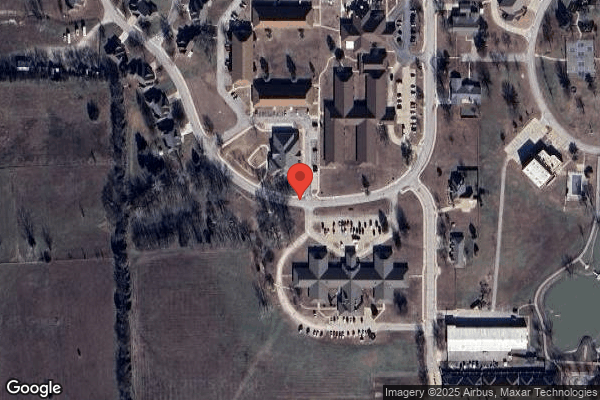
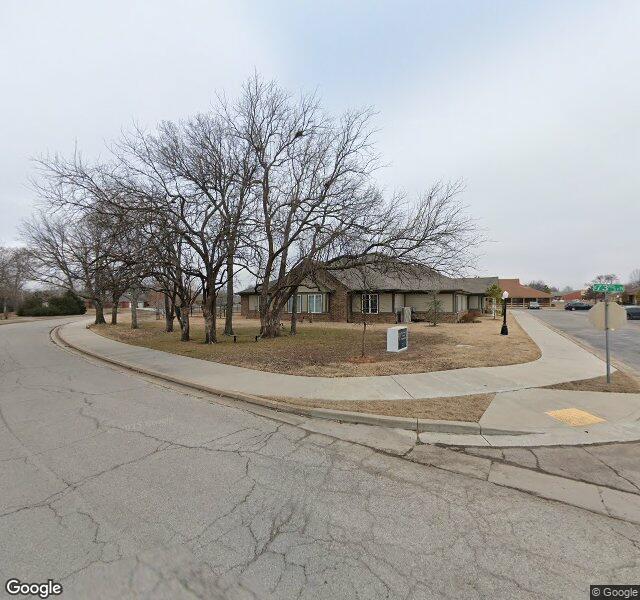
12600 EAST 73RD STREET NORTH, OWASSO, OK 74055 (918) 272-8007
Non profit - Corporation 120 Beds Independent Data: November 2025 1 Immediate Jeopardy citation
Trust Grade
23/100
#148 of 282 in OK
Last Inspection: July 2024

Within standard 12-15 month inspection cycle. Federal law requires annual inspections.

Overview

Baptist Village of Owasso has a Trust Grade of F, indicating significant concerns regarding the quality of care provided. With a state rank of #148 out of 282 facilities in Oklahoma, they fall within the bottom half, and they are #20 out of 33 in Tulsa County, meaning there are better options nearby. The facility has been improving, with issues decreasing from three in 2024 to one in 2025, but still faces serious challenges, including a concerning staffing turnover rate of 67% and less RN coverage than 91% of facilities in the state. Notably, there were critical findings, such as a failure to protect a resident from sexual abuse and issues with administering antipsychotic medications without proper diagnoses. While the staff appears to be somewhat stable with a 3/5 staffing rating, the overall situation at this nursing home raises red flags that families should carefully consider.

Trust Score
F
23/100
In Oklahoma
#148/282
Bottom 48%
Safety Record
High Risk
Review needed
Inspections
Getting Better
3 → 1 violations
Staff Stability
⚠ Watch
67% turnover. Above average. Higher turnover means staff may not know residents' routines.
Penalties
✓ Good
$27,930 in fines. Lower than most Oklahoma facilities. Relatively clean record.
Skilled Nurses
⚠ Watch
Each resident gets only 14 minutes of Registered Nurse (RN) attention daily — below average for Oklahoma. Fewer RN minutes means fewer trained eyes watching for problems.
Violations
⚠ Watch
12 deficiencies on record. Higher than average. Multiple issues found across inspections.
★★☆☆☆
2.0
Overall Rating
★★★☆☆
3.0
Staff Levels
★★★☆☆
3.0
Care Quality
★★☆☆☆
2.0
Inspection Score
Stable
2024: 3 issues
2025: 1 issues

The Good

  • Full Sprinkler Coverage · Fire safety systems throughout facility
  • No fines on record

Facility shows strength in fire safety.

The Bad

2-Star Overall Rating

Below Oklahoma average (2.6)

Below average - review inspection findings carefully

Staff Turnover: 67%

20pts above Oklahoma avg (46%)

Frequent staff changes - ask about care continuity

Federal Fines: $27,930

Below median ($33,413)

Moderate penalties - review what triggered them

Staff turnover is elevated (67%)

19 points above Oklahoma average of 48%

The Ugly 12 deficiencies on record

1 life-threatening
Mar 2025 1 deficiency 1 IJ
CRITICAL (J) 📢 Someone Reported This

A family member, employee, or ombudsman was alarmed enough to file a formal complaint

Immediate Jeopardy (IJ) - the most serious Medicare violation

Free from Abuse/Neglect (Tag F0600)

Someone could have died · This affected 1 resident

**NOTE- TERMS IN BRACKETS HAVE BEEN EDITED TO PROTECT CONFIDENTIALITY** On 03/06/25, an Immediate Jeopardy (IJ) situation was determined to exist related to the facility's failure to protect Resident ...

Read full inspector narrative →
**NOTE- TERMS IN BRACKETS HAVE BEEN EDITED TO PROTECT CONFIDENTIALITY** On 03/06/25, an Immediate Jeopardy (IJ) situation was determined to exist related to the facility's failure to protect Resident #1 from sexual abuse. On 03/01/25, Resident #1 reported to an unknown staff member that Resident #2 had touched their breast in the dining area on a previous day. During the investigation, Resident #2 admitted to touching Resident #1. The facility did not initiate ongoing protection for Resident #1 or other residents. Resident #1 was touched inappropriately by Resident #2 resulting in Resident #1 feeling anxious and unsafe. On 03/6/25 at 5:51 p.m., the Oklahoma State Department of Health verified the existence of an IJ situation. On 03/06/25 at 6:05 p.m., the administrator was notified of the immediate jeopardy situation. On 03/07/25 at 6:48 p.m., an acceptable plan of removal was submitted to the Oklahoma State Department of Health. The facility plan of removal, read in part, Baptist Village of Owasso Plan of Removal for IJ Total number of residents potentially at risk are 75. Action to Remove Immediacy On March 6, 2025, resident #2 was placed on alert monitoring to ensure that [they] would have no interactions with resident #1. This alert monitoring is being documented by nursing team of resident #2 location every 15 minutes. DOHS and/or [their] designee will continually monitor documentation twice a day. All staff received in-service education on all aspects of the Abuse and neglect policy by 12:00pm 3/7/2025. This training was conducted by the Director of Health Services, or [their] designee, with confirmation. This plan of removal was completed by March 7, 2025, at 12:00pm. Action to Prevent Recurrence If resident #1 and resident #2 choose to eat in the dining room at the same time, a dining team member will continuously monitor both residents. Resident #2 was educated on unwanted inappropriate physical contact by Registered Nurse on 3/1/2025. The nursing team is documenting every 15 minutes on the whereabouts of Resident #2 on a resident tracking tool. DOHS and/or [their] designee are monitoring this documentation twice a day. A dining service team member is assigned to monitor both residents when in the dining room to prevent recurrence. Life Enrichment is documenting eyes on during activities. All cognitive female residents were interviewed to ensure they felt safe and were encouraged to always report unwanted advances. The staff were educated on signs that would indicate the possibility that a resident who is unable to been interviewed may have been abused. All new staff that are hired after 12:00pm on 3/7/2025 will receive the same education on all aspects of the Abuse and neglect policy. Resident # 2 has been counseled by Chaplain and DOHS on the inappropriateness of [their] actions. Resident acknowledged understanding. Resident # 2 expressed remorse for [their] actions. The administrator has been in conversation with Resident #2's POA [power of attorney] about possible discharge due to resident's inappropriate behavior. All staff did receive in-service education on all aspects of the Abuse and neglect policy including resident to resident abuse with an emphasis on inappropriate sexual behavior before 12:00pm on 3/7/2025. This training was conducted by the Director of Health Services, or [their] designee, with confirmation. This training will continue for any new hires. Monitoring implementation of Plan of Removal. All education, implementation, and monitoring of this plan of removal was completed by the Director of Health Services and the Care Coordinator and/or their designee. Emergency QAPI meeting was conducted on 3/7/25 @ 11:00 am to review protocols put into place. This plan will continue to be reviewed in the regulatory quarterly QAPI meetings. The IJ was lifted, effective 03/07/25 at 12:00 p.m., when all components of the plan of removal had been completed. Ten staff members in all departments from all shifts were interviewed regarding abuse as indicated in the plan of removal. Documentation for monitoring of Resident #2 was reviewed to ensure monitoring was in place and ongoing. The deficient practice remained at an isolated level with potential for more [NAME] minimal harm. Based on observation, record review, and interview, the facility failed to ensure residents were free from abuse for 1 (#1) of 3 sampled residents reviewed for abuse. The administrator identified 75 residents resided in the facility. Findings: On 03/06/25 at 12:00 p.m., Resident #1 and Resident #2 were observed in the dining area at different tables. Resident #2 was sitting at a table with residents of the opposite sex. Resident #1 was sitting alone. An abuse policy, dated 02/20/24, read in part, If the alleged perpetrator is a health center resident, The team member will immediately remove the perpetrator from the situation and another team member will stay with the alleged perpetrator and wait for further instruction from administration, if possible. 1. Resident #1 was admitted with diagnoses which included anxiety and dementia. An annual assessment, dated 02/05/25, showed Resident #1's cognition was moderately impaired with a BIMS score of 11 and used a walker with ambulation. An incident report to OSDH, dated 03/01/25, showed Resident #1 alleged Resident #2 had touched their breast and private parts on a previous day while in the dining room. The report showed the facility would monitor and keep the residents apart while in the dining area. 2. On 03/06/25 at 1:56 p.m., Resident #2 was observed in the dining area having a conversation with a resident of the opposite sex. Resident #2 was admitted with diagnoses which included congestive heart failure and pain. A quarterly assessment, dated 03/04/25, showed Resident #2 had a BIMS score of 15 and used a manual wheelchair for ambulation. On 03/06/25 at 12:35 p.m., the DON stated the staff were keeping an eye on the resident and keeping the two residents separated. The DON did not know how this was keeping the other residents safe. On 03/06/25 at 12:03 p.m., Resident #1 stated when Resident #2 touched them it made them mad and upset. Resident #1 stated they did not know what they would do if this happened again. On 03/06/25 at 1:45 p.m., LPN #1, LPN #2, CNA #1, CNA #2, and CNA #3, staff on the halls of Residents #1 and Resident #2, were asked if they had been given any recent instructions regarding these two residents. All replied, No. On 03/06/25 at 1:54 p.m., LPN #1, LPN #2, CNA#1, CNA#2, and CNA #3 were asked if they knew where Resident #2 was at that time. None of the staff were able to give the location of Resident #2. On 03/06/25 at 1:58 p.m., the DON stated the incident was abuse and they should have ensured continued monitoring of Resident #2. On 03/06/25 at 3:14 p.m., the administrator stated they had not done everything that they should have done regarding the abuse.
Jul 2024 3 deficiencies
CONCERN (D)

Potential for Harm - no one hurt, but risky conditions existed

MDS Data Transmission (Tag F0640)

Could have caused harm · This affected 1 resident

**NOTE- TERMS IN BRACKETS HAVE BEEN EDITED TO PROTECT CONFIDENTIALITY** Based on record review and interview, the facility failed to ensure resident assessments for discharge were completed and submit...

Read full inspector narrative →
**NOTE- TERMS IN BRACKETS HAVE BEEN EDITED TO PROTECT CONFIDENTIALITY** Based on record review and interview, the facility failed to ensure resident assessments for discharge were completed and submitted to CMS for two (#68 and #63) of 11 sampled residents who were reviewed for resident assessments. The administrator identified 79 residents who resided at the facility. Findings: 1. Resident #68 admitted with diagnoses which included acute and chronic respiratory failure, diabetes type II, and congestive heart failure. Review of the face sheet for Resident #68 revealed they had transferred to the hospital on [DATE] and expired at the hospital on [DATE]. On [DATE] at 11:42 a.m., a review of the assessment log for Resident #68 revealed a discharge assessment had not been completed/submitted. On [DATE] at 1:49 p.m., MDS Coordinator #1 stated Resident #68 had been sent to the hospital on [DATE] and expired on [DATE]. They stated the discharge assessment was missing from the log for Resident #68. MDS Coordinator #1 stated the assessment was missed because it was an unplanned discharge and was not written on their calendar. 2. Resident #63 was admitted with diagnoses which included malignant neoplasm of cervix, chronic kidney disease stage III, and type II diabetes. Review of the face sheet for Resident #63 revealed they discharged to the hospital on [DATE]. On [DATE] at 11:42 a.m., a review of the assessment log for Resident #63 revealed a discharge assessment had not been completed/submitted. On [DATE] at 1:49 p.m., MDS Coordinator #1 stated the discharge assessment for Resident #63 was not completed timely. On [DATE] at 2:03 p.m., MDS Coordinator #1 stated they had forgotten to put the discharge assessment in the system because it was an unplanned, hospital discharge.
CONCERN (D)

Potential for Harm - no one hurt, but risky conditions existed

Deficiency F0642 (Tag F0642)

Could have caused harm · This affected 1 resident

Based on record review and interview, the facility failed to ensure coordination and certification of assessments for four (#23, 37, 42 and #73) of 11 sampled residents who were reviewed for assessmen...

Read full inspector narrative →
Based on record review and interview, the facility failed to ensure coordination and certification of assessments for four (#23, 37, 42 and #73) of 11 sampled residents who were reviewed for assessments. The administrator identified 79 residents who resided at the facility. Findings: Review of the electronic clinical record, revealed Residents #23, 37, 42 and #73, were missing quarterly assessments, due to no signature from the RN. Resident #73 was missing a quarterly which required correction and to be opened by the RN. On 07/23/24 at 11:42 a.m., MDS Coordinator #1 stated the quarterly assessments required a signature from the RN before the assessments could be submitted. They stated Resident #74 had a rejected assessment for the mood miscalculation and required to be unlocked by the RN before the correction could be made. The MDS Coordinator stated they sent emails to the RN for signatures and when assessments required re-opening for correction.
CONCERN (E)

Potential for Harm - no one hurt, but risky conditions existed

Medication Errors (Tag F0758)

Could have caused harm · This affected multiple residents

Based on record review and interview, the facility failed to ensure residents did not receive an antipsychotic medication, unless for a specific diagnosis condition for three (#37, 55, and #43) of fiv...

Read full inspector narrative →
Based on record review and interview, the facility failed to ensure residents did not receive an antipsychotic medication, unless for a specific diagnosis condition for three (#37, 55, and #43) of five residents reviewed for unnecessary medications. The Administrator reported 79 residents resided in the facility. Findings: 1. Resident #37 admitted to the facility with diagnoses which included dementia, depression, and cognitive communication deficit. A physician's order, dated 02/05/24, documented Risperdal 0.25 mg tablet Hour Of Sleep for unspecified dementia, unspecified severity, without behavioral disturbance, psychotic disturbance, mood disturbance, and anxiety. The resident's electronic health record was reviewed and contained no documentation the resident had a diagnoses of psychotic disturbance/mood disorder. 2. Resident #55 admitted to the facility with diagnoses which included dementia, altered mental status, anxiety, and cognitive communication deficit. A physician order, dated 3/27/24, documented Quetiapine 25mg tablet 1/2 tablet every evening for unspecified dementia. The resident's electronic health record was reviewed and contained no documentation the resident had a diagnoses of psychotic disturbance/mood disorder or depression. 3. Resident #43 admitted to the facility with diagnoses which included dementia, anxiety, and cognitive communication deficit. A physician's order, dated 03/27/24, documented Quentiapine 25 mg 0.5 tablets every evening for unspecified dementia, unspecified severity, without behavioral disturbance, psychotic disturbance, mood disturbance, and anxiety. The resident's electronic health record was reviewed and contained no documentation the resident had a diagnoses of psychotic disturbance/mood disorder. On 07/24/24 at 8:47 a.m., the DON and Corporate RN stated they would need to speak with the pharmacy consultant to determine if dementia was an appropriate diagnosis for the use of an antipsychotic medication. On 07/24/24 at 8:59 a.m., the pharmacy consultant reported dementia was not an appropriate diagnosis for the antipsychotic medications.
Jun 2023 4 deficiencies
CONCERN (E)

Potential for Harm - no one hurt, but risky conditions existed

Assessment Accuracy (Tag F0641)

Could have caused harm · This affected multiple residents

Based on record review and interview, the facility failed to ensure assessments were accurate for one (#15) of one sampled resident reviewed for hospice services and four (#4, 6, 53, and #2) of four s...

Read full inspector narrative →
Based on record review and interview, the facility failed to ensure assessments were accurate for one (#15) of one sampled resident reviewed for hospice services and four (#4, 6, 53, and #2) of four sampled residents whose assessments were reviewed for accuracy related to anticoagulant use. The Resident Census and Conditions of Residents report identified 15 residents who received hospice services. The consultant pharmacist identified 14 residents who received anticoagulant medications. Findings: 1. Resident #15 had diagnoses which included Parkinson's disease. A Written Certification, dated 05/05/23, documented the physician certified the resident was terminally ill with a life expectancy of six months or less if the terminal illness ran its normal course. The significant change assessment, dated 05/08/23, documented the resident did not have an illness or condition that may lead to a life expectancy of six months or less. On 06/29/23 at 11:18 a.m., MDS coordinator #2 was asked where information was obtained to determine if a resident has an illness which may result in a life expectancy of six months or less. They stated they reviewed the history and physicals and the physician progress notes. They were asked why the significant change assessment, dated 05/05/23, had not been coded to indicate the resident had an illness or condition which may lead to a life expectancy of six months or less. They stated they did not know because that was the reason they had initiated the assessment. 2. Resident #4 had diagnoses which included history of venous thrombosis and embolism. The quarterly assessment, dated 05/26/23, documented the resident had received an anticoagulant medication seven days during the seven day look back period. Review of the May 2023 Medications record did not reveal documentation the resident was ordered or had received an anticoagulant medication. 3. Resident #6 had diagnoses which included congestive heart failure. The annual assessment, dated 05/14/23, documented the resident had received an anticoagulant medication seven days during the seven day look back period. Review of the May 2023 Medications record did not reveal documentation the resident was ordered or had received an anticoagulant medication. 4. Resident #53 had diagnoses which included atherosclerotic heart disease. The annual assessment, dated 05/30/23, documented the resident had received an anticoagulant medication seven days during the seven day look back period. Review of the May 2023 Medications record did not reveal documentation the resident was ordered or had received an anticoagulant medication. 5. Resident #2 had diagnoses which included chronic ischemic heart disease. The significant change assessment, dated 06/05/23, documented the resident had received an anticoagulant medication seven days during the seven day look back period. Review of the May 2023 Medications record did not reveal documentation the resident was ordered or had received an anticoagulant medication. Review of the June 2023 Medications record did not reveal documentation the resident was ordered or had received an anticoagulant medication. On 06/29/23 at 12:53 p.m., MDS coordinator #1 was asked what anticoagulant medication Resident #53 had received on the 05/30/23 annual assessment. They stated Plavix. They were asked why Plavix had been coded as an anticoagulant medication on the assessment. They stated Plavix. MDS coordinator #1 reviewed the drug classification for Plavix and stated they thought the medication was an anticoagulant not an antiplatelet medication when they had coded assessments for Resident #53 and Resident #2. MDS coordinator #1 was asked what anticoagulant medication Resident #4 had received on the 05/26/23 quarterly assessment. They stated they thought cilostazol was an anticoagulant medication. MDS coordinator #1 was asked what anticoagulant medication Resident #6 had received on the 05/14/23 annual assessment. They stated the resident had not received an anticoagulant medication during the look back period. They stated they had made a coding error.
CONCERN (E)

Potential for Harm - no one hurt, but risky conditions existed

Comprehensive Care Plan (Tag F0656)

Could have caused harm · This affected multiple residents

Based on record review, and interview, the facility failed to ensure care plans documented the need for residents with bed rails for three (#59, #53, and #2) of three sampled residents who were review...

Read full inspector narrative →
Based on record review, and interview, the facility failed to ensure care plans documented the need for residents with bed rails for three (#59, #53, and #2) of three sampled residents who were reviewed for bed rails. The administrator identified 65 residents who utilized bed rails. Findings: An undated document titled Bed Rail Policy, read in part, . 1. Resident Assessment . Before admission, prospective residents will be screened to help determine if care needs may necessitate specialized beds (e.g. bariatric equipment) or accessories (e.g. side rails) . Resident care plan will include the use of bed rails as evaluated . 1. Resident #59 had diagnoses which included muscle weakness. The Nursing admission Evaluation Comprehensive assessment, dated 12/20/22, documented the resident utilized bed rails for bed mobility or transfer. The Care Plan, updated 06/20/23, did not document a care plan regarding side rails. The quarterly assessment, dated 06/20/23, documented the resident was severely impaired in cognition for daily decision making and was totally dependent on staff for bed mobility. Review of the clinical record did not reveal an assessment had been completed or a physician order had been obtained related to the use of bed rails. On 06/26/23 at 2:43 p.m., Resident #59 was observed in bed with half bed rails in the raised position on the right side of the bed which was not by the wall. On 06/28/23 at 3:35 p.m., Resident #59 was observed in bed with half bed rails in the raised position on both sides of the bed. 2. Resident #53 had diagnoses which included dementia. An annual assessment, dated 05/30/23, documented the resident was severely impaired in cognition for daily decision making and was totally dependent on staff for bed mobility. The Care Plan, dated 06/0623, did not document a care plan for the use of bed rails. Review of the clinical record did not reveal an assessment had been completed or a physician order had been obtained related to the use of bed rails. On 06/28/23 at 3:39 p.m., Resident #53 was observed in bed with half side rails in the raised position bilaterally. 3. Resident #2 had diagnoses which included dementia. A physician's order, dated 09/21/19, documented the resident was ordered bilateral side rails to assist in repositioning. The Care Plan, updated 05/31/23, did not document a care plan regarding side rails. The significant change assessment, dated 06/05/23, documented the resident was moderately impaired in cognition for daily decision making and required limited assistance of staff for bed mobility. Review of the clinical record did not reveal an assessment had been completed related to the use of bed rails. On 06/26/23 at 2:01 p.m., Resident #2 was observed in bed with half bed rails in the raised position bilaterally. 06/29/23 at 06:20 p.m., The MDS coordinator was asked why bed rails were not included in care plans. They stated they would check.
CONCERN (E)

Potential for Harm - no one hurt, but risky conditions existed

Deficiency F0700 (Tag F0700)

Could have caused harm · This affected multiple residents

Based on observation, record review, and interview, the facility failed to ensure residents with bed rails were assessed for the use for three (#59, #53, and #2) of three sampled residents who were re...

Read full inspector narrative →
Based on observation, record review, and interview, the facility failed to ensure residents with bed rails were assessed for the use for three (#59, #53, and #2) of three sampled residents who were reviewed for bed rails. The administrator identified 65 residents who utilized bed rails. Findings: An undated document titled Bed Rail Policy, read in part, . 1. Resident Assessment .a. Before admission, prospective residents will be screened to help determine if care needs may necessitate specialized beds (e.g. bariatric equipment) or accessories (e.g. side rails). b. Upon admission, readmission or change of condition, residents will be screened to determine: 1) level of independence with bed mobility. 2) Bed comfort level 3) If the bed meets manufacturers recommendation and specifications pertaining to resident height and weight 4) Need for special equipment or accessories (e.g. side rails) c. Evaluate the resident to identify appropriate alternative prior to installing bed rails d. Evaluate the resident for risk of entrapment from bed rails prior to installation or use e. Bed rails will not be used when a resident cannot raise and lover them easily . 1. Resident #59 had diagnoses which included muscle weakness. The Nursing admission Evaluation Comprehensive assessment, dated 12/20/22, documented the resident utilized bed rails for bed mobility or transfer. The Care Plan, updated 06/20/23, did not document a care plan regarding side rails. The quarterly assessment, dated 06/20/23, documented the resident was severely impaired in cognition for daily decision making and was totally dependent on staff for bed mobility. Review of the clinical record did not reveal an assessment had been completed or a physician order had been obtained related to the use of bed rails. On 06/26/23 at 2:43 p.m., Resident #59 was observed in bed with half bed rails in the raised position on the right side of the bed which was not by the wall. On 06/28/23 at 3:35 p.m., Resident #59 was observed in bed with half bed rails in the raised position on both sides of the bed. 2. Resident #53 had diagnoses which included dementia. An annual assessment, dated 05/30/23, documented the resident was severely impaired in cognition for daily decision making and was totally dependent on staff for bed mobility. The Care Plan, dated 06/0623, did not document a care plan for the use of bed rails. Review of the clinical record did not reveal an assessment had been completed or a physician order had been obtained related to the use of bed rails. On 06/28/23 at 3:39 p.m., Resident #53 was observed in bed with half side rails in the raised position bilaterally. 3. Resident #2 had diagnoses which included dementia. A physician's order, dated 09/21/19, documented the resident was ordered bilateral side rails to assist in repositioning. The Care Plan, updated 05/31/23, did not document a care plan regarding side rails. The significant change assessment, dated 06/05/23, documented the resident was moderately impaired in cognition for daily decision making and required limited assistance of staff for bed mobility. Review of the clinical record did not reveal an assessment had been completed related to the use of bed rails. On 06/26/23 at 2:01 p.m., Resident #2 was observed in bed with half bed rails in the raised position bilaterally. On 06/28/23 at 1:58 p.m., LPN #1 was asked why Resident #59, 53, and Resident #2 had side rails. They stated most of the residents who had side rails utilized them for repositioning. They were asked who was responsible to assess residents for the use of bed rails. LPN #1 stated they did not know. On 06/29/23 at 5:42 p.m., the DON was asked how often residents were assessed for the use of bed rails. They stated there was not a scheduled assessment for the use of bed rails.
CONCERN (E)

Potential for Harm - no one hurt, but risky conditions existed

Deficiency F0909 (Tag F0909)

Could have caused harm · This affected multiple residents

Based on record review, and interview, the facility failed to ensure residents with bed rails were regularly inspected for the use for three (#59, #53, and #2) of three sampled residents who were revi...

Read full inspector narrative →
Based on record review, and interview, the facility failed to ensure residents with bed rails were regularly inspected for the use for three (#59, #53, and #2) of three sampled residents who were reviewed for bed rails. The administrator identified 65 residents who utilized bed rails. Findings: An undated document titled Bed Inspection Policy, read in part, . 2. Equipment Management and Environmental Services . b The environmental service department will conduct regular (prior to admission and quarterly thereafter) inspection of all bed frames, mattresses and bed rails as part of a regular environmental services program to identify areas of possible entrapment . 1. Resident #59 had diagnoses which included muscle weakness. The Nursing admission Evaluation Comprehensive assessment, dated 12/20/22, documented the resident utilized bed rails for bed mobility or transfer. The Care Plan, updated 06/20/23, did not document a care plan regarding side rails. The quarterly assessment, dated 06/20/23, documented the resident was severely impaired in cognition for daily decision making and was totally dependent on staff for bed mobility. Review of the clinical record did not reveal an assessment had been completed or a physician order had been obtained related to the use of bed rails. On 06/26/23 at 2:43 p.m., Resident #59 was observed in bed with half bed rails in the raised position on the right side of the bed which was not by the wall. On 06/28/23 at 3:35 p.m., Resident #59 was observed in bed with half bed rails in the raised position on both sides of the bed. 2. Resident #53 had diagnoses which included dementia. An annual assessment, dated 05/30/23, documented the resident was severely impaired in cognition for daily decision making and was totally dependent on staff for bed mobility. The Care Plan, dated 06/0623, did not document a care plan for the use of bed rails. Review of the clinical record did not reveal an assessment had been completed or a physician order had been obtained related to the use of bed rails. On 06/28/23 at 3:39 p.m., Resident #53 was observed in bed with half side rails in the raised position bilaterally. 3. Resident #2 had diagnoses which included dementia. A physician's order, dated 09/21/19, documented the resident was ordered bilateral side rails to assist in repositioning. The Care Plan, updated 05/31/23, did not document a care plan regarding side rails. The significant change assessment, dated 06/05/23, documented the resident was moderately impaired in cognition for daily decision making and required limited assistance of staff for bed mobility. Review of the clinical record did not reveal an assessment had been completed related to the use of bed rails. On 06/26/23 at 2:01 p.m., Resident #2 was observed in bed with half bed rails in the raised position bilaterally. On 06/28/23 at 1:58 p.m., LPN #1 was asked why Resident #59, 53, and Resident #2 had side rails. They stated most of the residents who had side rails utilized them for repositioning. On 06/29/23 at 5:24 p.m., the maintenance supervisor was asked what their role was in relation to side rails. They stated I don't usually do much with them. Nothing is really implemented as far as maintenance goes. Almost everybody has them. If they tell me to take them off them I remove them.
Apr 2021 4 deficiencies
CONCERN (D)

Potential for Harm - no one hurt, but risky conditions existed

Report Alleged Abuse (Tag F0609)

Could have caused harm · This affected 1 resident

**NOTE- TERMS IN BRACKETS HAVE BEEN EDITED TO PROTECT CONFIDENTIALITY** Based on interview and record review, it was determined the facility failed to report an allegation of an injury of unknown orig...

Read full inspector narrative →
**NOTE- TERMS IN BRACKETS HAVE BEEN EDITED TO PROTECT CONFIDENTIALITY** Based on interview and record review, it was determined the facility failed to report an allegation of an injury of unknown origin for one (#69) of 24 sampled residents whose records were reviewed. The facility failed to report within 24 hours an allegation regarding an injury of unknown origin to the administrator and state agencies. The facility identified there were no state incident reports submitted in the past six months. Findings: The facility abuse policy documented allegations regarding injury of unknown source were to be reported per Federal and State Law. The policy documented an investigation must be completed immediately to rule out abuse. The policy documented team members must always report any abuse or suspicions of abuse immediately to the administrator. Resident #69 was admitted to the facility on [DATE] with diagnoses which included acute and chronic respiratory failure, anemia, kidney disease, peripheral vascular disease, diabetes, and was oxygen dependent. An admission five day assessment, dated 11/25/20, documented the resident was cognitively intact, did not document skin problems, required limited assistance with activities of daily living (ADLs), and had no falls since admission. A fall risk evaluation, dated 11/19/20, documented the resident was a high risk for falls. The care plan, dated 11/26/20, documented the resident was at risk for falls and documented interventions to prevent falls. A nurse assessment, dated 12/07/ 20, documented the resident's skin was intact with normal appearance. The assessment records documented the resident discharged from the facility on 12/08/20. On 04/09/21 at 1:20 p.m., the administrator was interviewed regarding notification of discoloration to the resident's eye area prior to discharge. The administrator stated she did not recall being informed of discoloration to the residents eye area prior to discharge. On 04/12/21 at 12:48 p.m., licensed practical nurse (LPN) #1 stated on the day of discharge the resident had a bruise above his right eye. The nurse stated she asked the physician assistant (PA) to look at the resident's eye the day before discharge. On 04/13/21 at 8:32 a.m., LPN #1 stated on 12/07/20 was the first time discoloration around the resident's eye was noted. The LPN was unsure of the cause for the discoloration. The LPN stated she verbally reported the injury to the interim director of nurses (DON). The LPN stated she did not document an incident report or document the assessment. On 04/13/21 at 9:38 a.m., the administrator provided a statement, dated 12/11/20, from the interim director of nurses (DON) regarding an investigation pertaining to the resident. The statement documented the interim DON spoke with the resident's family on 12/11/20. The family stated on 12/08/20 when the resident was discharged the family noticed a black and blue discoloration to the resident's right eye and the right side of the resident's nose was skinned up. On 04/13/21 at 9:44 a.m., a phone interview was conducted with the interim DON. The DON stated she was not made aware of possible injury to the resident's eye until 12/11/20. The DON stated she documented her investigation and gave it to the administrator. The facility incident reports were reviewed and did not document a state report for the resident related to an injury of unknown origin.
CONCERN (E)

Potential for Harm - no one hurt, but risky conditions existed

Deficiency F0661 (Tag F0661)

Could have caused harm · This affected multiple residents

**NOTE- TERMS IN BRACKETS HAVE BEEN EDITED TO PROTECT CONFIDENTIALITY** Based on interview and record review, it was determined the facility failed to complete a discharge summary with a recapitulatio...

Read full inspector narrative →
**NOTE- TERMS IN BRACKETS HAVE BEEN EDITED TO PROTECT CONFIDENTIALITY** Based on interview and record review, it was determined the facility failed to complete a discharge summary with a recapitulation of the resident's stay for two (#70 and #48) of three residents reviewed for discharge. The facility identified 47 residents had been discharged in the last three months. Findings: 1. Resident #70 was admitted to the facility on [DATE] with diagnoses which included a fracture of the sacrum, a pressure ulcer to the sacrum, and dementia. A physician progress note, dated 03/22/21, documented the resident was to discharge home. The note documented the resident was to continue with the plan of care and medications. The resident's medical record did not document a discharge summary signed by the physician. On 04/12/2021 at 2:49 p.m., the minimum data set (MDS) staff #1 stated a discharge summary was not completed for the resident. The MDS staff was unable to locate the signed discharge plan of care. The MDS staff stated they had never completed discharge summaries with a recapitulation of the resident's stay. On 04/13/2021 at 8:23 a.m., the corporate nurse stated it was the responsibility of the MDS staff to document a discharge summary. The nurse stated the staff had not been completing discharge summaries. 2. Resident #48 was admitted to the facility on [DATE] with diagnoses which included fracture of humerus and type II diabetes. The admission assessment, dated 03/04/21, documented the resident was cognitively intact for daily decision making and required limited assistance with activities of daily living (ADLs). A physician order, dated 03/23/21, documented the resident was discharging to home. The order documented the resident was to continue all current medications and treatments. The resident's medical record did not document a discharge summary signed by the physician. On 04/12/21 at 2:49 p.m., the MDS staff #1 stated a discharge summary was not completed for the resident. MDS staff #1 stated they never completed discharge summaries with a recapitulation of the resident's stay. On 04/13/21 at 8:23 a.m. the corporate nurses stated it was the responsibility of the MDS staff to document a discharge summary. The corporate nurse stated the staff had not been completing discharge summaries.
CONCERN (E)

Potential for Harm - no one hurt, but risky conditions existed

Food Safety (Tag F0812)

Could have caused harm · This affected multiple residents

Based on observation and interview, it was determined the facility failed to ensure the staff wore hair covers correctly in the kitchen for 43 of 43 residents who ate food prepared in the kitchen. The...

Read full inspector narrative →
Based on observation and interview, it was determined the facility failed to ensure the staff wore hair covers correctly in the kitchen for 43 of 43 residents who ate food prepared in the kitchen. The facility identified 16 staff worked in the kitchen. Findings: On 04/07/21 at 11:05 a.m., the dietitian (RD) was observed in the kitchen. A large strand of hair was exposed from the hair net and dangling down her back. On 04/07/21 at 2:40 p.m., the RD and the kitchen general manager were interviewed regarding sanitation in the kitchen. They stated sanitary conditions were maintained in the kitchen by ensuring the staff wear hair nets. They stated all staff must don hair nets when they enter the kitchen. On 04/08/21, the RD was observed exiting the kitchen with a braided ponytail out of the hairnet.
CONCERN (E)

Potential for Harm - no one hurt, but risky conditions existed

Medical Records (Tag F0842)

Could have caused harm · This affected multiple residents

**NOTE- TERMS IN BRACKETS HAVE BEEN EDITED TO PROTECT CONFIDENTIALITY** Based on interview and record review, it was determined the facility failed to maintain complete and accurate records for one (#...

Read full inspector narrative →
**NOTE- TERMS IN BRACKETS HAVE BEEN EDITED TO PROTECT CONFIDENTIALITY** Based on interview and record review, it was determined the facility failed to maintain complete and accurate records for one (#69) of 13 sampled residents whose records were reviewed. The facility failed to accurately document the condition of the residents skin. The facility census and condition identified 44 resident resided in the facility. Findings: Resident #69 was admitted to the facility on [DATE] with diagnoses which included acute and chronic respiratory failure, anemia, kidney disease, peripheral vascular disease, diabetes, and was oxygen dependent. The resident discharged from the facility on 12/08/20. An admission five day assessment, dated 11/25/20, documented the resident was cognitively intact, did not have skin problems, required limited assistance with activities of daily living (ADLs), and did not have any falls since admission. The facility documented resident skin checks were completed on 12/04/20, 12/06/20, 12/07/20, and 12/08/20 with no skin issues noted. The assessment records documented the resident discharged from the facility on 12/08/20. On 04/12/21 at 12:48 p.m., licensed practical nurse (LPN) #1 stated on the day of discharge the resident had a bruise above the right eye. The nurse stated she asked the physician assistant (PA) to look at the resident's eye the day before discharge. On 04/13/21 at 8:32 a.m., LPN #1 stated on 12/07/20 was the first time discoloration around the resident's eye was noted. The LPN was unsure of the cause for the discoloration. The LPN stated she verbally reported the injury to the interim director of nurses (DON). The LPN stated she did not complete an incident report or document the discoloration in the assessment. On 04/13/21 at 9:38 a.m., the administrator provided a statement, dated 12/11/20, from the interim director of nurses (DON) regarding an investigation pertaining to the resident. The statement documented the interim DON spoke with the resident's family on 12/11/20. The family stated on 12/08/20 when the resident was discharged the family noticed a black and blue discoloration to the resident's right eye and the right side of the resident's nose was skinned up. The state incident reports from November 2020 to April 2021 were reviewed. No state reports were found for the named resident.
Understanding Severity Codes (click to expand)
Life-Threatening (Immediate Jeopardy)
J - Isolated K - Pattern L - Widespread
Actual Harm
G - Isolated H - Pattern I - Widespread
Potential for Harm
D - Isolated E - Pattern F - Widespread
No Harm (Minor)
A - Isolated B - Pattern C - Widespread

Questions to Ask on Your Visit

  • "What changes have you made since the serious inspection findings?"
  • "What safeguards are in place to prevent abuse and neglect?"
  • "Why is there high staff turnover? How do you retain staff?"
  • "Can I speak with families of current residents?"
  • "What's your RN coverage like on weekends and overnight?"

Our Honest Assessment

Strengths
  • • Licensed and certified facility. Meets minimum state requirements.
Concerns
  • • Multiple safety concerns identified: Federal abuse finding, 1 life-threatening violation(s), $27,930 in fines. Review inspection reports carefully.
  • • 12 deficiencies on record, including 1 critical (life-threatening) violation. These warrant careful review before choosing this facility.
  • • $27,930 in fines. Higher than 94% of Oklahoma facilities, suggesting repeated compliance issues.
  • • Grade F (23/100). Below average facility with significant concerns.
Bottom line: This facility has a substantiated abuse finding. Extreme caution advised. Explore alternatives.

About This Facility

What is Baptist Village Of Owasso's CMS Rating?

CMS assigns BAPTIST VILLAGE OF OWASSO an overall rating of 2 out of 5 stars, which is considered below average nationally. Within Oklahoma, this rating places the facility higher than 0% of the state's 100 nursing homes. A rating at this level reflects concerns identified through health inspections, staffing assessments, or quality measures that families should carefully consider.

How is Baptist Village Of Owasso Staffed?

CMS rates BAPTIST VILLAGE OF OWASSO's staffing level at 3 out of 5 stars, which is average compared to other nursing homes. Staff turnover is 67%, which is 20 percentage points above the Oklahoma average of 46%. High turnover can affect care consistency as new staff learn residents' individual needs.

What Have Inspectors Found at Baptist Village Of Owasso?

State health inspectors documented 12 deficiencies at BAPTIST VILLAGE OF OWASSO during 2021 to 2025. These included: 1 Immediate Jeopardy (the most serious level, indicating potential for serious harm or death) and 11 with potential for harm. Immediate Jeopardy findings are rare and represent the most serious regulatory concerns. They require immediate corrective action.

Who Owns and Operates Baptist Village Of Owasso?

BAPTIST VILLAGE OF OWASSO is owned by a non-profit organization. Non-profit facilities reinvest revenue into operations rather than distributing to shareholders. The facility operates independently rather than as part of a larger chain. With 120 certified beds and approximately 75 residents (about 62% occupancy), it is a mid-sized facility located in OWASSO, Oklahoma.

How Does Baptist Village Of Owasso Compare to Other Oklahoma Nursing Homes?

Compared to the 100 nursing homes in Oklahoma, BAPTIST VILLAGE OF OWASSO's overall rating (2 stars) is below the state average of 2.6, staff turnover (67%) is significantly higher than the state average of 46%, and health inspection rating (2 stars) is below the national benchmark.

What Should Families Ask When Visiting Baptist Village Of Owasso?

Based on this facility's data, families visiting should ask: "What changes have been made since the serious inspection findings, and how are you preventing similar issues?" "What safeguards and monitoring systems are in place to protect residents from abuse or neglect?" "How do you ensure continuity of care given staff turnover, and what is your staff retention strategy?" "Can I visit during a mealtime to observe dining assistance and food quality?" These questions are particularly relevant given the facility's Immediate Jeopardy citations, the substantiated abuse finding on record, and the facility's high staff turnover rate.

Is Baptist Village Of Owasso Safe?

Based on CMS inspection data, BAPTIST VILLAGE OF OWASSO has documented safety concerns. The facility has 1 substantiated abuse finding (meaning confirmed case of resident harm by staff or other residents). Inspectors have issued 1 Immediate Jeopardy citation (the most serious violation level indicating risk of serious injury or death). The facility has a 2-star overall rating and ranks #100 of 100 nursing homes in Oklahoma. Families considering this facility should ask detailed questions about what corrective actions have been taken since these incidents.

Do Nurses at Baptist Village Of Owasso Stick Around?

Staff turnover at BAPTIST VILLAGE OF OWASSO is high. At 67%, the facility is 20 percentage points above the Oklahoma average of 46%. High turnover means new staff may not know residents' individual needs, medications, or preferences. It can also be disorienting for residents, especially those with dementia who rely on familiar faces. Families should ask: What is causing the turnover? What retention programs are in place? How do you ensure care continuity during staff transitions?

Was Baptist Village Of Owasso Ever Fined?

BAPTIST VILLAGE OF OWASSO has been fined $27,930 across 2 penalty actions. This is below the Oklahoma average of $33,358. While any fine indicates a compliance issue, fines under $50,000 are relatively common and typically reflect isolated problems that were subsequently corrected. Families should ask what specific issues led to these fines and confirm they've been resolved.

Is Baptist Village Of Owasso on Any Federal Watch List?

BAPTIST VILLAGE OF OWASSO is not on any federal watch list. The most significant is the Special Focus Facility (SFF) program, which identifies the bottom 1% of nursing homes nationally based on persistent, serious quality problems. Not being on this list means the facility has avoided the pattern of deficiencies that triggers enhanced federal oversight. This is a positive indicator, though families should still review the facility's inspection history directly.