SEQUOYAH POINTE LIVING CENTER
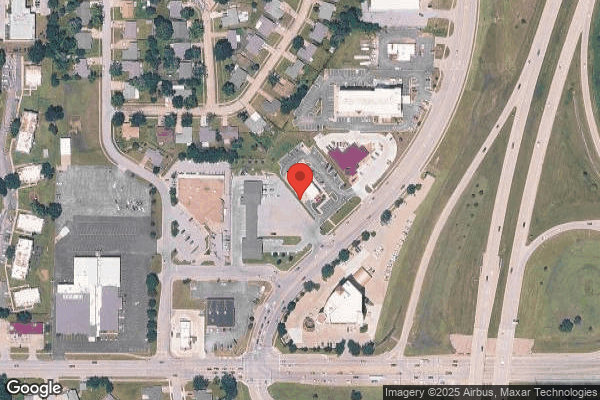
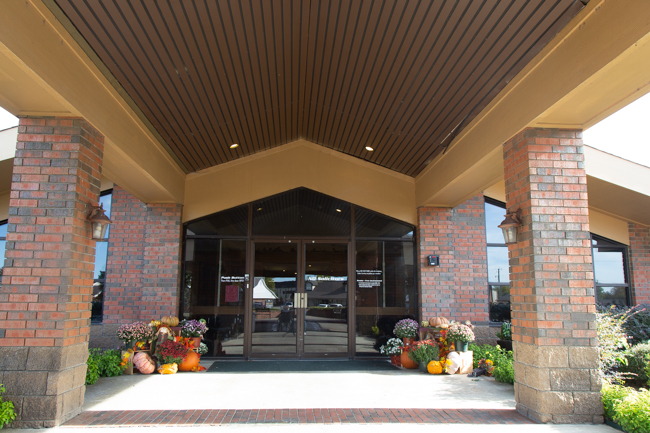
8515 NORTH 123RD EAST AVENUE, OWASSO, OK 74055 (918) 272-5151
For profit - Limited Liability company 92 Beds CONHOLD Data: November 2025
Trust Grade
50/100
#131 of 282 in OK
Last Inspection: April 2025

Within standard 12-15 month inspection cycle. Federal law requires annual inspections.

Overview

Sequoyah Pointe Living Center has received a Trust Grade of C, indicating that it is average compared to other facilities. In Oklahoma, it ranks #131 out of 282, placing it in the top half, while locally in Tulsa County, it is #18 out of 33, meaning only a few options are better. However, the facility is worsening, with the number of reported issues increasing from 2 in 2024 to 4 in 2025. Staffing is a concern, rated only 2 out of 5 stars, with a high turnover rate of 68%, significantly above the state average. Additionally, the facility has incurred $52,192 in fines, which is higher than 87% of other facilities in Oklahoma, indicating potential compliance problems. There is average RN coverage, which is positive since more RNs can catch issues that CNAs might miss. However, there are serious concerns regarding food quality; residents have reported that their meals are often cold and unappetizing, with specific complaints about the food's taste and preparation. Furthermore, there have been instances where residents' rights to be free from abuse were not upheld, as the facility failed to protect some residents appropriately. Overall, while there are some strengths, such as the facility's RN coverage, the significant issues with staffing and resident care must be carefully considered.

Trust Score
C
50/100
In Oklahoma
#131/282
Top 46%
Safety Record
Moderate
Needs review
Inspections
Getting Worse
2 → 4 violations
Staff Stability
⚠ Watch
68% turnover. Above average. Higher turnover means staff may not know residents' routines.
Penalties
✓ Good
$52,192 in fines. Lower than most Oklahoma facilities. Relatively clean record.
Skilled Nurses
⚠ Watch
Each resident gets only 15 minutes of Registered Nurse (RN) attention daily — below average for Oklahoma. Fewer RN minutes means fewer trained eyes watching for problems.
Violations
⚠ Watch
18 deficiencies on record. Higher than average. Multiple issues found across inspections.
★★★☆☆
3.0
Overall Rating
★★☆☆☆
2.0
Staff Levels
★☆☆☆☆
1.0
Care Quality
★★★★☆
4.0
Inspection Score
Stable
2024: 2 issues
2025: 4 issues

The Good

  • Full Sprinkler Coverage · Fire safety systems throughout facility
  • No fines on record

Facility shows strength in fire safety.

The Bad

3-Star Overall Rating

Near Oklahoma average (2.6)

Meets federal standards, typical of most facilities

Staff Turnover: 68%

22pts above Oklahoma avg (46%)

Frequent staff changes - ask about care continuity

Federal Fines: $52,192

Above median ($33,413)

Moderate penalties - review what triggered them

Chain: CONHOLD

Part of a multi-facility chain

Ask about local staffing decisions and management

Staff turnover is elevated (68%)

20 points above Oklahoma average of 48%

The Ugly 18 deficiencies on record

Apr 2025 4 deficiencies
CONCERN (D)

Potential for Harm - no one hurt, but risky conditions existed

ADL Care (Tag F0677)

Could have caused harm · This affected 1 resident

Based on record review and interview, the facility failed to ensure bathing was provided to 1 (#33) of 3 sampled residents who were reviewed for activities of daily living. The DON identified 38 resid...

Read full inspector narrative →
Based on record review and interview, the facility failed to ensure bathing was provided to 1 (#33) of 3 sampled residents who were reviewed for activities of daily living. The DON identified 38 residents resided at the facility. Findings: Resident #33's significant change assessment, dated 03/13/25, showed the resident had a BIMS of 15 which indicated they were cognitively intact for daily decision making. The assessment showed Resident #33 was dependent for showers. The assessment listed diagnoses which included periprosthetic fracture around internal prosthetic left knee joint and abnormalities of gait and mobility. Review of the bathing task for March showed Resident #33 had received one shower out of 13 opportunities in March on 03/26/25. A task flow sheet for showers, dated April 2025, showed Resident #33 was to receive showers Monday, Wednesday and Friday. The flow sheet showed one shower in the month of April on 04/04/25 out of five opportunities. On 04/09/25 at 9:32 a.m., Resident #33 stated they had previously been showered three times a week, but would prefer a shower/bath twice a week. They stated they had only been offered a shower/bath once a week in the last month or so. Resident #33 stated they last showered on 04/04/25. On 04/15/25 at 12:39 p.m., CNA #1 stated they did not know why Resident #33 had not received more than two showers in the last two months. They stated any CNA could give showers, but with two CNAs on the floor, they needed a shower aide. On 04/15/25 at 12:43 p.m., the DON stated the shower aide provided showers, but they were on leave. The DON stated the facility was in the process of hiring another shower aide. They stated they did not have an answer to why Resident #33 had only received two showers since 03/26/25.
CONCERN (D) 📢 Someone Reported This

A family member, employee, or ombudsman was alarmed enough to file a formal complaint

Potential for Harm - no one hurt, but risky conditions existed

Quality of Care (Tag F0684)

Could have caused harm · This affected 1 resident

Based on record review and interview, the facility failed to ensure weights were completed as ordered for 1 (#92) of 1 resident sampled who was reviewed for weights. The administrator identified 38 re...

Read full inspector narrative →
Based on record review and interview, the facility failed to ensure weights were completed as ordered for 1 (#92) of 1 resident sampled who was reviewed for weights. The administrator identified 38 residents who resided at the facility. Findings: Resident #92's admission assessment, dated 04/05/25, showed the resident had a BIMS of 13 which indicated their cognition was intact. The assessment listed diagnoses which included acute on chronic congestive heart failure and end stage renal disease. Resident #92's care plan, dated 04/05/25, showed a concern for decreased cardiac output but did not have an intervention for the monitoring of weight. A physician's order, dated 04/06/25, showed to obtain daily weight one time a day. Review of the treatment administration record, dated April 2025, showed weights were obtained three times out of ten opportunities. The record showed four dates were documented with NA (not applicable) and one blank. Review of progress notes did not show an explanation was provided for why the weights were not obtained. Review of the weights for Resident #92 showed weights were completed on three dates, 04/05/25, 04/06/25, and 04/13/25. No other weights were documented in the clinical record. On 04/15/25 at 11:04 a.m., the DON stated they did not know Resident #92 was ordered daily weights.
CONCERN (D) 📢 Someone Reported This

A family member, employee, or ombudsman was alarmed enough to file a formal complaint

Potential for Harm - no one hurt, but risky conditions existed

Laboratory Services (Tag F0770)

Could have caused harm · This affected 1 resident

Based on record review and interview, the facility failed to ensure laboratory services were provided for 1 (#92) of 1 sampled resident who was reviewed for laboratory services. The administrator iden...

Read full inspector narrative →
Based on record review and interview, the facility failed to ensure laboratory services were provided for 1 (#92) of 1 sampled resident who was reviewed for laboratory services. The administrator identified 38 residents who resided at the facility. Findings: Resident #92's admission assessment, dated 04/05/25, showed they resident had a BIMS of 13 which indicated their cognition was intact. The assessment listed diagnosis which included end stage renal disease. Resident #92's care plan, dated 04/05/25, showed a concern for dialysis related to end stage renal disease. The care plan interventions were to obtain and monitor lab/diagnostic work as ordered and to report significant results to the physician. A physician's order, dated 04/05/25, showed to obtain a CBC (complete blood count), CMP (comprehensive metabolic panel), TSH (thyroid stimulating hormone), BNP (B-type natriuretic peptide), and pre-albumin one time only for monitoring. No lab results were recorded in the clinical record. No lab results were provided by the end of the survey. Review of an April 2025 lab administration report showed the labs had not been completed as ordered. On 04/15/25 at 11:04 a.m., the DON stated they did not know why the labs ordered had not been completed. The DON stated when the order was entered, the lab center should have collected them the next morning.
CONCERN (E)

Potential for Harm - no one hurt, but risky conditions existed

Deficiency F0804 (Tag F0804)

Could have caused harm · This affected multiple residents

Based on observation and interview, the facility failed to ensure food served from the kitchen was palatable and served at an appetizing temperature. The DON identified 36 residents who ate from the k...

Read full inspector narrative →
Based on observation and interview, the facility failed to ensure food served from the kitchen was palatable and served at an appetizing temperature. The DON identified 36 residents who ate from the kitchen. Findings: On 04/08/25 at 12:40 p.m., Residents #10 and #31 were observed sitting together in the dining room with their food uneaten. On 04/08/25 at 1:32 p.m., a test tray was delivered. The food was observed to not be hot, the cake was dry and crumbling off the fork, and the steak finger breading was observed to be white in color and to touch was gooey and not thoroughly cooked. On 04/08/25 at 11:10 a.m., Resident #9 stated the food was lousy, everything from seasoning to how it was prepared. They stated the facility served noodles and rice often and the chicken fried steak fingers were too tough and they could not cut or eat it. On 04/08/25 at 11:16 a.m., Resident #90 stated the food was always cold and bland. They stated they always eat in their room. On 04/08/25 at 12:40 p.m., Residents #10 and #31 were sitting together in the dining room. They stated the food was tough and not seasoned and just did not taste right. On 04/08/25 at 1:06 p.m., Resident #9 received their afternoon meal and stated the food was not hot and never was hot. They stated they always eat in their room due to personal issues. On 04/08/25 at 2:31 p.m., Resident #31 stated the food was terrible a lot of the time. They stated the food today was bad and they did not eat most of it but had eaten the peas, roll and mashed potatoes and gravy. On 04/09/25 at 8:49 a.m., Resident #92 stated the food was not very good, not cooked well and not seasoned. They stated they wished the facility had butter not margarine. On 04/09/25 at 9:13 a.m., Resident #93 stated the food was not very good and did not have much flavor. On 04/10/25 at 11:50 a.m., the dietary manager stated they knew food was thoroughly cooked by the temperature.
Jul 2024 1 deficiency
CONCERN (E) 📢 Someone Reported This

A family member, employee, or ombudsman was alarmed enough to file a formal complaint

Potential for Harm - no one hurt, but risky conditions existed

Free from Abuse/Neglect (Tag F0600)

Could have caused harm · This affected multiple residents

Based on record review and interview, the facility failed to ensure the residents' right to be free of abuse for two (#1 and #2) of three residents reviewed for abuse. The facility's Resident List Rep...

Read full inspector narrative →
Based on record review and interview, the facility failed to ensure the residents' right to be free of abuse for two (#1 and #2) of three residents reviewed for abuse. The facility's Resident List Report documented 44 residents lived in the facility. Findings: A resident abuse, neglect, exploitation, and misappropriation prevention program policy, revised April 2021, documented the policy's objectives were: - to protect residents from abuse by anyone, including facility staff and other residents; - to establish and maintain a culture of compassion and caring for all residents and particularly those with behavioral, cognitive, or emotional problems; and -to protect residents from any further harm during the investigations. 1. Resident #2 had diagnoses which included encephalopathy, dementia, and stroke. The quarterly assessment, dated 06/03/24, documented Resident #2 was severely impaired in cognition and utilized a wheelchair for mobility. A State Reportable Incident Report, dated 07/28/24, read in part the facility staff observed Resident #1 had their hand down the pants of Resident #2. The report documented both residents were severely impaired in cognition and utilized a wheelchair for mobility. The report documented the two residents were seperated, Resident #2 was assessed for injury/distress, and a staff member was assigned to stay with Resident #1 until the resident was transported from the facility. The report documented the investigation included interviews with staff and review of video surveillance which showed Resident #1 had their hand on the thigh of Resident #2. The report documented the facility staff were in-serviced on the facility abuse protocol/policy/procedure and identifying sexual abuse. The report documented the staff were given a multiple choice testing tool to ensure understanding of the information provided in the in-service. The report documented the facility staff were to be in-serviced on abuse on hire and quarterly thereafter. The report documented the facility staff would routinely interview residents to ensure they were comfortable with reporting concerns or issues with staff. 2. Resident #1 had diagnoses which included cognitive social and emotional deficit following a stroke, impulsiveness, dysphagia, hydrocephalus, depression, disorientation, and dementia with behaviors. A second State Reportable Incident Report, dated 07/28/24, documented the charge nurse alerted administration a CNA had observed LPN #1 smack the chest of Resident #1 while they were in the common room. The report documented the LPN was suspended and the resident was assessed for injury/distress. The report documented an investigation was initiated. The report documented interviews were conducted with staff and residents. The report documented CNA #1 observed LPN #1 tell Resident #1 not to touch them and then slapped Resident #1 in the chest pretty hard. The report documented video surveillance showed Resident #1 pinching LPN #1 on the buttocks at which time LPN #1 turned and made contact with Resident #1's chest with their open hand thus pushing him away. The report documented LPN #1 was terminated and the appropriate agencies notified of the allegation and the results of the investigation. The report documented the facility staff were in-serviced on the facility abuse protocol/policy/procedure and identifying staff on resident abuse. The report documented the staff were given a multiple choice testing tool to ensure understanding of the information provided in the in-service. The report documented the facility staff were to be in-serviced on abuse on hire and quarterly thereafter. The report documented another intervention to abuse was the facility staff would routinely interview residents to ensure they were comfortable with reporting concerns or issues with staff. On 07/31/24 at 1:30 p.m., the administrator stated the two State Reportable Incident Reports documented related incidents which quickly happened one after the other. The administrator stated the allegation was Resident #1 was overheard making inappropriate comments to Resident #2 and then Resident #1 was observed with their hand down the pants of Resident #2. The administrator stated LPN #1 was observed to start to remove Resident #2 from the area when Resident #1 pinched LPN #1 on their buttocks who then turned and, with an open hand, made contact with the chest of Resident #1, pushing them backward in their wheelchair. The administrator stated through review of surveillance and interviews, the facility was able to substantiate that Resident #1 had their hand on the thigh of Resident #2 and that LPN #1 had made willful contact with Resident #1. The administrator stated the allegations of abuse were substantiated but the facility staff followed their facility abuse protocol after the two events occurred by protecting both residents from further abuse, investigating the two allegations and providing in-services/training. The administrator stated abuse was added to their quality assurance program and would be routinely monitored through the education of staff, testing the staff knowledge of the abuse protocols/procedures, interviewing residents, and vigilant monitoring.
Jun 2024 1 deficiency
CONCERN (E) 📢 Someone Reported This

A family member, employee, or ombudsman was alarmed enough to file a formal complaint

Potential for Harm - no one hurt, but risky conditions existed

Deficiency F0657 (Tag F0657)

Could have caused harm · This affected multiple residents

**NOTE- TERMS IN BRACKETS HAVE BEEN EDITED TO PROTECT CONFIDENTIALITY** Based on record review and interview, the facility failed to have the participation of the resident or the resident representati...

Read full inspector narrative →
**NOTE- TERMS IN BRACKETS HAVE BEEN EDITED TO PROTECT CONFIDENTIALITY** Based on record review and interview, the facility failed to have the participation of the resident or the resident representative in the development of the resident's person centered care plan for three (#1, 2, and #3) of three residents whose care plans were reviewed. The facility's Resident List Report documented 46 residents. Findings: 1. Resident #1 was admitted [DATE] and had diagnoses which included aphasia and psychotic disorder with delusions. On 06/03/24 at 4:25 p.m., a family member was interviewed and stated they were not notified of or offered an opportunity to participate in the resident's care plan meetings. On 06/04/24, the resident's clinical record was reviewed. There was no documentation the resident or resident's representative participated in the care planning process for the resident's admission assessment (11/27/23) or quarterly assessment (02/27/24). 2. Resident #2 was admitted [DATE] with diagnoses which included Alzheimer's dementia and dementia with behaviors. On 06/04/24, the resident's clinical record was reviewed. There was no documentation the resident or resident's representative participated in the care planning process for the resident's admission assessment (05/20/24). 3. Resident #3 was admitted [DATE] with diagnoses which included stroke, dysphagia, disorientation, and dementia. On 06/04/24, the resident's clinical record was reviewed. There was no documentation the resident or resident's representative participated in the care planning process for the resident's admission assessment (01/31/24). On 06/04/24 at 4:25 p.m., the administrator and DON stated they were aware the facility had conducted care plan meetings without resident representation for Resident #1, Resident #2, and Resident #3. The administrator stated there was a delay in resuming resident/representative involvement in the care plan process due to the loss of facility staff in key positions. The administrator stated it was the responsibility of the social service department to notify the resident and resident representative of care plan meetings and coordinate their participation. The DON stated they were ultimately responsible for ensuring the resident had adequate representation during care plan meetings.
Dec 2023 6 deficiencies
CONCERN (D) 📢 Someone Reported This

A family member, employee, or ombudsman was alarmed enough to file a formal complaint

Potential for Harm - no one hurt, but risky conditions existed

Incontinence Care (Tag F0690)

Could have caused harm · This affected 1 resident

Based on record review and interview, the facility failed to ensure indwelling catheters were changed according to the physician's orders for one (#1) of one resident reviewed for catheter care. The D...

Read full inspector narrative →
Based on record review and interview, the facility failed to ensure indwelling catheters were changed according to the physician's orders for one (#1) of one resident reviewed for catheter care. The DON reported three residents in the facility had indwelling urinary catheters. Findings: Resident #1 had diagnoses which included multiple sclerosis and neuromuscular dysfunction of bladder. A physician order, dated 10/01/23, documented to change Resident #1's catheter every month on the 2nd and as needed. Review of the TAR and nurse notes did not document the catheter was changed on 10/02/23, 11/02/23 or 12/02/23. On 12/11/23 at 9:40 a.m., LPN #2 stated catheters should be changed according to physician orders.
CONCERN (D) 📢 Someone Reported This

A family member, employee, or ombudsman was alarmed enough to file a formal complaint

Potential for Harm - no one hurt, but risky conditions existed

Deficiency F0698 (Tag F0698)

Could have caused harm · This affected 1 resident

Based on observation, record review, and interview, the facility failed to ensure resident who received dialysis treatment were routinely assessed after dialysis treatments for one (#12) of two sample...

Read full inspector narrative →
Based on observation, record review, and interview, the facility failed to ensure resident who received dialysis treatment were routinely assessed after dialysis treatments for one (#12) of two sampled resident reviewed for dialysis care. The DON reported two resident at the facility received dialysis treatments. Findings: A facility policy titled, End-Stage Renal Disease, Care of a Resident with [title ends abruptly], read in part, .Residents with end-stage renal disease (ESRD) will be care for according to currently recognized standards of care . Resident #12 had diagnoses which included chronic kidney disease, end stage renal disease, and dependence on renal dialysis. Sixteen documents titled Pre/Post Dialysis Communication Report, dated on and between 10/17/23 and 12/07/22 were reviewed. Ten of those forms, dated 10/17/23, 10/21/23, 11/09/23, 11/18/23, 11/20/23, 11/25/23, 11/30/23, 12/02/23, 12/05/23, and 12/07/23, did not include a completed post dialysis treatment assessment of Resident #12. On 12/08/23 at 9:06 a.m., Resident #12 was observed watching televisions in their assigned room. They stated the staff checked on her before she left and after returning from dialysis treatments. They were unable to state the assessments were done routinely. On 12/08/23 at 9:19 a.m., LPN #1 stated the assessments of the residents were to be done prior to leaving, while at the dialysis center, and again when the resident returned to the facility. On 12/11/23 at 11:03 a.m., LPN #2 stated the dialysis assessment form was to be filled out when at the facilty when the resident was assessed prior to departure for the treatment and upon return after the treatment. They stated many of the post assessment sections of the form for Resident #12 were not done. On 12/11/23 at 11:07 a.m., LPN #1 stated the dialysis assessments needed to be done before and after the treatments and the assessment forms must be completed. They stated many of the forms for Resident #12 did not have completed post assessments documented. On 12/11/23 at 11:10 a.m., the DON stated they had reviewed the dialysis assessment forms for resident #12 and found the post assessments had not been documented. They stated the assessments and form must be completed when the residents returned from treatment and that was their expectation. They stated the nurses would be receiving inservices on the subject.
CONCERN (D) 📢 Someone Reported This

A family member, employee, or ombudsman was alarmed enough to file a formal complaint

Potential for Harm - no one hurt, but risky conditions existed

Deficiency F0700 (Tag F0700)

Could have caused harm · This affected 1 resident

Based on observation, record review, and interview, the facility failed to ensure: a. residents were assessed for entrapment risk prior to the use of side rails for two (#18 and #95) of two sampled re...

Read full inspector narrative →
Based on observation, record review, and interview, the facility failed to ensure: a. residents were assessed for entrapment risk prior to the use of side rails for two (#18 and #95) of two sampled resident reviewed for accident hazards; b. interventions in lieu of the use of bed rails were attempted prior to their use for on (#95) of two sampled residents reviewed for accident hazards; c. residents or resident representatives were informed of the risk and benefits of using side rails and obtained signed consent prior to their use for two (#18 and #95) of two sampled resident reviewed for accident hazards; and d. resident beds were inspected for proper fit to each resident and the bed rails were of appropriate for the size and weight of each resident for one (#95) of two sampled resident reviewed for accident hazards. The CMS-671 form, dated 12/07/23, documented 43 residents resided in the facility. Findings: A facility policy titled Bed Rail and Bed Safety, revision date August 2022, read in part .Before using bed rails for any reason, the staff shall inform the resident or resident representative about the benefits and potential hazards associated with bed rails and obtain informed consent . The policy also documented the requirement for the resident to be assessed for the use of bed rails prior to use and the bed would be inspected for its appropriateness and functionality for each specific resident. It also documented alternative interventions were to be attempted prior to the use of bed rails. 1. Resident #18 had diagnoses which included dementia with behavioral disturbances and generalized muscle weakness. A review of Resident #18's care plan, dated 04/11/23, documented a focus, goal, and interventions related to safety including the use of bed rails. It documented the resident and resident representatives would be educated on the use of side rails. A review of the resident's medical record did not result in the locating of a consent for the use of bed rails. A Side Rail/Bed Maintenance Inspection Worksheet form, dated 05/30/23, documented the residents height and weight, bed frame and matress dimensions, the type of side rail to be used, and that the bed, mattress, and bed rail were in a safe condition. The form did not indicate if the bed frame manufacturers specifications for matress and bed rails had been reviewed as part of the process. On 12/07/23 at 8:44 a.m., the resident was observed sitting in their room. The resident identified a bed next to them as their's. The bed had small bed rails attached to each side of the bed frame. 2. Resident #95 had diagnoses which included dementia and generalized muscle weakness. A review of Resident #95's care plan, dated 11/29/23, did not contain documentation of the use of bed rails or interventions that would preclude the use of bed rails. On 12/06/23 at 1:21 p.m., the resident was observed laying in bed. Two small side rails were attached to each side of the bed. On 12/06/23 at 1:45 p.m., a resident representative stated the had not known they needed to sign a consent for the bed rail and had not been spoken to about bed rail use of safety. On 12/11/23 at 7:58 a.m., the DON stated the education for the resident and representative should have been done for each resident with a bed rail prior to use but was not sure if they had been done. They stated they believed the use of bed rails by the residents were assessed every quarter. They stated other interventions were used prior to bed rails. On 12/11/23 at 10:19 a.m., the maintenance supervisor stated they had not been inspecting the beds of resident prior to the use of side rails. They stated they had been doing bed inspections starting in May of 2023 and presented a copy of Resident #18's bed and bed rail inspection form, dated 05/30/23. They stated they had not performed the inspection on the bed and bed rail of Resident #95. On 12/11/23 at 11:37 a.m., the DON stated they were still looking for the consents and bed rail inspection forms for the two residents. On 12/11/23 at 11:52 a.m., the DON stated they did not find any consents and only one of the bed rail inspections. They stated it was their expectation that the policy regarding the use of bed rails would be followed.
CONCERN (D) 📢 Someone Reported This

A family member, employee, or ombudsman was alarmed enough to file a formal complaint

Potential for Harm - no one hurt, but risky conditions existed

Pharmacy Services (Tag F0755)

Could have caused harm · This affected 1 resident

Based on record review and interview, the facility failed to ensure a record of controlled medication destruction for the medication Xanax 0.25 mg was completed for one (#38) of twelve sampled residen...

Read full inspector narrative →
Based on record review and interview, the facility failed to ensure a record of controlled medication destruction for the medication Xanax 0.25 mg was completed for one (#38) of twelve sampled residents reviewed for medication diversion. The DON reported 42 resident resided in the facility. Findings: Resident #38 had diagnoses which included dementia and anxiety disorder. A facility policy titled Disposal of Medications And Medication-Related Supplies, dated November 2018, read in part .All controlled substances remaining in the facility after a resident had been discharged , or the order is discontinued, are disposed of: 1) In the facility by the a[sic] registered nurse, director of nursing and/or consultant pharmacist (or other allowed by state law) .Disposition is documented on the individual controlled substance accountability record/book . The facility controlled medication destruction log was reviewed. A controlled medication destruction log sheet, dated 06/17/23, documented prescription #3276468, Xanax 0.25 mg, count of 20 tablets belonging to Resident #38. The form was not signed by a pharmacist or registered nurse. A controlled drug count sheet with a received date of 06/13/23, documented 90 doses of Xanax 0.25 mg tablets had been delivered for Resident #38's use. The form documented on 06/17/23 that 80 doses of the medication remained. Next to that number three signatures were hand written on the document along with the date of 07/28/23 and the number 20. A hand written sentence stating the medication had been discontinued was also on the document. The section of the form for documenting the deposition of remaining doses was blank. On 12/11/23 at 9:12 the DON was alerted to the incomplete controlled medication destruction form for Resident #38's Xanax 0.25 mg prescription number 3276468. On 12/11/23 at 9:19 a.m., the DON stated they could not find the medication in question or other documentation of the medication having been destroyed. On 12/11/23 at 9:32 a.m., the DON stated it was their expectation that the destruction of medication would follow the policy and procedures of the facility. They stated they expect documentation to be timely and accurate.
CONCERN (E) 📢 Someone Reported This

A family member, employee, or ombudsman was alarmed enough to file a formal complaint

Potential for Harm - no one hurt, but risky conditions existed

ADL Care (Tag F0677)

Could have caused harm · This affected multiple residents

Based on record review and interview, the facility failed to ensure showers were provided for two (#7 and #11) of three residents reviewed for bathing. The administrator reported the census was 42. Fi...

Read full inspector narrative →
Based on record review and interview, the facility failed to ensure showers were provided for two (#7 and #11) of three residents reviewed for bathing. The administrator reported the census was 42. Findings: 1. Resident #7 had diagnoses which included chronic obstructive pulmonary disease and anemia. An admission assessment, dated 06/02/23, documented Resident #7 was moderately impaired in cognition and required assistance with bathing. A review of Resident #7's shower documentation sheets did not document the resident had been offered a shower between 10/2/23 and 10/26/23 or between 11/10/23 and 12/07/23. On 10/06/23 at 10:30 a.m., Resident #7 stated if a shower aide was not working, they usually did not get a shower. 2. Resident #11 had diagnoses which included diabetes mellitus and chronic obstructive pulmonary disease. An annual assessment, dated 10/05/23, documented Resident #11 was intact in cognition. A review of Resident #11's shower documentation sheets did not document the resident had been offered a shower between 09/12/23 and 09/25/23 or between 11/09/23 and 11/27/23. On 10/06/23 at 10:00 a.m., Resident #11 stated that he had gone as long as three weeks without being offered a shower. On 12/12/23 at 930 a.m. the DON was asked for additional documentation of showers for Resident's #7 and #11, none was provided.
CONCERN (E) 📢 Someone Reported This

A family member, employee, or ombudsman was alarmed enough to file a formal complaint

Potential for Harm - no one hurt, but risky conditions existed

Infection Control (Tag F0880)

Could have caused harm · This affected multiple residents

Based on record review and interview, the facility failed to have a program designed to help prevent the development of Legionellosis and Pontiac fever caused by Legionella Bacteria. The administrator...

Read full inspector narrative →
Based on record review and interview, the facility failed to have a program designed to help prevent the development of Legionellosis and Pontiac fever caused by Legionella Bacteria. The administrator reported the census was 42. Findings: An undated facility policy, titled Legionella Surveillance and Detection, read in part, .The water management program includes the following elements .A detailed description and diagram of the water system in the facility .The identification of areas in the water system that could encourage the growth and spread of Legionella or other waterborne bacteria . On 12/08/23 at 8:18 a.m., the maintenance supervisor stated the facility did not have a detailed description and diagram of the facility water supply and had not identified areas in the water system that could encourage the growth of Legionella. They also stated that no water management team had been assembled.
Nov 2022 6 deficiencies
CONCERN (D)

Potential for Harm - no one hurt, but risky conditions existed

Accident Prevention (Tag F0689)

Could have caused harm · This affected 1 resident

Based on record review, observation, and interview the facility failed to ensure chemicals were secured to prevent accident hazards for two of three housekeeping carts observed. The DON identified two...

Read full inspector narrative →
Based on record review, observation, and interview the facility failed to ensure chemicals were secured to prevent accident hazards for two of three housekeeping carts observed. The DON identified two residents who wandered in the facility. Findings: The MSDS, dated 03/12/19, for Comet with Bleach read in part, .Keep out of reach of children . The MSDS, dated 05/15/20, for Citrace Hospital Disinfectant and Deodorizer read in part, .Keep out of reach of children . The undated MSDS for Airworks Air Freshener read in part, .Store locked up . The undated MSDS for Mild Abrasive Cream Cleanser read in part, .Store locked up . The undated MSDS for Micro-Kill Q10 read in part, .Keep out of reach of children . The undated MSDS for Glass Cleaner read in part, .Keep out of reach of children . The undated MSDS for Micro-Kill Foaming Disinfectant read in part, .Keep unnecessary personnel away . On 11/07/22 from 2:57 p.m. to 3:52 p.m., observations were made of housekeeping cart #1 to be unlocked and unattended on Hall F during a continuous observation. Housekeeping cart #1 was observed to be in the hall with the door unlocked and accessible from the center of the hall. A surveyor was able to open and close the door. On 11/07/22 at 3:05 p.m., a second housekeeping cart was observed to be unlocked on Hall F. Housekeeper #2 repeatedly left the cart unattended and were observed to have their back to the cart leaving the carts unobserved. On 11/07/22 at 3:52 p.m., housekeeper #1 was observed to lock both carts in the housekeeping closet. On 11/07/22 at 3:57 p.m., housekeeper #1 was asked what the facility protocol was for housekeeping carts. They stated they did not leave the carts unattended. Housekeeper #1 was asked how the cart was kept secured when they were in resident rooms cleaning and the cart was unattended in the hall. They stated the cart is kept near the wall so they could hear if someone opened it. The contents of housekeeping cart #1 included: 1-7 ounce full can of airworks air freshener 1-40 ounce bottle of Cream cleanser for toilets and sinks 1-21 ounce can of Comet with bleach 1-unmarked open tub contained a blue liquid. The contents of housekeeping cart #2 included: 3-14 ounce full cans of Citrace hospital disinfectant and sanitizer 1-32 ounce bottle of micro kill 10 Q 1-32 ounce bottle of glass cleaner 1-1/2 full 1 lb can of foaming micro kill disinfectant 2-40 ounce bottle of creme cleanser for toilets and sinks On 11/07/22 at 4:01 p.m., the housekeeping supervisor was asked what the protocol was for housekeeping carts. They stated the carts were to be locked and no chemical accessible. On 11/07/22 at 4:18 p.m., the DON was asked what the protocol was for housekeeping carts to ensure chemicals were secured. They stated the carts were to be locked when staff were not present.
CONCERN (D)

Potential for Harm - no one hurt, but risky conditions existed

Deficiency F0802 (Tag F0802)

Could have caused harm · This affected 1 resident

Based on record review, observation, and interview, the facility failed to maintain sufficient dietary staff with the necessary competencies and skills to carry out the functions of the food and nutri...

Read full inspector narrative →
Based on record review, observation, and interview, the facility failed to maintain sufficient dietary staff with the necessary competencies and skills to carry out the functions of the food and nutrition service. The DON identified 43 residents who received nourishment from the kitchen. Findings: A review of the employee file for cook #1 revealed their food handler's permit had expired on 06/05/21. On 11/02/22 at 10:15 a.m., dietary aide #1 was observed to run the dish machine. The dish machine temperature gauge read below the manufacturer's specification of 120 degrees Fahrenheit for the wash and rinse cycles. The dietary aide stated they had worked in the kitchen for the past week and did not know what the minimum water temperature was for the dish machine cycles. The dietary aide stated they had not been instructed on how to monitor the level of sanitizing agent during the rinse cycle. On 11/03/22 at 4:20 p.m., the dietary manager stated the kitchen staff consisted of one cook, two dietary aides, and themselves. The dietary manager stated cook #1 cooked all three meals a day for half of the week and the dietary manager cooked all three meals a day for the other days of the week. The dietary manager stated one dietary aide was scheduled per day. The dietary manager stated both dietary aides recently started working in the kitchen. On 11/07/22 at 4:26 p.m., the dietary manager was asked who was responsible to ensure food handler's permits had not expired. The dietary manager stated they thought it was the responsibility of human resources. The dietary manager stated there had been dietary staff who had quit when they became the dietary manager a little over a month ago. The dietary manager stated they wanted to hire two more cooks and one more aide. The dietary manager stated they were ultimately responsible for training the newly hired dietary staff. The dietary manager was asked if there were enough dietary staff to meet resident needs. The dietary manager stated it was manageable. The dietary manager was asked why dietary aide #1 had not received training on the use of the dish machine. The dietary manager stated they had been off work and had not had an opportunity to provide much training to dietary aide #1. The dietary manager stated they did not have enough staff in the kitchen to allow the dietary manager to train new dietary employees.
CONCERN (D)

Potential for Harm - no one hurt, but risky conditions existed

Deficiency F0805 (Tag F0805)

Could have caused harm · This affected 1 resident

Based on observation and interview, the facility failed to prepare food in a form which met the individual needs of residents who received a pureed meal. The DON identified two residents who received...

Read full inspector narrative →
Based on observation and interview, the facility failed to prepare food in a form which met the individual needs of residents who received a pureed meal. The DON identified two residents who received pureed meals. Findings: On 11/03/22 at 4:20 p.m., the dietary manager was observed to prepare pureed ham and potato casserole and place it on the steam table. The ham and potato casserole was observed to contain pieces of ham. The dietary manager stated there were still pieces of ham present even after processing the casserole for an extended period of time. The dietary manager provided the surveyor a sample of the pureed ham and potato casserole. The ham and potato casserole was not observed to be smooth and contained pieces of ham which required chewing. The dietary manager placed the pureed ham and potato casserole on the steam table. On 11/03/22 at 5:15 p.m., the dietary manager plated the pureed ham and potato casserole into a styrofoam container and placed it in the service window to be served to Resident #39. The service was stopped and the facility administrator was shown the texture of the pureed ham and potato casserole. The administrator stated they were able to see pieces of ham in the pureed casserole. On 11/07/22 at 4:26 p.m., the dietary manager was asked how they ensured pureed foods were of the proper consistency. The dietary manager stated they tasted it or observed the food. The dietary manager was asked why they served the ham and potato casserole after stating there were still visible pieces of ham in the pureed casserole. The dietary manager stated the pureed casserole did not look that bad. The dietary manager was asked if they tasted the pureed casserole. The dietary manager stated no. The dietary manager was asked if the pureed ham and potato casserole was the proper texture. They stated no, the consistency was good but there were chunks.
CONCERN (E)

Potential for Harm - no one hurt, but risky conditions existed

Deficiency F0565 (Tag F0565)

Could have caused harm · This affected multiple residents

Based on record review and interview, the facility failed to respond and provide rationale of the facility's response to Resident Council recommendations and grievances for four (March 2022, April 202...

Read full inspector narrative →
Based on record review and interview, the facility failed to respond and provide rationale of the facility's response to Resident Council recommendations and grievances for four (March 2022, April 2022, June 2022, and July 2022) of four months of Resident Council meeting minutes reviewed. The Resident Census and Conditions of Residents form documented 46 residents resided in the facility. Findings: On 11/04/22, the Resident Council meeting minutes for 2022 were requested from the DON. Resident Council meeting minutes for March 2022, April 2022, June 2022, and July 2022 were provided. Review of the provided Resident Council meeting minutes did not reveal the facility had responded to the concerns of the Resident Council. On 11/06/22 at 12:30 p.m., the DON stated the facility was unable to find any other documentation of Resident Council meeting minutes. On 11/06/22 at 1:40 p.m., the DON stated a former activities director would perform two Resident Council meetings per month. The DON stated the first Resident Council meeting was to document the Resident Council's recommendations and grievances. The second Resident Council meeting of the month was held to address and respond to the Resident Council's recommendations and grievances. The DON stated the facility was unable to find documentation of the meeting minutes addressing the council's concerns. The DON stated since that activities director separated from the facility, they were not aware of the Resident Council recommendations and grievances being addressed. On 11/08/22 at 2:27 p.m., Res #15 stated they had resided in the facility for almost three years and the facility had never responded to Resident Council recommendations and grievances.
CONCERN (E)

Potential for Harm - no one hurt, but risky conditions existed

Drug Regimen Review (Tag F0756)

Could have caused harm · This affected multiple residents

3. Res #10 had diagnoses which included psychotic disorder with delusions, anxiety, and depression. A Physician's Order, dated 08/05/22, documented to administer Baclofen (a muscle relaxer) 10mg three...

Read full inspector narrative →
3. Res #10 had diagnoses which included psychotic disorder with delusions, anxiety, and depression. A Physician's Order, dated 08/05/22, documented to administer Baclofen (a muscle relaxer) 10mg three times a day for chronic pain. A Physician's Order, dated 08/05/22, documented to administer Gabapentin 800mg (an anticonvulsant) three times a day for neuropathy. A Pharmaceutical Consultant Report Muscle Relaxants, dated 10/07/22, read in part, .Please evaluate and verify the desire to utilize Baclofen. According to CMS, this medication is considered inappropriate for use . A check mark was placed indicating the physician reviewed the form with no changes made to the order. The hand written rationale documented, Will eval . A Pharmaceutical Consultant Report Opioid with Gabapentinoids, dated 10/07/22, read in parts, .Please evaluate the routine use of Opioid with a Gabapentinoid. This combination has been deemed by CMS as inappropriate due to the potential adverse drug reactions (ADR) . A check mark was placed indicating the physician reviewed the form with no changes. The hand written rationale documented, continue all . On 11/08/22 at 12:45 p.m., the DON was asked what the facility's process was for GDRs or recommendations from the pharmacist. The DON stated they received an email from the pharmacist, the recommendations were provided to the physician, and after the physician addressed the recommendation they returned them to the facility. The DON was asked how recommendations from the pharmacist were monitored to ensure a rationale was provided. They stated they had not monitored the recommendations. The DON was asked if the response from the physician will eval was a rationale to decline the pharmacist's recommendation for the Baclofen for Resident #10. The DON reviewed the pharmacist's report and stated they thought it was a rationale. The DON was asked if the response from the physician continue all was a rationale for declining the pharmacist's recommendation for the Gabapentin. They reviewed the pharmacist's report and stated no. The DON was asked why a rationale had not been documented when the physician had declined the recommendation from the pharmacist regarding Seroquel for Res #15. They reviewed the pharmacist's report and stated they did not know. The DON was asked why a rationale had not been provided when the physician had declined the recommendation from the pharmacist regarding tizanidine for Res #24. They reviewed the pharmacist's report and stated they would need to check with the physician. Based on record review and interview, it was determined the facility failed to ensure a clinical rationale was provided when a gradual dose reduction from the pharmacist was declined by the physician for three (#24, 15, and #10) of five sampled residents who were reviewed for unnecessary medications. The DON identified 46 residents who received medications. Findings: A Tapering Medications and Gradual Drug Dose Reduction policy, dated July 2022, read in parts, .During the first year in which a resident is admitted on a psychotropic medication [other than an antipsychotic or a sedative/hypnotic], or after the facility has initiated such medication, the facility will attempt to taper the medication during at least two separate quarters .The tapering may be considered clinically contraindicated, if: the continued use is in accordance with relevant current standards of practice and the physician has documented the clinical rationale for why any attempted dose reduction would likely to impair the resident's function or cause psychiatric instability by exacerbating an underlying medical or psychiatric disorder . 1. Res #24 had diagnoses which included osteoarthritis and hemiplegia. A physician order, dated 08/02/22, documented the resident was ordered tizanidine (a muscle relaxer) 4mg every eight hours for hemiplegia and hemiparesis. The Pharmaceutical Consultant Report Muscle Relaxants, dated 10/07/22, read in parts, .Please evaluate and verify the desire to utilize Tizanidine. According to CMS, this medication is considered inappropriate for use .Physician Response To Review [Please check appropriate line & write needed comments] .Report Reviewed - No Changes. Rationale for Continuance . The physician placed a check mark to indicate the report had been reviewed and no changes were desired. The area for documentation of the physician's rationale for continuance was left blank. Review of the clinical record did not reveal a rationale for the continuance of the tizanidine. 2. Res #15 had diagnoses which included schizoaffective disorder and bipolar disorder. A physician's order, dated 04/15/22, documented the resident was ordered Seroquel (an antipsychotic medication) 300mg at bedtime for schizoaffective disorder. The Pharmaceutical Consultant Report Psychoactive Gradual Dose Reduction, dated 05/30/22, read in parts, .Please evaluate the routine use of the following psychoactive medications and consider a dose reduction. If a dose reduction is not desired, please indicate below a rationale for the continued use. The resident is prescribed the following psychoactive medications: 1. Seroquel 300 mg QHS .NOTE TO PHYSICIAN: According to CMS Interpretive Guidelines for Long Term Care Facilities, justification for NOT reducing a Psychoactive must have a Hand Written, Valid Clinical Rationale as to why the reduction is not desired at this time . The report documented a check mark which indicated a dose reduction was not appropriate and the minimal effective dose was in use. The area for documentation of the physician's rationale for declining the gradual dose reduction was left blank.
CONCERN (E)

Potential for Harm - no one hurt, but risky conditions existed

Food Safety (Tag F0812)

Could have caused harm · This affected multiple residents

Based on record review, observation, and interview, the facility failed to maintain sanitation in the kitchen. The facility failed to ensure: a. The dish machine reached manufacturer's specifications...

Read full inspector narrative →
Based on record review, observation, and interview, the facility failed to maintain sanitation in the kitchen. The facility failed to ensure: a. The dish machine reached manufacturer's specifications for wash and rinse temperatures and monitor the dish machine temperature log; b. Dry goods were not stored on the floor; c. Left-over food was discarded by their storage date; d. The back door to the kitchen sealed in a manner to deter pests/vermin; and e. Food was served in a manner which minimized the risk of cross contamination. The DON identified 43 residents who received nourishment from the kitchen. Findings: The Dish Machine Temperature Record, dated October 2022, documented 22 of 31 days the wash cycle water temperature was under the manufacturer's specification of 120 degrees Fahrenheit for the breakfast column. The record documented eight of 31 days the rinse cycle water temperature was under the manufacturer's specification of 120 degrees Fahrenheit for the breakfast column. The record did not reveal documentation the water temperatures had been obtained on 10/26/22 for the breakfast column. The Dish Machine Temperature Record, dated October 2022, documented ten days the wash cycle water temperature was under the manufacturer's specification of 120 degrees Fahrenheit. The record documented six of 31 days the rinse cycle water temperature was under the the manufacturer's specification of 120 degrees Fahrenheit for the lunch column. There was no documentation for 10/10/22 lunch wash/rinse water temperatures. The Dish Machine Temperature Record, dated October 2022, documented four days the wash cycle water temperature was under the manufacturer's specification of 120 degrees Fahrenheit. There was no documentation for 10/31/22 lunch wash/rinse water temperatures. The Dish Machine Temperature Record for November 2022 was not provided. On 11/02/22 at 10:15 a.m., dietary aide #1 was observed to run the dish machine. The dish machine temperature gauge read below the manufacturer's specification of 120 degrees Fahrenheit for the wash and rinse cycle. The dietary aide stated they had worked in the kitchen for the past week and did not know what the minimum water temperature was for the dish machine cycles. The dietary aide stated they had not been instructed on how to monitor the level of sanitizing agent during the rinse cycle. On 11/02/22 at 10:30 a.m., the dry goods storage room was observed to have boxes of food stored on the floor. On 11/02/22 at 10:38 a.m., daylight was observed around the left and right edges of the back door. The door was opened and the large trash container behind the kitchen was observed to have one lid closed and the other open. On 11/02/22 at 10:40 a.m., the ice machine was observed to have a pink and black substance on the inner compartment door and along the interior edges of the drip pan. On 11/02/22 at 10:45 a.m., the large three door refrigerator was observed. A pan labeled burgers and sauce for sloppy joes, dated 10/26/22, was observed in the refrigerator. A pan of cut melon and a pan of sausage links, both dated 10/31/22, were observed in the refrigerator. A frozen ham was observed in the refrigerator on top of a box of sausage and a box bacon. [NAME] #1 stated the kitchen staff thawed meat on the bottom shelf of the refrigerator and pointed to where the frozen ham was located. They stated the boxes of bacon and sausage were there because of limited space in the refrigerators. On 11/02/22 at 1:00 p.m., the dish machine was observed with the maintenance supervisor from a sister facility. The dish machine was dismantled for cleaning. The maintenance supervisor stated there was further black and pink substance found behind the censor plate and on the underside of the drip pan. The maintenance supervisor stated the machine needed to be cleaned. On 11/03/22 at 5:00 p.m., the dietary manager was observed serving food from the steam table. The dietary manager was observed to use their bare hands to open two cut baked potatoes. On 11/07/22 at 4:26 p.m., the dietary manager was asked why the dish machine had low water temperatures. The dietary manager stated after the dish machine company and the plumber came to look at the problem, they still had no idea. The dietary manager was asked who was responsible to clean the ice machine. They stated they were instructed the ice machine was cleaned by maintenance. The dietary manager stated all kitchen staff were responsible for ensuring the food stored in the refrigerators was stored properly and discarded when past their storage dates. The dietary manager stated the burgers and sloppy joe sauce should have been discarded after three days and the cut melon after 24 hours. The dietary manager stated they had noticed the surveyor had taken note of their use of their hands when preparing the baked potatoes for two residents. The dietary manager stated for the other baked potatoes ordered, the foil was on the outside of the potato and they touched the foil to squeeze the baked potato open. The dietary manager stated the two baked potatoes they touched with their bare hands were for two residents with limited dexterity. The dietary manager stated to touch the residents' food with their bare hands did not meet food safety requirements.
Understanding Severity Codes (click to expand)
Life-Threatening (Immediate Jeopardy)
J - Isolated K - Pattern L - Widespread
Actual Harm
G - Isolated H - Pattern I - Widespread
Potential for Harm
D - Isolated E - Pattern F - Widespread
No Harm (Minor)
A - Isolated B - Pattern C - Widespread

Questions to Ask on Your Visit

  • "Why is there high staff turnover? How do you retain staff?"
  • "Can I speak with families of current residents?"
  • "What's your RN coverage like on weekends and overnight?"

Our Honest Assessment

Strengths
  • • Licensed and certified facility. Meets minimum state requirements.
Concerns
  • • 18 deficiencies on record. Higher than average. Multiple issues found across inspections.
  • • $52,192 in fines. Extremely high, among the most fined facilities in Oklahoma. Major compliance failures.
  • • Grade C (50/100). Below average facility with significant concerns.
  • • 68% turnover. Above average. Higher turnover means staff may not know residents' routines.
Bottom line: Mixed indicators with Trust Score of 50/100. Visit in person and ask pointed questions.

About This Facility

What is Sequoyah Pointe Living Center's CMS Rating?

CMS assigns SEQUOYAH POINTE LIVING CENTER an overall rating of 3 out of 5 stars, which is considered average nationally. Within Oklahoma, this rating places the facility higher than 99% of the state's 100 nursing homes. This mid-range rating indicates the facility meets federal standards but may have areas for improvement.
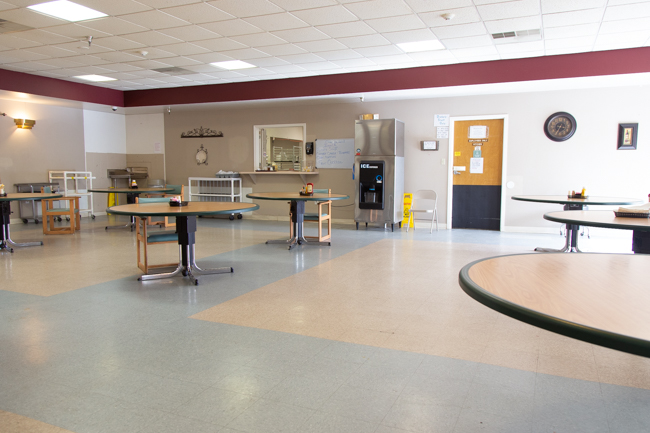
How is Sequoyah Pointe Living Center Staffed?

CMS rates SEQUOYAH POINTE LIVING CENTER's staffing level at 2 out of 5 stars, which is below average compared to other nursing homes. Staff turnover is 68%, which is 22 percentage points above the Oklahoma average of 46%. High turnover can affect care consistency as new staff learn residents' individual needs. RN turnover specifically is 71%, which is notably high. RNs provide skilled clinical oversight, so turnover in this role can affect medical care quality.

What Have Inspectors Found at Sequoyah Pointe Living Center?

State health inspectors documented 18 deficiencies at SEQUOYAH POINTE LIVING CENTER during 2022 to 2025. These included: 18 with potential for harm.
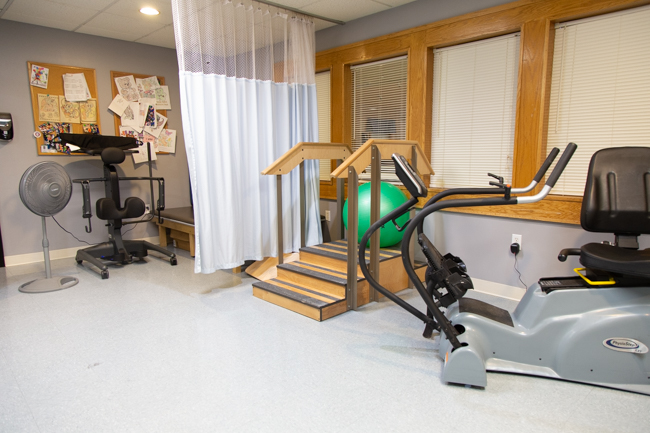
Who Owns and Operates Sequoyah Pointe Living Center?

SEQUOYAH POINTE LIVING CENTER is owned by a for-profit company. For-profit facilities operate as businesses with obligations to shareholders or private owners. The facility is operated by CONHOLD, a chain that manages multiple nursing homes. With 92 certified beds and approximately 37 residents (about 40% occupancy), it is a smaller facility located in OWASSO, Oklahoma.
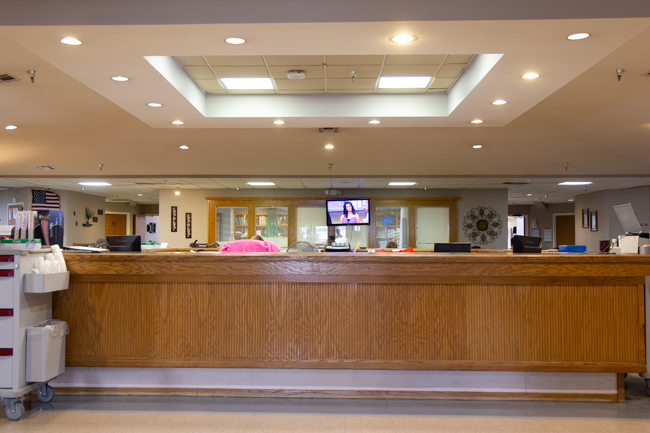
How Does Sequoyah Pointe Living Center Compare to Other Oklahoma Nursing Homes?

Compared to the 100 nursing homes in Oklahoma, SEQUOYAH POINTE LIVING CENTER's overall rating (3 stars) is above the state average of 2.6, staff turnover (68%) is significantly higher than the state average of 46%, and health inspection rating (4 stars) is above the national benchmark.

What Should Families Ask When Visiting Sequoyah Pointe Living Center?

Based on this facility's data, families visiting should ask: "How do you ensure continuity of care given staff turnover, and what is your staff retention strategy?" "Can you walk me through typical staffing levels on day, evening, and night shifts?" "Can I visit during a mealtime to observe dining assistance and food quality?" "How do you handle medical emergencies, and what is your hospital transfer rate?" These questions are particularly relevant given the facility's high staff turnover rate and the below-average staffing rating.

Is Sequoyah Pointe Living Center Safe?

Based on CMS inspection data, SEQUOYAH POINTE LIVING CENTER has a clean safety record: no substantiated abuse findings (meaning no confirmed cases of resident harm), no Immediate Jeopardy citations (the most serious violation level indicating risk of serious injury or death), and is not on the Special Focus Facility watch list (a federal program monitoring the lowest-performing 1% of nursing homes). The facility has a 3-star overall rating and ranks #1 of 100 nursing homes in Oklahoma. While no facility is perfect, families should still ask about staff-to-resident ratios and recent inspection results during their visit.

Do Nurses at Sequoyah Pointe Living Center Stick Around?

Staff turnover at SEQUOYAH POINTE LIVING CENTER is high. At 68%, the facility is 22 percentage points above the Oklahoma average of 46%. Registered Nurse turnover is particularly concerning at 71%. RNs handle complex medical decisions and coordinate care — frequent RN changes can directly impact care quality. High turnover means new staff may not know residents' individual needs, medications, or preferences. It can also be disorienting for residents, especially those with dementia who rely on familiar faces. Families should ask: What is causing the turnover? What retention programs are in place? How do you ensure care continuity during staff transitions?

Was Sequoyah Pointe Living Center Ever Fined?

SEQUOYAH POINTE LIVING CENTER has been fined $52,192 across 1 penalty action. This is above the Oklahoma average of $33,601. Fines in this range indicate compliance issues significant enough for CMS to impose meaningful financial consequences. Common causes include delayed correction of deficiencies, repeat violations, or care failures affecting resident safety. Families should ask facility leadership what changes have been made since these penalties.

Is Sequoyah Pointe Living Center on Any Federal Watch List?

SEQUOYAH POINTE LIVING CENTER is not on any federal watch list. The most significant is the Special Focus Facility (SFF) program, which identifies the bottom 1% of nursing homes nationally based on persistent, serious quality problems. Not being on this list means the facility has avoided the pattern of deficiencies that triggers enhanced federal oversight. This is a positive indicator, though families should still review the facility's inspection history directly.