THE HIGHLANDS AT OWASSO
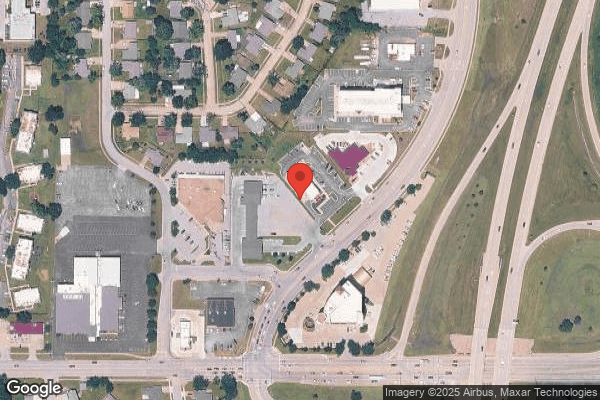
10098 N 123 E AVE, OWASSO, OK 74055 (918) 928-4800
For profit - Individual 105 Beds Independent Data: November 2025
Trust Grade
45/100
#187 of 282 in OK
Last Inspection: May 2025

Inspected within the last 6 months. Data reflects current conditions.

Overview

The Highlands at Owasso has a Trust Grade of D, indicating below-average quality with some concerns about care and management. They rank #187 out of 282 nursing homes in Oklahoma, placing them in the bottom half of facilities in the state, and #25 out of 33 in Tulsa County, where only a few local options are better. Unfortunately, the facility is worsening, with issues increasing from 7 in 2024 to 8 in 2025. Staffing is a significant concern, rated at 2 out of 5 stars, with a high turnover rate of 70%, which is above the state average of 55%. Although there have been no fines recorded, the RN coverage is lower than 90% of Oklahoma facilities, which could impact the quality of care. Recent inspector findings revealed several concerning issues, such as the Director of Nursing working beyond the allowed census limit and failures in implementing a water management plan to prevent waterborne pathogens, which raises concerns about resident safety. Overall, while there are some strengths, such as no fines, families should weigh these serious weaknesses when considering this facility for their loved ones.

Trust Score
D
45/100
In Oklahoma
#187/282
Bottom 34%
Safety Record
Low Risk
No red flags
Inspections
Getting Worse
7 → 8 violations
Staff Stability
⚠ Watch
70% turnover. Very high, 22 points above average. Constant new faces learning your loved one's needs.
Penalties
✓ Good
No fines on record. Clean compliance history, better than most Oklahoma facilities.
Skilled Nurses
⚠ Watch
Each resident gets only 10 minutes of Registered Nurse (RN) attention daily — below average for Oklahoma. Fewer RN minutes means fewer trained eyes watching for problems.
Violations
⚠ Watch
18 deficiencies on record. Higher than average. Multiple issues found across inspections.
★★☆☆☆
2.0
Overall Rating
★★☆☆☆
2.0
Staff Levels
★★★★☆
4.0
Care Quality
★★☆☆☆
2.0
Inspection Score
Stable
2024: 7 issues
2025: 8 issues

The Good

  • 4-Star Quality Measures · Strong clinical quality outcomes
  • Full Sprinkler Coverage · Fire safety systems throughout facility
  • No fines on record

Facility shows strength in quality measures, fire safety.

The Bad

2-Star Overall Rating

Below Oklahoma average (2.6)

Below average - review inspection findings carefully

Staff Turnover: 70%

24pts above Oklahoma avg (46%)

Frequent staff changes - ask about care continuity

Staff turnover is very high (70%)

22 points above Oklahoma average of 48%

The Ugly 18 deficiencies on record

May 2025 6 deficiencies
CONCERN (D) 📢 Someone Reported This

A family member, employee, or ombudsman was alarmed enough to file a formal complaint

Potential for Harm - no one hurt, but risky conditions existed

Accident Prevention (Tag F0689)

Could have caused harm · This affected 1 resident

**NOTE- TERMS IN BRACKETS HAVE BEEN EDITED TO PROTECT CONFIDENTIALITY** On 04/18/25, a past non-compliance situation was determined to exist related to the facility's failure to provide supervision to...

Read full inspector narrative →
**NOTE- TERMS IN BRACKETS HAVE BEEN EDITED TO PROTECT CONFIDENTIALITY** On 04/18/25, a past non-compliance situation was determined to exist related to the facility's failure to provide supervision to protect residents. An Incident Report, dated 02/25/25, showed Resident #165 got out of the building and was found a mile away from the facility by police. Resident #165 was returned to the facility where the resident signed out of the facility against medical advice (AMA). On 04/09/25 Resident #165 eloped and was located a half mile away from the facility on a four-lane busy road. Resident #165's care plan did not address interventions of exit seeking behaviors on 02/16/25 and was not updated until 04/09/25 with interventions. Based on observation, record review, and interview, the facility failed to provide supervision and interventions to prevent elopement for 1 (#165) of 3 sampled residents reviewed for elopement. The administrator identified 96 residents reside in the facility. Findings: On 04/27/25 at 12:45 p.m., the doors of the building were visually observed to be closed and locked. The alarm system indicated it was armed. A Hospital Discharge Summary, dated 02/24/25, showed Resident #165 was alert and aware. A facility Medical Diagnoses report, dated 02/24/25, showed Resident #165 had a diagnosis of encephalopathy. An Incident Report, dated 02/25/25, showed Resident #165 was admitted to the facility on [DATE] for skilled services. The report showed Resident #165 was discovered not in the facility on 02/25/25 at 12:25 p.m. The report showed Resident #165 was found at 1:13 p.m. by local law enforcement. A progress note, dated 02/25/25 at 11: p.m., showed the resident requested to go outside and was directed to the enclosed outside area of the facility. On 05/05/25 at 12:13 p.m. LPN #2 stated they had initially observed Resident #165 in the common outside area that was enclosed. Later the resident was observed through a window on the outside grounds of the building. LPN #2 stated administration was notified immediately and staff went to look for the resident. They stated the police and corporate personal were notified. LPN #2 stated they called Resident #165's first contact and notified them Resident #165 was missing. They stated the resident was found by local law enforcement and returned to the facility. LPN #2 stated Resident #1 was missing from the facility for approximately 50 minutes. When Resident #1 was returned to the facility, they stated they did not want to stay at the facility, they wanted to go home. LPN #2 stated prior to the resident's hospital stay the resident lived alone in the area. LPN #2 stated they explained to the resident the importance of receiving their medications and they could not be discharged with the PICC line in place and this line was needed for the prescribed antibiotics. LPN#2 stated Resident #165 was insistent they were going home and to take out the PICC line. LPN #2 stated an RN removed the PICC line and the resident signed out AMA. On 05/05/25 at 1:42 p.m., the administrater stated Resident #165 was reported to be missing and staff immediately looked for the resident. They stated other staff checked the doors leading to the outside to ensure they were locked and secure. The administrator stated local police were notified as well as the resident's contacts. They stated when Resident #165 was returned to the facility, Resident #165 reported someone had let them out. The administrator stated they thought a visitor might have let the resident out. The administrator stated corrective actions were immediately put in place after the elopement. Notices were placed on the inside and outside of the front doors reminding visitors not to let others out of the facility and the codes to the front doors were changed. The administrator stated the staff were educated on elopement, locked doors, and the importance of knowing where residents were in the building. The administrator stated monitoring was begun to ensure all doors were locked and the alarm system was in working order. He stated the incident was addressed and still ongoing in QAPI meetings. On 05/06/25 at 9:11 a.m. the administrator stated they were notified Resident #165 was seen outside of the building on 02/26/25 at 12:25 p.m. and was found by local law enforcement at 1:13 p.m. He stated the resident told the police they were walking home. On 05/06/25 at 10:02 p.m., the administrator provided documentation of the QAPI plan for the elopement dated 02/27/25, a copy of the 02/25/25 inservices for the staff regarding the elopement, and a copy of the ongoing monitoring of the door alarms with a start date 02/25/25.
CONCERN (D)

Potential for Harm - no one hurt, but risky conditions existed

Deficiency F0761 (Tag F0761)

Could have caused harm · This affected 1 resident

Based on observation and interview, the facility failed to ensure medications were secured in a locked medication cart for 1 (treatment cart #1) of 1 medication cart observed on the center hallway. T...

Read full inspector narrative →
Based on observation and interview, the facility failed to ensure medications were secured in a locked medication cart for 1 (treatment cart #1) of 1 medication cart observed on the center hallway. The administrator identified 117 residents reside in the facility. Findings: On 04/28/25 at 2:02 p.m., treatment cart #1 was located across the hall from the nurses station and was observed to be unlocked and unattended. On 04/28/25 at 2:05 p.m., LPN #1 returned to the cart and locked it. They stated the cart should be locked when not in use to secure medications. On 04/30/25 at 1:00 p.m., the ADON stated all medication carts should be locked if the CMA or nurse was not at the cart.
CONCERN (D)

Potential for Harm - no one hurt, but risky conditions existed

Food Safety (Tag F0812)

Could have caused harm · This affected 1 resident

Based on observation and interview, the facility failed to ensure kitchen staff members wore a beard guard for 1 (cook #1) of 1 staff members observed for beard guards. The administrator identified 9...

Read full inspector narrative →
Based on observation and interview, the facility failed to ensure kitchen staff members wore a beard guard for 1 (cook #1) of 1 staff members observed for beard guards. The administrator identified 95 residents received meals prepared by the kitchen. Findings: On 04/28/25 at 1:29 p.m., an intital tour of the kitchen was conducted. [NAME] #1 was observed preparing food without wearing a beard guard. On 04/28/25 at 1:35 p.m., [NAME] #1 stated they did not know the facility policy regarding wearing beard guards, no one had told them they had to wear one. They stated the facility did not have any beard guards. On 04/28/25 at 2:32 p.m., the administrator stated they should have been wearing a beard guard.
CONCERN (E)

Potential for Harm - no one hurt, but risky conditions existed

Deficiency F0582 (Tag F0582)

Could have caused harm · This affected multiple residents

Based on record review and interview, the facility failed to ensure residents were provided with a Notice of Medicare Non-Coverage at least two days prior to the end of skilled services for 2 (#99 and...

Read full inspector narrative →
Based on record review and interview, the facility failed to ensure residents were provided with a Notice of Medicare Non-Coverage at least two days prior to the end of skilled services for 2 (#99 and #100) of 3 sampled residents reviewed for beneficiary notices. The administrator identified 46 residents who had been discharged from skilled services from 11/06/24 through 05/06/25. Findings: An undated policy titled Policy on Issuing Notice of Medicare Non-Coverage (NOMNC), read in part, The NOMNC must be delivered at least two days before Medicare-covered services are scheduled to end. A Notice of Medicare Non-Coverage form for Resident #99 showed the resident's skilled services would end on 12/19/24. The form further showed the resident signed the form on 12/18/24 which one day prior to the end of services. A Notice of Medicare Non-Coverage form for Resident #100 showed the resident's skilled services would end on 01/24/25. The form further showed the resident signed the form on 01/23/25 which was one day prior to the end of services. On 05/06/25 at 11:47 a.m., the SSD was asked to explain the process of providing residents with the Notice of Medicare Non-coverage, form. They stated the forms were for residents that were receiving skilled services paid by Medicare and informed them of the date coverage for those services would end. They stated the form was to be given to the residents at least two days prior to the end date. They stated the form was to inform the residents of their rights to appeal for the coverage to continue it they chose to do so. The SSD was asked to look at the NOMNC forms for Res #99 and Res #100 for any irregularities. They stated each of the forms were given one day prior to the end of services instead of the two days that were required. They stated they had not followed policy.
CONCERN (F) 📢 Someone Reported This

A family member, employee, or ombudsman was alarmed enough to file a formal complaint

Potential for Harm - no one hurt, but risky conditions existed

Deficiency F0727 (Tag F0727)

Could have caused harm · This affected most or all residents

Based on record review and interview, the facility failed to ensure the DON had not worked as a charge nurse when the facility census was above 60 residents and failed to ensure the DON worked 40 hour...

Read full inspector narrative →
Based on record review and interview, the facility failed to ensure the DON had not worked as a charge nurse when the facility census was above 60 residents and failed to ensure the DON worked 40 hours each week. The Administrator stated the facility had a census greater than 90 residents for 36 days from 04/01/25 to 05/06/25. Findings: An undated policy titled Director of Nursing Services (DNS), read in part, The DNS may serve as a charge nurse only when the facility has an average daily occupancy of 60 or fewer residents. The policy also showed the DON was to work at least 40 hours a week. On 05/06/25 the facility administrator provided the survey team a document titled Highland's Daily Census that showed each date on and between 04/01/25 and 05/06/25 having had a daily census greater than 90 residents. On 05/06/25 at 12:19 p.m., the DON was asked if they were the director of nursing for the facility. The DON stated they were the director of nursing of record. The DON stated they generally work every Tuesday, Wednesday, and Thursday on 12-hour shifts. The DON stated their primary duty was as the charge nurse working on the halls. The DON stated they also do things like assist the pharmacist with medication destruction when needed. They stated they had been the director of nursing of record for about one month. The DON stated the company that owns the facility was currently advertising the DON position. On 05/06/25 at 1:07 p.m., the administrator was asked who the DON was and what their duties. They stated the current DON had been in that position for about 5 to 6 weeks and worked as the DON as well as a charge nurse. They stated the current DON was appointed the director of nursing of record so they could assist in the destruction of medications with the pharmacist. The administrator was asked what they knew of current regulations regarding a DON's requirement for weekly hours devoted to DON duties and a DON working as a charge nurse. They stated they were not aware of any regulations in those areas.
CONCERN (F) 📢 Someone Reported This

A family member, employee, or ombudsman was alarmed enough to file a formal complaint

Potential for Harm - no one hurt, but risky conditions existed

Infection Control (Tag F0880)

Could have caused harm · This affected most or all residents

Based on record review and interview, the facility failed to ensure a water management plan to prevent waterborne pathogens had been implemented. The administrator reported 95 residents reside at the...

Read full inspector narrative →
Based on record review and interview, the facility failed to ensure a water management plan to prevent waterborne pathogens had been implemented. The administrator reported 95 residents reside at the facility. Findings: A facility policy titled Legionella Water Management Program, dated September 2022, read in part, As part of the infection prevention control program, our facility has a water management program, which is overseen by the water management team. The document also showed: a. There was a water management team consisting of the infection preventionist, the administrator, the medical director or their designee, the director of maintenance, and the director of environmental services; b. A detailed description and diagram of the water system in the facility which would show areas of the system that could encourage growth and spread waterborne bacteria, and c. Specific measures would be used to control the introduction or spread of Legionella including a system to monitor the effectiveness of the control measures. On 05/06/25 at 4:24 p.m., when asked to provide the facilty waterborne pathogen plan as described in their policy, the administrator stated the facility did not have a waterborne pathogen committee or a diagram of the facility that would show where waterborne pathogens could grow. They stated the water management team had never been formed. They stated they had also not tested the facilities water for pathogens.
Jan 2025 2 deficiencies
CONCERN (D) 📢 Someone Reported This

A family member, employee, or ombudsman was alarmed enough to file a formal complaint

Potential for Harm - no one hurt, but risky conditions existed

Infection Control (Tag F0880)

Could have caused harm · This affected 1 resident

Based on observation, record review, and interview, the facility failed to ensure proper infection control practices were utilized during medication administration for one (#16) for one resident sampl...

Read full inspector narrative →
Based on observation, record review, and interview, the facility failed to ensure proper infection control practices were utilized during medication administration for one (#16) for one resident sampled for medication administration. The administrator reported the census was 97. Findings: Resident #16 had diagnoses which included chronic pain syndrome and hypertension. A physician order, dated 09/05/24, documented Resident #16 was to receive oxycodone 20 mg (pain medication) every 6 hours as needed for breakthrough pain. On 01/15/25 at 11:45 a.m., CMA #1 was observed administering Resident #16's oxycodone. CMA #1 punched the medication out of the card into their bare hand and then placed the medication in the medication cup. On 01/15/25 at 11:47 a.m., CMA #1 stated the medication should have been punched out of the card directly into the medicine cup without touching it. On 01/15/25 at 11:54 a.m., LPN #1 stated medication should not be touched with a bare hand. On 01/15/25 at 4:01 p.m., the ADON stated medication should be punched out of the card directly into the cup and should not be touched.
CONCERN (D) 📢 Someone Reported This

A family member, employee, or ombudsman was alarmed enough to file a formal complaint

Potential for Harm - no one hurt, but risky conditions existed

Deficiency F0919 (Tag F0919)

Could have caused harm · This affected 1 resident

Based on observation, record review, and interview, the facility failed to ensure the call light system was functioning for one (#5) of one resident whose call light was tested. The administrator repo...

Read full inspector narrative →
Based on observation, record review, and interview, the facility failed to ensure the call light system was functioning for one (#5) of one resident whose call light was tested. The administrator reported the census was 97. Findings: An undated policy titled Answering the Call Light, read in parts, Ensure the call light is plugged in and functioning at all times .Report all defective call lights to the nurse supervisor promptly. Resident #5 had diagnoses which included heart failure and anxiety disorder. On 01/15/25 at 10:00 a.m., Resident #5 stated that their call light did not work and that it had not worked in several months. They also stated that if they needed help, they would have their roommate activate their call light. Resident #5 then pressed the button to activate their call light and the light outside their door did not illuminate. On 01/15/25 at 11:54 a.m., LPN #1 was shown Resident #5's call light was not functioning. They stated they were unaware the call light was not functioning, and they would inform maintenance. 01/15/25 at 12:14 p.m., the maintenance supervisor stated call lights had been an ongoing issue in the facility. They stated the call system was wireless and required batteries. They further stated they did not conduct routine testing of the call system or scheduled replacement of the batteries.
Dec 2024 3 deficiencies
CONCERN (D) 📢 Someone Reported This

A family member, employee, or ombudsman was alarmed enough to file a formal complaint

Potential for Harm - no one hurt, but risky conditions existed

Deficiency F0760 (Tag F0760)

Could have caused harm · This affected 1 resident

Based on record review and interview, the facility failed to accurately transcribe admission orders as written and failed to acquire medications within four hours for one (#2) of five sampled resident...

Read full inspector narrative →
Based on record review and interview, the facility failed to accurately transcribe admission orders as written and failed to acquire medications within four hours for one (#2) of five sampled residents whose clinical records were reviewed for pharmacy services. The DON identified 99 residents who resided in the facility. Findings: Resident #2 had diagnoses which included chronic obstructive pulmonary disease, depressive episodes, and dementia with mood disturbance. A hospital history and physical, dated 10/11/24, read in parts, Assessment/Plan .Depression/anxiety - PRN Xanax [alprazolam] [benzodiazepine medication]. The history and physical documented the resident was to continue taking alprazolam 1mg by mouth every six hours if needed. The facility admission orders, dated 10/11/24, documented Xanax 1mg every 6 hours to be given routinely, and Nuvigil 150mg to be given daily. The controlled drug receipt record/disposition forms for Nuvigil (CNS stimulant) 150mg tablets and Xanax 1mg tablets documented the medications were first delivered on 10/14/24. The medication administration record documented the resident received their first dose of Xanax 1mg on 10/15/24 at 12:00 a.m., then again at 6:00 a.m., 12:00 p.m., and 6:00 p.m. The medication administration record documented the resident received their first dose of Nuvigil 150mg on 10/15/24 at 12:00 p.m. On 12/12/24 at 5:10 p.m., CMA #1 stated they re-ordered medications early enough for the resident not to have an interruption in their medication treatment. The CMA stated they would order a medication only to find out the pharmacy did not send the medication. The CMA stated they would call the pharmacy and find out the medication required a written script. The CMA stated they would inform the nurse that an ordered medication required a script from the physician. On 12/12/24 at 5:20 p.m., LPN #1 stated the floor nurses received a copy of the new residents hospital discharge instructions, transcribed, and confirmed the orders with the physician before sending the orders to the pharmacy to fill. The LPN stated they usually received the admitted residents medications within four hours. The LPN stated they would not know a medication was not delivered until they compared what they received to the orders and contacted the pharmacy. The LPN stated if a medication required a written script from the physician, they would not know the pharmacy had not received the script until the medication did not arrive as expected. On 12/12/24 at 5:30 p.m., CMA #2 stated they had to contact the pharmacy if an ordered medication was not received to find out why the medication was not sent. The CMA stated the pharmacy did not send medications for a variety of reasons. The CMA stated the pharmacy did not contact the facility staff to inform them of the issue, but waited for the facility staff to contact them regarding the omission. The CMA stated that sometimes caused residents not to receive their medications as ordered. On 12/12/24 at 5:50 p.m., the DON reviewed the hospital discharge instructions for Resident #2, dated 10/11/24, and stated the order for Xanax appeared to have been transcribed in error as 1mg every six hours routine instead of as needed as the discharge instructions read. On 12/13/24 at 12:50 p.m., LPN #2 stated the floor nurses were responsible for admitting new residents. The LPN stated they received a text from the facility's admission coordinator stating the nurse would receive an admission. The LPN stated they would then review the hospital discharge instructions for medications, treatments, and other instructions, and transcribe the instructions into the admitting residents electronic medical record. The LPN stated that after they transcribed the orders, they would contact the facility's admitting physician, tell them the resident was in the facility, and the orders were entered from the resident's discharge records. The LPN stated they usually then received an OK from the physician. The LPN stated they did not read off the transcribed orders to the physician, and waited for pharmacy to notify them of any issues with the ordered medications. They stated if the pharmacist had concerns, the nurse would contact the physician with any needed changes to the order and usually received a simple verbal confirmation from the physician. The nurse stated the written script for Xanax and Nuvigil was sent on 10/14/24.
CONCERN (D) 📢 Someone Reported This

A family member, employee, or ombudsman was alarmed enough to file a formal complaint

Potential for Harm - no one hurt, but risky conditions existed

Deficiency F0804 (Tag F0804)

Could have caused harm · This affected 1 resident

Based on observation and interview, the facility failed to serve hot foods at an appealing temperature. The DON identified 99 residents who ate meals prepared in the kitchen. Findings: On 12/11/24 a...

Read full inspector narrative →
Based on observation and interview, the facility failed to serve hot foods at an appealing temperature. The DON identified 99 residents who ate meals prepared in the kitchen. Findings: On 12/11/24 at 12:45 p.m., Resident #4 stated they ate their meals in their room and the food was never hot and rarely warm. The resident stated some of the meals were not thoroughly cooked or were over-cooked/burnt, but were still served. On 12/11/24 at 1:00 p.m., Resident #6 stated the meals tasted bad and at times they felt the kitchen staff purposely sent food out they knew was not edible. On 12/11/24 at 4:50 p.m., the dietary manager stated the kitchen staff checked food temperatures before serving and checked the temperature of the meal cart once it was delivered to the residents' hall. On 12/11/24 at 5:40 p.m., the temperature gauge on the meal cart was observed to read 100 degrees Fahrenheit with the heating dial set to 145 degrees Fahrenheit. On 12/11/24 at 5:55 p.m., a test tray stored on the observed meal cart was received and food temperatures were taken with the dietary manager present. With multiple popcorn shrimp scored on the temperature probe, the temperature of the shrimp was 92 degrees Fahrenheit. The shrimp felt cold with a chewy texture, and covered in a damp/wet breading. The breading tasted bland and the shrimp had no flavor. On 12/11/24 at 5:55 p.m., the dietary manager stated that was not good, but they knew the food was hot when it left the kitchen.
CONCERN (D) 📢 Someone Reported This

A family member, employee, or ombudsman was alarmed enough to file a formal complaint

Potential for Harm - no one hurt, but risky conditions existed

Deficiency F0925 (Tag F0925)

Could have caused harm · This affected 1 resident

**NOTE- TERMS IN BRACKETS HAVE BEEN EDITED TO PROTECT CONFIDENTIALITY** Based on observation and interview, the facility failed to maintain an effective pest control program. The DON identified 99 res...

Read full inspector narrative →
**NOTE- TERMS IN BRACKETS HAVE BEEN EDITED TO PROTECT CONFIDENTIALITY** Based on observation and interview, the facility failed to maintain an effective pest control program. The DON identified 99 residents in the facility. Findings: On 12/12/24 at 3:50 p.m., an environmental tour was conducted on the 400 hall. Evidence of roaches (droppings and dead roaches) was present along baseboards, near and under the refrigerator, on glue traps located in the corners of the room, storage drawers, and closets. Live roaches were observed in the corners nearest the bathroom door and near the heat/air unit in room [ROOM NUMBER] and 412. On 12/13/24 at 5:25 p.m., the corporate administrator stated the exterminator visited the facility monthly. The corporate administrator stated because of how the invoices were delivered, they were not sure if the administrator reviewed the recommendations the exterminator left on their invoices, but the exterminator responded quickly to any concerns the facility had related to vermin. The corporate administrator stated they would address the pest control issue immediately.
Aug 2024 1 deficiency
CONCERN (D) 📢 Someone Reported This

A family member, employee, or ombudsman was alarmed enough to file a formal complaint

Potential for Harm - no one hurt, but risky conditions existed

Report Alleged Abuse (Tag F0609)

Could have caused harm · This affected 1 resident

Based on record review and interview, the facility failed to ensure injuries of unknown origin were reported timely for one (#1) of three residents sampled for incidents. The ADON identified 80 reside...

Read full inspector narrative →
Based on record review and interview, the facility failed to ensure injuries of unknown origin were reported timely for one (#1) of three residents sampled for incidents. The ADON identified 80 residents who resided at the facility. Findings: An undated Abuse Investigation and Reporting policy, read in parts, .All reports of resident abuse, .and/or injuries of unknown source (abuse) shall be promptly reported to local, state and federal agencies .All alleged violations .including injuries of an unknown source .will be reported by the facility Administrator, or his/her designee .immediately, but not later than: .twenty-four (24) hours if the alleged violation does not involve abuse AND has not resulted in serious bodily injury . Resident #1 admitted with diagnoses which included Chronic Lymphocytic Leukemia of B-cell type (a form of blood cancer). A progress note, dated 08/03/24, documented a large bruise to the right arm of Resident #1 was noted and the resident reported they did not know what caused the bruise. The note documented Resident #1 did not complain of pain or discomfort. A progress note, dated 08/04/24, at 4:00 p.m., documented Resident #1 reported that the bruising to their right upper arm was painful. The note documented the wound nurse was consulted, and Resident #1 stated they did not know what caused the bruise, but stated they did not fall. The note documented an x-ray order was obtained to rule out fractures or abnormalities. The note documented the results of the x-ray did not identify an acute fracture or dislocation. The note documented the wound nurse obtained an order for tramadol 50 mg every six hours as needed for pain. A late entry progress note, dated 08/05/24, at 7:40 a.m., documented a discussion with Resident #1 about the possibilities of how Resident #1 thought they had received the bruise. Resident #1 stated they may have bumped it on the door or the bed. The note documented the nurse had observed Resident #1 bump into the door in the past. A progress note, dated 08/05/24, at 6:50 p.m., documented the nurse had spoke with the family member of Resident #1 at the nursing station and the family member mentioned the bruise on the arm of Resident #1. The note documented they had informed the family member the facility was not sure of what caused the bruise, but they had completed an x-ray that resulted negative for abnormalities and an order for blood work on the next lab draw day in the morning. An ODH Form 283, dated 08/05/24, documented an allegation of abuse for Resident #1, who had a bruise shaped in the form of a hand to their upper extremity and an investigation had begun. A progress note, dated 08/06/24, at 4:47 a.m., documented the nurse was notified at the start of their shift to request an officer to the facility to obtain a statement from Resident #1 regarding the bruise to their right upper arm. The note documented an officer did come to the facility and spoke to Resident #1. A late entry progress note, dated 08/06/24, at 4:58 p.m., documented the nurse had spoke with Resident #1 after they were notified of a bruise on their arm. The note documented the nurse had asked what happened and Resident #1 stated, I do not know what happened, the only thing I can think of is that I bumped it while going to the bathroom or something. The note documented the nurse asked Resident #1 if anyone had hit them and they stated absolutely not. The note documented the nurse asked the roommate if they had witnessed anything regarding Resident #1 and the roommate stated no. On 08/08/24, at 1:20 p.m., Resident #1 stated they had woke up with the bruise on Monday and had no idea how it happened. Resident #1 stated they must have bumped it going to the bathroom, and stated no one had ever hurt them. Resident #1 stated they felt safe. On 08/09/24 at 11:09 a.m., the regional administrator stated the facility probably failed to notify of the incident as an injury of unknown origin. They stated when they were made aware it was brought to them as an abuse allegation and so that was what was reported.
Jan 2024 3 deficiencies
CONCERN (E) 📢 Someone Reported This

A family member, employee, or ombudsman was alarmed enough to file a formal complaint

Potential for Harm - no one hurt, but risky conditions existed

Deficiency F0804 (Tag F0804)

Could have caused harm · This affected multiple residents

Based on observation and interview the facility failed to ensure food was served at an appetizing temperature and was palatable. The administrator identified 85 of the 86 residents received nutrition...

Read full inspector narrative →
Based on observation and interview the facility failed to ensure food was served at an appetizing temperature and was palatable. The administrator identified 85 of the 86 residents received nutrition from the kitchen. Findings: A facility menu for Friday, January 12, 2024 documented lunch was fried fish fillet, macaroni and cheese, confetti slaw, roll, baked apples, milk, and beverage of choice. On 01/12/24 at 12:19 p.m., the last tray was removed from the hot cart. On 01/12/24 at 12:22 p.m., the test tray was observed with fried fish patty, macaroni and cheese, baked apples, and peaches. The fish was 104 F, the macaroni and cheese was 100 F, and the baked apples were 89 F. The food on the plate was cold upon tasting. The fish was not palatable. On 01/12/24 at 12:24 p.m., the administrator touched the food and stated it was cold.
CONCERN (E)

Potential for Harm - no one hurt, but risky conditions existed

Food Safety (Tag F0812)

Could have caused harm · This affected multiple residents

Based on observation and interview, the facility failed to: a) ensure opened foods were dated and resealed. b) ensure food was not stored on the floor. The administrator identified 85 out of 86 resid...

Read full inspector narrative →
Based on observation and interview, the facility failed to: a) ensure opened foods were dated and resealed. b) ensure food was not stored on the floor. The administrator identified 85 out of 86 residents received nourishment from the kitchen. Findings: 1. On 01/08/24 at 3:10p.m., during a tour of the kitchen, the refrigerator was observed to contain one opened, undated bag of salad. One opened, undated package of bacon. Three opened, undated packages of deli meat. One crate of oranges stored on the floor of the refrigerator. 2. On 01/08/24 at 3:12p.m., during a tour of the kitchen the dry storage was observed to contain an unopened 25 pound bag of rice and one 50 pound bag of flour on the floor. On 01/08/24 at 3:17p.m., the dietary manager stated the opened foods should have been dated and the oranges, rice, and flour should not be left on the floor.
CONCERN (E) 📢 Someone Reported This

A family member, employee, or ombudsman was alarmed enough to file a formal complaint

Potential for Harm - no one hurt, but risky conditions existed

Room Equipment (Tag F0908)

Could have caused harm · This affected multiple residents

Based on observation and interview, the facility failed to maintain kitchen equipment in a safe, clean operating condition. The administrator identified 85 of 86 residents who received nourishment fro...

Read full inspector narrative →
Based on observation and interview, the facility failed to maintain kitchen equipment in a safe, clean operating condition. The administrator identified 85 of 86 residents who received nourishment from the kitchen. Findings: On 01/18/24 at 1:30p.m., it was observed the bays on the steam table were missing control knobs. The dietary aide stated they have to use pliers to try and turn them on. There is one knob for all the bays. The ice machine was observed to have a reddish colored film covering the interior side of the cover, radiator, sensor, drip pan, and pump. The dietary manager stated the whole thing was dirty and they would work on cleaning it. Water was observed to cover the floor on the south end of the kitchen where the dish machine and the three-compartment sink are located. The dietary manager stated the leaking plumbing had leaked for several weeks and they had been told the parts were in but the work still had not been done to fix the leaks. Food stains were observed on kitchen prep surfaces, across the top of the dishwasher and steam table. The floor appears dirty with a greasy film. The dietary manager stated they have difficulty getting the staff to perform their duties or even to show for work.
Apr 2023 2 deficiencies
CONCERN (E) 📢 Someone Reported This

A family member, employee, or ombudsman was alarmed enough to file a formal complaint

Potential for Harm - no one hurt, but risky conditions existed

Safe Environment (Tag F0584)

Could have caused harm · This affected multiple residents

Based on observation and interview, the facility failed to ensure the environment was free from clutter in the dining area and clean and free of stained furniture throughout the facility and dining ro...

Read full inspector narrative →
Based on observation and interview, the facility failed to ensure the environment was free from clutter in the dining area and clean and free of stained furniture throughout the facility and dining room. The Resident Census and Conditions of Residents report, dated 04/17/23, documented 89 residents resided at the facility. Findings: 1. On 04/17/23 at 11:49 a.m., excess or damaged furniture was observed to be stored on the left side of the dining area. The area was not barricaded or blocked from residents or visitors. On 04/18/23 at 11:02 a.m., the same observation was made of excess or damaged furniture stored on the left side of the dining area. The area was not barricaded or blocked from residents or visitors. The items are listed as follows: a red armchair with ottoman; two beds; two night stands; one gray office chair; two kitchen food carts, one with a motor set on top of it; 12 blue office chairs; a wooden pallet leaning against the wall next to the maintenance room; and a large flat push cart. On 04/18/23 at 3:00 p.m., the maintenance supervisor was asked why excess or damaged furniture was stored in the dining area. They stated they had nowhere else to store damaged or unused furniture. The maintenance supervisor was asked how long the furniture had been stored in the dining area. They stated since the last survey in January. On 04/18/23 at 3:17 p.m., the administrator was asked why damaged and unused furniture was being stored in the dining room. They stated they had no where else to store the furniture. 2. On 04/17/23 at 11:48 a.m., the dining room was observed to have a table on the right far side of the dining room with a dried, white, frothy, substance on the table top. A chair on the right side of the dining room was observed to have cobwebs around the legs of the chair. On 04/17/23 at 3:12 p.m.,the floor to the left of the center dining area, in front of an outside door, adjacent to the laundry area, was observed to be dirty with dried fluid spilled areas and dark track marks leading out of the dining area to the left towards the [NAME] hall. On 04/17/23 at 4:41 p.m., nine cloth plaid chairs on the South Hall were observed to have stains on the seat cushions. The arms of the chairs were observed to be dirty and darker than the rest of the fabric of the chairs. On 04/18/23 at 10:13 a.m., the administrator was asked if and when the furniture was cleaned. They stated they tried to clean the furniture twice a month. The administrator stated they would replace the furniture if the stains were not removable or furniture was broken. On 04/18/23 at 10:46 a.m., a cloth plaid chair on the North hall was observed to have torn material from the left arm. Another chair on the North hall was observed to have a dark liquid splattered on the left side that was dry to the touch. On 04/18/23 at 10:54 a.m., the center dining area was observed to have chairs with stains on the seat cushions, food crumbs under and around tables, and several chairs had dust build up and food crumbs in the crevices. On the right side of the dining area tables were observed to have dried liquid splattered and ringed on the table tops. The table on the right side in the far back corner continued to have a dried, white, frothy substance on the table top. Another chair on the right side of the dining room continued to have cobwebs around the legs of the chair. A cloth, plaid chair in the right corner of the dining room by the window had dark stains in the seat. On 04/18/23 at 11:02 a.m., the floor coming in from an outside door off the access hall to the laundry was observed to continue to be dirty with dried liquid spills and dark track marks leading to the [NAME] hall. On 04/18/23 at 11:11 a.m., a cloth plaid chair on Center hall was observed to have a large dark stain in the seat. On 04/18/23 at 11:33 a.m., two housekeepers on the North hall were asked who was responsible to clean the dining room. They stated the kitchen staff cleaned the dining room after lunch and supper. On 04/18/23 at 3:29 p.m., the DM was asked who was responsible to clean the dining room. They stated the kitchen staff. The DM was asked if a schedule was provided. They stated, Yes, and provided the cleaning schedule for the week. The DM was asked how they monitor to ensure the cleaning had been completed. They stated they observe the work, ask co-workers, and do pop-ins on the weekends. The DM was informed the survey findings and asked if the work had been completed. They stated, No.
CONCERN (E) 📢 Someone Reported This

A family member, employee, or ombudsman was alarmed enough to file a formal complaint

Potential for Harm - no one hurt, but risky conditions existed

Deficiency F0924 (Tag F0924)

Could have caused harm · This affected multiple residents

**NOTE- TERMS IN BRACKETS HAVE BEEN EDITED TO PROTECT CONFIDENTIALITY** Based on observation and interview, the facility failed to ensure hallways were equipped with firmly secured handrails throughou...

Read full inspector narrative →
**NOTE- TERMS IN BRACKETS HAVE BEEN EDITED TO PROTECT CONFIDENTIALITY** Based on observation and interview, the facility failed to ensure hallways were equipped with firmly secured handrails throughout the facility. The Resident Census and Conditions of Residents report, dated 04/17/23, documented 89 residents resided at the facility. Findings: On 04/18/23 at 10:48 a.m., the handrail on Center hall, next to the mechanical room in the center of the hall, was observed to not be secured to the wall and had been pulled apart from the corner piece that was attached to the wall. The hand rail was observed to not be able to support weight. On 04/18/23 at 11:23 a.m., a hand rail was observed to be missing next to room [ROOM NUMBER] on South hall. On 04/18/23 at 11:39 a.m., a hand rail was observed to be missing to the right of the fire extinguisher and to the left of the double doors near room [ROOM NUMBER] on North hall. On 04/18/23 at 3:00 p.m., the maintenance supervisor was asked how they were made aware of broken facility items such as hand rails. They stated people tell them or they see them themselves. The maintenance supervisor was asked how they resolved a broken hand rail. They stated they replace them, but currently did not have the screws to replace them, but they were on order. The maintenance supervisor stated they had been replacing broken hand rails with hand rails that were not in high use. On 04/18/23 at 3:17 p.m., the administrator was asked about the purchase order for the screws to replace the missing and broken hand rails. They stated there were none on order at that time. They stated they were in the process of obtaining a line of credit with their supplier since January. The administrator stated the hand rails had been improperly installed initially. They stated the hand rails were not secured to a stud in the wall. The hand rails had been secured to the sheet rock and over time had come loose and pulled away from the walls.
Mar 2023 1 deficiency
CONCERN (D) 📢 Someone Reported This

A family member, employee, or ombudsman was alarmed enough to file a formal complaint

Potential for Harm - no one hurt, but risky conditions existed

Transfer Notice (Tag F0623)

Could have caused harm · This affected 1 resident

Based on interview and record review, it was determined the facility failed to provide a 30 day notice for one (#1) of three residents who were reviewed for involuntary discharged . The facility admi...

Read full inspector narrative →
Based on interview and record review, it was determined the facility failed to provide a 30 day notice for one (#1) of three residents who were reviewed for involuntary discharged . The facility administrator identified no other residents had been involuntirly discharged in the past 90 days. Findings: Resident #1 had diagnoses which included, Type 2 diabetes and dementia. A nurses note, dated 01/17/23 documented the resident was discharged to Laureate Hospital after a resident to resident altercation. A letter written by the medical director, dated 02/02/23 documented the resident presented a direct and immediate threat to the safety of other residents and the resident should be discharged from the facility. A Social Services note, dated 02/08/23 documented the facility requested the residents daughter and POA sign the involuntary discharge paperwork. The resident's daughter refused, wanting the resident to return to the facility. A Social Services note dated, 02/09/23 documented the facility sent referral to several facilities, which were declined A document, titled Summary Order Overruling Involuntary Discharge, dated 02/13/23 documented the Judge ruled the procedure for involuntary discharge was not followed. On 03/30/23 at 2:00 p.m., the administrator was asked why the involuntary discharge notice was given tot he resident's daughter and POA after discharge to the hospital. The administrator stated, because the resident was a danger to other residents and staff. The administrator was asked if the resident returned to the facility. They stated yes, because the resident's daughter called the Administrative Law Judge and they received a document telling them the resident had to be allowed to return to the facility.
Understanding Severity Codes (click to expand)
Life-Threatening (Immediate Jeopardy)
J - Isolated K - Pattern L - Widespread
Actual Harm
G - Isolated H - Pattern I - Widespread
Potential for Harm
D - Isolated E - Pattern F - Widespread
No Harm (Minor)
A - Isolated B - Pattern C - Widespread

Questions to Ask on Your Visit

  • "Why is there high staff turnover? How do you retain staff?"
  • "Can I speak with families of current residents?"
  • "What's your RN coverage like on weekends and overnight?"

Our Honest Assessment

Strengths
  • • No major safety red flags. No abuse findings, life-threatening violations, or SFF status.
  • • No fines on record. Clean compliance history, better than most Oklahoma facilities.
Concerns
  • • 18 deficiencies on record. Higher than average. Multiple issues found across inspections.
  • • Grade D (45/100). Below average facility with significant concerns.
  • • 70% turnover. Very high, 22 points above average. Constant new faces learning your loved one's needs.
Bottom line: Trust Score of 45/100 indicates significant concerns. Thoroughly evaluate alternatives.

About This Facility

What is The Highlands At Owasso's CMS Rating?

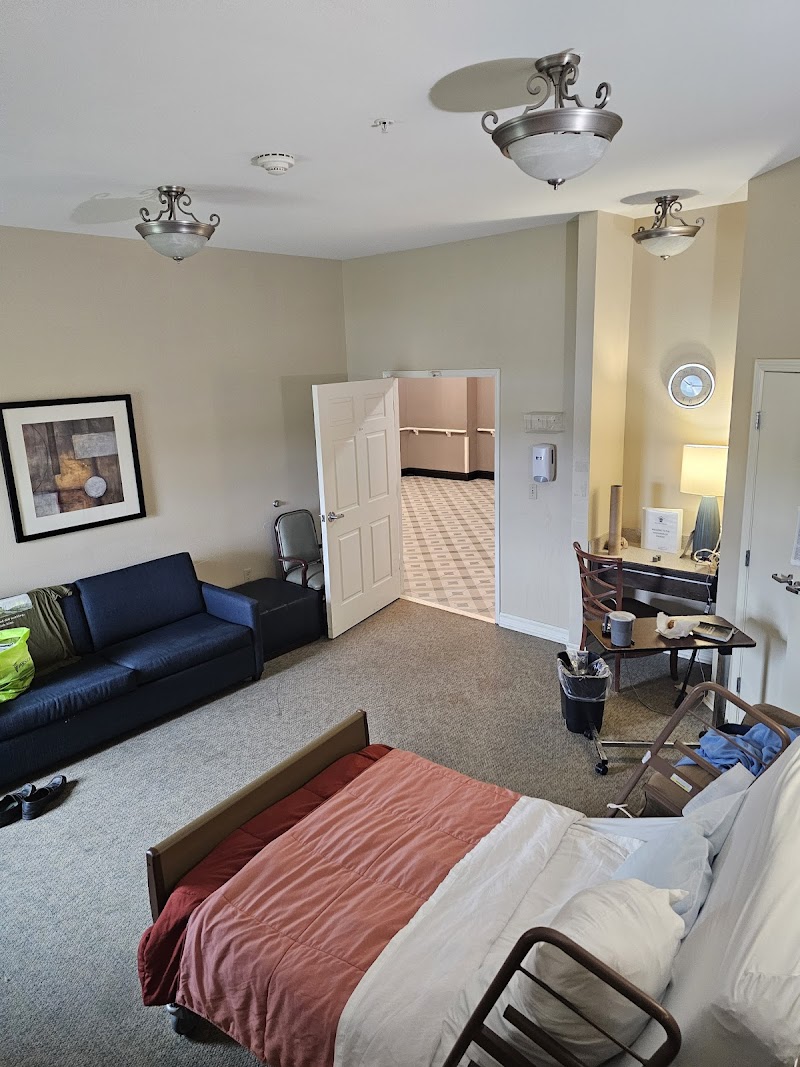
CMS assigns THE HIGHLANDS AT OWASSO an overall rating of 2 out of 5 stars, which is considered below average nationally. Within Oklahoma, this rating places the facility higher than 0% of the state's 100 nursing homes. A rating at this level reflects concerns identified through health inspections, staffing assessments, or quality measures that families should carefully consider.
How is The Highlands At Owasso Staffed?

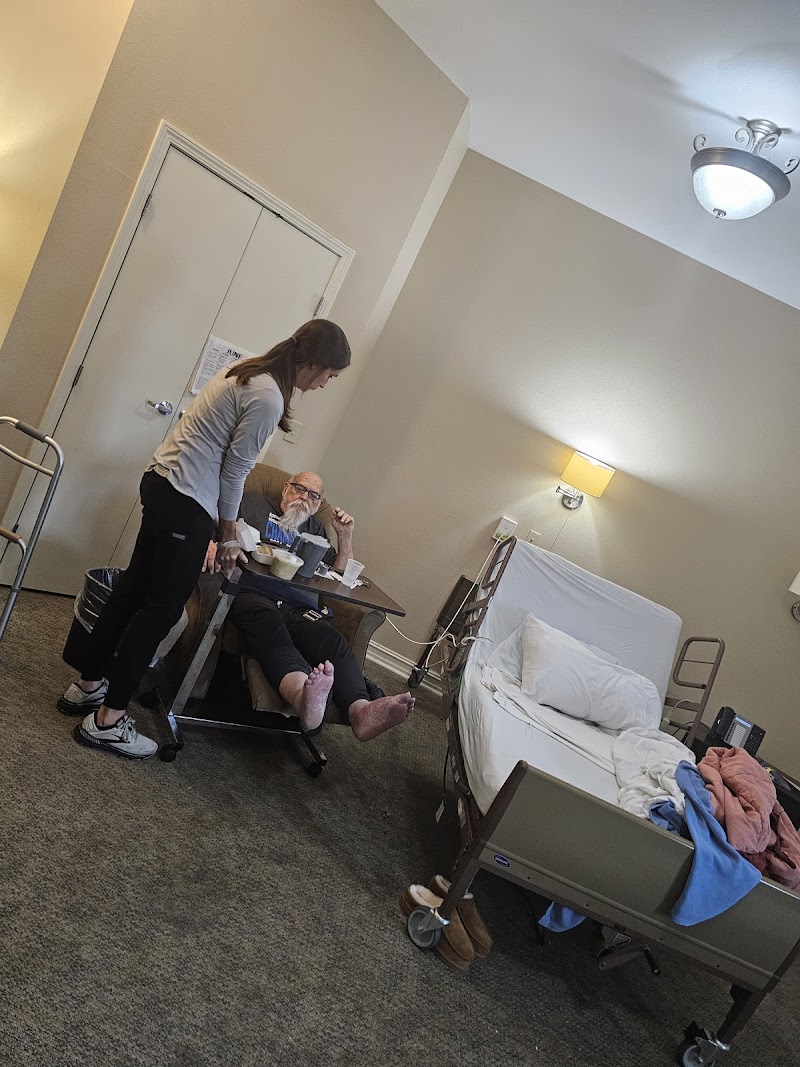
CMS rates THE HIGHLANDS AT OWASSO's staffing level at 2 out of 5 stars, which is below average compared to other nursing homes. Staff turnover is 70%, which is 24 percentage points above the Oklahoma average of 46%. High turnover can affect care consistency as new staff learn residents' individual needs. RN turnover specifically is 60%, which is notably high. RNs provide skilled clinical oversight, so turnover in this role can affect medical care quality.

What Have Inspectors Found at The Highlands At Owasso?

State health inspectors documented 18 deficiencies at THE HIGHLANDS AT OWASSO during 2023 to 2025. These included: 18 with potential for harm.
Who Owns and Operates The Highlands At Owasso?

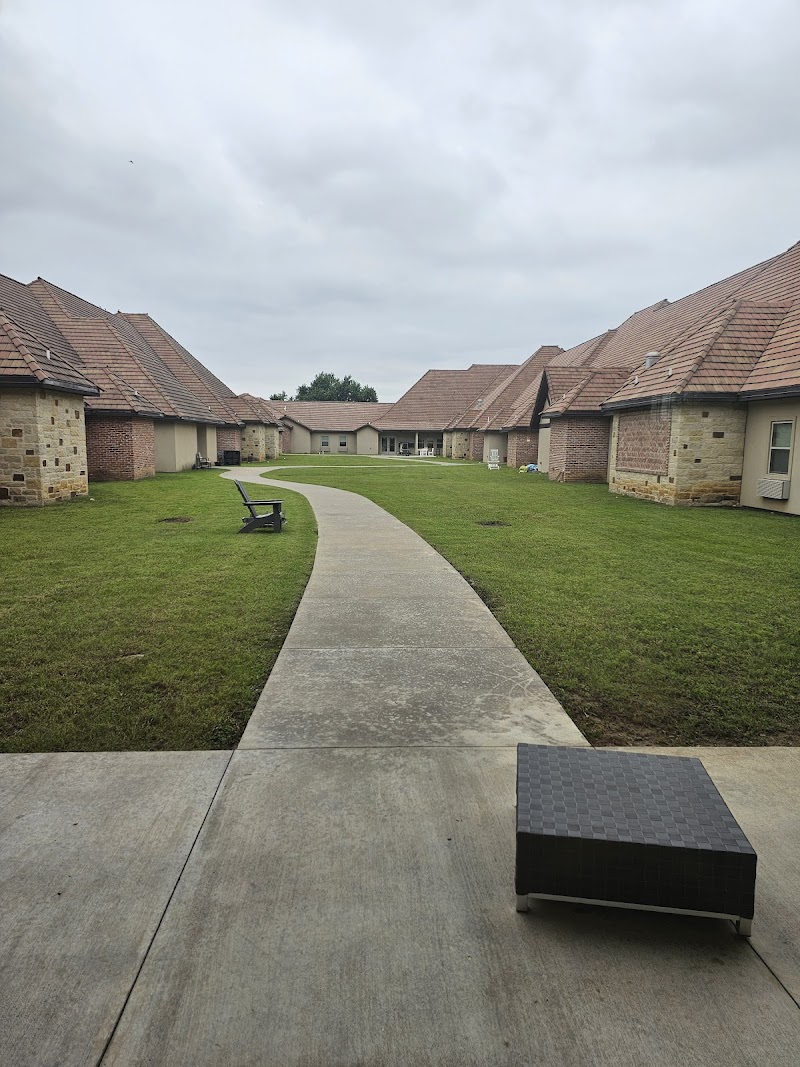
THE HIGHLANDS AT OWASSO is owned by a for-profit company. For-profit facilities operate as businesses with obligations to shareholders or private owners. The facility operates independently rather than as part of a larger chain. With 105 certified beds and approximately 97 residents (about 92% occupancy), it is a mid-sized facility located in OWASSO, Oklahoma.
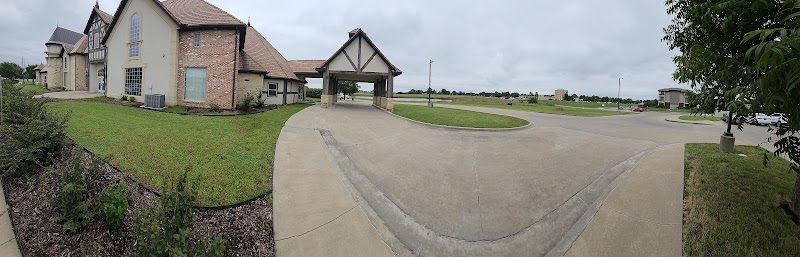
How Does The Highlands At Owasso Compare to Other Oklahoma Nursing Homes?

Compared to the 100 nursing homes in Oklahoma, THE HIGHLANDS AT OWASSO's overall rating (2 stars) is below the state average of 2.6, staff turnover (70%) is significantly higher than the state average of 46%, and health inspection rating (2 stars) is below the national benchmark.

What Should Families Ask When Visiting The Highlands At Owasso?

Based on this facility's data, families visiting should ask: "How do you ensure continuity of care given staff turnover, and what is your staff retention strategy?" "Can you walk me through typical staffing levels on day, evening, and night shifts?" "Can I visit during a mealtime to observe dining assistance and food quality?" "How do you handle medical emergencies, and what is your hospital transfer rate?" These questions are particularly relevant given the facility's high staff turnover rate and the below-average staffing rating.

Is The Highlands At Owasso Safe?

Based on CMS inspection data, THE HIGHLANDS AT OWASSO has a clean safety record: no substantiated abuse findings (meaning no confirmed cases of resident harm), no Immediate Jeopardy citations (the most serious violation level indicating risk of serious injury or death), and is not on the Special Focus Facility watch list (a federal program monitoring the lowest-performing 1% of nursing homes). The facility has a 2-star overall rating and ranks #100 of 100 nursing homes in Oklahoma. While no facility is perfect, families should still ask about staff-to-resident ratios and recent inspection results during their visit.

Do Nurses at The Highlands At Owasso Stick Around?

Staff turnover at THE HIGHLANDS AT OWASSO is high. At 70%, the facility is 24 percentage points above the Oklahoma average of 46%. Registered Nurse turnover is particularly concerning at 60%. RNs handle complex medical decisions and coordinate care — frequent RN changes can directly impact care quality. High turnover means new staff may not know residents' individual needs, medications, or preferences. It can also be disorienting for residents, especially those with dementia who rely on familiar faces. Families should ask: What is causing the turnover? What retention programs are in place? How do you ensure care continuity during staff transitions?

Was The Highlands At Owasso Ever Fined?

THE HIGHLANDS AT OWASSO has no federal fines on record. CMS issues fines when nursing homes fail to meet care standards or don't correct problems found during inspections. The absence of fines suggests the facility has either maintained compliance or corrected any issues before penalties were assessed. This is a positive indicator, though families should still review recent inspection reports for the full picture.

Is The Highlands At Owasso on Any Federal Watch List?

THE HIGHLANDS AT OWASSO is not on any federal watch list. The most significant is the Special Focus Facility (SFF) program, which identifies the bottom 1% of nursing homes nationally based on persistent, serious quality problems. Not being on this list means the facility has avoided the pattern of deficiencies that triggers enhanced federal oversight. This is a positive indicator, though families should still review the facility's inspection history directly.