SOUTHERN OAKS CARE CENTER
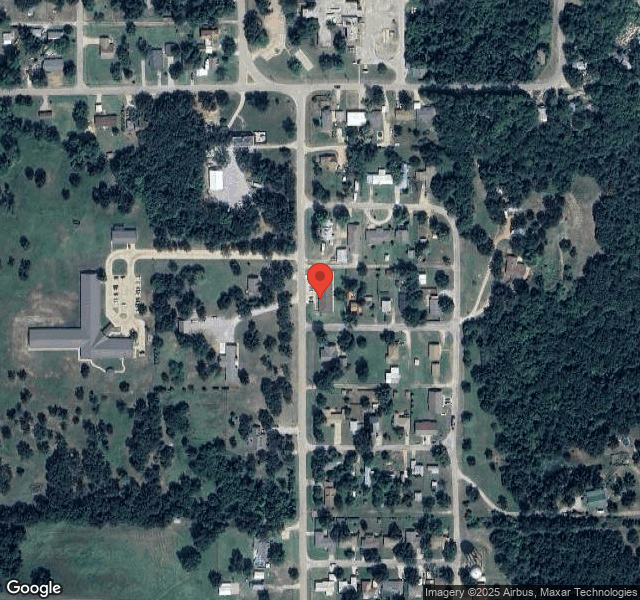
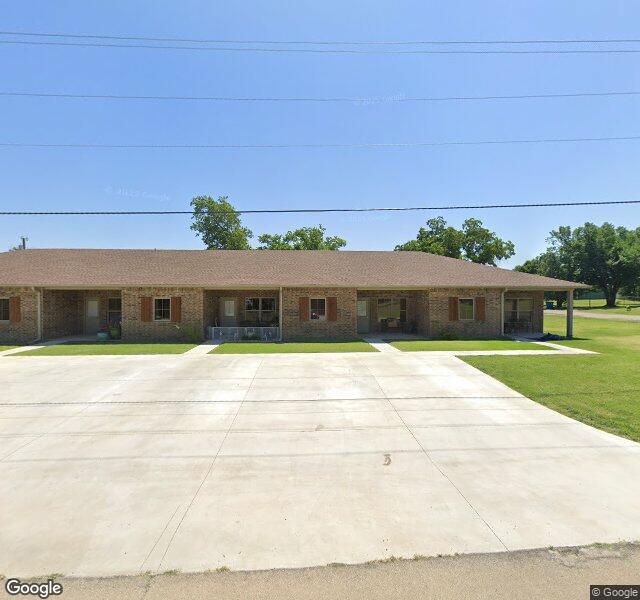
1401 4TH STREET, PAWNEE, OK 74058 (918) 762-2515
For profit - Corporation 82 Beds PHOENIX HEALTHCARE Data: November 2025
Trust Grade
73/100
#71 of 282 in OK
Last Inspection: September 2024

Within standard 12-15 month inspection cycle. Federal law requires annual inspections.

Overview

Southern Oaks Care Center in Pawnee, Oklahoma, has a Trust Grade of B, indicating it is a good choice for families seeking care, though there is room for improvement. Ranking #71 out of 282 facilities in Oklahoma places it in the top half, and as the #1 facility in Pawnee County, it is the best local option available. However, the facility is currently worsening, as the number of issues reported increased from 3 in 2023 to 4 in 2024. Staffing is rated average at 3 out of 5 stars, with a turnover rate of 59%, which is comparable to the state average, but more RN coverage than 81% of Oklahoma facilities is a positive aspect, suggesting good oversight. Despite these strengths, recent inspections revealed areas of concern, including staff failing to ensure that residents took their medications as prescribed and not maintaining proper hygiene protocols during medication administration, which poses a risk of infection. Overall, while there are strengths, families should carefully consider these weaknesses when researching this nursing home.

Trust Score
B
73/100
In Oklahoma
#71/282
Top 25%
Safety Record
Low Risk
No red flags
Inspections
Getting Worse
3 → 4 violations
Staff Stability
⚠ Watch
59% turnover. Above average. Higher turnover means staff may not know residents' routines.
Penalties
✓ Good
$3,174 in fines. Lower than most Oklahoma facilities. Relatively clean record.
Skilled Nurses
⚠ Watch
Each resident gets only 26 minutes of Registered Nurse (RN) attention daily — below average for Oklahoma. Fewer RN minutes means fewer trained eyes watching for problems.
Violations
○ Average
9 deficiencies on record. Average for a facility this size. Mostly minor or procedural issues.
★★★★☆
4.0
Overall Rating
★★★☆☆
3.0
Staff Levels
★★☆☆☆
2.0
Care Quality
★★★★☆
4.0
Inspection Score
Stable
2023: 3 issues
2024: 4 issues

The Good

  • Full Sprinkler Coverage · Fire safety systems throughout facility
  • No fines on record

Facility shows strength in fire safety.

The Bad

Staff Turnover: 59%

13pts above Oklahoma avg (46%)

Frequent staff changes - ask about care continuity

Federal Fines: $3,174

Below median ($33,413)

Minor penalties assessed

Chain: PHOENIX HEALTHCARE

Part of a multi-facility chain

Ask about local staffing decisions and management

Staff turnover is elevated (59%)

11 points above Oklahoma average of 48%

The Ugly 9 deficiencies on record

Sept 2024 2 deficiencies
CONCERN (D)

Potential for Harm - no one hurt, but risky conditions existed

Assessment Accuracy (Tag F0641)

Could have caused harm · This affected 1 resident

Based on record review and interview, the facility failed to ensure a resident assessment was accurate related to falls for one (#7) of six residents whose resident assessments were reviewed. The resi...

Read full inspector narrative →
Based on record review and interview, the facility failed to ensure a resident assessment was accurate related to falls for one (#7) of six residents whose resident assessments were reviewed. The resident roster documented a census of 44 residents. Findings: Res #7 had diagnoses which included dementia, weakness, lack of coordination and hemiplegia/hemiparesis following cerebral infarction affecting the left side. A progress note for 06/17/24 at 9:19 p.m. documented Res #7 fell in their room and sustained a laceration to the left side of their head. Res #7 was sent to the hospital for an evaluation. A quarterly resident assessment, dated 07/16/24, documented Res #7 had one fall without injury since the last resident assessment. On 09/12/24 at 1:08 p.m., the DON reported the MDS should have documented a fall with injury. The DON reported the MDS Coordinator relied on a fall report that was inaccurate and did not review the progress notes.
CONCERN (E)

Potential for Harm - no one hurt, but risky conditions existed

Pharmacy Services (Tag F0755)

Could have caused harm · This affected multiple residents

Based on observation, record review, and interview, the facility failed to ensure: a. staff remained with residents until medications were taken for four (#7, 8, 16, and #23), and b. medications were...

Read full inspector narrative →
Based on observation, record review, and interview, the facility failed to ensure: a. staff remained with residents until medications were taken for four (#7, 8, 16, and #23), and b. medications were administered as ordered for two (#26 and #98) of nine sampled residents reviewed for medications. The DON identified 44 residents resided in the facility. Findings: An Administering Oral Medications policy, dated October 2010, documented to remain with the resident until all medications have been taken. A. On 09/10/24 at 7:43 a.m., Resident #16 was observed at a dining room table eating breakfast. A medication cup, containing medications, was observed on the dining table next to the resident's breakfast tray. Resident #16 was observed to pour the medications into their hand. Ten medications were observed in their hand. On 09/10/24 at 7:44 a.m., Resident #7 was observed at a dining room table eating breakfast. A medication cup, containing medications, was observed on the dining table next to the resident's breakfast tray. On 09/10/24 at 7:46 a.m., Resident #23 was observed at a dining room table eating breakfast. A medication cup, containing medications, was observed on the dining table next to the resident's breakfast tray. Resident #23 was asked when they take their medications. Resident #23 stated they take them while they are eating. On 09/10/24 at 7:47 a.m., Resident #8 was observed at a dining room table eating breakfast. A medication cup, containing medications, was observed on the dining table next to the resident's breakfast tray. Resident #8 was asked when they take their medications. Resident #8 stated they take them after they eat. On 09/10/24 at 7:55 a.m., CMA #1 was asked what the policy was for administering medications. They stated the would click on the resident's name, press which medications they will be giving, chart it, lock the computer, and go to the resident. CMA #1 stated some of the residents like to take their medication while they are eating. CMA #1 was asked the process for a resident to self administer medications. They stated to stand there and watch them. CMA #1 was asked if residents had to have a physician's order to self administer medications. They stated, Yes. CMA #1 was asked if Residents #16, 7, 23, and #8 had orders to self administer medications. They stated, No. B. 1. Resident #26 had diagnoses which included hypertension. A physician's order, dated 08/13/24, documented to administer Hydralazine HCI 25 mg three times a day. A Medication Administration record, dated September 2024, documented '9' for Hydralazine twice on 09/01, twice on 09/02, three times on 09/03, and once on 09/11/24. A '9' indicates see other/progress notes per the MAR legend. There was no documentation found regarding the Hydralazine. On 09/12/24 at 12:50 p.m., CMA #2 was asked what a '9' on the MAR indicated. They stated it could mean there is a new order or it's awaiting delivery. CMA #2 stated it doesn't necessarily mean it's not here. They stated there should be a note if there is a '9.' CMA #2 was made aware of the '9's on Resident #26's MAR. CMA #2 was asked when medications were re-ordered. They stated they re-ordered medications weekly if the resident was on skilled services. CMA #2 stated Resident #26 ended up running out. CMA #2 was asked if the medication had been administered per physician's orders. They stated if the medicine was in the building, yes, and if not, no. B. 2. Resident #98 had diagnoses which included fractured left femur and chronic pain. A Physician's Order, dated 09/03/24, documented to administer Tylenol 325 mg two tablets every four hours as needed for pain. A Medication Administration record, dated September 2024, documented '9' for the Tylenol on 09/04, 09/05, 09/06, 09/09, and on 09/10/24. On 09/12/24 at 1:00 p.m., CMA #2 was made aware of Resident #96's MAR documenting '9' for the Tylenol. They stated at the time they did not have that strength. CMA #2 stated they had to ask administration how they wanted to do that since it was not an OTC they kept at the facility. CMA #2 was asked if the medication had been administered per physician's orders. They stated if the medicine was in the building, yes, and if not, no.
Aug 2024 2 deficiencies
CONCERN (D) 📢 Someone Reported This

A family member, employee, or ombudsman was alarmed enough to file a formal complaint

Potential for Harm - no one hurt, but risky conditions existed

Report Alleged Abuse (Tag F0609)

Could have caused harm · This affected 1 resident

**NOTE- TERMS IN BRACKETS HAVE BEEN EDITED TO PROTECT CONFIDENTIALITY** Based on record review and interview, the facility failed to ensure an alleged incident of sexual abuse was reported to: a. the ...

Read full inspector narrative →
**NOTE- TERMS IN BRACKETS HAVE BEEN EDITED TO PROTECT CONFIDENTIALITY** Based on record review and interview, the facility failed to ensure an alleged incident of sexual abuse was reported to: a. the Oklahoma State Department of health, b. Adult Protective Services, c. the police, d. and the nurse aide registry within two hours of the allegation for one(#1) of three sampled residents reviewed for abuse. The corporate nurse identified 38 residence resided in the facility. Findings: The facilty's Abuse Investigation and Reporting policy, revised 07/2017, read in part, All alleged violations involving abuse, neglect, exploitation, or mistreatment, including injuries of unknown source, and misappropriation of property will be reported by the facility, administrator, or his/her designee. The policy also read, An alleged violation of abuse, neglect, exploitation or mistreatment (including injuries of unknown source and misappropriation of resident property) will be reported immediately, but no later than two hours if the alleged violation involves abuse. A OSDH 283 Incident Report Form, dated 07/28/24, documented an alleged incident of sexual abuse occurred on was reported to the Administrator on 07/28/24. A hand written statement, dated 07/28/24, documented, LPN #1 reported incident of alleged sexual abuse on 07/28/24. Two hand written notes, dated 07/28/24, documented CNA #1 and CNA #2 submitted statements of the alleged events on 07/28/24. A facsimile cover sheet, dated 07/30/24, documented, the 283 Incident Report Form, dated 07/28/23 , was sent by FAX on 07/30/24 at 12:51 p.m. to OSDH and {Name of Local Law Enforcement withheld} was notified on 07/30/24 at 12:40 p.m The OSDH form 283 did not document Adult Protective Services and the Nurse Aide Registry were notified. A Notification of Nurse Aide/Non Technical Service Worker Abuse, Neglect, Mistreatment of Misappropriation of Property OSDH form # 718, documented the Nurse Aide Registry was notified by Fax on 08/02/24 at 1:27 p.m. A facsimile cover sheet, dated 08/02/24 at 2:40 p.m., documented, OSDH 283 Incident Report Form final, documented Adult Protective Services and the Nurse Aide Registry was notified. On 08/06/24 at 10:08 a.m., {Name of Staffing Agency with held} Director of Staffing stated CNA #1 worked 07/28/24 and returned to the facility on [DATE] with restrictions. On 08/06/24 at 10:23 a.m., the Corporate nurse was asked what the policy was for reporting sexual abuse. They corp nurse stated that a report should of been done within two hours to OSDH, Adult protective Services, and the police. The Corporate Nurse stated the Nurse aide registry should of been notified within 24 hours. The corporate was asked nurse to identify the noncompliance. They stated the Administrator did not report timely to OSDH, the Nurse Aide Registry, APS, and local law enforcement.
CONCERN (D) 📢 Someone Reported This

A family member, employee, or ombudsman was alarmed enough to file a formal complaint

Potential for Harm - no one hurt, but risky conditions existed

Food Safety (Tag F0812)

Could have caused harm · This affected 1 resident

**NOTE- TERMS IN BRACKETS HAVE BEEN EDITED TO PROTECT CONFIDENTIALITY** Based on observation, record review, and interview, the facility failed to ensure food temperature monitoring policy was followe...

Read full inspector narrative →
**NOTE- TERMS IN BRACKETS HAVE BEEN EDITED TO PROTECT CONFIDENTIALITY** Based on observation, record review, and interview, the facility failed to ensure food temperature monitoring policy was followed during one of one kitchen observations for food temperature monitoring. The Corporate Nurse identified 37 residents received nutrition from the kitchen. Findings: The facilty's Food Temperature policy, undated, read in part, Foods should be served at proper temperature to ensure food safety and palatability. The policy also read, Record reading on Food Temperature Chart (Form 401) at the beginning of tray line. If temperatures do not meet acceptable serving temperatures, reheat the product or chill the product to proper temperature. Take the temperature of each pan of product before serving. Resident #2 was admitted on [DATE] with diagnoses which included heart failure and unspecified cerebral infarction. A quarterly MDS assessment, dated 06/24/24 documented Resident #2's cognition was intact. On 08/05/24 at 10:30 a.m., Resident #2 was asked about the food. Resident #2 stated that the food was served cold in the dining room so he started eating in his room. On 08/05/24 at 11:45 a.m., during a kitchen observation, green beans were observed on the steam table. [NAME] #1 was asked where they documented the temperature of the green beans. Cook #1 stated they documented the temperature as 155 degrees in a temperature log. [NAME] #1 was asked to provide a copy of the temperature log. On 08/05/24 at 11:46 a.m., [NAME] #1 provided the facilty's Food Temperature Log Holding Table form, dated 08/05/24. The form did not document food temperatures were monitored or recorded for the breakfast and lunch service on 08/05/24. On 08/05/24 at 11:47 a.m , [NAME] #1 was asked where the temperatures from breakfast and Lunch service were recorded since they were not logged in the required form. [NAME] #1 stated they were keeping all the temperatures from breakfast and lunch in their head and had not recorded them in the required log. On 08/05/24 at 11:50 a.m., the CDM overheard the conversation [NAME] #1 had with the surveyor. The CDM stated that if the documentation was not in place, then the temperature monitoring did not occur. The CDM stated that the temperatures should of been recorded at the time they were taken and the policy was not followed.
Jul 2023 3 deficiencies
CONCERN (D)

Potential for Harm - no one hurt, but risky conditions existed

Deficiency F0578 (Tag F0578)

Could have caused harm · This affected 1 resident

**NOTE- TERMS IN BRACKETS HAVE BEEN EDITED TO PROTECT CONFIDENTIALITY** Based on record review and interview, the facility failed to ensure residents were offered the opportunity to formulate an Advan...

Read full inspector narrative →
**NOTE- TERMS IN BRACKETS HAVE BEEN EDITED TO PROTECT CONFIDENTIALITY** Based on record review and interview, the facility failed to ensure residents were offered the opportunity to formulate an Advance Directive for one (#29) of 16 sampled residents reviewed for Advance Directives. The Resident Census and Conditions of Residents report, dated 07/13/23, documented 33 residents resided in the facility. Findings: Resident #29 admitted to the facility on [DATE]. An Advance Directive Preliminary Review record, dated 08/10/21, documented Resident #29 did not have an Advance Directive or Living will and a Yes was circled next to the question do you wish to complete an Advanced Directive. On 07/13/23 at 12:36 p.m., MDS Coordinator #1 was asked the policy for Advance Directives. They stated they were supposed to be offered on admission. They stated they had also added it to their care plan meetings recently to discuss with residents/representatives at least every three months. On 07/13/23 at 12:40 p.m., MDS Coordinator #1 was shown the Advance Directive Preliminary Review form for Resident #29 and was asked if the resident had an Advanced Directive. They stated they would look for it. On 07/13/23 at 2:10 p.m., MDS Coordinator #1 stated they were still working on locating Resident #29's Advance Directive. On 07/13/23 at 4:17 p.m., MDS Coordinator #1 stated Resident #29 never had an Advance Directive.
CONCERN (E)

Potential for Harm - no one hurt, but risky conditions existed

Food Safety (Tag F0812)

Could have caused harm · This affected multiple residents

Based on observation, record review, and interview, the facility failed to: a. label and date food in the freezer, b. keep the kitchen equipment clean and have a cleaning schedule, c. log refrigerator...

Read full inspector narrative →
Based on observation, record review, and interview, the facility failed to: a. label and date food in the freezer, b. keep the kitchen equipment clean and have a cleaning schedule, c. log refrigerator and freezer temperatures, d. store prepared pureed food in a manner in which did not require reheating to maintain temperature, e. monitor dishwasher sanitization ppm for low temperature dishwasher, and f. ensure a dirty fan did not blow across prepared drinks and food on the steam table. The Resident Census and Conditions of Residents report, dated 07/13/23, documented 33 residents received food from the kitchen. Findings: A Dietary policy, undated, read in parts, Fans may be used in the food service kitchens to add ventilation to the work area .They are to be installed in/used in non-preparation or service areas. These fans must be kept clean so as not to contaminate food stuffs. They may be used in areas where all foods are in packaged form, such as storeroom or receiving areas . A Food Storage policy, dated 12/22, read in part, Food items should be stored .and prepared in accordance with good sanitary practice .All products should be dated upon receipt and when they are prepared .Food storage areas shall be clean at all times .All foods served will be tempted and logged . A Safety Precautions-Preparation and Service of Foods policy, dated 12/22, read in parts, .To ensure safety, hot foods must be held at 135 degrees F or above .Cover or protect containers to maintain heat and to protect from contamination .Reheating TCS foods to 165 degrees must be accomplished in 2 hours. If unsuccessful, discard product . A Refrigerator-Reach In policy, dated 12/22, read in part, .Sanitation of Equipment Frequency: Daily .wipe up spills on shelves, sides, and floor of refrigerator . On 07/13/23 at 10:14 a.m., an initial tour of the kitchen was conducted with the dietary manager. Observations were made and foods verified by the dietary manager as follows: a. no daily temperature control logs for the refrigerator or the freezer, b. the bottom of the refrigerator had debris pieces on the floor, c. 13 bags of frozen broccoli in the freezer had no date or label, d. frozen peeled potatoes in a plastic bag tied closed had no date or label, e. one and a half plastic bags of uncooked sugar cookies had no date or label, f. a plastic bag of frozen biscuits had no date or label, g. two bags of frozen mini corn dogs had no date or label, h. eight bags of bread and one bag of hamburger buns had no date or label. On 07/13/23 at 10:20 a.m., the dietary manager was asked if there were daily temperature logs for the refrigerator and freezer. They stated they did not currently keep a log on anything. All items in the refrigerator were at the appropriate temperature and the items in the freezer were frozen to touch. The bottom floor of the refrigerator was observed to have debris pieces. The dietary manager was asked when the last time the refrigerator floor was cleaned. They stated about two weeks ago. They were asked how often they were scheduled to be cleaned. They stated they do not use a schedule. On 07/13/23 at 10:23 a.m., the dietary manager was asked what the policy and procedure was for food storage. They stated to date when open. On 07/13/23 at 10:25 a.m., the dietary manager was asked if the items identified were dated and labeled. They stated, No. On 07/13/23 at 11:49 a.m., the dietary manager began to prepare the puree food. They used a serving size from the already prepared stir fry casserole with fried rice from the steam table and added soy sauce and water. The dietary manager made three servings and placed them in three bowls and left them uncovered on the prep table next to the food processor. On 07/13/23 at 11:54 a.m., the dietary manager had finished the three servings of the puree casserole. On 07/13/23 at 12:01 p.m., the dietary manager was asked where the water temperature control logs and sanitization check for the dishwasher was located. The dietary manager stated they had not had to do that since the COVID outbreak was over. They were asked if it was done prior to COVID. They stated they did not know because they were not there. On 07/13/23 at 12:04 p.m., the same three bowls of puree stir fry casserole were still on the prep counter. The dietary manager was asked how they keep the temperature of the food. They stated they warm them up in the microwave when they are ready for it because they did not have anyplace to put them. On 07/13/23 at 12:06 p.m., puree casserole was tempted at 106 degrees. Observed three of the six compartments on the steam table in use. The other three compartments were empty. On 07/13/23 at 12:16 p.m., the dietary manager put all bowls of puree casserole in the microwave for 20 seconds, stirred them, then put them back in for another 10 seconds. On 07/13/23 at 12:19 p.m., the temperature of one bowl of puree was 130 degrees, and another bowl was at 120 degrees. The dietary manager then placed all three back into the microwave for another 10 seconds. On 07/13/23 at 12:23 p.m., the temperature was checked again on one bowl to be at 140 degrees. On 07/13/23 at 12:24 p.m., all three bowls were put in the microwave for another 10 seconds. All were tempted again and read 150 degrees, 157 degrees, and 147 degrees. The bowls were then placed on trays, then covered at the serving line. The puree food was never tempted above 157 degrees, prepared with already cooked food, and was not left to cool prior to serving. On 07/13/23 at 12:30 p.m., a white osculating fan, standing approximately four feet high and approximately six feet from the serving window, was observed facing the serving area and steam table. The fan had dark brown debris on the back of the fan on the wire frame and on the tip of the blades. The dietary manager was asked how often the fan was cleaned. They stated it was brought in two weeks ago and they did not know. On 07/13/23 at 12:31 p.m., the dietary manager was asked if the fan was clean. They stated, No. On 07/13/23 at 1:35 p.m., the dietary manager was asked when they were reheating the food in the microwave, what temperature were they reheating to. They stated, Between 135-155. On 07/13/23 at 4:06 p.m., the Director of Operations stated the sanitization in the dishwasher was not at the right ppm. They stated it was at 10-50 ppm and that they would not use it and will serve meals on paper. On 07/13/23 at 4:08 p.m., the dietary manager and Director of Operations ran a sanitizing test for the dishwasher stating that the sanitizer was not running correctly. The test strip read 50-100 ppm. They stated they wanted it higher than that. The Director of Operations stated they would have the dishwasher company come out and were going to serve the meals on paper ware. The Director of Operations stated that if the dishwasher was not fixed before dinner that they would prepare the three compartment sink to wash the pots and pans. On 07/14/23 at 7:40 a.m., residents were observed using regular plates, cups, and silverware in the dining room. On 07/14/23 at 11:43 a.m., the Director of Operations was asked for the report from the dishwasher repair. They stated they did not receive a report and that they came out and replaced a part. On 07/14/23 at 11:48 a.m., the dietary manager and Director of Operations ran a sanitizing test on the dishwasher with a reading of 100-200 ppm. On 07/14/23 at 1:03 p.m., the service report for the dishwasher documented on 07/13/23 that the straw in the five gallon container was broken, replaced, and dispensing.
CONCERN (E)

Potential for Harm - no one hurt, but risky conditions existed

Infection Control (Tag F0880)

Could have caused harm · This affected multiple residents

Based on observation, record review, and interview the facility failed to ensure: a. staff did not touch medication which they administered to a resident with their bare hands for one (#18) and b. han...

Read full inspector narrative →
Based on observation, record review, and interview the facility failed to ensure: a. staff did not touch medication which they administered to a resident with their bare hands for one (#18) and b. hands were washed/sanitized in between residents during medication pass for three (#2,18, and #19) of four sampled residents observed during medication pass. The Resident Census and Conditions of Residents report, dated 07/13/23, documented 33 residents resided in the facility. Findings: A Handwashing/Hand Hygiene policy, revised 08/15, read in parts, .This facility considers hand hygiene the primary means to prevent the spread of infection .Use alcohol-based hand rub containing at least 62 [percent] alcohol .Before and after direct contact with residents .Before preparing or handling medications . On 07/14/23 at 7:05 a.m., LPN #2 prepared the following medications for Resident #2: a. duloxetine 30 mg one capsule, b. gabapentin 300 mg one capsule, c. Januvia 100 mg one tablet, d. minocycline 100 mg one capsule, e. potassium chloride 20 MEQ one tablet, f. rosuvastatin 10 mg one tablet, g. torsemide 20 mg one tablet, and h. vitamin D3 2000 units two tablets. LPN #2 did not wash/sanitize their hands prior to preparing the medications for administration. On 07/14/23 at 7:11 a.m., LPN #2 took a cup of water and a cup containing the above medications to Resident #2 who was seated at a table in the dining room. Resident #2 took all medications by mouth. LPN #2 then walked back to their medication cart and began preparing Resident #19's medications without washing/sanitizing their hands. On 07/14/23 at 7:13 a.m., LPN #2 prepared the following medications for resident #19: a. lorazepam 0.5 mg 1 tablet, b. buspirone 5 mg one tablet, c. citalopram 10 mg one tablet, d. furosemide 80 mg one tablet, e. meclizine 25 mg one tablet, f. metolazone 5 mg one tablet, g. Metoprolol 25mg one tablet h. potassium chloride 20 MEQ one tablet, and i. vitamin D3 one tablet. On 07/14/23 at 7:17 a.m., LPN #2 took a cup of water and a cup containing the above medications to Resident #19's room. LPN #2 knocked on the resident's door, entered the room, and handed the medications and water to the resident. Resident #19 took all medications by mouth, and LPN #2 exited the room and returned to the medication cart without washing/sanitizing hands. On 07/14/23 at 7:21 a.m., LPN #2 began preparing medications for Resident #18 without washing or sanitizing their hands. LPN #2 placed one Alkums antacid tablet (calcium carbonate 500mg) in a medication cup, then added one Loratadine 10mg, and one multivitamin to the same medication cup. On 07/14/23 at 7:25 a.m., LPN #2 used their bare hands and removed the Alkums antacid tablet from the medication cup and placed it into a separate medication cup. LPN #2 was asked if they had touched the antacid with their bare hands. They stated, Oh I did, sorry. LPN #2 stated, I should sanitize. LPN #2 then sanitized their hands and continued placing the following medications into the first medication cup: a. gerikot 8.6 mg two tablets, b. docusate sodium 100 mg one tablet, c. atorvastatin calcium 40 mg one tablet, d. clopidogrel 75 mg one tablet, e. furosemide 20 mg one tablet, f. potassium chloride 10 MEQ one tablet, and g. vitamin D 5000 units one tablet. LPN #2 added one Vitamin C 500 mg chewable to the medicine cup which contained the antacid. On 07/14/23 at 7:22 a.m., LPN #2 entered Resident #18's room and attempted to administer the medications. Resident #18 stated they only wanted one brown pill (gerikot) and wanted to wait until after breakfast to take their medications. On 07/14/23 at 7:23 a.m., LPN #2 sanitized their hands and wrote the resident's name on both medicine cups and wrote one senna (gerikot) on the cup containing the medication. On 07/14/23 at 7:29 a.m., LPN #2 placed both medication cups in the top of their medication cart. The surveyor remained with the medication cart. On 07/14/23 at 7:35 a.m., LPN #2 was asked the policy for sanitizing or washing hands when administering medications. They stated, It should be before and after. They stated they could sanitize or wash their hands. They were asked if they sanitized/washed hands in between preparing Resident #2 and Resident #19's medications. They stated, I think I sanitized. They were asked if they washed/sanitized their hands between Resident #19 and Resident #18's medication administration. They stated, I don't think so. On 07/14/23 at 8:24 a.m., LPN #2 wheeled the medication cart to Resident #18's room and sanitized their hands. On 07/14/23 at 8:30 a.m., LPN #2 stated Resident #18 only wanted one senna (gerikot) and removed one from the medicine cup using a spoon and placed it in the sharps container. LPN #2 then took the medication cups into Resident #18's room and the resident took all medications by mouth chewing both the antacid and the Vitamin C. On 07/14/23 at 8:37 a.m., LPN #2 was asked the policy for touching medication with their bare hands. They stated, I don't think we have one.
Feb 2022 2 deficiencies
CONCERN (D)

Potential for Harm - no one hurt, but risky conditions existed

Quality of Care (Tag F0684)

Could have caused harm · This affected 1 resident

Based on observation, interview, and record review the facility failed to assess, monitor and intervene for one (#25) of one sampled resident reviewed for edema. The MDS coordinator reported 14 reside...

Read full inspector narrative →
Based on observation, interview, and record review the facility failed to assess, monitor and intervene for one (#25) of one sampled resident reviewed for edema. The MDS coordinator reported 14 residents with a diagnosis of edema. Findings: Resident (Res) #25 had diagnoses that included cerebral infarction, hypertension, and chronic pain. A care plan, dated 11/10/21, documented the resident had hypertension and to monitor the residents extremities for edema. A quarterly MDS assessment, dated 01/03/22, documented the resident was cognitively independent and required supervision with set up help for most ADLs. A weekly summary assessment, dated 01/25/22, documented the resident had no edema in the cardiovascular section of the assessment. A dietary note, dated 01/28/22 at 11:14 a.m., documented the resident had a weight gain of 4.4 pounds. On 01/31/22 at 4:41 p.m., Res #25 was observed in his room sitting in a chair with his feet up in another chair. The resident's left foot was observed to be edematous. Res #25 stated he had swelling in his left foot and he was keeping his feet up in the chair. A weekly summary assessment, dated 02/01/22, documented the resident had no edema in the cardiovascular section of the assessment. On 02/01/22 at 7:19 p.m., Res #25 stated he had swelling for a couple of weeks in his left foot. LPN #2 assessed the residents left foot at this time. A nurse note, dated 02/01/22 at 7:23 p.m., documented two plus edema noted to left foot and placed Res #25 on the list to be seen 02/02/22 by the physician. On 02/02/22 at 12:01 p.m., the DON stated the physician saw the resident today and is ordering the resident a diuretic and wanted the resident to elevate his legs even higher than he had been. The DON stated the nurses should be assessing for edema. On 02/02/22 at 12:46 p.m., LPN #1 stated the resident did not keep his feet elevated. He just sits in a chair. She stated he did not have any edema yesterday when she assessed him but he did this morning when she saw him.
CONCERN (E)

Potential for Harm - no one hurt, but risky conditions existed

Food Safety (Tag F0812)

Could have caused harm · This affected multiple residents

Based on observation, interview, and record review the facility failed to store, prepare, and serve food in a sanitary manner. The facility has 33 residents who resided in the facility. Findings: 1...

Read full inspector narrative →
Based on observation, interview, and record review the facility failed to store, prepare, and serve food in a sanitary manner. The facility has 33 residents who resided in the facility. Findings: 1. On 01/31/22 at 9:15 a.m., an initial tour was conducted in the kitchen. At 9:27 a.m., the eggs observed in the refrigerator were not pasteurized. At that time the DM stated she thought they used pasteurized eggs but those were not marked pasteurized on the box. She stated they only had one resident who ate over easy eggs in the facility. At 9:35 a.m., scoops were observed in the brown and powdered sugar bins touching the product. The DM stated she was not aware scoops could not be left in the bins. At 9:41 a.m., the sanitizer was observed for the dish machine. The strip did not read at the appropriate level of sanitizer. The DM stated it read at 100 this morning when she checked it. She checked it again with the strip having a very light purple tent. On 02/01/22 at 6:30 p.m., the dish machine sanitizer was observed and the reading on the strip was dark purple, 100ppm. The DM stated the service man was out yesterday and said something wasn't right underneath with the sanitizer and he fixed it. She provided a service report. The DM stated a kitchen staff member had changed the sanitizer Sunday evening. A service report for the dish machine, dated 01/31/22 at 11:05 a.m., documented the sanitizer tested at 10ppm, solution on machine was bad, replaced, and then tested at 100ppm. On 02/02/22 at 9:22 a.m., the sanitizer company's service man was spoken to over the phone. He stated the solution that was hooked up to the dish machine when he arrived was not bright yellow like it should have been. He stated the solution can not be left out side or in sun light because the sun dissipates it. He stated the facility had one sitting out side and the one he changed out from the dish machine. He stated when he checked the dish machine the sanitizer ran in fine but the solution was not reading but about 10ppm on the strip. He said he changed the sanitizer solution to a good one and it was reading 100ppm when he left. 2. On 01/31/22 at 11:37 a.m., dining was observed CNA #1 was sitting in a chair by the kitchen window pass to the dining room. CNA #1 stood up adjusted her clothing several times and delivered a meal tray to Res #10. CNA #1 was observed to touch the rims of the drinking glasses when distributing them to Res #11. At 11:43 a.m., CNA #2 was observed touching her hair putting it behind her ear while touching resident drinking glasses by the rims for Res #26. At 11:56 a.m., CNA #1 moved a stool with her hands moved a resident geri chair up to the table. The CNA touched the stool again sat down moved up to the table. Hand hygiene was not observed before opening a straw for Res #16 and placing it in the residents drink. At 12:10 p.m., observed LPN #1 picked up a piece of garlic bread off the floor and then assist Res #29 by pouring the resident water. At 12:21 p.m., CNA #1 stated hand hygiene should be done before and after assisting the residents. On 02/02/22 at 11:07 a.m., the DON stated the staff should use hand hygiene before and after serving meals to the residents. She stated or if staff touch something dirty they should use hand hygiene. On 02/02/22 at 12:33 p.m., CNA #2 stated should use hand hygiene between every person and should perform hand hygiene any time you contaminate your hands.
Understanding Severity Codes (click to expand)
Life-Threatening (Immediate Jeopardy)
J - Isolated K - Pattern L - Widespread
Actual Harm
G - Isolated H - Pattern I - Widespread
Potential for Harm
D - Isolated E - Pattern F - Widespread
No Harm (Minor)
A - Isolated B - Pattern C - Widespread

Questions to Ask on Your Visit

  • "Why is there high staff turnover? How do you retain staff?"
  • "Can I speak with families of current residents?"
  • "What's your RN coverage like on weekends and overnight?"

Our Honest Assessment

Strengths
  • • No major safety red flags. No abuse findings, life-threatening violations, or SFF status.
  • • $3,174 in fines. Lower than most Oklahoma facilities. Relatively clean record.
Concerns
  • • 59% turnover. Above average. Higher turnover means staff may not know residents' routines.
Bottom line: Mixed indicators with Trust Score of 73/100. Visit in person and ask pointed questions.

About This Facility

What is Southern Oaks's CMS Rating?

CMS assigns SOUTHERN OAKS CARE CENTER an overall rating of 4 out of 5 stars, which is considered above average nationally. Within Oklahoma, this rating places the facility higher than 99% of the state's 100 nursing homes. This rating reflects solid performance across the metrics CMS uses to evaluate nursing home quality.

How is Southern Oaks Staffed?

CMS rates SOUTHERN OAKS CARE CENTER's staffing level at 3 out of 5 stars, which is average compared to other nursing homes. Staff turnover is 59%, which is 13 percentage points above the Oklahoma average of 46%. High turnover can affect care consistency as new staff learn residents' individual needs. RN turnover specifically is 75%, which is notably high. RNs provide skilled clinical oversight, so turnover in this role can affect medical care quality.

What Have Inspectors Found at Southern Oaks?

State health inspectors documented 9 deficiencies at SOUTHERN OAKS CARE CENTER during 2022 to 2024. These included: 9 with potential for harm.

Who Owns and Operates Southern Oaks?

SOUTHERN OAKS CARE CENTER is owned by a for-profit company. For-profit facilities operate as businesses with obligations to shareholders or private owners. The facility is operated by PHOENIX HEALTHCARE, a chain that manages multiple nursing homes. With 82 certified beds and approximately 47 residents (about 57% occupancy), it is a smaller facility located in PAWNEE, Oklahoma.

How Does Southern Oaks Compare to Other Oklahoma Nursing Homes?

Compared to the 100 nursing homes in Oklahoma, SOUTHERN OAKS CARE CENTER's overall rating (4 stars) is above the state average of 2.6, staff turnover (59%) is significantly higher than the state average of 46%, and health inspection rating (4 stars) is above the national benchmark.

What Should Families Ask When Visiting Southern Oaks?

Based on this facility's data, families visiting should ask: "How do you ensure continuity of care given staff turnover, and what is your staff retention strategy?" "Can I visit during a mealtime to observe dining assistance and food quality?" "How do you handle medical emergencies, and what is your hospital transfer rate?" "Can I speak with family members of current residents about their experience?" These questions are particularly relevant given the facility's high staff turnover rate.

Is Southern Oaks Safe?

Based on CMS inspection data, SOUTHERN OAKS CARE CENTER has a clean safety record: no substantiated abuse findings (meaning no confirmed cases of resident harm), no Immediate Jeopardy citations (the most serious violation level indicating risk of serious injury or death), and is not on the Special Focus Facility watch list (a federal program monitoring the lowest-performing 1% of nursing homes). The facility has a 4-star overall rating and ranks #1 of 100 nursing homes in Oklahoma. While no facility is perfect, families should still ask about staff-to-resident ratios and recent inspection results during their visit.

Do Nurses at Southern Oaks Stick Around?

Staff turnover at SOUTHERN OAKS CARE CENTER is high. At 59%, the facility is 13 percentage points above the Oklahoma average of 46%. Registered Nurse turnover is particularly concerning at 75%. RNs handle complex medical decisions and coordinate care — frequent RN changes can directly impact care quality. High turnover means new staff may not know residents' individual needs, medications, or preferences. It can also be disorienting for residents, especially those with dementia who rely on familiar faces. Families should ask: What is causing the turnover? What retention programs are in place? How do you ensure care continuity during staff transitions?

Was Southern Oaks Ever Fined?

SOUTHERN OAKS CARE CENTER has been fined $3,174 across 1 penalty action. This is below the Oklahoma average of $33,111. While any fine indicates a compliance issue, fines under $50,000 are relatively common and typically reflect isolated problems that were subsequently corrected. Families should ask what specific issues led to these fines and confirm they've been resolved.

Is Southern Oaks on Any Federal Watch List?

SOUTHERN OAKS CARE CENTER is not on any federal watch list. The most significant is the Special Focus Facility (SFF) program, which identifies the bottom 1% of nursing homes nationally based on persistent, serious quality problems. Not being on this list means the facility has avoided the pattern of deficiencies that triggers enhanced federal oversight. This is a positive indicator, though families should still review the facility's inspection history directly.