POCOLA HEALTH AND REHAB
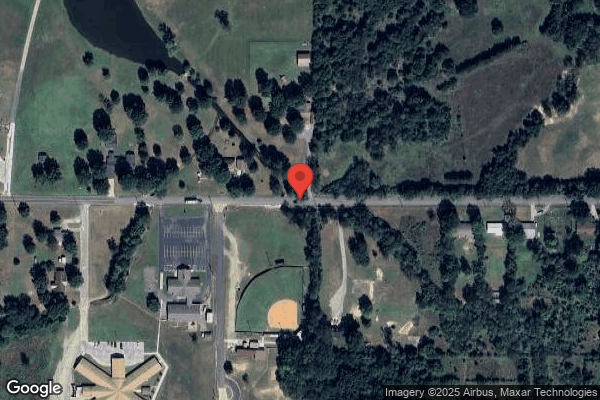
200 HOME STREET, POCOLA, OK 74902 (918) 436-2228
For profit - Limited Liability company 90 Beds Independent Data: November 2025 2 Immediate Jeopardy citations
Trust Grade
14/100
#256 of 282 in OK
Last Inspection: March 2024

Within standard 12-15 month inspection cycle. Federal law requires annual inspections.

Overview

Pocola Health and Rehab has a Trust Grade of F, indicating significant concerns and a poor overall reputation. It ranks #256 out of 282 facilities in Oklahoma, placing it in the bottom half of all state nursing homes and #4 out of 6 in Le Flore County, meaning only two local options are worse. The facility is showing improvement, having reduced its number of issues from 19 in 2024 to just 2 in 2025, but it still faces serious challenges. Staffing is average with a 3/5 rating and a turnover rate of 53%, which is slightly below the state average, suggesting some staff stability. However, there are serious issues, including a critical incident where a medication error resulted in a resident being sent to the emergency room, and another concern where staffing information was not accessible to residents. Overall, while there are some strengths in staffing stability, the facility's poor grades and critical incidents raise significant red flags for families considering care for their loved ones.

Trust Score
F
14/100
In Oklahoma
#256/282
Bottom 10%
Safety Record
High Risk
Review needed
Inspections
Getting Better
19 → 2 violations
Staff Stability
⚠ Watch
53% turnover. Above average. Higher turnover means staff may not know residents' routines.
Penalties
✓ Good
$21,645 in fines. Lower than most Oklahoma facilities. Relatively clean record.
Skilled Nurses
⚠ Watch
Each resident gets only 18 minutes of Registered Nurse (RN) attention daily — below average for Oklahoma. Fewer RN minutes means fewer trained eyes watching for problems.
Violations
⚠ Watch
31 deficiencies on record. Higher than average. Multiple issues found across inspections.
★☆☆☆☆
1.0
Overall Rating
★★★☆☆
3.0
Staff Levels
★★☆☆☆
2.0
Care Quality
★☆☆☆☆
1.0
Inspection Score
Stable
2024: 19 issues
2025: 2 issues

The Good

  • Full Sprinkler Coverage · Fire safety systems throughout facility
  • No fines on record

Facility shows strength in fire safety.

The Bad

1-Star Overall Rating

Below Oklahoma average (2.6)

Significant quality concerns identified by CMS

Staff Turnover: 53%

Near Oklahoma avg (46%)

Higher turnover may affect care consistency

Federal Fines: $21,645

Below median ($33,413)

Minor penalties assessed

The Ugly 31 deficiencies on record

2 life-threatening
Mar 2025 2 deficiencies 2 IJ
CRITICAL (J) 📢 Someone Reported This

A family member, employee, or ombudsman was alarmed enough to file a formal complaint

Immediate Jeopardy (IJ) - the most serious Medicare violation

Deficiency F0726 (Tag F0726)

Someone could have died · This affected 1 resident

On 03/24/25, an Immediate Jeopardy (IJ) was determined to exist related to the facilities failure to ensure CMAs were trained and competent to ensure residents were administered medications as ordered...

Read full inspector narrative →
On 03/24/25, an Immediate Jeopardy (IJ) was determined to exist related to the facilities failure to ensure CMAs were trained and competent to ensure residents were administered medications as ordered. On 03/15/25 at 10:10 a.m., a nurse note showed CMA #1 reported to RN #1 they may have administered the wrong medications to Resident #2. The note showed the DON was notified and camera footage was reviewed, confirming Resident #2 was administered the wrong medications. The note showed the physician was notified and orders were received to send the resident to the emergency room. On 03/24/25 at 8:13 p.m., the Oklahoma State Department of Health was notified and verified the existence of an IJ situation. On 03/24/25 at 8:27 p.m., the DON was notified of the IJ situation and provided the IJ template. On 03/26/25 at 12:58 p.m., an acceptable plan of removal was approved by the Oklahoma State Department of Health. It showed the actions to remove the immediacy of the alleged deficient practice were as follows: The plan of removal read in part, POR for Immediate Jeopardy Template #2. The following is a POR (Plan of Removal) for Pocola Health and Rehab on an Immediate Jeopardy given to this facility at 8:36 pm on 03-24-25 on [resident name withheld] for a medication error on 03-15-25 by a CMA. 1) Policy updated on Medication Administration for all staff members (which include CMAs and Nurses) who give medications. Which will include new hire competency skills check, training which will be determined by experience of a minimum of 2 weeks and more if determined necessary. Yearly competency skills check and evaluation will be done. Job descriptions were also update [sic] on staff who give medications which include CMAs and Nurses. All CMAs are also required to do an 8 hour update class yearly on medication administration. 2) The EHR and the EMAR will be flagged for all staff members who give medications for residents who look alike or similar in appearance and also residents who share the same last name. 3) In services will be held for CMAs and Nurses on medications errors, new policies for medication errors, competency skills checks and evaluation. In services already completed were done on 03-17-25 for CMAs and 03-21-25 for Nurses. 4) Competency skills check offs starting today 03-25-25 for all 3 CMAs on duty by a designee of the DON on medication pass for 5 residents reach [sic] and this will continue until all CMAs and Nurses are checked off for their shift and cannot returned [sic] to work until completed. 5) QAPI [Quality Assurance and Performance Improvement] Committee Meeting held this morning at 9:00 am on 03-25-25 for recent IJ for medication error on 03-15-25. A Plan of Removal discussed and will be submitted for approval. 6) To ensure that this does not happen again to the 2 residents that look alike 2 CMAs or Nurse will monitor the medication administration for those 2 residents involved in the most recent medication error on 03-15-25. All of the above mentioned POR have already been completed and if not are in the process of being completed, and will continued [sic] to be Policy [sic] of this facility to ensure that this facility DOES NOT EVER have another medication error. We understand that all residents are at risk for this alleged deficiency which all steps will be done to ensure that this does not happen to another resident in this facility. POR will be competed [sic] by 03-26-25 at midnight. On 03/27/25 after interviews with facility staff, a review of in-service training, and staff competencies, the IJ was lifted effective 03/27/25 at 12:10 p.m. The deficient practice remained at an isolated level with the potential for more than minimal harm. Based on record review and interview, the facility failed to ensure CMAs were trained and competent to ensure residents were administered their medications as ordered for 1 (#2) of 4 sampled residents reviewed for medication administration. The DON reported 55 residents resided in the facility. Findings: A facility policy, titled Medication Administration, dated 10/10/16, read in part, It is the policy of Pocola Health and Rehab (PHR) to give the correct medication to the correct resident following the eight rights. The right resident, the right medication, the right dose, the right route, the right time, the right documentation, the right reason, and the right response. Resident #2 had diagnoses which included aphasia, vascular dementia, and cerebrovascular disease. A care plan focus, revised on 09/21/24, showed Resident #2 was at risk for hypotension (low blood pressure). A quarterly assessment, dated 02/06/25, showed Resident #2 had a BIMS score (a test for cognitive function) of 3, which was indicative of severe impairment for daily decision making. A nurse note, dated 03/15/25 at 10:10 a.m., showed CMA #1 reported to RN #1 they may have administered the wrong medications to Resident #2. The note showed the DON was notified and camera footage was reviewed, confirming Resident #2 was administered another residents medication. The note showed the physician was notified and orders were received to send Resident #2 to the emergency room. An incident note, dated 03/15/25, showed Resident #2's blood pressure was 146/21 when paramedics arrived to transport the resident to the hospital. A nurse note, dated 03/15/25 at 5:33 p.m., showed Resident #2 was admitted to the intensive care unit for adverse reaction to medication, hypotension (low blood pressure), and hyponatremia (low sodium level). An Oklahoma State Department of Health form 283, dated 03/15/25, showed Resident #2 had been admiistered another residents medication including: furosemide 20mg (a diuretic), lisinopril 40mg (a blood pressure medication), citalopram 40mg (an antidepressant), diazepam 2mg (an antianxiety medication), oxycodone/acetaminophen 10/325mg (a pain medication), and carbidopa/levodopa 25/100mg (an antiparkinsonian medication). An After Visit Summary, dated 03/24/25 at 9:05 a.m., showed Resident #2 was admitted to the hospital because they were administered medications which were not prescribed to them that caused very low blood pressure. The summary also showed Resident #2 was administered medications to keep their blood pressure up while the other medications wore off. A review of CMA #1's employee file showed they were hired on 03/22/23 and had no skills evaluation/check off since 05/19/23. A review of CMA #2's employee file showed they were hired on 12/06/22 and had no skills evaluation/check off since 12/09/23. A review of CMA #3's employee file showed they were hired on 04/19/21 and had no skills evaluation/check off since 04/17/23. A review of CMA #4's employee file showed they were hired 12/29/22 and did not show any skills evaluations had been completed. A review of CMA #6's employee file showed they were hired on 03/11/22 and had not had a skills evaluation/check off since 04/19/23. On 03/24/25 at 4:05 p.m., the DON reported CMA's completed skills check offs upon hire, but they were unsure if they were done routinely after hire. The DON stated on 01/21/24 the exact same medication error had occurred when CMA #2 administered Resident #2 the wrong medications. The DON stated Resident #2 was hospitalized on that occasion as well and CMA #2 was educated regarding the 8 rights of medication administration, but no other interventions were put in place. The DON also stated they did not routinely observe medication administration. On 03/24/25 at 5:26 p.m., the DON stated the facility considers the eight hours of annual CMA training to be their annual competencies. On 03/25/25 at 9:45 a.m., CMA #2 stated they had taken the position of CNA/CMA supervisor in February. They stated they had not completed any annual CMA competencies since then, and they were unsure if the facility was doing them prior to that. On 03/25/25 at 10:47 a.m., CMA #3 stated they did not recall completing a skills check off. On 03/25/25 at 10:55 a.m., CMA #4 stated they were unsure if the facility did annual skills check offs or not. On 03/25/25 at 11:50 a.m., the pharmacy consultant for the facility stated they visited the facility once a month and usually observed medication administration while in the facility. They also stated that they only visited during normal business hours, so they had never observed night shift staff or weekend staff pass medication. On 03/27/25 at 10:26 a.m., the DON stated annual CMA competencies have not been completed consistently for the last two years. They also stated all medication errors are avoidable.
CRITICAL (J) 📢 Someone Reported This

A family member, employee, or ombudsman was alarmed enough to file a formal complaint

Immediate Jeopardy (IJ) - the most serious Medicare violation

Deficiency F0760 (Tag F0760)

Someone could have died · This affected 1 resident

On 03/24/25, an Immediate Jeopardy (IJ) was determined to exist related to the facilities failure to ensure CMAs were trained and competent to ensure residents were administered medications as ordered...

Read full inspector narrative →
On 03/24/25, an Immediate Jeopardy (IJ) was determined to exist related to the facilities failure to ensure CMAs were trained and competent to ensure residents were administered medications as ordered. On 03/15/25 at 10:10 a.m., a nurse note showed CMA #1 reported to RN #1 they may have administered the wrong medications to Resident #2. The note showed the DON was notified and camera footage was reviewed, confirming Resident #2 was administered the wrong medications. The note showed the physician was notified and orders were received to send the resident to the emergency room. On 03/24/25 at 8:13 p.m., the Oklahoma State Department of Health was notified and verified the existence of an IJ situation. On 03/24/25 at 8:27 p.m., the DON was notified of the IJ situation and provided the IJ template. On 03/26/25 at 12:58 p.m., an acceptable plan of removal was approved by the Oklahoma State Department of Health. The POR showed the actions to remove the immediacy of the alleged deficient practice were as follows: The plan of removal read in part, POR for Immediate Jeopardy Template #2. The following is a POR (Plan of Removal) for Pocola Health and Rehab on an Immediate Jeopardy given to this facility at 8:36 pm on 03-24-25 on [resident name withheld] for a medication error on 03-15-25 by a CMA. 1) Policy updated on Medication Administration for all staff members (which include CMAs and Nurses) who give medications. Which will include new hire competency skills check, training which will be determined by experience of a minimum of 2 weeks and more if determined necessary. Yearly competency skills check and evaluation will be done. Job descriptions were also update [sic] on staff who give medications which include CMAs and Nurses. All CMAs are also required to do an 8 hour update class yearly on medication administration. 2) The EHR and the EMAR will be flagged for all staff members who give medications for residents who look alike or similar in appearance and also residents who share the same last name. 3) In services will be held for CMAs and Nurses on medications errors, new policies for medication errors, competency skills checks and evaluation. In services already completed were done on 03-17-25 for CMAs and 03-21-25 for Nurses. 4) Competency skills check offs starting today 03-25-25 for all 3 CMAs on duty by a designee of the DON on medication pass for 5 residents reach [sic] and this will continue until all CMAs and Nurses are checked off for their shift and cannot returned [sic] to work until completed. 5) QAPI [Quality Assurance and Performance Improvement] Committee Meeting held this morning at 9:00 am on 03-25-25 for recent IJ for medication error on 03-15-25. A Plan of Removal discussed and will be submitted for approval. 6) To ensure that this does not happen again to the 2 residents that look alike 2 CMAs or Nurse will monitor the medication administration for those 2 residents involved in the most recent medication error on 03-15-25. All of the above mentioned POR have already been completed and if not are in the process of being completed, and will continued [sic] to be Policy [sic] of this facility to ensure that this facility DOES NOT EVER have another medication error. We understand that all residents are at risk for this alleged deficiency which all steps will be done to ensure that this does not happen to another resident in this facility. POR will be competed [sic] by 03-26-25 at midnight. On 03/27/25, after interviews with facility staff, a review of in-service training, and staff competencies, the IJ was lifted effective 03/27/25 at 12:10 p.m. The deficient practice remained at an isolated level with the potential for more than minimal harm. Based on record review and interview, the facility failed to ensure CMAs were trained and competent to ensure residents were administered their medications as ordered for 1 (#2) of 4 sampled residents reviewed for medication administration. The DON reported 55 residents resided in the facility. Findings: A facility policy, titled Medication Administration, dated 10/10/16, read in part, It is the policy of Pocola Health and Rehab (PHR) to give the correct medication to the correct resident following the eight rights. The right resident, the right medication, the right dose, the right route, the right time, the right documentation, the right reason, and the right response. Resident #2 had diagnoses which included aphasia, vascular dementia, and cerebrovascular disease. A care plan focus, revised on 09/21/24, showed Resident #2 was at risk for hypotension (low blood pressure). A quarterly assessment, dated 02/06/25, showed Resident #2 had a BIMS score (a test for cognitive function) of 3, which was indicative of severe impairment for daily decision making. A nurse note, dated 03/15/25 at 10:10 a.m., showed CMA #1 reported to RN #1 they may have administered the wrong medications to Resident #2. The note showed the DON was notified and camera footage was reviewed, confirming Resident #2 was administered another residents medication. The note showed the physician was notified and orders were received to send Resident #2 to the emergency room. An incident note, dated 03/15/25, showed Resident #2's blood pressure was 146/21 when paramedics arrived to transport the resident to the hospital. A nurse note, dated 03/15/25 at 5:33 p.m., showed Resident #2 was admitted to the intensive care unit for adverse reaction to medication, hypotension (low blood pressure), and hyponatremia (low sodium level). An Oklahoma State Department of Health form 283, dated 03/15/25, showed Resident #2 had been administered another residents medication including: furosemide 20mg (a diuretic), lisinopril 40mg (a blood pressure medication), citalopram 40mg (an antidepressant), diazepam 2mg (an antianxiety medication), oxycodone/acetaminophen 10/325mg (a pain medication), and carbidopa/levodopa 25/100mg (an antiparkinsonian medication). An After Visit Summary, dated 03/24/25 at 9:05 a.m., showed Resident #2 was admitted to the hospital because they were administered medications which were not prescribed to them that caused very low blood pressure. The summary also showed Resident #2 was administered medications to keep their blood pressure up while the other medications wore off. A review of CMA #1's employee file showed they were hired on 03/22/23 and had no skills evaluation/check off since 05/19/23. A review of CMA #2's employee file showed they were hired on 12/06/22 and had no skills evaluation/check off since 12/09/23. A review of CMA #3's employee file showed they were hired on 04/19/21 and had no skills evaluation/check off since 04/17/23. A review of CMA #4's employee file showed they were hired 12/29/22 and did not show any skills evaluations had been completed. A review of CMA #6's employee file showed they were hired on 03/11/22 and had not had a skills evaluation/check off since 04/19/23. On 03/24/25 at 4:05 p.m., the DON reported CMA's completed skills check offs upon hire, but they were unsure if they were done routinely after hire. The DON stated on 01/21/24, the exact same medication error had occurred when CMA #2 administered Resident #2 the wrong medications. The DON stated Resident #2 was hospitalized on that occasion as well and that CMA #2 was educated regarding the 8 rights of medication administration, but no other interventions were put in place. The DON also stated they did not routinely observe medication administration. On 03/24/25 at 5:26 p.m., the DON stated the facility considers the eight hours of annual CMA training to be their annual competencies. On 03/25/25 at 9:45 a.m., CMA #2 stated they had taken the position of CNA/CMA supervisor in February. They stated they had not completed any annual CMA competencies since then, and they were unsure if the facility was doing them prior to that. On 03/25/25 at 10:47 a.m., CMA #3 stated they did not recall completing a skills check off. On 03/25/25 at 10:55 a.m., CMA #4 stated they were unsure if the facility did annual skills check offs or not. On 03/25/25 at 11:50 a.m., the pharmacy consultant for the facility stated they visited the facility once a month and usually observed medication administration while in the facility. They also stated they only visited during normal business hours, so they had never observed night shift staff or weekend staff pass medication. On 03/27/25 at 10:26 a.m., the DON stated annual CMA competencies have not been completed consistently for the last two years. They also stated all medication errors are avoidable.
Aug 2024 3 deficiencies
CONCERN (E) 📢 Someone Reported This

A family member, employee, or ombudsman was alarmed enough to file a formal complaint

Potential for Harm - no one hurt, but risky conditions existed

Abuse Prevention Policies (Tag F0607)

Could have caused harm · This affected multiple residents

Based on record review and interview, the facility failed to implement their abuse policy by immediately reporting abuse for two (#1 and #2) of three sampled residents reviewed for abuse. The DON ide...

Read full inspector narrative →
Based on record review and interview, the facility failed to implement their abuse policy by immediately reporting abuse for two (#1 and #2) of three sampled residents reviewed for abuse. The DON identified 56 residents resided in the facility. Findings: An abuse policy titled POCOLA HEALTH AND REHAB, addendum 08/29/18, read in parts .The facility is committed to protecting the residents from abuse by anyone including, but not necessarily limited to: facility staff, other residents, consultant, volunteers, .Staff is responsible for identifying, correcting, and intervening in situations in which abuse, neglect, and misappropriation of property are more likely to occur .All alleged violations and/or abuse reported to the charge nurse will be assessed and then reported to the appropriate agencies with a 2 hour timeline. The nurse will also notify the Administrator and Director of Nursing immediately . 1. Resident #1 had diagnoses which included diabetes mellitus, morbid obesity, major depressive disorder, anxiety disorder, and schizophrenia. A facility incident report, dated 07/11/24 at 3:15 p.m., documented two nurses were told by resident #1 the aide with black hair called me a motherfucking C-U-N-T. The report documented the two nurses questioned the aides working on the resident hall. Two aides stated they did not here the identified incident regarding the accused third aide, but had heard the third aide call the resident a fat fuck earlier in the day and they informed their supervisor of the verbal abuse. The report documented the nurse immediately reported the incident to the ADON and the DON was made aware and was investigating the incident. A state incident report, dated 07/11/24, documented an allegation of abuse/mistreatment for resident #1. The report documented the see progress notes. A fax confirmation report, dated 07/11/24 at 7:36 p.m., documented a state incident report regarding the abuse allegation for resident #1 was faxed to OSDH. 2. Resident #2 had diagnoses which included a fracture of the right tibia, anxiety disorder, dementia, and Alzheimer's Disease. A facility incident report, dated 07/11/24 at 9:30 a.m., documented the nurse was called to the resident's room. The report documented the resident told the nurse that girl threw me in the chair and it hurt my back. A progress note, dated 07/11/24 at 7:30 p.m., documented the incident regarding the resident. The note documented the DON was aware of the incident and was investigating at that time. A state incident report, dated 07/11/24, documented an allegation of abuse/mistreatment for resident #2. The report documented the see progress notes. A fax confirmation report, dated 07/11/24 at 7:38 p.m., documented a state incident report regarding the abuse allegation for resident #2 was faxed to OSDH. On 08/13/24 at 3:15 p.m., the DON stated they were unaware of the incident regarding the allegation of abuse by resident #2 until in the afternoon. On 08/15/24 at 8:45 a.m., the DON was interviewed regarding the incidents for resident #1 and resident #2. The DON stated the staff did not notify them or the administrator of the allegations of abuse and/or neither incident was reported to the OSDH within the two required time frame per facility policy.
CONCERN (E) 📢 Someone Reported This

A family member, employee, or ombudsman was alarmed enough to file a formal complaint

Potential for Harm - no one hurt, but risky conditions existed

Report Alleged Abuse (Tag F0609)

Could have caused harm · This affected multiple residents

Based on record review and interview, the facility failed to ensure an allegation of abuse was reported within the two hours to OSDH for two (#1 and #2) of three sampled residents reviewed for abuse. ...

Read full inspector narrative →
Based on record review and interview, the facility failed to ensure an allegation of abuse was reported within the two hours to OSDH for two (#1 and #2) of three sampled residents reviewed for abuse. The DON identified 56 residents resided in the facility. Findings: An abuse policy titled POCOLA HEALTH AND REHAB, addendum 08/29/18, read in parts .The facility is committed to protecting the residents from abuse by anyone including, but not necessarily limited to: facility staff, other residents, consultant, volunteers, .Staff is responsible for identifying, correcting, and intervening in situations in which abuse, neglect, and misappropriation of property are more likely to occur .The Administrator and the Director of Nursing are responsible for the initial reporting, investigation of the alleged violations and reporting the results to the proper authorities .All alleged violations and/or abuse reported to the charge nurse will be assessed and then reported to the appropriate agencies with a 2 hour timeline. The nurse will also notify the Administrator and Director of Nursing immediately . 1. Resident #1 had diagnoses which included diabetes mellitus, morbid obesity, major depressive disorder, anxiety disorder, and schizophrenia. A facility incident report, dated 07/11/24 at 3:15 p.m., documented two nurses were told by resident #1 the aide with black hair called me a motherfucking C-U-N-T. The report documented the two nurses questioned the aides working on the resident hall. Two aides stated they did not here the identified incident regarding the accused third aide, but had heard the third aide call the resident a fat fuck earlier in the day and they informed their supervisor of the verbal abuse. The report documented the nurse immediately reported the incident to the ADON and the DON was made aware and was investigating the incident. A state incident report, dated 07/11/24, documented an allegation of abuse/mistreatment for resident #1. The report documented the see progress notes. A fax confirmation report, dated 07/11/24 at 7:36 p.m., documented a state incident report regarding the abuse allegation for resident #1 was faxed to OSDH. 2. Resident #2 had diagnoses which included a fracture of the right tibia, anxiety disorder, dementia, and Alzheimer's Disease. A facility incident report, dated 07/11/24 at 9:30 a.m., documented the nurse was called to the resident's room. The report documented the resident told the nurse that girl threw me in the chair and it hurt my back. A progress note, dated 07/11/24 at 7:30 p.m., documented the incident regarding the resident. The note documented the DON was aware of the incident and was investigating at that time. A state incident report, dated 07/11/24, documented an allegation of abuse/mistreatment for resident #2. The report documented the see progress notes. A fax confirmation report, dated 07/11/24 at 7:38 p.m., documented a state incident report regarding the abuse allegation for resident #2 was faxed to OSDH. On 08/13/24 at 2:48 p.m., the DON was interviewed regarding the incidents for resident #1 and resident #2. The DON reviewed the documents regarding the reporting of both incidents. The DON stated neither incident was reported to the OSDH within the two required time frame.
CONCERN (E) 📢 Someone Reported This

A family member, employee, or ombudsman was alarmed enough to file a formal complaint

Potential for Harm - no one hurt, but risky conditions existed

Investigate Abuse (Tag F0610)

Could have caused harm · This affected multiple residents

Based on record review and interview, the facility failed to conduct a thorough abuse investigation for two (#1 and #2) of three residents reviewed for abuse. The DON identified 56 residents resided ...

Read full inspector narrative →
Based on record review and interview, the facility failed to conduct a thorough abuse investigation for two (#1 and #2) of three residents reviewed for abuse. The DON identified 56 residents resided in the facility. Findings: An abuse policy titled POCOLA HEALTH AND REHAB, addendum 08/29/18, read in parts .The facility is committed to protecting the residents from abuse by anyone including, but not necessarily limited to: facility staff, other residents, consultant, volunteers, .Staff is responsible for identifying, correcting, and intervening in situations in which abuse, neglect, and misappropriation of property are more likely to occur .The Administrator and the Director of Nursing are responsible for the initial reporting, investigation of the alleged violations and reporting the results to the proper authorities. The facility must have evidence that all alleged violations are thoroughly investigated and must prevent further potential abuse while investigation is in the progress .Staff - to - Resident: Immediately respond to the needs of the injured party. The accused or suspected employee will be immediately suspended pending the investigation .The progress notes, concerning all residents involved should include: assessment of residents involved, who was involved, what happened, what was done, what interventions were used, how did the resident respond to the intervention, what was done to prevent further harm to residents and others. Follow up documentation will continue for 72 hours . 1. Resident #1 had diagnoses which included diabetes mellitus, morbid obesity, major depressive disorder, anxiety disorder, and schizophrenia. A facility incident report, dated 07/11/24 at 3:15 p.m., documented two nurses were told by resident #1 the aide with black hair called me a motherfucking C-U-N-T. The report documented the two nurses questioned the aides working on the resident hall. Two aides stated they did not here the identified incident regarding the accused third aide, but had heard the third aide call the resident a fat fuck earlier in the day and they informed their supervisor of the verbal abuse. The report documented the nurse immediately reported the incident to the ADON and the DON was made aware and was investigating the incident. A state incident report, dated 07/11/24, documented an allegation of abuse/mistreatment for resident #1. The report documented the see progress notes. A document titled final investigation for resident #1 regarding incident on 07/11/24 read in parts .Upon my investigation I questioned all the resident on this hall .I spoke with the other staff on the hall that day and their personal statements have been added with this investigation . The DON provided documentation for the completed investigation. There was no statement from the resident. There was one nurse statement provided. There was no statement for the other nurse identified in the incident report. There was no documentation provided regarding the date, time, name, or number of residents interviewed regarding the incident. A statement provided by the CNA who was providing care for the resident at the time of the alleged incident documented a second CNA who assisted with resident care. A statement from the second CNA identified in the room was not provided. 2. Resident #2 had diagnoses which included a fracture of the right tibia, anxiety disorder, dementia, and Alzheimer's Disease. A facility incident report, dated 07/11/24 at 9:30 a.m., documented the nurse was called to the resident's room. The report documented the resident told the nurse that girl threw me in the chair and it hurt my back. A progress note, dated 07/11/24 at 7:30 p.m., documented the incident regarding the resident. The note documented the DON was aware of the incident and was investigating at that time. A document titled final investigation for resident #2 regarding incident on 07/11/24 read in parts .Upon my investigation I questioned all the resident on this hall .Spoke with the other staff on the hall that day . The DON provided documentation for the completed investigation. There was no documentation provided regarding the date, time, name, or number of residents interviewed regarding the incident. A document, not dated or timed, documented the resident was was yelling saying she had hit her. On 08/15/24 at 8:45 a.m., the DON was interviewed regarding the incidents for resident #1 and resident #2. The DON stated the investigations were completed together because they were made aware of the incidents at the same time and involved the same staff member. The DON stated there were no documented resident interviews and some staff identified did not have documented interviews.
May 2024 1 deficiency
CONCERN (D) 📢 Someone Reported This

A family member, employee, or ombudsman was alarmed enough to file a formal complaint

Potential for Harm - no one hurt, but risky conditions existed

Free from Abuse/Neglect (Tag F0600)

Could have caused harm · This affected 1 resident

Based on observation, record review, and interview, the facility failed to ensure a resident was free from abuse for one (#1) of three residents sampled for abuse. The DON identified 56 residents res...

Read full inspector narrative →
Based on observation, record review, and interview, the facility failed to ensure a resident was free from abuse for one (#1) of three residents sampled for abuse. The DON identified 56 residents residing in the facility. Findings: Res #1 had diagnoses which included Alzheimer's disorder, dementia, depression disorder, and anxiety disorder. A document titles Oklahoma State Department of Health Incident Report Form, dated 04/19/24, signed by the DON read in part, .CNA had made and put on her story on Snap Chat, .in a mocking and abusive way, verbally not physically .From the video . seemed very upset and disturbed by the CNA talking to her . She then posted this video on snap chat for all her viewers to see. This Incident Report Form documented physician, family/representative, DHS/APS, and Nurse Aide Registry was notified of the abusive behavior and video. This report also documented that the CNA involved in the video was terminated on 04/19/24. On 04/29/24, an in-service was conducted with all employees on abuse and reporting abuse. On 05/08/24 at 1:54 p.m., the DON stated they found out about the video shortly after CNA #1 posted it on social media. They also stated they immediately called everyone into their office that knew about the video recording and posting. CNA #2 informed the DON they advised CNA #1 to stop recording and to take the video off social media. The DON stated once they talked to everyone involved then they terminated CNA #1. They also stated, CNA #2 was given a written warning on abuse and reporting abuse. The DON stated they immediately turned the incident in to the state. On 05/08/24 at 2:48 p.m., an observation was made of a video with CNA #1 mocking and verbally abusing res #1 while they were sitting in their wheelchair in their room. Res #1 appeared to be crying and CNA #1 was laughing at them. On 05/08/24 at 2:55 p.m., the DON stated they only kept the video so they could show the video to anyone sent to investigate the complaint. They also stated the video would be deleted off of their phone soon after someone had investigated the complaint.
Mar 2024 15 deficiencies
CONCERN (D)

Potential for Harm - no one hurt, but risky conditions existed

Deficiency F0578 (Tag F0578)

Could have caused harm · This affected 1 resident

Based on record review and interview, the facility failed to ensure DNR forms were complete and legal for two (#11 and #40) of 24 residents who were reviewed for advanced directives. The DON identifi...

Read full inspector narrative →
Based on record review and interview, the facility failed to ensure DNR forms were complete and legal for two (#11 and #40) of 24 residents who were reviewed for advanced directives. The DON identified 29 residents in the facility had DNRs. Findings: Policy DNR ACT, dated 06/01/03, read in part, IT IS THE POLICY OF POCOLA NURSING CENTER TO FOLLOW THE OKLAHOMA DNR ACT OF 1997 . 1. Res #11 had diagnoses which included CHF, chronic kidney disease, and Alzheimer's Disease. An annual assessment, dated 01/11/24. documented the resident was moderately impaired with cognition and required substantial to maximal assistance with most ADLs. A care plan revised 01/01/23, documented the resident had a DNR and the resident would not be resuscitated her their wishes. The EHR documented the resident had a DNR. The DNR form in the resident EHR was signed by the resident's POA and dated 12/30/22. The DNR form did not have two witnesses as required. On 03/07/24 at 2:35 p.m., the DON stated there was not two witnesses on the DNR. 2. Res #49 had diagnoses which included major depressive disorder, anxiety disorder, and osteoarthritis. A care plan, revised on 10/04/23, documented the resident was a DNR per signed request. A quarterly assessment, dated 01/09/24, documented the resident was moderately impaired with cognition and was dependent for most ADLs. A DNR form was observed in the DNR book signed by the residents POA. The form was not dated. On 03/07/24 at 2:15 p.m., the DON stated it was an over site and they would get the POA to sign and date a DNR.
CONCERN (D)

Potential for Harm - no one hurt, but risky conditions existed

Assessment Accuracy (Tag F0641)

Could have caused harm · This affected 1 resident

Based on observation, record review, and interview, the facility failed to ensure the accuracy of MDS assessments for four (#2, #25, #38 and #42) of 21 residents whose assessments were reviewed. The ...

Read full inspector narrative →
Based on observation, record review, and interview, the facility failed to ensure the accuracy of MDS assessments for four (#2, #25, #38 and #42) of 21 residents whose assessments were reviewed. The Long-Term Care Facility Application for Medicare and Medicaid form documented 53 residents resided in the facility. Findings: 1. Res #2 had diagnoses which included idiopathic peripheral autonomic neuropathy, dysphagia, pharyngoesophageal, hyperlipidemia, hypertension, and history of deep vein thrombosis. A physician order, dated 05/30/22, doucmented the facility was to administer apixaban (an antiplatelet medication) 5 mg twice a day for a diagnosis of history of deep vein thrombosis. A care plan, date 12/02/23, documented to administer one tablet twice a day related to deep vein thrombosis and to monitor for adverse reactions of anticoagulants. An quarterly assessment, dated 02/25/24, documented the resident was independent in cognitive skills for daily decision making. The assessment documented the resident was frequently incontinent of bladder and always incontinent bowel and required moderate to maximum assistance with most ADLs. The assessment documented Res #2 utilized a walker and wheelchair for transporting. The assessment also documented the resident had taken an anticoagulant, a diuretic, and an antiplatelet in the past seven days. On 03/07/24 at 11:45 a.m., the MDS coordinator stated the resident was not on an anticoagulant but was on a antiplatelet. she also stated the anticoagulant should not have been marked on the MDS. 2. Res #25 had diagnoses which included blindness to left and right eye and dementia. A care plan, last revised on 04/22/23, documented in part, .communication problem related to hearing deficit (when in noisy environment). An annual resident assessment, dated 02/15/24, documented in error Res #25's hearing is adequate. On 03/06/24 at 9:03 a.m., Res #25's guardian reported the resident is blind and hard of hearing, essentially deaf. The guardian reported they felt it was important for anyone caring for their mother to know hearing and sight is a challenge On 03/11/24 at 3:06 p.m., the DON reported Res #25 has trouble hearing in a noisy environment. 3. Res #38 had diagnoses which included dementia, left femur fracture, traumatic subdural hemmorrhage without loss of consciousness. An incident report, dated 02/24/24, documented Res #25 had a non-injury fall. An incident report, dated 02/29/24, documented Res #25 had a fall resulting in a subdural hematoma. A significant change resident assessment, dated 03/04/24, did not document the falls for Res #38 on 02/24/24 and 02/29/24. On 03/11/24 at 3:06 p.m., the DON reported MDS Coordinator #1 completed the MDS and was not available to ask why the falls were not documented on the significant change resident assessment for Res #25. The DON reported the falls for Res #25 should have been documented. 4. Res #42 had diagnoses which included CHF, Alzheimer's Disease, and hypertension. A physician order, dated 09/26/23, documented to place a Foley catheter due to urinary retention. A quarterly assessment, dated 02/21/24, documented the resident was severly impaired with cognition and was dependent on staff for most ADLs. The assessment documented the resident had a catheter and was always incontinent of urine. On 03/05/24 at 12:24 p.m., the resident was observed to have a catheter it was positioned below the bladder in a privacy cover. On 03/06/24 at 9:26 a.m., a phone interview with the POA. The POA stated the resident had a catheter a while for a UTI. On 03/08/24 at 12:46 p.m., RN #1 stated the resident had urinary retention. RN #1 stated at one time the resident had ESBL and when we removed the catheter the resident was not able to urinate. On 03/08/24 at 1:24 p.m., the DON stated well some times the resident had a catheter and when she did not have one the resident was incontinent.
CONCERN (D)

Potential for Harm - no one hurt, but risky conditions existed

Deficiency F0645 (Tag F0645)

Could have caused harm · This affected 1 resident

Based on record review and interview the facility failed to ensure the OHCA was notified of a resident with a serious mental illness who stayed in the facility long term for one (#22)of two residents ...

Read full inspector narrative →
Based on record review and interview the facility failed to ensure the OHCA was notified of a resident with a serious mental illness who stayed in the facility long term for one (#22)of two residents reviewed for PASRR level I screenings. The DON identified 53 residents who resided in the facility. Findings: Res #22 had diagnoses which included generalized anxiety disorder, major depressive disorder, and schizophrenia. A PASRR I, dated 06/26/14, documented the resident had a serious mental illness. The PASRR I documented the hospital called OHCA they stated with a letter from the physician and a short stay for therapy only was a PASRR level II not required. A care plan, revised 08/26/22, documented the resident was always worried someone was talking about her and constantly thinks they are going to die due to diagnosis of schizophrenia. The care plan documented the resident used psychotropic medications related to behavior management. An annual assessment, dated 09/19/23 documented the resident was not considered by the state level two PASRR process to have a serious mental illness or intellectual disability or related condition. On 03/11/24 at 3:06 p.m., the DON stated she called OHCA and they would have to order a PASRR II. She stated another staff member didn't do another PASRR I when the resident stayed in the facility.
CONCERN (D)

Potential for Harm - no one hurt, but risky conditions existed

Comprehensive Care Plan (Tag F0656)

Could have caused harm · This affected 1 resident

Based on record review and interview, the facility failed to ensure a comprehensive care plan was developed for weight loss for one (#10) of two sampled residents whose care plans were reviewed. The D...

Read full inspector narrative →
Based on record review and interview, the facility failed to ensure a comprehensive care plan was developed for weight loss for one (#10) of two sampled residents whose care plans were reviewed. The DON reported 53 residents resided in the facility. Findings: Res #10 had diagnoses which included diabetes mellitus type 2 without complications, abdominal hernia without obstruction, and major depressive disorder. A physician's order dated, 04/15/23, documented snacks three times a day for nutritional supplements. A physician's order dated, 04/16/23, documented health shakes for weight management. A physician's order dated, 06/27/23, documented protein powder three times a day for weight loss of 6.2 pounds in five months. A quarterly assessment, dated 12/29/23, documented the resident was cognitively impaired and required moderate to maximum assistance with all ADLs. A care plan, dated 02/04/24, contained no documentation of weight loss for Res #10. On 03/07/24 at 12:40 p.m., the MDS coordinator stated there was no care plan for weight loss for the resident.
CONCERN (D)

Potential for Harm - no one hurt, but risky conditions existed

Incontinence Care (Tag F0690)

Could have caused harm · This affected 1 resident

**NOTE- TERMS IN BRACKETS HAVE BEEN EDITED TO PROTECT CONFIDENTIALITY** Based on record review, observation, and interview, the facility failed to ensure residents were not catheterized unless require...

Read full inspector narrative →
**NOTE- TERMS IN BRACKETS HAVE BEEN EDITED TO PROTECT CONFIDENTIALITY** Based on record review, observation, and interview, the facility failed to ensure residents were not catheterized unless required by a clinical condition and assess a resident for continued need for an indwelling urinary catheter for two (#25 and #29) of four resident reviewed for an indwelling urinary catheter. The DON indentified eight residents with an indwelling urinary catheter Findings: 1. Res #29 was admitted to the facility on [DATE] with diagnoses of left artificial hip joint, hypertension, type 2 diabetes mellitus, nephropathy, and was later diagnosed with stage 3 kidney disease, dementia, congestive heart failure, and urinary tract infection. A physician's order, dated 02/06/24, documented Foley catheter 18 F/30 CC, place for isolation: ESBL. A physician's order, dated 02/06/24, documented clean foley catheter every shift with soap and water. A 5-day assessment, dated 02/26/24, documented the resident was cognitively impaired and required total assistance with all ADLs. The assessment also documented the resident was frequently incontinent of urine. A care plan, dated 02/20/24, documented res #29 had a urinary tract infection with ESBL. There was no documentation of a catheter for res #29. On 03/11/24 the DON stated res #29 had ESBL in their urine and should have been isolated but some residents will not stay in their rooms. The doctor will order a catheter for isolation precautions then the staff would educate the resident and family on the risk and benefits of the catheter. The DON also stated the care plan should have been updated for the catheter. The DON stated ESBL was not a proper diagnoses for a catheter they use a catheter to keep from spreading the bacteria. 2. Res #25 had diagnoses which included chronic kidney disease stage 4 and dementia. A progress note, dated 02/27/24 at 10:40 a.m., documented Res #25 had ESBL and Ecoli in their urine and a 16 Fr indwelling urinary catheter was placed and isolation initiated. A physician's order, dated 02/27/24, read in part, 16 Fr foley cath while being treated for ESBL. There were no physician's orders for catheter care or the changing of the indwelling foley catheter. A care plan, last revised on 02/28/24, read in part, risk for UTI related to history of ESBL .foley catheter per infection control . On 03/06/24 at 10:00 a.m., Res #25 was observed to have an indwelling urinary catheter in place. On 03/06/24 at 2:00 p.m., the infection preventionist reported there was no policy or infection control protocol for catheterizing people with urinary tract infections. The infection preventionist reported they were not knowledgeable regarding the requirements for indwelling urinary catheters and reported catheterizing a resident for a urinary tract infection probably doesn't meet criteria. On 03/11/24 at 3:30 p.m., the DON reported they catheterize residents who are difficult to keep in their rooms for contact precaution isolation. The DON did not feel a brief would be a viable, less invasive alternative because of the risk of urine not being contained. The DON reported ESBL was not a proper diagnoses for a use of an indwelling urinary catheter.
CONCERN (D)

Potential for Harm - no one hurt, but risky conditions existed

Drug Regimen Review (Tag F0756)

Could have caused harm · This affected 1 resident

**NOTE- TERMS IN BRACKETS HAVE BEEN EDITED TO PROTECT CONFIDENTIALITY** Based on record review, and interview, the facility failed to ensure the physician documented a rationale on a consultant pharma...

Read full inspector narrative →
**NOTE- TERMS IN BRACKETS HAVE BEEN EDITED TO PROTECT CONFIDENTIALITY** Based on record review, and interview, the facility failed to ensure the physician documented a rationale on a consultant pharmacist recommendation, for one (#42) of five residents whose's medications were reviewed. Also the MRR policy did not contain timeframes for the steps in the MRR process. The DON identified 13 residents who resided in the facility who receive psychotropic medication. Findings: An undated PHARMACY SERVICES POLICYread in part, .DRUG REGIMEN REVIEW, REPORT IRREGULAR, ACT ON .The attending physicain will document in the resident's medical record irregularity has been reviewed and what, if any, action has been taken to adress it. If there is to be no change in the medication, the attending physician will document his or her rationale in the resident's medical record . Res #42 had diagnoses which included CHF, Alzheimer's Disease, anxiety disorder, and insomnia. On 01/18/24 a MRR requested a reduction in the following medications. Ativan 2mg every four as needed, Buspirone 15mg TID, Seroquel 25mg BID, or Sertraline 50mg daily. The physician documented to continue current use of medications. The physician signed and dated the MRR on 02/02/24. The physician did not documented a rational. A quarterly assessment, dated 02/21/24, documented the resident was severly impaired with cognition and received an antipsychotic medication. The assessment documented a GDR had not been attempted. The MRR policy was reviewed and did not contain time frames on which the MRR process was to be completed. On 03/08/24 at 10:00 a.m., the DON stated the policy did not contain time frame. The DON stated most of the time the physician will document [NAME] on the MRRs.
CONCERN (D)

Potential for Harm - no one hurt, but risky conditions existed

Medication Errors (Tag F0758)

Could have caused harm · This affected 1 resident

Based on record review, and interview, the facility failed to ensure residents did not receive psychotropic medication, unless for a specific diagnosed condition, for one (#48) of five residents revie...

Read full inspector narrative →
Based on record review, and interview, the facility failed to ensure residents did not receive psychotropic medication, unless for a specific diagnosed condition, for one (#48) of five residents reviewed for unnecessary medication. The DON identified 13 residents who resided in the facility who receive psychotropic medication. Findings: An undated PHARMACY SERVICES POLICYread in part, .DRUG REGIMEN IS FREE FROM UNNECESSARY DRUGS .An unnecessary drug is any drug when used: .without adequate monitoring .FREE FROM UNNECESSARY PSYCHOTROPIC MEDS/PRN USE .Residents who have not used psychotropic drugs are not given these drugs unless the medication is necessary to treat specific condition as diagnoses and documented in the clinical record; . Res #42 had diagnoses which included CHF, Alzheimer's Disease, anxiety disorder, and insomnia. A physician order, dated 06/05/22, documented Seroquel 25mg administer two times a day related to Alzheimer's Disease. On 01/18/24 a MRR requested an appropriate diagnoses for the use of Seroquel 25mg BID. The physician marked the diagnosis of mood disorder. The MRR was signed and dated by the physician on 02/02/24. A quarterly assessment, dated 02/21/24, documented the resident was severly impaired with cognition and received an antipsychotic medication. The resident's care plan, documented the resident received Seroquel related to Alzheimer's Disease. On 03/08/24 at 10:00 a.m., the DON stated they get the diagnoses changed as quick as they could. The DON stated the medication should be changed when we get the MRR request back from the physician.
CONCERN (D)

Potential for Harm - no one hurt, but risky conditions existed

Deficiency F0801 (Tag F0801)

Could have caused harm · This affected 1 resident

Based on record review and interview, the facility failed to provide consistent services from a registered dietitian for one (#10) of two residents reviewed for nutrition. The DON reported 53 residen...

Read full inspector narrative →
Based on record review and interview, the facility failed to provide consistent services from a registered dietitian for one (#10) of two residents reviewed for nutrition. The DON reported 53 residents resided in the facility. Findings: Res #10 had diagnoses of diabetes mellitus type 2 without complications, abdominal hernia without obstruction, and major depressive disorder. On 04/15/23, a registered dietitian recommended snack be given to res #10 three times a day. A physician's order dated, 04/15/23, documented snacks three times a day for nutritional supplements On 04/16/23, a registered dietitian recommended health shakes with meals for weight management. A physician's order dated, 04/16/23, documented health shakes for weight management. On 06/18/23, a registered dietitian recommended house supplements be administered every day. On 06/27/23, a registered dietitian recommended protein powder be administered with meals to res #10 for weight loss of 6.9 pounds. A quarterly assessment, dated 12/29/23, documented the resident was cognitively impaired and required moderate to maximum assistance with all ADLs. A care plan, dated 02/04/24, contained no documentation of weight loss for Res #10. On 03/07/24 at 12:40 p.m., the business manager stated the facility contracted with a company for a registered dietitian to come in monthly but the last time a registered dietitian was in the facility was in August of 2023.
CONCERN (D)

Potential for Harm - no one hurt, but risky conditions existed

Deficiency F0865 (Tag F0865)

Could have caused harm · This affected 1 resident

Based on record review and interview, the facility failed to develop and implement a QAPI plan to identify problems in the facility. The DON reported 53 residents resided in the facility. Findings: T...

Read full inspector narrative →
Based on record review and interview, the facility failed to develop and implement a QAPI plan to identify problems in the facility. The DON reported 53 residents resided in the facility. Findings: The facilty did not have a policy and procedure for QAPI. On 03/11/24, record review was conduct of the QAPI meetings, these meeting were sporadic and the last meeting was held in September 2023. On 03/11/24 at 04:28 p.m., the DON stated QAPI meeting were not implemented regularly. They also stated there was not a policy and procedure to follow for QAPI. The DON stated when there was a problem that needed to be address then the administrator, DON, ADON, MDS coordinator, and the Infection Preventionalist would have a meeting to correct the problems in question. The DON also stated they will probably have a QAIP meeting after this month related to the COVID outbreak in the facility for the month of February .
CONCERN (D)

Potential for Harm - no one hurt, but risky conditions existed

Deficiency F0868 (Tag F0868)

Could have caused harm · This affected 1 resident

Based on record review and interview, the facility failed to ensure the QAA committee met at least quarterly. The DON reported 53 residents resided in the facility. Findings: The QAA committee meeting...

Read full inspector narrative →
Based on record review and interview, the facility failed to ensure the QAA committee met at least quarterly. The DON reported 53 residents resided in the facility. Findings: The QAA committee meetings were reviewed. The last QAA meeting was in September of 2023. There was no documentation the QAA committee met in October, November, and December of 2023. There was no documentation the QAA committee met in January or February 2024. On 03/11/24 at 04:28 p.m., the DON stated QAIP/QAA meeting were not implemented regularly. They stated when there was a problem that needed to be address then the administrator, DON, ADON, MDS coordinator, and the Infection Preventionalist would have a meeting to correct the problems in question. The DON also stated they will probably have a QAIP/QAA meeting after this month related to the COVID outbreak in the facility for the month of February .
CONCERN (E)

Potential for Harm - no one hurt, but risky conditions existed

Abuse Prevention Policies (Tag F0607)

Could have caused harm · This affected multiple residents

Based on interview and record review, the facility failed to follow their abuse prevention policy by not obtaining criminal background checks upon hire for 13 of 74 employees hire between 2016 and 202...

Read full inspector narrative →
Based on interview and record review, the facility failed to follow their abuse prevention policy by not obtaining criminal background checks upon hire for 13 of 74 employees hire between 2016 and 2024. The DON identified 53 residents who resided in the facility. Findings: The Abuse Prevention Policy, undated, read in part, .Candidates for employment will be screened for a potential history of abuse, neglect, or mistreating residents before employment. Employee background checks will be done upon hiring and the facility will not knowingly employ any individual who has been convicted of abusing, neglecting, or mistreating individuals. The following methods for screening will be utilized: .OK Screen background checks . The Consent and Release Form, undated, read in part, .You must be fingerprinted to work with this employer . The Employee Information Report, dated 03/06/24, documented the following: a. CNA #7 was hired on 04/18/16 b. BOM was hired on 03/23/17 c. Laundry #1 was hired on 10/03/21 d. CNA #11 was hired on 08/22/22 e. CNA #2 was hired on 10/16/22 f. CMA #2 was hired on 10/17/22 g. CNA #8 was hired on 01/06/23 h. CMA #1 was hired on 03/22/23 i. CNA #4 was hired on 05/12/23 j. CMA #3 was hired on 06/02/23 k. CNA #5 was hired on 10/05/23 l. CNA #9 was hired on 11/24/23 m. CNA #6 was hired on 01/08/24 n. CNA #10 was hired on 01/08/24 The [Facility name] Employee Roster, dated 03/07/24, provided by OK Screen did not document CNA #2, CNA #4, CNA #5, CNA #6, CNA #7, CNA #8, CNA #9, CNA #10, CNA #11, Laundry #1, CMA #1, CMA #2, and CMA #3, as current eligible employees. On 03/07/24 at 1:30 p.m., the BOM could not provide criminal background checks for these employees (CNA #2, 4, 5, 6, 7, 8, 9, 10, and #11. Laundry #1 and CMA #1, 2, and #3) Payroll records for 03/07/24 documented CNA #2, CNA #6, CNA #7, CNA #10, CNA #11 and CMA #2 were permitted to work without a criminal background check. Payroll records for 03/08/24 documented CMA #1, CMA #3, CNA #4, CNA #5, CNA #8 and CNA #9 were permitted to work day shift without a criminal background check. On 03/08/24 at 12:48 p.m., the BOM could not provide clearance letters from OK Screen for CNA #7 or Laundry #1. The BOM reported criminal background checks could not be done because CNA #7 and Laundry #1 had not been fingerprinted. On 03/07/24 at 10:30 a.m., the BOM reported if an employee leaves and comes back within three years of their separation date the facility is not required to do a new background check. On 03/07/24 at 1:30 p.m., the DON was unaware there were employees without criminal background checks. On 03/11/24 at 10:00 a.m., the BOM reported Laundry #1 was working in the facility and CNA #7 was scheduled to work at 7:00 p.m. CNA #7 and Laundry #1 had not been fingerprinted yet. On 03/11/24 at 3:13 p.m., the administrator reported they were not aware there were employees without criminal background checks. The administrator reported the BOM was not aware there were so many staff members without background checks. The administrator reported Laundry #1 and CNA #7 have been scheduled for fingerprinting, and the BOM did not know they had not been fingerprinted.
CONCERN (E)

Potential for Harm - no one hurt, but risky conditions existed

Deficiency F0700 (Tag F0700)

Could have caused harm · This affected multiple residents

Based on observation, record review, and interview, the facility failed to ensure residents were fully assessed for the use of side rails for four (#11, 22, 42, and #45) of 35 sampled residents who we...

Read full inspector narrative →
Based on observation, record review, and interview, the facility failed to ensure residents were fully assessed for the use of side rails for four (#11, 22, 42, and #45) of 35 sampled residents who were reviewed for side rails. The DON identified 35 resident utilized bed rails out of 53 residents residing in the facility. Findings:1. Res #11 had diagnoses which included CHF, chronic kidney disease, and Alzheimer's Disease. A care plan revised 01/01/23, documented the resident required the assistance of half bed rails. The care plan documented to assess and evaluate the use of half bed rails. An annual assessment, dated 01/11/24. documented the resident was moderately impaired with cognition and required substantial to maximal assistance with most ADLs. The assessment documented the resident required substantial/maximal assistance to roll left to right, sit to lying, lying to sitting, sit to stand, chair to bed,and toilet transfer. The resident EHR did not contain bed rail assessments. On 03/05/24 at 11:26 a.m., the resident was observed sitting in the bed with half rails up on both sides of the bed. On 03/06/24 at 8:30 a.m., the resident was sitting up in bed eating breakfast, the rails were up on both sides of the resident's bed. On 03/07/24 at 2:54 p.m., during an observation of care the resident was in bed bed rails in the up position on both sides of the bed. The rail were not observed to be used by the resident during the observation. On 03/11/24 at 1:15 p.m., the POA was visiting they stated they had been informed of the risk of the bed rails. The POA stated they wanted the bed rails so the resident would not try and get out of the bed. On 03/11/24 at 4:43 p.m., LPN #1 stated they just started doing bed rail assessments last week. The LPN stated they do not have a template to go by for the assessment. The LPN stated the resident used the bed rail to help roll for care to assist the CNAs. The LPN stated they did feel the bed rail was beneficial to the resident and was not a restraint. The LPN stated the resident did not have the strength to get out of bed. 2. Res #22 had diagnoses which included generalized anxiety disorder, major depressive disorder, diabetes mellitus with diabetic neuropathy, CHF, and schizophrenia. A care plan, revised 10/31/21, documented the resident requires the assistance of half bed rails for bed mobility. The care plan documented the resident would be safe while half rails were in use to maximize independence with turning and positioning. The care plan documented to assess and evaluate the use of half bed rails. A quarterly assessment, dated 12/20/23, documented the resident was moderately impaired with cognition and was dependent with most ADLs. The assessment documented the resident was dependent to roll left to right, sit to stand, and lying to sitting. The assessment documented the bed rails were not used a a restraint. There were no bed rail assessment observed in the EHR. On 03/05/24 at 12:09 p.m., the resident stated she used the bed rails for positioning. The resident stated she had never fallen out of the bed and wanted the rails. On 03/11/24 at 4:45 p.m., LPN #1 stated the resident did use the bed rail to assist staff with care and the resident did not get out of bed on their own. Bed rail assessments for the resident had not been completed. 3. Res #42 had diagnoses which included CHF, Alzheimer's Disease, anxiety disorder, and insomnia. A quarterly assessment, dated 02/21/24, documented the resident was severly impaired with cognition and was dependent with most ADLs. The assessment documented the resident required substantial/maximal assistance to roll left to right, sit to lying, lying to sitting, sit to stand, bed to chair, toilet transfer, and tub/shower transfer. The resident's care plan, documented the resident required the use of half bed rails. The care plan documented the resident used half bed rails to maximize independence with turning and repositioning in bed. The care plan documented to assess and evaluate the use of half bed rails. The EHR did not contain assessments for bed rails for the resident. A bed rail waver, dated 12/15/22, was signed by the resident's POA. On 03/05/24 at 12:23 p.m., the resident was observed laying in the bed, on an air mattress, with half rails up on both sides of the bed and a bed alarm in place. On 03/08/24 at 12:25 p.m., CNA #1 stated the resident was one that was more active and fidgets. CNA #1 stated the resident would use the bed rails to turn over in the bed. 4. Res #45 had diagnoses which included unspecified osteoarthritis, chronic obstructive pulmonary disease, primary osteoarthritis of right and left shoulder, and pain in right and left shoulder. On 10/31/21 a waiver was signed by the resident for side rails. A care plan, dated 10/31/21, documented to assess and evaluate the use of half side rails. A physician order, dated 05/30/22, documented the half side rails x 2 to assist resident with turning and re-positioning. A care plan, dated 08/28/23, documented the resident would be safe while half rails are in use. A quarterly assessment, dated 12/29/23, documented the resident was intact with cognition and required maximum assistance with ADLs. The assessment also documented the resident was utilized bed rails for repositioning. A physician's order, date 05/15/23, documented air mattress to bed, no directions specified. On 03/05/24 at 12:12 p.m., an observation was made of half side rails and an air mattress on the resident's bed. On 03/07/24 at 3:25 p.m., a registered nurse stated the assessment and evaluation for side rails should be in the chart under assessments or progress notes. There was no documentation found in the chart on bed rails. On 03/07/24 at 3:48 p.m., the resident stated the bed rails were utilized daily. On 03/09/24, the DON stated the nurses asses the side rails every day but do not document the assessment anywhere in the chart. They also stated there was a bed rail assessment form in the chart and they would start utilizing the form routinely.
CONCERN (F)

Potential for Harm - no one hurt, but risky conditions existed

Staffing Information (Tag F0732)

Could have caused harm · This affected most or all residents

Based on observation and interview, the facility failed to post the required staffing information in a manner easily accessible to residents and vistors. This affected 53 of 53 residents. The DON iden...

Read full inspector narrative →
Based on observation and interview, the facility failed to post the required staffing information in a manner easily accessible to residents and vistors. This affected 53 of 53 residents. The DON identified 53 residents who resided in the facility. Findings: On 03/06/24 at 10:00 a.m., surveyor was unable to locate posted staffing. RN #1 reported posted staffing was on the bulletin board on 200 Hall outside the dining room entrance. Observed posted staffing information on an 8.5 x 11 piece of copy paper pinned to a bulletin board approximately six feet from the floor. Surveyor was unable to read the posted staffing information unless directly in front of the bulletin board looking up ten inches. Posted staffing information did not document the census or staffing hours for each employee. Posted staffing remained in the same location and without the facility census or staffing hours for each employee for the remainder of the survey. On 03/08/24 at 10:00 a.m., the DON questioned why the residents can't tilt their heads up and read the staffing information. The DON reported that's a new one when informed of the regulations regarding posted staffing requirements and accessibility for residents and visitors.
CONCERN (F)

Potential for Harm - no one hurt, but risky conditions existed

Food Safety (Tag F0812)

Could have caused harm · This affected most or all residents

Based on observation and interview the facility failed to store food in accordance with professional standards for food service safety for 53 of 53 residents who received meals from the kitchen. The D...

Read full inspector narrative →
Based on observation and interview the facility failed to store food in accordance with professional standards for food service safety for 53 of 53 residents who received meals from the kitchen. The DON identified 53 residents who received meals from the kitchen. Findings: On 03/05/24 at 10:07 a.m., the ice machine in the dining room was observed with the pad lock unlocked. On 03/05/24 at 10:10 a.m., an initial tour of the kitchen was conducted. A large trash can by the hand washing sink did not have a lid, the lid was in the floor behind the trash can. On 03/05/24 at 10:13 a.m., the freezer observed to have bags of French fries and onion rings open to air the bags were not dated when they had been opened. On 03/05/24 at 10:16 a.m., the DM stated the items in the freezer should not be open to air and should be dated when opened. On 03/05/24 at 10:21 a.m., the ice machine was wiped with a clean cloth from the the ice drop a brown/black substance on the cloth. The DM stated they did not know what the substance was on the cloth. The DM stated they wiped the ice machine down but had never cleaned it from the ice drop. They stated maintenance cleaned it when the light came on or a company came in to service the ice machine. The DM stated the ice machine should be locked when a staff member was not getting ice. They stated the staff will unlock it and not lock it back at times. On 03/05/24 at 10:26 a.m., the DM entered the kitchen and did no wash their hands. On 03/05/24 at 10:27 a.m., The DM was asked if the trash can should have a lid covering the trash. The DM stated they were worried about touching the lid and contaminating their hands. The DM stated a surveyor last year told them they only needed it covered the trash when transporting the trash. The DM stated staff entering the kitchen should wash their hands.
CONCERN (F)

Potential for Harm - no one hurt, but risky conditions existed

Infection Control (Tag F0880)

Could have caused harm · This affected most or all residents

Based on observation and interview the facility failed to ensure staff followed infection control guidelines to prevent the potential spread of communicable disease while performing wound care, COVID ...

Read full inspector narrative →
Based on observation and interview the facility failed to ensure staff followed infection control guidelines to prevent the potential spread of communicable disease while performing wound care, COVID testing and assisting resident to eat. The DON identified 53 resident who resided in the facility. Findings: 1. On 03/06/24 at 8:03 a.m., CNA #2 was observed assisting residents to eat in the dining room. CNA #2 was observed to scratch their face after assisting a resident with his cup, the CNA then they assisted another resident with bites of food. Hand hygiene was not observed during the observation. On 03/06/24 at 8:07 a.m., CNA#2 was observed to touch their clothing and continued to assist the residents with their breakfast. Hand hygiene was not observed during the observation. On 03/06/24 at 8:15 a.m., CNA #3 was observed assisting a resident to eat breakfast the CNA then assisted another resident with their coffee, CNA #3 then went back to assisting the first resident to eat. Hand hygiene was not observed between residents. On 03/06/24 at 8:17 a.m., CNA #2 was observed to stack the dirty dishes at the table and then assisted a resident to put honey in their oatmeal and assisted the resident to eat the oatmeal. Hand hygiene was not observed. On 03/07/24 at 12:34 p.m., the IP stated the staff should be using hand hygiene between resident and if they touch something dirty when assisting residents to eat. 2. On 03/07/24 at 3:04 p.m., Res #3's wound care was observed performed by RN #2. RN #2 washed their hands before care and the applied gloves. The resident had a BM and the nurse cleaned the resident, changed gloves but hand hygiene was not done. The RN then removed the old dressing from the resident, cleaned the wound changed gloves, hand hygiene was not performed. The RN then treated and dressed the area. The RN then applied skin prep to the residents heels in the same gloves. On 03/07/24 at 3:17 p.m., RN #2 stated they should have washed their hands after cleaning the resident up from a bowel movement before starting wound care. Also between dirty and clean. 3. On 03/07/24 at 9:35 a.m., the IP was observed to test a resident for COVID in the activity room with other resident in the room and without proper PPE on. The IP stated if the resident tested positive they could have spread the infection to others in the facility.
Nov 2023 1 deficiency
CONCERN (D) 📢 Someone Reported This

A family member, employee, or ombudsman was alarmed enough to file a formal complaint

Potential for Harm - no one hurt, but risky conditions existed

Accident Prevention (Tag F0689)

Could have caused harm · This affected 1 resident

Based on observation, record review, and interview the facility failed to ensure a resident was free from accident hazards for one (#1) of one sampled resident reviewed for accidents. The facility's r...

Read full inspector narrative →
Based on observation, record review, and interview the facility failed to ensure a resident was free from accident hazards for one (#1) of one sampled resident reviewed for accidents. The facility's resident roster documented a census of 61 residents. Findings: Res #1 was admitted with diagnoses which included Alzheimer's disease, GERD, dysphagia and glaucoma. Res #1's comprehensive care plan, created on 06/04/22, read in part, .has impaired cognitive function/dementia or impaired thought processes r/t Alzheimer's .will develop skills to .maintain safety . A quarterly assessment, dated 09/09/23, documented Res #1 had moderate cognitive impairment and required extensive assistance with ADL's. A nurse note, dated 10/28/23 at 4:16 p.m., read in part, Activities staff came to nurse and stated that the resident had gotten a hold of nail polish remover and took a small swig. Resident not in any noted distress. Awake and alert, acetone on breath. Approximately 10ml out of bottle . The Final Investigation Notes, updated, read in part, .Instructed Activities staff to keep all chemicals .out of the reach of residents and do not leave them alone with such chemicals . There was no documentation to show that all facility staff were in-serviced regarding safety measures for Res #1 related to the incident of ingesting nail polish remover. Res #1's care plan was not updated with safety measures regarding the incident. On 11/03/23 at 1:30 p.m. Res #1 was observed sitting in her W/C in the dining room with staff present. On 11/03/23 at 2:30 p.m., Res #1 was observed sitting in her W/C in the dining room and visiting with son. On 11/03/23 at 12:08 p.m., Activity Assistant #2 reported being in-serviced regarding safe handling of chemicals and safety measures regarding Res #1. On 11/03/23 at 12:22 p.m., Activity Assistant #1 reported they were painting a resident's fingernails with their back to the table containing fingernail polish and fingernail polish remover. Activity Assistant #1 reported Res #1 came up to the table while she had her back turned and drank a small amount of fingernail polish remover before she could intervene and take the fingernail polish remover away from Res #1. Activity Director and Activity Assistant #1 reported being in-serviced regarding safe handling of chemicals and safety measures regarding Res #1. On 11/03/23 at 2:10 p.m., the MDS Coordinator reported the weekend RN or one of the administrative nurses should have updated the care plan with safety measures after Res #1's incident of ingesting nail polish remover. On 11/03/23 at 2:15 p.m., the DON reported the care plan for Res #1 should have been updated with safety measures, and facility staff other than activity staff should have been in-serviced regarding safe handling of chemicals and safety measure regarding Res #1. The DON reported it had only been eight days since the incident and eight days was not sufficient time to update Res #1's care plan or in-service the facility staff.
Jan 2023 2 deficiencies
CONCERN (D)

Potential for Harm - no one hurt, but risky conditions existed

Comprehensive Care Plan (Tag F0656)

Could have caused harm · This affected 1 resident

Based on record review, observation, and interview, the facility failed to develop a comprehensive person centered care plan on one (#2) of three residents. The Resident Census and Conditions of Resid...

Read full inspector narrative →
Based on record review, observation, and interview, the facility failed to develop a comprehensive person centered care plan on one (#2) of three residents. The Resident Census and Conditions of Residents, dated 01/10/23, documented a census of 52. Findings: A Care Plan policy and procedure, dated 01/14/11, read in part Each resident shall have a comprehensive care plan developed that includes measurable objectives and timetables to meet the resident's medical, nursing, dietary, mental and psychosocial needs that are identified in the comprehensive assessment. Res #2 was admitted to the facility with diagnoses which included non pressure chronic ulcer of buttock, dementia, depression, and hypertension. A physician's order, dated 08/17/22, read in part ADMIT to hospice . A quarterly assessment, dated 11/26/22, documented Res #2 was severely cognitively impaired and required extensive assistance with activities of daily living. On 01/10/23 at 10:32 a.m., Res #2 was observed in their room. Upon electronic health record review, Res #2's care plan did not include hospice care. On 01/11/23 at 3:18 p.m., the DON reported the care plan should have included hospice but did not.
CONCERN (E)

Potential for Harm - no one hurt, but risky conditions existed

Food Safety (Tag F0812)

Could have caused harm · This affected multiple residents

Based on record review, observation, and interview, the facility failed to maintain sanitary conditions in the kitchen. The DON identified 51 residents received meals from the kitchen. Findings: A Kit...

Read full inspector narrative →
Based on record review, observation, and interview, the facility failed to maintain sanitary conditions in the kitchen. The DON identified 51 residents received meals from the kitchen. Findings: A Kitchen cleaning list/responsibilities policy, dated 12/19/17, read in parts .all carts in kitchen will be sprayed off at the end of the night and cleaned thoroughly weekly .Each oven will be cleaned .weekly .tables will be .wiped down .as needed throughout the day . On 01/10/23 at 9:50 a.m. to 10:30 a.m., a tour of the kitchen was conducted and the microwave oven was observed to have multiple areas of dried food inside. On 01/10/23 at 9:52 a.m. to 10:30 a.m., a rolling cart was observed to have dried food debris with clean dishes stored on top of the food debris. On 01/10/23 at 9:55 a.m., a food utensil drawer was observed to have dried food debris present and staff were observed to use utensils from the drawer. On 01/10/23 at 10:00 a.m., the back food preparation counter top was observed to have dried liquids and food debris. On 01/10/23 at 10:05 a.m., the convection oven was observed to have dried food debris inside. On 01/10/23 at 10:22 a.m., dietary aide #1 reported the staff have been in-serviced on infection control and the dried food debris should not have been present. On 01/10/23 at 10:32 a.m., the DM reported dried food debris should not have been present in the microwave oven, drawers, countertops, inside the convection oven, or on the rolling cart. On 01/12/23 at 3:00 p.m., the DON reported dried food debris should not have been present.
Oct 2021 7 deficiencies
CONCERN (D)

Potential for Harm - no one hurt, but risky conditions existed

Deficiency F0700 (Tag F0700)

Could have caused harm · This affected 1 resident

Based on observation, interview, and record review, the facility failed to ensure a pre-assessment for safety of bed rails, a physician order for bed rails, a care plan for bed rails, and an informed ...

Read full inspector narrative →
Based on observation, interview, and record review, the facility failed to ensure a pre-assessment for safety of bed rails, a physician order for bed rails, a care plan for bed rails, and an informed consent for bed rails was completed for one (#35) of two residents sampled for accident hazards. The universe form documented 18 residents utilized bed rails in the facility. Findings: A quarterly assessment, dated 09/20/21, documented Resident (Res) #35 was intact in cognition and was totally dependent on staff members for bed mobility and transfer. On 10/11/21 at 10:03 a.m., Res #35 was observed lying on his bed with half bed rails up on both sides of his bed. At that time, Res #35 stated they did not know why bed rails were used as they were unable to move without assistance. Res #35's electronic medical records were reviewed and did not document an order for bed rails, a bed rail assessment, an informed consent for bed rails, or a care plan for bed rail use. On 10/13/21 at 10:45 a.m., the DON reviewed Res #35 records and reported there was not a bed rail consent, a physician order, a bed rail assessment, or a care plan for bed rail use.
CONCERN (D)

Potential for Harm - no one hurt, but risky conditions existed

Deficiency F0761 (Tag F0761)

Could have caused harm · This affected 1 resident

Based on observation and interview, the facility failed to ensure controlled substances were stored in permanently affixed compartments in the medication storage room. The DON reported the facility ha...

Read full inspector narrative →
Based on observation and interview, the facility failed to ensure controlled substances were stored in permanently affixed compartments in the medication storage room. The DON reported the facility had one medication storage room. Findings: On 10/13/21 at 10:15 a.m., in the medication storage room, a locked narcotic box was observed on a shelf in a small refrigerator. LPN #1 reported the box contained controlled substances. LPN #1 was observed to remove the shelf from the refrigerator with the locked narcotic box attached to the shelf. LPN #1 reported she was not aware that the locked box should have been permanently affixed to prevent removal of controlled substances. On 10/13/21 at 10:31 a.m., the DON and the administrator reported the facility had replaced a broken refrigerator in the medication storage room a few weeks prior to the survey. They reported the locked narcotic box, currently in the refrigerator, was not permanently affixed to prevent removal of controlled substances.
CONCERN (E)

Potential for Harm - no one hurt, but risky conditions existed

Deficiency F0582 (Tag F0582)

Could have caused harm · This affected multiple residents

Based on interview and record review, the facility failed to provide Notice of Medicare Non-coverage (NOMNC) documents for two (#17 and #39) of three residents sampled for beneficiary notices. The be...

Read full inspector narrative →
Based on interview and record review, the facility failed to provide Notice of Medicare Non-coverage (NOMNC) documents for two (#17 and #39) of three residents sampled for beneficiary notices. The beneficiary notice form documented eight residents had been discharged from skilled nursing with benefit days remaining in the previous six months. Findings: Resident (Res) #17's medical record documented the Res began Medicare Part A skilled services on 06/09/21, discharged from skilled services on 08/07/21, and remained in the facility. Res #39's medical record documented the Res began Medicare Part A skilled services on 08/25/21, discharged from skilled services on 09/23/21, and remained in the facility. The facility did not have documentation the residents were provided the NOMNC form #10123. On 10/12/21 at 09:28 a.m., the DON reported she had informed Res #17 and #39 they had not exhausted their Medicare Part A benefits and were discharged from skilled services. The DON stated the residents did not want to appeal. The DON stated she did not know the facility was required to provide a NOMNC form to residents who remained in or left the facility with benefit days remaining.
CONCERN (E)

Potential for Harm - no one hurt, but risky conditions existed

Safe Environment (Tag F0584)

Could have caused harm · This affected multiple residents

Based on observation and interview, the facility failed to ensure a homelike environment was permitted for three (#8, #11, and #13) of three residents sampled for personal property. The facility requi...

Read full inspector narrative →
Based on observation and interview, the facility failed to ensure a homelike environment was permitted for three (#8, #11, and #13) of three residents sampled for personal property. The facility required residents to remove personal items from their rooms. The census and conditions form documented 45 residents who resided in the facility. Findings: 1. Resident (Res) #8 was admitted to the facility with diagnoses which included schizophrenia and depression. A quarterly assessment, dated 07/23/21, documented Res #8 was intact in cognition. On 10/11/21 at 10:46 a.m., Res #8's room was observed to have a bookcase in which toy cars were stored. On 10/11/21 at 10:47 a.m., Res #8 reported the facility had instructed them to give away some of their toy cars they had collected. Res #8 stated the facility told them there was not enough room for these toy cars. On 10/13/21 at 1:57 p.m., the DON reported Res #8 was made aware they were going to have to pair down due to clutter issues. 2. Res #11 had diagnoses which included Alzheimers' disease. A care plan, reviewed on 07/30/21, documented Res #11 had impaired thought processes and to try to keep Res #11's routine as consistent as possible. A significant change assessment, dated 10/01/21, documented the resident was intact in cognition. On 10/11/21 at 11:13 a.m., Res #11 stated the facility did not allow pictures on the walls anymore and were removed from her room. On 10/13/21 at 2:05 p.m., the DON reported since the remodel, the facility did not allow residents to have many personal items, as the facility wanted to maintain a certain look. The DON stated the facility did not want a bunch of holes in the walls. 3. On 10/12/21 at 8:34 a.m., Res #13 stated they were not allowed to have any decorations on the walls in her room. 4. On 10/13/21 at 9:45 a.m., during the resident council meeting, three residents reported they were not allowed to have refrigerators in their rooms or personal items on their walls.
CONCERN (E)

Potential for Harm - no one hurt, but risky conditions existed

Incontinence Care (Tag F0690)

Could have caused harm · This affected multiple residents

**NOTE- TERMS IN BRACKETS HAVE BEEN EDITED TO PROTECT CONFIDENTIALITY** Based on observation, interview, and record review, the facility failed to ensure an indwelling urinary catheter was changed per...

Read full inspector narrative →
**NOTE- TERMS IN BRACKETS HAVE BEEN EDITED TO PROTECT CONFIDENTIALITY** Based on observation, interview, and record review, the facility failed to ensure an indwelling urinary catheter was changed per physicians' orders for one (#28) of one resident reviewed for indwelling catheter. The census and condition form documented six residents who had indwelling urinary catheters. Findings: Resident (Res) #28 was admitted [DATE] and had diagnoses which included urinary retention and chronic urinary tract infections. A physician order, dated 08/03/21, documented to change Res #28's indwelling urinary catheter once a month. A quarterly assessment, dated 08/27/21, documented the Res #28 had an indwelling urinary catheter. A care plan, updated 10/07/21, had not documented monthly indwelling urinary catheter changes. A physician order, dated 10/08/21, documented Res #28 was to receive 500 milligrams of Levaquin (an antibiotic) one tablet daily for 10 days for treatment of a urinary tract infection. A TAR documented Res #28's indwelling urinary catheter had not been changed on 10/04/21 as ordered. On 10/11/21 at 10:48 a.m., Res #28 stated they currently had a urinary tract infection and was taking an antibiotic. The Res reported the indwelling urinary catheter had not been changed except by the urologist. On 10/13/21 at 8:19 a.m., LPN #1 reviewed the TAR for Res #28 and stated the indwelling urinary catheter had not been changed as scheduled. On 10/13/21 at 8:23 a.m., the infection preventionist reviewed the TAR and stated the indwelling urinary catheter for Res #28 was not changed on 10/04/21 as scheduled. On 10/13/21 at 8:37 a.m., RN #2 stated the indwelling urinary catheter should have been changed on 10/04/21 for Res #28 and the attending physician would be notified.
CONCERN (E)

Potential for Harm - no one hurt, but risky conditions existed

Food Safety (Tag F0812)

Could have caused harm · This affected multiple residents

Based on observation, interview, and record review, the facility failed to ensure appropriate infection control was implemented in the dining and kitchen departments. The facility failed to ensure: a....

Read full inspector narrative →
Based on observation, interview, and record review, the facility failed to ensure appropriate infection control was implemented in the dining and kitchen departments. The facility failed to ensure: a. staff performed hand hygiene during delivery of meal trays in the dining room. b. staff performed hand hygiene during feeding of dependent residents. c. common scoops were not used in the large food bins in the food preparation area. The census and condition documented 43 residents obtained meals from the kitchen. Findings: An in-service sign in sheet, dated 07/23/21, titled Infection Control, stated in part . how to perform hand hygiene and proper use of gloves . On 10/11/21 from 11:01 a.m. to 11:36 a.m., a staff member was observed to place a trash can on the dining table. Multiple staff members were observed adjusting their face masks, wiping their noses, touching resident clothing, and repositioning residents. The staff members were observed touching multiple surfaces, including ink pens, wheelchairs, straws, and silverware without performing hand hygiene. The staff members were observed to assist residents with meals and delivery of meal trays. The staff members did not perform hand hygiene during meal service. During a second dining observation, on 10/12/21 from 11:00 a.m. to 11:20 a.m., multiple staff members were observed adjusting their face masks, touching resident clothing, and repositioning residents. The staff members were observed touching multiple surfaces, including ink pens, wheelchairs, straws, and silverware without performing hand hygiene. The staff members were observed to assist residents with meals and delivery of meal trays. The staff members did not perform hand hygiene during meal service. On 10/12/21 at 11:20 a.m., a staff member stated she did not know when it was appropriate to perform hand hygiene during meal times. On 10/12/21 at 1:53 p.m., the DON stated hand hygiene should have been performed during meal times by all staff. 2. On 10/11/21 at 9:38 a.m., white disposable cups were observed in the cornmeal, sugar, and flour bulk food bins. On 10/12/21 at 10:25 a.m., a white disposable cup was observed in the flour bulk bin. On 10/12/21 at 10:30 a.m., DA #1 stated staff had been instructed not to leave the white disposable cups in the large food bins. DA #1 stated staff had left the white disposable cups in the bins for reuse. On 10/12/21 at 10:50 a.m., the DM stated the white disposable cups should not have been left in the large food bins.
CONCERN (E)

Potential for Harm - no one hurt, but risky conditions existed

Infection Control (Tag F0880)

Could have caused harm · This affected multiple residents

Based on observations, interviews, and record reviews, the facility failed to ensure wound care was conducted in a manner to prevent contamination for one (#10) of one sampled resident observed during...

Read full inspector narrative →
Based on observations, interviews, and record reviews, the facility failed to ensure wound care was conducted in a manner to prevent contamination for one (#10) of one sampled resident observed during the provision of wound care. The universe form documented eight residents who required wound care. Findings: Resident (Res) #10 had diagnoses which included diabetes with circulatory problems, chronic stage 3 kidney disease, and peripheral vascular disease. An annual assessment, dated 07/23/21, documented Res #10 had one stage one pressure ulcer, two stage two pressure ulcers, and one stage three pressure ulcer. A physician order, dated 09/29/21, documented Res #10's right hip wound was to be cleaned with Dakins solution (a wound cleanser), apply SilvaKollagen gel (a product for wound healing), and cover the wound with Kerrilite sheet (a wound dresssing) on Mondays, Wednesdays, and Fridays for two weeks. A physician order, dated 09/29/21, documented Res #10's left hip wound was to be cleaned with Dakins solution, then combine two 2 x 2 gauze pads with one package of collagen pellets ( a product for wound healing) and SilvaKollagen gel, apply to the wound, and cover with a bandage on Mondays, Wednesdays, and Fridays for two weeks. Res #10's care plans, revised on 10/04/21, documented Res #10 had methicillin-resistant staphylococcus aureaus (MRSA) (a multi-drug resistant organism) in one of the wounds and was receiving antibiotics. On 10/11/21 at 9:52 a.m., Res #10 was observed in bed positioned on their left side. Res #10 reported they had several sores. A physician order, dated 10/12/21, documented the scab on the left lateral foot of Res #10 was to be cleaned with normal saline, the staff were to apply a collagen pad, and cover the area with a bandage every day and evening shift for 14 days. On 10/13/21 at 9:49 a.m., LPN #2 was observed providing care to the left hip wound. LPN #2 removed the old dressing and cleaned the wound without changing the soiled gloves and washing their hands. On 10/13/21 at 1:15 p.m., LPN #2 was observed providing care to the right hip and left lateral foot wounds. LPN #2 removed the old dressings and cleaned the wounds without changing the soiled gloves and washing their hands. On 10/13/21 at 1:35 p.m., LPN #2 stated no hand hygiene had been performed between removal of the old dressings and cleaning of Res #10's wounds. LPN #2 stated they remembered being in-serviced to wash hands and change gloves when going from dirty to clean. On 10/13/21 at 1:40 p.m., the DON stated staff members performing wound care should change gloves and perform hand hygiene between removal of the dressings and cleaning of the wound. The DON stated hand hygiene should have been done between each step to prevent contamination of the wounds.
Understanding Severity Codes (click to expand)
Life-Threatening (Immediate Jeopardy)
J - Isolated K - Pattern L - Widespread
Actual Harm
G - Isolated H - Pattern I - Widespread
Potential for Harm
D - Isolated E - Pattern F - Widespread
No Harm (Minor)
A - Isolated B - Pattern C - Widespread

Questions to Ask on Your Visit

  • "What changes have you made since the serious inspection findings?"
  • "Can I speak with families of current residents?"
  • "What's your RN coverage like on weekends and overnight?"

Our Honest Assessment

Strengths
  • • Licensed and certified facility. Meets minimum state requirements.
Concerns
  • • Multiple safety concerns identified: 2 life-threatening violation(s), Payment denial on record. Review inspection reports carefully.
  • • 31 deficiencies on record, including 2 critical (life-threatening) violations. These warrant careful review before choosing this facility.
  • • $21,645 in fines. Higher than 94% of Oklahoma facilities, suggesting repeated compliance issues.
  • • Grade F (14/100). Below average facility with significant concerns.
Bottom line: Trust Score of 14/100 indicates significant concerns. Thoroughly evaluate alternatives.

About This Facility

What is Pocola Health And Rehab's CMS Rating?

CMS assigns POCOLA HEALTH AND REHAB an overall rating of 1 out of 5 stars, which is considered much below average nationally. Within Oklahoma, this rating places the facility higher than 0% of the state's 100 nursing homes. A rating at this level reflects concerns identified through health inspections, staffing assessments, or quality measures that families should carefully consider.

How is Pocola Health And Rehab Staffed?

CMS rates POCOLA HEALTH AND REHAB's staffing level at 3 out of 5 stars, which is average compared to other nursing homes. Staff turnover is 53%, compared to the Oklahoma average of 46%.

What Have Inspectors Found at Pocola Health And Rehab?

State health inspectors documented 31 deficiencies at POCOLA HEALTH AND REHAB during 2021 to 2025. These included: 2 Immediate Jeopardy (the most serious level, indicating potential for serious harm or death) and 29 with potential for harm. Immediate Jeopardy findings are rare and represent the most serious regulatory concerns. They require immediate corrective action.

Who Owns and Operates Pocola Health And Rehab?

POCOLA HEALTH AND REHAB is owned by a for-profit company. For-profit facilities operate as businesses with obligations to shareholders or private owners. The facility operates independently rather than as part of a larger chain. With 90 certified beds and approximately 59 residents (about 66% occupancy), it is a smaller facility located in POCOLA, Oklahoma.

How Does Pocola Health And Rehab Compare to Other Oklahoma Nursing Homes?

Compared to the 100 nursing homes in Oklahoma, POCOLA HEALTH AND REHAB's overall rating (1 stars) is below the state average of 2.6, staff turnover (53%) is near the state average of 46%, and health inspection rating (1 stars) is much below the national benchmark.

What Should Families Ask When Visiting Pocola Health And Rehab?

Based on this facility's data, families visiting should ask: "What changes have been made since the serious inspection findings, and how are you preventing similar issues?" "Can I visit during a mealtime to observe dining assistance and food quality?" "How do you handle medical emergencies, and what is your hospital transfer rate?" "Can I speak with family members of current residents about their experience?" These questions are particularly relevant given the facility's Immediate Jeopardy citations.

Is Pocola Health And Rehab Safe?

Based on CMS inspection data, POCOLA HEALTH AND REHAB has documented safety concerns. Inspectors have issued 2 Immediate Jeopardy citations (the most serious violation level indicating risk of serious injury or death). The facility has a 1-star overall rating and ranks #100 of 100 nursing homes in Oklahoma. Families considering this facility should ask detailed questions about what corrective actions have been taken since these incidents.

Do Nurses at Pocola Health And Rehab Stick Around?

POCOLA HEALTH AND REHAB has a staff turnover rate of 53%, which is 7 percentage points above the Oklahoma average of 46%. Moderate turnover is common in nursing homes, but families should still ask about staff tenure and how the facility maintains care continuity when employees leave.

Was Pocola Health And Rehab Ever Fined?

POCOLA HEALTH AND REHAB has been fined $21,645 across 1 penalty action. This is below the Oklahoma average of $33,295. While any fine indicates a compliance issue, fines under $50,000 are relatively common and typically reflect isolated problems that were subsequently corrected. Families should ask what specific issues led to these fines and confirm they've been resolved.

Is Pocola Health And Rehab on Any Federal Watch List?

POCOLA HEALTH AND REHAB is not on any federal watch list. The most significant is the Special Focus Facility (SFF) program, which identifies the bottom 1% of nursing homes nationally based on persistent, serious quality problems. Not being on this list means the facility has avoided the pattern of deficiencies that triggers enhanced federal oversight. This is a positive indicator, though families should still review the facility's inspection history directly.