PONCA CITY NURSING & REHABILITATION CENTER
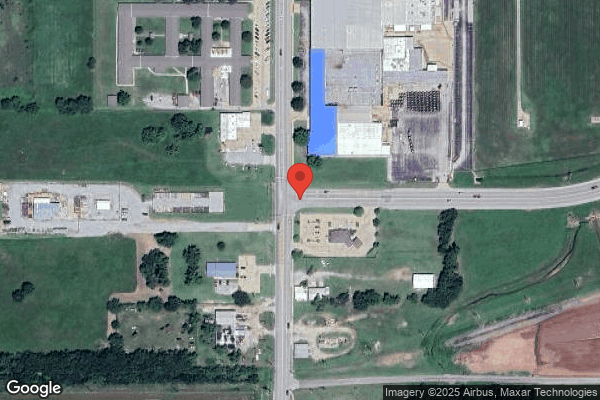
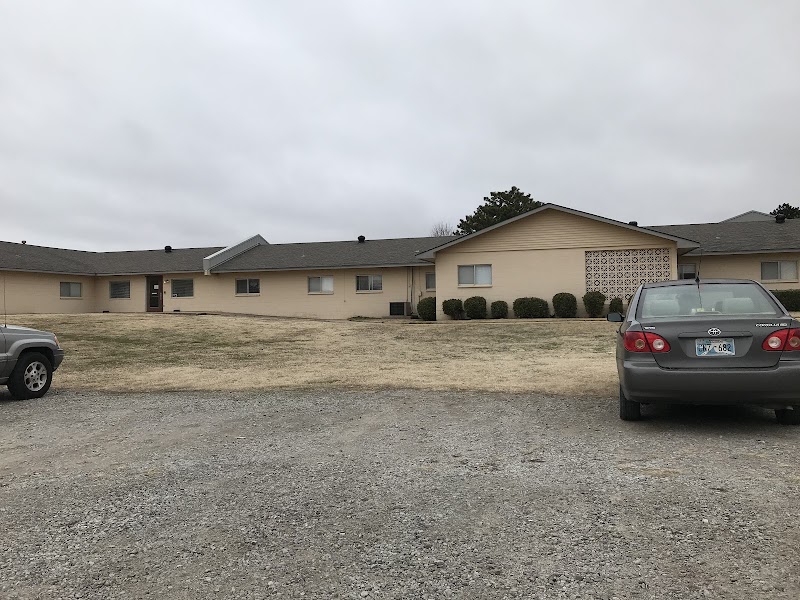
1400 NORTH WAVERLY, PONCA CITY, OK 74601 (580) 762-6668
For profit - Limited Liability company 157 Beds Independent Data: November 2025
Trust Grade
85/100
#21 of 282 in OK
Last Inspection: August 2024

Within standard 12-15 month inspection cycle. Federal law requires annual inspections.

Overview

Ponca City Nursing & Rehabilitation Center has a Trust Grade of B+, indicating it is above average and generally recommended for care. It ranks #21 out of 282 facilities in Oklahoma, placing it in the top half of the state, and is #2 out of 4 in Kay County, meaning only one local facility is rated higher. However, the facility is experiencing a worsening trend, with issues identified increasing from 2 in 2023 to 4 in 2024. Staffing is a concern, rated at 2 out of 5 stars with a turnover rate of 57%, which is average for the state. On a positive note, the facility has no fines, which is a good sign, and provides more Registered Nurse coverage than many other facilities. Specific incidents from inspections raised concerns, such as a failure to ensure diabetic residents received insulin as prescribed and not providing necessary assistance with dressing and grooming for residents needing help. While there are strengths in some areas, these issues highlight areas that need improvement for the well-being of residents.

Trust Score
B+
85/100
In Oklahoma
#21/282
Top 7%
Safety Record
Low Risk
No red flags
Inspections
Getting Worse
2 → 4 violations
Staff Stability
⚠ Watch
57% turnover. Above average. Higher turnover means staff may not know residents' routines.
Penalties
✓ Good
No fines on record. Clean compliance history, better than most Oklahoma facilities.
Skilled Nurses
⚠ Watch
Each resident gets only 13 minutes of Registered Nurse (RN) attention daily — below average for Oklahoma. Fewer RN minutes means fewer trained eyes watching for problems.
Violations
○ Average
10 deficiencies on record. Average for a facility this size. Mostly minor or procedural issues.
★★★★★
5.0
Overall Rating
★★☆☆☆
2.0
Staff Levels
★★☆☆☆
2.0
Care Quality
★★★★★
5.0
Inspection Score
Stable
2023: 2 issues
2024: 4 issues

The Good

  • Full Sprinkler Coverage · Fire safety systems throughout facility
  • No fines on record

Facility shows strength in fire safety.

The Bad

Staff Turnover: 57%

11pts above Oklahoma avg (46%)

Frequent staff changes - ask about care continuity

Staff turnover is elevated (57%)

9 points above Oklahoma average of 48%

The Ugly 10 deficiencies on record

Aug 2024 3 deficiencies
CONCERN (D)

Potential for Harm - no one hurt, but risky conditions existed

Deficiency F0679 (Tag F0679)

Could have caused harm · This affected 1 resident

Based on record review and interview, the facility failed to ensure a resident who preferred individualized activities in their room was provided those activities for one (#53) of 8 sampled residents ...

Read full inspector narrative →
Based on record review and interview, the facility failed to ensure a resident who preferred individualized activities in their room was provided those activities for one (#53) of 8 sampled residents reviewed for activities. A facility room roster, dated 07/28/24, documented 79 residents resided in the facility. Findings: An Activities and Social Work, dated 11/2022, read in part, When the Care Planning Team develops the resident's activity and social care plan, the resident will be given an opportunity to choose when, where, and how he or she will participate in activities and social events. A review of the resident's medical record found no documentation of activities having been provided to Resident #53 in the months of April 2024 and May 2024. An annual minimum data set assessment, dated 03/22/24, documented Resident #53's cognition was intact. On 07/29/24 at 1:19 p.m., Resident #53 stated the staff had not provided them with one-to-one activities in their room. They stated they believed they did not receive activities in their room because they would be charged extra. They stated they would enjoy if someone would spend time with them doing an activity as they were unable to leave the room without much difficulty. On 07/30/24 at 12:32 p.m. the activities director stated they usually attempt to spend two times each week with those wanting visits. They stated they document resident participation in monthly progress notes in the residents' electronic medical record. They stated they did not know why those notes for #53 were not in the medical record and would go look for them. On 07/30/24 at 1:16 p.m., the activities director stated they had looked in the Resident #53's records and was unable to locate the activities documentation for April 2024 and May 2024. They stated they may not have clicked the save and lock button in the system after entering the information.
CONCERN (D)

Potential for Harm - no one hurt, but risky conditions existed

Deficiency F0688 (Tag F0688)

Could have caused harm · This affected 1 resident

**NOTE- TERMS IN BRACKETS HAVE BEEN EDITED TO PROTECT CONFIDENTIALITY** Based on observation, record review, and interview, the facility failed to provide treatment and services to treat a contracture...

Read full inspector narrative →
**NOTE- TERMS IN BRACKETS HAVE BEEN EDITED TO PROTECT CONFIDENTIALITY** Based on observation, record review, and interview, the facility failed to provide treatment and services to treat a contracture for one (#46) of one sampled resident reviewed for range of motion restorative care. The DON identified nine residents with contractures. Findings: The facility's Restorative Nursing Services policy, revised 06/2017, read in part, Residents will receive restorative nursing care as needed to help promote optimal safety and independence. The policy also read, Residents may be started on a restorative nursing program upon admission, during the course of stay or when discharged from rehabilitative care. 1. Resident #46 was admitted on [DATE] with diagnoses which included esophagitis and Guillain-Barre syndrome. A annual MDS assessment, dated 07/13/24, documented Resident #46's cognition was intact and had range of motion impairments on the upper extremities and lower extremities on both sides. The Health Record did not document Resident #46 was receiving restorative services. On 07/29/24 at 1:20 p.m., Resident #46 was observed in bed. Resident #46 had contractures to both hands and legs. Resident #46 stated both hand and legs were contracted. Resident #46 was asked if they were receiving therapy or restorative care. Resident #46 stated they wanted restorative care and was not receiving it because they were not eligible due to being on Medicaid. On 07/31/24 at 12:55 p.m., CMA#1 was asked to discuss Resident #46's physical limitations and contractures. They stated Resident #46's hands were contracted and required a lift assist with transfers. On 07/31/24 at 12:59 p.m., LPN#3 was asked to discuss Resident #46's physical limitations or contractures. LPN#3 stated Resident #46 was contracted in their legs bilaterally and both hands. LPN #3 was asked what the policy was for a resident to receive restorative therapy. They stated when there is an order or the resident experienced weight loss, pain, a decline in ADL's , or experienced a fall, the resident would receive restorative care. On 07/31/24 at 1:06 p.m., the DON was asked how the facility determines a resident receives and/or needs restorative care. They stated every resident was evaluated and they try and get a restorative program if they qualify. The DON was asked if Resident #46 was a candidate for restorative care. The DON stated Resident #46 was candidate for restorative care and thought the resident had refused. The DON was asked to provide documentation of the refusal or restorative care Resident #46 was receiving. The DON stated resident #46 should of been receiving restorative care and there was no documentation of a refusal or restorative care being provided.
CONCERN (D)

Potential for Harm - no one hurt, but risky conditions existed

Medication Errors (Tag F0758)

Could have caused harm · This affected 1 resident

Based on record review and interview, the facility failed to ensure a physician order was completed for a gradual dose reduction for one (#34) of five sampled residents reviewed for unnecessary medica...

Read full inspector narrative →
Based on record review and interview, the facility failed to ensure a physician order was completed for a gradual dose reduction for one (#34) of five sampled residents reviewed for unnecessary medications. The DON identified 53 residents received psychotropic medications. Findings: A Medication and Treatment Orders policy, revised July 2016, read in part,orders for medications and treatments will be consistent with principles of safe and effective order writing. A Tapering Medications and Gradual Drug Dose Reduction policy, revised July 2022, read in part, the residents who use psychotropic medications shall receive gradual dose reductions. The policy also read, in a effort to discontinue these drugs. Resident #34 had diagnoses which included Alzheimer's, depression, and cognitive communication deficit. A Medication Regimen Review, dated 07/16/24, documented Resident #34 received mirtazapine (Remeron) 30 mg at bedtime. Recommendation by pharmacist made to reduce mirtazapine (Remeron) to 15 mg at bedtime. Review was signed by physician on 07/18/24 to reduce mirtazapine (Remeron) to 15 mg at bedtime. A Medication Administration record, dated July 2024, documented Resident #34 continued to receive mirtazapine (Remeron) 30 mg at bedtime. On 07/31/24 at 7:59 a.m., the DON was asked what the facility policy was for adding or changing orders in a residents chart. They stated the nurse that takes the order or notes the order makes the changes in a residents chart. They were then asked to review a pharmacist recommendation on a medication regimen review for Resident #34 dated 07/16/24 for mirtazapine to be reduced to 15 mg every day at bedtime. They were then asked to review the medication administration record for July 2024 and asked if the order for mirtazapine was reduced per physician order signed on 07/18/24, they stated No it was not changed.
Jul 2024 1 deficiency
CONCERN (D) 📢 Someone Reported This

A family member, employee, or ombudsman was alarmed enough to file a formal complaint

Potential for Harm - no one hurt, but risky conditions existed

Deficiency F0919 (Tag F0919)

Could have caused harm · This affected 1 resident

Based on observation record review, and interview, the facility failed to maintain an adequate call light system for one (#1) of three sampled residents whose call light systems were observed. The Adm...

Read full inspector narrative →
Based on observation record review, and interview, the facility failed to maintain an adequate call light system for one (#1) of three sampled residents whose call light systems were observed. The Administrator identified 47 residents resided in the facility. Findings: The Call System, Residents policy, dated September 2022, read in part, .Each resident is provided with a means to call staff directly for assistance from his/her bed .and from the floor . Resident #1 had diagnoses which included other atherosclerotic heart disease, h/o pulmonary embolism, type 2 diabetes, syncope and collapse, and age-related physical debility. Resident #1's care plan, admission date 07/05/24, documented they were at risk for cardiac instability, impaired respiratory integrity, complications of diabetes, and injury related to a fall. Resident #1's resuscitation status was 'Full Code'. On 07/15/24 at 12:25 p.m., Resident #1 was observed in bed eating lunch unassisted and unattended. No call light was observed in the resident's room connected to the wall system. On 07/16/24 at 9:51 a.m., the Administrator reported the facility call system was removed from Resident #1's room and a two-part doorbell aparatus was being used for Resident #1's call system. On 07/16/24 at 12:10 p.m., the push button part of the apparatus was observed zip-tied to the positioning rail attached to Resident #1's bed and the base was observed plugged in an outlet in the [NAME] nurses' station room at the end of the hall. The push button part of the apparatus could only be assessed by the resident when in bed. On 07/16/24 at 12:15 p.m., LPN #1 was asked to perform a test of Resident #1's call system. It was observed that the doorbell would only chime once when pushed by the resident and repeated chimes would require the resident to be able to repeatedly push the button. On 07/16/24 at 12:45 p.m., the DON was made aware of my observations regarding Resident #1's call system. The DON was asked if the call system in place for Resident #1 would be adequate if the resident fell out of bed or experienced a cardiac, respiratory, or serious hypoglycemic or hyperglycemic event and was not able to repeatedly push the call button. The DON acknowledged it would not.
Feb 2023 2 deficiencies
CONCERN (D) 📢 Someone Reported This

A family member, employee, or ombudsman was alarmed enough to file a formal complaint

Potential for Harm - no one hurt, but risky conditions existed

ADL Care (Tag F0677)

Could have caused harm · This affected 1 resident

Based on record review and interview the facility failed to ensure bathing was provided for dependent residents for two (#2 and #4) of four sampled dependent residents reviewed for bathing. The Reside...

Read full inspector narrative →
Based on record review and interview the facility failed to ensure bathing was provided for dependent residents for two (#2 and #4) of four sampled dependent residents reviewed for bathing. The Resident Census and Conditions of Residents report, dated 02/06/23, documented 75 residents resided in the facility, 60 residents required assistance of one or two staff for bathing, and 15 residents were dependent on staff for bathing. Findings: A Charting and Documentation policy, revised July 2017, read in parts, .All services provided to the resident .shall be documented in the resident's medical record .The following information is to be documented in the resident medical record: .c. Treatments or services performed . A Bath, Shower/Tub procedure, revised February 2018, read in parts, .Documentation .1. The date and time the shower/tub bath was performed .5. If the resident refused the shower/tub bath, the reason(s) .Reporting .1. Notify the supervisor if the resident refuses the shower/tub bath . 1. Resident #2 had diagnoses that included dementia without behavioral disturbance and dysphagia. Res #2 Care Plan, revised 02/05/23, read in part, .requires assistance with her activities of daily living .needs your help to take a bath .please monitor her bathing schedule, if hospice staff is unable to provide her personal care, NH staff will do so . An ADL: Bathing Task Sheet, for dates 01/06/23-02/06/23, documented Res #2 received a bath on 02/06/23 representing one shower was given in the 30 days that were reviewed. On 02/06/23 at 3:40 p.m., RN #2 was asked how they monitor if baths were completed by hospice aides. RN #2 stated, If hospice is not here by 2 p.m., we do it. RN #2 was asked if baths completed by hospice or the facility staff would be documented. They stated, Yes, in the EHR. RN #2 was asked to review the EHR for Res #2 and verified no baths had been documented for Res #2 for the last 30 days. 2. Resident #4 had diagnoses that included dementia without behavioral disturbance and dysphagia. Res #4 Care Plan, revised 01/22/23, read in part, .BATHING .twice weekly and as needed .requires assistance from 1 person for bathing needs . An ADL: Bathing Task Sheet, for dates 01/07/23-02/06/23, documented Res #2 received a bath on 01/16/23, 01/26/23, and 01/30/23 representing three baths were given in the 30 days that were reviewed. On 02/06/23 at 2:20 p.m., Res #4 was observed in their room up in chair accompanied by family members. Family stated they were not sure what days resident received baths. On 02/06/23 at 3:40 p.m., RN #2 was asked who had assigned baths to the dayshift staff on the unit today. She stated, I don't know. It could have been the night nurse. RN #2 was asked how they monitor if baths were completed by staff as assigned. RN #2 stated, The staff tells me if residents refuse. On 02/06/23 at 3:43 p.m., RN #2 was asked why Res #4's name had been crossed off the bath list. They stated, Someone must have given [them] a shower. CNA #1, CNA #2, and CNA #3 were asked if either of them had given Res #4 a shower today and they all stated no. CNA #1, CNA #2, and CNA #3 were the only CNA's assigned to Res #4's unit during this day shift. Res #4 had not received a bath. On 02/07/23 at 11:38 a.m., the DON was asked to review the ADL record in the EHR for Res #2 and Res #4. The DON agreed the documentation did not indicate baths had been provided to these two dependent residents according to their POC.
CONCERN (D) 📢 Someone Reported This

A family member, employee, or ombudsman was alarmed enough to file a formal complaint

Potential for Harm - no one hurt, but risky conditions existed

Pharmacy Services (Tag F0755)

Could have caused harm · This affected 1 resident

**NOTE- TERMS IN BRACKETS HAVE BEEN EDITED TO PROTECT CONFIDENTIALITY** Based on record review and interview the facility failed to ensure that newly ordered medications were initiated in a timely man...

Read full inspector narrative →
**NOTE- TERMS IN BRACKETS HAVE BEEN EDITED TO PROTECT CONFIDENTIALITY** Based on record review and interview the facility failed to ensure that newly ordered medications were initiated in a timely manner for two (#1 and #2) of four sampled residents whose records were reviewed for medications being administered as ordered. The Resident Census and Conditions of Residents report, dated 02/06/23, documented 75 residents resided in the facility. Findings: A Medication Administration and General Guidelines policy, edited 2021, read in part, .Medications are administered .in accordance with State Regulations using good nursing principles and practices . 1. Resident #1 had diagnoses that included COPD and chronic pain syndrome. An Order Summary Report, dated 02/02/23, read in parts, .OxyCONTIN Oral Tablet ER .20 MG .Give 1 tablet by mouth every 12 hours .Percocet Oral Tablet 7.5-325 MG .Give 1 tablet by mouth every 8 hours as needed for Pain . A Telephone/Verbal Order, dated 02/03/23 at 11:00 a.m., read in parts, .HYDROcodone-Acetaminophen Oral Tablet 5-325 MG .Give 1 tablet by mouth every 6 hours as needed for Pain . A [Pharmacy] Drug Delivery Manifest, dated 02/03/2023 at 2:51 p.m., read in parts, Patient: [Res #1] .OXYCOD.APAP TAB 7.5-325 .Received By: [CMA #1] .Delivery Date/Time: 2-3-23 . A [Pharmacy] Drug Delivery Manifest, dated 02/03/2023 at 6:41 p.m., read in parts, Patient: [Res #1] .OXYCONTIN TAB 20MG ER .Received By: [RN #1] .Delivery Date/Time: 2-3-23 11:55 pm . The MAR, dated 2/1/2023-2/28/2023, documented scheduled doses of OxyCONTIN Oral tablet ER were not administered at 9:00 p.m. on 02/02/23, at 9:00 a.m. on 02/03/23, nor at 9:00 p.m. on 02/03/23; no PRN doses of HYDROcodone-Acetaminophen Oral tablets 7.5-325mg were administered on 02/02/23 nor 02/03/23; and no PRN doses of HYDROcodone-Acetaminophen Oral tablets 5-325mg were administered on 02/03/23. On 02/06/23 at 2:12 p.m., Res #1 was observed sitting on his bed. Res #1 was asked if they had been receiving their medications as ordered since their admission to the facility on [DATE]. Res #1 reported they missed three scheduled doses of pain medication and was not offered PRN pain medication for their chronic pain for 2 days when first admitted . Res #1 stated, I had to get irate with them. Res #1 was asked how this made them feel. They stated, Not my best, but it's okay now. On 02/07/23 at 11:38 p.m., the DON was asked how often the pharmacy delivered medications to the facility. She stated routine medications orders and re-orders were delivered every evening with the routine pharmacy delivery. The DON was asked how orders for narcotic pain medications were handled for newly admitted residents. She stated, I tell the pharmacy to stat them and they get here in three to four hours. The DON was asked why OxyCONTIN Oral Tablet ER 20mg and Percocet Oral Tablet 7.5-325mg had not been received from the pharmacy in three to four hours and Res #1 did not receive pain medication for chronic pain until the 2nd day after admission. The DON stated, I don't know. We may have needed to re-do the script. 2. Resident #2 had diagnoses that included dementia without behavioral disturbance and dysphagia. A Telephone/Verbal Order, dated 12/17/22, read in part, .New Order .Start Date: 12/17/2022 [9:00 a.m.] .Ciprofloxacin HCL Tablet 500 MG Give 1 tablet by mouth two times a day for UTI for 10 Days . The MAR, dated 12/1/2022-12/31/2022, documented Ciprofloxacin HCL Tablet 500mg was not administered at 9:00 a.m. and 6:00 p.m. as ordered on 02/17/23, 02/18/23, 02/19/23, 02/20/23, 02/21/23, and 02/22/23; nor at 9:00 a.m. on 02/23/23. On 02/07/23 at 11:38 p.m., the DON was asked how new orders for antibiotic medications were handled. She stated, We stat those and in three to four hours, they are here. The DON was shown the February 2023 MAR documenting ABT prescribed for Res #2 on 02/17/23 had not been started before 02/23/23. She was asked why the medication had not been started as ordered. The DON stated, That's a good question, I can't tell you.
Aug 2019 4 deficiencies
CONCERN (E)

Potential for Harm - no one hurt, but risky conditions existed

Deficiency F0578 (Tag F0578)

Could have caused harm · This affected multiple residents

Based on observations, record review and interview, it was determined the facility failed to ensure an effective system was in place for the identification of advance directives and code status for tw...

Read full inspector narrative →
Based on observations, record review and interview, it was determined the facility failed to ensure an effective system was in place for the identification of advance directives and code status for two (#12 and #67) of two sampled residents whose records were reviewed for advance directives. This had the potential to affect all 96 residents who resided in the facility. Findings: 1. Resident #12 had diagnoses which included acute respiratory failure, chronic kidney failure and congestive heart failure. An Advance Directive for Health Care, dated 01/30/17, was signed by the resident and on file in the clinical record. An Oklahoma DNR consent form, dated 05/08/18, was signed by the resident and on file in the clinical record. An Advance Directive Acknowledgement form, dated 02/27/19, was found in the clinical record and signed by the resident's power of attorney. It documented the resident had not executed an advance directive. An Oklahoma Do-Not-Resuscitate (DNR) Consent Form, undated and unsigned, was found in the clinical record with the admission paperwork. It was not completed and a line was drawn across the form with declined handwritten across the line. A social service progress note, dated 02/27/19, documented, .admitted .for SNF [skilled nursing facility] services .is a DNR & has advance Directive . A social services admission evaluation, dated 03/02/19, documented the resident was a DNR and a copy of the DNR had been obtained. An admission assessment, dated 03/06/19, documented the resident was cognitively intact. On 08/27/19 at 5:25 p.m., the director of nursing (DON) was asked the resident's DNR status. She stated, Full code. The DON was asked how the resident's full code status was indicated to the staff. She stated by the green dots on the outside of her clinical record and on her nameplate outside the door to her room. The DON then made reference to the DNR forms in the resident's clinical record and stated the form which was declined was more current than the other. She was asked how she knew it was more current when the form was not dated. She stated it was from the facility's admission packet and was completed with the advance directive acknowledgement form. The other form was faxed from the hospital. The DON was asked how the code status would be known from checking the DNR forms. She stated the dated DNR form also had a faxed date prior to the facility's form. The DON was asked to review the resident's advance directive and the advance directive acknowledgement form which indicated the resident did not have an advance directive. She was asked if the resident had an advance directive. She then acknowledged the resident had an advance directive on file in the clinical record. The DON was asked to review the social service progress note and admission evaluation. She was asked why it would have been documented the resident was a DNR and had an advance directive if the resident was a full code and did not have an advance directive. She stated, I don't know. The DON was asked if the documentation was clear as to the resident's code status and whether she had an advance directive. She stated, No. 2. Resident #67 had diagnoses which included heart failure, dementia and cerebral infarction. An Oklahoma DNR consent form, dated 08/21/16, was signed by the resident and on file in the clinical record. A social service progress note, dated 10/08/18, documented, .arrived at 3:50 pm .DNR .are in chart and in file . A social services admission evaluation, dated 10/09/18, documented the resident was a DNR and a copy of the DNR had been obtained. A face sheet, printed on 08/19/19, documented the resident did not have an advance directive and was a full code status. Red dots were observed on the outside of the clinical record and on the nameplate outside the door to her room. On 08/27/19 at 11:55 a.m., licensed practical nurse #1 was asked what the red dots indicated. She stated a red dot indicated the resident was a DNR and a green dot indicated they were a full code. On 08/28/19 at 11:11 a.m., the DON was asked what paperwork was sent with a resident when they go to the hospital. She stated, the medication administration records, treatment administration records, advance directive and the face sheet. The DON was asked to review the resident's clinical record. She was then asked the code status of the resident. She stated, DNR. She was asked the code status documented on the face sheet. She stated, Full code.
CONCERN (E)

Potential for Harm - no one hurt, but risky conditions existed

ADL Care (Tag F0677)

Could have caused harm · This affected multiple residents

Based on observations, record review and interview, it was determined the facility failed to provide assistance with dressing, toileting and grooming for one (#48) of three sampled residents who were ...

Read full inspector narrative →
Based on observations, record review and interview, it was determined the facility failed to provide assistance with dressing, toileting and grooming for one (#48) of three sampled residents who were reviewed for activities of daily living (ADL). The facility identified 82 residents who required assistance with activities of daily living. Findings: Resident #48 had diagnoses which included dementia, psychosis and depression. A physician's order, dated 06/06/19, documented the staff was to assist, offer or remind the resident to toilet every three to four hours while awake or upon rising, before meals, before bed and at least once during the night and as needed. An annual assessment, dated 07/01/19, documented the resident was moderately impaired in cognitive skills for daily decision making and required limited assistance with ADLs. He was frequently incontinent of bladder and occasionally incontinent of bowel. A care plan, dated 07/05/19, documented the resident required assistance with a few of his ADLs. Staff was to assist him to maintain his dignity, ensure he would be dressed in clean and dry clothing and his bed was clean and dry. They were to toilet the resident before meals, before bed and at least once through the night to ensure he was clean and dry. A psychiatric consultation progress note, dated 07/12/19, documented the staff had reported the resident was playing with his feces. This was documented as a behavior related to dementia. The plan of care was for staff to redirect and offer additional peri-care. A nurse's note, dated 08/06/19, documented the resident was to be on isolation precautions due to clostridium difficile colitis. On 8/27/19 at 8:23 a.m., the resident was observed in his room lying in bed with dried feces on his hands, forearms, right leg, and clothing. Flies were observed on the resident's soiled clothing and bed linens. Dried feces was observed smeared on the bathroom door and toilet seat. On 8/28/19 at 2:00 p.m., the resident was observed resting in his room with his eyes closed and flies around him. Cornbread crumbs were observed on the resident's bed, bedside table, floor and clothing. Spilled milk and pudding were observed on the bedside table. A brown colored dried substance was observed on the resident's call cord and wall. On 8/29/19 at 8:30 a.m., the resident was observed sitting in a wheelchair in his room as he listened to music with headphones covering his ears. His face was unshaven and his clothing was soiled with food. The bed had been made and food droppings were observed on the blanket. Cookie crumbs and pasta noodles with red sauce were observed on the floor. The resident's drinking cup and bedside table were observed with dried food. A dried brown colored substance remained on the call light cord and wall behind his recliner. Flies were observed throughout the room. At 10:45 a.m., certified nursing assistant (CNA) #1 and CNA #2 were asked if the resident required assistance with ADLs. They both stated yes. They were asked how much assistance he required. They stated he required assistance of one person with toileting due to incontinence. CNA #1 and CNA #2 were asked if the resident refused care. CNA #1 stated no. CNA #2 stated the resident would occasionally refuse with the male CNAs but another staff member would come assist if that occurred. The CNAs were asked if the resident had a decline in his ADL functional status. They stated a minimal decline. They were asked what interventions were implemented due to the decline. They stated more frequent checks were made and the staff was to encourage participation in self care. At 1:47 p.m., the director of nursing (DON) was asked if the resident required assistance with ADLs. She stated yes. She was asked how much assistance he required. She stated he required limited assistance of one person. She was asked if the resident had ever refused care. She stated no. The DON was notified of the observations which had been made of the resident. She stated she was sorry.
CONCERN (E)

Potential for Harm - no one hurt, but risky conditions existed

Quality of Care (Tag F0684)

Could have caused harm · This affected multiple residents

**NOTE- TERMS IN BRACKETS HAVE BEEN EDITED TO PROTECT CONFIDENTIALITY** Based on record review and interview, it was determined the facility failed to ensure diabetic residents received insulin as ord...

Read full inspector narrative →
**NOTE- TERMS IN BRACKETS HAVE BEEN EDITED TO PROTECT CONFIDENTIALITY** Based on record review and interview, it was determined the facility failed to ensure diabetic residents received insulin as ordered by the physician for one (#77) of five sampled residents who were reviewed for unnecessary medications. The facility identidied 15 residents who received insulin. Findings: Resident #77 had diagnoses which included diabetes mellitus type II. Physician orders, dated 07/2019, documented the resident was to have his FSBS (Fingerstick Blood Sugar) checked at 7:00 a.m., 12:00 p.m., 5:00 p.m., and 8:00 p.m. everyday. The physician was to be notified of a FSBS greater than 300 or less than 50. Humalog [a fast acting insulin used to treat type 2 diabetes] was to be administered as follows: .INJECT SQ [subcutaneous] PER SLIDING SCALE FSBS 180-189 = 1 UNIT 190-199 = 2 UNITS 200-209 = 3 UNITS 210-219 = 4 UNITS 220-229 = 5 UNITS 230-239 = 6 UNITS 240-249 = 7 UNITS 250-259 = 8 UNITS 260-269 = 9 UNITS 270-279 = 10 UNITS 280-289 = 11 UNITS 290-299 = 12 UNITS 300-309 = 13 UNITS 310-319 = 14 UNITS 320-329 = 15 UNITS 330-339 = 16 UNITS 340-349 = 17 UNITS . Levemir [a long acting insulin] was to be administered routinely every night at bedtime. The diabetic medication administration record (MAR), dated 07/2019, contained no documentation to indicate the 8:00 p.m. dose of Humalog was administered on [DATE], from [DATE] through [DATE] or from [DATE] through [DATE]. On [DATE] at 12:00 p.m., the MAR documented 12 U (units) of Humalog was administered. There was no documentation to indicate the FSBS was performed as ordered. On [DATE] at 12:00 p.m., the MAR documented the FSBS was 413 and 18 U of Humalog was administered as a one time dose. There was no order for the 18 U found in the clinical record. On [DATE] at 7:00 a.m., the MAR documented the FSBS was 394 and 17 U of Humalog was administered as a one time dose. There was no order for the 17 U found in the clinical record. At 5:00 p.m., the MAR documented the FSBS was 249 and a line was drawn through the dose of Humalog documented as administered. There was no documentation to indicate the amount of Humalog administered to the resident. At 8:00 p.m., the MAR documented the FSBS was 334 and 10 U of Humalog was administered as a one time dose. There was no order for the 10 U found in the clinical record. On [DATE] at 12:00 p.m., the MAR documented the FSBS was 381 and 18 U of Humalog was administered as a one time dose. There was no order for the 18 U found in the clinical record. On [DATE] at 7:00 a.m., the MAR documented the FSBS was 369 and 17 U of Humalog was administered as a one time dose. There was no order for the 17 U found in the clinical record. A physician's order, dated [DATE], documented the 8:00 p.m. dose of Humalog was to be 1/2 the sliding scale dose, rounded up to the nearest whole unit. A physician's order, dated [DATE], documented 2 U of Humalog were to be added to each level on the sliding scale orders. On [DATE] at 8:00 p.m., the MAR documented the FSBS was 265 and 4 U of Humalog was administered. According to the physician's orders, 6 U of Humalog was to be administered. On [DATE] at 7:00 a.m., the MAR documented the FSBS was 221 and 4 U of Humalog was administered. According to the physician's orders, 7 U of Humalog was to be administered. On [DATE] at 7:00 a.m., the MAR documented the FSBS was 314 and 8 U of Humalog was administered. According to the physician's orders, 16 U of Humalog was to be administered. At 12:00 p.m., the MAR documented the FSBS was 364 and 18 U of Humalog was documented as having been administered. A one time order for 21 U of Humalog for the FSBS of 364 was also received and documented on the MAR as administered. On [DATE] at 8:00 p.m., the MAR documented the FSBS was 201 and 6 U of Humalog was administered. According to the physician's orders, 3 U of Humalog was to be administered. On [DATE] at 12:00 p.m., the MAR documented the FSBS was 237 and 6 U of Humalog was administered. According to the physician's orders, 8 U of Humalog was to be administered. On [DATE] at 12:02 p.m., the director of nursing (DON) was asked to review the resident's MARs and physician's orders. She was asked if the Humalog was administered as ordered on [DATE] at 7:00 a.m. She stated no, the amount should have been 16 U. She was asked if the orders were followed to administer 18 U at 12:00 p.m. with an additional 21 U. She stated if the physician had meant to administer 39 units then the order would have indicated it. After reviewing the documentation for 07/2019 and 08/2019, the DON was asked if the physician orders for the Humalog were administered and documented as ordered. She stated there was a problem and some education needed to be done.
CONCERN (E)

Potential for Harm - no one hurt, but risky conditions existed

Infection Control (Tag F0880)

Could have caused harm · This affected multiple residents

Based on observations, record review and interview, it was determined the facility failed to ensure transmission based precautions were implemented for one (#48) of one sampled resident who was review...

Read full inspector narrative →
Based on observations, record review and interview, it was determined the facility failed to ensure transmission based precautions were implemented for one (#48) of one sampled resident who was reviewed for transmission based precautions. The facility identified four residents who resided in the facility and were on transmission based precautions. Findings: A transmission based precaution policy, dated 02/12/18, documented: Transmission-Based Precautions are .to be used in addition to Standard Precautions for patients who may be infected or colonized with certain infectious agents for which additional precautions are needed to prevent infection transmission . Contact Precautions Use Contact Precautions for patients with known or suspected infections that represent an increaed risk for contact transmission . The policy specified personal protective equipment (PPE), including gloves and gowns, was to be used for all interactions involving contact with the resident or the resident's environment. The donning of PPE was to be completed upon entrance and PPE was to be properly discarded before exiting the resident's room to contain pathogens. The rooms were to be cleaned daily with a focus on frequently touched surfaces. An annual assessment for resident #48, dated 07/01/19, documented the resident was moderately impaired in cognitive skills for daily decision making and required limited assistance with activities of daily living (ADL). He was frequently incontinent of bladder and occasionally incontinent of bowel. A nurse's note, dated 08/23/19, documented the resident was to be on isolation precautions due to clostridium difficile colitis (C-diff). A care plan, revised on 08/23/19, documented the resident had C-diff and contact precautions were initiated per the facility's protocol. Staff was to ensure the resident was clean and dry, assist him with hand washing as needed and provide frequent safety checks. It was also documented staff was to monitor the flow and number of visitors. On 8/27/19 at 8:23 a.m., no gloves were available for use prior to entering the resident's room. No biohazard containers were observed for disposal upon exiting the resident's room. The resident was observed in his room lying in bed with dried feces on his hands, forearms, right leg, and clothing. Flies were observed on the resident's soiled clothing and bed linens. Dried feces was observed smeared on the bathroom door and toilet seat. At 8:40 a.m., CNA #3 was asked where staff was to dispose of their contaminated PPE after they had provided care to the resident. She stated trash was placed in the box with the red bag and linens were placed in the box with the yellow bag located in the resident's bathroom. She was asked if staff walked back through the resident's room after disposing of their PPE in his bathroom, would they have been re-contaminated. She stated, yes. At 8:48 a.m., CNA #4 was observed replacing PPE supplies, including gowns, gloves and alcohol based hand sanitizer. She was asked what precautions had been put in place for the resident. She stated, I don't know. She was asked if alcohol based hand hygiene was effective for C-diff. She stated, I don't know. On 08/28/19 at 2:00 p.m., licensed practical nurse (LPN) #2 was observed donning PPE upon entering the room for medication administration. She was observed to discard the gown, gloves and shoe covers in the container located in the resident's room. She was asked what precautions had been put in place to ensure contamination outside the room would not occur. She stated contact precautions for C-diff. She was asked if her PPE was discarded properly to prevent the spread of C-diff. She stated, No. On 08/29/19 at 1:47 p.m., the director of nursing (DON) was asked how staff was to dispose of their PPE following care. She stated in the red and yellow boxes in the bathroom. The staff should then wash their hands prior to exiting the room. The DON was asked if the staff would have ensured proper precautions if they removed their shoe covers then walked back through the resident's room to exit. She stated, she did not know.
Understanding Severity Codes (click to expand)
Life-Threatening (Immediate Jeopardy)
J - Isolated K - Pattern L - Widespread
Actual Harm
G - Isolated H - Pattern I - Widespread
Potential for Harm
D - Isolated E - Pattern F - Widespread
No Harm (Minor)
A - Isolated B - Pattern C - Widespread

Questions to Ask on Your Visit

  • "Why is there high staff turnover? How do you retain staff?"
  • "Can I speak with families of current residents?"
  • "What's your RN coverage like on weekends and overnight?"

Our Honest Assessment

Strengths
  • • Grade B+ (85/100). Above average facility, better than most options in Oklahoma.
  • • No major safety red flags. No abuse findings, life-threatening violations, or SFF status.
  • • No fines on record. Clean compliance history, better than most Oklahoma facilities.
Concerns
  • • 57% turnover. Above average. Higher turnover means staff may not know residents' routines.
Bottom line: Generally positive indicators. Standard due diligence and a personal visit recommended.

About This Facility

What is Ponca City Nursing & Rehabilitation Center's CMS Rating?

CMS assigns PONCA CITY NURSING & REHABILITATION CENTER an overall rating of 5 out of 5 stars, which is considered much above average nationally. Within Oklahoma, this rating places the facility higher than 99% of the state's 100 nursing homes. This rating reflects solid performance across the metrics CMS uses to evaluate nursing home quality.

How is Ponca City Nursing & Rehabilitation Center Staffed?

CMS rates PONCA CITY NURSING & REHABILITATION CENTER's staffing level at 2 out of 5 stars, which is below average compared to other nursing homes. Staff turnover is 57%, which is 11 percentage points above the Oklahoma average of 46%. High turnover can affect care consistency as new staff learn residents' individual needs. RN turnover specifically is 57%, which is notably high. RNs provide skilled clinical oversight, so turnover in this role can affect medical care quality.

What Have Inspectors Found at Ponca City Nursing & Rehabilitation Center?

State health inspectors documented 10 deficiencies at PONCA CITY NURSING & REHABILITATION CENTER during 2019 to 2024. These included: 10 with potential for harm.

Who Owns and Operates Ponca City Nursing & Rehabilitation Center?

PONCA CITY NURSING & REHABILITATION CENTER is owned by a for-profit company. For-profit facilities operate as businesses with obligations to shareholders or private owners. The facility operates independently rather than as part of a larger chain. With 157 certified beds and approximately 76 residents (about 48% occupancy), it is a mid-sized facility located in PONCA CITY, Oklahoma.

How Does Ponca City Nursing & Rehabilitation Center Compare to Other Oklahoma Nursing Homes?

Compared to the 100 nursing homes in Oklahoma, PONCA CITY NURSING & REHABILITATION CENTER's overall rating (5 stars) is above the state average of 2.7, staff turnover (57%) is significantly higher than the state average of 46%, and health inspection rating (5 stars) is much above the national benchmark.

What Should Families Ask When Visiting Ponca City Nursing & Rehabilitation Center?

Based on this facility's data, families visiting should ask: "How do you ensure continuity of care given staff turnover, and what is your staff retention strategy?" "Can you walk me through typical staffing levels on day, evening, and night shifts?" "Can I visit during a mealtime to observe dining assistance and food quality?" "How do you handle medical emergencies, and what is your hospital transfer rate?" These questions are particularly relevant given the facility's high staff turnover rate and the below-average staffing rating.

Is Ponca City Nursing & Rehabilitation Center Safe?

Based on CMS inspection data, PONCA CITY NURSING & REHABILITATION CENTER has a clean safety record: no substantiated abuse findings (meaning no confirmed cases of resident harm), no Immediate Jeopardy citations (the most serious violation level indicating risk of serious injury or death), and is not on the Special Focus Facility watch list (a federal program monitoring the lowest-performing 1% of nursing homes). The facility has a 5-star overall rating and ranks #1 of 100 nursing homes in Oklahoma. While no facility is perfect, families should still ask about staff-to-resident ratios and recent inspection results during their visit.

Do Nurses at Ponca City Nursing & Rehabilitation Center Stick Around?

Staff turnover at PONCA CITY NURSING & REHABILITATION CENTER is high. At 57%, the facility is 11 percentage points above the Oklahoma average of 46%. Registered Nurse turnover is particularly concerning at 57%. RNs handle complex medical decisions and coordinate care — frequent RN changes can directly impact care quality. High turnover means new staff may not know residents' individual needs, medications, or preferences. It can also be disorienting for residents, especially those with dementia who rely on familiar faces. Families should ask: What is causing the turnover? What retention programs are in place? How do you ensure care continuity during staff transitions?

Was Ponca City Nursing & Rehabilitation Center Ever Fined?

PONCA CITY NURSING & REHABILITATION CENTER has no federal fines on record. CMS issues fines when nursing homes fail to meet care standards or don't correct problems found during inspections. The absence of fines suggests the facility has either maintained compliance or corrected any issues before penalties were assessed. This is a positive indicator, though families should still review recent inspection reports for the full picture.

Is Ponca City Nursing & Rehabilitation Center on Any Federal Watch List?

PONCA CITY NURSING & REHABILITATION CENTER is not on any federal watch list. The most significant is the Special Focus Facility (SFF) program, which identifies the bottom 1% of nursing homes nationally based on persistent, serious quality problems. Not being on this list means the facility has avoided the pattern of deficiencies that triggers enhanced federal oversight. This is a positive indicator, though families should still review the facility's inspection history directly.