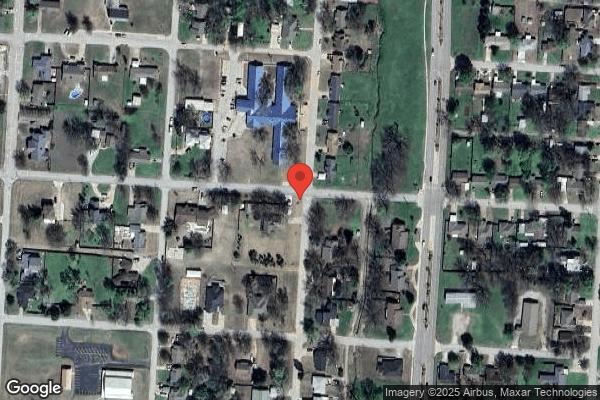

PURCELL CARE CENTER

801 NORTH 6TH STREET, PURCELL, OK 73080 (405) 527-7798
For profit - Individual 105 Beds IHS MANAGEMENT CONSULTANTS Data: November 2025
Trust Grade
65/100
#124 of 282 in OK
Last Inspection: December 2024

Within standard 12-15 month inspection cycle. Federal law requires annual inspections.

Overview

Purcell Care Center in Purcell, Oklahoma, has a Trust Grade of C+, which indicates that it is slightly above average but not exceptional. It ranks #124 out of 282 facilities in the state, placing it in the top half overall, but it is the last ranked facility in McClain County. The facility is showing improvement, with a decrease in reported issues from four in 2024 to just one in 2025. Staffing is a concern, rated at 2 out of 5 stars, with a turnover rate of 59%, which is in line with the state average. However, there have been some serious issues, such as failing to notify doctors about abnormal blood pressure readings and not administering medications according to physician orders, which can impact resident care. On a positive note, the facility has no fines on record, indicating compliance with regulations.

Trust Score
C+
65/100
In Oklahoma
#124/282
Top 43%
Safety Record
Low Risk
No red flags
Inspections
Getting Better
4 → 1 violations
Staff Stability
⚠ Watch
59% turnover. Above average. Higher turnover means staff may not know residents' routines.
Penalties
✓ Good
No fines on record. Clean compliance history, better than most Oklahoma facilities.
Skilled Nurses
⚠ Watch
Each resident gets only 14 minutes of Registered Nurse (RN) attention daily — below average for Oklahoma. Fewer RN minutes means fewer trained eyes watching for problems.
Violations
⚠ Watch
11 deficiencies on record. Higher than average. Multiple issues found across inspections.
★★★☆☆
3.0
Overall Rating
★★☆☆☆
2.0
Staff Levels
★☆☆☆☆
1.0
Care Quality
★★★★☆
4.0
Inspection Score
Stable
2024: 4 issues
2025: 1 issues

The Good

  • Full Sprinkler Coverage · Fire safety systems throughout facility
  • No fines on record

Facility shows strength in fire safety.

The Bad

3-Star Overall Rating

Near Oklahoma average (2.6)

Meets federal standards, typical of most facilities

Staff Turnover: 59%

13pts above Oklahoma avg (46%)

Frequent staff changes - ask about care continuity

Chain: IHS MANAGEMENT CONSULTANTS

Part of a multi-facility chain

Ask about local staffing decisions and management

Staff turnover is elevated (59%)

11 points above Oklahoma average of 48%

The Ugly 11 deficiencies on record

Jun 2025 1 deficiency
CONCERN (D) 📢 Someone Reported This

A family member, employee, or ombudsman was alarmed enough to file a formal complaint

Potential for Harm - no one hurt, but risky conditions existed

Pharmacy Services (Tag F0755)

Could have caused harm · This affected 1 resident

Based on record review and interview, the facility failed to ensure medications were administered according to physician orders for 1 (#1) of 6 residents sampled for timely administration of medicatio...

Read full inspector narrative →
Based on record review and interview, the facility failed to ensure medications were administered according to physician orders for 1 (#1) of 6 residents sampled for timely administration of medications. The administrator identified 67 residents in the facility. Findings: An undated administration document showed medication pass for three times a day was from 7:00 a.m. to 11:00 a.m., 2:00 p.m. to 4:00 p.m., and 7:00 p.m. to 10:00 p.m. A policy titled Administering Medications, revised 04/2019, read in part, Medications are administered in a safe and timely manner, and as prescribed .Medications are administered in accordance with the prescribed orders, including any time frame. An order summary report, dated 06/16/25, for Resident #1 showed: a. Metoprolol Succinate Extended Release (an antihypertensive), dated 10/01/23, 25mg in the morning for hypertension; b. Miralax (an osmotic laxative), dated 10/01/23, 17gm in the morning for constipation; c. Lisinopril (an ace inhibitor), dated 10/01/23, 20mg two times daily for HTN; d. Tramadol (an opioid), dated 11/03/23, 50mg three times daily for pain; e. Pepcid (a H2 blocker), dated 10/01/23, 40mg in the morning for indigestion; f. Hydralazine (a vasodilator), dated 10/01/23, 25mg three times a day for HTN; g. Colace (a laxative), dated 10/01/23, 100mg in the morning for constipation; h. Claritin (an antihistamine), dated 10/01/23, 10mg in the morning for allergies; i. Estrace (estrogen), dated 10/01/23, 0.5mg in the morning for hormonal supplement; j. Norvasc (a calcium channel blocker), dated 08/21/24, 5mg in the morning for HTN; k. Allopurinol (xanthine oxidase inhibitors), dated 07/16/24, 100mg in the morning for gout; l. Mirtazapine (an antidepressant), dated 12/23/24, 7.5mg in the evening for weight loss; m. Aricept (an acetylcholinesterase inhibitor), dated 02/12/25, 5mg in the evening for dementia; n. Clonidine (a hypotensive agent), dated 02/12/25, 0.1mg in the evening for HTN; o. Trazodone (a serotonin antagonist), dated 10/01/23, 50mg in the evening for insomnia; p. Hydrochlorothiazide (a diuretic), dated 10/01/23, 25mg in the morning for HTN; and q. Singulair (leukotriene receptor antagonist), 10mg in the evening for chronic obstructive pulmonary disease. A Medication Admin [administration] Audit Report, dated 04/01/25 through 06/12/25, showed: a. Miralax, Norvasc, and Allopurinol were given on 04/08/25 at 11:38 a.m.; b. Pepcid, Hydralazine, Hydrochlorothiazide, Colace, and Estrace were given on 04/08/25 at 11:39 a.m.; c. Metoprolol, Lisinopril, Tramadol, and Claritin were given on 04/08/25 at 11:40 a.m.; d. Allopurinol, Clonidine, Colace, and Lisinopril were given on 04/09/25 at 10:11 p.m.; e. Mirtazapine, Aricept, Hydralazine, Tramadol, and Trazodone were given on 04/09/25 at 10:12 p.m.; f. Norvasc, Allopurinol, Colace, and Miralax were given on 04/19/25 at 11:08 a.m.; g. Pepcid, Hydralazine, Estrace, Hydrochlorothiazide, and Claritin were given on 04/19/25 at 11:09 a.m.; h. Clonidine, Aricept, Allupurinol, Colace, and Hydralazine was given on 05/02/25 at 10:10 p.m.; i. Mirtazapine, Aricept, Hydralazine, Tramadol, Lisinopril, Singulair, and Trazodone were given on 05/02/25 at 10:11 p.m.; j. Hydralazine and Tramadol were given on 05/13/25 at 5:10 p.m.; k. Norvasc, Miralax, Estrace Claritin, and Hydrochlorothiazide were given on 05/27/25 at 11:26 a.m.; l. Metoprolol was given on 05/27/25 at 11:28 a.m.; and m. Hydralazine, Lisinopril, Pepcid, Colace, Tramadol, and Allopurinol were given on 05/27/25 at 11:29 a.m. On 06/16/25 at 1:00 p.m. the director of nursing reported the medications should have been given during the appropriate blocked times.
Dec 2024 1 deficiency
CONCERN (D)

Potential for Harm - no one hurt, but risky conditions existed

Deficiency F0761 (Tag F0761)

Could have caused harm · This affected 1 resident

Based on observation, record review, and interview, the facility failed to ensure discontinued medications were discarded in a timely manner from the refrigerator for three (#25, 27, and #36) of three...

Read full inspector narrative →
Based on observation, record review, and interview, the facility failed to ensure discontinued medications were discarded in a timely manner from the refrigerator for three (#25, 27, and #36) of three sampled residents reviewed for medication labeling and storage. The administrator identified 60 residents resided in the facility. Findings: 1. Resident #25's physician's orders documented Trulicity (blood sugar medication) 4.5/0.5ml was discontinued on 05/13/24 and Dupixent (interleukin inhibitor) 300mg/2ml was discontinued on 04/10/24. 2. Resident #27's physician's orders documented formoterol nebulizer solution 20/2ml was discontinued on 07/12/24. 3. Resident #36's physician's orders documented Trulicity 1.5/0.5ml was discontinued on 03/08/24. On 11/04/24 at 11:30 a.m., items in the refrigerator in the medication room were reviewed with LPN #1. The following was observed: a. five unopened injector pens of Trulicity 1.5/0.5ml labeled for Resident #36, b. one unopened injector pen of Trulicity 4.5/0.5ml labeled for Resident #25, c. four unopened injector pens of Dupixent 300mg/2ml labeled for Resident #25, and d. fifty two ampules of formoterol nebulizer solution 20/2ml labeled for Resident #27. On 11/04/24 at 11:40 a.m., LPN #1 was asked the policy for discarding discontinued medications. They stated discontinued medications should be immediately removed from the refrigerator and discarded according to facility policy. LPN #1 acknowledged facility policy had not been followed.
Sept 2024 1 deficiency
CONCERN (D) 📢 Someone Reported This

A family member, employee, or ombudsman was alarmed enough to file a formal complaint

Potential for Harm - no one hurt, but risky conditions existed

Report Alleged Abuse (Tag F0609)

Could have caused harm · This affected 1 resident

Based on record review and interview, the facility failed to report an allegation of abuse within two hours for two (#1 and #2) of three sampled residents reviewed for abuse. The DON identified 54 res...

Read full inspector narrative →
Based on record review and interview, the facility failed to report an allegation of abuse within two hours for two (#1 and #2) of three sampled residents reviewed for abuse. The DON identified 54 residents resided in the facility. Findings: An abuse policy, dated 08/12/22, documented allegations of abuse must be reported within two hours. A progress note, dated 09/01/24 at 4:00 p.m., documented Res #1 had reported to staff Res #2 had been sexually inappropriate toward them. An initial incident report submitted to OSDH was dated as received 09/03/24 at 3:25 p.m. On 09/05/24 at 2:48 p.m., the administrator stated the incident report was submitted late.
Jan 2024 2 deficiencies
CONCERN (E) 📢 Someone Reported This

A family member, employee, or ombudsman was alarmed enough to file a formal complaint

Potential for Harm - no one hurt, but risky conditions existed

Notification of Changes (Tag F0580)

Could have caused harm · This affected multiple residents

Based on record review and interview, the facility failed to notify the physician of abnormal blood pressures for two (#3 and #5) of five sampled residents reviewed for changes in condition. The admin...

Read full inspector narrative →
Based on record review and interview, the facility failed to notify the physician of abnormal blood pressures for two (#3 and #5) of five sampled residents reviewed for changes in condition. The administrator identified 37 residents resided in the facility. Findings: 1. A facility Blood Pressure, Measuring policy, reviewed September 2010, documented in part .Hypertension is usually defined as blood pressure over 140/90 mm/Hg .Hypertension should be reported to the physician .Hypotension is defined as blood pressure less than 100/60 mm/Hg .Hypotension should be reported to the physician . Res #3 had diagnoses which included vascular dementia and secondary hypertension. A physician order, dated 10/01/23, documented to administer clonidine 0.1 mg by mouth three times per day, hold medication and notify physician of systolic blood pressure below 100. A MAR for December 2023 documented: a. 12/29/23 at 7:00 a.m. Res #3's blood pressure was 153/101, b. 12/29/23 at 2:00 p.m., Res #3's blood pressure was 153/101, c. 12/30/23 at 7:00 a.m., Res #3's blood pressure was 153/101, d. 12/30/23 at 2:00 p.m., Res #3's blood pressure was 153/101. The progress notes were reviewed and did not document the physician was notified of the abnormal blood pressures. There was no documentation the blood pressure was rechecked. On 01/09/24 at 10:38 a.m., CMA #1 stated abnormal blood pressures should be reported to the nurse. On 01/09/24 at 10:40 a.m., RN #1 stated when abnormal blood pressures are reported the nurse should recheck the reading and if they are still abnormal the physician should be notified. They stated a progress note should be documented with the notification and any orders received. On 01/09/24 at 10:45 a.m., Corporate RN #1 reviewed the progress notes and stated there was no documentation the physician was notified of the abnormal blood pressure readings. stated the physician should have been notified. 2. Res #5 had diagnoses which included secondary hypertension. A physician order, dated 11/09/23, documented to administer lisinopril 20 mg by mouth at bedtime for secondary hypertension, hold if systolic blood pressure below 100. A physician order, dated 11/09/23, documented to administer lisinopril-hctz 20-25 mg by mouth in the morning, hold if systolic blood pressure below 100. A MAR for December 2023 documented: a. 12/14/23 at 9:00 p.m., Res #5's blood pressure was 76/57, b. 12/15/23 at 9:00 p.m., Res #5's blood pressure was 76/57, c. 12/19/23 at 9:00 p.m., Res #5's blood pressure was 74/56, d. 12/21/23 at 9:00 p.m., Res #5's blood pressure was 84/59. The progress notes were reviewed and did not document the physician was notified of the abnormal blood pressures. There was no documentation the blood pressure was rechecked by a nurse. On 01/09/24 at 10:38 a.m., CMA #1 stated abnormal blood pressures should be reported to the nurse. On 01/09/24 at 10:40 a.m., RN #1 stated when abnormal blood pressures are reported the nurse should recheck the reading and if they are still abnormal the physician should be notified. They stated a progress note should be documented with the notification and any orders received. On 01/09/24 at 10:45 a.m., Corporate RN #1 reviewed the progress notes and stated there was no documentation the physician was notified of the abnormal blood pressure readings. They stated the physician should have been notified.
CONCERN (E) 📢 Someone Reported This

A family member, employee, or ombudsman was alarmed enough to file a formal complaint

Potential for Harm - no one hurt, but risky conditions existed

Pharmacy Services (Tag F0755)

Could have caused harm · This affected multiple residents

Based on record review and interview, the facility failed to administer medications according to physician order for two (#3 and #5) of five sampled residents reviewed for changes in condition. The ad...

Read full inspector narrative →
Based on record review and interview, the facility failed to administer medications according to physician order for two (#3 and #5) of five sampled residents reviewed for changes in condition. The administrator identified 37 residents resided in the facility. Findings: 1. A facility Administering Mediations procedure, revised April 2019, documented in part .Medications are administered in accordance with prescriber orders .If a drug is withheld, refused, or given at a time other than the scheduled time, the individual administering the medication shall initial and circle the MAR space provided for that drug and dose .The individual administering the medication initials the resident's MAR on the appropriate line after giving each medication and before administering the next one . Res #3 had diagnoses which included vascular dementia, history of TIA, tremors, and secondary hypertension. A physician order, dated 10/01/23, documented to administer clonidine 0.1 mg by mouth three times per day, hold medication and notify physician of systolic blood pressure below 100. A physician order, dated 10/01/23, documented to administer benztropine mesylate 2 mg twice daily for tremors. A physician order, dated 10/01/23, documented to administer apixaban 2.5 mg twice per day for TIA. A physician order, dated 10/01/23, documented to administer medroxyprogesterone acetate 10 mg twice daily for sexual behaviors. A physician order, dated 10/01/23, documented to administer riluzole 50 mg twice daily for mood. A physician order, dated 10/01/23, documented to administer risperidone 0.25 mg twice daily for mood. A physician order, dated 10/01/23, documented to administer acetaminophen 650 mg twice daily for pain. A physician order, dated 10/01/23, documented to administer gabapentin 600 mg three times per day for nerve pain. A physician order, dated 10/01/23, documented to administer tramadol 50 mg three times per day for pain. A MAR for December 2023 documented: a. the benztropine administration was blank three of 62 opportunities, b. the apixaban administration was blank three of 62 opportunities, c. the medroxyprogesterone administration was blank three of 62 opportunities, d. the riluzole administration was blank three of 62 opportunities, e. the risperidone administration was blank three of 62 opportunities, f. the acetaminophen administration was blank three of 62 opportunities, g. the clonidine administration was blank four of 93 opportunities, h. the gabapentin administration was blank four of 93 opportunities, and i. the tramadol administration was blank four of 93 opportunities. A MAR for 01/01/24 through 01/08/24 documented clonidine was administered when systolic blood pressure was below 100, three of seven opportunities. 2. Res #5 had diagnoses which included secondary hypertension. A physician order, dated 11/09/23, documented to administer lisinopril 20 mg by mouth at bedtime for secondary hypertension, hold if systolic blood pressure below 100. A physician order, dated 11/09/23, documented to administer lisinopril-hctz 20-25 mg by mouth in the morning, hold if systolic blood pressure below 100. A MAR for December 2023 documented: a. lisinopril was administered when systolic blood pressure was below 100, four of six opportunities, b. lisinopril-hctz was administered when systolic blood pressure was below 100, two of five opportunities On 01/08/23 at 2:46 p.m., the administrator stated there were no outages in the charting system to explain the blanks on the MAR. On 01/08/23 at 3:00 p.m., Corporate RN #1 was made aware of the blanks on the MAR. They stated if it was not documented it was not done. On 01/09/23 at 10:38 a.m., CMA #1 stated the parameters on the order determine when to hold a medication. They stated they would notify the nurse if the medication had to be held. They stated the blanks on the MAR were where it was not documented as given.
Sept 2023 3 deficiencies
CONCERN (D)

Potential for Harm - no one hurt, but risky conditions existed

Assessment Accuracy (Tag F0641)

Could have caused harm · This affected 1 resident

Based on record review and interview, the facility failed to ensure assessments accurately documented the status of residents for one (#26) of 16 sampled residents whose assessments were reviewed. Th...

Read full inspector narrative →
Based on record review and interview, the facility failed to ensure assessments accurately documented the status of residents for one (#26) of 16 sampled residents whose assessments were reviewed. The Resident Census and Conditions of Residents form, dated 09/14/23, documented 45 residents resided in the facility. Findings: Resident #23 had diagnoses which included depression, anxiety, and bipolar disorder. A State of Oklahoma Health Care Authority PASRR II evaluation, dated 01/12/22, documented the resident had a serious mental illness as defined by the Centers of Medicare and Medicaid Services. An annual assessment, dated 08/16/23, documented the resident was cognitively intact and required assistance with activities of daily living. The assessment documented the resident did not have a serious mental illness. On 09/19/23 at 11:33 a.m., the MDS coordinator was asked if the assessment was coded correctly concerning the PASRR II evaluation. They stated it was not.
CONCERN (E) 📢 Someone Reported This

A family member, employee, or ombudsman was alarmed enough to file a formal complaint

Potential for Harm - no one hurt, but risky conditions existed

Pharmacy Services (Tag F0755)

Could have caused harm · This affected multiple residents

**NOTE- TERMS IN BRACKETS HAVE BEEN EDITED TO PROTECT CONFIDENTIALITY** Based on observation, record review, and interview, the facility failed to administer insulin according to physician orders for ...

Read full inspector narrative →
**NOTE- TERMS IN BRACKETS HAVE BEEN EDITED TO PROTECT CONFIDENTIALITY** Based on observation, record review, and interview, the facility failed to administer insulin according to physician orders for two (#10 and #26) and failed to notify the physician for FSBS outside of ordered parameters for one (#26) of six residents sampled for medications. The ADON identified seven residents who received insulin. Findings: 1. Res #10 had diagnoses which included diabetes. A physician order, dated 06/22/23, documented to administer insulin deglu[DATE] units subcutaneously one time a day at 6:30 a.m. for DM. The order documented to notify PCP if FSBS is less than 60 or greater than 400 and document in progress notes, do not hold. A MAR for August 2023 documented the resident received their insulin greater than one hour after the ordered administration time one of 31 opportunities. A MAR for 09/01/23 through 09/05/23, documented the resident received their insulin greater than one hour after the ordered administration time for one of five opportunities, and greater than one hour before the ordered administration time for one of five opportunities. A physician order, dated 09/06/23, documented to administer insulin deglu[DATE] units subcutaneously one time a day at 6:30 a.m. for diabetes. The order documented to notify PCP if FSBS is less than 60 or greater than 400 and document in progress notes, do not hold. A MAR for September 09/06/23 through 09/15/23, documented the resident received their insulin greater than one hour after the ordered administration time for two of nine opportunities. 2. Res #26 had diagnoses which included diabetes. A physician order, dated 05/25/23, documented to administer insulin aspart according to sliding scale before meals at 6:30 a.m., 11:00 a.m., 4:00 p.m., and 8:00 p.m. The sliding scale documented for a FSBS of 151-400 to administer 5 units, and for a FSBS from 401-450 to administer 8 units. The order documented to notify the PCP for FSBS less than 60 or greater then 450 and document in progress notes, hold if FSBS below 150. A physician order, dated 05/25/23, documented to administer insulin glargine 30 units two times per day at 6:00 a.m. and 8:00 p.m. for diabetes. The order documented to notify the PCP for FSBS less than 60 or greater than 450, do not hold. A FSBS record, dated 07/17/23 at 12:08 p.m., documented Res #26's FSBS was 518. There was not a progress note documenting the physician was notified. A FSBS record, dated 07/26/23 at 4:24 p.m., documented Res #26's FSBS was 478. There was no progress note documenting the physician was notified. A MAR for 07/01/23 through 07/27/23, documented the resident received their insulin glargine 6:00 a.m. dose greater than one hour after the ordered administration time seven of 27 opportunities. The 8:00 p.m. dose was documented as administered greater than one hour after the scheduled administration time 14 of 26 opportunities. A MAR for 07/01/23 through 07/31/23, documented the resident received their sliding scale insulin greater than one hour after the ordered administration time 24 out of 124 opportunities. The sliding scale was documented as administered greater than one our before the ordered administration time one out of 124 opportunities. A physician order, dated 07/27/23, documented to administer insulin glargine 34 units once per day in the morning at 6:00 a.m. for diabetes. The order documented to notify the PCP if FSBS is less than 60 or greater than 450, do not hold. A physician order, dated 07/27/23, documented to administer insulin glargine 30 units once per day in the evening at 8:00 p.m. for diabetes. The order documented to notify the PCP if FSBS is less than 60 or greater than 450, do not hold. A MAR for 07/27/23 through 07/31/23, documented Res #26 received their 8:00 p.m. dose of insulin glargine greater than one hour after the ordered administration time for three of nine opportunities. A FSBS record, dated 08/09/23 at 11:37 a.m., documented Res #26's FSBS was 498. There was no progress note documenting the physician was notified. A FSBS record, dated 08/10/23 at 11:58 a.m., documented Res #26's FSBS was 470. There was no progress note documenting the physician was notified. A FSBS record, dated 08/22/23 at 12:07 p.m., documented Res #26's FSBS was 477. There was no progress note documenting the physician was notified. A MAR for 08/01/23 through 08/31/23, documented Res #26 received their 6:00 a.m. dose of insulin glargine greater than one hour after the scheduled time five of 31 opportunities. The 8:00 p.m. dose was documented as administered greater than one hour after the scheduled time for 14 of 31 opportunities. A MAR for 08/01/23 through 08/31/23, documented Res #26 received their sliding scale insulin aspart greater than one hour after the scheduled time 35 of 124 opportunities. A FSBS record, dated 09/05/23 at 5:53 a.m., documented Res #26's FSBS was 50. There was no progress note documenting the physician was notified. A FSBS record, dated 09/09/23 at 5:33 a.m., documented Res #26's FSBS was 44. There was no progress note documenting the physician was notified. A FSBS record, dated 09/11/23 at 12:18 a.m., documented Res #26's FSBS was 457. There was no progress note documenting the physician was notified. A MAR for 09/01/23 through 09/15/23, documented Res #26 received their insulin glargine 6:00 a.m. dose greater than one hour after the scheduled time four of 15 opportunities. The 8:00 p.m. dose was documented as given greater than an hour after the scheduled time five of 15 opportunities. A MAR for 09/01/23 through 09/15/23, documented Res #26 received their insulin aspart sliding scale greater than one hour after the scheduled time 13 of 44 opportunities. On 09/14/23 at 12:44 p.m., Res #26 stated their blood sugars were very brittle and fluctuated from high to low easily. They stated they sometimes have to wait multiple hours for their insulin injection. On 09/15/23 at 11:15 a.m., the DON stated the physician should be notified according to the orders for any FSBS out of ordered parameters. They stated the physician had requested to be notified via fax, but the staff are able to text him if it is a weekend or after hours. On 09/15/23 at 12:34 p.m., the DON stated insulin should be given within one hour before or after the ordered administration time. They stated they were unsure why the noted late administrations were not given according to protocol. They stated the staff are instructed to use the punch, initial, give, method to administer medications. On 09/15/23 at 3:17 p.m., the DON stated the physician needs to be notified of FSBS readings out of the ordered parameters.
CONCERN (E)

Potential for Harm - no one hurt, but risky conditions existed

Infection Control (Tag F0880)

Could have caused harm · This affected multiple residents

Based on observation and interview, the facility failed to ensure infection control practices were followed during insulin administration. The ADON identified seven residents in the facility received...

Read full inspector narrative →
Based on observation and interview, the facility failed to ensure infection control practices were followed during insulin administration. The ADON identified seven residents in the facility received insulin. Findings: On 09/15/23 at 10:40 a.m., LPN #1 was observed during insulin administration. Several insulin pre-filled metered dose syringes were observed stored in the top drawer of the medication cart on top of each other. The pens were labeled with several different resident's names. The pre-filled syringes were not individually packaged or wrapped. The LPN was observed taking a bottle of test strips into the room to perform a FSBS. The nurse was not observed sanitizing the bottle of test strips before returning it to the top drawer of the medication cart. On 09/15/23 at 10:49 a.m., LPN #1 was observed entering a residents room for insulin administration. The LPN was observed taking the same bottle of test strips into the room to perform a FSBS. The nurse was not observed sanitizing the test strip bottle before taking it into the room or after leaving the resident's room. The bottle was placed into the top drawer of the medication cart. On 09/15/23 at 10:58 a.m., LPN #1 was observed taking the same bottle of test strips out of the medication cart and taking it with them into a different resident's room. The bottle was not observed to be sanitized before or after entering this resident's room. On 09/15/23 at 11:08 a.m., LPN #1 was asked if the bottle of test strips was cleaned prior to taking it into different resident's room. They stated it was not. The LPN was asked about the storage of the insulin pens. They stated if one of the pens had blood on it there could be potential cross contamination to the other patient's insulin pens. On 09/15/23 at 11:15 the DON was made aware of the above findings. They stated the insulin pens should have been stored in individual plastic bags. They stated regarding the test strips they would prefer the nurse only take what was needed to perform the finger stick into the room and not the whole bottle of test strips.
Dec 2022 1 deficiency
CONCERN (D) 📢 Someone Reported This

A family member, employee, or ombudsman was alarmed enough to file a formal complaint

Potential for Harm - no one hurt, but risky conditions existed

Deficiency F0805 (Tag F0805)

Could have caused harm · This affected 1 resident

Based on record review, observation, and interview, the facility failed to follow a physician order for a therapeutic diet and follow the menu for one (#5) of three residents sampled for food preferen...

Read full inspector narrative →
Based on record review, observation, and interview, the facility failed to follow a physician order for a therapeutic diet and follow the menu for one (#5) of three residents sampled for food preferences. The Resident Census and Conditions of Residents form documented 11 residents on mechanically altered diets. Findings: Res #5 had diagnoses which included mouth and facial pain, dementia, and blindness. A physician order, dated 06/15/22, documented reduced concentrated sweets diet, mechanical soft texture, regular liquids, serve in bowls. A quarterly MDS assessment, dated 07/22/22. documented Res #5 was moderately impaired cognitively, required a mechanically altered diet, and required supervision for eating. On 12/20/22 at 11:45 a.m., the menu for the day was observed posted on the wall by the serving window. The menu documented lunch for the day was baked pork chops, black eyed peas, fried squash, corn bread, margarine, fruit fluff, and coffee or tea. On 12/20/22 at 12:40 p.m., Res #5 was observed in the dining room being served a tray containing corn dogs, peaches, and black eye peas. Res #5 was not served a vegetable or cornbread. Res #5 stated he thought they were having pork chops. CNA #3 was observed going to the serving window and asked for a pork chop for resident #5. CNA #3 was observed returning to Res #5 and stated he could not have the pork chops because he had a mechanical soft diet. Observed CNA #3 walk away from resident without assisting him to cut up the corn dogs. Res #5 was observed to eat the corn dogs without assist and had difficulty biting and chewing the corn dogs. On 12/20/22 at 12:56 p.m., the DON stated the corn dogs were not a mechanically soft food. On 12/20/22 at 12:58 p.m., the DM stated she considered corn dogs to be a mechanically soft diet. On 12/20/22 at 1:13 p.m., the DM stated in regards to serving the corn dogs, I know I messed up. When asked if the resident should have been served the corn dogs she stated, No. She stated they did not have enough pork chops to make for Res #5 because they had ran out by the time he had asked for them. She stated she could have made the pork chops mechanically soft if she had any left. On 12/20/22 at 2:30 p.m., Res #5 stated he did not get served what he wanted for lunch and he wanted the pork chops.
May 2022 2 deficiencies
CONCERN (D)

Potential for Harm - no one hurt, but risky conditions existed

PASARR Coordination (Tag F0644)

Could have caused harm · This affected 1 resident

**NOTE- TERMS IN BRACKETS HAVE BEEN EDITED TO PROTECT CONFIDENTIALITY** Based on record review and interview, the facility failed to include the recommendations from the PASRR Level II evaluation repo...

Read full inspector narrative →
**NOTE- TERMS IN BRACKETS HAVE BEEN EDITED TO PROTECT CONFIDENTIALITY** Based on record review and interview, the facility failed to include the recommendations from the PASRR Level II evaluation report into a resident's assessment and care planning for one (#22) of five residents reviewed for PASRR screening. The Resident Census and Conditions of Residents report documented 26 residents receiving psychoactive medications. Findings: Res #22's PASRR II evaluation, dated 08/30/16, documented the resident experiences a serious mental illness as defined by CMS. The evaluation documented to refer the resident to outpatient mental health services of his choice for ''Less than Specialized Mental Health Services. The evaluation documented the services should include: a. nursing facility training in health-care management, b. supportive counseling in the part of the nursing facility staff, c. nursing facility should obtain psychiatric records to clarify history, d. a guardian for decisions regarding health and safety, and e. minimum of an annual psychiatric evaluation and psychotropic medication review. Res #22 was admitted to the facility on [DATE] and had diagnoses which included major depressive disorder, schizophrenia, schizoaffective disorder, bipolar disorder, anxiety disorder, and recurrent depressive disorder. An annual MDS assessment, dated 10/13/21, documented the resident was cognitively intact and independent with ADLs. The assessment documented the resident had not been evaluated by the Level II PASRR and determined to have a serious mental illness. The resident's care plan did not include the PASRR II recommendations. On 05/04/22 at 5:06 p.m., the MDS coordinator stated she was not aware the resident had PASRR II evaluation.
CONCERN (E)

Potential for Harm - no one hurt, but risky conditions existed

Deficiency F0727 (Tag F0727)

Could have caused harm · This affected multiple residents

Based on record review and interview, the facility failed to have a weekend RN for eight hours a day. The Resident Census and Conditions of Residents report documented 30 residents lived in the facili...

Read full inspector narrative →
Based on record review and interview, the facility failed to have a weekend RN for eight hours a day. The Resident Census and Conditions of Residents report documented 30 residents lived in the facility. Findings: The daily staffing schedule for May 2022, did not document RN coverage on the weekends. On 05/05/22 at 11:00 a.m., the interim DON reported the facility had not had a weekend RN since 03/16/22.
Understanding Severity Codes (click to expand)
Life-Threatening (Immediate Jeopardy)
J - Isolated K - Pattern L - Widespread
Actual Harm
G - Isolated H - Pattern I - Widespread
Potential for Harm
D - Isolated E - Pattern F - Widespread
No Harm (Minor)
A - Isolated B - Pattern C - Widespread

Questions to Ask on Your Visit

  • "Why is there high staff turnover? How do you retain staff?"
  • "Can I speak with families of current residents?"
  • "What's your RN coverage like on weekends and overnight?"

Our Honest Assessment

Strengths
  • • No major safety red flags. No abuse findings, life-threatening violations, or SFF status.
  • • No fines on record. Clean compliance history, better than most Oklahoma facilities.
Concerns
  • • 11 deficiencies on record. Higher than average. Multiple issues found across inspections.
  • • 59% turnover. Above average. Higher turnover means staff may not know residents' routines.
Bottom line: Mixed indicators with Trust Score of 65/100. Visit in person and ask pointed questions.

About This Facility

What is Purcell's CMS Rating?

CMS assigns PURCELL CARE CENTER an overall rating of 3 out of 5 stars, which is considered average nationally. Within Oklahoma, this rating places the facility higher than 99% of the state's 100 nursing homes. This mid-range rating indicates the facility meets federal standards but may have areas for improvement.

How is Purcell Staffed?

CMS rates PURCELL CARE CENTER's staffing level at 2 out of 5 stars, which is below average compared to other nursing homes. Staff turnover is 59%, which is 13 percentage points above the Oklahoma average of 46%. High turnover can affect care consistency as new staff learn residents' individual needs. RN turnover specifically is 100%, which is notably high. RNs provide skilled clinical oversight, so turnover in this role can affect medical care quality.

What Have Inspectors Found at Purcell?

State health inspectors documented 11 deficiencies at PURCELL CARE CENTER during 2022 to 2025. These included: 11 with potential for harm.

Who Owns and Operates Purcell?

PURCELL CARE CENTER is owned by a for-profit company. For-profit facilities operate as businesses with obligations to shareholders or private owners. The facility is operated by IHS MANAGEMENT CONSULTANTS, a chain that manages multiple nursing homes. With 105 certified beds and approximately 65 residents (about 62% occupancy), it is a mid-sized facility located in PURCELL, Oklahoma.

How Does Purcell Compare to Other Oklahoma Nursing Homes?

Compared to the 100 nursing homes in Oklahoma, PURCELL CARE CENTER's overall rating (3 stars) is above the state average of 2.6, staff turnover (59%) is significantly higher than the state average of 46%, and health inspection rating (4 stars) is above the national benchmark.

What Should Families Ask When Visiting Purcell?

Based on this facility's data, families visiting should ask: "How do you ensure continuity of care given staff turnover, and what is your staff retention strategy?" "Can you walk me through typical staffing levels on day, evening, and night shifts?" "Can I visit during a mealtime to observe dining assistance and food quality?" "How do you handle medical emergencies, and what is your hospital transfer rate?" These questions are particularly relevant given the facility's high staff turnover rate and the below-average staffing rating.

Is Purcell Safe?

Based on CMS inspection data, PURCELL CARE CENTER has a clean safety record: no substantiated abuse findings (meaning no confirmed cases of resident harm), no Immediate Jeopardy citations (the most serious violation level indicating risk of serious injury or death), and is not on the Special Focus Facility watch list (a federal program monitoring the lowest-performing 1% of nursing homes). The facility has a 3-star overall rating and ranks #1 of 100 nursing homes in Oklahoma. While no facility is perfect, families should still ask about staff-to-resident ratios and recent inspection results during their visit.

Do Nurses at Purcell Stick Around?

Staff turnover at PURCELL CARE CENTER is high. At 59%, the facility is 13 percentage points above the Oklahoma average of 46%. Registered Nurse turnover is particularly concerning at 100%. RNs handle complex medical decisions and coordinate care — frequent RN changes can directly impact care quality. High turnover means new staff may not know residents' individual needs, medications, or preferences. It can also be disorienting for residents, especially those with dementia who rely on familiar faces. Families should ask: What is causing the turnover? What retention programs are in place? How do you ensure care continuity during staff transitions?

Was Purcell Ever Fined?

PURCELL CARE CENTER has no federal fines on record. CMS issues fines when nursing homes fail to meet care standards or don't correct problems found during inspections. The absence of fines suggests the facility has either maintained compliance or corrected any issues before penalties were assessed. This is a positive indicator, though families should still review recent inspection reports for the full picture.

Is Purcell on Any Federal Watch List?

PURCELL CARE CENTER is not on any federal watch list. The most significant is the Special Focus Facility (SFF) program, which identifies the bottom 1% of nursing homes nationally based on persistent, serious quality problems. Not being on this list means the facility has avoided the pattern of deficiencies that triggers enhanced federal oversight. This is a positive indicator, though families should still review the facility's inspection history directly.