SUNSET ESTATES OF PURCELL
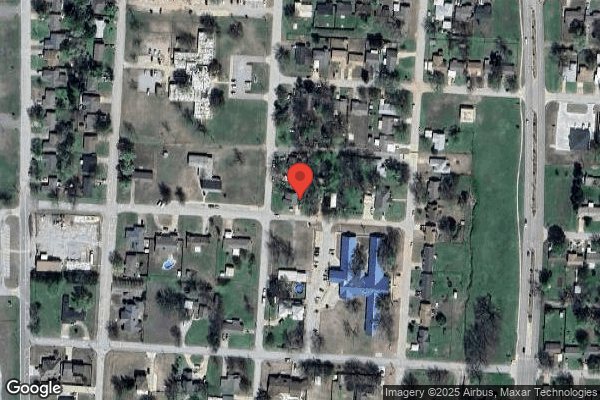
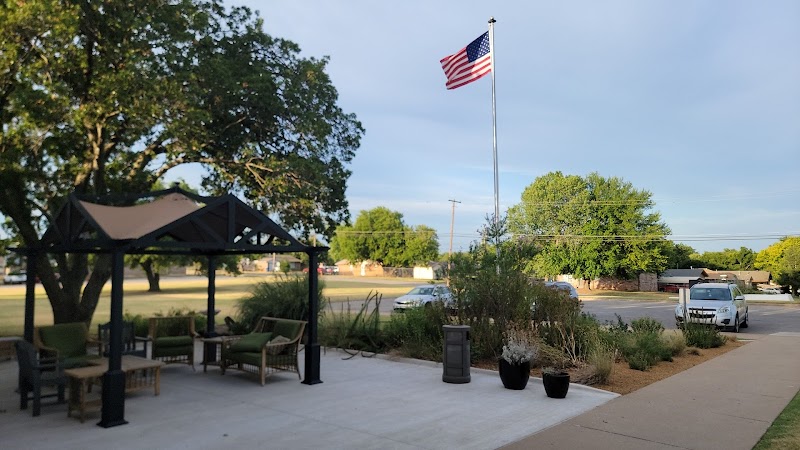
915 NORTH 7TH AVENUE, PURCELL, OK 73080 (405) 527-2122
For profit - Corporation 69 Beds Independent Data: November 2025
Trust Grade
75/100
#76 of 282 in OK
Last Inspection: November 2024

Within standard 12-15 month inspection cycle. Federal law requires annual inspections.

Overview

Sunset Estates of Purcell has a Trust Grade of B, indicating it is a good choice for care, positioned above average on the grading scale. It ranks #76 out of 282 facilities in Oklahoma, placing it in the top half, and #2 out of 3 in McClain County, meaning there is only one other local option that ranks higher. The facility is showing improvement, as it decreased its reported issues from 7 in 2023 to 3 in 2024. Staffing is rated at 4 out of 5 stars with a turnover rate of 44%, which is below the state average, suggesting that staff are stable and familiar with residents’ needs. However, there were concerning incidents, such as a failure to maintain equipment in the laundry room, leading to water leakage, and staff not wearing proper eye protection when entering the rooms of COVID-19 positive residents. Despite these weaknesses, the absence of fines and a good staffing rating highlight some strong aspects of care at this facility.

Trust Score
B
75/100
In Oklahoma
#76/282
Top 26%
Safety Record
Low Risk
No red flags
Inspections
Getting Better
7 → 3 violations
Staff Stability
○ Average
44% turnover. Near Oklahoma's 48% average. Typical for the industry.
Penalties
✓ Good
No fines on record. Clean compliance history, better than most Oklahoma facilities.
Skilled Nurses
⚠ Watch
Each resident gets only 17 minutes of Registered Nurse (RN) attention daily — below average for Oklahoma. Fewer RN minutes means fewer trained eyes watching for problems.
Violations
⚠ Watch
19 deficiencies on record. Higher than average. Multiple issues found across inspections.
★★★★☆
4.0
Overall Rating
★★★★☆
4.0
Staff Levels
★★☆☆☆
2.0
Care Quality
★★★★☆
4.0
Inspection Score
Stable
2023: 7 issues
2024: 3 issues

The Good

  • 4-Star Staffing Rating · Above-average nurse staffing levels
  • Full Sprinkler Coverage · Fire safety systems throughout facility
  • No fines on record
  • Staff turnover below average (44%)

    4 points below Oklahoma average of 48%

Facility shows strength in staffing levels, fire safety.

The Bad

Staff Turnover: 44%

Near Oklahoma avg (46%)

Typical for the industry

The Ugly 19 deficiencies on record

Nov 2024 3 deficiencies
CONCERN (D)

Potential for Harm - no one hurt, but risky conditions existed

Deficiency F0645 (Tag F0645)

Could have caused harm · This affected 1 resident

Based on record review and interview, the facility failed to accurately complete a level I PASRR for one (#14) of one resident sampled for PASRR. MDS Coordinator #1 reported 56 residents resided in th...

Read full inspector narrative →
Based on record review and interview, the facility failed to accurately complete a level I PASRR for one (#14) of one resident sampled for PASRR. MDS Coordinator #1 reported 56 residents resided in the facility. Findings: Res #14 admitted with diagnoses of major depressive disorder and delusional disorder. A PASRR level I, dated 11/01/19, documented the resident did not have a mental health diagnosis. On 11/14/24 at 10:33 a.m., the ADON was shown the level I PASRR and was asked if the form was filled out correctly. The ADON reported it was not filled out correctly.
CONCERN (E)

Potential for Harm - no one hurt, but risky conditions existed

Safe Environment (Tag F0584)

Could have caused harm · This affected multiple residents

Based on observation and interview, the facility failed to ensure equipment was maintained in good repair in the laundry room. MDS Coordinator #1 identified 56 residents resided in the facility. Fin...

Read full inspector narrative →
Based on observation and interview, the facility failed to ensure equipment was maintained in good repair in the laundry room. MDS Coordinator #1 identified 56 residents resided in the facility. Findings: On 11/14/24 at 11:21 a.m., a tour of the laundry room was conducted. Behind washing machine #2 water was observed on the floor coming out from under the machine. A blanket and a small rug were observed on the floor against the wall behind the washing machine. Both items were observed to be wet. On 11/14/24 at 12:04 p.m., Laundry #1 reported the washing machine had been leaking for about one week. They reported it happened about this time every year. They were asked about the blanket and rug on the floor behind the washing machine. They reported they did not know there was anything on the floor. On 11/14/24 at 1:25 p.m., the administrator reported they had not been told the washing machine was leaking.
CONCERN (E)

Potential for Harm - no one hurt, but risky conditions existed

Infection Control (Tag F0880)

Could have caused harm · This affected multiple residents

Based on observation, record review, and interview the facility failed to ensure staff wore eye protection when entering residents' rooms who were COVID-19 positive. MDS Coordinator #1 identified 56 r...

Read full inspector narrative →
Based on observation, record review, and interview the facility failed to ensure staff wore eye protection when entering residents' rooms who were COVID-19 positive. MDS Coordinator #1 identified 56 residents resided in the facility. The IP identified 16 residents had tested positive for COVID-19. Findings: An undated Sequence for Putting on Personal Protective Equipment form, documented goggles or faceshield were to be placed over face and eyes. Resident #13 had diagnoses which included COVID-19. A Progress Note, dated 11/11/24 at 4:01 a.m., documented Resident #50 was on isolation due to positive covid test. It documented the resident had a cough at times and was not feeling well. A Progress Note, dated 11/12/24 at 10:46 p.m., documented Resident #11 was covid positive. It documented the resident had fatigue, body aches, cough, and sore throat. A Progress Note, dated 11/12/24 at 10:35 p.m., documented Resident #34 was covid positive. It documented the resident had complaints of cough and congestion. A Progress Note, dated 11/13/24 at 4:43 a.m., documented Resident #16 was on isolation precautions for covid positive test. It documented the resident had a stuffy nose and cough. On 11/13/24 at 11:20 a.m., LPN #1 was observed to enter and perform a FSBS on Resident #13. They exited the room, prepared an insulin pen, and entered Resident #13's room again. LPN #1 was not observed to have worn eye protection either time they entered the resident's room. A Progress Note, dated 11/13/24 at 2:51 p.m., documented Resident #107 tested positive for covid. A Progress Note, dated 11/14/24 at 4:43 a.m., documented Resident #16 was on isolation precautions for a positive covid test. It documented the only symptoms were stuffy nose and cough. On 11/14/24 at 8:05 a.m., CNA #3 was observed to enter Resident #16's room without eye protection. On 11/14/24 at 12:31 p.m., CNA #1 was observed to enter Resident #50's room without eye protection. On 11/14/24 at 12:32 p.m., CNA #2 was observed to enter Resident #11's room without eye protection. On 11/14/24 at 12:35 p.m., CNA #2 was observed to enter Resident #34's room without eye protection. On 11/14/24 at 12:39 p.m., the IP stated staff should wear eye protection when entering residents' rooms who were positive for Covid. On 11/14/24 at 12:49 p.m., the speech therapist was observed to enter Resident #107's room without eye protection.
Sept 2023 6 deficiencies
CONCERN (D)

Potential for Harm - no one hurt, but risky conditions existed

Deficiency F0552 (Tag F0552)

Could have caused harm · This affected 1 resident

Based on observation, record review, and interview, the facility failed to ensure a resident and/or resident representative was informed in advance of the risks and benefits of the use of a hypnotic m...

Read full inspector narrative →
Based on observation, record review, and interview, the facility failed to ensure a resident and/or resident representative was informed in advance of the risks and benefits of the use of a hypnotic medication and informed of, and participate in, their treatment plan for one (#9) of 24 sampled residents reviewed for medications. The Resident Census and Conditions of Residents form documented three residents received hypnotic medications. The MDS coordinator identified care plan meetings were conducted for 52 residents. Findings: A facility policy, revised December 2016, titled Resident Rights, read in part, 1. Federal and state laws guarantee certain basic rights to all residents of this facility. These rights include the resident's right to .e. self-determination .h. be supported by the facility in exercising his or her rights; i. exercise his or her rights without interference, coercion, discrimination or reprisal from the facility .o. be notified of his or her medical condition and of any changes in his or her condition; p. be informed of, participate in his or her care planning and treatment . Res #9's physician order, dated 06/02/23, documented the facility was to administer 10 mg of Ambien (a hypnotic medication) at bedtime daily for a diagnosis of insomnia. A nursing note, dated 06/06/23 at 8:41 p.m., documented new order for Ambien begins on night shift tonight. On 09/06/23 at 12:38 p.m., Res #9 stated the nurses started them on Ambien (a hypnotic medication) for sleep. The resident stated they could not think straight on that medication. The resident also stated the first night they were given the sleeping medication the staff told them they were starting a new medication. The resident stated they asked the staff member what the medication was for and the staff member replied for sleep. The resident stated they wished the staff would have let them know what the name of the medication was and the side effects to be aware of prior to taking it. On 09/07/23 at 12:52 p.m., LPN #1 was asked what the facility protocol was when a resident began a new medication. They stated document every shift for 72-hour an observation assessing cognition, side effects, adverse reactions and notify the physician with any changes with the resident. LPN #1 was asked if the resident would be provided information regarding medication changes and the side effects and adverse reactions to be aware of. They stated they should be. LPN #1 was asked when a resident begins a hypnotic medication is the resident asked if they are experiencing any side effects or adverse reactions. They stated, they should be. \ An admission MDS assessment, dated 07/13/23, documented the resident was moderately impaired in cognition and required extensive assistance with most ADL's related their left leg AKA. On 09/12/23 at 1:11 p.m., the MDS coordinator was asked if they conducted care plan meetings. They stated they did. They were asked how often care plan meetings were conducted. They stated quarterly. The MDS coordinator was asked how they notified residents, responsible parties, and family members of an up coming care plan meeting. They stated they provided the resident with a letter and/or they mailed a letter to the responsible party and/or family member. The MDS coordinator was asked when was the last care plan meeting for Res #9. They stated I believe it was a couple of months ago. The MDS coordinator was asked for a copy of the care plan notification letter for Res #9. They stated they did not make copies of the letters. The MDS coordinator was asked who was present for Res #9 care plan meeting in July. They stated they would have to look. On 9/12/23 at 1:32 p.m., The MDS coordinator presented the care plan minutes for Res #9's care plan meeting held on 07/12/23. The minutes indicated Res #9 was not present for the care plan meeting nor was their POA. On 9/12/23 at 1:50 p.m., Res #9 was asked if they had been invited to the care plan meeting in July to review the care they were receiving. They stated they were not. On 09/12/23 at 1:58 p.m., the DON was asked what their expectation was of their staff when a resident began a new medication. They stated they should be documenting every shift for 72-hour an observation of the resident and any adverse reaction or side effects. The DON was asked if they expected the resident to be educated about the medication and any adverse reaction or side effects. They stated yes, they should do their best to educate the resident. The DON was asked if Res #9 was educated prior to beginning the Ambien. They stated the resident reported they were not.
CONCERN (D)

Potential for Harm - no one hurt, but risky conditions existed

Deficiency F0657 (Tag F0657)

Could have caused harm · This affected 1 resident

**NOTE- TERMS IN BRACKETS HAVE BEEN EDITED TO PROTECT CONFIDENTIALITY** Based on record review, observation, and interview, the facility failed to ensure a fall care plan was reviewed and revised for ...

Read full inspector narrative →
**NOTE- TERMS IN BRACKETS HAVE BEEN EDITED TO PROTECT CONFIDENTIALITY** Based on record review, observation, and interview, the facility failed to ensure a fall care plan was reviewed and revised for one (#9) of 24 sampled residents whose care plans were reviewed. The Resident Census and Conditions of Residents form, dated 09/06/23, documented 52 residents resided in the facility. Findings: A facility policy, revised March 2018, titled Assessing Falls and Their Cause read in part: .Performing a Post-Fall Evaluation: 4. The intervention to prevent reoccurrence will be placed on the care plan. Res #9 was admitted to the facility on [DATE] and had diagnoses which included arthritis, right shoulder and arm fracture, and left AKA. A significant change MDS assessment, dated 05/23/23, documented Res #9's cognition was moderately impaired. The CAA documented cognitive loss, falls, psychotropic medication use, were triggered for care planning. The focus on the fall care plan, initiated 05/29/22, documented Res #9 was a low risk for falls r/t AKA. An incident report, dated 06/08/23 at 11:30 p.m., documented Res #9 experienced an unwitnessed fall without injury. The incident report, read in part, .resident noted to be on rt hip/stomach area with rt arm bent awkwardly behind him .small laceration noted to top of head with small knot .Rt arm noted to have bone misaligned near elbow. The incident report also documented the resident was lethargic and drowsy and had started on Ambien on 06/05/23 which was a new medication for Res #9. An admission MDS assessment, dated 07/13/23, documented Res #9's cognition was moderately impaired and required extensive to total dependence with most ADLs. The CAA documented cognitive loss, falls, and psychotropic medication use were triggered for care planning. On 09/06/23 at 12:45 p.m., Res #9 was asked if he had experienced any recent falls. They stated, Yes, that was how their arm got all messed up. On 09/07/23 at 12:38 p.m., LPN #1 was asked how fall interventions were communicated to the staff. They stated through communication between staff, communications slips, and the 24-hour report sheet. LPN #1 was asked who was responsible for updating care plans. They stated the MDS coordinator. A nurse note, dated 06/19/23 at 4:39 a.m., documented resident had refused Ambien for two nights. The note documented it made them too confused. A nurse note, dated 06/19/23 at 11:56 p.m., documented resident notified this nurse that they no longer wish to receive Ambien. The note documented they have their mind about them but not when they take that medication. On 09/12/23 at 11:00 a.m., the MDS coordinator was asked if they were responsible for developing, reviewing, and revising of care plans. They stated Yes, they were. The MDS coordinator was asked when they reviewed and revised care plans. They stated quarterly, and as needed. The MDS coordinator was asked if they were familiar with Res #9. They stated, Yes. They were asked if the resident had experienced any falls. They stated, Yes on 06/08/23 due to starting Ambien a few days prior. The Ambien caused the resident to become lethargic and confused. The MDS coordinator was asked what Res #9's fall risk score was according to their current fall care plan. They stated it says low risk. They were asked if the care plan should have been revised to reflect the resident's current fall risk score of high risk for falls. They stated yes it should have been. The MDS coordinator was asked if Res. #9's fall care plan was revised to include a fall mat. They stated it was not but should have been. On 09/12/23 at 11:17 a.m., the DON was asked to review Res #9's fall risk assessment dated , 05/27/23 and their fall care plan. The DON was asked what the resident's fall risk score was. They stated they are a high risk for falls. The DON was asked what fall risk score was indicated on the resident's fall care plan. They stated it says low risk. The DON was asked if Res #9 had a fall mat in their room. The DON stated they did. The DON was asked if the fall matt was on the resident's fall care plan. They stated it was not.
CONCERN (D)

Potential for Harm - no one hurt, but risky conditions existed

Deficiency F0692 (Tag F0692)

Could have caused harm · This affected 1 resident

**NOTE- TERMS IN BRACKETS HAVE BEEN EDITED TO PROTECT CONFIDENTIALITY** Based on observation, record review, and interview, the facility failed to implement interventions to prevent weight loss for on...

Read full inspector narrative →
**NOTE- TERMS IN BRACKETS HAVE BEEN EDITED TO PROTECT CONFIDENTIALITY** Based on observation, record review, and interview, the facility failed to implement interventions to prevent weight loss for one (#17) of two sampled residents reviewed for nutrition. The Resident Census and Conditions of Residents form, dated 09/06/23, documented 52 residents resided in the facility. Findings: Res #17 had diagnoses which included Alzheimer's disease, dementia, GERD, diabetes, and adult failure to thrive. A vital sign record, dated 03/03/23, documented the resident weighed 186.2 lbs. A physician order, dated 03/28/23, documented the resident received a mechanical soft diet with nectar thick liquids for dysphagia. A vital sign record, dated 04/01/23, documented the resident weighed 182.6 lbs. A vital sign record, dated 05/03/23, documented the resident weighed 176.6 lbs. A vital sign record, dated 06/01/23, documented the resident weighed 177.6 lbs. A vital sign record, dated 07/01/23, documented the resident weighed 187.4 lbs. An annual MDS, dated [DATE], documented the resident was severely cognitively impaired, required set-up assistance of one staff with meals, and received a mechanically altered diet. A vital sign record, dated 08/03/23, documented the resident weighed 171.9 lbs. (8% weight loss in one month) A care plan, reviewed 08/24/23, documented Res #17 had a nutritional problem related to vitamin deficiency. The interventions documented included to monitor for weight loss, and to monitor, document and report any incidences of refusing to eat, or appearing concerned during meals. A nutrition/dietary note, dated 08/28/23, documented a request from the dietitian for a reweigh of the resident to confirm significant weight loss. A vital sign record, dated 08/29/23, documented the resident weighed 165.8 lbs, which reflected a weight loss of 11.24% in six months. The resident's record did not document orders for supplements for weight loss. On 09/07/23 at 11:49 p.m., Res #17 was observed seated at a table in the dining room. The resident's plate was in front of him within reach. The resident was observed until 12:20 p.m. The resident had made no attempts to feed self, and staff had not intervened or attempted to help resident with meal. No supplements were offered to resident. On 09/07/23 at 12:42 p.m., the resident was observed still seated in the dining room. The plate was pushed away from resident to the side. The plate did not appear to have been touched since last observation. CNA #4 was observed approaching the resident and pushing them away from the table in their wheelchair. On 09/07/23 at 1:26 p.m., Res #17 was observed in bed with eyes open. The resident was asked about their lunch meal, but was not cognitively able to respond to questions. On 09/07/23 at 3:45 p.m., CNA #2 was asked about documentation for resident meal intake. They stated there was a reference form near the door to the kitchen. On 09/07/23 at 3:51 p.m., the DON was asked about Res #17's dietary status. They stated the resident had a recent weight loss related to diarrhea. They stated tests were ordered related to the diarrhea and had returned negative. They stated there were no additional orders from the physician after the test results were received. They stated the dietitian had requested a reweigh of the resident but had not been contacted regarding the reweigh since it was obtained two weeks ago. The DON was asked if the resident was receiving supplements, they stated there were none ordered and they would contact the dietitian. On 9/11/23 at 12:18 p.m., CNA #1 was asked how it was communicated to the nursing staff when a resident was losing weight. CNA #1 stated change of shift report and by how the resident's meal intake was and if they were refusing meals. On 09/11/23 at 12:22 p.m., LPN #1 was asked how it was communicated to the nursing staff when a resident was losing weight. They stated the staff receive communication slips from the DON and from the 24-hour report sheet. On 09/11/23 at 12:26 p.m., the MDS coordinator was asked how are interventions related to residents experiencing weight loss was communicated to the nursing staff. They stated through communication slips. The MDS coordinator was asked how they were made aware of a resident with weight loss. They stated in morning meetings, weight loss/gain meeting monthly, and the DON will complete a communication slip for the department heads. The MDS coordinator was asked what interventions were in place to prevent Res #17 from further weight loss. They stated, through encouragement, cueing, and providing mighty shakes or magic cups. The MDS coordinator was asked to review the resident's care plan for the last date a revision which was made to their nutrition care plan. They stated 03/24/23 for a swallow study. On 09/11/23 at 12:40 p.m., the dietary manager stated she had not received notification Res #17 had a significant weight loss.
CONCERN (D)

Potential for Harm - no one hurt, but risky conditions existed

Deficiency F0700 (Tag F0700)

Could have caused harm · This affected 1 resident

**NOTE- TERMS IN BRACKETS HAVE BEEN EDITED TO PROTECT CONFIDENTIALITY** Based on record review, observation, and interview, the facility failed to review the risks and benefits of side rails with the ...

Read full inspector narrative →
**NOTE- TERMS IN BRACKETS HAVE BEEN EDITED TO PROTECT CONFIDENTIALITY** Based on record review, observation, and interview, the facility failed to review the risks and benefits of side rails with the resident or resident representative; and obtain an informed consent prior to installation for one (#9) of one sampled resident reviewed for side rails. The corporate nurse consultant #1 identified 10 residents had grab bars and six residents had side rails. Findings: Res #9 was admitted to the facility on [DATE] and had diagnoses which included arthritis, right shoulder and arm fracture, and left AKA. A facility policy, revised December 2016, titled Proper Use of Side Rails, read in part, .5. consent for using restrictive devices will be obtained from the resident or legal representative per facility protocol .7. documentation will indicate if less restrictive approaches are not successful, prior to considering the use of side rails . A facility policy, revised August 2022, titled Bed Safety and Bed Rail, read in part, The use of bed rails is prohibited unless the criteria for use of bed rails have been met .Use of Bed Rails 1. Bed rails are adjustable metal or rigid plastic bars that attach to the bed. They are available in a variety of sizes, shapes, and sizes ranging from full to one-half, one quarter, or one-eighth lengths .For the purpose of this policy bed-rails include: a. side rails; b. safety rails; and c. grab/assist bars .3. The use of bed rails (including temporarily raising the side rail for episodic use during care) is prohibited unless the criteria for use of bed rails have been met, including attempts to use alternatives .and resident informed consent. 4. Prior to the installation or use of a side or bed rail, alternatives to the use of side or bed rails are attempted. Alternatives may include: a. roll guards; b. foam bumpers .use of concave mattresses to reduce rolling off the bed .8. Before using bed rails for any reason, the staff shall inform the resident or representative about the benefits and potential hazards associated with bed rails and obtain informed consent . A care plan, dated 05/29/22, documented the resident was a low risk for falls related to AKA. An admission MDS assessment, dated 07/13/23, documented Res #9 was cognitively intact and required extensive to total dependence with ADLs. The assessment also documented Res #9 stated it was very important to them to have family or a close friend involved in discussions about their care during their interview for daily preferences. On 09/07/23 at 10:58 a.m., CNA #2 was asked the reason Res #9 had bed rails. They stated the resident experienced a fall a couple of months ago due to the addition of Ambien to their medication regime. CNA #2 stated they were also a CMA when needed. CNA #2 stated the Ambien caused Res# 9 to become confused and have vivid dreams and one night the resident dreamt he was riding a horse and fell off. A night CNA found them in the floor in their room. On 09/07/23 at 12:15 p.m., Res #9 was asked about their bed rails. They stated, I do not need them. Res #9 was asked if the facility staff reviewed the risks and benefits of the bed rails with them and obtain an informed consent prior to installation. They stated, No, they did not. On 09/12/23 at 11:04 a.m., the MDS coordinator was asked if they had reviewed the risks and benefits of the bed rails with Res #9 and obtain a signed informed consent from them prior to installation of the bed rails. They stated they were not aware a consent was required prior to bed rail installation. They also stated, if that is the case, none of the residents who have bed rails were informed of the risks and benefits of their bed rails and no signed consent was obtained from them prior to installation. On 09/12/23 at 11:23 a.m., the DON was asked if the risks and benefits of the bed rails were reviewed with Res #9, and was a signed informed consent obtained from the resident prior to installation of the bed rails. They stated it was not.
CONCERN (D)

Potential for Harm - no one hurt, but risky conditions existed

Deficiency F0757 (Tag F0757)

Could have caused harm · This affected 1 resident

Based on record review and interview, the facility failed to ensure blood pressure medications were not administered when a resident's blood pressure was below parameters for one (#6) of five sampled ...

Read full inspector narrative →
Based on record review and interview, the facility failed to ensure blood pressure medications were not administered when a resident's blood pressure was below parameters for one (#6) of five sampled residents reviewed for unnecessary medications. The Resident Census and Conditions of Residents form, dated 09/06/23, documented 52 residents resided in the facility. Findings: Res #6 had diagnoses which included HTN, heart failure, and chest pain. A physician order, dated 02/08/23, documented to administer lisinopril 2.5 mg one time per day for HTN. The order documented to hold the medication when the systolic blood pressure was below 110. A July 2023 MAR, documented the resident received the lisinopril when systolic blood pressure was below 110 six times. A physician order, dated 08/02/23, documented to administer isosorbide mononitrate 10 mg one time per day for heart failure and chest pain. The order documented to hold the medication if systolic blood pressure was below 110. A physician order, dated 08/02/23, documented to administer lisinopril 2.5 mg one time per day for HTN. The order documented to hold the medication when the systolic blood pressure was below 110. An August 2023 MAR, documented the resident received isosorbide mononitrate when systolic blood pressure was below 110 four times, and An August 2023 MAR, documented the resident received lisinopril when systolic blood pressure was below 110 five times. On 09/08/23 at 9:15 a.m., CMA #1 stated if a resident's blood pressure was below parameters, the medication should be held and the blood pressure re-checked in 30 minutes. The CMA stated if the blood pressure is still below parameters at the re-check they would notify the nurse and document the medication as held. The CMA was shown the instances on Res #6's MAR in which the medication was given with a systolic blood pressure above 110. They stated the medication should have been held for those instances. On 09/08/23 at 9:33 a.m., RN #1 was asked what the process for a resident with blood pressure under parameter was. They stated the nurse should retake the blood pressure manually and notify the physician. They stated a progress note should be documented that included notification of physician and any new orders if received. When shown the instances of the medication being given for Res #6 when the parameters were not met, they stated the medication should have been held and the nurse notified. On 09/08/23 at 9:36 a.m., the DON was asked what the process for a blood pressure below parameter was. They stated the CMA should re-take the blood pressure manually and notify the nurse if it is still below parameter. They stated the nurse should retake the blood pressure and then notify the provider if the blood pressure was below parameters. The DON stated in the instances for Res #6 the medication should have been held.
CONCERN (E)

Potential for Harm - no one hurt, but risky conditions existed

Food Safety (Tag F0812)

Could have caused harm · This affected multiple residents

Based on observation and interview, the facility failed to store food in accordance with professional standards for food safety. The Resident Census and Conditions of Residents form, documented 52 res...

Read full inspector narrative →
Based on observation and interview, the facility failed to store food in accordance with professional standards for food safety. The Resident Census and Conditions of Residents form, documented 52 residents resided in the facility. The dietary manager identified one resident did not receive nutrition from the kitchen. Findings: On 09/07/23 at 9:15 a.m., a brief initial tour of the kitchen was conducted. The following was observed in the walk in refrigerator during the tour: a. cooked hamburger patties in gallon Ziploc bag, dated 09/04/23, b. pre-cooked sausage patties in an opened box, dated 09/03/23, c. an open box below the pre-cooked sausage patties containing raw, uncooked bacon, dated 09/01/23, d. an unopened box below the raw bacon of pre-cooked sausage patties, dated 09/05/23. On 09/07/23 at 09:25 a.m., the dietary manager DM stated storage of leftovers is dependent on what the leftovers were. They stated the cooked hamburger patties should have been discarded. They stated the boxes should not have been stacked in that manner as it could cause cross-contamination.
Feb 2023 1 deficiency
CONCERN (D) 📢 Someone Reported This

A family member, employee, or ombudsman was alarmed enough to file a formal complaint

Potential for Harm - no one hurt, but risky conditions existed

Quality of Care (Tag F0684)

Could have caused harm · This affected 1 resident

Based on record review and interview, the facility failed to ensure a hospital physician discharge order was followed for one (#4) of four residents whose physician orders were reviewed. The Resident ...

Read full inspector narrative →
Based on record review and interview, the facility failed to ensure a hospital physician discharge order was followed for one (#4) of four residents whose physician orders were reviewed. The Resident Census and Conditions of Residents form documented 41 residents resided in the facility. Findings: Res #4 had diagnoses which included coronary artery disease, hyperlipidemia, peripheral vascular disease, COPD, hypertension, congestive heart failure, and edema. A nurse progress note, dated 01/18/23, documented Res #4 was sent to the ER for a heart rate of 36 that was irregular. The note documented the physician ordered to send Res #4 for an EKG and workups. An after visit summary, dated 01/29/23, documented an echocardiogram scheduled for 01/23/23 at the local hospital. The record did not document an order in Res #4's EHR for the echocardiogram. On 02/01/23 at 2:45 p.m., the DON stated the discharge order from the hospital was missed, so Res #4 did not receive an echocardiogram. She stated the nurse who entered the discharge orders should have put an order for the procedure into the EHR, so the facility would know to transport the resident.
Oct 2022 9 deficiencies
CONCERN (D)

Potential for Harm - no one hurt, but risky conditions existed

Assessment Accuracy (Tag F0641)

Could have caused harm · This affected 1 resident

Based on record review, observation and interview, the facility failed to accurately complete assessments for two (#33 and #35) of 12 residents whose assessments were reviewed. The ''Resident Census a...

Read full inspector narrative →
Based on record review, observation and interview, the facility failed to accurately complete assessments for two (#33 and #35) of 12 residents whose assessments were reviewed. The ''Resident Census and Conditions of Residents'' form documented 42 residents resided in the facility. Findings: 1. Res #33 had diagnoses which included anxiety disorder, delusional disorder, and major depressive disorder. A physician order, dated 11/07/19, documented mirtazapine (an antidepressant medication) administer 15 mg by mouth at bed time for appetite stimulant. An annual assessment, dated 12/08/21, documented the resident was severely impaired with cognition and was taking an antianxiety and an opioid medication. The assessment did not document the resident was taking an antidepressant medication. A quarterly assessment, dated 09/10/22, documented the resident was moderately impaired in cognition and was not taking an antidepressant medication. A care plan, last reviewed 09/18/22, documented the resident was taking a sedative, antianxiety, and an antidepressant medication. On 10/18/22 at 11:12 a.m., the MDS coordinator stated she had not been capturing the mirtazapine as an antidepressant on the MDS. She stated it had been being given as an appetite stimulant. She looked back at the quarterly and annual assessments and stated she had not captured the antidepressant on either assessment. 2. Res #35 had diagnoses which included anxiety disorder, conduct disorder, mood disorder, and major depressive disorder. A physician order, dated 02/11/20, documented risperidone (an antipsychotic medication) 0.25 mg give at bed time for major depressive disorder. A pharmacy MRR, dated 03/07/22, documented this resident currently takes risperidone 0.25 mg at HS. Please assess and if appropriate, consider a trial discontinuation. If no reduction, please provide written rationale below describing why a dose reduction for this medication is clinically contraindicated. The physician documented disagree and no changes. A quarterly assessment, dated 09/13/22, documented the resident was moderately impaired with cognition and performed most ADLs independently. The assessment documented the resident had received an antipsychotic, an antidepressant, and a hypnotic medication during the look back period. The assessment documented a GDR was clinically contraindicated on 09/01/22. On 10/19/22 at 7:30 a.m., Res # 35 was observed in the dining room for breakfast. On 10/19/22 at 12:12 p.m., the MDS coordinator stated she had the wrong date on the MDS for the GDR date. She had looked at the date for when the next evaluation was due.
CONCERN (D)

Potential for Harm - no one hurt, but risky conditions existed

PASARR Coordination (Tag F0644)

Could have caused harm · This affected 1 resident

Based on record review and interview, the facility failed to ensure a resident with a new serious mental health diagnosis was referred to the OHCA for one (#16) of two sampled residents reviewed for P...

Read full inspector narrative →
Based on record review and interview, the facility failed to ensure a resident with a new serious mental health diagnosis was referred to the OHCA for one (#16) of two sampled residents reviewed for PASRRs. The Resident Census and Conditions of Residents report, dated 10/18/22, documented 42 residents resided in the facility. Findings: A level I PASRR, dated 04/20/21, documented Res #16 did not have a serious mental illness. On 05/06/22, Res #16 had a new diagnoses of schizophrenia. There was no documentation the OHCA had been contacted to see if a level II PASRR was required. On 10/17/22 at 3:58 p.m., the DON was shown Res #16's level I PASRR and new diagnosis of schizophrenia. They were asked to provide documentation the OHCA was notified to see if a level II PASRR was required. On 10/18/22 at 10:41 a.m., the DON stated they had no documentation the OHCA was notified of the diagnosis. They stated the OHCA should have been contacted.
CONCERN (D)

Potential for Harm - no one hurt, but risky conditions existed

Staffing Information (Tag F0732)

Could have caused harm · This affected 1 resident

Based on observation and interview, the facility failed to post daily nurse staffing information in a prominent area where it could be readily viewed by residents and visitors. The Resident Census and...

Read full inspector narrative →
Based on observation and interview, the facility failed to post daily nurse staffing information in a prominent area where it could be readily viewed by residents and visitors. The Resident Census and Conditions of Residents form documented 42 residents resided in the facility. Findings: On 10/17/22 at 10:00 a.m., the nurse staffing information was not posted. On 10/18/22 at 2:23 p.m., the nurse staffing information was not posted. On 10/18/22 at 2:25 p.m., the DON stated a paper printout of the monthly nurse staff schedule enclosed in a glass bulletin board case on the southwest hall served as the daily staffing board. The DON stated not having been aware of the requirement to post daily staffing and census in an area available to residents and visitors. On 10/18/22 at 2:58 p.m., the corporate nurse consultant reported daily staffing information and census was written on a clipboard kept at the nurses' station and not in view for residents or visitors but it should have been.
CONCERN (D)

Potential for Harm - no one hurt, but risky conditions existed

Deficiency F0801 (Tag F0801)

Could have caused harm · This affected 1 resident

**NOTE- TERMS IN BRACKETS HAVE BEEN EDITED TO PROTECT CONFIDENTIALITY** Based on record review and interview, the facility failed to guarantee the person designated to serve as the DM met the State re...

Read full inspector narrative →
**NOTE- TERMS IN BRACKETS HAVE BEEN EDITED TO PROTECT CONFIDENTIALITY** Based on record review and interview, the facility failed to guarantee the person designated to serve as the DM met the State requirement for DM and complete/maintain certification as the DM. The DM identified 40 residents received services from the kitchen. Findings: An employee hire date list documented the DM was hired [DATE]. There was no documentation the DM was certified as a dietary manager. On [DATE] at 9:20 a.m., the DM was asked if she was certified as a DM. She stated she had been certified. The DM stated their certification expired in 2020.
CONCERN (E)

Potential for Harm - no one hurt, but risky conditions existed

Deficiency F0645 (Tag F0645)

Could have caused harm · This affected multiple residents

**NOTE- TERMS IN BRACKETS HAVE BEEN EDITED TO PROTECT CONFIDENTIALITY** Based on record review and interview, the facility failed to correctly identify an individual with a mental disorder for two (#1...

Read full inspector narrative →
**NOTE- TERMS IN BRACKETS HAVE BEEN EDITED TO PROTECT CONFIDENTIALITY** Based on record review and interview, the facility failed to correctly identify an individual with a mental disorder for two (#16 and #33) of two residents sampled for PASRR level I screening. The Resident Census and Conditions of Residents form documented 18 residents had documented psychiatric diagnoses. Findings: 1. Res #33 was admitted [DATE] with diagnoses which included major depressive disorder, delusional disorders, and hallucinations. A PASRR I screening, completed on 11/01/19, documented, No to all questions regarding mental illness. A quarterly assessment, dated 09/10/22, documented the resident was moderately impaired with cognition and had no behaviors during the look back period. A care plan, last reviewed 09/18/22, documented to monitor, document, and report a change in behavior, mood, cognition, hallucinations, delusions, social isolation, suicidal thoughts, and withdrawal. On 10/18/22 at 10:45 a.m., the DON stated she was not here when the PASRR was filled out for the resident. She stated the PASRR level I should have included the diagnoses of hallucinations and delusional disorder which he was admitted with and should have been reported to OHCA. 2. Res #16 was admitted to the facility on [DATE] with diagnoses which included unspecified mental disorder due to know physiological condition. A level I PASRR, dated 04/20/21, documented the resident had a primary diagnosis of dysphasia unspecified and a secondary diagnosis of unspecified symbolic dysfunction. It was documented there was not evidence or diagnosis of a serious mental illness. There was no documentation the OHCA had been contacted to see if a level II PASRR was required. On 10/17/22 at 3:58 p.m., the DON was shown Res #16's level I PASRR and diagnosis of unspecified mental disorder due to know physiological conditionon on admission. They were asked to provide documentation the OHCA was notified to see if a level II PASRR was required. On 10/18/22 at 10:41 a.m., the DON stated they had no documentation the OHCA was notified of the diagnosis. They stated the OHCA should have been contacted.
CONCERN (E)

Potential for Harm - no one hurt, but risky conditions existed

Tube Feeding (Tag F0693)

Could have caused harm · This affected multiple residents

Based on record review, observation and interview, the facility failed to follow physician orders related to peg tube feeding for one (#42) of two residents with tube feedings. The Resident Census an...

Read full inspector narrative →
Based on record review, observation and interview, the facility failed to follow physician orders related to peg tube feeding for one (#42) of two residents with tube feedings. The Resident Census and Conditions of Residents form documented two residents had ordered tube feedings. Findings: Res #42 had diagnoses which included gastrostomy medical management and dysphagia. A admission assessment, dated 10/07/22, documented the resident was moderately impaired with cognition, required extensive to total assistance with activities of daily living, and had a feeding tube. A physician order, dated 08/01/22, documented start enteral feed at 50 ml per hour in the afternoon related to encounter for attention to gastrostomy. There was no documentation on the order for the type, strength, or time frame for the feeding to be administered to the resident. A dietitian note, dated 09/08/22 documented a goal for weight stabilization and recommended to increase Isosource 1.5 to 55 ml/hr continuous. A physician order, dated 09/13/22, documented enteral feed every shift for peg tube at 55 ml/hr with 100 ml water flush every three hours and turn feeding off from 2:00 pm to 4:00 pm. There was no documentation on the order for the type and strength of feeding the resident was to receive. A nurse note, dated 9/13/22, documented to change Isosource to 55 ml/hr by physician. A care plan, updated on 9/13/22, documented enteral feeding order every shift for peg tube 55 ml/hr with 100 ml water flush, turn off from 2:00 pm to 4:00 pm, see TAR. A nurse note, dated 9/19/2022, documented the resident had refused to have his feeding pump hooked up. The note documented the resident was feeling full and on coming nurse was notified. A fax to the physician, dated 09/19/22 at 6:48 a.m., documented the physician was notified of the resident feeling full and uncomfortable. The fax documented residual of 50 cc and a request for gas drops. The physician did not decrease the feeding at that time. On 10/17/22 at 11:01 a.m., surveyor observed Isosourse running at 50 ml /hr, with flush of 200 ml. Resident #42 stated he was only feed by the tube feeding. On 10/17/22 at 3:31 p.m., the tube feeding was not running at this time. Res #42 stated they shut it off to let him rest a little and then turn the feeding back on. The October TAR was reviewed related to the above orders. Both orders were being documented they had been completed. Documentation for 55 ml/hr was each shift, day, evening, and night. Documentation for 50 ml/hr was at 4:00 p.m. The TAR did not identify how long the feeding was to be administered. On 10/19/22 at 4:00 p.m., LPN #1 stated they keep changing the resident's feeding amount. She stated the last time she took care of the resident, she got 200 ml of residual. She stated he was tolerating the feeding well at 50 ml. She stated she only worked evening shift and had been running his feedings at 50 ml/hr. On 10/19/22 at 4:10 p.m., the DON stated he was having a hard time tolerating the feeding at 55 ml/hr. She stated we were running it at 50 ml. She stated as of yesterday there were two orders for his feeding. On 10/19/22 at 4:25 p.m., the DON stated she did not get an order clarification until yesterday. She stated the dietitian wanted to try the feeding at 55 ml/hr. She stated the 50 ml/hr order from August should have been discontinued when an order for 55 ml/hr went into place in September.
CONCERN (E)

Potential for Harm - no one hurt, but risky conditions existed

Deficiency F0700 (Tag F0700)

Could have caused harm · This affected multiple residents

Based on record review, observation, and interview, the facility failed to assess the need and risk of using bed rails for one (#29) of one sampled resident reviewed for bed rail usage. The administra...

Read full inspector narrative →
Based on record review, observation, and interview, the facility failed to assess the need and risk of using bed rails for one (#29) of one sampled resident reviewed for bed rail usage. The administrator reported the facility had six residents with bed rails and one resident with an assist bar. Findings: Res #29 had diagnoses which included paraplegia and convulsions. An annual assessment, dated 08/27/22, documented the resident was severly impaired with cognition and required extensive to total care with activities of daily living. A care plan, last reviewed 09/08/22, did not document the resident had bed rails. A review of the resident's EHR did not contain an order for bed rails or an assessment for bed rails. On 10/17/22 10:57 a.m., the resident was observed in bed on an air mattress with quarter rails up on the bed and a fall mat on the floor. On 10/20/22 at 09:58 a.m., the DON stated the resident did not have a bed rail assessment. She stated he used the rail for positioning and helping the staff when turning. On 10/20/22 at 10:08 a.m., the MDS coordinator stated she stated the bed rails were not care planned. She stated there was not a physician order for bed rails. She stated she had no idea there was a bed rail assessment form.
CONCERN (E)

Potential for Harm - no one hurt, but risky conditions existed

Drug Regimen Review (Tag F0756)

Could have caused harm · This affected multiple residents

2. Res #35 had diagnoses which included anxiety disorder, conduct disorder, mood disorder, and major depressive disorder. A physician order, dated 02/11/20, documented Cymbalta 20 mg (duloxetine) adm...

Read full inspector narrative →
2. Res #35 had diagnoses which included anxiety disorder, conduct disorder, mood disorder, and major depressive disorder. A physician order, dated 02/11/20, documented Cymbalta 20 mg (duloxetine) administer one every 48 hours related to major depressive disorder. A physician order, dated 02/11/20, documented risperidone (an antipsychotic medication) 0.25 mg give at bed time for major depressive disorder. A physician order, dated 06/15/21, documented Restoril 7.5 mg (temazepam) administer at bedtime for insomnia. A pharmacy MRR, dated 03/07/22, documented this resident currently takes risperidone 0.25 mg at HS. Please assess and if appropriate, consider a trial discontinuation. If no reduction, please provide written rationale below describing why a dose reduction for this medication is clinically contraindicated. The physician documented disagree and no changes. A pharmacy MRR, dated 04/06/22, documented this resident currently takes temazepam 7.5 mg at HS. Please assess and if appropriate, consider a trial discontinuation. If no reduction, please provide written rationale below describing why a dose reduction for this medication is clinically contraindicated. The physician signed and dated the form with no rationale provided. A quarterly assessment, dated 09/13/22, documented the resident was moderately impaired with cognition and performed most ADLs independently. The assessment documented the resident had received an antipsychotic, an antidepressant, and a hypnotic medication during the look back period. A pharmacy MRR, dated 09/15/22, documented this resident currently takes risperidone 0.25 mg at HS. Please assess and if appropriate, consider a trial discontinuation. If no reduction, please provide written rationale below describing why a dose reduction for this medication is clinically contraindicated. The physician signed and dated the MRR 10/18/22 which was not in the time frame per facility policy. On 10/19/22 at 7:30 a.m., Res # 35 was observed in the dining room for breakfast. On 10/19/22 at 11:58 a.m., the DON stated the physician did not give a rationale for the April recommendation. The physicain wrote no changes on the other recommendations. On 10/19/22 at 12:25 p.m., the DON stated the pharmacist was in the facility on friday October 14th for the October recommendations. She stated the physician did not sign the September recommendations until 10/18/22. So the policy was not followed. Based on record review and interview, it was determined the facility failed to ensure: a. written rationales were provided describing the reason the medications were clinically contraindicated, and b. the physician addressed recommendations in a timely manner for MRRs for two (#5 and #35) of five sampled residents who were reviewed for unnecessary medications. The Resident Census and Conditions of Residents report, dated 10/18/22, documented 42 residents resided in the facility. Findings: The Medication Monitoring policy, effective 10/01/18, read in parts, .the Facility and Attending Physician must address the recommendation(s) in a timely manner that meets the needs of the resident- but no later than their next routine visit to assess the resident .If the Attending Physician declines or otherwise rejects the Consultant Pharmacist's recommendation, an explanation as to the rationale for the rejection shall be documented in the resident's medical record . 1. A MRR, dated 08/08/22, documented Res #5 received duloxetine 30 mg daily. It documented the pharmacist made a recommendation to consider a dose reduction for the medication to 20 mg daily. It documented to provide a written rationale describing the reason the dose reduction for the medication was clinically contraindicated. The physician disagreed, provided a signature, and documented no changes. There was no date when the physician responded to the recommendation. The recommendation was noted by the DON on 08/18/22. There was no written rationale provided. A MRR, dated 09/16/22, documented Res #5 received temazepam 7.5 mg HS. It was documented the pharmacist made a recommendation to consider a trial discontinuation if appropriate. The physician disagreed, provided a signature, and documented already at minimum. There was no date when the physician responded to the recommendation. The recommendation was noted by the DON on 10/18/22. On 10/18/22 at 2:48 p.m., the corporate nurse consultant was asked if the physician had responded to the 09/16/22 recommendation and if the rationale from the physician on the 08/08/22 pharmacy recommendation was an acceptable rationale. She stated there was no rationale provided. On 10/18/22 at 3:32 p.m., the DON stated the MRRs were taken to the physician and a rationale was added to continue the antidepressant as is for the 08/08/22 MRR and the 09/16/22 MRR was signed and a rationale provided.
CONCERN (E)

Potential for Harm - no one hurt, but risky conditions existed

Laboratory Services (Tag F0770)

Could have caused harm · This affected multiple residents

Based on record review and interview, the facility failed to collect labs as ordered by the physician for one (#10) of five sampled residents reviewed for lab services. The Resident Census and Condit...

Read full inspector narrative →
Based on record review and interview, the facility failed to collect labs as ordered by the physician for one (#10) of five sampled residents reviewed for lab services. The Resident Census and Conditions of Residents report, dated 10/18/22, documented 42 residents resided in the facility. Findings: Res #10 had diagnoses which included vitamin B-12 deficiency, hypothyroidism, chronic kidney disease stage 3, and HTN. A physician's order, dated 04/18/22, documented CBC, CMP, TSH, lipid, vitamin B-12, vitamin D every 12 months starting on the 13th. On 10/19/22 at 11:31 a.m., the DON was asked to provide the lab results. On 10/19/22 at 11:56 a.m., the DON stated they missed collecting the labs. The DON stated they should have been collected.
Understanding Severity Codes (click to expand)
Life-Threatening (Immediate Jeopardy)
J - Isolated K - Pattern L - Widespread
Actual Harm
G - Isolated H - Pattern I - Widespread
Potential for Harm
D - Isolated E - Pattern F - Widespread
No Harm (Minor)
A - Isolated B - Pattern C - Widespread

Questions to Ask on Your Visit

  • "Can I speak with families of current residents?"
  • "What's your RN coverage like on weekends and overnight?"

Our Honest Assessment

Strengths
  • • No major safety red flags. No abuse findings, life-threatening violations, or SFF status.
  • • No fines on record. Clean compliance history, better than most Oklahoma facilities.
  • • 44% turnover. Below Oklahoma's 48% average. Good staff retention means consistent care.
Concerns
  • • 19 deficiencies on record. Higher than average. Multiple issues found across inspections.
Bottom line: Generally positive indicators. Standard due diligence and a personal visit recommended.

About This Facility

What is Sunset Estates Of Purcell's CMS Rating?

CMS assigns SUNSET ESTATES OF PURCELL an overall rating of 4 out of 5 stars, which is considered above average nationally. Within Oklahoma, this rating places the facility higher than 99% of the state's 100 nursing homes. This rating reflects solid performance across the metrics CMS uses to evaluate nursing home quality.
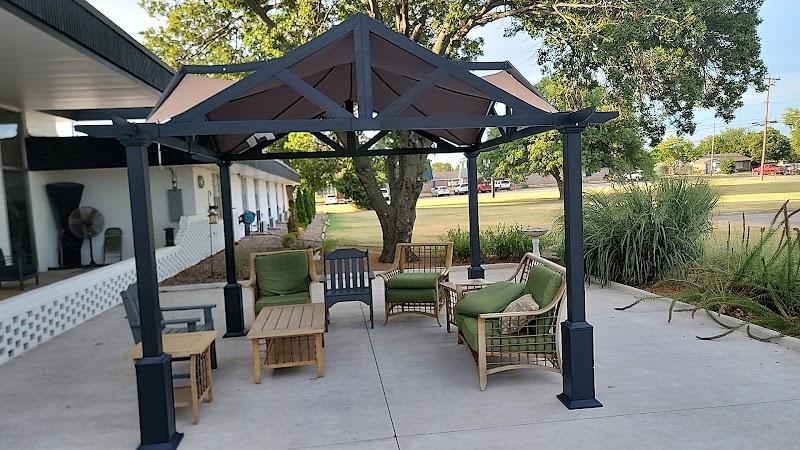
How is Sunset Estates Of Purcell Staffed?

CMS rates SUNSET ESTATES OF PURCELL's staffing level at 4 out of 5 stars, which is above average compared to other nursing homes. Staff turnover is 44%, compared to the Oklahoma average of 46%. This relatively stable workforce can support continuity of care.

What Have Inspectors Found at Sunset Estates Of Purcell?

State health inspectors documented 19 deficiencies at SUNSET ESTATES OF PURCELL during 2022 to 2024. These included: 19 with potential for harm.
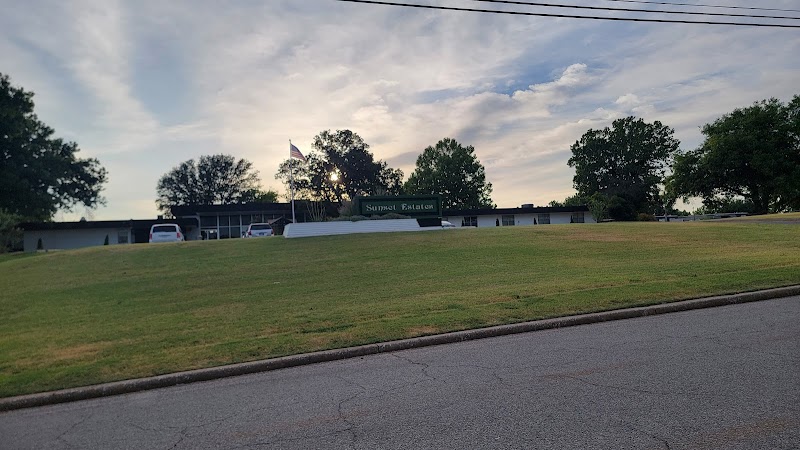
Who Owns and Operates Sunset Estates Of Purcell?

SUNSET ESTATES OF PURCELL is owned by a for-profit company. For-profit facilities operate as businesses with obligations to shareholders or private owners. The facility operates independently rather than as part of a larger chain. With 69 certified beds and approximately 50 residents (about 72% occupancy), it is a smaller facility located in PURCELL, Oklahoma.
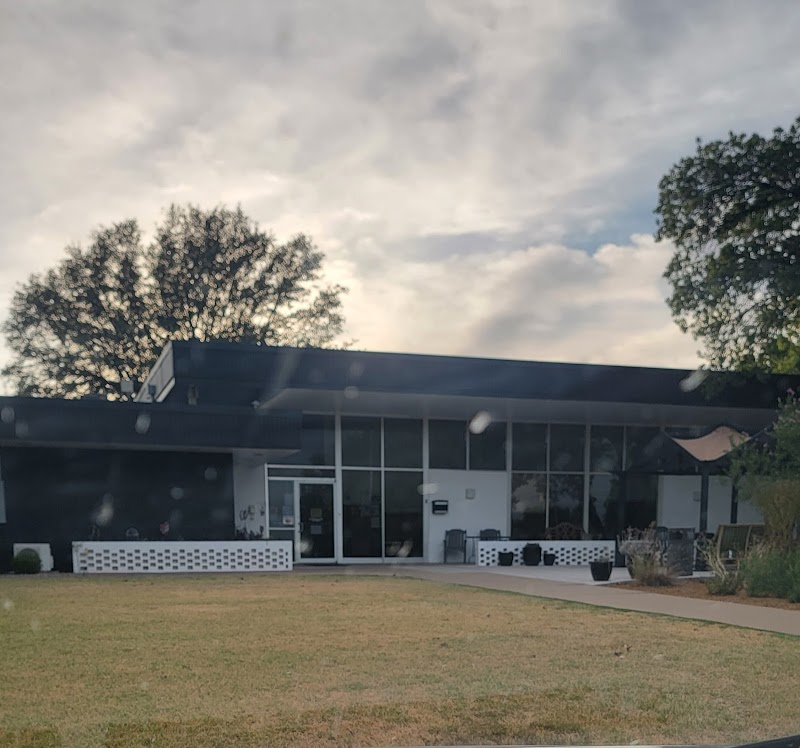
How Does Sunset Estates Of Purcell Compare to Other Oklahoma Nursing Homes?

Compared to the 100 nursing homes in Oklahoma, SUNSET ESTATES OF PURCELL's overall rating (4 stars) is above the state average of 2.6, staff turnover (44%) is near the state average of 46%, and health inspection rating (4 stars) is above the national benchmark.

What Should Families Ask When Visiting Sunset Estates Of Purcell?

Based on this facility's data, families visiting should ask: "Can I visit during a mealtime to observe dining assistance and food quality?" "How do you handle medical emergencies, and what is your hospital transfer rate?" "Can I speak with family members of current residents about their experience?"

Is Sunset Estates Of Purcell Safe?

Based on CMS inspection data, SUNSET ESTATES OF PURCELL has a clean safety record: no substantiated abuse findings (meaning no confirmed cases of resident harm), no Immediate Jeopardy citations (the most serious violation level indicating risk of serious injury or death), and is not on the Special Focus Facility watch list (a federal program monitoring the lowest-performing 1% of nursing homes). The facility has a 4-star overall rating and ranks #1 of 100 nursing homes in Oklahoma. While no facility is perfect, families should still ask about staff-to-resident ratios and recent inspection results during their visit.

Do Nurses at Sunset Estates Of Purcell Stick Around?

SUNSET ESTATES OF PURCELL has a staff turnover rate of 44%, which is about average for Oklahoma nursing homes (state average: 46%). Moderate turnover is common in nursing homes, but families should still ask about staff tenure and how the facility maintains care continuity when employees leave.

Was Sunset Estates Of Purcell Ever Fined?

SUNSET ESTATES OF PURCELL has no federal fines on record. CMS issues fines when nursing homes fail to meet care standards or don't correct problems found during inspections. The absence of fines suggests the facility has either maintained compliance or corrected any issues before penalties were assessed. This is a positive indicator, though families should still review recent inspection reports for the full picture.

Is Sunset Estates Of Purcell on Any Federal Watch List?

SUNSET ESTATES OF PURCELL is not on any federal watch list. The most significant is the Special Focus Facility (SFF) program, which identifies the bottom 1% of nursing homes nationally based on persistent, serious quality problems. Not being on this list means the facility has avoided the pattern of deficiencies that triggers enhanced federal oversight. This is a positive indicator, though families should still review the facility's inspection history directly.