HIGHER CALL NURSING CENTER
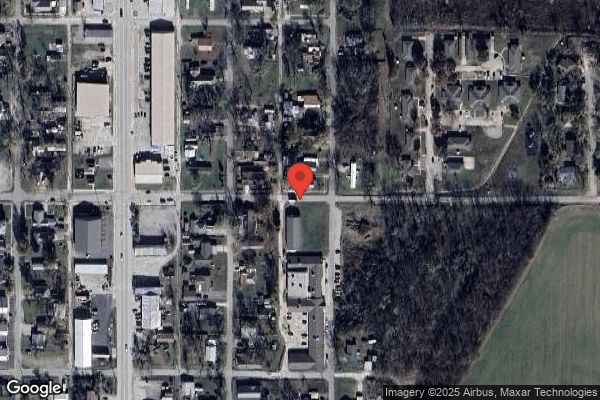
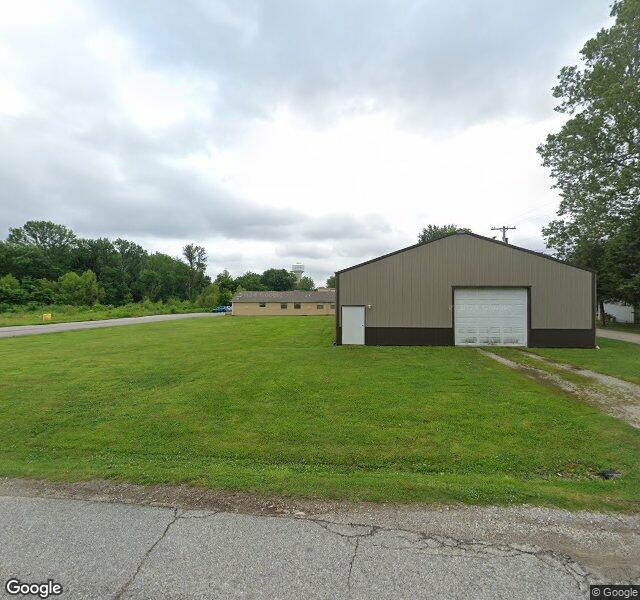
407 WHITEBIRD STREET, QUAPAW, OK 74363 (918) 674-2233
For profit - Corporation 86 Beds GLOBAL HEALTHCARE REIT Data: November 2025 5 Immediate Jeopardy citations
Trust Grade
0/100
#230 of 282 in OK
Last Inspection: May 2024

Within standard 12-15 month inspection cycle. Federal law requires annual inspections.

Overview

Higher Call Nursing Center in Quapaw, Oklahoma, has received a Trust Grade of F, indicating significant concerns about the quality of care provided. It ranks #230 out of 282 facilities in the state, placing it in the bottom half, and #4 out of 5 in Ottawa County, suggesting there are only a few local options that perform better. Despite a recent trend of improvement, with a reduction in issues from 13 in 2023 to 12 in 2024, the facility still has serious problems, including $40,077 in fines, which is higher than 83% of Oklahoma facilities. Staffing is an average strength with a rating of 3 out of 5 stars and a turnover rate of 63%, which is about the state average. However, there are alarming incidents reported, including critical failures to respect a resident's wishes not to leave their room, instances of mental and physical abuse during transfers, and inadequate response to a resident who became unresponsive, highlighting serious concerns about resident safety and care.

Trust Score
F
0/100
In Oklahoma
#230/282
Bottom 19%
Safety Record
High Risk
Review needed
Inspections
Getting Better
13 → 12 violations
Staff Stability
⚠ Watch
63% turnover. Above average. Higher turnover means staff may not know residents' routines.
Penalties
⚠ Watch
$40,077 in fines. Higher than 96% of Oklahoma facilities. Major compliance failures.
Skilled Nurses
⚠ Watch
Each resident gets only 29 minutes of Registered Nurse (RN) attention daily — below average for Oklahoma. Fewer RN minutes means fewer trained eyes watching for problems.
Violations
⚠ Watch
31 deficiencies on record. Higher than average. Multiple issues found across inspections.
★☆☆☆☆
1.0
Overall Rating
★★★☆☆
3.0
Staff Levels
★★★☆☆
3.0
Care Quality
★☆☆☆☆
1.0
Inspection Score
Stable
2023: 13 issues
2024: 12 issues

The Good

  • Full Sprinkler Coverage · Fire safety systems throughout facility
  • No fines on record

Facility shows strength in fire safety.

The Bad

1-Star Overall Rating

Below Oklahoma average (2.6)

Significant quality concerns identified by CMS

Staff Turnover: 63%

17pts above Oklahoma avg (46%)

Frequent staff changes - ask about care continuity

Federal Fines: $40,077

Above median ($33,413)

Moderate penalties - review what triggered them

Chain: GLOBAL HEALTHCARE REIT

Part of a multi-facility chain

Ask about local staffing decisions and management

Staff turnover is elevated (63%)

15 points above Oklahoma average of 48%

The Ugly 31 deficiencies on record

5 life-threatening 2 actual harm
May 2024 5 deficiencies
CONCERN (D)

Potential for Harm - no one hurt, but risky conditions existed

Deficiency F0582 (Tag F0582)

Could have caused harm · This affected 1 resident

**NOTE- TERMS IN BRACKETS HAVE BEEN EDITED TO PROTECT CONFIDENTIALITY** Based on record review and interview, the facility failed to enter required information on a Skilled Nursing Facility Advance No...

Read full inspector narrative →
**NOTE- TERMS IN BRACKETS HAVE BEEN EDITED TO PROTECT CONFIDENTIALITY** Based on record review and interview, the facility failed to enter required information on a Skilled Nursing Facility Advance Notice of Beneficiary Notice of Non-coverage (SNFABN) form prior to having a resident sign the document for one (#20) of three sampled resident reviewed for beneficiary notification. A facility daily census report documented 37 resident resided in the facility. Findings: Resident #20 was admitted on [DATE] and discharged on 05/03/24. A review of the residents records found a Skilled Nursing Facility Advance Notice of Beneficiary Notice of Non-coverage (SNFABN) form had been signed by Resident #20 on 05/01/24. The document stated the resident may be charged for services out of pocket starting on 05/03/24. The area of the document where the services to be charged were to be listed along with the reason Medicare may not pay and the estimated cost of those services were blank. The area on the form where the resident checks one of three boxes to declare of they want to continue or discontinue the services that Medicare may not pay for was also blank. On 05/15/24 at 11:44 a.m., the BOM stated the document was required to be filled out with accurate information prior to having a resident sign the SNFABN. They stated the one for Resident #20 was blank.
CONCERN (D)

Potential for Harm - no one hurt, but risky conditions existed

Deficiency F0700 (Tag F0700)

Could have caused harm · This affected 1 resident

Based on observation, record review, and interview, the facility failed to ensure the resident was assessed for their ability to safely use bed rails and the resident or their representative gave info...

Read full inspector narrative →
Based on observation, record review, and interview, the facility failed to ensure the resident was assessed for their ability to safely use bed rails and the resident or their representative gave informed consent in writing prior to the use of bed rails for one (#7) of one resident reviewed for bed rail use. A facility daily census report documented 37 resident resided in the facility. Findings: A facility Proper Use of Bed Rails policy, dated 2023, documented a resident must be assessed for safe use of bed rails and informed consent must be obtained from the resident or their representative prior to use of bed rails. A quarterly assessment, dated 04/11/24, documented the resident required substantial assistance to reposition themselves in bed. The assessment documented the resident had moderate cognitive impairment. A review of Resident #20's medical record did not find documentation of the resident being assessed for or giving informed consent to use bed rails. No documentation of the resident having any accidents related to the bed rails was found. On 05/13/24 at 10:03 a.m. the resident's bed was observed to have half rails in the up position on each side other their bed. The resident stated they needed the rails to support themselves. On 05/15/24 at 1:33 p.m., the DON stated they had reviewed the resident records and did not find documentation the resident had been assessed prior to the use of the bed rails or had signed a consent form for the use of bed rails. On 05/16/24 at 10:48 a.m., the DON stated the staff had not followed policy when they allowed the resident to use the bed rails without following proper procedure. They had not followed policy.
CONCERN (D)

Potential for Harm - no one hurt, but risky conditions existed

Infection Control (Tag F0880)

Could have caused harm · This affected 1 resident

Based on observation and interview, the facility failed to ensure infection control protocols were followed during wound care for one (#5) of two residents reviewed for wounds. The DON identified 8 re...

Read full inspector narrative →
Based on observation and interview, the facility failed to ensure infection control protocols were followed during wound care for one (#5) of two residents reviewed for wounds. The DON identified 8 residents in the facility with wounds. Findings: An undated facility policy titled Hand Hygiene read in part, .All staff will perform proper hand hygiene procedures to prevent the spread of infection to other personnel, residents, and visitors . The use of gloves does not replace hand hygiene. If your task requires gloves, perform hand hygiene prior to donning gloves and immediately after removing gloves . Resident #5 had diagnoses which included MRSA and stage 3 pressure ulcers to the left and right heel. On 05/14/24 at 10:14 am, LPN #1 was observed changing the wound dressings on Resident #5's heels. LPN #1 was observed three times removing soiled gloves and putting on clean gloves without performing hand hygiene. On 05/14/24 at 10:23 am, LPN #1 was observed to remove the existing wound dressings from Resident #5's heels and then to support the residents uncovered left heel directly on LPN #1's uniform pants. LPN #1 then completed the dressing change on the left heel. Next, LPN #1 supported the residents uncovered right heel on their uniform pants. On 05/15/24 at 9:19 am, CNA #1 stated you should perform hand hygiene before putting on gloves and after removing gloves. On 05/15/24 at 11:09 am, the DON stated hand hygiene should be performed when changing gloves. They also stated it was not acceptable to rest an uncovered wound directly on your uniform.
CONCERN (E)

Potential for Harm - no one hurt, but risky conditions existed

Medication Errors (Tag F0758)

Could have caused harm · This affected multiple residents

**NOTE- TERMS IN BRACKETS HAVE BEEN EDITED TO PROTECT CONFIDENTIALITY** Based on record review and interview, the facility failed to ensure a resident did not receive unnecessary psychotropic medicati...

Read full inspector narrative →
**NOTE- TERMS IN BRACKETS HAVE BEEN EDITED TO PROTECT CONFIDENTIALITY** Based on record review and interview, the facility failed to ensure a resident did not receive unnecessary psychotropic medications for two (#5 and #19) of five residents reviewed for unnecessary medications. The CMS form 802 documented 27 residents received psychotropic medications. Findings: 1. Resident #5 Resident #5 had diagnoses including depressive episodes and hip pain. A quarterly assessment dated [DATE] documented the resident received an antidepressant medication and an antianxiety medication. A physician's order, dated 04/19/24, documented Resident #5 received 10 mg of buspirone (an antianxiety medication) twice a day. A review of Resident #5's health record did not document side-effect monitoring was in place for antianxiety medication. 2. Resident #19 Resident #19 had diagnoses including anxiety and depression. A physician order, dated 03/14/24, documented Resident # 19 had a PRN order for lorazepam (a psychotropic medication). On 05/15/24 at 09:24 am, RN #1 stated residents receiving antianxiety medications should be monitored for medication side effects. They also stated PRN orders for psychotropic medications should be evaluated frequently. On 05/15/24 at 2:15 pm, the DON stated antianxiety monitoring should be documented in the TAR and all residents receiving antianxiety medications should be monitored for side effects. They also stated PRN orders for psychotropic medications should be evaluated every two weeks.
CONCERN (E)

Potential for Harm - no one hurt, but risky conditions existed

Food Safety (Tag F0812)

Could have caused harm · This affected multiple residents

Based on observation, record review, and interview, the facility failed to store, prepare, and serve food in accordance with professional standards for food service safety. The DON identified 37 resid...

Read full inspector narrative →
Based on observation, record review, and interview, the facility failed to store, prepare, and serve food in accordance with professional standards for food service safety. The DON identified 37 residents who received meals from the kitchen. Findings: An undated policy titled Food Safety Requirements, read in part, .Food will also be stored, prepared and served in accordance with professional standards for food service safety .Monitoring food temperatures and functioning of the refrigeration equipment daily .Labeling , dating, and monitoring refrigerated food, including, but not limited to leftovers, so it is used by its use-by date .foods shall be prepared as directed until recommended temperatures for the specific foods are reached .Staff shall follow procedures for dishwashing . On 05/13/24 at 8:30 am, a review of the refrigerator and freezer temperature log for May did not document any temperatures had been recorded since 05/06/24. On 05/13/24 at 8:32 am, a reach in cooler was observed to contain open packages of sliced ham, shredded cheese, and chicken noodle soup, none of these items were dated. On 05/13/24 at 8:34 am, the bulk container of sugar was observed to be open, and a scoop was observed inside. The bulk container of flour was also observed to contain a scoop. All four trash cans in the kitchen were observed to be uncovered. On 05/13/24 at 8:40 am, the dish machine temperature log for May was observed, it did not document the temperature, or the concentration of sanitizer had been recorded for the first 13 days of May. On 05/13/24 at 8:45 am, the food temperature log for May was reviewed. The log did not document a meal temperature had been recorded since the noon meal on 05/06/24. On 05/14/24 at 11:16 am, [NAME] #1 stated that the temperature logs for the freezers and coolers should be recorded by the cook on duty, they also stated open containers of food should be closed and a date should be written on them. They further stated scoops should not be left in bulk containers and that the temperature of all meals should be recorded prior to serving. [NAME] #1 stated the person washing dishes was responsible for monitoring the dish machine and the temperature and chemical concentration should be recorded three times a day.
Mar 2024 7 deficiencies 3 IJ
CRITICAL (J) 📢 Someone Reported This

A family member, employee, or ombudsman was alarmed enough to file a formal complaint

Immediate Jeopardy (IJ) - the most serious Medicare violation

Deficiency F0561 (Tag F0561)

Someone could have died · This affected 1 resident

On 03/26/24 at 3:33 p.m., an Immediate Jeopardy (IJ) situation was determined to exist related to the facilities failure to ensure Resident #1's right to remain in their room was not violated. Residen...

Read full inspector narrative →
On 03/26/24 at 3:33 p.m., an Immediate Jeopardy (IJ) situation was determined to exist related to the facilities failure to ensure Resident #1's right to remain in their room was not violated. Resident #1 was made to leave their room after stating repeatedly they did not feel well and did not want to go to the dining hall for a meal. On 03/25/24 at 3:30 p.m., the Oklahoma State Department of Health was notified and verified the existence of an IJ situation. On 03/25/24 at 3:33 p.m., the administrator was notified of the immediate jeopardy situation. On 03/28/24 at 1:21 p.m., an acceptable plan of removal was submitted to the Oklahoma State Department of Health. The facility plan of removal, dated 03/26/24 at 6:00 p.m., read in part, Grievance book has been established and is an ongoing measure to ensure issues are being taken care of in a timely manner . At Quality Assurance Performance Improvement (QAPI) meeting we discussed our policy and facility policy on the residents right to refuse any care, activities, or anything they want to refuse . In-service staff on Self Determination on March 26 2024 . Risk management will monitor the facility issues weekly during regularly scheduled meetings throughout the remainder of the year . QAPI will monitor quarterly for the remainder of this year . The IJ was lifted effective 03/28/24 at 2:18 p.m., when all components of the plan of removal had been completed. The deficiency remains at an isolated level with a potential for harm. Based on observation, record review, and interview, the facility failed to ensure a resident's right to remain in their bed and to decline a meal for one (#1) of four sampled residents reviewed for resident rights. A Resident List Report, dated 01/23/24, documented 31 residents were residing at the facility. Findings: A Resident Rights, policy, undated, read in part, .The Resident has a right to a dignified existence, self-determination, and communication with an access to persons and services inside and outside the Facility . Resident #1 had diagnoses which included atherosclerotic heart disease, chronic obstructive pulmonary disease, Alzheimer's Disease, and generalized muscle weakness. A facility video recording of the interior of the building, dated 11/02/23, shows at 8:22 a.m. LPN #1 walking Resident #1 from their room to the dining room using a gait belt. A progress note, dated 11/02/23 at 10:25 a.m., written by LPN #1 documented LPN #1 ignored Resident #1's refusals to remain in bed and physically removed the resident from their room and moved them to the dining room. On 01/24/24 at 12:41 p.m., CNA #2 stated that on 11/02/23 Resident #1 had informed them and LPN #1 they did not want to get out of bed as they did not feel well. CNA #2 stated LPN #1 forced the resident out of their room and into the dining room using a gait belt. On 01/24/24 at 1:06 p.m., CNA #1 stated that on 11/02/23 they stated they observed LPN #1 walking behind Resident #1 in the hallway. They stated they heard the resident state they were out of breath and did not want to continue. They stated LPN #1 told the resident they had to walk because it was part of their therapy. On 01/24/24 at 1:20 p.m., CMA #1 stated that on 11/02/23 they observed LPN #1 bring Resident #1 into the dining room using a gait belt. They stated LPN #1 was basically dragging the resident through the dining room. On 01/25/23 at 9:30 a.m., the DON stated by not allowing Resident #1 to remain in bed on 11/02/23, LPN #1 had violated the resident's rights.
CRITICAL (J) 📢 Someone Reported This

A family member, employee, or ombudsman was alarmed enough to file a formal complaint

Immediate Jeopardy (IJ) - the most serious Medicare violation

Free from Abuse/Neglect (Tag F0600)

Someone could have died · This affected 1 resident

**NOTE- TERMS IN BRACKETS HAVE BEEN EDITED TO PROTECT CONFIDENTIALITY** On [DATE] at 3:33 p.m., and Immediate Jeopardy (IJ) situation was determined to exist related to the facilities failure to preve...

Read full inspector narrative →
**NOTE- TERMS IN BRACKETS HAVE BEEN EDITED TO PROTECT CONFIDENTIALITY** On [DATE] at 3:33 p.m., and Immediate Jeopardy (IJ) situation was determined to exist related to the facilities failure to prevent mental and physical abuse to Resident #1 using a gait belt to walk the resident from their room to the dining hall after the resident had stated they did not want to leave their room. Three employees that witnessed the abuse did not intervene to stop the abuse. On [DATE] at 3:30 p.m., the Oklahoma State Department of Health was notified and verified the existence of an IJ situation. On [DATE] at 3:33 p.m., the administrator was notified of the immediate jeopardy situation. On [DATE] at 1:21 p.m., an acceptable plan of removal was submitted to the Oklahoma State Department of Health. The facility plan of removal, dated [DATE] at 5:00 p.m., read in part, Grievance book has been established and is an ongoing measure to ensure issues are being taken care of in a timely manner . At Quality Assurance Performance Improvement (QAPI) meeting we discussed our policy and facility policy on not allowing abuse or neglect in the facility . In-service staff on abuse and neglect [DATE] . Monitoring will happen weekly in Risk management and quarterly in QAPI through regularly scheduled meetings . The IJ was lifted effective [DATE] at 2:18 p.m., when all components of the plan of removal had been completed. The deficiency remains at an isolated level with s potential for harm. Based on observation, record review, and interview, the facility failed to protect a resident's right to be free from mental and physical abuse by a staff member for one (#1) of four residents reviewed for abuse. A Resident List Report, dated [DATE], documented 31 residents were residing at the facility. Findings: An Abuse Prevention Policy and Procedure, revised date [DATE], read in part .The facility shall not condone any acts of resident mistreatment, neglect, verbal, sexual, physical and/or mental abuse, corporal punishment, involuntary seclusion or misappropriation of resident property by a facility staff member . Resident #1 had diagnoses which included atherosclerotic heart disease, chronic obstructive pulmonary disease, Alzheimer's Disease, and generalized muscle weakness. A care plan focus, dated [DATE], documented that Resident #1 was a full code. A facility video recording of the interior of the building, dated [DATE], recorded LPN #1 walking Resident #1 from their room to the dining room using a gait belt. It documented Resident #1 falling and being picked up by LPN #1 and then continuing to be walked through the dining area. It recorded Resident #1 falling for the final time and being placed in a wheelchair by three staff and removed from the dining room. A progress note, dated [DATE] at 10:25 a.m., written by LPN #1 documented Resident #1 had informed staff they did not feel well and did not want to get out of bed and go to the dining room for a meal. The note documented LPN #1 dismissed the resident's statements of not feeling well. It documented Resident #1 reported being cold, having tremors, being dizzy, and not wanting to walk. It documented LPN #1 had heard this excuse from Resident #1 each morning and they had to encourage the resident every morning to walk to the dining room. It documented the LPN felt the excuses were the same as every other morning. It documented LPN #1 physically moved Resident #1 from their room to the dining room using a gait belt. It documented the resident had fallen in the dining room and had become unresponsive. It documented once in bed the resident did not have respiration or blood pressure. It did not document if the resident had received CPR from facility staff. It did document EMS staff did initiate CPR when they arrived. On [DATE] at 12:41 p.m., CNA #2 stated that on [DATE] they had asked if Resident #1 wanted to go to the dining room to eat. They stated the resident had declined because they felt dizzy and unwell. They stated they informed LPN #1 of what the resident had said. They stated LPN #1 said the resident must go to the dining room because they were a feeder [a term used to describe residents that required assistance with eating meals]. CNA #2 stated they informed Resident #1 they had to go to the dining room. They placed a gait belt on the resident and sat them on the side of the bed. They stated the resident reported the room was spinning, did not feel well, and did not want to eat so the CNA laid the resident back down then informed LPN #1. They stated LPN #1 went to Resident #1's room and told the resident they had to get up then grabbed the gait belt and pulled the resident to a standing position. The resident then attempted to sit back down saying they were dizzy and did not want to eat. They stated LPN #1 lifted the resident back up and they repeated that scenario three of four times. LPN #1 instructed CNA #2 to get the residents walker and they and the resident departed the resident's room. CNA #2 stated as they walked LPN #1 would continue to lift the resident up with the gait belt and one time LPN #1 told the resident You're not stupid. CNA #2 stated they became irritated with the situation and departed to assist other residents. They stated when they saw the resident next, they were in a wheelchair going to the resident's room and the resident appeared limp. They stated about twenty minutes later LPN #1 came to the dining room and said the shit was going to hit the fan because the resident was a full code. On [DATE] at 1:06 p.m., CNA #1 stated on [DATE] they witnessed LPN #1 using a gait belt to assist Resident #1 move down the hallway toward the dining room. They stated the resident was using a walker and appeared unstable. They stated they heard LPN #1 tell the resident they had to walk because it was part of their therapy. They stated LPN #1 was holding the gait belt about mid back of the resident and when they got to the dining room the resident looked like they were going to fall. CNA #1 stated at that time they had gone to help other residents. They stated the next time they saw the resident they were in a wheelchair. LPN #1 pushed the wheelchair out of the dining room and CNA #1 observed the resident's face and lips were blue. On [DATE] at 1:20 p.m., CMA #1 stated they had observed LPN #1 bring Resident #1 into the dining room on [DATE] about 8:30 a.m. They stated they saw the LPN bring the resident in by a gait belt and that the resident was very unstable. They stated the resident was using a walker and LPN #1 was basically dragging the resident in by the gait belt. They stated the resident slumped forward on the walker and then fell. They stated LPN #1 made the resident get up then walked another ten to fifteen feet and fell again. LPN #1 made the resident get up again then the resident fell for the last time. They stated LPN #1 stood over the resident for two to three minutes then told CMA #1 to get a wheelchair. When they returned, they placed the resident in the wheelchair and returned the resident to their room. They stated they put the resident in their bed, and they told LPN #1 that the resident was not breathing. They stated LPN #1 replied it did not matter because the resident was a DNR [do not resuscitate]. They stated between ten and fifteen minutes later they looked at the resident's chart and found out the resident was a full code. They stated LPN #1 said they guess they should go back and break some ribs. CMA #1 stated they had not seen anyone attempt CPR on Resident #1. On [DATE] at 9:30 a.m., the DON stated that LPN #1 conduct toward Resident #1 on [DATE] was absolutely abuse and violated their abuse policy.
CRITICAL (J) 📢 Someone Reported This

A family member, employee, or ombudsman was alarmed enough to file a formal complaint

Immediate Jeopardy (IJ) - the most serious Medicare violation

Deficiency F0678 (Tag F0678)

Someone could have died · This affected 1 resident

**NOTE- TERMS IN BRACKETS HAVE BEEN EDITED TO PROTECT CONFIDENTIALITY** On [DATE] an Immediate Jeopardy (IJ) situation was determined to exist related to the facility's failure to ensure cardio-pulmon...

Read full inspector narrative →
**NOTE- TERMS IN BRACKETS HAVE BEEN EDITED TO PROTECT CONFIDENTIALITY** On [DATE] an Immediate Jeopardy (IJ) situation was determined to exist related to the facility's failure to ensure cardio-pulmonary resuscitation was provided according to standards of practice to Resident #1 who had become unresponsive and failed to assess a resident when they became unresponsive. On [DATE] 6:45 p.m., the Oklahoma State Department of Health was notified and verified the existence of an IJ situation. On [DATE] at 6:50 p.m., the Administrator was notified of the Immediate Jeopardy situation. On [DATE] at 5:00 p.m., an acceptable plan of removal was submitted to the Oklahoma State Department of Health. The facility's plan of removal, dated [DATE] at 5:00 p.m., read in part, .LPN #1 was terminated following results of investigation on [DATE] . The DON or designee educating all licensed nurses on the facility's policy and procedure for initiating CPR and location of code status for each resident . RN shift supervisor given responsibility to direct/assign staff roles during code/initiation of code . A Quality Assurance Performance Improvement (QAPI) Performance Improvement Project (PIP) was implemented. DON to monitor for code status compliance by interviewing licensed nurses about facility CPR policy and procedure, as well as requesting return demonstration of CPR process. Compliance checks will be conducted 2 times monthly for three months. Findings will be reported at the monthly QAA Committee meeting . DON or designee will audit new admissions to compare the resident's advance directives to the physician orders for accuracy. This audit will continue weekly for three months. Findings will be reviewed at the monthly QAA Committee meeting . DON or designee performed a Code Blue drill and was performed with licensed nursing staff on all shifts until every nurse had participated at least once. Code Blue drills will continue to be held 2 times a month for 3 months. Findings will be reviewed at the monthly QAA Committee meeting . The IJ was lifted, effective [DATE] at 12:54 p.m., when all components of the plan of removal had been completed. The deficiency remains at an isolated level with s potential for harm. Based on record review, observation, and interviews, the facility failed to ensure a resident who had become unresponsive was immediately assessed by a licensed nurse and received cardio-pulmonary resuscitation (CPR) according to standards of practice for one (#1) of three sampled resident reviewed for abuse. A Resident List Report, dated [DATE], documented 31 residents residing at the facility. Findings: A Cardiopulmonary Resuscitation (CPR) policy, implemented date [DATE], read in part, .If a resident experiences a cardiac arrest, facility staff will provide basic life support, including CPR, prior to the arrival of emergency medical services . Resident #1 had diagnoses which included atherosclerotic heart disease, chronic obstructive pulmonary disease, Alzheimer's Disease, and generalized muscle weakness. A care plan focus, dated [DATE], documented that Resident #1 was a full code. A facility video recording of the interior of the building, dated [DATE], recorded LPN #1 walking Resident #1 from their room to the dining room. It recorded Resident #1 falling three times during the walk. It recorded LPN #1 and PT #1 standing over the resident after the last fall at 8:26 a.m. It recorded LPN #1, PT #1, and CMA #1 transferred Resident #1 from the floor to a wheelchair at 8:30 a.m. It recorded the three staff members then departing the dining area with the resident at 8:31 a.m. As they departed the dining area CMA #1 could be heard on the recording saying the resident's ankle was dragging on the floor and LPN #1 replying they were aware. A progress note, written by LPN #1, dated [DATE] at 10:25 a.m., documented at approximately 8:00 a.m. LPN #1 was informed Resident #1 did not want to leave their bed. It documented LPN #1 spoke with Resident #1 and although the resident objected, they did walk to the dining room. It documented that at some point Resident #1 sat on the dining room floor and became unresponsive. It documented LPN #1, CMA #1, and PT #1 transferred the resident to a wheelchair and moved the resident to their assigned room. It documented the resident was placed into their bed and then LPN #1 determined the resident was without respiration and blood pressure. It documented LPN #1 placed a backboard under Resident #1, began CPR, and called 911. The note documented the emergency responders had taken over CPR when they arrived. On [DATE] at 12:41 p.m., CNA #2 stated that on [DATE] they observed LPN #1 walk Resident #1 to the dining room where the resident fell several times. CNA #2 stated they departed the area to help other residents and when they returned Resident #1 was being pushed out of the dining area by LPN #1 and the resident appeared limp in the wheelchair. They stated about twenty minutes later LPN #1 came back to the dining room and said the shit was going to hit the fan because the resident was a full code. At 1:06 p.m., CNA #1 stated on [DATE] they witnessed LPN #1 using a gait belt to assist Resident #1 move down the hallway toward the dining room. They stated the resident looked unsteady. They stated they then went to assist other residents. They stated the next time they observed the resident they were being pushed out of the dining room by LPN #1. CNA #1 stated Resident #1's face and lips appeared blue. At 1:20 p.m., CMA #1 stated they had observed LPN #1 bring Resident #1 into the dining room on [DATE] at about 8:30 a.m. They stated they observed the resident fall several times. They stated the last time the resident fell LPN #1 stood over the resident for about two to three minutes. The stated LPN #1 told CMA #1 to get a wheelchair and when they returned, they placed the resident into the wheelchair. They stated they moved the resident to their assigned room and placed them in their bed. They stated at that point they told LPN #1 the resident was not breathing to which the LPN replied that it did not matter as Resident #1 was a DNR [do not resuscitate]. CMA #1 stated about 15 to twenty minutes later they checked the resident's records and discovered the resident was a full code [a phrase that indicates the use of basic life support measures and CPR was desired by the resident]. They stated LPN #1 had then said they should go back and break some ribs. On [DATE] at 9:10 a.m., CMA #1 stated they had not seen anyone perform CPR on Resident #1 on [DATE]. On [DATE] at 11:41 a.m., the DON stated they received a telephone call at approximately 8:45 a.m. on [DATE]. They stated LPN #1 had called and stated Resident #1 had died. They stated they informed the LPN the resident was a full code and LPN #1 had argued the resident was not. They stated they arrived at the facility a little after 9:00 a.m. and went directly to Resident #1's room. They stated when the entered the room LPN #1 was performing compressions on Resident #1 who was laying on a bed. They stated LPN #1 was performing compressions while holding their cell phone to their face with their shoulder. They stated a nasal cannula was inside the resident mouth, there was no back board under the resident, and the LPN was pushing too deep. She stated they believed the compressions would have caused broken ribs. They stated they observed the compressions for one to two minutes after which they assessed the resident and found no pulse or respirations. The DON stated LPN #1 should have assessed Resident #1 when they had the final fall and became unresponsive in the dining room. They stated LPN #1's attempt at CPR was very bad as the resident was in a bed without a backboard, the nasal cannula providing oxygen was in the resident's mouth, and the chest compressions were too deep. They stated LPN #1 did not follow facility policy during the incident. On [DATE] at 12:43 p.m., PT #1 stated they had entered the dining room on [DATE] at 8:30 a.m. and noticed Resident #1 falling. They stated LPN #1's back was to them and was unsure if they were assisting the resident or not. They stated they did not see anyone assess the resident in the dining room. They stated they believed the resident was on the floor of the dining room for about five minutes. They stated CMA #1 arrived with a wheelchair and stated the resident's lips were turning blue to which LPN #1 replied, No they are not. They stated at that time the residents bottom dentures were coming out of their mouth, so they removed them. They stated LPN #1, CMA #1, and themselves placed the resident in a wheelchair and moved them to their room. They stated the resident's feet were dragging on the ground while in the wheelchair. They stated they attempted to communicate with the resident on the way to their room, but the resident never responded. They stated, once in the resident's room and while the resident was in the wheelchair, they and LPN #1 both felt for a pulse. PT #1 stated they did not find a pulse. They stated they left the room to retrieve a pulse oximeter [a device placed on a patient's finger to assess vital signs]. They stated the device never indicated a pulse was present. They stated LPN #1 had said the resident was dead and there was nothing more to do as the resident was a DNR. They stated LPN #1 departed the room and while they were gone, they and CMA #1 transferred the resident to the bed. They stated LPN #1 returned to the room with a stethoscope and listed for heart and lung sounds from the resident. They stated LPN #1 then said they needed to make some calls, and everyone left the room. PT #1 stated they left the room before 9:00 a.m. They stated after the resident was taken from the facility LPN #1 came to them, gave them a hug and stated, Don't worry I'll change some things. On [DATE] at 3:30 p.m., LPN #1 returned the surveyor's telephone call and agreed to an interview. They stated that on [DATE] they had walked Resident #1 to the dining room for the morning meal. They stated the resident had complained several times on the way to the dining room that they felt they would fall and did fall just prior to reaching the table. They stated they could tell the resident was not breathing and they instructed a staff member to get a wheelchair. They stated they told PT #1 the resident was not breathing and needed to be taken back to their room. They stated they checked the resident's pulse in the dining room and found no pulse. They stated they believed the resident was a DNR because of a conversation with the DON six months earlier about the resident's code status. LPN #1 stated they took responsibility for not performing CPR as they believed the resident was a DNR. They stated after the resident was placed in a bed, they called the DON and asked if the resident was a DNR. They stated the DON did not say the resident was a full code. They stated when they got off the phone they went outside and smoked a cigarette. They stated, after smoking the cigarette they retrieved a back board and returned to the resident's room. They stated they then performed CPR for an unknown period and called 911. They stated they were not sure if the DON observed them perform CPR.
SERIOUS (G) 📢 Someone Reported This

A family member, employee, or ombudsman was alarmed enough to file a formal complaint

Actual Harm - a resident was hurt due to facility failures

Deficiency F0604 (Tag F0604)

A resident was harmed · This affected 1 resident

Based on observation, record review, and interview, the facility failed to prevent the use of a gait belt as a physical restraint for one (#1) of four sampled residents reviewed for resident rights. ...

Read full inspector narrative →
Based on observation, record review, and interview, the facility failed to prevent the use of a gait belt as a physical restraint for one (#1) of four sampled residents reviewed for resident rights. A Resident List Report, dated 01/23/24, documented 31 residents were residing at the facility. Findings: Resident #1 had diagnoses which included atherosclerotic heart disease, chronic obstructive pulmonary disease, Alzheimer's Disease, and generalized muscle weakness. A facility video recording of the interior of the building, dated 11/02/23, shows at 8:22 a.m. LPN #1 walking behind Resident #1 who was hunched over a walker. LPN #1 was holding a gait belt that was secured around the lower chest of Resident #1. LPN #1's grip on the belt was between the shoulder blades of the resident. At 8:23 a.m., the recording shows the two inside the dining room. LPN #1 continued to walk behind Resident #1 holding the gait belt secured to the resident. A progress note, dated 11/02/23 at 10:25 a.m., written by LPN #1 documented Resident #1 declined to leave their room to go to the dining room for a meal. If further documented LPN #1 ignored the resident's statements and used a gait belt to remove the resident from their room and took them to the dining room. On 01/24/24 at 12:41 p.m., CNA #2 stated that on 11/02/23 they had asked Resident #1 if they wanted to get up for breakfast. CNA #2 stated the resident declined stating they did not feel well and felt dizzy. CNA #2 stated they informed LPN #1 who stated the resident had to go to the dining room because they were a feeder [a term used to describe residents that required assistance with eating meals]. CNA #2 stated although Resident #1 stated repeatedly, they did not want to get out of bed LPN #1 used the gait belt to force the resident out of bed and to walk to the dining room. At 1:06 p.m., CNA #1 stated that on 11/02/23 they observed LPN #1 walking Resident #1 out of the resident's room. They stated LPN #1 was holding a gait belt attached to Resident #1. CNA #1 stated they were behind the two and heard the resident state they were out of breath and could not walk. They heard LPN #1 respond that it was part of the resident's therapy to walk and continued to force the resident to walk using the gait belt. They stated they observed LPN #1 holding the gait belt around the mid back of the resident. They stated the resident was visibly out of breath. At 1:20 p.m., CMA #1 stated that on 11/02/23 they observed LPN #1 bring Resident #1 into the dining room using a gait belt. They stated the resident was holding onto a walker and was obviously unstable. They stated LPN #1 was basically dragging the resident through the dining room. On 01/25/24 at 9:30 a.m., the DON stated the way LPN #1 had used the gait belt on Resident #1 made it a physical restraint.
CONCERN (D) 📢 Someone Reported This

A family member, employee, or ombudsman was alarmed enough to file a formal complaint

Potential for Harm - no one hurt, but risky conditions existed

Notification of Changes (Tag F0580)

Could have caused harm · This affected 1 resident

Based on record review and interview the facility failed to notify a resident's family of a significant weight loss for one (#5) of three sampled residents reviewed for weight loss. A Resident List R...

Read full inspector narrative →
Based on record review and interview the facility failed to notify a resident's family of a significant weight loss for one (#5) of three sampled residents reviewed for weight loss. A Resident List Report, dated 01/23/24, documented 31 residents residing at the facility. Findings: A facility policy titled, Notification of Changes, dated 10/2023, read in part, .The facility must inform the resident, consult with the resident's physician and / or notify the resident's family member or legal representative when there is a change requiring such a notification .2. Significant change in the resident's physical, mental or psychosocial condition such as deterioration in health . A monthly weight report, dated April 2023 through March 2024, documented Resident #5 weight 124.8 pounds in January 2024. It further documented the resident's weight declined to 97.0 pounds in February 2024 which was a 22.28% decline in total body weight in one month. On 03/26/24 at 1:20 p.m., a family member of Resident #5 stated the facility had failed to inform them of the resident's weight loss. They stated they only found out about it when a family friend visited the resident and reported their condition to them. They stated they want to know anytime the resident's condition changes or their treatment changes. At 2:27 p.m., the DON stated they were unable to find any documentation Resident #6 had been informed of the significant weight loss. They stated they had told the facility staff many times of they must contact the family when such changes occur. They stated the staff did not follow policy in that situation.
CONCERN (D) 📢 Someone Reported This

A family member, employee, or ombudsman was alarmed enough to file a formal complaint

Potential for Harm - no one hurt, but risky conditions existed

Quality of Care (Tag F0684)

Could have caused harm · This affected 1 resident

Based on record review and interview the facility failed to conduct skin and wound assessments and as ordered by a physician for one (#6) of three sampled residents reviewed for wound care. A Resident...

Read full inspector narrative →
Based on record review and interview the facility failed to conduct skin and wound assessments and as ordered by a physician for one (#6) of three sampled residents reviewed for wound care. A Resident List Report, dated 01/23/24, documented 31 residents residing at the facility. Findings: Resident #6 had diagnoses which included pressure ulcers and quadriplegia. A physician order, dated 01/22/24, documented starting on 01/23/24 a skin assessment was to be performed on Resident #6 daily and documented in the resident's electronic medical record. A physician order, dated 01/22/24, documented wound assessments were to be conducted weekly on Thursday and documented in the resident's electronic medical record starting on 01/25/24. A review of Resident #6's electronic medical record from the dates of 01/23/24 through 03/26/24 found daily skin assessments were not documented in the resident's electronic medical record on 03/16/24, 02/28/24, 02/17/24, 02/12/24, 02/11/24, 02/10/24, and 02/04/24. The medical record was reviewed from 01/25/24 through 03/26/24 for weekly wound assessments on Thursdays. There were no assessments documented on 02/01/24, 02/08/24, 02/15/24, 02/29/24, 03/07/24, 03/14/24, and 03/21/24. On 03/26/24 at 10:30 a.m., LPN #3 reviewed Resident #6's electronic medical record and stated skin and wound assessments were missing. They stated those documents were not kept in any other location in the medical record. On 03/26/24 at 11:00 a.m., the DON stated they could not locate the mission assessment documentation and so they must not have been completed. They stated all physician orders were expected to be followed.
CONCERN (F) 📢 Someone Reported This

A family member, employee, or ombudsman was alarmed enough to file a formal complaint

Potential for Harm - no one hurt, but risky conditions existed

Investigate Abuse (Tag F0610)

Could have caused harm · This affected most or all residents

**NOTE- TERMS IN BRACKETS HAVE BEEN EDITED TO PROTECT CONFIDENTIALITY** Based on observation, record review, and interview, the facility failed to protect residents from potential abuse by delaying an...

Read full inspector narrative →
**NOTE- TERMS IN BRACKETS HAVE BEEN EDITED TO PROTECT CONFIDENTIALITY** Based on observation, record review, and interview, the facility failed to protect residents from potential abuse by delaying an investigation of possible abuse for one (#1) of four residents reviewed for abuse. A Resident List Report, dated [DATE], documented 31 residents were residing at the facility. Findings: An Abuse Prevention Policy and Procedure, revised date [DATE], read in part .An immediate investigation into the alleged incidence, during the shift if [sic] occurred on .The facility will take all steps necessary to ensure that further potential abuse will not occur while the investigation is in progress . Resident #1 had diagnoses which included atherosclerotic heart disease, chronic obstructive pulmonary disease, Alzheimer's Disease, and generalized muscle weakness. A facility video recording of the interior of the building, dated [DATE], recorded LPN #1 walking Resident #1 to from their assigned room to the dining room by use of a gait belt. The video recorded the resident falling repeatedly and eventually being placed in a wheelchair and removed from the dining room. A progress note, dated [DATE] at 10:25 a.m., written by LPN #1 documented Resident #1 had informed staff they did not feel well and did not want to get out of bed and go to the dining room for a meal. The note documented LPN #1 ignored the resident's statements of not feeling well as well as the resident's complaints of being cold, having tremors, and being dizzy and physically moved Resident #1 to the dining room using a gait belt. On [DATE] at 2:44 p.m., the DON stated she received a telephone call from LPN #1 at about 8:50 a.m. on [DATE] in which the LPN stated Resident #1 had died. The DON stated they then went to the facility, arrived about 9:10 a.m. and found LPN #1 in Resident #1's room performing chest compressions. She stated there was no crash cart, no back board and LPN #1 was alone. The DON stated they informed LPN #1 to document everything that happened. They stated they were informed by a family member that Resident #1 had not died in their room but the dining room. They stated that information prompted them to investigate but they did not start the investigation until Monday [[DATE]]. The DON stated they had started the investigation at 6:00 a.m. on Monday and suspended LPN #1 by 9:00 a.m. On [DATE] at 3:10 p.m. the ADON stated that on [DATE] between 9:00 a.m. and 10:00 a.m., CNA #1 and CNA #2 had approached them and stated that LPN #1 had made Resident #1 get up from bed against their will and go to the dining room. The CNA's stated the resident died in the dining room. The ADON stated they informed the DON that morning of what they had been told by the CNA's. They stated they and the DON talked to LPN #1 about resident rights. They stated Saturday [[DATE]] they received more information from a family member about what had occurred. The family member stated a resident had called the family member and told them what had happened. On [DATE] at 8:44 a.m., CNA #1 stated that on [DATE] they had informed the ADON that LPN #1 had held Resident #1 up by a gait belt and moved them to the dining room. They also stated they informed the ADON of the inconsistency between the time LPN #1 said the resident had died and the time they started CPR. On [DATE] at 8:56 CNA #2 stated that on [DATE] they had informed the ADON that LPN #1 had yanked Resident #1 from their bed using a gait belt. I told her the resident had looked blue when they were taken out of the dining room. On [DATE] at 9:30 a.m., the DON stated they found out about Resident #1's death on the day they died [[DATE]]. They stated a family member spoke to them on Saturday [[DATE]] and reported that LPN #1 had called the family over the weekend to tell them the resident had died while in bed. The DON stated they found out about the resident being forced to walk to the dining area on Monday [[DATE]] when they started the investigation. They stated they did not start an investigation over the weekend because the weekend staff was not on duty when the resident died. They stated they did not instruct LPN #1 not to enter the building until Monday because they knew LPN #1 was not scheduled to work over the weekend. They stated LPN #1 started work Monday as scheduled and had access to the residents prior to being suspended later that morning.
Apr 2023 13 deficiencies 2 IJ
CRITICAL (J)

Immediate Jeopardy (IJ) - the most serious Medicare violation

Accident Prevention (Tag F0689)

Someone could have died · This affected 1 resident

On 04/01/23, an Immediate Jeopardy (IJ) situation was determined to exist related to the facility's failure to ensure residents who had fallen had interventions put in place to prevent the recurrence ...

Read full inspector narrative →
On 04/01/23, an Immediate Jeopardy (IJ) situation was determined to exist related to the facility's failure to ensure residents who had fallen had interventions put in place to prevent the recurrence of falls. Failed to monitor and evaluate the effectiveness of the interventions and modify the care plan with each fall. Failed to conduct a root cause analysis and/or evaluate the cause for each fall. The facility did not have a fall prevention program, nor have the staff received education regarding falls and fall prevention in the last 12 months. On 04/01/23 at 12:05 p.m., the Oklahoma State Department of Health was notified and verified the existence of the IJ situation. On 04/01/23 at 12:17 p.m., the Administrator was notified of the IJ situation. On 04/01/23 at 2:56 p.m., an acceptable plan of removal was submitted to the Oklahoma State Department of Health. The facility's plan of removal, dated 04/03/23 at 2:29 p.m., read in part, 1. All residents that are in the facility will be audited and those that have not had a fall assessment completed within the last 14 days will have one completed within 24 hours. 2. All current residents that have been in the facility for longer than 21 days and are identified as a fall risk will have their comprehensive care plan updated within 48 hours. 3. A fall prevention program will be implemented and put into place immediately. 4. In person in-services will be initiated immediately for all staff regarding the Fall Policy and the Fall Prevention Program. Staff that do not/cannot attend in-service will be required to sign the in-service roster prior to their next shift. Fall Policy and Fall Prevention Program will be covered including fall assessments, resident centered approaches to fall prevention and fall monitoring. 5. All new admissions will have a Fall Assessment completed within 24 hours of admission and fall interventions will be a part of their baseline care plan. 6. In-service will be initiated immediately for all licensed staff regarding suicide ideation policy and immediate EOD. 7. Policies used for in-service were obtained through sister facilities and sources that are known to be compliant with current regulations. The IJ was lifted, effective 04/03/23 at 2:40 p.m., when all components of the plan of removal had been completed. The deficiency remains at an isolated level with a potential for harm. Based on record review and interview the facility failed to ensure the following for two (#18 and #91) of three residents reviewed for falls: a. fall interventions were put into place to prevent recurrence of falls; b. monitor and evaluate the effectiveness of interventions and modify the care plan with each fall; c. failed to conduct a root cause analysis and/or evaluate the cause for each fall, and d. educate the staff regarding falls and fall prevention in the last 12 months. The administrator identified seven residents who had falls with major injury in the last 12 months. A review of medical records showed Res #18 had eight falls on the following dates: 09/25/22, 10/28/22, 11/11/22, 11/18/22, 12/02/22, 01/18/23, 2/15/23, and 03/25/23. An internal incident report, dated 02/15/23, read in parts, .(Res #18) was on the floor .complained of pain in left hip and when (Res #18) tried to move it he screamed out in pain . An incident report submitted to OSDH on 02/15/23, read in parts, (hospital name withheld) admitted resident with a broken hip . A care plan, dated 11/07/22, was not updated with each fall to include a fall intervention. A review of medical records showed Res #91 had 20 falls on the following dates: 05/19/22, 05/24/22. 06/05/22, 06/08/22, 06/25/22, 08/06/22, 08/13/22, 08/17/22, 09/13/22, 09/19/22, 10/26/22, 11/27/22, 12/18/22, 12/19/22, 12/27/22, 01/07/23, 01/11/23, 01/23/23, and two falls on 02/24/23. An internal incident report, dated 02/24/23, read in parts, .I went to resident's room and seen [sic] him on the floor .Resident barely able to straighten right leg and screams in pain with movement . An incident report submitted to OSDH on 02/24/23, read in parts, .Resident was transported to admitted for a broken hip . A care plan, dated 08/08/22, was not updated with each fall to include a fall intervention. There was no documentation to show falls were investigated to determine causal factors or the staff had received education regarding falls and fall prevention. On 04/01/23 at 9:00 a.m., CNA #2 reported they thought the stars outside resident rooms meant those residents were at high risk for falls. CNA #2 reported they had received no education regarding falls or fall prevention. On 04/01/23 at 9:30 a.m., the DON reported the care plan should have been updated with each fall to include fall interventions. On 04/01/23 at 9:45 a.m., CMA #1 reported they could identify residents at risk for falls because they had been around them for so long, I just know. CMA #1 reported they had received no education regarding falls or fall prevention. On 04/01/23 at 11:00 a.m., the Administrator reported they did not have a fall prevention program and the stars outside residents' rooms was an antiquated system they no longer followed. The Administrator reported they did not investigate falls on a consistent basis to determine casual factors. The Administrator reported the care plans should have been updated with each fall to include fall interventions.
CRITICAL (J)

Immediate Jeopardy (IJ) - the most serious Medicare violation

Deficiency F0742 (Tag F0742)

Someone could have died · This affected 1 resident

On 03/30/23, an Immediate Jeopardy (IJ) situation was determined to exist related to the facility's failure to provide mental health treatment and services for Res #23 who had a serious mental illness...

Read full inspector narrative →
On 03/30/23, an Immediate Jeopardy (IJ) situation was determined to exist related to the facility's failure to provide mental health treatment and services for Res #23 who had a serious mental illness, suicidal ideation, and threats to self-harm. On 03/30/23 at 2:00 p.m., the Oklahoma State Department of Health was notified and verified the existence of the IJ situation. On 03/30/23 at 2:17 p.m., the Administrator was notified of the IJ situation. On 03/30/23 at 6:40 p.m., an acceptable plan of removal was submitted to the Oklahoma State Department of Health. The facility's plan of removal, dated 03/30/23 at 6:40 p.m., read in part, 1. All residents that are in the facility will have a Trauma Informed Assessment completed within 24 hours. New admissions will have a Trauma Informed Assessment completed within 24 hours of admission. Residents that are identified through the assessment as needing immediate treatment/services will be referred for treatment. 2. All residents with PSTD or suicidal ideation that are in the facility shall receive an adequate comprehensive care plan to address the resident's POC including psychosocial wellbeing within 48 hours. 3. In-services will be initiated immediately for all staff concerning trauma informed care policy and abuse, neglect, and psychosocial wellbeing, suicide ideation policy and immediate EOD, adequate behavior monitoring and change of condition notification. Any behavior that is not baseline for any resident should be immediately reported to the charge nurse. This may include, refusing medications, meals, social interaction/activities, increased isolation. Staff that do not/cannot attend in-service will be emailed copies of all material covered. Signed acknowledgment of that in-service will be required prior to their next shift. Policies covered: Trauma Informed Care, Notification of Change, Suicide Prevention, Use of Psychotropic Medication, Abuse and Neglect. Policies were compared with sister facilities and the Compliance Store. 4. The facility will continue to reach out and look for adequate therapy services for psychosocial wellbeing of the residents. Sister facility (17 miles) recently obtained therapy services and we have reached out to attempt to contract those same services. 5. An audit will be initiated immediately and finished within 1 hour concerning all residents on a level II PASSR to determine if baseline care plan is monitoring resident's psychosocial wellbeing. 6. In-service will be initiated immediately for all licensed staff regarding suicide ideation policy and immediate EOD. 7. Policies used for in-service were obtained through sister facilities and sources that are known to be compliant with current regulations. The IJ was lifted, effective 03/30/23 at 6:45 p.m., when all components of the plan of removal had been completed. The deficiency remains at an isolated level with a potential for harm. Based on record review and interview, the facility failed to ensure a resident with serious mental illness who had suicidal ideation and complaints of self-harm received the necessary treatment and services for one (#23) of one resident reviewed for mental health services. The Resident Census and Conditions of Residents, dated 03/30/23, documented a census of 39 residents. Res #23 was admitted with diagnoses which included major depressive disorder, anxiety, and PTSD. Findings: A letter from the Oklahoma Health Care Authority, dated 05/23/22, read in parts, .it was necessary for you to receive a resident review Level II assessment to determine your level of mental illness .Client experiences a serious mental illness as defined by CMS . The PASRR Resident Review, dated 05/18/22, documented the following recommendations in parts, .1. Psychiatric care .ensure proper DSM-5 (mental illness) diagnoses and accordingly a standard of care treatment plan that factors in evidence-based knowledge and avoids polypharmacology (which is no more than four psychotropic medications) and avoids benzodiazepines. 2. Primary Care .avoid opioids and sedatives at all cost if possible .especially in those with substance use disorders, who are elderly, who are on other controlled substances, and/or who have pulmonary disorder. 3.highly encourage and arrange for COVID vaccination, including the booster shot. If patient has COVID presently, then follow CDC guidelines for isolation. 4. Nutrition .facilitate a diet conducive to adequate weight. If the patient is obese .facilitate weight loss. 5.ensure the patient is adequately groomed and with good hygiene. 6. Guardian or proxy if patient needs help or is unable to make medical decisions. 7. Subspeciality follow-up care: cardiology, GI, ophthalmology, physical therapy . 8.Contact Mental Health Provider for Re-Assessment/Treatment/Medication adjustment if symptoms exacerbate. 9. Person-Centered approach to prevent decompensation and negative response/behaviors. 10. Psychiatric Follow Up Services - Monthly . The PASARR Resident Review, dated 5/18/22, read in parts, .Hospitalizations: Many inpatient admissions to treat mental illness. Inpatient admission at (name withheld) for suicidal ideation .was admitted to (name withheld) - for paranoia, depression and anxiety .was admitted to (name withheld) for throwing things, cursing staff, dumping tray on the floor, threatening staff and peers, refusing medications .reportedly has multiple past suicide attempts, with scars on arms from attempts .This individual has a complex and extensive psychiatric history .Routine behavior monitoring is ordered for this individual. Staff should be familiar with this individual's behaviors, should monitor behaviors, and provide social support for this individual's unique need secondary to mental illness . A facility assessment, dated 08/15/22, read in parts, .The need for assistance with behavioral needs has become very evident. Our staff need additional training to help meet the needs of our residents .Our medical director is assisting us with finding a psychiatric physician to meet the needs of our residents A Behavior Note, dated 09/09/21 at 11:31 p.m., read in part, Resident verbalizes suicidal thoughts and has a plan to cut herself by any means necessary. She states she is very sad about her husband's death. There was no documentation the physician had been notified of Res #23's suicidal thoughts and plans to self-harm. There was no documented monitoring of the resident. There was no care plan to address the resident's diagnoses of anxiety and PTSD. The Care Plan did not incorporate the recommendations from the PASRR evaluation report or any resident behaviors. A physician's order, dated 12/07/22, read in parts, Behavior monitoring: document, and alert PCP PRN of behaviors: All behaviors are to be documented in progress notes . There was no documentation to show Behavior monitoring until three months after Res #23 reported suicidal ideation and threats of self-harm. There were no in-services regarding residents with PTSD, suicidal ideation, threats of self- harm, or residents' with mental health issues for the past 12 months. On 03/29/23 at 4:00 p.m., the DON reported they did not have documentation to show the staff intervened and/or monitored Res #23 after they reported suicidal ideation and threats of self-harm. The DON reported the care plan was not adequate to address the needs of the resident. She also reported the PASRR recommendations had not been incorporated into Res #23's plan of care. On 03/30/23 at 9:52 a.m., LPN #1 reported she had received no formal training regarding residents with PTSD, suicidal ideation, threats of self-harm and residents' with mental health issues. On 03/30/23 at 10:07 a.m., Physician #1 reported they couldn't recall if they were notified of Res #23's threat of self-harm and suicide. The physician reported the resident self-isolated and became severely depressed after the death of their spouse. On 03/30/23 at 1:10 p.m., Res #23 reported they were depressed at a level nine (Informal scale 1-10 with 10 being severe depression). The resident reported thoughts of suicide and self harm but didn't have a plan because nothing was available in the home to harm themselves. Res #23 reported they did not feel their needs were being met. Res #23 reported needing therapy but stated they had been told they weren't eligible to receive outpatient or telemed therapy. Res #23 reported they didn't trust staff enough to tell them how were truly feeling. On 03/30/23 at 1:35 p.m., the Administrator reported the resident was not eligible for therapy services on an outpatient basis due to the resident being inpatient in a long-term care facility. She reported there was no therapist available or able to provide services to the resident. The Administrator reported they had not looked at private pay options or transferring the resident to a facility where their needs could be met.
CONCERN (D)

Potential for Harm - no one hurt, but risky conditions existed

Assessment Accuracy (Tag F0641)

Could have caused harm · This affected 1 resident

Based on record review, observation, and interview, the facility failed to ensure resident assessments were accurate for three (#23, 32 and #94) of three residents reviewed for accuracy of assessments...

Read full inspector narrative →
Based on record review, observation, and interview, the facility failed to ensure resident assessments were accurate for three (#23, 32 and #94) of three residents reviewed for accuracy of assessments. The Resident Census and Conditions of Residents, dated 03/27/23, documented a census of 39. Findings: Res #23 was admitted with diagnoses which included PTSD, major depressive disorders, and anxiety. A letter from the Oklahoma Health Care Authority, dated 05/23/22, read in parts, .it was necessary for you to receive a resident review Level II assessment to determine your level of mental illness .Client experiences a serious mental illness as defined by CMS . An annual assessment, dated 06/17/22, read in parts, .Is the resident currently considered by the state level II PASRR process to have serious mental illness .No . On 04/01/23 at 9:30 a.m., the DON reported the facility had a new MDS Coordinator and the previous MDS Coordinator should have documented Res #23 had a serious mental illness on the resident assessment. Res #32 was admitted with diagnoses which included diabetes and pressure ulcers. A physician's order, dated 11/14/22, documented in part, HumaLOG Solution (Insulin Lispro) Inject as per sliding scale .151 - 175 = 2 . A quarterly assessment, dated 03/01/23, documented Res #32 had not exhibited behaviors of rejection of care. A progress note, dated 03/27/23 at 3:58 p.m., documented in part, Res refused insulin per ss. A progress note, dated 03/28/23 at 11:18 a.m., documented in part, Res refused insulin per ss. On 03/28/23 at 11:17 a.m., LPN #1 was observed performing a FSBS on Res #32. The result was 152. Resident #32 stated they did not want the two units of insulin per the sliding scale order. On 03/28/23 at 11:20 a.m., Res #32 reported if the blood glucose level was less than 175, they always refused the insulin. The resident reported they did not want an injection for only one or two units of insulin. On 03/28/23 at 11:25 a.m., LPN #1 reported Res #32 always refused insulin if the blood glucose level was less than 175, which required two units or less of insulin. Res #94 was admitted with diagnoses which included congestive heart failure. An admission assessment, dated 03/20/23, documented Res #94 had shortness of breath when lying, sitting, and with exertion. The assessment did not contain documentation for Res #94's oxygen therapy. On 03/27/23 at 10:00 a.m., Res #94 was observed with oxygen per nasal cannula at two liters per minute. On 03/28/23 at 8:39 a.m., Res #94 was observed with oxygen per nasal cannula at two liters per minute. On 03/29/23 at 11:00 a.m., Res #94 was observed with oxygen per nasal cannula at two liters per minute. On 03/29/23 at 2:57 p.m., the DON reviewed the resident's medical record, reported the resident was admitted with oxygen therapy.
CONCERN (D)

Potential for Harm - no one hurt, but risky conditions existed

PASARR Coordination (Tag F0644)

Could have caused harm · This affected 1 resident

Based on record review and interview, the facility failed to include a PASRR II evaluation in the comprehensive resident assessment and incorporate the recommendations into the resident's care plan fo...

Read full inspector narrative →
Based on record review and interview, the facility failed to include a PASRR II evaluation in the comprehensive resident assessment and incorporate the recommendations into the resident's care plan for one (#23) of one resident whose Level II PASRR was reviewed. The administrator identified one resident who received a Level II PASRR review. Findings: A letter from the Oklahoma Health Care Authority, dated 05/23/22, read in parts, .it was necessary for you to receive a resident review Level II assessment to determine your level of mental illness .Client experiences a serious mental illness as defined by CMS . The PASRR Resident Review, dated 05/18/22, documented the following recommendations in parts, .1. Psychiatric care, please ensure proper . diagnoses and accordingly a standard of care treatment plan that factors in evidence-based knowledge and avoids polypharmacology (which is no more than four psychotropic medications) and avoids benzodiazepines. 2. Primary Care. Please avoid opioids and sedatives at all cost if possible. But especially in those with substance use disorders, who are elderly, who are on other controlled substances, and/or who have pulmonary disorder. 3. If not already done, then please highly encourage and arrange for COVID vaccination, including the booster shot. If patient has COVID presently, then follow CDC guidelines for isolation. 4. Nutrition .Please facilitate a diet conducive to adequate weight. If the patient is obese, please facilitate weight loss. 5. For medical and dignity reasons, please ensure the patient is adequately groomed and with good hygiene. 6. Guardian or proxy if patient needs help or is unable to make medical decisions. 7. Subspeciality follow-up care: cardiology, GI, ophthalmology, physical therapy . 8.Contact Mental Health Provider for Re-Assessment/Treatment/Medication adjustment if symptoms exacerbate. 9. Person-Centered approach to prevent decompensation and negative response/behaviors. 10. Psychiatric Follow Up Services - Monthly . The comprehensive care plan for Res #23 did not incorporate any of the PASRR Recommendations. An annual resident assessment, dated 06/17/22, read in parts, .Is the resident currently considered by the state level II PASRR process to have serious mental illness .No . On 03/29/23 at 4:00 p.m., the DON reported she was not aware of the PASRR Recommendations. The DON reported the care plans were canned, not resident centered and should have incorporated the PASRR recommendations. On 04/01/23 at 9:30 a.m., the DON reported the facility had a new MDS Coordinator and the previous MDS Coordinator should have documented Res #23 had a serious mental illness on the annual resident assessment.
CONCERN (D)

Potential for Harm - no one hurt, but risky conditions existed

Deficiency F0655 (Tag F0655)

Could have caused harm · This affected 1 resident

Based on record review, observation, and interview, the facility failed to ensure baseline care plans were developed to include care of residents with oxygen therapy, for one (#94 ) of one residents r...

Read full inspector narrative →
Based on record review, observation, and interview, the facility failed to ensure baseline care plans were developed to include care of residents with oxygen therapy, for one (#94 ) of one residents reviewed for baseline care plans. The Resident Census and Conditions of Residents, dated 03/27/23, documented a census of 39 residents. Findings: Res #94 was admitted with diagnoses which included congestive heart failure. An admission assessment, dated 03/20/23, documented Res #94 had shortness of breath when lying, sitting, and with exertion. The assessment did not contain documentation for Res #94's oxygen therapy. A care plan, dated 03/22/23, did not contain documentation for oxygen therapy. On 03/27/23 at 10:00 a.m., Res #94 was observed with oxygen per nasal cannula at two liters per minute. On 03/28/23 at 8:39 a.m., Res #94 was observed with oxygen per nasal cannula at two liters per minute. On 03/29/23 at 11:00 a.m., Res #94 was observed with oxygen per nasal cannula at two liters per minute. On 03/29/23 at 2:57 p.m., the DON reviewed the resident's medical record and reported the resident was admitted with oxygen therapy and it should have been included in the baseline care plan.
CONCERN (D)

Potential for Harm - no one hurt, but risky conditions existed

Pressure Ulcer Prevention (Tag F0686)

Could have caused harm · This affected 1 resident

Based on record review and interview, the facility failed to ensure accurate weekly skin assessments were completed for one (#32) of one residents reviewed for pressure ulcers. The Resident Census and...

Read full inspector narrative →
Based on record review and interview, the facility failed to ensure accurate weekly skin assessments were completed for one (#32) of one residents reviewed for pressure ulcers. The Resident Census and Conditions of Residents, dated 03/27/23, documented four residents with pressure ulcers. Findings: Res #32 was admitted with diagnoses which included quadriplegia and a stage four pressure ulcer. A physician's order, dated 10/14/22, documented in parts, .Weekly Skin Assessment every night shift every Fri for Assessment Complete Assessment . Weekly Skin Assessments were reviewed from 11/01/22 to 03/30/23. From 11/01/22 to 01/01/23, assessments were completed on 11/13/22 and 12/12/22. From 01/01/23 to 03/30/23, assessments were completed on 01/14/23, 01/27/23, 02/03/23, 02/24/23, 02/27/23, and 03/18/23. Weekly Skin Assessments were not completed for Res #32 for ten out of the 22 weeks reviewed. Wound-Weekly Observation Tools were reviewed from 02/01/23 to 03/30/23, assessments were completed on 02/23/23, 02/24/23 and 03/25/23. Wound-Weekly Observation Tools were not completed for Res #32 for seven out of the ten weeks reviewed. A Wound-Weekly Observation Tool, dated 03/25/23, documented Res #32 had a stage two pressure ulcer on the left elbow. On 03/28/23 at 2:00 p.m., the charge nurse reported Res #32 had a small pressure ulcer on the left elbow. On 03/28/23 at 3:11 p.m., the DON reported the staff needed in-serviced on wound assessment, including the quality and frequency. The DON reported inconsistencies in wound documentation was partly due to agency staff. The DON further stated the Weekly Skin Assessment should have been completed weekly on every resident and the Wound-Weekly Observation Tool should have been completed weekly on every resident with wounds.
CONCERN (D)

Potential for Harm - no one hurt, but risky conditions existed

Incontinence Care (Tag F0690)

Could have caused harm · This affected 1 resident

Based on record review, observation, and interview, the facility failed to assess a resident for continued need for an indwelling urinary catheter for one (#91) of one resident reviewed for an indwell...

Read full inspector narrative →
Based on record review, observation, and interview, the facility failed to assess a resident for continued need for an indwelling urinary catheter for one (#91) of one resident reviewed for an indwelling urinary catheter. The Administrator reported there was one resident with an indwelling urinary catheter. Findings: Res #91 was admitted to the facility from acute care on 02/27/23 with an indwelling urinary catheter and diagnoses which included right femur fracture. A re-admission assessment, dated 02/27/23, read in parts, .Catheter 16 FR (size of catheter) 10cc (size of catheter bulb) . A nursing note, dated 03/01/23 at 10:24 a.m., read in parts, .catheter in place draining yellow urine to gravity . A nursing note, dated 03/23/23 at 10:25 a.m., read in parts, . catheter patient draining yellow urine to gravity at bedside . There was no documentation Res #91 was assessed for the continued need for the indwelling urinary catheter. On 03/27/23 at 10:30 a.m., observed Res #91 with indwelling urinary catheter in place. On 03/28/23 at 11:05 a.m., observed Res #91 with indwelling urinary catheter in place. On 03/29/23 at 2:00 p.m., observed Res #91 with indwelling urinary catheter in place. On 04/01/23 at 9:30 a.m., the DON reported Res #91 was not assessed for the continued need for the indwelling urinary catheter.
CONCERN (D)

Potential for Harm - no one hurt, but risky conditions existed

Respiratory Care (Tag F0695)

Could have caused harm · This affected 1 resident

Based on record review, observation, and interview, the facility failed to ensure one (#94) of four residents reviewed for oxygen therapy had the tubing and humidifier canister labeled with the date o...

Read full inspector narrative →
Based on record review, observation, and interview, the facility failed to ensure one (#94) of four residents reviewed for oxygen therapy had the tubing and humidifier canister labeled with the date of change. The Administrator reported four residents had oxygen therapy. Findings: Res #94 was admitted with diagnoses which included congestive heart failure. An admission assessment, dated 03/20/23, documented Res #94 had shortness of breath when lying, sitting, and with exertion. A physician's order for oxygen therapy and the facility's policy for oxygen therapy were requested and not provided. On 03/27/23 at 10:00 a.m., Res #94 was observed with oxygen per nasal cannula at two liters per minute, neither the tubing nor the humidifier canister were labeled with the change date. On 03/28/23 at 8:39 a.m., Res #94 was observed with oxygen per nasal cannula at two liters per minute, neither the tubing nor the humidifier canister were labeled with the change date. On 03/29/23 at 11:00 a.m., Res #94 was observed with oxygen per nasal cannula at two liters per minute, neither the tubing nor the humidifier canister were labeled with the change date. On 03/29/23 at 2:57 p.m., the DON reported she had seen the tubing and canister were not labeled. The DON reported they should have been changed weekly and labeled with the date they were changed.
CONCERN (D)

Potential for Harm - no one hurt, but risky conditions existed

Pharmacy Services (Tag F0755)

Could have caused harm · This affected 1 resident

Based on record review, observation, and interview, the facility failed to provide medications as ordered for three (#26, 28, and # 96) of three residents reviewed for medications. The Resident Census...

Read full inspector narrative →
Based on record review, observation, and interview, the facility failed to provide medications as ordered for three (#26, 28, and # 96) of three residents reviewed for medications. The Resident Census and Conditions of Residents, dated 03/27/23, documented a census of 39. Findings: An Unavailable Medications policy, revised on 02/24/23, documented in parts, .The facility shall follow established procedures for ensuring residents have a sufficient supply of medications . Res #26 was admitted with diagnoses which included herpes viral infection, diabetes, and idiopathic neuropathy. A physician's order, dated 02/21/23, documented in part, Famiciclovir Oral Tablet 500 mg, give 1 tablet by mouth three times a day related to Herpes Viral Infection . A physician's order, dated 03/03/23, documented in part, Voltaren External Gel 1 % Apply to Shoulders and Left Hip topically four times a day for Pain. A physician's order, dated 03/23/23, documented, Soliqua Subcutaneous Solution Pen-injector 100-33 UNT-MCG/ML (Insulin Glargine-Lixisenatide) Inject 20 unit subcutaneously one time a day for DMII increase by 5 units every 3 days until FSBS is below 150 and dosage reaches 60 units. A progress note, dated 03/26/23 at 5:40 p.m., documented, Orders - Administration Note Text: Voltaren External Gel 1 % Apply to Shoulders and Left Hip topically four times a day for Pain, med on order. A progress note, dated 03/28/23 at 5:10 p.m., documented, Orders - Administration Note Text: Voltaren External Gel 1 % Apply to Shoulders and Left Hip topically four times a day for Pain, Voltaren not applied due to waiting on pharmacy to deliver. A progress note, dated 03/29/23 at 11:57 a.m., documented, Orders - Administration Note Text: Soliqua Subcutaneous Solution Pen-injector 100-33 UNT-MCG/ML Inject 20 unit subcutaneously one time a day for DMII increase by 5 units every 3 days until FSBS is below 150 and dosage reaches 60 units waiting on delivery from pharmacy. A progress note, dated 03/30/23 at 7:27 a.m., documented, Orders - Administration Note Text: Soliqua Subcutaneous Solution Pen-injector 100-33 UNT-MCG/ML Inject 20 unit subcutaneously one time a day for DMII increase by 5 units every 3 days until FSBS is below 150 and dosage reaches 60 units Awaiting arrival from Pharmacy. A progress note, dated 03/30/23 at 8:52 a.m., documented, Health Status Note Text: Resident is out of her Soliqua insulin. This nurse called Pharmacy and they reported insurances not wanting to pay for it possibly because she is taking other Insulins. This nurse notified PCP . received an order to discontinue Soliqua. A progress note, dated 03/30/23 at 12:09 p.m., documented, Orders - Administration Note Text: Famciclovir Oral Tablet 500 MG Give 1 tablet by mouth three times a day related to herpes viral infection. Coming in from pharmacy this evening. Res #28 was admitted with diagnoses which included dementia and protein-calorie malnutirtion. A physician's order, dated 07/12/21, documented, Donepezil HCl Tablet 10 MG Give 1 tablet by mouth at bedtime related to dementia. A physician's order, dated 03/02/23, documented, Pantoprazole Sodium Oral Tablet Delayed Release 40 MG (Pantoprazole Sodium) Give 1 tablet by mouth one time a day related to moderate protein-calorie malnutrition. Progress notes, dated 03/02/23 at 5:45 a.m, and 03/28/23 at 5:02 a.m., documented, Pantoprazole Sodium Oral Tablet Delayed Release 40 MG (Pantoprazole Sodium) Give 1 tablet by mouth one time a day related to moderate protein-calorie malnutrition, on order, med not given. Progress notes, dated 03/14/2023 at 9:26 p.m. and 03/15/23 at 8:56 p.m., documented. Orders - Administration Note Text: Donepezil HCl Tablet 10 MG Give 1 tablet by mouth at bedtime related to unspecfied dementia, Donepezil not given due to med unavailable. Res #96 was admitted with diagnoses which included anxiety, depressive disorder, and idiopathic neuropathy. A physician's order, dated 12/02/22, documented in part, Vistaril Capsule 25 mg, give 1 capsule by mouth two times a day for itching/hives. A Medication Administration Record, dated 02/01/23 to 02/28/23, documented 12 doses of Vistaril 25 mg were not administered. Progress notes, dated 02/01/23 to 02/28/23, documented in part, . Vistaril 25 mg not given due to medication unavailable . 12 times. On 03/29/23 at 8:25 a.m., LPN #1 reported if they were aware of medications not being available they would contact the physician. The LPN reported the medication aides would have to notify the nurse to contact the physician and sometimes they don't. On 03/30/23 at 7:30 a.m., CMA #1 reported medications were not available for residents a lot of the time, the CMA reported they didn't know the reason for unavailable medications. On 03/30/23 at 7:33 a.m., LPN #1 reported residents had their own glucometers but the facility did not currently have the strips, they were utilizing one glucometer and cleaning per protocol. LPN #1 also reported the facility was out of tips for insulin pens and were utilizing vials of insulin instead of the pens. On 03/31/23 at 11:45 a.m., the DON reported she was aware of the issue with unavailable medications . The DON also reported the facility had recently changed pharmaceutical companies and the issue had not improved. On 04/01/23 at 9:30 a.m., LPN #2 reported there was an issue receving ordered medications. The LPN reported before the facility had changed pharmacies there were no issues. LPN #2 provided documentation of medications ordered on 03/31/23, and reported the medications should have arrived before this morning and they had not received them.
CONCERN (E)

Potential for Harm - no one hurt, but risky conditions existed

Comprehensive Care Plan (Tag F0656)

Could have caused harm · This affected multiple residents

**NOTE- TERMS IN BRACKETS HAVE BEEN EDITED TO PROTECT CONFIDENTIALITY** Based on record review, observation and interview, the facility failed to ensure a comprehensive care plan was developed for for...

Read full inspector narrative →
**NOTE- TERMS IN BRACKETS HAVE BEEN EDITED TO PROTECT CONFIDENTIALITY** Based on record review, observation and interview, the facility failed to ensure a comprehensive care plan was developed for for three (# 23, 36, and #91) of three residents whose comprehensive care plans were reviewed. The Resident Census and Conditions of Residents documented a census of 39 residents. Findings: Res #23 was admitted with diagnoses which include [NAME] depressive disorder, anxiety and PTSD The PASRR Resident Review, dated 05/18/22, documented the following recommendations in parts, .1. Psychiatric care, please ensure proper DSM-5 diagnoses and accordingly a standard of care treatment plan that factors in evidence-based knowledge and avoids polypharmacology (which is no more than four psychotropic medications) and avoids bensodiazepines. 2. Primary Care. Please avoid opioids and sedatives at all cost if possible. But especially in those with substance use disorders, who are elderly, who are on other controlled substances, and/or who have pulmonary disorder. 3. If not already done, then please highly encourage and arrange for COVID vaccination, including the booster shot. If patient has COVID presently, then follow CDC guidelines for isolation. 4. Nutrition .Please facilitate a diet conducive to adequate weight. If the patient is obese, please facilitate weight loss. 5. For medical and dignity reasons, please ensure the patient is adequately groomed and with good hygiene. 6. Guardian or proxy if patient needs help or is unable to make medical decisions. 7. Subspeciality follow-up care: cardiology, GI, ophthalmology, physical therapy . 8.Contact Mental Health Provider for Re-Assessment/Treatment/Medication adjustment if symptoms exacerbate. 9. Person-Centered approach to prevent decompensation and negative response/behaviors. 10. Psychiatric Follow Up Services - Monthly . The PASARR Resident Review, dated 5/18/22, read in parts, .Hospitalizations: Many inpatient admissions to treat mental illness. Inpatient admission at (name withheld) for suicidal ideation .was admitted to (name withheld) - for paranoia, depression and anxiety .was admitted to (name withheld) for throwing things, cursing staff, dumping tray on the floor, threatening staff and peers, refusing medications .reportedly has multiple past suicide attempts, with scars on arms from attempts .This individual has a complex and extensive psychiatric history .Routine behavior monitoring is ordered for this individual. Staff should be familiar with this individual's behaviors, should monitor behaviors, and provide social support for this individual's unique need secondary to mental illness . A Behavior Note, dated 09/09/21 at 11:31 p.m., read in part, Resident verbalizes suicidal thoughts and has a plan to cut herself by any means necessary. She states she is very sad about her husband's death. The PASRR Resident Review recommendations and documentation, and Res #23's behaviors were not care planned. Res #36 was admitted with diagnoses which include Alzheimer's disease. An admission summary, dated [DATE] at 5:44 p.m., read in parts, .Resident is confused .very anxious and agitated at this time. Resident is pacing the halls trying to find a way out of the building . A health status note, dated 01/07/23 at 6:03 p.m., read in parts, Resident continues to pace the hallways at times . A health status note, dated 01/08/23 at 4:40 p.m., read in parts, Resident continues to wander the halls. Can't get him to sit long enough at supper time to eat . A health status note, dated 01/21/23 at 3:05 p.m., read in parts, Resident is a little difficult today. Not wanting staff to dress him today . A behavior note, dated 01/31/23 at 9:29 a.m., read in parts, .resident had painted bathroom with feces .very confused and staff having difficulty with resident letting staff doing their personal care [sic] . Res #36's behaviors were not care planned. On 04/01/23 at 9:30 a.m., the DON reported there should have been a care plan for Res #36's behaviors. Res #91 was re-admitted to the facility on [DATE] with an indwelling urinary catheter. A re-admission assessment, dated 02/27/23, read in parts, .Catheter 16 FR (size of catheter) 10cc (size of catheter bulb) . A nursing note, dated 03/01/23 at 10:24 a.m., read in parts, .Foley catheter in place draining yellow urine to gravity . A nursing note, dated 03/23/23 at 10:25, read in parts, Foley catheter patient draining yellow urine to gravity at bedside . The indwelling urinary catheter for Res #91 was not care planned. On 03/27/23 at 10:30 a.m., observed Res #91 in their room with indwelling urinary catheter in place. On 03/28/23 at 11:05 a.m., observed Res #91 in their room with indwelling urinary catheter in place. On 03/29/23 at 2:00 p.m., observed Res #91 in the hallway with indwelling urinary catheter in place. On 04/01/23 at 9:30 a.m., the DON stated the indwelling urinary catheter should have been care planned for Res #91.
CONCERN (E)

Potential for Harm - no one hurt, but risky conditions existed

Deficiency F0657 (Tag F0657)

Could have caused harm · This affected multiple residents

Based on record review and interview, the facility failed to ensure care plans were revised for residents with falls, for two (#18 and #91) of two residents reviewed for falls. The Resident Census and...

Read full inspector narrative →
Based on record review and interview, the facility failed to ensure care plans were revised for residents with falls, for two (#18 and #91) of two residents reviewed for falls. The Resident Census and Conditions of Residents documented a census of 39 residents. Findings: Res #18 was admitted with diagnoses which included history of falling and muscle weakness. A review of medical records showed Res #18 had eight falls on the following dates: 09/25/22, 10/28/22, 11/11/22, 11/18/22, 12/02/22, 01/18/23, 02/15/23, and 03/25/23. An internal incident report, dated 02/15/23, read in parts, .(Res #18) was on the floor .complained of pain in left hip and when (Res #18) tried to move it he screamed out in pain . An incident report form submitted to OSDH, dated 02/15/23, read in parts, (hospital name withheld) admitted resident with a broken hip . A care plan, dated 11/07/22, was not updated with each fall to include fall interventions. Res #91 was admitted with diagnoses which included abnormalities of gait and mobility and muscle weakness. A review of medical records showed Res #91 had 20 falls on the following dates: 05/19/22, 05/24/22. 06/05/22, 06/08/22, 06/25/22, 08/06/22, 08/13/22, 08/17/22, 09/13/22, 09/19/22, 10/26/22, 11/27/22, 12/18/22, 12/19/22, 12/27/22, 01/07/23, 01/11/23, 01/23/23, and two falls on 02/24/23. An internal incident report, dated 02/24/23, read in parts, .I went to resident's room and seen [sic] him on the floor .Resident barely able to straighten right leg and screams in pain with movement . An incident report form submitted to OSDH, dated 02/24/23, read in parts, .Resident was transported to admitted for a broken hip . A care plan, dated 08/08/22, was not updated with each fall to include fall interventions. On 04/01/23 9:30 a.m., the DON reported the care plans should have been updated with each fall to include fall interventions. On 04/01/23 at 11:00 a.m., the Administrator reported the care plans should have been updated with each fall to include fall interventions.
CONCERN (E)

Potential for Harm - no one hurt, but risky conditions existed

Quality of Care (Tag F0684)

Could have caused harm · This affected multiple residents

Based on record review, observation, and interview, the facility failed to ensure physician's orders were written for an indwelling urinary catheter and oxygen therapy for two (#91 and #94) of two res...

Read full inspector narrative →
Based on record review, observation, and interview, the facility failed to ensure physician's orders were written for an indwelling urinary catheter and oxygen therapy for two (#91 and #94) of two residents whose physician's orders were reviewed. The Administrator identified one resident with an indwelling urinary catheter and four residents on oxygen therapy. Findings: Res #91 was re-admitted from acute care on 02/27/23 with an indwelling urinary catheter and diagnoses which included right femur fracture. A re-admission assessment, dated 02/27/23, read in parts, .Catheter 16 FR (size of catheter) 10cc (size of catheter bulb) . A nursing note, dated 03/01/23 at 10:24 a.m., read in parts, .catheter in place draining yellow urine to gravity . A nursing note, dated 03/23/23 at 10:25 a.m., read in parts, .catheter patent draining yellow urine to gravity . There were no physician's orders for care of the indwelling urinary catheter. On 03/27/23 at 10:30 a.m., observed Res #91 with indwelling urinary catheter in place. On 03/28/23 at 11:05 a.m., observed Res #91 with indwelling urinary catheter in place. On 03/29/23 at 2:00 p.m., observed Res #91 with indwelling urinary catheter in place. On 04/01/23 at 9:30 a.m., the DON stated there should have been orders care of indwelling urinary catheter. Res #94 was admitted with diagnoses which included congestive heart failure. An admission assessment, dated 03/20/23, documented Res #94 had shortness of breath when lying, sitting, and with exertion. On 03/27/23 at 10:00 a.m., Res #94 was observed with oxygen per nasal cannula at two liters per minute. On 03/28/23 at 8:39 a.m., Res #94 was observed with oxygen per nasal cannula at two liters per minute. On 03/29/23 at 11:00 a.m., Res #94 was observed with oxygen per nasal cannula at two liters per minute. On 03/29/23 at 2:57 p.m., the DON reviewed the resident's medical record and reported the resident was admitted with oxygen therapy and a physician's order had not been written for the oxygen therapy.
CONCERN (E)

Potential for Harm - no one hurt, but risky conditions existed

Deficiency F0726 (Tag F0726)

Could have caused harm · This affected multiple residents

Based on record review and interview, the facility failed to ensure nursing staff were trained and had demonstrated competencies: a. to care for one (#23) of one residents reviewed for serious mental ...

Read full inspector narrative →
Based on record review and interview, the facility failed to ensure nursing staff were trained and had demonstrated competencies: a. to care for one (#23) of one residents reviewed for serious mental illness, and b. to assess and monitor one (#32) of one residents reviewed for pressure ulcers The Resident Census and Conditions of Residents, dated 03//23 documented and four residents with pressure ulcers. Findings: a. Res #23 was admitted with diagnoses which included PTSD, major depressive disorder, and anxiety. A PASSR, dated 05/18/22, documented in parts, . Staff should be familiar with this individual's behaviors, should monitor behaviors, and provide social support for this individual's unique need secondary to mental illness . A Facility Assessment, dated , documented in parts, .Cognitive - Care Requirements: .The need for assistance with behavioral needs has become very evident. Our staff need additional training to help meet the need of our residents to help facilitate redirection . On 03/30/23 at 9:52 a.m., LPN #1 reported they had received no formal in-services or training for residents with serious mental health issues. The LPN reported if a resident threatened suicide or self harm,I would find out details from them and call administration and the physician. When asked to name a resident who may threaten suicide or self harm, LPN #1 stated Res #23. Surveyor asked the LPN if there was a formal plan in place to help staff know how to approach and provide care for Res #23 , LPN #1 stated No .I just know to pull the resident aside and ask questions to see how they are doing. On 03/30/23 at 1:10 p.m. Res #1 stated they did not trust staff to tell them how they were feeling. The resident also stated they didn't feel they were able to reach a trust level with staff. b. Res #32 was admitted with diagnoses which included quadriplegia and a pressure ulcer. A Wound-Weekly Observation Tool, dated 02/23/23, documented in parts, Wound #1 R lateral chest/flank pressure Pressure Ulcer Stage original Stage 4 stage at the highest level, do not down-stage as the wound heals. Current stage 1 . A Wound-Weekly Observation Tool, dated 02/24/23, documented in parts, .Wound #3 L elbow original stage 4 stage at the highest level, do not down stage as the wound heals. Current stage 2 . A Wound-Weekly Observation Tool, dated 03/25/23, documented Res #32 had a stage two pressure ulcer on the left elbow. On 03/28/23 at 1:40 p.m., the DON reported staff did not have documented competencies for wound care. The DON reported the documentation for wound care was inconsistent and the plan was to educate staff on wound care. The DON reported the staff did not seem able to stage wounds correctly or consistently. On 03/28/23 at 2:00 p.m., the charge nurse reported Res #32 had a small pressure ulcer on the left elbow. The nurse reported they had not received wound care training at the facility, including the staging of pressure ulcers. On 03/28/23 at 3:11 p.m., the DON reported the staff needed in-serviced on wound assessment, including the quality and frequency. The DON reported inconsistencies in wound documentation was partly due to agency staff. The survey team requested staff competencies and none were provided.
Jul 2019 6 deficiencies 1 Harm
SERIOUS (G)

Actual Harm - a resident was hurt due to facility failures

Accident Prevention (Tag F0689)

A resident was harmed · This affected 1 resident

Based on observation, interview, and record review, it was determined the facility failed to provide supervision to prevent falls and to consistently identify and implement interventions to aid in the...

Read full inspector narrative →
Based on observation, interview, and record review, it was determined the facility failed to provide supervision to prevent falls and to consistently identify and implement interventions to aid in the prevention of falls for two (#15 and #31) of two sampled residents who were reviewed for falls. The resident census and condition report documented 37 residents resided in the facility. Resident #15 and Resident #31, both experienced two falls with injury which required transfer to the hospital for sutures or staples to head lacerations. Findings: 1. Resident #15 had diagnoses which included Alzheimer's disease with late onset. A quarterly assessment, dated 02/06/19, documented the resident was severely impaired in cognitive skills for daily decision making, required total assistance with most activities of daily living, and had no falls. A care plan, initiated on 05/14/18 and revised on 02/14/19, documented: Focus The resident is at moderate risk for falls, related to unsteady gait due to bending over as resident walks. Goal The resident will be free of falls through the review date. The resident will be free of minor injury through the review date. The resident will not sustain serious injury through the review date. Interventions Anticipate and meet the resident's needs Be sure the resident's call light is within reach and encourage the resident to use it for assistance as needed. The resident needs prompt response to all requests for assistance. Educate the resident's family/caregivers about safety reminders and what to do if a fall occurs Follow facility fall protocol Review information on past falls and attempt to determine cause of falls. Record possible root causes. Alter remove any potential causes if possible. Educate resident/family/caregivers/IDT as to causes. Focus The resident has had an actual fall with no in jury. Goal The resident will resume usual activities without further incident through the review date. Interventions For no apparent acute injury, determine and address causative factors of the fall. Pharmacy consult to evaluate medications. A nurse's note, dated 03/09/19 at 7:45 p.m., documented the nurse was called to the South day room by a CNA. The note documented the resident was found on the floor by the entertainment center with her wheelchair behind her. The note documented there was a pool of blood noted on the floor from the resident's head and hands. The note documented there was a laceration to the residents right temple approximately 2 cm x 0.2 cm. A nurse's note, dated 03/09/19 at 7:58 p.m., documented 911 was called. A nurse's note, dated 03/09/19 at 11:25 p.m., documented the resident returned to the facility. The note documented the resident received sutures to her right forehead. No new interventions were identified to prevent further falls. A nurse's note, dated 04/22/19 at 10:50 a.m., documented the nurse was called to the foyer by staff. The note documented the resident was lying on her back on the floor. The note documented the resident complained of pain to the back of her head. The note documented the resident's neuro checks were within normal limits and her confusion was within normal limits. No new interventions were identified to prevent further falls. A nurse's note, dated 04/23/19 at 7:50 p.m., documented the resident was found laying on the floor on the hallway on her back. The note documented the resident complained of pain to the back of her head. The note documented a laceration to the back of the head was noted. The note documented EMS was notified and the physician and family were notified. A nurse's note, dated 04/23/19 at 11:20 p.m., documented the resident returned to the facility and had three staples at the laceration site on the back of her head. No new interventions were identified to prevent further falls. An incident report, dated 04/23/19, documented the charge nurse was called to the hallway and found the resident laying on her back on the floor. The report documented the resident had a laceration approximately 1.5 inches to the back of her head. The report documented 911 was called and the resident was transported to the ER. The report documented the resident required three staples to close the laceration. There was no documentation regarding interventions. An annual assessment, dated 05/01/19, documented the resident was severely impaired in cognitive skills for daily decision making, required total assistance with most activities of daily living, and had two falls with no injury since the prior assessment. A nurse's note, dated 05/23/19 at 6:40 p.m., documented an RN was called to the hallway by staff. The note documented the resident was lying on her back on the hallway floor. The note documented a skin tear was noted to the right forearm and was approximately one inch. The note documented the wound was cleansed with normal saline and a 4x4 and steri strips were applied. The note documented there were no other injuries. On 07/08/19 at 11:25 a.m., the resident was sitting in a wheelchair in the common area. On 07/08/19 at 1:44 p.m., the resident was observed sitting in her wheelchair on her hall. On 07/09/19 at 11:23 a.m., the resident was observed sitting in her wheelchair in the common area. On 07/09/19 at 2:00 p.m., the resident was in her wheelchair in the hallway and was trying to stand up. A CNA came to her and asked her to sit down and told her she would take her to lay down. On 07/09/19 at 2:20 CNA #5 was asked if she was aware the resident had experienced falls. She stated yes but she thought they had occurred on the evening shift. She was asked how she kept the resident safe. She stated they just kept an eye on her and if she became restless she would lay her down. On 07/10/19 at 9:43 a.m., LPN #1 was asked if she was aware the resident had experienced falls. She stated yes. She stated she usually fell when she was digging in her closet or was bending over trying to pick something up off of the floor. The LPN was asked how they kept the resident safe. She stated on day shift they tried to keep her occupied. 2. Resident #31 had diagnoses which included dementia with behaviors and multiple fractures of the pelvis. An incident report, dated 03/09/19 at 7:45 p.m., documented the resident was found on the floor by a CMA in the south day room next to the entertainment center. The report documented the resident had a laceration to her right temple. The report documented the family and physician were notified. The note documented the resident was sent to the ER and received five stiches to her right temple. A telephone order, dated 03/09/19, documented the resident was sent via ambulance to the ER for a head laceration. No new interventions were identified to prevent further falls. An annual assessment, dated 03/14/19, documented the resident was severely impaired in cognitive skills for daily decision making, required total assistance with activities of daily living, and had one fall with injury except major. A nurse's note, dated 05/24/19 at 3:20 p.m., documented the resident was found on the floor and had a laceration to her right temple and to her right eyebrow. The resident had a skin tear to her right forearm. 911 was called and the resident was transferred to the emergency room. A nurse's note, dated 05/24/19 at 7:05 p.m., documented the resident returned to the facility and had received seven stitches. No new interventions were identified to prevent further falls. A quarterly assessment, dated 06/12/19, documented the resident was severely impaired in cognitive skills for daily decision making, required total assistance with activities of daily living, and had one fall with injury except major. A care plan, dated 03/14/19 and revised on 06/25/19, documented Focus The resident was a high risk for falls related to confusion, gait/balance problems, incontinence, and being unaware of safety needs. Goal The resident will not sustain serious injury through the review date. Interventions Anticipate and meet the resident's needs Be sure the resident's call light is within reach and encourage the resident to use it for assistance as needed. The resident needs prompt response to all requests for assistance. Follow facility fall protocol. Focus The resident has had an actual fall with a minor injury Goal The resident will resume usual activities without further incident through the review date. Interventions For no apparent acute injury, determine and address causative factors of the fall. Pharmacy consult to evaluate medications. On 07/08/19 at 9:05 a.m., the resident was observed in the dining room in a Broda chair. The resident was sitting at the assisted dining table being fed by staff. On 07/08/19 at 12:10 p.m., the resident was observed lying supine in a low bed with a fall mat. On 07/08/19 at 1:42 p.m., the resident was observed lying supine in a low bed with a fall mat. On 07/09/19 at 7:00 a.m., the resident was lying in bed supine with her eyes closed. The bed was low and there was a fall mat on the floor. On 07/09/19 at 11:24 a.m., the resident was lying in bed supine with her eyes closed. The bed was low and there was a fall mat on the floor. On 07/09/19 at 11:39 a.m., the resident was brought in to the dining area by staff for lunch. On 07/09/19 at 2:05 p.m., the resident was observed lying on her left side in bed with her eyes closed. Her bed was in the low position and fall mat was on the floor. On 07/09/19 at 2:28 p.m., CNA #5 was asked if she was aware the resident had experienced falls. She said she thought she had a fall sometime in the past couple of months. She was asked how she ensured the resident was safe. She stated if she was restless or tired she would put her to bed. On 07/10/19 at 9:25 a.m., LPN #1 was asked about the resident's falls. She stated the falls were usually in the evening. She stated she was probably trying to get up and walk. The LPN was asked how they kept the resident safe. She stated if they saw her they would try to see what she was trying to do. On 07/10/19 at 12:24 p.m., the DON was asked what interventions were put in place after the resident had fallen. She stated they needed to redirect the resident. She stated they needed to keep the resident where the staff was so she could be monitored.
CONCERN (D)

Potential for Harm - no one hurt, but risky conditions existed

Comprehensive Assessments (Tag F0636)

Could have caused harm · This affected 1 resident

**NOTE- TERMS IN BRACKETS HAVE BEEN EDITED TO PROTECT CONFIDENTIALITY** Based on interview and record review it was determined the facility failed to complete an accurate comprehensive assessment for ...

Read full inspector narrative →
**NOTE- TERMS IN BRACKETS HAVE BEEN EDITED TO PROTECT CONFIDENTIALITY** Based on interview and record review it was determined the facility failed to complete an accurate comprehensive assessment for two (#5 and #15) of fourteen residents reviewed for accurate assessments. The DON identified 37 residents in the building. Findings: 1. Resident #5 had diagnoses which included Alzheimer's disease and psychosis. A physician order form, dated 01/31/19, documented the resident's Seroquel order was to have been changed from 25 mg to 12.5 mg daily. The form documented the corresponding diagnosis was psychosis. A significant change assessment, dated 03/28/19, documented the resident was moderately impaired cognitively. The assessment did not include a diagnoses of Alzheimer's disease, dementia, or psychosis. On 07/10/19 at 12:06 p.m., the DON was asked who was responsible for creating comprehensive assessments for the residents. She stated she performed the MDS assessments. She was asked to review the physician visit forms of 11//18/18, 12/14/18, and 01/18/19 and was asked who was the physician who inputted the information onto the forms. She stated it was the resident's physician. She was asked what diagnoses were found on the documents. She stated Alzheimer's dementia and dementia. She was asked to review the physician order form of 01/31/19 that documented the Seroquel dose change and asked what diagnosis was listed on the form. She stated it was psychosis. She was asked to review section I of the resident's significant change assessment dated [DATE]. She was asked if any form of dementia or psychotic disorder had been marked as a diagnosis. She stated neither had. She was asked if they should have been. She stated they should have been. She was asked where she had been gathering the information to fill out section I of the resident assessments. She stated the monthly physician orders. She was asked if she reviewed any other areas of the resident's medical record. She stated no. 2. Resident #15 had diagnoses which included Alzheimer's disease with late onset. A quarterly assessment, dated 02/06/19, documented the resident was severely impaired in cognitive skills for daily decision making, required total assistance with most activities of daily living, and had no falls. A nurse's note, dated 03/09/19 at 7:45 p.m., documented the nurse was called to the South day room by a CNA. The note documented the resident was found on the floor by the entertainment center with her wheelchair behind her. The note documented there was a pool of blood noted on the floor from the resident's head and hands. The note documented there was a laceration to the residents right temple approximately 2 cm x 0.2 cm. A nurse's note, dated 03/09/19 at 7:58 p.m., documented 911 was called. A nurse's note, dated 03/09/19 at 11:25 p.m., documented the resident returned to the facility. The note documented the resident received sutures to her right forehead. A nurse's note, dated 04/22/19 at 10:50 a.m., documented the nurse was called to the foyer by staff. The note documented the resident was lying on her back on the floor. The note documented the resident complained of pain to the back of her head. The note documented the resident's neuro checks were within normal limits and her confusion was within normal limits. A nurse's note, dated 04/23/19 at 7:50 p.m., documented the resident was found laying on the floor on the hallway on her back. The note documented the resident complained of pain to the back of her head. The note documented a laceration to the back of the head was noted. The note documented EMS was notified and the physician and family were notified. A nurse's note, dated 04/23/19 at 11:20 p.m., documented the resident returned to the facility and had three staples at the laceration site on the back of her head. An incident report, dated 04/23/19, documented the charge nurse was called to the hallway and found the resident laying on her back on the floor. The report documented the resident had a laceration approximately 1.5 inches to the back of her head. The report documented 911 was called and the resident was transported to the ER. The report documented the resident required three staples to close the laceration. There was no documentation regarding interventions. An annual assessment, dated 05/01/19, documented the resident was severely impaired in cognitive skills for daily decision making, required total assistance with most activities of daily living, and had two falls with no injury since the prior assessment.
CONCERN (E)

Potential for Harm - no one hurt, but risky conditions existed

Comprehensive Care Plan (Tag F0656)

Could have caused harm · This affected multiple residents

2. A physician's telephone order for resident #6, dated 01/31/19, documented a change in dose of the resident's prescribed medication, Seroquel. The form documented the corresponding diagnosis for the...

Read full inspector narrative →
2. A physician's telephone order for resident #6, dated 01/31/19, documented a change in dose of the resident's prescribed medication, Seroquel. The form documented the corresponding diagnosis for the use of the Seroquel was psychosis. A significant change assessment, dated 03/28/19, documented the resident was moderately cognitively impaired and had received an antipsychotic medication seven days out of the seven day look back period. A monthly physician order sheet, dated June 2019, documented an active medication order for Seroquel 12.5 mg. A quarterly assessment, dated 06/27/19, documented the resident was moderately cognitively impaired and had received an antipsychotic medication seven days out of the seven day look back period. On 07/29/19 at 8:39 a.m. the resident was observed in his room watching television and interacting with a CNA. At 1:48 p.m. the DON presented a 13 page copy of the resident's current care plan. The document was reviewed and no focus, goal, or intervention was found in the document related to the diagnosis of psychosis nor the use of antipsychotic medication. On 07/10/19 at 12:06 p.m., the DON was asked who was responsible for creating the comprehensive care plans for each resident. She stated she was. She was asked what was included in those documents. Her explanation included goal and interventions related to current medical conditions and certain medications. She was asked if those items should have been included in the resident's comprehensive care plan. She stated yes. Based on observation, interview, and record review, it was determined the facility failed to ensure a resident's care plan was fully developed for two (#6 and #15) of 14 sampled residents whose care plans were reviewed. The resident census and condition report documented there were 37 residents in the facility. Findings: 1. Resident #15 had diagnoses which included Alzheimer's disease with late onset. An annual assessment, dated 05/01/19, documented the resident was severely impaired in cognitive skills for daily decision making, required total assistance with most activities of daily living, received an antipsychotic, an antianxiety, and an antidepressant medication seven days out of the seven day look back period. A monthly physician's order, dated July 2019, documented the resident received Zyprexa 2.5 mg twice a day. On 07/09/19 at 2:00 p.m., the resident was observed in her wheelchair in the hallway and was trying to stand up. A CNA came to her and asked her to sit down and told her she would take her to lay down. On 07/10/19 at 12:00 p.m., the resident's care plan was reviewed. There was no care plan for the resident's antipsychotic use. On 07/10/19 at 12:19 p.m., the DON was asked about the resident's antipsychotic care plan. She stated she did not know residents' care plans were supposed to be specific to each resident.
CONCERN (E)

Potential for Harm - no one hurt, but risky conditions existed

Deficiency F0657 (Tag F0657)

Could have caused harm · This affected multiple residents

2. On 07/08/19 at 10:56 a.m., resident #17 was observed sitting in his room watching television. The resident was asked if he had attended any care plan meetings. He stated he had not. He was asked if...

Read full inspector narrative →
2. On 07/08/19 at 10:56 a.m., resident #17 was observed sitting in his room watching television. The resident was asked if he had attended any care plan meetings. He stated he had not. He was asked if he had ever seen his physician and other staff members to talk about the type of care he would receive at the facility. He stated he did not recall ever meeting with the physician or any other people to talk about his care. At 3:01 p.m., the DON provided documentation of care plan meetings for the resident that had occurred on 02/05/19 and 5/07/19. A review of the documents found the resident's signature on each form but no documentation the physician or his representative had attended or had otherwise given input into the resident's plan of care. At 3:09 p.m., the DON was asked if the physician or his representative had attended the care plan meetings or later had given input into the creation of the resident's care plan. She stated he had not. She was asked if she understood the physician was required to be a part of a resident's interdisciplinary team, participate in the development of a resident's care plan reviews, and provide input into the creation of comprehensive care plans. She stated she had been unaware of that requirement. She was asked where she found the information to create the comprehensive care plan. She stated from information located in the medical record and what she obtained during the assessment for the comprehensive assessment. Based on observation, interview, and record review, it was determined the facility failed to ensure: ~ residents' care plans were updated for one (#15) of 20 residents whose care plans were reviewed; and ~ the physician or their representative participated in developing the resident's care plan for one (#17) of 20 residents whose care plans were reviewed. The resident census and condition report documented there were 37 residents in the facility. Findings: 1. Resident #15 had diagnoses which included Alzheimer's disease with late onset. A care plan, initiated on 05/14/18 and revised on 02/14/19, documented: Focus The resident is at moderate risk for falls, related to unsteady gait due to bending over as resident walks. Goal The resident will be free of falls through the review date. The resident will be free of minor injury through the review date. The resident will not sustain serious injury through the review date. Interventions Anticipate and meet the resident's needs Be sure the resident's call light is within reach and encourage the resident to use it for assistance as needed. The resident needs prompt response to all requests for assistance. Educate the resident's family/caregivers about safety reminders and what to do if a fall occurs Follow facility fall protocol Review information on past falls and attempt to determine cause of falls. Record possible root causes. Alter remove any potential causes if possible. Educate resident/family/caregivers/IDT as to causes. Focus The resident has had an actual fall with no injury. Goal The resident will resume usual activities without further incident through the review date. Interventions For no apparent acute injury, determine and address causative factors of the fall. Pharmacy consult to evaluate medications. A nurse's note, dated 03/09/19 at 7:45 p.m., documented the nurse was called to the South day room by a CNA. The note documented the resident was found on the floor by the entertainment center with her wheelchair behind her. The note documented there was a pool of blood noted on the floor from the resident's head and hands. The note documented there was a laceration to the resident's right temple approximately 2 cm x 0.2 cm. A nurse's note, dated 04/22/19 at 10:50 a.m., documented the nurse was called to the foyer by staff. The note documented the resident was lying on her back on the floor. The note documented the resident complained of pain to the back of her head. The note documented the resident's neuro checks were within normal limits and her confusion was within normal limits. A nurse's note, dated 04/23/19 at 7:50 p.m., documented the resident was found laying on the floor on the hallway on her back. The note documented the resident complained of pain to the back of her head. The note documented a laceration to the back of the head was noted. The note documented EMS was notified and the physician and family were notified. An annual assessment, dated 05/01/19, documented the resident was severely impaired in cognitive skills for daily decision making, required total assistance with most activities of daily living, and had two falls with no injury. A nurse's note, dated 05/23/19 at 6:40 p.m., documented an RN was called to the hallway by staff. The note documented the resident was lying on her back on the hallway floor. The note documented a skin tear was noted to the right forearm and was approximately one inch. The note documented the wound was cleansed with normal saline and a 4x4 and steri strips were applied. The note documented there were no other injuries. The care plan had not been updated to address the resident's falls on 03/09/19, 04/22/19, 04/23/19, or 05/23/19. On 07/09/19 at 2:00 p.m., the resident was in her wheelchair in the hallway and was trying to stand up. A CNA came to her and asked her to sit down and told her she would take her to lay down. On 07/10/19 at 12:24 p.m., the DON was asked about the residents' care plans. She stated she was not aware resident care plans were to be updated.
CONCERN (E)

Potential for Harm - no one hurt, but risky conditions existed

Deficiency F0726 (Tag F0726)

Could have caused harm · This affected multiple residents

Based on interview and record review, it was determined the facility failed to complete competency checklists for three (Employee #1, 2, and #3) of four employee files reviewed for competency checklis...

Read full inspector narrative →
Based on interview and record review, it was determined the facility failed to complete competency checklists for three (Employee #1, 2, and #3) of four employee files reviewed for competency checklists. The administrator identified 11 employees who had been hired within the last four months, and five employees who had been employed by the facility at least one year. Findings: Employee #1 had a hire date of 04/17/19. Employee #2 had a hire date of 06/05/18. Employee #3 had a hire date of 03/05/19. On 07/09/19 at 2:33 p.m., the employee files were reviewed. Three of four employee files reviewed contained no competency checklists. The administrator was asked where the competency checklists were normally kept. She stated in the employee files. She stated if the competency checklists were not in the employee files, they likely had not been completed.
CONCERN (E)

Potential for Harm - no one hurt, but risky conditions existed

Medication Errors (Tag F0758)

Could have caused harm · This affected multiple residents

Based on observation, interview, and record review, it was determined the facility failed to: ~ ensure a resident was not prescribed an as needed antianxiety medication for a period greater than 14 da...

Read full inspector narrative →
Based on observation, interview, and record review, it was determined the facility failed to: ~ ensure a resident was not prescribed an as needed antianxiety medication for a period greater than 14 days without justification for one (#5) of five sampled residents reviewed for psychotropic medication use: and ~ ensure residents did not receive unnecessary antipsychotic medications without indications for use for two (#15 and #31) of five sampled residents reviewed for psychotropic medication use. The resident census and condition report documented there were 24 residents in the facility who were receiving psychoactive medication. Findings: 1. Resident #5 had diagnoses which included generalized anxiety disorder. A physician's telephone order, dated 04/10/19, documented the resident was ordered Xanax 0.25 mg one tablet to be administered by mouth every six hours as need for anxiety. The order was for a period of 30 days. A quarterly assessment, dated 06/27/19, documented the resident was moderately cognitively impaired, had a diagnosis of anxiety, and had not received an antianxiety medication seven days out of the seven day look back period. Monthly physician's orders, dated July 2019, documented an active medication order for Xanax 0.25 mg one tablet to be administered by mouth every six hours as need for anxiety. The order was for a period of 30 days and the order start date was 04/10/19. On 07/09/19 at 8:39 a.m., the resident was observed in his room watching television. At 9:05 a.m., the resident's medication administration records were reviewed for the months of April 2019, May 2019, June 2019, and July 2019. The 30 day as needed order for Xanax was present on each of the records. No documentation was found that indicated the resident had ever been administered Xanax. At 11:05 a.m., the DON was asked what period of time a psychotropic medication could be ordered per federal regulations. She stated she had been told by the pharmacist recently that it could be for 30 days. 2. Resident #15 had diagnoses which included Alzheimer's disease with late onset and dementia with behavioral disturbance. A pharmacy consult, dated 08/01/18 through 08/27/18, documented the resident had received Zyprexa 2.5 mg twice a day since May 2018 for behavioral or psychological symptoms of dementia. The consult documented if the therapy was to continue to please provide a rationale describing a dose reduction as clinically contraindicated, or note new orders below. The consult documented the physician stated the patient was on hospice and was stable at the current dose. A quarterly assessment, dated 02/06/19, documented the resident was severely impaired in cognitive skills for daily decision making, required total assistance with most activities of daily living, and received an antianxiety, and an antidepressant seven days out of the seven day look back period. A pharmacy consult, dated March 1st through March 14th, 2019, documented the resident had received Zyprexa 2.5 mg BID since May 2018 for behavioral or psychological symptoms of dementia. The previous GDR request was noted as contraindicated. The consult documented if the therapy was to continue to please provide a rationale describing a dose reduction as clinically contraindicated, or note new orders below. The consult documented the physician stated the resident was stable on hospice. A behavior monitoring sheet, dated May 2019, documented the resident had one behavior on 05/24/19. The behavior sheet documented the behavior was crying. The behavior sheet documented staff walked with the resident, offered a snack, and offered one on one. There were no other behaviors documented. An annual assessment, dated 05/01/19, documented the resident was severely impaired in cognitive skills for daily decision making, had no behaviors, required total assistance with most activities of daily living, received an antipsychotic, an antianxiety, and an antidepressant seven days out of the seven day look back period. The resident had experienced two falls since the prior assessment. A behavior monitoring sheet, dated June 2019, documented the resident had one behavior on 06/24/19. The behavior sheet documented the behavior was crying. The behavior sheet documented staff walked with the resident, offered a snack, and offered one on one. There were no other behaviors documented. Monthly physician's orders, dated July 2019, documented the resident was to receive Zyprexa 2.5 mg twice a day. On 07/08/19 at 11:25 a.m., the resident was sitting in a wheelchair in the common area. The resident displayed no behaviors. On 07/08/19 at 11:49 a.m., the resident was observed sitting in her wheelchair in the assisted dining area. She was served a health shake, water and Kool-Aid. The resident drank her health shake independently. The resident displayed no behaviors. On 07/08/19 at 12:13 p.m., the resident was observed to receive a pureed diet. A staff member sat beside the resident and fed her. The resident displayed no behaviors. On 07/08/19 at 1:44 p.m., the resident was observed sitting in her wheelchair on her hall. The resident displayed no behaviors. On 07/08/19 at 3:13 p.m., the resident was observed lying in bed with a fall mat next to the bed. The resident was talking and moving her legs. The resident displayed no behaviors. On 07/09/19 at 7:05 a.m., the resident was observed lying in bed supine with her eyes closed. On 07/09/19 at 8:50 a.m., the resident was observed in the dining room being fed by staff. The resident displayed no behaviors. On 07/09/19 at 11:23 a.m., the resident was observed sitting in her wheelchair in a common area. The resident displayed no behaviors. On 07/09/19 at 2:00 p.m., the resident was in her wheelchair in the hallway and was trying to stand up. A CNA came to her and asked her to sit down and told her she would take her to lay down. On 07/09/19 at 2:20 p.m., CNA #5 was asked if the resident had any behaviors. She stated she did not. She stated sometimes she wanted to walk so she would walk with her. She stated if she seemed uncomfortable in her wheelchair she would lay her down for a while. On 07/10/19 at 9:43 a.m., LPN #1 was asked if she knew why the resident was receiving an antipsychotic. She stated the resident would sometimes go into other people's rooms. She stated she would occasionally yell out. 3. Resident #31 had diagnoses which included dementia with behaviors. A pharmacy consult, dated December 1st through the 18th, 2018, documented: The resident tolerated a reduction of Seroquel from 25 mg TID to 25 mg BID in December 2017. The consult documented an attempt of a further reduction of Seroquel to 25 mg at bedtime. The consult documented the physician accepted the recommendation. A behavior monitoring sheet, dated January 2019, documented the resident had no behaviors. A behavior monitoring sheet, dated February 2019, documented the resident had no behaviors. A behavior monitoring sheet, dated March 2019, documented the resident had no behaviors. An annual assessment, dated 03/14/19, documented the resident was severely impaired in cognitive skills for daily decision making, had no behaviors, required total assistance from staff for activities of daily living, received an antipsychotic, an antidepressant, and an opioid seven days out of the seven day look back period. The resident had experienced one fall with injury except major since the prior assessment. A behavior monitoring sheet, dated April 2019, documented the resident had no behaviors. A behavior monitoring sheet, dated May 2019, documented the resident had no behaviors. A behavior monitoring sheet, dated June 2019, documented the resident had no behaviors. A quarterly assessment, dated 06/12/19, documented the resident was severely impaired in cognitive skills for daily decision making, had no behaviors, required total assistance from staff for activities of daily living, received an antipsychotic, an antidepressant, and an opioid seven days out of the seven day look back period. The resident had experienced one fall with injury except major since the prior assessment. A care plan, dated 03/14/19 and revised on 06/25/19, documented Focus The resident uses psychotropic medications Seroquel 25 mg at bedtime related to behavior management. Goal The resident will be/remain free of psychotropic drug related to complications, including movement disorder, discomfort, hypotension, gait disturbance, constipation/impaction or cognitive/behavioral impairment. Interventions Administer psychotropic medications as ordered by the physician. Monitor for side effects and effectiveness every shift Consult with pharmacist and the MD to consider dosage reduction when clinically appropriate at least quarterly. Discuss with MD, family re ongoing need for use of medication. Review behaviors/interventions and alternate therapies attempted and their effectiveness as per facility policy. Monitor/document/report PRN any adverse reactions of psychotropic medications, unsteady gait, tardive dyskinesia, EPS, frequent falls, refusal to eat, difficulty swallowing, dry mouth, depression, suicidal ideations, social isolation, blurred vision, diarrhea, fatigue, insomnia, loss of appetite, weight loss, muscle cramps, nausea, vomiting, and behavioral symptoms (wandering, inappropriate response to verbal communication, violence/aggression towards staff/others) and document per facility protocol. A behavior monitoring sheet, dated July 2019, documented the resident had no behaviors. A monthly physician's order, dated July 2019, documented the resident received Quetiapine fumarate F/C 25 mg give one by mouth at bedtime for Dementia with delusions and behavior disturbance. On 07/08/19 at 9:05 a.m., the resident was observed in the dining room in a Broda chair. The resident was sitting at the assisted dining table being fed by staff. The resident displayed no behaviors. On 07/08/19 at 12:10 p.m., the resident was observed lying supine in a low bed with a fall mat. The resident displayed no behaviors. On 07/08/19 at 1:42 p.m., the resident was observed lying supine in a low bed with a fall mat. The resident displayed no behaviors. On 07/09/19 at 11:39 a.m., the resident was brought in to the dining area by staff for lunch. The resident displayed no behaviors. On 07/09/19 at 2:05 p.m., the resident was observed lying on her left side in bed with her eyes closed. Her bed was in the low position and fall mat was on the floor. The resident displayed no behaviors. On 07/09/19 at 2:28 p.m., CNA #5 was asked if the resident had any behaviors. She stated no. She stated sometimes after lunch if she was really tired she might say she did not want to be changed but if she talked to her through the process she would be ok. On 07/10/19 at 9:25 a.m., LPN #1 was asked why the resident was receiving antipsychotics. She stated she could become violent. The LPN was asked what she mean by become violent. She stated she hit and scratched at times with personal care. The LPN was asked how long it had been since the resident had any behaviors. She stated it had been awhile. She stated at least three months. On 07/10/19 at 12:24 p.m., the DON was asked how she monitored residents who were on antipsychotics. She stated she used the resident's behavior sheets. She was asked what if the behavior sheets showed the resident had no behaviors. She stated she would monitor the resident herself. She stated she had not been doing that but she would start. She stated she was not aware of what she needed to do regarding resident antipsychotic use.
Understanding Severity Codes (click to expand)
Life-Threatening (Immediate Jeopardy)
J - Isolated K - Pattern L - Widespread
Actual Harm
G - Isolated H - Pattern I - Widespread
Potential for Harm
D - Isolated E - Pattern F - Widespread
No Harm (Minor)
A - Isolated B - Pattern C - Widespread

Questions to Ask on Your Visit

  • "What changes have you made since the serious inspection findings?"
  • "Why is there high staff turnover? How do you retain staff?"
  • "Can I speak with families of current residents?"
  • "What's your RN coverage like on weekends and overnight?"

Our Honest Assessment

Strengths
  • • Licensed and certified facility. Meets minimum state requirements.
Concerns
  • • Multiple safety concerns identified: 5 life-threatening violation(s), 2 harm violation(s), $40,077 in fines, Payment denial on record. Review inspection reports carefully.
  • • 31 deficiencies on record, including 5 critical (life-threatening) violations. These warrant careful review before choosing this facility.
  • • $40,077 in fines. Higher than 94% of Oklahoma facilities, suggesting repeated compliance issues.
  • • Grade F (0/100). Below average facility with significant concerns.
Bottom line: This facility has 5 Immediate Jeopardy findings. Serious concerns require careful evaluation.

About This Facility

What is Higher Call Nursing Center's CMS Rating?

CMS assigns HIGHER CALL NURSING CENTER an overall rating of 1 out of 5 stars, which is considered much below average nationally. Within Oklahoma, this rating places the facility higher than 0% of the state's 100 nursing homes. A rating at this level reflects concerns identified through health inspections, staffing assessments, or quality measures that families should carefully consider.

How is Higher Call Nursing Center Staffed?

CMS rates HIGHER CALL NURSING CENTER's staffing level at 3 out of 5 stars, which is average compared to other nursing homes. Staff turnover is 63%, which is 17 percentage points above the Oklahoma average of 46%. High turnover can affect care consistency as new staff learn residents' individual needs.

What Have Inspectors Found at Higher Call Nursing Center?

State health inspectors documented 31 deficiencies at HIGHER CALL NURSING CENTER during 2019 to 2024. These included: 5 Immediate Jeopardy (the most serious level, indicating potential for serious harm or death), 2 that caused actual resident harm, and 24 with potential for harm. Immediate Jeopardy findings are rare and represent the most serious regulatory concerns. They require immediate corrective action.

Who Owns and Operates Higher Call Nursing Center?

HIGHER CALL NURSING CENTER is owned by a for-profit company. For-profit facilities operate as businesses with obligations to shareholders or private owners. The facility is operated by GLOBAL HEALTHCARE REIT, a chain that manages multiple nursing homes. With 86 certified beds and approximately 42 residents (about 49% occupancy), it is a smaller facility located in QUAPAW, Oklahoma.

How Does Higher Call Nursing Center Compare to Other Oklahoma Nursing Homes?

Compared to the 100 nursing homes in Oklahoma, HIGHER CALL NURSING CENTER's overall rating (1 stars) is below the state average of 2.6, staff turnover (63%) is significantly higher than the state average of 46%, and health inspection rating (1 stars) is much below the national benchmark.

What Should Families Ask When Visiting Higher Call Nursing Center?

Based on this facility's data, families visiting should ask: "What changes have been made since the serious inspection findings, and how are you preventing similar issues?" "How do you ensure continuity of care given staff turnover, and what is your staff retention strategy?" "Can I visit during a mealtime to observe dining assistance and food quality?" "How do you handle medical emergencies, and what is your hospital transfer rate?" These questions are particularly relevant given the facility's Immediate Jeopardy citations and the facility's high staff turnover rate.

Is Higher Call Nursing Center Safe?

Based on CMS inspection data, HIGHER CALL NURSING CENTER has documented safety concerns. Inspectors have issued 5 Immediate Jeopardy citations (the most serious violation level indicating risk of serious injury or death). The facility has a 1-star overall rating and ranks #100 of 100 nursing homes in Oklahoma. Families considering this facility should ask detailed questions about what corrective actions have been taken since these incidents.

Do Nurses at Higher Call Nursing Center Stick Around?

Staff turnover at HIGHER CALL NURSING CENTER is high. At 63%, the facility is 17 percentage points above the Oklahoma average of 46%. High turnover means new staff may not know residents' individual needs, medications, or preferences. It can also be disorienting for residents, especially those with dementia who rely on familiar faces. Families should ask: What is causing the turnover? What retention programs are in place? How do you ensure care continuity during staff transitions?

Was Higher Call Nursing Center Ever Fined?

HIGHER CALL NURSING CENTER has been fined $40,077 across 3 penalty actions. The Oklahoma average is $33,480. While any fine indicates a compliance issue, fines under $50,000 are relatively common and typically reflect isolated problems that were subsequently corrected. Families should ask what specific issues led to these fines and confirm they've been resolved.

Is Higher Call Nursing Center on Any Federal Watch List?

HIGHER CALL NURSING CENTER is not on any federal watch list. The most significant is the Special Focus Facility (SFF) program, which identifies the bottom 1% of nursing homes nationally based on persistent, serious quality problems. Not being on this list means the facility has avoided the pattern of deficiencies that triggers enhanced federal oversight. This is a positive indicator, though families should still review the facility's inspection history directly.