SAND SPRINGS NURSING AND REHABILITATION
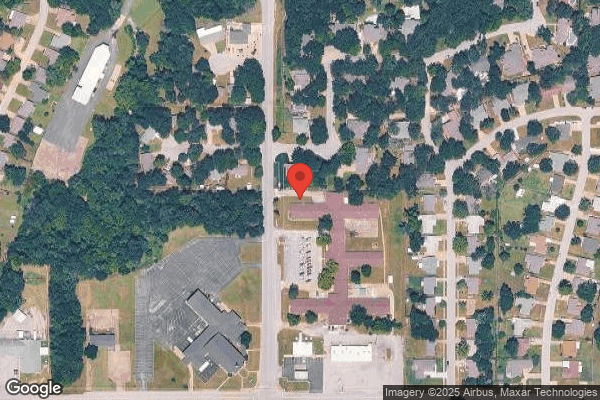
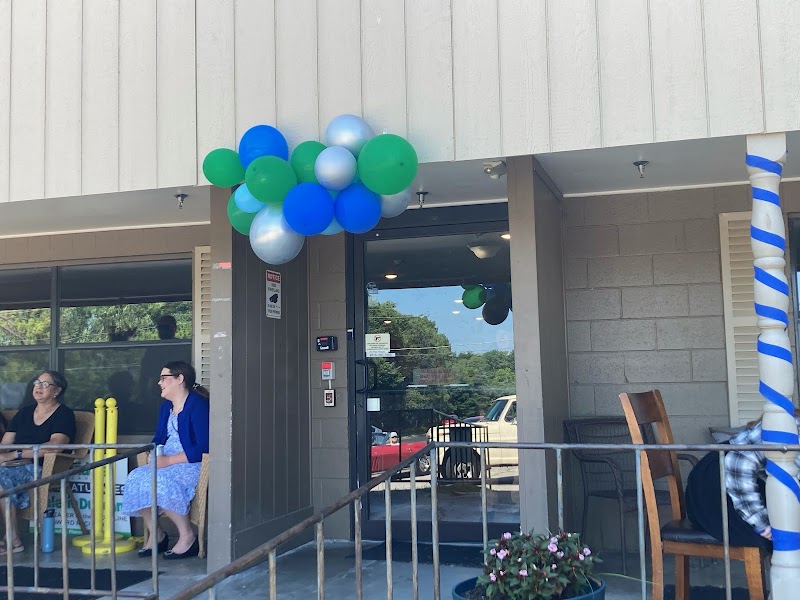
1025 NORTH ADAMS, SAND SPRINGS, OK 74063 (918) 245-5908
For profit - Corporation 173 Beds CONHOLD Data: November 2025
Trust Grade
55/100
#129 of 282 in OK
Last Inspection: June 2024

Within standard 12-15 month inspection cycle. Federal law requires annual inspections.

Overview

Sand Springs Nursing and Rehabilitation has received a Trust Grade of C, which means it is average compared to other facilities, sitting in the middle of the pack. It ranks #129 out of 282 facilities in Oklahoma, placing it in the top half, and #16 out of 33 in Tulsa County, indicating that only a few local options are better. However, the facility's condition is worsening, with issues increasing from 3 in 2023 to 11 in 2024. Staffing is a concern here, with a rating of 2 out of 5 stars and a turnover rate of 71%, which is higher than the state average, meaning there is instability among staff that can affect care. On a positive note, the facility has not incurred any fines, which is a good sign, but there are concerns about RN coverage, with less coverage than 82% of Oklahoma facilities, which could lead to missed problems. Specific issues reported include the failure to assess safety measures for side rails and provide sufficient staff for residents needing assistance, which may compromise residents' safety and comfort. Overall, while there are some strengths, families should be aware of the increasing issues and staffing challenges at this facility.

Trust Score
C
55/100
In Oklahoma
#129/282
Top 45%
Safety Record
Low Risk
No red flags
Inspections
Getting Worse
3 → 11 violations
Staff Stability
⚠ Watch
71% turnover. Very high, 23 points above average. Constant new faces learning your loved one's needs.
Penalties
✓ Good
No fines on record. Clean compliance history, better than most Oklahoma facilities.
Skilled Nurses
⚠ Watch
Each resident gets only 9 minutes of Registered Nurse (RN) attention daily — below average for Oklahoma. Fewer RN minutes means fewer trained eyes watching for problems.
Violations
⚠ Watch
19 deficiencies on record. Higher than average. Multiple issues found across inspections.
★★★☆☆
3.0
Overall Rating
★★☆☆☆
2.0
Staff Levels
★★★☆☆
3.0
Care Quality
★★★☆☆
3.0
Inspection Score
Stable
2023: 3 issues
2024: 11 issues

The Good

  • Full Sprinkler Coverage · Fire safety systems throughout facility
  • No fines on record

Facility shows strength in fire safety.

The Bad

3-Star Overall Rating

Near Oklahoma average (2.6)

Meets federal standards, typical of most facilities

Staff Turnover: 71%

25pts above Oklahoma avg (46%)

Frequent staff changes - ask about care continuity

Chain: CONHOLD

Part of a multi-facility chain

Ask about local staffing decisions and management

Staff turnover is very high (71%)

23 points above Oklahoma average of 48%

The Ugly 19 deficiencies on record

Jun 2024 11 deficiencies
CONCERN (D) 📢 Someone Reported This

A family member, employee, or ombudsman was alarmed enough to file a formal complaint

Potential for Harm - no one hurt, but risky conditions existed

Safe Environment (Tag F0584)

Could have caused harm · This affected 1 resident

Based on observation, record review, and interview, the facility failed to maintain a clean comfortable environment for one (#33) of three residents sampled for environment. The administrator reported...

Read full inspector narrative →
Based on observation, record review, and interview, the facility failed to maintain a clean comfortable environment for one (#33) of three residents sampled for environment. The administrator reported the census was 52. Findings: An undated facility policy titled Cleaning and Disinfecting Residents' Rooms, read in part, Housekeeping surfaces (e.g., floors, tabletops) will be cleaned on a regular basis, when spills occur, and when these surfaces are visibly soiled Res #33 had diagnoses including paraplegia and diabetes mellitus. An admission assessment, dated 05/14/24, documented the resident was independent with daily decision making and was dependent on staff for transfers. On 06/17/24 at 11:00 a.m., Res #33's room was observed. The trash can was observed to be full and soiled linens were piled in two separate areas of the floor. The floor was discolored in areas and sticky to the touch. Two pairs of soiled gloves were observed near the wall by the bathroom. Food debris was observed near the resident's bed. On 06/17/24 at 11:05 a.m., Res #33 stated housekeeping came in every day but did not do a good job. On 06/18/24 at 10:00 a.m., Res #33's room was observed. Food debris was observed near the resident's bed, one pair of soiled gloves were observed near the wall by the bathroom. The floor was sticky to the touch. On 06/19/24 at 10:10 a.m., Res #33's room was observed. Food debris was observed near the resident's bed, one pair of soiled gloves were observed near the wall by the bathroom. On 06/19/24 at 10:36 a.m., the housekeeping supervisor stated the CNA's were responsible to ensure that dirty linens were not in the floor, but housekeeping should ensure the room is clean. On 06/21/24 at 8:42 a.m., housekeeper #1 stated they do not have enough housekeeping staff to clean the rooms like they should be cleaned. On 06/21/24 at 8:46 a.m., the housekeeping supervisor stated that the rooms are not getting deep cleaned appropriately because of lack of staff.
CONCERN (D)

Potential for Harm - no one hurt, but risky conditions existed

ADL Care (Tag F0677)

Could have caused harm · This affected 1 resident

Based on observation, record review, and interview, the facility failed to ensure assistance with ADL's was provided for one (#33) of three residents reviewed for assistance with ADL's. The administra...

Read full inspector narrative →
Based on observation, record review, and interview, the facility failed to ensure assistance with ADL's was provided for one (#33) of three residents reviewed for assistance with ADL's. The administrator reported the census was 52. Findings: Res #33 had diagnoses including paraplegia and diabetes mellitus. An admission assessment, dated 05/14/24, indicated the resident was independent with daily decision making and was dependent on staff for transfers. A physician order, dated 06/17/24, documented Per resident request: up to chair daily as tolerated to facilitate wound healing. On 06/17/24 at 11:00 a.m., Res #33 stated that they wanted to get out of bed more often, but staff didn't always help them. Res #33 also stated they had not been out of bed since the end of last week. On 06/18/24 at 10:00 a.m., Res #33 stated they still had not been out of bed. On 06/19/24 at 10:10 a.m., Res #33 stated they had an order from the doctor to get up, and they still had not been out of bed. On 06/20/24 at 9:28 a.m., CNA #3 stated they try to get Res #33 up, but they are pulled away a lot of times and they are unable to get the resident up. They also stated they are usually the only aide on the hall, and they had not seen Res #33 out of bed since last week. On 06/20/24 at 9:30 a.m., LPN #1 stated they had not seen Res #33 out of bed since late last week. On 06/21/24 at 8:30 am, Resident #1 reported they have not been out of bed since last week.
CONCERN (D)

Potential for Harm - no one hurt, but risky conditions existed

Pressure Ulcer Prevention (Tag F0686)

Could have caused harm · This affected 1 resident

Based on observation, record review, and interview, the facility failed to complete weekly skin assessments as ordered to identify impaired skin integrity for one (#27) of three residents reviewed for...

Read full inspector narrative →
Based on observation, record review, and interview, the facility failed to complete weekly skin assessments as ordered to identify impaired skin integrity for one (#27) of three residents reviewed for pressure ulcers. The DON identified two residents with pressure ulcers. Findings: Res #27 had diagnoses which included diabetes mellitus, morbid obesity, and hypertension. A care plan, dated 07/19/20, documented the resident had potential for impaired skin integrity related to fragile skin, incontinence, and/or impaired mobility. A physician order, dated 08/21/23, documented the facility was supposed to do weekly skin assessments. The staff was to examine the resident's skin from head to toe and document any new abnormalities and notify the physician for treatment every evening shift on Mondays. A weekly skin assessment, dated 05/13/24, documented the resident had redness and moisture to the groin area. A weekly skin assessment, dated 05/27/24, documented the resident had moisture associated redness to the left iliac crest and a treatment was in place. On 06/17/24 at 2:51 p.m., the Res #27 stated they had discomfort and had a wound to the right hip from lying on that side. On 06/19/24 at 10:49 a.m., LPN #2 completed a skin assessment for the resident. The LPN #2 stated the Res #27 had pressure areas to both hip areas. The LPN #2 stated the areas were discolored and could open if left untreated. On 06/20/24 at 9:54 a.m., the DON stated weekly skin assessment had not been completed the month of June 2024 to identify new skin concerns for the resident.
CONCERN (D)

Potential for Harm - no one hurt, but risky conditions existed

Medication Errors (Tag F0758)

Could have caused harm · This affected 1 resident

Based on record review and interview, the facility failed to ensure a PRN order for an antianxiety had a 14 day stop date and an antipsychotic had an appropriate diagnosis for one (#53) of five sample...

Read full inspector narrative →
Based on record review and interview, the facility failed to ensure a PRN order for an antianxiety had a 14 day stop date and an antipsychotic had an appropriate diagnosis for one (#53) of five sampled residents reviewed for unnecessary medications. The administrator identified 52 residents resided in the facility. Findings: Res #53 had diagnoses which included dementia. A physician order, dated 04/04/24, documented to administer Seroquel (an antipsychotic) 200 mg at bedtime for dementia. A MAR for April 2024 documented Seroquel was received by the resident 25 times. A physician order, dated 05/05/24, documented to administer Ativan (an anti-anxiety) 0.5 mg every six hours as needed for agitation. A MAR for May 2024 documented Seroquel was received by the resident 31 times, and Ativan was received by the resident 16 times. A MAR through 06/19/24, documented Seroquel was received by the resident 18 times, and Ativan was received by the resident 9 times. On 06/19/24 at 2:41 p.m., the DON stated it was the responsibility of the DON to ensure the end date for the PRN and the diagnosis for the psychotropic medication.
CONCERN (D)

Potential for Harm - no one hurt, but risky conditions existed

Medical Records (Tag F0842)

Could have caused harm · This affected 1 resident

Based on record review and interview, the facility failed to ensure resident records were accurate for one (#49) of four sampled residents reviewed for accidents. The administrator identified 52 resid...

Read full inspector narrative →
Based on record review and interview, the facility failed to ensure resident records were accurate for one (#49) of four sampled residents reviewed for accidents. The administrator identified 52 residents resided in the facility. Findings: Res #49 had diagnoses which included dementia. A progress note dated 04/30/24 at 10:08 a.m., documented the resident's hand was deep purple, swollen, and painful. The note documented the physician was notified. On 06/20/24 at 1:51 p.m., the medical director stated the report they received did not include pain or discoloration. An observation of a text message documented the staff reported to the doctor the hand was swollen and not painful. The message to the doctor included a photograph. The photograph did not show the resident's hand was discolored.
CONCERN (D)

Potential for Harm - no one hurt, but risky conditions existed

Deficiency F0909 (Tag F0909)

Could have caused harm · This affected 1 resident

Based on observation, record review, and interview, the facility failed to inspect the bed frame, mattress, and bed rails as part of a regular maintenance program for one (#27) of one sampled resident...

Read full inspector narrative →
Based on observation, record review, and interview, the facility failed to inspect the bed frame, mattress, and bed rails as part of a regular maintenance program for one (#27) of one sampled residents reviewed for side rails. The DON identified eight residents who used side rails. Findings: The policy for Bed Safety and Bed Rails documented use of bed rails were prohibited unless the criteria for use had been met. The policy documented bed frames, mattress and bed rails were checked for compatibility and size prior to use. The policy documented regardless of mattress type, width, length, and/or depth, the bed frame, bed rail and mattress will leave no gap wide enough to entrap a resident's head or body. The policy documented the maintenance staff was to routinely inspect all beds and related equipment to identify risks and problems including potential entrapment risks. Res #27 had diagnoses which included diabetes mellitus, morbid obesity, and hypertension. The care plan, dated 06/13/19, documented the resident had an ADL self care deficit. The care plan documented the resident used a halo rail/Ubar on their bed to assist with turning and/or repositioning. A physician order, dated 07/18/22, documented the resident may use bilateral m-bars to aide with turning and repositioning. A quarterly assessment, dated 03/18/24, documented bed rails were not used. On 06/19/24 at 11:41 a.m., the Res #27 was lying in bed on their left side. The Res #27 bed frame was visible three to five inches from mid mattress down. There were rolled blankets from the top of the bed to the middle positioned between the bed rail and the mattress. On 06/19/24 at 10:49 a.m., LPN #2 stated the resident's bed had quarter rails to each side. The LPN #2 stated the mattress did not cover the metal frame of the bed from midway down and rolled blankets were used between the mattress and quarter rail. The LPN #2 stated the mattress did not fit the resident's bed. On 06/19/24 at 11:14 a.m., the DON accompanied the survey to the resident's room. The DON stated they were unaware the resident had quarter rails. The DON stated the mattress did not fit the bed frame. The DON was unsure who was responsible for assessing and monitoring beds for safety and the use of rails. The DON stated the bed frame and rails should be assessed at least monthly. The DON stated to their knowledge the resident had the current bed since 2019.
CONCERN (E)

Potential for Harm - no one hurt, but risky conditions existed

Deficiency F0700 (Tag F0700)

Could have caused harm · This affected multiple residents

Based on observation, record review, and interview, the facility failed to: a. assess the resident for the use of side rails, b. ensure to mattress fit correctly for the bed frame and use of side rail...

Read full inspector narrative →
Based on observation, record review, and interview, the facility failed to: a. assess the resident for the use of side rails, b. ensure to mattress fit correctly for the bed frame and use of side rails, c. monitor for safety and maintenance for the use of side rails, d. obtain an informed consent prior to the use of side rails, for one (#27) of one sampled residents reviewed for side rails. The DON identified eight residents who used side rails. Findings: The policy for Bed Safety and Bed Rails documented use of bed rails were prohibited unless the criteria for use had been met. The policy documented bed frames, mattress and bed rails were checked for compatibility and size prior to use. The policy documented regardless of mattress type, width, length, and/or depth, the bed frame, bed rail and mattress will leave no gap wide enough to entrap a resident's head or body. The policy documented the maintenance staff was to routinely inspect all beds and related equipment to identify risks and problems including potential entrapment risks. Resident #27 had diagnoses which included diabetes mellitus, morbid obesity, and hypertension. The care plan, dated 06/13/19, documented the resident had an ADL self care deficit. The care plan documented the resident used a halo rail/Ubar on their bed to assist with turning and/or repositioning. A physician order, dated 07/18/22, documented the resident may use bilateral m-bars to aide with turning and repositioning. A quarterly assessment, dated 03/18/24, documented bed rails were not used. On 06/17/24 at 2:50 p.m., the Resident #27 was lying in bed on their left side. The resident's bed frame was visible three to five inches from mid mattress down. There were rolled blankets from the top of the bed to the middle positioned between the bed rail and the mattress. On 06/19/24 at 10:49 a.m., LPN #2 stated the resident's bed had quarter rails to each side. The LPN stated the mattress did not cover the metal frame of the bed from midway down and rolled blankets were used between the mattress and quarter rail. The LPN stated the mattress did not fit the resident's bed. On 06/19/24 at 11:14 a.m., the DON accompanied the survey to the resident's room. The DON stated they were unaware the resident had quarter rails. The DON stated the mattress did not fit the bed frame. The DON was unsure who was responsible for assessing and monitoring beds for safety and the use of rails. The DON stated the bed frame and rails should be assessed at least monthly. The DON stated to their knowledge the resident had the current bed since 2019. On 06/19/24 at 2:41 p.m., the DON provided a side rail consent form and a restraints: side rail utilization assessment for the resident that was completed but not dated. The DON stated to documents were most likely completed today. The DON stated at this time they could not provide assessments or monitoring for the use of bed rails for the resident.
CONCERN (E)

Potential for Harm - no one hurt, but risky conditions existed

Deficiency F0725 (Tag F0725)

Could have caused harm · This affected multiple residents

Based on record review and interview, the facility failed to provide enough staff to ensure assistance with ADL's and a clean environment was provided for one (#33) of three residents reviewed for ADL...

Read full inspector narrative →
Based on record review and interview, the facility failed to provide enough staff to ensure assistance with ADL's and a clean environment was provided for one (#33) of three residents reviewed for ADL's The administrator reported the census was 52. Findings: An undated facility policy titled Staffing, Sufficient and Competent Nursing, read in part, Our facility provides sufficient numbers of nursing staff with the appropriate skills and competency necessary to provide nursing and related care and services for all residents in accordance with resident care plans and the facility assessment Res #33 had diagnoses including paraplegia and diabetes mellitus. An admission assessment, dated 05/14/24, indicated the Res #33 was independent with daily decision making and was dependent on staff for transfers. A physician order, dated 06/17/24, documented Per resident request: up to chair daily as tolerated to facilitate wound healing On 06/17/24 at 11:00 a.m., Res #33 stated that he wanted to get out of bed more often, but staff didn't always help him. Res #33 also stated they had not been out of bed since the end of last week. The trash can in the resident's room was observed to be full and soiled linens were piled in two separate areas of the floor. The floor was discolored in areas and sticky to the touch. Two pairs of soiled gloves were observed near the wall by the bathroom. Food debris was observed near the resident's bed. Res #33 stated housekeeping did not do a good job cleaning the room. On 06/18/24 at 10:00 a.m., Res #33 stated they still have not been out of bed. Food debris was observed near the resident's bed, one pair of soiled gloves were observed near the wall by the bathroom. The floor was sticky to the touch. On 06/19/24 at 10:10 a.m., Res #33 stated they had an order from the doctor, and they still had not been out of bed. On 06/19/24 at 10:36 a.m., the Housekeeping supervisor stated the CNA's were responsible to ensure that dirty linens were not in the floor, but housekeeping should ensure the room is clean. On 06/20/24 at 9:28 a.m., CNA #3 stated that they try to get Res #33 up, but they are pulled away a lot of times and they are unable to get the resident up. They also stated they are usually the only aide on the hall, and they had not seen Res #33 out of bed since last week. On 06/20/24 at 9:30 am, LPN #1 stated they had not seen Res #33 out of bed since late last week, they also stated staffing was an issue at times and required tasks were not always completed. On 06/21/24 at 8:30 a.m., Res #33 reported they have not been out of bed since last week. On 06/21/24 at 8:42 a.m., Housekeeper #1 stated they do not have enough housekeeping staff to clean the rooms like they should be cleaned. On 06/21/24 at 8:46 a.m., the Housekeeping supervisor stated that the rooms are not getting deep cleaned appropriately because of lack of staff. On 06/21/24 at 8:53 a.m., LPN #2 stated staff were not always available to ensure resident needs were met in a timely fashion.
CONCERN (E)

Potential for Harm - no one hurt, but risky conditions existed

Staffing Information (Tag F0732)

Could have caused harm · This affected multiple residents

Based on observation and interview, the facility failed to ensure nurse staffing information was posted on a daily basis. The administrator identified 52 residents resided in the facility. Findings: ...

Read full inspector narrative →
Based on observation and interview, the facility failed to ensure nurse staffing information was posted on a daily basis. The administrator identified 52 residents resided in the facility. Findings: On 06/17/24 at 10:35 a.m., the nurse staffing board was not observed as posted in any high visibility area. On 06/19/24 at 12:44 p.m., a staffing board was observed posted at the nurses station near the front door. The staffing data on the posting was dated 06/18/24. On 06/20/24 at 9:36 a.m., a staffing board was observed posted at the nurses station near the front door. The staffing data on the posting was dated 06/18/24. On 06/21/24 at 8:22 a.m., a staffing board was observed posted at the nurses station near the front door. The staffing data on the posting was dated 06/18/24. On 06/21/24 at 8:26 a.m., the DON stated the staffing data was posted right up front. They pointed to the staffing data observed at the nurses station near the front door. The DON stated the staffing data was supposed to be update daily but was not.
CONCERN (E)

Potential for Harm - no one hurt, but risky conditions existed

Pharmacy Services (Tag F0755)

Could have caused harm · This affected multiple residents

**NOTE- TERMS IN BRACKETS HAVE BEEN EDITED TO PROTECT CONFIDENTIALITY** Based on record review and interview , the facility failed to administer medication as ordered by the physician for one (#51) of...

Read full inspector narrative →
**NOTE- TERMS IN BRACKETS HAVE BEEN EDITED TO PROTECT CONFIDENTIALITY** Based on record review and interview , the facility failed to administer medication as ordered by the physician for one (#51) of five sampled residents who were reviewed for unnecessary medication. The administrator identified 52 residents resided in the facility. Findings: Resident #51 had diagnoses which included acute embolism and thrombosis of unspecified deep veins of the lower extremity, cardiomyopathy, chronic systolic heart failure, hemiplegia to left nondominant side, and anemia. A five day assessment, dated 05/24/24, documented the resident was cognitively intact and was receiving an anticoagulant medication. A hospital discharge order, dated 06/12/24, documented the resident was to receive Eliquis (a anticoagulant medication) 10mg by mouth twice a day for six days then decrease to 5mg by mouth twice a day. The Resident #51's MAR for June 2024 did not document the resident received Eliquis as ordered by the physician. On 06/19/24 at 2:15 p.m., LPN #2 stated they admitted the resident to the facility on [DATE] from the hospital. The LPN #2 stated physician orders were put in the computer and a copy was faxed to the pharmacy. The LPN #2 was unsure why the medication was not on the MAR or why the Eliquis had not been given. On 06/20/24 at 2:06 p.m., the DON reviewed the resident's hospital physician orders. The DON stated the resident had not received the Eliquis as ordered by the physician. The DON stated some education needed to be given.
CONCERN (E)

Potential for Harm - no one hurt, but risky conditions existed

Infection Control (Tag F0880)

Could have caused harm · This affected multiple residents

3. Res #46 had diagnoses which included a stage four pressure ulcer and diabetes mellitus. A sign on Res #46's door documented they required EBP. On 06/19/2024 at 12:13 p.m., LPN #1 and the ADON were ...

Read full inspector narrative →
3. Res #46 had diagnoses which included a stage four pressure ulcer and diabetes mellitus. A sign on Res #46's door documented they required EBP. On 06/19/2024 at 12:13 p.m., LPN #1 and the ADON were observed providing ordered wound care to Res #46, they were not wearing gowns. On 06/20/24 at 8:25 a.m., LPN #1 stated they should have been wearing a gown because Res #46 required EBP. On 06/20/24 at 9:00 a.m., the ADON stated they should have been wearing a gown while providing direct patient care for Res #46. Based on observation, record review, and interview, the facililty failed to maintain an infection control program for enhanced barrier precautions for three (#29, 46, and #51) of three reviewed for infection control. The DON identified eight residents who currently had EBP. Findings: A policy titled Enhanced Barrier Precautions documented in parts .EBPs employ targeted gown and glove use during high contact resident care activitites when contact precautions do not otherwise apply .Examples of high-contact resident care activitites requiring the use of gown and gloves for EBPs include: a. dressing; b. bathing/showering; c. transferring; d. providing hygiene; e. changing linens; f. changing briefs or assisting with toileting; g. device care or use (central line, urinary catheter, feeding tube, tracheostomy/ventilator, etc.); and h. wound care (any skin opening requiring a dressing) . 1. Res #29 had diagnoses which included obstructive and reflux uropathy, diabetes mellitus, atrial fibrillation, polyneuropathy, and depressive disorder. On 06/17/24 at 10:20 a.m., signage was noted at the door for Res #29 and documented enhanced barrier precautions gown and gloves required. On 06/17/24 at 10:24 a.m., LPN #2 stated they were unsure what the signage on the door meant. The LPN #2 stated they were not aware of the resident requiring special precautions with care at this time. On 06/21/24 at 8:50 a.m., the DON stated an in-serviced regarding enhanced barrier precautions had been provided for staff. The DON stated the signage on the door documented staff were to wear a gown and gloves when providing resident personal care. 2. Res #51 had diagnoses which included neuromuscular dysfunction of bladder, vesical tenesmus, tubuloinerstitial nephritis, and left nondominant hemiplegia. On 06/17/24 at 10:46 a.m., the Res #51 was lying in bed with a catheter hanging from the bedside. A sign posted at the resident's door documented enhanced barrier precautions. On 06/17/24 at 10:54 a.m., LPN #2 stated the resident had ESBL in the urine and staff must wear gown, gloves, mask, and shoe protectors with resident care. PPE was available at door entrance. On 06/20/24 at 9:35 a.m., Res #51's door was observed with signage indicating the resident required enhanced barrier precautions. On 06/20/24 at 9:37 a.m., Res #51 was observed during foley catheter care. On 06/20/24 at 9:40 a.m., CNA #1 was observed donning gloves and pulling back the covering of Res #51. Res #51 stopped the CNA and asked if the CNA #1 should be wearing a gown. On 06/20/24 at 10:17 a.m., CNA #1 was observed emptying the resident's foley catheter drainage bag, and placing a new brief and gown without wearing PPE. On 06/20/24 at 10:33 a.m., CNA #1 stated they should have donned a gown to empty the foley catheter and assist the resident with dressing. On 06/20/24 at 11:01 a.m., the DON stated the CNA should have been wearing PPE during care for the resident as part of enhanced barrier precautions. 3.
May 2023 2 deficiencies
CONCERN (E) 📢 Someone Reported This

A family member, employee, or ombudsman was alarmed enough to file a formal complaint

Potential for Harm - no one hurt, but risky conditions existed

Unnecessary Medications (Tag F0759)

Could have caused harm · This affected multiple residents

Based on observation, record review, and interview, the facility failed to ensure the medication error rate was less than five percent for three (#34, 27, and #31) of 16 residents observed during medi...

Read full inspector narrative →
Based on observation, record review, and interview, the facility failed to ensure the medication error rate was less than five percent for three (#34, 27, and #31) of 16 residents observed during medication passes. A total of 25 opportunities were observed with three errors and a total error rate of 12%. Findings: 1. Resident #34 had diagnoses which included diabetes. A physician's order, dated 03/13/23, documented the resident was to receive Novolog insulin per sliding scale readings at 150 mg/dL or greater. The resident was to receive six units for a finger stick blood sugar reading between 251 mg/dL and 300 mg/dL. On 05/10/23 at 4:43 p.m., LPN #1 stated the resident's finger stick blood sugar reading was 267 mg/dL. LPN #1 stated the resident was to receive four units of Novolog insulin for every 50 mg/dL above 150 mg/dL. On 05/10/23 at 4:43 p.m., LPN #1 was observed to administer eight units of Novolog insulin for a finger stick blood sugar reading of 267 mg/dL. This is two units more than the Novolog sliding scale insulin (6 units) for a finger stick blood sugar of 267 mg/dL. 2. Resident #27 had diagnoses which included chronic obstructive pulmonary disease. A physician's order, dated 04/14/23, documented the resident was to received Advair diskus 250-50 mcg, one puff inhaled orally two times a day. On 05/11/23 at 11:35 a.m., LPN #2 was observed to administer Advair diskus 250/50 mcg/ACT to resident #27. Resident #27 was sitting in their room. LPN #2 placed the Advair diskus to the resident's lips and pulled the trigger on the diskus, which punctures the capsule inside, allowing the resident to inhale the powder. As the resident began to breath in, the LPN removed the diskus from their lips. Resident #27 informed the LPN they had removed the diskus before the resident had an opportunity to inhale the medication. LPN #2 placed the Advair diskus back to the resident's lips and again pulled the trigger. Just as the resident began to inhale, the LPN removed the diskus from their lips. Resident #27 again informed the LPN they had removed the diskus before they had an opportunity to inhale the medication and stated they would nod their head when they were ready for the LPN to remove the diskus from their lips. LPN #2 again pulled the trigger on the Advair diskus and then placed the diskus to the resident's lips. Resident #27 inhaled a breath and nodded their head in affirmation. The LPN removed the Advair diskus. 3. Resident #31 had diagnoses which included diabetes. A physician's order, dated 07/21/22, documented the resident was to receive five units of Novolog by subcutaneous injection before meals and at bedtime. A physician's order, dated 03/29/23, documented the resident was to receive Novolog insulin per sliding scale readings at 200 mg/dL or greater. The resident was to receive two units for a finger stick blood sugar reading between 200 mg/dL and 250 mg/dL. On 05/11/23 at 4:38 p.m., RN#1 was observed to administer nine units of Novolog insulin for a finger stick blood sugar reading of 213 mg/dL. This is two units more than the routine Novolog insulin (5 units) and the Novolog sliding scale insulin (2 units) for a finger stick blood sugar of 213 mg/dL. On 05/12/23 at 3:45 p.m., the DON was informed of the above observations. The DON stated the facility was always looking for ways to improve the care they provided the residents.
CONCERN (E) 📢 Someone Reported This

A family member, employee, or ombudsman was alarmed enough to file a formal complaint

Potential for Harm - no one hurt, but risky conditions existed

Food Safety (Tag F0812)

Could have caused harm · This affected multiple residents

Based on observation and interview, the facility failed to store foods according to professional standards for food service safety. The facility failed to discard left-over refrigerated foods within ...

Read full inspector narrative →
Based on observation and interview, the facility failed to store foods according to professional standards for food service safety. The facility failed to discard left-over refrigerated foods within the timeframe allotted for food service safety and failed to label/date left-over foods stored in the refrigerator according to professional standards for food service safety. The director of nursing identified 56 residents who ate meals prepared in the kitchen. Findings: On 05/11/23 at 7:10 a.m., the following items were observed stored in the walk in refrigerator: - a resealable bag, dated 05/03, of cooked hamburger patties, - an undated container of hand diced tomatoes - a container, dated 05/06, of vanilla pudding, - a covered plate of hashbrowns, dated 05/06, - a pan of mechanically soft sweet and sour chicken, dated 05/08, and - an undated pan of spanish rice. On 05/11/23 at 5:00 p.m., the assistant dietary manager was asked what the facility policy was regarding the storage of left-overs. The ADM stated deserts were stored in the refrigerator for up to 24 hours and everything else was stored in the refrigerator for up to 48 hours. The ADM stated all staff were responsible for ensuring left-overs were either used or thrown away within the proper timeframe. The refrigerator was observed with the assistant dietary manager and the listed items were still present. The ADM stated the items needed to be thrown away. The ADM stated the rice and diced tomatoes were not dated and should be thrown away.
May 2023 1 deficiency
CONCERN (D) 📢 Someone Reported This

A family member, employee, or ombudsman was alarmed enough to file a formal complaint

Potential for Harm - no one hurt, but risky conditions existed

Deficiency F0773 (Tag F0773)

Could have caused harm · This affected 1 resident

Based on record review and interview, the facility failed to obtain a thyroid stimulating hormone level for one (#1) of four residents sampled for laboratory testing. The director of nursing stated a...

Read full inspector narrative →
Based on record review and interview, the facility failed to obtain a thyroid stimulating hormone level for one (#1) of four residents sampled for laboratory testing. The director of nursing stated all 52 residents had the potential to receive orders for laboratory testing. Findings: Resident #1 had diagnoses which included hypothyroidism. A physician's progress note, dated 02/22/23, documented resident #1 has an elevated thyroid stimulating hormone level and ordered the hormone level to be checked again in four weeks. A review of the electronic medical record for resident #1 found no laboratory results for a thyroid stimulating hormone level on or around 03/22/23. On 04/28/23 at 3:15 p.m., the MDS coordinator stated the lab was ordered on 02/22/23 under a standard other classification, instead of as a laboratory service and so the program did not trigger for the nurse to make out the requisition forms and draw the specimen. The coordinator stated once the date came around, the order dropped off the system as completed without ever showing on the treatment administration record for the nurse to perform. On 04/28/23 at 4:50 p.m., the corporate quality assurance nurse stated a consulting nurse had recently performed chart reviews and identified a problem with the facility laboratory testing orders.
Nov 2019 5 deficiencies
CONCERN (D)

Potential for Harm - no one hurt, but risky conditions existed

Notification of Changes (Tag F0580)

Could have caused harm · This affected 1 resident

**NOTE- TERMS IN BRACKETS HAVE BEEN EDITED TO PROTECT CONFIDENTIALITY** Based on interview and record review, it was determined the facility failed to notify the resident's responsible party when the ...

Read full inspector narrative →
**NOTE- TERMS IN BRACKETS HAVE BEEN EDITED TO PROTECT CONFIDENTIALITY** Based on interview and record review, it was determined the facility failed to notify the resident's responsible party when the resident was sent to the hospital and discharged for one (#93) of six sampled residents who were reviewed for transfers and/or discharges. The facility identified 18 residents who transferred from the facility in the last three months. Findings: Resident #93 was admitted to the facility on [DATE] with diagnoses which included pseudobulbar affect; anxiety disorder; generalized idiopathic epilepsy and epileptic syndromes, not intractable, without status epilepticus; and heart failure. A letter of guardianship, dated 02/07/19, was provided to the surveyor during the survey by guardian #1. The letter documented the resident was an Incapacitated/Partially incapacitated adult. The letter documented the resident had two guardians. The resident's face sheet documented the resident had two emergency contacts named. The sheet documented the resident was his own responsible party for Financial Only. An admission assessment, dated 08/06/19, documented the resident was cognitively moderately impaired and required assistance with ADLs. A progress note, dated 08/12/19 at 6:08 p.m., documented the resident was transferred to the hospital via ambulance. There was no documentation that the resident's emergency contact (responsible party) had been made aware of the resident's transfer to the hospital. A 30 day assessment, dated 08/19/19, documented the resident was cognitively intact and required assistance with ADLs. A progress note by an LPN, dated 08/23/19 at 2:27 p.m., documented, Resident at nurses station. Stated he called [name deleted] to arrange his transportation home and he would be leaving facility this afternoon. RN attempted to explain to resident the need to finish his therapy and stay at SNF to finish recovery. Resident adamant that he was ok and was ready to discharge. Dr. [name deleted] notified and order received to discharge resident from facility at this time. Social services and administrator notified. Paperwork completed. Medications discharged with resident with instruction and med list. Resident OOF at 1600 [4:00 p.m.] with privately arranged transportation. A progress note, dated 08/23/19 at 2:58 p.m., documented by the SSD stated, SSD was informed by staff on Friday 23rd that resident had called transportation to pick him up to take him to the bank and then to the super 8 motel to charge his motorized scooter. Resident was informed again that he would not be able to bring scooter to facility. Resident said that he was going to bank and would be discharging the facility to go to the super 8 motel where he was staying prior to admission. Resident stated that he did not want me to call his sister or brother and inform them of his discharge. Resident discharged with transportation approx 4pm [sic]. On 11/05/19 at 2:30 p.m., the administrator when asked stated the facility never received the guardianship papers from the resident's guardians or the resident's APS worker. The administrator was asked who was involved in the resident's discharge. She stated the resident himself. She stated the resident had obtained his own transportation and he wanted to leave the facility. The administrator stated she had talked to the resident's responsible party (emergency contact and guardian #1) that day and discussed the resident wanted to leave the facility. On 11/05/19 at 4:00 p.m., a phone interview was conducted with the resident's emergency contact (responsible party) #1. When asked she stated she had not been notified of the resident being sent to the hospital on [DATE] until the resident returned to the facility. When asked the responsible party #1 stated she had not been made aware prior to the resident leaving and being discharged from the facility on 08/23/19. She stated she knew for sure she had provided the facility with the guardianship paperwork which documented herself and another family member were the guardians for the resident. On 11/06/19 at 8:59 a.m., an interview was conducted with APS worker #1. He stated on 07/30/19 at 9:21 a.m., he had spoken to the DON and made her aware the resident had a guardian and APS had an active case open on the resident. He stated on 08/08/19 at 8:49 p.m., he spoke to the administrator, ADON, and SSD. He stated the facility staff denied they were aware of the resident's guardianship. He stated he was not informed the resident left/discharged from the facility until 08/26/19 (Monday). On 11/06/19 at 9:28 a.m., an interview was conducted with the DON. The DON was asked about her conversation with the APS worker. She stated the APS worker had made her aware that the resident's sister had guardianship and APS was involved with the resident. The DON was asked if APS or the resident's guardian had been made aware the resident left/discharged from the facility on 08/23/19. She reviewed the resident's electronic record and stated she did not call. The DON was asked if it was documented anywhere in the resident's clinical record that someone had called his guardian. She reviewed the resident's clinical record and stated, not on the note of the day he left. On 11/06/19 at 9:52 a.m., the DON was asked if the resident's guardian/responsible party had been notified when the resident went to the hospital on [DATE]. She reviewed the resident's clinical record and stated, It's not stated that she did. On 11/06/19 at 11:00 a.m., an interview was conducted with the administrator. When asked she stated she did not call the APS worker until the following Monday. She stated the resident did not want his sister called. She stated there was a difference between resident rights and not having the guardianship papers. She stated the guardianship papers were definitely not sent to the facility. She stated the resident should be able to choose his own life and the way he wanted to live as he did his whole life.
CONCERN (D)

Potential for Harm - no one hurt, but risky conditions existed

Transfer Notice (Tag F0623)

Could have caused harm · This affected 1 resident

**NOTE- TERMS IN BRACKETS HAVE BEEN EDITED TO PROTECT CONFIDENTIALITY** Based on interview and record review, it was determined the facility failed to provide a reason of a resident's transfer in writ...

Read full inspector narrative →
**NOTE- TERMS IN BRACKETS HAVE BEEN EDITED TO PROTECT CONFIDENTIALITY** Based on interview and record review, it was determined the facility failed to provide a reason of a resident's transfer in writing to the resident's responsible party and Ombudsman for one (#92) of six sampled residents who were reviewed for transfers. The facility identified 18 residents who had been transferred from the facility in the last three months. Findings: Resident #92 was admitted to the facility on [DATE] with diagnoses which included acute kidney failure and dementia in other diseases classified elsewhere with behavioral disturbance. A progress note, dated 08/13/19 at 4:03 a.m., documented the resident was transferred to the hospital. The resident's clinical record record did not document that a written notice of transfer was sent to the responsible party and the Ombudsman. On 11/06/19 at 12:00 p.m., the administrator was asked if the resident's responsible party and Ombudsman were sent the reason for the transfer in writing. She stated it was not documented. She stated the Ombudsman had not told the facility how she wanted her documentation of resident transfers.
CONCERN (D)

Potential for Harm - no one hurt, but risky conditions existed

Deficiency F0625 (Tag F0625)

Could have caused harm · This affected 1 resident

**NOTE- TERMS IN BRACKETS HAVE BEEN EDITED TO PROTECT CONFIDENTIALITY** Based on interview and record review, it was determined the facility failed to provide a resident's responsible party a bed hold...

Read full inspector narrative →
**NOTE- TERMS IN BRACKETS HAVE BEEN EDITED TO PROTECT CONFIDENTIALITY** Based on interview and record review, it was determined the facility failed to provide a resident's responsible party a bed hold notice when a resident was transferred to the hospital for one (#92) of three sampled residents who were reviewed for hospital transfers. The facility identified 18 residents who have been transferred from the facility in the last 3 months. Findings: The facility's undated bed hold policy, documented, the bed hold policy is mailed to the responsible party when the resident was not able to acknowledge receipt at time of transfer. Resident #92 was admitted to the facility on [DATE] with diagnoses which included acute kidney failure and dementia in other diseases classified elsewhere with behavioral disturbance. An admission assessment, dated 07/16/19, documented the resident was severely cognitively impaired. A progress note, dated 08/13/19 at 4:03 a.m., documented the resident was transferred to the hospital. There was no documentation in the resident's clinical record that the bed hold notice had been provided to the resident's responsible party after the resident was admitted to the hospital. On 11/06/19 at 10:39 a.m., the SSD was asked if a bed hold notice was sent to the resident's responsible party after the resident was transferred and admitted to the hospital. She reviewed the resident's clinical records. She stated when the residents' discharge from the facility she tried to mail the notices out to the resident's responsible parties. She was asked if the bed hold notice had been provided to the resident's responsible party. She stated she had slept since then but she did try to mail the notice out when a resident was discharged to a hospital.
CONCERN (E)

Potential for Harm - no one hurt, but risky conditions existed

Deficiency F0657 (Tag F0657)

Could have caused harm · This affected multiple residents

Based on interview and record review, it was determined the facility failed to involve the resident or their interdisciplinary team in the care plan meeting for one (#21) of two residents who were rev...

Read full inspector narrative →
Based on interview and record review, it was determined the facility failed to involve the resident or their interdisciplinary team in the care plan meeting for one (#21) of two residents who were reviewed for participation in the care plan process. The facility identified 51 residents who resided at the facility. Findings: Resident #21 had diagnoses which included mood (affective) disorder, dementia, and psychosis. The quarterly assessment, dated 03/07/19, documented the resident was moderately impaired in cognition and had severely impaired vision. The care plan, dated 03/08/19, documented the resident had impaired cognitive function related to dementia and require approaches that maximize involvement in daily decision making and activity. There was no documentation of a care plan meeting which involved the resident and/or interdisciplinary team. The quarterly assessment, dated 06/07/19, documented the resident was cognitively intact and had severely impaired vision. The care plan, dated 06/07/19, documented the resident had impaired cognitive function related to dementia and require approaches that maximize involvement in daily decision making and activity. There was no documentation of a care plan meeting which involved the resident and/or interdisciplinary team. The annual assessment, dated 09/05/19, documented the resident was moderately impaired in cognition and had severely impaired vision. The care plan, dated 09/05/19, documented the resident had impaired cognitive function related to dementia and require approaches that maximize involvement in daily decision making and activity. There was no documentation of a care plan meeting which involved the resident and/or interdisciplinary team. On 11/06/19 at 11:35 a.m., the MDS coordinator was asked who was invited to care plan meetings. She stated she invited the resident if they were cognitively intact and/or able to participate in the meeting, the resident's guardian or primary family, and department heads. She was asked if she invited resident #21 to care plan meetings. She stated she did not invite the resident but did invite a family member. She was asked why she did not invite the resident. She stated the resident would not be able to participate in the care plan meeting because she had dementia and was blind. She stated the resident would not remember. She was asked who attended the resident's care plan meeting. She stated nobody. She stated she sent letters to the resident's family member for each care plan meeting but the family does not attend. She stated she also invited department heads to the care plan meetings but none attended. She was asked why the interdisciplinary team did not attend. She stated the department heads told her to call if they were needed. On 11/06/19 at 11:55 a.m., the DON was asked who attended the care plan meetings. She stated she had attended a few when asked but all were attended by the MDS coordinator and social services. She was asked who else was invited to care plan meetings. She stated she would need to check with the MDS coordinator. On 11/06/19 at 12:10 p.m., the administrator was asked who was invited to care plan meetings. She stated, Well the resident of course, whoever they may want and everyone on the interdisciplinary team. She was asked if it was just a select group of residents who were invited to care plan meetings. She stated, No. Every resident has a right to participate in their care plan meetings.
CONCERN (E)

Potential for Harm - no one hurt, but risky conditions existed

Food Safety (Tag F0812)

Could have caused harm · This affected multiple residents

Based on observation, interview, and record review, it was determined the facility failed to ensure unpasteurized eggs were fully cooked for four (#18, #12, #24, and #22) of four residents observed at...

Read full inspector narrative →
Based on observation, interview, and record review, it was determined the facility failed to ensure unpasteurized eggs were fully cooked for four (#18, #12, #24, and #22) of four residents observed at the morning meal. The facility identified nine residents who ate soft eggs routinely. Findings: On 10/30/19 at 10:00 a.m., unpasteurized eggs were observed in the walk-in refrigerator. On 10/31/19 at 07:56 a.m., dietary cook #1 cracked two unpasteurized eggs onto the grill and cooked them soft. When the eggs were finished cooking, she plated the eggs and placed the plate on a shelf over the grill. She did this three more times for a total of four plates of soft cooked eggs. At 8:01 a.m., DA #1 placed plates of soft cooked eggs on a tray for resident #18 and resident #22. At 8:06 a.m., a plate of soft cooked eggs was served to resident #12. At 8:08 a.m., a plate of soft cooked eggs was served to resident #24. At 8:10 a.m., the administrator was asked about the unpasteurized eggs. She stated they only ordered pasteurized eggs. She was shown the unpasteurized eggs. She stated she would have to call the distributor and find out what happened. At 9:00 a.m., the administrator returned and stated the eggs were not pasteurized. She stated at some point the unpasteurized eggs became an option for ordering from their distributor. She was asked how long the unpasteurized eggs had been ordered. She stated she would have to ask the DM. At 11:00 a.m., the DM was asked how long unpasteurized eggs had been ordered and served to the residents. She reviewed her orders. She stated she has been unknowingly serving unpasteurized eggs since 06/01/19. She was asked how that occurred. She stated she had ordered unpasteurized eggs by mistake.
Understanding Severity Codes (click to expand)
Life-Threatening (Immediate Jeopardy)
J - Isolated K - Pattern L - Widespread
Actual Harm
G - Isolated H - Pattern I - Widespread
Potential for Harm
D - Isolated E - Pattern F - Widespread
No Harm (Minor)
A - Isolated B - Pattern C - Widespread

Questions to Ask on Your Visit

  • "Why is there high staff turnover? How do you retain staff?"
  • "Can I speak with families of current residents?"
  • "What's your RN coverage like on weekends and overnight?"

Our Honest Assessment

Strengths
  • • No major safety red flags. No abuse findings, life-threatening violations, or SFF status.
  • • No fines on record. Clean compliance history, better than most Oklahoma facilities.
Concerns
  • • 19 deficiencies on record. Higher than average. Multiple issues found across inspections.
  • • Grade C (55/100). Below average facility with significant concerns.
  • • 71% turnover. Very high, 23 points above average. Constant new faces learning your loved one's needs.
Bottom line: Mixed indicators with Trust Score of 55/100. Visit in person and ask pointed questions.

About This Facility

What is Sand Springs Nursing And Rehabilitation's CMS Rating?

CMS assigns SAND SPRINGS NURSING AND REHABILITATION an overall rating of 3 out of 5 stars, which is considered average nationally. Within Oklahoma, this rating places the facility higher than 99% of the state's 100 nursing homes. This mid-range rating indicates the facility meets federal standards but may have areas for improvement.
How is Sand Springs Nursing And Rehabilitation Staffed?

CMS rates SAND SPRINGS NURSING AND REHABILITATION's staffing level at 2 out of 5 stars, which is below average compared to other nursing homes. Staff turnover is 71%, which is 25 percentage points above the Oklahoma average of 46%. High turnover can affect care consistency as new staff learn residents' individual needs.

What Have Inspectors Found at Sand Springs Nursing And Rehabilitation?

State health inspectors documented 19 deficiencies at SAND SPRINGS NURSING AND REHABILITATION during 2019 to 2024. These included: 19 with potential for harm.
Who Owns and Operates Sand Springs Nursing And Rehabilitation?

SAND SPRINGS NURSING AND REHABILITATION is owned by a for-profit company. For-profit facilities operate as businesses with obligations to shareholders or private owners. The facility is operated by CONHOLD, a chain that manages multiple nursing homes. With 173 certified beds and approximately 60 residents (about 35% occupancy), it is a mid-sized facility located in SAND SPRINGS, Oklahoma.
How Does Sand Springs Nursing And Rehabilitation Compare to Other Oklahoma Nursing Homes?

Compared to the 100 nursing homes in Oklahoma, SAND SPRINGS NURSING AND REHABILITATION's overall rating (3 stars) is above the state average of 2.6, staff turnover (71%) is significantly higher than the state average of 46%, and health inspection rating (3 stars) is at the national benchmark.

What Should Families Ask When Visiting Sand Springs Nursing And Rehabilitation?

Based on this facility's data, families visiting should ask: "How do you ensure continuity of care given staff turnover, and what is your staff retention strategy?" "Can you walk me through typical staffing levels on day, evening, and night shifts?" "Can I visit during a mealtime to observe dining assistance and food quality?" "How do you handle medical emergencies, and what is your hospital transfer rate?" These questions are particularly relevant given the facility's high staff turnover rate and the below-average staffing rating.

Is Sand Springs Nursing And Rehabilitation Safe?

Based on CMS inspection data, SAND SPRINGS NURSING AND REHABILITATION has a clean safety record: no substantiated abuse findings (meaning no confirmed cases of resident harm), no Immediate Jeopardy citations (the most serious violation level indicating risk of serious injury or death), and is not on the Special Focus Facility watch list (a federal program monitoring the lowest-performing 1% of nursing homes). The facility has a 3-star overall rating and ranks #1 of 100 nursing homes in Oklahoma. While no facility is perfect, families should still ask about staff-to-resident ratios and recent inspection results during their visit.

Do Nurses at Sand Springs Nursing And Rehabilitation Stick Around?

Staff turnover at SAND SPRINGS NURSING AND REHABILITATION is high. At 71%, the facility is 25 percentage points above the Oklahoma average of 46%. High turnover means new staff may not know residents' individual needs, medications, or preferences. It can also be disorienting for residents, especially those with dementia who rely on familiar faces. Families should ask: What is causing the turnover? What retention programs are in place? How do you ensure care continuity during staff transitions?

Was Sand Springs Nursing And Rehabilitation Ever Fined?

SAND SPRINGS NURSING AND REHABILITATION has no federal fines on record. CMS issues fines when nursing homes fail to meet care standards or don't correct problems found during inspections. The absence of fines suggests the facility has either maintained compliance or corrected any issues before penalties were assessed. This is a positive indicator, though families should still review recent inspection reports for the full picture.

Is Sand Springs Nursing And Rehabilitation on Any Federal Watch List?

SAND SPRINGS NURSING AND REHABILITATION is not on any federal watch list. The most significant is the Special Focus Facility (SFF) program, which identifies the bottom 1% of nursing homes nationally based on persistent, serious quality problems. Not being on this list means the facility has avoided the pattern of deficiencies that triggers enhanced federal oversight. This is a positive indicator, though families should still review the facility's inspection history directly.