SEILING NURSING CENTER
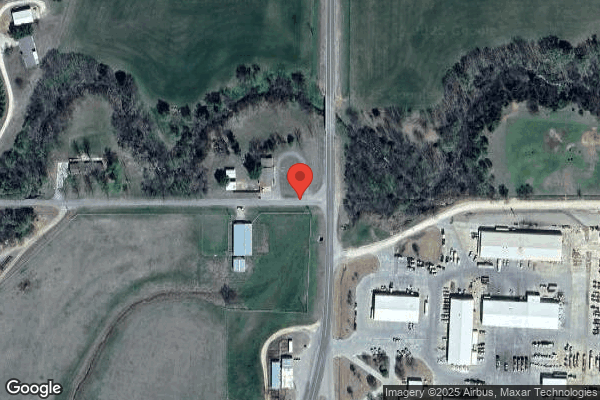
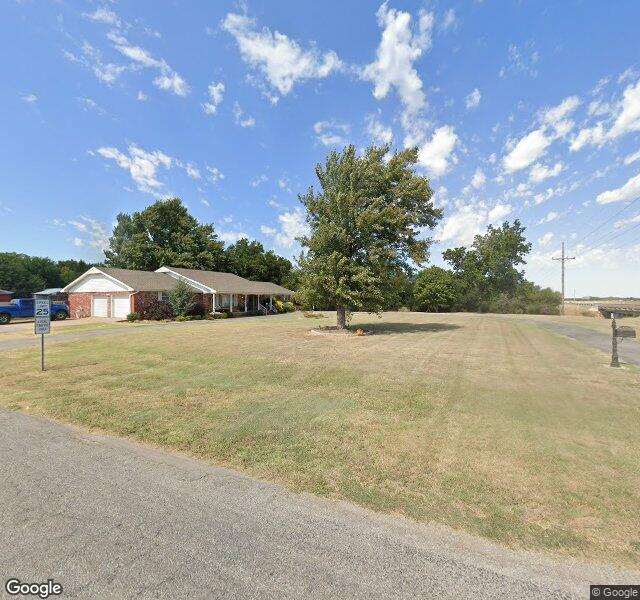
914 NE HIGHWAY 60, SEILING, OK 73663 (580) 922-4433
Government - City 31 Beds Independent Data: November 2025
Trust Grade
50/100
#260 of 282 in OK
Last Inspection: June 2024

Within standard 12-15 month inspection cycle. Federal law requires annual inspections.

Overview

Seiling Nursing Center has a Trust Grade of C, which means it is average and falls in the middle of the pack among facilities. It ranks #260 out of 282 in Oklahoma, placing it in the bottom half of state facilities, and is #2 out of 2 in Dewey County, indicating it has only one local competitor that performs better. The facility is worsening, with issues increasing from 3 in 2023 to 7 in 2024. Staffing is a strength, with a turnover rate of 0%, significantly lower than the state average, suggesting that staff stay long-term and know the residents well. However, there have been specific concerns, such as staff failing to sanitize their hands between feeding dependent residents, which raises infection risks, and inadequate monitoring for side effects of prescribed medications like Xarelto for some residents. Overall, while staffing appears stable, the increase in reported issues and some concerning practices may be red flags for families considering this home.

Trust Score
C
50/100
In Oklahoma
#260/282
Bottom 8%
Safety Record
Low Risk
No red flags
Inspections
Getting Worse
3 → 7 violations
Staff Stability
○ Average
Turnover data not reported for this facility.
Penalties
✓ Good
No fines on record. Clean compliance history, better than most Oklahoma facilities.
Skilled Nurses
○ Average
RN staffing data not reported for this facility.
Violations
⚠ Watch
11 deficiencies on record. Higher than average. Multiple issues found across inspections.
★☆☆☆☆
1.0
Overall Rating
★☆☆☆☆
1.0
Staff Levels
★☆☆☆☆
1.0
Care Quality
★★★☆☆
3.0
Inspection Score
Stable
2023: 3 issues
2024: 7 issues

The Good

  • Full Sprinkler Coverage · Fire safety systems throughout facility
  • No fines on record

Facility shows strength in fire safety.

The Bad

1-Star Overall Rating

Below Oklahoma average (2.6)

Significant quality concerns identified by CMS

The Ugly 11 deficiencies on record

Jun 2024 7 deficiencies
CONCERN (D)

Potential for Harm - no one hurt, but risky conditions existed

Deficiency F0700 (Tag F0700)

Could have caused harm · This affected 1 resident

Based on observation, record review, and interview, the facility failed to ensure a resident was assessed for the use of bed rails, an order had been obtained, or the care plan had been updated prior ...

Read full inspector narrative →
Based on observation, record review, and interview, the facility failed to ensure a resident was assessed for the use of bed rails, an order had been obtained, or the care plan had been updated prior to installation for one (#5) of one sampled resident reviewed for bed rails. The DON identified two residents with bedrails. Findings: Resident #5 had diagnoses which included repeated falls and dementia A significant change assessment, dated 03/08/24, documented Resident #5 had severely impaired cognition. It documented Resident #5 required substantial and total assistance for position changes. On 06/10/24 at 10:29 a.m., Resident # 5 was observed resting in bed with half bed rails in up position on either side of the bed. On 06/13/24 at 9:48 a.m., the DON stated Resident #5's bed rails were for positioning. The DON stated during a care plan in March, it was decided bed rails would assist with the resident during care. The DON stated there was no documentation of an assessment, order, nor the care plan had been updated.
CONCERN (D)

Potential for Harm - no one hurt, but risky conditions existed

Medication Errors (Tag F0758)

Could have caused harm · This affected 1 resident

Based on record review and interview, the facility failed to ensure side effects were monitored for an antidepressant for one (#2) of five sampled residents reviewed for unnecessary medications The DO...

Read full inspector narrative →
Based on record review and interview, the facility failed to ensure side effects were monitored for an antidepressant for one (#2) of five sampled residents reviewed for unnecessary medications The DON identified nine residents received antidepressants. Findings: Resident #2 had diagnoses which included depression. A Physician's order, dated 07/11/23, documented the resident was to receive citalopram once a day. The resident's clinical record did not contain side effect monitoring for citalopram. On 06/13/24 at 12:22 p.m., the DON stated side effect monitoring was documented on the TAR. She stated she didn't know why Resident #2 didn't have it on their TAR.
CONCERN (D)

Potential for Harm - no one hurt, but risky conditions existed

Deficiency F0761 (Tag F0761)

Could have caused harm · This affected 1 resident

**NOTE- TERMS IN BRACKETS HAVE BEEN EDITED TO PROTECT CONFIDENTIALITY** Based on observation, record review, and interview, the facility failed to ensure an insulin pen was discarded and not used afte...

Read full inspector narrative →
**NOTE- TERMS IN BRACKETS HAVE BEEN EDITED TO PROTECT CONFIDENTIALITY** Based on observation, record review, and interview, the facility failed to ensure an insulin pen was discarded and not used after 28 days for one (#14) of one sampled resident observed for insulin administration. The DON identified two resident received insulin. Findings: An Insulin Pens policy, dated [DATE], documented the facility shall ensure insulin pens were used in accordance with manufacture instructions. TheHumalog manufacture instructions, dated 08/2023, documented to discard the Humalog pen after using for 28 days even if insulin is left in the pen. On [DATE] at 11:20 a.m., LPN #1 was observed to prepare the Humalog insulin pen for administration for Resident #2. There was a 5/5 written on the label of the insulin pen. LPN #1 stated that was the date they first started using the pen. LPN #1 clarified it was 5/5 of 2024. LPN #1 was observed to administer six units of the insulin to Resident #2. LPN #1 stated the look at the use by date on the insulin pen to determine when the insulin was expired. LPN #1 was asked how they determined how long to use the pen after its first use. They stated they just went by the expiration date on the label. On [DATE] at 11:52 a.m., the DON stated insulin was good for 45 days after first use.
CONCERN (D)

Potential for Harm - no one hurt, but risky conditions existed

Infection Control (Tag F0880)

Could have caused harm · This affected 1 resident

Based on observation, record review, and interviews, the facility failed to ensure enhanced barrier precautions were implemented for a resident with an indwelling catheter for one (#1) of one sampled ...

Read full inspector narrative →
Based on observation, record review, and interviews, the facility failed to ensure enhanced barrier precautions were implemented for a resident with an indwelling catheter for one (#1) of one sampled resident reviewed for infection control with a catheter. The DON identified one resident had an indwelling with a catheter. Findings: Resident #1 had diagnoses which included retention of urine. A Physician's order, dated 09/29/23, documented foley catheter to bedside drainage. A Quarterly assessment, dated 05/25/24, documented Resident #1 had moderately impaired cognition. It documented the resident had a urinary catheter. Resident #1's care plan did not contain documentation of enhanced barrier precautions. On 06/10/24 and 06/12/24 Resident #1 was observed with a catheter bag attached to their wheelchair. There was no signage observed on Resident #1's door indicating the resident was on enhanced barrier precautions. On 6/12/24 at 11:02 a.m., CNA #1 and CNA #4 was observed providing catheter care to Resident #1. They were not observed to wear any PPE other than gloves. Staff were asked if they had been provided education regarding enhanced barrier precautions. They both stated not regarding catheters. On 06/12/24 at 11:10 a.m., the DON was asked what was the facility's policy they had in place for enhanced barrier precautions. The DON stated they hadn't wrote a policy. The DON stated the policy would address the extra or expanded precautions for the use of PPE. The DON was asked when the enhanced precautions would need to be used during resident care. The DON reviewed a paper they identified as receiving from a seminar. They stated residents with catheters should have enhance barrier precautions. She stated the facility should have already had it in place.
CONCERN (E)

Potential for Harm - no one hurt, but risky conditions existed

Staffing Information (Tag F0732)

Could have caused harm · This affected multiple residents

Based on observation and interview, the facility failed to post nurse staffing information included all the required components. The administrator identified 17 residents resided in the facility. Find...

Read full inspector narrative →
Based on observation and interview, the facility failed to post nurse staffing information included all the required components. The administrator identified 17 residents resided in the facility. Findings: On 06/13/23 at 12:20 p.m., a staffing board was observed in the hallway, outside the med room. It was not observed to contain the facility name, total number and actual hours worked by following the categories of licensed and unlicensed nursing staff, or the resident census. On 06/13/24 at 12:25 p.m., the DON reported she was not aware of all the components required.
CONCERN (E)

Potential for Harm - no one hurt, but risky conditions existed

Deficiency F0757 (Tag F0757)

Could have caused harm · This affected multiple residents

Based on record review and interview, the facility failed to monitor for side effects related to the use of Xarelto for two (#2 and #8) of five sampled residents reviewed unnecessary medications. The...

Read full inspector narrative →
Based on record review and interview, the facility failed to monitor for side effects related to the use of Xarelto for two (#2 and #8) of five sampled residents reviewed unnecessary medications. The DON identified five residents received anticoagulants. Findings: An Unnecessary Drugs policy, dated 06/01/17, documented an unnecessary drug was any drug used without adequate monitoring. 1. Resident #2 had diagnoses which included paroxysmal atrial fibrillation. A Physician's order, dated 01/25/24, documented the resident received Xarelto twice a day. There was no documentation in the resident's clinical record the resident had been monitored for side effects of Xarelto. 2. Resident #8 had diagnoses which included unspecified atrial fibrillation. A Physician's order, dated 07/07/21, documented the resident received Xarelto once a day. There was no documentation in the resident's clinical record the resident had been monitored for side effects of Xarelto. On 06/13/24 at 12:22 p.m., the DON stated side effect monitoring was completed on the TAR. She stated they weren't aware they should be monitoring side effects for Xarelto.
CONCERN (E)

Potential for Harm - no one hurt, but risky conditions existed

Food Safety (Tag F0812)

Could have caused harm · This affected multiple residents

Based on observation and interview, the facility failed to ensure the ice machine was clean. The administrator identified 17 residents who resided at the facility. Findings: A weekly cleaning schedule...

Read full inspector narrative →
Based on observation and interview, the facility failed to ensure the ice machine was clean. The administrator identified 17 residents who resided at the facility. Findings: A weekly cleaning schedule, undated, documented the ice machine was to be cleaned. There was no documentation the ice and water dispenser was cleaned. A blank cleaning schedule, dated June 2024, documented the ice machine (outside and tray) was to be cleaned daily. There was no documentation the ice and water dispenser was cleaned. On 06/10/24 at 9:10 a.m., the ice machine was observed in the dining room. It was observed to have a separate ice and water dispenser. A paper towel was wiped on the inside water dispenser. Black residue was observed on the paper towel. A paper towel was wiped on the inside of the water dispenser. Orange/pink residue was observed on the paper towel. On 06/15/24 at 9:12 a.m., the CDM stated the ice and water dispensers were cleaned weekly. She was unable to provide documentation.
Jun 2023 3 deficiencies
CONCERN (D)

Potential for Harm - no one hurt, but risky conditions existed

Resident Rights (Tag F0550)

Could have caused harm · This affected 1 resident

Based on observation, record review and interviews, the facility failed to provide personal privacy to ensure dignity of a dependent resident for one (#17) of one sample resident reviewed for dignity....

Read full inspector narrative →
Based on observation, record review and interviews, the facility failed to provide personal privacy to ensure dignity of a dependent resident for one (#17) of one sample resident reviewed for dignity. The Resident Census and Condition of Residents report, dated 06/20/23, documented seven residents were dependent for dressing and the census was 17. Findings: Resident #17 had diagnoses to include dementia, and personality disorder with behaviors. An Annual Assessment, dated 04/12/23, documented Resident #17 had severe cognitive impairment, was inattentive with disorganized thinking which fluctuated, and required extensive assistance with dressing. On 06/20/23 at 2:15 p.m., Resident #17 was observed in bed and restless. Resident #17 had removed the top linens, was naked from the waist down, and exposed the lower half of their body and legs to the hallway. On 06/22/23 at 8:53 a.m., Resident #17 was observed in bed and had placed their feet over the left side/edge of the bed. Resident #17 had removed their gown and linens, which exposed their upper body to the hall. On 06/22/23 at 8:56 a.m., Resident # 17 remained in bed, positioned side ways over the left edge of the bed, completely nude, and exposed to the hall. On 06/22/23 at 8:58 a.m., the Administrator walked past door but did not look in on the resident. On 06/22/23 at 8:59 a.m., CNA #1 walked past door but did not look in on the resident. On 06/22/23 at 9:00 a.m., housekeeper #1 informed the nursing office that Resident #17 was turned side ways on the bed and was moving all around. On 06/22/23 at 9:02 a.m., CNA #3 enter Resident #17's room and close door to attend to the resident. On 06/22/23 at 9:10 a.m., the DON was asked if Resident #17 is normally restless. The DON stated the resident was restless a lot and frequently wriggles out of bed and disrobed. The DON stated staff usually close the door but night shift leaves it open to hear Resident #17. The DON stated the day shift normally close the door due to the privacy curtain fell and needed to be replaced. The DON was asked how long the privacy curtain had been missing. The DON stated they were not sure. The DON was asked if the facility had attempted other means to ensure privacy for the resident. The DON stated the facility had not attempted other interventions.
CONCERN (E)

Potential for Harm - no one hurt, but risky conditions existed

Deficiency F0761 (Tag F0761)

Could have caused harm · This affected multiple residents

Based on observation and interview, the facility failed to ensure lidocaine multiple dose bottles were labeled and dated. The Resident Census and Conditions of Residents report, dated 06/20/23, docume...

Read full inspector narrative →
Based on observation and interview, the facility failed to ensure lidocaine multiple dose bottles were labeled and dated. The Resident Census and Conditions of Residents report, dated 06/20/23, documented 17 residents resided in the facility. Findings: A Multiple Dose Vials policy, dated 06/01/17, read in part, .Once a multiple dose vial has been punctured, the staff member shall assign a beyond-use date to the vial and place this date on the vial's label . A facility policy titled, Unusable and Outdated Drugs, dated 06/01/17, read in parts, .All discontinued resident drugs .or missing labels shall be returned to the pharmacy for proper disposal .these drugs shall be stored in an isolated area in the pharmacy or other area that has been designated for the storage of such unusable drugs . On 06/22/23 at 8:25 a.m., a medication cart was observed. There were three 1% lidocaine bottles in the medication cart. All three bottles were opened, unlabeled, and undated. On 06/22/23 at 8:35 a.m., the DON stated the lidocaine bottles should have been labeled and dated when opened. They stated the lidocaine was for a resident who was taking rocephin injections and should have been disposed of when the resident completed treatment. 06/23/23 at 10:51 a.m., the DON stated she does not remember which resident the lidocaine was for and when the lidocaine was initially used.
CONCERN (F)

Potential for Harm - no one hurt, but risky conditions existed

Infection Control (Tag F0880)

Could have caused harm · This affected most or all residents

Based on observation, record review and interviews, the facility failed to ensure: a. staff sanitized hands between dependent residents when feeding and meal assistance was provided for five (#5, 7, 1...

Read full inspector narrative →
Based on observation, record review and interviews, the facility failed to ensure: a. staff sanitized hands between dependent residents when feeding and meal assistance was provided for five (#5, 7, 10, 11, and #17) of six residents observed for meal assistance; and b. a water management program was in place to prevent water born illnesses for 17 residents that resided in the facility. The Resident Census and Condition of Residents, dated 06/20/23, documented one resident was dependent for eating and three residents required meal assistance. The census was 17. The DON identified six residents require cues and assistance for meals. Findings: 1. On 06/22/23 at 4:59 p.m., the Administrator was asked if the facility had a water management program in place that included policies and testing water for potential water born illnesses. The administrator stated they did not know about the requirement and did not have a water management program in place. 2. Resident #5 had diagnosis of dementia. An Annual Assessment, dated 04/05/23, documented Resident #5 had severe cognitive impairment and required limited assistance of staff for meal intake. 3. Resident #7 had diagnosis of dementia. An admission assessment, dated 05/16/23 documented Resident #7 had severe cognitive impairment and required set up assistance for meals. 4. Resident #10 had a diagnosis of dementia. A Quarterly Assessment, dated 04/28/23 documented Resident #10 had severe cognitive impairment and required one person assistance for meals. 5. Resident #11 had diagnosis to include dementia. A Quarterly Assessment, dated 05/28/23, documented Resident #11 had severe cognitive impairment and required one person assistance for meals. 6. Resident #17 had a diagnosis of dementia. An Annual Assessment, dated 04/12/23, documented Resident #11 had severe cognitive impairment and required one person assistance for meals. On 06/20/23 at 5:32 p.m., CNA #1 and an unidentified staff utilized a two person lift to reposition Resident #17. CNA #1 sat at the table near Resident #10, CNA #1 rubbed their nose and pulled their hair away from their face. On 06/20/23 at 5:36 p.m., CNA #1 removed lids from drinks and placed on napkin for Resident #10. A family member entered and CNA #1 got up to allow family to be seated near Resident #10. On 06/20/23 at 5:37 p.m., Resident #17 returned into the dining area and was positioned at the end of the table. CNA #1 sat next to Resident #17, got up and obtained a glass of ice water for Resident #7, who was seated at different table. CNA #1 returned to the seat next to Resident #17 and assisted with sips of water. CNA #1 got up from their chair, assisted Resident #5 and Resident #11 to remove the paper from the ends of their straws, then adjusted the straws. On 06/20/23 at 5:40 p.m., drinks were served to Resident #17. CNA #1 removed the paper from straws and adjusted the straws for Resident #17. On 06/20/23 at 5:42 p.m., CNA #1 scratched their arm, then provided assistance to Resident #17 to obtain another drink of liquids. On 06/20/23 at 5:44 p.m., CNA #1 assisted Resident #11 to open their utensils from a cloth napkin. CNA #1 returned to Resident #17 to provide drinks of fluids. CNA #1 scratched their nose. On 06/20/23 at 5:46 p.m., food was served to Resident #5. CNA #1 used a spoon to section lasagna for Resident #5, then gave the spoon to the resident. On 06/20/23 at 5:52 p.m., food was served to Resident #17. CNA #1 opened the cloth napkin to obtain utensils and attempted to provide eating assistance to Resident #17. On 06/20/23 at 5:54 p.m., CNA #1 rubbed their eyes, then provided bites of food to Resident #5. CNA #1 had not washed or sanitized their hands at any time during the assistance with meal service. On 06/20/23 at 6:05 p.m., the Administrator was seated next to Resident #10 and CNA #1 remained seated next to Resident #5. The Administrator was asked what the facility's policy was for hand washing/sanitizing during meal assistance. The Administrator stated hands should be washed or sanitized before the meal and between providing assistance with each resident. CNA #1 was asked if she had sanitized or washed her hands. CNA #1 stated they should have sanitized between the residents and did not.
Jun 2022 1 deficiency
CONCERN (E)

Potential for Harm - no one hurt, but risky conditions existed

Drug Regimen Review (Tag F0756)

Could have caused harm · This affected multiple residents

Based on record review and interview, the facility failed to ensure a gradual dose reductions were acted upon for two (#9 and #22) of five sampled residents reviewed for unnecessary medication. The R...

Read full inspector narrative →
Based on record review and interview, the facility failed to ensure a gradual dose reductions were acted upon for two (#9 and #22) of five sampled residents reviewed for unnecessary medication. The Resident Census and Conditions of Residents report, dated 06/21/22, documented 13 residents received antidepressant medication, seven residents received antianxiety medication, and five residents received antipsychotic medication. Findings: 1. Resident #9 had diagnoses that included insomnia and other specified depressive disorder. A Physician's Order, dated 12/05/20, read in part, Zoloft Tablet 50 MG (Sertraline HCl) Give 2 tablet by mouth every evening shift related to OTHER SPECIFIED DEPRESSIVE EPISODES . A Physician's Order, dated 12/29/20, read in part, Trazodone HCl Tablet 100 MG Give 1 tablet by mouth at bedtime related to INSOMNIA . An MRR report, dated 01/31/22, documented a request for a GDR for Trazadone 100 mg at HS. An MRR report, dated 02/25/22 documented a request for a GDR for Sertraline 50 mg every evening. There was no documentation the GDRs had been acted upon. On 06/22/22 at 2:52 p.m., the DON was asked when the MRR recommendations should be acted upon once received by the facility. They stated it should be done fairly quickly and that it doesn't always happen. They were shown the MRR requests for Trazodone and Sertraline. They were asked to provide documentation the Trazodone and Sertraline reduction requests were acted upon. The DON stated they were unable to locate the one for Trazodone. The DON and ADON stated they called the physician a couple of times the other day to clarify the Sertraline and did not receive a return call, but they were going to call again. The DON was asked if there was documentation the Sertraline was acted upon. They stated, No. On 06/22/22 at 3:09 p.m., the ADON was asked where the documentation for staff calling to clarify the Sertraline GDR order was located. They stated there may not be any. The ADON looked in the EMR and stated they don't find any documentation. 2. Resident #22 had diagnoses which included senile dementia and depression. A physician's order, dated 06/18/21, read in part, LORazepam Tablet 1 MG Give 1 tablet by mouth two times a day . A physician's order, dated 06/26/21, read in part, PARoxetine HCl Tablet 10 MG Give 1 tablet by mouth one time a day . A physician's order, dated 10/16/21, read in part, RisperDAL Tablet 0.5 MG (risperiDONE) Give 1 tablet by mouth two times a day . A MRR note to physician, dated 01/31/22, read in part, .GRADUAL DOSE REDUCTION (GDR)/TAPERING CONSIDERATION: YES NO .Lorazepam 1 mg BID . A MRR note to physician, dated 01/31/22, read in part, .GRADUAL DOSE REDUCTION (GDR)/TAPERING CONSIDERATION: YES NO .Paroxetine [Paxil] 10mg Qday . A MRR note to physician, dated 01/31/22, read in part, .GRADUAL DOSE REDUCTION (GDR)/TAPERING CONSIDERATION: YES NO .Risperidone 0.5mg BID . There where no physician signatures on the MRRs. There was no documentation the MRRs had been acted upon. On 06/23/22 at 11:09 a.m., the DON was shown the MRRs and asked if they had been acted upon. On 06/23/22 at 11:22 a.m., the DON stated they couldn't find the January MRRs had been done.
Understanding Severity Codes (click to expand)
Life-Threatening (Immediate Jeopardy)
J - Isolated K - Pattern L - Widespread
Actual Harm
G - Isolated H - Pattern I - Widespread
Potential for Harm
D - Isolated E - Pattern F - Widespread
No Harm (Minor)
A - Isolated B - Pattern C - Widespread

Questions to Ask on Your Visit

  • "Can I speak with families of current residents?"
  • "What's your RN coverage like on weekends and overnight?"

Our Honest Assessment

Strengths
  • • No major safety red flags. No abuse findings, life-threatening violations, or SFF status.
  • • No fines on record. Clean compliance history, better than most Oklahoma facilities.
Concerns
  • • 11 deficiencies on record. Higher than average. Multiple issues found across inspections.
  • • Grade C (50/100). Below average facility with significant concerns.
Bottom line: Mixed indicators with Trust Score of 50/100. Visit in person and ask pointed questions.

About This Facility

What is Seiling Nursing Center's CMS Rating?

CMS assigns SEILING NURSING CENTER an overall rating of 1 out of 5 stars, which is considered much below average nationally. Within Oklahoma, this rating places the facility higher than 0% of the state's 100 nursing homes. A rating at this level reflects concerns identified through health inspections, staffing assessments, or quality measures that families should carefully consider.

How is Seiling Nursing Center Staffed?

CMS rates SEILING NURSING CENTER's staffing level at 1 out of 5 stars, which is much below average compared to other nursing homes.

What Have Inspectors Found at Seiling Nursing Center?

State health inspectors documented 11 deficiencies at SEILING NURSING CENTER during 2022 to 2024. These included: 11 with potential for harm.

Who Owns and Operates Seiling Nursing Center?

SEILING NURSING CENTER is owned by a government entity. Government-operated facilities are typically run by state, county, or municipal agencies. The facility operates independently rather than as part of a larger chain. With 31 certified beds and approximately 16 residents (about 52% occupancy), it is a smaller facility located in SEILING, Oklahoma.

How Does Seiling Nursing Center Compare to Other Oklahoma Nursing Homes?

Compared to the 100 nursing homes in Oklahoma, SEILING NURSING CENTER's overall rating (1 stars) is below the state average of 2.6 and health inspection rating (3 stars) is at the national benchmark.

What Should Families Ask When Visiting Seiling Nursing Center?

Based on this facility's data, families visiting should ask: "Can you walk me through typical staffing levels on day, evening, and night shifts?" "Can I visit during a mealtime to observe dining assistance and food quality?" "How do you handle medical emergencies, and what is your hospital transfer rate?" "Can I speak with family members of current residents about their experience?" These questions are particularly relevant given the below-average staffing rating.

Is Seiling Nursing Center Safe?

Based on CMS inspection data, SEILING NURSING CENTER has a clean safety record: no substantiated abuse findings (meaning no confirmed cases of resident harm), no Immediate Jeopardy citations (the most serious violation level indicating risk of serious injury or death), and is not on the Special Focus Facility watch list (a federal program monitoring the lowest-performing 1% of nursing homes). The facility has a 1-star overall rating and ranks #100 of 100 nursing homes in Oklahoma. While no facility is perfect, families should still ask about staff-to-resident ratios and recent inspection results during their visit.

Do Nurses at Seiling Nursing Center Stick Around?

SEILING NURSING CENTER has not reported staff turnover data to CMS. Staff turnover matters because consistent caregivers learn residents' individual needs, medications, and preferences. When staff frequently change, this institutional knowledge is lost. Families should ask the facility directly about their staff retention rates and average employee tenure.

Was Seiling Nursing Center Ever Fined?

SEILING NURSING CENTER has no federal fines on record. CMS issues fines when nursing homes fail to meet care standards or don't correct problems found during inspections. The absence of fines suggests the facility has either maintained compliance or corrected any issues before penalties were assessed. This is a positive indicator, though families should still review recent inspection reports for the full picture.

Is Seiling Nursing Center on Any Federal Watch List?

SEILING NURSING CENTER is not on any federal watch list. The most significant is the Special Focus Facility (SFF) program, which identifies the bottom 1% of nursing homes nationally based on persistent, serious quality problems. Not being on this list means the facility has avoided the pattern of deficiencies that triggers enhanced federal oversight. This is a positive indicator, though families should still review the facility's inspection history directly.