TOWN OF VICI NURSING HOME
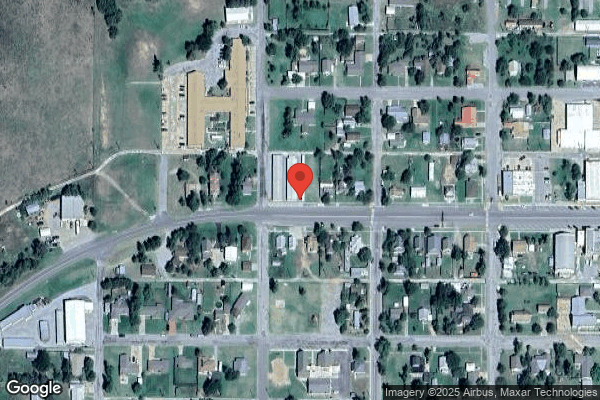

619 SPECK, VICI, OK 73859 (580) 995-4216
Government - City/county 73 Beds Independent Data: November 2025
Trust Grade
63/100
#79 of 282 in OK
Last Inspection: April 2025

Within standard 12-15 month inspection cycle. Federal law requires annual inspections.

Overview

Town of Vici Nursing Home has a Trust Grade of C+, indicating a decent performance that is slightly above average, but not without concerns. It ranks #79 out of 282 facilities in Oklahoma, placing it in the top half, and is the best option among the two nursing homes in Dewey County. Unfortunately, the facility is facing a worsening trend, with the number of issues reported increasing from 2 in 2024 to 3 in 2025. Staffing is average, rated 3 out of 5 stars, with a turnover rate of 61%, which is comparable to the state average. However, there are significant concerns, such as an incident where a resident was transferred by one staff member instead of the required two, leading to a serious injury. Additionally, there were failures to notify a physician about a resident's held insulin and to monitor blood pressure as required for medications. While the nursing home shows some strengths, like overall good health inspection ratings, these incidents highlight important areas that need improvement for the safety and well-being of residents.

Trust Score
C+
63/100
In Oklahoma
#79/282
Top 28%
Safety Record
Moderate
Needs review
Inspections
Getting Worse
2 → 3 violations
Staff Stability
⚠ Watch
61% turnover. Above average. Higher turnover means staff may not know residents' routines.
Penalties
⚠ Watch
$8,018 in fines. Higher than 87% of Oklahoma facilities, suggesting repeated compliance issues.
Skilled Nurses
⚠ Watch
Each resident gets only 27 minutes of Registered Nurse (RN) attention daily — below average for Oklahoma. Fewer RN minutes means fewer trained eyes watching for problems.
Violations
⚠ Watch
15 deficiencies on record. Higher than average. Multiple issues found across inspections.
★★★★☆
4.0
Overall Rating
★★★☆☆
3.0
Staff Levels
★★☆☆☆
2.0
Care Quality
★★★★☆
4.0
Inspection Score
Stable
2024: 2 issues
2025: 3 issues

The Good

  • Full Sprinkler Coverage · Fire safety systems throughout facility
  • No fines on record

Facility shows strength in fire safety.

The Bad

Staff Turnover: 61%

15pts above Oklahoma avg (46%)

Frequent staff changes - ask about care continuity

Federal Fines: $8,018

Below median ($33,413)

Minor penalties assessed

Staff turnover is elevated (61%)

13 points above Oklahoma average of 48%

The Ugly 15 deficiencies on record

1 actual harm
Apr 2025 3 deficiencies
CONCERN (D)

Potential for Harm - no one hurt, but risky conditions existed

ADL Care (Tag F0677)

Could have caused harm · This affected 1 resident

Based on observation, record review, and interview, the facility failed to ensure nail care was provided for a dependent resident for 1 (#18) of 16 sampled residents reviewed for ADLs. The administra...

Read full inspector narrative →
Based on observation, record review, and interview, the facility failed to ensure nail care was provided for a dependent resident for 1 (#18) of 16 sampled residents reviewed for ADLs. The administrator identified 37 residents resided in the facility. Findings: Resident #18's significant change assessment, dated 02/10/25, showed diagnoses of congestive heart failure, BIMS was 15 (cognition intact), and they required substantial assistance for personal hygiene. On 04/07/25 at 12:54 p.m., Resident #18 was observed to have jagged fingernails and a brown substance under their fingernails. An undated document titled Nursing Care Standard for Orderlies and Aides, showed fingernails were to be clean and trimmed. On 04/07/25 at 12:57 p.m., Resident #18 was asked if staff provided nail care. They stated staff had not provided nail care in the past week. On 04/07/25 at 1:05 p.m., CNA #1 was asked when nail care was provided. They stated on shower days or when they were long and dirty. CNA #1 stated Resident #18's fingernails looked bad and needed done.
CONCERN (E)

Potential for Harm - no one hurt, but risky conditions existed

Notification of Changes (Tag F0580)

Could have caused harm · This affected multiple residents

Based on record review and interview, the facility failed to ensure the physician was notified of insulin being held for 1 (#19) of 5 sampled residents reviewed for notification. LPN #3 identified ei...

Read full inspector narrative →
Based on record review and interview, the facility failed to ensure the physician was notified of insulin being held for 1 (#19) of 5 sampled residents reviewed for notification. LPN #3 identified eight residents received insulin. Findings: A quarterly resident assessment, dated 11/22/24, showed Resident #19 had diagnosis which included diabetes mellitus and BIMS score of 14 (cognition intact). Resident #19's physicians order, dated 01/17/25, showed Lantus insulin (medication to control blood sugar) 50 U, subcutaneous daily. Hold for FSBS below 120. A MAR, dated March 2025, showed the Lantus insulin had not been administered on 03/03/25, 03/09/25, 03/11/25, 03/14/25, 03/21/25, 03/28/25 and on 03/29/25 due to the resident not eating breakfast. There was no documentation Resident #19's physician had been notified. On 04/08/25 at 12:21 p.m., LPN #1 stated they would hold insulin if a resident was not eating their meal or if their blood sugar was below 120. They stated they would notify the physician and document it in the progress notes. LPN #1 stated there was no documentation the physician had been notified when the insulin had been held.
CONCERN (E)

Potential for Harm - no one hurt, but risky conditions existed

Pharmacy Services (Tag F0755)

Could have caused harm · This affected multiple residents

Based on record review and interview, the facility failed to ensure: a. BP monitoring for a PRN antihypertensive medication for 1 (#3); and b. medications were available for 1 (#11) of 5 sampled resi...

Read full inspector narrative →
Based on record review and interview, the facility failed to ensure: a. BP monitoring for a PRN antihypertensive medication for 1 (#3); and b. medications were available for 1 (#11) of 5 sampled residents reviewed for medications. The administrator identified 37 residents resided in the facility. LPN #3 identified three residents had orders for clonidine. Findings: 1. Resident #3's quarterly resident assessment, dated 11/18/24, showed a diagnosis of hypertension and a BIMS score of five (severe cognitive impairment). A physician's order, dated 12/23/24, showed to administer clonidine (antihypertensive agent) tablet 0.1 mg three times a day as needed for SBP (the maximum blood pressure during contraction of the heart) greater than 160. A January 2025 MAR, showed Resident #3's BP had not been monitored three times daily on 01/01/25 - 01/31/25. A February 2025 MAR, showed Resident #3's BP had not been monitored three times daily on 02/01/25 - 02/28/25. A March 2025 MAR, showed Resident #3's BP had not been monitored three times daily on 03/01/25 - 03/31/25. An April 2025 MAR, showed Resident #3's BP had not been monitored three times daily on 04/01/25 - 04/08/25. 2. Resident #11's physician's orders, dated 02/06/25, showed Rexulti 1 mg (antipsychotic) once daily, levothyroxine 75 mcg (thyroid agent) daily, and midodrine 5 mg (antihypotensive) three times daily. A February 2025 MAR, showed Rexulti was unavailable for administration on 02/07/25, 02/08/25, and 02/09/25. A physician's order, dated 02/11/25, showed metoprolol tartrate tablet 50 mg (beta-blocker) twice daily. An admission resident assessment, dated 02/12/25, showed Resident #11 had diagnoses which included psychosis, disorder of thyroid, and atrial fibrillation, and BIMS of 5 (severe cognitive impairment). A physician's order, dated 03/11/25, showed midodrine 5 mg (antihypotensive) three times daily before meals. A March 2025 MAR, showed: a. levothyroxine was unavailable for administration on 03/17/25 and 03/18/25, b. metoprolol was unavailable for administration on 03/15/25, 03/16/25, 03/17/25, and 03/18/25, and c. midodrine was unavailable for administration on 03/05/25, 03/12/25, 03/15/25, and 03/16/25. On 04/08/25 at 11:26 a.m., CMA #2 was asked what the policy was for medication administration. They stated they looked at the MAR, popped the medication out, administered it to the resident, and then sign them out. CMA #2 was asked what the process was for re-ordering medications. They stated they went through the medication carts twice a week and re-ordered any medication with less than 12 pills left. CMA #2 stated if they re-ordered a medication by 10:00 a.m., it would be delivered to the facility the same day around 4:00 p.m. They stated if a medication was not available, they would mark it as not available and order it. CMA#2 stated Resident #11's Rexulti had to be re-sent to the pharmacy because the pharmacy did not receive it. They stated they were probably out of the levothyroxine, metoprolol, and midodrine. CMA #2 was asked how staff knew when to administer Resident #3's clonidine. They stated per their BP and the parameters. CMA #2 was asked when they monitored Resident #3's BP. They stated it should be every shift. On 04/08/25 at 11:46 a.m., the DON was asked how staff knew when to administer PRN clonidine to Resident #3. They stated by checking the BP every shift. The DON was asked to locate every shift BPs. They stated it should be documented every shift in the EMR. The DON was unable to locate Q shift BPs.
Jun 2024 2 deficiencies 1 Harm
SERIOUS (G) 📢 Someone Reported This

A family member, employee, or ombudsman was alarmed enough to file a formal complaint

Actual Harm - a resident was hurt due to facility failures

Accident Prevention (Tag F0689)

A resident was harmed · This affected 1 resident

Based on record review and interview, the facility failed to ensure staff used a mechanical lift for one (#3) of four sampled residents reviewed for the use of mechanical lifts. On 06/09/24 CNA #4 at...

Read full inspector narrative →
Based on record review and interview, the facility failed to ensure staff used a mechanical lift for one (#3) of four sampled residents reviewed for the use of mechanical lifts. On 06/09/24 CNA #4 attempted a one person transfer with Resident #3 without using the mechanical lift and was lowered to the floor. Resident #3 required the assistance of two staff with the use of a maxi lift for transfers per the care plan. An X-ray was completed two days later when the resident continued to complain of pain and had swelling and warmth to their leg. The X-ray documented Resident #3 had an oblique fracture of the left distal femur. The census was 43. The DON identified 18 residents in the facility that required the use of a mechanical lift. Findings: An undated Fall Prevention Program policy read in part Implement fall protocol intervention to reduce falls . A No-Lift Policy read in part All staff will be responsible for utilizing mechanical lifting devices, transferring devices, proper body mechanics to lift, transfer, and/or pivot non-ambulatory residents as indicated. Employees should avoid manually lifting any resident, except in life threatening situations . CNA #5 had signed the no lift policy on 03/27/23. CNA #4 had signed the no lift policy on 01/22/24. A physician order, dated 09/28/21, documented to administer acetaminophen 325 milligrams two tablets by mouth every six hours as needed for pain or fever. An undated, Care Plan Reference Sheet, documented all transfers required two staff and to use the maxi lift. Resident #3s care plan, dated 04/10/24, read in part Staff assist [with] all ADL's Totally dependent on staff for bed mobility, dressing [and] transfers. x2 staff assist using maxi lift for all transfers Able to voice wants/needs. Refuses showers at times .cont. [with] POC A quarterly assessment, dated 04/13/24, documented Resident #3 was dependent on staff for toileting, showers, dressing, putting on footwear and required two or more staff for transfers. An initial Oklahoma State Department of Health Incident Report Form, dated 05/09/24, read in part On 5/9/24 res had fallen to the floor and was c/o pain to left leg lift sling was not in use at that time and hasn't used lift twice prior. On 05/11/2024 res was continuing to c/o pain x-ray obtained and res was then mediflighted out. The May MAR documented on 05/09/24 at 3:35 p.m., Acetaminophen 325 mg two tabs was administered for leg pain rated at 5-6. A Nursing Falls note, dated 05/09/24 at 4:01 p.m., read in part It was reported to this nurse by CMA that resident was lowered to the floor in shower room. Assisted back to shower chair by two staff. Resident has c/o left leg pain to lower leg below the knee. After being assisted to bed resident c/o pain to left thigh. Thoughout [sic] the night resident also complained of muscle spasms to legs. [Physician name withheld] notified A physician order, dated 05/09/24 at 4:00 p.m., documented to administer Flexeril (cyclobenzaprine)10 milligrams one tablet by mouth every six hours as needed for muscle spasms. The May MAR documented on 05/09/24 at 6:50 p.m.,Cyclobenzaprine 10 mg one tablet was administered for complaints of aching and leg pain. The May MAR documented on 05/09/24 at 11:18 p.m., Acetaminophen 325 mg two tabs was administered for unspecified pain. Resident #3s care plan, updated 05/09/24, read in part .Staff lowered resident to floor in shower room d/t leg giving out when staff pulling up pants after shower. Prevention-x2 assist using maxi lift for all transfers. Dressing/undressing [with] x2 staff only while sitting or lying. Totally dependent on staff [and] unable to bare weight A Nursing Falls note, dated 05/10/24 at 8:23 a.m., read in part Focused assessment RT recent fall 5-9. Res in wc att watching tv in [their] room, denies pain, no non-verbal pain cues notes, no bruising, redness noted on assessment, CL in reach. A Nursing Daily Note, dated 05/10/24 at 9:20 a.m., read in part Staff was in room with Res when [they] stated owww without being touched, then stated to CNA Tell them i want stronger meds res shows no non-verbal pain cues, offered prn Tylenol, res declined stating I want something stronger [physician name withheld] notified The May MAR documented on 05/10/24 at 9:35 a.m., Acetaminophen 325 mg two tabs and Cyclobenzaprine 10 mg one tablet was administered for muscle spasms and headache. A Nursing Daily Note note, dated 05/10/24 at 8:22 p.m., read in part Resident c/o pain to the left leg at about mid thigh to [their] knee. Visible swelling and warm to the touch. Resident stated it popped yesterday and it has been hurting since. [The Resident] stated [their] pain is 10/10 on the pain scale. [Physician name withheld] notified A physician order, dated 05/10/24 at 8:50 p.m., documented to administer Norco five milligrams every six hours by mouth as needed for pain. A Nursing Daily Note note, dated 05/10/24 at 8:59 p.m., read in part [Physician name withheld] notified of left leg swelling with new orders received to get mobile xray of left hip and knee and norco 5mg po q6 prn pain A Nursing Falls note, dated 05/10/24 at 11:40 p.m., read in part Focused assessment rt recent fall. Res is in bed with eyes open and resp unlabored at this time. no s/s of pain or discomfort at this time. [xray company name withheld] called and said they would be here in am to get xray . A Radiology Interpretation, dated 05/11/24, read in part Left Knee 2 views: Distal femur shows oblique fracture without displacement . A Nursing Falls note, dated 05/11/24 at 6:30 a.m., read in part Focused assessment rt recent fall, 5-9 res in bed att watching tv in [their] room, denies pain, no non-verbal pain cues noted. no bruising, redness noted on assessment, CL in reach. The May MAR documented on 5/11/24 at 10:17 a.m., Cyclobenzaprine 10 mg one tablet was administered for complaints of muscle pain in legs. A Nursing Daily Note, dated 05/11/24 at 10:39 a.m., read in part x-ray shown to [physician name withheld] of left leg, new orders from [physician name] send to ER for tx/eval. EMS contacted for transport . A Nursing Daily Note, dated 05/11/24 at 11:29 a.m., read in part [Physician name withheld] notified of x-ray results showing oblique fx of distal femur (left) A Nursing Daily Note, dated 05/11/24 at 11:39 a.m., read in part Res transferred to ems bus .[family member] notified by .(EMS) of transport via air evac. splint and traction placed onto left leg by ems. X-ray report sent with ems, per ems pedal pulse was diminished per [EMS name withheld], prior to traction and splint, after placement pedal pulses were more palatable (sic) On 06/25/24 at 10:58 a.m., CNA #4 was asked to describe the incident with Resident #3. They stated they were assigned to showers and had more added to them. They had tried to use the lift. It was stopping and they switched batteries but it was not working correctly so they transferred the resident with out help or the lift. CNA #4 stated they lowered Resident #3 to the floor and pulled the emergency call light. CNA #5 came into the room then went to tell the nurse. CNA #5 returned and told CNA #4 to finish the shower and when they got the resident back to their room the nurse would assess them. They were asked if they and CNA #5 had put Resident #3 into the shower chair completed the shower then took the resident to their room. They stated, Yes. They were asked how was Resident #3 put into bed. They stated LPN #2 helped them put the resident back to bed. They did not use the lift to transfer the resident back to their bed. CNA #4 stated Resident #3 complained their leg felt like a pulled muscle. CNA #4 was asked if they were aware of the no lift policy. They stated Yes. They were asked if they had signed the no lift policy. They stated Yes. On 06/25/24 at 10:39 a.m., the DON was asked what Resident #3's care plan state regarding transfer. They stated to use the maxi lift. They were asked about the no lift policy and they stated mechanical lifts should be used, staff should not be lifting the residents. They were asked if Resident #3 had been educated on the risks of refusing and the no lift policy. They stated they there were unsure. On 06/25/24 the DON provided a copy of a Behavior Monitoring note, dated 01/16/24 at 11:36 a.m., read in part, Res is refusing to take a shower unless staff picked [the resident] up to transfer to shower chair and back without lift. explained this is a no lift facility. [the resident] refused. On 06/25/24 at 11:20 a.m., the Administrator was asked what they knew regarding the incident with Resident #3. They stated CNA #4 had told them Resident #3 had refused the lift and CNA #4 had transferred Resident #3 by themselves. They were asked if they were aware the resident was refusing the maxi lift for transfers. They stated they were not aware the resident had been refusing to use the lift.
CONCERN (D) 📢 Someone Reported This

A family member, employee, or ombudsman was alarmed enough to file a formal complaint

Potential for Harm - no one hurt, but risky conditions existed

Comprehensive Assessments (Tag F0636)

Could have caused harm · This affected 1 resident

**NOTE- TERMS IN BRACKETS HAVE BEEN EDITED TO PROTECT CONFIDENTIALITY** Based on record review and interview, the facility failed to develop a comprehensive care plan for one (#4) of four sampled resi...

Read full inspector narrative →
**NOTE- TERMS IN BRACKETS HAVE BEEN EDITED TO PROTECT CONFIDENTIALITY** Based on record review and interview, the facility failed to develop a comprehensive care plan for one (#4) of four sampled residents reviewed for care plans. Faciilty census was 43. Findings: Resident #4 was admitted to the facility on [DATE] and had diagnoses which included, pain, and high blood pressure. The clinical health record did not contain documentation a comprehensive care plan had been completed. On 06/25/24 at 9:03 a.m., LPN #1 was asked if Resident #4 had a comprehensive care plan. They stated it had not been completed they only had the care plan reference sheet.
Dec 2023 6 deficiencies
CONCERN (D)

Potential for Harm - no one hurt, but risky conditions existed

ADL Care (Tag F0677)

Could have caused harm · This affected 1 resident

Based on observation, record review, and interview, the facility failed to ensure dependent residents were assisted to be changed for one (#2) of two sampled residents reviewed for ADLs. The administr...

Read full inspector narrative →
Based on observation, record review, and interview, the facility failed to ensure dependent residents were assisted to be changed for one (#2) of two sampled residents reviewed for ADLs. The administrator identified 36 residents resided in the facility. Findings: Resident #2 has diagnosis which included dementia. A care plan, dated 08/31/23, documented Resident #2 required staff assistance with ADLs due to confusion and left below the knee amputation. It documented to assist Resident #2 with toileting every two hours. It documented the resident had occasional incontinence of bladder. On 12/05/23 at 8:39 a.m., Resident #2 was observed sitting up in their wheelchair in the sitting area. The resident's pants were observed to be wet from their lower abdomen, down their left inner thigh, to the knee area. From 12/05/23 at 8:39 a.m. to 10:52 a.m., Resident #2 was observed to sit in their wheelchair in the sitting area. The resident's clothes were observed to dry over time. Several staff were observed to walk by the resident during this time. Staff were not observed to check or change the resident. On 12/05/23 at 10:52 a.m., CMA #1 and CNA #2 were asked how often they checked the residents. They stated every two hours. They were asked when was the last time Resident #2 was checked. CMA #1 stated, We normally don't check on [Resident #2]. [Resident #2] lets us know. On 12/05/23 at 1:51 p.m., the DON was asked how staff ensured residents were changed when they were wet. She stated staff were suppose to check residents according to their care plan.
CONCERN (D)

Potential for Harm - no one hurt, but risky conditions existed

Deficiency F0744 (Tag F0744)

Could have caused harm · This affected 1 resident

Based on record review and interview, the facility failed to implement a dementia focused care area on a comprehensive care plan for one (#140) of 12 sampled residents reviewed for care plans. The adm...

Read full inspector narrative →
Based on record review and interview, the facility failed to implement a dementia focused care area on a comprehensive care plan for one (#140) of 12 sampled residents reviewed for care plans. The administrator identified 36 residents resided in the facility. Findings: Resident #140 had diagnosis which included dementia. A [MDS] and Care Plan policy, undated, read in part .a trigger sheet will be completed for each resident, identifying problems and potential problems .a care plan will be completed for each resident. A new admission's care plan will be completed within 21 days of admission . Resident #140's Care Plan, undated, did not document a focus problem for dementia care. On 12/05/23 at 12:34 p.m., LPN #4 was asked how do they ensured a focused care area was included on a care plan. They stated they followed the care areas triggered by the MDS. They were asked if there was a focus care area for dementia on Resident #140's current care plan. They stated, No.
CONCERN (D)

Potential for Harm - no one hurt, but risky conditions existed

Laboratory Services (Tag F0770)

Could have caused harm · This affected 1 resident

Based on record review and interview, the facility failed to ensure laboratory orders were obtained per physician's orders for one (#38) of three sampled residents reviewed for laboratory orders. The ...

Read full inspector narrative →
Based on record review and interview, the facility failed to ensure laboratory orders were obtained per physician's orders for one (#38) of three sampled residents reviewed for laboratory orders. The administrator identified 36 residents resided in the facility. Findings: A Lab policy, undated, read in part, .This facility will provide, or obtain clinical laboratory services .This facility will be responsible for the .timliness [sic] of services . Resident #38 had diagnosis which included presence of aortocoronary bypass graft and cerebral infarction. A physician order, dated 11/01/23, documented to obtain a CBC and CMP in two weeks. On 12/05/23 at 9:00 a.m., LPN #2 was asked how staff ensured lab orders were obtained. They stated the facility had a lab tech who worked one day a week, and if the lab order needed to be obtained on a different day, the nurses would collect it, and take it to the lab. On 12/05/23 at 1:53 p.m., the DON was asked to provide Resident #38's lab results from the order on 11/01/23. She stated, They were not done.
CONCERN (E)

Potential for Harm - no one hurt, but risky conditions existed

Comprehensive Assessments (Tag F0636)

Could have caused harm · This affected multiple residents

**NOTE- TERMS IN BRACKETS HAVE BEEN EDITED TO PROTECT CONFIDENTIALITY** Based on record review and interview, the facility failed to ensure comprehensive MDS assessments were completed timely for thre...

Read full inspector narrative →
**NOTE- TERMS IN BRACKETS HAVE BEEN EDITED TO PROTECT CONFIDENTIALITY** Based on record review and interview, the facility failed to ensure comprehensive MDS assessments were completed timely for three (#27, 38, and #140) of 12 sampled residents reviewed for assessments. The administrator identified 36 residents resided in the facility. Findings: A [MDS] and Care Plan policy, undated, read in part, .(MDS) will be completed upon each new admission within 14 days of admission. A MDS will also be completed upon .Annual Assessment . An admission Summary report, documented Resident #38 was admitted [DATE] and Resident #140 was admitted [DATE]. The facility's EHR documented Resident #27's quarterly assessment was completed 08/07/23. The resident's comprehensive assessment was due in November. The facility's EHR documented comprehensive assessments were not completed for Resident #27, 38, or #140. No copies were provided for Resident #27, 38, or #140. On 12/05/23 at 12:21 p.m., MDS coordinator #1 was asked how they ensured MDS assessments were completed timely. They stated they have a list of what assessments were due and they would highlight them when they were completed. They stated the EHR was not prepared when the new update for the MDS assessments came out and it still wasn't working. They stated they were behind and couldn't complete them. On 12/06/23 at 11:13 a.m., MDS Coordinator #1 was asked to provided any paper copies of the late MDS assessments that were not in the EHR.
CONCERN (E)

Potential for Harm - no one hurt, but risky conditions existed

Deficiency F0638 (Tag F0638)

Could have caused harm · This affected multiple residents

Based on record review and interview, the facility failed to ensure quarterly MDS assessments were completed timely for four (#15, 32, 19, and #2) of 12 sampled residents reviewed for assessments. The...

Read full inspector narrative →
Based on record review and interview, the facility failed to ensure quarterly MDS assessments were completed timely for four (#15, 32, 19, and #2) of 12 sampled residents reviewed for assessments. The administrator identified 36 residents resided in the facility. Findings: A [MDS] and Care Plan policy, undated, read in part, .Quarterly reviews and updates will be completed as mandated . The facility's EHR documented Resident #15's last completed assessment was 07/28/23. It documented a quarterly assessment, dated 10/27/23, had not been completed. The facility's EHR documented Resident #32's last completed assessment was 07/09/23. It documented a quarterly assessment, dated 10/09/23, had not been completed. The facility's EHR documented Resident #19's last completed assessment was 07/26/23. It documented a quarterly assessment, dated 10/23/23, had not been completed. The facility's EHR documented Resident #2's last completed assessment was 08/31/23. It did not document another assessment had been completed. No copies were provided for Resident #15, 32, 19, or #2. On 12/05/23 at 12:21 p.m., MDS coordinator #1 was asked how they ensured MDS assessments were completed timely. They stated they have a list of what assessments were due and they would highlight them when they were completed. They stated the EHR was not prepared when the new update for MDS assessments came out and it still wasn't working. They stated they were behind and couldn't complete them. On 12/06/23 at 11:13 a.m., MDS Coordinator #1 was asked to provided any paper copies of the late MDS assessments that were not in the EHR.
CONCERN (E)

Potential for Harm - no one hurt, but risky conditions existed

MDS Data Transmission (Tag F0640)

Could have caused harm · This affected multiple residents

Based on record review and interview, the facility failed to ensure MDS assessments were transmitted timely for seven (#15, 32, 19, 2, 27, 38, and #140) of 12 sampled residents reviewed for assessment...

Read full inspector narrative →
Based on record review and interview, the facility failed to ensure MDS assessments were transmitted timely for seven (#15, 32, 19, 2, 27, 38, and #140) of 12 sampled residents reviewed for assessments. The administrator identified 36 residents resided in the facility. Findings: The facility's EHR documented comprehensive assessments were not completed for Resident #27, 38, or #140. The facility's EHR documented quarterly assessments were not completed for Resident #15, 32, 19, or #2. On 12/05/23 at 12:21 p.m., MDS coordinator #1 stated the EHR was not prepared when the new update for MDS assessments came out and it still wasn't working. They stated they haven't been able to complete MDS assessments after 10/01/23. They stated if they managed to get the assessments completed and locked, the assessments were being rejected.
Oct 2022 4 deficiencies
CONCERN (D)

Potential for Harm - no one hurt, but risky conditions existed

Deficiency F0678 (Tag F0678)

Could have caused harm · This affected 1 resident

**NOTE- TERMS IN BRACKETS HAVE BEEN EDITED TO PROTECT CONFIDENTIALITY** Based on record review and interview, the facility failed to honor a resident's choice by performing CPR when the resident had a...

Read full inspector narrative →
**NOTE- TERMS IN BRACKETS HAVE BEEN EDITED TO PROTECT CONFIDENTIALITY** Based on record review and interview, the facility failed to honor a resident's choice by performing CPR when the resident had a DNR and ensured staff were aware of code status, immediately, when a resident had no breathing or pulse for one (#42) of 16 sampled residents reviewed for advance directives. The DON identified 28 residents had DNRs. Findings: An undated facility policy, titled Residents Right to Self Determination, read in part, .Advance Directions will be documented on the Minimum Data Set, the front of resident chart, and other chart areas as appropriate .There will be an updated list of those with Advance Directives, DNR, etc. available. This list will be placed on the Front Wing and the [NAME] Wing. All employees will be aware of placement of these cards through orientation. The Charge Nurse will carry a listing of names in his/her pocket, if they wish . Resident #42 had was admitted to the facility on [DATE] with diagnoses which included diverticulitis, hypertension, and chronic kidney disease stage 3. Resident #42 had a signed DNR dated [DATE]. A physician's order, dated [DATE], read in part, .DO NOT RESUSCITATE . Resident #42's daily skilled note, dated [DATE], documented the resident tested positive for COVID-19. Resident #42's daily note, dated [DATE] at 3:25 a.m., read in part, .[2:04 a.m.] THIS NURSE ENTERED ROOM TO CHECK RESIDENT. RESIDENT FOUND WITH NO SPONTANEOUS MOVEMENT. DID NOT RESPOND TO VERBAL OR TACTILE STIMULI. NO BREATH SOUNDS OVER ALL LUNGS FIELDS. NO PULSE PALPABLE. NO HEART SOUNDS HEARD OVER ENTIRE PRECORDIUM. CPR STARTED .[2:11 a.m.,] 911 NOTIFIED. STAFF COLLECTED CHART. DNR PAPERS FOUND AT THIS TIME. CPR STOPPED .[2:26 a.m.] 911 CALLED AND NOTIFIED OF DNR. AMBULANCE CANCELED . On [DATE] at 8:37 a.m., LPN #1 was called and asked about the incident from [DATE]. LPN #1 stated they had found the resident not breathing. LPN #1 stated they looked in the chart and computer quickly to see code status. LPN #1 stated they didn't match up. LPN #1 stated one documented the resident was a full code, and the other documented the resident was a DNR. LPN #1 stated they started CPR and called 911. LPN #1 stated they did CPR until another nurse, LPN #2, brought the order for a DNR. LPN #1 stated they stopped CPR. LPN #1 stated they performed CPR for how ever long it was documented in their notes. (Progress note documented seven minutes.) LPN #1 stated they called the ambulance and notified them the resident was a DNR. LPN #1 was asked how it was determined to stop CPR. LPN #1 stated since the resident was a DNR, CPR wasn't supposed to be started. LPN #1 stated they notified the physician and everyone else they were supposed to notify. LPN #1 doesn't recall what the physician's or family's response was. LPN #1 was asked if the facility had an inservice or had been provided education after the incident. LPN #1 stated the facility might have had an inservice but they didn't attend too many inservices because they were generic. On [DATE] at 11:00 a.m., LPN #4 was asked how they identified the code status of a resident. LPN #4 stated the DNR was on the chart and had a physician order. LPN #4 was asked what were they to do if the information didn't match. LPN #4 stated they would want to make sure what the code status was but if they weren't sure, they would start CPR. LPN #4 was asked what they were to do if a DNR was located after CPR had been initiated. They stated, I would say to stop performing CPR. LPN #4 was asked who determined when CPR was to stop. They stated they weren't sure. LPN #4 was asked if there had been an inservice recently related to code status of the residents. LPN stated there had been but wasn't sure of the details. On [DATE] at 1:28 p.m., the DON was asked how staff were to identify the code status of a resident. The DON stated the staff have to look at the charts for the yellow sheets. The DON stated the yellow sheets were the DNRs. The DON stated, We have lists and stickers but they can't rely on that, they have to look in chart. The DON was asked what the staff were to do if they find conflicting information. The DON stated, There shouldn't be any conflict. If you don't find a DNR, you do CPR. The DON was asked how staff ensured a resident's choice to be a DNR didn't receive CPR. The DON stated, If they find a DNR, they don't do CPR. The DON stated if the staff were unsure of code status, they were to check for a DNR. The DON stated if they didn't find a DNR, they were to initiate CPR. The DON was asked if they recalled an incident where a resident who had a DNR was provided CPR. The DON stated they recalled Resident #42. The DON stated the nurse had sent a nurse aide to ask about Resident #42's code status and was first told the resident didn't have a DNR, then was told the resident did have a DNR. The DON stated, That's all I know about it.
CONCERN (D)

Potential for Harm - no one hurt, but risky conditions existed

Deficiency F0886 (Tag F0886)

Could have caused harm · This affected 1 resident

Based on record review and interview the facility failed to ensure staff were tested for COVID-19 and results documented during outbreak testing for two (CMA #3 and LPN #3) of five staff reviewed for ...

Read full inspector narrative →
Based on record review and interview the facility failed to ensure staff were tested for COVID-19 and results documented during outbreak testing for two (CMA #3 and LPN #3) of five staff reviewed for COVID-19 testing. The Resident Census and Condition Report form, dated 10/16/22, documented 39 residents resided in the facility. Findings: A P&P titled, [Facility Name] Policy and Procedure, revised 08/12/21, read in parts, .The policies and procedures are implemented for that purpose and are subject to change as more is learned about the illness and with the guidance of the CDC and OSDH . On 10/19/22 at 10:45 a.m., the Administrator was asked how many residents are currently COVID positive. They stated, 12. They were asked how many staff are currently COVID positive. They stated, eight. They were asked how often they are testing staff. They stated, twice weekly Mondays and Thursdays are testing days. On 10/19/22 at 3:18 p.m., The Administrator was asked who reviewed the weekly staff testing. The Administrator stated the administrator had been reviewing the testing. A staff line list testing form, dated 10/07/22 to 10/13/22, was reviewed with the Administrator and DON. The DON stated, CMA #3 had tested prior to leaving for vacation. There was no documentation recorded on the line listing sheet CMA #3 had tested for the week. The staff line list only had documentation LPN #3 had tested on e day on 10/13/22 for the week. On 10/19/22 at 3:57 p.m., the DON was asked who tests the staff. The DON stated, they test themselves, then the charge nurse is responsible to read and document the result. The DON was asked who is responsible to ensure testing is completed prior to starting shift. The DON stated, the charge nurse. No other testing documentation was provided for LPN #3 and CMA #3.
CONCERN (E)

Potential for Harm - no one hurt, but risky conditions existed

Quality of Care (Tag F0684)

Could have caused harm · This affected multiple residents

Based on record review and interview the facility failed to a. ensure an antibiotic was started in a timely manner for one (#14) of two sampled residents reviewed for antibiotic use, and b. assess, i...

Read full inspector narrative →
Based on record review and interview the facility failed to a. ensure an antibiotic was started in a timely manner for one (#14) of two sampled residents reviewed for antibiotic use, and b. assess, intervene and consult the physician for a resident with a rash for one (#2) of two sampled residents reviewed for impaired skin integrity. The Resident Census and Condition Report, dated 10/16/22, documented 39 residents resided in the facility. Findings: 1. Resident #14 had diagnoses which included, high blood pressure, unspecified dementia, and personal history of urinary tract infections. A physician order, dated 09/21/22 at 3:30 p.m., read in parts, .N/O send to [facility name] for eval and tx .N/O to obtain clean catch U/A .C/S if indicated . A Nurse progress noted, dated 09/21/22 at 3:50 p.m., read in part, .LE at 1522 [3:22 p.m.] office staff reported to this nurse, resident has been in office talking about harming self . A urinalysis lab report, dated 09/21/22 at 5:12 p.m., read in parts, .Nitrite positive .Leukocyte Esterase 3+ .WBC TNTC . A physician order, dated 09/21/22 at 7:21 p.m., read in parts, .N/O Keflex PO 500mg TID x 7 days, Dx UTI . Resident #14's MAR had no documentation that Keflex had been administered until the morning dose on 09/23/22. On 10/18/22 at 3:07 p.m., Resident #14's electronic health record September MAR was reviewed with the DON. The DON was asked why Resident # 14 had not been administered the three doses of Keflex on 09/22/22. The DON reviewed the EHR MAR and stated it documented, not available. The DON was asked what is the policy to start antibiotics. The DON stated, it should be started on a day to capture all the doses. The DON was shown the resident had not discharged to the acute hospital until 09/23/22. On 10/20/22 at 2:20 p.m., the IP nurse was asked if Res #14 was symptomatic with behaviors. The IP stated, the resident was aggressive and combative. The IP nurse was asked how soon should the resident who had behaviors and a positive lab result receive treatment. The IP nurse stated, they should receive it very quickly. 2. Resident #2 was admitted with diagnoses which included, cerebral infarction, muscle weakness, and aphasia. A nurse's progress note, dated 10/07/22 at 3:20 a.m., read in parts, .AS PERFORMING Q 2 HR TOILETING NEED FOR RESIDENT, IT WAS REPORTED THAT RESIDENT HAD RASH NOTED TO LEFT SIDE OF BODY. AS REPOSITIONING RESIDENT, REDDENED AREA NOTED TO BUTTOCK, NOTED ESPECIALLY TO RIGHT SIDE. RESIDENT GRIMACED AS AREAS WERE CLEANED, BARRIER CREAM APPLIED . On 10/17/22 at 3:50 p.m., Res #2's back and buttocks were observed. A patch of red raised lesions to the left side of the residents spine around the left hip area was observed. Staff reported the rash felt hard. Res #2 denied any pain at the time. On 10/17/22 at 4:11 p.m., LPN #5 was asked if the physician had been consulted about the rash identified on 10/07/22. LPN #5 reviewed the physician orders for treatment and stated, no. LPN #5 reviewed the CNA report book and provided a copy that was dated 10/07/22, which read in parts, .[Res #2] ointment applied to L side/skin broke out .Bathed/Showered . On 10/20/22 at 2:20 p.m., the IP nurse was asked if there was any measurements or description of the rash documented on 10/07/22. The IP reviewed the nurse's notes and stated, no. The IP was asked if there was documentation the physician had been consulted about the rash. The IP stated, the physician was notified on 10/17/22. The IP was asked if the physician should have been consulted on 10/07/22. They stated, yes.
CONCERN (E)

Potential for Harm - no one hurt, but risky conditions existed

Infection Control (Tag F0880)

Could have caused harm · This affected multiple residents

5. On 10/18/22 at 6:31 a.m., during medication observation pass, CMA #2 was observed to take Res #12's blood pressure with a manual cuff and stethoscope. CMA #2 was observed to place the equipment aro...

Read full inspector narrative →
5. On 10/18/22 at 6:31 a.m., during medication observation pass, CMA #2 was observed to take Res #12's blood pressure with a manual cuff and stethoscope. CMA #2 was observed to place the equipment around the CMA's back of their neck. When CMA #2 left the room they were observed to drape the cuff and stethoscope over the sharps container on the cart. CMA #2 did not sanitize their equipment. At 6:49 a.m., CMA #2 was observed to sanitize the pulse ox and thermometer, then place the stethoscope around their neck and enter Res #25's room. CMA #2 was observed to take Res #25's blood pressure with a manual cuff and stethoscope. CMA #2 was observed to place the equipment around the back of their neck, wash their hands and leave the room. CMA #2 draped the equipment over the sharps container on the cart. CMA #2 was not observed to sanitize their equipment. At 7:32 a.m., CMA #2 was observed to remove the blood pressure cuff and stethoscope from the sharps container, drape it around their neck and enter resident's #2's room. CMA #2 took Res #2's blood pressure, and was observed to place the stethoscope around their neck, then left the room. CMA #2 was observed to place the blood pressure cuff over the sharps container, prepare medications then return to Res #2's room. CMA #2 was then observed to auscultate for gastric tube placement. CMA #2 was not observed to sanitize their equipment. On 10/18/22 at 2:00 p.m., CMA #2 was asked if they had sanitized their blood pressure cuff and stethoscope between Residents #12, #25 and #2. They stated, no. CMA #2 was asked if they had worn their cuff and stethoscope around their shoulders after taking vital signs on the residents. They stated, yes. CMA #2 was asked when should the stethoscope and cuff be sanitized. They stated, everything should be wiped down after it is used. On 10/18/22 at 2:58 p.m., the DON was asked what is the policy for infection control related to cleaning the equipment between residents. The DON stated, they should be cleaning the equipment between residents using the purple wipes. 6. On 10/20/22 at 2:00 p.m., the IP was asked to review the West Hall Vitals forms used for resident temperature screenings. The screening forms had no documentation temperature checks and signs and symptoms screening had been completed for the following residents: On 10/14/22 day shift #40 and #30 and evening shift #34, On 10/15/22 day shift #40, #17 and evening shift #14, #2, #18, #40, #29, #20, #30, #34 and #3, On 10/18/22 day shift #18, #40 and #30, and On 10/19/22 day shift #17 and evening shift # 31, #27, #25, #12, #16, #34, and #5. On 10/20/22 at 2:00 p.m., the IP was asked to review resident screening forms dated, 10/14, 10/15, 10/18, 10/19. The IP was asked if the residents identified had been screened for s/s on these dates. The IP stated, Doesn't look like it. 7. CNA #3's time card dated 10/01/22 to 10/15/22 documented CNA #3 clocked in six times. There was no documentation on the October employee screening form that CNA #3 had screened in on any of these days. LPN #3's time card, dated 10/01/22 to 10/19/22 documented LPN #3 clocked in 14 times. There was no documentation on the October employee screening form that LPN #3 had screened in on any of those days. CMA #3's time card, dated 10/01/22 to 10/15/22 documented CMA #3 clocked in eight times. There was no documentation on the October screening form that CMA #3 had screened in on any of these days. On 10/19/22 at 3:39 p.m., SS was asked how often did they check the employee screenings to ensure they are completed. They stated, every month. The SS staff was asked who did they report to if there were any concerns. They stated, the Administrator. CNA #3, LPN#3 and CMA #3's screening forms were reviewed with the Administrator and the DON. They were asked if staff should be screening in before entrance to the facility for their shift. They stated, they are supposed to and have been taught repeatedly too. The policy is to enter in the west door, wash hands and screen in. Based on record review, observations, and interview, the facility failed to ensure: a. staff wore appropriate PPE for residents in isolation and while performing COVID-19 testing on the residents, b. infections were tracked to identify any trends, c. ensure blood pressure cuff and stethoscope were sanitized between resident use for three (#12, #25, and #2) of four sampled residents observed during medication administration, d. staff were monitored and screened for COVID-19 signs and symptoms for three (CNA #3, LPN #3 and CMA #3) on entrance to the facility, and e. residents were screened every shift for COVID-19 signs and symptoms for 15 ( #31, #27, #25, #12, #16, #34, 33, #40, #17, #20, #29, #3, #14, #18, and #30) of 17 sampled residents reviewed for COVID-19 screenings. The Resident Census and Conditions report, dated 10/16/22, documented 39 residents resided in the facility. Findings: The facility's Infection Control Tracking Tool policy, dated 11/11/04, read in parts, .Use the building diagram on the reverse side to color cold [sic] infection type and location of infection .Use this tool to identify cross contamination or trends that need intervention .Infection Control officer will verify form and identify trends as needed or monthly . A P&P titled, [Name of facility] Policy and Procedure, Revised 08/12/21, read in parts, .The [facility name] will monitor and screen residents, employees and visitors .effective 04/15/21 .Resident temperatures will be taken 1x/shift with exceptions to residents who would have to be awakened overnight Revised 08/12/21 .All employees will report to work using the west doors .They will immediately succumb to a screening process, temperature check and wash their hands . 1. Resident #4's Care Plan Conference Summary, dated 10/13/22, read in part, .Remains in contact isolation for ESBL UTI . On 10/18/22 at 6:55 a.m., a sign was observed on Resident #4's room. The sign read, Contact Isolation You must wear face mask, gloves, gown, face shield, hair covers and shoe covers. A three drawer dresser was observed directly inside the resident's room. LPN #3 was observed to go into Resident #4's room, placed oxygen tubing in the resident's nose, and obtain the resident blood pressure with a blood pressure cuff and stethoscope. LPN #3 was wearing a surgical mask only. LPN #3 was observed to come back to medication cart and prepare the resident's medication. LPN #3 was observed to don one glove to their right hand, take the medication back to the resident and assist the resident with taking their medication. LPN #3 was wearing a surgical mask and one glove when assisting the resident. On 10/18/22 at 12:17 p.m., LPN #3 was asked what PPE staff were to wear when going into a resident's room who was in contact isolation. LPN #3 stated the staff were to wear gown, shoe covers, gloves, and goggles. LPN #3 was asked how the staff identified residents on contact isolation. LPN #3 stated they were told or there was a sign on the door. LPN #3 was asked if there were any residents who were on contact isolation on the hall they were working. LPN #3 stated, Let me think on that. LPN #3 was asked if Resident #4 was on contact isolation. LPN #3 was observed looking in the computer, then stated the resident was on contact isolation for the ESBL. LPN #3 was asked when they were observed to take the resident's blood pressure and give the resident their medication this morning, they weren't observed to wear all PPE. LPN #3 stated, I forgot. 2. Resident #11, #9, and #15 had nursing notes, dated 10/12/22, which documented the residents had tested positive for COVID-19. Resident #1 had a nursing note, dated 10/16/22, documented the resident had tested positive for COVID-19. Resident #8 and #18 had nursing notes, dated 10/17/22, documented the residents had tested positive COVID-19. On 10/18/22 at 8:10 a.m., CNA #1 was observed on the COVID-19 unit. The CNA was not observed wearing eye protection. CNA #3 was observed assisting Resident #18 out of bed and to the bathroom. On 10/18/22 at 8:20 a.m., CNA #3 was observed to go into Resident #1's room, and delivered the resident's breakfast tray. Resident #1 requested an additional blanket. CNA #3 was observed to leave the resident's room, go to storage area to get a blanket, and take it back to Resident #1. CNA #3 assisted the resident with covering up. Resident #1 was coughing and CNA #3 was not wearing eye protection. CNA #3 was observed to go into Resident #15, #8, #9 and #11's room to assist the residents with picking up breakfast tray, assist/encourage with breakfast, and assist with putting a jacket on without wearing eye protection. On 10/18/22 at 8:35 a.m., CNA #3 was asked if they had been instructed to wear eye protection. CNA #3 stated they have. CNA #3 stated they were teary eyed this morning and the eye protection kept fogging up so they took them off and haven't put them back on. CNA #3 stated they were not vaccinated. On 10/20/22 at 11:33 a.m., the IP was asked what PPE staff were to wear when taking care of COVID-19 positive residents. The IP stated foot covers, gowns, gloves, N95 mask, hair net, goggles/face shield. The IP was asked what was the exposure risk to staff if they didn't wear eye protection when providing care to COVID-19 positive residents. The IP stated it was a pretty high risk for exposure. 3. On 10/20/22 from 9:31 a.m. to 10:07 a.m., the IP was observed to test Resident's #25, #12, #34, #2, #17, and #143 for COVID-19. The IP was observed to wear a surgical mask and gloves only. On 10/20/22 at 1:27 p.m., the IP was asked what PPE was to be worn when performing COVID-19 testing on the residents. The IP stated, I just learned this. The IP stated they were supposed to wear gown, gloves, mask and goggles. The IP stated, I didn't wear it today. The IP was asked how often they performed the test on residents. The IP stated they tested the residents today, last Monday and last Thursday. The IP was asked what PPE was worn on Monday and Thursday. The IP stated they wore gloves and mask. 4. On 10/18/22 at 1:25 p.m., the DON provided information for tracking and trending of antibiotics and infections. The infections were last tracked in July 2022. It documented 12 UTIs had been identified as a trend. On 10/20/22 at 11:44 a.m., the IP was asked how often they tracked antibiotics to identify any trends. The IP stated it was an every day job. The IP stated they map out infections on the facility map to identify trends. The IP was asked when the last time they tracked infections. The IP stated they have tracked the infections but have not been able to map them out to identify any trends.
Understanding Severity Codes (click to expand)
Life-Threatening (Immediate Jeopardy)
J - Isolated K - Pattern L - Widespread
Actual Harm
G - Isolated H - Pattern I - Widespread
Potential for Harm
D - Isolated E - Pattern F - Widespread
No Harm (Minor)
A - Isolated B - Pattern C - Widespread

Questions to Ask on Your Visit

  • "Why is there high staff turnover? How do you retain staff?"
  • "Can I speak with families of current residents?"
  • "What's your RN coverage like on weekends and overnight?"

Our Honest Assessment

Strengths
  • • Licensed and certified facility. Meets minimum state requirements.
Concerns
  • • 15 deficiencies on record, including 1 serious (caused harm) violation. Ask about corrective actions taken.
  • • 61% turnover. Above average. Higher turnover means staff may not know residents' routines.
Bottom line: Mixed indicators with Trust Score of 63/100. Visit in person and ask pointed questions.

About This Facility

What is Town Of Vici's CMS Rating?

CMS assigns TOWN OF VICI NURSING HOME an overall rating of 4 out of 5 stars, which is considered above average nationally. Within Oklahoma, this rating places the facility higher than 99% of the state's 100 nursing homes. This rating reflects solid performance across the metrics CMS uses to evaluate nursing home quality.

How is Town Of Vici Staffed?

CMS rates TOWN OF VICI NURSING HOME's staffing level at 3 out of 5 stars, which is average compared to other nursing homes. Staff turnover is 61%, which is 15 percentage points above the Oklahoma average of 46%. High turnover can affect care consistency as new staff learn residents' individual needs.

What Have Inspectors Found at Town Of Vici?

State health inspectors documented 15 deficiencies at TOWN OF VICI NURSING HOME during 2022 to 2025. These included: 1 that caused actual resident harm and 14 with potential for harm. Deficiencies causing actual harm indicate documented cases where residents experienced negative health consequences.

Who Owns and Operates Town Of Vici?

TOWN OF VICI NURSING HOME is owned by a government entity. Government-operated facilities are typically run by state, county, or municipal agencies. The facility operates independently rather than as part of a larger chain. With 73 certified beds and approximately 34 residents (about 47% occupancy), it is a smaller facility located in VICI, Oklahoma.

How Does Town Of Vici Compare to Other Oklahoma Nursing Homes?

Compared to the 100 nursing homes in Oklahoma, TOWN OF VICI NURSING HOME's overall rating (4 stars) is above the state average of 2.6, staff turnover (61%) is significantly higher than the state average of 46%, and health inspection rating (4 stars) is above the national benchmark.

What Should Families Ask When Visiting Town Of Vici?

Based on this facility's data, families visiting should ask: "How do you ensure continuity of care given staff turnover, and what is your staff retention strategy?" "Can I visit during a mealtime to observe dining assistance and food quality?" "How do you handle medical emergencies, and what is your hospital transfer rate?" "Can I speak with family members of current residents about their experience?" These questions are particularly relevant given the facility's high staff turnover rate.

Is Town Of Vici Safe?

Based on CMS inspection data, TOWN OF VICI NURSING HOME has a clean safety record: no substantiated abuse findings (meaning no confirmed cases of resident harm), no Immediate Jeopardy citations (the most serious violation level indicating risk of serious injury or death), and is not on the Special Focus Facility watch list (a federal program monitoring the lowest-performing 1% of nursing homes). The facility has a 4-star overall rating and ranks #1 of 100 nursing homes in Oklahoma. While no facility is perfect, families should still ask about staff-to-resident ratios and recent inspection results during their visit.

Do Nurses at Town Of Vici Stick Around?

Staff turnover at TOWN OF VICI NURSING HOME is high. At 61%, the facility is 15 percentage points above the Oklahoma average of 46%. High turnover means new staff may not know residents' individual needs, medications, or preferences. It can also be disorienting for residents, especially those with dementia who rely on familiar faces. Families should ask: What is causing the turnover? What retention programs are in place? How do you ensure care continuity during staff transitions?

Was Town Of Vici Ever Fined?

TOWN OF VICI NURSING HOME has been fined $8,018 across 1 penalty action. This is below the Oklahoma average of $33,159. While any fine indicates a compliance issue, fines under $50,000 are relatively common and typically reflect isolated problems that were subsequently corrected. Families should ask what specific issues led to these fines and confirm they've been resolved.

Is Town Of Vici on Any Federal Watch List?

TOWN OF VICI NURSING HOME is not on any federal watch list. The most significant is the Special Focus Facility (SFF) program, which identifies the bottom 1% of nursing homes nationally based on persistent, serious quality problems. Not being on this list means the facility has avoided the pattern of deficiencies that triggers enhanced federal oversight. This is a positive indicator, though families should still review the facility's inspection history directly.