CALLAWAY NURSING HOME
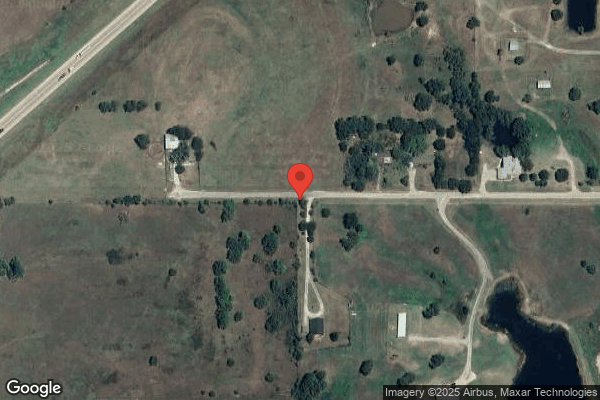

1300 WEST LINDSEY, SULPHUR, OK 73086 (580) 622-2416
For profit - Corporation 86 Beds Independent Data: November 2025 1 Immediate Jeopardy citation
Trust Grade
28/100
#206 of 282 in OK
Last Inspection: April 2025

Within standard 12-15 month inspection cycle. Federal law requires annual inspections.

Overview

Callaway Nursing Home in Sulphur, Oklahoma has received a Trust Grade of F, indicating significant concerns about its care and operations. It ranks #206 out of 282 facilities in Oklahoma, placing it in the bottom half, and #3 out of 3 in Murray County, meaning there is only one local option available that is better. The facility's situation is worsening, with the number of issues increasing from 10 in 2024 to 13 in 2025. Staffing is notably a strength, with a 0% turnover rate, which is well below the state average, suggesting that staff are stable and familiar with residents. However, there are serious weaknesses, such as a critical incident where a resident suffered a hospital admission due to inadequate monitoring of bowel movements, and the facility has been without a full-time Director of Nursing or licensed administrator, raising concerns about leadership and oversight.

Trust Score
F
28/100
In Oklahoma
#206/282
Bottom 27%
Safety Record
High Risk
Review needed
Inspections
Getting Worse
10 → 13 violations
Staff Stability
○ Average
Turnover data not reported for this facility.
Penalties
✓ Good
No fines on record. Clean compliance history, better than most Oklahoma facilities.
Skilled Nurses
○ Average
RN staffing data not reported for this facility.
Violations
⚠ Watch
29 deficiencies on record. Higher than average. Multiple issues found across inspections.
★☆☆☆☆
1.0
Overall Rating
★☆☆☆☆
1.0
Staff Levels
★★☆☆☆
2.0
Care Quality
★☆☆☆☆
1.0
Inspection Score
Stable
2024: 10 issues
2025: 13 issues

The Good

  • Full Sprinkler Coverage · Fire safety systems throughout facility
  • No fines on record

Facility shows strength in fire safety.

The Bad

1-Star Overall Rating

Below Oklahoma average (2.6)

Significant quality concerns identified by CMS

The Ugly 29 deficiencies on record

1 life-threatening
May 2025 3 deficiencies 1 IJ
CRITICAL (J) 📢 Someone Reported This

A family member, employee, or ombudsman was alarmed enough to file a formal complaint

Immediate Jeopardy (IJ) - the most serious Medicare violation

Quality of Care (Tag F0684)

Someone could have died · This affected 1 resident

**NOTE- TERMS IN BRACKETS HAVE BEEN EDITED TO PROTECT CONFIDENTIALITY** On 05/02/25 at 10:52 a.m., the Oklahoma State Department of Health was notified and verified the existence of an immediate jeopa...

Read full inspector narrative →
**NOTE- TERMS IN BRACKETS HAVE BEEN EDITED TO PROTECT CONFIDENTIALITY** On 05/02/25 at 10:52 a.m., the Oklahoma State Department of Health was notified and verified the existence of an immediate jeopardy situation related to the facility's failure to effectively assess, monitor, and intervene for Resident #1's failure to have a bowel movement which likely caused the resident to be admitted to the hospital with a small bowel obstruction. On 05/02/25 at 11:14 a.m., the receiver, ADON and MDS coordinator were notified of the immediate jeopardy and provided the immediate jeopardy template. On 05/05/25 at 7:05 a.m., an acceptable plan of removal was approved by the Oklahoma State Department of Health. The plan of removal, read in part, Plan Of Removal 5/02/2025: 1. Systemic changes implemented: a. All residents with no bowel movement within the previous 3 days were immediately physically assessed and educated on the risks and benefits of proper hydration or lack of same for daily bowel movements. b. Physician notified and orders received for medication if applicable. c. Medications administered, as ordered. d. Continue to assess affected resident every 2 hours until bowel movement occurs. If no bowel movement within 24 hours of first medication administration, notify physician and send to emergency room for further evaluation. e. If bowel movement occurs within 72 hours, nurse will document bowel sounds and bowel movements, and update physician. 2. Process/Systems involved: a. Policy for Bowel Movement Monitoring was implemented on 5/2/2025. A copy of the policy is attached to this document as Exhibit A. b. CNAs will notify Charge Nurse if any resident does not have a bowel movement during their shift. Charge Nurse will document same on 24-hour report. Resident will be encouraged to hydrate more by Charge Nurse and CNAs. Charge Nurse will educate resident on importance of proper hydration and bowel movement. c. Charge Nurse will review PCC/POC dashboard at shift change and identify any residents who has not had a bowel movement within the previous 3 days. Charge Nurse will continue to assess affected resident every 2 hours until bowel movement occurs. If no bowel movement occurs within 24 hours of first medication administration notify physician and send to emergency room for further evaluation. d. PCC/POC dashboard to be discussed daily at Stand-up Meeting. DON and/or ADON will review PCC/POC Dashboard with Charge Nurse daily and track documentation for potential bowel issues. 3. Factors involved: POLICY - new policy attached as Exhibit 'A' PEOPLE: All Nurses, CMAs and CNAs were in serviced on new Bowel Movement Policy 4. Actions taken/Planned to be taken: a. All Nurses, CMAs, and CNAs were in serviced or will be in serviced On reporting process for residents with no bowel movements in previous 24 hours Staff in-serviced during shift change at 2 p.m. on 5/2/25, along with all agency staff in-serviced and acknowledged utilizing agency's communication app by 6:30 pm on 5/2/25. b. CNAs will notify Charge Nurse if any resident does not have a bowel movement during their shift. Charge Nurse will document same on 24-hour report. Resident will be encouraged to hydrate more by Charge Nurse and CNAs. Charge Nurse will educate resident on importance of proper hydration and bowel movement. c. Charge Nurse will review PCC/POC dashboard at shift change and identify any residents who has not had a bowel movement within the previous 3 days. Charge Nurse will continue to assess affected resident every 2 hours until bowel movement occurs. If no bowel movement occurs within 24 hours of first medication administration notify physician and send to emergency room for further evaluation. d. PCC/POC dashboard to be discussed daily at Stand-up Meeting. DON and/or ADON will review PCC/POC Dashboard with Charge Nurse daily and track documentation for potential bowel issues. e. Information to be reviewed during QAPI [quality assurance and performance improvement] meeting. 5. Date Action Taken 5/2/2025 6. Staff Education plan: Staff in-serviced on Bowel Movement Policy, reporting to Charge Nurses any resident who has had no Bowel Movement in their shift, and encouraging residents to hydrate properly. Nurses were in-serviced on educating residents on risks and benefits of proper hydration and bowel movements. All nursing staff in-serviced on proper documentation of bowel movements. Staff in-serviced during shift change at 2pm on 5/2/25, along with all agency staff in-serviced and acknowledged utilizing agency's communication app by 6:30 pm on 5/2/25. 7. Mode of education: Person to person in-service, as well as written materials available for review. 8. Monitoring of implemented actions: PCC/POC Dashboard will be monitored daily by Corporate Compliance Officer, Administrator, Director of Nurses and/or Assistant Director of Nurses to ensure Adherence to Bowel Movement Policy is occurring. PCC progress notes will be monitored daily by the Corporate Compliance Officer, Director of Nurses and/or Assistant Director. On 05/05/25 after interviews with facility staff and review of in-services, the immediacy was lifted, effective 05/02/25 at 6:30 p.m. The deficient practice remained at an isolated level with the potential for more than minimal harm. Based on record review and interview, the facility failed to assess, monitor, and intervene for a resident with no bowel movements to prevent a bowel obstruction for 1 (#1) of 3 sampled residents reviewed for bowel movements. The receiver reported 43 residents resided in the facility. Findings: A care plan, dated 07/31/24, showed Resident #1 had diagnoses of constipation. The care plan showed to check bowel sounds if no bowel movement for three days and notify physician for any further interventions. An annual assessment, dated 04/01/25, showed Resident #1's cognition was moderately impaired with a BIMS score of 09. The assessment showed the resident was always incontinent of bowel and required assistance from staff for activities of daily living. A bowel elimination record, dated 04/02/25 through 04/30/25, showed Resident #1 had no bowel movement on 04/22/25, 04/23/25, 04/24/25, 04/25/25, and 04/26/25. The record showed the resident had a medium sized bowel movement on 04/27/25. A progress note, dated 04/28/25 at 2:44 a.m., showed Resident #1 stated they felt nauseous. The note showed the resident had no further vomiting episodes. A progress note, dated 04/28/25 at 9:37 a.m., showed Resident #1 had vomited times two, a moderate amount, and chunks of food. The note showed Zofran (anti-nausea medication) was given and the nurse practitioner was notified. A progress note, dated 04/28/25 at 10:13 a.m., showed vomiting continued at that time. A progress note, dated 04/28/25 at 10:16 a.m., showed Resident #1's blood pressure was 128/100 and pulse was 110. The progress note showed complete blood count (CBC), urinalysis (UA), and comprehensive metabolic panel (CMP) was ordered by the nurse practitioner. A progress note, dated 04/28/25 at 1:10 p.m., showed a nurse aide reported to nurse Resident #1 was seen putting their finger down their throat making themselves vomit. A bowel elimination record, dated 04/28/25 and 04/29/25, showed no bowel movement. A progress note, dated 04/29/25 at 12:42 p.m., showed Resident #1 was transferred to the emergency room for self harm, altered mental status, and low blood pressure. A computed tomography (CT) of abdomen and pelvis without contrast exam, dated 04/29/25, showed marked fluid distention/dilation of the stomach and small bowel to rough area of transition in the anterior/central abdomen, suggestive of high-grade bowel obstruction. The exam showed a recommendation for surgical evaluation. An admission record/face sheet, dated 05/02/25, showed diagnoses which included cerebral palsy and intellectual disabilities. On 05/01/25 at 12:15 p.m., family member #1 reported family member #2 had been to the facility on [DATE] and Resident #1 would not eat and complained of their stomach hurting. On 05/01/25 at 2:45 p.m. CNA #1 reported Resident #1 usually had a hard time having bowel movements. CNA #1 reported if a resident asked for medication for constipation they would inform the nurse. CNA #1 also reported they should report no bowel movements for three days to the nurse. On 05/01/25 at 2:50 p.m., CMA #1 reported if the CNA reported a resident was having issues with constipation or if the resident asked for medication for constipation, and they had an order, it would be administered. CMA #1 reported no bowel movement for two days would warrant a need for medication. CMA #1 reported not having access to the electronic medical record to see residents' bowel movements. On 05/01/25 at 3:00 p.m., the ADON reported the electronic medical record should notify all staff if a resident had not had a bowel movement for three days. The ADON reported all staff were responsible for looking for this notification in the electronic medical record. The ADON reported the nurse should notify the CMA if the resident had no bowel movement for three days to give a PRN medication for constipation or contact the physician for an order. On 05/01/25 at 3:15 p.m., LPN #1 reported the electronic medical record notified the CNAs if the resident had not had a bowel movement for three days. LPN #1 reported an assessment should be done and bowel sounds listened if a resident was not having bowel movements. LPN #1 reported nurses were not alerted by the electronic medical record if residents had no bowel movements for three days unless a CNA reported it to them. On 05/01/25 at 3:45 p.m., the MDS coordinator reported a nurse assessment should have been completed for Resident #1 not having a bowel movement for five days and having vomiting. The MDS coordinator reported vomiting with no bowel movements could have been an indication of a small bowel obstruction. On 05/01/25 at 4:00 p.m., the ADON reported the facility had no policy for assessing and monitoring bowel movements. The ADON reported the start of the fourth day of no bowel movements would be when staff should start to intervene. The ADON reported Resident #1 should have had a nursing assessment done with their vomiting. The ADON reported no nursing assessment had been documented in Resident #1's record related to the vomiting or no bowel movement. On 05/02/25 at 9:46 a.m., family member #2 reported Resident #1 had been complaining of stomach pain since 04/27/25. Family Member #2 reported the nurse had been informed on 04/27/25 by the family the resident was complaining their stomach was hurting and would not eat. Family member #2 reported going to the facility on [DATE] around midnight because the facility had reported the resident was having behaviors of making self vomit and the physician had ordered physical restraints and a referral for an inpatient psych evaluation. Family Member #2 reported the resident was sitting by the nurses station and had been crying, was tired and asking to go to bed. Family Member #2 reported the resident had been admitted to the hospital with a small bowel obstruction and had not had surgical intervention at this time.
CONCERN (D) 📢 Someone Reported This

A family member, employee, or ombudsman was alarmed enough to file a formal complaint

Potential for Harm - no one hurt, but risky conditions existed

Notification of Changes (Tag F0580)

Could have caused harm · This affected 1 resident

Based on record review and interview, the facility failed to ensure a resident's representative was notified of physical restraint use for 1 (#1) of 3 sampled residents reviewed for change in conditio...

Read full inspector narrative →
Based on record review and interview, the facility failed to ensure a resident's representative was notified of physical restraint use for 1 (#1) of 3 sampled residents reviewed for change in condition. The administrator reported 43 residents resided in the facility. Findings: An undated facility policy titled Notification of Changes showed the facility must immediately inform the resident representative when there was a significant change in the resident's physical, mental or psychosocial status. The policy showed the facility must immediately inform the resident's representative when a need to alter treatment significantly. An annual assessment, dated 04/01/25, showed Resident #1's cognition was moderately impaired with a BIMS score of 09. A progress note, dated 04/28/25 at 5:29 p.m., showed the nurse practitioner ordered to send Resident #1 to an inpatient psych facility and ordered a wrist restraint. A progress note, dated 04/28/25 at 6:31 p.m., showed Resident #1's family was notified of the resident's behaviors, order to send to an inpatient psych facility, and new order for a wrist restraint. An admission record/face sheet, dated 05/02/25, showed diagnoses which included cerebral palsy and intellectual disabilities. The admission record/face sheet showed family member #1 was the resident's responsible party/POA and emergency contact #1. On 05/01/25 at 12:15 p.m., family member #1 reported they had not been notified by the facility about the behaviors Resident #1 was having, the order for the wrist restraint, or the referral for the inpatient psych facility. On 05/01/25 at 1:56 p.m., the ADON reported the resident's representative/POA was not notified by the charge nurse related to the resident's behaviors, the order for the wrist restraint and the referral for inpatient psych facility. The ADON reported another family member was contacted, but not the POA. The ADON reported the resident's representative/POA should have been contacted.
CONCERN (D) 📢 Someone Reported This

A family member, employee, or ombudsman was alarmed enough to file a formal complaint

Potential for Harm - no one hurt, but risky conditions existed

Deficiency F0604 (Tag F0604)

Could have caused harm · This affected 1 resident

**NOTE- TERMS IN BRACKETS HAVE BEEN EDITED TO PROTECT CONFIDENTIALITY** Based on record review and interview, the facility failed to ensure a resident was not physically restrained for 1 (#1) of 1 sam...

Read full inspector narrative →
**NOTE- TERMS IN BRACKETS HAVE BEEN EDITED TO PROTECT CONFIDENTIALITY** Based on record review and interview, the facility failed to ensure a resident was not physically restrained for 1 (#1) of 1 sampled resident reviewed for physical restraints. The administrator reported 43 residents resided in the facility. Findings: An undated facility policy titled Use of Restraints showed unless there was an actual emergency, a physical restraint would not be initiated until the need for such a restraint was discussed thoroughly with the resident and/or representative and written consent is obtained. The policy showed the resident, or resident representative has the right to refuse the use of a restraint. An annual assessment, dated 04/01/25, showed Resident #1's cognition was moderately impaired with a BIMS score of 09. The assessment showed limited range of motion to one side of upper extremity and staff asssistance required with activities of daily living. A progress note, dated 04/28/25 at 5:12 p.m., showed Resident #1 was sitting in their room and placed four fingers down their throat which caused them to vomit. The note showed while gagging, the resident continued to put their hand down their throat six times. A progress note, dated 04/28/25 at 5:29 p.m., showed the nurse practitioner ordered to send Resident #1 to an inpatient psych facility and for a wrist restraint. A progress note, dated 04/28/25 at 7:15 p.m., showed Resident #1 was sitting in front of the nurses station under supervision due to self harm. The note showed the resident had been screaming and yelling wanting to got back to their room. A progress note, dated 04/28/25 at 7:52 p.m., showed the restraint was removed and the nurse would continue to monitor the resident's behavior. A progress note, dated 04/28/25 at 8:08 p.m., showed the restraint was put back on because the resident continued to cause self harm and hitting/cussing staff members. A progress note, dated 04/28/25 at 8:23 p.m., showed Resident #1 was up in their wheelchair at the nurses station yelling and cussing staff members, wanting to go to their room, and needing a drink every minute. The note showed the resident stated they promised to not put their fingers down their throat again. A progress note, dated 04/28/25 at 8:38 p.m., showed the Resident #1 remained in a restraint due to multiple failed attempts to remove due to the resident causing harm to self and staff members. A progress note, dated 04/28/25 at 9:51 p.m., showed Resident #1 had the restraint removed at 9:30 p.m. and the resident promised not to cause harm to self or others. The note showed the resident was put to bed at approximately 9:44 p.m. and about seven minutes later the resident put their fingers down their throat which caused them to vomit all over themselves. The note showed the restraint was placed back on the resident. A progress note, dated 04/29/25 at 12:13 a.m., showed the restraint was removed and family present. The note showed shortly after the family member left the facility the resident put their hand down their throat and made themselves throw up. The note showed the restraint was put back on. An admission record/face sheet, dated 05/02/25, showed diagnoses which included cerebral palsy and intellectual disabilities. The admission record/face sheet showed family member #1 was the resident's responsible party/POA and emergency contact #1. On 05/01/25 at 1:56 p.m., the ADON reported the charge nurses working at the time the wrist restraint was used had been put on suspension pending an investigation. On 05/01/25 at 2:55 p.m., the MDS coordinator reported no restraints were to be used in the facility for any reason. The MDS coordinator reported not being aware what was used as a restraint due to the facility did not have any type of restraint in house. On 05/01/25 at 3:00 p.m., the administrator reported an investigation was ongoing related to the use of the restraints, staff involved had been suspended, and all staff had been in-serviced related to facility policy of no restraints. On 05/02/25 at 9:46 a.m., family member #2 reported when they arrived to the facility on [DATE] around midnight, the resident was sitting by the nurses station and the nurse was observed to remove something tied around the resident's right wrist. Family Member #2 reported the resident did not have use of their left arm. Family Member #2 reported the resident appeared to have been crying and was tired, and kept saying they wanted to go to sleep, but staff had tied their arm up and would not let their arm out. Family Member #2 reported the resident had been complaining of stomach pain since 04/27/25 and it was apparent the restraint caused them mental distress.
Apr 2025 10 deficiencies
CONCERN (D) 📢 Someone Reported This

A family member, employee, or ombudsman was alarmed enough to file a formal complaint

Potential for Harm - no one hurt, but risky conditions existed

Safe Environment (Tag F0584)

Could have caused harm · This affected 1 resident

Based on observation, record review, and interview, the facility failed to provide a clean and homelike environment for the residents. The administrator reported 44 residents resided in the facility. ...

Read full inspector narrative →
Based on observation, record review, and interview, the facility failed to provide a clean and homelike environment for the residents. The administrator reported 44 residents resided in the facility. Findings: On 04/21/25 at 2:15 p.m., a tour of the facility was conducted. Floors in the main lobby, hallways, dining room, and common areas were observed to have dirt and brown stains. A common area at the end of the womens hall was observed to have a fast-food sack of trash on the floor and the area smelled strongly of urine. In the same common area, a door was observed to have a plastic bag shoved into a hole where the door knob had previously been. On 04/24/25 at 8:18 a.m., the common area at the end of the womens hall was observed to still have the plastic bag shoved into the hole of the door where a door knob would be. [NAME] wrappers and a soiled brief/diaper was observed in the corner of the room beside a chair. The floor was noted with brown stains/spills. On 04/24/25 at 11:41 a.m., housekeeping staff were observed in the hallway of the womens hall near the common area. The brief/diaper and candy wrappers were observed to remain on the floor of the common area. On 04/24/25 at 12:40 p.m., the candy wrappers and brief/diaper were observed to remain in the back common area on the floor. On 04/28/25 at 12:49 p.m., candy wrappers and a crushed soda can were observed on the floor of the common area at the end of the womens hall. An undated facility policy titled, Cleaning of Common Areas, read in part, Ensure all common areas are clean and neat .All staff are responsible for seeing that the common areas are clean and neat .Any area will be cleaned if found to be dirty, even if it is not the scheduled day for cleaning that area. On 04/24/25 at 9:10 a.m., CNA #1 reported they were agency staff. CNA #1 reported the aides did a lot of the cleaning. CNA #1 reported housekeeping was in the facility Monday through Friday, but they never knew what hours they would be in the building, and reported the housekeeping staff were also agency. CNA #1 reported the aides emptied trash, cleaned bathrooms, and tried to sweep the floors when they had time. CNA #1 reported sometimes they had to stop cleaning to take care of a resident. On 04/24/25 at 11:52 a.m., housekeeping staff #1 reported they were normally in the building Monday through Friday, but hours varied. They reported they were normally not in the building over the weekend. Housekeeping Staff #1 reported they knew the floors looked bad and thought a floor stripper would be available in a couple of weeks. They reported their plan was to come in at 5:00 a.m. every day to strip the floors before residents were up walking around, and reported not being trained yet on using the stripper. Housekeeping staff #1 reported they thought some of the stains were a build-up of dirt or wax and thought the stripper would help with the stained areas. On 04/28/25 at 2:43 p.m., the administrator reported all housekeeping staff were contracted through an agency. The administrator reported there was no housekeeping staff on the weekends, but CNAs helped with housekeeping duties. The administrator reported all areas of the facility, including common areas, should be cleaned and trash picked up routinely.
CONCERN (D) 📢 Someone Reported This

A family member, employee, or ombudsman was alarmed enough to file a formal complaint

Potential for Harm - no one hurt, but risky conditions existed

ADL Care (Tag F0677)

Could have caused harm · This affected 1 resident

Based on observation, record review, and interview, the facility failed to ensure residents received a shower as scheduled and requested for 1 (#9) of 1 sampled resident reviewed for activities of dai...

Read full inspector narrative →
Based on observation, record review, and interview, the facility failed to ensure residents received a shower as scheduled and requested for 1 (#9) of 1 sampled resident reviewed for activities of daily living assistance. The administrator reported 44 residents resided in the facility. Findings: On 04/22/25 at 12:05 p.m., Resident #9 was observed using a wet wipe to clean their body. An undated policy titled Shower/Tub Bath showed the purpose was to promote cleanliness and comfort, relax the resident, stimulate circulation, and facilitate observation of the residents's skin condition. A MDS assessment for Resident #9, dated 02/09/25, showed the resident was cognitively intact with a BIMS score of 15. The assessment showed the resident had diagnoses which included congestive heart failure, renal insufficiency, diabetes mellitus, depression, and schizophrenia. A progress note for Resident #9, dated 03/15/25 at 9:00 p.m., showed the resident refused a shower when asked by staff. The note showed the resident refused a shower before dinner as well. On 04/22/25 at 12:05 p.m., Resident #9 reported they were not a stinky person, but not having a shower made them feel yucky. Resident #9 reported they were supposed to get showers twice a week and reported they might get a shower every two weeks. Resident #9 reported they had complained several times and was told by staff they would get a shower scheduled. Resident #9 reported they had never been given a reason for the delay in showers, but stated they did not want to be scheduled at 8:00 p.m. when they were so tired. On 04/28/25 at 1:43 p.m., the ADON reported they were not aware of Resident #9 not getting showers as scheduled. On 04/28/25 at 1:44 p.m., the MDS coordinator reported on 03/15/25 it was documented Resident #9 refused their shower. The MDS coordinator reported they did keep shower sheets, but since the last DON left, they had not been able to find the shower sheets to show documentation of showers. On 04/28/25 at 2:09 p.m., CNA #2 reported Resident #9 did not refuse showers for them, but would not let some of the other staff give them a shower.
CONCERN (D)

Potential for Harm - no one hurt, but risky conditions existed

Deficiency F0882 (Tag F0882)

Could have caused harm · This affected 1 resident

Based on record review and interview, the facility failed to designate a staff member to serve as the infection preventionist. The administrator reported 44 residents resided in the facility. Findings...

Read full inspector narrative →
Based on record review and interview, the facility failed to designate a staff member to serve as the infection preventionist. The administrator reported 44 residents resided in the facility. Findings: An undated facility policy titled Infection Prevention and Control Program, read in part, The facility must establish an infection prevention and control program that must include .A system for preventing, identifying .and controlling infections and communicable diseases for all residents, staff, volunteers, visitors, and other individuals providing services under a contractual arrangement based upon the facility assessment and following accepted national standards .'infection preventionist' .designated by the facility to be responsible for the infection prevention and control program. An undated staff roster showed no infection preventionist. On 04/21/25 at 2:23 p.m., the DON reported the facility was currently without an infection preventionist.
CONCERN (E)

Potential for Harm - no one hurt, but risky conditions existed

Deficiency F0578 (Tag F0578)

Could have caused harm · This affected multiple residents

Based on record review and interview, the facility failed to inform and provide written information to the resident or their representative regarding an advance directive for 3 (#9, 18, and #38) of 3 ...

Read full inspector narrative →
Based on record review and interview, the facility failed to inform and provide written information to the resident or their representative regarding an advance directive for 3 (#9, 18, and #38) of 3 sampled residents reviewed for advance directives. The administrator reported 44 residents resided in the facility. Findings: The facility did not provide an advance directive policy. 1. A physician order for Resident #9, dated 01/23/25, showed the resident was a full code status. A MDS assessment for Resident #9, dated 02/09/25, showed the resident was cognitively intact with a BIMS score of 15. The assessment showed the resident had diagnoses which include congestive heart failure, hypertension, renal insufficiency, diabetes mellitus, depression, and schizophrenia. A care plan for Resident #9, dated 02/09/25, showed the resident was a full code status and staff would follow the full code protocol. A review of Resident #9's hard chart and electronic medical record showed no documentation related to advance directive information. 2. A MDS assessment for Resident #18, dated 01/15/25, showed the resident was severely impaired of cognition with a BIMS score of 04. A physician order for Resident #18, dated 01/23/25, showed the resident was a full code status. A review of Resident #18's hard chart and electronic medical record showed no documentation related to advance directive information. 3. A physician order for Resident #38, dated 05/17/24, showed the resident was a full code status. A MDS assessment for Resident #38, dated 02/09/25, showed the resident was cognitively intact with a BIMS score of 15. The assessment showed the resident had diagnoses which included depression, type 2 diabetes mellitus, hypertension, schizophrenia, anxiety, bipolar disorder, and history of traumatic brain injury. A care plan for Resident #38, dated 02/10/25, showed the resident chose to be a full code status and staff would follow full code protocol. A review of Resident #38's hard chart and electronic medical record showed no documentation related to advance directive information. On 04/23/25 at 2:09 p.m., the BOM reported the facility did not address advance directives with newly admitted residents or their representative. The BOM reported they did not have anything in place to offer information or education to current residents. The BOM reported they had a section in the admission packet that addressed resident rights, but no specific information related to advance directives.
CONCERN (E) 📢 Someone Reported This

A family member, employee, or ombudsman was alarmed enough to file a formal complaint

Potential for Harm - no one hurt, but risky conditions existed

Quality of Care (Tag F0684)

Could have caused harm · This affected multiple residents

Based on record review and interview, the facility failed to: a. perform weekly blood pressure checks as ordered for 1 (#32); and b. follow hold parameters on blood pressure medication for 1 (#31) of...

Read full inspector narrative →
Based on record review and interview, the facility failed to: a. perform weekly blood pressure checks as ordered for 1 (#32); and b. follow hold parameters on blood pressure medication for 1 (#31) of 2 sampled residents reviewed for following physician orders. The administrator reported 44 residents resided in the facility. Findings: The ADON reported there was no policy for following physician orders or medication administration and hold parameters. 1. A physician order for Resident #32, dated 05/30/24, showed to take and record the resident's blood pressure weekly on Mondays. A progress note for Resident #32, dated 11/20/24 at 1:52 p.m., showed the resident went to have surgery on their right eye. The note showed the resident's blood pressure was elevated and they were unable to do the surgery. The note showed the resident was sent to the emergency room for evaluation due to elevated blood pressure. A progress note for Resident #32, dated 11/20/24 at 5:54 p.m., showed the resident returned to the facility accompanied by a staff member. The note showed the resident had a new order for Prinivil (a blood pressure medication) 10 mg by mouth daily, and to take the resident's blood pressure twice daily and record for the primary care physician. A MDS assessment for Resident #32, dated 03/23/25, showed the resident had diagnoses which include type 2 diabetes mellitus, mood disorder, dementia, psychosis, and benign intracranial hypertension (high blood pressure). The assessment showed the resident was cognitively intact with a BIMS score of 15. A care plan for Resident #32, dated 04/22/25, showed the resident had hypertension. The care plan showed to administer medications as ordered and monitor for effectiveness and side effects. The care plan showed to monitor and record the blood pressure as ordered and to notify the physician of significant abnormalities. On 04/24/25 at 11:40 a.m., the MDS coordinator reported there was a gap in documentation from June 2024 to September 2024 for blood pressure monitoring, and then another gap from September 2024 to November 2024. The MDS coordinator reported it was about that time that the facility switched over to an electronic medical record. The MDS coordinator reported they were unable to find any documentation to show they were checking the resident's blood pressure weekly as ordered. 2. A physician's order for Resident #31, dated 06/06/24, showed Carvedilol (a blood pressure medication) 3.125 mg, give one tablet orally two times a day for hypertension and hold if systolic blood pressure is less than 120. A significant change assessment for Resident #31, dated 03/10/25, showed Resident #31's cognition was moderately impaired with a BIMS score of 09. The assessment showed the resident had a diagnosis of hypertension. A medication administration record for Resident #31, dated 04/01/25 through 04/30/25, showed Resident #31's systolic blood pressure readings were less than 120 and Carvedilol was administered on: a. 04/01/25 at 7:00 a.m. - 114/72, b. 04/02/25 at 7:00 a.m. - 119/67, c. 04/02/25 at 6:00 p.m. - 114/69, d. 04/04/25 at 6:00 p.m. - 118/77, e. 04/06/25 at 6:00 p.m. - 115/68, f. 04/09/25 at 7:00 a.m. - 118/83, g. 04/13/25 at 7:00 a.m. - 100/77, h. 04/14/25 at 6:00 p.m. - 114/77, i. 04/17/25 at 6:00 p.m. - 117/75, j. 04/20/25 at 6:00 p.m. - 114/65, k. 04/25/25 at 7:00 a.m. - 118/70, l. 04/25/25 at 6:00 p.m. - 107/70, m. 04/26/25 at 7:00 a.m. - 113/66, n. 04/27/25 at 7:00 a.m. - 117/65, and o. 04/28/25 at 7:00 a.m. - 117/63. On 04/28/25 at 2:31 p.m., CMA #1 reported the dose of blood pressure medication (Carvedilol 3.125 mg) given by CMA #2 this morning should not have been administered since the blood pressure reading of 117/63 was not within the written parameters. On 04/28/25 at 2:32 p.m., the ADON reviewed Resident #31's medication administration record for April 2025 and reported the medication Carvedilol 3.125 mg should have been held and not given for all the systolic blood pressure readings under 120. The ADON reported that was not a normal parameter for blood pressure readings and will get a parameter clarification from the doctor.
CONCERN (E) 📢 Someone Reported This

A family member, employee, or ombudsman was alarmed enough to file a formal complaint

Potential for Harm - no one hurt, but risky conditions existed

Deficiency F0725 (Tag F0725)

Could have caused harm · This affected multiple residents

Based on record review and interview, the facility failed to provide sufficient staff to ensure the highest practicable well-being of each resident. The administrator reported 44 residents resided in...

Read full inspector narrative →
Based on record review and interview, the facility failed to provide sufficient staff to ensure the highest practicable well-being of each resident. The administrator reported 44 residents resided in the facility. Findings: The PBJ Staffing Data Report, dated October 2024 through December 2024 showed no RN hours on 10/09, 10/10, 10/11, 10/14, 10/15, 10/16, 10/17, 10/18, 10/21, 10/22, 10/23, 10/24, 10/25, 10/26, 10/28, 10/29, 10/30, 10/31, 11/01, 11/02, 11/03, 11/04, 11/05, 11/06, 11/07, 11/08, 11/09, 11/10, 11/11, 11/12, 11/13, 11/14, 11/15, 11/16, 11/17, 11/18, 11/19, 11/20, 11/21, 11/22, 11/23, 11/24, 11/25, 11/26, 11/27, 11/28, 11/29, 11/30, 12/01, 12/02, 12/03, 12/04, 12/05, 12/06, 12/07, 12/08, 12/09, 12/10, 12/11, 12/12, 12/13, 12/14, 12/15, 12/16, 12/17, 12/18, 12/19, 12/20, 12/21, 12/22, 12/23, 12/24, 12/25, 12/26, 12/27, 12/28, 12/29, 12/30, and 12/31. The PBJ Staffing Data Report dated October through December 2024, showed the facility failed to have licensed nursing coverage 24 hours/day on 10/11, 10/13, 10/20, 10/24, 10/25, 10/26, 10/28, 10/29, 10/30, 10/31, 11/01, 11/02, 11/03, 11/04, 11/05, 11/06, 11/07, 11/08, 11/09, 11/10, 11/11, 11/12, 11/13, 11/14, 11/15, 11/16, 11/17, 11/18, 11/19, 11/20, 11/21, 11/22, 11/23, 11/24, 11/25, 11/26, 11/27, 11/28, 11/29, 11/30, 12/01, 12/02, 12/03, 12/04, 12/05, 12/06, 12/07, 12/08, 12/09, 12/10, 12/11, 12/12, 12/13, 12/14, 12/15, 12/16, 12/17, 12/18, 12/19, 12/20, 12/21, 12/22, 12/23, 12/24, 12/25, 12/26, 12/27, 12/28, 12/29, 12/30, and 12/31. The Quality of Care Monthly Report, dated January 2025, showed 15 day shifts, 14 evening shifts, and 10 night shifts with insufficient direct care staff for the reported resident census. The Quality of Care Monthly Report, dated February 2025, showed 21 day shifts, 7 evening shifts, and 10 night shifts with insufficient direct care staff for the reported resident census. The Quality of Care Monthly Report, dated March 2025, showed 10 day shifts, 4 evening shifts, and 15 night shifts with insufficient direct care staff for the reported resident census. On 04/24/25 at 9:10 a.m., CNA #1 reported they were agency staff and reported the aides did a lot of the cleaning and housekeeping tasks. CNA #1 reported housekeeping staff were usually in the building Monday through Friday, but the aides did not always know what hours housekeeping would be in the building, and they were also agency. CNA #1 reported the aides emptied trash, cleaned bathrooms, and tried to sweep the floors when they had time. CNA #1 stated sometimes they had to stop cleaning to take care of a resident. CNA #1 reported when the resident census was high enough, they had more aides, but occasionally there was only one CNA per hall if there were call-ins. On 04/24/25 at 9:20 a.m., the administrator was asked to provide documentation to show RN coverage. The administrator reported the facility used almost all agency staff and currently all of their CNAs, CMAs, and licensed nurses were agency staff. The administrator reported their agency staff hours were turned in and included in their staffing reports. The administrator reported the DON had resigned and last worked on 04/14/25. The administrator reported the ADON was full-time core staff and the MDS coordinator was shared with a sister facility. On 04/28/25 at 2:35 p.m., the administrator reported they had better RN coverage when the DON was still employed and named four RNs who signed up to work as needed. The administrator reported one of the RNs had recently dropped down to PRN only and it varied from week to week on when the RNs would cover shifts. The administrator reported they had a schedule out for the RNs to sign up, but they did not have any core staff RNs who covered specific shifts each week.
CONCERN (E)

Potential for Harm - no one hurt, but risky conditions existed

Medication Errors (Tag F0758)

Could have caused harm · This affected multiple residents

Based on record review and interview, the facility failed to ensure the physician provided a rationale when not agreeing with a gradual dose reduction recommendations made by the pharmacist for 4 (#3,...

Read full inspector narrative →
Based on record review and interview, the facility failed to ensure the physician provided a rationale when not agreeing with a gradual dose reduction recommendations made by the pharmacist for 4 (#3, 18, 21, and #31) of 5 sampled residents reviewed for unnecessary medications. The administrator reported 44 residents resided in the facility. Findings: An undated facility policy titled Gradual Dose Reduction showed a gradual dose reduction may be considered clinically contraindicated if the physician had documented the clinical rationale. 1. A care plan, dated 08/16/24, showed Resident #3 took tramadol (an opiate analgesic), Remeron (an antidepressant), Cymbalta/duloxetine (an antidepressant), and Abilify/aripiprazole (an antipsychotic) daily for diagnoses of pain and depression. The care plan showed to consult with pharmacy and the physician to consider dosage reduction when clinically appropriate. A pharmacist consult, dated 12/16/24, showed a recommendation for a trial dose reduction for one of the following medications: Abilify, Cymbalta, and Remeron. The pharmacist consult showed the physician disagreed with the recommendation on 02/28/25 and no rationale was provided by the physician for the reason. An annual assessment, dated 02/27/25, showed Resident #3's cognition was severly impaired with a BIMS score of 03. The assessment showed diagnosis of depression and usage of antipsychotic and antidepressant medications. 2. A care plan, dated 11/08/24, showed Resident #18 took Lexapro (an antidepressant) and Zypreza/olanzapine (an antipsychotic) daily for diagnoses of depression. The care plan showed to consult with pharmacy and the physician to consider dosage reduction when clinically appropriate. A pharmacist consult, dated 12/16/24, showed a recommendation for a trial dose reduction for the following meds: Lexapro 10 mg and Zyprexa 2.5 mg. The pharmacist consult showed on 02/28/25 the physician disagreed with the recommendation and no rationale was provided. An annual assessment, dated 01/15/25, showed Resident #18's cognition was severly impaired with a BIMS score of 04. The assessment showed diagnosis which included schizophrenia. 3. A care plan, dated 08/14/24, showed Resident #21 took Rexulti (an antipsychotic), trazodone (an antidepressant), Trintelix (an antidepressant), and Lamictal/lamotrigine (an anticonvulsant) daily for diagnoses of mood disorder, depression, and seizure disorder. The care plan showed to consult with pharmacy and the physician to consider dosage reduction when clinically appropriate. A pharmacist consult, dated 12/16/24, showed a recommendation for a trial dose reduction for the following meds: clonidine (blood pressure medication) 0.2 mg, Rexulti 2 mg, Trintellix 20 mg, Lamictal 150 mg, and riluzole (a benzothiazole) 50 mg. The pharmacist consult showed on 02/28/25 the physician disagreed with the recommendation and no rationale was provided. A quarterly assessment, dated 03/08/25, showed Resident #21's cognition was severly impaired with a BIMS score of 03. The assessment showed diagnoses which included Alzheimer's disease and depression. 4. A care plan, dated 08/05/24, showed Resident #31 took clozapine, Lexapro, Norco (a pain medication), Keppra (an anticonvulsant), lamotrigine, and lorazepam daily for diagnoses of schizophrenia, depression, pain, seizure disorder and anxiety. The care plan showed to consult with pharmacy and the physician to consider dosage reduction when clinically appropriate. A pharmacist's consult, dated 12/16/24, showed Resident #31 continued on the following meds: clozapine 100 mg, escitalopram 20 mg, lamotrigine 150 mg, riluzole 50 mg, and lorazepam (an anxiety medication) 0.5 mg. The pharmacist consult showed on 02/28/25 the physician disagreed with the recommendation and no rationale was provided. A significant change assessment, dated 03/10/25, showed Resident #31's cognition was moderately impaired with a BIMS score of 09. The assessment showed antipsychotic, antianxiety, antidepressant, and opioid medication use. The assessment showed diagnoses of anxiety, depression, psychotic disorder, and schizophrenia. On 04/28/25 at 11:58 a.m., the MDS coordinator reported the physician should give a rationale for why a dosage reduction recommended by the pharmacist was contraindicated when not agreeing with the recommendation. The MDS coordinator reported a rationale was not provided for Residents #3, 18, 21, and #31.
CONCERN (E)

Potential for Harm - no one hurt, but risky conditions existed

Infection Control (Tag F0880)

Could have caused harm · This affected multiple residents

Based on record review and interview, the facility failed to develop a water management program for Legionella. The administrator reported 44 residents resided in the facility. Findings: A maintena...

Read full inspector narrative →
Based on record review and interview, the facility failed to develop a water management program for Legionella. The administrator reported 44 residents resided in the facility. Findings: A maintenance air and water temperature log, dated 04/22/25 through 04/25/25, showed no testing for Legionella had been conducted. On 04/23/25 at 10:00 a.m., the administrator provided an information packet for Legionella water management. The packet contained no policy. On 04/28/25 at 10:31 a.m., the maintenance supervisor reported they were hired in March 2025. They reported they were trying to organize paperwork for the facility, but stated they do not have a detailed diagram of the facility and do not have a water management program in place. They reported they have not been trained on Legionella but was given a packet of information. On 04/28/25 at 10:50 a.m., the administrator reported no Legionella water management policy was available.
CONCERN (E)

Potential for Harm - no one hurt, but risky conditions existed

Antibiotic Stewardship (Tag F0881)

Could have caused harm · This affected multiple residents

Based on on record review and interview, the facility failed to ensure the antibiotic stewardship program was implemented for 3 (#3, 18, and #21) of 3 sampled residents reviewed for antibiotic use. Th...

Read full inspector narrative →
Based on on record review and interview, the facility failed to ensure the antibiotic stewardship program was implemented for 3 (#3, 18, and #21) of 3 sampled residents reviewed for antibiotic use. The administrator reported 44 residents resided in the facility. Findings: An undated facility policy titled Antibiotic Stewardship showed to implement protocols to optimize the treatment of infections by ensuring residents who required an antibiotic were prescribed the appropriate antibiotic. The policy showed to assess residents for any infection using standardized tools and criteria. 1. A physician's order for Resident #3, dated 11/29/24, showed Bactrim double strength (an antibiotic) 800 mg -160 mg, give one tablet two times a day for an urinary tract infection. A physician's order for Resident #3, dated 02/27/25, showed Azithromycin (an antibiotic) 250 mg, give one tablet one time a day for a positive COVID test. An annual assessment for Resident #3, dated 02/27/25, showed antibiotic use for the resident. The assessment showed a diagnosis of dementia and the resident's cognition was severly impaired with a BIMS score of 03. 2. An annual assessment for Resident #18, dated 01/15/25, showed the resident's cognition was severely impaired with a BIMS score of 04. The assessment showed a diagnosis of Alzheimer's disease. A physician's order for Resident #18, dated 02/04/25, showed Azithromycin 250 mg, give two tablets by mouth one time a day for a positive COVID test, and give one tablet by mouth one time a day for four days. A physician's order for Resident #18, dated 04/17/25, showed Azithromycin 250 mg, give two tablets by mouth one time a day for infection, and give one tablet by mouth one time a day for four days. 3. A physician's order for Resident #21, dated 02/04/25, showed Azithromycin 250 mg, give two tablets by mouth one time a day for a positive COVID test on the first day, and give one tablet by mouth one time a day for four days. A quarterly assessment for Resident #21, dated 03/08/25, showed the resident's cognition was severely impaired with a BIMS score of 03. The assessment showed a diagnosis of Alzheimer's disease. A physician's order for Resident #21, dated 04/17/25, showed Azithromycin 250 mg, give 250 mg by mouth one time a day for infection for four days, and 500 mg for initial dose. On 4/28/25 at 11:46 a.m., the MDS coordinator reported the facility used the Loeb minimum criteria forms when initiating antibiotic therapy for residents. The MDS coordinator reported no forms were found for Residents #3, 18 and #21 or any other residents in the facility. The MDS coordinator reported the forms should have been completed and they did not know what the previous DON did with the forms or if they were used.
CONCERN (F) 📢 Someone Reported This

A family member, employee, or ombudsman was alarmed enough to file a formal complaint

Potential for Harm - no one hurt, but risky conditions existed

Deficiency F0727 (Tag F0727)

Could have caused harm · This affected most or all residents

Based on record review and interview, the facility failed to have a registered nurse to serve as full time DON. The administrator reported 44 residents resided in the facility. Findings: An undated...

Read full inspector narrative →
Based on record review and interview, the facility failed to have a registered nurse to serve as full time DON. The administrator reported 44 residents resided in the facility. Findings: An undated facility policy titled Registered Nurse showed the facility would ensure a registered nurse was available for supervision in the facility. The policy showed the facility must designate a registered nurse to serve as the director of nursing on a full-time basis. On 04/21/25 at 2:30 p.m., during the entrance conference, the ADON reported the facility did not currently have a DON. The ADON reported the facility did not have an RN acting in the capacity of the DON. On 04/24/25 at 9:20 a.m., the administrator reported the DON resigned the previous week. On 04/28/25 at 2:35 p.m., the administrator reported the previous DON last worked on 04/14/25.
Nov 2024 6 deficiencies
CONCERN (D) 📢 Someone Reported This

A family member, employee, or ombudsman was alarmed enough to file a formal complaint

Potential for Harm - no one hurt, but risky conditions existed

Deficiency F0582 (Tag F0582)

Could have caused harm · This affected 1 resident

Based on record review and interview, the facility failed to ensure a refund was completed within 30 days from the resident's date of discharge for one (#8) of one sampled resident reviewed for timely...

Read full inspector narrative →
Based on record review and interview, the facility failed to ensure a refund was completed within 30 days from the resident's date of discharge for one (#8) of one sampled resident reviewed for timely refunds. The administrator identified one resident in the past six months who required a refund. Findings: A Resident Funds policy, not dated, documented in part, Upon the discharge, eviction, or death of a resident with a personal fund deposited with the facility, the facility must convey within 30 days of the resident's funds, and a final accounting of those funds, to the resident .in accordance with State law. A physician's order, dated 01/29/24, documented Resident #8 was to be discharged to another long term care facility. A progress note, dated 01/29/24 at 1:00 p.m., documented Resident #8 was transferred to another long term care facility via private car with their family member. Refund check #5426 in the amount of $328.00, dated 03/25/24, documented a refund for Resident #8 was made to the facility where the resident was transferred. Refund check #5422 in the amount of $1,024.00, dated 03/26/24, documented a refund for Resident #8 was made to the Social Security Administration. On 11/15/24 at 10:00 a.m., the administrator reported the business office manager no longer worked in the facility. The administrator reported they did not know why there was a delay in completing the refund for Resident #8.
CONCERN (D) 📢 Someone Reported This

A family member, employee, or ombudsman was alarmed enough to file a formal complaint

Potential for Harm - no one hurt, but risky conditions existed

Report Alleged Abuse (Tag F0609)

Could have caused harm · This affected 1 resident

Based on record review and interview, the facility failed to report allegations of abuse to the State Agency (OSDH) and other officials as required for two (#1 and #5) of two sampled residents reviewe...

Read full inspector narrative →
Based on record review and interview, the facility failed to report allegations of abuse to the State Agency (OSDH) and other officials as required for two (#1 and #5) of two sampled residents reviewed for abuse. The administrator identified two allegations of abuse in the past 120 days. Findings: An undated Allegations of Abuse, Neglect, Exploitation or Mistreatment policy, read in part, Purpose: Ensure alleged violations related to mistreatment, exploitation, neglect, or abuse .the results of all investigations are thoroughly investigated and reported to the proper authorities within required time frames .reported immediately, but not later than 2 hours after the allegation is made, if the events that cause the allegation involve abuse or result in serious bodily injury, or not later than 24 hours if the events that cause the allegation do not involve abuse and do not result in serious bodily injury. 1. Resident #1 had diagnoses which included Huntington's disease, depression, vascular dementia, mood disorder, and anxiety. A care plan for Resident #1, dated 07/22/24, documented the resident had a diagnosis of psychosis with physical aggression. The care plan documented the resident required assistance with activities of daily living. An MDS assessment for Resident #1, dated 09/18/24, documented the resident was severely impaired with cognition. A handwritten statement signed by CNA #1, dated 10/30/24, documented an incident in which the CNA entered Resident #1's room during routine rounds. The statement documented the resident had a bowel movement and became aggressive with the CNA while they were trying to clean and change the resident. The statement documented the nurse on duty witnessed the resident trying to kick the CNA and did not offer assistance. The statement documented Resident #1 put themselves on the floor while the CNA was changing their linens. The statement documented the CNA eventually got the resident back in bed, covered the resident, and continued their rounds. A typed statement by the previous BOM, dated 11/07/24, documented the BOM had notified the receiver on 10/31/24 of an allegation of abuse involving Resident #1 and CNA #1. The statement documented CNA #3 had reported the incident to the BOM due to feeling the incident was not being investigated. The statement documented the receiver requested the administrator speak to CNA #3 the following day. On 11/13/24 at 12:45 p.m., Resident #1 was observed lying in bed in their room with a blanket pulled over their head. The resident responded only with one word responses. The resident stated, yes, when asked if they were doing okay and stated, yes, when asked if staff treated them well. On 11/13/24 at 4:28 p.m., the ADON reported the night nurse reported an incident involving Resident #1 and CNA #1, in which the resident was found with scratches to their chest and neck area after the CNA had provided care. The ADON reported they assessed the resident and the administrator accompanied them to interview the resident. The ADON reported Resident #1 denied anyone had hurt them and it appeared the resident might have scratched themselves. The ADON reported they interviewed other residents, and none voiced complaints related to CNA #1, but there was no documentation of the interviews. The ADON stated they pulled the camera footage and did not see anything concerning with CNA #1's appearance or behavior following care provided to Resident #1. The ADON stated the charge nurse would normally initiate an incident report and if it was an abuse allegation, it would be reported to the State Agency, but they were not aware of an incident report being completed. On 11/14/24 at 5:30 a.m., CNA #3 reported they had observed scratch marks on Resident #1 after CNA #1 came out of the resident's room the morning of 10/31/24. The CNA stated they reported their concerns to the charge nurse on duty, an unnamed agency nurse. On 11/14/24 at 5:45 a.m., CNA #1 reported on the morning of the alleged incident with Resident #1, they had checked the resident and found them incontinent of a large bowel movement. The CNA stated the resident was being very combative and ended up putting themselves on the floor. The CNA reported they finally got the resident cleaned up and settled in bed, but received no assistance from other staff. The CNA reported staff made the allegation against them, but never offered to help the CNA with Resident #1. The CNA reported the incident happened on a Friday night shift and they were off until the following Wednesday. The CNA reported they gave their statement and talked with the administrator. A typed summary of the incident, without a date or signature, was provided by the administrator. The summary documented following the allegation of abuse, Resident #1 had been assessed for injuries and CNA #1 had been interviewed. The summary documented there were no witnesses to the incident and other residents were interviewed, but there was no documentation related to resident interviews. The summary documented a statement was never received from CNA #3. An incident report was not completed and the alleged allegation of abuse was not reported to OSDH or other required officials. 2. Resident #5 was admitted with diagnoses which included schizophrenia, peripheral vascular disease, Type 2 diabetes, bipolar disease, depression, and pain. A MDS assessment, dated 04/12/24, documented the resident was moderately impaired with cognition. A Grievance/Complaint Form, with a complaint date of 11/03/24, documented no resident's name, but was reported to be for Resident #5. The form documented the previous BOM took the complaint on 11/04/24, when the resident reported a CMA had cursed at the resident and almost hit them with the break room door. The form documented the administrator talked with the CMA and called the receiver for a phone interview with the CMA. The form documented the CMA was suspended for two days while an investigation was completed. A typed summary, signed by the administrator and dated 11/05/24, documented the administrator had received a complaint from a resident stating a CMA called them a derogatory term. The summary documented the administrator spoke with the CMA, reviewed cameras, and reviewed statements received from other employees. The summary documented the claim was unsubstantiated. There was no incident report and the allegation of abuse was not reported to OSDH or other required officials. On 11/14/24 at 1:30 p.m., Resident #5 reported CMA #1 was suspended for two days after the resident complained to the administrator the CMA had cursed at them. The resident was asked if they felt safe and they stated, Yes. On 11/15/24 at 11:20 a.m., the administrator reported they did not complete an incident report for the allegations of abuse. The administrator stated the incidents were not reported to OSDH or other required officials, as the administrator determined the allegations were unsubstantiated.
CONCERN (D) 📢 Someone Reported This

A family member, employee, or ombudsman was alarmed enough to file a formal complaint

Potential for Harm - no one hurt, but risky conditions existed

Investigate Abuse (Tag F0610)

Could have caused harm · This affected 1 resident

Based on record review and interview, the facility failed to thoroughly investigate allegations of abuse and report the results of the investigations for two (#1 and #5) of two residents reviewed for ...

Read full inspector narrative →
Based on record review and interview, the facility failed to thoroughly investigate allegations of abuse and report the results of the investigations for two (#1 and #5) of two residents reviewed for abuse. The administrator identified two allegations of abuse in the past 120 days. Findings: An undated Allegations of Abuse, Neglect, Exploitation or Mistreatment policy, read in part, Purpose: Ensure alleged violations related to mistreatment, exploitation, neglect, or abuse .the results of all investigations are thoroughly investigated and reported to the proper authorities within required time frames .reported immediately, but not later than 2 hours after the allegation is made, if the events that cause the allegation involve abuse or result in serious bodily injury, or not later than 24 hours if the events that cause the allegation do not involve abuse and do not result in serious bodily injury. 1. Resident #1 had diagnoses which included Huntington's disease, depression, vascular dementia, mood disorder, and anxiety. A care plan for Resident #1, dated 07/22/24, documented the resident had a diagnosis of psychosis with physical aggression. The care plan documented the resident required assistance with activities of daily living. A MDS assessment for Resident #1, dated 09/18/24, documented the resident was severely impaired with cognition. A handwritten statement signed by CNA #1, dated 10/30/24, documented an incident in which the CNA entered Resident #1's room during routine rounds. The statement documented the resident had a bowel movement and became aggressive with the CNA while they were trying to clean and change the resident. The statement documented the nurse on duty witnessed the resident trying to kick the CNA and did not offer assistance. The statement documented Resident #1 put themselves on the floor while the CNA was changing the their linens. The statement documented the CNA eventually got the resident back in bed, covered the resident, and continued their rounds. A typed statement by the previous BOM, dated 11/07/24, documented the BOM had notified the receiver on 10/31/24 of an allegation of abuse involving Resident #1 and CNA #1. The statement documented CNA #3 had reported the incident to the BOM due to feeling the incident was not being investigated. The statement documented the receiver requested the administrator speak to CNA #3 the following day. On 11/13/24 at 4:28 p.m., the ADON reported the night nurse reported an incident involving Resident #1 and CNA #1, in which the resident was found with scratches to their chest and neck area after the CNA had provided care. The ADON reported they assessed the resident and the administrator accompanied them to interview the resident. The ADON reported Resident #1 denied anyone had hurt them and it appeared the resident might have scratched themselves. The ADON reported they interviewed other residents, and none voiced complaints related to CNA #1, but there was no documentation of the interviews. On 11/14/24 at 5:30 a.m., CNA #3 reported they had observed scratch marks on Resident #1 after CNA #1 came out of the resident's room the morning of 10/31/24. The CNA stated they reported their concerns to the charge nurse on duty, an unnamed agency nurse. On 11/14/24 at 5:45 a.m., CNA #1 reported on the morning of the alleged incident with Resident #1, they had checked the resident and found them incontinent of a large bowel movement. The CNA stated the resident was being very combative and ended up putting themselves on the floor. The CNA reported they finally got the resident cleaned up and settled in bed, but received no assistance from other staff. The CNA reported staff made the allegation against them, but never offered to help the CNA with Resident #1. The CNA reported the incident happened on a Friday night shift and they were off until the following Wednesday. The CNA reported they gave their statement and talked with the administrator. A typed summary of the incident, without a date or signature, was provided by the administrator. The summary documented that following the allegation of abuse, Resident #1 had been assessed for injuries and CNA #1 had been interviewed. The summary documented there were no witnesses to the incident and other residents were interviewed, but there was no documentation related to resident interviews. The summary documented a statement was never received from CNA #3. 2. Resident #5 was admitted with diagnoses which included schizophrenia, peripheral vascular disease, Type 2 diabetes, bipolar disease, depression, and pain. A MDS assessment, dated 04/12/24, documented the resident was moderately impaired with cognition. A Grievance/Complaint Form, with a complaint date of 11/03/24, documented no resident's name, but was reported to be for Resident #5. The form documented the previous BOM took the complaint on 11/04/24, when the resident reported a CMA had cursed at the resident and almost hit them with the break room door. The form documented the administrator talked with the CMA and called the receiver for a phone interview with the CMA. The form documented the CMA was suspended for two days while an investigation was completed. A typed summary, signed by the administrator and dated 11/05/24, documented the administrator had received a complaint from a resident stating a CMA called them a derogatory term. The summary documented the administrator spoke with the CMA, reviewed cameras, and reviewed statements received from other employees. There was no documentation related to interviews with other residents. The summary documented the claim was unsubstantiated. On 11/15/24 at 11:20 a.m., the administrator reported they did not complete an incident report or document all of their findings related to a thorough investigation of the allegations of abuse.
CONCERN (D) 📢 Someone Reported This

A family member, employee, or ombudsman was alarmed enough to file a formal complaint

Potential for Harm - no one hurt, but risky conditions existed

MDS Data Transmission (Tag F0640)

Could have caused harm · This affected 1 resident

Based on record review and interview, the facility failed to electronically transmit completed MDS data to the CMS system within 14 days of completion. The administrator identifed 47 residents reside...

Read full inspector narrative →
Based on record review and interview, the facility failed to electronically transmit completed MDS data to the CMS system within 14 days of completion. The administrator identifed 47 residents resided in the facility. Findings: An undated MDS policy, read in part, Policy Objectives .Maintain compliance with quality reporting requirements .Submit MDS data to the CMS database as required .Monitor submission compliance and address issues proactively .Submit MDS data to CMS via the Quality Improvement and Evaluation System within the required timeframes. On 11/13/24 at 4:00 p.m., review of MDS data documented MDS assessments were not submitted from 05/01/24 to 07/08/24. On 11/13/24 at 4:11 p.m., a phone interview was conducted with LPN #1. The LPN reported they had started working for the facility in July 2024 as the MDS coordinator. The LPN reported the facility was having difficulty transmitting MDS data and the issues had just recently been resolved. The LPN reported they were able to transmit a batch of approximately 200 MDS assessments on 10/08/24.
CONCERN (D) 📢 Someone Reported This

A family member, employee, or ombudsman was alarmed enough to file a formal complaint

Potential for Harm - no one hurt, but risky conditions existed

Deficiency F0727 (Tag F0727)

Could have caused harm · This affected 1 resident

Based on record review and interview, the facility failed to have a registered nurse on duty for at least eight consecutive hours a day, seven days a week, and failed to have a director of nursing on ...

Read full inspector narrative →
Based on record review and interview, the facility failed to have a registered nurse on duty for at least eight consecutive hours a day, seven days a week, and failed to have a director of nursing on a full time basis. The administrator identified 47 residents resided in the facility. Findings: An undated Registered Nurse policy, read in part, .Ensure that a Registered Nurse is available for supervision in the facility .Except when waived, the facility must use the services of a registered nurse for at least 8 consecutive hours a day, 7 days a week .Except when waived, the facility must designate a registered nurse to serve as the director of nursing on a full-time basis. A review of staff time cards and schedules for August 2024 documented no RN or DON coverage on 08/01/24, 08/02, 08/05, 08/06, 08/07, 08/08, and 08/09/24. A review of staff time cards and schedules for September 2024 documented the DON worked 09/23/24, 09/24, 09/25, 09/26, 09/27, and 09/30/24. No other RN coverage was documented. A review of staff time cards and schedules for October 2024 documented the last day the DON worked was 10/09/24. There was no documentation of RN coverage for 10/11/24, 10/14, 10/15, 10/18, 10/21, 10/22, 10/23, 10/24, 10/25, 10/28, and 10/30/24. On 11/14/24 at 11:05 a.m., the ADON reported the facility had RN coverage on most weekends. The ADON was asked if the RN covered any of the DON responsibilities. They stated they did not think so. The ADON reported they were not aware of any staffing waivers. On 11/14/24 at 12:30 p.m., the administrator provided time card reports which documented the previous DON had last worked on 10/09/24. The administrator reported RN #1 worked most weekends and occasionally worked a night shift. The administrator reported RN #1 did not cover any DON responsibilities. The administrator reported they expected the new DON to start the following week.
CONCERN (D) 📢 Someone Reported This

A family member, employee, or ombudsman was alarmed enough to file a formal complaint

Potential for Harm - no one hurt, but risky conditions existed

Medical Records (Tag F0842)

Could have caused harm · This affected 1 resident

Based on observation and interview, the facility failed to grant access to the EMR for the survey team. The administrator identified 47 residents resided in the facility. Findings: On 11/13/24 at 1...

Read full inspector narrative →
Based on observation and interview, the facility failed to grant access to the EMR for the survey team. The administrator identified 47 residents resided in the facility. Findings: On 11/13/24 at 12:15 p.m., surveyors entered the facility to conduct complaint investigations. The administrator reported the facility utilized an EMR and staff members were observed to utilize the EMR. The administrator was informed surveyors would require access to the EMR for record review during the investigations. On 11/13/24 at 3:50 p.m., the administrator reported they were informed by the receiver their company did not provide access of the EMR to surveyors. The administrator was informed they were required to grant access to surveyors to avoid impeding the survey process. On 11/13/24 at 4:00 p.m., the receiver reported they did not grant access of the EMR to surveyors, but would print off any requested documentation. The receiver was informed they were required to grant access of the EMR to surveyors, but the receiver refused to comply.
Jan 2024 4 deficiencies
CONCERN (D) 📢 Someone Reported This

A family member, employee, or ombudsman was alarmed enough to file a formal complaint

Potential for Harm - no one hurt, but risky conditions existed

Pharmacy Services (Tag F0755)

Could have caused harm · This affected 1 resident

Based on record review, observation, and interview, the facility failed to follow physician orders for administration of a medication for one (#36) of nine residents reviewed for medication administra...

Read full inspector narrative →
Based on record review, observation, and interview, the facility failed to follow physician orders for administration of a medication for one (#36) of nine residents reviewed for medication administration. The DON reported 47 residents resided in the facility. Findings: A facility Medication Administration policy, not dated, documented in part, .Right Dose .verify against MAR .check the medical record for the physician's order . A physician order for Res #36, dated 09/28/21, documented Exelon Patch, 4.6 mg/24, apply one patch topically daily, date/time patch, and chart site, initial under correct date that old patch was removed and destroyed. A medication administration record, dated January 2024, documented, Exelon patch, 4.6mg/24, 9am site, 9am off. On 01/03/24 at 9:28 a.m., ACMA #1 reported she could not find the old patch anywhere on resident #36 that should have been placed the previous morning. The ACMA was observed to have another CMA go with her to check the resident to ensure the patch was not still on the resident's body. Resident #36 reported she could not remember if someone had removed the patch. The ACMA checked the MAR and confirmed the patch should have stayed on the resident for 24 hours and been removed when placing the new one. The ACMA stated she would call the CMA from the previous day and ask if she had removed the patch the previous night. On 01/03/24 at 9:42 a.m., ACMA #1 stated she had called CMA #1 and she reported she misread the order for the Exelon patch and removed it at 9:00 p.m. the previous evening. On 01/03/24 at 3:12 p.m., the pharmacy consultant reported she had monitored medication errors and made rounds with the CMAs on a regular basis. She stated she had not seen a concern related to patches being removed at incorrect times. On 01/04/24 at 9:01 a.m., CMA #1 reported she misread the MAR and removed the Exelon patch from Res #36 at 9:00 p.m. instead of leaving it for the full 24 hour dose. The CMA stated she had never made that mistake before, was new to that shift, and read the MAR incorrectly. The CMA stated to her knowledge, this was the first time the Exelon patch had been removed too early.
CONCERN (E) 📢 Someone Reported This

A family member, employee, or ombudsman was alarmed enough to file a formal complaint

Potential for Harm - no one hurt, but risky conditions existed

Abuse Prevention Policies (Tag F0607)

Could have caused harm · This affected multiple residents

Based on record review and interview, the facility failed to follow their policy and procedure to ensure a safe environment for all residents. The facility did not screen and conduct a criminal histor...

Read full inspector narrative →
Based on record review and interview, the facility failed to follow their policy and procedure to ensure a safe environment for all residents. The facility did not screen and conduct a criminal history background check for the billing manager. The DON reported 47 residents resided in the facility. Findings: The facility policy, Criminal History Background Checks, read in part, . ensure compliance with state and federally required criminal background checks need to provide a safe environment for residents, staff, and visitors .all background checks are conducted by OKScreen .if the results of a criminal history background check reveal that the subject person has been convicted of .a felony or misdemeanor offense .the employer shall not hire or contract with the person . On 01/04/24 at 10:15 a.m., the DON and ADON reported they were aware the facility's billing manager was a registered offender. They reported the billing manager was in the facility for a couple of hours every one to two weeks to discuss orders for needed supplies and to pick up anything related to bills. On 01/04/24 at 11:47 a.m., the facility's Receiver reported they had talked to OSDH regarding the facility not having an administrator but had not talked to anyone regarding the billing manager's offender status. The Receiver stated the billing manager was not an employee of the facility and that she worked for the managing company. The Receiver reported she had received permission from the attorneys and the billing manager's parole officer for her to work in the position as billing manager. The Receiver confirmed her knowledge of the billing manager's registered offender status, confirmed the billing manager was in the facility on a regular basis, and stated a criminal background check had not been conducted. On 01/04/24 at 1:04 p.m., a representative of OKScreen was interviewed by phone regarding the above findings. He confirmed a known registered offender should not be allowed to work in the facility under any capacity, and stated if the facility had conducted a proper screening and obtained a criminal background check, they would have been advised of this. On 01/04/24 at 3:01 p.m., the Receiver and DON confirmed screening was not conducted by the managing company for the position of billing manager. The Receiver stated the billing manager was in the facility on a regular basis but they did not feel screening was necessary since she was not an employee of the facility. The Receiver was asked if it was necessary for the billing manager to be in the facility to do their job and she stated possibly not, but that was how it had been handled for a long time.
CONCERN (F) 📢 Someone Reported This

A family member, employee, or ombudsman was alarmed enough to file a formal complaint

Potential for Harm - no one hurt, but risky conditions existed

Deficiency F0837 (Tag F0837)

Could have caused harm · This affected most or all residents

Based on record review and interview, the facility failed to have a licensed administrator. The DON reported 47 residents resided in the facility. On 01/02/24 at 12:39 p.m., the facility Receiver re...

Read full inspector narrative →
Based on record review and interview, the facility failed to have a licensed administrator. The DON reported 47 residents resided in the facility. On 01/02/24 at 12:39 p.m., the facility Receiver reported the facility was currently without a licensed administrator. She stated she had talked with staff at OSDH and explained she was currently filling in until a new administrator could be hired. On 01/05/24 at 10:32 a.m., the DON reported the facility had a couple of administrator applicants and the Receiver had stepped up to fill in while they were without a licensed administrator.
CONCERN (F)

Potential for Harm - no one hurt, but risky conditions existed

Staffing Data (Tag F0851)

Could have caused harm · This affected most or all residents

Based on record review and interview, the facility failed to submit mandatory direct care staffing information to CMS as required. The DON reported 47 residents resided in the facility. Findings: T...

Read full inspector narrative →
Based on record review and interview, the facility failed to submit mandatory direct care staffing information to CMS as required. The DON reported 47 residents resided in the facility. Findings: The facility PBJ Staffing Data Report, for Quarter 4 2023, documented the facility had failed to submit the required direct care staffing information. On 01/02/24 at 12:39 p.m., the facility Receiver reported the administrator was responsible for submitting the required data and the facility was currently without an administrator. The Receiver reported they were hoping to train the business office manager to submit the staffing data until a new administrator could be hired. On 01/04/24 at 3:30 p.m., staffing schedules, healthcare authority reports, and agency staff hours were reviewed and documented sufficient staff for the reported resident census.
Dec 2022 6 deficiencies
CONCERN (D)

Potential for Harm - no one hurt, but risky conditions existed

Comprehensive Assessments (Tag F0636)

Could have caused harm · This affected 1 resident

Based on record review, observation, and interview, the facility failed to ensure resident assessments accurately reflected the status of the resident for one (#6) of 11 residents whose assessments we...

Read full inspector narrative →
Based on record review, observation, and interview, the facility failed to ensure resident assessments accurately reflected the status of the resident for one (#6) of 11 residents whose assessments were reviewed. The Resident Census and Conditions of Residents'' form documented 44 residents resided at the facility. Findings: Resident #6 had diagnoses which included chronic obstructive pulmonary disease and dementia. A Physician's Order, dated 12/03/21, documented an order for hospice services. The resident's Care Plan, dated 07/31/22, read in parts, .The resident has the potential for complications and signs/symptoms related to chronic obstructive pulmonary disease .The resident has elected to have hospice care with Centric hospice related to the diagnosis of chronic obstructive pulmonary disease. The resident's Quarterly MDS Assessment, dated 09/04/22, documented severely impaired cognition and no assistance needed with most ADLs. The assessment did not reflect the resident received hospice services. On 12/06/22 at 10:00 a.m. the resident was observed on the COVID unit in bed sleeping. The unit CNA reported no hospice nurses would provide care while the resident was in quarantine and COVID positive. On 12/08/22 at 10:50 a.m., the DON reported the MDS nurse was out on leave. The DON reported the resident's assessment should have reflected the resident received hospice services.
CONCERN (D)

Potential for Harm - no one hurt, but risky conditions existed

Deficiency F0638 (Tag F0638)

Could have caused harm · This affected 1 resident

Based on record review and interview, the facility failed to assess residents at least once every three months for three (#10, 16, and #30) of three residents reviewed for quarterly assessments. The ...

Read full inspector narrative →
Based on record review and interview, the facility failed to assess residents at least once every three months for three (#10, 16, and #30) of three residents reviewed for quarterly assessments. The Resident Census and Conditions of Residents'' form documented 44 residents resided at the facility. Findings: The facility policy, Resident Assessments revised March 2022, documented in parts .The resident assessment coordinator is responsible for ensuring that the interdisciplinary team conducts timely and appropriate resident assessments and reviews .admission Assessment (Comprehensive) .Quarterly Assessment .Annual Assessment (Comprehensive) .Significant Change in Status Assessment (Comprehensive) .Discharge Assessment. The facility policy, MDS Completion and Submission Timeframes revised July 2017, documented in parts .Our facility will conduct and submit resident assessments in accordance with current federal and state submission timeframes .The assessment coordinator or designee is responsible for ensuring resident assessments are submitted to CMS' QIES Assessment Submission and Processing (ASAP) system in accordance with federal and state guidelines .Timeframes for completion and submission of assessments is based on the current requirements published in the Resident Assessment Instrument Manual. 1. Resident #10 was reviewed for timely quarterly assessments. The most recent assessment had been completed on 07/30/22. 2. Resident #16 was reviewed for timely quarterly assessments. The most recent assessment had been completed on 07/28/22. 3. Resident #30 was reviewed for timely quarterly assessments. The most recent assessment had been completed on 07/02/22. On 12/06/22 at 2:38 p.m., the Administrator reported the previous MDS coordinator had quit, a new MDS coordinator had been hired, but that person had to take a leave of absence. The Administrator reported the previous MDS coordinator had been trying to help on weekends to assist in catching up on MDS assessments and the Administrator reported she was aware they were behind on this task. On 12/08/22 at 9:05 a.m., the DON was interviewed regarding MDS assessments. The DON reported the current MDS coordinator was out on leave and the previous MDS coordinator was trying to help out to get them caught up. The DON stated she knew they were behind and she was signing off on the assessments as soon as they were available for her review.
CONCERN (D)

Potential for Harm - no one hurt, but risky conditions existed

MDS Data Transmission (Tag F0640)

Could have caused harm · This affected 1 resident

Based on record review and interview, the facility failed to electronically transmit MDS Assessments within 14 days after completion for two (#11 and #32) of three residents reviewed for timely transm...

Read full inspector narrative →
Based on record review and interview, the facility failed to electronically transmit MDS Assessments within 14 days after completion for two (#11 and #32) of three residents reviewed for timely transmission of resident assessments. The Resident Census and Conditions of Residents'' form documented 44 residents resided at the facility. Findings: The facility policy, MDS Completion and Submission Timeframes revised July 2017, documented in parts .Our facility will conduct and submit resident assessments in accordance with current federal and state submission timeframes .The assessment coordinator or designee is responsible for ensuring resident assessments are submitted to CMS' QIES Assessment Submission and Processing (ASAP) system in accordance with federal and state guidelines .Timeframes for completion and submission of assessments is based on the current requirements published in the Resident Assessment Instrument Manual. 1. Resident #11 was reviewed for timely transmission of an MDS assessment. The resident had a comprehensive assessment completed on 10/23/22 but the assessment had not been transmitted as required. 2. Resident #32 was reviewed for timely transmission of an MDS assessment. The resident had a comprehensive assessment completed on 09/29//22 but the assessment had not been transmitted as required. On 12/06/22 at 4:40 p.m., the Administrator reviewed MDS assessments she had provided for the surveyor. The Administrator reported she was uncertain as to which assessments had been transmitted prior to the MDS coordinator taking a leave of absence. On 12/08/22 at 9:05 a.m., the DON reported the current MDS coordinator was out on leave and the previous MDS coordinator was trying to fill in and help with getting caught up on MDS assessments. The DON stated she was uncertain as to which assessments had been transmitted.
CONCERN (E)

Potential for Harm - no one hurt, but risky conditions existed

Respiratory Care (Tag F0695)

Could have caused harm · This affected multiple residents

Based on record review, observation, and interview, the facility failed to ensure oxygen tubing and humidifier bottles were labeled with a date, when changed per professional standards of care, for fi...

Read full inspector narrative →
Based on record review, observation, and interview, the facility failed to ensure oxygen tubing and humidifier bottles were labeled with a date, when changed per professional standards of care, for five (#1, 3, 6, 14, and #25) of five residents reviewed for oxygen therapy. The facility's Resident Census and Conditions of Residents, dated 12/06/22, documented 11 residents received respiratory treatments. Findings: 1. Resident #1 had a diagnoses which included congestive heart failure. The resident's Care Plan, dated 04/10/22, read in parts, .Resident has a history of congestive heart failure, and is at risk for shortness of breath, chest pain, increased edema and elevated blood pressure .Apply oxygen as needed for complaints of chest pain, and labored respirations .Oxygen at 2 liter per minute via nasal cannula to keep O2 sats greater than 90 .Initiate O2 for complaints of shortness of breath and notify the physician . A Physician's Order, dated 08/02/22, documented O2 at 2 liters per minute via nasal cannula to keep O2 Sats > 90%, check O2 Sats every shift. The resident's Quarterly MDS assessment, dated 08/25/22, documented the resident was moderately impaired with cognition and independent with most ADLs. The facility's Oxygen Tubing and Equipment policy and procedure, dated 10/01/22, read in parts, .Oxygen tubing, nasal cannula, simple masks and extension tubing is to be changed every 14 days on the night shift (the 1st and the 15th of every month) .Humidify bottles are to be changed every 14 days on the night shift (the 1st and 15th of every month) .Tubing and bottles must be dated the date change . On 12/05/22 at 9:12 a.m., the resident reported only using oxygen when she was short of breath. The resident's oxygen tubing was observed to not be labeled with a date of change. On 12/06/22 at 3:10 p.m., the resident's oxygen tubing was observed to not be labeled with a date and the humidifier bottle was observed to be dated 09/29/22. The resident's treatment administration record for October, November, and December 2022, did not document the oxygen tubing and humidifier bottles had been changed. On 12/06/22 at 3:15 p.m., LPN #1 reported the 10-6 shift nurse was responsible for changing tubing and humidifier bottles. The LPN reported residents' oxygen tubing and humidifier bottles should be labeled with the date it was changed and also documented on the residents' treatment administration record. The LPN verified the December treatment administration record did not document the oxygen tubing had been changed. 2. Resident #3 had a diagnoses which included chronic obstructive pulmonary disease. The resident's Care Plan, date 04/30/22, read in parts, .The resident has a history of heart disease and is at risk for chest pains and irregular pulse .Initiate Oxygen for complaints of shortness of breath and notify the physician . The resident's Quarterly MDS assessment, dated 10/03/22, documented the resident was severely impaired with cognition and totally dependent with most ADLs. A Physician's Order, dated 10/03/22, documented O2 at 2 liters per minute via nasal cannula as needed to maintain O2 Sats > 90 %. On 12/06/22 at 3:14 p.m., the resident's oxygen concentrator and oxygen tubing was observed in their room but not in use. The humidifier bottle on the oxygen concentrator was observed to be dated 10/03/22 with no date documented on the tubing. On 12/06/22 at 3:15 p.m., LPN #1 reported the 10-6 shift nurse was responsible for changing the tubing and humidifier bottles. The LPN reported residents' oxygen tubing and humidifier bottles should be labeled with the date it was changed. The LPN reported the date the oxygen tubing was changed should be documented on the residents' treatment administration record. The LPN verified the resident's treatment administration record for December 2022 did not document the oxygen tubing had been changed. 3. Resident #6 had a diagnoses which included chronic obstructive pulmonary disease. A Physician's Order, dated 05/28/21, documented oxygen at 2 liters per minute via nasal cannula PRN SATS < 90 %. The resident's Care Plan, dated 07/31/22, read in parts, .resident has the potential for complications, signs and symptoms related to chronic obstructive pulmonary disease .Administer oxygen as needed per physician order . The resident's Quarterly MDS assessment, dated 09/04/22, documented the resident was severely impaired with cognition. The resident's Treatment Administration Record, dated 12/01/22, did not document the oxygen tubing and humidifier bottle had been changed. On 12/06/22 at 10:00 a.m., the resident was observed in bed sleeping. The oxygen tubing and humidifier bottle were both observed without a dated label. CNA #1 verified the oxygen tubing and humidifier bottle was not dated. On 12/06/22 at 3:15 p.m., LPN #1 reported the 10-6 shift nurse was responsible for changing tubing and humidifier bottles. The LPN reported residents' oxygen tubing and humidifier bottles should be labeled with the date it was changed and also documented on the residents' treatment administration record. The LPN verified the resident's December treatment administration record did not document the oxygen tubing had been changed. 4. Resident #14 had a diagnoses which included congestive heart failure. A Physician's Order, dated 09/30/21, documented oxygen at 2-4 liters per minute via nasal cannula continuous to maintain O2 sats > 92% d/t hypoxia. The resident's Care Plan, dated 08/21/22, read in parts, .Resident has a history of congestive heart failure and is at risk for shortness of breath, chest pain, increased edema, and elevated blood pressure .Apply oxygen as needed . The resident's Quarterly MDS assessment, dated 10/10/22, documented the resident was moderately impaired with cognition and required total dependence with most ADLs. The resident's Treatment Administration Record did not document the oxygen tubing had been changed. On 12/06/22 at 3:13 p.m., the resident was observed in their room wearing oxygen via nasal cannula set at 2 liters per minute. The resident's oxygen tubing did not document a date on the oxygen tubing. On 12/06/22 at 3:15 p.m., LPN #1 reported the 10-6 shift nurse was responsible for changing tubing and humidifier bottles. The LPN reported residents' oxygen tubing and humidifier bottles should be labeled with the date it was changed and also documented on the residents' treatment administration record. The LPN verified the resident's December treatment administration record did not document the oxygen tubing had been changed. 5. Resident #25 had diagnoses which included chronic obstructive pulmonary disease and congestive heart failure. The resident's Care Plan, dated 07/17/22, read in parts, .Resident has a history of congestive hearth failure and is at risk for shortness of breath, chest pain, increased pain, and elevated blood pressure .Apply oxygen as needed for complaints of chest pain, labored respirations and to keep O2 sats greater than 90 % . A new Physician's Order, dated 10/03/22, documented oxygen at 2 liters per minute via nasal cannula as needed to maintain O2 Sats > 90%. The resident's Treatment Administration Record, dated 12/01/22, did not document the oxygen tubing had been changed. On 12/06/22 at 3:12 p.m., the resident was observed in their room sleeping, oxygen not in use, and the oxygen tank and concentrator was not in use. The oxygen tubing did not have a date documented on it. On 12/06/22 at 3:15 p.m., LPN #1 reported the 10-6 shift nurse was responsible for changing tubing and humidifier bottles. The LPN reported residents' oxygen tubing and humidifier bottles should be labeled with the date it was changed and also documented on the residents' treatment administration record. The LPN verified the resident's December treatment administration record did not document the oxygen tubing had been changed. On 12/06/22 at 5:00 p.m., LPN #1 reported that for some unknown reason, the maintenance of oxygen therapy had stopped being documented on the treatment administration records after September 2022. The LPN stated the issue would be taken care of. On 12/07/22 at 2:40 p.m., the Administrator reported the DON had corrected the issue with the oxygen tubing and humidifier bottles not being dated. The Administrator stated this was addressed for all residents receiving oxygen therapy.
CONCERN (E)

Potential for Harm - no one hurt, but risky conditions existed

Food Safety (Tag F0812)

Could have caused harm · This affected multiple residents

Based on record review, observation, and interview the facility failed to ensure: a. the ice machine was maintained and sanitary, and; b. the ice chest used for ice storage remained sanitary througho...

Read full inspector narrative →
Based on record review, observation, and interview the facility failed to ensure: a. the ice machine was maintained and sanitary, and; b. the ice chest used for ice storage remained sanitary throughout the day. The Resident Census and Conditions of Residents documented 44 residents resided in the facility. Findings: The facility's Ice Machine Cleaning and Disinfecting policy, dated 09/15/22, read in parts, .The outside of the ice machine and the basic structure that can be wiped down are maintained by the dietary department on a daily basis while using the equipment .The internal components that require maintenance inspection and further cleaning are the responsibility of maintenance department on a monthly basis to ensure proper operation of the machine. On 12/05/22 at 10:50 a.m., an initial tour of the kitchen was conducted. The ice machine was located in the facility's main dining room and was observed to be locked. An ice chest on a rolling cart was observed next to the ice machine and observed to contain ice. An unknown resident was observed using a scoop to get ice out of the ice chest, no staff was present for this activity. The unknown resident was not seen performing hand hygiene before getting the ice from the ice chest. On 12/07/22 at 10:54 a.m., the ice machine was unlocked for observation and a black residue was present on the inside of the ice machine when wiped with a paper towel. The black residue was present inside the ice machine and had the potential to come into contact with the ice. No cleaning log for the ice machine was observed. The ice chest on a rolling cart remained beside the ice machine located in the facility's main dining room. On 12/07/22 at 11:00 a.m., the dietary manager (DM) reported she had worked at the facility for two months and maintenance cleaned the ice machine every three months. The DM reported maintenance would have the cleaning log. The DM reported the ice machine was kept locked and was cleaned every three months. The DM stated when she started two months previous, she did a through cleaning of the ice machine. The DM reported the ice machine was very dirty with a lot of mold-appearing substance present. The DM reported the ice chest beside the ice machine was cleaned once or twice a day and was used for staff to get ice for residents when needed. The DM reported residents should not be getting ice out of the ice chest by themselves and was unaware of this happening. The DM reported residents getting ice for themselves would cause a concern with sanitation. On 12/07/22 at 2:44 p.m., the Administrator reported no cleaning log was available from maintenance. The Administrator reported the maintenance supervisor was not aware the ice machine needed to be cleaned every month but a log and checklist had been put in place and the machine was now being cleaned. The Administrator reported the ice chest was moved from the dining room to the kitchen in order to be only accessible by staff and to maintain sanitation.
CONCERN (E)

Potential for Harm - no one hurt, but risky conditions existed

Staffing Data (Tag F0851)

Could have caused harm · This affected multiple residents

Based on record review and interview, the facility failed to electronically submit direct care staffing information, based on payroll data, per CMS requirements. The Resident Census and Conditions of...

Read full inspector narrative →
Based on record review and interview, the facility failed to electronically submit direct care staffing information, based on payroll data, per CMS requirements. The Resident Census and Conditions of Residents'' form documented 44 residents resided at the facility. Findings: Facility staffing records and healthcare authority reports were reviewed. There was no Payroll Based Journal (PBJ) direct care staffing data submitted by the facility. On 12/08/22 at 9:11 a.m., the DON was interviewed regarding staffing and reporting of PBJ staffing data. The DON stated she didn't know much about the PBJ staffing report. The DON stated she wasn't sure but she was under the impression the Administrator didn't think the facility was required to submit this data since the facility did not take Medicare payments. On 12/08/22 at 9:34 a.m., The Administrator was interviewed regarding the PBJ direct care staffing report. The Administrator stated she had been under the impression the facility was not required to submit this report.
Understanding Severity Codes (click to expand)
Life-Threatening (Immediate Jeopardy)
J - Isolated K - Pattern L - Widespread
Actual Harm
G - Isolated H - Pattern I - Widespread
Potential for Harm
D - Isolated E - Pattern F - Widespread
No Harm (Minor)
A - Isolated B - Pattern C - Widespread

Questions to Ask on Your Visit

  • "What changes have you made since the serious inspection findings?"
  • "Can I speak with families of current residents?"
  • "What's your RN coverage like on weekends and overnight?"

Our Honest Assessment

Strengths
  • • No fines on record. Clean compliance history, better than most Oklahoma facilities.
Concerns
  • • Multiple safety concerns identified: 1 life-threatening violation(s). Review inspection reports carefully.
  • • 29 deficiencies on record, including 1 critical (life-threatening) violation. These warrant careful review before choosing this facility.
  • • Grade F (28/100). Below average facility with significant concerns.
Bottom line: Trust Score of 28/100 indicates significant concerns. Thoroughly evaluate alternatives.

About This Facility

What is Callaway's CMS Rating?

CMS assigns CALLAWAY NURSING HOME an overall rating of 1 out of 5 stars, which is considered much below average nationally. Within Oklahoma, this rating places the facility higher than 0% of the state's 100 nursing homes. A rating at this level reflects concerns identified through health inspections, staffing assessments, or quality measures that families should carefully consider.

How is Callaway Staffed?

CMS rates CALLAWAY NURSING HOME's staffing level at 1 out of 5 stars, which is much below average compared to other nursing homes.

What Have Inspectors Found at Callaway?

State health inspectors documented 29 deficiencies at CALLAWAY NURSING HOME during 2022 to 2025. These included: 1 Immediate Jeopardy (the most serious level, indicating potential for serious harm or death) and 28 with potential for harm. Immediate Jeopardy findings are rare and represent the most serious regulatory concerns. They require immediate corrective action.

Who Owns and Operates Callaway?

CALLAWAY NURSING HOME is owned by a for-profit company. For-profit facilities operate as businesses with obligations to shareholders or private owners. The facility operates independently rather than as part of a larger chain. With 86 certified beds and approximately 44 residents (about 51% occupancy), it is a smaller facility located in SULPHUR, Oklahoma.

How Does Callaway Compare to Other Oklahoma Nursing Homes?

Compared to the 100 nursing homes in Oklahoma, CALLAWAY NURSING HOME's overall rating (1 stars) is below the state average of 2.6 and health inspection rating (1 stars) is much below the national benchmark.

What Should Families Ask When Visiting Callaway?

Based on this facility's data, families visiting should ask: "What changes have been made since the serious inspection findings, and how are you preventing similar issues?" "Can you walk me through typical staffing levels on day, evening, and night shifts?" "Can I visit during a mealtime to observe dining assistance and food quality?" "How do you handle medical emergencies, and what is your hospital transfer rate?" These questions are particularly relevant given the facility's Immediate Jeopardy citations and the below-average staffing rating.

Is Callaway Safe?

Based on CMS inspection data, CALLAWAY NURSING HOME has documented safety concerns. Inspectors have issued 1 Immediate Jeopardy citation (the most serious violation level indicating risk of serious injury or death). The facility has a 1-star overall rating and ranks #100 of 100 nursing homes in Oklahoma. Families considering this facility should ask detailed questions about what corrective actions have been taken since these incidents.

Do Nurses at Callaway Stick Around?

CALLAWAY NURSING HOME has not reported staff turnover data to CMS. Staff turnover matters because consistent caregivers learn residents' individual needs, medications, and preferences. When staff frequently change, this institutional knowledge is lost. Families should ask the facility directly about their staff retention rates and average employee tenure.

Was Callaway Ever Fined?

CALLAWAY NURSING HOME has no federal fines on record. CMS issues fines when nursing homes fail to meet care standards or don't correct problems found during inspections. The absence of fines suggests the facility has either maintained compliance or corrected any issues before penalties were assessed. This is a positive indicator, though families should still review recent inspection reports for the full picture.

Is Callaway on Any Federal Watch List?

CALLAWAY NURSING HOME is not on any federal watch list. The most significant is the Special Focus Facility (SFF) program, which identifies the bottom 1% of nursing homes nationally based on persistent, serious quality problems. Not being on this list means the facility has avoided the pattern of deficiencies that triggers enhanced federal oversight. This is a positive indicator, though families should still review the facility's inspection history directly.