CHEROKEE COUNTY NURSING CENTER
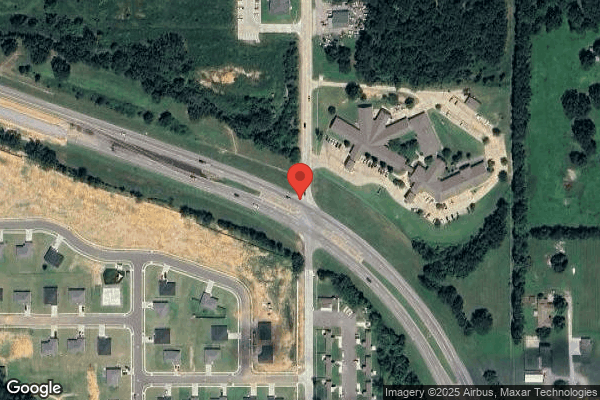
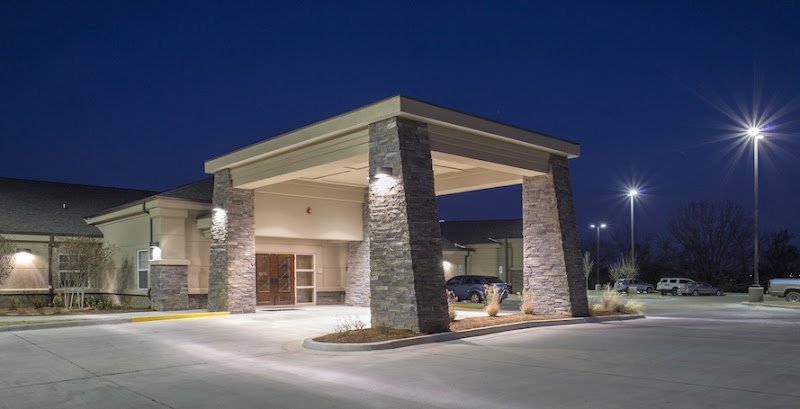
1504 NORTH CEDAR AVENUE, TAHLEQUAH, OK 74464 (918) 456-3456
For profit - Corporation 110 Beds CENTRAL ARKANSAS NURSING CENTERS Data: November 2025
Trust Grade
60/100
#93 of 282 in OK
Last Inspection: February 2024

Within standard 12-15 month inspection cycle. Federal law requires annual inspections.

Overview

Cherokee County Nursing Center has a Trust Grade of C+, indicating it is slightly above average but not without room for improvement. It ranks #93 out of 282 nursing homes in Oklahoma, placing it in the top half of facilities in the state, and #2 out of 3 in Cherokee County, meaning only one local option is better. The facility's performance has remained stable, with 27 concerns noted in recent inspections, but no critical or serious issues that caused harm. Staffing is a strength, receiving a 4 out of 5 stars, with a turnover rate of 44%, which is lower than the state average, indicating that staff tend to stay longer and build relationships with residents. However, there were concerning incidents, such as residents being allowed to self-administer medications without proper safety assessments and a medication error rate of 16%, which exceeds acceptable levels.

Trust Score
C+
60/100
In Oklahoma
#93/282
Top 32%
Safety Record
Low Risk
No red flags
Inspections
Holding Steady
3 → 3 violations
Staff Stability
○ Average
44% turnover. Near Oklahoma's 48% average. Typical for the industry.
Penalties
✓ Good
No fines on record. Clean compliance history, better than most Oklahoma facilities.
Skilled Nurses
⚠ Watch
Each resident gets only 15 minutes of Registered Nurse (RN) attention daily — below average for Oklahoma. Fewer RN minutes means fewer trained eyes watching for problems.
Violations
⚠ Watch
27 deficiencies on record. Higher than average. Multiple issues found across inspections.
★★★☆☆
3.0
Overall Rating
★★★★☆
4.0
Staff Levels
★★★☆☆
3.0
Care Quality
★★★☆☆
3.0
Inspection Score
Stable
2024: 3 issues
2025: 3 issues

The Good

  • 4-Star Staffing Rating · Above-average nurse staffing levels
  • Full Sprinkler Coverage · Fire safety systems throughout facility
  • No fines on record
  • Staff turnover below average (44%)

    4 points below Oklahoma average of 48%

Facility shows strength in staffing levels, fire safety.

The Bad

3-Star Overall Rating

Near Oklahoma average (2.6)

Meets federal standards, typical of most facilities

Staff Turnover: 44%

Near Oklahoma avg (46%)

Typical for the industry

Chain: CENTRAL ARKANSAS NURSING CENTERS

Part of a multi-facility chain

Ask about local staffing decisions and management

The Ugly 27 deficiencies on record

Mar 2025 3 deficiencies
CONCERN (D) 📢 Someone Reported This

A family member, employee, or ombudsman was alarmed enough to file a formal complaint

Potential for Harm - no one hurt, but risky conditions existed

Report Alleged Abuse (Tag F0609)

Could have caused harm · This affected 1 resident

**NOTE- TERMS IN BRACKETS HAVE BEEN EDITED TO PROTECT CONFIDENTIALITY** Based on record review and interview, the facility failed to report an injury of unknown origin to the OSDH for 1 (#6) of 5 samp...

Read full inspector narrative →
**NOTE- TERMS IN BRACKETS HAVE BEEN EDITED TO PROTECT CONFIDENTIALITY** Based on record review and interview, the facility failed to report an injury of unknown origin to the OSDH for 1 (#6) of 5 sampled residents reviewed for abuse. The DON reported 97 residents resided at the facility. Findings: A facility policy titled Abuse, Neglect, Misappropriation and Exploitation Investigation and Reporting Policy, dated 10/18/22, read in part, All facility personnel, including all employees and any physician, the owner and the Administrator, must immediately report all incidents of alleged, witnessed or suspected resident maltreatment, including abuse, sexual abuse, neglect, misappropriation of resident property and exploitation of resident to the Administrator or Administrator's Designee, who will report events as required by State law or regulation. Res #6 had diagnoses which included dementia and down syndrome. On 03/04/25 at 2:09 p.m., the DON stated they had been informed by the administrator of a report by a family member of Res #6 the resident had bruising on their face. They stated they believed they were told of the report on either 08/29/24 or 08/30/24. On 03/05/25 at 8:49. a.m., LPN #3 stated they had conducted an assessment of Res #6 when they had returned to the facility on [DATE]. They stated there was no documentation of bruising in their note that day because they had not observed any bruising. They stated about two days later they had been told by someone of bruises on Res #6. They stated they could not recall who had told them. They stated they then went a looked at the resident and did see a purple colored bruise on the resident's left cheek. They stated the bruise was such that anyone would have noticed it if they saw it. They stated after witnessing the bruise they had not reported what they saw to administration because the felt they already knew, but they did pass it on to the next crew during the next shift change. On 03/05/25 at 9:12 a.m., the DON stated they had not reported the bruising on Res #6 to OSDH or anyone else because they felt the injuries had occurred when the resident was under the care of others. They stated LPN #3 had conducted an assessment of the resident when they had returned from a hospital, but they did not document the assessment. They stated they had not conducted a formal investigation into the origin of the bruises when they had become aware of them. They stated the did ask some staff about it, but did not document those discussions.
CONCERN (D) 📢 Someone Reported This

A family member, employee, or ombudsman was alarmed enough to file a formal complaint

Potential for Harm - no one hurt, but risky conditions existed

Investigate Abuse (Tag F0610)

Could have caused harm · This affected 1 resident

**NOTE- TERMS IN BRACKETS HAVE BEEN EDITED TO PROTECT CONFIDENTIALITY** Based on record review and interview, the facility failed to investigate an injury of unknown origin for 1 (#6) of 5 sampled res...

Read full inspector narrative →
**NOTE- TERMS IN BRACKETS HAVE BEEN EDITED TO PROTECT CONFIDENTIALITY** Based on record review and interview, the facility failed to investigate an injury of unknown origin for 1 (#6) of 5 sampled residents reviewed for abuse. The DON reported 97 residents resided at the facility. Findings: A facility policy titled Abuse, Neglect, Misappropriation and Exploitation Investigation and Reporting Policy, dated 10/18/22, read in part, The Administrator or Administrative Designee will conduct an immediate investigation of all incidents of alleged, witnessed or suspected resident maltreatment, including abuse, sexual abuse, neglect, misappropriation of resident property and exploitation of residents. Res #6 had diagnoses which included dementia and down syndrome. A progress note titled, Nsg [nursing]-admission Summary, dated 08/17/24 at 8:03 p.m., showed Res #6 had been re-admitted to the facility from a hospital stay. The note showed LPN #3 had written the note. The note did not include observations of a bruise on the resident. On 03/04/25 at 2:01 p.m., the DON stated they had been told by the administrator about a family member's report of bruising on Res #6. They stated they were told on either 08/29/24 or 08/30/24, but was unable to be more exact. On 03/04/25 at 2:09 p.m., family member #1 stated they had observed a bruise on Res #6's face during a visit on 08/17/24. They stated they had visited the resident at a hospital on [DATE] and had not seen any bruises then. They stated they informed the administrator via text about the bruising, but could not recall the exact date. On 03/04/25 at 2:45 p.m., the DON stated on the day the facility administrator had informed them of the report of bruising on Res #6 they had asked various staff if they were aware of the bruising. The DON stated they did not write down what they had asked, who they asked, or their responses. They stated they had not interviewed any residents. They stated they had not located any investigative material regarding the bruising on Res #6.
CONCERN (D) 📢 Someone Reported This

A family member, employee, or ombudsman was alarmed enough to file a formal complaint

Potential for Harm - no one hurt, but risky conditions existed

Infection Control (Tag F0880)

Could have caused harm · This affected 1 resident

Based on observation, record review, and interview, the facility failed to ensure infection control practices were followed during resident care for 1 (#9) of 3 sampled residents reviewed for PEG tube...

Read full inspector narrative →
Based on observation, record review, and interview, the facility failed to ensure infection control practices were followed during resident care for 1 (#9) of 3 sampled residents reviewed for PEG tube care. The infection preventionist identified three residents in the facility had PEG tubes. Findings: On 03/04/25 at 9:11 a.m., CMA #4 was observed providing medication administration to Res #9. During the care CMA #4 made contact with multiple items that would be considered dirty without changing their gloves. After entering the resident's room, CMA #4 did the following in order written: a. cleaned their hands in the resident's sink; b. dried their hands with a fabric towel that had been stored in the open air in the resident's room; c. refolded and placed the used towel in a container with other clean towels; d. put on exam gloves; e. put on a protective gown; f. disconnected and removed feeding and water containers from an IV pole; g. pulled down the stained bedding that covered the resident; h. readjusted a stained towel that was on top of the resident and under the bedding; i. disconnected the PEG tubing and rubbed the ends with their fingers as if removing something; j. rummaged through supplies that were next to the resident's sink and found new water and feeding solution bottles; k. filled the feeding solution container; l. filled the water container with water from the resident's sink where they had washed their hands; m. hung the new water and feeding solution containers on an IV pole; n. administered Flonase spray into the resident's nose; o. rummaged through the supplies located next to the resident's sink and removed a syringe from its package; p. connected the syringe to the PEG tube and administered the resident's medication; and q. CMA #4 then removed their gloves and gown then washed their hands. A facilty policy and procedure titled Enteral Feedings, Administration via Gastrostomy, dated 11/22/16, showed the use of hand washing and glove changes were required between steps of the care. Res #9 had diagnoses which included encounter for attention to gastrostomy and fistula of stomach and duodenum. On 03/04/25 at 9:48 a.m., CMA #4 stated they thought they had changed their gloves once during the care. They stated they should have changed their gloves after touching items that would be considered to be dirty. ON 03/04/25 at 10:23 a.m., the DON stated CMA #4 should have changed gloves after touching the dirty items. They stated they should not have used the fabric towel in the room since they were not covered. They stated they felt it was appropriate to use the sink water for the PEG tube water container.
Feb 2024 3 deficiencies
CONCERN (D)

Potential for Harm - no one hurt, but risky conditions existed

Antibiotic Stewardship (Tag F0881)

Could have caused harm · This affected 1 resident

Based on record review and interview, the facility failed to assess a resident for an infection using standardized tools and criteria for the initiation of an antibiotic for one (#58) of five sampled ...

Read full inspector narrative →
Based on record review and interview, the facility failed to assess a resident for an infection using standardized tools and criteria for the initiation of an antibiotic for one (#58) of five sampled residents reviewed for unnecessary medications. The DON identified 99 residents resided in the facility. Findings: An Antibiotic Stewardship Program policy, dated 10/2019, read in parts, .It is the policy .to implement an Antibiotic Stewardship Program .which will promote appropriate use of antibiotics while optimizing the treatment of infections .Facility may consider protocols to address .Improving the evaluation and communication of clinical signs and symptoms when a resident is first suspected if having an infection. McGeer criteria will be utilized . Res #31 had diagnoses which included an urinary tract infection. A physician order, dated 01/19/24, documented amoxicillin-potassium clavulante (an antibiotic) oral tablet 250-125 mg. Give one tablet by mouth three times a day until 01/27/24. There was no documentation the resident was assessed related to their infection and the initiation of an antibiotic. On 02/14/24 at 2:03 p.m., the IP was asked to provide documentation the resident was assessed related to their infection and the initiation of the antibiotic ordered. They stated they used McGeer criteria and an assessment was not completed.
CONCERN (E)

Potential for Harm - no one hurt, but risky conditions existed

Deficiency F0554 (Tag F0554)

Could have caused harm · This affected multiple residents

Based on observation, record review, and interview, the facility failed to ensure residents were safe to self-administer medications for two (#34 and #66) of two sampled residents reviewed for self-ad...

Read full inspector narrative →
Based on observation, record review, and interview, the facility failed to ensure residents were safe to self-administer medications for two (#34 and #66) of two sampled residents reviewed for self-administration of medications. The DON identified 99 residents resided in the facility. Findings: A Self-Administration of Medications policy, revised 11/22/16, read in parts, .A resident may be permitted to administer or retain medication in his/her room under the following conditions .Assessment .Order is obtained from the resident's physician . 1. Res #34 had diagnoses which included pain, type 2 diabetes mellitus, insomnia, HTN, CHF, depression, hyperlipidemia, and GERD. A quarterly resident assessment, dated 11/21/23, documented the resident's cognition was intact. On 02/23/24 at 8:34 a.m., the resident was observed with two white pills and one yellow pill in a clear pill cup on their over the bed table. The resident was asked about the pills in the cup on their over the bed table. The resident stated they guessed they did not take all of their pills and picked up the pill cup and was observed swallowing them. There was no documentation the resident was assessed or an order obtained from the resident's physician to self-administer medications. 2. Res #66 had diagnoses which included allergic rhinitis and SOB. A quarterly resident assessment, dated 12/23/23, documented the resident's cognition was intact. A physician order, dated 02/12/24, documented albuterol sulfate (broncodilator) inhalation nebulizer solution 0.63 mg/3 ml. One vial inhale orally via nebulizer every six hours as needed. On 02/13/24 at 11:47 a.m., the resident was observed in their bed holding a hand held nebulizer in their mouth receiving a breathing treatment. There was no staff present in the resident's room or at their door. On 02/13/24 at 11:57 a.m., CNA #2 entered the resident's room. They asked the resident if they were finished with their breathing treatment and turned off their nebulizer machine. There was no documentation the resident was assessed or an order obtained from the resident's physician to self-administer the broncodilator. On 02/13/24 at 12:05 p.m., CMA #2 was asked if there were any residents who self-administered their medications. They stated, No, not really. They stated they watched all of the residents take their medications. They were made aware Res #34 was observed with three pills in a pill cup in their room. They stated they did not know they did not swallow all of their medication. They were asked if they were supposed to remain with the resident while a breathing treatment was administered. They stated they should. They were made aware Res #66 was observed receiving a breathing treatment without staff present. They stated they did not stay with the resident. On 02/13/24 at 12:09 p.m., the DON was asked what was the protocol for administering medications. They stated staff were to watch the residents swallow their medications. They stated all of the residents who received breathing treatments had face masks. They stated staff were able to leave and come back. They were asked if there were any residents who self-administered their medications. They stated there were not. They were made aware Res #34 and Res #66 were observed self-administering medications. On 02/13/24 at 2:02 p.m., the DON stated Res #34 and Res #66 should have been assessed and there should have been a physician order to self-administer medications.
CONCERN (E)

Potential for Harm - no one hurt, but risky conditions existed

Unnecessary Medications (Tag F0759)

Could have caused harm · This affected multiple residents

Based on observation, record review, and interview, the facility failed to ensure the medication error rate was less than 5% for two (#27 and #75) of four sampled residents observed during medication ...

Read full inspector narrative →
Based on observation, record review, and interview, the facility failed to ensure the medication error rate was less than 5% for two (#27 and #75) of four sampled residents observed during medication pass. A total of 25 opportunities were observed with four errors. Total error rate was 16%. The DON identified 99 residents resided in the facility. Findings: A Medications, Errors procedure, dated 11/22/16, read in parts, .A medication error is a discrepancy between what the physician orders are and what is administered. Medication errors include .wrong dose .Any medication error must immediately be reported to the resident's attending physician, Charge Nurse, or DON . 1. Res #27's physician orders, dated 02/13/24, documented to administer calcium carbonate-vit-D oral tablet 600-800 mg unit (calcium carbonate-vitamin D with minerals) for a diagnosis of iron deficiency anemia. CMA #1 administered one tablet of calcium carbonate 600 mg without vitamin D to Res #27; administer 250 mg tablet of magnesium by mouth one time daily. CMA #1 administered one 400 mg tablet of magnesium oxide to Res #27; administer one tablet of Vitamin D3 125 mcg (5,000(IU) give one tablet by mouth one time a day related to Vitamin D deficiency. CMA #1 administered one tablet of vitamin D3 25 mcg (1,000 IU) to Res #27. On 02/13/24 at 09:35 a.m., CMA #1 reported they administered one tablet of each of the physician ordered medications listed above to Res #27. On 02/13/24 at 10:50 a.m., the DON obtained the calcium carbonate, magnesium oxide, and Vitamin D3 from the medication cart and stated they did not match Res #27's physician orders. 2. Res #75's physician orders, dated 02/13/24, documented to administer Allegra Allergy Children's oral tablet disintegrating 30 mg (Fexofenadine HCL) give 2 tablets by mouth one time a day related to allergic rhinitis. CMA #1 administered one 10 mg allergy pill (Loratadine) to Res #75. On 02/13/24 at 9:35 a.m., CMA #1 stated they administered one allergy pill to Res #75 and it was not the children's tablets. On 02/13/24 at 10:45 a.m., the DON obtained the allergy medication off of the medication cart and stated the allergy pill was 10 mg and did not match Res #75's physician orders.
Feb 2023 16 deficiencies
CONCERN (D)

Potential for Harm - no one hurt, but risky conditions existed

Deficiency F0582 (Tag F0582)

Could have caused harm · This affected 1 resident

Based on record review and interview, the facility failed to ensure an ABN notice was provided to a resident who was discharged from skilled services, had benefit days remaining, and remained in the f...

Read full inspector narrative →
Based on record review and interview, the facility failed to ensure an ABN notice was provided to a resident who was discharged from skilled services, had benefit days remaining, and remained in the facility, for one (#35) of three residents reviewed for beneficiary notices. The Resident Census and Conditions of Residents form documented 17 resident residing in the facility were receiving skilled services. Findings: An admission/Medicare 5 day assessment, dated 10/29/22, documented Res #35 was severely impaired in cognition, required extensive assistance with most ADLs, and did not walk. An end of PPS Part A Stay assessment, dated 01/03/23, documented Res #35 was discharged from skilled services. On 02/07/23 at 1:02 p.m., MDS coordinator #1 reported she had not provided Res #35 an ABN notice when she was discharged from skilled services and remained in the facility. She stated she should have provided one.
CONCERN (D)

Potential for Harm - no one hurt, but risky conditions existed

Deficiency F0637 (Tag F0637)

Could have caused harm · This affected 1 resident

Based on record review and interview, the facility failed to ensure comprehensive MDS assessments were completed by the 14th calendar day after a determination of significant change was made for two (...

Read full inspector narrative →
Based on record review and interview, the facility failed to ensure comprehensive MDS assessments were completed by the 14th calendar day after a determination of significant change was made for two (#14 and #99) of 24 residents whose MDS assessments were reviewed. The Resident Census and Conditions of Residents form documented 99 residents resided in the facility. Findings: 1. Res #14 had a significant change assessment with an ARD of 01/11/23. A final validation report documented the assessment was completed late with a signature date of 01/27/23. 2. Res #99 had a significant change assessment with an ARD of 01/15/23. A final validation report documented the assessment was completed late with a signature date of 01/30/23. On 02/08/23 at 3:05 p.m., MDS coordinator #2 stated significant change MDS assessments should be completed 14 days after the ARD. He stated timely MDS completion had been an issue. He provided a QA sheet that documented all MDS assessments were up to date as of 01/20/23. On 02/08/23 at 5:31 p.m., MDS coordinator #1 stated she was under the impression all MDS assessments were caught up as of 01/20/23. She stated she was not aware of the additional late completed MDS assessments. She stated she was told by MDS coordinator #2 the MDS assessments were up to date and stated the facility did not conduct any ongoing monitoring to ensure assessments were kept up to date. She stated there was no system in place to ensure MDS assessments were going to continue to be completed on time.
CONCERN (D)

Potential for Harm - no one hurt, but risky conditions existed

Deficiency F0657 (Tag F0657)

Could have caused harm · This affected 1 resident

**NOTE- TERMS IN BRACKETS HAVE BEEN EDITED TO PROTECT CONFIDENTIALITY** Based on record review and interview, it was determined the facility failed to revise care plans for one (#70) of 24 sampled res...

Read full inspector narrative →
**NOTE- TERMS IN BRACKETS HAVE BEEN EDITED TO PROTECT CONFIDENTIALITY** Based on record review and interview, it was determined the facility failed to revise care plans for one (#70) of 24 sampled residents whose care plans were reviewed. The Resident Census and Conditions of Residents form, dated 02/06/23, documented 99 residents resided in the facility. Findings: Res #70 was admitted to the facility on [DATE] and had diagnoses which included chronic kidney disease, hyperglyceridemia, diabetes mellitus, and hypertension. A care plan, dated 08/14/19, related to pressure ulcer prevention and care, documented cares for pressure ulcer prevention. The care plan had not been updated with the resident's current status. Res #70's care plan was reviewed and revealed the most current revision and update was documented on 05/14/21. A significant change assessment, dated 10/18/22, documented the resident's cognition was intact, required extensive assistance with most ADLs, and had one stage II pressure ulcer. A physician order, dated 10/18/22, documented the facility was to cleanse the left buttock wound, pat dry, apply MediHoney to opening, and cover on Mondays, Wednesdays, and Fridays. A physician order, dated 11/03/22, documented the facility was to cleanse the left heel, pat dry, apply providone, cover, and place a dressing on Mondays, Wednesdays, and Fridays. A quarterly assessment, dated 01/01/23, documented the resident's cognition was intact, required extensive assistance with most ADLs, and had one unstageable pressure ulcer. On 02/08/23 at 3:15 p.m., MDS Coordinator #2 stated they had been working the floor a lot and had been behind with updating the care plans. MDS Coordinator #2 stated they were in the process of bringing all care plans up to date.
CONCERN (D)

Potential for Harm - no one hurt, but risky conditions existed

Deficiency F0728 (Tag F0728)

Could have caused harm · This affected 1 resident

Based on record review and interview, the facility failed to ensure nurse aides were certified within four months of hire. The BOM identified 12 nurse aides which were employed at the facility. Findin...

Read full inspector narrative →
Based on record review and interview, the facility failed to ensure nurse aides were certified within four months of hire. The BOM identified 12 nurse aides which were employed at the facility. Findings: On 02/09/23 at 2:41 p.m., the IP stated NA #1 had been employed for seven months. She stated NA #1 had not finished her CNA class. She stated NAs had four months from hire to complete certification and NA #1 should not be working. On 02/09/23 at 4:45 p.m., the IP stated NA #1 had been removed from the schedule until certified.
CONCERN (D)

Potential for Harm - no one hurt, but risky conditions existed

Deficiency F0757 (Tag F0757)

Could have caused harm · This affected 1 resident

Based on record review and interview, the facility failed to ensure medications were adequately monitored for one (#38) of five residents reviewed for unnecessary medications. The facility failed to o...

Read full inspector narrative →
Based on record review and interview, the facility failed to ensure medications were adequately monitored for one (#38) of five residents reviewed for unnecessary medications. The facility failed to obtain PT/INR labs for a resident who received warfarin. The Resident Census and Conditions of Residents form documented 99 residents resided in the facility. Findings: Res #38 had diagnoses which included atherosclerotic heart disease. A care plan, dated 12/13/22, documented Res #38 received the anticoagulant warfarin and the facility was to obtain labs as ordered and report abnormal labs to the physician. A significant change assessment, dated 12/18/22, documented Res #38 was severely impaired in daily decision making and required extensive assistance with ADLs. The assessment documented Res #38 received an anticoagulant for six days of the seven day assessment period. A physician order, dated 12/23/22, documented the facility was to administer warfarin (an anticoagulant medication) 5 mg daily in the evening for a diagnosis of atherosclerotic heart disease. Res #38 EHR was reviewed and revealed a PT/INR had not been drawn by the facility to evaluate the resident's blood clotting ability since 11/07/22. The EHR documented a hospital had drawn a PT/INR on 12/11/22 and 12/12/22. The EHR did not reveal a current order to draw a PT/INR lab studies. On 02/08/23 at 12:48 p.m., during an interview with the DON and ADON, the ADON stated the admitting nurse who readmitted the resident after the December 2022 hospitalization had not put an order for a PT/INR lab in the residents orders. The ADON stated the nurse should have contacted the resident's physician for an order when the resident was readmitted .
CONCERN (D)

Potential for Harm - no one hurt, but risky conditions existed

Laboratory Services (Tag F0770)

Could have caused harm · This affected 1 resident

**NOTE- TERMS IN BRACKETS HAVE BEEN EDITED TO PROTECT CONFIDENTIALITY** Based on record review and interview, the facility failed to ensure physician ordered laboratory tests were obtained for one (#1...

Read full inspector narrative →
**NOTE- TERMS IN BRACKETS HAVE BEEN EDITED TO PROTECT CONFIDENTIALITY** Based on record review and interview, the facility failed to ensure physician ordered laboratory tests were obtained for one (#12) of five residents reviewed for unnecessary medications. The Resident Census and Conditions of Residents documented 99 residents resided in the facility. Findings: Res #12 had diagnoses which included diabetes. A physician order, dated 10/12/21, documented to collect an A1c every three months in February, May, August, and November. A quarterly MDS, dated [DATE], documented the resident was cognitively intact and required supervision to extensive assistance with ADLs. On 02/08/23 at 10:40 a.m., the ADON stated she has looked for the lab result for the November 2022 A1c and could not locate it.
CONCERN (D)

Potential for Harm - no one hurt, but risky conditions existed

Medical Records (Tag F0842)

Could have caused harm · This affected 1 resident

**NOTE- TERMS IN BRACKETS HAVE BEEN EDITED TO PROTECT CONFIDENTIALITY** Based on record review, observation, and interview, the facility failed to ensure resident records were accurately documented fo...

Read full inspector narrative →
**NOTE- TERMS IN BRACKETS HAVE BEEN EDITED TO PROTECT CONFIDENTIALITY** Based on record review, observation, and interview, the facility failed to ensure resident records were accurately documented for one (#38) of 24 residents whose records were reviewed. The facility EHR contained documentation of cares and services provided when the resident was not present in the facility. The Resident Census and Conditions of Residents form documented 99 residents resided in the facility. Findings: 1. Res #38 had diagnoses which included dementia severe with agitation and Alzheimer's disease. A quarterly assessment, dated 10/20/22, documented Res #38 was severely impaired in daily decision making, had behaviors, and was independent to requiring extensive assistance with ADLs. A review of the residents EHR revealed the resident was admitted to the hospital from [DATE] through 12/12/22. The residents EHR progress notes revealed multiple entries during this time period including notes which documented refused shower x 3, Yelling/Screaming, dosent [sic]want to be told what to do, Repeats Movement, gets up and down continiousley [sic], Pinching/Scratching/Spitting, dosent [sic] want to be bothered, and Wandering, walking around on unit, during the time period the resident was documented as in the hospital. On 02/08/23 at 12:48 p.m., during an interview with the DON and ADON, the ADON stated the documentation by staff members which indicated the resident was in the facility should have not been completed this way. She stated she did not know why this was done.
CONCERN (E)

Potential for Harm - no one hurt, but risky conditions existed

Deficiency F0578 (Tag F0578)

Could have caused harm · This affected multiple residents

**NOTE- TERMS IN BRACKETS HAVE BEEN EDITED TO PROTECT CONFIDENTIALITY** 5. Res #48 had diagnoses which included aphasia, atrial fibrillation, congestive heart failure, and hypertension. A facility fo...

Read full inspector narrative →
**NOTE- TERMS IN BRACKETS HAVE BEEN EDITED TO PROTECT CONFIDENTIALITY** 5. Res #48 had diagnoses which included aphasia, atrial fibrillation, congestive heart failure, and hypertension. A facility form, titled DNR/CPR INSTRUCTIONS dated [DATE], documented Res #48 did not want CPR in the event of cardiopulmonary arrest. The form was signed by a family member. A physician order, dated [DATE], documented Res #48's code status as do not resuscitate. A quarterly MDS, dated [DATE], documented the resident was severely cognitively impaired and required limited assistance with ADLs. A care plan, reviewed [DATE], documented Res #48's code status as do not resuscitate and documented a signed DNR consent form was scanned into the chart. On [DATE] at 12:15 p.m., the admissions coordinator stated Res #48 did not have a power of attorney, healthcare proxy, or guardianship. On [DATE] at 9:25 a.m., the BOM stated the DNR/CPR INSTRUCTIONS form was the only one for resident. She stated there was not an Oklahoma DNR form for the resident. On [DATE] at 4:08 p.m., the DON stated was not aware Res #48 did not have a legal DNR on file. 6. Res #71 had diagnoses which included dementia with behavioral disturbance, hypertension, atherosclerotic heart disease, seizures, and diabetes. An Oklahoma DNR Consent Form, dated [DATE], was signed by a resident's family member. The representative signature line for the DNR form read in part, Signature of Representative (Limited to an attorney-in-fact for health care decisions acting under the Durable Power of Attorney Act, a health care proxy acting under the Oklahoma Rights for the Terminally Ill or Persistently Unconscious act or a guardian of the person appointed under the Oklahoma Guardianship and Conservatorship Act.) A physician order, dated [DATE], documented Res #71's code status as do not resuscitate. A quarterly MDS, dated [DATE], documented the resident was severely cognitively impaired, had behaviors, and required extensive to total assistance with ADLs. A care plan, reviewed [DATE], documented Res #48's code status as do not resuscitate and documented a signed DNR consent form was scanned into the chart. On [DATE] at 12:15 p.m., the admissions coordinator stated Res #71 did not have a power of attorney, healthcare proxy, or guardianship. She stated the facility lawyer told them any family member could sign for a DNR on a resident. On [DATE] at 1:55 p.m., the admission clerk stated it was her understanding if a resident was unable to make a decision regarding DNR status, a family member could make the decision for the resident to be a DNR. On [DATE] at 3:58 p.m., the ADON and DON were present. The ADON stated according to the facility policy they did what they were supposed to. She stated we have talked to the attorney and there was a way for the family to be able to sign the DNR. On [DATE] at 4:08 p.m., the DON stated she was not aware the resident did not have a legal DNR on file. On [DATE] at 4:09 p.m., the ADON and DON provided a document sent to them from the facility attorney, dated 2019, which documented a family member could sign an advanced directive, including a DNR, if the resident did not have a POA for health care, proxy, or guardian. They stated they were unaware the law in Oklahoma had changed on [DATE] which documented only a POA for health care prior to [DATE], a health care proxy, or a legal guardian, could sign an advanced directives. 3. Res #50 had diagnoses which included diabetes mellitus, seizures, muscle wasting and atrophy. An Oklahoma DNR form, dated [DATE], was signed by the resident's family member who was not the resident's POA. A physician order, dated [DATE], documented the resident's status was DNR. An admission assessment, dated [DATE], documented the resident was severely impaired with cognition and required extensive to total assistance with ADLs. On [DATE] at 12:15 p.m., the admission clerk confirmed the resident did not have a POA for healthcare. 4. Res #57 had diagnoses which included CHF, dementia, and hemiplegia and hemiparesis following cerebral infarction affecting left non-dominant side. A Oklahoma DNR form, dated [DATE], was signed by the resident's family member whom did not have POA for the resident. A physician order, dated [DATE], documented the resident's status was DNR. A significant change assessment, dated [DATE], documented the resident was intact with cognition and required extensive to total assistance with most ADLs. A quarterly assessment, dated [DATE], documented the resident was severely impaired with cognition and required extensive to total care with most ADLs. On [DATE] at 12:15 p.m., the admission clerk confirmed this resident did not have a POA for healthcare. Based on record review and interview, the facility failed to ensure advanced directives, including DNRs, were signed by an individual with the authority to do so for six (#36, 38, 48, 50, 57, and #71) of 33 residents whose records were reviewed for advanced directives. The Resident Census and Conditions of Residents form documented 66 residents in the facility had an advanced directives and/or DNR. Findings: 1. Resident #36 had diagnoses which included diabetes, dementia, and weakness. An admission assessment, dated [DATE], documented the resident was moderately impaired in cognition and required limited assistance with most ADLs. An Oklahoma DNR form was present in Res #36's EHR and documented a signature different from the resident. On [DATE] at 1:00 p.m., the admissions clerk stated Res #36 did not have a health care proxy or POA for health care. 2. Res #38 had diagnoses which included Alzheimer's disease, dementia - severe with agitation, and major depressive disorder. A significant change assessment, dated [DATE], documented the resident was severely impaired in daily decision making, had behaviors, and required extensive assistance with ADLs. An Oklahoma DNR form, dated [DATE], was present in Res #38's EHR and documented a signature different from the resident. On [DATE] at 1:00 p.m., the admissions clerk stated Res #38 did not have a health care proxy or POA for health care. She stated the facility lawyer told them any family member could sign for a DNR on a resident. On [DATE] at 12:48 p.m., during an interview with the DON and ADON, they confirmed the DNR form documented only a POA for health care, a health care proxy, or a legal guardian, were documented on the form as who could sign as a resident's representative.
CONCERN (E)

Potential for Harm - no one hurt, but risky conditions existed

Deficiency F0638 (Tag F0638)

Could have caused harm · This affected multiple residents

Based on record review and interview, the facility failed to ensure quarterly MDS assessments were completed no later than 14 days after the assessment reference date for seven, (#5, 31, 35, 36, 53, 7...

Read full inspector narrative →
Based on record review and interview, the facility failed to ensure quarterly MDS assessments were completed no later than 14 days after the assessment reference date for seven, (#5, 31, 35, 36, 53, 70, and #92) of 24 residents whose MDS assessments were reviewed. The Resident Census and Condition of Residents form documented 99 residents resided in the facility. Findings: 1. A final validation report documented Res #5 had a quarterly MDS with an ARD of 01/10/23. The assessment was documented as being completed late with a signature date of 01/25/23. 2. A final validation report documented Res #31 had a quarterly MDS with an ARD of 01/11/23. The assessment was documented as being completed late with a signature date of 01/26/23. 3. A final validation report documented Res #35 had a quarterly MDS with an ARD of 01/23/23. The assessment was documented as being completed late with a signature date of 02/07/23. 4. Res #36 had a quarterly MDS with an ARD of 01/26/23. As of 02/09/23 the MDS assessment was documented as In Progress. 5. A final validation report documented Res #53 had a quarterly MDS with an ARD of 01/12/23. The assessment was documented as being completed late with a signature date of 01/29/23. 6. A final validation report documented Res #70 had a quarterly MDS with an ARD of 01/11/23. The assessment was documented as being completed late with a signature date of 01/27/23. 7. A final validation report documented Res #92 had a quarterly MDS with an ARD of 01/12/23. The assessment was documented as being completed late with a signature date of 01/29/23. On 02/08/23 at 3:05 p.m., MDS coordinator #2 stated quarterly MDS assessments should be completed 14 days after the ARD. He stated timely MDS completion had been an issue. He provided a QA sheet that documented all MDS assessments were up to date as of 01/20/23. On 02/08/23 at 5:31 p.m., MDS coordinator #1 stated she was under the impression all MDS assessments were caught up as of 01/20/23. She stated she was not aware of the additional late completed MDS assessments. She stated she was told by MDS coordinator #2 the MDS assessments were up to date and stated the facility did not conduct any ongoing monitoring to ensure assessments were kept up to date. She stated there was no system in place to ensure MDS assessments were going to continue to be completed on time.
CONCERN (E)

Potential for Harm - no one hurt, but risky conditions existed

Assessment Accuracy (Tag F0641)

Could have caused harm · This affected multiple residents

**NOTE- TERMS IN BRACKETS HAVE BEEN EDITED TO PROTECT CONFIDENTIALITY** 2. Res #12 had diagnoses which included Alzheimer's disease, and unspecified dementia without behavioral disturbance. A quarter...

Read full inspector narrative →
**NOTE- TERMS IN BRACKETS HAVE BEEN EDITED TO PROTECT CONFIDENTIALITY** 2. Res #12 had diagnoses which included Alzheimer's disease, and unspecified dementia without behavioral disturbance. A quarterly MDS, dated [DATE], documented the resident was cognitively intact, had hallucinations, and delusions. On 02/07/23 at 3:24 p.m., LPN #1 was asked if Res #12 had any hallucinations or delusions. She stated Res #12 had not had hallucinations or delusions in the year she has cared for her. On 02/07/23 at 3:32 p.m., MDS coordinator #2 stated the coding of the MDS must have been a mistake since he was unaware of any hallucinations or delusions for Res #12. 3. Res #57 had diagnoses which included CHF, atrial fibrillation, dementia, schizoaffective disorder bipolar type, and malignant neoplasm of breast. A physician order, dated 07/13/22, documented to admit Res #57 to hospice related to atrial fibrillation. A significant change MDS assessment, dated 07/19/22, documented Res #57 was not considered by the state level II PASRR process to have serious mental illness and/or intellectual disability or a related condition. The MDS documented Res #57 did not have a condition or chronic disease that may result in a life expectancy of less than 6 months. A quarterly MDS assessment, dated 01/04/23, documented Res #57 did not have a condition or chronic disease that may result in a life expectancy of less than six months. On 02/08/23 at 2:56 p.m., MDS coordinator #2 stated Res #57 had a PASRR level II. He stated it was coded in error. On 02/08/23 at 2:59 p.m., MDS coordinator #2 stated he was instructed not to code the resident as having a prognosis of less than six months unless explicit documentation was provided of the prognosis. He stated he did have access to the hospice chart and was aware of the requirements to place a resident on hospice. He stated he was unsure when or from whom he received the instruction from. He stated he agreed that if a resident was on hospice it constituted a physician statement of prognosis and would issue a correction on the MDS assessments. Based on record review, observation, and interview, the facility failed to ensure resident assessments accurately reflected residents' current status for three (#12, 57, and #60) of 24 residents whose assessments were reviewed. The facility failed to accurately code for: a. dialysis for Res #60. b. hallucinations and delusions for Res #12. c. PASRR Level II for Res #57. d. prognosis for Res #57. The Resident Census and Conditions of Residents form documented 99 residents resided in the facility. Findings: 1. Res #60 had diagnoses which included diabetes, chronic kidney disease, and atherosclerosis of the renal artery. A care plan, initiated on 03/11/21, documented the resident received hemodialysis on Mondays, Wednesdays, and Fridays. A physician order, dated 05/22/22, documented to apply a thin layer of lidocream to the left forearm 45 minutes before dialysis. An annual assessment, dated 09/13/22, documented Res #60 was receiving dialysis. A quarterly assessment, dated 12/06/22, documented Res #60 was not receiving dialysis. On 02/08/23 at 9:03 a.m., Res #60 was observed lying on her bed in her room. She stated she received dialysis on Mondays, Wednesdays, and Fridays. On 02/09/23 at 1:59 p.m., MDS coordinator #2 stated the quarterly coding for dialysis was an error as the resident had been on dialysis for a long time.
CONCERN (E)

Potential for Harm - no one hurt, but risky conditions existed

Quality of Care (Tag F0684)

Could have caused harm · This affected multiple residents

Based on record review, observation, and interview, the facility failed to provide needed care and services in accordance with professional standards of practice for two (#36 and #87) of four resident...

Read full inspector narrative →
Based on record review, observation, and interview, the facility failed to provide needed care and services in accordance with professional standards of practice for two (#36 and #87) of four residents reviewed for skin issues. The facility failed to: a. assess and monitor skin issues for Res #36. b. accurately measure wounds for Res #87. The Resident Census and Conditions of Residents form documented 99 residents resided in the facility. Findings: 1. A Pressure Injury, Prevention and Management policy revised 11/22/16, read in part .6. The treatment nurse will assess all pressure injuries weekly. Assessment will include measurement of length, width and depth, drainage (type, amount and odor), description of wound bed and peri wound areas . Res #87 had diagnoses which included peripheral vascular disease, surgical aftercare following surgery on the circulatory system, and diabetes mellitus. A physician order, dated 01/12/23, documented to cleanse left front toes with wound cleanse, pat dry, apply iodine, cover with 4x4s, and wrap with roll gauze. An admission assessment, dated 01/14/23, documented the resident was moderately impaired with cognition and required extensive assistance with most ADLs and had an infection of the foot. A nursing wound note, dated 01/24/23, documented the patient continued with dry gangrene to great hallux 1st and 3rd digits with eschar on tips of toes, stable, hard, and no openings. A care plan, dated 02/01/23, documented Res #87 had PVD and to encourage the resident to elevate her legs. The care plan documented the resident had diabetes mellitus and to inspect feet daily for open areas, sores, pressure areas, blisters, edema, or redness. The care plan documented Res #87 had chronic pain related to neuropathy and PVD with ischemic left toes. The care plan documented Res #87 had been admitted with ischemic ulcers on some of her toes of her left foot and had the potential for other areas to develop. The care plan documented the facility was to document measurements including a measurement of each area of skin breakdown's width, length, depth, type of tissue, and exudate, and any other notable changes or observations. On 02/06/23 at 12:22 p.m., Res #87 stated she was not sure if she had a pressure ulcer or a diabetic ulcer but she had them when she came into the facility. At that time, the resident's left foot was observed to be wrapped and the bandage was dated 02/06/23. A skin assessment, dated 02/07/23, documented dry gangrene to left toes measuring length 2.0 cm, width 4.0 cm, and no depth. On 02/09/23 at 9:10 a.m., Res #87 was observed in the bed with her left leg on a pillow, her foot was hanging off the pillow not touching the bed. The foot was wrapped and dated. Wound care was observed at that time. The resident was observed to have dark eschar present on the top and under the great toe, on the top of the 2nd digit, and the top of the 4th digit. On 02/09/23 at 12:31 p.m., the DON stated the wound care nurse was under the impression if there was less than one inch of intact tissue it should be measured as one wound. She stated however standards of care would dictate that each toe should have been measured as a separate wound. 2. Res #36 had diagnoses which included diabetes, protein calorie malnutrition, and chronic embolism and thrombosis of unspecified vein. An admission assessment, dated 10/31/22, documented Res #36 was moderately impaired in cognition and required limited assistance with most ADLs. A care plan, dated 11/04/22, documented Res #36 goal was to have intact skin, free of redness, blisters, or discoloration, through the review date. On 02/02/23 at 11:51 a.m., Res #36 was observed lying on his bed. The resident's lower legs were visible below his pant's legs and dry, red, scaly patches were observed. The resident stated his legs itched when he bathed. A skin assessment, dated 02/07/23, documented the resident had no skin issues and was receiving moisturizer and skin protectant. On 02/09/23 at 11:26 a.m., the DON and ADON observed Res #36's legs and confirmed his legs were extremely dry and could have cracked open if not addressed. The DON stated she would check with the wound care nurse to see if there was anything ordered. On 02/09/23 at 2:30 p.m., the ADON stated the wound nurse assessed the resident's legs and would contact the PCP for a treatment.
CONCERN (E)

Potential for Harm - no one hurt, but risky conditions existed

Deficiency F0698 (Tag F0698)

Could have caused harm · This affected multiple residents

Based on record review, observation, and interview, the facility failed to ensure a resident received post dialysis assessments when the resident returned from dialysis for one (#60) of one resident r...

Read full inspector narrative →
Based on record review, observation, and interview, the facility failed to ensure a resident received post dialysis assessments when the resident returned from dialysis for one (#60) of one resident reviewed for dialysis. The Resident Census and Conditions of Residents form documented one resident residing in the facility received dialysis. Findings: Res #60 had diagnoses which included diabetes, chronic kidney disease, and atherosclerosis of the renal artery. A care plan, initiated on 03/11/21, documented Res #60 received dialysis on Mondays, Wednesdays, and Fridays. The care plan documented the staff were to assess the resident's shunt every shift and to monitor for signs of bleeding or hemorrhage. An annual assessment, dated 09/13/22, documented the resident was intact in cognition, required extensive to total assistance with most ADLs, and received dialysis treatments. On 02/08/23 at 9:03 a.m., Res #60 was observed lying in her bed. She stated she received her medications before she was taken to dialysis and the staff provided her a lunch. She stated she took a form to the dialysis unit and brought it back to the facility when she returned. On 02/09/23 at 2:50 p.m., the IP reported the post dialysis assessment of the resident had not been documented since March of 2022 when the order fell off and was not noticed. The IP stated the order was put back in today when the surveyor asked about post dialysis assessments.
CONCERN (E)

Potential for Harm - no one hurt, but risky conditions existed

Deficiency F0700 (Tag F0700)

Could have caused harm · This affected multiple residents

**NOTE- TERMS IN BRACKETS HAVE BEEN EDITED TO PROTECT CONFIDENTIALITY** 7. Res #13 had diagnoses which included vascular dementia and a history of transient ischemic attack and cerebral infarction. A...

Read full inspector narrative →
**NOTE- TERMS IN BRACKETS HAVE BEEN EDITED TO PROTECT CONFIDENTIALITY** 7. Res #13 had diagnoses which included vascular dementia and a history of transient ischemic attack and cerebral infarction. A quarterly assessment, dated 12/28/22, documented the resident's cognition was moderately impaired, required extensive assistance with bed mobility and transfer and did not walk. On 02/06/23 at 11:10 a.m., an observation was made of the resident's bed. Bed rails were observed secured to each side of the resident's bed. The EHR was reviewed and revealed no documentation related to a bed rail assessment or an informed consent for bed rails. 8. Res #30's annual assessment, dated 09/23/22, documented the resident's cognition was intact and was independent with bed mobility, transfer, toileting, and ambulation. On 02/06/23 at 11:20 a.m., and observation was made of the resident's bed. Bed rails were observed secured to each side of the resident's bed. On 02/07/23 at 1:41 p.m., the ADON stated the facility did not do bed rail assessments. She stated the manufacturer of the beds told them the beds they purchased for residents had positioning rails, not bed rails. She stated she could not say how long the facility had not been doing the assessments. 5. Res #71 had diagnoses which included dementia with behavioral disturbance, osteoarthritis, and seizures. A quarterly MDS, dated [DATE], documented Res #71 was severely cognitively impaired and required extensive to total assistance with ADLs. A care plan, reviewed 01/24/23, documented Res #71 may use positioning rails as needed. A bed rail assessment, dated 02/07/23 documented positioning rails removed resident unable to utilize at this time. On 02/09/23 at 8:45 a.m., Res #71 was observed in bed with quarter rails raised on the head of the bed. 6. Res #93 had diagnoses which included hemiplegia and hemiparesis following cerebral infarction affecting right dominant side and epilepsy. An annual MDS, dated [DATE], documented the resident was moderately cognitively impaired, required limited to extensive assistance with ADLs, and did not use bed rails. On 02/09/23 at 10:24 a.m., Res #93 was observed with bilateral bed rails up at the head of the bed. There was no assessment for bed rail use documented in Res #93's chart. Based on record review, observation, and interview, the facility failed to ensure residents were assessed for the need of bed rails and informed consent was obtained prior to the use of quarter bed rails for eight (#13, 30, 36, 38, 57, 71, 92, and #93) of eight resident reviewed for accident hazards. The Resident Census and Conditions of Residents form documented 99 residents who lived in the facility. Findings: 1. Res #57 had diagnoses which included dementia and schizoaffective disorder bipolar type. A physician order, dated 06/21/22, documented may use positioning rails. A quarterly assessment, dated 01/04/23, documented the resident was severely impaired with cognition and required extensive to total assistance with ADLs. A care plan, last reviewed 01/27/23, documented may use positioning rails as needed. The care plan documented Res #57 had left sided weakness and required extensive assistance with bed mobility, locomotion, dressing, toileting, and personal hygiene. The EHR for Res #57 did not contain a bed rail assessment or consent for bed rails. On 02/06/23 at 1:11 p.m., Res #57 was observed lying on an air bolster mattress with quarter rails in the up position at the head of the bed. The bed was off the ground in a high position. The resident was moving her right leg off the bed stating she wanted out of the airplane. On 02/09/23 at 8:43 a.m., Res #57 was observed in bed with eyes closed on an air mattress, quarter bed rails were observed in the up position at the head of the bed, and the head of bed was raised. 2. Res #36 had diagnoses which included dementia, muscle wasting and atrophy, weakness, and lack of coordination. An admission/Medicare assessment, dated 10/31/22, documented Res #36 was moderately impaired in cognition and required limited assistance with ADLs. A care plan, dated 11/04/22, documented the resident had a self care performance deficit related to confusion, dementia, and limited mobility and required limited assistance with bed mobility. The care plan documented the resident may use positioning rails as needed for repositioning. On 02/06/23 at 1:53 p.m., Res #36 was observed lying on his bed in his room. Quarter bed rails were observed in the up position on both sides at the head of the bed. A review of Res #36's EHR did not reveal an assessment or consent for the use of bed rails. 3. Res #38 had diagnoses which including Alzheimer's disease, dementia severe with agitation, and anxiety disorder. A significant change assessment, dated 12/18/22, documented Res #38 was severely impaired in daily decision making, had behaviors, and required extensive assistance with ADLs. The assessment documented the resident had fallen. On 02/07/23 at 9:38 a.m., Res #38 was observed sitting in a Broda chair with a fall alarm in place. He was unable to be interviewed. On 02/09/23 at 8:37 a.m., Res #38 was observed sitting in a Broda chair and was observed to attempt to stand up several times. On 02/09/23 at 8:43 a.m., Res #38's bed was observed to have quarter bed rails up on both sides of the head of the bed. Res #38 EHR documentation did not reveal an informed consent, assessment, or physician order for the use of bed rails. 4. Res #92 had diagnoses which included cerebral infarction and anxiety disorder. A quarterly assessment, dated 01/12/23, documented Res #92 was severely impaired in daily decision making and was independent to requiring supervision with most ADLs. A care plan, dated 01/29/23, documented the resident was independent with bed mobility and may use positioning rails as needed for repositioning. On 02/07/23 at 4:06 p.m., Res #92 was observed walking near the nursing station. She was unable to be interviewed. On 02/09/23 at 8:30 a.m., Res #92 was observed standing near the side of the bed and quarter rails were observed in the up position on both sides of the head of the bed. Res #92's EHR was reviewed and did not reveal an assessment documenting the need for bed rails or an informed consent.
CONCERN (E)

Potential for Harm - no one hurt, but risky conditions existed

Drug Regimen Review (Tag F0756)

Could have caused harm · This affected multiple residents

**NOTE- TERMS IN BRACKETS HAVE BEEN EDITED TO PROTECT CONFIDENTIALITY** 5. Res #13 was admitted to the facility on [DATE] and had diagnoses which included major depressive disorder and vascular dement...

Read full inspector narrative →
**NOTE- TERMS IN BRACKETS HAVE BEEN EDITED TO PROTECT CONFIDENTIALITY** 5. Res #13 was admitted to the facility on [DATE] and had diagnoses which included major depressive disorder and vascular dementia without behavioral disturbance. A physician order, dated 01/20/21, documented to administer buspirone 10 mg every morning and at bedtime related to a diagnosis of vascular dementia without behavioral disturbance. A pharmacist MRR, dated 01/26/22, recommended a gradual dose reduction of buspirone 10 mg. The MRR did not document a response from the physician until 05/20/22. On 02/08/23 at 3:53 p.m., an interview was conducted with DON and ADON and they both stated that the physician turned the MRR over to the nurse practitioner, but there was a communication break down between the physician and the nurse practitioner so the MRRs were not being looked at. Once the nurse practitioner discovered that the physician wanted the nurse practitioner to review the MRRs, she started reviewing them in a timely manner. 3. Res #12 had diagnoses which included Alzheimer's disease, dementia, and generalized anxiety disorder. A MRR, dated 10/26/22, documented a request to decrease Res #12's anxiety medication. The review was signed by the nurse practitioner as accepted on 01/04/23. A quarterly MDS, dated [DATE], documented Res #12 was cognitively intact and received anti-anxiety medication. A physician order, dated 01/04/23, documented to administer Buspar 5 mg two times per day for anxiety. 4. Res #76 had diagnoses which included gastro-esophageal reflux disease. A MRR, dated 09/23/22, documented a request to decrease Res #76's sedative/hypnotic medication. The physician declined the request on 01/19/23. A MRR, dated 11/21/22, documented a request to decrease Res #76's pantoprazole. The physician agreed to the request and signed the review on 01/19/23. A physician order, dated 01/20/23, documented to administer pantoprazole 20 mg one time per day. Based on record review, observation, and interview, the facility failed to ensure residents' PCP addressed irregularities documented on the MRR per facility policy for five (#12, 13, 38, 76, and #92) of five residents reviewed for unnecessary medications. The Resident Census and Conditions of Residents form documented 99 residents resided in the facility. Findings: A facility policy, titled IIIA2: DOCUMENTATION AND COMMUNICATION OF CONSULTANT PHARMACIST RECOMMENDATIONS, dated 01/01/15, read in part, .C. Recommendations are acted upon and documented by the facility staff and/or the prescriber. If the prescriber does not respond to recommendation directed to him/her within 30 days, the Director of Nursing and/or the consultant pharmacist may contact the Medical Director. 1) If the prescriber that does not respond is also the Medical Director, the Director of Nursing and the Administrator will address the requirements with the Medical Director and/or pursue more formal actions if necessary to facilitate compliance . 1. Res #38 had diagnoses which included Alzheimer's disease, anxiety disorder, and major depressive disorder. A consultant pharmacist MRR, dated 05/25/22, asked the prescriber to consider a taper for trazodone (an antidepressant medication) 50 mg, three tablets at bedtime. The prescriber response, dated 07/28/22, was to continue with the current medications as ordered due to continuing to have episodes of increased agitation and restlessness and difficulty to redirect. A consultant pharmacist MRR, dated 07/29/22, asked the prescriber to consider a reduction of Xanax (an antianxiety medication) one mg at bedtime. The prescriber response, dated 01/25/23, documented this medication was discontinued per discharge instructions from geri-psych stay. A consultant pharmacist MRR, dated 09/23/22, asked the prescriber to consider a reduction of escitalopram (an antidepressant medication) 20 mg. The prescriber response, dated 01/25/23, documented this medication had been discontinued per the discharge instruction from geri-psych stay. A review of Res #38's EHR revealed the medication had been discontinued on 11/14/22. On 02/08/23 at 3:54 p.m., the DON confirmed the prescriber's response had been late for the three MRRs. 2. Res #92 had diagnoses which included gastro-esophageal reflux disease. A consultant pharmacist MRR, dated 11/20/22, asked the prescriber to consider a taper for Protonix (a medication used to treat gastro-esophageal reflux disease) from 40 mg to 20 mg. The prescriber agreed to the taper on 01/18/23. A quarterly assessment, dated 01/12/23, documented Res #92 was severely impaired in daily decision making and was independent to requiring supervision with ADLs. A physician order, dated 01/19/23, documented to administer 20 mg of Protonix daily to Res #92. On 02/07/23 at 2:49 p.m., the DON was asked about November's MRR not being signed until the following January. She stated she would have to check with the ADON. On 02/10/23 at 12:56 p.m., during an interview with the DON, ADON, and the IP, the DON confirmed the MRR had not been addressed by the prescriber within the policy time frame.
CONCERN (E)

Potential for Harm - no one hurt, but risky conditions existed

Food Safety (Tag F0812)

Could have caused harm · This affected multiple residents

Based on observation and interview the facility failed to store, prepare, and serve food in a sanitary manner. The Resident Census and Conditions of Residents form documented 99 residents who lived i...

Read full inspector narrative →
Based on observation and interview the facility failed to store, prepare, and serve food in a sanitary manner. The Resident Census and Conditions of Residents form documented 99 residents who lived in the facility. Findings: An initial kitchen tour was conducted on 02/06/23 at 10:37 a.m. The DM was observed with a hair net on but it was not being worn properly to cover all of her hair in the front. On 02/06/23 at 10:49 a.m., the ice machine was wiped at the ice drop with a clean white cloth. A black substances was observed on the white cloth. At 10:50 a.m., the DM stated the ice machines were cleaned by an external company and the assistant DM stated she did not know what the black substance was. The DM stated she thought they had been in to clean the ice machines but the only record she could locate was when it had been cleaned in January 2022. On 02/06/23 at 12:23 p.m., during the first dining observation, the DM was observed with a hair net on but not worn properly. The front and sides of her hair were not covered by the hair net. The DM was receiving meal trays from the window pass, delivering the trays to residents, and going in and out of the kitchen. On 02/06/23 at 12:31 p.m., Res #13 was observed calling for help. A staff member was observed to enter the dining room to assist the resident and the staff member sat down and began assisting the resident to eat. Hand hygiene was not observed prior to touching the resident's silverware. On 02/06/23 at 12:32 p.m., a staff member was observed to touch the ear pieces of their mask before taking the resident's food items off their tray. No hand hygiene was observed. On 02/06/23 at 12:38 p.m., Res #13 was observed and stated I cant see and help. A staff member from the kitchen stated told Res #13 they were coming. The staff was observed to move their mask up & away from their face with their right hand, pick up a fork, and used it to move the resident's sandwich closer to the resident. No hand hygiene was observed. On 02/06/23 at 12:42 p.m., a staff member was observed lowering mask to talk to coworker, then using the same hand to pick up a resident's straw from drink, and place drops into the resident's mouth. The staff member was not observed to perform hand hygiene after touching mask and picking up the resident's straw. On 02/06/23 at 12:54 p.m., the DM was observed coming out of kitchen without her mask on and was observed to go to the ice machine. On 02/06/23 at 12:55 p.m., the DM was asked about wearing her hair net not covering all her hair. She stated all she had been doing was sitting in the back in her office. On 02/08/23 at 5:11 p.m., during a second dining observation, DA #2 was observed to touched his mask and hair net and continue to place food trays on the hall carts. Hand hygiene was not observed. On 02/08/23 at 5:13 p.m., three dietary staff were observed carrying items out to the residents in the dining room by the rim of the drinking glasses, soup bowls, and the dessert cups. On 02/08/23 at 5:16 p.m., DA #2 was observed to touch their face mask again and was touching containers for residents' trays by the rim. DA #2 was not observed to perform hand hygiene. On 02/08/23 at 5:19 p.m., DA #1 was observed to enter the kitchen without a hair net and did not wash her hands when entering the kitchen. DA #1 changed gloves when exiting the kitchen but was not observed to perform hand hygiene. On 02/08/23 at 5:22 p.m., DA #2 was observed to wipe up a spilled drink with paper towels on a residents' table. DA #2 was observed to have on gloves. DA #2 was observed to then go back to kitchen pass and in same gloves, made another drink, and coffee, placed food tray on hall cart without doffing the soiled gloves or performing hand hygiene. Additional staff members were observed to getting coffee from the coffee machine during meal service. On 02/08/23 at 5:27 p.m., cook #2 was observed to pick up an unwanted meal from a resident in the dining room and took it into the kitchen and brought out a sandwich. [NAME] #2 touched a resident in the dining room and returned to the kitchen and started the dish machine. [NAME] #2 was observed putting up clean pans and a rack in the oven. [NAME] #2 was observed to not doff her gloves or perform hand hygiene during this observation. On 02/08/23 at 5:30 p.m., DA #1 was asked if she should have on a hair net and she did not answer. She was asked if she washed her hands when she went into the kitchen she stated she did not. She said she changed her gloves after she came out of the kitchen. On 02/08/23 at 5:33 p.m., DA #1 was observed to remain without a hair net and entered the kitchen and washed her hands. On 02/08/23 at 5:36 p.m., cook #2 stated she did not wash her hands when she entered the kitchen. On 02/08/23 at 5:37 p.m., DA #2 stated he did not use hand sanitizer when serving meals. He stated he tried to wash his hands whenever he went into the kitchen. On 02/08/23 at 5:54 p.m., the DM stated the staff should have washed their hands when entering the kitchen and should wear hair nets when working in the kitchen. She stated gloves do not take the place of hand hygiene. On 02/09/23 at 10:36 a.m., the kitchen staff was asked to check the sanitizer in the bucket. At that time, cook #1 stated they checked the sanitizer in the buckets once a day. At 10:37 a.m., the DM brought out a roll of sanitizer strips from her office and handed it to the cook to check the sanitizer. [NAME] #1 was observed to place the strip into the sanitizer bucket and the level of sanitizer did not register on the strip. On 02/09/23 at 10:40 a.m., the DM stated the sanitizer had not been working and they had an outside company in to repair it last week. On 02/09/23 at 11:48 a.m., DA #2 was observed to touch his mask, then touch the rim of the bowls when moving them on the tray to place on the hall carts. The desserts were observed to be uncovered on the hall carts. On 02/09/23 at 11:54 p.m., cook #3 was observed making the alternate meals. She was also cooking fish in the fryer. She had on gloves and had touched the fryer baskets and a pan that contained fish she had cooked. She was observed to touch the lids to containers under a steam table. She then was observed to used the same gloved hand and reach in the lettuce container and grab the lettuce with the gloved hand. She then changed her gloves but did not perform hand hygiene before placing on a new pair of gloves and finished making the salad. On 02/09/23 at 11:56 a.m., cook #1 stated they had been using gloved hands to get the item from the salad bar. On 02/09/23 at 11:58 a.m., the assistant DM was asked about the uncovered dessert cups in the hall cart. She stated she was not sure but heard if food went in the covered cart its was ok if it was not covered. On 02/09/23 at 12:36 p.m., the repair man for the sanitizer was in the kitchen and stated the tip was clogged and it was not dispensing the sanitizer. He stated he was going to replace the dispensers. He stated he had been in the building last week and it had been working. On 02/10/23 at 12:35 p.m., the DM and the assistant DM were interviewed. The DM stated when staff were passing trays they should wash their hands if they touch anything which would contaminate their hands. The DM stated she was not aware staff could use hand sanitizer in the dining room while passing trays. The DM stated staff should not have touched their masks and should never touch the rims of the glasses while serving the residents. The DM stated she was told items going out on the hall carts did not need to be covered. She stated we generally cover everything but the desserts when it goes out to the halls. The DM stated before staff enter the kitchen a hair net should be on and worn properly. She stated when staff enter the kitchen they should have washed their hands. She stated the kitchen staff should have checked the sanitizer in the sanitizer buckets thee time a day, morning, noon, and night.
CONCERN (E)

Potential for Harm - no one hurt, but risky conditions existed

Deficiency F0909 (Tag F0909)

Could have caused harm · This affected multiple residents

**NOTE- TERMS IN BRACKETS HAVE BEEN EDITED TO PROTECT CONFIDENTIALITY** 7. Res #13's quarterly assessment, dated 12/28/22, documented the resident's cognition was moderately impaired, required extensi...

Read full inspector narrative →
**NOTE- TERMS IN BRACKETS HAVE BEEN EDITED TO PROTECT CONFIDENTIALITY** 7. Res #13's quarterly assessment, dated 12/28/22, documented the resident's cognition was moderately impaired, required extensive assistance with bed mobility and transfers, and did not walk. On 02/06/23 at 11:10 a.m., an observation was made of the resident's bed. Bed rails were observed secured to each side of the resident's bed. The EHR was reviewed and revealed no documentation related to bed rails assessments or an informed consent for bed rails. 8. Res #30's annual assessment, dated 09/23/22, documented the resident's cognition was intact and was independent with bed mobility, transfer, toileting, and ambulation. On 02/06/23 at 11:20 a.m., and observation was made of the resident's bed. Bed rails were observed secured to each side of the resident's bed. On 02/07/23 at 2:52 p.m., the maintenance man stated he did not perform bed maintenance or rail checks on a routine basis. He stated he only checked a bed rail if a staff member or resident reported having a problem with the bed rails. 5. Res #71 had diagnoses which included dementia with behavioral disturbance, osteoarthritis, and seizures. A quarterly MDS, dated [DATE], documented Res #71 was severely cognitively impaired and required extensive to total assistance with ADLs. A care plan, reviewed 01/24/23, documented Res #71 may use positioning rails as needed. A bed rail assessment, dated 02/07/23 documented positioning rails removed resident unable to utilize at this time. On 02/09/23 at 8:45 a.m., Res #71 was observed in bed with quarter rails raised on the head of the bed. 6. Res #93 had diagnoses which included hemiplegia and hemiparesis following cerebral infarction affecting right dominant side and epilepsy. An annual MDS, dated [DATE], documented the resident was moderately cognitively impaired and required limited to extensive assistance with ADLs. On 02/09/23 at 10:24 a.m., Res #93 was observed with bilateral bed rails up at the head of the bed. There was no assessment for bed rail use documented in Res #93's chart. Based on record review, observation and interview, the facility failed to conduct regular inspections of all bed frames, mattresses, and bed rails as part of a regular maintenance program to identify areas of possible entrapment for eight (#13, 30, 36, 38, 57, 71, 92, and #93) of eight resident reviewed for accident hazards. The Resident Census and Conditions of Residents form documented 99 residents who lived in the facility. Findings: 1. Res #57 had diagnoses which included dementia and schizoaffective disorder bipolar type. A physician order, dated 06/21/22, documented may use positioning rails. A quarterly assessment, dated 01/04/23, documented the resident was severely impaired with cognition and required extensive to total assistance with ADLs. A care plan, last reviewed 01/27/23, documented may use positioning rails as needed. The care plan documented Res #57 had left sided weakness and required extensive assistance with bed mobility, locomotion, dressing, toileting, and personal hygiene. The EHR for Res #57 did not contain a bed rail assessment or consent for bed rails. On 02/06/23 at 1:11 p.m., Res #57 was observed lying on an air bolster mattress with quarter rails in the up position at the head of the bed. The bed was off the ground in a high position. The resident was moving her right leg off the bed stating she wanted out of the airplane. On 02/09/23 at 8:43 a.m., Res #57 was observed in bed with eyes closed on an air mattress, quarter bed rails were observed in the up position at the head of the bed, and the head of bed was raised. 2. Res #36 had diagnoses which included dementia, muscle wasting and atrophy, weakness, and lack of coordination. An admission/Medicare assessment, dated 10/31/22, documented Res #36 was moderately impaired in cognition and required limited assistance with ADLs. A care plan, dated 11/04/22, documented the resident had a self care performance deficit related to confusion, dementia, and limited mobility and required limited assistance with bed mobility. The care plan documented the resident may use positioning rails as needed for repositioning. On 02/06/23 at 1:53 p.m., Res #36 was observed lying on his bed in his room. Quarter bed rails were observed in the up position on both sides at the head of the bed. A review of Res #36's EHR did not reveal an assessment or consent for the use of bed rails. 3. Res #38 had diagnoses which including Alzheimer's disease, dementia severe with agitation, and anxiety disorder. A significant change assessment, dated 12/18/22, documented Res #38 was severely impaired in daily decision making, had behaviors, and required extensive assistance with ADLs. The assessment documented the resident had fallen. On 02/07/23 at 9:38 a.m., Res #38 was observed sitting in a Broda chair with a fall alarm in place. He was unable to be interviewed. On 02/09/23 at 8:37 a.m., Res #38 was observed sitting in a Broda chair and was observed to attempt to stand up several times. On 02/09/23 at 8:43 a.m., Res #38's bed was observed to have quarter bed rails up on both sides of the head of the bed. Res #38 EHR documentation did not reveal an informed consent, assessment, or physician order for the use of bed rails. 4. Res #92 had diagnoses which included cerebral infarction and anxiety disorder. A quarterly assessment, dated 01/12/23, documented Res #92 was severely impaired in daily decision making and was independent to requiring supervision with most ADLs. A care plan, dated 01/29/23, documented the resident was independent with bed mobility and may use positioning rails as needed for repositioning. On 02/07/23 at 4:06 p.m., Res #92 was observed walking near the nursing station. She was unable to be interviewed. On 02/09/23 at 8:30 a.m., Res #92 was observed standing near the side of the bed and quarter rails were observed in the up position on both sides of the head of the bed. Res #92's EHR was reviewed and did not reveal an assessment documenting the need for bed rails or an informed consent.
May 2021 5 deficiencies
CONCERN (D)

Potential for Harm - no one hurt, but risky conditions existed

Deficiency F0578 (Tag F0578)

Could have caused harm · This affected 1 resident

**NOTE- TERMS IN BRACKETS HAVE BEEN EDITED TO PROTECT CONFIDENTIALITY** Based on observation, interview, and record review, it was determined the facility failed to ensure the correct code status was ...

Read full inspector narrative →
**NOTE- TERMS IN BRACKETS HAVE BEEN EDITED TO PROTECT CONFIDENTIALITY** Based on observation, interview, and record review, it was determined the facility failed to ensure the correct code status was documented in the clinical record for one (#132) of 24 residents whose code statuses were reviewed. This had the potential to affect 87 residents who resided at the facility. Findings: The facility's undated policy on advance directives documented, . Our facility will ensure that a patient's choice concerning the development of advance directives relative to his/her refusal of medical or surgical treatment are followed in accordance with our facility's advance directive policies and procedures and current state law . Resident #132 was admitted to the facility on [DATE] with diagnoses that included chronic obstructive pulmonary disease and occlusion and stenosis of the carotid artery. A facility DNR/CPR (do not resuscitate/cardiopulmonary resuscitation) form, dated [DATE], documented the resident did not want CPR performed in the event she had cardiac or respiratory arrest. The form was signed by the resident and witnessed by social services director (SSD) #1. An Oklahoma Do Not Resuscitate Consent Form, dated [DATE], documented the resident requested nothing be done in the event she stopped breathing or her heart stopped beating. The form was signed by the resident's representative and witnessed by two facility staff members. Physician's orders, dated [DATE], documented the resident was a full code. This meant in the event the resident quit breathing or her heart stopped beating, staff was to perform cardiopulmonary resuscitation (CPR). On [DATE] at 8:30 a.m., the resident's clinical record was reviewed. It was still ordered for the resident to be a full code. On [DATE] at 8:36 a.m., the name plate by the resident's door listed her name, and there was a green dot on the name plate. Licensed practical nurse (LPN) #2 stated the green dot meant the resident was a full code. On [DATE] at 8:38 a.m., the resident stated when she was admitted to the facility, staff had asked her whether she wanted CPR to be performed or not in case she stopped breathing or her heart quit beating. The resident stated she had told them no CPR. She stated, I do not want to be resuscitated. On [DATE] at 9:13 a.m., SSD #1 stated residents were asked about their wishes regarding resuscitation on admission. She stated if the resident had the capacity to make the decision, then they would state their wishes; otherwise, the resident's representative would be asked. SSD #1 stated if a resident stated they did not want CPR, the staff would discuss the meaning of the that, and then staff would have the resident or representative sign both the facility DNR form and the Oklahoma Do Not Resuscitate form, and the forms would be witnessed by two staff members. She stated that information would be put into the resident's medical record, and the physician would sign the document as soon as possible. SSD #1 stated resident #132 was very tired when she admitted on [DATE]. She stated the resident decided she would have CPR. SSD #1 stated the resident told her on the next day that she did not want CPR. SSD #1 stated when the resident's representative came to the facility on [DATE], they stated the resident did not want CPR and that she had a DNR form in place when she went to the hospital. SSD #1 stated the resident's orders had been updated to reflect the resident's wishes to not have CPR. SSD#1 was asked to review the resident's clinical record. She reviewed the record and stated the physician's order still read for the resident to be a full code. She stated that was not in line with the resident's wishes. She stated the resident wanted to be a DNR.
CONCERN (E)

Potential for Harm - no one hurt, but risky conditions existed

Deficiency F0692 (Tag F0692)

Could have caused harm · This affected multiple residents

**NOTE- TERMS IN BRACKETS HAVE BEEN EDITED TO PROTECT CONFIDENTIALITY** Based on observation, interview, and record review, it was determined the facility failed to ensure one (#2) of three sampled re...

Read full inspector narrative →
**NOTE- TERMS IN BRACKETS HAVE BEEN EDITED TO PROTECT CONFIDENTIALITY** Based on observation, interview, and record review, it was determined the facility failed to ensure one (#2) of three sampled residents with tube feedings received adequate nutrition as ordered by the physician. The facility identified three residents as having tube feedings. Findings: The facility's policy on enteral feedings, revised 05/01/16, documented the feeding rate would follow physicians' orders. Resident #2 was admitted to the facility on [DATE] with diagnoses that included a gastrostomy. A physician's order, dated 01/15/21, documented the resident was to receive Jevity 1.5, an enteral feeding, at 60 cubic centimeters (cc) per hour continuously. On 05/10/21 at 9:30 a.m., 10:44 a.m., and 3:37 p.m., the resident's feeding was observed to be infusing at 55 cc per hour. On 05/11/21 at 8:20 a.m. and 8:50 a.m., the resident's feeding was observed to be infusing at 55 cc per hour. On 05/12/21 at 10:20 a.m., Licensed practical nurse (LPN) #1 stated the feeding was ordered to infuse at 60 cc per hour. She reported the feeding was infusing at 55 cc per hour. She reported she did not know why feeding was infusing at 55 cc per hour. On 05/13/21 at 9:00 am, the director of nursing (DON) stated the feeding was ordered at 60 cc per hour and should have been infusing at that rate.
CONCERN (E)

Potential for Harm - no one hurt, but risky conditions existed

Laboratory Services (Tag F0770)

Could have caused harm · This affected multiple residents

**NOTE- TERMS IN BRACKETS HAVE BEEN EDITED TO PROTECT CONFIDENTIALITY** Based on interview and record review, it was determined the facility failed to obtain laboratory tests and fingerstick blood glu...

Read full inspector narrative →
**NOTE- TERMS IN BRACKETS HAVE BEEN EDITED TO PROTECT CONFIDENTIALITY** Based on interview and record review, it was determined the facility failed to obtain laboratory tests and fingerstick blood glucose levels as ordered by the physician for one (#66) of five residents whose laboratory test results were reviewed. The facility identified four residents with physician orders for laboratory tests. Findings: The facility's policy on diagnostic services, dated 06/2001, documented, . Clinical laboratory . services to meet the needs of our patients are provided by our facility . Orders for diagnostic services will be promptly carried out as instructed by the physician's order . Signed and dated reports of all diagnostic services shall be made a part of the patient's medical record . Resident #66 was admitted to the facility on [DATE] with diagnoses that included a femur fracture, diabetes mellitus, dementia with Lewy bodies, and hypertension. Physician orders, dated 04/07/21 , documented the resident was to have the following laboratory tests: ~ Complete metabolic panel (CMP); ~ Complete blood count (CBC); ~ Thyroid stimulating hormone level (TSH); ~ glycated hemoglobin test (HgA1C); and ~ Lipoprotein level (LP). It was also documented the resident was to receive fingerstick blood glucose level checks every morning and at bedtime. A nurse practitioner's progress note, dated 04/08/21 at 5:11 p.m., documented, . Will obtain admission labs, continue current medications, and monitor glucose levels . Review of the resident's clinical record revealed no documentation the laboratory tests were performed. There was no documentation the fingerstick blood glucose level checks were performed as ordered by the physician. On 05/12/21 at 2:51 p.m., licensed practical nurse (LPN) #1 stated the resident had physician orders for fingerstick blood sugar checks every morning and at bedtime. She was asked where the documentation of the checks was. She reviewed the clinical record and stated, Well, it was not put in on the MAR [medication administration record]. She stated there was no documentation to show any fingerstick blood glucose checks had been performed for the resident since her admission to the facility. LPN #1 stated she would have to call the laboratory to see if the ordered laboratory tests had been performed. She telephoned the laboratory and reported the test were done, but the results were not sent to the facility. She stated the CBC and HgA1C had been canceled. She stated she did not know why those tests were canceled. On 05/12/21 at 3:02 p.m., the assistant director of nursing (ADON) stated there were standing physician orders for laboratory tests on most new admissions. She stated the admitting nurse would make the requisition for the lab work and perform the blood draws. She stated the nurse would have to call the lab in order to receive the results. She stated she did not know why the two laboratory tests had been canceled because the physician wanted those tests on every admission. The ADON stated the nurse may have missed the lack of results for the tests because the order would go away the night after they were scheduled to be drawn. On 05/12/21 at 3:19 p.m., the director of nursing (DON) stated there had been ongoing issues with the laboratory, and the facility was in the process of obtaining permissions to access laboratory test results electronically. She stated the laboratory would only call with critical results. She stated it was an ongoing process with the laboratory. The DON stated two nurses check physician orders when a resident is admitted . She stated she would have to look into why the resident did not receive the fingerstick blood glucose checks as ordered by the physician.
CONCERN (E)

Potential for Harm - no one hurt, but risky conditions existed

Food Safety (Tag F0812)

Could have caused harm · This affected multiple residents

**NOTE- TERMS IN BRACKETS HAVE BEEN EDITED TO PROTECT CONFIDENTIALITY** Based on observation, interview, and record review, it was determined the facility failed to deliver meal trays in a sanitary ma...

Read full inspector narrative →
**NOTE- TERMS IN BRACKETS HAVE BEEN EDITED TO PROTECT CONFIDENTIALITY** Based on observation, interview, and record review, it was determined the facility failed to deliver meal trays in a sanitary manner for 11 (#2, #5, #8, #29, #30, #31, #40, #48, #80, #132, and #332) of 56 residents who were observed receiving meal trays on halls 100, 200, 300, and 400 and for seven of seven residents who were observed receiving meal trays on the locked unit. The facility identified 85 residents as receiving meal trays. Findings: The facility's undated policy on handwashing/hand hygiene documented, . This facility considers hand hygiene the primary means to prevent the spread of infections . 1. On 05/10/21 at 11:50 a.m., during noon meal pass, certified nurse assistant (CNA) #3 placed a protection cloth (bib) on resident #332, moved the trash can, and placed a bib on resident #132. Without performing hand hygiene, the CNA retrieved a food tray from the meal cart and placed it on the bedside table of resident #2. She returned to the meal cart, retrieved another food tray, and placed on bedside table for resident #29. The CNA opened two milk cartons, removed silverware from a packet, sliced the resident's piece of ham utilizing the knife and fork, and laid the silverware on top of the resident's food. The CNA did not perform hand hygiene. On 05/10/21 at 11:51 a.m., CNA #4 removed a cup of juice, carton of milk and plate of fruit from the hallway cart and served to resident #332 without performing hand hygiene. The CNA returned to the cart, retrieved a covered dish and placed on the bedside table of resident #132. The CNA did not perform hand hygiene. 2. On 05/10/21 at 12:30 p.m., during the noon meal pass in the locked unit, CNA #1 cleared a table in the common area of colored pencils, paper, and empty cups, and then wiped the table with a disposable wet cloth. Without performing hand hygiene, CNA #1 served meals to seven residents seated at the table. At 12:35 p.m., without performing hand hygiene, CNA #5 filled six cups with ice, touched the door knob of a storage room, retrieved a package of cups, and opened it. She then filled three cups with ice, poured tea and/or juice into the cups, and served the drinks to the residents. Without performing hand hygiene, CNA #5 then carried a meal tray to resident #30, removed the lid from the tray, moved the resident's bedside table, opened the bathroom door, and then served meal trays to the seven residents seated at the table. 3. On 05/11/21 at 8:15 a.m., during the morning meal pass, CNA #6 removed a tray from the hallway cart and placed it on the bedside table for resident #132. She entered the room of resident #31, placed a sweater on the resident, adjusted the bedside table, moved an empty wheelchair, and re-adjusted the bedside table. The CNA opened the silverware packet, spooned cereal into a bowl, opened and poured milk from a carton onto the cereal. She did not perform hand hygiene. CNA #6 then removed a breakfast tray from the hallway cart and placed it on the bedside table of resident #332. She moved the bedside table, raised the head of the resident's bed and removed a box of tissues and a cup of water from the bedside table. She then opened the resident's silverware, removed the lid from the breakfast tray, and laid the silverware on the resident's food. Without performing hand hygiene, CNA #6 then pushed the meal cart to room [ROOM NUMBER]. She carried a meal tray to resident #2. CNA #6 then carried a meal tray to resident #5. She placed the tray on the bedside table, opened the resident's silverware, and placed it on the resident's food. The CNA adjusted the resident's bed to an upright position, went to the hallway cart, retrieved two cartons of juice, re-entered the resident's room, opened the juice cartons, poured water from a cup on the bedside table into the resident's sink, and poured the juice into the empty cup. The CNA did not perform hand hygiene. On 05/11/21, at 8:40 a.m., CNA #6 stated she should have performed hand hygiene before leaving residents' rooms. On 05/12/21, at 3:39 p.m., the director of nursing (DON), reported all staff had been trained on proper hand hygiene. She reported staff should have performed hand hygiene prior to entry and upon leaving residents' rooms. 5. On 05/12/21 at 11:50 a.m., an observation of meal pass was made on the 400 hall. CNA #2 was observed touching her hair as she delivered a meal to resident #8. She carried the drinking glass by the rim of the glass. Without performing hand hygiene, she then delivered a meal to resident #80. She then touched her hair, her knee, and her face mask as she bent over to get another meal from the bottom shelf of the cart. Using her hand, CNA #2- then brushed her hair behind her ear, picked up another drinking glass by the rim, and delivered a meal to resident #60. She assisted the resident to sit up on the side of the bed, adjusted the overbed table, and then washed her hands. On 05/12/21 at 11:56 a.m., CNA #2 stated she usually performed hand hygiene after she touched a resident during meal service. 4. On 05/10/21 at 11:58 a.m., CNA #1 was observed serving the noon meal on the 400 hall. At 11:59 a.m., CNA #1 removed a plate from the cart, uncovered it, brought it up to her chest, and balanced the plate there while obtaining a glass full of liquid from the cart. The plate was touching her uniform. She then delivered the plate and drink to resident #48. At 12:01 p.m., CNA #1 removed another plate from the cart, uncovered it, brought it up to her chest, and balanced the plate there while obtaining a glass full of liquid from the cart. The plate was touching her uniform. She then delivered the plate and drink to resident #40. On 05/12/21 at 3:28 p.m., the DON stated plates should be delivered using the palm of the hand. She stated it was not very sanitary to balance a plate on the chest, touching the uniform.
CONCERN (E)

Potential for Harm - no one hurt, but risky conditions existed

Infection Control (Tag F0880)

Could have caused harm · This affected multiple residents

**NOTE- TERMS IN BRACKETS HAVE BEEN EDITED TO PROTECT CONFIDENTIALITY** Based on observation and interview, the facility failed to implement CDC guidelines for infection control procedures to prevent ...

Read full inspector narrative →
**NOTE- TERMS IN BRACKETS HAVE BEEN EDITED TO PROTECT CONFIDENTIALITY** Based on observation and interview, the facility failed to implement CDC guidelines for infection control procedures to prevent the transmission of COVID-19 and/or other infections. The facility failed to ensure meal trays were served in a manner to prevent cross-contamination for 11 (#2, #5, #8, #29, #30, #31, #40, #48, #80, #132, and #332) of 56 residents who were observed receiving meal trays on halls 100, 200, 300, and 400 and for seven of seven residents who were observed receiving meal trays on the locked unit. The facility identified 85 residents as receiving meal trays. Findings: The facility's undated policy on handwashing/hand hygiene documented, . This facility considers hand hygiene the primary means to prevent the spread of infections . 1. On 05/10/21 at 11:50 a.m., during noon meal pass, certified nurse assistant (CNA) #3 placed a protection cloth (bib) on resident #332, moved the trash can, and placed a bib on resident #132. Without performing hand hygiene, the CNA retrieved a food tray from the meal cart and placed it on the bedside table of resident #2. She returned to the meal cart, retrieved another food tray, and placed on bedside table for resident #29. The CNA opened two milk cartons, removed silverware from a packet, sliced the resident's piece of ham utilizing the knife and fork, and laid the silverware on top of the resident's food. The CNA did not perform hand hygiene. On 05/10/21 at 11:51 a.m., CNA #4 removed a cup of juice, carton of milk and plate of fruit from the hallway cart and served to resident #332 without performing hand hygiene. The CNA returned to the cart, retrieved a covered dish and placed on the bedside table of resident #132. The CNA did not perform hand hygiene. 2. On 05/10/21 at 12:30 p.m., during the noon meal pass in the locked unit, CNA #1 cleared a table in the common area of colored pencils, paper, and empty cups, and then wiped the table with a disposable wet cloth. Without performing hand hygiene, CNA #1 served meals to seven residents seated at the table. At 12:35 p.m., without performing hand hygiene, CNA #5 filled six cups with ice, touched the door knob of a storage room, retrieved a package of cups, and opened it. She then filled three cups with ice, poured tea and/or juice into the cups, and served the drinks to the residents. Without performing hand hygiene, CNA #5 then carried a meal tray to resident #30, removed the lid from the tray, moved the resident's bedside table, opened the bathroom door, and then served meal trays to the seven residents seated at the table. 3. On 05/11/21 at 8:15 a.m., during the morning meal pass, CNA #6 removed a tray from the hallway cart and placed it on the bedside table for resident #132. She entered the room of resident #31, placed a sweater on the resident, adjusted the bedside table, moved an empty wheelchair, and re-adjusted the bedside table. The CNA opened the silverware packet, spooned cereal into a bowl, opened and poured milk from a carton onto the cereal. She did not perform hand hygiene. CNA #6 then removed a breakfast tray from the hallway cart and placed it on the bedside table of resident #332. She moved the bedside table, raised the head of the resident's bed and removed a box of tissues and a cup of water from the bedside table. She then opened the resident's silverware, removed the lid from the breakfast tray, and laid the silverware on the resident's food. Without performing hand hygiene, CNA #6 then pushed the meal cart to room [ROOM NUMBER]. She carried a meal tray to resident #2. CNA #6 then carried a meal tray to resident #5. She placed the tray on the bedside table, opened the resident's silverware, and placed it on the resident's food. The CNA adjusted the resident's bed to an upright position, went to the hallway cart, retrieved two cartons of juice, re-entered the resident's room, opened the juice cartons, poured water from a cup on the bedside table into the resident's sink, and poured the juice into the empty cup. The CNA did not perform hand hygiene. On 05/11/21, at 8:40 a.m., CNA #6 stated she should have performed hand hygiene before leaving residents' rooms. On 05/12/21, at 3:39 p.m., the director of nursing (DON), reported all staff had been trained on proper hand hygiene. She reported staff should have performed hand hygiene prior to entry and upon leaving residents' rooms. 5. On 05/12/21 at 11:50 a.m., an observation of meal pass was made on the 400 hall. CNA #2 was observed touching her hair as she delivered a meal to resident #8. She carried the drinking glass by the rim of the glass. Without performing hand hygiene, she then delivered a meal to resident #80. She then touched her hair, her knee, and her face mask as she bent over to get another meal from the bottom shelf of the cart. Using her hand, CNA #2 then brushed her hair behind her ear, picked up another drinking glass by the rim, and delivered a meal to resident #60. She assisted the resident to sit up on the side of the bed, adjusted the overbed table, and then washed her hands. On 05/12/21 at 11:56 a.m., CNA #2 stated she usually performed hand hygiene after she touched a resident during meal service. 4. On 05/10/21 at 11:58 a.m., CNA #1 was observed serving the noon meal on the 400 hall. At 11:59 a.m., CNA #1 removed a plate from the cart, uncovered it, brought it up to her chest, and balanced the plate there while obtaining a glass full of liquid from the cart. The plate was touching her uniform. She then delivered the plate and drink to resident #48. At 12:01 p.m., CNA #1 removed another plate from the cart, uncovered it, brought it up to her chest, and balanced the plate there while obtaining a glass full of liquid from the cart. The plate was touching her uniform. She then delivered the plate and drink to resident #40. On 05/12/21 at 3:28 p.m., the DON stated plates should be delivered using the palm of the hand. She stated it was not very sanitary to balance a plate on the chest, touching the uniform.
Understanding Severity Codes (click to expand)
Life-Threatening (Immediate Jeopardy)
J - Isolated K - Pattern L - Widespread
Actual Harm
G - Isolated H - Pattern I - Widespread
Potential for Harm
D - Isolated E - Pattern F - Widespread
No Harm (Minor)
A - Isolated B - Pattern C - Widespread

Questions to Ask on Your Visit

  • "Can I speak with families of current residents?"
  • "What's your RN coverage like on weekends and overnight?"

Our Honest Assessment

Strengths
  • • No major safety red flags. No abuse findings, life-threatening violations, or SFF status.
  • • No fines on record. Clean compliance history, better than most Oklahoma facilities.
  • • 44% turnover. Below Oklahoma's 48% average. Good staff retention means consistent care.
Concerns
  • • 27 deficiencies on record. Higher than average. Multiple issues found across inspections.
Bottom line: Mixed indicators with Trust Score of 60/100. Visit in person and ask pointed questions.

About This Facility

What is Cherokee County Nursing Center's CMS Rating?

CMS assigns CHEROKEE COUNTY NURSING CENTER an overall rating of 3 out of 5 stars, which is considered average nationally. Within Oklahoma, this rating places the facility higher than 99% of the state's 100 nursing homes. This mid-range rating indicates the facility meets federal standards but may have areas for improvement.

How is Cherokee County Nursing Center Staffed?

CMS rates CHEROKEE COUNTY NURSING CENTER's staffing level at 4 out of 5 stars, which is above average compared to other nursing homes. Staff turnover is 44%, compared to the Oklahoma average of 46%. This relatively stable workforce can support continuity of care.

What Have Inspectors Found at Cherokee County Nursing Center?

State health inspectors documented 27 deficiencies at CHEROKEE COUNTY NURSING CENTER during 2021 to 2025. These included: 27 with potential for harm.

Who Owns and Operates Cherokee County Nursing Center?

CHEROKEE COUNTY NURSING CENTER is owned by a for-profit company. For-profit facilities operate as businesses with obligations to shareholders or private owners. The facility is operated by CENTRAL ARKANSAS NURSING CENTERS, a chain that manages multiple nursing homes. With 110 certified beds and approximately 99 residents (about 90% occupancy), it is a mid-sized facility located in TAHLEQUAH, Oklahoma.

How Does Cherokee County Nursing Center Compare to Other Oklahoma Nursing Homes?

Compared to the 100 nursing homes in Oklahoma, CHEROKEE COUNTY NURSING CENTER's overall rating (3 stars) is above the state average of 2.6, staff turnover (44%) is near the state average of 46%, and health inspection rating (3 stars) is at the national benchmark.

What Should Families Ask When Visiting Cherokee County Nursing Center?

Based on this facility's data, families visiting should ask: "Can I visit during a mealtime to observe dining assistance and food quality?" "How do you handle medical emergencies, and what is your hospital transfer rate?" "Can I speak with family members of current residents about their experience?"

Is Cherokee County Nursing Center Safe?

Based on CMS inspection data, CHEROKEE COUNTY NURSING CENTER has a clean safety record: no substantiated abuse findings (meaning no confirmed cases of resident harm), no Immediate Jeopardy citations (the most serious violation level indicating risk of serious injury or death), and is not on the Special Focus Facility watch list (a federal program monitoring the lowest-performing 1% of nursing homes). The facility has a 3-star overall rating and ranks #1 of 100 nursing homes in Oklahoma. While no facility is perfect, families should still ask about staff-to-resident ratios and recent inspection results during their visit.

Do Nurses at Cherokee County Nursing Center Stick Around?

CHEROKEE COUNTY NURSING CENTER has a staff turnover rate of 44%, which is about average for Oklahoma nursing homes (state average: 46%). Moderate turnover is common in nursing homes, but families should still ask about staff tenure and how the facility maintains care continuity when employees leave.

Was Cherokee County Nursing Center Ever Fined?

CHEROKEE COUNTY NURSING CENTER has no federal fines on record. CMS issues fines when nursing homes fail to meet care standards or don't correct problems found during inspections. The absence of fines suggests the facility has either maintained compliance or corrected any issues before penalties were assessed. This is a positive indicator, though families should still review recent inspection reports for the full picture.

Is Cherokee County Nursing Center on Any Federal Watch List?

CHEROKEE COUNTY NURSING CENTER is not on any federal watch list. The most significant is the Special Focus Facility (SFF) program, which identifies the bottom 1% of nursing homes nationally based on persistent, serious quality problems. Not being on this list means the facility has avoided the pattern of deficiencies that triggers enhanced federal oversight. This is a positive indicator, though families should still review the facility's inspection history directly.