SEQUOYAH POINTE SKILLED NURSING AND THERAPY
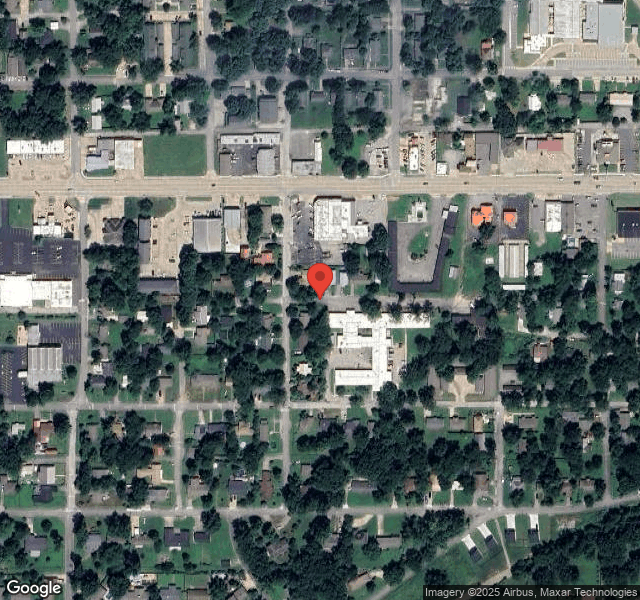
614 E CHERRIE STREET, TAHLEQUAH, OK 74465 (918) 456-2573
For profit - Partnership 125 Beds BRIDGES HEALTH Data: November 2025
Trust Grade
70/100
#70 of 282 in OK
Last Inspection: January 2025

Within standard 12-15 month inspection cycle. Federal law requires annual inspections.

Overview

Sequoyah Pointe Skilled Nursing and Therapy has a Trust Grade of B, indicating it is a good choice for families, as it is solid and reliable. It ranks #70 out of 282 facilities in Oklahoma, placing it in the top half, and is the best option among three local facilities in Cherokee County. The facility is improving, with issues decreasing from 10 in 2023 to just 4 in 2025. Staffing is average with a rating of 3 out of 5 stars and a turnover rate of 49%, which is below the state average. There have been no fines reported, which is a positive sign, and the facility offers more registered nurse coverage than many others, helping to catch potential problems early. However, there are some concerning issues. Recent inspections found the kitchen in poor sanitary condition, with dirty surfaces and improper food storage temperatures, raising concerns about food safety. Additionally, residents were not bathed as scheduled, with one person bathed only four out of 13 times they were supposed to be. There were also reports of unpleasant odors and cleanliness issues in resident rooms, indicating that more attention to housekeeping is needed. Overall, while there are strengths in staffing and no fines, families should be aware of these cleanliness and care concerns.

Trust Score
B
70/100
In Oklahoma
#70/282
Top 24%
Safety Record
Low Risk
No red flags
Inspections
Getting Better
10 → 4 violations
Staff Stability
⚠ Watch
49% turnover. Above average. Higher turnover means staff may not know residents' routines.
Penalties
✓ Good
No fines on record. Clean compliance history, better than most Oklahoma facilities.
Skilled Nurses
⚠ Watch
Each resident gets only 14 minutes of Registered Nurse (RN) attention daily — below average for Oklahoma. Fewer RN minutes means fewer trained eyes watching for problems.
Violations
⚠ Watch
25 deficiencies on record. Higher than average. Multiple issues found across inspections.
★★★★☆
4.0
Overall Rating
★★★☆☆
3.0
Staff Levels
★★★☆☆
3.0
Care Quality
★★★★☆
4.0
Inspection Score
Stable
2023: 10 issues
2025: 4 issues

The Good

  • Full Sprinkler Coverage · Fire safety systems throughout facility
  • No fines on record

Facility shows strength in fire safety.

The Bad

Staff Turnover: 49%

Near Oklahoma avg (46%)

Higher turnover may affect care consistency

Chain: BRIDGES HEALTH

Part of a multi-facility chain

Ask about local staffing decisions and management

The Ugly 25 deficiencies on record

May 2025 1 deficiency
CONCERN (D) 📢 Someone Reported This

A family member, employee, or ombudsman was alarmed enough to file a formal complaint

Potential for Harm - no one hurt, but risky conditions existed

Accident Prevention (Tag F0689)

Could have caused harm · This affected 1 resident

**NOTE- TERMS IN BRACKETS HAVE BEEN EDITED TO PROTECT CONFIDENTIALITY** On 05/13/25, a past noncompliance situation was determined to exist related to the facility's failure to provide supervision to ...

Read full inspector narrative →
**NOTE- TERMS IN BRACKETS HAVE BEEN EDITED TO PROTECT CONFIDENTIALITY** On 05/13/25, a past noncompliance situation was determined to exist related to the facility's failure to provide supervision to protect residents. An incident report, dated 05/02/25, showed Resident #1 had left the facility without staff knowledge and was found by local police in a commercial establishment's parking lot approximately 400 feet from the facility. Resident #1 was returned to the facility within 30 minutes of their departure and was transferred to a secured facility two days later. Based on observation, record review, and interview the facility failed to ensure a resident with a history of elopement did not elope from the facility for 1 (#1) of 3 sampled residents reviewed for accident hazards. Corp. Nurse Consult. #1 reported five residents wandered at the facility. Findings: On 05/13/25 at 10:30 a.m., the lock on the kitchen door was observed during the initial tour. A facility document titled Elopement Risk Guideline, dated 04/2025, read in part, 1. The Elopement risk assessment is completed on all admissions, readmissions, elopements, and significant changes. Elopements and significant changes are reported to a member of the IDT [interdisciplinary team] . 2. If a resident is identified to be at risk for elopement, initiate interdisciplinary care plan accordingly and follow plan of care. A care plan focus, dated 09/27/22 and revised 05/25/23, showed Resident #1 was deemed to have a risk for elopement related to impaired safety awareness and a previous elopement at the facility. A Elopement Risk Scale form, dated 02/28/25, showed Resident #1 had a score of 8 on the assessment which indicated a low elopement risk. An annual minimum data set assessment, dated 04/16/25, showed Resident #1 had a brief interview for mental status score of 14 which indicated the resident's cognitive abilities were intact. A progress note titled Incident Note, dated 05/02/25 at 10:48 p.m. showed Resident #1 had eloped through a back door of the facility kitchen and was found about one block away at a local store parking lot. The note further showed the resident had stated they were waiting for their family member to pick them up. The note showed the resident was assessed upon return to the facility and no injuries had been identified. A progress note tilted Nurses Progress Notes, dated 05/05/25 at 5:15 p.m., showed Resident #1 had been transferred to a geriatric psychiatric unit for evaluation. A progress note titled Nurses Progress Notes, dated 05/12/25 at 1:01 p.m., showed Resident #1 remained at the geriatric psychiatric unit and would be transferred to a more secure nursing facility after discharge from the hospital. On 05/13/25 at 10:30 a.m., the kitchen door where Resident #1 had eloped was observed. The door had a keypad electronic lock on the door. On 05/14/25 at 9:27 a.m., corp. nurse consult. #1 stated Resident #1 had left the facility through a back door in the kitchen. They stated the resident had crossed a dead end street behind the facility to the parking lot of a local market. Corp. Nurse Consult. #1 stated they had gone to a house next to the facility and the occupant felt the resident was confused and called the police. They stated the police found the resident at the store and called the facility. On 05/15/25 at 11:04 a.m., the DON stated a neighbor of the facility called the police department on 05/02/25 at 4:10 p.m. and the resident was back in the facility when they started the incident report at 4:35 p.m. the same afternoon. The DON stated the resident was placed on one on one checks until they were transferred to a hospital on [DATE]. They stated the kitchen door Resident #1 had used to depart the facility had a keypad placed on it on 05/05/25. The DON stated Resident #1 made no further attempts to leave the facility prior to being transferred to the hospital. The DON stated all staff were in-serviced on elopement, and monitoring of both Resident #1 movements as well as the kitchen door. They stated this began the day the resident eloped on 05/02/25. On 05/15/25 at 1:00 p.m., the administrator supplied documentation of corrections made following the elopement including a quality assurance and performance improvement teams document, dated 05/02/25 at 4:30 p.m., that identified the problem and corrections made, staff elopement in-service attendance documents dated 05/02/25 at 5:30 p.m., and monitoring sheets of Resident #1 and the kitchen door dated 05/02/25, 05/03/25, 05/04/25, 05/05/25, 05/06/25, and 05/07/25.
Jan 2025 3 deficiencies
CONCERN (D)

Potential for Harm - no one hurt, but risky conditions existed

Deficiency F0558 (Tag F0558)

Could have caused harm · This affected 1 resident

Based on observation, record review, and interview, the facility failed to ensure a call light was in reach for one (#35) of 24 sampled residents observed for call lights. The administrator identified...

Read full inspector narrative →
Based on observation, record review, and interview, the facility failed to ensure a call light was in reach for one (#35) of 24 sampled residents observed for call lights. The administrator identified 54 residents resided in the facility. Findings: Resident #35 had diagnoses which included chronic pain. The Care Plan, dated 09/28/22, documented to place call light within reach and to encourage the resident to use it. A Quarterly Assessment, dated 12/31/24, documented Resident #35's cognition was severely impaired. It documented the resident required assistance from staff for their ADLs and mobility. On 01/06/25 at 12:50 p.m., Resident #35 was observed laying in bed in their room. Resident #35 was heard screaming out wanting clean clothes. The call light was observed clipped to the privacy curtain out of reach of the resident. An orange sign was observed on the wall next to the resident's window. The sign read, Before leaving residents room please ensure all call light button are within residents reach. CNA #2 was observed going into Resident #35's room to provide care. On 01/06/25 at 12:53 p.m., CNA #2 stated Resident #35 was blind, but was able to use their call light if staff put it in the resident's hand. On 01/06/25 at 1:05 p.m., CNA #2 confirmed the call light had not been in reach. On 01/06/25 at 2:06 p.m., Resident #35 was observed laying in bed. The call light was observed clipped to the privacy curtain. On 01/06/25 at 2:10 p.m., LPN #1 stated staff were to clip the call light to the residents' blanket if they were in bed and to keep the call light in reach. On 01/06/25 at 2:11 p.m., LPN #1 was observed to go into Resident #35's room and stated, It's not within [their] reach.
CONCERN (D)

Potential for Harm - no one hurt, but risky conditions existed

Comprehensive Care Plan (Tag F0656)

Could have caused harm · This affected 1 resident

**NOTE- TERMS IN BRACKETS HAVE BEEN EDITED TO PROTECT CONFIDENTIALITY** Based on record review and interview, the facility failed to develop a comprehensive care plan within 14 days of admission for o...

Read full inspector narrative →
**NOTE- TERMS IN BRACKETS HAVE BEEN EDITED TO PROTECT CONFIDENTIALITY** Based on record review and interview, the facility failed to develop a comprehensive care plan within 14 days of admission for one (#24) of 14 sampled residents whose care plans were reviewed. The DON identified 54 residents resided at the facility. Findings: Resident #24 was admitted to the facility on [DATE] with diagnoses which included acute kidney failure, acute cystitis with hematuria, and indwelling urinary catheter. On 01/06/25 at 2:22 p.m., no comprehensive care plan was present in the EHR nor paper chart for Resident #24. On 01/08/25 at 8:21 a.m., the ADON was asked the process for completing comprehensive care plans for new admissions. They stated care plans for residents receiving skilled services were completed by the corporate nurse within 14 days of admission. After a review of Resident #24's care plan, the ADON acknowledged it had not been completed within 14 days of admission.
CONCERN (D)

Potential for Harm - no one hurt, but risky conditions existed

Pressure Ulcer Prevention (Tag F0686)

Could have caused harm · This affected 1 resident

Based on observation, record review and interview, the facility failed to ensure heel lift boots were in place as ordered for one (#36) of two sampled residents reviewed for pressure ulcer care. The a...

Read full inspector narrative →
Based on observation, record review and interview, the facility failed to ensure heel lift boots were in place as ordered for one (#36) of two sampled residents reviewed for pressure ulcer care. The administrator identified seven residents had orders for heel lift boots. Findings: Resident #36 had diagnoses which included left side hemiplegia. Resident #36's Order Summary Report, dated 05/03/23, documented for heel lift boots to be in place every shift for wound prevention. A Braden Scale for Predicting Pressure Sore Risk assessment, dated 12/18/24, documented Resident #36 was at high risk for developing a pressure ulcer A Quarterly Assessment, dated 12/18/24, documented Resident #36's cognition was severely impaired. It documented the resident had impairment to their upper and lower extremities. On 01/06/25 at 2:31 p.m., Resident #36 was observed laying in their bed. Heel lift boots were not observed on the resident's feet. On 01/07/25 at 7:45 a.m., Resident #36 was observed up in their geri chair in their room. Heel lift boots were not observed on the resident's feet. On 01/07/25 at 7:49 a.m., CNA #1 stated some residents use heel lift boots to prevent pressure ulcers. They stated Resident #36 utilized heel lift boots. CNA #1 observed Resident #36 and stated the resident did not have the boots on. CNA #1 stated Resident #36 was suppose to have the boots on at all times.
Nov 2023 7 deficiencies
CONCERN (D)

Potential for Harm - no one hurt, but risky conditions existed

Deficiency F0604 (Tag F0604)

Could have caused harm · This affected 1 resident

Based on observation, record review, and interview, the facility failed to ensure a resident who was physically restrained was assessed, monitored, and the restraint was used to treat a medical sympto...

Read full inspector narrative →
Based on observation, record review, and interview, the facility failed to ensure a resident who was physically restrained was assessed, monitored, and the restraint was used to treat a medical symptom for one (#16) of one sampled resident who was reviewed for seat belt usage. The DON identified one resident who used a seat belt. Findings: Res #16 was admitted with diagnoses which included Alzheimer's, dementia with behavioral disturbances, muscle weakness, neuropathy, macular degeneration and age-related osteoporosis. A fall risk care plan initiated on 03/21/18, documented Res #16 was at risk for falls due to requiring staff assistance with ADL's and psychotropic medication use. A non-restraint safety devices care plan initiated on 03/21/18, documented Res #16 may use an alarming self-releasing seatbelt when up in wheelchair. The care plan also documented Res #16 was able to release belt at will and upon request. A list of falls from 06/10/22 to present was provided by the DON and documented Res #16 had 11 falls. A physician order dated, 01/15/23, read in part, May use alarming self-releasing seatbelt when up in wheelchair .Resident is not aware of safety needs. Resident is able to release belt at will and upon request . The order did not incorporate a medical symptom the seat belt was used to treat. There was no restraint assessments or monitoring in the medical record. A quarterly resident assessment, dated 07/07/23, documented Res #16 was severely cognitively impaired, had not ambulated in the last seven days and required extensive assistance with ADL's. On 10/31/23 at 11:03 a.m., Res #16 was observed on 200 Hall in their wheelchair with a seat belt alarm in place. Res #16 was unable to release the seat belt upon request. On 11/01/23 at 8:50 a.m., Res #16 was observed in the dining room in their wheelchair with a seat belt alarm in place. Res #16 was unable to release the seat belt alarm upon request. On 11/01/23 at 11:50 a.m., CNA #1 reported Res #16 was unable to undo their seat belt upon request. CNA #1 reported Res #16 only released their seat belt randomly when they are active. CNA #1 reported the seat belt was in place to keep Res #16 from falling and reported Res #16 would try to get out of their wheelchair if the seat belt was not in place. On 11/02/23 at 10:05 a.m., Res #16 was in the TV area on 100 Hall in their wheelchair with a seat belt alarm in place. Res #16 was unable to release the seat belt alarm upon request. On 11/02/23 at 10:08 a.m., LPN #1 reported Res #16 is non-ambulatory and required the seat belt because they were at high risk for falls. LPN #1 reported Res #16 would be able to and attempt to get out of their wheelchair, but doing so was prevented by the seat belt being in place. LPN #1 reported they did not feel Res #16 could release the seat belt upon request. On 11/02/23 at 10:30 a.m., the DON reported Res #16 would be attempting to get out of his wheelchair if they did not have the seat belt in place. On 11/02/23 at 11:15 a.m.,. Res #16 was sitting in the TV area on 100 Hall in their wheelchair with a seat belt alarm in place. Res #16 was unable to release the seat belt alarm upon request. On 11/02/23 at 2:00 p.m., the DON and ADON reported the seat belt would be a restraint if Res #16 could not release it upon request. The DON and ADON reported no restraint assessment or documentation had been completed for Res #16.
CONCERN (D)

Potential for Harm - no one hurt, but risky conditions existed

PASARR Coordination (Tag F0644)

Could have caused harm · This affected 1 resident

**NOTE- TERMS IN BRACKETS HAVE BEEN EDITED TO PROTECT CONFIDENTIALITY** Based on record review and interview, the facility failed to refer a resident with a new mental health diagnosis to OHCA for a P...

Read full inspector narrative →
**NOTE- TERMS IN BRACKETS HAVE BEEN EDITED TO PROTECT CONFIDENTIALITY** Based on record review and interview, the facility failed to refer a resident with a new mental health diagnosis to OHCA for a PASRR level II evaluation for one (#8) of one sampled residents reviewed for PASRR. The administrator reported 37 residents had mental health diagnoses. Findings: Res #8 was admitted to the facility on [DATE] with diagnoses of intellectual disabilities and mood disorder due to known physiological condition. A PASRR level I, dated 02/12/13, documented Level II cleared, eligible for admission to LTC 02/06/13. The resident record documented the resident received a new diagnosis of schizophrenia on 08/19/22. The record contained no documentation that OHCA was contacted about the new diagnosis. On 11/02/23 at 8:36 a.m., MDS #1 reported that OHCA should have been contacted about the new mental health diagnosis.
CONCERN (D)

Potential for Harm - no one hurt, but risky conditions existed

Deficiency F0657 (Tag F0657)

Could have caused harm · This affected 1 resident

Based on observation, record review, and interview, the facility failed to update a comprehensive care plan for one (#20) of one sampled resident who was reviewed for a PEG tube. The DON reported ther...

Read full inspector narrative →
Based on observation, record review, and interview, the facility failed to update a comprehensive care plan for one (#20) of one sampled resident who was reviewed for a PEG tube. The DON reported there was one resident with a PEG tube. Findings: Res #20 was admitted with diagnoses which included dementia and anorexia. Res #20's tube feeding care plan, dated 08/25/23, documented an enteral feed order of Jevity 1.5 cal 45 ml every hour. A physician order, dated 09/04/23, documented enteral feed order of Jevity 1.5 cal 273 four times a day. On 11/02/23 at 11:55 a.m., the DON reported the care plan should have been updated because Res #20 no longer received continuous feedings.
CONCERN (E) 📢 Someone Reported This

A family member, employee, or ombudsman was alarmed enough to file a formal complaint

Potential for Harm - no one hurt, but risky conditions existed

Safe Environment (Tag F0584)

Could have caused harm · This affected multiple residents

**NOTE- TERMS IN BRACKETS HAVE BEEN EDITED TO PROTECT CONFIDENTIALITY** Based on observation and interview the facility failed to ensure the facility maintained a clean, odor-free, and homelike enviro...

Read full inspector narrative →
**NOTE- TERMS IN BRACKETS HAVE BEEN EDITED TO PROTECT CONFIDENTIALITY** Based on observation and interview the facility failed to ensure the facility maintained a clean, odor-free, and homelike environment. The CMS 671 form, dated 10/26/23, documented 58 residents resided in the facility. Findings: A Housekeeping Policies and Procedures packet, revised 06/29/12, read in parts, .Every resident room should undergo complete wet cleaning, disinfection and deodorizing daily .Pick up all litter on resident room floor and bathroom floor .Dust mop, making sure closet and areas under furniture are included . On 10/26/23 at 1:00 p.m., the following observations were made: a. The east hallway had a strong smell of urine, b. room [ROOM NUMBER] had a strong smell of urine. A bedside commode was observed located beside the bed with a large amount of medium yellow urine observed inside the basin. The bottom of the commode basin had dark yellow and brown stains. c. room [ROOM NUMBER] had large amount of dust and food debris observed underneath and around both beds. Multiple dead cockroaches observed underneath both beds. On 10/26/23 at 1:27 p.m., Res #7 in room [ROOM NUMBER] stated the room was not cleaned well. They stated the staff swept the floor quickly but did not thoroughly clean under and around the beds and furniture. On 10/26/23 at 1:34 p.m., Housekeeper #1 stated they tried to clean every room daily. They stated they emptied trash, dusted furniture, cleaned walls and toilets, and swept and mopped the floors in every room daily on the east hall. They stated they tried to clean under the beds if they had time. They stated the CNAs were responsible for emptying and cleaning the bedside commodes. On 10/26/23 at 2:26 p.m., the administrator was made aware of the observation in room [ROOM NUMBER]. The administrator stated pest control had been spraying weekly to get rid of the cockroaches. They stated they were not aware of the dead cockroaches and debris underneath and around the beds and the room would be deep cleaned immediately. On 10/27/23 at 9:00 a.m., room [ROOM NUMBER] had a strong smell of urine. A bedside commode was observed sitting beside the bed with a large amount of yellow urine observed inside the basin. Res #34 stated they utilized the bedside commode for urination. They stated the large amount of urine observed was from multiple voids and the staff rarely emptied the commode. Res #34 stated the urine was unsightly and made the room smell bad. They stated the lack of cleaning and sanitation was an on-going problem and they would like something done about it. On 11/01/23 at 8:07 a.m., the east hallway had a strong smell of urine. room [ROOM NUMBER] had a moderate amount of dust and food debris observed under the bed by the window. One dead cockroach was observed under the bed. Two sucker wrappers and sucker sticks with pink sticky residue were observed in the bathroom floor. rooms [ROOM NUMBERS] had a moderate amount of dust and food debris observed under and around the beds by the window. On 11/02/23 at 8:37 a.m., room [ROOM NUMBER] had a strong smell of urine. A bedside commode was observed sitting beside the bed with a moderate amount of dark urine observed inside the basin. Dark brown and yellow stains were observed on the bottom of the commode basin. Res #34 stated the urine had been in the commode since last night and no staff had attempted to empty the urine out of the commode. On 11/02/23 at 8:40 a.m., CNA #4 stated they tried to empty the bedside commode at least three to four times per shift but had not emptied Res #34's commode yet this shift. They stated they tried to clean the commode daily but the basin had been stained with brown and yellow streaks for a while and would not come clean. On 11/02/23 at 12:40 p.m., the administrator was made aware of the observations on the east hall. The administrator stated the staff would be re-educated on the importance of cleaning more thoroughly and more frequently. On 10/30/23 at 1:40 p.m., a tour of the laundry room was conducted. An area on the wall by the folding table was observed to be missing sheetrock and pipes are observed to be exposed. The laundry staff was asked how long the sheetrock had been missing and they reported for awhile. They reported that there had been a leak which was fixed but the wall was not. On 10/30/23 at 2:26 p.m., an interview with the maintenance supervisor and the administrator was conducted. The maintenance supervisor reported the missing sheetrock was like that before he was hired. They were asked if the wall should have already been fixed and they reported the wall should have already been fixed.
CONCERN (E) 📢 Someone Reported This

A family member, employee, or ombudsman was alarmed enough to file a formal complaint

Potential for Harm - no one hurt, but risky conditions existed

ADL Care (Tag F0677)

Could have caused harm · This affected multiple residents

Based on observation, record review, and interview, the facility failed to ensure residents were bathed as scheduled for two (#8 and #43) of five sampled residents reviewed for bathing. The CMS 671 f...

Read full inspector narrative →
Based on observation, record review, and interview, the facility failed to ensure residents were bathed as scheduled for two (#8 and #43) of five sampled residents reviewed for bathing. The CMS 671 form, dated 10/26/23, documented 58 residents resided in the facility. Findings: 1. Res #43 was admitted with diagnoses which included respiratory failure, depressive disorders, and anxiety. An admission assessment, dated 06/07/23, documented the resident was cognitively intact and required extensive one person physical assistance with bathing. A care plan, dated 06/16/23, documented the resident was to be bathed with the physical help of one person every Monday, Wednesday, and Friday during the 7 a.m. to 3 p.m. shift. The August 2023 bathing record documented Res #43 was bathed four out of 13 opportunities. The September 2023 bathing record documented Res #43 was bathed six out of 13 opportunities. The October 2023 bathing record documented Res #43 was bathed four out of 13 opportunities. On 10/26/23 at 2:12 p.m., Res #43 stated they were upset because they often have not received their baths/showers as scheduled and they would prefer to have been bathed more often. On 11/02/23 at 8:42 a.m., CNA #4 stated all completed or refused resident baths should be documented in the electronic health record. They stated all resident refusals of baths also required a paper refusal sheet to be documented and then given to the administrator daily. On 11/02/23 at 10:45 a.m., the administrator was made aware of the lack of bathing documentation in Res #43's medical record. The administrator stated all baths should be documented in the electronic health record. They stated the staff did not document all completed baths as scheduled for Res #43 but should have. They stated Res #43 should have received baths as scheduled per their plan of care. 2. Res #8 admitted to the facility with diagnoses of mood disorder due to known physiological condition, hypertension, and chronic pain. A quarterly assessment, dated 09/25/23, documented the resident's cognition was moderately impaired and required the assist of one person for bathing and transfers. A shower log, dated September 2023, documented eight of 13 opportunities for a shower were missed. A shower log, dated October 2023, documented five of 13 opportunities for a shower were missed. On 11/02/23 at 8:25 a.m., CNA #2 reported the showers were documented in the computer. On 11/02/23 at 8:30 a.m., CNA #3 reported showers were documented in the computer. On 11/02/23 at 08:36 a.m., MDS coordinator #1 reported the CNA's were supposed to fill out a refusal form if the resident refused a shower. MDS coordinator #1 reported the shower log should have documented refused if the resident refused a shower. On 11/02/23 at 10:38 a.m., no refusal forms for showers had been provided by the facility for this resident.
CONCERN (E)

Potential for Harm - no one hurt, but risky conditions existed

Staffing Information (Tag F0732)

Could have caused harm · This affected multiple residents

Based on observation and interview, the facility failed to document and retain daily staffing information for the past 18 months. The CMS 671 form, dated 10/26/23, documented a census of 58 residents....

Read full inspector narrative →
Based on observation and interview, the facility failed to document and retain daily staffing information for the past 18 months. The CMS 671 form, dated 10/26/23, documented a census of 58 residents. Findings: On 10/26/23 at 11:00 a.m. and throughout the survey, the white boards behind each nursing station was observed to include documentation of the census number, name and titles of the staff on duty. Staffing hours were not documented. On 11/02/23 at 11:55 a.m., the administrator reported they were not aware of the requirements to post staffing hours and retain the documentation for 18 months.
CONCERN (F)

Potential for Harm - no one hurt, but risky conditions existed

Food Safety (Tag F0812)

Could have caused harm · This affected most or all residents

Based on observation and interview, the facility failed to ensure the kitchen was maintained to promote food safety and sanitation. The administrator reported 58 residents resided in the facility. Fi...

Read full inspector narrative →
Based on observation and interview, the facility failed to ensure the kitchen was maintained to promote food safety and sanitation. The administrator reported 58 residents resided in the facility. Findings: On 10/26/23 at 10:20 a.m., a tour of the kitchen was conducted. The following observations were made: a. The handwashing sink was observed to have a brown dirt like substance on the back of it. b. A sink and countertop in the dry storage area was observed to have a red sticky substance on it. c. The cabinet under the sink in the dry storage was observed to be open exposing the pipes. d. A freezer temperature was observed to be at 38 degree Fahrenheit. The freezer contained a box of corn dogs, a bag of garlic bread, and a box of tater tots. All the foods were observed not frozen. The temperature log documentation stopped on 10/04/23. e. The stove/oven was observed to have a grease film on the front and down the sides. A dried white substance was observed on the oven door and the side of the oven. f. A three compartment sink in the cooking area was observed to have a bucket under the sink catching water dripping from the pipe. g. The microwave was observed to have a dried yellow substance on the inside door and walls. h. The floor under the dishwashing machine is observed to have a white/black substance on the floor under the sink. On 10/26/23 at 10:40 a.m. the dietary supervisor was informed of the observations. The dietary supervisor reported they had informed maintenance of all the issues that need to be fixed but has not been done yet. They reported the kitchen should have be cleaned daily.
Feb 2023 3 deficiencies
CONCERN (D) 📢 Someone Reported This

A family member, employee, or ombudsman was alarmed enough to file a formal complaint

Potential for Harm - no one hurt, but risky conditions existed

ADL Care (Tag F0677)

Could have caused harm · This affected 1 resident

Based on record review, observation, and interview, the facility failed to ensure a resident received incontinent care in a timely manner for one (#3) of three residents sampled for ADL care. The Res...

Read full inspector narrative →
Based on record review, observation, and interview, the facility failed to ensure a resident received incontinent care in a timely manner for one (#3) of three residents sampled for ADL care. The Resident Census and Conditions of Residents form documented 30 residents were dependent on staff assistance for their toileting needs. Findings: Res #3's annual assessment, dated 12/22/22, documented the resident was cognitively intact and required the extensive assistance of two people for toileting. On 02/07/23 at 12:31 p.m., Res #3 stated the only problem she had with the facility was that she had to wait a long time to get cleaned up and changed. She stated about once a shift she would get help. She stated they may answer the light but they would have me turn it off until they could get back, which was usually a long time. The resident was asked if she was soiled or wet at that time. She stated she was wet and was not wearing a brief. The resident was asked why her call light was not on. She stated she had turned it on around 12:00 p.m., and when someone brought her lunch tray, she was told to turn off her light and someone would be back to help. She stated she needed two people because she wanted to be pulled up in bed. The surveyor told the resident to turn her call light back on. The resident turned her call light on at that time. On 02/07/23 at 12:42 p.m., CNA #1 answered the resident's call light. The CNA was heard telling the resident to turn her call light off and when the other CNA was back from lunch they would be in to clean her up. The CNA stated it would be about 20 minutes. On 02/07/23 at 12:57 p.m., CNA #1 and CNA #2 entered the resident's room with supplies. The CNAs were observed to performed incontinent care. The resident's bed pads were soaked with urine. On 02/09/23 at 8:12 a.m., the DON was asked how long it should take for a resident to get help after initiating their call light. She stated within five minutes.
CONCERN (D) 📢 Someone Reported This

A family member, employee, or ombudsman was alarmed enough to file a formal complaint

Potential for Harm - no one hurt, but risky conditions existed

Deficiency F0757 (Tag F0757)

Could have caused harm · This affected 1 resident

**NOTE- TERMS IN BRACKETS HAVE BEEN EDITED TO PROTECT CONFIDENTIALITY** Based on record review and interview, the facility failed to ensure a resident was not administered a medication when the medica...

Read full inspector narrative →
**NOTE- TERMS IN BRACKETS HAVE BEEN EDITED TO PROTECT CONFIDENTIALITY** Based on record review and interview, the facility failed to ensure a resident was not administered a medication when the medical record indicated the resident was allergic to the medication for one (#1) of four sampled residents whose medications were reviewed. The Resident Census and Conditions of Residents documented 61 residents resided in the facility. Findings: Res #1 was admitted to the facility on [DATE] and was discharged on 04/27/21. The resident's diagnosis included hyperlipidemia, athersclerotic heart disease, cerebral infarction, lack of coordination, dementia, A-Fib, and anxiety. The resident's EHR documented the resident was allergic to statin medications. A pharmacist monthly review, dated 10/09/20, documented the resident's cholesterol came back elevated, the resident was not currently on a statin, and would the physician like to add one at that time. The physician documented on the review, on 10/23/20, to add atorvastatin 20 mg a day. No mention or discussion of allergies or adverse consequences were documented on the review or in the resident's medical record. A physician order, dated 10/28/20, documented to administer atorvastatin calcium (a statin medication) 20 mg tablet at bedtime related to mixed hyperlipidemia. The order documented a discontinued date of 01/13/21. A physician order, dated 01/13/21, documented to administer atorvastatin calcium 20 mg tablet at bedtime related to atherosclerotic heart disease of native coronary artery without angina pectoris. The order documented a discontinued date of 01/21/21. The MARs from October 28th, 2020 through January 20th, 2021 documented the resident received atorvastatin calcium 20 mg once a day. A physician order, dated 04/09/21, documented to administer ezetimibe (a non-statin medication) 10 mg tablet one time a day related to mixed hyperlipidemia. The order documented a discontinued date of 04/16/21. On 02/08/23 at 4:29 p.m., the ADON stated she worked at the facility at the time when the resident was there. She stated she could not find any documentation of a discussion with the physician related to the resident's allergy to atorvastatin. She stated she believed the allergy was listed on a hospital record. She stated if the resident was not allergic to statin medication the allergy indication should have been removed from the chart. On 02/09/23 at 10:29 a.m., the pharmacist stated she was not the pharmacist who had reviewed the resident's medications. She stated she could not find any documentation of a conversation with the physician concerning the documented allergy to statin medications. On 02/09/23 at 11:40 a.m., the physician stated he did not believe the resident had a true allergy to the medication because she took it with no ill effects. The physician stated he could see the record documented an allergy to statins, but he did not have any documentation as to the reason to administer the medication with the allergy still listed on the EHR. On 02/09/23 at 12:49 p.m., the resident's representative stated the resident should not have been on the statin medication. The representative stated the medication caused the resident to have violent behaviors. The representative stated the resident had cracked a glass door in the facility and had other behaviors. The representative stated the medication was discontinued when the resident went on hospice.
CONCERN (E) 📢 Someone Reported This

A family member, employee, or ombudsman was alarmed enough to file a formal complaint

Potential for Harm - no one hurt, but risky conditions existed

Incontinence Care (Tag F0690)

Could have caused harm · This affected multiple residents

Based on record review, observation, and interview, the facility failed to ensure residents received the necessary care to help prevent urinary tract infections for two (#2 and #3) of four residents s...

Read full inspector narrative →
Based on record review, observation, and interview, the facility failed to ensure residents received the necessary care to help prevent urinary tract infections for two (#2 and #3) of four residents sampled for UTIs. The Resident Census and Conditions of Residents form documented 30 residents were dependent on staff assistance for their toileting needs. Findings: 1. Res #3 had diagnoses which included chronic kidney disease. An annual assessment, dated 12/22/22, documented the resident was cognitively intact and required the extensive assistance of two people for toileting. On 02/07/23 at 12:31 p.m., Res #3 stated she was wet and was not wearing a brief. The resident was asked why her call light was not on. She stated she had turned it on around 12:00 p.m., and when someone brought her lunch tray, she was told to turn off her light and someone would be back to help. She stated she needed two people because she wanted to be pulled up in bed. The surveyor told the resident to turn her call light back on. The resident turned her call light on at that time. On 02/07/23 at 12:42 p.m., CNA #1 answered the resident's call light. The CNA was heard telling the resident to turn her call light off and when the other CNA was back from lunch they would be in to clean her up. The CNA stated it would be about 20 minutes. On 02/07/23 at 12:57 p.m., CNA #1 and CNA #2 entered the resident's room with supplies. The CNAs were observed to performed incontinent care. The resident's bed pads were soaked with urine. The resident was rolled to each side and her buttocks were cleaned and incontinent bed pads replaced. The resident was then positioned on her back and CNA #1 took one wet wipe and swiped down the right side of the residents peri area next to her thigh and then did the same on the left side with another wipe. The CNAs then replaced the resident's gown with a fresh one. The CNAs did not clean the resident's entire peri area to include the inner and outer labia. 2. Res #2 had diagnoses which included chronic kidney disease and a history of UTIs. An annual assessment, dated 02/03/22, documented the resident was cognitively intact and required the extensive assistance of two people for toileting. On 02/07/23 at 1:56 a.m., CNA #3 and CNA #4 were observed to perform incontinent care for Res #2. The resident had no brief and her sheets were soaked with urine. The resident was turned from side to side and the buttocks were cleaned and fresh linens were provided. The resident was then positioned on her back and covered with linens. The resident's front peri area was not cleaned. On 02/09/23 at 8:13 a.m., the DON was made aware of the residents' incontinent care which was observed. She stated the peri area should always be thoroughly cleaned.
Jun 2022 11 deficiencies
CONCERN (D)

Potential for Harm - no one hurt, but risky conditions existed

Drug Regimen Review (Tag F0756)

Could have caused harm · This affected 1 resident

Based on record review and interview the facility failed to ensure the attending physician responded to medication regimen reviews for one (#33) of five residents reviewed for unnecessary medications....

Read full inspector narrative →
Based on record review and interview the facility failed to ensure the attending physician responded to medication regimen reviews for one (#33) of five residents reviewed for unnecessary medications. The Resident Census and Conditions of Residents form documented 51 residents resided in the facility. Findings: Res #33 had diagnoses which included Alzheimer's disease, dementia with behavioral disturbances, and major depressive disorder. A physician order, dated 09/16/21, documented Trazodone (an anti-depressant) 50 mg, half tablet to be administered as needed every six hours for anxiety. A pharmacy MRR, dated 09/23/21, documented the pharmacist requested a stop date for the as needed Trazodone order, since it had only been used two times since the medication was added. A pharmacy MRR, dated 11/30/21, documented the as needed order for Trazodone was used one time in the last 60 days, and a stop date was requested by the pharmacist. Pharmacy medication regimen reviews dated 12/17/21, 01/18/22, 02/16/22, 03/14/22, and 04/12/22 documented a stop date for the as needed Trazodone was requested by the pharmacist. A pharmacy medication regimen review, dated 5/13/22, documented in parts .PRN Trazodone cannot continue indefinitely per CMS regulations .has not used this order in at least 90 days, would you like to discontinue this order? On 06/01/22, the DON stated that the physician did not respond to the pharmacist's requests for an end date for the order. The DON stated the 05/13/22 request was sent to the physician on 05/20/22. The DON stated the medical director had been contacted for lack of response for other residents, but not this resident.
CONCERN (E)

Potential for Harm - no one hurt, but risky conditions existed

Assessment Accuracy (Tag F0641)

Could have caused harm · This affected multiple residents

2. Res #49 admitted to the facility and had diagnoses which included major depressive disorder, PTSD, and schizophrenia. Res #49 had a PASRR II, dated 08/20/21, documented the client experienced a se...

Read full inspector narrative →
2. Res #49 admitted to the facility and had diagnoses which included major depressive disorder, PTSD, and schizophrenia. Res #49 had a PASRR II, dated 08/20/21, documented the client experienced a serious mental illness as defined by CMS. An annual assessment, dated 11/11/21, documented Res #49 did not have a PASRR II. On 05/31/22 at 12:37 p.m., MDS coordinator stated she was made aware last week the residents who have a PASRR II needed to be captured on the assessments. She looked at Res #49's last annual, dated 11/11/21, and stated the question for PASRR was marked no. She found the PASRR for Res #49 and stated he did have a level II. 3. Res #35 admitted to the facility with diagnoses which included bipolar disorder with severe with psychotic features. A PASRR II, dated 01/07/22, documented the client experienced a serious mental illness as defined by CMS. An annual assessment, dated 01/13/22, documented Res #35 did not have a PASRR II. On 05/31/22 at 12:37 p.m., MDS coordinator stated Res #35 did have a PASRR II but it was marked no on the MDS. Based on record review and interview, the facility failed to accurately assess for the presence of a PASRR level II for three (#3, 35 and #49) of 16 residents whose assessments were reviewed. The ''Resident Census and Conditions of Residents'' form documented 51 residents lived in the facility. Findings: 1. Res #3 had diagnoses which included generalized anxiety disorder, impulse disorder, major depressive disorder recurrent, and paranoid schizophrenia. A PASRR level II assessment, dated 11/30/17, documented Res #3 had been found to have a serious mental illness as defined by CMS during the Pre-admission Screening and Resident Review. An annual comprehensive resident assessment, dated 12/26/21, documented Res #3 was not considered by the state level II PASRR level II process to have a serious mental illness. 05/26/22 at 1:40 p.m., the MDS coordinator reviewed Res #3's comprehensive assessment and reported the assessment did not document the resident was identified as requiring a PASRR level II. The MDS coordinator stated the PASRR level II should have been documented in the assessment.
CONCERN (E)

Potential for Harm - no one hurt, but risky conditions existed

PASARR Coordination (Tag F0644)

Could have caused harm · This affected multiple residents

Res #29 was admitted to the facility with diagnoses which included hemiplegia and hemiparesis following cerebral infarction, hypertension, atrial fibrillation, and anemia. A PASRR level I, dated 04/28...

Read full inspector narrative →
Res #29 was admitted to the facility with diagnoses which included hemiplegia and hemiparesis following cerebral infarction, hypertension, atrial fibrillation, and anemia. A PASRR level I, dated 04/28/21, documented the resident did not have a serious mental illness. On 07/20/21, Res #29 received a new diagnosis of delusional disorders. On 03/30/22, Res #29 received a new diagnosis of persistent mood disorders. On 06/01/22 at 2:01 p.m., the DON stated the facility should have called the Oklahoma Health Care Authority. On 06/01/22 at 2:02 p.m., LPN #1 stated the resident did not admit with any psychiatric diagnoses or on any antipsychotic medications. She stated the resident received new psychiatric diagnoses after she was in the facility. Based on record review, observation, and interview, the facility failed to ensure a resident newly diagnosed with a serious mental illness was referred for a PASRR level II evaluation and failed to incorporate PASRR level II recommendations into a resident care plan for three (#3, 48, and #29) of three residents reviewed for PASRR. The administrator reported 14 residents with PASRR Level II evaluations lived in the facility. Findings: 1. Res #3 had diagnoses which included generalized anxiety disorder, impulse disorder, major depressive disorder recurrent, and paranoid schizophrenia. A PASRR level II assessment, dated 11/30/17, documented Res #3 had been found to have a serious mental illness as defined by CMS during the Pre-admission Screening and Resident Review. The PASSAR Level II document read in parts: .Self - Monitoring of Health Services. Requires total assistance with monitoring health status due to being unaware of personal health and health risk . Self - Monitoring and scheduling of treatment Requires total assistance with monitoring and scheduling of treatments due to having poor judgement and a history of inability to comply with scheduled treatments .Medication Compliance Requires total assistance with medication compliance due to being unable to fully recognize the medication, the need for medication, and being unable to follow label instructions .Ability to Handle Financial Affairs Requires total assistance with financial affairs by [sic] due to having a history of money management problems .Ability to Communicate Needs. Requires total assistance with communicating needs due to making comments and/or requests that are often based on poor judgement and insight . An annual comprehensive resident assessment, dated 12/26/21, documented Res #3 was not considered by the state level II PASRR process to have a serious mental illness. Res #3's care plan, reviewed by the facility on 5/18/22, did not fully incorporate Res #3's PASRR Level II recommendations. On 05/25/22 at 10:41 a.m., Res #3 was observed in a wheelchair, dressed in several coats, and a stocking hat. Res #3 was sitting in the doorway of another resident's room and stated they had a sore on their chest which was being treated with antibiotics. On 05/26/22 at 2:40 p.m., the MDS coordinator stated Res #3's assessment did not include the PASRR Level II. The MDS coordinator stated the facility had not fully incorporated Res #3's PASRR Level II recommendations into the care plan. 2. Res #48 was had diagnoses which included bipolar II disorder. On 12/06/16, Res #48 received a diagnosis of unspecified mood (affective) disorder. A level II PASRR was not completed by the facility at that time. On 02/11/20, resident #48 received a diagnosis of delusional disorders. A level II PASRR was not completed by the facility at that time. On 05/26/22 at 11:28 a.m., the business office manager stated they believed a PASRR II was completed in 2020 when a new medication and diagnosis of delusional disorder were added. At that time, a copy of Res #48's PASRR level II was requested. A PASRR level II assessment was not provided for review.
CONCERN (E)

Potential for Harm - no one hurt, but risky conditions existed

ADL Care (Tag F0677)

Could have caused harm · This affected multiple residents

Based on record review, observation, and interview, the facility failed to ensure dependent residents were provided assistance with bathing/showers, grooming, and incontinent care for four (#35, 38, 1...

Read full inspector narrative →
Based on record review, observation, and interview, the facility failed to ensure dependent residents were provided assistance with bathing/showers, grooming, and incontinent care for four (#35, 38, 103, and #104) of five sampled residents reviewed for staff assistance with ADLs. The Resident Census and Conditions of Residents report documented 21 residents required assistance with bathing and 25 residents are occasionally or frequently incontinent of bladder. Findings: 1. Res #35 admitted to the facility and had diagnoses which included morbid obesity. A physician order, dated 01/14/22, documented the resident was to receive a bath one time a day on the 7 a.m. to 3 p.m. shift Monday, Wednesday, and Friday. A quarterly assessment, dated 04/10/22, documented the resident was intact with cognition and required limited assistance with personal hygiene, extensive assistance with toilet use, total assistance with bathing, and was always incontinent of bowel and bladder. A care plan, last review date 04/28/22, documented the resident was incontinent and to check every two hours and as needed for incontinence. The care plan documented to wash, rinse and dry perineum, and change clothing as needed after incontinent episodes. The care plan documented the resident needed a lift for transfers and required one staff participation in bathing. On 05/24/22 at 1:22 p.m., Res #35 stated staff did not change her enough and she will go all day in urine. She stated she was also not getting her showers as scheduled. Res #35 stated her shower days were Monday, Wednesday, and Friday. The resident stated she was wet at that time. She said staff come when she uses her call light but then turn light off and leave and do not come back for up to one and a half hours. The March 2022 ADL sheets documented the resident missed four baths out of 13 opportunities. The ADL sheets for bowel and bladder had four days of no documentation for bladder continence and three for bowel continence. The ADL sheet documented for six days there was only one entry for bladder incontinence and seven entries for bowel incontinence. The April 2022 ADL sheets did not document bowel and bladder continence for three days and for five days only one shift documented bowel and bladder continence. The May 2022 ADL sheets documented four missed baths out of 11 opportunities and one day of no documentation for bowel and bladder continence. On 05/31/22 at 3:47 p.m., CNA #1 stated she was new and was training in the facility. CNA #1 stated the CNA's try to check incontinent residents at least every hour. She stated the CNA's chart on the computer behind the nurses station and they chart at the end of the day for all ADLs. CNA #1 stated Res #35 was on the MWF bathing schedule. She stated the resident was incontinent sometimes and the resident did not get out of bed because she hurts so we changed her in the bed. On 06/01/22 at 12:08 p.m., the DON stated Res #35 will call the administrator to have someone come change her if the resident was not getting changed when she wanted it. The DON stated we try to let her know staff will get to her as soon as they can. The DON stated the call light needs to stay on until care is provided. The DON stated Resident #35 had refused at times to be changed but wanted to be changed when she wants it. 2. Res #38 was admitted to the facility with diagnoses which included hemiplegia and hemiparesis following cerebral infarction affecting left dominate side, congestive heart failure, and depressive disorders. A quarterly assessment, dated 04/25/22, documented the resident was intact with cognition, required total assistance with bathing and was independent with personal hygiene with one person physical assist. A care plan, review date of 05/03/22, documented Res #38 had a deficit in ADL performance due to history of stroke and required one person assist with bathing and hygiene. The care plan documented bathing/showering was M-W-F and PRN. On 05/25/22 at 8:55 a.m., Res #38 was observed laying on the bed. He was unshaven and he had long dirty fingernails. The resident stated he had not been getting his showers but recently had started getting some. He stated he liked to be clean shaven and his nails were too long and he would like them to be cut. He stated he had not asked the staff to cut his nails. Bathing schedule for Res #38 was MWF on the 3 p.m. - 11 p.m. shift and PRN. The ADL sheets for March 2022, documented the resident missed four baths out of 13 opportunities. The ADL sheets for April 2022, documented the resident missed three baths out of 13 opportunities. The ADL sheets for May 2022, documented the resident missed one bath on the 20th. On 05/31/22 at 3:52 p.m., CNA #1 stated she had not taken care of Res #38 because he had one CNA that he liked to do things for him. She stated on his chart it's documented the resident was independent with his ADLs. She stated they don't need to be asked by the resident if they need a shave or nails cut. The CNA stated they could do them if the resident was one the CNA could cut nails for. On 06/01/22 at 10:25 a.m., Res #38 was observed sitting on the side of his bed, dressed with shoes and a hat on, the resident's nails had been cut on hands. Res #38 stated the staff cut his fingernails but did not cut his toenails and they needed cut. He stated he still needed a shower and a shave. Observed noticeable facial hair growth. On 06/01/22 at 11:21 a.m., the DON stated if a bath/shower is missed on a shift the staff should let the next shift know so it can be done on the residents' bath day. She stated the resident should not have to asked to get shaved or get their nails cut. She stated the resident was not a diabetic so the CNAs can cut his nails. She stated the nurse should be checking on the residents to make sure care is performed. 3. Res #103 admitted to the facility and had diagnoses which included COPD, neuromuscular dysfunction of bladder, and depressive disorder. The resident was no longer at the facility at the time of survey. A quarterly assessment, dated 07/18/21, documented the resident was intact with cognition, required extensive assistance with bathing, and toileting did not occur during the look back period. The assessment documented rejection of care occurred daily. The assessment documented the resident was always incontinent of bowel and bladder. A care plan, review date 07/18/21, documented the following: Res #103 had an ADL self care performance deficit related to impaired balance. Res #103 had the option of when to bathe and what kind of bath to take, with scheduled days suggested, but had the option to change as he/she chooses. Res #103's bath days were M-W-F on the 7-3 shift. Res #103 required total assist with one staff participation with bathing. Res #103 required extensive assistance with one to two staff participation to use the toilet. Res # 103 required extensive assistance with one staff participation for personal hygiene. The care plan documented Res #103 often refused scheduled medications and to get up in her chair. The care plan did not document the resident refused incontinent care or bathing. Nurse notes were reviewed for April 4th to April 19th of 2021. The notes documented the resident refused to get out of the bed and did not document the resident refused ADL care. A nurse note, dated 04/15/21 at 9:46 p.m., documented an indwelling catheter was placed as requested by the resident to facilitate skin healing. ADL sheets for April 2021 documented scheduled baths were Tuesday, Thursday, and Saturday. The ADL sheet documented the resident had five missed baths out of 13 opportunities that month. ADL sheet for April 2021 documented bowel and bladder incontinence was not documented on one day, which was before the resident received a catheter. Bowel and bladder incontinence was only documented once a day for seven days before the catheter was placed. On 06/01/22 at 10:05 a.m., the DON stated the staff were to check and change every hour and the resident would refuse care. 4. Res #104 had diagnoses which included cerbral infarction and chronic obstructive pulmonary disease. A review of Res #104's ADL flow sheets, dated 04/21/21 through 04/28/21, documented Res #104 had not received a bath and had not been checked for bladder incontinence for 15 shifts out of 23 shifts. An admission assessment, dated 04/28/22, documented Res #104 was intact in cognition, required extensive assistance with toileting, and had not been bathed. A review of Res #104's ADL flow sheets, dated 04/29/21 through 05/31/21, documented Res #104 had not received a bath and had not been checked for bladder incontinence for 81 shifts out of 102 shifts. A care plan for Res #104, last reviewed on 02/11/22, read in part .Monitor/document bladder and bowel function. If incontinent monitor/document for appropriate bowel and bladder training program and implement . On 06/01/22 at 11:34 a.m., the DON stated Res #104 was no longer in the facility. On 06/01/22 at 12:44 p.m., the DON reviewed Res #104's ADL flow sheets and confirmed the facility did not document they provided bathing or regular bladder incontinence care during the dates of 04/21/21 through 05/31/21. The DON stated if it was not documented it was not done.
CONCERN (E)

Potential for Harm - no one hurt, but risky conditions existed

Incontinence Care (Tag F0690)

Could have caused harm · This affected multiple residents

2. Resident #37 had diagnoses including neuromuscular dysfunction of bladder and urinary tract infection. A physician order, dated 10/28/21, documented to perform catheter care every shift and as nee...

Read full inspector narrative →
2. Resident #37 had diagnoses including neuromuscular dysfunction of bladder and urinary tract infection. A physician order, dated 10/28/21, documented to perform catheter care every shift and as needed with soap and water or disposable wipes. The April and May 2022 TARs did not document catheter care was performed by staff on 04/02/2022, 04/03/2022, 04/07/2022, 04/09/2022, 04/18/2022, 05/13/2022, and 05/21/2022. A physician order, dated 10/28/2021, documented to change suprapubic catheter drainage bag on the 1st and 15th and as needed. The TAR did not document the suprapubic catheter had been changed on on 04/01/22, and 05/15/2022. A physician order, dated 03/30/22, documented to administer nitrofurantoin monohyd macro capsule (an antibiotic) 100mg. Give 1 capsule by mouth two times a day for UTI for 5 days. A review of the medication administration record showed one dose was missed on 04/02/22. A physician order, dated 04/01/22, documented to administer Fosfomycin Tromethamin Packet (an antibiotic) 3 gm every 72 hours for UTI. A review of the MAR did not document the medication was administered on 04/04/22, 04/13/22, 04/19/22, 04/22/22, 05/07/22, and 05/10/22. A physician order, dated 4/18/22, documented to administer Macrobid (an antibiotic) at bedtime until 05/17/22 for a urinary tract infection. A review of the MAR did not document the medication was given on 05/02/22 and 05/17/22. A resident assessment, dated 04/20/22, documented resident #37 was incontinent of bowel, had an indwelling catheter, and required extensive assistance with toileting. On 05/24/22 at 1:05 p.m., resident #37 stated that they had frequent UTI's, and was observed with a catheter drainage bag hanging from the bed frame. On 06/01/22 at 9:09 a.m. the DON stated blanks on MAR/TARs was a known problem especially on weekends and stated that if it was not documented there was no way to defend that it was done. On 06/01/22 at 1:01 p.m., LPN #3 stated resident #37 was not physically capable of independently completing catheter care and the care should have been documented on the TAR when it was completed. Based on record review, observation, and interview the facility failed to provide services to prevent urinary tract infections for two (#37 and #102) of two residents reviewed for indwelling urinary catheters. The Resident Census and Conditions of Residents report documented two residents who required indwelling urinary catheters. Findings: 1. Res #102 had diagnoses which included neuromuscular dysfunction of the bladder and urinary tract infections. A physician order, dated 02/20/21, documented to clean the resident's indwelling suprapubic catheter every shift and PRN. A nurse note, dated 03/01/21, documented the resident continues IV meropenum (an antibiotic) for a UTI. A quarterly assessment, dated 03/20/21, documented the resident was severely impaired with cognition, required total assistance with activities of daily living, and had an indwelling urinary catheter. ADL flow sheets for March 2021 documented the staff did not record urinary output for 15 shifts from 03/01/21 through 03/19/21. The TAR for March 2021 documented for six shifts the resident catheter was not cleaned. A care plan, last reviewed on 04/13/2, documented Res # 102 had a catheter and would show no s/s of a UTI through the review date. The assessment documented to monitor output each shift. On 04/25/21 the resident was discharged . On 05/31/22 at 4:07 p.m., the DON stated a resident's catheter bag should be emptied every shift and as needed. She stated this should be documented on the output section of the ADL flow sheets. On 06/01/22 at 11:26 a.m., the DON stated the resident was prone to UTIs and on a good day his urine looked like sludge. On 06/01/22 at 11:53 a.m., the DON stated the resident did not have a UTI for March of 2021.
CONCERN (E)

Potential for Harm - no one hurt, but risky conditions existed

Deficiency F0725 (Tag F0725)

Could have caused harm · This affected multiple residents

**NOTE- TERMS IN BRACKETS HAVE BEEN EDITED TO PROTECT CONFIDENTIALITY** 5. Resident #37 had diagnoses including neuromuscular dysfunction of bladder, and urinary tract infection. A physician order da...

Read full inspector narrative →
**NOTE- TERMS IN BRACKETS HAVE BEEN EDITED TO PROTECT CONFIDENTIALITY** 5. Resident #37 had diagnoses including neuromuscular dysfunction of bladder, and urinary tract infection. A physician order dated, 10/28/21, documented to perform catheter care every shift and as needed with soap and water or disposable wipes. A review of the treatment administration record did not document catheter care had been performed on 04/02/22, 04/03/22, 04/07/22, 04/09/22, 04/18/22, 05/13/22, and 05/21/22. A physician order, dated 10/28/2021, documented to change suprapubic catheter drainage bag on the 1st and 15th and as needed. A review of the treatment administration record documented the suprapubic catheter drainage bags had not been changed on 04/01/2022, and 05/15/2022. A physician order, dated 03/02/22, documented to collect vital signs every shift. A review of records for April and May of 2022 did not document vital signs were not completed for one or more shifts on the following dates: 04/01/22, 4/02/22, 04/03/22, 04/06/22, 04/07/22, 04/09/22, 04/18/22, 04/24/22, 04/29/22, 04/30/22, 05/02/22, 05/07/22, 05/13/22, anad 05/21/22. 6. Resident #33 was admitted on [DATE] with diagnoses which included Alzheimer's disease, dementia with behavioral disturbances, and major depressive disorder. A physician order dated 05/28/2021 documented hourly checks for safety and toileting related to Alzheimer's disease. A review of Res #33's clinical record did not document this was completed for eight hours on 04/02/22, 14 hours on 04/03/22, eight hours on 04/7/22, seven hours on 04/10/22, three hours on 05/07/22, and 7 hours on 05/22/22. A physician order dated 09/28/21, documented to monitor side effects of Trazodone and Risperdal every shift. A review of Res #33's MAR/TAR for April and May of 22 did not document monitoring was completed on 04/02/22, 04/03/22, 04/7/22, 04/09/22, 05/07/22, and 05/21/22. On 06/01/22 at 4:00 p.m., during an interview regarding QAPI, the administrator stated staffing is an ongoing process with the QAPI meetings. 4. On 05/24/22 at 1:22 p.m., Res #35 stated she had been in the facility since January of 2022. She stated the staff did not change her enough and she would go all day in urine. She stated she was also not getting her showers as scheduled. Res #35 stated her shower days were Monday, Wednesday, and Friday. The resident stated she was wet at that time. She said staff came in when she used her call light but then would turn the light off and leave and did not come back for up to one and a half hours. On 05/25/22 at 8:55 a.m., Res #38 was observed laying on the bed. He was unshaven and he had long dirty fingernails. The resident stated he had not been getting his showers but recently had started getting some. He stated he liked to be clean shaven and his nails were too long and he would like them to be cut. On 06/01/22 at 10:25 a.m., Res #38 was observed sitting on the side of his bed, dressed with shoes and a hat on, the resident's nails had been cut on hands. Res #38 stated the staff cut his fingernails but did not cut his toenails and they needed cut. He stated he still needed a shower and a shave. Observed noticeable facial hair growth. Based on record review, observations, and interviews, the facility failed to provide sufficient staffing to ensure residents maintained their highest well-being. The Resident Census and Conditions of Residents form documented 51 residents resided in the facility. Findings: 1. On 05/25/22 at 09:01 a.m., Res #101 stated she needed help when toileting self, as she could not clean after toileting easily. Res #101 stated due to the staff not answering call lights in a timely manner, she had started to clean herself after toileting. She stated she was worried about getting a urinary tract infection because she was unable to wipe herself properly. Res #101 stated this was because the facility did not have enough staff. 2. On 05/24/22 at 12:45 p.m., a family member of Res #43 stated there was not enough staff and it frequently took a long time to get help for their loved one. 3. During a resident council meeting on 05/26/22 at 09:30 a.m., through 09:50 a.m., several residents stated the facility staff were too busy to act on resident council concerns. When asked about answering of call lights residents stated it varied between quickly to as long as three hours. On 05/26/22 at 10:18 a.m., the administrator stated the facility tried to meet the resident and staffing needs, and if needed could request additional staff from sister homes.
CONCERN (E)

Potential for Harm - no one hurt, but risky conditions existed

Deficiency F0730 (Tag F0730)

Could have caused harm · This affected multiple residents

Based on record review and interview, the facility failed to ensure nurse aids who had been employed greater than one year completed a performance review. The administrator reported the facility empl...

Read full inspector narrative →
Based on record review and interview, the facility failed to ensure nurse aids who had been employed greater than one year completed a performance review. The administrator reported the facility employed four CNAs who had worked at the facility for greater than one year. Findings: On 05/31/22 at 5:00 p.m., the administrator was asked to provide documentation of nurse aide competencies for any CNAs who had worked greater than one year at the facility. On 05/31/22 at 5:20 p.m., the DON and administrator reported the last skills performance reviews for CNAs had last been conducted in 2019. The administrator stated because of the pandemic and staffing issues the skill performance reviews had been overlooked.
CONCERN (E)

Potential for Harm - no one hurt, but risky conditions existed

Pharmacy Services (Tag F0755)

Could have caused harm · This affected multiple residents

**NOTE- TERMS IN BRACKETS HAVE BEEN EDITED TO PROTECT CONFIDENTIALITY** 5. A Policy, dated January 2022, Titled MEDICATION STORAGE IN THE FACILITY ID2: CONTROLLED SUBSTANCE STORAGE read in part: .Cont...

Read full inspector narrative →
**NOTE- TERMS IN BRACKETS HAVE BEEN EDITED TO PROTECT CONFIDENTIALITY** 5. A Policy, dated January 2022, Titled MEDICATION STORAGE IN THE FACILITY ID2: CONTROLLED SUBSTANCE STORAGE read in part: .Controlled substance inventory is regularly reconciled to the Medication Administration Record (MAR) . On 05/26/22 at 6:58 a.m., while checking medication carts a count was not correct for a narcotic medication. The medication card count was 96 and the count sheet documented 95 pills should be left. At that time LPN #2 stated they would have to find the error and make a note of correction. At this time a copy of the narcotic record was asked for. Review of the narcotic record for May 2022, documented Norco 7.5/325 mg was documented given on 05/26/22 at 0000 and then an entry for 05/25/22 was made for 1800, then another entry for 05/26/22 at 0000 was made. Review of the month of May 2022 found out of sequence documentation for 05/01/22 as well. On 05/26/22 7:13 a.m., LPN #2 stated they figured out the discrepancy, she stated the Norco was not given at 1800 on the 25th but was documented it was. On 05/26/22 at 7:40 a.m., CMA #1 stated the count was right because it was written down twice on the log out sheet. She stated 96 pills was the correct count. On 05/26/22 at 12:09 p.m., the DON stated the dates should be in order and the staff should not be documenting on the narcotic logs after their shift. The DON stated she could not verify that the count for narcotics was being completed on the weekends. Based on record review, observation, and interview, the facility failed provide pharmaceutical services including dispensing per physician order and failed to ensure an accurate accounting of controlled drugs for four, (#3, 33, 37, and #50) of five residents reviewed for unnecessary medication. The Resident Census and Conditions of Residents form documented 51 residents who resided in the facility. Findings: 1. Res #3 had diagnoses which included diabetes, anxiety disorder, paranoid schizophrenia, and major depressive disorder. A quarterly resident assessment, dated 05/11/22, documented Res #3 received insulin, antipsychotic, antianxiety, antibiotics, and opioid medications during the assessment period. A medication administration record, printed on 05/26/22, did not documented the facility administered Res #3's medications as ordered on 05/01/22, 05/07/22, 05/08/22, and 05/14/22. A care plan for Res #3, reviewed on 05/18/22, documented the facility was to administer the resident's medications as ordered. On 05/25/22 at 10:41 a.m., Res #3 was observed in a wheelchair, dressed in coats and a stocking hat. Res #3 was sitting in the doorway of another resident's room and stated they had a sore on their chest which was being treated with antibiotics. On 06/01/22 at 9:11 a.m., the DON stated she could not be sure the medications were given as they had not been charted. 2. Res #50 was admitted with diagnoses which included chronic obstructive pulmonary disease, severe chronic kidney disease, diabetes, Parkinson's disease, and schizoaffective disorder. A quarterly resident assessment, dated 04/02/22, documented Res #50 had received insulin, antianxiety, antidepressant, hypnotic, and opioid medications during the seven day assessment period. A care plan for Res #50, reviewed on 04/20/22, documented the facility was to administer their medications as ordered. A medication administration record, printed on 05/26/22, documented the facility did not document the facility administered Res #50's medications as ordered on 05/01/22, 05/07/22, 05/08/22, and 05/14/22. On 05/24/22 at 1:24 p.m., Res #50 was observed in their bed. Res #50 stated she was on hospice and had to ask for pain medication. On 05/26/22 at 3:06 p.m., the DON and administrator reviewed Res #50's MARs provided to the surveyors. The DON stated she did not know what happened but if the medications had not been documented they were not administered. The DON stated Res #50 did sometimes refuse their medications but the staff should have documented it if this had happened. 3. Res #37 was admitted [DATE] with diagnoses which included neuromuscular dysfunction of bladder, and UTI. A physician order, dated 03/30/22, documented to administer nitrofurantoin monohyd macro capsule (an antibiotic) 100 mg, give one capsule by mouth two times a day for UTI for 5 days. A review of the medication administration record did not document one dose was administered on 04/02/22. A physician order, dated 04/01/22, documented to administer Fosfomycin Promethean Packet (an antibiotic) 3 gm, give one packet by mouth every 72 hours for UTI. A review of the medication administration record did not document doses were administered on 04/04/22, 04/13/22, 04/19/22, 04/22/22, 05/07/22, and 05/10/22. A physician order, dated 4/18/2022, documented to administer Aroid (an antibiotic) to resident #37 at bedtime related to UTI until 5/17/22. A review of the medication administration record did not document doses were administered on 05/02/2022, and 05/17/2022 On 06/01/22 at 11:03 a.m., Res #37 was observed in his room and stated the catheter bag changed day before yesterday. 4. Resident #33 had diagnoses which included Alzheimer's disease, dementia with behavioral disturbances, and major depressive disorder. A physician order dated 02/23/2021, documented the facility was to administer Trazodone HCl (an antidepressant medication) tablet 50 mg, one tablet by mouth at bedtime for agitation related to insomnia. A review of medication administration records for April and May of 2022 did not document the medication was administered on 04/02/22, 04/06/22, 04/08/22, 04/13/22, 05/07/22, and 05/17/22. A physician order dated 09/28/21, documented Risperdal tablet 0.5 mg (an antipsychotic medication) give one tablet by mouth two times a day related to major depressive disorder. A review of medication administration records for April and May of 2022 did not document the medication was administered on 04/02/2022, 04/06/2022, 04/08/2022, and 05/07/2022. An annual resident assessment dated [DATE] documented the resident was cognitively impaired, and had behaviors which had worsened since last assessment. On 05/25/22 at 8:41 a.m., Res #33 was observed with a bandage on their forearm. 06/01/22 09:09 AM interview w/ DON and administrator - stated blanks on MARs is a known problem especially on weekends, and they have started inservicing staff on proper administration. Stated that if it isn't documented she has no way to defend that it was done.
CONCERN (E)

Potential for Harm - no one hurt, but risky conditions existed

Laboratory Services (Tag F0770)

Could have caused harm · This affected multiple residents

Based on record review, observation, and interview, the facility failed to obtain physician ordered PT/INR labs for one (#48) of five residents reviewed for unnecessary medications. The Resident Cens...

Read full inspector narrative →
Based on record review, observation, and interview, the facility failed to obtain physician ordered PT/INR labs for one (#48) of five residents reviewed for unnecessary medications. The Resident Census and Conditions of Residents form documented 51 residents resided in the facility. Findings: Resident #48 had diagnoses that included coagulation deficits, hemiplegia following cerebral infarction, and cerebrovascular disease. A physician order, dated 3/25/22, documented the facility was to administer Coumadin 4 mg tablet one time a day for a diagnosis of hemiplegia and hemiparesis following a cerebral infarction. A physician order dated 03/25/22 documented to collect a PT/INR in one week, two weeks, and then monthly. There were no lab results for the one week (04/01/22), and two week (04/15/22) draws. An annual assessment, dated 05/01/22, documented Res #48 received an anticoagulant for five days of the assessment period. A review of Res #48's clinical records did not contain PT/INR lab results for 04/01/22 or 04/15/22. On 05/25/22 at 5:09 p.m., the missing labs were requested from the administrator. On 05/26/22 at 12:26 p.m., the DON stated she checks in the labs, then faxes them to the provider and immediately notifies the provider of out of range labs. The DON stated the nurse on Station II checked in labs during the weekends. 06/01/22 at 9:19 a.m., the PT/INR labs for Res #48 for 04/01/22 or 04/15/22 were not produced by the facility.
CONCERN (E)

Potential for Harm - no one hurt, but risky conditions existed

Food Safety (Tag F0812)

Could have caused harm · This affected multiple residents

Based on observation' and interview, the facility failed to ensure food was stored, prepared, and served in a sanitary manner. The Census and Conditions of Residents form documented 51 residents lived...

Read full inspector narrative →
Based on observation' and interview, the facility failed to ensure food was stored, prepared, and served in a sanitary manner. The Census and Conditions of Residents form documented 51 residents lived in the facility. Findings: On 05/24/22 at 11:24 a.m., the refrigerator on the right side of the kitchen was observed and a staff member's purple insulated reusable lunch container was observed on the middle shelf next to a box containing heads of leaf lettuce. On 05/26/22 at 7:49 a.m., an observation was made of a staff's 32 oz metal cup (navy blue) in color with a straw and a black messenger style bag with white trim next to it on the top left side of the dish drying rack. On 05/26/22 at 8:08 a.m., DM stated that the staff's personal items must be kept in a designated area, usually her office, away from food and clean dishes. She stated the cups must be covered and have a straw. She stated the purses/bags should be hung up and there should not be staff personal items on the dish drying rack.
CONCERN (E)

Potential for Harm - no one hurt, but risky conditions existed

Infection Control (Tag F0880)

Could have caused harm · This affected multiple residents

Based on record review, observation, and interview, the facility failed to implement CDC guidelines for infection control procedures to prevent the transmission of COVID-19 and/or other infections for...

Read full inspector narrative →
Based on record review, observation, and interview, the facility failed to implement CDC guidelines for infection control procedures to prevent the transmission of COVID-19 and/or other infections for the residents who resided in the facility. The facility failed to administer medications in a sanitary manner, properly use hand hygiene when assisting residents with eating, and not eat in the medication rooms of the facility. The Resident Census and Conditions of Residents report documented 51 residents lived in the facility. Findings: 1. On 05/26/22 at 8:30 a.m., an observation was made of CMA #1 dropping a resident's medication on the medication cart, The CMA was observed to pick up the the dropped medication with bare hand, placed in a medication cup with other medication, and administered it to the resident. On 05/26/22 at 1:29 p.m., CMA #1 stated she just picked the pill up and put it in the cup because medication was expensive. She was asked what should she have done with the medication. She stated she should have destroyed it. On 05/31/22 at 4:23 p.m., the DON stated the CMA should have disposed of the medication and got another pill for the resident. 2. On 05/25/22 at 8:43 a.m., a CNA was observed seated and feeding two residents simultaneously. The CNA was wearing gloves. The CNA was not observed performing hand hygiene or changing gloves between residents. At that time the dietary supervisor stated that staff should be cleansing hands between residents. On 05/26/22 at 8:00 a.m., a CNA was observed seated at the same table in the dining room assisting two residents to eat simultaneously. The CNA was wearing gloves. The CNA was not observed performing hand hygiene or changing gloves between residents while assisting them to eat. On 05/31/22 at 4:24 p.m., the DON stated hand hygiene should have been performed before assisting residents and between residents when assisting them to eat. 3. On 05/25/22 at 4:13 p.m., a staff member was observed eating cantaloupe in a medication storage room. On 05/26/22 at 1:29 p.m., a staff member was observed eating meatloaf in a medication storage room. On 05/26/22 at 2:40 p.m., the DON stated the staff should not be eating in the medication rooms because they have a break room.
Understanding Severity Codes (click to expand)
Life-Threatening (Immediate Jeopardy)
J - Isolated K - Pattern L - Widespread
Actual Harm
G - Isolated H - Pattern I - Widespread
Potential for Harm
D - Isolated E - Pattern F - Widespread
No Harm (Minor)
A - Isolated B - Pattern C - Widespread

Questions to Ask on Your Visit

  • "Can I speak with families of current residents?"
  • "What's your RN coverage like on weekends and overnight?"

Our Honest Assessment

Strengths
  • • No major safety red flags. No abuse findings, life-threatening violations, or SFF status.
  • • No fines on record. Clean compliance history, better than most Oklahoma facilities.
Concerns
  • • 25 deficiencies on record. Higher than average. Multiple issues found across inspections.
Bottom line: Mixed indicators with Trust Score of 70/100. Visit in person and ask pointed questions.

About This Facility

What is Sequoyah Pointe Skilled Nursing And Therapy's CMS Rating?

CMS assigns SEQUOYAH POINTE SKILLED NURSING AND THERAPY an overall rating of 4 out of 5 stars, which is considered above average nationally. Within Oklahoma, this rating places the facility higher than 99% of the state's 100 nursing homes. This rating reflects solid performance across the metrics CMS uses to evaluate nursing home quality.
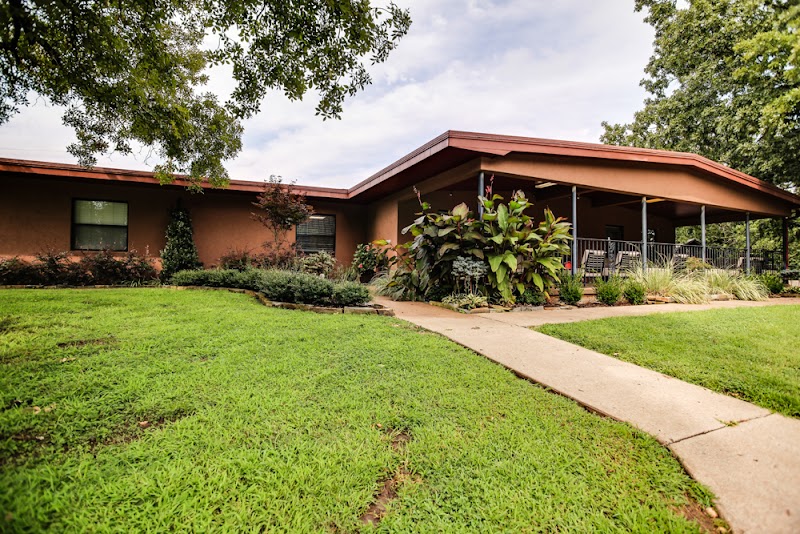
How is Sequoyah Pointe Skilled Nursing And Therapy Staffed?

CMS rates SEQUOYAH POINTE SKILLED NURSING AND THERAPY's staffing level at 3 out of 5 stars, which is average compared to other nursing homes. Staff turnover is 49%, compared to the Oklahoma average of 46%.

What Have Inspectors Found at Sequoyah Pointe Skilled Nursing And Therapy?

State health inspectors documented 25 deficiencies at SEQUOYAH POINTE SKILLED NURSING AND THERAPY during 2022 to 2025. These included: 25 with potential for harm.
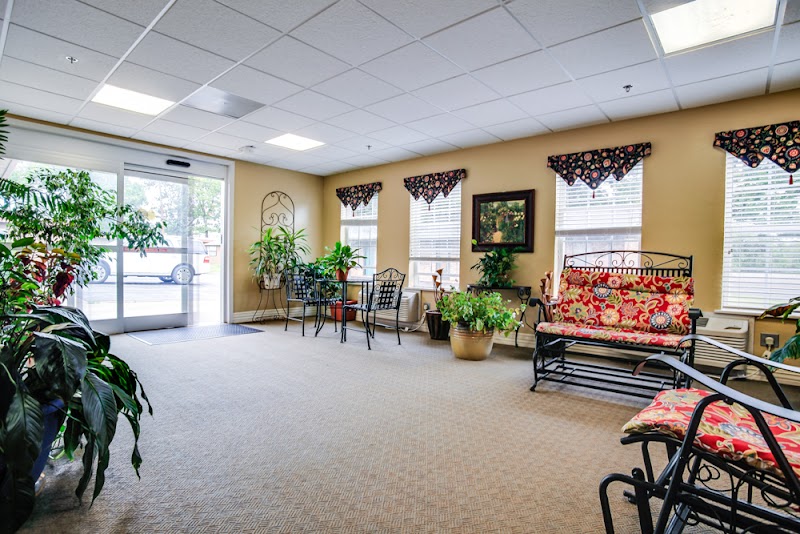
Who Owns and Operates Sequoyah Pointe Skilled Nursing And Therapy?

SEQUOYAH POINTE SKILLED NURSING AND THERAPY is owned by a for-profit company. For-profit facilities operate as businesses with obligations to shareholders or private owners. The facility is operated by BRIDGES HEALTH, a chain that manages multiple nursing homes. With 125 certified beds and approximately 57 residents (about 46% occupancy), it is a mid-sized facility located in TAHLEQUAH, Oklahoma.
How Does Sequoyah Pointe Skilled Nursing And Therapy Compare to Other Oklahoma Nursing Homes?

Compared to the 100 nursing homes in Oklahoma, SEQUOYAH POINTE SKILLED NURSING AND THERAPY's overall rating (4 stars) is above the state average of 2.6, staff turnover (49%) is near the state average of 46%, and health inspection rating (4 stars) is above the national benchmark.

What Should Families Ask When Visiting Sequoyah Pointe Skilled Nursing And Therapy?

Based on this facility's data, families visiting should ask: "Can I visit during a mealtime to observe dining assistance and food quality?" "How do you handle medical emergencies, and what is your hospital transfer rate?" "Can I speak with family members of current residents about their experience?"

Is Sequoyah Pointe Skilled Nursing And Therapy Safe?

Based on CMS inspection data, SEQUOYAH POINTE SKILLED NURSING AND THERAPY has a clean safety record: no substantiated abuse findings (meaning no confirmed cases of resident harm), no Immediate Jeopardy citations (the most serious violation level indicating risk of serious injury or death), and is not on the Special Focus Facility watch list (a federal program monitoring the lowest-performing 1% of nursing homes). The facility has a 4-star overall rating and ranks #1 of 100 nursing homes in Oklahoma. While no facility is perfect, families should still ask about staff-to-resident ratios and recent inspection results during their visit.

Do Nurses at Sequoyah Pointe Skilled Nursing And Therapy Stick Around?

SEQUOYAH POINTE SKILLED NURSING AND THERAPY has a staff turnover rate of 49%, which is about average for Oklahoma nursing homes (state average: 46%). Moderate turnover is common in nursing homes, but families should still ask about staff tenure and how the facility maintains care continuity when employees leave.

Was Sequoyah Pointe Skilled Nursing And Therapy Ever Fined?

SEQUOYAH POINTE SKILLED NURSING AND THERAPY has no federal fines on record. CMS issues fines when nursing homes fail to meet care standards or don't correct problems found during inspections. The absence of fines suggests the facility has either maintained compliance or corrected any issues before penalties were assessed. This is a positive indicator, though families should still review recent inspection reports for the full picture.

Is Sequoyah Pointe Skilled Nursing And Therapy on Any Federal Watch List?

SEQUOYAH POINTE SKILLED NURSING AND THERAPY is not on any federal watch list. The most significant is the Special Focus Facility (SFF) program, which identifies the bottom 1% of nursing homes nationally based on persistent, serious quality problems. Not being on this list means the facility has avoided the pattern of deficiencies that triggers enhanced federal oversight. This is a positive indicator, though families should still review the facility's inspection history directly.