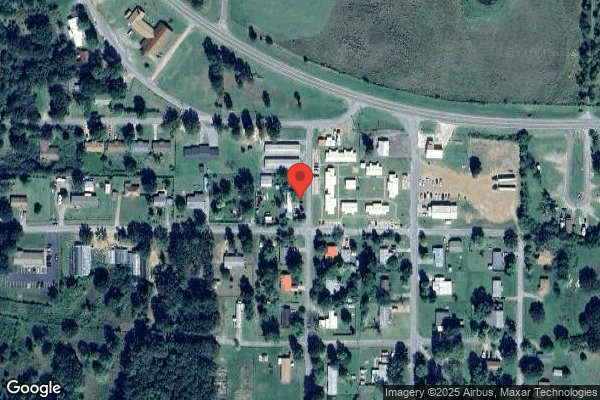
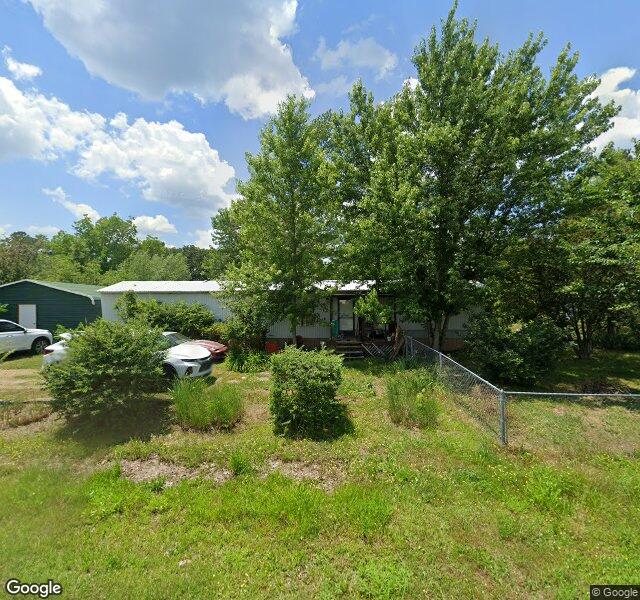
TALIHINA MANOR

FIRST & EMMERT STREET, TALIHINA, OK 74571 (918) 567-2279
For profit - Limited Liability company 69 Beds BGM ESTATE Data: November 2025
Trust Grade
45/100
#186 of 282 in OK
Last Inspection: March 2024

Within standard 12-15 month inspection cycle. Federal law requires annual inspections.

Overview

Talihina Manor has received a Trust Grade of D, indicating below-average quality with some significant concerns. It ranks #186 out of 282 nursing homes in Oklahoma, placing it in the bottom half of facilities statewide, but it is #2 out of 6 in Le Flore County, meaning only one local option is better. Unfortunately, the facility is worsening, with issues increasing from 4 in 2023 to 15 in 2024. While staffing is a strength, rated 4 out of 5 stars with only 34% turnover-better than the state average of 55%-the home has incurred $34,880 in fines, which is concerning as it is higher than 83% of Oklahoma facilities. Specific incidents include concerns about food sanitation, as staff failed to clean trays properly between meals, and issues with residents' rights regarding advanced directives not being followed correctly. Overall, while Talihina Manor has good staffing levels, the increase in issues and concerning practices present significant challenges for families considering this facility.

Trust Score
D
45/100
In Oklahoma
#186/282
Bottom 35%
Safety Record
Low Risk
No red flags
Inspections
Getting Worse
4 → 15 violations
Staff Stability
○ Average
34% turnover. Near Oklahoma's 48% average. Typical for the industry.
Penalties
✓ Good
$34,880 in fines. Lower than most Oklahoma facilities. Relatively clean record.
Skilled Nurses
⚠ Watch
Each resident gets only 21 minutes of Registered Nurse (RN) attention daily — below average for Oklahoma. Fewer RN minutes means fewer trained eyes watching for problems.
Violations
⚠ Watch
27 deficiencies on record. Higher than average. Multiple issues found across inspections.
★★☆☆☆
2.0
Overall Rating
★★★★☆
4.0
Staff Levels
★★★☆☆
3.0
Care Quality
★★☆☆☆
2.0
Inspection Score
Stable
2023: 4 issues
2024: 15 issues

The Good

  • 4-Star Staffing Rating · Above-average nurse staffing levels
  • Full Sprinkler Coverage · Fire safety systems throughout facility
  • No fines on record
  • Staff turnover below average (34%)

    14 points below Oklahoma average of 48%

Facility shows strength in staffing levels, fire safety.

The Bad

2-Star Overall Rating

Below Oklahoma average (2.6)

Below average - review inspection findings carefully

Staff Turnover: 34%

11pts below Oklahoma avg (46%)

Typical for the industry

Federal Fines: $34,880

Above median ($33,413)

Moderate penalties - review what triggered them

Chain: BGM ESTATE

Part of a multi-facility chain

Ask about local staffing decisions and management

The Ugly 27 deficiencies on record

Mar 2024 15 deficiencies
CONCERN (D)

Potential for Harm - no one hurt, but risky conditions existed

PASARR Coordination (Tag F0644)

Could have caused harm · This affected 1 resident

Based on observation, record review, and interview, the facility failed to update OHCA for residents with a newly evident or serious mental disorder for one (#3) of three residents reviewed for PASRR....

Read full inspector narrative →
Based on observation, record review, and interview, the facility failed to update OHCA for residents with a newly evident or serious mental disorder for one (#3) of three residents reviewed for PASRR. The Long-Term Care Facility Application for Medicare and Medicaid form documented 24 residents resided in the facility. Findings: Res #3 had an admission diagnosis of psychosis not due to a substance or known physiological condition and anxiety disorder. A PASRR level I assessment, dated 11/19/14, documented a diagnosis of psychotic disorder. On 08/08/17 the resident received a diagnosis of bipolar disorder. On 05/23/18 the resident received a diagnosis of major depressive disorder, recurrent severe without psychotic features. The resident's clinical records did not document OHCA was notified for the new diagnosis of bipolar disorder on 08/08/17 or the diagnosis of major depressive disorder on 05/23/18. A quarterly assessment, dated 02/06/24, documented the resident had an anxiety disorder, depression, bipolar disorder, and received an antidepressant medication during the previous seven days. On 02/26/24 at 8:24 a.m., Res #3 was observed lying in their bed with the television on. The resident was awake and made eye contact with the surveyor but was not interviewable. On 02/29/24 at 4:45 p.m., the DON stated they had not contacted OHCA regarding the resident's diagnosis of bipolar or major depressive disorder. The DON stated they would have to do it tomorrow.
CONCERN (D)

Potential for Harm - no one hurt, but risky conditions existed

Deficiency F0645 (Tag F0645)

Could have caused harm · This affected 1 resident

**NOTE- TERMS IN BRACKETS HAVE BEEN EDITED TO PROTECT CONFIDENTIALITY** The facility failed to ensure the OHCA was notified of a resident with a serious mental illness for one (#11) of three residents...

Read full inspector narrative →
**NOTE- TERMS IN BRACKETS HAVE BEEN EDITED TO PROTECT CONFIDENTIALITY** The facility failed to ensure the OHCA was notified of a resident with a serious mental illness for one (#11) of three residents reviewed for PASRR level I screenings. The Long-Term Care Facility Application for Medicare and Medicaid form documented 24 residents resided in the facility. Findings: Res #11 was admitted to the facility on [DATE] with diagnoses which included bipolar disorder. A PASRR Level I screening form, dated 07/10/23, documented the resident did not have any serious mental health diagnoses. There was no documentation the OHCA was notified of the resident's bipolar diagnosis. On 02/25/24 at 3:01 p.m., the DON stated the PASRR I screening form was not filled out correctly. They stated they could not find where the OHCA was notified of the resident's bipolar diagnosis.
CONCERN (D)

Potential for Harm - no one hurt, but risky conditions existed

Deficiency F0700 (Tag F0700)

Could have caused harm · This affected 1 resident

Based on observation, record review, and interview, the facility failed to ensure residents were fully assessed for the use of side rails, were provided with an informed consent for the use of side ra...

Read full inspector narrative →
Based on observation, record review, and interview, the facility failed to ensure residents were fully assessed for the use of side rails, were provided with an informed consent for the use of side rails, and side rails were properly installed for one (#13) of one resident reviewed for side rails. The DON stated 11 residents in the facility utilized side rails of any type. Findings: Res #13 had diagnoses which included cerebral infarction due to embolism of left middle cerebral artery, weakness, abnormalities of gait and mobility, and chenille and empress following cerebral infarction affecting right dominant side. A physician order, dated 01/18/24, documented the resident may use a hoop (a type of side rail) to help assist with turning and repositioning. A side rails screen form, dated 01/18/24, did not document the resident's medical diagnoses, size and weight, sleep habits, medications, acute medical or surgical interventions, underlying medical conditions, existence of delirium, ability to toilet self safely, cognition, communication, or risk of falling. A quarterly assessment, dated 02/23/24, documented the resident was intact in cognition and required supervision with bed mobility and transfers. A care plan for falls, reviewed on 02/25/24, documented the facility was to adapt the resident's environment to maximize independence by installing a hoop to the bed to help the resident be as independent as possible with turning and repositioning as well as assisting with sitting up on the side of the bed for transfers or to eat. On 02/25/24 at 9:40 a.m., the resident was observed lying in their bed. The resident's bed was equipped with an aftermarket grab bar. At that time the resident stated they did not ask for a side rail the facility just put it on their bed. The resident grabbed the side rail and showed the surveyor the rail was very loose. The resident stated to was so loose it was dangerous for them to use. On 02/29/24 at 4:44 p.m., the administrator and the DON observed the resident's side rail and agreed it was very loose. The administrator stated they thought the maintenance man had told them they had attached the rails to the bed very tightly. The requirements for assessing a resident for side rail use and for the informed consent were reviewed with the administrator. The administrator stated they had no idea so much was involved when using side rails. The administrator stated they were unaware CMS considered any type of grab bar attached to the bed, such as bed hoops, was considered a side rail. On 03/01/24 at 4:17 p.m., the DON stated the they could not locate an informed consent for side rail use in the resident's records.
CONCERN (D)

Potential for Harm - no one hurt, but risky conditions existed

Deficiency F0744 (Tag F0744)

Could have caused harm · This affected 1 resident

Based on record review and interview, the facility failed to develop a care plan for a resident with dementia to ensure they received the appropriate treatment and services for one (#5) of one residen...

Read full inspector narrative →
Based on record review and interview, the facility failed to develop a care plan for a resident with dementia to ensure they received the appropriate treatment and services for one (#5) of one resident reviewed for dementia care. The DON stated there were 12 residents with a diagnosis of dementia who resided in the facility. Findings: Res #5 had diagnoses which included dementia. A quarterly assessment, dated 01/09/24, documented the resident was moderately impaired in cognition, was dependent or required maximum assistance with ADLs, and did not walk. The resident's clinical records were reviewed and the care plan did not contain a plan of care specific to the resident's dementia care needs. On 03/01/24 at 1:30 p.m., the DON was asked to provide a plan of care related to the resident's dementia care. The DON stated the resident plan of care did not address the resident's dementia. They stated the resident should have had a plan of care to address their specific needs dementia caused.
CONCERN (D)

Potential for Harm - no one hurt, but risky conditions existed

Drug Regimen Review (Tag F0756)

Could have caused harm · This affected 1 resident

Based on observation, record review, and interview, the facility failed to ensure a physician responded to a consultant pharmacist recommendation for one (#2) of five residents whose medications were ...

Read full inspector narrative →
Based on observation, record review, and interview, the facility failed to ensure a physician responded to a consultant pharmacist recommendation for one (#2) of five residents whose medications were reviewed. The Long-Term Care Facility Application for Medicare and Medicaid form documented 24 residents resided in the facility. Res #2 had diagnoses which included conversion disorder with seizures or convulsions and transient ischemic deafness, bilateral. On 08/07/23 the consultant pharmacist reviewed the resident's medications and recommended the facility add oxcarbazepine level every six months to the resident's standing lab orders. A quarterly assessment, dated 01/30/24, documented the resident was moderately impaired in cognition, required partial to moderate assistance with most ADLs and received an anticoagulant, insulin, and a hypoglycemic medication during the seven day assessment period. On 02/26/24 at 8:25 a.m., Res #2 was observed during the administration of medications. The resident was not able to speak and was unwilling to receive the last medication however the CMA worked with the resident and was able to convince the resident to receive the last tablet. On 02/29/24 at 11:51 a.m., the DON stated they did not get the 08/07/23 pharmacist recommendation back from the physician. The DON stated they make a copy and gives the original to the physicians for review. The DON stated when the originals come back from the physician they place the returned recommendation in the resident's hard chart. The DON stated they indicate on the DON report from the pharmacist when the recommendations have been processed and noted. On 02/29/24 at 12:53 p.m., the DON report from the pharmacist was reviewed and did not document the 08/07/23 recommendation from the pharmacist had been received and noted. The DON confirmed if it was not documented in the book they did not receive it back from the physician. The DON stated they should have followed up on the recommendation when it was not returned.
CONCERN (D)

Potential for Harm - no one hurt, but risky conditions existed

Deficiency F0757 (Tag F0757)

Could have caused harm · This affected 1 resident

Based on observation, record review, and interview, the facility failed to ensure medications were prescribed for the correct indication for one (#2) of five residents whose medications were reviewed....

Read full inspector narrative →
Based on observation, record review, and interview, the facility failed to ensure medications were prescribed for the correct indication for one (#2) of five residents whose medications were reviewed. The Long-Term Care Facility Application for Medicare and Medicaid form documented 24 residents resided in the facility. Findings: Res #2 had diagnoses which included a primary diagnosis of conversion disorder with seizures or convulsions. A quarterly assessment, dated 01/30/24, documented the resident was moderately impaired in cognition and required partial to moderate assistance with most ADLs. A physician order, dated 02/23/24, documented the facility was to administer oxcarbazepine (a medication used to treat a seizure disorder and nerve pain) 300 mg orally twice daily for a diagnosis of conversion disorder with seizures or convulsions. On 02/26/24 at 8:25 a.m., Res #2 was observed during the administration of medications. The resident was not able to speak and was unwilling to receive the last medication however the CMA worked with the resident and was able to convince the resident to receive the last tablet which was identified as oxcarbazepine by the CMA. The CMA stated it was a new order for the resident. On 02/29/24 at 11:37 a.m., the DON was asked about a care plan for the use of oxcarbazepine for the treatment of the resident's conversion disorder with seizures or convulsions. The DON stated the care plan for the use of oxcarbazepine was included in the resident's dental care plan. The DON stated the resident did not have conversion disorder with seizures or convulsions and the medication was prescribed for oral nerve pain. When asked about the diagnosis attached to the oxcarbazepine order and the resident's primary diagnosis of conversion disorder the DON stated this was incorrect and the resident did not have conversion disorder or experience seizures.
CONCERN (E)

Potential for Harm - no one hurt, but risky conditions existed

Deficiency F0578 (Tag F0578)

Could have caused harm · This affected multiple residents

**NOTE- TERMS IN BRACKETS HAVE BEEN EDITED TO PROTECT CONFIDENTIALITY** Based on observation, record review, and interview, the facility failed to ensure residents' rights to formulate advanced direct...

Read full inspector narrative →
**NOTE- TERMS IN BRACKETS HAVE BEEN EDITED TO PROTECT CONFIDENTIALITY** Based on observation, record review, and interview, the facility failed to ensure residents' rights to formulate advanced directives in accordance with state law for four (#1, 4, 14, and #19) of 16 residents whose records were reviewed for advanced directives. The DON stated 16 residents residing in the facility had DNRs. Findings: 1. Res #14 had diagnoses which included cerebrovascular disease and dementia. A physician order, dated [DATE], documented the resident's code status was DNR. A quarterly assessment, dated [DATE], documented the resident was severely impaired in cognitive skills for daily decision making and was dependent with most ADLs. A care plan, initiated on [DATE] and last reviewed on [DATE], documented the facility would not perform life saving measures of CPR in the event of death of the resident. On [DATE] at 2:13 p.m., the dashboard of the resident's EHR records documented the resident's code status was DNR. At that time, the resident's EHR was reviewed and documented the resident had an advanced directives which did not include a DNR. The DON stated they thought the advanced directives was a DNR. The DON stated the resident had a POA however the facility did not have a copy of the resident's POA paperwork on file in the facility. At that time, corporate nurse #1 stated the facility was required to have a copy of the resident's POA paperwork on file at the facility. The corporate nurse confirmed the advanced directive was not a DNR consent form. 2. Res #19 had diagnoses which included vascular dementia, epilepsy, and age-related debility. A physician order, dated [DATE], documented to admit the resident to hospice services. A quarterly review, dated [DATE], documented the resident was severely impaired in cognitive skills for daily decision making and dependent for most ADLs. On [DATE] at 1:01 p.m., the resident was observed in a geri-chair which was in the lobby. The resident's spouse and several other family members were sitting with the resident. The resident was not interviewable. On [DATE] at 1:47 p.m., the resident EHR dashboard documented the resident was a DNR. A copy of the resident's DNR was not present in the scanned documents or the resident's hard chart. On [DATE] at 1:50 p.m., the DON was asked for a copy of the resident's DNR form. The DON provided copy of a form titled Acknowledgement of Receipt Advanced Directives/Medical Treatment Decisions. The form documented the resident's wish to formulate and issue a DNR. The form read in part, .I understand it is my responsibility to provide to the facility copies of all pertinent documentation which verify those advance directives specified below for placement in my medical record . The DON also provided a copy of a form titled Oklahoma Physician Orders for Life-Sustaining Treatment which had indicated the facility was not to attempt resuscitation (DNR/no CPR). The form was signed by a family member, not the resident's spouse, who did not have power of attorney for health care or health care proxy. At that time, the administrator stated this was the facility's fault and should have had the correct information on file. On [DATE] at 12:30 p.m., the administrator provided a copy of a DNR, signed by the resident's spouse, and a copy of a POA document which assigned the resident's spouse a the POA for financial only. The form did not designate a health care proxy. On [DATE] at 12:50 p.m., the administrator was asked about the POA form. The administrator reviewed the section of the POA which read in part, .This power of attorney does not authorize the agent to make health care decisions for you. You should select someone you trust to serve as your agent . The administrator stated they did not understand what that meant. They then confirmed it meant the spouse did not have authority to sign the DNR. The administrator stated they would contact the resident's physician. 3. Res #1 had diagnoses which included Parkinson's disease and Alzheimer's disease. Res #1's Acknowledgement of Receipt Advance Directives/Medical Treatment Decisions form dated [DATE] documented the resident had chosen to formulate a Do Not Resuscitate advance directive. A physician order, dated [DATE], documented the resident was DNR status. A quarterly MDS assessment, dated [DATE], documented the resident was severely cognitively impaired and dependent with ADLs. The resident's medical record did not included a DNR form. On [DATE] at 3:17 p.m., the DON stated the resident did not have a DNR form in their record. 4. Res #4 had diagnoses which included multiple sclerosis, cognitive communication deficit, moderate vascular dementia, atrial fibrillation, transient cerebral ischemic attack, and myocardial infarction. Res #4's Acknowledgement of Receipt Advance Directives/Medical Treatment Decisions form, dated [DATE] and signed by the resident, documented the resident had chosen to formulate a Do Not Resuscitate advance directive. A physician order, dated [DATE], documented the resident was DNR status. The resident's medical record did not included a DNR form. On [DATE] at 2:38 p.m., the DON stated the resident did not have a DNR form, only the acknowledgement form. On [DATE] at 11:42 a.m., the resident stated they wanted to be DNR status and had signed the official DNR form today.
CONCERN (E)

Potential for Harm - no one hurt, but risky conditions existed

Assessment Accuracy (Tag F0641)

Could have caused harm · This affected multiple residents

Based on observation, record review, and interview, the facility failed to ensure the accuracy of MDS assessments for three (#2, #3, and #5) of 12 residents whose assessments were reviewed. The Long-...

Read full inspector narrative →
Based on observation, record review, and interview, the facility failed to ensure the accuracy of MDS assessments for three (#2, #3, and #5) of 12 residents whose assessments were reviewed. The Long-Term Care Facility Application for Medicare and Medicaid form documented 24 residents resided in the facility. Findings: 1. Res #2 had diagnoses which included conversion disorder with seizures or convulsions, congestive heart failure, flaccid hemiplegia affecting right dominant side, and diabetes mellitus. A physician order, dated 12/01/17, documented the facility was to administer clopidogrel (an antiplatelet medication) 75 mg daily for a diagnosis of chronic congestive heart failure. On the same date, the physician ordered the facility to administer hydrochlorothiazide, (a diuretic medication) 25 mg daily for a diagnosis of chronic congestive heart failure. An annual assessment, dated 05/06/23, documented the resident was independent in cognitive skills for daily decision making. The assessment documented the resident required extensive assistance with bed mobility, transfer, hygiene, and toilet use. The assessment documented the resident required limited assistance with dressing. The assessment documented the resident required physical help with part of the bathing activity. The assessment documented the resident had a range of motion impairment on the upper and lower of one side. The assessment documented the resident was occasionally incontinent of urine and frequently incontinent of bowel. The assessment documented the resident received insulin but no other medications. A quarterly assessment, dated 08/03/23, documented resident was independent in cognitive skills for daily decision making. The assessment documented the resident required extensive assistance with bed mobility, transfer, hygiene, and toilet use. The assessment documented the resident required extensive assistance with bathing. The assessment documented the resident was totally dependent with bathing. The assessment documented the resident had a range of motion impairment on one side of the upper and no impairment of lower extremities. A quarterly assessment, dated 11/01/23, documented the resident was severely impaired in cognition, required set up or clean up assistance with eating and oral hygiene, substantial or maximum assistance with showering/bathing, dressing, putting on footwear, and partial to moderate assistance with personal hygiene. The assessment documented the resident had a range of motion impairment on one side of the upper and no impairment of the lower extremities. The assessment documented the resident required partial to moderate assistance with bed mobility, and substantial to maximal assistance with sit to lying lying to sitting on the side of the bed, chair to bed to chair transfer, toilet transfer, and tub/shower transfer. The assessment documented the resident was frequently incontinent with bowel and bladder. The assessment documented the resident received insulin and an antiplatelet medication. The assessment did not document the resident received a diuretic medication. A quarterly assessment, dated 01/30/24, documented the resident was moderately impaired in cognition and had impairment on one side of the upper extremities and no impairment of the lower extremities. The assessment documented the resident required set up and clean up with eating and oral hygiene, partial to moderate assistance with toileting, showering, dressing, bed mobility, bathing, and transferring. The assessment documented the resident was frequently incontinent of bowel and bladder. The assessment documented the resident received insulin and an anticoagulant medication. The assessment did not document the resident received an antiplatelet or a diuretic medication. On 02/29/24 at 11:35 a.m., the DON stated they should have captured the diuretic and coded the Plavix as an antiplatelet rather than an anticoagulant medication. On 02/29/24 at 11:49 a.m., the resident was observed in the dining room waiting for the noon meal to be served. The resident was unable to be interviewed. On 02/29/24 at 12:02 p.m., the DON was asked why significant change assessments had not been completed due to the resident's status changing in more than two areas between the annual and subsequent quarterly assessments. The DON stated they had to utilize the KIOSK entries and they are required to use the CNA entries for coding the MDS assessments. The DON stated they knew the assessments were not accurate as the resident had not changed. The DON was asked it the facility had educated the staff who documented in the KIOSK system on what the different categories meant. They stated they had not conducted this type of education with the CNAs. The DON agreed that with the changes on section C and section G and GG, it would appear the resident needed significant change assessments with the quarterly assessments. The DON stated the range of motion on the assessments had been coded incorrectly as the resident had flaccid hemiplegia on their right arm and leg. 2. Res #3 had diagnoses which included bipolar disorder, major depressive disorder, unspecified psychosis, and anxiety disorder. A care plan, dated 02/25/21 and last reviewed on 02/06/24, documented the resident had a diagnosis of bi-polar, psychosis, depression, and anxiety. A significant change assessment, dated 08/20/23, documented the resident did not have an anxiety disorder, depression, bipolar disorder, or a psychotic disorder. On 02/29/24 at 4:45 p.m., the DON stated they did not code the significant change assessment correctly related to the diagnosis section. 3. Res #5 had diagnoses which included bipolar disorder. A physician order, dated 05/01/20, documented the facility was to administer quetiapine (an antipsychotic medication) 25 mg daily at bedtime for a diagnosis of bipolar disorder. A significant change assessment, dated 10/11/23, documented the resident was intact in cognition. The assessment documented the resident did not receive an antipsychotic medication. On 03/01/24 at 1:11 p.m., the DON confirmed the significant change MDS assessment was not correct regarding the resident's use of an antipsychotic medication.
CONCERN (E)

Potential for Harm - no one hurt, but risky conditions existed

Comprehensive Care Plan (Tag F0656)

Could have caused harm · This affected multiple residents

Based on observation, record review, and interview, the facility failed to develop care plans to meet the residents' needs for three (#3, 5, and #7) of twelve residents whose care plans were reviewed....

Read full inspector narrative →
Based on observation, record review, and interview, the facility failed to develop care plans to meet the residents' needs for three (#3, 5, and #7) of twelve residents whose care plans were reviewed. The Long-Term Care Facility Application for Medicare and Medicaid form documented 24 residents resided in the facility. Findings: 1. Res #3 had diagnoses which included bipolar disorder and major recurrent and severe depressive disorder without psychotic features. A physician order, dated 08/21/23, documented the facility was to administer sertraline (an antidepressant medication) 25 mg, 1/2 a tablet daily. A quarterly assessment, dated 02/06/24, documented Res #3 received an antidepressant medication during the previous seven days. The resident's clinical record was reviewed and did not document a plan of care related to the use of an antidepressant medication. On 02/26/24 at 8:24 a.m., Res #3 was observed lying in their bed with the television on. The resident was awake and made eye contact with the surveyor but was not interviewable. On 02/29/24 at 4:45 p.m., the DON stated the facility had not developed a plan of care related to the use of an antidepressant medication. The DON stated they missed it during the review of the plan of care. 2. Res #5 had diagnoses which included primary insomnia. A physician order, dated 10/18/23, documented the facility was to administer remelteon (a hypnotic/sedative medication) eight mg daily at bedtime for a diagnosis of insomnia. A quarterly assessment, dated 01/09/24, documented the resident was intact in cognition and received a hypnotic medication during the previous seven days. On 02/25/24 at 2:24 p.m., the resident was observed sitting in the lobby watching television and observing others ambulate in the lobby area. The resident did not speak to the surveyor when spoken to. The resident's clinical records were reviewed and did not document a plan of care related to insomnia or the use of a hypnotic medication. On 03/01/24 at 1:18 p.m., the DON reviewed the care plan for the resident and confirmed the plan did not include the resident's insomnia or the use of hypnotics. The DON stated the resident's care plan should have included all of the classes of medications the resident used for their diagnoses. 3. Res #7 had diagnoses which included anxiety disorder and dementia. A physician order, dated 01/05/23, documented the facility was to administer trazodone (an antidepressant medication) 25 mg daily at bedtime. A physician order, dated 03/01/23, documented the facility was to administer buspirone (an antianxiety medication) five mg twice daily. A quarterly assessment, dated 12/09/23, documented the resident was moderately impaired in cognition, and used an antianxiety and antidepressant medication during the seven day assessment period. On 02/25/24 at 2:04 p.m., the resident was observed in their room. The resident appeared comfortable but did not speak when spoken to. The resident's clinical record was reviewed and did not document a plan of care related to the use of buspirone or trazodone. On 03/01/24 at 3:32 p.m., the DON reviewed the resident's care plan and confirmed a plan of care related to the use of buspirone or trazodone was not documented. The DON stated there should have trazodone and buspirone should have been care planned.
CONCERN (E)

Potential for Harm - no one hurt, but risky conditions existed

Deficiency F0727 (Tag F0727)

Could have caused harm · This affected multiple residents

Based on record review and interview the facility failed to ensure an RN was present in the facility for eight consecutive hours a day seven days a week. The Long-Term Care Facility Application for M...

Read full inspector narrative →
Based on record review and interview the facility failed to ensure an RN was present in the facility for eight consecutive hours a day seven days a week. The Long-Term Care Facility Application for Medicare and Medicaid form documented 24 residents resided in the facility. Findings: A form, titled PBJ Staffing Data Report [NAME] Report 1705D FY Quarter 1 2023 (October 1 - December 31) documented multiple infraction dates of no RN hours. On 02/27/24 the corporate director of nursing and the corporate director of operations were asked to locate documentation an RN was present in the facility for eight consecutive hours on the infraction dates on the PBJ report. On 02/27/24 at 3:50 p.m., the corporate director of operations reported they were unable to provide documentation an RN was worked at least eight consecutive hours for the following dates, 10/01/23, 10/07/23, 10/08/23, 10/30/23, 11/05/23, 11/23/23, 11/24/23, 11/25/23, 12/11/23, 12/16/23, 12/18/23, 12/24/23, and 12/25/23.
CONCERN (E)

Potential for Harm - no one hurt, but risky conditions existed

Pharmacy Services (Tag F0755)

Could have caused harm · This affected multiple residents

Based on observation, record review, and interview, the facility failed to ensure medications were stored and reconciled according to the facilities practice and standard of care. The Long Term Care ...

Read full inspector narrative →
Based on observation, record review, and interview, the facility failed to ensure medications were stored and reconciled according to the facilities practice and standard of care. The Long Term Care Facility Application form Medicare and Medicaid form documented 24 residents resided in the facility. Findings: On 02/26/24 at 10:30 a.m., the DON described the process the facility used to account for and reconcile narcotic medications for disposal. The DON stated the facility CMAs and nursing staff were to bring the narcotic to the DON office and document the medication in a book along with the prescription number and the physical number of the medication. The DON would then confirm the information and place the medication along with the medication's count sheet in a locking cabinet inside of a second locking cabinet located in the DON office. On 02/26/24 at 10:36 a.m., the contents of the cabinet were observed and the following medications were in the cabinet. 15 syringes of morphine sulfate with each syringe containing 0.5 ml of morphine. 122 ampules of compounded lorazepam wrist rub with each ampule containing a 1 ml dose. Two cards of Hydrocodone/acetaminophen 5 mg/325 mg with a total tablet count of 34 tablets. One bag containing 23 prefilled syringes of lorazepam with each syringe containing 0.5 mg of lorazepam. None of the narcotics had been documented in the book to be stored for destruction. On 02/26/24 at 10:42 a.m., the DON stated the staff knew better than this and were to document the narcotics in the book before they brought them to the DON. The DON was asked for the facility policy regarding this process and they stated there was no policy for this, it was just the way the DON had instructed the staff to handle the discontinued narcotics. The DON stated the facility had not been following their own practices for safe storage and reconciliation of medications awaiting destruction.
CONCERN (E)

Potential for Harm - no one hurt, but risky conditions existed

Medication Errors (Tag F0758)

Could have caused harm · This affected multiple residents

Res #12 had diagnoses which included specified depressive episodes, dementia, and generalized anxiety disorder. A physician order, dated 06/21/23, documented alaprazolam 0.25 mg tablet to be given ev...

Read full inspector narrative →
Res #12 had diagnoses which included specified depressive episodes, dementia, and generalized anxiety disorder. A physician order, dated 06/21/23, documented alaprazolam 0.25 mg tablet to be given every eight hours routinely. A physician order, dated 03/05/23, documented alaprazolam 0.25 mg tablet to be given once a day, as needed, one half hour after scheduled dose for anxiety. The alaprazolam 0.25 mg as needed did not have an end date. A physician order, dated 10/13/23, documented the resident to be admitted to hospice. A significant change, date 10/19/23, documented the resident was cognitive intact, requiring maximum assistance with ADLs, and was admitted to hospice. On 02/27/24 at 2:03 p.m., the DON stated the resident was on hospice and the as needed alaprazolam was needed at times when the resident would become anxious. They also stated they were not aware the PRN alaprazolam should be re-ordered for the resident every 14 days or have an end date. Based on observation, record review, and interview, the facility failed to ensure PRN psychotropic medications were limited to 14 days unless the physician deemed it appropriate to extend the duration and document a rational and end date for two (#12 and #14) of five residents whose medications were reviewed. The Long-Term Care Facility Application for Medicare and Medicaid form documented 24 residents resided in the facility. Findings: 1. Res #14 had diagnoses which included dementia and anxiety disorder. A physician order, dated 01/09/24, documented the facility was to administer lorazepam (an antianxiety medication) 0.5 mg every four hours as needed for a diagnosis of anxiety disorder. A quarterly assessment, dated 01/12/24, documented the resident was severely impaired in cognitive skills for daily decision making, required supervision with eating, and was dependent with most other ADLs. A care plan, dated 01/30/24, documented the resident was at risk for adverse consequences related to receiving antianxiety medication of lorazepam for the treatment of anxiety. On 02/27/24 at 1:23 p.m., the DON stated the order for lorazepam was written and did not include an end date. They stated the resident was now on hospice and the facility did not ask the physician to set an end date or document why the resident would need it longer than 14 days.
CONCERN (E)

Potential for Harm - no one hurt, but risky conditions existed

Deficiency F0761 (Tag F0761)

Could have caused harm · This affected multiple residents

**NOTE- TERMS IN BRACKETS HAVE BEEN EDITED TO PROTECT CONFIDENTIALITY** Based on observation, record review, and interview, the facility failed to ensure medications were not kept past their expired d...

Read full inspector narrative →
**NOTE- TERMS IN BRACKETS HAVE BEEN EDITED TO PROTECT CONFIDENTIALITY** Based on observation, record review, and interview, the facility failed to ensure medications were not kept past their expired date. The Long Term Care Facility Application form Medicare and Medicaid form documented 24 residents resided in the facility. Findings: On [DATE] at 10:16 a.m., the medication carts on the hall were inspected. One bottle labeled Vitamin D 50 mcg was observed to have a pharmacy label documenting an expiration date of [DATE]. The manufacturer expiration date was documented as 02/2024. At that time, CMA #1 was asked if the facility used the pharmacy label or the manufacturer label to determine the date the medication should have been pulled. The CMA stated she did not know but would find out. On [DATE] at 10:19 a.m., the medication room was observed with CMA #1. In the larger refrigerator, there were two pre-filled syringes, labeled Prevnar 13, documented an expiration date of 09/2023. An opened vial of Quadrivalent Influenza vaccine had an open date of [DATE] documented on the label. In the smaller refrigerator, an open container of prune juice was observed on a shelf. There were also medications stored in the smaller refrigerator. On [DATE] at 10:26 a.m., the DON stated any open multiple use vial should have been disposed of 30 days after opening. The DON stated the facility was to use the date on the pharmacy label, rather than the manufacturer expiration date, to determine when a medication was to be pulled and disposed of. The DON stated the Prevnar, quadrivalent influenza vaccine, and the vitamin D should have been pulled and disposed.
CONCERN (E)

Potential for Harm - no one hurt, but risky conditions existed

Deficiency F0775 (Tag F0775)

Could have caused harm · This affected multiple residents

Based on record review and interview, the facility failed to have a system to receive resident lab reports and ensure the reports were placed in the residents' clinical records for seven (#2, 5, 7, 13...

Read full inspector narrative →
Based on record review and interview, the facility failed to have a system to receive resident lab reports and ensure the reports were placed in the residents' clinical records for seven (#2, 5, 7, 13, 14, 16, and #17) of eight residents reviewed for availability of lab reports. The DON stated eight residents received lab services utilizing the Choctaw Nation Hospital. Findings: 1. A physician order for Res #14, dated 07/12/17, documented the facility was to obtain a CBC with differential and a comprehensive metabolic panel in January and July of each year. The resident's EHR was reviewed and did not document the lab for January 2024. On 02/27/24 at 10:10 a.m., the DON was asked to provide the January lab results. On 02/27/24 at 10:20 a.m., the DON provided a copy of the January CBC with differential and a comprehensive metabolic panel. The report documented the facility had received it on 02/27/24. The DON stated the Choctaw Nation would draw the labs for the tribal member but would not provide the results. They stated the only way they could obtain the labs was if the resident or the resident's POA physically went to the Choctaw hospital. The DON stated the other way they could receive the labs was if the facility was to send the resident to the hospital for an emergency room visit and sent the resident with a release of information at the time of the emergency room visit. The DON stated the labs were this way for all of the Choctaw tribal residents who lived in the facility. The DON was asked for a list of all Choctaw tribal members who resided in the facility. On 02/27/24 at 10:24 a.m., the administrator stated they were aware that previously the Choctaw Hospital had not been sending lab reports to the facility. They stated they thought the DON had taken care of the issue and did not know it was still occurring. 2. A physician order for Res #17, dated 10/22/18, documented the facility was to obtain a CBC with differential and a comprehensive metabolic panel in January and July of every year and a glycohemoglobin in January, May, and September of each year. The resident's clinical records were reviewed and did not contain CBC results from July of 2023 or January of 2024. The records did not contain results for glycohemoglobin in May of 2023, September of 2023, and January of 2024. 3. Physician orders for Res #5, dated 03/15/21, documented the facility was to obtain a CBC and comprehensive metabolic panel in January and July of each year. Res #5's clinical record did not contain CBC or comprehensive metabolic panel from July of 1023 or a comprehensive metabolic panel results from January of 2024. 4. A physician order for Res #2, dated 10/22/18, documented the facility was to obtain a CBC with differential and a comprehensive metabolic panel in January and July of each year and a glycohemoglobin in January, May, and September of each year. A physician order, dated 06/23/21, documented the facility was to obtain a lipid profile and a TSH in January of each year. No lab reports were documented for September of 2023 or January of 2024. On 02/29/24 at 11:47 a.m., the DON confirmed the lab report had not been obtained in September of 2023. They stated the facility had attempted to obtain the yearly labs in January and were not able to draw the labs. The DON stated they notified the physician and were told to not worry about it and try again next month. The DON stated they had not tried again as of 02/29/24. 5. A physician order for Res #16, dated 08/18/22 documented the facility was to obtain a CBC and comprehensive metabolic panel and a lipid panel in January and July of each year. A physician order, dated 08/18/23, documented the facility was to obtain a vitamin D level annually in January of each year. A review of the resident's clinical records did not document the report for a Vitamin D level, a CBC, comprehensive metabolic panel, or a lipid panel in January 2024. 6. Physician orders for Res #7, dated 09/08/23, documented the facility was to obtain a Vitamin B 12 level and a CBC and comprehensive metabolic panel in July and January of each year. The resident's clinical records were reviewed and did not document lab reports for the month of January 2024. 7. A physician order for Res #13, dated 12/07/22, documented the facility was to obtain a CBC, comprehensive metabolic panel, lipid panel in January and July of each year and a glycohemoglobin in January, May, and September of each year. A physician order, dated 09/08/23, documented the facility was to obtain a Vitamin D level annually in January of each year. The resident's clinical records did not contain lab reports for July of 2023, September of 2023, or January of 2024. On 02/27/24 at 11:04 a.m., the DON was on the phone with a physician at the Choctaw Hospital and was trying to figure out a system to ensure the lab reports were sent to the facility.
CONCERN (F)

Potential for Harm - no one hurt, but risky conditions existed

Food Safety (Tag F0812)

Could have caused harm · This affected most or all residents

Based on observation and interview, the facility failed to serve food in a sanitary manner. The administrator stated 23 residents received their meals from the kitchen. Findings: On 02/25/24 at 12:01...

Read full inspector narrative →
Based on observation and interview, the facility failed to serve food in a sanitary manner. The administrator stated 23 residents received their meals from the kitchen. Findings: On 02/25/24 at 12:01 p.m., during the service for the noon meal, one staff member from the kitchen was observed taking out a tray of food while the other kitchen staff member was plating the next resident's meal. The staff delivering the trays was observed to take the meal out on a tray and then return to the kitchen with the same tray and putting it down for a new meal to be served on it. The staff member was not sanitizing the tray between each meal and was not observed to wash their hands when they entered the kitchen. On 02/25/24 at 12:04 p.m., both staff members who were serving the noon meal were observed to have on gloves. When the staff member took the tray with a resident's meal on it, they were observed to place the tray on the resident's table and offload the food and place the plates of food and drink in front of the resident. The staff member then returned to the kitchen and place the tray by the steam table and placed the next resident's meal, drinks, silverware, and meal card on the tray to take to the next resident. On 02/25/24 at 12:07 p.m., the cook who was plating the meals was not observed to change their gloves and was serving scoops of food, opened cupboards for additional food items, returning to the steam table, and picked up rolls with their gloved hands. On 02/25/24 at 12:35 p.m., Dietary Aide #1 stated they only don gloves and do not change them or wash their hands if they become soiled. The dietary aide stated the facility only had one tray to take meals out to the residents. [NAME] #1 stated confirmed the above and stated they had not considered the gloves would become contaminated when they touched other items that may not have been clean.
Feb 2023 4 deficiencies
CONCERN (D)

Potential for Harm - no one hurt, but risky conditions existed

Comprehensive Care Plan (Tag F0656)

Could have caused harm · This affected 1 resident

Based on record review and interview, the facility failed to develop a care plan for a resident on hospice services for one (#18) of one resident reviewed for Hospice services. The Resident Census and...

Read full inspector narrative →
Based on record review and interview, the facility failed to develop a care plan for a resident on hospice services for one (#18) of one resident reviewed for Hospice services. The Resident Census and Conditions of Residents, dated 02/14/23, documented six residents received hospice services. Findings: A physician's order for Res #18, dated 06/24/22, read in part, Admit to (name withheld) Hospice services for senile degeneration brain secondary to intercranial hemorrhage related to frequent falls. A comprehensive care plan, last reviewed on 02/13/23 did not include a care plan for hospice services. On 02/17/23 at 10:50 a.m., the Administrator reported there should have been a hospice services care plan for Res #18.
CONCERN (D)

Potential for Harm - no one hurt, but risky conditions existed

Deficiency F0657 (Tag F0657)

Could have caused harm · This affected 1 resident

Based on record review and interview, the facility failed to revise a care plan with fall interventions for one (#18) of two residents reviewed for falls. An All Falls for Facility report, dated 02/14...

Read full inspector narrative →
Based on record review and interview, the facility failed to revise a care plan with fall interventions for one (#18) of two residents reviewed for falls. An All Falls for Facility report, dated 02/14/22 through 02/16/23, documented 14 residents had falls in the last 12 months. Findings: Resident #18 was admitted with diagnoses which included dementia, epilepsy, and a history of falls. A Fall - Evaluation and Prevention policy, dated 03/15, documented in parts, .It is the policy of this facility to evaluate residents for their fal lrisk and develop interventions for prevention .Review all falls immediately .review of nurses note documentation and CP (care plan) updating. Fall interventions are to be reviewed for appropriateness, to ensure that they are a new intervention and to ensure that they have been implemented . An All Falls for Facility report, dated 02/14/22 through 02/16/23, documented falls for Res #18 on the following dates: 03/01/22, 04/23/22, 05/27/22, 06/22/22, 06/24/22 x 2, 08/01/22, 08/16/22, 08/24/22, 09/01/22, 09/20/22, 09/27/22, 10/03/22, 10/25/22, 01/31/23, and 02/14/23. A fall care plan, last reviewed on 02/15/23, did not have fall interventions for Res #18's falls on the following dates: 03/01/22, 04/23/22, 05/27/22, 06/22/22, 06/24/22 x 2, 08/01/22, 08/16/22, 08/24/22, 09/01/22, 09/20/22, 09/27/22, and 10/03/22. On 02/17/23 at 10:05 a.m., the Administrator reported fall interventions should have been care planned after each fall for Res #18.
CONCERN (D)

Potential for Harm - no one hurt, but risky conditions existed

Accident Prevention (Tag F0689)

Could have caused harm · This affected 1 resident

Based on record review and interview, the facility failed to follow their fall prevention policy for one (#18) of two residents reviewed for falls. An All Falls for Facility report, dated 02/14/22 thr...

Read full inspector narrative →
Based on record review and interview, the facility failed to follow their fall prevention policy for one (#18) of two residents reviewed for falls. An All Falls for Facility report, dated 02/14/22 through 02/16/23, documented 14 resident had falls in the last 12 months. Findings: Res #18 was admitted with diagnoses which included dementia, epilepsy, and history of falls. A Falls - Evaluation and Prevention policy, dated 03/15, read in parts, .It is the policy of this facility to evaluate residents for their fall risk and develop interventions for prevention .Resident should be evaluated for their fall risk: .following a fall . An All Falls for Facility report, dated 02/14/22 through 02/16/23, documented falls for Res #18 on the following dates: 03/01/22, 04/23/22, 05/27/22, 06/22/22, 06/24/22 x 2, 08/01/22, 08/16/22, 08/24/22, 09/01/22, 09/20/22, 09/27/22, 10/03/22, 10/25/22, 01/31/23, and 02/14/23. Fall risk assessments were not completed after Res #18's falls for the following dates: 08/01/22, 09/20/22, 10/03/22, 01/31/23, and 02/14/23. On 02/17/23 at 10:50 a.m., the Administrator reported fall risk assessments should have been completed after each fall for Res #18.
CONCERN (D)

Potential for Harm - no one hurt, but risky conditions existed

Deficiency F0761 (Tag F0761)

Could have caused harm · This affected 1 resident

Based on record review, observation, and interview, the facility failed to ensure controlled medications in the medication room refrigerator were stored in a permanently affixed compartment and medica...

Read full inspector narrative →
Based on record review, observation, and interview, the facility failed to ensure controlled medications in the medication room refrigerator were stored in a permanently affixed compartment and medication bottles were labeled. CMA #1 identified three residents received controlled medicatons from the refrigerator and 29 residents received medications from the medicaton room. Findings: On 02/17/23 at 10:15 a.m., in the medication room, a small black refrigerator with a lock on the door, contained plastic bags with 181 vials of lorazepam (a narcotic medication) 2 mg/ml and 88 capsules of dronabinol (a controlled substance) 2.5 mg., and 28 capsules of dronabinol 5mg. The plastic bags containing the medications were located on the shelves of the refrigerator. On 02/17/23 at 10:00 a.m., CMA #1 observed the medications in the refrigerator and reported they were unaware controlled substances/narcotics were to be kept in a secure and permanently affixed compartment. On 02/17/23 at 10:40 a.m., the charge nursed reported they were unaware controlled substances/narcotics were to be kept in a secure and permanently affixed compartment. On 02/17/23 at 10:45 a.m., the DON/Administrator reported they were unaware controlled substances/narcotics were to be kept in a secure and permanently affixed compartment. On 02/17/23 at 10:25 a.m., in the medication room, a green plastic bottle with a white lid containing three white tablets was observed on a shelf. Hand written on the white lid of the bottle was, blue pill night. Neither the bottle nor the lid were labeled with a medication name, date, resident, or expiration date. On 02/17/23 at 10:26 a.m., CMA #1 observed the bottle and reported they did not know what the three white tablets were, or which resident they belonged to. The CMA further reported they did not know the policy for unidentified medications. CMA #1 reported all medications were to be labeled with the medication, dosage, and expiration date. The CMA acknowledged the bottle did not contain a label. On 02/17/23 at 10:35 a.m., the charge nurse reported they did not know what the three white tablets were, or which resident they belonged to. The charge nurse reported they were not sure if the facility had a policy for unidentified medications. The charge nurse acknowledged the medication bottle should have been labeled with the medication, dosage, and expiration date. On 02/17/23 at 10:45 a.m., the DON/Administrator reported the medication bottle should have been labeled with the medication, dosage, and expiration date. A pharmacy policy, Miscellaneous Special Situations, dated 01/18, documented in parts .medications must be labeled, packaged, and stored in accordance with state and/or federal regulations .
Jan 2022 8 deficiencies
CONCERN (E)

Potential for Harm - no one hurt, but risky conditions existed

Report Alleged Abuse (Tag F0609)

Could have caused harm · This affected multiple residents

Based on record review and interview it was determined the facility failed to report allegations of abuse timely to the OSDH (Oklahoma State Department of Health) for one resident (#2) of two sampled ...

Read full inspector narrative →
Based on record review and interview it was determined the facility failed to report allegations of abuse timely to the OSDH (Oklahoma State Department of Health) for one resident (#2) of two sampled residents reviewed for allegations of abuse. The DON reported a census of 27 residents. Findings: A policy and procedure, labeled Abuse and Reportable Events, documented in parts .within 24 hours, if the event that cause the reasonable suspicion do no result in serious bodily injury to a resident, the covered individual shall report the suspicion no later than 24 hours after forming the suspicion . An allegation of abuse incident report form documented an allegation of abuse occurred on 09/16/21. A facsimile documented the combined initial and final incident report form was faxed to OSDH on 09/28/21 at 16:36 by the Administrator. On 01/26/22 at 12:57 p.m., the Administrator stated she was unsure if the incident was an allegation of abuse at the time of the incident and failed to report the allegation within 24 hours of the incident.
CONCERN (E)

Potential for Harm - no one hurt, but risky conditions existed

Pressure Ulcer Prevention (Tag F0686)

Could have caused harm · This affected multiple residents

Based on observation, interview, and record review, the facility failed to perform wound assessments for one resident (#14) of three sampled residents reviewed for pressure ulcers. The DON reported f...

Read full inspector narrative →
Based on observation, interview, and record review, the facility failed to perform wound assessments for one resident (#14) of three sampled residents reviewed for pressure ulcers. The DON reported five residents who had pressure ulcers. Findings: Resident (Res) #14 had diagnoses which included pressure ulcer to sacral region, anorexia, vascular dementia, and diabetes mellitus. A Skin integrity monitoring system policy and procedure, revised 04/04/21, documented in parts All residents will be assessed weekly using the weekly skin integrity review matrix found in the observation tab for any type of skin integrity complications; This will include pressure ulcers and non-pressure ulcer related complications. The weekly measurements will be recorded on the weekly wound documentation found in matrix under observation tab . Upon review of the EHR, from 11/09/21 to 12/20/21, the weekly skin assessments nor the weekly wound assessments were documented. A quarterly assessment, dated 12/18/21, documented Res #14's cognition level was severely impaired and required total assistance with activities of daily living. A care plan, last reviewed 01/04/22, documented in parts Resident has actual healing stage 3 sacral pressure ulcer .Conduct a systematic skin inspection weekly. Report any signs of further skin breakdown to charge nurse and/or wound nurse . On 01/24/22 at 10:05 a.m., Res #14 was observed sitting in their wheel chair in the lobby. On 01/24/22 at 1:54 p.m., Res #14 was observed lying in their bed. On 01/25/22 at 2:45 p.m., the DON reported upon reviewing Res #14's chart, the wound and skin assessments were not found. The DON reported the wound and skin assessments should have been done and documented weekly. The DON reported the policy and procedure for the facility is any resident with any skin complications should have weekly wound and skin assessments.
CONCERN (E)

Potential for Harm - no one hurt, but risky conditions existed

Incontinence Care (Tag F0690)

Could have caused harm · This affected multiple residents

Based on observation, interview, and record review, the facility failed to ensure urinary tract infections were identified and treated timely for one resident (#2) of one sampled resident for urinary ...

Read full inspector narrative →
Based on observation, interview, and record review, the facility failed to ensure urinary tract infections were identified and treated timely for one resident (#2) of one sampled resident for urinary tract infections. The DON reported the facility has had four urinary tract infections in the past 90 days. Findings: Resident (Res) #2 had diagnoses which included neuromuscular dysfunction of the bladder and urinary tract infection. A readmission assessment, dated 11/03/21, documented the resident was severely impaired with cognition and required limited to extensive assistance with ADLs. A physician order, dated 01/19/22, documented cephalexin (an antibiotic medication) 250 mg twice a day for seven days for treatment of a UTI. A care plan, dated 11/03/21, documented in parts .Report signs/symptoms of UTI . On 01/24/22 at 11:49 a.m., Res #2 was observed sitting in their wheelchair in the dining area with a caregiver. The caregiver reported the resident had a UTI and was being treated. A communication form, dated 01/12/2022, documented in parts .possible UTI, Behavior change . A progress note, dated 01/18/2022 at 15:27, documented in parts .Call placed to lab for C&S results of UA sent 1-12-22. Lab tech sts it came back Friday for >100,000 of EColi Requested this be faxed so I could assure the physician was aware and get ABX. Awaiting faxed report . A progress note, dated 1/18/2022 at 16:27, documented in parts .Faxed C&S report received /p calling MP office for assist. Faxed report to MP office, awaiting new orders for ABX . A progress note, dated 1/19/2022 at 12:12, documented in parts .Dr. here doing rounds. New order for ABT for UTI. On 01/26/22 at 12:43 p.m., the DON stated the facility should have called the laboratory for the UA C&S results three days after the UA was collected and failed to do so.
CONCERN (E)

Potential for Harm - no one hurt, but risky conditions existed

Deficiency F0692 (Tag F0692)

Could have caused harm · This affected multiple residents

Based on observation, interview, and record review, the facility failed to ensure nutritional status was maintained for one resident (#2) of two residents sampled for weight loss. The DON reported thr...

Read full inspector narrative →
Based on observation, interview, and record review, the facility failed to ensure nutritional status was maintained for one resident (#2) of two residents sampled for weight loss. The DON reported three residents with weight loss in the past six months. Findings: A policy and procedure, labeled weight loss and weight gain, documented in parts .significant change in weight, assess patient, notify Dr, and obtain weights weekly for 1 month . Resident (Res) #2 had diagnoses which included abnormal weight loss and dementia. A physician order, dated 02/26/21, documented to offer snacks at bedtime. A physician order, dated 06/30/21, documented regular diet three times a day. A readmission assessment, dated 11/03/21, documented the Res was severely impaired with cognition and required limited to extensive assistance with ADLs. The assessment documented the Res required supervised eating and had no weight loss or gain. A care plan, revised 11/03/21, documented in parts .Potential for Imbalanced nutrition: less than body requirements R/T poor consumption of meals .Offer available substitutes if resident has dislike for the foods being served .Monitor for signs of malnutrition .Monitor/record weight. Notify the health care provider and family of significant weight change . A dietary progress noted, dated 11/08/2021, documented in parts .Nov. Weight 137.4 lb. Sig wt loss noted 8.5%/1mo; 11.2%/3mo; 13.4%/6 mo. BMI 24.3 WNL. Diet Reg. Intake 25-50%, Poor .Rec house supplement between meals. Continue current care . A dietary progress note, dated 1/11/2022, documented in parts .Jan weight 137.8 lb. BMI 24.4, WNL. Diet: Regular. Intake has improved some, ~75%. Sig wt loss 8.3%/3mo, PCP aware .Continue care . On 01/25/22, Res #2s EHR did not document physician notification of weight loss or new orders addressing the Res weight loss of over 10% in six months. On 01/25/22 at 12:10 p.m., the Res was observed to not eat the food brought by a caregiver. The caregiver reported bringing the resident food from outside the facility frequently to try to get the resident to eat more. 01/26/22 at 12:35 p.m., the DON stated the Res would not allow feeding assistance by staff and required great encouragement to continue to eat meals. The DON stated the Res was not on the supplement list for weight loss and there have been no new orders for the weight loss. The DON reported there was no documentation the physician had been notified of the weight loss.
CONCERN (E)

Potential for Harm - no one hurt, but risky conditions existed

Unnecessary Medications (Tag F0759)

Could have caused harm · This affected multiple residents

Based on observation, interview, and record review, the facility failed to ensure the medication error rate was less the 5% for two residents (#3 and #10)) of seven residents observed during medicatio...

Read full inspector narrative →
Based on observation, interview, and record review, the facility failed to ensure the medication error rate was less the 5% for two residents (#3 and #10)) of seven residents observed during medication pass. A total of 26 opportunities were observed with two errors. Total error rate was 7.69 %. The DON reported a census of 27 residents. Findings: 1. Resident (Res) #3 had diagnosis which included diabetes mellitus. A physician order, dated 01/21/22, documented metformin (an antidiabetic medication) 1000 mg twice a day. On 01/25/22 at 7:40 a.m., during medication administration observation, LPN #1 was observed preparing Res #3s oral medications. The LPN placed metformin 500 mg 1 tab in the medication cup and administered the medication. On 01/26/22 at 9:10 a.m., during medication reconciliation, Res #3 MAR documented metformin 500 mg twice a day. LPN #1 reported the resident's medication was administered per the MAR. On 01/26/22 at 9:30 a.m., the corporate nurse consultant reviewed the physician order and the MAR. The corporate nurse consultant reported the MAR was not undated with the change in the metformin dosage and should have been. 2. Resident (Res) #10 had diagnosis which included hypertension. A physician order, dated 01/18/22, documented hydrochlorothiazide (a diuretic medication) 12.5 mg was discontinued. On 01/25/22 at 7:55 a.m., during medication administration observation, LPN #1 was observed preparing Res #10s oral medications. The LPN placed hydrochlorothiazide 12.5 mg in the medication cup and administered the medication. On 01/26/22 at 9:10 a.m., during medication reconciliation, Res #10s MAR documented hydrochlorothiazide 12.5 mg every day. LPN #1 reported the resident's medication was administered per the MAR. On 01/26/22 at 9:30 a.m., the corporate nurse consultant reviewed the physician order and the MAR. The corporate nurse consultant reported the MAR was not undated with the discontinued hydrochlorothiazide medication and should have been.
CONCERN (E)

Potential for Harm - no one hurt, but risky conditions existed

Deficiency F0761 (Tag F0761)

Could have caused harm · This affected multiple residents

Based on observation and interview, the facility failed to properly store medications in a permanently affixed storage of controlled narcotic drugs. The Administrator reported a census of 27. Finding...

Read full inspector narrative →
Based on observation and interview, the facility failed to properly store medications in a permanently affixed storage of controlled narcotic drugs. The Administrator reported a census of 27. Findings: On 01/24/22 at 2:49 p.m., upon observation of the medication storage room, controlled narcotic medications were observed to be stored in a refrigerator. The refrigerator was not permanently affixed. On 01/24/22 at 2:52 p.m., LPN #1 reported being aware the medication should be stored in a permanently affixed refrigerator. LPN #1 reported the narcotic medications have been stored without being in a permanently affixed refrigerator for approximately three months. On 01/24/22 at 3:07 p.m., the DON reported the narcotics were not stored in a permanently affixed refrigerator and should have been.
CONCERN (E)

Potential for Harm - no one hurt, but risky conditions existed

Laboratory Services (Tag F0770)

Could have caused harm · This affected multiple residents

Based on observation, interview, and record review, the facility failed to ensure laboratory services were provided to meet the needs of the resident for one resident (#11) of five residents sampled f...

Read full inspector narrative →
Based on observation, interview, and record review, the facility failed to ensure laboratory services were provided to meet the needs of the resident for one resident (#11) of five residents sampled for laboratory services. The DON reported a census of 27 residents. Findings: A policy and procedure, titled Laboratory Services Policy, documented in parts .An LPN or RN will draw lab specimens as ordered by the physician .The Director of Nurses will print lab forms each month for the next month to set up lab draw calendar for Lab Nurse for Thursdays . Resident (Res) #11 had diagnoses which included congestive heart failure and chronic kidney disease. A physician order, dated 10/20/18, documented to obtain laboratory test for a CBC w/Differential and a CMP every four months. A physician order, dated 04/21/20, documented spironolactone (a diuretic medication) 25 mg every day. A physician order, dated 11/20/20, documented furosemide (a diuretic medication) 60 mg every day. A physician order, dated 05/19/21, documented to obtain laboratory test for a BMP every four weeks. A care plan, dated 08/31/21, documented in parts .at risk for dehydration d/t daily diuretic use secondary to cardiac status . An annual assessment, dated 11/20/21, documented the resident was moderately impaired with cognition and required extensive assistance with ADLs. The assessment documented the resident had received a diuretic seven of seven days. Res #11s laboratory results failed to document a BMP for the months of November and December 2021 and a CBC w/Differential and a CMP for the month of November 2021. On 01/24/22 at 9:47 a.m., the resident was observed lying in bed watching television. On 01/26/22 at 9:36 a.m., the DON reported the facility failed to provide laboratory services for a BMP in November and December 2021 and a CMP for the month of November 2021 and should have been.
CONCERN (E)

Potential for Harm - no one hurt, but risky conditions existed

Food Safety (Tag F0812)

Could have caused harm · This affected multiple residents

Based on observations and interviews, the facility failed to store and prepare food in a sanitary manner. The facility failed to: a. to thaw hamburger meat in a sanitary manner. b. to ensure dietary s...

Read full inspector narrative →
Based on observations and interviews, the facility failed to store and prepare food in a sanitary manner. The facility failed to: a. to thaw hamburger meat in a sanitary manner. b. to ensure dietary staff wore hair nets. The Administrator reported a census of 27 residents that received meals from the kitchen. Findings: 1. On 01/24/22 at 9:45 a.m., upon initial tour of the kitchen, hamburger meat was observed thawing on the bottom shelf of the refrigerator without a drip pan. Other foods were observed on the same shelf as the hamburger meat. On 01/24/22 at 10:00 a.m. to 10:30 a.m., the hamburger meat continued to be thawing on the bottom shelf of the refrigerator without a drip pan and food continued to be on the same shelf. On 01/24/22 at 10:32 a.m., the DM reported the hamburger meat should have been placed in a drip pan to thaw to prevent cross contamination. 2. On 01/24/22 at 9:45 a.m. to 10:20 a.m., upon initial tour of the kitchen, cook #1 was observed in the kitchen without a hair net. On 01/24/22 at 10:21 a.m., the DM was asked if dietary staff were required to wear a hair net while being in the kitchen. The DM stated yes at all times while in the kitchen. The DM stated dietary staff are in-serviced on infection control and know to wear hair nets in the kitchen areas.
Understanding Severity Codes (click to expand)
Life-Threatening (Immediate Jeopardy)
J - Isolated K - Pattern L - Widespread
Actual Harm
G - Isolated H - Pattern I - Widespread
Potential for Harm
D - Isolated E - Pattern F - Widespread
No Harm (Minor)
A - Isolated B - Pattern C - Widespread

Questions to Ask on Your Visit

  • "Can I speak with families of current residents?"
  • "What's your RN coverage like on weekends and overnight?"

Our Honest Assessment

Strengths
  • • No major safety red flags. No abuse findings, life-threatening violations, or SFF status.
  • • 34% turnover. Below Oklahoma's 48% average. Good staff retention means consistent care.
Concerns
  • • 27 deficiencies on record. Higher than average. Multiple issues found across inspections.
  • • $34,880 in fines. Higher than 94% of Oklahoma facilities, suggesting repeated compliance issues.
  • • Grade D (45/100). Below average facility with significant concerns.
Bottom line: Trust Score of 45/100 indicates significant concerns. Thoroughly evaluate alternatives.

About This Facility

What is Talihina Manor's CMS Rating?

CMS assigns TALIHINA MANOR an overall rating of 2 out of 5 stars, which is considered below average nationally. Within Oklahoma, this rating places the facility higher than 0% of the state's 100 nursing homes. A rating at this level reflects concerns identified through health inspections, staffing assessments, or quality measures that families should carefully consider.

How is Talihina Manor Staffed?

CMS rates TALIHINA MANOR's staffing level at 4 out of 5 stars, which is above average compared to other nursing homes. Staff turnover is 34%, compared to the Oklahoma average of 46%. This relatively stable workforce can support continuity of care.

What Have Inspectors Found at Talihina Manor?

State health inspectors documented 27 deficiencies at TALIHINA MANOR during 2022 to 2024. These included: 27 with potential for harm.

Who Owns and Operates Talihina Manor?

TALIHINA MANOR is owned by a for-profit company. For-profit facilities operate as businesses with obligations to shareholders or private owners. The facility is operated by BGM ESTATE, a chain that manages multiple nursing homes. With 69 certified beds and approximately 23 residents (about 33% occupancy), it is a smaller facility located in TALIHINA, Oklahoma.

How Does Talihina Manor Compare to Other Oklahoma Nursing Homes?

Compared to the 100 nursing homes in Oklahoma, TALIHINA MANOR's overall rating (2 stars) is below the state average of 2.6, staff turnover (34%) is significantly lower than the state average of 46%, and health inspection rating (2 stars) is below the national benchmark.

What Should Families Ask When Visiting Talihina Manor?

Based on this facility's data, families visiting should ask: "Can I visit during a mealtime to observe dining assistance and food quality?" "How do you handle medical emergencies, and what is your hospital transfer rate?" "Can I speak with family members of current residents about their experience?"

Is Talihina Manor Safe?

Based on CMS inspection data, TALIHINA MANOR has a clean safety record: no substantiated abuse findings (meaning no confirmed cases of resident harm), no Immediate Jeopardy citations (the most serious violation level indicating risk of serious injury or death), and is not on the Special Focus Facility watch list (a federal program monitoring the lowest-performing 1% of nursing homes). The facility has a 2-star overall rating and ranks #100 of 100 nursing homes in Oklahoma. While no facility is perfect, families should still ask about staff-to-resident ratios and recent inspection results during their visit.

Do Nurses at Talihina Manor Stick Around?

TALIHINA MANOR has a staff turnover rate of 34%, which is about average for Oklahoma nursing homes (state average: 46%). Moderate turnover is common in nursing homes, but families should still ask about staff tenure and how the facility maintains care continuity when employees leave.

Was Talihina Manor Ever Fined?

TALIHINA MANOR has been fined $34,880 across 6 penalty actions. The Oklahoma average is $33,428. While any fine indicates a compliance issue, fines under $50,000 are relatively common and typically reflect isolated problems that were subsequently corrected. Families should ask what specific issues led to these fines and confirm they've been resolved.

Is Talihina Manor on Any Federal Watch List?

TALIHINA MANOR is not on any federal watch list. The most significant is the Special Focus Facility (SFF) program, which identifies the bottom 1% of nursing homes nationally based on persistent, serious quality problems. Not being on this list means the facility has avoided the pattern of deficiencies that triggers enhanced federal oversight. This is a positive indicator, though families should still review the facility's inspection history directly.