Ambassador Manor Nursing Center
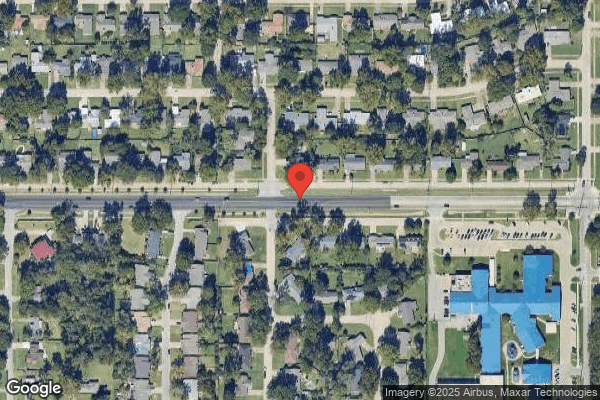

1340 East 61St Street, Tulsa, OK 74136 (918) 743-8978
For profit - Partnership 171 Beds BRIDGES HEALTH Data: November 2025 1 Immediate Jeopardy citation
Trust Grade
28/100
#193 of 282 in OK
Last Inspection: October 2024

Within standard 12-15 month inspection cycle. Federal law requires annual inspections.

Overview

Ambassador Manor Nursing Center has received a Trust Grade of F, indicating significant concerns about its overall care quality. It ranks #193 out of 282 facilities in Oklahoma, placing it in the bottom half of the state, and #27 out of 33 in Tulsa County, meaning only a few local options are worse. The facility's trend is worsening, with the number of issues increasing from 6 in 2024 to 7 in 2025, and it currently has 23 identified issues, including one critical concern related to unsafe vaping practices involving residents on supplemental oxygen. On a positive note, staffing is relatively strong, with a 4/5 star rating and a turnover rate of 50%, which is below the state average. However, there were concerns about inaccurate record-keeping and food safety practices, such as uncovered meal carts during transport, which could lead to contamination risk. Overall, while there are strengths in staffing, the facility has serious weaknesses that families should consider carefully.

Trust Score
F
28/100
In Oklahoma
#193/282
Bottom 32%
Safety Record
High Risk
Review needed
Inspections
Getting Worse
6 → 7 violations
Staff Stability
⚠ Watch
50% turnover. Above average. Higher turnover means staff may not know residents' routines.
Penalties
✓ Good
No fines on record. Clean compliance history, better than most Oklahoma facilities.
Skilled Nurses
○ Average
Each resident gets 35 minutes of Registered Nurse (RN) attention daily — about average for Oklahoma. RNs are the most trained staff who monitor for health changes.
Violations
⚠ Watch
23 deficiencies on record. Higher than average. Multiple issues found across inspections.
★☆☆☆☆
1.0
Overall Rating
★★★★☆
4.0
Staff Levels
★★☆☆☆
2.0
Care Quality
★☆☆☆☆
1.0
Inspection Score
Stable
2024: 6 issues
2025: 7 issues

The Good

  • 4-Star Staffing Rating · Above-average nurse staffing levels
  • Full Sprinkler Coverage · Fire safety systems throughout facility
  • No fines on record

Facility shows strength in staffing levels, fire safety.

The Bad

1-Star Overall Rating

Below Oklahoma average (2.6)

Significant quality concerns identified by CMS

Staff Turnover: 50%

Near Oklahoma avg (46%)

Higher turnover may affect care consistency

Chain: BRIDGES HEALTH

Part of a multi-facility chain

Ask about local staffing decisions and management

The Ugly 23 deficiencies on record

1 life-threatening
Jul 2025 3 deficiencies 1 IJ (1 affecting multiple)
CRITICAL (K) 📢 Someone Reported This

A family member, employee, or ombudsman was alarmed enough to file a formal complaint

Immediate Jeopardy (IJ) - the most serious Medicare violation

Accident Prevention (Tag F0689)

Someone could have died · This affected multiple residents

On 07/08/25, an Immediate Jeopardy (IJ) situation was determined to exist related to the facility's failure to have a system in place to ensure residents were monitored for the safe use of electronic ...

Read full inspector narrative →
On 07/08/25, an Immediate Jeopardy (IJ) situation was determined to exist related to the facility's failure to have a system in place to ensure residents were monitored for the safe use of electronic vaping devices.Resident #1, 6, and Resident #11 were observed to use supplemental oxygen. The latest cognition assessments showed all three residents were intact in their cognition. Their care plans showed the three residents smoked, vaped, or both. The care plan showed the residents were not to use smoking or vaping materials while in the possession of or near any type of oxygen.On 07/08/25 at 3:43 p.m., Resident #11 was observed sitting in their motorized wheelchair in their room, vaping. The two O2 concentrators present in their room were running for the resident and their roommate. Resident #11's oxygen concentrator was approximately six inches from Resident #11 as they vaped.On 07/08/25 at 3:50 p.m., Resident #1 was observed lying in bed and vaping. The resident was observed to wear oxygen at 2 liters per nasal cannula.On 07/08/25 at 4:35 p.m., Resident #6 was observed vaping in their room while lying in bed with oxygen on per nasal cannula.On 07/08/25 at 4:52 p.m., Resident #6 was observed sitting in their motorized scooter in the dining room, at the dining table, vaping with Resident #12 at the head of the table. Resident #12 was observed to wear oxygen at 2 liters per minute via nasal cannula. The residents were observed to be less than five feet apart from each other.Interviews with direct care staff showed they were unaware or uncertain of the use of oxygen while vaping.On 07/08/25 at 6:25 p.m., the Oklahoma State Department of Health was notified and verified the existence of the IJ situation.On 07/08/25 at 6:57 p.m., the administrator, DON, and regional administrator were notified of the IJ situation and was provided a copy of the template.On 07/09/25 at 9:20 a.m., an acceptable plan of removal was approved by the Oklahoma State Department of Health. The plan of removal, read in part, Ambassador Skilled Nursing and Therapy Plan of Removal 7/8/25 1. Inservice on facility smoking procedures/designated locations. What to do if someone is smoking outside of those areas or in the presence of oxygen. 2. Re-assess all residents who vape for safety and understanding of the agreement and policy. 3. Re-issue the smoking agreement to these residents. 4. Any of the residents who have been reported to smoke freely around o2, be it theirs or their roommates, must have privileges revoked and put on supervised vaping. 5. Initiate a supervised smoking schedule and ensure each resident who is supervised has this information. 6. All of this to be completed by midnight 7/8/25.The IJ was lifted, effective 07/08/25 at 10:46 p.m., when all components of the plan of removal had been verified as completed. Direct care staff from all three shifts were interviewed about inservice/education and showed the staff were knowledgeable of the facility's policy regarding vaping and the risks involved if residents vaped while utilizing supplemental oxygen. Review of clinical records showed residents who vaped had been assessed for safety related to vaping and had signed a smoking/vaping agreement. The supervised smoking schedule showed what type of supervision residents required for vaping. The deficient practice remained at a pattern level with the potential for more than minimal harm.Based on observation, record review, and interview, the facility failed to ensure residents were monitored for the safe use of electronic vaping devices for 6 (#1, 2, 6, 11, 12, and #13) of 6 sampled residents who were reviewed for the use of electronic vaping devices.The alphabetical room roster identified 131 residents resided in the facility.Findings:1. On 07/08/25 at 3:33 p.m., Resident #1 was observed in their motorized wheelchair wheeling down the 100 hall with an electronic vape in their lap.On 07/08/25 at 3:48 p.m., Resident #1 was observed laying in bed, vaping, and had oxygen on at 2.5L via nasal canula. Resident #1 and Resident #11 were observed to be roommates. A physician order, dated 12/03/24, showed Resident #1 was ordered oxygen at two to five liters per minute via nasal cannula as needed.A policy titled Smoking/Vaping, dated 02/24/20, read in part, Oxygen equipment is not permitted in smoking areas. Smoking is not permitted while in possession of or in the presence of oxygen equipment .To offer the resident the ability to smoke/vape free of danger to self or others. The term smoking/vaping referenced herein includes the use of any type of cigarette, pipe, electronic device, battery powered device or any other object/device that produces smoke/vape.A policy titled Smoking, signed by Resident #1 on 01/18/24, read in part, The resident may choose to utilize an electronic cigarette. Electronic cigarettes may be utilized in approved smoking areas, in resident rooms when neither resident utilizes O2, and in non-public areas to prevent offending others.An annual assessment, dated 04/28/25, showed Resident #1 had a BIMS score of 13, which indicated the resident was cognitively intact for daily decision making and had a diagnosis of multiple sclerosis.A care plan, updated 05/22/25, showed Resident #1 was independent with vaping.A Smoking/Vaping Supervision Checklist, dated 06/10/25, showed Resident #1 utilized vaping products, was able to demonstrate safe charging capabilities of vaping products such as not charging in bed or next to oxygen, and the resident was independent in their ability to utilize vape products.On 07/08/25 at 3:50 p.m., Resident #1 stated they had quit smoking cigarettes and now utilized electronic vapes. Resident #1 stated they did not go outside, the staff allowed them to vape in their room and could vape with their oxygen on. Resident #1 stated they utilized oxygen most of the time.2. On 07/08/25 at 11:10 a.m., Resident #2 was observed vaping while sitting in their wheelchair in the dining room.On 07/08/25 at 3:32 p.m., Resident #2 was observed in their wheelchair on the 100 hall with an electronic vape in their lap. The resident seemed confused and was asking where their room was located. A Smoking and Behavior Agreement, signed by Resident #2 on 04/04/25, read in part, I [Resident #2] acknowledge the importance of the facility smoking policy to my own safety of others [sic] residents and agree to comply with the terms and conditions of that policy.A significant change assessment, dated 05/30/25, showed Resident #2 had a BIMS score of 05, which indicated the resident was severely impaired in cognition for daily decision making, and the resident utilized tobacco.A Smoking/Vaping Supervision Checklist, dated 05/30/25, showed Resident #2 utilized vaping products, was able to demonstrate safe charging capabilities of vaping products such as not charging in bed or next to oxygen, and the resident was independent in their ability to utilize vape products.A care plan, updated 07/03/25, showed Resident #2 was independent with smoking and mainly vaped. The care plan showed Resident #2 agreed to smoke/vape in designated smoking areas only and the residents would be monitored to ensure they were not vaping while in the vicinity of oxygen equipment.3. On 07/08/25 at 3:30 p.m., Resident #6 was observed in the therapy room vaping around other residents.On 07/08/25 at 4:02 p.m., Resident #6 was observed vaping in the back common area vaping.On 07/08/25 at 4:35 p.m., Resident #6 was observed vaping in their room while lying in bed with oxygen on per nasal cannula. A policy titled Smoking, signed by Resident #6 on 01/18/24, read in part, The resident may choose to utilize an electronic cigarette. Electronic cigarettes may be utilized in approved smoking areas, in resident rooms when neither resident utilizes O2, and in non-public areas to prevent offending others.A physician order, dated 10/10/24, showed Resident #6 was ordered oxygen at 2-4L per minute via nasal cannula every shift.An annual assessment, dated 06/02/25, showed Resident #6 had a BIMS score of 15, which indicated the resident was cognitively intact for daily decision making, utilized tobacco, and utilized supplemental oxygen.A Smoking/Vaping Supervision Checklist, dated 06/02/25, showed Resident #2 utilized tobacco and vaping products, received oxygen, was able to demonstrate safe charging capabilities of vaping products such as not charging in bed or next to oxygen, and the resident was independent in their ability to utilize vape products.A care plan, updated 07/03/25, showed Resident #6 smoked. The care plan did not show the resident utilized an electronic vape.4. On 07/08/25 at 3:38 p.m., Resident #11 was observed in their motorized wheelchair in their room, approximately 6 inches from their oxygen concentrator, vaping. The oxygen concentrator was observed to be on at 2L, water in the canister was observed to bubble, and the nasal canula was observed to lay over the top of the concentrator. On 07/08/25 at 3:43 p.m., Resident #11 was observed to have cigarettes and a lighter on the bedside table and two electronic vapes on their dresser.A Smoking/Vaping and Behavior Agreement, signed by Resident #11 on 11/29/22, read in part, Resident agrees to not smoke tobacco products or use vaping products, lighters or matches while in possession of oxygen equipment or while in the presence or vicinity of such equipment.A significant change assessment, dated 12/09/24, showed Resident #11 had a BIMS score of 14, which indicated the resident was cognitively intact for daily decision making, and utilized tobacco.A care plan, updated 01/27/25, showed Resident #11 was at risk for smoking related injuries, agreed to smoke/vape in smoking designated areas only, had signed and will abide by the smoking/vaping and behavior agreement, and the resident would be monitored to ensure they were not vaping in the vicinity of oxygen equipment.A physician order, dated 06/23/25, showed Resident #11 was ordered oxygen at 2-4L per minute via nasal cannula as needed.A Smoking/Vaping Supervision Checklist, dated 07/02/25, showed Resident #11 utilized vaping products, received oxygen, was able to demonstrate safe charging capabilities of vaping products such as not charging in bed or next to oxygen, and the resident was independent in their ability to utilize vape products.On 07/08/25 at 3:43 p.m., Resident #11 stated they were allowed to vape in their room.5. A policy titled Smoking, signed by Resident #12 on 04/03/24, read in part, The resident may choose to utilize an electronic cigarette. Electronic cigarettes may be utilized in approved smoking areas, in resident rooms when neither resident utilizes O2, and in non-public areas to prevent offending others. A significant change assessment, dated 01/27/25, showed Resident #12 had a BIMS score of 15, which indicated the resident was cognitively intact for daily decision making, utilized tobacco, and utilized supplemental oxygen.A care plan, updated 02/04/25, showed Resident #12 vaped, to remind them of designated smoking areas, and that they kept their vaping material in their room.A physician order, dated 02/25/25, showed Resident #12 was ordered oxygen at 2-4L per minute via nasal cannula every shift.A Smoking/Vaping Supervision Checklist, dated 06/04/25, showed Resident #12 utilized vaping products, was able to demonstrate safe charging capabilities of vaping products such as not charging in bed or next to oxygen, and the resident was independent in their ability to utilize vape products.6. On 07/08/25 at 3:57 p.m., CNA #1 was observed to make Resident #13's bed while the resident was observed to sit in their wheelchair beside the bed and vape. Resident #13's roommate, Resident #6, was not observed in the room but their oxygen concentrator was observed to be on. A policy titled Smoking, signed by Resident #13 on 08/08/24, read in part, The resident may choose to utilize an electronic cigarette. Electronic cigarettes may be utilized in approved smoking areas, in resident rooms when neither resident utilizes O2, and in non-public areas to prevent offending others.A care plan, updated 05/24/25, showed on 11/12/24 the administrator and the social services director met with the resident and discussed the resident smoked in their room earlier in the day, and they would now purchase them a vape.An annual assessment, dated 05/07/25, showed Resident #13 had a BIMS score of 02, which indicated the resident was severely impaired in cognition for daily decision making, and that the resident utilized tobacco.A Smoking/Vaping Supervision Checklist, dated 06/04/25, showed Resident #13 utilized vaping products, was able to demonstrate safe charging capabilities of vaping products such as not charging in bed or next to oxygen, and the resident was independent in their ability to utilize vape products.On 07/08/25 at 4:59 p.m., CNA #1 stated residents were allowed to vape in the facility. CNA #1 stated the residents could vape while oxygen was in use because there was not a flame.On 07/08/25 at 5:01 p.m., RN #1 stated a lot of residents used electronic vapes in their rooms. RN #1 stated if a resident utilized supplemental oxygen, they encouraged them to remove the oxygen while they vaped. RN #1 stated Resident #6 vaped everywhere in the facility, including the common areas, and utilized supplemental oxygen. RN #1 stated they just found out Resident #13 (Resident #11's roommate) vaped. RN #1 stated they had informed Resident #11 they should remove their oxygen if they were going to vape.On 07/08/25 at 5:08 p.m., CMA #1 stated residents were not allowed to vape inside the facility.On 07/08/25 at 5:13 p.m., CMA #2 stated residents were allowed to vape in the facility. CMA #2 stated they thought residents could vape in the common areas as well because residents did and no one had told them they could not vape there. CMA #2 stated residents could use electronic vapes and utilize supplemental oxygen because there was not a risk if residents vaped and utilized oxygen, only if they smoked cigarettes and utilized oxygen.On 07/08/25 at 5:15 p.m., CMA #3 stated residents were allowed to vape in the facility and they were not aware of any places they could not use electronic vapes. CMA #3 stated they do ask residents to be mindful and not vape while they were at the dining room tables. CMA #3 stated they did not think the use of supplemental oxygen while using an electronic vape had any potential negative effects, but they did not know for sure.On 07/08/25 at 5:23 p.m., CNA #2 stated they were not sure if residents were allowed to use electronic vapes while wearing supplemental oxygen or what the negative impact could be. On 07/08/25 at 5:25 p.m., LPN #1 stated residents were not allowed to vape inside the facility.On 07/08/25 at 5:55 p.m., CNA #1 stated they had observed Resident #6 use an electronic vape while wearing oxygen.On 07/08/25 at 5:57 p.m., CNA #3 stated Resident #1 and Resident #11 utilized oxygen regularly and knew both residents vaped. CNA #3 stated they had not observed either resident to wear supplemental oxygen and use an electronic vape.On 07/08/25 at 6:02 p.m., CMA #1 stated they had observed Resident #1 and Resident #11 both use electronic vapes while wearing supplemental oxygen.On 07/08/25 at 6:14 p.m., the DON stated they completed smoking/vaping assessments on residents on admission, quarterly, and as needed. The DON stated residents were allowed to vape in the facility, except in the dining room. The DON stated residents were not to wear supplemental oxygen or be in the vicinity of oxygen equipment while utilizing electronic vapes. The DON defined vicinity as approximately six feet. The DON stated themselves and the ADON monitored to ensure residents who utilized electronic vapes were safe by completing the smoking assessments, interviewing the residents who vaped, and speaking with staff. The DON stated utilizing an electronic vape while wearing supplemental oxygen could be risk to the residents because it could be flammable and the residents could get burned or injured. The DON stated they were aware Resident #1, 6, and Resident #11 utilized oxygen at times and vaped at times. The DON stated they had not observed the residents use their electronic vapes while wearing oxygen. The DON stated staff were made aware of the smoking/vaping policy through inservice. The DON stated the last inservice was conducted on 07/08/25 because staff had come to them with questions about residents who vaped and utilized supplemental oxygen after they had been interviewed by the survey team. They stated prior to 07/08/25 they had not been made aware residents vaped while utilizing supplemental oxygen.
CONCERN (D) 📢 Someone Reported This

A family member, employee, or ombudsman was alarmed enough to file a formal complaint

Potential for Harm - no one hurt, but risky conditions existed

Deficiency F0925 (Tag F0925)

Could have caused harm · This affected 1 resident

Based on observation, record review, and interview, the facility failed to maintain an effective pest control program for the abatement of flies for 1 (center) of 4 halls observed for pests. A facilit...

Read full inspector narrative →
Based on observation, record review, and interview, the facility failed to maintain an effective pest control program for the abatement of flies for 1 (center) of 4 halls observed for pests. A facility policy dated 10/24/08 and titled, Pest Control Policy, showed that an abundance of flies was often associated with an unhealthy environment. The policy showed that mechanical control measures such as window screens, screen doors that opened outwardly, the use of electric fans, and black light style traps were important interventions in the abatement of flies. On 07/08/25 at 11:35 a.m., during an observation of wound care, multiple flies were observed in the room of Resident #2. On 07/08/25 at 11:38 a.m., LPN #2 waved their gloved hand in front of their face and stated the flies were terrible due to the warm weather. On 07/08/25 at 11:39 a.m., LPN #2 asked Resident #2 how they were. The resident replied they had fought with flies all day long. On 07/08/25 at 11:42 a.m., Resident #2 continued to wave their hand about their face and asked LPN #2 if the room they were in was in fact the resident's own room. LPN #2 responded yes and commented the flies were particularly bad in this room. Resident #2 stated there were flies everywhere and asked to be removed from the fly room. The comprehensive assessment, dated 05/30/25, showed that Resident #2 was severely impaired in daily decision making (BIMS = 5), had unhealed pressure ulcers, and received hospice services. The exterminator's service report, dated 06/13/25, showed that light was visible around exterior doors which provided an entry point for pest. The report recommended to replace seals/door sweeps to prevent pest access to structure. On 07/11/25 at 8:50 a.m., the maintenance supervisor stated the facility pest control program for flies included lighted insect traps at main entrances and wind curtains above frequently used exterior doors. The maintenance supervisor stated they observed the exterior doors were held open for extended periods of time, allowing for flying insects to land on or follow residents as they re-entered the facility from outside. The maintenance supervisor stated they observed flies in the facility but did not witness a concentration of flies nor had a concentration of flies in any particular resident's room been reported to them. The maintenance supervisor stated they would ask housekeeping staff to inspect and clean the resident's room to determine what may be attracting the flies.
CONCERN (E) 📢 Someone Reported This

A family member, employee, or ombudsman was alarmed enough to file a formal complaint

Potential for Harm - no one hurt, but risky conditions existed

Medical Records (Tag F0842)

Could have caused harm · This affected multiple residents

Based on record review and interview, the facility failed to maintain complete and accurate clinical records fortwo (#1 and #2) of three residents whose clinical records were reviewed for wound care d...

Read full inspector narrative →
Based on record review and interview, the facility failed to maintain complete and accurate clinical records fortwo (#1 and #2) of three residents whose clinical records were reviewed for wound care documentation, andone (#6) of one resident whose clinical records were reviewed for medication administration. The alphabetical room roster showed there were 131 residents who resided in the facility.Findings: 1. The comprehensive assessment, dated 05/30/25, showed Resident #2 was severely impaired in daily decision making (BIMS = 5), had pressure ulcers and venous stasis ulcers, received pressure ulcer care, applications of ointments/medications, and the application of nonsurgical dressings. On 07/08/25 at 10:20 a.m., Resident #2 was observed in their room with long socks pulled to just below the knees bilaterally. A physician's order, dated 04/29/25, showed Resident #2 was to receive a daily dressing to right lateral calf and right posterior calf. A physician's order, dated 05/30/25, showed Resident #2 was to receive a daily dressing to the left heel. A treatment sheet, dated June 2025, did not show the daily dressings were performed on 06/07/25, 06/08/25, 06/21/25, 06/28/25, 06/29/25, or 06/30/25. A treatment sheet, dated July 2025, did not show the daily dressings were performed on 07/04/25, 07/06/25, or 07/07/25. On 07/08/25 at 10:20 a.m., Resident #2 stated the staff dressed their wounds but was not sure of the frequency of the wound care or the progression of the wounds. On 07/10/25 at 3:10 p.m., the DON stated the dressing changes to the left heel, the right posterior calf, and the right lateral calf were discontinued on 07/07/25 and would not be documented as performed for that date. The DON stated they were unable to find documentation the dressing changes were performed on any of the dates in June of 2025 or for July 4 and July 6, 2025. The DON stated they knew if the dressings were not documented they were not considered done. 2. On 07/08/25 at 10:31 a.m., LPN #2 was observed to provide wound care to Resident #1. The annual assessment, dated 04/28/25, showed Resident #1 had a BIMS score of 13, which indicated the resident was cognitively intact for daily decision making, had an ostomy, and had pressure ulcers. A physician order, dated 06/16/25, showed the resident was to have wound care to the sacrum every day shift on Monday, Tuesday, Wednesday, and Friday. A physician order, dated 06/17/25, showed the resident was to have wound care to the right posterior thigh every day shift. A physician order, dated 06/17/25, showed the resident was to have wound care to the right buttock every day shift. A physician order, dated 06/17/25, showed the resident was to receive wound care to their urostomy site every day shift. A physician order, dated 06/17/25, showed the resident was to have wound care to the left buttock every day shift. The treatment administration record, dated 07/01/25-07/31/25, showed the wound care to the left buttock, sacrum, right posterior thigh, right buttock, and the urostomy site for Resident #1 had not been documented for 07/04/25. On 07/08/25 at 10:53 a.m., Resident #1 stated staff performed wound care as ordered every day. On 07/10/25 at 3:40 p.m., the DON stated staff must have forgotten to document the wound care for Resident #1 on 07/04/25. They stated if the treatments were not documented they could not verify they had been completed. On 07/11/25 at 1:07 p.m., LPN #3 stated the wound care nurses had not worked on 07/04/25. LPN #1 stated they had performed wound care for Resident #1. They stated they should have documented the wound care on the treatment administration record but they had not documented for 07/04/25. 3. A physician order, dated 10/08/24, showed Resident #6 was to receive Insulin Glargine 28 units subcutaneously twice daily from 7:00 a.m. to 11:00 a.m. and 6:00 p.m.to 10:00 p.m. An annual assessment, dated 06/02/25, showed Resident #6 had a diagnosis of diabetes, had a BIMS score of 15, which indicated the resident was cognitively intact for daily decision making, and had received insulin for seven out of seven days during the look back period. The treatment administration record, dated 07/01/25-07/31/25, showed the insulin administration for Resident #6 had not been documented for the 6:00 p.m. to 10:00 p.m. dose on 07/04/25, 07/17/25, or 07/18/25. On 07/08/25 at 2:15 p.m., Resident #6 stated they received their insulin as ordered by the physician. On 07/10/25 at 5:42 p.m., the DON stated they did not have documentation insulin had been provided to Resident #6 on 07/40/25, 07/17/25, or 07/18/25 for the 6:00 p.m. to 10:00 p.m. dose.
Jun 2025 4 deficiencies
CONCERN (D) 📢 Someone Reported This

A family member, employee, or ombudsman was alarmed enough to file a formal complaint

Potential for Harm - no one hurt, but risky conditions existed

Deficiency F0602 (Tag F0602)

Could have caused harm · This affected 1 resident

Based on record review and interview, the facility failed to ensure residents' property was not misappropriated for 1 (#19) of 4 sampled residents reviewed for abuse. The administrator reported the fa...

Read full inspector narrative →
Based on record review and interview, the facility failed to ensure residents' property was not misappropriated for 1 (#19) of 4 sampled residents reviewed for abuse. The administrator reported the facility census was 139. Findings: A facility policy titled Resident Abuse, Neglect and Misappropriation of Property, revised 11/01/22, read in part, The facility will not tolerate mistreatment, neglect, or abuse of residents, including verbal, mental, sexual, or physical abuse, misappropriation of property, corporal punishment or involuntary seclusion. A care plan, initiated 05/26/25, showed Res #19 had diagnoses which included anxiety disorder and major depressive disorder. An admission assessment, dated 05/29/25, showed Res #19 had a BIMS score (a test for cognition) of 11, which was indicative of moderate impairment for daily decision making. A physician order, dated 06/05/25, showed Res #19 was to receive alprazolam 0.5mg (an antianxiety medication) by mouth every eight hours as needed for anxiety for five days. An undated hand-written facility document provided by the DON showed on 06/11/25 CMA #1 reported a medication card with approximately 6 for Res #19's alprazolam were missing off the medication cart along with the corresponding narcotic sheet. On 06/23/25 at 12:05 p.m., CMA #1 stated on 06/11/25, they noted that a card containing approximately six of Res #19's alprazolam and the narcotic sheet for that medication were not on the medication cart. CMA #1 stated they looked for the narcotic sheet at the nurse's desk and were unable to locate it, so they reported the missing medication to the DON. On 06/23/25 at 2:45 p.m., the DON stated they were notified that Res #19's medications were missing. The DON also stated they were unable to determine what had happened to the medications.
CONCERN (D) 📢 Someone Reported This

A family member, employee, or ombudsman was alarmed enough to file a formal complaint

Potential for Harm - no one hurt, but risky conditions existed

Report Alleged Abuse (Tag F0609)

Could have caused harm · This affected 1 resident

Based on record review and interview, the facility failed to report an allegation of misappropriation of property to local law enforcement and the OSDH for 1 (#19) of 4 sampled residents reviewed for ...

Read full inspector narrative →
Based on record review and interview, the facility failed to report an allegation of misappropriation of property to local law enforcement and the OSDH for 1 (#19) of 4 sampled residents reviewed for abuse. The administrator reported the facility census was 139. Findings: A facility policy titled Resident Abuse, Neglect and Misappropriation of Property, revised 11/01/22, read in part, Upon receiving an allegation of resident abuse, neglect or misappropriation of resident property or a report of a facility incident as defined in this policy, the facility will begin an investigation of the incident. The facility will also file reports with agencies in accordance with state regulations. If there is a reasonable suspicion that a crime against a resident has occurred, the facility shall report the incident to the Department and law enforcement. A care plan, initiated 05/26/25, showed Res #19 had diagnoses which included anxiety disorder and major depressive disorder. An admission assessment, dated 05/29/25, showed Res #19 had a BIMS score (a test for cognition) of 11, which was indicative of moderate impairment for daily decision making. A physician order, dated 06/05/25, showed Res #19 was to receive alprazolam 0.5mg (an antianxiety medication) by mouth every eight hours as needed for anxiety for five days. An undated hand-written facility document provided by the DON, showed on 06/11/25, CMA #1 reported a medication card with approximately six of Res #19's alprazolam were missing off the medication cart along with the corresponding narcotic sheet. On 06/23/25 at 12:05 p.m., CMA #1 stated on 06/11/25 they noted a card containing approximately six of Res #19's alprazolam and the narcotic sheet for that medication were not on the medication cart. CMA #1 stated they looked for the narcotic sheet at the nurse's desk and were unable to locate it, so they reported the missing medications to the DON. On 06/23/25 at 2:45 p.m., the DON stated they were notified Res #19's medications were missing. The DON stated they did not report the missing narcotics to the OSDH or local law enforcement.
CONCERN (D) 📢 Someone Reported This

A family member, employee, or ombudsman was alarmed enough to file a formal complaint

Potential for Harm - no one hurt, but risky conditions existed

Investigate Abuse (Tag F0610)

Could have caused harm · This affected 1 resident

Based on record review and interview, the facility failed to thoroughly investigate an allegation of misappropriation of residents' property for 1 (#19) of 4 sampled residents reviewed for abuse. The ...

Read full inspector narrative →
Based on record review and interview, the facility failed to thoroughly investigate an allegation of misappropriation of residents' property for 1 (#19) of 4 sampled residents reviewed for abuse. The administrator reported the facility census was 139. Findings: A facility policy titled Resident Abuse, Neglect and Misappropriation of Property, revised 11/01/22, read in part, Upon receiving an allegation of resident abuse, neglect or misappropriation of resident property or a report of a facility incident as defined in this policy, the facility will begin an investigation of the incident. A care plan, initiated 05/26/25, showed Res #19 had diagnoses which included anxiety disorder and major depressive disorder. An admission assessment, dated 05/29/25, showed Res #19 had a BIMS score (a test for cognition) of 11, which was indicative of moderate impairment for daily decision making. A physician order, dated 06/05/25, showed Res #19 was to receive alprazolam 0.5mg (an antianxiety medication) by mouth every eight hours as needed for anxiety for five days. An undated hand-written facility document, provided by the DON, showed on 06/11/25 CMA #1 reported a medication card with approximately six of Res #19's alprazolam were missing off the medication cart along with the corresponding narcotic sheet. On 06/23/25 at 12:05 p.m., CMA #1 stated on 06/11/25, they noted a card containing approximately six of Res #19's alprazolam and the narcotic sheet for that medication were not on the medication cart. CMA #1 stated they looked for the narcotic sheet at the nurse's desk and were unable to locate it, so they reported the missing medication to the DON. On 06/23/25 at 2:45 p.m., the DON stated they were notified Res #19's medications were missing. The DON stated they had investigated the missing medication, but they did not get any written statements from staff members, and they did not have any notes related to interviewing staff members. The DON also stated they did not determine what happened to the missing medications.
CONCERN (D) 📢 Someone Reported This

A family member, employee, or ombudsman was alarmed enough to file a formal complaint

Potential for Harm - no one hurt, but risky conditions existed

Deficiency F0761 (Tag F0761)

Could have caused harm · This affected 1 resident

Based on observation and interview, the facility failed to ensure medications were secured for 1 of 2 medication carts on the South hall. The administrator identified 139 residents resided in the fac...

Read full inspector narrative →
Based on observation and interview, the facility failed to ensure medications were secured for 1 of 2 medication carts on the South hall. The administrator identified 139 residents resided in the facility. Findings: On 06/18/25 at 3:05 p.m., the South hall medication cart located outside the DON's office was observed to be unlocked and unattended. On 06/18/25 at 3:20 p.m., CMA #1 walked up to the cart to lock it. On 06/18/25 at 3:21 p.m., CMA #1 stated the medication cart should have been locked. The CMA stated it was the facility's policy to keep medication carts locked when they were unattended.
Oct 2024 2 deficiencies
CONCERN (D)

Potential for Harm - no one hurt, but risky conditions existed

Tube Feeding (Tag F0693)

Could have caused harm · This affected 1 resident

Based on observation, record review, and interview, the facility failed to ensure an enteral tube feeding bag was properly labeled for one (#37) of one sampled resident reviewed for tube feeding manag...

Read full inspector narrative →
Based on observation, record review, and interview, the facility failed to ensure an enteral tube feeding bag was properly labeled for one (#37) of one sampled resident reviewed for tube feeding management. RN#1 identified two residents who received enteral tube feeding via continuous pump. A facility tube feeding policy, dated 06/24/10, read in part, change and label (name of resident, date and time) feeding set ( tubing and appropriate syringe) every 24 hours. Findings: Resident #37 had diagnoses which included a gastrostomy. A physician order, dated 04/30/24, documented every shift Isosource 1.5 at 45mL/hr continuous. On 10/23/24 at 10:44 a.m., the tube feeding for Resident #37 was observed running at 45 ml/hr. The bag containing the formula was dated 10/21/24. The bag was not labeled with any other information. On 10/24/24 02:18 p.m., RN #2 stated when a new bag was hung it should be labeled with the date, time, and the type of formula. They stated sometimes the bag was refilled instead of changed. On 10/24/24 at 2:07 p.m., the enteral feeding bag for Resident #37 was labeled 10/24/24 at 00:00. On 10/24/24 at 2:25 p.m., the DON stated the tube feeding bag should be changed every 24 hours. They stated a new bag should be hung and labeled with the residents name, formula type, rate, date, and time it was changed.
CONCERN (D) 📢 Someone Reported This

A family member, employee, or ombudsman was alarmed enough to file a formal complaint

Potential for Harm - no one hurt, but risky conditions existed

Food Safety (Tag F0812)

Could have caused harm · This affected 1 resident

Based on observation and interview, the facility failed to ensure dishes were air dried. The dietary manager identified 32 residents ate meals in their rooms. Findings: On 10/21/24 at 11:48 a.m., CNA...

Read full inspector narrative →
Based on observation and interview, the facility failed to ensure dishes were air dried. The dietary manager identified 32 residents ate meals in their rooms. Findings: On 10/21/24 at 11:48 a.m., CNA #1 was observed making room trays. The plate covers had liquid on running down to the edges on the underside of the cover. The CNA stated the plate covers were not dry. On 10/21/24 at 12:24 p.m., the dishwasher stated when the dishes came out of the dishwasher they immediately stacked them on the rack. On 10/21/24 at 12:26 p.m., the dietary manager stated dishes and plate covers should not be immediately stacked after coming out of the dishwasher, but should be allowed to air dry
Aug 2024 1 deficiency
CONCERN (D) 📢 Someone Reported This

A family member, employee, or ombudsman was alarmed enough to file a formal complaint

Potential for Harm - no one hurt, but risky conditions existed

Investigate Abuse (Tag F0610)

Could have caused harm · This affected 1 resident

Based on record review and interview, the facility failed to prevent abuse for one (#5) of three residents who were sampled for abuse. The administrator identified 125 resident resided in the facilit...

Read full inspector narrative →
Based on record review and interview, the facility failed to prevent abuse for one (#5) of three residents who were sampled for abuse. The administrator identified 125 resident resided in the facility. Findings: A facility policy titled Resident Abuse, Neglect and Misappropriation of Property, read in part . the resident has the right to be free from verbal, sexual, physical, and mental abuse, corporal punishment, and involuntary seclusion . Resident #5 had diagnoses which included dementia with behaviors and a history of traumatic brain injury. An Incident Report Form, dated 08/10/24, documented Resident #5 had hit RN #1 and RN #1 had then slapped the resident. RN #1 was terminated by the administrator immediately. A police report, an incident report, and a report to the licensure board was made. All staff present were inserviced on the abuse policy. On 08/14/24 at 12:20 p.m., the administrator stated the incident was investigated immediately, RN #1 was fired on the spot and walked them out of the building. The resident was assessed and stated they were not hurt and did not want to go to the hospital. The police and all other agency notifications were made. Our corporate Q.M. and R.M. were notified and came onsite. We began the Q.A. by immediately in-servicing all the staff present. We continued with educating the staff on abuse until all employees were re-educated. The last inservice was held on 08/12/24. A review of the punch detail for the facility from 08/10/24 through 08/13/24 documented a clock out time for RN #1 on 08/10/24 of 10:20 a.m. A current employee list provided by the facility on 08/12/24 did not list RN #1 as an employee.
Feb 2024 3 deficiencies
CONCERN (D) 📢 Someone Reported This

A family member, employee, or ombudsman was alarmed enough to file a formal complaint

Potential for Harm - no one hurt, but risky conditions existed

Quality of Care (Tag F0684)

Could have caused harm · This affected 1 resident

Based on observation, record review and interview, the facility failed to ensure nephrostomy care was provided as ordered for 1 (#1) of one resident reviewed for nephrostomy care. The administrator re...

Read full inspector narrative →
Based on observation, record review and interview, the facility failed to ensure nephrostomy care was provided as ordered for 1 (#1) of one resident reviewed for nephrostomy care. The administrator reported the census was 117. Findings: Resident #1 had diagnoses including acquired absence of other parts of the urinary tract and anxiety. A physician order, dated 01/03/24, documented the area around the left and right nephrostomy sites were to be cleaned with normal saline, patted dry, and covered with a dry drainage sponge every day and as needed. On 02/05/25 at 11:48 a.m., LPN #1 was observed providing nephrostomy care for resident #1. The dressing LPN #1 removed from the left and the right nephrostomy site were dated 02/02/24. On 02/05/24 at 11:55 a.m., LPN #1 stated they recognized the dressings they had removed as the ones they had applied on 02/02/24 when they provided nephrostomy care for Resident #1. They also stated that if the dressings from 02/02/24 were still in place on 02/05/24 then nephrostomy care had not been provided on 02/03/24 and 02/04/24. On 02/06/24 at 2:35 p.m., the DON stated the nephrostomy care should be provided daily according to the physician order.
CONCERN (D) 📢 Someone Reported This

A family member, employee, or ombudsman was alarmed enough to file a formal complaint

Potential for Harm - no one hurt, but risky conditions existed

Pharmacy Services (Tag F0755)

Could have caused harm · This affected 1 resident

Based on record review and interview, the facility failed to ensure a prescribed medication was available for administration for one (#2) of three residents reviewed for medication administration. The...

Read full inspector narrative →
Based on record review and interview, the facility failed to ensure a prescribed medication was available for administration for one (#2) of three residents reviewed for medication administration. The administrator reported the census was 117. Findings: A Medication Ordering and Receiving from Pharmacy policy, dated January 2022, read in part, .Medications and related products are received from the dispensing pharmacy on a timely basis . Resident #2 had diagnoses including sepsis and hypertension. A physician order, dated 01/12/24, documented the resident was to receive bisacodyl (a laxative) 10 MG suppository daily. The TAR, dated January 2024, does not document if the bisacodyl was given or held on 1/13/24 and that the medication was held on 1/14/24. The medication was administered on 01/15/24. On 02/05/24 at 1:05 p.m., the DON stated pharmacy delivers medication twice a day and that it should not take over 24 hours to receive medication from the pharmacy.
CONCERN (D) 📢 Someone Reported This

A family member, employee, or ombudsman was alarmed enough to file a formal complaint

Potential for Harm - no one hurt, but risky conditions existed

Medical Records (Tag F0842)

Could have caused harm · This affected 1 resident

Based on observation, record review and interview, the facility failed to ensure resident records were accurate for one (#1) of thirteen residents whose records were reviewed. The administrator report...

Read full inspector narrative →
Based on observation, record review and interview, the facility failed to ensure resident records were accurate for one (#1) of thirteen residents whose records were reviewed. The administrator reported the census was 117. Findings: Resident #1 had diagnoses including acquired absence of other parts of the urinary tract and anxiety. A physician order, dated 01/03/24, documented the area around the left and right nephrostomy sites were to be cleaned with normal saline, patted dry, and covered with a dry drainage sponge every day and as needed. The TAR, dated February 2024, documented the nephrostomy care was performed on 02/03/24 and 02/04/24. On 02/05/25 at 11:48 a.m., LPN #1 was observed providing nephrostomy care for resident #1. The dressing LPN #1 removed from the left and the right nephrostomy site were dated 02/02/24. On 02/05/24 at 11:55 a.m., LPN #1 stated they recognized the dressings they removed as the ones they applied on 02/02/24 when they provided nephrostomy care for Resident #1. They also stated that if the dressings from 02/02/24 were still in place on 02/05/24 then nephrostomy care had not been provided on 02/03/24 and 02/04/24.
Sept 2023 2 deficiencies
CONCERN (D) 📢 Someone Reported This

A family member, employee, or ombudsman was alarmed enough to file a formal complaint

Potential for Harm - no one hurt, but risky conditions existed

Deficiency F0569 (Tag F0569)

Could have caused harm · This affected 1 resident

Based on record review and interview, the facility failed to ensure a Medicaid recipient was notified in writing when the resident's trust account was within $200 of the resouce limit for one (#28) of...

Read full inspector narrative →
Based on record review and interview, the facility failed to ensure a Medicaid recipient was notified in writing when the resident's trust account was within $200 of the resouce limit for one (#28) of five sampled residents reviewed for notifications. The BOM identified 59 resident's trust were managed by the facility. Findings: A Medicaid Recipient Trust Policies and Procedure document, revised 02/19/21, read in parts, .The facility must notify each resident that receives Medicaid benefits of the following .When the amount reaches $200 less than the Social Security Income (SSI) resource limit for one person (i.e., $2000-$200=$1800) . Resident #28 had diagnoses of osteoporosis, Vitamin D deficiency, and unspecified dementia. A Quarterly Assessment, dated 08/14/23, documented Resident #28's cognition was mildly impaired. Resident #28's Trust Statements were reviewed from 05/02/23 through 08/31/23. The statements documented the Trust balances on the following dates: a. on 05/02/23 it was $3881.26, b. on 6/12/23 it was $3952.92, c. on 07/03/23 it was $4102.99, and d. on 08/01/23 it was $4253.06. The residents Trust account was over the SSI resource amount from 5/02/23 through 08/17/23. Resident #28's clinical record did not contain documentation the resident was notified that they were over the SSI resource amount for Medicaid. On 09/19/23 at 3:08 p.m., Resident #28 was asked if there was any concerns with their trust account managed by the facility. Resident #28 stated that they were notified verbally by Social Services and did not receive a letter or statement in August of '23 that they needed to spend down the resident's trust account. On 09/21/23 at 8:57 a.m., HR was asked what the policy was for monitoring residents who were in Medicaid trust accounts and the amounts. HR stated the resident cannot have more than $2000 dollars and they try to keep the amounts below $1800. HR was asked how residents were notified when their trust account reached $1800. They stated Social Services discussed it with the resident and they did not provide a written notification. On 09/21/23 at 10:12 a.m., Social Services was asked to discuss the trust account for Resident #28's spend down. Social Services stated Resident #28 had $2500 over the Medicaid amount. They stated sometime in August 2023, HR and Social Services informed Resident #28 verbally and did not provide a statement or notification in writing.
CONCERN (E) 📢 Someone Reported This

A family member, employee, or ombudsman was alarmed enough to file a formal complaint

Potential for Harm - no one hurt, but risky conditions existed

Deficiency F0800 (Tag F0800)

Could have caused harm · This affected multiple residents

Based on observation, record review, and interview, the facility failed to cover food carts while being transported from the kitchen across the facility to prevent foreign contamination. The DON ident...

Read full inspector narrative →
Based on observation, record review, and interview, the facility failed to cover food carts while being transported from the kitchen across the facility to prevent foreign contamination. The DON identified 112 residents received nutrition from the kitchen. Findings: On 09/21/23 at 8:40 a.m., breakfast trays were observed uncovered on a meal tray cart on the South Hall. The bottom half of the meal tray cart was uncovered with eight meal trays and fluids exposed as it was moved down the hall by staff. Residents and staff were observed to pass by the cart in near proximity of the uncovered meal cart. The plastic bag on the meal tray cart was observed bunched up at the top and a CNA repositioned it to cover only the top half of the cart and continued to push the meal tray cart down the hall with eight trays uncovered at the bottom of the cart. A non-cognitive resident in a wheel chair came from their room and tried to touch the uncovered trays on the meal cart. A CNA redirected the resident. Resident #20 had diagnoses which included type 2 diabetes, chronic kidney disease, and heart disease. On 09/20/23 at 9:57 a.m., Resident #20 was asked about the food. They stated the food was cold and uncovered when it was served in their room. On 09/21/23 at 7:40 a.m., the CDM was asked if the plate domes that were stored in the kitchen were being utilized. The CDM stated that carts going to the hall are covered in plastic bags and they were not using the domes, due to the domes were too tall to fit on the meal tray cart.
Jun 2023 1 deficiency
CONCERN (E) 📢 Someone Reported This

A family member, employee, or ombudsman was alarmed enough to file a formal complaint

Potential for Harm - no one hurt, but risky conditions existed

Medical Records (Tag F0842)

Could have caused harm · This affected multiple residents

Based on observation, record review, and interview, the facility failed to maintain complete and accurate documentation of the meal percentage ingested for two (#2 and #4) of four residents whose clin...

Read full inspector narrative →
Based on observation, record review, and interview, the facility failed to maintain complete and accurate documentation of the meal percentage ingested for two (#2 and #4) of four residents whose clinical records were reviewed. The ADON identified 112 residents who ate meals prepared in the kitchen and 54 residents who received supplements. Findings: 1. Resident #2 had diagnoses which included metabolic encephalopathy; Alzheimer's dementia; senile degeneration of the brain; and psychosis. The physician's order summary documented the resident was to receive a regular diet with a high protein frozen supplement twice a day with their lunch and dinner tray. On 06/02/23 at 6:10 p.m., CNA #3 stated resident #2 had trouble using a fork and a hard time eating noodles. The CNA stated the resident ate poorly but did eat a roll and a piece of cake for dinner. The CNA was asked who documented meal percentages. The CNA stated they did. They were asked how they kept up with how much each resident ate. The CNA stated they already knew who would eat and who would not eat their meals. The CNA pointed to a room and stated the resident would not eat then pointed to another room and states the resident does not like pasta. On 06/05/23 at 12:00 p.m., the breakfast tray for resident #2 was observed uneaten. On 06/05/23 at 1:40 p.m., CNA #2 was asked how well resident #2 had ate. The CNA stated the resident ate 50% for breakfast and 25% for lunch. On 06/14/23 at 1:10 p.m., the resident's noon day meal tray was observed uneaten. There was no frozen protein supplement present. On 06/14/23 at 5:50 p.m., the resident's evening meal tray was observed uneaten and the desert cake appeared to have one bite removed. There was no frozen protein supplement present. On 06/14/23 the documented intake for the noon meal for resident #2 was 51-75%. On 06/16/23 the clinical record was reviewed. There was no documentation for meal percentages or supplements for the evening meals dated 06/01/23, 06/02/23, 06/05/23, 06/07/23, 06/12/23, 06/14/23, 06/15/23 and there were no meal percentages or supplements documented for the dates 06/03/23, 06/04/23, 06/10/23, and 06/11/23. 2. Resident #4 had diagnoses which included metabolic encephalopathy; dementia; and dysphagia. A physician's order, dated 10/08/22, documented the resident was to receive a high protein frozen supplement once a day with their lunch tray. On 06/15/23 at 1:20 p.m., the lunch tray for resident #4 was observed on the return cart. The resident ate 25% of the meal and none of the high protein frozen treat. On 06/15/23, the clinical record documented the resident ate 75-100% of the noon day meal and 100% of the high protein frozen treat. The clinical record for resident #4 was reviewed. There was no documentation of meal percentages or supplement for breakfast or the noon day meal on 06/03/23, 06/04/23, 06/10/23, and 06/11/23. On 06/16/23 at 12:00 p.m., CNA #1 stated they had not picked up the noon day meal trays but entered the resident's meal percentages and supplements intakes for the noon day meal for 06/16/23. CNA #1 was asked how they knew how much each resident ate for lunch. The CNA stated they knew how much each resident usually ate from experience and entered the meal percentages and supplement intake based on their experience of what the resident would eat. CNA #1 was asked if the meal percentages were written down for them. The CNA stated no. On 06/16/23 at 11:30 a.m., the DON stated the facility had identified there was a problem with incomplete and inaccurate documentation of the residents' meal percentages and supplement intake and were working to educate the staff.
Apr 2023 1 deficiency
CONCERN (E) 📢 Someone Reported This

A family member, employee, or ombudsman was alarmed enough to file a formal complaint

Potential for Harm - no one hurt, but risky conditions existed

Deficiency F0725 (Tag F0725)

Could have caused harm · This affected multiple residents

Based on record review and interview, the facility failed to provide sufficient staff to care for the needs of the residents. The Resident Census and Conditions of Residents, dated 03/22/23, documente...

Read full inspector narrative →
Based on record review and interview, the facility failed to provide sufficient staff to care for the needs of the residents. The Resident Census and Conditions of Residents, dated 03/22/23, documented a census of 117 residents. Findings: An undated facility assessment read in parts, Direct Care Staff 1:6 days, 1:8 evenings, 1:15 nights. Total licensed or certified. The Quality of Care report, dated December 2022, documented 9 of 31 days were not staffed per the facility assessment. The Quality of Care report, dated January 2023, documented 13 of 30 days were not staffed per the facility assessment. The Quality of Care report, dated February 2023 documented 11 of 31 days were not staffed per the facility assessment. On 04/07/23 at 9:57 a.m., the administrator reported for the months of December 2022, January 2023, February 2023, and March 2023, the facility had not met the goal of 2.9 for the Quality of Care report for those months. When asked if that meant the facility had been understaffed, the administrator replied yes.
Nov 2021 6 deficiencies
CONCERN (E)

Potential for Harm - no one hurt, but risky conditions existed

Deficiency F0625 (Tag F0625)

Could have caused harm · This affected multiple residents

**NOTE- TERMS IN BRACKETS HAVE BEEN EDITED TO PROTECT CONFIDENTIALITY** Based on interview and record review, it was determined the facility failed to provide a written copy of the bed hold policy on ...

Read full inspector narrative →
**NOTE- TERMS IN BRACKETS HAVE BEEN EDITED TO PROTECT CONFIDENTIALITY** Based on interview and record review, it was determined the facility failed to provide a written copy of the bed hold policy on discharge with return anticipated for three (#31, #82, and #84) of of five residents reviewed for hospitalizations. The admission/discharge report documented 82 resident transfers to an acute care setting between 08/21/21 and 11/18/21. Findings: 1. Resident #82 was transferred to the hospital on [DATE]. A record review was completed. The transfer records did not document a bed hold policy was provided to the resident at the time of transfer. 2. Resident #84 was transferred to the hospital on [DATE]. A record review was completed. The transfer records did not document a bed hold policy was provided to the resident at the time of transfer. 11/15/21 at 3:32 p.m., Assistant Director of Nurses (ADON) #1 stated the facility was not able to provide documentation a bed hold policy was provided. 3. Resident #31 was transferred to the hospital on [DATE]. A progress note, dated 08/04/21, documented the resident complained of weakness, dizziness, nausea, and a headache. The note documented the resident's blood pressure was elevated and the physician was notified. The note documented the physician ordered resident to be sent to the emergency room for evaluation and treatment and the resident was sent via ambulance. There was no documentation the resident received a copy of the facility bed hold policy. On 11/15/21 at 2:57 p.m., the administrator was asked for documentation a bed hold policy was provided to the resident or resident representative at the time of discharge to the hospital on [DATE]. The administrator stated the facility was not able to provide documentation the bed hold policy was provided.
CONCERN (E)

Potential for Harm - no one hurt, but risky conditions existed

Quality of Care (Tag F0684)

Could have caused harm · This affected multiple residents

Based on interview and record review, the facility failed to provide care and treatments to meet the needs of two (#40 and #257) of 27 residents reviewed for quality of care. The facility failed to: ...

Read full inspector narrative →
Based on interview and record review, the facility failed to provide care and treatments to meet the needs of two (#40 and #257) of 27 residents reviewed for quality of care. The facility failed to: a. provide the primary care physician the documentation and recommendations of a consulting physician for one (#40) of 27 sampled residents whose clinical records were reviewed; and b. document the interventions performed to raise a low blood sugar reading for a diabetic resident exhibiting symptoms of low blood sugar for one (#257) of 27 sampled residents whose clinical records were reviewed. The census and conditions report documented the facility census was 113 residents. Findings: A facility policy, dated 11/17/04 and titled Nursing Policies & Procedure for Checking Fingerstick Blood Sugars documented only licensed nurses were to perform fingerstick blood sugars and any results lower than 70 ml/dL were to be called to the resident's primary care physician. 1. Resident #40 admitted to the facility with diagnoses which included post traumatic stress disorder (PTSD) and major depressive disorder (MDD). A nurse's order note, dated 06/17/21, documented the residents's primary care physician ordered mirtazapine (an antidepressant) 7.5 mg to be given at bedtime and referred the resident to a psychiatrist for evaluation and treatment. A psychiatry note, dated 06/18/21, documented the resident had decreased mood, decreased energy, and decreased affect. The note documented the resident had occasional paranoia, poor sleep, and anxiety with a history of PTSD. The note documented the treating diagnoses were major depression and post traumatic stress disorder. The psychiatrist recommended the resident continue the mirtazapine 7.5 mg and consider adding either prazosin (a medication used to treat anxiety) 1-2 mg at bedtime or cyproheptadine (a medication used to treat weight loss and nightmares/flashbacks) 4 mg at bedtime. A primary care physician's progress note, dated 06/30/21, documented the resident's PTSD/MDD was stable but the resident continued to have insomnia. The note documented there was no psychiatric evaluation completed and documented instructions to resend the referral to the psychiatrist. The note documented the resident was on mirtazapine for the PTSD and MDD and she would prescribe melatonin to help with the continued insomnia. An undated psychiatry note, documented the resident displayed a decreased affect/initiative and remained depressed, had some difficulty getting and staying asleep, experienced occasional symptoms of PTSD, and had low energy. The note documented a diagnosis of major depression and recommended to increase the mirtazapine to 15 mg at bedtime and add cyproheptadine 4 mg at bedtime for weight loss and PTSD. The note also documented to consider hospice placement. On 11/10/21, the Director of Nurses (DON) was asked when the undated psychiatry note was written. She stated she contacted the psychiatrist and the note was from his visit dated 09/23/21. On 11/17/21 at 10:46 a.m., Assistant Director of Nurses (ADON) #1 stated she did not know why the psychiatrist's note and recommendations from his 06/18/21 visit was not seen by the primary care physician on 06/30/21. She stated when an outside physician was consulted they would write recommendations in lieu of orders and staff would notify the resident's primary care physician of the recommendations. The ADON was asked how the nursing staff documented the primary care physician was notified of the psychiatrist's recommendations. She stated the nurse should have documented the physician was notified in the progress note or elsewhere in the clinical record. The ADON was asked if she was able to find where the psychiatrist's recommendations on 06/18/21 or 09/23/21 for resident #40 had been addressed. She stated the psychiatrist's recommendations were not addressed. 2. Resident #257 had diagnoses which included diabetes and renal failure. The diabetic treatment record for November 2021 documented the resident's morning finger stick blood sugar reading was below 70 mg/dL for six of the nine recorded readings between 11/01/21 and 11/17/21. The finger stick blood sugar reading for 11/01/21 was 53 mg/dL and the noon reading was 57 mg/dL. A therapy progress note, dated 11/01/21, documented, .Entered pt's room, pt in bed. Pt does not look well with twitching movements on the right side of her body. Spoke with nurse who reported pt is not medically stable with low blood sugar that will not rise above 56. Nurse to call doctor and possible sent [sic] pt to the hospital . The finger stick blood sugar reading for 11/02/21 morning and noon were documented as resident absent from home. The 4:00 p.m. finger stick blood sugar reading was 89 mg/dL. A therapy progress note, dated 11/02/21 at 12:50 p.m., documented, .Pt returned from dialysis and placed in bed. Pt states she can not keep anything down food or liquids. Pt also stated she is shaking all over. Reported pt's c/o to nurse . There was no documentation in the clinical record of any intervention or physician notification. On 11/18/21 at 4:10 p.m., Licensed Practical Nurse (LPN) #1 was asked if there was a facility protocol to contact the physician if a resident's finger stick blood sugar was below a certain threshold. She stated no. She stated there was a protocol if the resident's finger stick blood sugar was over 400 mg/dL. She stated if the finger stick blood sugar was too low, she gave the resident orange juice and rechecked the resident's finger stick blood sugar afterward. She stated if the resident's finger stick blood sugar was above 60 ml/dL and the resident was not experiencing symptoms of a low blood sugar, then she provided no further interventions or monitoring. The LPN was asked if she documented the interventions and monitoring she provided to the resident with a low finger stick blood sugar. She stated no. She stated the interventions and monitoring should have been documented but she had not done so. The LPN was asked what interventions she provided resident #257 on the morning of 11/01/21 when the resident's finger stick blood sugar was 53 mg/dL. She stated the resident was given orange juice. The LPN was asked if she recalled talking with therapy on 11/01/21 regarding resident #257. She stated she recalled talking with therapy but was not sure of the date. The nurse was read the therapy note which documented the therapist spoke with the nurse and was informed the resident was not medically stable to participate in therapy and may be sent to the hospital. The LPN stated she actually informed the therapist the resident's fingerstick blood sugar was low, did not think the resident would feel like participating in therapy, but participation was ultimately up to the resident and therapist. On 11/18/21 at 4:26 p.m., ADON #1 stated she could not find any documentation of physician notification or interventions related to the resident's low finger stick blood sugar readings. The ADON stated the nurse assigned to the hall was asked what she did in response to resident #257's low finger stick blood sugars. The LPN stated she provided the resident with orange juice and rechecked the finger stick blood sugar. The ADON stated she asked the LPN if the interventions were charted in the resident's clinical record and was told no. The ADON stated she informed the nurse since the finger stick blood sugar was 53 mg/dL and nothing was charted, it looked like she just left the resident hanging with a low blood sugar and did nothing. The ADON stated she reviewed the policy and the nurse was to contact the physician for any finger stick blood sugar below 70 mg/dL.
CONCERN (E)

Potential for Harm - no one hurt, but risky conditions existed

Deficiency F0698 (Tag F0698)

Could have caused harm · This affected multiple residents

Based on observation, interview, and record review, the facility failed to assess the fistula site upon return to the facility after dialysis treatment for one (#73) of one resident reviewed for dialy...

Read full inspector narrative →
Based on observation, interview, and record review, the facility failed to assess the fistula site upon return to the facility after dialysis treatment for one (#73) of one resident reviewed for dialysis care. The facility census and condition documented five residents received dialysis treatments. Findings: Resident #73 had diagnoses which included end stage renal disease and dependence on renal dialysis. The quarterly assessment, dated 10/04/21, documented the resident received dialysis. The care plan, dated 10/04/21, documented the resident received dialysis services on Tuesday, Thursday, and Saturday at 7:00 a.m. The care plan documented the nursing staff was to remove the fistula dressing four hours after dialysis treatment to check if the site was still bleeding and reapply a sterile gauze pressure dressing to stop the bleeding. If bleeding continued, the physician or dialysis center was to be notified. The care plan documented nursing staff was to monitor the fistula site for signs and symptoms of trauma and/or infection every shift. The care plan documented nursing staff was to check the resident's fistula for thrill and bruit every shift and if absent, notify the physician. The clinical record was reviewed. There was no documentation in the clinical record the fistula site was routinely assessed and/or monitored in the last 29 days. On 11/08/21 at 2:05 p.m., the resident was in bed asleep and did not awaken. The resident's dialysis port was not visible. On 11/18/21 at 3:37 p.m., Assistant Director of Nurses (ADON) #1 stated the assessment for the dialysis shunt and the shunt thrill was documented on the treatment record. The ADON reviewed the resident's treatment records. The ADON stated the assessment of the dialysis shunt was not on the current treatment record. The ADON reviewed the treatment record in place before he last went to the hospital. She stated the shunt assessment was on the treatment record at that time. The ADON stated when the resident returned from his last hospitalization the assessment for the dialysis shunt was not carried over on the new treatment record.
CONCERN (E)

Potential for Harm - no one hurt, but risky conditions existed

Staffing Information (Tag F0732)

Could have caused harm · This affected multiple residents

Based on observation and interview, the facility failed to post the nursing staff assigned to each hall in a prominent place readily accessible to residents on three of three halls in the facility. T...

Read full inspector narrative →
Based on observation and interview, the facility failed to post the nursing staff assigned to each hall in a prominent place readily accessible to residents on three of three halls in the facility. The census and conditions report documented 113 residents lived in the facility. Findings: A daily nurse staff posting was not observed in a prominent place and readily accessible to residents on the north, south, or west halls. This was observed each day of the survey. On 11/18/21 at 3:00 p.m., the administrator stated the nursing staff and their assignments were documented on a clip board located at the northern front of the building where entrance screening was performed.
CONCERN (E)

Potential for Harm - no one hurt, but risky conditions existed

Pharmacy Services (Tag F0755)

Could have caused harm · This affected multiple residents

Based on observation, interview, and record review, it was determined the facility failed to provide pharmaceutical services to ensure correct administration of insulin for one (#57) of 4 sampled resi...

Read full inspector narrative →
Based on observation, interview, and record review, it was determined the facility failed to provide pharmaceutical services to ensure correct administration of insulin for one (#57) of 4 sampled residents reviewed for medication pass. The census and conditions report documented 113 residents lived in the facility. Findings: The medication instruction for use insert for Novolog insulin documented after opening, the medication was to be thrown away after 28 days, even if there was still insulin left in the vial. 1. Resident #57 had diagnoses which included insulin dependent diabetes. A physician order for November 2021 documented the resident was to receive Aspart Insulin per sliding scale before meals and at bedtime as follows. If the finger stick blood sugar (FSBS) was 150 - 200 = 2 units; 201 - 250 = 4 units; 251 - 300 = 6 units; 301 - 350 = 8 units; and 351 - 400 = 10 units. If the FSBS was greater than 400 or less than 60 staff were to call the physician. On 11/10/21 at 10:50 a.m., LPN #2 was observed preparing Novolog (Aspart) insulin (a fast acting insulin) to be administered to resident #57. The LPN gathered the supplies and drew two units of insulin. The LPN gathered up the supplies to administer the insulin. The LPN was stopped and asked for the open date of the insulin on the vial. The LPN stated the open date was 10/06/21. The LPN was asked when the insulin would expire based on the open date. The LPN stated the it would expire in 60 days from the open date. (Based on the manufacturer's insert the new expiration date would have been 11/04/21.) The LPN stated insulin was given from the same vial earlier in the week. The LPN stated that was the only vial of Novolog insulin on the cart for resident #57 and another vial would have to be obtained from the medication room. A review of the diabetic treatment sheet for resident #57 documented 15 doses of Novolog insulin (with the expiration date of 11/04/21) had been administered to the resident between 11/04/21 and 11/10/21. On 11/18/21 at 10:48 a.m., the DON and corporate nurse were asked what procedure were followed to ensure outdated medications such as insulin were not administered to residents. The corporate nurse stated the facility followed the manufacturer's recommendations on medication storage and administration.
CONCERN (E)

Potential for Harm - no one hurt, but risky conditions existed

Deficiency F0761 (Tag F0761)

Could have caused harm · This affected multiple residents

**NOTE- TERMS IN BRACKETS HAVE BEEN EDITED TO PROTECT CONFIDENTIALITY** Based on observation, interview, and record review, the facility failed to remove expired medication before administration for o...

Read full inspector narrative →
**NOTE- TERMS IN BRACKETS HAVE BEEN EDITED TO PROTECT CONFIDENTIALITY** Based on observation, interview, and record review, the facility failed to remove expired medication before administration for one (#57) of four resident observed during a medication pass. The census and conditions report identified 113 residents lived in the facility. Findings: The medication instruction for use insert for Novolog insulin documented after opening, the medication was to be thrown away after 28 days, even if there was still insulin left in the vial. Resident #57 had diagnoses which included insulin dependent diabetes. On [DATE] at 10:50 a.m., Licensed Practical Nurse (LPN) #2 was observed to prepare Novolog insulin (a fast acting insulin) to be administered to resident #57. The LPN gathered the supplies and drew two units of insulin. The LPN was asked what the open date of the insulin vial was. The LPN stated the open date was [DATE]. (The expiration date based on the open date would be [DATE].) The LPN was asked when the insulin would expire based on the open date. The LPN stated it would expire in 60 days from the open date. The LPN stated insulin was given from the same vial earlier in the week. The LPN stated that was the only vial of Novolog insulin on the cart for resident #57 and another vial would have to be obtained from the medication room. On [DATE] at 10:48 a.m., the Director of Nurses (DON) and corporate nurse were asked what procedure were followed to ensure outdated medications such as insulin were not administered to residents. The corporate nurse stated the facility followed the manufacturer's recommendations on medication storage and administration.
Understanding Severity Codes (click to expand)
Life-Threatening (Immediate Jeopardy)
J - Isolated K - Pattern L - Widespread
Actual Harm
G - Isolated H - Pattern I - Widespread
Potential for Harm
D - Isolated E - Pattern F - Widespread
No Harm (Minor)
A - Isolated B - Pattern C - Widespread

Questions to Ask on Your Visit

  • "What changes have you made since the serious inspection findings?"
  • "Can I speak with families of current residents?"
  • "What's your RN coverage like on weekends and overnight?"

Our Honest Assessment

Strengths
  • • No fines on record. Clean compliance history, better than most Oklahoma facilities.
Concerns
  • • Multiple safety concerns identified: 1 life-threatening violation(s). Review inspection reports carefully.
  • • 23 deficiencies on record, including 1 critical (life-threatening) violation. These warrant careful review before choosing this facility.
  • • Grade F (28/100). Below average facility with significant concerns.
Bottom line: Trust Score of 28/100 indicates significant concerns. Thoroughly evaluate alternatives.

About This Facility

What is Ambassador Manor Nursing Center's CMS Rating?

CMS assigns Ambassador Manor Nursing Center an overall rating of 1 out of 5 stars, which is considered much below average nationally. Within Oklahoma, this rating places the facility higher than 0% of the state's 100 nursing homes. A rating at this level reflects concerns identified through health inspections, staffing assessments, or quality measures that families should carefully consider.

How is Ambassador Manor Nursing Center Staffed?

CMS rates Ambassador Manor Nursing Center's staffing level at 4 out of 5 stars, which is above average compared to other nursing homes. Staff turnover is 50%, compared to the Oklahoma average of 46%.

What Have Inspectors Found at Ambassador Manor Nursing Center?

State health inspectors documented 23 deficiencies at Ambassador Manor Nursing Center during 2021 to 2025. These included: 1 Immediate Jeopardy (the most serious level, indicating potential for serious harm or death) and 22 with potential for harm. Immediate Jeopardy findings are rare and represent the most serious regulatory concerns. They require immediate corrective action.

Who Owns and Operates Ambassador Manor Nursing Center?

Ambassador Manor Nursing Center is owned by a for-profit company. For-profit facilities operate as businesses with obligations to shareholders or private owners. The facility is operated by BRIDGES HEALTH, a chain that manages multiple nursing homes. With 171 certified beds and approximately 131 residents (about 77% occupancy), it is a mid-sized facility located in Tulsa, Oklahoma.

How Does Ambassador Manor Nursing Center Compare to Other Oklahoma Nursing Homes?

Compared to the 100 nursing homes in Oklahoma, Ambassador Manor Nursing Center's overall rating (1 stars) is below the state average of 2.6, staff turnover (50%) is near the state average of 46%, and health inspection rating (1 stars) is much below the national benchmark.

What Should Families Ask When Visiting Ambassador Manor Nursing Center?

Based on this facility's data, families visiting should ask: "What changes have been made since the serious inspection findings, and how are you preventing similar issues?" "Can I visit during a mealtime to observe dining assistance and food quality?" "How do you handle medical emergencies, and what is your hospital transfer rate?" "Can I speak with family members of current residents about their experience?" These questions are particularly relevant given the facility's Immediate Jeopardy citations.

Is Ambassador Manor Nursing Center Safe?

Based on CMS inspection data, Ambassador Manor Nursing Center has documented safety concerns. Inspectors have issued 1 Immediate Jeopardy citation (the most serious violation level indicating risk of serious injury or death). The facility has a 1-star overall rating and ranks #100 of 100 nursing homes in Oklahoma. Families considering this facility should ask detailed questions about what corrective actions have been taken since these incidents.

Do Nurses at Ambassador Manor Nursing Center Stick Around?

Ambassador Manor Nursing Center has a staff turnover rate of 50%, which is about average for Oklahoma nursing homes (state average: 46%). Moderate turnover is common in nursing homes, but families should still ask about staff tenure and how the facility maintains care continuity when employees leave.

Was Ambassador Manor Nursing Center Ever Fined?

Ambassador Manor Nursing Center has no federal fines on record. CMS issues fines when nursing homes fail to meet care standards or don't correct problems found during inspections. The absence of fines suggests the facility has either maintained compliance or corrected any issues before penalties were assessed. This is a positive indicator, though families should still review recent inspection reports for the full picture.

Is Ambassador Manor Nursing Center on Any Federal Watch List?

Ambassador Manor Nursing Center is not on any federal watch list. The most significant is the Special Focus Facility (SFF) program, which identifies the bottom 1% of nursing homes nationally based on persistent, serious quality problems. Not being on this list means the facility has avoided the pattern of deficiencies that triggers enhanced federal oversight. This is a positive indicator, though families should still review the facility's inspection history directly.