Colonial Manor Nursing Home
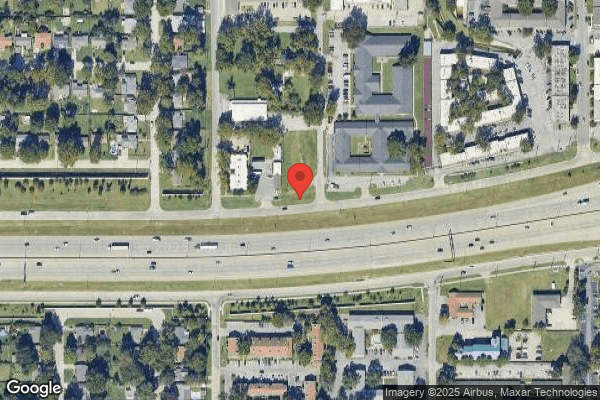
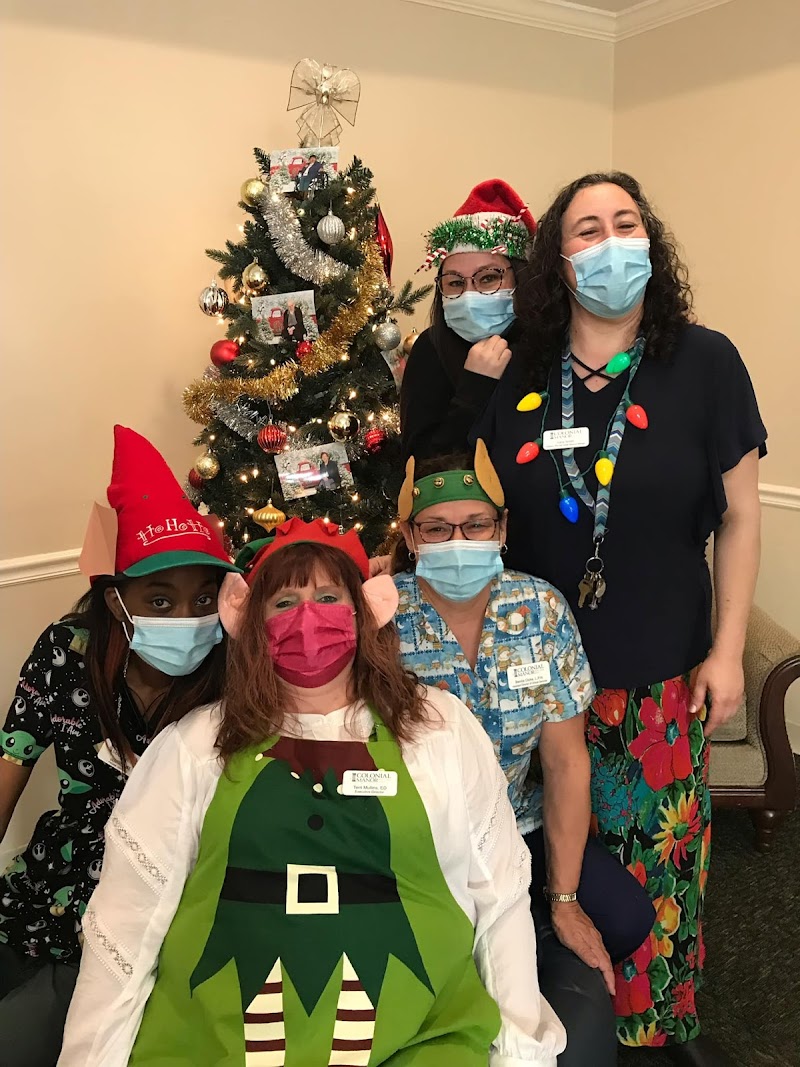
1815 East Skelly Drive, Tulsa, OK 74105 (918) 743-7838
For profit - Limited Liability company 120 Beds DIAKONOS GROUP Data: November 2025 1 Immediate Jeopardy citation
Trust Grade
38/100
#154 of 282 in OK
Last Inspection: February 2025

Within standard 12-15 month inspection cycle. Federal law requires annual inspections.

Overview

Colonial Manor Nursing Home has received a Trust Grade of F, indicating significant concerns about the quality of care provided. With a state rank of #154 out of 282 facilities in Oklahoma, they fall in the bottom half and are #21 out of 33 in Tulsa County, meaning there are better local options available. The facility is worsening, with issues rising from 3 in 2024 to 6 in 2025. Staffing is rated average at 3/5 stars, but the turnover rate is high at 67%, which is concerning compared to the state average of 55%, suggesting that consistent care may be a challenge. Although there have been no fines, the facility has faced serious incidents, including a critical failure to assess and monitor residents in distress, such as one resident who reported chest pain without appropriate intervention and another who was found slumped at a table with no follow-up action documented. Overall, while there are no fines and some good quality measures, significant weaknesses raise serious concerns about the safety and care of residents.
Trust Score
F
38/100
In Oklahoma
#154/282
Bottom 46%
Safety Record
High Risk
Review needed
Inspections
Getting Worse
3 → 6 violations
Staff Stability
⚠ Watch
67% turnover. Above average. Higher turnover means staff may not know residents' routines.
Penalties
✓ Good
No fines on record. Clean compliance history, better than most Oklahoma facilities.
Skilled Nurses
⚠ Watch
Each resident gets only 21 minutes of Registered Nurse (RN) attention daily — below average for Oklahoma. Fewer RN minutes means fewer trained eyes watching for problems.
Violations
⚠ Watch
16 deficiencies on record. Higher than average. Multiple issues found across inspections.
★★☆☆☆
2.0
Overall Rating
★★★☆☆
3.0
Staff Levels
★★★★☆
4.0
Care Quality
★★☆☆☆
2.0
Inspection Score
Stable
2024: 3 issues
2025: 6 issues

The Good

  • 4-Star Quality Measures · Strong clinical quality outcomes
  • Full Sprinkler Coverage · Fire safety systems throughout facility
  • No fines on record

Facility shows strength in quality measures, fire safety.

The Bad

2-Star Overall Rating

Below Oklahoma average (2.6)

Below average - review inspection findings carefully

Staff Turnover: 67%

21pts above Oklahoma avg (46%)

Frequent staff changes - ask about care continuity

Chain: DIAKONOS GROUP

Part of a multi-facility chain

Ask about local staffing decisions and management

Staff turnover is elevated (67%)

19 points above Oklahoma average of 48%

The Ugly 16 deficiencies on record

1 life-threatening
Jul 2025 5 deficiencies 1 IJ
CRITICAL (J) 📢 Someone Reported This

A family member, employee, or ombudsman was alarmed enough to file a formal complaint

Immediate Jeopardy (IJ) - the most serious Medicare violation

Quality of Care (Tag F0684)

Someone could have died · This affected 1 resident

**NOTE- TERMS IN BRACKETS HAVE BEEN EDITED TO PROTECT CONFIDENTIALITY** On [DATE], an Immediate Jeopardy (IJ) situation was determined to exist related to the facility's failure to assess, monitor, an...

Read full inspector narrative →
**NOTE- TERMS IN BRACKETS HAVE BEEN EDITED TO PROTECT CONFIDENTIALITY** On [DATE], an Immediate Jeopardy (IJ) situation was determined to exist related to the facility's failure to assess, monitor, and intervene for a change in condition for:1. Resident #8 who reported chest pain on [DATE] at 7:46 a.m. A progress note showed vital signs were taken, but no other action was documented, and2. Resident #7 who was reported by RN #1 to be slumped over the table in the dining room on [DATE] during the noon meal. The note showed Resident #7 was removed from the dining room and taken to their room. No other actions were documented.On [DATE] at 12:06 p.m., the Oklahoma State Department of Health was notified and verified the existence of the IJ situation.On [DATE] at 12:45 p.m., the DON and administrator were notified of the IJ situation and provided the IJ template.On [DATE] at 11:41 a.m., an acceptable plan of removal was approved by the Oklahoma State Department of Health. The plan of removal, read in part,Plan of Removal: IJ for Failure to Assess, Monitor [and] InterveneCorrective Actions TakenImmediate Clinical Response:Nurse managers and charge nurses completing facility wide assessments of all residents to establish baselines. If concerns are found, notify DON, the party responsible and residents Physician immediately to get orders in place. The Medical Director was notified immediately and made aware of IJ status and action plan of interventions.All policies on change of condition, monitoring, and interventions reviewed and revised. Clinical systems revised to flag key indicators requiring escalation via E-interact and Change of Condition communication forms. E- Interact will populate to the Clinical Dashboard and 24-hour report. Staff Notification:All clinical staff were informed of the deficiency and advised of immediate changes in protocol. That includes the implementation of the E-Interact and the Change in Resident Status communication form.A mandatory in-service training was immediately scheduled and will be completed within 24 hours.Any staff that are not able to complete training within 24 hours will be required to complete training prior to working next scheduled shift. Education & TrainingEmergency Staff Education:Licensed nurses and CNAs received training on policy and procedure over Change in Resident Status or Conditions.Focus included documentation, escalation pathways, and timely physician notification.Educated and implemented use of E- Interact SBAR (Situation-Background-Assessment-Recommendation) and utilization of Change in Resident Status communication form. Competency Validation:Senior Director of Clinical Services trained Director of Nursing over processes of implementation of E- Interact SBAR (Situation-Background-Assessment-Recommendation) and utilization of Change in Resident Status communication form.Director of Nursing trained nurse management and charges nurses over processes and implementation of E- Interact SBAR (Situation-Background-Assessment-Recommendation) and utilization of Change in Resident Status communication form.Staff will verbalize understanding of training and observation of change in condition and assessment. RN Supervisor Role Expansion:DON will perform daily audits of residents with identified clinical risks.Shift Huddles Introduced:Begin and end-of-shift meetings instituted to identify potential high-risk residents starting [DATE]. Date of Compliance:Compliance Date: [DATE]The IJ was lifted, effective [DATE] at 12:25 p.m., when all components of the plan of removal had been verified as completed. Review of policy changes for change of conditions was conducted, clinical system changes were reviewed, review of the resident assessments for all 55 residents were completed, clinical staff were interviewed regarding changes in policy for change of condition, communication with facility staff and timely notification to physician of a change in condition. The DON was interviewed regarding in-service with the senior director of clinical services and daily audits of residents at risk. Review was completed of the Beginning and end of shift meetings documentation sheets. The deficient practice remained at an isolated level with the potential for more than minimal harm. Based on record review and interview, the facility failed to assess, monitor, and intervene for a change in condition for 2 (#7 and #8) of 3 sampled residents reviewed for a change in condition.The administrator identified 55 residents resided in the facility. Findings:1.A physician's order for Resident #8, dated [DATE], showed to administer a 24-hour nitroglycerin patch 0.1mg/hour transdermally in the morning related to angina pectoris and to take off after 24 hours.An annual assessment, dated [DATE], showed a BIMS of 15 which indicated Resident #8 was cognitive for daily decision making. The assessment showed diagnoses which included diabetes, heart failure, hypertension, angina pectoris, and end stage renal disease.The [DATE] MAR for Resident #8 showed the nitroglycerin patch was not administered on [DATE]. The MAR showed routine simethicone 80 mg for gas and as needed calcium carbonate (Tums an antacid) were not administered for indigestion on [DATE]. A progress note, dated [DATE] at 7:46 a.m., showed Resident #8 complained of chest pain and vital signs were within normal limits. The note showed Resident #8 stated the chest pain was probably indigestion. No other assessment was documented. The note did not show the physician was notified. The note was entered by RN #1,A progress note, dated [DATE] at 11:30 a.m., showed Resident #8 was found without breath and pulse, CPR was started, notification was made to the DON, ADON, and emergency medical services authority. The note did not show the physician was notified. The note was entered by RN #1.A progress note, dated [DATE] at 1:24 p.m., showed the physician was notified of Resident #8 passing at the facility and an order was received to release the body to the funeral home.On [DATE] at 10:48 a.m., RN #1 stated on the morning of [DATE] Resident #8 reported pressure in their chest, their vital signs were within normal limits, and they asked Resident #8 if they thought it was chest pain or indigestion. RN #1 stated Resident #8 replied they thought it was indigestion and Resident #8 went back to bed. They stated later they looked back in on Resident #8 in their room, and they were lying on the bed with their back to the door. RN #1 stated they assumed Resident #8 was sleeping, then left the room, and checked blood sugars for other residents. RN #1 stated when they returned to Resident #8 at 11:30 a.m., they found Resident #8 without breath and pulse. They stated Resident #8 had been complaining about not feeling well for a couple of weeks.2.An admission assessment for Resident #7, dated [DATE], showed diagnoses which included cerebral vascular accident (CVA/stroke), transient ischemic attack (TIA/mini stroke), and Parkinson's disease.A care plan for Resident #7, revised [DATE], showed no concerns for CVA or TIA.The [DATE] MAR showed on Friday [DATE] a blood pressure of 162/103 was recorded. There was no follow up blood pressure recorded and no assessment was located in the clinical record. Review of progress notes showed no progress note for [DATE].A progress note, dated [DATE], showed Resident #7 was unable to sit up and eat at lunchtime. The note showed Resident #7 kept falling forward and putting their head on the table and then Resident #7 was returned to their bed by RN #1. No actions were recorded in the progress. The note was documented by RN #1.A progress note, dated [DATE], showed the representative for Resident #7 came to the nurse's station and stated they thought Resident #7 had a stroke and it had to have happened earlier in the day. The note showed the representative wanted Resident #7 sent to the emergency room for evaluation. The note showed 911 was called and Resident #7 was taken to the emergency room. The note was documented by LPN #1.Hospital records for Resident #7, dated [DATE] at 11:10 p.m., showed results of a CT chest procedure. The results showed findings of a pulmonary emboli in the distal right pulmonary artery.On [DATE], at 8:50 a.m., the representative for Resident #7 stated they had found Resident #7 on [DATE] at 7:00 p.m., in the dining room, slumped over with a peanut butter sandwich in their hand. They stated they told the nurse to call 911 because Resident #7's face was drooped. The representative for Resident #7 stated the hospital informed them Resident #7 had a pulmonary embolism.On [DATE] at 9:40 a.m., CNA #4 stated they tried to feed Resident #7 their breakfast on [DATE], but they were sleepy. They stated they tried to talk to Resident #7, but the resident did not talk to them and would not eat the pancake. CNA #4 stated Resident #7 was sitting up straight in their wheelchair. On [DATE] at 9:52 a.m., CMA #1 stated Resident #7 seemed sleepy on [DATE], but took their medications fine. They stated Resident #7 was slumping over the table and it was unusual. CMA #1 stated they did not report the unusual behavior to anyone.On [DATE] at 10:15 a.m., CNA #3 stated Resident #7 was very quiet and did not eat as well as usual on [DATE]. They stated Resident #7 seemed out of it and was not as alert as they usually were. CNA #3 stated Resident #7 had some drooping on the right side of their face. They stated during dinner Resident #7 was bent over the table, but did not report that to anyone. CNA #3 stated they thought it was because Resident #7 was tired. On [DATE] at 10:30 a.m., CNA #1 stated they saw Resident #7 on [DATE] in the dining room staring off into space. They stated Resident #7 was leaning to the right and they straightened Resident #7 up in their wheelchair. CNA #1 stated they did not report it to anyone because they did not think it was unusual.On [DATE] at 10:35 a.m., CNA #2 stated on [DATE] Resident #7 seemed a little tired at lunch and for a moment Resident #7 kind of got a strange look on their face. CNA #2 stated when Resident #7 was questioned about how they felt they stated they were okay. They stated the ADON was at the table and thought Resident #7 was okay as well.On [DATE] at 10:39 a.m., LPN #1 stated on [DATE] they were getting ready to leave for the day and the representative for Resident #7 approached them at approximately 7:00 p.m., and stated Resident #7 had a stroke and needed to be sent out to the emergency room. They stated the representative informed them Resident #7 was slumped over when they came in and did not look right. LPN #1 stated they had not noticed anything unusual with Resident #7 during dinner because they were feeding two other residents. On [DATE] at 10:54 a.m., RN #1 was asked about their progress note entered on [DATE]. They stated on [DATE] Resident #7 was sleeping at the table in the dining room for lunch and it was not unusual. RN #1 stated very seldom would Resident #7 have their eyes open while they were fed and did not really respond in any way. They stated Resident #7 was frequently drowsy, as they were that morning and would not open their mouth. RN #1 stated they felt if Resident #7 was leaning and unable to sit up they would be better off in bed, so they took Resident #7 back to their room. They stated they did not remember if they had completed an assessment on Resident #7, but if they had, the assessment would be in the progress note. RN #1 stated the did not think they would have charted an assessment because it was not unusual. They stated if Resident #7 was leaning they wanted them safe, and it just seemed out of the ordinary Resident #7 was leaning, but everything else seemed within normal limits. RN #1 was asked if they were made aware of a blood pressure on Friday [DATE]. They stated they remembered the CMA had reported a blood pressure for someone being elevated, but could not recall who the resident was. RN #1 stated the blood pressure should have been rechecked. RN #1 was asked what the follow up was for the elevated blood pressure. They stated, Something was missed.On [DATE] at 12:15 p.m., the DON with the administrator present was asked what the policy/protocol was for documentation. They stated nurses documented by exception. The DON was informed of the progress note on [DATE] for Resident #7 and that the note did not show an assessment was completed or the physician was notified. They stated an assessment should have been conducted and the physician should have been notified. The DON was asked why an assessment was not completed if this was documented as an exception. They stated they would have to check. The DON was asked what the policy/protocol was regarding an elevated blood pressure. They stated the blood pressure should have been reported verbally to the nurse who should have rechecked the vital signs. The DON was asked how they would know if the blood pressure was not reported to the nurse. They stated they would not know. The DON was asked why the physician was not notified of the elevated blood pressure on Friday [DATE] for Resident #7. No answer was provided. The DON was asked what the policy/protocol was regarding reports of chest pain. They stated it depended on who it was reported to. The DON stated the nurses checked vital signs and did an assessment/physical exam to determine appearance of symptoms such as if the resident looked short of breath or not and ask what kind of pain or characteristics of the pain. They stated if pressure were reported the nurse would notify the doctor. The DON was asked why RN #1 did not follow protocol. They stated they did not know.
CONCERN (D) 📢 Someone Reported This

A family member, employee, or ombudsman was alarmed enough to file a formal complaint

Potential for Harm - no one hurt, but risky conditions existed

Deficiency F0568 (Tag F0568)

Could have caused harm · This affected 1 resident

Based on record review and interview, the facility failed to ensure individual financial records were available through quarterly statements and upon request for 3 (#2, 4, and #6) of 3 sampled residen...

Read full inspector narrative →
Based on record review and interview, the facility failed to ensure individual financial records were available through quarterly statements and upon request for 3 (#2, 4, and #6) of 3 sampled residents reviewed for personal funds. The administrator identified 27 residents with trust fund accounts. Findings:An undated policy titled Resident Personal Funds Accounting and Records, read in part, 3. The individual financial record must be available to the residents through quarterly statements and upon request.Review of resident records for Resident #2 from 01/01/25 to 07/17/25 showed no financial statements were available.Review of resident records for Resident #4 from 01/01/25 to 07/17/25 showed no financial statements were available. Review of resident records for Resident #6 from 01/01/25 to 07/17/25 showed no financial statements were available. On 07/17/25 at 1:34 p.m., the business office manager stated the residents could ask for their balance and it would be told to them, but they did not provide the residents with a quarterly statement. The business office manager stated they were not aware they should be providing a quarterly statement.
CONCERN (D) 📢 Someone Reported This

A family member, employee, or ombudsman was alarmed enough to file a formal complaint

Potential for Harm - no one hurt, but risky conditions existed

Deficiency F0657 (Tag F0657)

Could have caused harm · This affected 1 resident

Based on record review and interview, the facility failed to revise a care plan for 2 (#7 and #8) of 8 residents sampled who were reviewed for care plans.The administrator identified 55 residents resi...

Read full inspector narrative →
Based on record review and interview, the facility failed to revise a care plan for 2 (#7 and #8) of 8 residents sampled who were reviewed for care plans.The administrator identified 55 residents resided at the facility.Findings:1.An admission assessment for Resident #7, dated 01/03/25, showed a BIMS score of 00, which indicated Resident #7 was severely cognitively impaired for daily decision making. The assessment showed diagnoses which included cerebral vascular accident (CVA/stroke), transient ischemic attack (TIA/mini stroke or brief stroke-like attack caused by a blood clot that blocks blood flow to the brain), and Parkinson's disease.A care plan for Resident #7, dated 01/27/25, showed no concerns for CVA or TIA.A progress note, dated 07/12/25 at 12:55 p.m., showed Resident #7 was unable to sit up and eat at lunchtime. The note showed Resident #7 kept falling forward and putting their head on the table and were returned to their bed. The note was entered by RN #1.A progress note, dated 07/14/25 at 7:22 p.m., showed the representative of Resident #7 reported the resident had a stroke and required being sent to the emergency room. The note showed 911 was called and Resident #7 was taken to the emergency room. The note was entered by LPN #1.Hospital records for Resident #7, dated 07/14/25 at 11:10 p.m., showed results of a CT chest procedure. The results showed findings of a pulmonary emboli (a condition in which one or more arteries in the lungs become blocked by a blood clot) in the distal right pulmonary artery.On 07/16/25 at 2:59 p.m., the MDS coordinator stated concerns/focus for care plans were identified in multiple ways including weekly risk assessments and the care area assessment (CAAs) from the minimum data set assessment. They stated the diagnoses of CVA and TIA for Resident #7 were not included as they were not active diagnoses the resident was currently being treated for.2.A physician's order for Resident #8, dated 04/29/25, showed to administer a 24-hour transdermal nitroglycerin patch 0.1mg/hour in the morning related to angina pectoris.A care plan for Resident #8, dated 05/22/25, showed no concern for angina pectoris or heart failure.An annual assessment for Resident #8, dated 05/26/25, showed a BIMS of 15 which indicated Resident #8 was cognitively intact for daily decision making. The assessment showed diagnoses which included diabetes, heart failure, hypertension, angina pectoris and end stage renal disease.A CAA worksheet for Resident #8, dated 05/26/25, showed congestive heart failure and angina diseases of concern for the care plan. The worksheet was signed and dated by the MDS coordinator on 06/09/25.A progress note, dated 07/03/25 at 7:46 a.m., showed Resident #8 complained of chest pain to RN #1, vital signs were obtained and were shown to be within normal limits. The note showed Resident #8 stated it probably was indigestion.A progress note, dated 07/03/25 at 11:30 a.m., showed Resident #8 was found in their bed without pulse and respirations by RN #1.On 07/17/25 at 1:24 p.m., the MDS coordinator stated the diagnoses of angina pectoris, coronary artery disease and heart failure were not included in the care plan as Resident #8 was not actively being treated for them. The MDS coordinator stated the nitroglycerin patch had been overlooked and the diagnosis should have been included on the care plan.
CONCERN (D) 📢 Someone Reported This

A family member, employee, or ombudsman was alarmed enough to file a formal complaint

Potential for Harm - no one hurt, but risky conditions existed

Pharmacy Services (Tag F0755)

Could have caused harm · This affected 1 resident

Based on observation and interview, the facility failed to ensure medications were administered by the person preparing the medication for 1 of 1 observation.The administrator identified 55 residents ...

Read full inspector narrative →
Based on observation and interview, the facility failed to ensure medications were administered by the person preparing the medication for 1 of 1 observation.The administrator identified 55 residents received medications. Findings: On 07/16/25 at 10:30 a.m., CMA #5 was observed preparing an unknown resident's medication. After preparing the medication, CMA #5 gave CMA #6 the medication who took the medication down the hall and administered it to an unknown resident. On 07/16/25 at 11:00 a.m., CMA #5 stated it was not facility policy to prepare medication and allow another CMA to administer it. CMA #5 stated they had no explanation as to why they were administering medication in that manner. On 07/16/25 at 11:10 a.m., CMA #6 stated you should not administer medication you did not prepare. On 07/16/25 at 11:30 a.m., the DON stated it was not facility policy for one CMA to administer medication prepared by another CMA.
CONCERN (D) 📢 Someone Reported This

A family member, employee, or ombudsman was alarmed enough to file a formal complaint

Potential for Harm - no one hurt, but risky conditions existed

Deficiency F0760 (Tag F0760)

Could have caused harm · This affected 1 resident

**NOTE- TERMS IN BRACKETS HAVE BEEN EDITED TO PROTECT CONFIDENTIALITY** Based on record review and interview, the facility failed to ensure medications were administered as ordered by the physician fo...

Read full inspector narrative →
**NOTE- TERMS IN BRACKETS HAVE BEEN EDITED TO PROTECT CONFIDENTIALITY** Based on record review and interview, the facility failed to ensure medications were administered as ordered by the physician for 1 (#8) of 1 sampled resident reviewed for medication administration.The administrator identified 55 residents received medications at the facility.Findings:A physician's order for Resident #8, dated [DATE], showed to administer a 24-hour transdermal nitroglycerin patch 0.1mg/hour every morning for angina pectoris.An annual assessment, dated [DATE], showed a BIMS of 15 which indicated Resident #8 was cognitively intact for daily decision making. The assessment showed diagnoses which included diabetes, heart failure, hypertension, angina pectoris, and end stage renal disease.A [DATE] MAR, showed on [DATE] Resident #8 did not receive the nitroglycerin patch as ordered.A progress note, dated [DATE] at 7:46 a.m., showed Resident #8 complained of chest pain to RN #1. The note showed RN #1 completed vital signs for Resident #8 and were within normal limits. The note showed Resident #8 stated the chest pain could be indigestion.A progress note, dated [DATE] at 11:30 a.m., showed Resident #8 was found by RN #1 to be without respiration and pulse. The note showed CPR was initiated and 911 was called.A progress note, dated [DATE] at 1:24 p.m., showed RN #1 notified the physician of the death of Resident #8 and received an order to release the body to the funeral home.On [DATE] at 12:15 p.m., the DON with the administrator present stated they would need to check as to why Resident #8 did not receive the ordered nitroglycerin patch on [DATE].On [DATE] at 9:00 a.m., the DON stated they had called the agency to obtain an answer as to why the nitroglycerin medication was not administered by the agency CMA, but they had not heard back. They stated they would follow up.On [DATE] at 10:30 a.m., the DON stated the agency CMA had given multiple different answers and they were unable to determine the reason. The DON stated they requested the CMA do not return to the facility.
Feb 2025 1 deficiency
CONCERN (D)

Potential for Harm - no one hurt, but risky conditions existed

Food Safety (Tag F0812)

Could have caused harm · This affected 1 resident

Based on observation and interview, the facility failed to maintain a clean ice machine. The roster matrix documented 53 residents who utilize ice from the ice machine. Findings: On 02/05/25 at 2:50...

Read full inspector narrative →
Based on observation and interview, the facility failed to maintain a clean ice machine. The roster matrix documented 53 residents who utilize ice from the ice machine. Findings: On 02/05/25 at 2:50 p.m., an observation of the ice machine was performed with the maintenance supervisor. There was a slimy black substance observed on the top and interior of the plastic cover, along each side of the water reservoir, and near the water pump which hung above and in the water reservoir. On 02/05/25 at 2:53 p.m., the maintenance supervisor stated the ice machine was dirty. The maintenance supervisor stated they did not know who was responsible for cleaning the ice machine. On 02/05/25 at 3:15 p.m., the administrator stated they were made aware of the dirty ice machine. They did not know who was responsible for cleaning the ice machine. They stated they would coordinate with the dietary manager and maintenance supervisor and work out a routine schedule for cleaning the ice machine.
Oct 2024 1 deficiency
CONCERN (D) 📢 Someone Reported This

A family member, employee, or ombudsman was alarmed enough to file a formal complaint

Potential for Harm - no one hurt, but risky conditions existed

Free from Abuse/Neglect (Tag F0600)

Could have caused harm · This affected 1 resident

**NOTE- TERMS IN BRACKETS HAVE BEEN EDITED TO PROTECT CONFIDENTIALITY** Based on observation, record review, and interview, the facility failed to protect a resident from abuse for one (#1) of six sam...

Read full inspector narrative →
**NOTE- TERMS IN BRACKETS HAVE BEEN EDITED TO PROTECT CONFIDENTIALITY** Based on observation, record review, and interview, the facility failed to protect a resident from abuse for one (#1) of six sampled residents whose clinical records were reviewed for abuse. The Resident Listing Report, dated 10/24/24, documented 54 residents. Findings: Resident #1 had diagnoses which included dementia, psychotic disturbance, mood disturbance, and anxiety. The quarterly assessment, dated 07/17/24, documented the resident was cognitively intact, exhibited no behaviors, required supervision or touch assistance for activities of daily living, and required supervision or touch assistance for ambulation. The care plan, revised 10/08/24, documented the resident had the potential to demonstrate verbally abusive behaviors related to poor impulse control. The care plan, read in part, when I become agitated, intervene before verbal agitation escalates. Guide me away from [the] source of distress. Engage [me] calmly in conversation. If response is aggressive walk away, [sic] and approach later. A hand written statement from CMA #1, dated 10/18/24, documented on 10/18/24 at around 7:00 p.m., they attempted to administer the Resident #1's evening medications. The resident asked for them to return later because the evening meal was served late and they were still eating. The CMA documented the resident complained the food was served late and did not taste good. The CMA documented at about 7:30 p.m., Resident #1 came to them and requested their evening medications. The CMA documented the resident was already angry, so to minimize interrupting the resident's evening, they brought the snack cart as well as the resident's medications to the resident's room. The CMA documented by the time they returned to the resident's room the resident was aggressively shouting and cursing at them. The CMA documented they attempted to plead with the resident, but the resident stood, and while yelling and cursing, pointed to their face. The CMA documented they attempted to leave the resident's room, but the resident pulled them back and hit them in the face, knocking their glasses from their face. The CMA documented while trying to get away from the resident the resident lost their balance and fell. A witness statement from CNA #1, dated 10/18/24 at 8:40 p.m., documented they had just returned from break and assisted a resident in the hallway and observed Resident #1 had their call light on. The CNA documented they heard a verbal argument and turned to look. The CNA documented they observed CMA #1 place something in the resident's room. The CNA documented Resident #1 was leaning over the snack cart and with their finger was pushing into the CMAs right shoulder. The CNA documented the CMA #1 attempted to leave with the snack cart, but the resident held onto the cart and again pushed their finger into CMA #1's chest/shoulder. The CNA documented CMA #1 pushed the resident and when the resident began to fall CMA #1 attempted to catch the resident. The CNA documented both the resident and CMA #1 disappeared into the room, and when they went to the room, there was a pool of blood on the floor. The CNA documented Resident #1 stated they themselves started the altercation and did not want CMA #1 to get in trouble or be terminated. An undated handwritten statement from LPN #1 documented they were alerted Resident #1 was on the floor. The LPN documented when they entered the room, the resident was laying on the floor with blood under their head. The LPN documented they addressed the laceration above the resident's left eyebrow and sent the resident to the hospital for further evaluation. A city citation, dated 10/18/24, documented CMA #1 committed the offense of assault and battery. On 10/19/24 at 11:30 a.m., Resident #1 gave a verbal accounting of the incident to the DON. The DON documented the resident walked to the medication room to wake CMA #1 because the CMA had not given them their evening medications. The resident stated the CMA brought them their pills and placed them on the table in their room. The resident stated they were standing near the door to their room. The resident pointed their finger and said they just touched the CMAs chest and the CMA grabbed their neck and slammed them down. The resident stated they fell with the left side of their face to the floor. The resident stated a new staff member stayed with them while CMA #1 was out in the hall and went to get help. The resident stated staff entered their room to help them, but they were on the floor for nearly an hour before the ambulance arrived to take them to the hospital. On 10/24/24 at 4:05 p.m., the door to Resident #1's room was closed. The resident was heard yelling and berating RN #1 for their inability to perform their duties to the resident's satisfaction. RN #1 was overheard to remain calm and quietly attempted to redirect the resident and left the room shortly after. On 10/24/24 at 4:10 p.m., RN #1 stated Resident #1 was never happy with their care and addressed everyone rudely and with condescension. RN #1 stated Resident #1 even structured complements in a negative connotation and tone. RN #1 stated the resident normally called them to enter their room two to three times a night to yell how everything was their fault. RN #1 stated they received an inservice on abuse and the management of agitated/aggressive residents on 10/19/24. On 10/24/24 at 4:35 p.m., CNA #1 stated they had witnessed the altercation between CMA #1 and Resident #1. The CNA stated Resident #1 was holding onto the snack cart while jabbing their finger into the shoulder of CMA #1. The CNA stated they thought the resident was taking a step closer to CMA#1 when CMA #1 placed their hands up about chest high with their palms outward toward the resident. The CNA stated it happened very quickly and could not say with certainty if CMA #1 pushed the resident or if the resident stepped into CMA #1 while CMA #1's hands were still between them. The CNA stated they observed CMA #1 attempt to catch the resident when the resident became off balanced, but was not able to catch the resident in time. The CNA stated CMA #1 was not yelling at the resident or otherwise appeared to be angry. CNA #1 stated they received an inservice on abuse and working with residents with behaviors when they returned to work on 10/21/24. On 10/25/24 at 4:05 p.m., Resident #1 returned to facility from a scheduled appointment. The skin around both of the resident's eyes were bruised and there were stitches above the left eyebrow. The area above the left eyebrow was swollen and raised. They did not feel like talking to anyone at the moment. On 10/25/24 at 4:50 p.m., Resident #1 was in their room seated in their recliner. The surveyor addressed the resident with name and surveyor identification. The resident immediately began yelling that CMA #1 had grabbed them by the neck, slammed them onto their back on the floor, and punched them repeatedly in the face while continuing to hold them down by their neck. The resident continued to yell and repeated the incident. On 10/25/24 at 5:05 p.m., the DON stated they were notified of the incident on 10/18/25 in the evening, and immediately returned to the facility to start the investigation. The DON stated they toured the facility to ensure everyone was safe and statements were gathered from residents and employees, including CMA #1. The DON stated CMA #1 stated they had not intended to push the resident, but only to maintain space between themselves and the resident. They stated CMA #1 never intended for the resident to fall or get hurt. The DON stated they suspended CMA #1 while they investigated the incident. The DON stated they attempted to contact family, notified the physician, local police, and OSDH. The DON stated they returned to the facility on [DATE] and again made rounds to ensure the residents were safe and collected their statements. The DON stated they developed an inservice on abuse and managing behaviors or aggressive residents and started inservicing the weekend staff. The DON stated they returned to the facility on [DATE] and again made rounds to ensure the residents were safe, collected statements from the residents, and inserviced staff. The DON stated on 10/21/24 they continued to inservice staff until all available staff were inserviced. The DON stated there were a few staff members they were unable to reach and those would be inserviced before their next shift started. The DON stated they continued to monitor staff/resident interactions daily as part of the QA process and continued to review and update the findings for their monthly QAPI meeting to review. The DON stated at the end of the investigation the allegation of abuse was substantiated and CMA #1 was terminated. On 10/25/24 at 5:20 p.m., the facility's policy and procedure for abuse was reviewed, in-service sheets for abuse training, in-service sheets for caring for residents with behaviors, the facility monitoring sheets, daily stand up/leadership team meetings, and the facility initial QA was reviewed. It was determined non-compliance started on 10/18/24 at 7:00 p.m. and ended on 10/22/24 at 4:50 p.m. when all active staff were in-serviced. On 10/25/24 at 5:30 p.m., the administrator stated when they received an allegation of abuse, they followed their abuse policy, ensured all residents were safe, and removed the alleged abuser from the facility pending the outcome of the investigation. The administrator stated they would begin the investigation by identifying and interviewing all persons involved, including the alleged abuser and any witnesses. The administrator stated they report the allegation to the SA, APS, and law enforcement, if indicated. The administrator stated they notify the resident's representative if the resident had one and their physician. The administrator stated they inservice/educate staff on abuse and neglect and monitor through observations of staff/resident interactions and resident statements which asked such questions as if the resident felt safe in the facility, did they know who to tell if something happened or if they had a problem, and other pertinent questions developed through the QA process/team. The administrator stated after completing the investigation the QA team discusses/reviews all state reportable incidents and grievances during daily meetings and at the monthly QA meeting to determine if their were any unidentified trends/patterns to add.
Feb 2024 2 deficiencies
CONCERN (E) 📢 Someone Reported This

A family member, employee, or ombudsman was alarmed enough to file a formal complaint

Potential for Harm - no one hurt, but risky conditions existed

Infection Control (Tag F0880)

Could have caused harm · This affected multiple residents

Based on observation, interview, and record review, the facility failed to ensure nursing staff followed the infection control guidelines to prevent the potential spread of communicable disease. The ...

Read full inspector narrative →
Based on observation, interview, and record review, the facility failed to ensure nursing staff followed the infection control guidelines to prevent the potential spread of communicable disease. The DON identified 40 residents resided in the facility. Findings: A Handling Soiled Linen policy, undated, read in part, .3. Linen should not be allowed to touch the uniform or floor .4. Used or soiled linen shall be collected at the bedside (or point of use .) and placed in a linen bag or designated receptacle. When the task is complete, the bag shall be closed securely and placed in the soiled utility room. Soiled linen shall not be kept in the resident's room or bathroom .'' Res #1 had diagnoses which included CVA, neuromuscular dysfunction of bladder, DM, and frequent UTI's. A quarterly assessment, dated 01/12/24, documented Res #1's cognition was severely impaired, had an indwelling urinary catheter, and required extensive assistance with most ADLs. On 02/07/24 at 10:58 a.m., observed CNA #1 and CNA #2 transferring resident #1 from bed to their wheelchair via the sit to stand lift. CNA #1 was observed to begin cleaning the resident's bottom while they were standing up in the sit to stand. CNA #1 did not perform hand hygiene prior to resident care and did not change gloves between incontinent care and dressing the resident. Observed the resident's catheter bag and tubing on the floor. CNA #1 was moving the sit to stand lift around in the room to position the resident over their wheelchair and they were dragging the resident's catheter bag and tubing along on the floor. CNA #1 was asked what the facility policy was for hand hygiene. They stated they are to perform hand hygiene prior to resident care and to change gloves as needed during the care. CNA #1 stated I do not have any hand sanitizer with me. CNA #1 was asked about the catheter bag and tubing on the floor. They stated they usually hung it on their pocket. On 02/07/24 at 11:15 a.m., RN #1 was asked what the facility policy was for hand hygiene during resident's incontinent care. They stated they should perform hand hygiene prior to and after care and between glove changes. They were made aware of the catheter bag and tubing being dragged on the floor. They stated the catheter bag should never touch the floor. On 02/08/24 at 8:01 a.m., observed a pile of dirty linens and a pile of dirty towels in Res #1s room. There was a shower chair beside the resident's bed. No one was observed in the room. On 02/08/24 at 8:06 a.m., CMA #1 was asked how long the linens and towels had been in the resident's room on the floor. They stated about 15 minutes. They were asked if this was normal procedure. They stated they were supposed to place the dirty linens and towels in a bag and take it to the hopper room. On 02/08/24 at 9:26 a.m., the administrator was made aware of the above observations. They stated they would in-service the nursing staff on hand hygiene and proper handling of soiled linens.
CONCERN (E) 📢 Someone Reported This

A family member, employee, or ombudsman was alarmed enough to file a formal complaint

Potential for Harm - no one hurt, but risky conditions existed

Deficiency F0919 (Tag F0919)

Could have caused harm · This affected multiple residents

Based on observation, record review, and interview, the facility failed to ensure residents' call lights were in reach for four (#3, 5, 6, and #7) of four sampled residents who were reviewed for call ...

Read full inspector narrative →
Based on observation, record review, and interview, the facility failed to ensure residents' call lights were in reach for four (#3, 5, 6, and #7) of four sampled residents who were reviewed for call light placement. The DON identified 40 residents who resided in the facility. Findings: A Call Lights: Accessible and Timely Response policy, undated, read in part, .Policy: The purpose of this policy is to assure the facility is adequately equipped with a call light at each residents' bedside, toilet, and bathing facility to allow residents to call for assistance . 1. Res #3 had diagnoses which included mild intellectual disability, anxiety, macular degeneration, angina, overactive bladder, osteoporosis, and epilepsy. An admission assessment, dated 02/05/24, documented the resident's cognition was intact, frequently incontinent of bowel and bladder, required moderate assistance with mobility with most ADLs. On 02/07/24 at 8:10 a.m., observed the resident in bed and their call light was hanging from the wall across the room from the resident. On 02/07/24 at 1:20 p.m., observed the resident in bed and their call light was hanging from the wall across the room. On 02/08/24 at 8:06 a.m., observed the resident in bed and their call light was hanging from the wall across the room. On 02/08/24 at 8:25 a.m., CNA #1 was asked where Res #3's call light should be placed. They stated within the resident's reach. They were asked how often they checked call light placement. They stated every time they went into a resident's room. On 02/08/24 at 8:46 a.m., RN #1 was asked where the residents' call lights should be placed. They stated within the resident's reach. They were asked how they ensure the call lights were within the residents' reach. They stated they monitor for call light placement each time they go into a residents' room. 2. Resident #5 had diagnoses which included myocardial infarction, Alzheimer's Disease, muscle weakness, osteoporosis, and reduced mobility. An annual assessment, dated 03/22/23, documented the resident's documented the resident's cognition was moderately impaired, had impairment to one side of their lower extremities, required extensive assistance with their ADLs, and was always incontinent of bowel and bladder. A quarterly assessment, dated 12/17/23, documented the resident's cognition was moderately impaired, no impairment to their upper or lower extremities, required substantial assistance with all their ADLs, and was always incontinent of bowel and bladder. On 02/07/24 at 8:19 a.m., observed the resident in bed and their call light was hanging from the wall across the room from the resident. On 02/07/24 at 1:31 p.m., observed the resident in bed and their call light was hanging from the wall across the room. On 02/08/24 at 8:21 a.m., observed the resident in bed and their call light was hanging from the wall across the room. 3. Res #6 had diagnoses which included convulsions, epilepsy, speech disturbance, and dysphagia. An annual assessment, dated 08/02/23, documented the resident's cognition was severely impaired, had impairment to both upper and lower extremities, required extensive assistance with their ADLs, and was always incontinent of bowel and bladder. A quarterly assessment, dated 01/29/24, documented the resident's cognition was severely impaired, had no impairment to their upper or lower extremities, required extensive assistance with their ADLs, and was always incontinent of bowel and bladder. On 02/07/24 at 8:23 a.m., observed resident in bed and their call light was in the floor underneath the head of the bed between the headboard and the wall. On 02/07/24 at 3:58 p.m., observed resident in bed and their call light was in the floor underneath the head of the bed between the headboard and the wall. On 02/08/24 at 8:12 a.m., observed resident in bed and their call light was in the floor underneath the head of the bed between the headboard and the wall. 4. Res #7 had diagnoses which included diabetes, HTN, and COPD. An admission assessment, dated 02/05/24, documented the resident's cognition was intact, was independent with most ADLs, and continent of bowel and bladder. On 02/07/24 at 8:08 a.m., observed resident in bed and their call light was underneath the end of the bed. On 02/07/24 at 3:58 p.m., observed resident in bed and their call light was underneath the end of the bed. On 02/08/24 at 8:15 a.m., observed resident in bed and their call light was underneath the end of the bed. On 02/08/24 at 8:30 a.m., LPN #1 was asked where the residents' call lights should be placed. They stated the call lights should be within the residents' reach. They were asked how they ensured the call lights were within the residents' reach. They stated they monitor the call light placement during their hourly rounds. On 02/08/24 at 8:52 a.m., MDS Coordinator #1 was asked where the residents' call lights should be placed. They stated within the residents' reach. On 02/08/24 at 8:59 a.m., the administrator was asked where the residents' call lights should be placed. They stated the call lights should be within the residents' reach and they can be clipped to the bed or attached to a position rail if needed.
Dec 2023 4 deficiencies
CONCERN (D) 📢 Someone Reported This

A family member, employee, or ombudsman was alarmed enough to file a formal complaint

Potential for Harm - no one hurt, but risky conditions existed

PASARR Coordination (Tag F0644)

Could have caused harm · This affected 1 resident

Based on record review and interview, the facility failed to ensure the state was notified of a new serious mental illness diagnosis for #9 and failed to ensure a PASARR II evaluation was available fo...

Read full inspector narrative →
Based on record review and interview, the facility failed to ensure the state was notified of a new serious mental illness diagnosis for #9 and failed to ensure a PASARR II evaluation was available for implementation of recommendations one (#7) of two residents reviewed for PASARR. The administrator identified 12 residents with a level II PASARR who resided in the facility. Findings: 1. Resident #9's PASARR level I, dated 09/26/22, documented no level II required. Resident #9 had diagnoses which included paranoid schizophrenia effective 03/16/23. On 03/16/23 at 6:42 p.m., a nurses note documented Resident #9 was evaluated by an APRN-CNP with [name removed] and added a diagnosis of Paranoiod Schizophrenia. The note documented Resident #9 was hallucinating small children and mean old women trying to hurt them. An order was received for risperdal (a psychotropic medication) 0.5 mg three times a day routine for paranoid schizophrenia. A quarterly assessment, dated 09/17/23, documented Resident #9 had a diagnosis of paranoid schizophrenia. On 11/29/23 at 2:53 p.m., the Director of Clinical Outcomes stated they had recently identified there was no level II PASARR as well and did not know why a level II was not done. 2. Resident #7 had diagnoses which included bipolar disorder, major depressive disorder, and paranoid schizophrenia. The Nursing Facility Level of Care Assessment, dated 11/03/16, documented the Level II PASARR was current and to report any psychiatric admissions. The Nursing Facility Level of Care Assessment, dated 03/26/18, documented the Level II PASARR was current. Review of the clinical record did not reveal a Level II PASARR. The care plan, revised 08/30/23, documented the resident had a Level II PASARR and they were to notify the state agency if the resident had two psychiatric hospital stays or received an emergency order of detention. On 11/29/23 at 2:57 p.m., the administrator stated they had requested the Level II PASARR be sent to the facility from the state agency. They stated they needed to obtain a copy of the Level II PASARR to implement it into the residents plan of care. On 12/01/23 at 1:16 p.m., the care plan coordinator stated the care plan documented the resident had a Level II PASARR and they were to notify the state agency if the resident had two in patient psychiatric hospitalizations.
CONCERN (D) 📢 Someone Reported This

A family member, employee, or ombudsman was alarmed enough to file a formal complaint

Potential for Harm - no one hurt, but risky conditions existed

Deficiency F0657 (Tag F0657)

Could have caused harm · This affected 1 resident

Based on record review and interview, the facility failed to ensure a care plan was updated/revised for one (#9) of 15 residents reviewed for care plans. The administrator identified 39 residents resi...

Read full inspector narrative →
Based on record review and interview, the facility failed to ensure a care plan was updated/revised for one (#9) of 15 residents reviewed for care plans. The administrator identified 39 residents resided at the facility. Findings: Resident #9 had diagnoses which included paranoid schizophrenia. A nurses note, dated 03/16/23 at 6:42 p.m., documented Resident #9 was seen by an APRN-CNP from [name removed] and added an order to include a new diagnosis of paranoid schizophrenia. The note documented Resident #9 had experienced hallucinations of small children and mean old women trying to hurt them. The note documented to continue Risperdal 0.5mg three times a day routine for paranoid schizophrenia. A quarterly assessment, dated 09/17/23, documented the resident's diagnosis of paranoid schizophrenia. No significant change assessment was located in the clinical record. Review of the care plan, revised 10/02/23, revealed a diagnosis of paranoid schizophrenia was not care planned. On 11/29/23 at 2:45 p.m., the MDS coordinator stated they did not locate in the progress notes where the physician was notified of the new diagnosis or that the diagnosis of paranoid schizophrenia was on the active care plan. On 11/29/23 at 2:53 p.m., the Director of Clinical Outcomes stated they had just identified the diagnosis as well, and did not know why the physician was not notified of the change in diagnoses. On 11/29/23 at 3:00 p.m., the MDS coordinator was asked why the diagnosis of paranoid schizophrenia was not care planned. They stated it was dependant on the medication being taken due to the diagnosis. They stated at one time Resident #9 was on Risperdal however the medication was discontinued on 04/24/23, so it would not be on the active care plan.
CONCERN (D) 📢 Someone Reported This

A family member, employee, or ombudsman was alarmed enough to file a formal complaint

Potential for Harm - no one hurt, but risky conditions existed

Deficiency F0848 (Tag F0848)

Could have caused harm · This affected 1 resident

Based on record review and interview, the facility failed to ensure binding arbitration agreements provided the selection of a neutral arbitrator agreed upon by both parties and provided a selection o...

Read full inspector narrative →
Based on record review and interview, the facility failed to ensure binding arbitration agreements provided the selection of a neutral arbitrator agreed upon by both parties and provided a selection of a venue that was convenient to both parties. The administrator identified two residents who had signed binding arbitration agreements who resided in the facility. Findings: The undated Arbitration Agreement, read in part, .to be conducted at a place agreed upon by the parties, or in the absence of such agreement, at Facility . Review of the arbitration agreement did not reveal language a neutral arbitrator would be agreed upon by both parties. On 11/28/23 at 1:43 p.m., the admission coordinator reviewed the arbitration agreement and stated the agreement did not contain language a neutral arbitrator, agreed upon by both parties, would be utilized. They stated the venue for the arbitration would be at the facility if an agreement was not made for a location. The admission coordinator stated the arbitration agreement did not contain language the venue was to be convenient for both parties. On 12/01/23 at 2:00 p.m., the administrator stated the arbitration agreement would need to be updated.
CONCERN (E) 📢 Someone Reported This

A family member, employee, or ombudsman was alarmed enough to file a formal complaint

Potential for Harm - no one hurt, but risky conditions existed

Infection Control (Tag F0880)

Could have caused harm · This affected multiple residents

**NOTE- TERMS IN BRACKETS HAVE BEEN EDITED TO PROTECT CONFIDENTIALITY** Based on observation, record review, and interview, the facility failed to follow infection prevention and control procedures du...

Read full inspector narrative →
**NOTE- TERMS IN BRACKETS HAVE BEEN EDITED TO PROTECT CONFIDENTIALITY** Based on observation, record review, and interview, the facility failed to follow infection prevention and control procedures during an outbreak of COVID-19. The administrator identified 39 residents resided at the facility and five were positive for COVID-19. Findings: A Transmission-Based (Isolation) Precautions policy, dated 09/28/22, read in part, .Recommendations for Personal Protective Equipment (PPE) .Droplet .Gloves, Gown .Mask . The policy did not document the use of a face shield for droplet precautions, unless there was a risk of exposure to respiratory droplets, i.e. coughing/sneezing. On 12/01/23 at 9:28 a.m., the ADON/IPCO was observed outside of an unmarked isolated resident room, in front of a cart with multiple COVID-19 tests on the top of the cart. The ADON/IPCO was asked what type of isolation the resident was on. We all just know the resident has COVID. They were asked how others would know the type of isolation. They looked and stated they needed to get a sign. The ADON/IPCO was asked what type of isolation COVID-19 required. They stated droplet. They were asked what PPE was required to enter. They stated a gown, gloves and an N95 mask. The ADON/IPCO was asked if any other PPE was required. They stated a face shield if the resident were coughing or sneezing. They were asked if the resident were coughing or sneezing. They stated no, none of them had been, they were mostly just tired. On 12/01/23 at 10:14 a.m., CMA #1 was observed to enter an unmarked isolation room, room [ROOM NUMBER], to administer medications. The staff member donned a gown, an N95 mask and gloves. They were observed to unzip the barrier, enter and rezip the barrier, and begin to administer medications. On 12/01/23 at 10:25 a.m., CMA #1 was observed in an unmarked isolation room wearing an N95 mask, gown and gloves, offering water. On 12/01/23 at 10:27 a.m., CMA #1 was observed to doff and exited room [ROOM NUMBER]. The ADON was observed to place signage near room [ROOM NUMBER]. CMA #1 stated they gave the resident their morning medications. CMA #1 stated they wore gown, gloves and an N95 but no eye protection unless the resident was coughing. On 12/01/23 at 10:50 a.m., RN #1 was asked what they do when entering an isolated resident room. They stated they had to gown, glove, mask and make sure everything was secure, unzip the barrier and enter. RN #1 was asked what type of mask was used. They stated an N95 mask. They were asked when they wear eye protection. RN #1 stated if they expected a splash. They were asked how they protected their eyes. They stated they had shields/goggles if needed. RN #1 was asked if they knew the CDC guidelines for entering a droplet room. They stated they did not know for sure. On 12/01/23 at 11:09 a.m., the DON was asked what PPE was required to enter a droplet isolation room. They stated gown, gloves and an N95 mask. The DON was asked what eye protection was used. They stated they were not sure if they had face shields or not. The DON was asked when shields or goggles were required. They stated when splashing or droplet contamination, to include sneezing or coughing. The DON was asked when coughing or sneezing could be predicted. They stated it could not. The DON was asked when eye protection should be worn. They stated all the time. The DON was asked if staff were wearing eye protection. They stated no. The DON was asked what guidance was used to develop the policy. They stated it was already in place when they arrived.
Feb 2023 3 deficiencies
CONCERN (D) 📢 Someone Reported This

A family member, employee, or ombudsman was alarmed enough to file a formal complaint

Potential for Harm - no one hurt, but risky conditions existed

Tube Feeding (Tag F0693)

Could have caused harm · This affected 1 resident

2. Resident #21 admitted with diagnoses which included dysphagia. On 02/07/23 at 10:42 a.m., incontinent care was observed for Resident #21. On entering the room for Res #21 the tube feeding was obser...

Read full inspector narrative →
2. Resident #21 admitted with diagnoses which included dysphagia. On 02/07/23 at 10:42 a.m., incontinent care was observed for Resident #21. On entering the room for Res #21 the tube feeding was observed to be running. CNA #1 was observed to inform the resident of the care to be provided while CNA #2 was lowering the head of the bed. At no point during the incontinent care was the tube feeding held. On 02/07/23 at 10:57 a.m., CNA #1 and CNA #2 were asked what position a resident receiving continuous tube feeding was to be positioned in. They stated 45 degrees. The CNAs were asked what the protocol was for providing incontinent care to a resident receiving continuous tube feeding. They stated they were to hold it or get the nurse to stop and disconnect the tube feeding. The CNAs stated they each though the other had held the tube feeding during incontinent care. On 02/08/23 at 1:55 p.m., the DON was asked what their expectation was when CNAs provided incontinent care for a resident on continuous tube feeding. They stated the CNA was expected to have the nurse hold the tube feeding while the incontinent care was provided and then have the nurse restart it when incontinent care was completed. The DON was asked how that was monitored. They stated the charge nurse monitored it. Based on record review, observation, and interview, the facility failed to ensure enteral feeding tubes were secured to prevent displacement for one (#14) of three sampled residents who were reviewed for enteral feeding tubes and failed to ensure enteral nutrition was held during incontinent care for one (#21) of three sampled residents who were reviewed for enteral feeding tubes. The Resident Census and Conditions of Residents form identified five residents who received enteral tube feedings. Findings: 1. Resident #14 had diagnoses which included gastrostomy. The quarterly assessment, dated 12/29/22, documented the resident required extensive assistance with bed mobility and did not walk. The Care Plan, reviewed 01/12/23, documented the resident required a feeding tube and nurses were to check for placement, monitor residual and lung sounds. A Physician Order, dated 01/12/23, documented an order for continuous tube feeding of Osmolite 1.5 at 50 ml/hr with 50 ml/hr water flush, check residual every six hours, and hold if residual was greater than 100 and notify the physician. A Nurses Note, dated 01/30/23, read in parts, .seen by physician .explained to [physician name withheld] res abdomen distended, tender to touch, peg site protruding, inflamed, purulent drainage, and foul odor noted at this time .received order to send out for evaluation at this time . The ED Physician Note, dated 01/30/23 at 3:14 p.m., read in parts, .CT scan shows malposition of the PEG tube .PEG tube is dislodged and the gastric balloon is within the subcutaneous tissue. I deflated the the patient's gastric balloon. I advanced the patient's PEG tube .Patient symptoms are likely related to displacement of .gastric tube. After appropriate repositioning of the gastric tube and confirmation of the proper position the patient appears safe for discharge . The note documented the discharge diagnosis was PEG tube malfunction. A Nurses Note, dated 01/30/23 at 7:10 p.m., documented the resident had returned to the facility with new orders for Cephalexin (an antibiotic medication) 500 mg twice daily for seven days for PEG infection. A Physician Order, dated 02/01/23, documented an order to clean the area around the enteral tube site daily, apply Bacitracin Ointment, and cover with split gauze. On 02/07/23 at 2:30 p.m., the DON was observed during a PEG tube dressing change for Resident #14. The DON stated the stoma was observed to have bulged and the physician ordered for the resident to be evaluated in the emergency room. The DON stated after completing an ordered antibiotic the PEG site improved and looks really good now. The PEG tube was not observed to be secured. On 02/08/23 at 10:40 a.m., the DON was asked what interventions to prevent displacement of the PEG tube had been implemented. The DON stated they auscultated and monitored residual to ensure placement. The DON stated they did not think they had interventions in place to prevent the PEG from becoming misplaced/dislodged they just made sure the tubing was properly placed to ensure it was not pulled. The DON was asked what interventions had been implemented since the PEG tube had been displaced on 01/30/23. The DON stated they made sure the tubing was not stretched but would review the clinical record. On 02/08/23 at 12:25 p.m., RN #1 was asked what interventions were in place to prevent displacement of the PEG tube for Resident #14. They stated they ensured they were aware of where the PEG tube was when the resident was repositioned. RN #1 was asked what interventions had been implemented after the hospital visit on 01/30/23 in which the PEG tube had been displaced. RN #1 stated they could anchor the PEG tube but was unaware the PEG tube had been previously displaced and new interventions had not been implemented. On 02/08/23 at 12:48 p.m., the DON stated they reviewed the hospital notes and the clinical record and stated they did not have any new interventions to ensure the PEG tube was not displaced. The DON stated the staff were aware to reposition Resident #14 with caution to ensure the PEG tube was not displaced.
CONCERN (D) 📢 Someone Reported This

A family member, employee, or ombudsman was alarmed enough to file a formal complaint

Potential for Harm - no one hurt, but risky conditions existed

Safe Environment (Tag F0921)

Could have caused harm · This affected 1 resident

Based on observation and interview, the facility failed to ensure a sanitary environment with the ceiling return air vents for two (#17 and #196) of three resident rooms reviewed for the environment. ...

Read full inspector narrative →
Based on observation and interview, the facility failed to ensure a sanitary environment with the ceiling return air vents for two (#17 and #196) of three resident rooms reviewed for the environment. The DON identified 39 rooms were occupied by residents. Findings: 1. Resident #17 had diagnoses which included hypertension. The quarterly assessment, dated 12/06/22, documented the resident was cognitively intact for daily decision making. On 02/01/23 at 2:25 p.m., Resident #17 stated the ceiling vent in their room was not clean and had not been cleaned in years. The vent in the ceiling was observed to have a build-up of brown debris, on the wall of the duct, when observed through the metal vent grate. 2. Resident #196 had diagnoses which included anxiety and diabetes. The quarterly assessment, dated 12/16/22, documented the resident was severely impaired in cognition for daily decision making. On 02/07/23 at 2:19 p.m., the ceiling vent for Resident #196 was observed with the maintenance supervisor. The vent in the ceiling was observed to have a build-up of brown debris, on the wall of the duct, when observed through the metal vent grate. The maintenance supervisor stated the return air vent was not functional as the facility had a new heat/air system in place for the hall. On 02/07/23 at 2:25 p.m., the ceiling vent for Resident #17 was observed with the maintenance supervisor. The maintenance supervisor stated the room still used the ceiling vents. The maintenance supervisor observed the ceiling vent and stated they may need to call corporate to get the ducts cleaned on the halls where they still used the old heat/air system. On 02/08/23 at 1:06 p.m., the maintenance supervisor stated they had taken down some of the vents and cleaned them. The maintenance supervisor was asked who was responsible to ensure the vents/vent ducts did not accumulate a build-up of debris. The maintenance supervisor stated they had talked to the corporate office and the maintenance department was to change the filters and the housekeeping department was to clean the vents. The maintenance supervisor stated the corporate office was going to send them a protocol. On 02/08/23 at 1:17 p.m., the housekeeping supervisor was asked who was responsible to ensure ceiling vents and ducts were free from debris in resident rooms. The housekeeping supervisor stated they dusted the vents and the maintenance department cleaned inside the vents/ducts.
CONCERN (E)

Potential for Harm - no one hurt, but risky conditions existed

Drug Regimen Review (Tag F0756)

Could have caused harm · This affected multiple residents

Based on record review and interview, the facility failed to ensure a pharmacy recommendations had a documented clinical rationale for continuing psychotropic medications for one (#22) of five residen...

Read full inspector narrative →
Based on record review and interview, the facility failed to ensure a pharmacy recommendations had a documented clinical rationale for continuing psychotropic medications for one (#22) of five residents who were reviewed for unnecessary medications. The Resident Census and Conditions of Residents form identified 31 residents received psychoactive medication. Findings: Resident #22 had diagnoses which included Bipolar II disorder, schizoaffective disorder, major depressive disorder, and borderline personality disorder. A Pharmaceutical Consultant Report Psychoactive Gradual Dose Reduction, dated 07/18/22, read in parts, .Please evaluate the routine use of the following psychoactive medications and consider a dose reduction. If a dose reduction is not desired, please indicate below a rationale for the continued use .1. Ativan 0.25 mg BID 2. Depakote 125 mg BID 3. Quetiapine 200 mg HS 4. Rexulti 2 mg HS 5. Trazodone 50 mg HS 6. Trintellix 10 mg daily 7. Trintellix 5mg in AM .Note to Physician: According to CMS Interpretive Guidelines for Long Term Care Facilities, justification for NOT reducing a Psychoactive must have a Hand Written, Valid Clinical Rationale as to why the reduction is not desired at this time . The report documented the physician decreased the Ativan and continued the other medications. The report did not document a clinical rationale for continuation of the medications. A Pharmaceutical Consultant Report Psychoactive Gradual Dose Reduction, dated 01/12/23, read in parts, .Please evaluate the routine use of the following psychoactive medications and consider a dose reduction. If a dose reduction is not desired, please indicate below a rationale for the continued use .1. Ativan 0.25 mg daily 2. Depakote 125 mg BID 3. Quetiapine 200 mg HS 4. Rexulti 2 mg HS 5. Trazodone 50 mg HS 6. Trintellix 25 mg daily .Note to Physician: According to CMS Interpretive Guidelines for Long Term Care Facilities, justification for NOT reducing a Psychoactive must have a Hand Written, Valid Clinical Rationale as to why the reduction is not desired at this time . The report documented the physician discontinued the Ativan. The report did not document a clinical rationale for continuation of the medications. On 02/08/23 at 10:44 a.m., the DON was asked what the protocol was for pharmacy consultations/gradual dose reductions. The DON stated the pharmacist made recommendations and the physician either approved or disagreed with the recommendation and they implemented any new orders. The DON was asked who was responsible to ensure a clinical rationale had been provided by the physician if a recommendation had been declined. The DON stated the physician usually documented a clinical rationale on the pharmacy consultation report. The DON was asked why a clinical rationale had not been documented on the 07/18/22 and 01/12/23 pharmacist recommendations. They stated they would review the clinical record. On 02/08/23 at 11:51 a.m., Pharmacy Consultant #1 was asked what the protocol was for gradual dose reductions. They stated they recommended a reduction twice the first year and then annually. They stated they presented recommendations as a full clinical picture of all psychotherapeutic medications. Pharmacy Consultant #1 was asked if they followed up with a recommendation if the physician did not document a clinical rationale for declining a recommendation or part of a recommendation when multiple medications were listed on the report. They stated the other medications had not required a rationale since the physician had reduced or discontinued the Ativan. They stated the recommendation was for the full regimen and since a reduction had been made in the medication regimen it was ok. By the end of the survey no further information had been provided by the DON to the survey team.
Understanding Severity Codes (click to expand)
Life-Threatening (Immediate Jeopardy)
J - Isolated K - Pattern L - Widespread
Actual Harm
G - Isolated H - Pattern I - Widespread
Potential for Harm
D - Isolated E - Pattern F - Widespread
No Harm (Minor)
A - Isolated B - Pattern C - Widespread

Questions to Ask on Your Visit

  • "What changes have you made since the serious inspection findings?"
  • "Why is there high staff turnover? How do you retain staff?"
  • "Can I speak with families of current residents?"
  • "What's your RN coverage like on weekends and overnight?"

Our Honest Assessment

Strengths
  • • No fines on record. Clean compliance history, better than most Oklahoma facilities.
Concerns
  • • Multiple safety concerns identified: 1 life-threatening violation(s), Payment denial on record. Review inspection reports carefully.
  • • 16 deficiencies on record, including 1 critical (life-threatening) violation. These warrant careful review before choosing this facility.
  • • Grade F (38/100). Below average facility with significant concerns.
  • • 67% turnover. Above average. Higher turnover means staff may not know residents' routines.
Bottom line: Trust Score of 38/100 indicates significant concerns. Thoroughly evaluate alternatives.

About This Facility

What is Colonial Manor Nursing Home's CMS Rating?

CMS assigns Colonial Manor Nursing Home an overall rating of 2 out of 5 stars, which is considered below average nationally. Within Oklahoma, this rating places the facility higher than 0% of the state's 100 nursing homes. A rating at this level reflects concerns identified through health inspections, staffing assessments, or quality measures that families should carefully consider.
How is Colonial Manor Nursing Home Staffed?
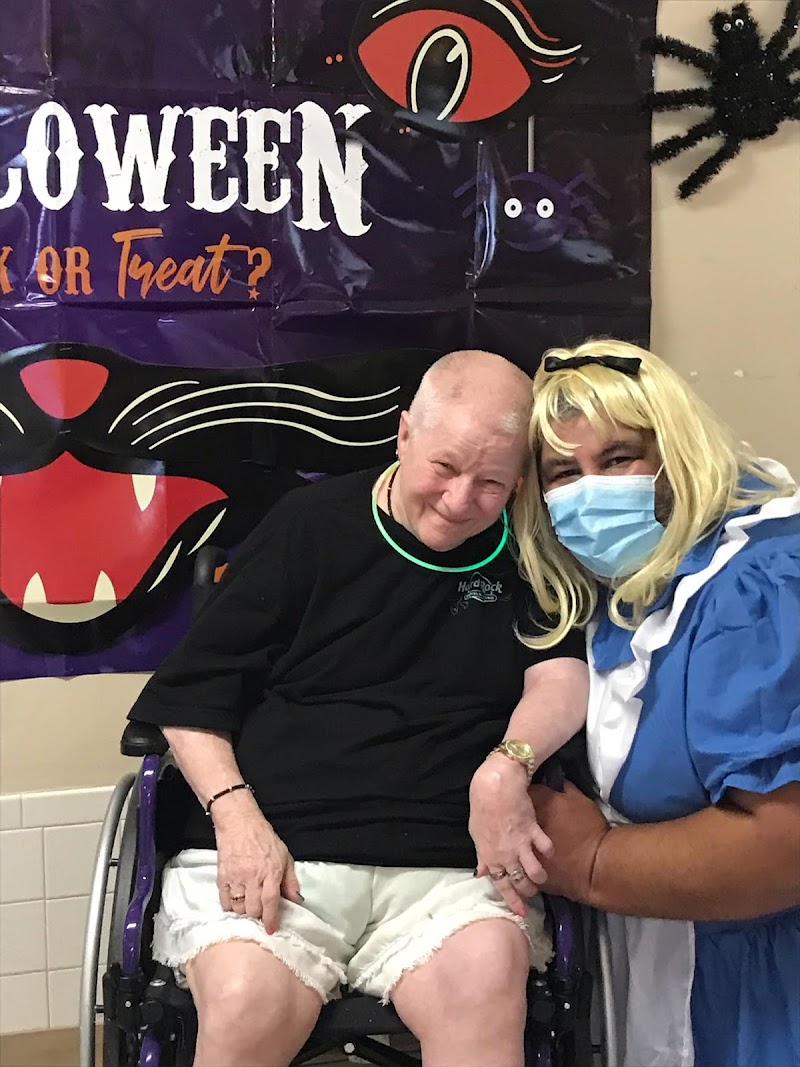
CMS rates Colonial Manor Nursing Home's staffing level at 3 out of 5 stars, which is average compared to other nursing homes. Staff turnover is 67%, which is 21 percentage points above the Oklahoma average of 46%. High turnover can affect care consistency as new staff learn residents' individual needs. RN turnover specifically is 57%, which is notably high. RNs provide skilled clinical oversight, so turnover in this role can affect medical care quality.

What Have Inspectors Found at Colonial Manor Nursing Home?

State health inspectors documented 16 deficiencies at Colonial Manor Nursing Home during 2023 to 2025. These included: 1 Immediate Jeopardy (the most serious level, indicating potential for serious harm or death) and 15 with potential for harm. Immediate Jeopardy findings are rare and represent the most serious regulatory concerns. They require immediate corrective action.

Who Owns and Operates Colonial Manor Nursing Home?

Colonial Manor Nursing Home is owned by a for-profit company. For-profit facilities operate as businesses with obligations to shareholders or private owners. The facility is operated by DIAKONOS GROUP, a chain that manages multiple nursing homes. With 120 certified beds and approximately 53 residents (about 44% occupancy), it is a mid-sized facility located in Tulsa, Oklahoma.

How Does Colonial Manor Nursing Home Compare to Other Oklahoma Nursing Homes?

Compared to the 100 nursing homes in Oklahoma, Colonial Manor Nursing Home's overall rating (2 stars) is below the state average of 2.6, staff turnover (67%) is significantly higher than the state average of 46%, and health inspection rating (2 stars) is below the national benchmark.

What Should Families Ask When Visiting Colonial Manor Nursing Home?

Based on this facility's data, families visiting should ask: "What changes have been made since the serious inspection findings, and how are you preventing similar issues?" "How do you ensure continuity of care given staff turnover, and what is your staff retention strategy?" "Can I visit during a mealtime to observe dining assistance and food quality?" "How do you handle medical emergencies, and what is your hospital transfer rate?" These questions are particularly relevant given the facility's Immediate Jeopardy citations and the facility's high staff turnover rate.

Is Colonial Manor Nursing Home Safe?

Based on CMS inspection data, Colonial Manor Nursing Home has documented safety concerns. Inspectors have issued 1 Immediate Jeopardy citation (the most serious violation level indicating risk of serious injury or death). The facility has a 2-star overall rating and ranks #100 of 100 nursing homes in Oklahoma. Families considering this facility should ask detailed questions about what corrective actions have been taken since these incidents.

Do Nurses at Colonial Manor Nursing Home Stick Around?

Staff turnover at Colonial Manor Nursing Home is high. At 67%, the facility is 21 percentage points above the Oklahoma average of 46%. Registered Nurse turnover is particularly concerning at 57%. RNs handle complex medical decisions and coordinate care — frequent RN changes can directly impact care quality. High turnover means new staff may not know residents' individual needs, medications, or preferences. It can also be disorienting for residents, especially those with dementia who rely on familiar faces. Families should ask: What is causing the turnover? What retention programs are in place? How do you ensure care continuity during staff transitions?

Was Colonial Manor Nursing Home Ever Fined?

Colonial Manor Nursing Home has no federal fines on record. CMS issues fines when nursing homes fail to meet care standards or don't correct problems found during inspections. The absence of fines suggests the facility has either maintained compliance or corrected any issues before penalties were assessed. This is a positive indicator, though families should still review recent inspection reports for the full picture.

Is Colonial Manor Nursing Home on Any Federal Watch List?

Colonial Manor Nursing Home is not on any federal watch list. The most significant is the Special Focus Facility (SFF) program, which identifies the bottom 1% of nursing homes nationally based on persistent, serious quality problems. Not being on this list means the facility has avoided the pattern of deficiencies that triggers enhanced federal oversight. This is a positive indicator, though families should still review the facility's inspection history directly.