EMERALD CARE CENTER TULSA
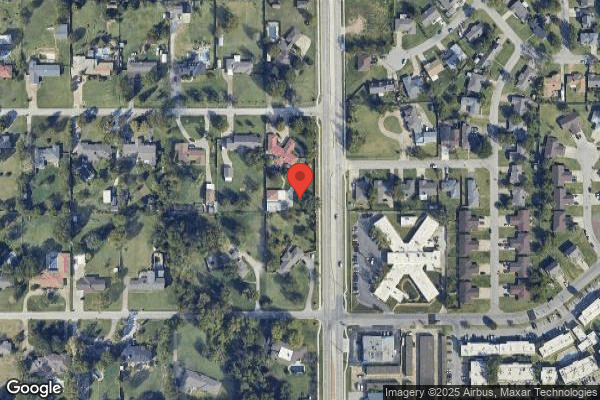

2425 SOUTH MEMORIAL, TULSA, OK 74129 (918) 628-0932
For profit - Limited Liability company 118 Beds EMERALD HEALTHCARE Data: November 2025 1 Immediate Jeopardy citation
Trust Grade
0/100
#218 of 282 in OK
Last Inspection: April 2024

Within standard 12-15 month inspection cycle. Federal law requires annual inspections.

Overview

Emerald Care Center Tulsa has received a Trust Grade of F, indicating significant concerns about the facility's care and operations. Ranking #218 out of 282 facilities in Oklahoma places it in the bottom half, and #29 out of 33 in Tulsa County means it is one of the least favorable options locally. Although the facility is trending toward improvement, with a reduction in reported issues from 39 in 2024 to just 2 in 2025, it still faces serious challenges, including staffing rated at 2 out of 5 stars and a high turnover rate of 72%, well above the state average. The facility has incurred $162,830 in fines, which is concerning as it exceeds 96% of Oklahoma facilities, highlighting compliance problems. Specific incidents include a critical failure to provide CPR to a resident who was coded for full resuscitation, as staff did not act in time, and a serious issue where a resident missed vital dialysis treatments, leading to hospitalization. While the center has some strengths, such as average RN coverage, the numerous issues and poor ratings suggest families should proceed with caution when considering this facility for their loved ones.

Trust Score
F
0/100
In Oklahoma
#218/282
Bottom 23%
Safety Record
High Risk
Review needed
Inspections
Getting Better
39 → 2 violations
Staff Stability
⚠ Watch
72% turnover. Very high, 24 points above average. Constant new faces learning your loved one's needs.
Penalties
✓ Good
$162,830 in fines. Lower than most Oklahoma facilities. Relatively clean record.
Skilled Nurses
⚠ Watch
Each resident gets only 22 minutes of Registered Nurse (RN) attention daily — below average for Oklahoma. Fewer RN minutes means fewer trained eyes watching for problems.
Violations
⚠ Watch
75 deficiencies on record. Higher than average. Multiple issues found across inspections.
★☆☆☆☆
1.0
Overall Rating
★★☆☆☆
2.0
Staff Levels
★★☆☆☆
2.0
Care Quality
★☆☆☆☆
1.0
Inspection Score
Stable
2024: 39 issues
2025: 2 issues

The Good

  • Full Sprinkler Coverage · Fire safety systems throughout facility
  • No fines on record

Facility shows strength in fire safety.

The Bad

1-Star Overall Rating

Below Oklahoma average (2.6)

Significant quality concerns identified by CMS

Staff Turnover: 72%

26pts above Oklahoma avg (46%)

Frequent staff changes - ask about care continuity

Federal Fines: $162,830

Well above median ($33,413)

Significant penalties indicating serious issues

Chain: EMERALD HEALTHCARE

Part of a multi-facility chain

Ask about local staffing decisions and management

Staff turnover is very high (72%)

24 points above Oklahoma average of 48%

The Ugly 75 deficiencies on record

1 life-threatening 1 actual harm
Jan 2025 2 deficiencies
CONCERN (D) 📢 Someone Reported This

A family member, employee, or ombudsman was alarmed enough to file a formal complaint

Potential for Harm - no one hurt, but risky conditions existed

ADL Care (Tag F0677)

Could have caused harm · This affected 1 resident

Based on record review and interview, the facility failed to ensure timely incontinent care was provided for one (#6) of three sampled residents reviewed for ADLs. The administrator identified 66 resi...

Read full inspector narrative →
Based on record review and interview, the facility failed to ensure timely incontinent care was provided for one (#6) of three sampled residents reviewed for ADLs. The administrator identified 66 residents who resided at the facility. Findings: Resident #6 had diagnoses which included anxiety, depression and diabetes. Review of the resident council meeting minutes for December 2024 revealed four out of five residents reported a concern the night shift was not changing people at night. Review of the clinical record for Resident #6 revealed a general note, dated 01/26/25 at 9:49 p.m., the note read in part, This morning at [7:54 a.m.], I got a call from the Tulsa PD. Resident had called them and said that [they] had been wet all night. [They] told them that [They] been calling, but no one responded. Another call came in at [7:56 a.m.] from Pst [name withheld], who claimed to be the resident's pastor. [They] also noted that resident had called [them] for the same reason. I asked the oncoming aides to come in and clean her up. They changed [them] and helped [them] get into [their] wheelchair. On 01/27/25 at 12:36 p.m., Resident #6 was observed sitting up in their chair, eating lunch, with no odors present, and dressed. Resident #6 stated, I tell you what is not good, the late night care. They stated on Saturday morning (01/25/25) they were wet up to their waist and their sheets and gown were also. Resident #6 stated staff did not check and change them all night Friday night. They stated staff ignored them. Resident #6 stated they used their call light, but staff did not come. They stated they posted their concerns on social media and called their pastor and the police. Resident #6 stated the day shift had changed them when they came on shift. On 01/27/25 at 1:48 p.m., CNA #2 stated their day started with report, walking the hall, and check and change everyone before breakfast. They stated they completed rounds every two hours and documented when residents had been changed. CNA #2 stated if residents were soaked when they arrived they would change them and report it to the nurse. On 01/27/25 at 1:52 p.m., LPN #1 stated the CNAs did a check/change every two hours. They stated the nurse monitors by following up with the residents and reviewing their documentation at the end of their shift. LPN #1 stated verbal communication and paying attention to lights worked the best. They stated if a CNA had not done their duties it was documented and reported to the DON/ADON/administrator. On 01/27/25 at 1:56 p.m., the administrator stated the charge nurses monitored to ensure staff completed their rounds and checked/changed the residents by running a report from the electronic medical record. The administrator stated Resident #6 should not have had to call the police. They stated they had spoken to the CNA who worked the night shift on Saturday (01/25/25) and they had reported they had asked Resident #6 if they needed anything, were told no, and left after their shift. The administrator stated they do not think the CNA knew how long the light had been activated.
CONCERN (D) 📢 Someone Reported This

A family member, employee, or ombudsman was alarmed enough to file a formal complaint

Potential for Harm - no one hurt, but risky conditions existed

Infection Control (Tag F0880)

Could have caused harm · This affected 1 resident

Based on observation, record review, and interview, the facility failed to ensure infection control was maintained and enhanced barrier precautions were followed during pressure ulcer treatment for on...

Read full inspector narrative →
Based on observation, record review, and interview, the facility failed to ensure infection control was maintained and enhanced barrier precautions were followed during pressure ulcer treatment for one (#5) of three sampled reviewed for wound care. The ADON identified 10 residents who had pressure ulcers. Findings: An MDRO PPE-Enhanced Barrier Precautions policy, revised January 2024, read in parts, Enhanced Barrier Precautions (EBP) are an infection control intervention designed to reduce transmission of resistant organisms that employs targeted gown and glove use during high contact resident care activities .may be indicated (when Contact Precautions do not otherwise apply) for residents with any of the following: Wounds or indwelling medical devices, regardless of MDRO colonization status .requires that staff participate in initial and on-going training on the facility's expectations about hand hygiene and gown and glove use, along with proof of competency regarding appropriate use and donning and doffing technique for PPE. Resident #5 had diagnoses which included type two diabetes and COPD. On 01/24/25 at 9:55 a.m., Resident #5 was observed to have a pillow in their wheelchair seat. On 01/27/25 at 10:10 a.m., RN #1 was observed to complete wound care for Resident #5 with the assistance of medical records CNA. RN #1 and medical records CNA were not observed to wear gowns. The wound dressing removed was dated 01/26/25. The wounds were observed to have white beds and were observed to be healing stage threes on the buttocks and left ischium. RN #1 was not observed to sanitize their hands between glove changes and did not change gloves consistently between dirty and clean. The medical records CNA was observed to wear gloves while holding Resident #5 on their right side during the dressing change. They were observed to hold the dressing in place with their dirty gloved hand while RN #1 secured the dressing with tape. On 01/27/25 at 10:50 a.m., RN #1 stated hands should be sanitized when entering and exiting a resident room and between glove changes. They stated they did not sanitize between glove changes. RN #1 stated EBP were not followed during the wound treatment.
Jul 2024 1 deficiency 1 Harm
SERIOUS (G) 📢 Someone Reported This

A family member, employee, or ombudsman was alarmed enough to file a formal complaint

Actual Harm - a resident was hurt due to facility failures

Deficiency F0698 (Tag F0698)

A resident was harmed · This affected 1 resident

**NOTE- TERMS IN BRACKETS HAVE BEEN EDITED TO PROTECT CONFIDENTIALITY** Based on interview and record review, the facility failed to ensure dialysis services for one (#1) of four residents who were re...

Read full inspector narrative →
**NOTE- TERMS IN BRACKETS HAVE BEEN EDITED TO PROTECT CONFIDENTIALITY** Based on interview and record review, the facility failed to ensure dialysis services for one (#1) of four residents who were reviewed for dialysis services. This deficient practice resulted in Resident #1 being hospitalized with a diagnosis of metabolic acidosis from missed dialysis. The DON identified 11 residents who resided in the facility who required dialysis. Findings: A facility policy for dialysis was requested but not provided by the end of the survey. Resident #1 had diagnoses which included end stage renal disease. A physician order, dated 05/24/24, documented Resident #1 was to receive dialysis three times a week on Monday, Wednesday, and Friday. A care plan, dated 05/23/24, documented Resident #1 had a 9:30 a.m. appointment at a dialysis center on Monday, Wednesday and Friday. A progress note, dated 07/05/24, at 11:48 a.m., documented the facility was called and asked to come back to the dialysis center and pick up Resident #1. Transportation was sent and Resident #1 returned to the facility with a note taped to their wheelchair that stated Resident #1 may not return to the dialysis center without a sitter, due to behaviors at the dialysis center. There was no documentation the resident went to dialysis after 07/05/24. A progress note, dated 07/09/24, at 12:40 p.m., documented Resident #1 was sent to a hospital due to not receiving dialysis services. A hospital History and Physical assessment plan for Resident #1, dated 07/09/24, read in part, .Admit to inpatient status. I anticipate that this patient will require a stay exceeding at least 2 midnights for the following reasons. Altered mental status with missing multiple dialysis sessions and inability to get dialysis on an outpatient setting . 1. Altered mental status suspect acute metabolic encephalopathy due to missing dialysis. Baseline appears to be nonverbal answering yes/no questions per care everywhere .2. Metabolic acidosis-multifactorial but likely from missing dialysis . Metabolic acidosis is to much acid accumulated in the body, causes include kidney failure. On 07/18/24 at 11:05 a.m., the administrator stated Resident #1 was sent to dialysis on 07/08/24 but was sent back to the facility without receiving dialysis because no sitter was provided. The administrator stated the facility was not required to provide a sitter. On 07/18/24 at 11:08 a.m., the DON stated Resident #1 was sent to the hospital on [DATE] to receive dialysis. On 07/19/24 at 10:53 a.m., LPN #1 stated they had sent Resident #1 to dialysis on 07/05/24 around 9:00 a.m. LPN #1 stated since the resident returned about 25 minutes later, and dialysis usually took around 4-5 hours, they had assumed Resident #1 did not receive dialysis. LPN #1 stated they were unsure if they notified the ADON, and stated they did not notify the physician.
Apr 2024 25 deficiencies
CONCERN (D)

Potential for Harm - no one hurt, but risky conditions existed

Resident Rights (Tag F0550)

Could have caused harm · This affected 1 resident

Based on observation and interview, the facility failed to ensure residents were treated with dignity for one (#44) of three residents sampled for dignity. The DON reported the census was 53. Findings...

Read full inspector narrative →
Based on observation and interview, the facility failed to ensure residents were treated with dignity for one (#44) of three residents sampled for dignity. The DON reported the census was 53. Findings: Resident #44 had diagnoses which included major depressive disorder and diabetes mellitus. A quarterly assessment, dated 03/29/24, documented the resident was cognitively impaired for daily decision making and was dependent on staff for assistance with eating. On 04/08/24 at 8:05 a.m., Resident #44 was seated in the dining room, they were observed to spill coffee on their shirt, pants, table, and breakfast plate. CNA #1 was in the dining room and went to Resident #44 and asked if they were okay, the resident responded that they were okay. On 04/08/24 at 8:33 a.m., Resident #44 was seated in the dining room, their shirt and pants were still wet, and the breakfast plate was still covered with coffee. Resident #44 stated that things like this happen all the time. Resident #44 also stated they would like clean clothes and they were still hungry. They stated they were unsure if the staff had ordered a new plate for them. On 04/08/24 at 8:41 a.m., staff provided the resident with cereal and milk. On 04/08/24 at 8:43 a.m., CNA #1 stated they checked on the resident to make sure they were okay and covered them up with some napkins so they could continue eating. CNA #1 stated they did not see the coffee on the plate, so they did not request a new plate for the resident. On 04/11/24 at 8:08 a.m., CNA #3 stated the resident should have been cleaned up immediately and another plate should have been offered. On 04/11/24 at 9:09 a.m., LPN #4 stated residents should be always treated with dignity and respect. On 04/11/24 at 11:58 a.m., the DON stated the resident should have been offered a change of clothes and a replacement tray.
CONCERN (D)

Potential for Harm - no one hurt, but risky conditions existed

Deficiency F0657 (Tag F0657)

Could have caused harm · This affected 1 resident

Based on record review and interview, the facility failed to update the care plan related to hospice services for one (#9) of two sampled resident reviewed for hospice services. The ADON identified f...

Read full inspector narrative →
Based on record review and interview, the facility failed to update the care plan related to hospice services for one (#9) of two sampled resident reviewed for hospice services. The ADON identified five residents who received hospice services. Findings: A Hospice Services Facility Agreement policy, revised January 2024, read in parts, .The facility will under a written agreement must ensure that each resident's written plan of care includes both the most recent hospice plan of care and a description of the services furnished by the facility to attain or maintain the resident's highest practicable physical, mental, and psychosocial well-being . Res #9 had diagnoses which included congestive heart failure, atrial fibrillation, and chronic kidney disease. A physician order, dated 09/18/23, documented hospice to evaluate and treat. A significant change assessment, dated 11/27/23, documented the resident was moderately cognitively impaired, dependent with most ADLs, and received hospice services. A care plan, revised 04/08/24, had no documentation of hospice services. On 04/10/24 at 9:30 a.m., hospice staff #1 stated the resident had received hospice services since 11/13/23. On 4/10/24 at 10:35 a.m., the ADON stated the resident received hospice services and should have had hospice services documented in the plan of care. On 04/10/24 at 11:35 a.m., MDS coordinator #1 stated the resident had received hospice services for a while and was not aware that this service was not documented in the plan of care. They stated all residents on hospice should have this service documented on their care plan.
CONCERN (D)

Potential for Harm - no one hurt, but risky conditions existed

Accident Prevention (Tag F0689)

Could have caused harm · This affected 1 resident

Based on observation and interview, the facility failed to ensure oxygen cylinders were stored properly. The DON reported the census was 53. Findings: On 04/10/24 at 1:38 p.m., an unattended wheelchai...

Read full inspector narrative →
Based on observation and interview, the facility failed to ensure oxygen cylinders were stored properly. The DON reported the census was 53. Findings: On 04/10/24 at 1:38 p.m., an unattended wheelchair was observed in the hallway, an oxygen cylinder was sitting upright in the seat of the wheelchair with the top leaned against the back of the wheelchair. On 04/10/24 at 1:41 p.m., an unknown staff member removed the cylinder from the wheelchair and placed the cylinder standing upright in the hallway. The staff member then took the wheelchair and walked off leaving the unsecured cylinder in the hallway unattended. On 04/10/24 at 1:43 p.m., the same unknown staff member returned with the wheelchair and placed the oxygen cylinder back in the seat of the wheelchair. On 04/10/24 at 1:48 p.m., LPN #3 stated that oxygen cylinders should be stored securely in a rack so they cannot be knocked over. On 04/10/24 at 1:54 p.m., the DON stated oxygen cylinders should be stored per manufacturers guidelines and they should not be left balanced in the seat of a wheelchair
CONCERN (D)

Potential for Harm - no one hurt, but risky conditions existed

Deficiency F0730 (Tag F0730)

Could have caused harm · This affected 1 resident

Based on record review and interview the facility failed to complete required nurse aide yearly performance reviews for one (CNA #1) of three direct care employee files reviewed. The corporate admini...

Read full inspector narrative →
Based on record review and interview the facility failed to complete required nurse aide yearly performance reviews for one (CNA #1) of three direct care employee files reviewed. The corporate administrator identified 53 residents who resided in the facility. Findings: CNA #1's personnel file documented they had been hired on 05/07/22. There was no documentation a skills performance review had been completed. On 04/11/24 at 1:30 p.m., the HR director stated CNA #1's personnel file was missing. They stated they had a new administrator and DON at the time CNA #1 was rehired.
CONCERN (D)

Potential for Harm - no one hurt, but risky conditions existed

Laboratory Services (Tag F0770)

Could have caused harm · This affected 1 resident

Based on record review and interview, the facility failed to ensure labs were completed as ordered for one (#60) of five residents reviewed for unnecessary medications. The DON reported the census was...

Read full inspector narrative →
Based on record review and interview, the facility failed to ensure labs were completed as ordered for one (#60) of five residents reviewed for unnecessary medications. The DON reported the census was 53. Findings: Res #60 had diagnoses which included diabetes mellitus and hypertension. A physician's order dated 12/28/23 documented that a CBC, CMP, B-12, TSH, A1C and a lipid panel were ordered for Res #60. The status of the order documented it had been completed. A review of Res #60's medical records did not document lab results from 12/28/23. On 04/10/24 at 11:57 a.m., MDS coordinator #1 stated the ordered labs had not been completed. On 04/11/24 at 9:09 a.m., LPN #4 stated she was unsure of the process for obtaining labs in the facility. On 04/11/24 at 10:20 a.m., LPN #1 stated the lab company would automatically draw any labs that had been put in their system, and that nursing staff was responsible for ensuring labs were completed as ordered. On 04/11/24 11:36 a.m., the ADON stated the nurse that takes the order for lab work should put it in the computer and the lab company will come to the facility and obtain the sample on the next scheduled lab day. They stated all nurses were responsible for monitoring to ensure labs were completed as ordered.
CONCERN (D)

Potential for Harm - no one hurt, but risky conditions existed

Antibiotic Stewardship (Tag F0881)

Could have caused harm · This affected 1 resident

Based on record review and interview, the facility failed to maintain an antibiotic stewardship program for one (#4) of one sampled residents reviewed for antibiotic use. The ADON identified three res...

Read full inspector narrative →
Based on record review and interview, the facility failed to maintain an antibiotic stewardship program for one (#4) of one sampled residents reviewed for antibiotic use. The ADON identified three residents were receiving antibiotics. Findings: An infection control policy, revised January 2024, documented in part .Facility nursing staff will initiate the appropriate clinical data review by completing the specific FORMS evaluations .that will be implemented once an antibiotic is ordered to determine if the utilization of the antibiotic is justified and meets criteria. The IP nurse will review the completion of the individuals triggered FORM to ensure complete and accurate data collection .The IDT will review new antibiotic orders in the clinical morning meeting, identified issue will be acted upon immediately by the IP nurse . Res #4 had diagnoses which included COPD and chronic respiratory failure. A physician order, dated 04/05/24, documented to administer amoxicillin-potassium clavulanate tablet 875-125 mg one tablet two times daily for infection/rep for ten days. Progress notes and assessments were reviewed. There was no documentation to support why the antibiotic was ordered. There was no assessment completed to meet antibiotic stewardship requirements documented. On 04/11/24 at 12:21 p.m., the DON was asked for documentation to show antibiotic stewardship was completed for Res #4. On 04/11/24 at 12:37 p.m., the DON stated there was not an assessment for Res #4 prior to initiating antibiotics. They stated if the assessment was not there then policy was not followed.
CONCERN (E)

Potential for Harm - no one hurt, but risky conditions existed

Deficiency F0578 (Tag F0578)

Could have caused harm · This affected multiple residents

3. Res #24 had diagnoses which included spinal stenosis and scoliosis. A quarterly assessment, dated 02/26/24, documented the resident was cognitively intact, independent with toileting, and frequentl...

Read full inspector narrative →
3. Res #24 had diagnoses which included spinal stenosis and scoliosis. A quarterly assessment, dated 02/26/24, documented the resident was cognitively intact, independent with toileting, and frequently in pain. A physician's order, dated 11/27/23, documented the resident was a full code. Review of the clinical record did not reveal the resident had been offered the option to formulate an advance directive. On 04/11/24 at 1:02 p.m., the SSD stated that they did not have documentation regarding formulating an advance directive for Resident #24. Based on record review and interview, the facility failed to ensure an accurate code status was documented for one (#8) and residents were offered the choice to formulate an advanced directive for two (#22 and #24) of three sampled residents reviewed for advanced directives. The corporate administrator identified 53 residents who resided in the facility. Findings: An Advance Directive Policy and Procedure, revised 01/2024, read in part, .Upon admission, identify if the resident has an advanced directive and if not, determine if the resident wishes to formulate an advanced directive .Examples include a Living Will .DNR .Facility staff will provide the resident and/or the resident representative with written description of the facility's policies to implement an advance directive .All advanced directive document copies will be obtained and located in the resident chart . 1. Res #8 had diagnoses which included hemiplegia and hemiparesis following a cerebral infarction. A signed DNR form, dated 10/02/23, was located in the miscellaneous tab in the electronic record. The face sheet, and active physician orders in the electronic clinical record documented Resident #8 was a full code. On 04/09/24 at 10:29 a.m., LPN #2 stated Res #8's code status was documented on the TAR and the electronic face sheet. They stated Res #8 was a full code. On 04/09/24 at 10:33 a.m., the SSD stated Res #8 was a full code according to the electronic record. The SSD stated Res #8 also had a signed DNR dated 10/02/23 in the electronic record. On 04/09/24 at 10:51 a.m., the SSD was asked if they had any documentation Res #8 revoked the DNR. They stated no, they had the hospital discharge paperwork which documented Res #8 was a full code. On 04/09/24 at 12:09 p.m., the ADON stated they did not know if the staff called the physician to clarify Res #8's code status upon readmission from the hospital. The ADON stated they did not have any documentation Res #8 revoked the DNR. They stated if the Res #8 revoked the DNR it should be documented in their record. 2. Res #22 had diagnoses which included congestive heart failure, osteoarthritis, and non pressure chronic ulcer. The resident's clinical records did not document the resident and/or their representative was offered the choice to formulate an advanced directive. On 04/08/24 at 1:23 p.m., the SSD stated there was not an advanced directive or advanced directive acknowledgment in Res #22's clinical record.
CONCERN (E)

Potential for Harm - no one hurt, but risky conditions existed

Deficiency F0602 (Tag F0602)

Could have caused harm · This affected multiple residents

**NOTE- TERMS IN BRACKETS HAVE BEEN EDITED TO PROTECT CONFIDENTIALITY** Based on record review and interview, the facility failed to ensure a missing laptop was replaced for one (#22) of one sampled r...

Read full inspector narrative →
**NOTE- TERMS IN BRACKETS HAVE BEEN EDITED TO PROTECT CONFIDENTIALITY** Based on record review and interview, the facility failed to ensure a missing laptop was replaced for one (#22) of one sampled resident who was reviewed for misappropriation of property. The corporate administrator identified 53 residents who resided in the facility. Findings: The facility's Abuse, Neglect and Exploitation policy, revised 01/2024, read in part, .Each resident has the right to be free from .misappropriation of resident property and exploitation . An assessment dated [DATE]. doucmented Res #22's cognition was intact. A document titled, Incident Report Form, dated 01/24/24, read in part, .Initial .Misappropriation of Resident Property .Resident reported to the morning aide, that [they] were missing [their] 13 inch mac book pro computer .administrator had resident contact [electronic store] where the resident did purchase online May 2023. [Electronic Store] did confirm price 1,463.89 and model number . A document titled, Incident Report Form, dated 01/29/24, read in part, .Final .Misappropriation of Resident Property .Administrator confirmed with the ADON and other staff that resident did own a 13 inch mac book pro computer .After doing staff interviews and investigation the facility could not locate the missing laptop [sic] and the facility is working on replacing residents laptop [sic] . On 04/08/24 at 11:15 a.m., Res #22 stated their laptop was stolen. Res #22 stated the former administrator had investigated the missing laptop and was supposed to see about replacing it. On 04/09/24 at 2:01 p.m., the corporate administrator stated they called corporate purchasing and there was not a record for replacement of the laptop. They stated they would not have expected it to take this long to replace the laptop. The corporate administrator was asked what the next step would be to replace the laptop. They stated they would discuss it with the finance department and purchasing to replace the laptop.
CONCERN (E)

Potential for Harm - no one hurt, but risky conditions existed

Comprehensive Care Plan (Tag F0656)

Could have caused harm · This affected multiple residents

**NOTE- TERMS IN BRACKETS HAVE BEEN EDITED TO PROTECT CONFIDENTIALITY** Based on observation, record review, and interview, the facility failed to ensure comprehensive care plans were developed and/or...

Read full inspector narrative →
**NOTE- TERMS IN BRACKETS HAVE BEEN EDITED TO PROTECT CONFIDENTIALITY** Based on observation, record review, and interview, the facility failed to ensure comprehensive care plans were developed and/or implemented to address the residents' needs related to a urinary catheter for one (#49), pain for one (#24), and cardiovascular status for one (#22) of 24 residents whose care plans were reviewed. The corporate administrator identified 53 residents who resided in the facility. The ADON identified seven residents with a urinary catheter. Findings: A facility policy titled Pain Management, revised 01/24, read in part, .The facility must ensure that pain management is provided to residents who require services, consistent with professional standards of practice, the comprehensive person-centered care plan, and the residents' goals and preferences . 1. Res. #49 had diagnoses which included obstructive and reflux uropathy and benign prostatic hyperplasia without lower urinary tract symptoms. An admission assessment, dated 12/12/23, documented the resident was cognitively intact, dependent with toileting, and had a urinary catheter. A care plan, dated 12/12/23, documented the resident had an indwelling catheter related to BPH. The care plan documented to position the catheter bag and tubing below the level of the bladder. No additional interventions related to catheter maintenance and urinary tract infection prevention were documented. There was no physician order for a urinary catheter documented in the resident's medical record since 2/27/24. There was no documentation of catheter care or maintenance in the resident's medical record since 2/27/24. On 04/08/24 at 7:53 a.m., Res #49 was observed lying in bed. A urinary catheter bag with medium yellow urine was observed attached to the bed frame. Res #49 stated they had a urinary catheter for a long time since their stroke. They stated having spent time in the hospital a few weeks ago due to burning at the catheter entry site and a severe urinary tract infection. Res #49 stated the staff had performed catheter care intermittently during their stay in the facility. On 04/10/24 at 10:49 a.m., the ADON stated all residents with a urinary catheter should have a physician order for the catheter and orders in place for maintenance and infection prevention including catheter care every shift, catheter change every 30 days, and catheter flushes every shift for patency. The ADON stated these interventions should have been documented on the care plan. On 04/10/24 at 10:41 a.m., LPN #1 stated catheter care is normally performed each shift. They stated having not realized Res #49 did not have a current physician order for the urinary catheter or catheter care in the medical record. They stated that they did not know if Res #49's catheter care had been performed routinely since his return from the hospital on [DATE]. On 04/10/24 at 11:45 a.m., MDS coordinator #1 stated the maintenance of a urinary catheter should be documented on the care plan. They stated they assumed if the presence of a urinary catheter was documented on the care plan, then the nurses would complete all interventions related to catheter maintenance and infection prevention. MDS coordinator #1 stated they were not aware Res #49 had no current physician order for a urinary catheter. 3. Res #22 had diagnoses which included diabetes mellitus, atrial fibrillation, atherosclerotic heart disease, hypertension, and heart failure. A physician order, dated 05/18/23, documented to administer insulin glargine subcutaneous injection 59 units twice daily for diabetes. A physician order, dated 05/26/23, documented to administer carvedilol 3.125 mg two times a day related to atherosclerotic heart disease and heart failure. The order documented to hold the medication for systolic blood pressure below 90 or heart rate below 55. A physician order, dated 09/16/23, documented to administer lisinopril 10 mg one time per day for hypertension. The order documented to hold the medication for systolic blood pressure below 90 or heart rate below 55. A care plan most recently revised on 03/26/24, documented no care plans for cardiovascular status or diabetes. On 04/11/24 at 9:10 a.m., MDS coordinator #1 stated they would not have thought to add the blood pressure medication or cardiovascular status to the care plan. On 04/11/24 at 9:14 a.m., MDS coordinator #1 stated there was no care plan for diabetes for the resident because they had initially not been informed to add diagnoses to the care plan. They stated they had not added Res #22's diagnoses yet. 2. Res #24 had diagnoses which included spinal stenosis and scoliosis. A quarterly assessment, dated 02/26/24, documented the resident was cognitively intact, independent with toileting and frequently in pain. A physician's order, dated 11/21/23, documented the resident was to be monitored for pain, all pain must be addressed, and that uncontrolled pain should be reported to the physician. A physician's order, dated 11/22/23, documented Res #24 was to be referred to a pain management physician. A care plan most recently revised on 01/11/24, documented no care plan for pain. On 04/04/23 at 1:00 p.m., Res #24 stated they have been taking medication for pain, but it is not really helping. They stated the facility does not do a good job addressing pain. On 04/10/24 at 11:51 a.m., MDS coordinator #1 stated that the care plan didn't address pain for Resident #24 because they sometimes complained of pain and then refused pain medications. On 04/11/24 at 9:09 a.m., LPN #4 stated that pain is what the resident says it is and they should treat that pain to the best of their ability.
CONCERN (E) 📢 Someone Reported This

A family member, employee, or ombudsman was alarmed enough to file a formal complaint

Potential for Harm - no one hurt, but risky conditions existed

ADL Care (Tag F0677)

Could have caused harm · This affected multiple residents

2. Res #16 had diagnoses which included end stage renal disease, ischemic heart disease, and type II diabetes mellitus. A quarterly assessment, dated 02/27/24, documented the resident was cognitively ...

Read full inspector narrative →
2. Res #16 had diagnoses which included end stage renal disease, ischemic heart disease, and type II diabetes mellitus. A quarterly assessment, dated 02/27/24, documented the resident was cognitively intact and dependent on staff for bathing and hygiene. A care plan, revised 03/21/24, documented the resident had functional deficits with ADLs and usually required the assistance of one staff member with bathing. The care plan documented the resident wished to complete bathing hygiene three times a week. A facility shower schedule documented Res #16 was to receive a bath/shower every Tuesday and Friday on the 3-11 shift. The March 2024 shower sheets documented Res #16 was bathed on one out of three opportunities from 03/20/24 through 03/31/24. There was no documented refusals during this time frame. The April 2024 shower sheets had no documentation Res #16 had received a bath from 04/01/24 through 04/11/24. There was no documented refusals during this time frame. On 04/08/24 at 7:38 a.m., Res #16 was observed lying shirtless in bed. A strong smell of body odor was observed. Res #16 stated they had not received a shower routinely. They stated having had one shower in the last two weeks. Res #16 stated they had requested a shower from the staff numerous times but the staff had ignored them. They stated they would prefer to have been bathed two to three times weekly but that had not happened. On 04/10/24 at 8:20 a.m., CNA #2 stated all baths are documented on the shower sheets and then provided to the nurse for review. They stated a resident's refusal of a bath must be documented on the sheet and the nurse should be notified of the refusal. On 04/10/24 at 12:07 p.m., the ADON stated all baths should be documented on the shower sheets and provided to the nurse for review. They stated they were aware of Res #16's body odor. The ADON stated Res #16 tended to refuse baths but the staff should have documented the refusals on the the shower sheets. They stated only one bath was documented for Res #16 from 03/26/24 until present. On 04/11/24 at 9:53 a.m., Res #16 was observed lying shirtless in bed. A strong smell of body odor was observed. The resident was wiping their chest with a damp washcloth. Res #16 stated they had taken it upon themselves to try and clean up. They stated they had not been bathed since the first interview on 04/08/24. Res #16 stated no staff had offered to assist them with bathing all week. 3. Res #43 had diagnoses which included diabetes mellitus and arthritis. A quarterly assessment, dated 04/01/24, documented the resident was cognitively intact, dependent on staff for toileting and that bathing did not occur during the assessment period. On 04/08/24 at 10:28 a.m., Res #43 stated that they did not get many showers. The shower book documented Res #43 was to receive a shower on Tuesdays and Thursdays. Res #43's shower documentation was reviewed from 03/21/24 through 04/10/24. The resident was given a shower on 03/25/24 and refused a shower on 03/28/24. There was no documentation for the other four scheduled shower days. On 04/10/24 at 11:12 a.m., CNA #6 stated that the CNAs were responsible for giving showers on their assigned hall and that the facility did not have shower aides. On 04/10/24 at 1:48 p.m., LPN #3 stated CNAs give showers based on who has one scheduled for that day. They also stated the nurse on duty should ensure that showers are being given. Based on observation, record review, and interview, the facility failed to ensure baths and incontinent care were provided as ordered for three (#8, 16 and #43) of three residents reviewed for assistance with ADL's. The ADON identified 36 residents who required assistance with incontinent care and 39 residents who required assistance with showers. Findings: The facility's Activities of Daily Living (ADL) policy, revised 01/2024, read in part, .A resident who is unable to carry out activities of daily living will receive the necessary services to maintain .grooming .personal and oral hygiene . A Shower Schedule Process policy, undated, read in parts, .All showers are to be conducted per the paper shower schedule provided at the front desk in the shower binders .Every shower is to be documented on a shower sheet and turned in to the DON basket on DON door .All refused showers are to be documented on a shower sheet and signed by the resident .Inform your nurse of refusals to allow for education and documentation of refusal .All residents have a right to request a shower at any time on any shift. Please accommodate per preference . A document titled, Resident Council Meeting, dated 02/27/24, read in part, .Not receiving showers. Number of residents who share concern 8/10 [eight out of 10] . A document titled, Resident Council Department Response Form, dated 02/28/24, read in part, .Department response .Monitor alerts for no showers . 1. Res #8 had diagnoses which included hemiplegia and hemiparesis following a cerebral infarction. An assessment, dated 01/20/24, documented Res #8's cognition was moderately impaired, was dependent on staff assistance for toileting and transfers and was incontinent of bowel and bladder. An ADL care plan, revised 01/30/24, documented Res #8 had functional deficit with ADLs related to hemiplegia and hemiparesis following a cerebral infarction. The care plan documented Res #8's needs would be met and was dependent for toileting and transfers. On 04/09/24 at 12:37 p.m., LPN #1 and CNA #2 transferred Res #8 in bed. The back of Res #8's pants were observed to be wet. The staff did not check the resident for incontinence and did not change the resident. On 04/09/24 at 2:14 p.m., Res #8 was observed in bed wearing the same grey pants that were wet at 12:37 p.m. On 04/09/24 at 2:15 p.m., CNA #5 transferred Res #8 from the bed to the wheelchair. Res #8's pants were observed to be wet. The CNA did not check the resident for incontinence or change the resident. CNA #5 stated they were not working on that hall, they were just helping CNA #1. On 04/09/24 at 2:20 p.m., CNA #1 stated Res #8 was incontinent. CNA #1 was asked if there was a reason Res #8 was not checked for incontinence when the resident was assisted out of the bed. They stated no. On 04/09/24 from 2:20 p.m. through 2:46 p.m., Res #8 was observed in their wheelchair wearing the wet pants. On 04/09/24 at 2:49 p.m., CNA #2 and CNA #3 were observed to provide incontinent care to Res #8. Res #8's adult incontinent brief, pants, shirts, and bottom sheet were wet with urine. On 04/09/24 at 3:03 p.m., CNA #3 stated Res #8's incontinent brief, pants, sheet were wet. On 04/10/24 at 10:22 a.m., the DON was asked how often incontinent care was provided. They stated the standard was every two hours. The DON stated the staff should check residents who are incontinent to ensure they are not wet or soiled when they assisted them to bed and/or when they assisted the resident out of bed. The DON stated the staff had not provided timely incontinent care if the resident was assisted to bed wet and not checked.
CONCERN (E)

Potential for Harm - no one hurt, but risky conditions existed

Quality of Care (Tag F0684)

Could have caused harm · This affected multiple residents

Based on observation, record review, and interview, the facility failed to ensure wound care was provided as ordered for one (#22) of one sampled resident who was observed for non pressure related wou...

Read full inspector narrative →
Based on observation, record review, and interview, the facility failed to ensure wound care was provided as ordered for one (#22) of one sampled resident who was observed for non pressure related wounds. The ADON identified five residents who had non pressure related wounds. Findings: Res #22 had diagnoses which included peripheral vascular disease, non pressure chronic ulcer of right foot, and diabetes. An assessment, dated 02/08/24, documented Res #22's cognition was intact, had no behaviors of rejection of care, was dependent on staff for dressing, personal hygiene, and transfers, had diabetic foot ulcers, and moisture associated skin damage. A physician's order, dated 04/03/24, documented to cleanse wound to right shin and knee with normal saline, pat dry, apply xeroform and cover with a bordered gauze dressing daily. A TAR, dated 04/01/24 through 04/09/24, documented the wound care had not been completed on 04/05/24, 04/06/24, and 04/09/24. On 04/08/24 at 9:47 a.m., Res #22 was asked about the dressing on their right shin dated 04/04/24. They stated they had diabetic sores. Res #22 stated they did not know how often the dressing was supposed to be changed, obviously it needed to be changed with the date of 04/04/24. Res #22 was observed to have two blisters on their right shin above the dressing. On 04/09/24 at 11:30 a.m., LPN #1 stated the wound care nurse usually completed the wound care. On 04/10/24 at 8:39 a.m., Res #22's dressing to right lower leg was dated 04/08/24. On 04/10/24 at 08:44 a.m., the DON stated the wound care for the right shin and knee was to be completed daily on the day shift. On 04/10/24 at 08:49 a.m., the DON observed the dressing on Res #22's right shin. The dressing was dated 04/08/24. On 04/10/24 at 8:50 a.m., the DON was made aware of the observation of dressing dated 04/04/24, when observed on 04/08/24. The DON stated the physician's orders for wound care were not being followed. The DON stated either the wound care nurse or the nurse who was assigned to care for the resident that day was responsible for completing the wound care. The DON stated the wound care orders should be documented on the TAR. On 04/10/24 at 10:15 a.m., the DON stated when the wound care was completed the nurse performing the wound care was supposed to initial the TAR. The DON stated the TAR was not initialed indicating the wound care had been completed on 04/05/24. They stated the TAR had a code of 9 which documented other/see nurses note for 04/06/24. The DON stated there was not a nurses note for not completing the wound care on 04/06/24. The DON stated RN #2 initialed the wound care had been completed on 04/07/24. On 04/10/24 at 3:40 p.m., RN #2 stated they had not completed Res #22's wound care for Res #22 over the past weekend 04/06/24 or 04/07/24. On 04/11/24 at 9:20 a.m., RN #1 stated they were scheduled to be in the facility to complete the wound care on Monday and Wednesdays. They stated the nurses were aware they needed to complete the wound care when they were not there. RN #1 stated they were aware the dressing had not been changed on 04/09/24 as ordered.
CONCERN (E)

Potential for Harm - no one hurt, but risky conditions existed

Incontinence Care (Tag F0690)

Could have caused harm · This affected multiple residents

**NOTE- TERMS IN BRACKETS HAVE BEEN EDITED TO PROTECT CONFIDENTIALITY** Based on observation, record review, and interview, the facility failed to ensure physician orders for an indwelling urinary cat...

Read full inspector narrative →
**NOTE- TERMS IN BRACKETS HAVE BEEN EDITED TO PROTECT CONFIDENTIALITY** Based on observation, record review, and interview, the facility failed to ensure physician orders for an indwelling urinary catheter and failed to ensure a resident with an indwelling urinary catheter received services to help prevent urinary tract infections for one (#49) of one resident reviewed for catheters. The ADON identified seven residents with an indwelling urinary catheter. Findings: Res #49 had diagnoses which included obstructive and reflux uropathy and benign prostatic hyperplasia without lower urinary tract symptoms. A physician order, dated 12/06/23, documented to perform catheter care and record output every shift. The order was discontinued on 02/27/24. A physician order, dated 12/10/23, documented to change the catheter anchor and bag weekly on Sunday. The order was discontinued on 02/27/24. An admission assessment, dated 12/12/23, documented the resident was cognitively intact, dependent with toileting, and had a urinary catheter. A care plan, dated 12/12/23, documented the resident had an indwelling catheter related to BPH. The care plan documented to position the catheter bag and tubing below the level of the bladder. No additional interventions related to catheter maintenance and urinary tract infection prevention were documented. A physician order, dated 01/01/24, documented to change the catheter every month and as needed for patency. The order was discontinued on 02/27/24. A nurse note, dated 02/23/24 at 1:12 a.m., documented the resident complained of burning in the penis and requested the catheter to be changed. The note documented the catheter was replaced and the resident was educated on the increased risk of infection with frequent catheter changes. A nurse note, dated 02/23/24 at 11:59 a.m., documented the nurse notified the physician of the resident's complaint of pain at the catheter entry site. The note documented green discharge was observed with possible UTI. The note documented the physician ordered a urinalysis and antibiotics. A nurse note, dated 02/24/24 at 7:41 a.m., documented the resident had screamed all night related to catheter burning pain and nausea/vomiting. The note documented the physician ordered the resident to be transferred to the hospital for possible UTI and sepsis. A Hospitalist History and Physical, dated 02/24/24, documented Res #49 had a urinary tract infection present on admission catheter associated and acute kidney injury. The assessment documented the catheter was reportedly changed the previous day at the nursing facility but had been improperly positioned likely in the prostrate. A nurse note, dated 03/01/24 at 3:22 P.M., documented the resident returned to the facility. There was no documentation of an order for an indwelling urinary catheter or catheter care/maintenance in the resident's medical record since 2/27/24. On 04/08/24 at 7:53 a.m., Res #49 was observed lying in bed. A urinary catheter bag with medium yellow urine was observed attached to the bed frame. Res #49 stated they had a urinary catheter for a long time since their stroke. They stated having spent time in the hospital a few weeks ago due to burning at the catheter entry site and a severe urinary tract infection. Res #49 stated the staff had performed catheter care intermittently during their stay in the facility. On 04/10/24 at 10:41 a.m., LPN #1 stated catheter care is normally performed each shift. They stated having not realized Res #49 did not have a current physician order for the urinary catheter or catheter care in the medical record. They stated that they did not know if Res #49's catheter care had been performed routinely since their return from the hospital on [DATE]. On 04/10/24 at 10:49 a.m., the ADON stated all residents with a urinary catheter should have a physician order for the catheter and orders in place for care including catheter care every shift, catheter change every 30 days, and catheter flushes every shift for patency. The ADON stated they were unaware of the lack of an order for a catheter and catheter care for Res #49. They stated the orders were discontinued when the resident was admitted to the hospital and must not have been reinstated upon their return to the facility. The ADON stated they were unable to ensure the catheter had been changed or cared for since Res #49's return from the hospital due to the lack of documentation. The ADON stated the nurses probably had not completed catheter care since it was not listed on the TAR as a task to have been completed.
CONCERN (E)

Potential for Harm - no one hurt, but risky conditions existed

Tube Feeding (Tag F0693)

Could have caused harm · This affected multiple residents

Based on observation, record review, and interview, the facility failed to ensure a. the correct amount of water was administered via peg tube as ordered by the physician; b. the head of the bed was ...

Read full inspector narrative →
Based on observation, record review, and interview, the facility failed to ensure a. the correct amount of water was administered via peg tube as ordered by the physician; b. the head of the bed was elevated during administration of water flushes and tube feeding through the peg tube; and c. a dietary recommendation was sent to the physician for one (#8) of one sampled resident who was administered nutrition through a peg tube. 1. Res #8 had diagnoses which included dysarthria (weakness in the muscles used for speech), hemiparesis and hemiplegia (Partial to complete paralysis on one side of the body) following a cerebral infarction. An assessment, dated 01/20/24, documented Res #8's cognition was moderately impaired, was dependent on staff assistance for eating and repositioning, had loss of liquids or solids from mouth when eating or drinking, coughed or choked during meals or when swallowed medications, had difficulty or pain with swallowing, and received nutrition through a peg tube. A physician's order, dated 02/29/24, documented to administer Isosource 1.5 250 ml bolus and flush with 185 ml of free water after bolus feeding five times a day. An Enteral Feeding care plan, dated 03/15/24, read in part, .The resident will be free of aspiration .The resident will maintain adequate nutritional and hydration status .The resident needs the HOB elevated 45 degrees during and thirty minutes after tube feed . A document titled, Dietitian's Recommendations for Primary Care Provider, dated 03/25/24, read in part, .Note: Current TF provides 1875 calories, 85 grams protein, and 950 ml free water. Current tube feeding meets nutritional needs and RDA requirements .RECOMMENDATION: 1) Continue with current TF, but change water flushes to 95 ml before and after each feeding. 2) Vitamin B 12 as methylocobalamin for better absorption, Statin and proton pump inhibitors decrease levels of Vitamin B 12 and CoQ10. 3) CoQ10 as Ubiquinol. It is a vitamin like substance that improves health condition in many ways as this is a very important antioxidant and has a crucial role in energy production within our cells . There was no documentation the dietary recommendation was provided to the physician. On 04/09/24 at 12:37 p.m., LPN #1 began to flush the peg tube with 30 ml of water with the HOB laying flat. LPN #1 was stopped and asked if the HOB should be elevated during administration of the water and tube feeding. LPN #1 elevated the HOB. LPN #1 was observed to administer 30 ml of water prior to the tube feeding and 30 ml after the tube feeding was administered. On 04/09/24 at 12:55 p.m., LPN #1 stated the physician's orders documented to administer 185 ml of water. The LPN stated they had not administered 185 ml as ordered. The LPN administered 60 ml of water 125 ml less than what was ordered. On 04/09/24 at 1:10 p.m., LPN #1 stated the HOB needed to be raised 30 degrees while administering the tube feeding to prevent aspiration (When food or liquid enters the airway and eventually the lungs by accident.) LPN #1 stated they had forgotten to raise the HOB. On 04/11/24 at 8:51 a.m., the DON stated the dietitian had seen the resident on 03/25/24 and made dietary recommendations. The DON stated the recommendations had not been followed up by the physician. They stated the physician had ordered B-12 1000 mcg but they did not see any changes in the amount of flush or the recommendation for the CoQ10. The DON was made aware of the observation of the 60 ml amount of flush administered. The DON stated the LPN had not administered the correct amount of water.
CONCERN (E) 📢 Someone Reported This

A family member, employee, or ombudsman was alarmed enough to file a formal complaint

Potential for Harm - no one hurt, but risky conditions existed

Deficiency F0725 (Tag F0725)

Could have caused harm · This affected multiple residents

Based on record review and interview, the facility failed to provide sufficient staff to meet the needs of the residents for six (#7, 14, 16, 17, 27, and #43) of seven sampled residents who were revie...

Read full inspector narrative →
Based on record review and interview, the facility failed to provide sufficient staff to meet the needs of the residents for six (#7, 14, 16, 17, 27, and #43) of seven sampled residents who were reviewed for sufficient staffing. The corporate administrator identified 53 residents who resided in the facility. Findings: A document titled, Resident Council Minutes, dated 02/27/24, read in part, .Resident not getting medicine on time on weekends .Number of residents who share the concern 8 . The schedule for 03/31/24 was reviewed and compared with punch detail records. The schedule documented one CMA, one RN, and two LPNs were scheduled who had the qualifications to administer medications. 1. Res #7 had diagnoses which included constipation, essential hypertension, GERD, chronic rhinitis, history of venous thrombosis, and chronic pain. A MAR, dated 03/01/24 through 03/31/24 documented the following medications were not initialed as administered as ordered on 03/31/24: daily Vitamin, docusate sodium, Flomax, fluticasone propionate, lidocaine external gel, lisinopril, vitamin B-12, vitamin D3, Eliquis (blood thinner), tizanidine, diazepam, Metamucil, baclofen, and dantrolene. On 04/08/24 at 8:19 a.m., Res #7's family member stated at the end of March 2024 the residents on C hall did not get their medications. They stated there was only one CMA and the nurse was new and was not able to pass any of the medications on the C hall. Res #7's family member stated the residents are not getting their showers. 2. Res #14 had diagnoses which included diabetes and right below the knee amputation. The ADL care plan, dated 03/07/24, documented Res #14 had functional deficit with current ADLs and usually required assistance with bathing. On 04/11/24 at 7:54 a.m., Res #14 was observed sitting in their wheelchair in the hall. Res #14 reported to the MDS coordinator she wanted to take a shower. On 04/11/24 at 8:42 a.m., Res #14 stated they had not given them a shower. Res #14 stated the staff told them they had to wait until after lunch. Res #14 stated it had been nine days since they had their last shower. On 04/11/24 at 9:42 a.m., LPN #4 stated the CNA assigned to A and C hall went home sick and they were relying on the CNAs working on the other halls to help the residents. On 04/11/24 at 9:55 a.m., CMA #1 stated the CNAs were overwhelmed and rushed to get the work done. CMA #1 was asked why Res #14 was not able to take a shower that morning. They stated the CNA assigned to that hall had been sick and had to leave. 3. Res #16 had diagnoses which included end stage renal disease, ischemic heart disease, and type II diabetes mellitus. A quarterly assessment, dated 02/27/24, documented the resident was cognitively intact and dependent on staff for bathing and hygiene. A care plan, revised 03/21/24, documented the resident had functional deficits with ADLs and usually required the assistance of one staff member with bathing. The care plan documented the resident wished to complete bathing hygiene three times a week. A facility shower schedule documented Res #16 was to receive a bath/shower every Tuesday and Friday on the 3-11 shift. The April 2024 shower sheets had no documentation Res #16 had received a bath from 04/01/24 through 04/11/24. There was no documented refusals during this time frame. On 04/10/24 at 9:41 a.m., LPN #3 stated there had been times the residents had not received a shower on their shower days due to not having enough staff. On 04/10/24 at 12:07 p.m., the ADON stated only one bath was documented for Res #16 from 03/26/24 until present. On 04/11/24 at 9:53 a.m., Res #16 was observed lying shirtless in bed. A strong smell of body odor was observed. Res #16 stated they had not been bathed since the first interview on 04/08/24. Res #16 stated no staff had offered to assist them with bathing all week. 4. Res #17 had diagnoses which included depression, hypertension, and closed femur fracture. A MAR, dated 03/01/24 through 03/31/24 documented the following medications were not initialed as administered as ordered on 03/31/24: amlodipine, losartan potassium, multivitamin, polyethylene glycol, sertraline, spironolactone, and senna docusate. 5. Res #27 had diagnoses which included atherosclerotic heart disease, GERD, hypertension, depression, chronic kidney disease, end stage renal disease, and diabetes. A MAR, dated 03/01/24 through 03/31/24 documented the following medications were not initialed as administered on 03/31/24 as ordered: amlodipine, aspirin, Colace, escitalopram, fluconazole, fluticasone propionate, polyethylene glycol, lidocaine external patch, methocarbamol, pantoprazole, Ticagrelor, gabapentin, losartan potassium, and sevelamer. On 04/09/24 at 1:17 p.m., Res #27 stated they did not get their medication on 03/31/24. Res #27 stated the medication aide who works the weekends called in and the facility did not get a replacement for the medication aide. They stated the nurses were working as CNAs and they did not have anyone to administer their medications. On 04/10/24 at 3:13 p.m., the ADON stated on 03/31/24 one of the CMA's had called in and RN #2 had to administer the medications on hall A and hall C. The ADON was asked if they knew why the medications were not signed out for Res #17. They stated they did not know. The ADON was asked why Res #7 and #27 did not get their medications on 03/31/24 on the day shift. They stated they did not know. On 04/10/24 at 3:42 p.m., RN #2 stated the facility was short one CMA on 03/31/24. RN #2 stated they had administered medications on A hall. They stated they did not administer the medications to the residents on the C hall. On 04/11/24 at 9:42 a.m., LPN #4 stated they did not administer medications to the residents on 03/31/24. LPN #4 stated they did not pass medications because the facility had CMAs who passed the medications. 6. Res #43 had diagnoses which included diabetes mellitus and arthritis. A quarterly assessment, dated 04/01/24, documented the resident was cognitively intact, dependent on staff for toileting and that bathing did not occur during the assessment period. On 04/08/24 at 10:28 a.m., Res #43 stated that they did not get many showers. The shower book documented Res #43 was to receive a shower on Tuesdays and Thursdays. Res #43's shower documentation was reviewed from 03/21/24 through 04/10/24. The resident was given a shower on 03/25/24 and refused a shower on 03/28/24, there is no documentation for the other four scheduled shower days. On 04/10/24 at 11:12 a.m., CNA #6 stated that the CNAs were responsible for giving showers on their assigned hall and that the facility did not have shower aides. On 04/10/24 at 1:48 p.m., LPN #3 stated CNAs give showers based on who has one scheduled for that day. They also stated the nurse on duty should ensure that showers are being given. On 04/11/24 at 12:58 p.m., the ADON stated they had provided the book containing all of the shower sheets. No shower sheets were found for the evening shift for 04/09/24. On 04/11/24 at 1:07 p.m., the regional director of scheduling was asked about the CNA staffing for 04/09/24. They stated they had some employees call in on 04/09/24 on the evening shift. The regional director of scheduling stated the CMA and/or nurses would be responsible for giving showers if the CNAs was unable to give the showers. They stated they would offer the residents a shower the next day if they missed their shower day.
CONCERN (E)

Potential for Harm - no one hurt, but risky conditions existed

Staffing Information (Tag F0732)

Could have caused harm · This affected multiple residents

Based on observation, record review, and interview, the facility failed to post the required staffing information. The corporate administrator identified 53 residents who resided in the facility. Fin...

Read full inspector narrative →
Based on observation, record review, and interview, the facility failed to post the required staffing information. The corporate administrator identified 53 residents who resided in the facility. Findings: Resident Council Meeting minutes, dated 02/27/24, documented the the staff were not introducing themselves to the residents and they did not know which staff members were working on their hall. The document titled, Resident Council Response form, dated 02/28/24, documented proposed action of a white board for daily nursing assignments. On 04/08/24 at 7:00 a.m., a working schedule with the staff assigned to each hall and shift was in a book at the nurse's station. The working schedule documented the census was 55. There was no white boards with staffing on the walls and the census was not correct. On 04/09/24 at 1:49 p.m., the dry erase board on hall B documented the nurse, CMA, and CNAs assigned to the hall. The board did not document the resident census. On 04/09/24 at 1:51 p.m., CNA #4 was asked about the dry erase board hanging on the wall on hall B. They stated the dry erase board had just been hung. On 04/11/24 at 8:08 a.m., a dry erase board was observed hanging on the wall on hall C. The board documented the nurse, CMA, and CNAs assigned to C hall. The resident census was not posted on the dry erase board. On 04/11/24 at 1:10 p.m., the regional director of scheduling stated the posted schedule should have the census dates and number of hours worked if it is up to date.
CONCERN (E)

Potential for Harm - no one hurt, but risky conditions existed

Pharmacy Services (Tag F0755)

Could have caused harm · This affected multiple residents

Based on record review and interview, the facility failed to administer medications in accordance with physician orders for one (#22) of five sampled residents reviewed for unnecessary medications. T...

Read full inspector narrative →
Based on record review and interview, the facility failed to administer medications in accordance with physician orders for one (#22) of five sampled residents reviewed for unnecessary medications. The corporate administrator identified 53 residents resided in the facility with 17 residents receiving insulin. Findings: Res #22 had diagnoses which included diabetes mellitus, and anxiety. A physician order, dated 02/28/23, documented to administer Depakote tablet delayed release 125 m.g three times per day at 8:00 a.m., 2:00 p.m., and 8:00 p.m. for anxiety. A physician order, dated 02/28/23, documented to administer Humalog subcutaneous injection according to sliding scale before meals and at bedtime at 6:00 a.m., 11:00 a.m., 4:00 p.m., and 9:00 p.m. A physician order, dated 05/18/23, documented to administer Insulin Glargine subcutaneous injection 59 units twice daily at 6:00 a.m. and 9:00 p.m. for diabetes mellitus. A MAR/TAR for February 2024 documented blanks in the insulin administration for the 6:00 a.m. dose of insulin glargine on 02/06/24, 02/07/24, 02/14/24, and 02/20/24. A MAR/TAR for February 2024 had a blank for Depakote oral tablet 2:00 p.m. administration on 02/23/24. A MAR/TAR for February 2024 had blanks for Humalog administration at 6:00 a.m. on 02/06/24, 02/07/24, 02/14/24, 02/20/24; the 11:00 a.m. administration was blank on 02/19/24; the 4:00 p.m. administration was blank on 02/02/24 and 02/12/24. On 04/09/24 at 12:35 p.m. LPN #2 stated the blanks on the MAR/TAR meant the medication or treatment was either not administered or not documented. They stated there was no way to verify the medication or treatment was completed if it was not documented in the computer. On 04/09/24 at 12:42 p.m., the DON stated they had never seen blanks on the MAR/TAR like those for Res #22 before. They stated they did not know what it meant when the administration was blank.
CONCERN (E)

Potential for Harm - no one hurt, but risky conditions existed

Drug Regimen Review (Tag F0756)

Could have caused harm · This affected multiple residents

Based on record review and interview, the facility failed to: a. develop and maintain policies and procedures for the monthly drug regimen review to include time frames for the different steps in the ...

Read full inspector narrative →
Based on record review and interview, the facility failed to: a. develop and maintain policies and procedures for the monthly drug regimen review to include time frames for the different steps in the process, b. ensure a physician responded to a monthly medication review for one (#22) of five sampled residents reviewed for unnecessary medications, and c. ensure the facility followed up on requests made on the monthly medication review for one (#14) of five sampled residents reviewed for unnecessary medications. The corporate administrator identified 53 residents resided in the facility. Findings: A Drug Regiment Review policy, dated 2021, documented in part .The physician provides a written response of the report to the facility within one month after the report is sent .The facility maintains copies of signed reports on file for at least one year .Nursing personnel provide a written response to the review within two weeks after the report is received .The facility maintains copies of completed reports on file for at least one year . 1. Res #14 had diagnoses which included hypertension. A physician order, dated 06/05/23, documented to administer carvedilol 12.5 mg two times per day for heart. A physician order, dated 06/05/23, documented to administer losartan 100 mg one time per day for hypertension. A monthly drug regimen review, dated 07/04/23, documented a request to add hold parameters to the orders for carvedilol and losartan. A physician order, dated 09/11/23, documented to administer carvedilol 12.5 mg two times per day for heart. The order documented to hold the medication for systolic blood pressure below 95, diastolic blood pressure below 55, or heart rate below 55. A physician order, dated 09/11/23, documented to administer losartan 100 mg one time per day for hypertension. The order documented to hold the medication for systolic blood pressure below 95, diastolic blood pressure below 55, or heart rate below 55. A monthly drug regimen review, dated 09/15/23, documented a request to add hold parameters to the orders for carvedilol and losartan. 2. Res #22 had diagnoses which included depression and anxiety. A physician order, dated 02/28/23, documented to administer Depakote oral tablet 125 mg three times per day for anxiety. A physician order, dated 03/20/23, documented to administer olanzapine 5 mg, one tablet one time per day for anxiety. A physician order, dated 05/15/23, documented to administer pregabalin oral capsule 150 mg, give 150 mg by mouth three times a day for -. A physician order, dated 05/15/23, documented to administer senna-docusate sodium oral tablet 8.6-50 mg, give 2 tablets by mouth one time per day for -. A physician order, dated 05/15/23, documented to administer acarbose 25 mg tablet, give 25 mg by mouth with meals for -. A monthly drug regimen review, dated 06/02/23, documented a request to add a diagnosis for the senna, pregabalin, and acarbose orders. A monthly drug regimen review, dated 07/04/23, documented a request to reduce the olanzapine and/or Depakote. The medical record did not contain a documented response from the physician. A monthly drug regimen review, dated 12/01/23, documented Res #22's vitamin D level in November 2023 was 9.3 ng/ml. The review documented a request to add ergocalciferol 50,000 units weekly for eight weeks. The medical record did not contain a documented response from the physician. A monthly drug regimen review, dated 02/01/24, documented a request to reduce the olanzapine and/or Depakote. The medical record did not contain a documented response from the physician. On 04/09/24 at 12:26 p.m., the DON stated the ADON was responsible for the monthly drug regimen reviews. They stated the responses from the physician should be scanned into the chart. On 04/09/24 at 12:42 p.m., the DON stated they were unsure where the response would be if they were not scanned into the chart. On 04/09/24 at 2:06 p.m., the ADON was asked to provide the documentation of physician response to the monthly drug regimen reviews mentioned above. On 04/11/24 at 10:10 a.m., the ADON was asked again to provide the documentation of physician response to the monthly drug regimen reviews mentioned above. On 04/11/24 at 11:36 a.m., the ADON stated she was unsure what the facility's response time for monthly drug regimen reviews should be. They stated they had only been made responsible for them two weeks ago. They stated there was not a policy that dictated the turnaround time for monthly drug regimen reviews. They stated they were not provided policies nor had access to any policies regarding monthly drug regimen reviews. On 04/11/24 at 11:38 a.m., the ADON stated they were unable to locate documentation the physician responded to the GDR requests from 07/04/23 or 12/01/23.
CONCERN (E)

Potential for Harm - no one hurt, but risky conditions existed

Medication Errors (Tag F0758)

Could have caused harm · This affected multiple residents

Based on record review and interview, the facility failed to ensure a resident did not receive unnecessary psychotropic medications for two (#17 and #22) of five sampled residents reviewed for unneces...

Read full inspector narrative →
Based on record review and interview, the facility failed to ensure a resident did not receive unnecessary psychotropic medications for two (#17 and #22) of five sampled residents reviewed for unnecessary medications. The ADON identified eight residents received psychotropic medications. Findings: 1. Res #22 had diagnoses which included depression and anxiety. A physician order, dated 02/28/23, documented to administer Depakote oral tablet 125 mg three times per day for anxiety. A physician order, dated 03/20/23, documented to administer olanzapine 5 mg, one tablet one time per day for anxiety. A monthly drug regimen review, dated 07/04/23, documented a request to reduce the olanzapine and/or Depakote. The medical record did not contain a documented response from the physician. A MAR for July 2023 documented Res #22 received olanzapine 5 mg 27 out of 27 opportunities after the request to reduce was made. A MAR for July 2023 documented Res #22 received Depakote 125 mg 77 out of 81 opportunities after the request to reduce was made. A MAR for August 2023 documented Res #22 received olanzapine 5 mg 25 out of 31 opportunities after the request to reduce was made. A MAR for August 2023 documented Res #22 received Depakote 125 mg 70 out of 93 opportunities after the request to reduce was made. A MAR for September 2023 documented Res #22 received olanzapine 5 mg 29 out of 30 opportunities after the request to reduce was made. A MAR for September 2023 documented Res #22 received Depakote 125 mg 91 out of 93 opportunities after the request to reduce was made. A MAR for October 2023 documented Res #22 received olanzapine 5 mg 31 out of 31 opportunities after the request to reduce was made. A MAR for October 2023 documented Res #22 received Depakote 125 mg 92 out of 93 opportunities after the request to reduce was made. A MAR for November 2023 documented Res #22 received olanzapine 5 mg 26 out of 30 opportunities after the request to reduce was made. A MAR for November 2023 documented Res #22 received Depakote 125 mg 82 out of 93 opportunities after the request to reduce was made. A MAR for December 2023 documented Res #22 received olanzapine 5 mg 26 out of 31 opportunities after the request to reduce was made. A MAR for December 2023 documented Res #22 received Depakote 125 mg 92 out of 93 opportunities after the request to reduce was made. A MAR for January 2024 documented Res #22 received olanzapine 5 mg 31 out of 31 opportunities after the request to reduce was made. A MAR for January 2024 documented Res #22 received Depakote 125 mg 92 out of 93 opportunities after the request to reduce was made. A monthly drug regimen review, dated 02/01/24, documented a request to reduce the olanzapine and/or Depakote. The medical record did not contain a documented response from the physician. A MAR for February 2024 documented Res #22 received olanzapine 5 mg 29 out of 29 opportunities after the request to reduce was made. A MAR for February 2024 documented Res #22 received Depakote 125 mg 86 out of 87 opportunities after the request to reduce was made. A MAR for March 2024 documented Res #22 received olanzapine 5 mg 30 out of 31 opportunities after the request to reduce was made. A MAR for March 2024 documented Res #22 received Depakote 125 mg 86 out of 93 opportunities after the request to reduce was made. A MAR for April 1-9 2024 documented Res #22 received olanzapine 5 mg eight out of eight opportunities after the request to reduce was made. A MAR for April 1-9 2024 documented Res #22 received Depakote 125 mg 24 out of 24 opportunities after the request to reduce was made. On 04/09/24 at 12:26 p.m., the DON stated the ADON was responsible for the monthly drug regimen reviews. They stated the responses from the physician should be scanned into the chart. On 04/09/24 at 12:42 p.m., the DON stated they were unsure where the response would be if they were not scanned into the chart. On 04/09/24 at 2:06 p.m., the ADON was asked to provide the documentation of physician response to the monthly drug regimen reviews mentioned above. On 04/11/24 at 10:10 a.m., the ADON was asked again to provide the documentation of physician response to the monthly drug regimen reviews mentioned above. On 04/11/24 at 11:36 a.m., the ADON stated she was unsure what the facility's response time for monthly drug regimen reviews should be. They stated they had only been made responsible for them two weeks ago. They stated there was not a policy that dictated the turnaround time for monthly drug regimen reviews. They stated they were not provided policies nor had access to any policies regarding monthly drug regimen reviews. On 04/11/24 at 11:38 a.m., the ADON stated they were unable to locate documentation the physician responded to the GDR requests from 07/04/23 or 12/01/23. 2. Res #17 had diagnoses including depression and anxiety disorder. A physician's order, dated 03/20/24, documented the resident was to receive sertraline (an antidepressant) 100 mg by mouth every day. A care plan, revised on 03/28/24, documents that Res #17 receives an antidepressant and that they should be monitored for adverse reactions to antidepressant therapy. A review of Res #17's orders did not document a physician order for antidepressant side effect monitoring. A review of Res #17's TAR did not document the resident was being monitored for side effects of antidepressant therapy. On 04/11/24 at 9:09 a.m., LPN #4 stated there should be a physician's order for side effect monitoring and a place to document on the TAR. On 04/11/24 at 10:21 a.m., LPN #1 stated side effect monitoring for antidepressants should be documented on the TAR. On 04/11/24 at 11:36 a.m., the ADON stated they were told that side effect monitoring is now done by exception and should be charted in a nurse note.
CONCERN (E)

Potential for Harm - no one hurt, but risky conditions existed

Deficiency F0804 (Tag F0804)

Could have caused harm · This affected multiple residents

Based on record review and interview, the facility failed to monitor food cooking and holding temperatures to ensure safe temperatures were maintained in the kitchen and on the steam table during meal...

Read full inspector narrative →
Based on record review and interview, the facility failed to monitor food cooking and holding temperatures to ensure safe temperatures were maintained in the kitchen and on the steam table during meal service. The ADON reported 52 residents received services from the kitchen. Findings: A facility policy titled Food Safety Requirements, reviewed 01/24, read in part, .Factors implicated in foodborne illnesses .inadequate cooking and improper holding temperatures .foods require adequate cooking and proper holding temperatures to reduce the rapid and progressive growth of illness producing microorganisms . The facility food temperature log was reviewed from 03/29/24 through 04/08/24. For this review period, the facility failed to document the holding temperatures for 10 of 33 meals. On 04/10/24 at 9:53 a.m., the DM stated the cook on duty was responsible for logging the holding temperature of each meal in the food temperature log. They stated the DM was responsible for ensuring the cook logged the temperatures.
CONCERN (E)

Potential for Harm - no one hurt, but risky conditions existed

Food Safety (Tag F0812)

Could have caused harm · This affected multiple residents

Based on observation, record review, and interview, the facility failed to store, prepare, and serve food in accordance with professional standards for food service safety. The ADON identified 52 resi...

Read full inspector narrative →
Based on observation, record review, and interview, the facility failed to store, prepare, and serve food in accordance with professional standards for food service safety. The ADON identified 52 residents who received meals from the kitchen. Findings: A facility policy titled Food Safety Requirements, reviewed 01/24, read in parts, .It is the policy of this facility to provide safe and sanitary storage, handling, and consumption of all foods .The food service workers .are responsible to adhere to the food safety requirements .Document the temperature of external and internal refrigerator gauges .Refrigerators must be 41 degrees or less . On 04/08/24 at 7:24 a.m., a review of the temperature log sheets documented the temperature of the reach-in coolers and reach-in freezers had not been recorded since 04/05/24. On 04/08/24 at 7:28 a.m., a reach-in cooler was observed to contain packages of tortillas, tomatoes, carrots, cucumbers, shredded cheese, and ham with no dates. On 04/08/24 at 7:35 a.m., the dish machine log was observed on the wall near the dish machine. The log indicated the dish machine temperature and the concentration of sanitizer had not been recorded since 03/23/24. On 04/08/24 at 10:40 a.m., the DM was observed in the kitchen with no beard guard. The DM stated he should be wearing a beard guard, they also stated items in the reach-in cooler should be dated when they were received and temperatures of the freezers and coolers should be recorded twice a day. The DM further stated the cook on duty was responsible for ensuring the dish machine was at an appropriate temperature and chemical concentration. On 04/08/24 at 10:45 a.m., the inside of the ice machine was wiped with a paper towel, the towel came back with a black substance covering it. The DM stated that they thought an outside company came periodically and cleaned the ice machine, but they had never seen anyone cleaning it. They stated they had never cleaned the ice machine or instructed another employee to clean it. On 04/09/24 at 8:45 a.m., the maintenance supervisor stated the dietary department was responsible for cleaning the ice machine.
CONCERN (E)

Potential for Harm - no one hurt, but risky conditions existed

Garbage Disposal (Tag F0814)

Could have caused harm · This affected multiple residents

Based on observation and interview, the facility failed to ensure garbage was disposed of properly. The ADON reported 52 residents received services from the kitchen. Findings: On 04/09/24 at 11:30 a....

Read full inspector narrative →
Based on observation and interview, the facility failed to ensure garbage was disposed of properly. The ADON reported 52 residents received services from the kitchen. Findings: On 04/09/24 at 11:30 a.m., the trash can near the handwashing sink was observed to have a box sitting on top of the lid, the box was full of garbage and garbage was falling onto the floor. On 04/10/24 at 9:53 a.m., the DM stated the trash should not be piled up on the trash can lid.
CONCERN (E)

Potential for Harm - no one hurt, but risky conditions existed

Infection Control (Tag F0880)

Could have caused harm · This affected multiple residents

Based on observation, record review, and interview, the facility failed to ensure: a. a surveillance system was in place to routinely identify infections and communicable diseases; b. a water managem...

Read full inspector narrative →
Based on observation, record review, and interview, the facility failed to ensure: a. a surveillance system was in place to routinely identify infections and communicable diseases; b. a water management program to prevent the growth of Legionella and other opportunistic waterborne pathogens in building water systems; c. linens and laundry were processed in accordance with accepted national standards to produce hygienically clean laundry and prevent the spread of infection to the extent possible; and d. soiled linen was handled in a manner to prevent cross contamination. The corporate administrator identified 53 residents who resided in the facility. Findings: A Infection Control - Surveillance for Infection policy, revised January 2024, read in parts, .The purpose of the surveillance of infections is to identify both individual cases and trends of epidemiologically significant organisms and Healthcare-Associated Infections, to guide appropriate interventions, and to prevent further infections .Analyze the data to identify trends .Compare the rates to previous months in the current year and to the same month in previous years, to identify seasonal trends .Consider how increases and decreases might relate to recent process changes, events, or activities in the facility .Surveillance date will be provided to the Infection Control Committee regularly . The Infection Control Committee will determine how important the surveillance data will be communicated to the physicians and other providers, the administrator, nursing units, and the local and state health departments . A Legionella Water Management policy, revised July 2017, read in parts, .As part of the infection control prevention and control program, our facility has a water management program, which is overseen by the water management team .The water management program includes the following elements: an interdisciplinary water management team, a detailed description and diagram of the water system in the facility, the identification of areas in the water system that could encourage the growth and spread of Legionella or other waterborne bacteria, the identification of situations that could lead to Legionella growth, specific measures used to control the introduction and/or spread of Legionella, and documentation of the program . 1. On 04/10/24 at 9:00 a.m., the infection control surveillance program documentation for the last 12 months was requested. On 04/10/24 at 10:00 a.m., the DON provided infection control logs for the months of November 2023, December 2023, January 2024 and February 2024 and March 2024. There was no documentation a monthly analysis was completed on any of the documentation provided. On 04/10/24 at 10:10 a.m., the DON stated they were unable to locate any documentation for the months prior to November 2023. They stated they did not know who had completed the documentation or who the IP was during the missing months that had been requested. On 04/10/24 at 1:54 p.m., the DON was asked how the infection surveillance documentation provided had been analyzed and used to monitor for infection trends. The DON stated they could not answer because they had not been employed at the facility during this time. They stated there was no way to know if the data had been used for anything. The DON stated they did not know if the other months were completed because no documentation could be located. 2. On 04/10/24 at 3:00 p.m., the water management program to prevent the growth of Legionella documentation was requested. On 04/10/24 at 3:28 p.m., the maintenance supervisor stated they had never been informed of the requirement for the program. They stated the facility had not conducted any of the Legionella water management program measures documented in the policy in the last seven and a half months they had worked at the facility. 3. On 04/11/24 at 10:03 a.m., a tour of the laundry room was conducted. The following observations were made: a. no paper towels were available beside the sink in the dirty linen sorting area to dry hands after handwashing; b. an accumulation of plastic bags, disposable gloves, dryer sheet boxes, plastic hoses, and other debris and dust on the top to the washing machine; c. an accumulation of dust, plastic spoons, condiment packages, disposable mask remnants, and an open spilled bottle of powder detergent behind the washer in the recessed drainage area; d. multiple cardboard boxes labeled paper towels and toilet paper stacked directly adjacent to the washing machine preventing access to the eye wash station; e. no safety eyewear available for use; f. an accumulation of dust and debris covering the front doors of the two washing machines; and g. the ceiling directly in front of the washing machines underneath a fluorescent light fixture had an approximately 12-inch in diameter hole. The area was black and brown in color with sheet rock flaking off. The clear plastic light cover was dark brown in appearance with water stains. On 04/11/24 at 10:12 a.m., the housekeeping supervisor stated they were new to the position and were still learning all the processes. They stated they had not been able to deep clean the laundry area yet. The housekeeping director stated the ceiling had leaked when it rained the day before. On 04/11/24 at 10:15 a.m., the housekeeping supervisor #2 stated they were from another facility and had come to assist the new housekeeping staff to learn their duties. They stated the laundry room is unkempt and in need of deep cleansing and organization. Housekeeping supervisor #2 stated paper towels, eyewear, and access to the eyewash station should have been available to ensure proper infection control measures. On 04/11/24 at 10:25 a.m., the maintenance supervisor was made aware of the observations. They stated having not been made aware of the leaking ceiling until now. 4. On 04/08/24 at 12:25 p.m., the soiled laundry barrel was observed in D hall without a lid. There was a container of disinfectant wipes and incontinent breifs on top of the soiled trash barrel. On 04/08/24 at 12:28 p.m., CNA #1 was asked if they normally stored clean supplies on top of dirty trash barrel. They stated no, they had been cleaning the beds. On 04/08/24 at 12:29 p.m., the dirty linen barrel remained uncovered in hall D. On 04/08/24 at 12:32 p.m., CNA #1 put a bag in the soiled trash barrel. They left the clean incontinent. briefs on top of trash barrel and left the soiled laundry barrel open On 04/08/24 at 12:37 p.m., CNA #1 stated they took the lid off of the soiled linen barrel and placed it on the soiled trash barrel because the trash barrel did not have a lid and it smelled bad. On 04/09/24 at 2:49 p.m., CNA #2 and CNA #3 were observed to provide incontinent care to Res #8. Res #8's adult incontinent brief, pants, shirts, and bottom sheet were wet with urine. CNA #2 placed the soiled linen and clothes on the floor. On 04/09/24 at 3:03 p.m., CNA #2 stated they had placed the soiled linen and clothes on the floor because they did not have a bag to transport the soiled laundry.
CONCERN (E)

Potential for Harm - no one hurt, but risky conditions existed

Deficiency F0882 (Tag F0882)

Could have caused harm · This affected multiple residents

Based on record review and interview, the facility failed to designate an individual as the infection preventionist. The corporate administrator identified 53 residents resided in the facility. Findi...

Read full inspector narrative →
Based on record review and interview, the facility failed to designate an individual as the infection preventionist. The corporate administrator identified 53 residents resided in the facility. Findings: On 04/08/24 at 8:15 a.m., the DON was asked to identify their infection preventionist. They stated they believed it was RN #1. On 04/11/24 at 9:20 a.m., RN #1 was contacted via phone. They were asked if they were the IP for the facility. They stated they had the required certification but had not been asked to perform the duties of the IP for the facility. They stated they were unsure who the IP was. On 04/11/24 at 11:23 a.m., the corporate administrator stated RN #1 had the IP credentials. They stated the DON also had the credentials. When asked who was designated and acting as the IP the corporate admin was unable to state an employee.
CONCERN (E)

Potential for Harm - no one hurt, but risky conditions existed

Deficiency F0883 (Tag F0883)

Could have caused harm · This affected multiple residents

Based on record review and interview, the facility failed to offer influenza vaccinations for four (#17, 22, 27, and #43) of five and pneumococcal vaccinations for five (#8, 17, 22, 27, and #43) of fi...

Read full inspector narrative →
Based on record review and interview, the facility failed to offer influenza vaccinations for four (#17, 22, 27, and #43) of five and pneumococcal vaccinations for five (#8, 17, 22, 27, and #43) of five sampled residents reviewed for vaccinations. The corporate administrator identified 53 residents resided in the facility. Findings: A facility influenza immunization policy, revised 01/2024, documented in part .Between October 1st and March 31st each year, the influenza vaccine shall be offered to residents and employees .Prior to the vaccination, the resident .will be provided information and education regarding the benefits and potential side effects of the influenza vaccine .Provision of such education shall be documented in the .medical record .For those who receive the vaccine, the date of vaccination, lot number, expiration date, person administering, and the site of vaccination will be documented in the .medical record .A resident's refusal of the vaccine shall be documented . A facility pneumococcal immunization policy, revised 01/2024, documented in part .prior to or upon admission, residents will be assessed for eligibility to receive the pneumococcal vaccine series, and when indicated, will be offered the vaccine series within 30 days of admission to the facility unless medically contraindicated or the resident has already been vaccinated .If refused, appropriate entries will be documented in each resident's medical record .For residents who receive the vaccines, the date of vaccination, lot number, expiration date, person administering, and the site of vaccination will be documented in the resident's medical record . 1. Res #8's medical record did not document pneumococcal vaccine was offered or refused. 2. Res #17's medical record did not document influenza or pneumococcal vaccines were offered or refused. 3. Res #22's medical record did not document influenza or pneumococcal vaccines were offered or refused. 4. Res #27's medical record did not document influenza or pneumococcal vaccines were offered or refused. 5. Res #43's medical record did not document influenza or pneumococcal vaccines were offered or refused. On 04/11/24 at 10:42 a.m., documentation regarding influenza and pneumococcal vaccinations were requested from the DON. On 04/11/24 at 11:31 a.m., the DON stated they were unable to locate documentation the above residents were offered, received, or declined vaccinations for influenza and/or pneumococcal.
CONCERN (E)

Potential for Harm - no one hurt, but risky conditions existed

Room Equipment (Tag F0908)

Could have caused harm · This affected multiple residents

Based on observation and interview, the facility failed to ensure a kitchen reach-in refrigerator was in good repair. The ADON reported 52 resident received services from the kitchen. Findings: A faci...

Read full inspector narrative →
Based on observation and interview, the facility failed to ensure a kitchen reach-in refrigerator was in good repair. The ADON reported 52 resident received services from the kitchen. Findings: A facility policy titled Food Safety Requirements, reviewed 01/24, read in parts, .It is the policy of this facility to provide safe and sanitary storage, handling, and consumption of all foods .The food service workers .are responsible to adhere to the food safety requirements .Document the temperature of external and internal refrigerator gauges. Refrigerators must be 41 degrees or less .If temperatures are out of range, notify maintenance and follow facility policy for food disposal . On 04/08/24 at 7:24 a.m., the temperature of a reach-in cooler was observed to be 73 degrees Fahrenheit. The daily temperature monitoring log that was hanging on the door did not document the temperature of the refrigerator had been recorded since 04/05/24. The refrigerator was observed to contain cartons of milk, lettuce, and tomatoes. The items in the refrigerator did not feel cold. On 04/08/24 at 10:40 a.m., the DM stated that the refrigerator was working properly yesterday because they had gotten a bottle of water out of it, and it felt cold. The DM stated the cook on duty was responsible for logging the temperature of the refrigerators and freezers twice a day, and they were responsible for ensuring the temperature was logged. The DM reported the refrigerator had been repaired recently and they would contact a repairman and dispose of the contents of the refrigerator.
Mar 2024 6 deficiencies
CONCERN (D) 📢 Someone Reported This

A family member, employee, or ombudsman was alarmed enough to file a formal complaint

Potential for Harm - no one hurt, but risky conditions existed

Deficiency F0553 (Tag F0553)

Could have caused harm · This affected 1 resident

Based on interview and record review, the facility failed to facilitate the inclusion of residents' representative in their care plan conferences for two (#1 and #2) of three sampled residents whose c...

Read full inspector narrative →
Based on interview and record review, the facility failed to facilitate the inclusion of residents' representative in their care plan conferences for two (#1 and #2) of three sampled residents whose care plan conferences were reviewed. The Administrator identified 68 residents resided in the facility. Findings: A Care Plan Process policy, last revised 9/2019, read in parts, .every effort will be made to involve the resident and family or responsible party including private duty or nursing assistant, in the development, implementation, maintenance, and evaluation of the resident plan of care .families, or legal representatives will be notified of the care planning conference in writing at least seven (7) days prior to the conference .Participation in the resident care planning process will be documented by obtaining the signature of the resident, family, or legal representative . 1. Resident #2 had diagnoses that included type 2 diabetes and stage 4 pressure ulcer of sacral region. On 03/14/24 at 1:50 p.m., during an interview with Resident #2's family member, they stated they had never been notified of a care plan meeting for Resident #2. The Care Plan Conference form, dated 03/11/24, did not indicate Resident #2's family or responsible party had been invited nor attended their care plan meeting. 2. Resident #1 had diagnoses that included type 2 diabetes and end stage renal disease. On 03/18/24 at 4:45 p.m., during an interview with Resident #1's family member, they stated they had never attended a care plan meeting and had not been notified of one. The Care Plan Conference form, dated 01/26/24, did not indicate Resident #1's family or responsible party had been invited nor attended their care plan meeting. On 03/19/24 at 8:33 a.m., Social Services Dir. was asked the facility policy for including the residents' family or responsible party in the resident care plan conference. They stated the meetings are set up according to when the family can be there, or they can include them via phone. Social Services Dir. was asked if the families, or legal representatives of Resident #1 or Resident #2 were notified of the care planning conference in writing at least seven (7) days prior to the conference. They stated that was not done. Social Services Dir. was asked to review the documentation from the care plan conferences for Resident #1 and Resident #2. After reviewing the documents, they acknowledged facility policy had not been followed.
CONCERN (D) 📢 Someone Reported This

A family member, employee, or ombudsman was alarmed enough to file a formal complaint

Potential for Harm - no one hurt, but risky conditions existed

Deficiency F0558 (Tag F0558)

Could have caused harm · This affected 1 resident

Based on observation, record review, and interview, the facility failed to accommodate a residents' need for adaptive equipment that would allow the highest possible level of physical functioning and ...

Read full inspector narrative →
Based on observation, record review, and interview, the facility failed to accommodate a residents' need for adaptive equipment that would allow the highest possible level of physical functioning and well-being for one (#2) of one sampled resident reviewed for accommodation of needs. The Administrator identified 68 residents resided in the facility. Findings: A Bed Rails policy, created 01/2024, read in parts, .The facility must ensure that residents receive treatment and care in accordance with professional standards of practice, the comprehensive person-centered care plan, and the residents' choices . A Facility Responsibilities policy, created 01/2024, read in parts, .5. Self-determination .i. The facility must consider the view of a resident or family group and act promptly upon the grievances and recommendations of such groups concerning issues of resident care and life in the facility . Resident #2 had diagnoses that included type 2 diabetes and stage 4 pressure ulcer of sacral region. There was no physician's order on file for Resident #2 to have a trapeze placed on their bed. On 03/14/24 at 1:50 p.m., during a phone interview with Resident #2's family member, they reported the facility had denied their request on admission for bed rails to be placed on the resident's bed to increase their ability to help with pulling up in bed. Family member stated they then requested a trapeze and was told an assessment would need to be done by physical therapy, but no one ever followed through. On 03/14/24 at 2:15 p.m., observed bed in Resident #2's room. The bed was stripped of linen and there was no trapeze attached to the headboard. Maint. Supervisor was asked if they had been instructed to place a trapeze on the bed in Resident #2's room and stated no. On 03/15/24 at 11:11 a.m., the Physical Therapist was asked how a resident's request for a trapeze would be handled. They stated the resident would be evaluated and, if cleared for safety, the Dir. of Rehab would address it in the Team meeting. Then nursing would obtain the order from the physician and have maintenance place the trapeze on the bed. The Physical Therapist reported Resident #2 had been assessed and the placement of a trapeze on the bed had been recommended and reported to nursing in a Team meeting after the decision was made. A Physical Therapy- Therapy Progress Report, for period 02/21/24-03/06/24, documented Resident #2 required minimal assistance rolling bilaterally if provided upper extremity support and PT was continuing to request the facility supply the resident with an overhead frame. On 03/15/24 at 12:44 p.m., the DON was asked how physical therapy recommendations for adaptive equipment are handled. They stated all therapy recommendations are discussed in the Team meeting and then nursing obtains the orders from the physician as needed. The DON was asked if a recommendation was made by PT for Resident #2 to have a trapeze placed on their bed. They stated they were not aware it may have been before their employment here. On 03/15/24 at 1:59 p.m., the Administrator was asked if they were aware of the recommendation from PT that a trapeze be placed on Resident #2's bed. They stated yes. The administrator was informed there was not a trapeze on Resident#2's bed and asked if the facility had provided the resident with the treatment and care that would allow the highest possible level of physical functioning and well-being. They stated they just found out today there was no trapeze on the bed.
CONCERN (D) 📢 Someone Reported This

A family member, employee, or ombudsman was alarmed enough to file a formal complaint

Potential for Harm - no one hurt, but risky conditions existed

Notification of Changes (Tag F0580)

Could have caused harm · This affected 1 resident

Based on record review and interview, the facility failed to ensure resident representatives were notified of changes in condition for one (#1) of three sampled resident who were reviewed for notifica...

Read full inspector narrative →
Based on record review and interview, the facility failed to ensure resident representatives were notified of changes in condition for one (#1) of three sampled resident who were reviewed for notification of change. The Administrator identified 68 residents resided in the facility. Findings: A Facility Responsibilities policy, created 01/2024, read in parts, .A facility must immediately inform the resident; consult with the resident's physician; and notify, consistent with his or her authority the resident representative(s) when there is .An incident involving the resident .A significant change in the resident's physical, mental, or psychosocial status .A need to alter treatment . Resident #1 had diagnoses which included type1 diabetes and end stage renal disease. A facility incident report, dated 02/21/24 at 4:54 p.m., documented Resident #1 slipped out of their wheelchair trying to stand up. The incident report or nurse progress notes did not document the resident's POA had been notified. A facility incident report, dated 02/22/24 at 1:29 p.m., documented Resident #1 was ambulating without an assistive device, lost their balance, and fell on their buttocks. The incident report or nurse progress notes did not document the resident's POA had been notified. A facility incident report, dated 02/22/24 at 5:27 p.m., documented Resident #1 walked out of their room, became unsteady and fell on their buttocks on the floor. The incident report or nurse progress notes did not document the resident's POA had been notified. A facility incident report, dated 02/22/24 at 9:20 p.m., documented Resident #1 was found in their room on the floor on their knees. The incident report or nurse progress notes did not document the resident's POA had been notified. On 03/18/24 at 4:45 pm, the POA of Resident #1 reported resident had experienced unstable blood sugars and four falls in the last month and the facility had not notified them of any of the incidents. Family member stated they were informed by Resident #1. On 03/19/24 at 8:09 a.m., the DON was asked the facility policy on notifying resident representatives when residents had a fall or a change in condition. They stated calls were placed to family members when residents had a change of condition or a fall and the incidents and notifications were documented in the residents' clinical record. The DON reviewed the incident reports referenced above and the nurse progress notes. They acknowledged there was no documentation the POA had been notified of the falls and that facility policy had not been followed.
CONCERN (D) 📢 Someone Reported This

A family member, employee, or ombudsman was alarmed enough to file a formal complaint

Potential for Harm - no one hurt, but risky conditions existed

Pressure Ulcer Prevention (Tag F0686)

Could have caused harm · This affected 1 resident

Based on observation, record review, and interview, the facility failed to ensure wound assessments were completed for one (#6) of three sampled residents whose wound assessments were reviewed and fai...

Read full inspector narrative →
Based on observation, record review, and interview, the facility failed to ensure wound assessments were completed for one (#6) of three sampled residents whose wound assessments were reviewed and failed to follow infection control practices during wound care for one (#5) of one sampled resident whose wound care was observed. The administrator identified 68 residents resided in the facility. Findings: A Documentation Standards for Wound policy, last revised 01/2024, read in parts, .Resident with pressure ulcers receive necessary treatment and services, consistent with professional standards of practice, to promote healing, prevent infection .it is important that documentation addresses .progress toward healing and identification of potential complications .description of dressings and treatments . 1. Resident #6 had diagnoses that included stage 2 pressure ulcers to left ischium, left hip, and right ischium. A physicians' order, dated 03/08/24, documented treatment order to cleanse left ischium, left hip, and right ischium wounds with NS/dakins/wound cleanser, apply medihoney, cover with bordered 4x4 gauze and change daily and as needed if dressing is loose or soiled. No wound assessments were documented for Resident #6 since 01/31/24. 2. Resident #5 had diagnoses that included peripheral venous insufficiency and non-pressure, chronic ulcers of left lower leg, foot, and heel. A physicians' order, dated 03/08/24, documented the following treatment orders: WOUND CARE- Left back of shin, left top of foot, left inner ankle- cleanse with NS/wound cleanser, apply calcium alginate with silver, cover with abd or gauze, wrap with rolled gauze, secure with tape. Change daily and prn soilage or loose dressing. one time a day. WOUND CARE- Negative pressure wound therapy 125 mmHg Left heel and left medial foot wound. Cleanse wound with NS/wound cleanser/Vashe/Dakins, Apply skin prep peri wound, frame wound with drape, apply SANTYL/collagenase to eschar, apply black foam, cover with drape and bridge wounds together. Patch holes/leaks with more drape prn. Change 3x/wk and prn for loose drsg. On 03/15/24 at 10:20 a.m, wound care by RN #1 was observed. RN #1 began by removing the old dressings from Resident #5's left lower leg and removing the wound vac from their left foot leaving all the wounds exposed and placing the resident's leg on a clean towel with the exposed left heel ulcer pressed against the footboard of their bed. When cleansing Resident #5's wounds, RN #1 took one 30ml syringe filled with NS and squirted a small amount of NS onto each of the resident's four wounds and patted them all dry with the same pad of two 4x4 gauze. Once done, RN #1 placed the resident's leg back on the towel with the wounds exposed and the heel wound pressed against the footboard of the bed and discarded the syringe and the used pad of two 4x4 gauze. While measuring the plastic film and sponge pieces for wound vac placement, RN #1 repeatedly placed the sponge and plastic film directly on Resident #5's exposed wounds after placing them on their bed sheets, towel, and covers. When changing the dressing on Resident #5's right lower leg RN#1 removed the old dressing and, without cleansing the wound, applied the new treatment and re-wrapped the wound. On 03/15/24 at 11:07 a.m., RN #1 was informed of observations made during wound care for Resident #5. They acknowledged the observations and stated they saw no problem with using the same gauze to pat each wound dry, but having the resident's open heel wound pressed against the footboard may be a problem. On 03/15/24 at 12:44 p.m., the DON was informed of the observations made during Resident #5's dressing change by RN #1. They acknowledged RN #1 had not followed proper infection control measures to prevent infection.
CONCERN (E) 📢 Someone Reported This

A family member, employee, or ombudsman was alarmed enough to file a formal complaint

Potential for Harm - no one hurt, but risky conditions existed

Safe Environment (Tag F0584)

Could have caused harm · This affected multiple residents

Based on observations and interview, the facility failed to maintain a comfortable room temperature for three (#7, 8, and #9) of three sampled residents whose room temperatures were obtained. The Admi...

Read full inspector narrative →
Based on observations and interview, the facility failed to maintain a comfortable room temperature for three (#7, 8, and #9) of three sampled residents whose room temperatures were obtained. The Administrator identified 68 residents resided in the facility. Findings: A Facility Responsibilities policy, created 01/2024, read in parts, .The facility must provide .Comfortable and safe temperature levels .maintain a temperature range of 71 to 81 degrees F . On 03/14/24 at 11:12 a.m., Resident #7 was observed in bed wearing a sweatshirt and covered with two blankets. A heavy cold breeze was noted coming from their overhead vent. When asked about the temperature in their room they stated it was always very cold and they wished the air could be turned down. On 03/14/24 at 11:36 a.m., Resident #9 was observed in bed with two blankets pulled up to her neck and a heavy cold breeze was noted coming from their overhead vent. Resident #57 was asked how they felt about the temperature in their room. They stated, It's way too cold. We've told them but they won't stop the air. On 03/14/24 at 12:15 p.m., Maint. Supervisor was asked how often the temperatures were checked in the residents' rooms and stated they just generally checked the thermostats in the hallways. They were asked if residents were allowed to have the vents closed in their rooms and stated some of the vents can be closed but the rooms closer to the units will be colder. On 03/14/24 at 12:23 p.m., Resident #8 stopped this surveyor in the hall and reported their room was very cold, especially at night. They stated, I keep asking and asking, but they don't fix it. On 03/14/24 at 12:30 p.m., the Maint. Supervisor was asked to obtain temperatures in the rooms of Resident #7, 8, and #9. The readings were as follows: Resident #7- air from the vent was 53.2 degrees F and the room temperature was 69.9 degrees F. Resident #8- air from the vent was 53.7 degrees F and the room temperature was 68.0 degrees F. Resident #9- air from the vent was 53.7 degrees F and the room temperature was 68.2 degrees F. On 03/14/24 at 2:09 p.m., the Administrator was asked the appropriate temperature for resident rooms and how often they were checked. They stated room temperatures should be between 71-81 degrees F and random checks should be done weekly by the maintenance staff. The Administrator was informed of the above findings and acknowledged the temperatures in Resident #7, 8, and #9's rooms were not maintained at a comfortable level and according to facility policy.
CONCERN (E) 📢 Someone Reported This

A family member, employee, or ombudsman was alarmed enough to file a formal complaint

Potential for Harm - no one hurt, but risky conditions existed

Deficiency F0698 (Tag F0698)

Could have caused harm · This affected multiple residents

Based on record review and interview, the facility failed to ensure there was ongoing communication with the dialysis center for one (#1) and ongoing assessments of residents before and after dialysis...

Read full inspector narrative →
Based on record review and interview, the facility failed to ensure there was ongoing communication with the dialysis center for one (#1) and ongoing assessments of residents before and after dialysis treatments for three (#1, 3, and #4) of four sampled residents reviewed for dialysis care. The Administrator identified 68 residents resided in the facility. The were six residents receiving dialysis treatments. Findings: A Special Needs policy, created 01/2024, read in part, .This policy pertains to the following needs . and dialysis .The facility will communicate relevant information with outside providers to ensure safe continuous care of the resident . A Dialysis Care policy, revised 09/01/21, read in part, .All residents receiving dialysis will be assessed before and after dialysis treatment . 1. Resident #1 had diagnoses that included type 1 diabetes and end stage renal disease. Resident # 1 had physicians' orders, dated 02/21/24, to receive dialysis treatments 3 times a week on Monday, Wednesday, and Friday; and to obtain and chart pre- and post-dialysis assessments with vital signs. There were no pre- or post-dialysis assessments documented in Resident #1's clinical record for February nor March 2024. A progress note for Resident #1, dated 02/29/24 04:40, documented resident had been transferred to the hospital from dialysis on the previous day without facility notification. It also documented facility was not aware of Resident #1's whereabouts and initiated calls to local hospitals, jails, resident's family, and the local police department. The documentation stated Resident #1 was located at the hospital ER by the police. 2. Resident #3 had diagnoses that included type 2 diabetes and end stage renal dialysis. Resident #3 had physicians' orders, dated 08/08/2023, to receive dialysis treatments 3 times a week on Monday, Wednesday, and Friday; and to obtain and chart pre- and post-dialysis assessments with vital signs. No pre-dialysis assessments were documented for 13 of 16 opportunities between 02/01/24 and 03/15/24. No post-dialysis assessments were documented for Resident #3 for 13 of 16 opportunities between 02/01/24 and 03/15/24. 3. Resident #4 had diagnoses that included type 2 diabetes and end stage renal disease. Resident #4 had physicians' orders, dated 08/27/2023, to receive dialysis treatments 3 times a week on Tuesday, Thursday, and Saturday; and to obtain and chart post dialysis vitals and weight upon return from dialysis. No post-dialysis assessments were documented for Resident #4 for 15 of 16 opportunities between 02/01/24 and 03/15/24. On 03/15/24 at 12:44 p.m., the DON was asked the policy for monitoring residents receiving dialysis treatments. They stated dialysis residents should have orders for assessment before and after dialysis treatments. These are done by the nurse and documented in PCC. The DON was informed of the above observations and acknowledged facility policy had not been followed. On 03/19/24 at 12:12 p.m., LPN #2 was asked to describe the system for monitoring when residents return from dialysis treatment. They stated we usually see them arrive with the transport people. LPN #2 was asked how information was communicated between the dialysis center and the facility. They stated the dialysis would normally call the facility if there problems were encountered during the treatment. LPN #2 reported no one from dialysis had called to report Resident #4 had been transferred to the hospital from dialysis on 02/28/24 and stated a better system of communicating between the dialysis center and the facility needs to be set up.
Feb 2024 7 deficiencies
CONCERN (D) 📢 Someone Reported This

A family member, employee, or ombudsman was alarmed enough to file a formal complaint

Potential for Harm - no one hurt, but risky conditions existed

Report Alleged Abuse (Tag F0609)

Could have caused harm · This affected 1 resident

Based on record review and interview, the facility failed to report an allegation of sexual abuse to the Oklahoma Stated Department of Health. A facility census report, dated 01/31/24, documented 66 ...

Read full inspector narrative →
Based on record review and interview, the facility failed to report an allegation of sexual abuse to the Oklahoma Stated Department of Health. A facility census report, dated 01/31/24, documented 66 residents resided in the facility. Findings: Resident #13 had diagnoses which included chronic obstructive pulmonary disease and Parkinson's disease. A facility policy, titled Abuse, Neglect, and Exploitation, dated November 2017, documented allegations of abuse were to be reported to the state survey agency within five working days of the alleged incident. A facility document, titled Concern Form, dated 06/28/26 [sic], documented a family member reported an alleged incident of sexual abuse to the director of nursing on 06/28/23. An Adult Protective Services investigation report, dated 11/06/23, documented an APS worker visited the facility on 10/31/23 and discussed the alleged incident with Employee #2. Resident #13's medical records and facility records were reviewed for documentation of an investigation regarding the Concern Form, dated 06/28/26. No investigative documentation regarding the alleged incident was found other than the Concern Form, dated 06/28/23 [misdated on the form as 06/28/26] and the APS investigation report, dated 10/31/23. On 02/06/24 at 8:44 a.m. the administrator stated the documentation of an investigation of sexual abuse for Resident #13 did not exist. They stated it was their expectation that allegations would be investigated promptly and reported to the required authorities in a timely manner as per facility policy.
CONCERN (D) 📢 Someone Reported This

A family member, employee, or ombudsman was alarmed enough to file a formal complaint

Potential for Harm - no one hurt, but risky conditions existed

Investigate Abuse (Tag F0610)

Could have caused harm · This affected 1 resident

Based on record review and interview, the facility failed to conduct a thorough investigation of a report of alleged sexual abuse for one (#13) of three sampled residents reviewed for abuse. A facilit...

Read full inspector narrative →
Based on record review and interview, the facility failed to conduct a thorough investigation of a report of alleged sexual abuse for one (#13) of three sampled residents reviewed for abuse. A facility census report, dated 01/31/24, documented 66 residents resided in the facility. Findings: Resident #13 had diagnoses which included chronic obstructive pulmonary disease and Parkinson's disease. A facility policy, titled Abuse, Neglect, and Exploitation, dated November 2017, documented suspected abuse would be investigated immediately and include interviews of residents, staff, and visitors that were in the area and document the entire investigation. A facility document, titled Concern Form, dated 06/28/26 [sic], documented Employee #1 had written that Resident #13's family member reported the resident had said a male aide had cupped their breast during a shower. It further documented Employee #1 was designated to act on the issue and was assigned to them on 06/28/23. It documented Employee #1 had met with the resident who stated they were not comfortable with a male aide providing showers. It further documented Employee #1 resolved the issue by changing the shower aide to a female. The resolution was dated 06/28/23. The form did not document any staff or resident interviews other than Resident #13. It did not identify a male aide accused of the alleged assault. Resident #13's medical records and facility records were reviewed for documentation of an investigation regarding the Concern Form, dated 06/28/26. No documentation was found. On 02/06/24 at 8:25 a.m., the administrator stated they had been unable to find any documentation of an investigation of sexual abuse for Resident #13. On 02/06/24, at 8:44 a.m. the administrator stated the documentation of an investigation of sexual abuse for Resident #13 did not exist. They stated it was their expectation that staff would report all allegations of abuse and the investigation would be completed in a timely manner. On 02/06/24, at 9:06 a.m., an APS worker stated they had discussed the allegations of sexual abuse with Employee #2 on 10/31/23. On 02/06/24, at 10:38 a.m., the MDS Coordinator stated they had not found any facility documentation of an investigation related to the accusation of sexual abuse regarding Resident #13.
CONCERN (D) 📢 Someone Reported This

A family member, employee, or ombudsman was alarmed enough to file a formal complaint

Potential for Harm - no one hurt, but risky conditions existed

Transfer Requirements (Tag F0622)

Could have caused harm · This affected 1 resident

**NOTE- TERMS IN BRACKETS HAVE BEEN EDITED TO PROTECT CONFIDENTIALITY** Based on record review and interview, the facility failed to ensure a resident was not involuntarily discharged without notice a...

Read full inspector narrative →
**NOTE- TERMS IN BRACKETS HAVE BEEN EDITED TO PROTECT CONFIDENTIALITY** Based on record review and interview, the facility failed to ensure a resident was not involuntarily discharged without notice and right to appeal and failed to document a discharge in a resident's medical record for one (#8) of three sampled resident reviewed for discharges. A facility Length of Stay By Discharge Reason Report, dated [DATE] through [DATE], documented 37 residents discharged from the facility during the specified period. Findings: Resident #8 had diagnoses which included fracture of the right tibia and schizoaffective disorder. A facility policy, titled Transfer and Discharge from the Facility Policy, dated [DATE], read in part, .The rights of residents who voluntarily or involuntarily are discharged from the facility will be upheld and that a resident will not be involuntarily discharged unless the circumstances meet specific criteria defined by regulations and laws. The facility will make every effort to provide care and services to the residents it serves .The objective of the transfer/discharge policy is to ensure that the resident is informed of an impending discharge and their right to appeal the discharge .the facility must ensure that the transfer or discharge is documented in the resident's medical record . A handwritten letter, dated [DATE], documented APRN #1's statement that Resident #8 had been refusing care for a wound as well as refusing hygiene care. The letter documented APRN #1 had informed the resident of the potential consequences of continued refusal of care which included infections, sepsis, and death. The letter documented what APRN #1 stated Resident #8 had replied to that information. The letter read in part, . [Resident #8] expressed that if [Resident #8] died, [Resident #8's] family would get money to [NAME] [Resident #8] from a court case . The letter further documented the resident understood the risks of declining care. APRN #1 then documented that in their opinion the resident was suicidal, and the resident required a psychiatric evaluation due to them being a danger to themselves. A progress note, dated [DATE] at 6:35 p.m., documented Resident #8 had been transferred to an acute care hospital on that date for a psychiatric evaluation. A meeting minutes, dated [DATE], documented a conference call had taken place on that date with Employee #1 [former DON at the facility], Employee #2 [former administrator at the facility], Director of Admissions, and the liaison participating in the call. It documented the subject of the conference call was to determine if Resident #8 would be allowed to return to the facility. It documented Employee #1 informed the group one of their physicians had reported they would not care for the resident if they returned. The document stated another physician was asked to take over the care, but it did not document the physician's reply. It documented the group that participated in the call decided the resident would not be allowed to return to the facility. On [DATE] Resident #8's medical record was reviewed for documentation regarding their transfer on [DATE] and the reason the resident did not return. No such documentation was found. On [DATE] at 3:07 p.m., DON stated there was no discharge summary for Resident #8 and they had been unable to locate any transfer or discharge notices for the transfer that occurred on [DATE] or the involuntary discharge that occurred on [DATE]. On [DATE] at 9:50 a.m., an anonymous hospital employee stated that on [DATE] Resident #8 had been evaluated for mental health issues and was cleared to return to the nursing home where they had resided. They stated the resident was scheduled to return to the facility on [DATE]. They stated FE #2 reported to the hospital on that date Resident #8 could not return to the facility but could go to a sister facility. They stated at 4:00 p.m., the director of admissions at the nursing home asked for a 72-hour hold and the resident could come after that time. They stated they agreed to that request. They stated on [DATE] the nursing home liaison arrived at the hospital and stated their physicians would not accept the resident back to the facility. On [DATE] at 10:20 a.m., the director of admissions for the nursing home company stated Resident #8 had been denied the ability to return to the facility because of behaviors. They stated Employee #1 and Employee #2 did not want the resident back in the facility. They stated they explained to Employee #1 and Employee #2 the legal aspects of that decision, but the two declined to allow the resident back. The director of admissions stated they were given the job of contacting the facility. They stated they tried to allow the resident back, but those in power would not allow them to return. They stated they were also informed by Employee #1 and Employee #2 that neither of the facility's physicians would care for the resident if they returned. On [DATE] at 10:34 a.m., the liaison stated they were given the job of informing the hospital that Resident #8 would not be allowed to return to facility. On [DATE] at 10:45 a.m., the administrator stated after searching Resident #8's medical records, no documentation of any type related to discharging the resident from the hospital on or after [DATE] was found.
CONCERN (D) 📢 Someone Reported This

A family member, employee, or ombudsman was alarmed enough to file a formal complaint

Potential for Harm - no one hurt, but risky conditions existed

Transfer Notice (Tag F0623)

Could have caused harm · This affected 1 resident

Based on record review and interview, the facility failed to provide a notice of transfer and a notice of discharge for one (#8) of three sampled residents reviewed for discharges. A facility Length o...

Read full inspector narrative →
Based on record review and interview, the facility failed to provide a notice of transfer and a notice of discharge for one (#8) of three sampled residents reviewed for discharges. A facility Length of Stay By Discharge Reason Report, dated 10/01/23 through 11/30/23, documented 37 residents discharged from the facility during the specified period. Findings: Resident #8 had diagnoses which included fracture of the right tibia and schizoaffective disorder. A facility policy titled Transfer and Discharge from the Facility Policy, dated May 2017, read in part, .Notice of transfer. Before a facility transfers or discharges a resident, the facility must - (i) Notify the resident and resident's representative(s) of the transfer or discharge and reasons for the move in writing . A progress note, dated 10/04/23, documented the resident had been transferred to an acute care hospital for psychiatric evaluation on the order of APRN #1. A meeting minutes, dated 10/10/23, documented a conference call was attended by Employee#1 [former facility DON], Employee #2 [former facility administrator], Director of Admissions, and Liaison #1. The minutes documented the conference call was about Resident #8 and their decision to no longer provide care to them. It documented it was decided the Director of Admissions and Liaison #1 would inform the hospital where the resident was sent that they would not accept the resident back to the facility. On 02/07/24 at 3:07 p.m., the DON stated there was no discharge summary for Resident #8 and they had been unable to locate any transfer or discharge notices for the time around 10/04/23. On 02/08/24 at 10:45 a.m., the Administrator stated they had been unable to find any documentation Resident #8 had been given a written notice regarding the transfer on 10/04/23 or the discharge that followed on 10/10/23.
CONCERN (D) 📢 Someone Reported This

A family member, employee, or ombudsman was alarmed enough to file a formal complaint

Potential for Harm - no one hurt, but risky conditions existed

Deficiency F0625 (Tag F0625)

Could have caused harm · This affected 1 resident

Based on record review and interview the facility failed to provide a bed hold policy to a resident prior to transfer for one (#8) of three sampled residents reviewed for discharges. A facility Lengt...

Read full inspector narrative →
Based on record review and interview the facility failed to provide a bed hold policy to a resident prior to transfer for one (#8) of three sampled residents reviewed for discharges. A facility Length of Stay By Discharge Reason Report, dated 10/01/23 through 11/30/23, documented 37 residents discharged from the facility during the specified period. Findings: Resident #8 had diagnoses which included fracture of the right tibia and schizoaffective disorder. A progress note, dated 10/04/23, documented the resident had been transferred to an acute care hospital for psychiatric evaluation. On 02/08/24 at 10:45 a.m., the Administrator stated that they had not found documentation that Resident #8 had received a bed hold policy, notice of transfer, notice of discharge, or a discharge summary prior to or after departing the facility on 10/04/23. At 1:52 p.m., the DON stated there was no documentation that Resident #8 had been given a copy of the bed hold policy. They stated they did not find a bed hold policy in the resident's medical records.
CONCERN (D) 📢 Someone Reported This

A family member, employee, or ombudsman was alarmed enough to file a formal complaint

Potential for Harm - no one hurt, but risky conditions existed

Safe Transfer (Tag F0626)

Could have caused harm · This affected 1 resident

**NOTE- TERMS IN BRACKETS HAVE BEEN EDITED TO PROTECT CONFIDENTIALITY** Based on record review and interview, the facility failed to allow a resident's return to the facility after being transferred t...

Read full inspector narrative →
**NOTE- TERMS IN BRACKETS HAVE BEEN EDITED TO PROTECT CONFIDENTIALITY** Based on record review and interview, the facility failed to allow a resident's return to the facility after being transferred to a local hospital for a mental health evaluation for one (#8) of three sampled residents reviewed for discharges. A facility Length of Stay By Discharge Reason Report, dated 10/01/23 through 11/30/23, documented 37 residents discharged from the facility during the specified period. Findings: Resident #8 had diagnoses which included fracture of the right tibia and schizoaffective disorder. A facility policy, titled Transfer and Discharge from the Facility Policy, dated May 2017, read in part, .The rights of residents who voluntarily or involuntarily are discharged from the facility will be upheld and that a resident will not be involuntarily discharged unless the circumstances meet specific criteria defined by regulations and laws. The facility will make every effort to provide care and services to the residents it serves .The objective of the transfer/discharge policy is to ensure that the resident is informed of an impending discharge and their right to appeal the discharge . A progress note, dated 10/04/23 at 6:35 p.m., documented Resident #8 had been transferred to an acute care hospital on that date for a psychiatric evaluation. A meeting minutes, dated 10/10/23, documented a conference call had taken place on that date with Employee #1 [former DON at the facility], Employee #2 [former administrator at the facility], Director of Admissions, and the liaison on the call. It documented the subject of the conference call was to determine if Resident #8 would be allowed to return to the facility. It documented Employee #1 informed the group one of the physicians had informed Employee #1 that Resident #8 required Ltach [long term acute care hospital] level of care and was inappropriate for skilled nursing level of care. The document stated another physician was asked to take over the care, but it did not document the physician's reply. It documented the participants of the conference call decided Resident #8 would not be accepted back to the facility. On 02/02/24 Resident #8's medical record was reviewed for documentation regarding their transfer on 10/04/23 and the reason the resident did not return. No such documentation was found. On 02/07/24 at 3:07 p.m., DON stated there was no discharge summary for Resident #8 and they had been unable to locate any transfer or discharge notices for the time around 10/04/23. On 02/08/24 at 9:50 a.m., an anonymous hospital employee stated that on 10/05/23 Resident #8 had been evaluated for mental health issues and was cleared to return to the nursing home where they had resided. They stated the resident was scheduled to return to the facility on [DATE]. They stated Employee #2 reported to the hospital on that date Resident #8 could not return to the facility but could go to a sister facility. They stated at 4:00 p.m., the director of admissions at the nursing home asked for a 72-hour hold and the resident could come after that time. They stated they agreed to that request. They stated on 10/09/23 the nursing home liaison arrived at the hospital and stated their physicians would not accept the resident back to the facility. On 02/08/24 at 10:20 a.m., the director of admissions for the nursing home company stated Resident #8 had been denied the ability to return to the facility because of behaviors. They stated Employee #1 and Employee #2 did not want the resident back in the facility. They stated they were also informed by Employee #1 and Employee #2 that neither of the facility's physicians would care for the resident if they returned. They stated they explained to Employee #1 and Employee #2 the legal aspects of that decision but the two declined to allow the resident back. The director of admissions stated they were given the job of contacting the facility. On 02/08/24 at 10:34 a.m., the liaison stated they went to the hospital and informed the staff that Resident #8 would not be allowed to return to the facility. On 02/07/24 at 3:07 p.m., DON stated there was no discharge summary for Resident #8 and they had not located any transfer or discharge notices for the time around 10/04/23. At 10:45 a.m., the administrator stated after searching Resident #8's medical records, no documentation of any type related to discharging the resident from the hospital on or after 10/04/23 was found.
CONCERN (E) 📢 Someone Reported This

A family member, employee, or ombudsman was alarmed enough to file a formal complaint

Potential for Harm - no one hurt, but risky conditions existed

Quality of Care (Tag F0684)

Could have caused harm · This affected multiple residents

Based on observation, record review, and interview, the facility failed to ensure: a. residents received baths as requested and according to schedule for two (#9 and #14) of three sampled residents re...

Read full inspector narrative →
Based on observation, record review, and interview, the facility failed to ensure: a. residents received baths as requested and according to schedule for two (#9 and #14) of three sampled residents reviewed for baths; b. medications were administered as ordered by a physician for two (#15 and #17) of three sampled resident reviewed for following physician orders; and c. blood sugars levels were obtained as ordered by a physician for two (#15 and #17) of three sampled residents reviewed for following physician orders. A facility census report, dated 01/31/24, documented 66 residents resided in the facility. Findings: A Medication Administration and General Guidelines policy, dated 2021, documented medications were to be administered as prescribed and the resident's medication administration record was to be initialed by the person who administered the medication. A Resident Rights policy, dated November 2017, documented residents had the right to receive services to meet their needs and preferences. 1. Resident #9 had diagnoses which included a fracture of the right tibia and end stage renal disease. A facility bathing record, dated October 2023, documented Resident #9 had received three baths between 10/01/23 and 10/25/23. The record documented the resident refused baths twice on the same day, 10/23/23. A progress note, dated 10/25/23 at 4:15 p.m., documented the resident discharged from the facility. 2. Resident #14 had diagnoses which included chronic obstructive pulmonary disease and chronic diastolic congestive heart failure. A facility bathing record, dated January 2024, documented Resident #14 had received seven baths between 01/01/24 and 01/31/24. The record documented the resident refused a bath on 01/20/24. 3. Resident #15 had diagnoses which included end stage renal disease and type 2 diabetes mellitus. Resident #15's medication administration record for February 2024 was reviewed. There was no documentation to indicate if the resident received evening doses of three ordered medications on 02/05/24 and 02/06/24. The medications missing documentation were for the following; a. Carvedilol Oral Tablet 6.25mg five 1 tab by mouth twice daily for hypertension; b. Calcium Acetate Oral Capsule 667 mg give two capsules by mouth for end stage renal disease; and c. Nephrocaps Capsules 1 mg give one by mouth three times daily with meals for a supplement. A medication order, dated 03/09/23, documented the resident was to be administered Levemir Flex Touch Solution Pen-injector 100 units per milliliter, 10 units at bedtime. A Blood Sugar record, dated 01/01/24 through 01/31/24, had no blood glucose level documented for 01/16/24. It also did not document if the resident was administered their prescribed insulin at bedtime on that date. 4. Resident #17 had diagnoses which included heart failure and type 2 diabetes mellitus. Resident #17's medication administration record for January 2024 was reviewed. There was no documentation to indicate if the resident received multiple doses of 10 prescribed medications. The medications and dates of undocumented doses were the following; a. Atorvastatin Calcium Oral Tablet 20 mg give one tablet by mouth once daily. Missing doses on 01/11/24, 01/12/24, 01/24/24, and 01/25/24; b. Donepezil HCL Tablet 10 mg give one tablet by mouth at bedtime. Missing doses on 01/11/24, 01/12/24, 01/24/24, and 01/25/24; c. Levothyroxine Sodium Oral Tablet 50 mcg give one tablet by mouth in the morning. Missed doses on 01/09/24, 01/11/24, 01/12/24, 01/17/24, and 01/29/24; d. Melatonin Oral Tablet 3mg give one tablet by mouth at bedtime. Missing doses on 01/11/24, 01/12/24, 01/24/24, and 01/25/24; e. Metoprolol Tartrate Oral Tablet 50 mg give one tablet by mouth at bedtime. Missing doses on 01/11/24, 01/12/24, 01/24/24, and 01/25/24; f. Trazadone HCL Oral Tablet 50 mg give one tablet by mouth at bedtime. Missing doses on 01/11/24, 01/12/24, 01/24/24, and 01/25/24; g. Glipizide Oral Tablet 5 mg give one tablet twice daily. Missing evening doses on 01/11/24, 01/12/24, 01/24/24, and 01/25/24; h. Hydroxyzine HCL Oral Tablet 10 mg give one tablet by mouth twice daily. Missing evening doses on 01/11/24, 01/12/24, 01/24/24, and 01/25/24; i. Percocet Oral Tablet 5-235 mg give one tablet twice daily. Missing evening doses on 01/11/24, 01/12/24, 01/24/24, and 01/25/24; and j. Ticagrelor Oral Tablet 90 mg give one tablet by mouth twice daily. Missing evening doses on 01/11/24, 01/12/24, 01/24/24, and 01/25/24. A Blood Sugar record, dated 01/01/24 through 01/31/24, had no blood glucose level documented for the morning of 01/09/24, 01/11/24, and 01/17/24. An afternoon level on 01/15/24, and a bedtime level on 01/16/24. It also did not document if the resident was administered their prescribed insulin Lispro-aabc subcutaneous Solution 100 units per milliliter, administered per sliding scale. On 02/06/24 at 11:00 a.m., Resident #14 was observed in their room. They stated they do not get all the baths they want. They stated they can clean themselves except for their back side. They stated the staff often says they cannot give bed baths when requested. On 02/06/24 at 11:24 a.m., Resident #17 stated they were satisfied with the care they received and did not believe they had missed any medications. On 02/06/24 at 12:30 p.m., the DON stated the residents were given two to three baths per week and more if requested. They stated if a resident requested a bed bath, they could have one. On 02/06/24 at 1:00 p.m., Resident #15 was observed in bed in their assigned room. They stated they believed they had received all their medications. On 02/08/24 at 1:06 p.m., the DON stated there never should be blank spaces in the medication administration records, blood sugar records, or bath records unless it was not scheduled. They stated it could not be determined if the baths and medications were provided as ordered. They stated they expected medical records to be filled out as required by policy.
Feb 2023 22 deficiencies 1 IJ
CRITICAL (J)

Immediate Jeopardy (IJ) - the most serious Medicare violation

Deficiency F0678 (Tag F0678)

Someone could have died · This affected 1 resident

**NOTE- TERMS IN BRACKETS HAVE BEEN EDITED TO PROTECT CONFIDENTIALITY** On [DATE], an Immediate Jeopardy (IJ) situation was determined to exist related to the facility's failure to ensure CPR was prov...

Read full inspector narrative →
**NOTE- TERMS IN BRACKETS HAVE BEEN EDITED TO PROTECT CONFIDENTIALITY** On [DATE], an Immediate Jeopardy (IJ) situation was determined to exist related to the facility's failure to ensure CPR was provided to Resident #66 who had a physician ordered full code status. On [DATE] at 7:30 p.m., a hospice nurse had came to evaluate Resident #66 for services and found resident without audible heart tones, absent respirations and unable to obtain palpable blood pressure. There was no documentation a facility staff member assessed the resident during this time. On interview, CMA #1 and an agency nurse had been in there 15 minutes prior to reposition resident. RN #1 stated they were alerted the resident had expired and knew the resident was a full code. CPR was not provided. On [DATE] at 9:07 a.m., The Oklahoma State Department of Health was notified and verified the existence of the IJ situation. On [DATE] at 9:13 a.m., the Administrator and the DON were notified of the IJ situation. On [DATE] at 2:14 p.m., an acceptable plan of removal was submitted to The Oklahoma State Department of Health. The plan of removal read in part, .Meeting Date: [DATE] .Meeting Attendees .Medical Director .ADMIN .DON .ADON .MDS .SSD .HR .Identified Opportunity for Improvement/Deficient Practice .Code Status Process and Not performing CPR .1. Immediate Corrective Action for those affected by the deficient practice .Resident affected is deceased .2. Process/Steps to identify others having the potential to be impacted by the same deficient practice .All nurses including agency staff are educated on the CPR policy with a focus on checking chart-electronic medical record for code status (Dashboard). Immediate initiation. Assure that no one works until educated on this policy. Compliance date [DATE] 00:01 .Sweep of all Residents charts to see that advance directives/code status match what is in PCC and care planned. All areas of chart match. Compliance date [DATE] 1800 .Audit to assure that all nurses and necessary ancillary staff are CPR certified and current .Orientation for Emerald staff and/or agency reviewed and revised to include process of where to find code status .First mock code drill initiated within same week on every shift .All Code status will be removed from report sheets Immediately .Pending review to verify accuracy-will put back on once verified .3. Measures put in to place/systematic changes to ensure the deficient practice does not recur .admission Coordinator educated on obtaining advance directives on admission with an immediate upload to PCC .Medical Records will upload final signed copy into PCC miscellaneous .ADON or Designee (DON) will be notified of advance directives upon admission to place an order into PCC on dashboard .Clinical stand-up will be initiated to include code status follow up and verification .Resuscitation Policy reviewed and revised for updated procedure .Quarterly Education to all staff on Resuscitation Policy .4. Plan to monitor performance to ensure solutions are sustained .Random audit of 6 CPR certified staff questioning procedure when finding a resident without a pulse and respirations. Weekly audit X 4 weeks for 1 month, then monthly X3 .Daily audit in clinical start up to assure code status is accurate in PCC, care plan, dashboard, etc-on-going .On-going quarterly Mock Code drills .The plan of correction reviewed in Adhoc QAPI on .The plan of correction will be reviewed monthly by the QAPI committee for the next 3 months and longer if needed . On [DATE], staff were interviewed regarding recent training/updates in regards to the CPR policy and protocol. Staff stated information provided in the in-service pertaining to the plan of removal. On [DATE] at 9:49 a.m., the IJ was removed when all components of the plan of removal had been completed. This was effective as of [DATE] at 5:00 a.m. The deficiency remained as an isolated event at level of potential harm. Based on record review and interview, the facility failed to ensure CPR was provided to one (#66) of one sampled resident reviewed for a death in the facility. The Resident Census and Conditions of Residents report, dated [DATE], documented 63 residents resided in the facility. The DON identified 53 residents had full code status. Findings: A Procedure for CPR policy, dated 05/2017, read in parts, .The facility shall provide basic life support, including CPR to a resident who requires such emergency care prior to the arrival of emergency medical services, consistent with the resident's advance directives and physician orders .Identify code status/advance directive preferences .If no DNR order .begin resuscitation efforts .If no pulse, begin CPR . Resident #66 had diagnoses which included hypertension. An Order Summary Report, dated [DATE], documented Resident #66 was a full code. A Social Service note, dated [DATE] at 3:16 p.m., read in part, .Care plan meeting held with patient. Guardian .No plan for discharge needs LTC. No Directives. Code status is full code . A Physician Follow up note, dated [DATE], documented Resident #66 was a Full code. A Physician Follow up note, dated [DATE], documented Resident #66 was a Full code. An Alert Note, dated [DATE] at 7:30 p.m., read in part, .[hospice nurse] here in facility to perform assessment intake on this resident. Upon entering resident room, resident was noted without audible heart tones, absent respirations and unable to obtain palpable blood pressure. [Physician #1] was notified and declared resident expired [at 7:30 p.m.] . The note did not document the facility notified the physician Resident #66 was a full code. There was no documentation in Resident #66's clinical record CPR was attempted. On [DATE] at 8:01 a.m., LPN #2 was asked how the staff knew the residents' code status. They stated, I'm sure we have it in the chart. LPN #2 was asked what the process was if they found a resident without heart tones, respirations and blood pressure. They stated they would call someone to help and check if the resident had a DNR. LPN #2 was shown Resident #66's EHR. They were asked if they would have started CPR if the resident didn't have heart tones, respirations or blood pressure. They stated, Yes. On [DATE] at 8:19 a.m., RN #1 was asked how staff were aware of the residents' code status. They stated they would look in the EHR. RN #1 was asked what they would do if they found a resident without heart tones, respirations, and blood pressure. They stated they would start CPR if the resident was a full code. On [DATE] at 8:27 a.m., RN #1 and CMA #1 stated there were here the day Resident #66 expired. CMA #1 stated they had been in Resident #66's room about 15 minutes prior to the hospice nurse evaluating the resident. CMA #1 stated Resident #66 was alive and the resident had their eyes open. RN #1 stated CMA #1 told them when the hospice nurse went in to admit the resident, [the resident] was gone. RN #1 stated they knew Resident #66 was a full code. RN #1 stated they didn't assess Resident #66. RN #1 was asked if they had a copy of a DNR for Resident #66. They shook their head no. RN #1 and CMA #1 were asked if Resident #66 had been admitted to hospice. CMA #1 stated, No. [The resident] was being evaluated.
CONCERN (D)

Potential for Harm - no one hurt, but risky conditions existed

Deficiency F0655 (Tag F0655)

Could have caused harm · This affected 1 resident

**NOTE- TERMS IN BRACKETS HAVE BEEN EDITED TO PROTECT CONFIDENTIALITY** Based on record review and interview, the facility failed to ensure a baseline care plan had been completed within 48 hours of a...

Read full inspector narrative →
**NOTE- TERMS IN BRACKETS HAVE BEEN EDITED TO PROTECT CONFIDENTIALITY** Based on record review and interview, the facility failed to ensure a baseline care plan had been completed within 48 hours of admission for one (#2) of three sampled residents reviewed for admission assessments. The DON identified 20 residents were admitted within the past 30 days. Findings: A Baseline Care Plan policy, dated 11/17, read in parts, .The facility will develop and implement a baseline care plan for each resident that includes the instructions needed to provide effective and person-centered care of the resident that meet professional standards of quality care .The baseline care plan will .Be developed within 48 hours of a resident's admission . Resident #2 was admitted to the facility on [DATE], with diagnoses which included dementia, seizures, and depression. The clinical record did not contain documentation a base line care plan had been completed within 48 hours of admit. On 11/02/23 at 10:45 a.m., the DON was asked if a base line care plan had been completed. The DON stated they couldn't find one had been completed.
CONCERN (D)

Potential for Harm - no one hurt, but risky conditions existed

Comprehensive Care Plan (Tag F0656)

Could have caused harm · This affected 1 resident

Based on record review and interview, the facility failed to develop a comprehensive care plan for dialysis for one (#47) of of one sampled resident reviewed for dialysis services. The Resident Census...

Read full inspector narrative →
Based on record review and interview, the facility failed to develop a comprehensive care plan for dialysis for one (#47) of of one sampled resident reviewed for dialysis services. The Resident Census and Conditions of Residents report, dated 02/22/23, documented nine residents received dialysis services. Findings: A Care Plan Process policy, revised 02/19, read in parts, .The plan of care must describe the services that are to be furnished to attain the resident's highest practicable physical, mental, and social well-being .Plans of care have key areas, to include but not limited to .Medications .Treatments .Daily Care Needs . Resident #47 had diagnoses which included dependence on renal dialysis. A Five Day Resident Assessment, dated 11/29/22, documented the resident received dialysis while a resident of the facility. A Quarterly Resident Assessment, dated 01/11/23, documented the resident received dialysis while a resident of the facility. A Care Plan, last revised 01/06/23, read in parts, .Focus .DIALYSIS: I am at risk for COVID 19 due to going out into the community for dialysis treatment .Goal .I will be placed in isolation between dialysis trips to be observed for infection and to ensure I don't transmit it to other residents .Interventions .All my trash and laundry will be placed in the proper containers that are placed in my room .I will wear a mask when entering and leaving the facility for dialysis and in the hallway . On 02/22/23 at 11:30 a.m., Resident #47 was asked if nurses assessed their vitals signs prior to going to dialysis. They stated, No. On 02/24/23 a 10:46 a.m., MDS Coordinator #1 was asked how they determined what items would be care planned. They stated their problem areas, diagnoses and any areas staff brought up that they felt needed to be care planned would be included in a resident's care plan. They were asked if a resident received dialysis, should that be included in the care plan. They stated it should. They were asked to locate a care plan related to Resident #47 receiving dialysis services. MDS Coordinator #1 pointed to the above Dialysis care plan. They were asked what the care plan showed related to Resident #47's dialysis. They stated, It doesn't.
CONCERN (D) 📢 Someone Reported This

A family member, employee, or ombudsman was alarmed enough to file a formal complaint

Potential for Harm - no one hurt, but risky conditions existed

Quality of Care (Tag F0684)

Could have caused harm · This affected 1 resident

**NOTE- TERMS IN BRACKETS HAVE BEEN EDITED TO PROTECT CONFIDENTIALITY** Based on record review and interviews, the facility failed to fully complete an admission assessment for one (#20) of three samp...

Read full inspector narrative →
**NOTE- TERMS IN BRACKETS HAVE BEEN EDITED TO PROTECT CONFIDENTIALITY** Based on record review and interviews, the facility failed to fully complete an admission assessment for one (#20) of three sampled residents reviewed for admission assessments. The Resident Census and Conditions of Residents report, dated 02/22/23, documented 63 residents. Findings: Resident #20 was admitted to the facility on [DATE]. A Nursing admission Data Collection form, dated 01/19/23, was blank in the following areas: a. Reason for admission b. Lifestyle c. Height and Weight d. Oral Status e. History of skin issues f. Skin issue site, description, type, and measurements g. Neurological h. Cardiovascular I. Respiratory- the only section filled out was oxygen saturation j. Gastrointestinal k. Foot care l. Antibiotic Stewardship m. Pain n. Braden Scale o. Bladder and Bowel p. Fall risk q. Elopement risk and r. Safety. The form was not signed by any staff member. On 02/24/23 at 8:14 a.m., the DON was asked who was responsible for filling out the admission data collection form. She stated, I would think whoever is doing the admission. She was asked if the form for Resident #20 documented who filled it out. She stated, No. She stated she assumed the nurse obtained the information on admission. The DON was asked to explain the reason for all of the blanks. She stated, Incompetence, improper training. She acknowledged the form was not completed.
CONCERN (D)

Potential for Harm - no one hurt, but risky conditions existed

Deficiency F0698 (Tag F0698)

Could have caused harm · This affected 1 resident

Based on record review and interview, the facility failed to obtain physician ordered Pre/Post dialysis vitals and weights for one (#47) of one sampled resident reviewed for dialysis. The Resident Cen...

Read full inspector narrative →
Based on record review and interview, the facility failed to obtain physician ordered Pre/Post dialysis vitals and weights for one (#47) of one sampled resident reviewed for dialysis. The Resident Census and Conditions of Residents report, dated 02/22/23, documented nine residents received dialysis services. Findings: A Dialysis Care policy, revised 09/01/21, read in parts, .Residents ordered dialysis therapy will be monitored and documentation will be maintained in the medical record. All residents receiving dialysis will be assessed before and after dialysis treatment and for compliance with their individualized plan of care All residents receiving dialysis treatment will have their access site assessed every shift . Resident #47 had diagnoses which included dependence on renal dialysis. A Physician Order, start date 12/29/21, documented obtain and chart Pre/Post dialysis vitals and weight upon return from dialysis two times a day every Monday Wednesday and Friday. The September 2022 TAR documented blanks for the above order on 09/07 and 09/18 for the 7:00 a.m.- 11:00 a.m. shift, and on 09/02, 09/07, and 09/09 for the 7:00 p.m. to 11:00 p.m. shift. The October 2022 TAR documented blanks for the above order on 10/17, 10/19, and 10/26 for the 7:00 a.m.- 11:00 a.m. shift, and on 10/10, 10/14, and 10/21 for the 7:00 p.m. to 11:00 p.m. shift. The November 2022 TAR documented blanks for the above order on 11/2, 11/7, 11/09, 11/11, 11/14, 11/16, 11/18, 11/21, 11/23, and 11/25 for the 7:00 a.m.- 11:00 a.m. shift, and on 11/09, 11/11, 11/14, 11/16, 11/18, 11/21, and 11/25 for the 7:00 p.m. to 11:00 p.m. shift. The December 2022 TAR documented blanks for the above order on 12/05 and 12/3 for the 7:00 a.m.- 11:00 a.m. shift, and on 12/09, 12/14, 12/16, 12/21, 12/30 and 12/31 for the 7:00 p.m. to 11:00 p.m. shift. The January 2023 TAR documented blanks for the above order on 01/23, 01/25 and 01/31 for the 7:00 a.m.- 11:00 a.m. shift, and on 01/06, 01/13, 01/18, 01/20, 01/25 and 01/31 for the 7:00 p.m. to 11:00 p.m. shift. A Quarterly Resident Assessment, dated 01/11/23, documented the resident received dialysis while a resident of the facility. The February 2023 TAR documented blanks for the above order on 02/01, 02/10 and 02/17 for the 7:00 a.m.- 11:00 a.m. shift, and on 02/01, 02/03, 02/06, 02/08, 02/10, 02/13, 02/15 and 02/17 for the 7:00 p.m. to 11:00 p.m. shift. On 02/22/23 at 11:30 a.m., Resident #47 was asked if nurses assessed their vitals signs prior to going to dialysis. They stated, No. On 02/24/23 at 8:08 a.m., RN #1 was asked how dialysis residents were monitored. They stated staff checked the fistula site, auscultated for a bruit and felt for a thrill. They stated staff also did pre/post dialysis assessments. They were asked where the information was located. They stated it was at the nurses station. LPN #1, who was present during the interview, stated residents had a dialysis binder. On 02/24/23 at 8:20 a.m., LPN #1 stated Resident #47 did not have a dialysis binder. They were shown all of the above blanks in the resident's record and were asked if there was documentation the staff completed vitals signs and weights as ordered. They stated they would look. On 02/24/23 at 8:28 a.m., LPN #1 stated they did not think they were done.
CONCERN (D)

Potential for Harm - no one hurt, but risky conditions existed

Drug Regimen Review (Tag F0756)

Could have caused harm · This affected 1 resident

Based on record review and interview, the facility failed to ensure a monthly drug regimen review was completed by a licensed pharmacist for one (#32) of five sampled residents reviewed for unnecessar...

Read full inspector narrative →
Based on record review and interview, the facility failed to ensure a monthly drug regimen review was completed by a licensed pharmacist for one (#32) of five sampled residents reviewed for unnecessary medications. The Resident Census and Condition of Residents report, dated 02/22/23, documented 63 residents resided in the facility. Findings: A Medication Regimen Review policy, dated 5/22, read in part, .The drug regimen of each resident must be reviewed at least once a month by a licensed pharmacist .The pharmacist must report any irregularities to the attending physician and the facility's medical director and director of nursing, and the reports acted upon . Resident #32 had diagnoses of type two diabetes, hypertension, and depression. Resident #32's Physician Order Summary documented Oxycodone HCl oral tablet 10 MG effective on 02/11/23, hydroxyzine HCl oral tablet for anxiety effective 02/11/23, aspirin oral capsule 81 MG effective 02/11/23 , and sertraline HCl tablet 50 mg for depression effective 10/12/22. The facility did not provide any documentation the resident's medications were reviewed by a licensed pharmacist in November or December 2022. The January and February 2023 pharmacist monthly medication reviews, provided by the facility, did not document the pharmacist had reviewed Resident #32's medications. On 02/27/23 at 11:24 a.m., the DON was asked if Resident #32's monthly medication review by a licensed pharmacist was conducted for November and/or December of 2022. She stated the records were not readily accessible and she could not locate any documentation to support Resident #32's medications were reviewed monthly by a licensed pharmacist during that time frame.
CONCERN (D)

Potential for Harm - no one hurt, but risky conditions existed

Medication Errors (Tag F0758)

Could have caused harm · This affected 1 resident

Based on record review and interview, the facility failed to ensure the physician responded to a GDR for one (#37) of five sampled residents reviewed for unnecessary medications. A Resident Census and...

Read full inspector narrative →
Based on record review and interview, the facility failed to ensure the physician responded to a GDR for one (#37) of five sampled residents reviewed for unnecessary medications. A Resident Census and Conditions of Residents report, dated 02/22/23, documented 26 residents received psychoactive medications. Findings: Resident #37 had diagnoses which included neurotic depression. A Medication Regimen Review, dated 01/06/23, read in part, .Gradual Dose Reduction Attempt .Abilify 5 mg daily .Recommendation: Do you feel a reduction could be attempted on the above medication . There was no documentation the physician had been notified of or responded to the recommendation. A Quarterly assessment, documented Resident #37 received an antipsychotic on a routine basis and no GDR had been attempted. On 02/27/23 at 11:25 a.m., the DON was asked how staff ensured GDRs were acted upon/responded. She stated she wasn't sure. On 02/27/23 at 2:06 p.m., the DON stated they were unable to find a physician response to Resident #37's GDR.
CONCERN (D)

Potential for Harm - no one hurt, but risky conditions existed

Deficiency F0838 (Tag F0838)

Could have caused harm · This affected 1 resident

Based on interview, the facility failed to conduct and document a facility-wide assessment to determine what resources were necessary to care for the residents competently during both day-to-day opera...

Read full inspector narrative →
Based on interview, the facility failed to conduct and document a facility-wide assessment to determine what resources were necessary to care for the residents competently during both day-to-day operations and emergencies. The Resident Census and Conditions of Residents report, dated 02/22/23, documented 63 residents. Findings: On 02/22/23 at 9:38 a.m., the DON was asked to provide the facility assessment. On 02/27/23 at 6:57 a.m., the DON was asked to verify the facility did not have an up to date facility assessment. She stated she thought the Administrator had provided it and she would check. On 02/27/23 at 7:42 a.m., the DON stated the Administrator had left some papers on her desk to be completed for the facility assessment. She was asked to verify the facility assessment had not been completed. She stated, No.
CONCERN (D) 📢 Someone Reported This

A family member, employee, or ombudsman was alarmed enough to file a formal complaint

Potential for Harm - no one hurt, but risky conditions existed

Deficiency F0840 (Tag F0840)

Could have caused harm · This affected 1 resident

Based on record review and interviews, the facility failed to ensure a PICC line for IV antibiotic administration was placed in a timely manner by a third party contract service for one (#20) of one s...

Read full inspector narrative →
Based on record review and interviews, the facility failed to ensure a PICC line for IV antibiotic administration was placed in a timely manner by a third party contract service for one (#20) of one sampled resident reviewed for third party contract services. The DON identified two residents who received services from Contract Agency #1. Findings: The facility contract with Contract Agency #1, dated 01/19/23, read in parts, .Contract Services shall mean the services which Provider commonly performs within Provider's scope of practice .nursing services .including but not limited to basic skin care .non-skilled custodial care .Interdisciplinary Team shall mean the [Contract Agency #1] program team, which is responsible for controlling the delivery, quality, and continuity of care to Participants. The Interdisciplinary Team's responsibilities include, but are not limited to, assessing a prospective Participant's level of care needs, developing and implementing a treatment plan for each Participant, and authorizing Contract Services which meet the specific needs of each Participant . Resident #20 had diagnoses which included osteomyelitis. An Alert Note, dated 02/21/23 at 3:34 p.m., documented Contract #1 Case Manager results of the resident's recent biopsy of the left foot showed osteomyelitis. It documented the facility was awaiting a new order for an antibiotic. There was no biopsy results in Resident #20's records. An Alert Note, dated 02/22/23 at 11:51 a.m., documented Contract #1 Case Manager stated they had an order for a PICC to be placed to administer IV antibiotics for osteomyelitis of the left lower extremity. It documented no new orders at this time. Email communication between the Administrator and Contract #1 Case Manager, dated 02/22/23 at 3:48 p.m., documented Resident #20 was going to be transported on 03/01/23 at 11:30 a.m. for a PICC line placement. It documented IV antibiotics for chronic osteomyelitis would be started following the PICC line placement. On 02/23/23 at 10:44 a.m., the Administrator was asked to explain the role of Contract Agency #1 for Resident #20. She stated Contract Agency #1 provided the residents needs, medication and therapy. She stated Contract Agency #1 acted as Resident #20's insurance. On 02/24/23 at 11:24 a.m., the Wound Care Nurse was asked if the facility had the lab results for Resident #20 which indicated osteomyelitis. They stated they did not have the results. They stated they had to call Contract Agency #1 for the results. They stated they emailed Contract Agency #1's Case Manager back and forth for communication related to Resident #20's care. The Wound Care Nurse was asked to explain the notes dated 02/22/23 related to the Contract Agency #1 Case Manager stating a PICC line had been ordered for antibiotics. They stated the PICC line was scheduled to be placed on 03/01/23. They were asked who made the appointment. They stated Contract Agency #1. The Wound Care Nurse explained if Resident #20 was not under the care of Contract Agency #1, then the facility could have someone come to the facility to place a PICC line. They stated due to Resident #20 being under the care of Contract Agency #1, the facility was not allowed to do that. They stated Contract Agency #1 did all orders for the resident and scheduled all appointments. They were asked to verify Resident #20 was not going to receive antibiotics to treat their osteomyelitis until the PICC line was placed. They stated, Correct. The Wound Care Nurse was asked if Contract Agency #1 Case Manager had given any indication of the reason they were waiting until March 1st. They stated, No. On 02/24/23 at 12:10 p.m., the Administrator was asked if Resident #20 had osteomyelitis, was 03/01/23 an acceptable time to wait for IV antibiotic treatment. They stated, No. On 02/27/23 at 9:18 a.m., Contract Agency #1 Case Manager and Contract Agency #1 Nurse Practitioner were asked to explain the reason Resident #20 was having to wait until March 1st to receive IV antibiotic treatment. Contract Agency #1 Nurse Practitioner stated the resident was stable enough to transfer to a wheelchair, therefore they had to do an ambulance transfer to get the PICC line placement. They stated they were unaware the facility had the ability to have someone come out and place a PICC line there. They stated they were doing the best they could with the information they had. Contract Agency #1 Case Manager stated they had email communication with the facility regarding the matter and they hadn't mentioned being able to place the PICC line in the facility. They were asked the reason the facility did not have the medical records for Resident #20's osteomyelitis results. Contract Agency #1 Nurse Practitioner stated the Case Manager had hand delivered, faxed, or sent over to the facility all of Resident #20's medical records. They stated the facility should have all of it.
CONCERN (D)

Potential for Harm - no one hurt, but risky conditions existed

Medical Records (Tag F0842)

Could have caused harm · This affected 1 resident

Based on record review and interview, the facility failed to ensure records were accessible and complete for one (#20) of 24 sampled residents whose records were reviewed. The Resident Census and Cond...

Read full inspector narrative →
Based on record review and interview, the facility failed to ensure records were accessible and complete for one (#20) of 24 sampled residents whose records were reviewed. The Resident Census and Conditions of Residents report, dated 02/22/23, documented 63 residents. Findings: Resident #20 had diagnoses which included osteomyelitis and iron deficiency anemia. A Nursing admission Data Collection form, dated 01/19/23, documented Resident #20 had a current skin issue but failed to document what the skin issue was, where it was located, description of the skin issue or measurements of the skin issue. A Physician Order, start date 01/25/23, documented weekly skin observation tool one time a day every Wednesday. A Skin/Wound Weekly Observation form, dated 01/25/23, documented Resident #20 did have current skin issues, however it failed to document the site of the skin issue, description, measurements, or staging. It documented Contract Agency #1 was providing wound care. The note was signed by LPN #5. An Order Note, dated 02/02/23 at 2:00 p.m., read in parts, .Measure wounds weekly. Call [Contract Agency #1 for any changes] . The note was signed by Contract Agency #1 Nurse Practitioner. The measure wounds weekly order was not put into Resident #20's wound orders until 02/07/23. A note from Contract Agency #1 Nurse Practitioner, dated 02/02/23 at 12:42 p.m., read in parts, .[Resident #20] was seen today .for a wound assessment and monthly visit. The facility nurse states I didn't know she had wounds, [sic] then states they thought [Contract Agency #1] does the wound care. The dressing to [Resident #20's] heel was not changed for eight days. There has been no documentation of wounds or dressing changes in facility .Updated pictures were taken .Left heel wound, unstageable .new wound care orders faxed and a note was placed in facility [electronic records] . The note did not document the size of the left heel wound or appearance, it did not document the sacrum wound however the order attached to the note addressed a coccyx wound care order. An Email Communication between the Wound Care Nurse and Contract Agency #1 Case Manager, dated 02/10/22, documented Contract Agency #1 was unable to see any wound care notes in the electronic record and wanted to know how Resident #20's wounds were doing. It documented a request for the facility staff to send photos of the wounds. The Wound Care Nurse responded to the email asking how often the wound care physician would see the resident. It documented the resident's wound looked about the same and the Wound Care Nurse would send photos of the resident's wounds. There were no photos of the resident's wounds in the record. On 02/23/23 at 10:44 a.m., the Administrator was asked to explain the role of Contract Agency #1 for Resident #20. She stated Contract Agency #1 provided the resident's needs, medication and therapy. She stated wound notes should be getting uploaded into Resident #20's electronic record. She stated the facility staff should be completing the wound care for the resident. On 02/24/23 at 11:02 a.m., the Wound Care Nurse was asked who was responsible for assessing Resident #20's wounds. They stated Contract Agency #1 Case Manager was responsible. They were asked if they could locate any measurements, staging, or description of Resident #20's wounds. They stated they did not measure it. They were asked if they ever staged a wound. They stated, No. They stated Contract Agency #1 Case Manager took pictures and measured the wounds and should be staging it. The Wound Care Nurse stated none of the information was provided to the facility from Contract Agency #1. On 02/24/23 at 12:10 p.m., the Administrator was asked to explain the process of Resident #20 receiving care from Contract Agency #1. They stated the orders were supposed to come over from Contract Agency #1. The Administrator stated they had found out staff from Contract Agency #1 had been completing wound care for the resident, but they had not provided the facility with notes. They stated they were supposed to go into the facility electronic medical record for Resident #20 and document. They stated Contract Agency #1 had been coming into the facility, providing wound care and treating the resident's wounds. The Administrator stated they should have been documenting in Resident #20's record. They stated Contract Agency #1 was contacted yesterday and they had no physical documentation of Resident #20's wounds. On 02/27/23 at 10:34 a.m., the Administrator was asked if Resident #20's records were readily accessible. They stated it did not appear so. They stated they still did not have documentation related to the resident's wounds the survey team had asked for last week. They stated there had been issues getting Resident #20's records from Contract Agency #1 when they provided care.
CONCERN (D) 📢 Someone Reported This

A family member, employee, or ombudsman was alarmed enough to file a formal complaint

Potential for Harm - no one hurt, but risky conditions existed

Deficiency F0887 (Tag F0887)

Could have caused harm · This affected 1 resident

Based on record review and staff interview, the facility failed to maintain documentation of the vaccination status of each resident to include exemptions for unvaccinated residents for 63 residents w...

Read full inspector narrative →
Based on record review and staff interview, the facility failed to maintain documentation of the vaccination status of each resident to include exemptions for unvaccinated residents for 63 residents who resided in the facility. The Resident Census and Conditions of Residents report, dated 02/22/23, documented 63 residents. Findings: A COVID-19 policy, revised 09/27/22, read in parts, .Each resident .are offered the COVID-19 vaccine and any Booster shots following unless the immunization is medically contraindicated . The DON was asked to provide a list of all residents and their COVID-19 vaccination status on: A. 02/22/23 at 9:42 a.m. during the Entrance Conference, B. 02/23/23 at 8:52 a.m. and C. 02/23/23 at 10:35 a.m. They stated they were not very hopeful, but would look for it. On 02/23/23 at 3:02 p.m., the Administrator was informed the survey team had not been provided a list of all residents and their COVID-19 vaccination status. On 02/24/23 at 1:27 p.m., the DON stated they were unable to locate any documentation of exemptions for unvaccinated residents. They stated when they attempted to pull the information, Zero came up under the residents COVID-19 vaccination status.
CONCERN (E) 📢 Someone Reported This

A family member, employee, or ombudsman was alarmed enough to file a formal complaint

Potential for Harm - no one hurt, but risky conditions existed

Notification of Changes (Tag F0580)

Could have caused harm · This affected multiple residents

2. Resident #120 was diagnosed with Covid on 11/30/22 at 10:00 p.m. A progress note, dated 12/01/22, read in part, .Covid positive test 10:00 pm 11/30/2022 . There was no documentation the resident's ...

Read full inspector narrative →
2. Resident #120 was diagnosed with Covid on 11/30/22 at 10:00 p.m. A progress note, dated 12/01/22, read in part, .Covid positive test 10:00 pm 11/30/2022 . There was no documentation the resident's representative had been notified. The Resident's electronic health records were reviewed for November and December 2022. There were no notifications of Resident #120's family representative being notified of the positive Covid diagnosis . On 02/24/23 at 9:20 a.m., Social Services Director was asked when a family representative was notified about Resident #120's Covid diagnosis on 11/30/22. They stated there were no records in the electronic health system documenting Resident #120's family representative was notified. The Social Services Director was asked what their policies were for notifying family representatives of change in condition. They stated, We know its a problem and are working on that. They were asked if there was a written policy for notifications. They stated, Not really sure. On 02/27/23 at 08:40 a.m., the DON was asked if Resident #120's family representative was notified of their positive Covid diagnosis on 11/30/22. The DON stated,No, sir. Based on record review and interview, the facility failed to ensure staff notified residents' representatives when a change in condition occurred for two (#1 and #120) of three sampled residents reviewed for notifications. The Resident Census and Conditions of Residents report, dated 02/22/23, documented 63 residents resided in the facility. Findings: A Notification of Condition Change policy, revised on 12/17/18, read in part, .A change in a resident's condition will be reported to the physician and responsible party in a timely manner . 1. Resident #1 had diagnoses which included chronic pain and generalized anxiety disorder. An Order Note, dated 01/20/23, documented Resident #1 received a new order from the physician to treat for anxiety. There was no documentation the resident's representative had been notified. An Alert Note, dated 01/31/23 at 10:04 p.m., documented Resident #1 was complaining of pain and the staff received a new order from the physician. There was no documentation the resident's representative had been notified. An Order Note, dated 02/01/23 at 4:11 p.m., documented Resident #1 was seen by physician's assistant and new orders were provided. There was no documentation the resident's representative had been notified. On 02/27/23 at 8:55 a.m., the DON was asked when staff were to notify residents' representatives. She stated, Anytime there is a change in anything. She was asked to reviewed the notes from 01/20/23, 01/31/23, and 02/01/23. She was asked if the resident's representative was notified. She stated she didn't see it was documented. The DON stated the resident's representative should have been notified.
CONCERN (E)

Potential for Harm - no one hurt, but risky conditions existed

Deficiency F0582 (Tag F0582)

Could have caused harm · This affected multiple residents

Based on record review and interview, the facility failed to provide the appropriate liability notice prior to a resident coming off of skilled services for three (#21, 44, and #48) of three sampled r...

Read full inspector narrative →
Based on record review and interview, the facility failed to provide the appropriate liability notice prior to a resident coming off of skilled services for three (#21, 44, and #48) of three sampled residents reviewed for beneficiary notices. The DON identified 23 residents who were discharged from Medicare Part A services with benefit days remaining in the past six months. Findings: Resident #21's last covered day of Part A service was 12/08/22. The facility/provider initiated the discharge from Medicare Part A Services when benefit days were not exhausted. Resident #48's last covered day of Part A service was 12/14/22. The facility/provider initiated the discharge from Medicare Part A Services when benefit days were not exhausted. Resident #44's last covered day of Part A service was 02/16/23. The facility/provider initiated the discharge from Medicare Part A Services when benefit days were not exhausted. There was no SNF ABN of non-coverage provided to the residents or residents' representatives. On 02/24/23 at 11:31 a.m., the Administrator stated SNF ABNs were a business office function and the current business office manager was new and wasn't aware to be doing this. She stated the SNF ABNs had not been provided.
CONCERN (E)

Potential for Harm - no one hurt, but risky conditions existed

Safe Environment (Tag F0584)

Could have caused harm · This affected multiple residents

**NOTE- TERMS IN BRACKETS HAVE BEEN EDITED TO PROTECT CONFIDENTIALITY** Based on record review, observation, and interview, the facility failed to provide maintenance services necessary to ensure the ...

Read full inspector narrative →
**NOTE- TERMS IN BRACKETS HAVE BEEN EDITED TO PROTECT CONFIDENTIALITY** Based on record review, observation, and interview, the facility failed to provide maintenance services necessary to ensure the following: a. floor tile was in good repair and not a trip hazard, b. wall paper was not peeling from the walls in Resident rooms and common areas, c. sheet rock was not damaged with cracks and deteriorating in common areas, and d. a clean and sanitary home like environment. The Resident Census and Condition of Residents, dated 02/22/23, documented 63 residents resided in the facility. Findings: On 02/24/23 at 9:30 a.m., a family representative stated that the room mate smeared excrement on the privacy curtain between the beds in room [ROOM NUMBER]. They stated a report to previous administrator was made and no action was taken. On 02/24/23 at 9:56 a.m., a brown unknown substance was observed on the wall above the trash can located in room [ROOM NUMBER] by the bedside. A brown substance was observed on the lower section of the privacy curtain located between beds A and B in the room. The wall paper above the trash can was observed to be peeling off of the wall. On 02/24/23 at 10:00 a.m., House Keeper #1 was asked what were the policies for ensuring a clean and sanitary home like environment. They stated,I've never got told anything about policies. They stated, They hired me on and did not show me anything. They stated, I just follow the lead of other house keepers. They stated, I was trained at my other job, but not here. On 02/24/23 at 1:04 p.m., no grievances were located for room [ROOM NUMBER]'s soiled curtains in the facility grievance log book. On 02/27/23 at 6:40 am., the light gray and dark gray tiles in the front commons area were observed to be raised creating a fall and trip hazard in seven places. On 02/27/23 at 6:45 a.m., no maintenance logs for raised damaged tiles, damaged wall paper, and damaged sheet-rock were located in the facility maintenance log book. No repair orders were located in the maintenance log book for sheet-rock repair, damaged tile, or damaged wall paper. On 02/27/23 at 7:00 a.m., the wall paper in the front commons area was observed peeling from the wall where the ceiling and wall meet. On 02/27/23 at 7:01 a.m., water damage to the sheet rock was flaking from wall in areas around the ice machine in the dining room was observed. A previously repaired area was not patched and unfinished with cracks not repaired. [NAME] rust stains were at the feet of ice machine on floor. On 02/27/23 at 10:28 a.m., the Maintenance Supervisor was asked what were the policies for maintaining a clean and sanitary home environment. They Maintenance Supervisor stated, The house keepers have those policies. They stated, I have not seen any policies on anything like that. The Maintenance Supervisor was asked what kind of training they received for maintaining a clean and sanitary home like environment. They stated, Here, none yet. The Maintenance Supervisor was asked if they received a request to repair tiles. The Maintenance Supervisor stated, They mentioned when I came in. They stated, A couple people mentioned it, but it's not in repair log book yet. They stated, It's just one tile, and I need something heavy for it. The Maintenance Supervisor was asked if they received any repair request for sheet rock. They stated, No , nope, not yet and its not in the repair log book. The Maintenance Supervisor was asked if they received any repair request for wall paper repair. They stated, No, Not yet. They stated, I hate wall paper, I would rather paint it. On 02/27/23 at 11:20 a.m., the wall paper in room [ROOM NUMBER] was observed peeling from wall above the bed in a estimated two feet by two feet area. On 02/27/23 at 11:34 a.m., the DON stated the facility did not have a policy for maintaining a clean and sanitary home like environment.
CONCERN (E) 📢 Someone Reported This

A family member, employee, or ombudsman was alarmed enough to file a formal complaint

Potential for Harm - no one hurt, but risky conditions existed

ADL Care (Tag F0677)

Could have caused harm · This affected multiple residents

**NOTE- TERMS IN BRACKETS HAVE BEEN EDITED TO PROTECT CONFIDENTIALITY** Findings: 3. Resident #120 had a diagnosis of vascular dementia, dysphasia, and atriovetricular block. A comprehensive assessme...

Read full inspector narrative →
**NOTE- TERMS IN BRACKETS HAVE BEEN EDITED TO PROTECT CONFIDENTIALITY** Findings: 3. Resident #120 had a diagnosis of vascular dementia, dysphasia, and atriovetricular block. A comprehensive assessment, dated 11/21/22, documented Resident #120 required physical help in part of bathing and one person physical assist for baths. A Documentation Survey Report, dated 11/22, documented Resident #120 did not receive a bath for 13 days from admission on [DATE] until the day of discharge on [DATE]. Resident #120's Care Plan dated 11/25/22, read in part, .Provide supportive care, assistance with mobility as needed. Document assistance as needed . On 02/24/23 at 10:30 a.m., the ADON was asked for bath sheets for Resident #120. The ADON stated they faxed them to corporate and were looking for additional bath records. On 02/24/23 at 10:51 a.m., CNA #5 was asked what was the process for ensuring residents received showers. They stated the day shift completed all A beds and night shift completed B beds. CNA #5 was asked where they charted baths. They stated ,In the computer They stated they charted daily when residents received showers. They stated bath sheets were also completed on paper and placed in a box on the hall outside the DON's office. On 02/27/23 at 8:19 a.m., the DON was asked how many baths Resident #120 received between 11/17/22 and 12/01/2022. She stated no baths were recorded during that time period. The DON was asked if Resident 120's comprehensive assessment dated [DATE] documented Resident #120 required assistance with baths. She stated the MDS dated [DATE] documents Resident #120 was a one person physical assist for baths. The DON was asked if Resident #120's bathing was care planned. She stated, No. The DON was asked how they ensured residents who require assistance with shower/baths receive care. She stated,follow the care plan. They stated if the care plan was unclear, staff should go to the nurse for clarification. On 02/27/23 at 8:33 a.m., MDS Coordinator #1 was asked how would staff know what level of assistance a resident required for bathing. They stated,It just depends on the day and the resident. They stated they never care planned specific levels of care per regional guidance. 2. Resident #65 had diagnoses which included age related physical debility. An admission assessment, dated 01/31/23, documented Resident #65's cognition was moderately impaired. It documented Resident #65 required extensive assistance with bathing. A Bathing report, did not document Resident #65 received or was offered a bath after 02/01/23. On 02/22/23 at 11:06 a.m., Resident #65 was asked if they received their bath as often as they wanted. They stated,No. They stated the last bath was two weeks ago. On 02/27/23 at 10:07 a.m., the DON was asked when staff were to offer a bath. She stated she couldn't find a policy but she thought residents should be offered three times a week. She was asked to review the bathing documentation for Resident #65. She stated if a bath was offered after 02/01/23, it hadn't been documented. Based on record review, observation, and interview, the facility failed to: a. provide bathing assistance for two (#65 and #120) and, b, provide assistance to a dependent resident during the lunch meal service for one (#9) of 24 sampled residents reviewed for ADL assistance. The Resident Census and Condition of Residents, dated 02/22/23, documented 63 residents resided in the facility. Findings: A Dining Experience policy, revised 01/02/19, read in parts, .The dining experience will be safe and satisfying for the resident .Residents are assisted in a dignified and timely manner . 1. Resident #9 had diagnoses which included anoxic brain damage and quadriplegia. An admission Resident Assessment, dated 10/27/22, documented Resident #9 had moderately impaired cognition and required total dependence of one staff physical assist for the task of eating. A Quarterly Resident Assessment, dated 01/23/23, documented Resident #9 had moderately impaired cognition and required total dependence of one staff physical assist for the task of eating. Resident #9's care plan did not address the type of assistance they required for eating. On 02/22/23 at 11:30 a.m., Resident #9 was asked how the food in the facility was. They stated, Not good, it's nasty. They stated they did receive their meals as ordered by the physician and they were unsure if they had experienced any weight loss. They stated they did feel staff were qualified to care for them. On 02/23/23 at 12:14 p.m., CNA #9 was observed pushing the hall tray cart on Hall B. CNA #9 reported it was there first day working at the facility. On 02/23/23 at 12:18 p.m., CNA #10 was observed placing a meal tray on the bedside table located next to Resident #9's bed. CNA #10 exited the room and began delivering other meal trays on the hall. On 12/23/23 at 12:23 p.m., Resident #9 was observed lying in bed, eyes open, with their meal tray still on the bedside table untouched. On 02/23/23 at 12:24 p.m., CNA #10 left Hall B to assist on Hall D. On 02/23/23 at 12:30 p.m., Resident #9 was observed lying in their bed with the same meal tray untouched on their bedside table. CNA #9 continued to deliver meal trays on Hall B. On 02/23/23 at 12:39 p.m., Resident #9 was heard stating I'm hungry over and over again. The surveyor could hear the resident from the hallway. On 02/23/23 at 12:40 p.m., CMA #4 was observed at the medication cart located on Hall B. Resident #9 could be heard at the medication cart yelling, I'm hungry over and over. CMA #4 did not respond to the yelling. On 02/23/23 at 12:41 p.m., Resident #9 was heard hollering, I'm hungry, I'm hungry. On 02/23/23 at 12:43 p.m., Resident #9 was heard again hollering out, I'm hungry over and over again. On 02/23/23 at 12:44 p.m. Resident #9 was still hollering they were hungry. On 02/23/23 at 12:45 p.m., Resident #9 was still hollering, CNA #9 was observed in the hall where the hollering could be heard. On 02/23/23 at 12:47 p.m., CNA #9 entered Resident #9's room. Resident #9 stated, Thank you. CNA #9 donned gloves and began assisting Resident #9 with their meal. Each time the resident was given a bite of food or a drink, they stated thank you to CNA #9. CNA #9 stayed with the resident through the meal, explaining each bite/drink and offering more to the resident until they were finished. On 02/23/23 at 1:12 p.m., CNA #9 was asked how they were made aware of the needs of the residents they were caring for today. They stated when they first arrived, the night shift CNA went room to room and explained each resident. CNA #9 was asked if they knew what type of assistance Resident #9 required for eating. They stated they knew staff had to feed the resident. CNA #9 was asked to explain the reason Resident #9's meal tray was placed on their bedside table prior to staff being able to assist them with their meal. They stated staff were not supposed to take a tray in and just set it there. They stated they did not know the reason CNA #10 did that. CNA #9 was asked if they heard Resident #9 hollering I'm hungry prior to entering the room. They stated, Yes.' On 02/23/23 at 1:23 p.m., the Wound Care Nurse (who was identified as being familiar with the resident by the DON) was asked what the policy was for delivering meal trays on the hall. They stated they were not sure. They were asked what type of assistance Resident #9 required for eating. They stated one staff member had to assist the resident for eating and drinking. They were asked if Resident #9 was capable of picking up items to eat or drink on their own. They stated, No. They were asked who would be familiar with the facility policy for hall meal trays. They stated they did not know. On 02/23/23 at 1:32 p.m., the DON stated Corporate Nurse #1 would be able to answer policy questions. On 02/23/23 at 1:40 p.m., Corporate Nurse #1 was asked the facility policy for hall meal trays. They stated they were not supposed to speak to State. They were asked who would be able to answer questions related to the polity for meal trays. They stated they would find someone. On 02/23/23 at 1:45 p.m., the Administrator was asked the policy for delivering meal trays on the hall. They stated meals were to be delivered to residents to conserve proper temperatures. They stated if the resident required assistance, staff were to assist them with their meals. They stated staff should assist the resident at the time the meal tray was delivered. The Administrator was made aware of the above observations and acknowledged the findings.
CONCERN (E) 📢 Someone Reported This

A family member, employee, or ombudsman was alarmed enough to file a formal complaint

Potential for Harm - no one hurt, but risky conditions existed

Pressure Ulcer Prevention (Tag F0686)

Could have caused harm · This affected multiple residents

Based on observation, record review, and interviews the facility failed to: a. obtain weekly measurements of a pressure ulcer as ordered, b. ensure an effect communication for wound care orders from a...

Read full inspector narrative →
Based on observation, record review, and interviews the facility failed to: a. obtain weekly measurements of a pressure ulcer as ordered, b. ensure an effect communication for wound care orders from a third party contract provider was in place, c. provide wound care as ordered and d. assess and monitor a pressure ulcer for changes for one (#20) of three sampled resident reviewed for pressure ulcers. The Resident Census and Conditions of Residents report, dated 02/22/23, documented 15 residents with pressure ulcers. Findings: A Prevention of Skin Breakdown policy, revised 10/01/21, read in parts, .It is the policy of this facility to implement interventions to assist in preventing skin breakdown .Weekly skin evaluation is to be completed for each resident by a licensed nurse . The facility contract with Contract Agency #1, dated 01/19/23, read in parts, .Contract Services shall mean the services which Provider commonly performs within Provider's scope of practice .nursing services (including but not limited to basic skin care .non-skilled custodial care .Interdisciplinary Team shall mean the [Contract Agency #1] program team, which is responsible for controlling the delivery, quality, and continuity of care to Participants. The Interdisciplinary Team's responsibilities include, but are not limited to, assessing a prospective Participant's level of care needs, developing and implementing a treatment plan for each Participant, and authorizing Contract Services which meet the specific needs of each Participant . Resident #20 had diagnoses which included osteomyelitis and iron deficiency anemia. A Nursing admission Data Collection form, dated 01/19/23, documented Resident #20 had a current skin issue but failed to document what the skin issue was, where it was located, description of the skin issue, or measurements of the skin issue. A Physician Order, start date 01/25/23, documented weekly skin observation tool one time a day every Wednesday. A Skin/Wound Weekly Observation form, dated 01/25/23, documented Resident #20 did have current skin issues, however it failed to document the site of the skin issue, description, measurements, or staging. It documented Contract Agency #1 was providing wound care. The note was signed by LPN #5. The January 2023 TAR did not document Resident #20 received any wound care treatment to their coccyx or their left heel. An Activities note, dated 02/01/23 at 4:43 p.m., read in parts, .[Contract Agency #1 Case Manager] PROVIDED A .PHONE NUMBER TO TEXT .AND THE ON CAL PHONE NUMBER .PLEASE LEAVE A VOICEMAIL IF NO ANSWER .RECEIVED ORDER FOR WOUND CARE OF SACRUM AND LEFT HEEL. THESE ORDERS ARE FROM 1-20-23 WHICH THIS FACILITY DID NOT RECEIVE. ORDERS PUT IN AS OF TODAY BY THIS NURSE . The note was signed by the Wound Care Nurse. A note from Contract Agency #1 Nurse Practitioner, dated 02/02/23 at 12:42 p.m., read in parts, .[Resident #20] was seen today .for a wound assessment and monthly visit. The facility nurse states I didn't know she had wounds, [sic] then states they thought [Contract Agency #1] does the wound care. The dressing to [Resident #20's] heel was not changed for eight days. There has been no documentation of wounds or dressing changes in facility .Updated pictures were taken .Left heel wound, unstageable .new wound care orders faxed and a note was placed in facility [electronic records] . The note did not document the size of the left heel wound or appearance, it did not document the sacrum wound however the order attached to the note addressed a coccyx wound care order. An Order Note, dated 02/02/23 at 2:00 p.m., read in parts, .Wound care orders: Cleanse left heel with NS or wound cleanser. Apply medihoney, telfa, ABD pad, then wrap in kerlix. Change heel dressing three times per week and as needed. Cleanse Coccyx wound. Apply duoderm extra thin. Change thee times weekly and as needed. Measure wounds weekly. Call [Contract Agency #1 for any changes] . The note was signed by Contract Agency #1 Nurse Practitioner. The measure wounds weekly order was not put into Resident #20's wound orders until 02/07/23. A Physician Order, start date 02/02/23, documented wound care for coccyx; cleanse with wound wash, pat dry, apply medihoney to wound bed, cover with border foam dressing three times a week and PRN. It documented the treatment was to be completed on the day shift every Tuesday, Thursday, and Saturday for wound healing. This order was discontinued on 02/14/23. The February 2023 TAR documented blanks for the above treatment on 02/04, 02/07, and 02/14/23. It documented the first treatment provided to Resident #20's coccyx was on 02/02/23. A Physician Order, start date 02/07/23, documented cleanse left heel with NS or wound cleanser, apply medihoney, telfa, ABD pad, then wrap with kerlix. Change heel dressing three times per week and as needed. The same order included: cleanse coccyx wound, apply duoderm extra thin, change three times weekly and as needed. Measure wounds weekly. The order did not specify what three days to change the dressing. The order was discontinued on 02/17/23. The February 2023 TAR documented this dressing was changed on 02/08, 02/09, 02/10, 02/13, 02/14/23. It documented blanks on 02/07, 02/11, 02/12, 02/15, 02/16, and 02/17/23. A Skin/Wound Weekly Observation form, dated 02/15/23, documented the resident had current skin issues: site #1 type of skin issue: pressure, site: left heel. There was no description, staging or measurements on the form. It documented site #2 type of skin issue: pressure, site: sacrum. There was no description, staging or measurements on the form. It documented the sites were not new as of this assessment and had not had any clinically significant changes since the last assessment. The note was signed by LPN #5. A Physician Order, start date 02/17/23, documented wound care orders; cleanse left heel with NS or wound cleanser, apply medihoney, telfa, ABD pad, the wrap in kerlix. It documented staff were to change heel dressing three times a week and as needed. The same order included: cleanse coccyx wound, apply duoderm extra thin, change three times weekly and as needed. Measure wounds weekly. It documented every 12 hours as needed and every day shift on Monday, Wednesday, and Friday. An Email Communication between the Wound Care Nurse and Contract Agency #1 Case Manager, dated 02/21/23, read in parts, .Hey [Contract Agency #1 Case Manager], I was wondering when the wound doctor will be coming out of [sic] if hes [sic] been out. I fell pretty uncomfortable with the status and overall deterioration. {Resident #2]'s wound does not appear to be getting better at all. I was wondering about .biopsy results . The email was from the Wound Care Nurse. Contract Agency #1 Case Manager's response to the above mail, dated 02/21/23, read in parts, .The biopsy showed chronic osteomyelitis, we have been working on getting [Resident #20] in to see a general survery [sic] for consultation. Unfortunately, the wound will not get better when [Resident #20] still has osteo. [Contract Agency #1 Nurse Practitioner] and I looked at it last week while [Resident #20] was here in the clinic . An Email Communication between the Wound Care Nurse and Contract Agency #1 Case Manager, dated 02/10/22, documented Contract Agency #1 was unable to see any wound care notes in the electronic record and wanted to know how Resident #20's wounds were doing. It documented a request for the facility staff to send photos of the wounds. The Wound Care Nurse responded to the email asking how often the wound care physician would see the resident. It documented the resident's wound looked about the same and the Wound Care Nurse would send photos of the resident's wounds. The above email communications were not part of Resident #20's clinical record. There was no documentation of Resident #20's wounds being measured weekly per physician orders. There was no documentation staff provided description of how the wounds looked located in the resident's clinical record. There were no photos of the residents wound in the clinical record. On 02/23/23 at 10:44 a.m., the Administrator was asked to explain the role of Contract Agency #1 for Resident #20. She stated Contract Agency #1 provides the residents needs, medication and therapy. She stated wound notes should be getting uploaded into Resident #20's electronic record. She stated the facility staff should be completing the wound care for the resident. On 02/24/23 at 9:30 a.m., the Resident #20's wound to the left heel and bottom of foot was observed to have necrotic tissue on the medial edge of the wound which was boggy in nature. There were two visible areas of tunneling present toward the center of the heel. The lateral edge of the wound appeared dark gray/purple in nature and the center of the wound was observed to be pink. On 02/24/23 at 11:02 a.m., the Wound Care Nurse was asked to explain the email provided which documented they were uncomfortable with the status and overall deterioration of the Resident #20's wound. They stated one day when they went to change the resident's dressing, there was a significant amount of drainage and odor. They stated the wound looked really bad. They stated they could not say the wound had gotten better or worse because of the massive infection. The Wound Care Nurse stated they thought the treatment needed to be changed and the infection needed to be treated. They stated they did not think the medihoney was appropriate treatment for Resident #20's wound. They stated they did not feel comfortable managing Resident #20's wounds without being under the care of the wound doctor. The Wound Care nurse was asked if Resident #20 was the only resident in the facility with wounds managed by Contract Agency #1. They stated they were. The Wound Care Nurse was asked who provided Resident #20's wound care. They stated they did not provide treatment to the resident's coccyx, the floor nurse did. They stated they treated the resident's heel wound. They stated they only treated wounds that were stage 3, 4, and up. They were asked if they knew the staging of the resident's heel wound. They stated they did not. The Wound Care Nurse was asked who was responsible for assessing Resident #20's wounds. They stated Contract Agency #1 Case Manager was responsible. They were asked if they could locate any measurements, staging, or description of Resident #20's wounds. They stated they did not measure it. They were asked if they ever staged a wound. They stated, No. They stated Contract Agency #1 Case Manager took pictures and measured the wounds and should be staging it. The Wound Care Nurse stated none of the information was provided to the facility from Contract Agency #1. The Wound Care Nurse was asked to review the activities note dated 02/01/23 and explain the wound care order for Resident #20's sacrum and heel. They stated they knew there had been issues with the Contract Agency #1 Case Manager putting in progress notes without having the actual order input into the electronic record. They stated this was the first time for them to see the note dated 02/01/23. The Wound Care Nurse was asked to explain the order to measure wounds weekly. They stated, I just saw that. They were asked when Resident #20 first received wound care. They stated, It was late. They stated, I was not aware [Resident #20] had wounds. They were asked who should have notified them of the resident's wounds. They stated the nurse who admitted Resident #20 should have notified them. The Wound Care Nurse stated it was in their job description to do skin assessments on new residents, however, they worked the floor sometimes and were unable to. They were asked how often they were pulled to be a floor nurse. They stated last week it was three days. On 02/24/23 at 11:24 a.m., the Wound Care Nurse reviewed Resident #20's TAR and stated the first treatment to the coccyx was 02/02/23, the first treatment to the heel looked like 02/08/23. They were unable to explain the blanks in the TAR for wound care as they did not know if they were responsible for wound care those days or working the floor. The Wound Care Nurse was asked to review the wound care order with a start date of 02/07/23 and identify the dates the dressing should have been changed. They stated this was part of the issue, it documented three times a week any day shift. They stated if staff didn't go in and change it with specific days, it didn't; show up properly. They were unable to explain the reason the dressing was changed the days it was. They stated there were multiple hands on it and they were trying to get everything right. They stated there were discrepancies within the orders. On 02/24/23 at 12:10 p.m., the Administrator was asked to explain the process of Resident #20 receiving care from Contract Agency #1. They stated the orders were supposed to come over from Contract Agency #1. The Administrator stated they had found out that staff from Contract Company #1 had been completing wound care for the resident, but they had not provided the facility with notes. They stated they were supposed to go into the facility electronic medical record for Resident #20 and document. They stated Contract Agency #1 had been coming into the facility, providing wound care and treating the resident's wounds. The Administrator stated they should have been documenting in Resident #20's record. They stated Contract Agency #1 was contacted yesterday and they had no physical documentation of Resident #20's wounds. On 02/27/23 at 9:18 a.m. Contract Agency #1 Case Manager and Contract Agency #1 Nurse Practitioner were asked who was responsible for treating Resident #20's wounds. The Nurse Practitioner stated both the facility and the Agency was responsible. Contract Agency #1 Nurse Practitioner stated they did the orders and monitored them, and the facility staff changed the dressing three times a week. They were asked who was responsible for measuring and staging the wounds. The Nurse Practitioner stated they did the initial measurement and staging of the wound, then the wound nurse at the facility was supposed to measure it and send pictures. They were asked how often. The Case Manager stated they should be doing this weekly. They stated they had asked for pictures from the facility and they have not provided any photos or measurements. The Nurse Practitioner stated the initial was in their system and they had sent the information over to the facility. They stated the facility had not scanned it in yet. The Nurse Practitioner stated they had access to the facility electronic records, however they were unable to put in orders. They stated they went into progress notes and put in an order note for wound dressing orders. They stated Resident #20 did not have a dressing changed for seven days as a result. They stated all orders were hand delivered, faxed, or sent over to the facility. They stated that was the reason they started putting them in the progress notes.
CONCERN (E)

Potential for Harm - no one hurt, but risky conditions existed

Deficiency F0727 (Tag F0727)

Could have caused harm · This affected multiple residents

Based on record review and interview, the facility failed to ensure an RN worked eight consecutive hours a day, seven days a week for four of 31 days reviewed in the month of January 2023. The Residen...

Read full inspector narrative →
Based on record review and interview, the facility failed to ensure an RN worked eight consecutive hours a day, seven days a week for four of 31 days reviewed in the month of January 2023. The Resident Census and Conditions of Residents report, dated 02/22/23, documented 63 residents. Findings: The time cards for RN coverage for the month of January 2023 documented: a. RN #2 worked from 10:09 a.m. to 5:12 p.m. on 01/02/23 b. No RN on 01/21/23 c. RN #1 worked from 2:17 p.m. to 9:00 p.m. on 01/23/23 and d. RN #1 worked from 3:13 p.m. to 8:10 p.m. and RN #2 worked from 1:20 p.m. to 4:31 p.m. on 01/27/23. On 02/27/23 at 1:22 p.m., the DON was asked the policy for ensuring RN coverage at least eight consecutive hours every day. She stated she did not know the specific policy, but she knew it was a requirement. The DON was asked if the facility had met the requirements for the above dates. She stated she thought there would have been coverage. On 02/27/23 at 1:25 p.m., the DON stated the 21st did match no RN coverage based off of what the Staffing Coordinator provided her. She stated she wanted to speak with HR to see if there were any Missed punches. On 02/27/23 at 1:29 p.m., HR stated if a staff member had missed punches, they would have put them in and they would have shown up on the time cards provided. She stated she could pull the former DON's [RN #2] timecard to see if they worked these dates. On 02/27/23 at 1:45 p.m. HR provided RN #2's time card and acknowledged the above dates were still short of eight hour RN coverage.
CONCERN (E) 📢 Someone Reported This

A family member, employee, or ombudsman was alarmed enough to file a formal complaint

Potential for Harm - no one hurt, but risky conditions existed

Pharmacy Services (Tag F0755)

Could have caused harm · This affected multiple residents

**NOTE- TERMS IN BRACKETS HAVE BEEN EDITED TO PROTECT CONFIDENTIALITY** 3. On 02/22/23 at 3:08 p.m., the DON was asked for the controlled drug destruction log. She stated, I haven't found that book ye...

Read full inspector narrative →
**NOTE- TERMS IN BRACKETS HAVE BEEN EDITED TO PROTECT CONFIDENTIALITY** 3. On 02/22/23 at 3:08 p.m., the DON was asked for the controlled drug destruction log. She stated, I haven't found that book yet. She was asked where the controlled medications awaiting destruction were kept. She stated the medications were kept in a safe. She stated the facility hadn't destroyed medications in awhile. The DON stated the safe required two keys to open and they only had one of the keys. They stated the other key was lost. On 02/23/23 at 7:12 a.m., the DON reported a lock [NAME] was coming to open the safe around 8:00 a.m. - 10:00 a.m. She was asked what medications awaiting destruction were in the safe. She stated she did not know. She stated she was informed the sheet was wrapped around each medication card. The DON was asked how often controlled medications were destroyed and by whom. She stated, Beings honest, I don't think they have been destroyed for over a year. She was asked how she ensured medications were not misappropriated. She stated she had started going around to medication carts and conducting random audits between the electronic record, the count sheets, and the medication on hand. On 02/23/23 at 9:39 a.m., the DON stated staff had not been putting discontinued medications in the safe. The DON stated the safe was too full to add to. She stated staff had been leaving discontinued medications on the medication carts and pharmacy was destroying straight from the carts with staff. The DON was unable to identify how long this process had been going on. The DON stated she had spoken to the pharmacist who reported they had not destroyed form the safe in a year. On 02/23/23 at 11:30 a.m., the lock [NAME] arrived at the facility and unlocked the safe. The following items were observed in the safe: The following medications did not have two signatures present verifying the count prior to the medications being placed into the safe: Resident #69 hydro/apap 5-325mg Rx #03871809 QTY 54 Resident #35 Oxycodone 15mg Rx #03871142 QTY 2 Resident #35 Oxycodone 15mg Rx #03871142 QTY 60 Resident #70 Tramadol 50mg Rx #05013575 QTY 18 Resident #70 Tramadol 50mg Rx #05013575 QTY 59 Resident #70 Pregabalin 25mg Rx #05013539 QTY 18 Resident #71 Morphine 10mg/0.5ml Rx #69698 QTY 30 Resident #71 Morphine 10mg/0.5ml Rx #69697 QTY 27 Resident #71 Lorazepam 0.5mg/0.25ml Rx #337457 QTY 19 Resident #72 Norco 7.5-325 Rx #2053939 QTY 90 Resident #38 Tramadol 50mg Rx #05011114 QTY 65 Resident #38 Tramadol 50mg Rx #05012587 QTY 60 Resident #73 Tramadol 50mg Rx #05014208 QTY 44 Resident #73 Tramadol 50mg Rx #05014263 QTY 60 Resident #75 Lorazepam 1mg Rx #4036514 QTY 36 however the count sheet showed 41 Resident #72 Oxycontin 15mg Rx #2054010 QTY 2 Resident #76 Lorazepam 2mg/ml Rx #4035736 QTY 7 Resident #77 Norco 7.5-325mg Rx #03870985 QTY 132 Resident #78 Norco 7.5-325mg Rx #03871418 QTY 84 Resident #79 Norco 7.5-325mg Rx #03871555 QTY 98 Resident #79 Chlordiazepoxide 25mg Rx #05014359 QTY 30 Resident #80 Temazepam 30mg Rx #05013484 QTY 12 Resident #52 Lorazepam 2mg/ml Rx #56069 QTY 21 The following medication had no count sheet present: Resident #72 Lorazepam 2mg/ml Rx #4035644 QTY20 On 02/23/23 at 1:50 p.m., the DON verified the above medications awaiting destruction with no signatures present as well as the medication card with no sheet present. 2. Resident #56 had diagnoses which included arthritis. A Physician's Order, dated 02/22/23, documented Resident #56 was to receive tramadol four times a day routinely and ever six hours as needed. A Medication Administration Record, dated February 2023, documented a 9 and the resident did not receive tramadol the following days and times: a. from 02/04/23 at 4:00 p.m. to 02/07/23 at 8:00 p.m. and b. from 02/08/23 12:00 p.m., to 02/14/23 at 12:00 p.m An admission Assessment, dated 02/08/23, documented Resident #56's cognition was intact. On 02/22/23 at 10:05 a.m., Resident #56 stated they didn't receive their pain medications for several days a couple of weeks ago. On 02/27/23 at 11:20 a.m., CMA #1 was asked how staff ensure pain medication was administered as ordered. CMA #1 stated they followed the MAR and signed out the medication. CMA #1 was asked what a 9 indicated on the MAR. They stated, I use it to let them know the medication is on order. CMA #1 was asked to look at the MAR for Resident #56 and was asked if the tramadol had been administered. CMA #1 stated when Resident #56 came from the hospital with seven tramadol pills. CMA #1 stated they kept telling the nurse the resident was out of the medication and the CMA #1 sent a fax to the physician's office. On 02/27/23 at 11:27 a.m., the DON was asked how staff ensured pain medications were administered as ordered. She stated the staff followed the MAR. The DON was asked how staff ensured they didn't run out of pain medications. She stated, That's a good question. I haven't been here long enough to review the process. Based on observation, record review, and interview, the facility failed to: a. medications were administered as ordered for two (#20 and #56) of five sampled residents reviewed for unnecessary medications, and b. controlled medications awaiting destruction were verified by two licensed staff for 15 (#17, 35, 52, 69, 70, 71, 72, 73, 75, 76, 77, 78, 79, 80 and #81) of 15 sampled residents whose discontinued medications were observed. The Resident Census and Conditions of Residents report, dated 02/22/23, documented 63 residents. Findings: A Drug Destruction policy, dated 2021, read in part, .In the event that the facility must destroy medications .the facility will adhere to the rules and regulations of their specific State Health Department as well as any other regulatory body including but not limited to the Drug Enforcement Agency . A Medication Administration and General Guidelines policy, dated 2021, read in parts, .Medications are administered as prescribed . 1. Resident #20 had diagnoses which included type two diabetes mellitus. A Physician Order, dated 01/20/23, documented Humalog KwikPen SQ solution pen-injector 100 u/ml (insulin Lispro) inject 4 u sq before meals for high blood sugar. The order was discontinued on 02/11/23. The January 2023 TAR documented blanks for this medication on 01/26 at 4:00 p.m. and on 01/28 at 6:30 a.m. The February 2023 TAR documented blanks for the 6:30 a.m. dose on 02/01 and 02/02, the 4:00 p.m. dose on 02/03, RF for the 6:30 a.m. dose on 02/03 the 11:00 a.m. dose on 02/02 and the 4:00 p.m. dose on 02/02 and 02/08. A Physician Order, dated 01/25/23, documented Lantus SQ solution 100 u/ml inject 10 u sq at bedtime for blood sugar. The February 2023 TAR documented RF for the dose on 02/15 and 02/18. A Physician Order, dated 01/27/23, documented to give sliding scale insulin for FSBS over 50, recheck in one hour and notify Contract Agency #1. A Physician Order, dated 01/27/23, Humalog KwikPen SQ solution pen-injector 100 u/ml (Insulin Lispro) Inject per sliding scale: if 141-180 give 4 u, 181-220 give 6 u, 221-260 give 8 u, 261-300 give 10 u, 301-350 give 12 u, 351-400 give 14 u, 401-450 give 16 u, 451-500 give 18 u SQ before meals and at bedtime. The January 2023 TAR documented a blank on 01/28/23 at 6:00 a.m. and OR and OR on 01/28/23 at 9:00 p.m. for a FSBS of 492. The February 2023 TAR documented blanks for the 6:00 a.m. dose on 02/01, 02/02, 02/12, 02/18 and for the 4:00 p.m. dose on 02/03, RF for the 11:00 a.m. dose on 02/02, for the 4:00 p.m. dose on 02/02 and 02/15 and the 9:00 p.m. dose on 02/01, 02/02 and 02/15, and no insulin required for the 11:00 a.m. dose on 02/08 with a fsbs of 256 and on 02/21 with no FSBS listed. A Physician Order, dated 02/05/23, documented Humalog KwikPen SQ solution pen-injector 100 u/ml (Insulin Lispro) Inject per sliding scale: if 141-180 give 4 u, 181-220 give 6 u, 221-260 give 8 u, 261-300 give 10 u, 301-350 give 12 u, 351-400 give 14 u, 401-450 give 16 u, 451-500 give 18 u, every two hours related to DM. The order was discontinued on 02/11/23. The February TAR documented a blank for the 10:00 p.m. dose on 02/09, RF for the 2:00 a.m. dose on the 10th and no insulin required for the 2:00 a.m. dose on 02/11 with no FSBS listed. A Physician Order, dated 02/11/23, documented Humalog KwikPen SQ solution pen-injector 100 u/ml (Insulin Lispro) inject 6 u sq before meals and at bedtime for DM. The February 2023 TAR documented blanks for the 6:00 a.m. dose on 02/12 and 02/18, RF for the 4:00 p.m. dose on 02/13 and 02/15 and RF for the 9:00 p.m. dose on 02/15 and 02/18. An Order Note, dated 02/15/23 at 12:38 p.m., documented discontinue lispro six units at meals and follow sliding scale before meals and at bedtime. There was no documentation this was acted on. On 02/24/23 at 9:23 a.m., the ADON was asked what interventions were in place to treat Resident #20's diabetes. They stated the resident received scheduled humalog insulin before meals and per sliding scale and received lantus 10 u at bedtime. The ADON stated there had been order issues with Contract Agency #1 because they would put in orders under activity notes without notifying the staff. The ADON was asked to explain the blanks on the January 2023 TAR for insulin administration. They reviewed the record and was unable to identify the reason. They were asked to explain the OR documentation on the 28th. They stated it meant out of range, however the FSBS was 492 which was not out of range. The ADON was unable to locate documentation of the resident receiving insulin for this FSBS. The ADON was asked to explain the reason Resident #20 had orders and was receiving scheduled Humalog insulin and per sliding scale at the same time each day. They stated several residents in the facility had orders like that. They stated when staff were checking the resident's fsbs they were administering both the sliding scale and scheduled humalog insulin. The ADON was asked to explain the RF documentation on the resident's TARs. They stated it meant the resident refused. They were asked what staff were instructed to do when an insulin dependent diabetic resident refused insulin. The ADON stated staff were to try to re-approach the resident and explain the importance of taking insulin, but if the resident continued to refuse, they were to document the refusal and notify the physician. The ADON was unable to locate any documentation the physician was notified of the above refusals. The ADON was given the opportunity to review Resident #20's February TAR and was unable to locate documentation explaining the reason for the no insulin required or documentation of the reason insulin was not administered as ordered. The ADON was asked if the order note dated 02/15/23 documented to discontinue Resident #20's lispro 6 units. They stated, Yes. They stated Contract Agency #1 staff were going in and putting orders under notes without communicating with the facility staff. They were asked if Resident #20's lispro six units had been discontinued. They stated, Not, it had not been discontinued. On 02/27/23 at 9:19 a.m. Contract Agency #1 Case Manager and Contract Agency #1 Nurse Practitioner were asked who was the physician responsible for overseeing Resident #20's care. They stated Contract Agency #1 Physician who was also the agency's medical director. They were asked to explain the resident's insulin orders. They stated the sliding scale insulin orders and the scheduled four units of insulin came form them. They stated they never ordered the six units of scheduled insulin. They stated they had discontinued the scheduled insulin and Resident #20 should only have sliding scale insulin at this point.
CONCERN (E)

Potential for Harm - no one hurt, but risky conditions existed

Administration (Tag F0835)

Could have caused harm · This affected multiple residents

Based on record review and interview, the facility failed to ensure an effective administration for the coordination and continuity of care for one (#20) of one sampled resident reviewed for third par...

Read full inspector narrative →
Based on record review and interview, the facility failed to ensure an effective administration for the coordination and continuity of care for one (#20) of one sampled resident reviewed for third party contract services. The Resident Census and Conditions of Residents report, dated 02/22/23, documented 63 residents. Findings: Resident #20 had diagnoses which included osteomyelitis and iron deficiency anemia. An Activities note, dated 02/01/23 at 4:43 p.m., read in parts, .[Contract Agency #1 Case Manager] PROVIDED A .PHONE NUMBER TO TEXT .AND THE ON CAL PHONE NUMBER .PLEASE LEAVE A VOICEMAIL IF NO ANSWER .RECEIVED ORDER FOR WOUND CARE OF SACRUM AND LEFT HEEL. THESE ORDERS ARE FROM 1-20-23 WHICH THIS FACILITY DID NOT RECEIVE. ORDERS PUT IN AS OF TODAY BY THIS NURSE . The note was signed by the Wound Care Nurse. An Order Note, dated 02/15/23 at 12:38 p.m., documented discontinue lispro six units at meals and follow sliding scale before meals and at bedtime. There was no documentation this was acted on. On 02/22/23 at 9:38 a.m., during the Entrance Conference, the DON stated the previous facility Administrator had quit Friday. They stated the Corporate Administrator was over the facility for two days until the new Administrator started this Monday (02/20/23). The DON was unable to give me the full name of the Corporate Administrator. The DON stated the previous DON had walked out on Monday (02/13/23) and they had stepped in as the DON at that time. On 02/24/23 at 9:23 a.m., the ADON was asked if the order note dated 02/15/23 documented to discontinue Resident #20's lispro 6 units. They stated, Yes. They stated Contract Agency #1 staff were going in and putting orders under notes without communicating with the facility staff. They were asked if Resident #20's lispro six units had been discontinued. They stated, Not, it had not been discontinued. On 02/24/23 at 11:02 a.m., the Wound Care Nurse was asked to review the activities note dated 02/01/23 and explain the wound care order for Resident #20's sacrum and heel. They stated they knew there had been issues with the Contract Agency #1 Case Manager putting in progress notes without having the actual order input into the electronic record. They stated this was the first time for them to see the note dated 02/01/23. On 02/27/23 at 10:34 a.m., the Administrator was asked how the facility ensured continuity of care with residents with the recent turn over in administration. They stated they would not be able to answer that. They stated they would have to research to find out what the facility had been doing prior to them being there. The Administrator was asked what their involvement was with the third party contract with Contract Agency #1. They stated the only thing the Administrator did was sign the contract. They stated they did not negotiate the contract. They stated that was done at the Corporate level. The Administrator was asked who was responsible for communicating with Contract Agency #1 where they were to document on Resident #20. They stated they were unable to answer the question because they were not present when the contract went into affect. The Administrator was made aware of staff reporting Contract Agency #1 putting in orders related to Resident #20's insulin and wound care under activity notes, and the orders not being received by facility staff. The Administrator was asked if the administration oversight was effective for the care of Resident #20. They stated they were not even aware of the concern.
CONCERN (E)

Potential for Harm - no one hurt, but risky conditions existed

Infection Control (Tag F0880)

Could have caused harm · This affected multiple residents

Based on observation, record review and interview, the facility failed to: a. provide wound care in a manner which prevented cross contamination for one (#20) of three sampled residents reviewed for p...

Read full inspector narrative →
Based on observation, record review and interview, the facility failed to: a. provide wound care in a manner which prevented cross contamination for one (#20) of three sampled residents reviewed for pressure ulcers, and b. implement their infection control policy for a system for regular surveillance of all infections. The Resident Census and Conditions of Residents report, dated 02/22/23, documented 63 residents. Findings: An Infection Control policy, revised 06/07/20, read in parts, .a system for regular surveillance and reporting of all infections. This included the collection, analysis, interpretation, and dissemination of data .To detect infections, plan control activities, and identify and manage potential outbreaks of disease .Track new infections each month .Differentiate between nosocomial and community acquired infections .Analyze listing for potential outbreaks .Review and analyze data monthly to identify trends . 1. Resident #20 had diagnoses which included osteomyelitis and iron deficiency anemia. A Physician Order, start date 02/17/23, documented wound care orders; cleanse left heel with NS or wound cleanser, apply medihoney, telfa, ABD pad, the wrap in kerlix. It documented staff were to change heel dressing three times a week and as needed. The same order included: cleanse coccyx wound, apply duoderm extra thin, change three times weekly and as needed. Measure wounds weekly. It documented every 12 hours as needed and every day shift on Monday, Wednesday, and Friday. On 02/24/23 at 9:30 a.m., the Wound Care Nurse disinfected their hands, donned gloves, removed Resident #20's left heel dressing, cleaned the wound with wound cleanser, then applied the resident's new dressing per physician's orders. The Wound Care Nurse did not to change gloves or sanitize hands after removing the resident's soiled dressing and did not change gloves or sanitize hands prior to applying the new clean dressing. The Wound Care Nurse sanitized their hands and donned a pair of gloves, turned Resident #20 on their left side. There was no dressing present on the resident's coccyx. They used wound cleanser on gauze and cleaned the resident's wound and applied duoderm. The Wound Care Nurse did not change gloves or sanitize hands after cleaning the resident's wound and did not change gloves or sanitize hands prior to applying the new clean dressing. On 02/24/23 at 11:02 a.m., the Wound Care Nurse was asked the policy for changing gloves or washing hands during wound care. They stated anytime gloves were soiled, staff were to change their gloves. They stated staff were to wash their hands or sanitize anytime they changed gloves or left the room. They were asked if they had changed their gloves after removing Resident #20's soiled dressing and cleaning the heel wound prior to applying the clean dressing. They stated, No. They were asked if they changed gloves/cleaned hands after cleaning the wound on the sacrum prior to applying the clean dressing. They stated, No. 2. On 02/22/23 at 9:42 a.m., during the Entrance Conference, the DON was asked to provide information on infection prevention and control program, policies and procedures, to include the surveillance plan. On 02/23/23 at 10:35 a.m., the DON was asked if they had located any infection control tracking and trending. They stated they were not really hopeful on that, but they would go look for it. On 02/24/23 at 1:27 p.m., the DON was asked if the facility had located any tracking and trending for the past year. They stated, Zero. They stated there was nothing they could find on general tracking and trending.
CONCERN (E)

Potential for Harm - no one hurt, but risky conditions existed

Deficiency F0883 (Tag F0883)

Could have caused harm · This affected multiple residents

**NOTE- TERMS IN BRACKETS HAVE BEEN EDITED TO PROTECT CONFIDENTIALITY** Based on record review and interview, the facility failed to: a. ensure residents were offered the pneumonia vaccine for one (#4...

Read full inspector narrative →
**NOTE- TERMS IN BRACKETS HAVE BEEN EDITED TO PROTECT CONFIDENTIALITY** Based on record review and interview, the facility failed to: a. ensure residents were offered the pneumonia vaccine for one (#47) and b. ensure residents were offered the flu vaccine annually for three (#14, 21, and #47) of five sampled residents reviewed for vaccinations. The Resident Census and Conditions of Residents report, dated 02/22/23, documented 63 residents. Findings: An Influenza Vaccination policy, undated, read in parts, .It is our policy to offer our residents .annual immunization against influenza .The resident's medical record will include documentation that the resident and/or resident's representative was provided education regarding the benefits and potential side effects of immunization, and that the resident received or did not receive the immunization due to medical contraindication or refusal . A Pnuemococcal Vaccine policy, undated, read in parts, .It is our policy to offer our residents .immunization against pnuemococcal disease .The resident's medical record shall include documentation that indicates at a minimum .The resident or resident's representative was provided education regarding the benefits and potential side effects of pnuemococcal immunization .The resident received the pneumococcal immunization or did not receive due to medical contraindication or refusal . 1. Resident #47's was admitted to the facility on [DATE]. The clinical record did not document the resident had been offered the flu or pneumonia vaccine since admission to the facility. 2. Resident #21's record documented the resident received a flu vaccine on 11/21/21. It did not document the resident was offered a flu vaccine for the 2022/2023 flu season. 3. Resident #14's record documented the resident received a flu vaccine on 11/11/21. It did not document the resident was offered a flu vaccine for the 2022/2023 flu season. On 02/27/23 at 10:23 a.m., the DON was asked what the policy was for offering flu and pneumonia vaccines to the residents. They stated they would think residents were offered the vaccines around October or November. The DON was asked if every resident was offered a flu and pneumonia vaccine. They stated they should, unless they were allergic. They were asked to review Resident #47's record and identify if they had been offered the flu or pneumonia vaccine. They DON stated they did not see any documentation the vaccines were offered or declined by the resident. The DON was asked if there was any documentation Resident #21 had been offered a flu vaccine since 11/11/21. They stated they did not find anything. The DON was asked if there was any documentation Resident #14 had been offered a flu vaccine since 11/11/21. They stated, No.
CONCERN (E) 📢 Someone Reported This

A family member, employee, or ombudsman was alarmed enough to file a formal complaint

Potential for Harm - no one hurt, but risky conditions existed

Deficiency F0888 (Tag F0888)

Could have caused harm · This affected multiple residents

Based on record review and interview, the facility failed to implement: a. A process for tracking and securely documenting the COVID-19 vaccination status of all staff and residents The Resident Censu...

Read full inspector narrative →
Based on record review and interview, the facility failed to implement: a. A process for tracking and securely documenting the COVID-19 vaccination status of all staff and residents The Resident Census and Conditions of Residents report, dated 02/22/23, documented 63 residents. Findings: A COVID-19 policy and procedure, dated 12/27/22, read in parts, .all staff are offered and fully vaccinated with either the Primary Series refers to staff who have received a single-dose vaccine or all required doses of multi-dose vaccine for COVID-19 .or have an approved exemption under religious or medical condition and/or beliefs . Medical Exemptions and Temporary Delays .Medical exemption documentation when appropriate will specify which authorized or licensed COVID-19 vaccine is clinically contraindicated for the staff member and the recognized clinical reasons for the contraindication . Process for tracking staff vaccine status .each staff member's vaccination status .any staff member who has obtained any booster doses .staff who have been granted an exemption from vaccination .staff whom COVID-19 vaccination must be temporarily delayed . The DON was provided a COVID-19 staff vaccination matrix to complete and return to the survey team on : A. 02/22/23 at 9:42 a.m., during the Entrance Conference, B. 02/23/23 at 8:52 a.m. and C. 02/23/23 at 10:35 a.m. They stated they were not very hopeful, but would look for it. On 02/23/23 at 3:02 p.m., the Administrator was informed the survey team had not been provided the completed COVID-19 staff vaccination matrix. On 02/24/23 at 1:27 p.m., the DON stated they had no documentation of exemptions for unvaccinated staff. They provided a copy of the Healthcare Personnel COVID-19 Cumulative Vaccination Summary for Long-Term Care Facilities which documented the facility had 36 employees who were offered but declined the COVID-19 vaccine. There was no documentation provided related to the reason the staff declined the vaccination. The facility did not provide a completed COVID-19 staff vaccination matrix prior to the survey exit.
Feb 2022 12 deficiencies
CONCERN (D)

Potential for Harm - no one hurt, but risky conditions existed

Deficiency F0637 (Tag F0637)

Could have caused harm · This affected 1 resident

**NOTE- TERMS IN BRACKETS HAVE BEEN EDITED TO PROTECT CONFIDENTIALITY** Based on interview and record review, the facility failed to conduct a significant change assessment when hospice benefits were ...

Read full inspector narrative →
**NOTE- TERMS IN BRACKETS HAVE BEEN EDITED TO PROTECT CONFIDENTIALITY** Based on interview and record review, the facility failed to conduct a significant change assessment when hospice benefits were elected for one (#58) of one residents on hospice services whose closed records were reviewed. The DON identified one resident who received hospice services. Findings: Res #58 had diagnoses which included heart disease. A physician's order, dated 10/28/21, documented hospice was to evaluate and treat. Review of the resident's Minimum Data Set (MDS) (a resident assessment tool used to identify resident care needs) list revealed an entry assessment had been completed upon return from the hospital on [DATE]. The next assessment completed was a death in facilty assessment dated [DATE]. A significant change assessment was not on the list. On 02/22/22 at 2:17 p.m., the MDS coordinator was asked why a significant change assessment had not been completed when the resident elected the hospice benefit. She stated it was an oversight and the significant change assessment should have been completed.
CONCERN (E)

Potential for Harm - no one hurt, but risky conditions existed

ADL Care (Tag F0677)

Could have caused harm · This affected multiple residents

2. Res #21 had diagnoses which included congestive heart failure, right below the knee amputation, and essential tremors. A quarterly MDS assessment, dated 12/27/21, documented Res #21 had moderately...

Read full inspector narrative →
2. Res #21 had diagnoses which included congestive heart failure, right below the knee amputation, and essential tremors. A quarterly MDS assessment, dated 12/27/21, documented Res #21 had moderately impaired cognition, required extensive physical assistance with transfers, dressing, personal hygiene and bathing. The shower schedule documented Res #21 was on the schedule to receive showers on Mondays and Thursdays on the evening shift. Shower sheets for Res #21 were reviewed and revealed the resident was provided bathing assistance on the following dates: 12/11/21, 12/18/21, 01/20/22, and 02/09/22. The task sheet in the electronic record documented one bed bath had been given in the past 30 days. On 02/16/22 at 9:56 a.m., Res #21 stated sometimes he had to ask for a shower for several days before he was given one. Res #21 also stated he was lucky if he got a shower once a week. On 02/17/22 at 2:00 p.m., LPN #3 was asked how often residents received or were offered showers/baths. She stated according to the shower schedule everyone was scheduled for two showers/baths a week. On 02/17/22 at 3:48 p.m., the ADON was asked where showers were documented. She stated they documented on shower sheets. On 02/18/22 at 3:13 p.m., the DON and ADON were asked how often residents received or were offered showers. The DON stated as scheduled and as needed. By the end of the survey no further documentation showers/baths had been given was provided for Res #20 or #21. Based on interview and record review, the facility failed to ensure residents were offered/received baths or showers for two (#20 and #21) of four residents who were reviewed for activities of daily living. The DON identified 19 residents who were dependent on staff for bathing/showers. Findings: 1. Res #20 had diagnoses which included quadriplegia. A shower schedule, updated 06/04/21, documented Res #20 was scheduled baths/showers every Monday and Thursday on the evening shift. The resident's annual Minimum Data Set (MDS) (a resident assessment tool used to identify resident care needs), dated 12/23/21, documented the resident had modified independence in cognition and was totally dependent on staff for bathing/showers. Review of the shower sheets and electronic record revealed the resident had received and/or was offered two showers out of nine opportunities for December 2021, had received and/or was offered two showers out of nine opportunities for January 2021, and had received and/or was offered two showers out of three opportunities from 02/01/22 through 02/11/22. On 02/15/22 at 2:33 p.m., the resident was asked if he received his showers/baths as scheduled. He stated he had to fight to get his showers.
CONCERN (E)

Potential for Harm - no one hurt, but risky conditions existed

Deficiency F0688 (Tag F0688)

Could have caused harm · This affected multiple residents

**NOTE- TERMS IN BRACKETS HAVE BEEN EDITED TO PROTECT CONFIDENTIALITY** Based on observation, interview, and record review, the facility failed to ensure interventions were implemented to prevent the ...

Read full inspector narrative →
**NOTE- TERMS IN BRACKETS HAVE BEEN EDITED TO PROTECT CONFIDENTIALITY** Based on observation, interview, and record review, the facility failed to ensure interventions were implemented to prevent the development or worsening of limited range of motion for two (#18 and #20) of three sampled residents who had limited range of motion. The DON identified 33 residents with limited range of motion. 1. Res #18 had diagnoses which included cerebral infarction (damage to tissues in the brain due to a loss of oxygen to the area and is also known as a stroke) with right hemiplegia (paralysis to a side of the body after damage to the brain). A quarterly rehabilitation screening, dated 03/25/21, documented no changes or problems identified related to contractures (a fixed tightening of the muscle, tendons, ligaments, or skin) . A quarterly rehabilitation screening, dated 12/14/21, documented no change for physical therapy recommendations or comments related to contractures. An annual Minimum Data Set (MDS) (a resident tool used to identify resident care needs), dated 12/22/21, documented Res #18 had functional limitation in range of motion, impairment of both upper and lower extremities on one side, and had not received PT, OT, or restorative nursing therapy. An undated care plan for ADLs, read in parts, .I have limited mobility r/t Adult failure to thrive, Weakness, LLE amputation .etc .I will remain free from complications related to immobility, including contractures .Monitor/document/report PRN any s/sx of immobility: contractures forming or worsening .Provide gentle range of motion as tolerated with daily care . On 02/16/22 at 8:47 a.m., Res #18's left arm was bent at the elbow and her hand was closed. Res #18 stated she could not move her left hand and was not receiving therapy or range of motion services. No splint or hand rolls were observed to be in use. On 02/17/22 at 2:02 p.m., Res #18 was in bed, the resident did not have a hand roll or splint in place to her left hand. On 02/22/22 at 3:14 p.m., CNA #1 stated Res #18 could not move her left hand or arm. Res #18 was observed in bed and could not move her left hand or arm, her second through fourth fingers were closed. Res #18 did not have a hand roll or splint in place to her left hand. At 3:20 p.m., director of therapy stated Res #18 was admitted with the contracture. She stated it was her understanding the physician or nursing department was going to order a splint for Res #18. The director of therapy stated Res #18 had not received therapy upon admission. The director of therapy was asked what services were provided to prevent a contracture from worsening. She stated if the resident was not on therapy services the physician would write an order for a splint or write an order for therapy to evaluate and fit the resident for a splint. She stated if the resident was not on therapy services the therapy department would do quarterly screenings. At 3:43 p.m., CNA #4 stated she had not noticed if Res #18's contracture to her left hand had worsened. CNA #4 stated Res #18 did not have a splint and she did not provide any other care to Res #18's left hand. At 3:46 p.m., the DON stated the facility did not have a restorative program. The DON was asked what interventions were put in place to prevent Res #18's contractures of her left hand from getting worse. She stated the staff placed a rolled pillow case in the resident's hand. 2. Res #20 had diagnoses which included contracture of muscle, unspecified site. An occupational therapy Discharge summary, dated [DATE], documented the resident's prognosis was good to maintain current level of functioning with consistent staff follow-through. The summary documented the restorative program/functional maintenance plan was to be followed to prevent a decline in the residents range of motion. On 02/15/22 at 2:37 p.m., the resident was observed in his room with his right wrist and elbow contracted. He stated he did not receive range of motion services. No splints/rolls were observed to be in use. On 02/17/22 at 11:02 a.m., CNA #2 was asked if res #20 had limitations in his range of motion. She stated yes. She stated his right arm/hand and his left hand were limited. She was asked what interventions were in place to prevent worsening of his range of motion. She stated she was not aware of any interventions. She stated the restorative aide was on leave and no one had been assigned to fill in for her. On 02/17/22 at 2:01 p.m., LPN #3 was asked about the resident's range of motion. She stated he had limited range of motion on his right elbow and right wrist but there had not been a recent change or decline in his range of motion. She was asked what interventions had been implemented to ensure there had not been a worsening in his range of motion. She stated she had not seen an order for range of motion but would check with the therapy department. On 02/17/22 at 2:56 p.m., occupational therapist #1 was asked about the resident's limited range of motion. He stated the resident had a splint to use for his right hand but with staff turnover the new staff may not be following the schedule they had put into place. He stated the resident was to participate in the restorative program. He stated he would check with the nursing department regarding the splint use and restorative nursing documentation. On 02/17/22 at 6:35 p.m., the ADON stated there was no documentation for range of motion services that had been provided by the nursing department for Res #20. She stated the restorative aide was on leave and was not sure who was providing range of motion services.
CONCERN (E)

Potential for Harm - no one hurt, but risky conditions existed

Incontinence Care (Tag F0690)

Could have caused harm · This affected multiple residents

Based on observation, interview, and record review, the facility failed to ensure indwelling urinary catheters were properly secured for two (#18 and #43) and failed to ensure specific orders were obt...

Read full inspector narrative →
Based on observation, interview, and record review, the facility failed to ensure indwelling urinary catheters were properly secured for two (#18 and #43) and failed to ensure specific orders were obtained to flush an indwelling catheter for one (#18) of three sampled residents who had indwelling urinary catheters. The Resident Census and Conditions Report documented six residents had indwelling catheters. 1. Res #18 had diagnoses which included neuromuscular dysfunction of the bladder. An annual Minimum Data Set (MDS) (a resident tool used to identify resident care needs) assessment, dated 12/21/21, documented Res #18 was dependent on staff for toileting, and had an indwelling catheter. A care plan for indwelling catheter, revised 12/27/21, read in parts, : I have an indwelling catheter in place related to neurogenic bladder .My goal is to remain free of complications associated with use of indwelling catheter .catheter anchor in place . A care plan for bowel and bladder pattern, dated 12/27/21, read in parts, .I have a foley catheter r/t NEUROMUSCULAR DYSFUNCTION OF BLADDER .My goal .remain free form complications r/t UTI .Observe for s/sx of UTI . A TAR, dated 02/2022, read in parts, .Flush foley catheter one time a day . The TAR did not document what fluid or how much fluid to use to flush the catheter. On 02/17/22 at 11:47 a.m., LPN #3 was observed to flush Res #18's catheter. LPN #3 stated she used distilled water to flush the indwelling catheter. She removed the adult brief, the catheter tubing was not secured. LPN #3 flushed the catheter with 60 ml of distilled water, aspirated the fluid, and discarded it in the trash can. LPN #3 then flushed the catheter again with 60 ml of distilled water, aspirated the 60 ml, and flushed it through the catheter back into the bladder. On 02/17/22 at 2:16 p.m., the DON was asked for the policy and procedure for flushing indwelling urinary catheters. She stated she would have to contact corporate to get the policy. The DON stated there would need to be an order to flush the catheter. At 2:32 p.m., LPN #3 was asked how she knew how much fluid to use to flush Res #18's indwelling catheter. She stated there would be an order of the amount and what fluid to use to flush the catheter. LPN #3 was asked what the order was for Res #18. She stated the order documented to flush the catheter daily and did not document what to flush it with or how much fluid to use to flush the catheter. She was asked why she had used distilled water. LPN #3 stated she used distilled water on another resident and she would not feel comfortable using tap water. LPN #3 was asked if she knew what the policy and procedure was for flushing an indwelling catheter. She stated no. 2. Res #43 had diagnoses which included neuromuscular dysfunction of the bladder. A care plan, updated 12/28/21, read in part, .I have an indwelling catheter in place related to NEUROGENIC BLADDER .Catheter anchor in place . On 02/15/22 at 1:46 p.m., Res #43 was asked about her indwelling urinary catheter. She stated the anchor had come off two to three days ago and had not been replaced. On 02/17/22 at 11:27 a.m., CNA #2 was observed to provide catheter care for Res #43. The indwelling urinary catheter was not observed to be anchored. After care had been provided, Res #43 stated to CNA #2 she needed an anchor put into place so the catheter did not pull. CNA #2 stated she would check on obtaining an anchor. On 02/18/22 at 11:40 a.m., CNA #2 was asked if the resident had an anchor in place for her indwelling urinary catheter. She stated no. She was asked why an anchor was not in use. She stated she had gotten busy when the resident had requested one and forgot. On 02/18/22 at 12:06 p.m., LPN #3 was asked why Res #43 did not have an anchor for her indwelling urinary catheter. She stated she should have one and did not know why the resident did not have one.
CONCERN (E)

Potential for Harm - no one hurt, but risky conditions existed

Respiratory Care (Tag F0695)

Could have caused harm · This affected multiple residents

Based on observation, interview, and record review, the facility failed to ensure oxygen concentrator filters were free of debris for three (#21, 29, and #53) of four sampled residents who were review...

Read full inspector narrative →
Based on observation, interview, and record review, the facility failed to ensure oxygen concentrator filters were free of debris for three (#21, 29, and #53) of four sampled residents who were reviewed for oxygen use. The DON identified nine residents who utilized oxygen. Findings: 1. Resident #21 had diagnoses which included congestive heart failure and obstructive sleep apnea. On 02/17/22 at 9:35 a.m., Res #21 was observed in bed with his oxygen on. On 02/22/22 at 2:57 p.m., Res #21's oxygen concentrator filter on the right side of the machine had light gray debris build up on the black filter. The left side of the concentrator did not have a filter in place in the filter compartment and had light gray build up of dust and debris. Res #21 stated the facility used to change the tubing, concentrator bottle and filters regularly but he did not know when the last time they were changed. At 3:10 p.m., CNA #1 observed the oxygen concentrator filters and stated the right filter was dirty and left filter was missing. 2. Res #29 had diagnoses which included congestive heart failure and chronic obstructive pulmonary disease. On 02/17/21 at 9:37 a.m., Res #29 was in bed with his oxygen on. At 3:12 p.m., CNA #1 observed Res #29's oxygen concentrator. She stated the oxygen concentrator was missing both filters and light gray build up of dirt and debris was in both areas on the concentrator where the filters belonged. 3. Res #53 had diagnoses which included acute and chronic respiratory failure with hypoxia. On 02/16/22 at 11:01 a.m., the resident was observed in her room with a nasal cannula. The filters on the oxygen concentrator were observed to be covered in light gray debris. On 02/17/22 at 2:49 p.m., the ADON was asked how often filters were changed on oxygen concentrators. She stated she did not know. On 02/18/22 at 1:04 p.m., the DON was asked who monitored oxygen concentrator filters to ensure they were free of debris. She stated they were changed by the oxygen supply company but was unsure if anyone in the facility monitored the filters. She stated the company had dropped off replacement filters for the staff to use as needed. On 02/22/22 at 3:09 p.m., the DON stated the oxygen company was supposed to maintain the oxygen concentrators.
CONCERN (E)

Potential for Harm - no one hurt, but risky conditions existed

Deficiency F0726 (Tag F0726)

Could have caused harm · This affected multiple residents

Based on interview and record review, the facility failed to ensure competencies were completed for three certified nurse aides/certified medication aides (employee #5, 6 and #7) of four staff members...

Read full inspector narrative →
Based on interview and record review, the facility failed to ensure competencies were completed for three certified nurse aides/certified medication aides (employee #5, 6 and #7) of four staff members reviewed who were hired in the past four months and one certified nurse aide (employee #8) of one staff member reviewed who had been employed by the facility for more than one year. The corporate RN identified the facility employed 42 CNAs/ CMAs. Findings: Employee #5 was hired on 10/19/21. Review of the employee file did not reveal a skills competency had been completed. Employee #6 was hired on 12/15/21. Review of the employee file did not reveal a skills competency had been completed. Employee #7 was hired on 08/18/21. Review of the employee file did not reveal a skills competency had been completed. Employee #8 was hired on 10/01/20. Review of the employee file did not reveal a skills competency had been completed. On 02/22/22 at 4:18 p.m., the corporate RN stated they could not locate skills competencies for the above listed employees. She stated she and the ADON had completed skills competencies but could not locate them. By the end of the survey skills competencies for the above listed employees had not been provided.
CONCERN (E)

Potential for Harm - no one hurt, but risky conditions existed

Drug Regimen Review (Tag F0756)

Could have caused harm · This affected multiple residents

Based on interview and record review, the facility failed to ensure medication regimen reviews were addressed by the physician for two (#36 and #43) of five residents who were reviewed for unnecessary...

Read full inspector narrative →
Based on interview and record review, the facility failed to ensure medication regimen reviews were addressed by the physician for two (#36 and #43) of five residents who were reviewed for unnecessary medications. The DON identified all 57 residents received medications. Findings: 1. Res #36 had diagnoses which included hypertension (high blood pressure). A physician's order, dated 02/17/21, documented the resident was ordered Carvedilol (a medication used to treat high blood pressure) 3.125mg twice daily for hypertension. Medication regimen reports, dated 12/03/21 and 01/03/22, documented a recommendation to add hold parameters to the Carvedilol order. The reports had a space for the DON signature and a space for the physician signature which was labeled as optional. The reports were not signed by the DON or the physician. Review of the active orders summary report, dated 02/22/22, did not reveal parameters for Carvedilol had been implemented. 2. Res #43 had diagnoses which included hypertension. A physician's order, dated 10/13/21, documented the resident was ordered Metoprolol (a medication used to treat high blood pressure) 25mg twice a day for hypertension. A medication regimen report, dated 01/03/22, documented a recommendation to add hold parameters to the Metoprolol order. The report had a space for the DON signature and a space for the physician signature which was labeled as optional. The report was not signed by the DON or the physician. Review of the active orders summary report, dated 02/22/22, did not reveal parameters for Metoprolol had been implemented. On 02/18/22 at 9:45 a.m., the ADON stated they could not find the medication regimen reports which had been addressed by the physician and was unsure what the previous DON had done with the reports. On 02/22/22 at 6:58 p.m., the ADON was asked about the process for medication regimen reviews. She stated the pharmacist performed monthly medication and laboratory reviews. She stated the pharmacy reports would be sent to the ADON, DON, and then the facility would send the reports to the physician. The ADON stated there was a lapse in the process.
CONCERN (E)

Potential for Harm - no one hurt, but risky conditions existed

Medication Errors (Tag F0758)

Could have caused harm · This affected multiple residents

Based on observation, interview, and record review, the facility failed to a. ensure psychoactive medications were gradually reduced and/or discontinued, unless it was clinically contraindicated, for ...

Read full inspector narrative →
Based on observation, interview, and record review, the facility failed to a. ensure psychoactive medications were gradually reduced and/or discontinued, unless it was clinically contraindicated, for two (#15 and #43); and b. ensure residents were free from unnecessary antidepressant medications for one (#15) of five sampled residents who were reviewed for unnecessary medications. The Resident Census and Conditions Report documented 34 residents were administered antidepressant medication and eight residents were administered antipsychotic medication. 1. Res #15 had diagnoses which included anxiety and depression. A care plan for antidepressant medication, dated 09/15/21, read in parts, .Please administer anti-depressant medication per current physician orders .monthly pharmacist consultant review to help maintain lowest therapeutic dosage .Pharmacy recommendations to physician in a timely manner . A physician's order, dated 10/13/21, documented to administer sertraline 25 mg with sertraline 50 mg to equal 75 mg daily and to administer buspirone HCl 5 mg as needed for anxiety. A physician's progress note, dated 10/26/21, read in parts, .D/C current sertraline orders. Start sertraline 100 mg qd [once daily] . A physician's order dated, 10/26/21, documented to administer sertraline 100 mg daily. A nurse's progress note, dated 10/26/2021 at 4:20 p.m., read in parts, .Received order from Dr .to increase Sertraline to 100 mg daily. MAR updated. A MAR, dated 10/2021, documented Res #15 was administered sertraline 175 mg daily on 10/27/21 through 10/31/21. A pharmacy medication regimen review for Res #15, dated 11/02/21, documented Res #15's dose of Zoloft (sertraline) had been increased to 100 mg daily and to please discontinue the 25 mg and 50 mg doses. A MAR, dated 11/2021, documented Res #15 was administered sertraline 175 mg daily from 11/01/21 through 11/30/21. The resident's quarterly Minimum Data Set (MDS) (a resident assessment tool used to identify resident care needs) assessment, dated 12/15/21, documented Res #15 received antianxiety and antidepressant medication seven out of seven days in the look back period. A MAR, dated 12/2021, documented Res #15 was administered sertraline 175 mg daily from 12/01/21 through 12/31/21. A pharmacy medication regimen review, dated 01/04/22, documented the pharmacist again notified the facility the sertraline had been increased to 100 mg and the 25 mg and 50 mg doses were still active in the system and requested the doses be discontinued. A pharmacy medication regimen review, dated 01/04/22, documented a request for a gradual dose reduction for the sertraline 100 mg dose ordered on 10/26/21. (The resident was being administered sertraline 175 mg instead of the actual ordered dose of 100 mg.) The medication regimen review also requested the Buspar 5 mg be administered on a routine basis due to the length of time it would take to become effective. The facility did not provide documentation of the physician's response to the gradual dose reduction request or the request to administer the Buspar on a routine basis. A pharmacy medication regimen review, dated 02/01/22, documented the pharmacist again notified the facility the sertraline had been increased to 100 mg and the 25 mg and 50 mg doses were still active in the system and requested the doses be discontinued. A MAR, dated 02/01/22 through 02/17/22, documented sertraline 175 mg had been administered all 17 days. On 02/18/22 at 9:31 a.m., CMA #3 stated the resident was administered 175 mg of sertraline daily. Res #15 had three medication cards with dosages of 25 mg, 50 mg, and 100 mg of sertraline on the medication cart. At 9:50 a.m., the pharmacy consultant stated he reviewed Res #15's records and found the request to increase the sertraline from 75 mg to 100 mg in the progress notes. He stated he requested the 25 mg and 50 mg doses of sertraline be discontinued because they remained active in the computer. 2. Res #43 had diagnoses which included psychotic disorder. A physician's order, dated 10/13/21, documented an order for Zyprexa (an antipsychotic medication) 10 mg by mouth once daily for being fearful of death and high anxiety. A medication regimen review, dated 01/03/22, read in part, .Gradual Dose Reduction Attempt Medication[s]: Zyprexa 10 mg daily Recommendation: Do you feel a reduction could be attempted on the above medication[s] at this time . The medication regimen review had not been addressed by the physician. An order summary report of active orders, dated 02/22/22, documented the resident currently received Zyprexa 10 mg once daily. On 02/18/22 at 9:45 a.m., the DON and ADON were asked where gradual dose reductions the physician had accepted or declined with a documented clinical rationale was located. They stated they did not know. They stated the former DON had placed the information somewhere but did not know where. On 02/22/22 at 6:58 p.m., the ADON was asked about the process for medication regimen reviews. She stated the pharmacist performed monthly medication and laboratory reviews. She stated the pharmacy reports would be sent to the ADON, DON and then the facility would send them to the physician. The ADON stated there was a lapse in the process. By the end of the survey, no further information had been provided to the survey team.
CONCERN (E)

Potential for Harm - no one hurt, but risky conditions existed

Deficiency F0804 (Tag F0804)

Could have caused harm · This affected multiple residents

Based on observation, interview, and record review, the facility failed to ensure food was served at a palatable temperature for one (noon meal) of one meal observed for palatable temperature. The DO...

Read full inspector narrative →
Based on observation, interview, and record review, the facility failed to ensure food was served at a palatable temperature for one (noon meal) of one meal observed for palatable temperature. The DON identified 57 residents received meals from the kitchen. Findings: Resident council meeting minutes, dated 08/10/21, read in part, .food could be hotter . Resident council meeting minutes, dated 09/10/21, read in part, .At times food is cold . Resident council meeting minutes, dated 10/22/21, read in part, .Sometimes the food is not hot enough . Resident council meeting minutes, dated 11/19/21, read in part, .Sometimes the food is cold when it get [sic] to us . On 02/17/22, during a meeting with a group of residents who regularly attended resident council meetings, the residents stated the meat was too hard, the eggs were the worst and were always ice cold in the morning. The residents stated the breakfast was never served warm. On 02/18/22 at 11:53 a.m., the survey team was provided the last tray on the meal cart after the last resident had been served on the hall. The french fries were pale, soft, had a temperature of 92.5 degrees Fahrenheit (F), the ground chicken nuggets with white gravy were 94.6 degrees F, and the mixed vegetables were 101.6 degrees F. At 12:28 p.m., Res #50's, family member removed a tray from the meal cart on hall B. The family member stated it did not look like anyone attempted to feed the resident. The family member stated Res #50 usually drank the health shake. She also stated she ordered soup for the resident to see if the resident might eat the soup. The soup and cake were untouched and the health shake was not opened. CMA #1 assisted with trying to feed the resident. The staff did not offer to heat up the food prior to attempting to feed the resident. The temperature of the food was obtained. The temperature of the mushroom soup was 91.9 degrees F and the cup of milk was 53.4 degrees F. The staff obtained the resident a new tray. At 12:32 p.m., CNA #1 and CMA #1 stated only one resident on the hall ate the french fries at lunch because they were cold. At 12:40 p.m., CMA #1 was asked why Res #50 had not been fed. She stated she had attempted to feed the resident earlier, but she did not want anything. At 1:00 p.m., cook #1 was asked about the food temperatures. [NAME] #1 stated the residents wanted soft fries and did not want the french fries crispy. He stated the food was warm when it left the kitchen. At 2:00 p.m., Res #5 stated the fries were cold and were not cooked right. At 2:05 p.m., Res #4 stated the lunch was horrible, the french fries were cold, and not cooked all of the way.
CONCERN (E)

Potential for Harm - no one hurt, but risky conditions existed

Deficiency F0805 (Tag F0805)

Could have caused harm · This affected multiple residents

Based on observation and interview, the facility failed to ensure pureed foods were of the proper consistency for one (noon meal) of one meal observed for pureed foods. The [NAME] identified four res...

Read full inspector narrative →
Based on observation and interview, the facility failed to ensure pureed foods were of the proper consistency for one (noon meal) of one meal observed for pureed foods. The [NAME] identified four residents who had physician ordered pureed diet. Findings: On 02/15/22 at 11:33 p.m., cook #1 was observed preparing pureed meals. The cook pureed five porkchops for the noon meal. The cook scooped the pureed porkchops into a container to be placed on the steam table. The cook was then asked if the pureed porkchops were ready to be served to the residents. The cook stated yes. The cook was asked to provide a sample. Upon tasting the pureed porkchops, chunks of meat which required chewing were noted to be in the pureed porkchops. The pureed porkchops were not smooth and pieces of meat were visible. At 11:45 a.m., cook #1 was told the pureed porkchops could not be served to the residents because they were not at the proper consistency. The cook stated the porkchops were at the correct consistency. Cook #1 was again informed the porkchops were not at the correct consistency to be served to the residents who required pureed diets. At 11:56 a.m., cook #2 brought a sample of pureed porkchops which were at a smooth consistency and did not have meat chunks in the pureed meat. [NAME] #2 stated the porkchops were now smooth and did not have any chunks present. At 12:08 p.m., the speech language pathologist (SLP) was asked to determine if the first sample prepared by cook #1 was pureed consistency. She stated no, the first sample was too thick, chunky, and pasty. The SLP stated it was not creamy and smooth like it should be. She was asked if serving the porkchops with chunks would be a choking hazard for a resident who required a pureed diet. The SLP stated yes. The SLP stated if she noticed a pureed meal was not at the correct consistency, she would return it to the kitchen and get the correct consistency. The SLP was asked if she was consulted on the modified diets. She stated she told the kitchen staff the pureed foods needed to be creamy. The SLP stated she was not involved in training the cooks on the proper consistency of modified diets. She stated she thought the dietician provided training. At 4:05 p.m., the dietary manager was asked how the cooks were trained to prepare pureed diets. He stated the cooks were taught the pureed meals had to be smooth and the meat had to blended for a longer period of time. The dietary manager was asked for documentation of training provided to the cooks for modified diets. He stated he did not have documentation of the training provided. He stated the cooks are shown how to prepare the modified diets upon hire.
CONCERN (E)

Potential for Harm - no one hurt, but risky conditions existed

Food Safety (Tag F0812)

Could have caused harm · This affected multiple residents

Based on observation and interview, the facility failed to ensure kitchen sanitation was maintained and failed to ensure hand hygiene was performed for two (noon meals) of two meals observed. The DON ...

Read full inspector narrative →
Based on observation and interview, the facility failed to ensure kitchen sanitation was maintained and failed to ensure hand hygiene was performed for two (noon meals) of two meals observed. The DON identified 57 residents who received meals from the kitchen. Findings: 1. On 02/15/22 at 10:00 a.m., during a tour of the kitchen, debris and dried stains were observed in the dry storage area under the metal storage racks, dried on build up of debris was observed on the side of the oven and the dish machine, black debris was observed on the ceiling vents over the prep table and throughout the kitchen, a fluorescent light fixture in the dish area was missing the cover, a fluorescent light fixture in the kitchen area was observed to be cracked, and missing tiles and damaged baseboards were observed in the kitchen and dish washing area. At 10:35 a.m., cook #1 was asked what type of dish machine the facility used. He stated the facility had a high temp dish machine. [NAME] #1 was asked to run the dish machine. The dish machine reached a maximum wash temperature of 133 degrees Fahrenheit (F) and a maximum rinse temperature of 184 degrees F. The data plate documented the dish machine was to reach a minimum temperature of 150 degrees F for the wash cycle and 180 degrees F for the rinse cycle. Cook #1 was asked how he knew the dishes were sanitized if the dish machine was not reading the correct minimum wash temperature. He stated he would not know but knew the dish machine also used chemical sanitizers. [NAME] #1 was asked if he could test the chemical sanitizer. He stated he did not know how. Cook #1, with the assistance of another kitchen staff member test the dish machine with a sanitizer testing strip. The test strip was not observed to change colors, to indicate the sanitizer PPM value. At 1:40 p.m., the maintenance supervisor stated he called the dish machine company to come out and check the dish machine. At 4:05 p.m., the dietary manager stated the staff would be using the three compartment sink until they could ensure the dishes were sanitized properly. The dietary manager was shown the observations made in the initial tour of the kitchen. The dietary manager stated some things needed to be repaired in the kitchen. The dietary manager was asked if the kitchen had a cleaning schedule. He stated yes. The dietary manager provided a blank cleaning schedule form. The dietary manager stated he did not have any cleaning forms that had been filled out to indicate the cleaning had been done. 2. On 02/15/22 at 11:30 a.m., during preparation of the modified diets, cook #1 touched the meat he had taken out of the food processor. he then put the meat back into the food processor. [NAME] #1 removed and donned a new pair of gloves, touched the prep table, the food processor and the porkchops with the same gloved hands. [NAME] #1 did not wash his hands prior to donning gloves or in between glove use and touched other items in the kitchen, and then touched the cooked meat. At 1:33 p.m., cook #1 was asked about hand hygiene when preparing meals. [NAME] #1 stated everything he had touched had been cleaned. He stated it was not proper hand hygiene but he was moving fast. On 02/18/22 at 11:49 a.m., CNA #1 was observed as she served Res #52, a grilled cheese sandwich. CNA #1 washed her hands, touched the bedside table, touched the tray, and several other items in the resident's room, picked up the sandwich with her bare hands, and handed the resident the sandwich. At 12:41 p.m., CNA #1 was asked why she touched the resident's sandwich with bare hands. She stated she had washed her hands and then unwrapped the food and handed it to the resident. She was asked if she had been trained to handle ready to eat foods. CNA #1 stated the facility had seen her serve ready to eat foods with her bare hands in past.
CONCERN (E)

Potential for Harm - no one hurt, but risky conditions existed

Infection Control (Tag F0880)

Could have caused harm · This affected multiple residents

2. On 02/17/22 at 10:58 a.m., LPN #1 was observed during insulin administration. After administering the insulin, she discarded the used insulin pen needle by wrapping it in her gloves and tossing it ...

Read full inspector narrative →
2. On 02/17/22 at 10:58 a.m., LPN #1 was observed during insulin administration. After administering the insulin, she discarded the used insulin pen needle by wrapping it in her gloves and tossing it into the trash can. When asked if that was how she usually disposed of the insulin needles after they were used, LPN #1 stated, yes, because the needle was retracted. She also stated that was how she had always done it. On 02/18/22 at 11:36 a.m., the DON stated the proper way to dispose of a flex pen insulin needle was to place it in the sharps container. Based on observation, interview, and record review, the facility failed to ensure infection control measures were maintained a. during wound care and catheter care for one (#18) of two sampled residents who were observed during wound care and three sampled residents who were observed during catheter care; and b. during medication administration for one (insulin administration) of one insulin administration observed. The DON identified # of res who received injections, six residents who had indwelling catheters, and 10 residents who received wound care. Findings: 1. Res #18 had diagnoses which included neuromuscular dysfunction of bladder and a pressure ulcer to the sacrum. On 02/17/22 at 8:55 a.m., LPN #2 was observed to provide wound care to Res #18. LPN #2 performed hand hygiene, donned a pair of gloves, cleansed the wound with wound cleaner, patted wound dry, opened new wound dressing package, applied the dressing to the resident, and then reached in her pocket with the same gloved hands and obtained a marker to date and intital the new dressing. LPN #2 did not change her gloves or perform hand hygiene after cleansing the wound, and did not change her gloves or perform hand prior to opening the clean wound care supplies. LPN #2 stated she usually removed her gloves and performed hand hygiene after cleansing the wound and prior to opening clean wound care supplies. On 02/17/22 at 11:47 a.m., LPN #3 was observed to flush Res #18's catheter. She removed the adult brief and disconnected the drainage bag from the indwelling urinary catheter tubing. LPN #3 placed the end of the catheter bag tubing onto paper towels on the resident's bed. LPN #3 obtained 60 ml of distilled water from a previously opened gallon container of distilled water. She flushed the catheter with 60 ml of the distilled water, aspirated the fluid and discarded it in the trash can. LPN #3 then flushed the catheter again with 60 ml of distilled water, she aspirated the 60 ml and then flushed it back into the bladder through the indwelling urinary catheter. LPN #3 then reconnected the drainage bag tubing to the indwelling urinary catheter tubing. LPN #3 did not maintain infection control when the end of tube was placed on the paper towels. The LPN did not use a sterile solution when flushing the indwelling urinary catheter. On 02/17/22 at 2:16 p.m., the DON was asked for the policy and procedure for flushing indwelling urinary catheters. She stated she would have to contact corporate to get the policy. At 2:32 p.m., LPN #3 was asked why she had used distilled water. She stated she used distilled water on another resident and she would not feel comfortable using tap water. LPN #3 was asked if she knew what the policy and procedure was for flushing an indwelling urinary catheter. She stated no. LPN #3 was asked about maintaining infection control with the catheter tubing. She stated she placed the end of the tubing on the paper towel to prevent the bed from getting wet.
Understanding Severity Codes (click to expand)
Life-Threatening (Immediate Jeopardy)
J - Isolated K - Pattern L - Widespread
Actual Harm
G - Isolated H - Pattern I - Widespread
Potential for Harm
D - Isolated E - Pattern F - Widespread
No Harm (Minor)
A - Isolated B - Pattern C - Widespread

Questions to Ask on Your Visit

  • "What changes have you made since the serious inspection findings?"
  • "Why is there high staff turnover? How do you retain staff?"
  • "Can I speak with families of current residents?"
  • "What's your RN coverage like on weekends and overnight?"

Our Honest Assessment

Strengths
  • • Licensed and certified facility. Meets minimum state requirements.
Concerns
  • • Multiple safety concerns identified: 1 life-threatening violation(s), Special Focus Facility, 1 harm violation(s), $162,830 in fines, Payment denial on record. Review inspection reports carefully.
  • • 75 deficiencies on record, including 1 critical (life-threatening) violation. These warrant careful review before choosing this facility.
  • • $162,830 in fines. Extremely high, among the most fined facilities in Oklahoma. Major compliance failures.
  • • Grade F (0/100). Below average facility with significant concerns.
Bottom line: This facility is on CMS's Special Focus list for poor performance. Consider alternatives strongly.

About This Facility

What is Emerald Tulsa's CMS Rating?

CMS assigns EMERALD CARE CENTER TULSA an overall rating of 1 out of 5 stars, which is considered much below average nationally. Within Oklahoma, this rating places the facility higher than 0% of the state's 100 nursing homes. A rating at this level reflects concerns identified through health inspections, staffing assessments, or quality measures that families should carefully consider.

How is Emerald Tulsa Staffed?

CMS rates EMERALD CARE CENTER TULSA's staffing level at 2 out of 5 stars, which is below average compared to other nursing homes. Staff turnover is 72%, which is 26 percentage points above the Oklahoma average of 46%. High turnover can affect care consistency as new staff learn residents' individual needs. RN turnover specifically is 90%, which is notably high. RNs provide skilled clinical oversight, so turnover in this role can affect medical care quality.

What Have Inspectors Found at Emerald Tulsa?

State health inspectors documented 75 deficiencies at EMERALD CARE CENTER TULSA during 2022 to 2025. These included: 1 Immediate Jeopardy (the most serious level, indicating potential for serious harm or death), 1 that caused actual resident harm, and 73 with potential for harm. Immediate Jeopardy findings are rare and represent the most serious regulatory concerns. They require immediate corrective action.
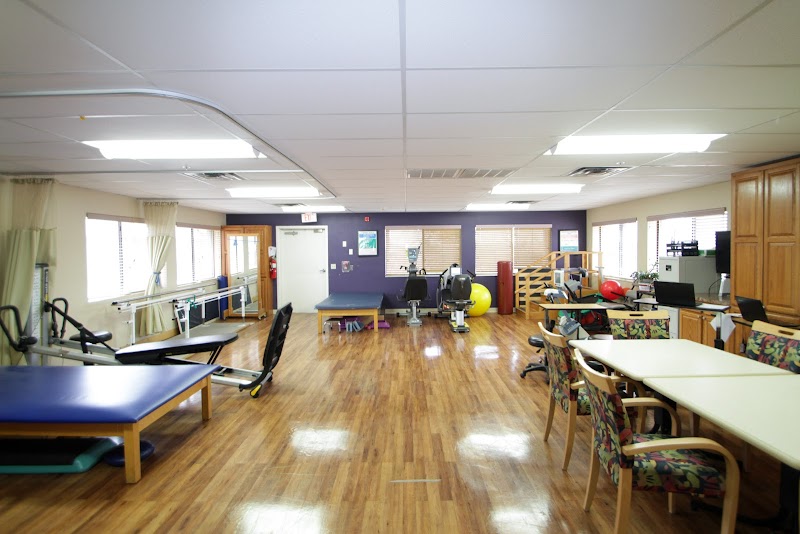
Who Owns and Operates Emerald Tulsa?

EMERALD CARE CENTER TULSA is owned by a for-profit company. For-profit facilities operate as businesses with obligations to shareholders or private owners. The facility is operated by EMERALD HEALTHCARE, a chain that manages multiple nursing homes. With 118 certified beds and approximately 56 residents (about 47% occupancy), it is a mid-sized facility located in TULSA, Oklahoma.
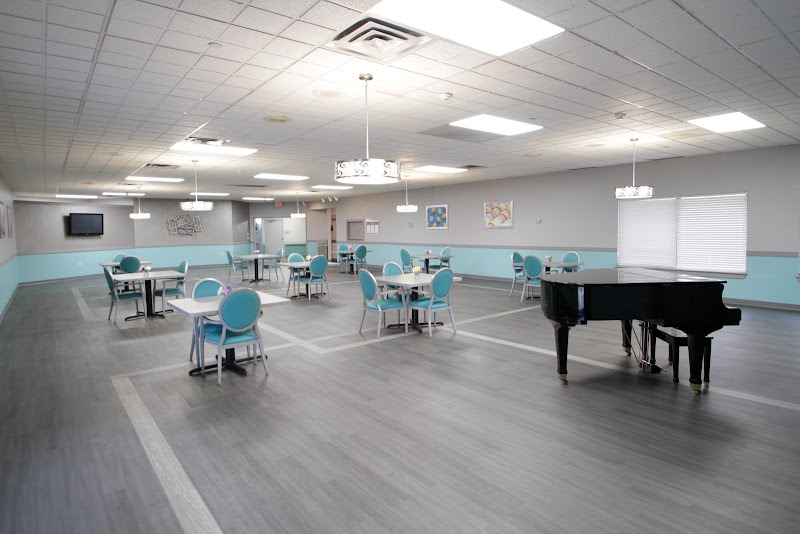
How Does Emerald Tulsa Compare to Other Oklahoma Nursing Homes?

Compared to the 100 nursing homes in Oklahoma, EMERALD CARE CENTER TULSA's overall rating (1 stars) is below the state average of 2.6, staff turnover (72%) is significantly higher than the state average of 46%, and health inspection rating (1 stars) is much below the national benchmark.

What Should Families Ask When Visiting Emerald Tulsa?

Based on this facility's data, families visiting should ask: "What changes have been made since the serious inspection findings, and how are you preventing similar issues?" "How do you ensure continuity of care given staff turnover, and what is your staff retention strategy?" "Can you walk me through typical staffing levels on day, evening, and night shifts?" "Can I visit during a mealtime to observe dining assistance and food quality?" These questions are particularly relevant given the facility's Immediate Jeopardy citations, the facility's high staff turnover rate, and the below-average staffing rating.

Is Emerald Tulsa Safe?

Based on CMS inspection data, EMERALD CARE CENTER TULSA has documented safety concerns. Inspectors have issued 1 Immediate Jeopardy citation (the most serious violation level indicating risk of serious injury or death). The facility is currently on the Special Focus Facility watch list (a federal program monitoring the lowest-performing 1% of nursing homes nationwide). The facility has a 1-star overall rating and ranks #100 of 100 nursing homes in Oklahoma. Families considering this facility should ask detailed questions about what corrective actions have been taken since these incidents.

Do Nurses at Emerald Tulsa Stick Around?

Staff turnover at EMERALD CARE CENTER TULSA is high. At 72%, the facility is 26 percentage points above the Oklahoma average of 46%. Registered Nurse turnover is particularly concerning at 90%. RNs handle complex medical decisions and coordinate care — frequent RN changes can directly impact care quality. High turnover means new staff may not know residents' individual needs, medications, or preferences. It can also be disorienting for residents, especially those with dementia who rely on familiar faces. Families should ask: What is causing the turnover? What retention programs are in place? How do you ensure care continuity during staff transitions?

Was Emerald Tulsa Ever Fined?

EMERALD CARE CENTER TULSA has been fined $162,830 across 17 penalty actions. This is 4.7x the Oklahoma average of $34,707. Fines at this level are uncommon and typically indicate a pattern of serious deficiencies, repeated violations, or failure to correct problems promptly. CMS reserves penalties of this magnitude for facilities that pose significant, documented risk to resident health or safety. Families should request specific documentation of what issues led to these fines and what systemic changes have been implemented.

Is Emerald Tulsa on Any Federal Watch List?

EMERALD CARE CENTER TULSA is currently an SFF Candidate, meaning CMS has identified it as potentially qualifying for the Special Focus Facility watch list. SFF Candidates have a history of serious deficiencies but haven't yet reached the threshold for full SFF designation. The facility is being monitored more closely — if problems continue, it may be added to the official watch list. Families should ask what the facility is doing to address the issues that led to this status.