GREEN COUNTRY CARE CENTER
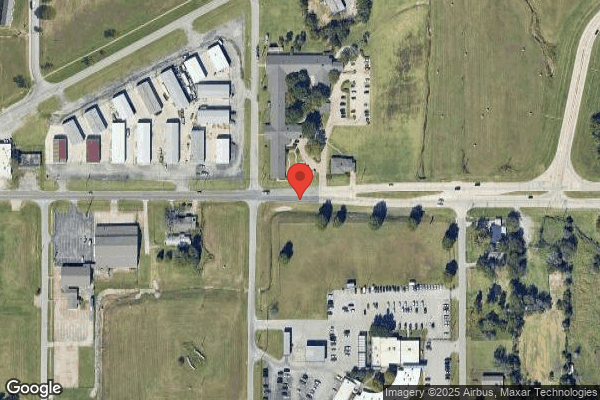
3601 NORTH COLUMBIA, TULSA, OK 74110 (918) 428-3600
For profit - Corporation 114 Beds PHOENIX HEALTHCARE Data: November 2025
Trust Grade
60/100
#109 of 282 in OK
Last Inspection: November 2024

Within standard 12-15 month inspection cycle. Federal law requires annual inspections.

Overview

Green Country Care Center in Tulsa, Oklahoma, has a Trust Grade of C+, indicating it is slightly above average but not exceptional. With a state rank of #109 out of 282, it is in the top half of facilities in Oklahoma, and it ranks #13 out of 33 in Tulsa County, meaning there are only a few local options that are better. The facility is improving, having reduced its issues from eight in 2024 to just one in 2025. Staffing is decent, with a 40% turnover rate that is lower than the state average, although RN coverage is concerning as it is less than 92% of other state facilities, which could impact care quality. Recent inspector findings raised some concerns, including residents not being informed about their rights and the ombudsman contact information being inaccessible, as well as a lack of advance directive information for new residents. While the absence of fines is a positive sign, families should weigh these strengths against the weaknesses highlighted in the inspection reports.

Trust Score
C+
60/100
In Oklahoma
#109/282
Top 38%
Safety Record
Low Risk
No red flags
Inspections
Getting Better
8 → 1 violations
Staff Stability
○ Average
40% turnover. Near Oklahoma's 48% average. Typical for the industry.
Penalties
✓ Good
No fines on record. Clean compliance history, better than most Oklahoma facilities.
Skilled Nurses
⚠ Watch
Each resident gets only 9 minutes of Registered Nurse (RN) attention daily — below average for Oklahoma. Fewer RN minutes means fewer trained eyes watching for problems.
Violations
⚠ Watch
26 deficiencies on record. Higher than average. Multiple issues found across inspections.
★★★☆☆
3.0
Overall Rating
★★★☆☆
3.0
Staff Levels
★★☆☆☆
2.0
Care Quality
★★★☆☆
3.0
Inspection Score
Stable
2024: 8 issues
2025: 1 issues

The Good

  • Full Sprinkler Coverage · Fire safety systems throughout facility
  • No fines on record
  • Staff turnover below average (40%)

    8 points below Oklahoma average of 48%

Facility shows strength in fire safety.

The Bad

3-Star Overall Rating

Near Oklahoma average (2.6)

Meets federal standards, typical of most facilities

Staff Turnover: 40%

Near Oklahoma avg (46%)

Typical for the industry

Chain: PHOENIX HEALTHCARE

Part of a multi-facility chain

Ask about local staffing decisions and management

The Ugly 26 deficiencies on record

Mar 2025 1 deficiency
CONCERN (D) 📢 Someone Reported This

A family member, employee, or ombudsman was alarmed enough to file a formal complaint

Potential for Harm - no one hurt, but risky conditions existed

Deficiency F0883 (Tag F0883)

Could have caused harm · This affected 1 resident

**NOTE- TERMS IN BRACKETS HAVE BEEN EDITED TO PROTECT CONFIDENTIALITY** Based on record review and interview, the facility failed to ensure a resident or their legal representative received education ...

Read full inspector narrative →
**NOTE- TERMS IN BRACKETS HAVE BEEN EDITED TO PROTECT CONFIDENTIALITY** Based on record review and interview, the facility failed to ensure a resident or their legal representative received education regarding the benefits and potential side effects of the influenza immunization and obtain consent before administering the immunization for 1 (#4) of 3 sampled residents reviewed for immunizations. The administrator identified 74 residents resided in the facility Findings: A facility policy titled Vaccination of Residents, revised 08/2016, read in part, Prior to receiving vaccinations the resident or legal representative will be provided information and education regarding the benefits and potential side effects of the vaccination .The residents legal representative may refuse vaccines for any reasons. Resident #4 was admitted on [DATE] with diagnoses which included dementia and anxiety. An annual MDS assessment, dated 01/24/25, showed the resident's cognition was severely impaired with a brief interview for mental status score of 99. A review of Resident #4's profile sheet showed family member #1 as the resident's POA. On 03/25/25 at 11:30 a.m., family member #1 stated in 2023 they had informed a nurse at the facility they did not wish for the resident to receive any further vaccines of any kind. Family Member #1 stated during a care plan meeting in October of 2024 they were informed the resident had received a flu vaccine the previous day. Family Member #1 stated no one from the facility had called them to obtain consent before the vaccine was given. On 03/25/25 at 12:50 p.m., the DON stated Resident #4 did receive a flu vaccine in October of 2024. The DON stated in 2023 the resident's POA had informed the MDS nurse the resident was not to receive any further vaccines of any kind, but they failed to document it in the resident's record or inform anyone.
Nov 2024 8 deficiencies
CONCERN (D)

Potential for Harm - no one hurt, but risky conditions existed

Deficiency F0582 (Tag F0582)

Could have caused harm · This affected 1 resident

Based on record review and interview, the facility failed to ensure advance beneficiary notices had been provided for two (#22 and #47) of three sampled residents reviewed for beneficiary notices. The...

Read full inspector narrative →
Based on record review and interview, the facility failed to ensure advance beneficiary notices had been provided for two (#22 and #47) of three sampled residents reviewed for beneficiary notices. The Entrance Conference Worksheet documented ten residents who remained in the facility with skilled days remaining in the past six months. Findings: 1. Resident #22 had diagnoses which included dementia. The SNF Beneficiary Notification Review form, completed by the facility, documented the resident's last covered day of Part A services was 06/13/24, the facility initiated the discharge from skilled services, and an ABN had not been provided. The undated NOMNC, provided by the facility, documented the resident/resident representative had been notified of the change in services on 06/12/24. Review of the electronic clinical record revealed the resident remained in the facility long term care after skilled services had ended. 2. Resident #47 had diagnoses which included dementia. The SNF Beneficiary Notification Review form, completed by the facility, documented the resident's last covered day of Part A services was 08/29/24, the facility initiated the discharge from skilled services, and an ABN had not been provided. The undated NOMNC, provided by the facility, documented the resident/resident representative had been notified of the change in services on 08/29/24. Review of the electronic clinical record revealed the resident remained in the facility for long term care after skilled services had ended. On 11/15/24 at 10:06 a.m., the admissions coordinator stated they only provided the NOMNC when residents were discharged from skilled services. They stated they were notified to make the resident/resident representative aware of the change in services 48 hours in advance. They stated they had verbally notified the representatives for both Resident #22 and Resident #47, but had not documented the notification. On 11/15/24 at 10:10 a.m., the administrator stated the facility had missed providing the ABNs and training was needed for beneficiary notices.
CONCERN (D)

Potential for Harm - no one hurt, but risky conditions existed

MDS Data Transmission (Tag F0640)

Could have caused harm · This affected 1 resident

**NOTE- TERMS IN BRACKETS HAVE BEEN EDITED TO PROTECT CONFIDENTIALITY** Based on record review and interview, the facility failed to ensure assessments were encoded and transmitted for one (#128) of o...

Read full inspector narrative →
**NOTE- TERMS IN BRACKETS HAVE BEEN EDITED TO PROTECT CONFIDENTIALITY** Based on record review and interview, the facility failed to ensure assessments were encoded and transmitted for one (#128) of one sampled resident reviewed for assessments. The administrator identified 76 residents who resided in the facility. Findings: Resident #128 had diagnoses which included dementia. A discharge return anticipated assessment, dated 09/10/24, documented the resident had discharged from the facility. A progress note, dated 09/11/24, documented the resident had returned from the hospital. Review of the assessments in the electronic clinical record did not reveal an entry assessment had been completed upon the resident's readmission to the facility on [DATE]. The next documented assessment in the electronic clinical record, after the discharge return anticipated assessment, was an in progress quarterly assessment dated [DATE]. On 11/15/24 at 2:03 p.m., MDS coordinator #1 stated they completed an entry assessment when a resident returned from a hospital stay. They stated the entry assessment for 09/11/24, for Resident #128, had been overlooked. On 11/15/24 at 3:21 p.m., MDS coordinator #2 stated they had reviewed the assessments for Resident #128 and noted the entry assessment for 09/11/24 had not been completed. They stated the assessment had been overlooked. They stated they utilized a tracking form to monitor discharge assessments, but did not monitor for entry/re-entry assessment completion.
CONCERN (D)

Potential for Harm - no one hurt, but risky conditions existed

Deficiency F0657 (Tag F0657)

Could have caused harm · This affected 1 resident

Based on observation, record review, and interview, the facility failed to update the care plan for two (#22 and #128) of two sampled residents whose care plans were reviewed. The administrator ident...

Read full inspector narrative →
Based on observation, record review, and interview, the facility failed to update the care plan for two (#22 and #128) of two sampled residents whose care plans were reviewed. The administrator identified 76 residents resided in the facility. Findings: 1. Resident #22 had diagnoses which included dementia. A Care Plan, dated 09/05/24, documented no care areas related to skin picking. On 11/12/24 at 8:59 a.m., Resident #22 was observed with a nickel size open wound on the right side of the back of their neck and multiple small wounds on their forehead and hands. On 11/14/24 at 2:19 p.m., LPN #2 stated the resident has several places on their face and hands where they picked the skin open. LPN #2 stated the wounds scabbed over and the resident opened them again. LPN #2 stated the resident had always done this. A review of the resident's care plan did not reveal an update to include the resident picking at their skin. On 11/14/24 at 3:12 p.m., MDS Coordinator #1 stated they had updated the resident's care plan on 11/14/24, but had not included picking at the skin prior to 11/14/24. 2. Resident #128 had diagnoses which included dementia. The quarterly assessment, dated 08/20/24, documented the resident rejected care one to three days during the look back period. The discharge return anticipated assessment, dated 09/10/24, documented the resident required supervision/touch assist for bathing and toileting. The assessment documented the resident rejected care one to three days during the look back period. The CNA Shower Skin Observation Tool forms, dated 10/02/24 through 11/15/24, documented the resident had refused showers 17 times out of 22 opportunities. On 11/13/24 at 11:35 a.m., the resident was observed sitting on their bed. A urine/body odor was observed upon entering the resident's room. The Care Plan, revised 11/14/24, documented to assist the resident with bathing as needed. The care plan did not document the resident refused showers or care. On 11/14/24 at 8:54 a.m., the resident was observed sitting on their bed. A urine odor was observed upon entering the resident's room. On 11/15/24 at 11:12 a.m., CNA #1 stated the resident had a history of refusing care such as showers and linen changes. On 11/15/24 at 12:51 a.m., the DON stated the resident refused showers and incontinent care at times. On 11/15/24 at 1:03 p.m., the ADON stated the resident refused showers. They stated they would try different staff, different shifts, and call the resident's family for assistance. On 11/15/24 at 4:09 p.m., MDS coordinator #1 stated they were not aware the resident refused care such as showers. They stated they had not seen documentation of refusals. On 11/15/24 at 4:11 p.m., MDS coordinator #2 stated they had not been made aware the resident refused showers so they had not updated the care plan related to the refusal of care for Resident #128.
CONCERN (D) 📢 Someone Reported This

A family member, employee, or ombudsman was alarmed enough to file a formal complaint

Potential for Harm - no one hurt, but risky conditions existed

ADL Care (Tag F0677)

Could have caused harm · This affected 1 resident

Based on observation, record review, and interview, the facility failed to ensure showers to dependent residents for one (#128) of one sampled resident who was reviewed for ADL care. The DON identifie...

Read full inspector narrative →
Based on observation, record review, and interview, the facility failed to ensure showers to dependent residents for one (#128) of one sampled resident who was reviewed for ADL care. The DON identified 62 residents who were dependent on staff for bathing. Findings: Resident #128 had diagnoses which included dementia. The quarterly assessment, dated 08/20/24, documented the resident required set up assistance for showers and rejected care one to three days during the look back period. The discharge return anticipated assessment, dated 09/10/24, documented the resident required supervision/touch assist for bathing and toileting. The assessment documented the resident rejected care one to three days during the look back period. The CNA Shower Skin Observation Tool forms, dated 10/02/24 through 11/15/24, documented the resident had refused showers 17 times out of 22 opportunities. The form documented, Refused? Intervention to prevent recurrence? The area for documentation of intervention to prevent recurrence was left blank on all 17 documented refused showers. On 11/13/24 at 11:35 a.m., the resident was observed sitting on their bed. A urine/body odor was observed upon entering the resident's room. The Care Plan, revised 11/14/24, documented to assist the resident with bathing as needed. The care plan did not document the resident refused showers or care. On 11/14/24 at 8:54 a.m., the resident was observed sitting on their bed. A urine/body odor was observed upon entering the resident's room. On 11/15/24 at 11:12 a.m., CNA #1 stated the resident had a history of refusing care such as showers and linen changes. CNA #1 stated the odor in the resident's room was because at times the resident urinated near, but not in the toilet, the resident refused showers, and refused linen changes. CNA #1 stated at times they would call the resident's family member for assistance with ADL care. On 11/15/24 at 12:51 a.m., the DON stated the resident wanted to be more independent than possible due to a visual impairment. The DON stated the resident refused showers and incontinent care and they notified the family for assistance. On 11/15/24 at 1:03 p.m., the ADON stated the resident refused showers. They stated they would try different staff, different shifts, and call the resident's family for assistance. On 11/15/24 at 4:21 p.m., the DON stated they were not aware Resident #128 had refused as many showers as they had since 10/02/24. The DON stated the ADON was responsible to monitor the hall the resident resided on to ensure ADL care had been received. On 11/15/24 at 4:41 p.m., the ADON stated the charge nurse and themselves were responsible to review the shower sheets to ensure residents were receiving ADL assistance. They stated if refusals were documented on the shower sheet interventions would need to be implemented.
CONCERN (D)

Potential for Harm - no one hurt, but risky conditions existed

Deficiency F0761 (Tag F0761)

Could have caused harm · This affected 1 resident

Based on observation, record review, and interview, the facility failed to ensure medications were dated when opened for one (North hall medication cart) of two medication carts observed. The DON iden...

Read full inspector narrative →
Based on observation, record review, and interview, the facility failed to ensure medications were dated when opened for one (North hall medication cart) of two medication carts observed. The DON identified four medication carts in the facility. Findings: On 11/15/24 at 3:56 p.m., the North hall medication cart was observed with LPN #1. The following medications were observed to be open, but not dated. a. neomycin/polymyxin 0.1% eye drops for Resident #126; b. fluticasone nasal spray 50mcg for Resident #47; c. fluticasone nasal spray 50mcg for Resident #11; and d. fluticasone nasal spray 50mcg for Resident #14. On 11/15/24 at 3:58 p.m., LPN #1 stated they were to date nasal sprays and eye drops when they were opened. On 11/15/24 at 4:21 p.m., the DON stated they were to date nasal sprays and eye drops when they were opened.
CONCERN (D) 📢 Someone Reported This

A family member, employee, or ombudsman was alarmed enough to file a formal complaint

Potential for Harm - no one hurt, but risky conditions existed

Infection Control (Tag F0880)

Could have caused harm · This affected 1 resident

Based on observation and interview, the facilty failed to ensure infection control was maintained during feeding assistance for one (#55) of one sampled resident observed for meal assistance. The adm...

Read full inspector narrative →
Based on observation and interview, the facilty failed to ensure infection control was maintained during feeding assistance for one (#55) of one sampled resident observed for meal assistance. The administrator identified 20 residents dependent on staff for meal assistance. Findings: On 11/12/24 at 12:09 p.m., LPN #1 was observed assisting Resident #55 with the noon meal. LPN #1 was observed to blow on a spoonful of food before placing it in Resident #55's mouth. On 11/12/24 at 12:12 p.m., LPN #1 stated to maintain infection control they should not blow on a resident's food. On 11/15/24 at 4:30 p.m., the DON stated if food was hot the staff were to let it cool down before feeding it to residents. The DON stated staff should not blow on residents' food.
CONCERN (E)

Potential for Harm - no one hurt, but risky conditions existed

Deficiency F0574 (Tag F0574)

Could have caused harm · This affected multiple residents

Based on observation and interview, the facility failed to provide access to notifications of resident rights, ombudsman contact information, and state agency contact information. The administrator i...

Read full inspector narrative →
Based on observation and interview, the facility failed to provide access to notifications of resident rights, ombudsman contact information, and state agency contact information. The administrator identified 76 residents resided in the facility. Findings: On 11/13/24 at 10:41 a.m., the five residents who attended the resident council meeting stated they did not know where to find the phone number to contact the ombudsman, did not know where the resident rights were posted, or how to contact OSDH to register a complaint or concern. Immediately following the resident council meeting, the notices were observed to be posted in the locked vestibule by the facility front door, and inside the nurses' station along the far wall. The locked vestibule was not accessible by the residents. The notices inside the nurses' station were not readable from the hallway. On 11/13/24 at 11:41 a.m., the administrator stated the ombudsman's phone number, resident rights, and state department phone numbers were posted in the vestibule and by the back nurses' station. The administrator stated the information in the vestibule was not accessible by residents, but was visible for family. The administrator stated residents were not permitted inside the nurses' station and the notices were not readable from outside the nurses station.
CONCERN (E)

Potential for Harm - no one hurt, but risky conditions existed

Deficiency F0578 (Tag F0578)

Could have caused harm · This affected multiple residents

**NOTE- TERMS IN BRACKETS HAVE BEEN EDITED TO PROTECT CONFIDENTIALITY** Based on record review and interview, the facility failed to provide information to formulate an advance directive for three (#2...

Read full inspector narrative →
**NOTE- TERMS IN BRACKETS HAVE BEEN EDITED TO PROTECT CONFIDENTIALITY** Based on record review and interview, the facility failed to provide information to formulate an advance directive for three (#22, 66, and #71) of three sampled residents who were reviewed for advance directives. The administrator identified 75 residents who resided in the facility. Findings: The Advance Directives policy, dated December 2016, read in part, Upon admission, the resident will be provided with written information concerning the right .to formulate an advance directive if he or she chooses to do so .the information may be provided to the resident's legal representative .The Interdisciplinary Team will review annually with the resident his or her advance directives to ensure that such directives are still the wishes of the resident. 1. Resident #22 was admitted to the facility on [DATE]. No acknowledgement form for an advance directive was in the resident's electronic record. 2. Resident #71 was admitted to the facility on [DATE]. No acknowledgement form for an advance directive was in the resident's electronic record. On 11/14/24 at 11:45 a.m., the admissions coordinator stated they did not have documentation an advance directive was offered to Resident #22 and Resident #71. 3. Resident #66 had diagnoses which included dementia. Review of the electronic clinical record documented the resident was a full code status. Documentation of information provided to the resident/resident representative for formulation of an advance directive was not available in the electronic clinical record. On 11/14/24 at 11:41 a.m., the admissions coordinator stated they were unaware they needed to document that residents had been offered advance directives. They stated the family for Resident #66 wanted the resident's code status to be a full code, but discussion regarding the formulation of an advance directive had not been documented. On 11/15/24 at 10:11 a.m., the administrator stated the admission packet contained information for the resident/resident representative regarding formulating an advance directive. On 11/15/24 at 10:18 a.m., the administrator stated they did not have documentation an advance directive had been discussed with Resident #66 or their representative.
Sept 2023 12 deficiencies
CONCERN (D)

Potential for Harm - no one hurt, but risky conditions existed

Deficiency F0578 (Tag F0578)

Could have caused harm · This affected 1 resident

**NOTE- TERMS IN BRACKETS HAVE BEEN EDITED TO PROTECT CONFIDENTIALITY** Based on record review and interview, the facility failed to ensure an Oklahoma DNR consent form was dated for one (#60) of one ...

Read full inspector narrative →
**NOTE- TERMS IN BRACKETS HAVE BEEN EDITED TO PROTECT CONFIDENTIALITY** Based on record review and interview, the facility failed to ensure an Oklahoma DNR consent form was dated for one (#60) of one resident reviewed for advance directives. The Resident Census and Condition of Residents form documented 79 residents who reside in the facility. Findings: Res #60 was admitted to the facility on [DATE] and had diagnoses which included DM, hypothyroidism, depressive disorder, and dementia with severe mood disturbances. The care plan, dated 03/03/23, documented the resident had a DNR status. A quarterly assessment, dated 08/26/23, documented the resident was moderately impaired with cognition and was independent with most of their ADLs. An Oklahoma DNR consent form was present in the resident's EHR. The consent form was signed by the resident's POA, but was not dated. On 09/27/23 at 5:45 p.m., the administrator stated the DNR consent form was signed by the POA but was not dated. They stated it just slipped through the cracks. The administrator stated they would call the POA and they would correct the DNR.
CONCERN (D)

Potential for Harm - no one hurt, but risky conditions existed

Deficiency F0637 (Tag F0637)

Could have caused harm · This affected 1 resident

Based on record review and interview, the facility failed to ensure a significant change assessment was completed when a resident had a decline in two or more areas of ADLs for one (#62) of 20 sampled...

Read full inspector narrative →
Based on record review and interview, the facility failed to ensure a significant change assessment was completed when a resident had a decline in two or more areas of ADLs for one (#62) of 20 sampled residents reviewed for assessments. The Resident Census and Conditions of Residents report, dated 09/25/23, documented 79 residents resided in the facility. Findings: Res #62 had diagnoses which included Alzheimer's disease, vascular dementia, HTN, hyperlipidemia, DM, heart disease, GERD, anxiety, depression, chronic pain, and adult failure to thrive, A quarterly assessment, dated 04/06/23, documented the resident required limited assistance with dressing and was frequently incontinent of bladder and bowel. A quarterly assessment, dated 07/07/23, documented the resident required extensive assistance with dressing and was always incontinent of bladder and bowel. On 09/28/23 at 1:45 p.m., MDS Coordinator #2 stated a decline in two or more areas of ADLs constituted a significant change assessment. They were asked to compare the April and July quarterly assessments. They stated they could see where the the July assessment could have been a significant change assessment.
CONCERN (D)

Potential for Harm - no one hurt, but risky conditions existed

PASARR Coordination (Tag F0644)

Could have caused harm · This affected 1 resident

**NOTE- TERMS IN BRACKETS HAVE BEEN EDITED TO PROTECT CONFIDENTIALITY** Based on record review and interview, the facility failed to ensure the state was notified of a new serious mental illness for o...

Read full inspector narrative →
**NOTE- TERMS IN BRACKETS HAVE BEEN EDITED TO PROTECT CONFIDENTIALITY** Based on record review and interview, the facility failed to ensure the state was notified of a new serious mental illness for one (#50) of two sampled resident reviewed for PASRR. The Resident Census and Conditions of Residents report documented 32 residents had documented psychiatric diagnosis. Findings: Res #50 was admitted to the facility on [DATE] and had diagnoses which included dementia in other diseases classified elsewhere, unspecified severity, without behavioral disturbance, psychotic disturbance, mood disturbance, and anxiety. A PASRR I, dated 08/12/19, documented the questions for mental illness were marked as no. On 02/24/20, the resident received a new diagnoses of unspecified psychosis not due to a substance of known physiological condition. An annual assessment, dated 08/17/23, documented the resident did not have a PASRR II, was severely impaired with cognition and limited to extensive assistance with most ADLs. The assessment documented the resident received and antianxiety and an antidepressant medication seven day in the look back period. A care plan, last revised 09/01/23, documented Res #50's PASRR recommendations were to follow Oklahoma Healthcare Authority recommendations, and Res #50's recommendation was a level one. On 09/27/23 at 1:57 p.m., MDS coordinator #1 stated when a resident had an underlying dementia diagnosis, they did not have to call the OHCA. MDS coordinator #1 stated she had been educated on when to request a level II PASRR and it depended on what diagnosis came first. The MDS coordinator stated they would ask family if the resident had past psychatric diagnoses. MDS coordinator #1 stated the PASRR for Res #50 was completed before she worked at the facility. On 09/27/23 at 2:14 p.m., MDS coordinator #2 stated when the primary diagnosis was dementia, they did not call when a resident received a new mental health diagnoses. MDS coordinator #2 stated a level II PASRR was not needed for Res #50. MDS coordinator #2 stated if they had called OHCA it would have been documented on the form and it was not.
CONCERN (D)

Potential for Harm - no one hurt, but risky conditions existed

Deficiency F0645 (Tag F0645)

Could have caused harm · This affected 1 resident

**NOTE- TERMS IN BRACKETS HAVE BEEN EDITED TO PROTECT CONFIDENTIALITY** Based on record review and interview, the facility failed to ensure the OHCA was notified of residents with serious mental illne...

Read full inspector narrative →
**NOTE- TERMS IN BRACKETS HAVE BEEN EDITED TO PROTECT CONFIDENTIALITY** Based on record review and interview, the facility failed to ensure the OHCA was notified of residents with serious mental illness for one (#63) of two sampled residents reviewed for PASRR evaluations. The Resident Census and Conditions of Residents report documented 32 residents had documented psychiatric diagnosis. Findings: Res #63 was admitted on [DATE] with diagnose which included psychotic disorder with delusions due to known physiological condition, recurrent depressive disorders, anxiety disorder, and insomnia. A PASRR I dated 01/29/23 documented the resident had a diagnoses of Psychotic disorder with delusions. The PASRR documented the resident did not have a serious mental illness. An admission assessment, dated 02/09/23, documented no PASRR level II. The assessment documented the resident was moderately impaired with cognition and had no behaviors. A physician order, dated 09/22/23, documented buspirone (an antianxiety medication) administer twice a day related to unspecified dementia, moderate, with agitation. On 09/27/23 at 4:53 p.m., MDS coordinator #1 stated they did not contact OHCA related to the same thing they were saying before, its related to the resident having dementia. MDS coordinator #1 stated their rational was they had been educated when a resident had dementia they did not contact OCHA. MDS coordinator #1 stated they had not questioned the diagnosis for the resident's Buspar. The MDS coordinator #1 stated they did not typically put medications in and the nurse do not call them and give them the diagnoses that go with the medication.
CONCERN (D)

Potential for Harm - no one hurt, but risky conditions existed

Comprehensive Care Plan (Tag F0656)

Could have caused harm · This affected 1 resident

2. Res #60 was admitted to the facility with diagnoses of Alzheimer's disease, psychotic disorder with delusions, psuedobulbar affect, and insomnia. An admission assessment, dated 06/30/23, documente...

Read full inspector narrative →
2. Res #60 was admitted to the facility with diagnoses of Alzheimer's disease, psychotic disorder with delusions, psuedobulbar affect, and insomnia. An admission assessment, dated 06/30/23, documented the resident had short and long term memory problems and required extensive assistance with all ADLS. An incident report dated 08/13/23 documented the resident was found on the floor next to his low positioned bed. An incident report dated 08/13/23 documented the resident fell from their chair onto the floor. An incident report dated 09/14/23 documented the resident was on the floor next to his bed. On 09/27/23, the resident was observed sitting in a Broda chair in the common area with other residents. On 09/27/23 at 1:13 p.m., an interview was conducted with LPN #3 and they stated the resident was placed in the Broad chair to prevent the resident from falling. On 09/27/23 at 1:13 p.m., an interview was conducted with the DON and they stated the family bought the Broda chair for the resident to keep the resident from falling out of another chair. The Broda chair was not added to the resident's care plan. Based on observation, record review, and interview, the facility failed to ensure comprehensive care plans were developed and/or implemented to address the residents' needs related to a wandering and behavior care plan for one (#50); and the use of a broda chair for one (#60) of 18 residents whose care plans were reviewed. The Resident Census and Conditions of Residents form documented 79 residents resided in the facility. Findings: 1. Res #50 had diagnoses which included dementia in other diseases classified elsewhere, unspecified severity, without behavioral disturbance, psychotic disturbance, mood disturbance, and anxiety. An annual assessment, dated 08/17/23, documented the resident was severely impaired with cognition and required limited to extensive assistance with most ADLs. The assessment documented the resident received antianxiety and antidepressant medication. A care plan, last revised 09/01/23, did not documented Res #50's behaviors of taking of their clothing and eating non eatable items. On 09/25/23 at 12:45 p.m., the resident was observed in the dining room with a pink and gray pajama set on which was unzipped to her waist. The resident was exposed showing their breasts and stomach. On 09/27/23 at 2:40 p.m., MDS Coordinator #2 stated the resident's behaviors should have been documented in the EHR and that would be where they would find the behaviors. MDS Coordinator #2 stated the behaviors of the resident for wandering and disrobing should have been care planned but there had been no documentation of the resident having the behaviors documented.
CONCERN (D)

Potential for Harm - no one hurt, but risky conditions existed

Quality of Care (Tag F0684)

Could have caused harm · This affected 1 resident

Based on observation and interview, the facility failed to ensure a physician order for Tuba grips was followed for one (#31) of one sampled resident for edema. The Resident Census and Conditions of ...

Read full inspector narrative →
Based on observation and interview, the facility failed to ensure a physician order for Tuba grips was followed for one (#31) of one sampled resident for edema. The Resident Census and Conditions of Residents form documented 79 residents resided in the facility. Findings: Res #31 had diagnoses which included inflammatory and immune myopathies, pain, and swelling. A physician order, dated 03/09/23, documented Tuba grips two times a day for pain and swelling. A quarterly assessment, dated 06/12/23, documented the resident was moderately impaired with cognition and required extensive assistance with most ADLs. A care plan, last reviewed 07/25/23, documented the resident had edema. The care plan documented to administer medication as ordered. The care plan did not documented the resident was to have Tuba grips. On 09/26/23 at 10:53 a.m., Res #31's feet were observed swollen and the resident stated look how swollen my feet are. On 09/28/23 at 12:14 p.m., Res #31 was observed sitting in the living room in front of the TV. He had on gray ankle socks at this time. On 09/28/23 at 1:45 p.m., Res #31 was observed in their wheelchair with regular socks on their feet. The resident stated their feet were really swollen and the staff forget to put the socks on for swelling of his feet. On 09/28/23 at 1:51 p.m., LPN #1 was observed at the nurse station. LPN #1 stated the resident had removed the tuba grips and threw them away. The LPN stated they had put them on the resident. On 09/28/23 at 2:22 p.m., there was no documentation in the nurse notes that the resident had removed his tuba grips and threw them away. On 09/28/23 at 2:31 p.m., Res #31 stated they did not remove any socks and throw them away. Res #31 then asked if the staff were going to put the tuba grips on today. On 09/28/23 at 2:34 p.m., LPN #2 stated they normally take the tuba grips off before the resident goes to bed at night. On 09/28/23 at 2:36 p.m., LPN #2 observed the resident in their room and stated the resident did not have the tuba grips on at this time. LPN #2 stated they would get some and put them on the resident. LPN #2 looked on the unit for some and then left the unit at 2:38 p.m., and returned to the unit with the tuba grips and placed them on the resident. On 09/28/23 at 2:44 p.m., LPN #2 stated they did not have any tuba grips on the unit and had to go get some for the resident.
CONCERN (D)

Potential for Harm - no one hurt, but risky conditions existed

Accident Prevention (Tag F0689)

Could have caused harm · This affected 1 resident

Based on observation, record review, and interview, the facility failed to ensure residents received the supervision and assistance to prevent falls for one (#31) of three sampled residents reviewed f...

Read full inspector narrative →
Based on observation, record review, and interview, the facility failed to ensure residents received the supervision and assistance to prevent falls for one (#31) of three sampled residents reviewed for falls. The Resident Census and Conditions of Residents form, documented 79 residents resided at the facility. Findings: Res #31 had diagnoses which included epilepsy, weakness, and unsteadiness on feet. A quarterly assessment, dated 06/12/23, documented the resident was moderately impaired with cognition and required extensive assistance with most ADLs. The assessment documented the resident had two injury falls since admission or last assessment. An incident report, dated 03/23/23, documented a non injury fall and the resident was found on the floor in the door way of the bathroom. The incident report documented they were exiting the bathroom and slipped and fell to the floor due to the floor being wet. The care plan intervention dated 03/23/23, documented to remind the resident to call for help with safety concerns when needed. An incident report, dated 06/09/23, documented a non injury fall. The report documented the resident was observed sitting on the floor in their room. The resident stated they had fallen to the floor walking to the bathroom. The incident report documented the resident had a small skin tear to the left ring finger. The care plan intervention, dated 06/09/23, documented to offer the resident toileting before an after meals. An incident report, dated 06/15/23, documented a non injury fall. The report documented the resident was observed in the bathroom laying on the floor between the sink and toilet. The resident stated they turned to get on the toilet and fell. The resident reported they were not hurt and did not hit their head. The care plan intervention dated 06/15/23, documented after the evening meal encourage resident to try and use the bathroom. An incident report, dated 07/03/23, documented the resident was seen ambulation down the hall way with blood on their right hand. A skin tear was observed to the residents right hand with no other physical injuries. The report documented the report documented steri strips applied to skin tear. The care plan did not contain an intervention for the fall dated 07/03/23. An incident report, dated 7/24/23, documented the resident was observed walking up to nurse desk looking for their wheelchair, blood leaking from their outer right hand. The report documented three skin tears were observed. The incident report documented the resident reported they fell in their room earlier in the day. The resident could not explain how they fell. The skin tears were cleaned and steri stripped. The care plan intervention, dated 07/24/23, documented an intervention of after the lunch meal staff were to check with the resident to address any needs or wants or any level of assistance needed. An incident report, dated 09/03/23, documented the nurse was made aware of resident on the floor in personal room by a CNA. The CNA described the resident finger looked broken. Upon arrival to the resident's room, this nurse observed resident holding left arm up towards the nurse. The resident verbalized they fell down. The incident report documented the resident was awake and alert with no signs or symptoms of pain or discomfort noted. The incident note documented It appeared the resident had a dislocated finger no open area or blood observed. The report documented the resident was sent to the hospital for treatment. The care plan intervention, for 09/03/23, documented an intervention of staff were to remind resident throughout the day to seek assistance for any needs or wants and the resident went to the ER for evaluation and treatment. On 09/26/23 at 10:47 a.m., Res #31 stated they fell and hurt their fingers. Res #31 stated they did not remember what they were doing when they fell. Res #31 was able to move all their finger without pain. On 09/28/23 at 1:12 p.m., MDS Coordinator #2 stated they were not seeing an intervention for the 07/03/23 fall an that it could have been overlooked.
CONCERN (D) 📢 Someone Reported This

A family member, employee, or ombudsman was alarmed enough to file a formal complaint

Potential for Harm - no one hurt, but risky conditions existed

Pharmacy Services (Tag F0755)

Could have caused harm · This affected 1 resident

Based on record review and interview, the facility failed to ensure an antipsychotic medication was administered as ordered for one (#29) of five sampled residents reviewed for medications. The Resid...

Read full inspector narrative →
Based on record review and interview, the facility failed to ensure an antipsychotic medication was administered as ordered for one (#29) of five sampled residents reviewed for medications. The Resident Census and Conditions of Residents form documented 30 residents in the facility were receiving antipsychotic medications. Findings: Res #29 had diagnoses which included depressive disorder, anxiety disorder, and paranoid schizophrenia. A physician order, dated 07/27/23, documented Risperdal (an antipsychotic medication) 1 mg two times a day related to schizoaffective disorder, bipolar type. A quarterly assessment, dated 08/12/23, documented the resident received an antipsychotic medication. The August 2023 MAR documented the medication Risperdal was held on 08/28/23 for the evening dose, 08/29/23 for the morning dose, and the evening dose was documented as given; The MAR documented on 08/30/23 the medication was held for the morning and evening dose and on 08/31/23 the morning dose was documented as given and the evening dose was documented as held. The entries documented to see note. The MAR medication administration note, dated 08/28/23 documented medication was not given due to pending pharmacy delivery. There was not a note for 08/29/23. The note on 08/30/23 documented the medication was not administered due to pending pharmacy delivery. The note on 08/31/23 documented the medication was not given due to pending pharmacy delivery. The September MAR documented, on 09/01/23, the morning dose documented the medication Risperdal was held and to see note. There was not a note for 09/01/23. The August and September MARs documented the resident missed seven doses of the Risperdal and two doses were documented as administered when the medication was not in the facility. On 09/28/23 at 1:24 p.m., Res #29 was observed in their room in a wheelchair, no distress noted. The resident did not show any behaviors at that time. On 09/28/23 at 3:30 p.m., the DON was asked for the pharmacy check-in sheets for the resident's Risperdal for September. On 09/28/23 at 4:15 p.m., the DON was unable to provide the medication check in sheet but did provide the medication blister packet which documented it was filled on 09/01/23. The DON stated the check mark on the MAR were the medication was administered was an error. The DON stated the resident could not have received the medication when the medication was not in the facility until September 1st. The DON did not know why the medication took so long to get into the facility. The DON stated the resident was on a managed care program. On 09/28/23 at 4:36 p.m., the DON stated the medication was not in the facility for nine administration times and was not administered as ordered for the Risperdal.
CONCERN (D)

Potential for Harm - no one hurt, but risky conditions existed

Medication Errors (Tag F0758)

Could have caused harm · This affected 1 resident

Based on record review and interview, the facility failed to ensure a resident who received psychotropic medications received a gradual dose reduction for one (#60) of five sampled residents reviewed ...

Read full inspector narrative →
Based on record review and interview, the facility failed to ensure a resident who received psychotropic medications received a gradual dose reduction for one (#60) of five sampled residents reviewed for unnecessary medications. The Resident Census and Conditions of Residents form documented 63 residents received psychoactive medications. Findings: Res #60 had diagnoses which included psychotic disorder with delusions, Alzheimer's disease, pseudobulbar affect, and unspecified mood affective disorder. A physician order, dated 09/16/22, documented to administer escitalopram oxalate (an antidepressant) 10 mg daily for an unspecified mood (affective) disorder. A pharmacist MRR, dated 03/27/23, read in part, .if appropriate: escitalopram 10 mg daily - may we trial slow taper (every other day for 2 weeks) then discontinue? . On 04/18/23, the physician agreed with the pharmacist to reduce and discontinue the escitalopram. The April 2023 MAR, did not document the resident's dose of escitalopram was reduced. A quarterly assessment, dated 07/05/23, documented Res #60 had problems with short and long term memory, had no depression, and required extensive assistance with all ADLs. The assessment documented the resident received antidepressant medication. The September 2023 orders for Res #60 documented the resident's dose of escitalopram was unchanged from 09/16/22. On 09/27/23 at 11:54 a.m., an interview was conducted with LPN #3 and they stated the escitalopram order had been active since 09/16/22 and was still being given to the resident at that dosage. On 09/27/23 at 12:54 p.m., an interview was conducted with the DON and they stated the physician did sign the GDR and escitalopram should have been reduced and then discontinued.
CONCERN (E)

Potential for Harm - no one hurt, but risky conditions existed

Resident Rights (Tag F0550)

Could have caused harm · This affected multiple residents

**NOTE- TERMS IN BRACKETS HAVE BEEN EDITED TO PROTECT CONFIDENTIALITY** Based on observation and interview, the facility failed to ensure resident dignity related to: a. Res #50 was not disrobe and/or...

Read full inspector narrative →
**NOTE- TERMS IN BRACKETS HAVE BEEN EDITED TO PROTECT CONFIDENTIALITY** Based on observation and interview, the facility failed to ensure resident dignity related to: a. Res #50 was not disrobe and/or expose themselves in front of other residents and staff in the dining room and on the unit; b. the residents on the locked unit had on proper foot-wear when in the dining room and on the unit; and c. staff did not stand while assisting residents to eat. The Resident Census and Condition of Residents form documented 79 residents who resided in the facility. Findings: 1. Res #50 had diagnoses which included frontotemporal neurocognitive disorder and dementia. An annual assessment, dated 08/17/23, documented the resident was severely impaired with cognition and required limited to extensive assistance with ADLs. The care plan, last revised 09/01/23, did not document a behavior of disrobing, exposing self, or wandering. On 09/25/23 at 12:45 p.m., the resident was observed in the dining room with a pink and gray pajama set on which was unzipped to the residents waist, exposing the resident's breasts and stomach. CNA #2 got up from assisting residents to eat wiped food from the front of the resident and zipped up the resident's pajamas. The CNA then opened the locked door and let the resident out of the dining room onto the unit hallway. On 09/25/23 at approximately 1:30 p.m., Res #50 was observed sitting in a chair in room [ROOM NUMBER], which was not the resident's room, with their pajamas unzipped to their waist exposing their breasts. Several other unidentified residents were observed in room [ROOM NUMBER] at that time. Res #50 then came out of room [ROOM NUMBER] while still unzipped and walked down the hall to a door at the end of the hall with a male resident. Staff members were observed in the hallway near the door and did not stop the resident or zip up the resident's clothing. On 09/27/23 at 12:21 p.m., the DON stated Res #50 would lift shirts up or unzip their clothing and expose themselves in the process. The DON stated the staff dressed the resident in clothing which made it more difficult for them to undress and expose themselves. The DON confirmed this was not a normal behavior for a reasonable person and the staff should have ensured the resident was covered and/or dressed appropriately when in public areas or when with other residents. On 09/28/23 at 8:38 a.m., Res #50 was observed in the living area of the locked unit rocking back and forth in a recliner. The resident had on a jump suit night outfit that zipped up from the lower abdomen upward. The resident was observed with the jump suit unzipped and left breast was exposed. A total of 18 residents,including Res #50, were observed in the living area. On 09/28/23 at 11:08 a.m., the resident was observed with the purple jumpsuit on backwards with the zipper in the back where the resident could not unzip the clothing. Res #50 standing at the nurses station pushing empty medication cups up and down the counter. The resident was unable to be interviewed. 2. On 09/25/23 at 12:00 p.m., there were approximately 10 residents observed in the locked unit's dining room without any foot coverings on their feet. On 09/25/23 at 12:26 p.m., CNA #4 was observed to stand and assist one of the residents with a bite of food. On 09/25/23 at 12:42 p.m., CNA #3 was observed to stand and assist a resident with a bite of food then returned to assisting another resident to eat. On 09/27/23 at 10:49 a.m., CNA #3 stated when assisting residents to eat they should have sat down. On 09/27/23 at 12:27 p.m., the DON stated the staff should be at eye level, not standing, when assisting residents to eat. The DON stated foot-wear of some sort should have been on the residents when on the unit, hallways, and when in the dining room.
CONCERN (E)

Potential for Harm - no one hurt, but risky conditions existed

Deficiency F0692 (Tag F0692)

Could have caused harm · This affected multiple residents

Based on record review and interview the facility failed to act upon a dietitian recommendation timely for one (#50) of four sampled residents reviewed for nutrition. The Resident Census and Conditio...

Read full inspector narrative →
Based on record review and interview the facility failed to act upon a dietitian recommendation timely for one (#50) of four sampled residents reviewed for nutrition. The Resident Census and Conditions of Residents form documented 79 residents resided in the facility. Findings: Res #50 had diagnoses which included other specified eating disorder, diabetes mellitus, and dementia. The EHR documented,on 02/01/22, the resident's weight was 221.8 lbs. A dietitian note, dated 05/28/23, documented the resident's weight was 183.2 pounds. The note documented the resident's weight was down 7.8% in two months and down 14.6% in four months. The resident weight was trending down but their BMI was 32.4. The note documented the resident chews on non-edible items frequently and wanders frequently. The note documented the resident eats 76-100% of a puree diet with 2 eggs and nectar liquids and was fed by staff at times. The resident intake of shakes with meals had decreased in May with intake approximately 50%. The dietitian documented they recommended to start 2 oz of Med Pass with medications TID. A dietitian note, dated 06/29/23, documented the resident weighed 180 lbs. The note documented the resident's weight was down 16% in six months and the resident's BMI was still 31.9, but weight continued to trend down. The resident was eating 76-100% of a puree diet with two eggs at breakfast. The resident's intake of shakes with meals was fair to poor. The resident was active with wandering. The note documented the dietitian recommended 2 oz Med Pass TID with medications. A physician order, dated 08/02/23, documented Med Pass TID a day give 2 oz three times a day for a supplement. An annual assessment, dated 08/17/23, documented the resident was severely impaired with cognition, weighed 167 lbs, and had not had a weight loss. A care plan, last revised 09/01/23, documented the resident's weight was slowly trending down but remained above their ideal body weight range. The care plan documented to weigh and provide supplements as the physician ordered. On 09/10/23, the resident weight was documented at 161.2 pounds which was a -27.32 % weight loss in six months. On 09/27/23 at 3:15 p.m., the DM stated the dietitian came to the facility monthly and would documented on the residents with weight loss. On 09/27/23 at 3:59 p.m., the DON stated they got the recommendations from the dietitian and they have to notify the physician. The DON stated they normally get the information in a couple of days after the dietitian was in the facility. The DON stated from May to August was to long for the recommendation of Med Pass to not have been acted upon. On 09/27/23 at 4:21 p.m., the dietitian stated if they did not see an improvement in the resident's weight they would request an increase in the Med Pass. On 09/27/23 at 4:22 p.m., MDS Coordinator #2 stated when they calculated the residents weight it did not calculate a weight loss. MDS coordinator #2 stated they were going to go calculate and let the surveyor know if a weight loss should have been documented on the MDS in August. On 09/27/23 at 5:12 p.m., MDS coordinator #2 stated the resident did have an significant weight loss and it was not captured on the MDS in August. She stated the resident was not on a physician prescribed weight loss program.
CONCERN (E)

Potential for Harm - no one hurt, but risky conditions existed

Infection Control (Tag F0880)

Could have caused harm · This affected multiple residents

Based on observation and interview, the facility failed to ensure staff used proper hand hygiene when serving meals and assisting residents to eat in the dining room. The Resident Census and Conditio...

Read full inspector narrative →
Based on observation and interview, the facility failed to ensure staff used proper hand hygiene when serving meals and assisting residents to eat in the dining room. The Resident Census and Conditions of Residents form documented 79 residents resided in the facility. Findings: On 09/25/23 at 12:13 p.m., CNA #1 and CNA #2 were observed touching the rim of the drinking glasses and dessert cups while delivering the residents' meals. On 09/25/23 at 12:17 p.m., CNA #3 was observed to move a resident wheelchair up to a table and then, without first performing hand hygiene, touched the residents drinking glasses by the rim when placing them on the table. On 09/25/23 at 12:22 p.m., CNA #4 was assisting two residents in the dining room to eat at the same time. CNA #4 was observed to give a bite of food to one resident and then give a bite of food to a second resident. The CNA was not observed to use hand hygiene during this observation. On 09/25/23 at 12:24 p.m., CNA #2 was observed to place a clothing protector on a resident and then take a dirty tray to the window pass on the dish machine side of the dining room. CNA #2 then moved a chair by the chair arms, sat down to assist a resident with a bite of food, then moved the chair around the table to another resident, and gave another resident a bite of food. CNA #2 was then observed to go all the way around the table by moving the chair and assisting all four residents at the table with eating their food. Hand hygiene was not performed by the CNA during the observation. On 09/25/23 at 12:29 p.m., CNA #2 was observed to move the bread on a residents plate off the plate and onto a napkin with their bare hand. Hand hygiene was not observed. On 09/25/23 at 12:30 p.m., CMA #1 was observed to move a chair to the table where CNA #2 was assisting resident to eat and started to assist two of the four residents with their meals. Hand hygiene was not observed before the CMA started assisting the residents. The CMA was observed to touch one of the residents on the resident's clothing while trying to get the resident to eat. The CMA then assisted the other resident with their meal. Hand hygiene was not observed to have been performed between residents. On 09/25/23 at 12:36 p.m., CNA #1 was observed feeding two residents by alternating bites of food between the residents without performing hand hygiene between residents. On 09/25/23 at 12:37 p.m., LPN # 3 was observed to open the door to the dining room with a code to let residents out of the dining room then returned to assisting two resident to eat. Hand hygiene was not observed before restarting to feed the residents or between residents. On 09/25/23 at 12:41 p.m., CNA #2 was observed to wipe their forehead and then continue to assist a resident eat their meal. Hand hygiene was not observed. On 09/25/23 at 12:42 p.m., CNA #3 was observed to stand and assist a resident with a bite of food then returned to assisting another resident to eat their meal. Hand hygiene was not observed. On 09/27/23 at 10:49 a.m. CNA #3 stated hand hygiene should have been done every time your assist a resident to eat. The CNA stated when feeding more than one resident they should have performed hand hygiene between residents. On 09/27/23 at 12:27 p.m., the DON stated the staff should not have touched the rims of the drinking glasses. The DON stated hand hygiene should have been performed after a tray was passed and hand hygiene should have been performed between residents when assisting more than one resident to eat. The DON stated moving from one resident to another resident would not have been not be appropriate without first performing hand hygiene.
Sept 2022 5 deficiencies
CONCERN (D)

Potential for Harm - no one hurt, but risky conditions existed

Deficiency F0637 (Tag F0637)

Could have caused harm · This affected 1 resident

Based on record review and interview, the facility failed to ensure a significant change assessment was completed when a resident elected the hospice benefit for one (#26) of one sampled residents who...

Read full inspector narrative →
Based on record review and interview, the facility failed to ensure a significant change assessment was completed when a resident elected the hospice benefit for one (#26) of one sampled residents who were reviewed for hospice services. The Resident Census and Conditions of Residents form identified three residents who received hospice services. Findings: Resident #26 had diagnoses which included Alzheimer's disease. A physician's order, dated 10/07/21, documented the resident was to be admitted to hospice. Review of the resident's MDS assessments did not reveal a significant change assessment had been completed when the resident elected the hospice benefit. On 09/02/22 at 1:31 p.m., the MDS coordinator was asked why a significant change assessment had not been completed for the resident when they elected the hospice benefit. They stated they were not the MDS coordinator during that time but a significant change assessment should have been completed. On 09/02/22 at 3:25 p.m., the DON was asked why a significant change assessment had not been conducted when the hospice benefit was elected in October 2021. They stated they were not sure but they should have completed one.
CONCERN (D)

Potential for Harm - no one hurt, but risky conditions existed

Assessment Accuracy (Tag F0641)

Could have caused harm · This affected 1 resident

**NOTE- TERMS IN BRACKETS HAVE BEEN EDITED TO PROTECT CONFIDENTIALITY** Based on record review and interview, the facility failed to ensure quarterly assessments accurately reflected the resident's cu...

Read full inspector narrative →
**NOTE- TERMS IN BRACKETS HAVE BEEN EDITED TO PROTECT CONFIDENTIALITY** Based on record review and interview, the facility failed to ensure quarterly assessments accurately reflected the resident's current status when a resident elected the hospice benefit for one (#26) of one sampled residents who were reviewed for hospice services. The Resident Census and Conditions of Residents form identified three residents who received hospice services. Findings: Resident #26 had diagnoses which included Alzheimer's disease. A physician's order, dated 10/07/21, documented the resident was to be admitted to hospice. The quarterly assessment, dated 01/03/22, did not document the resident had a condition or chronic disease that may result in a life expectancy of less than six months or that the resident had received hospice services while a resident. On 09/02/22 at 1:31 p.m., the MDS coordinator was asked why the quarterly assessment, dated 01/03/22, did not reflect the resident's current hospice status. They stated the assessment should have been coded in a manner which reflected the hospice services. On 09/02/22 at 3:25 p.m., the DON was asked why the assessment dated [DATE], did not reflect the resident's current hospice status. They stated they did not know.
CONCERN (D)

Potential for Harm - no one hurt, but risky conditions existed

Deficiency F0655 (Tag F0655)

Could have caused harm · This affected 1 resident

2. Resident #39 had diagnoses which included Alzheimer's disease. The resident's baseline care plan, dated 07/07/22, did not document the resident and/or the resident's representative had been provide...

Read full inspector narrative →
2. Resident #39 had diagnoses which included Alzheimer's disease. The resident's baseline care plan, dated 07/07/22, did not document the resident and/or the resident's representative had been provided a copy of the baseline care plan. Review of the electronic clinical record did not reveal documentation a summary of the baseline care plan had been provided to the resident and/or resident representative. On 08/30/22 at 2:40 p.m., the MDS coordinator was asked who completed baseline care plans. They stated the charge nurse. The MDS coordinator was asked who provided the resident and/or resident representatives a summary of the baseline care plan. They stated they had not provided a summary to the resident and/or resident representative but the charge nurse was to call the family and review the care plan with them. On 08/31/22 at 3:11 p.m., the DON was asked who was responsible to ensure residents and/or resident representatives were provided a summary of the baseline care plan. They stated the MDS coordinator. Based on record review and interview, the facility failed to ensure the resident and/or resident representative was provided a summary of the resident's baseline care plan for two (#43 and #39) of 11 sampled residents whose baseline care plans were reviewed. The Resident Census and Conditions of Residents form identified 76 residents who resided in the facility. Findings: 1. Resident #43 had diagnoses which included dementia. The resident's baseline care plan, dated 01/19/22, did not document the resident and/or the resident's representative had been provided a copy of the baseline care plan. Review of the electronic clinical record did not reveal documentation a summary of the baseline care plan had been provided to the resident and/or resident representative.
CONCERN (D)

Potential for Harm - no one hurt, but risky conditions existed

Drug Regimen Review (Tag F0756)

Could have caused harm · This affected 1 resident

Based on record review and interview, the facility failed to ensure monthly medication regimen reviews were addressed by the physician for one (#24) of five sampled residents who were reviewed for unn...

Read full inspector narrative →
Based on record review and interview, the facility failed to ensure monthly medication regimen reviews were addressed by the physician for one (#24) of five sampled residents who were reviewed for unnecessary medications. The Resident Census and Conditions of Residents form identified 76 residents who resided in the facility. Findings: Resident #24 had diagnoses which included Alzheimer's disease. An Order Summary Report, dated November 2021, documented the resident was ordered divalproex sodium delayed release tablet 250mg three times daily on 05/04/21, olanzapine 10mg daily on 05/04/21, and trazodone 75mg at bedtime on 04/07/21. A Pharmacist / Physician Communication, dated 11/29/21, read in part, .Please review the following medications for a possible reduction, if appropriate: Trazodone 25 mg nightly, Olanzapine 10 mg daily, divalproex 250 mg three times daily - may we trial a reduction of olanzapine to 7.5 mg daily . The section for the physician to agree or disagree and provide a clinical rationale was blank. Review of the electronic record did not reveal the pharmacy recommendation had been addressed by the physician. On 09/02/22 at 3:03 p.m., the DON was asked why the physician had not addressed the pharmacy recommendation, dated 11/29/21, to reduce psychotropic medications. They stated they did not know. The DON was asked what the process was to ensure pharmacy recommendations were addressed by the physician. They stated when they received the recommendations they were given to the physician. The DON stated the majority of the time they received the recommendations back from the physician. They stated they were unsure why the November pharmacy recommendation had not been addressed.
CONCERN (E)

Potential for Harm - no one hurt, but risky conditions existed

Deficiency F0578 (Tag F0578)

Could have caused harm · This affected multiple residents

Based on record review and interview, the facility failed to ensure advanced directives (Do Not Resuscitate) were completed to include the required signatures for one (#44) of two sampled residents wh...

Read full inspector narrative →
Based on record review and interview, the facility failed to ensure advanced directives (Do Not Resuscitate) were completed to include the required signatures for one (#44) of two sampled residents who were reviewed for advanced directives. The Resident Census and Conditions of Residents form identified 76 residents who resided in the facility. Findings: A facility policy, dated April 2017, titled Do Not Resuscitate Order, read in part, .A Do Not Resuscitate [DNR] order form must be completed and signed by the Attending Physician or resident [or resident's legal surrogate, as permitted by State law] and placed in the resident's medical record . Review of the electronic medical record for Resident #44 documented their code status as Do Not Resuscitate. The DNR form did not contain witness signatures under the resident/resident representative signature area. On 09/01/22 at 10:55 a.m., the admissions coordinator and the MDS coordinator were asked what the protocol was if they identified an incomplete DNR. The MDS coordinator stated they notified the social services director and the resident's family of the incomplete DNR form. They stated the status of the resident should remain as a full resuscitation unless the DNR was completed. On 09/01/22 at 1:46 p.m., the social services director was asked what the process was to ensure DNR forms were complete with all required signatures. They stated they were aware the DNR for Resident #44 was incomplete but they were not aware that it was their responsibility to update the clinical record.
Understanding Severity Codes (click to expand)
Life-Threatening (Immediate Jeopardy)
J - Isolated K - Pattern L - Widespread
Actual Harm
G - Isolated H - Pattern I - Widespread
Potential for Harm
D - Isolated E - Pattern F - Widespread
No Harm (Minor)
A - Isolated B - Pattern C - Widespread

Questions to Ask on Your Visit

  • "Can I speak with families of current residents?"
  • "What's your RN coverage like on weekends and overnight?"

Our Honest Assessment

Strengths
  • • No major safety red flags. No abuse findings, life-threatening violations, or SFF status.
  • • No fines on record. Clean compliance history, better than most Oklahoma facilities.
  • • 40% turnover. Below Oklahoma's 48% average. Good staff retention means consistent care.
Concerns
  • • 26 deficiencies on record. Higher than average. Multiple issues found across inspections.
Bottom line: Mixed indicators with Trust Score of 60/100. Visit in person and ask pointed questions.

About This Facility

What is Green Country's CMS Rating?

CMS assigns GREEN COUNTRY CARE CENTER an overall rating of 3 out of 5 stars, which is considered average nationally. Within Oklahoma, this rating places the facility higher than 99% of the state's 100 nursing homes. This mid-range rating indicates the facility meets federal standards but may have areas for improvement.

How is Green Country Staffed?

CMS rates GREEN COUNTRY CARE CENTER's staffing level at 3 out of 5 stars, which is average compared to other nursing homes. Staff turnover is 40%, compared to the Oklahoma average of 46%. This relatively stable workforce can support continuity of care.

What Have Inspectors Found at Green Country?

State health inspectors documented 26 deficiencies at GREEN COUNTRY CARE CENTER during 2022 to 2025. These included: 26 with potential for harm.

Who Owns and Operates Green Country?

GREEN COUNTRY CARE CENTER is owned by a for-profit company. For-profit facilities operate as businesses with obligations to shareholders or private owners. The facility is operated by PHOENIX HEALTHCARE, a chain that manages multiple nursing homes. With 114 certified beds and approximately 78 residents (about 68% occupancy), it is a mid-sized facility located in TULSA, Oklahoma.

How Does Green Country Compare to Other Oklahoma Nursing Homes?

Compared to the 100 nursing homes in Oklahoma, GREEN COUNTRY CARE CENTER's overall rating (3 stars) is above the state average of 2.6, staff turnover (40%) is near the state average of 46%, and health inspection rating (3 stars) is at the national benchmark.

What Should Families Ask When Visiting Green Country?

Based on this facility's data, families visiting should ask: "Can I visit during a mealtime to observe dining assistance and food quality?" "How do you handle medical emergencies, and what is your hospital transfer rate?" "Can I speak with family members of current residents about their experience?"

Is Green Country Safe?

Based on CMS inspection data, GREEN COUNTRY CARE CENTER has a clean safety record: no substantiated abuse findings (meaning no confirmed cases of resident harm), no Immediate Jeopardy citations (the most serious violation level indicating risk of serious injury or death), and is not on the Special Focus Facility watch list (a federal program monitoring the lowest-performing 1% of nursing homes). The facility has a 3-star overall rating and ranks #1 of 100 nursing homes in Oklahoma. While no facility is perfect, families should still ask about staff-to-resident ratios and recent inspection results during their visit.

Do Nurses at Green Country Stick Around?

GREEN COUNTRY CARE CENTER has a staff turnover rate of 40%, which is about average for Oklahoma nursing homes (state average: 46%). Moderate turnover is common in nursing homes, but families should still ask about staff tenure and how the facility maintains care continuity when employees leave.

Was Green Country Ever Fined?

GREEN COUNTRY CARE CENTER has no federal fines on record. CMS issues fines when nursing homes fail to meet care standards or don't correct problems found during inspections. The absence of fines suggests the facility has either maintained compliance or corrected any issues before penalties were assessed. This is a positive indicator, though families should still review recent inspection reports for the full picture.

Is Green Country on Any Federal Watch List?

GREEN COUNTRY CARE CENTER is not on any federal watch list. The most significant is the Special Focus Facility (SFF) program, which identifies the bottom 1% of nursing homes nationally based on persistent, serious quality problems. Not being on this list means the facility has avoided the pattern of deficiencies that triggers enhanced federal oversight. This is a positive indicator, though families should still review the facility's inspection history directly.