LEISURE VILLAGE HEALTH CARE CENTER
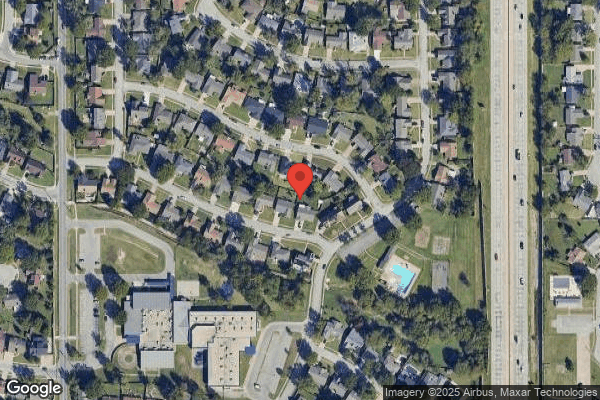
2154 SOUTH 85TH EAST AVENUE, TULSA, OK 74129 (918) 622-4747
For profit - Limited Liability company 117 Beds MGM HEALTHCARE Data: November 2025
Trust Grade
55/100
#115 of 282 in OK
Last Inspection: August 2024

Within standard 12-15 month inspection cycle. Federal law requires annual inspections.

Overview

Leisure Village Health Care Center in Tulsa, Oklahoma has a Trust Grade of C, which means it is average and falls in the middle of the pack among nursing homes. It ranks #115 out of 282 facilities in Oklahoma, placing it in the top half, and #14 out of 33 in Tulsa County, indicating that only a few local options are seen as better. The facility shows an improving trend, as it reduced its issues from 14 in 2024 to just 2 in 2025. However, staffing is a concern, with only 2 out of 5 stars in that category and a turnover rate of 61%, which is slightly above the state average. Notably, there have been specific incidents, such as a failure to prepare pureed food properly, potentially affecting nutrition, and medication errors where important medications were not administered to residents. While the facility has no fines on record and the quality measures are rated excellent, the overall health inspection score of 2 out of 5 stars raises some red flags.

Trust Score
C
55/100
In Oklahoma
#115/282
Top 40%
Safety Record
Low Risk
No red flags
Inspections
Getting Better
14 → 2 violations
Staff Stability
⚠ Watch
61% turnover. Above average. Higher turnover means staff may not know residents' routines.
Penalties
✓ Good
No fines on record. Clean compliance history, better than most Oklahoma facilities.
Skilled Nurses
⚠ Watch
Each resident gets only 11 minutes of Registered Nurse (RN) attention daily — below average for Oklahoma. Fewer RN minutes means fewer trained eyes watching for problems.
Violations
⚠ Watch
41 deficiencies on record. Higher than average. Multiple issues found across inspections.
★★★☆☆
3.0
Overall Rating
★★☆☆☆
2.0
Staff Levels
★★★★★
5.0
Care Quality
★★☆☆☆
2.0
Inspection Score
Stable
2024: 14 issues
2025: 2 issues

The Good

  • 5-Star Quality Measures · Strong clinical quality outcomes
  • Full Sprinkler Coverage · Fire safety systems throughout facility
  • No fines on record

Facility shows strength in quality measures, fire safety.

The Bad

3-Star Overall Rating

Near Oklahoma average (2.6)

Meets federal standards, typical of most facilities

Staff Turnover: 61%

15pts above Oklahoma avg (46%)

Frequent staff changes - ask about care continuity

Chain: MGM HEALTHCARE

Part of a multi-facility chain

Ask about local staffing decisions and management

Staff turnover is elevated (61%)

13 points above Oklahoma average of 48%

The Ugly 41 deficiencies on record

Sept 2025 1 deficiency
CONCERN (E) 📢 Someone Reported This

A family member, employee, or ombudsman was alarmed enough to file a formal complaint

Potential for Harm - no one hurt, but risky conditions existed

Notification of Changes (Tag F0580)

Could have caused harm · This affected multiple residents

**NOTE- TERMS IN BRACKETS HAVE BEEN EDITED TO PROTECT CONFIDENTIALITY** Based on record review and interview, the facility failed to ensure resident representatives were notified of a change in condit...

Read full inspector narrative →
**NOTE- TERMS IN BRACKETS HAVE BEEN EDITED TO PROTECT CONFIDENTIALITY** Based on record review and interview, the facility failed to ensure resident representatives were notified of a change in condition for 2 (#4 and #9) of 4 sampled residents reviewed for change in condition.The DON reported the census in the facility was 80. Findings: A facility policy titled Notification of Change in Condition, revised 02/06/25, read in part, The attending physician/physician extender (nurse practitioner, physician assistant, or clinical nurse specialist) and the resident representative will be notified of a change in resident's condition, per standards of practice and federal and/or state regulations.1. An admission record, dated 10/23/20, showed Res #4 had diagnoses which included congestive heart failure and obstructive sleep apnea.A nurse note, dated 12/05/24, showed Res #4 had complained of nausea and the physician had been notified and ordered Zofran 4mg (a medication used to prevent nausea) every four hours as needed. The note did not show the resident's representative had been notified of the new medication.A nurse note, dated 01/21/25, showed Res #4 had an elevated A1C level (a test that measures average blood sugar levels). The note showed the physician was notified and the physician ordered metformin 500mg (an antihyperglycemic medication) twice a day by mouth for a new diagnosis of type II diabetes mellitus. The note did not show the resident's representative had been notified of the abnormal laboratory value, the new medication, or the new diagnosis.An annual assessment, dated 06/18/25, showed Res #4 had a brief interview for mental status score of 15 which was indicative of intact cognition.On 09/09/25 at 11:30 a.m., Res #4's representative stated they had been contacted by the facility once since admission on [DATE].2. An admission record dated 02/28/25, showed Res #9 had diagnoses which included diabetes mellitus and muscle weakness.A nurse note, dated 05/02/25, showed Res #9 fell from the bed onto a fall mat. The note showed the physician, the DON and Res #9's family member were notified.On 09/09/25 at 10:55 a.m., Res #9's family member stated the facility did not notify them of the fall that occurred on 05/02/25.On 09/09/25 at 11:40 a.m., LPN #1 stated that resident representatives should be notified of any significant change to a resident's condition. LPN #1 stated if the resident was cognitively intact, they did not always have to notify family. On 09/09/25 at 11:45 a.m., LPN #2 stated representatives should be notified whenever a resident was sent to the hospital, had a medication change, or any other significant event.On 09/09/25 at 11:55 a.m., the DON stated representatives should be notified of significant changes, but it was not always necessary to notify the representatives of cognitively intact residents unless the representative requested to be notified.
Apr 2025 1 deficiency
CONCERN (D) 📢 Someone Reported This

A family member, employee, or ombudsman was alarmed enough to file a formal complaint

Potential for Harm - no one hurt, but risky conditions existed

Comprehensive Care Plan (Tag F0656)

Could have caused harm · This affected 1 resident

Based on record review and interview, the facility failed to ensure a comprehensive care plan was developed for 1 (#1) of 3 sampled residents whose care plans were reviewed. The DON identified 75 resi...

Read full inspector narrative →
Based on record review and interview, the facility failed to ensure a comprehensive care plan was developed for 1 (#1) of 3 sampled residents whose care plans were reviewed. The DON identified 75 residents resided in the facility. Findings: A policy titled Signing out LOA [leave of absence], dated January 2016, showed each resident leaving the premises was to be signed out on the sign out register at the nurses' station. A policy titled Comprehensive Person Centered Care Plan, dated 01/23/19, read in part, Each resident will have a person centered plan of care to identify proems, needs, strengths, preferences, and goals that will identify how the interdisciplinary team will provide care. A care plan, dated 02/22/25, did not show the resident was able to sign themselves out for outings, enjoyed being outside on their motorized wheel chair, or that staff had to sign the resident out at times. An admission assessment, dated 02/24/25, showed Resident #1 had a diagnosis of hypertension and a brief interview for mental status score of 13, which indicated the resident was cognitively intact for daily decision making. A sign out sheet, dated 02/28/25 through 04/16/25, showed the resident had signed themselves out of the facility five times and the facility staff had signed them out six times. A nurse note, dated 04/16/25 at 10:14 a.m., showed Resident #1 was observed to leave the facility in their motorized wheel chair and had not signed themselves out on the sign out log. On 04/23/25 at 11:42 a.m., LPN #1 stated Resident #1 enjoyed going outside, riding around the neighborhood on their motorized wheel chair, and was safe to do so. They stated Resident #1 was aware of the protocol to sign out but, at times they did not. LPN #1 stated staff had to sign the resident at times because the resident would not sign the book or alert staff they were leaving. On 04/23/25 at 12:03 p.m., the DON stated Resident #1 had been assessed and deemed safe to leave the facility in their motorized wheel chair and the resident enjoyed being outside. They stated at times the resident would not sign themselves out and staff would sign the book for them. The DON stated they had provided education on the protocol for signing out of the facility and they thought it had been care planned. On 04/23/25 at 1:15 p.m., Resident #1 stated they had been informed of the protocol to sign out of the facility and thought they did each time, but could not remember. On 04/23/25 at 4:15 p.m., care plan coordinator #1 reviewed the care plan for Resident #1 and stated they had not developed a care plan which indicated the resident was able to sign themselves out of the facility, at times would not sign out and staff had to sign the resident out, enjoyed being outside/leaving the facility, or that the protocol for signing out had been care planned. Care Plan Coordinator #1 stated, I guess I just failed to do that.
Sept 2024 1 deficiency
CONCERN (D) 📢 Someone Reported This

A family member, employee, or ombudsman was alarmed enough to file a formal complaint

Potential for Harm - no one hurt, but risky conditions existed

Free from Abuse/Neglect (Tag F0600)

Could have caused harm · This affected 1 resident

Based on record review and interview, the facility failed to ensure residents were free from abuse for one (#3) of three sampled residents for abuse. The DON identified 81 residents who resided at the...

Read full inspector narrative →
Based on record review and interview, the facility failed to ensure residents were free from abuse for one (#3) of three sampled residents for abuse. The DON identified 81 residents who resided at the facility. Findings: Review of an incident investigation, dated 09/04/24, revealed an allegation of verbal abuse by staff to Resident #3. The investigation completed by the administrator revealed the roommate of Resident #3 overhead the verbal abuse of the staff to Resident #3. The investigation revealed the administrator had reported the incident to OSDH in a timely manner and investigated the incident. The employee was terminated and all notifications were made. A QAPI dated 09/05/24, revealed the plan of action by the facility regarding a substantiated allegation of abuse. An in-service dated 09/05/24, documented education was provided to all staff regarding a substantiated allegation of abuse. On 09/23/24 at 12:30 p.m., CNA #1 stated they had been in-serviced recently on all abuse types, who to report incidents to and when to report. On 09/23/24 at 12:34 p.m., CNA #2 stated they had been in-serviced the previous week on all abuse types, who to report incidents to and when to report. On 09/23/24 at 12:50 p.m., the administrator stated the allegation of verbal abuse by Resident #3 was substantiated due to a witness who heard the staff member cursing in the room while speaking to Resident #3. They stated the staff member was reported and terminated, an in-service was conducted and a QAPI adhoc meeting took place the next day.
Aug 2024 7 deficiencies
CONCERN (D)

Potential for Harm - no one hurt, but risky conditions existed

Resident Rights (Tag F0550)

Could have caused harm · This affected 1 resident

Based on observation, record review, and interview, the facility failed to maintain a resident's dignity, by using a privacy bag over an indwelling catheter bag, for one (#7) of two residents reviewed...

Read full inspector narrative →
Based on observation, record review, and interview, the facility failed to maintain a resident's dignity, by using a privacy bag over an indwelling catheter bag, for one (#7) of two residents reviewed for dignity. The administrator reported a facility census of 78. A Quality of Life Dignity Policy dated 03/2017, documented in part, .Each resident shall be cared for in a manner that promotes and enhances quality of life, dignity, respect and individuality .Treated with dignity means the resident will be assisted in maintaining and enhancing his or her self-esteem and self-worth .Demeaning practices and standards of care that compromise dignity are prohibited. Staff shall promote dignity and assist residents as needed by helping the resident to keep urinary catheter bags covered if Resident wants . Resident #7 was admitted with diagnoses which included multiple sclerosis, anxiety, depression, urogenital implants, and chronic pain. A physician's order, dated 03/29/24, documented, verify dignity bag is in place every shift. The order documented a diagnosis of obstructive and reflux uropathy. Resident #7's care plan, dated 07/24/24, documented in part, .Requires suprapubic catheter d/t neurogenic bladder, urinary retention, obstructive and reflux uropathy .change cath routinely as ordered .check tubing for kinks q shift . An MDS assessment for Resident #7, dated 07/24/24, documented the resident was cognitively intact. The assessment documented the resident required an indwelling urinary catheter. On 08/20/24 at 8:00 a.m., Resident #7 was observed lying in bed. The resident's catheter bag could be viewed from the hallway and did not have a privacy bag in place. On 08/21/24 at 1:45 p.m. Resident #7 was observed sitting in bed after lunch. The resident's catheter bag could be viewed from the hallway and did not have a privacy bag in place. On 08/22/24 at 9:17 a.m., Resident #7 was asked if it bothered him for his catheter bag to be visible from the hallway. The resident reported his preference was for the catheter bag to be covered. The resident was asked if the staff ever used a privacy bag and the resident stated, If I ask them to. The resident was asked if staff covered the catheter bag when he went outside of his room in the wheelchair, and he stated, usually only if I ask them to cover it. On 08/22/24 at 10:14 a.m., CNA #1 reported the resident should have a catheter privacy bag in place at all times. The CNA stated the resident hadn't been getting out of bed quite as much and they just missed it. On 08/22/24 at 2:05 p.m., the DON reported they would expect any resident with an indwelling catheter to have a privacy bag in place.
CONCERN (D)

Potential for Harm - no one hurt, but risky conditions existed

Deficiency F0688 (Tag F0688)

Could have caused harm · This affected 1 resident

**NOTE- TERMS IN BRACKETS HAVE BEEN EDITED TO PROTECT CONFIDENTIALITY** Based on observation, record review, and interview, the facility failed to ensure range of motion services were provided to one ...

Read full inspector narrative →
**NOTE- TERMS IN BRACKETS HAVE BEEN EDITED TO PROTECT CONFIDENTIALITY** Based on observation, record review, and interview, the facility failed to ensure range of motion services were provided to one (#21) of one sampled residents who were reviewed for range of motion. The DON identified 18 residents who had contractures. Findings: The undated Restorative Nursing Program policy, read in parts, .The interdisciplinary [NAME] has the primary responsibility for identifying restorative needs .A resident may be started on a restorative program when .during a after skilled therapy . Resident #21 had diagnoses which included contracture to right elbow, wrist, and hand. A PT Evaluation & Plan of Treatment, dated 03/30/24, read in part, .At this time pt is at PLOF and is not a candidate for skilled PT. Pt will benefit from restorative program for geri chair positioning and contracture management . A physician's order, dated 07/19/24, documented to place a hand roll to the left hand daily. On 08/21/24 at 12:54 p.m., Resident #21 was observed in the living room in their geri chair. Resident #21 was observed to have hand rolls in bilateral hands and pillows for positioning. Review of the clinical record did not reveal the resident received restorative services after the PT recommendation on 03/30/24. On 08/23/24 at 3:49 p.m., the DON stated they could not locate the restorative book or documentation in the clinical record the resident was offered/provided restorative services per the PT recommendation. On 08/23/24 at 3:52 p.m., corporate RN #1 stated they had contacted the former DON about the restorative recommendation for Resident #21. Corporate RN #1 stated the former DON informed them the resident was not agreeable to restorative therapy at that time. Corporate RN #1 stated they did not have documentation the PT recommendation was initiated or followed up on.
CONCERN (D)

Potential for Harm - no one hurt, but risky conditions existed

Incontinence Care (Tag F0690)

Could have caused harm · This affected 1 resident

Based on observation and interview, the facility failed to ensure the urinary drainage bag was properly positioned for one (#59) of one resident observed for urinary catheter. The Resident Matrix, do...

Read full inspector narrative →
Based on observation and interview, the facility failed to ensure the urinary drainage bag was properly positioned for one (#59) of one resident observed for urinary catheter. The Resident Matrix, documented six residents who had a urinary catheter. Findings: On 08/20/24 at 8:21 a.m., Resident #59 was observed in bed on their left side with the urinary catheter bag on the floor. On 08/22/24 at 8:34 a.m., Resident #59 was observed in bed on their right side with the urinary catheter bag on the floor. On 08/22/24 at 8:36 a.m., CNA #2 stated the urinary catheter bag should not be on the floor. On 08/23/24 at 9:16 a.m., the DON stated the facility did not have a policy regarding positioning of a urinary catheter bag, but it should not have been on the floor.
CONCERN (D)

Potential for Harm - no one hurt, but risky conditions existed

Food Safety (Tag F0812)

Could have caused harm · This affected 1 resident

Based on observation, record review and interview, the facility failed to ensure food items were labeled, dated, and stored according to facility policy. The administrator identified 77 residents rec...

Read full inspector narrative →
Based on observation, record review and interview, the facility failed to ensure food items were labeled, dated, and stored according to facility policy. The administrator identified 77 residents received services from the kitchen. Findings: A policy titled Refrigeration, revised on 08/21/24, read in part, .all leftovers shall be labeled and dated with an expiration date . On 08/20/24 at 8:00 a.m., one unlabeled, undated zip lock freezer bag containing frozen biscuits, and one unlabeled, undated zip lock freezer bag containing frozen cookies were observed in the freezer. On 08/20/24 at 8:05 a.m., an opened, unsecured bag of lettuce was observed without a label or date. On 08/20/24 at 8:15 a.m., the DM stated all left over food should be securely closed and labeled with a date.
CONCERN (D)

Potential for Harm - no one hurt, but risky conditions existed

Infection Control (Tag F0880)

Could have caused harm · This affected 1 resident

Based on observation and interview, the facility failed to ensure enhanced barrier precautions were used for one (#13) of one resident observed for peg tube care. The administrator identified one res...

Read full inspector narrative →
Based on observation and interview, the facility failed to ensure enhanced barrier precautions were used for one (#13) of one resident observed for peg tube care. The administrator identified one resident with a peg tube. Findings: Resident #13 had diagnoses which included dysphasia. On 08/20/24 at 9:34 a.m., enhanced barrier precautions signage was observed on Resident #13's door. EBP supplies were observed on the back of the door. On 08/20/24 at 9:40 a.m., LPN #3 was observed to administer medication to Resident #13 via the peg tube. The nurse was not observed to wear a gown. On 08/20/24 at 9:45 a.m., LPN #3 stated the resident was not on infection control precautions. On 08/23/24 at 9:12 a.m., the infection preventionist stated enhanced barrier precautions should be used when performing wound care, colostomy care, catheter care, port care, or providing peg tube care. On 08/23/24 at 11:35 a.m., the DON stated enhanced barrier precautions should be used when providing peg tube care, catheter care, incontinent care, or wound care. They stated an enhanced barrier precaution policy had not yet been implemented.
CONCERN (E)

Potential for Harm - no one hurt, but risky conditions existed

Unnecessary Medications (Tag F0759)

Could have caused harm · This affected multiple residents

Based on observation, record review, and interview, the facility failed to ensure the medication error rate was 5% or less during medication administration. A total of 25 opportunities were observed w...

Read full inspector narrative →
Based on observation, record review, and interview, the facility failed to ensure the medication error rate was 5% or less during medication administration. A total of 25 opportunities were observed with three medication errors. The medication error rate was 12%. The DON identified 78 residents who resided in the facility who received medications. Findings: 1. Resident #24 had diagnoses which included GERD and constipation. A Physician's Order, dated 01/31/24, documented an order for docusate sodium 100 mg twice daily for constipation. A Physician's Order, dated 06/03/24, documented an order for famotidine 20 mg once daily for GERD. On 08/21/24 at 8:49 a.m., CMA #1 was observed to administer medications to Resident #24. Docusate sodium and famotidine were not medications CMA #1 administered during the medication pass. On 08/23/24 at 9:25 a.m., CMA #1 stated they did not know how they forgot to administer the docusate sodium or the famotidine. CMA #1 stated they remembered they had verified they had 15 pills in their medication cup and one patch to administer. CMA #1 stated they had forgotten to review the MAR to obtain the two medications from the house stock supply after retrieving the patch. 2. Resident #9 had diagnoses which included glaucoma. A Physician's Order, dated 04/17/24, documented the resident was ordered bimataprost ophthalmic solution 0.01% one drop in both eyes at bedtime. On 08/22/24 at 2:42 p.m., CMA #2 was observed to administer medications to Resident #9. CMA #2 administered one drop of latanoprost ophthalmic solution 0.005% to both eyes. On 08/22/24 at 3:34 p.m., CMA #2 stated Resident #9 was ordered bimataprost eye drops twice daily at 8:00 a.m. and 8:00 p.m. CMA #2 stated the resident had requested an eye drop so they had administered the medication early. On 08/22/24 at 4:02 p.m., the DON stated bimataprost and latanoprost were interchangeable medications. The DON reviewed the electronic clinical record and stated the bimataprost was ordered to be administered at 8:00 p.m. and CMA #2 should not have administered at 2:42 p.m. On 08/23/24 at 9:42 a.m., ADON #1 stated they monitored medication administration three times a week for medication errors. They stated they had not observed missed medications like the docusate sodium and famotidine or medications administered at the wrong time.
CONCERN (E)

Potential for Harm - no one hurt, but risky conditions existed

Deficiency F0761 (Tag F0761)

Could have caused harm · This affected multiple residents

Based on observation, record review, and interview, the facility failed to ensure medications were labeled and dated when opened for four (north hall medication cart, east hall treatment cart, south h...

Read full inspector narrative →
Based on observation, record review, and interview, the facility failed to ensure medications were labeled and dated when opened for four (north hall medication cart, east hall treatment cart, south hall medication cart, and south hall treatment cart) of four medication/treatment carts observed. The DON identified eight medication/treatment carts in the facility. Findings: 1. On 08/23/24 at 2:42 p.m., the north hall medication cart was observed with CMA #3. A bottle of house stock milk of magnesia was observed to be opened and not dated. CMA #3 stated they were to date medications when they were opened. 2. On 08/23/24 at 2:50 p.m., the east hall treatment cart was observed with LPN #1. LPN #1 stated they were to date medications when they were opened. The following items were observed to be opened and not dated: a. a bottle of glucometer check strips; b. a Novolog insulin pen for Resident #41; c. a Lantus insulin pen and a Humalog insulin pen for Resident #18; d. an Anoro inhaler for Resident #58; and e. an albuterol inhaler 90 mcg for Resident #4. 3. On 08/23/24 at 2:59 p.m., the south hall medication cart was observed with CMA #2. CMA #2 stated they were to date medications when they were opened. The following items were observed to be opened and not dated: a. a bottle of house stock geri tussin; b. a bottle of fluticasone 50 mcg nasal spray for Resident #181; c. two bottles of fluticasone 50 mcg nasal spray for Resident #180; b. a bottle of fluticasone 50 mcg nasal spray for Resident #28; and c. two bottles of fluticasone 50 mcg nasal spray for Resident #37. 4. On 08/23/24 at 3:25 p.m., the south hall treatment cart was observed with LPN #2. LPN #2 stated they were to date opened medications. The following medications were observed to be opened but not dated: a. a Humalog insulin pen for Resident #15; b. a insulin glargine pen for Resident #24; c. an albuterol inhaler for Resident #40; d. an albuterol inhaler for Resident #24; Proair inhaler albuterol no name/no opened date e. an albuterol inhaler for Resident #6; f. a Proair inhaler with no resident name; and g. a zip top bag with a Breo Ellipta inhaler and a Spiriva inhaler with no label or resident name. On 08/23/24 at 3:35 p.m., the DON stated medications were to be dated when they were opened. On 08/23/24 at 4:13 p.m., the DON stated medications should contain a pharmacy label with the resident's name and dosage information.
Jul 2024 1 deficiency
CONCERN (D) 📢 Someone Reported This

A family member, employee, or ombudsman was alarmed enough to file a formal complaint

Potential for Harm - no one hurt, but risky conditions existed

Accident Prevention (Tag F0689)

Could have caused harm · This affected 1 resident

Based on record review and interview, the facility failed to ensure the required number of staff were present when the mechanical lift was operated for one (#3) of one resident reviewed for mechanical...

Read full inspector narrative →
Based on record review and interview, the facility failed to ensure the required number of staff were present when the mechanical lift was operated for one (#3) of one resident reviewed for mechanical lift use. The DON identified 79 residents resided in the facility. Findings: Resident #3 had a diagnoses which included fracture of the left femur and dementia. A Care Plan dated 03/42/21 documented the resident required two person assist with transfers using a mechanical lift. A document titled Incident Report, dated 07/06/24, read in part, .this nurse was called to to room by CNA, resident was on the floor on her back next to the Hoyer Lift with the sling under her. On 07/06/24 a document titled Inservice 07/06/24 documented, .Staff to ensure that two staff members are always present during transfers with the Hoyer Lift or Sit to Stand. Make sure the correct size sling is used and is positioned properly. On 07/09/24 at 2:53 p.m., CNA #4 stated she has been inserviced on the use of a Hoyer Lift and you must use two staff members such as another CNA, CMA, or nurse. On 07/09/24 at 3:00 p.m., CNA # 5 stated you should always have two people to operate a Hoyer Lift. On 07/09/24 at 3:10 p.m., CNA #6 stated they recently had an in service over using the Hoyer Lift and you must use two people to operate it. On 07/09/24 at 3:15 p.m., CNA # 8 stated thety have recieved training regarding the use of a Hoyer Lift. You must have two people to operate it. On 07/09/24 at 3:25 p.m., CNA # 7 stated they have recieved an inservice regarding using the Hoyer Lift. They stated two people should always be used to operate the lift. On 07/10/24 at 9:26 a.m., CNA # 2 and CNA #10 washed their hands and donned gloves. They explained to resident #1 what they were doing and placed the mechanical lift over the resident in the wheel chair. The resident was sitting on a sling which they attached to the lift. The resident was slowly lifted and the lift was centered above the bed. The resident was slowly lowered down onto the bed. The sling was detatched from the lift and removed from under the resident. The CNA's cleaned the lift with sanitizing wipes, removed their gloves and washed their hands. On 07/11/24 at 9:48 a.m., Resident #3 stated when they fell from the mechanical lift on 07/06/24 there was only one CNA operating the mechanical lift, but now they are using two people to lift her in and out of bed using the lift. On 07/11/24 at 10:30 a.m., the DON stated they have done in services regarding use of the Hoyer Lift and had the staff perform return demonstrations.
Jul 2024 2 deficiencies
CONCERN (D) 📢 Someone Reported This

A family member, employee, or ombudsman was alarmed enough to file a formal complaint

Potential for Harm - no one hurt, but risky conditions existed

Deficiency F0557 (Tag F0557)

Could have caused harm · This affected 1 resident

Based on record review and interview, the facility failed to ensure the dignity of a resident was maintained during and following perineal care for one (#1) of five sampled residents reviewed for abus...

Read full inspector narrative →
Based on record review and interview, the facility failed to ensure the dignity of a resident was maintained during and following perineal care for one (#1) of five sampled residents reviewed for abuse. A midnight census report, dated 07/01/24, documented 75 residents resided in the facility. Findings: A facility Resident Rights policy, dated 04/26/24, read in part, The Facility shall treat Residents with kindness, respect, and dignity and ensure Resident Rights are being followed. Resident #1 had diagnoses which included age related cognitive decline and dementia. On 07/02/24 at 2:03 p.m., CNA #1 stated on 06/27/24 on the evening shift they had provided perineal care to Resident #1. They stated they had attempted to clean Resident #1's vaginal area by picking off dry material with their hands instead of cleaning with wipes and cleanser. They stated the resident became upset, told CNA #1 to stop the care, and began crying. They stated they themselves became upset and assisted the resident put on their briefs then departed the room. They stated they did not otherwise assist the resident get clothed or close the door when they departed the room. They stated they did not inform the other staff on the unit of the resident's condition. On 07/02/24 at 2:30 p.m., CNA #2 stated that on 06/27/24, they had been relieved for break by CNA #2. They stated when they returned, they could not find CNA #2 on the unit. They stated CNA #3 was there. They stated CNA #2 was observed coming out of Resident #1's room. They stated when they checked the resident later, they had on a top and underwear. They stated the door had been open when they checked on the resident. On 07/02/24 at 3:03 p.m., CNA #3 stated that on the evening shift of 06/27/24 they observed CNA #1 come out of Resident #1's room. They stated after CNA #1 departed the checked on the resident and found them on the bed covered by a sheet and their clothes laying on the floor. They stated the door had been open when they checked on the resident. On 07/03/24 at 12:10 p.m., the DON stated CNA #1 should have informed the other staff members of the Resident #1's condition before leaving so they could have assisted them. They stated CNA #1 should not have picked the resident perineal area instead of using a cleanser and wipe. They stated CNA #1 had not followed facility policy.
CONCERN (D) 📢 Someone Reported This

A family member, employee, or ombudsman was alarmed enough to file a formal complaint

Potential for Harm - no one hurt, but risky conditions existed

Quality of Care (Tag F0684)

Could have caused harm · This affected 1 resident

Based on record review and interview the facility failed to ensure a CNA provided perineal care in accordance with accepted standards of care for one (#1) of five sampled resident reviewed for abuse. ...

Read full inspector narrative →
Based on record review and interview the facility failed to ensure a CNA provided perineal care in accordance with accepted standards of care for one (#1) of five sampled resident reviewed for abuse. A midnight census report, dated 07/01/24, documented 75 residents resided in the facility. Findings: A facility Incontinent Care policy, dated 07/21/22, read in part, Cleanse Perineal Area with a Perineal Cleanse. Females: Separate the labia, Cleanse one side and then the other, Cleanse center of the Labia wiping towards the Rectal Area. On 07/02/24 at 2:03 p.m., CNA #1 stated they had been asked by CNA #2 to watch the memory care unit while they took a break. CNA #1 stated while on the unit they made a visual inspection of the residents and found Resident #1 laying on their bed fully clothed. They stated they smelled something foul and asked the resident if they could remove their jeans. They stated they removed the resident's jeans and instructed the resident to remove their briefs and found that the resident was dry. They stated they did see vaginal discharge. They stated they asked the resident if they could clean their perineal area and the resident had said yes. They stated they noticed the discharge was dry, so they threw away the wipe they intended to use and instead began picking the dry material off the resident's vaginal area with their hands. They stated the resident reported they were uncomfortable, and they stopped. On 07/03/24 at 12:10 p.m., the DON stated CNA #1 should not have picked at the resident's vagina to clean the discharge and should have used a cleanser and wipes. They stated CNA #1's attempt at cleaning was substandard care and they required more training.
Jun 2024 3 deficiencies
CONCERN (D) 📢 Someone Reported This

A family member, employee, or ombudsman was alarmed enough to file a formal complaint

Potential for Harm - no one hurt, but risky conditions existed

ADL Care (Tag F0677)

Could have caused harm · This affected 1 resident

Based on record review and interview, the facility failed to provide showers for two (#5 and #6) of two sampled residents reviewed for assistance with activities of daily living. The administrator id...

Read full inspector narrative →
Based on record review and interview, the facility failed to provide showers for two (#5 and #6) of two sampled residents reviewed for assistance with activities of daily living. The administrator identified 76 residents resided in the facility. Findings: 1. Resident #5 had diagnoses which included COPD and Parkinson's disease. Resident #5's quarterly assessment, dated 05/24/24, documented Resident #5's cognition was intact. On 06/18/24 at 2:14 p.m., Resident #5 stated they have not had a shower in over a week. They stated they feel dirty. The staff tells them they don't have enough staff to get showers done. On 06/18/24 at 2:14 p.m., Resident #6 stated they had not had a shower in over a week. They stated they only get a shower when they have a doctor's appointment. On 06/19/24 at 2:10 p.m., CNA #6 stated they can't always get baths done because they run out of time. On 06/19/24 at 3:00 p.m., CNA #5 stated the documentation for showers is very inconsistent and documents showers were done when they were not done because they didn't know how to document correctly. On 06/19/24 at 3:30 p.m., the DON stated they are in the process of hiring bath aides to just take care of showers and baths.
CONCERN (D) 📢 Someone Reported This

A family member, employee, or ombudsman was alarmed enough to file a formal complaint

Potential for Harm - no one hurt, but risky conditions existed

Deficiency F0725 (Tag F0725)

Could have caused harm · This affected 1 resident

**NOTE- TERMS IN BRACKETS HAVE BEEN EDITED TO PROTECT CONFIDENTIALITY** Based on record review and interview, the facility failed to answer call lights in a timely manner for three (#2, #3 and #4) of ...

Read full inspector narrative →
**NOTE- TERMS IN BRACKETS HAVE BEEN EDITED TO PROTECT CONFIDENTIALITY** Based on record review and interview, the facility failed to answer call lights in a timely manner for three (#2, #3 and #4) of three residents reviewed for sufficient staff to meet the needs of residents. The administrator identified 76 residents resided in the facility. Findings: A document dated January 2024, titled Resident Council Minutes, stated in part .A. Nursing - call lights not being answered. Number of residents who share the concern: 10. A document dated February 2024, titled Resident Council Minutes, stated in part .B. Nursing - answering call lights and not retuning. Taking too long to answer call lights. A document dated March 2024, titled Grievance/Missing Property Monthly Tracking Log, stated in part .call lights not answered timely. A document titled Device Activity Report dated 06/01/24 through 06/03/24 documented the following: A) on 06/01/24 the call light was activated for 23 minutes in room [ROOM NUMBER]; B) on 06/01/24 the call light was activated for 23 minutes in room [ROOM NUMBER]; C) on 06/02/24 the call light was activated for 24 minutes in room [ROOM NUMBER]; D) on 06/02/24 the call light was activated for 60 minutes in room [ROOM NUMBER]; E) on 06/02/24 the call light was activated for 27 minutes in room [ROOM NUMBER]; F) on 06/02/24 the call light was activated for 46 minutes in room [ROOM NUMBER]; G) on 06/02/24 the call light was activated for 49 minutes in room [ROOM NUMBER]; H) on 06/03/24 the call light was activated for 31 minutes in room [ROOM NUMBER]; and I) on 06/03/24 the call light was activated for 28 minutes for room [ROOM NUMBER]. On 06/14/24 at 2:00 p.m., Resident #2 stated it can take 45 minutes to an hour to get the call light answered. They stated it is mostly on the night shift that call lights are not answered. On 06/17/24 at 2:18 p.m., Resident #3 stated they have waited for up to an hour to get the call light answered. They reported their colostomy bag has busted several times while waiting for the call light to be answered. On 06/17/24 at 2:22 p.m., Resident #4 stated it takes a long time, over an hour at times to get the call light answered. On 06/18/24 at 11:10 a.m., CNA #2 stated they have enough time to get their assignment done. They stated it should take no longer than 5 minutes to answer a call light. On 06/18/24 at 11:15 a.m., CNA #3 stated if they have three CNAs they can get done with their work. They stated a call light should be answered in 5-10 minutes. On 06/18/24 at 1:00 p.m., LPN #1 stated they watch the call light board and if they do not see the CNAs on the floor, they answer the call light. They stated a call light should be answered in 5-10 minutes. On 06/18/24 at 1:07 p.m., LPN #2 stated call light should be answered in 5 minutes. They stated if they do not see the CNAs close by, they will answer the call light. On 06/18/24 at 1:15 p.m., the DON stated they do not have a written policy for answering call lights. They stated call lights should be answered in 5-10 minutes, it is everyone's responsibility to answer call lights.
CONCERN (D) 📢 Someone Reported This

A family member, employee, or ombudsman was alarmed enough to file a formal complaint

Potential for Harm - no one hurt, but risky conditions existed

Infection Control (Tag F0880)

Could have caused harm · This affected 1 resident

Based on observation and interview, the facility failed to ensure infection control practices were followed during the administration of medication. The administrator identified 76 residents resided ...

Read full inspector narrative →
Based on observation and interview, the facility failed to ensure infection control practices were followed during the administration of medication. The administrator identified 76 residents resided in the facility. Findings: On 06/19/24 at 10:20 a.m., CMA #1 was observed popping pills into a medication cup then using bare fingers to break the potassium pill in two before giving to a resident. O 06/19/24 a.m., CMA #1 stated they should have used gloves and a pill cutter.
Dec 2023 2 deficiencies
CONCERN (D) 📢 Someone Reported This

A family member, employee, or ombudsman was alarmed enough to file a formal complaint

Potential for Harm - no one hurt, but risky conditions existed

Investigate Abuse (Tag F0610)

Could have caused harm · This affected 1 resident

**NOTE- TERMS IN BRACKETS HAVE BEEN EDITED TO PROTECT CONFIDENTIALITY** Based on record review and interview, the facility failed to complete a thorough investigation for one (#5) of three residents r...

Read full inspector narrative →
**NOTE- TERMS IN BRACKETS HAVE BEEN EDITED TO PROTECT CONFIDENTIALITY** Based on record review and interview, the facility failed to complete a thorough investigation for one (#5) of three residents reviewed for allegations of abuse. The DON identified 10 allegations of abuse since August of 2023. Findings: Resident #5 was admitted with diagnoses which included cerebral infarction, chronic obstructive pulmonary disease, and tobacco use. A progress note, dated 07/25/23, documented social services visited with Resident #5 and completed a smoking assessment which documented no supervision was required. An Incident Report Form, dated 08/07/23, documented an allegation of abuse for Resident #5. The form documented an un-named department head reported to the administrator an allegation the activities director was yelling at and belittling Resident #5. The form documented the activities director was immediately suspended pending the investigation. Review of the investigation revealed interviews with six alert and oriented residents who were chosen at random throughout the facility. The interview questions asked if the residents had personally experienced any abuse by department heads, if the residents knew who to report abuse to and if they knew what abuse was. The residents were not asked if they had witnessed the alleged abuse. The investigation consisted of statements from two staff who were in the immediate area of the alleged abuse. One employee documented they observed both Resident #5 and the activities director yelling at each other. Another employee documented Resident #5 was the only one yelling. The alleged perpetrator's written statement documented they did not yell or belittle Resident #5. The statement of Resident #5 was scribed by the DON and documented Resident #5 felt the activities director had something against them and did not know what it was. The statement documented Resident #5 had difficulties since admission with the activities director and the activities director made them angry and Resident #5 would not participate in any further activities. The Investigation summary documented the allegation was not substantiated. The summary documented interventions put in place to prevent future occurrences were: one on one with the activities director, an abuse in-service with all employees, and a care plan/[NAME] was updated. An annual assessment, dated 10/25/23, documented Resident #5 was cognitively intact for decision making. On 12/08/23 at 10:30 a.m., the DON stated they were notified on 08/07/23 of the allegation of abuse and had completed the report, but the interim administrator had completed the investigation. The DON stated they had been told by corporate to obtain at least five resident interviews on abuse with the investigation, and were completed by social services. The DON stated the alleged event took place just inside the door of the courtyard in the common area of the facility near where an activity was being setup and other residents were in attendance. The DON was asked if any residents were interviewed that were present at the activity being setup. They stated they did not know. The DON was asked where the statement was of the department head which reported the incident. They stated they did not know and were not sure if one had been obtained. The DON was asked what determined the outcome of the investigation. They stated guidance from corporate.
CONCERN (D) 📢 Someone Reported This

A family member, employee, or ombudsman was alarmed enough to file a formal complaint

Potential for Harm - no one hurt, but risky conditions existed

Incontinence Care (Tag F0690)

Could have caused harm · This affected 1 resident

Based on observation, record review, and interview, the facility failed to ensure timely incontinent care for one (#4) and failed to maintain infection control during incontinent care for one (#10) of...

Read full inspector narrative →
Based on observation, record review, and interview, the facility failed to ensure timely incontinent care for one (#4) and failed to maintain infection control during incontinent care for one (#10) of four sampled residents reviewed for incontinent care. The DON identified 55 residents who were incontinent. Findings: The Incontinent Care policy, dated 07/21/22, read in parts, .The Facility will Provide Incontinent Care as Directed by the Plan of Care .Cleanse perineal area with perineal cleanser .Remove Gloves, Perform Hand Hygiene [and] Apply Clean Gloves .Apply Clean Brief . 1. Resident #4 had diagnoses which included Alzheimer's disease. The Care Plan, revised 11/16/23, documented the resident had bladder incontinence related to Alzheimer's disease and was to be assisted with toileting before meals, after meals, and at bedtime. The Care Plan documented the resident was incontinent of bowel and was to receive peri care after each incontinent episode. The quarterly assessment, dated 11/29/23, documented the resident was moderately impaired in cognition for daily decision making and was always incontinent of bowel and bladder. Review of the electronic clinical record revealed the resident had been incontinent on 12/13/23 at 8:46 a.m. There was no further documentation provided by the facility that the resident had been provided incontinent care or checked for incontinence since 8:46 a.m. On 12/13/23 at 10:24 a.m., Resident #4 was observed sitting in a geri chair during an activity. On 12/13/23 at 11:16 a.m., Resident #4 was observed sitting in a geri chair in the common area watching TV. On 12/13/23 at 12:52 p.m., Resident #4 was observed sitting in a geri chair in the common area watching TV. On 12/13/23 at 1:30 p.m., Resident #4 was observed sitting in a geri chair in the common area. On 12/13/23 at 2:07 p.m., CNA #1 stated they were assigned Resident #4's hall for the day shift with CNA #3 and CNA #4. They stated they had provided incontinent care to Resident #4 at approximately 7:00 a.m. but CNA #3 was assigned to the resident so they had not provided any further care during their shift. CNA #1 stated the resident was usually incontinent about three times during the day shift. On 12/13/23 at 2:10 p.m., CNA #4 stated they had checked Resident #4 for incontinence after breakfast but CNA #3 was assigned to the resident. On 12/13/23 at 2:15 p.m., CNA #3 stated they had not been assigned to Resident #4 and had not provided any care for them. They stated CNA #1 and CNA #4 were assigned to Resident #4. On 12/13/23 at 2:16 p.m., Resident #4 stated they did not think they had been incontinent. CNA #1 and CNA #4 were observed to transfer the resident from the geri chair with a mechanical lift, and provide incontinent care. The resident's brief was observed to be overly saturated when removed, the resident's pants and the sling, which was under the resident in the geri chair, were observed to be wet. On 12/13/23 at 3:21 p.m., the DON was asked why incontinent care had not been provided to Resident #4 since after breakfast. They stated CNA #1 had informed her the resident had been checked for incontinence but was not sure what time. On 12/13/23 at 3:36 p.m., the DON stated they had spoken to LPN #1 who had worked the day shift and had checked the resident for incontinence. On 12/13/23 at 3:39 p.m., LPN #1 stated they had not checked Resident #4 for incontinence but had observed the resident's pants were dry when they had assisted in repositioning the resident during the noon meal in the dining room. 2. Resident #10 had diagnoses which included hypertension. The quarterly assessment, dated 10/25/23, documented the resident was frequently incontinent of bowel and bladder. On 12/12/23 at 6:52 p.m., CNA #3 was observed to provide incontinent care to Resident #10. The resident was observed to be incontinent of urine. CNA #3 was not observed to change gloves or sanitize their hands during the incontinent care. On 12/12/23 at 7:04 p.m., CNA #3 stated they sanitized their hands and donned gloves before incontinent care and washed their hands after incontinent care. They stated they did not change gloves during incontinent care. On 12/13/23 at 3:26 p.m., the DON stated staff were to change gloves and sanitize their hands during incontinent care when they changed from dirty to clean.
Jul 2023 9 deficiencies
CONCERN (D) 📢 Someone Reported This

A family member, employee, or ombudsman was alarmed enough to file a formal complaint

Potential for Harm - no one hurt, but risky conditions existed

Deficiency F0808 (Tag F0808)

Could have caused harm · This affected 1 resident

Based on observation, record review, and interview, the facility failed to serve a mechanically altered diet for one (#42) of three sampled residents reviewed for diets. A Resident Census and Conditio...

Read full inspector narrative →
Based on observation, record review, and interview, the facility failed to serve a mechanically altered diet for one (#42) of three sampled residents reviewed for diets. A Resident Census and Condition of Residents report, dated 07/19/23, documented 24 residents received mechanically altered diets for pureed/chopped and census was 78. Findings: An undated, Diet Summary policy, read in parts, .This consistency modified diet is for individuals with limited or difficulty in chewing regular textures food . Resident #42 had diagnoses which included GERD, depressive disorder, and high blood pressure. A Physician Order, dated 01/19/23, read in part, .Regular diet, Regular texture, Thin consistency, cut up meat for nutrition . An Annual Assessment, dated 05/31/23, documented Resident #42 was cognitively intact. A Nutritional Assessment, dated 06/20/22, read in part .Regular cut up meat . A Diet Slip, dated 07/18/23, documented regular diet and thin liquids. The diet slip did not contain documentation for chopped meats. On 07/18/23 at 1:10 p.m., Resident #42 was observed to have five chicken strips, french fries, and cole slaw on their plate. On 07/18/23 at 1:36 p.m., Resident #42's tray was observed sitting on their bed. RN #3 was asked what diet was observed on the tray. They stated a regular diet with chicken tenders, fries, ketchup, and coleslaw. They were asked if the chicken strips were a full piece or cut up. They stated it appeared to be full pieces of chicken. On 07/18/23 at 6:04 p.m., Resident #42 was asked if they were able to eat their chicken strips at lunch today. They stated the chicken strips were too crunchy to eat. They were asked if the strips were cut up. They stated, No. On 07/19/23 at 9:00 a.m., the DON was shown the diet slip and asked if there was documentation on the slip regarding cut up meats. They stated, No.
CONCERN (E)

Potential for Harm - no one hurt, but risky conditions existed

Deficiency F0602 (Tag F0602)

Could have caused harm · This affected multiple residents

Based on observation, record review, and interview, the facility failed to prevent misappropriation of a controlled substance for one (#70) of one sampled resident reviewed for misappropriation of pro...

Read full inspector narrative →
Based on observation, record review, and interview, the facility failed to prevent misappropriation of a controlled substance for one (#70) of one sampled resident reviewed for misappropriation of property. The Resident Census and Conditions of Residents report, dated 07/19/23, documented 78 residents resided in the facility. Findings: An Abuse Prevention policy, dated 10/21/22, read in parts .Misuse of Fund/Resident Property .The misappropriation or conversion for any purpose of a consumer's funds or property by an employee or employees without the consent of the consumer . A Controlled Medications-Administration policy, undated, read in parts, .At each shift change, a physical inventory of all controlled medications is conducted by two licensed nurses and/or one nurse and a CMA, QMAP, Med tech or equivalent and is documented on an audit record . Resident #70 had diagnoses which included, anxiety, dementia and hypertension. A Physician Order, dated 05/19/23, read in part .Lorazepam 2mg/ml give 1 mL PO/SL q 4 hr prn for anxiety . An Individual Patient Narcotic Record, documented the count as follows: a. On 05/26/28 count was 29, b. On 06/07/28 count was 28, c. On 06/08/23 count was 27, d. On 06/22/23 count was 26, and c. On 06/26/23 count was 25. A MAR, dated 06/01/23 to 06/30/23 documented the resident had received one dose on 06/08/23 and 06/26/23. The MAR did not document the medication had been administered on 06/07/23 and 06/22/23. A MAR, dated 07/01/23 to 07/19/23 did not document Resident #70 had received any doses. An East hall Controlled Substance Shift Change Count Sheet, dated 07/01/23 through 07/18/23 did not contain completed sign in and sign out signatures for 17 of 18 days. A South hall Controlled Substance Shift Change Count Sheet, dated 07/01/23 through 07/18/23 did not contain completed sign in and sign out signatures for 14 of 18 days. A memory care hall Controlled Substance Shift Change Count Sheet, dated 07/01/23 through 07/18/23 did not contain completed sign in and sign out signatures for 18 of 18 days. On 07/19/23 at 11:13 a.m., a narcotic count on the East hall medication cart was completed with CMA #2. Resident #70 had 23 syringes of Lorazepam 2mg/ml in the cart. The individual narcotic count sheet documented 25 syringes. On 07/19/23 at 11:14 a.m., the DON entered the medication room and recounted the syringes, took the medication and the count sheet and left the room. On 07/20/23 at 9:08 a.m., the Administrator was asked if they had identified when the count discrepancy had occurred. They stated they did not know yet. The Administrator was asked why was there a discrepancy with the (narcotic) count sign out sheet and the Residents MAR. They stated they will pull the count sheet and the MAR. The Administrator was asked when was the discrepancy identified and reported. They stated when this surveyor completed the count. The DON was asked why did the controlled substance shift change count sheet contain blanks. They were not sure. The Administrator was asked when was the last time the count was identified as being correct. They stated, According to staff at 2 p.m., on 07/18/23. The DON was asked how should staff count narcotics. They stated, who ever is taking the cart should count, and off going verifies count is correct.
CONCERN (E) 📢 Someone Reported This

A family member, employee, or ombudsman was alarmed enough to file a formal complaint

Potential for Harm - no one hurt, but risky conditions existed

ADL Care (Tag F0677)

Could have caused harm · This affected multiple residents

3. Resident #28 had diagnoses which included Sarcopenia, Diabetes Mellitus 2, anxiety, and protein calorie malnutrition A Quarterly Assessment, dated 07/05/23, documented the resident required extensi...

Read full inspector narrative →
3. Resident #28 had diagnoses which included Sarcopenia, Diabetes Mellitus 2, anxiety, and protein calorie malnutrition A Quarterly Assessment, dated 07/05/23, documented the resident required extensive assistance of one staff member for personal hygiene and had impairment to upper and lower extremities on the right side. The clinical record contained no documentation the physician had provided and order for Resident #28 to be seen by a Podiatrist. On 07/17/23 at 10:52 a.m., CNA #3 was observed giving morning care to Resident #28. The toenails were observed, on both feet to be long, thick and curling downward toward the skin. Resident #28 was asked are your toenails painful. Resident #28 stated the left one does not hurt but the toenails on my right foot hurt sometimes. CNA #3 was asked when was the last time the toenails had been trimmed. They stated I do not know, the toenails have been like that for a while. On 07/18/23 at 8:10 a.m., the DON was asked, who cuts or trims the resident toenails. They stated [Doctor Name] comes out to the facility. They were here on 04/07/23, and is scheduled again for 07/27/23. The DON was then asked who trims the residents' toenails between visits if needed. They stated The nurses do. On 07/18/23 at 8:56 a.m., the DON stated that no podiatry records had been found for Resident #28. They were then asked, who trims toenails if they are a diabetic. They stated the nurses trim the diabetics nails. They were then asked has anyone looked at Resident #28 toenails. They stated, I will have to find out if anyone has looked at them. The facility provided no further documentation the Resident had been seen by a podiatrist. Based on observation, record review, and interview, the facility failed to provide assistance for activities of daily living (bathing, incontinent care, and nail care) for three (#35, 59 and #28) of five sampled residents reviewed for ADL care. The Resident Census and Condition of Residents report, dated 07/19/23, documented 15 residents were dependent for bathing, census was 78. Findings: An Incontinent Care policy, dated 07/21/22, read in parts, .The Facility will Provide Incontinent Care as Directed in the Plan of Care . A Nail Care policy, dated 07/21/22, read in parts, .the purpose of nail care is to clean the nail bed, trim nails .nail care includes daily cleaning and regular trimming, and report to the charge nurse ingrown nails, infection, pain, or nails that are thick and difficult to trim . 1. Resident #35 had diagnoses which included pressure ulcer of left heel stage 3, dementia, muscle weakness and need for assistance with personal care. A Care Plan, revised on 12/06/22, read in parts, .Broda chair r/t lower contractures .Check nail length and trim and clean on bath day and as necessary I require extensive assist x 2 staff for toileting .I have bladder incontinence r/t Alzheimer's .offer toileting before meals, after meals and at bedtime . On 07/19/23 at 6:46 a.m., CNA #3 and CNA #5 were preparing to get the resident up into the Broda chair. Resident #35's toenails were observed to be overgrown, curling over the ends of their toes. On 07/19/23 6:49 a.m., Resident #35's feet were observed with the ADON. They were asked to describe the residents toenails. The ADON stated, the two great toenails were overgrown and a couple of toenails were grown around the top of the toe and that the resident needed their toenails cut where they were curling over the end. They were asked who should ensure toenails are clipped. They stated the CNA's should be doing it in the shower, but if the resident is diabetic then the nurse would do it. On 07/19/23 at 7:39 a.m., CNA #3 and CNA #5 transferred the resident to their broda chair with the use of a sling lift. On 07/19/23 at 1:35 p.m., CNA #5 was asked if they had checked and changed the resident since they had got them out of bed this morning at 7:30 a.m. They stated, No. They were asked if the resident had been up in their chair all morning. They stated, Yes. CNA #2 was asked how often should the resident be checked. They stated every 30 minutes to an hour. On 07/19/23 at 1:35 p.m., CNA #3 was asked if they had checked and changed Resident #35 since they got the resident up this morning. They stated, No. On 07/19/23 at 1:50 p.m., CNA #3 and CNA #5 were were observed to move the resident from their Broda chair to the bed. The two staff were observed to provide pericare to the resident. The resident was observed to have been incontinent of bowel and bladder. On 07/19/23 at 2:05 p.m., CNA #5 was asked if the resident had been incontinent of bowel and bladder at the time the CNA assisted with peri care. They stated, yes. On 07/19/23 at 2:20 p.m., the DON was asked how often should the staff check and change Resident #35. They stated every two hours. 2. Resident #59 had diagnoses which included congestive heart failure, weakness, and need for assistance with personal care. A Documentation Survey Report, dated 07/01/23 through 07/19/23, documented the resident received a bath on 07/13/23 and 07/17/23. There was no documentation Resident #59 had received their shower on 07/03/23, 07/06/23, and 07/10/23. A Quarterly Assessment, dated 07/05/23, documented Resident #59 was cognitively intact, and needed extensive assistance with bed mobility, transfers, toilet use, and was a two person physical assist. Resident #59 was incontinent of bowel and bladder. The assessment documented the resident was independent with bathing and needed no setup or physical help from staff. On 07/13/23 at 4:43 pm., Resident #59 was asked if there were any concerns with care. They stated they had not had a shower in two weeks. They stated they were supposed to get one today. Resident #59 was asked why had it not been provided. They stated no one had gave them a reason. On 07/19/23 at 8:54 a.m., the DON was asked how often are residents showered. They stated two times per week. The DON was asked when was the last time Resident #59 had received a shower. They stated there was documentation on 07/13/23. They were asked when was the residents showers scheduled. The DON stated on Mondays and Thursdays. The DON was asked prior to 7/13/23 when was the residents last shower. They stated on 06/29/23.
CONCERN (E)

Potential for Harm - no one hurt, but risky conditions existed

Quality of Care (Tag F0684)

Could have caused harm · This affected multiple residents

Based on record review, observation, and interview, the facility failed to provide proper cleaning and storage of a suction machine for one (#37) of one resident reviewed for cleaning and storage of a...

Read full inspector narrative →
Based on record review, observation, and interview, the facility failed to provide proper cleaning and storage of a suction machine for one (#37) of one resident reviewed for cleaning and storage of a suction machine. The Resident Census and Condition of Residents report, dated 07/19/23, documented 78 residents resided in the facility and no Residents required suction. Findings: Resident #37 had diagnoses which included sepsis, pneumonia, acute respiratory failure with hypoxia, hypercapnia, and dysphagia. A Care Plan, dated 06/21/23, read in parts, .monitor, document, and report PRN any s/sx of dysphagia: pocketing, choking, coughing, drooling, holding food in mouth . A Physician Order, dated 06/21/23, documented suction at bedside as needed. A admission Assessment, dated 06/23/23, documented Resident #37 used suction while not a resident in the facility. The clinical health record did not contain an order or an assessment for Resident #37 to self suction. On 07/13/23 at 4:18 p.m., a suction canister was observed on the bedside table. There was no cover on the Yankauer that was hung off the bed side table, and no date on the canister of contents. On 07/14/23 at 8:11 a.m., the suction canister remained on the bed side table. The canister remained half full of liquid, with the uncovered Yankauer hung over the bedside table, and the canister was undated. Resident #37 stated they asked staff to empty it, but could not remember who was asked and stated staff will get to it. On 07/14/23 at 10:33 a.m., the suction canister remained on the bed side table. The canister still contained liquids, with the uncovered Yankauer tubing hung over the bedside table and no date on the canister of contents. On 07/17/23 at 9:40 a.m., the suction canister remained on the bed side table. The canister still contained liquids, with the uncovered Yankauer tubing hung over the bedside table and no date on the canister of contents. On 07/17/23 at 9:45 a.m., Resident #37 stated the suction machine has sat on that table all weekend. No staff said anything about it. On 07/17/23 at 9:55 a.m., CNA #5 was asked, does the resident suction themselves. They state,Yes. CNA #5 was then asked, how long has the machine been sitting on the bedside table with fluid in it. They stated, they do not work weekends but it was there last Friday. On 07/17/23 at 10:01 a.m., RN #1 was asked, does the resident suction themselves. They stated, They say [the Resident] does. RN #1 was asked, how often is the canister supposed to be changed. They stated I don't know. RN #1 was asked, how long the machine had been sitting there with fluid in the canister. They stated, It's been a while. RN #1 was asked, what was the policy for cleaning and maintaining a suction machine. They stated I don't know. On 07/17/23 at 10:23 a.m., the DON was asked if Resident #37 had a physician order to suction themselves. They stated, I'm not sure, I would have to look. The DON was asked, what was the policy for cleaning and maintaining a suction machine. The DON stated I'm not sure off the top of my head. On 07/19/23 at 12:19 p.m., the DON was asked if Resident #37 had been assessed to self suction. They stated, No. The DON was asked, how often the Resident should be assessed to self suction per the facility policy. The DON stated, there is nothing in the policy that says how many times to assess a resident for suctioning. The DON was asked, how does the facility ensure the suction machine and canister are kept clean and where would it be documented. The DON stated, Should be on the TAR.
CONCERN (E) 📢 Someone Reported This

A family member, employee, or ombudsman was alarmed enough to file a formal complaint

Potential for Harm - no one hurt, but risky conditions existed

Pressure Ulcer Prevention (Tag F0686)

Could have caused harm · This affected multiple residents

Based on observation, record review, and interview, the facility failed to ensure a care plan intervention (low air loss mattress) was in place for pressure ulcer prevention for one (#35) of four resi...

Read full inspector narrative →
Based on observation, record review, and interview, the facility failed to ensure a care plan intervention (low air loss mattress) was in place for pressure ulcer prevention for one (#35) of four residents reviewed for pressure ulcers. The Resident Census and Condition of Residents report, dated 07/19/23, documented eight residents had pressure ulcers. The census was 78. Findings: Resident #35 had diagnoses which included pressure ulcer of left heel stage three, dementia, muscle weakness and need for assistance with personal care. A Physician Order, dated 02/22/23, read in part .Pressure offloading to BLE with use of positioning pillows every shift . A Quarterly Assessment, dated 04/19/23, documented Resident #35 had moderate cognitive impairment, and had a pressure reducing device for their bed. A Care Plan, revised 05/12/23, read in parts .Maintain my LAL mattress settings at my weight parameter .offload area as I will allow .Pressure offloading to BLE with use of positioning pillows . A Physician Order, dated 06/30/23, read in part .Left Heel Wound Cleanse with NS, pat dry, apply gentamiacin ointment then calcium alginate to wound bed, cover with bordered gauze dressing . A Wound Evaluation & Management Summary, dated 07/14/23, read in parts, .Support Surface .Bed low air loss .feet .Pillow, Pressure Reduction Boot . On 07/19/23 at 6:46 a.m., the ADON was observed to assess the Resident's toenails and asked the Resident if they had any pain in their feet. Resident #35 stated their right foot hurt. The ADON palpated the residents right heel and stated, there was a mushy area on the right inner heel. The ADON stated, I though [they] were supposed to have a low air loss. On 07/19/23 at 7:24 a.m., the ADON instructed the staff to let them now when the Resident was out of bed to place a LAL mattress. On 07/19/23 at 8:32 a.m., the DON was asked why the low air mattress had been discontinued. They stated, they were unsure but may have been related to the use of u rails for positioning, the wounds were getting better so the air mattress was removed. They were asked what the care plan documented related to a low flow air mattress. They stated, It does say maintain low air loss mattress setting at my weight parameter. They were asked why it was still an intervention. They stated there was no order for the mattress and the care plan needed to be updated. The DON was shown the wound care note and asked why it documented a LAL mattress. They stated it was a support surface. The DON was shown the MDS and asked what device would a pressure reducing device in bed be. They stated, I would assume that was an air mattress.
CONCERN (E)

Potential for Harm - no one hurt, but risky conditions existed

Deficiency F0725 (Tag F0725)

Could have caused harm · This affected multiple residents

Based on observation, record review and interview, the facility failed to ensure staffing ratios were met to provide supervision and assistance as needed for one (#73) of six residents reviewed for st...

Read full inspector narrative →
Based on observation, record review and interview, the facility failed to ensure staffing ratios were met to provide supervision and assistance as needed for one (#73) of six residents reviewed for staffing. The Resident Census and Conditions of Residents report, dated 07/19/23, documented 27 residents were dependent on staff for toileting and transfers, 34 residents required assistance of one or more staff for transfers, and 44 residents required assistance of one or more staff for toileting. The census was 78. Findings: A Emergency Staffing Protocol policy, dated 03/01/21, read in part, .The facility is committed to providing the residents with the safest environment possible . 1. A Daily Staffing sheet, dated 07/18/23, documented four staff on the 10:00 p.m. to 6:00 a.m. shift with a census of 78. The minimum staffing requirements for the night shift is one staff to 15 residents. For a census of 78, there should be five to six staff members. On 07/19/23 at 5:05 a.m., LPN #1 was asked, how many staff are in the building at this time. They stated there is one aide for East hall, one aide for memory care and no aide on the South hall. A nurse was assigned both South and North halls. They stated, an aide called in for night shift and had not been replaced. On 07/20/23 at 11:00 a.m., the ADON was asked who determines the staff ratios. They stated they go by what the state recommendations are, 15/1 on nights, 10/1 evening shift, and 7/1 on day shift. They were asked, what do you put into place for call ins and how do you ensure the needs of your residents are met if you have call ins. The ADON stated, if they know about the call in then they start calling people to come in, and if they can not find someone to cover, they come and work the shift. On 07/20/23 at 12:55 p.m., the Administrator was asked for the staffing policy. The Administrator stated that the only staffing policy the facility had was the emergency staffing protocol policy. 2. Resident #73 had diagnoses to include moderate intellectual disabilities, impulse disorder, mood disorder, Parkinson's disease, overactive bladder, Post-Traumatic Stress Disorder, drug induced subacute dyskinesia, encephalopathy, insomnia, muscle weakness, need for assistance with personal care, and unsteadiness on feet. An Annual Assessment, dated 07/05/23, documented Resident #73 had mild cognitive impairment, required extensive assistance of two staff for bed mobility, transfers, dressing, and toileting. The assessment documented Resident #73 required staff assistance to move from seated to standing position, moving on and off the toilet and transfers from surface to surface such as between bed and wheelchair. Walking did not occur, and Resident #73 was always incontinent of bowel and bladder. A Care Plan, updated 07/17/23, read in parts, .ADL self-care performance deficit .BED MOBILITY .require Extensive assistance .TOILET USE .require extensive assistance .at risk for falls .Anticipate and meet my needs .need prompt response to all requests for assistance .have had a fall .3/16/23 .7/14/23 . On 07/19/23 at 5:10 a.m., the South hall was quiet with the hall lights turned low. No nursing staff were observed to be available on the South hall. On 07/19/23 at 5:40 a.m., a housekeeper passed down the hall to obtain cleaning and moping supplies. No nursing staff were observed to be available on the South hall. On 07/19/23 at 5:44, Resident #73 was heard to call out for assistance. There were no staff available on the South hall. On 07/19/23 at 5:45, Resident #73 was observed to have self ambulated to the door of the room and stood inside the doorway, while they continued to ask for assistance. Resident #73 was dressed in a hospital gown that was unfastened and hung off the left shoulder and arm. A saturated incontinent brief was around the ankles of Resident #73 while they held onto the door frame and looked down the hall for staff. On 07/19/23 at 5:48 a.m., LPN #1 was seated at a nurse station near the North and East hall entrances, and was notified by the surveyor of concerns that Resident #73 had requested assistance and no staff were available. On 07/19/23 at 5:49 a.m., LPN #1 responded to Resident #73's needs. Resident #73 was seated on the side of the bed, the wet incontinent brief remained in the center of the floor of the resident's room. There were strong urine smells in the resident's room. On 07/19/23 at 5:53 a.m., CMA #2 walked down the South hall and entered Resident #73's room and closed the door. On 07/19/23 at 5:55 a.m., the DON entered the South hall and left with LPN #1. Additional staff randomly entered the South hall to check on residents. On 07/19/23 at 6:25 a.m., CMA #2 opened the door and exited Resident #73's room. There had been no nursing staff available to monitor the needs of residents on 07/19/23, from 5:10 a.m., until 5:49 a.m. Resident #73 required staff assistance from 5:49 a.m. until 6:25 a.m. On 07/20/23 at 11:00 a.m., in the presence of the Administrator, and DON, the ADON was asked how the facility ensured adequate nursing staff to meet the acuity or needs of the residents that required more assistance or are heavier care. The ADON stated they usually wait until staff reports that more nurses are needed to meet the needs of the residents. The ADON was asked who was responsible for the oversight to ensure staff provided care to the residents. The ADON stated the charge nurse is responsible for the oversight of the CNAs and CMAs. The ADON was asked what process did the facility have in place to ensure adequate staffing for the night shift. The ADON stated the schedule is to have one CNA on each hall, and two licensed nurses. The ADON stated even if the night shift is short one staff, due to a call in or no show by the staff, there should always be one nursing staff on each hall at all times and one staff to float or assist as needed for residents that require more assistance. The DON and ADON was asked if there were aware no nursing staff were available on 07/19/23 during constant observations made from 05:10 a.m. until 5:49 a.m., when the surveyor summoned LPN #1 to assist Resident #73. They stated they were not aware and there should have been at least one nursing staff available at all times on the South hall.
CONCERN (E)

Potential for Harm - no one hurt, but risky conditions existed

Pharmacy Services (Tag F0755)

Could have caused harm · This affected multiple residents

**NOTE- TERMS IN BRACKETS HAVE BEEN EDITED TO PROTECT CONFIDENTIALITY** Based on observation, record review, and interview, the facility failed to ensure a medication was available to administer as or...

Read full inspector narrative →
**NOTE- TERMS IN BRACKETS HAVE BEEN EDITED TO PROTECT CONFIDENTIALITY** Based on observation, record review, and interview, the facility failed to ensure a medication was available to administer as ordered by the physician for one (#132) of five sampled residents reviewed during medication pass observation. The Resident Census and Conditions of Residents report, dated 07/19/23, documented 78 residents resided in the facility. Findings: A Medication Administration and General Guidelines policy, undated, read in part .Medications are administered in accordance with written orders of the attending physician . Resident #132 had diagnoses which included unspecified intestinal obstruction, and partial intestinal obstruction, and unspecified abdominal pain. A Physician Order, dated 07/07/23, read in part, .Psyllium Oral [NAME](Psyllium) Give 1 packet by mouth two times a day related to PARTIAL INTESTINAL OBSTRUCTION . Resident #132's Medication Administration Record, dated 07/01/23 to 07/31/23, documented the resident had been administered the morning dose of Psyllium from 07/09/23 until 07/18/23, and the evening dose on 07/09/23, 07/11/23, 07/15/23, 07/16/23, and 07/17/23. On 07/18/23 at 7:53 a.m., CMA #2 was observed to prepare medication for Resident #132. CMA #2 was observed to administer one tablet of Saccharomycies Boulardii Probiotic into a medication cup along with the rest of the medications then administered the medications. On 07/18/23 at 8:24 a.m., CMA #2 was asked to review the order for Resident #132's psyllium packet and asked if they had administered it during the medication pass. They stated, No, I used this one and picked up a bottle of Saccharomycies Boulardii probiotic. On 07/18/23 at 8:28 a.m., the DON was asked if Resident #132 had an order for probiotic. They stated, No. They were told the resident had been administered the probiotic instead of the psyllium packet, and was asked if that was a medication error they stated, Yes. On 07/18/23 at 8:56 a.m., the DON was asked what the process was to order medications. They stated, the nurse inputs the order and medications usually come out that night. The DON was asked who checks the medications in. They stated the medication aides. They were asked who was responsible to ensure medications were in the facility. They stated, the med aides and the nurse assigned to the resident. The DON was asked to review the MAR that documented days the medication was administered to Resident #132 and days when the medication had not been administered and asked if the resident had medications administered. They stated, No. On 07/20/23 at 9:30 a.m., the DON was asked if Resident #132 had Psyllium packets in the facility to administer since the order had been given. They stated, No.
CONCERN (E)

Potential for Harm - no one hurt, but risky conditions existed

Deficiency F0757 (Tag F0757)

Could have caused harm · This affected multiple residents

Based on record review and interview, the facility failed to monitor for side effects related to the use of psychotropic medications for four (#42, 54, 61, and #78) of five sampled residents reviewed ...

Read full inspector narrative →
Based on record review and interview, the facility failed to monitor for side effects related to the use of psychotropic medications for four (#42, 54, 61, and #78) of five sampled residents reviewed for unnecessary medications. The Resident Census and Condition of Residents report, dated 07/19/23, documented 24 residents received antianxiety medications, and 51 residents received antidepressant medications. The census was 78. Findings: An undated, Monitoring of Antidepressants policy, read in part, .Residents receive an antidepressant medication routinely only when medically necessary. Every effort is made to ensure that resident who use antidepressants receive the intended benefit of the medication and to minimize the unwanted effects of the antidepressant medications . 1. Resident #42 had diagnoses which included GERD, depressive disorder, and high blood pressure. A Physician Order, dated 05/12/23, documented to administer Venlafaxine 75 mg one tablet by mouth one time a day. A TAR, dated May 2023, did not contain any documentation Resident #42 had been monitored for side effects related to the use of Venlafaxine. A Physician Order, dated 06/20/23, documented to administer Buspar ER 150 mg tablet one tablet by mouth one time a day. A TAR, dated June 2023, did not contain any documentation Resident #42 had been monitored for side effects related to the use of Buspar and Venlafaxine. A TAR, dated July 2023, did not contain any documentation Resident #42 had been monitored for side effects related to the use of Buspar and Venlafaxine. On 07/17/23 at 4:05 p.m., the DON was asked if the resident had been monitored for side effects related to the use of antidepressants. The DON looked at the TAR's and stated the resident had only been monitored for behaviors. 2. Resident #54 had diagnoses which included, depression, and insomnia. A Physician Order, dated 05/12/23, documented to administer Trazadone 100 mg one tablet by mouth at bedtime for insomnia. Resident #54's May 2023, June 2023, and July 2023, TAR's did not contain documentation Resident #61 had been monitored for side effects related to the use of Trazadone. On 07/19/23 at 8:43 a.m., the DON was asked if the resident had been monitored for side effects related to the use of Trazadone. The DON stated there was only monitoring for behaviors and anxiety. 3. Resident #61 had diagnoses which included problem related to unspecified psychosocial circumstances, insomnia and dementia. A Physician Order, dated 06/22/23, documented Resident #61 was to be administered Citalopram Hydrobromide 10 mg one tablet by mouth at bedtime. A Physician Order, dated 06/22/23, documented Resident #61 was to be administered Trazadone 50 mg one tablet by mouth at bedtime. Resident #61's June 2023 and July 2023 TAR's did not contain documentation Resident #61 had been monitored for side effects related to the use of Citalopram and Trazadone. On 07/17/23 at 4:17 p.m., the DON was asked if the Resident had been monitored for the use of antidepressants. They stated, I do not see anything like that. 4. Resident #78 had diagnoses which included anxiety, and depression. A Physician Order, dated 04/28/23, documented to administer Divalproex 250 mg one tablet by mouth at bedtime. A Physician Order, dated 04/28/23, documented to administer Trazadone 100 mg one tablet by mouth at bedtime. A Physician Order, dated 05/10/23, documented to administer Buspar 15 MG one tablet by mouth three times a day. Resident #78's May 2023, June 2023, and July 2023, TAR's did not contain documentation Resident #78 had been monitored for side effects related to the use of Buspar, Divalproex, and Trazadone. On 07/17/23 at 4:19 p.m., the DON was asked if the Resident had been monitored for side effects related to Buspar, Trazadone or Divalproex. They stated, No. They were asked if they should have been monitored. The DON stated, Yes.
CONCERN (E)

Potential for Harm - no one hurt, but risky conditions existed

Unnecessary Medications (Tag F0759)

Could have caused harm · This affected multiple residents

Based on observation, record review, and interview, the facility failed to ensure medication pass was less than five percent error rate for two (#132 and #16) of five residents reviewed during the med...

Read full inspector narrative →
Based on observation, record review, and interview, the facility failed to ensure medication pass was less than five percent error rate for two (#132 and #16) of five residents reviewed during the medication pass observation. The medication pass error rate was 11.11%. The Resident Census and Conditions of Residents report, dated 07/19/23, documented 78 residents resided in the facility. Findings: A Medication Administration and General Guidelines policy, undated, read in parts .Medications are administered in accordance with written orders of the attending physician .If it is safe to do so, medication tablets may be crushed or capsules emptied when a resident has difficulty swallowing or is tube-fed . 1. Resident #132 had diagnoses which included unspecified intestinal obstruction, and partial intestinal obstruction, and unspecified abdominal pain. A Physician Order, dated 07/07/23, read in part .Psyllium Oral Packet (Psyllium) Give 1 packet by mouth two times a day related to PARTIAL INTESTINAL OBSTRUCTION, UNSPECIFIED AS TO CAUSE . On 07/18/23 at 7:53 a.m., CMA # 2 was observed to prepare medication for Resident #132. CMA #2 was observed to administer one tablet of Saccharomycies Boulardii Probiotic into a medication cup along with the rest of the medications and administered the medications. On 07/18/23 at 8:24 a.m., CMA #2 was asked to review the order for Residents #132's Psyllium packet and asked if they had administered it during the medication pass. They stated, No, I used this one and picked up a bottle of Saccharomycies Boulardii Probiotic. On 07/18/23 At 8:28 a.m., the DON was asked if Resident #132 had an order for probiotic. They stated No. They were told the resident had been administered the medication instead of the psyllium packet, and was asked if that was a medication error. They stated, Yes. 2. Resident #16 had diagnoses which included, angina, and coronary artery disease. A Physician Order, dated 02/22/22, read in part, .May crush all appropriate meds if not contraindicated . A Physician Order, dated 04/09/23, read in part, .(Isosorbide Monotitrate) Give 30 mg via PEG-Tube one time a day for Angina . The order did not contain ER. On 07/17/23 at 10:30 a.m., LPN #2 was observed to crush Resident #16's medications to prepare for administration via a peg tube. LPN #2 was observed to crush isosorbide ER 30 mg one tablet during preparation. On 07/17/23 at 4:23 p.m., the DON was asked if crushing an ER medication would be contraindicated. They stated, yes it should be changed to a liquid. On 07/17/23 at 4:28 p.m., LPN #2 was asked to review Resident #16's isosorbide medication label. They were asked if the extended release medication should be crushed. They stated, No, it should not be.
Dec 2022 2 deficiencies
CONCERN (E) 📢 Someone Reported This

A family member, employee, or ombudsman was alarmed enough to file a formal complaint

Potential for Harm - no one hurt, but risky conditions existed

Deficiency F0804 (Tag F0804)

Could have caused harm · This affected multiple residents

Based on record review, observation, and interview, the facility failed to provide meal trays at an appetizing temperature to residents eating in their rooms for one (South hall) of one halls whose me...

Read full inspector narrative →
Based on record review, observation, and interview, the facility failed to provide meal trays at an appetizing temperature to residents eating in their rooms for one (South hall) of one halls whose meal tray temperature was measured. The Midnight Census Report, dated 11/14/22, documented 33 residents residing on South hall. Findings: The Resident Council Meeting minutes, dated 10/25/22, documented the attending residents complained the food was served cold on hallways and the facility ordered new insulated hall carts. On 12/15/22 at 7:05 p.m., Resident #1 stated the food on hall trays were served cold. On 12/15/22 at 7:15 p.m., Resident #2 stated the food on hall trays were served cold. On 12/18/22 at 5:50 p.m., Resident #7 stated the food on hall trays were served cold. On 12/19/22 at 3:30 p.m., Resident #5 stated the food on hall trays were served cold. On 12/19/22 at 5:30 p.m., a tray to be delivered on the South hall was temperature tested. The cheeseburger temperature was measured at 95 degrees Fahrenheit and felt cool when eating. The french fries were measured at 94 degrees Fahrenheit and also felt cool when eating. On 12/19/22 at 5:45 p.m., Resident #6 stated the food was served cold. Resident #6 stated it was not uncommon to receive cold food in their room. On 12/19/22 at 5:45 p.m., Res #6 was asked about their evening meal. The resident stated the flavor was good but the food was cold. The resident also complained they received no ketchup or other condiments with the meal. On 12/19/22 at 5:50 p.m., Res #7 was asked about their evening meal. The resident stated their meal was cold. On 12/28/22 at 2:00 p.m., CNA #1 was asked if she was aware of the complaints regarding the temperature of the meals delivered to residents eating in their room. CNA #1 stated the South hall had three residents who often ate in their room but required assistance with meals. CNA #1 stated this meant there were less people to deliver meals and meals trays sat longer before delivered to residents. On 12/28/22 at 2:40 p.m., the dietary manager was asked if they were aware of the complaints regarding the temperature of the meals delivered to residents eating in their room. The dietary manager stated the facility had purchased new insulated carts but often the carts sat on the halls an extended period of time before the trays inside were served. The dietary manager stated they used test trays to determine the best way to deliver the foods. The dietary manager stated they were in the process of purchasing a new plate warmer and thermal pads to help keep the food hot during transport and delivery. On 12/28/22 at 3:30 p.m., the administrator was asked if they were aware of any complaints regarding the temperature of the food when delivered to residents eating in their rooms. The administrator stated the facility was aware. The administrator stated the facility had purchased new insulated hall carts and would continue to monitor hall tray temperatures to determine the best way to deliver hot meals to residents eating in their rooms.
CONCERN (E) 📢 Someone Reported This

A family member, employee, or ombudsman was alarmed enough to file a formal complaint

Potential for Harm - no one hurt, but risky conditions existed

Medical Records (Tag F0842)

Could have caused harm · This affected multiple residents

Based on observation and interview, the facility failed to keep resident information confidential for one (South) of three halls, posting a list of the primary payer source for all 33 residents residi...

Read full inspector narrative →
Based on observation and interview, the facility failed to keep resident information confidential for one (South) of three halls, posting a list of the primary payer source for all 33 residents residing on South hall. The Midnight Census Report, dated 11/14/22, documented 33 residents residing on South hall. Findings: On 12/21/22 at 11:45 a.m., the South hall snack station, centrally located on the South hall, was observed to have a posting of the midnight census, dated 11/06/22, which documented the residents' room number, name, care level, primary payer source (Medicare A, Medicaid OK, Medicare Advantage, Hospice Medicaid, Private Pay, Medicaid Pending, and Hospice Private), and bed status for all 33 residents residing on the South hall. On 12/28/22 at 3:30 p.m., the administrator was asked if they observed the posted information on South hall. The administrator stated the information was posted by the South hall charge nurse to communicate assignments and missing documentation the CNAs needed to complete during their shift.
Mar 2020 12 deficiencies
CONCERN (D)

Potential for Harm - no one hurt, but risky conditions existed

Comprehensive Care Plan (Tag F0656)

Could have caused harm · This affected 1 resident

Based on observation, interview, and record review, it was determined the facility failed to develop a comprehensive care plan to address a resident's fluid restriction for one (#13) of two sampled re...

Read full inspector narrative →
Based on observation, interview, and record review, it was determined the facility failed to develop a comprehensive care plan to address a resident's fluid restriction for one (#13) of two sampled residents reviewed for fluid restrictions. The facility identified five residents who had fluid restrictions. Findings: Resident #13 had diagnoses which included end stage renal disease and chronic kidney disease. A care plan, dated 08/16/19, did not address the specific plan for the resident's fluid restriction. It did not address how much fluids the resident would receive per shift and from whom each day. A physician's order, dated 09/12/19, documented the resident was to be on a 32 ounce fluid restriction due to his dependence on renal dialysis. On 03/03/20 at 12:16 p.m., the resident was in the dining room for the noon meal. The resident's meal ticket documented the resident was on a fluid restriction. The resident had a half cup of hot chocolate, a small cup of ice water, a large styrofoam cup of ice, and a small cup of lemonade. At 12:21 p.m., there was a water pitcher on the resident's nightstand that was filled with ice and water. The ice and water measured slightly above the 900 cubic centimeters (cc) measuring line. On 03/04/20 at 10:48 a.m., the resident's water pitcher was in the resident's room on his bedside cabinet. The water pitcher was filled with ice water to 900 cc line. On 03/04/20 at 1:15 p.m., the minimum data set (MDS)/care plan nurse stated the resident's fluid restriction had not been fully addressed on his care plan.
CONCERN (D)

Potential for Harm - no one hurt, but risky conditions existed

Deficiency F0657 (Tag F0657)

Could have caused harm · This affected 1 resident

Based on observation, interview, and record review, it was determined the facility failed to review and revise a resident's care plan to address a resident's fluid restriction for one (#13) of two sam...

Read full inspector narrative →
Based on observation, interview, and record review, it was determined the facility failed to review and revise a resident's care plan to address a resident's fluid restriction for one (#13) of two sampled residents reviewed for fluid restrictions. The facility identified five residents who had fluid restrictions. Findings: Resident #13 had diagnoses which included end stage renal disease and chronic kidney disease. A care plan, dated 08/16/19, did not address the specific plan for the resident's fluid restriction. It did not address how much fluids the resident would receive per shift and from whom each day. A physician's order, dated 09/12/19, documented the resident was to be on a 32 ounce fluid restriction due to his dependence on renal dialysis. On 03/03/20 at 12:16 p.m., the resident was in the dining room for the noon meal. The resident's meal ticket documented the resident was on a fluid restriction. The resident had a half cup of hot chocolate, a small cup of ice water, a large styrofoam cup of ice, and a small cup of lemonade. At 12:21 p.m., there was a water pitcher on the resident's nightstand that was filled with ice and water. The ice and water measured slightly above the 900 cubic centimeters (cc) measuring line. On 03/04/20 at 10:48 a.m., the resident's water pitcher was in the resident's room on his bedside cabinet. The water pitcher was filled with ice water to 900 cc line. On 03/04/20 at 1:15 p.m., the minimum data set (MDS)/care plan nurse stated the resident's fluid restriction had not been fully addressed on his care plan.
CONCERN (E)

Potential for Harm - no one hurt, but risky conditions existed

Deficiency F0558 (Tag F0558)

Could have caused harm · This affected multiple residents

Based on interview and record review, it was determined the facility failed to provide services that accommodated the residents needs for one (#329) of one resident reviewed for accommodation of needs...

Read full inspector narrative →
Based on interview and record review, it was determined the facility failed to provide services that accommodated the residents needs for one (#329) of one resident reviewed for accommodation of needs. The facility identified a census of 75 residents. Findings: On 03/02/20 at 02:15 p.m., resident #329 stated she had not had a shower or washed her hair in over six months. She stated she was to receive a shower twice a week. The resident stated she had paid the beautician at the facility to wash her hair in the past due to her hair feeling oily. She stated she was not able to use the lift because the lift hurt her legs. She stated the staff had not attempted to find a alternate way to assist her out of the bed so she could shower. On 03/05/20 at 09:54 a.m., the director of nursing (DON) stated the resident would not let staff use the mechanical lift to assist her out of the bed due to the mechanical lift hurting the resident's legs. She stated therapy had evaluated the resident for the use of the sit to stand mechanical lift and determined she was not a candidate for the sit to stand mechanical lift. The DON was asked if the facility had a shower gurney. She stated they did not have a gurney. She was asked if the facility was required to provide reasonable accommodations for resident preferences. She stated yes.
CONCERN (E)

Potential for Harm - no one hurt, but risky conditions existed

ADL Care (Tag F0677)

Could have caused harm · This affected multiple residents

**NOTE- TERMS IN BRACKETS HAVE BEEN EDITED TO PROTECT CONFIDENTIALITY** 2. On 03/02/20 at 02:15 p.m., resident #329 stated she had not had a shower or washed her hair in over six months. She stated sh...

Read full inspector narrative →
**NOTE- TERMS IN BRACKETS HAVE BEEN EDITED TO PROTECT CONFIDENTIALITY** 2. On 03/02/20 at 02:15 p.m., resident #329 stated she had not had a shower or washed her hair in over six months. She stated she was to receive a shower twice a week. The resident stated she was incontinent and the staff on the night shift do not come into her room and change her wet brief. She stated the night staff only changed her wet brief in the morning before the staff left the facility. The resident stated she had paid the beautician at the facility to wash her hair in the past due to her hair feeling oily. She stated she was not able to use the mechanical lift because the mechanical lift hurt her legs. She stated the staff had not attempted to find a alternate way to assist her out of the bed so she could shower. On 03/04/20 at 04:15 a.m., the facility was entered. Two certified nursing assistant (CNA) were observed to be sitting in the hallway. CNA #3 was asked what time rounds were made to check the residents during the night. She stated staff made rounds at one, three, and five a.m. At 04:19 a.m., CNA #3 was asked to go to resident #329 room and check the resident for incontinence. The room had a pungent odor when entering room. The resident stated to the CNA the staff had not been in to change her brief all night. The resident's brief was observed to be saturated with urine and bowel. At 05:17 a.m., CNA #2 was asked when resident #329 was last checked for incontinence. She stated at 02:30 a.m. the resident was dry so she planned to check again at 05:00 a.m. On 03/05/20 at 09:54 a.m., the director of nursing (DON) stated the resident would not let staff use the mechanical lift to assist her out of the bed due to the mechanical lift hurting the resident's legs. She stated therapy had evaluated the resident for the use of the sit to stand mechanical lift and determined she was not a candidate for the sit to stand mechanical lift. The DON was asked if the facility had a shower gurney. She stated they did not have a gurney. She was asked if the facility was required to provide reasonable accommodations for resident preferences. She stated yes. Based on observation, interview, and record review, it was determined the facility failed to provide the necessary services to maintain personal hygiene/bathing, and/or timely incontinent care for two (#67 and #329) of six residents whose activities of daily living were reviewed. The facility's resident census and conditions of residents form identified 72 residents who required assistance with bathing. Findings: 1. Resident #67 was admitted to the facility on [DATE]. The resident had diagnoses which included spinal stenosis and lack of coordination. An admission assessment, dated 02/17/20, documented the resident was cognitively intact and required assistance with personal hygiene and bathing. A care plan, dated 02/26/20, documented the resident required one person staff assistance with bathing needs. On 03/03/20 at 11:42 a.m., the resident stated he had not had a shower since he was admitted to the facility. He stated he did get his hair washed for the first time that day. On 03/04/20 at 05:06 a.m., certified nurse aide (CNA) #4 was asked to check all incontinent residents. Resident #67 was observed to have a saturated brief. The pad under the resident was observed to be wet and contain an outer yellowish ring to the edges of the pad. The CNA stated the resident often used his urinal and spilled the contents on himself. The room had a strong musty odor. At 05:30 a.m., CNA #1 stated she last checked resident #67 at 01:30 a.m. She stated she made her resident rounds at 01:30, 02:45, and 05:00 a.m. On 03/04/20 at 10:55 a.m., CNA #6 (day shift aide) stated he had not given the resident a shower. He stated he thought the resident was assisted with a shower on the 2-10 shift. On 03/04/20 at 02:43 p.m., licensed practical nurse (LPN) #1 stated she thought the resident was to be showered on the day shift (6-2). The LPN stated she had not seen that the resident had been showered on the 2-10 shift. On 03/04/20 at 03:55 p.m., CNA #7 the 2-10 (the afternoon) shift aide stated he had not given the resident a shower or bath. He stated he usually worked by himself, on the hall, on the 2-10 shift. He stated when he did work alone, on the hall, he could not give the residents their showers. He stated he had not given the resident a shower. The resident's clinical record documented the resident had refused multiple showers. On 03/05/20 at 09:15 a.m., the resident stated he had never refused a shower because he had never been offered a shower.
CONCERN (E)

Potential for Harm - no one hurt, but risky conditions existed

Accident Prevention (Tag F0689)

Could have caused harm · This affected multiple residents

Based on observation, interview, and record review, it was determined the facility failed to ensure the residents' environment was free from safety hazards related to hot water temperatures on one (So...

Read full inspector narrative →
Based on observation, interview, and record review, it was determined the facility failed to ensure the residents' environment was free from safety hazards related to hot water temperatures on one (South Hall) of three halls. The facility identified three wandering/confused residents. The facility identified 75 residents who resided in the facility. Findings: On 03/02/20 at 10:45 a.m., a resident's bathroom sink water temperature was 142.7 degrees Fahrenheit (F). There were multiple residents' bathroom sinks where the water temperatures were above 140 degrees F and 150 degrees F on the South Hall. The shower room on the South Hall by room six, water temperature in the shower, measured 145.7 degrees F. No residents were observed to use the water. The wandering confused residents were not observed during the survey on the South Hall. On 03/02/20 at 12:31 p.m., the maintenance man was asked for the water temperature logs. He returned with the logs and stated he had been checking the hot water temperatures in one location, once a week since 01/03/20. On 03/02/20 at 01:26 p.m., the maintenance man was taking the water temperatures with a laser temperature gun. At 2:40 p.m., the hot water temperatures were reported to the administrator, director of nursing, and corporate staff member.
CONCERN (E)

Potential for Harm - no one hurt, but risky conditions existed

Deficiency F0692 (Tag F0692)

Could have caused harm · This affected multiple residents

**NOTE- TERMS IN BRACKETS HAVE BEEN EDITED TO PROTECT CONFIDENTIALITY** 4. Resident #279 was admitted on [DATE] with diagnoses of heart failure and cellulitis of right lower limb. The hospital dischar...

Read full inspector narrative →
**NOTE- TERMS IN BRACKETS HAVE BEEN EDITED TO PROTECT CONFIDENTIALITY** 4. Resident #279 was admitted on [DATE] with diagnoses of heart failure and cellulitis of right lower limb. The hospital discharge orders, dated 02/26/20, documented the resident was to maintain a fluid restriction of 1800 milliliters (ml) a day. The physician orders, dated 02/26/20, documented no order for the fluid restriction. On 03/02/20 at 10:37 a.m., resident #279 stated he was on a fluid restriction at the hospital, but was not at the nursing facility. On 03/05/20 at 9:05 a.m., the director of nursing (DON) was shown the hospital discharge orders and physician's orders for resident #279. She was asked if the resident was on a fluid restriction. She stated no. She was asked if he should have been. She stated yes. Based on observation, interview, and record review, it was determined the facility failed to ensure residents received the nutrition (calories) provided by the menu and/or failed to ensure residents' hydration needs were provided as ordered for residents with fluid restrictions for four (#13, #59, #69, and #279) of five residents who were reviewed for nutrition and/or hydration. The facility identified ten residents who received a pureed diet and 70 residents who ate meals prepared in the kitchen. The facility identified five residents who had fluid restrictions. Findings: 1. Resident #59 had diagnoses which included altered mental status, cognitive communication deficit, dementia with behavioral disturbances, and a recent history of significant weight loss. The physician's order summary, dated 03/04/20, documented the resident received a pureed diet with fortified foods with all meals. On 03/04/20 the pureed noon meal was meatloaf, black eyes peas, mashed potatoes, and white bread. The meal was observed to be pureed with an excessive use of hot water and thickener, diluting the nutritional value/calorie count of each serving. The cook was asked if the use of thickener and water decreased the nutritional value/calories per ordered serving. She stated yes. On 03/05/20 at 9:00 a.m., the dietary manager was asked if residents who received the previous days noon time pureed meal received the nutritional value and calories ordered on the menu. She stated with the smaller serving sizes and 750 milliliters of water used, probably not. 2. Resident #69 had diagnoses which included vascular dementia with behavioral disturbance and a recent history of significant weight loss. The physician's order summary, dated 03/04/20, documented the resident received a consistent carbohydrate diet with regular texture and thin consistency. On 03/04/20 the menu for the noon meal documented three ounces of meatloaf, four ounces of black eyed peas, four ounces of mashed potatoes, one piece of cornbread, and two fresh baked cookies. On 03/04/20, the noon meal was observed prepared and served. The meatloaf servings appeared small and only one cookie was provided per meal served. On 03/04/20 at 12:10 p.m., the dietary manager was asked why they had not measured out the meatloaf servings. She stated the kitchen did not have a scale. She was asked why the residents received only one cookie. She stated they had misread the menu. On 03/04/20 at 12:30 p.m., the administrator provided a scale and a serving of meatloaf was observed to weigh approximately two ounces. On 03/05/20 at 09:00 a.m., the dietary manager was asked if the noon meal on 03/04/20 provided the nutritional value/calories ordered on the menu. She stated the residents who received their trays prior to the scale being available probably did not receive the calories and nutrition the menu provided. She stated the hall on which resident #69 resided was an area that did not receive the calories and nutrition the menu provided. 3. Resident #13 had diagnoses which included end stage renal disease and chronic kidney disease. A care plan, dated 08/16/19, did not address the specific plan for the resident's fluid restriction. It did not address how much fluids the resident would receive per shift and from whom each day. A physician's order, dated 09/12/19, documented the resident was to be on a 32 ounce fluid restriction due to his dependence on renal dialysis. On 03/03/20 at 12:16 p.m., the resident was in the dining room for the noon meal. The resident's meal ticket documented the resident was on a fluid restriction. The resident had a half cup of hot chocolate, a small cup of ice water, a large styrofoam cup of ice, and a small cup of lemonade. At 12:21 p.m., there was a water pitcher on the resident's nightstand that was filled with ice and water. The ice and water measured slightly above the 900 cubic centimeters (cc) measuring line. On 03/04/20 at 1:15 p.m., the minimum data set (MDS)/care plan nurse stated the resident's fluid restriction had not been fully addressed on his care plan. On 03/04/20 at 10:48 a.m., the resident's water pitcher was in the resident's room on his bedside cabinet. The water pitcher was filled with ice water to 900 cc line. On 03/04/20 at 11:01 a.m., certified nurse aide (CNA) #6 stated he had to watch the resident's fluids. He stated the resident liked to drink a lot of cocoa. He stated the resident used to be on 320 cc of fluids at his meal. He stated if the resident asked for a cup of water the staff gave the resident the water. He stated he did not think the resident was on a fluid restriction at that time. On 03/04/20 at 1:11 p.m., the assistant director of nursing (ADON) was asked about the resident's fluid restriction. The ADON stated the resident was on a fluid restriction. She stated the resident should not have a water pitcher in his room. On 03/04/20 at 1:15 p.m., minimum data set/care plan coordinator was asked about the resident's fluid restriction plan. She stated the resident's specific fluid restriction plan was not care planned. She stated a specific plan was not done. On 03/04/20 at 2:35 p.m., licensed practical nurse (LPN) #2 stated the resident was on a fluid restriction of 32 ounces per day. She stated the resident's 32 ounces of fluids per day had not been planned to see who and when he was to receive fluids.
CONCERN (E)

Potential for Harm - no one hurt, but risky conditions existed

Deficiency F0725 (Tag F0725)

Could have caused harm · This affected multiple residents

**NOTE- TERMS IN BRACKETS HAVE BEEN EDITED TO PROTECT CONFIDENTIALITY** 4. On 03/02/20 at 02:15 p.m., resident #329 stated she was incontinent and the staff on the night shift do not come into her ro...

Read full inspector narrative →
**NOTE- TERMS IN BRACKETS HAVE BEEN EDITED TO PROTECT CONFIDENTIALITY** 4. On 03/02/20 at 02:15 p.m., resident #329 stated she was incontinent and the staff on the night shift do not come into her room and change her wet brief. She stated the night staff only changed her wet brief in the morning before the staff left the facility. On 03/04/20 at 04:15 a.m., the facility was entered. Two certified nursing assistant (CNA) were observed to be sitting in the hallway. CNA #3 was asked what time rounds were made to check the residents during the night. She stated staff made rounds at one, three, and five a.m. At 04:19 a.m., CNA #3 was asked to go to resident #329 room and check the resident for incontinence. The room had a pungent odor when entering room. The resident stated to the CNA the staff had not been in to change her brief all night. The resident's brief was observed to be saturated with urine and bowel. At 05:17 a.m., CNA #2 was asked when resident #329 was last checked for incontinence. She stated at 02:30 a.m., the resident was dry so she planned to check again at 05:00 a.m. 6. On 03/02/20 at 2:00 p.m, certified nurse aide (CNA) #5 was asked if there were any showers for the second shift. She stated yes, because she could not get them done since there were only two CNAs working on the hall. On 03/03/20 at 10:30 a.m, CNA #5 was asked how she was doing. She stated better today since there were three CNAs. 5. On 03/04/20 at 1:30 p.m., a resident group meeting was conducted. Residents present at the meeting stated they felt there was not enough staff to attend to their needs in a timely manner. Residents stated it could take two hours for call lights to be answered and if they were able, they will get up, go find staff, and ask for help. Residents stated sometimes there was only one certified nurse aide (CNA) on a hall and it took a long time to get help. They stated other staff did not usually come in and answer lights and they had to wait for a CNA. At 3:10 p.m., the administrator and director of nursing (DON) were informed of the staffing concerns. They stated they had increased the staffing and residents should not have to wait for long periods for help. The DON stated the residents should be checked for incontinent every two hours and changed as needed. She stated she did not know why CNAs had not provided care as scheduled. Based on observation, interview, and record review, it was determined the facility failed to ensure there were adequate staff to meet the needs of four (#3, #6, #67 and #329) of 17 sampled residents reviewed for sufficient staff. The facility identified 75 residents who resided in the facility. Findings: 1. Resident #67 was admitted to the facility on [DATE]. The resident had diagnoses which included spinal stenosis and lack of coordination. An admission assessment, dated 02/17/20, documented the resident was cognitively intact and required assistance with personal hygiene and bathing. A care plan, dated 02/26/20, documented the resident required one person staff assistance with bathing needs. On 03/03/20 at 11:42 a.m., the resident stated he had not had a shower since he was admitted to the facility. He stated he did get his hair washed for the first time that day. On 03/04/20 at 05:06 a.m., certified nurse aide (CNA) #4 was asked to check all incontinent residents. Resident #67 was observed to have a saturated brief. The pad under the resident was observed to be wet and contain an outer yellowish ring to the edges of the pad. The CNA stated the resident often used his urinal and spilled the contents on himself. The room had a strong musty odor. At 05:30 a.m., CNA #1 stated she last checked resident #67 at 01:30 a.m. She stated she made her resident rounds at 01:30, 02:45 and 05:00 a.m. On 03/04/20 at 10:55 a.m., CNA #6 (day shift aide) stated he had not given the resident a shower. He stated he thought the resident was assisted with a shower on the 2-10 shift. On 03/04/20 at 02:43 p.m., licensed practical nurse (LPN) #1 stated she thought the resident was to be showered on the day shift (6-2). The LPN stated she had not seen that the resident had been showered on the 2-10 shift. On 03/04/20 at 03:55 p.m., CNA #7 the 2-10 (the afternoon) shift aide stated he had not given the resident a shower or bath. He stated he usually worked by himself, on the hall, on the 2-10 shift. He stated when he did work alone, on the hall, he could not give the residents their showers. He stated he had not given the resident a shower. The resident's clinical record documented the resident had refused multiple showers. On 03/05/20 at 09:15 a.m., the resident stated he had never refused a shower because he had never been offered a shower. 2. On 03/03/20 at 8:31 a.m., resident #6 stated there was one male aide on her hall on the 2-10 shift. She stated she wanted to be changed by female staff members. She stated there was no one to put her back to bed on the 2-10 shift. 3. On 03/02/20 at 10:39 a.m., resident #3 stated it took staff members 30 minutes to answer her call light. She stated sometimes the staff members told her they did not have time to help her as they were helping other residents. She stated sometimes she had to call the facility on her phone because they would not come when her call light was on. She stated she found out if she pulled her call light out of the wall the staff members would come to help her.
CONCERN (E)

Potential for Harm - no one hurt, but risky conditions existed

Medication Errors (Tag F0758)

Could have caused harm · This affected multiple residents

2. Resident #26 had diagnoses which included delusional disorder and unspecified dementia without behavioral disturbance. A pharmacy recommendation, dated 02/12/20, recommended a gradual dose reducti...

Read full inspector narrative →
2. Resident #26 had diagnoses which included delusional disorder and unspecified dementia without behavioral disturbance. A pharmacy recommendation, dated 02/12/20, recommended a gradual dose reduction (GDR) from Risperdal 0.5 milligrams (mg) at bedtime to Risperdal 0.25 mg at bedtime. The recommendation was declined by the resident's physician. On 03/05/20 at 09:35 a.m., the director of nursing (DON) was asked to provide the rational documentation from the physician for declining to follow the pharmacy recommendations. She was ask to provide the documentation concerning the residents' delusions. No documention of the resident having delusions was provided. A nursing progress note, dated 02/12/20, documented the resident's physician declined the pharmacy recommendation to decrease the Risperdal due to the resident being on hospice. Based on interview and record review, it was determined the facility failed to ensure a resident was free from unnecessary psychotropic medications for two (#6 and #26) of five residents reviewed for unnecessary medications. The identified 75 residents resided at the facility. Findings: 1. Resident #6 which included major depressive disorder and anxiety disorder. A nurse's progress note, dated 12/17/19, documented the pharmacy recommendation had requested a decrease of the resident's Trazadone from 150 milligrams (mg) to 75 mg per day. A physician's order, dated 01/16/20, documented the resident's Trazadone had been increased back to 150 mg per day. There was no documentation in the resident's clinical record which documented why the resident's Trazadone had been increased. On 03/05/20 at 8:15 a.m., the assistant director of nursing (ADON) was asked why the resident's Trazadone had been increased back to 150 mg per day. She stated she did not know and would check. At 8:21 a.m., the ADON stated she could find no documentation as to why the resident's Trazadone had been increased.
CONCERN (E)

Potential for Harm - no one hurt, but risky conditions existed

Menu Adequacy (Tag F0803)

Could have caused harm · This affected multiple residents

Based on observation, interview, and record review, it was determined the facility failed to ensure residents received the serving size of protein and dessert as documented on the menu. The facility i...

Read full inspector narrative →
Based on observation, interview, and record review, it was determined the facility failed to ensure residents received the serving size of protein and dessert as documented on the menu. The facility identified 70 residents who are meals prepared from the kitchen. Findings: On 03/04/20 the menu for the noon meal documented three ounces of meatloaf, four ounces of black eyed peas, four ounces of mashed potatoes, one piece of cornbread, and two fresh baked cookies. On 03/04/20, the noon meal was observed prepared and served. The meatloaf servings appeared small and only one cookie was provided per meal served. On 03/04/20 at 12:10 p.m., the dietary manager was asked why they had not measured out the meatloaf servings. She stated the kitchen did not have a scale. She was asked how they were to ensure the residents received their three ounces of protein per meal. She stated she did not know without a scale. She was asked why the resident received only one cookie. She stated they had misread the menu. On 03/04/20 at 12:30 p.m., the administrator provided a scale and a serving of meatloaf was observed to weigh approximately two ounces. On 03/05/20 at 9:00 a.m., the dietary manager was asked if the noon meal on 03/04/20 provided the nutritional value/calories ordered on the menu. She stated the residents who received their trays prior to the scale being available probably did not receive the calories and nutrition the menu provided.
CONCERN (E)

Potential for Harm - no one hurt, but risky conditions existed

Food Safety (Tag F0812)

Could have caused harm · This affected multiple residents

4. On 03/02/20 at 1:00 p.m., certified nurse aide (CNA) #5 was observed to deliver hall trays. She delivered a tray to resident #2. She was observed to adjust the resident in his bed. She left the roo...

Read full inspector narrative →
4. On 03/02/20 at 1:00 p.m., certified nurse aide (CNA) #5 was observed to deliver hall trays. She delivered a tray to resident #2. She was observed to adjust the resident in his bed. She left the room and obtained another tray from the cart and delivered it to resident #7. She was not observed to use hand sanitizer or wash her hands between deliveries. Based on observation, interview, and record review, it was determined the facility failed to maintain and serve food in a sanitary manner. The facility identified 70 residents who ate food out of the kitchen and 66 residents who used ice. The facility failed to: a) to serve ice from the ice machine under sanitary conditions. b) to maintain sanitary conditions in the dietary department for the preparation of food. c) to ensure staff members performed hand hygiene and served food to residents receiving hall trays in a sanitary manner. Findings: 1. On 03/02/20 at 10:30 a.m., the ice machine was observed with the maintenance man. The ice machine was observed to have black grime in the upper corners and roof of the ice storage bin which was partially wiped away with a clean white paper towel. There was a black flaky substance deposited around the water pump which rested in contact with water accumulating in the reservoir. The maintenance man stated he had last cleaned the mechanical area of the ice machine in January 2020. The maintenance man was shown the areas of the black grime and the black flaky substance and stated a brush would be probably be needed to clean the machine. 2. On 03/04/20 at 10:45 a.m., the preparation and serving of the noon meal was observed. The staff were observed to touch parts of their self (hair, face, glasses, and clothing) with their gloved and/or ungloved hands and preceded to prepare food and handle equipment without sanitizing their hands. Kitchen staff were observed to pull clear wrap from the storage box and lay it across their chest prior to laying it across the prepared foods. Kitchen staff were observed to drop oven mitts to the kitchen floor, pick them up, and immediately use the mitts to place food in and remove food from the oven. The mitts were then stored on the countertop of the food preparation table between use. On 03/06/20 at 9:00 a.m., the dietary manager was informed of the observations. She stated she also observed some of the same breaks in infection control. She stated she provided her staff with in-services related to infection control twice monthly. 3. On 03/02/20 at 1:00 p.m., certified nurse aide (CNA) #5 was observed to deliver hall trays. She delivered a tray to resident #2. She was observed to adjust the resident in his bed. Without washing or sanitizing her hands she left the room and obtained another meal tray from the cart and delivered it to resident #7.
CONCERN (E)

Potential for Harm - no one hurt, but risky conditions existed

Infection Control (Tag F0880)

Could have caused harm · This affected multiple residents

Based on observation, interview, and record review, it was determined the facility failed to ensure appropriate hand hygiene and infection control measures were conducted for three (#42, #72, and #76)...

Read full inspector narrative →
Based on observation, interview, and record review, it was determined the facility failed to ensure appropriate hand hygiene and infection control measures were conducted for three (#42, #72, and #76) of three residents reviewed for infection control. The facility reported a census of 75 residents. Findings: 1. Resident #42 was in contact isolation precautions for a bowel infection. On 03/03/20 at 2:06 p.m., a visitor was observed to be in resident #42's room. The contact isolation precautions were not observed/used by the visitor. 2. Resident #72 was in contact isolation precautions for a urinary tract infection. On 03/03/20 at 10:17 a.m., the activity director was observed to be in resident #72's room. The contact isolation precautions were not observed/used by the activity director. On 03/05/20 at 8:35 a.m., the director of nursing (DON) was informed of the observations regarding visitor/staff not following isolation precautions. She stated nursing and non nursing staff and visitors should follow the precautions to prevent the spread of infections and she would educate staff and monitor to ensure visitors followed the posted precautions. 3. On 03/04/20 at 4:30 a.m., certified nurse aides (CNA) #1 and #2 were accompanied to resident rooms on the East and South hall to check residents for incontinence. They were not observed to wash or sanitize their hands before, in between residents, or after they donned gloves and checked residents. On 03/05/20 at 8:35 a.m., the director of nursing (DON) was informed of the observations regarding the CNAs not using hand hygiene. She stated that should not have occurred and she would re-educate staff. 4. On 03/04/20 at 10:00 a.m., registered nurse (RN) #1 was observed to provide wound care to both feet of resident #76. The RN was observed to enter the resident's room and place the metal tray with supplies on to the resident's bed. She was observed to go to the resident's bathroom to wash her hands. She stated the bathroom was out of soap and she would have to go to another room to wash her hands. She was observed to wash her hands in another resident's room across the hall three times during the dressing change, and twice she washed in the shower room, which was located approximately 100 feet away from the resident's room. After she completed the wound care, she removed her gloves, gathered the used supplies in a trash bag and left the room with the bag and the metal tray. She went to the shower room and discarded the trash and set the tray down on the sink area while she washed her hands. She stated she did not have any disinfectant wipes on her treatment cart and would have to go find some to clean the tray. She went into an office and told the assistant director of nursing (ADON) #1 that she needed some wipes to clean the tray. ADON #1 opened a cabinet and retrieved a canister of disinfectant wipes and gave it to the RN. She then cleaned the tray and placed it on the treatment cart to dry. On 03/05/20 at 8:21 a.m., RN #1 was informed of the wound care observation and asked why she had not asked for soap to be placed in the resident's bathroom. She stated she should have. She stated she did not realize she had set the tray on the sink and had forgotten she did not have any disinfectant wipes. She stated she was aware of the potential for infection control issues and should have taken the time to ensure there was soap available in the room and not left the room before, during, and after the wound treatments to wash her hands. At 8:35 a.m., the director of nursing (DON) was informed of the observation and stated the nurse should have washed in the resident's room, been prepared, and had the supplies needed on her cart.
CONCERN (F)

Potential for Harm - no one hurt, but risky conditions existed

Deficiency F0804 (Tag F0804)

Could have caused harm · This affected most or all residents

**NOTE- TERMS IN BRACKETS HAVE BEEN EDITED TO PROTECT CONFIDENTIALITY** Based on observation, interview, and record review, it was determined the facility failed to ensure food was prepared in a manne...

Read full inspector narrative →
**NOTE- TERMS IN BRACKETS HAVE BEEN EDITED TO PROTECT CONFIDENTIALITY** Based on observation, interview, and record review, it was determined the facility failed to ensure food was prepared in a manner to conserve nutritive value and flavor for residents who received a pureed diet. The facility identified ten residents who received a pureed diet. Findings: On 03/04/20 the pureed noon meal was meatloaf, black eyed, peas, mashed potatoes, and white bread. The meal was observed to be pureed with an excessive use of hot water and thickener, diluting the nutritional value/calorie count of each serving. On 03/04/20 at 10:45 a.m., cook #1 was observed to prepare the pureed noon meal for 10 residents. She placed an unknown volume of meatloaf into the food processor. She poured ten heaping tablespoons of thickener into the food processor and then turned on the processor. She poured approximately 750 milliliters (mls) (approximately three cups) of [NAME] water/beef base mix into the food processor, diluting the calorie count per serving. The meatloaf tasted heavily of beef base and salt. The cook was asked how much meatloaf she had placed in the food processor. She stated she had made loaf for the puree but it had shrunk. The cook was observed to use a #10 scoop (approximately three ounces) to measure and plate the pureed meatloaf. The cook repeated the same steps for the black eyed peas. She measured out ten #8 scoop size servings (1/2 cup) of peas into the food processor and and added ten heaping tablespoons of thickener. She poured approximately 250 ml (approximately one cup) of hot water/beef base mix into the food processor, diluting the calorie count per serving. The black eyed peas tasted heavily of salt and moderately beef base. The cook was asked if the use of the thickener and water decreased the nutritional value/calories per ordered serving. She stated yes. On 03/05/20 at 9:00 a.m., the dietary manager was asked if residents who received pureed meals received enough calories from the noon meal on 03/04/20. She stated with the smaller serving meatloaf and the 750 mls of water used, probably not.
Understanding Severity Codes (click to expand)
Life-Threatening (Immediate Jeopardy)
J - Isolated K - Pattern L - Widespread
Actual Harm
G - Isolated H - Pattern I - Widespread
Potential for Harm
D - Isolated E - Pattern F - Widespread
No Harm (Minor)
A - Isolated B - Pattern C - Widespread

Questions to Ask on Your Visit

  • "Why is there high staff turnover? How do you retain staff?"
  • "Can I speak with families of current residents?"
  • "What's your RN coverage like on weekends and overnight?"

Our Honest Assessment

Strengths
  • • No fines on record. Clean compliance history, better than most Oklahoma facilities.
Concerns
  • • 41 deficiencies on record. Higher than average. Multiple issues found across inspections.
  • • Grade C (55/100). Below average facility with significant concerns.
  • • 61% turnover. Above average. Higher turnover means staff may not know residents' routines.
Bottom line: Mixed indicators with Trust Score of 55/100. Visit in person and ask pointed questions.

About This Facility

What is Leisure Village Health's CMS Rating?

CMS assigns LEISURE VILLAGE HEALTH CARE CENTER an overall rating of 3 out of 5 stars, which is considered average nationally. Within Oklahoma, this rating places the facility higher than 99% of the state's 100 nursing homes. This mid-range rating indicates the facility meets federal standards but may have areas for improvement.
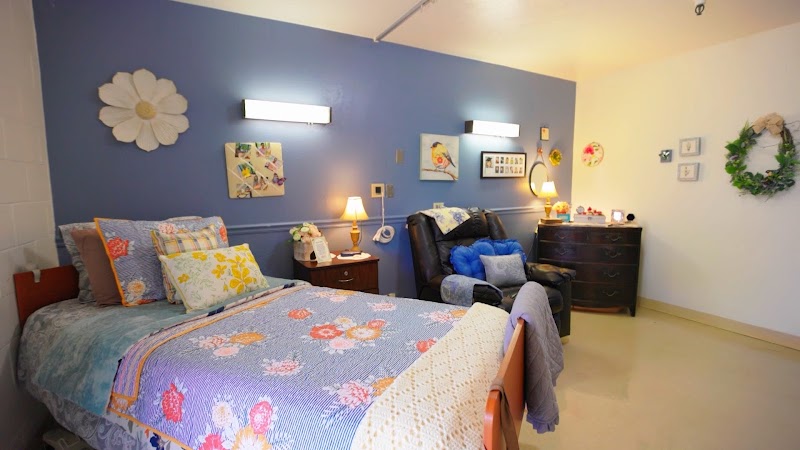
How is Leisure Village Health Staffed?

CMS rates LEISURE VILLAGE HEALTH CARE CENTER's staffing level at 2 out of 5 stars, which is below average compared to other nursing homes. Staff turnover is 61%, which is 15 percentage points above the Oklahoma average of 46%. High turnover can affect care consistency as new staff learn residents' individual needs.

What Have Inspectors Found at Leisure Village Health?

State health inspectors documented 41 deficiencies at LEISURE VILLAGE HEALTH CARE CENTER during 2020 to 2025. These included: 41 with potential for harm.
Who Owns and Operates Leisure Village Health?

LEISURE VILLAGE HEALTH CARE CENTER is owned by a for-profit company. For-profit facilities operate as businesses with obligations to shareholders or private owners. The facility is operated by MGM HEALTHCARE, a chain that manages multiple nursing homes. With 117 certified beds and approximately 80 residents (about 68% occupancy), it is a mid-sized facility located in TULSA, Oklahoma.
How Does Leisure Village Health Compare to Other Oklahoma Nursing Homes?

Compared to the 100 nursing homes in Oklahoma, LEISURE VILLAGE HEALTH CARE CENTER's overall rating (3 stars) is above the state average of 2.6, staff turnover (61%) is significantly higher than the state average of 46%, and health inspection rating (2 stars) is below the national benchmark.

What Should Families Ask When Visiting Leisure Village Health?

Based on this facility's data, families visiting should ask: "How do you ensure continuity of care given staff turnover, and what is your staff retention strategy?" "Can you walk me through typical staffing levels on day, evening, and night shifts?" "Can I visit during a mealtime to observe dining assistance and food quality?" "How do you handle medical emergencies, and what is your hospital transfer rate?" These questions are particularly relevant given the facility's high staff turnover rate and the below-average staffing rating.

Is Leisure Village Health Safe?

Based on CMS inspection data, LEISURE VILLAGE HEALTH CARE CENTER has a clean safety record: no substantiated abuse findings (meaning no confirmed cases of resident harm), no Immediate Jeopardy citations (the most serious violation level indicating risk of serious injury or death), and is not on the Special Focus Facility watch list (a federal program monitoring the lowest-performing 1% of nursing homes). The facility has a 3-star overall rating and ranks #1 of 100 nursing homes in Oklahoma. While no facility is perfect, families should still ask about staff-to-resident ratios and recent inspection results during their visit.

Do Nurses at Leisure Village Health Stick Around?

Staff turnover at LEISURE VILLAGE HEALTH CARE CENTER is high. At 61%, the facility is 15 percentage points above the Oklahoma average of 46%. High turnover means new staff may not know residents' individual needs, medications, or preferences. It can also be disorienting for residents, especially those with dementia who rely on familiar faces. Families should ask: What is causing the turnover? What retention programs are in place? How do you ensure care continuity during staff transitions?

Was Leisure Village Health Ever Fined?

LEISURE VILLAGE HEALTH CARE CENTER has no federal fines on record. CMS issues fines when nursing homes fail to meet care standards or don't correct problems found during inspections. The absence of fines suggests the facility has either maintained compliance or corrected any issues before penalties were assessed. This is a positive indicator, though families should still review recent inspection reports for the full picture.

Is Leisure Village Health on Any Federal Watch List?

LEISURE VILLAGE HEALTH CARE CENTER is not on any federal watch list. The most significant is the Special Focus Facility (SFF) program, which identifies the bottom 1% of nursing homes nationally based on persistent, serious quality problems. Not being on this list means the facility has avoided the pattern of deficiencies that triggers enhanced federal oversight. This is a positive indicator, though families should still review the facility's inspection history directly.