MAPLEWOOD CARE CENTER
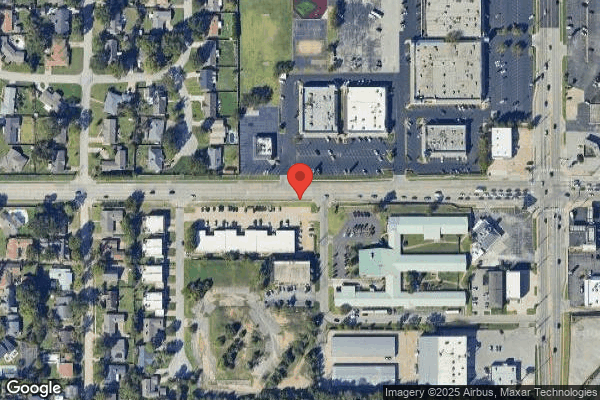

6202 EAST 61ST STREET, TULSA, OK 74136 (918) 494-8830
For profit - Corporation 180 Beds SLP OPERATIONS Data: November 2025 2 Immediate Jeopardy citations
Trust Grade
1/100
#239 of 282 in OK
Last Inspection: March 2024

Within standard 12-15 month inspection cycle. Federal law requires annual inspections.

Overview

Maplewood Care Center in Tulsa, Oklahoma, has received a Trust Grade of F, indicating significant concerns about its quality of care. Ranking #239 out of 282 facilities in the state puts it in the bottom half, and #30 out of 33 in Tulsa County means only two local options are worse. The facility is reportedly improving, with issues decreasing from seven in 2024 to just one in 2025. However, staffing is a major concern, with a 73% turnover rate that is much higher than the state average, and it has less RN coverage than 98% of Oklahoma facilities, meaning residents may not receive adequate supervision. While there have been no fines, there have been serious issues identified, such as failing to conduct proper background checks for employees and not following infection control protocols during the COVID-19 pandemic, which put residents at risk.

Trust Score
F
1/100
In Oklahoma
#239/282
Bottom 16%
Safety Record
High Risk
Review needed
Inspections
Getting Better
7 → 1 violations
Staff Stability
⚠ Watch
73% turnover. Very high, 25 points above average. Constant new faces learning your loved one's needs.
Penalties
✓ Good
No fines on record. Clean compliance history, better than most Oklahoma facilities.
Skilled Nurses
⚠ Watch
Each resident gets only 7 minutes of Registered Nurse (RN) attention daily — below average for Oklahoma. Fewer RN minutes means fewer trained eyes watching for problems.
Violations
⚠ Watch
30 deficiencies on record. Higher than average. Multiple issues found across inspections.
★☆☆☆☆
1.0
Overall Rating
★★☆☆☆
2.0
Staff Levels
★☆☆☆☆
1.0
Care Quality
★★☆☆☆
2.0
Inspection Score
Stable
2024: 7 issues
2025: 1 issues

The Good

  • Full Sprinkler Coverage · Fire safety systems throughout facility
  • No fines on record

Facility shows strength in fire safety.

The Bad

1-Star Overall Rating

Below Oklahoma average (2.6)

Significant quality concerns identified by CMS

Staff Turnover: 73%

27pts above Oklahoma avg (46%)

Frequent staff changes - ask about care continuity

Chain: SLP OPERATIONS

Part of a multi-facility chain

Ask about local staffing decisions and management

Staff turnover is very high (73%)

25 points above Oklahoma average of 48%

The Ugly 30 deficiencies on record

2 life-threatening 1 actual harm
Aug 2025 1 deficiency
CONCERN (D) 📢 Someone Reported This

A family member, employee, or ombudsman was alarmed enough to file a formal complaint

Potential for Harm - no one hurt, but risky conditions existed

Deficiency F0761 (Tag F0761)

Could have caused harm · This affected 1 resident

Based on observation, record review and interview the facility failed to ensure medications were secure for 1 of 3 carts on the Southeast Hall. The DON identified 108 residents resided in the facility...

Read full inspector narrative →
Based on observation, record review and interview the facility failed to ensure medications were secure for 1 of 3 carts on the Southeast Hall. The DON identified 108 residents resided in the facility. Findings:On 08/20/25 at 10:47 a.m., a green capsule in a plastic medication cup was observed sitting on top of the medication cart unattended on the Southeast Hallway. A Policy dated 04/2018, titled Medication Storage In The Facility, read in part, The medication supply is accessible only to licensed nursing personnel, pharmacy personnel, or staff members lawfully authorized to administer medications. 08/20/25 at 10:54 a.m., LPN # 2 stated they had left the medication on top of the medication cart. LPN # 2 stated they had intended to administer it to a resident but forgot. They stated leaving the medication unattended on the cart could result in the wrong resident taking the medication and could cause a medication error. They stated it should not have been left out on top of the cart and should have been secured inside the cart.
Dec 2024 1 deficiency
CONCERN (D) 📢 Someone Reported This

A family member, employee, or ombudsman was alarmed enough to file a formal complaint

Potential for Harm - no one hurt, but risky conditions existed

Report Alleged Abuse (Tag F0609)

Could have caused harm · This affected 1 resident

Based on record review and interview, the facility failed to report an allegation of abuse to the OSDH within two hours for one (#4) of four sampled residents reviewed for abuse. The administrator rep...

Read full inspector narrative →
Based on record review and interview, the facility failed to report an allegation of abuse to the OSDH within two hours for one (#4) of four sampled residents reviewed for abuse. The administrator reported the census was 104. Findings: A facility policy titled Abuse, Neglect, and Exploitation, revised 10/2023, read in parts, Reporting of alleged violations to the Administrator, state agency, adult protective services and to all other required agencies (e.g., law enforcement when applicable) within specified timeframes .Immediately, but not later than 2 hours after the allegation is made, if the events that cause the allegation involve abuse or result in serious bodily injury. Resident #4 had diagnoses which included quadriplegia and generalized anxiety disorder. An Incident Report Form, dated 08/10/24, documented around midnight on 08/10/24, Resident #4 and their significant other were having a physical altercation in the resident's room and the police were called. The inbound notification documented the report was received by the OSDH on 08/10/24 at 4:13 p.m. On 12/27/24 at 2:00 p.m., the administrator stated allegations of abuse should be reported to the OSDH within two hours.
Oct 2024 1 deficiency
CONCERN (D) 📢 Someone Reported This

A family member, employee, or ombudsman was alarmed enough to file a formal complaint

Potential for Harm - no one hurt, but risky conditions existed

Accident Prevention (Tag F0689)

Could have caused harm · This affected 1 resident

Based on record review and interview, the facility failed to use a gait belt for one (#3) of three residents who were sampled for assist with transfers. The administrator identified 106 resident resi...

Read full inspector narrative →
Based on record review and interview, the facility failed to use a gait belt for one (#3) of three residents who were sampled for assist with transfers. The administrator identified 106 resident resided in the facility. Findings: Resident #3 had diagnoses which included dementia and amputation of left lower leg. An Incident Report Form, dated 09/24/24, documented staff was assisting the resident with a transfer without using a gait belt. The resident suffered a right knee abrasion. On 10/16/24 at 2:46 p.m., the administrator stated the staff member had been suspended, then terminated, due to not following the facilities standards regarding the use of gait belts during transfers. They stated the incident had been added to the QA on 10/01/24, re-education had been provided to the direct care staff on 10/01/24, and weekly monitoring of the use of gait belts during transfers was begun on 10/01/24, and is still ongoing with a completion date of monitoring of 11/15/24. Documentation of QA, education, and monitoring was provided by the administrator. On 10/17/24 at 11:18 a.m., the DON stated all current direct care staff were educated on 10/01/24. New staff continue to be educated on hire that all assisted transfers are to use a gait belt, and the employee is provided with a gait belt at that time. They stated each resident has a number code on their door that designates the level of assistance required by each resident.
Mar 2024 5 deficiencies
CONCERN (D) 📢 Someone Reported This

A family member, employee, or ombudsman was alarmed enough to file a formal complaint

Potential for Harm - no one hurt, but risky conditions existed

Safe Environment (Tag F0584)

Could have caused harm · This affected 1 resident

Based on observation and interview, the facility failed to ensure a shower stall and curtain was clean for one of one shower rooms observed. The Administrator identified 109 residents resided in the f...

Read full inspector narrative →
Based on observation and interview, the facility failed to ensure a shower stall and curtain was clean for one of one shower rooms observed. The Administrator identified 109 residents resided in the facility. Findings: On 03/17/24 at 10:15 a.m., the southeast shower room was observed. The middle shower stall was the only one with a shower curtain. The shower walls had hard water stains, and an area of black substance in the grout on the floor next to the wall. The substance was able to be scratched off. The shower curtain was observed to have brown and orange stains scattered from the top to the bottom of the curtain. On 03/20/24 at 9:48 a.m., Housekeeper #1 stated shower rooms were cleaned everyday. The shower room was observed. The same hard water stains and black substance in the grout was observed. The shower curtain had the same stains. On 03/20/24 at 9:58 a.m., Housekeeping supervisor stated shower rooms should be cleaned every day. She stated they monitored the shower rooms two to three times a day. She stated she didn't know the process for ensuring shower curtains were cleaned. She was made aware of the observations on 03/17/24 and 03/20/24 and was asked if the room had been adequately cleaned. She stated, No.
CONCERN (D)

Potential for Harm - no one hurt, but risky conditions existed

MDS Data Transmission (Tag F0640)

Could have caused harm · This affected 1 resident

**NOTE- TERMS IN BRACKETS HAVE BEEN EDITED TO PROTECT CONFIDENTIALITY** Based on record review and interview, the facility failed to ensure an assessment was transmitted timely for one (#87) of two sa...

Read full inspector narrative →
**NOTE- TERMS IN BRACKETS HAVE BEEN EDITED TO PROTECT CONFIDENTIALITY** Based on record review and interview, the facility failed to ensure an assessment was transmitted timely for one (#87) of two sampled assessments reviewed for accuracy. The Administrator identified 109 residents resided in the facility. Findings: A Face Sheet, documented Resident #87 expired [DATE]. A Death In Facility assessment, dated [DATE], documented In Progress. On [DATE] at 1:23 p.m., MDS Coordinator #2 stated they double check assessments at the end of each month to ensure resident assessments were completed. They stated they were unsure the time frame for ensuring a Death In Facility assessment was completed but they were usually completed within 48 hours. On [DATE] at 1:23 p.m., MDS Coordinator #2 reviewed Resident #87's assessment and stated it showed it was still in progress. They reviewed the assessment and stated there was a warning they needed to clear before it was finalized. They stated they didn't know why it wasn't caught with there double check procedure. They stated the assessment was completed but had not been submitted timely.
CONCERN (D) 📢 Someone Reported This

A family member, employee, or ombudsman was alarmed enough to file a formal complaint

Potential for Harm - no one hurt, but risky conditions existed

Pharmacy Services (Tag F0755)

Could have caused harm · This affected 1 resident

Based on record review and interview, the facility failed to ensure medications were administered as ordered for one resident (#58) of six sampled resident reviewed for medications. The Administrator ...

Read full inspector narrative →
Based on record review and interview, the facility failed to ensure medications were administered as ordered for one resident (#58) of six sampled resident reviewed for medications. The Administrator stated 109 residents resided in the facility. Findings: A Medication Ordering and Receiving from Pharmacy, policy read in part, .Reorder medications four days in advance of need .to ensure adequate supply is on hand . Resident #58 had diagnoses which included epilepsy, unspecified, not intractable, without status epilepticus. A care plan problem for seizures, dated 03/01/24, documented Resident #58's was to be administered medications as ordered. A controlled drug disposition report, dated 02/09/24, documented 60 doses of phenobarbital 64.8 mg had been delivered to the facility for the use of Resident #58. The report documented the last dose of the original 60 doses was signed out on 03/18/24 at 6:00 p.m. A medication administration record, dated 03/01/204 through 03/20/24, documented a dose of phenobarbital 64.8 mg was scheduled to be administered to Resident #58 on 03/19/24 between 5:30 a.m. and 6:30 a.m. The record documented the medication was not available to be administered to the resident. A medication administration record, dated 03/01/204 through 03/20/24, documented Resident #58 did not receive the AM or PM doses of phenytoin sodium 200 mg on 03/18/24. It documented the medication was not available. A controlled drug disposition report, dated 03/19/24, documented six doses of phenobarbital 64.8 mg had been delivered to the facility for the use of Resident #58. The report documented the first dose of the original six was signed out on 03/19/24 at 7:59 p.m. A progress note, dated 03/19/24 at 10:36 p.m., documented Resident #58 stated they had two seizures. It documented the resident was sent to the hospital per the resident's request. A progress note, dated 03/20/24 at 2:28 a.m., documented Resident #58 returned to the facility with a diagnosis of seizure like activity and a new order for phenytoin sodium 200 mg twice a day. It documented this was the current dose for the medication. On 03/20/24 at 1:34 p.m., CMA #1 stated Resident #58 had run out of phenobarbital 64.8 mg on 03/18/24 and it was ordered. They stated six doses of the medication arrived on 03/19/24. On 03/20/24 at 2:03 p.m., the ADON was shown Resident #58's March medication administration record and was asked if the medications had been administered as ordered. They stated, No.
CONCERN (E) 📢 Someone Reported This

A family member, employee, or ombudsman was alarmed enough to file a formal complaint

Potential for Harm - no one hurt, but risky conditions existed

Deficiency F0802 (Tag F0802)

Could have caused harm · This affected multiple residents

Based on observation, record review, and interview, the facility failed to ensure sufficient dietary staff to provide alternative meals. The Administrator identified 109 residents resided in the facil...

Read full inspector narrative →
Based on observation, record review, and interview, the facility failed to ensure sufficient dietary staff to provide alternative meals. The Administrator identified 109 residents resided in the facility. She identified two residents received nutrition and hydration solely through a feeding tube. Findings: An Alternative Menu, undated, documented the following alternatives were available for lunch and supper: loaded baked potatoes, chef salad, bologna and cheese sandwich, turkey and cheese sandwich hot or cold, ham and cheese sandwich hot or cold, grilled cheese sandwich, cheese burger with fries or chips and side salad, peanut butter and jelly sandwich, and three different soups. A Dietary Schedule, dated February 26th through 29th, 2024, documented four to six employees were scheduled. A Dietary Schedule, dated March 1st through 17th, 2024, documented three to six employees were scheduled. On 03/17/24 at 10:37 a.m., Resident #47 stated they would turn in their alternative meal request for supper shortly after lunch. Resident #47 stated there had been times the dietary staff told the residents they couldn't cook any alternatives because there wasn't enough staff. Resident #47 stated at other times, dietary staff stated the only alternative was a peanut butter and jelly sandwich. Resident #58 agreed with Resident #47's statements. On 03/17/24 2:35 p.m., Resident #73 stated when there wasn't enough dietary staff the only alternative meal was peanut butter sandwiches. On 03/18/24 at 1:41 p.m., the CDM was talking with Resident #47. Resident #47 asked the CDM why alternative meals were not provided as ordered. CDM stated the alternative meals were limited when there weren't enough staff . On 03/18/24 at 1:54 p.m., the CDM stated their corporation stated while dietary was short staffed to just offer peanut butter and jelly sandwiches as an alternative. The CDM stated they only offer peanut butter and jelly sandwiches. The CDM stated the last time the kitchen was short staffed was last Friday or Saturday. On 03/18/24 at 3:25 p.m., the Administrator stated they have only offered peanut butter and jelly sandwiches recently because there had been a few dietary staff out for personal reasons. On 03/18/24 at 3:42 p.m., the CDM stated seven people a day were needed to be adequately staffed.
CONCERN (E) 📢 Someone Reported This

A family member, employee, or ombudsman was alarmed enough to file a formal complaint

Potential for Harm - no one hurt, but risky conditions existed

Menu Adequacy (Tag F0803)

Could have caused harm · This affected multiple residents

Based on observation, record review, and interview, the facility failed to ensure alternative meals were provided for three (#47, 48, and #73) of three sampled residents reviewed for meal service. The...

Read full inspector narrative →
Based on observation, record review, and interview, the facility failed to ensure alternative meals were provided for three (#47, 48, and #73) of three sampled residents reviewed for meal service. The Administrator identified 109 residents resided in the facility. She identified two residents received nutrition and hydration solely through a feeding tube. Findings: An Alternative Menu, undated, documented the following alternatives were available for lunch and supper: loaded baked potatoes, chef salad, bologna and cheese sandwich, turkey and cheese sandwich hot or cold, ham and cheese sandwich hot or cold, grilled cheese sandwich, cheese burger with fries or chips and side salad, peanut butter and jelly sandwich, and three different soups. On 03/17/24 at 10:37 a.m., Resident #47 stated they would turn in their alternative meal request for supper shortly after lunch. Resident #47 stated there had been times the dietary staff told the residents they couldn't cook any alternatives. Resident #47 stated at other times, dietary staff stated the only alternative was a peanut butter and jelly sandwich. Resident #58 agreed with Resident #47's statements. On 03/17/24 2:35 p.m., Resident #73 stated recently the only alternative meal was peanut butter sandwiches. On 03/18/24 at 1:41 p.m., the CDM was talking with Resident #47. Resident #47 asked the CDM why alternative meals were not provided as ordered. CDM stated when there weren't enough staff the alternative meals were limited. On 03/18/24 at 1:54 p.m., the CDM stated they only offer peanut butter and jelly sandwiches at times. On 03/18/24 at 3:25 p.m., the Administrator stated they didn't have a policy regarding meal alternatives. She stated they have an alternative menu the residents can order from. She stated they have only offered peanut butter and jelly sandwiches recently.
Sept 2023 3 deficiencies
CONCERN (D)

Potential for Harm - no one hurt, but risky conditions existed

Deficiency F0578 (Tag F0578)

Could have caused harm · This affected 1 resident

Based on record review and interview, the facility failed to provide written information concerning the right to formulate an advance directive for two (#25 and #69) of three sampled residents who wer...

Read full inspector narrative →
Based on record review and interview, the facility failed to provide written information concerning the right to formulate an advance directive for two (#25 and #69) of three sampled residents who were reviewed for advance directives. The Resident Census and Conditions of Residents report, dated 09/06/23, documented 99 residents resided at the facility. Findings: 1. Resident #25 was admitted with diagnoses which included acute respiratory failure and type two diabetes. Review of the clinical record revealed no documentation the resident had been provided information to formulate an advance directive. 2. Resident #69 was admitted with diagnoses which included type two diabetes and cardio obstructive pulmonary disease. Review of the clinical record revealed no documentation the resident had been provided information to formulate an advance directive. On 09/11/23 at 1:32 p.m., the administrator was asked to provide advance directives for Resident #25 and #69. The administrator stated they do not have an advanced directive for these residents, but are working on getting then.
CONCERN (D)

Potential for Harm - no one hurt, but risky conditions existed

Deficiency F0582 (Tag F0582)

Could have caused harm · This affected 1 resident

Based on interview and record review, it was determined the facility failed to provide complete and informed advance notice of discharge from Medicare skilled services for three (#2, 16, and #146) of ...

Read full inspector narrative →
Based on interview and record review, it was determined the facility failed to provide complete and informed advance notice of discharge from Medicare skilled services for three (#2, 16, and #146) of three residents who were reviewed for beneficiary protection notification. The Resident Census and Conditions of Residents report, documented 9 residents who had been discharged from Medicare skilled services in the last six months. Findings: 1. Resident #2 was admitted to Medicare Part A skilled services on 03/26/23. The resident was discharged from skilled services on 03/26/23. The resident had benefit days of skilled service coverage remaining at the time of discharge. Resident #2 continued at the facility for long term care. Review of the notice of Medicare non-coverage revealed the facility initiated the discharge from Medicare Part A services due to no progress with therapy. The form documented Resident #2 did not receive an SNF ABN Form CMS-10055 due to Resident #2 did not want continued services. 2. Resident #16 was admitted to Medicare Part A skilled services on 03/17/23. The resident was discharged from skilled services on 06/24/23. The resident had one day of skilled service coverage remaining at the time of discharge. Resident #16 continued at the facility for long term care. Review of the notice of Medicare non-coverage revealed, the facility had not provided Resident #16 with a NOMNC CMS-10123 or an ABN Form CMS-10055. 3. Resident #146 was admitted to Medicare Part A skilled services on 03/10/23. The resident was discharged from skilled services on 04/13/23. The resident had Medicare Part A Services benefit days remaining. Resident #146 continued at the facility for long term care. Review of the notice of medicare non-coverage revealed the facility had initiated the discharge from skilled services with benefit days remaining due to Resident #146 had met goals. The form documented a SNF ABN, Form CMS-10055 was not provided to the resident due to the resident stated they did not want continued services. A NOMNC CMS Form 10123 was provided. On 09/08/23 at 11:02 a.m., the RN case management specialist and traveling MDS coordinator, provided the SNF Beneficiary Protection Notification Reviews, and stated Resident #16 had one day remaining, but the facility thought, at the time of coming off skilled services, the resident had exhausted all 100 days. The RN was asked when it was determined Resident #16 had one skilled day remaining. They stated, they found out at the end of the month. On 09/08/23 at 11:38 a.m., the RN was asked who had initiated the discharge from skilled services for Resident #16. They stated they thought Resident #16 had used all 100 days so the facility initiated the discharge. The RN was asked why Resident #2 had not received an ABN. They stated they just did not give Resident #2 an ABN. They RN stated Resident#2 had informed them they did not want to do therapy anymore. The RN stated they should have given Resident #2 an ABN with Resident #146. The RN was asked why Resident #146 had not received an ABN when they stayed long term care after skilled services were discontinued per facility initiation. They stated Resident #146 had informed them they were not doing therapy anymore and had plateaued. The RN was asked where it was documented Resident #2 and #146 had stated verbally they did not want to continue therapy. The RN reviewed the EMR and stated on 04/11/23 Resident #146 had a progress note which had documented a conversation about the NOMNC but nothing was documented about the ABN. The RN reviewed the EMR for Resident #2 and stated they did not see any notes about the NOMNC or the ABN. The RN stated, They fell through the cracks.
CONCERN (D)

Potential for Harm - no one hurt, but risky conditions existed

Infection Control (Tag F0880)

Could have caused harm · This affected 1 resident

Based on observation and interview, the facility failed to ensure staff sanitized their hands between glove changes during wound care for two (#7 and #62) of two residents observed for wound care, and...

Read full inspector narrative →
Based on observation and interview, the facility failed to ensure staff sanitized their hands between glove changes during wound care for two (#7 and #62) of two residents observed for wound care, and between residents when administering medications. The Resident Census and Conditions of Residents report, dated 09/06/23, documented four residents with pressure ulcers, and 99 residents who resided at the facility who received medications. Findings: 1. On 09/08/23 at 8:40 a.m., Resident #62 was observed for wound care. The wound nurse was observed to sanitize the over bed table using a Microkill cloth, removed gloves, moved trash can next to table, sanitized hands, placed wax paper on top of their sanitized cart, gathered their supplies, and locked their cart. The wound nurse obtained supplies and entered the room of Resident #62. The nurse sanitized their hands, opened packages, labeled and dated dressings, donned gloves, removed the dressing from the right hand of Resident #62, doffed gloves, and donned clean gloves. The wound nurse did not sanitize. The wound nurse then cleaned the wound. The nurse then doffed gloves, donned clean gloves, did not sanitize, applied calcium alginate, then bordered gauze. The nurse doffed their gloves and left the room to obtain more gloves, they did not sanitize their hands. When the nurse returned they sanitized their hands and donned clean gloves, removed the sock from the resident's left foot, and old dressing dated 9/7/23, doffed gloves, donned clean gloves, and did not sanitize their hands. The nurse then cleaned the wound twice. The nurse doffed and donned clean gloves and did not sanitize their hands. The nurse then applied the treatment, doffed and donned clean gloves, and did not sanitize their hands. On 09/11/23 at 3:13 p.m., Resident #7 was observed for wound care. The wound nurse sanitized their hands, gathered supplies, entered the resident's room and set up their field. The wound nurse donned clean gloves and verbalized the dressing had previously been removed by staff during incontinent care. The nurse then cleaned the wound. The nurse doffed their gloves, then donned clean gloves and did not sanitize their hands. The nurse applied the initialed and dated dressing and doffed their gloves, cleaned their area and left the room. On 09/11/23 at 3:31 p.m., the wound nurse was asked when they were to sanitize their hands when providing wound care. They stated before, in-between glove changes, and when finished. The nurse was asked if they had sanitized their hands between glove changes for both observed wound treatments. They stated, No. The nurse was asked why they did not sanitize between glove changes. They stated because they did not think about it. 2. On 09/12/23 at 8:44 a.m., CMA #1 was observed during medication administration. CMA #1 was observed to enter a resident room to obtain vital signs prior to medication administration. The resident was having difficulty with dizziness and CMA #1 informed the nurse who advised to hold medications until further instructed. CMA #1 did not sanitize their hands when they left the room and entered another resident room to obtain vital signs prior to administration of medications. CMA #1 returned to the cart, did not sanitize their hands, prepared medications for the resident, and returned to administer the medications. CMA #1 then returned back to the cart did not sanitize their hands, checked the electronic record and entered another resident room to obtain vital signs, returned to the cart and did not sanitize their hands prior to preparing medications for the resident. CMA #1 re-entered the resident room, administered the medications, and returned to their cart. CMA #1 was observed to not sanitize their hands. On 09/12/23 at 8:59 a.m., CMA #1 was asked when they were to sanitize their hands. They stated before medication administration, between residents, and if they touch anything in a resident room or a resident. The CMA stated they did not sanitize between residents.
Mar 2023 2 deficiencies
CONCERN (D) 📢 Someone Reported This

A family member, employee, or ombudsman was alarmed enough to file a formal complaint

Potential for Harm - no one hurt, but risky conditions existed

Deficiency F0760 (Tag F0760)

Could have caused harm · This affected 1 resident

Based on record review and interview a past non-compliance situation in which the facility failed to ensure residents were administered medications according to physician orders, standards of nursing ...

Read full inspector narrative →
Based on record review and interview a past non-compliance situation in which the facility failed to ensure residents were administered medications according to physician orders, standards of nursing practice and the facility's medication policy and procedures to avoid medication errors. The Resident Census and Condition form identified 76 residents resided in the facility. Findings: A facility policy titled Medication Administration General Guidelines documented in part .Residents are identified before medication is administered using at least two resident identifiers . A medication error report, dated 08/29/22, documented resident #3 was given another resident's medications. A Facility Event Summary Report, dated 08/29/22, documented the DON was notified of the incident at 11:30 a.m. A physician order dated 08/29/22, at 11:40 a.m., ordered the resident to be sent to the hospital emergency room for evaluation and monitoring. The Facility Event Summary Report dated 08/29/22 documented the resident's Adult Protective Services state guardian was notified of the incident at 12:39 p.m. On 08/30/22, at 10:51 a.m., a hospital discharge summary documented in part .The patient was accidentally given the wrong medication .aspirin, Colace, multivitamin, Mucinex, Norvasc, cranberry juice, Lasix, Mobic, and potassium chloride .The resident was admitted for observation, given IV fluids and monitored. A Facility Event Summary Report, dated 08/30/22, at 3:41 p.m., documented the resident returned to the facility. On 03/07/22 at 1:15 p.m., the RDO was asked what action was taken as a result of the incident. They stated a full investigation was conducted, LPN #1 was suspended, and staff were educated. On 09/01/22, facility records documented an in service was conducted on medication administration policy for staff who administer medication.
CONCERN (F) 📢 Someone Reported This

A family member, employee, or ombudsman was alarmed enough to file a formal complaint

Potential for Harm - no one hurt, but risky conditions existed

Deficiency F0727 (Tag F0727)

Could have caused harm · This affected most or all residents

Based on record review and interview, the facility failed to use the services of a registered nurse for at least eight consecutive hours a day, seven days a week. The Resident Census and Conditions o...

Read full inspector narrative →
Based on record review and interview, the facility failed to use the services of a registered nurse for at least eight consecutive hours a day, seven days a week. The Resident Census and Conditions of Residents form documented 76 residents who resided in the facility. Findings: Daily staffing reports were reviewed for 02/01/23 through 03/07/23. RN coverage was not documented for 03/04/23 and 03/05/23 On 03/07/23 at 2:30 p.m., the RDO was asked if they had RN coverage for the dates 03/04/23 and 03/05/23. The RDO stated they did not.
Jan 2023 1 deficiency
CONCERN (E) 📢 Someone Reported This

A family member, employee, or ombudsman was alarmed enough to file a formal complaint

Potential for Harm - no one hurt, but risky conditions existed

Investigate Abuse (Tag F0610)

Could have caused harm · This affected multiple residents

Based on record review and interview it was determined the facility failed to ensure a thorough investigation was completed for seven residents (#1, 2, 3, 4, 5, 6, and #7) of seven residents who were ...

Read full inspector narrative →
Based on record review and interview it was determined the facility failed to ensure a thorough investigation was completed for seven residents (#1, 2, 3, 4, 5, 6, and #7) of seven residents who were reviewed for abuse allegations. The Resident Census and Condition of Residents form documented 70 residents resided in the facility. Findings: The facility Abuse Prevention Program policy, revised June 2021, read in parts, .Interview staff members (on all shifts) who have had contact with the resident during the period of the alleged incident .Interview other residents to who the accused employee provides care or services . 1. Resident #1 had diagnoses which included cerebral palsy. An OSDH form 283, dated 12/06/22, documented an allegation of abuse/neglect. Resident #1 had informed they were not properly cleaned during pericare and feces was left in their private area which had caused a burning sensation. An additional attachment labeled, Narrative Part C'' on Incident Report, dated 12.06.22, documented, a full investigation was completed on 12.06.22 regarding Resident #1 care concerns. The narrative documented the assistant administrator had interviewed Resident #1 and asked about their concern. Resident #1 informed the assistant administrator feces was found in their private area that morning when the aide came to assist them with toileting and it was burning. Resident #1 informed the assistant administrator their call light was not always answered timely. The narrative documented Resident #1 was unable to provide names of staff who had provided care. The conclusion of the investigation was documented as, Since completion of this investigation this facility did not find any type of neglect. These issues have been forwarded to Social Services as grievances and this case is unsubstantiated. The narrative and the form 283 were signed by the assistant administrator. A facility Grievance Form, dated 12/06/22, documented a CNA on day shift had witnessed Resident #1 in a saturated brief with complaint of burning, was observed to not be properly cleaned, and had identified feces in the resident's private area. The form documented Resident #1 had informed an unidentified CMA they needed assistance to be cleaned and the CMA made the resident wait for incontinent care. A follow-up was completed on 12/08/22 and Resident #1 could not remember the incident. The resolution area of the form documented the concern was resolved with an X in the box and a written explanation of Resident could not remember this incident. The form was signed by the administrator. No documentation was provided regarding interviews with other staff who may have worked the night shift in which the alleged event occurred. No documentation was provided regarding interviews with other residents who may have been provided care on the date of the incident. On 01/06/23 at 1:33 p.m., the assistant administrator was asked who had investigated the allegation regarding Resident #1. They stated the administrator had received the grievance report and they had investigated the allegation together. They were asked what the investigation entailed. The assistant administrator stated they had spoken with Resident #1 and addressed the concerns during a stand up meeting. The assistant administrator stated they did not talk to anyone else. The assistant administrator was asked how the facility identified staff who cared for residents. They stated they would check the punch detail. They were asked why staff records were not reviewed to determine who was assigned to provide care to Resident #1 during the alleged incident. They stated they should have. 2. Resident #2 had diagnoses which included blindness. An OSDH form 283, dated 12/06/22, documented an allegation of abuse/mistreatment. The form documented an aide had reported to the administrator the bed for Resident #2 was soiled and it had seemed staff had not checked on the resident the night before. An attached document indicated it was part C of the OSDH form 283. The narrative documented the assistant administrator had completed an interview with Resident #2 and the resident informed the assistant administrator they were not checked on the night before and their bed was soiled that morning when the aide entered their room at the beginning of their shift. The narrative documented an interview had been completed with the roommate but no issues or concerns had been voiced. No documentation was provided that interviews with staff or other residents who may have received care on the previous shift had been completed. The narrative's closing statement read, During completion of this investigation, this facility finds no evidence of neglect related to this event. On 01/06/23 at 1:22 p.m., the assistant administrator was asked who had completed the investigation. They stated they had. The assistant administrator was asked what the investigation had consisted of. They stated they had interviewed the resident's roommate for any issues they had. They stated they had visited with the LPN who had worked that shift but did not document it. The assistant administrator was asked how Resident #2 being soiled through the night had been investigated. They stated they spoke with the LPN to see if they had documented their rounds. They were asked if that portion of the investigation had been documented. The assistant administrator stated they would need to check. The assistant administrator was asked how they ensured a thorough investigation was completed. They stated they had visited with the nurse, resident, roommate, and the day shift aide who had discovered the resident. They stated they were not sure who was on night shift and should have visited with them. They were asked if the investigation was complete. They stated probably not. 3. Resident #3 had diagnoses which included chronic pain. An OSDH form 283, dated 12/05/22, documented an allegation of misappropriation. Resident #3 had reported their debit card was missing to speech therapy. The narrative documented the BOM and assistant administrator interviewed Resident #3, searched for the card, however, the card was not found in the room. It documented the assistant administrator assisted Resident #3 in calling the bank for a new card and checked for any charges not made by Resident #3. The form documented the assistant administrator educated Resident #3 on keeping financial items safe and the resident had understood. No documentation was provided for other interviews with residents or staff. On 01/06/23 at 1:08 p.m., the assistant administrator was asked who had completed the investigation. They stated they had conducted the investigation with the assistance of the administrator. The assistant administrator was asked what role they had in the investigation. They stated they had interviewed Resident #3. They stated they obtained permission to search for the debit card in the room of Resident #3 and when the card was not located they assisted the resident in obtaining a replacement card. The assistant administrator was asked how they ensured a thorough investigation had been completed. They stated they had interviewed the resident. The assistant administrator was asked what information was used to determine if misappropriation had occurred. They stated they called the bank to check for charges. They stated no staff were interviewed and only the roommate of Resident #3 was interviewed. 4. Resident #4 had diagnoses which included dementia. An OSDH form 283, dated 12/05/22, documented an allegation of abuse. The form documented Resident #4 had reported an aide was mean to her on the evening of 12/05/22. Resident #4 stated the aide entered their room and stated, What do you want and was not nice to them. The resident was unable to identify the aide. The form documented CNA #1 was suspended until the investigation was completed. The form documented one staff interview and one resident interview with the alleged victim. An attached document to the OSDH form 283 for part C documented the investigated entailed an interview with Resident #4, an interview with one staff member, and CNA #1 was to complete abuse training with the DON before returning to work. On 01/06/23 at 1:16 p.m., the assistant administrator was asked what their investigation had entailed. They stated they interviewed CNA #1. They were asked where the interview was documented. The assistant administrator stated the interim DON had conducted a customer service in-service with CNA #1 but a documented interview was not completed. The assistant administrator was asked who had completed the investigation. They stated they had written the final state report. The assistant administrator was asked how they ensured a thorough investigation was completed. They stated they had received a statement from a staff member that worked the hall, interviewed the resident, and the interim DON provided education with CNA #1. They stated, I just didn't complete it I guess. On 01/06/22 at 2:19 p.m., the RDO was asked how they ensured a thorough investigation was completed. They stated the facility interviewed one other staff member and suspended the alleged perpetrator. The RDO was asked why no other residents or staff were interviewed. They stated they did not know. 5. Resident #5 had diagnoses which included vascular dementia. Resident #6 had diagnoses which included cerebral infarction (stroke). An OSDH form 283, dated 12/14/22, documented an allegation of abuse/mistreatment. The form documented Resident #5 was in the way of Resident #6 who was exiting their room. Resident #6 yelled at Resident #5 and when Resident #5 did not move, Resident #6 spit in the face of Resident #5. The form documented the event was witnessed by two other alert and oriented residents. Their statement was attached. The narrative, part C, of the form read in part, .Since completion of this investigation this facility did not find any abuse/mistreatment regarding this resident to resident event and this case is unsubstantiated. On 01/06/23 at 1:40 p.m., the assistant administrator was asked who had completed the investigation. They stated they had. The assistant administrator was asked what the investigation had entailed. They stated they visited with the two other residents who were witnesses, received their statements, and conducted safe surveys with random residents. They stated the administrator had interviewed the alleged aggressor and victim. The assistant administrator reviewed the investigation for Resident #5 and Resident #6 and stated, I guess, yeah if he did spit on her that was abuse. The assistant administrator was asked if Resident #6 had yelled at Resident #5. They stated the allegation should have been substantiated. On 01/06/23 at 1:52 p.m., the assistant administrator was asked if they had been educated on the facility abuse policy. They stated, Yes. The assistant administrator was asked why the abuse policy was not followed regarding investigations. They stated because they were new and thrown into the assistant administrator position. 6. Resident #7 had diagnoses which included quadriplegia. An OSDH form 283, dated 12/25/22, documented an allegation of abuse/neglect. The form documented Resident #7 felt the weekend RN (interim DON) had made a racist comment. Resident #7 stated during a conversation with the weekend RN (interim DON) they discussed basketball and the nurse stated they were over six feet tall and could not reach the hoop. Resident #7 stated they were under six feet tall and could. The resident reported the nurse stated that was because as a kid Resident #7 was jumping fences and running from the police. The form documented an interview with the weekend RN (interim DON) and Resident #7 had been conducted. No other interviews were documented with other staff or residents. On 01/06/23 at 1:00 p.m., the assistant administrator was asked what the investigation had consisted of. They stated they and the administrator visited with Resident #7 and the resident acted like they did not know about the incident. The assistant administrator stated the administrator received a statement from the interim DON. The assistant administrator was asked what the facility policy was in regards to abuse allegation investigations. They stated if staff were involved they suspend, notify physician, family, interview resident and document. Visit with any other resident witness or involved person, report and educate. The assistant administrator was asked how it was ensured a thorough investigation was completed. They stated they probably should have interviewed to see if any other staff on the hall heard anything. The assistant administrator was asked if any other residents were interviewed. They stated no. On 01/06/23 at 2:12 p.m., the RDO was asked how a thorough investigation was ensured. They stated the interim DON was provided education and a follow up interview with the resident was conducted. The RDO stated the investigation was probably not thorough.
Dec 2022 1 deficiency 1 IJ (1 affecting multiple)
CRITICAL (K) 📢 Someone Reported This

A family member, employee, or ombudsman was alarmed enough to file a formal complaint

Immediate Jeopardy (IJ) - the most serious Medicare violation

Abuse Prevention Policies (Tag F0607)

Someone could have died · This affected multiple residents

**NOTE- TERMS IN BRACKETS HAVE BEEN EDITED TO PROTECT CONFIDENTIALITY** On [DATE] at 7:24 p.m., an Immediate Jeopardy (IJ) was verified with the Oklahoma State Department of Health (OSDH) regarding th...

Read full inspector narrative →
**NOTE- TERMS IN BRACKETS HAVE BEEN EDITED TO PROTECT CONFIDENTIALITY** On [DATE] at 7:24 p.m., an Immediate Jeopardy (IJ) was verified with the Oklahoma State Department of Health (OSDH) regarding the facility's failure to implement the abuse policy to ensure employee background checks were completed. Documentation from OK Screen, dated [DATE], revealed CNA #1 had been disqualified from employment in LTC until [DATE] and had been a full time employee at the facility since [DATE]. CNA #2, CNA #3, Dietary aide #1, 2, 3, Dietary aide #4, and Transportation aide #1 were currently employed by the facility and had not received final clearance of background checks. On [DATE] at 7:30 p.m., the facility's administrator and Regional Director of Operations were made aware of the IJ situation related to the facility's failure to implement the abuse policy in regards to employee background checks. A plan of removal of the IJ situation was requested. A plan of removal was received on [DATE]. The facility was notified the immediacy was lifted as of [DATE] at 7:29 a.m. when all components of the plan of removal had been completed. The deficient practice remained at a level of harm. The plan of removal documented: Plan of Removal F607 Please accept this POR as related to the Immediate Jeopardy called on [DATE] in relations to the failure to implement the Abuse policy regarding background checks for employees. Action Item: A root cause analysis was completed on [DATE] by the IDT to identify systemic issues .Date completed: [DATE] 1000pm central RCA of IJ regarding failure to implement the Abuse policy regarding the background checks for employees. Why was the employee screening for background checks not get completed in the entirety? The administrative team failed to ensure the process for OK screen was completed in its entirety. Why did the administrative team fail to monitor the process? The administrative team relied on the resource team to validate the process continued to be performed to the standard set for by Oklahoma State Department of Health. Why did the resource team fail to ensure the process was followed to the standard set for by Oklahoma State Department of Health? The resource team (consisted of two regional HR members and a HR specialist) completed a full audit of employee records in May of 2022. The full audit of the employee record included verification of OK screen approval, completed and signed application packet, EEOC form, Veteran form, completed and signed drug screen, completed and signed W-4, Completed and signed I-9, Copy of Drivers license and social security card, Signed wage deduction authorization, signed policy and procedure acknowledgment, initial and signed Senate [NAME] 9, resident rights acknowledgement, signed arbitration agreement, completed TB test, Completed Hep B, consent/declination, Completed emergency contact, signed job description, Signed new hirer orientation checklist, CPR certification for direct care staff, IV certification LVN if applicable, signed resident abuse and neglect P&P and proficiency testing. The resource team identified areas of the process that needed improvement through the record audit. The Human Resource Director was re-educated on the on boarding process, which includes OK Screen. The resource team completed the areas of improvement with the Human Resource Director. The resource team completed random follow up visits with the Human Resource Director. Follow up visits include but not limited to education on processes, assisting in addressing concerns, verification of new hirer process, assistance with recruiting and assistance with employee retention. No concerns were identified during the random follow up visits. The resource team than stopped the random visits and resumed quarterly visits with the center Human Resource Director. Routine visits from the resource team are scheduled quarterly and as needed. New hirer packet audits will be completed by the administrative team and the resource team per new hire. Why did the resource team resume quarterly visits? The resource team determined that the Human Resource Director was completing the on boarding process to include the OK Screen to the standards set forth by the Oklahoma State Department of Health. Why did the Human Resource Director stop completing the OK Screen to the standards set forth by the Oklahoma State Department of Health? The Human Resource Director began having performance issues which was noted by the administrative team. The Administrator addressed the Human Resource Director's performance and attendance issues on [DATE]. The Human Resource Director did not agree with the performance improvement plan and resigned without notice. Why did the Administrator address the Human Resource Directors performance issues? The Administrator attempted to correct the center employee's poor performance, to maintain the integrity of the department, ensure policies were implemented and staffing concerns were addressed appropriately. How did the Administrator address the immediate opening of the Human Resource Director position? The current Business Office Manager offered to assist with on boarding new hirers. She had experience from her previous employment. She audited the current employee files on [DATE] and noted concerns with the on boarding process related to OK screen completion. The BOM notified the administrative team, and the resource team was than notified. The administrative team and the BOM initiated a performance improvement plan and began the process to complete the OK Screen. Thirty of the thirty-seven OK Screens were completed prior to [DATE]. This event could have been prevented if the process was completed through OK Screen. If the employee was entered and registered to our center in OK screen, we would have received a notification from OK Screen notifying the center of the barring of employment. The center would have than terminated the employee per our abuse policy. Action Item: The resource team (HR/compliance, Nursing and operational resources) re-educated the BOM, HR assistant and the administrative team on [DATE] on the on boarding process. The on boarding process includes the completion of the OK screen, prior to the employee starting employment .Date Completed: [DATE] 5pm central Action Item: The BOM and HR assistant completed a full audit of all employee records on [DATE]. The resource team assisted in the audit to verify the completion of the audit and the accuracy of the audit .Date Completed: [DATE] 12:00pm central Action Item: POR reviewed in the Adhoc QAPI on [DATE] by the IDT, Root Cause Analysis was validated, and action plan from [DATE] will be updated .Date Completed: [DATE] 1:30pm central time Action Item: The administrative and the resource team will validate the on boarding process is complete. The on boarding process includes the OK Screen is complete prior to starting employment in the center. Each new hirer will be validated by the administrative team and or the resource team. This process has been initiated as of [DATE] and will continue until the center reaches substantial compliance. The HR/Compliance officer/Resource team will continue education with the HR assistant, education and validation of the new hirer process will include but not limited to the OK Screen process. The HR/Compliance officer/Resource team will complete monitoring Monday-Friday until substantial compliance is met .Date Completed: [DATE] 2:00pm central Action Item: Ten outstanding employees for OK screen will be completed by the BOM. The missing component for the completion is the finger printing process. The OK Screen has been completed up to the fingerprint process. Consents are on file for all ten staff members. Finger printing will be scheduled asap for the remaining nine employees missing fingerprints. One of the ten has been completed, seven of the ten have been scheduled for finger printing, one of the ten is pending confirmation of finger printing. One of the employees was termed on [DATE], related to the background check. Employees will not return to work after [DATE] at 8:30am central until the completed OK Screen is returned with the clearance letter .Date initiated: [DATE] 8:00am Based on record review and interview, the facility failed to implement their abuse policy for eight (CNA #1, 2, CNA #3, Dietary aide #1, 2, 3, Dietary aide #4, and Transportation aide #1) of eight employees who were hired by the facility and had not received final clearance of background checks upon hire; no letters were provided for provisional employment. Currently seven employees were working at the facility without completed background checks. The Daily Census Report, dated [DATE], identified 78 residents who resided in the facility. Findings: The Abuse Prevention Program policy, dated [DATE], read in part, .As part of the resident abuse prevention program, the administration will: 1. Conduct employee background checks and will not knowingly employ or otherwise engage any individual who has: a. Been found guilty of abuse, neglect, exploitation, misappropriation of property, or mistreatment by a court of law; b. Had a finding entered in the State nurse aide registry concerning abuse, neglect, exploitation, mistreatment of residents or misappropriation of their property; or c. Had a disciplinary action in effect against his or her professional license by a state licensure body as a result of a finding of abuse, neglect, exploitation, mistreatment of residents or misappropriation of resident property . On [DATE] at 4:13 p.m., the assistant BOM informed the surveyors that the facility had confirmation from an audit, conducted [DATE], that CNA #1 currently working at the facility was ineligible to work in LTC. The assistant BOM was asked to provide documentation of background checks for eight employees. Review of the eight employee files revealed: CNA #1 was a full time employee and had been hired by the facility on [DATE]. OK Screen documentation, dated [DATE], revealed CNA #1 was disqualified from working in LTC facilities until [DATE]. Review of the punch detail for CNA #1 revealed they had actively worked in the facility with the last documented shift as the night shift on [DATE]. The employee was terminated on [DATE]; CNA #2 was a current full time employee, hired [DATE]. The OK Screen background check was initiated on [DATE]; CNA #3 was hired as a full time employee on [DATE]. The OK Screen background check was initiated on [DATE]; Dietary aide #1 was a current full time employee, hired [DATE]. The OK Screen background check was initiated on [DATE]; Dietary aide #2 was a current full time employee, hired [DATE]. The OK Screen background check was initiated on [DATE]; Dietary aide #3 was a current full time employee, hired [DATE]. The OK Screen background check was initiated on [DATE]; Dietary aide #4 was a current part time employee, hired [DATE]. The OK Screen background check was initiated on [DATE]; and Transportation aide #1 was a full time employee, hired [DATE]. The OK Screen background check was initiated on [DATE]. On [DATE] at 5:12 p.m., the administrator stated employee files were being audited off and on between doing other things since [DATE]. The administrator was asked what the protocol was for hiring new employees. They stated they ran background checks before the employee began working in the facility. The administrator stated they had identified some things were wrong with the employee files and they began the audit in [DATE]. The administrator stated they had been notified CNA #1 was not eligible to work in LTC and terminated CNA #1 at approximately 10:00 a.m. on [DATE]. On [DATE] at 10:33 a.m., the administrator was asked who was responsible to train human resources/BOM employees to ensure they were aware of the facility's protocol to complete background checks. The administrator stated the facility human resources employees/BOM were trained by corporate personnel. On [DATE] at 11:01 a.m., an interview with the Regional Human Resource director provided results of an internal facility audit of employee files performed in the facility in May of 2022 by the corporate human resource department, and stated the lack of completed background checks had not been identified at that time. On [DATE] at 3:44 p.m., the disqualification for employment in LTC facilities, due to a barrier in effect for CNA #1, was verified during an interview with an OK Screen employee. The OK Screen employee stated CNA #1 was not listed in their system as employed, with this facility/any other long term care facility. On [DATE] at 4:53 p.m., the BOM was asked where provisional letters of employment were located. The BOM stated they did not have any provisional letters of employment. As of [DATE] at 7:00 p.m., documentation of completed OK screen background checks had not been provided by the facility for: A. CNA #2 [DATE]-[DATE] (406 days) B. CNA #3 [DATE]-[DATE] (387 days) C. Dietary aide #1 [DATE]-[DATE] (261 days) D. Dietary aide #2 [DATE]-[DATE] (8 years and 309 days) E. Dietary aide #3 [DATE]-[DATE] (140 days) F. Dietary aide #4 [DATE]-[DATE] (119 days) G. Transportation aide #1 [DATE] -[DATE] (147 days)
Nov 2022 1 deficiency 1 IJ
CRITICAL (J) 📢 Someone Reported This

A family member, employee, or ombudsman was alarmed enough to file a formal complaint

Immediate Jeopardy (IJ) - the most serious Medicare violation

Infection Control (Tag F0880)

Someone could have died · This affected 1 resident

**NOTE- TERMS IN BRACKETS HAVE BEEN EDITED TO PROTECT CONFIDENTIALITY** On 11/10/22 at 10:07 p.m., an immediate jeopardy (IJ) was identified and verified by the Oklahoma State Department of Health (OS...

Read full inspector narrative →
**NOTE- TERMS IN BRACKETS HAVE BEEN EDITED TO PROTECT CONFIDENTIALITY** On 11/10/22 at 10:07 p.m., an immediate jeopardy (IJ) was identified and verified by the Oklahoma State Department of Health (OSDH). The facility failed to implement their infection control policy and procedure to ensure residents were protected from the transmission and spread of a communicable disease. The facility failed to cohort residents with the same test result; don appropriate PPE when entering an airborne isolation precaution room; ensure employees were properly trained to administer COVID-19 testing; and effectively track, trend, and educate staff with the results of COVID-19 testing for positive and negative residents. This system failure increased the risk of severe illness or death. On 11/10/22, the facility was notified and a plan of removal (POR) was requested on 11/10/22 at 10:24 p.m. By the survey exit date of 11/15/22 at 4:30 p.m., an acceptable plan of removal had not been received. The immediacy remains. Based on record review, observation, and interview, the facility failed to: a. implement and maintain an effective infection control program to ensure residents were protected from the transmission and spread of a communicable disease; b. cohort residents with the same COVID-19 status in the same room; c. don appropriate PPE when entering an airborne isolation precaution room; and d. ensure employee was properly trained to administer a COVID-19 test and effectively track, trend, and educate staff with the results of COVID-19 positive and negative residents for one of one employee files reviewed for education. The Resident Census and Conditions of Residents form documented 76 residents resided in the facility. Findings: A Coronavirus Disease (COVID-19) - Identification and Management of Ill Residents policy, revised September 2021, read in part, .Residents with signs and symptoms of COVID-19 are identified and isolated to help control the spread of infection to other residents, staff and visitors .A COVID-19 care unit (which may be a dedicated floor, unit, wing or cluster of rooms at the end of a hallway) has been established to cohort and manage the care of residents with confirmed SARS-CoV-2 infection .Residents who are close contacts 1. Unvaccinated residents who have had close contact with someone with SARS-CoV-2 infection are placed in quarantine for 14 days after their exposure, even if viral testing is negative. Staff caring for them use full PPE (gowns, gloves, eye protection, and N95 or higher-level respirator). 2. Fully vaccinated residents who have had close contact with someone with SARS-CoV-2 infection wear source control and are tested . The CDC Infection Control Guidance, updated Sept. 23, 2022, read in parts, .Recommended infection prevention and control (IPC) practices when caring for a patient with suspected or confirmed SARS-CoV-2 infection .The IPC recommendations described below (e.g., patient placement, recommended PPE) also apply to patients with symptoms of COVID-19 (even before results of diagnostic testing) and asymptomatic patients who have met the criteria for empiric Transmission-Based Precautions based on close contact with someone with SARS-CoV-2 infection. However, these patients should NOT be cohorted with patients with confirmed SARS-CoV-2 infection unless they are confirmed to have SARS-CoV-2 infection through testing . A. Review of the facility's undated Matrixcare Infection Tracker revealed resident #5 and resident #6 roomed together and tested positive for COVID-19 on different dates; resident #3 and resident #4 roomed together and tested positive on different dates; resident #10 and resident #11 roomed together and resident #10 had tested positive for COVID-19 while resident #11 had tested negative. The tracker documented the following: Resident #6 tested positive for COVID-19 on 11/01/22 and remained in room SE85 with a non-COVID-19 positive roommate, Resident #5. Resident #6's projected end date for isolation was 11/11/22. Resident #5 tested positive for COVID-19 on 11/04/22 and remained in room SE85 with a COVID-19 positive roommate, Resident #6. Resident #5's projected end date for isolation was 11/14/22. Resident #3 tested positive for COVID-19 on 10/24/22 and remained in room SE80 with a non-COVID-19 positive roommate, Resident #4. Resident #3's projected end date for isolation was 11/04/22. Resident #4 tested positive for COVID-19 on 11/01/22 and remained in room SE80 with a COVID-19 positive roommate, Resident #3. Resident #4's projected end date for isolation was 11/11/22. Resident #10 rested positive for COVID-19 on 11/01/22 and remained in room SE71 with a non-COVID-19 roommate, Resident #11. Resident #10's projected end of isolation date was 11/11/22. Resident #11 tested negative for COVID-19 on 10/18/22, 10/21/22, 10/25/22, 10/28/22, 11/01/22, 11/04/22, and 11/08/22 but remained in room SE71 with a COVID positive roommate, Resident #10. The infection tracker identified 10 residents who were positive for COVID-19. On 11/12/22 at 9:22 a.m., during State monitoring, CNA #3 was asked if COVID-19 positive and COVID-19 negative residents were roomed together. They stated yes, the residents in room SE85 had continued in the same room even though Resident #6 tested positive for COVID-19 on 11/01/22 and their roommate, Resident #5, remained negative until 11/04/22. On 11/13/22 at 9:33 a.m., during monitoring, CNA #10 stated to the surveyor that Resident #5 had passed away, and was found without vital signs at 9:10 a.m. Resident #5 hospice nurse note, dated 11/02/22 at 10:08 a.m., read in parts, .This patient on service for primary diagnosis of malignant neoplasm of esophagus. PT's[patient's] room mate has covid and facility will not quarantine .V/S B/P 93/60, P-83, R-18, T-97.4 . Resident #5 hospice nurse note, dated 11/02/22 at 2:04 p.m., read in parts, .PRN visit made for weakness .PT [patient] stated he stays in bed away from everyone because he does not want to get covid . B. On 11/09/22 at 4:15 p.m. resident #3 was observed in the southeast hall, near the entrance to the isolation room for resident #4 who was positive for COVID-19. LPN #1 stated Resident #3 also resided in the room with Resident #4. Resident #3 did not have a mask or any other PPE on and no staff were observed to ask the resident to don a mask or PPE or instruct the resident in the need for / use of PPE. On 11/09/22 at 4:15 p.m., LPN #1 was observed to have facial hair which was composed of a mustache and long beard. LPN #1 was observed to wear a surgical mask, don a gown and gloves and enter the isolation room for resident #4 who was positive for COVID-19. LPN #1 did not don an N95 mask nor a face shield. On 11/09/22 at 4:15 p.m., LPN #1 was asked if resident #3 was in isolation. They stated no. On 11/09/22 at 4:15 p.m., LPN #1 pointed to room [ROOM NUMBER] and stated there was another room where one resident had tested positive and the other resident continued to test negative and had not been moved from room [ROOM NUMBER]. LPN #1 stated resident #10 tested COVID-19 positive on 11/01/22 and their roommate, Resident #11 (tested COVID-19 negative) would come and go from the isolation room. On 11/09/22 at 4:28 p.m., Resident #3 was observed to wander into room SE75, an isolation room. CMA #1 was observed to enter the room wearing an N95 mask and gloves, and assist the resident back out of the room. CMA #1 did not wear a gown or face shield. On 11/09/22 at 4:30 p.m., CMA #1 was observed to sanitize their hands and don gloves and gown before entering the same isolation room at the end of the hall to provide the resident with medications. CMA #1 did not wear a face shield. On 11/09/22 at 7:25 p.m., CMA #1 wore an N95 mask and was observed to don gloves and gown. CMA #1 did not wear a face shield when they entered the room. CMA #1 stated resident #3 was asleep in bed A. CMA #1 stated resident #4 (COVID-19 positive resident) was in bed B. On 11/09/22 at 10:45 p.m., CNA #1 was observed to wear a surgical mask, face shield, gloves, and gown to enter room SE85. The Resident #3 in SE85A was resting in bed with their eyes closed. CNA #1 was observed in a COVID-19 positive room with a surgical mask on. On 11/09/22 at 11:40 p.m., the DON was asked why Resident #3, (a non-COVID-19 positive resident and wanderer), resided in the same room as Resident #4, (a COVID-19 positive resident) in isolation. The DON looked at the resident roster and stated Resident #3 did not reside in the room with Resident #4. The DON was asked to confirm Resident #3 was not in the room with Resident #4. The DON was observed to don an N95 mask, gloves, and gown before entering the isolation room for Resident #4 (a COVID-19 positive resident). The DON did not wear a faceshield or goggles. The DON stared at both beds occupied by Resident #3 and Resident #4 before doffing the PPE and exiting the room. The DON asked ADON #3 why Resident #3 (a non-COVID-19 positive resident) was not in the room listed on the room roster. ADON #3 stated the resident had never been in the room listed on the room roster. On 11/09/22, the room roster documentation reflected Resident #3 (a non-COVID-19 positive resident) was residing in room SE76B. Resident #3 was observed asleep in room SE80A throughout the evening hours and night. On 11/10/22 at 11:55 p.m., four of the six isolation carts on the southeast hall were observed to not have face shields. The DON was asked why there were no face shields on four of the six isolation carts. The DON entered the southeast hall and checked the availability of face shields, finding faceshields in an isolation cart at the beginning of the hall, near the nurses' station and at the very end of the hall but none in the four other isolation carts located in between. The DON stated they just had not been restocked. The DON was observed to look in the southeast office, and a few of the storage rooms for face shields. The DON stated they knew there was a box of face shields somewhere but did not know where they were located. On 11/10/22 at 12:15 a.m., corporate consultant #1 stated they needed to see for themselves who resided with Resident #10 (a COVID-19 positive resident). The corporate consultant was wearing only a surgical mask and walked down the hall to the resident's room. Without donning any more PPE, the corporate consultant entered the isolation room for Resident #10 and stared at the occupied beds. The corporate consultant exited the room and was asked why they had not donned PPE. The corporate consultant stated they were just entering the room to look at the resident and not provide care. The corporate consultant was asked when they expected their nursing staff to don PPE. The corporate consultant stated the staff were to don PPE prior to entering the resident's room. The corporate consultant stated they understood what the surveyor was intending with the question but reiterated they had just stepped in for a minute to identify who each resident was in the room. On 11/10/22 at 12:15 a.m., the corporate consultant stated Resident #11 had tested COVID-19 positive on 11/04/22. The corporate consultant stated the COVID-19 negative result documented for 11/04/22 was in error. The corporate consultant stated they remembered the testing because the resident had left the facility alone and tested positive when they returned. The corporate consultant #1 was asked if the resident tested positive on 11/04/22, why were they tested negative again on 11/08/22. They stated the person entering the batch testing results simply forgot to unclick the resident's name before saving the results. The corporate consultant was asked if the testing results were documented in error twice, how did the facility ensure the other documented testing results were accurate. The corporate consultant asked if the surveyor wanted the facility to test the residents now. The surveyor responded that it was after midnight and most residents were asleep. The corporate consultant stated it would not take long to test the roughly 19 residents left who had not tested COVID-19 positive in the last 90 days. On 11/10/22 at 2:20 a.m., ADON #3 stated Resident #3 tested negative for COVID-19 at 2:10 a.m.; Resident #4 tested negative for COVID-19 at 2:14 a.m.; and Resident #11 tested negative for COVID-19 at 2:15 a.m. On 11/10/22 at 2:25 a.m., ADON #3 was observed to wear an N95 mask over medium length facial hair. The ADON was observed to walk down the SE hall and enter an isolation room (SE71) without donning any further PPE. The ADON was observed to exit the room shortly after, carrying a culture swab for COVID-19 testing in their ungloved hand. The ADON stated they had tested Resident #10. The ADON entered an office on the southeast hall and applied the culture swab to the testing card before adding approximately five drops of reagent. The ADON was asked how long before the test was complete. They stated the results were immediate and could be read as soon as the reagent was observed to cover the sponge/testing window. In less than two minutes, ADON #3 stated the resident tested negative. Review of the BinaxNOW COVID-19 AG product insert documented to read results in the window 15 minutes after closing the card. On 11/10/22 at 2:45 a.m., the DON was asked what the facility policy was regarding PPE when entering a COVID-19 positive room. The DON stated the staff should don gloves, gown, mask, and face shield. The DON was asked to clarify what type of mask to wear when entering a COVID-19 positive room. The DON stated the staff were to wear an N95 mask. The DON was asked why the staff were observed to wear surgical masks when entering a COVID-19 positive isolation room. The DON stated the staff should be wearing N95 masks. The DON was asked if an N95 was effective for someone with facial hair. The DON stated the nurse was to have shaved. The DON was asked why LPN #1 was assigned to a hall with COVID-19 positive residents when the LPN had obvious facial hair. The DON stated they did not know who made the assignments. The DON was asked who monitored to ensure the staff were wearing appropriate PPE and the necessary PPE was available for use. The DON stated the Infection Preventionist was responsible to monitor staff to ensure proper use of PPE and check the isolation carts for adequate PPE supplies. The DON was asked why the observations of improper use of PPE and a limited availability of supplies. The DON stated they did not know. Review of the facility's Matrix for Providers form, received on 11/10/22, documented no residents with an infection of COVID-19. On 11/10/22 at 1:21 p.m., observations were made of Resident #4, who was COVID-19 positive, and Resident #3, who was COVID-19 negative, resided in the same room. LPN #1 was observed to don gloves and a gown to enter the resident's room. LPN #1 did not don an N95 mask or face shield/goggles. Signs on the resident's door indicated droplet transmission based precautions. C. On 11/10/22 at 4:32 p.m., the IP was asked what the facility's testing policies/protocols were. They stated they had not seen the policies. The IP was asked if they had been trained to perform the test. They stated yes they had been trained at a previous facility by an RN but not at this facility. The IP was asked what PPE was required to be worn when the COVID-19 test was administered. They stated gloves and a surgical mask or an N95. The IP was asked if they had been fit tested for an N95. They stated no. The IP was asked if they knew the CDC guidance for the COVID-19 testing procedure. They stated they had in the past but did not anymore. The IP was asked if they knew where to find the information. They stated no. The IP was asked if they had performed COVID-19 tests at the facility. They stated yes, on 11/08/22, and was scheduled to perform the tests again on 11/11/22. The IP was asked how they determined who required testing. They stated from a list of who had not tested positive in the last 90 days located on a white board in the office. The IP was asked what PPE was required to enter a resident's room that was positive for COVID-19. They stated gloves, face shield, gown, and an N95 mask or surgical mask if fully vaccinated. On 11/10/22 at 5:28 p.m., the DON was asked who administered COVID-19 tests in the facility. They stated the IP nurse, a medical records employee, and others could assist with prep and setup of the test. The DON was asked who had been trained to administer COVID-19 tests. The DON stated the IP and the medical records employee. The DON was asked who provided the training for the medical records employee. They stated they did not know, the training had been completed prior to the DON's employment at the facility. The DON was asked if they had observed the medical records employee administer the test. They stated yes, the medical records employee had tested the DON for COVID-19. The DON was asked how the facility cohorted residents. They stated positive with positive and negative with negative. On 11/10/22 at 7:44 p.m., CMA #1 was asked if they had been tested for COVID-19 at the facility. They stated yes by the IP on 11/04/22. CMA #1 stated the IP allowed them to self test. CMA #1 was asked what they meant by self test. CMA #1 stated they were able to test themselves for COVID-19. CMA #1 was asked if they had knowledge of positive and negative residents housed in the same room. They stated yes, they treated both as if they were positive and wore full PPE when they entered their room. The CMA was asked what she considered full PPE. She stated gloves, gown, N95 mask, and face shield. CMA #1 was asked if they felt the facility administered proper infection, prevention, and control practices. Review of the facility's Abbott BinaxNOW COVID-19 Ag Card - Training Checklist, for the medical records employee revealed the checklist was dated and signed by the IP on 08/16/22. The checklist did not provide documentation which indicated that the IP had completed the training and had competently performed specimen collection, storage, and handling or sample preparation, test procedure for quality control and patient testing. The facility did not provide a training checklist for the current IP.
Feb 2022 14 deficiencies 1 Harm
SERIOUS (G)

Actual Harm - a resident was hurt due to facility failures

Accident Prevention (Tag F0689)

A resident was harmed · This affected 1 resident

Based on record review, observation, and interview, the facility failed to ensure residents were free from accident hazards for one (#31) of two reviewed for falls. The facility failed to prevent a fa...

Read full inspector narrative →
Based on record review, observation, and interview, the facility failed to ensure residents were free from accident hazards for one (#31) of two reviewed for falls. The facility failed to prevent a fall resulting in a leg fracture. The census and condition form documented a census of 121 residents. Findings: Res #31 had diagnoses which included muscle weakness, muscle wasting, unsteadiness on feet, and a fracture of the left leg. A quarterly assessment, dated 08/12/21, documented the resident was cognitively intact. The assessment documented the resident required extensive assistance with activities of daily living. The assessment documented the resident did not ambulate, required a mechanical lift for transfers, was frequently incontinent of bowel and bladder, and had no falls. A care plan, edited 10/22/21, documented in parts .I will need to be transferred using the total lift. Please ensure this is a bariatric lift . A incident report, dated 11/03/21, documented in parts .resident was with staff and transferring to bed, completing a stand pivot transfer, when resident became dizzy upon sitting on edge of bed and fell to the ground and heard a pop in the lower left leg. Resident was sent to the emergency department and was noted to have a fractured tibia on the left leg. A progress note, dated 11/03/21, documented in parts .A CNA came to the nurse and informed the nurse the resident had fallen. The nurse assessed the resident and the resident could not move her left ankle . A progress note, dated 11/03/21, documented the resident was re-admitted back to the facility with a diagnoses of a fracture to the left ankle. A significant change assessment, dated 11/12/21, documented the resident was cognitively intact. The assessment documented the resident required extensive assistance with activities of daily living. The assessment documented the resident did not ambulate, required a mechanical lift for transfers, was frequently incontinent of bowel and bladder, and had no falls. On 02/15/22 at 7:40 a.m., Res#31 was observed lying in bed. Res #31 reported to have had a history of falls. Res #31 reported on 11/03/21, a CNA was in the room, stood Res #31 up from a motorized wheelchair, and while the CNA was moving the motorized wheelchair back, Res. #31 became dizzy and fell resulting in a left leg fracture. Res. #31 reported there was supposed to be two staff members present while transferring. Res. #31 reported staff members were supposed to use a mechanical lift while transferring. On 02/16/22 at 7:53 a.m., TNA #1 stated to have been employed at the facility greater than five months. TNA #1 stated Res #31 was to be transferred by a mechanical lift and to always make sure two staff members were present in the room during a transfer. On 02/16/22 at 07:56 a.m., TNA #2 stated to have been employed at the facility greater than four months and Res #31 had always required a mechanical lift during a transfer. On 02/16/22 at 7:58 a.m., LPN #2 stated to have been employed at the facility greater than two months and Res #31 required a mechanical lift. On 02/16/22 at 8:30 a.m., the facility Administrator was notified of a potential harm with substandard quality of care and expanding the survey. On 02/16/22 at 9:18 a.m., Res#31 was observed lying in bed. Res #31 reported on the day of the fall, CNA #1 was in the room preparing to help Res.#31 get in the bed. Res#31 stated CNA #1 helped the resident stand up, and while the resident was standing, CNA #1 was moving the motorized wheelchair backwards. Res #31 stated the CNA left the resident standing when the resident became dizzy and fell. Res #31 stated to have been sent to the emergency department and was diagnoses with a left lower tibia fracture above the left ankle. Res #31 stated there was no other staff in the room when the fall occurred. On 02/16/22 at 9:29 a.m., CNA #4 stated on 11/03/21 to have been in Res#31's room. CNA #4 stated the resident was ready to go to bed. CNA #4 stated to have stood the resident up from a motorized wheelchair, and while moving the chair backwards, Res #31 fell. CNA#4 stated there was no other staff member in the room. On 02/16/22 at 10:15 a.m., the point of care system (POC) was reviewed and documented in parts . was to be transferred by a mechanical lift or a physical transfer of two or more staff members . On 02/16/22 at 10:22 a.m., CNA #2 stated they followed the care plan for transfer assistance. On 02/16/22 at 10:00 a.m.,CNA #3 stated the care plan was followed for resident transfers, toileting, and resident care. On 02/16/22 at 10:05 a.m., CNA #4 stated the care plan was followed for resident transfers. On 02/16/22 at 10:10 a.m., CNA #5 stated the care plan was followed for transfer requirements. On 02/17/22 at 10:23 a.m., the DON stated a mechanical lift should have been used to transfer Res #31.
CONCERN (D)

Potential for Harm - no one hurt, but risky conditions existed

Report Alleged Abuse (Tag F0609)

Could have caused harm · This affected 1 resident

Based on record review and interview, the facility failed to ensure an incident report was reported to OSDH (Oklahoma State Department of Health) for one resident (#97) of two reviewed for fall with m...

Read full inspector narrative →
Based on record review and interview, the facility failed to ensure an incident report was reported to OSDH (Oklahoma State Department of Health) for one resident (#97) of two reviewed for fall with major injury. The DON reported no falls with major injuries in the past 90 days. Findings: 1. Resident (Res) #97 had diagnoses which included dementia, unsteadiness on feet, and contusion of left wrist. A quarterly MDS assessment, dated 01/10/22, documented the resident was impaired with cognition and required extensive assistance with ADLs. The assessment documented one fall without injury. A care plan, dated 10/18/21, documented in part .Falls/Safety- Resident is at increased risk of falls r/t diagnosis of Osteoporosis . A progress note, dated 10/03/21 at 4:28 a.m., documented in parts .Resident observed sitting on her buttocks just outside the door of her restroom, legs straight out. Resident complained of pain in left wrist, slight swelling observed, no discoloration observed at this time. Resident holding left arm away from her body, cries out in pain when nurse touches forearm. Resident refuses to move her wrist or fingers, states, I need a cast.New order to xray left wrist and call placed to JTK imaging to get stat xray of left wrist. This nurse called Emergency contact to inform of incident and xray order. Emergency contact agrees with plan of care . A post-fall progress note, dated 10/03/21 at 10:44 a.m., documented in parts . fracture to left distal radius and ulnar styloid. Diorsal displacement at the radial fracture site. Injuries Identified at Time of Initial Fall:: Suspected Fracture .Since the Fall, Resident Requires:: Additional Assistance with Transfers, Additional Assistance with Ambulation . On 02/17/22 at 10:21 a.m., the DON reported the incident report form, for 10/03/21 fall with major injury, should have been sent to OSDH with 24 hours.
CONCERN (D)

Potential for Harm - no one hurt, but risky conditions existed

Comprehensive Assessments (Tag F0636)

Could have caused harm · This affected 1 resident

**NOTE- TERMS IN BRACKETS HAVE BEEN EDITED TO PROTECT CONFIDENTIALITY** Based on record review, observation, and interview, the facility failed to complete a comprehensive admission assessment within ...

Read full inspector narrative →
**NOTE- TERMS IN BRACKETS HAVE BEEN EDITED TO PROTECT CONFIDENTIALITY** Based on record review, observation, and interview, the facility failed to complete a comprehensive admission assessment within 14 days of admission for one (#278) of 44 residents whose assessments were reviewed. The census and conditions form documented 121 residents resided in the facility. Findings: Resident (Res) # 278 was admitted on [DATE] with diagnoses which included diabetes mellitus, chronic kidney disease, and osteoarthritis. Review of the Res's clinical record revealed an admission assessment, dated 02/13/22, was in progress and incomplete. On 02/15/22 at 2:17 p.m., the DON stated MDS admission assessment for Res #278 was not completed. On 02/15/22 at 2:21 p.m., MDS coordinator #1 stated an admission assessment was not completed for the resident. She stated an admission assessment should be completed 14 days after admission.
CONCERN (E)

Potential for Harm - no one hurt, but risky conditions existed

Deficiency F0582 (Tag F0582)

Could have caused harm · This affected multiple residents

Based on record review and interview, the facility failed to ensure beneficiary protection notices were provided for two residents (#281 and #67) of three reviewed for beneficiary notices who had skil...

Read full inspector narrative →
Based on record review and interview, the facility failed to ensure beneficiary protection notices were provided for two residents (#281 and #67) of three reviewed for beneficiary notices who had skilled days remaining. The Administrator reported 49 residents received skilled services in the past six months. Findings: 1. Resident (Res) #281 received skilled services 06/15/21 through 07/29/21. Res #281 had 55 skilled days remaining upon discharge to home. Res #281's beneficiary notices were reviewed and a NOMNC (notice of medicare noncoverage) was not documented as provided. 2. Res #67 received skilled services 07/30/21 through 09/05/21. Res #67 had 20 skilled days remaining upon discharge from skilled services and remained in the facility. Res #67's beneficiary notices were reviewed and a NOMNC was not documented as provided. On 02/22/22, the Administrator reported the NOMNC was not provided.
CONCERN (E)

Potential for Harm - no one hurt, but risky conditions existed

MDS Data Transmission (Tag F0640)

Could have caused harm · This affected multiple residents

**NOTE- TERMS IN BRACKETS HAVE BEEN EDITED TO PROTECT CONFIDENTIALITY** Based on record review and interview, the facility failed to ensure minimum data set assessments (MDS) were submitted within 14 ...

Read full inspector narrative →
**NOTE- TERMS IN BRACKETS HAVE BEEN EDITED TO PROTECT CONFIDENTIALITY** Based on record review and interview, the facility failed to ensure minimum data set assessments (MDS) were submitted within 14 days of completion for nine residents (#1, 3, 4, 5, 7, 15, 16, 23, and #126) of 44 sampled residents. The Administrator reported a census of 121 residents. Findings: 1. Resident (Res) #1 was admitted on [DATE]. A discharge MDS assessment, dated 12/13/21 was documented as in process and was not submitted within 14 days of completion. 2. Res #3 was admitted on [DATE]. A quarterly MDS assessment, dated 12/19/21, was documented as in process and was not submitted within 14 days of completion. 3. Res #4 was admitted on [DATE]. An annual MDS assessment, dated 12/18/21, was documented as in process and was not submitted within 14 days of completion. 4. Res #5 was admitted on [DATE]. An annual MDS assessment, dated 12/17/21, was documented as in process and was not submitted within 14 days of completion. 5. Res #7 was admitted on [DATE]. A quarterly MDS assessment, dated 12/17/21, was documented as in process and was not submitted within 14 days of completion. 6. Res #15 was admitted on [DATE]. A quarterly MDS assessment, dated 12/13/21, was documented as in process and was not submitted within 14 days of completion. 7. Res #16 was admitted on [DATE]. An annual MDS assessment, dated 12/16/21, was documented as in process and was not submitted within 14 days of completion. 8. Res #23 was admitted on [DATE]. A quarterly MDS assessment, dated 01/22/22, was documented as in process and was not submitted within 14 days of completion. 9. Res #126 was admitted on [DATE]. A significant change MDS assessment, dated 12/02/21, was documented as in process and was not submitted within 14 days of completion. On 02/22/22, the Administrator and the DON reported a turnover in MDS staff during December and January.
CONCERN (E)

Potential for Harm - no one hurt, but risky conditions existed

Deficiency F0655 (Tag F0655)

Could have caused harm · This affected multiple residents

**NOTE- TERMS IN BRACKETS HAVE BEEN EDITED TO PROTECT CONFIDENTIALITY** Based on record review and interview, the facility failed to ensure a baseline care plan was conducted within 48 hours of admiss...

Read full inspector narrative →
**NOTE- TERMS IN BRACKETS HAVE BEEN EDITED TO PROTECT CONFIDENTIALITY** Based on record review and interview, the facility failed to ensure a baseline care plan was conducted within 48 hours of admission for three residents (#123, 6, and # 278) of five new admissions reviewed. The DON reported 41 new admissions in the past 90 days. Findings: 1. Res #123 was admitted on [DATE] and had diagnoses which included end stage renal disease and diabetes mellitus. An admission MDS assessment, dated 02/09/22, documented the resident was severely impaired with cogntion and required extensive assistance with activities of daily living. The assessment documented the resident received dialysis. Res #123 EHR documented no base line care plan within 48 hours of admission. On 02/17/22, the DON reported the facility failed to document a baseline care plan within 48 hours of admission for Res # 123. 2. Res # 6 was admitted to the facility on [DATE] with diagnoses end stage renal disease requiring dialysis treatments, pressure ulcers, and diabetes mellitus. An admission MDS assessment, dated 02/08/22, documented the resident was cognitively intact, totally dependent on staff for activities of daily living, and required dialysis. Res #6 EHR documented no base line care plan within 48 hours of admission. A nursing assessment, dated 02/09/22, documented the resident's skin condition as stage 4 pressure ulcer sacrum. On 02/22/22 at 3:06 p.m., the DON reported a 48 care plan was not done and should have been. 3. Resident (Res) # 278 was admitted on [DATE] with diagnoses which included diabetes mellitus, chronic kidney disease, and osteoarthritis. Res #278 EHR documented no base line care plan within 48 hours of admission. On 02/15/22 at 2:17 p.m., the DON stated a base line care plan had not been completed.
CONCERN (E)

Potential for Harm - no one hurt, but risky conditions existed

ADL Care (Tag F0677)

Could have caused harm · This affected multiple residents

**NOTE- TERMS IN BRACKETS HAVE BEEN EDITED TO PROTECT CONFIDENTIALITY** Based on record review, observation, and interview, the facility failed to ensure bathing was provided timely for four resident...

Read full inspector narrative →
**NOTE- TERMS IN BRACKETS HAVE BEEN EDITED TO PROTECT CONFIDENTIALITY** Based on record review, observation, and interview, the facility failed to ensure bathing was provided timely for four residents (#70, 76, 83, and #108) of four residents reviewed for bathing and activities of daily living. The census and condition form documented a census of 121 residents. Findings: 1. Resident (Res) #76 had diagnoses which included hemiplegia and need for assistance with personal care. A comprehensive care plan, updated 11/04/21, documented in parts .requires moderate to maximum assistance with ADL's due to hemiparesis secondary to CVA . An annual MDS assessment, dated 12/07/21, documented the resident was cognitively intact and required extensive assistance with ADLs. On 02/15/22 at 10:18 a.m., the resident reported they had not received a bath for 34 days. The resident reported they wanted a bath at least once a week. Res #76 EHR bathing documentation was reviewed and documented the resident received a bath only on 12/07/21, 01/03/22, and 01/29/22. On 02/16/22 at 10:56 a.m., CNA #1 reported the resident required extensive assistance with bathing and was scheduled for bathing three times a week. On 02/22/22, the DON reported she was unaware the resident was not receiving bathing timely. 2. Res #83 had diagnoses which included muscular dystrophy, cognitive communication deficit, aphasia, and dysphasia. A care plan, dated 06/17/21, documented in parts .the resident was staff supported for bathing. A quarterly MDS assessment, dated 01/14/22, documented the resident was severely impaired with cognition, required extensive assistance with activities of daily living, was frequently incontinent of bowel, and had a urinary catheter. On 02/14/22 at 2:17 p.m., Res #83 was observed to have uncombed and matted hair, unknown particles in the bed, and their lips were crusted with secretions. On 02/17/22 at 12:43 p.m., the DON reviewed the TARS for the dates 02/11/22, 02/12/22, 02/14/22, and 02/17/22 and stated the resident was not bathed during those times and should have been. 3. Res #108 had diagnoses which included severe obesity, muscle wasting, and incontinence of bowel and bladder. A care plan, revised on 10/21/21, documented in parts .check for incontinence every two hours and as needed. A quarterly MDS assessment, dated 12/10/21, documented the resident was cognitively intact, required extensive assistance with activities of daily living, did not ambulate, and was incontinent of bowel and bladder. On 02/14/22 at 11:24 a.m., Res #108 reported to not have had incontinent care as needed. Res #108 reported on 02/12/22 they waited over four hours to receive assistance from staff and defecated while waiting. On 02/15/22 at 1:41 p.m., CMA #1 reported Res #108 should have been checked every two hours for incontinence. CMA #1 stated to have witnessed Res #108 and other residents sitting in feces and urine for over four hours. On 02/15/22 at 1:46 p.m., CNA #6 stated, upon starting a shift, residents were found sitting in feces and urine often. On 02/15/22 at 1:49 p.m., LPN #3 stated to have observed multiple residents lying in feces and urine for long periods of time. On 02/15/22 at 2:23 p.m., the DON stated staff were supposed to have made rounds every two hours and checked residents for incontinence. The DON reported residents should not sit in feces or urine over two hours. 4. Resident (Res) #70 had diagnoses which included respiratory failure, stage 3 chronic kidney disease, diabetes mellitus, and muscle weakness. A care plan, dated 11/22/21, documented bathing /hygiene with two person assist. An admission MDS assessment, dated 12/05/21, documented Res #70 had intact cognition, required extensive assistance with hygiene and bathing with physical help of one staff member. A care plan, last updated on 02/04/21, documented in parts .hospice provides shower/bath . The care plan documented in parts .Hospice was discharged [DATE] . A record review of bathing, documented in January 2022, the resident had no documented bathing entries in the EHR. On 02/14/22 at 11:09 a.m., Res #70 stated he could not remember the last time he had a bath. He stated he wished he could get a bath more often. On 02/16/22 at 2:02 p.m., the resident stated he finally got a bed bath last night. On 02/16/22 at 2:12 p.m., CNA #1 stated the resident was to receive a bath every Monday, Wednesday, and Friday.
CONCERN (E)

Potential for Harm - no one hurt, but risky conditions existed

Pressure Ulcer Prevention (Tag F0686)

Could have caused harm · This affected multiple residents

**NOTE- TERMS IN BRACKETS HAVE BEEN EDITED TO PROTECT CONFIDENTIALITY** Based on record review, observation, and interview, the facility failed to ensure pressure ulcers received necessary treatment ...

Read full inspector narrative →
**NOTE- TERMS IN BRACKETS HAVE BEEN EDITED TO PROTECT CONFIDENTIALITY** Based on record review, observation, and interview, the facility failed to ensure pressure ulcers received necessary treatment and services per physician orders for three residents (#77, 6, and #70) of three residents reviewed for pressure ulcers. The census and condition form documented 16 residents with pressure ulcers. Findings: 1. Resident (Res) #77 was admitted on [DATE] with diagnoses which included pressure ulcer of sacral region. A re-admission MDS assessment, dated 12/13/21, documented the resident was cognitively impaired and was total dependent of two staff for all ADLs. The assessment documented the resident had two Stage IV pressure ulcers upon re-entry to the facility. A care plan, date unknown, documented in parts .admitted with 3 Pressure ulcers; coccyx, right upper buttock, left outside ankle. Potential for deterioration of wounds r/t overall poor health status and multiple co-morbidities . A physician order, dated 02/11/22, documented in parts .Wound Treatment Order: Location: Left ischium, Clean with Normal Saline/Wound Cleanser, Apply: Santyl, Cover with Primary Dressing: Soft Silicone bordered dressing and Secure Once A Day . and .Wound Treatment Order: Location: sacrum, Clean with Normal Saline/Wound Cleanser, Apply: santyl, Saline moistened gauze, Cover with Primary Dressing: Secure with foam border dressing (silicone-Sacrum) Once A Day . 02/14/22 2:19 p.m., the resident was observed lying on her right side with the HOB elevated. The resident was observed lying on an air flow mattress. 02/15/22 at 7:40 a.m., the resident was observed lying on their back with the HOB elevated. The resident was observed lying on an air flow mattress. On 02/17/22 at 9:27 a.m., LPN #1 was observed performing pressure ulcer care. LPN #1 removed the old dressing, dated 02/14/22. The resident had two pressure ulcer located on the left ischium and on the sacrum. LPN #1 reported the left ischium pressure ulcer was unstageable due to slough and the sacrum pressure ulcer was stage IV. LPN #1 reported if the wound care was ordered daily, it should have been done daily. LPN#1 reported it was the first time she had observed the residents wounds. LPN #1 stated the physician observed the pressure ulcers today and was in the process of changing her pressure ulcer orders. On 02/22/22, the DON reported the pressure ulcer care should have been performed as ordered. 2. Res #6 had diagnoses which included end stage renal disease, a stage 4 pressure ulcer, and diabetes mellitus. A physician order, dated 02/01/22, documented daily to clean the left buttock with normal saline and wound cleanser, pat dry, and apply Santyl (a medication to prevent worsening of pressure ulcers), and cover with primary dressing and cleanse the sacrum with normal saline and wound cleanser, pat dry, and apply Medihoney(a debridement medication for pressure ulcers), and cover with a border foam dressing and secure. An admission MDS assessment, dated 02/08/22, documented the resident was cognitively intact, totally dependent on staff for activities of daily living, required dialysis, and had a stage 4 pressure ulcer. An nursing admission assessment, dated 02/09/22, documented the resident's skin condition had a stage 4 pressure ulcer sacrum. On 02/15/22 at 3:31 p.m., Res #6 reported wound care was performed every three to four days. On 02/16/22 at 3:15 p.m., during wound care observation, LPN #1 removed the primary dressing from the buttocks of the resident. The border foam dressing was removed from the sacral area, LPN#1 displayed the date and the border foam dressing was dated 02/04/22. LPN #1 stated the residents wound care must not have been performed since 02/04/22 and should have been. On 02/17/22 at 10:15 a.m., the DON reviewed the MARS and reported pressure ulcer treatments had been missed on 02/07, 02/11, and 02/15/22 and should have been done. 3. Resident (Res) #70 had diagnoses which included pressure ulcer of sacral region, stage 4. A admissions MDS assessment, dated 12/05/21, documented the resident was intact with cognition, required extensive assistance with activities of daily living, and had 3 stage four pressure ulcers upon admission. A care plan, last revised 02/04/22, documented in parts .treatment for wounds as ordered including wound vac . On 02/14/22 at 1:10 a.m., Res #70 was observed lying in bed. A physicians order, dated 02/09/22, documented to start Pro-stat (a liquid protein that promotes tissue healing) 45 cc by mouth twice a day. A physicians order, dated 02/15/22, documented to hold Pro-stat until available. Review of the resident clinical record, the resident had not received Pro-stat for 7 days. On 02/22/22 at 2:36 p.m., the dietitian stated there was not any Pro-stat in the facility after the order. The resident had not been getting it. On 02/22/22 at 3:07 p.m. the DON stated the Pro-stat had been ordered and the resident did not receive Pro-stat for 7 days after the order.
CONCERN (E)

Potential for Harm - no one hurt, but risky conditions existed

Deficiency F0725 (Tag F0725)

Could have caused harm · This affected multiple residents

Based on record review, observation, and interview, the facility failed to ensure sufficient nursing staff was provided on a 24-hour basis to meet the needs of the residents. The census and condition ...

Read full inspector narrative →
Based on record review, observation, and interview, the facility failed to ensure sufficient nursing staff was provided on a 24-hour basis to meet the needs of the residents. The census and condition report documented a census of 121 residents. Findings: Upon entrance and throughout the survey, multiple residents were interviewed and complained the facility was understaffed and their needs were not being met timely. Resident council meeting minutes documented multiple complaints of needs not being met timely and not enough staff. The minutes documented complaints of call lights being turned off and care not received timely, not getting bathing as scheduled, and food being unpalatable. Staffing reports were reviewed for October 2021. Inadequate direct care staff per 24 hours for 15 of 31 days. Staffing reports were reviewed for November 2021. Inadequate direct care staff per 24 hours for 12 of 30 days. Staffing reports were reviewed for December 2021. Inadequate direct care staff per 24 hours for 27 of 31 days. Staffing reports for January 2022 were not provided. On 02/22/22, the Administrator and the DON reported the facility was under new management and they were new to the facility. The Administrator and DON reported they were aware of staffing issues. The Administrator reported agency staff was employed temporarily.
CONCERN (E)

Potential for Harm - no one hurt, but risky conditions existed

Food Safety (Tag F0812)

Could have caused harm · This affected multiple residents

Based on record review, observation, and interview, the facility failed to store, prepare, and serve food in a sanitary manner. The census and conditions form documented 108 residents in the facility ...

Read full inspector narrative →
Based on record review, observation, and interview, the facility failed to store, prepare, and serve food in a sanitary manner. The census and conditions form documented 108 residents in the facility who receive meals from the kitchen. Findings: 1. On 02/14/22 at 9:58 a.m., an Initial tour was conducted in the kitchen. At this time the walk in refrigerator contained a pan covered with plastic wrap which contained what looked like chilled fat. This was not labeled or dated. Fried chicken was observed dated 02/10/22. At 10:00 a.m., the DM stated that was ham in the pan it was not labeled or dated. She stated left overs can be kept three days before discarding. At 10:06 a.m., observed a large bag of noodles opened in the storage room. The lid covers to the dry good bins were cracked. At 10:28 a.m., the DM was observed wiping the inner lip of the ice drop of the ice machine with a white cloth. The white cloth was observed to have had a thick pinkish substance. At 10:40 a.m., observed the containers that hold the utensils with debris in the bottom of them. The rack that held the utensils was observed to have grease and grime on it and the shelving under the prep tables were also dirty. [NAME] #1 stated containers were not cleaned and should have been. At 9:49 a.m., the DM stated the Ice Machine Cleaning Sign Off sheet for December that was provided, documented the DM cleaned the ice machine 12/27/21. The DM stated she only cleaned the out side not the inside of the machine.
CONCERN (E)

Potential for Harm - no one hurt, but risky conditions existed

Infection Control (Tag F0880)

Could have caused harm · This affected multiple residents

Based on record review, observation, and interview, the facility failed to implement CDC guidelines for infection control procedures to prevent the transmission of COVID-19 and /or other infections. T...

Read full inspector narrative →
Based on record review, observation, and interview, the facility failed to implement CDC guidelines for infection control procedures to prevent the transmission of COVID-19 and /or other infections. The facility failed to : a) provide signage of the door of a COVID positive room. b) wear proper PPE into a COVID positive room. c) ensure catheter bags were properly contained off of the floor. d) ensure ice was distributed to the residents in a sanitary manner. e) report communicable disease to OSDH. The census and conditions form documented 121 residents resided in the facility. Findings: 1. Resident (Res) #280 had diagnoses which included chronic obstructive pulmonary disease, fracture of right femur, and COVID positive. On 02/14/22 at 3:53 p.m., observed the resident from the hall way laying on her bed in her room. Observed no sign on the isolation room door. Res #280 stated the staff used the proper PPE most of the time when coming into her room and assisting her. Res #280s catheter bag was observed laying on the floor by the resident's bed. On 02/14/22 at 4:00 p.m., a staff member was observed to enter the COVID positive room and assist the resident in the room. The staff member did not wear a gown or shield. On 02/14/22 at 4:03 p.m., LPN #3 stated full PPE should be worn, including gown, gloves, mask, and shield and the door should have been labeled as isolation. On 02/15/22 at 3:19 p.m., observed no signage on the isolation door and the catheter bag was touching the floor. On 02/15/22 at 3:44 p.m., LPN #4 stated the catheter bags should not be touching the ground. On 02/22/22 at 4:04 p.m., the DON stated there should be isolation signs upon the door and PPE should be used in an isolation room. 2. Resident (Res) #91 had diagnoses which included morbid obesity, spinal stenosis, chronic obstructive pulmonary disease, and repeated falls. A care plan, dated 12/15/21, documented in parts .requires an indwelling urinary catheter . An admission MDS assessment, dated 12/21/21, documented the resident was cognitively intact, required extensive assistance with most activities of daily living and had an indwelling catheter. On 02/14/22 at 3:42 p.m., the resident catheter bag was observed laying on the floor and full of urine. On 02/14/22 at 3:44 p.m., CNA #2 stated the catheter bag should not be on the floor. 3. On 02/15/22 at 12:19 p.m., observed a resident, reaching in the ice chest, obtained the ice scoop from inside the ice chest, and placed ice in a personal cup. The resident was observed to place the ice scoop back into the ice chest. 02/15/22 at 12:58 p.m., observed the activities director serving ice. A resident ask for ice and had a Yeti cup. The activities director took the Yeti cup and scooped ice from the ice chest with the residents Yeti cup. On 02/15/22 at 1:04 p.m., the activities director stated she should not have used the resident's cup to scoop ice out of the ice chest. 4 Incident report forms were reviewed for Covid-19 communicable disease. Four residents and 5 staff who were positive with Covid-19 in January 2022 were not reported to OSDH within 24 hours. On 02/22/22, the Administrator and DON reported the incident report forms for Covid-19 were not sent to OSDH within 24 hours of positivity.
CONCERN (E)

Potential for Harm - no one hurt, but risky conditions existed

Deficiency F0925 (Tag F0925)

Could have caused harm · This affected multiple residents

Based on record review and interview, the facility failed to ensure the facility maintained an effective pest control program. The census and condition form documented a census of 121 residents. Findi...

Read full inspector narrative →
Based on record review and interview, the facility failed to ensure the facility maintained an effective pest control program. The census and condition form documented a census of 121 residents. Findings: During entrance and throughout the survey, eight interviewable residents reported mice in their rooms over the past several months. On 02/14/22 at 1:50 p.m., observed multiple mouse dropping in the bottom drawer of a clothing dresser. On 02/14/22 at 2:03 p.m., observed mice traps in resident rooms on the central hall. The residents reported the facility put the sticky traps in their rooms and have not come back to check the traps. The residents report they see and hear them all the time. An invoice for pest control documented the last time pest control had been in the building was 12/09/21. The invoice documented in parts . general maintenance monthly to include treating .rodents . On 02/22/22, the maintenance supervisor reported the facility was aware of the mice problem.
CONCERN (F)

Potential for Harm - no one hurt, but risky conditions existed

Deficiency F0804 (Tag F0804)

Could have caused harm · This affected most or all residents

Based on record review, observation, and interview, the facility failed to prepare food which was palatable and at an appetizing temperature for the residents. The census and conditions form documente...

Read full inspector narrative →
Based on record review, observation, and interview, the facility failed to prepare food which was palatable and at an appetizing temperature for the residents. The census and conditions form documented 108 residents in the facility who receive meals from the kitchen. Findings: Throughout the survey, multiple residents complained of cold and tasteless food, including residents #64, #114. #278, #105, #30, #76, #31, and #277. Resident council meeting minutes documented multiple concerns of cold, tasteless food. On 02/15/22 at 1:15 p.m., a sample tray was tested for temperature and palatability of the food. The fish temperature tested at 100.7 degrees Fahrenheit (F) and was cold and bland. The mashed potatoes tested at 140 F tasted warm and had a good flavor. The okra and tomatoes testes at 127 F cool and tasted bland. On 02/22/22 at 9:45 a.m., the DM was asked if she had received complaints of cold and bland food. The DM stated yes. The DM stated the food just does not get to the residents quick enough.
CONCERN (F)

Potential for Harm - no one hurt, but risky conditions existed

Deficiency F0888 (Tag F0888)

Could have caused harm · This affected most or all residents

Based on record review and interview, the facility failed to ensure staff were fully Covid-19 vaccinated. The facility had a staff vaccination rate of 62.1%. The Covid-19 Staff Vaccination Status for ...

Read full inspector narrative →
Based on record review and interview, the facility failed to ensure staff were fully Covid-19 vaccinated. The facility had a staff vaccination rate of 62.1%. The Covid-19 Staff Vaccination Status for Provider form documented 87 staff. Findings: Total number of staff was 87. Fully vaccinated staff was 54. Partially vaccinated staff was 4. Granted medical and non-medical exemptions 22. Not vaccinated without exemptions or delays were 7. The Administration reported they were aware the facility did not meet 80% vaccination within 30 days of the mandate.
Understanding Severity Codes (click to expand)
Life-Threatening (Immediate Jeopardy)
J - Isolated K - Pattern L - Widespread
Actual Harm
G - Isolated H - Pattern I - Widespread
Potential for Harm
D - Isolated E - Pattern F - Widespread
No Harm (Minor)
A - Isolated B - Pattern C - Widespread

Questions to Ask on Your Visit

  • "What changes have you made since the serious inspection findings?"
  • "Why is there high staff turnover? How do you retain staff?"
  • "Can I speak with families of current residents?"
  • "What's your RN coverage like on weekends and overnight?"

Our Honest Assessment

Strengths
  • • No fines on record. Clean compliance history, better than most Oklahoma facilities.
Concerns
  • • Multiple safety concerns identified: 2 life-threatening violation(s), 1 harm violation(s). Review inspection reports carefully.
  • • 30 deficiencies on record, including 2 critical (life-threatening) violations. These warrant careful review before choosing this facility.
  • • Grade F (1/100). Below average facility with significant concerns.
  • • 73% turnover. Very high, 25 points above average. Constant new faces learning your loved one's needs.
Bottom line: Trust Score of 1/100 indicates significant concerns. Thoroughly evaluate alternatives.

About This Facility

What is Maplewood's CMS Rating?

CMS assigns MAPLEWOOD CARE CENTER an overall rating of 1 out of 5 stars, which is considered much below average nationally. Within Oklahoma, this rating places the facility higher than 0% of the state's 100 nursing homes. A rating at this level reflects concerns identified through health inspections, staffing assessments, or quality measures that families should carefully consider.
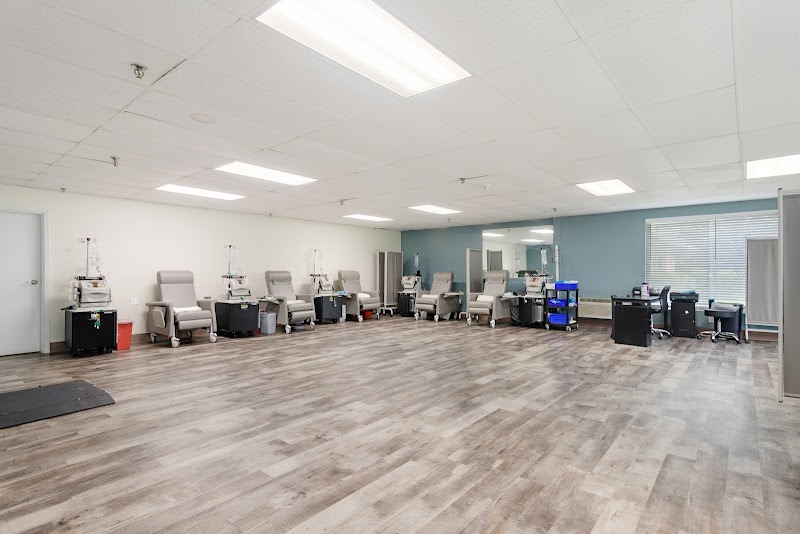
How is Maplewood Staffed?

CMS rates MAPLEWOOD CARE CENTER's staffing level at 2 out of 5 stars, which is below average compared to other nursing homes. Staff turnover is 73%, which is 27 percentage points above the Oklahoma average of 46%. High turnover can affect care consistency as new staff learn residents' individual needs. RN turnover specifically is 80%, which is notably high. RNs provide skilled clinical oversight, so turnover in this role can affect medical care quality.

What Have Inspectors Found at Maplewood?

State health inspectors documented 30 deficiencies at MAPLEWOOD CARE CENTER during 2022 to 2025. These included: 2 Immediate Jeopardy (the most serious level, indicating potential for serious harm or death), 1 that caused actual resident harm, and 27 with potential for harm. Immediate Jeopardy findings are rare and represent the most serious regulatory concerns. They require immediate corrective action.
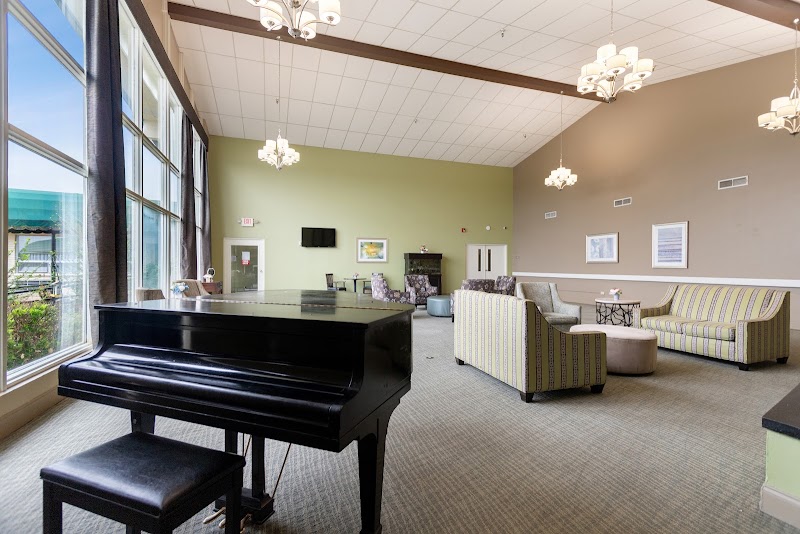
Who Owns and Operates Maplewood?

MAPLEWOOD CARE CENTER is owned by a for-profit company. For-profit facilities operate as businesses with obligations to shareholders or private owners. The facility is operated by SLP OPERATIONS, a chain that manages multiple nursing homes. With 180 certified beds and approximately 106 residents (about 59% occupancy), it is a mid-sized facility located in TULSA, Oklahoma.
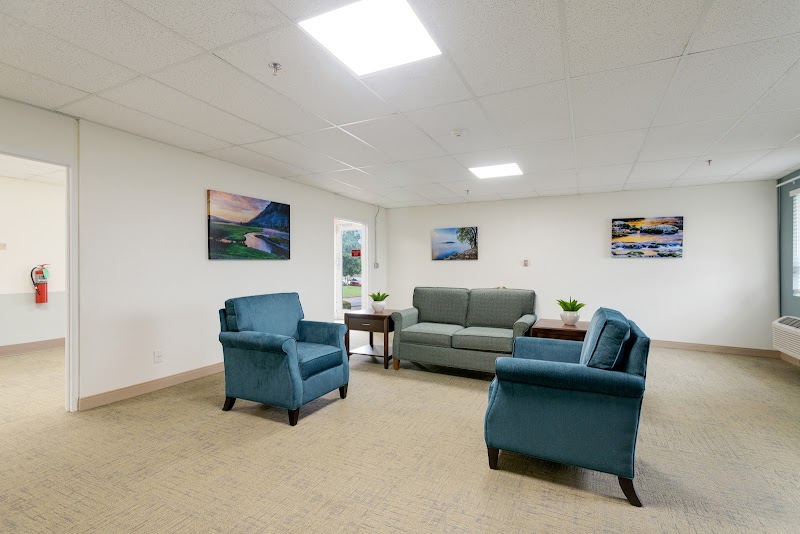
How Does Maplewood Compare to Other Oklahoma Nursing Homes?

Compared to the 100 nursing homes in Oklahoma, MAPLEWOOD CARE CENTER's overall rating (1 stars) is below the state average of 2.6, staff turnover (73%) is significantly higher than the state average of 46%, and health inspection rating (2 stars) is below the national benchmark.

What Should Families Ask When Visiting Maplewood?

Based on this facility's data, families visiting should ask: "What changes have been made since the serious inspection findings, and how are you preventing similar issues?" "How do you ensure continuity of care given staff turnover, and what is your staff retention strategy?" "Can you walk me through typical staffing levels on day, evening, and night shifts?" "Can I visit during a mealtime to observe dining assistance and food quality?" These questions are particularly relevant given the facility's Immediate Jeopardy citations, the facility's high staff turnover rate, and the below-average staffing rating.

Is Maplewood Safe?

Based on CMS inspection data, MAPLEWOOD CARE CENTER has documented safety concerns. Inspectors have issued 2 Immediate Jeopardy citations (the most serious violation level indicating risk of serious injury or death). The facility has a 1-star overall rating and ranks #100 of 100 nursing homes in Oklahoma. Families considering this facility should ask detailed questions about what corrective actions have been taken since these incidents.

Do Nurses at Maplewood Stick Around?

Staff turnover at MAPLEWOOD CARE CENTER is high. At 73%, the facility is 27 percentage points above the Oklahoma average of 46%. Registered Nurse turnover is particularly concerning at 80%. RNs handle complex medical decisions and coordinate care — frequent RN changes can directly impact care quality. High turnover means new staff may not know residents' individual needs, medications, or preferences. It can also be disorienting for residents, especially those with dementia who rely on familiar faces. Families should ask: What is causing the turnover? What retention programs are in place? How do you ensure care continuity during staff transitions?

Was Maplewood Ever Fined?

MAPLEWOOD CARE CENTER has no federal fines on record. CMS issues fines when nursing homes fail to meet care standards or don't correct problems found during inspections. The absence of fines suggests the facility has either maintained compliance or corrected any issues before penalties were assessed. This is a positive indicator, though families should still review recent inspection reports for the full picture.

Is Maplewood on Any Federal Watch List?

MAPLEWOOD CARE CENTER is not on any federal watch list. The most significant is the Special Focus Facility (SFF) program, which identifies the bottom 1% of nursing homes nationally based on persistent, serious quality problems. Not being on this list means the facility has avoided the pattern of deficiencies that triggers enhanced federal oversight. This is a positive indicator, though families should still review the facility's inspection history directly.