OKLAHOMA MEMORY CARE INSTITUTE
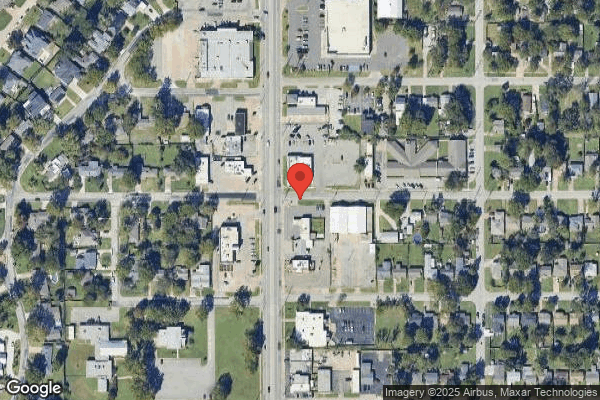
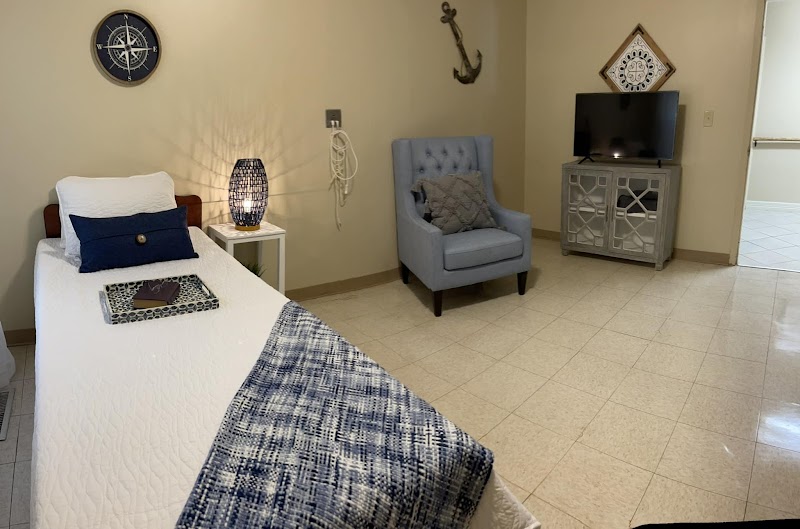
3333 EAST 28TH STREET, TULSA, OK 74114 (918) 203-0606
For profit - Limited Liability company 56 Beds DIAKONOS GROUP Data: November 2025 1 Immediate Jeopardy citation
Trust Grade
31/100
#178 of 282 in OK
Last Inspection: October 2024

Within standard 12-15 month inspection cycle. Federal law requires annual inspections.

Overview

Oklahoma Memory Care Institute in Tulsa has received a Trust Grade of F, indicating significant concerns and poor performance. It ranks #178 out of 282 facilities in Oklahoma, placing it in the bottom half, and #23 out of 33 in Tulsa County, suggesting limited local options that are better. While the facility is improving, reducing issues from 11 to 2 over the past year, it still exhibits critical weaknesses such as a concerning staff turnover rate of 68%, which is higher than the state average. Specific incidents include a failure to prevent a resident from eloping, which posed a serious risk, and a lack of dignity in resident treatment during meals, as well as improper use of a mechanical lift for transfers. Although the facility has average RN coverage, the overall environment raises significant red flags for families considering care options.

Trust Score
F
31/100
In Oklahoma
#178/282
Bottom 37%
Safety Record
High Risk
Review needed
Inspections
Getting Better
11 → 2 violations
Staff Stability
⚠ Watch
68% turnover. Above average. Higher turnover means staff may not know residents' routines.
Penalties
○ Average
$8,281 in fines. Higher than 67% of Oklahoma facilities. Some compliance issues.
Skilled Nurses
⚠ Watch
Each resident gets only 17 minutes of Registered Nurse (RN) attention daily — below average for Oklahoma. Fewer RN minutes means fewer trained eyes watching for problems.
Violations
⚠ Watch
29 deficiencies on record. Higher than average. Multiple issues found across inspections.
★★☆☆☆
2.0
Overall Rating
★★★☆☆
3.0
Staff Levels
★★☆☆☆
2.0
Care Quality
★★☆☆☆
2.0
Inspection Score
Stable
2024: 11 issues
2025: 2 issues

The Good

  • Full Sprinkler Coverage · Fire safety systems throughout facility
  • No fines on record

Facility shows strength in fire safety.

The Bad

2-Star Overall Rating

Below Oklahoma average (2.6)

Below average - review inspection findings carefully

Staff Turnover: 68%

22pts above Oklahoma avg (46%)

Frequent staff changes - ask about care continuity

Federal Fines: $8,281

Below median ($33,413)

Minor penalties assessed

Chain: DIAKONOS GROUP

Part of a multi-facility chain

Ask about local staffing decisions and management

Staff turnover is elevated (68%)

20 points above Oklahoma average of 48%

The Ugly 29 deficiencies on record

1 life-threatening
Feb 2025 1 deficiency 1 IJ
CRITICAL (J) 📢 Someone Reported This

A family member, employee, or ombudsman was alarmed enough to file a formal complaint

Immediate Jeopardy (IJ) - the most serious Medicare violation

Accident Prevention (Tag F0689)

Someone could have died · This affected 1 resident

A past noncompliance Immediate Jeopardy (IJ) situation was determined to exist effective 01/30/25 related to the facility's failure to supervise and prevent a resident from elopement. The facility fai...

Read full inspector narrative →
A past noncompliance Immediate Jeopardy (IJ) situation was determined to exist effective 01/30/25 related to the facility's failure to supervise and prevent a resident from elopement. The facility failed to prevent Resident #1 from eloping from the facility which had the potential to result in serious injury or harm. On 02/11/24, the Oklahoma State Department of Health verified the existence of the past noncompliance IJ related to the facility's failure to protect and prevent accident hazards related to elopement. The past noncompliance IJ was removed effective 01/31/25 after the facility put measures in place to prevent recurrence. On 01/31/25 compliance rounds were initiated, the quality assurance committee met, an inservice on elopement risk and documentation of hourly rounds were completed by all direct care staff, outside window locks were replaced by locks that allowed limited opening, Based on observation, record review, and interview, the facility failed to provide supervision to prevent elopement for 1 (#1) of 3 sampled residents reviewed for supervision. The administrator identified 47 residents in the facility. Findings: Resident #1 had diagnoses which included dementia. A Medicare admission assessment, dated 01/15/25, showed the resident was severely impaired for daily decision making. A progress note, dated 01/29/25 at 8:31 p.m., showed the resident had barricaded their door with a chair. A progress note, dated 01/30/25 at 7:30 a.m., showed the facility received a phone call from a local hospital inquiring if Resident #1 was a resident at the facility. A final incident report, dated 01/31/25, showed after an investigation the facility determined the resident was last seen in the facility on 01/29/25 at 10:30 p.m. The window in the resident's room was found to be opened and the screen removed. The report showed Resident #1 was picked up by an ambulance service at a convenience store on 01/30/25 at 1:29 a.m. and transported to a local hospital. The hospital found Resident #1 to be uninjured and the resident was returned to the facility at 8:55 a.m. where the resident was placed on continuous supervision. Resident #1 was sent to a local hospital for a psychological evaluation at 12:21 p.m. at the request of resident's guardian. Resident #1 returned to the facility at 7:30 p.m. that day and was kept on continuous supervision with a sitter in their room. Resident #1 was discharged from the facility on 1/31/25 at 1:32 p.m. for further psychological evaluation. On 02/03/25 at 10:42 a.m., the administrator stated the two staff members who failed to round on the resident were terminated and all other staff were immediately educated regarding making hourly rounds. The administrator stated a new system for hourly documented rounds was initiated that day and new locks were ordered for all outside windows. The administrator stated the new locks allow for a limited opening of all outside windows. The administrator stated the locks were installed on 01/31/25. The administrator stated the locks were monitored weekly by the maintenance staff and they also monitored with their own check of the windows. The administrator stated the director of nursing monitored the hourly rounds by staff, and all were reviewed at the facility quality assurance meeting. Documentation of the monitoring, education of staff, and review by the quality assurance committee was provided.
Jan 2025 1 deficiency
CONCERN (D) 📢 Someone Reported This

A family member, employee, or ombudsman was alarmed enough to file a formal complaint

Potential for Harm - no one hurt, but risky conditions existed

Report Alleged Abuse (Tag F0609)

Could have caused harm · This affected 1 resident

Based on record review and interview, the facility failed to report injuries of unknown origin to required agencies for one (#1) of three sampled residents who were reviewed for injuries of unknown or...

Read full inspector narrative →
Based on record review and interview, the facility failed to report injuries of unknown origin to required agencies for one (#1) of three sampled residents who were reviewed for injuries of unknown origin. The DON identified 47 residents resided at the facility. Findings: Resident #1 had diagnoses which included vascular dementia, anxiety, and frequent falls. A review of incident reports for Resident #1 revealed two incident reports for injuries of unknown origin on 10/26/24 and 12/10/24. Both were bruising, first to the temple and then to the right upper thigh. Review of state reports revealed the injury of unknown origin, dated 01/16/25, for a right subcaptial femoral neck fracture (a fracture that occurs in the neck of the femur, specifically at the junction where the femoral head meets the neck), was reported to OSDH on 01/17/25. No state reports were located for the 10/26/24 and 12/10/24 injuries of unknown origin. On 01/29/25 at 3:00 p.m., CNA #1 stated they reported falls, wounds, skin tears, pain, soreness, and red and purple bruises to the nurse. On 01/29/25 at 3:05 p.m., LPN #1 stated when they received reports of injuries of unknown origin, they checked the resident, provided care, and notified the DON, physician, and resident representative(s). On 01/29/25 at 3:20 p.m. the DON stated they reported to the state, falls with injuries, abuse allegations, and injuries of unknown origin. The DON stated they investigated and tried to determine how the injury occurred. On 01/29/25 at 3:27 p.m., the DON stated they had completed the risk management, but were unable to locate the state reports for 10/26/24 and 12/10/24. They stated they did not know why the state reports were not completed.
Oct 2024 9 deficiencies
CONCERN (D)

Potential for Harm - no one hurt, but risky conditions existed

Assessment Accuracy (Tag F0641)

Could have caused harm · This affected 1 resident

Based on record review and interview, the facility failed to ensure assessments were accurate for one (#9) of one sampled residents reviewed for accuracy of assessments. The administrator identified 4...

Read full inspector narrative →
Based on record review and interview, the facility failed to ensure assessments were accurate for one (#9) of one sampled residents reviewed for accuracy of assessments. The administrator identified 48 residents who resided in the facility. Findings: Resident #9 had diagnoses which included dementia. The admission assessment, dated 08/11/24, documented the resident was on an anticoagulant medication and was not on an antiplatelet medication. Review of the physician orders revealed the resident was on Plavix (an antiplatelet medication), but there was no documentation an anticoagulant medication had been ordered. On 10/30/24 at 11:31 a.m., the MDS coordinator stated the resident was on Plavix and they had coded the medication as an anticoagulant instead of an antiplatelet medication. On 10/30/24 at 12:59 p.m., the DON stated the corporate office reviewed the assessments for accuracy.
CONCERN (D)

Potential for Harm - no one hurt, but risky conditions existed

Respiratory Care (Tag F0695)

Could have caused harm · This affected 1 resident

Based on observation, record review, and interview, the facility failed to ensure residents were monitored during nebulizer treatments for one (#20) of one sampled residents reviewed for respiratory c...

Read full inspector narrative →
Based on observation, record review, and interview, the facility failed to ensure residents were monitored during nebulizer treatments for one (#20) of one sampled residents reviewed for respiratory care. The DON identified one resident who had orders for nebulizer treatments. An undated Nebulizer Therapy policy, read in part, .Observe resident during the procedure for any change in condition . Resident #20 had diagnoses which included chronic obstructive pulmonary disease. A physician order, dated 10/06/24, documented the resident was ordered ipratropium-albuterol (broncodilator) 0.5-2.5 (3mg/3ml) inhale every six hours. On 10/28/24 at 8:47 a.m., CNA #2 was observed to turn off the nebulizer machine and remove the nebulizer mask from Resident #20. On 10/29/24 at 11:42 a.m., LPN #1 was observed to prepare and administer ipratropium-albuterol via nebulizer to Resident #20. LPN #1 stated, Sometimes [they] keep it on, sometimes [they] won't when they placed the nebulizer mask on the resident. On 10/29/24 at 11:48 a.m., LPN #1 left the resident's room with the nebulizer mask in place. LPN #1 stated they normally left the nebulizer in place six or seven minutes then returned and removed it. On 10/29/24 at 12:05 p.m., Resident #20 was observed to hold the nebulizer mask in their right hand away from their face. On 10/29/24 at 12:12 p.m., LPN #1 returned to the resident's room and turned off the nebulizer machine. Resident #20 was observed to still hold the nebulizer mask in their right hand away from their face. On 10/30/24 at 1:27 p.m., LPN #1 stated they did not know how much of the medication the resident had received during the breathing treatment. They stated they had been informed on 10/29/24, after the breathing treatment for Resident #20, they were to stay in the room with the resident during breathing treatments to ensure the full treatment was received. On 10/30/24 at 1:59 p.m., the DON stated nurses were to stay with the residents for the entirety of nebulizer treatments.
CONCERN (D)

Potential for Harm - no one hurt, but risky conditions existed

Deficiency F0700 (Tag F0700)

Could have caused harm · This affected 1 resident

Based on observation, record review, and interview, the facility failed to ensure a resident was accurately assessed for the safe use of bed rails for one (#98) of three sampled residents reviewed for...

Read full inspector narrative →
Based on observation, record review, and interview, the facility failed to ensure a resident was accurately assessed for the safe use of bed rails for one (#98) of three sampled residents reviewed for bed rails. The DON identified four residents who had bed rails applied to their beds. Findings: An undated facility Proper Use of Bed Rails policy, read in part, Appropriate alternative approaches are attempted prior to installing or using bed rails .If bed rails are used, the facility ensures correct installation, use, and maintenance of the rails . Resident #98 had diagnoses which included, Alzheimer's disease, dementia, and repeated falls. A review of falls for Resident #98 revealed a witnessed fall on 10/09/24, a witnessed fall on 10/16/24, an un-witnessed fall on 10/17/24, and an un-witnessed fall on 10/30/24 in their room during the hours of sleep. A Fall Risk Assessment, dated 10/23/24, documented Resident #98 was a high fall risk. A care plan, initiated 10/28/24, documented bed rails (two half rails), were added to Resident #98's bed for sacral wound, comfort, and mobility. A Bed Rail/Assist Bar Evaluation, dated 10/28/24, documented Resident #98 had no cognitive deficit and had no balance issues. On 10/31/24 at 11:57 a.m., CNA #3 stated Resident #98 transferred with one person assist and was independent for bed mobility. They stated Resident #98 had not fallen out of bed to their knowledge. On 10/31/24 at 12:02 p.m., LPN #2 stated Resident #98 transferred with one person assist and required some assistance with bed mobility. LPN #2 stated Resident #98 had fallen the night before and was on neuro checks. They stated bed rails were checked to ensure they were secure by staff and maintenance conducted a bed rail check. On 10/31/24 at 12:06 p.m., the ADON stated they thought Resident #98 was bed bound from the initial records received, but when Resident #98 was admitted they had tolerated the wheel chair well and was getting stronger. They stated the ADON, DON, and MDS nurses were responsible to complete bed rail/assist bar evaluations. The ADON stated they had completed the assessment for Resident #98. They stated they had been involved with the care for Resident #98 and so they knew what the resident could and could not do. The ADON was asked how they determined Resident #98 had no cognitive deficit. They stated they just took it as fluctuations of consciousness and Resident #98 was pretty baseline with everything. The ADON was asked how they determined Resident #98 had no balance issues. They stated, Just by [their] balance sitting up in the chair. The ADON stated Resident #98 had not had any falls out of bed since the bed rails were installed. They reviewed the clinical record and stated, Oh, [they] had one last night. On 10/31/24 at 12:16 p.m., the DON stated they and the ADON were responsible to ensure evaluations/assessments were completed accurately. They stated bed rails were utilized for Resident #98 to assist them with bed mobility. The DON stated Resident #98 could get up because the rails were quarter rails and the rails were mainly to assist the resident and keep them safe. The DON clarified the previous statement to keep Resident #98 from injury. The DON stated the IDT made the final determination for bed rails based on risk and benefits and if the bed rails were safe and not a potential accident hazard. The DON reviewed the bed rail/assist bar evaluation for Resident #98 and stated the assessment was not accurate. They stated they had not reviewed the bed rail/assist bar evaluation after it was completed by the ADON on Monday. The DON stated the bed for Resident #98 was changed to a bed with rails on Monday 10/28/24. On 10/31/24 at 12:28 p.m., the director of maintenance stated they installed the bed rails but, they did not perform continued safety checks. They stated they just checked them if they were informed the bed rails were loose, and then they tightened the bed rails. On 10/31/24 at 12:37 p.m., the bed rail on the resident's bed was observed. There was a gap of more than a hand's width between the mattress and the bed rail.
CONCERN (D)

Potential for Harm - no one hurt, but risky conditions existed

Infection Control (Tag F0880)

Could have caused harm · This affected 1 resident

Based on observation and interview, the facility failed to ensure infection control was maintained during dining for two (morning and noon meal) of two meals observed. The DON identified eight residen...

Read full inspector narrative →
Based on observation and interview, the facility failed to ensure infection control was maintained during dining for two (morning and noon meal) of two meals observed. The DON identified eight residents who were dependent on staff for meals. On 10/28/24 at 8:27 a.m., the DON was observed to assist four residents with the morning meal. The DON was observed to pick up a biscuit with jelly with their bare hands and place it to a resident's mouth without sanitizing their hands. On 10/28/24 at 12:12 p.m., the ADON was observed to assist four residents with the noon meal. The ADON was observed to assist a resident with a drink by touching the straw then continue to assist other residents with their meal without sanitizing their hands. On 10/28/24 at 12:18 p.m., the DON was observed to pick up a dinner roll and hand it to a resident they were assisting without sanitizing their hands. On 10/30/24 at 1:51 p.m., the DON stated staff should not directly touch residents' food or straws with their bare hands.
CONCERN (D)

Potential for Harm - no one hurt, but risky conditions existed

Deficiency F0909 (Tag F0909)

Could have caused harm · This affected 1 resident

Based on observation, interview, and record review, the facility failed to ensure ongoing monitoring and supervision of bed rails for one (#98) of one resident sampled for bed rails. The DON identifie...

Read full inspector narrative →
Based on observation, interview, and record review, the facility failed to ensure ongoing monitoring and supervision of bed rails for one (#98) of one resident sampled for bed rails. The DON identified four residents who had bed rails. Findings: An undated facility Proper Use of Bed Rails policy, read in part, Appropriate alternative approaches are attempted prior to installing or using bed rails .If bed rails are used, the facility ensures correct installation, use, and maintenance of the rails . Resident #98 had diagnoses which included, Alzheimer's disease, dementia, and repeated falls. On 10/31/24 at 12:16 p.m., the DON was asked what kind of assessment was done after the bed rails were applied. They stated a bed rail assessment was completed by the ADON. On 10/31/24 at 12:28 p.m., the director of maintenance stated they installed the bed rails, but they did not perform continued safety checks. They stated they just checked them if they were informed the bed rails were loose, and then tightened the bed rails. On 10/31/24 at 12:37 p.m., the bed rail on the resident's bed was observed. There was a gap of more than a hand's width between the mattress and the bed rail.
CONCERN (E)

Potential for Harm - no one hurt, but risky conditions existed

Resident Rights (Tag F0550)

Could have caused harm · This affected multiple residents

**NOTE- TERMS IN BRACKETS HAVE BEEN EDITED TO PROTECT CONFIDENTIALITY** Based on observation, record review, and interview, the facility failed to ensure residents were treated with dignity by being c...

Read full inspector narrative →
**NOTE- TERMS IN BRACKETS HAVE BEEN EDITED TO PROTECT CONFIDENTIALITY** Based on observation, record review, and interview, the facility failed to ensure residents were treated with dignity by being called their preferred name for three (#18, 20, and #24) and failed to ensure dignity with dining for nine (#5, 10, 12, 15, 18, 26, 33, 34, and #44) of eight sampled residents who were reviewed for dignity. The DON identified eight residents who were dependent on staff for meals who ate in the dining room. Findings: An undated Promoting/Maintaining Resident Dignity During Mealtimes policy, read in part, .All staff will be seated, if possible, while feeding a resident . 1. On 10/28/24 at 8:21 a.m., the DON was observed to assist dependent residents with the morning meal in the dining room. The DON was observed to stand while assisting Resident #44, 33, and Resident #5. On 10/28/24 at 12:12 p.m., the DON was observed to assist dependent residents with the noon meal in the dining room. The DON was observed to stand while assisting Resident #18, 15, 26 and Resident #10. On 10/28/24 at 12:18 p.m., the ADON was observed to assist dependent residents with the noon meal in the dining room. The ADON was observed to stand while assisting Resident #12, 5, 33, and Resident #34. On 10/30/24 at 1:51 p.m., the DON stated the wheel chairs and geri chairs were too large for them to sit while assisting the residents with meals. The DON stated they should sit while assisting residents with meals to ensure dignity was maintained. 2. Resident #18 had diagnoses which included Alzheimer's disease. The Care Plan, dated 10/10/24, read in part, .Personal Preference Care Plan .I prefer to be address [sic] by being called [Resident's first name withheld] . On 10/29/24 at 1:36 p.m., CNA #1 stated to Resident #18, Take a bite grandma, in the common area of the facility. On 10/29/24 at 1:58 p.m., CNA #2 stated to Resident #18, Hold on momma, alright momma? 3. Resident #24 had diagnoses which included Alzheimer's disease. The Care Plan, dated 01/08/24, read in part, .Personal Preference Care Plan .I prefer to be address [sic] by being called [Resident's first name withheld] . On 10/29/24 at 1:55 p.m., CNA #2 stated to Resident #24, What you doing momma? 4. Resident #20 had diagnoses which included dementia. The Care Plan, dated 10/10/24, read in part, .Personal Preference Care Plan .My name is [Resident's first name withheld] . On 10/28/24 at 8:47 a.m., CNA #2 was observed to call Resident #20 momma while assisted them with the morning meal. On 10/29/24 at 11:42 a.m., LPN #1 stated to Resident #20, [NAME] I'm gonna put [their] on our face ok? [NAME], [NAME], we are gonna do your breathing treatment, okay? On 10/30/24 at 1:06 p.m., CNA#2 stated they addressed residents as sir or ma'am. CNA #2 stated it was a bad habit to call residents names other than their preferred name. They stated no residents had asked them to call them momma. On 10/30/24 at 1:09 p.m., CNA #1 stated they called Resident #18 'grandma' as a term of endearment, but should address the resident by their preferred name. On 10/30/24 at 1:18 p.m., LPN #1 stated '[NAME]' was not the preferred name for Resident #20. They stated staff should address residents by their preferred name. On 10/30/24 at 2:04 p.m., the DON stated staff were to address residents by their preferred name.
CONCERN (E)

Potential for Harm - no one hurt, but risky conditions existed

Accident Prevention (Tag F0689)

Could have caused harm · This affected multiple residents

Based on observation, interview, and record review, the facility failed to ensure residents were transferred safely with a mechanical lift for two (#21 and #18) of two sampled residents reviewed for m...

Read full inspector narrative →
Based on observation, interview, and record review, the facility failed to ensure residents were transferred safely with a mechanical lift for two (#21 and #18) of two sampled residents reviewed for mechanical transfers. The DON identified four residents who utilized a mechanical lift. Findings: 1. Resident #21 had diagnoses which included dementia, anxiety, and heart failure. A care plan for Resident #21, initiated 02/28/24, documented to transfer with two staff using the mechanical lift. On 10/28/24 8:04 a.m., CNA #2 entered the room of Resident #21 alone with the mechanical lift. On 10/28/24 at 8:29 a.m., CNA #2 opened the door to the room of Resident #21. The mechanical lift was observed in the room and the resident was observed to be in their wheel chair with the sling under them. On 10/30/24 at 1:37 p.m., CNA #2 stated Resident #21 was transferred using the mechanical lift. CNA #2 stated they did not transfer Resident #21 using two staff because the resident told them to go ahead and get him up without two staff. 2. Resident #18 had diagnoses which included Alzheimer's and dementia. A care plan focus for daily care, initiated 12/29/23, documented Resident #18 required two staff with the mechanical lift to transfer them. On 10/29/24 at 1:45 p.m., Resident #18 was observed to be taken to their room by CNA #2 after returning from the doctor with the lift sling under the them. On 10/29/24 at 1:47 p.m., CNA #2 left the room. On 10/29/24 at 1:52 p.m., CNA #2 was observed to enter the room of Resident #18 with the mechanical lift. On 10/29/24 at 1:58 p.m., the surveyor entered the room of Resident #18 and observed one staff. CNA #2 was observed to lower Resident #18 onto the bed. CNA #2 instructed Resident #18, Hold on momma, alright momma. On 10/30/24 at 2:00 p.m., the DON stated two staff were required for all mechanical lift transfers. They stated the staff had been in-serviced multiple times with no effect. The DON was asked the reason staff were not using two staff with mechanical lift despite in-services. They stated, I just keep in-servicing over and over again.
CONCERN (E)

Potential for Harm - no one hurt, but risky conditions existed

Deficiency F0761 (Tag F0761)

Could have caused harm · This affected multiple residents

Based on observation, interview, and record review, the facility failed to ensure insulin was dated when opened for one (treatment cart #1) of two medication carts observed for medication storage. The...

Read full inspector narrative →
Based on observation, interview, and record review, the facility failed to ensure insulin was dated when opened for one (treatment cart #1) of two medication carts observed for medication storage. The DON identified four medication carts in the facility and five residents who were ordered insulin. Findings: An undated Labeling of Medications and Biologicals policy, read in part, .Labels for multi-use vials must include .The date the vial was initially opened or accessed . An undated Insulin Pen policy, read in part, .Insulin pens should be disposed of after 28 days or according to manufacturer's recommendation . On 10/30/24 at 9:58 a.m., treatment cart #1 was observed with LPN #1. The following medications were observed to be opened and not dated. a. Lantus insulin vial for Resident #15; b. Fiasp flex touch pen for Resident #10; c. insulin aspart pen for Resident #27; d. insulin aspart pen and Basaglar pen for Resident #42; e. Levemir pen and insulin aspart for Resident #1; and f. glucose check strips. On 10/30/24 at 10:02 a.m., LPN #1 stated they did not know what date the above listed insulin vial, insulin pens, or glucose check strips had been opened. On 10/30/24 at 10:08 a.m., the DON reviewed the above listed insulin vial, insulin pens, and glucose check strips and stated staff were to date insulin and glucose check strips when they were opened. They stated medication/treatment carts were monitored monthly by the pharmacy consultant.
CONCERN (E)

Potential for Harm - no one hurt, but risky conditions existed

Deficiency F0887 (Tag F0887)

Could have caused harm · This affected multiple residents

Based on record review and interview, the facility failed to ensure documentation was maintained that staff were educated and offered the COVID-19 vaccine for two of two employees reviewed for the COV...

Read full inspector narrative →
Based on record review and interview, the facility failed to ensure documentation was maintained that staff were educated and offered the COVID-19 vaccine for two of two employees reviewed for the COVID-19 vaccination. The COVID-19 Vaccination policy, dated 06/27/23, read in part, .The facility will maintain documentation related to staff COVID-19 vaccination and includes at a minimum: a. Education to the staff regarding the risks, benefits, and potential side effects of the COVID-19 vaccine; b. The offering of the COVID-19 vaccine or information on obtaining the COVID-19 vaccine; c. The COVID-19 vaccine status of staff . On 10/31/24 at 3:03 p.m., the infection preventionist stated they did not have any documentation related to staff education of the COVID-19 vaccination for CNA #2. On 10/31/24 at 3:55 p.m., the administrator stated they did not have documentation for CNA #4 regarding staff education of the COVID-19 vaccination. On 10/31/24 at 4:08 p.m., the administrator stated they discussed the COVID-19 vaccination with new employees during orientation, but they did not maintain documentation of the education/information provided for any of the staff.
Oct 2024 2 deficiencies
CONCERN (D) 📢 Someone Reported This

A family member, employee, or ombudsman was alarmed enough to file a formal complaint

Potential for Harm - no one hurt, but risky conditions existed

Deficiency F0687 (Tag F0687)

Could have caused harm · This affected 1 resident

**NOTE- TERMS IN BRACKETS HAVE BEEN EDITED TO PROTECT CONFIDENTIALITY** Based on record review and interview, the facility failed to provide toenail care for one (#1) of five sampled residents whose c...

Read full inspector narrative →
**NOTE- TERMS IN BRACKETS HAVE BEEN EDITED TO PROTECT CONFIDENTIALITY** Based on record review and interview, the facility failed to provide toenail care for one (#1) of five sampled residents whose clinical records were reviewed for foot care. The facility's resident list report, dated 10/14/24, documented 46 residents. Findings: Resident #1 admitted to the facility on [DATE] with diagnoses which included gout. The admitting orders, dated 08/16/24, documented the resident was to receive podiatry care as needed. The shower sheet, dated 08/18/24, documented the resident's toenails needed to be cut. The shower sheet, dated 08/23/24, documented the resident's toenails needed to be cut. The admission assessment, dated 08/27/24, documented the resident was mildly impaired in cognition and required assistance with bathing and hygiene. The shower sheet, dated 08/31/24, documented the resident's toenails needed to be cut. The shower sheet, dated 09/03/24, documented the resident's toenails needed to be cut. On 10/15/24 at 4:00 p.m., CMA #1 stated the resident's toe nails were long, thick, and irregularly shaped. The CMA was shown pictures of the resident's bare feet and identified the irregularly shaped nails as those of Resident #1. CMA #1 stated they did not know how to cut toenails that looked like the resident's toenails. The resident's clinical record was reviewed. There was no documentation toenail care was provided. On 10/16/24 at 3:45 p.m., LPN #2 stated nail care was performed every few months by the podiatrist. LPN #2 was shown pictures of the resident's bare feet. The LPN stated they could not confirm the pictures were of the resident's feet, but the resident was admitted to the facility with long, thick, and irregularly shaped toenails which looked like or resembled those depicted in the picture. The LPN stated the facility did not have the tools necessary to cut toenails that were long and thick nor were they comfortable with cutting toenails in that condition. The LPN stated they did not know where they were to document nail care in the electronic medical record. On 10/16/24 at 4:10 p.m., the social service director stated the podiatrist came to the facility every three months and trimmed all the toenails for diabetic residents and those residents with difficult toenails to cut. The social service director stated Resident #1 would have been seen by the podiatrist, but the podiatrist visit to the facility was cancelled due to a viral outbreak in the facility. The social service director stated by the time the visit was rescheduled, Resident #1 had transferred to another facility. On 10/16/24 at 5:20 p.m., the DON viewed the pictures of the resident's toenails and stated the resident's toenails should have been cut. The DON stated they had reviewed the resident's clinical record and did not find any documentation toenail care was provided.
CONCERN (E) 📢 Someone Reported This

A family member, employee, or ombudsman was alarmed enough to file a formal complaint

Potential for Harm - no one hurt, but risky conditions existed

Deficiency F0568 (Tag F0568)

Could have caused harm · This affected multiple residents

Based on record review and interview, the facility failed to provide financial quarterly statements for four (#2, 3, 4, and #5) of four sampled residents who had monies deposited in the facility's res...

Read full inspector narrative →
Based on record review and interview, the facility failed to provide financial quarterly statements for four (#2, 3, 4, and #5) of four sampled residents who had monies deposited in the facility's resident trust. The trust account balance statement, dated 10/15/24, documented 10 residents with funds deposited in the facility trust. Findings: 1. Resident #2 had diagnoses with included dementia and was listed on the trust account balance statement as having funds deposited in the facility's resident trust. 2. Resident #3 had diagnoses with included dementia and was listed on the trust account balance statement as having funds deposited in the facility's resident trust. 3. Resident #4 had diagnoses with included dementia and was listed on the trust account balance statement as having funds deposited in the facility's resident trust. 4. Resident #5 had diagnoses with included dementia and was listed on the trust account balance statement as having funds deposited in the facility's resident trust. On 10/16/24 at 3:45 p.m., the BOM stated they were somewhat new to their position and had forgot to provide quarterly financial statements to the residents and/or the residents' representative. The BOM stated none of the residents with funds deposited in the resident trust received an accounting of their monies.
Sept 2023 13 deficiencies
CONCERN (D)

Potential for Harm - no one hurt, but risky conditions existed

Resident Rights (Tag F0550)

Could have caused harm · This affected 1 resident

Based on observation, record review, and interview, the facility failed to ensure privacy during the provision of toileting for one (#27) of three sampled residents reviewed for ADL care. The Resident...

Read full inspector narrative →
Based on observation, record review, and interview, the facility failed to ensure privacy during the provision of toileting for one (#27) of three sampled residents reviewed for ADL care. The Resident Census and Conditions of Residents report, dated 09/19/23, documented 38 residents resided in the facility. Findings Resident #27 had diagnoses to include Alzheimer's disease, and seizures. A Quarterly Assessment, dated 07/26/23, documented Resident #27 had clear speech, usually understood, usually understands, and required extensive assistance for transfers, walking, and toileting. A Care Plan, dated 04/22/22, was provided by the facility and did not address ADLs or the extent of assistance required by staff. On 09/22/23 at 1:45 p.m. Resident #27 was observed to be in full view from the hallway, to be seated on the toilet, undressed from the waist down. A staff member was seated on a shower chair in front of the resident. The room door was slightly opened, and the bathroom door was completely opened. When the surveyor approached the opened doors, CNA #4 made eye contact and rapidly whispered, Close the door, multiple times before getting up from their seat to close the hall door. The CNA was asked if the door should have already been closed. They stated, Yes.
CONCERN (D)

Potential for Harm - no one hurt, but risky conditions existed

Transfer Notice (Tag F0623)

Could have caused harm · This affected 1 resident

**NOTE- TERMS IN BRACKETS HAVE BEEN EDITED TO PROTECT CONFIDENTIALITY** Based on record review and interview, the facility failed to provide a written notice of transfer for one (#38) of one resident ...

Read full inspector narrative →
**NOTE- TERMS IN BRACKETS HAVE BEEN EDITED TO PROTECT CONFIDENTIALITY** Based on record review and interview, the facility failed to provide a written notice of transfer for one (#38) of one resident reviewed for hospitalization. The Resident Census and Conditions of Residents report, dated 09/19/23, documented 38 residents resided in the facility. Findings: Resident #38 had diagnoses to include dementia and anxiety. A Progress Note, dated 09/08/23, documented Resident #38 had been transferred to a local hospital. The clinical record contained no documentation the resident or representative had been provided written information regarding the discharge at the time of discharge to the hospital. On 09/21/23 at 10:37 a.m., the ADON was asked what paper work was provided to the resident or representative at the time of discharge to the hospital. They stated, We call and notify [the family]. On 09/21/23 at 10:40 a.m., the Administrator was asked what written notification of the hospital discharge was provided to the resident, resident representative, or Ombudsman when Resident #38 had been transferred to the hospital on [DATE]. They stated, There is not anything that is set up to provide written notice of a transfer or discharge to anyone.
CONCERN (D)

Potential for Harm - no one hurt, but risky conditions existed

Deficiency F0625 (Tag F0625)

Could have caused harm · This affected 1 resident

Based on record review and interview, the facility failed to ensure a copy of the bed hold policy was provided for one (#38) of one resident reviewed for a discharge to the hospital. The Resident Cens...

Read full inspector narrative →
Based on record review and interview, the facility failed to ensure a copy of the bed hold policy was provided for one (#38) of one resident reviewed for a discharge to the hospital. The Resident Census and Condition of Residents report, documented 38 residents resided in the facility. Findings: Resident #38 had diagnoses to include dementia and anxiety. A Progress Note, dated 09/08/23, documented Resident #38 had been discharge to a local hospital. The clinical record did not contain documentation the resident or representative had been provided written documentation of the bed hold policy at the time of discharge. On 09/21/23 at 10:37 a.m., the ADON was asked what paper work was provided to a resident that is discharged to the hospital. They stated the charge nurse prints a face sheet, DNR or advance directive, the current orders, a medication administration list, and if going to a psychiatric hospital, progress notes are sent. The ADON was asked if the resident or representative are provided a copy of a bed hold policy. They stated that would come from the office and not sure what they sent. On 09/21/23 at 10:40 a.m., the Administrator was asked if if the facility provide the resident or representative a copy of the bed hold policy when a resident is transferred or discharged to the hospital. The Administrator stated, No. .
CONCERN (D)

Potential for Harm - no one hurt, but risky conditions existed

Staffing Information (Tag F0732)

Could have caused harm · This affected 1 resident

Based on observation and interview, the facility failed to post daily staffing information in a prominent place which was readily accessible to residents and visitors. The Resident Census and Conditi...

Read full inspector narrative →
Based on observation and interview, the facility failed to post daily staffing information in a prominent place which was readily accessible to residents and visitors. The Resident Census and Conditions report, dated 09/19/23, documented 38 residents resided in the facility. Findings: On 09/22/23 at 3:40 p.m., RN #1 was asked where the daily nurse staffing was posted. They stated it was on hall 100. The wall on Hall 100 was observed with RN #1. There was no white board on the wall. On 09/22/23 at 3:44 p.m., RN #1 asked the Administrator where the board was. The Administrator stated they were unsure what happened to the board.
CONCERN (E)

Potential for Harm - no one hurt, but risky conditions existed

Deficiency F0582 (Tag F0582)

Could have caused harm · This affected multiple residents

Based on record review and interview, the facility failed to provide a NOMNC and ABN notice for two (#23 and #15) of three sampled residents reviewed for Beneficiary Notices. The Resident Census and ...

Read full inspector narrative →
Based on record review and interview, the facility failed to provide a NOMNC and ABN notice for two (#23 and #15) of three sampled residents reviewed for Beneficiary Notices. The Resident Census and Conditions report, dated 09/19/23, documented 38 residents resided in the facility. Findings: An Advance Beneficiary Notices policy, undated, read in part, .It is the policy of this facility to provide timely notices regarding Medicare eligibility and coverage . On 09/20/23 the Administrator provided a copy of the Entrance Conference Worksheet that documented Resident #23 was discharged on 03/31/23 and remained in the facility and Resident #15 was discharged on 03/31/23 and remained in the facility. On 09/20/23 at 12:30 p.m., the Administrator was asked if the beneficiary notices had been provided to Resident #23 and Resident #15. They stated all they had was documentation with the two Residents (#23 and #15) names at the top but they had not been signed. The Administrator was asked if Resident #23 and #15 had been provided the required notices. They stated, No.
CONCERN (E)

Potential for Harm - no one hurt, but risky conditions existed

Deficiency F0637 (Tag F0637)

Could have caused harm · This affected multiple residents

Based on record review and interview, the facility failed to complete a significant change assessment for two (#2 and #5) of four sampled residents reviewed for a significant change of status. The Res...

Read full inspector narrative →
Based on record review and interview, the facility failed to complete a significant change assessment for two (#2 and #5) of four sampled residents reviewed for a significant change of status. The Resident Census and Conditions report, dated 09/19/23, documented 38 residents resided in the facility. Findings: An MDS 3.0 Completion policy, undated, read in part, .Residents are assessed, using a comprehensive assessment process , in order to identify care needs and to develop an interdisciplinary care plan .A significant change is a major decline or improvement in a resident's status that .will not normally resolve itself without interventions by staff or by implementing standard disease-related clinical interventions .impacts more than one area of a residents health status, and .requires interdisciplinary review and/or revision of the care plan 1. Resident #2 had diagnoses which included Alzheimer's disease, high blood pressure, atrial fibrillation and anxiety. A significant change in status assessment, dated 05/08/23, documented Resident #2 needed limited assistance of one staff for bed mobility, transfers, to walk in room and corridor, dressing, toileting and personal hygiene. A quarterly assessment, dated 08/06/23, documented Resident #2 needed extensive assistance of one staff for bed mobility, transfers, dressing and Resident #2 did not walk in their room or corridor. On 09/21/23 at 11:31 a.m., RN #1 was shown the MDS assessments and asked if the Resident should have had a significant change assessment completed due to the decline in their functional status. They stated, Yes. 2. Resident #5 had diagnoses which included Alzheimer's disease, dementia, and anxiety. An admission assessment, dated 05/18/23, documented Resident #5 required limited assistance of one staff for bed mobility, transfers, dressing, toileting, and personal hygiene. A quarterly assessment, dated 08/15/23, documented Resident #5 required extensive assistance of one staff for bed mobility and dressing. Resident #5 required extensive assistance of two staff for transfers, and toileting. On 09/21/23 at 11:30 a.m., RN #1 was shown the MDS assessments and asked if Resident #5 should have had a significant change assessment completed due to the decline in their functional status. They stated, Yes. .
CONCERN (E)

Potential for Harm - no one hurt, but risky conditions existed

Accident Prevention (Tag F0689)

Could have caused harm · This affected multiple residents

Based on observation, record review and interview, the facility failed to complete smoking risk assessments to ensure the continued safety during smoking for one (#22) of one sampled resident reviewed...

Read full inspector narrative →
Based on observation, record review and interview, the facility failed to complete smoking risk assessments to ensure the continued safety during smoking for one (#22) of one sampled resident reviewed for smoking. The Resident Census and Conditions of Residents report, dated 09/19/23, documented 38 residents resided in the facility. Findings: A Resident Smoking policy, dated 02/10/22, read in parts, .Safety measures for the designated smoking area will include .Provision of Smoking Apron .All residents will be asked about tobacco use during admission process, and during each quarterly or comprehensive MDS assessment process .Residents who smoke will be further assessed, using the Resident Safe Smoking Assessment .whether or not supervision is required .resident is safe to smoke at all . Resident #22 had diagnoses to include dementia and nicotine dependence. A Physician Order, dated 04/30/22, documented Resident #22 was to have a smoking assessment completed before the resident smoked for the first time. Resident #22 would have a limit of two cigarettes, three times a day, with no smoking if the outside temperature was 25 degrees or below. Resident #22 was to be accompanied by staff or family to provide monitoring. A Care Plan, dated 08/22/22, read in parts, .Personal preference .am a smoker .I choose to smoke. - staff keeps my cigarettes and lighter .I have been informed about nurses will perform periodic evaluations on me about my safety to continue to smoke independently . A Smoking Assessment, dated 10/17/22, documented Resident #22 had cognitive loss, no visual deficit, no dexterity problem, smokes 2-5 per day during morning, afternoon, and evening. Resident #22 can light their own cigarette, required supervision, the facility stored the resident's lighter, and a care plan was in place to assure safety while smoking. A Quarterly Assessment, dated 08/09/23, documented Resident #22 had mild cognitive impairment, ambulated with a steady gait, and required supervision for all ADLs. A Smoking Assessment, dated 09/20/23, documented Resident #22 had cognitive loss, no visual deficit, no dexterity problem, smokes 5-10 per day, can light their own cigarette, required supervision, the facility stored the resent's lighter and cigarettes, and a care plan was in place to assure safety while smoking. The clinical record did not contain a Smoking Assessment from 10/17/22 until 09/20/23. On 09/19/23 at 2:53 p.m., Resident #22 was observed to be seated on the patio smoking. A staff member provide supervision. A smoking apron was not in use at this time. On 09/20/23 at 9:59 a.m., Resident #22 was asked where their cigarettes and lighter was stored. Resident #22 reported the staff keep their smoking equipment and stated, I do not like the cigarettes they [facility] gives to me. Those kind burns my mouth. Resident #22 was asked if they had actual burns or if it felt hot in their mouth. They stated. It feels hot in my mouth when smoking. On 09/20/23 at 2:45 p.m., Resident #22 was observed on the patio with a family member. Resident #22, with shaky hands, lit a cigarette and smoked. A smoking apron was not worn. On 09/20/23 at 10:00 p.m., Resident #22 was outside on back patio with staff. Resident #22 finish smoking a cigarette, then followed staff inside. A smoking apron was not worn. On 09/21/23 at 3:45 p.m., the DON and RN #1 were asked how often a resident should be assessed for smoking safety. RN #1 stated a resident should be assessed for smoking safety at least quarterly. They were asked if they were aware Resident #22 had described the cigarettes as no good and the resident experienced a hot burning sensation in their mouth at times while smoking. The DON and RN #1 stated they were not aware and nothing had been reported to them. They were asked if Resident #22 had been assessed for smoking safety every quarter and with any change of condition as stated in the facility policy. The DON stated the resident was provided supervision, but should have been assessed by a licensed nurse for the safety of smoking to ensure there were no changes at least quarterly. They were asked if the facility policy meant all smokers should wear a smoke apron. RN #1 stated the facility usually only provide a smoking apron if a resident had been assessed for the need of an apron to maintain smoking safety. They stated the resident should have been assessed quarterly and had not been assessed from 10/17/22 until 09/20/23.
CONCERN (E)

Potential for Harm - no one hurt, but risky conditions existed

Deficiency F0757 (Tag F0757)

Could have caused harm · This affected multiple residents

Based on record review and interview, the facility failed to ensure side effects were monitored for the use of anxiety medications for one (#2) of five sampled residents reviewed for unnecessary medic...

Read full inspector narrative →
Based on record review and interview, the facility failed to ensure side effects were monitored for the use of anxiety medications for one (#2) of five sampled residents reviewed for unnecessary medications. The Resident Census and Conditions report, dated 09/19/23, documented 17 residents received anxiety medications and 38 residents resided in the facility. Findings: A Unnecessary Drugs-Without Adequate Indication for Use policy, dated 02/22/22, read in part, .It is the facility's policy that each resident's drug regimen is managed and monitored to promote or maintain the resident's highest practicable mental, physical and psychosocial well-being free from unnecessary drugs . Resident #2 had diagnoses which included Alzheimer's disease, high blood pressure, atrial fibrillation and anxiety. A Physician Order, dated 05/24/23, documented to administer Klonopin 0.5 mg, one tablet three times a day. Resident #2's June, July and August 2023 TAR's did not contain documentation Resident #2 had been monitored for side effects related to the use of Klonopin. On 09/21/23 at 1:12 p.m., RN #1 was asked if Resident #2 had been monitored for side effects related to the use of Klonopin for June, July, and August 2023. They stated, No.
CONCERN (E)

Potential for Harm - no one hurt, but risky conditions existed

Laboratory Services (Tag F0770)

Could have caused harm · This affected multiple residents

Based on record review and interview, the facility failed to obtain lab (Hemoglobin A1c) for one (#15) of one sampled resident reviewed for laboratory services. The Resident Census and Conditions rep...

Read full inspector narrative →
Based on record review and interview, the facility failed to obtain lab (Hemoglobin A1c) for one (#15) of one sampled resident reviewed for laboratory services. The Resident Census and Conditions report, dated 09/19/23, documented 38 residents resided in the facility. Findings: An undated, Laboratory Services and Reporting policy, read in part, .The facility must provide or obtain laboratory services to meet the needs of its residents .The facility is responsible for the timeliness of the services . Resident #15 had diagnoses which included type two diabetes mellitus, dementia, and high blood pressure. A Physician Order, dated 05/09/23, documented to draw a Hemoglobin A1c, every month for three months. The clinical health record did not contain documentation Resident #15's Hgb A1c lab had been obtained for the three months as ordered. On 09/21/23 at 9:18 a.m., the ADON was asked if the Hgb A1c had been completed as ordered. They stated no, the last one had been done in February 2023.
CONCERN (E)

Potential for Harm - no one hurt, but risky conditions existed

Food Safety (Tag F0812)

Could have caused harm · This affected multiple residents

Based on observation, record review, and interview, the facility failed to maintain the kitchen to promote food safety and sanitation. The Resident Census and Condition of Residents report, dated 09/1...

Read full inspector narrative →
Based on observation, record review, and interview, the facility failed to maintain the kitchen to promote food safety and sanitation. The Resident Census and Condition of Residents report, dated 09/19/23, documented 38 residents resided in the facility. Findings: An undated End of Shift Cleaning Check List, read in parts, .Sweep and mop kitchen, walk in cooler and dry store area including under all equipment . On 09/19/23 at 12:11 p.m., an initial tour of the kitchen was conducted. The serving of the noon meal was in progress the following were observed: a. The floor of the kitchen and pantry had dirt and debris with a build-up under the equipment and along the edges of the floors. b. A June - 23 Dish Washer Temperature/Chemical Record report, documented the dish machine was last monitored for the hot water and chemical levels on 06/14/23. On 09/19/23 at 12:30 p.m., CDM #2 was asked when the dish machine was last checked for water temperatures and chemicals. They stated, it should have been this morning. CDM #2 to review the form, dated June 2023, with the last entry on the 14th day. CDM #2 stated, I will check, they probably did not change the date on the form [regarding the Month]. CDM #2 was asked if there was a reason the last entry day was on the 14th day. They stated, That would have been several days the water temperature and chemicals were not checked. On 09/21/23 at 11:30 a revisit to the kitchen was conducted. The preparation of the noon meal was in progress. The floor of the kitchen and pantry had dirt and debris with a build-up under the equipment and along the edges of the floors. On 09/21/23 at 12:00 p.m., CDM #1 was observed to obtain ice from the ice machine. There was a large build-up of a black solid substance on the under side of the flange inside the ice machine. CDM #1 stated, I need to clean that today. On 09/21/23 at 12:55 p.m., CDM #1 was asked if the facility had a cleaning schedule for the kitchen. CDM #1 stated, We have one, but we do not use it. CDM #1 stated a cleaning schedule needed to be put into place to ensure clean floors and other outer surfaces were maintained.
CONCERN (E)

Potential for Harm - no one hurt, but risky conditions existed

Garbage Disposal (Tag F0814)

Could have caused harm · This affected multiple residents

Based on observation and interview, the facility failed to ensure trash cans in the kitchen were covered. The Resident Census and Condition of Residents report, dated 09/19/23, documented 38 resident...

Read full inspector narrative →
Based on observation and interview, the facility failed to ensure trash cans in the kitchen were covered. The Resident Census and Condition of Residents report, dated 09/19/23, documented 38 residents resided in the facility. Findings: An undated End of Shift Cleaning Check List, read in parts, .Trash Cans emptied and cleaned .Put lid on trash can before serving and before leaving . On 09/19/23 at 12:11 p.m., an initial tour of the kitchen was conducted. The serving of the noon meal was in progress. The trash can located near the hand washing sink overflowed with used paper towels. There was not a lid on or near the trash can. On 09/21/23 at 11:30 a revisit to the kitchen was conducted. The preparation of the noon meal was in progress. The trash can located near the hand washing sink overflowed with used paper towels. There was not a lid on or near the trash can. On 09/21/23 at 12:40 p.m., CDM #1 was asked if there was a reason the trash can near the hand sink did not have a lid. They stated, I did not think we needed one since it was not near the food prep area and only contained paper towels from cleaning and drying hands.
CONCERN (E)

Potential for Harm - no one hurt, but risky conditions existed

Staffing Data (Tag F0851)

Could have caused harm · This affected multiple residents

Based on record review and interview, the facility failed to submit accurate data for 24 hour licensed skilled nursing to CMS for three of three months reviewed. The Resident Census and Conditions re...

Read full inspector narrative →
Based on record review and interview, the facility failed to submit accurate data for 24 hour licensed skilled nursing to CMS for three of three months reviewed. The Resident Census and Conditions report, dated 09/19/23, documented 38 residents resided in the facility. Findings: A PBJ Staffing Data Report, dated 04/01/23 though 06/30/23, documented there was no licensed nursing coverage 24 hours a day for 04/29/23, 05/10/23, 06/20/23, 06/24/23, and 06/25/23. On 09/22/23 at 2:01 p.m., the Administrator was asked for documentation that there was 24 hour licensed coverage for 04/29/23, 05/10/23, 06/20/23, 06/24/23 and 06/25/23. The Administrator was asked who reports the quality of care staffing reports. They stated the corporate office. They were asked if agency staff had been reported. They stated No. The Administrator was unsure of the dates in April and May as they had started their position in June 2023. On 09/22/23 at 2:54 p.m., the Administrator was asked if the staffing data had been reported correctly. They stated June was not reported accurately, I didn't report agency staff, only therapy and core staff. The Administrator stated, for April, May and June 2023 the information had been reported incorrectly to corporate so the staffing data had not been reported correctly.
CONCERN (E)

Potential for Harm - no one hurt, but risky conditions existed

Infection Control (Tag F0880)

Could have caused harm · This affected multiple residents

Based on observation, record review, and interview, the facility failed to ensure staff sanitized a blood pressure cuff between two (#24 and #17) of five sampled residents reviewed during medication o...

Read full inspector narrative →
Based on observation, record review, and interview, the facility failed to ensure staff sanitized a blood pressure cuff between two (#24 and #17) of five sampled residents reviewed during medication observation. The Resident Census and Conditions report, dated 09/19/23, documented 38 residents resided in the facility. Findings: A Standard Precautions Infection Control [name of facility] policy, dated 11/10/21, read in part, All staff are to assume that all residents are potentially infected or colonized with an organism that could be transmitted during the course of providing resident care services . On 09/22/23 at 7:40 a.m. upon arrival to the medication cart, CMA #1 was observed to be wearing a b/p wrist cuff around their left wrist. On 09/22/23 at 7:46 a.m., CMA #1 was observed to obtain a b/p using the wrist cuff on Resident #24. CMA #1 then was observed to return to the cart and place the b/p cuff on top of the cart. They were not observed to sanitize the b/p cuff. On 09/22/23 at 8:04 a.m., CMA was observed to remove the cuff from the top of the cart and obtain a blood pressure on Resident #17. CMA #1 was then observed to return the b/p cuff to the top of the cart. CMA #1 was not observed to sanitize the b/p cuff. On 09/22/23 at 9:33 a.m., CMA #1 was observed wearing the b/p cuff on their left wrist while passing medications on the hall. On 09/22/23 at 11:29 a.m., CMA #1 was asked if they had been wearing the b/p cuff on their wrist this morning at medication pass. They stated, Yes. CMA #1 was asked if they had sanitized the b/p cuff between Resident #24 and #17. They stated, No. They were asked if they sanitized the cuff after Resident #17. They stated, No. On 09/22/23 at 12:46 p.m., RN #1 was asked how staff should sanitize b/p equipment. They stated with Wipes. They were asked when should staff sanitize the equipment. They stated it should be sanitized after each use.
Oct 2022 3 deficiencies
CONCERN (D)

Potential for Harm - no one hurt, but risky conditions existed

Pharmacy Services (Tag F0755)

Could have caused harm · This affected 1 resident

Based on observation, record review, and interview, the facility failed to ensure medication was available for one (#74) of ten residents who were observed during medication pass. The DON identified 2...

Read full inspector narrative →
Based on observation, record review, and interview, the facility failed to ensure medication was available for one (#74) of ten residents who were observed during medication pass. The DON identified 26 residents who received medications. Findings: A physician order, dated 09/20/22, documented the resident was to receive Metformin (a medication for diabetes) 500mg by mouth twice a day. A physician order, dated 09/20/22, documented the resident was to receive Latanoprost (a medication for glaucoma) eye drops 0.005% one drop in both eyes at bedtime. The Medication Administration Record, dated 10/01/22 through 10/31/22, revealed the resident had not received the Latanoprost on 10/06/22, 10/07/22, 10/10/22, or 10/18/22. The MAR revealed the resident had not received the Metformin on 10/19/22 in the morning or evening and had not received the morning dose of Metformin on 10/20/22. The Progress Notes, dated 10/01/22 through 10/20/22, documented the Latanoprost was not available on the above listed dates and the Metformin was on order on the above listed dates. On 10/20/22 at 8:56 a.m., CMA #1 was observed to prepare medications for Resident #74. The CMA stated Metformin was not available on the cart and checked the medication room. The CMA returned, reviewed the electronic clinical record, and stated the Metformin was on order from the pharmacy and was not available in the facility for administration. They stated the pharmacy should deliver the medication soon. CMA #1 was asked what the protocol was if a medication was not available. They stated they ordered the medication from the pharmacy. They were asked if they notified anyone if medications were not available. They stated they notified the charge nurse if it were a narcotic medication but did not notify anyone for other medications. The CMA was asked to notify the survey team once the medication was available for administration. On 10/21/22 at 2:47 p.m., the DON and ADON were asked why Resident #74 had not received Metformin during the medication administration observation on 10/20/22. They reviewed the MAR and the progress notes and the DON stated the CMA had ordered the medication on 10/19/22 and 10/20/22. The DON and ADON were asked what the protocol was if a medication was not available for administration. The DON stated the CMA was to notify the charge nurse who would then call the pharmacy. The DON stated they would check to ensure the medication was available. On 10/21/22 at 2:55 p.m., CMA #1 and the DON showed the survey team a card of Metformin for Resident #74. The CMA stated they thought they had administered the Metformin on 10/20/22 after they had found the medication in the medication room later in the day. The DON was asked who monitored to ensure medications were available for administration. They stated the CMAs, ADON, and DON. The DON was asked why the Latanoprost for Resident #74 was not available for administration on 10/06/22, 10/07/22, 10/10/22, or 10/18/22. They stated the medication should have been in the refrigerator. They stated the CMA who documented the medication as not available was an agency CMA.
CONCERN (E)

Potential for Harm - no one hurt, but risky conditions existed

Deficiency F0578 (Tag F0578)

Could have caused harm · This affected multiple residents

Based on record review and interview, the facility failed to ensure Do Not Resuscitate (DNR) forms were complete for one (#10) and ensure the code status was accurate for one (#73) of two sampled resi...

Read full inspector narrative →
Based on record review and interview, the facility failed to ensure Do Not Resuscitate (DNR) forms were complete for one (#10) and ensure the code status was accurate for one (#73) of two sampled residents who were reviewed for advanced directives. The facility identified twelve residents who had a DNR on file. Findings: 1. Resident #73 had diagnoses which included dementia and Down syndrome. A physician order, dated 09/09/22, documented the resident was a DNR. A care plan, dated 10/05/22, read in part, .I am a full code . Review of the electronic clinical record did not reveal a DNR on file. The electronic face sheet documented the resident was a DNR. On 10/21/22 at 2:10 p.m., the BOM was asked what their role was regarding advanced directives. They stated they reviewed with resident/resident representatives code status and advanced directives upon admission to the facility. The BOM was asked how staff were made aware of the code status of the residents. They stated they could check the electronic clinical record or the paper chart. They were asked what the code status was for Resident #73. They reviewed the electronic clinical record and stated the resident was a DNR. The BOM was asked where the DNR for Resident #73 was located. They stated it was documented in the electronic clinical record and the paper chart. They reviewed the electronic clinical record and stated they did not see a DNR and they needed to check the paper chart. On 10/21/22 at 2:14 p.m., the BOM stated the paper chart did not contain a DNR. The BOM stated they had spoken to the representative for Resident #73 and they wanted a DNR. On 10/21/22 at 2:33 p.m., the DON and ADON were asked what the code status was for Resident #73. They stated the electronic record documented the resident was a DNR but there was not a signed DNR on file. The DON was asked who was responsible to ensure the code status for residents were accurate. They stated it was their responsibility. 2. Resident #10 had diagnoses which included dementia. A care plan, dated 03/01/22, read in part, .I prefer to be a DNR . A physician order, dated 05/19/22, documented the resident was a DNR. Review of the electronic clinical record revealed a DNR consent form had been signed by the resident's representative. The form was not dated and did not contain any witness signatures. The electronic face sheet documented the resident was a DNR. On 10/21/22 at 2:17 p.m., the BOM was asked if the paper copy, of the DNR for Resident #10, had more information than the scanned copy in the electronic clinical record. They stated the DNR was not signed properly with witness signatures. They were asked what the code status was for Resident #10. They stated the resident representative wanted a DNR. On 10/21/22 at 2:29 p.m., the DON and ADON were asked how staff were aware of the code status for residents. The DON stated the electronic clinical record had the information on the front page and copies of DNR forms were scanned into the document section. They were asked what the code status was for Resident #10. The DON stated the electronic record documented the resident was a DNR but the resident was a full code since the form was not complete with witness signatures and date. The DON and ADON were asked why the DNR was not complete. The ADON stated the family provided an incomplete copy of the DNR and they needed a full form filled out with witness signatures. They were asked who was responsible to ensure DNR forms were complete with the required signatures. The DON stated they were responsible.
CONCERN (E)

Potential for Harm - no one hurt, but risky conditions existed

Deficiency F0700 (Tag F0700)

Could have caused harm · This affected multiple residents

Based on observation, record review. and interview, the facility failed to attempt alternatives, assess for risks, and obtain informed consent for the use of bedrails for two (#72 and #121) of two res...

Read full inspector narrative →
Based on observation, record review. and interview, the facility failed to attempt alternatives, assess for risks, and obtain informed consent for the use of bedrails for two (#72 and #121) of two residents reviewed for bed rails. The DON identified two residents with bed rails. Findings: A Proper Use of Bedrails policy, dated 01/10/22, read in parts, .The resident assessment must include an evaluation of the alternatives that were attempted prior to the installation or use of a bed rail and how these alternatives failed to meet the resident's assessed needs. The resident assessment must also assess the resident's risk from using bed rails .Informed consent from the resident or resident representative must be obtained after appropriate alternatives have been attempted prior to installation and use of bed rails .Upon receiving informed consent, the facility will obtain a physician's order for the use of the specified bed rail . 1. Resident #72 had diagnoses which included Non-Alzheimer's Dementia. The admission assessment, dated 09/22/22, documented the resident was dependent on staff for all activities of daily living. A review of the electronic clinical record did not document attempts to use alternatives to bed rails, a physician order for bed rails, or an assessment of the risk from using bed rails. On 10/18/22 at 3:47 p.m., resident #72 was observed in bed with both top, half bedrails in the raised position. 2. Resident #121 had diagnoses which included Non-Alzheimer's Dementia. The admission assessment, dated 10/14/22, documented the resident was dependent on staff for all activities of daily living. A review of the electronic record did not document attempts to use alternatives to bed rails, a physician order for bed rails, or an assessment of the risk from using bed rails On 10/18/22 at 3:51 p.m., resident #121 was observed asleep in bed. Both top half bed rails were in the raised position. On 10/20/22 at 11:17 a.m., the resident was in bed. The two top half bed rails were in the raised position. On 10/20/22 at 11:21 a.m., a family member stated the facility had not talked to them about the use of the bed rails. On 10/21/22 at 2:17 p.m., the DON was asked about their policy on the use of bed rails. They stated we are working to develop an assessment to put into the resident record now. They stated an assessment for alternatives to bed rails and the risks of using bed rails was not completed. When asked if alternatives were tried before using the bedrails the DON replied No On 10/21/22 at 3:21 p.m., the ADON stated, As far as our policy is concerned right now, we have not been following our policy.
Understanding Severity Codes (click to expand)
Life-Threatening (Immediate Jeopardy)
J - Isolated K - Pattern L - Widespread
Actual Harm
G - Isolated H - Pattern I - Widespread
Potential for Harm
D - Isolated E - Pattern F - Widespread
No Harm (Minor)
A - Isolated B - Pattern C - Widespread

Questions to Ask on Your Visit

  • "What changes have you made since the serious inspection findings?"
  • "Why is there high staff turnover? How do you retain staff?"
  • "Can I speak with families of current residents?"
  • "What's your RN coverage like on weekends and overnight?"

Our Honest Assessment

Strengths
  • • Licensed and certified facility. Meets minimum state requirements.
Concerns
  • • Multiple safety concerns identified: 1 life-threatening violation(s). Review inspection reports carefully.
  • • 29 deficiencies on record, including 1 critical (life-threatening) violation. These warrant careful review before choosing this facility.
  • • Grade F (31/100). Below average facility with significant concerns.
  • • 68% turnover. Above average. Higher turnover means staff may not know residents' routines.
Bottom line: Trust Score of 31/100 indicates significant concerns. Thoroughly evaluate alternatives.

About This Facility

What is Oklahoma Memory Care Institute's CMS Rating?

CMS assigns OKLAHOMA MEMORY CARE INSTITUTE an overall rating of 2 out of 5 stars, which is considered below average nationally. Within Oklahoma, this rating places the facility higher than 0% of the state's 100 nursing homes. A rating at this level reflects concerns identified through health inspections, staffing assessments, or quality measures that families should carefully consider.
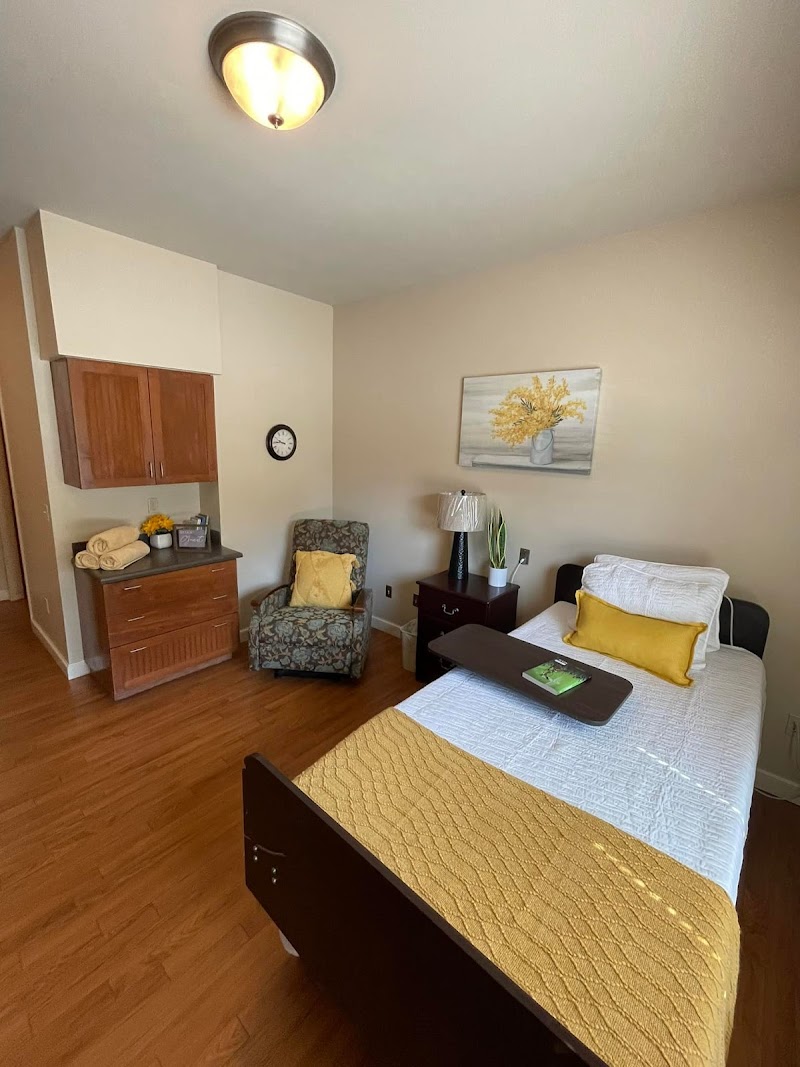
How is Oklahoma Memory Care Institute Staffed?

CMS rates OKLAHOMA MEMORY CARE INSTITUTE's staffing level at 3 out of 5 stars, which is average compared to other nursing homes. Staff turnover is 68%, which is 22 percentage points above the Oklahoma average of 46%. High turnover can affect care consistency as new staff learn residents' individual needs.

What Have Inspectors Found at Oklahoma Memory Care Institute?

State health inspectors documented 29 deficiencies at OKLAHOMA MEMORY CARE INSTITUTE during 2022 to 2025. These included: 1 Immediate Jeopardy (the most serious level, indicating potential for serious harm or death) and 28 with potential for harm. Immediate Jeopardy findings are rare and represent the most serious regulatory concerns. They require immediate corrective action.
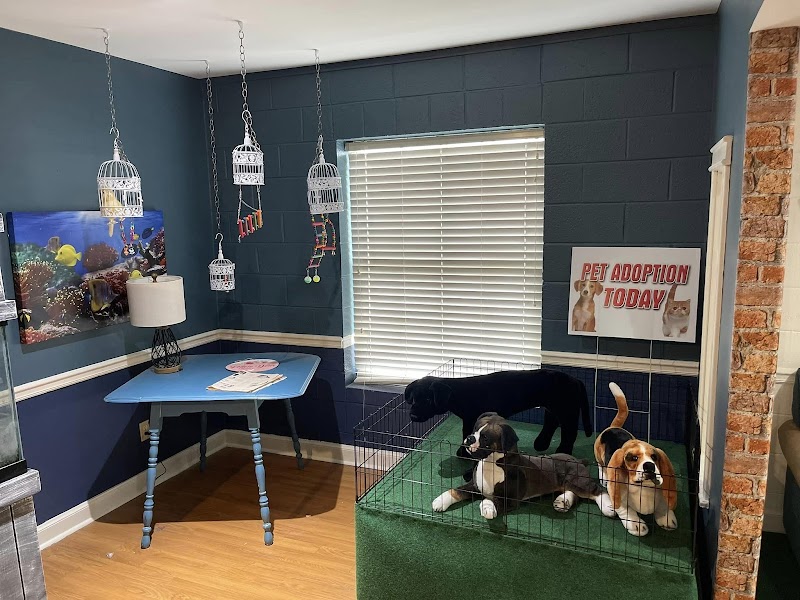
Who Owns and Operates Oklahoma Memory Care Institute?

OKLAHOMA MEMORY CARE INSTITUTE is owned by a for-profit company. For-profit facilities operate as businesses with obligations to shareholders or private owners. The facility is operated by DIAKONOS GROUP, a chain that manages multiple nursing homes. With 56 certified beds and approximately 44 residents (about 79% occupancy), it is a smaller facility located in TULSA, Oklahoma.
How Does Oklahoma Memory Care Institute Compare to Other Oklahoma Nursing Homes?

Compared to the 100 nursing homes in Oklahoma, OKLAHOMA MEMORY CARE INSTITUTE's overall rating (2 stars) is below the state average of 2.6, staff turnover (68%) is significantly higher than the state average of 46%, and health inspection rating (2 stars) is below the national benchmark.

What Should Families Ask When Visiting Oklahoma Memory Care Institute?

Based on this facility's data, families visiting should ask: "What changes have been made since the serious inspection findings, and how are you preventing similar issues?" "How do you ensure continuity of care given staff turnover, and what is your staff retention strategy?" "Can I visit during a mealtime to observe dining assistance and food quality?" "How do you handle medical emergencies, and what is your hospital transfer rate?" These questions are particularly relevant given the facility's Immediate Jeopardy citations and the facility's high staff turnover rate.

Is Oklahoma Memory Care Institute Safe?

Based on CMS inspection data, OKLAHOMA MEMORY CARE INSTITUTE has documented safety concerns. Inspectors have issued 1 Immediate Jeopardy citation (the most serious violation level indicating risk of serious injury or death). The facility has a 2-star overall rating and ranks #100 of 100 nursing homes in Oklahoma. Families considering this facility should ask detailed questions about what corrective actions have been taken since these incidents.

Do Nurses at Oklahoma Memory Care Institute Stick Around?

Staff turnover at OKLAHOMA MEMORY CARE INSTITUTE is high. At 68%, the facility is 22 percentage points above the Oklahoma average of 46%. High turnover means new staff may not know residents' individual needs, medications, or preferences. It can also be disorienting for residents, especially those with dementia who rely on familiar faces. Families should ask: What is causing the turnover? What retention programs are in place? How do you ensure care continuity during staff transitions?

Was Oklahoma Memory Care Institute Ever Fined?

OKLAHOMA MEMORY CARE INSTITUTE has been fined $8,281 across 1 penalty action. This is below the Oklahoma average of $33,162. While any fine indicates a compliance issue, fines under $50,000 are relatively common and typically reflect isolated problems that were subsequently corrected. Families should ask what specific issues led to these fines and confirm they've been resolved.

Is Oklahoma Memory Care Institute on Any Federal Watch List?

OKLAHOMA MEMORY CARE INSTITUTE is not on any federal watch list. The most significant is the Special Focus Facility (SFF) program, which identifies the bottom 1% of nursing homes nationally based on persistent, serious quality problems. Not being on this list means the facility has avoided the pattern of deficiencies that triggers enhanced federal oversight. This is a positive indicator, though families should still review the facility's inspection history directly.