SAINT SIMEONS EPISCOPAL HOME
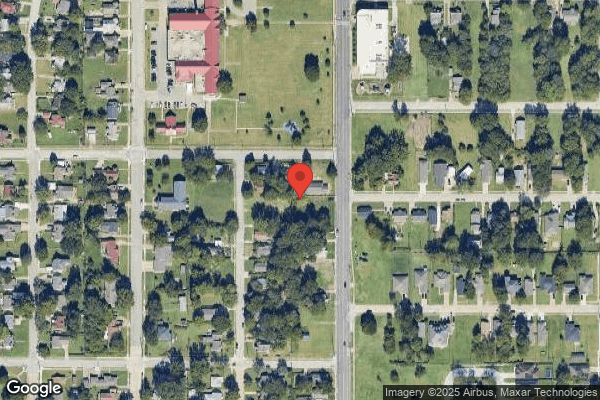
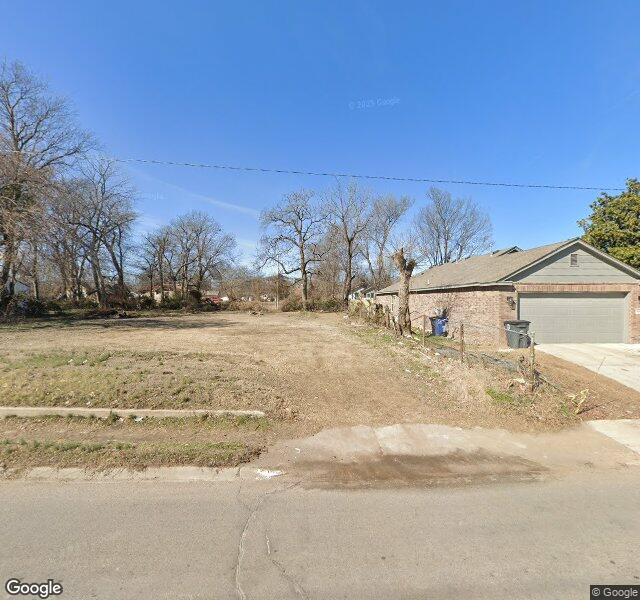
3701 MARTIN LUTHER KING JR BLVD, TULSA, OK 74106 (918) 425-3583
Non profit - Church related 109 Beds Independent Data: November 2025
Trust Grade
63/100
#128 of 282 in OK
Last Inspection: January 2025

Within standard 12-15 month inspection cycle. Federal law requires annual inspections.

Overview

Saint Simeons Episcopal Home in Tulsa, Oklahoma, has a Trust Grade of C+, indicating it is slightly above average but has room for improvement. It ranks #128 out of 282 facilities in Oklahoma, placing it in the top half, and #15 out of 33 in Tulsa County, meaning there are only a few better local options. Unfortunately, the facility is experiencing a worsening trend, with issues increasing from 2 in 2024 to 7 in 2025. Staffing is a significant concern, with a low rating of 1 out of 5 stars, although the turnover rate is impressively low at 0%, suggesting staff retention is good. The facility has incurred $12,837 in fines, which is average, but recent inspection findings revealed serious concerns, such as a resident being left soiled in bed and inadequate hydration and medication for another resident, raising questions about the quality of care. On a positive note, the health inspection score is a solid 4 out of 5, and there are no critical issues reported, but families should weigh these strengths against the documented deficiencies.

Trust Score
C+
63/100
In Oklahoma
#128/282
Top 45%
Safety Record
Low Risk
No red flags
Inspections
Getting Worse
2 → 7 violations
Staff Stability
○ Average
Turnover data not reported for this facility.
Penalties
⚠ Watch
$12,837 in fines. Higher than 89% of Oklahoma facilities, suggesting repeated compliance issues.
Skilled Nurses
○ Average
RN staffing data not reported for this facility.
Violations
⚠ Watch
13 deficiencies on record. Higher than average. Multiple issues found across inspections.
★★★☆☆
3.0
Overall Rating
★☆☆☆☆
1.0
Staff Levels
★★★★☆
4.0
Care Quality
★★★★☆
4.0
Inspection Score
Stable
2024: 2 issues
2025: 7 issues

The Good

  • 4-Star Quality Measures · Strong clinical quality outcomes
  • Full Sprinkler Coverage · Fire safety systems throughout facility
  • No fines on record

Facility shows strength in quality measures, fire safety.

The Bad

3-Star Overall Rating

Near Oklahoma average (2.6)

Meets federal standards, typical of most facilities

Federal Fines: $12,837

Below median ($33,413)

Minor penalties assessed

The Ugly 13 deficiencies on record

Mar 2025 3 deficiencies
CONCERN (D) 📢 Someone Reported This

A family member, employee, or ombudsman was alarmed enough to file a formal complaint

Potential for Harm - no one hurt, but risky conditions existed

Deficiency F0557 (Tag F0557)

Could have caused harm · This affected 1 resident

Based on record review and interview, the facility failed to ensure residents were treated with dignity and respect for 1 (#4) of 4 residents who were reviewed for dignity. The administrator identifie...

Read full inspector narrative →
Based on record review and interview, the facility failed to ensure residents were treated with dignity and respect for 1 (#4) of 4 residents who were reviewed for dignity. The administrator identified 78 residents who resided at the facility. Findings: Resident #4 had diagnoses which included mood disorder, PTSD, and anxiety. The five day assessment, dated 01/20/25, showed Resident #4 had a BIMS score of 13 and was cognitively intact for decision making. Review of the care plan, dated 01/31/25, for Resident #4, showed a focus of being dependent on staff for ADLs in toileting hygiene and transfers. Review of the ODH Form 283, dated 02/26/25, showed Resident #4 had alleged allegations of abuse/mistreatment by CNA #1. The form showed on 02/26/25 CNA #2 had reported Resident #4 told them they feared CNA #1 and did not want them to return to their room at night. The form documented Resident #4 stated CNA #1 came to their room to change their wet brief, removed their brief and left them naked to soil the bed and never returned. The form showed CNA#1 had been suspended pending the investigation. On 02/27/25 at 2:34 p.m., Resident #4 stated an incident occurred when a CNA #1 had left them naked in bed. They stated they were pleased CNA #1 had been suspended and that it was unlikely CNA #1 would return. Resident #4 stated CNA #1 was not mean or hurt them, they felt CNA #1 did not like their job. They stated no other CNA had left them like that, just CNA #1. On 03/03/25 at 1:26 p.m., CNA #3 stated they made sure dignity was maintained by ensuring residents were dressed, knocked on their door before entering. On 03/03/25 at 1:53 p.m., LPN #1 stated they ensured residents were treated with dignity and respect by closing doors, taking residents to a private area, knocked on the door, called them by their name or whatever they wanted to be called. On 03/03/25 at 6:20 p.m., Resident #4 was asked how they felt when the aide left them in bed. Resident #4 stated when CNA #1 left them in the bed, they did not know how it made them feel at that time. Resident #4 stated they did wonder where CNA #1 had gone. Resident #4 stated they guessed they felt abandoned by CNA #1. On 03/04/25 at 3:15 p.m., the CEO/president stated they ensured residents were treated with dignity and respect during on-boarding and training, daily rounding by the director of nursing, assistant director of nursing, nurses, and administration. They stated the residents were provided opportunities to tell administration about their care. The CEO stated nurses were supposed to check on resident care throughout their shift. They stated it was not acceptable for a resident to be left soiled and it definitely did not leave the residents feeling dignified or respected.
CONCERN (D) 📢 Someone Reported This

A family member, employee, or ombudsman was alarmed enough to file a formal complaint

Potential for Harm - no one hurt, but risky conditions existed

Free from Abuse/Neglect (Tag F0600)

Could have caused harm · This affected 1 resident

Based on record review and interview, the facility failed to ensure residents were free from neglect for 1 (#4) of 4 residents who were sampled and reviewed for neglect. The administrator identified 7...

Read full inspector narrative →
Based on record review and interview, the facility failed to ensure residents were free from neglect for 1 (#4) of 4 residents who were sampled and reviewed for neglect. The administrator identified 78 residents who resided at the facility. Findings: Resident #4 had diagnoses which included mood disorder, PTSD, and anxiety. The five day assessment, dated 01/20/25, showed Resident #4 had a BIMS score of 13 and was cognitively intact for decision making The Abuse, Neglect, Exploitation and Misappropriation Prevention Program policy, revised April 2021, read in part, Develop and implement policies and protocols to prevent and identify: a. abuse or mistreatment of residents; b. neglect of residents. An Identifying Neglect policy, revised September 2022, read in part, Preventing resident neglect is a priority throughout all levels of this organization.Neglect is defined as the failure of the facility, its employees or service providers to provide goods and services to a resident that are necessary to avoid physical pain, mental anguish, or emotional distress.Neglect occurs when the facility is aware of, or should have been aware of, goods or services that a resident requires but the facility fails to provide them and this has resulted in (or may result in) physical harm, pain mental anguish or emotional distress.Failure to provide supervision ad/or monitoring of the delivery and implementation of care. Review of the care plan, dated 01/31/25, for Resident #4, showed a focus of being dependent on staff for ADLs in toileting hygiene and transfers. Review of the ODH Form 283, dated 02/26/25, showed Resident #4 had alleged allegations of abuse/mistreatment by CNA #1. The form showed on 02/26/25 CNA #2 had reported Resident #4 told them they feared CNA #1 and did not want them to return to their room at night. The form documented Resident #4 stated CNA #1 came to their room to change their wet brief, removed their brief and left them naked to soil the bed and never returned. The form showed CNA#1 had been suspended pending the investigation. On 02/27/25 at 2:34 p.m., Resident #4 stated an incident occurred when a CNA #1 had left them naked in bed. They stated they were pleased CNA #1 had been suspended and that it was unlikely CNA #1 would return. Resident #4 stated CNA #1 was not mean or hurt them, they felt CNA #1 did not like their job. They stated no other CNA had left them like that, just CNA #1. On 02/27/25 at 3:25 p.m., the administrator stated they started the investigation 02/26/25 and CNA #1 had just come back from a suspension for a previous allegation that they had been unable to corroborate. They stated they provided CNA #1 with a teaching moment and the employee was allowed to return to work, but now there was another abuse allegation and the employee was again suspended. On 03/03/25 at 10:30 a.m., the administrator stated they completed the abuse investigation on 2/28/25. They stated CNA #1 was terminated. They stated the incident was brought before the IDT at the meeting this morning, and staff re-education had began. The administrator stated they would analyze the situation and determine if another process would be needed to monitoring. They stated they had notified the representative and updated them on the outcome of the investigation. The administrator stated there would be a weekly check in with residents for three months to ensure no further incidents of abuse and the social services person would be asking about abuse and quality of care during future care plan meetings. They stated any issues would be reported to them immediately. They stated all findings would be discussed during the daily IDT meetings Monday through Friday and addressed at the quality assurance meetings which were held quarterly. The administrator stated they were unable to get an interview with the staff, because once the staff member was suspended they no longer answered their phone. On 03/03/25 at 6:14 p.m., CNA #4 stated they had found Resident #4 at the start of their day shift on 02/26/25, sitting on the side of their bed that was raised too high. They stated Resident #4 stated they were waiting for CNA #1 to return. CNA #4 stated it was unusual because their bed should be in a low position. They stated they did not know what time CNA #1 had entered or left the room of Resident #4. CNA #4 stated Resident #4 was dressed and wearing a brief, was wet but not overly wet. On 03/03/25 at 6:20 p.m., Resident #4 was asked how they felt when the aide left them in bed. Resident #4 stated when CNA #1 left them in the bed, they did not know how it made them feel at that time. Resident #4 stated they did wonder where CNA #1 had gone. Resident #4 stated they guessed they felt abandoned by CNA #1 because they needed to be changed. On 03/04/25 at 12:19 p.m., CNA #2 stated the incident when Resident #4 was left without a brief by CNA #1 was a prior incident and could not remember the date. They stated they worked the evening shift before CNA #1 and their shifts overlapped by 30 minutes. CNA #2 stated during the 30 minute overlap, CNA #1 would take over the hall and answer the call lights so they could complete their charting for the evening shift. CNA #2 stated they observed CNA #1 was slow in answering the call lights. On 03/04/25 at 3:15 p.m., the CEO/president stated they expected requested care to be provided. They stated interrupted care that was left incomplete for 30 - 45 minutes did not meet their expectations. They stated a resident left soiled fell into neglect.
CONCERN (D) 📢 Someone Reported This

A family member, employee, or ombudsman was alarmed enough to file a formal complaint

Potential for Harm - no one hurt, but risky conditions existed

ADL Care (Tag F0677)

Could have caused harm · This affected 1 resident

Based on record review and interview, the facility failed to ensure assistance with activities of daily living was provided for 1 (#4) of 4 residents who were reviewed for ADL assistance. The administ...

Read full inspector narrative →
Based on record review and interview, the facility failed to ensure assistance with activities of daily living was provided for 1 (#4) of 4 residents who were reviewed for ADL assistance. The administrator identified 78 residents who resided in the facility. Findings: Resident #4 had diagnoses which included fracture of neck of left femur, fracture of left pubis and glaucoma. The five day assessment, dated 01/20/25, showed Resident #4 had a BIMS score of 13 and was cognitively intact for decision making. A care plan, revised 01/29/25, showed Resident #4 was dependent for toileting hygiene. On 02/27/25 at 2:34 p.m., Resident #4 stated an incident occurred when a CNA #1 had left them naked in bed. They stated they were pleased CNA #1 had been suspended and that it was unlikely CNA #1 would return. Resident #4 stated CNA #1 was not mean or hurt them, they felt CNA #1 did not like their job. They stated no other CNA had left them like that, just CNA #1. On 03/03/25 at 6:14 p.m., CNA #4 stated they had found Resident #4 at the start of their day shift on 02/26/25, sitting on the side of their bed that was raised too high. They stated Resident #4 stated they were waiting for CNA #1 to return. CNA #4 stated it was unusual because their bed should be in a low position. They stated they did not know what time CNA #1 had entered or left the room of Resident #4. CNA #4 stated Resident #4 was dressed and wearing a brief, was wet but not overly wet. On 03/03/25 at 6:20 p.m., Resident #4 was asked how they felt when the aide left them in bed. Resident #4 stated when CNA #1 left them in the bed, they did not know how it made them feel at that time. Resident #4 stated they did wonder where CNA #1 had gone. Resident #4 stated they guessed they felt abandoned by CNA #1 because they needed to be changed. On 03/04/25 at 12:19 p.m., CNA #2 stated the incident when Resident #4 was left without a brief by CNA #1 was a prior incident and could not remember the date. They stated they worked the evening shift before CNA #1 and their shifts overlapped by 30 minutes. CNA #2 stated during the 30 minute overlap, CNA #1 would take over the hall and answer the call lights so they could complete their charting for the evening shift. CNA #2 stated they observed CNA #1 was slow in answering the call lights. On 03/04/25 at 3:15 p.m., the CEO/president stated they expected requested care to be provided. They stated interrupted care that was left incomplete for 30 - 45 minutes did not meet their expectations.
Jan 2025 4 deficiencies
CONCERN (D)

Potential for Harm - no one hurt, but risky conditions existed

MDS Data Transmission (Tag F0640)

Could have caused harm · This affected 1 resident

Based on record review and interview, the facility failed to ensure discharge assessments were submitted to CMS within seven days of completion of the assessment for two (#64 and #66) of 18 sampled re...

Read full inspector narrative →
Based on record review and interview, the facility failed to ensure discharge assessments were submitted to CMS within seven days of completion of the assessment for two (#64 and #66) of 18 sampled residents whose assessments were reviewed. The administrator reported 75 residents resided in the facility. Findings: Res #64 admitted to the facility with diagnoses which included hypertension, hyponatremia, and malnutrition. A discharge assessment, dated 08/29/24, was completed but not submitted to CMS. Res #66 admitted to the facility with diagnoses of chronic obstructive pulmonary disease, cerebrovascular accident, and hypertension. A discharge assessment, dated 08/31/24, was completed but not submitted to CMS. On 01/24/25 at 11:03 a.m., the MDS coordinator reported the assessments should have been submitted
CONCERN (D)

Potential for Harm - no one hurt, but risky conditions existed

Assessment Accuracy (Tag F0641)

Could have caused harm · This affected 1 resident

**NOTE- TERMS IN BRACKETS HAVE BEEN EDITED TO PROTECT CONFIDENTIALITY** Based on record review and interview, the facility failed to ensure assessments were coded accurately for one (#75) of 18 sample...

Read full inspector narrative →
**NOTE- TERMS IN BRACKETS HAVE BEEN EDITED TO PROTECT CONFIDENTIALITY** Based on record review and interview, the facility failed to ensure assessments were coded accurately for one (#75) of 18 sampled residents whose assessments were reviewed. The administrator reported 75 residents resided in the facility. Findings: Res #75 admitted to the facility with diagnoses which included heart failure, hypertension, and diabetes. A Discharge summary, dated [DATE], documented the resident went home. A discharge assessment, dated 10/28/24, documented the resident was discharged to the hospital. On 01/23/25 at 1:44 p.m., the MDS coordinator reported the assessment was not accurate.
CONCERN (D)

Potential for Harm - no one hurt, but risky conditions existed

Incontinence Care (Tag F0690)

Could have caused harm · This affected 1 resident

Based on record review and interview, the facility failed to obtain an order for suprapubic catheter care for one (#46) of one resident reviewed for catheter care. The administrator identified 75 resi...

Read full inspector narrative →
Based on record review and interview, the facility failed to obtain an order for suprapubic catheter care for one (#46) of one resident reviewed for catheter care. The administrator identified 75 residents resided in the facility. Findings: Resident #46 had diagnoses which included benign prostatic hyperplasia with lower urinary tract symptoms. On 1/24/25 at 10:57 a.m., LPN #1 was preparing to perform suprapubic catheter care. When reviewing the resident's orders they noted there was not an order for catheter care. LPN #1 stated there should be an order for catheter care. On 1/24/25 at 11:29 a.m., the DON stated the resident went to the hospital and when they returned the order for catheter care was not put into the resident's orders.
CONCERN (E) 📢 Someone Reported This

A family member, employee, or ombudsman was alarmed enough to file a formal complaint

Potential for Harm - no one hurt, but risky conditions existed

Investigate Abuse (Tag F0610)

Could have caused harm · This affected multiple residents

Based on record review, and interview, the facility failed to ensure residents were free from abuse for two (#3 and #4) of three residents sampled for abuse. On 10/05/24 Res #3 was left soiled in bed ...

Read full inspector narrative →
Based on record review, and interview, the facility failed to ensure residents were free from abuse for two (#3 and #4) of three residents sampled for abuse. On 10/05/24 Res #3 was left soiled in bed and stuck between the bed and the wall. On 10/14/24 LPN #4 did not provide hydration, medication, or dressing changes for Res #4. The facility was in past noncompliance after having put the final measures in place to correct the deficiency on 12/13/24. The administrator identified 75 residents who resided in the facility. Findings: 1. Res #3 had diagnoses which included Parkinson's and immobility. A state reportable incident form, dated 10/05/24, documented on 10/05/24 CNA #4 left Resident #3 soiled and wedged in the bed while covering for another aide who was on break. The form documented CNA #4 was removed from patient care immediately and suspended. The form documented the administrator contacted the family, resident's legal representative, Adult Protective Services, and the appropriate licensing board. The form documented all residents residing in the facility were questioned on abuse and neglect by the administrator. Record review revealed CNA #4 was immediately removed from patient care and terminated after the incident was investigated. The record review documented CNA #4 was terminated and reported to the nurse aide registry. 2. Resident #4 had diagnoses which included Alzheimer's disease and osteoporosis. A state reportable incident form, dated 10/14/24, documented the facility discovered LPN #4 had inaccurately documented care for Resident #4. The care included hydration, dressing changes, and medication. Record review revealed LPN #4 was immediately suspended from the facility and terminated after the investigation was completed. The record review documented the LPN was terminated and reported to the appropriate licensing board. The in-service book documented multiple in-services on abuse and neglect. The initial in-service was conducted on 10/05/24 and another was conducted on 12/13/24 for all staff members. Staff members were interviewed and could voice information related to the inservice they attended. Residents were interviewed and denied abuse by staff. On 01/23/25 at 3:30 p.m., the administrator stated they reported the allegations of abuse to OSDH immediately. They stated they conducted a thorough investigation for both incidents by talking with all residents and staff members in the facility. The administrator stated to prevent recurrence they held abuse education services to educate all staff on abuse and neglect. The administrator stated CNA #4 and LPN #4 were terminated and reported to the appropriate registries. The administrator stated monitoring had been put into place to ensure these events did not reoccur and the QA committee had reviewed the incident and interventions.
Oct 2024 1 deficiency
CONCERN (D) 📢 Someone Reported This

A family member, employee, or ombudsman was alarmed enough to file a formal complaint

Potential for Harm - no one hurt, but risky conditions existed

Investigate Abuse (Tag F0610)

Could have caused harm · This affected 1 resident

Based on record review and interview, the facility failed to prevent abuse for one (#2) of three sampled residents who were sampled for abuse. Administrator #1 identified 71 residents resided in the ...

Read full inspector narrative →
Based on record review and interview, the facility failed to prevent abuse for one (#2) of three sampled residents who were sampled for abuse. Administrator #1 identified 71 residents resided in the facility. Findings: Resident #2 had diagnoses which included dementia and anxiety. An Incident Report Form, dated 10/12/23, documented the ADON overheard Resident #2 ask CNA #1 if the police were there yet because they were still scared. It was documented the ADON interviewed the resident and they stated they did not want to go back to their room because they were afraid of being hit again. It was documented Resident #2 stated CNA #2 took the buzzer so they could not call for help, turned of the lights and the TV, and would not help them all night. It was documented the resident stated they began to scream for the nurse when CNA #2 came back into the room and hit them. The facility's in-services records documented they had in-services with all staff on abuse dated 06/17/24. A review of the quality assurance records indicated abuse was being monitored with each quality assurance meeting and on going between meetings. On 10/8/24 and 10/9/24 all staff were interviewed regarding all types of abuse and were able to stated the different types of abuse. On 10/09/24 at 3:00 p.m., Administrator #1 stated the abuse of Resident #2 was investigated. They stated CNA #2 was suspended during the investigation and then terminated. They stated Resident #2 was moved to another room per resident request. They stated all staff were in-serviced regarding abuse.
May 2024 1 deficiency
CONCERN (D) 📢 Someone Reported This

A family member, employee, or ombudsman was alarmed enough to file a formal complaint

Potential for Harm - no one hurt, but risky conditions existed

Transfer Requirements (Tag F0622)

Could have caused harm · This affected 1 resident

**NOTE- TERMS IN BRACKETS HAVE BEEN EDITED TO PROTECT CONFIDENTIALITY** Based on record review and interview, the facility failed to ensure a resident was not involuntarily discharged for one (#1) of ...

Read full inspector narrative →
**NOTE- TERMS IN BRACKETS HAVE BEEN EDITED TO PROTECT CONFIDENTIALITY** Based on record review and interview, the facility failed to ensure a resident was not involuntarily discharged for one (#1) of three sampled residents reviewed for involuntary discharge. The Administrator identified 77 residents resided in the facility. Findings: A Transfer or Discharge, Facility-Initiated policy, revised 10/23, read in part, Once admitted to the facility, residents have the right to remain in the facility. Facility-initiated transfers and discharges, when necessary, must meet specific criteria and require residents/representative notification and orientation, and documentation as specified in this policy. 1. Each resident will be permitted to remain in the facility, and not be transferred or discharged unless: a .necessary for the resident's welfare . b . the resident no longer needs the services provided by this facility . c. the safety of individuals in the facility is endangered . d. the health of individuals in the facility would otherwise be endangered; e.nonpayment . f. the facility ceases to operate . Resident #1 had diagnoses which included Alzheimer's disease and sub-[NAME] hemorrhage. A progress note, dated 05/01/24, documented the resident's return to the facility from a hospital admission from a fall. An executive progress note, dated 05/02/24, documented the resident's spouse was upset on finding the resident was admitted back to their original room, and had concerns regarding receiving appropriate rehabilitation services. The spouse had originally agreed to a suggestion from the administrator to transfer the resident, but had now decided to have the resident remain in the facility. The spouse was told staying at the facility now was not an option. A progress note, dated 05/03/24, documented the resident was discharged from the facility at approximately 4:00 p.m. On 05/21/24 at 10:53 a.m., the Administrator stated the spouse of Resident #1 agreed to suggestion of a transfer and the process of finding Resident#1 new placement was begun immediately. The administrator stated the spouse did change their mind the next day but was told that staying at the facility was not an option. On 05/22/24 at 11:56 a.m., the Administrator stated Resident #1 was not allowed to remain in the facility because the transfer was already in process. The administrator stated a transfer could be stopped while the resident was still in the facility, but they had chosen not to stop it.
Aug 2022 4 deficiencies
CONCERN (D)

Potential for Harm - no one hurt, but risky conditions existed

Deficiency F0698 (Tag F0698)

Could have caused harm · This affected 1 resident

Based on record review and interview, the facility failed to ensure services related to dialysis were coordinated for one (#75) of one residents who were reviewed for dialysis services. The Resident C...

Read full inspector narrative →
Based on record review and interview, the facility failed to ensure services related to dialysis were coordinated for one (#75) of one residents who were reviewed for dialysis services. The Resident Census and Conditions of Residents form documented one resident received dialysis. Findings: Resident #75 had diagnoses which included end stage renal disease. A physician order, dated 02/18/22, documented the resident was to be referred to dialysis for treatment. A quarterly assessment, dated 07/06/22, documented the resident received dialysis. A nurse's note, dated 07/27/22, documented the resident had returned from dialysis and had been seen by the nephrologist. The note documented the resident returned with a physician progress note to plan for surgery to place an upper fistula or graft. A physician progress note, dated 07/27/22, documented the resident had a failed left forearm fistula and to plan for surgery for an upper arm fistula or graft. The progress note was noted by LPN #1. Review of the clinical record did not reveal documentation a follow up had occurred for the physician's progress note or that surgery had been planned. On 08/18/22 at 11:38 a.m., the social services director was asked if resident #75's surgery had been planned. They stated the nursing department scheduled clinical appointments for the residents. On 08/18/22 at 11:46 a.m., ADON #1 was asked what the facility's process was for consultations and orders for surgical appointments. ADON #1 stated when an order was received they notified the receptionist via email to schedule the appointment. ADON #1 was asked what the status was of the order for resident #75, dated 07/27/22, for fistula replacement. They stated they would need to check with the receptionist. They reviewed the physician progress note and stated the note was from the nephrologist and they were not sure if the dialysis center or the facility was to make arrangements for the appointment. They stated they would follow up with LPN #1 and the receptionist. A nurse's note, dated 08/18/22 at 12:29 p.m., documented the social worker had spoken to staff at the nephrologist office and had been informed the surgery had been set up for 09/15/22. On 08/18/22 at 1:15 p.m., LPN #1 was asked about the status of the physician's progress note for resident #75, dated 07/27/22, regarding fistula replacement. They stated they were not sure. They were asked what their role was to ensure follow through with physician orders and with communication between the facility and the dialysis center. They stated they communicated on dialysis forms with the dialysis center and communicated about appointments during shift change. LPN #1 was asked if they had informed anyone at the facility the nephrologist had written an order to plan for surgery to replace the failed fistula. They stated they had not reported to anyone and the dialysis center should keep them informed. On 08/18/22 at 2:58 p.m., ADON #1 stated the facility's receptionist had not been made aware of the need to follow up on the nephrologist's order. ADON #1 stated LPN #1 should have emailed the order to plan for surgical replacement of the fistula to the receptionist. ADON #1 stated they had spoken with LPN #1 and they had not notified anyone at the facility about the nephrologist's order. They stated LPN #1 informed them they had also not followed up with the dialysis center about the fistula replacement.
CONCERN (D)

Potential for Harm - no one hurt, but risky conditions existed

Deficiency F0760 (Tag F0760)

Could have caused harm · This affected 1 resident

Based on record review, observation, and interview, the facility failed to ensure residents were free of significant medication errors for one (#69) of five residents whose medications were reviewed d...

Read full inspector narrative →
Based on record review, observation, and interview, the facility failed to ensure residents were free of significant medication errors for one (#69) of five residents whose medications were reviewed during an observation of the medication pass. The administrator identified 83 residents who received medications. Findings: The monthly physician's orders, dated August 2022, documented the resident was to receive one phenytoin sodium extended release 100mg three times daily for a diagnosis of epilepsy. On 08/18/22 at 9:10 a.m., CMA #1 was observed to administer two phenytoin sodium extended release 100mg capsules to resident #69 during the morning medication pass. The CMA placed two capsules in the souffle cup and handed the medication card to the surveyor. The medication card documented to give the resident two phenytoin sodium extended release 100mg capsules in the morning, one in the afternoon, and one in the evening. On 08/18/22 at 3:05 p.m., the CMA was asked how many phenytoin sodium extended release capsules they administered to resident #69. The CMA stated the medication card documented to give two capsules, so that was what they administered. The CMA was asked how they knew what the current order was for the medication. The CMA stated they usually looked at both the electronic medication administration record and the card. The CMA stated if there was a discrepancy they verified the physician's order with the nurse. The CMA stated they were not sure what happened this morning. The CMA was asked if there was more than one medication card. The CMA stated there were three medication cards for the medication. The CMA was asked if they all contained the same instructions for administration. The CMA stated yes. The CMA was asked if any of the cards were labeled with a change of order sticker. The CMA stated no. The CMA was asked if they administered two capsules to resident #69 every morning. The CMA stated they usually did not work as the CMA but held many positions in the facility and would help where ever it was needed. On 08/18/22 at 3:45 p.m., ADON #1 stated the resident had entered the facility for skilled services with their medications from assisted living. The ADON stated the resident's medications from assisted living would have been stored in one of the cabinets used for overstock of the residents' medications. The ADON stated when the resident entered the facility for skilled services, the physician wrote new orders and decreased the phenytoin 100mg extended release dosage. The ADON stated they thought when the resident was no longer on skilled services and their medications from their skilled stay had all been administered, the CMAs utilized the stored medications from the overstock cabinet. The ADON stated since the medications came from the same pharmacy, the medication cards would appear the same as what the facility used. The ADON stated it was the responsibility of the CMA to read the label on the medications and confirm it followed the physician's orders.
CONCERN (D)

Potential for Harm - no one hurt, but risky conditions existed

Deficiency F0761 (Tag F0761)

Could have caused harm · This affected 1 resident

Based on record review, observation, and interview, the facility failed to correctly label stored medications for one (#69) of five residents whose medications were reviewed during an observation of t...

Read full inspector narrative →
Based on record review, observation, and interview, the facility failed to correctly label stored medications for one (#69) of five residents whose medications were reviewed during an observation of the medication pass. This resulted in a significant medication error for resident #69. The administrator identified 83 residents who received medications. Findings: The monthly physician's orders, dated August 2022, documented resident #69 was to receive phenytoin sodium extended release 100mg three times daily for a diagnosis of epilepsy. On 08/18/22 at 9:10 a.m., CMA #1 was observed to administer two phenytoin sodium extended release 100mg capsules to resident #69 during the morning medication pass. The CMA placed two capsules in the souffle cup and handed the medication card to the surveyor. The medication card documented to give the resident two phenytoin sodium extended release 100mg capsules in the morning, one in the afternoon, and one in the evening. There was no indicator to identify the medication dosage had been changed. On 08/18/22 at 3:05 p.m., the CMA was asked how many phenytoin sodium extended release capsules they administered to resident #69. The CMA stated the medication card documented to give two capsules so they gave two capsules. The CMA was asked how they knew what the current order was for the medication. The CMA stated they usually looked at both the electronic medication administration record and the card. The CMA stated if there was a difference, they went to the nurse to determine the current physician's order. The CMA stated they were not sure what happened this morning. The CMA was asked if there was more than one medication card. The CMA stated there were three cards for that medication. The CMA was asked if all the cards read with the same instructions for administration. The CMA stated yes. The CMA was asked if any of the cards were labeled with a change of order sticker. The CMA stated no. On 08/18/22 at 3:45 p.m., the ADON stated when a resident first entered the facility, the admitting nurse was responsible for confirming the medications they received matched the admitting orders. The ADON stated after admission, the CMA was responsible for ensuring any medications received were labeled with the current physician's order. The ADON stated if the physician's order was to change, the CMA was to apply a change of direction sticker on the medication card to alert the staff of the changes.
CONCERN (E)

Potential for Harm - no one hurt, but risky conditions existed

Infection Control (Tag F0880)

Could have caused harm · This affected multiple residents

Based on interview and record review, the facility failed to track infection and analyze the data for trends in infection for three, (June, July, and August of 2022), of three months of tracking and t...

Read full inspector narrative →
Based on interview and record review, the facility failed to track infection and analyze the data for trends in infection for three, (June, July, and August of 2022), of three months of tracking and trending data. The administrator identified 83 residents resided in the facility. Findings: On 08/17/22, the infection control tracking and trending reports were requested from the Infection Control Preventionist (ICP). The ICP was unable to provide these reports. On 08/18/22 the reports were again requested. The ICP stated she was working on them. On 08/18/22 at 1:05 p.m., the ICP stated, I was doing the tracking and trending, but then we got a lot of Covid19 and the tracking and trending just kind of fell off. Since mid June there has not been tracking and trending on the form. I was keeping up with the tracking and trending on a daily basis by looking at the individual lab sheets. We had not formally compiled the information. When asked if this was the proper way to do tracking and trending the ICP stated no. On 08/ 18/22 at 1:36 p.m. the administrator stated she was unaware the tracking and trending of infections was not up to date.
Understanding Severity Codes (click to expand)
Life-Threatening (Immediate Jeopardy)
J - Isolated K - Pattern L - Widespread
Actual Harm
G - Isolated H - Pattern I - Widespread
Potential for Harm
D - Isolated E - Pattern F - Widespread
No Harm (Minor)
A - Isolated B - Pattern C - Widespread

Questions to Ask on Your Visit

  • "Can I speak with families of current residents?"
  • "What's your RN coverage like on weekends and overnight?"

Our Honest Assessment

Strengths
  • • No major safety red flags. No abuse findings, life-threatening violations, or SFF status.
Concerns
  • • 13 deficiencies on record. Higher than average. Multiple issues found across inspections.
  • • $12,837 in fines. Above average for Oklahoma. Some compliance problems on record.
Bottom line: Mixed indicators with Trust Score of 63/100. Visit in person and ask pointed questions.

About This Facility

What is Saint Simeons Episcopal Home's CMS Rating?

CMS assigns SAINT SIMEONS EPISCOPAL HOME an overall rating of 3 out of 5 stars, which is considered average nationally. Within Oklahoma, this rating places the facility higher than 99% of the state's 100 nursing homes. This mid-range rating indicates the facility meets federal standards but may have areas for improvement.

How is Saint Simeons Episcopal Home Staffed?

CMS rates SAINT SIMEONS EPISCOPAL HOME's staffing level at 1 out of 5 stars, which is much below average compared to other nursing homes.

What Have Inspectors Found at Saint Simeons Episcopal Home?

State health inspectors documented 13 deficiencies at SAINT SIMEONS EPISCOPAL HOME during 2022 to 2025. These included: 13 with potential for harm.

Who Owns and Operates Saint Simeons Episcopal Home?

SAINT SIMEONS EPISCOPAL HOME is owned by a non-profit organization. Non-profit facilities reinvest revenue into operations rather than distributing to shareholders. The facility operates independently rather than as part of a larger chain. With 109 certified beds and approximately 70 residents (about 64% occupancy), it is a mid-sized facility located in TULSA, Oklahoma.

How Does Saint Simeons Episcopal Home Compare to Other Oklahoma Nursing Homes?

Compared to the 100 nursing homes in Oklahoma, SAINT SIMEONS EPISCOPAL HOME's overall rating (3 stars) is above the state average of 2.6 and health inspection rating (4 stars) is above the national benchmark.

What Should Families Ask When Visiting Saint Simeons Episcopal Home?

Based on this facility's data, families visiting should ask: "Can you walk me through typical staffing levels on day, evening, and night shifts?" "Can I visit during a mealtime to observe dining assistance and food quality?" "How do you handle medical emergencies, and what is your hospital transfer rate?" "Can I speak with family members of current residents about their experience?" These questions are particularly relevant given the below-average staffing rating.

Is Saint Simeons Episcopal Home Safe?

Based on CMS inspection data, SAINT SIMEONS EPISCOPAL HOME has a clean safety record: no substantiated abuse findings (meaning no confirmed cases of resident harm), no Immediate Jeopardy citations (the most serious violation level indicating risk of serious injury or death), and is not on the Special Focus Facility watch list (a federal program monitoring the lowest-performing 1% of nursing homes). The facility has a 3-star overall rating and ranks #1 of 100 nursing homes in Oklahoma. While no facility is perfect, families should still ask about staff-to-resident ratios and recent inspection results during their visit.

Do Nurses at Saint Simeons Episcopal Home Stick Around?

SAINT SIMEONS EPISCOPAL HOME has not reported staff turnover data to CMS. Staff turnover matters because consistent caregivers learn residents' individual needs, medications, and preferences. When staff frequently change, this institutional knowledge is lost. Families should ask the facility directly about their staff retention rates and average employee tenure.

Was Saint Simeons Episcopal Home Ever Fined?

SAINT SIMEONS EPISCOPAL HOME has been fined $12,837 across 4 penalty actions. This is below the Oklahoma average of $33,207. While any fine indicates a compliance issue, fines under $50,000 are relatively common and typically reflect isolated problems that were subsequently corrected. Families should ask what specific issues led to these fines and confirm they've been resolved.

Is Saint Simeons Episcopal Home on Any Federal Watch List?

SAINT SIMEONS EPISCOPAL HOME is not on any federal watch list. The most significant is the Special Focus Facility (SFF) program, which identifies the bottom 1% of nursing homes nationally based on persistent, serious quality problems. Not being on this list means the facility has avoided the pattern of deficiencies that triggers enhanced federal oversight. This is a positive indicator, though families should still review the facility's inspection history directly.