SHERWOOD MANOR NURSING HOME
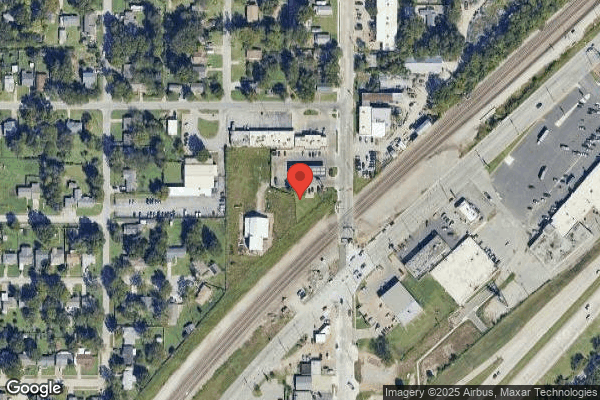
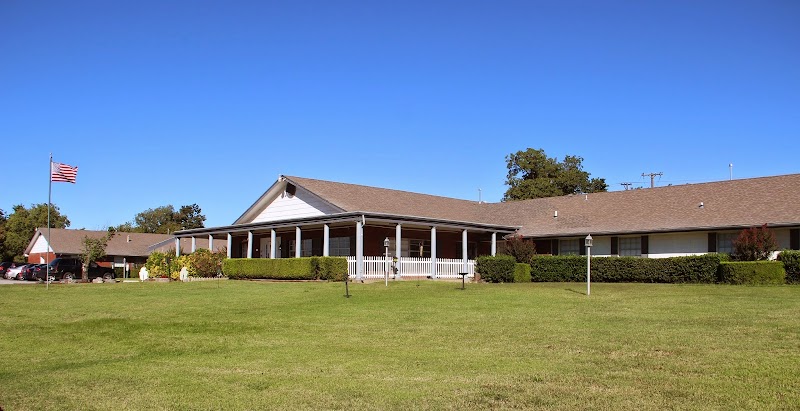
2416 WEST 51STSOUTH, TULSA, OK 74107 (918) 446-4284
For profit - Individual 102 Beds Independent Data: November 2025 3 Immediate Jeopardy citations
Trust Grade
0/100
#264 of 282 in OK
Last Inspection: September 2024

Within standard 12-15 month inspection cycle. Federal law requires annual inspections.

Overview

Sherwood Manor Nursing Home has received a Trust Grade of F, indicating significant concerns about the quality of care provided. Ranking #264 out of 282 facilities in Oklahoma places it in the bottom half, and at #32 out of 33 within Tulsa County, it is among the least favorable options available. Although the facility is trending toward improvement, with issues decreasing from 12 in 2024 to 3 in 2025, there are still alarming problems, such as a critical incident where a staff member engaged in verbal and physical abuse towards a resident. Staffing is a mixed bag; while turnover is exceptionally low at 0%, the facility has less RN coverage than 95% of Oklahoma facilities, meaning residents may not receive the necessary medical oversight. Additionally, the facility has incurred $121,529 in fines, which raises concerns about repeated compliance issues.

Trust Score
F
0/100
In Oklahoma
#264/282
Bottom 7%
Safety Record
High Risk
Review needed
Inspections
Getting Better
12 → 3 violations
Staff Stability
○ Average
Turnover data not reported for this facility.
Penalties
⚠ Watch
$121,529 in fines. Higher than 90% of Oklahoma facilities, suggesting repeated compliance issues.
Skilled Nurses
⚠ Watch
Each resident gets only 7 minutes of Registered Nurse (RN) attention daily — below average for Oklahoma. Fewer RN minutes means fewer trained eyes watching for problems.
Violations
⚠ Watch
30 deficiencies on record. Higher than average. Multiple issues found across inspections.
★☆☆☆☆
1.0
Overall Rating
★★☆☆☆
2.0
Staff Levels
★★☆☆☆
2.0
Care Quality
★☆☆☆☆
1.0
Inspection Score
Stable
2024: 12 issues
2025: 3 issues

The Good

  • Full Sprinkler Coverage · Fire safety systems throughout facility
  • No fines on record

Facility shows strength in fire safety.

The Bad

1-Star Overall Rating

Below Oklahoma average (2.6)

Significant quality concerns identified by CMS

Federal Fines: $121,529

Well above median ($33,413)

Significant penalties indicating serious issues

The Ugly 30 deficiencies on record

3 life-threatening
Apr 2025 3 deficiencies 2 IJ
CRITICAL (J) 📢 Someone Reported This

A family member, employee, or ombudsman was alarmed enough to file a formal complaint

Immediate Jeopardy (IJ) - the most serious Medicare violation

Free from Abuse/Neglect (Tag F0600)

Someone could have died · This affected 1 resident

**NOTE- TERMS IN BRACKETS HAVE BEEN EDITED TO PROTECT CONFIDENTIALITY** On 04/01/25, an Immediate Jeopardy (IJ) situation was determined to exist related to the facility's failure to protect Resident ...

Read full inspector narrative →
**NOTE- TERMS IN BRACKETS HAVE BEEN EDITED TO PROTECT CONFIDENTIALITY** On 04/01/25, an Immediate Jeopardy (IJ) situation was determined to exist related to the facility's failure to protect Resident #1 from verbal and physical abuse. During breakfast pass on 03/22/25, CNA #1 was involved in a verbal and physical altercation with Resident #1. CNA #1 was in the hallway passing drinks and Resident #1 was also in the hallway. CNA #1 was witnessed to yell, threaten and throw a glass of milk and a 2/3 full gallon of milk at Resident #1. The altercation was witnessed by CMA #1 and LPN #1 who unsuccessfully attempted to intervene and de-escalate the situation. On 04/01/25 at 5:29 p.m., the Oklahoma State Department of Health was notified and verified the existence of an IJ situation. On 04/01/25 at 5:49 p.m., the administrator and DON were notified of the immediate jeopardy situation and provided the IJ template. On 04/03/25 at 9:10 a.m., an acceptable plan of removal was submitted to the Oklahoma State Department of Health. The facility plan of removal, read in part, IJ Plan of Removal [NAME] Manor Nursing Home Submitted by: [name withheld], Administrator Re-submitted 4/2/2025 with corrections 4/1/25 - 5:49pm - IJ received from OSDH LTC Enforcement 4/1/25 - 10:15pm DON, ADON & Administrator contacted all staff via text to in-service & educate regarding procedure when a resident is involved in a verbal and/or physical altercation (to include staff, residents & visitors) Procedure when a resident is involved in a verbal/physical abuse situation 'If there is a situation where there is a potential for verbal or physical abuse with a resident, please remove the resident to a safe place away from the altercation. Our residents must remain free from abuse and neglect, and it is our responsibility and obligation to follow that policy and procedure. If you ever witness or hear of abuse or neglect you are to report to your supervisor immediately. It is the supervisor's responsibility to report to administration immediately'. 4/2/25 - 3:37pm Resident safe surveys completed Total = 64 complete / 4 unable to communicate Current Census = 68 4/2/25 4 Residents unable to communicate: full skin assessments done -[Resident #9]-time completed 5:11pm -[Resident #8]-time completed 5:01pm -[Resident #11]-time completed 4:58pm -[Resident #12]-time completed 5:01pm 4/2/25 - 5:13pm Plan of Removal completed -Employee CNA #1 was separated from resident #1 immediately, wrote [their] statement. [They] was interviewed by police and then escorted out of the building by ADON and was terminated by DON. -All staff have abuse training on hire. -All staff will be educated regarding abuse and dealing with behaviors at minimum semi-annually and as needed. -Nursing Administration and/or Administrator will continue abuse training at every scheduled in-service for 90 days, and more often as needed. QAPI will review monthly x 90 days to ensure compliance. The IJ was lifted, effective 04/03/25 at 11:51 a.m., when all components of the plan of removal had been verified as completed. Thirteen staff members in all departments from all shifts were interviewed regarding abuse as indicated in the plan of removal. Documentation for safe surveys and skin assessments of residents were reviewed. The deficient practice remained at an isolated level with potential for more than minimal harm. Based on record review and interview, the facility failed to ensure residents were free from abuse for 1 (#1) of 3 sampled residents reviewed for abuse. The administrator identified 76 residents resided in the facility. Findings: 1. Resident #1 was admitted with diagnoses which included unspecified dementia and schizoaffective disorder, bipolar type. An abuse and neglect policy, revised April 2021, read in part, Abuse of any kind against residents is strictly prohibited. A final incident report to the Oklahoma State Department of Health, dated 03/26/25, showed CNA #1 and Resident #1 had a verbal and physical disagreement. The report showed CNA #1 threw a glass of milk and a gallon jug of milk at Resident #1. The report showed Resident #1 was noted to have a scratch on their forehead. The report showed CNA #1 was immediately escorted out of the building and Resident #1 was sent to a hospital for evaluation. On 03/31/25 at 4:28 p.m., the administrator showed this surveyor a facility closed circuit video, dated 03/22/25, of the West/South hall of the facility. The video of the incident occurred from 8:52 a.m. to 8:55 a.m. The video showed CNA #1 pouring drinks and taking them into rooms and Resident #1 was walking in the hall. The video showed CNA #1 and Resident #1 talking next to a drink cart at the end of the hall. The video showed CNA #1 waved their hands and arms around wildly, pointing at Resident #1, stepping towards the resident, and shaking a finger in Resident #1's face. The video showed LPN #1 and CMA #1 were observed to enter the frame of the video and LPN #1 stood next to Resident #1 and CMA #1 stood next to CNA #1. The video showed CMA #1 and LPN #1 appeared to talk to both Resident #1 and CNA #1 and CNA #1 continued to make wild arm and hand gestures and did not back away from Resident #1. The video showed CNA #1 continued to point and shake a finger at Resident #1's face and gesture wildly. The video showed CNA #1 was observed to pick up a glass of milk and throw it at Resident #1. The video showed CMA #1 reached across CNA #1's chest and CNA #1 pushed CMA #1 away. The video showed CNA #1 then picked up a jug of milk from the cart and threw it at the resident. The video showed CNA #1 was observed to slip, fall to their knees, and when CNA #1 stood they were observed to swing at the resident. On 03/31/25 at 3:55 p.m., LPN #1 stated they witnessed CNA #1 and Resident #1 in a heated argument. LPN #1 stated they saw CNA #1 throw a cup of milk and a 90% full gallon jug of milk at Resident #1. LPN #1 stated they and CMA #1 tried to get CNA #1 to walk away, but instead were shoved away by CNA #1. LPN #1 stated they called the DON and another staff member called the police. LPN #1 stated they observed Resident #1 with an abrasion on their forehead after the incident. On 04/01/25 at 1:29 p.m., the DON stated in response to the incident, CNA #1 was escorted out of the facility and Resident #1 was sent to the hospital for evaluation. The DON stated they did not provide education on abuse afterwards. On 04/01/25 at 2:07 p.m., the administrator stated they did not come to the facility the day of the incident, but did watch the video surveillance of the incident when they returned to the facility. The administrator stated they did discuss providing abuse education to the staff. The administrator stated they discussed the incident at their morning staff meeting and with the facility's physician. On 04/01/25 at 3:29 p.m., CMA #1 stated they witnessed CNA #1 and Resident #1 in an argument. CMA #1 stated they and LPN #1 tried to de-escalate the situation, but CNA #1 was yelling at Resident #1 and was not backing out of the argument. CMA #1 stated they and LPN #1 were trying to stop the argument. CMA #1 stated LPN #1 was trying to keep Resident #1 safe and they were trying to get CNA #1 to walk away. CMA #1 stated CNA #1 was yelling, threw a glass of milk at Resident #1, then picked up a gallon jug of milk, and threw it at Resident #1. CMA #1 stated after CNA #1 walked away they observed Resident #1 with an abrasion on their forehead. CMA #1 stated the nose piece to Resident #1's glasses was stuck in the hair on their forehead and their glasses were on the floor across the room. CMA #1 stated CNA #1 was still very angry and they assisted Resident #1 to a safe area and stayed with the resident.
CRITICAL (J) 📢 Someone Reported This

A family member, employee, or ombudsman was alarmed enough to file a formal complaint

Immediate Jeopardy (IJ) - the most serious Medicare violation

Deficiency F0740 (Tag F0740)

Someone could have died · This affected 1 resident

**NOTE- TERMS IN BRACKETS HAVE BEEN EDITED TO PROTECT CONFIDENTIALITY** On 04/01/25, an Immediate Jeopardy (IJ) situation was determined to exist related to the facility's failure to ensure antipsycho...

Read full inspector narrative →
**NOTE- TERMS IN BRACKETS HAVE BEEN EDITED TO PROTECT CONFIDENTIALITY** On 04/01/25, an Immediate Jeopardy (IJ) situation was determined to exist related to the facility's failure to ensure antipsychotic medications were available and residents were provided ordered medications for a serious mental illness. Resident #1 was admitted on [DATE] and had diagnoses which included schizoaffective disorder, bipolar type. The resident was ordered risperidone (an antipsychotic medication) 3mg twice daily and Seroquel (an antipsychotic medication) 25mg every evening. The resident did not receive 12 consecutive doses of risperidone, from the p.m. dose on 03/13/25 through the a.m. dose on 03/19/25. The first dose of risperidone was not administered until 03/19/25 for the p.m. dose. The resident did not receive five consecutive doses of Seroquel from 03/13/25 through 03/17/25. The first dose of Seroquel was not administered until 03/18/25. The physician was not made aware the medications were unavailable and not administered. Per interview with the DON the facility did not have a protocol in place to ensure medications were received and available for administration. Resident #1 was sent to the emergency room on [DATE] when they had threatened the nurse, had received olanzapine (an antipsychotic medication) 5mg intramuscularly (IM) while in the emergency room, and was readmitted to the facility. On 03/22/25, the resident was involved in a verbal and physical altercation with CNA #1. The resident was sent to the emergency room, was admitted for in-patient psychiatric treatment, and the resident would not return to the facility. On 04/01/25 at 5:47 p.m., the Oklahoma State Department of Health was notified and verified the existence of the IJ situation. On 04/01/25 at 5:49 p.m., the administrator and the DON were notified of the IJ situation and provided the IJ template. On 04/03/25 at 12:04 p.m., an acceptable plan of removal was approved by the Oklahoma State Department of Health. The plan of removal, read in part, .4/1/25 - 5:49pm- IJ received from OSDH LTC Enforcement 4/1/25 - 6:30 pm List of residents on psychiatric medications was created and audit completed to ensure that all residents on psychiatric medications are receiving as ordered and meds [medications] are in the building 4/1/25 - 7:38pm -DON, ADON & Administrator contacted all nurses and CMA's (in person, via text and email) to in-service & educate regarding procedure when a resident medication is not available. - (See In-service procedure below) PROCEDURE WHEN PATIENT ORDERED MEDICATION IS NOT AVAILABLE/OUT 1. Certified Medication Aide must notify the nurse if a medication is not in building 2. Med Aide must document in EMAR [electronic medication administration record] progress note that they notified the nurse and document the name of the nurse. 3. The nurse needs to contact the pharmacy as to why medication is not available. 4. The nurse must then notify the Physician/Medical Director of the reason the medication is not available (ex [example]: to see if he wants to hold med or change med) 5. The nurse must write order per Doctor directive 6. The DON and/or designee must be notified if medication is not in the building. 7. The DON and/or designee will monitor daily that residents with psychiatric medication orders have their medications as ordered. **If it is a pre-auth [authorization] situation, the nurse will tell pharmacy to send 3-5-day supply at cost to the facility. Pharmacy will contact DON or Administrator for financial approval. **Any medication that is put on hold or waiting on pharmacy, the Nurse must notify the Physician/Medical Director, and an order must be written. DON must be notified by nurse as well. 4/1/25 - 10:08pm - Plan of Removal Completed Received last email to confirm all Nurse and CMA education done. Other staff working or came in to sign personally. (Total of 20) 4/3/25 - 10:15am Started inservice to speak to all nurses and cma's in person & over the phone to ensure proper understanding of the policy stated above. 4/3/25 12:00pm Plan of Removal completed Education and In-services will be on going per DON & Administrator The DON, and/or designee will check on [electronic health record name withheld] within 24 hours of a new admission to ensure that all medication to include psychiatric medications have been received. DON and/or designee will audit psychiatric medications daily to ensure that medications are in the building and if not, follow the above procedure. QAPI Committee will review monthly x 3 months to ensure compliance. The IJ was lifted, effective 04/03/25 at 11:51 a.m., when all components of the plan of removal had been verified as completed. Four CMAs, four charge nurses who work all shifts, and the DON were interviewed regarding the medication protocol to ensure availability and administration as indicated in the plan of removal. Documentation of medication audits and inservices were reviewed. The deficient practice remained at an isolated level with the potential for more than minimal harm. Based on record review and interview, the facility failed to ensure antipsychotic medications were available and a resident was provided ordered medications for a serious mental illness to maintain their highest practicable level of mental well-being for 1 (#1) of 3 sampled residents whose medications were reviewed. The DON identified 11 residents who were ordered antipsychotic medications and 11 residents who were diagnosed with a serious mental illness. Findings: Resident #1 was admitted on [DATE] with diagnoses which included schizoaffective disorder, bipolar type. A policy titled, Preparation and General Guidelines, dated April 2018, read in part, If 3 consecutive doses of a vital medication are withheld, refused, or not available the physician is notified. Nursing documents the notification and physician response. A policy titled, Behavioral Assessment, Intervention, and Monitoring, dated March 2019, read in part, The facility will provide and residents will receive behavioral health services as needed to attain or maintain the highest practicable physical, mental and psychosocial well-being in accordance with the comprehensive assessment and plan of care. A physician's order, dated 03/13/25, showed the resident was ordered risperdone 3mg po twice daily for schizoaffective disorder, bipolar type. A physician's order, dated 03/13/25, showed the resident was ordered Seroquel 25mg po after the evening meal for schizoaffective disorder, bipolar type. A Medication Administration Note, dated 03/13/25 at 10:20 p.m., read in part, waiting on pharmacy. The note was documented twice for the same date and time with no specific medication documented. A history and physical, dated 03/14/25, read in parts, With schizoaffective disorder.Quetiapine [Seroquel].Risperidone. A Medication Administration Note, dated 03/14/25 at 8:09 p.m., read in part, waiting on pharmacy. A Medication Administration Note, dated 03/14/25 at 8:10 p.m., read in part, waiting on pharmacy. A Medication Administration Note, dated 03/15/25 at 10:52 a.m., read in part, risperiDONE Oral Tablet 3 MG Give 1 tablet by mouth two times a day related to SCHIZOAFFECTIVE DISORDER, BIPOLAR TYPE .On Order A Medication Administration Note, dated 03/15/25 at 9:20 p.m., read in part, risperiDONE Oral Tablet 3 MG Give 1 tablet by mouth two times a day related to SCHIZOAFFECTIVE DISORDER, BIPOLAR TYPE .On Order A Medication Administration Note, dated 03/15/25 at 9:20 p.m., read in part, QUEtiapine Fumarate [Seroquel] Oral Tablet 25 MG Give 1 tablet by mouth one time a day related to UNSPECIFIED DEMENTIA, MILD, WITHOUT BEHAVIORAL DISTURBANCE, PSYCHOTIC DISTURBANCE, MOOD DISTURBANCE, AND ANXIETY .On Order A Medication Administration Note, dated 03/16/25 at 10:50 a.m., read in part, risperiDONE Oral Tablet 3 MG Give 1 tablet by mouth two times a day related to SCHIZOAFFECTIVE DISORDER, BIPOLAR TYPE .On Order A Medication Administration Note, dated 03/16/25 at 8:51 p.m., read in part, QUEtiapine Fumarate [Seroquel] Oral Tablet 25 MG Give 1 tablet by mouth one time a day related to UNSPECIFIED DEMENTIA, MILD, WITHOUT BEHAVIORAL DISTURBANCE, PSYCHOTIC DISTURBANCE, MOOD DISTURBANCE, AND ANXIETY .On Order A Medication Administration Note, dated 03/16/25 at 8:52 p.m., read in part, risperiDONE Oral Tablet 3 MG Give 1 tablet by mouth two times a day related to SCHIZOAFFECTIVE DISORDER, BIPOLAR TYPE .On Order A Medication Administration Note, dated 03/18/25 at 11:48 a.m., showed the risperidone was on hold until 03/19/25. The reason for the hold, read in part, awaiting medication from pharmacy. A Medication Administration Note, dated 03/18/25 at 7:22 p.m., read in part, waiting on pharmacy. The specific medication was not indicated in the note. A care plan, dated 03/18/25, read in part, .ANTI-PSYCHOTIC MEDICATION: I am at risk for adverse reactions, labile moods, and falls related to anti-psychotic medication I receive R/T [related to] Schizophrenia .Administer anti-psychotic medication per current orders. Refer to physician orders for details .I am exhibiting behaviors of using a razor to my nose .Administer behavior medications per current orders .Alert my charge nurse of unusual or ongoing behavioral or mood issues .Redirect as needed. A packing slip from the pharmacy, dated 03/18/25 at 11:00 p.m., showed the pharmacy had delivered seven tablets of Seroquel 25mg and 60 tablets of risperidone 3mg for Resident #1. A physician progress note, dated 03/20/25, read in part, Acute problem addressed: Patient is delusional and hallucinatory. [Resident #1] says this is better than usual. [Resident #1] has been to inpatient psychiatry multiple times. [Resident #1] has no hallucinations that tell [them] to hurt people or hurt others .Plan: I will get psychiatry to see the patient sooner rather than later. [Resident #1] is somewhat delusional and having hallucinations but this is [their] baseline. [Resident #1] actually may be better than usual. [Resident #1] does not seem to be agitated or to the point where [they are] having hallucinations that are telling [them] to harm people or harm [themselves]. A nurse note, dated 03/20/25 at 2:48 p.m., showed the nurse had noted the resident had a scratch to their nose. The note showed the resident had stated they were a doctor and had used a disposable razor to shave something off of their nose. The note showed a message was sent to the resident's guardian for approval for psychiatric services. A behavior note, dated 03/20/25 at 8:08 p.m., showed Resident #1 was sitting in the middle of the hallway rolling tobacco in paper. The note showed when the nurse asked the resident to not sit in the middle of the hallway the resident stated they were a fourth degree black belt and threatened the nurse. The note showed the resident's guardian, DON, and physician had been notified. An emergency department provider note, dated 03/20/25, showed Resident #1 presented with agitation and had made threats toward staff. The emergency department provider note showed the resident was administered olanzapine 5mg intramuscularly due to agitation on 03/20/25 at 8:57 p.m. and would be discharged back to the facility. A behavior note, dated 03/21/25 at 5:49 p.m., read in part, Resident pacing up and down the halls requesting the 'warden' and to also have [their] blood drawn. Educated resident about needing an order from the doctor before getting labs. Resident is asking for [their] wheel chair stating 'I walk over 20 miles a day I need my wheel chair' also went on to say things to me 'I need to speak to the charge nurse' When informed that I am the charge nurse, resident would respond 'Youre [sic] hard to look at'. Resident has found a wheel chair and now rolling around the facility. Will continue to monitor and redirect resident. A behavior note, dated 03/21/25 at 5:55 p.m., showed the resident was observed by the nurse to eat in the dining room and then as they walked to their room they notified the aides they had not received a tray for dinner. A behavior note, dated 03/21/25 at 9:10 p.m., read in part, Resident has been pacing up and down the halls all shift, brushing [their] beard with [their] tooth brush, saying 'Im [sic] God, Im [sic] a Doctor, thank you Jesus, praying and speaking in a forgein [sic] language' Resident has come to the nurses desk asking for seroquel stating 'I cannot sleep without it and I will be up all night if the doctor wont give me seroquel' Doctor notified. A behavior note, dated 03/21/25 at 9:32 p.m., read in part, Resident going in and out room [ROOM NUMBER] turning the tv off and on. A behavior note, dated 03/22/25 at 8:40 a.m., read in part, Resident told [CNA #1] 'Dont [sic] touch my food you probably have aides [sic]'. An incident noted, dated 03/22/25 at 9:02 a.m., showed Resident #1 had been involved in a verbal and physical altercation with CNA #1. The note showed following the altercation the resident was taken to the emergency room for evaluation. A social services note, dated 03/28/25, showed the resident was receiving in-patient psychiatric treatment and would not return to the facility upon discharge. Review of the March 2025 medication administration record showed Resident #1 had not received Seroquel 25mg, ordered every evening, from 03/13/25 through 03/17/25. The medication administration record showed Resident #1 had received their first dose of Seroquel 25mg on 03/18/25 for the p.m. dose. The medication administration record showed Resident #1 had not received risperidone 3mg twice daily from the p.m. dose on 03/13/25 through the a.m. dose on 03/19/25. The medication administration records showed the p.m. dose on 03/18/25 and the a.m. dose on 03/19/25 of risperidone 3mg was held. The medication administration record showed Resident #1 had received their first dose of risperidone 3mg on 03/19/25 for the p.m. dose. On 04/01/25 at 10:46 a.m., CMA #2 stated if medications were not available for administration they notified the charge nurse and the pharmacy. They stated Resident #1 had requested their Seroquel several times but they did not think they had an order for Seroquel. CMA #1 stated they remembered having issues getting the risperidone from the pharmacy and not having it available to administer. They stated they thought they had notified the charge nurse but had not documented the notification. CMA #2 stated Resident #1 exhibited behaviors almost every day during their admission. On 04/01/25 at 11:02 a.m., LPN #2 stated they called the pharmacy if the CMA notified them a medication was not available for administration. They stated they did not remember orders for risperidone or Seroquel for Resident #1. They stated Resident #1 had requested 200mg of Seroquel, the physician was notified and stated they would review the resident's medications. LPN #2 stated on 03/20/25, Resident #1 was aggressive, threatened them, paced in the hallways, talked to themselves, verbalized delusions, and had been sent to the emergency room for a psychiatric evaluation. LPN #2 stated they were not aware Resident #1's Seroquel and risperidone had not been available for administration. On 04/01/25 at 11:47 a.m., the DON stated they were not sure what information they had regarding medication deliveries from the pharmacy for Resident #1. They stated once medications were delivered, everything was completed in the electronic clinical record, but they would look for delivery information. On 04/01/25 at 1:30 p.m., the DON stated they had not been made aware the risperidone and Seroquel had not been available for Resident #1. They stated they thought it was probably because the medications required a prior authorization, but they had a call in to the pharmacy for further information. On 04/01/25 at 1:42 p.m., the DON stated the only behavior they had observed for Resident #1 was pacing in the hallways. The DON stated on admission, on 03/13/25, the resident was observed to be calm, polite, and paced the hallways at times. They stated by 03/20/25 Resident #1 had threatened the nurse, was verbalizing delusions, and was sent to the emergency room for a psychiatric evaluation. The DON stated they did not know why the risperidone had been documented as on hold on 03/18/25 and 03/19/25. They stated when residents were admitted to the facility they relied on the CMAs and charge nurses to notify them if medications were not available but they had not been notified the risperidone and Seroquel were not available for Resident #1. The DON stated they reviewed the medication administration records once a month, reviewed the electronic health record to ensure newly admitted resident had physician orders, but did not review to ensure the ordered medications were available for administration. On 04/01/25 at 2:23 p.m., the administrator stated they had just noticed the risperidone and Seroquel were not available for administration for Resident #1. They stated the DON and physician should have been made aware the medications were not available for administration. The administrator stated Resident #1 had not initially exhibited behaviors, but a few days after admission they had noticed Resident #1 had began talking a little erratically. They stated at that time they had reviewed the physician orders and noted the resident was ordered antipsychotic medications but was unaware the medications were not being administered because they were unavailable. The administrator stated as days had passed they grew more concerned about Resident #1's mental health status and their vulnerable resident population. The administrator stated Resident #1 should have received their medications as ordered. The administrator stated This was avoidable. I wish myself or the team would have noticed the meds were not available. On 04/01/25 at 2:45 p.m., the consultant pharmacist stated the potential effects of Resident #1 not receiving 12 consecutive doses of risperidone would be worsening symptoms of the condition the medication was ordered to treat. They stated not receiving the dose of risperidone Resident #1 had been ordered increased the risk of symptoms returning. The consultant pharmacist stated they had informed the facility in the past to call the pharmacy if medications were not available for administration. On 04/01/25 at 2:53 p.m., physician #1 stated they had not provided the order to place risperidone on hold on 03/18/25 and 03/19/25. They stated they had not been notified the ordered risperidone and Seroquel had not been available or administered for Resident #1. They stated the potential effects of Resident #1 not receiving 12 consecutive doses of risperidone and five consecutive doses of Seroquel would be an increase in psychosis. On 04/01/25 at 3:57 p.m., the DON stated they had verified with the pharmacy that a prior authorization was needed for the risperidone and Seroquel for Resident #1.
CONCERN (D) 📢 Someone Reported This

A family member, employee, or ombudsman was alarmed enough to file a formal complaint

Potential for Harm - no one hurt, but risky conditions existed

Laboratory Services (Tag F0770)

Could have caused harm · This affected 1 resident

Based on record review and interview, the facility failed to ensure labs were obtained as ordered by the physician for 1 (#1) of 3 sampled residents who were reviewed for labs. The DON identified 71 r...

Read full inspector narrative →
Based on record review and interview, the facility failed to ensure labs were obtained as ordered by the physician for 1 (#1) of 3 sampled residents who were reviewed for labs. The DON identified 71 residents who had orders for labs. Findings: Resident #1 had diagnoses which included schizoaffective disorder, bipolar type. A physician order, dated 03/13/25 showed the resident was ordered lithium (mood stabilizer medication) 300mg twice daily. A physician progress note, dated 03/14/25, showed an order for admission labs which included a lithium level. Review of the labs for Resident #1 and the order summary report for the resident's stay, dated 03/13/25 through 03/22/25, did not show obtaining a lithium level had been requested from the lab company or completed. On 04/03/25 at 4:24 p.m., LPN #3 stated they had not seen an option to obtain a lithium level in the lab portal. On 04/03/25 at 4:52 p.m., the DON stated they did not know why the lithium level had not been entered into the lab portal. They stated they had asked LPN #1 why they had not ordered the lithium level and they stated they thought it would be included in the CBC (complete blood count). The DON stated they conducted random audits to ensure labs were obtained as ordered by the physician. They stated the last audit they had conducted was on 01/30/25. The DON stated, We have a problem with labs.
Sept 2024 1 deficiency 1 IJ
CRITICAL (J) 📢 Someone Reported This

A family member, employee, or ombudsman was alarmed enough to file a formal complaint

Immediate Jeopardy (IJ) - the most serious Medicare violation

Pressure Ulcer Prevention (Tag F0686)

Someone could have died · This affected 1 resident

**NOTE- TERMS IN BRACKETS HAVE BEEN EDITED TO PROTECT CONFIDENTIALITY** On 09/26/24, an Immediate Jeopardy (IJ) situation was determined to exist due to the facility failing to assess, monitor, and in...

Read full inspector narrative →
**NOTE- TERMS IN BRACKETS HAVE BEEN EDITED TO PROTECT CONFIDENTIALITY** On 09/26/24, an Immediate Jeopardy (IJ) situation was determined to exist due to the facility failing to assess, monitor, and intervene for a resident at risk for pressure ulcer. Resident #1 was admitted on [DATE]. The admission skin assessment documented no skin concerns to the coccyx area. Resident #1 was totally dependent on staff, placing them at increased risk of PU/PI development. The residents record documented a physician's order for weekly skin assessments. No concerns to the coccyx was documented in these assessments. On 09/19/24 the resident's family member noted a foul odor in the room. The resident's brief was removed revealing a wound over the coccyx measuring 11cm x 13cm. The necrotic bed measured 3.5cm x 5cm and 2cm at the deepest point. The physician was notified on 09/24/24 at which time the physician ordered calcium alginate and Medihoney to the wound bed daily. On 09/24/24 the resident was transferred to the hospital per family request. On 09/26/24 at 6:00 p.m., the OSDH was notified and verified the existence of the IJ situation. On 09/26/24 at 6:33 p.m., the administrator and DON were notified of the IJ situation. On 09/26/24 at 10:07 p.m., an acceptable plan of removal was provided. The plan of removal documented: At 7:29 p.m., the DON and ADON contacted all nurses via telephone to inform them of the IJ and told them the proper procedure for identifying, assessing, monitoring, and preventing skin breakdown. 1. The nurse identifies or gets report of a skin integrity concern will immediately assess the resident, report the findings to the Medical Director and the Director of Nursing. 2. Once orders are received from the physician, the nurse will immediately call the family or responsible party to inform them of the situation and if there is a new order/treatment. No treatments or medications are to be done without a physician's order. 3. The nurse will then implement a treatment order(s) on the residents' medical record (PCC) as directed. to include cleansing, dressings, interventions such as low air loss mattress if applicable, for the identified resident. The nurse will also document and describe the following: full assessment of pressure sore to include location, stage, length, width and depth, presence of exudates or necrotic tissue. 4. Any other interventions will be initiated per facility policy and resident need. 8:05 p.m. - DON and ADON initiated facility skin sweep 8:49 p.m. - all nurses were emailed the above information and protocol 9:20 p.m. - facility skin sweep complete. On 09/27/24 at 9:00 a.m., interviews were conducted with facility staff. Staff had knowledge of the plan or removal. After the facility conducted skin assessments on all residents, the DON stated no further skin issues were found. On 09/27/24 at 3:30 p.m., the administrator was informed the immediacy had been lifted. The IJ was lifted, effective 09/27/24 at 2:47 p.m., when all components of the plan of removal had been completed. The deficiency remained at a level of potential for more than minimal harm. Based on observation, record review and interview, the facility failed to assess, monitor, and intervene for a resident at risk for pressure ulcers. The DON identified two residents with pressure wounds. Findings: An undated document titled Pressure ulcers/Skin Breakdown - Clinical Protocol., read in part ., The nursing staff and attending physician will assess and document an individuals significant risk factors for developing pressure sores . Resident #1 was admitted to the facility on [DATE] with diagnoses which includes Parkinson's disease. A care plan, dated 08/26/24, documented to monitor for skin integrity issues during all activities of daily living . A nurse's note, dated 09/21/24, documented the wound measurements as 11cm x 13cm. The necrotic bed measured 3.5cm x 5cm and 2cm at the deepest point. A nurse's note, dated 09/24/24, documented the wound measurement as 10.1cm x 10cm x2cm with the necrotic area measuring 3.4cm x 6.0cm. On 09/26/24 at 4:14 p.m., the DON stated they received a call on 09/21/24 from LPN #1 regarding a wound on the coccyx area of Resident #1. They stated they thought the LPN had notified the physician, but they had not. The DON notified the physician on 09/24/24 and received orders to apply calcium alginate and Medihoney to the wound daily. The resident was transferred to the hospital per family request. On 09/27/24 at 12:38 p.m., LPN #1 stated a CNA notified them of the wound on 09/19/24. They thought they had notified the physician, but did not. They stated they did not notified the family.
Sept 2024 8 deficiencies
CONCERN (D)

Potential for Harm - no one hurt, but risky conditions existed

Deficiency F0657 (Tag F0657)

Could have caused harm · This affected 1 resident

**NOTE- TERMS IN BRACKETS HAVE BEEN EDITED TO PROTECT CONFIDENTIALITY** Based on record review and interview, the facility failed to ensure a care plan was reviewed for one (#21) of one sampled reside...

Read full inspector narrative →
**NOTE- TERMS IN BRACKETS HAVE BEEN EDITED TO PROTECT CONFIDENTIALITY** Based on record review and interview, the facility failed to ensure a care plan was reviewed for one (#21) of one sampled resident reviewed for care plans. The administrator identified 73 residents resided in the facility. Findings: Resident #21 was admitted on [DATE] with diagnoses which included pressure ulcer of the sacral region, stage four. On 09/05/24 at 1:00 p.m., Resident #21's clinical record was reviewed. There was no documentation of a wound or wound care. On 09/05/24 at 2:38 p.m., MDS coordinator #1 stated there was no documentation of wound care on Resident #21's care plan, dated 07/17/24. They thought they had added it but had not.
CONCERN (D)

Potential for Harm - no one hurt, but risky conditions existed

Quality of Care (Tag F0684)

Could have caused harm · This affected 1 resident

Based on observation, record review, and interview, the facility failed to ensure treatments provided for non-pressure wounds had been ordered by the physician for one (#4) of two sampled residents wh...

Read full inspector narrative →
Based on observation, record review, and interview, the facility failed to ensure treatments provided for non-pressure wounds had been ordered by the physician for one (#4) of two sampled residents who were reviewed for wound care. The DON identified five residents who had non-pressure wounds in the facility. Findings: The Pressure Ulcers/Skin Breakdown - Clinical Protocol policy, dated 2021, read in part, .The physician will authorize pertinent orders related to wound treatments . Resident #4 had diagnoses which included non-pressure wound of the right third toe and non-pressure wound of the left second toe. The Care Plan, dated 08/07/24, documented the resident had wounds to their toes on their bilateral feet and to provide treatments per the current physician orders. The Wound Evaluation and Management Summary by the wound physician, dated 08/15/24, documented the resident had a non-pressure wound of the left third toe. The Wound Evaluation and Management Summary by the wound physician, dated 08/22/24, documented the resident had a non-pressure wound of the left third toe which had resolved. The Weekly Skin Condition Report, dated 08/23/24, read in part, .Has several places on toes on bilateral feet that are scabbed over. Applying Betadine daily . The report was completed by LPN #1. The Weekly Pressure Ulcer QI Logs, for August 2024, documented the resident had an unstageable area to the right great toe. The Weekly Skin Condition Report, dated 09/02/24, documented the resident did not have any skin breakdown. The report was completed by LPN #1. On 09/03/24 at 10:06 a.m., the resident was observed in the living room. The resident's white sock on the right foot was observed to have a pink-tinged area above the second and third toes. On 09/03/24 at 10:23 a.m., LPN #1 stated the discolored area on the sock was from the Betadine applied to the resident's toe. Review of the physician's orders dated 09/01/24 through 09/03/24 did not reveal any wound care orders. The Wound Evaluation and Management Summary by the wound physician, dated 09/05/24, documented the resident had a non-pressure wound of the left second toe and a non-pressure wound of the right third toe. On 09/05/24 at 11:46 a.m., LPN #1 stated the resident had a couple of new wounds on their toes and Betadine was being applied. LPN #1 stated they had been putting Betadine on the newly identified areas since they had discovered them around 08/26/24 through 08/28/24. LPN #1 stated they had not obtained orders or notified the wound physician they had been treating the new wounds with Betadine because they knew that is what the wound physician would order. On 09/05/24 at 1:52 p.m., LPN #1 stated when the staff identified a new wound they were to complete an initial assessment, document in the progress notes and on the wound log, notify the DON, and obtain orders from the physician. They stated they had not notified the wound physician about the new wound they had identified for Resident #4 because they were going to consult with them on 08/29/24 when they did weekly rounds. LPN #1 stated they were off work the day the wound physician made rounds so they had not obtained treatment orders for the areas. They stated they should have documented in the progress notes and wound log but they had not completed any documentation. They stated they had not notified the DON since they were going to consult with the wound physician. On 09/05/24 at 2:02 p.m., the DON stated the nurses were to notify the physician and obtain treatment orders for any wound identified. On 09/05/24 at 2:05 p.m., LPN #1 reviewed the Weekly Skin Condition Reports dated 08/23/24 and 09/02/24 and stated they may have identified the new wound on 08/30/24 but was not sure. They stated the 09/02/24 report was not accurate. On 09/06/24 at 8:54 a.m., the DON stated LPN #1 had revised the Weekly Skin Condition Reports dated 08/23/24 and 09/02/24. They stated LPN #1 documented they had obtained treatment orders for Resident #4 from the facility's physician on 09/02/24. On 09/06/24 at 9:20 a.m., Physician #1 stated the wound physician provided treatment orders for Resident #4 and they did not remember giving an order for Betadine for wounds on Resident #4's toes. On 09/06/24 at 9:52 a.m., LPN #1 stated they thought they had called Physician #1 for treatment orders on 09/02/24 but forgot to put the orders into the electronic health record. LPN #1 stated I don't know, I think I am confused. I don't remember if I called [Physician #1].
CONCERN (D)

Potential for Harm - no one hurt, but risky conditions existed

Deficiency F0692 (Tag F0692)

Could have caused harm · This affected 1 resident

Based on record review and interview, the facility failed to ensure weights were obtained per the physician's order for one (#8) of three sampled residents who were reviewed for nutrition. The DON ide...

Read full inspector narrative →
Based on record review and interview, the facility failed to ensure weights were obtained per the physician's order for one (#8) of three sampled residents who were reviewed for nutrition. The DON identified one resident who was ordered daily weights. Findings: The Weight Assessment and Intervention policy, dated March 2022, read in parts, .Residents are weighed upon admission and at intervals established by the interdisciplinary team .Weights are recorded in each unit's weight record chart and in the individual's medical record . Resident #8 had diagnoses which included end stage renal disease. A Physician's Order, dated 08/01/24, documented, starting 08/02/24 the staff were to obtain daily weights every day shift. Review of the electronic clinical record and the weight logs documented on paper, dated 08/02/24 through 09/05/24, revealed daily weights had been obtained 19 times out of 35 opportunities for Resident #8. The Care Plan, dated 08/15/24, documented the resident had cardiac issues and staff were to refer to the physician's order and obtain weights as ordered. On 09/06/24 at 12:23 p.m., LPN #1 stated the restorative aide was responsible to obtain daily weights. On 09/06/24 at 12:32 p.m., the DON stated the restorative aide obtained weights, documented on paper logs, and provided the information to the MDS coordinator to be entered into the electronic clinical record. The DON stated if the restorative aide was off work, the charge nurse was to obtain or assign a CNA to obtain the daily weights. On 09/06/24 at 12:53 p.m., the DON stated the MDS coordinator monitored to ensure weights were obtained as ordered by the physician. The DON stated they did not know why daily weights had not been obtained for Resident #8. On 09/06/24 at 12:55 p.m., the MDS coordinator stated they entered and monitored the weekly and monthly weights. They stated they did not enter or monitor the daily weights. They stated they felt there was confusion on if the charge nurse or the restorative aide was to obtain the daily weights.
CONCERN (D)

Potential for Harm - no one hurt, but risky conditions existed

Tube Feeding (Tag F0693)

Could have caused harm · This affected 1 resident

Based on observation, record review, and interview, the facility failed to ensure enteral formula was administered as ordered by the physician for one (#53) of one sampled residents who were reviewed ...

Read full inspector narrative →
Based on observation, record review, and interview, the facility failed to ensure enteral formula was administered as ordered by the physician for one (#53) of one sampled residents who were reviewed for tube feeding. The DON identified seven residents who required enteral feeding. Findings: Resident #53 had diagnoses which included encounter for attention to gastrostomy. The Care Plan, dated 02/12/24, documented to administer enteral feeding as ordered and to refer the the current physician's orders for details. The Physician's Order, dated 07/02/24, documented Resident #53 was ordered Nutren 1.5 continuous at 60ml/hr. On 09/03/24 at 8:35 a.m., Nutren 1.5 at 50 ml/hr was observed infusing for Resident #53. On 09/04/24 at 10:01 a.m., Nutren 1.5 at 50 ml/hr was observed infusing for Resident #53. On 09/05/24 at 9:15 a.m., Nutren 1.5 at 50 ml/hr was observed infusing for Resident #53. On 09/05/24 at 11:01 a.m., LPN #1 observed the enteral feeding pump for Resident #53 and stated they were to receive Nutren 1.5 at 50 ml/hr. They reviewed the label on the bag of formula and stated they would need to review the orders because the label documented Nutren 1.5 at 60 ml/hr. LPN #1 reviewed the electronic clinical record and stated the resident was ordered Nutren 1.5 at 60 ml/hr. They stated they did not know why Resident #53 was receiving 50 ml/hr. On 09/05/24 at 11:09 a.m., the DON reviewed the electronic clinical record and stated Resident #53 was ordered Nutren 1.5 at 60 ml/hr. The DON stated the nurses on each shift were to verify the correct formula and rate were being administered. They stated they did not know why Resident #53 had been receiving 50 ml/hr rather than the ordered 60 ml/hr.
CONCERN (D)

Potential for Harm - no one hurt, but risky conditions existed

Deficiency F0698 (Tag F0698)

Could have caused harm · This affected 1 resident

Based on record review and interview, the facility failed to ensure pre and post dialysis assessments were conducted for one (#8) of one sampled residents who were reviewed for dialysis. The DON ident...

Read full inspector narrative →
Based on record review and interview, the facility failed to ensure pre and post dialysis assessments were conducted for one (#8) of one sampled residents who were reviewed for dialysis. The DON identified one resident who required dialysis. Findings: The End-Stage Renal Disease, Care of a Resident with policy, dated September 2010, read in part, .Resident with end-stage renal disease [ESRD] will be cared for according to currently recognized standards of care . Resident #8 had diagnoses which included end stage renal disease. A Physician's Order, dated 08/01/24, documented the resident was to receive dialysis weekly on Tuesday, Thursday, and Saturday. The Care Plan, dated 08/01/24, documented the resident required dialysis three times a week, staff were to monitor and report signs of infection, renal insufficiency, and monitor the shunt access site. The admission assessment, dated 08/14/24, documented the resident received dialysis. Review of the electronic clinical record did not reveal pre or post dialysis assessments had been completed for Resident #8. On 09/06/24 at 9:23 a.m., LPN #1 stated they did not perform pre and post dialysis assessments. They stated they monitored for bleeding, nausea, and asked how the resident was feeling but did not document. On 09/06/24 at 9:27 a.m., the DON stated they were to check on the resident after dialysis, obtain vital signs, and implement any new orders from the dialysis center. The DON stated the CMAs obtained vital signs if medications the resident was ordered required a blood pressure or a heart rate. They stated having residents who required dialysis was new to the facility and they were not aware pre and post dialysis assessments were required. On 09/06/24 at 9:32 a.m., the administrator stated they recently began admitting residents who required dialysis. They stated they would need to review the policy.
CONCERN (D)

Potential for Harm - no one hurt, but risky conditions existed

Deficiency F0909 (Tag F0909)

Could have caused harm · This affected 1 resident

Based on observation, record review, and interview, the facility failed to assess and inspect bed rails to identify any risks of entrapment for one (#33) of one sampled resident reviewed for bedrails....

Read full inspector narrative →
Based on observation, record review, and interview, the facility failed to assess and inspect bed rails to identify any risks of entrapment for one (#33) of one sampled resident reviewed for bedrails. The DON identified 32 residents who utilized bed rails. Findings: On 09/03/24 at 8:57 a.m., Resident #33 was observed lying in bed with the bed rails in the up position. On 09/06/24 at 9:15 a.m., LPN #2 stated the resident used the bed rails to reposition themselves in bed. They stated the bed rails were re-assessed every month and it was documented under the assessments tab in the electronic clinical record. LPN #2 reviewed Resident #33's electronic clinical record and stated the last assessment was completed on 01/29/24. On 09/06/24 at 2:03 p.m., maintenance worker #1 stated they installed the bedrails or removed them, depending on the order. They stated the CNA's or the nurses notified them if one was loose and they addressed it but they did not routinely check them. On 09/06/24 at 3:18 p.m., the DON stated they did not usually utilize bed rails unless a resident requested them.
CONCERN (E)

Potential for Harm - no one hurt, but risky conditions existed

Accident Prevention (Tag F0689)

Could have caused harm · This affected multiple residents

**NOTE- TERMS IN BRACKETS HAVE BEEN EDITED TO PROTECT CONFIDENTIALITY** 3. Resident #33 had diagnoses which included type two diabetes. On 09/03/24 at 8:57 a.m., Resident #33 was observed in bed with...

Read full inspector narrative →
**NOTE- TERMS IN BRACKETS HAVE BEEN EDITED TO PROTECT CONFIDENTIALITY** 3. Resident #33 had diagnoses which included type two diabetes. On 09/03/24 at 8:57 a.m., Resident #33 was observed in bed with the bed rails in the up position. On 09/03/24 at 10:00 a.m., review of the clinical record did not [NAME] an order, consent or assessment for bed rails. On 09/06/24 at 9:15 a.m., LPN #2 stated the resident used the bed rails to reposition themselves. On 09/06/24 at 9:46 a.m., the administrator stated the resident did not have an informed consent for bedrails. On 09/06/24 at 3:18 p.m., the DON stated they usually did not use bedrails unless the resident requested them, they only performed an admission assessment, did not perform a bedrail assessment, obtain orders for bedrails, or obtain a consent form. The DON stated they need to start doing assessments and obtaining orders and consents for the use of bed rails. 2. Resident #8 had diagnoses which included diabetes type two and end stage renal disease. A smoking assessment, dated 08/02/24, documented Resident #8 was a safe smoker. A smoking assessment, dated 08/14/24, documented Resident #8 was safe to smoke on their own. A care plan focus, dated 08/15/24, documented Resident #8 was able to smoke in designated smoking areas unsupervised. On 09/05/24 at 12:06 p.m., LPN#1 was observed to approach Resident #8 on the front porch. Resident #8 was observed with their eyes closed and a cigarette hanging out of their mouth sitting on the front porch. LPN #1 was observed to touch the resident on their back and stated don't fall asleep with that cigarette in your mouth. The nurse then stated to the surveyor, that was scary as they walked back into the facility leaving the resident on the porch. On 09/05/24 at 12:10 p.m., Resident #8 was observed on the front porch smoking and awake with maintenance staff present. On 09/06/24 at 2:09 p.m., LPN #1 stated they did not believe there was an assessment for smoking, but if there were, social services would complete it. LPN #1 stated unsafe smoking would include the resident needing assistance with exiting the door, holding the smoking material, and the ability to stay awake while smoking. LPN #1 stated, Like [Resident #8] the other day. LPN #1 stated they did not inform anyone of the incident on 09/05/24 and did not document the incident. They stated the cigarette was not lit, but had been as ash had formed on the tip. LPN #1 stated they probably should have told someone. On 09/06/24 at 2:18 p.m., the social services director stated a smoking assessment was completed on admission, with a significant change, quarterly, and followed the care plan. They stated Resident #8 was safe to smoke unsupervised. The social services director stated staff should report if a resident drops their cigarette on their clothes, if they need assistance to light or put out the cigarette. They stated nothing had been reported about Resident #8 not smoking safely. After the social services director was informed of the incident on 09/05/24, they stated an intervention and re-assessment would need to be completed. On 09/06/24 at 2:26 p.m., the DON stated social services completed the smoking assessments and all staff were to monitor. They stated staff should report if a resident falls asleep while smoking and if they dropped ashes on their clothes. The DON stated no reports of Resident #8 smoking unsafely were brought to their attention. The DON was informed of the incident that occurred on 09/05/24. Based on observation, record review, and interview, the facility failed to: a. ensure chemicals were secured for one (West hall) of three halls observed for storage of chemicals. LPN #1 identified three shower rooms and one nursing supply closet in the facility; b. failed to ensure residents were assessed for the use of bed rails for one (#33) of one sampled residents reviewed for bed rails. The DON identified 32 residents who utilized bed rails and; c. failed to ensure residents were safely smoking for one (#8) of one sampled residents who were reviewed for smoking. The DON identified 28 residents who smoked. Findings: The Safety Data Sheet, dated 11/20/14, read in parts, .Gel Hand Sanitizer .Keep out of reach of children . The Safety Data Sheet, dated 01/20/15, read in parts, .Aloe Vera Skin Cream .Keep out of reach of children . The Safety Data Sheet, dated 03/05/20, read in parts, .Xpress Detergent Disinfectant .Harmful if swallowed . The undated, Smoking policy, read in part, .A resident who has had a decline in status must be reassessed to ensure safety is maintained . The undated, Bed Safety and Bed Rails policy, read in part, .Maintenance staff routinely inspects all beds and related equipment to identify risks and problems including potential entrapment risks . 1. On 09/03/24 at 9:28 a.m., the door to the [NAME] hall shower room was observed to be open. A sign on the door was observed to read Keep door closed. The open shower room was observed to contain the following: a. one-one quart bottle of Xpress detergent disinfectant approximately half full sitting on the edge of the whirlpool tub. The label documented to keep out of reach of children; b. one-7.5 ounce bottle of Derma daily moisturizing lotion with aloe vera in an unlocked cabinet. The label documented to keep out of reach of children; and c. one-two ounce bottle of Senegence hand sanitizer in an unlocked cabinet. The label documented to keep out of reach of children. On 09/03/24 at 9:48 a.m., CNA #1 walked by the open shower room door and closed it. On 09/03/24 at 11:31 a.m., the door to the [NAME] hall nursing supply closet was observed to not be secured/latched. The closet contained the following items: a. two bottles of wound cleanser. The label documented to keep out of reach of children; and b. two bottles of shaving cream. The label documented to keep out of reach of children. On 09/03/24 at 11:42 a.m., LPN #1 stated the nursing supply closet stored wound care supplies. They stated the door was supposed to be kept closed and it automatically locked. On 09/04/24 at 9:30 a.m., the [NAME] hall nursing supply closet was observed to not be secured/latched. The DON stated the door was supposed to be closed fully and locked. On 09/05/24 at 11:16 a.m., the DON stated the shower room door was to be kept closed and locked.
CONCERN (E)

Potential for Harm - no one hurt, but risky conditions existed

Infection Control (Tag F0880)

Could have caused harm · This affected multiple residents

5. Resident #123 had diagnoses which included urinary retention and acute kidney failure. On 09/04/24 at 1:41 p.m., Resident #123 was observed wheeling into their room, with the catheter bag hanging d...

Read full inspector narrative →
5. Resident #123 had diagnoses which included urinary retention and acute kidney failure. On 09/04/24 at 1:41 p.m., Resident #123 was observed wheeling into their room, with the catheter bag hanging down under their chair, touching the floor. On 09/05/24 at 12:07 p.m., Resident #123 was observed to be pushed by CNA #1 down the hall with the tubing of the catheter dragging on the floor. On 09/06/24 at 12:12 p.m., LPN #1 was observed to perform catheter care for the suprapubic catheter of Resident #123. LPN #1 was observed to place a wax sheet of paper on their cart. The cart was not observed to be sanitized prior to placing the wax paper. LPN #1 was observed to place the PPE gown on the wheelchair of Resident #123 and then wash their hands in the restroom of Resident #123. During the catheter care, LPN #1 was not observed to wash or sanitize their hands between glove changes. On 09/06/24 at 2:35 p.m., LPN #1 stated hands should be washed before and after catheter care. They stated it made sense to wash their hands between glove changes but was not sure what the protocol was for washing their hands. LPN #1 stated the wax paper placed on surfaces was aseptic or sterile technique and if the surface used to place the wax paper was dirty, they would not place the wax paper on it. LPN #1 stated they did not clean to top of their cart every time they placed wax paper down for supplies. They stated the wax paper came from a package. On 09/06/24 at 2:47 p.m., the DON stated the protocol for changing gloves at anytime was to wash/sanitize their hands between glove changes when going from dirty to clean. The DON stated the protocol for surfaces used during treatments was to sanitize with disinfectant wipes then wait two minutes, even if using wax paper to place supplies on. On 09/06/24 at 4:00 p.m., the DON stated catheter tubing and bags should not touch the floor. Based on observation, record review, and interview, the facility failed to: a. ensure infection control was maintained during blood glucose monitoring/insulin administration for two (#123 and #8) of two sampled residents observed during blood glucose monitoring. The Roster Matrix identified 16 residents who received insulin; b. ensure infection control was maintained during medication administration for two (#126 and #15) of nine sampled residents observed during medication administration. The DON identified 73 residents who received medications in the facility; c. ensure enhanced barrier precautions were utilized during medication administration via enteral tube for one (#62) of one sampled residents observed during medication administration via enteral tube. The DON identified seven residents who had enteral tubes; d. ensure infection control was maintained during wound care for two (#4 and #15) of two sampled residents observed during wound care. The DON identified ten residents who had wounds in the facility; and e. ensure infection control was maintained for indwelling urinary catheters and during catheter care for one (#123) of one sampled residents who were reviewed for indwelling urinary catheters. The Roster Matrix identified seven residents who had indwelling urinary catheters. Findings: The Administering Medications policy, dated 2001, read in part, .Staff follows established facility infection control procedures (e.g., handwashing, antiseptic technique, gloves, isolation precautions, etc) for the administration of medications, as applicable . The Catheter Care, Urinary policy, dated 2001, read in part, .Be sure the catheter tubing and drainage bag are kept off the floor . The Enhanced Barrier Precautions policy, dated August 2022, read in part, .EBPs employ targeted gown and glove use during high contact resident care activities when contact precautions do not otherwise apply .Examples of high contact resident care activities requiring the use of gown and gloves .include .device care . The undated glucometer manufacturer's booklet, read in parts, .should be cleaned and disinfected between each patient .the meter must be disinfected between patient uses by wiping it with a .EPA-registered disinfecting wipe in between tests . 1. Resident #123 had diagnoses which included diabetes mellitus. Resident #8 had diagnoses which included diabetes mellitus. On 09/05/24 at 11:35 a.m., LPN #1 was observed during blood glucose monitoring for Resident #123. LPN #1 was not observed to wear gloves while obtaining the blood glucose. The LPN placed the glucometer on top of the treatment cart, drew up insulin, walked down the hall to the resident's room, and was observed to administer the insulin without donning gloves. On 09/05/24 at 11:44 a.m., LPN #1 was observed to place the glucometer into the top drawer of the treatment cart. On 09/05/24 at 12:45 p.m., LPN #1 was observed to obtain the same glucometer from the top drawer of the treatment cart and without disinfecting the glucometer, obtain a blood glucose sample from Resident #8. On 09/05/24 at 12:48 p.m., LPN #1 stated they had not donned gloves during blood glucose monitoring and insulin administration for Resident #123 because they forgot. They stated they were supposed to disinfect the glucometer with an alcohol pad after each use. On 09/05/24 at 1:40 p.m., the DON stated they had sanitizing wipes they were to use to disinfect the glucometer. They stated the wipes had a two minute contact time and alcohol was not to be utilized to disinfect the glucometer. The DON stated gloves were to be utilized for blood glucose monitoring and insulin administration. 2. On 09/03/24 at 9:22 a.m., CMA #1 was observed to place their finger into the house stock bottle of Senna 8.6 mg, obtain a pill, and place it into the medication cup for Resident #15. CMA #1 was not observed to don gloves or sanitize their hands. On 09/05/24 at 3:11 p.m., CMA #2 was observed during medication administration. CMA #2 removed Carvedilol 12.5 mg from one medication cup and placed it into another medication cup with their bare hands for Resident #126. On 09/05/24 at 3:23 p.m., CMA #2 stated they should have donned gloves rather than handling the Carvedilol with their bare hands to maintain infection control. On 09/06/24 at 11:51 a.m., the DON stated staff were to utilize gloves when handling pills. They stated the staff should not touch the pills with their bare hands. 3. On 09/04/24 at 1:23 p.m., LPN #2 was observed during medication administration via enteral tube for Resident #62. LPN #2 was not observed to don a gown when administering the medications. Resident #62 requested assistance with toileting. LPN #2 donned a gown and gloves and assisted Resident #62. LPN #2 stated Resident #62 was on enhanced barrier precautions because they had an enteral tube. They stated they should have utilized a gown when administering medications via enteral tube but had forgotten. On 09/06/24 at 2:11 p.m., the infection preventionist stated nursing staff were to utilize PPE anytime they provided direct care to residents with indwelling urinary catheters, wounds, enteral tubes, or any time they may come into contact with bodily fluids. 4. Resident #4 had diagnoses which included non-pressure wound of the right third toe and non-pressure wound of the left second toe. On 09/05/24 at 11:46 a.m., LPN #1 was observed to don a gown and gloves and provide wound care to Resident #4. LPN #1 was observed to doff their gown and gloves, walk to the treatment cart, and gathered wound care supplies for Resident #15. LPN #1 was observed to don a gown and gloves, without sanitizing or washing their hands, and provided wound care to Resident #15. LPN #1 then doffed their gown and gloves and returned to the treatment cart, without sanitizing or washing their hands. On 09/06/24 at 9:37 a.m., LPN #1 stated they were to wash their hands before and after wound care. They stated they did not know why they had not sanitized or washed their hands when they provided wound care to Resident #4 and Resident #15. On 09/06/24 at 11:51 a.m., the DON stated nurses were to wash their hands before and after wound care treatments.
Jun 2024 3 deficiencies
CONCERN (D) 📢 Someone Reported This

A family member, employee, or ombudsman was alarmed enough to file a formal complaint

Potential for Harm - no one hurt, but risky conditions existed

Deficiency F0583 (Tag F0583)

Could have caused harm · This affected 1 resident

Based on observation, record review, and interview, the facility failed to ensure privacy curtains were utilized during personal care for one (#1) of three sampled residents reviewed for privacy. The ...

Read full inspector narrative →
Based on observation, record review, and interview, the facility failed to ensure privacy curtains were utilized during personal care for one (#1) of three sampled residents reviewed for privacy. The Administrator identified 67 residents lived in the facility. Findings: Resident #1 had diagnosis to include Parkinson's disease, and physical debility. An Activities of Daily Living care plan, dated 05/07/24, documented Resident #1 required assistance with ADLs, was incontinent of bladder, and staff were to assist with incontinent care and to change incontinent briefs. A Discharge Assessment, dated 06/01/24, documented Resident #1 required substantial to maximum assistance with toileting and personal hygiene, and was dependent for bathing, dressing the lower body and placement of footwear. A Daily Skilled Documentation assessment, dated 06/21/24 at 2:24 a.m., documented Resident #1 was alert and oriented to person and place, was incontinent of bladder and utilized briefs. The assessment documented Resident #1 required for staff to perform dressing, toileting, and hygiene. On 06/25/24 at 9:55 a.m., LPN #1 and CNA #1 entered Resident #1's room, closed the door, donned gloves, and initiated incontinent care. During the process, Resident #1 was exposed from the waist down, CNA #1, removed their gloves, and exited the room to obtain additional supplies needed. Resident #1 remained exposed and the privacy curtain was not pulled to ensure the resident was not exposed when CNA #1 exited the room. On 06/25/24 at 10:05 a.m., LPN #1 and CNA #1 were asked if there was a reason the privacy curtain was not in use. Both stated they did not need the privacy curtain due to the door being closed. The LPN and CNA were asked if Resident #1 had been exposed when CNA #1 exited the room to obtain additional supplies. LPN #1 stated, Yes.
CONCERN (D) 📢 Someone Reported This

A family member, employee, or ombudsman was alarmed enough to file a formal complaint

Potential for Harm - no one hurt, but risky conditions existed

Pressure Ulcer Prevention (Tag F0686)

Could have caused harm · This affected 1 resident

Based on observation, record review, and interview, the facility failed to implement a pressure ulcer policy to fully assess and monitor a new pressure wound for one (#1) of three sampled residents re...

Read full inspector narrative →
Based on observation, record review, and interview, the facility failed to implement a pressure ulcer policy to fully assess and monitor a new pressure wound for one (#1) of three sampled residents reviewed for pressure ulcers. The Wound Care Physician identified the facility had 3 wounds in the facility. Findings: The facility Pressure Ulcer/Skin Breakdown -- Clinical Protocol policy, revised on April 2018, read in parts, .Assessment and Recognition .nurse shall describe and document/report the following .full assessment .including location, stage, length, width, and depth, presence of exudates or necrotic tissue . Resident #1 had diagnosis to include Parkinson's Disease, falls with fractures, and physical debility. A Daily Skilled Documentation assessment, dated 06/02/24 at 6:16 a.m., documented Resident #1's skin color was normal. The assessment did not identify concerns with skin issues. An Interim Payment Assessment, dated 06/03/24, documented resident #1 had moderate cognitive impairment, and no skin issues. A Daily Skilled Documentation assessment, dated 06/03/24 at 11:16 p.m., documented Resident #1 had bruises, skin tear/laceration and an unstageable ulcer. The assessment did not document a location or description of an unstageable ulcer. The TAR, dated June 2024, documented on 06/04/24, documented Resident #1 was to be provided treatment to a blister until resolved. The order was discontinued on 06/11/24. The clinical record did not contain documentation Resident #1 had a blister, the location or a description of the blister. Daily Skilled Documentation assessments documented on 06/05/24 at 1:32 a.m., 06/06/24 at 2:24 a.m., and 06/06/24 at 9:18 a.m., Resident #1 had bruises. The assessments did not address the skin tear/laceration or the unstageable ulcer identified on 06/03/24. Daily Skilled Documentation assessments documented on 06/07/24 at 12:46 p.m., and on 06/08/24 at 12:42 p.m., Resident #1 had bruises and redness to the sacrum. The assessments did not document a full skin assessment to include measurements or additional description. Daily Skilled Documentation assessments documented on 06/09/24 at 5:24 a.m., 06/10/24 at 5:38 a.m., and 06/11/24 at 2:47 a.m., documented Resident #1 had bruises. A Daily Skilled Documentation assessment, dated 06/11/24 at 1:39 p.m., documented Resident #1 had bruises, a skin tear/laceration and a deep tissue injury. The assessment did not identify where the skin tear/laceration or the deep tissue injury were located or a description of the areas. The clinical record did not identify if the unstageable ulcer were the same as identified on 06/03/24 at 11:16 p.m. A Daily Skilled Documentation assessment, dated 06/12/24 at 2:55 a.m., documented Resident #1 had bruises. The assessment did not identify a skin tear/laceration or an unstageable ulcer. A Daily Skilled Documentation assessment, dated 06/12/24 at 10:25 a.m., documented Resident #1 had bruises, skin tear/laceration, and a deep tissue injury. A Physician Order, dated 06/12/24, documented Resident #1 was to receive wound care to include, cleanse the wound on the right buttock with normal saline, pat dry, apply MediHoney, apply dressing one a day and as needed. Daily Skilled Documentation assessments, dated 06/13/24 at 3:16 a.m., and on 06/14/24 at 4:20 a.m., documented Resident #1 had pressure ulcers. The assessments did not identify the location or a description of the wound. Daily Skilled Documentation assessment, dated 06/15/24 at 3:46 p.m., and 06/17/24 at 2:50 a.m., documented Resident #1 had a skin tear/laceration. The assessments did not address a pressure ulcer. A Daily Skilled Documentation assessment, dated 06/17/24 at 12:30 p.m., documented Resident #1 had a pressure ulcer. The assessment did not identify the location or a description of the pressure ulcer. A Daily Skilled Documentation assessment, dated 06/17/24 at 8:45 p.m., documented Resident #1's skin was pallor. The assessment did not identify a pressure ulcer. Daily Skilled Documentation assessments, dated 06/18/24 at 2:49 a.m., and 06/18/24 at 9:35 a.m., documented Resident #1 had pressure ulcers. The assessments did not contain a location or description of the pressure ulcers. A Daily Skilled Documentation assessment, dated 06/18/24 at 9:25 p.m., documented Resident #1's skin was pallor. The assessment did not identify other skin issues or a pressure ulcer. Daily Skilled Documentation assessments, dated 06/19/24 at 3:52 a.m., 06/19/24 at 9:18 a.m., and 06/20/24 at 3:10 a.m., documented Resident #1 had pressure ulcers. The assessments did not include the location or a description of the pressure ulcer. A Daily Skilled Documentation assessment, dated 06/20/24 at 10:01 a.m., documented Resident #1 had bruises. The assessment did not identify pressure ulcers or other wounds. Daily Skilled Documentation assessments, dated 06/21/24 at 2:24 a.m., 06/21/24 at 11:35 a.m., 06/22/24 at 3:23 a.m., 06/23/24 at 5:39 a.m., and 06/24/24 at 6:22 a.m., documented Resident #1 had a pressure ulcer. The assessments did not identify a location or a description of the pressure ulcer. The TAR, dated June 2024, documented Resident #1 had received wound treatment of MediHoney to the right buttock from 06/12/24 thru 06/21/24. A Daily Skilled Documentation assessment, dated 06/24/24 at 10:35 a.m., documented Resident #1's skin color was pallor and bruises were present. The assessment did not address pressure ulcers. The clinical record did not contain a full assessment of a blister or a pressure wound to include the location or description of the blister or pressure wound that were identified in the daily skilled documentation notes. On 06/25/24 at 10:25 a.m., the DON was asked what should be documented in the skin or wound assessments. They stated what the wound looks like, the size and measurements of the wound, and what treatment is in place. The DON was asked how often the information was to be documented. They stated with every wound treatment. The DON was asked where was the blister located as documented in Resident #1's medical record. They stated, they did not know there was a blister and did not see documentation in the record. The DON was asked where the pressure wound was located on Resident #1. They stated the order documented the right buttock. The DON was asked how was the pressure wound monitored if the daily skilled documentation notes had discrepancies and there were no measurements or description of the pressure wound in the medical record. They stated the wound should have been measured, and the facility needed to work on documentation.
CONCERN (E) 📢 Someone Reported This

A family member, employee, or ombudsman was alarmed enough to file a formal complaint

Potential for Harm - no one hurt, but risky conditions existed

Report Alleged Abuse (Tag F0609)

Could have caused harm · This affected multiple residents

Based on record review and interview, the facility failed to ensure allegations of abuse were reported to all required state agencies within the required time for two, (#1, and #2) of three sampled re...

Read full inspector narrative →
Based on record review and interview, the facility failed to ensure allegations of abuse were reported to all required state agencies within the required time for two, (#1, and #2) of three sampled residents reviewed for abuse allegations. The Administrator identified the facility census to be 67. Findings: An Abuse, Neglect, Exploitation or Misappropriation - Reporting and Investigating policy, revised April 2021, read in part, .All reports of resident abuse .are reported to local, state and federal agencies .must be reported immediately to the administrator and to other officials according to state law .'Immediately' is defined as .within two hours of an allegation involving abuse . 1. Resident #1 had diagnosis to include Parkinson's disease and physical debility. An Interim Payment Assessment, dated 06/03/24, documented Resident #1 had moderately impaired cognitive skills for daily decision making, and was dependent on staff for hygiene and toileting. An Initial Incident Report Form, dated 06/15/24, documented Resident #1 to have allegations of sexual abuse against CNA #2. A Notification of Nurse Aide/Nontechnical Service Worker Abuse, Neglect, Mistreatment or Misappropriation of Property form, dated 06/18/24, documented CNA #2 had allegations of abuse, and was suspended on 06/16/24. The investigative notes did not document CNA #2 had been reported prior to 06/18/24, three days after the allegation of abuse. 2. Resident #2 had diagnosis to include major depressive disorder, dysphagia, intellectual disability, and cognitive impairment. A Quarterly Assessment, dated 05/08/24, documented Resident #2 had unclear speech. A Combined Initial and Final incident report form, dated 06/02/24, documented the facility was notified on 06/13/24 at 3:00 p.m., of an allegation of possible exploitation of Resident #2 by CMA #1 and Laundry staff #1. The investigative notes, dated 06/13/24, documented on 06/12/24, during the afternoon hours, the administrator received a call from the sheriff's office regarding concerns of having video with FaceTime that included Resident #2, CMA #1, and Laundry Staff #1. The report documented CMA #1 and Laundry Staff #1 will be reported to the Nurse Aide/Nontechnical Worker registry. A Notification of Nurse Aide/Nontechnical Service Worker Abuse, Neglect, Mistreatment or Misappropriation of Property form, dated 06/14/24, documented CMA #1 was not suspended but was terminated on 06/12/24. A second form, dated 06/14/24, documented Laundry Staff #1 was suspended on 06/13/24. The Investigative notes did not document CMA #1 or Laundry Staff #1 had been reported from 06/12/24 until 06/14/24, two days after a call was received from the sheriff's office to report concerns of possible abuse, exploitation, or privacy. On 06/21/24 at 10:50 a.m., the Administrator and DON were asked what the facility abuse policy for the time frames to report an allegation of abuse has been reported and an investigation was initiated. The Administrator stated the facility reports all abuse to OSDH within 4 hours. They were shown the facility policy that documented reporting to all state agencies of an allegation of abuse within two hours. The Administrator stated, they did not realize the two hour limit was required.
Aug 2023 9 deficiencies
CONCERN (D)

Potential for Harm - no one hurt, but risky conditions existed

Resident Rights (Tag F0550)

Could have caused harm · This affected 1 resident

**NOTE- TERMS IN BRACKETS HAVE BEEN EDITED TO PROTECT CONFIDENTIALITY** Based on observation, record review, and interview, the facility failed to ensure a resident with a feeding tube was treated wit...

Read full inspector narrative →
**NOTE- TERMS IN BRACKETS HAVE BEEN EDITED TO PROTECT CONFIDENTIALITY** Based on observation, record review, and interview, the facility failed to ensure a resident with a feeding tube was treated with dignity for one (#30) of one sampled resident with a tube feeding. The Resident Census and Conditions of Residents form, dated 08/01/23, documented six residents had a feeding tube. Findings: Res #30 had diagnoses which included dysphagia and mild cognitive impairment. A physician order, dated 12/03/21, documented to administer Isosource 1.5 continuously at 45 ml per hour with 50 ml per hour of water for dysphagia. A physician order, dated 01/05/23, documented the resident was NPO. A quarterly MDS, dated [DATE], documented Res #30 was severely cognitively impaired and received greater than 51% of calories by tube feeding and greater than 501 mls of fluids by tube feeding. On 08/01/23 at 10:00 a.m., Res #30 was observed seated in the entry hallway to the facility. The resident was observed with a tube feeding pump on and IV pole attached to the resident's wheelchair. The feeding formula and water bags were uncovered on the pole. On 08/02/23 at 5:36 p.m., Res #30 was observed seated in their wheelchair next to the nurses station. The resident's tube feeding formula and water flush were uncovered on the pole attached to the wheelchair. On 08/02/23 at 5:37 p.m., the DON was asked if Res #30's tube feeding formula and water should be uncovered. They stated it should be covered. They were made aware of the above observations.
CONCERN (D)

Potential for Harm - no one hurt, but risky conditions existed

Safe Environment (Tag F0584)

Could have caused harm · This affected 1 resident

Based on observation and interview, the facility failed to ensure the laundry room was kept clean and in good repair. The Resident Census and Conditions of Residents form, dated 08/01/23, documented ...

Read full inspector narrative →
Based on observation and interview, the facility failed to ensure the laundry room was kept clean and in good repair. The Resident Census and Conditions of Residents form, dated 08/01/23, documented 63 residents resided in the facility. Findings: On 08/03/23 at 9:28 a.m., a tour of the laundry room was conducted. Lint was observed collected on top of the washing machines and dryers. Lint was observed collected on the pipes behind the washer and dryer. A thick coating of lint was observed in a recessed area in the wall behind the dryers. On 08/03/23 at 9:34 a.m., Laundry Staff #1 stated the top of the dryer is open and whenever the dryers are turned on it blows the lint all over the room. They stated they do a deep clean of the laundry room weekly. On 08/03/23 at 10:42 a.m., the maintenance supervisor stated the dryers do not have a cover for the top back of the machine per the manufacturer and the laundry room is cleaned weekly.
CONCERN (D)

Potential for Harm - no one hurt, but risky conditions existed

Deficiency F0657 (Tag F0657)

Could have caused harm · This affected 1 resident

Based on record review and interview, the facility failed to revise a care plan for a new medication for one (#57) of five sampled residents reviewed for unnecessary medications. The Resident Census a...

Read full inspector narrative →
Based on record review and interview, the facility failed to revise a care plan for a new medication for one (#57) of five sampled residents reviewed for unnecessary medications. The Resident Census and Conditions of Residents form, dated 08/01/23, documented 63 residents resided in the facility. Findings: Res #57 had diagnoses which included Alzheimer's disease and edema. A physician order, dated 03/13/23, documented to administer Lasix (a diuretic) 20 mg by mouth two times per day for edema. A care plan, reviewed 07/27/23, documented there was no care plan for the Lasix. On 08/03/23 at 8:24 a.m., the MDS coordinator was asked if medications were reviewed during care plan reviews. They stated they look through the medications. The MDS coordinator was asked if Res #57 had a care plan for the Lasix. They stated there was not.
CONCERN (D)

Potential for Harm - no one hurt, but risky conditions existed

Pressure Ulcer Prevention (Tag F0686)

Could have caused harm · This affected 1 resident

**NOTE- TERMS IN BRACKETS HAVE BEEN EDITED TO PROTECT CONFIDENTIALITY** Based on observation, record review, and interview, the facility failed to ensure wound care treatments were completed as ordere...

Read full inspector narrative →
**NOTE- TERMS IN BRACKETS HAVE BEEN EDITED TO PROTECT CONFIDENTIALITY** Based on observation, record review, and interview, the facility failed to ensure wound care treatments were completed as ordered for one (#164) of one sampled residents reviewed for pressure ulcers. The Resident Census and Conditions of Residents form, dated 08/01/23, documented four residents had a pressure ulcer. Findings: Res #164 had diagnoses which included pressure ulcer of left heel stage IV. A physician order, dated 03/20/23, documented to perform wound care to a stage IV pressure ulcer to the left heel. The order documented to cleanse the wound with normal saline or wound cleanser, pay dry, apply calcium alginate to wound, cover with heel dressing, and secure with tape one time per day. A quarterly MDS, dated [DATE], documented Res #164 was cognitively intact and had a stage IV pressure ulcer. The May 2023 TAR documented blanks for treatments on 05/13/23, 05/21/23, and 05/28/23. On 08/01/23 at 11:02 a.m., Res #164 was observed in their room seated in their wheelchair. The resident was observed with an offloading boot on the left foot. Tubing was observed running from the foot to a pump on the back of the wheelchair. A dark yellow fluid was observed being pulled through the tubing to the pump. The resident stated they had recently returned to the facility with the wound vac and it was for a pressure ulcer. The resident stated the wound had neither improved nor worsened. On 08/02/23 at 3:55 p.m., the DON stated any blanks on the TAR meant the treatment was not completed.
CONCERN (D)

Potential for Harm - no one hurt, but risky conditions existed

Accident Prevention (Tag F0689)

Could have caused harm · This affected 1 resident

Based on observation, record review, and interview, the facility failed to ensure a transfer was performed safely for one (#24) of four sampled residents reviewed for accidents. The Resident Census a...

Read full inspector narrative →
Based on observation, record review, and interview, the facility failed to ensure a transfer was performed safely for one (#24) of four sampled residents reviewed for accidents. The Resident Census and Conditions of Residents report, dated 08/01/23, documented 63 residents resided in the facility. The DON identified two residents who utilized a sit to stand lift for transfers. Findings: The user manual for easy lift sit to stand, dated 2005, read in part, .STS is intended to aid in the transfer of an individual who is unable to independently transfer between bed .wheelchair .lifting the patient .Position patient's feet on the foot platform and knees against the knee pad .Before the patient's body is lifted from the bed, stop an make sure the sling is secured and patient's knees are against the knee pad .[Manufacturer's name withheld] recommends that two attendants be used when transferring a patient to and from a wheelchair . The Lifting Machine, Using a Mechanical, policy and procedure, dated July 2017, read in parts, .The purpose of this procedure is to establish the general principles of safe lifting using a mechanical lifting device .At least (2) nursing assistants are needed to safely move a resident with a mechanical lift .Mechanical lifts may be used for tasks that require .Transferring a resident from bed to chair .Types of lifts that may be available in the facility are .Sit-to-stand lifts . Res #24 had diagnoses which included COPD, age related osteoporosis, age related macular degeneration, heart failure, and neurocognitive disorder with Lewy bodies. A quarterly resident assessment, dated 07/12/23, documented the resident's cognition was intact and they were dependent on staff for transfers with two plus person physical assist. It was documented the resident utilized a wheelchair for a mobility device. On 08/01/23 at 11:00 a.m., CNA #2 was observed transferring Res #24 from their bed to their wheelchair. CNA #2 put the sit to stand sling around the resident's waist while they were sitting on the side of their bed. The CNA attached the straps from the sling to the sit to stand lift and asked the resident if they were ready. The resident was lifted from their bed and placed in their wheelchair. During the transfer the resident was suspended in the air. Their feet were not on the foot platform and their knees where not against the knee pad. On 08/01/23 at 11:23 a.m., CNA #2 was asked what was the protocol for using the sit to stand lift to transfer a resident. They stated one staff member can assist a resident with the sit to stand lift unless they don't feel safe with just using one staff member. They were asked if they ensured Res #24's feet were on the foot platform and their knees against the knee pad during their transfer. They stated they thought they were. CNA #2 was made aware of the above observation. On 08/01/23 at 11:40 a.m., LPN #1 was asked what was the protocol for using a sit to stand lift to transfer a resident. They stated staff should use two people to be cautious. They stated the resident's feet should be on the foot platform and their knees against the knee pad. LPN #1 was made aware of the observation made during Res #24's transfer. On 08/02/23 at 7:51 a.m., the DON stated there should be two staff members when transferring a resident with a sit to stand lift.
CONCERN (D)

Potential for Harm - no one hurt, but risky conditions existed

Antibiotic Stewardship (Tag F0881)

Could have caused harm · This affected 1 resident

Based on record review and interview, the facility failed to assess a resident for an infection using standardized tools and criteria for the initiation of an antibiotic for one (#19) of five sampled ...

Read full inspector narrative →
Based on record review and interview, the facility failed to assess a resident for an infection using standardized tools and criteria for the initiation of an antibiotic for one (#19) of five sampled residents reviewed for unnecessary medications. The Resident Census and Conditions of Residents report, dated 08/01/23, documented four residents who received antibiotics. Findings: The Antibiotic Stewardship-Orders for Antibiotics policy and procedures, revised 12/2016, read in parts, Antibiotics will be prescribed and administered to residents under the guidance of the facility's Antibiotic Stewardship Program and in conjunction with the facility's general policy for Medication Utilization and Prescribing .Appropriate indications for use of antibiotics include .Criteria met for clinical definition of active infection . Res #19 had diagnoses which included a UTI. A physician order, dated 07/31/23, documented Augmentin (an antibiotic) oral tablet 500-125 mg. Give one tablet two time a day for seven days. There was no documentation the resident was assessed related to their infection and the initiation of an antibiotic. On 08/02/23 at 4:28 p.m., the DON was asked to provide documentation Res #19 was assessed related to their infection and the initiation of an antibiotic. On 08/02/23 at 4:48 p.m., the ADON stated the nurse should have completed an antibiotic initiation minimum criteria report. They stated one was not completed.
CONCERN (E)

Potential for Harm - no one hurt, but risky conditions existed

Deficiency F0583 (Tag F0583)

Could have caused harm · This affected multiple residents

Based on observation, record review, and interview, the facility failed to protect resident's personal medical information during medication pass and treatments. The Resident Census and Conditions of ...

Read full inspector narrative →
Based on observation, record review, and interview, the facility failed to protect resident's personal medical information during medication pass and treatments. The Resident Census and Conditions of Residents form, dated 08/01/23, documented 63 residents resided in the facility. Findings: A facility Confidentiality of Information and Personal Privacy policy, dated October 2017, documented in part .The facility will safeguard the personal privacy and confidentiality of all resident personal and medical records . On 08/01/23 at 12:19 p.m., the treatment cart on the west hall was observed unattended. The computer screen on the treatment cart was observed with resident names visible. On 08/01/23 at 12:20 p.m., a medication cart on the west hall was observed unattended. The computer on the medication cart was visible with resident medication information displayed. On 08/01/23 at 1:02 p.m., the computer on the west hall medication cart was observed unattended with resident names visible. On 08/02/23 at 7:45 a.m., the computer on the west hall medication cart was observed unattended with resident information visible. On 08/02/23 at 8:02 a.m., CMA #2 stated they should ensure resident information is not visible when walking away from the medication cart. On 08/02/23 at 8:03 a.m., the computer on the east hall medication cart was observed unattended with resident information visible. On 08/02/23 at 8:12 a.m., during medication pass CMA #1 was observed walking away from the medication cart with resident medication information visible on the computer screen. On 08/02/23 at 8:23 a.m., CMA #1 was observed walking away from the medication cart with resident medication information visible on the computer screen. On 08/02/23 at 8:27 a.m., CMA #1 was observed walking away from the medication cart with resident medication information visible on the computer screen. On 08/02/23 at 8:33 a.m., CMA #1 was asked how resident information was protected during medication pass. They stated they usually minimize the screen. They stated they forgot to do so during the observed medication pass. On 08/02/23, at 9:21 a.m., the DON stated the staff should have minimized or locked the computer screen before walking away from the medication or treatment carts.
CONCERN (E)

Potential for Harm - no one hurt, but risky conditions existed

Incontinence Care (Tag F0690)

Could have caused harm · This affected multiple residents

**NOTE- TERMS IN BRACKETS HAVE BEEN EDITED TO PROTECT CONFIDENTIALITY** Based on observation, record review, and interview, the facility failed to ensure a physician order was obtained for a catheter ...

Read full inspector narrative →
**NOTE- TERMS IN BRACKETS HAVE BEEN EDITED TO PROTECT CONFIDENTIALITY** Based on observation, record review, and interview, the facility failed to ensure a physician order was obtained for a catheter for one (#7) of one sampled resident reviewed for catheters. The Resident Census and Conditions of Residents report, dated 08/01/23, documented 63 residents resided in the facility. Findings: Res #7 was admitted to the facility on [DATE]. The resident was readmitted to the facility on [DATE] with diagnoses which included acute kidney disease and fluid overload. A quarterly resident assessment, dated 07/11/23, documented Res #7's cognition was intact and had an indwelling catheter. On 08/01/23 at 11:56 a.m., Res #7 was observed in their bed with a catheter bag attached to the side of their bed. They were asked the reason they had a catheter. They stated they had an infection and fluid overload. They stated they recently returned from the hospital. There was no documentation the resident had a physician order for a catheter. On 08/02/23 at 12:55 p.m., LPN #1 was asked if Res #7 had a catheter. They stated they did. They stated they returned from the hospital with it. They were asked to provide documentation the resident had a physician order for their catheter. On 08/02/23 at 2:53 p.m., LPN #1 stated the resident's catheter was discontinued. They stated there was no justification for the resident having the catheter.
CONCERN (E)

Potential for Harm - no one hurt, but risky conditions existed

Infection Control (Tag F0880)

Could have caused harm · This affected multiple residents

2. On 08/02/23 at 08:07 a.m., CMA #1 was observed during medication pass. The CMA was observed popping medications from blister packs while keeping their index and middle fingers on either side of the...

Read full inspector narrative →
2. On 08/02/23 at 08:07 a.m., CMA #1 was observed during medication pass. The CMA was observed popping medications from blister packs while keeping their index and middle fingers on either side of the back of the blister causing the medications to touch their fingers before entering the medication cup. The CMA was observed to use their fingers on the back of the medication card to direct the medications into the pill cup. The CMA was observed touching a total of 13 medications during medication pass. The CMA was not wearing gloves during medication pass. On 08/02/23 at 09:21 a.m., the DON stated the CMA knew better than to touch the medications with their bare hands. They stated they were likely nervous which was why the CMA made the mistakes. 3. A facility Negative Pressure Wound Therapy policy, dated February 2014, documented in part .Use aseptic technique when performing this procedure . Res #164 had diagnoses which included pressure ulcer of left heel stage IV. A physician order, dated 07/31/23, documented to change wound vac every Monday, Wednesday, and Friday for acute osteomyelitis. The order documented to use black foam. The order documented to cleanse wound with wound cleanser before applying dressing. On 08/02/23 at 10:35 a.m., LPN #2 was observed during wound care for Res #164. CNA #1 was assisting during the care. A towel was placed on the bed below the resident's foot. CNA #1 was holding the resident's leg off the bed with gloved hands. The LPN was observed removing the existing dressing with red handled trauma sheers. The scissors were placed on the bedside table. The LPN was observed removing gloves after discarding the dressing. The LPN was not observed performing hand hygiene before donning new gloves. The LPN was observed cleansing the wound and applying skin-prep to the peri-wound. The LPN advised the CNA and the resident the foot could be relaxed. The CNA was observed placing the residents heel on the towel. The LPN was observed washing their hands, then moved the trash can closer to the bed with their bare hands. Hand hygiene was not observed before the LPN donned new gloves. The LPN opened the dressing kit and began cutting a black piece of foam with silver curved blade scissors. The CNA was observed holding the foam dressing in place with their gloved hand while continuing to hold the leg with their other hand. The CNA was not observed changing gloves or performing hand hygiene before touching the foam dressing. The LPN was observed cutting a clear occlusive dressing with the red handled trauma shears. On 08/02/23 at 10:59 LPN #2 was asked about the above observations during wound care. They stated glove changes and hand hygiene should be performed before and after treatments. They stated they performed hand hygiene throughout the treatment. They stated they usually change scissors used during treatments. They stated if they made any mistakes it was because they were nervous. On 08/02/23 at 11:28 a.m., the DON stated hand hygiene should be performed before, during and after wound care. The DON stated the LPN should have cleaned the wound again after it was rested on the towel. The DON stated the scissors should have been cleaned or changed. Based on observation, record review, and interview, the facility failed to ensure: a. staff changed their gloves and/or performed proper hand hygiene during incontinent care for one (#24) of one sampled resident observed during incontinent care, b. staff changed their gloves and/or performed proper hand hygiene during wound care for one (#164) of one sampled resident observed during wound care, and c. staff did not handle medication with their bare hands during medication pass. The Resident Census and Conditions of Residents report, dated 08/01/23, documented 63 residents resided in the facility. Findings: 1. Res #24 had diagnoses which included COPD, osteoporosis, macular degeneration, heart failure, and neurocognitive disorder with Lewy bodies. A quarterly resident assessment, dated 07/12/23, documented the resident was totally dependent on staff for toileting with one person physical assistance. It was documented the resident was always incontinent of bladder and frequently incontinent of bowel. On 08/01/23 at 11:00 a.m., CNA #2 was observed providing incontinent care for Res #24. The CNA did not change their gloves and/or perform hand hygiene after providing incontinent care and before placement of a clean brief. After the clean brief was placed the CNA was observed assisting the resident with putting on their pants, socks, shoes, bra, and shirt. The CNA did not change their gloves and/or perform hand hygiene before assisting the resident with dressing. On 08/01/23 at 11:23 a.m., CNA #2 was asked what was the protocol for changing their gloves and/or performing hand hygiene during incontinent care and assisting a resident with dressing. They stated before, after, and in between. They were asked if they changed their gloves and/or performed hand hygiene while providing incontinent care and assisting Res #24 with dressing. They stated they should have. On 08/01/23 at 11:40 a.m., LPN #1 was asked what was the protocol for changing their gloves and/or performing hand hygiene during incontinent care or assisting a resident with dressing. They stated before, after, and in between. They were made aware of the above observations.
Apr 2021 6 deficiencies
CONCERN (D)

Potential for Harm - no one hurt, but risky conditions existed

Transfer Requirements (Tag F0622)

Could have caused harm · This affected 1 resident

**NOTE- TERMS IN BRACKETS HAVE BEEN EDITED TO PROTECT CONFIDENTIALITY** Based on interview and record review, it was determined the facility failed to provide discharge instructions to a receiving car...

Read full inspector narrative →
**NOTE- TERMS IN BRACKETS HAVE BEEN EDITED TO PROTECT CONFIDENTIALITY** Based on interview and record review, it was determined the facility failed to provide discharge instructions to a receiving care giver for one (#206) of one resident whose clinical record was reviewed for discharge. The facility identified six residents who discharged home in the last three months. Findings: A procedure check off form, titled Procedure for Discharging a Resident, documented: .Order in PCC [point click care] for discharge. - Document all necessary information in progress note. - Skin assessment: Always note overall skin condition and list any abnormalities . - Mode of transportation (private, EMSA [emergency medical services], funeral home, our van etc). Disposition of medication (signed copy for our records and sent with family). Documented patient teaching and family education in notes. Signature for release of medication. Discharge summary completed . Resident #206 was admitted on [DATE] with diagnoses which included age related physical debility, Alzheimer's disease, altered mental status, diabetes, and other recurrent depressive disorders. The resident was discharged on 03/02/21 with his daughter. On 04/21/21 the clinical record was reviewed. There was no documentation of discharge instructions, including: (A) Contact information of the practitioner responsible for the care of the resident. (B) Resident representative information including contact information (C) Advance Directive information (D) All special instructions or precautions for ongoing care, as appropriate. (E) Comprehensive care plan goals; (F) All other necessary information, including a copy of the resident's discharge summary, and any other documentation to ensure a safe and effective transition of care. On 04/22/21 at 4:12 P.M., LPN (licensed practical nurse) #1 was asked what she had provided the family regarding discharge instructions for the resident. She stated she thought she had provided discharge instructions, including a copy of the medication administration record and a transfer/discharge report. She stated the resident did not have any personal items, including clothing and medications to give the family on discharge. She was asked where she charted she had provided the discharge instructions. She stated she may not have charted that discharge instructions were provided. On 04/22/21 at 4:55 P.M., the MDS coordinator was asked to review the resident's clinical record for documentation related to his discharge. The MDS coordinator stated she had looked thru the resident's clinical record, including his scanned documents and the documents waiting to be attached to the electronic medical record. She stated there was no documentation related to the resident's discharge. She stated when a nurse performed a discharge, they documented the discharge in a Final Discharge Summary. She stated there was no Final Discharge Summary for the resident. On 04/22/21 at 5:00 P.M., the DON (director of nurses) was asked how she monitored to ensure discharged residents and their caregivers were provided the necessary instructions for a safe transition of care. She stated the facility had a check off sheet which she reviewed before giving it to the administrator. On 04/22/21 at 5:05 P.M., the administrator was asked if she had any paperwork related to the discharge of the resident. She stated she had reviewed the documentation on the computer and the only thing she thought could have been done better was documenting the hospital discharge instructions were provided to the resident's representative. She was asked if the facility had a way to monitor to ensure resident's received discharge instructions. She stated yes. The administrator provided a check off sheet titled Procedure for Discharging a Resident. An unsigned, undated, hand written note was present on the right border of the check off sheet. It documented, D/C [discharge] with Daughter no meds. The check off sheet had the resident's name and was dated 03/02/21. There were no other markings or documentation on the check off sheet and no signature present.
CONCERN (D)

Potential for Harm - no one hurt, but risky conditions existed

Deficiency F0943 (Tag F0943)

Could have caused harm · This affected 1 resident

Based on observation and interview, it was determined the facility failed to provide training related to abuse prohibition on hire for one (housekeeper #1) of five new employees whose employee records...

Read full inspector narrative →
Based on observation and interview, it was determined the facility failed to provide training related to abuse prohibition on hire for one (housekeeper #1) of five new employees whose employee records were reviewed. The facility identified 20 new employees who were hired in the last six months. Findings: Employee #1 was hired on 02/08/21. The employee record did not document abuse education was completed on hire. On 04/22/21 at 10:19 AM, the administrator stated abuse education was not provided for this employee on hire.
CONCERN (E)

Potential for Harm - no one hurt, but risky conditions existed

Deficiency F0570 (Tag F0570)

Could have caused harm · This affected multiple residents

Based on observation and interview, it was determined the facility failed to have the required surety bond for the residents trust fund for two (#9 and #29) of two residents reviewed for personal fund...

Read full inspector narrative →
Based on observation and interview, it was determined the facility failed to have the required surety bond for the residents trust fund for two (#9 and #29) of two residents reviewed for personal funds. The facility identified 23 residents who had money in the trust fund. Findings: The surety bond for the residents' trust fund documented the bond was for 30,000 dollars. The trust account balance sheet, dated 04/22/21, documented the account balance was $50,760.57. On 04/22/21 at 2:15 PM, the administrator stated the account balanced was high due to the stimulus checks the residents received. She stated the facility lawyer told her the residents had a year to spend the stimulus money. She also stated the underwriter for the surety bond said they did not need to increase the amount of the surety bond.
CONCERN (E)

Potential for Harm - no one hurt, but risky conditions existed

Deficiency F0757 (Tag F0757)

Could have caused harm · This affected multiple residents

**NOTE- TERMS IN BRACKETS HAVE BEEN EDITED TO PROTECT CONFIDENTIALITY** Based on observation, interview, and record review, it was determined the facility failed to monitor medications with laboratory...

Read full inspector narrative →
**NOTE- TERMS IN BRACKETS HAVE BEEN EDITED TO PROTECT CONFIDENTIALITY** Based on observation, interview, and record review, it was determined the facility failed to monitor medications with laboratory analysis for one (#28) of five residents whose medications were reviewed. The facility identified seven residents who received Depakote. Findings: Resident #28 was admitted to the facility on [DATE] with diagnoses which included acute respiratory failure, peudobulbar affect, anxiety, and depression. The assessment, dated 03/05/21, documented the resident was moderately impaired for daily decision-making, and had depression. The care plan, dated 03/30/21, documented the resident was at risk for for depression, labile moods, and received medications for her depression. The care plan documented the staff were to observe for potential adverse reactions and alert PCP (primary care provider) for changes. The care plan documented adverse reactions as paralytic ileus, acute renal failure, HTN (hypertension), and hypertensive crisis, dizziness, drowsiness, diarrhea, dry mouth, urinary retention, and orthostatic hypotension. The care plan documented the pharmacist was to complete monthly consultant reviews to help maintain lowest therapeutic dosage and make recommendations to the physician for trial dose reduction. Monthly physician's orders, dated April 2021, documented the resident was to receive Depakote 125 milligrams every day. The physician orders did not document an order to obtain a laboratory test for a Depakote level. The laboratory reports for the past year did not document a laboratory test for a Depakote level. On 04/20/21 at 10:54 AM, the resident was lying in bed and had been sleeping. The resident was clean and did not have odors. The resident received oxygen per nasal canula. The resident did not show signs of medication side effects. On 04/22/21 at 2:57 PM, the DON (director of nurses) stated the resident had never had a Depakote level drawn. The DON stated she talked with the pharmacist. She stated the pharmacist said a Depakote level should be monitored regardless of reason for use.
CONCERN (E)

Potential for Harm - no one hurt, but risky conditions existed

Infection Control (Tag F0880)

Could have caused harm · This affected multiple residents

Based on observation, interview, and record review, it was determined the facility failed to meet standards of practice for transmission based precautions related to the performance of a finger stick ...

Read full inspector narrative →
Based on observation, interview, and record review, it was determined the facility failed to meet standards of practice for transmission based precautions related to the performance of a finger stick blood sugar monitoring for one (#208) of three residents observed during the performance of their finger stick blood sugar monitoring. The facility identified eight residents with finger stick blood sugar monitoring ordered. Findings: A facility policy titled, Obtaining a Fingerstick Glucose Level, documented, Steps in the procedure .always ensure that blood glucose meters intended for reuse are cleaned and disinfected between resident uses .dispose of the lancet in the sharps disposal container. Discard disposable supplies in the designated containers. Clean and disinfect reusable equipment between uses according to the manufacturer's instructions and current infection control standards of practice . On 04/21/21 at 12:35 P.M., LPN (licensed practical nurse) #1 was observed performing a finger stick blood sugar (FSBS) test on resident #208. The LPN removed the glucometer from the top drawer of the treatment cart and wiped all over the glucometer with a small alcohol swab. She placed the glucometer in a clear plastic cup. She added a glucometer testing strip, alcohol swab, and a lancet to the cup. The LPN sanitized her hands, grabbed a set of gloves, and entered the resident's room. She placed the clear cup housing the glucometer and testing supplies on the resident's overbed table and donned gloves. She removed the testing supplies and glucometer from the cup and performed the finger stick blood sugar test. She placed the used lancet, the used alcohol swab with torn packaging, the used glucometer testing strip, and the glucometer back into the cup. She removed her gloves and exited the room with the cup in hand. She placed the cup on top of her treatment cart and disposed of the alcohol swab, lancet, and testing strip in appropriate receptacles. She sanitized her hands. She removed the meter and wiped it down with a small alcohol swab. She grabbed another cup and placed the glucometer in the new cup. She then threw away the old cup. She did not wipe down her treatment cart after throwing away the cup which had been on the resident's overbed table. The LPN stated she was going to check the resident's sugar again to confirm the reading. The LPN repeated the same steps as described above, in the same manner, again placing the cup housing the used supplies and glucometer on the treatment cart. She disposed of the glucometer testing strip, alcohol swab with torn wrapping, and lancet in the appropriate receptacle. She sanitized her hands. She again wiped all over the glucometer with a small alcohol swab and returned it to the top drawer of the treatment cart. She threw away the plastic cup which housed the used supplies and glucometer. She did not clean the top of the treatment cart after throwing away the cup which had been on the resident's overbed table. On 04/22/21 at 3:55 P.M., the infection preventionist (IP) was informed of the above observation and asked if there were any related concerns. The IP stated the nurses were to clean glucometers with a sanitizing towelette which killed a broad spectrum of bacteria and viruses and pointed to a large container on her shelf of Opticide Max disinfecting wipes. She stated the alcohol swabs did not kill a broad spectrum of bacteria and viruses. She stated the used cup and supplies should have been discarded in the room and not placed on the treatment cart. She stated placing the used cup on the treatment cart risk cross contaminating the treatment cart. She stated the facility was beginning to perform annual competencies for licensed staff. She stated she performed random audits a few times a week where she observed care provided to assure staff were donning/doffing PPE correctly, washing hands, and following infection control protocols. She stated she had not watched the nurses perform finger stick blood sugars. On 04/22/21 at 4:05 P.M., the DON was informed of the observation described above and asked if she had any concerns related to the observation. She stated the LPN should not use an alcohol swab to clean the glucometer nor should the nurse bring dirty items back out of a resident's room and place it on the treatment cart.
CONCERN (E)

Potential for Harm - no one hurt, but risky conditions existed

Safe Environment (Tag F0921)

Could have caused harm · This affected multiple residents

**NOTE- TERMS IN BRACKETS HAVE BEEN EDITED TO PROTECT CONFIDENTIALITY** Based on observation and interview, it was determined the facility failed to maintain window screens for six (rooms 1, 3, 4, 5, ...

Read full inspector narrative →
**NOTE- TERMS IN BRACKETS HAVE BEEN EDITED TO PROTECT CONFIDENTIALITY** Based on observation and interview, it was determined the facility failed to maintain window screens for six (rooms 1, 3, 4, 5, 7, and 8) of seven resident rooms and two of two dining areas observed for a safe, functional, sanitary, and comfortable environments. The facility identified 40 resident rooms and two dining areas. Findings: On 04/19/21 at 11:28 A.M., the windows in rooms 1, 3, 4, 5, 7, and 8 were observed to not have window screens. The window sill in room [ROOM NUMBER] was observed to be loose and easily lifted its area of rest. On 04/22/21 at 11:40 A.M., the three windows in the assisted dining area and the six windows in the main dining area were observed to not have window screens. Resident rooms 1, 3, 4, 5, 7, and 8 were observed to not have window screens. On 04/22/21 at 11:45 A.M., the maintenance supervisor and the administrator were asked why the windows in the dining room and resident rooms did not have window screens. Both stated they were not aware window screens were required.
Understanding Severity Codes (click to expand)
Life-Threatening (Immediate Jeopardy)
J - Isolated K - Pattern L - Widespread
Actual Harm
G - Isolated H - Pattern I - Widespread
Potential for Harm
D - Isolated E - Pattern F - Widespread
No Harm (Minor)
A - Isolated B - Pattern C - Widespread

Questions to Ask on Your Visit

  • "What changes have you made since the serious inspection findings?"
  • "What safeguards are in place to prevent abuse and neglect?"
  • "Can I speak with families of current residents?"
  • "What's your RN coverage like on weekends and overnight?"

Our Honest Assessment

Strengths
  • • Licensed and certified facility. Meets minimum state requirements.
Concerns
  • • Multiple safety concerns identified: Federal abuse finding, 3 life-threatening violation(s), $121,529 in fines, Payment denial on record. Review inspection reports carefully.
  • • 30 deficiencies on record, including 3 critical (life-threatening) violations. These warrant careful review before choosing this facility.
  • • $121,529 in fines. Extremely high, among the most fined facilities in Oklahoma. Major compliance failures.
  • • Grade F (0/100). Below average facility with significant concerns.
Bottom line: This facility has a substantiated abuse finding. Extreme caution advised. Explore alternatives.

About This Facility

What is Sherwood Manor's CMS Rating?

CMS assigns SHERWOOD MANOR NURSING HOME an overall rating of 1 out of 5 stars, which is considered much below average nationally. Within Oklahoma, this rating places the facility higher than 0% of the state's 100 nursing homes. A rating at this level reflects concerns identified through health inspections, staffing assessments, or quality measures that families should carefully consider.
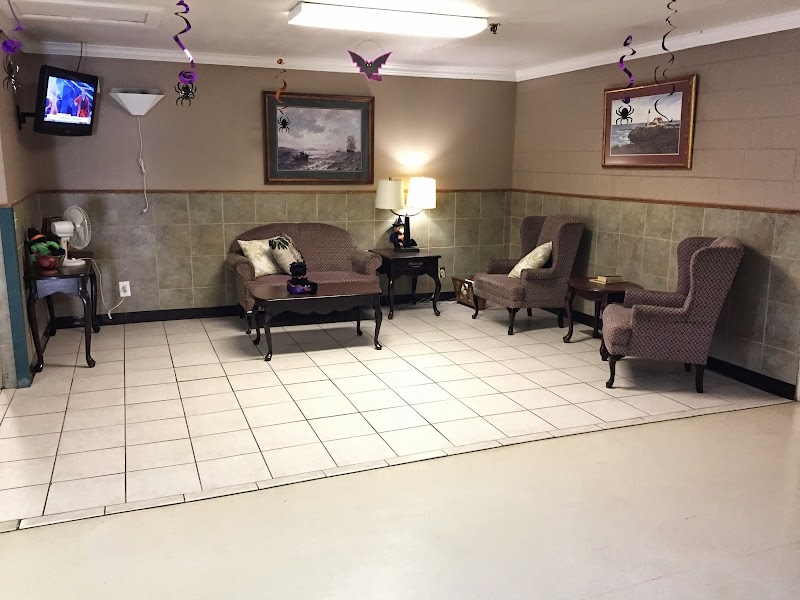
How is Sherwood Manor Staffed?

CMS rates SHERWOOD MANOR NURSING HOME's staffing level at 2 out of 5 stars, which is below average compared to other nursing homes.

What Have Inspectors Found at Sherwood Manor?

State health inspectors documented 30 deficiencies at SHERWOOD MANOR NURSING HOME during 2021 to 2025. These included: 3 Immediate Jeopardy (the most serious level, indicating potential for serious harm or death) and 27 with potential for harm. Immediate Jeopardy findings are rare and represent the most serious regulatory concerns. They require immediate corrective action.
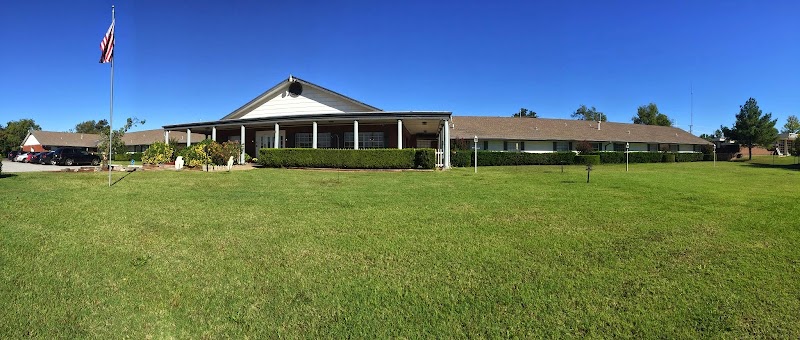
Who Owns and Operates Sherwood Manor?

SHERWOOD MANOR NURSING HOME is owned by a for-profit company. For-profit facilities operate as businesses with obligations to shareholders or private owners. The facility operates independently rather than as part of a larger chain. With 102 certified beds and approximately 71 residents (about 70% occupancy), it is a mid-sized facility located in TULSA, Oklahoma.
How Does Sherwood Manor Compare to Other Oklahoma Nursing Homes?

Compared to the 100 nursing homes in Oklahoma, SHERWOOD MANOR NURSING HOME's overall rating (1 stars) is below the state average of 2.6 and health inspection rating (1 stars) is much below the national benchmark.

What Should Families Ask When Visiting Sherwood Manor?

Based on this facility's data, families visiting should ask: "What changes have been made since the serious inspection findings, and how are you preventing similar issues?" "What safeguards and monitoring systems are in place to protect residents from abuse or neglect?" "Can you walk me through typical staffing levels on day, evening, and night shifts?" "Can I visit during a mealtime to observe dining assistance and food quality?" These questions are particularly relevant given the facility's Immediate Jeopardy citations, the substantiated abuse finding on record, and the below-average staffing rating.

Is Sherwood Manor Safe?

Based on CMS inspection data, SHERWOOD MANOR NURSING HOME has documented safety concerns. The facility has 1 substantiated abuse finding (meaning confirmed case of resident harm by staff or other residents). Inspectors have issued 3 Immediate Jeopardy citations (the most serious violation level indicating risk of serious injury or death). The facility has a 1-star overall rating and ranks #100 of 100 nursing homes in Oklahoma. Families considering this facility should ask detailed questions about what corrective actions have been taken since these incidents.

Do Nurses at Sherwood Manor Stick Around?

SHERWOOD MANOR NURSING HOME has not reported staff turnover data to CMS. Staff turnover matters because consistent caregivers learn residents' individual needs, medications, and preferences. When staff frequently change, this institutional knowledge is lost. Families should ask the facility directly about their staff retention rates and average employee tenure.

Was Sherwood Manor Ever Fined?

SHERWOOD MANOR NURSING HOME has been fined $121,529 across 2 penalty actions. This is 3.5x the Oklahoma average of $34,294. Fines at this level are uncommon and typically indicate a pattern of serious deficiencies, repeated violations, or failure to correct problems promptly. CMS reserves penalties of this magnitude for facilities that pose significant, documented risk to resident health or safety. Families should request specific documentation of what issues led to these fines and what systemic changes have been implemented.

Is Sherwood Manor on Any Federal Watch List?

SHERWOOD MANOR NURSING HOME is not on any federal watch list. The most significant is the Special Focus Facility (SFF) program, which identifies the bottom 1% of nursing homes nationally based on persistent, serious quality problems. Not being on this list means the facility has avoided the pattern of deficiencies that triggers enhanced federal oversight. This is a positive indicator, though families should still review the facility's inspection history directly.