Southern Hills Rehabilitation Center
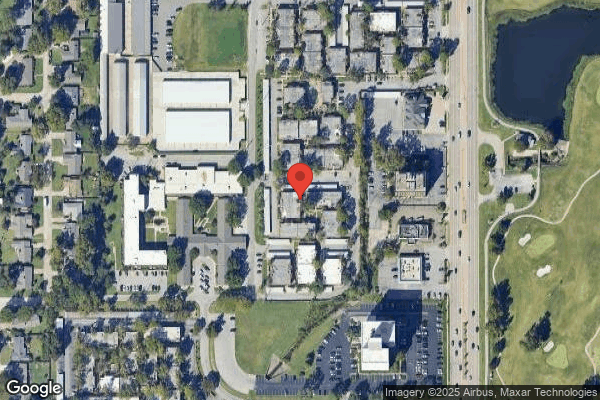

5170 South Vandalia, Tulsa, OK 74135 (918) 496-3963
For profit - Limited Liability company 106 Beds GLOBAL HEALTHCARE REIT Data: November 2025 1 Immediate Jeopardy citation
Trust Grade
26/100
#185 of 282 in OK
Last Inspection: November 2024

Within standard 12-15 month inspection cycle. Federal law requires annual inspections.

Overview

Southern Hills Rehabilitation Center has a Trust Grade of F, indicating significant concerns with care quality. They rank #185 out of 282 nursing homes in Oklahoma, placing them in the bottom half of facilities statewide, and #24 out of 33 in Tulsa County, meaning only a few local options are worse. The facility is worsening, with issues increasing from 2 in 2024 to 3 in 2025, and they have a high staff turnover rate of 77%, which is concerning compared to the state average of 55%. Recent inspections revealed critical issues, such as a failure to supervise a resident with exit-seeking behaviors, which could lead to dangerous situations, and lapses in infection control practices during meal services, where staff did not consistently sanitize their hands. While the facility does have average RN coverage, families should weigh these significant weaknesses against any potential strengths when considering care for their loved ones.
Trust Score
F
26/100
In Oklahoma
#185/282
Bottom 35%
Safety Record
High Risk
Review needed
Inspections
Getting Worse
2 → 3 violations
Staff Stability
⚠ Watch
77% turnover. Very high, 29 points above average. Constant new faces learning your loved one's needs.
Penalties
✓ Good
$24,255 in fines. Lower than most Oklahoma facilities. Relatively clean record.
Skilled Nurses
⚠ Watch
Each resident gets only 17 minutes of Registered Nurse (RN) attention daily — below average for Oklahoma. Fewer RN minutes means fewer trained eyes watching for problems.
Violations
⚠ Watch
24 deficiencies on record. Higher than average. Multiple issues found across inspections.
★★☆☆☆
2.0
Overall Rating
★★☆☆☆
2.0
Staff Levels
★★★☆☆
3.0
Care Quality
★★☆☆☆
2.0
Inspection Score
Stable
2024: 2 issues
2025: 3 issues

The Good

  • Full Sprinkler Coverage · Fire safety systems throughout facility
  • No fines on record

Facility shows strength in fire safety.

The Bad

2-Star Overall Rating

Below Oklahoma average (2.6)

Below average - review inspection findings carefully

Staff Turnover: 77%

31pts above Oklahoma avg (46%)

Frequent staff changes - ask about care continuity

Federal Fines: $24,255

Below median ($33,413)

Minor penalties assessed

Chain: GLOBAL HEALTHCARE REIT

Part of a multi-facility chain

Ask about local staffing decisions and management

Staff turnover is very high (77%)

29 points above Oklahoma average of 48%

The Ugly 24 deficiencies on record

1 life-threatening
Jul 2025 2 deficiencies
CONCERN (D) 📢 Someone Reported This

A family member, employee, or ombudsman was alarmed enough to file a formal complaint

Potential for Harm - no one hurt, but risky conditions existed

Report Alleged Abuse (Tag F0609)

Could have caused harm · This affected 1 resident

Based on record review and interview, the facility failed to ensure an allegation of abuse was reported to the state agency within the 2 hour required time frame for 2 (#2 and #5) of 3 sampled residen...

Read full inspector narrative →
Based on record review and interview, the facility failed to ensure an allegation of abuse was reported to the state agency within the 2 hour required time frame for 2 (#2 and #5) of 3 sampled residents reviewed for abuse.The DON identified 67 residents resided in the facility.Findings: A facility policy titled ABUSE PREVENTION POLICY & PROCEDURE, revised 05/23/17, read in part, Any allegation of abuse is reported immediately to the state agency and to all other agencies as required, per state and federal guidelines. Immediately means as soon as possible, but should not exceed 24 hours after the discovery of the incident, in absence of a shorter state timeframe requirement. Refer to State, Federal and Elder Justice Act guidelines.1. An undated face sheet showed Res #2 had diagnoses which included multiple sclerosis, age related osteoporosis, contractures, and muscle wasting and atrophy.Res #2's quarterly assessment, dated 04/21/25, showed the residents cognition was intact and a BIM score of 15.An OSDH incident report, with an incident date of 06/06/25, showed on 06/09/25 at 12:45 p.m. the resident reported to the DON, CNA #4 had left them in their room with the door shut. The report showed the resident had been incontinent of bowel and bladder and was uncomfortable to the point of pain. The report showed Res #2 was afraid with the door closed. A fax transmittal page, dated 06/09/25 at 7:05 p.m., showed the state agency was notified of the allegation of abuse regarding Res #2. The facility failed to report to the state agency within the two-hour required time frame.On 07/10/25 at 3:15 p.m., the DON reviewed the investigative documentation regarding the allegation of abuse on 06/06/25 for Res #2. The DON stated the incident was not reported to the state agency within the two-hour required timeframe.2. An undated face sheet showed Res #5 had diagnoses which included acute respiratory failure, seizures, spinal stenosis, and paranoid schizophrenia.An OSDH incident report, dated 06/29/25, showed an allegation of abuse. The report showed the physician, family, and DHS: Adult Protective Services were notified. The report showed on 06/30/25, the family of Res #5 reported to the administrator Res #5 had been spoken harshly to by CNA #5. On 07/10/25 at 3:15 p.m., the DON reviewed the documentation regarding the allegation of abuse for Res #5. The DON stated they could not find documentation the state agency was notified of the incident within the 2-hour required timeframe.
CONCERN (D) 📢 Someone Reported This

A family member, employee, or ombudsman was alarmed enough to file a formal complaint

Potential for Harm - no one hurt, but risky conditions existed

Investigate Abuse (Tag F0610)

Could have caused harm · This affected 1 resident

Based on record review and interview, the facility failed to thoroughly investigate an allegation of abuse for 2 (#2 and #5) of 3 sampled residents reviewed for abuse.The DON identified 67 residents r...

Read full inspector narrative →
Based on record review and interview, the facility failed to thoroughly investigate an allegation of abuse for 2 (#2 and #5) of 3 sampled residents reviewed for abuse.The DON identified 67 residents resided in the facility.Findings: A facility policy titled ABUSE PREVENTION POLICY & PROCEDURE, revised 05/23/17, read in part, Any complaint, allegation, observation or suspicion of resident abuse, mistreatment or neglect, whether physical, verbal, mental or sexual, involuntary or voluntary, is to be thoroughly reported, investigated and documented in a uniform manner as detailed below. An incident of abuse incident of abuse must be reported to the charge nurse who will examine the resident, document findings in the clinical records an immediately initiate the Investigation protocol.1. An undated face sheet showed Res #2 had diagnoses which included multiple sclerosis, age related osteoporosis, contractures, and muscle wasting and atrophy.Res #2's quarterly assessment, dated 04/21/25, showed the residents cognition was intact with a BIM score of 15.An OSDH incident report, with an incident date of 06/06/25, showed on 06/09/25 at 12:45 p.m. Res #2 reported to the DON that CNA #4 left them in their room with the door shut. The report showed the resident had been incontinent of bowel and bladder and was uncomfortable to the point of pain. The report showed Res #2 was afraid with the door closed. The investigation documentation for the incident on 06/06/25 regarding Res #2 did not contain resident statements or staff statements regarding the allegation of abuse.On 07/10/25 at 3:15 p.m., the DON reviewed the investigative documentation regarding the allegation of abuse on 06/06/25 for Res #2. The DON stated the incident was not thoroughly investigated.2. An undated face sheet showed Res #5 had diagnoses which included acute respiratory failure, seizures, spinal stenosis, and paranoid schizophrenia.An OSDH incident report, with an incident date of 06/29/25, showed an allegation of abuse. The report showed the family of Res #5 reported to the administrator on 06/30/25, CNA #5 was heard speaking harshly to Res #5.The investigation documentation for the incident regarding Res #5 did not contain resident statements or staff statements regarding the allegation of abuse.On 07/10/25 at 3:15 p.m., the DON reviewed the documentation regarding the allegation of abuse for Res #5. The DON stated the incident regarding Res #5 was not thoroughly investigated.
May 2025 1 deficiency 1 IJ
CRITICAL (J) 📢 Someone Reported This

A family member, employee, or ombudsman was alarmed enough to file a formal complaint

Immediate Jeopardy (IJ) - the most serious Medicare violation

Accident Prevention (Tag F0689)

Someone could have died · This affected 1 resident

1. On 04/21/25, a past non-compliance Immediate Jeopardy (IJ) situation was determined to exist related to the facility's failure to supervise residents with exit seeking behaviors. On 04/14/25 Reside...

Read full inspector narrative →
1. On 04/21/25, a past non-compliance Immediate Jeopardy (IJ) situation was determined to exist related to the facility's failure to supervise residents with exit seeking behaviors. On 04/14/25 Resident #14 was observed to leave the courtyard by a resident, from an unlocked gate, staff were notified and were able to redirect Resident #14 back into the building. Based on record review and interview, the facility failed to provide supervision for 1 (#14) of 1 sampled resident reviewed for exit seeking behaviors. The DON identified 66 residents resided at the facility. Findings: An elopement evaluation, dated 03/27/25, showed Resident #14 was at risk for elopement. The evaluation showed Resident #14 wandered aimlessly and the behavior was likely to affect the safety or well-being of self or others. A care plan, dated 03/28/25, showed Resident #14 liked to go to the courtyard and staff were educated to keep an eye as they passed by. An un-witnessed fall incident report, dated 03/29/25, showed Resident #14 had a history of wandering. An elopement evaluation, dated 04/04/25, showed Resident #14 was at risk of elopement. The evaluation showed Resident #14 had a history of elopement or an attempted elopement while at home and the facility without informing staff, but had not verbally expressed the desire to go home or stay near an exit door. A re-admission assessment, dated 04/10/25, showed a BIMS assessment was not completed due to memory problems for both long and short-term memory. The assessment showed Resident #14 had severely impaired cognitive skills for daily decision making. The assessment showed diagnoses which included a history of stroke and traumatic brain injury. A care plan, revised 04/11/25, showed Resident #14 had a concern for wandering/elopement with episodes of wandering on and off the unit. The care plan showed interventions which included to educate staff to redirect and assist Resident #14 to their hall when observed heading to the doors, ensure Resident #14 was inside the premises by checking on them every two hours and as needed, educate staff to be mindful when going out if Resident #14 was close by or following, and engage Resident #14 in purposeful activity. An elopement incident report, dated 04/14/25, showed Resident #14 had exited the courtyard through an unlocked gate that had been propped open by contractors. The report showed Resident #14 had a predisposing situation factor of Active Exit Seeker. The report showed Resident #14 had stated they wanted out of there. A care plan, revised 04/14/25, showed one-on-one observation every shift and to document in the clinical record. In-service documentation and the ad hoc QAPI meeting signature sheet for elopement and resident safety dated 04/18/25 were reviewed. The documents confirmed in-services and the ad hoc QAPI meeting were completed. On 04/17/25 at 2:53 p.m., the DON stated Resident #14 was sent to a psychiatric hospital, then would be going to a locked unit. On 04/21/25 at 10:32 a.m., the administrator stated they placed signs on the doors to not let residents out of the building and spoke with the contractors about not propping doors open. The administrator stated no other residents were at risk for elopement. They stated Resident #14 was placed on one-on-one supervision until Resident #14 was transferred to a psychiatric hospital, then went go to a locked unit. The administrator stated an ad-hoc QAPI meeting took place and a preventative intervention plan was developed which included the one-on-one supervision. The administrator stated they monitored the documentation daily in the electronic clinical record for Resident #14. On 04/21/25 at 11:45 a.m., CNA #1 stated they believed Resident #14 had dementia. They stated they never saw Resident #14 try to get out, but had been informed Resident #14 was a wanderer and exit seeker. CNA #1 stated they were informed to keep an eye out when Resident #14 went to the courtyard. On 04/21/25 at 11:51 a.m., CNA #2 stated Resident #14 had memory issues and would forget things like to lock their wheelchair. They stated staff had to keep watch when Resident #14 went outside the gate by supervising one-on-one. On 04/21/25 at 11:54 a.m., LPN #1 stated Resident #14 was very confused, easily agitated, and a wanderer. LPN #1 stated Resident #14 was an exit seeker and one-on-one supervision was implemented when they eloped. LPN #1 stated the DON told them to after Resident #14 eloped. LPN #1 stated they were not aware of Resident #14 needing one-on-one before they eloped. LPN #1 stated Resident #14 eloped on 04/14/25 around 1:30 p.m. and was sent out on 04/15/25. 2. On 05/14/25 an Immediate Jeopardy (IJ) situation was determined to exist related to the facility's failure to ensure the safety of exit seeking residents. An incident report, dated 05/14/25, showed a representative of Resident #15 approached staff on 05/13/25 at 7:30 p.m. and asked where they could find Resident #15. The report showed staff did not know Resident #15 was missing. Facility protocol was followed for missing residents and Resident #15 was found four minutes later in the facility's independent living [NAME] parking lot. The form showed another resident witnessed Resident #15 leave the courtyard through the gate. On 05/14/25 at 2:45 p.m., the Oklahoma State Department of Health was notified and verified the existence of the IJ situation. On 05/14/25 at 2:46 p.m., the DON and the corporate regional administrator were notified of the IJ situation and provided the IJ template. On 05/15/25 at 10:22 a.m., an acceptable plan of removal was approved by the Oklahoma State Department of Health. The plan of removal, read in part, Deficiency Summary: Resident #15 was able to elope the courtyard without staff intervening which put Resident #15 at risk of serious harm or death. During a tour of the courtyard on 05/14/25 at 11:02 a.m., the gates on the east and west side of the courtyard were observed to have a key lock on the latches of the gates that were unlocked. The lock was removed and the gate opened, leading to the parking lot on the east side of the building. This continued to be a hazard for all mobile residents in the facility. 1. Immediate Action Taken: a. When resident #15 was reported missing, an elopement drill was implemented and resident was found within [four] minutes. b. Resident #15 was immediately place[sic] on One on One until [Resident #15] was transferred to another lock down facility for [their] safety. c. Staff monitored the courtyard and courtyard was secure at 12:30 pm on 5/14/2025. 2. Systemic Changes Implemented: a. Courtyard gates were secured with combination locks on 5-14-2025 at 1230pm b. Staff have been in-service[sic] not to use gates in courtyard. c. Elopement assessments have been completed on all residents, and the elopement book has been updated. 3. Education and Training a. In-service of all staff on the following: Completed on 5-15-2025 at 6:30am i. No entry or exit out of the courtyard gates. ii. Elopement Book (location) iii. Elopement and wandering residents' policy and procedures iv. Residents & families enter and exit through the main entrance. Facility will be in compliance on 5-15-2025 at 6:30am. The IJ was lifted, effective 05/15/25 at 6:30 a.m., when all components of the plan of removal had been verified as completed. The gates on the East and [NAME] side of the courtyard were observed to be locked with combination locks. In-services regarding resident elopement and safety were reviewed and staff were interviewed to ensure in-service was completed. Elopement assessments were reviewed for residents in the facility to ensure assessments were completed and the elopement book was observed to have been updated. The deficient practice remained at an isolated level with the potential for more than minimal harm. Based on observation, record review and interview, the facility failed to ensure the safety for 1 (#15) of 2 sampled residents reviewed for exit seeking residents. The DON identified 66 residents resided at the facility and no current residents were at risk for elopement. Findings: On 05/14/25 at 11:02 a.m., the East and [NAME] gates of the courtyard were observed to have open key locks on the latches of the gates. The key lock was removed from the East gate and the gate opened up to the East parking lot. On 05/14/25 at 11:04 a.m., the west gate was observed to have an open key lock on the gate, the key lock was removed, and the gate required force to be opened. On 05/14/25 at 11:06 a.m., a ramp at the back of the facility courtyard was observed going up to an open patio for assisted living residents. The patio was observed to have an open area to the [NAME] of the patio where a piece of fencing was removed. The area to the [NAME] of the patio was observed to lead to the independent courtyard and at the front of the independent courtyard was an unlocked gate leading out to the independent parking lot. An admission assessment, dated 02/07/25, showed a BIMS of 00 and a staff assessment for mental status was not conducted. The assessment showed diagnoses which included a traumatic brain injury, aphasia (a language disorder that affects a person's ability to communicate) and depression. The assessment showed functional abilities which included no impairment to upper extremities but impairment on both sides of the lower extremities and Resident #15 was dependent for mobility with a wheelchair but could stand with assistance. A progress note, dated 05/12/25 at 3:24 p.m., showed an elopement evaluation was completed. The evaluation note showed Resident #15 had wandering behavior that was a pattern or goal-directed and was likely to affect the safety or well-being of self or others. A progress note, dated 05/12/25 at 10:21 p.m., showed Resident #15 was propelling around the facility and stated they were leaving and attempted to exit the door. The note showed Resident #15 stated people were waiting for them and they needed to leave, multiple redirects and checks for safety followed. An incident report, dated 05/14/25, showed a representative of Resident #15 approached staff on 05/13/25 at 7:30 p.m. and asked where they could find Resident #15. The report showed staff did not know Resident #15 was missing. Facility protocol was followed for missing residents and Resident #15 was found four minutes later in the facility's independent living [NAME] parking lot. The form showed another resident witnessed Resident #15 leave the courtyard through the gate. A care plan, revised 05/14/25, showed Resident #15 was noted to be outside of the facility and an elopement drill was initiated. The care plan showed Resident #15 was placed on one-on-one supervision with staff. On 05/14/25 at 10:11 a.m., the interim administrator was asked if the facility had an incident on 05/13/25. They stated Resident #15 went out to the courtyard and out of the [NAME] gate to the independent living courtyard and into the parking lot. They stated the immediate action was to place Resident #15 on one-on-one with staff. The interim administrator stated the DON called them on the night of 05/13/25 and informed them another resident saw Resident #15 go out the gate. They stated Resident #15 left the courtyard through the gate on the [NAME] side and was aware enough to know how to open the gate. The interim administrator stated they were locking the gates and the keys were on the medication cart and nurses keys until they could have a keypad installed. They stated nobody was going in or out the gates until the facility had the keypad installed. They stated they were in-servicing all staff on 05/14/25 and looking for a lock down facility for Resident #15 following a discussion with the representative of Resident #15. The interim administrator stated Resident #15 did not leave their facility grounds and the gates had dummy locks, locks that were not completely locked, because they were under the impression it would be a life safety issue. On 05/14/25 at 12:57 p.m. the DON stated Resident #15 had eloped from the [NAME] gate and entered the independent courtyard and exited the unlocked gate out into the parking lot. They stated the resident who witnessed the elopement was Resident #16, who was also in the courtyard at the time. On 05/14/25 at 2:39 p.m., Resident #15's representative stated the facility was not holding the nurse accountable. They stated the nurse informed them Resident #15 used a code to exit the facility. They stated they knew Resident #15 could not do that. Resident #15's representative stated they felt like the DON had a problem with them and that was why the facility wanted to transfer Resident #15 to a different facility.
Nov 2024 2 deficiencies
CONCERN (D)

Potential for Harm - no one hurt, but risky conditions existed

Deficiency F0578 (Tag F0578)

Could have caused harm · This affected 1 resident

**NOTE- TERMS IN BRACKETS HAVE BEEN EDITED TO PROTECT CONFIDENTIALITY** Based on record review and interview the facility failed to provide information to formulate an advance directive for three (#33...

Read full inspector narrative →
**NOTE- TERMS IN BRACKETS HAVE BEEN EDITED TO PROTECT CONFIDENTIALITY** Based on record review and interview the facility failed to provide information to formulate an advance directive for three (#33, #38, and #41) of three sampled residents who were reviewed for advance directives. The administrator identified 66 residents resided in the facility. Findings: The undated document, Residents' Rights Regarding Treatment and Advance Directives, read in part, It is the policy of this facility to support and facilitate a residents right to request, refuse, and/or discontinue medical or surgical treatment and to formulate an advance directive. 1. Resident #33 was admitted to the facility on [DATE]. No acknowledgement for an advance directive was in the resident's medical record. 2. Resident #38 was admitted to the facility on [DATE]. No acknowledgement for an advance directive was in the resident's medical record. 3. Resident #41 was admitted to the facility on [DATE]. No acknowledgement for an advance directive was in the resident's medical record. On 11/20/24 at 3:00 p.m., the social services director stated they discussed advance directives during the admission process and marked it on the admission form, but they do not have a signed form that shows they offered an advance directive.
CONCERN (E)

Potential for Harm - no one hurt, but risky conditions existed

Food Safety (Tag F0812)

Could have caused harm · This affected multiple residents

Based on observation and interview, the facility failed to ensure infection control practices were followed during dining services. The administrator identified 62 residents received meals from the k...

Read full inspector narrative →
Based on observation and interview, the facility failed to ensure infection control practices were followed during dining services. The administrator identified 62 residents received meals from the kitchen. Findings: On 11/19/24 at 12:00 p.m., rehabilitative service manager #1 and restorative aide #1 were observed passing hall trays. They were not observed to sanitize their hands after delivering resident lunch trays. On 11/19/24 at 12:07 p.m., rehabilitative service manager #1 stated they sanitize their hands after every second tray. On 11/19/24 at 12:10 p.m., restorative aide #1 stated they sanitize their hands after every third tray. On 11/26/24 at 1:30 p.m., the administrator stated they should sanitize their hands after delivering every tray.
Nov 2023 8 deficiencies
CONCERN (D) 📢 Someone Reported This

A family member, employee, or ombudsman was alarmed enough to file a formal complaint

Potential for Harm - no one hurt, but risky conditions existed

Deficiency F0602 (Tag F0602)

Could have caused harm · This affected 1 resident

Based on record review and interview, the facility failed to return prescription medications for one (Resident #65) of one resident whose clinical record was reviewed for misappropriation of property....

Read full inspector narrative →
Based on record review and interview, the facility failed to return prescription medications for one (Resident #65) of one resident whose clinical record was reviewed for misappropriation of property. The Long-Term Care Facility Application for Medicare and Medicaid form, dated 10/24/23, documented 64 residents resided in the facility. Findings: The facility's Personal Property policy, revised September 2012, documented the resident's personal belongings were to be inventoried and documented upon admission and as such items were replenished. The policy documented the facility would investigate any complaints of misappropriation or mistreatment of resident property. Resident #65 had diagnoses which included chest pain, pain, and opioid dependence. The controlled drug record, dated 07/15/23, documented Resident #65 had 101.5 tablets of hydrocodone/acetaminophen 10/325mg. The count sheet ended on 07/20/23 with a count of 93 tablets. The controlled drug record, dated 07/15/23, documented the facility received 79 pregabalin 100mg capsules. The count sheet ended on 07/20/23 with a count of 54 capsules. The controlled drug record, dated 07/15/23, documented Resident #65 had 20 tablets of long acting morphine sulfate 30mg tablets. The count sheet ended on 07/20/23 with a count of 18 tablets. The social service progress note, dated 09/26/23 at 11:32 a.m., documented Resident #65 contacted the facility by phone to arrange to pick up their belongings. The social service progress note, dated 09/26/23 at 4:45 p.m., documented Resident #65 was at the facility to pick up their belongings. The note documented the resident was given medications stored in the medication room. The social service progress note, dated 09/28/23 at 2:23 p.m., documented they received a call from the Ombudsman regarding missing medications for Resident #65. The note documented the facility held the resident's hydrocodone/acetaminophen and morphine due to the medication not being labeled. The Drug Destruction Inventory log, dated 10/12/23, documented the resident's hydrocodone/acetaminophen 10/325mg, pregabalin 100mg, and morphine 30mg medications were destroyed. The destruction log documented the resident's name and the dispensing pharmacy's name for all three medications. The prescription number was also documented for the resident's pregabalin and morphine. On 10/27/23 at 09:05 a.m., the DON stated the facility administered medications the resident brought into the facility on admission until the resident was seen by the facility's pain management physician. The DON stated the resident's remaining medications were in the bottles they were dispensed in and were properly labeled. The DON stated the medications were secured in the DON's office until they were destroyed by the pharmacist and herself. The DON stated they did not know why the medications were not returned to the resident.
CONCERN (E)

Potential for Harm - no one hurt, but risky conditions existed

Comprehensive Care Plan (Tag F0656)

Could have caused harm · This affected multiple residents

Based on record review and interview, the facility failed to ensure the care plan was implemented related to smoking for one (#13) of one sampled residents whose care plans were reviewed for smoking. ...

Read full inspector narrative →
Based on record review and interview, the facility failed to ensure the care plan was implemented related to smoking for one (#13) of one sampled residents whose care plans were reviewed for smoking. The DON identified 20 residents who smoked. Findings: The Care Plans, Comprehensive Person Centered policy, dated September 2013, read in parts, .A comprehensive .care plan .is implemented for each resident . The Smoking Policy - Residents, dated July 2017, read in part, .A resident's ability to smoke safely will be re-evaluated quarterly, upon significant change .and as determined by staff . Resident #13 had diagnoses which included hypertension. A Smoking Assessment, dated 02/24/23, documented the resident was safe to smoke with supervision. Review of the clinical record did not reveal any smoking assessments had been completed after 02/24/23. The Care Plan, dated 08/05/23, documented the resident smoked and a smoking evaluation was to be completed per the facility policy. On 10/27/23 at 1:49 p.m., the ADON stated smoking assessments were to be completed quarterly. They stated the previous DON had been completing them. The ADON stated they did not have a process in place to ensure care plans were implemented and smoking assessments were conducted as per the facility policy.
CONCERN (E) 📢 Someone Reported This

A family member, employee, or ombudsman was alarmed enough to file a formal complaint

Potential for Harm - no one hurt, but risky conditions existed

Pressure Ulcer Prevention (Tag F0686)

Could have caused harm · This affected multiple residents

Based on record review and interview, the facility failed to ensure skin assessments were conducted for one (#34) of three sampled residents who were reviewed for pressure ulcers. The Long-Term Care F...

Read full inspector narrative →
Based on record review and interview, the facility failed to ensure skin assessments were conducted for one (#34) of three sampled residents who were reviewed for pressure ulcers. The Long-Term Care Facility Application for Medicare and Medicaid form, dated 10/24/23, documented 64 residents resided in the facility. Findings: The Prevention of Pressure Injuries policy, dated April 2020, read in parts, .Assess the resident on admission .for existing pressure injury risk factors. Repeat the risk assessment weekly and upon any changes in condition .Conduct a comprehensive skin assessment .with each risk assessment . Resident #34 had diagnoses which included atrial fibrillation. The Wound - Weekly Observation Tool, dated 04/13/23, documented a stage three pressure ulcer to the sacrum had resolved. The Care Plan, dated 07/25/23, documented the resident had a history of a healed stage four pressure ulcer to the left buttocks with a documented intervention to conduct weekly skin assessments. The significant change assessment, dated 07/25/23, documented the resident was cognitively intact for daily decision making, was at risk for pressure ulcers, and did not have any current pressure ulcers. The Braden Scale for Predicting Pressure Sore Risk, dated 08/30/23, documented the resident was at risk for development of pressure ulcers. The Skin Observation Tool, dated 09/12/23, documented the resident's skin was intact with no current wounds. Review of the assessments in the clinical record, dated 04/14/23 through 10/24/23, revealed weekly skin assessments/wound assessments had been completed on: 04/20/23; 04/27/23; 05/05/23; 08/09/23; 08/30/23; and 09/12/23. On 10/24/23 at 2:35 p.m., the resident stated they had a pressure ulcer on their sacrum that had healed but they felt like it had recently reopened. On 10/27/23 at 10:22 a.m., the resident's skin was observed with the wound care nurse. Resident #34's skin was observed to be intact with no open wounds. On 10/27/23 at 1:55 p.m., the ADON stated the charge nurses were responsible to complete skin assessments weekly. They stated skin assessments were documented in the electronic clinical record. The ADON stated they did not know why skin assessments had not been completed weekly for Resident #34. They stated they may not have populated the skin assessments on the treatment sheet after a readmission from the hospital. The ADON stated they did not have a process in place to ensure weekly skin assessments were completed. On 11/01/23 at 11:09 a.m., the DON stated the MDS coordinator and the ADON were to complete weekly skin assessments but they recently assigned them to the wound care nurse.
CONCERN (E)

Potential for Harm - no one hurt, but risky conditions existed

Medication Errors (Tag F0758)

Could have caused harm · This affected multiple residents

Based on record review and interview, the facility failed to ensure behavior and side effect monitoring was conducted for one (#45) of five residents who were reviewed for unnecessary medications. The...

Read full inspector narrative →
Based on record review and interview, the facility failed to ensure behavior and side effect monitoring was conducted for one (#45) of five residents who were reviewed for unnecessary medications. The Long Term Care Facility Application for Medicare and Medicaid documented 64 residents resided in the facility. Findings: Resident #45 had diagnoses which included pain, depressive disorder, insomnia, and chronic embolism and thrombosis. The MAR/TAR, dated 08/16/23 through 08/31/23, documented the resident was administered Prozac (an antidepressant) 10mg daily, Ramelteon (a hypnotic medication) 8mg at bedtime, Eliquis (a blood thinner/anticoagulant medication) 2.5mg twice daily, and Oxycodone (an opiate pain medication) 5mg every four hours as needed. The MAR/TAR, dated 08/16/23 through 08/31/23 did not contain documentation of side effect and/or behavior monitoring for Prozac, Ramelteon, Eliquis, or Oxycodone. The quarterly assessment, dated 08/22/23, documented the resident had received an antidepressant, hypnotic, and anticoagulant medication seven of seven days during the look back period and an opioid medication one of seven days during the look back period. The Care Plan, updated 08/23/23, documented behaviors and side effects were to be monitored and documented for Ramelteon, Prozac, Eliquis, and Oxycodone. The MAR/TAR, dated 09/01/23 through 09/30/23, documented the resident was administered Prozac 10mg daily, Ramelteon 8mg at bedtime, Eliquis 2.5mg twice daily, and Oxycodone 5mg every four hours as needed. The MAR/TAR did not contain documentation of side effect and/or behavior monitoring for Prozac, Ramelteon, Eliquis, or Oxycodone. The MAR/TAR, dated 10/01/23 through 10/26/23, documented Prozac 10mg daily, Ramelteon 8mg at bedtime, Eliquis 2.5mg twice daily, and Oxycodone 5mg every four hours as needed. The MAR/TAR did not contain documentation of side effect and/or behavior monitoring for Prozac, Ramelteon, Eliquis, or Oxycodone. On 10/27/23 at 1:47 p.m., the ADON stated the nurses were to monitor and document behaviors and side effects on the MAR/TAR. On 10/27/23 at 2:56 p.m., the ADON stated they were not sure why behaviors and/or side effects were not monitored/documented for Resident #45. They stated upon readmission to the facility in August the behavior/side effect monitoring was overlooked and not added to the MAR/TAR.
CONCERN (E)

Potential for Harm - no one hurt, but risky conditions existed

Infection Control (Tag F0880)

Could have caused harm · This affected multiple residents

Based on record review and interview, the facility failed to have a program designed to help prevent the development of Legionellosis and Pontiac fever caused by Legionella Bacteria and have an effect...

Read full inspector narrative →
Based on record review and interview, the facility failed to have a program designed to help prevent the development of Legionellosis and Pontiac fever caused by Legionella Bacteria and have an effective and consistent infection surveillance program. The Long Term Care Facility Application for Medicare and Medicaid documented 64 residents resided in the facility. Findings: An undated facility policy, titled Legionella Surveillance and Detection, read in parts, .The water management program includes the following elements .A detailed description and diagram of the water system in the facility .The identification of areas in the water system that could encourage the growth and spread of Legionella or other waterborne bacteria . On 11/01/23 at 11:35 a.m., the DON stated the facility did not have a detailed description and diagram of the facility water supply and had not identified areas in the water system that could encourage the growth and spread of Legionella. The DON stated that tracking and trending of infectious diseases was not occurring in the facility until they took the DON position on 10/06/23.
CONCERN (E)

Potential for Harm - no one hurt, but risky conditions existed

Antibiotic Stewardship (Tag F0881)

Could have caused harm · This affected multiple residents

Based on record review and interview, the facility failed to implement an antibiotic stewardship program. The Long Term Care Facility Application for Medicare and Medicaid documented 64 residents resi...

Read full inspector narrative →
Based on record review and interview, the facility failed to implement an antibiotic stewardship program. The Long Term Care Facility Application for Medicare and Medicaid documented 64 residents resided in the facility. Findings: An undated facility policy, titled Antibiotic Stewardship - Review and Surveillance of Antibiotic Use and Outcomes, read in part, .As part of the facility antibiotic stewardship program, all clinical infections treated with antibiotics will undergo review by the infection preventionist, or designee .All resident antibiotic regimens will be documented on the facility-approved antibiotic surveillance tracking form . On 10/31/23 at 10:40 a.m., the infection preventionist/ADON stated I should ask the DON what criteria the facility used for antibiotic stewardship. On 11/01/23 at 11:35 a.m., the DON stated they were not utilizing a facility approved antibiotic tracking form for antibiotic regimens. The DON stated they were not sure if the infection preventionist/ADON was reviewing antibiotic use.
CONCERN (E)

Potential for Harm - no one hurt, but risky conditions existed

Deficiency F0883 (Tag F0883)

Could have caused harm · This affected multiple residents

Based on record review and interview, the facility failed to ensure influenza and pneumococcal vaccines were offered for two (#57 and #58) of five sampled residents reviewed for vaccines. The Long Ter...

Read full inspector narrative →
Based on record review and interview, the facility failed to ensure influenza and pneumococcal vaccines were offered for two (#57 and #58) of five sampled residents reviewed for vaccines. The Long Term Care Facility Application for Medicare and Medicaid documented 64 residents resided in the facility. Findings: An undated facility policy, titled Vaccination of Residents, read in part, .If vaccines are refused, the refusal shall be documented in the resident's medical record .If the resident receives a vaccine, at least the following information shall be documented in the resident's chart .Site of administration .Date of administration . 1. Resident #57 had diagnoses which included chronic kidney disease and hypertension. An immunization report, dated 10/31/23, did not document the resident had been offered or received the influenza or pneumococcal vaccinations. 2. Resident #58 had diagnoses which included chronic respiratory failure and hypertension. An immunization report, dated 10/31/23, did not document the resident had been offered or received the influenza or pneumococcal vaccinations. On 11/01/23 at 11:35 a.m., the DON was asked if any additional documentation was available regarding vaccinations for Resident #57 and Resident #58. The DON stated no.
CONCERN (F)

Potential for Harm - no one hurt, but risky conditions existed

Deficiency F0838 (Tag F0838)

Could have caused harm · This affected most or all residents

**NOTE- TERMS IN BRACKETS HAVE BEEN EDITED TO PROTECT CONFIDENTIALITY** Based on record review and interview, the facility failed to ensure a facility assessment was completed annually. The Long Term ...

Read full inspector narrative →
**NOTE- TERMS IN BRACKETS HAVE BEEN EDITED TO PROTECT CONFIDENTIALITY** Based on record review and interview, the facility failed to ensure a facility assessment was completed annually. The Long Term Care Facility Application for Medicare and Medicaid documented 64 residents resided in the facility. Findings: The Facility Assessment policy, dated October 2018, read in part, .A facility assessment is conducted annually to determine and update our capacity to meet the needs of and competently care for our residents during day-to-day operations . On 10/24/23, the administrator provided a copy of the facility assessment dated [DATE] through 09/08/22. They stated they were checking to see if the former administrator had completed a more recent facility assessment. On 10/27/23 at 3:24 p.m., the administrator stated the facility assessment, dated 09/09/21 through 09/08/22, was the most recent assessment they had. They stated the facility assessment should have been completed annually.
Apr 2023 1 deficiency
CONCERN (E) 📢 Someone Reported This

A family member, employee, or ombudsman was alarmed enough to file a formal complaint

Potential for Harm - no one hurt, but risky conditions existed

Deficiency F0806 (Tag F0806)

Could have caused harm · This affected multiple residents

Based on observation, record review, and interview, the facility failed to provide kosher meals of a pureed consistency for one (#2) of one resident with an order for a regular diet of pureed consiste...

Read full inspector narrative →
Based on observation, record review, and interview, the facility failed to provide kosher meals of a pureed consistency for one (#2) of one resident with an order for a regular diet of pureed consistency and a religious preference for kosher meals. The Director of Nursing identified one resident with religious dietary preference for kosher meals. Findings: Resident #2 had diagnoses which included muscle wasting and atrophy; weakness; severe vascular dementia; and cognitive communication deficit. A form titled, Advanced Directive: Durable Power of Attorney for Healthcare and Living Will dated 04/25/18, documented, .I follow Jewish health laws. I do not eat unclean meats or foods. I prefer a soft diet . The Living Will also documented the resident's wife as their healthcare proxy. On 04/19/23 at 12:00 p.m., resident #2 was observed eating the noon meal in his room. The resident had a pureed meat which was light brown in color and smelled of Italian seasonings, a green vegetable, mashed potatoes, a chocolate desert, and a milk based protein rich nutritional supplement. Resident #2 was asked if they had any dietary restrictions. Resident #2 stated they followed Jewish health laws and ate no pork. The meal ticket on the meal tray for resident #2 documented the resident was to receive a regular diet, pureed texture, thin liquids, and double portions for all meals. The meal ticket read in part, .Would like magic cup and milk with each meal, snacks, pureed bananas, yogurt, pimento cheese, all snacks must be pureed; please no pork, send turkey or beef please; house shake B [breakfast] / L [lunch] / D [dinner] . On 04/19/23 at 12:25 p.m., the dietary manager was asked what was served as the pureed meal. The dietary manager stated they were unsure but cook #1 was who prepared the pureed meal. On 04/19/23 at 12:30 p.m., cook #1 stated all residents who received a pureed meal received the Italian meatballs. The cook was asked what was in the Italian meatballs. They stated they did not know. They stated the meatballs were prepackaged and frozen. The Italian meatball packaging was viewed. The ingredients listed on the package of frozen Italian meatballs documented pork as one of the main ingredients. Cook #1 viewed the listed ingredients. [NAME] #1 was asked if they were sure they prepared the meatballs for all the residents who received a pureed meal in the facility. They stated yes. On 04/25/23 at 12:00 p.m., the social service director was asked about the dietary restrictions for resident #2. The social service director stated the wife had informed the facility the resident had to follow Jewish law and had to drink almond milk. The social service director stated the resident hated almond milk and prefered regular milk. The social service director stated when asked the resident always stated they liked the meal they were eating. The social service director was asked if they were aware of the resident's living will. The social service director stated yes but the document was not valid unless two physician's declared the resident to be incompetent. The social service director continued and stated the facility had contacted the ombudsman's office and was told the resident had the right to make decisions about meals. The posted lunch menu, dated 04/25/23, documented baked pork chops, white rice, California mixed vegetables, and vanilla pudding. On 04/25/23 at 12:30 p.m., LPN #1 stated Resident #2 received pureed pork chop and ate one bite of pork chop before they stated the meat tasted like dog food and refused the meal. On 04/25/23 at 5:10 p.m., the wound nurse delivered Resident #2's evening meal tray. The meal tray was placed in front of the resident and consisted of pot roast with potatoes/carrots, and green beans. The meal was of a regular texture. The meal ticket on the tray documented the resident was to receive a meal with a pureed texture. On 04/25/23 at 5:20 p.m., dietary aide #1 looked at the meal ticket and stated they had plated a pureed meal for the resident and did not understand why this always happened. The dietary aide was asked to explain what they meant by their comment. The dietary aide stated residents frequently received the wrong consistency of food texture. The dietary aide went to the dining room and returned with a meal tray with pureed ham with brown gravy, mashed potatoes with brown gravy, and a green vegetable. On 04/25/23 at 5:25 p.m., the wound nurse received the tray and started back toward resident #2. The wound nurse was asked to review the meal ticket for resident preferences. The wound nurse looked at the meal ticket, looked at the tray of food, and stated it contained ham. The wound nurse went to the dining hall and showed the plate of pureed ham to [NAME] #2. On 04/25/23 at 5:30 p.m., cook #2 stated the pureed meat was ham and they were not aware the substitute meal tray was for resident #2. The cook stated there were frequent problems with residents being served foods of the wrong texture or preference. The cook stated they felt some of the problem was due to the practice of the dietary aide reading the meal ticket to the cook who plated the food. [NAME] #2 stated the cook needed to start reading the meal ticket for themselves before plating the food. On 05/25/23 at 6:15 p.m., the director of nursing was asked why resident #2 was served pork and milk products with meals consisting of meat. The director of nursing stated the resident did not like the almond milk the resident's wife insisted on being served with meals but enjoyed drinking regular milk. The director of nursing stated the resident's wife had insisted on the resident following Jewish health laws related to food but the resident appeared to enjoy the meals they served, including pork. The director of nursing was shown the living will/power of attorney document attached to the resident's electronic medical record and asked why the wife's wishes for meal preferences for her husband were not honored. The director of nursing stated the living will was not enforced unless two doctors documented the resident was incapacitated. The director of nursing was asked who the facility would have sign legal documents for care and services for resident #2. The director of nursing stated the wife would sign the documents. The director of nursing was asked why resident #2 would not sign the documents for themselves. The director of nursing stated the resident had severe dementia.
Feb 2023 1 deficiency
CONCERN (D) 📢 Someone Reported This

A family member, employee, or ombudsman was alarmed enough to file a formal complaint

Potential for Harm - no one hurt, but risky conditions existed

Deficiency F0692 (Tag F0692)

Could have caused harm · This affected 1 resident

Based on interview and record review, the facility failed to ensure interventions were followed to prevent weight loss for one (#2) of three residents sampled for weight loss. The Assistant Director o...

Read full inspector narrative →
Based on interview and record review, the facility failed to ensure interventions were followed to prevent weight loss for one (#2) of three residents sampled for weight loss. The Assistant Director of Nursing identified three residents who had experienced a significant weight loss. Findings: Resident #2 was admitted with diagnoses which included congestive heart failure and chronic kidney disease stage three. A Physician's Order, revised 09/16/22, documented to weigh the resident monthly. A Dietitian's Recommendations for Primary Care Provider, dated 10/12/22, documented Resident #2 had a current weight of 187.5 lbs and a significant weight loss of 9.6 % since 09/16/22. A recommendation for health shake if Resident #2 ate 50% or less was made. There were no dietician recommendations made in November or December. A Physician's Order, dated 10/31/22, documented Resident #2 was to receive a health shake when they ate 50% or less for a meal. A three month look back on the MAR for December 2022, January 2023, and February 2023 revealed the resident was not offered or received a health shake. A Dietitian's Recommendations for Primary Care Provider, dated 01/23/23, for Resident #2 read in parts, .Current weight: 157# [pounds] .sig [significant] wt loss 13.6 % x 3 months .Some wt [weight] fluctuation to be expected d/t [due to] diuretic therapy; i.e. Lasix 20 mg 2 tablets 1 x [time] daily .PO intake fluctuation 25-75% most meals . On 02/28/23 at 3:02 p.m., the DON was asked who was responsible to implement and address dietary recommendations from the registered dietitian. They stated they took over doing them in February because they were not done. They stated the former DON was doing them. The DON was asked who monitored meal percentages to ensure health shakes were provided, if less than 50% of the meal was consumed, as ordered by the physician. They stated they monitored ADL records every morning but they needed to put the health shakes on the TAR. On 02/28/23 at 4:00 p.m., the DON was asked how dietitian recommendations were monitored to ensure they were implemented. They stated, I'm going to have to look, it should be on the MAR. On 02/28/23 at 5:20 p.m., the dietitian was asked how they determined the weight was fluctuating due to Lasix when Resident #2 was weighed monthly. They stated, I can't answer that, I don't know.
Dec 2021 9 deficiencies
CONCERN (D)

Potential for Harm - no one hurt, but risky conditions existed

Deficiency F0698 (Tag F0698)

Could have caused harm · This affected 1 resident

**NOTE- TERMS IN BRACKETS HAVE BEEN EDITED TO PROTECT CONFIDENTIALITY** Based on observation, interview, and record review, the facility failed to ensure pre and post dialysis assessments were perform...

Read full inspector narrative →
**NOTE- TERMS IN BRACKETS HAVE BEEN EDITED TO PROTECT CONFIDENTIALITY** Based on observation, interview, and record review, the facility failed to ensure pre and post dialysis assessments were performed for one (#30) of two sampled dialysis residents. The DON reported three residents who received dialysis. Findings: An undated policy titled, Dialysis, Residents: Coordination of Care and Pre and Post-Care, documented in part .assess vital signs before and upon return from dialysis .Check shunt or access device upon return from dialysis and assess for bleeding .Document assessment/care in the medical record . Resident (Res)#30 was admitted on [DATE] with diagnoses of end stage renal disease, diabetes mellitus, encephalopathy, and sickle-cell disease. Res #30's Care Plan, dated 07/25/21, documented in parts .document pre & post Dialysis assessment on Dialysis communication form . A quarterly assessment, dated 10/26/21, documented the resident was moderately impaired with cognition, required extensive to total dependence with activities of daily living, and required dialysis. A physician order, dated 10/27/21, documented in parts .complete pre and post dialysis assessments, remove pressure dressing from the left forearm after dialysis treatments and apply a Band-Aid, monitor the left forearm for bruit and thrill every shift, and notify physician. On 12/13/21 at 10:58 a.m., Res #30 was observed to have had a fistula to the left lower arm. Res #30 stated they received dialysis treatments three times a week. Res #30 stated they had been hospitalized in the past due to non-compliance of dialysis treatments. Res #30 stated nursing staff usually do assessments before and after dialysis treatments. Res #30 stated communication logs were sent sometimes. On 12/15/21 at 7:11 a.m., Res #30's communication dialysis log book was reviewed with 13 missed pre and post dialysis assessments between 07/23/21 through 11/02/21. The pre and post dialysis form consisted of vital signs with weights, shunt site location, pain, any problems, nurses signature, and an assessment by the dialysis unit nurse. On 12/15/21 at 7:19 a.m., LPN #1 stated the communication log was not started until September 2021. On 12/15/21 at 8:15 a.m., the DON reviewed the dialysis communication records for Res #30 and stated the pre and post dialysis assessments should have been completed.
CONCERN (E)

Potential for Harm - no one hurt, but risky conditions existed

Deficiency F0582 (Tag F0582)

Could have caused harm · This affected multiple residents

Based on interview and record review, the facility failed to ensure liability notices were provided to residents discharged from skilled services with days remaining for three residents (#200, 201, an...

Read full inspector narrative →
Based on interview and record review, the facility failed to ensure liability notices were provided to residents discharged from skilled services with days remaining for three residents (#200, 201, and #202) of three liability notices were reviewed. The Administrator reported 12 residents who were discharged from skilled services with days remaining in the past three months. Findings: 1. Resident (Res) #200 was admitted for skilled services on 10/07/21. Skilled services were discontinued on 10/27/21 and had 79 days of skilled days remaining. The beneficiary notices for Res #200 were reviewed. A SNF ABN was not provided to the resident. 2. Res #201 was admitted for skilled services on 11/01/21. Skilled services were discontinued on 11/19/21 and had 81 days of skilled days remaining. The beneficiary notices for Res #201 were reviewed. A SNF ABN was not provided to the resident. 3. Res #202 was admitted for skilled services on 10/28/21. Skilled services were discontinued on 11/23/21 and had 77 days of skilled days remaining. The beneficiary notices for Res #202 were reviewed. A SNF ABN was not provided to the resident. On 12/15/21 at 2:21 p.m., the social service director reported the facility initiated the discharge from skilled services for Res #200, #201, and #202. The social service director reported a NOMNC was provided to the resident or residents' representatives. The social service director reported a SNF ABN was not provided to the residents.
CONCERN (E)

Potential for Harm - no one hurt, but risky conditions existed

ADL Care (Tag F0677)

Could have caused harm · This affected multiple residents

**NOTE- TERMS IN BRACKETS HAVE BEEN EDITED TO PROTECT CONFIDENTIALITY** Based on observation, interview, and record review, the facility failed to ensure bathing was provided for three residents (#38,...

Read full inspector narrative →
**NOTE- TERMS IN BRACKETS HAVE BEEN EDITED TO PROTECT CONFIDENTIALITY** Based on observation, interview, and record review, the facility failed to ensure bathing was provided for three residents (#38, 57, and #51) of 18 sampled residents reviewed for bathing. The Resident Census and Conditions of Residents form documented 67 residents resided in the facility. Findings: 1. Resident (Res) #38 was admitted to the facility on [DATE] and had diagnoses which included chronic kidney disease, iron deficiency anemia, and diabetes mellitus. A care plan, dated 11/05/21, documented in part .ADL self-care performance deficit . Bath is shower days and as needed. Bed bath when requested . A re-entry 5 day MDS assessment, dated 12/08/21, documented the resident was cognitively intact and required extensive assistance of two persons for activities of daily living. On 12/13/21 at 10:56 a.m., Res #38 was observed sitting in her wheelchair in her room. Res #38 reported she had not been bathed since admission in October. Res #38 reported they had been in the hospital for two weeks and had not received a shower before or after her return to the facility until yesterday. Res #38 reported they wanted a bath two times a week. Bathing documentation for Res #38 was reviewed. The bathing sheets documented the resident only received one bath on 12/12/21. The bath schedule documented Res #38 was to receive a bath every Tuesday and Thursday on the 6-2 shift. On 12/15/21 at 2:55 p.m., CNA #2 was interviewed and reported staff now have a bath schedule and was to complete a bath form for each bath given. 2. Resident (Res) #57 was admitted on [DATE] and had diagnosis of a left hip fracture. An admission assessment, dated 11/18/21, documented the resident was severely impaired with cognition, required extensive assistance of two persons for activities of daily living, and was incontinent of bowel and bladder. A care plan, dated 11/21/21, documented in part .ADL and mobility self-care performance deficit .Prefer shower days twice a week and as needed. Bed bath when requested .shower days subject to change per resident request . On 12/14/21 at 9:36 a.m., Res #57 was observed lying in bed. Res #57's family member was interviewed via telephone. The family member reported the resident was not receiving baths or personal hygiene assistance from staff. The family member reported the resident was unable to perform personal hygiene without assistance. Bathing documentation for Res #57 was reviewed. The bathing sheets documented the resident had only received a bath on 12/08/21 and 12/12/21. The bathing schedule was reviewed and documented the resident was to receive a bath every Tuesday and Thursday on the 2-10 shift. On 12/15/21 at 2:55 p.m., CNA #2 reported Res #57 refuses to shower and receives bed baths. CNA #2 reported staff now have a bath schedule and was to complete a bath form for each bath given. 3. Resident #51 was admitted to the facility on [DATE] with diagnoses which included multiple sclerosis, osteoporosis, and muscle weakness. An annual assessment, dated 11/17/21, documented the resident was cognitively intact and required total dependence with activities of daily living. A care plan, dated 11/19/21, documented in part resident requires has an ADL self-care performance deficit in transfers, toileting, dressing, repositioning related to limitation both lower and upper extremities r/t DX of MS. Bath shower days are M>F, 2-10 bed bath when requested . A bathing record for Res #51, dated November 2021, documented the resident had received a bath once a week from 11/15/21 through 11/29/21. A shower schedule for the month of November and December 2021 documented Res #51 is scheduled to bathe on Tuesdays and Thursdays. On 12/14/21 at 8:55 a.m., Res #51 was observed sitting in her wheelchair. Res #51 reported they were only bathed once a week in November. Res #51 reported they would like a bath more often. On 12/15/21 at 8:41 a.m., CNA #1 reported residents should have been bathed as scheduled. CNA #1 stated Res #51 is scheduled a bath twice a week. On 12/15/21 at 11:25 a.m., the DON reported residents should be bathed as scheduled. The DON reported if the resident refused to be bathed, the CNA should report the refusal to the charge nurse and document the refusal.
CONCERN (E)

Potential for Harm - no one hurt, but risky conditions existed

Deficiency F0725 (Tag F0725)

Could have caused harm · This affected multiple residents

Based on interview and record review the facility failed to ensure the facility had adequate staffing to meet the needs of the residents. The DON reported a census of 67 residents. Findings: Throughou...

Read full inspector narrative →
Based on interview and record review the facility failed to ensure the facility had adequate staffing to meet the needs of the residents. The DON reported a census of 67 residents. Findings: Throughout the survey and during the resident council meeting, multiple unidentified residents reported there was not enough staff to provide bathing as scheduled, provide ADL care timely, and provide warm meals. On 12/15/21 at 3:32 p.m., the facility staffing schedule was reviewed from 11/29/21 through 12/13/21. The staffing schedule documented multiple days and shifts the facility did not have adequate staffing. On 12/15/21 at 3:45 p.m., the DON reported there were multiple times the facility did not have adequate staffing.
CONCERN (E)

Potential for Harm - no one hurt, but risky conditions existed

Deficiency F0727 (Tag F0727)

Could have caused harm · This affected multiple residents

Based on observation, interview, and record review, the facility failed to ensure the director of nursing was a registered nurse. The Administrator identified a census of 67 residents. Findings: On 12...

Read full inspector narrative →
Based on observation, interview, and record review, the facility failed to ensure the director of nursing was a registered nurse. The Administrator identified a census of 67 residents. Findings: On 12/13/21 at 9:45 a.m., the Administrator identified an LPN as the DON. The DON was observed to have had a name tag with LPN after the name. The DON reported she was a LPN and the DON. On 12/15/21 at 3:30 p.m., personnel records were reviewed and documented the DON was an LPN. On 12/16/21 at 10:00 a.m., the Administrator reported the DON was an LPN and the state regulations documented an LPN could be a DON.
CONCERN (E)

Potential for Harm - no one hurt, but risky conditions existed

Laboratory Services (Tag F0770)

Could have caused harm · This affected multiple residents

Based on interview and record review, the facility failed to provide laboratory services as ordered by the physician for one resident (#38) of five whose laboratory services were reviewed. The Residen...

Read full inspector narrative →
Based on interview and record review, the facility failed to provide laboratory services as ordered by the physician for one resident (#38) of five whose laboratory services were reviewed. The Resident Census and Conditions of Residents form documented 67 residents resided in the facility. Findings: Resident (Res) #38 had diagnoses which included chronic kidney disease, iron deficiency anemia, and diabetes mellitus. A physician order, dated 12/01/21, documented the facility was to obtain a CBC, CMP, Mg level on next lab day and weekly while on skilled services. A re-entry 5 day MDS assessment, dated 12/08/21, documented the resident was cognitively intact, required extensive assistance of two persons for activities of daily living, and had received insulin and a diuretic seven of the seven days. Res #38s EHR was reviewed for laboratory results. The ordered weekly laboratory results were not documented in the EHR. On 12/15/21 at 1:19 p.m., the DON reviewed the laboratory results on their computer. The DON reported the magnesium level was not performed on 12/06/21 and on 12/14/21 as ordered. The DON reported the magnesium level was not added to the laboratory request form and should have.
CONCERN (E)

Potential for Harm - no one hurt, but risky conditions existed

Deficiency F0800 (Tag F0800)

Could have caused harm · This affected multiple residents

Based on observation, interview, and record review, the facility failed to ensure food temperatures were obtained prior to passing food trays to residents. The DM reported 67 residents who received me...

Read full inspector narrative →
Based on observation, interview, and record review, the facility failed to ensure food temperatures were obtained prior to passing food trays to residents. The DM reported 67 residents who received meals from the kitchen. Findings: On 12/14/21 at 11:30 a.m., food temperature logs were reviewed. The dietary department did not have documented temperature logs in the dietary department which distributed meals to the residents. On 12/14/21 at 12:00 p.m., meals were observed being distributed from the large kitchen to the second kitchen area. The second kitchen area placed the prepared food on a steam table. Dietary staff were not observed obtaining food temperatures prior to distributing the food. On 12/14/21 at 12:15 p.m., the DM stated the dietary staff did not check food temperatures prior to distributing food to residents.
CONCERN (E)

Potential for Harm - no one hurt, but risky conditions existed

Deficiency F0804 (Tag F0804)

Could have caused harm · This affected multiple residents

Based on observation, interview and record review, the facility failed to serve residents' food at palatable temperatures. The DON identified 67 residents who received meals from the kitchen. Findings...

Read full inspector narrative →
Based on observation, interview and record review, the facility failed to serve residents' food at palatable temperatures. The DON identified 67 residents who received meals from the kitchen. Findings: On 12/15/21 at 11:00 a.m., during a resident council meeting, the residents reported the meals were served cold for the last few months. A review of the resident council meeting minutes, dated 08/26/21, 10/26/21, and 11/29/21, documented the meals were served cold. The meeting minutes did not document a resolution plan. On 12/14/21 at 11:30 a.m., a request was made for food temperature logs were reviewed. The dietary department did not have documented temperature logs in the dietary department which distributed meals to the residents. On 12/14/21 at 12:00 p.m., meals were observed being distributed throughout the facility. Dietary staff were not observed obtaining food temperatures prior to distributing the food. Multiple unidentified residents were interviewed and reported meals were served cold. On 12/15/21, the DM reported meal tray temperatures were not checked when meal trays were delivered to the residents.
CONCERN (E)

Potential for Harm - no one hurt, but risky conditions existed

Food Safety (Tag F0812)

Could have caused harm · This affected multiple residents

Based on observation and interview the facility failed to ensure sanitary conditions were maintained in the kitchen. The facility failed to: a. ensure the kitchen walls were clean. b. ensure the kitch...

Read full inspector narrative →
Based on observation and interview the facility failed to ensure sanitary conditions were maintained in the kitchen. The facility failed to: a. ensure the kitchen walls were clean. b. ensure the kitchen doors were clean and closed correctly. On 12/13/21 at 9:58 a.m., during the initial tour of the kitchen, the white walls were observed to have had large amounts of greasy black and brown splatters and spots throughout the kitchen walls. The interior door entering the kitchen from the dining area was observed to have had greasy black splatters on the inside of the door and the door did not shut properly, which allowed gaps. The exterior door had large black splatters, did not shut without being latched, and daylight was observed around the edges with multiple large holes at the bottom of the door. Debris of dead leaves was observed on the door threshold of the kitchen floor. On 12/13/21 at 10:30 a.m., the DM stated there was a bid estimate to get the kitchen walls cleaned and the doors fixed. On 12/13/21 at 10:45 a.m., the Administrator reported there was a bid estimate to get the kitchen walls cleaned and the doors fixed, and would supply a copy of the bid. On 12/13/21 at 11:30 a.m., at the time of exit for the survey, the Administrator had not supplied a copy of the bid estimate to get the kitchen walls cleaned and the doors fixed.
Understanding Severity Codes (click to expand)
Life-Threatening (Immediate Jeopardy)
J - Isolated K - Pattern L - Widespread
Actual Harm
G - Isolated H - Pattern I - Widespread
Potential for Harm
D - Isolated E - Pattern F - Widespread
No Harm (Minor)
A - Isolated B - Pattern C - Widespread

Questions to Ask on Your Visit

  • "What changes have you made since the serious inspection findings?"
  • "Why is there high staff turnover? How do you retain staff?"
  • "Can I speak with families of current residents?"
  • "What's your RN coverage like on weekends and overnight?"

Our Honest Assessment

Strengths
  • • Licensed and certified facility. Meets minimum state requirements.
Concerns
  • • Multiple safety concerns identified: 1 life-threatening violation(s). Review inspection reports carefully.
  • • 24 deficiencies on record, including 1 critical (life-threatening) violation. These warrant careful review before choosing this facility.
  • • $24,255 in fines. Higher than 94% of Oklahoma facilities, suggesting repeated compliance issues.
  • • Grade F (26/100). Below average facility with significant concerns.
Bottom line: Trust Score of 26/100 indicates significant concerns. Thoroughly evaluate alternatives.

About This Facility

What is Southern Hills Rehabilitation Center's CMS Rating?

CMS assigns Southern Hills Rehabilitation Center an overall rating of 2 out of 5 stars, which is considered below average nationally. Within Oklahoma, this rating places the facility higher than 0% of the state's 100 nursing homes. A rating at this level reflects concerns identified through health inspections, staffing assessments, or quality measures that families should carefully consider.
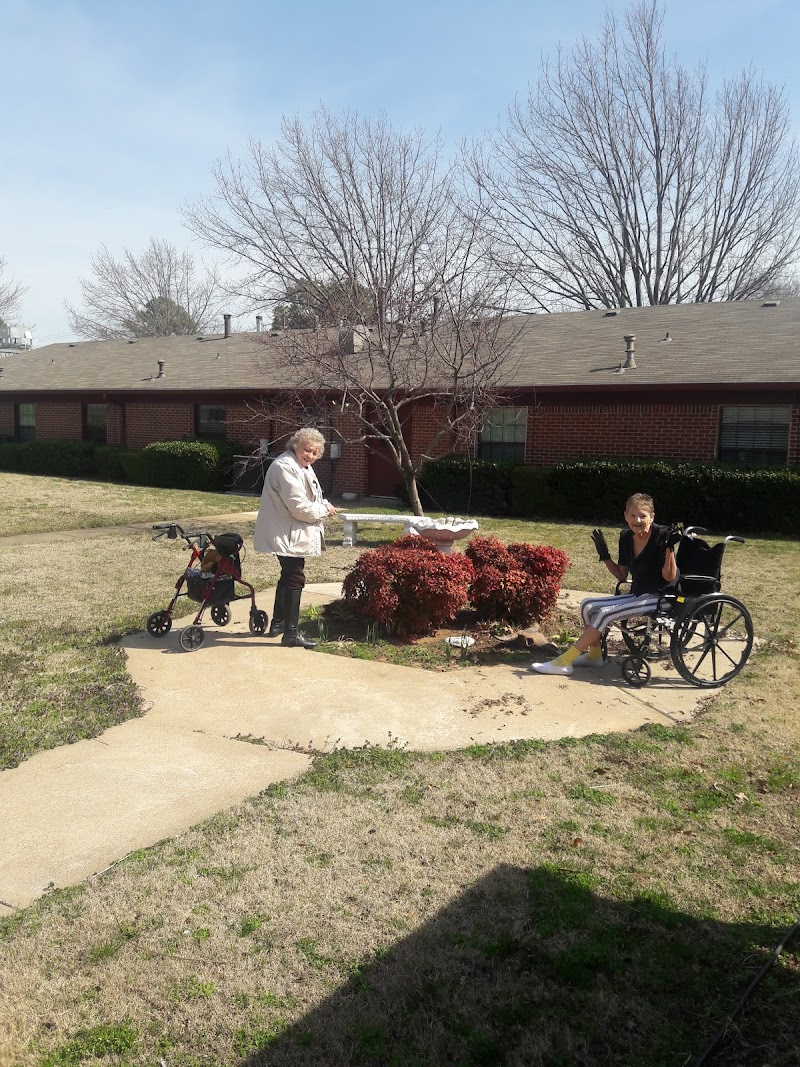
How is Southern Hills Rehabilitation Center Staffed?
CMS rates Southern Hills Rehabilitation Center's staffing level at 2 out of 5 stars, which is below average compared to other nursing homes. Staff turnover is 77%, which is 31 percentage points above the Oklahoma average of 46%. High turnover can affect care consistency as new staff learn residents' individual needs. RN turnover specifically is 89%, which is notably high. RNs provide skilled clinical oversight, so turnover in this role can affect medical care quality.

What Have Inspectors Found at Southern Hills Rehabilitation Center?

State health inspectors documented 24 deficiencies at Southern Hills Rehabilitation Center during 2021 to 2025. These included: 1 Immediate Jeopardy (the most serious level, indicating potential for serious harm or death) and 23 with potential for harm. Immediate Jeopardy findings are rare and represent the most serious regulatory concerns. They require immediate corrective action.

Who Owns and Operates Southern Hills Rehabilitation Center?

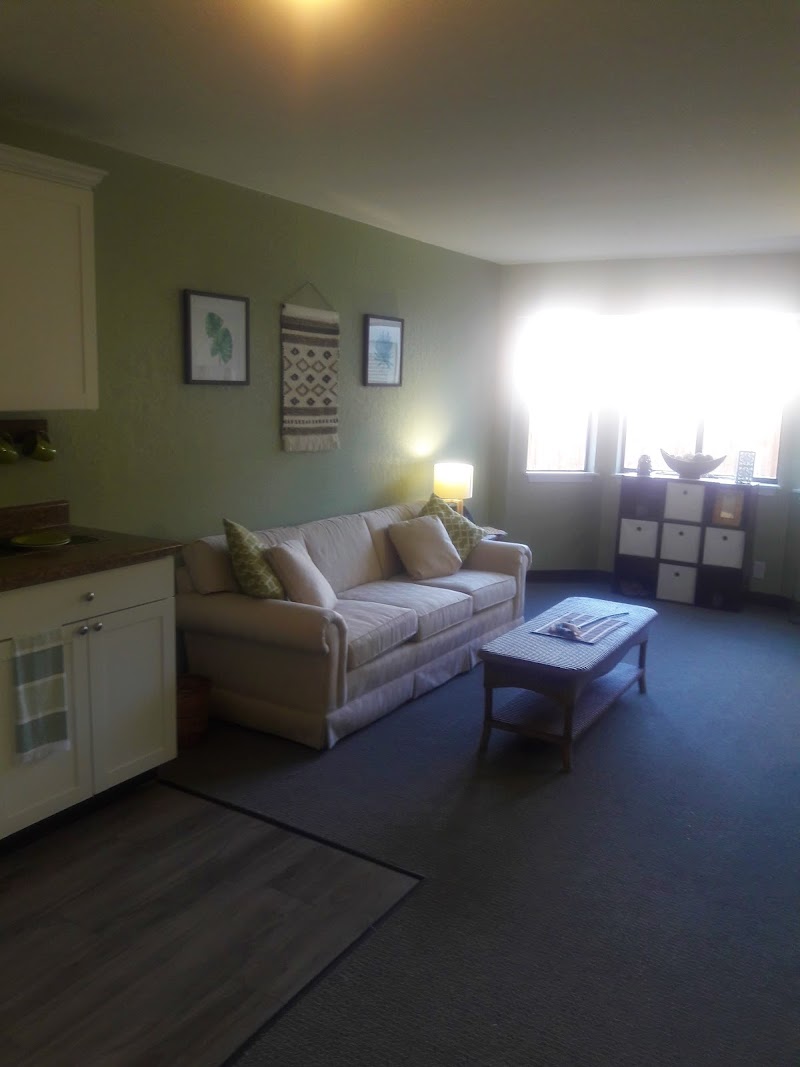
Southern Hills Rehabilitation Center is owned by a for-profit company. For-profit facilities operate as businesses with obligations to shareholders or private owners. The facility is operated by GLOBAL HEALTHCARE REIT, a chain that manages multiple nursing homes. With 106 certified beds and approximately 69 residents (about 65% occupancy), it is a mid-sized facility located in Tulsa, Oklahoma.

How Does Southern Hills Rehabilitation Center Compare to Other Oklahoma Nursing Homes?

Compared to the 100 nursing homes in Oklahoma, Southern Hills Rehabilitation Center's overall rating (2 stars) is below the state average of 2.6, staff turnover (77%) is significantly higher than the state average of 46%, and health inspection rating (2 stars) is below the national benchmark.

What Should Families Ask When Visiting Southern Hills Rehabilitation Center?

Based on this facility's data, families visiting should ask: "What changes have been made since the serious inspection findings, and how are you preventing similar issues?" "How do you ensure continuity of care given staff turnover, and what is your staff retention strategy?" "Can you walk me through typical staffing levels on day, evening, and night shifts?" "Can I visit during a mealtime to observe dining assistance and food quality?" These questions are particularly relevant given the facility's Immediate Jeopardy citations, the facility's high staff turnover rate, and the below-average staffing rating.

Is Southern Hills Rehabilitation Center Safe?

Based on CMS inspection data, Southern Hills Rehabilitation Center has documented safety concerns. Inspectors have issued 1 Immediate Jeopardy citation (the most serious violation level indicating risk of serious injury or death). The facility has a 2-star overall rating and ranks #100 of 100 nursing homes in Oklahoma. Families considering this facility should ask detailed questions about what corrective actions have been taken since these incidents.

Do Nurses at Southern Hills Rehabilitation Center Stick Around?

Staff turnover at Southern Hills Rehabilitation Center is high. At 77%, the facility is 31 percentage points above the Oklahoma average of 46%. Registered Nurse turnover is particularly concerning at 89%. RNs handle complex medical decisions and coordinate care — frequent RN changes can directly impact care quality. High turnover means new staff may not know residents' individual needs, medications, or preferences. It can also be disorienting for residents, especially those with dementia who rely on familiar faces. Families should ask: What is causing the turnover? What retention programs are in place? How do you ensure care continuity during staff transitions?

Was Southern Hills Rehabilitation Center Ever Fined?

Southern Hills Rehabilitation Center has been fined $24,255 across 1 penalty action. This is below the Oklahoma average of $33,321. While any fine indicates a compliance issue, fines under $50,000 are relatively common and typically reflect isolated problems that were subsequently corrected. Families should ask what specific issues led to these fines and confirm they've been resolved.

Is Southern Hills Rehabilitation Center on Any Federal Watch List?

Southern Hills Rehabilitation Center is not on any federal watch list. The most significant is the Special Focus Facility (SFF) program, which identifies the bottom 1% of nursing homes nationally based on persistent, serious quality problems. Not being on this list means the facility has avoided the pattern of deficiencies that triggers enhanced federal oversight. This is a positive indicator, though families should still review the facility's inspection history directly.