The Cottage Extended Care
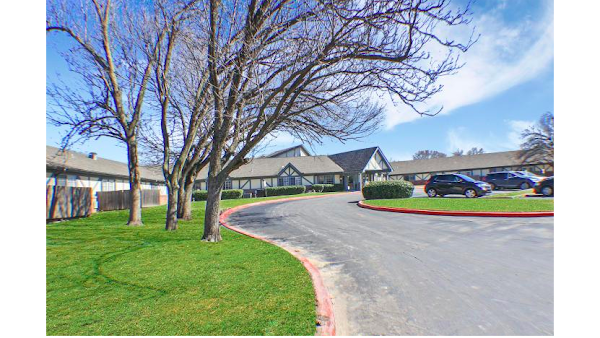
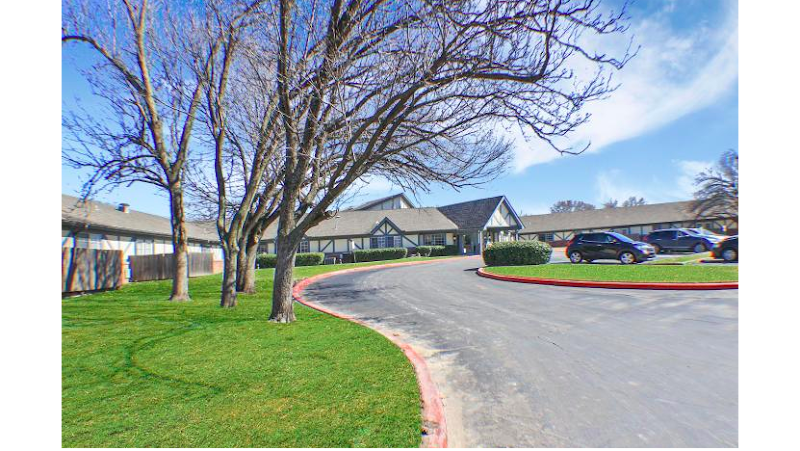
7707 South Memorial Drive, Tulsa, OK 74133 (918) 250-8571
For profit - Individual 176 Beds Independent Data: November 2025 1 Immediate Jeopardy citation
Trust Grade
18/100
#189 of 282 in OK
Last Inspection: January 2025

Within standard 12-15 month inspection cycle. Federal law requires annual inspections.

Overview

The Cottage Extended Care has received a Trust Grade of F, indicating significant concerns and a poor overall performance. They rank #189 out of 282 facilities in Oklahoma, placing them in the bottom half, and #26 out of 33 in Tulsa County, meaning there are very few local options that are worse. However, there is a positive trend as the number of issues has decreased from 6 in 2023 to 4 in 2025. Staffing is rated at 3 out of 5, which is average, but the turnover rate is concerning at 71%, much higher than the state average of 55%. While the facility has not faced any fines, which is a good sign, there have been serious incidents, such as a critical issue where a resident did not receive necessary wound care as ordered, and another case where physician orders for catheter care were not properly documented. These findings highlight both the facility's strengths and weaknesses, making it essential for families to thoroughly evaluate their options.
Trust Score
F
18/100
In Oklahoma
#189/282
Bottom 33%
Safety Record
High Risk
Review needed
Inspections
Getting Better
6 → 4 violations
Staff Stability
⚠ Watch
71% turnover. Very high, 23 points above average. Constant new faces learning your loved one's needs.
Penalties
✓ Good
No fines on record. Clean compliance history, better than most Oklahoma facilities.
Skilled Nurses
⚠ Watch
Each resident gets only 21 minutes of Registered Nurse (RN) attention daily — below average for Oklahoma. Fewer RN minutes means fewer trained eyes watching for problems.
Violations
⚠ Watch
18 deficiencies on record. Higher than average. Multiple issues found across inspections.
★★☆☆☆
2.0
Overall Rating
★★★☆☆
3.0
Staff Levels
★★☆☆☆
2.0
Care Quality
★★☆☆☆
2.0
Inspection Score
Stable
2023: 6 issues
2025: 4 issues

The Good

  • Full Sprinkler Coverage · Fire safety systems throughout facility
  • No fines on record

Facility shows strength in fire safety.

The Bad

2-Star Overall Rating

Below Oklahoma average (2.6)

Below average - review inspection findings carefully

Staff Turnover: 71%

25pts above Oklahoma avg (46%)

Frequent staff changes - ask about care continuity

Staff turnover is very high (71%)

23 points above Oklahoma average of 48%

The Ugly 18 deficiencies on record

1 life-threatening
May 2025 1 deficiency 1 IJ
CRITICAL (J) 📢 Someone Reported This

A family member, employee, or ombudsman was alarmed enough to file a formal complaint

Immediate Jeopardy (IJ) - the most serious Medicare violation

Free from Abuse/Neglect (Tag F0600)

Someone could have died · This affected 1 resident

On 05/29/25 at 4:40 p.m., the OSDH was notified and verified the existence of a past non-compliance immediate jeopardy (IJ) situation related to the facility's failure to ensure wound care was complet...

Read full inspector narrative →
On 05/29/25 at 4:40 p.m., the OSDH was notified and verified the existence of a past non-compliance immediate jeopardy (IJ) situation related to the facility's failure to ensure wound care was completed as ordered. On 05/29/25 at 4:47 p.m., the administrator was notified of the immediate jeopardy (IJ) situation. The administrator was provided the IJ template Based on record review and interview, the facility failed to ensure a resident had wound care completed as ordered for 1 (#1) of 3 sampled residents reviewed for wound care. The DON identified 10 residents received wound care. Findings: A quarterly assessment, dated 02/07/25, showed Resident #1 had a brief interview for mental status score of 11, which indicated moderate impairment in cognitive ability, and had diagnoses which included chronic obstructive pulmonary disease and cognitive communication deficit. A physician order for Resident #1, dated 05/08/25, showed daily dressing changes for left medial ankle venous wound. A progress note, dated 05/27/25 at 1:18 a.m., showed LPN #1 changed the ankle dressing for Resident #1 because it was saturated. LPN #1 removed the soiled dressing and found live maggots in the wound. LPN #1 sought assistance from RN #1 who called the on-call physician, the DON, family, and hospice. Orders were received to send the resident to the hospital. A facility incident report, dated 05/27/25, showed LPN #1 found maggots in Resident #1's leg wound. Documentation showed the facility completed staff in-service regarding abuse on 05/27/25. A quality assurance meeting was held on 05/29/25 regarding abuse and wound care. All staff were educated on neglect on 05/27/25. All nursing staff were educated on wound care on 05/27/25. A head to toe assessment and an abuse neglect survey was conducted for all residents on 05/27/25. The DON began daily monitoring of all wound care to ensure it was being completed as ordered beginning on 05/27/25. On 05/29/25 at 1:42 p.m., the administrator stated there was no documentation for wound care for Resident #1 for several days and they had suspended all three nurses who were responsible for wound care. The administrator stated they had visited Resident #1 in the hospital, but Resident #1 did not have a reliable memory as the resident had insisted they had received wound care on 05/26/25. On 05/29/25 at 2:57 p.m., the DON stated a review of wound documentation for Resident #1 showed wound care had not been completed for five days. The facility had terminated the three staff members who had failed to complete wound care during this time period. On 05/30/25 at 3:14 p.m., LPN #1 stated on 05/27/25 just after midnight, they went to assist Resident #1 and noticed their ankle dressing was soiled and saturated through the sock that was covering the dressing. LPN #1 stated when they removed the sock, they could see the date on the dressing was 05/22/25. They removed the soiled dressing and found maggots in the wound bed. LPN #1 stated they asked RN #1 for assistance, RN #1 called the on-call physician, the family, the DON and hospice. LPN #1 stated the physician gave orders to send the resident to the hospital which they did immediately.
Jan 2025 3 deficiencies
CONCERN (D)

Potential for Harm - no one hurt, but risky conditions existed

Transfer Requirements (Tag F0622)

Could have caused harm · This affected 1 resident

Based on record review and interview, the facility failed to complete a discharge summary for one (#98) of three sampled residents reviewed for discharge. The administrator identified 100 residents re...

Read full inspector narrative →
Based on record review and interview, the facility failed to complete a discharge summary for one (#98) of three sampled residents reviewed for discharge. The administrator identified 100 residents resided in the facility. Findings: A Discharging the Resident policy, revised December 2016, read in part, the following information should be recorded in the resident's medical record: the date and time the discharge was made, all assessment data obtained during the, and the signature and title of the person recording the data. Resident #98 had diagnoses which included chronic kidney disease stage 4, anxiety, and chronic obstructive pulmonary disease. Upon review of the resident's chart there was no discharge summary noted. On 01/08/25 at 8:07 a.m., the DON was asked what was the facility policy on discharge of a resident. The DON stated if the resident had a physician order to discharge, then the proper paper work was filled out, and the resident and/or family was educated. They stated if the resident was unsafe to go AMA the doctor would not write an order and the staff would do education with the resident and/or family. The DON was asked if when a resident was discharged if a discharge summary should be completed. They stated, Yes. The DON was then asked to review Resident #98's chart and was asked if a discharge summary was done upon discharge. They stated one was not done.
CONCERN (D)

Potential for Harm - no one hurt, but risky conditions existed

Respiratory Care (Tag F0695)

Could have caused harm · This affected 1 resident

2. Resident #59 had diagnoses which included chronic obstructive pulmonary disease. A physician's order, dated 10/27/21, read in part, Budesonide Suspension [corticosteriod] 0.5 MG/2 ML 1 vial inhale ...

Read full inspector narrative →
2. Resident #59 had diagnoses which included chronic obstructive pulmonary disease. A physician's order, dated 10/27/21, read in part, Budesonide Suspension [corticosteriod] 0.5 MG/2 ML 1 vial inhale orally two times a day for shortness of breath. A resident assessment, dated 11/10/24, documented Resident #59's cognition was severly impaired. A Treatment Administration record, dated December 2024 and January 2025, documented no order for nursing staff to change and date the nebulizer tubing. On 01/07/25 at 9:55 a.m., Resident #59's nebulizer tubing was dated 12/03/24. On 01/08/25 at 11:41 a.m., LPN #1 reported Resident #59 had nebulizer treatments twice a day. On 01/08/25 at 10:20 a.m., the DON was asked what expectations the facility had for oxygen tubing to be changed and dated. The DON stated if oxygen was used routinely then tubing should be changed and dated weekly. Based on observation, record review, and interview, the facility failed to ensure oxygen and breathing nebulizer tubing was dated for two (#24 and #59) of three sampled residents reviewed for oxygen and breathing nebulizer tubing. The administrator identified 100 residents resided in the facility. The DON identified 19 residents used oxygen in facility Findings: 1. Resident #24 had diagnoses which included chronic respiratory failure, hemiplegia left side effected, asthma, and history of transient ischemic attack. A Physician order, dated 11/26/24 documented an order for oxygen at 3L via NC to keep sats greater than 90%. On 01/06/25 at 1:57 p.m., Resident #24's oxygen tubing was observed with no date. On 01/08/25 at 8:56 a.m., Resident #24's oxygen tubing was observed with no date. A Treatment Administration record, dated December 2024 and January 2025, documented no order for nursing staff to change and date the oxygen tubing. On 01/08/25 at 10:20 a.m., the DON was asked what expectations the facility had for oxygen tubing to be changed and dated. The DON stated if oxygen was used routinely then the tubing should be changed and dated weekly.
CONCERN (D)

Potential for Harm - no one hurt, but risky conditions existed

Deficiency F0919 (Tag F0919)

Could have caused harm · This affected 1 resident

Based on observation and interview, the facility failed to ensure call light cords were available in resident rooms for three (#1, 43, and #62) of twenty sampled residents whose call light cord system...

Read full inspector narrative →
Based on observation and interview, the facility failed to ensure call light cords were available in resident rooms for three (#1, 43, and #62) of twenty sampled residents whose call light cord system was observed. The administrator identified 100 residents resided in the facility. Findings: An Answering the Call Light policy, revised September 2022, read in part, Ensure that the call system is accessible to the resident when in bed, from the toilet, from the shower or bathing facility and from the floor. 1. Resident #1 had diagnoses which included functional quadriplegia, neuromuscular dysfunction, and expressive language disorder A communication care plan, dated 01/08/25, documented the resident had been offered a call light they could blow into, but refused respiratory exercises to make them able to use it. On 01/08/25 at 4:15 p.m., an observation was made of Resident #1's call light on the floor behind the head board of the bed. On 01/09/25 at 7:39 a.m., an observation was made of Resident #1's call light on the floor behind the head board of the bed. On 01/09/25 at 7:40 a.m., CNA #1 was asked the procedure for ensuring call lights were within reach of a resident at all times. CNA #1 stated they had to check and make sure the call light was where a resident could reach it. CNA #1 was asked to observe Resident #1's room and then asked if the call light that was on the floor was in reach of Resident #1. CNA #1 stated, No. 2. Resident #43 had diagnoses which included dementia and cognitive communication deficit. A fall care plan, dated 10/24/24, documented to routinely check that the resident's call light was within reach and encourage them to use it for assistance as needed. On 01/08/25 at 4:17 p.m., Resident #43's call light was observed clipped to the privacy curtain at the foot of their bed which was out of reach from the resident. On 01/09/25 at 7:50 a.m., Resident #43's call light was observed clipped to the privacy curtain at the foot of their bed. On 01/09/25 7:51 a.m., CNA #2 was asked what was the procedure for ensuring a call light was within reach of a resident at all times. CNA #2 stated they clipped it close to a residents hand so they could push the button when needed. CNA #2 was asked to observe Resident #43's room and shown call light clipped to the privacy curtain at the foot of bed and then asked if the placement of the call light was within reach of Resident #43 while in bed. They stated, No. 3. Resident #62 had diagnoses which included Alzheimer's and dementia. A care plan for impaired mobility, dated 11/12/24, documented to routinely check that the resident's call light was within reach and encourage them to use it for assistance as needed. On 01/06/25 at 4:33 p.m., an observation was made of the call light hooked to the cord on the wall behind the resident and not within reach of resident. On 01/07/25 at 8:30 a.m., an observation was made of the call light. It remained hooked to the back wall and not within reach of the resident. On 01/07/25 at 10:49 a.m., an observation was made of the call light. It remained hooked to the back wall and not with in reach of the resident. On 01/08/25 at 9:08 a.m., an observation was made of the call light hooked to the bed sheets not within reach of the resident. The resident was in their geri chair. On 01/08/25 at 10:38 a.m. the DON was asked the policy for placement of call lights for the residents while in their bed and/or chair. The DON stated call lights should be within reach at all times. On 01/09/25 at 7:51 a.m., CNA #3 was asked what the procedure was for ensuring a resident's call light was within reach at all times. CNA #3 stated they clipped it as close to resident as they could. CNA #3 was asked to observe Resident #62's room and asked if the call light hooked to their bed sheets was within reach of Resident #62 while up in geri chair. They stated, No.
Nov 2023 1 deficiency
CONCERN (E) 📢 Someone Reported This

A family member, employee, or ombudsman was alarmed enough to file a formal complaint

Potential for Harm - no one hurt, but risky conditions existed

Incontinence Care (Tag F0690)

Could have caused harm · This affected multiple residents

Based on record review and interview, the facility failed to ensure physician's orders were obtained for catheter care for one (#1) of four residents reviewed for catheters. The DON identified 16 resi...

Read full inspector narrative →
Based on record review and interview, the facility failed to ensure physician's orders were obtained for catheter care for one (#1) of four residents reviewed for catheters. The DON identified 16 residents with catheters. Findings: Resident #1 had diagnoses which included urinary retention and chronic kidney disease. Resident #1's Significant Change in Status Assessment, dated 05/25/23, documented the resident was moderately impaired for daily decision making. A physician order, dated 09/22/23, documented Install Foley Catheter for Urinary Retention. On 11/28/23 at 1:05 p.m., LPN #1 stated that all residents with catheters should have an order for catheter care every shift and it should be documented in the TAR. At 1:40 p.m., RN #1 stated nurses typically perform catheter care and documented it on the TAR. They also stated all residents with a catheter should have an order for catheter care every shift. The TAR, dated 09/23, did not document any catheter care. The TAR, dated 10/23, did not document any catheter care. The TAR, dated 11/23, did not document any catheter care. The physician orders for Resident #1 did not document an order for catheter care. On 11/29/23 at 1:00 p.m., the DON was asked to provide documentation of catheter care and a physician order for catheter care. No additional documentation was provided.
Sept 2023 5 deficiencies
CONCERN (D) 📢 Someone Reported This

A family member, employee, or ombudsman was alarmed enough to file a formal complaint

Potential for Harm - no one hurt, but risky conditions existed

Deficiency F0557 (Tag F0557)

Could have caused harm · This affected 1 resident

Based on record review and interview, the facility failed to prevent facility staff from uploading a video recording of a resident being abused onto a social media platform for one (#73) of three samp...

Read full inspector narrative →
Based on record review and interview, the facility failed to prevent facility staff from uploading a video recording of a resident being abused onto a social media platform for one (#73) of three sampled residents reviewed for abuse and neglect. The Resident Census and Conditions of Residents form, dated 09/06/23, documented 86 resident resided in the facility. Findings: Resident #73 had diagnoses which included Alzheimer's Disease and anxiety disorder. An Abuse and Neglect Prohibition policy, undated, read in part .Mental Abuse Includes, but is not limited to, humiliation, threats of punishment, deprivation or taking pictures/video that depicts the resident in a demeaning or humiliating way .No nursing home staff member is to publish or distribute pictures/video on personal social media . A cell phone policy, undated, read in part .Do not use cell phones or any other recording devices to take pictures or videos of residents . A hand written and signed statement, reported to be from CNA #5, dated 08/08/23, documented the CNA had viewed a video of CNA #4, FE #1, and Resident #73 on a social media platform in which the resident had been abused. An incident report, dated 08/08/23, documented CNA #5 had reported to the DON that two staff members, CNA #4 and FE #1, had abuse Resident #73 while CNA #4 recorded and then posted the recording onto a social media platform. A copy of a screen shot from the DON's email account, dated 08/09/23 at 3:27 p.m., documented a written statement reported to be from CNA #4 that stated they had recorded Resident #73 and FE #1 interacting and posted it. The document stated FE #1 had been joking with Resident #73 as they attempted to remove a towel from the resident. It further documented FE #1 had jokingly instructed the resident to stop fighting. A copy of a screen shot from the DON's email account, dated 08/09/23 at 3:30 p.m., documented the first name of FE #1 and a statement reportedly made by FE #1 which stated they had jokingly spoke to Resident #73, that the resident had resisted care in some manner not described, and that they were aware the interaction was being recorded at that time. A quarterly assessment, dated 08/10/23, documented the resident's cognition as severely impaired and they were totally dependent on staff for activities of daily living. On 09/15/23 at 9:19 a.m., the DON was asked to describe their investigation into the incident regarding Resident #73 reported by CNA #5 on 08/08/23. They stated CNA #5 had reported to the ADON that on 08/04/23 they had watched a video recording of Resident #73, CNA #4 and FE #1 posted on a social media platform. They stated, as reported by CNA #5, the video had shown FE #1 being recorded as they harassed, mocked, and put down the arms of the resident. The DON was asked who had written the incident report, dated 08/08/23, that was sent to the OSDH. They stated they did.
CONCERN (D) 📢 Someone Reported This

A family member, employee, or ombudsman was alarmed enough to file a formal complaint

Potential for Harm - no one hurt, but risky conditions existed

Free from Abuse/Neglect (Tag F0600)

Could have caused harm · This affected 1 resident

Based on observation, record review, and interview, the facility failed to protect a resident from physical and verbal abuse for one (#73) of three sampled residents reviewed for abuse and neglect. T...

Read full inspector narrative →
Based on observation, record review, and interview, the facility failed to protect a resident from physical and verbal abuse for one (#73) of three sampled residents reviewed for abuse and neglect. The Resident Census and Conditions of Residents form, dated 09/06/23, documented 86 resident resided at the facility. Findings: Resident #73 had diagnoses which included Alzheimer's Disease and anxiety disorder. An Abuse and Neglect Prohibition policy, undated, read in part .Residents will not be subjected to abuse by anyone (including, but not limited to: facility staff, other residents, consultants, or volunteers, staff of other agencies servicing the individual, family members or legal guardians, friends, and other individuals). A report will be made immediately to a supervisor or charge person in the event that an abusive action or an injury is suspected or observed . A cell phone policy, undated, read in part .Do not use cell phones or any other recording devices to take pictures or videos of residents . An incident report, incident date 08/08/23, read in part .[CNA #5] reported that [CNA #4] and [FE #1] were working on the 3-11 shift on 08/04/23. She reported that [FE #1] was harassing and mocking [resident #73], telling her to shut up, and putting her hands down while [CNA #4] was behind the camera laughing, and it was posted on social media . A copy of a screen shot from the DON's email account, dated 08/09/23 at 3:27 p.m., documented the full name of CNA #4 and that they had recorded Resident #73, that the resident was resisting care from FE #1, and that the video recording was posted. A copy of a screen shot from the DON's email account, dated 08/09/23 at 3:30 p.m., documented the first name of FE #1 and that they had jokingly spoke to Resident #73, that the resident had resisted in some manner not described, and that they were aware the interaction was being recorded at that time. A quarterly assessment, dated 08/10/23, documented the resident's cognition as severely impaired and they were totally dependent on staff for activities of daily living. On 09/08/23 at 11:25 a.m., Resident #73 was observed in bed with their eyes closed. No outward signs of abuse was observed. On 09/15/23 at 9:19 a.m., the DON was asked to describe their investigation into the incident regarding Resident #73 reported by CNA #5 on 08/08/23. They stated CNA #5 had reported to the ADON that on 08/04/23 they had watched a video recording of resident #73, CNA #4 and FE #1 posted on a social media platform. They stated, as reported by CNA #5, the video had shown FE #1 being recorded as they harassed, mocked, and held down the arms of the resident. The DON was asked who had written the incident report, dated 08/08/23, that was sent to the OSDH. They stated they did. They stated that was their documentation of their investigation
CONCERN (D) 📢 Someone Reported This

A family member, employee, or ombudsman was alarmed enough to file a formal complaint

Potential for Harm - no one hurt, but risky conditions existed

Report Alleged Abuse (Tag F0609)

Could have caused harm · This affected 1 resident

Based on record review, observation, and interview, the facility failed to ensure a suspected incident of abuse was reported to the administrator within two hours of discovery for one (#73) of three s...

Read full inspector narrative →
Based on record review, observation, and interview, the facility failed to ensure a suspected incident of abuse was reported to the administrator within two hours of discovery for one (#73) of three sampled residents reviewed for abuse and neglect. The Resident Census and Conditions of Residents form, dated 09/06/23, identified 86 residents resided in the facility. Findings: Resident #73 had diagnoses which included Alzheimer's Disease and anxiety disorder. An Abuse and Neglect Prohibition policy, undated, read in part .A report will be made immediately to a supervisor or charge person in the event that an abusive act or an injury is suspected or observed . An incident report, incident date 08/08/23, documented CNA #5 had reported viewing a video on social media of CNA #4 and FE #1 verbally abusing Resident #73 on 08/04/23. The report further documented CNA #5 had reported the incident to the ADON and DON on 08/08/23. A quarterly assessment, dated 08/10/23, documented the resident's cognition as severely impaired and they were totally dependent on staff for activities of daily living. On 09/08/23 at 11:25 a.m., Resident #73 was observed in bed with thier eyes closed. No outward signs of abuse was observed. On 09/15/23 at 9:19 a.m., the DON was asked about the incident of alleged abuse regarding Resident #73 that had been reported by CNA #5. They stated that on 08/08/23, CNA #5 had reported they had viewed a video recording that involved Resident #73 on a social media platform after getting off from work on 08/04/23. They stated CNA #5 reported the recording on their next work day which was 08/08/23. They stated CNA #5 originally informed the ADON then both reported to the DON. The DON then stated they had immediately informed the Administrator. They were asked if they knew the time frame in which an employee was required to report suspected abuse. They stated two hours but that CNA #5 believed it was ok to do so on their next work day. On 09/15/23 at 9:53, the ADON was asked what they knew about the incident regarding Resident #73 that had been reported by CNA #5. The ADON stated CNA #5 had reported viewing a video of Resident #73, CNA #4, and FE #1 on a social media platform that included the staff members speaking badly to the resident. They were asked when they had be alerted to the presence of the video recording. They stated it was 08/08/23. They were asked when did CNA #5 report watching the recording. They stated it was on 08/04/23. On 09/15/23 at 10:00 a.m., the administrator was asked when they had been informed of the recording of Resident #73. They stated the DON had contacted them on 08/08/23.
CONCERN (D)

Potential for Harm - no one hurt, but risky conditions existed

ADL Care (Tag F0677)

Could have caused harm · This affected 1 resident

**NOTE- TERMS IN BRACKETS HAVE BEEN EDITED TO PROTECT CONFIDENTIALITY** Based on interview and record review, the facility failed to ensure baths were provided for dependent residents for two (#63 and...

Read full inspector narrative →
**NOTE- TERMS IN BRACKETS HAVE BEEN EDITED TO PROTECT CONFIDENTIALITY** Based on interview and record review, the facility failed to ensure baths were provided for dependent residents for two (#63 and #244) of two sampled residents reviewed for ADL care. The Resident Census and Conditions of Residents form documented 82 residents required assistance or were dependent on staff for ADL care. Findings: The undated Bath Shower/Tub policy, read in part, .The purpose of this procedure are to promote cleanliness, provide comfort to the resident and to observe the condition of the resident's skin . 1. Resident #63 had diagnoses which included functional quadriplegia. The care plan, dated 07/11/23, documented the the resident had an ADL self care performance deficit with the goal of having all needs met on a daily basis. The five day MDS, dated [DATE], documented the resident was totally dependent on staff for personal hygiene and bathing. On 09/06/23 at 10:54 a.m., the resident's spouse stated the resident does not get scheduled baths. A review of bath sheets for Resident #63 documented bath/showers were provided on 07/26/23, 08/05/23, 08/09/23, 08/17/23. 08/23/23. 08/31/23, and 09/02/23. The resident received seven baths out of 16 opportunities. There was no documentation provided that indicated the resident had refused any opportunity for bathing. On 09/12/23 at 12:02 p.m., the DON stated all residents are to be offered two shower or bath opportunities each week. The DON reviewed the shower sheets for Resident #63 and stated it did not look like the resident received two showers per week. 2. Resident #244 had diagnoses which included legal blindness. The MDS assessment, dated 07/29/23, documented the resident was total assistance for personal hygiene. The Care Plan, dated 8/13/23, documented the resident had a self care deficit for bathing, dressing and feeding. On 09/06/23 at 11:16 a.m., the resident stated they do not get a bath very often. The resident stated they would like a bath more frequently. On 09/12/23 at 08:12 a.m., Resident #244 asked LPN#4 if they could get a bath today, that it had been 10 days since they had a bath. LPN#4 assured the resident that they would get a bath today The facility bath sheets documented the resident received a bath on 08/10/23, 08/16/23, 08/18/23, 08/24/23, 08/29/23, and 09/02/23. The resident received six baths out of 13 opportunities. On 09/12/23 at 12:02 p.m., the DON stated all residents are to be offered two shower or bath opportunities each week. The DON reviewed the shower sheets for resident #244 and stated it did not look like the resident received 2 showers per week.
CONCERN (D) 📢 Someone Reported This

A family member, employee, or ombudsman was alarmed enough to file a formal complaint

Potential for Harm - no one hurt, but risky conditions existed

Deficiency F0919 (Tag F0919)

Could have caused harm · This affected 1 resident

Based on observation, record review, and interview, the facility failed to place functioning call light activation buttons where residents could access them for two (#38 and #76) of two sampled reside...

Read full inspector narrative →
Based on observation, record review, and interview, the facility failed to place functioning call light activation buttons where residents could access them for two (#38 and #76) of two sampled residents reviewed for call systems. The Resident Census and Conditions of Residents form, dated 09/06/23, documented 86 residents resided in the facility. Findings: A facility policy titled Call System, Resident , undated, read in part, .Each resident is provided with a means to call staff directly for assistance from his/her bed, from toileting/bathing facilities and from the floor . 1. Resident #38 had diagnoses which included frontotemperal neurocognitive disorder and age related physical debility. A quarterly assessment, dated 06/23/23, documented the resident required extensive staff assistance with activities of daily living. On 09/06/23 at 1:11 p.m., Resident #38 stated they had a problem with the call light activation button. They stated they could never find it. The button was observed on the floor to the left of the resident's bed. They were asked how often they could not reach the button. They stated it was daily. They stated the button also did not work. On observation the red button was depressed into the mechanism instead of protruding from the top. The resident was asked to activate the button. The resident was unable to place their finger into the hole to push the button. They were asked if anyone had been informed of the broken mechanism. They stated they could not give a name, but they told the aides many times. They were asked if the situation had caused them any problems. They stated no, because the aides come in periodically to check on them. On 09/07/23 at 10:29 a.m., the resident's call light was observed on the resident's floor. The mechanism was in the same condition. The resident was in bed with their eyes closed. On 09/08/23 at 8:51 a.m., the resident's call light was between the bed and frame to the left of the resident. When asked to retrieve the button, the resident could not reach the device. Once given the device the resident was asked to activate the call light. They were unable to place their finger into the hole where the button was located. 2. Resident #76 had diagnoses which included hemiplegia, hemiparesis, and absence of the left leg below the knee. A quarterly assessment, dated 08/25/23, documented the resident required extensive staff assistance with activities of daily living. On 09/06/23 at 12:09 p.m., Resident #76 stated their call light button did not work. They were asked where the button was. They motioned with their head to their left and stated it was somewhere in that direction. The call light mechanism cord was wrapped around the bed frame close to the resident's head with the actual button hanging within inches of the floor. Once given the call light button the resident was asked to activate the call light. They pushed the button but the light in the hall did not activate. The resident was asked how often the call light was out of their reach. They stated it was always out of reach. They were asked if it had caused them any problems. They stated no and they would wait for staff to come in the next time and tell them what they needed. On 09/07/23 10:29 a.m., the resident's call light button was observed hanging behind the resident's bed. The resident was in bed with their eyes closed. On 09/08/23 at 8:54 a.m., the resident's call light was observed hanging down from the bed frame to the right of the resident's head. The resident was asked if they could reach the button. They stated they could not. On 09/12/23 at 10:59 a.m., the DON was asked to make an observation in the room of Residents #38 and #76. Resident #76 was asked where their call light was. They stated they did not know. The call light button was found hanging from the resident's bed frame toward the floor. Moving to resident #38's bed their call light button was observed laying of the floor to the left of the resident. Resident #38 was asked where their call light button was. They stated they did not know. Observation of the call light button mechanism found it in the same state as before with the button situation pushed into the mechanism. The DON was asked what their expectation was regarding call light button placement. They stated the button should always be within reach and that staff would check for proper placement each time they entered the room. The DON pointed out that each button had a clip on it to secure the mechanism to the residents bedding. The DON used the clips to secure the mechanisms to the bedding of each resident. They stated they believe the cords may have been too short and would have them replaced.
Dec 2021 8 deficiencies
CONCERN (D)

Potential for Harm - no one hurt, but risky conditions existed

Deficiency F0655 (Tag F0655)

Could have caused harm · This affected 1 resident

**NOTE- TERMS IN BRACKETS HAVE BEEN EDITED TO PROTECT CONFIDENTIALITY** Based on interview and record review, the facility failed to ensure a baseline care plan was provided within 48 hours of admissi...

Read full inspector narrative →
**NOTE- TERMS IN BRACKETS HAVE BEEN EDITED TO PROTECT CONFIDENTIALITY** Based on interview and record review, the facility failed to ensure a baseline care plan was provided within 48 hours of admission for one (#81) of three newly admitted residents reviewed. The DON identified 83 new admissions in the past three months. Findings: Resident (Res) #81 was admitted on [DATE] with diagnoses which included palliative care, atrial fibrillation, myocardial infarction, and aortic insufficiency. A physician order, dated 08/25/21, documented to admit to hospice for heart disease. The EHR was reviewed and a baseline care plan was not documented. On 12/01/21 at 1:42 p.m., the DON stated the facility failed to perform an an baseline care plan within 48 hours of admission.
CONCERN (D)

Potential for Harm - no one hurt, but risky conditions existed

Medication Errors (Tag F0758)

Could have caused harm · This affected 1 resident

**NOTE- TERMS IN BRACKETS HAVE BEEN EDITED TO PROTECT CONFIDENTIALITY** Based on observation, interview, and record review, the facility failed to ensure a gradual dose reduction for a psychotropic me...

Read full inspector narrative →
**NOTE- TERMS IN BRACKETS HAVE BEEN EDITED TO PROTECT CONFIDENTIALITY** Based on observation, interview, and record review, the facility failed to ensure a gradual dose reduction for a psychotropic medication was conducted and a rationale was documented for one resident (#73) of five whose medications were reviewed. The census and condition form documented 22 residents who received psychotropic medications. Findings: Resident (Res) #73 was admitted on [DATE] with diagnoses which included schizophrenia, anxiety, and major depressive disorder. A physician order, dated 09/21/20, documented lurasidone HCl (an antipsychotic medication) 60 mg a day for schizophrenia. A physician order, dated 02/02/21, documented Klonopin (a sedative medication) one mg two times a day for anxiety. A progress note, dated 10/26/21, documented a pharmacy recommendation to reduce Res #73's Klonopin dosage. The physician documented to continue the medication the same with no documented rationale. A quarterly assessment, dated 11/16/21, documented Res #73 was cognitively intact. The assessment documented the resident had received antipsychotic medications on a regular basis and a GDR had not been attempted. The assessment documented the physician had documented a GDR was clinically contraindicated on 08/17/20. A care plan, last reviewed on 11/21/21, read in part, .consult with pharmacy, MD to consider dosage reduction when clinically appropriate . On 12/01/21 at 7:20 a.m., CMA #1 was observed administering Klonopin one mg to Res #73. On 12/01/21 at 7:30 a.m., Res #73 reported they didn't recall having medication changes in the past year. Res #73 reported they had a physician, per their request, who doesn't mess up my medicines. On 12/01/21 at 9:27 a.m., the DON reported the physician for Res #73 was utilized by a few residents who requested a different physician. The DON reported that another physician, who cared for the majority of the residents, was better with providing rationales on gradual dose reductions.
CONCERN (E)

Potential for Harm - no one hurt, but risky conditions existed

Resident Rights (Tag F0550)

Could have caused harm · This affected multiple residents

Based on observation, interview, and record review, the facility failed to ensure dignity was maintained by covering urinary drainage bags with dignity bags for two (#32 and #61) of two residents revi...

Read full inspector narrative →
Based on observation, interview, and record review, the facility failed to ensure dignity was maintained by covering urinary drainage bags with dignity bags for two (#32 and #61) of two residents reviewed for dignity. The DON identified 14 residents who required urinary drainage bags. Findings: 1. Resident (Res) #32 had diagnoses which included quadriplegia, traumatic brain injury, morbid obesity, and congestive heart failure. The resident's Care Plan updated 04/20/21, read in parts, .Be sure cath bag is covered with dignity bag . A quarterly assessment, dated 10/13/21, documented the resident was severely impaired with cognition, was dependent on staff for activities of daily living, required an indwelling urinary catheter and was incontinent of bowel. On 11/29/21 at 11:13 a.m., Res #32's urinary drainage bag was observed from the hall and was not covered with a dignity bag. On 11/29/21 at 3:14 p.m., Res #32's urinary drainage bag was observed from the hall and was not covered with a dignity bag. Visitors were observed in the hall. On 11/30/21 at 9:35 a.m., Res #32's urinary drainage bag was observed from the hall and was not covered with a dignity bag. On 11/30/21 at 1:41 p.m., Res #32's urinary drainage bag was observed from the hall and was not covered with a dignity bag. On 11/30/21 at 2:23 p.m., CNA #1 stated the urinary drainage bag should have been covered with a dignity bag. On 11/30/21 at 3:30 p.m., the DON stated the urinary drainage bag should have been covered with a dignity bag. 2. Res #61 was admitted with diagnoses which included diabetes mellitus, urogenital implant, and dementia. The resident's Care Plan updated 10/08/21, read in part, . the resident had cognitive communication deficits . A quarterly assessment, dated 11/09/21, documented the resident was severely impaired with cognition, required extensive to total dependence on staff for activities of daily living, and required an indwelling urinary catheter. On 11/29/21 at 11:15 a.m., Res #61's urinary drainage bag was observed from the hall and was not covered with a dignity bag. On 11/29/21 at 3:10 p.m., Res#61's urinary drainage bag was observed from the hall and was not covered with a dignity bag. On 11/30/21 at 2:27 p.m., CNA #1 stated Res #61 was dependent on staff to maintain dignity and the urinary drainage bag should have been covered. On 11/30/21 at 2:30 p.m., LPN #1 stated the urinary drainage bag should have been in a dignity bag. On 11/30/21 at 3:30 p.m., the DON stated all residents who required a urinary drainage bag should have had dignity bags in place.
CONCERN (E)

Potential for Harm - no one hurt, but risky conditions existed

Deficiency F0570 (Tag F0570)

Could have caused harm · This affected multiple residents

Based on interview and record review, the facility failed to ensure the facility surety bond was in an amount to secure all personal funds of residents who deposited with the facility. The Administra...

Read full inspector narrative →
Based on interview and record review, the facility failed to ensure the facility surety bond was in an amount to secure all personal funds of residents who deposited with the facility. The Administrator identified ten residents who had personal funds with the facility. Findings: On 12/01/21 at 11:00 a.m.,, the business office manager provided a trust fund statement for November 2021 in the amount of $73, 319.39. On 12/01/21 at 1:00 p.m., the Administrator provided a Certificate of Liability Insurance form, dated 09/20/21- 09/20/22, which documented the resident fund bond was $25,000. The Administrator reported they were unaware the surety bond did not cover liability of the resident trust fund.
CONCERN (E)

Potential for Harm - no one hurt, but risky conditions existed

Deficiency F0685 (Tag F0685)

Could have caused harm · This affected multiple residents

**NOTE- TERMS IN BRACKETS HAVE BEEN EDITED TO PROTECT CONFIDENTIALITY** Based on observation, interview, and record review, the facility failed to ensure eye glasses were repaired for one resident (#4...

Read full inspector narrative →
**NOTE- TERMS IN BRACKETS HAVE BEEN EDITED TO PROTECT CONFIDENTIALITY** Based on observation, interview, and record review, the facility failed to ensure eye glasses were repaired for one resident (#42) of one sampled for vision. The DON identified 30 residents who required eye glasses. Findings: Resident (Res) #42 was admitted on [DATE] with diagnoses that included hypertension and hemiplegia. An annual assessment, dated 10/22/21, documented Res #42 was severely impaired in cognition and required moderate assistance with activities of daily living. A care plan, dated 10/30/21, documented in part I have impaired visual function. I will use appropriate visual devices glasses to promote participation in activities of daily living and other activities. Ensure appropriate visual aids, are available to support by participation in activities . On 11/29/21 at 10:09 a.m., Res #42 was observed with a piece of tape on the bridge of their eye glasses. Res #42 reported their eye glasses had been broken for approximately one month and had informed social services. On 11/30/21 at 2:10 p.m., SS #1 reported they were responsible for making eye appointments. SS #1 reported they were aware the eye glasses had been broken for about a month. SS #1 stated there no was documentation of appointment attempts for Res #42. On 11/30/21 at 2:21 p.m., LPN #1 reported, about a month ago, Res #42 had requested replacing the tape on the eye glasses. LPN #1 reported removing and replacing the tape on the eye glasses. LPN #1 reported notifying SS #1 about the broken eye glasses about a month ago.
CONCERN (E)

Potential for Harm - no one hurt, but risky conditions existed

Accident Prevention (Tag F0689)

Could have caused harm · This affected multiple residents

**NOTE- TERMS IN BRACKETS HAVE BEEN EDITED TO PROTECT CONFIDENTIALITY** 2. Resident #73 was admitted on [DATE] with diagnoses which included schizophrenia, anxiety, and major depressive disorder. An i...

Read full inspector narrative →
**NOTE- TERMS IN BRACKETS HAVE BEEN EDITED TO PROTECT CONFIDENTIALITY** 2. Resident #73 was admitted on [DATE] with diagnoses which included schizophrenia, anxiety, and major depressive disorder. An incident report form, dated 05/06/20, documented in parts, .came to nurse and stated they fell last night or early am .reported their right hip was hurting. Nursing staff documented they were unaware of the fall and was unable to locate documentation regarding the fall. The resident reported they fell in the hallway, there was water in the hallway and there were blankets down to soak up the water and the resident thought they had got around the water, but once they stepped in the water they went sliding down hard and the right hip now hurts. The resident stated they actually fell on their knees. a skin assessment was done and the resident's family and physician were notified. The resident was assessed, new bruises were found, and the bilateral hips are hurting. resident denies to have x-rays done at this time. pain 7 . The incident report form documented a wet floor as a predisposing environmental factor. A Fall Risk Evaluation, dated 05/06/20 at 3:08 a.m., documented the reason for the assessment was recent falls and history of one to two falls within the last six months. A quarterly assessment, dated 11/16/21, documented Res #73 was cognitively intact, was independent with all ADLs and required supervision for transfers and bathing. A care plan, last reviewed on 11/21/21, documented Res #73 was at risk for falls due to unsteady gait at times and obesity. The care plan documented, on 05/06/20, the resident reported a fall in the resident's room. The care plan documented interventions which included to assure the floor was dry, eliminate potential hazards, and monitor the resident's floor. On 11/29/21 upon arrival to the facility, and throughout the survey, a large blue tarp was observed on the roof of the facility. On 12/01/21 at 7:15 a.m., Res #73 was observed sitting in a chair by the nurse's station between hallways 1 and 2. Res #73 reported they had fallen in the past due to water in hallway 2. Res #73 reported there was a yellow portable sign further down hallway 2 warning of water. Res #73 reported the water had pooled beyond the sign and they didn't see the water until after they fell. Res #73 reported they saw water coming down the wall onto the floor after the fall. On 12/01/21 at 7:30 a.m., an unidentified resident reported they had seen water coming down the walls onto the floor in hallway 2 on more than one occasion. 3. Resident (Res) #191 was admitted on [DATE] with diagnoses which included presence of left and right artificial knee joints and morbid obesity. An annual assessment, dated 05/08/20, documented Res #191 was cognitively intact. The assessment documented the resident was independent with ADLs, except dressing and bathing, which required supervision. The assessment documented the resident was ambulatory with no use of devices and was steady at all times with ambulation and transfers. The assessment documented falls were triggered in the care area assessment. A progress note, dated 06/26/20 at 10:11 a.m., documented in parts, .the resident found themselves on the floor after they stepped and slipped on a wet place on the floor outside their room. non injury fall at this time. resident educated to be aware of wet areas and to avoid them especially when signs are up and near wet areas. Fixed water leak and educated resident to pay attention to watch out for surroundings . On 12/01/21 at 10:30 a.m., the MS reported there were currently two ceiling leaks in the facility. The MS reported the leaks were located over the gym and office areas. The MS reported the tarps located on the facility's roof were due to a dispute between the owners and an insurance company. On 12/01/21 at 10:40 a.m., the Administrator reported the maintenance department had had a turnover of personnel and they were unable to locate maintenance logs dated 2020 concerning water leaks from the ceiling. The Administrator reported there was no leak in the ceiling during the time of Res #73's fall. The Administrator further reported there were no repairs of the roof or ceiling during the time of Res #73's fall. On 12/01/21 at 2:07 p.m., the DON reported she did not remember where the water leak documented on the 06/26/20 progress note was located or when it was repaired. Based on observation, interview, and record review, the facility failed to prevent accidents for three residents (#51, 73, and #191) of three reviewed for accidents. The DON identified 19 residents who had accidents in the past six months. Findings: 1. Resident (Res) #51 was admitted on [DATE] with diagnoses which included Parkinson's disease, pathological fracture of the right femur, fracture of left pubis and left femur, and repeated falls. The resident's Care Plan dated 03/08/21, read in part .The resident was known to crawl out of bed. Minimize falls by anticipating contributing factors . A quarterly assessment, dated 11/02/21, documented the resident was severely impaired with cognition, required extensive to total dependence on staff for activities of daily living, and was always incontinent of bowel and bladder. The assessment documented there were no falls since the prior assessment. An incident note, dated 07/18/21, documented Res #51 was found on the floor and had an abrasion to the knee. An incident note, dated 08/25/21, documented Res #51 was found in the floor on a fall matt with no documented injuries. An incident note, dated 08/30/21, documented Res #51 was found lying on their right side on top of the floor matt with no physical injuries. On 11/29/21 at 10:45 a.m., Res #51 was observed lying in bed with their feet off the bed and facing the wall. On 11/29/21 at 3:11 p.m., Res #51 was observed lying in bed with their feet off the bed and facing the wall. The bed was observed raised in mid position. On 11/30/21 at 1:38 p.m., Res #51 was observed repositioning self in the bed. On 11/30/21 at 2:17 p.m., CNA #1 stated the resident's bed should have been at the lowest position to prevent accidents. On 11/30/21 at 2:33 p.m., LPN#1 stated the resident's bed was to be in the lowest position to prevent accidents. On 11/30/21 at 3:35 p.m., the DON stated the resident's bed should always be in the lowest position to prevent accidents.
CONCERN (E)

Potential for Harm - no one hurt, but risky conditions existed

Deficiency F0692 (Tag F0692)

Could have caused harm · This affected multiple residents

**NOTE- TERMS IN BRACKETS HAVE BEEN EDITED TO PROTECT CONFIDENTIALITY** Based on observation, interview, and record review, the facility failed to ensure nutritional status was maintained via tube fee...

Read full inspector narrative →
**NOTE- TERMS IN BRACKETS HAVE BEEN EDITED TO PROTECT CONFIDENTIALITY** Based on observation, interview, and record review, the facility failed to ensure nutritional status was maintained via tube feedings for one resident (#31) of one reviewed for weight loss with tube feedings. The census and condition form documented six residents who required tube feedings. Findings: Resident (Res) #31 was admitted on [DATE] and had diagnoses which included dysphagia. A re-admission MDS assessment, dated 10/13/21, documented the resident was severely impaired with cognition, required extensive assistance with activities of daily living, and required tube feeding. The assessment documented the resident had weight loss. A physician order, dated 10/06/21, documented the resident was to receive enteral feeding of IsoSource ( a nutritional replacement) at a rate of 55 ml/hr continuously. The order documented the resident was NPO (nothing by mouth). A care plan, dated 09/16/21, documented the resident required tube feeding related to dysphagia. The care plan documented intervention included IsoSource 1.5 at 55 ml an hour via peg tube, obtain weights twice a month, and was dependent with tube feedings. The EHR weights documented a weight change from 141 lbs. on 09/16/21 to 132.8 lbs. on 11/17/21. The weight loss percentage for the two months was 6.38%. The EHR did not document weight loss dietary notes, weight change notes, or physician notification of the weight loss. On 11/29/21 at 10:00 a.m., the resident was observed lying in bed with the head of the bed elevated 45 degrees. The resident's feeding pump was observed to have been set at 52 ml/hr. On 11/29/21 at 12:33 p.m., the resident's feeding pump was set at 52 ml/hr. On 11/30/21 at 8:30 a.m., the resident's feeding pump was set at 52 ml/hr. On 11/30/21 at 4:08 p.m., LPN #3 reported the feeding rate was ordered at 55 ml/hr. LPN #3 observed the feeding pump and stated the setting was set at a rate of 52 ml/hr and should have been 55 ml/hr. On 12/01/21 at 8:02 a.m., the DON reported they were unaware of the resident's weight loss. The DON stated the resident was weighed this morning and their weight was 140.2 lbs. The DON stated the nurses were aware of the correct rate of the feeding pump and failed to ensure the correct feeding pump rate was programmed.
CONCERN (E)

Potential for Harm - no one hurt, but risky conditions existed

Food Safety (Tag F0812)

Could have caused harm · This affected multiple residents

Based on observation and interview, the facility failed to ensure infection control was maintained in the kitchen. The facility failed to: a. cover raw chicken in the kitchen area. b. date and label h...

Read full inspector narrative →
Based on observation and interview, the facility failed to ensure infection control was maintained in the kitchen. The facility failed to: a. cover raw chicken in the kitchen area. b. date and label ham and cheese in the walk in refrigerator. The DM reported 82 of 83 residents received meals from the kitchen. Findings: On 11/29/21 at 9:49 a.m., during the initial tour, raw chicken was observed thawing at room temperature, was unattended, and was not covered. A large package of cheese was observed in the refrigerator, was opened to air, slices were not individually wrapped, and had no open or expiration date. A package of sandwich ham was observed in the refrigerator and did not have a open or expiration date. On 11/30/21 at 11:30 a.m., a package of sandwich ham was observed in the refrigerator and did not have a open or expiration date. On 11/30/21 at 11:35 a.m., the DM stated the raw chicken should not have been thawing at room temperature, left unattended, and uncovered. The cheese and ham should have been dated and labeled.
Understanding Severity Codes (click to expand)
Life-Threatening (Immediate Jeopardy)
J - Isolated K - Pattern L - Widespread
Actual Harm
G - Isolated H - Pattern I - Widespread
Potential for Harm
D - Isolated E - Pattern F - Widespread
No Harm (Minor)
A - Isolated B - Pattern C - Widespread

Questions to Ask on Your Visit

  • "What changes have you made since the serious inspection findings?"
  • "What safeguards are in place to prevent abuse and neglect?"
  • "Why is there high staff turnover? How do you retain staff?"
  • "Can I speak with families of current residents?"
  • "What's your RN coverage like on weekends and overnight?"

Our Honest Assessment

Strengths
  • • No fines on record. Clean compliance history, better than most Oklahoma facilities.
Concerns
  • • Multiple safety concerns identified: Federal abuse finding, 1 life-threatening violation(s). Review inspection reports carefully.
  • • 18 deficiencies on record, including 1 critical (life-threatening) violation. These warrant careful review before choosing this facility.
  • • Grade F (18/100). Below average facility with significant concerns.
  • • 71% turnover. Very high, 23 points above average. Constant new faces learning your loved one's needs.
Bottom line: This facility has a substantiated abuse finding. Extreme caution advised. Explore alternatives.

About This Facility

What is The Cottage Extended Care's CMS Rating?

CMS assigns The Cottage Extended Care an overall rating of 2 out of 5 stars, which is considered below average nationally. Within Oklahoma, this rating places the facility higher than 0% of the state's 100 nursing homes. A rating at this level reflects concerns identified through health inspections, staffing assessments, or quality measures that families should carefully consider.
How is The Cottage Extended Care Staffed?
CMS rates The Cottage Extended Care's staffing level at 3 out of 5 stars, which is average compared to other nursing homes. Staff turnover is 71%, which is 25 percentage points above the Oklahoma average of 46%. High turnover can affect care consistency as new staff learn residents' individual needs. RN turnover specifically is 86%, which is notably high. RNs provide skilled clinical oversight, so turnover in this role can affect medical care quality.

What Have Inspectors Found at The Cottage Extended Care?

State health inspectors documented 18 deficiencies at The Cottage Extended Care during 2021 to 2025. These included: 1 Immediate Jeopardy (the most serious level, indicating potential for serious harm or death) and 17 with potential for harm. Immediate Jeopardy findings are rare and represent the most serious regulatory concerns. They require immediate corrective action.

Who Owns and Operates The Cottage Extended Care?

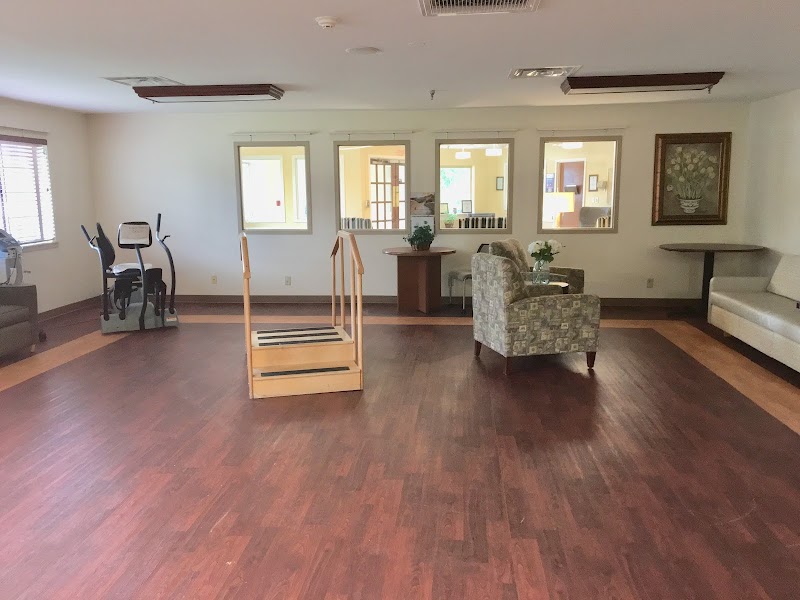
The Cottage Extended Care is owned by a for-profit company. For-profit facilities operate as businesses with obligations to shareholders or private owners. The facility operates independently rather than as part of a larger chain. With 176 certified beds and approximately 90 residents (about 51% occupancy), it is a mid-sized facility located in Tulsa, Oklahoma.

How Does The Cottage Extended Care Compare to Other Oklahoma Nursing Homes?

Compared to the 100 nursing homes in Oklahoma, The Cottage Extended Care's overall rating (2 stars) is below the state average of 2.6, staff turnover (71%) is significantly higher than the state average of 46%, and health inspection rating (2 stars) is below the national benchmark.

What Should Families Ask When Visiting The Cottage Extended Care?

Based on this facility's data, families visiting should ask: "What changes have been made since the serious inspection findings, and how are you preventing similar issues?" "What safeguards and monitoring systems are in place to protect residents from abuse or neglect?" "How do you ensure continuity of care given staff turnover, and what is your staff retention strategy?" "Can I visit during a mealtime to observe dining assistance and food quality?" These questions are particularly relevant given the facility's Immediate Jeopardy citations, the substantiated abuse finding on record, and the facility's high staff turnover rate.

Is The Cottage Extended Care Safe?

Based on CMS inspection data, The Cottage Extended Care has documented safety concerns. The facility has 1 substantiated abuse finding (meaning confirmed case of resident harm by staff or other residents). Inspectors have issued 1 Immediate Jeopardy citation (the most serious violation level indicating risk of serious injury or death). The facility has a 2-star overall rating and ranks #100 of 100 nursing homes in Oklahoma. Families considering this facility should ask detailed questions about what corrective actions have been taken since these incidents.

Do Nurses at The Cottage Extended Care Stick Around?

Staff turnover at The Cottage Extended Care is high. At 71%, the facility is 25 percentage points above the Oklahoma average of 46%. Registered Nurse turnover is particularly concerning at 86%. RNs handle complex medical decisions and coordinate care — frequent RN changes can directly impact care quality. High turnover means new staff may not know residents' individual needs, medications, or preferences. It can also be disorienting for residents, especially those with dementia who rely on familiar faces. Families should ask: What is causing the turnover? What retention programs are in place? How do you ensure care continuity during staff transitions?

Was The Cottage Extended Care Ever Fined?

The Cottage Extended Care has no federal fines on record. CMS issues fines when nursing homes fail to meet care standards or don't correct problems found during inspections. The absence of fines suggests the facility has either maintained compliance or corrected any issues before penalties were assessed. This is a positive indicator, though families should still review recent inspection reports for the full picture.

Is The Cottage Extended Care on Any Federal Watch List?

The Cottage Extended Care is not on any federal watch list. The most significant is the Special Focus Facility (SFF) program, which identifies the bottom 1% of nursing homes nationally based on persistent, serious quality problems. Not being on this list means the facility has avoided the pattern of deficiencies that triggers enhanced federal oversight. This is a positive indicator, though families should still review the facility's inspection history directly.