UNIVERSITY VILLAGE RETIREMENT COMMUNITY
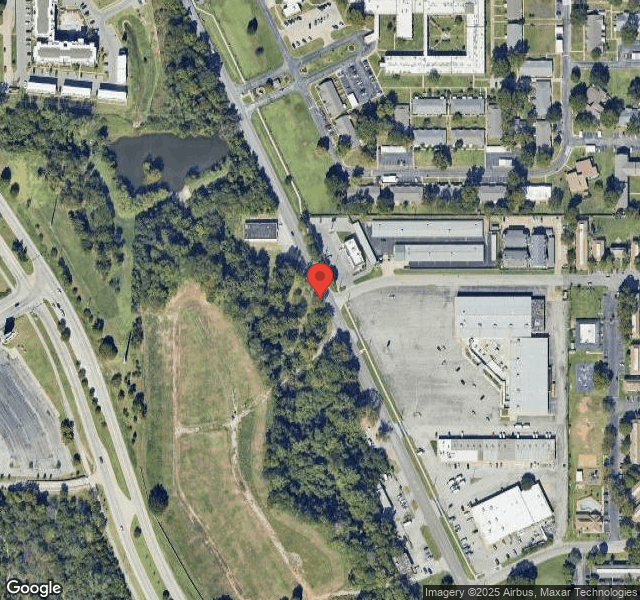
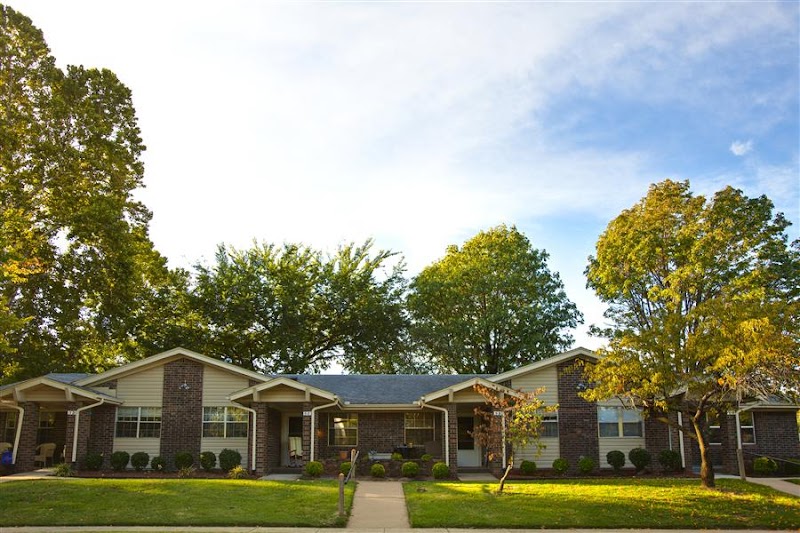
8555 SOUTH LEWIS AVENUE, TULSA, OK 74137 (918) 299-2661
For profit - Limited Liability company 80 Beds Independent Data: November 2025
Trust Grade
60/100
#139 of 282 in OK
Last Inspection: December 2024

Within standard 12-15 month inspection cycle. Federal law requires annual inspections.

Overview

University Village Retirement Community in Tulsa, Oklahoma, has a Trust Grade of C+, indicating it is slightly above average but not without concerns. Ranking #139 out of 282 facilities in Oklahoma places it in the top half, while its county rank of #19 out of 33 shows that only a few local options are better. Unfortunately, the facility is experiencing a worsening trend, with issues increasing from 5 in 2023 to 9 in 2024. Staffing is a strength, boasting a rating of 4 out of 5 stars and more RN coverage than 99% of state facilities, which is excellent for resident care. However, there are significant weaknesses to consider. There were instances where residents received meals that were cold and not served in a sanitary manner, risking foodborne illnesses. Additionally, the facility failed to properly handle arbitration agreements, lacking necessary language regarding neutral arbitrators, which could affect residents' rights. Overall, while there are some positive aspects regarding staffing and RN coverage, the rising number of concerns and specific incidents warrant careful consideration.

Trust Score
C+
60/100
In Oklahoma
#139/282
Top 49%
Safety Record
Low Risk
No red flags
Inspections
Getting Worse
5 → 9 violations
Staff Stability
⚠ Watch
60% turnover. Above average. Higher turnover means staff may not know residents' routines.
Penalties
✓ Good
No fines on record. Clean compliance history, better than most Oklahoma facilities.
Skilled Nurses
✓ Good
Each resident gets 56 minutes of Registered Nurse (RN) attention daily — more than average for Oklahoma. RNs are trained to catch health problems early.
Violations
⚠ Watch
15 deficiencies on record. Higher than average. Multiple issues found across inspections.
★★★☆☆
3.0
Overall Rating
★★★★☆
4.0
Staff Levels
★★★☆☆
3.0
Care Quality
★★★☆☆
3.0
Inspection Score
Stable
2023: 5 issues
2024: 9 issues

The Good

  • 4-Star Staffing Rating · Above-average nurse staffing levels
  • Full Sprinkler Coverage · Fire safety systems throughout facility
  • No fines on record

Facility shows strength in staffing levels, fire safety.

The Bad

3-Star Overall Rating

Near Oklahoma average (2.6)

Meets federal standards, typical of most facilities

Staff Turnover: 60%

14pts above Oklahoma avg (46%)

Frequent staff changes - ask about care continuity

Staff turnover is elevated (60%)

12 points above Oklahoma average of 48%

The Ugly 15 deficiencies on record

Dec 2024 8 deficiencies
CONCERN (D)

Potential for Harm - no one hurt, but risky conditions existed

Deficiency F0583 (Tag F0583)

Could have caused harm · This affected 1 resident

Based on observation, record review, and interview, the facility failed to ensure privacy was provided during urinary catheter care for one (#2) of two sampled residents who were reviewed for urinary ...

Read full inspector narrative →
Based on observation, record review, and interview, the facility failed to ensure privacy was provided during urinary catheter care for one (#2) of two sampled residents who were reviewed for urinary catheters. The staff engagement coordinator identified six residents who had urinary catheters. Findings: The Catheter Care, Urinary policy, dated August 2022, read in part, Provide privacy. Resident #2 had diagnoses which included obstructive and reflux uropathy. A physician's order, dated 09/06/24, documented the resident had an indwelling urinary catheter and staff were to provide catheter care every shift. On 12/04/24 at 10:13 a.m., CNA #1 and LPN #1 were observed to provide catheter care to Resident #2 with the resident's roommate in the room in their bed. The privacy curtain was observed to be open and not closed between Resident #2 and their roommate during the catheter care. On 12/04/24 at 2:07 p.m., CNA #1 stated they were to close the privacy curtains during personal care, but had not noticed Resident #2's roommate was in the room. On 12/04/24 at 2:18 p.m., LPN #1 stated they were to close the privacy curtains during care, but was in a rush and had not closed it during the catheter care for Resident #2. On 12/04/24 at 3:32 p.m., the DON stated staff were to close privacy curtains during personal care.
CONCERN (D)

Potential for Harm - no one hurt, but risky conditions existed

Deficiency F0761 (Tag F0761)

Could have caused harm · This affected 1 resident

**NOTE- TERMS IN BRACKETS HAVE BEEN EDITED TO PROTECT CONFIDENTIALITY** Based on observation, record review, and interview, the facility failed to ensure medications were secured in locked medication ...

Read full inspector narrative →
**NOTE- TERMS IN BRACKETS HAVE BEEN EDITED TO PROTECT CONFIDENTIALITY** Based on observation, record review, and interview, the facility failed to ensure medications were secured in locked medication carts for two (#1 and #2) of seven medication carts observed. The administrator identified 72 residents resided in the facility. Findings: A Storage of Medications policy, dated 10/2024, documented drugs and biologicals used in the facility were stored in locked compartments. On 12/03/24 at 3:08 p.m., medication cart #1 on bluebird hall, outside of room [ROOM NUMBER], was observed to be unlocked. No staff were in view of the cart . On 12/03/24 at 3:17 p.m., medication cart #2, located in the hallway outside of room [ROOM NUMBER], was observed to be unlocked. On 12/03/24 at 3:18 p.m., RN #1 removed a medication from medication cart #1 and went into room [ROOM NUMBER]. The cart remained unlocked. On 12/03/24 at 3:20 p.m., RN #2 was observed to move medication cart #2 to several different rooms, remove medication and enter the room, leaving the cart in the hallway unlocked and unattended each time. On 12/03/24 at 3:32 p.m., RN #1 returned to the unlocked cart to chart. When asked about the unlocked cart, RN #1 locked the cart and stated the medication cart should be locked when not in use. On 12/03/24 at 3:35 p.m., the DON stated medication carts should be locked when unattended. On 12/03/24 at 3:42 p.m., the DON locked medication cart #2.
CONCERN (D)

Potential for Harm - no one hurt, but risky conditions existed

Medical Records (Tag F0842)

Could have caused harm · This affected 1 resident

Based on record review and interview, the facility failed to ensure records were accurate for one (#21) of five sampled residents who were reviewed for unnecessary medications. The administrator ident...

Read full inspector narrative →
Based on record review and interview, the facility failed to ensure records were accurate for one (#21) of five sampled residents who were reviewed for unnecessary medications. The administrator identified 74 residents who resided in the facility. Findings: Resident #21 had diagnoses which included anxiety, depression, and atrial fibrillation. A physician's order, dated 02/19/24, documented staff were to monitor Resident #21 for side effects related to antidepressant medication and to chart in the progress notes if they documented yes that the resident had side effects. A physician's order, dated 02/19/24, documented staff were to monitor Resident #21 for side effects related to anticoagulant medication and to chart in the progress notes if they documented yes that the resident had side effects. A physician's order, dated 10/14/24, documented staff were to monitor Resident #21 for side effects related to antianxiety medication and to chart in the progress notes if they documented yes that the resident had side effects. The October 2024 TAR documented the following side effect monitoring results: a. from 10/14/24 through 10/31/24, Resident #21 had side effects related to antianxiety medication use 22 times out of 53 opportunities; b. from 10/01/24 through 10/31/24, Resident #21 had side effects related to anticoagulant medication use 23 times out of 93 opportunities; and c. from 10/01/24 through 10/31/24, Resident #21 had side effects related to antidepressant medication use 25 times out of 93 opportunities. The November 20104 TAR documented the following side effect monitoring results: a. from 11/01/24 through 11/30/24, Resident #21 had side effects related to antianxiety medication use 24 times out of 90 opportunities; b. from 11/01/24 through 11/30/24, Resident #21 had side effects related to anticoagulant medication use 18 times out of 90 opportunities; and c. from 11/01/24 through 11/30/24, Resident #21 had side effects related to antidepressant medication use 20 times out of 90 opportunities. The December 2024 TAR documented the following side effect monitoring results: a. from 12/01/24 through 12/04/24, Resident #21 had side effects related to antianxiety medication use three times out of ten opportunities; b. from 12/01/24 through 12/04/24, Resident #21 had side effects related to anticoagulant medication use two times out of ten opportunities; and c. from 12/01/24 through 12/04/24, Resident #21 had side effects related to antidepressant medication use two times out of ten opportunities. Review of the progress notes did not reveal documentation the resident had experienced side effects related to antianxiety, anticoagulant, or antidepressant medication use. On 12/04/24 at 12:24 p.m., LPN #1 stated the charge nurses monitored for medication side effects. They stated they documented on the TAR and if they documented yes to the question about side effects, they were to document in a progress note. LPN #1 stated Resident #21 had not experienced any medication side effects. They reviewed the electronic clinical record and stated they had documented yes to indicate they had monitored for side effects not to indicate the resident had experienced medication side effects. On 12/04/24 at 3:28 p.m., the DON stated the TARs were monitored for medication side effects by the ADON, consultant nurse, pharmacist, and themselves. They stated Resident #21 had not experienced any medication side effects. On 12/04/24 at 4:03 p.m., the DON stated they had reviewed the TARs for Resident #21 and stated they had noticed the documented side effects for antianxiety, anticoagulant, and antidepressant medications. They stated they needed to provide education to ensure accurate documentation of medication side effect monitoring.
CONCERN (D)

Potential for Harm - no one hurt, but risky conditions existed

Deficiency F0847 (Tag F0847)

Could have caused harm · This affected 1 resident

Based on record review and interview, the facility failed to ensure arbitration agreements contained language residents and/or resident representatives could rescind the agreement within 30 days of si...

Read full inspector narrative →
Based on record review and interview, the facility failed to ensure arbitration agreements contained language residents and/or resident representatives could rescind the agreement within 30 days of signing and signing the agreement was not a condition of admission for three (#20, 38, and #120) of three sampled residents who were reviewed for arbitration agreements. The administrator identified 56 residents who had signed an arbitration agreement. Findings: 1. Resident #20 had diagnoses which included congestive heart failure. Review of the Health Center Long Term Care or Respite Care Agreement revealed the resident signed an arbitration agreement on 02/13/24. 2. Resident #38 had diagnoses which included congestive heart failure. Review of the Health Center Long Term Care or Respite Care Agreement revealed the resident's representative signed an arbitration agreement on 05/28/24. 3. Resident #120 had diagnoses which included unspecified dementia. Review of the Skilled Nursing Facility Agreement revealed the resident signed an arbitration agreement on 12/02/24. Review of the admission packet revealed an arbitration agreement. The arbitration agreement was not observed to contain language granting the resident and/or the resident representative the right to rescind the agreement within 30 days of signing it. The arbitration agreement did not contain language the resident and/or the resident representative was not required to sign the arbitration agreement as a condition of admission to the facility or as a requirement to continue to receive care at the facility. On 12/04/24 at 5:09 p.m., the administrator stated they were relatively new to the facility and would need to consult with a staff member who had been employed longer to gather information about the arbitration agreement. On 12/05/24 at 10:05 a.m., the administrator stated they did not know why the arbitration agreement did not include language the resident and/or resident representative could rescind the agreement within 30 days of signing or why the arbitration agreement did not inform the resident and/or the resident representative of their right not to sign the agreement as condition of admission to the facility.
CONCERN (D)

Potential for Harm - no one hurt, but risky conditions existed

Infection Control (Tag F0880)

Could have caused harm · This affected 1 resident

Based on observation, record review, and interview, the facility failed to ensure catheter tubing was maintained to prevent infection for two (#2 and #27) of two residents who were reviewed for cathet...

Read full inspector narrative →
Based on observation, record review, and interview, the facility failed to ensure catheter tubing was maintained to prevent infection for two (#2 and #27) of two residents who were reviewed for catheter infection prevention. The staff engagement coordinator identified six residents who had catheters. Findings: The Catheter Care, Urinary policy, dated August 2022, read in part, Be sure catheter tubing and drainage bag are kept off the floor. 1. Resident #2 had diagnoses which included obstructive bladder. On 12/02/24 at 3:22 p.m., Resident #2 was observed to be in bed with their catheter tubing on the fall mat. On 12/03/24 at 8:52 a.m., Resident #2 was observed in their wheelchair in their room with their catheter tubing on the floor. On 12/04/25 at 10:13 a.m., Resident #2 was observed in their bed with their catheter bag and tubing on the floor. On 12/04/24 at 10:27 a.m., CNA #1 covered Resident #2, lowered the bed, and placed the fall mat. The resident's catheter tubing was observed to touch the fall mat. 2. Resident #27 had diagnoses which included neurogenic bladder. A Physician's Order, dated 08/19/24, documented to maintain and monitor suprapubic catheter with bedside drainage bag and cover with dignity bag. A Care Plan, revised 11/13/24, documented Resident #27 was at risk for urinary tract infection related to a history of UTIs and suprapubic catheter. On 12/02/24 at 3:35 p.m., the catheter tubing was observed to hang below the wheelchair of Resident #27 and touch the floor. On 12/04/24 at 4:18 p.m., CNA #1 stated the catheter bag and tubing were always below the bladder and they placed it on the side of the bed. They stated the catheter bag and tubing should not be on the floor. On 12/04/24 at 4:20 p.m., the DON stated the catheter bag should be placed on the bed frame and below the bladder to maintain infection control. They stated staff were educated to not lay the catheter bag on the floor and they would need to implement a way to keep the tubing off the floor.
CONCERN (E)

Potential for Harm - no one hurt, but risky conditions existed

Deficiency F0804 (Tag F0804)

Could have caused harm · This affected multiple residents

Based on observation, record review, and interview, the facility failed to ensure meals were palatable for three (#22, 47 and #54) of three residents who were reviewed for food palatability. The staff...

Read full inspector narrative →
Based on observation, record review, and interview, the facility failed to ensure meals were palatable for three (#22, 47 and #54) of three residents who were reviewed for food palatability. The staff engagement coordinator identified 71 residents who received nourishment from the kitchen. Findings: A Food and Nutrition Services policy, revised October 2017, read in part, Food and nutrition services staff will inspect food trays to ensure that the .food appears palatable and attractive, and it is served at a safe and appetizing temperature. On 12/02/24 at 11:05 a.m., a hotbox arrived to the satellite kitchen for the [NAME] hall. Food was removed from the hotbox and placed on the steam table. On 12/02/24 at 11:11 a.m., DA #1 was observed to obtain temperatures of the food. The carrots and green beans were observed to be under holding temperature at 128 degrees Fahrenheit. The food temperatures were not obtained again prior to plating at 11:30 a.m. On 12/02/24 at 11:49 a.m., Resident #22 stated lunch was cold. On 12/02/24 at 2:17 p.m., Resident #54 stated the food was not hot in dining room. On 12/02/24 at 3:29 p.m., Resident #47 stated the food was good, but sometimes it was not hot. On 12/03/24 at 3:50 p.m., DA #2 was observed to plate food. The DA was not observed to obtain temperatures of the food. DA #2 stated they were plating the hall trays to serve them first. They stated food temperatures were taken in the kitchen. On 12/04/24 at 2:42 p.m., a test tray was received from the hall cart. The food was observed to be without flavor and not served at a palatable temperature. On 12/04/24 at 3:53 p.m., the DM stated temperatures of the food were taken once the food was cooked. They stated food was then panned and placed in the hotbox before taken to the satellite kitchens, where the temperatures should be obtained again prior to serving.
CONCERN (E)

Potential for Harm - no one hurt, but risky conditions existed

Food Safety (Tag F0812)

Could have caused harm · This affected multiple residents

Based on observation, record review, and interview, the facility failed to ensure foods were served in a sanitary manner in two of two dining areas. The staff engagement coordinator identified 65 resi...

Read full inspector narrative →
Based on observation, record review, and interview, the facility failed to ensure foods were served in a sanitary manner in two of two dining areas. The staff engagement coordinator identified 65 resident who ate food in the dining rooms. Findings: A Food Handling policy statement, revised July 2014, read in part, Food will be .served so that the risk of foodborne illness is minimized. On 12/02/24 at 11:17 a.m., in the satellite kitchen on [NAME] hall, DA #1 was observed to pour ice from a large scoop into multiple glasses and used their gloved hand to guide the ice into the cups. DA #1 was observed to have touched multiple objects prior to guiding the ice with their gloved hand without doffing and sanitizing between. On 12/02/24 at 11:32 a.m., DA #3 was observed to deliver meals to two residents without changing their gloves or sanitizing their hands. DA #3 was observed to touch the counter, residents, and themselves between meals. They placed the drinks on the table by handling the top rim of the cup. On 12/02/24 at 12:05 p.m., a family member of a resident eating in the dining room on [NAME] hall requested the resident's food be heated in the microwave. On 12/02/24 at 12:05 p.m., DA #3 doffed their gloves, left the dining room and entered the satellite kitchen, while not wearing a hair net, rinsed their hands in the sink, dried their hands, and re-entered the dining room and donned gloves. On 12/03/24 at 4:41 p.m., CNA #2 and CNA #3 repositioned a female resident in their geri-chair. On 12/03/24 at 4:42 p.m., CNA #2 handed a drink to a resident. They were not observed to sanitize their hands after repositioning the female resident in their chair. CNA #2 was observed to leave the dining room to find the other aide. On 12/03/24 at 4:46 p.m., CNA #3 passed a tray without being observed to sanitize their hands between. On 12/03/24 at 4:50 p.m., CNA #4 entered the dining room and they did not sanitize their hands before delivering a tray to a male resident. CNA #4 was then observed to serve another resident a meal plate and had not sanitized their hands. On 12/03/24 at 4:52 p.m., CNA #4 was observed to cut the food for a resident and did not sanitize their hands. On 12/04/24 at 2:27 p.m., CNA #5 stated they sanitized before and after but not in-between passing meal trays. They stated they wore gloves to make sure they are not touching food. CNA #5 stated the cups were placed by the top of the cup due to ease of handling. On 12/04/24 at 4:20 p.m., the DON stated staff were to pick cups up from the side. They stated staff do wear gloves for passing meal trays, but were to change the gloves if they touched residents or anything.
CONCERN (E)

Potential for Harm - no one hurt, but risky conditions existed

Deficiency F0848 (Tag F0848)

Could have caused harm · This affected multiple residents

Based on record review and interview, the facility failed to ensure arbitration agreements contained language which indicated a neutral arbitrator would be utilized and the arbitration would take plac...

Read full inspector narrative →
Based on record review and interview, the facility failed to ensure arbitration agreements contained language which indicated a neutral arbitrator would be utilized and the arbitration would take place at a venue convenient to both parties for three (#20, 38, and #120) of three sampled residents who were reviewed for arbitration agreements. The administrator identified 56 residents who had signed an arbitration agreement. Findings: The admission packet contained the following document which read in part, 8. Arbitration .such Dispute be settled by arbitration, which shall be conducted in Tulsa County, OK in accordance with [company name withheld] Rules of Procedure for Arbitration. The arbitration agreement did not indicate a neutral arbitrator would be utilized. 1. Resident #20 had diagnoses which included congestive heart failure. Review of the Health Center Long Term Care or Respite Care Agreement revealed the resident signed an arbitration agreement on 02/13/24. 2. Resident #38 had diagnoses which included congestive heart failure. Review of the Health Center Long Term Care or Respite Care Agreement revealed the resident's representative signed an arbitration agreement on 05/28/24. 3. Resident #120 had diagnoses which included unspecified dementia. Review of the Skilled Nursing Facility Agreement revealed the resident signed an arbitration agreement on 12/02/24. On 12/04/24 at 5:09 p.m., the administrator stated they were relatively new to the facility and would need to consult with a staff member who had been employed longer to gather information about the arbitration agreement. On 12/05/24 at 10:05 a.m., the administrator stated they did not know why the arbitration agreement did not include language that a neutral arbitrator would be utilized or that the selection of a venue would be convenient to both parties.
Oct 2024 1 deficiency
CONCERN (D) 📢 Someone Reported This

A family member, employee, or ombudsman was alarmed enough to file a formal complaint

Potential for Harm - no one hurt, but risky conditions existed

Deficiency F0909 (Tag F0909)

Could have caused harm · This affected 1 resident

Based on record review and interview, the facility failed to inspect a hospice supplied bed for safety prior to use by a resident for one (#1) of three sampled residents reviewed for bed safety. The a...

Read full inspector narrative →
Based on record review and interview, the facility failed to inspect a hospice supplied bed for safety prior to use by a resident for one (#1) of three sampled residents reviewed for bed safety. The administrator identified 68 residents resided at the facility. Findings: A facility policy titled Bed Safety and Bed Rails, dated March 2023, read in part, Bed frames, mattresses, and bed rails, are checked for compatibility and size prior to use. Resident #1 had diagnoses which included a history of falling. A progress note, dated 10/21/24 at 10:48 p.m., documented the resident was found on the floor next to the bed. The resident's neck was resting on the bed rails and legs were on the ground. On 10/28/24 at 9:58 a.m., Resident #1's representative stated the incident occurred when the headboard separated from the frame of the bed. On 10/28/24 at 10:26 a.m., Maintenance #1 stated they thought they performed bed inspections quarterly and when something malfunctioned. They stated they did not inspect hospice supplied beds when they were brought into the facility. They stated they did not call call them when they set up the beds. They stated when the incident with Resident #1 occurred they did look at the bed, but it was already in the hallway and was broken. On 10/28/24 at 11:34 a.m., Resident #1 stated they recalled the bed incident. They stated their head was never stuck in the bed rail. The stated the bed broke on one side and they slid from the bed and landed on their knees with their head resting against the mattress and bed rail. They stated they would have gotten up, but they had been too weak. They stated there was no injury from that incident they recalled. On 10/28/24 at 12:15 a.m., the ADON stated when the bed had broken the resident's neck had been resting on the side rail on the left side of the bed and their legs were on the floor mat. They stated the resident did have small skin tear on their neck where it rested against the side rail. They stated they were not sure when bed inspections were done, but did know they should be done prior to use by a resident. They stated that was policy.
Sept 2023 5 deficiencies
CONCERN (D)

Potential for Harm - no one hurt, but risky conditions existed

Deficiency F0554 (Tag F0554)

Could have caused harm · This affected 1 resident

Based on observation, record review, and interview. the facility failed to ensure a resident had a physician order to self-administer a nebulizer treatment for one (#16) of one sample resident reviewe...

Read full inspector narrative →
Based on observation, record review, and interview. the facility failed to ensure a resident had a physician order to self-administer a nebulizer treatment for one (#16) of one sample resident reviewed for self-administration of medications. The Resident Census and Conditions of Residents report, dated 09/22/23, documented 11 residents who received respiratory treatments. Findings: Res #16 had diagnoses which included COPD. A physician order, dated 05/03/23, documented levalbuterol HCL (breathing treatment) inhalation mobilization solution 1.25 mg/ml. One vial inhale orally via nebulizer three times a day. On 09/21/23 at 1:06 p.m., the resident was observed laying in their bed with a nebulizer treatment being administered through the mask over their nose and mouth. There was no staff present in the room or outside of the resident's door. There was no documentation the resident had a physician's order to self-administer a nebulizer treatment. On 09/21/23 at 1:17 p.m., RN #1 was observed going into the resident's room where they shut the nebulizer treatment off. On 09/21/23 at 1:20 p.m., RN #1 and RN #2 were asked what was the protocol for administering nebulizer treatments. They stated Res #16 received a breathing treatment every eight hours. They were asked if it was protocol to stay with a resident while their treatment was being administered. They shook their heads yes. They were asked if Res #16 had a physician order to self administer their breathing treatment. RN #2 stated, No.
CONCERN (D)

Potential for Harm - no one hurt, but risky conditions existed

Notification of Changes (Tag F0580)

Could have caused harm · This affected 1 resident

Based on observation, record review, and interview, the facility failed to notify the physician of a surgical wound change for one (#212) of one sampled residents reviewed for surgical wounds. The DO...

Read full inspector narrative →
Based on observation, record review, and interview, the facility failed to notify the physician of a surgical wound change for one (#212) of one sampled residents reviewed for surgical wounds. The DON identified three residents who had surgical wounds. Findings: Res #212 had diagnoses which included history of right femur fracture and disruption of external surgical wound. A wound specialist note, dated 09/05/23, documented the surgical wound to the right trochanter had been treated for two weeks, and was documented to have steri-strips in place. The note documented the surgical sites to the right lateral upper leg and right inferior lower leg had healed. A skilled nurse note by RN #2, dated 09/07/23 at 11:45 a.m., documented in part .wound dressing changed; sanguineous drainage noted on old dressing, 2/3 of surgical incision skin open, Steri-strips changed . A transfer to hospital summary, dated 09/09/23 at 11:35 a.m., documented the resident was sent to the hospital for neurological evaluation related to new onset left hand weakness. A nurse note, dated 09/09/23 at 10:20 p.m., documented the resident was admitted to the hospital for conditions including wound dehiscence. An admission evaluation, dated 09/13/23 at 8:01 p.m., documented the resident readmitted to the facility. The note documented the right hip incision had dehisced. A 5-day comprehensive assessment, dated 09/20/23, documented the resident was cognitively intact, required extensive assistance with ADLs, and had a surgical wound. On 09/22/23 at 09:21 a.m., RN #2 was observed performing wound care for Res #212. The nurse was asked about the history of the wound. They stated the resident had a hip fracture repair and the wound dehisced at the hospital. On 09/22/23 at 11:50 a.m., RN #2 was asked about the progress note documented on 09/07/23. They stated they were not worried about the wound opening because they were able to re-approximate the wound with steri-strips. They stated they did not notify the physician because it was superficial. On 09/22/23 at 12:02 p.m., the DON was asked about notification of changes to wounds. They stated the nurse should have notified them as soon as the changes were noted. They were informed of the notation on 09/07/23 for Res #212. They stated the physician and DON should have been notified the wound had opened.
CONCERN (E)

Potential for Harm - no one hurt, but risky conditions existed

Respiratory Care (Tag F0695)

Could have caused harm · This affected multiple residents

Based on observation, record review, and interview, the facility failed to administer oxygen according to physician orders for one (#213) of four sampled residents reviewed for respiratory care. The ...

Read full inspector narrative →
Based on observation, record review, and interview, the facility failed to administer oxygen according to physician orders for one (#213) of four sampled residents reviewed for respiratory care. The Resident Census and Conditions of Residents form, dated 09/22/23, documented 11 residents received respiratory treatments. Findings: Res #213 had diagnoses which included COPD. A physician order, dated 09/19/23, documented Res #213 was to receive continuous oxygen at 2 L per minute via nasal cannula. The order documented to titrate oxygen to maintain oxygen saturation above 90%. On 09/21/23 at 10:04 a.m., Res #213 was observed in their room. Their oxygen concentrator was observed to be on and the resident was receiving oxygen via nasal cannula. The oxygen gauge on the concentrator was set above 5 L. On 09/21/23 at 2:17 p.m., Res #213 was observed in the therapy room with a therapy staff member. The resident was observed without portable oxygen on or nearby. On 09/21/23 at 2:20 p.m., RN #2 was asked if the resident had oxygen on, they stated they did not. The RN was asked to check the resident's oxygen saturation. They stated it was 88-89. The RN was asked if the resident was supposed to have continuous oxygen. The RN stated they were unsure why the resident was not on oxygen. On 09/21/23 at 2:38 p.m., the DON was asked how the facility ensured residents received oxygen as ordered. They stated there should have been a portable oxygen tank in the resident's room to be placed on the wheelchair when the resident left the room.
CONCERN (E)

Potential for Harm - no one hurt, but risky conditions existed

Pharmacy Services (Tag F0755)

Could have caused harm · This affected multiple residents

Based on record review and interview, the facility failed to ensure blood pressure medications were administered as ordered for one (#12) of five sampled residents reviewed for medications. The DON i...

Read full inspector narrative →
Based on record review and interview, the facility failed to ensure blood pressure medications were administered as ordered for one (#12) of five sampled residents reviewed for medications. The DON identified 31 residents who had blood pressure medications with parameters. Findings: Res #12 had diagnoses which included hypertensive heart disease with heart failure. A physician order, dated 02/20/23, documented lisinopril (ACE inhibitor) 2.5 mg one time a day. Hold if SBP is less than 100; and metoprolol tartrate (beta blocker) 25 mg give 1/2 tablet two times a day. Hold if SBP is less than 100 and heart rate less than 60. The August 2023 MAR documented lisinopril was held four out of 25 opportunities when the SBP was within parameters. It was documented metoprolol was held four out of 49 opportunities with the SBP and heart rate were within parameters. The September 2023 MAR documented lisinopril was held seven out of 31 opportunities when the SBP was within parameters. It was documented metoprolol was held 10 out of 62 opportunities with the SBP and heart rate was within parameters. On 09/25/23 at 2:14 p.m., the DON was asked to review the resident's MARs for the administration of lisinopril and metoprolol. They were asked the reason why the medications were held when the resident's SBP and/or heart rate was within parameters. On 09/25/23 at 3:32 p.m., the DON stated there was no reason for the medications not being administered when they were within parameters. They stated orders were not followed.
CONCERN (E)

Potential for Harm - no one hurt, but risky conditions existed

Infection Control (Tag F0880)

Could have caused harm · This affected multiple residents

Based on record review, observation, and interview, the facility failed to ensure: a. staff were COVID tested during outbreak status per policy and procedure; b. staff wore appropriate PPE for COVID p...

Read full inspector narrative →
Based on record review, observation, and interview, the facility failed to ensure: a. staff were COVID tested during outbreak status per policy and procedure; b. staff wore appropriate PPE for COVID posted isolation precaution rooms per policy and procedure; and c. staff washed their hands with glove changes during wound care per policy and procedure. The DON identified six resident who were on isolation precautions for COVID-19 and two residents who were receiving wound care. Findings: The facility policy, titled Coronavirus Disease (COVID-19) - Testing Staff, documented in part .outbreak is defined as any single new onset of COVID-19 infection in a resident or a single case of infection in any staff . All staff in the unit (or in the facility), regardless of vaccination status, are tested immediately (but not sooner than 24 hours after the exposure) and, if negative, again 48 after the exposure, and a final test 48 hours after second test. If additional cases are identified, testing will continue every 3-7 days (in addition to room restriction and full PPE use for care of exposed residents) until there are no new cases for 14 days . A facility Isolation - Categories of Transmission-Based Precautions policy, dated September 2022, documented in part .Transmission based precautions are initiated when a resident develops signs and symptoms of a transmissible infection .or has a laboratory confirmed infection . A facility wound care policy, dated October 2010, documented in part .Pull glove over dressing and discard into appropriate receptacle. Wash and dry your hands thoroughly . 1. On 09/25/23 the DON identified residents who tested positive for COVID-19 on 09/18/23 through 09/22/23; and staff who tested positive for COVID-19 from 09/18/23 through 09/25/23. On 09/26/23 at 11:41 a.m., an interview was conducted with the IP regarding COVID-19 testing. The IP stated the facility was in outbreak status. The IP stated the residents and staff were tested based on signs and symptoms of COVID-19. The IP stated on 09/18/23 a resident tested positive for COVID-19. The IP stated all staff were tested for COVID-19 the same day. The IP stated the facility had not conducted any formal testing of staff since the initial staff testing on 09/18/23. The IP state the facility had not followed their policy regarding COVID-19 testing for prevention and control. On 09/26/23 at 12:49 p.m., the administrator was asked about COVID-19 testing. They stated they were informed it was up to the facility to determine if contact tracing or routine testing was completed. They stated the facility relied on a contact at acute diseases to guide their testing and precautions. 2. A sign posted on the door of a resident documented in part .transmission precautions .full PPE required: gloves, disposable isolation gown, mask, face shield . On 09/26/23 at 12:30 p.m., CNA #1 was observed in an isolation room. The CNA was observed collecting a meal tray from the resident's bedside table. The CNA was not wearing gloves, a gown, or face shield. The CNA exited the room and placed the meal tray on a rolling cart. The CNA was asked what PPE was required to enter the resident's room. They stated they were informed PPE was only required if providing direct patient care. On 09/26/23 at 12:49 p.m., the DON was asked what PPE was required when entering an isolation room. They stated the staff should wear a mask, gloves, eye protection, and a gown. They were asked if the PPE should be donned for any staff entering the room, they stated that all staff should follow the signs posted on the door. 3. Res #212 had diagnoses which included history of right femur fracture and disruption of external surgical wound. A physician order, dated 09/20/23, documented to cleanse wound to right hip incision site with normal saline, dress with silver alginate and border gauze every shift for dehiscence. On 09/22/23 at 09:21 a.m., RN #2 was observed performing wound care for Res #212. The nurse was observed performing hand hygiene and donning gloves prior to removing the existing dressing. The nurse discarded the existing dressing and removed their gloves. The nurse did not perform hand hygiene prior to donning clean gloves. On 09/22/23 at 09:31 a.m., RN #2 was asked when hand hygiene should be performed during wound care. The RN stated they should have used the alcohol based hand rub and gestured to the bottle of hand sanitizer on the treatment cart. The RN stated they did not perform hand hygiene during wound care. On 09/22/23 at 10:35 a.m., the DON was asked when hand hygiene should be performed during wound care. They stated hand hygiene should be performed before care, after care, and when changing gloves.
Oct 2021 1 deficiency
CONCERN (D)

Potential for Harm - no one hurt, but risky conditions existed

Infection Control (Tag F0880)

Could have caused harm · This affected 1 resident

**NOTE- TERMS IN BRACKETS HAVE BEEN EDITED TO PROTECT CONFIDENTIALITY** Based on observation, interview, and record review, it was determined the facility failed to implement correct hand hygiene infe...

Read full inspector narrative →
**NOTE- TERMS IN BRACKETS HAVE BEEN EDITED TO PROTECT CONFIDENTIALITY** Based on observation, interview, and record review, it was determined the facility failed to implement correct hand hygiene infection control for one (#35) of five sampled residents reviewed for wound care. The facility facility wound flow sheet documented 14 residents had wounds. Findings: On 08/20/21 the medical record of resident #35 documented the resident had diagnoses which included pressure induced deep tissue damage to the left heel. An assessment dated [DATE], documented the resident was moderately impaired for daily decision-making and had a stage two pressure ulcer on admission. The care plan, dated 08/20/21, documented the resident had a pressure ulcer on her left heel. The care plan documented the staff were to monitor the resident's nutritional status, complete wound care as ordered, and document weekly wound assessments. The physician orders documented the staff were to apply Santyl to the resident's wound daily. On 10/08/21 at 10:45 a.m., licensed practical nurse (LPN) #1 and #2 were observed performing wound care. LPN #1 prepared the wound care supplies on a clean field and washed her hands. LPN removed the soiled dressing from the left heel. Without changing her gloves the LPN washed the wound with soaked gauze. The LPN removed her gloves and without performing hand hygiene she applied clean gloves. The nurse applied the Santyl ointment and a dry. The LPN discarded the used supplies and washed her hands. On 10/08/21 at 10:50 a.m., the nurse was asked at what point in the wound care process was hand hygiene to be performed. The LPN stated hands should be sanitized when gloves were changed.
Understanding Severity Codes (click to expand)
Life-Threatening (Immediate Jeopardy)
J - Isolated K - Pattern L - Widespread
Actual Harm
G - Isolated H - Pattern I - Widespread
Potential for Harm
D - Isolated E - Pattern F - Widespread
No Harm (Minor)
A - Isolated B - Pattern C - Widespread

Questions to Ask on Your Visit

  • "Why is there high staff turnover? How do you retain staff?"
  • "Can I speak with families of current residents?"
  • "What's your RN coverage like on weekends and overnight?"

Our Honest Assessment

Strengths
  • • No major safety red flags. No abuse findings, life-threatening violations, or SFF status.
  • • No fines on record. Clean compliance history, better than most Oklahoma facilities.
Concerns
  • • 15 deficiencies on record. Higher than average. Multiple issues found across inspections.
  • • 60% turnover. Above average. Higher turnover means staff may not know residents' routines.
Bottom line: Mixed indicators with Trust Score of 60/100. Visit in person and ask pointed questions.

About This Facility

What is University Village Retirement Community's CMS Rating?

CMS assigns UNIVERSITY VILLAGE RETIREMENT COMMUNITY an overall rating of 3 out of 5 stars, which is considered average nationally. Within Oklahoma, this rating places the facility higher than 99% of the state's 100 nursing homes. This mid-range rating indicates the facility meets federal standards but may have areas for improvement.
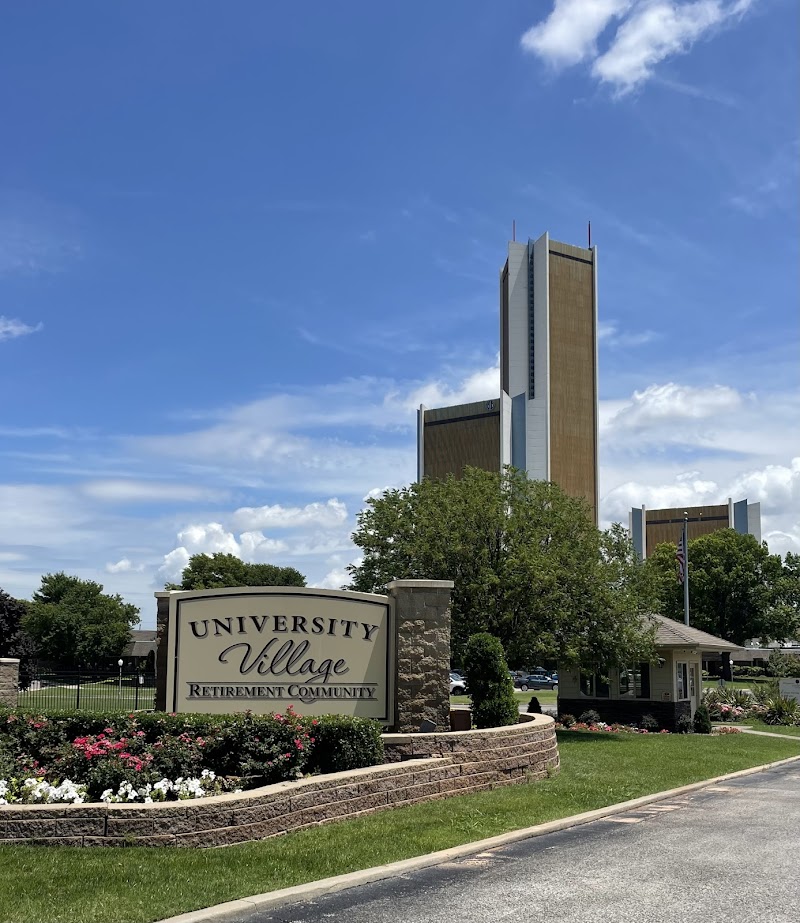
How is University Village Retirement Community Staffed?

CMS rates UNIVERSITY VILLAGE RETIREMENT COMMUNITY's staffing level at 4 out of 5 stars, which is above average compared to other nursing homes. Staff turnover is 60%, which is 14 percentage points above the Oklahoma average of 46%. High turnover can affect care consistency as new staff learn residents' individual needs.

What Have Inspectors Found at University Village Retirement Community?

State health inspectors documented 15 deficiencies at UNIVERSITY VILLAGE RETIREMENT COMMUNITY during 2021 to 2024. These included: 15 with potential for harm.
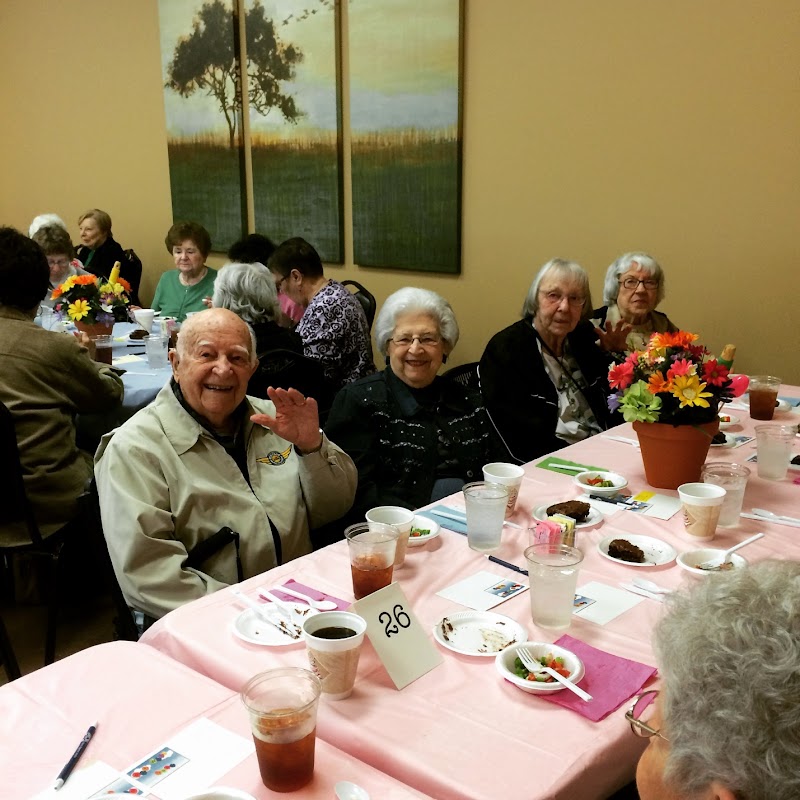
Who Owns and Operates University Village Retirement Community?

UNIVERSITY VILLAGE RETIREMENT COMMUNITY is owned by a for-profit company. For-profit facilities operate as businesses with obligations to shareholders or private owners. The facility operates independently rather than as part of a larger chain. With 80 certified beds and approximately 67 residents (about 84% occupancy), it is a smaller facility located in TULSA, Oklahoma.

How Does University Village Retirement Community Compare to Other Oklahoma Nursing Homes?

Compared to the 100 nursing homes in Oklahoma, UNIVERSITY VILLAGE RETIREMENT COMMUNITY's overall rating (3 stars) is above the state average of 2.6, staff turnover (60%) is significantly higher than the state average of 46%, and health inspection rating (3 stars) is at the national benchmark.

What Should Families Ask When Visiting University Village Retirement Community?

Based on this facility's data, families visiting should ask: "How do you ensure continuity of care given staff turnover, and what is your staff retention strategy?" "Can I visit during a mealtime to observe dining assistance and food quality?" "How do you handle medical emergencies, and what is your hospital transfer rate?" "Can I speak with family members of current residents about their experience?" These questions are particularly relevant given the facility's high staff turnover rate.

Is University Village Retirement Community Safe?

Based on CMS inspection data, UNIVERSITY VILLAGE RETIREMENT COMMUNITY has a clean safety record: no substantiated abuse findings (meaning no confirmed cases of resident harm), no Immediate Jeopardy citations (the most serious violation level indicating risk of serious injury or death), and is not on the Special Focus Facility watch list (a federal program monitoring the lowest-performing 1% of nursing homes). The facility has a 3-star overall rating and ranks #1 of 100 nursing homes in Oklahoma. While no facility is perfect, families should still ask about staff-to-resident ratios and recent inspection results during their visit.

Do Nurses at University Village Retirement Community Stick Around?

Staff turnover at UNIVERSITY VILLAGE RETIREMENT COMMUNITY is high. At 60%, the facility is 14 percentage points above the Oklahoma average of 46%. High turnover means new staff may not know residents' individual needs, medications, or preferences. It can also be disorienting for residents, especially those with dementia who rely on familiar faces. Families should ask: What is causing the turnover? What retention programs are in place? How do you ensure care continuity during staff transitions?

Was University Village Retirement Community Ever Fined?

UNIVERSITY VILLAGE RETIREMENT COMMUNITY has no federal fines on record. CMS issues fines when nursing homes fail to meet care standards or don't correct problems found during inspections. The absence of fines suggests the facility has either maintained compliance or corrected any issues before penalties were assessed. This is a positive indicator, though families should still review recent inspection reports for the full picture.

Is University Village Retirement Community on Any Federal Watch List?

UNIVERSITY VILLAGE RETIREMENT COMMUNITY is not on any federal watch list. The most significant is the Special Focus Facility (SFF) program, which identifies the bottom 1% of nursing homes nationally based on persistent, serious quality problems. Not being on this list means the facility has avoided the pattern of deficiencies that triggers enhanced federal oversight. This is a positive indicator, though families should still review the facility's inspection history directly.