Ranchwood Nursing Center
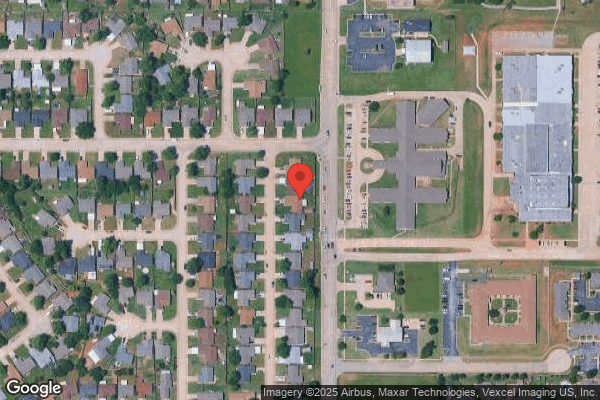
824 South Yukon Parkway, Yukon, OK 73099 (405) 354-2022
For profit - Corporation 150 Beds STONEGATE SENIOR LIVING Data: November 2025 1 Immediate Jeopardy citation
Trust Grade
3/100
#259 of 282 in OK
Last Inspection: September 2024

Within standard 12-15 month inspection cycle. Federal law requires annual inspections.

Overview

Ranchwood Nursing Center has a Trust Grade of F, indicating poor performance with significant concerns affecting care quality. It ranks #259 out of 282 facilities in Oklahoma, placing it in the bottom half of nursing homes in the state, and is last in Canadian County at #5 of 5. While the facility is improving, having reduced issues from 13 in 2024 to 11 in 2025, it still faces serious challenges, including a concerning staffing turnover rate of 66%, which is higher than the state average. In terms of care incidents, there have been critical findings, such as a resident developing a serious foot ulcer that led to hospitalization and amputation, and other residents going days without necessary pain medications, resulting in significant discomfort. Although there is average RN coverage, the facility's higher-than-average fines of $41,400 raise concerns about ongoing compliance issues.

Trust Score
F
3/100
In Oklahoma
#259/282
Bottom 9%
Safety Record
High Risk
Review needed
Inspections
Getting Better
13 → 11 violations
Staff Stability
⚠ Watch
66% turnover. Above average. Higher turnover means staff may not know residents' routines.
Penalties
✓ Good
$41,400 in fines. Lower than most Oklahoma facilities. Relatively clean record.
Skilled Nurses
⚠ Watch
Each resident gets only 13 minutes of Registered Nurse (RN) attention daily — below average for Oklahoma. Fewer RN minutes means fewer trained eyes watching for problems.
Violations
⚠ Watch
44 deficiencies on record. Higher than average. Multiple issues found across inspections.
★☆☆☆☆
1.0
Overall Rating
★★☆☆☆
2.0
Staff Levels
★★★☆☆
3.0
Care Quality
★☆☆☆☆
1.0
Inspection Score
Stable
2024: 13 issues
2025: 11 issues

The Good

  • Full Sprinkler Coverage · Fire safety systems throughout facility
  • No fines on record

Facility shows strength in fire safety.

The Bad

1-Star Overall Rating

Below Oklahoma average (2.6)

Significant quality concerns identified by CMS

Staff Turnover: 66%

19pts above Oklahoma avg (46%)

Frequent staff changes - ask about care continuity

Federal Fines: $41,400

Above median ($33,413)

Moderate penalties - review what triggered them

Chain: STONEGATE SENIOR LIVING

Part of a multi-facility chain

Ask about local staffing decisions and management

Staff turnover is elevated (66%)

18 points above Oklahoma average of 48%

The Ugly 44 deficiencies on record

1 life-threatening 3 actual harm
Sept 2025 3 deficiencies 1 IJ
CRITICAL (J) 📢 Someone Reported This

A family member, employee, or ombudsman was alarmed enough to file a formal complaint

Immediate Jeopardy (IJ) - the most serious Medicare violation

Quality of Care (Tag F0684)

Someone could have died · This affected 1 resident

**NOTE- TERMS IN BRACKETS HAVE BEEN EDITED TO PROTECT CONFIDENTIALITY** On 09/16/25 at 2:02 p.m., the Oklahoma State Department of Health was notified and verified the existence of an IJ situation rel...

Read full inspector narrative →
**NOTE- TERMS IN BRACKETS HAVE BEEN EDITED TO PROTECT CONFIDENTIALITY** On 09/16/25 at 2:02 p.m., the Oklahoma State Department of Health was notified and verified the existence of an IJ situation related to the facility's failure to assess and identify a wound for Resident #128. This likely resulted in an infected diabetic foot ulcer which caused the resident to be admitted to the hospital and resulted in a right below-knee amputation.On 09/16/25 at 2:15 p.m., regional director was notified of the IJ and provided the IJ template.On 09/17/25 at 8:25 a.m., an acceptable plan of removal was approved by the Oklahoma State Department of Health. The plan of removal, read in part,Plan Of Removal 09/16/2025:What measures will be put into place or what systemic changes will be made to ensure that the deficient practice does not occur. Resident #128 was discharged . Skin assessment for current residents in house will be completed by 09/16/25 at 11:59 p.m. Weekly skin assessments will be documented in the TAR. DON/designee will provide education to all clinical staff on completion of weekly skin assessments and on the addition of skin assessments to the TAR by 11:59 p.m.Involvement of Medical Director. The Medical Director has been notified of IJ status on 09/16/25.Involvement of QA. An Ad Hoc QAPI meeting was held on 09/16/25 with the Medical Director, Facility Administrator, and Director of Nursing to review the plan of removal. Director of Nursing will track, trend, and analyze audit results and forward results of audits monthly to QAPI Committee for review and/or action.Who is responsible for the implementation of the process? The Administrator/designee will be responsible for the implementation of the new process. The new process/system will be started on 09/16/25 and no licensed staff will be able to return to work until they complete the above stated education.A review of skin assessments, dated 09/16/25, showed all residents in the facility had a head-to-toe skin assessment performed.A review of in-services provided for staff on 09/16/25 and 09/17/25, showed staff were educated on documentation, identification, and notification of wounds.On 09/17/25 after interviews with facility staff, review of skin assessments, and review of in-services, the immediacy was lifted, effective 09/17/25 at 8:34 a.m., when the remainder of staff received in-service training. The deficient practice remained at an isolated level with the potential for more than minimal harm. Based on record review and interview, the facility failed to assess and identify a new wound to prevent hospitalization for an infected diabetic ulcer for 1 (#128) of 5 sampled residents reviewed for wounds. The infected diabetic ulcer led to the resident having a right below-knee amputation.The DON identified 109 residents resided in the facility.Findings: A Skin Data Collection policy, dated 07/01/18, showed a licensed nurse would collect data during weekly skin evaluations. A quarterly assessment, dated 05/06/25, showed Resident #128's cognition was intact with a BIMS score of 15. The assessment showed diagnoses of diabetes mellitus and renal failure. The assessment showed no pressure ulcers or skin issues and the resident required supervision for activities of daily living. A skin assessment, dated 06/24/25, showed Resident #128 had no skin issues. An interdisciplinary progress note, dated 07/07/25, showed Resident #128 was observed to be drowsy, with a persistent desire to lie down and sleep. The note showed due to the resident's altered mental status and inability to engage coherently; the resident was transported to the hospital. An emergency room note, dated 07/07/25, showed Resident #128 presented from the nursing home for evaluation of increased confusion. The note showed on arrival the resident was mildly hypotensive but responded well to IV fluids. The note showed there was concern for a possible infected right foot diabetic ulcer. The note showed the resident was admitted to the hospital for further management with podiatry consultation. An emergency room note, dated 07/07/25, showed final diagnoses of altered mental status, sepsis, diabetic foot ulcer, and hypoglycemia for Resident #128. The note showed the plan to be admitted to the hospital. A wound culture report, dated 07/12/25, showed culture collected from the right foot ulcer on 07/08/25 and resulted in growth of methicillin-resistant Staphylococcus aureus. A hospital physician's note, dated 07/13/25, showed a diabetic ulcer on the right plantar was first assessed 07/07/25. A hospital discharge note, dated 07/15/25, showed an assessment and plan for a diabetic foot ulcer to include wound care, patient to remain completely touch down weight bearing to right lower extremity per podiatry, and vancomycin (IV antibiotics) with dialysis on Monday, Wednesday, and Friday through 09/02/25 and flagyl (antifungal) through 08/19/25. A physician's order, dated 07/15/25, showed to: Cleanse right plantar foot with soap and water, normal saline or wound cleanser. Pat dry. Pack wound with Dakins soaked gauze. Cover with dry gauze. Wrap with kerlix and secure with tape. Wrap with Ace bandage. Perform daily on day shift and as needed. An admission skin assessment, dated 07/16/25 at 8:04 a.m., showed the Resident #128 had a skin issue of dry skin. The skin assessment showed no diabetic ulcer to the resident's right foot. A progress note, dated 07/17/25 at 4:00 a.m., showed a head-to-toe assessment of a dry dressing to the right foot. A treatment record, dated 07/15/25 through 07/21/25, showed daily wound care to the resident's right plantar foot was not performed on 07/15/25 and 07/21/25 due to resident being in the hospital. The record showed the daily wound care was not performed on 07/16/25 and 07/18/25 due to the resident had been out to dialysis. A progress note, dated 07/21/25 at 10:20 a.m., showed the resident was confused and unable to appropriately answer questions. The note showed Resident' #128's fingerstick blood sugar was 57. The resident was sent to the emergency room for evaluation and treatment. An emergency room note, dated 07/21/25, showed the Resident #128's family stated the right diabetic foot ulcer was worsening and they were unsure if the nursing home was performing wound care as prescribed. The note showed the family stated the resident had become increasingly confused for the past couple of days, prompting the nursing home to send the resident to the hospital for further evaluation. The emergency room note, dated 07/21/25, showed the resident's right plantar diabetic ulcer appeared grossly infected. The note showed to cefepime (antibiotic) was added to the IV vancomycin (antibiotic) and flagyl (antifungal) due to worsening infection. The note showed wound care team consulted and the resident was admitted to the hospital for further evaluation. A podiatric surgery consultation, dated 07/21/25, showed ulceration #1 right plantar measurements 1.5 cm x 1.5 cm x 0.9 cm. The note showed debridement performed at bedside with wound measurements post debridement of 4.5 cm x 1.6 cm x 1.1 cm. A vascular surgery consultation, dated 07/26/25, showed a non-healing right foot wound and the resident will need either a below the knee or above-the-knee amputation. A postoperative note, dated 07/29/25, showed a right below-knee amputation procedure. On 09/15/25 at 1:35 p.m., the resident's family member stated the resident was taken to the emergency room on [DATE] when a wound was found on the resident's right foot. The family member stated the wound was so deep the bone was almost visible, and the wound was not found until that day in the emergency room. The family member stated the resident was treated for a wound infection in the hospital for several days and then sent back to the nursing home. The family member stated the resident was sent back to the nursing home for less than a week before having to be readmitted to the hospital. The family member stated the last hospital admission resulted in an amputation of the right foot, then the resident was admitted to a hospice house until their passing on 08/06/25. The family member stated a nurse at the nursing home was not taking adequate care of the resident's wound. The family member stated they had called the nursing home and were told an investigation had been conducted related to the resident's wound and changes had been made and staff had been terminated. On 09/15/25 at 2:15 p.m., the regional director stated there were no incident reports related to this resident other than a fall that did not require a state report. On 09/15/25 at 2:57 p.m., the DON reported the issues with skin assessments not being completed accurately had been addressed and the employee had been terminated. The DON reported the resident's wound to the right foot was not documented before the emergency room visit on 07/07/25. The DON reported the resident's last skin assessment before 07/07/25 was completed on 06/24/25. On 09/16/25 at 3:04 p.m., the DON reported the charge nurses were supposed to conduct weekly skin assessments on all residents. The DON reported they were working on a process to ensure skin assessments were conducted every week.
CONCERN (E) 📢 Someone Reported This

A family member, employee, or ombudsman was alarmed enough to file a formal complaint

Potential for Harm - no one hurt, but risky conditions existed

Comprehensive Care Plan (Tag F0656)

Could have caused harm · This affected multiple residents

Based on record review, and interview, the facility failed to develop and implement a comprehensive care plan for a. anxiety disorder for 1 (#70) of 5 sampled residents reviewed for unnecessary medica...

Read full inspector narrative →
Based on record review, and interview, the facility failed to develop and implement a comprehensive care plan for a. anxiety disorder for 1 (#70) of 5 sampled residents reviewed for unnecessary medication, and b. smoking for 1 (#16) of 3 sampled residents reviewed for smoking.The DON identified 15 residents in the facility were smokers.The DON reported 109 residents resided in the facility.Findings:1. A care plan policy, dated 02/12/20, showed it was the policy of this facility to develop and implement a comprehensive person-centered care plan for each resident, consistent with the resident's rights, that includes measurable objectives and timeframes to meet a resident's medical, nursing, and mental and psychosocial needs that are identified in the resident's comprehensive assessment.Resident #70's physician's order, dated 03/20/25, showed the resident was to receive, sertraline (antidepressant) 50 mg one time daily for anxiety disorder and unspecified depression.duloxetine hcl (serotonin and norepinephrine reuptake inhibitor) 30 mg one by mouth every 12 hours for anxiety disorder and unspecified depression, andXanax (benzodiazepines) 0.25 mg one by mouth at bedtime for anxiety disorder.A quarterly assessment, dated 08/14/25, showed Resident #70's cognition was intact with a BIMS score of 15. The assessment showed a diagnosis of anxiety disorder and the use of antianxiety medication.A care plan, dated 09/09/25, showed no goals or interventions for Resident #70's anxiety disorder.On 09/17/25 at 12:32 p.m., the regional nurse consultant stated the resident's anxiety diagnoses should have been included in the care plan.2. A Resident Smoking policy, dated 08/01/22, showed the resident's care plan would include the resident's smoking designation (Supervised/Unsupervised) and include the amount of assistance the resident was to receive during smoking.A physician's order for Resident #16, dated 03/18/25, showed supervised smoking as needed for nicotine dependence. An annual assessment, dated 08/09/25, showed severe cognitive impairment with a BIMS score of 07. The assessment showed tobacco use and a diagnosis of nicotine dependence. A smoking risk assessment, dated 09/08/25, showed cigarette use. The assessment showed Resident #16 may smoke independently or with setup assistance and may request smoking material from staff. A care plan, dated 09/09/25, showed no goal or interventions related to smoking. On 09/17/25 at 11:10 a.m., the regional nurse consultant stated smoking should have been included in the resident's care plan.
CONCERN (E) 📢 Someone Reported This

A family member, employee, or ombudsman was alarmed enough to file a formal complaint

Potential for Harm - no one hurt, but risky conditions existed

ADL Care (Tag F0677)

Could have caused harm · This affected multiple residents

**NOTE- TERMS IN BRACKETS HAVE BEEN EDITED TO PROTECT CONFIDENTIALITY** Based on observation, record review, and interview, the facility failed to: a. ensure incontinent care was provided for 1 (#100)...

Read full inspector narrative →
**NOTE- TERMS IN BRACKETS HAVE BEEN EDITED TO PROTECT CONFIDENTIALITY** Based on observation, record review, and interview, the facility failed to: a. ensure incontinent care was provided for 1 (#100), and b. ensure showers were provided for 1 (#127) of sampled 8 residents reviewed for activities of daily living.The DON identified 109 residents resided in the facility.Findings:1. A progress note showed Resident #127 was admitted to the facility on [DATE] and discharged on 04/24/25. Review of bath sheet forms for Resident #127 showed the resident received showers on 04/16/25, 4/20/25 and 04/23/25. There was no documentation to show showers were provided from 04/03/25 to 04/16/25. On 9/10/25 at 2:45 p.m., an unidentified charge nurse stated there was a shower list displayed at the nurse's station indicating the room numbers and the days showers were scheduled. The charge nurse stated once showers were complete, the charge nurse signed off on the sheet. The unidentified charge nurse acknowledged sometimes showers were missed if staff did not show up to work. On 9/10/25 at 4:00 p.m., CNA #1 stated residents sometimes refused showers. Residents were encouraged to shower by discussing the importance of hygiene and if they continued to refuse, it was reported to the charge nurse. CNA #1 stated there was enough staff to provide showers. 2. On 09/11/25 at 10:01 a.m., Resident #100 was observed in bed during a wound care observation. The resident's brief was observed to be soaked with urine, and the resident had a foul odor of urine. The resident's hair was observed to be greasy and unwashed. A care plan, dated 08/05/25, showed Resident #100 was incontinent of bowel and bladder. The care plan showed an intervention was to check and change the resident and keep them clean and dry. An annual assessment, dated 08/09/25, showed Resident #100's cognition was severely impaired with a BIMS score of 07. The assessment showed the resident was frequently incontinent of urine and required partial to moderate assistance with activities of daily living. The assessment showed diagnoses of chronic obstructive pulmonary disease, diabetes mellitus, and dementia. On 09/11/25 at 10:16 a.m., Resident #100 stated they had not received a brief change or a bath. On 09/11/25 at 10:18 a.m., CNA #2 stated they had not been able to perform incontinent care for Resident #100 during this shift. On 09/17/25 at 12:33 p.m., the regional nurse consultant reported incontinent care should be offered to this resident frequently, at least every two hours.
Apr 2025 4 deficiencies
CONCERN (D) 📢 Someone Reported This

A family member, employee, or ombudsman was alarmed enough to file a formal complaint

Potential for Harm - no one hurt, but risky conditions existed

Notification of Changes (Tag F0580)

Could have caused harm · This affected 1 resident

Based on observation, record review, and interview, the facility failed to ensure a resident's representative was notified when the resident experienced a fall requiring transport to the hospital for ...

Read full inspector narrative →
Based on observation, record review, and interview, the facility failed to ensure a resident's representative was notified when the resident experienced a fall requiring transport to the hospital for 1 (#2) of 3 sampled residents reviewed for accidents. The administrator identified 115 residents resided in the facility. Findings: On 04/08/25 at 1:00 p.m., Res #2 was observed being wheeled into the facility entrance by family member #1. Family member #1 was frowning and upset. Res #2 was observed with a swollen area of golf ball size above the left eye. A policy titled Change of Condition, revised 02/13/23, read in part, Patient families, guardians, or other appropriate people are to be contacted when there is a significant change in a patient's condition or health status. Examples of circumstances of when it is appropriate to communicate information to these parties may include, but are not limited to: .b) transfer of a patient to another healthcare community for assessment, treatment, or care .d) significant injury or illness. Res #2 was admitted with diagnoses which included intellectual disabilities and reduced mobility. An admission assessment, dated 01/10/25, showed Res #2 had a BIMS score of 13 and was cognitively intact. The assessment showed Res #2 required partial to moderate assistance with toilet transfers and had not fallen since admission. An Incident Case Report, dated 04/08/25 at 8:45 a.m., showed Res #2 fell in the bathroom and hit their head resulting in a swollen forehead. The report showed an icepack was applied prior to emergency medical services authority arrival. The report showed the physician and DON were notified of the fall. On 04/08/25 at 1:02 p.m., family member #1 stated they had been contacted by the hospital emergency room staff to come pick up Res #2 after they had been evaluated for a fall at hospital. Family Member #1 stated the facility had never contacted them to inform them Res #2 had fallen and hit their head. They stated the facility had not informed them Res #2 was transferred to the hospital. On 04/08/25 at 1:12 p.m., Res #2 stated they fell in the bathroom and hit their head this morning. They stated they had to be sent to the emergency room for evaluation after the fall. Res #2 denied pain from the lump on their forehead. On 04/08/25 at 1:23 p.m., registered nurse #1 stated they had intended on notifying the family after Res #2 fell but they were unable to find a contact phone number in the EHR. They stated they had notified the ADON of the lack of information and assumed the ADON had contacted Res #2's family. On 04/08/25 at 1:25 p.m., the ADON stated they could not find an emergency contact phone number for Res #2 in the EHR. They stated they notified the DON and thought they were going to contact the family. On 04/08/25 at 1:25 p.m., the DON stated they were not aware Res #2's family had not been contacted after the fall. They stated the staff were looking in the wrong area of the EHR for emergency contact phone numbers. The DON stated the facility was utilizing a new EHR and not all staff were aware of where to look for this information. They stated Res #2's family should have been notified of the fall and transfer to the hospital per policy. On 04/08/25 at 1:30 p.m., the administrator stated family member #1 should have been notified after Res #2 fell and was transferred to the hospital per policy.
CONCERN (D) 📢 Someone Reported This

A family member, employee, or ombudsman was alarmed enough to file a formal complaint

Potential for Harm - no one hurt, but risky conditions existed

Infection Control (Tag F0880)

Could have caused harm · This affected 1 resident

Based on observation, record review, and interview, the facility failed to maintain an infection control program for EBPs and ensure staff followed infection control guidelines to prevent the potentia...

Read full inspector narrative →
Based on observation, record review, and interview, the facility failed to maintain an infection control program for EBPs and ensure staff followed infection control guidelines to prevent the potential spread of disease during wound care for 1 (#7) of 3 sampled residents reviewed for wound care. The DON identified 30 residents with wounds and 33 residents on enhanced barrier precautions. Findings: On 04/09/25 at 1:14 p.m., wound care for Res #7 was observed. LPN #1 was observed performing hand hygiene and donning gloves prior to the wound care. LPN #1 was not observed to have donned a personal protective gown prior to or during the wound care. Res #7 was observed to have been incontinent of bowel upon removal of their brief for access to the wounds. LPN #1 was observed to have cleaned the bowel movement from Res #7 and then continued to perform wound care to the wound on Res #7's left lower back without having performed hand hygiene or donning clean gloves after incontinent care was completed. LPN #1 continued to perform wound care to Res #7's sacrum without completing hand hygiene or donning clean gloves after completing the wound care to Res #7's left lower back. LPN #1 was observed to have reached in their shirt pocket, grabbed a pen, wrote on Res #7's wound dressings, placed an incontinent brief, and repositioned Res #7 before they doffed gloves and completed hand hygiene. A policy titled Treatment of wounds: Performing Dressing Changes, dated July 2018, read in part, Follow standard precautions and infection control methods depending on the appropriate type of transmission-based precautions. A policy titled Enhanced Barrier Precautions, revised March 2025, read in part, An infection control intervention designed to reduce transmission of multidrug-resistant organisms that employ targeted gown and glove use during high contact resident care activities. EBP are use in conjunction with standard precautions and expand the use of PPE to donning of gown and gloves during high contact care activities that provide opportunities for transfer of MDROs to staff hands and clothing. Wounds and/or indwelling medical devices even if the resident is not known to be infected or colonized with an MDRO.High contact resident care activities: .h. Wound care: any skin opening requiring a dressing (not for superficial sound requiring an adhesive bandage, such as a skin tear or skin break). Res #7 was admitted with diagnoses which included pressure ulcer of the left lower back and protein-calorie malnutrition. A care plan, dated 02/28/25, showed infection control/prevention with intervention to use proper hand washing techniques before and after giving care to client and any time hands become soiled, even if gloves are worn. A physician order, dated 03/12/25, showed to cleanse sacral wound with soap and water, normal saline, or wound cleanser. Pat dry. Apply calcium alginate (wound dressing) to wound and cover with silicone bordered dressing or bordered gauze daily. A physician order, dated 03/28/25, showed to cleanse left lower back with soap and water, normal saline, or wound cleanser. Pat dry. Apply Santyl (topical enzyme medication) nickel thick to wound bed. Cover with calcium alginate and cover with dry dressing daily. A wound care note, dated 03/28/25, showed a stage III pressure ulcer to the sacrum and a stage IV pressure ulcer to the left lower back. On 04/09/25 at 1:46 p.m., LPN #1 was asked if any additional PPE should have been worn during wound care. LPN #1 stated they only needed to wear gloves because Res #7 did not have an infection. LPN #1 stated they had not been educated on EBPs and were not aware of the need to wear a gown during wound care for residents with pressure ulcers. On 04/09/25 at 1:50 p.m., LPN #1 stated they should have performed hand hygiene and changed gloves after performing incontinent care and after completing wound care on each of Res #7's wounds. On 04/09/25 at 2:00 p.m., the DON was made aware of Res #7's wound care observation. The DON stated EBPs were utilized in the facility for residents with wounds and indwelling devices. They stated LPN #1 should have donned a gown to perform wound care. The DON stated they were new to the facility and did not know if the staff had been educated on EBPs. On 04/09/25 at 2:08 p.m., the DON stated LPN #1 performed improper wound care. They stated LPN #1 should have performed hand hygiene and donned new gloves after performing incontinent care, in between wound care to Res #7's first and second wounds, prior to touching their personal property, prior to placing a clean incontinent brief, and prior to repositioning Res #7 for comfort.
CONCERN (E) 📢 Someone Reported This

A family member, employee, or ombudsman was alarmed enough to file a formal complaint

Potential for Harm - no one hurt, but risky conditions existed

ADL Care (Tag F0677)

Could have caused harm · This affected multiple residents

Based on observation, record review, and interview, the facility failed to ensure residents were bathed as scheduled for 3 (#1, 2, and #3) of 3 sampled residents reviewed for assistance with activitie...

Read full inspector narrative →
Based on observation, record review, and interview, the facility failed to ensure residents were bathed as scheduled for 3 (#1, 2, and #3) of 3 sampled residents reviewed for assistance with activities of daily living. The administrator identified 115 residents resided in the facility. Findings: 1. On 04/07/25 at 1:07 p.m., Res #1 was observed lying in bed. The resident' s hair was kempt. No odors were observed. A policy titled Bathing, revised 02/12/20, read in part, Staff will provide bathing services for residents within standard practice guidelines .If the resident refuses to independently or allow staff to assist with bathing, document the refusal in the record. Res #1 was admitted with diagnoses which included hemiplegia and hemiparesis. A quarterly assessment, dated 02/13/25, showed Res #1 had a BIMS score of 13 and was cognitively intact. The assessment showed Res #1 was dependent with bathing. The medical record documented Res #1 was to receive a bath/shower weekly on Wednesday and Saturday. There was no documentation for February 2025 Resident #1 received a bath/shower on 02/01/25 (Saturday), 02/05/25 (Wednesday), 02/08/25 (Saturday), 02/12/25 (Wednesday), 02/12/25 (Saturday), 02/19/25 (Wednesday), 02/22/25 (Saturday), and 02/29/25 (Saturday). A bath sheet, dated 02/26/25, showed a shower was not given due to Res #1 vomiting. There was no documentation for March 2025 Resident #1 received a bath/shower on 03/01/25 (Saturday), 03/08/25 (Saturday), 03/12/25 (Wednesday), 03/15/25 (Saturday), 03/19/25 (Wednesday), 03/22/25 (Saturday), 03/26/25 (Wednesday), and 03/29/25 (Saturday). There was no documentation for April 2025 Resident #1 received a bath/shower on 04/02/25 (Wednesday) and 04/06/25 (Saturday). On 04/07/25 at 1:10 p.m., Res #1 stated they usually received a shower if the staff had time to do it. 2. On 04/08/25 at 1:15 p.m., Res #2 was observed sitting in a chair in their room. The resident's hair and clothes were clean and kempt. No odors were observed. Res #2 was admitted with diagnoses which included intellectual disabilities and reduced mobility. An admission assessment, dated 01/10/25, showed Res #2 had a BIMS score of 13 and was cognitively intact. The assessment showed Res #2 required partial to moderate assistance with bathing. The medical record documented Res #2 was to receive a bath/shower weekly on Monday and Thursday. There was no documentation Resident #2 received a bath/shower on 02/03/25 (Monday), 02/06/25 (Thursday), 02/10/25 (Monday), 02/13/25 (Thursday), 02/17/25 (Monday), 02/20/25 (Thursday), and 02/24/25 (Monday). There was no documentation Resident #2 received a bath/shower on 03/20/25 (Thursday), 03/24/25 (Monday), and 03/31/25 (Monday) There was no documentation for April 2025 Resident #2 received a bath/shower on 04/03/25 (Thursday). On 04/08/25 at 1:17 p.m., Res #2 stated they thought they received a shower yesterday. On 04/08/25 at 1:19 p.m., family member #1 stated Res #2 was supposed to receive a shower twice a week, but usually only received a shower once a week. 3. On 04/08/25 at 9:38 a.m., Res #3 was observed lying in bed. The resident's hair and clothes were clean and kempt. No odors observed. Res #3 was admitted with diagnoses which included heart failure and muscle weakness. A quarterly assessment, dated 01/18/25, showed Res #3 had a BIMS score of 8 and was moderately cognitively impaired. The assessment showed Res #3 required substantial to maximum assistance with bathing. The medical record documented Res #3 was to receive a bath/shower weekly on Monday and Thursday. There was no documentation Resident #3 received a bath/shower on 02/03/25 (Monday), 02/06/25 (Thursday), 02/10/25 (Monday), 02/13/25 (Thursday), 02/17/25 (Monday), 02/20/25 (Thursday), and 02/24/25 (Monday). There was no documentation Resident #3 received a bath/shower on 03/03/25 (Monday), 03/06/25 (Thursday), 03/17/25 (Monday), 03/20/25 (Thursday), 03/24/25 (Monday), 03/27/25 (Thursday), and 03/31/25 (Monday). There was no documentation for April 2025 Resident #3 received a bath/shower on 04/03/25 (Thursday). On 04/07/25 at 1:30 p.m. family member #2 stated Res #3 had not received showers regularly. They stated residents having not been bathed was an on-going problem in the facility. On 04/08/25 at 9:40 a.m., Res #3 stated they had not received showers regularly. They stated that they always felt better after a shower, but the staff never showered them on their designated days. Res #3 stated yesterday was their scheduled shower day, but they did not received a shower. On 04/08/25 at 12:00 p.m. the DON stated showers were supposed to be documented on the bath sheets. They stated the bath sheets that were provided were the only ones that could be located for February 2025 until present. On 04/08/25 at 3:15 p.m., the staffing coordinator stated the certified nursing assistants were supposed to give the bath sheets to them after they had completed a shower. They stated no additional bath sheets could be located. The staffing coordinator stated there was no way to ensure the scheduled showers were completed for Res #1, Res #2, and Res #3 without the bath sheet documentation. On 04/08/24 at 3:30 p.m., the administrator stated all completed showers should have been documented on the bath sheets. They stated there was no way to prove Res #1, Res #2, and Res #3 received showers on their scheduled days.
CONCERN (E) 📢 Someone Reported This

A family member, employee, or ombudsman was alarmed enough to file a formal complaint

Potential for Harm - no one hurt, but risky conditions existed

Pharmacy Services (Tag F0755)

Could have caused harm · This affected multiple residents

Based on record review and interview, the facility failed to ensure medications were administered according to physician orders for 3 (#1, 2, and #3) of 3 residents sampled for timely administration o...

Read full inspector narrative →
Based on record review and interview, the facility failed to ensure medications were administered according to physician orders for 3 (#1, 2, and #3) of 3 residents sampled for timely administration of medications. The administrator identified 115 residents resided in the facility. Findings: A policy titled Liberalized & Standardized Medication Administration, read in part, The licensed nurse and/or technicians (as allowed by state regulations) are responsible for adhering to the facility's standardized and liberalized medication administration schedules. Liberalized schedules - will allow for medication administration during the defined window of time; these are presented by a descriptor (e.g 'in the morning') or time frame (e.g '0700-0900') on the MAR/EMAR [medication administration record/electronic medication administration record]. Medications scheduled are considered timely as long as they are administered within one and a half hours before or after the defined time or window of time.If the medication is not available, the Director of Nursing or designee will be notified. 1. Res #1 had diagnoses which included hypertensive chronic kidney disease, type II diabetes mellitus, and restless leg syndrome. A quarterly assessment, dated 02/13/25, showed Res #1 had a BIMS score of 13 and was cognitively intact. The assessment showed insulin and hypoglycemic medications were received. Physician orders, dated 03/20/25, showed to administer the following: a. lisinopril (ACE inhibitor) 5 mg daily for hypertensive chronic kidney disease, b. metoprolol (beta-blocker) 25 mg twice daily for hypertensive chronic kidney disease, c. amlodipine (calcium channel blocker) 5 mg daily for hypertensive chronic kidney disease, d. omeprazole (proton pump inhibitor) 40 mg before breakfast for gastroesophageal reflux disease, e. ropinirole (dopamine agonist) 1 mg at bedtime for restless leg syndrome, f. insulin glargine (long-acting insulin) 35 units once daily in the morning for type II diabetes mellitus, and g. insulin glargine 28 units at bedtime for type II diabetes mellitus. A March 2025 Medication Record showed missed doses for the following: a. ropinirole on 03/22/25, b. lisinopril, metoprolol, and omeprazole on 03/23/25, c. insulin glargine 28 units on 03/23/25 and 03/25/25, d. insulin glargine 35 units on 03/23/25 and 03/29/25, and e. amlodipine on 03/23/25 through 03/27/25 and 03/29/25 through 03/30/25. There was no explanation for the missed doses in the medical record. 2. Res #2 had diagnoses which included convulsions, encephalitis, and edema. An admission assessment, dated 01/10/25, showed Res #2 had a BIMS score of 13 and was cognitively intact. The assessment showed antianxiety, diuretic, and anticonvulsant medications were received. Physician orders, dated 02/19/25, showed to administer the following: a. atorvastatin calcium (lipophilic statin) 20 mg at bedtime for hypercholesterolemia, b. metoprolol 50 mg daily for heart disease, c. furosemide (diuretic) 40 mg daily for edema, and d. lisinopril 20 mg daily for heart disease. A physician order, dated 03/20/25, showed to administer levetiracetam (anticonvulsant) 500 mg every 12 hours for seizures. A physician order, dated 03/21/25, showed to administer felbamate (anticonvulsant) 600 mg two tablets with breakfast, lunch, and dinner for encephalitis. A March 2025 Medication Record showed missed doses of the following: a. atorvastatin and levetiracetam on 03/22/25, b. felbamate on 03/22/25 and two missed doses on 03/23/25, c. metoprolol on 03/23/25, d. furosemide on 03/22/25 through 03/24/25 and on 03/26/25, and e. lisinopril on 03/23/25. There was no explanation for the missed doses in the medical record. 3. Res #3 was admitted with diagnoses which included chronic kidney disease, paroxysmal atrial fibrillation, and insomnia. A physician order, dated 06/17/24, showed to administer ferrous sulfate (iron supplement) 325 mg every 12 hours for anemia in chronic kidney disease. A physician order, dated 12/28/24, showed to administer lactulose (osmotic laxative) 30 ml's one time daily for chronic kidney disease. A quarterly assessment, dated 02/13/25, showed Res #3 had a BIMS score of 8 and was moderately cognitively impaired. The assessment showed anticoagulant, diuretic, and antidepressant medications were received. A physician order, dated 02/20/25, showed to administer furosemide 40 mg one time daily for essential hypertension. A physician order, dated 02/24/25, showed to administer budesonide/formoterol (corticosteroid) two puffs every 12 hours for chronic obstructive pulmonary disease. A physician order, dated 03/04/25, showed to administer apixaban (anticoagulant) 5 mg every 12 hours for paroxysmal atrial fibrillation. A physician order, dated 03/07/25, showed to administer trazadone (antidepressant) 150 mg at bedtime for insomnia. A physician order, dated 03/16/25, showed to administer melatonin (sedative) 10 mg at bedtime for insomnia. A physician order, dated 03/28/25, showed to administer albuterol sulfate/ipratropium bromide (bronchodilator) one ampule via nebulization every eight hours for chronic obstructive pulmonary disease. A March 2025 Medication Record showed missed doses of the following: a. apixaban, melatonin, ferrous sulfate, and trazadone on 03/22/25, b. budesonide/formoterol on 03/22/25, 03/24/25, 03/25/25, and 03/26/25, c. furosemide on 03/26/25, and d. lactulose on 03/26/25 and 03/31/25. A Treatment Record, dated 04/01/25 through 04/08/25, showed a missed dose of albuterol sulfate/ipratropium bromide on 04/02/25, 04/04/25, and 04/05/25. There was no explanation for the missed dosages in the medical record. On 04/09/25 at 10:25 a.m., corporate nurse consultant #1 stated the medication record should have showed held if the medications were not given for a specific reason. They stated no explanation was found for the missed doses in question. Corporate Nurse Consultant #1 stated there was no way to know if the missed doses of medication were given or not. On 04/09/25 at 2:45 p.m., the DON stated there was no way to know if the medication doses in question for Res #1, Res #2, and Res #3 were administered. They stated the staff were not documenting appropriately on the medication records.
Mar 2025 1 deficiency
CONCERN (E) 📢 Someone Reported This

A family member, employee, or ombudsman was alarmed enough to file a formal complaint

Potential for Harm - no one hurt, but risky conditions existed

ADL Care (Tag F0677)

Could have caused harm · This affected multiple residents

Based on record review and interview, the facility failed to ensure bathing was provided for 1 (#2) of 3 sampled residents reviewed for bathing. The assistant director of nursing identified 117 reside...

Read full inspector narrative →
Based on record review and interview, the facility failed to ensure bathing was provided for 1 (#2) of 3 sampled residents reviewed for bathing. The assistant director of nursing identified 117 residents resided in the facility. Findings: A Bathing policy, dated 02/12/20, read in part, Staff will provide bathing services for residents within standard practice guidelines. Resident #2 had diagnoses which included endocarditis (inflammation of heart valves). An admission resident assessment, dated 12/12/24, showed Resident #2 required substantial to maximum assistance with bathing. On 02/27/25 at 1:40 p.m., CNA #3 stated residents had shower schedules. CNA #3 stated they were not aware of what schedule Resident #2 would have been on during their stay in the facility. On 03/03/25 at 10:35 a.m., the traveling interim DON was asked to provide bathing records for Resident #2's stay in the facility. Resident #2 was in the facility during the month of December 2024. On 03/03/25 at 11:07 a.m., the traveling interim DON stated they were unable to find any documentation on Resident #2's bathing.
Jan 2025 3 deficiencies
CONCERN (D) 📢 Someone Reported This

A family member, employee, or ombudsman was alarmed enough to file a formal complaint

Potential for Harm - no one hurt, but risky conditions existed

Investigate Abuse (Tag F0610)

Could have caused harm · This affected 1 resident

**NOTE- TERMS IN BRACKETS HAVE BEEN EDITED TO PROTECT CONFIDENTIALITY** Based on record review and interview, the facility failed to conduct a thorough investigation after receiving an allegation of m...

Read full inspector narrative →
**NOTE- TERMS IN BRACKETS HAVE BEEN EDITED TO PROTECT CONFIDENTIALITY** Based on record review and interview, the facility failed to conduct a thorough investigation after receiving an allegation of missing doses of medication for one (#8) of three sampled residents reviewed for medications being administered as ordered. The administrator reported there were 112 residents residing in the facility. Findings: An Abuse, Neglect and exploitation and misappropriation of resident property policy, reviewed 02/12/20, read in parts, All facility staff members have a duty to ensure that all alleged violations .including injuries of unknown source and misappropriation of resident property, are reported to the Administrator of the facility, who serves as the Abuse Coordinator .Upon receiving an allegation .the Abuse Coordinator will .initiate an investigation into the allegation. Resident #8 had diagnoses which included type 2 diabetes mellitus and end stage renal disease. A physician's order, dated 12/23/24, documented Resident #8 was to receive Ozempic 2mg via subcutaneous injection every Wednesday. The MAR for December 2024 documented Ozempic 2mg via subcutaneous injection was administered on 12/04/24, 12/11/24, 12/18/24, and 12/25/24. The MAR for January 2024 documented Ozempic 2mg via subcutaneous injection was administered on 01/01/25 and 01/08/25. On 01/14/25 at 8:30 a.m., Resident #8 was asked if they received their medications as ordered. They reported having a problem getting the correct dosage of Ozempic for a period of three weeks in December when the physician changed the order. Resident #8 stated, One week I did not get it at all. On 01/16/25 at 9:27 a.m., Resident #8 stated, Yesterday when it was time for me to get my medicine, [RN #2] came and told me [they] had laid my Ozempic pen out on the counter to warm and came back and could not find it. [They] told me maybe someone took it, and the facility will have to order me some more and pay for it. Now they have it locked up. I know there was at least two doses left in that pen because they give the pen to me, and I take my own shot. I told the nurse. On 01/16/25 at 1:00 p.m., RN #2 reported there were one or two doses of Ozempic remaining in Resident #8's medication pen after administering their dose on 01/08/25, but when they went to get the pen out of the refrigerator yesterday it was not there. RN #2 stated they reported this to the DON immediately and a STAT order was placed for a replacement pen. On 01/16/25 at 3:22 p.m., the DON was asked if RN #2 had reported Resident #8 was missing an Ozempic pen on 01/15/25 with two medication doses remaining in it. They stated, We tried to find it. Maybe it got misplaced or discarded. The DON was asked if an investigation was initiated. They stated, No. The DON was asked if this was reported to the administrator. They stated, No. On 01/16/25 at 4:59 p.m., the pharmacist confirmed that, according to when Resident #8's prescriptions for Ozempic had been filled, on 01/05/25 there would have been two doses of Ozempic remaining in the medication pen that was delivered to the facility on [DATE]. On 01/16/25 at 5:11 p.m., the administrator was asked if an investigation had been initiated related to Resident #8's report of having two remaining doses of medication in their Ozempic pen that went missing on yesterday. The administrator stated they were not aware of the incident and an investigation should have been initiated.
CONCERN (D) 📢 Someone Reported This

A family member, employee, or ombudsman was alarmed enough to file a formal complaint

Potential for Harm - no one hurt, but risky conditions existed

Comprehensive Assessments (Tag F0636)

Could have caused harm · This affected 1 resident

**NOTE- TERMS IN BRACKETS HAVE BEEN EDITED TO PROTECT CONFIDENTIALITY** Based on record review and interview, the facility failed to complete a comprehensive MDS assessment within the required time fr...

Read full inspector narrative →
**NOTE- TERMS IN BRACKETS HAVE BEEN EDITED TO PROTECT CONFIDENTIALITY** Based on record review and interview, the facility failed to complete a comprehensive MDS assessment within the required time frame for one (#6) of eleven sampled residents reviewed for MDS assessment completion. The DON identified 112 residents resided in the facility. Findings: The Long-Term Care Facility Resident Assessment Instrument 3.0 User's Manual Version 1.19.1, dated October 2024, documented an admission assessment must be completed no later than the 14th day of the resident's admission. Resident #6 was admitted on [DATE] with diagnoses which included type 2 diabetes mellitus and stage 4 pressure ulcer of sacral region. There was no documentation in the EHR that a comprehensive MDS assessment was completed for Resident #6. On 01/15/25 at 3:45 p.m., the DON was asked to review Resident #6's clinical record. After consulting with the MDS coordinator, the DON acknowledged no comprehensive MDS assessment had been completed for Resident #6 since their admission on [DATE].
CONCERN (D) 📢 Someone Reported This

A family member, employee, or ombudsman was alarmed enough to file a formal complaint

Potential for Harm - no one hurt, but risky conditions existed

Pharmacy Services (Tag F0755)

Could have caused harm · This affected 1 resident

Based on record review and interview, the facility failed to ensure a resident did not receive the wrong medications for one (#3) of three sampled residents reviewed for medication being administered ...

Read full inspector narrative →
Based on record review and interview, the facility failed to ensure a resident did not receive the wrong medications for one (#3) of three sampled residents reviewed for medication being administered as ordered. The administrator identified 112 residents resided in the facility. Findings A Medication Administration- General Guidelines policy, dated 01/2024, read in parts, Residents are identified before medication is administered using at least two resident identifiers .the resident's room number or physical location is not used as an identifier Resident #3 had diagnoses which included pneumonia and deep vein thrombosis. An incident report, dated 12/25/24 at 8:02 a.m., documented CMA #2 had given Resident #3 medications that belonged to another resident. A nurses note, signed 12/25/24 2:10 p.m., documented CMA #2 reported giving Resident #3 the following medications that belonged to another resident: aspirin 81mg (NSAID- reduce risk of heart attack), buspirone 10mg (anxiolytic- treats anxiety), linezolid 600mg (antibacterial- treats skin infection & pneumonia), and potassium chloride 10mEq (electrolyte supplement- treats low blood levels of potassium). On 01/15/25 at 3:45 p.m., the DON acknowledged the incident had occurred and asked if it would be considered past non-compliance. The DON was asked if there was documentation after becoming aware of the incident, it had been reviewed by the QAPI committee, documentation CMA #2 and other staff authorized to administer medications had been in-serviced, and interventions had been implemented to prevent a reoccurrence of this type of incident. No documentation was provided. On 01/16/25 at 12:46 p.m., CMA #2 was asked how they identified residents when administering medications. They stated the residents have pictures that show up in the EHR, their names are posted outside the door, and after a while you get to know them.
Sept 2024 8 deficiencies
CONCERN (D) 📢 Someone Reported This

A family member, employee, or ombudsman was alarmed enough to file a formal complaint

Potential for Harm - no one hurt, but risky conditions existed

Resident Rights (Tag F0550)

Could have caused harm · This affected 1 resident

**NOTE- TERMS IN BRACKETS HAVE BEEN EDITED TO PROTECT CONFIDENTIALITY** Based on observation, record review, and interview, the facility failed to ensure a catheter bag was covered with a vanity bag t...

Read full inspector narrative →
**NOTE- TERMS IN BRACKETS HAVE BEEN EDITED TO PROTECT CONFIDENTIALITY** Based on observation, record review, and interview, the facility failed to ensure a catheter bag was covered with a vanity bag to maintain residents dignity for one (#96) of three sampled resident reviewed for catheter bags covered to maintain a residents dignity during two of two observations. The DON identified 9 residents had catheters in the facility. Findings: The facility's Insertion of a Straight or Indwelling Urinary Catheter policy, revised on 01/12/23, read in part, Cover drainage bag with privacy bag as necessary. Resident #96 was admitted on [DATE] with diagnoses which included acute respiratory failure with hypoxia and cellulitis. A physicians order, dated 7/19/24, read in part, Foley Catheter Care every 2 shift privacy bag checked and verified Q Shift. On 09/03/24 at 9:20 a.m., Resident #96's catheter bag was observed hanging on the lower bedside from the hall while standing in the door way. The bag was not covered with a vanity bag. On 09/06/24 at 11:15 a.m., Resident #96's catheter bag was observed hanging at the foot of the bed from the hall while standing at the doorway. The bag was not covered with a vanity bag. On 09/06/24 at 11:27 a.m., CNA #1 was asked what they could see from entry of Resident #96's room while standing in the hallway. CNA #1 stated the catheter bag was visible from the entryway and was not covered with a vanity bag. CNA#1 was asked what the policy was for catheter bags. CNA #1 stated the catheter bag should of been covered with a vanity bag and the policy was not followed. On 09/06/24 at 11:30 a.m., LPN #1 was taken to the Resident #96's room . They were asked what they could see from the door way without entering the room. They stated they could see the catheter bag hanging from the bed not covered with a vanity bag. They were asked what the policy was for maintaining residents dignity with a catheter. They stated it was the policy to cover the bag with a vanity bag. On 09/06/24 at 11:38 a.m., corporate nurse #1 was shown Resident #96's room from the entry way while standing in the hall and asked what they could see. They stated they could see the catheter bag was uncovered hanging on the bed and visible from the hall. They were asked what the policy was for resident dignity and catheter bags covered. They stated they would have to look at the policy and was unsure if it had to be covered while in the residents room.
CONCERN (D) 📢 Someone Reported This

A family member, employee, or ombudsman was alarmed enough to file a formal complaint

Potential for Harm - no one hurt, but risky conditions existed

Deficiency F0578 (Tag F0578)

Could have caused harm · This affected 1 resident

**NOTE- TERMS IN BRACKETS HAVE BEEN EDITED TO PROTECT CONFIDENTIALITY** Based on record review and interview, the facility failed to ensure residents were offered the choice to formulate an advanced d...

Read full inspector narrative →
**NOTE- TERMS IN BRACKETS HAVE BEEN EDITED TO PROTECT CONFIDENTIALITY** Based on record review and interview, the facility failed to ensure residents were offered the choice to formulate an advanced directive for one (#4) of 32 sampled residents whose advanced directive acknowledgments were reviewed. The DON identified 102 residents resided in the facility. Findings: The facility's Advance Directive Management policy, revised 03/27/23, read in part, The Director of admission will ensure that the Advanced Directive Acknowledgment Form is completed during the admission process and scan the Acknowledgment Form into the resident's EMR. Resident #4 was admitted on [DATE] with diagnoses which included multiple sclerosis and paraplegia. Resident #4's EMR did not document the the resident was assisted with formulating an advanced directive. On 09/04/24 at 2:08 p.m., Corporate Nurse #1 was asked where Resident #4's advanced directive was located in the EMR. Corporate Nurse #1 stated they audited the charts the night before and Resident #4 did not have an advanced directive acknowledgment in their EMR.
CONCERN (D) 📢 Someone Reported This

A family member, employee, or ombudsman was alarmed enough to file a formal complaint

Potential for Harm - no one hurt, but risky conditions existed

Investigate Abuse (Tag F0610)

Could have caused harm · This affected 1 resident

Based on record review and interview, the facility failed to document the alleged abuse for one (#44) of three sampled residents. The DON reported 101 residents resided in the facility. Findings: The ...

Read full inspector narrative →
Based on record review and interview, the facility failed to document the alleged abuse for one (#44) of three sampled residents. The DON reported 101 residents resided in the facility. Findings: The facility's ABUSE, NEGLECT AND EXPLOITATION AND MISAPPROPRIATION OF RESIDENT PROPERTY dated 06/23/17, read in parts .The person receiving the report or designee must document all incidents of alleged abuse/neglect on incident reports, which are forwarded directly to the Abuse Counselor . Resident #44 had diagnosis of Hypertensive Chronic Kidney Disease and Anxiety Disorder. On 09/20/24 at 10:20 p.m., there was no records of initial report found. On 09/10/24 at 10:58 a.m., LPN # reported that CMA# had received allegation of abuse from Resident #44 and reported to me on 09/06/24 at 7:30a.m. during shift change. On 09/10/24 at 10:59 a.m., LPN# reported there was no documentation. On 09/1024 at 11:07 a.m., the DON reported the company policy and procedure states that the person receiving the allegation should fill out an incident report and no documentation was completed by the CMA # .
CONCERN (D)

Potential for Harm - no one hurt, but risky conditions existed

Deficiency F0638 (Tag F0638)

Could have caused harm · This affected 1 resident

**NOTE- TERMS IN BRACKETS HAVE BEEN EDITED TO PROTECT CONFIDENTIALITY** Based on record review and interview, the facility failed to ensure quarterly assessments were completed within 92 days of the p...

Read full inspector narrative →
**NOTE- TERMS IN BRACKETS HAVE BEEN EDITED TO PROTECT CONFIDENTIALITY** Based on record review and interview, the facility failed to ensure quarterly assessments were completed within 92 days of the previous ARD for two(#1 and #75) of 32 sampled residents whose MDS assessments were reviewed. The DON identified 102 residents resided in the facility. Findings: The facility's Resident Assessment policy, revised 01/12/20, read in part, Quarterly assessments will be conducted not less than once every 3 months (92 days). 1. Resident #1 was admitted on [DATE] with diagnosis which included morbid obesity and hypotension. A summary of Resident #1's MDS Resident's MDS List document, dated 09/10/24, documented, a quarterly assessment with an ARD date of 04/25/24 was completed. The next assessment documented a significant change assessment with an ARD date 09/04/24 was completed. There was no documentation an MDS assessment was completed within 92 days on 07/25/24 of the 04/25/24 quarterly assessment. 2. Resident #25 was admitted on [DATE] with diagnoses which included epilepsy, major depressive disorder, and muscle wasting. A summary of Resident #25's MDS Resident's MDS List document, dated 09/10/24, documented, a quarterly assessment with an ARD date of 04/06/24 was completed. The next assessment documented a significant change assessment with an ARD date 09/04/24 was completed. There was no documentation an MDS assessment was completed within 92 days on 07/05/24 of the 04/06/24 quarterly assessment. On 09/04/24 at 12:14 p.m., Corporate Nurse #1 was asked to review Resident #1 and Resident # 25's MDS assessments. Corporate Nurse #1 stated Resident #1 did not have a MDS assessment completed 07/25/24 and Resident #25 did not have a quarterly assessment completed 07/05/24 after reviewing all residents MDS assessments the night prior. They stated it was not a good thing to admit.
CONCERN (D)

Potential for Harm - no one hurt, but risky conditions existed

Assessment Accuracy (Tag F0641)

Could have caused harm · This affected 1 resident

Based on record review and interview, the facility failed to ensure that Resident #102 MDS records accurately reflected the residents status of discharge. The DON stated 101 residents resided in the f...

Read full inspector narrative →
Based on record review and interview, the facility failed to ensure that Resident #102 MDS records accurately reflected the residents status of discharge. The DON stated 101 residents resided in the facility. Findings: On 09/09/24 at 10:40 a.m., the MDS assessment records inaccurately documented that Resident #102 discharged from the facility to the hospital. On 09/09/24 at 10:41 a.m., Resident #102 Nursing Notes dated, 06/03/24, documented Resident #102 phone call arrangements were made for resident to be discharged home on Sunday at 10 a.m On 09/09/24 at 10:42 a.m., Resident #102 Physician Orders dated 06/23/24, documented Resident #102 was discharged home. On 09/09/24 at 10:43 a.m., the MDS Coordinator #1 reported the MDS records were inaccurately coded resident discharged home and not to the hospital. On 09/09/24 at 11:01 a.m., the Administrator reported we do not have an policy for inaccurate MDS documentation.
CONCERN (D) 📢 Someone Reported This

A family member, employee, or ombudsman was alarmed enough to file a formal complaint

Potential for Harm - no one hurt, but risky conditions existed

Accident Prevention (Tag F0689)

Could have caused harm · This affected 1 resident

**NOTE- TERMS IN BRACKETS HAVE BEEN EDITED TO PROTECT CONFIDENTIALITY** Based on observation, record review, and interview, the facility failed to ensure the residents carpet was not torn and frayed c...

Read full inspector narrative →
**NOTE- TERMS IN BRACKETS HAVE BEEN EDITED TO PROTECT CONFIDENTIALITY** Based on observation, record review, and interview, the facility failed to ensure the residents carpet was not torn and frayed causing a resident to fall for one (#45) of one resident sampled for accidents and hazards. The DON identified 102 residents resided in the facility Findings: The facility's Fall Management policy, dated 01/12/18, read in part, If a fall occurs, the qualified staff assesses for injury from the fall, immediately investigates the reason and determines the intervention to prevent future falls-complete the Incident/Accident Report in the EHR. The facility's Resident Room Cleaning policy, dated 11/2021, read in part, Purpose: To provide a clean, attractive, and safe environment for residents, visitors, and staff. A Maintenance Work Order Log Sheet document, dated 08/08/24 documented a work order was submitted to repair the floor torn. It did not document a repair was completed. Resident #45 was admitted on [DATE] with diagnoses which included Parkinson's disease, dementia, and bipolar disorder. A quarterly assessment, dated 06/07/24, documented Resident #45's cognition was intact, used a walker to ambulate, and ambulated independently. A Incident/Accident Report dated 08/19/24, documented Resident #45 had a fall. It documented uneven flooring, not using their walker as contributing factors, and Resident #45 complained of pain and a skin tear on their left arm as a result of the fall. Resident #45's care plan, dated 08/19/24, intervention after the fall on 08/19/24 read in part, Educated resident to keep walker with {them} and use it while walking at all times. It did not document an intervention addressing the carpet that was torn and frayed as being repaired to prevent future accidents and hazards. On 09/06/24 at 1:04 p.m., a family representative stated the carpet was torn on both sides of the room and Resident #45 had a fall caused by tripping over the torn and frayed carpet. They stated resident #45 had a big bruise on their arm caused by the fall. On 09/06/24 at 1:54 p.m., the following observations were made in room [ROOM NUMBER], the carpet was torn across the middle of the room with 3-4 inch strings and raised in places and the bathroom tile had missing tiles, torn tiles, and raised and buckled tiles. On 09/06/24 at 1:55 p.m., Resident #20 was asked how they felt about the carpet and tile in room [ROOM NUMBER]. They stated, I'm embarrassed and its dangerous and its not how I live. On 09/06/24 at 1:57 p.m., Resident #45 was asked how they felt about the carpet and tile in room [ROOM NUMBER]. Resident #45 stated they tripped over the carpet tear causing them to fall. On 09/09/24 at 10:12 a.m., the house keeping supervisor was taken to room [ROOM NUMBER] and shown the room and bathroom and asked what they saw. The house keeping supervisor stated the carpet had a tear across the length of the room and had fibers and threads coming from the carpet. They were asked how long had the carpet had been in disrepair. They stated it was in disrepair for at least one year and maintenance was aware of the issue and she attempted to glue it down in some places but the carpet tear got bigger. On 09/10/24 at 9:56 a.m., the Director of Plant Operations was asked to look at room [ROOM NUMBER] and discuss their observations and about the maintenance work order dated 08/08/24 for room [ROOM NUMBER]. They stated they were not aware of the damaged carpet and the work order did not document the repairs were made, and it could grab on someone's foot or walker causing them to fall. They were asked how they felt about the safety of the carpet in room [ROOM NUMBER]. They stated with it being frayed, I don't think its safe.
CONCERN (E) 📢 Someone Reported This

A family member, employee, or ombudsman was alarmed enough to file a formal complaint

Potential for Harm - no one hurt, but risky conditions existed

Safe Environment (Tag F0584)

Could have caused harm · This affected multiple residents

**NOTE- TERMS IN BRACKETS HAVE BEEN EDITED TO PROTECT CONFIDENTIALITY** Based on observation, record review, and interview, the facility failed to maintain a home like environment during two of two ob...

Read full inspector narrative →
**NOTE- TERMS IN BRACKETS HAVE BEEN EDITED TO PROTECT CONFIDENTIALITY** Based on observation, record review, and interview, the facility failed to maintain a home like environment during two of two observations by ensuring: a. carpets were in good repair and clean, b. walls were in good repair and not damaged, c. outlets and exposed wires were covered, d. tiles were in good repair and not torn or missing e. walls and ceilings were clean and free of debris and stains, and f. strong odors of urine were prevented. The DON identified 102 residents resided in the facility. Findings: The facility's Resident Room Cleaning policy, dated 11/2021, read in part, Purpose: To provide a clean, attractive, and safe environment for residents, visitors, and staff. The facility's Maintenance Work Order Log sheet document, dated 08/08/24, documented a work order for room [ROOM NUMBER]'s carpet being torn was submitted. It did not document the repairs were completed. On 09/06/24 at 1:54 p.m., the following observations were made in room [ROOM NUMBER]: the carpet was torn across the middle of the room with 3-4 inch strings and raised in places and the bathroom tile had missing tiles, torn tiles, and raised and buckled tiles. On 09/06/24 at 1:55 p.m., Resident #20 was asked how they felt about the carpet and tile in room [ROOM NUMBER]. They stated, I'm embarrassed and its dangerous and it not how I live. On 09/06/24 at 1:57 p.m., Resident #45 was asked how they felt about the carpet and tile in room [ROOM NUMBER]. Resident #45 stated they tripped over the carpet tear causing them to fall, the bathroom cant be clean, and its not how they like to live. On 09/09/24 at 10:12 a.m., the house keeping supervisor was taken to room [ROOM NUMBER] and shown the room and bathroom and asked what they saw. The House Keeping Supervisor stated the carpet had a tear across the length of the room and had fibers and threads coming from the carpet and the bathroom the tile was lifted up and one part was torn near the toilet. They were asked how long the tile and carpet been in disrepair. They stated it was in disrepair for at least one year and maintenance was aware of the issue and they attempted to glue it down in some places but the carpet tear got bigger. On 09/09/24 at 10:22 a.m., the house keeping supervisor was asked if there was any other environmental concerns. A tour of the facility was conducted with the house keeping supervisor and the following observations were made: a. in room [ROOM NUMBER], the carpet was raised and buckled and wall paper was peeling from the wall around window and the air conditioning unit, b. in room [ROOM NUMBER], the carpet was soiled with food debris and trash was observed on the floor, c. in room [ROOM NUMBER], the carpet at bathroom door was damaged and frayed, the carpet in main room was damaged and buckled, there was a hole in the wall with exposed wires and a light fixture by doorway, there was water damage on the wall by air conditioner, the sheet rock by bed side b was damaged, and the paint was missing from the wall, d. in room [ROOM NUMBER], the room had brown drops of an unknown substance on ceiling, walls, and blinds, e. on 900 hall, a strong smell of urine was observed throughout the hall, f. in room [ROOM NUMBER], the wall had a large hole and damaged sheetrock outside bathroom and the carpet was buckled and raised, and soiled. There was a strong urine smell in room, g. in room [ROOM NUMBER], the wall was missing sheetrock and damaged near the window, the carpet was buckled , torn and raised with 3-4 inch strings at bathroom door and in the middle of room, and h. in room [ROOM NUMBER], the carpet was soiled and stained in middle of room and there was a hole in the wall near bed b. On 09/09/24 at 10:44 a.m., the house keeping supervisor was asked about the above referenced observations. The house keeping supervisor acknowledged they saw above referenced observation of the rooms and stated room [ROOM NUMBER] had exposed wires for the last 3 months, was unsure what or how long the spots on the ceiling and the side wall by the window and the blinds were there in room [ROOM NUMBER]. They stated, the holes in the wall in residents room on the 900 hall has been like that for a year. They stated, the staff reports to the maintenance, we clean the carpet but the carpet is damaged and retains the bad odors on the 900 hall which have been damaged for at least 12 months. On 09/10/24 at 09:56 a.m., the Regional Director of Plant Operations was asked to discuss his observations of room [ROOM NUMBER] and was shown the Maintenance Work Order Log Sheet document, dated 08/08/24. They stated they could see where the carpet was frayed and glued down but it was never brought to their attention. They stated the carpet was unsafe as was unsure if they had a policy for maintaining a home like environment. On 09/10/24 at 10:35 a.m., the Regional Director of Operations walked facility with surveyor and was shown the above referenced observation and asked what was there policy for maintaining a home like environment. They stated, the policy would be anytime an area is soiled or needs maintenance , that is something that any staff who see it will add to maintenance log for completion of work. They were asked if the above referenced observations maintains a homelike environment. they stated, No Sir , I don't think its a home like environment.
CONCERN (E)

Potential for Harm - no one hurt, but risky conditions existed

Food Safety (Tag F0812)

Could have caused harm · This affected multiple residents

Based on observation and interview, the facility failed to ensure safe food handling practices of covering food in a sanitary condition when on the tray line. The DON stated 101 residents received nut...

Read full inspector narrative →
Based on observation and interview, the facility failed to ensure safe food handling practices of covering food in a sanitary condition when on the tray line. The DON stated 101 residents received nutritional meals from the kitchen Findings: On 09/03/24 at 8:23 a.m., it was found that bowls of cereal were unwrapped, stacked and stored on tray line. The bottom of the bowls came in contact with cereal product. On 09/03/24 at 8:24 a.m., the Kitchen Aide #1 reported that the bowls of cereal are supposed to wrapped and not stacked on each other. On 09/10/24 at 9:43 a.m., the Dietary Manager reported the bowls of cereal was an infection control issue and not to serve the cereal to residents. On 09/10/24 at 9:44 a.m., the Dietary Manager reported we have no policy for this issue.
Apr 2024 2 deficiencies
CONCERN (E) 📢 Someone Reported This

A family member, employee, or ombudsman was alarmed enough to file a formal complaint

Potential for Harm - no one hurt, but risky conditions existed

Report Alleged Abuse (Tag F0609)

Could have caused harm · This affected multiple residents

Based on record review and interview, the facility failed to ensure allegations of abuse were reported to OSDH for seven (#1, #3, #4, #7, #9, #10, and #11) of 11 residents reviewed for allegations of ...

Read full inspector narrative →
Based on record review and interview, the facility failed to ensure allegations of abuse were reported to OSDH for seven (#1, #3, #4, #7, #9, #10, and #11) of 11 residents reviewed for allegations of abuse reported to the OSDH. The facility census was 115. Findings: An Abuse, Neglect and Exploitation and Misappropriation of Resident Property policy, dated 06/23/17, read in parts, .comply with federal and state regulations .timely investigation of and reporting to state and local agencies .Upon receiving an allegation .report such allegation to the State Regulatory Agency, Adult Protective Services .Local law enforcement .not later than 2 hours after the allegation is made, if the events .involve abuse . 1. Resident #1 had diagnosis to include pleural effusion, ascities, and anxiety. A Progress Note, dated 12/26/23 at 6:43 a.m., read in part, .could hear resident shouting at a male and female CNA, 'Don't touch me! Go get the nurse, if you touch me I'm going to call 911' . An Incident Report was not completed or reported to OSDH or other required agencies. A Progress Note, dated 01/04/23 at 8:52 a.m., read in part, .phone call from .Police Department .[Resident #1] told staff .need to file a report as a staff member held her down against her will .last night .leaned on [resident] to hold [resident] down and put [their] gloved hand over [resident's] mouth . A Progress Note, dated 01/04/24 at 12:19 p.m., read in part, . Called nonemergency police dept. [sic] to come .resident wanting to make a report .states that during care CNA leaned on her holding her down and covered her mouth with gloved hand .Police state .will not come to take statement from resident . The Incident Report, dated 01/04/24 documented the final reports was submitted to OSDH on 01/15/24 at 12:11 p.m., not within the required 5 day period. A Progress Note, dated 01/14/24 at 7:39 a.m., read in part, .Resident is telling the morning nurse that night nurse busted her mouth . The initial Incident Report, dated 01/14/24, was sent to OSDH on 01/15/24 at 10:36 a.m., not within the two hours required for allegations of abuse. A Discharge Assessment-Return Anticipated assessment, dated 01/16/24, documented Resident #1 had modified cognition for new situations. 2. Resident #10 had diagnoses to include acute kidney failure, and Diabetes Mellitus-Type 2. A Incident Report, dated 01/04/24, included investigative notes that documented Resident #10 was asked if there were any concerns or complaints. The resident responded Therapy [staff, name omitted] not being nice mean . The allegations of abuse from Residents #10 was not reported to OSDH or other governing agencies. 3. Resident #11 had diagnoses to include sepsis, chronic kidney disease, and spinal stenosis. An Incident Report, dated 01/04/24, included investigative notes that documented Resident #11 was asked, Do you feel that the staff treats you with respect? Resident #11 responded, Sometimes .takes them a long time to answer [call light] in the evening/night worst . The allegations of abuse from Resident #11 was not reported to OSDH or other governing agencies. On 04/02/24 at 3:30 p.m., the DON and Corporate RN were asked if the progress note dated 12/26/24 had been reported to OSDH as a potential abuse allegation. The Corporate RN stated, Resident #1 often states this. They were asked if the allegation on 01/04/24 had been reported within required time frames. They stated the initial was reported within the two hours. No comment was provided regarding the final report. The Corporate RN stated, It looks like only the initial was investigated [on 01/04/24 and 01/14/24] but there was no follow up on the findings. They were asked if the allegation of Resident #1 screaming and disturbing other residents was investigated and reported for the effect to other residents. The Corporate RN stated the allegation should have been investigated and reported. 4. Resident #4 had diagnosis to include bipolar and a malignant neoplasm. An initial Incident Report, dated 01/29/24, documented Resident #4 had made threats to another resident and an investigation was underway. There were no documents a final report had been submitted to OSDH as required. A quarterly assessment, dated 02/12/24, docuented Resident #4 had moderate cognitive impairment. A Progress Note, dated 02/25/24 at 9:50 p.m., read in part, .[Resident #4] left facility without letting anyone know or signing out .resident called .stuck at Walmart and did not have a way to get back to facility and was with a police officer . The event of a missing person had not been reported to OSDH. A Progress Note, dated 03/10/24 at 5:11 p.m., read in part, .in dining room, began yelling at another resident .decided to unlock wheelchair, kick it back, and lay on floor .laid in floor, with legs spread showing naked peri area to all staff and residents in dining area . A Progress Note, dated 03/14/24 at 5:32 p.m., read in part, .CNA reported to this nurse that resident was being very rude to male resident while in dining room . The events on 03/10/24 or 03/14/24, had not been reported as resident to resident altercations. 5. Resident #7 had diagnosis to include malignant neoplasm of the endometrium, and repeated falls. An Incident Report, dated 01/26/24, included investigative notes that documented Resident #7 was asked, Do you feel that the staff treats you with respect . Resident #7 stated, .Once in a while . The investigative notes did not include documentation the statements from Residents #7 had been reported to OSDH. 6. Resident #3 had diagnosis to include Major depressive disorder and chronic respiratory failure. An Incident Report, dated 02/06/24, included investigative notes, that documented Resident #3 was asked .Are you afraid of any resident or relative? . Resident #3 responded, .[name omitted] makes comments about me . There was no documentation the allegations made by Resident #3 had been reported to OSDH. 7. Resident #9 had diagnosis to include Alzheimer's disease and repeated falls. An Incident Report, dated 02/06/24, included investigative notes, that documented Resident #9 was asked, .Do you feel that the staff treats you with respect? . Resident #9 responded, .Most of the time . There was no documentation the allegations made by Resident #3 had been reported to OSDH. On 04/02/24 at 3:00 p.m., the DON and Corporate RN were asked if the allegations on 01/26/24 and 02/26/24, of residents allegations of abuse had been reported. The Corporate RN stated, they should have been, but were not. The DON and Corporate RN were asked if a final report had been submitted within 5 days, or the investigative findings of resident allegations, on 01/26/24, had been reported to OSDH. The Corporate RN stated the investigation had been a group effort but the facility should have looked into the allegations discovered during the resident interviews. The DON and Corporate RN stated they did not know Resident #4 had left the building prior to the resident leaving and the incident had not been reported. The DON stated the resident to resident altercations on 03/10/24 and 03/14/24 had not been reported.
CONCERN (E) 📢 Someone Reported This

A family member, employee, or ombudsman was alarmed enough to file a formal complaint

Potential for Harm - no one hurt, but risky conditions existed

Investigate Abuse (Tag F0610)

Could have caused harm · This affected multiple residents

**NOTE- TERMS IN BRACKETS HAVE BEEN EDITED TO PROTECT CONFIDENTIALITY** Based on record review and interviews, the facility failed to fully investigate allegations of abuse for nine (#1, #2, #3, #4, #...

Read full inspector narrative →
**NOTE- TERMS IN BRACKETS HAVE BEEN EDITED TO PROTECT CONFIDENTIALITY** Based on record review and interviews, the facility failed to fully investigate allegations of abuse for nine (#1, #2, #3, #4, #7, #9, #10, and #11) of eleven sampled residents reviewed for abuse. The facility census was 115. Findings: An Abuse, Neglect and Exploitation and Misappropriation of Resident Property policy, dated 06/23/17, read in parts, .comply with federal and state regulations .timely investigation .Upon receiving an allegation .immediately begin an investigation . 1. Resident #1 had diagnosis to include pleural effusion, ascities, and anxiety. A Progress Note, dated 12/26/23 at 6:43 a.m., read in part, .could hear resident shouting at a male and female CNA, 'Don't touch me! Go get the nurse, if you touch me I'm going to call 911' . The records contained no documentation an investigation was not initiated. A Progress Note, dated 01/04/24 at 12:19 p.m., read in part, . Called nonemergency police dept. [sic] to come .resident wanting to make a report .states that during care CNA leaned on her holding her down and covered her mouth with gloved hand .Police state .will not come to take statement from resident . The records did not contain documentation an investigation was initiated for the complaints voiced by Residents #10 or #11. A Progress Note, dated 01/10/24 at 3:57 a.m., read in part, .Resident is trying to call 911 now. [Resident] screaming loudly and disturbing other residents . There was no documentation Resident #1's disturbing other residents had been investigated to ensure other residents were not fearful. 2. Resident #10 had diagnoses to include acute kidney failure, and Diabetes Mellitus-Type 2. A Incident Report, dated 01/04/24, included investigative notes that documented Resident #10 was asked if there were any concerns or complaints. The resident responded Therapy [staff, name omitted] not being nice mean . The records did not contain documentation the allegations of abuse or neglect reported by Resident #10 had been investigated. 3. Resident #11 had diagnoses to include sepsis, chronic kidney disease, and spinal stenosis. An Incident Report, dated 01/04/24, included investigative notes that documented Resident #11 was asked, Do you feel that the staff treats you with respect? Resident #11 responded, Sometimes .takes them a long time to answer [call light] in the evening/night worst . The records did not contain documentation the allegations of abuse or neglect reported by Resident #11 had been investigated. On 04/02/24 at 3:30 p.m., the DON and Corporate RN were asked if the progress note dated 12/26/24 had been investigated as a potential abuse allegation. The Corporate RN stated, Resident #1 often states this. They were asked how the facility determined the allegations on 01/04/24 and 01/14/24 had been fully investigated when other residents had reported concerns of treatment from staff. The Corporate RN stated, It looks like only the initial was investigated but there was no follow up on the findings. They were asked if the allegation of Resident #1 screaming and disturbing other residents was investigated and reported for the effect to other residents. The Corporate RN stated the allegation should have been investigated. 4. Resident #2 had diagnoses to include major depression, chronic respiratory failure, anxiety, and chronic kidney disease. A Five-day Assessment dated 03/01/24, documented Resident #2 had severe cognitive impairment. An Incident Report, dated 03/15/24, documented the administration was notified by a hospital liaison that Resident #2 did not want to return to the facility due to a nurse had slapped the resident twice. The investigative notes, only contained documentation the facility had attempted and/or spoken with the resident's family. An investigation had not been initiated to include interviews with other residents or facility staff. On 04/02/24 at 3:50 p.m., the DON stated they had only interviewed the resident's family regarding the allegation. 5. Resident #4 had diagnosis to include bipolar and a malignant neoplasm. An initial Incident Report, dated 01/29/24, documented Resident #4 had made threats to another resident and an investigation was underway. There were no documents the allegation had been investigated. A quarterly assessment, dated 02/12/24, docuented Resident #4 had moderate cognitive impairment. A Progress Note, dated 02/25/24 at 9:50 p.m., read in part, .[Resident #4] left facility without letting anyone know or signing out .resident called .stuck at Walmart and did not have a way to get back to facility and was with a police officer . The records did not contain an investigation was initiated for a missing resident. A Progress Note, dated 03/10/24 at 5:11 p.m., read in part, .in dining room, began yelling at another resident .decided to unlock wheelchair, kick it back, and lay on floor .laid in floor, with legs spread showing naked peri area to all staff and residents in dining area . A Progress Note, dated 03/14/24 at 5:32 p.m., read in part, .CNA reported to this nurse that resident was being very rude to male resident while in dining room . The records did not contain documentation an investigation of Resident to Resident altercations had been investigated for the events on 03/10/24 or 03/14/24. 6. Resident #7 had diagnosis to include malignant neoplasm of the endometrium, and repeated falls. An Incident Report, dated 01/26/24, included investigative notes that documented Resident #7 was asked, Do you feel that the staff treats you with respect . Resident #7 stated, .0nce in a while . The records didnot contain documnetation an ivestigatin of Resident #7's allegation had been investigated. 7. Resident #3 had diagnosis to include acute renal failure, heart failure and major depression. An Incident Report, dated 02/06/24, included investigative notes, that documented Residen t#3 was asked, .Are you afraid of any resident or relative? . Resident #3 responded, .[name omitted] makes comments about me . There was no documentation the concerns voiced by Resident #3 had been investigated. 8. Resident #9 had diagnosis to include Alzheimer's disease and a history of falling. An Incident Report, dated 02/06/24, included investigative notes, that documented Resident #9 was asked, .Do you feel that the staff treats you with respect? . Resident #9 responded, .Most of the time . There was no documentation the concerns voiced by Resident #9 had been investigated. On 04/02/24 at 3:00 p.m., the DON and Corporate RN were asked if the allegations on 01/26/24 and 02/26/24 had been fully investigated regarding additional residents having reported concerns of treatment from others. The Corporate RN stated, they should have been, but were not. The Corporate RN stated the investigation on 01/26/24, had been a group effort but the facility should have looked into the allegations discovered during the resident interviews. The DON and Corporate RN were asked if the staff were aware Resident #4 had left the faciity on [DATE], when needing a ride back to the facility. They stated the staff did not know the resident had left the building and was not investigated as a missing resident. The DON stated the had resident to resident altercations on 03/10/24 and 03/14/25 had not been investigated.
Jan 2024 3 deficiencies
CONCERN (D) 📢 Someone Reported This

A family member, employee, or ombudsman was alarmed enough to file a formal complaint

Potential for Harm - no one hurt, but risky conditions existed

Deficiency F0554 (Tag F0554)

Could have caused harm · This affected 1 resident

Based on record review, observation, and interview, the facility failed to ensure residents were safe to self-administer medication for two (#10 and #11) of two sampled residents reviewed for self-adm...

Read full inspector narrative →
Based on record review, observation, and interview, the facility failed to ensure residents were safe to self-administer medication for two (#10 and #11) of two sampled residents reviewed for self-administering medications. The Administrator identified 112 residents resided in the facility. Findings: A Self-Administration by Resident policy, dated 11/2017, read in parts, .Residents who desire to self-administer medications are permitted to do so with a prescriber's order and if the nursing care center's interdisciplinary team has determined that the practice would be safe .The decision that a resident has the ability to self-administer medication is subject to periodic assessment by the IDT . 1. Resident #10 was cognitively intact and had diagnoses that included type 2 diabetes. A physician order, dated 03/23/23, documented Resident #10 was to receive insulin detemir 14 units subcutaneously every 12 hours and insulin lispro 8 units subcutaneously before meals. On 01/25/24 at 2:36 p.m., Resident #10 was observed in their room. An insulin pen labeled detemir 100u/ml and an insulin pen labeled lispro 100u/ml were observed on their bedside night table. Resident #10 was asked if they self-administered these medications, and they stated yes. No documentation of an assessment by the IDT for self-administration of medication was found in Resident #10's clinical record for insulin detemir or insulin lispro. 2. Resident #11 was cognitively intact and had diagnoses that included chronic respiratory failure. A physician order, dated 12/27/23, documented Resident #11 was to receive Albuterol sulfate 90mcg/act 1 puff every 6 hours as needed for SOB and ipratropium 0.5mg-albuterol 3mg/3ml soln 1 vial per nebulization every 6 hours as needed for SOB. A physician order, dated 01/19/24, documented Resident #11 was to receive Flonase Sensimist 27.5mcg/act nasal spray 1 spray in both nares twice a day. On 01/25/24 at 4:25 p.m., Resident #11 was observed in their room. An albuterol inhaler 90 mcg/act and a bottle of flonase nasal spray 27.5mcg/act were observed on their bedside table. Resident #11 was asked if they self-administered these medications. They stated, Yes, and I do my own NEB treatments. Resident #11 was asked if they kept the NEB solution in their room. They stated yes and showed this surveyor a supply of ipratropium 0.5mg/albuterol 3mg vials in their nightstand drawer. No physician's order for self-administration nor documentation of an assessment by the IDT for self-administration of medication was found in Resident #11's clinical record for the albuterol inhaler, flonase nasal spray, nor ipratropium/albuterol NEB treatments. On 01/30/24 at 11:25 a.m., the DON was asked the facility policy on self-administering of medications for residents. They stated residents required self-administration assessments to be completed and physician's orders before it is allowed. The DON was made aware of the above findings and was asked if the facility policy had been followed for Resident #10 or Resident #11 to self-administer medications. They stated, No.
CONCERN (D) 📢 Someone Reported This

A family member, employee, or ombudsman was alarmed enough to file a formal complaint

Potential for Harm - no one hurt, but risky conditions existed

Deficiency F0694 (Tag F0694)

Could have caused harm · This affected 1 resident

**NOTE- TERMS IN BRACKETS HAVE BEEN EDITED TO PROTECT CONFIDENTIALITY** Based on observation, record review, and interview, the facility failed to provide care consistent with professional standards o...

Read full inspector narrative →
**NOTE- TERMS IN BRACKETS HAVE BEEN EDITED TO PROTECT CONFIDENTIALITY** Based on observation, record review, and interview, the facility failed to provide care consistent with professional standards of practice for the administration of intravenous fluids for one (#4) of one sampled resident reviewed for intravenous fluid administration. The Administrator identified 112 residents resided in the facility. Findings: An Administration of IV Fluids and Medications policy, dated 08/2021, read in parts, .The nurse should monitor the patient for therapeutic response .Monitoring of patients should be ongoing .After spiking the bag of solution/medication, it must be infused or discarded within 24 hours . Resident #4 had diagnoses that included metabolic encephalopathy. A Physician's Order, dated 11/13/23 at 3:02 p.m., documented to administer normal saline 0.9% Inj 1 liter intravenously one time only infuse at 70ml/hr. A pharmacy packing slip documented a 1000 ml bag of Sod Chloride Inj 0.9% was received by the facility on 11/13/23. A Nurses Note, dated 11/13/2023 at 7:31 p.m., documented PIV access was obtained in Resident #4's left arm and the IV fluids were commenced. There was no documentation of the amount of IV fluids infused nor the resident's response to treatment over the next 24 hours. A Physician's Order, dated 11/14/23 at 7:16 p.m., stated administer normal saline 0.9% Inj 1 liter intravenously one time only infuse at 75ml/hr. A Nurses Note, dated 11/14/2023 at 7:24 p.m., documented the nurse was alerted that Resident #4 had yanked out their PIV line. A Nurses Note, dated 11/15/23 at 11:54 a.m., documented Resident #4's PIV line had been re-inserted on the previous shift and their IV fluids had been re-started. There was no documentation that a new bag of IV fluids had been received since the one delivered and hung on 11/13/23. A Physician's Order, dated 11/16/23 at 10:41 a.m,, stated administer normal saline 0.9% Inj 1 liter intravenously one time only infuse at 75ml/hr. A pharmacy packing slip documented 1000 ml bag of Sod Chloride Inj 0.9% was received by facility on 11/16/23. A Nurses Note, dated 11/16/23 at 7:10 p.m., documented Resident #4's IV fluid was started. There was no further documentation as to whether IV fluids were completed without incident. No documentation as to whether Resident #4's PIV was removed. There was no documentation of the amount of IV fluids infused, and no monitoring of Resident #4's response to treatment during their entire course of IV fluid administration. On 01/31/24 at 11:25 a.m., the DON was asked the nurses responsibilities, according to facility policy, when caring for residents receiving IV fluids. They stated residents should be monitored and the amount of IV fluids administered should be documented each shift. The DON was asked if the nurse who restarted the IV fluids on 11/15/23 had re-spiked the same bag from 11/13/23. They stated, They may have gotten a bag from the E-kit. The DON was asked if the policy had been followed for Resident #4 and they stated, I can't really say. On 01/31/24 at 12:31 p.m., Pharmacy Tech was called and confirmed that normal saline 0.9% 1000ml bags were sent to the facility on [DATE] and 11/16/23, and there was no call received to access facility's E-kit for Resident #4.
CONCERN (E) 📢 Someone Reported This

A family member, employee, or ombudsman was alarmed enough to file a formal complaint

Potential for Harm - no one hurt, but risky conditions existed

Pharmacy Services (Tag F0755)

Could have caused harm · This affected multiple residents

Based on record review, observation, and interview, the facility failed to: a. remove discontinued medications from current medication supply for three (#5, 6, and #7), and b. use corresponding bliste...

Read full inspector narrative →
Based on record review, observation, and interview, the facility failed to: a. remove discontinued medications from current medication supply for three (#5, 6, and #7), and b. use corresponding blister cards and controlled drug sheets when dispensing controlled medications for two (#8 and #9) of five sampled residents reviewed for medication administration. The Administrator identified 112 residents resided in the facility. Findings: A Disposal of Medications policy, read in parts, .Discontinued medications and/or medications left in the nursing care center after a resident's discharge .are identified and removed from current medication supply in a timely manner . On 01/26/24 at 10:00 a.m., the following observations were made on Hall 400 medication cart: 1. Blister card for Resident #6 containing Zolpidem 5mg 6 tabs remaining- order discontinued 10/09/23. On 01/26/24 at 10:15 a.m., the following observations were made on Hall 500 medication cart: 1. Blister card for Resident #7 containing Clonazepam 1mg 81 tabs remaining- order discontinued 01/16/24. On 01/26/24 at 11:00 a.m., the following observations were made on Hall 800 medication cart: 1. There were two narcotic count sheets and two blister cards for Resident #8. One count sheet and blister card were labeled hydrocodone/APAP 5-325 mg take 1 tab at bedtime (Rx 1270419). The other count sheet and blister card were labeled hydrocodone/APAP 5-325 mg take 1 tab every 4 hours as needed (Rx 1259682). All doses of the medication, both routine, and as needed, were being administered from the same blister card and signed off on the same count sheet. 2. There were two narcotic count sheets and two blister cards for Resident #9. One count sheet and blister card were labeled oxycodone-acetaminophen 5-325 mg take 1 tab at bedtime (Rx 1942692). The other count sheet and blister card were labeled oxycodone/acetaminophen 5-325 mg take 1 tab every 4 hours as needed (Rx 1906768). All doses of the medication, both routine, and as needed, were being administered from the same blister card and signed off on the same count sheet. On 01/26/24 at 11:30 a.m., the following observations were made on Hall 900 medication cart: 1. Blister card for Resident #5 containing Alprazolam 0.25 mg 26 tabs remaining- resident was discharged on 12/05/23. On 01/31/24 at 11:50 a.m., the DON was asked the policy for removing discontinued medications from the medication cart. She stated discontinued medication should be removed at the first med pass after they are discontinued. They were asked how controlled substances should be dispensed and documented. The DON stated the CMA dispenses the routine narcotics using the blister cards and controlled drug sheets in the main medication cart and the PRN narcotics are dispensed from the blister cards and signed for on the controlled drug sheets by the licensed nurse from the nurse cart. The DON was informed of the observations above and acknowledged that facility policy was not being followed.
Jun 2023 7 deficiencies
CONCERN (D) 📢 Someone Reported This

A family member, employee, or ombudsman was alarmed enough to file a formal complaint

Potential for Harm - no one hurt, but risky conditions existed

Notification of Changes (Tag F0580)

Could have caused harm · This affected 1 resident

**NOTE- TERMS IN BRACKETS HAVE BEEN EDITED TO PROTECT CONFIDENTIALITY** Based on record review, observation, and interview, the facility failed to ensure resident's family was notified of a room chang...

Read full inspector narrative →
**NOTE- TERMS IN BRACKETS HAVE BEEN EDITED TO PROTECT CONFIDENTIALITY** Based on record review, observation, and interview, the facility failed to ensure resident's family was notified of a room change for one (#50) of three sampled residents reviewed for notification of change. Resident Census and Conditions of Residents report, dated 06/01/23, documented 109 residents resided in the facility. Findings: A Resident Room Transfer policy, dated 01/12/20, read in parts, .Prior to the room transfer, the resident .and the resident's responsible party will be provided with information concerning the decision to make the room transfer .Documentation of a room transfer is recorded in the resident's medical record . Resident #50 had diagnoses which included dementia. On 06/05/23 at 8:17 a.m., Resident #50 was observed in room [ROOM NUMBER] next to the window. On 06/05/23 at 8:33 a.m., Resident #50's family member was asked if the facility notified them regarding changes in the resident's care. They stated the resident moved rooms in April, and they were not notified. There was no documentation located in Resident #50's clinical record the family had been notified of the room change. On 06/06/23 at 8:48 a.m., RN #2 was asked when staff were to notify the resident's family. They stated before there was a room change. RN #2 was asked who notified the family. They stated, I think who ever makes the decision to change the rooms. On 06/06/23 at 8:52 a.m., the ADON was asked when staff were to notify the resident's family. They stated when the resident moved rooms. The ADON was asked when had Resident #50 moved to their current room. The ADON stated the resident had moved on 04/07/23. The ADON was asked to provide documentation the family had been notified. On 06/06/23 at 9:16 a.m., the ADON stated they didn't find anything in the chart.
CONCERN (D)

Potential for Harm - no one hurt, but risky conditions existed

Deficiency F0582 (Tag F0582)

Could have caused harm · This affected 1 resident

Based on record review and interview, the facility failed to ensure a NOMNC and ABN was provided for a facility initiated discharge from Medicare Part A services with days remaining for one (#1) of th...

Read full inspector narrative →
Based on record review and interview, the facility failed to ensure a NOMNC and ABN was provided for a facility initiated discharge from Medicare Part A services with days remaining for one (#1) of three sampled residents reviewed for beneficiary notices. The Entrance Conference Worksheet, undated, documented 33 residents discharged from Medication Part A services with days remaining in the last six months. Findings: A SNF Beneficiary Protection Notification Review report, documented Resident #1 started Medicare Part A skilled services on 12/16/22 and the last covered day was 01/05/23. It documented the facility/provider initiated the Medicare Part A discharge. It documented a SNF ABN had not been provided to the resident, and there wasn't an answer documented if a NOMNC had been provided. On 06/05/23 at 2:44 p.m., MDS #1 stated they couldn't locate a SNF ABN or NOMNC had been provided to Resident #1.
CONCERN (D)

Potential for Harm - no one hurt, but risky conditions existed

Deficiency F0657 (Tag F0657)

Could have caused harm · This affected 1 resident

Based on record review and interview, the facility failed to ensure care plans were reviewed and revised for one (#27) of 22 sampled residents reviewed for care plans. The Resident Census and Conditio...

Read full inspector narrative →
Based on record review and interview, the facility failed to ensure care plans were reviewed and revised for one (#27) of 22 sampled residents reviewed for care plans. The Resident Census and Conditions of Residents report, dated 06/01/23, documented 109 residents resided in the facility. Findings: A facility policy titled, Care Plan Process, revised on 02/12/20, read in parts, .Interdisciplinary Team meets and reviews the care plan as follows .Quarterly and annually . Resident #27 had diagnoses which included malignant neoplasm of bladder, cardiac arrhythmia, and type 2 diabetes mellitus. A physician's order, dated 04/04/22, documented the resident was a full code. Resident #27's care plan conference/discharge planning, dated 01/09/23, documented the resident was a full code. Resident #27's care plan, dated 01/20/23, documented the resident was a full code. The care plan documented the following interventions: a. assure advanced directives were discussed and appropriate paperwork was obtained, and b. the facility staff will discuss and confirm the resident's advanced directives choices with them or their representative upon admission, quarterly or as indicated. Resident #27's social service-quarterly/annual assessment, dated 01/27/23, documented the resident was a full code. Resident #27's annual assessment, dated 04/13/23, documented the resident was cognitively intact. On 06/05/23 at 9:50 a.m., Resident #27 stated they were a DNR and had never revoked their DNR status. On 06/05/23 at 1:49 p.m., RN #2 stated Resident #27 was a full code according to the resident's EHR and physician's order. On 06/05/23 at 2:44 p.m., the MDS coordinator #1 stated the care plan was to be reviewed quarterly with the resident and family. They stated advanced directives and the code status were discussed and confirmed during the care plan conference. The MDS coordinator #1 stated the care plan was not followed based on the care plan not being updated quarterly.
CONCERN (D) 📢 Someone Reported This

A family member, employee, or ombudsman was alarmed enough to file a formal complaint

Potential for Harm - no one hurt, but risky conditions existed

ADL Care (Tag F0677)

Could have caused harm · This affected 1 resident

Based on observation, record review, and interview, the facility failed to ensure bathing was provided as scheduled for one (#96) of seven sampled residents reviewed for ADL care. The Resident Census ...

Read full inspector narrative →
Based on observation, record review, and interview, the facility failed to ensure bathing was provided as scheduled for one (#96) of seven sampled residents reviewed for ADL care. The Resident Census and Conditions of Residents report, dated 06/01/23, documented 97 residents required assistance for bathing. Findings: A facility policy titled, Bathing (Not Partial or Completed Bed Bath), revision date 01/20/23, read in parts, .Staff will provide bathing services for residents within standard practice guidelines .Document bath in EHR .document the refusal in the record . Resident #96 had diagnoses which included weakness, repeated falls, and seizures. Resident #96's admission Assessment, dated 05/17/23, documented the Resident's cognition was moderately impaired. It documented Resident #96 required one person physical assistance with bathing. A bathing list provided to the CNAs, documented Resident #96 was scheduled for bathing on Mondays and Thursdays. Resident #96's CNA task charting, dated 05/15/23 through 06/05/23, documented the resident had not received a bath, six out of six bathing opportunities. On 06/05/23 at 8:51 a.m., Resident #96 stated they had not had a bath in about a week and probably needed one. The resident was observed with stubbles about a quarter inch long on their face. The Resident stated they preferred to have a bath daily prior to being in the facility. On 06/07/23 at 9:10 a.m., CMA #4 stated baths were documented in the resident's electronic record. On 06/07/23 at 9:20 a.m., LPN #1 stated if the resident had a bath schedule, the bathing schedule would be in their physician's orders. The physician's orders should transfer to the TAR where the nurse would document bathing had been completed or refused. LPN #1 confirmed Resident #96 did not have a bathing order and bathing was not documented. On 06/07/23 at 9:44 a.m., the DON stated Resident #96 did not have a bathing order scheduled in the Resident's EHR. The DON stated baths were documented on the TAR. She stated she was unable to print the TAR because it was blank.
CONCERN (D)

Potential for Harm - no one hurt, but risky conditions existed

Pressure Ulcer Prevention (Tag F0686)

Could have caused harm · This affected 1 resident

Based on observation, record review, and interview, the facility failed to obtain wound measurements to fully assess pressure wounds for healing or worsening for one (#102) of two sampled residents re...

Read full inspector narrative →
Based on observation, record review, and interview, the facility failed to obtain wound measurements to fully assess pressure wounds for healing or worsening for one (#102) of two sampled residents reviewed for pressure ulcers. The Resident's Census and Conditions of Residents report, dated 06/01/23, documented seven residents with pressure ulcers and the census was 109. Findings: Resident #102 admitted with diagnoses to include unspecified skin changes, moderate protein-calorie malnutrition, a history of a pressure ulcer of the sacral region - stage 3, and pain. A Skin Data form, dated 04/19/23, documented Resident #102 had discoloration with scabs on bilateral heels. It did not document the size of the scabs. A Skin Breakdown care plan, dated 04/19/23, read in parts, .Heel discoloration .Inspect skin complete body head to toe every week and document results . An admission Assessment, dated 04/27/23, documented Resident #102 had moderate cognitive impairment, required assistance of one staff for bed mobility, transfers, locomotion, dressing, toilet use, and hygiene; was at risk for pressure ulcer and was admitted with one stage-3, unhealed pressure ulcer. A Skin Data form, dated 05/17 and 05/31/23, documented Resident #102 had pressure wounds to both heels. It did not document the size of the wounds or description of the wounds. A Physician Order, dated 05/19/23, documented staff were to cleanse both heels with soap and water, normal saline or wound cleanser, pat dry, and apply skin prep every day for unspecified skin changes. The clinical record contained no measurements or descriptive documentation of the heels. On 06/07/23 at 10:10 a.m., LPN #3 was observed to provide wound care on bilateral heels for Resident #102. The right heel was observed to be very dry, scaly with a slight discoloration of light tan. The left heel was observed to have a circular, hard blackened scab to the back of the heel. LPN #3 was asked how the skin on the heels appeared now in comparison to when Resident #102 was admitted . LPN #3 stated, I'm not sure. On 06/07/23 at 2:20 p.m., Corporate #1 was asked if the nurse responsible for wounds was working. They stated the wound nurse was off this week. Corporate #1 was asked to provide documentation of skin observations and assessments, to include measurements and descriptions of the wounds. On 06/07/23 at 3:25 p.m., Corporate #1 reported Resident #102 did have areas of concern of the left heel at the time of admission. They stated there was no documentation the wounds had been measured at any time. Corporate #1 was asked to clarify if Resident #102 had been in the facility for six to eight weeks, without the wounds fully assessed to include a description and measurements. They stated that was correct and the wounds should have been measured in order to accurately monitor if they were healing.
CONCERN (D)

Potential for Harm - no one hurt, but risky conditions existed

Pharmacy Services (Tag F0755)

Could have caused harm · This affected 1 resident

Based on observation, record review and interview, the facility failed to ensure safe medication administration practices were followed for two (#78 and #88) of six sampled residents observed during m...

Read full inspector narrative →
Based on observation, record review and interview, the facility failed to ensure safe medication administration practices were followed for two (#78 and #88) of six sampled residents observed during medication administration. The Resident Census and Conditions of Residents report, dated 06/01/23, documented 109 residents resided in the facility. Findings: A facility policy titled, Medication Administration General Guidelines, dated 01/2023, read in part, .Medications are to be administered at the time they are prepared . 1. Resident #78 had diagnoses which included gastro-esophageal reflux disease without esophagitis. Physician's order, dated 03/07/22, documented famotidine 20 mg give one tablet by mouth one time per day. 2. Resident #88 had diagnoses which included benign prostatic hyperplasia with lower urinary tract symptoms, and vitamin deficiency. Physician's orders, dated 03/09/23, documented a one daily multivitamin give two tablets by mouth one time per day. Physician's orders, dated 03/09/23, documented finasteride 5 mg give one tablet by mouth one time per day. Physician's orders, dated 03/17/23, documented ferrous sulfate 325 mg (65 mg iron) give one tablet by mouth one time per day. On 06/06/23 at 8:46 a.m., medication pass observations were made. CMA #1 stated he was ready to administer Resident #88's medications. CMA #1 had put a famotidine 20 mg tablet from a house stock bottle in a medication cup and set the medication aside. CMA #1 prepared medications for Resident #88 in a separate medication cup and handed the medication cup to Resident #88. Resident #88 stated they should have four pills and there were three pills in the cup. CMA #1 responded yes you take two multivitamin tablets instead of one. CMA #1 pulled the second tablet from house stock supply of medications and gave the vitamin to Resident #88 for a total of four pills. After administering Resident #88's medications, CMA #1 stated the medication cup which was set aside with famotidine 20 mg was for Resident #78. On 06/07/23 at 12:23 p.m., CMA #2 stated it was not proper practice to prepare two residents' medications at the same time. CMA #2 stated preparing two residents' medications at the same time can increase the chances to administer the medication to the wrong resident. On 06/07/23 at 12:38 p.m., CMA #1 stated it was not proper to prepare two residents' medications at the same time. CMA #1 stated they stopped administration after preparing Resident #78's medication to proceed with Resident #88 because Resident #88 wanders and was hard to find. CMA #1 stated preparing two residents' medications at the same time can lead to medications being mixed up, given to the wrong patient, and can lead to negative medical outcomes even death. On 06/07/23 at 2:29 p.m., the DON stated CMAs were expected to administer medications one resident at a time. She stated it was not proper practice to prepare two residents' medications at the same time because it can lead to medication errors.
CONCERN (D)

Potential for Harm - no one hurt, but risky conditions existed

Infection Control (Tag F0880)

Could have caused harm · This affected 1 resident

Based on observation, record review, and interview, the facility failed to ensure soiled linen were not placed on the floor to prevent the spread of infection for one (#10) of three sampled residents ...

Read full inspector narrative →
Based on observation, record review, and interview, the facility failed to ensure soiled linen were not placed on the floor to prevent the spread of infection for one (#10) of three sampled residents observed for linen handling. The Resident Census and Condition of Residents report, dated 06/01/23, documented 109 residents resided in the facility. Findings: An Infection Control policy, revised August 2018, read in part, .Soiled Laundry is .not to be placed on the floor, chairs, counters, or other surfaces . On 06/06/23 at 9:10 a.m., bed linen were observed on the floor near the bathroom door and doorway to the hallway in Resident #10's room. There was a strong smell of urine coming from the room. The linen were loose and not in a bag. On 06/06/23 at 9:15 a.m., LPN #2 was asked how soiled linen should be handled. LPN #2 stated it should be bagged and placed in a designated barrel. LPN #2 was asked if soiled linen should be placed on the floor. LPN #2 stated, No. On 06/06/23 at 10:03 a.m., the IP was asked what were the policies for handling soiled linen. The IP stated they were supposed to bag, seal and put the linen in a linen barrel, and they should not throw the linen on the floor. The IP stated, I heard the CNA's were putting the soiled linen on the floor. That's not okay.
Feb 2023 2 deficiencies
CONCERN (E) 📢 Someone Reported This

A family member, employee, or ombudsman was alarmed enough to file a formal complaint

Potential for Harm - no one hurt, but risky conditions existed

Abuse Prevention Policies (Tag F0607)

Could have caused harm · This affected multiple residents

Based on record review and interview, the facility failed to implent their abuse policy for two (#21 and #27) of three sampled residents reviewed for abuse. The Resident Census and Conditions of Resid...

Read full inspector narrative →
Based on record review and interview, the facility failed to implent their abuse policy for two (#21 and #27) of three sampled residents reviewed for abuse. The Resident Census and Conditions of Residents report, dated 02/08/23, documented 116 residents. Findings: An Abuse, Neglect and Exploitation policy, reviewed 02/12/20, read in part, .The purpose of this policy is to ensure .protecting .residents from abuse, timely investigation of and reporting to state and local agencies all allegations of abuse .Residents must not be subjected to abuse .by anyone, including .facility staff, other residents .staff of other agencies serving the residents .Upon receiving an allegation of abuse .initiate an investigation .report such allegation to the State Regulatory Agency .not later than 2 hours after the allegation is made .Internal Investigation Guidelines .Resident(s) and responsible party interviews .Staff interviews and written statements . 1. Resident #27 had diagnoses which included chronic kidney disease. A Nurses' Note for Resident #27, dated 02/03/23 at 7:28 a.m., read in part, Resident called nurses station to report another resident was in his room. Resident was laying in bed sleeping while another resident came in [their] room in [their] wheelchair and began yelling at and kicking resident while [Resident #27] was sleeping .No injury to resident, resident stated the kicks were not painful, just annoyed to be awoken [sic] from sleep . Resident #21 had diagnoses which included dementia. A Resident Assessment, dated 12/15/22, documented Resident #21's cognition was severely impaired. A Staff Statement from LPN #1, dated 02/03/23, read in part, .received a phone call on the facility phone from resident [#27] stating fellow resident [#21] was in [their] room beating [them] up .This nurse then got up and went to resident's room to remove other resident. As I walked past family room the residents nurse and administrator were there and I stopped and let them both know . A Nurses' Note for Resident #21, dated 02/03/23 at 7:29 a.m., read in part, Resident found in another residents room, kicking and yelling at the resident laying in bed .Resident removed from room .No injuries noted to either resident . An OSDH reportable incident, dated 02/03/23, read in part, .Combined Initial and Final .Allegations of Abuse/Mistreatment .[Resident #27] called nurses station and said there was a [resident] in [their] room yelling and kicking. Nurses immedicatley [sic] went to residents room and redirected [Resident #21] to [their] room. Investigation was initiated .The facility completed an initial investigation for resident to resident event. There was no harm or injury. There was no further incidents .Safe surveys were conducted and no other reports of resident to resident behavior were identified . The OSDH report was signed by the Administrator. A Fax Confirmation sheet, dated 02/03/23, documented the OSDH report had been faxed to OSDH at 2:23 p.m. On 02/08/23 at 2:12 p.m., RN #1 was asked if there was any other documentation related to the investigation. On 02/08/23 at 2:34 p.m., RN #1 stated she wasn't involved with this incident, but the Administrator was looking to see if there was other documentation. On 02/09/23 at 8:05 a.m., the Administrator was asked for documentation related to the abuse investigation. She provided the safe survey conducted with Resident #27 and the staff statement by LPN #1. The Administrator was asked what the policy was when there was an allegation of resident to resident abuse. She stated to report it within two hours. The Administrator stated she was the abuse coordinator and she would interview residents and have the nurse assess them. The Administrator was asked who she interviewed related to this allegation of abuse. She stated she interviewed the ADON, LPN #1, Resident #21, and Resident #27. The Administrator was asked if any other residents had been interviewed. She stated there were no other residents around. The Administrator was asked how she ensured no other residents had been abused by Resident #21. She stated the ADON told her there were no other concerns. On 02/09/23 at 8:39 a.m., the Regional Nurse was asked who staff would interview when there was an allegation of resident to resident abuse. She stated staff should interview the residents involved and other residents and staff. On 02/09/23 at 10:05 a.m., the Administrator was asked what the timeframe was for reporting allegations of abuse. She stated two hours. 2. A Tik Tok video, documented CNA #5 calling our Resident #21's first name multiple times, and telling the resident not to push their call light. On 02/09/23 at 11:27 a.m., the Administrator, Regional Nurse, and RN #1 were asked if they had received any allegations of staff posting Tik Tok videos involving a resident. They all stated no. On 02/09/23 at 11:35 a.m., the ADON was asked if she was aware of any staff members posting Tik Tok videos involving a resident. She stated yes. The ADON stated CNA #5 had posted a video involving Resident #21. She stated the previous Administrator and DON had been made aware. The ADON stated CNA #5 was no longer employed. On 02/09/23 at 11:38 a.m., the Regional Nurse was asked if this was something that should have been investigated. She stated, Yes. She was asked to locate an OSDH reportable incident. On 02/09/23 at 11:47 a.m., the Regional Nurse stated they could not locate an OSDH reportable incident.
CONCERN (E) 📢 Someone Reported This

A family member, employee, or ombudsman was alarmed enough to file a formal complaint

Potential for Harm - no one hurt, but risky conditions existed

ADL Care (Tag F0677)

Could have caused harm · This affected multiple residents

Based on record review, observation, and interview, the facility failed to ensure timely incontinent care for three (#22, 23, and #26) of three sampled residents reviewed for incontinent care. The Res...

Read full inspector narrative →
Based on record review, observation, and interview, the facility failed to ensure timely incontinent care for three (#22, 23, and #26) of three sampled residents reviewed for incontinent care. The Resident Census and Conditions of Residents report, dated 02/08/23, documented 79 residents were occasionally or frequently incontinent of bladder and 51 residents were occasionally or frequently incontinent of bowel. Findings: A Perineal Care policy, reevised 02/12/20, read in part, .Staff will perform perineal/incontinent care with each bath and after each incontinent episode . 1. Resident #22 had diagnoses which included cerebral hemorrhage. On 02/09/23 at 4:50 a.m., CNA #1 entered Resident #22's room to provide care. CNA #1 unfastened Resident #22's disposable brief. Dried feces was observed to Resident #22's blanket, top sheet, left thigh, left hand, scrotum, left hip, and right buttock. CNA #1 stated they thought Resident #22 had a colostomy. CNA #1 was observed to use numerous wipes and foam peri wash to clean the resident. CNA #1 sprayed the foam peri wash to Resident #22's scrotum and stated, I'm going to have to let that loosen that up. On 02/09/23 at 5:22 a.m., CNA #1 was asked how often they made rounds to check and change residents. They stated every two hours. CNA #1 was asked when she had last checked on Resident #22. They stated they had peeked in on Resident #22 at 2:00 a.m., but did not provide care. 2. Resident #23 had diagnoses which included dementia. On 02/09/23 at 5:37 a.m., CMA #1 and CNA #3 entered Resident #23's room to provide care. Resident #23 was observed to have a disposable brief on. The fitted sheet under the resident was observed to have a dark yellow ring on it. CNA #1 was asked if it was urine. They stated yes. CNA #3 was observed to remove the soiled linens. The mattress was observed to be wet from Resident #23's mid back to mid thigh area. CNA #3 was asked if the mattress was wet with urine. They stated, Yes. CNA #3 was observed to put clean linens on Resident #23's wet mattress. On 02/09/23 at 6:15 a.m., CNA #3 was asked how frequently they provided incontinent care to residents. CNA #3 stated they provided care at 7:00 p.m., 9:30 p.m., 1:00 a.m., and 5:00 a.m. They were asked what time Resident #23 had last been provided incontinent care. CNA #3 stated 1:00 a.m. 3. Resident #26 had diagnoses which included hemiplegia. On 02/09/23 at 6:55 a.m., CNA #4 entered Resident #26's room to provide care. CNA #4 removed Resident #26's incontinent brief. The incontinent pad under the resident was heavily saturated. On 02/09/23 at 7:00 a.m., Resident #26 was asked the last time they had been provided incontinent care. They stated CNA #4 had provided care last night around midnight. On 02/09/23 at 11:00 a.m., the Regional Nurse was asked what the policy was for providing incontinent care. She stated staff should round and provide incontinent care every two hours and as needed.
Dec 2022 1 deficiency
CONCERN (D) 📢 Someone Reported This

A family member, employee, or ombudsman was alarmed enough to file a formal complaint

Potential for Harm - no one hurt, but risky conditions existed

Pharmacy Services (Tag F0755)

Could have caused harm · This affected 1 resident

Based on record review, observation, and interview the facility failed to ensure that medications were administered according to physician's orders for two (#5 and #7) of four sampled residents whose ...

Read full inspector narrative →
Based on record review, observation, and interview the facility failed to ensure that medications were administered according to physician's orders for two (#5 and #7) of four sampled residents whose medication profiles were reviewed. The Resident Census and Conditions of Residents report, dated 12/20/22, documented there were 111 residents residing in the facility. Findings A Medication Administration General Guidelines policy, dated 09/18, read in parts, .Medications are administered in accordance with written orders of the prescriber .If a dose of regularly scheduled medication is withheld, refused, or given at other than the scheduled time .An explanatory note is entered . 1. Res #5's diagnoses included COPD and anxiety disorder. A Physician's Order, dated 12/09/2022, read in part, .Ativan .2mg/mL Gel topically every 8 hours Apply 0.5ml . Res #5's December 2022 MAR, documented the times for Ativan administration were 5:00 a.m., 1:00 p.m., and 9:00 p.m. daily. Res #5's December 2022 MAR, documented Ativan was administered at 5:00 a.m. and at 9:00 p.m. on 12/19/22. No 1:00 p.m. dose was documented as given. The medication count did not reflect that medication had been given. There was no documentation on Res #5's Controlled Drug Record for Ativan that this medication had been administered on 12/19/22. The medication count did not reflect that medication had been given. There was no documentation in the nurse's notes or on the MAR that Ativan was ordered to be held or that it was refused by Res #5 on 12/19/222. 2. Res #7's diagnoses included COPD, emphysema, and pain. A Physician's Order, dated 12/13/2022, read in part, .hydrocodone 5 mg-acetaminophen 325 mg tablet [Norco] .1 tablet by mouth every 6 hours . Res #7's December 2022 MAR, documented the scheduled times for Norco administration were 12:00 a.m., 6:00 a.m., 12:00 p.m., and 6:00 p.m. daily. Res #7's Controlled Drug Record for Norco documented 1 tab was administered to Res #7 at 8:00 a.m. on 12/15/22. No order was found for 8:00 a.m. administration time. Res #7's Controlled Drug Record for Norco documented 1 tab was administered to Res #7 on 12/16/22 at 4:30 a.m. Medication was scheduled for administration at 6:00 a.m. Res #7's Controlled Drug Record for Norco documented 1 tab was administered to Res #7 on 12/16/22 at 10:30 a.m. Medication was scheduled for administration at 12:00 p.m. Res #7's Controlled Drug Record for Norco documented 1 tab was not administered to Res #7 on 12/17/22 at 12:00 p.m. Medication was signed as given on the MAR. There was no documentation in the nurse's notes of changes in medication administration times or medications ordered to be held or refused by the resident. On 12/22/22 at 4:31 p.m., the DON was shown medication administration documents for Res #5 and Res #7. The DON was asked if medications had been administered according to facility policy. She stated, No.
Jul 2021 10 deficiencies 3 Harm
SERIOUS (H)

Actual Harm - a resident was hurt due to facility failures

Deficiency F0697 (Tag F0697)

A resident was harmed · This affected multiple residents

**NOTE- TERMS IN BRACKETS HAVE BEEN EDITED TO PROTECT CONFIDENTIALITY** Based on record review and resident, family and staff interviews, it was determined the facility failed to ensure physician orde...

Read full inspector narrative →
**NOTE- TERMS IN BRACKETS HAVE BEEN EDITED TO PROTECT CONFIDENTIALITY** Based on record review and resident, family and staff interviews, it was determined the facility failed to ensure physician ordered pain medications had been acquired for one (#261) of three sampled residents reviewed for pain. The resident had an ankle fracture with surgical repair and had pain rated seven out of ten and went three days without pain medication. The Resident Census and Conditions of Residents report, dated 07/13/21, documented 116 residents resided in the facility. Findings: Resident #261 was admitted on [DATE] with diagnoses which included closed fracture of the right lower leg and osteoarthritis. Physician's orders, dated 07/17/21, documented, .tramadol 50 mg tablet (TRAMADOL HCL) 2 tablet by mouth 2 times per day As Needed PAIN . hydrocodone 5 mg-acetaminophen 325 mg tablet (hydrocodone bitartrate/acetaminophen) 1 tablet by mouth every 4 hours 7 Days As Needed PAIN . A review of physician's orders and the medication administration record showed no documentation of an order for Tylenol. A care plan, dated 07/17/21, documented, .Pain .Related To .Acute Pain .Goal .Resident will report or demonstrate relief of pain every day .Will achieve consistent pain relief at a level acceptable to the resident .Interventions .Administer pain medications as ordered . On 07/20/21 at 12:30 p.m., a family member stated her mother-in-law had been admitted on [DATE] with an ankle fracture. She stated she had surgery and had plates and screws placed in her leg. She stated she had not received any pain medication since admission. She stated the resident had been calling them everyday complaining of pain. She stated she had just spoken to a staff member who told them receiving the pain medications should not have taken so long. At 12:38 p.m., the resident was observed in bed with right lower leg in a splint. She stated she had fractured two ankle bones. She was asked if she was hurting. She stated, Yes, its been hurting ever since I got here. She was asked to rate her pain. She stated it was a 6-7. She stated, I try to keep it really still. She was asked if she had received any medication for pain. She stated, No, they tell me it's at the pharmacy. She was asked if she had told any of the staff she was in pain. She stated, Yes, many, many times. She stated, They say it's at the pharmacy. She was asked if she had been offered anything at all for pain. She stated, No. She stated she could have used her own pharmacy and had it delivered. She stated even a few Advil would have helped. At 12:46 p.m., assistant director of nursing (ADON) #2 was asked if she had orders for pain medications on admit. She stated, Yes, hydrocodone 5/325 and tramadol. She was asked if those pain medications were available. She stated, They are not. She was asked when the resident had admitted to the facility. She stated she had admitted on Saturday with an ankle fracture. She was asked if the resident had gone three days with out pain medication. She stated, Yes. She was asked the status on the pain medications. She stated the resident's family member had came and talked to her about not having the pain medications. She stated she had called the doctor and had asked him to send a script to the pharmacy. She stated the pharmacy still did not have the script. She was asked if the resident had been offered anything for pain. She stated, Yes, Tylenol. She stated, She hasn't been given anything today. The resident did not have an order for Tylenol. A physician's order, dated 07/20/21 at 1:02 p.m., documented, ketorolac 60 mg/2 mL [milliliter] intramuscular solution (KETOROLAC TROMETHAMINE) 1 Solution Intramuscular one time only 1 Days As Needed .Dx : Pain, unspecified A nurse's note, dated 07/20/21 at 1:07 p.m., documented, Toradol 60mg given IM [intramuscular] in left gluteus medius. Resident tolerated injection well . At 1:12 p.m., the resident was asked if she had been able to sleep with the pain in her ankle. She stated she had slept a few hours one night. She stated they had just given her some kind of a pain shot. At 3:15 p.m., certified occupational therapy assistant #1 was asked how the resident had tolerated therapy. She stated the resident complained of pain to her right ankle at a six out of ten. At 4:18 p.m., ADON #2 was asked the policy for ordering medications and pharmacy delivery. She stated once they send the orders to the pharmacy they usually received the medications within the hour. At 4:20 p.m., the administrator was made aware of the above. She acknowledged the findings.
SERIOUS (H)

Actual Harm - a resident was hurt due to facility failures

Pharmacy Services (Tag F0755)

A resident was harmed · This affected multiple residents

**NOTE- TERMS IN BRACKETS HAVE BEEN EDITED TO PROTECT CONFIDENTIALITY** Based on observation, record review and resident, family and staff interviews, it was determined the facility failed to ensure p...

Read full inspector narrative →
**NOTE- TERMS IN BRACKETS HAVE BEEN EDITED TO PROTECT CONFIDENTIALITY** Based on observation, record review and resident, family and staff interviews, it was determined the facility failed to ensure pain medications were ordered and acquired for two (#257 and #261) of three sampled residents reviewed for pain. Resident #261 had an ankle fracture with surgical repair and had pain rated seven out of ten and went three days without pain medication. Resident #257 had a diagnosis of unspecified femur fracture and went nine hours without routine pain medication causing her to cry all night and experience pain rated 10 out of 10. The Resident Census and Conditions of Residents report, dated 07/13/21, documented 116 residents resided in the facility and 32 residents were on a pain management program Findings: An ordering and receiving controlled substances policy, dated February 12, 2020, documented, .Controlled substances are reordered when a 4 day supply remains to allow for transmittal of the require written prescription to the pharmacist . 1. Resident #261 admitted on [DATE] with diagnoses which included closed fracture of the right lower leg and osteoarthritis. Physician's orders, dated 07/17/21, documented, .tramadol 50 mg tablet (TRAMADOL HCL) 2 tablet by mouth 2 times per day As Needed PAIN . hydrocodone 5 mg-acetaminophen 325 mg tablet (hydrocodone bitartrate/acetaminophen) 1 tablet by mouth every 4 hours 7 Days As Needed PAIN . A care plan, dated 07/17/21, documented, .Pain .Related To .Acute Pain .Goal .Resident will report or demonstrate relief of pain every day .Will achieve consistent pain relief at a level acceptable to the resident .Interventions .Administer pain medications as ordered . A physical therapy evaluation, dated 07/19/21, documented a pain assessment of five out of ten when at rest and seven out of ten at with movement to right ankle. On 07/20/21 at 12:30 p.m., a family member stated her mother-in-law had been admitted on [DATE] with an ankle fracture. She stated she had surgery and had plates and screws placed in her leg. She stated she had not received any pain medication since admission. She stated the resident had been calling them everyday complaining of pain. She stated she had just spoken to a staff member who told them receiving the pain medications should not have taken so long. At 12:38 p.m., the resident was observed in bed with right lower leg in a splint. She stated she had fractured two ankle bones. She was asked if she was hurting. She stated, Yes, its been hurting ever since I got here. She was asked to rate her pain. She stated it was a 6-7. She stated, I try to keep it really still. She was asked if she had received any medication for pain. She stated, No, they tell me it's at the pharmacy. She was asked if she had told any of the staff she was in pain. She stated, Yes, many, many times. She stated, They say it's at the pharmacy. She was asked if she had been offered anything at all for pain. She stated, No. She stated she could have used her own pharmacy and had it delivered. She then stated even a few Advil would have helped. At 12:46 p.m., the assistant director of nursing (ADON) #2 was asked if the resident had orders for pain medications on admit. She stated, Yes, hydrocodone 5/325 and tramadol. She was asked if those pain medications were available. She stated, They are not. She was asked when the resident had admitted to the facility. She stated she had admitted on Saturday with an ankle fracture. She was asked if the resident had gone three days with out pain medication. She stated, Yes. She was asked the status on the pain medications. She stated the resident's family member had came and talked to her about not having the pain medications. She stated she had called the doctor today and had asked him to send a script to the pharmacy. She stated the pharmacy still did not have the script. She was asked if the resident had been offered anything for pain. She stated, Yes, Tylenol. She stated, She hasn't been given anything today. The physician's orders did not document an order for Tylenol. A physician's order, dated 07/20/21 at 1:02 p.m., documented, ketorolac 60 mg/2 mL [milliliter] intramuscular solution (KETOROLAC TROMETHAMINE) 1 Solution Intramuscular one time only 1 Days As Needed .Dx : Pain, unspecified . A nurse's note, dated 07/20/21 at 1:07 p.m., documented, Toradol 60mg given IM [intramuscular] in left gluteus medius. Resident tolerated injection well . On 07/20/21 at 1:12 p.m., the resident was asked if she had been able to sleep with the pain in her ankle. She stated she had slept a few hours one night. She stated they had just given her some kind of a pain shot. At 3:15 p.m., certified occupational therapy assistant #1 was asked how the resident had tolerated therapy. She stated the resident complained of pain to her right ankle at a six out of ten. At 4:18 p.m., ADON #2 was asked the policy for ordering medications and pharmacy delivery. She stated once they send the orders to the pharmacy they usually received the medications within the hour. 2. Resident #257 had diagnoses which included unspecified fracture of lower end of femur. Physician's order, dated 06/19/21, documented, tramadol 50 mg [milligrams] tablet .1 by mouth as needed every 4 hours As Needed MILD PAIN . acetaminophen (Tylenol) 325 mg tablet .2 by mouth every 6 hours As Needed . A resident assessment, dated 06/23/21, documented the resident's cognition was intact. A care plan, dated 06/25/21, documented, .Pain .Related To .Acute Pain .Goal .Resident will report or demonstrate relief of pain every day .Will achieve consistent pain relief at a level acceptable to the resident .Chronic pain will be managed effectively .Interventions .Administer pain medications as ordered . A physician's order, dated 6/29/21, documented, oxycodone-acetaminophen 10 mg 325 mg tablet .1 tablet by mouth every 4 hours Dx : Pain . A July 2021 medication administration record (MAR) documented the oxycodone-acetaminophen 10/325mg tablet was to be administered at 12:00 a.m., 4:00 a.m., 8:00 a.m., 12:00 p.m., 4:00 p.m. and 8:00 p.m. The record documented the resident had received the oxycodone-acetaminophen 10/325 mg at midnight, 4:00 a.m. and 8:00 a.m. on 07/14/21. The order for Tylenol was not documented on the MAR. A controlled drug record for the oxycodone-acetaminophen 10/325mg documented the medication had last been administered on 07/14/21 at midnight and the pill count after that administration was zero. A physician's order, dated 07/14/21, documented, ketorolac 60 mg/2 ml [milliliter] intramuscular solution .one time only .Dx : Pain . A nurse's note, dated 07/14/2021 at 9:00 a.m., documented, Pain medication ordered stat Received one time order for Toradol 60mg IM. Gave Toradol 60 mg IM . On 07/14/21 at 12:51 p.m., the resident was observed in her room sitting up in bed. She stated she had gone all night without pain medication. She was asked how her pain was currently. She stated it was a six out of ten. She was asked how bad her pain was in the night. She stated, I was crying. She stated, It got up to 10. She stated staff had informed her the pain medication did not get re-ordered. She stated, I went to therapy because I felt like I should. She stated, But it was hard getting it done. At 3:28 p.m., certified medication aide (CMA) #2 was asked to provide the controlled drug log. She stated it's not in the book. She stated that meant she was out of the medication. She stated the resident had run out of the oxycodone-acetaminophe last night. At 3:36 p.m., the pharmacy delivered the oxycodone-acetaminophen to the nurse's station. At 3:56 p.m., licensed practical nurse (LPN) #4 was asked who was responsible for ordering medications. She stated the CMA's were. She was asked why they had run out out of her pain medication. She stated, I don't know the answer to that. She was asked when staff were instructed to re-order medications. She stated, When they are within a week of running out. At 4:01 p.m., LPN #3 was asked how the resident had been this morning. She stated, She was complaining of pain. She stated she had been informed they were out of her pain medication and they had stat it out. She stated the pain medication was in the building now. She stated they had given her an injection for pain. She was asked why the resident had run out of medication. She stated, I don't know. At 4:07 p.m., the resident was asked if staff had been offered anything besides the oxycodone-acetaminophen for pain. She stated, I didn't hear them if they did. On 07/15/21 at 7:34 a.m., LPN # 2 was asked if the resident had complained of pain the night of 07/14/21. She stated, She always complains of pain. She stated she had administered the midnight dose of oxycodone-acetaminophen 10/325 mg and that was the last dose she had received before they ran out. She was shown the July '21 MAR that documented the 4:00 a.m. and 8:00 a.m. dose had been signed out. She stated that was an error. She was asked if the resident had been offered anything else for pain relief. She stated she did not have any orders for other pain medications. On 07/15/21 at 10:52 a.m., the administrator was made aware of the above findings. She acknowledged the findings.
SERIOUS (H)

Actual Harm - a resident was hurt due to facility failures

Deficiency F0760 (Tag F0760)

A resident was harmed · This affected multiple residents

**NOTE- TERMS IN BRACKETS HAVE BEEN EDITED TO PROTECT CONFIDENTIALITY** Based on observation, record review and resident, family and staff interviews, it was determined the facility failed to ensure p...

Read full inspector narrative →
**NOTE- TERMS IN BRACKETS HAVE BEEN EDITED TO PROTECT CONFIDENTIALITY** Based on observation, record review and resident, family and staff interviews, it was determined the facility failed to ensure pain medications were ordered and aquired for two (#257 and #261) of three sampled residents reviewed for pain. Resident #261 had an ankle fracture with surgical repair and had pain rated seven out of ten and went three days without pain medication. Resident #257 had a diagnosis of unspecified femur fracture and went nine hours without routine pain medication causing her to cry all night and experience pain rated 10 out of 10. The Resident Census and Conditions of Residents report, dated 07/13/21, documented 116 residents resided in the facility and 32 residents were on a pain management program Findings: 1. Resident #261 admitted on [DATE] with diagnoses which included closed fracture of the right lower leg and osteoarthritis. Physician's orders, dated 07/17/21, documented, .tramadol 50 mg tablet (TRAMADOL HCL) 2 tablet by mouth 2 times per day As Needed PAIN . hydrocodone 5 mg-acetaminophen 325 mg tablet (hydrocodone bitartrate/acetaminophen) 1 tablet by mouth every 4 hours 7 Days As Needed PAIN . A care plan, dated 07/17/21, documented, .Pain .Related To .Acute Pain .Goal .Resident will report or demonstrate relief of pain every day .Will achieve consistent pain relief at a level acceptable to the resident .Interventions .Administer pain medications as ordered . On 07/20/21 at 12:30 p.m., a family member stated her mother-in-law had been admitted on [DATE] with an ankle fracture. She stated she had surgery and had plates and screws placed in her leg. She stated she had not received any pain medication since admission. She stated the resident had been calling them everyday complaining of pain. She stated she had just spoken to a staff member who told them receiving the pain medications should not have taken so long. At 12:38 p.m., the resident was observed in bed with right lower leg in a splint. She stated she had fractured two ankle bones. She was asked if she was hurting. She stated, Yes, its been hurting ever since I got here. She was asked to rate her pain. She stated it was a 6-7. She stated, I try to keep it really still. She was asked if she had received any medication for pain. She stated, No, they tell me it's at the pharmacy. She was asked if she had told any of the staff she was in pain. She stated, Yes, many, many times. She stated, They say it's at the pharmacy. She was asked if she had been offered anything at all for pain. She stated, No. She stated she could have used her own pharmacy and had it delivered. She stated even a few advil would have helped. At 12:46 p.m., the assistant director of nursing (ADON) #2 was asked if the resident had orders for pain medications on admit. She stated, Yes, hydrocodone 5/325 and tramadol. She was asked if those pain medications were available. She stated, They are not. She was asked when the resident had admitted to the facility. She stated she had admitted on Saturday with an ankle fracture. She was asked if the resident had gone three days with out pain medication. She stated, Yes. She was asked what the status on receiving the pain medications. She stated the resident's family member had came and talked to her about not having the pain medications. She stated she had called the doctor and had asked him to send a script to the pharmacy. She stated the pharmacy still did not have the script. She was asked if the resident had been offered anything for pain. She stated, Yes, Tylenol. She stated, She hasn't been given anything today. The physician's orders did not document an order for Tylenol. A physician's order, dated 07/20/21 at 1:02 p.m., documented, ketorolac 60 mg/2 mL [milliliter] intramuscular solution (KETOROLAC TROMETHAMINE) 1 Solution Intramuscular one time only 1 Days As Needed . Dx : Pain, unspecified . A nurse's note, dated 07/20/21 at 1:07 p.m., documented, Toradol 60mg given IM [intramuscular] in left gluteous medius. Resident tolerated injection well . At 1:12 p.m., the resident was asked if she had been able to sleep with the pain in her ankle. She stated she had slept a few hours one night. She stated they had just given her some kind of a pain shot. At 3:15 p.m., certified occupational therapy assistant #1 was asked how the resident had tolerated therapy. She stated the resident complained of pain to her right ankle at a six out of ten. At 4:18 p.m., ADON #2 was asked the policy for ordering medications and pharmacy delivery. She stated once they send the orders to the pharmacy they usually received the medications within the hour. 2. Resident #257 had diagnoses which included unspecified fracture of lower end of femur. A physician's order, dated 06/19/21, documented, tramadol 50 mg [milligrams] tablet .1 by mouth as needed every 4 hours As Needed MILD PAIN . A resident assessment, dated 06/23/21, documented the resident's cognition was intact. A care plan, dated 06/25/21, documented, .Pain .Related To .Acute Pain .Goal .Resident will report or demonstrate relief of pain every day .Will achieve consistent pain relief at a level acceptable to the resident .Chronic pain will be managed effectively .Interventions .Administer pain medications as ordered . A physician's order, dated 6/29/21, documented, oxycodone-acetaminophen 10 mg 325 mg tablet .1 tablet by mouth every 4 hours Dx : Pain . A July 2021 medication administration record (MAR) documented the oxycodone-acetaminophen 10/325mg tablet was to be administered at 12:00 a.m., 4:00 a.m., 8:00 a.m., 12:00 p.m., 4:00 p.m. and 8:00 p.m. The record documented the resident had received the oxycodone-acetaminophen 10/325 mg at midnight, 4:00 a.m. and 8:00 a.m. on 07/14/21. The order for Tylenol was not documented on the MAR. A physician's order, dated 07/14/21, documented, ketorolac 60 mg/2 ml [milliliter] intramuscular solution .one time only .Dx : Pain . A controlled drug record for the oxycodone-acetaminophen 10/325mg documented the medication had last been administered on 07/14/21 at midnight and the pill count after that administration was zero. There had been three doses of the oxycodone-acetaminophen missed. A nurse's note, dated 07/14/2021 at 9:00 a.m., documented, Pain medication ordered stat Received one time order for Toradol 60mg IM. Gave Toradol 60 mg IM . On 07/14/21 at 12:51 p.m., the resident was observed in her room sitting up in bed. She stated she had gone all night without pain medication. She was asked how her pain was currently. She stated it was a six out of ten. She was asked how bad her pain was in the night. She stated, I was crying. She stated, It got up to 10. She stated staff had informed her the pain medication did not get re-ordered. She stated, I went to therapy because I felt like I should. She stated, But it was hard getting it done. At 3:28 p.m., certified medication aide (CMA) #2 was asked to provide the controlled drug log. She stated it's not in the book. She stated that meant she was out of the medication. She stated the resident had run out of the oxycodone-acetaminophe last night. At 3:36 p.m., the pharmacy delivered the oxycodone-acetaminophen to the nurse's station. At 3:56 p.m., licensed practical nurse (LPN) #4 was asked who was responsible for ordering medications. She stated the CMA's were. She was asked why they had run out out of her pain medication. She stated, I don't know the answer to that. She was asked when staff were instructed to re-order medications. She stated, When they are within a week of running out. At 4:01 p.m., LPN #3 was asked how the resident had been this morning. She stated, She was complaining of pain. She stated she had been informed they were out of her pain medication and they had stat it out. She stated the pain medication was in the building now. She stated they had given her an injection for pain. She was asked why the resident had run out of medication. She stated, I don't. At 4:07 p.m., the resident was asked if staff had been offered anything besides the oxycodone-acetaminophen for pain. She stated, I didn't hear them if they did. On 07/15/21 at 7:34 a.m., LPN # 2 was asked if the resident had complained of pain the night of 07/14/21. She stated, She always complains of pain. She stated she had administered the midnight dose of oxycodone-acetaminophen 10/325 mg and that was the last dose she had received before they ran out. She was shown the July '21 MAR that documented the 4:00 a.m. and 8:00 a.m. dose had been signed out. She stated that was an error. She was asked if the resident had been offered anything else for pain relief. She stated she did not have any orders for other pain medications. On 07/15/21 at 10:52 a.m., the administrator was made aware of the above findings. She acknowledged the findings.
CONCERN (D)

Potential for Harm - no one hurt, but risky conditions existed

Deficiency F0561 (Tag F0561)

Could have caused harm · This affected 1 resident

Based on observation, record review, resident and staff interview, it was determined the facility failed to honor a resident's choice of meals for one (#34) of one sampled resident who was reviewed fo...

Read full inspector narrative →
Based on observation, record review, resident and staff interview, it was determined the facility failed to honor a resident's choice of meals for one (#34) of one sampled resident who was reviewed for choices. The facility identified 115 residents who received services from the kitchen. One resident received nutrition and hydration solely through a feeding tube. Findings: Resident council meeting minutes, dated 02/11/21, documented, .Dietary .don't get what I have ordered on my meal ticket .Responses .will in-service servers and cooks to make sure they are reading the meal tickets and giving you what you ordered . Resident council meeting minutes, dated 04/14/21, documented, .Dietary Concerns .Don't always get what I order . The response from dietary did not address this concern. On 07/14/21 at 1:19 p.m., resident #34 was observed to be served fried fish, cream corn, roll and baked potato for the lunch meal. He stated, I don't like fish. They didn't come ask me what I wanted like they usually do. On 07/19/21 at 9:00 a.m., the dietary manager was asked how the residents choose what they would like for meals. She stated the department heads and herself go around and ask the residents what they would like. The Dietary manager was notified no one was coming around to ask the resident his meal choice and food was served he didn't like and/or want. The Dietary Manager acknowledged the findings.
CONCERN (E)

Potential for Harm - no one hurt, but risky conditions existed

Investigate Abuse (Tag F0610)

Could have caused harm · This affected multiple residents

**NOTE- TERMS IN BRACKETS HAVE BEEN EDITED TO PROTECT CONFIDENTIALITY** Based on observation, record review, and staff and family interviews, it was determined the facility failed to ensure a thorough...

Read full inspector narrative →
**NOTE- TERMS IN BRACKETS HAVE BEEN EDITED TO PROTECT CONFIDENTIALITY** Based on observation, record review, and staff and family interviews, it was determined the facility failed to ensure a thorough assessment and investigation was conducted for one (#12) of one sampled resident reviewed for injuries of unknown source. The Resident Census and Conditions of Residents report, dated 07/13/21, documented 116 residents resided in the facility. Findings: An abuse policy, dated 06/23/2017, documented, .All facility staff members have a duty to ensure that all alleged violations .including injuries of unknown source .are reported to the Administrator . Investigation .Such investigation guidelines include .Physical examination of the resident .Staff interviews and written statements . Resident #12 had diagnoses which included dementia. A resident assessment, dated 04/09/21, documented the resident had severe cognitive impairment. A care plan, dated 04/27/21, documented, [Resident #12] requires assist with ADLs [acivities of daily living] Related To : Dementia . ADL flow sheets for July 1st through July 20th, 2021 documented the resident required total assistance of two for transfers. An incident report, dated 07/13/21, documented, .Type of incident - Bruise/discoloration .Reported By CNA [certified nurse aide] .Reported By Date/Time - 07/13/2021, 11:25 .Witnesses - No .Description of Incident Resident noted to have purple bruising to under residents left arm and to left upper arm, resident unable to state what caused bruising. Staff state possibly due to the sling during transfers or during repositioning. [Family member] and physician notified .Other Interventions .Xray left ribs .After IDT [interdisciplinary team] huddle, res [resident] will be changed to lift for transfer . A state reportable incident, dated 07/13/21, documented, .Final .Injury of Unknown Source .Description of Incident .Staff nurse and CNA reported finding an area from under the right breast, right lateral ribcage, and right upper arm to have dark purple bruise. Resident is unable to state the origin of the bruise d/t [due to] cognitive and memory deficit. resident denied pain at the time of assessment. X ray of right side was ordered. Pending investigation, resident designated hoyer lift for transfer . A skin data sheet, dated 07/15/21, documented, .Bruises/discolored - Yes .Locations of Bruises/discolored - Arm Rt [right], - Other - under right arm . On 07/21/21 at 11:17 a.m., the resident's family member came and reported that the resident had redness under her right upper arm and under her right breast was black and blue. She stated she thought it happened last week on 07/12/21 because when she came to see the resident, the resident was sad. She stated staff reported to her the next day about the redness and bruising. At 2:35 p.m., registered nurse (RN) #2 was asked how the resident was transferred. She stated staff used the Hoyer lift. She was asked the reason staff were using the Hoyer lift. She stated that the resident had some bruising that was found last week and the lift was the intervention put in place. She was asked which nurse had been informed of the bruising. She stated she was and that she had done the initial incident report. She stated the aides had come to her and told her the resident had some bruising and they did not know how she had gotten it. She stated they thought it may have happened during a transfer. She was asked where the bruising was located. She stated it was on the resident's right lower breast, her right side and right arm. She was asked to observe the bruising. The resident was observed sitting in a Broda chair in her room. She had on a long sleeved top, pants and socks. The resident was observed to have shades of red, purple and blue to right upper arm. Her right lower breast, side and around her back were observed to have dark purple bruising. RN #2 was asked what she had done when the staff reported the bruising to her. She stated she had went and assessed the resident, reported to the doctor, called the daughter and reported it to administration. At 2:44 p.m., certified nurse aide (CNA) #2 was asked if she was familiar with the resident. She stated, Yes, Very. She was asked how the resident was usually transferred. She stated she required two persons for transfers and they would each put an arm under the residents and one around her back. She was asked about the bruising. She stated another CNA had shown her the bruising on the morning of 07/13/21. She stated the CNA had informed her the bruising was there over the weekend, but she had been so busy she forgot to report it. CNA #2 stated when she was informed, she went to observe the bruising and then reported it to the director of nursing. At 3:33 p.m., the administrator was asked what the policy was for injuries, such as bruising, of unknown source. She stated that typically the nurse or DON does the investigation. She stated they would talk to staff to see what happened. She stated an assessment of the resident would be conducted and that the family, physician, adult protective services and the police would be notified. She stated if they could not find the reason it happened, they would investigate and if they thought they knew what happened, they would in-service on that. She was asked when the incident with the resident had happened. She stated she and the corporate DON were notified on 07/13/21. She stated the corporate DON and DON worked on the state reportable together. She was asked if staff were interviewed regarding the bruising of unknown origin. She stated the corporate DON and DON had done that. She was asked to see those interviews and statements. At 3:43 p.m., the corporate DON stated they had interviewed the staff that worked the day before and the day of the bruising being reported. She was asked if there was documentation of the interviews or staff statements. She stated the DON had documented some of the interviews he had conducted. She was asked to provide that documentation. She stated from talking with the staff, they determined the cause of the bruising was improper transferring and had implemented the use of Hoyer lift for her transfers. There was no documentation of interviews provided. The corporate DON was asked when she had been informed of the bruising. She stated on 07/13/21. She stated CNA #2 had informed her. She stated she went and assessed the resident. She was asked where the bruising was located. She stated it was on the resident's left side, under her left breast, her left arm and on her left ribcage. She was informed that there was bruising observed on the resident's right side. The DON stated he had only observed bruising on the left side. The corporate DON stated, Now it's both sides? At 4:00 p.m., the corporate DON, DON, corporate nurse, ADM and RN #2 went to the resident's room to observe her. Bruising was observed to the resident's left breast in various shades of yellow, green, and blue. The resident's right side, breast, and around her back were observed with dark purple bruising. The corporate DON stated, This was not here last week. The corporate nurse stated she had looked at it yesterday with the daughter. The ADM stated, We have to do an investigation on the left side now. At 4:25 p.m., RN #2 stated the bruising she had been made aware of on 07/13/21 was definitely on the right side. She stated the X-ray had been of the right side. She stated the incident report she had done on 07/13/21 that documented the left side was a typo. She stated she did not know about the left side. At 4:44 p.m., the ADM was asked if the abuse policy had been followed. She stated this is what they would follow if they were conducting an allegation of abuse, but that they were doing an injury of unknown source. She stated they had notified the responsible party and had assessed there resident. She was asked if on 07/13/21, the corporate DON and DON said the bruising was on the left side, RN #2 documented left, but stated that was a typo and that the bruising was on the right and the state reportable documented the bruising was to the right side, a skin assessment dated [DATE] documented bruising to the right, was a thorough investigation conducted. She did not provide a response. On 07/22/21 8:10 a.m., the ADM was informed that a thorough assessment should have shown the bruising to both sides. She was asked if there should have been a head to toe assessment to rule out other injuries. She stated, I would think if they had bruising, you would look to see if there was bruising anywhere else. She was informed of the staff not reporting timely, the lack of a thorough assessment and the lack of staff statements/interviews. She stated, There is nowhere in the regulations were I have to give you staff statements. She was informed she had to be able to show that a thorough investigation had been conducted. At 10:42 a.m., the corporate nurse was asked if the resident had been thoroughly assessed to ensure there were no other injuries. She stated, Well if it was, it wasn't documented. She was asked if a head to toe assessment should have been conducted. She stated, Yes.
CONCERN (E)

Potential for Harm - no one hurt, but risky conditions existed

ADL Care (Tag F0677)

Could have caused harm · This affected multiple residents

Based on observation, record review, and resident and staff interviews, it was determined the facility failed to ensure dependent residents received the necessary services to maintain grooming, person...

Read full inspector narrative →
Based on observation, record review, and resident and staff interviews, it was determined the facility failed to ensure dependent residents received the necessary services to maintain grooming, personal hygiene and assistance with eating for four (#24, 42, 63, and #65) of six residents reviewed for activities of daily living (ADL) care. The facility failed to ensure: ~ oral care was provided for resident #24, ~ nail care was provided for residents #24 and #42 and ~ assistance was provided with eating for residents #63 and #65. The Resident Census and Conditions report, dated 07/13/21, documented 116 residents resided in the facility, 10 residents required assistance with bathing and five residents required assistance with eating. The facility identified one resident received nutrition and hydration solely through a feeding tube. Findings: 1. Resident #24 was admitted with diagnoses which included dementia and diabetes mellitus. The care plan conference, dated 07/28/20, documented the resident's daughter participated. It documented the only complaint had been the resident does not get her teeth brushed. The resident's care plan, dated 01/25/21, documented, .Self Care Deficit .ADL care every day and evening shift and as needed .Assist with oral hygiene after meals and PRN [as needed] . The resident's annual assessment, dated 04/26/21, documented the resident had severely impaired cognition and required extensive assistance with personal hygiene. The care plan conference, dated 04/27/21, documented the resident's daughter participated. It documented she would like the resident's teeth brushed more often. The ADL report for June 2021 documented the resident received personal hygiene four out of 30 days. There was no ADL documentation for the 1st, 2nd, 4th, 5th and 8th through 30th. The ADL report for July 2021 documented the resident received personal hygiene six out of 19 days. There was no ADL documentation for the 2nd through 9th, 11th through 13th, and the 17th and 18th. On 07/14/21 at 7:20 p.m., the resident's daughter was interviewed via phone. She stated the resident's finger nails have been long and she has had to trim them. She stated at every care plan meeting she mentions oral care and nail care needed to be completed. On 07/20/21 at 8:05 a.m., the resident was observed laying in bed watching the television. Her finger nails and toe nails were observed to be long. From 8:05 a.m., to 11:45 a.m., the resident was observed to be assisted with breakfast, provided a shower and assisted to the dining room for lunch. There was no observation of staff providing oral care. At 12:55 p.m., the interim director of nursing (DON) was asked if there was any other ADL documentation. She stated she would look. At 1:00 p.m., the DON stated, The ADL charting here is lacking. At 3:00 p.m., certified nursing assistant (CNA) #8 was asked if oral care was provided to the resident today. She stated no. She was asked if nail care had been provided. She stated the nurses did the resident's nail care because the resident was diabetic. At 3:05 p.m., non certified nursing assistant (NCNA) #3 was asked if she provided oral care to the resident. She stated she did not. At 3:10 p.m., CNA #9 was asked if she provided oral care to the resident. She shook her head no. At 3:15 p.m., registered nurse (RN) #2 was asked when nail care was to be completed. She stated on shower days and as needed. She was asked if nail care had been completed on the resident. She stated no. She was asked what morning care consisted of. She stated oral care. She was asked when morning care to be performed. She stated on the morning shift. At 3:45 p.m., the DON in training was asked to observe the resident's finger nails and toe nails. He was asked if the finger nails were long. He stated, They aren't unkept long. He was asked if the toe nails were long. He stated, They are longer than what I would want. At 4:20 p.m., the administrator (admin) was asked how do staff know if care was provided if there wasn't documentation. She stated she would ask the aides or the residents. She was asked how staff would know if the resident could not tell them. She stated, I guess you wouldn't know. 2. Resident #42 had diagnoses which included epilepsy and depression. A resident assessment, dated 05/14/21, documented the resident's cognition was moderately impaired and that she was independent with personal hygiene and required supervision for bathing. A care plan, dated 06/21/21, documented, .CNA will assist me with improving my ability to groom self with daily participation in ADLs [activities of daily living] . On 07/13/21 at 12:01 p.m., the resident was observed sitting up in her bed. Her toenails were observed to be extremely long. The resident stated she needed someone to cut them for her. She was asked when she received her showers. She stated on Wednesdays and Saturdays. On 07/14/21 at 11:37 a.m., the resident was observed sitting up in a recliner. Her toenails were observed extremely long. She was asked if she'd had her shower yet. She stated, No, sometimes it's after lunch. On 07/15/21 at 12:58 p.m., the resident was observed sitting in a recliner. She was asked if she had received her shower yesterday. She stated, Yes. She was asked if staff had trimmed her toenails. She stated, No. At 1:03 p.m., registered nurse #2 was asked who was responsible for providing nail care. She stated the shower aides were responsible. She was asked her to observe the residents toenails. She stated, Oh my goodness, those are terrible. She was asked if the resident was able to do her own. She stated I don't know about being able to do her nail care. She was asked if the resident had received any nail care recently. She stated, No. She was asked if staff should be assisting her with toenail care. She stated, Yes. On 07/19/21 at 11:15 a.m., the administrator was made aware of the above. She acknowledged the findings. 3. Resident #63 was admitted with diagnoses which included Alzheimer's disease, osteoarthritis and diabetes mellitus type two. A resident assessment, dated 06/02/21, documented the resident had severely impaired cognition and required limited assist of one person with eating. A care plan, dated 06/30/21, documented, self care deficit .total assist and one person physical assist needed with .eating . On 07/14/21, the lunch meal was observed in the dining room from 11:25 a.m. through 1:35 p.m. At 11:47 a.m., the first tray was observed served out of the window and delivered. At 12:22 p.m. the last tray was observed delivered to the resident seated in the dining room. At 12:38 p.m., resident #63 was observed at an independent dining table with meal and fluids uncovered and untouched. There was no staff observed providing assistance to resident. At 12:46 p.m., CNA #7 was observed to move the resident to the assisted dining. A new tray of pureed food brought to resident. CNA #7 observed assisting resident with lunch meal. At 12:55 p.m., CNA #7 stated the resident required assistance from staff with each meal and acknowledged assistance was not provided timely for resident. 4. Resident #65 was admitted with diagnoses which included dementia, osteoporosis and neoplasm of colon. A resident assessment, dated 06/05/21, documented the resident had severely impaired cognition and required extensive assistance of one person with eating. A care plan, dated 07/14/21, documented, altered nutritional status .need for assistance/cueing with meals .inability to consume adequate food .assist resident with eating . On 07/14/21, the lunch meal was observed in the dining room from 11:25 a.m. through 1:35 p.m. At 11:47 a.m., the first tray was observed served out of the window and delivered. At 12:22 p.m., the last tray was observed delivered to the resident seated in the dining room. At 12:38 p.m., medical records staff approached resident #65 who was observed at an independent table with meal and fluids uncovered and untouched. The staff member proceeded to cut food items and verbally offered to assist resident. The staff took the plate of food to window and asked the kitchen staff to reheat it. The staff member returned to the table and informed CNA #7 a new plate was needed for the resident. At 12:46 p.m., CNA #7 moved resident #65 to the assisted table. At 12:51 p.m., a new plate was brought to resident #65 by medical records staff. At 12:54 p.m., CNA #7 offered first bite of lunch to resident. At 12:55 p.m., CNA #7 stated the resident required assistance with each meal and acknowledged assistance was not provided timely for the resident.
CONCERN (E)

Potential for Harm - no one hurt, but risky conditions existed

Quality of Care (Tag F0684)

Could have caused harm · This affected multiple residents

**NOTE- TERMS IN BRACKETS HAVE BEEN EDITED TO PROTECT CONFIDENTIALITY** Based on observation, record review, and staff and family interviews, it was determined the facility failed to ensure a thorough...

Read full inspector narrative →
**NOTE- TERMS IN BRACKETS HAVE BEEN EDITED TO PROTECT CONFIDENTIALITY** Based on observation, record review, and staff and family interviews, it was determined the facility failed to ensure a thorough assessment was conducted for one (#12) of one sampled resident reviewed for injuries of unknown source. The Resident Census and Conditions of Residents report, dated 07/13/21, documented 116 residents resided in the facility. Findings: An abuse policy, dated 06/23/2017, documented, .All facility staff members have a duty to ensure that all alleged violations .including injuries of unknown source .Investigation .Such investigation guidelines include .Physical examination of the resident . Resident #12 had diagnoses which included dementia. A resident assessment, dated 04/09/21, documented the resident had severe cognitive impairment. A care plan, dated 04/27/21, documented, [Resident #12] requires assist with ADLs [activities of daily living] Related To : Dementia . ADL flow sheets for July 1st through July 20th, 2021 documented the resident required total assistance of two for transfers. An incident report, dated 07/13/21, documented, .Type of incident - Bruise/discoloration .Reported By CNA [certified nurse aide] .Reported By Date/Time - 07/13/2021, 11:25 .Witnesses - No .Description of Incident Resident noted to have purple bruising to under residents left arm and to left upper arm, resident unable to state what caused bruising. Staff state possibly due to the sling during transfers or during repositioning. [Family member] and physician notified .Other Interventions .Xray left ribs .After IDT [interdisciplinary team] huddle, res [resident] will be changed to lift for transfer . A state reportable incident, dated 07/13/21, documented, .Final .Injury of Unknown Source .Description of Incident .Staff nurse and CNA reported finding an area from under the right breast, right lateral ribcage, and right upper arm to have dark purple bruise. Resident is unable to state the origin of the bruise d/t [due to] cognitive and memory deficit. resident denied pain at the time of assessment. X ray of right side was ordered. Pending investigation, resident designated hoyer lift for transfer . A skin data sheet, dated 07/15/21, documented, .Bruises/discolored - Yes .Locations of Bruises/discolored - Arm Rt [right], - Other - under right arm . On 07/21/21 at 11:17 a.m., the resident's family member came and reported that the resident had redness under her right upper arm and under her right breast was black and blue. She stated she thought it happened last week on 07/12/21 because when she came to see the resident, the resident was sad. She stated staff reported to her the next day about the redness and bruising. At 2:35 p.m., registered nurse (RN) #2 was asked how the resident was transferred. She stated staff used the Hoyer lift. She was asked the reason staff used the Hoyer lift. She stated that the resident had some bruising that was found last week and the lift was the intervention put in place. She was asked which nurse had been informed of the bruising. She stated she was and that she had done the initial incident report. She stated the aides had come to her and told her the resident had some bruising and they did not know how she had gotten it. She stated they thought it may have happened during a transfer. She was asked where the bruising was located. She stated it was on the resident's right lower breast, her right side and right arm. She was asked to observe the bruising. The resident was observed sitting in a Broda chair in her room. She had on a long sleeved top, pants and socks. The resident was observed to have shades of red, purple and blue to right upper arm. Her right lower breast, side and around her back were observed to have dark purple bruising. RN #2 was asked what she had done when the staff reported the bruising to her. She stated she had went and assessed the resident, reported to the doctor, called the daughter and reported it to administration. At 2:44 p.m., certified nurse aide (CNA) #2 was asked if she was familiar with the resident. She stated, Yes, Very. She was asked how the resident was usually transferred. She stated she required two persons for transfers and they would each put an arm under the residents and one around her back. She was asked about the bruising. She stated another CNA had shown her the bruising on the morning of 07/13/21. She stated the CNA had informed her the bruising was there over the weekend, but she had been so busy she forgot to report it. CNA #2 stated when she was informed, she went to observe the bruising and then reported it to the director of nursing. At 3:33 p.m., the administrator was asked what the policy was for injuries, such as bruising, of unknown source. She stated that typically the nurse or DON does the investigation. She stated they would talk to staff to see what happened. She stated an assessment of the resident would be conducted. She stated the family, physician, adult protective services and the police would be notified. She stated if they cannot find the reason it happened, they would investigate and if they thought they knew what happened, they would inservice on that. She was asked when the incident with the resident had happened. She stated she and the corporate DON were notified on 07/13/21. She stated the corporate DON and DON worked on the state reportable together. She was asked if staff were interviewed regarding the bruising of unknown origin. She stated the corporate DON and DON had done that. She was asked to see those interviews and statements. No staff interviews were provided. The corporate DON stated they had interview with staff working the day before and the day of the bruising being reported. She was asked if there was documentation of the interviews or staff statements. She stated the DON had documented some of the interviews he had conducted. She was asked to provide that documentation. She stated from talking with the staff, they determined the cause of the bruising was improper transferring and had implemented the use of Hoyer lift for her transfers. The corporate DON was asked when she had been informed of the bruising. She stated on 07/13/21. She stated CNA #2 had informed her. She stated she went and assessed the resident. She was asked where the bruising was located. She stated it was on the resident's left side, under her left breast, her left arm and on her left ribcage. She was informed that there was bruising observed on the resident's right side. The DON stated he had only observed bruising on the left side. The corporate DON stated, Now it's both sides? At 4:00 p.m., the corporate DON, DON, corporate nurse, ADM and RN #2 went to the resident's room to observe her. Bruising was observed to the resident's left breast in various shades of yellow, green, and blue. The resident's right side, breast, and around her back were observed with dark purple bruising. The corporate DON stated, This was not here last week. The corporate nurse stated she had looked at it yesterday with the daughter. The ADM stated, We have to do an investigation on the left side now. At 4:25 p.m., RN #2 stated the bruising she had been made aware of on 07/13/21 was definitely on the right side. She stated the X-ray had been of the right side. She stated the incident report she had done on 07/13/21 that documented the left side was a typo. She stated she did not know about the left side. At 4:44 p.m., was asked if the abuse policy had been followed. She stated this is what they would follow if they were conducting an allegation of abuse, but that they were doing an injury of unknown source. She stated they had notified the responsible party and had assessed there resident. She was asked if on 07/13/21, the corporate DON and DON said the bruising was on the left side, RN #2 documented left, but stated that was a typo and that the bruising was on the right and the state reportable documented the bruising was to the right side, a skin assessment dated [DATE] documented bruising to the right, was a thorough investigation conducted. She responded by laughing. On 07/22/21 8:10 a.m., the ADM was informed that a thorough assessment should have shown the bruising to both sides. She was asked if there should have been a head to toe assessment to rule out other injuries. She stated, I would think if they had bruising, you would look to see if there was bruising anywhere else. She was informed of the staff not reporting timely, the lack of a thorough assessment and the lack of staff statements/interviews. She stated, There is nowhere in the regulations were I have to give you staff statements. She was informed she had to be able to show that a thorough investigation had been conducted. At 10:42 a.m., the corporate nurse was asked if the resident had been thoroughly assessed to ensure there were no other injuries. She stated, Well if it was, it wasn't documented. She was asked if a head to toe assessment should have been conducted. She stated, Yes.
CONCERN (E)

Potential for Harm - no one hurt, but risky conditions existed

Accident Prevention (Tag F0689)

Could have caused harm · This affected multiple residents

Based on obervation, record review and staff interviews, it was determined the facility failed to ensure missing floor tiles were replaced timely for one (#10) of one sampled resident reviewed for acc...

Read full inspector narrative →
Based on obervation, record review and staff interviews, it was determined the facility failed to ensure missing floor tiles were replaced timely for one (#10) of one sampled resident reviewed for accident hazards. The Resident Census and Conditions of Residents report, dated 07/13/21, documented 116 residents resided in the facility. Findings: Resident #10 had diagnoses which included seizures and stroke. A resident assessment, dated 04/12/21 documented the residen's cognition was moderately impaired. A care plan, dated 04/19/21 documented the resident was a fall risk. A physician's order for fall precautions every shift, the Falling Leaves program, documented to look in the room frequently as passing by to see that the resident is not attempting to rise or walk unassisted. On 07/19/21 at 9:36 a.m., the resident's bathroom floor was observed to be missing approximately 13 floor tiles around the commode and the sink. Housekeeper #1, who was in the resident's room, was asked how long the tiles had been missing. She stated, One month. At 9:40 a.m., certified nurse aide #6 was asked if the resident needed assistance. She stated the resident used a walker by herself to get to the restroom. She was asked if the missing floor tiles were a hazard to the resident. She stated, I think it would be. She stated, Her walker has tennis balls on it and they could get caught on there. At 9:42 a.m., the maintanance supervisor was asked to look at the resident's bathroom floor. He was asked how long the tiles had been missing. He stated, About a month. He was asked if the missing tiles could be a fall hazard. He stated, I don't see why, there is nothing to make her trip. He stated, I didn't even know she walked. At 9:58 a.m., registered nurse #3 was asked if the resident was a fall risk. She stated, Yes, she gets up by herself and she's impulsive. She stated she used a walker and the missing tile could be a fall risk. At 11:15 a.m. the administrator was informed of the above. She stated floor tiles should be replaced immediately.
CONCERN (E)

Potential for Harm - no one hurt, but risky conditions existed

Deficiency F0692 (Tag F0692)

Could have caused harm · This affected multiple residents

**NOTE- TERMS IN BRACKETS HAVE BEEN EDITED TO PROTECT CONFIDENTIALITY** Based on observation, record review and staff and resident interviews, it was determined the facility failed to ensure meal and ...

Read full inspector narrative →
**NOTE- TERMS IN BRACKETS HAVE BEEN EDITED TO PROTECT CONFIDENTIALITY** Based on observation, record review and staff and resident interviews, it was determined the facility failed to ensure meal and nutritional supplement intakes were monitored for two (#255 and #19) and supplements were provided for one (#19) of three sampled residents reviewed for nutrition. The facility identified 115 residents received services from the kitchen and one resident received nutrition soley through a feeding tube. Findings: A facility policy, titled Weight Monitoring, dated 02/12/20, documented, .If the month to month weight shows more than a five percent (5%) gain or loss, the resident is reweighed within twenty-four (24) hours . Significant, unplanned changes in weights are reviewed at the Standard of Care Committee meeting .significant changes in weights are documented in the plan of care with goals and approaches/interventions . 1. Resident #255 was admitted on [DATE] with diagnoses which included hemiplegia, hemiparesis and failure to thrive. The resident's weight on 08/02/20 was 185 pounds. A physician's order, dated 08/02/20, documented, .DIET - Consistency - Regular CHOPPED MEAT . A resident assessment, dated 08/06/20, documented the resident required limited assistance with eating and had severe cognitive impairment. The resident's weight on 09/03/20 was 169.4 pounds. (8% loss in 30 days=severe weight loss) A physician's order, dated 09/03/20, documented, .2.0 Cal [calorie] Med Pass Supplement .2 times per day . A physician's order, dated 09/09/20, documented, .Frozen Nutritional Treat . The resident's weight on 10/09/20 was 162 pounds. A physician's order, dated 10/19/20, documented, .2.0 Cal Med Pass Supplement .3 times per day . There was no documentation of meal percentage intake from 10/28 to 11/10/21, 11/12-11/15/21 and 11/21 to 11/22/21. The resident's weight on 11/20/20 was 146.6 pounds. (9.5%loss in 30 days, 20% loss in 120 days=severe weight loss) A care plan, dated 11/23/20, documented, .Altered Nutritional Status .DIET .Regular .Frozen Nutritional Treat .Dietitian referral as indicated .Monitor oral intake of food and fluid . There was no documentation the resident had received the frozen treat. On 07/20/21 at 11:28 a.m., the corporate DON was asked where the staff documented the intake of the frozen nutritional treat. She said it depended on if it was an order or if dietary was sending it out. She stated it looked like it would've went out on her tray. She was asked if dietary documented when they were given. She stated she would have to ask dietary. At 11:35 a.m., the dietary manager stated the frozen nutritional treat gets documented with the meal percentage intake by the nursing staff who picked up the trays. She was asked how they knew how much they consumed of the frozen nutritional treat. She did not respond. The corporate DON stated, If she's not eating it, someone going to notice it and do something else. The kitchen busses the trays. [Dietary manager] is very budget conscious. The corporate DON was asked how frequently the dietitian reviewed residents. She stated, He's here weekly. She stated, He reviews anyone with weight loss, peg tubes, or wounds. On 07/21/21 at 10:03 a.m., the assistant director of nursing was asked how staff monitored meal/fluid intake. She stated staff documented meal percentages in their electronic medical record program. She was asked how frequently staff were to document meal/fluid intake. She stated they were supposed to every meal. She was shown the missing meal/fluid intakes and was asked if meal/fluid intakes had been monitored if there was no documentation. She stated, I don't know, I can't explain that one. 2. Resident #19 was admitted on [DATE] with diagnoses which included chronic kidney disease stage three, calculus of gall bladder, cardiomyopathy, chronic obstructive pulmonary disease and weakness. The resident weighed 167.8 pounds. A nutritional assessment note, dated 12/02/20, documented the resident was on a no added salt diet, was independent with eating, ate in his room and had no supplements ordered. A physician order, dated 12/21/20, documented the resident had a regular diet with chopped meat. Resident's weight: ~ 12/21/20 169.2 pounds, ~ 12/31/21 170.2 pounds, and ~ 01/13/21 164.0 pounds. A physician's order, dated 01/15/21, documented to give the resident 2.0 cal med pass supplement 60 ml (milliliters) twice daily. On 02/09/21, the resident weighed 152.6 pounds. A quarterly nutritional assessment, dated 02/26/21, documented the resident weight was 152.6 and continued with med pass 60ml twice daily. The resident medical record had no weight documented for March 2021. On 04/07/21, the resident weighed 152.8 pounds A nutritional assessment note, dated 04/12/21, documented the resident weight was 152.8 pounds with weight loss in 90 days of 6.83%. Recommendation to add prostat daily and monitor weights. A physician's order, dated 04/12/21, documented to give the resident prostat liquid protein 30ml for 30 days. A quarterly assessment, dated 04/19/21, documented the resident cognitive of skills for decision making and required set up help for eating. The assessment documented the resident weight was 153 pounds with no weight loss. On 04/21/21, the resident weighed 134.2 pounds. The resident had lost 18.6 pounds in 14 days or a 12.17% weight loss. A follow-up nutritional note, dated 04/23/21, documented current weight as 134.2 pounds, noted 18.17% decrease in the last 90 days, resident continued with med pass and prostat and recommended adding house shake three times a day. A physician's order, dated 04/23/21, documented to give resident house shake three times daily. Meal intake for 04/01/21 through 04/30/21 was reviewed. The record showed 18 of 90 opportunities were documented. The supplement was to be documented with meal percentages. There were 72 of 90 opportunities not documented. A physician order, dated 05/08/21, documented to increase prostat liquid protein to 300ml daily for five days. The medical records documented the prostat liquid protein was discontinued on 05/12/21. On 05/13/21 the resident weight was 132.6 pounds. A follow-up nutritional note, dated 05/17/21, documented current weight as 132.6 a decrease of 1.6 pounds in past month and a 13.11% decrease in past 90 days. The assessment documented the resident continued on med pass twice daily, house shake three times daily and recommended increasing med pass quantity from 60ml to 90ml three times daily. A care plan conference note, dated 06/07/21, documented, IDT (interdisciplinary team) note .comments weaker and skinnier .losing weight .family notified. On 06/12/21, the resident weighed 121.4 pounds. On 06/14/21, the resident weighed 120 pounds. The resident had lost 47.8 pounds in six months or a 28.49% severe weight loss. A nurse's note, dated 06/14/21, documented the resident had been seen by the nurse practitioner and a new order for remeron (appetite stimulant) was received. A physician order, dated 06/14/21, documented to give Remeron 7.5mg (milligram) at bed time daily. A follow-up nutritional note, dated 06/14/21, documented the resident current weight 120 pounds. The assessment reported the resident continued with significant weight loss over past 90 days with poor intake and appetite. The assessment further reported the resident enjoyed chocolate milk and recommended mixing whole chocolate milk with house shake and freezing to provide a calorically dense shakes three times daily. A physician order, dated 06/14/21, documented to give resident house shake mixed with chocolate milk and provide to resident as milk shake three times daily. There was no documentation this had been provided. A care plan, updated on 06/24/21, documented, altered nutritional status .evidence by diet liquid .and diet NAS .2 cal med pass .intervention: dietician referral updated .encourage me to get out of meal .provide snack between meals . On 07/10/21, the resident weighed 127 pounds. On 07/19/21 at 10:57 a.m., the resident was asked what fluids he received for breakfast. The resident stated milk and water. At 3:20 p.m., resident was observed in bed and lunch tray observed on bedside table with untouched egg sandwich, tomato slice, cake, and water covered with clear plastic wrap. At 3:24 p.m., LPN #1 was asked if the snacks on the nurse's station was the 2pm snack. LPN #2 stood up and looked in the container filled with labelled snacks and said yes. She stated the 2 pm snack is usually given on day shift. There was no chocolate milk shake and no house shake identified with resident's name in the snack container at the nurse's station. LPN #1 was asked if there was a snack in the snack container with the resident's name. She replied. No. At 3:41 p.m., NCNA (non-certified nurse aide) #1 was observed entering resident room with a house shake and a magic cup nutritional supplements. The NCNA #1 observed exiting room without items. At 3:42 p.m., the surveyor entered room and observed the house shake and magic cup on the night stand of resident's roommate. At 3:43 p.m., NCNA #1 re-entered room and was asked if resident #19 received any chocolate shake or house shake or any supplement with his meal or evening snack. NCNA #1 replied No. She stated the resident did not like the food and she would get resident chicken noodle soup or cold breakfast cereal. On 07/20/21, resident was observed from 8:04 a.m. through 1:05 p.m. At 8:04 a.m., resident was observed in bed. No house shake on bedside table. At 8:22 a.m., resident breakfast tray was delivered with toast, fruit loops, white milk and orange juice observed. There was no house shake or no whole chocolate milk shake observed on breakfast tray. At 9:07 a.m., CMA (certified medication aide) #3 observed to prepare medication pass for resident. CMA #3 observed to document house shake mixed with whole chocolate milk and 2.0 cal med pass scheduled for 8:00 a.m. as administered. At 9:10 a.m., CMA #3 was asked to show the house shake mixed with chocolate milk. CMA #3 replied it comes out with 10:00 a.m. snacks. She stated she was certain the house shake would come out with the am snack and would be given. At 9:12 a.m., CMA #3 was asked to show this surveyor the 2.0 cal med pass she documented as given. She did not reply and entered resident's room. At 9:22 a.m., CMA #3 was asked about 2.0 cal med pass. She replied, I got to go and get the med pass. She was observed to walk to med room. At 9:24 a.m., CMA #3 returned with an unopen carton of 2.0 cal med pass. She was asked if the med pass was given to the resident and she replied, No. She did not offer the 2.0cal med pass and stated the house shake will come out at noon. Review of the clinical record revealed the staff had documented the resident had been given the 8am house shake (chocolate milk) milk shake and 2.0 cal med pass. At 9:56 a.m., the snack container was delivered to the nurse's station. The contents were observed. There were no snacks or physician ordered supplements labeled with the resident's name. At 9:59 a.m., CNA (certified nurse aide) #3 was asked if there was a snack or supplement in the snack container for resident #19. CNA #3 observed to look in the container and replied No, I do not see his name on anything. No staff observed to offer resident a snack from the container. At 10:35 a.m., the resident was asked if he had weight loss. The resident replied, No. The resident stated he did not want to lose more weight. The resident voiced he disliked the food and had voiced his concerns. The resident stated he did not receive a chocolate shake with his meal or between meals and replied, I would love some. Resident was observed from 11:30 a.m. through 1:05 p.m., continuously while in his room. At 1:00 p.m., CNA #5 was observed to deliver lunch tray to resident. CNA #5 assisted resident to a sitting position at the edge of his bed and placed lunch tray. There was no house shake mixed with chocolate milk observed on lunch tray. At 3:28 p.m., the DON accompanied by ADON and DON in training was asked how the facility is monitoring meal intakes, supplements and weights. The DON stated restorative weighs weekly or monthly, meal intake was documented by the aides in the plan of care and monitored. The supplements were given by med aides who document and if dietary provided the supplement with meals the CNA documents with the meal percentages. They were asked how the facility determines how much of the supplement was consumed. The DON did not respond. The ADON replied, We would not know. At 3:37 p.m., they were asked what you are doing to address the resident's weight loss. The ADON reviewed the resident's record and replied, Med pass, house shake with 6 ounce of chocolate milk and provided to resident as a milk shake which the kitchen supplies. They were asked how staff were monitored to ensure they were implementing care-planned interventions. The DON stated the facility assigned department personnel as ambassadors who were assigned rooms, the ambassadors along with nurse manager do rounds and follow-up with adl (activity of daily living) alerts. They were asked what the facility did for the severe weight loss of 18.6 pounds in 14 days a 12.17% loss. DON replied, Supplements and activity. They were asked what the facility did to address the resident's 47.8 pound severe weight loss in six months of a 28.49% loss. ADON replied, Snacks, prostat and med pass. At 3:48 p.m., the DON, DON in training and the ADON were informed of the observations of the resident not receiving physician prescribed house shake mixed with chocolate milk with meals or between meals. They were informed of medication pass observation of staff documenting 2.0 cal med pass and house shake/chocolate milk mixture milkshake was documented as administered and was not given to the resident. DON replied, We will look at it.
CONCERN (E)

Potential for Harm - no one hurt, but risky conditions existed

Deficiency F0804 (Tag F0804)

Could have caused harm · This affected multiple residents

Based on observation, record review, and resident and staff interviews, it was determined the facility failed to ensure food was served at palatable temperature for one of one sampled food test tray. ...

Read full inspector narrative →
Based on observation, record review, and resident and staff interviews, it was determined the facility failed to ensure food was served at palatable temperature for one of one sampled food test tray. The facility identified 115 residents who received services from the kitchen. One resident received nutrition and hydration solely through a feeding tube. Findings: Resident council meeting minutes, dated 06/15/21, documented, .Dietary .When eating in room the food is cold by the time we get tray . A hand written response documented, Encourage resident to come to dinning [sic] room [dietary manager's initials]. On 07/13/21 at 2:07 p.m., a confidential resident group stated meals are a little late sometimes and meals in their rooms are usually cool. One resident stated she orders cereal for breakfast because other food items would be cold. On 07/14/21 at 12:51 p.m., resident #257 was served her lunch tray in her room. She was asked if the food was warm. She stated it wasn't. At 1:19 p.m., resident #34 was served his lunch tray in his room. He stated it was luke warm. At 1:48 p.m., a food test tray was obtained. The spaghetti with meatballs and broccoli florets were tasted. They were cool in temperature. On 07/19/21 at 9:00 a.m., the dietary manager was asked how staff ensured food was served at a palatable temperature. She stated they checked the temperature before they served it. She was made aware and acknowledged the findings. At 1:00 p.m., the administrator was made aware and acknowledged the findings.
Understanding Severity Codes (click to expand)
Life-Threatening (Immediate Jeopardy)
J - Isolated K - Pattern L - Widespread
Actual Harm
G - Isolated H - Pattern I - Widespread
Potential for Harm
D - Isolated E - Pattern F - Widespread
No Harm (Minor)
A - Isolated B - Pattern C - Widespread

Questions to Ask on Your Visit

  • "What changes have you made since the serious inspection findings?"
  • "Why is there high staff turnover? How do you retain staff?"
  • "Can I speak with families of current residents?"
  • "What's your RN coverage like on weekends and overnight?"

Our Honest Assessment

Strengths
  • • Licensed and certified facility. Meets minimum state requirements.
Concerns
  • • Multiple safety concerns identified: 1 life-threatening violation(s), 3 harm violation(s), $41,400 in fines. Review inspection reports carefully.
  • • 44 deficiencies on record, including 1 critical (life-threatening) violation. These warrant careful review before choosing this facility.
  • • $41,400 in fines. Higher than 94% of Oklahoma facilities, suggesting repeated compliance issues.
  • • Grade F (3/100). Below average facility with significant concerns.
Bottom line: Trust Score of 3/100 indicates significant concerns. Thoroughly evaluate alternatives.

About This Facility

What is Ranchwood Nursing Center's CMS Rating?

CMS assigns Ranchwood Nursing Center an overall rating of 1 out of 5 stars, which is considered much below average nationally. Within Oklahoma, this rating places the facility higher than 0% of the state's 100 nursing homes. A rating at this level reflects concerns identified through health inspections, staffing assessments, or quality measures that families should carefully consider.

How is Ranchwood Nursing Center Staffed?

CMS rates Ranchwood Nursing Center's staffing level at 2 out of 5 stars, which is below average compared to other nursing homes. Staff turnover is 66%, which is 19 percentage points above the Oklahoma average of 46%. High turnover can affect care consistency as new staff learn residents' individual needs. RN turnover specifically is 78%, which is notably high. RNs provide skilled clinical oversight, so turnover in this role can affect medical care quality.

What Have Inspectors Found at Ranchwood Nursing Center?

State health inspectors documented 44 deficiencies at Ranchwood Nursing Center during 2021 to 2025. These included: 1 Immediate Jeopardy (the most serious level, indicating potential for serious harm or death), 3 that caused actual resident harm, and 40 with potential for harm. Immediate Jeopardy findings are rare and represent the most serious regulatory concerns. They require immediate corrective action.

Who Owns and Operates Ranchwood Nursing Center?

Ranchwood Nursing Center is owned by a for-profit company. For-profit facilities operate as businesses with obligations to shareholders or private owners. The facility is operated by STONEGATE SENIOR LIVING, a chain that manages multiple nursing homes. With 150 certified beds and approximately 108 residents (about 72% occupancy), it is a mid-sized facility located in Yukon, Oklahoma.

How Does Ranchwood Nursing Center Compare to Other Oklahoma Nursing Homes?

Compared to the 100 nursing homes in Oklahoma, Ranchwood Nursing Center's overall rating (1 stars) is below the state average of 2.6, staff turnover (66%) is significantly higher than the state average of 46%, and health inspection rating (1 stars) is much below the national benchmark.

What Should Families Ask When Visiting Ranchwood Nursing Center?

Based on this facility's data, families visiting should ask: "What changes have been made since the serious inspection findings, and how are you preventing similar issues?" "How do you ensure continuity of care given staff turnover, and what is your staff retention strategy?" "Can you walk me through typical staffing levels on day, evening, and night shifts?" "Can I visit during a mealtime to observe dining assistance and food quality?" These questions are particularly relevant given the facility's Immediate Jeopardy citations, the facility's high staff turnover rate, and the below-average staffing rating.

Is Ranchwood Nursing Center Safe?

Based on CMS inspection data, Ranchwood Nursing Center has documented safety concerns. Inspectors have issued 1 Immediate Jeopardy citation (the most serious violation level indicating risk of serious injury or death). The facility has a 1-star overall rating and ranks #100 of 100 nursing homes in Oklahoma. Families considering this facility should ask detailed questions about what corrective actions have been taken since these incidents.

Do Nurses at Ranchwood Nursing Center Stick Around?

Staff turnover at Ranchwood Nursing Center is high. At 66%, the facility is 19 percentage points above the Oklahoma average of 46%. Registered Nurse turnover is particularly concerning at 78%. RNs handle complex medical decisions and coordinate care — frequent RN changes can directly impact care quality. High turnover means new staff may not know residents' individual needs, medications, or preferences. It can also be disorienting for residents, especially those with dementia who rely on familiar faces. Families should ask: What is causing the turnover? What retention programs are in place? How do you ensure care continuity during staff transitions?

Was Ranchwood Nursing Center Ever Fined?

Ranchwood Nursing Center has been fined $41,400 across 1 penalty action. The Oklahoma average is $33,493. While any fine indicates a compliance issue, fines under $50,000 are relatively common and typically reflect isolated problems that were subsequently corrected. Families should ask what specific issues led to these fines and confirm they've been resolved.

Is Ranchwood Nursing Center on Any Federal Watch List?

Ranchwood Nursing Center is not on any federal watch list. The most significant is the Special Focus Facility (SFF) program, which identifies the bottom 1% of nursing homes nationally based on persistent, serious quality problems. Not being on this list means the facility has avoided the pattern of deficiencies that triggers enhanced federal oversight. This is a positive indicator, though families should still review the facility's inspection history directly.