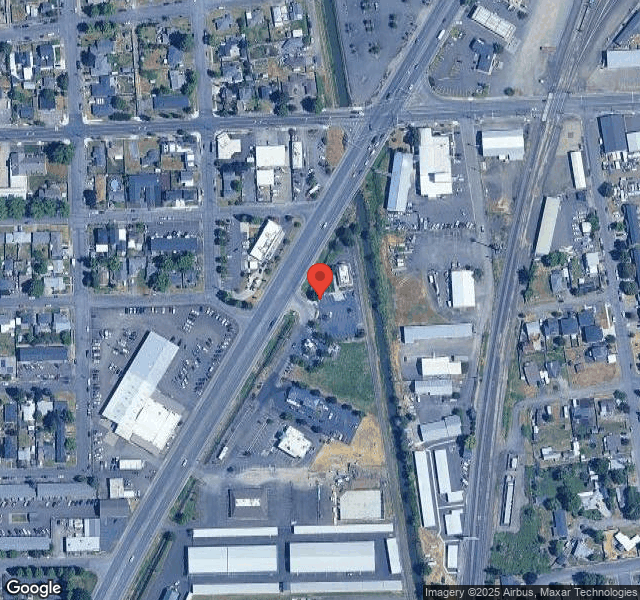

REGENCY ALBANY

805 19TH AVENUE SE, ALBANY, OR 97321 (541) 926-4741
For profit - Corporation 74 Beds REGENCY PACIFIC MANAGEMENT Data: November 2025 1 Immediate Jeopardy citation
Trust Grade
3/100
#97 of 127 in OR
Last Inspection: November 2024

Within standard 12-15 month inspection cycle. Federal law requires annual inspections.

Overview

Regency Albany has received a Trust Grade of F, indicating significant concerns about the quality of care provided at this facility. With a state rank of #97 out of 127 in Oregon, they are in the bottom half of nursing homes in the state, and #4 out of 5 in Linn County suggests that only one local option is better. Unfortunately, the facility is worsening, with issues increasing from 6 in 2019 to 17 in 2024. Staffing is a relative strength, with a rating of 4 out of 5 stars, but the 56% turnover rate is concerning and aligns with the state average. However, the facility has faced $30,911 in fines, which is average but still points to compliance problems. Notably, there have been critical incidents, including one where a resident was not placed on necessary precautions for a contagious condition, potentially putting others at risk. Another serious finding involved staff refusing to provide proper assistance to a resident who needed help, leading to a loss of dignity. Additionally, there were issues related to hydration assessments that failed to adequately address the needs of residents recovering from surgery. Overall, while there are strengths, such as staffing levels, the concerning trends and specific incidents highlight significant areas that need improvement.

Trust Score
F
3/100
In Oregon
#97/127
Bottom 24%
Safety Record
High Risk
Review needed
Inspections
Getting Worse
6 → 17 violations
Staff Stability
⚠ Watch
56% turnover. Above average. Higher turnover means staff may not know residents' routines.
Penalties
○ Average
$30,911 in fines. Higher than 59% of Oregon facilities. Some compliance issues.
Skilled Nurses
⚠ Watch
Each resident gets only 28 minutes of Registered Nurse (RN) attention daily — below average for Oregon. Fewer RN minutes means fewer trained eyes watching for problems.
Violations
⚠ Watch
47 deficiencies on record. Higher than average. Multiple issues found across inspections.
★★☆☆☆
2.0
Overall Rating
★★★★☆
4.0
Staff Levels
★★★☆☆
3.0
Care Quality
★★☆☆☆
2.0
Inspection Score
Stable
2019: 6 issues
2024: 17 issues

The Good

  • 4-Star Staffing Rating · Above-average nurse staffing levels
  • Full Sprinkler Coverage · Fire safety systems throughout facility
  • No fines on record

Facility shows strength in staffing levels, fire safety.

The Bad

2-Star Overall Rating

Below Oregon average (3.0)

Below average - review inspection findings carefully

Staff Turnover: 56%

Near Oregon avg (46%)

Frequent staff changes - ask about care continuity

Federal Fines: $30,911

Below median ($33,413)

Moderate penalties - review what triggered them

Chain: REGENCY PACIFIC MANAGEMENT

Part of a multi-facility chain

Ask about local staffing decisions and management

Staff turnover is elevated (56%)

8 points above Oregon average of 48%

The Ugly 47 deficiencies on record

1 life-threatening 2 actual harm
Nov 2024 17 deficiencies 1 IJ
CRITICAL (J)

Immediate Jeopardy (IJ) - the most serious Medicare violation

Infection Control (Tag F0880)

Someone could have died · This affected 1 resident

**NOTE- TERMS IN BRACKETS HAVE BEEN EDITED TO PROTECT CONFIDENTIALITY** 5. Resident 195 admitted to the facility in 10/2024 with diagnoses including C-Diff. An 10/26/24 order for Resident 195 revealed...

Read full inspector narrative →
**NOTE- TERMS IN BRACKETS HAVE BEEN EDITED TO PROTECT CONFIDENTIALITY** 5. Resident 195 admitted to the facility in 10/2024 with diagnoses including C-Diff. An 10/26/24 order for Resident 195 revealed she/he received Vancomycin (an antibiotic) four times a day for entercolitiis (inflammation of the digestive track) due to C-Diff. Resident 195's Bowel Movements task revealed the following documented bowel movements: -10/27/24: 1 loose/diarrhea and 2 formed/normal - 10/29/24: 2 loose/diarrhea stool - 10/30/24: 3 loose/diarrhea stool - 10/31/24: 3 loose/diarrhea stool - 11/1/24: 2 loose/diarrhea stool, 1 formed/normal - 11/2/24: 3 loose/diarrhea stool - 11/3/24: 3 loose/diarrhea stool - 11/4/24: 1 loose/diarrhea stool, 1 formed/normal - 11/5/24: 2 loose/diarrhea stool, 1 formed/normal On 11/4/24 at 11:13 AM Resident 195 was observed in her/his room and there were no signs to indicate transmission based precautions or enhanced barrier precautions were needed. On 11/4/24 at 2:54 PM Staff 1 (Administrator) placed a sign on Resident 195's door which indicated she/he was on enhanced barrier precautions, and Staff 1 stated this was due to Resident 195's urostomy. On 11/6/24 at 9:05 AM Staff 2 (DNS) reviewed Resident 195 and stated she/he was not on transmission based precautions for C-Diff due to a negative C-Diff test and soft formed stools. In a joint interview on 11/6/24 at 9:26 AM Staff 2 and Staff 9 (Regional Nurse) were asked to review Resident 195. Staff 2 stated he was unable to access and provide the negative C-Diff test result for Resident 195. Staff 2 was asked to review the bowel records for Resident 195 due to the multiple documented loose/diarrhea stools. Staff 2 stated he would need to follow up with the corporate infection preventionist and the physician regarding the need for contact precautions due to C-Diff and active loose/diarrhea stools. Staff 9 stated the facility would immediately place Resident 195 on contact precautions until a determination was made. 6. Resident 20 admitted to the facility in 10/2019 with diagnoses including diabetes. On 11/4/24 at 11:25 AM Staff 19 (Agency RN) was observed to check Resident 20's CBG (blood sugar measurement) level. After the CBG level was obtained Staff 19 wiped the glucometer with one alcohol prep pad and then placed the glucometer on top of the medication cart. When asked what her process was for cleaning and sanitizing the glucometer Staff 19 stated she cleaned the glucometer between each resident use with alcohol prep pads, as they were the only cleaning product provided. On 11/4/24 at 11:32 AM Staff 2 (DNS) confirmed an alcohol prep pad was not an appropriate method to clean and sanitize the glucometer. 4. Resident 27 admitted to the facility in 10/2023 with diagnoses including infection of the stomach lining and UTI. A 1/3/24 physician order revealed staff were to ensure Resident 27's colostomy (a surgical opening in the abdomen to divert waste out of the body) was emptied daily. An 10/23/24 revised care plan indicated to use enhanced barrier precautions for Resident 27 during high contact care activities including assistance with toileting. On 11/4/24 at 10:15 AM a sign was posted on Resident 27's door which indicated the resident required enhanced barrier precautions and staff were to wear gloves and a gown during high contact care. On 11/4/24 at 10:17 AM Resident 27 stated staff often did not use gloves and gowns to change her/his colostomy bag and the last time PPE was used by staff was a few weeks earlier. No PPE was found near or in Resident 27's room. On 11/4/24 at 10:43 AM Staff 2 (DNS) confirmed PPE was required and not in place for staff to use during Resident 27's care. Based on observation, interview, and record review it was determined the facility failed to ensure transmission based precautions were implemented, to preoprly sanitize resident care equipment and provide wound care in a sanitary manner for 6 of 6 sampled residents (#s 10, 19, 20, 27, 30 and 195) reviewed for clostridium difficile colitis (C-Diff, a bacterium that causes an infection of the colon with symptoms including: inflammation of the colon, diarrhea, and life-threatening damage to the colon), wound care and medication administration. This deficient practice was determined to be an immediate jeopardy (IJ) situation. Resident 30 admitted to the facility with C-Diff, but the facility failed to protect this and other residents and timely implement appropriate contact precautions and properly sanitize once the resident was deemed clear of C-Diff. Findings include: The online reference CDC Preventing C-Diff. revealed the best way to prevent the spread of C-Diff from person to person was for all healthcare workers to wash their hands with soap and water before and after caring for the resident. On 11/5/24 at 4:42 PM the facility administrative staff, including Staff 1 (Administrator), Staff 2 (DNS), Staff 4 (Regional [NAME] President), and Staff 9 (Regional Nurse) were notified of the IJ situation and were provided a copy of the IJ Template related to the facility's failure to ensure transmission-based precautions were implemented timely for Resident 30 related to C-Diff. On 11/6/24 at 12:38 PM an acceptable plan to remove the IJ situation was submitted by the facility. The plan indicated the facility would implement the following actions: -The hydration cart and vital sign equipment was sanitized to prevent the spread of infection. -Current staff on shift were re-educated on transmission-based precautions relative to C-Diff per the CDC guidelines prior to their next scheduled shift. Soap and water were reinforced as the standard for hand hygiene. Additional education was provided to include donning and doffing of PPE. -Nurse management would complete ongoing Infection Control rounds on all three shifts for the next 72 hours, and then conduct random audits on all three shifts for the next 30 days. -New admissions to the facility would be reviewed by the Regional Nurse and IP for the next 30 days to ensure that appropriate Infection Control measures were implemented, and [NAME] and Care plans updated. -Resident 30 had completed her/his course of antibiotics and stools were formed. Resident 30 met the CDC criteria and precautions were removed. As of 11/6/24 she/he had her/his room deep-cleaned as well as linens changed. Resident 30 declined a shower but accepted a full bed bath. -Facility staff would be trained on providing hydration while facility residents were on transmission-based precautions including direction to obtain new water pitchers with each hydration pass. -Current residents on transmission-based precautions had donning and doffing procedures added to the signage on the residents' doors for easy staff reference. -Residents on transmission-based precautions were provided individual vital sign equipment while on transmission-based precautions. -The facility IP would complete further training presented by Oregon Care partners on transmission-based precautions no later than end of day on 11/7/24. -Facility equipment for those on transmission-based precautions would be sanitized utilizing the Clorox Bleach Germicidal wipes with a contact time of three minutes. Education was provided to facility staff on cleansing techniques. -The Regional Nurse would review the Infection Control portal three times per week for the next 30 days to ensure that infections were care planned and appropriate precautions were implemented. -A root cause analysis would be completed by the Governing Body and brought to the facility QAPI committee for review. -The facility Executive Director was responsible for ensuring on-going compliance with the plan. -Other residents in the facility with orders for transmission-based precautions were reviewed to validate they were placed on appropriate transmission-based precautions. -Residents admitted to the facility since 11/1/24 were to be reviewed to validate that transmission-based precautions were implemented as appropriate, and PPE was available in the facility. -Findings of the above audits would be reviewed with the medical director. From 11/5/24 through 11/6/24 the IJ removal plan was verified as implemented by the survey team. No additional concerns related to the IJ situation were noted. 1. Resident 30 re-admitted to the facility on [DATE] with diagnoses including C-Diff. Resident 30 admitted without special infection control precautions and none were initiated until 11/4/24. On 11/4/24 Resident 30 was placed on enhanced barrier precautions for an open wound. On 11/5/24 at 10:50 AM Staff 2 (DNS) stated Resident 30 was admitted without special infection control precautions and none were initiated until 11/4/24, but for enhanced barrier precautions related to an open wound. Staff 2 stated Resident 30 was positive for C-Diff, but not placed on appropriate transmission-based precautions for C- Diff. A review of the EPA registered antimicrobial products effective against C-Diff spores revealed Mycolio (an alcohol based sanitize wipe), the product in use by the facility, was not an effective product to kill C-Diff spores. On 11/5/24 at 1:36 PM Staff 5 (CNA) entered Resident 30's room, took Resident 30's water cup, left her/his room with the cup and went to the water station with all the hydration supplies in the dining room including: multiple water pitchers, clean cups, and an ice chest with an ice scoop. Staff 5 returned the water to Resident 30 and did not wash her hands. Staff 5 stated she did not remove the hydration station cart from the dining room after filling Resident 30's water cup. On 11/5/24 at 1:52 PM Staff 5 stated management instructed staff PPE was required when coming into physical contact with an applicable resident. Staff 5 stated alcohol-based sanitizer was an acceptable means of hand hygiene after exiting a room with C-Diff precautions. Staff 5 stated the CNA on light duty did the vital sings on the 100 hall, including Resident 30, and used Mycolio disinfectant wipes to disinfect the vital equipment. Staff 5 stated she was told so many different things and she was confused on what the correct procedure was. No interventions were observed to address potential cross-contamination. On 11/5/24 at 1:53 PM Staff 7 (CNA) stated she used the Mycolio disinfectant wipes to disinfect the vital equipment. On 11/5/24 at 1:54 PM Staff 5, Staff 6 (CNA), Staff 7, and Staff 8 (CNA) stated they did not follow transmission-based precautions for C-Diff and furthermore did not demonstrate knowledge of appropriate precautions to prevent the spread of C-Diff. On 11/5/24 at 2:05 PM Staff 3 (Staff Development) provided an 10/2024 training on transmission-based precautions and stated 55% of staff did not complete the training as of 11/5/24. On 11/5/24 at 3:27 PM the front dining room was observed with the soiled water pitchers, cups, ice chest, and ice scoop still in place for residents to use. On 11/6/24 at 9:07 AM Staff 5 stated she gave Resident 30 a bed bath on 11/5/24. Staff 5 stated she washed the resident's hair, changed her/his hospital gown, and changed the bedding. Staff 5 stated she wiped down the resident's bedrail and mattress with Mycolio disinfectant wipes followed by personal wipes. On 11/6/24 at 9:12 AM Staff 41 (Housekeeping Manager) stated he was not informed Resident 30 no longer required transmission-based precautions. Staff 41 indicated a resident's room following C-Diff precautions would have curtains and linens removed and placed in a separate bag and the entire room cleaned and sanitized with bleach. On 11/6/24 at 9:26 AM Staff 2 was asked to identify all tasks completed when a resident was removed from contact precautions. Staff 2 did not include terminal cleaning of the resident's room, or the resident being showered. 2. Resident 10 admitted to the facility in with a Stage 4 (severe damage to the skin, and the surrounding tissue begins to die) pressure ulcer. The 7/22/24 admission MDS indicated Resident 10 was at high risk for developing another pressure ulcer due to malnutrition, incontinence, functional impairment and cognitive loss. Resident 10 was unable to execute major repositioning independently and relied on staff for assistance. The wound nurse provided wound care to Resident 10's pressure ulcer including measurements, assessment of the wound bed weekly with adjustment to the wound care orders as needed. On 11/6/24 at 9:45 AM Staff 11 (Resident Care Manager-LPN) was observed to perform wound care for Resident 10. During the dressing change the following was observed; -Staff 11 donned a gown and gloves without sanitizing her hands. -Staff 11 placed all clean dressing supplies including bandage scissors on Resident 10's bedside table which had incontinent pads and a urinal on top of the table. Staff 11 began touching drawers of the resident's nightstand to obtain more supplies and did not change her gloves. -Staff 11 then moved the clean supplies to Resident 10's bed on her/his incontinent pad and did not prepare a clean surface. -Staff 11 removed the resident's incontinent brief, removed the wound dressing, and cleansed the wound with her/his soiled gloves. Staff 11 proceeded to open the wound dressing packages with the same gloves, cut the new dressing with the soiled scissors and place the new dressings in the wound with the soiled gloves. Staff 11 used her fingers with donned with the soiled gloves instead of a clean Q-tip to place the dressing inside the wound. -Staff 11 proceeded to open another dressing package, cover the wound, reach into her pocket and obtain a permanent marker, write on the bandage, then place the pen back in her pocket. On 11/6/24 at 10:10 AM Staff 11 acknowledged she did not set-up a clean field for dressing supplies and did not change her gloves and sanitize her hands like she should have. On 11/6/24 at 10:30 AM Staff 9 (Regional Nurse) stated Staff 11 recently finished a wound class and should know to provide a clean area for dressings, change gloves and sanitize hands often when touching dirty dressings and applying clean dressings. 3. Resident 19 admitted to the facility in 2/2022 with diagnoses including respiratory failure. A random observation on 11/8/24 at 8:24 AM revealed Staff 30 (LPN) reached into a resident's medication cup with multiple medications in the cup without sanitizing her hands or donning gloves, obtained a medication capsule from the cup, pulled the capsule apart, and placed the contents of the capsule in pudding. On 11/8/24 at 8:29 AM Staff 30 acknowledged she did not sanitize her hands or don gloves before she touched the resident's medications.
SERIOUS (G) 📢 Someone Reported This

A family member, employee, or ombudsman was alarmed enough to file a formal complaint

Actual Harm - a resident was hurt due to facility failures

Free from Abuse/Neglect (Tag F0600)

A resident was harmed · This affected 1 resident

Based on interview and record review it was determined the facility failed to protect residents from verbal abuse by staff for 2 of 2 sampled residents (#s 1 and 18) reviewed for abuse. Resident 18 ex...

Read full inspector narrative →
Based on interview and record review it was determined the facility failed to protect residents from verbal abuse by staff for 2 of 2 sampled residents (#s 1 and 18) reviewed for abuse. Resident 18 experienced psychosocial harm. Findings include: 1. Resident 18 admitted to the facility in 2/2022 with diagnoses including anxiety and depression. A 7/28/24 Quarterly MDS revealed Resident 18 was cognitively intact. On 9/3/24 a FRI was received which alleged on 8/31/24 Staff 38 (Former Agency CNA) assisted Resident 18 onto the bed pan. When Resident 18 was finished Staff 38 attempted to assist Resident 18 off the bedpan. Resident 18 was unable to assist with bed mobility and asked Staff 38 to get assistance, but Staff 38 refused. Staff 38 was able to get Resident 18 off the bedpan, but the bedpan spilled onto Resident 18's bed. Resident 18 repeated her/his request for Staff 38 to get assistance. Staff 38 refused to get assistance and proceeded to clean Resident 18 while making comments about the mess in the bed and telling Resident 18 to roll over further. Resident 18 continued to express to Staff 38 she/he was unable to move further without additional assistance. Resident 18 stated she/he felt like Staff 38 stripped [her/him] of [her/his] last ounce of dignity. A 1/28/23 Care Plan revealed Resident 18 was care planned for two-person extensive assistance with bed mobility. On 11/7/24 at 11:07 AM Staff 2 (DNS) stated he was notified of an allegation of abuse involving Staff 38 right after the incident occurred on 8/31/24, and Staff 38 was sent home immediately. Staff 2 stated Resident 18 expressed feeling safe since Staff 38 was sent home. Staff 2 stated the incident was abusive, but Resident 18 was not harmed. Staff 2 acknowledged Resident 18 was not placed on alert for psychosocial harm. On 11/7/24 at 11:24 AM Staff 9 (Regional Nurse) stated it was expected for residents to be placed on alert after an allegation of abuse to monitor for any physical or psychosocial harm. On 11/8/24 at 8:03 AM Resident 18 stated the incident on 8/31/24 with Staff 38 made her/him .feel horrible; less than human. Resident 18 stated she/he still felt .like a piece of meat and to this day [she/he felt] less than a person. On 11/8/24 at 8:27 AM Staff 1 (Administrator) acknowledged the facility failed to place Resident 18 on alert to monitor for any psychosocial harm after the incident on 8/21/24. Staff 1 stated Resident 18 was not harmed, but she/he was stripped of her/his dignity, which is why Staff 38 was removed from the facility. 2. Resident 1 admitted to the facility in 1/2015 with diagnoses including cerebral palsy (a disorder that affects movement, muscle tone, and posture). A 1/22/24 Annual MDS revealed Resident 1 had a BIMS score of 15 which indicated she/he was cognitively intact. A 5/13/24 Grievance form revealed Resident 1 approached Staff 22 (Kitchen Manager) on 5/13/24 after Food Committee to discuss a concern with a previous meal she/he felt caused diarrhea. The grievance revealed Staff 22 became defensive, raised his voice to Resident 1, and said he was not going to let her/him say it was food poisoning. Resident 18, Resident 27, and Staff 21 (Activities Director) were also present in the room. Resident 18 told Staff 22 he should not speak to Resident 1 like that. Resident 27 said he should not raise his voice and condescend Resident 1. A 5/20/24 Resident Council Meeting Notes included the following hand-written statement: We as residents don't feel safe, secure, and safe from all types of abuse, and that is not being addressed. We feel that we can be yelled at in front of a few people. Lots of people thought he [Staff 22] should have been fired on the spot. [Staff 22] thinks [Staff 22] can do whatever he wants to whats next. A 5/20/24 Alleged Abuse Investigation revealed the incident with Resident 1 and Staff 22 was brought up at the 5/20/24 Resident Council and then investigated as abuse. Resident 27 did not feel it was abusive initially, but with further discussion she/he felt the incident was verbal abuse and brought it up in Resident Council. Staff 21 stated Staff 22 spoke to Resident 1 in an elevated tone, but it was not considered abuse. Resident 18 stated she/he told Staff 22 to stop being so rude and she/he felt the interaction could be considered abuse. Resident 1 stated Staff 22 .was not receptive to what [she/he] was saying and began yelling at [her/him]. [Staff 22] would not listen to what [she/he] was saying. [Staff 22] continued to yell and finally just walked away. On 11/4/24 at 10:45 AM Resident 1 stated she/he spoke to Staff 22 about the possibility a meal caused diarrhea. Resident 1 stated Staff 22 got two inches from her/his face and stated Prove it; provide it. multiple times to her/him. Resident 1 stated she/he was taken aback by the entire incident, she/he felt the event would be considered verbal abuse, and it made her/him feel uncomfortable about it. Resident 1 stated Staff 22 got in her/his face for no reason. On 11/6/24 at 11:05 AM Resident 27 stated she/he was present for the incident between Resident 1 and Staff 22 on 5/13/24. Resident 27 stated Staff 22 yelled and it made her/him jump. Resident 27 stated Staff 22 yelled at the top of of his lungs, and every time Resident 1 mentioned fish Staff 22 would say Prove it. Resident 27 stated she/he was appalled, the residents were all bothered that Staff 22 was still at the facility, and she/he definitely felt it was verbal abuse. On 11/6/24 at 11:14 AM Resident 18 stated she/he was present for the incident on 5/13/24, she/he recalled Resident 1 spoke about food, and Staff 22 blew up without any warning and yelled statements repeatedly. Resident 18 stated she/he told Staff 22 he was being inappropriate, and she/he characterized the incident as verbal abuse and Resident 1 was upset afterward. Resident 18 stated Staff 22 tended to raise his voice with residents and it was not appropriate. On 11/6/24 at at 12:25 PM Staff 21 stated she was present for the incident between Resident 1 and Staff 22 on 5/13/24. Staff 21 stated Resident 1 waited until after everyone left the Food Committee meeting and told Staff 22 a fish meal was undercooked. Staff 21 stated Staff 22 basically attacked Resident 1 with accusations and stated there was no way Resident 1 could know if the fish was undercooked. Staff 21 stated anytime Resident 1 tried to speak Staff 22 interrupted her/him and absolutely raised his voice. Staff 21 stated she got between Resident 1 and Staff 22 and attempted to intervene. Staff 21 stated Staff 1 (Administrator) was notified immediately and she felt the interaction was verbal abuse. On 11/6/24 at 1:08 PM Staff 22 stated Resident 1 bought up an issue about residents getting sick from seafood. Staff 22 stated he did not yell at Resident 1, and he was notified when he stood above a resident in a wheelchair his voice could carry and it was about perception. On 11/8/24 at 8:40 AM Staff 1 stated Staff 22 did not respond appropriately to Resident 1, and was unprofessional and defensive. Staff 1 stated at the time there was no indication of verbal abuse, but at the next Resident Council meeting there was a written statement generated regarding abuse after which she immediately started an abuse investigation. Staff 1 stated abuse was ruled out in the investigation, however she confirmed staff raised their voice, talked over a resident, and this could be considered verbal abuse.
CONCERN (D) 📢 Someone Reported This

A family member, employee, or ombudsman was alarmed enough to file a formal complaint

Potential for Harm - no one hurt, but risky conditions existed

Resident Rights (Tag F0550)

Could have caused harm · This affected 1 resident

Based on interview and record review it was determined the facility failed to ensure residents were treated with respect and dignity for 1 of 3 sampled residents (#1) reviewed for dignity. This placed...

Read full inspector narrative →
Based on interview and record review it was determined the facility failed to ensure residents were treated with respect and dignity for 1 of 3 sampled residents (#1) reviewed for dignity. This placed residents at risk for lack of dignity. Findings include: Resident 1 admitted to the facility in 1/2015 with diagnoses including cerebral palsy (a disorder that affects movement, muscle tone, and posture). A 1/22/24 Annual MDS revealed Resident 1 was able to understand others, was cognitively intact, had no behaviors, and was dependent on staff for toileting. A public complaint was received on 2/6/24 which alleged while providing toileting assistance to Resident 1 two caregivers made fun of her/him and how her/his feces smelled. A review of Resident 1's Progress Notes revealed no documentation of the alleged incident. On 11/4/24 at 10:49 AM Resident 1 stated an agency staff member made a comment about how her/his feces smelled. Resident 1 stated she/he notified Staff 21 (Activities Director), but she/he did not know what happened as a result of that report. Resident 1 stated nobody should experience comments made about their basic bodily functions. On 11/5/24 at 1:40 PM Staff 21 stated, when she was notified by Resident 1 she/he was embarrassed about the comment made by agency staff, she notified the administrator. On 11/6/24 at 3:55 PM Staff 1 (Administrator) stated she was aware of Resident 1's allegation and the facility terminated Staff 31's (Former Agency CNA) contract due to the comment made to Resident 1. Staff 1 stated the comment was inappropriate. On 11/7/24 at 8:44 AM Staff 1 provided an undated and untitled typed statement about the incident with Resident 1. The statement revealed Staff 1 was made aware of Resident 1's concern with Staff 31 on 2/2/24, Staff 31's contract was terminated early, and Resident 1 indicated it was difficult enough to not be able to take care of her/his self to have to depend on other people who are supposed to be caring for me take away more of my dignity. On 11/7/24 at 12:59 PM Staff 25 (CNA) stated she recalled the event. Staff 25 stated she was notified by Resident 1 after the incident occurred. Staff 25 stated Resident 1 reported she/he was shamed for having diarrhea. Staff 25 stated Resident 1 reported feeling embarrassed about the comment. Staff 25 stated other residents reported having issues with the staff involved and the CNA's contract ended early. On 11/8/24 at 8:40 AM Staff 1 reported Staff 31 did not treat Resident 1 with respect and dignity. On 11/8/24 at 12:26 PM Staff 31 (Former Agency CNA) denied she made any comments about Resident 1's feces.
CONCERN (D)

Potential for Harm - no one hurt, but risky conditions existed

Deficiency F0558 (Tag F0558)

Could have caused harm · This affected 1 resident

Based on observation, interview and record review it was determined the facility failed to assess for and provide an appropriate call light system of 1 of 1 sampled resident (#11) reviewed for hydrati...

Read full inspector narrative →
Based on observation, interview and record review it was determined the facility failed to assess for and provide an appropriate call light system of 1 of 1 sampled resident (#11) reviewed for hydration. This placed residents at risk for unmet needs and lack of ability to call for assistance. Findings include: Resident 11 admitted to the facility in 2/2020 with diagnoses including Parkinson's disease (progressive disease of the nervous system) and edema (fluid retention). A 11/4/24 revised care plan indicated: - Resident 11 had orders for a diuretic (medication used to assist the removal of extra fluid from the body), fluids were important to the resident, and to encouraged fluids of her/his choice. -Resident 11 had hand contractures and a push pad call light was to be within her/his reach and she/he required maximum assistance for eating. On 11/4/24 at 10:07 AM Resident 11 was observed in bed with her/his hands in a clinched position and she/he was unable to use her/his button call light. On 11/4/24 at 1:39 PM Resident 11 was observed in bed and unable to use her/his push pad call light. Resident 11 stated if she/he was able to use the push pad call light she/he would ask for something to drink because she/he was thirsty. Resident 11 indicated her/his push pad call light was new, but she/he continued to need to yell for assistance. Staff 36 (RA) entered the room and stated the care needs for Resident 11 continued to increase and staff occasionally offered her/him water. On 11/6/24 at 9:48 AM Staff 16 (CNA) confirmed Resident 11 was unable to use the new push pad call light, and her/his care plan had no reference to her/him calling out to obtain assistance or to offer her/him fluids frequently. On 11/6/24 at 12:13 PM Resident 11 stated she/he became frustrated when she/he saw staff in the hallway who did not respond when she yelled for assistance. On 11/7/24 at 11:42 AM Staff 11 (Resident Care Manager-LPN) acknowledged Resident 11 was not assessed prior to the implementation of the new push pad call light, and the resident's care plan required additional interventions to address her/his fluid and call light needs.
CONCERN (D) 📢 Someone Reported This

A family member, employee, or ombudsman was alarmed enough to file a formal complaint

Potential for Harm - no one hurt, but risky conditions existed

Report Alleged Abuse (Tag F0609)

Could have caused harm · This affected 1 resident

Based on interview and record review it was determined the facility failed to timely report to the State Survey Agency (SSA) an allegation of abuse for 1 of 2 sampled residents (#18) reviewed for abus...

Read full inspector narrative →
Based on interview and record review it was determined the facility failed to timely report to the State Survey Agency (SSA) an allegation of abuse for 1 of 2 sampled residents (#18) reviewed for abuse. This placed residents at risk for abuse. Findings include: Resident 18 admitted to the facility in 2/2022 with diagnoses including anxiety and depression. On 9/3/24 a FRI was received by the SSA reporting an 8/31/24 allegation of abuse. On 11/7/24 at 11:23 AM Staff 1 (Administrator) stated she was unable to recall when the FRI was sent to the SSA. On 11/27/24 at 11:23 AM Staff 2 (DNS) stated the incident occurred on 8/31/24, which was a Saturday, and Monday 9/2/24 was a holiday, so the FRI was sent to the SSA on Tuesday 9/3/24.
CONCERN (D)

Potential for Harm - no one hurt, but risky conditions existed

Assessment Accuracy (Tag F0641)

Could have caused harm · This affected 1 resident

Based on interview and record review it was determined the facility failed to accurately assess 1 of 5 sampled residents (#25) reviewed for discharge. This placed residents at risk for unmet and unide...

Read full inspector narrative →
Based on interview and record review it was determined the facility failed to accurately assess 1 of 5 sampled residents (#25) reviewed for discharge. This placed residents at risk for unmet and unidentified needs. Findings include: Resident 25 admitted to the facility in 9/2020 with diagnoses including bipolar disorder. A 9/28/24 Annual MDS indicated Resident 25 did not want to talk to someone about the possibility of leaving the facility and returning to live and receive services in the community. Resident 25 did not want to be asked about returning to the community on all assessments. On 11/4/24 at 10:35 AM Resident 25 stated he wanted to discharge to a home in Corvallis. On 11/5/24 at 1:02 PM Resident 25 stated he wanted to discharge to a home in Corvallis. On 11/6/24 at 11:00 AM Resident 25 stated he wanted to discharge from the facility to either Corvallis or Philomath. On 11/6/24 at 1:37 PM Staff 24 (Social Service Manager) stated Resident 25 wanted to discharge to a home in Corvallis or Philomath. Staff 25 stated the facility was working with Resident 25's case worker to find her/him placement outside the facility. On 11/8/24 at 10:16 AM Staff 37 (Social Service Assistant) stated Resident 25 wanted to go home and the information on the 9/28/24 Annual MDS was incorrect. On 11/8/24 at 11:59 AM Staff 9 (Regional Nurse) acknowledged the 9/28/24 Annual MDS was incorrect, and the facility was making corrections to the MDS.
CONCERN (D)

Potential for Harm - no one hurt, but risky conditions existed

Deficiency F0645 (Tag F0645)

Could have caused harm · This affected 1 resident

Based on interview and record review it was determined the facility failed to ensure residents identified with serious mental illness were evaluated and received care and services to meet their needs ...

Read full inspector narrative →
Based on interview and record review it was determined the facility failed to ensure residents identified with serious mental illness were evaluated and received care and services to meet their needs for 1 of 1 sampled resident (#25) reviewed for PASRR. This placed residents at risk for unassessed and unmet mental health needs. Findings include: Resident 25 admitted to the facility in 9/2020 with diagnoses including bipolar disorder. A 9/17/24 PASRR Level 1 form indicated Resident 25 had serious mental illness indicators and required further evaluation at the nursing facility. On 11/6/24 at 1:37 PM Staff 24 (Social Service Manager) acknowledged the PASRR Level 1 form indicated Resident 25 had serious mental illness indicators and required further evaluation at the nursing facility, but Resident 25 did not have further evaluations completed for mental illness.
CONCERN (D)

Potential for Harm - no one hurt, but risky conditions existed

Deficiency F0679 (Tag F0679)

Could have caused harm · This affected 1 resident

Based on interview and record review it was determined the facility failed to provide activities of choice for 1 of 2 residents (#18) reviewed for activities. This placed residents at risk for diminis...

Read full inspector narrative →
Based on interview and record review it was determined the facility failed to provide activities of choice for 1 of 2 residents (#18) reviewed for activities. This placed residents at risk for diminished quality of life. Findings include: Resident 18 admitted to the facility in 2/2022 with diagnoses including anxiety and depression. A 7/28/24 Quarterly MDS revealed Resident 18 was cognitively intact. On 11/4/24 at 11:00 AM Resident 18 stated she/he did not participate in Catholic communion since the beginning of 2024. A 11/2024 Activities Calendar revealed Catholic communion was scheduled for 11/5/24. On 11/7/24 at 9:22 AM Resident 18 stated she/he did not receive communion on 11/5/24. Spiritual activity participation documentation from 8/2/24 through 11/6/24 revealed Resident 18 participated in a spiritual activity once on 9/12/24. On 11/7/24 at 9:31 AM Staff 21 (Activity Director) stated no one was able to come in on 11/5/24 for communion due to the facility COVID outbreak. Staff 21 stated she was not documenting when residents received communion.
CONCERN (D)

Potential for Harm - no one hurt, but risky conditions existed

Quality of Care (Tag F0684)

Could have caused harm · This affected 1 resident

Based on interview and record review it was determined the facility failed to follow physician orders for insulin administration for 1 of 5 residents (#15) reviewed for medications. This placed reside...

Read full inspector narrative →
Based on interview and record review it was determined the facility failed to follow physician orders for insulin administration for 1 of 5 residents (#15) reviewed for medications. This placed residents at risk for unstable blood sugars. Findings include: Resident 15 admitted to the facility in 11/2021 with diagnoses including diabetes and depression. An 10/24/24 signed physician order revealed Resident 15 had orders for 13 units of Humalog (short acting insulin) before each meal, and to hold the medication if her/his CBG level was less than 100. The 11/2024 Licensed Nurse Administration Record indicated the following: -On 11/1/24 at 12:00 PM Resident 15's CBG level was 123 and Humalog was held by Staff 13 (LPN) -On 11/6/24 at 12:00 PM Resident 15's CBG level was 110 and Humalog was held by Staff 13. On 11/8/24 at 8:46 AM Staff 13 stated she believed the facility had standing orders to hold insulin if a resident's CBG level was at 150 or above. Staff 13 stated she did not contact Resident 15's physician for clarification of the resident's Humalog order. On 11/8/24 at 10:52 AM Staff 9 (Regional Nurse) acknowledged physician orders for Resident 15 should be followed as written.
CONCERN (D)

Potential for Harm - no one hurt, but risky conditions existed

Pressure Ulcer Prevention (Tag F0686)

Could have caused harm · This affected 1 resident

Based on observation, interview and record review it was determined the facility failed to properly assess and treat pressure ulcers for 2 of 2 sampled residents (#s 8 and 10) reviewed for pressure ul...

Read full inspector narrative →
Based on observation, interview and record review it was determined the facility failed to properly assess and treat pressure ulcers for 2 of 2 sampled residents (#s 8 and 10) reviewed for pressure ulcers. This placed residents at risk for worsening pressure ulcers. Findings include: 1. Resident 8 admitted to the facility in 9/2024 with diagnoses including a leg fracture. The 9/26/24 care plan indicated Resident 8 had current skin concerns including blisters to her/his left thigh caused by a leg brace. The 9/29/24 New Skin Issue Incident Report indicated Staff 13 (LPN) was notified of blisters to Resident 8's inner thigh underneath her/his buttocks. The 9/30/24 Initial Non-Pressure Skin Evaluation indicated Resident 8 had a blister to the rear aspect of the left thigh related to leg immobilizer use. Instructions indicated to cover blisters to protect the skin and prevent further skin injury. Staff 2 (DNS) indicated Resident 8 developed blisters, the wound nurse assessed the situation and implemented a plan of correction to prevent recurrence. The report did not include interviews from the CNA who identified the skin condition or the resident. CDC pressure ulcer guidelines indicated a blister represents a disruption in the skin's inegrity and is considered a Stage 2 pressure ulcer. On 11/6/24 at 10:41 AM Staff 11 (Resident Care Manager-LPN) stated she assessed the blisters and placed a foam dressing to prevent further blisters. Staff 11 acknowledged the blisters should be documented as a Stage 2 pressure ulcer not blisters. Staff 11 acknowledged the Incident Report was not accurate or thourough. 2. Resident 10 admitted to the facility in 7/2024 with a Stage 4 (severe damage to the skin, and the surrounding tissue begins to die) pressure ulcer. The 7/22/24 admission MDS indicated Resident 10 was at high risk for developing another pressure ulcer due to malnutrition, incontinence, functional impairment and cognitive loss. Resident 10 was unable to execute major repositioning independently and relied on staff for assistance. The wound nurse provided wound care to Resident 10's pressure ulcer including measurements, assessment of the wound bed weekly with adjustment to the wound care orders as needed. On 11/6/24 at 9:45 AM Staff 11 (Resident Care Manager-LPN) was observed to perform wound care for Resident 10. During the dressing change the following was observed; -Staff 11 donned a gown and gloves without sanitizing her hands. -Staff 11 placed all clean dressing supplies including bandage scissors on Resident 10's bedside table which had incontinent pads and a urinal on top of the table. Staff began touching drawers of the resident's nightstand to obtain more supplies and did not change her gloves. -Staff 11 then moved the clean supplies to Resident 10's bed on her/his incontinent pad and did not prepare a clean surface. -Staff 11 removed the resident's incontinent brief, removed the wound dressing, and cleansed the wound with her/his soiled gloves. Staff 11 proceeded to open the wound dressing packages with the same gloves, cut the new dressing with the soiled scissors and place the new dressings in the wound with the soiled gloves. Staff 11 used her fingers with donned with the soiled gloves instead of a clean Q-tip to place the dressing inside the wound. -Staff 11 proceeded to open another dressing package, cover the wound, reach into her pocket and obtain a permanent marker, write on the bandage, then place the pen back in her pocket. On 11/6/24 at 10:10 AM Staff 11 acknowledged she did not set-up a clean field for dressing supplies and did not change her gloves and sanitize her hands like she should have. On 11/6/24 at 10:30 AM Staff 9 (Regional Nurse) stated Staff 11 recently finished a wound class and should know to provide a clean area for dressings, change gloves and sanitize hands often when touching dirty dressings and applying clean dressings.
CONCERN (D)

Potential for Harm - no one hurt, but risky conditions existed

Accident Prevention (Tag F0689)

Could have caused harm · This affected 1 resident

**NOTE- TERMS IN BRACKETS HAVE BEEN EDITED TO PROTECT CONFIDENTIALITY** 2. Resident 37 admitted to the facility on [DATE] with diagnoses including chronic heart failure and dementia. An 8/15/24 care ...

Read full inspector narrative →
**NOTE- TERMS IN BRACKETS HAVE BEEN EDITED TO PROTECT CONFIDENTIALITY** 2. Resident 37 admitted to the facility on [DATE] with diagnoses including chronic heart failure and dementia. An 8/15/24 care plan indicated fall mats were required on both sides of Resident 37's bed. Observations between 11/4/24 and 11/8/24 revealed no fall mats were in place on either side of Resident 37's bed. In an interview on 11/8/24 Staff 11 (Resident Care Manager-LPN) stated she did not know why there were no fall mats by Resident 37's bed and resident's care plan called for fall mats to be in place. Based on observation, interview, and record review the facility failed to ensure the environment was free from accident hazards for 2 of 2 sampled resident (#s 17 and 37) reviewed for accidents. This placed residents at risk for injury. Findings include: 1. Resident 17 admitted to the facility in 2/2024 with diagnoses including depression and severe obesity. A 9/23/24 revised care plan revealed Resident 17 exhibited personal property hoarding behaviors and to notify Staff 1 (Administration) if problems arose. An 10/27/24 Progress Note indicated Resident 17's table fell on her/his left shin, a small abrasion was noted and orders were entered to monitor and care for the wound. An 10/28/24 New Non-Pressure Injury investigation by Staff 2 (DNS) revealed there were no predisposing environmental or situation factors found related to the abrasion to Resident 17's left shin. On 11/4/24 at 12:04 PM Resident 17 was observed in bed with cardboard boxes around the perimeter of her/his room, and various items were on her/his bedside table with little room for her/his meal. Resident 17 stated her/his bedside table fell on her/his leg last week and the same table was in use without any evaluation of the table. On 11/6/24 at 4:37 PM Staff 9 (Regional Nurse) indicated the 10/28/24 New Non-Pressure Injury investigation was incomplete for an accident. On 11/7/24 at approximately 8:30 AM an 10/28/24 Equipment Related or Involved investigation was provided by the facility. The investigation revealed on 11/5/24 Resident 17's bedside table was evaluated and not broken. On 11/7/24 at 10:36 AM Staff 20 (Regional Nurse) acknowledged Resident 17's hoarding was not addressed until 11/7/24 and the investigation was not completed timely to prevent further injuries.
CONCERN (D)

Potential for Harm - no one hurt, but risky conditions existed

Incontinence Care (Tag F0690)

Could have caused harm · This affected 1 resident

Based on interview and record review it was determined the facility failed to provide care and services related to catheterization for 1 of 1 resident (#32) reviewed for catheterization. This placed r...

Read full inspector narrative →
Based on interview and record review it was determined the facility failed to provide care and services related to catheterization for 1 of 1 resident (#32) reviewed for catheterization. This placed residents at risk for a delay in treatment for UTIs. Findings include: Resident 32 admitted to the facility with diagnoses including a Stage 4 (large, deep wound) pressure ulcer. On 11/4/24 at 11:22 AM Resident 32's catheter was observed with blood in the tubing. Resident 32 stated blood in the catheter tubing was normal after a catheter was changed. Review of the 11/2024 TAR and Nursing Progress Noted revealed no documentation related to flushing the catheter, cleaning the catheter or changing the catheter. On 11/6/24 at 10:39 AM Staff 11 (Resident Care Manager-LPN) stated there was no documentation in Resident 32's electronic record that catheter care was provided to the resident
CONCERN (D)

Potential for Harm - no one hurt, but risky conditions existed

Respiratory Care (Tag F0695)

Could have caused harm · This affected 1 resident

Based on observation, interview and record review it was determined the facility failed to provide respiratory care and services for 2 of 2 sampled residents (#s 17 and 28) reviewed for respiratory se...

Read full inspector narrative →
Based on observation, interview and record review it was determined the facility failed to provide respiratory care and services for 2 of 2 sampled residents (#s 17 and 28) reviewed for respiratory services. This placed residents at risk for respiratory infections. Findings include: 1. Resident 17 admitted to the facility in 2/2024 with diagnoses including depression and sleep apnea (breathing which starts and stops during sleep). An 10/2017 Resident Equipment Sanitation policy indicated the nursing facility was to prevent the spread of potentially infectious agents through the use of appropriate and accepted sanitation procedures. The policy had no indication for the appropriate storage of respiratory equipment. The 3/1/24 admission MDS indicated Resident 17 used a CPAP (Continuous Positive Airway Pressure) machine. A 5/7/24 physician order indicated to clean the CPAP mask, filter, tubing and machine every Tuesday on day shift. An 8/23/24 revised respiratory care plan indicated to ensure Resident 17's CPAP mask was clean and distilled/sterile water used in the machine, and to monitor for any respiratory infection. On 11/4/24 at 11:46 AM Resident 17's CPAP mask was not in use and observed on her/his counter with a used tissue by the mask. Resident 17 indicated she/he recently recovered from a sinus infection. On 11/5/24 at 12:32 PM Staff 17 (NA) stated she stored residents' CPAP equipment uncovered and in a drawer with other personal items. On 11/5/24 at 12:34 PM Staff 4 (Regional [NAME] President) acknowledged the corporate policy to maintain and store respiratory equipment was too vague and the facility relied on physician orders to ensure proper care was in place for a resident's CPAP equipment. On 11/5/24 at 1:07 PM Staff 2 (DNS) acknowledged Resident 17's CPAP mask was improperly stored and should be in a clean plastic bag when not in use. 2. Resident 28 admitted to the facility in 8/2024 with diagnoses including respiratory failure. The 8/2/24 care plan revealed Resident 28 had an alteration in respiratory status related to sleep apnea (a serious sleep disorder which breathing repeatedly stops and starts), and used a BiPAP machine (a machine to help push air into the lungs). Multiple random observations from 11/5/24 through 11/8/24 on day and evening shifts revealed Resident 28's BiPAP machine was on top of the nightstand, hanging over the nightstand, and hanging on the resident's bedrail in an unsanitary manner. On 11/5/24 at 1:07 PM Staff 2 (DNS) confirmed Resident 28's BiPAP mask was not stored in a sanitary manner and should be stored in a bag.
CONCERN (E)

Potential for Harm - no one hurt, but risky conditions existed

Deficiency F0578 (Tag F0578)

Could have caused harm · This affected multiple residents

4. Resident 20 admitted to the facility in 10/2019 with diagnoses including diabetes. A 7/20/24 Quarterly MDS revealed Resident 20 had a BIMS score of 15 which indicated she/he was cognitively intact....

Read full inspector narrative →
4. Resident 20 admitted to the facility in 10/2019 with diagnoses including diabetes. A 7/20/24 Quarterly MDS revealed Resident 20 had a BIMS score of 15 which indicated she/he was cognitively intact. A review of Resident 20's medical record revealed no advance directive. A 11/15/23 Interdisciplinary Care Conference assessment revealed Resident 20 did not have an advance directive and there was no indication if one was offered. A 2/7/24 Interdisciplinary Care Conference assessment revealed Resident 20 did not have an advance directive and a copy of an advance directive booklet was provided to Resident 20. A 5/8/24 Interdisciplinary Care Conference assessment revealed Resident 20 did not have an advance directive, there was no indication one was offered, and there was no follow up from the copy provided at the 2/7/24 Interdisciplinary Care Conference. A 7/31/24 Interdisciplinary Care Conference assessment revealed Resident 20 did not have an advance directive and there was no indication one was offered. A review of Resident 20's Progress Notes from 11/2023 through 11/5/24 revealed no documentation related to an advance directive. On 11/5/24 at 5:35 PM Staff 24 (Social Services Director) stated she reviewed advance directives in care conferences and tried to make a note to indicate if an advance directive was provided or not wanted. Staff 24 stated she provided advance directive packets to residents in the care conferences and if the resident requested assistance she provided it. Staff 24 stated she did not follow up on provided advance directives until the next quarterly care conference. Based on interview and record review it was determined the facility failed to obtain information related to advance directives and health care decisions for 4 of 5 sampled residents (#s 8, 20, 30 and 32) reviewed for advance directives. This placed residents at risk for not having their health care decisions honored. Findings include: 1. Resident 8 admitted to the facility in 9/2024 with diagnoses including a leg fracture. A 9/30/24 Interdisciplinary Care Conference assessment revealed Resident 8 did not have an advance directive, but indicated there was an advance directive in the electronic record. Review of Resident 8's electronic record revealed no advance directive, and further indicated Resident 8 had a POLST (Physician Orders for Life-Sustaining Treatment) which was not signed by the physician. On 11/7/24 at 11:10 AM Staff 24 (Social Service Director) stated she reviewed advance directives at care conferences, and tried to make a note to indicate if an advance directive was provided or not wanted. Staff 24 stated she provided advance directive packets to residents at the care conferences, and if the resident requested assistance she provided it. Staff 24 stated she did not conduct follow up related to provided advance directives. 2. Resident 30 admitted to the facility in 8/2024 with diagnoses including an open wound to the left leg. A 9/18/24 Interdisciplinary Care Conference assessment revealed Resident 30 did not have an advance directive, but an advance directive booklet would be provided for the resident and family to review. A review of Resident 30's Progress Notes from 8/27/24 through 10/5/24 revealed no documentation related to an advance directive. On 11/5/24 at 5:35 PM Staff 24 (Social Service Director) stated she reviewed advance directives in care conferences and tried to make a note to indicate if an advance directive was provided or not wanted. Staff 24 stated she provided advance directive packets to residents in the care conferences and if the resident requested assistance she provided it. Staff 24 stated she did not follow up on provided advance directives. 3. Resident 32 admitted to the facility in 8/2024 with diagnoses including malnutrition. An 8/15/24 Interdisciplinary Care Conference assessment revealed Resident 32's son would bring her/his advance directive to the facility. An 9/15/24 Interdisciplinary Care Conference assessment revealed Resident 32 did not have an advance directive, but an advance directive booklet would be provided for the resident and family to review. A review of Resident 32's Progress Notes from 8/15/24 through 11/4/24 revealed no documentation related to an advance directive. On 11/5/24 at 5:35 PM Staff 24 (Social Service Director) stated she reviewed advance directives in care conferences and tried to make a note to indicate if an advance directive was provided or not wanted. Staff 24 stated she provided advance directive packets to residents in the care conferences and if the resident requested assistance she provided it. Staff 24 stated she did not follow up on provided advance directives.
CONCERN (E)

Potential for Harm - no one hurt, but risky conditions existed

Safe Environment (Tag F0584)

Could have caused harm · This affected multiple residents

Based on observation and interview the facility failed to provide a homelike dining environment for 3 of 3 dining rooms reviewed for dining. This placed residents at risk for living in an institutiona...

Read full inspector narrative →
Based on observation and interview the facility failed to provide a homelike dining environment for 3 of 3 dining rooms reviewed for dining. This placed residents at risk for living in an institutional environment. Findings include: On 11/4/24 at 11:58 AM, while four residents ate in the Middle dining room, their meals were observed left on the delivery tray during the meal. On 11/5/24 at 12:13 PM the Middle dining room was observed. Residents sat at three different tables, one of the tables had a plant, the other tables had no table decoration, and none of the tables had a tablecloth. Five residents ate in the room and all residents' plates were on left on the plate warmer and were left on trays. On 11/5/24 at 12:15 PM the Back dining room was observed. Three residents were at one table in the dining room, no tablecloth was present, and all resident meals were left on trays. On 11/5/24 at 12:18 PM the Front dining room as observed. Two residents were observed eating in the room and both of their meals were left on trays. On 11/5/24 at 12:22 PM Staff 1 (Administrator) stated the facility should make meals feel like home. Staff 1 stated the expectation was for staff to remove the tray and plate warmer unless the resident requested either to remain, and staff were to make it feel like home.
CONCERN (E)

Potential for Harm - no one hurt, but risky conditions existed

Deficiency F0658 (Tag F0658)

Could have caused harm · This affected multiple residents

Based on observation, interview and record review it was determined facility staff failed to follow professional standards of practice for medication administration and wound care for 4 of 7 sampled r...

Read full inspector narrative →
Based on observation, interview and record review it was determined facility staff failed to follow professional standards of practice for medication administration and wound care for 4 of 7 sampled residents (#s 9, 10, 19, and 33) reviewed medication administration and wound care. This placed residents at risk for unsafe medication administration and cross contamination. Findings include: 1. Resident 9 admitted to the facility in 2/2017 with diagnoses including heart disease. An 10/1/24 physician order indicated Resident 9 received Cephalexin (antibiotic) BID. An 10/16/24 physician order indicated Resident 9 received Losartan (for high blood pressure) BID. The 11/2024 MAR indicated Resident 9 was to receive her/his medication at 8:00 AM. The facility's standing orders indicated blood pressure parameters included to hold all blood pressure medications for systolic (pressure in your blood vessels when your heart contracts) blood pressure less than 100. On 11/7/24 at 9:45 AM Staff 28 (LPN) administered Resident 9's Losartan at 9:45 AM, one hour and 45 minutes late, but did not check her/his blood pressure prior to administering the medication. On 11/7/24 at 9:50 AM Staff 28 stated when she was running late administering medications she just kept going to hopefully catch-up. Staff 28 stated she spoke with management regarding what the process was when staff are running late passing medications, but did not receive feedback. Staff 28 acknowledged she did not check Resident 9's blood pressure before administering her/his Losartan. 2. Resident 10 admitted to the facility in 7/2024 with a Stage 4 (severe damage to the skin, and the surrounding tissue begins to die) pressure ulcer. The 7/22/24 admission MDS indicated Resident 10 was at high risk for developing another pressure ulcer due to malnutrition, incontinence, functional impairment and cognitive loss. Resident 10 was unable to execute major repositioning independently and relied on staff for assistance. The wound nurse provided wound care to Resident 10's pressure ulcer including measurements, assessment of the wound bed weekly with adjustment to the wound care orders as needed. On 11/6/24 at 9:45 AM Staff 11 (Resident Care Manager-LPN) was observed to perform wound care for Resident 10. During the dressing change the following was observed; -Staff 11 donned a gown and gloves without sanitizing her hands. -Staff 11 placed all clean dressing supplies including bandage scissors on Resident 10's bedside table which had incontinent pads and a urinal on top of the table. Staff began touching drawers of the resident's nightstand to obtain more supplies and did not change her gloves. -Staff 11 then moved the clean supplies to Resident 10's bed on her/his incontinent pad and did not prepare a clean surface. -Staff 11 removed the resident's incontinent brief, removed the wound dressing, and cleansed the wound with her/his soiled gloves. Staff 11 proceeded to open the wound dressing packages with the same gloves, cut the new dressing with the soiled scissors and place the new dressings in the wound with the soiled gloves. Staff 11 used her fingers with donned with the soiled gloves instead of a clean Q-tip to place the dressing inside the wound. -Staff 11 proceeded to open another dressing package, cover the wound, reach into her pocket and obtain a permanent marker, write on the bandage, then place the pen back in her pocket. On 11/6/24 at 10:10 AM Staff 11 acknowledged she did not set-up a clean field for dressing supplies and did not change her gloves and sanitize her hands like she should have. On 11/6/24 at 10:30 AM Staff 9 (Regional Nurse) stated Staff 11 recently finished a wound class and should know to provide a clean area for dressings, change gloves and sanitize hands often when touching dirty dressings and applying clean dressings. 3. Resident 19 admitted to the facility in 2/2022 with diagnoses including respiratory failure. A random observation on 11/8/24 at 8:35 AM revealed Staff 30 (LPN) reached into a resident's medication cup with multiple medications in the cup without sanitizing her hands or donning gloves, obtained a medication capsule from the cup, pulled the capsule apart, and placed the contents of the capsule in pudding. On 11/8/24 at 8:29 AM Staff 30 acknowledged she did not sanitize her hands or don gloves before she touched the resident's medications. b. A 2/21/22 physician order indicated Resident 19 received Combivent inhaler (for wheezing and shortness of breath) four times a day, and was to rinse her/his mouth after each use. On 11/8/24 at 8:35 AM Staff 30 administered the Combivent inhaler, but did not have Resident 19 rinse her/his mouth. On 11/8/24 at 8:40 AM Staff 30 stated she did not have the resident rinse her/his mouth after she/he received her/his inhaler per the physician order because she forgot and took the resident's water away. Staff 30 did not go back into the resident's room to have her/him rinse her/his mouth. c. A 2/22/24 physician order indicated Resident 19 received Metoprolol ER (extended release for high blood pressure) every morning. The facility's standing orders indicated blood pressure parameters included to hold all blood pressure medications for systolic (pressure in your blood vessels when your heart contracts) blood pressure less than 100. Staff 30 was observed asking CNAs for a blood pressure level for Resident 19 which were obtained at 6:00 AM. On 11/8/24 at 9:37 AM Staff 1 (Administrator) and Staff 9 (Regional Nurse) confirmed touching a resident's medication with bare unsanitary fingers by the staff was unacceptable. Staff 9 stated Staff 30 should not ask CNAs for a blood pressure level obtained hours before administering a medication requiring a blood pressure level check, rather she should have obtained the resident's blood pressure level right before administering Metoprolol. 4. Resident 33 admitted to the facility in 10/2024 with diagnoses including heart disease and thyroid disorder. An 10/4/24 physician order indicated Resident 33 received Apixiban (blood thinner), Carvedilol (for high blood pressure), and Levothyroxine (thyroid medication). An 10/15/24 physician order indicated Resident 33 received Losartan (for high blood pressure). The 11/2024 MAR indicated Resident 33 received her/his medications at 8:00 AM. On 11/7/24 at 9:30 AM Staff 14 (LPN) administered Resident 33's medications, which was one hour and 30 minutes late, and was after Resident 33 consumed her/his breakfast meal. The facility's standing orders indicated blood pressure parameters included to hold all blood pressure medications for systolic (pressure in your blood vessels when your heart contracts) blood pressure less than 100. Staff 14 did not perform a blood pressure check before administering Resident 33's blood pressure medications. Per Drugs.com Levothyroxine should be taken in the morning on an empty stomach, at least 30 to 60 minutes before eating breakfast. On 11/7/24 at 9:40 AM Staff 14 stated he was not told what to do when he was running late administering medications. Staff 14 acknowledged he did not check Resident 33's blood pressure level prior to administering Resident 33's Losartan and Carvedilol.
CONCERN (E)

Potential for Harm - no one hurt, but risky conditions existed

Unnecessary Medications (Tag F0759)

Could have caused harm · This affected multiple residents

Based on observation, interview, and record review it was determined the facility failed to ensure a medication error rate of less than five percent. There were seven errors out of 37 medication admin...

Read full inspector narrative →
Based on observation, interview, and record review it was determined the facility failed to ensure a medication error rate of less than five percent. There were seven errors out of 37 medication administration opportunities resulting in an 18.92 percent error rate. This placed residents at risk for an ineffective and unsafe medication regimen and risk of administering a BID medication to soon from the first dose Findings include: 1. Resident 9 admitted to the facility in 2/2017 with diagnoses including heart disease. An 10/1/24 physician order indicated Resident 9 received Cephalexin (antibiotic) BID. An 10/16/24 physician order indicated Resident 9 received Losartan (for high blood pressure) BID. The 11/2024 MAR indicated Resident 9 received her/his medications at 8:00 AM. On 11/7/24 at 9:45 AM Staff 28 (LPN) administered Resident 9's medications at 9:45 AM, one hour and 45 minutes late. The facility's standing orders indicated blood pressure parameters included to hold all blood pressure medications for systolic (pressure in your blood vessels when your heart contracts) blood pressure less than 100. Staff 28 did not perform a blood pressure check before administering blood pressure medications. On 11/7/24 at 9:50 AM Staff 28 stated when she was running late administering medications she just kept going to hopefully catch up. Staff 28 stated she spoke with management regarding the procedure if she was running late passing medications, but did not receive feedback. On 11/7/24 at 2:13 PM Staff 9 (Regional Nurse) stated staff should notify management if they are running late administering medications. 2. Resident 19 admitted to the facility in 2/2022 with diagnoses including respiratory failure. a. A random observation on 11/8/24 at 8:24 AM revealed Staff 30 (LPN) reached into a resident's medication cup with multiple medications in the cup without sanitizing her hands or donning gloves, obtained a medication capsule from the cup, pulled the capsule apart, and placed the contents of the capsule in pudding. On 11/8/24 at 8:29 AM Staff 30 acknowledged she did not sanitize her hands or don gloves before she touched the resident's medications. b. A 2/21/22 physician order indicated Resident 19 received Combivent inhaler (for wheezing and shortness of breath) four times a day, and was to rinse her/his mouth after each use. On 11/8/24 at 8:35 AM Staff 30 administered the Combivent inhaler, but did not have Resident 19 rinse her/his mouth. On 11/8/24 at 8:40 AM Staff 30 stated she did not have the resident rinse out her/his mouth after she/he received her/his inhaler per the physician order. On 11/8/24 at 9:37 AM Staff 1 (Administrator) and Staff 9 (Regional Nurse) stated Staff 30 should have donned gloves if she had to touch a resident's medication. 3. Resident 33 admitted to the facility in 10/2024 with diagnoses including heart disease and thyroid disorder. An 10/4/24 physician order indicated Resident 33 received Apixiban (blood thinner), Carvedilol (for high blood pressure), and Levothyroxine (thyroid medication). An 10/15/24 physician order indicated Resident 33 received Losartan (for high blood pressure.) The 11/2024 MAR indicated Resident 33 was to receive her/his medications at 8:00 AM. On 11/7/24 at 9:30 AM Staff 14 (LPN) administered Resident 33's medications, one hour and 30 minutes late, which was after Resident 33 consumed her/his breakfast meal. The facility's standing orders indicated blood pressure parameters included to hold all blood pressure medications for systolic (pressure in your blood vessels when your heart contracts) blood pressure less than 100. Staff 14 did not perform a blood pressure check before administering Resident 33's blood pressure medications. Per Drugs.com Levothyroxine should be taken in the morning on an empty stomach, at least 30 to 60 minutes before eating breakfast. On 11/7/24 at 9:40 AM Staff 14 stated he was not told what to do when he was running late administering medications. Staff 14 acknowledged he did not check Resident 33's blood pressure level prior to administering Resident 33's Losartan and Carvedilol. On 11/7/24 at 2:13 PM Staff 9 (Regional Nurse) stated staff should notify management if they are running late administering medications.
Dec 2019 6 deficiencies
CONCERN (D)

Potential for Harm - no one hurt, but risky conditions existed

Resident Rights (Tag F0550)

Could have caused harm · This affected 1 resident

Based on observation and interview it was determined the facility failed to ensure residents were provided a dignified dining experience for 1 of 3 dining rooms reviewed. This placed residents at risk...

Read full inspector narrative →
Based on observation and interview it was determined the facility failed to ensure residents were provided a dignified dining experience for 1 of 3 dining rooms reviewed. This placed residents at risk for a lack of personal choices and a dignified dining experience. Findings include: On 12/9/19 from 11:46 AM to 12:48 PM observations of the facility dining room designated for residents requiring assistance revealed the following: - 11:46 AM: A resident was asked by Staff 21 (CNA) if she/he wanted a clothing protector and the resident declined. Staff 20 (CNA) came into the dining room and said to the resident of course you want it. Staff 16 (CNA) placed a clothing protector on the resident without her/his consent. - 11:55 AM: A resident was wheeled into the dining room and was observed to be loudly yelling, having vocalizations of laughing, calling out and being disruptive. Staff 16 and three other residents were present in the dining room and there was no attempt to calm the loud resident. - 12:00 PM: Staff 16 entered the dining room and placed clothing protectors on the three other residents in the dining room without asking permission. - 12:16 PM: Staff 16 assisted the resident with the loud verbal behaviors, providing bites of food with minimal interaction or discussion between her and the resident. - 12:22 PM: A resident seated in the corner was not close enough to the table to access the food easily. Each time she/he took a bite she/he had to grab the side of the table and pull herself/himself up to a more appropriate position to reach the food. No staff attempted to reposition the resident. On 12/13/19 at 1:26 PM Staff 2 (DNS) and Staff 19 (Regional RN) acknowledged the observations of the assisted dining room were not dignified for the residents.
CONCERN (D)

Potential for Harm - no one hurt, but risky conditions existed

Notification of Changes (Tag F0580)

Could have caused harm · This affected 1 resident

Based on interview and record review it was determined the facility failed to notify a family member of a fall for 1 of 2 sampled residents (#292) reviewed for accidents. This placed residents and the...

Read full inspector narrative →
Based on interview and record review it was determined the facility failed to notify a family member of a fall for 1 of 2 sampled residents (#292) reviewed for accidents. This placed residents and their families at risk for not being fully informed. Findings include: Resident 292 was admitted to the facility in 11/2019 for hospice respite care with diagnoses including Alzheimer's disease and malnutrition. An admission Profile completed 11/1/19 indicated Resident 292 was confused and at risk for falls. Resident 292's admission Record form listed Witness 2 (Complainant) under Contacts as Emergency Contact #1. A progress note dated 11/4/19 at 9:58 PM indicated Resident 292 had an unwitnessed fall with injury in her/his room and hospice was notified. There were no progress notes indicating the resident's contact was notified by the facility. There was no documentation anywhere in Resident 292's clinical record the emergency contact (Witness 2) was notified by the facility of the resident's 11/4/19 fall. On 12/11/19 at 11:50 AM Staff 3 (Resident Care Manager - LPN) stated Witness 2 told her she was upset the facility did not call her about the resident's 11/4/19 fall. On 12/11/19 at 12:20 PM Witness 2 stated during the resident's admission process to the facility, she requested staff to notify her of any incidents involving Resident 292. Witness 2 stated Resident 292 sustained a fall with injury at the facility on 11/4/19 and the staff did not notify her. Witness 2 believed hospice notified her two to three days after the fall. On 12/11/19 at 1:07 PM Staff 2 (DNS) confirmed the facility did not notify the resident's emergency contact about the 11/4/19 fall but did notify hospice. On 12/11/19 at 1:30 PM Staff 7 (LPN) stated during the admission process Witness 2 requested to be notified by the facility for everything. Staff 7 stated the information was communicated on the admission Record form. On 12/13/19 at 7:15 AM Staff 5 (LPN) stated she could not recall notifying Witness 2 when the resident fell.
CONCERN (D)

Potential for Harm - no one hurt, but risky conditions existed

ADL Care (Tag F0677)

Could have caused harm · This affected 1 resident

Based on observation, interview and record review it was determined the facility failed to provide services to maintain adequate personal hygiene for 1 of 5 sampled residents (#9) reviewed for ADLs. T...

Read full inspector narrative →
Based on observation, interview and record review it was determined the facility failed to provide services to maintain adequate personal hygiene for 1 of 5 sampled residents (#9) reviewed for ADLs. This placed residents at risk for food borne illnesses and inadequate personal hygiene. Findings include: Resident 9 was admitted to the facility in 2017 with diagnoses including dementia. A 9/11/19 Quarterly MDS assessment revealed Resident 9's BIMS score was 6 indicating severe cognitive impairment. Resident 9 required one person extensive assistance for personal hygiene. On 12/9/19 at 12:09 PM Resident 9 was observed lying in bed on her/his right side while reaching back with her/his left hand to scratch inside her/his brief. Resident 9 resumed eating the meal placed on her/his tray table with her/his left hand. On 12/9/19 at 12:30 PM Resident 9 confirmed staff did not wash her/his hands before eating. Resident 9's hands were sticky although the meal tray was no longer present. On 12/11/19 at 11:43 AM Staff 9 (CNA) was observed setting up Resident 9's meal. No handwashing was offered to Resident 9 before Staff 9 left the room. The current comprehensive care plan revealed Resident 9 was able to eat independently after set-up. On 12/11/19 at 12:27 PM Staff 10 (CNA) indicated he and other CNAs were aware Resident 9 often had feces on her/his hands. On 12/11/19 at 12:32 PM Staff 9 (CNA) confirmed she did not wash Resident 9's hands before she/he ate. On 12/13/19 at 12:08 PM Staff 3 (Resident Care Manager - LPN) confirmed handwashing should be offered especially before meals begin.
CONCERN (D)

Potential for Harm - no one hurt, but risky conditions existed

Unnecessary Medications (Tag F0759)

Could have caused harm · This affected 1 resident

Based on observation, interview and record review it was determined the facility failed to ensure a medication pass error rate of less than 5%. There were three errors in 26 opportunities resulting in...

Read full inspector narrative →
Based on observation, interview and record review it was determined the facility failed to ensure a medication pass error rate of less than 5%. There were three errors in 26 opportunities resulting in an 11.54% error rate. This placed residents at risk for reduced medication efficacy and adverse medication side effects. Findings include: 1. Resident 8 was admitted to the facility in 2018 with diagnoses including diabetes and dementia. The Oregon Patient Safety Commission guidelines revealed the beyond-use date after initially opening multi-dose containers was 28 days. Resident 8's medical record revealed physician orders for Refresh Tears (lubricating eye drops) one drop in both eyes four times daily for dry eyes. On 12/12/19 at 12:30 PM Staff 14 (RN) removed the eye drops from the medication cart. The eye drops were dated 8/29/19 (105 days after first opened) and Staff 14 confirmed the vial was initially opened and used on that date. Staff 14 administered the eye drops to Resident 8. On 12/13/19 at 1:49 PM Staff 2 (DNS) and Staff 19 (Regional RN) acknowledged eye drops should be disposed of 28 days after initially opened. 2. Resident 33 was admitted to the facility in 2016 with diagnoses including stroke and heart failure. a. Resident 33's medical record revealed a physician order for carvedilol (for treatment of heart failure) to be administered twice a day with meals. On 12/13/19 at 8:44 AM Staff 15 (RN) administered Resident 33 the carvedilol in her/his room. On 12/13/19 at 11:41 AM Staff 17 (LPN) stated she was Resident 33's nurse and the resident had breakfast earlier around 7:30 AM or 7:45 AM On 12/13/19 at 1:49 PM Staff 2 (DNS) and Staff 19 (Regional RN) acknowledged Resident 33's carvedilol was not administered with a meal as ordered. b. Resident 33's medical record included a physician order for Miralax powder (treatment of constipation). On 12/13/19 at 8:44 AM Staff 15 (RN) administered the medication mixed in a cup of water to Resident 33. The resident drank half of the cup of water with the medication and Staff 15 took the cup and tossed it into the trash. The resident was not observed to refuse the remainder of the medication. Outside the resident's room when asked by the surveyor, Staff 15 stated Resident 33 did not always drink all of the cup of medication. Resident 33's 12/2019 MAR indicated the entire dose of Miralax was documented as administered by Staff 15. On 12/13/19 at 1:49 PM Staff 2 (DNS) and Staff 19 (Regional RN) acknowledged Staff 15 failed to administer the entire dose of Miralax and documented it incorrectly on the 12/2019 MAR.
CONCERN (D)

Potential for Harm - no one hurt, but risky conditions existed

Infection Control (Tag F0880)

Could have caused harm · This affected 1 resident

Based on interview and record review it was determined the facility failed to include an outdoor water feature in their water management plan for 1 of 1 water feature reviewed for Legionella bacteria....

Read full inspector narrative →
Based on interview and record review it was determined the facility failed to include an outdoor water feature in their water management plan for 1 of 1 water feature reviewed for Legionella bacteria. This placed residents at risk for infection through inhalation of water contaminated with legionella bacteria. Findings include: A review of the facility's Legionella Water Management Plan revealed the facility failed to include a resident accessible outside water feature in the plan. On 12/12/19 at 10:19 AM Staff 8 (Maintenance Director) confirmed the water feature was not in the Legionella Water Management Plan and residents do sit near it. On 12/13/19 at 10:03 AM Staff 1 (Administrator) acknowledged the water feature was not included in the Legionella Water Management Plan.
CONCERN (E)

Potential for Harm - no one hurt, but risky conditions existed

Deficiency F0761 (Tag F0761)

Could have caused harm · This affected multiple residents

**NOTE- TERMS IN BRACKETS HAVE BEEN EDITED TO PROTECT CONFIDENTIALITY** Based on observation, interview and record review it was determined the facility failed to ensure medications were properly disc...

Read full inspector narrative →
**NOTE- TERMS IN BRACKETS HAVE BEEN EDITED TO PROTECT CONFIDENTIALITY** Based on observation, interview and record review it was determined the facility failed to ensure medications were properly discarded when expired for 2 of 2 medication carts reviewed during medication storage. This placed residents at risk for receiving medications with decreased efficacy. Findings include: The Oregon Patient Safety Commission guidelines revealed the beyond-use date after initially opening multi-dose containers was 28 days. Review of medication cart 2 with Staff 14 (RN) on [DATE] at 12:45 PM revealed the following: - Refresh Tears (lubricating eye drops), no date when opened. - Blink Drops (provides moisture to eyes), dated as opened [DATE] (121 days after opened). - Refresh Tears, dated as opened [DATE] (91 days after opened). - Refresh Tears, dated as opened [DATE] (94 days after opened). Review of medication cart 4 on [DATE] at 8:50 AM with Staff 17 (LPN) revealed the following: - Isopto Tears (provides lubrication to eyes), dated as opened [DATE] (237 days after opened). - Lubricating eye drops, dated as opened on [DATE] (161 days after opened). On [DATE] at 1:49 PM Staff 2 (DNS) and Staff 19 (Regional RN) acknowledged the multiple eye drops in medication carts 2 and 4 were not discarded when expired.
May 2018 24 deficiencies 1 Harm
SERIOUS (G)

Actual Harm - a resident was hurt due to facility failures

Deficiency F0692 (Tag F0692)

A resident was harmed · This affected 1 resident

**NOTE- TERMS IN BRACKETS HAVE BEEN EDITED TO PROTECT CONFIDENTIALITY** Based on interview and record review it was determined the facility failed to provide timely treatment for dehydration for 1 of ...

Read full inspector narrative →
**NOTE- TERMS IN BRACKETS HAVE BEEN EDITED TO PROTECT CONFIDENTIALITY** Based on interview and record review it was determined the facility failed to provide timely treatment for dehydration for 1 of 1 residents (#297) reviewed for hydration and nutrition. Resident 297 experienced a delay in dehydration treatment which resulted in the resident being hospitalized for dehydration. Findings include: Resident 297 admitted to the facility in 3/2018 post heart-surgery. A care plan dated 3/15/18 indicated the resident was at risk for skin impairment related to immobility, fragile skin and actual skin impairment of multiple surgical incisions. Staff were to encourage good nutrition and hydration in order to promote healthier skin. A Hydration assessment dated [DATE] indicated Resident 297 was not at risk for dehydration. The assessment did not indicate a rationale for why the resident was not at risk for dehydration despite her/his post-heart surgery status. The assessment indicated staff were to offer fluids as requested. According to the Mayo Clinic (https://www.mayoclinic.org/healthy-lifestyle/nutrition-and-healthy-eating/in-depth/water/art-20044256), the average adult requires 2700-3700 cc of fluid per day to maintain adequate hydration. A Fluid Monitor document dated 3/15/18 through 3/27/18 revealed: -3/15/18 at 6:27 PM the resident drank 175 CCs of fluid. -3/16/18 850 cc for all shifts. -3/17/18 690 cc for all shifts. -3/18/18 900 cc for all shifts. -3/19/18 600 cc for all shifts. -3/20/18 680 cc for all shifts. -3/21/18 1320 cc for all shifts. -3/22/18 650 cc for all shifts. -3/23/18 660 cc for all shifts. -3/24/18 390 cc for all shifts. -3/25/18 780 cc for all shifts. -3/26/18 530 cc for all shifts. -3/27/18 day and evening shift 110 cc. A physician order dated 3/16/18 indicated Furosemide (diuretic) 40 MG Tablet once daily for swelling. A 3/17/18 Alert note indicated the resident was up most the night. The resident had conversations that did not make sense. The resident was alert to self only, was non-compliant with sternal precautions and kept attempting to self-transfer. The resident was very confused and staff would continue to monitor the resident. A 3/18/18 Skilled nursing note indicated the resident was alert and oriented but did seem to have some confusion during the night. A 3/19/18 Skilled nursing note indicated the resident had edema. A 3/19/18 Alert note indicated the resident complained of dry mouth and the cardiovascular physician was notified. The 3/22/18 Nutrition CAA indicated Resident 297 had difficulty with swallowing and was cognitively intact upon admission. The 3/22/18 Medication CAA indicated Resident 297 received diuretic medication. An IDT (interdisciplinary team) meeting dated 3/22/18 indicated the resident and family stated there were some issues with CNA attentiveness. Both the resident and her/his family stated the resident was not often checked on. A Dietary Profile dated 3/22/18, indicated the resident received regular food, had dry mouth, received 715 cc daily of fluid and foods did not taste right since surgery. A 3/22/18 physician order indicated a Basic Metabolic Panel (BMP - blood test). Lab results from the 3/22/18 BMP included a high BUN (test to check for kidney damage due to dehydration) result of 37 (normal range is 7 to 20). The facility received the results on 3/23/18 and the results were faxed to the physician on 3/23/18. No new orders or reply from the physician was found in the resident's medical record. Documentation of PT notes dated 3/23/18 indicated the resident was having diarrhea and worried about her/his nutrition due to no appetite. PT indicated they worked with the resident in her/his room to be close to the toilet. PT notes indicated nursing staff were made aware of the resident's status. A 3/24/18 skilled nursing note indicated the resident stayed in bed that day and had mild to moderate diarrhea since surgery about an hour after every meal. A 3/25/18 MAR indicated Immodium was given due to multiple loose stools throughout the day. A 3/25/18 skilled nursing note indicated the resident worked with OT. Witness 1 (Complainant) stated to staff the resident was continuing to have diarrhea. Staff told the Witness 1 that Immodium had been ordered. Witness 1 also stated the resident was not eating due to very dry mouth and no appetite. A nurse stated she told Witness 1 it could be possible adverse side effects from medication. A 3/26/18 NAR Review indicated the resident had a 9.6 lb weight loss since admission. The resident stated food did not not taste right since surgery and her/his appetite was poor. The resident did have some swelling of the feet on admit that resolved, and that could account for some of the weight loss. The resident's medical record indicated the resident's intake was variable with several refusals. A 3/26/18 skilled nursing note indicated an order for magic mouthwash for oral pain and dryness. A 3/27/18 MAR indicated Immodium for loose stools as needed. A 3/27/18 Alert note indicated the resident went to a doctor's appointment, then returned to the facility. The resident's cardiothoracic surgeon called and ordered the resident be hospitalized due to abnormal lab results attained during the appointment. A hospital note dated 3/27/18 indicated the resident was readmitted to the hospital due to weakness, dehydration, diarrhea and acute kidney injury indicative of dehydration with decreased oral intake and increased gastrointestinal losses. In addition, the resident tested positive for c-difficile (inflammation of the colon caused by bacteria Clostridium difficile). On 4/29/18 at 7:19 PM Witness 1 stated after the resident's surgery the resident was not eating or drinking. The resident drank some fluids brought in by family members, but did not drink much. Witness 1 stated Resident 297 had diarrhea continuously since surgery. Witness 1 stated staff did not check on the resident in order to bring drinks to the resident. Witness 1 asked Staff 45 (RN) if the resident was able to see a doctor and Staff 45 stated the physician had up to 30 days to see a resident after admission to the facility. Witness 1 asked Staff 45 if an IV could be started and Staff 45 stated she would have get a physician order. Witness 1 stated Staff 45 did not call to get the order. Witness 1 stated the resident was constantly complaining of dry mouth and dark colored urine to the nurses when she/he was residing in the facility but the physician was not called. On 4/30/18 at 11:33 AM Staff 2 (DNS) acknowledged progress notes indicated the resident experienced loose stools while in the facility. Staff 2 acknowledged the medical records indicated an inadequate amount of fluids consumed by Resident 297. Staff 2 acknowledged the abnormal lab results from 3/22/18 and indicated the results were faxed to the physician. During an interview on 4/30/18 at 5:30 PM Witness 3 (Complainant) stated the following: Witness 3 told the nurses daily since admission the resident was continuing to have diarrhea and not eating or drinking. Witness 3 tried to get the resident to eat and drink by going to all her/his favorite restaurants to get food. Witness 3 brought in milkshakes for the resident but the resident stated there was a funny taste and got nauseated. Witness 3 stated there was no water or anything for the resident to drink on the bedside table in the mornings and staff did not come in to offer fluids. Witness 3 stated Resident 297 had loose stools and the resident appeared lethargic and pale on 3/18/18. Witness 3 stated the physician was not notified of the resident's condition. Witness 3 stated Resident 297 had loose stools 4-5 times per day. On 5/1/18 at 8:33 AM Staff 18 (CNA) stated she knew the resident was not eating or drinking well and let the nurses know. Staff 18 stated the nurses would have staff get the resident healthshakes but the resident would refuse those too. Staff 18 stated the resident was not good at drinking fluids. Staff 18 stated she reported the resident's loose stools to the nurses. On 5/1/18 at 9:21 AM Staff 17 (OT) stated she remembered the resident complaining of food not tasting right since surgery. On 5/1/18 at 11:01 AM Staff 2 stated it was her expectation when a nurse received an abnormal lab the physician would be called. Staff 2 stated she would expect a response within an hour of a phone call or the nurse should wait on the phone to talk with the physician until the issue was resolved. Staff 2 stated nurses were to keep calling the physician until they got the answers they needed. Staff 2 acknowledged there was no documentation in the medical record to indicate the physician responded regarding abnormal lab results.
CONCERN (D)

Potential for Harm - no one hurt, but risky conditions existed

Deficiency F0558 (Tag F0558)

Could have caused harm · This affected 1 resident

Based on interview and record review, the facility failed to ensure residents received reasonable accommodation of needs for 2 of 3 sampled residents (#s 27 and 10) reviewed for accommodation of needs...

Read full inspector narrative →
Based on interview and record review, the facility failed to ensure residents received reasonable accommodation of needs for 2 of 3 sampled residents (#s 27 and 10) reviewed for accommodation of needs. This placed the residents at risk for not meeting residents' individualized needs. Findings include: 1. Resident 27's 3/5/18 Quarterly MDS revealed the resident was admitted to the facility in 6/2017 with diagnoses including morbid obesity and a BIMS score of 15 (cognitively intact). In an interview on 4/23/18 at 10:04 AM Resident 27 stated she/he went without the correct size briefs and did not like the plumbers butt so she/he taped the briefs instead of them falling off. In an interview on 4/26/18 at 2:34 PM Staff 36 (CNA) stated the facility ran out of briefs and there were not enough size 2XL briefs available at local stores so residents were placed in smaller briefs. In an interview on 4/26/18 at 3:02 PM Staff 1 (Administrator) stated there was a new person in central supply and there was a time when she did not order enough briefs so he instructed staff to go to the stores and buy more. He was not aware anyone was placed in a smaller sized brief. In an interview on 4/27/18 at 8:54 AM Staff 13 (Central Supply) stated the facility ran out of bariatric briefs one time that she was aware of. 2. Resident 10's 2/3/18 Quarterly MDS revealed the resident was admitted to the facility in 1/2018 with diagnoses including morbid obesity and a BIMS score of 15 (cognitively intact). In an interview on 4/23/18 at 1:21 PM Resident 10 stated she/he experienced problems getting the correct size briefs in the last week and there were times the facility was completely out. Staff placed her/him in a smaller brief. If she/he lay in bed it worked fine as long as staff did not try to fasten the brief, but if she/he was up for an appointment then it created a mess (urine and/or feces). When the facility was out of the briefs the resident stayed in the facility until they got new ones. The resident told everyone including the ombudsman that the facility ran out of briefs. The facility told the resident new central supply staff did not order enough, but the facility ran out time and time again. It was not just one time the facility ran out of briefs. In an interview on 4/26/18 at 2:34 PM Staff 36 (CNA) stated the facility ran out of briefs and there were not enough size 2XL briefs from outside stores so the residents were placed in smaller briefs. In an interview on 4/26/18 at 3:02 PM Staff 1 (Administrator) stated there was a new person in central supply and there was a time when she did not order enough briefs so he instructed staff to go to the stores and buy more. He was not aware anyone was placed in a smaller sized brief. In an interview on 4/27/18 at 8:54 AM Staff 13 (Central Supply) stated the facility ran out of bariatric briefs one time that she was aware of.
CONCERN (D)

Potential for Harm - no one hurt, but risky conditions existed

Comprehensive Assessments (Tag F0636)

Could have caused harm · This affected 1 resident

Based on interview and record review it was determined the facility failed to comprehensively assess a resident's use of psychotropic medication for 1 of 5 sampled residents (#17) reviewed for unneces...

Read full inspector narrative →
Based on interview and record review it was determined the facility failed to comprehensively assess a resident's use of psychotropic medication for 1 of 5 sampled residents (#17) reviewed for unnecessary medication. This placed residents at risk for unassessed needs. Findings include: Resident 17 admitted to the facility in 2016 with diagnoses including schizophrenia, depression and anxiety disorder. The 11/2017 MAR indicated Resident 17 received antidepressant medication, antipsychotic medication and antianxiety medication on a daily basis. The Psychotropic Drug Use CAA associated with Resident 17's 11/16/17 Annual MDS indicated the resident received antidepressant medication and antipsychotic medication but did not indicate the resident received antianxiety medication. The CAA also did not indicate how the resident's symptoms of depression, schizophrenia and anxiety manifested and if the medications were effective. On 4/30/18 at 2:22 PM Staff 2 (DNS) acknowledged the Psychotropic Drug Use CAA was not comprehensive as it lacked information regarding the resident's use of antianxiety medication and lacked information regarding the resident's symptoms and the effectiveness of the psychotropic medication.
CONCERN (D)

Potential for Harm - no one hurt, but risky conditions existed

Assessment Accuracy (Tag F0641)

Could have caused harm · This affected 1 resident

3. Resident 30 re-admitted to the facility in 2/2018 with diagnoses including Parkinson's disease and a pressure ulcer (localized injury to the skin and/or underlying tissue usually over a bony promin...

Read full inspector narrative →
3. Resident 30 re-admitted to the facility in 2/2018 with diagnoses including Parkinson's disease and a pressure ulcer (localized injury to the skin and/or underlying tissue usually over a bony prominence). The 2/28/18 admission Profile indicated Resident 30 had a Stage 2 pressure ulcer (open skin appearing as a scrape, blister or shallow crater in the skin). The 3/15/18 Significant Change MDS, Section M: Skin Conditions, indicated Resident 30 had a Stage 2 pressure ulcer. The 3/16/18 Pressure Ulcer CAA indicated Resident 30 had a Stage 3 pressure ulcer (extending into the tissue beneath the skin and forming a small crater) on the coccyx (small triagnular bone at the base of the spinal column) that measured 0.8 cm x 2.5 cm. On 4/30/18 at 3:45 PM Staff 2 (DNS) acknowledged the 3/15/18 Significant Change MDS, section M and 3/16/18 Pressure Ulcer CAA were not consistant with one another, indicating an error in data. Based on interview and record review it was determined the facility failed to ensure the MDS was coded accurately related to medication, pressure ulcer risk, presence of pressure ulcers, activities and weight gain for 3 of 11 sampled residents (#s 17, 30 and 44) reviewed for pressure ulcers, activities and unnecessary medication. This placed residents at risk for inaccurate assessments. Findings include: 1. Resident 17 admitted to the facility in 2016 with diagnoses including anxiety disorder. a. The 11/16/17 Annual MDS Section N: Medications indicated Resident 17 did not receive antianxiety medication. The 11/2017 MAR indicated Resident 17 received antianxiety medication on a daily basis. On 4/30/18 at 2:22 PM Staff 2 (DNS) stated Resident 17 did receive antianxiety medication and acknowledged the 11/16/17 Annual MDS was coded in error. b. The 11/16/17 Annual MDS Section K: Swallowing and Nutrition indicated Resident 17 weighed 287 pounds and was on a physician-prescribed weight-gain regimen. On 4/30/18 at 2:22 PM Staff 2 stated Resident 17 was not on a physician-prescribed weight-gain regimen and the 11/16/17 Annual MDS was coded in error. c. The 11/16/17 Annual MDS Section G: ADLs indicated Resident 17 required extensive assistance with bed mobility. Section M: Skin Conditions of the same MDS indicated Resident 17 was not at risk for developing pressure ulcers. On 4/30/18 at 2:22 PM Staff 2 stated Resident 17 was at risk for pressure ulcers due to low mobility and the 11/16/17 Annual MDS was coded in error. 2. Resident 44 admitted to the facility in 3/2018 with diagnoses including bipolar disorder. The 4/12/18 admission MDS indicated Resident 44 did not receive antidepressant medication. The 4/2018 MAR indicated Resident 44 received daily scheduled antidepressant medication. On 4/30/18 at 2:22 PM Staff 2 stated Resident 44 received antidepressant medication and the 4/12/18 admission MDS was coded in error.
CONCERN (D)

Potential for Harm - no one hurt, but risky conditions existed

Deficiency F0655 (Tag F0655)

Could have caused harm · This affected 1 resident

**NOTE- TERMS IN BRACKETS HAVE BEEN EDITED TO PROTECT CONFIDENTIALITY** Based on observation, interview and record review it was determined the facility failed to develop a baseline person-centered ca...

Read full inspector narrative →
**NOTE- TERMS IN BRACKETS HAVE BEEN EDITED TO PROTECT CONFIDENTIALITY** Based on observation, interview and record review it was determined the facility failed to develop a baseline person-centered care plan for 1 of 5 sampled residents (#96) reviewed for dialysis, nutrition and pain. This placed residents at risk for unassessed needs. Findings include: Resident 96 was admitted to the facility in 2018 with diagnoses including end stage kidney disease, sepsis and rheumatoid arthritis. a. A physician order dated 4/19/18 indicated staff were to check Resident 96's pressure dressing post dialysis and remove after two to three hours. There was no documentation the resident's dressing was being checked or removed. The resident's admission baseline care plan dated 4/23/18 did not indicate the resident had a new dialysis catheter placed to the right chest and a new port to the left chest on 4/17/18 or which type of dialysis the resident received. On 4/30/18 at 11:52 AM Resident 96 stated the staff had not checked on either of the access sites on her/his chest since admission. On 4/30/18 at 3:36 PM Staff 3 (LPN Resident Care Manager (RCM)) acknowledged the resident's baseline care plan did not indicate the type of dialysis the resident was receiving, dialysis access site or how to properly care for the site. b. A dietary assessment dated [DATE] indicated Resident 96 had poor food intake and a BMI of 15.5 (severely underweight). The resident lost 3.8 pounds since admission and the Dietician indicated the resident would start to receive enhanced meals to maximize calories. Resident 96's 4/23/18 baseline care plan indicated the resident was to be observed for aspiration. The care plan did not indicate the resident was underweight or her/his personal preferences of food. Snack records from 4/20/18 through 4/28/18 indicated the resident was not available for day and evening shifts to receive a snack. An observation on 4/24/18 at 1:47 PM revealed the resident was thin and pale. On 4/30/18 at 3:36 PM Staff 3 (LPN Resident Care Manager) acknowledged the resident's baseline care plan did not reflect Resident 96's needs. c. Resident 96's 4/23/18 baseline care plan indicated the resident's goal for pain relief was two out of ten pain level, six hours of sleep and assist with ADLs. The care plan did not indicate the nature and location of the resident's pain or non-pharmacological interventions to decrease pain. The resident's 4/2018 MAR indicated the resident had pain rated between five and nine out of ten on all shifts and staff were to perform non-pharmacological interventions. An observation on 4/24/18 at 1:47 PM revealed the resident was grimacing with movement. In an interview on 4/24/18 at 2:37 PM Staff 14 (LPN) stated she had not tried any of the non-pharmacological pain interventions and did not know exactly where the resident had pain. An observation on 4/25/18 at 2:48 PM revealed the resident was in bed with her/his spouse at bedside. The spouse indicated the resident was painful that day. An observation on 4/30/18 at 12:25 PM revealed the resident lay in bed grimacing and groaning with movement. In an interview 4/30/18 at 11:52 AM The resident stated the only pain medication she/he received was Tylenol which didn't help. The resident stated sometimes she/he just needed to rest or apply ice. On 4/30/18 at 3:36 PM Staff 3 (LPN Resident Care Manager) acknowledged the resident's baseline care plan did not reflect Resident 96's needs.
CONCERN (D)

Potential for Harm - no one hurt, but risky conditions existed

Comprehensive Care Plan (Tag F0656)

Could have caused harm · This affected 1 resident

2. Resident 30 re-admitted to the facility in 2/2018 with diagnoses including Parkinson's disease and physician orders for comfort care (care that helps or soothes a person who is dying). Review of t...

Read full inspector narrative →
2. Resident 30 re-admitted to the facility in 2/2018 with diagnoses including Parkinson's disease and physician orders for comfort care (care that helps or soothes a person who is dying). Review of the 3/15/18 Activities CAA indicated Resident 30 enjoyed TV, movies and music. Review of the 3/17/18 Activities Care Plan indicated Resident 30 was to be provided with 1 to 1 activities that included television and music. On the morning of 4/23/18 Resident 30 was observed to be asleep and laying in her/his bed. There was no television observed in the resident's room. On 4/23/18 at 2:27 PM Witness 3 (Family) stated there was never a television on in her/his room. On 4/25/18 at 8:06 AM and 9:46 AM Resident 30 was observed to be in bed. There was no television in her/his room and no music playing. On 4/25/18 at 10:02 AM Staff 20 (Activity Director) confirmed Resident 30's care plan for activities indicated she/he would have 1 to 1 activities that included television or music. Staff 20 acknowledged Resident 30's care plan for activities was not being implemented. Based on observation, interview and record review it was determined the facility failed to create a comprehensive care plan related to pressure ulcers and activities and failed to implement a care plan for activities for 2 of 6 sampled residents (#s 30 and 44) reviewed for pressure ulcers and activities. This placed residents at risk for unmet needs. Findings include: 1. Resident 44 admitted to the facility in 3/2018 with diagnoses including pressure ulcers. Hospital records dated 3/23/18 indicated Resident 44 was to wear Prevalon boots (padded boots) to offload pressure. During observations of Resident 44 from 4/24/18 through 5/1/18 the resident was observed to wear Prevalon boots. No information regarding the Prevalon boots was found in the resident's care plan. On 4/30/18 at 2:22 PM Staff 2 (DNS) stated Resident 44's use of Prevalon boots should have been included on the resident's care plan.
CONCERN (D)

Potential for Harm - no one hurt, but risky conditions existed

Deficiency F0657 (Tag F0657)

Could have caused harm · This affected 1 resident

**NOTE- TERMS IN BRACKETS HAVE BEEN EDITED TO PROTECT CONFIDENTIALITY** 2. Resident 9 admitted to the facility in 7/2016 with diagnoses including cellulitis and depression. Resident 9's 1/2017 care p...

Read full inspector narrative →
**NOTE- TERMS IN BRACKETS HAVE BEEN EDITED TO PROTECT CONFIDENTIALITY** 2. Resident 9 admitted to the facility in 7/2016 with diagnoses including cellulitis and depression. Resident 9's 1/2017 care plan revealed the following information: -Focus: medication/psychotropic medication therapy; -At risk for complications related to the use of Buspar (antianxiety medication); -Goal: the resident will be free from discomfort or adverse reactions related to the use of Buspar through the next review date; -Interventions: evaluate Buspar medication usage for a gradual dose reduction, monitor side effects of Buspar therapy. A physician order in 11/2017 discontinued Buspar. Review of the resident's record revealed the care plan was not updated since 1/2017 related to the resident's use of Buspar. On 4/30/18 at 1:30 PM Staff 2 (DNS) verified the care plan was inaccurate and the care plan was not updated to remove Buspar. Based on observation, interview and record review it was determined the facility failed to review and revise the care plan related to diet and psychotropic medications for 2 of 5 sampled residents (#s 9 and 30) reviewed for nutrition and medications. This placed residents at risk for unmet care needs. Findings include: 1. Resident 30 re-admitted to the facility in 2/2018 with diagnoses including dysphagia, pressure ulcer and weight loss. a. A 3/30/18 signed physician order indicated Resident 30 was to receive a mechanical soft diet with thin liquids at the request of the resident for comfort. Review of Resident 30's current comprehensive care plan revealed the most recent revision related to the resident's diet to be 3/1/18. The revision indicated Resident 30 was to receive a puree texture diet. Review of Resident 30's [NAME] (CNA care plan) indicated Resident 30 was to receive a puree texture diet. On 4/25/18 at 12:00 PM Resident 30 was observed to be assisted to eat a mechanical soft texture meal. The resident's meal card indicated a nutritionally enhanced meal with mechanical soft texture. On 4/25/18 at 1:10 PM Staff 2 (DNS) confirmed Resident 30's care plan was not updated to accurately reflect her/his current mechanical soft texture diet. b. Review of Resident 30's of medical record revealed no comprehensive plan of care related to dental. The ADL care plan, last revised on 2/28/18 indicated Resident 30 required total assist by one staff for oral care. The 3/15/18 Significant Change MDS, section L indicated there were no coded dental concerns for the resident during the resident assessment lookback period of 3/1/18 through 3/7/18. Observation of Resident 30 on 4/24/18 at 9:46 AM revealed the resident was missing multiple upper teeth. On 4/25/18 at 1:02 PM Staff 2 (DNS) and Staff 3 (LPN Resident Care Manager) both indicated during the resident assessment lookback period of 3/1/18 through 3/7/18, Resident 30 had partial dentures which included an upper plate. Following a trip out to the hospital after this period, the resident did not return with her/his upper plate. Staff 2 and Staff 3 acknowledged Resident 30's care plan should have been updated to reflect the resident's change in dental status and care needs.
CONCERN (D)

Potential for Harm - no one hurt, but risky conditions existed

Deficiency F0658 (Tag F0658)

Could have caused harm · This affected 1 resident

**NOTE- TERMS IN BRACKETS HAVE BEEN EDITED TO PROTECT CONFIDENTIALITY** Based on observation, interview and record review it was determined facility staff failed to meet professional standards for med...

Read full inspector narrative →
**NOTE- TERMS IN BRACKETS HAVE BEEN EDITED TO PROTECT CONFIDENTIALITY** Based on observation, interview and record review it was determined facility staff failed to meet professional standards for medication administration for 3 of 3 sampled residents (#s 9,16 and 28) observed during medication administration. This placed residents at risk for adverse medication reactions. Findings include: Per Division 45 Standards and Scope of Practice for the LPN and RN [PHONE NUMBER]; Conduct Derogatory to the Standards of Nursing Defined: - Failing to dispense or administer medications in a manner consistent with state and federal law. According to the Nursing Drug Handbook 2018 edition, food should be consumed within 15 minutes of the administration of Novolog (a fast-acting insulin used to treat diabetes). 1. Resident 16 was admitted to the facility in 5/2016 with diagnoses including diabetes. The 4/2018 Licensed Nurse Administration Record indicated the resident was to receive sliding scale (predefined blood glucose range) and a scheduled dose of 12 units of Novolog insulin. On 4/25/18 at 11:20 AM Staff 29 (LPN) was observed to administer Novolog to Resident 16. The resident received a lunch tray at 12:05 PM 50 minutes after insulin administration. On 4/28/18 at 11:10 AM Staff 12 (RN) was observed to administer Novolog to Resident 16. The resident received a lunch tray at 11:55 AM 45 minutes after insulin administration. 2. Resident 9 was admitted to the facility in 1/2016 with diagnoses including diabetes. The resident's 4/2018 Licensed Nurse Administration Record indicated the resident was to receive Novolog insulin. On 4/28/18 at 11:20 AM Staff 12 (RN) was observed to administer Novolog to Resident 9. The resident received a lunch tray at 12:00 PM 40 minutes after insulin administration. 3. Resident 28 was admitted to the facility in 3/2015 with diagnoses including diabetes. The resident's 4/2018 Licensed Nurse Administration Record indicated the resident was to receive a sliding scale and scheduled dose of 16 units of Novolog insulin. On 4/28/18 at 11:15 AM Staff 12 (RN) was observed to administer Novolog to Resident 28. The resident received a lunch tray at 11:50 AM 35 minutes after insulin administration. On 4/25/18 at 11:20 AM Staff 2 (DNS) acknowledged Residents 9, 16 and 28 were not provided food within 15 minutes of Novolog fast acting insulin administration.
CONCERN (D)

Potential for Harm - no one hurt, but risky conditions existed

Quality of Care (Tag F0684)

Could have caused harm · This affected 1 resident

Based on observation, interview and record review it was determined the facility failed to ensure residents received treatment for skin conditions for 1 of 2 sampled residents (#37) reviewed for non-p...

Read full inspector narrative →
Based on observation, interview and record review it was determined the facility failed to ensure residents received treatment for skin conditions for 1 of 2 sampled residents (#37) reviewed for non-pressure skin conditions. This placed residents at risk for worsening skin conditions. Findings include: Resident 37 admitted to the facility in 2017 with diagnoses including dementia. On 4/24/18 at 10:13 AM Resident 37 was observed to have an approximate one inch bruise on her/his left hand near the base of the thumb. Resident 37 was also observed to have an approximate half inch scab under her/his right eye. No assessments, treatment or monitoring of the skin issues were found in the resident's clinical record. On 4/24/18 at 10:44 AM Witness 5 (Family Member) stated Resident 37 sometimes received injuries to her/his hands if she/he was not transferred correctly by staff. On 4/26/18 at 7:53 AM Staff 18 (CNA) stated she assisted Resident 37 with dressing that day and was not aware of Resident 37 having any bruises or skin impairment. Staff 18 stated when she observed any skin issues she reported them to the nurse. On 4/26/18 at 9:18 AM Staff 12 (RN) acknowledged the skin impairment under Resident 37's right eye and the bruise on Resident 37's left hand. Staff 12 stated the charge nurse was responsible for assessing and monitoring any skin issues until they resolved, including skin impairment and bruises. Staff 12 stated she was not aware of any assessment, treatment or monitoring of Resident 37's skin impairment or bruise. On 4/26/18 at 9:30 AM Staff 3 (LPN Resident Care Manager) stated any bruises on Resident 37 were to be fully assessed and documented.
CONCERN (D)

Potential for Harm - no one hurt, but risky conditions existed

Pressure Ulcer Prevention (Tag F0686)

Could have caused harm · This affected 1 resident

**NOTE- TERMS IN BRACKETS HAVE BEEN EDITED TO PROTECT CONFIDENTIALITY** Based on observation, interview and record review it was determined the facility failed to accurately assess and monitor pressur...

Read full inspector narrative →
**NOTE- TERMS IN BRACKETS HAVE BEEN EDITED TO PROTECT CONFIDENTIALITY** Based on observation, interview and record review it was determined the facility failed to accurately assess and monitor pressure ulcers for 1 of 3 sampled residents (#30) reviewed for pressure ulcers. This placed residents at risk for worsening pressure ulcers. Findings include: Resident 30 re-admitted to the facility 2/5/2018 following hospitalization with diagnoses including pressure ulcers (localized injury to the skin and/or underlying tissue, usually over a bony prominence). A 2/5/18 hospital History and Physical revealed the following for Resident 30: - Sacral (coccyx/sacrum - small triangular bone at the base of the spinal column) pressure wound. The 2/5/18 admission Profile for Resident 30 revealed the following: -Three Stage 2 pressure wounds (broken skin which forms an ulcer and can look like a scrape, blister or shallow abrasion in the skin) present, close together on buttocks 1) 2.5 cm x 2 cm 2) 2 cm x 2 cm 3) 3 cm x 3 cm Resident 30's 2/23/18 Significant Change MDS had an assessment reference date of 2/9/18 and revealed the following: - One Stage 2 pressure ulcer present on admission and discovered on 2/5/18. - Most severe tissue type was granulation tissue (granular tissue/healing surface of a wound). Review of Resident 30's medical record indicated the resident discharged to the hospital on 2/20/18 with an anticipated return to the facility. Review of Resident 30's medical record revealed no evidence weekly skin assessments were completed for the Stage 2 pressure ulcer to the coccyx between her/his 2/5/18 admission and a 2/20/18 discharge to the hospital. A 2/22/18 hospital wound consult document indicated Resident 30 had a Stage 2 pressure ulcer to the coccyx measuring 1.5 cm x 3 cm with a scant amount of draining and no signs or symptoms of infection. Resident 30's medical record revealed she/he was re-admitted to the facility on [DATE]. The 2/28/18 admission Profile for Resident 30 revealed the following: - Stage 2 pressure ulcer to the coccyx/sacrum measuring 1.5 cm by 3 cm. The 3/15/18 Significant Change MDS had an assessment reference date of 3/1/18 through 3/7/18 revealed the following: - One Stage 2 pressure ulcer, present on admission and discovered 2/28/18. - Most severe tissue type was granulation tissue. Resident 30's 3/16/18 Pressure Ulcer CAA revealed the following: - Stage three pressure ulcer (pressure sore that extends to tissue beneath the skin which may show fat, but not muscle, tendon or bone) to the coccyx. Resident 30's Weekly Skin Ulcer Measurement Wound Evaluations for the coccyx/sacrum wound from 2/28/18 through 4/17/18 did not indicate current wound stage. On 4/30/18 at 12:51 PM Staff 29 (LPN) was observed to perform a dressing change on Resident 30. Three separate wounds were observed on Resident 30's sacrum/coccyx. Two of the wounds were noted to likely be unstagable, and one of the wounds was noted to likely be a Stage 2. Because Staff 29 was not an RN, she was unable to say for sure what the stage of the resident's wounds were. On 4/30/18 at 3:30 PM Staff 2 (DNS) confirmed there were no assessments of the documented pressure ulcers to the coccyx/sacrum between 2/5/18 and 2/20/18. Staff 2 further confirmed the wounds were not staged between the dates of 2/28/18 and 4/17/18, acknowledged this made it difficult to determine the actual stage and number of pressure ulcers to the sacrum/coccyx, and confirmed there was no indication of whether or not the pressure ulcers were progressing towards healing.
CONCERN (D)

Potential for Harm - no one hurt, but risky conditions existed

Deficiency F0697 (Tag F0697)

Could have caused harm · This affected 1 resident

Based on observation, interview and record review it was determined the facility failed to ensure residents received appropriate pain management for 1 of 4 sampled residents (#96) reviewed for pain. T...

Read full inspector narrative →
Based on observation, interview and record review it was determined the facility failed to ensure residents received appropriate pain management for 1 of 4 sampled residents (#96) reviewed for pain. This placed residents at risk for pain. Findings include: Resident 96 was admitted to the facility in 2018 with diagnoses including end stage kidney disease, sepsis and rheumatoid arthritis. The resident's 4/23/18 baseline care plan indicated the resident's goal for pain relief was 2 out of 10 pain level, six hours of sleep and assist with ADLs. The care plan did not indicate what and where the resident's pain was or non-pharmacological interventions to be used to decrease pain. The resident's 4/2018 MAR indicated the resident's pain was rated between five and nine out of ten. Staff were to perform non-pharmacological interventions. No documentation on the MAR or baseline care plan indicated interventions were attempted. An observation on 4/24/18 at 1:47 PM revealed Resident 96 was grimacing with movement. In an interview on 4/24/18 at 2:37 PM Staff 14 (LPN) stated she had not tried any of the non-pharmacological pain interventions and did not know exactly where the resident had pain. An observation on 4/25/18 at 2:48 PM revealed the resident was in bed with her/his spouse at bedside. The spouse indicated the resident was painful today. An observation on 4/30/18 at 12:25 PM revealed the resident lay in bed grimacing and groaning with movement. In an interview on 4/30/18 at 11:52 AM the resident stated the only pain medication she/he received was Tylenol which did not help. The resident stated sometimes she/he just needed to rest or use ice. The resident stated staff never offered any pain interventions and stated she/he told the staff Tylenol did not work for the pain but it was all they brought. The resident stated she/he asked the staff to call the physician to have different pain medication but nothing was done. The resident stated she/he was happy to be going home soon. On 4/30/18 at 3:36 PM Staff 3 (LPN Resident Care Manager) acknowledged the facility did not have a plan of care in place to reflect Resident 96's pain needs.
CONCERN (D)

Potential for Harm - no one hurt, but risky conditions existed

Deficiency F0698 (Tag F0698)

Could have caused harm · This affected 1 resident

Based on observation, interview and record review it was determined the facility failed to ensure the resident received proper dialysis care and services after dialysis for 1 of 1 sampled resident (#9...

Read full inspector narrative →
Based on observation, interview and record review it was determined the facility failed to ensure the resident received proper dialysis care and services after dialysis for 1 of 1 sampled resident (#96) reviewed for dialysis. This placed resident at risk for unmet dialysis needs. Findings include: Resident 96 admitted to the facility on 4/2018 with diagnoses including end stage renal (kidney) disease. On 4/24/18 at 12:37 PM Resident 96 was observed to have a dialysis catheter on the right side of her/his chest and an infusion port (small appliance installed beneath the skin) on the left side of the chest. Resident 96 stated the catheter and the port were new and the catheter was used as the access site for dialysis. Resident 96's current care plan for dialysis dated 4/20/18 indicated the resident had dialysis three times a week and for staff to monitor the site for infection. A physician order dated 4/19/18 indicated staff were to check the dressing post-dialysis and remove after two or three hours. No evidence was found in the resident's clinical record to indicate monitoring of the resident's access site or monitoring and assessment of the resident upon return from dialysis. In an interview on 4/27/18 at 4:22 PM Staff 3 (LPN Resident Care Manager) acknowledged there was nothing on the resident's care plan to indicate the type of dialysis access site the resident had or care needs for the site. In an interview on 4/30/18 at 11:52 AM the resident stated staff did not checked the dressings to the dialysis catheter site or the port since admission or taken vital signs upon return from dialysis.
CONCERN (D)

Potential for Harm - no one hurt, but risky conditions existed

Medication Errors (Tag F0758)

Could have caused harm · This affected 1 resident

Based on interview and record record review it was determined the facility failed to ensure an order for PRN antipsychotic medication was not in place longer than 14 days without a physician rationale...

Read full inspector narrative →
Based on interview and record record review it was determined the facility failed to ensure an order for PRN antipsychotic medication was not in place longer than 14 days without a physician rationale for use for 1 of 5 sampled residents (#4) reviewed for medications. This placed residents at risk for adverse medication side effects. Findings include: Resident 4 admitted to the facility in 2017 with diagnoses including kidney disease. Review of the 3/2018 Consultation Report indicated a pharmacist recommendation to discontinue the use of PRN promethazine (antipsychotic) unless a physician rationale indicated a new PRN order was necessary. The document further indicated the physician accepted the recommendation to discontinue PRN promethazine, with a signature date of 3/22/18. Review of the 3/2018 MAR indicated Resident 4 had an order for PRN promethazine with a start date of 10/12/18 and a discontinued date of 3/22/18. On 4/27/18 at 3:22 PM Staff 2 (DNS) confirmed Resident 4 had an order for a PRN antipsychotic medication in place longer than 14 days without a physician rationale for continued use.
CONCERN (D)

Potential for Harm - no one hurt, but risky conditions existed

Unnecessary Medications (Tag F0759)

Could have caused harm · This affected 1 resident

According to the Nursing Drug Handbook 2018 edition, food should be consumed within 15 minutes of the administration of Novolog (a fast-acting insulin used to treat diabetes). 1. Resident 16 was admit...

Read full inspector narrative →
According to the Nursing Drug Handbook 2018 edition, food should be consumed within 15 minutes of the administration of Novolog (a fast-acting insulin used to treat diabetes). 1. Resident 16 was admitted to the facility in 5/2016 with diagnoses including diabetes. The 4/2018 Licensed Nurse Administration Record indicated the resident was to receive sliding scale (predefined blood glucose range) and a scheduled dose of 12 units of Novolog insulin. On 4/25/18 at 11:20 AM Staff 29 (LPN) was observed to administer Novolog to Resident 16. The resident received a lunch tray at 12:05 PM 50 minutes after insulin administration. On 4/28/18 at 11:10 AM Staff 12 (RN) was observed to administer Novolog to Resident 16. The resident received a lunch tray at 11:55 AM 45 minutes after insulin administration. 2. Resident 9 was admitted to the facility in 1/2016 with diagnoses including diabetes. The resident's 4/2018 Licensed Nurse Administration Record indicated the resident was to receive Novolog insulin. On 4/28/18 at 11:20 AM Staff 12 (RN) was observed to administer Novolog to Resident 9. The resident received a lunch tray at 12:00 PM 40 minutes after insulin administration. 3. Resident 28 was admitted to the facility in 3/2015 with diagnoses including diabetes. The resident's 4/2018 Licensed Nurse Administration Record indicated the resident was to receive a sliding scale and scheduled dose of 16 units of Novolog insulin. On 4/28/18 at 11:15 AM Staff 12 (RN) was observed to administer Novolog to Resident 28. The resident received a lunch tray at 11:50 AM 35 minutes after insulin administration. On 4/25/18 at 11:20 AM Staff 2 (DNS) acknowledged Residents 9, 16 and 28 were not provided food within 15 minutes of Novolog fast acting insulin administration.
CONCERN (D)

Potential for Harm - no one hurt, but risky conditions existed

Medical Records (Tag F0842)

Could have caused harm · This affected 1 resident

**NOTE- TERMS IN BRACKETS HAVE BEEN EDITED TO PROTECT CONFIDENTIALITY** 3. Resident 41 was admitted to the facility on [DATE] with a diagnosis of orthopedic aftercare after a pelvic fracture. A nurse'...

Read full inspector narrative →
**NOTE- TERMS IN BRACKETS HAVE BEEN EDITED TO PROTECT CONFIDENTIALITY** 3. Resident 41 was admitted to the facility on [DATE] with a diagnosis of orthopedic aftercare after a pelvic fracture. A nurse's note on 4/2/18 at 5:09 AM revealed the resident had bright orange urine with a strong odor. A nurse's note on 4/2/18 at 9:15 PM revealed the resident complained of dysuria (pain or difficulty urinating) and a dip stick test for UTI was positive. The documentation indicated a plan to call the physician for an order for a lab test. No documentation was found in the resident's clinical record to indicate the physician was notified. In an interview on 4/27/18 at 10:38 AM Staff 43 (Physician) stated he did not recall if staff called him related to Resident 41 and did not document every time the facility called about residents. In an interview on 4/26/18 at 11:17 AM and 4/30/18 at 1:30 PM Staff 2 (DNS) stated she expected staff to document the follow-up staff had with the physician. She verified there was no documentation related to contacting the physician between 4/2/18 and 4/8/18 related to the urinary symptoms. 2. Resident 44 admitted to the facility in 3/2018 with diagnoses including pressure ulcers. Hospital records dated 3/23/18 indicated Resident 44 had nine pressure ulcers including three Stage 3 pressure ulcers (full thickness loss of skin), two unstageable pressure ulcers (ulcer covered by dead or devitalized tissue) and five pressure ulcers of unspecified stage. Initial Skin Ulcer Assessments dated 3/26/18 indicated Resident 44 had eight Stage 3 pressure ulcers and one Stage 4 pressure ulcer (visible muscle or bone). The assessments did not indicate depth of the pressure ulcers. The assessments also did not indicate a description of how the stage was determined. Hospital records dated 4/5/18 indicated Resident 44 had six unstageable pressure ulcers. On 4/30/18 at 2:22 PM Staff 2 (DNS) stated Resident 44 had unstageable pressure ulcers when she/he was admitted to the facility and acknowledged the 3/26/18 assessments were inaccurate. Based on interview and record review it was determined the facility failed to maintain accurate medical records related to meal intake, pressure ulcers and physician notification for 3 of 4 sampled residents (#s 41, 44 and 297) reviewed for pressure ulcers, nutrition and infection control.This placed residents at risk for unmet needs. Findings include: 1. Resident 297 was admitted to the facility in 3/2018 with diagnoses including heart attack and open heart surgery. A Meal Monitoring document dated 3/15/18 through 3/27/18 indicated: -3/15/18 the resident ate 25% of breakfast and refused lunch and dinner. -3/16/18 the resident ate 75% of breakfast, 75% of lunch and 75% of dinner. 3/17/18 the resident ate 75% of breakfast, 99% of lunch and refused dinner. -3/18/19 the resident ate 99% of breakfast, refused lunch and dinner. -3/19/18 the resident ate 75% of breakfast, 75% of lunch and 99% of dinner. -3/20/18 the resident ate 75% of breakfast, refused lunch and dinner. -3/21/18 the resident ate 99% of breakfast, 99% of lunch and 99% of dinner. -3/22/18 the resident ate 75% of breakfast, 75% of lunch and 99% of dinner. -3/23/18 the resident ate 75% of breakfast, 75% of lunch and refused dinner. -3/24/18 the resident ate 25% of breakfast, 25% of lunch and 50% of dinner. -3/25/18 the resident ate 50% of breakfast, 75% of lunch and 50% of dinner. -3/26/18 the resident ate 75% of breakfast, 25% of lunch and 50% of dinner. -3/27/18 the resident ate 25% of breakfast, refused lunch and was out of the facility for dinner. An IDT assessment dated [DATE] indicated the resident's weight was stable at 180 lbs, the resident's intake was approximately 70%, though family reported that percentage was inaccurate and the resident was eating significantly less. During an interview on 4/29/18 at 7:19 PM Witness 1 (Complainant) stated the resident was not eating much so the family brought in the resident's favorite foods but the resident would not eat. Witness 1 stated the resident was not eating but staff were documenting 80% to 85% had been eaten by the resident. Witness 1 stated Staff 45 (RN) indicated staff were putting in the wrong documentation for meal monitoring because the staff assumed the resident was eating the food the family brought in. Witness 1 stated staff never asked if the resident was eating the food family brought in. Witness 1 was not sure how they could document the amount eaten when they had no idea. On 4/30/18 at 11:33 AM Staff 2 (DNS) acknowledged the CNAs were not documenting the meal monitoring correctly.
CONCERN (E)

Potential for Harm - no one hurt, but risky conditions existed

Resident Rights (Tag F0550)

Could have caused harm · This affected multiple residents

2. Based on interview and record review the facility failed to ensure residents receivied appropriate sized incontinent supplies for 3 of 5 sampled residents (#s 27, 10 and 18) reviewed for dignity. T...

Read full inspector narrative →
2. Based on interview and record review the facility failed to ensure residents receivied appropriate sized incontinent supplies for 3 of 5 sampled residents (#s 27, 10 and 18) reviewed for dignity. This placed residents at risk for lack of dignity. Finding include: a. Resident 27's 3/5/18 Quarterly MDS revealed the resident was admitted to the facility in 6/2017 with diagnoses including morbid obesity and a BIMS score of 15 (cognitively intact). A 3/29/18 Grievance Form revealed the following: -On 3/24/18 and 3/25/18 the resident stated the facility was out of her/his correct sized briefs all weekend and it had happened before; -The facility investigated the concern and verified size 2XL briefs were not available 3/25/18 and 3/26/18; -On 3/23/18 size 2XL brief inventory was low and staff went to a local stores to purchase additional inventory but the largest brief size available at stores was XL; -On 3/23/18 the facility ran out of size 2XL briefs and an order was placed 3/26/18; -Staff 1 (Administrator) signed the Grievance Form on 4/10/18. In an interview on 4/23/18 at 10:04 AM Resident 27 stated she/he went without the correct size briefs and did not like the plumbers butt so she/he taped the briefs instead of them falling off. In an interview on 4/26/18 at 2:34 PM Staff 36 (CNA) stated the facility ran out of supplies a couple of times. Staff went to local stores to buy briefs and wipes. There were not enough size 2XL briefs in stock at local stores so residents (including Resident 27) were placed in smaller briefs. In an interview on 4/26/18 at 3:02 PM Staff 1 stated there was a new person in central supply and there was a time when she did not order enough briefs so he instructed staff to go to the stores and buy more. He was not aware anyone was placed in a smaller sized brief. If there was an issue there was a grievance process to track all the complaints. In an interview on 4/27/18 at 8:54 AM Staff 13 (Central Supply) stated the facility ran out of bariatric briefs one time that she was aware of. b. Resident 10's 2/3/18 Quarterly MDS revealed the resident was admitted to the facility in 1/2018 with diagnoses including morbid obesity and a BIMS score of 15 (cognitively intact). In an interview on 4/23/18 at 1:21 PM Resident 10 stated she/he experienced problems getting the correct size briefs in the last week and there were times the facility was completely out. Staff placed her/him in a smaller brief. If she/he lay in bed it worked fine as long as staff did not try to fasten the brief, but if she/he was up for an appointment then it created a mess (urine and/or feces). When the facility was out of the briefs the resident stayed in the facility until they got new ones. The resident told everyone including the ombudsman that the facility ran out of briefs. The facility told the resident new central supply staff did not order enough size 2XL briefs, but the facility ran out time and time again. It was not just one time the facility ran out of briefs. In an interview on 4/26/18 at 2:34 PM Staff 36 (CNA) stated the facility ran out of supplies a couple of times. Staff went to local stores to buy briefs and wipes. There were not enough size 2XL briefs in stock at local stores so residents (including Resident 10) were placed in smaller briefs. In an interview on 4/26/18 at 3:02 PM Staff 1 stated there was a new person in central supply and there was a time when she did not order enough briefs so he instructed staff to go to local stores and buy more. He was not aware anyone was placed in a smaller sized brief. In an interview on 4/27/18 at 8:54 AM Staff 13 (Central Supply) stated the facility ran out of bariatric briefs one time that she was aware of. 1. Based on observation and interview the facility failed to ensure residents were treated with dignity related to dining needs for 2 of 3 sampled dining areas reviewed for dining and 2 of 2 sampled residents (#s 37 and 44) reviewed for dignity in the dining area. This placed residents at risk for lack of dignity. Finding include: a. On 4/23/18 at 12:19 PM Staff 32 (CNA) was observed feeding residents in the 200 hall dining area. Staff 32 stood in front of or beside residents as she fed them bites of food. On 4/23/18 at 1:00 PM Staff 32 stated she was not able to sit down while feeding residents because she was the only CNA in the dining room and other residents needed assistance. On 4/25/18 at 12:10 PM Staff 33 (CNA) was observed standing over a resident in the 300 hall dining area while she provided feeding assistance to a resident. Staff 33 was observed walking back and forth between residents as she provided feeding assistance while standing over the residents. When interviewed, Staff 33 stated she was supposed to sit down while feeding residents. On 4/30/18 at 2:22 PM Staff 2 (DNS) stated it was important for staff to sit with residents during feeding assistance as this was a dignity issue. b. Resident 37 admitted to the facility in 2017 with diagnoses including dementia. On 4/24/18 at 12:22 PM Resident 37 was observed sitting in the 200 hall dining room. Resident 37 was wearing a hospital gown that was not connected in the back and was sagging down leaving the resident's upper back and right shoulder exposed. On 4/30/18 at 2:22 PM Staff 2 (DNS) stated it was important for staff to ensure that residents were covered appropriately as this was a dignity issue. Staff 2 acknowledged Resident 37 was dependent on staff assistance for dressing. c. Resident 44 admitted to the facility in 3/2018 with diagnoses including Alzheimer's Disease. On 4/24/18 at 12:24 PM Resident 44 was observed sitting in the 200 hall dining room. Resident 44 was wearing a hospital gown that was sagging down leaving the resident's upper back and shoulders exposed. On 4/30/18 at 2:22 PM Staff 2 (DNS) stated it was important for staff to ensure that residents were covered appropriately as this was a dignity issue. Staff 2 acknowledged Resident 44 was dependent on staff assistance for dressing. c. Resident 18 was admitted to the facility on 8/2017 with diagnoses including spine deformities. The care plan, revised 2/9/18, indicated Resident 18 was at risk for skin breakdown related to limited mobility, dependent on others for care and incontinent of bowel and bladder. Staff were to provide additional peri-care as needed and provide lotions or barrier creams to promote comfort and protect the skin. In an interview on 4/24/18 at 1:03 PM the resident stated the facility ran out of larger briefs. The resident stated staff put a small brief on her/him which was tight and made her/his bottom sore. The resident stated staff were constantly running out of supplies and sent a staff member to the store to get more briefs and peri wipes. The resident stated staff put a small brief on her/him at least four times within the last two weeks. The resident stated she/he was humiliated and embarrassed. In an interview on 4/26/18 at 3:02 PM Staff 1 (Administrator) stated there was new central supply staff and there was a time when she did not order enough briefs so he instructed staff to go to the stores and buy more. He was not aware anyone was placed in a smaller sized brief.
CONCERN (E)

Potential for Harm - no one hurt, but risky conditions existed

Deficiency F0582 (Tag F0582)

Could have caused harm · This affected multiple residents

**NOTE- TERMS IN BRACKETS HAVE BEEN EDITED TO PROTECT CONFIDENTIALITY** Based on interview and record review it was determined the facility failed to ensure residents were informed in writing of advan...

Read full inspector narrative →
**NOTE- TERMS IN BRACKETS HAVE BEEN EDITED TO PROTECT CONFIDENTIALITY** Based on interview and record review it was determined the facility failed to ensure residents were informed in writing of advance beneficiary information for 2 of 2 sampled residents (#s 146 and 147) reviewed for required advanced beneficiary notices. This placed residents at risk for not being informed of financial liabilities. Finding include: 1. Resident 146 admitted to the facility with Medicare Part A services on 10/18/17. On 12/8/17 a Notice of Medicare Non-coverage (NOMNC) was provided for Medicare A discharge on [DATE]. According to the Skilled Nursing Facility (SNF) Beneficiary Protection Notification document provided by the facility, the resident remained in the facility after 12/12/17 as a private pay resident. No evidence of written notification of financial responsibility was provided upon surveyor request. On 5/1/18 at 9:39 AM Staff 10 (Social Services Director) stated changes in coverage were discussed with residents and family members when Medicare coverage ended, but the facility did not put financial liability information in writing for residents. 2. Resident 147 admitted to the facility with Medicare Part A services on 2/14/18. On 3/30/18 a Notice of Medicare Non-coverage (NOMNC) was provided for Medicare A discharge on [DATE]. According to the Skilled Nursing Facility (SNF) Beneficiary Protection Notification document provided by the facility, the resident remained in the facility after 4/3/18 as a private pay resident. No evidence of written notification of financial responsibility was provided upon surveyor request. On 5/1/18 at 9:39 AM Staff 10 (Social Services Director) stated changes in coverage were discussed with residents and family members when Medicare coverage ended, but the facility did not put financial liability information in writing for residents.
CONCERN (E)

Potential for Harm - no one hurt, but risky conditions existed

Safe Environment (Tag F0584)

Could have caused harm · This affected multiple residents

**NOTE- TERMS IN BRACKETS HAVE BEEN EDITED TO PROTECT CONFIDENTIALITY** 2. Based on observation and interview it was determined the facility failed to ensure rooms were free of unpleasant odors and we...

Read full inspector narrative →
**NOTE- TERMS IN BRACKETS HAVE BEEN EDITED TO PROTECT CONFIDENTIALITY** 2. Based on observation and interview it was determined the facility failed to ensure rooms were free of unpleasant odors and were adequately maintained for 1 of 1 family room and 3 of 15 bathrooms reviewed for environment. This placed residents at risk for an unclean or unhomelike environment. Findings include: a. Multiple observations 4/23/18 through 5/1/18 revealed an unpleasant odor in the facility family room. On 4/26/18 at 5:23 AM Staff 27 (Agency CNA) acknowledged an odor of urine was present in the family room. On 4/26/18 at 6:51 AM Staff 27 (Dietary Manager) acknowledged there was a history of an unpleasant odor in the family room and further acknowledged a current odor of urine was present. On 4/26/18 at 7:43 AM Staff 2 (DNS) acknowledged a history of strong unpleasant odor in the family room and stated she believed the carpet in the family room needed to be replaced. On 4/26/18 at 7:48 AM Staff 1 (Administrator) confirmed an odor of urine was present in the family room carpet. b. On 4/23/18 at 1:49 PM observations revealed room [ROOM NUMBER]'s bathroom to have a toilet with a cracked base. On the morning of 4/30/18 additional observation revealed the toilet seat had a piece of peeled plastic leaving a rough edge. On 4/30/18 at 8:04 AM Staff 41 (Maintenance Director) verified the cracked toilet and peeled plastic on the toilet seat in room [ROOM NUMBER]. He was aware the toilet needed replaced. c. Multiple observations 4/23/18 through 4/30/18 revealed the shared bathrooms in rooms 102/103, 105/107 and 109/111 had multiple holes on the wall beside the paper towel holders. In an interview on 4/24/18 at 8:36 AM Resident 36 stated the holes in the bathroom wall were there for two months and it bothered her/him. In an interview on 4/26/18 at 2:00 PM Resident 13 stated the holes in the bathroom wall bothered her/him at times. In an interview on 4/27/18 at 8:58 AM Staff 40 (Housekeeper) stated the holes in the bathroom walls were there since the paper towel holders were replaced with new ones approximately two months ago. In an interview on 4/30/18 at 8:04 AM Staff 41 (Maintenance Director) stated he was aware of the holes in the bathrooms in the 100 hall and they were there since he started working at the facility in 2/2018. 1. Based on interview and record review it was determined the facility failed to ensure a system for returning or replacing residents' personal items for 3 of 4 sampled residents (#s 34, 13 and 37) reviewed for personal property. This placed residents at risk for loss of personal items. Findings include: a. Resident 34's 3/22/18 admission MDS revealed the resident was admitted to the facility on [DATE] with diagnoses including a urinary tract infection and a BIMS score of 14 (cognitively intact). In an interview on 4/24/18 at 9:17 AM Resident 34 stated most of her/his clothes were missing. The resident further stated she/he told most everyone on staff about the missing clothes, and they said they could not find them yet. The resident thought the clothes were in the laundry because laundry was a month behind. In an interview on 4/25/18 at 9:35 AM Staff 7 (Laundry), stated there was a new laundry person that was not as fast at getting clothes back to the residents. It took as long as five days to get clothes back. She thought most clothes missing from residents were not lost but were in laundry. In an interview on 4/25/18 at 9:40 AM Staff 8 (Nurse Aid) stated she was aware of missing items and felt the items were in laundry because laundry was short staffed and it took awhile before clothes came back. In an interview on 4/25/18 at 11:54 AM Staff 9 (CNA) stated she was aware of missing items and it took about two days for items to come back from laundry. The facility started a new protocol where they had a missing items sheet staff filled out and turned into the social services director and she handled it. In an interview on 4/25/18 at 12:06 PM Staff 10 (Social Services Director) stated she was aware of concerns about Resident 34 missing pants and had relayed the concern to laundry, but would need to follow up to see if the pants were found. In an interview on 4/26/18 at 3:02 PM Staff 1 (Administrator) stated there was a new grievance process related to missing items with social services. Staff checked the laundry and if items were not located then he authorized reimbursement to the resident. There was no specific time line when reimbursement would occur, but approximately a week after staff tried to find the items. In an interview on 4/25/18 at 1:59 PM and 4/27/18 at 10:12 AM and 11:03 AM Staff 42 (Laundry Account Manager), stated missing items were part of the profession. When a resident reported missing items she tried to find them and 99% of the time she found the missing items. If they were not in laundry she would let social services know they did not have the items and social services took care of it. b. Resident 13's 2/15/18 admission MDS revealed the resident was admitted to the facility on [DATE] with diagnoses including a digestive disease and a BIMS score of 13 (cognitively intact). In an interview on 4/23/18 at 9:34 AM and 4/26/18 at 2:00 PM, Resident 13 stated she had problems with missing clothes and had to buy new pants. The social services director spoke with her about missing clothes but she was still missing pants and a shirt. In an interview on 4/25/18 at 9:35 AM Staff 7 (Laundry) stated there was a new laundry person that was not as fast at getting clothes back to the residents. It took as long as five days to get clothes back. She thought most clothes missing from residents were not lost but were in laundry. In an interview on 4/25/18 at 9:40 AM Staff 8 (Nurse Aid) stated she was aware of missing items and felt the items were in laundry because laundry was short staffed and it took awhile before clothes came back. In an interview on 4/25/18 at 11:54 AM Staff 9 (CNA) stated she was aware of missing items and it took about two days for items to come back from laundry. The facility started a new protocol where they had a missing items sheet staff filled out and turned into the social services director and she handled it. In an interview on 4/25/18 at 12:06 PM Staff 10 (Social Services Director) stated she was aware of concerns about Resident 13's missing pants, and was under the impression they had been returned. In an interview on 4/26/18 at 3:02 PM Staff 1 (Administrator) stated there was a new grievance process related to missing items with social services. Staff checked the laundry and if items were not located then he authorized reimbursement to the resident. There was no specific time line when reimbursement would occur, but approximately a week after staff tried to find the items. In an interview on 4/25/18 at 1:59 PM and 4/27/18 at 10:12 AM and 11:03 AM Staff 42 (Laundry Account Manager), stated missing items were part of the profession. When a resident reported missing items she tried to find them and 99% of the time she found the missing items. If they were not in laundry she would let social services know they did not have the items and social services took care of it. c. Resident 37 admitted to the facility in 2017 with diagnoses including dementia. On 4/24/18 at 10:44 AM Witness 5 (Family Member) stated some of Resident 37's clothes were stolen and were not replaced. On 4/25/18 at 2:51 PM Staff 15 (CNA) stated residents complained about missing items. Staff 15 stated if the item was not found she left a note for other staff to look for it. On 4/25/18 at 4:03 PM Staff 34 (CNA) stated a lot of residents complained about missing items. Staff 34 stated when residents reported missing items she looked for the items and reported it to the laundry manager. Staff 34 stated she did not know of the Social Services department being involved with missing personal property. On 4/26/18 at 7:53 AM Staff 18 (CNA) stated Resident 37 and other residents were missing clothes. Staff 18 stated when a resident's clothes went missing she looked for the items, talked to laundry and reported the information to Staff 2 (DNS). On 4/26/18 at 9:30 AM Staff 3 (LPN/Resident Care Manager) stated the facility recently put a new system in place for marking clothes due to residents missing clothes. On 4/26/18 at 10:24 AM Staff 10 (Social Services) acknowledged Resident 37 was missing some personal items. Staff 10 stated some of the items were found but others were not. Staff 10 stated the items went missing over a month ago and were not replaced yet because staff were still looking for the items. Staff 10 stated CNAs were trained to report missing items to Social Services. When provided with information that none of the CNAs interviewed indicated Social Services was involved with missing items, Staff 10 acknowledged additional training was needed. On 4/26/18 at 3:02 PM Staff 1 (Administrator) stated the facility received grievances from residents regarding missing items. Staff 1 stated missing personal items were to be replaced in a reasonable amount of time. When asked what a reasonable amount of time would be, Staff 1 stated, A week or so.
CONCERN (E)

Potential for Harm - no one hurt, but risky conditions existed

Respiratory Care (Tag F0695)

Could have caused harm · This affected multiple residents

Based on observation, interview and record review it was determined the facility failed to ensure residents respiratory equipment was maintained and cleaned for 8 of 8 sampled residents (#s 3, 10, 21,...

Read full inspector narrative →
Based on observation, interview and record review it was determined the facility failed to ensure residents respiratory equipment was maintained and cleaned for 8 of 8 sampled residents (#s 3, 10, 21, 33, 38, 43, and 97) reviewed for respiratory care. This placed residents at risk for infections. Findings include: 1a. Resident 10 was admitted to the facility in 2018 with diagnoses including sleep apnea. On 4/27/18 at 9:00 AM Resident 10 utilized a CPAP (continuous positive airway pressure) machine with a nasal mask (device that fits into the nostrils for delivery of oxygen) while in bed. A review of Resident 10's 4/2018 TAR revealed the resident was to have oxygen tubing and distilled water for the CPAP changed every week, labeled with the date changed and documented on the TAR. The resident's TAR on 4/25/18 indicated the task was completed however on 4/27/18 at 9:00 AM revealed the oxygen tubing and distilled water were not dated. On 4/27/18 at 9:06 AM Staff 3 (LPN Resident Care Manager) acknowledged the oxygen tubing and distilled water for Resident 10 was not marked with the date tubing and distilled water was changed. b. Resident 21 was admitted to the facility in 2018 with diagnoses including COPD (chronic obstructive pulmonary disease). Multiple daily observations on day and evening shifts from 4/23/18 through 4/28/18 revealed Resident 21 utilized oxygen at night and as needed via an oxygen concentrator and wore a nasal cannula (a device that fits into the nostrils for delivery of oxygen therapy). A review of Resident 21's 4/2018 TAR revealed the resident was to have oxygen tubing and distilled water for the oxygen concentrator changed every week, labeled with the date changed and documented on the TAR. The resident's TAR indicated the task was completed, however multiple daily observations on day and evening shifts from 4/23/18 through 4/28/18 revealed oxygen tubing and distilled water were not dated. On 4/27/18 at 9:06 AM Staff 3 (LPN Resident Care Manager) acknowledged the oxygen tubing and distilled water for Resident 21 was not marked with the date changed. c. Resident 33 was admitted to the facility in 2018 with diagnoses including emphysema. A review of Resident 33's 4/2018 TAR revealed the resident was to have oxygen tubing and distilled water for the oxygen concentrator changed every week, labeled with the date changed and documented on the TAR. The resident's TAR indicated the task was completed on 4/10/18, however observation on 4/27/18 at 9:00 AM revealed oxygen tubing and distilled water were not dated and the concentrator filter was dirty. On 4/27/18 at 9:06 AM Staff 3 (LPN Resident Care Manager) acknowledged the oxygen tubing and distilled water for Resident 33 was not marked with the date the tubing, and distilled water was changed and the concentrator filter was dirty. d. Resident 43 was admitted to the facility in 2018 with diagnoses including sleep apnea. Multiple daily observations on day and evening shifts from 4/23/18 through 4/28/18 revealed Resident 43 utilized a CPAP (continuous positive airway pressure) machine with a nasal mask while in bed and as needed. A review of Resident 43's 4/2018 TAR indicated the resident was to have oxygen tubing and distilled water for the CPAP changed every week, labeled with the date changed and documented on the TAR. The resident's TAR indicated the task was completed, however multiple daily observations on day and evening shifts from 4/23/18 through 4/28/18 revealed the oxygen tubing and distilled water were not dated. On 4/27/18 at 9:06 AM Staff 3 (LPN Resident Care Manager) acknowledged the oxygen tubing and distilled water for Resident 43 were not marked with the date tubing and distilled water were changed. e. Resident 97 was admitted to the facility in 2018 with diagnoses including sleep apnea. Multiple daily observations on day and evening shifts from 4/23/18 through 4/28/18 revealed Resident 97 utilized oxygen at all times. A review of Resident 97's 4/2018 TAR revealed the resident was to have oxygen tubing and distilled water changed every week, labeled with the date changed and documented on the TAR. The resident's TAR indicated the task was completed, however multiple daily observations on day and evening shifts from 4/23/18 through 4/28/18 indicated the oxygen tubing and distilled water were not dated. On 4/27/18 at 9:06 AM Staff 3 (LPN Resident Care Manager) acknowledged the oxygen tubing and distilled water for Resident 97 was not marked with the date the tubing and distilled water were changed. 2a. Resident 43 was admitted to the facility in 2018 with diagnoses including sleep apnea. Multiple daily observations on day and evening shifts from 4/23/18 through 4/28/18 indicated Resident 43 utilized an oxygen concentrator. A review of Resident 43's 4/2018 TAR revealed the resident was to have the oxygen concentrator filters cleaned every week and the task documented on the TAR. The resident's TAR indicated the task was completed, however multiple daily observations on day and evening shifts from 4/23/18 through 4/28/18 revealed the concentrator filters were covered in dust and brown debris. On 4/27/18 at 9:06 AM Staff 3 (LPN Resident Care Manager) acknowledged the concentrator filters were dirty and needed to be changed. b. Resident 3 re-admitted to the facility in 2018 with diagnoses including Parkinson's disease. Review of Resident 3's 4/2018 TAR revealed an order to receive oxygen daily. The treatment record further revealed an order to clean the oxygen concentrator filter weekly. On 4/27/18 at 8:51 AM the filter on Resident 30's oxygen concentrator was observed to be covered with dust. On 4/27/18 at 8:52 AM Staff 2 (DNS) confirmed Resident 30's oxygen concentrator filter was unclean. c. Resident 38 admitted to the facility in 2017 with diagnoses including chronic respiratory failure. Review of Resident 38's 4/2018 TAR revealed an order to receive oxygen daily. The treatment record further revealed an order to clean the oxygen filter concentrator weekly. On the morning of 4/23/18 Resident 38's oxygen concentrator filter was observed to be covered with dust. Resident 38 confirmed the oxygen concentrator was unclean and stated facility staff did not clean it.
CONCERN (E)

Potential for Harm - no one hurt, but risky conditions existed

Deficiency F0725 (Tag F0725)

Could have caused harm · This affected multiple residents

**NOTE- TERMS IN BRACKETS HAVE BEEN EDITED TO PROTECT CONFIDENTIALITY** Based on observation, interview and record review it was determined the facility failed to provide sufficient nursing staff to e...

Read full inspector narrative →
**NOTE- TERMS IN BRACKETS HAVE BEEN EDITED TO PROTECT CONFIDENTIALITY** Based on observation, interview and record review it was determined the facility failed to provide sufficient nursing staff to ensure residents attained their highest practicable physical, mental and psychosocial well-being for 7 out of 7 sampled residents (#s 10, 13, 18, 21, 29, 34, 38, 43 and 45) reviewed for staffing and 1 of 1 sampled resident (#24) during random observation and dining observations. This placed residents at risk for unmet needs. Findings include: 1. Resident 10 admitted to the facility on [DATE] with diagnoses including congestive heart failure, obesity, depression and difficulty in walking. Resident 10's 2/3/18 Quarterly MDS revealed the following: -BIMS score of 15 (cognitively intact). -Total assist with one-person physical assist for transfers. -Extensive assistance with two-person physical assist for bed mobility, toilet use and personal hygiene. -Extensive assistance with one-person physical assist for dressing. On 4/23/18 at 3:18 PM Resident 10 stated she/he waited up to an hour for staff assistance, and would only turn on her/his call light when in pain. 2. Resident 13 admitted to the facility on [DATE] with diagnoses including inflammatory bowel disease and anxiety. Resident 13's 2/15/18 admission MDS revealed the following: -BIMS score of 15 (cognitively intact). -Extensive assist with one-person physical assist for transfers, dressing, toilet use and personal hygiene. -Extensive assist with two-person physical assist for bed mobility. On 4/23/18 at 9:45 AM Resident 13 stated it could take 30-45 minutes for assistance from nursing staff when there was only one nurse on night shift who passed medications, the nurse was on another wing or had too many patients. 3. Resident 18 admitted to the facility on [DATE] with diagnoses including congenital deformity of the spine, cerebral ataxia (a lack of muscle control or coordination of voluntary movements), heart failure, diabetes and depression. Resident 18's 2/18/18 Quarterly MDS revealed the following: -BIMS score of 15 (cognitively intact). -Extensive assist with one-person physical assist for dressing and eating. -Extensive assist with two-person physical assist for bed mobility. -Total dependence with one-person physical assist for toilet use, personal hygiene and locomotion on and off the unit. On 4/24/18 at 2:15 PM Resident 18 stated she/he did not believe there was enough staff to care for the residents. Resident 18 further stated she/he waited hours for staff assistance to the bathroom and frequently ended up having accidents. Resident 18 further stated staff told her they did not have the time to shower her/him, and had missed a shower because of this. 4. Resident 21 admitted to the facility on [DATE] with diagnoses including heart failure, diabetes and arthritis. Resident 21's 2/28/18 admission MDS revealed the following: -BIMS score of 15 (cognitively intact). -Limited assist with one-person physical assist for bed mobility, toileting and personal hygiene. -Extensive assist with one-person physical assist for dressing. On 4/23/18 at 9:41 AM Resident 21 stated night shift was bad in terms of staffing. Resident 21 further stated she/he previously had a toileting accident in the hall and there were no staff present to help. 5. Resident 24 admitted to the facility on [DATE] with diagnoses including multiple sclerosis (progressive neurological disease that can affect mobility). Resident 24's 2/27/18 Quarterly MDS revealed the following: -BIMS score of 15 (cognitively intact). -Extensive assist with one-person physical assist for personal hygiene. -Extensive two-person physical assist for bed mobility, transfer, dressing and toilet use. Random observation on 4/30/18 at 8:42 AM revealed Resident 24's room had the call light activated. The resident was observed in her/his power chair to leave the room and approach a CNA to ask for assistance with toileting. The CNA was observed to indicate to the resident that she would assist her/him when she had time. On 4/30/18 at 8:42 AM Resident 24 stated she/he was waiting up to 25 minutes for staff assistance. On 4/30/18 at 8:44 AM observation of the call light system at the nurses station revealed Resident 24's call light was activated at 8:21 AM and was not deactivated until 8:46 AM. 6. Resident 29 admitted to the facility on [DATE] with diagnoses including diabetes and depression. Resident 29's 2/19/18 admission MDS revealed the following: -BIMS score of 15 (cognitively intact). -Limited assist with one-person physical assist for bed mobility, locomotion on and off the unit and personal hygiene. -Extensive assist with one-person physical assist for transfers, dressing and toileting. On 4/24/18 at 8:38 AM Resident 29 stated she/he had wet her/his bed a couple of times when waiting for staff assistance. Resident 29 further stated she/he believed change of shift to be the most difficult time for staff assistance. 7. Resident 34 admitted to the facility on [DATE] with diagnoses including kidney failure, urinary tract infection, diabetes, stroke and depression. Resident 34's 3/22/18 admission MDS revealed the following: -BIMS score of 14 (cognitively intact). -Extensive assist with one-person physical assist for locomotion on and off the unit. -Extensive assist with two-person physical assist for bed mobility, transfers, dressing, toilet use and personal hygiene. On 4/24/18 at 9:07 AM Resident 34 states she/he believes night shift to be the time when she/he had to wait the longest for toileting assistance. The resident further stated she/he would have accidents in bed due to this, and the brief change in bed would cause extreme pain to her/his hip and back. Resident 34 further stated staff would come into her/his room when the call light was activated, turn the call light off and then leave without providing assistance. Resident 34 further stated she/he had waited up to an hour on the commode for staff assistance when her/his call light was activated. 8. Resident 43 admitted to the facility in 2016 with diagnoses including heart failure, anxiety and depression. Resident 43's 4/10/18 Quarterly MDS revealed the following: -BIMS score of 15 (cognitively intact). -Two-person physical assist with transfers. -Extensive assist with two-person physical assist for bed mobility, dressing, toilet use and personal hygiene. On 4/23/18 at 12:44 PM Resident 43 stated she/he believed there was not enough staff at shift change. Resident 43 further stated she/he had waited up to an hour to have her/his brief changed, and further stated it was difficult to have to sit in a soiled brief. 9. On 4/24/18 at 1:45 PM the resident council group interview which included Residents 29, 21, 38 and 45 identified the following: -Resident 21 stated staff would come in her/his room, turn off the call light and state they would return to assist the resident, leave the room and then not return. -Resident 38 stated she/he believed staff were overworked on evening shift and there were not enough staff working on night shift. The resident further stated it could be most difficult when a resident needed a two-person transfer and waited up to an hour for assistance. -Resident 45 stated she/he believed it was difficult to get timely staff assistance when she/he needed a two-person assist to transfer. -Resident 29 stated staff were so busy at times they would turn off her/his call light and not even have enough time to really hear what she/he needed. On 4/25/18 at 7:21 AM Staff 31 (LPN) stated that when direct care staff need a second person to assist with a hoyer (mechanical lift) transfer there were times when LPNs had to be pulled away from licensed nurse duties to assist. Staff 31 stated she believed this issue could be improved by having more staff. On 4/25/18 at 7:30 AM Staff 30 (CNA) stated it could get very busy when two-person hoyer transfers were needed, and further stated he had waited up to 90 minutes on evening shifts to get assistance from staff for a two-person hoyer transfer. Staff 30 further stated residents became very agitated when waiting to be transferred because often they needed to be transferred due to an incontinence accident and needed to be cleaned up. Staff 30 stated he had to rely on licensed nursing staff to assist with transfers and even physical therapy staff. Staff 30 further stated he heard of residents waiting 30-45 minutes for someone to come answer their call light, but then self-transferred and had accidents getting to the restroom because of the lack of staff response. Staff 30 stated the most recent time he recalled a resident self transferring and had an accident was about two weeks ago. He stated a resident told him her/his call light was on 15-20 minutes and when nobody answered the call light she/he had an accident in her/his briefs. Staff 30 said the staff person who was assigned to assist her hall was busy giving another resident a shower, and further stated evening was a tough time for staff and residents because for evening shift whoever has to take over a section while another CNA is giving a shower had 20 rooms assigned to them compared to their nine or ten rooms in their own section. Staff 30 stated due to the acuity of residents' needs an additional staff for each shift would be beneficial to the residents. On 4/25/18 at 8:21 AM Staff 29 (LPN) stated there were times where licensed nursing staff needed to step in and assist CNAs with two-person hoyer transfers. On 4/25/18 at 8:27 AM Staff 9 (CNA) stated she believed there were not enough staff to assist residents in a timely manner due to the acuity of residents. On 4/25/18 at 1:25 PM Staff 28 (CNA) stated she saw Resident 45 wait up to 30 minutes for staff assistance with a brief change. Staff 28 further stated she had seen Resident 43 wait up to an hour for assistance to have a brief change. Staff 28 further stated the facility met the state minimum requirements for CNA to resident ratios, but because of the acuity of residents she did not believe there were always enough CNAs to provide timely assistance to residents. On 4/26/18 at 4:55 AM Staff 27 (Agency CNA) stated on both day and swing shifts she waited up to 35 minutes for another staff to assist her with a two-person hoyer transfer for a resident. On 4/26/18 at 6:11 AM Staff 25 (nursing assistant) stated she sometimes struggled to find staff to assist her with two-person transfers for residents. On 4/26/18 at 12:21 PM Staff 23 (CNA) stated on 4/25/18 she waited 30-45 minutes for another staff to have time to assist her to transfer a resident and this happened frequently. Staff 23 further stated she had to stay late to provide resident showers when there were not enough staff to assist residents with their care needs. On 4/26/18 at 2:34 PM Staff 36 (CNA) stated administrative staff placed most residents with hoyer lifts in the back hall, which made it more complicated for staff in that area to get assistance with a two-person hoyer transfer. Staff 36 stated staff could wait up to 30 minutes for assistance from a second staff person for a two-person hoyer transfer. Staff 36 stated the facility was not making it work for staff or residents in terms of CNA to resident ratios based on acuity of residents. Staff 36 further stated just because state minimum ratios for staffing were met, they were not meeting the needs of residents on a regular basis. On 4/26/18 at 3:01 PM Staff 1 (Administrator) stated they met the state minimum ratio for direct care staff to residents, and often have a float staff position on duty to help on day shift. Staff 1 stated the center hall had a lot of hoyer residents, and the facility policy was that two persons assist whenever a resident was transferred via a hoyer. Staff 1 stated when he became aware of a complaint about a call light situation the process was to look at the call light tracking system to see if the resident was right or not. Staff 1 stated he did not believe residents should have to wait longer than 10 minutes to have a call light answered. Staff 1 was made aware by survey staff of multiple resident and staff concerns regarding call lights times and resident needs not being met due to staffing concerns. Staff 1 acknowledged these concerns. 10. On 4/23/18 at 12:19 PM Staff 32 (CNA) was observed feeding residents in the 200 hall dining area. Staff 32 stood in front of or beside residents as she fed them bites of food. On 4/23/18 at 1:00 PM Staff 32 stated she was not able to sit down while feeding residents because she was the only CNA in the dining room and other residents needed assistance. Staff 32 stated there were not enough CNAs to have more than one CNA per dining room. On 4/25/18 at 12:10 PM Staff 33 (CNA) was observed standing over a resident in the 300 hall dining area while she provided feeding assistance to a resident. Staff 33 was observed walking back and forth between residents as she provided feeding assistance while standing over the residents. On 4/25/18 at 5:28 PM Staff 1 (Administrator), Staff 2 (DNS), Staff 3 (LPN Resident Care Manager) and other administrative staff were all observed assisting with passing meal trays to residents and setting residents up for eating. During interviews on 4/25/18 and 4/26/18 Staff 15 (CNA), Staff 16 (CNA), Staff 34 (CNA) and Staff 36 (CNA) all stated the administrative staff did not typically assist with meals. On 4/26/18 at 8:06 AM Staff 19 (CNA) was observed providing feeding assistance to two residents at two different tables in the 300 hall dining room. Staff 19 was the only staff in the dining area. Both residents sat in front of their food and waited for their next bite as Staff 19 went back and forth between the two residents. On 4/26/18 at 3:02 PM Staff 1 (Administrator) acknowledged the administrative staff did not typically assist with meals.
CONCERN (E)

Potential for Harm - no one hurt, but risky conditions existed

Deficiency F0761 (Tag F0761)

Could have caused harm · This affected multiple residents

Based on observation and interview it was determined the facility failed to secure treatment supplies and medications in a locked storage area and to limit access to authorized personnel consistent wi...

Read full inspector narrative →
Based on observation and interview it was determined the facility failed to secure treatment supplies and medications in a locked storage area and to limit access to authorized personnel consistent with state or federal requirements and professional standards of practice for 1 of 2 treatment carts and 1 of 3 medication carts. This placed residents at risk for unsafe access to stored biologicals. Finding include: On 4/25/18 at 9:10 AM a treatment cart was observed to be unlocked and unattended in the 300 hall. Staff 38 (LPN) acknowledged the treatment cart was unlocked. On 4/27/18 at 9:27 AM a treatment cart was observed to be unlocked and unattended in the 300 hall. Staff 16 (CNA) acknowledged the treatment cart was unlocked. On 4/27/18 at 2:55 PM a medication cart was observed to be unlocked and unattended on the 300 hall. Staff 3 (LPN Resident Care Manager) acknowledged the medication cart was unlocked.
CONCERN (F)

Potential for Harm - no one hurt, but risky conditions existed

Food Safety (Tag F0812)

Could have caused harm · This affected most or all residents

Based on observation and interview it was determined the facility failed to ensure food was stored appropriately and was discarded in a timely manner for 1 of 1 facility kitchens and 1 of 3 facility m...

Read full inspector narrative →
Based on observation and interview it was determined the facility failed to ensure food was stored appropriately and was discarded in a timely manner for 1 of 1 facility kitchens and 1 of 3 facility medication carts reviewed for food storage and handling. This placed residents at risk for food-borne illness and cross contamination. Findings include: 1. During a tour of the kitchen on 4/23/18 at 8:20 AM the following was observed: - Low calorie syrup with a best by date of 1/19/18 located in the dry storage room. - Undated, open and unopened packages of bread products located in the dry storage room. - Open and unsealed container of chicken salad located in the refrigerator. - Open and unsealed container of tuna salad located in the refrigerator. - Open container of green beans, dated 4/18/18, located in the refrigerator. - Open container of peaches, dated 4/19/18, located in the refrigerator. - Open package of yellow cheese, undated, located in the refrigerator. - Undated and open package of white cheese located in the refrigerator. - Undated and open package of deli meat located in the refrigerator. - Sealed milkshake packages, which indicated keep frozen, located in the refrigerator - Sealed packages of tortillas with expiration date of 2/14/18, located in the refrigerator. Staff 37 (Dietary Manager) acknowledged the above observations during the kitchen tour. Staff 37 stated the bread was previously frozen and was still good for two months after it was thawed. Staff 37 stated he was not sure how long the green beans and peaches were good after they were opened. Staff 37 acknowledged the milkshake packages were thawed even though the directions indicated they were to be kept frozen. Staff 37 stated all the food in the kitchen was to be used for residents of the facility. 2. On 4/26/18 at 6:57 AM a package of pudding was observed on a medication cart in the 200 hall. The pudding was dated 4/22/18. Staff 44 (LPN) stated the pudding was used for medication administration. Staff 44 (LPN) acknowledged the pudding was dated 4/22/18 and stated the pudding was supposed to be discarded after 72 hours. Staff 44 stated the pudding should have been discarded on 4/25/18. Staff 44 was observed to discard the pudding. On 4/30/18 at 11:14 AM Staff 37 stated the pudding was to be discarded after 72 hours.
CONCERN (F)

Potential for Harm - no one hurt, but risky conditions existed

Administration (Tag F0835)

Could have caused harm · This affected most or all residents

Based on the lack of effective systems for ensuring adequate staffing levels, adequate supplies, treating residents with dignity, safeguarding of personal property, storing food, providing personal be...

Read full inspector narrative →
Based on the lack of effective systems for ensuring adequate staffing levels, adequate supplies, treating residents with dignity, safeguarding of personal property, storing food, providing personal beneficiary information and maintaining accurate and complete medical records the facility failed to utilize its resources effectively and efficiently to assure all residents attained or maintained their highest practicable physical, mental and psychosocial well-being. This placed residents at risk for lack of timely assistance, lack of accommodation of needs, lack of dignity, loss of personal property, food-borne illness, lack of information about personal liability and inappropriate treatment. Findings include: 1. The facility did not have a system in place to ensure adequate staffing levels were maintained. Residents and staff indicated residents were not assisted in a timely manner due to a lack of available staff. On 4/26/18 at 3:02 PM Staff 1 (Administrator) stated facility staffing levels were based on state minimum staffing levels, with one added staff working as a float during the day. Refer to F-725. 2. The facility did not have an effective system in place to ensure needed supplies were readily available for residents at all times. Residents and staff indicated the facility ran out of supplies for residents. Refer to F-550 and F-558. 3. The facility did not have an effective system in place to ensure residents were treated with dignity. Residents and staff reported residents at times had to wear briefs that were too small for them and staff in the dining areas were observed to not maintain residents' dignity. Refer to F-550. 4. The facility did not have an effective system in place to safeguard residents' personal property. Residents and staff expressed awareness of residents missing their personal belongings and residents did not receive replacement items in a timely manner. Refer to F-584 5. The facility did not have an effective system in place to ensure food was stored and discarded appropriately. Expired and improperly stored food was observed in the kitchen and on a medication cart. Refer to F-812 6. The facility did not have an effective system in place to ensure residents were informed of personal financial liability. Staff indicated residents were not informed in writing of personal financial liability information when remaining in the facility post-Medicare coverage. Refer to F-582 7. The facility did not have an effective system in place to ensure resident medical records were complete and accurate. Facility administration acknowledged resident records were inaccurate or incomplete. Refer to F-842
CONCERN (F)

Potential for Harm - no one hurt, but risky conditions existed

Infection Control (Tag F0880)

Could have caused harm · This affected most or all residents

3. On 4/30/18 at 8:04 AM Staff 41 (Maintenance Director) stated he received the legionella (water-borne bacteria) paperwork for implementing a plan the previous week. Staff 41 stated he started work o...

Read full inspector narrative →
3. On 4/30/18 at 8:04 AM Staff 41 (Maintenance Director) stated he received the legionella (water-borne bacteria) paperwork for implementing a plan the previous week. Staff 41 stated he started work on it but the facility did not have water test kits, had not tested the water and had not made changes to the water system to reduce the risk of legionella. Based on observation and interview it was determined the facility failed to ensure staff used appropriate procedures to prevent infections related to sanitizing hands during dining service, cleaning oxygen filters, testing water for contamination and using gloves while administering medication for 1 of 3 facility dining rooms reviewed for dining service, 1 of 1 facility water system, 5 of 7 oxygen filters reviewed for infection control and 1 of 3 nurses observed during insulin administration. This placed residents at risk for infection. Findings include: 1. On 4/23/18 at 12:03 PM Staff 32 (CNA) was observed providing assistance to residents in the 200 hall dining area during the lunch meal. Staff 32 provided clothing protectors to residents, touched residents, touched silverware and other items in the residents' peripheral area. Staff 32 was not observed to sanitize her hands at any time. On 4/23/18 at 12:09 PM a surveyor interrupted Staff 32 as she went to the meal tray cart and prepared to deliver a tray to a resident. Staff 32 acknowledged she did not sanitize her hands between assisting residents and said she probably should have sanitized her hands after touching objects before providing assistance to residents in the dining room. On 4/23/18 at 12:19 PM Staff 32 was observed providing feeding assistance to a resident. Staff 32 held the resident's food in her bare hand as she fed the resident. Staff 32 wiped her hands with a napkin, then touched the resident's cheek and touched her own shirt with her hand before picking up the food in her bare hand again in order to feed it to the resident. On 4/23/18 at 1:00 PM Staff 32 acknowledged she fed the resident by hand and said some residents would not eat unless they were fed by hand. Staff 32 stated staff were not allowed to wear gloves while assisting residents in the dining room. On 4/23/18 1:14 PM Staff 2 (DNS) stated staff were to use hand sanitizer between residents and after touching objects when providing dining assistance. Staff 2 stated staff providing feeding assistance were to feed residents with silverware. Staff 2 stated staff were to use gloves if they had to touch the resident's food. 2. On 4/26/18 at 12:34 PM Staff 12 (RN) was observed to perform a CBG check on Resident 9 while wearing gloves. Staff 12 then proceeded to place her gloved hands on the computer and touched items in the treatment while wearing contaminated gloves. On 4/26/18 at 12:36 PM Staff 12 acknowledged she should have removed her gloves and sanitized her hands before proceeding to type on her computer and get into the cart.
Understanding Severity Codes (click to expand)
Life-Threatening (Immediate Jeopardy)
J - Isolated K - Pattern L - Widespread
Actual Harm
G - Isolated H - Pattern I - Widespread
Potential for Harm
D - Isolated E - Pattern F - Widespread
No Harm (Minor)
A - Isolated B - Pattern C - Widespread

Questions to Ask on Your Visit

  • "What changes have you made since the serious inspection findings?"
  • "What safeguards are in place to prevent abuse and neglect?"
  • "Why is there high staff turnover? How do you retain staff?"
  • "Can I speak with families of current residents?"
  • "What's your RN coverage like on weekends and overnight?"

Our Honest Assessment

Strengths
  • • Licensed and certified facility. Meets minimum state requirements.
Concerns
  • • Multiple safety concerns identified: Federal abuse finding, 1 life-threatening violation(s), 2 harm violation(s), $30,911 in fines. Review inspection reports carefully.
  • • 47 deficiencies on record, including 1 critical (life-threatening) violation. These warrant careful review before choosing this facility.
  • • $30,911 in fines. Higher than 94% of Oregon facilities, suggesting repeated compliance issues.
  • • Grade F (3/100). Below average facility with significant concerns.
Bottom line: This facility has a substantiated abuse finding. Extreme caution advised. Explore alternatives.

About This Facility

What is Regency Albany's CMS Rating?

CMS assigns REGENCY ALBANY an overall rating of 2 out of 5 stars, which is considered below average nationally. Within Oregon, this rating places the facility higher than 0% of the state's 100 nursing homes. A rating at this level reflects concerns identified through health inspections, staffing assessments, or quality measures that families should carefully consider.

How is Regency Albany Staffed?

CMS rates REGENCY ALBANY's staffing level at 4 out of 5 stars, which is above average compared to other nursing homes. Staff turnover is 56%, which is 10 percentage points above the Oregon average of 46%. High turnover can affect care consistency as new staff learn residents' individual needs. RN turnover specifically is 62%, which is notably high. RNs provide skilled clinical oversight, so turnover in this role can affect medical care quality.

What Have Inspectors Found at Regency Albany?

State health inspectors documented 47 deficiencies at REGENCY ALBANY during 2018 to 2024. These included: 1 Immediate Jeopardy (the most serious level, indicating potential for serious harm or death), 2 that caused actual resident harm, and 44 with potential for harm. Immediate Jeopardy findings are rare and represent the most serious regulatory concerns. They require immediate corrective action.

Who Owns and Operates Regency Albany?

REGENCY ALBANY is owned by a for-profit company. For-profit facilities operate as businesses with obligations to shareholders or private owners. The facility is operated by REGENCY PACIFIC MANAGEMENT, a chain that manages multiple nursing homes. With 74 certified beds and approximately 40 residents (about 54% occupancy), it is a smaller facility located in ALBANY, Oregon.

How Does Regency Albany Compare to Other Oregon Nursing Homes?

Compared to the 100 nursing homes in Oregon, REGENCY ALBANY's overall rating (2 stars) is below the state average of 3.0, staff turnover (56%) is near the state average of 46%, and health inspection rating (2 stars) is below the national benchmark.

What Should Families Ask When Visiting Regency Albany?

Based on this facility's data, families visiting should ask: "What changes have been made since the serious inspection findings, and how are you preventing similar issues?" "What safeguards and monitoring systems are in place to protect residents from abuse or neglect?" "How do you ensure continuity of care given staff turnover, and what is your staff retention strategy?" "Can I visit during a mealtime to observe dining assistance and food quality?" These questions are particularly relevant given the facility's Immediate Jeopardy citations, the substantiated abuse finding on record, and the facility's high staff turnover rate.

Is Regency Albany Safe?

Based on CMS inspection data, REGENCY ALBANY has documented safety concerns. The facility has 1 substantiated abuse finding (meaning confirmed case of resident harm by staff or other residents). Inspectors have issued 1 Immediate Jeopardy citation (the most serious violation level indicating risk of serious injury or death). The facility has a 2-star overall rating and ranks #100 of 100 nursing homes in Oregon. Families considering this facility should ask detailed questions about what corrective actions have been taken since these incidents.

Do Nurses at Regency Albany Stick Around?

Staff turnover at REGENCY ALBANY is high. At 56%, the facility is 10 percentage points above the Oregon average of 46%. Registered Nurse turnover is particularly concerning at 62%. RNs handle complex medical decisions and coordinate care — frequent RN changes can directly impact care quality. High turnover means new staff may not know residents' individual needs, medications, or preferences. It can also be disorienting for residents, especially those with dementia who rely on familiar faces. Families should ask: What is causing the turnover? What retention programs are in place? How do you ensure care continuity during staff transitions?

Was Regency Albany Ever Fined?

REGENCY ALBANY has been fined $30,911 across 1 penalty action. This is below the Oregon average of $33,388. While any fine indicates a compliance issue, fines under $50,000 are relatively common and typically reflect isolated problems that were subsequently corrected. Families should ask what specific issues led to these fines and confirm they've been resolved.

Is Regency Albany on Any Federal Watch List?

REGENCY ALBANY is not on any federal watch list. The most significant is the Special Focus Facility (SFF) program, which identifies the bottom 1% of nursing homes nationally based on persistent, serious quality problems. Not being on this list means the facility has avoided the pattern of deficiencies that triggers enhanced federal oversight. This is a positive indicator, though families should still review the facility's inspection history directly.