TIMBERLINE POST ACUTE

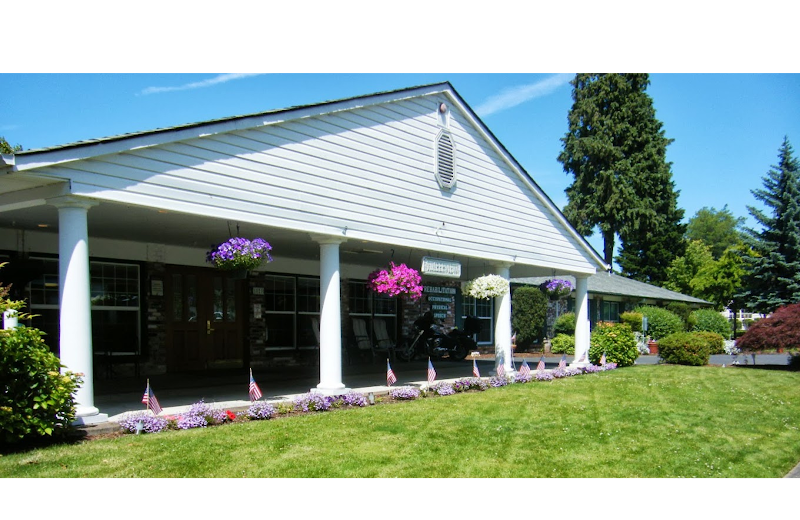
1023 6TH AVE SW, ALBANY, OR 97321 (541) 926-8664
For profit - Limited Liability company 67 Beds PACS GROUP Data: November 2025
Trust Grade
85/100
#29 of 127 in OR
Last Inspection: September 2024

Within standard 12-15 month inspection cycle. Federal law requires annual inspections.

Overview

Timberline Post Acute in Albany, Oregon, has a Trust Grade of B+, indicating it is above average and recommended for care. It ranks #29 out of 127 facilities in the state, placing it in the top half, and #1 out of 5 in Linn County, meaning it is the best local option. The facility is improving, having reduced its issues from 9 in 2023 to 5 in 2024. Staffing is solid, with a 4 out of 5 stars rating and a turnover rate of 46%, which is slightly better than the state average. However, there are concerns about RN coverage, as it is lower than 81% of Oregon facilities, which could affect patient care. Several recent incidents raised concerns, including a resident being given a second dose of medication without proper physician orders, and another resident using oxygen without any documented orders, potentially risking their health. Additionally, a recommendation from a pharmacist regarding medication administration was overlooked, which could lead to unnecessary complications. While there are strengths in the facility’s overall ratings and staffing stability, these specific issues highlight areas that need attention to ensure resident safety.

Trust Score
B+
85/100
In Oregon
#29/127
Top 22%
Safety Record
Low Risk
No red flags
Inspections
Getting Better
9 → 5 violations
Staff Stability
⚠ Watch
46% turnover. Above average. Higher turnover means staff may not know residents' routines.
Penalties
✓ Good
No fines on record. Clean compliance history, better than most Oregon facilities.
Skilled Nurses
⚠ Watch
Each resident gets only 25 minutes of Registered Nurse (RN) attention daily — below average for Oregon. Fewer RN minutes means fewer trained eyes watching for problems.
Violations
⚠ Watch
15 deficiencies on record. Higher than average. Multiple issues found across inspections.
★★★★★
5.0
Overall Rating
★★★★☆
4.0
Staff Levels
★★★★☆
4.0
Care Quality
★★★★★
5.0
Inspection Score
Stable
2023: 9 issues
2024: 5 issues

The Good

  • 4-Star Staffing Rating · Above-average nurse staffing levels
  • 4-Star Quality Measures · Strong clinical quality outcomes
  • Full Sprinkler Coverage · Fire safety systems throughout facility
  • No fines on record

Facility shows strength in staffing levels, quality measures, fire safety.

The Bad

Staff Turnover: 46%

Near Oregon avg (46%)

Higher turnover may affect care consistency

Chain: PACS GROUP

Part of a multi-facility chain

Ask about local staffing decisions and management

The Ugly 15 deficiencies on record

Sept 2024 5 deficiencies
CONCERN (D)

Potential for Harm - no one hurt, but risky conditions existed

Quality of Care (Tag F0684)

Could have caused harm · This affected 1 resident

Based on interview and record review it was determined the facility failed to follow physician orders for 1 of 5 residents (#1) reviewed for unnecessary medications. This placed residents at risk for ...

Read full inspector narrative →
Based on interview and record review it was determined the facility failed to follow physician orders for 1 of 5 residents (#1) reviewed for unnecessary medications. This placed residents at risk for adverse side effects of medications. Findings Include: Resident 1 was admitted to the facility in 8/2018 with diagnoses including diabetes. A review of Resident 1's Physician Orders revealed a 7/27/24 order for sumatriptan succinate (a medication used to treat migraines) 25 mg as needed for migraines daily, may repeat dose in two hours if the first dose was ineffective. A review of Resident 1's 9/1/24 through 9/25/24 MAR revealed on 9/20/24 Resident 1 was given sumatriptan succinate 25 mg at 2:46 PM with effective results and a second dose of sumatriptan succinate 25 mg was given on 9/20/24 at 11:04 PM with effective results. On 9/25/24 at 2:59 PM Staff 7 (RNCM) stated on 9/20/24 Resident 1 was given sumatriptan succinate 25 mg at 2:46 PM and 11:04 PM. Staff 7 stated the second dose of sumatriptan succinate 25 mg given at 11:04 PM was not given per Physician Orders, and Staff 7 stated the nurse should have called the provider for new orders prior to giving the sumatriptan succinate 25 mg at 11:04 PM.
CONCERN (D)

Potential for Harm - no one hurt, but risky conditions existed

Respiratory Care (Tag F0695)

Could have caused harm · This affected 1 resident

Based on observation, interview, and record review it was determined the facility failed to obtain oxygen orders for 1 of 2 sampled residents (#211) reviewed for respiratory care. This placed resident...

Read full inspector narrative →
Based on observation, interview, and record review it was determined the facility failed to obtain oxygen orders for 1 of 2 sampled residents (#211) reviewed for respiratory care. This placed residents at risk for adverse side effects of oxygen use without orders. Findings include: Resident 211 was admitted to the facility in 9/2024 with diagnoses including acute respiratory failure. On 9/23/24 at 12:06 PM Resident 211 was observed using oxygen via nasal cannula at two liters per minute. On 9/25/24 at 8:46 AM Resident 211 was observed using oxygen via nasal cannula at two liters per minute. A 9/26/24 review of Resident 211's Physician Orders revealed no evidence of oxygen orders. On 9/26/24 at 12:32 PM Staff 7 (RNCM) acknowledged Resident 211 was using oxygen but did not have orders for oxygen.
CONCERN (D)

Potential for Harm - no one hurt, but risky conditions existed

Drug Regimen Review (Tag F0756)

Could have caused harm · This affected 1 resident

Based on interview and record review it was determined the facility failed to ensure pharmacy recommendations were addressed by the physician for 1 of 5 sampled residents (#33) reviewed for unnecessar...

Read full inspector narrative →
Based on interview and record review it was determined the facility failed to ensure pharmacy recommendations were addressed by the physician for 1 of 5 sampled residents (#33) reviewed for unnecessary medications. This placed residents at risk for adverse side effects of medications. Findings include: Resident 33 was admitted to the facility in 1/2024 with diagnoses including chronic obstructive pulmonary disease and sleep apnea. The 8/2024 pharmacy recommendation indicated Resident 33 had an order for fluticasone (a nasal spray to treat allergies or asthma), to be sprayed in both nostrils two times daily for congestion. The recommendation suggested changing the fluticasone spray to once daily for congestion. The physician assistant agreed to the change and signed the recommendation on 8/15/24. A review of Resident 33's 8/2024 and 9/2024 MARs revealed Resident 33 was administered fluticasone two times daily for congestion. On 9/27/24 at 12:39 PM Staff 7 (RNCM) reviewed the current order and pharmacy review and confirmed the facility did not act upon the pharmacist's recommendation. Staff 7 acknowledged Resident 33 was being administered the fluticasone two times daily and stated the recommendation was overlooked.
CONCERN (D)

Potential for Harm - no one hurt, but risky conditions existed

Medical Records (Tag F0842)

Could have caused harm · This affected 1 resident

Based on observation, interview and record review it was determined the facility failed to protect resident identifiable information for 3 of 3 sampled residents (#s 17, 22 and 32) reviewed for record...

Read full inspector narrative →
Based on observation, interview and record review it was determined the facility failed to protect resident identifiable information for 3 of 3 sampled residents (#s 17, 22 and 32) reviewed for record management. This placed residents at risk for unauthorized use of their personal information. Findings include: 1. On 9/23/24 at 9:37 AM resident identifiable information including Resident 17 and 32's names and diet types was observed on a meal ticket inside a clear plastic garbage bag with no lid located on the side of a cart where dirty dishes were placed after a meal service. The cart was located next to the dining room. On 9/23/24 at 9:38 AM Staff 6 (CNA) was discarding food scraps into the clear plastic garbage bag where resident identifiable information was observed. Staff 6 confirmed Residents 17 and 32 were current residents at the facility. Staff 6 stated all resident meal tickets that included the resident's name were to be placed in the confidential shred bin. On 9/23/24 at 9:52 AM Staff 2 (DNS) confirmed Resident 17 and 32's meal tickets with resident identifiable information were in the garbage. She stated her expectation was for all resident identifiable information to be placed in the confidential shred bin. 2. On 9/23/24 at 1:00 PM resident identifiable information including Resident 22's name and diet type was observed on a meal ticket inside a clear plastic garbage bag with no lid located on the side of a cart where dirty dishes were placed after a meal service. The cart was located next to the dining room. On 9/23/24 at 1:03 PM Staff 5 (CNA) was discarding food scraps into the clear plastic garbage bag where resident identifiable information was observed. Staff 5 confirmed Resident 22 was a current resident at the facility. Staff 5 stated all resident meal tickets that included the resident's name were to be placed in the confidential shred bin. On 9/23/24 at 1:14 PM Staff 2 (DNS) confirmed Resident 22's meal ticket with resident identifiable information was in the garbage. She stated her expectation was for all resident identifiable information to be placed in the confidential shred bin.
CONCERN (D)

Potential for Harm - no one hurt, but risky conditions existed

Infection Control (Tag F0880)

Could have caused harm · This affected 1 resident

**NOTE- TERMS IN BRACKETS HAVE BEEN EDITED TO PROTECT CONFIDENTIALITY** 2. Resident 6 was admitted to the facility in 8/2024 with diagnoses including paraplegia (paralysis of the lower half of the bod...

Read full inspector narrative →
**NOTE- TERMS IN BRACKETS HAVE BEEN EDITED TO PROTECT CONFIDENTIALITY** 2. Resident 6 was admitted to the facility in 8/2024 with diagnoses including paraplegia (paralysis of the lower half of the body). On 9/25/24 at 9:53 AM Staff 9 (LPN) was observed changing the dressing around Resident 6's left nephrostomy (kidney) tube. Staff 9 performed hand hygiene and applied clean gloves. Staff 9 removed Resident 6's dirty dressing around her/his left nephrostomy tube, with the same gloves Staff 9 cleaned the site with normal saline and with the same gloves Staff 9 applied a clean dressing around Resident 6's left nephrostomy tube. Staff 9 removed the dirty gloves and performed hand hygiene. On 9/25/24 at 9:58 AM Staff 9 stated she normally performed hand hygiene before starting a dressing change and after she completed a dressing change. Staff 9 stated she normally does not perform hand hygiene during a dressing change. On 9/25/24 at 3:17 PM Staff 8 (RNCM) stated she expected staff to perform hand hygiene at the beginning of dressing changes, after taking off old, dirty dressings, after removing dirty gloves and after the dressing change. Staff 8 acknowledged Staff 9 did not follow appropriate infection control practices when changing Resident 6's dressing around her/his left nephrostomy tube. 3. On 9/23/24 at 12:19 PM Staff 11 (CNA) was observed to deliver a lunch tray to a resident in room [ROOM NUMBER], exited room [ROOM NUMBER], went to the tray cart and immediately delivered a lunch tray to a resident in room [ROOM NUMBER]. Staff 11 then exited room [ROOM NUMBER] and immediately went to the tray cart. Hand hygiene was not completed between each meal tray delivered. On 9/23/24 at 12:23 PM Staff 11 stated she completed hand hygiene when she remembered and did not complete hand hygiene between each tray delivered. On 9/24/23 at 1:50 PM Staff 2 (DNS) stated the staff were to complete hand hygiene between each tray delivered during meal pass. Based on observation, interview and record review, it was determined the facility failed to ensure resident equipment was kept sanitary and proper hand hygiene was completed during a dressing change for 2 of 2 sampled residents (#s 6 and 19) and, ensure proper hand hygiene was completed during meals for 1 of 3 halls reviewed for dining, pressure ulcers and tube feeding. This placed residents at risk for unsanitary equipment and cross contamination. Findings include: 1. Resident 19 was admitted to the facility in 7/2024 with diagnoses including muscular dystrophy and dysphagia (difficulty swallowing). On 9/23/24 at 12:23 PM and 9/25/24 at 2:48 PM, Resident 19 stated she/he received her/his nutrition via tube feed because of being unable to swallow or eat food. Resident 19 stated she/he utilized a suctioning device to remove saliva and phlegm due to her/his inability to swallow safely. Resident 19 stated staff did not empty her/his suctioning device consistently and was unsure who was responsible to empty and or clean the device, which was upsetting to her/him. A review of Resident 19's clinical record revealed no evidence of how often her/his suctioning device was cleaned or who was responsible for emptying the canister, which collected excessive saliva and phlegm. Random observations from 9/23/24 through 9/26/24 revealed Resident 19 received her/his nutritional intake via tube feeding and had a suctioning device on her/his bedside table to the right of the bed. The resident was able to suction excessive saliva or phlegm out of her/his own mouth. The suctioning device had saliva and secretions in the canister section, which held approximately 1000 milliliters. The canister was always over half way or three quarters full with saliva and phlegm. On 9/25/24 at 9:24 AM, Staff 21 (LPN) stated Resident 19 was able to use the suctioning device on her/his own, had a lot of secretions, and used the suctioning device continuously. Staff 21 stated the CNAs were responsible for emptying and cleaning the device. Staff 21 stated she expected CNAs to empty and clean it at least once daily. Staff 21 was unsure when the device or tubing was last changed. On 9/25/24 at 1:51 PM, Staff 18 (CNA) stated she could empty the canister if it was full but had never seen Resident 19's canister full of saliva. Staff 18 stated the nurses were responsible for cleaning the suctioning device and replacing the tubing. On 9/26/24 at 10:40 AM, Staff 17 (CNA) stated Resident 19 always had the suctioning device on her/his bedside table. Staff 17 stated he was trained to never clean or empty the device because nurses were responsible for emptying and cleaning the device. On 9/26/24 at 1:15 PM Staff 15 (LPN), Staff 16 (LPN) and Staff 14 (LPN) were observed in Resident 19's room. Staff 15 was hooking up Resident 19's TF (tube feeding). Staff 16 was on the right side of Resident 19's bed and moved the bedside table to the side so she could instruct and guide Staff 15 with hooking up the resident's TF. The suctioning device was on the bedside table that Staff 16 moved, and the canister was three quarters full with saliva. Staff 15, Staff 16 and Staff 14 exited the room once the resident's tube feeding was hooked up but did not empty the suctioning device. On 9/26/24 at 1:39 PM Staff 14 stated she thought since the the suctioning device was a medical device, the nurses should be cleaning it because the device would need to be taken apart. Staff 14 acknowledged Residents 19's canister was full when she was in the room with Staff 15 and Staff 16. Staff 14 stated at 4:23 PM, per CDC guidelines, there were no recommendations on how often to clean the device and indicated it was being cleaned regularly by a nurse. Staff 14 acknowledged there was no information in the clinical record regarding when the suctioning device was cleaned or how often it should be emptied. On 9/27/24 at 12:39 PM, Staff 7 (RNCM) stated she was informed of the concern regarding Resident 19's suctioning device and who was responsible for emptying the canister and when the device should be cleaned.
Jun 2023 9 deficiencies
CONCERN (D)

Potential for Harm - no one hurt, but risky conditions existed

Deficiency F0553 (Tag F0553)

Could have caused harm · This affected 1 resident

Based on interview and record review it was determined the facility failed to involve a resident in care planning for 1 of 4 sampled residents (#53) reviewed for discharge. This placed residents at ri...

Read full inspector narrative →
Based on interview and record review it was determined the facility failed to involve a resident in care planning for 1 of 4 sampled residents (#53) reviewed for discharge. This placed residents at risk for lack of unidentified care needs. Findings include: Resident 53 was admitted to the facility in 5/2023 with diagnoses including after care following surgery of the circulatory (heart and blood vessels) system and anxiety. A 5/17/23 care plan revealed Resident 53's desire was to return home and she/he was to verbalize an understanding of her/his discharge plans, be able to discuss concerns of impending discharge and establish a pre-discharge date . A 5/17/23 Initial Care Management Meeting revealed Resident 53 and Staff 24 (Social Services Coordinator) were present and Resident 53's goal was to work with therapy and return to prior level of function of being independent. No additional conversations with Resident 53 about her/his care were found in the clinical record. A 5/24/23 Social Service Assessment/History/Discharge Plan revealed Resident 53 applied for Medicaid (health insurance for low income). On 5/30/23 at 3:01 PM Resident 53 stated she/he told the facility she/he needed to discharge because of her/his inability to pay. Resident 53 indicated her/his home needed to be set-up for her/his return and there was a lack of communication from the facility on any progress. On 6/2/23 at 8:25 AM Staff 24 stated a referral to Medicaid was done when Resident 53 arrived but there was no meeting with her/him to discuss the process even though the facility was working on transportation to the bank for Resident 53. Staff 24 stated therapy had a conversation with Resident 53 about being discharged from therapy which may have confused Resident 53 about a pending discharge. Staff 24 stated she spoke with Resident 53 off and on, was not aware of Resident 53's concerns with discharge and communication meetings that were to be scheduled with Resident 53 were not done. On 6/2/23 at 10:21 AM Staff 2 (DNS) stated the care plan reviewed for Resident 53 was completed on 5/24/23 and Resident 53 should have been given the opportunity to discuss her/his concerns.
CONCERN (D) 📢 Someone Reported This

A family member, employee, or ombudsman was alarmed enough to file a formal complaint

Potential for Harm - no one hurt, but risky conditions existed

Notification of Changes (Tag F0580)

Could have caused harm · This affected 1 resident

Based on interview and record review it was determined the facility failed to ensure a physician was notified of a change in skin condition for 1 of 1 sampled resident (#62) reviewed for non-pressure ...

Read full inspector narrative →
Based on interview and record review it was determined the facility failed to ensure a physician was notified of a change in skin condition for 1 of 1 sampled resident (#62) reviewed for non-pressure skin. This placed residents at risk for delayed care. On 10/14/22 the Past Noncompliance was corrected when the facility completed a root cause analysis of the incident and determined there was a failure to notify a physician of a new skin issue, obtain orders and monitor the resident. The Plan of Correction included: 1. Skin sweep of all residents in the facility, 2. Education to all Licensed Staff on the Skin at Risk Policy and Provider Notification, and 3. Monthly Quality Assurance Program Improvement audits and reviews until the facility was in compliance. Findings include: Resident 62 was admitted to the facility in 2022 with diagnoses including a right arm fracture. A 7/11/22 orthopedic office note indicated the resident was seen for post-operative follow-up. The resident continued to have significant pain and wore a brace. The note indicated the resident was able to manage the brace. The resident's surgical incision was assessed to be tender with scabs but was healing well. The resident's skin was described as thin and delicate and the surgical hardware was palpable (felt). X-rays were obtained and the fracture line was observed to be healing. A 7/19/22 Skin-Wound assessment sheet revealed the the resident's incision to the right arm was healed. A 7/2022 TAR revealed the resident's weekly skin check performed on 7/20/22 did not find any skin issues. A 7/24/22 Progress Note by Staff 17 (LPN) indicated Resident 62's right elbow incision opened, for a total area of 6 cm by 2 cm. There was a 2 cm by 2 cm area of exposed hardware. The area surrounding the hardware had slough (yellow nonviable tissue) and the surrounding skin was red. There was a a heavy amount of straw colored drainage. The physician was notified and the resident was sent to the emergency room for evaluation and treatment. A 10/11/22 FRI and Investigation Summary indicated in 10/2022 the facility was made aware of a negative online review related to Resident 62's care. The investigative summary indicated on the evening of 7/23/22 Resident 62's family notified Staff 19 (LPN) there was drainage on the resident's right arm sling and pillow case. Staff 19 assessed the incision to have significant drainage. Staff 19 provided care but failed to notify the resident's physician. At the time of the investigation, Staff 19 recalled the open area, identified on 7/23/22, to be small. On 6/1/23 at 8:42 AM Staff 19 stated Resident 62 was independent with mobility, wore a right arm sling for comfort and was able to take the sling on and off. Staff 19 stated she worked on 7/23/22 and at approximately 8:00 PM she was notified by the resident's family of the drainage which was located on the resident's sling. Staff 19 stated there was about a 50 cent sized area of drainage observed on the sling. The sling was removed and the resident's skin appeared to have an abrasion or a rubbedarea near the elbow. Staff 19 could not recall the proximity of the abrasion to the incision. Staff 19 acknowledged she did not notify the physician of the new skin issue. Refer to F684
CONCERN (D) 📢 Someone Reported This

A family member, employee, or ombudsman was alarmed enough to file a formal complaint

Potential for Harm - no one hurt, but risky conditions existed

Free from Abuse/Neglect (Tag F0600)

Could have caused harm · This affected 1 resident

Based on interview and record review it was determined the facility failed to ensure residents were free from abuse for 2 of 8 sampled residents (#37 and 67) reviewed for abuse. This placed residents ...

Read full inspector narrative →
Based on interview and record review it was determined the facility failed to ensure residents were free from abuse for 2 of 8 sampled residents (#37 and 67) reviewed for abuse. This placed residents at risk for abuse. Findings include: 1. Resident 37 admitted to the facility in 2021 with diagnoses including heart failure. A 2/22/23 BIMS of 15 indicated Resident 37 had no cognitive impairment. Resident 59 admitted to the facility in 7/2022 with diagnoses including nontraumatic intracranial hemorrhage (bleeding of the brain with the absence of trauma). A 10/1/22 incident report revealed Resident 37 attempted to assist Resident 59 with locating a television channel when Resident 59 became frustrated and struck Resident 37 two times on the back. The facility incident report concluded both residents engaged in a physical altercation that led to Resident 59 hitting and making subsequent contact with Resident 37 on her/his back. On 5/31/23 at 11:05 AM Resident 37 indicated on 10/1/22 Resident 59 struck Resident 37 on the back two times. Resident 37 stated she/he felt frustrated and emotionally hurt by the incident as the intent was to assist Resident 59. On 5/31/23 at 12:58 PM Staff 19 (LPN) indicated she witnessed the encounter between both residents and confirmed Resident 59 was observed hitting Resident 37. Staff 19 stated she separated both residents and placed each of them on a one-on-one supervision plan to ensure the safety of Resident 37. On 5/31/23 at 1:19 PM Staff 7 (RNCM) confirmed the 10/1/22 incident and stated Resident 59 hit Resident 37 in the back. Staff 7 stated both residents were placed into private rooms to prevent further incidents. 2. Resident 67 was admitted to the facility in 2018 with diagnoses including Alzheimer's Disease. A 3/10/23 BIMS score of zero indicated Resident 67 had severe cognitive impairment. A 7/22/22 incident report revealed Staff 21 (RN) was reported to slap and flick the hand of Resident 67 during routine care. 7/22/22 interviews revealed: -Staff 22 (Former Social Services Director) witnessed the event. Staff 22 reported she witnessed Staff 21 slap the hand of Resident 67 when she/he attempted to pick at a neck bandage. Staff 22 stated she intervened during the situation and removed Staff 21 from the room before reporting the incident to the Administrator. Staff 22 confirmed Staff 21 stated he attempted to prevent Resident 67 from picking at her/his bandage by moving her/his hand out of the way but denied flicking the resident. -Resident 67's former roommate witnessed the event. Resident's roommate reported Staff 21 slapped and flicked the hand of Resident 67 when she/he attempted to pick at a neck bandage. On 5/30/23 at 12:01 PM Staff 22 recalled the event and reported Resident 67 had a history of picking at her/his neck bandage due to irritation. Staff 22 reported Staff 21 became irritated when Resident 67 caused her/his neck to bleed after picking at it and proceeded to slap Resident 67's hand. Staff 22 confirmed she intervened during the event and removed Staff 21. On 5/31/23 at 12:35 PM Staff 1 (Administrator) confirmed the event and upon completion of the investigation, the facility placed Staff 21 on administrative leave on 7/22/22.
CONCERN (D)

Potential for Harm - no one hurt, but risky conditions existed

Deficiency F0637 (Tag F0637)

Could have caused harm · This affected 1 resident

**NOTE- TERMS IN BRACKETS HAVE BEEN EDITED TO PROTECT CONFIDENTIALITY** 2. Resident 51 was admitted to the facility in 5/2023 with diagnoses including stroke. A 5/8/23 admission MDS was completed on 5...

Read full inspector narrative →
**NOTE- TERMS IN BRACKETS HAVE BEEN EDITED TO PROTECT CONFIDENTIALITY** 2. Resident 51 was admitted to the facility in 5/2023 with diagnoses including stroke. A 5/8/23 admission MDS was completed on 5/11/23. Resident 5 readmitted to the facility on [DATE] with hospice services. A review of Resident 51's MDS records revealed a 5/31/23 Significant Change MDS was open and in progress but was not completed within 14 days of the start of hospice services. On 6/2/23 at 10:08 AM Staff 1 (Administrator) confirmed a Significant Change assessment should have been completed within 14 days of Resident 51's admission to hospice. Based on interview and record review it was determined the facility failed to complete a Significant Change MDS within the required timeframe for 2 of 5 sampled residents (#s 32 and 51) reviewed for hospice and ADLs. This placed residents at risk for unassessed needs. Findings include: 1. Resident 32 was admitted to the facility in 2022 with dementia and kidney disease. A 1/20/22 care plan indicated Resident 32 required one-person limited assistance with bed mobility, personal hygiene, toileting and transfer. Resident 32 was continent of bowel. A 7/29/22 Quarterly MDS indicated Resident 32 was assessed as being independent with locomotion off the unit. Resident 32 required supervision with locomotion on the unit, toilet use and bed mobility. Resident 32 was occasionally incontinent of bladder and was always continent of bowel. An 10/29/22 Quarterly MDS indicated Resident 32 was assessed as being independent with walking in the corridor. Resident 32 required supervision with locomotion on and off the unit, toilet use, bed mobility and personal hygiene. Resident 32 was occasionally incontinent of bowel and bladder. A 1/27/23 Annual MDS indicated Resident 32 was assessed as being independent with walking in corridor, and on and off the unit. The assessment revealed the resident needed supervision with bed mobility and walking in room. Resident 32 required limited assistance with dressing, toilet use and personal hygiene. Resident 32 was assessed as always continent of bowel. An 4/29/23 Quarterly MDS indicated Resident 32 required supervision with locomotion on and off unit. Resident 32 required limited assistance with walking in her/his room and corridor. The resident required extensive assistance with bed mobility, dressing, toilet use and personal hygiene. Resident 32 was assessed as being frequently incontinent of bowel. On 5/31/23 at 1:01 PM Staff 13 (CNA) stated Resident 32 had a decline in her/his ADLs and showed signs of depression. On 6/1/23 Resident 32 indicated she/he did not like getting up and walking as it made her/his back hurt. On 6/2/23 at 10:28 AM Staff 12 (RNCM/Infection Preventionist) stated Resident 32 goes up and down on her/his ablities of ADLs, BIMS score and incontinence and confirmed a significant change in condition MDS was not completed.
CONCERN (D) 📢 Someone Reported This

A family member, employee, or ombudsman was alarmed enough to file a formal complaint

Potential for Harm - no one hurt, but risky conditions existed

Quality of Care (Tag F0684)

Could have caused harm · This affected 1 resident

Based on interview and record review it was determined the facility failed to ensure a resident's newly identified skin issue was treated and monitored for 1 of 1 sampled resident (#62) reviewed for n...

Read full inspector narrative →
Based on interview and record review it was determined the facility failed to ensure a resident's newly identified skin issue was treated and monitored for 1 of 1 sampled resident (#62) reviewed for non-pressure skin conditions. This placed residents at risk for worsening skin issues. On 10/14/22 the Past Noncompliance was corrected when the facility completed a root cause analysis of the incident and determined there was a failure to notify a physician of a new skin issue, obtain orders and monitor the resident. The Plan of Correction included: 1. Skin sweep of all residents in the facility, 2. Education to all Licensed Staff on Skin at Risk Policy (including monitoring) and Provider Notification and 3. Monthly Quality Assurance Program Improvement audits and reviews until the facility was in compliance. Findings include: Resident 62 was admitted to the facility in 2022 with diagnoses including a right arm fracture. A 7/11/22 orthopedic office note indicated the resident was seen for post-operative follow-up. The resident continued to have significant pain and wore a brace. The resident was able to manage the brace. The resident's surgical incision was assessed to be tender with scabs but was healing well. The resident's skin was described as thin and delicate and the surgical hardware was palpable (felt). X-rays were obtained and the fracture line was observed to be healing. An 10/11/22 FRI and Investigation Summary indicated in 10/2022 the facility was made aware of a negative online review related to Resident 62's care. On the evening of 7/23/22 Resident 62's family notified Staff 19 (LPN) there was drainage on the resident's right arm sling and pillow case. Staff 19 assessed the incision to have significant drainage. Staff 19 provided care but failed to notify the resident's physician. At the time of the investigation Staff 19 recalled the open area to be small. There was no documentation in the resident's clinical record related to the resident's 7/23/22 identified skin issue until 7/24/22. A 7/24/22 Progress Note by Staff 17 (LPN) indicated Resident 62's right elbow incision opened, for a total area of 6 cm by 2 cm. There was a 2 cm by 2 cm area of exposed hardware. The area surrounding the hardware had slough (yellow nonviable tissue) and the surrounding skin was red. There was a heavy amount of straw colored drainage. The physician was notified and the resident was sent to the emergency room for evaluation and treatment. On 6/1/23 at 8:42 AM Staff 19 stated Resident 62 was independent with mobility, wore a right arm sling for comfort and was able to take the sling on and off. Staff 19 stated she worked on 7/23/22 and at approximately 8:00 PM she was notified by the resident's family of the drainage which was on the resident's sling. Staff 19 stated there was about a 50 cent sized area of drainage. The sling was removed and the resident's skin appeared to have an abrasion or a rubbedarea near the elbow. Staff 19 could not recall the proximity of the abrasion to the incision. Staff 19 stated she cleaned the area and placed a dressing on the area. She did not request treatment from the resident's physician and did not place the resident on alert to ensure each shift monitored the site. On 6/2/23 at 5:42 AM Staff 18 (LPN) stated he did not recall Resident 62. Staff 18 indicated he worked the night shift which started at 10:00 PM on 7/23/22. If a resident had a new skin issue the resident was placed on alert and each shift assessed the skin and monitored it for improvement and/or worsening. Staff 18 indicated if Resident 62 was on alert charting he would have looked at her/his skin and documented in the resident's record. On 5/31/23 at 12:43 PM Staff 2 (DNS) indicated new issues were to be monitored at least every shift until resolved.
CONCERN (D) 📢 Someone Reported This

A family member, employee, or ombudsman was alarmed enough to file a formal complaint

Potential for Harm - no one hurt, but risky conditions existed

Deficiency F0687 (Tag F0687)

Could have caused harm · This affected 1 resident

Based on observation, interview and record review it was determined the facility failed to ensure residents were provided podiatry care and/or referrals for podiatry for 1 of 4 sampled residents (# 10...

Read full inspector narrative →
Based on observation, interview and record review it was determined the facility failed to ensure residents were provided podiatry care and/or referrals for podiatry for 1 of 4 sampled residents (# 10) reviewed for ADLs. This placed residents at risk for lack of foot care. Findings include: Resident 10 was admitted to the facility in 2017 with diagnoses including dementia and heart failure. An 10/11/22 podiatry note indicated the resident was seen for nail care. The resident had thick brittle nails from fungus. There were no additional podiatry notes after 10/11/22 in the resident's record. On 5/30/23 at 2:03 PM Witness 2 (Family Member) stated Resident 10 had long toe nails. Witness 2 indicated it was a long time since the resident went to the podiatrist. On 6/1/23 at 11:37 AM with Staff 2 (DNS) present, Resident 10's right toe nails were observed to be thick and the right fourth toe nail was long. The left toe nails were all noted to be long. Staff 2 stated it was difficult for staff to cut the resident's nails due to the thickness and it was best for the resident to be seen by the podiatrist. On 6/1/23 at 11:41 AM Staff 7 (RNCM) stated the podiatrist came to the facility at least quarterly and acknowledged Resident 10 was not seen by podiatry for over seven months.
CONCERN (D)

Potential for Harm - no one hurt, but risky conditions existed

Accident Prevention (Tag F0689)

Could have caused harm · This affected 1 resident

Based on interview and record review it was determined the facility failed to ensure a resident was supervised to prevent falls for 1 of 6 sampled residents (#22) reviewed for accidents. This placed r...

Read full inspector narrative →
Based on interview and record review it was determined the facility failed to ensure a resident was supervised to prevent falls for 1 of 6 sampled residents (#22) reviewed for accidents. This placed residents at risk for injury. Findings include: Resident 22 was admitted to the facility in 2021 with diagnoses including dementia. A 4/2022 Annual MDS and CAAs indicated Resident 22 had dementia and required supervision for ADLs. The resident was assessed to be at risk for falls, was able to transfer and walked with minimal supervision. Staff were to provide frequent visual checks. A 5/20/23 Progress Note indicated the housekeeping staff notified nursing the resident was found in the shower room sitting on a wet floor. The resident was assessed to have a bruise to the left buttock but denied pain. A Fall investigation dated 5/20/23 indicated on 5/20/23 at 12:39 PM Resident 22 stood after a shower to get dressed and fell. Staff were not with the resident at the time of the fall. On 5/31/23 at 2:18 PM Staff 8 (CNA) stated on 5/20/23 she assisted Resident 22 to the shower. She set the resident up and then left the resident alone in the shower to assist another resident. Staff 8 stated at the time she thought it was okay to leave Resident 22 in the shower without supervision. On 5/31/23 at 2:30 PM with Staff 7 (RNCM) and Staff 2 (DNS), Staff 7 stated Resident 22 was assessed to require limited assistance with showers which meant staff needed to be available to help as needed. Staff 2 stated residents were never to be left in the shower alone.
CONCERN (D)

Potential for Harm - no one hurt, but risky conditions existed

Dental Services (Tag F0791)

Could have caused harm · This affected 1 resident

Based on interview and record review it was determined the facility failed to make an appointment for denture refitting for 1 of 1 sampled resident (#10) reviewed for dental. This placed residents at ...

Read full inspector narrative →
Based on interview and record review it was determined the facility failed to make an appointment for denture refitting for 1 of 1 sampled resident (#10) reviewed for dental. This placed residents at risk for decreased food intake. Findings include: Resident 10 was admitted to the facility in 2017 with diagnoses including heart disease. A 3/8/23 Annual MDS and CAAs indicated Resident 10 was cognitively impaired, had full dentures but did not wear them. A 1/2023 Care Conference form indicated the resident was set up for a denture refitting appointment in 2/2023. On 5/30/23 at 1:59 PM Witness 2 (Family Member) stated the resident had dentures but the dentures were loose and did not fit. The resident had an appointment in 2/2023 but the denturist was not able to see the resident and there were no additional appointments made for Resident 10. On 6/1/23 at 11:46 AM Staff 7 (RNCM) stated Resident 10 had a dental appointment in 2/2023, there was no note in the resident's record and she did not know if the resident saw the denturist or not. Staff 7 also stated there was no future scheduled denture appointment on the calendar to address the resident's loose dentures.
CONCERN (D)

Potential for Harm - no one hurt, but risky conditions existed

Deficiency F0806 (Tag F0806)

Could have caused harm · This affected 1 resident

Based on interview and record review it was determined the facility failed to ensure the resident received food as ordered for 1 of 5 sampled residents (#6) reviewed for food. This placed residents at...

Read full inspector narrative →
Based on interview and record review it was determined the facility failed to ensure the resident received food as ordered for 1 of 5 sampled residents (#6) reviewed for food. This placed residents at risk for lack of dining enjoyment. Findings include: Resident 6 was admitted to the facility in 2022 with adult failure to thrive. A 3/2023 Quarterly MDS indicated the resident had some memory issues. On 5/30/23 at 10:20 AM Resident 6 stated she/he often was not provided the food she/he ordered. On 5/31/23 at 12:47 PM Resident 6 stated she/he did not initially get the egg salad which she/he ordered. Resident 6 stated the food was placed on another resident's tray. Resident 6 indicated Staff 8 (CNA) assisted her/him with obtaining the egg salad. On 5/31/23 at 12:50 PM Staff 8 stated Resident 6 ordered egg salad without bread and did not receive it. Staff 8 stated the egg salad was on the resident's lunch ticket but it was sent to another resident. On 5/31/23 at 12:53 PM Staff 4 (Dietary Manager) stated residents filled out the menus for the next day's meals. Staff 4 stated Resident 6 wanted egg salad without bread, she was not sure what happened, but the resident's egg salad was placed on another resident's tray.
May 2019 1 deficiency
CONCERN (D)

Potential for Harm - no one hurt, but risky conditions existed

Comprehensive Care Plan (Tag F0656)

Could have caused harm · This affected 1 resident

Based on interview and record review it was determined the facility failed to develop a comprehensive care plan for 1 of 5 sampled residents (#34) reviewed for medications. This place residents at ris...

Read full inspector narrative →
Based on interview and record review it was determined the facility failed to develop a comprehensive care plan for 1 of 5 sampled residents (#34) reviewed for medications. This place residents at risk for unmet care needs. Findings include: Resident 34 was admitted in 2019 with diagnoses including low potassium levels and chronic pain. A hospital history and physical dated 1/23/19 indicated Resident 34 had current active diagnoses of atrial fibrillation requiring a blood thinner, history of blood clots in legs and lungs, gastric bypass surgery with chronic diarrhea and low potassium levels, history of bowel obstruction and recent small bowel obstruction, chronic pain related to arthritis and nerve damage, bilateral venous stasis (slow blood flow leading to swelling of legs) with ulcerations and skin infection and recurrent urinary tract infections. A new diagnosis was added related to septic (inflammation caused by infection) arthritis requiring intravenous antibiotics. A baseline care plan dated 1/22/19 included interventions related to use of blood thinner, pain, behaviors, fall risk, actual skin yeast, active infection, potential for weight loss and ADL care requirements. The current comprehensive care plan did not address issues related to weight loss surgery with chronic diarrhea and low potassium levels, lactose intolerance leading to bloating, abdominal pain and diarrhea, chronic leg edema with skin changes and ulcerations, potential for skin breakdown related to immobility and diarrhea, nerve pain and pain management by pain clinic, recurrent urinary tract infections, history of bowel obstructions, history of blood clots in legs and lungs, potential for dehydration related to the use of two diuretics and chronic loose stools and restless leg syndrome. On 5/31/19 at 2:41 PM Staff 2 (DNS) acknowledged the comprehensive care plan did not include all care needs for Resident 34.
Understanding Severity Codes (click to expand)
Life-Threatening (Immediate Jeopardy)
J - Isolated K - Pattern L - Widespread
Actual Harm
G - Isolated H - Pattern I - Widespread
Potential for Harm
D - Isolated E - Pattern F - Widespread
No Harm (Minor)
A - Isolated B - Pattern C - Widespread

Questions to Ask on Your Visit

  • "Can I speak with families of current residents?"
  • "What's your RN coverage like on weekends and overnight?"

Our Honest Assessment

Strengths
  • • Grade B+ (85/100). Above average facility, better than most options in Oregon.
  • • No major safety red flags. No abuse findings, life-threatening violations, or SFF status.
  • • No fines on record. Clean compliance history, better than most Oregon facilities.
Concerns
  • • 15 deficiencies on record. Higher than average. Multiple issues found across inspections.
Bottom line: Generally positive indicators. Standard due diligence and a personal visit recommended.

About This Facility

What is Timberline Post Acute's CMS Rating?

CMS assigns TIMBERLINE POST ACUTE an overall rating of 5 out of 5 stars, which is considered much above average nationally. Within Oregon, this rating places the facility higher than 99% of the state's 100 nursing homes. This rating reflects solid performance across the metrics CMS uses to evaluate nursing home quality.
How is Timberline Post Acute Staffed?

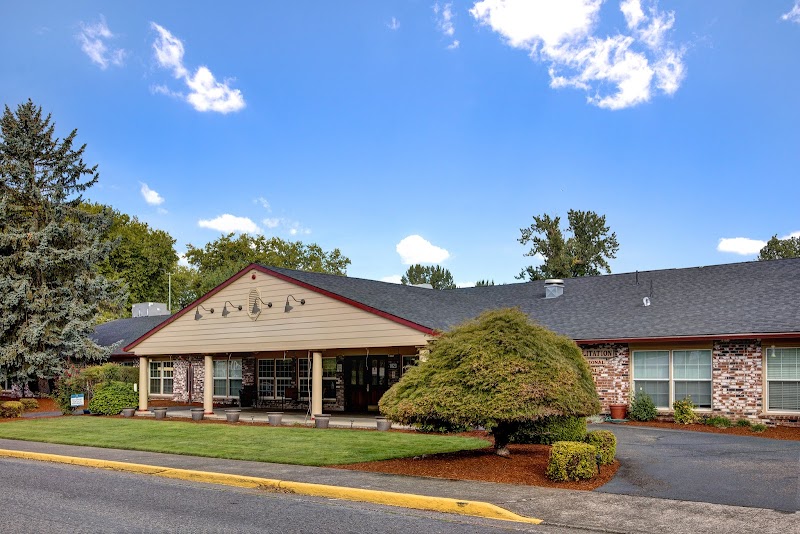
CMS rates TIMBERLINE POST ACUTE's staffing level at 4 out of 5 stars, which is above average compared to other nursing homes. Staff turnover is 46%, compared to the Oregon average of 46%.

What Have Inspectors Found at Timberline Post Acute?

State health inspectors documented 15 deficiencies at TIMBERLINE POST ACUTE during 2019 to 2024. These included: 15 with potential for harm.
Who Owns and Operates Timberline Post Acute?

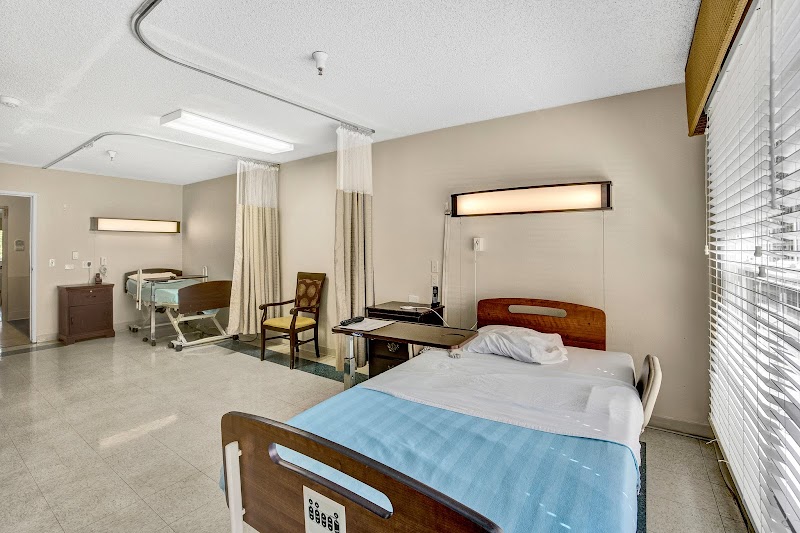
TIMBERLINE POST ACUTE is owned by a for-profit company. For-profit facilities operate as businesses with obligations to shareholders or private owners. The facility is operated by PACS GROUP, a chain that manages multiple nursing homes. With 67 certified beds and approximately 60 residents (about 90% occupancy), it is a smaller facility located in ALBANY, Oregon.
How Does Timberline Post Acute Compare to Other Oregon Nursing Homes?

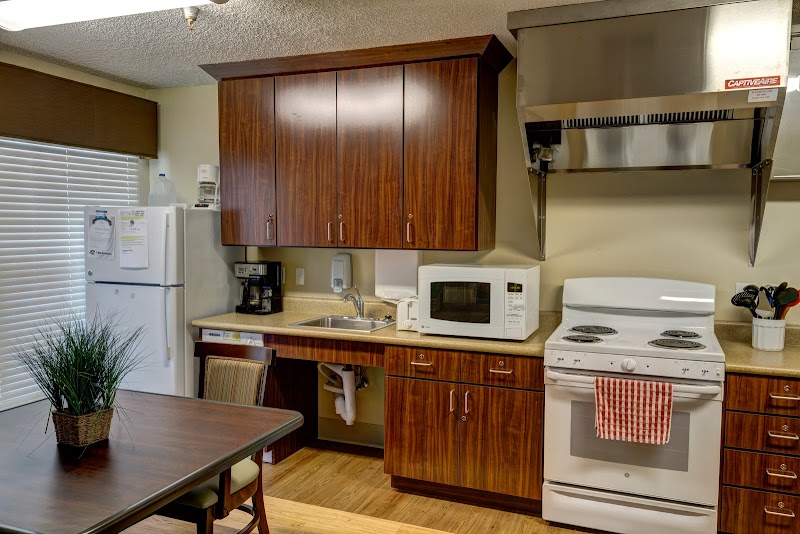
Compared to the 100 nursing homes in Oregon, TIMBERLINE POST ACUTE's overall rating (5 stars) is above the state average of 3.0, staff turnover (46%) is near the state average of 46%, and health inspection rating (5 stars) is much above the national benchmark.

What Should Families Ask When Visiting Timberline Post Acute?

Based on this facility's data, families visiting should ask: "Can I visit during a mealtime to observe dining assistance and food quality?" "How do you handle medical emergencies, and what is your hospital transfer rate?" "Can I speak with family members of current residents about their experience?"

Is Timberline Post Acute Safe?

Based on CMS inspection data, TIMBERLINE POST ACUTE has a clean safety record: no substantiated abuse findings (meaning no confirmed cases of resident harm), no Immediate Jeopardy citations (the most serious violation level indicating risk of serious injury or death), and is not on the Special Focus Facility watch list (a federal program monitoring the lowest-performing 1% of nursing homes). The facility has a 5-star overall rating and ranks #1 of 100 nursing homes in Oregon. While no facility is perfect, families should still ask about staff-to-resident ratios and recent inspection results during their visit.

Do Nurses at Timberline Post Acute Stick Around?

TIMBERLINE POST ACUTE has a staff turnover rate of 46%, which is about average for Oregon nursing homes (state average: 46%). Moderate turnover is common in nursing homes, but families should still ask about staff tenure and how the facility maintains care continuity when employees leave.

Was Timberline Post Acute Ever Fined?

TIMBERLINE POST ACUTE has no federal fines on record. CMS issues fines when nursing homes fail to meet care standards or don't correct problems found during inspections. The absence of fines suggests the facility has either maintained compliance or corrected any issues before penalties were assessed. This is a positive indicator, though families should still review recent inspection reports for the full picture.

Is Timberline Post Acute on Any Federal Watch List?

TIMBERLINE POST ACUTE is not on any federal watch list. The most significant is the Special Focus Facility (SFF) program, which identifies the bottom 1% of nursing homes nationally based on persistent, serious quality problems. Not being on this list means the facility has avoided the pattern of deficiencies that triggers enhanced federal oversight. This is a positive indicator, though families should still review the facility's inspection history directly.