Avamere Rehabilitation Of Beaverton
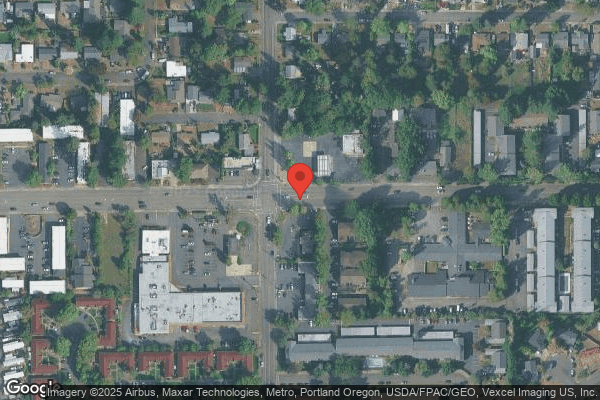
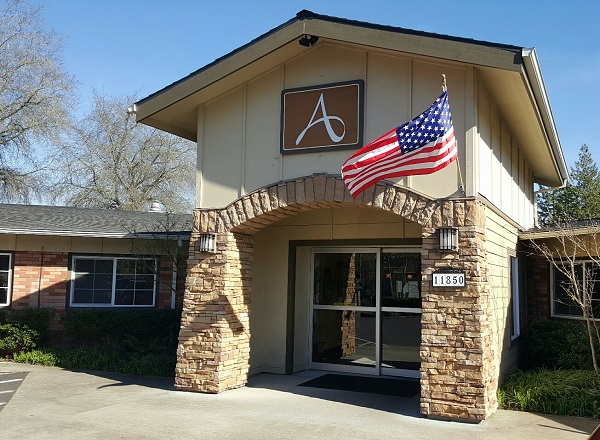
11850 SW ALLEN BLVD., BEAVERTON, OR 97008 (503) 646-7164
For profit - Limited Liability company 104 Beds AVAMERE Data: November 2025 1 Immediate Jeopardy citation
Trust Grade
66/100
#4 of 127 in OR
Last Inspection: August 2025

Inspected within the last 6 months. Data reflects current conditions.

Overview

Avamere Rehabilitation of Beaverton has a Trust Grade of C+, indicating it is slightly above average but not exceptional. Ranking #4 out of 127 facilities in Oregon means it is in the top half of options available in the state, and it ranks #1 of 9 in Washington County, showing it is the best local choice. The facility is improving, as the number of issues has decreased from 9 in 2024 to 4 in 2025. Staffing is a strong point, with a 5/5 star rating and a turnover rate of 29%, which is significantly below the state average, suggesting that staff are experienced and familiar with the residents. However, the facility has concerning fines totaling $55,575, which is higher than 78% of facilities in Oregon, indicating potential compliance issues. While there are strengths, such as more RN coverage than average and excellent staffing ratings, there are weaknesses as well. Recent inspections revealed critical incidents, including a failure to initiate CPR for a resident who needed it and issues with expired medications and unlabeled food in resident refrigerators, which could pose health risks. These findings highlight the need for improvements in care processes and safety protocols.

Trust Score
C+
66/100
In Oregon
#4/127
Top 3%
Safety Record
High Risk
Review needed
Inspections
Getting Better
9 → 4 violations
Staff Stability
✓ Good
29% annual turnover. Excellent stability, 19 points below Oregon's 48% average. Staff who stay learn residents' needs.
Penalties
✓ Good
$55,575 in fines. Lower than most Oregon facilities. Relatively clean record.
Skilled Nurses
✓ Good
Each resident gets 44 minutes of Registered Nurse (RN) attention daily — more than average for Oregon. RNs are trained to catch health problems early.
Violations
⚠ Watch
18 deficiencies on record. Higher than average. Multiple issues found across inspections.
★★★★★
5.0
Overall Rating
★★★★★
5.0
Staff Levels
★★★☆☆
3.0
Care Quality
★★★★☆
4.0
Inspection Score
Stable
2024: 9 issues
2025: 4 issues

The Good

  • 5-Star Staffing Rating · Excellent nurse staffing levels
  • Low Staff Turnover (29%) · Staff stability means consistent care
  • Full Sprinkler Coverage · Fire safety systems throughout facility
  • No fines on record
  • Staff turnover is low (29%)

    19 points below Oregon average of 48%

Facility shows strength in staffing levels, staff retention, fire safety.

The Bad

Federal Fines: $55,575

Above median ($33,413)

Moderate penalties - review what triggered them

Chain: AVAMERE

Part of a multi-facility chain

Ask about local staffing decisions and management

The Ugly 18 deficiencies on record

1 life-threatening
Aug 2025 4 deficiencies
CONCERN (D)

Potential for Harm - no one hurt, but risky conditions existed

Deficiency F0688 (Tag F0688)

Could have caused harm · This affected 1 resident

Based on observation, interview and record review it was determined the facility failed to provide equipment to maintain ROM to a resident with limited mobility for 1 of 3 sampled residents (#63) revi...

Read full inspector narrative →
Based on observation, interview and record review it was determined the facility failed to provide equipment to maintain ROM to a resident with limited mobility for 1 of 3 sampled residents (#63) reviewed for mobility. This placed residents at risk for decrease in ROM. Findings include:Resident 63 was admitted to the facility in 2024 with diagnoses including cerebral infarction (disrupted blood flow to the brain)The 6/2/25 Quarterly MDS indicated Resident 63 was cognitively intact, utilized a wheelchair and walker, and was impaired on side.The 6/6/25 Care Plan indicated Resident 63 was non-ambulatory and was wheelchair bound.A 2/18/25 progress note indicated an AFO (Ankle Foot Orthesis) was ordered for Resident 63 in January. The note indicated staff reached out to orthotics and prosthetics and the referral did not include a provider signature and chart notes to support necessity of the AFO.A 3/5/25 Progress Note indicated Resident 63 was still waiting for the AFO to be delivered to start an ambulation restorative program. Resident 63 attended group therapy with the wheelchair.A 4/7/25 physician note clarified Resident 63 required a custom AFO permanently.On 8/4/25 at 2:55 PM, Resident 63 was observed without an AFO. The resident stated she/he participated with the physical therapist individually and was able to walk with assistance. Resident 63 stated she/he stopped walking, and used the wheelchair to participate in group therapy. Resident 63 stated her/his right leg was weaker and ROM decreased when physical therapy services ended.On 8/7/25 at 9:50AM, Staff 13 (CNA) stated staff did not ambulate Resident 63. Staff 13 stated Resident 63 had a stroke and was unable to ambulate due to right sided weakness. Staff 13 stated Resident 63 worked with PT and used a walker to ambulate. On 8/7/25 at 9:25 AM, Staff 14 (Restorative Aide) stated Resident 63 ambulated with PT. She stated restorative orders indicated Resident 63 participated in group therapy until the AFO arrived. Resident 63 was waiting for the AFO to be delivered to start an ambulating restorative program. On 8/7/25 at 12:23PM, Staff 15 (Physical Therapist) stated Resident 63 received physical therapy from 12/18/24 to 12/24/24. Staff 15 stated Resident 63 was required to use an AFO to ambulate. A referral was sent to prosthetics and orthotics. Resident 63 was measured and was waiting for the AFO to be delivered. Staff 15 stated he thought insurance approval was delayed. Staff 15 stated Resident 63's gait was unsafe, and she/he was waiting for the AFO to be delivered to start an ambulating restorative program. Staff 15 stated Resident 63 did participate in group therapy. Staff 15 stated staff agreed to notify the therapy team when the AFO arrived.On 8/7/25 at 2:13PM, Staff 16 (LPN- Resident Care Coordinator) stated restorative orders indicated Resident 63 participated in group therapy. Staff 16 stated Resident 63 used a wheelchair and walker at baseline. Staff 16 stated the prosthetics and orthotics clinic denied the referral and requested additional documentation. Staff 16 stated additional documentation was sent and she was waiting for the AFO to be delivered. Staff 16 stated she reached out to prosthetics and orthotics clinic on 7/22/25.On 8/8/25 at 9:47 AM, Staff 2 (Director of Nursing Services) acknowledged the arrival of the AFO was not timely. She stated referral requests were not processed in a timely manner. Staff 2 stated she expected staff to follow up with outpatient providers in a timely manner.
CONCERN (D) 📢 Someone Reported This

A family member, employee, or ombudsman was alarmed enough to file a formal complaint

Potential for Harm - no one hurt, but risky conditions existed

Deficiency F0699 (Tag F0699)

Could have caused harm · This affected 1 resident

Based on interview and record review it was determined the facility failed to ensure residents received trauma informed care for 1 of 3 sampled residents (#8) reviewed for dignity. This placed residen...

Read full inspector narrative →
Based on interview and record review it was determined the facility failed to ensure residents received trauma informed care for 1 of 3 sampled residents (#8) reviewed for dignity. This placed residents at risk for re-traumatization. Findings include: The facility's 8/2022 Trauma Informed Care and Culturally Competent Care Policy indicated to provide trauma-informed care in accordance with professional standards of practice and to address the needs of trauma survivors by minimizing triggers and/or re-traumatization. It directed staff to identify and decrease exposure to triggers that may retraumatize the resident.Resident 8 was admitted to the facility in 6/2025 with diagnoses including PTSD (Post-Traumatic Stress Disorder, mental condition with intense emotional and/or physical reaction after a traumatic event or experience).Resident 8's 6/19/25 admission MDS revealed the resident was cognitively intact, able to make herself/himself understood and understood others without difficulty, and had a PTSD diagnosis.Resident 8's 6/16/25 Trauma Informed Care Evaluation was marked as The resident does not want to complete this assessment and/or states they have not experienced trauma (end assessment here). No evidence was found in Resident 8's 6/16/25 to indicate a care plan was developed to address the resident's trauma history or involved family members were interviewed to provide information about the resident's trauma history and potential triggers.A 7/1/25 FRI Resident 8 reported Staff 9 (LPN) while alone in the hallway, Staff 9 smelled her/his hair, then pushed her/his wheelchair into their room and smelled her/his hair again. While in the room, Staff 9 hugged Resident 8 from behind seated in the wheelchair and rubbed the resident's arms several times. Resident 8 stated these actions triggered her/his PTSD.On 8/5/25 at 4:38 PM Resident 8 stated the facility should have been aware of her/his PTSD from the hospital notes. Resident 8 stated she/he spoke to several staff of her/his experience with PTSD and triggers and the staff should have been aware.On 8/7/25 at 9:27 AM Staff 9 confirmed he smelled Resident 8's hair and rubbed her/his arms in the hallway and in the room. Staff 9 stated he was aware of Resident 8's PTSD diagnoses from her/his medical history and conversations with the resident.On 8/7/25 at 2:41 PM Staff 2 (DNS) stated all residents with PTSD diagnoses had an initial care plan developed by the admission nurse at the time of admission. She expected Social Services to develop a resident-centered care plan within 72-hours from admission.On 8/8/25 at 9:16 AM Staff 1 (Administrator) acknowledged Resident 8's a history of trauma and nothing was implemented related to her/his trauma triggers.
CONCERN (D)

Potential for Harm - no one hurt, but risky conditions existed

Deficiency F0825 (Tag F0825)

Could have caused harm · This affected 1 resident

Based on observation, interview and record review it was determined the facility failed to provide speech therapy services in a timely manner for 1 of 3 sampled residents (#63) reviewed for mobility. ...

Read full inspector narrative →
Based on observation, interview and record review it was determined the facility failed to provide speech therapy services in a timely manner for 1 of 3 sampled residents (#63) reviewed for mobility. This placed resident at risk for communication barriers. Findings include:Resident 63 admitted to the facility in 2024 with diagnoses including hearing loss.The 4/14/25 Audiologic report AVS (after visit summary) indicated Resident 63 was to start an aural rehabilitation program and to obtain a referral to speech pathology.The 6/24/25 Care Conference indicated Resident 63 did not hear with her/his hearing aids and requested staff to communicate in written form.A review of Resident 63's orders indicated a speech evaluation and treatment orders was entered on 8/7/25. No evidence was found in the resident's medical record to indicate she/he saw a speech pathologist. On 8/4/25 at 2:55 PM, Resident 63 stated she/he preferred to communicate via written form. Resident 63 proceeded to point at her/his ears and said she/he was not able to hear.On 8/8/25 at 9:07 AM, Staff 5 (Director of Rehab) stated Staff 16 (LPN-Resident Care Coordinator) discussed aural rehabilitation services for Resident 63 early in the week. Staff 5 stated Resident 63 was referred to speech therapy a couple days ago. Staff 5 was unaware Resident 63 was seen at the ear clinic in April 2025. Staff 5 expected a referral to speech therapy to be entered the following day after Resident 63's ear clinic appointment.On 8/8/25 at 9:47 AM, Staff 2 stated it was expected for staff to request an AVS after each visit to outpatient appointments. Staff acknowledged the referral to speech therapy was not entered within a timely manner.
CONCERN (E)

Potential for Harm - no one hurt, but risky conditions existed

Deficiency F0761 (Tag F0761)

Could have caused harm · This affected multiple residents

**NOTE- TERMS IN BRACKETS HAVE BEEN EDITED TO PROTECT CONFIDENTIALITY** Based on observation, interview and record review it was determined the facility failed to ensure medication storage was free of...

Read full inspector narrative →
**NOTE- TERMS IN BRACKETS HAVE BEEN EDITED TO PROTECT CONFIDENTIALITY** Based on observation, interview and record review it was determined the facility failed to ensure medication storage was free of expired biologicals for 1 of 3 sampled medication rooms reviewed for medication storage. This placed residents at risk for diminished treatment efficacy. Findings include: The 2014 Oregon Health Authority HIV, STD, TB, Viral Hepatitis Program specified the following:- Vials in use more than 30 days should be discarded due to oxidation and degradation which may affect potency.The facility's 11/2020 Storage of Medications Policy specified the following:- Drug containers that have missing, incomplete, improper, or incorrect labels are returned to the pharmacy for proper labeling before storing. Discontinued, outdated, or deteriorated drugs or biologicals are returned to the dispensing pharmacy or destroyed.On [DATE] at 10:09 AM, two open, undated vials of tuberculin (used for the testing in the diagnosis of Tuberculosis) and two open, undated insulin pens were observed inside the refrigerator located in the north hall medication storage room.On [DATE] at 10:35 AM, Staff 2 (Director of Nursing) acknowledged the vials of tuberculin and insulin pens were undated and expected staff to discard tuberculin vial and insulin pens within 30 days of opening.
Mar 2024 9 deficiencies
CONCERN (D) 📢 Someone Reported This

A family member, employee, or ombudsman was alarmed enough to file a formal complaint

Potential for Harm - no one hurt, but risky conditions existed

Deficiency F0625 (Tag F0625)

Could have caused harm · This affected 1 resident

**NOTE- TERMS IN BRACKETS HAVE BEEN EDITED TO PROTECT CONFIDENTIALITY** 2. Resident 11 re-admitted to the facility in 12/2023 with diagnoses including multiple sclerosis (disease of the central nervou...

Read full inspector narrative →
**NOTE- TERMS IN BRACKETS HAVE BEEN EDITED TO PROTECT CONFIDENTIALITY** 2. Resident 11 re-admitted to the facility in 12/2023 with diagnoses including multiple sclerosis (disease of the central nervous system). A review of Resident 11's clinical record indicated the resident was discharged to the hospital on the following dates: - 3/13/23 - 3/25/23 - 4/6/23 - 6/27/23 - 10/19/23 - 12/5/23 Resident 11's clinical record revealed no indication the resident was provided with a written bed-hold policy when she/he discharged to the hospital, or within 24 hours of discharge on [DATE], 3/25/23, 4/6/23, 6/27/23, 10/19/23 or 12/5/23. On 3/20/24 at 9:42 AM Resident 11 stated she/he was not provided information about the bed-hold process when she/he was sent to the hospital. On 3/22/24 at 10:52 AM Staff 4 (Admissions Director) confirmed Resident 11 was not provided bed- hold information on 3/13/23, 3/25/23, 4/6/23, 6/27/23, 10/19/23, and 12/5/23 when she/he discharged to the hospital. Based on interview and record review it was determined the facility failed to provide the required written notice of a bed-hold policy before or upon transfer to the hospital for 2 of 3 sampled residents (#s 11 and 47) reviewed for hospitalization. This placed residents at risk for being uninformed of their rights. Findings include: The facility's revised 10/2022 bed-hold policy indicated all residents/representatives are provided written information regarding the facility and state bed-hold policies, which address holding or reserving a resident's bed during periods of absence (hospitalization or therapeutic leave). Residents, regardless of payer source, are provided written notice about these policies at least twice: a. Notice 1: Well in advance of any transfer (e.g., in the admission packet); and b. Notice 2: At the time of transfer (or, if the transfer was an emergency, within 24 hours). 1. Resident 47 admitted to the facility in 5/2023 with diagnoses including vascular dementia. A 1/19/24 progress note indicated Resident 47 was admitted to the hospital. A 1/24/24 progress note indicated Resident 47 was readmitted to the facility. No evidence was found in the resident's clinical record to indicate the resident or the resident's representative was notified in writing of the facility's bed-hold policy at the time of transfer to the hospital. On 3/25/24 at 9:24 AM Staff 4 (admission Coordinator) stated she never gave a resident a written notice for a bed hold. Staff 4 stated she did not include the bed-hold policy in the resident's transfer paperwork. Staff 4 stated she did not have Resident 47 sign bed-hold paperwork prior to transferring to the hospital. On 3/25/24 at 10:18 AM Staff 2 (DNS) stated she was not sure what paperwork the facility gave residents when they transferred to the hospital. On 3/25/24 at 10:21 AM Staff 14 (LPN) stated the paperwork residents were given prior to transferring to the hospital did not include information on a bed-hold from the facility.
CONCERN (D) 📢 Someone Reported This

A family member, employee, or ombudsman was alarmed enough to file a formal complaint

Potential for Harm - no one hurt, but risky conditions existed

Comprehensive Care Plan (Tag F0656)

Could have caused harm · This affected 1 resident

Based on interview and record review it was determined the facility failed to develop a comprehensive care plan related to the presence of a pressure ulcer for 1 of 2 sampled residents (#60) reviewed ...

Read full inspector narrative →
Based on interview and record review it was determined the facility failed to develop a comprehensive care plan related to the presence of a pressure ulcer for 1 of 2 sampled residents (#60) reviewed for pressure ulcers. This placed residents at risk for worsening wounds. Findings include: Resident 60 was admitted to the facility in 11/2023 with diagnoses including diabetes and a pressure ulcer on the left heel. An 11/10/23 admission MDS and associated CAAs revealed Resident 60 had a pressure ulcer upon admission and she/he was at risk for a worsening pressure ulcer due to the need for repositioning assistance, cognitive loss, and a diagnosis of diabetes. Resident 60's TARs and weekly wound assessments from 11/2023 through 3/2024 revealed treatment was provided for the resident's pressure ulcer and the wound progressed toward healing. A review of Resident 60's comprehensive care plan from admission through 2/20/24 did not reveal any information related to a pressure ulcer on the left heel. On 3/25/24 at 10:10 AM these findings were shared with Staff 2 (DNS) and no additional information was provided.
CONCERN (D) 📢 Someone Reported This

A family member, employee, or ombudsman was alarmed enough to file a formal complaint

Potential for Harm - no one hurt, but risky conditions existed

Quality of Care (Tag F0684)

Could have caused harm · This affected 1 resident

Based on observation, interview and record review it was determined the facility failed to monitor and treat skin conditions for 1 of 2 sampled residents (#17) reviewed for skin conditions. This place...

Read full inspector narrative →
Based on observation, interview and record review it was determined the facility failed to monitor and treat skin conditions for 1 of 2 sampled residents (#17) reviewed for skin conditions. This placed residents at risk for unmet care needs. Findings include: Resident 17 was admitted to the facility in 2/2024 with diagnoses including hepatic encephalopathy (impaired brain function related to toxins in the blood) and chronic kidney disease. A review of Resident 17's 2/26/24 Quarterly MDS revealed she/he was cognitively intact. On 3/19/24 at 10:39 AM Resident 17 was observed to have a rash with red skin and white flakes to the right of her/his nose. Resident 17 reported the rash itched. No evidence was found in Resident 17's health record to indicate the rash was assessed, or a signed physician's order for treatment of the rash was obtained. On 3/21/24 at 10:10 AM Staff 17 (CMA) stated she was aware of the rash on Resident 17's face but she was not in charge of providing treatments. On 3/21/24 at 12:21 PM Staff 5 (LPN) stated Resident 17 did not receive treatments for the rash on her/his face. The CNAs were supposed to moisturize her/his face when they provided care. She confirmed there was no documentation in Resident 17's health record to indicate the care was provided. She also confirmed there were no orders for treatment of the rash in Resident 17's health record. No evidence was found in Resident 17's health record to indicate CNAs moisturized the rash on her/his face. On 3/21/24 at 2:48 PM Staff 6 (LPN Resident Care Coordinator) observed Resident 17 and acknowledged she/he had a rash on her/his face. Staff 6 confirmed any staff who saw the rash was supposed to report it to the charge nurse so it could be treated. On 3/25/24 at 11:01 AM Staff 1 (Administrator) confirmed he expected staff to assess any skin impairment to determine the cause and create an intervention.
CONCERN (D) 📢 Someone Reported This

A family member, employee, or ombudsman was alarmed enough to file a formal complaint

Potential for Harm - no one hurt, but risky conditions existed

Accident Prevention (Tag F0689)

Could have caused harm · This affected 1 resident

Based on observation and interview it was determined the facility failed to ensure safe water temperatures were maintained in resident rooms 11 of 55 sampled resident rooms (#s 4, 5, 6, 11, 15, 24, 31...

Read full inspector narrative →
Based on observation and interview it was determined the facility failed to ensure safe water temperatures were maintained in resident rooms 11 of 55 sampled resident rooms (#s 4, 5, 6, 11, 15, 24, 31, 55, 57, 58 and 59) reviewed for a safe environment. This placed residents at risk for burns. Findings include: Observations of the facility's general environment and resident rooms from 3/18/24 through 3/25/24 identified the following issues: Bathroom faucets were checked for safe temperatures in rooms 4, 5, 6, 11, 15, 24, 31, 55, 57, 58 and 59. The hot water in the identified rooms was found to be too hot to safely hold a hand under. On 3/22/24 at 10:11 AM Staff 20 confirmed the hot water in the identified rooms was excessively hot and indicated one water heater temperature was set at 175 F. On 3/22/24 at 10:59 AM Staff 1 (Administrator) confirmed the excessively hot water in the facility.
CONCERN (D) 📢 Someone Reported This

A family member, employee, or ombudsman was alarmed enough to file a formal complaint

Potential for Harm - no one hurt, but risky conditions existed

Deficiency F0692 (Tag F0692)

Could have caused harm · This affected 1 resident

Based on observation, interview and record review, it was determined the facility failed to provide the prescribed therapeutic diet for 1 of 3 sampled residents (#221) reviewed for nutrition. This pla...

Read full inspector narrative →
Based on observation, interview and record review, it was determined the facility failed to provide the prescribed therapeutic diet for 1 of 3 sampled residents (#221) reviewed for nutrition. This placed residents at risk for unmet nutritional needs. Findings include: Resident 221 was admitted to the facility in 3/2024 with diagnoses including a spinal fracture and type 2 diabetes. A review of Resident 221's 3/19/24 admission MDS revealed she/he was cognitively intact. On 3/18/24 at 9:52 AM Resident 221 reported she/he controlled her/his blood sugar at home by not eating foods with high sugar content. She/he stated, They bring me lots of bread. I don't eat that at home. Here they serve me pancakes and other things. Then they shoot me full of insulin. A review of Resident 221's orders dated 3/19/24 revealed she/he was to receive a Limit CHO diet (a diet consisting of limited carbohydrates) related to her/his diagnosis of type 2 diabetes. On 3/20/24 at 1:20 PM Resident 221 was observed eating lunch in her/his room. Her/his lunch tray contained two breaded fish patties, French fries, cole slaw, tartar sauce, and a catsup packet. A review of the meal ticket that accompanied her/his lunch indicated she/he received a regular diet (not a Limit CHO diet). On 3/20/24 at 2:10 PM Staff 19 (Assistant Dietary Manager) acknowledged Resident 221 was to receive a Limit CHO diet and her/his meal ticket was incorrect. Staff 19 acknowledged Resident 221 did not receive the meal ordered by her/his physician. He stated he expected diet orders in the kitchen's system to be correct. On 3/25/24 at 10:59 AM Staff 1 (Administrator) stated he expected residents to receive meals aligned with the diets ordered by their physicians.
CONCERN (D) 📢 Someone Reported This

A family member, employee, or ombudsman was alarmed enough to file a formal complaint

Potential for Harm - no one hurt, but risky conditions existed

Respiratory Care (Tag F0695)

Could have caused harm · This affected 1 resident

Based on interview and record review it was determined the facility failed to follow physician orders related to oxygen administration for 1 of 2 sampled residents (#269) reviewed for respiratory care...

Read full inspector narrative →
Based on interview and record review it was determined the facility failed to follow physician orders related to oxygen administration for 1 of 2 sampled residents (#269) reviewed for respiratory care. This placed residents at risk for adverse respiratory effects and difficulty breathing. Findings include: Resident 269 admitted to the facility in 3/2024 with diagnoses including chronic respiratory failure with hypercapnia (buildup of carbon dioxide in the bloodstream). Resident 269's 3/11/24 Physician Order indicated the resident was to receive oxygen at one to three LPM (liters per minute) to keep oxygen saturations between 88-92%. On 3/19/24 at 9:38 AM Resident 269 stated she/he wore oxygen continuously. On 3/19/24 at 9:38 AM and on 3/20/24 at 9:17 AM Resident 269's oxygen flow rate was observed at four LPM. On 3/20/24 at 10:40 AM Staff 10 (RN) verified Resident 269's oxygen flow rate was set at four LPM and the physician's order was for the resident to receive one to three LPM. Staff 10 stated Resident 269's 3/20/24 morning oxygen saturation was 96%. Staff 10 verified the physician's order was to keep the resident's oxygen saturations between 88-92%. On 3/21/24 at 9:56 AM Staff 9 (LPN Resident Care Coordinator) verified Resident 269 was ordered the continuous use of oxygen at one to three LPM and included parameters to keep the resident's oxygen saturation between 88-92%. Staff 9 stated when a resident's oxygen saturations were not within physician ordered parameters, she expected the nurse to titrate the oxygen and reassess to keep the resident's oxygen saturations within the ordered parameters.
CONCERN (D)

Potential for Harm - no one hurt, but risky conditions existed

Staffing Information (Tag F0732)

Could have caused harm · This affected 1 resident

Based on interview and record review it was determined the facility failed to thoroughly and accurately complete the Direct Care Staff Daily Report for 3 of 46 days reviewed for staffing. This placed ...

Read full inspector narrative →
Based on interview and record review it was determined the facility failed to thoroughly and accurately complete the Direct Care Staff Daily Report for 3 of 46 days reviewed for staffing. This placed all residents and the public at risk for lack of accurate staffing information. Findings include: A review of the Direct Care Staff Daily Reports from 2/1/24 through 3/17/24 revealed the following dates with inaccurate forms: -3/15/24 evening and night shift resident census data were not included; -3/16/24 day, evening and night shift resident census data were not included; -3/17/24 evening and night shift resident census data were not included. On 3/22/24 at 2:40 PM Staff 12 (HR/Staffing) acknowledged resident census data were not included on the Direct Care Staff Daily Reports for 3/15/24, 3/16/24 and 3/17/24. She confirmed she expected these reports to be completed accurately. On 3/25/24 at 11:03 AM Staff 1 (Administrator) confirmed he expected the Direct Care Staff Daily Reports to contain accurate resident census data.
CONCERN (D) 📢 Someone Reported This

A family member, employee, or ombudsman was alarmed enough to file a formal complaint

Potential for Harm - no one hurt, but risky conditions existed

Medical Records (Tag F0842)

Could have caused harm · This affected 1 resident

Based on interview and record review it was determined the facility failed to ensure resident records were accurate regarding indication for use of medication for 1 of 5 sampled residents (#4) reviewe...

Read full inspector narrative →
Based on interview and record review it was determined the facility failed to ensure resident records were accurate regarding indication for use of medication for 1 of 5 sampled residents (#4) reviewed for unnecessary medications. This placed residents at risk for inaccurate medical records. Findings include: Resident 4 was admitted to the facility in 10/2023 with diagnoses including right above knee amputation and obesity. A review of Resident 4's 10/31/23 hospital admission orders included ursodiol (used to treat and prevent gallstones) without an associated diagnosis or indication for use. A review of Resident 4's 12/8/23 physician orders indicated ursodiol was used for gastro-esophageal reflux disease without esophagitis (GERD). A review of Resident 4's 3/21/24 physician orders indicated ursodiol was used for candidal stomatitis (oral thrush). On 3/21/24 at 10:39 AM Resident 4 stated she/he used ursodiol for several years for gallstone prevention. On 3/22/24 at 2:06 PM Staff 2 (DNS) acknowledged the ursodiol did not have an accurate indication for use.
CONCERN (E) 📢 Someone Reported This

A family member, employee, or ombudsman was alarmed enough to file a formal complaint

Potential for Harm - no one hurt, but risky conditions existed

Food Safety (Tag F0812)

Could have caused harm · This affected multiple residents

Based on observation, interview and record review it was determined the facility failed to ensure resident refrigerators were free of expired and/or unlabeled foods for 2 of 2 resident refrigerators r...

Read full inspector narrative →
Based on observation, interview and record review it was determined the facility failed to ensure resident refrigerators were free of expired and/or unlabeled foods for 2 of 2 resident refrigerators reviewed for food safety. This placed residents at risk for foodborne illness. Findings include: On 3/20/24 at 9:14 AM the following was observed in the resident refrigerator located in the conference room: - one container of homemade spaghetti, dated 3/8/24. - one unlabeled six ounce yogurt, with a use by date of 3/11/24. - one labeled Rm 6 homemade food container with no date. - one opened pina colada mix with a best by date of 9/23/23. - one open paper bag with three bagels, unlabeled and undated. - three bottles of soda labeled Activities. - four unlabeled and undated lunch boxes with food inside. On 3/20/24 at 12:35 PM one 32-ounce yogurt, with a best by date of 11/23/23, was observed in the resident refrigerator located in the supply room. On 3/21/24 at 9:22 AM Staff 27 (Housekeeping Manager) stated housekeeping staff deep cleaned the conference room refrigerator twice a month and the kitchen staff cleaned the supply room refrigerator, but the CNAs were responsible for the daily upkeep of the refrigerators. On 3/21/24 at 1:49 PM Staff 24 (CNA) stated housekeeping staff was responsible for cleaning the refrigerators. CNAs labeled the residents' food and placed it in the refrigerator. On 3/21/24 at 2:11 PM Staff 19 (Assistant Dietary Manager) stated the kitchen staff were responsible for the supply room refrigerator and he was unsure how the expired yogurt was missed. On 3/21/24 at 2:22 PM Staff 1 (Administrator) stated the resident refrigerator in the conference room was cleaned by Staff 20 (Maintenance Director). On 3/21/24 at 2:45 PM Staff 20 stated he was not responsible for cleaning any of the resident refrigerators. On 3/22/24 at 12:07 PM Staff 1 acknowledged the findings related to inappropriate storage of food in the resident refrigerators.
Jun 2023 2 deficiencies 1 IJ
CRITICAL (J) 📢 Someone Reported This

A family member, employee, or ombudsman was alarmed enough to file a formal complaint

Immediate Jeopardy (IJ) - the most serious Medicare violation

Deficiency F0678 (Tag F0678)

Someone could have died · This affected 1 resident

**NOTE- TERMS IN BRACKETS HAVE BEEN EDITED TO PROTECT CONFIDENTIALITY** Based on interview and record review it was determined the facility failed to provide cardiopulmonary resuscitation (CPR) when n...

Read full inspector narrative →
**NOTE- TERMS IN BRACKETS HAVE BEEN EDITED TO PROTECT CONFIDENTIALITY** Based on interview and record review it was determined the facility failed to provide cardiopulmonary resuscitation (CPR) when needed for 1 of 2 sampled residents (#10) reviewed for death. This failure was determined to be an immediate jeopardy situation. Resident 10 wished to receive CPR in the event her/his heart stopped. Resident 10 was found without a pulse and CPR was not initiated timely. Resident 10 died. Findings include: A review of the facility's Emergency Procedure- Cardiopulmonary Resuscitation revised 2/2018 indicated, if a resident is found unresponsive and not breathing normally, a licensed staff member who is certified in CPR shall initiate CPR unless: a. It is known that a Do Not Resuscitate (DNR) order that specifically prohibits CPR and/or exernal defibrillation exists for that individual; or b. There are obvious signs of irreversible death (e.g., rigor mortis). The procedure also indicated, If the resident's DNR status is unclear, CPR will be initiated until it is determined that there is a DNR or a physician's order not to administer CPR. Resident 10 was admitted to the facility on [DATE] with diagnoses including end stage renal disease and atherosclerotic heart disease. Resident 10's [DATE] physicians' orders indicated Resident 10 was a full code (wished to receive full life-saving interventions, including CPR). A review of the resident's clinical file revealed no indication that the resident did not want life-saving interventions. Resident 10's [DATE] admission MDS indicated the resident was cognitively intact and could make her/his needs known. The [DATE] care plan for Resident 10 indicated extensive assistance was needed for bed mobility and transferring. A discharge summary written by Staff 4 (LPN) on [DATE] indicated Resident 10's time of death was 5:44 AM. A [DATE] at 5:48 AM progress note documented by Staff 4 (LPN) at 5:51 AM indicated, CNA alerted nurse that pt is actively going. Nurse went in to assess. Pt pulse is unidentifiable, no respirations noted. Pt legs and arms are cold and yellow. Eyes are greyed. CNA stated last time she went in to check pt was 5:15-5:30 AM. Pt was awake. CNA changed pt brief nothing unusual noted. Family notified. Nurse asked if they had a funeral home, wife hung up phone and said she is on her way. The note did not indicate CPR was performed. A second progress note by Staff 4 was written on [DATE] at 7:13 AM. The note indicated at 5:44 AM, CNA alerted nurse that pt may have passed. Nurse went in to assess. Pt pulse is unidentifiable, no respirations noted. Pt legs and arms are cold and yellow. Eyes are greyed. Code blue inititated, CPR started, 911 operator guided nurse through process. A public complaint received on [DATE] alleged the facility failed to initiate CPR (Cardio-pulmonary resuscitation) for the resident in a timely manner. A review of Staff 4's phone records on [DATE] revealed she called 911 on [DATE] at 6:15 AM. In an interview on [DATE] at 2:39 PM Witness 4 stated she received a call at 5:46 AM on [DATE], stating Resident 10 passed away. Witness 4 called family members and then drove nine minutes to the facility. When Witness 4 arrived she went to the nurses station and asked Staff 4 what happened. Witness 4 went to the resident's room and shook her/him. Witness 4 stated Resident 10's body was still warm at that time. Witness 4 rushed back to the nurses station and asked Staff 4 why they did not perform CPR. Staff 4 jumped up from her seat, grabbed the phone, rushed to the room and kept saying, Oh my God, oh my God. Witness 4 stated other staff came in with machines and started CPR. Soon afterwards the paramedics arrived and continued CPR. On [DATE] at 4:04 PM Staff 3 (CNA) stated she and Staff 11 (CNA) assisted Resident 10 on [DATE] at 5:00 AM with repositioning in bed and a brief change. Staff 3 stated Resident 10 was awake when they assisted her/him. Staff 3 stated around 5:30 AM she checked on Resident 10 again and the resident was not breathing. Staff 3 immediately told Staff 4 who assessed the resident. Staff 3 stated after the assessment she overheard Staff 4 call Resident 10's spouse. Staff 3 stated CPR was not initiated. Staff 3 stated she gave report to the oncoming staff, saw Resident 10's spouse arrive, and left for the day. Staff 3 stated if Staff 4 had started CPR, she would have assisted. Staff 3 stated she assumed Resident 10 did not want CPR because Staff 4 did not call for a Code Blue (Medical Emergency). During interviews on [DATE] and [DATE], Staff 8 (CNA) stated he worked day shift on [DATE] and clocked in at 6:01-6:02 AM. Staff 8 stated he received report from Staff 3 that Resident 10 passed away. Staff 8 asked if post mortem care was done and Staff 3 stated no. Staff 8 walked over to the foyer next to the nurses station, tied his shoes and wrapped his sprained ankle, when he heard Resident 10's spouse ask Staff 4, who was sitting at the nurses station, if CPR was done for Resident 10. Staff 4 and Witness 4 went to Resident 10's room. Staff 8 stated he walked towards the room and Staff 4 yelled for him to grab the crash cart (equipment for life-saving interventions). Staff 8 stated he arrived with the crash cart and Staff 4 asked him to do chest compressions on Resident 10. Staff 8 stated Witness 4 was in the room the entire time. Staff 8 stated the Emergency Medical Technicians (EMTs) were there a few minutes after Witness 4 arrived. On [DATE] at 4:17 PM and at 6:44 PM Staff 4 (LPN) stated Staff 3 (CNA) grabbed her right before Staff 3 was off work before 6:00 AM and requested she go in and check Resident 10 as she/he did not look well. Staff 4 stated she found the resident had no pulse, was not breathing, and had cold legs. Staff 4 stated she called a Code Blue and told Staff 8 to get the nurse from the front. Staff 4 stated she started chest compressions and called 911. Staff 4 stated Resident 10 was a Full Code and she checked the resident's code status and started CPR right away. On [DATE] at 1:43 PM Witness 3 (911 Emergency Record Specialist) stated CPR was initiated by the facility at 6:15 AM. EMTs were dispatched at 6:16 AM and arrived at the facility at 6:20 AM. Facility staff were performing CPR when EMTs arrived. On [DATE] at 8:18 AM Staff 11 (CNA) stated she assisted Staff 3 with Resident 10 after 5:00 AM with repositioning in bed and a brief change and stated Resident 10 was her/his usual self. Staff 11 then assisted Staff 3 with Resident 10's roommate with repositioning and a brief change. Staff 11 then left the room to finish her rounds. Staff 11 stated about 15 minutes later she overheard Staff 3 inform Staff 4 that Resident 10 did not seem okay. Staff 11 stated she accompanied Staff 4 and Staff 3 to Resident 10's room. Staff 11 stated Staff 4 was checking Resident 10 for a pulse and vital signs and was there for a few minutes. Staff 11 left the room for a moment to continue her work and then went back to Resident 10's room and Staff 3 informed her the resident had passed. Staff 11 stated she saw Staff 4 make phone calls at the nurses station. Staff 11 stated she worked with Staff 3 to prepare the body for viewing by the family. Staff 11 stated she gave report to the next shift at 6:05 AM and saw Witness 4 enter the facility and rush to Resident 10's room. On [DATE] at 11:51 AM Staff 2 (DNS) stated she spoke with Staff 4 and confirmed Staff 4 did not verify Resident 10's code status in the chart and did not initiate CPR in a timely manner. Staff 2 stated Staff 4 should have initiated CPR immediately after verifying Resident 10's code status. On [DATE] at 10:04 AM Staff 17 (CNA) stated she clocked in for her shift on [DATE] at 5:45 AM and was informed Resident 10 had passed. Staff 17 stated it was quiet when she entered the facility and Staff 4 was sitting at the desk. Staff 17 stated after she received report and started her tasks around 6:15 AM she saw staff running down the hallway towards Resident 10's room. During a third interview with Staff 4 on [DATE] at 10:31 AM Staff 4 was asked about the discrepancies between her account of this incident and what was reported by witnesses. Staff 4 stated Staff 3 informed her about Resident 10 not looking well around 6:00 AM. Staff 4 stated she checked Resident 10's code status, assessed the resident and initiated CPR by herself, without any help, for 20-30 minutes. Staff 4 stated she did not call out a Code Blue or yell for assistance or for another staff to call 911 due to concerns about the need for protected private health information. Staff 4 stated no other staff were in the room with her while she performed CPR. When Staff 4 was asked if there was a chance she could be recalling the events incorrectly, Staff 4 stated no. Staff 4 stated she did not call 911 until 20-30 minutes later because she was too busy with doing CPR by herself. On [DATE] at 12:21 PM the facility was notified that the failure to initiate CPR for a resident found with no heartbeat and no respirations, and who was a Full Code status, was determined to be an Immediate Jeopardy situation. In a written statement received on [DATE] at 12:30 PM Staff 4 stated on [DATE] at around 5:40 AM she was informed by another staff member that Resident 10 may have passed. Staff 4 stated she went to the room and the resident looked like she/he had been gone for a while. The resident was cold, with no pulse, no respirations, eyes grayed over, open mouth, and grayish/yellow skin tones. Staff 4 stated she knew the resident passed away. Staff 4 went to her computer, called Witness 4 to let her know the resident had passed and Witness 4 started crying and stated she was on her way. Staff 4 called the doctor and then entered a progress note in the resident's chart (the 5:48 AM progress note). Staff 4 stated at approximately 6:00 AM, shift change occurred and Staff 8 was on duty. The resident's spouse came shortly after and went into the room. The spouse was in the room for about two minutes and then asked if Staff 4 started CPR. Staff 4 stated she did not say anything. Staff 4 stated she thought, Is she right? Staff 4 stated she was under the impression Resident 10 had orders for DNR (Do Not Resuscitate). Staff 4 checked the computer at approximately 6:10 AM and saw that the resident was Full Code status. Staff 4 asked Staff 8 to get help from the front, said it was an emergency, and went to Resident 10's room. Staff 4 then called 911 from her cell phone and began CPR (more than 30 minutes after the resident was found unresponsive and not breathing). An acceptable plan to abate the immediate jeopardy situation was submitted by the facility on [DATE] at 1:11 PM. The plan indicated: 1. Staff 4 was immediately suspended pending investigation on [DATE]. 2. House audit completed [DATE] for resident code status, finding current code status of all residents accurate and reflected appropriately in EMAR (electronic health record) and CPR binders on North and South Units. 3. All nursing staff presently in building (Nursing/CNA) will be trained on the following topics. Any nursing staff not presently in the building will receive training prior to the start of their next shift. For nursing staff not presently in the building or on shift currently, this training will be conducted in person as availability allows, or completed on the phone if the staff member is unable to come to the facility in the next 24 hours. This training will be completed within the next 24 hours ([DATE]). The training will be on the following topics: a. CPR/Code Blue Procedure and Initiation from the role perspective of Nurse or CNA. b. Code Status Location (CNA: Point of Care, Nurse: EMAR System, Both: CPR Binders) c. AED and Crash Cart Locations. d. Utilization of Code Blue/CPR log implemented to improve note taking, timelining, and debriefing after a code occurs. 4. Staff 4 specifically was in-serviced on the above content on [DATE] and successfully completed and participated in a mock code drill on [DATE]. The immediacy was removed on [DATE] at 5:14 PM after verification of completion of the abatement plan.
CONCERN (D) 📢 Someone Reported This

A family member, employee, or ombudsman was alarmed enough to file a formal complaint

Potential for Harm - no one hurt, but risky conditions existed

Deficiency F0658 (Tag F0658)

Could have caused harm · This affected 1 resident

**NOTE- TERMS IN BRACKETS HAVE BEEN EDITED TO PROTECT CONFIDENTIALITY** Based on interview and record review it was determined the facility failed to ensure Staff 4 (LPN) adhered to professional stand...

Read full inspector narrative →
**NOTE- TERMS IN BRACKETS HAVE BEEN EDITED TO PROTECT CONFIDENTIALITY** Based on interview and record review it was determined the facility failed to ensure Staff 4 (LPN) adhered to professional standards related to taking emergency action, communicating, and documenting accurately regarding a resident's death for 1 of 2 sampled residents (#10) reviewed for death. This failure placed residents at risk for delayed critical care and inaccurate records. Findings include: A review of the facility's Emergency Procedure- Cardiopulmonary Resuscitation revised 2/2018 indicated, if a resident is found unresponsive and not breathing normally, a licensed staff member who is certified in CPR shall initiate CPR unless: a. It is known that a Do Not Resuscitate (DNR) order that specifically prohibits CPR and/or exernal defibrillation exists for that individual; or b. There are obvious signs of irreversible death (e.g., rigor mortis). The procedure also indicated, If the resident's DNR status is unclear, CPR will be initiated until it is determined that there is a DNR or a physician's order not to administer CPR. Resident 10 was admitted to the facility on [DATE] with diagnoses including end stage renal disease and atherosclerotic heart disease. Resident 10 attended dialysis three times a week. Resident 10's [DATE] physicians' orders indicated Resident 10 was a full code (wished to receive full life-saving interventions, including CPR). A review of the resident's clinical file revealed no indication that the resident did not want life-saving interventions. A [DATE] at 5:48 AM progress note documented by Staff 4 (LPN) indicated, CNA alerted nurse that pt is actively going. Nurse went in to assess. Pt pulse is unidentifiable, no respirations noted. Pt legs and arms are cold and yellow. Eyes are greyed. CNA stated last time she went in to check pt was 5:15-5:30 AM. Pt was awake. CNA changed pt brief nothing unusual noted. Family notified. Nurse asked if they had a funeral home, wife hung up phone and said she is on her way. A second progress note by Staff 4 was written on [DATE] at 7:13 AM. The note indicated at 5:44 AM, CNA alerted nurse that pt may have passed. Nurse went in to assess. Pt pulse is unidentifiable, no respirations noted. Pt legs and arms are cold and yellow. Eyes are greyed. Code blue inititated, CPR started, 911 operator guided nurse through process. A public complaint received on [DATE] alleged the facility failed to initiate CPR (Cardio-pulmonary resuscitation) for the resident in a timely manner. Interviews from [DATE] through [DATE] with Witness 4 (Resident 10's spouse), Staff 3 (CNA), Staff 8 (CNA), Witness 3 (911 Emergency Record Specialist), Staff 11 (CNA), Staff 17 (CNA) and Staff 2 (DNS) revealed Staff 4 did not initate CPR in a timely manner after Resident 10 was found unresponsive, not breathing, and without pulse. It was reported that Staff 4 did not initiate CPR until Witness 4 arrived at the facility and asked why CPR was not implemented. During multiple interviews from [DATE] through [DATE] Staff 4 repeatedly indicated that she did initiate CPR immediately upon finding Resident 10 unresponsive and without breath or pulse. Staff 4 was asked about the discrepancies between her account of the events and the witnesses accounts and was unable to provide a reason for why the accounts differed. In a written statement received on [DATE] at 12:30 PM Staff 4 stated on [DATE] at around 5:40 AM she was informed by another staff member that Resident 10 may have passed. Staff 4 stated she went to the room and the resident looked like she/he had been gone for a while. The resident was cold, with no pulse, no respirations, eyes grayed over, open mouth, and grayish/yellow skin tones. Staff 4 stated she knew the resident passed away. Staff 4 went to her computer, called Witness 4 to let her know the resident had passed and Witness 4 started crying and stated she was on her way. Staff 4 called the doctor and then entered a progress note in the resident's chart [the 5:48 AM progress note]. Staff 4 stated at approximately 6:00 AM, shift change occurred and Staff 8 was on duty. The resident's spouse came shortly after and went into the room. The spouse was in the room for about two minutes and then asked if Staff 4 started CPR. Staff 4 stated she did not say anything. Staff 4 stated she thought, Is she right? Staff 4 stated she was under the impression Resident 10 had orders for DNR (Do Not Resuscitate). Staff 4 checked the computer at approximately 6:10 AM and saw that the resident was Full Code status. Staff 4 asked Staff 8 to get help from the front, said it was an emergency, and went to Resident 10's room. Staff 4 then called 911 from her cell phone and began CPR (more than 30 minutes after the resident was found unresponsive and not breathing). During interviews with Staff 2 from [DATE] through [DATE], Staff 2 identified Staff 4 did not provide life-saving interventions to Resident 10 in a timely manner and there were discrepancies between what Staff 4 reported and documented about the incident, and what the other witnesses reported. Refer to F687.
Jan 2023 3 deficiencies
CONCERN (D) 📢 Someone Reported This

A family member, employee, or ombudsman was alarmed enough to file a formal complaint

Potential for Harm - no one hurt, but risky conditions existed

Deficiency F0697 (Tag F0697)

Could have caused harm · This affected 1 resident

Based on interview and record review it was determined the facility failed to ensure resident pain was managed for 1 of 3 sampled residents (#376) reviewed for pain management. This placed residents a...

Read full inspector narrative →
Based on interview and record review it was determined the facility failed to ensure resident pain was managed for 1 of 3 sampled residents (#376) reviewed for pain management. This placed residents at risk for unmanaged pain. Finding include: Resident 376 was admitted to the facility in January 2023 with diagnoses including right lower leg and ankle fracture with surgical repair. A physician's order dated 1/5/23 indicated Resident 376 was to be administered cyclobenzaprine (muscle relaxant) three times a day for muscle spasms. Resident 376's 1/2023 MAR revealed cyclobenzaprine was ordered to be administered three times a day for muscle spasms at 7-10 AM, 4-6 PM and 7-10 PM. A physician's progress note dated 1/9/23 at 3:22 PM indicated Resident 376 requested an adjustment to the timing of her/his cyclobenzaprine. The progress note did not specify what change was requested or why. On 1/9/23 at 3:02 PM a physician's order was received to change the administration times of the cyclobenzaprine to 6:00 AM, 2:00 PM and 10:00 PM daily. On 1/9/23 Resident 376 received the morning dose of cyclobenzaprine but did not receive the other two doses for the day. Resident 376's 1/2023 TAR indicated the following pain ratings on a 1-10 pain scale: - 1/8/23 pain rated a six on day shift and a two on NOC shift. - 1/9/23 pain rated a four on day shift and a two on NOC shift. - 1/10/23 pain rated a zero on day shift and a two on NOC shift. Resident 376's physical and occupational therapy notes dated 1/9/23 and 1/10/23 indicated she/he participated in therapy and rated her/his pain as a two to a five on a 1-10 scale. On 1/12/23 at 8:32 AM Resident 376 stated the spasms made her/his pain worse and not receiving the two missed doses on 1/9/23 increased her/his pain level to a 9 or 10 on a 1 to 10 scale. On 1/13/23 at 9:48 AM Staff 2 (DNS) acknowledged Resident 376 did not receive two doses of cyclobenzaprine on 1/9/23 as ordered. On 1/13/23 at 9:59 AM Staff 11 (Nurse Practitioner) stated her intention was for the cyclobenzaprine medication administration times to be changed and for the resident to receive the cyclobenzaprine dose three times a day including on 1/9/23.
CONCERN (D) 📢 Someone Reported This

A family member, employee, or ombudsman was alarmed enough to file a formal complaint

Potential for Harm - no one hurt, but risky conditions existed

Unnecessary Medications (Tag F0759)

Could have caused harm · This affected 1 resident

Based on observation, interview and record review it was determined the facility failed to ensure a medication error rate of less than 5%. There were 13 errors in 33 opportunities resulting in a 39% e...

Read full inspector narrative →
Based on observation, interview and record review it was determined the facility failed to ensure a medication error rate of less than 5%. There were 13 errors in 33 opportunities resulting in a 39% error rate. This placed residents at risk for reduced medication efficacy and adverse medication side effects. Findings include: Resident 37 admitted to the facility in 2020 with diagnoses including malnutrition and quadriplegia. The 12/10/22 physician order indicated Resident 37 was to receive the following medications via G-tube (a tube that delivers food and medications directly to the stomach). -Losartan Potassium 25 mg -Acetaminophen 650 mg -Norvasc 5 mg -ascorbic acid 1000 mg -aspirin 81 mg -calcium citrate (200 ca) 950 mg -carvedilol 12.5 mg -cholecalciferol 2000 units -famotidine 20 mg -glycopyrrolate 1 mg -polyethylene glycol 3350 17 gm powder -Senna 8.6 mg two tabs -simethicone 160 mg The physician order did not include directions to crush, dissolve and administer the medications all together. On 1/10/23 at 8:30 AM Staff 8 (LPN) was observed to crush the identified medications together, combine them with water and administer them to Resident 37 via G-tube. Staff 8 acknowledged the physician order did not indicate to crush and combine the medications together. On 1/10/23 at 9:28 AM Staff 2 (DNS) stated the expecatation was for nurses to give each medication separately when administering them via G-tube. Staff 2 acknowledged Staff 8 combined the identified medications and administered them to Resident 37.
CONCERN (D) 📢 Someone Reported This

A family member, employee, or ombudsman was alarmed enough to file a formal complaint

Potential for Harm - no one hurt, but risky conditions existed

Medical Records (Tag F0842)

Could have caused harm · This affected 1 resident

Based on interview and record review it was determined the facility failed to ensure labs were available in the medical record and medical records were accurate for 2 of 6 sampled residents (#s 2 and ...

Read full inspector narrative →
Based on interview and record review it was determined the facility failed to ensure labs were available in the medical record and medical records were accurate for 2 of 6 sampled residents (#s 2 and 39) reviewed for medication and ADL care. This placed residents at risk for inaccurate medical records and uninformed staff. Findings include: 1. Resident 2 admitted to the facility in 2011 with diagnoses including multiple sclerosis. Resident 2's electronic health record included a 12/1/22 physician progress note for Resident 57. On 1/13/23 at 10:41 AM Staff 2 (DNS) reviewed Resident 2's electronic health record. Staff 2 acknowledged a physician assessment for Resident 57 was located in Resident 2's electronic health record and was in the wrong resident's chart. 2. Resident 39 was admitted to the facility in 2021 with diagnoses including stroke and hypertension. The 11/16/22 physician progress note indicated to collect labs on 12/1/22 including a CBC (complete blood count) and liver panel. On 1/13/23 Resident 39's clinical record was reviewed and did not include the identified labs. On 1/13/23 at 9:39 AM Staff 2 (DNS) stated the labs were completed on 12/1/22 and were not located in Resident 39's clinical record.
Understanding Severity Codes (click to expand)
Life-Threatening (Immediate Jeopardy)
J - Isolated K - Pattern L - Widespread
Actual Harm
G - Isolated H - Pattern I - Widespread
Potential for Harm
D - Isolated E - Pattern F - Widespread
No Harm (Minor)
A - Isolated B - Pattern C - Widespread

Questions to Ask on Your Visit

  • "What changes have you made since the serious inspection findings?"
  • "Can I speak with families of current residents?"
  • "What's your RN coverage like on weekends and overnight?"

Our Honest Assessment

Strengths
  • • 29% annual turnover. Excellent stability, 19 points below Oregon's 48% average. Staff who stay learn residents' needs.
Concerns
  • • Multiple safety concerns identified: 1 life-threatening violation(s), $55,575 in fines. Review inspection reports carefully.
  • • 18 deficiencies on record, including 1 critical (life-threatening) violation. These warrant careful review before choosing this facility.
  • • $55,575 in fines. Extremely high, among the most fined facilities in Oregon. Major compliance failures.
Bottom line: Mixed indicators with Trust Score of 66/100. Visit in person and ask pointed questions.

About This Facility

What is Avamere Rehabilitation Of Beaverton's CMS Rating?

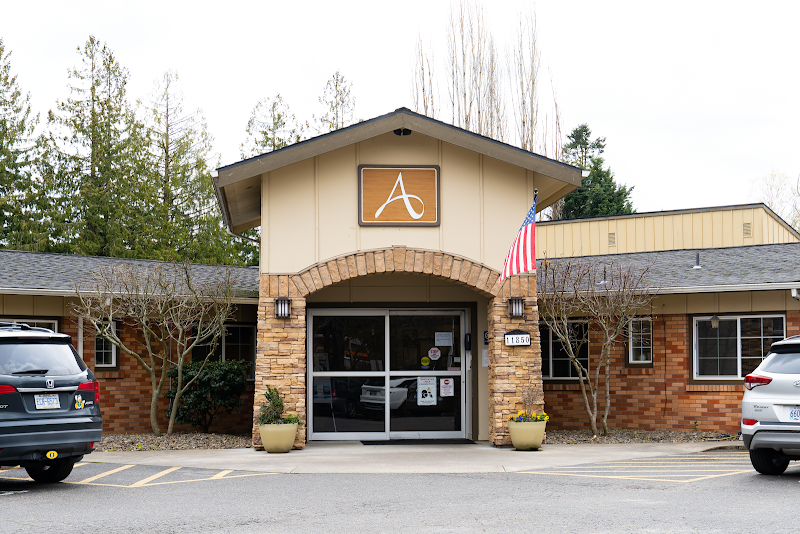
CMS assigns Avamere Rehabilitation Of Beaverton an overall rating of 5 out of 5 stars, which is considered much above average nationally. Within Oregon, this rating places the facility higher than 99% of the state's 100 nursing homes. This rating reflects solid performance across the metrics CMS uses to evaluate nursing home quality.
How is Avamere Rehabilitation Of Beaverton Staffed?
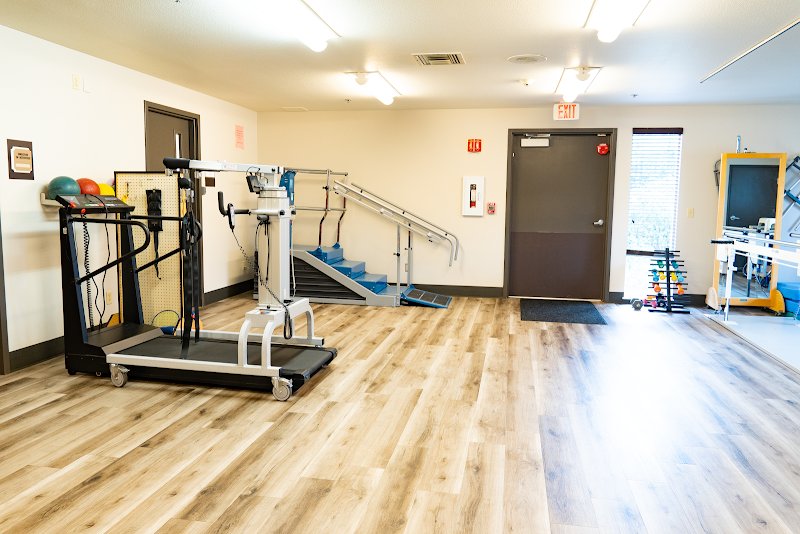
CMS rates Avamere Rehabilitation Of Beaverton's staffing level at 5 out of 5 stars, which is much above average compared to other nursing homes. Staff turnover is 29%, compared to the Oregon average of 46%. This relatively stable workforce can support continuity of care.

What Have Inspectors Found at Avamere Rehabilitation Of Beaverton?

State health inspectors documented 18 deficiencies at Avamere Rehabilitation Of Beaverton during 2023 to 2025. These included: 1 Immediate Jeopardy (the most serious level, indicating potential for serious harm or death) and 17 with potential for harm. Immediate Jeopardy findings are rare and represent the most serious regulatory concerns. They require immediate corrective action.
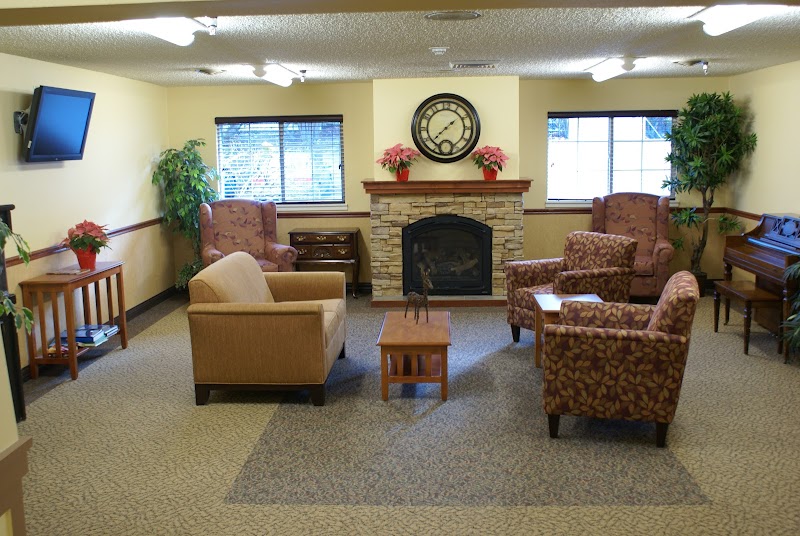
Who Owns and Operates Avamere Rehabilitation Of Beaverton?

Avamere Rehabilitation Of Beaverton is owned by a for-profit company. For-profit facilities operate as businesses with obligations to shareholders or private owners. The facility is operated by AVAMERE, a chain that manages multiple nursing homes. With 104 certified beds and approximately 72 residents (about 69% occupancy), it is a mid-sized facility located in BEAVERTON, Oregon.

How Does Avamere Rehabilitation Of Beaverton Compare to Other Oregon Nursing Homes?

Compared to the 100 nursing homes in Oregon, Avamere Rehabilitation Of Beaverton's overall rating (5 stars) is above the state average of 3.0, staff turnover (29%) is significantly lower than the state average of 46%, and health inspection rating (4 stars) is above the national benchmark.

What Should Families Ask When Visiting Avamere Rehabilitation Of Beaverton?

Based on this facility's data, families visiting should ask: "What changes have been made since the serious inspection findings, and how are you preventing similar issues?" "Can I visit during a mealtime to observe dining assistance and food quality?" "How do you handle medical emergencies, and what is your hospital transfer rate?" "Can I speak with family members of current residents about their experience?" These questions are particularly relevant given the facility's Immediate Jeopardy citations.

Is Avamere Rehabilitation Of Beaverton Safe?

Based on CMS inspection data, Avamere Rehabilitation Of Beaverton has documented safety concerns. Inspectors have issued 1 Immediate Jeopardy citation (the most serious violation level indicating risk of serious injury or death). The facility has a 5-star overall rating and ranks #1 of 100 nursing homes in Oregon. Families considering this facility should ask detailed questions about what corrective actions have been taken since these incidents.

Do Nurses at Avamere Rehabilitation Of Beaverton Stick Around?

Staff at Avamere Rehabilitation Of Beaverton tend to stick around. With a turnover rate of 29%, the facility is 17 percentage points below the Oregon average of 46%. Low turnover is a positive sign. It means caregivers have time to learn each resident's needs, medications, and personal preferences. Consistent staff also notice subtle changes in a resident's condition more quickly.

Was Avamere Rehabilitation Of Beaverton Ever Fined?

Avamere Rehabilitation Of Beaverton has been fined $55,575 across 1 penalty action. This is above the Oregon average of $33,635. Fines in this range indicate compliance issues significant enough for CMS to impose meaningful financial consequences. Common causes include delayed correction of deficiencies, repeat violations, or care failures affecting resident safety. Families should ask facility leadership what changes have been made since these penalties.

Is Avamere Rehabilitation Of Beaverton on Any Federal Watch List?

Avamere Rehabilitation Of Beaverton is not on any federal watch list. The most significant is the Special Focus Facility (SFF) program, which identifies the bottom 1% of nursing homes nationally based on persistent, serious quality problems. Not being on this list means the facility has avoided the pattern of deficiencies that triggers enhanced federal oversight. This is a positive indicator, though families should still review the facility's inspection history directly.