HILLSBORO HEALTH & REHABILITATION CENTER

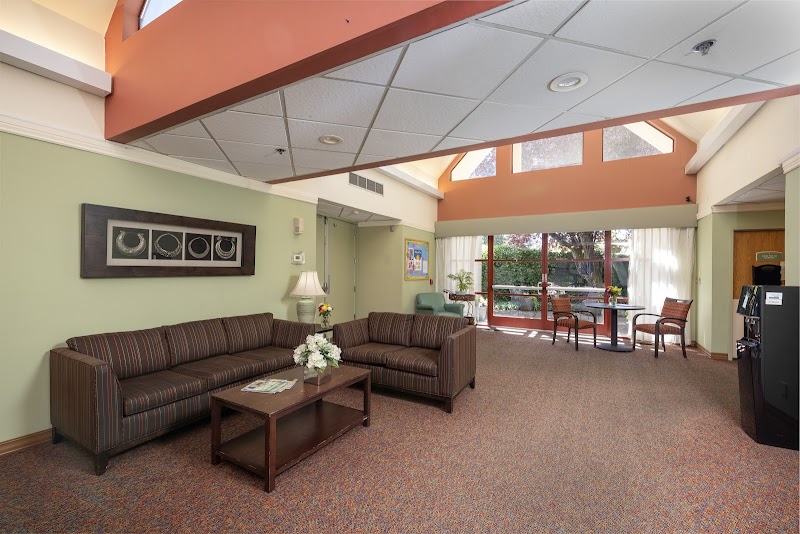
1778 NE CORNELL ROAD, HILLSBORO, OR 97124 (503) 648-6621
For profit - Corporation 78 Beds EMPRES OPERATED BY EVERGREEN Data: November 2025
Trust Grade
65/100
#36 of 127 in OR
Last Inspection: May 2025

Inspected within the last 6 months. Data reflects current conditions.

Overview

Hillsboro Health & Rehabilitation Center has a trust grade of C+, which indicates that the facility is decent and slightly above average. It ranks #36 out of 127 nursing homes in Oregon, placing it in the top half of facilities statewide, and #4 out of 9 in Washington County, meaning only three local options are better. The facility is improving, having reduced its number of issues from 12 in 2024 to 9 in 2025. While staffing is average with a 3/5 rating, the turnover rate is concerning at 61%, higher than the state average of 49%. Notably, there have been no fines on record, which is a positive sign. However, there are some weaknesses to consider. For example, a resident received medication without proper assessment of their blood pressure or heart rate, which could pose health risks. Additionally, there were issues with incomplete staffing records over multiple days, indicating potential management problems. Maintenance concerns were also noted, such as damaged walls and non-functional lights in several areas. Families should weigh these strengths and weaknesses when deciding on this facility.

Trust Score
C+
65/100
In Oregon
#36/127
Top 28%
Safety Record
Low Risk
No red flags
Inspections
Getting Better
12 → 9 violations
Staff Stability
⚠ Watch
61% turnover. Above average. Higher turnover means staff may not know residents' routines.
Penalties
✓ Good
No fines on record. Clean compliance history, better than most Oregon facilities.
Skilled Nurses
○ Average
Each resident gets 35 minutes of Registered Nurse (RN) attention daily — about average for Oregon. RNs are the most trained staff who monitor for health changes.
Violations
⚠ Watch
28 deficiencies on record. Higher than average. Multiple issues found across inspections.
★★★★☆
4.0
Overall Rating
★★★☆☆
3.0
Staff Levels
★★★☆☆
3.0
Care Quality
★★★★☆
4.0
Inspection Score
Stable
2024: 12 issues
2025: 9 issues

The Good

  • Full Sprinkler Coverage · Fire safety systems throughout facility
  • No fines on record

Facility shows strength in fire safety.

The Bad

Staff Turnover: 61%

15pts above Oregon avg (46%)

Frequent staff changes - ask about care continuity

Chain: EMPRES OPERATED BY EVERGREEN

Part of a multi-facility chain

Ask about local staffing decisions and management

Staff turnover is elevated (61%)

13 points above Oregon average of 48%

The Ugly 28 deficiencies on record

Aug 2025 3 deficiencies
CONCERN (D) 📢 Someone Reported This

A family member, employee, or ombudsman was alarmed enough to file a formal complaint

Potential for Harm - no one hurt, but risky conditions existed

Report Alleged Abuse (Tag F0609)

Could have caused harm · This affected 1 resident

Based on interview and record review, the facility failed to report an allegation of abuse to the State Agency for 2 of 2 sampled residents (#s 6 and 10) reviewed for abuse. This placed residents at r...

Read full inspector narrative →
Based on interview and record review, the facility failed to report an allegation of abuse to the State Agency for 2 of 2 sampled residents (#s 6 and 10) reviewed for abuse. This placed residents at risk for abuse. Findings include:Resident 6 admitted 1/2025 with diagnoses including dementia.Resident 6's 6/9/25 MDS revealed Resident 6 had a BIMS of 5, which indicated a severe cognitive impairment.A 6/9/25 Sexual Capacity Evaluation indicated Resident 6 did not have sufficient memory and/or cognitive function to make the choice for sexual activity.Resident 10's 1/29/25 MDS revealed Resident 10 had a BIMS of 8, which indicated a moderate cognitive impairment.A 6/9/25 Sexual Capacity Evaluation indicated Resident 10 did not have sufficient memory and/or cognitive function to make the choice for sexual activity.On 8/11/25 at 1:04 PM, Staff 20 (CMA) stated she saw Resident 6 sitting on Resident 10's bed on 6/9/25. She stated Resident 10 was touching Resident 6's breasts and was offering Resident 6 money. She stated staff separated Resident 6 and Resident 10.On 8/11/25 at 1:07 PM, Resident 10 stated she/he did not remember the incident.Resident 6 was not able to be interviewed as she/he was no longer in the facility.On 8/12/25 at 10:17 AM, Staff 21 (RN) stated she saw Resident 6 go into Resident 10's room and she observed them kissing on 6/9/25. She stated staff re-directed Resident 6 away from Resident 10.On 8/12/24 at 11:58 AM, Staff 3 (LPN Resident Care Manager) stated Resident 6 and Resident 10 were observed kissing on 6/8/25 and 6/9/25. He was made aware on 6/9/25 and completed the sexual consent evaluations for each resident and determined neither Resident 6 nor Resident 10 could consent to intimate activity. On 8/12/25 @ 12:30 PM, Staff 1 (Administrator) stated he was unable to locate any evidence the event was reported to the State Agency and that it was his responsibility to report to the State Agency.
CONCERN (D) 📢 Someone Reported This

A family member, employee, or ombudsman was alarmed enough to file a formal complaint

Potential for Harm - no one hurt, but risky conditions existed

Investigate Abuse (Tag F0610)

Could have caused harm · This affected 1 resident

Based on interview and record review, the facility failed to investigate allegations of abuse for 2 of 2 sampled residents (#s 6 and 10) reviewed for abuse. This placed residents at risk for abuse. Fi...

Read full inspector narrative →
Based on interview and record review, the facility failed to investigate allegations of abuse for 2 of 2 sampled residents (#s 6 and 10) reviewed for abuse. This placed residents at risk for abuse. Findings include:Resident 6 admitted 1/2025 with diagnoses including dementia.Resident 6's 6/9/25 MDS revealed Resident 6 had a BIMS of 5, which indicated a severe cognitive impairment.A 6/9/25 Sexual Capacity Evaluation indicated Resident 6 did not have sufficient memory and/or cognitive function to make the choice for sexual activity.Resident 10's 1/29/25 MDS revealed Resident 10 had a BIMS of 8, which indicated a moderate cognitive impairment.A 6/9/25 Sexual Capacity Evaluation indicated Resident 10 did not have sufficient memory and/or cognitive function to make the choice for sexual activity.On 8/11/25 at 1:04 PM, Staff 20 (CMA) stated she saw Resident 6 sitting on Resident 10's bed on 6/9/25. She stated Resident 10 was touching Resident 6's breasts and was offering Resident 6 money. She stated staff separated Resident 6 and Resident 10.On 8/11/25 at 1:07 PM, Resident 10 stated she/he did not remember the incident.Resident 6 was not able to be interviewed as she/he was no longer in the facility.On 8/12/25 at 10:17 AM, Staff 21 (RN) stated she saw Resident 6 go into Resident 10's room, and she observed them kissing on 6/9/25. She stated staff re-directed Resident 6 away from Resident 10.On 8/12/24 at 11:58 AM, Staff 3 (LPN Resident Care Manager) stated Resident 6 and Resident 10 were observed kissing on 6/8/25 and 6/9/25. He was made aware on 6/9/25 and completed the sexual consent evaluations for each resident and determined neither Resident 6 nor Resident 10 could consent to intimate activity. On 8/12/25 at 12:30 PM, Staff 1 (Administrator) stated he was unable to locate any evidence that the incident was investigated, and it was the Administrator's responsibility to complete the investigation.
CONCERN (D) 📢 Someone Reported This

A family member, employee, or ombudsman was alarmed enough to file a formal complaint

Potential for Harm - no one hurt, but risky conditions existed

Accident Prevention (Tag F0689)

Could have caused harm · This affected 1 resident

Based on interview and record review, the facility failed to ensure each resident received adequate supervision and assistance devices to prevent accidents for 1 of 1 sampled resident (#5) reviewed fo...

Read full inspector narrative →
Based on interview and record review, the facility failed to ensure each resident received adequate supervision and assistance devices to prevent accidents for 1 of 1 sampled resident (#5) reviewed for accidents. This placed residents at risk for injury due to accidents. Findings include:Resident 5 admitted in 7/2025 with diagnoses including hemiplegia and hemiparesis following cerebral infarction (stroke) affecting left non-dominant side.Resident 5's 7/18/25 care plan indicated Device: Seat belt-gait belt from home and Mobility Device: Electric wheelchair, assist resident with seat belt.A 7/20/25 progress note indicated Resident 5 was found on the floor, stated she/he slid out of her wheelchair and called emergency from her/his personal cell phone. Resident 5 had a laceration on her/his leg and was bleeding. Resident 5 was taken to the hospital for evaluation.On 8/8/25 at 12:28 PM, Staff 12 stated Resident 5 slipped out of her/his wheelchair and onto the floor. He further stated he could not get Resident 5's seat belt around her/him because it was too small. He was unsure if use of the seat belt was in the care plan and stated he did not inform anyone the seat belt was too small because it was known.On 8/8/25 at 3:17 PM, Resident 5 reported she/he fell on the floor and her/his leg was bleeding. She/he yelled for help, but no one came. Resident 5 indicated she/he was scared and called 911 and was taken to the hospital. On 8/12/25 at 10:31 AM, Staff 22 (LPN) stated she saw Resident 5 during the morning medication pass. She did not know if Resident 5 was wearing a seat belt when she/he fell and was not sure if she/he was care-planned for its use.On 8/12/25 at 1:19 PM, Staff 1 (Administrator) stated he expected all staff to follow the care plan to prevent accidents.
May 2025 6 deficiencies
CONCERN (D)

Potential for Harm - no one hurt, but risky conditions existed

Comprehensive Care Plan (Tag F0656)

Could have caused harm · This affected 1 resident

**NOTE- TERMS IN BRACKETS HAVE BEEN EDITED TO PROTECT CONFIDENTIALITY** Based on observation, interview and record review it was determined the facility failed to develop a resident centered care plan...

Read full inspector narrative →
**NOTE- TERMS IN BRACKETS HAVE BEEN EDITED TO PROTECT CONFIDENTIALITY** Based on observation, interview and record review it was determined the facility failed to develop a resident centered care plan for 1 of 1 sampled resident (#1) reviewed for activities. This placed residents at risk for a lack of meaningful, purposeful and preferred activities and unmet psychosocial needs. Findings include: Resident 1 admitted to the facility in 12/2023 with diagnoses including dementia. The 3/1/25 Annual MDS assessed Resident 1 with a BIMS of three, which indicated severe cognitive impairment. The MDS Activity Preferences section indicated she/he found reading materials and the news somewhat important to her/him. Music, animals, going out in the fresh air and doing her/his favorite activities were very important. The 3/25/25 Activity Progress Note: Annual Review evaluation indicated Resident 1 was independent with activities and did not get out of bed. Resident 1 enjoyed The Daily Chronicle (flyer which provides reading, puzzles, coloring pages and other reading activities) and talking to family on the phone. The evaluation indicated Resident 1 was dependent for transportation on others and the problems indicated she/he did not get out of bed. Record review of Resident 1's Activity Participation from 4/23/25 tthrough 5/21/25 revealed the resident had not attended Bingo in the past 30 days. Resident 1 was documented to participate in the reading from the activity cart in her/his room frequently. A observation and interview on 5/19/25 at 1:07 PM revealed Resident 1 had no reading materials in reach of her/him. No music or television were on and the window blinds were open. Resident 1 stated she/he had not been busy for many years and would like to get out and do something which she/he liked to do. Resident 1 stated she/he enjoyed reading murder mystery, thriller and suspense books. The resident stated she/he did not recieve books to read. On 5/20/25 at 1:49 PM Resident 1 was observed in her/his bed with no lights on in the room, the blinds were slightly open and no reading material was within reach. No music or television was on and the curtain was pulled to not enable her/him to see into the hallway. Resident 1 smiled and stated she/he was not doing anything when asked. On 5/21/25 at 10:10 AM and 2:19 PM Resident 1 was observed in bed with no reading materials in reach, no music playing, and the blinds were open. At 2:19 PM the resident waved at the surveyor in the hallway and smiled. The 5/21/25 Care Plan indicated Activity Preferences documented in the ADL section. The intervention was ACTIVITY PREFERENCES: (SPECIFY). No other information was found in the care plan to direct staff to assist Resident 1 for her/his leisure, recreational, diversional or purposeful activities. Resident 1's 5/21/25 [NAME] (a in room care plan) for Activity Participation directed staff to bring the resident to bingo. No additional activity preferences documented. On 5/22/25 at 11:27 AM Staff 22 (CNA) stated they obtained their information to care for the resident from the [NAME]. When asked what activities Resident 1 enjoyed, Staff 22 stated Resident 1 preferred to stay in bed in her/his room. On 5/22/25 at 12:23 PM Staff 9 (CNA) stated they obtained their information to care for residents from the [NAME]. Staff 9 stated Resident 1 liked to stay in bed and family was involved. On 5/23/25 at 9:09 AM Staff 23 (Activities Director) confirmed Resident 1 did not attend Bingo as directed in the Care Plan, no refusals to attend were documented and the resident preferred to stay in bed. Staff 23 acknowledged she had personally read The Daily Chronicle at bedside for Resident 1. Staff 23 stated Resident 1 was able to read printed reading material and sometimes used a magnifier glass. Staff 23 was aware Resident 1 enjoyed to read murder mystery type books but could not recall when the Resident was last provided a book to read or opportunity listen to a talking book. Staff 23 confirmed the [NAME] and Care Plan did not direct staff to provide resident center leisure or diversional activity opportunities. On 5/23/25 at 11:08 AM Staff 1 (Executive Director) acknowledged he expected all residents to have a person-centered care plan for activities and all staff should be able to provide opportunities to assist residents in meaningful activities. Staff 1 confirmed he expected Resident 1 to have additional information in the [NAME] and Care Plan for activities.
CONCERN (D)

Potential for Harm - no one hurt, but risky conditions existed

ADL Care (Tag F0677)

Could have caused harm · This affected 1 resident

Based on observation, interview and record review it was determined the facility failed to provide the necessary care and assistance to maintain good grooming and hygiene for 1 of 4 sampled resident (...

Read full inspector narrative →
Based on observation, interview and record review it was determined the facility failed to provide the necessary care and assistance to maintain good grooming and hygiene for 1 of 4 sampled resident (#43) reviewed for ADLs. This placed residents at risk for poor grooming. Findings include: Resident 43 was admitted to the facility in 3/2025 with diagnoses including nephrogenic diabetes insipidus (a medical disorder that occurs when your kidneys cannot properly balance bodily fluids) and ataxia (impaired muscle control that can affect walking, balance and the coordination of hand movements). A review of Resident 43's 5/3/25 admission MDS revealed she/he was cognitively intact and required supervision or touching assistance to complete personal hygiene tasks. Resident 43's care plan dated 4/28/25 revealed she/he received maximal/substantial assistance with showers on Sunday and Wednesday evenings and required supervision/touch assistance for grooming and personal hygiene. On 5/19/25 at 11:04 AM Resident 43 was observed to have a thick cluster of dark hairs growing from her/his chin. Resident 43 stated she/he was unable to shave independently because she/he could not control her/his hand movements. Resident 43 stated she/he was supposed to receive assistance to shave on her/his shower days and asked the CNAs to assist with shaving her/his shin hairs. On 5/22/25 at 2:13 PM Staff 18 (CNA) reported he worked with Resident 43 and should have offered to shave her/his chin because she/he was unable to shave independently. On 5/22/25 at 2:16 PM Staff 9 (LPN) stated he worked with Resident 43 regularly. Staff 9 stated Resident 43 was able to hold a razor but needed cueing to pick it up. Staff 9 stated he expected CNAs to help Resident 43 to shave herself/himself because she/he was unable to shave independently. On 5/22/25 at 2:42 PM Staff 19 (CNA) stated Resident 43 was unable to shave herself/himself because her/his hands were shaky and the resident was supposed to be shaved on her/his shower days. Staff 19 stated Resident 43 was not offered to be shaved this week. On 5/23/25 at 9:21 AM Staff 2 (DNS) stated she expected Resident 43 and other residents who required assistance with ADLs to receive assistance automatically. Staff 2 acknowledged Resident 43 was not provided appropriate ADL care and Resident 43 should not have to ask for assistance.
CONCERN (D) 📢 Someone Reported This

A family member, employee, or ombudsman was alarmed enough to file a formal complaint

Potential for Harm - no one hurt, but risky conditions existed

Quality of Care (Tag F0684)

Could have caused harm · This affected 1 resident

Based on interview and record review it was determined the facility failed to respond to a change of condition and provide respiratory interventions timely for 1 of 1 resident reviewed (# 41) for chan...

Read full inspector narrative →
Based on interview and record review it was determined the facility failed to respond to a change of condition and provide respiratory interventions timely for 1 of 1 resident reviewed (# 41) for change of condition. This placed residents at risk for respiratory distress. Findings include: Resident 41 admitted to the facility in 2023 with diagnoses including chronic obstructive pulmonary disease (COPD), chronic kidney disease and atrial fibrillation. The facility undated Standing Orders for oxygen indicated the goal of supplemental oxygen was to maintain saturations above 89% for residents with COPD. The orders indicated oxygen may go up to 2 liters before the provider was to be urgently notified. The 10/30/23 Care Plan directed staff to monitor Resident 41 for difficulties breathing and signs or symptoms of acute respiratory insufficiency. A Facility Report Incident indicated at 7:00 AM on 12/16/24, Resident 41 was found to have oxygen saturations of 64%. Resident 41's oxygen saturations were checked an additional two more times which were below 70%. Staff 5 (CNA) informed Staff 9 (LPN) several times as well as Staff 11 (Resident Care Manager/LPN) of Resident 41's low oxygen saturations. Staff 11 indicate he was busy, and took him time to address the concern. Staff 11 acknowledged oxygen was not given to the Resident 41. The resident was not sent out of the hospital until 2:00 PM and was diagnosed with hypoxic (an absence of enough oxygen in the tissues to sustain bodily functions.) respiratory failure. The report concluded a lack of evaluation, treatment and urgency was found by the facility nurses. The report further indicated although the resident's condition may have not been prevented, an evaluation and initiation of oxygen may have provided relief and comfort to Resident 41. The 12/16/24 hospital noted indicated Resident 41 arrived at the hospital on 1 to 2 liters of oxygen. Resident 41 denied any shortness of breath, however, was found to have oxygen saturations in the low 70's at the nursing facility. During the resident's emergency department stay she/he was between 1 to 2 liters of oxygen and room air. On 5/19/25 at 9:47 AM Resident 41 stated she/he could not recall the incident on 12/16/24. Resident 41 stated she/he did not use oxygen. On 5/20/25 at 11:58 AM Staff 5 stated she was Resident 41's CNA on 12/16/24. Staff 5 stated on the morning of 12/16/24, Resident 41's oxygen saturations fluctuated between 64 to 68%. Staff 5 stated she told Staff 9 and Staff 11 of the resident's low oxygen saturations. Staff 5 stated the resident was not at her/his baseline and did not look well. Staff 5 stated Resident 41 was not given any oxygen and the resident was not sent out of the hospital until 2:00 PM. On 5/20/25 at 1:12 PM Staff 9 stated on 12/16/24, Staff 5 reported to him of Resident 41's low oxygen saturations. Staff 9 stated he checked the resident and was able to get her/his oxygen levels up by gravity and had the resident take deep breaths. Staff 9 stated Resident 41's oxygen saturations fluctuated between 80 to 90 percent. Staff 9 stated the first intervention should have been to provide oxygen to Resident 41, but he did not. Staff 9 stated oxygen saturations should be at 95 percent and below 90 percent was concerning. Staff 9 stated Resident 41 was not sent out to the hospital until the afternoon. On 5/21/25 at 9:51 AM Staff 11 stated on 12/16/24 he was not informed by Staff 5 of Resident 41's low oxygen saturations until 1:00 PM to 1:30 PM. Staff 11 stated he told Staff 9 to send the resident out to the hospital. Staff 11 further stated oxygen should be administetered for oxygen saturations below 92%. On 5/22/24 at 9:51 AM Staff 2 (DNS) stated when Resident 41's low saturations were reported to Staff 9, he should have reassessed Resident 41 and the first intervention should have been to provide the resident with oxygen. Staff 2 stated the standard of practice was to complete a full set of vitals, implement appropriate interventions, make a determination and either send the resident to the hospital or contact the physician if the resident was not in distress. Staff 2 acknowledged Resident 41 was not provide appropriate and timely respiratory interventions on 12/16/24.
CONCERN (D) 📢 Someone Reported This

A family member, employee, or ombudsman was alarmed enough to file a formal complaint

Potential for Harm - no one hurt, but risky conditions existed

Pressure Ulcer Prevention (Tag F0686)

Could have caused harm · This affected 1 resident

**NOTE- TERMS IN BRACKETS HAVE BEEN EDITED TO PROTECT CONFIDENTIALITY** Based on interview and record review it was determined the facility failed to conduct weekly skin observations and evaluations t...

Read full inspector narrative →
**NOTE- TERMS IN BRACKETS HAVE BEEN EDITED TO PROTECT CONFIDENTIALITY** Based on interview and record review it was determined the facility failed to conduct weekly skin observations and evaluations to identify pressure ulcers and administer treatments timely treatment for 1 of 3 sampled resident (#359) reviewed for pressure ulcers. This placed residents at risk for complications related to unavoidable skin breakdown and not receiving care to treat pressure ulcers in a timely manner. Findings include: Resident 359 was admitted to the facility in 3/2024 with diagnoses including Alzheimer's disease (a progressive disorder which primarily affects the brain and leads to cognitive decline) and diabetes mellitus. A review of Resident 359's 3/18/24 admission MDS revealed she/he had severe cognitive impairment, had pressure ulcers, was at risk for the development of additional pressure ulcers and was dependent on staff for bed mobility. The Pressure Ulcer/Injury CAA indicated the facility provided Resident 359 with a pressure relieving mattress for her/his bed to minimize the pressure on her/his bony prominences while in bed. Resident 359's 3/22/24 care plan related to her/his pressure ulcers and risk for further skin breakdown indicated staff were to reposition her/him frequently, inspect her/his skin while providing cares and notify the nurse of any new skin conditions. A review of Resident 359's Weekly Skin Observations revealed no new skin impairments were identified on 8/7/24, 8/20/24, 8/30/24 or 9/13/24. The next reported Weekly Skin Observation was completed 35 days later on 10/17/24 and indicated Resident 359 developed an irregularly-shaped unstageable pressure ulcer (obscured full-thickness skin and tissue loss) 8 cm long and 10 cm wide on her/his coccyx (the last bone at the base of the spine). A hospice bath aide progress note dated 8/23/24 indicated Resident 359 had a new open sore on her/his bottom. Staff 11 (Resident Care Manager/LPN) signed the note and indicated, noted. A review of the facility's 10/16/24 investigation of Resident 359's open wound revealed the following: -A skin assessment completed on 10/15/24 indicated Resident 359 had an unstageable coccyx pressure injury with a dressing covering the area; -There was no previously written order for a dressing to be placed; -A coccyx pressure injury was noted on 8/26/24 in a hospice progress note and indicated Will fax new wound care orders; -The treatment order for the coccyx pressure injury was received on 9/20/24 but was implemented or followed up on; and -The facility determined there was a breakdown regarding the skin/wound management process and lack of nurse follow up regarding orders. A 10/18/24 progress note created by Staff 3 (RNCM) indicated Resident 359's coccyx pressure ulcer appeared to be a terminal ulcer. On 5/21/25 AT 4:18 PM Staff 3 stated the initial wound was discovered on 8/23/24 and a new wound dressing order was placed on 8/26/24 but was overlooked and not implemented. Staff 3 stated she first observed Resident 359's coccyx pressure wound on 10/18/24, noting it was a larger wound at the time and was then identified as a [NAME] pressure ulcer (a type of pressure ulcer that rapidly develops in the final stages of life, often appearing on the coccyx or other bony prominences). On 5/22/25 at 2:33 PM Staff 20 (LPN) stated Resident 359's hospice provider visited her/him twice each week, checked her/him for any changes and asked CNAs if there was anything new. Staff 20 stated CNAs repositioned Resident 359 every two hours due to the resident's fragile skin. Staff 20 stated Resident 359's hospice caregiver discovered the new wound on resident 359's coccyx during a regular visit but he did not recall the date. On 5/22/25 at 2:48 PM Staff 19 (CNA) stated Resident 359 required assistance from two staff to reposition because her/his skin was fragile and she/he was limp and unable to help the CNAs with the repositioning process. Staff 19 stated she was aware of Resident 359's multiple pressure ulcers but was unaware of any new pressure ulcers to the resident's bottom. On 5/22/25 at 4:33 PM Staff 11 stated on 8/23/24 Resident 359's hospice provider observed a new open wound on the resident's bottom which was not previously observed or charted by staff in Weekly Skin Observations. Staff 11 stated hospice staff left him a handwritten note regarding the new wound. Staff 11 stated he did not act on the note because he had been out of the facility for more than a week, he did not ensure the information was provided to the oncoming nurse and instead assumed a nurse would see the note. On 5/23/25 at 8:53 AM Staff 21 (Former Administrator) stated Resident 359's hospice provider stated they faxed orders to treat the new pressure wound identified on 8/23/24 but the orders were not received and the resident was not provided care for the new wound when. Staff 21 stated the wound on 8/23/24 was blanchable (a type of pressure injury characterized by intact skin with a localized area of redness that turns white when pressed with a finger). On 5/23/25 at 9:29 AM, Staff 2 (DNS) stated she worked as the Regional Support Nurse during Resident 359's stay. Staff 2 stated staff were required to complete Weekly Skin Observations, which would trigger weekly skin evaluations for any new wounds. Staff 2 stated staff were expected to obtain and implement treatment orders for new skin impairments, maintain consistent wound care documentation, and follow facility protocols. She acknowledged staff's failure to document Resident 359's skin condition and follow up on orders, which led to inadequate evaluation and delayed treatment. Staff 2 stated Resident 359's pressure ulcer was discovered by hospice on 8/23/24, before facility staff identified the wound. Staff 2 further stated regular observations and documentation should have identified the new skin impairment to enable timely treatment and prevent wound deterioration.
CONCERN (D)

Potential for Harm - no one hurt, but risky conditions existed

Deficiency F0757 (Tag F0757)

Could have caused harm · This affected 1 resident

Based on interview and record review it was determined the facility failed to provide appropriate dosing of opioid medications for 1 of 6 sampled residents (#45) reviewed for medications. This placed ...

Read full inspector narrative →
Based on interview and record review it was determined the facility failed to provide appropriate dosing of opioid medications for 1 of 6 sampled residents (#45) reviewed for medications. This placed residents at risk for complications related to narcotic medications. Findings include: Resident 45 was admitted in 3/2025 with diagnoses included alcoholic cirrhosis of the liver (severe liver disease) with ascites (abnormal build-up of fluid in the space between the organs and the lining of the abdomen). Resident 45's 4/17/25 physician order indicated the resident was to be administered two tablets of oxycodone (opioid pain medication) every four hours as needed for pain levels of eight to 10 out of 10. Resident 45's 5/2025 MAR indicated the resident was administered two tablets of oxycodone when her/his pain levels were less than eight as follows: -5/1: for pain levels of 6 and 7. -5/2: for pain levels of 5 and 6. -5/3: for pain levels of 4 and 5. -5/4: for pain levels of 5 and 6. -5/5: for a pain level of 6. -5/8: for pain levels of 4 and 5. -5/7: for a pain level of 7. -5/8: for pain levels of 4 and 5. -5/9: for a pain level of 7. -5/10: for a pain level of 6. -5/11: for a pain level of 7. -5/12: for a pain level of 5. -5/14: for pain levels of 6 and 7. -5/16: for a pain level of 6. -5/18: for a pain level of 5. -5/19: for a pain level of 3. -5/20: for a pain level of 7. -5/21: for a pain level of 7. On 5/19/25 at 9:20 AM, Resident 45 stated she/he had back pain and they keep putting me on opioids when the muscle rub worked better. Resident 45 stated staff were more strict with the muscle cream than the opioid medication. On 5/21/25 at 2:27 PM, Staff 9 (LPN) reviewed Resident 45's MAR and stated on 5/9/25 and 5/16/25 he did not ask Resident 45 her/his pain level because the resident would just state 10 if asked so he always dispensed two oxycodone pills to the resident. Staff 9 stated he just recorded a number in the pain level section and should have recorded an eight. On 5/21/25 at 2:34 PM, Staff 17 (RN) reviewed Resident 45's MAR and stated on 5/11/25 she mistakenly administered two oxycodone pills when she/he should have administered one pill. On 5/22/25 at 8:15 AM, Staff 8 (LPN) stated Resident 45 usually experienced pain and was clear in communicating if she/he was painful. Staff 8 reviewed Resident 45's MAR and stated on 5/3/25, 5/4/25, 5/5/25 and 5/8/25, she administered two oxycodone pills when only one oxycodone should have been administered. On 5/22/25 at 8:27 AM, Staff 3 (RNCM) reviewed Resident 45's MAR and confirmed the resident was administered two oxycodone pills when she/he should have received one pill on the identified days. On 5/22/25 at 8:44 AM, Staff 2 (DNS) stated physician orders should be implemented and followed. Staff 2 acknowledged staff did not follow the parameters for the administration of Resident 45's oxycodone.
MINOR (C)

Minor Issue - procedural, no safety impact

Staffing Information (Tag F0732)

Minor procedural issue · This affected most or all residents

Based on interview and record review it was determined the facility failed to ensure the Direct Care Staff Daily Report (DCSDR) postings were accurate for 5 of 7 days reviewed for RN staffing. This pl...

Read full inspector narrative →
Based on interview and record review it was determined the facility failed to ensure the Direct Care Staff Daily Report (DCSDR) postings were accurate for 5 of 7 days reviewed for RN staffing. This placed residents and visitors at risk for inaccurate staffing information. Findings include: A review of the facility's DCSDRs on 5/1/25, 5/5/25, 5/6/25, 5/7/25, 5/12/25, 5/13/25 and 5/14/25 revealed the postings inaccurately reflected the facility's RN coverage on the following days: -5/5, 5/6, 5/12, 5/13 and 5/14. On 5/22/25 at 12:15 PM, Staff 14 (Staffing Coordinator) confirmed the facility's DCSDRs inaccurately reflected RN coverage on 5/5/25, 5/6/25, 5/12/25, 5/13/25 and 5/14/25.
Feb 2024 12 deficiencies
CONCERN (D)

Potential for Harm - no one hurt, but risky conditions existed

Deficiency F0554 (Tag F0554)

Could have caused harm · This affected 1 resident

Based on observation, interview and record review it was determined the facility failed to ensure residents were assessed for safe self-administration of medications prior to leaving medications unatt...

Read full inspector narrative →
Based on observation, interview and record review it was determined the facility failed to ensure residents were assessed for safe self-administration of medications prior to leaving medications unattended at the resident's bedside for 1 of 5 sampled residents (#36) reviewed for medications. This placed residents at risk for unsafe medication administration. Findings include: The facility's 9/2017 Self-Administration of Medication Policy & Procedure indicated a self-administration medication evaluation was completed before the resident was able to self-administer medications. If a resident was determined to safely self-administer medications, the nurse obtained a physician order for self-administration of the specific medication, a self-administration care plan was initiated and proper safety mechanisms were initiated to ensure medications were safely stored. Resident 36 was admitted to the facility in 7/2023 with diagnoses including diabetes mellitus type 2. Resident 36's 1/17/24 Quarterly MDS indicated the resident was cognitively intact and received medication for diabetes mellitus type 2. On 2/5/24 at 9:24 AM a medicine cup, which contained five various shaped pills, was on Resident 36's overbed table. Resident 36 stated the pills were what was left of her/his morning medications and stated staff left the pills with her/him. Resident 36 was unable to identify the medications which remained in the medication cup and stated, I suppose I should take these now. Resident 36's health record revealed no evaluations, no physician orders, no care plan updates and no safety mechanisms related to medication self-administration. On 2/5/24 at 10:52 AM Staff 19 (LPN) stated he passed medications to the residents on the 300 hall where Resident 36 resided. Staff 19 stated the facility's procedure related to medication administration included to watch residents take their pills and not leave the pills at the residents' bedside. On 2/8/24 at 1:16 PM Staff 2 (DNS) and Staff 20 (Divisional Director of Clinical Operations) were notified of the findings of this investigation. Staff 2 stated medications were not to be left at a resident's bedside unattended and she expected staff to ensure the resident took the medications.
CONCERN (D)

Potential for Harm - no one hurt, but risky conditions existed

Deficiency F0655 (Tag F0655)

Could have caused harm · This affected 1 resident

Based on interview and record review it was determined the facility failed to ensure a written summary of a baseline care plan was reviewed and provided to residents within 48 hours of admission for 1...

Read full inspector narrative →
Based on interview and record review it was determined the facility failed to ensure a written summary of a baseline care plan was reviewed and provided to residents within 48 hours of admission for 1 of 2 sampled residents (#36) reviewed for care planning. This placed residents at risk for being uninformed about their plan of care. Findings include: Resident 36 was admitted to the facility in 7/2023 with diagnoses including diabetes mellitus type 2. Resident 36's 1/17/24 Quarterly MDS indicated the resident was cognitively intact. On 2/5/24 at 9:24 AM Resident 36 was unable to recall if the facility reviewed and provided her/him with a baseline care plan. Resident 36's health record revealed no evidence a baseline care plan was reviewed and provided to the resident within 48 hours. On 2/8/24 at 1:40 PM Staff 2 (DNS) and Staff 20 (Divisional Director of Clinical Operations) were notified of the findings of this investigation. Staff 2 stated the facility was not consistent with review and provision of baseline care plans within 48 hours as required.
CONCERN (D)

Potential for Harm - no one hurt, but risky conditions existed

Deficiency F0657 (Tag F0657)

Could have caused harm · This affected 1 resident

3. Resident 2 admitted to the facility in 10/2021 with diagnoses including senile degeneration of the brain (memory loss). Review of Resident 2's 5/29/21 care plan revealed the resident was to have a ...

Read full inspector narrative →
3. Resident 2 admitted to the facility in 10/2021 with diagnoses including senile degeneration of the brain (memory loss). Review of Resident 2's 5/29/21 care plan revealed the resident was to have a unilateral mobility bar on the right side of her/his bed and a cushioned mat on the floor at her/his bedside to prevent injury from falls. On 2/5/24 at 10:43 AM Resident 2 was observed in bed without a unilateral mobility bar on the right side of her/his bed or a cushioned mat on the floor at her/his bedside. Review of Resident 2's 8/2023 TAR revealed the fall mat precaution had been discontinued on 8/27/23. Review of Resident 2's 12/6/23 Quarterly Nursing Review Progress Note revealed the resident was no longer utilizing bilateral mobility bars. On 2/8/24 at 8:11 AM Staff 15 (CNA) stated the resident used to have a fall mat next to her/his bed but they did not think the resident needed it any longer. On 2/8/24 at 8:22 AM Staff 13 (RN) stated Resident 2's bed was to be in low position and the resident was to have frequent checks for falls and was unaware if other fall preventions were in place. On 2/8/24 at 8:29 AM Staff 2 (DNS) stated Resident 2's order for the unilateral mobility bar and fall mat had been removed since the resident no longer got out of bed on her/his own. Staff 2 stated it was her expectation care plans were updated with new orders. Based on observation, interview and record review it was determined the facility failed to ensure care plans were revised to accurately reflect the needs of residents for 3 of 8 sampled residents (#s 2, 36 and 42) reviewed for care plans, medications and accidents. This placed residents at risk for unmet needs. Findings include: The facility's 5/2023 Care Directive Policy & Procedure specified the ISP (individual service plan) was part of the care planning process and updates and revisions were completed as appropriate. 1. Resident 36 was admitted to the facility in 7/2023 with diagnoses including type 2 diabetes mellitus. Resident 36's current Care Plan indicated the following: - Monitor adverse side effects and/or toxic symptoms of trazodone (antidepressant). Resident 36's health record indicated the trazodone order was discontinued on 10/22/23. On 2/8/24 at 1:36 PM Staff 2 (DNS) and Staff 20 (Divisional Director of Clinical Operations) were notified of the findings of this investigation and acknowledged Resident 36's care plan was not updated to reflect the resident's current medications. 2. Resident 42 was admitted to the facility in 12/2023 with diagnoses including fracture of the arm. Resident 42's current ISP indicted the resident was on isolation precautions related to shingles (viral skin infection which causes blisters and rash). On 2/5/24 at 11:55 AM Resident 42's doorway or room entrance did not have infection control signage or PPE supplies to indicate the resident was on transmission-based precautions for an infection. On 2/8/24 at 10:35 AM Staff 18 (CNA) stated she relied on Resident 42's ISP for information related to the resident's care needs. Staff 18 reviewed Resident 42's ISP and stated it was confusing because Resident 42 did not currently have shingles and was not on isolation precautions. Staff 42 stated the ISP should be updated to reflect the resident's current status so staff who were not familiar with the resident's care were not confused. On 2/8/24 at 1:44 PM Staff 2 (DNS) and Staff 20 (Divisional Director of Clinical Operations) acknowledged Resident 42's ISP was not updated to reflect the resident no longer had shingles and did not require isolation precautions.
CONCERN (D)

Potential for Harm - no one hurt, but risky conditions existed

Pharmacy Services (Tag F0755)

Could have caused harm · This affected 1 resident

Based on interview and record review it was determined the facility failed to obtain and provide routine medications for 1 of 5 sampled residents (#36) reviewed for medications. This placed residents ...

Read full inspector narrative →
Based on interview and record review it was determined the facility failed to obtain and provide routine medications for 1 of 5 sampled residents (#36) reviewed for medications. This placed residents at risk for not receiving prescribed medications. Findings include: Resident 36 was admitted to the facility in 7/2023 with diagnoses including diabetes mellitus type 2. Resident 36's 12/2/23 Physician Orders included the following: - calcitonin nasal solution 200 unit/ACT, one spray alternating nostrils one time a day for osteoporosis (bone brittleness and weakness). Resident 36's 12/2023 MAR revealed 00 was marked on the following 21 days: - 12/5/23, 12/6/23, 12/7/23, 12/8/23, 12/9/23, 12/10/23, 12/11/23, 12/15/23, 12/16/23, 12/17/23, 12/18/23, 12/19/23, 12/20/23, 12/21/23, 12/25/23, 12/28/23, 12/29/23, 12/30/23 and 12/31/23. Resident 36's 1/2024 Physician Orders included the following: - calcitonin nasal solution 200 unit/ACT, one spray alternating nostrils one time a day for osteoporosis. Resident 36's 1/2024 MAR revealed 00 was marked on the following five days: - 1/1/24, 1/2/24, 1/3/24, 1/4/24 and 1/7/24. On 2/8/24 at 1:28 PM Staff 2 (DNS) and Staff 20 (Divisional Director of Clinical Operations) reviewed Resident 36's 12/2023 and 1/2024 MARs and stated 00 indicated the calcitonin nasal spray was unavailable and the resident did not receive the medication. Staff 2 stated if a medication was not available, she expected staff to call the pharmacy right away to get the medication delivered and to notify the physician.
CONCERN (D)

Potential for Harm - no one hurt, but risky conditions existed

Drug Regimen Review (Tag F0756)

Could have caused harm · This affected 1 resident

Based on interview and record review it was determined the facility failed to follow-up on pharmacist recommendations for 1 of 5 sampled residents (#36) reviewed for medications. This placed residents...

Read full inspector narrative →
Based on interview and record review it was determined the facility failed to follow-up on pharmacist recommendations for 1 of 5 sampled residents (#36) reviewed for medications. This placed residents at risk for medication errors. Findings include: The facility's 3/2019 Medication Regimen Review (MRR) Policy & Procedure specified the procedure as follows: - A pharmacist completes the monthly MRR, the pharmacist sends an email report of any irregularities and the facility and attending physician respond to the recommendations within two weeks. Resident 36 was admitted to the facility in 7/2023 with diagnoses including diabetes mellitus type 2. Resident 36's 9/16/23 Consultant Pharmacist MRR revealed the following recommendation: - Resident has an order for calcitonin nasal spray. Be sure to add right alternating left nostril [every day]. The MAR [indicates] we are giving it into the right nostril every day. Resident 36's 9/2023 MAR revealed calcitonin spray was not administered in alternating nostrils and the Consultant Pharmacist MRR recommendation was not implemented. Resident 36's 10/16/23 Consultant Pharmacist MRR revealed the following recommendation: - Resident has an order for calcitonin nasal spray. Be sure to set up in the system add right alternating left nostril [every day]. The MAR [indicates] we are giving it into the left nostril every day with occasional right nostril. Resident 36's health records revealed no 11/2023 Consultant Pharmacist MRR. Resident 36's 10/2023 and 11/2023 MARs revealed calcitonin spray was not administered in alternating nostrils consistently and the Consultant Pharmacist MRR recommendation was not implemented. On 2/8/24 at 1:26 PM Staff 2 (DNS) and Staff 20 (Divisional Director of Clinical Operations) reviewed Resident 36's 9/2023 and 10/2023 Consultant Pharmacist MRR recommendations and the resident's 9/2023, 10/2023 and 11/2023 MARs. Staff 2 acknowledged the calcitonin nasal spray was not administered in alternating nostrils as recommended and stated the recommendations should have been implemented.
CONCERN (D) 📢 Someone Reported This

A family member, employee, or ombudsman was alarmed enough to file a formal complaint

Potential for Harm - no one hurt, but risky conditions existed

Deficiency F0757 (Tag F0757)

Could have caused harm · This affected 1 resident

Based on interview and record review it was determined the facility failed to ensure antibiotics were administered as ordered for 1 of 5 sampled residents (#36) reviewed for medications. This placed r...

Read full inspector narrative →
Based on interview and record review it was determined the facility failed to ensure antibiotics were administered as ordered for 1 of 5 sampled residents (#36) reviewed for medications. This placed residents at risk for receiving unnecessary medications, experiencing adverse medication effects and developing antibiotic resistance. Findings include: The CDC Core Elements of Antibiotic Stewardship (https://www.cdc.gov/antibiotic-use/core-elements/nursing-homes.html) dated 8/2021 indicated Antibiotics are among the most frequently prescribed medications in nursing homes, with up to 70% of residents in a nursing home receiving one or more courses of systemic antibiotics when followed over a year. Harms from antibiotic overuse are significant for the frail and older adults receiving care in nursing homes. These harms include risk of serious diarrheal infections, increased adverse drug events and drug interactions, and colonization and/or infection with antibiotic-resistant organisms. Resident 36 was admitted to the facility in 7/2023 with diagnoses including major depressive disorder. Resident 36's health record included a 12/26/23 prescription for cephalexin (antibiotic) 500 mg capsules, take one capsule four times a day, 20 capsules, no refill. Resident 36's 12/2023 MAR indicated the cephalexin start date was 12/26/23 and the discontinue date was 1/8/24, a total of 14 days and not five days as ordered. The 12/2023 MAR revealed cephalexin 500 mg was initiated and administered on 12/26/23 at 6:00 PM and the resident received cephalexin four times daily from 12/27/23 through 12/31/23. Resident 36's 1/2024 MAR revealed cephalexin 500 mg was administered four times on 1/1/24, two times on 1/2/24, one time on 1/3/24, four times on 1/4/24, two times on 1/5/24, one time on 1/6/24, one time on 1/7/24 and one time on 1/8/24. On 2/8/24 at 1:21 PM Staff 2 (DNS) and Staff 20 (Divisional Director of Clinical Operations) reviewed Resident 36's 12/26/23 cephalexin prescription. Staff 2 stated the prescription specified a total of 20 capsules dispensed. Staff 2 stated the cephalixin should have been administered over the course of five days, four times a day and discontinued upon completion. Staff 2 acknowledged Resident 36 received the antibiotic for 14 days which exceeded the prescribed dose and duration.
CONCERN (D)

Potential for Harm - no one hurt, but risky conditions existed

Medication Errors (Tag F0758)

Could have caused harm · This affected 1 resident

Based on interview and record review it was determined the facility failed to ensure residents were comprehensively assessed for the use of psychotropic medications and failed to ensure GDR (gradual d...

Read full inspector narrative →
Based on interview and record review it was determined the facility failed to ensure residents were comprehensively assessed for the use of psychotropic medications and failed to ensure GDR (gradual dose reduction) was attempted for 1 of 5 sampled residents (# 36) reviewed for medications. This placed residents at risk for receiving unnecessary medications. Findings include: Resident 36 was admitted to the facility in 7/2023 with diagnoses including major depressive disorder. Resident 36's 7/24/23 admission MDS revealed the resident used an antidepressant medication to treat her/his depression, had no behaviors and scored 0 on the PHQ-9 assessment (used to detect the presence and severity of depression; high score indicates symptoms of depression). The MDS Psychotropic Drug Use CAA indicated the facility worked in concert with the resident's physician and the pharmacy consultant to attempt a GDR of the antidepressant medications when appropriate. Resident 36's 1/17/24 Quarterly MDS revealed the resident used an antidepressant, had no behaviors and scored 0 on the PHQ-9 assessment. Resident 36's 7/2023, 8/2023, 9/2023, 10/2023, 11/2023, 12/2023, 1/2024 and 2/2024 Physician Orders included duloxetine (antidepressant) 30 mg, take 90 mg every day for major depressive disorder. Resident 36's 7/2023, 8/2023, 9/2023, 10/2023, 11/2023, 12/2023, 1/2024 and 2/2024 MARs revealed the resident received duloxetine 90 mg daily. Review of Resident 36's health record revealed no behavior monitor flowsheet to track potential signs and symptoms of depression such as tearfulness, sadness, mood changes, increased fatigue, loss of interest or pleasure in daily activities and sleep disturbances. Resident 36's 7/28/23 Care Plan identified the resident used an antidepressant. The interventions included to monitor for effectiveness via monthly review with the facility's pharmacy consultant. Resident 36's 10/2023, 11/2023, 12/2023 and 1/2024 Psychotropic Drug and Behavior Monthly Review revealed Staff 24 (Pharmacist), Staff 23 (Executive Director), Staff 2 (DNS), Staff 8 (MDS Coordinator) and Staff 5 (Social Services Director) were present at the meetings. The Reviews revealed Resident 36 was prescribed duloxetine 90 mg daily for major depressive disorder. The 10/2023, 11/2023, 12/2023 and 1/2024 Psychotropic Drug and Behavior Monthly Reviews, sections titled, Describe how medication is assisting the resident in reaching highest functional level revealed the following documentation: - The medications are assisting the resident to not be teary and isolate in bed or be depressed. Resident is spending more time up in [her/his] chair and visiting and smiling. The 10/2023, 11/2023, 12/2023 and 1/2024 Psychotropic Drug and Behavior Monthly Reviews, sections titled, Target Behaviors summary/trend since last review revealed the following documentation: - None. The 10/2023, 11/2023, 12/2023 and 1/2024 Psychotropic Drug and Behavior Monthly Reviews, sections titled, Non drug interventions revealed the following documentation: - Reposition, redirection, breathing techniques, relaxation techniques and medication. The 10/2023, 11/2023, 12/2023 and 1/2024 Reviews, sections titled, Team recommendations revealed the following documentation: - The medications are assisting the resident to not be teary and isolate in bed or be depressed. Resident is spending more time up in [her/his] chair and visiting and smiling. Team recommends no changes at this time. No other documentation was found in Resident 36's health record or within the Reviews to indicate the resident participated in the medication review process and communicated potential changes in her/his depression symptoms. No evidence was found to indicate the resident was comprehensively assessed with a person-centered approach and adequately monitored and evaluated for therapeutic response to the antidepressant medication. The Reviews revealed no previous or new targeted behaviors and lacked unique, person-centered non-pharmacological interventions for Resident 36's depression. The Reviews lacked rationale to support the current dose and duration of duloxetine and lacked documentation a GDR was attempted or contraindicated. On 2/8/24 at 1:37 PM Staff 2 (DNS) and Staff 20 (Divisional Director of Clinical Operations) were notified of the findings of this investigation. Staff 2 reviewed Resident 36's Psychotropic Drug and Behavior Monthly Reviews, acknowledged the Reviews were not comprehensive, the resident was not assessed with a person-centered approach and a GDR was not documented as attempted or contraindicated.
CONCERN (E) 📢 Someone Reported This

A family member, employee, or ombudsman was alarmed enough to file a formal complaint

Potential for Harm - no one hurt, but risky conditions existed

Safe Environment (Tag F0584)

Could have caused harm · This affected multiple residents

**NOTE- TERMS IN BRACKETS HAVE BEEN EDITED TO PROTECT CONFIDENTIALITY** Based on observation and interview it was determined the facility failed to ensure a homelike environment for 1 of 1 facility re...

Read full inspector narrative →
**NOTE- TERMS IN BRACKETS HAVE BEEN EDITED TO PROTECT CONFIDENTIALITY** Based on observation and interview it was determined the facility failed to ensure a homelike environment for 1 of 1 facility reviewed for homelike environment. This placed residents at risk for adverse health conditions and an unclean environment. Findings include: Observations of the facility's general environment and residents' rooms from 2/5/24 through 2/9/24 identified the following issues: -Dirty floor vents inside the beauty shop, outside the beauty shop, outside of rooms [ROOM NUMBERS]. -Four dime sized holes on the wall next to the timeclock. -One brown water stained ceiling tile in the main dining area near the kitchen entrance, two brown water stained ceiling tiles outside room [ROOM NUMBER]. -Gouged/damaged walls with paint missing behind resident beds in Rooms 109, 114-1, 114-2, 208-2, 312 and 315. -Lights not working on Hall 100 outside rooms [ROOM NUMBERS], Hall 200 outside rooms [ROOM NUMBERS], and Hall 300 outside the therapy room. -room [ROOM NUMBER]'s door had missing pieces of wood leaving sharp/jagged edges on the doorframe. -room [ROOM NUMBER]'s door had missing pieces of wood resulting in sharp/jagged edges. -room [ROOM NUMBER]'s doorframe corner guard was lifted and pulled away from the doorframe. -rooms [ROOM NUMBERS] had unaccessable overbed light cords that were approximately 2 inches in length. On 2/9/24 at 10:22 AM Staff 1 (Interim Executive Director) and Staff 7 (Maintenance Director) acknowledged the identified issues and stated the repairs were needed.
CONCERN (E) 📢 Someone Reported This

A family member, employee, or ombudsman was alarmed enough to file a formal complaint

Potential for Harm - no one hurt, but risky conditions existed

Quality of Care (Tag F0684)

Could have caused harm · This affected multiple residents

4. Resident 34 was admitted to the facillity in 1/2024 with diagnoses including hypertension (high blood pressure). Resident 34's 1/16/24 physician order instructed staff to provide amlodipine beslyat...

Read full inspector narrative →
4. Resident 34 was admitted to the facillity in 1/2024 with diagnoses including hypertension (high blood pressure). Resident 34's 1/16/24 physician order instructed staff to provide amlodipine beslyate once a day for hypertension, but to not administer if Resident 34's systolic blood pressure (SBP [upper blood pressure number]) was less than 110 and heart rate was less than 60 beats per minute. Review of the 1/2024 MAR revealed Resident 34 received amlodipine beslyate from 1/17/23 through 1/23/23 with no record of her/his blood pressure or heart rate being assessed upon medication administration. Review of Resident 34's 1/2024 MAR also revealed Resident 34 received amlodipine beslyate on 1/24/23 with her/his heart rate recorded at 55 beats per minute at the time of medication administration. Resident 34 also received amlodipine beslyate on 1/27/23 and her/his SPB was recorded at 103 at the time of medication administration. On 2/9/24 at 8:54 AM Staff 2 (DNS) confirmed Resident 34's blood pressure and heart rate were not recorded upon administration of amlodipine beslyate from 1/17/23 through 1/23/23 and Resident 34 received this medication outside of the ordered parameters on 1/24/23 and 1/27/23. Based on observation, interview and record review it was determined the facility failed to ensure physician orders were followed for 4 of 8 sampled residents (#s 32, 34, 36 and 42) reviewed for choices, care plans and medications. This placed residents at risk for unmet needs. Findings include: 1. Resident 36 was admitted to the facility in 7/2023 with diagnoses including type 2 diabetes mellitus, GERD (acid reflux), hypertension (high blood pressure) and chronic congestive heart failure (heart condition which can result in rapid weight gain from fluid build-up). a. Resident 36's 1/17/24 Quarterly MDS indicated the resident was cognitively intact. On 2/5/24 at 9:24 AM Resident 36 stated she/he received her/his Rybelsus (diabetic medication) late everyday. Resident 36 stated the medication was supposed to be taken before breakfast and staff brought it with the rest of her/his medications after breakfast. Resident 36's 2/2024 Physician Orders included Rybelsus 7 mg everyday for diabetes mellitus 2. The order included the following instructions: - Must be given 30 minutes before first food/beverage/other medications with plain water. On 2/6/24 at 7:58 AM Resident 36 was observed with her/his breakfast meal partially consumed. Resident 36 stated she/he did not receive any of her/his medications yet. On 2/6/24 at 8:24 AM Staff 19 (LPN) was observed to administer Resident 36's Rybelsus medication. On 2/6/24 at 8:34 AM Staff 19 reviewed Resident 36's Rybelsus order and acknowledged the order indicated the medication was to be administered with plain water before any other food, beverages and medications. Staff 19 stated it was not always possible to administer everyone's medications on time and confirmed Rybelsus was not administered 30 minutes before the resident's first food, beverage and other medications. On 2/8/24 at 1:17 PM Staff 2 (DNS) and Staff 20 (Divisional Director of Clinical Operations) were notified of the findings of this investigation. Staff 2 acknowledged Resident 36's physician order for Rybelsus was not followed and the medication was not administered before food, beverages and other medications. Staff 2 stated she expected staff to follow physician orders and administer medications as ordered. b. Resident 36's 2/2024 Physician Orders included omeprazole 20 mg, twice daily before meals. On 2/6/24 at 7:58 AM Resident 36 was observed with her/his breakfast meal partially consumed. Resident 36 stated she did not receive any of her/his medications yet. On 2/6/24 at 8:33 AM Staff 19 (LPN) was observed to administer Resident 36's omeprazole medication. On 2/6/24 at 8:34 AM Staff 19 reviewed Resident 36's omeprazole order and acknowledged the order indicated the medication was ordered to be administered before meals. Staff 19 stated it was not always possible to administer everyone's medications on time and confirmed Resident 36's omeprazole was not administered before breakfast as ordered. On 2/8/24 at 1:17 PM Staff 2 (DNS) and Staff 20 (Divisional Director of Clinical Operations) were notified of the findings of this investigation. Staff 2 acknowledged Resident 36's physician order for omeprazole was not followed and stated she expected staff to follow physician orders and administer medications before meals when indicated. c. Resident 36's 1/2024 Physician Orders included Milk of Magnesia Suspension (MOM), give 30 ml by mouth as needed for constipation. If resident does not have a bowel movement for three days, administer milk of magnesia per physician order on day four. Resident 36's 1/2024 Bowel Movement Flowsheet revealed the resident did not have a bowel movement for four days on 1/28/24, 1/29/24, 1/30/24 and 1/31/24. Resident 36's 1/2024 MAR revealed MOM was not administered as ordered for bowel care. On 2/8/24 at 1:31 PM Staff 2 (DNS) and Staff 20 (Divisional Director of Clinical Operations) were notified of the findings of this investigation. Staff 2 stated Resident 36 should have received MOM for bowel care on 1/31/24 and acknowledged the MOM Physician Orders were not followed. d. Resident 36's 1/2024 Physician Orders included the following: - obtain daily weight: notify the provider for clinical signs or symptoms of fluid overload or for weight gain of greater than five pounds in one week related to congestive heart failure. Resident 36's 1/2024 TAR revealed the resident's weight was not obtained on the following 13 dates: - 1/2/24, 1/3/24, 1/4/24, 1/5/24, 1/6/24, 1/12/24, 1/14/24, 1/16/24, 1/20/24, 1/25/24, 1/26/24, 1/27/24 and 1/31/24. On 2/8/24 at 1:35 PM Staff 2 (DNS) and Staff 20 (Divisional Director of Clinical Operations) were notified of the findings of this investigation. Staff 2 stated she expected physician orders to be followed and staff should have obtained Resident 36's daily weights as ordered. e. Resident 36's 2/2024 Physician Orders included the following: - Humulin R (insulin), inject three units subcutaneously before meals related to type 2 diabetes mellitus. On 2/6/24 at 12:30 PM Staff 21 (RN) entered Resident 36's room and told the resident she needed to administer her/his insulin. Resident 36's lunch meal was observed on her/his table and no food remained on the plate. Resident 36 stated You're late, I just ate my whole lunch. Staff 21 acknowledged she was running behind and administered Resident 36's insulin. On 2/8/24 at 1:18 PM Staff 2 (DNS) and Staff 20 (Divisional Director of Clinical Operations) were notified of the findings of this investigation and acknowledged staff did not follow the insulin order. f. Resident 36's 1/2024 Physician Orders included the following: - metoprolol succinate extended release (medication for high blood pressure), give 100 mg two times a day related to hypertension. Hold for systolic blood pressure lower than 110 or heart rate less than 55. Resident 36's 1/2024 MAR revealed the following dates and times when resident's systolic blood pressure was lower than 110 and the resident received metoprolol succinate: - 1/1/24 at 6:00 PM; - 1/7/24 at 8:00 AM and 6:00 PM; - 1/18/24 at 8:00 AM. On 2/8/24 at 1:20 PM Staff 2 (DNS) and Staff 20 (Divisional Director of Clinical Operations) were notified of the findings of this investigation. Staff 2 stated staff should not have administered the metoprolol when Resident 36's systolic blood pressure was outside the ordered parameters and acknowledged the physician orders were not followed. 2. Resident 32 was admitted to the facility in 7/2023 with diagnoses including depression. On 2/5/24 at 1:13 PM Resident 32 stated in 9/2023 she/he did not receive her/his antidepressant medication for several days. Resident 32 stated she/he did not recall if she/he experienced negative side effects as a result of the missed medications. Resident 32's 9/2023 Physician Orders included escitalopram oxalate (antidepressant) 20 mg one time a day for depression. Resident 32's 9/2023 MAR revealed escitalopram was marked 00 and not administered on the following eight days: - 9/3/23, 9/4/23, 9/5/23, 9/6/23, 9/7/23, 9/8/23, 9/9/23 and 9/10/23. On 2/9/24 at 9:42 AM Staff 9 (RNCM) reviewed Resident 32's 9/2023 MAR and acknowledged it was marked with 00 which indicated the medication was not available and not administered. Staff 9 stated she was unsure why Resident 32's escitalopram was not administered as ordered and she was unable to provide rationale for why the medication was marked as unavailable as it was available in the facility's supply kit. 3. Resident 42 was admitted to the facility in 12/2023 with diagnoses including fracture of the arm. Resident 42's 12/14/23 admission MDS indicated the resident was cognitively intact. Resident 42's 12/5/23 Hospital Discharge Summary indicated the following: - follow up with orthopedics for [arm] fracture. Resident 42's 1/15/24 Physician Order included please schedule follow-up with orthopedics per the discharge summary if not already done and repeat right humerus 2-view (x-ray of right upper arm). Review of Resident 42's health record revealed no orthopedic appointment was scheduled and no x-ray of the resident's right arm was obtained. On 2/5/24 at 11:55 AM Resident 42 stated she/he broke her/his right arm, used a sling and was unable to bear weight or use her/his right arm since her/his admission to the facility. Resident 42 stated there was no follow-up appointment with orthopedics or communication from staff regarding the use or weight-bearing status of her/his arm since she/he admitted to the facility. On 2/8/24 at 11:34 AM Staff 22 (LPN Resident Care Manager) stated it was her responsibility to respond to physician orders and schedule follow-up appointments. Staff 22 stated she worked in the facility for just a few weeks and thought Staff 2 (DNS) took care of Resident 42's orthopedic appointment and right arm x-ray. On 2/8/24 at 1:44 PM Staff 2 and Staff 20 (Divisional Director of Clinical Operations) reviewed the 12/5/23 Hospital Discharge Summary and the 1/15/24 Physician Order. Staff 2 stated she thought Staff 22 made the orthopedic appointment and scheduled the x-ray tests. Staff 2 acknowledged Resident 42's Physician Orders were not followed.
CONCERN (E)

Potential for Harm - no one hurt, but risky conditions existed

Staffing Information (Tag F0732)

Could have caused harm · This affected multiple residents

Based on interview and record review it was determined the facility failed to ensure the Direct Care Staff Daily Reports were completed for 21 out of 67 sampled days reviewed for staffing. This placed...

Read full inspector narrative →
Based on interview and record review it was determined the facility failed to ensure the Direct Care Staff Daily Reports were completed for 21 out of 67 sampled days reviewed for staffing. This placed residents at risk for incorrect staffing information. Findings include: A review of the Direct Care Staff Daily Reports dated 12/1/23 through 2/5/24 revealed 21 out of 67 days the Resident census, CNA and/or RN hours were blank for one or more shifts for the following days: -12/1/23 -12/2/23 -12/5/23 -12/6/23 -12/7/23 -12/8/23 -12/9/23 -12/10/23 -12/12/23 -12/14/23 -12/15/23 -12/16/23 -12/19/23 -12/20/23 -12/21/23 -12/22/23 -12/23/23 -12/24/23 -1/6/24 -2/1/24 -2/2/24 On 2/8/24 at 10:59 AM Staff 6 (Activities Director/Staffing Coordinator) acknowledged the incomplete Resident census and CNA and/or RN hours for the days identified.
CONCERN (E)

Potential for Harm - no one hurt, but risky conditions existed

Unnecessary Medications (Tag F0759)

Could have caused harm · This affected multiple residents

Based on observation, interview and record review it was determined the facility failed to ensure a medication administration error rate of less than 5%. There were seven errors in 29 opportunities re...

Read full inspector narrative →
Based on observation, interview and record review it was determined the facility failed to ensure a medication administration error rate of less than 5%. There were seven errors in 29 opportunities resulting in a 24.14% error rate. This placed residents at risk for reduced medication efficacy and adverse medication side effects. Findings include: 1. Resident 36 was admitted to the facility in 7/2023 with diagnoses including type 2 diabetes mellitus. Resident 36's 2/2024 Physician Orders included: - Rybelsus (diabetic medication) 7 mg everyday for type 2 diabetes mellitus, must be given 30 minutes before first food/beverage/other medications with plain water. - omeprazole (stomach acid reducer) oral capsule delayed release, 20 mg two times a day before meals. - Humulin R (short-acting insulin), inject three units before meals. On 2/6/24 at 7:58 AM Resident 36 was observed with her/his breakfast meal partially consumed. Resident 36 stated she/he did not receive any of her/his medications yet. On 2/6/24 from 8:09 AM until 8:34 AM Staff 19 (LPN) was observed for Resident 36's medication administration. At 8:24 AM Staff 19 administered the Rybelsus to Resident 36 and at 8:33 AM Staff 19 administered the omeprazole to Resident 36. On 2/6/24 at 8:34 AM Staff 19 reviewed Resident 36's Rybelsus order and acknowledged the medication was ordered to be administered with plain water before any other food, beverages and medications. Staff 19 stated it was not always possible to administer everyone's medications on time and confirmed Rybelsus was not administered 30 minutes before the resident's first food, beverage and other medications. Staff 19 reviewed Resident 36's omeprazole order and acknowledged the medication was ordered to be administered before meals. Staff 19 confirmed Resident 36's breakfast meal was consumed and he did not administer the resident's omeprazole as ordered before meals. On 2/6/24 from 11:59 AM to 12:30 PM Staff 21 (RN) was observed for insulin administration. At 12:24 PM Staff 21 prepared three units of Resident 36's Humulin R and entered the resident's room. Resident 36 was observed in bed with her/his lunch completely consumed. Staff 21 told Resident 36 she had her/his insulin to administer. Resident 36 stated, I already ate my whole [lunch]. Staff 21 acknowledged she was late with the insulin, administered the insulin and left the room. On 2/7/24 at 8:25 AM Staff 22 (LPN Resident Care Manager), Staff 25 (Agency RN) and Staff 26 (Agency RN) were observed to prepare Resident 36's insulin. Staff 22 handed a vial of insulin aspart (rapid-acting insulin) to Staff 25 who drew up three units into a needle. Staff 25 showed the needle with insulin to Staff 22 and Staff 26 who verbally acknowledged the needle contained three units of insulin. The RN State Surveyor stopped Staff 25 prior to entering Resident 36's room and asked Staff 25 to review the resident's insulin order. Staff 25 read the order aloud and acknowledged she had drawn up three units of insulin aspart which was the incorrect insulin, and not Humulin R insulin as ordered. On 2/8/24 at 1:08 PM Staff 2 (DNS) and Staff 20 (Divisional Director of Clinical Operations) were notified of the medication and insulin errors and acknowledged the medications and insulin were not administered timely and as ordered. 2. Resident 104 was admitted to the facility in 1/2024 with diagnoses including type 2 diabetes mellitus. Resident 104's 2/2024 Physician Orders included Humalog (insulin lispro), inject per sliding scale. On 2/6/24 at 12:08 PM Staff 21 (RN) was observed for Resident 104's insulin administration. Staff 21 knocked and entered Resident 104's room and explained she was there to administer two units of insulin. Staff 21 retrieved a vial of insulin lispro from the medication cart and drew up two units into the needle. The RN State Surveyor visualized the vial of insulin lispro and observed the vial to be labeled with Resident 38's name. The RN State Surveyor asked Staff 21 to visualize the vial and Staff 21 confirmed the insulin lispro vial did not belong to Resident 104. On 2/8/24 at 1:08 PM Staff 2 (DNS) and Staff 20 (Divisional Director of Clinical Operations) were notified of the insulin lispro error and acknowledged the incorrect resident's insulin vial was used to obtain Resident 104's insulin. 3. Resident 26 was admitted to the facility in 1/2024 with diagnoses including type 2 diabetes mellitus. Resident 26's 2/2024 Physician Orders included insulin lispro injection solution, inject per sliding scale. On 2/6/24 at 12:35 PM Staff 21 (RN) was observed for Resident 26's insulin administration. Staff 21 knocked and entered Resident 26's room and explained she needed to obtain the resident's blood sugar and administer insulin. Resident 26 stated she/he already ate her/his entire lunch. Staff 21 retrieved a vial of insulin lispro from the medication cart, drew up seven units into a needle and administered the insulin to Resident 26. Staff 21 acknowledged she obtained Resident 26's blood sugar after the meal and administered the resident's insulin late and after she/he consumed the lunch meal. On 2/8/24 at 1:08 PM Staff 2 (DNS) and Staff 20 (Divisional Director of Clinical Operations) were notified about Resident 26's late insulin administration. Staff 2 stated she expected staff to request help from other staff when they were late on medications and insulin. 4. Resident 38 was admitted to the facility in 10/2023 with diagnoses including type 1 diabetes mellitus. Resident 38's 2/2024 Physician Orders included the following: - Humalog (insulin), inject four units before meals. - Humalog, inject four units before meals for blood sugar between 201-250. - Insulin Glargine (long acting insulin), inject 13 units one time a day. On 2/7/24 from 7:55 AM to 8:22 AM Staff 26 (Agency RN) was observed for Resident 38's blood sugar and insulin administration. Staff 26 obtained Resident 38's blood sugar and it was 220. Staff 26 retrieved the vial of Glargine, drew up 13 units into the needle and verbally verified the insulin with the RN State Surveyor. Staff 26 then retrieved another needle, drew up eight units of Glargine and verbally verified the insulin. The RN State Surveyor stopped Staff 26 and requested he review the resident's insulin orders. Staff 26 acknowledged he drew up Glargine in two separate needles and did not draw up the Humalog as ordered. Staff 26 stated he was overwhelmed and was running behind on tasks. On 2/8/24 at 1:08 PM Staff 2 (DNS) and Staff 20 (Divisional Director of Clinical Operations) were notified about Staff 26's insulin error. Staff 2 stated she expected staff to request help from other staff when they were late on medications and insulin.
CONCERN (E)

Potential for Harm - no one hurt, but risky conditions existed

Food Safety (Tag F0812)

Could have caused harm · This affected multiple residents

3. On 2/7/24 at 12:05 PM Staff 16 (Cook) was observed working at the kitchen's steam table preparing and plating food for the lunch meal. She was observed touching the food with utensils and her glove...

Read full inspector narrative →
3. On 2/7/24 at 12:05 PM Staff 16 (Cook) was observed working at the kitchen's steam table preparing and plating food for the lunch meal. She was observed touching the food with utensils and her gloved hands. She then stepped away from the steam table to retrieve a salad from the refrigerator adjacent to the food preparation area. She was observed to open the refrigerator with her gloved hand, retrieve a salad that was covered in cling film and close the refrigerator door with her gloved hand. Without changing her gloves or completing hand hygiene, she returned to the steam table, removed the cling film from the prepared salad, placed it on a tray for delivery to a resident and continued to handle food using utensils and her gloved hands. On 2/7/24 at 12:07 PM when asked when it was appropriate change her gloves, Staff 16 pointed to a stack of gloves on tray table and stated, I do it all the time during tray line. That's why I keep the stack of gloves right there. When asked why she did not change her gloves after touching the refrigerator door handle, she stated, I should have changed my gloves. On 2/7/24 at 12:11 PM Staff 17 (Dietary Manager) stated she expected staff to change gloves whenever they touch potentially contaminated surfaces in order to minimize risk of cross contamination. On 2/9/24 at 11:45 AM Staff 1 (Interim Executive Director) acknowledged the absence of appropriate glove use and hand hygiene and stated, I expect kitchen staff to follow our hand-hygiene policies all the time because of the risk lapses pose to our residents. Based on observation, interview and record review it was determined the facility failed to handle and prepare food in a sanitary manner for 1 of 1 kitchen reviewed for sanitary practices and to ensure resident personal refrigerators were free of expired and/or unlabeled foods for 1 of 3 residential halls reviewed for food safety. This placed residents at risk for foodborne illness. Findings include: 1. On 2/5/24 at 10:58 AM Resident 38's personal refrigerator was observed to have two expired strawberry yogurts dated 12/6/23, an unidentifiable 8 ounce drink not labeled or dated, and an unidentifiable 32 ounce drink not labeled or dated. On 2/5/24 at 11:47 AM Staff 11 (CNA) stated the items should have been dated or thrown away. 2. On 2/5/24 at 11:14 AM Resident 36's personal refrigerator was observed to have what appeared to be cheese and broccoli soup in a small plastic container not labeled or dated, a small Starbucks coffee cup not labeled or dated, one opened four ounce container of strawberry yogurt dated 9/18/23, and two small containers of unopened fruit not labeled or dated. On 2/5/24 at 11:47 AM Staff 11 (CNA) stated the items should have been dated or thrown away. On 2/5/24 at 12:41 PM Staff 1 (Interim Executive Director) stated the refrigerators should have been checked on a regular schedule and foods thrown away within a reasonable time period.
Sept 2023 1 deficiency
CONCERN (D) 📢 Someone Reported This

A family member, employee, or ombudsman was alarmed enough to file a formal complaint

Potential for Harm - no one hurt, but risky conditions existed

Deficiency F0602 (Tag F0602)

Could have caused harm · This affected 1 resident

Based on interview and record review it was determined the facility failed to ensure resident narcotic medications were not misappropriated for 1 of 1 resident (# 9) reviewed for anti-anxiety medicati...

Read full inspector narrative →
Based on interview and record review it was determined the facility failed to ensure resident narcotic medications were not misappropriated for 1 of 1 resident (# 9) reviewed for anti-anxiety medications. This placed residents at risk for loss of property. Findings include: Resident 9 was admitted to the facility in 2017 with diagnoses including Alzheimer's and Heart Disease. Resident 2/17/22 admission MDS identified Resident 9 with severe cognitive impairment. Resident 9 10/20/22 Care Plan revised on 5/15/22 indicated the resident used anti-anxiety medications Lorazepam, related to comfort measures for end-of-life care. A 5/12/23 Facility Risk Management Report identified a 24 ml bottle of liquid Lorazepam used to treat Resident 9 for end-of-life care went missing on 5/7/23 at 1:00 AM. A facility wide comprehensive medication reconciliation was conducted by the facility on all narcotic medications from 5/7/23 to 5/9/23. According to the facility report, care staff and management were unable to locate the missing bottle of Lorazepam. On 8/30/23 at 2:50 PM Staff 10 (LPN) indicated she discovered the medication went missing and reported it to the facility. Staff 10 stated the facility conducted a facility wide reconciliation but confirmed the facility was unable to locate the bottle of the Lorazepam after several days. On 8/31/23 at 10:01 AM Staff 1 (Administrator) confirmed the facility was unable to locate the missing 24 ml bottle of Lorazepam.
May 2023 1 deficiency
CONCERN (E)

Potential for Harm - no one hurt, but risky conditions existed

Infection Control (Tag F0880)

Could have caused harm · This affected multiple residents

**NOTE- TERMS IN BRACKETS HAVE BEEN EDITED TO PROTECT CONFIDENTIALITY** Based on observation, interview and record review it was determined the facility failed to ensure staff implemented appropriate ...

Read full inspector narrative →
**NOTE- TERMS IN BRACKETS HAVE BEEN EDITED TO PROTECT CONFIDENTIALITY** Based on observation, interview and record review it was determined the facility failed to ensure staff implemented appropriate environmental cleaning and disinfection practices for 1 of 3 shared resident shower rooms and 1 of 2 nursing stations reviewed for infection control during an active COVID-19 outbreak. This placed residents at risk for infection. Findings include: 1. On 4/24/23 Oregon Health Authority consulted with the facility and provided the following recommendations related to infection control: if unable to dedicate a shared shower room for COVID-19 positive residents, ensure that a terminal disinfection is happening after every resident use. On 4/26/23 at 11:15 AM Staff 1 (Administrator) stated the facility was currently in an active COVID-19 outbreak including both staff and residents. On 4/27/23 at 9:40 AM Staff 12 (Housekeeping) stated she cleaned the resident shared shower rooms once a day at the beginning of each shift and the CNAs were supposed to clean the shower rooms after each resident's shower. On 4/27/23 at 10:40 AM Staff 6 (CNA) was observed exiting room [ROOM NUMBER]. A sign was posted on the door indicating contact precautions. Staff 6 entered the shared shower room across the hall to assist Resident 4 with her/his shower. Staff 6 stepped out of the shower room and confirmed Resident 4 was on contact precautions because she/he tested positive for COVID-19. Staff 6 stated Resident 4 frequently requested to take a shower and the resident also had a shower yesterday. Staff 6 further stated the CNAs did not clean the shower rooms and that they were supposed to notify housekeeping when shower rooms needed to be cleaned. On 4/27/23 at 10:59 AM Staff 8 (Housekeeping) stated she normally worked on the weekends but was told another housekeeper recently tested positive for COVID-19 so she was asked to work. Staff 8 further stated once a day at the beginning of each shift housekeeping cleaned the shared shower rooms, and then CNAs were supposed to clean the shower rooms after they gave residents showers. On 4/27/23 at 11:10 AM Staff 11 (CNA) stated the facility had three shared shower rooms and the CNAs were supposed to clean the shower room after each shower. Staff 11 opened the 300-hall shower room and looked for cleaning supplies, but no supplies were in the room. Staff 11 further stated sometimes it was difficult to know if the shower room was cleaned. On 4/27/23 at 11:19 AM Resident 4 exited the 100-hall shower room. The shower room did not contain any cleaning supplies. 2. On 4/27/23 at 11:05 AM Staff 10 (LPN/Charge Nurse), Staff 11 (CNA) and Staff 13 (Occupational Therapy Assistant) were observed standing at the nurse's station on the 300-hall next to two used COVID-19 test swab kits sitting directly on the counter. Staff 11 and Staff 13 confirmed they used the COVID-19 test swab kits earlier and had to wait 15 minutes for the results. Staff 11 and Staff 13 acknowledged the facility was in a current COVID-19 outbreak and they should not have left the swab kits directly on the counter. On 4/27/23 at 11:06 AM Staff 10 (LPN/Charge Nurse) stated it was not best practice for staff to test at the nurse's station especially during an active COVID-19 outbreak and staff should always sanitize and disinfect work areas. On 4/27/23 at 12:00 PM Staff 2 (DNS) acknowledged staff failed to implement and maintain appropriate environmental cleaning and disinfection practices during an active COVID-19 outbreak.
Nov 2022 5 deficiencies
CONCERN (D)

Potential for Harm - no one hurt, but risky conditions existed

Assessment Accuracy (Tag F0641)

Could have caused harm · This affected 1 resident

Based on observation, interview and record review it was determined the facility failed to ensure resident assessments were accurate for 1 of 1 sampled resident (#26) reviewed for contractures. This p...

Read full inspector narrative →
Based on observation, interview and record review it was determined the facility failed to ensure resident assessments were accurate for 1 of 1 sampled resident (#26) reviewed for contractures. This placed residents at risk for unmet needs. Findings include: Resident 26 was admitted to the facility in 5/2020 with diagnoses including dementia. During multiple random observations from 10/31/22 through 11/4/22 between the hours of 9:00 AM and 4:00 PM, Resident 26 was observed with contractures of all fingers on both hands and both wrists that curved into a C-shape. A 5/8/20 Admission-readmission Nursing Evaluation revealed Resident 26 had contractures of both hands upon admission. Resident 26's MDS assessments indicated the resident had no upper extremity contractures on the following annual and quarterly assessments: 11/16/21, 2/16/22, 5/17/22 and 8/17/22. On 11/2/22 at 12:19 PM Staff 11 (LPN Care Manager) stated Resident 26 had contractures of her/his fingers and wrists on both hands which were present upon admission. On 11/2/22 at 2:20 PM Staff 10 (MDS Coordinator) confirmed all of Resident 26's MDS assessments were inaccurate. The resident's upper extremity contractures were not assessed or identified.
CONCERN (D)

Potential for Harm - no one hurt, but risky conditions existed

Comprehensive Care Plan (Tag F0656)

Could have caused harm · This affected 1 resident

Based on interview and record review it was determined the facility failed to ensure comprehensive, person-centered care plans for vision were developed for 1 of 1 sampled resident (#29) reviewed for ...

Read full inspector narrative →
Based on interview and record review it was determined the facility failed to ensure comprehensive, person-centered care plans for vision were developed for 1 of 1 sampled resident (#29) reviewed for vision and hearing. This placed residents at risk for unmet care needs. Findings include: Resident 29 was admitted to the facility in 12/2021 with diagnoses including multiple sclerosis (an autoimmune disease that impacts the brain, spinal cord, and optic nerves), diabetic retinopathy (a complication of diabetes that affects the eyes), and cataract. The Vision CAA from Resident 29's 12/2021 admission MDS noted Resident 29 had a visual field deficit and decreased visual acuity. The CAA further indicated the need for a care plan in order to minimize risks related to her/his impaired visual function and for staff to approach from the left side or the front if possible. A review of Resident 29's comprehensive care plan (last revised 10/20/22) revealed no problem statements, goals or interventions related to vision. On 11/3/22 at 11:42 AM Staff 11 (LPN Care Manager) confirmed a vision care plan for Resident 29 was indicated but not completed. On 11/4/22 at 9:05 AM Staff 4 (SSD) stated she was responsible for initiating and updating all care plans related to vision. Staff 4 acknowledged a vision care plan was indicated for Resident 29 at the time of her/his admission MDS in 12/2021 but was not completed.
CONCERN (D)

Potential for Harm - no one hurt, but risky conditions existed

Deficiency F0688 (Tag F0688)

Could have caused harm · This affected 1 resident

Based on interview and record review it was determined the facility failed to ensure residents received restorative services for 1 of 1 sampled resident (#34) reviewed for restorative services. This p...

Read full inspector narrative →
Based on interview and record review it was determined the facility failed to ensure residents received restorative services for 1 of 1 sampled resident (#34) reviewed for restorative services. This placed residents at risk for decreased mobility. Findings include: Resident 34 was admitted to the facility in 3/2022 with diagnoses including injuries from a motor vehicle accident. Resident 34's 10/1/22 MDS indicated she/he required two people for assistance with transfers, toileting, personal hygiene and Resident 34 did not walk. Resident 34's 9/26/22 Restorative Program indicated the resident was to receive restorative services two to three times a week to maintain bilateral lower extremity ROM and strength. Resident 34's program consisted of the following: -transfers using a sliding board; -active ROM of both legs; -hip exercises; -stretching exercises; -passive ROM to both ankles. Resident 34's 10/2022 restorative treatment record indicated the resident received restorative services as follows: -10/10 through 10/16: Resident 34 received restorative treatment one time; -10/24 through 10/30: Resident 34 received restorative treatment one time. On 10/31/22 at 10:05 AM and 10:59 AM Resident 34 stated she/he did not receive much therapy for the past couple of months. Resident 34 indicated without therapy her/his legs were losing mobility. On 11/2/22 at 9:14 AM and 10:39 AM Staff 6 (RA/CNA) stated Resident 34 started restorative services at the end of 9/2022. She stated she was not able to cover all of the treatment sessions as ordered due to providing CNA coverage, accompanying residents to appointments or being off due to illness and no staff were assigned to cover for her. On 11/3/22 at 11:53 AM and 12:00 PM Staff 9 (CNA) and Staff 8 (CNA) reported CNA staff did not provide any restorative treatment services. On 11/4/22 at 10:20 AM Staff 1 (Executive Director) was informed of the findings of this investigation. She stated the facility needed to work on their restorative program to ensure residents received restorative services as ordered.
CONCERN (D)

Potential for Harm - no one hurt, but risky conditions existed

Medical Records (Tag F0842)

Could have caused harm · This affected 1 resident

Based on interview and record review it was determined the facility failed to ensure resident records were complete and accurate for 2 of 5 sampled residents (#s 29 and 34) reviewed for unnecessary me...

Read full inspector narrative →
Based on interview and record review it was determined the facility failed to ensure resident records were complete and accurate for 2 of 5 sampled residents (#s 29 and 34) reviewed for unnecessary medications. This placed residents at risk for inaccurate clinical records. Findings include: 1. Resident 34 was admitted to the facility in 3/2022 with diagnoses including heart failure and hypertension. A 3/24/22 physician order indicated Resident 34 was prescribed Ramelteon one time a day. A 3/25/22 Notice of Insurance Non-Payment indicated Ramelteon was not covered by insurance and a new order was provided to begin melatonin at bedtime instead. A review of Resident 34's 9/2022 and 10/2022 MARs revealed most dates were marked OO indicating Ramelteon was on order from the pharmacy. On 9/1, 9/11, 9/18, 9/24, 9/28 10/1, and 10/22 the MARs were marked with a check mark indicating Ramelteon was given. On 11/3/22 at 1:17 PM Staff 2 (DNS) stated the facility never received Ramelteon because it was not covered by insurance and it was replaced with an order for melatonin. Staff 2 stated nursing staff did not write a discontinue order for Ramelteon so it continued to show on Resident 34's 9/2022 and 10/2022 MARs. Staff 2 stated the nurses who marked the medication as given were from a temporary staffing agency and no longer worked at the facility and the medication was marked in error. 2. Resident 29 was readmitted to the facility in 4/2022 with diagnoses including hypertension and diabetes. A review of Resident 29's 9/2022 and 10/2022 MAR and TAR revealed the following: -weekly weight on 9/18/22, 10/9/22 and 10/16/22 were blank; -10/9/22 all evening medications and treatments were blank. There was no evidence in the resident's health record indicating weights were taken and her/his medications and treatments were administered on the dates mentioned above. On 11/4/22 at 12:54 PM Staff 2 (DNS) stated the nurse responsible for administering medications and treatments on 10/9/22 administered them but did not document they were completed. She confirmed there should not have been any blanks on the MAR and TAR.
CONCERN (E)

Potential for Harm - no one hurt, but risky conditions existed

Quality of Care (Tag F0684)

Could have caused harm · This affected multiple residents

Based on interview and record review it was determined the facility failed to ensure physician orders were followed for 2 of 5 sampled residents (#s 29 and 34) reviewed for unnecessary medications. Th...

Read full inspector narrative →
Based on interview and record review it was determined the facility failed to ensure physician orders were followed for 2 of 5 sampled residents (#s 29 and 34) reviewed for unnecessary medications. This placed residents at risk for adverse medication consequences. Findings include: 1. Resident 34 was admitted to the facility in 3/2022 with diagnoses including heart failure and hypertension. a. A 3/24/22 physician order indicated Resident 34 was prescribed amlodipine (a medication used to treat high blood pressure and heart conditions) one time a day at bedtime; hold for systolic blood pressure (SBP) less than 110 or heart rate (HR) less than 60. A review of Resident 34's 9/2022 and 10/2022 MARs indicated the resident received amlodipine on all days during both months; however, there was no evidence in Resident 34's clinical record staff were monitoring SBP or HR prior to administering the resident's amlodipine except on the following days: 9/1, 9/2, 9/3, 9/4, 9/5, 9/6, 9/7, 9/8, 9/9, 9/10, 10/1, 10/3, 10/10, 10/22 and 10/31. Resident 34's 10/2022 MAR indicated staff monitored SBP and HR on 10/1, 10/3 and 10/10 and the resident received amlodipine outside of the established parameters on the following days: -10/1/22 amlodipine was administered with a heart rate of 52; -10/3/22 amlodipine was administered with a heart rate of 56; -10/10/22 amlodipine was administered with a heart rate of 56. On 11/3/22 at 9:55 AM and 1:17 PM Staff 2 (DNS) reviewed Resident 34's 9/2022 and 10/2022 MARs. Staff 2 confirmed nursing staff did not consistently monitor SBP and HR for amlodipine as directed and on the identified days when monitoring for SBP and HR occurred, staff administered amlodipine in error. b. A 3/27/22 physician order indicated Resident 34 was prescribed carvedilol two times a day, hold for SBP less than 105 and HR less than 55. A review of Resident 34's 9/2022 and 10/2022 MARs indicated the resident received carvedilol outside of the established parameters on the following days: -9/4/22 carvedilol was administered with a heart rate of 54; -9/14/22 carvedilol was administered with a heart rate of 51; -10/1/22 carvedilol was administered with a heart rate of 52; -10/3/22 carvedilol was administered with a heart rate of 50; -10/4/22 carvedilol was administered with a heart rate of 50; -10/13/22 carvedilol was administered with a heart rate of 52. On 11/3/22 at 9:55 AM Staff 2 (DNS) confirmed Resident 34's carvedilol was administered in error on the identified dates. 2. Resident 29 was readmitted to the facility in 4/2022 with diagnoses including hypertension and diabetes. The resident's 9/2022 and 10/2022 physician orders instructed staff to administer the following: -insulin glargine solution inject 22 units subcutaneously (applied under the skin) one time a day with breakfast, hold if CBG was less than 110. -lisinopril tablet one time a day, hold for systolic blood pressure (SBP) less than 110. -metoprolol succinate extended release tablet two times a day, hold for SBP less than 110. The resident's 9/2022 MAR and Injection Administration Record revealed the following: -lisinopril was administered on 9/6/22 when the resident's SBP was 108. -metoprolol succinate was administered on 9/6/22 when the resident's SBP was 108 and on 9/14/22 when her/his SBP was 109. -insulin glargine was administered on the following dates when CBGs were less than 110 * 9/1/22 with CBG of 101; * 9/8/22 with CBG of 104. The resident's 10/2022 MAR and Injection Administration Record revealed the following: -insulin glargine was administered on the following dates when CBGs were less than 110 * 10/14/22 with CBG of 92; * 10/17/22 with CBG of 99; * 10/21/22 with CBG of 106; * 10/22/22 with CBG of 109; * 10/23/22 with CBG of 109; * 10/24/22 with CBG 79. On 11/4/22 at 12:54 PM Staff 2 (DNS) stated she could not find any information regarding why the resident's lisinopril, metropolol and insulin were administered outside of the physician ordered parameters. She confirmed the medications were not held.
Understanding Severity Codes (click to expand)
Life-Threatening (Immediate Jeopardy)
J - Isolated K - Pattern L - Widespread
Actual Harm
G - Isolated H - Pattern I - Widespread
Potential for Harm
D - Isolated E - Pattern F - Widespread
No Harm (Minor)
A - Isolated B - Pattern C - Widespread

Questions to Ask on Your Visit

  • "Why is there high staff turnover? How do you retain staff?"
  • "Can I speak with families of current residents?"
  • "What's your RN coverage like on weekends and overnight?"

Our Honest Assessment

Strengths
  • • No major safety red flags. No abuse findings, life-threatening violations, or SFF status.
  • • No fines on record. Clean compliance history, better than most Oregon facilities.
Concerns
  • • 28 deficiencies on record. Higher than average. Multiple issues found across inspections.
  • • 61% turnover. Above average. Higher turnover means staff may not know residents' routines.
Bottom line: Mixed indicators with Trust Score of 65/100. Visit in person and ask pointed questions.

About This Facility

What is Hillsboro Health & Rehabilitation Center's CMS Rating?

CMS assigns HILLSBORO HEALTH & REHABILITATION CENTER an overall rating of 4 out of 5 stars, which is considered above average nationally. Within Oregon, this rating places the facility higher than 99% of the state's 100 nursing homes. This rating reflects solid performance across the metrics CMS uses to evaluate nursing home quality.
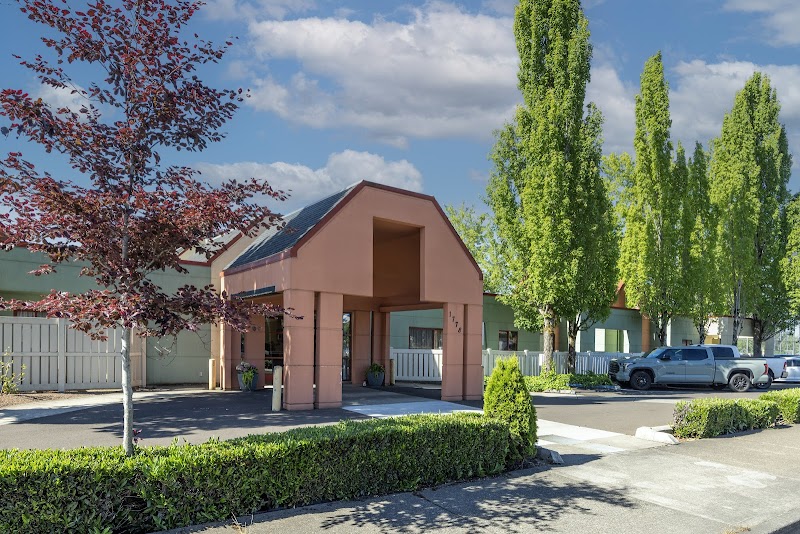
How is Hillsboro Health & Rehabilitation Center Staffed?

CMS rates HILLSBORO HEALTH & REHABILITATION CENTER's staffing level at 3 out of 5 stars, which is average compared to other nursing homes. Staff turnover is 61%, which is 15 percentage points above the Oregon average of 46%. High turnover can affect care consistency as new staff learn residents' individual needs. RN turnover specifically is 76%, which is notably high. RNs provide skilled clinical oversight, so turnover in this role can affect medical care quality.

What Have Inspectors Found at Hillsboro Health & Rehabilitation Center?

State health inspectors documented 28 deficiencies at HILLSBORO HEALTH & REHABILITATION CENTER during 2022 to 2025. These included: 27 with potential for harm and 1 minor or isolated issues.
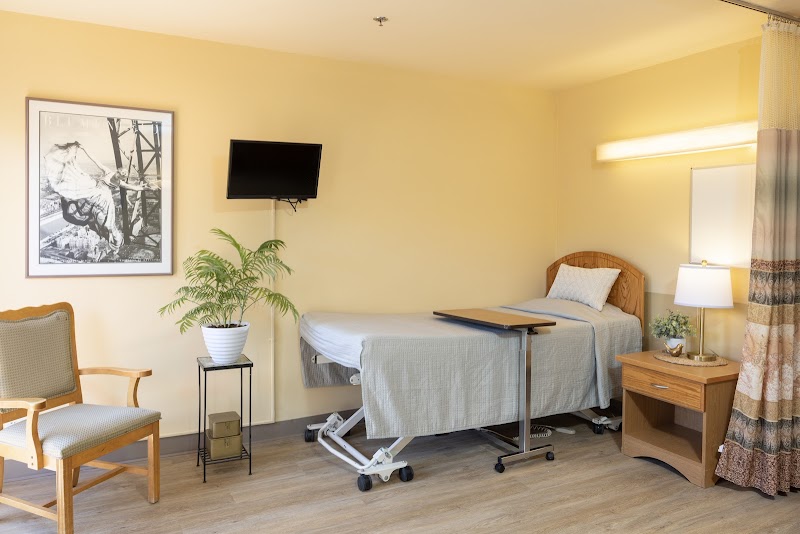
Who Owns and Operates Hillsboro Health & Rehabilitation Center?

HILLSBORO HEALTH & REHABILITATION CENTER is owned by a for-profit company. For-profit facilities operate as businesses with obligations to shareholders or private owners. The facility is operated by EMPRES OPERATED BY EVERGREEN, a chain that manages multiple nursing homes. With 78 certified beds and approximately 58 residents (about 74% occupancy), it is a smaller facility located in HILLSBORO, Oregon.
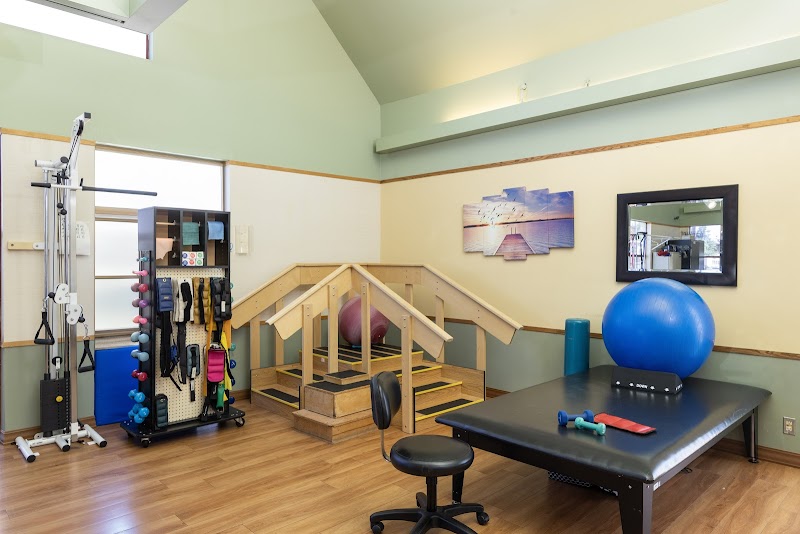
How Does Hillsboro Health & Rehabilitation Center Compare to Other Oregon Nursing Homes?

Compared to the 100 nursing homes in Oregon, HILLSBORO HEALTH & REHABILITATION CENTER's overall rating (4 stars) is above the state average of 3.0, staff turnover (61%) is significantly higher than the state average of 46%, and health inspection rating (4 stars) is above the national benchmark.

What Should Families Ask When Visiting Hillsboro Health & Rehabilitation Center?

Based on this facility's data, families visiting should ask: "How do you ensure continuity of care given staff turnover, and what is your staff retention strategy?" "Can I visit during a mealtime to observe dining assistance and food quality?" "How do you handle medical emergencies, and what is your hospital transfer rate?" "Can I speak with family members of current residents about their experience?" These questions are particularly relevant given the facility's high staff turnover rate.

Is Hillsboro Health & Rehabilitation Center Safe?

Based on CMS inspection data, HILLSBORO HEALTH & REHABILITATION CENTER has a clean safety record: no substantiated abuse findings (meaning no confirmed cases of resident harm), no Immediate Jeopardy citations (the most serious violation level indicating risk of serious injury or death), and is not on the Special Focus Facility watch list (a federal program monitoring the lowest-performing 1% of nursing homes). The facility has a 4-star overall rating and ranks #1 of 100 nursing homes in Oregon. While no facility is perfect, families should still ask about staff-to-resident ratios and recent inspection results during their visit.

Do Nurses at Hillsboro Health & Rehabilitation Center Stick Around?

Staff turnover at HILLSBORO HEALTH & REHABILITATION CENTER is high. At 61%, the facility is 15 percentage points above the Oregon average of 46%. Registered Nurse turnover is particularly concerning at 76%. RNs handle complex medical decisions and coordinate care — frequent RN changes can directly impact care quality. High turnover means new staff may not know residents' individual needs, medications, or preferences. It can also be disorienting for residents, especially those with dementia who rely on familiar faces. Families should ask: What is causing the turnover? What retention programs are in place? How do you ensure care continuity during staff transitions?

Was Hillsboro Health & Rehabilitation Center Ever Fined?

HILLSBORO HEALTH & REHABILITATION CENTER has no federal fines on record. CMS issues fines when nursing homes fail to meet care standards or don't correct problems found during inspections. The absence of fines suggests the facility has either maintained compliance or corrected any issues before penalties were assessed. This is a positive indicator, though families should still review recent inspection reports for the full picture.

Is Hillsboro Health & Rehabilitation Center on Any Federal Watch List?

HILLSBORO HEALTH & REHABILITATION CENTER is not on any federal watch list. The most significant is the Special Focus Facility (SFF) program, which identifies the bottom 1% of nursing homes nationally based on persistent, serious quality problems. Not being on this list means the facility has avoided the pattern of deficiencies that triggers enhanced federal oversight. This is a positive indicator, though families should still review the facility's inspection history directly.