PILOT BUTTE REHABILITATION CENTER
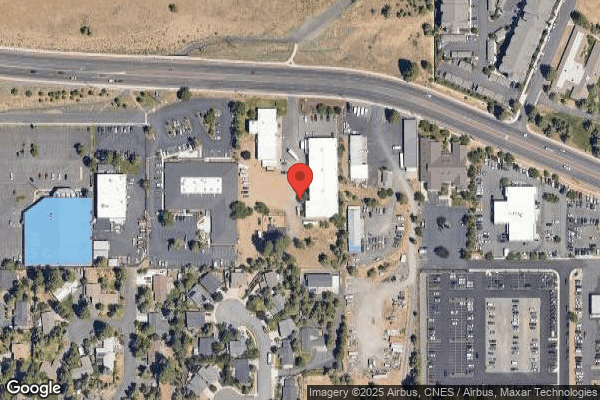

1876 NE HIGHWAY 20, BEND, OR 97701 (541) 382-5531
For profit - Limited Liability company 74 Beds REGENCY PACIFIC MANAGEMENT Data: November 2025 1 Immediate Jeopardy citation
Trust Grade
16/100
#120 of 127 in OR
Last Inspection: May 2024

Within standard 12-15 month inspection cycle. Federal law requires annual inspections.

Overview

Pilot Butte Rehabilitation Center has received a Trust Grade of F, which indicates significant concerns about its quality of care. It ranks #120 out of 127 nursing homes in Oregon, placing it in the bottom half of facilities statewide, and #4 out of 4 in Deschutes County, meaning there are no better local options available. Although the facility is improving, with a decrease in reported issues from 24 in 2024 to just 3 in 2025, it still has a troubling history, including a serious incident where a resident with severe cognitive impairment was able to elope from the facility and was found confused in a nearby roundabout. Staffing is a relative strength with a rating of 4 out of 5 stars, but the turnover rate is concerning at 59%, higher than the state average of 49%. Additionally, the facility has been fined $20,282, which is average compared to other Oregon facilities, but highlights ongoing compliance issues. The good news is that there is more RN coverage than 89% of state facilities, which is important for identifying issues that may be missed by other staff. However, there have been critical failures in care, such as not following physician orders for a resident's pressure ulcer treatment and improper infection control practices that could risk resident safety.

Trust Score
F
16/100
In Oregon
#120/127
Bottom 6%
Safety Record
High Risk
Review needed
Inspections
Getting Better
24 → 3 violations
Staff Stability
⚠ Watch
59% turnover. Above average. Higher turnover means staff may not know residents' routines.
Penalties
✓ Good
$20,282 in fines. Lower than most Oregon facilities. Relatively clean record.
Skilled Nurses
✓ Good
Each resident gets 50 minutes of Registered Nurse (RN) attention daily — more than average for Oregon. RNs are trained to catch health problems early.
Violations
⚠ Watch
44 deficiencies on record. Higher than average. Multiple issues found across inspections.
★☆☆☆☆
1.0
Overall Rating
★★★★☆
4.0
Staff Levels
★★☆☆☆
2.0
Care Quality
★☆☆☆☆
1.0
Inspection Score
Stable
2024: 24 issues
2025: 3 issues

The Good

  • 4-Star Staffing Rating · Above-average nurse staffing levels
  • Full Sprinkler Coverage · Fire safety systems throughout facility
  • No fines on record

Facility shows strength in staffing levels, fire safety.

The Bad

1-Star Overall Rating

Below Oregon average (3.0)

Significant quality concerns identified by CMS

Staff Turnover: 59%

13pts above Oregon avg (46%)

Frequent staff changes - ask about care continuity

Federal Fines: $20,282

Below median ($33,413)

Minor penalties assessed

Chain: REGENCY PACIFIC MANAGEMENT

Part of a multi-facility chain

Ask about local staffing decisions and management

Staff turnover is elevated (59%)

11 points above Oregon average of 48%

The Ugly 44 deficiencies on record

1 life-threatening 1 actual harm
Sept 2025 3 deficiencies
CONCERN (D) 📢 Someone Reported This

A family member, employee, or ombudsman was alarmed enough to file a formal complaint

Potential for Harm - no one hurt, but risky conditions existed

Free from Abuse/Neglect (Tag F0600)

Could have caused harm · This affected 1 resident

Based on interview and record review it was determined the facility failed to protect the residents' right to be free from neglect and protect the residents' rights to be free from verbal and physical...

Read full inspector narrative →
Based on interview and record review it was determined the facility failed to protect the residents' right to be free from neglect and protect the residents' rights to be free from verbal and physical abuse by Staff 24 for 2 of 4 sampled residents (#s 47 and 51) reviewed for neglect and abuse. This placed residents at risk for abuse and neglect. Findings include: Resident 47 was admitted to the facility in 4/2024 with diagnoses including quadriplegia, Amyotrophic Lateral Sclerosis (ALS, a progressive disease which affects physical function). A care plan dated 4/23/24 directed staff to encourage Resident 47 to reposition frequently for pressure relief. The Documentation Survey Report 10/1/24 indicated Resident 47 was not repositioned on the night shift. The Alleged Neglect investigation dated 10/2/24 revealed Staff 2 (DNS) was notified Resident 47 did not receive care during the night shift on 10/1/24. Resident 47 stated Staff 5 (Former CNA) was useless, entered the room, turned off the call light, and did not provide care. Resident 47 also reported she/he was not offered any hydration or toileting. Due to ALS, Resident 47 was unable to eat or hydrate independently. On 9/16/25 at 8:14 AM, Staff 5 stated Resident 47 did receive care the night of 10/1/25. On 9/16/25 at 8:25 AM, Staff 8 (CNA) stated Resident 47 was very upset on the morning of 10/2/24. Staff 5 reported she could not assist Resident 47 due to back issues. On 9/16/25 at 11:07 AM, Staff 6 (Former Nurse's Aide Student) stated she saw Staff 5 enter Resident 47's room and turn off the call light. Staff 5 then told Staff 6 not to enter the room, saying she would take care of it. Staff 6 reported the concern to Staff 2 on the morning of 10/2/24. On 9/16/25 at 11:12 AM, Staff 7 (CNA) stated she did not go into Resident 47's room because Staff 5 was assigned to her/his room. On 9/16/25 at 11:43 AM, Staff 9 stated she came in the morning of 10/2/24 and Resident 47 complained about night shift from 10/1/24 not taking care of her/him. Staff 6 told her Staff 5 kept turning off Resident 47's call light. On 9/19/25 at 7:17 AM, Staff 1 (Administrator) stated staff were expected to provide care and services and not neglect residents. 2: Resident 51 was admitted to the facility in 8/2023 with diagnoses including infection. On 9/18/25 at 8:30 AM, Staff 21 (CNA) stated she was assisting Staff 24 (CNA) to provide care for Resident 51 on 4/27/25. Staff 21 stated Staff 24 was rough with the resident while placing a chuck (a device used to help reposition a resident) under the resident. She stated Staff 24 told Resident 51 she/he was not exactly easy to move when Resident 51 objected to the rough treatment by Staff 24. Staff 21 stated Staff 24 then jerked the chuck under the resident to reposition him without counting (a method used to be sure staff reposition the resident in unison) and the resident told Staff 24 he was hurting him. Staff 21 stated Staff 24 ignored the resident and left the room after repositioning her/him without providing the resident additional care. On 9/19/25 at 10:27 AM, Staff 16 (Social Services Director) stated Resident 51 informed her on 4/28/25 that Staff 24 had been abusive to her/him while providing care. A review of the investigation 5/1/25 by Staff 3 (former Administrator) and Staff 2 (DNS) revealed the facility could not rule out abuse to Resident 51 by Staff 24. Resident 51 was not available for interview. An attempt to interview Staff 24 on 9/16/25 was not successful. Staff 2 was not available for interview. Attempts to interview Staff 3 on 9/18/25 were not successful. On 9/19/25 at 10:33 AM, Staff 1 (Administrator), Staff 15 (Regional VP) and Staff 11 (Regional Director of Clinical Operations) acknowledged Resident 51 was abused by Staff 24.
CONCERN (D) 📢 Someone Reported This

A family member, employee, or ombudsman was alarmed enough to file a formal complaint

Potential for Harm - no one hurt, but risky conditions existed

Report Alleged Abuse (Tag F0609)

Could have caused harm · This affected 1 resident

Based on interview and record review it was determined the facility failed to report allegations of neglect and abuse timely for 3 of 4 sampled residents (#s 21, 47, and 51) reviewed for abuse and neg...

Read full inspector narrative →
Based on interview and record review it was determined the facility failed to report allegations of neglect and abuse timely for 3 of 4 sampled residents (#s 21, 47, and 51) reviewed for abuse and neglect. This placed residents at risk for neglect and abuse. Findings include:1. Resident 21 was admitted to the facility 8/25/25 with diagnoses including pelvic fracture. On 9/15/25 at 3:52 PM, Resident 21 stated she/he reported an allegation of abuse by Staff 33 (RN) and Staff 34 (CNA) that occurred on 9/7/25. The resident alleged an RN, and a CNA gave her/him a suppository against her/his will. Resident 21 also alleged Staff 34 forcefully placed her hand on the resident's hip to hold her/him down. Resident 21 stated she/he spoke to Staff 2 (DNS) and Staff 1 (Administrator) about the incident and wanted to file a grievance. The facility reported the alleged abuse to the State Agency on 9/16/25. On 9/16/25 at 7:53 AM, Staff 2 stated she and Staff 1 spoke with the resident and the staff involved when they learned of the incident 9/8/25. Staff 2 stated she did not take further action. On 9/19/25 at 10:33 AM, Staff 1 (Administrator), Staff 15 (Regional VP) and Staff 11 (Regional Director of Operations) stated allegations of abuse should be reported to the state agency within 2 hours. 2: Resident 51 was admitted to the facility in 8/2023 with diagnoses including infection. On 4/28/25 Resident 51 reported she/he had been verbally and physically abused by Staff 24 (CNA). Staff 2 (DNS) and Staff 3 (former Administrator) learned of the alleged abuse on 4/28/25 at 12:15 PM and a FRI was submitted to the State Agency on 4/28/25 at 3:49 PM. Resident 51 was not available for interview. Staff 2 was not available for interview. An attempt to interview Staff 24 on 9/16/25 was not successful. Attempts to interview Staff 3 on 9/18/25 were not successful. On 9/18/25 at 8:30 AM, Staff 21 (CNA) stated she was assisting Staff 24 to provide care for Resident 51 on 4/27/25. Staff 21 stated Staff 24 handled the resident roughly while placing a chuck (a device used to help reposition a resident) under the resident. She stated Staff 24 told Resident 51 she/he was not exactly easy to move when Resident 51 objected to the rough handling by Staff 24. Staff 21 stated Staff 24 then jerked the chuck under the resident to reposition her/him without counting (a method used to be sure staff reposition the resident in unison). The resident told Staff 24 he was hurting her/him. Staff 21 stated Staff 24 ignored the resident and left the room after repositioning her/him without providing additional care. On 9/19/25 at 10:27 AM, Staff 16 (Social Services Director) stated Resident 51 informed her on 4/28/25 Staff 24 had been abusive to her/him while providing care. On 9/19/25 at 10:33 AM, Staff 1 (Administrator), Staff 15 (Regional VP) and Staff 11 (Regional Director of Operations) stated allegations of abuse should be reported to the state agency within 2 hours and stated facility records showed the alleged abuse was not reported timely. 3. Resident 47 was admitted to the facility in 4/2024 with diagnoses including quadriplegia, Amyotrophic Lateral Sclerosis (ALS, a progressive disease which affects physical function). A facility reported incident dated 10/3/24 at 10:00 AM indicated on 10/2/24 at 12:00 PM, Staff 4 (CNA) reported Staff 5 did not provide care to Resident 47 during the night shift on 10/1/24. Attempts to interview Staff 4 on 9/16/25 and 9/18/25 were unsuccessful. On 9/16/25 at 11:07 AM, Staff 6 (Former Nurse's Aide Student) stated she observed Staff 5 enter Resident 47's room and turn off the call light during night shift on 10/1/24 without providing care or services. Staff 6 reported the concern to Staff 2 between 6:00 AM and 7:00 AM on 10/2/24. Staff 2 was not available for interview. On 9/19/25 at 7:19 AM, Staff 1 (Administrator) stated she would expect staff to report an allegation of neglect to the State agency within 24 hours if no major injury occurred.
CONCERN (E) 📢 Someone Reported This

A family member, employee, or ombudsman was alarmed enough to file a formal complaint

Potential for Harm - no one hurt, but risky conditions existed

Infection Control (Tag F0880)

Could have caused harm · This affected multiple residents

Based on observation, interview and record review it was determined the facility failed to follow infection control standards for 2 of 2 sampled residents (#s 1 and 24) reviewed for hospice and transm...

Read full inspector narrative →
Based on observation, interview and record review it was determined the facility failed to follow infection control standards for 2 of 2 sampled residents (#s 1 and 24) reviewed for hospice and transmission-based precautions. This placed residents at risk for exposure to, and contraction of, infectious diseases. Findings include:1. Resident 24 was admitted to the facility in 8/2025 with a diagnosis of cellulitis (infection of the skin). Resident 24's Care Plan initiated 8/29/25 revealed she/he was used a walker with transfers and was to be supervised. Resident 24 had a history of a drug-resistant organism in her/his urine, was at times incontinent, and had cellulitis to her/his leg requiring precautions during high contact activities. On 9/17/25 at 9:20 AM a Contact Isolation sign was observed outside of Resident 24's door. The sign directed staff to put on a gown and gloves prior to entering the resident's room. Staff 36 was observed to enter Resident 24's room after putting on a disposable gown and gloves. Resident 24 exited the room and Staff 36 followed her/him after she removed her gloves and performed hand hygiene. Staff 36 did not remove her disposable gown. Staff 36 stated she did not remove the gown because she did not want Resident 24 to walk down the hall without assistance. On 9/18/25 at 12:21 PM Staff 14 (IP) stated staff should have removed the gown prior to exiting the room. 2. Resident 1 was admitted to the facility in 6/2025 with diagnoses including chronic kidney disease, and disorders of the bladder. The facility's Transmission-Based Precautions Policy and Procedure revised 11/2024, indicated the following: Enhanced Barrier Precautions (EBP) were implemented alongside standard precautions to reduce transmission of multidrug-resistant organisms (germs that resist treatment with multiple antibiotics). EBP required targeted use of glove and gowns during high-contact resident care activities such as transferring and device care, including urinary catheter use. PPE included gloves and gown prior to the high-contact care. Face protection (mask, goggles, or face shield) may also be needed if there was risk for splash or spray. a. A 6/25/25 care plan indicated Resident 1 was at risk for infection due to a history of aspiration (inhaling food or fluid into the lungs), pneumonia, indwelling catheter (tube placed in the bladder to drain urine), and a history of multiple UTIs. Interventions included to implement EBP during high-contact care activities such as transferring, and urinary catheter care. On 9/17/25 at 9:17 AM, Staff 13 (CNA) and Staff 12 (CNA) were observed assisting Resident 1 with a transfer using a mechanical lift. Both staff wore gloves; no other PPE was observed. On 9/17/25 at 9:26 AM, Staff 13 and Staff 12 stated they understood EBP applied to changing briefs or emptying a catheter, and they would wear full PPE during those tasks. They did not believe gowns were required for transferring Resident 1 with a mechanical lift. On 9/17/25 at 9:27 AM, the EBP sign posted next to Resident 1's room indicated all health care personnel must wear gloves and gown for high contact resident care activities including bathing, transferring, changing linens, assisting with toileting and providing hygiene. On 9/19/25 at 7:14 AM, Staff 11 (Regional Director of Clinical Operations) stated staff were expected to follow the EBP sign and policy for using the proper PPE while caring for a resident. b. On 9/18/25 at 2:01 PM, Staff 18 (Hospice RN) was overheard informing Resident 1 her/his catheter was leaking, and she was going to turn on the light to change the catheter. Staff 18 was observed wearing gloves but no gown. At 2:19 PM, Staff 18 removed her gloves; no gown was observed. Staff 18 confirmed she changed Resident 1's catheter and wore only gloves. She acknowledged a gown should be worn during catheter care. On 9/19/25 at 7:14 AM Staff 11 (Regional Director of Clinical Operations) stated staff were expected to follow the EBP sign and policy for using the proper PPE while caring for residents.
Sept 2024 1 deficiency 1 IJ
CRITICAL (J) 📢 Someone Reported This

A family member, employee, or ombudsman was alarmed enough to file a formal complaint

Immediate Jeopardy (IJ) - the most serious Medicare violation

Accident Prevention (Tag F0689)

Someone could have died · This affected 1 resident

Based on interview and record review it was determined the facility failed to ensure a resident was safe from elopement for 1 of 1 sampled resident (#1) reviewed for elopement. This failure was determ...

Read full inspector narrative →
Based on interview and record review it was determined the facility failed to ensure a resident was safe from elopement for 1 of 1 sampled resident (#1) reviewed for elopement. This failure was determined to be an immediate jeopardy situation due to the facility failed to follow the Resident 1's care plan and provide adequate supervision, which resulted in Resident 1's elopement from the facility. Findings include: Resident 1 admitted to the facility on 8/2024 for a 5-day respite stay with diagnoses including Alzheimer's Disease, dementia, anxiety disorder and restlessness. On 9/5/24 at 11:53 AM, Witness 1 (Family) stated on 8/15/24 she was notified Resident 1 was found in the middle of a roundabout, confused and carrying a teddy bear by a local law enforcement officer. The officer notified Resident 1's family. Witness 1 stated Resident 1 told her she/he wanted to leave the facility so when someone opened the door, she/he walked out. The 8/12/24 BIMS (an assessment tool used to assess cognition) revealed Resident 1 had severe cognitive impairment. The 8/12/24 Ambulation Care Plan revealed Resident 1 was independent with ambulation. The 8/13/24 Behavior Care Plan revealed Resident 1 was at risk for behavior symptoms related to elopement due to dementia, sun downs (the emergence or worsening of symptoms, like agitation, confusion or aggressiveness, in the late afternoon or early evening) and her/his first time away from home. Interventions included to encourage Resident 1 to remain in a supervised area when out of bed, monitor every 15 minutes and to redirect when wandering. The 8/13/24 Elopement Evaluation revealed Resident 1 was at risk for elopement. The 8/13/24 Progress Note revealed Resident 1 was confused, wandered throughout the facility and was exit seeking. The 8/14/24 Progress Note revealed Resident 1 wandered around the facility trying to get out and stated she/he wanted to go home. Resident 1 attempted to open each door she/he approached, all she/he thought of was to leave and was a high elopement risk. The 8/28/24 Facility Investigation revealed Resident 1 was at the facility for a five day respite stay, was ambulatory, could almost run if [she/he] want to, went to every door in the facility to try and get out, set off two alarms, needed frequent visual checks and was a high risk for elopement and falls. On 8/15/24, Staff 6 (CNA) last observed Resident 1 between 5:30 PM and 5:45 PM when the resident walked back and forth in the hallway, appeared agitated and excited and stated, I want to go home. I am going home today. The investigation further indicated Witness 2 (Visitor) observed Resident 1 in the lobby when Resident 1 sat down and began to talk out loud to herself/himself. Resident 1 abruptly stood up and stated she/he was going for a walk and followed another visitor out the door. The investigation summary indicated Staff 5 (CNA) last saw the resident at 6:30 PM in her/his room and Witness 2 observed her/him in the lobby between 7:00 PM and 7:15 PM. Resident 1 was found in the street by a police officer at approximately 7:30 PM and the facility staff was notified of the elopement at 7:45 PM when Resident 1 was returned to the facility by the police officer. Per record review the distance from the facility to where the resident was found was approximately 1.8 miles. Per Google Earth and Mapquest, the resident would have walked alongside a four lane highway, crossed the highway, walked along a busy street and transversed through three roundabouts before she/he was found in the third roundabout by the local police. Record review revealed 30-minute visual checks were in place from 8/13/24 at 6:45 AM through 8/15/24 at 3:30 PM. Resident 1's visual checks stopped nearly four hours before she/he eloped on 8/15/24 after 7:00 PM. In addition, Resident 1's care plan of 15-minute checks was not followed. On 9/5/24 at 10:56 AM, Staff 5 stated she was the last person to observe Resident 1 at 6:30 PM, when she attempted to wake up the resident for dinner. This was 30-45 minutes before Resident 1's elopement. Staff 5 further stated, after a while, the police came saying she was missing. On 9/5/24 at 11:20 AM, Staff 8 (CNA) stated Resident 1 was very confused, stayed by the door and was exit seeking the entire time at the facility. If staff attempted to redirect her/him, Resident 1 would get very angry, shake, grind her/his teeth and then immediately begin to exit seek again out all of the doors. On 9/6/24 at 11:46 AM, Staff 9 (CNA) stated Resident 1 was exit-seeking and pulling on the doors, but did not see any staff redirect her/him and did not redirect Resident 1 herself. On 9/5/24 at 12:37 PM, Staff 12 (CNA) stated Resident 1 was exit-seeking from the moment she/he woke up and constantly tried to find a way out using any of the four doors. Staff 12 further stated all staff were aware of the exit seeking behavior but did not redirect Resident 1 unless she/he was at the main entry door. Staff 12 stated not all staff on evening and night shift were aware of the care planned safety checks so the checks did not always get done. On 9/5/24 at 12:20 PM, Staff 2 (DNS) and Staff 4 (admission Nurse/Resident Care Manager) verified Resident 1 was a high risk for elopement. Staff 2 stated Resident 1's care plan should have had individualized interventions in place to prevent elopement and acknowledged there was no documented evidence Resident 1's care plan was followed by encouraging her/him to remain in a supervised area when out of bed, monitoring her/his location every 15 minutes and redirecting when she/he wandered. Staff 2 stated the every 30 minute monitoring fell off at 3:30 PM on 8/15/24 because staff were unaware of the need to do this. Staff 2 acknowledged Resident 1 was found approximately two miles away from the facility by a local law enforcement officer and staff were unaware of the elopement until 7:45 PM when the resident was brought back to the facility. Staff 2 stated, she/he picked a time that was a good time when all the staff were busy. On 9/5/24 at 2:05 PM, Staff 1 (Administrator) and Staff 2 (DNS) were notified of the Immediate Jeopardy (IJ) situation and provided a copy of the IJ template related to the facility's failure to put into place individualized care plan interventions and to follow the residents care plan to prevent elopement. On 9/5/24 at 4:17 PM, an acceptable facility IJ removal plan was submitted by the facility. The plan indicated the facility would implement the following actions: *Current residents identified as elopement risks would have their care plans reviewed to reflect person centered care. *All current residents would be reassessed for risk of elopement. Any identified residents' plan of care would be updated to include individualized, personalized interventions. *The elopement book would be updated to include any newly identified residents. *All facility staff would be educated on the residents identified at risk for elopement and their individualized care plan interventions as well as procedures to initiate if a resident eloped. Education would be completed by 9/6/24 at 2:30 PM. Staff who were on leave or under COVID restrictions would be required to complete the education prior to returning work. *Daily audits would be completed starting 9/6/24 by the Interdisciplinary Team (IDT) to ensure residents were properly identified for elopement risk, elopement care plans were individualized, and staff followed care plan elopement interventions. Any identified issues would be immediately corrected. *Daily audits would continue for 14 days, then weekly for three months. Results of the audits would be presented to the QAPI team. The IJ was removed on 9/6/24 at 2:00 PM, as confirmed by onsite verification by the survey team on 9/9/24.
May 2024 20 deficiencies
CONCERN (D)

Potential for Harm - no one hurt, but risky conditions existed

Deficiency F0552 (Tag F0552)

Could have caused harm · This affected 1 resident

Based on interview, and record review it was determined the facility failed to obtain consent to administer medication for 1 of 5 (#16) sampled residents reviewed for unnecessary medications. This pla...

Read full inspector narrative →
Based on interview, and record review it was determined the facility failed to obtain consent to administer medication for 1 of 5 (#16) sampled residents reviewed for unnecessary medications. This placed residents at risk for uninformed care. Findings include: Resident 16 admitted to the facility in 12/2019 with diagnoses including dementia, restlessness and agitation. A review of Resident 16's Physician Orders revealed an 4/11/24 order for buspirone (a medication in the anxiolytic drug class used to treat anxiety). A review of Resident 16's medical record revealed an 4/11/24 signed consent for buspirone listed as an antidepressant medication. The consent went over the risks and benefits for an antidepressant medication. On 5/30/24 at 4:03 PM Staff 2 (DNS) stated buspirone was an anxiolytic medication, not an antidepressant medication. Staff 2 acknowledged Resident 16 and her/his representative were not given informed consent for buspirone.
CONCERN (D)

Potential for Harm - no one hurt, but risky conditions existed

Deficiency F0561 (Tag F0561)

Could have caused harm · This affected 1 resident

Based on interview and record review it was determined the facility failed to evaluate a resident's choice for bathing for 1 of 1 sampled resident (#18) reviewed for choices. This place residents at r...

Read full inspector narrative →
Based on interview and record review it was determined the facility failed to evaluate a resident's choice for bathing for 1 of 1 sampled resident (#18) reviewed for choices. This place residents at risk for lack of honored choices. Findings include: Resident 18 admitted to the facility in 2023 with diagnoses including stroke and anxiety. The 3/4/24 Quarterly MDS indicated Resident 18 required partial to moderate assistance for bathing and was cognitively intact. A 11/29/24 care plan indicated to provide Residents 18's bathing according to his/her preferences two times a week. The Task: Shower form for Resident 18 indicated the following: -On 5/1/24 at 9:30 PM the resident refused her/his shower. -On 5/4/24 at 8:30 PM the resident refused her/his shower. -On 5/11/24 at 9:54 PM the resident refused her/his shower. On 5/28/24 at 9:23 AM Resident 18 stated she/he refused showers because staff offered showers at night when she/he wanted to be in bed. Resident 18 stated she was told by CNAs her/his showers were scheduled at night. Resident 18 requested a different time for bathing and no changes were made to her/his bathing schedule. On 5/29/24 at 8:39 AM Staff 5 (Resident Care Manager) stated an investigation regarding Resident 18's shower refusals was not started as expected. Staff 5 acknowledged Resident 18 should be aware an alternative shower schedule was available.
CONCERN (D)

Potential for Harm - no one hurt, but risky conditions existed

Deficiency F0578 (Tag F0578)

Could have caused harm · This affected 1 resident

Based on interview and record review it was determined the facility failed to ensure advance directive information was provided to residents for 3 of 4 sampled residents (#s 11, 34, and 40) reviewed f...

Read full inspector narrative →
Based on interview and record review it was determined the facility failed to ensure advance directive information was provided to residents for 3 of 4 sampled residents (#s 11, 34, and 40) reviewed for advance directives. This placed residents at risk for lack of end-of-life choices being honored. Findings include: 1. Resident 11 admitted to the facility in 2023 with a diagnosis of surgical infection. An 4/6/24 quarterly MDS revealed Resident 11 had impaired cognition. An 4/11/24 Care Conference form indicated Resident 11 had an advance directive. On 5/29/24 at 10:01 AM Staff 9 (Social Service Director) stated if the Care Conference form indicated the resident had an advance directive, a copy was to be in the resident's clinical record. On 5/29/24 at 2:18 PM Staff 2 (DNS) stated Resident 11 did not have an advance directive. Staff 2 also stated there was no documentation to indicate Resident 11 or her/his representative were provided information regarding advance directives. On 5/29/24 at 2:50 PM Witness 3 (Family) and Witness 4 (Family) stated the facility did not provide information related to advance directives. Witness 3 also stated he did not know anything about advance directives. 2. Resident 34 admitted to the facility in 2024 with a diagnosis of skin infection. A 5/7/24 quarterly MDS revealed Resident 34 was cognitively intact. A 5/23/24 Care Conference form indicated Resident 34 had an advance directive. On 5/29/24 at 8:08 AM Resident 34 stated she/he did not have an advance directive, did not want and advance directive, and the facility did not provide information related to advance directives. On 5/29/24 at 9:53 AM Staff 9 (Social Service Director) stated Resident 34 did not have an advance directive in her/his clinical record and would provide documentation if advance directive information was provided. No additional information was provided. 3. Resident 40 admitted to the facility in 2024 with a diagnosis of UTI. A 5/10/24 admission MDS revealed Resident 40 was cognitively intact. A 5/20/24 Care Conference form revealed Resident 40 had an advance directive. On 5/29/24 at 9:46 AM Resident 40 stated she/he did not have an advance directive and the facility did not provide information regarding advance directives. On 5/29/24 at 9:50 AM Staff 9 (Social Service Director) stated if the record indicated a resident had an advance directive it should be in the resident's clinical record. A request was made to Staff 9 to provide Resident 40's advance directive or documentation to indicate advance directive information was provided. No additional information was provided.
CONCERN (D)

Potential for Harm - no one hurt, but risky conditions existed

Deficiency F0582 (Tag F0582)

Could have caused harm · This affected 1 resident

Based on interview and record review it was determined the facility failed to provide an Advanced Beneficiary Notice for 1 of 3 (#5) sampled residents reviewed for Beneficiary Notification. This place...

Read full inspector narrative →
Based on interview and record review it was determined the facility failed to provide an Advanced Beneficiary Notice for 1 of 3 (#5) sampled residents reviewed for Beneficiary Notification. This placed residents at risk for financial loss. Findings include: Resident 5 admitted to the facility in 8/2016 with diagnoses including respiratory failure. Resident 5 had a skilled Medicare stay from 1/10/23 through 1/19/23. Resident 5 remained in the facility after 1/19/23 on Medicaid. A review of Resident 5's medical record revealed no evidence of an Advanced Beneficiary Notice (ABN) issued to her/him after his Medicare stay. On 5/31/24 at 9:08 AM Staff 3 (Regional Nurse Consultant) acknowledged Resident 5 was not issued an ABN upon payor change from Medicare to Medicaid on 1/19/23.
CONCERN (D) 📢 Someone Reported This

A family member, employee, or ombudsman was alarmed enough to file a formal complaint

Potential for Harm - no one hurt, but risky conditions existed

Free from Abuse/Neglect (Tag F0600)

Could have caused harm · This affected 1 resident

2. Resident 21 admitted to the facility in 8/2023 with diagnoses including spinal stenosis (a narrowing of the spinal canal which can cause pressure on the spinal cord of nerves). A 2/25/24 Quarterly ...

Read full inspector narrative →
2. Resident 21 admitted to the facility in 8/2023 with diagnoses including spinal stenosis (a narrowing of the spinal canal which can cause pressure on the spinal cord of nerves). A 2/25/24 Quarterly MDS revealed Resident 21 was cognitively intact. A 5/14/24 Incident Reported revealed Resident 21 reported Staff 23 (former agency CNA) was verbally rude and was rough with care. On 5/14/24 a FRI form was submitted to the State Agency by the facility. On 5/28/24 at 8:49 AM Resident 21 stated Staff 23 was verbally abusive and was rough with care. Resident 21 stated she/he asked Staff 23 to be gentle with care, but she was not. On 5/30/24 at 5:31 PM Staff 23 stated she encouraged Resident 21 to be more independent and Resident 21 became mad at her. On 5/31/24 at 8:46 AM Staff 2 (DNS) stated Resident 21 had a skin assessment completed after the allegation, no physical injuries were noted. Staff 2 stated Resident 21 was placed on alert charting after the allegation to monitor for psychosocial harm, and no psychosocial harm was noted. On 5/31/23 at 1:37 PM Staff 1 (Administrator) confirmed the investigation for the allegation of abuse concluded Staff 23 was abusive toward Resident 21. 3. Resident 31 admitted to the facility in 1/2024 with diagnoses including hemiplegia (paralysis of half of the body) affecting the left side of the body. A 5/5/24 Quarterly MDS revealed Resident 31 was cognitively intact. A 5/14/24 Incident Report revealed Resident 31 reported Staff 23 (former agency CNA) was emotionally and physically abusive. On 5/14/24 a FRI form was submitted to the State Agency by the facility. On 5/28/24 at 9:55 AM Resident 31 stated Staff 23 called her/him a liar when Resident 31 stated she/he needed to be put back in bed. Resident 31 stated it took three hours for Staff 23 to put her/him back in bed. Resident 31 stated once Staff 23 put her/him in bed, she changed her/his incontinent brief. Resident 31 stated Staff 23 jerked her/him around like a rag doll, and shoved her/him into the wall. Resident 31 stated she/he requested Staff 23 be careful and Staff 23 replied I have 40 some patient here, if I took time to turn them all carefully, I would not be able to do my job. On 5/30/24 at 5:31 PM Staff 23 stated Resident 31 wanted to lay down right after lunch, she/he was a two-person transfer and she was not able to lay her/him down right away, and Resident 31 became angry with her. On 5/31/23 at 8:46 AM Staff 2 (DNS) stated Resident 31 had a skin assessment completed after the allegation, and no physical injuries were noted. Staff 2 stated Resident 31 was placed on alert charting after the allegation to monitor for psychosocial harm, and no psychosocial harm was noted. On 5/31/23 at 1:37 PM Staff 1 (Administrator) confirmed the investigation for the allegation of abuse concluded Staff 23 was abusive toward Resident 31. Based on interview and record review it was the determined the facility failed to prevent abuse for 3 of 3 (#s 14, 21, and 31) sampled residents reviewed for abuse. This placed residents at risk for abuse. Findings include: 1. Resident 14 admitted to the facility in 2022 with diagnosis including stroke. A 3/5/24 Quarterly MDS revealed Resident 14 was cognitively intact. A 3/27/24 revised care plan indicated Resident 14 was incontinent of bowel and required one staff to assist with bowel care. A 5/14/24 Alleged Abuse investigation for Resident 14 indicated a CNA reported an allegation of abuse because Resident 14 was questioned why she/he no longer had Staff 23 (former Agency CNA) provide her/his care. Resident 14 stated Staff 23 completed her/his personal care and wiped her/him roughly stating Staff 23 tried to stick a wipe and her finger up her/his butt. Resident 14 told Staff 23 she was rough during care. Resident 14 indicated Staff 23 continued to provide rough care, became upset and told her/him not to tell her how to complete her job. On 5/28/24 at 1:33 PM Resident 14 confirmed she/he told Staff 23 to stop and she kept going during personal care after her/his bowel movement. On 5/31/24 at 1:16 PM Staff 1 (Administrator) acknowledged the facility investigation revealed abuse occurred between Staff 23 and Resident 14.
CONCERN (D)

Potential for Harm - no one hurt, but risky conditions existed

Deficiency F0657 (Tag F0657)

Could have caused harm · This affected 1 resident

Based on interview and record review it was determined the facility failed to revise care plans for 2 of 5 sampled residents (#s 2 and 34) reviewed for unnecessary medications. This placed residents a...

Read full inspector narrative →
Based on interview and record review it was determined the facility failed to revise care plans for 2 of 5 sampled residents (#s 2 and 34) reviewed for unnecessary medications. This placed residents at risk for lack of appropriate care. Findings include: 1. Resident 2 admitted to the facility in 2024 with diagnoses including end stage kidney disease and stroke. A 5/24/24 hospital Discharge Summary indicated Resident 2 admitted to the hospital due to a hematoma (pool of mostly clotted blood) in her/his chest wall while on an oral anticoagulant. Resident 2's discharge medications included no anticoagulant medication. A 5/24/24 revised care plan indicated to provide interventions, monitor and prevent bleeding for Resident 2 due to the use of her/his anticoagulant medication. On 5/31/24 at 9:22 AM Staff 5 (Resident Care Manager) stated the orders for Resident 2 were not checked twice as expected when Resident 2's anticoagulant medication was discontinued. Staff 5 acknowledged Resident 2's care plan was not revised. 2. Resident 34 admitted to the facility in 2024 with a diagnosis of dementia. Resident 34's clinical record revealed she/he was started on Ativan (antianxiety medication) during 3/2024. A Care Plan revised on 3/12/24 revealed Resident 34 was at risk for side affects of Ativan. The Care Plan did not include what caused Resident 34 to be anxious or resident specific interventions to provide prior to the administration of Atvian. On 5/30/24 at 3:03 PM Staff 5 (Resident Care Manager) stated after Resident 34's Atvian was initiated a care plan was not updated to include resident specific behaviors or interventions for the use of Ativan. Refer to F758.
CONCERN (D)

Potential for Harm - no one hurt, but risky conditions existed

Quality of Care (Tag F0684)

Could have caused harm · This affected 1 resident

**NOTE- TERMS IN BRACKETS HAVE BEEN EDITED TO PROTECT CONFIDENTIALITY** 2. Resident 7 admitted to the facility in 2/2024 with diagnoses including depression. A 5/21/24 MDS indicated Resident 7 had mo...

Read full inspector narrative →
**NOTE- TERMS IN BRACKETS HAVE BEEN EDITED TO PROTECT CONFIDENTIALITY** 2. Resident 7 admitted to the facility in 2/2024 with diagnoses including depression. A 5/21/24 MDS indicated Resident 7 had moderate cognitive impairment. A 5/22/24 Progress Note revealed Resident 7 felt unsafe with the resident in room [ROOM NUMBER]A near her/him and measures were put in place to keep Resident 7 safe. A 5/23/24 care plan indicated Resident 7 and the resident in room [ROOM NUMBER]A were not to have contact with each other per Resident 7's preference. On 5/29/24 at 12:25 PM Staff 9 (Social Service Director) stated the resident in room [ROOM NUMBER]A was Resident 33 and was not in room [ROOM NUMBER]A anymore. On 5/29/24 at 4:51 PM Resident 7 stated she/he was uncomfortable with Resident 33 because she/he sat too close to her/him and Resident 7 stated Resident 33 was wacky. On 5/30/23 at 12:26 PM Resident 7 was observed in the dining room and Resident 33 was observed pulling up a chair and sitting next to Resident 7. Staff in the dining room did not intervene. At 12:31 PM Staff 9 (Social Service Director) was informed of the observation by the surveyor. Staff 9 spoke with a staff member in the dining room and Resident 33 was moved to another table. On 5/30/24 at 1:45 PM Staff 1 (Administrator) and Staff 2 (DNS) confirmed Resident 7 was care planned to not have contact with Resident 33 and acknowledged ongoing training was needed. Staff 2 acknowledged Resident 7's care plan was not updated after Resident 33 moved out of room [ROOM NUMBER]A. Based on interview and record review it was determined the facility failed to follow physician orders for 2 of 2 sampled residents (#s 7 and 9) reviewed for accidents and hospice. This placed residents at risk for unmet care needs. Findings include: Resident 9 admitted to the facility in 2017 with diagnoses including end of life care and restless leg syndrome. An 10/10/23 Cognitive Loss CAA revealed Resident 9 stated rest, repositioning and medications were helpful to address her/his pain relief and discomfort. The 11/2/23 physician order indicated Resident 9 was to receive Benztropine (restless leg medication) every evening at bedtime. A review of Resident 9's clinical record for 5/2023 revealed Resident 9 missed eight doses of her/his Benztropine. On 5/28/24 at 8:20 AM Resident 9 stated she/he went without the medication she needed for her/his restless leg syndrome for eight days. On 5/29/23 at 3:38 PM Staff 2 (DNS) acknowledged the resident missed eight doses of her/his medication.
CONCERN (D)

Potential for Harm - no one hurt, but risky conditions existed

Deficiency F0685 (Tag F0685)

Could have caused harm · This affected 1 resident

Based on interview and record review it was determined the facility failed to scheduled an audiology exam for 1 of 1 sampled resident (#22) reviewed for communication needs. This placed residents at r...

Read full inspector narrative →
Based on interview and record review it was determined the facility failed to scheduled an audiology exam for 1 of 1 sampled resident (#22) reviewed for communication needs. This placed residents at risk for unmet needs. Findings include: Resident 22 admitted to the facility in 4/2023 with diagnoses including a stroke. A 1/24/24 Provider Progress Note revealed Resident 22 requested to see a hearing doctor. An 4/27/24 MDS revealed Resident 22 was cognitively intact. On 5/28/24 at 9:48 AM Resident 22 stated she/he was hard of hearing and was recommended hearing aids at a doctor's appointment approximately eight months ago. On 5/29/24 at 12:21 PM Staff 9 (Social Service Director) stated Resident 22 should have had a hearing appointment set up but was unable to locate the information. A 5/29/24 Progress Note revealed Resident 22's son was called to confirm or schedule a yearly hearing exam for Resident 22. On 5/31/24 at 8:06 AM Staff 5 (RN Resident Care Manager) stated she was aware Resident 22 was hard of hearing and acknowledged Resident 22 did not see a hearing doctor.
CONCERN (D)

Potential for Harm - no one hurt, but risky conditions existed

Pressure Ulcer Prevention (Tag F0686)

Could have caused harm · This affected 1 resident

Based on observation, interview and record review it was determined the facility failed to accurately assess pressure wounds and follow physician orders for 2 of 3 sampled residents (#s 4 and 19) revi...

Read full inspector narrative →
Based on observation, interview and record review it was determined the facility failed to accurately assess pressure wounds and follow physician orders for 2 of 3 sampled residents (#s 4 and 19) reviewed for pressure ulcers. This placed resident at risk for worsening wounds. Findings include: 1. Resident 4 admitted to the facility in 2023 with diagnoses including stroke and aphasia (speech or language deficit due to brain injury). A 12/9/23 physician order indicated to float Resident 4's heels while in bed, apply skin prep to her/his heels each shift and ensure a foam boot was applied to her/his right heel at all times. The 4/19/24 Quarterly MDS indicated Resident 4 had a Stage 4 (deep wound that may impact muscles, ligaments, and bone) pressure ulcer to the heel. The 5/2024 TAR indicated on each shift through 5/29/24 Resident 4's heels were floated while in bed, skin prep was applied to her/his heels each shift and a foam boot was applied to her/his right heel at all times. The 5/22/24 revised care plan indicated to administer treatments as ordered and encourage Resident 4 to float her/his heels. On 5/29/24 at 12:06 PM Resident 4 was observed in bed with her/his heels resting on the bed and her/his feet exposed to the air. On 5/29/24 at 1:03 PM Staff 22 (CNA) stated she was not assigned to care for Resident 4 on 5/29/24, but confirmed her/his heels should be floated and boots applied to her/his feet. On 5/30/24 at 9:53 AM and 10:06 AM Staff 6 (LPN) stated Staff 26 (RN) changed Resident 2's treatments a week prior and Resident 2's feet were to remain exposed to the air. Staff 6 stated on 5/29/24 she did not verify Resident 2's heels were floated or was informed Resident 2 refused. On 5/30/24 at 10:00 AM Staff 16 (CNA) stated Resident 2 typically refused to float her/his heels and she did not inform nursing of the resident's refusal on 5/29/24. On 5/31/24 at 9:01 AM Staff 5 (Resident Care Manager) stated she was not informed of Resident 2's refusals to float her/his heels and acknowledged any changes to Resident 2's treatments should be updated in the resident's clinical record and followed. 2. Resident 19 admitted to the facility in 2023 with diagnoses including bladder cancer. A 11/18/23 Incident Note indicated Resident 19 had an open area to the sacrum (triangular bone at the bottom of the spine) and discolored area approximately 2 cm x 1 cm on the right side of the gluteal cleft. A 11/24/23 Incident Note indicated Resident 19 had a small approximately 0.2 cm open area with a very small unmeasurable purple spot on her/his sacrum at the intragluteal cleft. A 12/1/2023 Incident Note indicated Resident 19 was on alert related to an open area with a very small unmeasurable purple spot on her/his sacrum at intragluteal cleft. A 12/12/23 Skin and Wound Evaluation indicated Resident 19 had a Stage 4 (deep wound that may impact muscles, ligaments, and bone) wound to her/his coccyx (tail bone). A 12/14/23 Progress Note indicated Resident 19 had a small sacral pressure wound. The 12/2023 TAR indicated Resident 19 had a small sacral pressure wound. 12/5/23 and 1/5/24 physician orders indicated staff were to provide wound care to small sacral pressure wound. A 1/26/24 Skin and Wound Evaluation indicated Resident 19 had a Stage 4 in-house acquired pressure ulcer. There were no further Skin and Wound Evaluations until 3/1/24. On 5/31/24 at 11:22 AM Staff 5 (Resident Care Manager) acknowledged the wound was a deep tissue injury from the beginning and was not assessed accurately, and the TAR and the physician order were not accurate describing the wound as a small sacral wound. On 5/31/24 at 11:51 AM Staff 3 (Regional RN) stated staff assessed the wound inaccurately when the wound started. Staff 2 acknowledged from 1/26/24 to 3/1/24 there were no weekly Skin and Wound Evaluations completed.
CONCERN (D)

Potential for Harm - no one hurt, but risky conditions existed

Accident Prevention (Tag F0689)

Could have caused harm · This affected 1 resident

Based on observation, interview, and record review it was determined the facility failed to provide adequate supervision for 1 of 2 sampled residents (#33) reviewed for accidents. This placed resident...

Read full inspector narrative →
Based on observation, interview, and record review it was determined the facility failed to provide adequate supervision for 1 of 2 sampled residents (#33) reviewed for accidents. This placed residents at risk for injury. Findings include: Resident 22 admitted to the facility in 4/2024 with diagnoses including a stroke. An 4/5/24 MDS revealed Resident 33 had moderate cognitive impairment. A 5/15/24 Elopement Evaluation revealed Resident 33 was a moderate risk for elopement. A 5/29/24 review of Resident 33's care plan revealed no evidence of an elopement care plan. Resident 33 was observed during random observations from 5/28/24 through 5/31/24 to ambulate with a walker up and down the hallways, through the dining room, front lobby and occasionally resident rooms throughout the day. On 5/30/24 at 1:54 PM Staff 1 (Administrator) and Staff 2 (DNS) confirmed Resident 33 was at risk for elopement but was not care planned at risk for elopement.
CONCERN (D)

Potential for Harm - no one hurt, but risky conditions existed

Deficiency F0698 (Tag F0698)

Could have caused harm · This affected 1 resident

Based on interview and record review it was determine the facility failed to implement orders and consistently monitor a dialysis (a procedure to remove excess waste products and fluid from the blood)...

Read full inspector narrative →
Based on interview and record review it was determine the facility failed to implement orders and consistently monitor a dialysis (a procedure to remove excess waste products and fluid from the blood) access site for 1 of 1 sampled resident (#2) reviewed for dialysis. This placed residents at risk for dialysis complications. Findings include: Resident 2 admitted to the facility in 2024 with diagnoses including end stage kidney disease and stroke. A 3/4/24 admission MDS indicated Resident 2 received dialysis. A 5/20/24 RD Nutrition Assessment indicated Resident 2 required an early breakfast and late lunch on dialysis days and to avoid high phosphorus and potassium food options at meals. A 5/21/24 Nursing Note indicated receipt of a new diet order for Resident 2 to avoid high phosphorus and potassium foods. A 5/24/24 revised care plan indicated to assess Resident 2's dialysis shunt for bruit (whooshing) and thrill (vibration) daily and provide diet according to orders. The 5/2024 TAR indicated no post-dialysis monitoring of bruit, thrill or pressure site dressing. On 5/28/24 at 2:09 PM Resident 2 stated she/he left for dialysis before breakfast in the mornings and did not return until late for lunch. Resident 2 stated she/he was provided no food until she/he returned from dialysis. On 5/29/24 at 1:32 PM Staff 2 (DNS) acknowledged the dialysis site should be monitored daily by nursing and food should be sent with Resident 2 to dialysis. On 5/29/24 at 2:53 PM Staff 4 (Dietary Manager) stated he was not aware Resident 2 required special meal accommodations due to dialysis and did not revise diet restrictions to address high potassium and phosphorus foods. On 5/29/24 at 3:50 PM Staff 13 (RD) acknowledged Resident 2's diet restriction should be on her/his meal ticket and the appropriate foods provided.
CONCERN (D)

Potential for Harm - no one hurt, but risky conditions existed

Deficiency F0745 (Tag F0745)

Could have caused harm · This affected 1 resident

Based on interview and record review it was determined the facility failed to ensure a resident was assisted with discharge planning arrangements for 1 of 1 sampled resident (#11) reviewed for care pl...

Read full inspector narrative →
Based on interview and record review it was determined the facility failed to ensure a resident was assisted with discharge planning arrangements for 1 of 1 sampled resident (#11) reviewed for care planning. This placed residents at risk for increased anxiety. Findings include: Resident 11 admitted to the facility in 2023 with a diagnosis of surgical infection. Resident 11's clinical record revealed her/his home was six miles from the facility. A 12/8/23 Quarterly MDS revealed Resident 11 was able to answer questions but had moderate cognitive issues. A 1/10/24 Care Conference form revealed Witness 3 (Family) and Witness 4 (Family) attended the care conference. The form indicated Witness 3 and Witness 4 requested they be notified before Resident 11 was discharged to ensure they had things set up for the resident's care. The form indicated Resident 11 wanted to go home. Concerns related to the resident's discharge were the resident's mental status and weakness. The form did not indicate what needed to be set up at the resident's home to ensure it was ready for her/his care. An 4/11/24 Care Conference form revealed Resident 11's family had a meeting to discuss discharge and the plan was for Resident 11 to discharge home with caregivers. The form also indicated the Resident's family felt it was better for Resident 11 to return home. The family requested a home evaluation. The facility notified the family the resident needed 24/7 support. The form also indicated family would provide care, but did not specify who, if a home evaluation was to be completed, or what equipment or steps were needed to ensure a safe discharge. On 5/28/24 at 10:04 AM Resident 11 stated discharge planning was confusing. Resident 11 stated she/he should have been discharged one month prior but no one at the facility communicated with her/him. A 5/28/24 Progress note revealed Resident 11 approached staff to inquire about her/his discharge home. Resident 11 requested staff call family. The note indicated Witness 4 reported they were waiting for the local unit to get things approved. On 5/29/24 at 12:06 PM Staff 7 (Therapy Director) stated Resident 11 exhausted her/his therapy benefits and was not eligible for additional therapy. Therapy ended 4/6/24. Staff 7 stated the resident did not improve with therapy and often did not want to get out of bed. Resident 11 would not be able to go home alone and Resident 11 reported she/he had a roommate. Staff 7 stated she was not sure who would provide care for Resident 11. Staff 7 stated therapy could do a home evaluation if the resident lived within 10 miles of the facility. Staff 11 was not sure the distance to Resident 11's home. Staff 7 stated caregiver training was not provided. On 5/29/24 at 12:06 PM and 5/30/24 at 11:46 AM Staff 9 (Social Service Director) stated the resident had a roommate at her his home but was not sure who lived with the resident. Staff 7 also stated the resident required a ramp to enter the home and did not provide information to the family related to resources. Staff 7 stated the family was waiting for the local unit to assist with the resident's financial status. Staff 7 stated she informed the family to call her if they needed help but thought the family did not want the resident to return home. Staff 7 stated she did not speak to the local unit. A request was made to provide documentation of assistance provided to the Resident 11's family to assist with the plan for her/his discharge. No additional information was provided. On 5/29/24 at 2:50 PM Witness 3 and Witness 4 stated therapy was to evaluate the home for the resident's discharge but it was not completed. Witness 3 stated they even called hospice to see if they could provide assistance with getting the resident home. Witness 3 and Witness 4 stated the facility never worked with them to assist with transfers or how to care for the resident. They lived with the resident and the resident wanted to go home. The facility did not help at all. On 5/29/24 at 3:37 PM Witness 5 (Local Unit) stated it was the facility responsibility to ensure the resident had all the needed equipment and supervision to go home. Resident 11 was just approved for financial assistance. Witness 5 stated the local unit could help with a ramp to the resident's home. Witness 5 stated the facility did not communicate with her/him regarding the resident's discharge or financial eligibility status.
CONCERN (D)

Potential for Harm - no one hurt, but risky conditions existed

Medication Errors (Tag F0758)

Could have caused harm · This affected 1 resident

Based on interview and record review it was determined the facility failed to ensure non-pharmacological interventions were provided prior to PRN antianxiety medication administration for 1 of 5 sampl...

Read full inspector narrative →
Based on interview and record review it was determined the facility failed to ensure non-pharmacological interventions were provided prior to PRN antianxiety medication administration for 1 of 5 sampled residents (#37). This placed residents at risk for sedation. Findings include: Resident 37 admitted to the facility in 2024 with a diagnosis of dementia. Resident 37's Care Plan was updated on 3/12/24 to indicate the resident was at risk for side affects of Ativan (antianxiety medication). A 5/2024 MAR revealed Resident 37 was to be administered Ativan PRN. The resident was administered Ativan 53 times. Only one time the medication was documented as not effective. 5/2024 progress note revealed Resident 37 had anxiety and PRN Ativan was administered. The Ativan was frequently administered at the same time as oxycodone (narcotic pain medication), therefore it was indeterminate if a decrease in the resident's pain level would have decreased her/his anxiety. The Progress notes did not describe how Resident 37's anxiety presented or what specific interventions were provided to decrease her/his anxiety. On 5/29/24 at 8:20 AM Staff 24 (CNA) stated at times Resident 37 was anxious because she/he had delusions (false belief of reality) and often did not remember she/he resided in the facility. Resident 37 usually wanted to be with her/his family. When able, staff called Resident 37's family which helped the resident's anxiety. If the resident had behaviors it was reported to the nurse. On 5/30/24 at 1:54 PM Staff 25 (LPN) stated if a PRN pscyhotropic medication was administered, staff were to document on the MAR or in the Progress Notes what the behavior was and what interventions were provided prior to administration. The MAR usually had interventions specific to the resident and staff could select the interventions provided. On 5/30/24 at 3:03 PM Staff 5 (Resident Care Manager) stated if a PRN antianxiety medication was to be administered staff were to identify the cause and provide interventions specific to the anxiety. Staff 5 stated Resident 37's anxiety improved after the resident became accustomed to the environment. A request was made to Staff 5 to provide documentation interventions specific to anxiety were provided. No additional information was provided.
CONCERN (D)

Potential for Harm - no one hurt, but risky conditions existed

Deficiency F0760 (Tag F0760)

Could have caused harm · This affected 1 resident

Based on interview and record review it was determined the facility failed to ensure orders for a hypertensive medication were implemented for 1 of 5 sampled residents (#2) reviewed for medications. T...

Read full inspector narrative →
Based on interview and record review it was determined the facility failed to ensure orders for a hypertensive medication were implemented for 1 of 5 sampled residents (#2) reviewed for medications. This placed residents at risk for abnormal heart rhythms. Findings include: Resident 2 admitted to the facility in 2024 with diagnoses including high blood pressure and end stage kidney disease. A 5/13/24 revised care plan indicated Resident 2 had altered cardiovascular status, to monitor vital signs, provide medications per physician order and report any abnormalities. A 5/24/24 hospital Discharge Summary indicated to continue Resident 2's metoprolol succinate (medication to control abnormal heart rhythms). The 5/2024 MAR indicated Resident 2's metoprolol succinate was last administered by the facility on 5/21/24. On 5/31/24 at 9:22 AM Staff 5 (Resident Care Manager) stated the orders for Resident 2 were not checked twice as expected when Resident 2 returned from the hospital (on 5/24/24). Staff 5 acknowledged Resident 2's metoprolol succinate was not administered as ordered.
CONCERN (D)

Potential for Harm - no one hurt, but risky conditions existed

Deficiency F0806 (Tag F0806)

Could have caused harm · This affected 1 resident

Based on observation, interview and record review it was determined the facility failed to honor resident food preferences for 2 of 4 (#s 22 and 28) sampled residents reviewed for food. This placed re...

Read full inspector narrative →
Based on observation, interview and record review it was determined the facility failed to honor resident food preferences for 2 of 4 (#s 22 and 28) sampled residents reviewed for food. This placed residents at risk for unmet needs. Findings include: 1. Resident 22 admitted to the facility in 4/2023 with diagnoses including diabetes. An 4/27/24 MDS revealed Resident 22 was cognitively intact. On 5/28/24 at 9:49 AM Resident 22 stated she/he frequently did not get what was requested when her/his meal was delivered. Resident 22 stated for breakfast she/he received scrambled eggs, an English muffin and cold cereal with no milk. Resident 22 requested milk for her/his cereal but was informed there was no milk available. On 5/29/24 at 12:03 PM Resident 22 stated she/he requested scrambled eggs for breakfast, but instead received a pancake, fruit and raisin bran. On 5/29/24 at 12:53 PM Resident 22 stated she/he requested a ham and cheese sandwich, a salad and Jello for lunch, but instead she/he received chicken casserole. On 5/29/24 at 11:47 AM Staff 4 (Dietary Manager) stated if a resident did not complete a meal request he looked at the dietary profile to figure out what the resident wanted. 2. Resident 28 admitted to the facility in 2023 with diagnoses including diabetes. A 5/10/24 Significant Change MDS indicated the resident was cognitively intact. A physician order dated 10/12/23 revealed Resident 28 was to receive a CCHO (low carbohydrate) diet related to her/his diagnosis of diabetes. On 5/28/24 at 10:42 AM Resident 28 stated she/he had a diabetic diet and was not to receive a lot of carbohydrates. Resident 28 stated she/he marked out carbohydrates on her/his meal order, but still received the carbohydrates On 5/29/24 at 2:53 PM Staff 4 (Dietary Manager) acknowledged there was no written documentation on portion sizes or what type of restrictions each resident should have with diets including CCHO (controlled carbohydrate), NEM (nutritionally enhanced meal) or NAS (no added salt).
CONCERN (D)

Potential for Harm - no one hurt, but risky conditions existed

Deficiency F0883 (Tag F0883)

Could have caused harm · This affected 1 resident

Based on interview and record review it was determined the facility failed to provide immunizations to 1 of 5 sampled residents (#21) reviewed for immunizations. This placed residents at risk for infe...

Read full inspector narrative →
Based on interview and record review it was determined the facility failed to provide immunizations to 1 of 5 sampled residents (#21) reviewed for immunizations. This placed residents at risk for infections. Findings include: Resident 21 was admitted to the facility in 8/2023 with diagnoses including chronic respiratory failure. A review of Resident 21's immunizations revealed she/he was not offered a Prevnar 20 vaccine, but was eligible to receive the Prevnar 20 vaccine. On 5/30/24 at 2:44 PM Staff 2 (DNS) acknowledged Resident 21 was eligible for a Prevnar 20 vaccine and it was not offered to her/him.
CONCERN (E)

Potential for Harm - no one hurt, but risky conditions existed

Safe Environment (Tag F0584)

Could have caused harm · This affected multiple residents

Based on observation and interview it was determined the facility failed to maintain comfortable temperature levels for 1 of 2 (Pine Meadow Hall) halls observed for environment. This placed residents ...

Read full inspector narrative →
Based on observation and interview it was determined the facility failed to maintain comfortable temperature levels for 1 of 2 (Pine Meadow Hall) halls observed for environment. This placed residents at risk for uncomfortable temperatures. Findings include: Resident 26 admitted to the facility in 2024 with diagnoses including ALS (a nervous system disease). On 5/28/24 at 10:17 AM Resident 26 stated her/his room and the hall were too cold and made her/his body hurt. Resident 26 stated she/he reported this to management and nursing staff, but nothing was done to resolve the temperature issue. On 5/30/24 at 10:39 AM Staff 15 (CNA) and Staff 16 (CNA) stated Pine Meadow Hall was cold and residents complained about it. Multiple random observations from 5/28/24 through 5/31/24 revealed Resident 26's room and Pine Meadow Hall were cold. The thermostat for the hall was set to 68 degrees. On 5/30/24 at 1:04 PM Staff 14 (Maintenance Director) stated he tested the temperature in residents' rooms but did not document the results or complete audits. Staff 14 stated he was aware of Resident 26's complaints of being cold, but he kept the thermostats at 74 degrees. On 5/30/24 at 1:10 PM Staff 2 (DNS) verified the thermostat in Pine Meadow Hall was set for 68 degrees and should be set for 71 degrees to 81 degrees to keep residents comfortable, and acknowledged she was aware Resident 26 complained of the hall and her/his room being cold.
CONCERN (E)

Potential for Harm - no one hurt, but risky conditions existed

Menu Adequacy (Tag F0803)

Could have caused harm · This affected multiple residents

Based on observation, interview, and record review it was determined the facility failed to provide therapeutic diets to 3 of 4 (#s 2, 23, and 28) sampled residents reviewed for food. This placed resi...

Read full inspector narrative →
Based on observation, interview, and record review it was determined the facility failed to provide therapeutic diets to 3 of 4 (#s 2, 23, and 28) sampled residents reviewed for food. This placed residents at risk for unmet nutritional needs. Findings include: 1. Resident 2 admitted to the facility in 2024 with diagnoses including end stage kidney disease and diabetes. A 5/24/24 Summary of Care Document for Resident 2 included discharge orders for a diabetic diet. On 5/29/24 at 2:53 PM Staff 4 (Dietary Manager) stated residents who required diabetic diets were individually interviewed to determine what level of diet compliance each resident wanted and Resident 2's preferences were added to her/his meal ticket to reflect her/his requests. Staff 4 acknowledged there were no prescribed recipes used or portion control guideline for staff preparing meals to follow for therapeutic diets including residents who required a diabetic diet. On 5/29/24 at 3:50 PM Staff 13 (RD) acknowledged the facility approved therapeutic diets, which included a diabetic diet, should be printed and followed. 2. Resident 23 admitted to the facility in 2024 with a diagnosis of malnutrition. A 2/2/24 admission MDS indicated Resident 23 was cognitively intact. An 4/23/24 physician order indicated Resident 23 was to have nutritionally enhanced meals. A review of Resident Council minutes dated 4/22/24 revealed residents were not receiving what they ordered at mealtimes. On 5/29/24 at 9:13 AM Resident 23 was observed sitting in her/his bedroom with a plate of one small pancake and a small sausage patty, and there were no beverages. Resident 23 stated she/he always ordered oatmeal for breakfast but never received it. On 5/29/24 at 12:30 PM Staff 4 (Dietary Manager) stated if a resident did not complete a meal order the facility prepared whatever was on the menu. Staff 4 acknowledged he was aware Resident 28 always wanted fruit but sometimes it was not provided. 3. Resident 28 admitted to the facility in 2023 with diagnoses including diabetes. A 5/10/24 Significant Change MDS indicated the resident was cognitively intact. A physician order dated 10/12/23 revealed Resident 28 was to receive a CCHO (low carbohydrate) diet related to her/his diagnosis of diabetes. On 5/28/24 at 10:42 AM Resident 28 stated she/he was a diabetic and was not to receive extra carbohydrates. Resident 28 stated she/he marked out carbohydrates on her/his meal order but still received the carbohydrates, and did not receive the fruit she/he ordered. On 5/29/24 at 12:30 PM Staff 4 (Dietary Manager) stated if a resident did not complete a meal order the facility prepared whatever was on the menu. Staff 4 acknowledged he was aware Resident 28 always wanted fruit but sometimes it was not provided.
CONCERN (E)

Potential for Harm - no one hurt, but risky conditions existed

Deficiency F0804 (Tag F0804)

Could have caused harm · This affected multiple residents

Based on observation, interview and record review it was determined the facility failed to ensure meals were palatable, attractive, and at an appetizing temperature for 1 of 1 kitchen and 3 of 4 sampl...

Read full inspector narrative →
Based on observation, interview and record review it was determined the facility failed to ensure meals were palatable, attractive, and at an appetizing temperature for 1 of 1 kitchen and 3 of 4 sampled residents (#s 9, 11 and 23) reviewed for food quality. This placed residents at risk for unmet nutritional needs. Findings include: 1. Resident 9 admitted to the facility in 2023 with diagnoses including cancer. An 10/10/23 Significant Change MDS indicated the resident was cognitively intact. On 5/28/24 at 11:23 AM Resident 9 stated the food was always cold and the meat was chewy. On 5/30/24 at 12:35 PM a test tray was delivered to surveyors. The plate warmer was cool to touch, the meat was hard, and the rice was lukewarm. On 5/30/24 at 12:37 PM Staff 2 (DNS) and Staff 3 (Regional RN) acknowledged the food was not hot and the meat was hard. 2. Resident 23 admitted to the facility in 2024 with a diagnosis of malnutrition. A 2/2/24 admission MDS indicated Resident 23 was cognitively intact. On 5/29/24 at 1:03 PM Resident 23's lunch had raw hamburger in the taco casserole. On 5/29/24 at 1:05 PM Staff 4 (Dietary Manager) verified the hamburger was raw. On 5/30/24 at 12:35 PM a test tray was delivered to surveyors. The plate warmer was cool to touch, the meat was hard, and the rice was lukewarm. On 5/30/24 at 12:37 PM Staff 2 (DNS) and Staff 3 (Regional RN) acknowledged the food was not hot and the meat was hard. 3. Resident 11 admitted to the facility in 2023 with a diagnosis of surgical infection. An 4/6/24 quarterly MDS revealed Resident 11 was able to answer questions but had moderate cognitive impairment. On 5/28/24 at 10:07 AM Resident 11 stated she/he ate in her/his room and the food was cold by the time it arrived. On 5/30/24 at 12:35 PM a test tray was delivered to surveyors. The plate warmer was cool to touch, and the rice was lukewarm. On 5/30/24 at 12:37 PM Staff 2 (DNS) acknowledged the food was not hot.
CONCERN (E)

Potential for Harm - no one hurt, but risky conditions existed

Food Safety (Tag F0812)

Could have caused harm · This affected multiple residents

Based on observation, interview, and record review it was determined the facility failed to ensure beard restraints were worn during meal preparation for 1 of 1 sampled kitchen reviewed for sanitary f...

Read full inspector narrative →
Based on observation, interview, and record review it was determined the facility failed to ensure beard restraints were worn during meal preparation for 1 of 1 sampled kitchen reviewed for sanitary food practices. This placed residents at risk for contaminated food. Findings include: A review of the facility's policy Dietary Dress Code dated 1/2024 revealed beards must be clean, well-groomed and must be completely covered with a beard covering. On 5/28/24 at 8:10 AM Staff 4 (Dietary Manager) and Staff 26 (Cook) were observed preparing food in the kitchen without beard restraints. Staff 4 indicated he was not aware staff had to wear beard coverings. On 5/29/24 at 12:01 PM Staff 13 (RD) acknowledged staff were to wear beard restraints while working in the kitchen.
Apr 2024 3 deficiencies
CONCERN (D) 📢 Someone Reported This

A family member, employee, or ombudsman was alarmed enough to file a formal complaint

Potential for Harm - no one hurt, but risky conditions existed

Report Alleged Abuse (Tag F0609)

Could have caused harm · This affected 1 resident

Based on interview and record review it was determined the facility failed to report to the State Agency an unwitnessed fall with serious bodily injury for 1 of 3 sampled residents (#101) reviewed for...

Read full inspector narrative →
Based on interview and record review it was determined the facility failed to report to the State Agency an unwitnessed fall with serious bodily injury for 1 of 3 sampled residents (#101) reviewed for accidents. This placed residents at risk for additional accidents and potential abuse. Findings Include: Resident 101 was admitted to the facility in 8/2023, with diagnoses including hip fracture, history of falls, and dementia with cognitive decline. An Incident Report dated 8/31/23 indicated a nurse was called to Resident 101's room because of a fall. The resident was found lying in bed with a skin tear above the left eye and another on the right elbow. There were no witnesses listed. The nurse found bruising and excess fluid when she assessed the elbow. The resident was sent out to the hospital. A 9/1/23 at 3:20 PM, Alert Progress Note indicated Resident 101 was on alert charting due to multiple recent falls. The most recent fall was on 8/31/23 and resulted in a fractured elbow requiring surgery and a laceration above the eye. A review of the medical record for Resident 101 revealed no evidence a Facility Reported Incident, for the fall with a major injury, was submitted by the facility to the State Survey Agency. On 4/16/24 at 11:41 AM, Staff 1 (Administrator) confirmed the facility did not notify the state agency of the resident's fall with a major injury.
CONCERN (D) 📢 Someone Reported This

A family member, employee, or ombudsman was alarmed enough to file a formal complaint

Potential for Harm - no one hurt, but risky conditions existed

Investigate Abuse (Tag F0610)

Could have caused harm · This affected 1 resident

Based on interview and record review it was determined the facility failed to thoroughly investigate an unwitnessed fall with a major injury and rule out potential abuse or neglect for 1 of 3 sampled ...

Read full inspector narrative →
Based on interview and record review it was determined the facility failed to thoroughly investigate an unwitnessed fall with a major injury and rule out potential abuse or neglect for 1 of 3 sampled residents (#101) reviewed for falls. This placed resident at risk for additional falls and potential abuse. Findings include: Resident 101 was admitted to the facility in 8/2023, with diagnoses including hip fracture and repeated falls. Resident 101's care plan revised on 9/25/23, indicated the resident was at risk for falls, had a history of falls prior to admission and had multiple recurrent falls while at the facility despite fall interventions in place. An Incident Report dated 8/31/23, indicated a nurse was called to Resident 101's room because of a fall. The resident was found lying in bed with a skin tear above the left eye and another on the right elbow. The resident said she/he could not extend the arm all the way. The resident did not remember hitting her/his head but stated she/he must have since there was a skin tear to her/his left eyebrow. There were no witnesses listed. The nurse found bruising and excess fluid when she assessed the elbow. The resident was sent out to the hospital. A 9/1/23 at 3:20 PM Alert Progress Note, indicated Resident 101 was on alert due to multiple recent falls. The most recent fall was on 8/31/23 and resulted in a fractured elbow requiring surgery. The resident also had a laceration above the eye. Review of the 8/31/23 facility's fall investigation, contained no new or additional investigation information. The investigation was not thorough and did not address the following: -How did the resident get back into bed? -Was the resident's roommate a witness? -Why was there no statement from the roommate? -Was the CNA interviewed or written statement obtained? -How long since the resident was last checked on? -Why was the resident trying to go to the bathroom alone when she/he was care planned for assistance? -How did the wheelchair get away from the resident? -Were the care planned interventions implemented? -There was no information in the document related to the resident's fractured elbow or eye laceration. -There was no indication that abuse and neglect were ruled out or how they were ruled out. -There was no documentation the unwitnessed fall with a major injury was reported to the state agency. On 4/16/24 at 11:41 AM, Staff 1 (Administrator) confirmed the investigation document provided for Resident 101's fall with a major injury was not complete or thorough. Staff 1 had no additional information to provide.
CONCERN (D) 📢 Someone Reported This

A family member, employee, or ombudsman was alarmed enough to file a formal complaint

Potential for Harm - no one hurt, but risky conditions existed

Accident Prevention (Tag F0689)

Could have caused harm · This affected 1 resident

Based on interview and record review it was determined the facility failed to ensure the environment was free of potential accident hazards for 1 of 3 sampled residents (#103) reviewed for accidents. ...

Read full inspector narrative →
Based on interview and record review it was determined the facility failed to ensure the environment was free of potential accident hazards for 1 of 3 sampled residents (#103) reviewed for accidents. This placed the residents at risk for potential accidents. Findings include: Resident 103 was admitted to the facility in 7/2022 with diagnoses including neck fracture and a history of falls. A Facility Reported Incident Form dated 8/16/22 indicated on 8/15/22 at 8:06 PM a CNA found Resident 103 on the floor in her/his bathroom. The nurse who arrived to assess the resident indicated the toilet was not attached to the floor. The toilet was on its side with a four wheel dolly beside it. No signs were placed on the resident's door or the bathroom door to not use the toilet. No evening staff members were notified the toilet was not secured to the floor. A written statement dated 8/15/22 by the facility Maintenance Director indicated the maintenance department was notified the toilet in Resident 103's bathroom was very loose because the floor mounting screws were stripped. He pulled the toilet, put it on a four wheel dolly and put it against the wall in preparation for repairs the next morning. The statement indicated he did not make sure there were Out of Order signs posted. On 4/10/24 at 2:35 PM Staff 1 (Administrator) confirmed the Maintenance Director failed to lock the door, notify evening staff, or place signage to prevent use of the toilet.
Feb 2023 13 deficiencies 1 Harm
SERIOUS (G)

Actual Harm - a resident was hurt due to facility failures

Pressure Ulcer Prevention (Tag F0686)

A resident was harmed · This affected 1 resident

Based on observation, interview and record review it was determined the facility failed to follow physician orders and provide care and services to promote the healing of pressure ulcers for 1 of 2 sa...

Read full inspector narrative →
Based on observation, interview and record review it was determined the facility failed to follow physician orders and provide care and services to promote the healing of pressure ulcers for 1 of 2 sampled residents (#1) reviewed for pressure ulcers. Resident 1 developing a facility acquired unstageable pressure ulcer. Findings include: Resident 1 was admitted to the facility in 2017 with diagnoses including paraplegia (paralysis of the lower body) and a Stage IV (a deep wound that reaches bone, ligaments or muscles) pressure ulcer of the sacral region (region between the bottom on the spine and the tailbone). a. A 9/7/21 physician order indicated to float Resident 1's heels and apply soft boots to both lower extremities at all times. A 9/17/21 care plan indicated Resident 1 was to use pillows for repositioning to reduce pressure and wear soft boots while in bed. A 11/29/22 New Pressure ulcer investigation revealed Staff 4 (LPN) observed Resident 1 with no boots on and a large thick scab on her/his right heel. Resident 1 stated they never put my boots on. A 11/30/22 Initial Skin Ulcer Assessment indicated Resident 1 had an unstageable facility acquired pressure ulcer to her/his right heel with 100 percent eschar (a collection of dead tissue that is flush with the skin) that measured 3.0 cm x 4.0 cm. The 1/20/23 Annual MDS indicated Resident 1 had one Stage IV wound on admission and one facility acquired unstageable wound. On 2/23/23 at 10:08 AM Staff 4 stated on 11/29/22 she observed Resident 1 did not wear her/his soft boots and during the investigation nurses informed her that because the soft boots were not working CNAs were informed not to put them on Resident 1. On 2/23/23 at 2:56 PM Staff 7 (RN) stated in 11/2022 Resident 1 had soft boots that exposed her/his heel to the pressure of the bed so Staff 7 stated she chose not to use pillows but dangled Resident 1's foot off the edge of the bed. On 2/24/23 at 5:13 PM Staff 3 (DNS) stated Resident 1's care plan should be followed and match her/his physician's order to avoid pressure ulcers. b. The 10/5/22 admission History and Physical hospital notes indicated Resident 1 had a stable sacral region (area between the bottom of the spine and he tailbone) pressure ulcer to the bone with no infections and no drainage. The 10/12/22 Weekly Skin Ulcer Measurement Wound Evaluation revealed Resident 1's Stage IV wound on the coccyx (tailbone) had a wound bed that contained 100 percent granulation (part of the wound healing process in which new skin is formed) and measured 1.5 cm x 2.2 cm and was 0.3 cm in depth. The 10/2022 TAR indicated beginning on 10/14/22 Resident 1's sacral wound was to be cleansed with wound cleaner, patted dry, skin prepped, a collagen pad applied to the wound bed and covered with an absorbent dressing every day. The 12/15/22 Weekly Skin Ulcer Measurement Wound Evaluation revealed Resident 1's Stage IV coccyx wound bed contained 90 percent granulation with ten percent slough (dead tissue), small drainage, maceration (skin associated with improper wound care) and measured 1.6 cm x 3 cm and was 0.3 cm in depth. The 1/26/23 revised care plan indicated Resident 1's pressure ulcers were to show signs of healing, declines in the skin were to be reported to the physician and the resident was to be educated on the importance of changing positions and turning to avoid pressure ulcers. The 2/2023 TAR indicated the 10/14/22 order for Resident 1's sacral wound treatment was not changed. The 2/15/23 Weekly Skin Ulcer Measurement Wound Evaluation revealed no significant changes during the week to Resident 1's coccyx wound and the wound measured 1.5 cm x 2.5 cm x 0.5 cm in depth. A 2/15/23 physician visit progress note revealed Resident 1's Stage IV coccyx pressure ulcer had dressing present (the wound was not observed). During random observations from 2/20/23 at 1:24 PM to 2/24/23 at 10:18 AM Resident 1 was observed on a pressure relief air mattress in bed with pillows under her/his feet and at her/his side. Resident 1 indicated she/he preferred to remain in bed. On 2/23/23 at 10:08 AM Staff 4 (LPN) stated she often completed Resident 1's wound evaluations, Resident 1's treatment for her/his coccyx was discussed during morning meetings and Staff 4 agreed there was no noticeable improvements to the resident's coccyx wound since 10/2022. Staff 4 stated the facility was not as aggressive as possible with Resident 1's wound care due to the lack of a permanent DNS since 7/2022 and acknowledged Resident 1's coccyx wound was just left without further consideration. Staff 4 stated Resident 1's coccyx wound and wound interventions were discussed with her/him many times and an updated risk benefit document was needed since it was last signed in 2019. On 2/24/23 at 5:13 PM Staff 3 (DNS) acknowledged since Resident 1's wound healing stalled in the healing process she would involve the physician and look for different options.
CONCERN (D)

Potential for Harm - no one hurt, but risky conditions existed

Notification of Changes (Tag F0580)

Could have caused harm · This affected 1 resident

Based on interview and record review it was determined the facility failed to ensure resident representatives were notified of a change of condition for 1 of 1 sampled resident (#9) reviewed for notif...

Read full inspector narrative →
Based on interview and record review it was determined the facility failed to ensure resident representatives were notified of a change of condition for 1 of 1 sampled resident (#9) reviewed for notification of change. This placed residents and resident representatives at risk for lack of information. Findings include: Resident 9 was admitted to the facility in 2023 with diagnoses including dementia. Resident 9's face sheet revealed Witness 2 (Family Member) was her/his responsible party, medical power of attorney, and emergency contact. A 1/23/23 admission MDS revealed Resident 9 had a BIMS of 7 which indicated severe cognitive impairment. A 2/18/23 Progress Note revealed Resident 9 choked on hot chocolate which resulted in facility staff performing the Heimlich Maneuver on her/him. There was no documentation Witness 2 was notified. On 2/23/23 at 4:49 PM Witness 2 stated he was not notified of Resident 9's choking episode but expected to be notified. On 2/23/23 at 5:45 PM Staff 19 (LPN) indicated she was present for Resident 9's choking incident and did not recall Witness 2 was notified. On 2/24/23 at 12:08 PM Staff 8 (Resident Care Manager) reviewed the choking incident from 2/18/23 and stated it did not appear the family was notified of the incident.
CONCERN (D)

Potential for Harm - no one hurt, but risky conditions existed

Deficiency F0657 (Tag F0657)

Could have caused harm · This affected 1 resident

Based on interview and record review it was determined the facility failed to revise care plans related to fluid restrictions and medical devices for 2 of 2 sampled residents (#s 13 and 184) reviewed ...

Read full inspector narrative →
Based on interview and record review it was determined the facility failed to revise care plans related to fluid restrictions and medical devices for 2 of 2 sampled residents (#s 13 and 184) reviewed for dialysis and care planning. This placed residents at risk for lack of adequate care. Findings include: 1. Resident 184 was admitted to the facility in 2/2023 with diagnoses including end stage renal disease (kidney failure) and heart failure. A 2/17/23 physician order indicated Resident 184 was limited to 1200 ml of fluids each day. The 2/20/23 revised care plan did not include information related to Resident 184's fluid restriction. On 2/22/23 at 11:09 AM Staff 8 (Resident Care Manager) stated she often did not see orders directly entered into the system by the physician and offsite staff currently assisted with care plan updates. Staff 8 acknowledged Resident 184's care plan related to fluid restrictions was not updated timely. 2. Resident 13 was admitted to the facility in 2019 with diagnoses including breast cancer. A care plan revised 11/23/22 indicated Resident 13 wore compression stockings. The compression stockings were to be placed on the resident in the morning and taken off in the evening. On 10/3/20 the physician order for the compression stockings was discontinued. On 2/22/23 at 11:09 AM Staff 8 (Resident Care Manager) stated she often did not see orders directly entered into the system by the phyician and offsite staff currently assisted with care plan updates.
CONCERN (D)

Potential for Harm - no one hurt, but risky conditions existed

Deficiency F0659 (Tag F0659)

Could have caused harm · This affected 1 resident

**NOTE- TERMS IN BRACKETS HAVE BEEN EDITED TO PROTECT CONFIDENTIALITY** Based on observation, interview and record review it was determined the facility failed to ensure qualified staff assessed wound...

Read full inspector narrative →
**NOTE- TERMS IN BRACKETS HAVE BEEN EDITED TO PROTECT CONFIDENTIALITY** Based on observation, interview and record review it was determined the facility failed to ensure qualified staff assessed wounds for 2 of 2 LPNs reviewed for wound care. This placed residents at risk for receiving inadequate treatment. Findings include: The Oregon State Board of Nursing Scope of Practice Standards for Licenses Practical Nurses, Oregon Administrative Rules [PHONE NUMBER] and [PHONE NUMBER] outlined the following: -The Primary Legal Differences Between RN and LPN Practice: The RN uses broad knowledge to determine (1) what data is appropriate to the client's health status based on data collected by the RN or other team members (2) synthesizes the data to determine reasoned conclusions (nursing diagnosis) (3) develops and authors the plan of care (4) supervises the implementation of the plan (5) modifies the plan as information regarding the client's condition changes. The LPN uses basic knowledge to determine (1) the client's status at the time of intervention (2) implements the plan of care authored by the RN (3) determines if the plan of care is achieving measurable outcomes (4) collaborates with the RN and contributes to plan of care when a change is needed or when the plan has achieved its goals. -The RN performs a comprehensive assessment by Collecting data: The practice act does not require the RN to self-collect the data. Validating the data: utilizing a variety of resources such as: the client, members of the healthcare team, literature. Normal from abnormal data: Sorting, selecting, recording, evaluating, synthesizing, and communicating data. Developing reasoned conclusions that identify client problems and risks. Develop a client centered plan of care based on the analysis that establishes priorities in the plan of care, identifies measurable outcomes. Resident 10 was admitted to the facility in 2022 with diagnoses including end of life care. A 11/9/22 admission Profile revealed Staff 4 (LPN) indicated Resident 10's right knee had red painful sores. The Initial Non-Pressure Skin Condition Assessment indicated Staff 4 assessed the right knee as eschar (dead tissue that eventually sloughs off from healthy tissue after injury) with redness. The wound was 2.5 cm x 2.5 cm. Hospice orders indicated to leave the wound open to air. A 11/20/22 Non-Pressure Skin Condition Assessment revealed Staff 4 assessed Resident 10's right knee wound which was assessed as a 1.0 cm x 1.6 cm abrasion with redness, a scab and painful. A 1/6/23 Non-Pressure Skin Condition Assessment revealed Staff 8 (Resident Care Manager-LPN) assessed Resident 10's right knee wound as a scabbed wound which measured 3.0 cm x 3.0 cm. Staff 8 indicated treatment had changed due to worsening of slough tissue. The order indicated for staff to cleanse the right knee, pat dry, apply betadine (topical antiseptic) to eschar (slough is not visible when eschar covers a wound). A 1/13/23 Non-Pressure Skin Condition Assessment revealed Staff 8 assessed Resident 10's right knee wound as a scabbed wound which measured 3.0 cm x 2.5 cm. Staff 8 indicated a small amount of slough in center of the wound with drainage (slough is not visible when eschar covers a wound). A 1/26/23 Non-Pressure Skin Condition Assessment revealed Staff 8 assessed Resident 10's right knee wound as a healing open wound to right knee which measured 2.5 cm x 3.0 cm with a depth of 0.2 cm. The wound was described as slightly larger with larger amounts of slough in the middle of the wound (a wound cannot be accurately assessed with slough in the wound). Wound care orders were changed per hospice. On 2/23/23 at 9:40 AM Staff 23 (RN) and Staff 26 (Hospice Physician) removed the dressing to Resident 10's right knee. The wound was large and beefy red with drainage. Staff 26 indicated the wound started as a small lesion and had enlarged. Staff 26 stated the resident was on hospice, the leg had no circulation with no pulse in the foot and the resident was malnourished. Staff 26 stated the wound would likely not heal due to all the comorbidities of Resident 10. On 2/23/23 at 11:41 AM Staff 4 stated she completed the admission assessment for Resident 10 and continued to assess her/his wounds. Staff 4 stated at the time of the admission she used the documentation from the hospital to assess the wound but did the additional wound assessments on her own. Staff 4 stated the resident had a small scab to the right knee on admission. Staff 4 stated the facility process was for LPNs to assess and measure the wounds and document on a skin sheet. Staff 4 stated there was no RN who supervised the wound assessments and a RN did not observe the actual wound. Staff 4 acknowledged an LPN was not qualified to perform assessments for residents or for residents' wounds and she practiced outside of the scope of practice for an LPN. On 2/24/23 at 4:57 PM Staff 1 (Regional Administrator) and Staff 3 (DNS) stated the LPNs should not perform assessments of any kind on the residents. Staff 3 acknowledged the LPNs worked out of their scope of practice.
CONCERN (D) 📢 Someone Reported This

A family member, employee, or ombudsman was alarmed enough to file a formal complaint

Potential for Harm - no one hurt, but risky conditions existed

ADL Care (Tag F0677)

Could have caused harm · This affected 1 resident

Based on observation, interview and record review it was determined the facility failed to ensure dependent residents received required assistance with ADLs for 1 of 2 sampled residents (#232) reviewe...

Read full inspector narrative →
Based on observation, interview and record review it was determined the facility failed to ensure dependent residents received required assistance with ADLs for 1 of 2 sampled residents (#232) reviewed for ADLs. This placed resident at risk for unmet needs. Findings include: Resident 232 was admitted to the facility in 2021 with diagnoses including pelvic fracture. On 2/21/23 at 4:32 PM Witness 3 (Complainant) stated Resident 232 was not showered or provided with a bed bath for many days while in the facilty. The 8/2021 Documentation Survey Report revealed Resident 232 did not receive a bed bath or a shower from 8/5/21 through 8/10/21 (six days) and 8/13/21 through 8/20/21 (eight days). On 2/22/23 at 2:04 PM Staff 14 (CNA) stated there were times showers were missed or not offered. On 2/23/23 at 8:36 AM Staff 8 (Resident Care Manager) reviewed Resident 232's shower records and confirmed a shower or bed bath was not documented as completed. Staff 8 also stated this was during a COVID-19 outbreak and there was a plastic wall which separated the shower from the residents in the COVID-19 unit, but a bed bath should have been offfered. On 2/23/23 at 3:12 PM Staff 17 (CNA) stated during 8/2021 the facility had a COVID-19 outbreak, staffing was horrible, and there was limited help available to assist with resident care.
CONCERN (D)

Potential for Harm - no one hurt, but risky conditions existed

Quality of Care (Tag F0684)

Could have caused harm · This affected 1 resident

Based on interview and record review it was determined the facility failed to obtain physician orders for 1 of 1 sampled resident (#233) reviewed for catheters. This placed residents at risk for unmet...

Read full inspector narrative →
Based on interview and record review it was determined the facility failed to obtain physician orders for 1 of 1 sampled resident (#233) reviewed for catheters. This placed residents at risk for unmet care needs. Findings include: Resident 233 was admitted to the facility in 2023 with diagnoses including retention of urine. On 2/20/23 at 10:16 AM Resident 233 stated the facilty staff were to use an external catheter on her/him but the facility did not have the correct size. A review of Resident 233's Physician Orders revealed no orders for an external catheter. A review of Resident 233's Progress Notes revealed Resident 233 had an external catheter in place on 2/17/23 and 2/23/23. A review of Resident 233's Urinary Continence tasks revealed an external catheter was documented as in place on 2/18/23 and 2/23/23. On 2/23/23 at 4:10 PM Staff 12 (RN) stated Resident 233 used an external catheter. On 2/23/23 at 5:45 PM Staff 19 (LPN) stated Resident 233 tried an external catheter, however the facility did not have the correct size. On 2/24/23 at 8:45 AM Staff 9 (LPN) stated Resident 233 had an external catheter but was unsure if there was an order for it. On 2/24/23 at 12:13 PM Staff 8 (Resident Care Manager) reviewed Resident 233's record and stated her/his family member brought in two external catheters and the facility staff used them on Resident 233. Staff 8 confirmed there was no order for staff to use an external catheter on Resident 233.
CONCERN (D)

Potential for Harm - no one hurt, but risky conditions existed

Deficiency F0687 (Tag F0687)

Could have caused harm · This affected 1 resident

**NOTE- TERMS IN BRACKETS HAVE BEEN EDITED TO PROTECT CONFIDENTIALITY** Based on observation, interview and record review it was determined the facility failed to ensure appropriate foot care was prov...

Read full inspector narrative →
**NOTE- TERMS IN BRACKETS HAVE BEEN EDITED TO PROTECT CONFIDENTIALITY** Based on observation, interview and record review it was determined the facility failed to ensure appropriate foot care was provided for residents with compromised mobility for 1 of 1 sampled resident (#2) reviewed for ADLs. This placed resident at risk for unmet foot care needs. Finding include: Resident 2 admitted to the facility in 2020 with diagnoses including stoke with paralysis on the right side and contractures (shortening and hardening of muscles, tendons, or other tissue, often leading to deformity and rigidity of joints). The [NAME] (CNA directions for resident care) in place for 2/2023 indicated staff were to apply lotion to both feet and legs twice daily. On 2/22/23 at 1:26 PM Resident 2 was observed in her/his room. The resident's feet were observed and found to be very dry with flaky skin which flew into the air when her/his socks were removed. The big toe of the left foot laid over the next toe and had reddened areas of skin between the two toes where the toes pressed against each other. The right big toe also laid over the second toe and had two reddened areas where the toes pressed together. The toes on the left foot were also seen to have fungus in between the toes which was not identified in the medical record or currently being addressed. On 2/22/23 at 1:45 PM Staff 35 (LPN) was asked to check the resident's feet issues. She acknowledged the skin was very dry and flaky, the feet were in poor condition, there was pus and reddened areas between the big toes and the second toes of each foot and there was fungus between the toes. On 2/22/23 at 2:08 PM Staff 8 (Resident Care Manager) reviewed the resident's feet and observed the fungus between the resident's toes, the toenails and the flaky skin. She also said the red areas between the toes were not open yet but were at risk to open and she would request the physician to provide assistance.
CONCERN (D)

Potential for Harm - no one hurt, but risky conditions existed

Deficiency F0726 (Tag F0726)

Could have caused harm · This affected 1 resident

Based on observation, interview and record review, it was determined the facility failed to ensure nursing staff were able to demonstrate competency in skills and techniques necessary to care for resi...

Read full inspector narrative →
Based on observation, interview and record review, it was determined the facility failed to ensure nursing staff were able to demonstrate competency in skills and techniques necessary to care for residents for 1 of 1 facility reviewed for staffing. This placed residents at risk for lack of proper treatment and care by competent staff. Findings include: The new hire paperwork for Staff 12 (RN) was reviewed. Staff 12 did not complete a Skilled Nursing New Hire Checklist which included orientation to the Needle Stick Protocol. On 2/21/23 at 8:14 AM Staff 12 was observed to use a blood glucose monitor to test an unidentified resident in the dining room at a table with multiple residents present. Staff 12 indicated the facility allowed this practice. On 2/24/23 at 3:29 PM Staff 3 (DNS) was asked about the nursing staff training for new hires and staff to ensure nursing staff were able to to demonstrate competency and skills. Staff 3 acknowledged the facility had no method to verify that the skills of nursing staff were reviewed prior to 1/2023 and she was in the process to remedy the issue. On 2/24/23 at 5:21 PM Staff 1 (Regional Administrator) acknowledged there was no verification that orientation and skill demonstration for Staff 12 was completed when she was hired in 11/2022.
CONCERN (E)

Potential for Harm - no one hurt, but risky conditions existed

Safe Environment (Tag F0921)

Could have caused harm · This affected multiple residents

Based on observation and interview it was determined the facility failed to provide a safe, functional and sanitary environment for 1 of 1 laundry rooms reviewed for infection control. This placed res...

Read full inspector narrative →
Based on observation and interview it was determined the facility failed to provide a safe, functional and sanitary environment for 1 of 1 laundry rooms reviewed for infection control. This placed residents at risk for contaminated laundry and staff at risk for injury. Finding include: On 2/24/23 at 1:25 PM an observation was conducted of the laundry area of the facility. A washer and dryer were in place for residents' personal laundry. There was a black hose from the back of the washing machine to the center of the room by the floor by the drain. In the center of the room was a trough drain for the commercial washer located in the same room. The commercial washer drain was covered with a piece of plywood cut to fit the drain with a small open area to allow the black hose from the residents' washing machine to drain into the trough. The black hose did not reach inside the drain and water could be seen draining from the hose wetting the wood floor cover for the drain, and the wood drain cover, which was part of the room's floor, was saturated with water such that it was falling apart, was not cleanable, and was not safe to walk on. The drain area obstructed access to the washer and dryer and staff had to load laundry from the side of the machine and not the front. When the wood covering was lifted off the drain, the drain floor and walls were covered in a black sludgy substance which looked and smelled unsanitary. On 2/24/23 at 2:25 PM Staff 6 (Maintenance Director) indicated the current condition of the area was not safe or sanitary and it needed significant repair. He acknowledged the floor was a safety hazard.
CONCERN (F)

Potential for Harm - no one hurt, but risky conditions existed

Deficiency F0658 (Tag F0658)

Could have caused harm · This affected most or all residents

**NOTE- TERMS IN BRACKETS HAVE BEEN EDITED TO PROTECT CONFIDENTIALITY** Based on observation, interview and record review it was determined the facility failed to ensure professional standards were fo...

Read full inspector narrative →
**NOTE- TERMS IN BRACKETS HAVE BEEN EDITED TO PROTECT CONFIDENTIALITY** Based on observation, interview and record review it was determined the facility failed to ensure professional standards were followed related to proper infection control techniques for 2 of 2 sampled residents (#s 1 and 19) reviewed for wound care and diabetic testing. This placed residents at risk for cross contamination. Findings include: Oregon Administrative Rule [PHONE NUMBER] Scope of Practice Standards for Registered Nurses: * Be knowledgeable of the professional nursing practice and performance standards and adhere to those standards: * Be accountable for individual RN actions, maintain competency in one's RN practice role and ensure unsafe nursing practices are addressed immediately. 1. Resident 1 was admitted to the facility in 2017 with diagnoses including paraplegia (paralysis of the lower body). On 2/23/23 at 3:04 PM Staff 12 (RN) was observed to perform a dressing change on Resident 1. Staff 12 donned clean gloves, removed the dirty dressing from the wound, and then proceeded to clean the wound and open dressings with dirty gloves. On 2/23/23 at 3:10 PM Staff 12 acknowledged she did not change her dirty gloves before cleaning the wound and opening new dressing packages. 2a. Resident 19 was admitted to the facility in 2023 with diagnoses including leg fracture and diabetes. On 2/22/23 at 8:14 AM Staff 12 (RN) was observed to perform a CBG (machine used to test blood sugar) check on Resident 19 and cleaned the CBG machine that was used for multiple residents with alcohol wipes. On 2/22/23 8:18 AM Staff 12 stated she always used alcohol wipes to clean the CBG machine. On 2/22/23 at 11:23 AM Staff 3 (DNS) stated EPA (Environmental Protection Agency) approved wipes should be used on the glucometer and alcohol wipes were not to be used. Staff 3 stated she would place the correct wipes on the medication carts and confirmed an appropriate cleansing wipe should have been used. 2b. On 2/22/23 at 8:14 AM Staff 12 (RN) was observed to perform a CBG check on Resident 19 and placed the lancet (device to take a blood sample) in the garbage can in resident 19's room. On 2/22/23 8:18 AM Staff 12 stated she always placed the lancets in the garbage can. On 2/22/23 at 11:23 AM Staff 3 (DNS) stated lancets are to be placed in the sharps container to avoid cross contamination.
CONCERN (F)

Potential for Harm - no one hurt, but risky conditions existed

Food Safety (Tag F0812)

Could have caused harm · This affected most or all residents

Based on observation, interview and record review the facility failed to utilize hygienic practices when handling food, ensure temperature logs were completed for the dishwasher and ensure a cleaning ...

Read full inspector narrative →
Based on observation, interview and record review the facility failed to utilize hygienic practices when handling food, ensure temperature logs were completed for the dishwasher and ensure a cleaning schedule was followed for 1 of 1 kitchen. This placed residents at risk for foodborne illness. Findings include: 1. On 2/20/23 at 8:19 AM Staff 28 (Cook) was in the kitchen at the steam table without a hairnet in place. Staff 28 stated she just got back from break and did not replace her hairnet. On 2/22/23 at 11:10 AM Staff 28 was observed preparing for lunch in the kitchen without a hairnet in place. On 2/22/23 at 11:39 AM Staff 26 (Dietary Manager) entered the kitchen, put on gloves and began to dish out cake. Staff 26 was asked if he washed his hands and he stated he did not. On 2/22/23 at 11:47 AM Staff 30 (Dietary aide) began to assist in preparing trays for meal service while wearing a dirty apron from the dish room. Staff 30 stated he did not know if it was okay to wear the apron. Staff 26 told Staff 30 he needed to remove the apron. On 2/22/23 at 12:06 PM Staff 27 (Cook) entered the kitchen through the back door during meal service, walked through the kitchen and uncovered food without wearing a face mask or hairnet or washing his hands. On 2/23/23 at 12:25 PM Staff 26 stated he was aware of various issues with hygienic practices in the kitchen. 2. A review of the 2/2023 Dish Machine temperature log revealed the dish machine temperatures were not verified from 2/16/23 through 2/19/23. On 2/20/23 at 8:29 AM Staff 26 (Dietary Manager) confirmed the lack of dish machine temperatures and stated he was having a hard time getting the staff to complete this task. 3. A review of the Daily Cleaning Schedule for the kitchen revealed the cleaning tasks were not signed as completed on 2/13/23, 2/14/23, 2/15/23, 2/20/23, 2/21/23 and 2/22/23. On 2/24/23 at 10:28 AM Staff 26 (Dietary Manager) acknowledged the cleaning logs were not completed.
CONCERN (F) 📢 Someone Reported This

A family member, employee, or ombudsman was alarmed enough to file a formal complaint

Potential for Harm - no one hurt, but risky conditions existed

Infection Control (Tag F0880)

Could have caused harm · This affected most or all residents

**NOTE- TERMS IN BRACKETS HAVE BEEN EDITED TO PROTECT CONFIDENTIALITY** c. On 2/20/23 at 8:19 AM Staff 26 (Dietary Manager) was in the kitchen with another staff while not wearing a face mask. Staff 2...

Read full inspector narrative →
**NOTE- TERMS IN BRACKETS HAVE BEEN EDITED TO PROTECT CONFIDENTIALITY** c. On 2/20/23 at 8:19 AM Staff 26 (Dietary Manager) was in the kitchen with another staff while not wearing a face mask. Staff 26 stated he had just arrived and wanted to ensure the delivery was put away prior to putting on a face mask. On 2/20/23 at 12:45 PM Staff 1 (Regional Administrator) was observice walking through the 30 hall with eye protection on top of his head. On 2/20/23 at 12:44 PM Staff 30 (Dietary Aide) pushed the meal cart down the resident hall with his face mask below his nose. On 2/22/23 at 7:40 AM Staff 31 (Housekeeping Assistant) was observed in the hallway with his face mask folded in half on his face. Staff 31 stated he was aware of how he was to wear the face mask and corrected it. On 2/22/23 at 8:08 AM room [ROOM NUMBER] was observed to have a precautions cart in place with a sign at the door indicating Special Droplet Precautions were to be in place. Staff 24 (CNA) was observed to remove her face mask, place it in her pocket, place an N95 mask on, put on a gown and gloves and enter room [ROOM NUMBER]. At 8:15 AM Staff 24 disposed of the N95 mask, gown and gloves, then placed the face mask from her pocket back onto her face. Staff 24 stated she was unsure how far she could have gone without a face mask and did not have a clean mask prepared to put on so she placed the mask in her pocket back on her face after leaving the room with precautions. On 2/22/23 at 10:30 AM Staff 33 (Housekeeping Supervisor) exited the soiled linen room with a pair of gloves on and opened the door to room [ROOM NUMBER] with the same gloves on. Staff 33 stated she carried gloves in her pocket and switched them out often. On 2/23/23 at 9:42 AM Staff 31 (PT) was observed in room [ROOM NUMBER] wearing a face mask and had a used N95 mask around her neck. Staff 31 stated the N95 was the mask she wore from home and forgot it was still there. On 2/23/23 at 2:55 PM Staff 8 (Resident Care Manager) was observed with a resident and multiple other staff in the DNS's office and her face mask was under her chin. Staff 8 stated her mask was probably off. On 2/23/23 at 3:12 PM Staff 17 (CNA) stated infection control was very lax in the facility and it was hard to know what to do because facility administration entered COVID-19 positive rooms without proper PPE in place. On 2/24/23 at 1:37 PM Staff 3 (DNS) stated she expected staff to wear face masks and eye protection, stated the procedure for donning and doffing PPE was on the doors of resident rooms on transmission based precations and staff should not store their masks in their pockets. On 2/25/23 at 11:30 AM Staff 29 (Cook) was observed to push the meal cart through the building towards the nurses station without a face mask or eye protection in place. d. In random observations from 2/20/23 through 2/24/23 no residents were observed to be asked or encouraged to wear a mask when out of their rooms or in common areas. On 2/20/23 at 1:43 PM Resident 234 stated she/he was encouraged just at the beginning of her/his stay in the facility to wear a procedure mask but was not reminded or encouraged since then. On 2/20/23 at 2:18 PM Resident 11 stated facility staff did not suggest or encourage her/him to wear a face mask when out of her/his room On 2/21/23 at 4:23 PM Witness 3 (Complainant) stated residents in the facilty were told they did not need to wear a face mask. On 2/22/23 at 4:51 PM Staff 34 (CNA) stated residents and visitors did not need to wear masks when in the facility and in the common areas. On 2/23/23 at 3:12 PM Staff 17 (CNA) stated at the beginning of the COVID-19 pandemic residents were encouraged to wear masks when in common areas but guidance changed to no masks were encouraged to be worn by residents when they were out of their rooms. On 2/24/23 at 1:37 PM Staff 3 (DNS) stated masks were to be offered to residents in the facilty. 2. Based on observation, interview and record review it was determined the facility failed to ensure infection control policies and procedures were followed related to PPE use and isolation procedures during a COVID-19 outbreak for 1 of 1 facility reviewed for infection control. Finding include: a. Facility staff reported as of 1/14/23 they had a COVID-19 outbreak in the facility. On 2/20/23 at 7:40 AM during an initial facility entry observation, six staff were observed in the facility without eye protection. There were three staff at the front reception area, two staff at the nurse's station and one CNA student in the hallway. On 2/20/23 at 1:11 PM one CNA was observed in the CNA charting area with eyewear on the top of her head. On 2/23/23 at 3:01 PM Staff 2 (Regional Administrator) was observed coming out of the DNS's office and walking through the building to a back hallway without a face shield or goggles. On 2/24/23 at 9:03 AM Staff 3 (DNS), Staff 8 (Resident Care Manager) and Staff 5 (Regional Nurse Consultant) were present in an infection control interview and acknowledged eye protection should be worn during a COVID-19 outbreak. b. On 2/21/23 at 10:03 AM room [ROOM NUMBER] was observed to be on isolation precautions related to COVID-19. The door to room [ROOM NUMBER] was left open and there was no staff in or near the room. On 2/21/23 at 10:14 AM Staff 35 (LPN) observed the open door to room [ROOM NUMBER] and acknowledged the door should be closed while the room was on isolation precautions and she shut the door. On 2/22/23 at 9:42 AM room [ROOM NUMBER] was again observed to have the door open with no staff in or near the room. room [ROOM NUMBER] was on isolation precautions related to COVID-19. On 2/23/23 at 9:55 AM Staff 36 (Activities Director) observed the door to room [ROOM NUMBER] was open and acknowledged the door should be closed when a resident was on isolation precautions related to COVID-19 and she shut the door. On 2/24/23 at 9:03 AM Staff 3 (DNS), Staff 8 (Resident Care Manager) and Staff 5 (Regional Nurse Consultant) were present in an infection control interview and acknowledged room doors should be closed for rooms on isolation precautions. 1. Based on observation, interview and record review it was determined the facility failed to follow proper infection control practices for 2 of 2 sampled residents (#s 1 and 19) reviewed for wound care and diabetic testing. This placed residents at risk for cross contamination. Findings include: a. Resident 1 was admitted to the facility in 2022 with diagnoses including paraplegia (paralysis of the lower body). On 2/23/23 at 3:04 PM Staff 12 (RN) was observed to perform a dressing change on Resident 1. Staff 12 donned clean gloves, removed the dirty dressing from the wound, did not change her gloves and proceeded to clean the wound and open clean dressings with dirty gloves. On 2/23/23 at 3:10 PM Staff 12 acknowledged she did not change her dirty gloves before cleaning the wound and opening new dressing packages. b. Resident 19 was admitted to the facility in 2023 with diagnoses including leg fracture and diabetes. On 2/22/23 at 8:14 AM Staff 12 (RN) was observed to perform a CBG check on Resident 19 and proceeded to cleanse the CBG machine, which was used for multiple residents, with an alcohol wipe. On 2/22/23 8:18 AM Staff 12 stated she always used alcohol wipes to clean the CBG machine. On 2/22/23 at 11:23 AM Staff 2 (DNS) stated EPA (Environmental Protection Agency) approved wipes should be used on the glucometer and alcohol wipes were not to be used. Staff 2 stated she would place the correct wipes on the medication carts and confirmed an appropriate cleansing wipe should have been used. c. On 2/22/23 at 8:14 AM Staff 12 (RN) was observed to perform a CBG check on Resident 19 and proceeded to place the lancet in the garbage can in Resident 19's room. On 2/22/23 8:18 AM Staff 12 stated she always placed the lancets in the garbage can. On 2/22/23 at 11:23 AM Staff 2 (DNS) stated lancets are to be placed in the sharps container to avoid cross contamination and injury.
CONCERN (F)

Potential for Harm - no one hurt, but risky conditions existed

Deficiency F0886 (Tag F0886)

Could have caused harm · This affected most or all residents

Based on interview and record review it was determined the facility failed to ensure appropriate COVID-19 testing was conducted for staff during a COVID-19 outbreak for 1 of 1 facility reviewed for in...

Read full inspector narrative →
Based on interview and record review it was determined the facility failed to ensure appropriate COVID-19 testing was conducted for staff during a COVID-19 outbreak for 1 of 1 facility reviewed for infection control. This place residents a risk for COVID-19 infections. Findings include: Facility staff reported as of 1/14/23 they had a COVID-19 outbreak in the facility. The facility's COVID-19 Testing Requirements policies and procedures included the following: * Facilities were required to test residents and staff in a manner consistent with current standards of practice for Covid-19. * Outbreak: Upon identification of a single case of Covid-19 infection in any staff or residents, the testing should begin immediately, but not earlier than 24 hours after the exposure, if known. * Broad-based testing: testing is recommended immediately and, if negative, again 48 hours after the first negative test and, if negative, and again 48 hours after the second negative test. This will typically be at day 1, day 3, and day 5. If additional Covid-19 positive individuals were identified the facility would test everyone every 3 to 7 days until no new positives for 14 days. The facility chose to follow the Broad-based testing procedures which indicated staff should be tested two times per week during the current outbreak. A review of the staff testing tracking sheets for 2/5/23 through 2/24/23 (three weeks) indicated at least 20 staff members did not fully complete the required testing. On 2/24/23 at 3:59 PM Staff 2 (Administrator in Training) acknowledged testing was not completed per their policies and procedures and recommended guidelines for COVID-19.
Sept 2018 4 deficiencies
CONCERN (D)

Potential for Harm - no one hurt, but risky conditions existed

Medication Errors (Tag F0758)

Could have caused harm · This affected 1 resident

Based on interview and record review it was determined the facility failed to ensure PRN orders for psychotropic drugs were limited to 14 days unless deemed appropriate by the attending physician for ...

Read full inspector narrative →
Based on interview and record review it was determined the facility failed to ensure PRN orders for psychotropic drugs were limited to 14 days unless deemed appropriate by the attending physician for 1 of 5 sampled residents (#6) reviewed for medications. This placed residents at risk for receiving unnecessary medications and adverse side effects. Findings include: Resident 6 admitted to the facility in 4/2018 with diagnoses including dementia with behavioral disturbances and septic shock (organ injury or damage in response to an infection). On 5/4/18 Resident 6 was prescribed Ativan (anti-anxiety medication) PRN for agitation. Resident 6's Ativan PRN order was discontinued on 5/30/18, 26 days after the start date of the order. Record review for Resident 6 revealed no written rationale or indication for use of the Ativan PRN beyond 14 days by her/his physician. On 9/13/18 at 10:45 AM Staff 2 (DNS) confirmed Resident 6 had no written rationale or indication for use of the Ativan PRN beyond 14 days by her/his physician.
CONCERN (E)

Potential for Harm - no one hurt, but risky conditions existed

Pharmacy Services (Tag F0755)

Could have caused harm · This affected multiple residents

Based on observation, interview and record review it was determined the facility failed to maintain a system to account for, maintain and accurately reconcile 1 of 3 medication carts reviewed for medi...

Read full inspector narrative →
Based on observation, interview and record review it was determined the facility failed to maintain a system to account for, maintain and accurately reconcile 1 of 3 medication carts reviewed for medication storage. This placed residents at risk for medication diversion. Findings include: The revised Long-Term Care Facilities Receiving Pharmacy Products and Services from Pharmacy policy dated 1/1/13 revealed the following: -Immediately log controlled substances into the facility's medication inventory system. On 9/12/18 at 8:40 AM Staff 8 (RN) was observed to receive narcotics from the pharmacy and place them in the medication cart without documentation in the facility's narcotic medication inventory system. On 9/12/18 at 9:00 AM Staff 2 (DNS) stated when a nurse received narcotics from the pharmacy they should immediately log the medication into the narcotic book on the medication cart. On 9/12/18 at 9:25 AM Staff 8 acknowledged she should have logged the narcotics in the narcotic book as soon as she received them.
CONCERN (E)

Potential for Harm - no one hurt, but risky conditions existed

Deficiency F0761 (Tag F0761)

Could have caused harm · This affected multiple residents

2. On 9/10/18 at 12:53 PM on the [NAME] Hall between the nursing station and room six, a treatment cart was observed with the six drawers unlocked which included the bottom draw ajar with dressings an...

Read full inspector narrative →
2. On 9/10/18 at 12:53 PM on the [NAME] Hall between the nursing station and room six, a treatment cart was observed with the six drawers unlocked which included the bottom draw ajar with dressings and bandages exposed. On 9/10/18 at 12:55 PM Resident 25, who was admitted to the facility with diagnoses including dementia, was observed to self propel her/his wheelchair next to the unlocked treatment cart and sat in reach of the open drawer. On 9/10/18 at 1:03 PM Resident 25 was observed to move away from the unlocked treatment cart. On 9/10/18 at 1:03 PM Staff 12 (RN) walked up to the cart and locked it. During an interview on 9/10/18 at 1:04 PM Staff 12 confirmed the treatment cart was unlocked and unattended. Staff 12 acknowledged the cart had medications and treatment supplies that required secured storage. On 9/13/18 at 1:59 PM Staff 2 (DNS) confirmed the treatment carts were not to be left unlocked while unattended. Based on observation and interview it was determined the facility failed to ensure medications were locked and stored appropriately for 2 of 3 medication carts (East Hall and [NAME] Hall) during random observations for medication storage. This placed residents at risk for unsafe access to stored medications. Findings include: 1. On 9/10/18 at 12:07 PM a medication cart on the East Hall was observed to be unlocked and unattended. On 9/10/18 at 12:16 PM Staff 6 (LPN) acknowledged she left the medication cart unlocked and unattended. Staff 6 further acknowledged the medication cart had prescription medications which needed to be secured. On 9/13/18 at 1:59 PM Staff 2 (DNS) confirmed the medication carts were not to be left unlocked while unattended.
CONCERN (E)

Potential for Harm - no one hurt, but risky conditions existed

Infection Control (Tag F0880)

Could have caused harm · This affected multiple residents

2. The facility's Transmission Based Precautions policy, dated 10/2017, indicated contact precautions included using a gown and/or gloves . with all interactions that may involve contact with the pati...

Read full inspector narrative →
2. The facility's Transmission Based Precautions policy, dated 10/2017, indicated contact precautions included using a gown and/or gloves . with all interactions that may involve contact with the patient or the patient's environment. Resident 7 was admitted to the facility in 7/2018 with diagnoses of clostridium difficile (C-diff, a bacterium causing symptoms ranging from diarrhea to life threatening inflammation of the colon) and was receiving hospice care. On 9/10/18 at 11:40 AM Staff 10 (Hospice RN) was observed in Resident 7's room providing foot care. The resident had personal protective equipment (PPE) directly outside of the door and on her/his door a sign was posted that stated the resident was on contact precautions. Staff 10 had no PPE on and was working on Resident 7's feet without gown, gloves or mask. She completed the resident's foot care, picked up her items in the room and exited into the hallway without washing her hands. On 9/10/18 at 11:43 AM Staff 10 was asked if she knew the resident was on contact precautions and what those precautions were. She stated she was unaware the resident was on contact precautions or what Resident 7 had. She further stated she was there to provide foot care for Resident 10 who was on hospice. On 9/10/18 at 12:00 PM Staff 12 (RN) stated Resident 7 was on contact precautions for clostridium difficile (C.Diff) and Staff 10 should have donned appropriate PPE and performed hand hygiene when working with the resident. On 9/13/18 at 12:42 PM Staff 2 (DNS) and Staff 3 (RNCM) acknowledged Staff 10 should have utilized the PPE that was outside Resident 7's door and Staff 10 should have washed her hands prior to leaving the resident's room. 3. The facility's 10/2017 Use of Blood Glucose Meters policy indicated: -Utilizing glucose monitoring devices may transmit pathogens if the device is contaminated with blood and not cleaned or disinfected between uses. -The glucometer will be disinfected between each resident with an approved disinfecting wipe for blood borne pathogens. -Wipe all external areas of the glucometer and allow the solution to remain on the device until dry. Resident 23 was admitted to the facility in 12/2017 with diagnoses including diabetes. On 9/12/18 at 11:55 AM Staff 9 was observed to perform a CBG check on Resident 23 then placed the device back in the CBG supply box without disinfecting the device. Staff 9 acknowledged she did not disinfect the device and contaminated the CBG supplies. On 9/12/18 12:00 PM Staff 2 (DNS) acknowledged staff were to disinfect the CBG device in between residents. Based on observation, interview and record review it was determined the facility failed to follow contact precautions for 2 of 3 sampled residents (#s 7 and 8) and failed to follow appropriate cleaning guidelines for 2 of 3 glucometers. This placed residents at risk for cross contamination and infection. Findings include: 1. The facility's Transmission Based Precautions policy, dated 10/2017, indicated contact precautions included using a gown and/or gloves . with all interactions that may involve contact with the patient or the patient's environment. On 9/10/18 at 11:36 AM a sign was observed on Resident 8's door which indicated Resident 8 was on contact precautions. Personal protective equipment (PPE) was observed in the hallway outside the door. Staff 7 (Physical Therapist) was observed in the resident's room and was not wearing any PPE while meeting with the resident and touching various objects in the room. On 9/10/18 at 11:38 AM Staff 7 exited the room. Staff 7 stated Resident 8 was on contact precautions for clostridium difficile (C-Diff, a bacterium that can cause symptoms ranging from diarrhea to life-threatening inflammation of the colon). Staff 7 stated staff were to use PPE only when assisting the resident with toileting. On 9/10/18 at 11:44 AM Staff 6 (LPN Charge Nurse) stated Resident 8 was on contact precautions for C-Diff and MRSA (an infection caused by a type of bacteria that is resistant to many different antibiotics). Staff 6 stated staff were to use PPE any time they went into the resident's room. On 9/10/18 at 12:03 PM Staff 5 (CNA) was observed entering Resident 8's room without any PPE. Staff 5 was observed to provide a meal tray to the resident, touch the resident and touch various objects in the room before closing the door. At 12:06 PM Staff 5 exited the resident's room. Staff 5 stated she closed the door in order to provide assistance to the resident. Staff 5 acknowledged she did not wear any PPE while with the resident and stated staff were supposed to wear PPE when assisting Resident 8.
Understanding Severity Codes (click to expand)
Life-Threatening (Immediate Jeopardy)
J - Isolated K - Pattern L - Widespread
Actual Harm
G - Isolated H - Pattern I - Widespread
Potential for Harm
D - Isolated E - Pattern F - Widespread
No Harm (Minor)
A - Isolated B - Pattern C - Widespread

Questions to Ask on Your Visit

  • "What changes have you made since the serious inspection findings?"
  • "Why is there high staff turnover? How do you retain staff?"
  • "Can I speak with families of current residents?"
  • "What's your RN coverage like on weekends and overnight?"

Our Honest Assessment

Strengths
  • • Licensed and certified facility. Meets minimum state requirements.
Concerns
  • • Multiple safety concerns identified: 1 life-threatening violation(s), 1 harm violation(s). Review inspection reports carefully.
  • • 44 deficiencies on record, including 1 critical (life-threatening) violation. These warrant careful review before choosing this facility.
  • • $20,282 in fines. Higher than 94% of Oregon facilities, suggesting repeated compliance issues.
  • • Grade F (16/100). Below average facility with significant concerns.
Bottom line: Trust Score of 16/100 indicates significant concerns. Thoroughly evaluate alternatives.

About This Facility

What is Pilot Butte Rehabilitation Center's CMS Rating?

CMS assigns PILOT BUTTE REHABILITATION CENTER an overall rating of 1 out of 5 stars, which is considered much below average nationally. Within Oregon, this rating places the facility higher than 0% of the state's 100 nursing homes. A rating at this level reflects concerns identified through health inspections, staffing assessments, or quality measures that families should carefully consider.
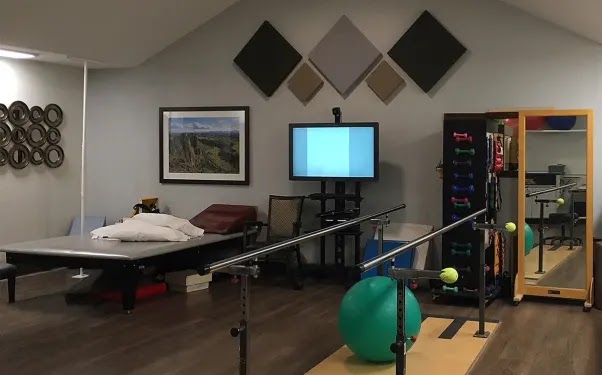
How is Pilot Butte Rehabilitation Center Staffed?

CMS rates PILOT BUTTE REHABILITATION CENTER's staffing level at 4 out of 5 stars, which is above average compared to other nursing homes. Staff turnover is 59%, which is 13 percentage points above the Oregon average of 46%. High turnover can affect care consistency as new staff learn residents' individual needs. RN turnover specifically is 56%, which is notably high. RNs provide skilled clinical oversight, so turnover in this role can affect medical care quality.

What Have Inspectors Found at Pilot Butte Rehabilitation Center?

State health inspectors documented 44 deficiencies at PILOT BUTTE REHABILITATION CENTER during 2018 to 2025. These included: 1 Immediate Jeopardy (the most serious level, indicating potential for serious harm or death), 1 that caused actual resident harm, and 42 with potential for harm. Immediate Jeopardy findings are rare and represent the most serious regulatory concerns. They require immediate corrective action.
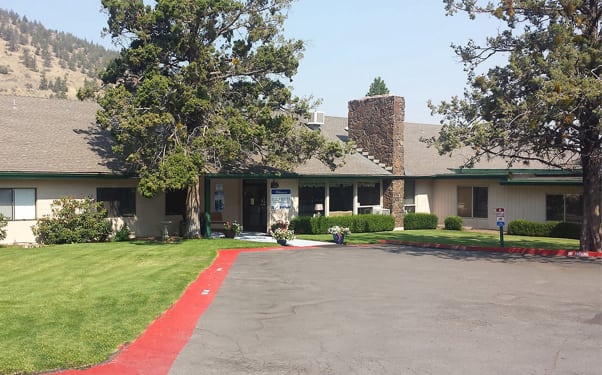
Who Owns and Operates Pilot Butte Rehabilitation Center?

PILOT BUTTE REHABILITATION CENTER is owned by a for-profit company. For-profit facilities operate as businesses with obligations to shareholders or private owners. The facility is operated by REGENCY PACIFIC MANAGEMENT, a chain that manages multiple nursing homes. With 74 certified beds and approximately 47 residents (about 64% occupancy), it is a smaller facility located in BEND, Oregon.

How Does Pilot Butte Rehabilitation Center Compare to Other Oregon Nursing Homes?

Compared to the 100 nursing homes in Oregon, PILOT BUTTE REHABILITATION CENTER's overall rating (1 stars) is below the state average of 3.0, staff turnover (59%) is significantly higher than the state average of 46%, and health inspection rating (1 stars) is much below the national benchmark.

What Should Families Ask When Visiting Pilot Butte Rehabilitation Center?

Based on this facility's data, families visiting should ask: "What changes have been made since the serious inspection findings, and how are you preventing similar issues?" "How do you ensure continuity of care given staff turnover, and what is your staff retention strategy?" "Can I visit during a mealtime to observe dining assistance and food quality?" "How do you handle medical emergencies, and what is your hospital transfer rate?" These questions are particularly relevant given the facility's Immediate Jeopardy citations and the facility's high staff turnover rate.

Is Pilot Butte Rehabilitation Center Safe?

Based on CMS inspection data, PILOT BUTTE REHABILITATION CENTER has documented safety concerns. Inspectors have issued 1 Immediate Jeopardy citation (the most serious violation level indicating risk of serious injury or death). The facility has a 1-star overall rating and ranks #100 of 100 nursing homes in Oregon. Families considering this facility should ask detailed questions about what corrective actions have been taken since these incidents.

Do Nurses at Pilot Butte Rehabilitation Center Stick Around?

Staff turnover at PILOT BUTTE REHABILITATION CENTER is high. At 59%, the facility is 13 percentage points above the Oregon average of 46%. Registered Nurse turnover is particularly concerning at 56%. RNs handle complex medical decisions and coordinate care — frequent RN changes can directly impact care quality. High turnover means new staff may not know residents' individual needs, medications, or preferences. It can also be disorienting for residents, especially those with dementia who rely on familiar faces. Families should ask: What is causing the turnover? What retention programs are in place? How do you ensure care continuity during staff transitions?

Was Pilot Butte Rehabilitation Center Ever Fined?

PILOT BUTTE REHABILITATION CENTER has been fined $20,282 across 2 penalty actions. This is below the Oregon average of $33,282. While any fine indicates a compliance issue, fines under $50,000 are relatively common and typically reflect isolated problems that were subsequently corrected. Families should ask what specific issues led to these fines and confirm they've been resolved.

Is Pilot Butte Rehabilitation Center on Any Federal Watch List?

PILOT BUTTE REHABILITATION CENTER is not on any federal watch list. The most significant is the Special Focus Facility (SFF) program, which identifies the bottom 1% of nursing homes nationally based on persistent, serious quality problems. Not being on this list means the facility has avoided the pattern of deficiencies that triggers enhanced federal oversight. This is a positive indicator, though families should still review the facility's inspection history directly.