REGENCY CARE OF CENTRAL OREGON
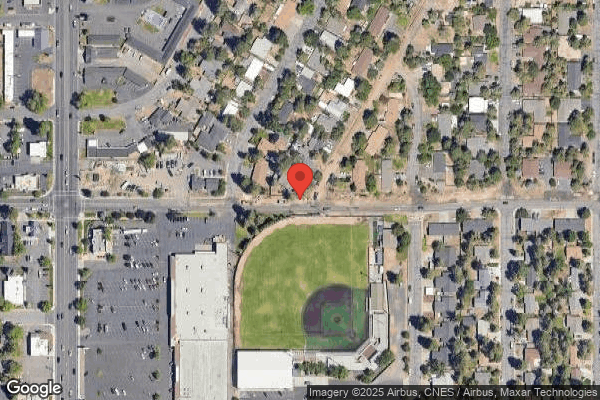
119 SE WILSON AVENUE, BEND, OR 97702 (541) 382-7161
For profit - Corporation 46 Beds REGENCY PACIFIC MANAGEMENT Data: November 2025
Trust Grade
75/100
#25 of 127 in OR
Last Inspection: September 2024

Within standard 12-15 month inspection cycle. Federal law requires annual inspections.

Overview

Regency Care of Central Oregon has a Trust Grade of B, indicating it is a good option for families seeking care, though there are some areas for improvement. It ranks #25 out of 127 facilities in Oregon, placing it in the top half, and #2 out of 4 in Deschutes County, meaning only one local facility performs better. The facility is on an improving trend, with issues decreasing from 16 in 2023 to just 2 in 2024. Staffing is strong, with a 5/5 star rating, but the turnover rate is concerning at 61%, higher than the state average. Notably, there have been no fines, and the facility has more RN coverage than 92% of Oregon facilities, which is beneficial for resident care. However, there are some weaknesses to note. Recent inspections revealed specific concerns, such as call lights not being functional or accessible for several residents, which risks unmet needs. Additionally, many resident rooms lack a homelike environment due to broken blinds and unmaintained walls. Despite these issues, the facility's overall performance and staffing quality suggest a commitment to resident care.

Trust Score
B
75/100
In Oregon
#25/127
Top 19%
Safety Record
Low Risk
No red flags
Inspections
Getting Better
16 → 2 violations
Staff Stability
⚠ Watch
61% turnover. Above average. Higher turnover means staff may not know residents' routines.
Penalties
✓ Good
No fines on record. Clean compliance history, better than most Oregon facilities.
Skilled Nurses
✓ Good
Each resident gets 73 minutes of Registered Nurse (RN) attention daily — more than 97% of Oregon nursing homes. RNs are the most trained staff who catch health problems before they become serious.
Violations
⚠ Watch
21 deficiencies on record. Higher than average. Multiple issues found across inspections.
★★★★★
5.0
Overall Rating
★★★★★
5.0
Staff Levels
★★★★☆
4.0
Care Quality
★★★★☆
4.0
Inspection Score
Stable
2023: 16 issues
2024: 2 issues

The Good

  • 5-Star Staffing Rating · Excellent nurse staffing levels
  • 4-Star Quality Measures · Strong clinical quality outcomes
  • Full Sprinkler Coverage · Fire safety systems throughout facility
  • No fines on record

Facility shows strength in staffing levels, quality measures, fire safety.

The Bad

Staff Turnover: 61%

15pts above Oregon avg (46%)

Frequent staff changes - ask about care continuity

Chain: REGENCY PACIFIC MANAGEMENT

Part of a multi-facility chain

Ask about local staffing decisions and management

Staff turnover is elevated (61%)

13 points above Oregon average of 48%

The Ugly 21 deficiencies on record

Sept 2024 2 deficiencies
CONCERN (D)

Potential for Harm - no one hurt, but risky conditions existed

Respiratory Care (Tag F0695)

Could have caused harm · This affected 1 resident

Based on observation, interview, and record review it was determined the facility failed to ensure respiratory equipment was maintained for 1 of 2 sampled residents (#5) reviewed for respiratory care....

Read full inspector narrative →
Based on observation, interview, and record review it was determined the facility failed to ensure respiratory equipment was maintained for 1 of 2 sampled residents (#5) reviewed for respiratory care. This placed residents at risk for increased risk for respiratory concerns. Findings include: Resident 5 was admitted to the facility in 2017 with diagnoses including COPD (a lung disease causing restricted airflow and breathing problems) and a dependence on supplemental oxygen. The 10/11/23 Annual MDS indicated Resident 5 was cognitively intact. Resident 5's physician order dated 7/9/24 revealed the oxygen concentrator filter was to be cleaned weekly. The 9/2024 TAR indicated the external filter was cleaned weekly and it was last completed on 9/9/24. On 9/10/24 at 9:16 AM the oxygen concentrator was observed to be powered on with no external filter on the back. Resident 5 stated she/he used the oxygen concentrator while in bed. On 9/10/24 at 9:50 AM Staff 6 (RN) stated the night nurse was to clean Resident 5's oxygen concentrator filter weekly and ensure a filter was in place. On 9/10/24 at 9:59 AM Staff 3 (RNCM) observed the oxygen concentrator and acknowledged the filter was not in place.
CONCERN (E)

Potential for Harm - no one hurt, but risky conditions existed

Safe Environment (Tag F0584)

Could have caused harm · This affected multiple residents

**NOTE- TERMS IN BRACKETS HAVE BEEN EDITED TO PROTECT CONFIDENTIALITY** Based on observation, interview, and record review it was determined the facility failed to provide a homelike environment for 1...

Read full inspector narrative →
**NOTE- TERMS IN BRACKETS HAVE BEEN EDITED TO PROTECT CONFIDENTIALITY** Based on observation, interview, and record review it was determined the facility failed to provide a homelike environment for 15 of 32 sampled resident rooms observed for homelike environment. This placed residents at risk for unhomelike environment. Findings include: Observation on 9/9/24 at 1:43 PM and on 9/13/24 between the times of 8:44 AM and 9:16 AM revealed rooms 1, 3, 4, 5, 6, 15, 17, 20, 22, 24, 26, 27, 28, 33, and 35 had blinds with bent or missing slats. Resident 30 was admitted to the facility in 2/2024 with diagnoses of left-sided hemiplegia (weakness on the left side of the body). Resident 30's 6/2024 Quarterly MDS indicated the resident's cognition was intact. On 9/13/24 at 8:57 AM Resident 30 stated his/her blinds needed to be replaced due to the cord was stuck and some slats were bent. On 9/12/24 at 2:05 PM Staff 8 (Maintenance Director) confirmed the blinds in room [ROOM NUMBER] had missing slats and some were bent resulting in unhomelike environment. He stated broken blinds were an ongoing problem throughout the facility that he did not have the budget to replace. On 9/13/24 at 10:05 AM Staff 1 (Administrator) confirmed there were window blinds in disrepair resulting in an unhomelike environment.
May 2023 16 deficiencies
CONCERN (D) 📢 Someone Reported This

A family member, employee, or ombudsman was alarmed enough to file a formal complaint

Potential for Harm - no one hurt, but risky conditions existed

Free from Abuse/Neglect (Tag F0600)

Could have caused harm · This affected 1 resident

2. Resident 25 was admitted to the facility in 2021 with diagnoses including adjustment disorder (stress-related conditions where you feel overwhelmed and have a hard time adjusting to a stressful eve...

Read full inspector narrative →
2. Resident 25 was admitted to the facility in 2021 with diagnoses including adjustment disorder (stress-related conditions where you feel overwhelmed and have a hard time adjusting to a stressful event or change) with mixed anxiety and depression and age related cognitive loss. Resident 25's care plan dated 3/23/21 indicated the resident was at risk for behavioral symptoms related to adjustment disorder, had impaired cognition related to cognitive loss and a psychosocial well-being problem related to anxiety. Interventions included the following: -Allow the resident to make choices about daily routine and care when possible. -Keep the resident's routine consistent and try to provide consistent caregivers in order to decrease confusion. -Provide the resident with as many situations as possible to give the resident control over their environment and care. -Explain all procedures to resident before starting and allow resident time to adjust. An Incident Report dated 2/7/22 indicated a nurse reported Staff 23 (LPN) said she gave Resident 25 a suppository without consent. When the suppository was physically inserted Staff 23 also concealed her identity from the resident by putting her scrub jacket on backwards and lowering her voice. The Incident Report dated 2/7/22 included a written statement from Staff 23 which indicated she told the resident at the beginning of the shift she needed to give her/him something to help her/him have a bowel movement because the resident was yelling that she/he was constipated and impacted. She did not tell the resident it was a suppository. Staff 23's written statement also indicated the resident did tell her that she/he felt violated for getting the suppository without consent and the resident screamed, yelled and told staff she/he did not like getting the suppository. The Incident Report dated 2/7/22 included a Summary which concluded Staff 23 acknowledged she gave the resident a suppository without consent and put her scrub jacket on backwards to conceal her identity from the resident. This was poor judgment on the nurse's part, poor communication towards the resident and unprofessional nursing practice by Staff 23. The act was substantiated as abuse by the facility. On 5/5/23 at 7:45 AM Staff 15 (CNA) indicated Resident 25 did not like taking any kind of medication. The resident had significant trust issues and refused to see the doctor. The resident became agitated and distressed easily and the nurse should have known the resident's reaction would be negative. The resident was not interviewed to prevent undue emotional distress to the resident. The resident was interviewed at the time of the incident by staff and reported she/he felt violated. On 5/4/23 at 1:25 PM Staff 1 (Administrator) and Staff 2 (DNS) acknowledged the the incident was substantiated as abuse of Resident 25 by Staff 23. Based on interview and record review it was determined the facility failed to protect the residents' rights to be free from physical abuse by Staff 13 or another resident for 2 of 2 sampled residents (#s 25 and 34) reviewed for physical abuse. This placed residents at risk for being physically abused. Findings include: The facility's 8/2018 Resident Abuse/Neglect/Exploitation Policy revealed, Each resident shall have the right to be free from physical mental, or sexual abuse . and Abuse means the non-accidental infliction of physical pain, injury or mental injury . 1. Resident 4 was admitted to the facility in 9/2020 with diagnoses including history of a stroke, aphasia (loss of ability to understand or express speech) and an altered mental status. Resident 4's 10/2021 Annual MDS assessment revealed she/he had a BIMS of 6 (severe cognitive impairment). Resident 34 was admitted to the facility in 5/2018 with diagnoses including Alzheimer's disease. She/he discharged from the facility in 2/2023. Resident 34's 11/2021 Quarterly MDS assessment revealed Resident 34 was not assessed for BIMS due to her/his Alzheimer's disease diagnosis. The facility's 12/20/21 incident investigation revealed on 12/20/21 Resident 4 yelled get out of here! and hit Resident 34 hard on the left arm. Staff 16 (CNA) witnessed the incident and immediately intervened. The investigation revealed both residents were roommates earlier in the year and Resident 4 did not like sharing a room with a roommate with an Alzheimer's disease diagnosis. On 5/1/23 at 9:19 AM Resident 4 stated she/he had no issues or problems with other residents. She/he did not remember Resident 34. On 5/4/23 at 11:14 AM Staff 4 (Social Service Director) stated he remembered the incident between Residents 4 and 34. He indicated he was in his office and heard Resident 4 yell get out of here. He stated he believed the situation may have stemmed from when they both shared a room previously. Staff 4 said he talked to Resident 4 after the incident and the resident acknowledged it should not have happened. Staff 4 added, Resident 34 kept saying I didn't do anything. On 5/4/23 at 4:43 PM Staff 16 stated she remembered both residents and the incident. She stated she witnessed Resident 4 got angry, she/he didn't like Resident 34 and swung at her/him, hitting Resident 34. She stated Resident 34 backed up against the wall with a frightful look on her/his face. She added, Resident 4 used full force when she/he hit Resident 34. Staff 16 confirmed the residents were roommates before and Resident 4 did not like anyone in her/his room.
CONCERN (D)

Potential for Harm - no one hurt, but risky conditions existed

Assessment Accuracy (Tag F0641)

Could have caused harm · This affected 1 resident

Based on observation, interview and record review it was determined the facility failed to accurately assess the presence of a colostomy for 1 of 1 sampled resident (#16) reviewed for constipation. Th...

Read full inspector narrative →
Based on observation, interview and record review it was determined the facility failed to accurately assess the presence of a colostomy for 1 of 1 sampled resident (#16) reviewed for constipation. This placed the resident at risk for unmet colostomy (opening into the colon from the outside of the body providing new path for waste to leave the body) care needs. Findings include: Resident 16 was admitted to the facility in 4/2022 with diagnoses including history of a colostomy. Resident 16's 11/2022 and 2/2023 Quarterly MDS assessments revealed Resident 16 was coded no for a colostomy. While interviewing Resident 16 on 5/1/23 at 10:40 AM Resident 16 lifted her/his shirt and was observed to have a stoma (surgical opening in the skin) with a colostomy bag attached. On 5/2/23 at 4:13 PM Staff 2 (DNS) confirmed Resident 16 had a colostomy bag. On 5/3/23 at 11:27 AM Staff 3 (RCM) confirmed Resident 16 had a colostomy and the 11/2022 and 2/2023 Quarterly MDS assessments were coded inaccurately for colostomy status.
CONCERN (D) 📢 Someone Reported This

A family member, employee, or ombudsman was alarmed enough to file a formal complaint

Potential for Harm - no one hurt, but risky conditions existed

Deficiency F0658 (Tag F0658)

Could have caused harm · This affected 1 resident

**NOTE- TERMS IN BRACKETS HAVE BEEN EDITED TO PROTECT CONFIDENTIALITY** Based on interview and record review it was determined the facility failed to maintain professional standards of practice relate...

Read full inspector narrative →
**NOTE- TERMS IN BRACKETS HAVE BEEN EDITED TO PROTECT CONFIDENTIALITY** Based on interview and record review it was determined the facility failed to maintain professional standards of practice related to abuse by Staff 23 (LPN) and ensure residents were free from unecessary medications and significant medication errors by Staff 9 (LPN), Staff 24 (RN) and Staff 25 (RN) for 3 of 8 sampled residents (#s 7, 8 and 25) reviewed for pharmaceutical services and abuse. This placed residents at risk for unsafe medication administration and additional abuse. Findings include: Oregon Administrative Rule [PHONE NUMBER] Scope of Practice Standards for Registered Nurses: * Be knowledgeable of the professional nursing practice and performance standards and adhere to those standards. * Be accountable for individual RN actions, maintain competency in one's RN practice role and ensure unsafe nursing practices are addressed immediately. Scope of Practice Standards for All Licensed Nurses [PHONE NUMBER] (1) Standards related to the licensee's responsibility for safe nursing practice. The licensee shall: (c) Self-regulate one's professional practice by: (A) Adhering to professional practice and performance standards. Oregon Administrative Rule [PHONE NUMBER] - Conduct Derogatory to the Standards of Nursing is defined as: Conduct that adversely affects the health, safety, and welfare of the public, fails to conform to legal nursing standards, or fails to conform to accepted standards of the nursing profession, is conduct derogatory to the standards of nursing. Such conduct includes, but is not limited to: (3) Conduct related to the client's safety and integrity: (8) Conduct related to other federal or state statute or rule violations: (d)Abusing a client; (q) Failing to dispense or administer medications in a manner consistent with state and federal law. 1.Resident 25 was admitted to the facility in 2021 with diagnoses including adjustment disorder (stress-related conditions where you feel overwhelmed and have a hard time adjusting to a stressful event or change) with mixed anxiety and depression and age related cognitive loss. An Incident Report dated 2/7/22 indicated a nurse reported Staff 23 (LPN) said she gave Resident 25 a suppository without consent. When the suppository was physically inserted Staff 23 also concealed her identity from the resident by putting her scrub jacket on backwards and lowering her voice. The Incident Report dated 2/7/22 included a written statement from Staff 23 which indicated she told the resident at the beginning of the shift she needed to give her/him something to help her/him have a bowel movement because the resident was yelling she/he was constipated and impacted. She did not tell the resident it was a suppository. Staff 23's written statement also indicated the resident told her she/he felt violated for getting the suppository without consent and the resident screamed, yelled and told staff she/he did not like getting the suppository. The Incident Report dated 2/7/22 included a Summary which concluded Staff 23 acknowledged she gave the resident a suppository without consent and put her scrub jacket on backwards to conceal her identity from the resident. This was poor judgment on the nurse's part, poor communication towards the resident and unprofessional nursing practice by Staff 23. The act was substantiated as abuse by the facility. On 5/4/23 at 1:25 PM Staff 1 (Administrator) and Staff 2 (DNS) acknowledged the incident was substantiated as abuse of Resident 25 by Staff 23. Refer to F600 example 2 2. Resident 7 was admitted to the facility in 2021 with diagnoses including atrial fibrillation (an irregular, often rapid heart rate which can cause poor blood flow) and post-thrombotic syndrome (a condition that can happen to people who have had a deep vein thrombosis [blood clot in a deep vein, usually in the legs]). Resident 7's care plan dated 5/19/21 included Anticoagulant (AC) Therapy secondary to post-thrombotic syndrome and atrial fibrillation. The care plan identified goals of the AC Therapy were as follows: -Will not develop signs or symptoms of abnormal bleeding or bruising -PT/INR goal range 2.0-3.0: (A prothrombin time (PT) test measures how long it takes for a clot to form in a blood sample. An INR (international normalized ratio) is a type of calculation based on PT test results. The INR goal for people who take warfarin is usually from 2 to 3.5. A value higher than 3.5 increases the risk of bleeding problems.) -Medication per MD orders A facility Incident Report dated 2/27/23 indicated Resident 7's bedside INR was 4.2 (high). The NP's office was notified and they attempted to fax over new order changes for the AC medication (warfarin) including an order to hold the warfarin on the evening of 2/27/23. The order was not received and Resident 7 received 12 mg of the warfarin medication which should have been held related to the high INR test. The Incident Report also noted Staff 9 (LPN) waited for the arrival of new orders instead of seeking clarification when no orders were received. Staff 9 did not utilize appropriate critical thinking skills to place the medication on hold. The CMA administered the 12 mg of warfarin. The resident had no signs or symptoms of harm from the incident. On 5/5/23 at 7:15 AM Resident 7 said she/he remembered the incident but had no concerns related to medications. On 5/4/23 at 1:25 PM Staff 1 (Administrator) and Staff 2 (DNS) indicated the provider's office tried a number of times to fax the order to the facility but were unsuccessful. The provider's office sent an email to the DNS but the DNS left for the day and did not receive the email. The DNS acknowledged Staff 9 knew the orders were to change and knew the resident's INR was too high but did not use appropriate critical thinking skills to hold the medication while she clarified the orders which put the resident at risk for bleeding issues. See F757 3. Resident 8 was admitted to the facility in 2/2023 with diagnoses including heart disease with heart failure and progressive supranuclear palsy (rare neurological disorder that affects body movements). Resident 8 had severe cognitive impairment as evidenced by a recent BIMS score of 5. A FRI dated 2/27/23 indicated two medications were given in error to Resident 8: Baclofen (skeletal muscle relaxant) and Cyclobenzaprine (skeletal muscle relaxant). The possible risks or complications of taking muscle relaxers include extreme dizziness, extreme drowsiness, blurred vision, low blood pressure, fainting, memory problems, liver damage and increased risk of overdose. An Investigation document dated 2/28/23 indicated Resident 8's level of consciousness when assessed following the receipt of the medications in error was lethargic (drowsy). A facility Incident Report dated 2/28/23 indicated Staff 24 (RN) was training new Staff 25 (RN) on the North Hall. Staff 24 took a cup with medications and read the room [ROOM NUMBER] number to Staff 25. Staff 25 identified the resident of room [ROOM NUMBER] as Resident 8. Staff 24 went to the therapy room and gave Resident 8 the medications in the cup. The two staff continued to pass medications and came across another cup labeled room [ROOM NUMBER]. The two nurses determined the cup of medications given to Resident 8 in the therapy room was intended for room [ROOM NUMBER] and not room [ROOM NUMBER]. Per the MD, staff were to monitor Resident 8 for additional sedation and report worsening symptoms. The staff held Resident 8's next opioid pain medication dose in case of possible side effects. The root cause of the medication errors was determined to be Staff 24 orienting a new hire Staff 25 and failed to adhere to the nursing standard of practice of requiring 3 checks/5 rights before administering medications. The facility plan was to re-educate Staff 24 regarding the rights and 3 checks system of medication pass which is the common nursing standard as well as the nursing standard the nurse who pops the medications needs to administer the medications. The facility determined the medication errors had occurred. On 5/4/23 at 1:25 PM Staff 1 (Administrator) and Staff 2 (DNS) acknowledged the medication errors occurred and Staff 24 and Staff 25 failed to adhere to the nursing standards of practice for administering medication. Refer to F760
CONCERN (D)

Potential for Harm - no one hurt, but risky conditions existed

Deficiency F0676 (Tag F0676)

Could have caused harm · This affected 1 resident

**NOTE- TERMS IN BRACKETS HAVE BEEN EDITED TO PROTECT CONFIDENTIALITY** Based on interview and record review it was determined the facility failed to maintain the appropriate care and services to main...

Read full inspector narrative →
**NOTE- TERMS IN BRACKETS HAVE BEEN EDITED TO PROTECT CONFIDENTIALITY** Based on interview and record review it was determined the facility failed to maintain the appropriate care and services to maintain, restore or improve functional ability for 1 of 1 sampled resident (#17) reviewed for ADL's. This placed residents at risk for decreased functional ability. Findings include: Resident 17 admitted to the facility in 2/2021 with diagnoses including chronic pain syndrome and depression. Resident 17's comprehensive MDS dated [DATE] revealed a BIMS score of 15, indicating no cognitive impairment. Resident 17's care plan dated 3/9/23 revealed she/he was started on a restorative program on 3/9/23 three to five times per week to maintain strength of her/his upper and lower extremities. On 5/2/23 at 10:13 AM Resident 17 stated she/he participated in restorative therapy with Staff 13 (CNA/Restorative Aide) when Staff 13 had the time but did not think it was three to five times per week. On 5/3/23 at 9:19 AM, Staff 13 stated she completed two restorative therapy sessions with Resident 17 but did not plan to do any more because she felt it was unsafe due to the resident's physical limitations and she was afraid the resident would fall. She confirmed she was aware of the care planned interventions of three to five sessions per week. Staff 13 stated she had not talked to anyone at the facility about her concerns related to Resident 17's limitations. On 05/03/23 at 3:20 PM Staff 2 (DNS) stated she did not know about Staff 13's concerns for Resident 17's safety and confirmed the care plan for restorative therapy was not followed.
CONCERN (D) 📢 Someone Reported This

A family member, employee, or ombudsman was alarmed enough to file a formal complaint

Potential for Harm - no one hurt, but risky conditions existed

ADL Care (Tag F0677)

Could have caused harm · This affected 1 resident

Based on interview and record review it was determined the facility failed to ensure nail care was provided for 1 of 1 sampled resident (#185) reviewed for provision of nail care. This placed resident...

Read full inspector narrative →
Based on interview and record review it was determined the facility failed to ensure nail care was provided for 1 of 1 sampled resident (#185) reviewed for provision of nail care. This placed residents at risk for lack of nail care. Findings include: Resident 185 was admitted to the facility in 2021 with diagnoses including diabetes, kidney failure and depression. The resident's 2/1/22 care plan revealed her/his diabetes diagnosis indicated nail care was to be completed by a licensed nurse. The care plan further revealed staff were to clean and check the length of the resident's nails on bath days and report any changes to the nurse. Resident 185's TARs from 3/1/22 through 4/22/22 revealed no documented evidence of nail care information or that nail care was provided. On 5/2/23 at 11:45 AM Witness 2 (Complainant) stated the facility did not clip Resident 185's toe nails and they were growing out and over her/his toes. On 5/5/23 at 10:30 AM Staff 2 (DNS) acknowledged Resident 185's care plan lacked specific information regarding her/his nail care needs. Staff 2 stated nurses were responsible for the resident's nail care due to her/his diabetes. Staff 2 indicated provision of the nail care should be documented on the resident's TAR. Staff 2 acknowledged Resident 185's 3/2022 and 4/2022 TARs did not include documentation of nail care.
CONCERN (D)

Potential for Harm - no one hurt, but risky conditions existed

Deficiency F0688 (Tag F0688)

Could have caused harm · This affected 1 resident

Based on observation, interview and record review it was determined the facility failed to provide services to prevent further decrease in ROM and mobility for 1 of 3 sampled residents (#12) reviewed ...

Read full inspector narrative →
Based on observation, interview and record review it was determined the facility failed to provide services to prevent further decrease in ROM and mobility for 1 of 3 sampled residents (#12) reviewed for position and mobility. This placed residents at risk of loss of mobility, ROM and painful contractures. Findings include: Resident 12 was admitted to the facility in 2014 with diagnoses including obesity, rheumatoid arthritis (a chronic inflammatory disorder affecting many joints, including those in the hands and feet.), swan neck deformities of the fingers (laxity of the middle joint of the finger and flexion of the distal joint) and both upper and lower extremity ROM deficits. On 5/1/23 at 10:04 AM Resident 12 was observed while resting in bed. The resident's hands were malformed and appeared contracted. The resident could partially open both hands but not completely and the resident indicated they were a bit painful when she/he tried to open them. The resident was wearing soft boots on her/his feet. The resident's feet appeared to have a condition known as foot drop (inability to raise the front part of the foot due to weakness or paralysis of the muscles that lift the foot). Resident 12 also said she/he did not receive any ROM from staff. A Quarterly Contracture Screening dated 3/3/23 identified a contracture as a restriction of full passive ROM of any joint due to deformity, disuse, pain, etc. If the resident was unable to move them independently, nursing personnel should move the resident's limbs, but stretching a contracted or tight joint should be avoided. The screening indicated the resident had the following contractures: * Right extremity/Hip * Right Fingers * Right Thumb * Right Ankle * Left Fingers * Left Thumb * Left Ankle Staff were to determine whether functional limitation in range of motion (ROM) interfered with the resident's activities of daily living or placed resident at risk of injury. Staff selected the appropriate response for limitation that interfered with daily functions or placed resident at risk of injury as: * Impairment on both sides * Lower extremity (hip, knee, ankle, foot) * Impairment on both sides * Upper extremities (fingers, thumbs) A 2/22/23 MDS CAA Summary for ADL Functional/Rehabilitation Potential included the following: Resident 12 had bi-lateral contractures to the fingers due to swan-neck deformities, to both hands as well as bilateral ankle contractures. The resident was at risk for continued functional decline, unmet needs, falls, skin breakdown, increased contractures, muscle atrophy, continued incontinence, and depression. An MDS Indicator Facility Rate Report dated 5/2023 indicated the facility had 8 residents listed with ROM limitation and were not receiving services. Resident 12 was one of the residents listed. On 5/3/23 at 1:47 PM Staff 7 (Physical Therapist) indicated the resident had contractures to the feet (foot drop) and her/his hands and services were not provided.
CONCERN (D) 📢 Someone Reported This

A family member, employee, or ombudsman was alarmed enough to file a formal complaint

Potential for Harm - no one hurt, but risky conditions existed

Accident Prevention (Tag F0689)

Could have caused harm · This affected 1 resident

**NOTE- TERMS IN BRACKETS HAVE BEEN EDITED TO PROTECT CONFIDENTIALITY** Based on interview and record review it was determine the facility failed to ensure care planned interventions were followed for...

Read full inspector narrative →
**NOTE- TERMS IN BRACKETS HAVE BEEN EDITED TO PROTECT CONFIDENTIALITY** Based on interview and record review it was determine the facility failed to ensure care planned interventions were followed for 1 of 2 sampled residents (#18) reviewed for falls. This placed residents at risk for falls. Findings include: The facility's Incident Documentation and Investigation policy, revised 10/2022 stated incident reports would be completed for witnessed or unwitnessed falls and the resident examined by a licensed nurse and first aid or emergent care provided. Resident 18 admitted to the facility in 2020 with diagnoses including TBI (traumatic brain injury) and chronic respiratory failure. Resident 18's Quarterly MDS dated [DATE] revealed no BIMS score, indicating the resident was severely cognitively impaired and was a total assist for all ADL's. Resident 18's care plan indicated she/he was a fall risk due to her/his TBI diagnosis and she/he frequently rolled out of bed onto fall mats placed on the floor. A FRI dated 8/5/21 revealed Resident 18 fell out of bed due to the CNA leaving the bed in a high position while the CNA assisted the resident's roommate. Resident 18 landed on her/his face, striking her/his left forehead near the eyebrow and left cheek causing lacerations and bleeding. The facility investigated the incident and concluded the care plan was not followed. On 5/2/23 at 10:48 AM, Witness 1 (Complainant) confirmed the resident fell in 2021 and experienced another fall in March 2023. On 5/3/23 at 1:35 PM Staff 2 (DNS) and Staff 3 (RCM) confirmed Resident 18 fell out of her/his bed and the assigned CNAs did not follow the care plan.
CONCERN (D) 📢 Someone Reported This

A family member, employee, or ombudsman was alarmed enough to file a formal complaint

Potential for Harm - no one hurt, but risky conditions existed

Tube Feeding (Tag F0693)

Could have caused harm · This affected 1 resident

**NOTE- TERMS IN BRACKETS HAVE BEEN EDITED TO PROTECT CONFIDENTIALITY** Based on interview and record review it was determined the facility failed to administer enteral feeding according to physician ...

Read full inspector narrative →
**NOTE- TERMS IN BRACKETS HAVE BEEN EDITED TO PROTECT CONFIDENTIALITY** Based on interview and record review it was determined the facility failed to administer enteral feeding according to physician orders for 1 of 1 sampled resident (#18) who was reviewed for tube feeding. This placed residents at risk for nutritional complications and aspiration. Findings include: Resident 18 admitted to the facility 9/2021 with diagnoses including TBI (traumatic brain injury) and chronic respiratory failure. Resident 18's Quarterly MDS dated [DATE] revealed no BIMS score, indicating the resident was severely cognitively impaired and was a total dependence for all ADL's. Resident 18's care plan revealed she/he received all nutrition and hydration via PEG tube (a feeding tube inserted through the resident's stomach) due to the physician's order of not receiving food or water by mouth. The resident's head of bed was to be elevated 45 degrees during tube feeds and for thirty minutes after the tube feed. a. A 9/16/21 FRI reported Resident 18 was found lying flat in bed while the tube feed was connected and the feed was coming out of her/his mouth. The resident was immediately elevated, assessed and found with an oxygen saturation level of 89 percent and fluid in her/his lungs. Staff 18 (Former CNA) was interviewed and stated he lowered the bed to do an incontinence change, was distracted by Resident 18's roommate, assisted the roommate with cares and forgot to elevate the head of the bed. On 5/3/23 at 1:35 PM, Staff 2 (DNS) and Staff 3 (RCM) confirmed Staff 18 did not follow the care plan. b. A 11/21/22 FRI revealed Resident 18 was observed by a facility nurse to be orally fed by Staff 17 (Agency CNA). Staff 17 stated she thought she was feeding Resident 18's roommate. Resident 18 was assessed and showed no signs of aspiration or discomfort. Staff 17 was removed from the facility schedule. On 5/3/23 at 1:35 PM, Staff 2 (DNS) and Staff 3 (RCM) confirmed Staff 17 did not follow the care plan.
CONCERN (D) 📢 Someone Reported This

A family member, employee, or ombudsman was alarmed enough to file a formal complaint

Potential for Harm - no one hurt, but risky conditions existed

Deficiency F0757 (Tag F0757)

Could have caused harm · This affected 1 resident

Based on interview and record review it was determined the facility failed to ensure the resident was free from unecessary medications for 1 of 5 sampled residents (#7) reviewed for safe medication sy...

Read full inspector narrative →
Based on interview and record review it was determined the facility failed to ensure the resident was free from unecessary medications for 1 of 5 sampled residents (#7) reviewed for safe medication system. This placed residents at risk for adverse medication consequences. Findings include: Resident 7 was admitted to the facility in 2021 with diagnoses including atrial fibrillation (an irregular, often rapid heart rate which can cause poor blood flow) and post-thrombotic syndrome (a condition that can happen to people who have had a deep vein thrombosis [blood clot in a deep vein, usually in the legs]). Resident 7's care plan dated 5/19/21 included Anticoagulant (AC) Therapy secondary to post-thrombotic syndrome and atrial fibrillation. The care plan identified goals of the AC Therapy were as follows: -Will not develop signs or symptoms of abnormal bleeding or bruising -PT/INR goal range 2.0-3.0: (A prothrombin time (PT) test measures how long it takes for a clot to form in a blood sample. An INR (international normalized ratio) is a type of calculation based on PT test results. The INR goal for people who take warfarin is usually from 2 to 3.5. A value higher than 3.5 increases the risk of bleeding problems.) -Medication per MD orders A facility Incident Report dated 2/27/23 indicated Resident 7's bedside INR was 4.2 (high). The NP's office was notified and they attempted to fax over new order changes for the AC medication (warfarin) including an order to hold the warfarin on the evening of 2/27/23. The order was not received and Resident 7 received 12 mg of the warfarin medication which should have been held related to the high INR test. The Incident Report also noted Staff 9 (LPN) waited for the arrival of new orders instead of seeking clarification when no orders were received. Staff 9 did not utilize appropriate critical thinking skills to place the medication on hold. The CMA administered the 12 mg of warfarin. The resident had no signs or symptoms of harm from the incident. On 5/5/23 at 7:15 AM Resident 7 said she/he remembered the incident but had no concerns related to medications. On 5/4/23 at 1:25 PM Staff 1 (Administrator) and Staff 2 (DNS) indicated the provider's office tried a number of times to fax the order to the facility but were unsuccessful. The provider's office sent an email to the DNS but the DNS left for the day and did not receive the email. The DNS acknowledged Staff 9 knew the orders were to change and knew the resident's INR was too high but did not use appropriate critical thinking skills to hold the medication while she clarified the orders which put the resident at risk for bleeding issues.
CONCERN (D) 📢 Someone Reported This

A family member, employee, or ombudsman was alarmed enough to file a formal complaint

Potential for Harm - no one hurt, but risky conditions existed

Deficiency F0760 (Tag F0760)

Could have caused harm · This affected 1 resident

**NOTE- TERMS IN BRACKETS HAVE BEEN EDITED TO PROTECT CONFIDENTIALITY** Based on interview and record review it was determined the facility failed to ensure the resident was free of significant medica...

Read full inspector narrative →
**NOTE- TERMS IN BRACKETS HAVE BEEN EDITED TO PROTECT CONFIDENTIALITY** Based on interview and record review it was determined the facility failed to ensure the resident was free of significant medication errors for 1 of 5 sampled residents (#8) reviewed for safe medication system. This placed residents at risk for adverse medication consequences. Findings include: Resident 8 was admitted to the facility in 2/2023 with diagnoses including heart disease with heart failure and progressive supranuclear palsy (a rare neurological disorder that affects body movements). Resident 8 had severe cognitive impairment as evidenced by a recent BIMS score of 5. A FRI dated 2/27/23 indicated two medications were given in error to Resident 8: Baclofen (a skeletal muscle relaxant) and Cyclobenzaprine (skeletal muscle relaxant). The possible risks or complications of taking muscle relaxers include extreme dizziness, extreme drowsiness, blurred vision, low blood pressure, fainting, memory problems, liver damage and increased risk of overdose. An Investigation document dated 2/28/23 indicated Resident 8's level of consciousness when assessed following the receipt of the medications in error was lethargic (drowsy). A facility Incident Report dated 2/28/23 indicated Staff 24 (RN) was training new Staff 25 (RN) on the North Hall. Staff 24 took a cup with medications and read the room [ROOM NUMBER] number to Staff 25. Staff 25 identified the resident of room [ROOM NUMBER] as Resident 8. Staff 24 went to the therapy room and gave Resident 8 the medications in the cup. The two staff continued to pass medications and came across another cup labeled room [ROOM NUMBER]. The two nurses determined the cup of medications given to Resident 8 in the therapy room was intended for room [ROOM NUMBER] and not room [ROOM NUMBER]. Per the MD, staff were to monitor Resident 8 for additional sedation and report worsening symptoms. The staff held Resident 8's next opioid pain medication dose in case of possible side effects. The root cause of the medication errors was determined to be Staff 24 orienting a new hire Staff 25 and failed to adhere to the nursing standard of practice of requiring 3 checks/5 rights before administering medications. The facility plan was to re-educate Staff 24 regarding the rights and 3 checks system of medication pass which is the common nursing standard as well as the standard nursing practice the nurse who pops the medications needs to administer the medications. The facility determined the medication errors had occurred. On 5/4/23 at 1:25 PM Staff 1 (Administrator) and Staff 2 (DNS) acknowledged the medication errors occurred and Staff 24 and Staff 25 failed to adhere to the nursing standards of practice for administering medication.
CONCERN (D)

Potential for Harm - no one hurt, but risky conditions existed

Medical Records (Tag F0842)

Could have caused harm · This affected 1 resident

Based on interview and record review it was determined the facility failed to ensure accurate medical records for bowel care for 1 of 5 sampled residents (#29) reviewed for unnecessary medications. Th...

Read full inspector narrative →
Based on interview and record review it was determined the facility failed to ensure accurate medical records for bowel care for 1 of 5 sampled residents (#29) reviewed for unnecessary medications. This placed residents at risk for unmet bowel interventions. Findings include: Resident 29 was admitted to the facility in 8/2022 with diagnoses including history of a stroke, right and left sided spastic hemiplegia (muscles are in a constant state of contraction), chronic pain, gastroparesis (a condition which affects stomach muscles preventing proper stomach emptying) and constipation. Resident 29's 2/2023 Quarterly MDS revealed she/he had a BIMS of 15 (no cognitive impairment). Resident 29's 2/13/23 care plan revealed she/he required extensive assistance from one staff for toileting. The facility's undated Bowel Care Protocol instructed staff to administer the following interventions: - Day 3 anytime; 30 ml Milk of Magnesium (MOM) or bisacodyl; - Day 4 after breakfast; bisacodyl (Dulcolax) suppository; - Day 4 after lunch; Mineral oil enema, if no bowel movement within two hours call physician and get bowel care orders. The 4/2023 physician orders revealed instructions for staff to administer the following: - bisacodyl tablet delayed release give 1 tablet by mouth as needed for bowel program if no bowel movement (BM) in 3 days or give Milk of Magnesia. - MOM give by mouth as needed for bowel program day 3 if no BM or give bisacodyl tablet 5 mg. Resident 16's bowel tracking revealed she/he had no BM on the following dates: - 4/3/23, 4/4/23, 4/5/23, 4/6/23, 4/7/23 and 4/8/23; - 4/12/23, 4/13/23, 4/14/23, 4/15/23 and 4/16/23; - 4/18/23 and 4/19/23; - 4/21/23 and 4/22/23; - 4/24/23 and 4/25/23; - 4/27/23, 4/28/23 and 4/29/23. Resident 29's 4/2023 MAR revealed the following: - 4/15/23 and 4/16/23 bisacodyl was documented as administered and was effective. - There were no documented refusals on the MAR when interventions were offered but declined by Resident 29 on 4/6/23, 4/9/23, 4/15/23, 4//19/23 and 4/29/23. Progress note documentation revealed the following: - 4/6/23 Resident on day four of no BM. Resident refusing suppository. Nurse offered oral alternatives for bowel care and resident refusing those as well. - 4/9/23 Resident is on day seven of no BM. Resident refused suppository tonight. - 4/15/23 Resident refused suppository or enema for day four of bowel program but agreed to bisacodyl tablet. - 4/19/23 Resident remains on bowel protocol list for no BM in nine days. Resident declining all offered PRNs at this time, will continue to encourage. - 4/20/23 Resident remains on bowel protocol list for no BM in nine days. - 4/29/23 Resident on day six of no BM and refused bowel care. On 5/4/23 at 1:04 PM Staff 2 (DNS) confirmed staff documentation regarding Resident 29's bowel program was inconsistent and inaccurate.
CONCERN (D)

Potential for Harm - no one hurt, but risky conditions existed

Safe Environment (Tag F0921)

Could have caused harm · This affected 1 resident

Based on observation and interview it was determined the facility failed to maintain the laundry room floor in a safe and sanitary condition for 1 of 1 laundry rooms reviewed for infection control. Th...

Read full inspector narrative →
Based on observation and interview it was determined the facility failed to maintain the laundry room floor in a safe and sanitary condition for 1 of 1 laundry rooms reviewed for infection control. This created a risk for infection control concerns. Findings include: On 5/2/23 at 11:03 PM an observation of the facility's laundry room was conducted. In the center of the laundry room an approximately four foot wide by six foot long section of the flooring (linoleum) was missing. There was also a small open hole in the center of the floor for drainage which was missing a grate cover. In addition to the missing section of flooring there were additional areas of the floor which had worn off surfaces. The edges of the worn areas were not fully cleanable and had dirt and debris stuck to the old adhesive of the flooring. On 5/03/23 at 12:00 PM Staff 1 (Administrator) acknowledged the missing flooring in the laundry and the hole in the floor without a grate cover. On 5/3/23 at 1:50 PM Staff 5 (Maintenance Director) acknowledged the laundry room floor needed to be repaired or replaced and the hole in the floor should have a grate.
CONCERN (E)

Potential for Harm - no one hurt, but risky conditions existed

Safe Environment (Tag F0584)

Could have caused harm · This affected multiple residents

**NOTE- TERMS IN BRACKETS HAVE BEEN EDITED TO PROTECT CONFIDENTIALITY** Based on observation and interview it was determined the facility failed to maintain a homelike environment for 3 of 3 halls rev...

Read full inspector narrative →
**NOTE- TERMS IN BRACKETS HAVE BEEN EDITED TO PROTECT CONFIDENTIALITY** Based on observation and interview it was determined the facility failed to maintain a homelike environment for 3 of 3 halls reviewed for environment. This placed residents at risk for a non-homelike environment. Findings include: Between 5/2/23 through 5/5/23 observations were made of the facility hallways and resident rooms. The following concerns, which detracted from a homelike environment, were identified: -room [ROOM NUMBER]: The wall had a large scrape that needed repair and painting under the full length of the windows. There was a large scraped unpainted area behind the bed by the door and a black splattered area of an unknown substance. The paint on the walls was patchy. Doors were chipped and nicked all along the bottoms. -room [ROOM NUMBER]: The hall door and door jamb needed repair and paint. The door threshold cover was missing and the surface was not cleanable with dirt and debris stuck to the old adhesive material. The floor had multiple black scuff marks (over 20 ) and the walls looked unclean. The hall and bathroom doors were missing kick plates and needed repair and paint. The closet doors and dresser drawers had paint chipped off in multiple areas. - The Exit door on the South hallway had a bottom kickplate area which was scuffed and looked unclean. -The South hallway Laundry Room door was scraped and worn. -The South hallway Linen Supply door was worn and had multiple scraped and damaged areas. -The South hallway Sling Door frame needed paint to cover scraped areas. -room [ROOM NUMBER]: The door to the hall was scraped and needed repair and paint. -room [ROOM NUMBER]: There was a discolored worn area across the width of the door. -room [ROOM NUMBER]: The door was scraped and painted half way down from the top but the bottom of the door was left unfinished. -room [ROOM NUMBER]: The floor was very worn and looked unclean. Half of the doorway threshold moulding was missing which left an uncleanable surface. -room [ROOM NUMBER]: The entire floor was discolored and worn, the worn areas made the floor look unclean. The threshold moulding was missing which made the area uncleanable. -room [ROOM NUMBER]: Smelled musty and strongly of body odor. -room [ROOM NUMBER]: The blinds were broken. -room [ROOM NUMBER]: The closet and bathroom doors were scraped, damaged and needed repair and paint. On 5/2/23 at 9:14 AM Staff 5 (Maintenance Director) stated he was aware of the repairs the facility needed and had a plan to complete repairs. On 5/5/23 at 7:44 AM Staff 2 (DNS) observed the multiple areas of upkeep needed for the building and acknowledged the issues should be addressed.
CONCERN (E)

Potential for Harm - no one hurt, but risky conditions existed

Deficiency F0804 (Tag F0804)

Could have caused harm · This affected multiple residents

Based on observation, interview and record review it was determined the facility failed to ensure meals were palatable and attractive for for 2 of 2 residents (#s 2 and 13) reviewed for food palatabil...

Read full inspector narrative →
Based on observation, interview and record review it was determined the facility failed to ensure meals were palatable and attractive for for 2 of 2 residents (#s 2 and 13) reviewed for food palatability. This placed residents at risk for unmet nutritional needs. Findings include: On 5/1/23 at 3:47 PM Resident 13 stated she/he did not like the food at the facility and said the main problem with the food was it was cooked in the adjacent Assisted Living Facility. Resident 13 further stated while the food was transported to the Nursing Home from the other facility it kept cooking and became flavorless mush. The resident indicated she/he ordered out frequently. On 5/2/23 at 11:52 AM Resident 6 stated the food was bland and sometimes cold. She/he also noted the meat was tough. Resident 6 stated the food was cold about half the time. Resident Council notes were reviewed for January 2023 through April 2023. The April 2023 notes revealed the residents complained the food was cold, unappetizing, unpalatable and the CNAs did not want to reheat the food when asked by residents. On 5/3/23 at 1:00 PM a test tray consisting of pork chop, macaroni and cheese and mixed vegetables was sampled. The food temperature was adequate but the vegetable mixture was soft, mushy and not flavorful. On 5/3/23 at 11:19 AM Staff 21 (Dietary Manager) stated he had received complaints about the food and was working on resolving the issues.
CONCERN (E)

Potential for Harm - no one hurt, but risky conditions existed

Food Safety (Tag F0812)

Could have caused harm · This affected multiple residents

Based on observation, interview and record review it was determined the facility failed to properly store resident food for 1 of 1 resident snack refrigerators reviewed for food quality. This placed r...

Read full inspector narrative →
Based on observation, interview and record review it was determined the facility failed to properly store resident food for 1 of 1 resident snack refrigerators reviewed for food quality. This placed residents at risk for unmet nutritional needs. Findings include: On 5/3/23 at 9:45 AM, the refrigerator in the facility with resident food and drinks was observed. The following items were found: -Sandwiches individally bagged with stickers dated 4/30/23; -Multiple containers of prune juice dated 4/26/23; -Approximately ten containers of snack dip for a resident contained handwritten dates of 2/2023 and 3/2023 on the lids. Several containers dates were smeared off and had crusted material on top of the containers. On 5/3/23 at 10:00 AM Staff 22 (Dietary Aide) was shown the refrigerator's contents and stated the sandwiches were dated on the day they were placed in the refrigerator and it was the facility's protocol for the sandwiches to be thrown away after three days, with day one being the date the sandwiches were placed in the refrigerator. On 5/3/23 at 11:19 AM Staff 21 (Dietary Manager) confirmed it was an expectation that food and drinks should not be in the resident refrigerator after the expiration dates.
CONCERN (F) 📢 Someone Reported This

A family member, employee, or ombudsman was alarmed enough to file a formal complaint

Potential for Harm - no one hurt, but risky conditions existed

Deficiency F0919 (Tag F0919)

Could have caused harm · This affected most or all residents

**NOTE- TERMS IN BRACKETS HAVE BEEN EDITED TO PROTECT CONFIDENTIALITY** Based on observation, interview and record review it was determined the facility failed to ensure call lights and call light cor...

Read full inspector narrative →
**NOTE- TERMS IN BRACKETS HAVE BEEN EDITED TO PROTECT CONFIDENTIALITY** Based on observation, interview and record review it was determined the facility failed to ensure call lights and call light cords were in good repair and operative for 3 of 5 sampled residents (#s 11,12 and 16) reviewed for environment. This placed residents at risk for unmet needs. Findings include: On 5/1/33 at 9:33 AM Resident 11's call light cord was observed out of reach and the clip to secure the call light cord on or near the resident was broken. On 5/1/23 at 10:25 AM Resident 16 was observed sitting in her/his bed with the call light cord beside her/him. Resident 16 indicated she/he was dependent on two staff to get her/him out of bed and provide care related to her/his medical and toileting needs. Resident 16 stated in 1/2023 she/he waited over an hour for her/his call light to be answered. Resident 16 stated she/he was informed by Staff 19 (former Maintenance Director) the call light above her/his room door was not working and the electrical wiring and call light cord would need to be repaired. Resident 16 stated it took weeks to be fixed. On 5/2/23 at 9:14 AM Staff 5 (Maintenance Director) stated he worked for the facility for a week and a half. He stated there were many reports from residents and staff of unresolved issues with call lights. On 5/2/23 at 12:00 PM maintenance log requests in the binder at the nurses' station revealed the following: - 3/10/23 room [ROOM NUMBER]'s call light still doesn't make any noise or light up on the call board. This was signed as completed 3/15/23. - 3/18/23 room [ROOM NUMBER]'s call light not lighting. This was signed as completed on 4/12/23. - 3/28/23 rooms [ROOM NUMBERS] call lights not working. This was signed as completed 4/14/23. - 4/10/23 room [ROOM NUMBER] call light not working. This was signed as completed on 4/11/23. - 4/13/23 rooms [ROOM NUMBERS] call light not working on board. This was signed as completed on 4/14/23. - 4/23/23 room [ROOM NUMBER] call light keeps getting pulled out. Resident would like it taped in place. This was signed as completed on 4/24/23. On 5/2/23 at 12:26 PM Resident 12's call light was observed to have exposed electrical wires where the clip meets the cord. On 5/2/23 at 3:25 PM Staff 5 stated the facility did not have call light logs due to the age of the call light system. Staff 5 said many repairs were needed and he has ordered parts to fix them. On 5/03/23 at 8:00 AM Staff 11 (CNA) stated she worked with many residents who required assistance and staff knew residents needed assistance by the call light above the resident's door. She stated Call lights were not working previously but we got a new maintenance guy and he's making sure things are working now. Resident Council meeting minutes revealed during 3/2023 and 4/2023 residents shared concerns of long call light wait times and maintenance issues. On 5/03/23 at 10:50 AM Staff 1 (Administrator) confirmed resident rooms had broken call lights. Staff 1 went on to say the call light system was not always working and residents complained about call light response times. Staff 1 stated broken call lights and the call light system were discussed with resident council members.
Oct 2019 3 deficiencies
CONCERN (E)

Potential for Harm - no one hurt, but risky conditions existed

Staffing Information (Tag F0732)

Could have caused harm · This affected multiple residents

Based on interview and record review it was determined the facility failed to ensure the Direct Care Staff Daily Reports postings were accurate and complete for 14 of 32 days reviewed for staffing. Th...

Read full inspector narrative →
Based on interview and record review it was determined the facility failed to ensure the Direct Care Staff Daily Reports postings were accurate and complete for 14 of 32 days reviewed for staffing. This placed residents and the public at risk for lack of staffing information. Findings include: Review of the Direct Care Staff Daily Reports postings from 9/13/19 through 10/14/19 revealed 14 instances when the portions of the form were left blank or were inaccurate. The incomplete or inaccurate information included numbers of hours worked by staff and signatures. On 10/17/19 at 12:49 PM Staff 2 (DNS) acknowledged the discrepancies noted between the Direct Care Staff Daily Reports postings and the facility staffing records and the postings were inaccurate.
CONCERN (E)

Potential for Harm - no one hurt, but risky conditions existed

Food Safety (Tag F0812)

Could have caused harm · This affected multiple residents

Based on observation and interview it was determined the facility failed to properly install the ice machine for 1 of 1 kitchen reviewed for food procurement. This placed residents at risk for potenti...

Read full inspector narrative →
Based on observation and interview it was determined the facility failed to properly install the ice machine for 1 of 1 kitchen reviewed for food procurement. This placed residents at risk for potential food-borne illnesses. Findings include: On 10/14/19 at 12:50 PM the ice machine was observed and did not have a one inch air gap in between the ice machine drain and the floor drain. On 10/14/19 at 2:59 PM Staff 4 (Maintenance Director) confirmed the lack of an adequate ice machine and acknowledged the ice machine was not correctly installed.
CONCERN (E)

Potential for Harm - no one hurt, but risky conditions existed

Infection Control (Tag F0880)

Could have caused harm · This affected multiple residents

Based on observation and interview it was determined the facility failed to separate clean laundry from the soiled laundry processing area to prevent contamination for 1 of 1 laundry rooms. This place...

Read full inspector narrative →
Based on observation and interview it was determined the facility failed to separate clean laundry from the soiled laundry processing area to prevent contamination for 1 of 1 laundry rooms. This placed residents at risk for cross-contamination. Findings include: On 10/16/19 at 10:15 AM Staff 12 (Housekeeping/Laundry) was observed pushing a clean laundry cart from the hallway through the soiled laundry door. Staff 12 was asked to stop and take the clean cart through the clean laundry door. Once inside the clean area of the laundry room, another door was opened into the laundry room to reveal the entry into the laundry room from the clean side was blocked by a housekeeping cart. Staff 12 confirmed the housekeeping cart was blocking the clean entry door. Staff 12 stated that was why she had, on several occasions that day, used the soiled laundry entrance to transport the clean laundry cart. Staff 12 acknowledged clean laundry items should not be exposed to soiled items. On 10/17/19 at 11:40 AM Staff 1 (Administrator) and Staff 13 (Housekeeping/Laundry Manager) confirmed the laundry process of keeping clean laundry separate from soiled laundry was not followed.
Understanding Severity Codes (click to expand)
Life-Threatening (Immediate Jeopardy)
J - Isolated K - Pattern L - Widespread
Actual Harm
G - Isolated H - Pattern I - Widespread
Potential for Harm
D - Isolated E - Pattern F - Widespread
No Harm (Minor)
A - Isolated B - Pattern C - Widespread

Questions to Ask on Your Visit

  • "Why is there high staff turnover? How do you retain staff?"
  • "Can I speak with families of current residents?"
  • "What's your RN coverage like on weekends and overnight?"

Our Honest Assessment

Strengths
  • • No major safety red flags. No abuse findings, life-threatening violations, or SFF status.
  • • No fines on record. Clean compliance history, better than most Oregon facilities.
Concerns
  • • 21 deficiencies on record. Higher than average. Multiple issues found across inspections.
  • • 61% turnover. Above average. Higher turnover means staff may not know residents' routines.
Bottom line: Generally positive indicators. Standard due diligence and a personal visit recommended.

About This Facility

What is Regency Care Of Central Oregon's CMS Rating?

CMS assigns REGENCY CARE OF CENTRAL OREGON an overall rating of 5 out of 5 stars, which is considered much above average nationally. Within Oregon, this rating places the facility higher than 99% of the state's 100 nursing homes. This rating reflects solid performance across the metrics CMS uses to evaluate nursing home quality.

How is Regency Care Of Central Oregon Staffed?

CMS rates REGENCY CARE OF CENTRAL OREGON's staffing level at 5 out of 5 stars, which is much above average compared to other nursing homes. Staff turnover is 61%, which is 15 percentage points above the Oregon average of 46%. High turnover can affect care consistency as new staff learn residents' individual needs.

What Have Inspectors Found at Regency Care Of Central Oregon?

State health inspectors documented 21 deficiencies at REGENCY CARE OF CENTRAL OREGON during 2019 to 2024. These included: 21 with potential for harm.

Who Owns and Operates Regency Care Of Central Oregon?

REGENCY CARE OF CENTRAL OREGON is owned by a for-profit company. For-profit facilities operate as businesses with obligations to shareholders or private owners. The facility is operated by REGENCY PACIFIC MANAGEMENT, a chain that manages multiple nursing homes. With 46 certified beds and approximately 32 residents (about 70% occupancy), it is a smaller facility located in BEND, Oregon.

How Does Regency Care Of Central Oregon Compare to Other Oregon Nursing Homes?

Compared to the 100 nursing homes in Oregon, REGENCY CARE OF CENTRAL OREGON's overall rating (5 stars) is above the state average of 3.0, staff turnover (61%) is significantly higher than the state average of 46%, and health inspection rating (4 stars) is above the national benchmark.

What Should Families Ask When Visiting Regency Care Of Central Oregon?

Based on this facility's data, families visiting should ask: "How do you ensure continuity of care given staff turnover, and what is your staff retention strategy?" "Can I visit during a mealtime to observe dining assistance and food quality?" "How do you handle medical emergencies, and what is your hospital transfer rate?" "Can I speak with family members of current residents about their experience?" These questions are particularly relevant given the facility's high staff turnover rate.

Is Regency Care Of Central Oregon Safe?

Based on CMS inspection data, REGENCY CARE OF CENTRAL OREGON has a clean safety record: no substantiated abuse findings (meaning no confirmed cases of resident harm), no Immediate Jeopardy citations (the most serious violation level indicating risk of serious injury or death), and is not on the Special Focus Facility watch list (a federal program monitoring the lowest-performing 1% of nursing homes). The facility has a 5-star overall rating and ranks #1 of 100 nursing homes in Oregon. While no facility is perfect, families should still ask about staff-to-resident ratios and recent inspection results during their visit.

Do Nurses at Regency Care Of Central Oregon Stick Around?

Staff turnover at REGENCY CARE OF CENTRAL OREGON is high. At 61%, the facility is 15 percentage points above the Oregon average of 46%. High turnover means new staff may not know residents' individual needs, medications, or preferences. It can also be disorienting for residents, especially those with dementia who rely on familiar faces. Families should ask: What is causing the turnover? What retention programs are in place? How do you ensure care continuity during staff transitions?

Was Regency Care Of Central Oregon Ever Fined?

REGENCY CARE OF CENTRAL OREGON has no federal fines on record. CMS issues fines when nursing homes fail to meet care standards or don't correct problems found during inspections. The absence of fines suggests the facility has either maintained compliance or corrected any issues before penalties were assessed. This is a positive indicator, though families should still review recent inspection reports for the full picture.

Is Regency Care Of Central Oregon on Any Federal Watch List?

REGENCY CARE OF CENTRAL OREGON is not on any federal watch list. The most significant is the Special Focus Facility (SFF) program, which identifies the bottom 1% of nursing homes nationally based on persistent, serious quality problems. Not being on this list means the facility has avoided the pattern of deficiencies that triggers enhanced federal oversight. This is a positive indicator, though families should still review the facility's inspection history directly.