LIFE CARE CENTER OF COOS BAY
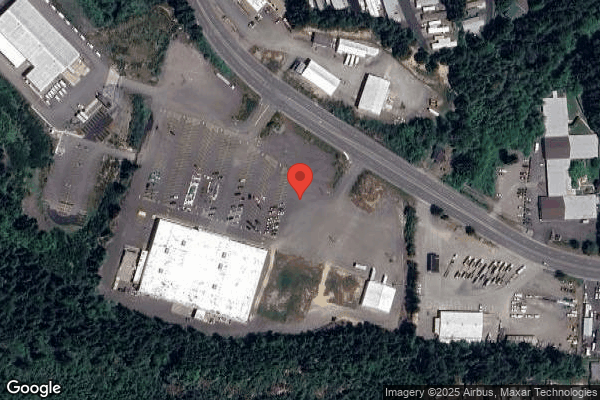

2890 OCEAN BLVD, COOS BAY, OR 97420 (541) 267-5433
For profit - Limited Liability company 114 Beds LIFE CARE CENTERS OF AMERICA Data: November 2025
Trust Grade
5/100
#91 of 127 in OR
Last Inspection: September 2024

Within standard 12-15 month inspection cycle. Federal law requires annual inspections.

Overview

Life Care Center of Coos Bay has received a Trust Grade of F, indicating significant concerns and a poor quality of care. Ranking #91 out of 127 facilities in Oregon places it in the bottom half, while its #2 position out of 3 in Coos County suggests that there is only one other local option that is better. The facility's condition appears to be worsening, with reported issues increasing from 11 in 2023 to 23 in 2024. Staffing is average with a 3/5 rating, but a high staff turnover rate of 75% is concerning, as it is significantly above the state average of 49%. Additionally, the facility has accumulated fines of $62,868, which is higher than 78% of other facilities in Oregon, indicating ongoing compliance problems. Specific incidents of concern include a resident who experienced multiple falls due to inadequate updates to their care plan, which failed to include necessary interventions. Another resident went without pain medication for five days, resulting in severe pain that limited their activities. On a more procedural note, the facility's kitchen dishwasher was not properly maintained, posing a risk of foodborne illness. While there are some average aspects, such as staffing levels and RN coverage, these strengths are overshadowed by the serious deficiencies and high turnover rates, making this facility a concerning choice for families.

Trust Score
F
5/100
In Oregon
#91/127
Bottom 29%
Safety Record
High Risk
Review needed
Inspections
Getting Worse
11 → 23 violations
Staff Stability
⚠ Watch
75% turnover. Very high, 27 points above average. Constant new faces learning your loved one's needs.
Penalties
✓ Good
$62,868 in fines. Lower than most Oregon facilities. Relatively clean record.
Skilled Nurses
○ Average
Each resident gets 40 minutes of Registered Nurse (RN) attention daily — about average for Oregon. RNs are the most trained staff who monitor for health changes.
Violations
⚠ Watch
41 deficiencies on record. Higher than average. Multiple issues found across inspections.
★★☆☆☆
2.0
Overall Rating
★★★☆☆
3.0
Staff Levels
★★★☆☆
3.0
Care Quality
★★☆☆☆
2.0
Inspection Score
Stable
2023: 11 issues
2024: 23 issues

The Good

  • Full Sprinkler Coverage · Fire safety systems throughout facility
  • No fines on record

Facility shows strength in fire safety.

The Bad

2-Star Overall Rating

Below Oregon average (3.0)

Below average - review inspection findings carefully

Staff Turnover: 75%

29pts above Oregon avg (46%)

Frequent staff changes - ask about care continuity

Federal Fines: $62,868

Above median ($33,413)

Moderate penalties - review what triggered them

Chain: LIFE CARE CENTERS OF AMERICA

Part of a multi-facility chain

Ask about local staffing decisions and management

Staff turnover is very high (75%)

27 points above Oregon average of 48%

The Ugly 41 deficiencies on record

2 actual harm
Sept 2024 23 deficiencies 2 Harm
SERIOUS (G) 📢 Someone Reported This

A family member, employee, or ombudsman was alarmed enough to file a formal complaint

Actual Harm - a resident was hurt due to facility failures

Accident Prevention (Tag F0689)

A resident was harmed · This affected 1 resident

**NOTE- TERMS IN BRACKETS HAVE BEEN EDITED TO PROTECT CONFIDENTIALITY** 3. Resident 48 admitted to the facility in 2024 with diagnoses including chemical imbalance affecting the brain and repeated fal...

Read full inspector narrative →
**NOTE- TERMS IN BRACKETS HAVE BEEN EDITED TO PROTECT CONFIDENTIALITY** 3. Resident 48 admitted to the facility in 2024 with diagnoses including chemical imbalance affecting the brain and repeated falls. An admission MDS dated [DATE] indicated Resident 48 was cognitively intact. The MDS also revealed Resident 48 had a history of falls. Review of progress notes revealed Resident 48 had a falls on 7/12/24 and 8/10/24, and two falls on 9/21/24. Review of fall investigations and progress notes revealed staff were to place fall mats on both sides of Resident 48's bed, keep the bed in the lowest position, and keep all frequently used items within the resident's reach. A 9/23/24 review of the resident's care plan revealed the risk for falls area was not updated with the most recent falls, and no new interventions were created after any of her/his falls. On 9/27/24 at 11:36 AM Staff 2 (DNS) acknowledged Resident 48's care plan did not contain the interventions mentioned in the fall investigations and progress notes. Based on observation, interview, and record review it was determined the facility failed to ensure residents were free from accidents and update care plans after accidents for 3 of 4 sampled residents (#s 21, 36 and 48) reviewed for accidents and non-pressure wounds. Resident 21 fell from a mechanical lift resulting in a left arm fracture and hospitalization. Findings include: 1. Resident 21 admitted to the facility in 2018 with diagnoses including left side paralysis and depression. A FRI and associated investigation dated 6/8/24 revealed Staff 43 (CNA) and Staff 44 (CNA) transferred Resident 21 using a mechanical lift that did not have required safety clips attached. As a result the left leg strap of the lift sling came off the arm of the mechanical lift and Resident 21 fell and landed on her/his left arm. Resident 21 was transferred to a local hospital and was identified to have a fractured arm. A 9/6/24 quarterly MDS indicated Resident 21 had moderate cognitive impairment. On 9/23/24 at 2:46 PM Resident 21 was interviewed and confirmed she/he fell out of the mechanical lift and went to the hospital. Resident 21 was not able to recall the specific details of her/his fall or injury, however the resident remembered the fall and stated, I fell out of the [mechanical lift] and broke my arm. On 9/25/24 at 10:19 AM Staff 10 (CNA) stated mechanical lift training was provided in CNA school, but no updated training was provided at the facility. She recalled when Resident 21 fell on 6/8/24 and broke her/his arm because of CNAs' failure to properly and safely operate the mechanical lift. On 9/25/24 at 2:17 PM Staff 2 (DNS) confirmed Resident 21's accident on 6/8/24 occurred because of CNAs' error in using the mechanical lift. From 9/23/24 through 9/27/24 Staff 43 and Staff 44 did not respond to multiple attempts to interview. 2. Resident 36 was admitted to the facility in 4/2023 with a diagnosis of Parkinson's disease. An 4/19/24 annual MDS revealed Resident 36 had impaired mobility and was at risk for falls. A care plan initiated 4/20/23 revealed Resident 36 was at risk for falls. Interventions to prevent falls included staff were to keep her/his wheel chair within reach and to ensure brakes were locked. Staff were also to provide toileting after meals and before bed. Staff were to encourage the resident to use her/his call light and to ensure frequently used items were within reach. a. On 9/26/24 at 8:28 AM Resident 36 was in bed, her/his wheelchair was not within reach, and the wheelchair brakes were not locked. Resident 36 was observed to have a wrist call light. On 9/26/24 at 8:29 AM Staff 36 (CNA) verified Resident 36's wheelchair was not locked and not within reach. On 9/26/24 at 10:29 AM Staff 2 (DNS) stated Resident 36's wheel chair was to be locked and within reach. b. Un-witnessed Fall investigations dated 7/22/24, 7/30/24, 8/1/24, 8/2/24, 8/10/24, 8/18/24, 8/31/24, 9/24/24 and 9/26/24 revealed the following: -7/22/24 at 3:53 PM Resident 36 was found on the floor in front of the bathroom. The investigation did not include when Resident 36 was last visualized, when she/he was toileted, and where her/his wheelchair was located at the time of the fall. New interventions included staff were to ensure frequently used items were within reach (this was not a new intervention). - 7/30/24 at 5:45 AM Resident 36 was found on the floor near her/his window. Resident 36 requested to use the bathroom when staff found the resident. The investigation did not indicate when the resident was last visualized or toileted. New interventions included the resident was to use a wrist call light. The care plan was not updated to include a wrist call light. -8/1/24 at 8:00 PM Resident 36 was found at the side of her/his bed. Resident 36 reported she/he had to use the bathroom. New intervention to be implemented included for staff to remind Resident 36 to use her/his call light (this was not a new intervention). -8/2/24 at 8:00 PM Resident 36 was found on the floor near her/his bed and wheelchair. The investigation indicated Resident 36 was last checked on 10 minutes prior to the fall but did not specify if the resident was assisted with toileting. New interventions included staff were to ensure frequently used items were to be within reach (this was not a new intervention). -8/10/24 at 9:21 PM Resident was found on the floor. The resident was last observed and incontinent check done at 8:55 PM. New interventions to be implemented included keeping frequently used items within reach (this was not a new intervention). -8/18/24 at 7:10 AM Resident 36 was observed on the floor with her/his unlocked wheelchair in front of her/him. New interventions to prevent falls included to have frequently used items within reach (this was not a new intervention). -8/31/24 at 5:56 AM Resident 36 was observed between her/his bed and window. The investigation did not include when Resident 36 was last assisted. New interventions to prevent falls included to have frequently used items within reach (this was not a new intervention). -9/24/24 at 8:50 PM Resident 36 was observed on the floor near her/his bathroom. The investigation did not indicate when Resident 36 was last assisted. On 9/26/24 at 10:32 AM Staff 2 (DNS) acknowledged Resident 36's investigations did not always include information to ensure care plan interventions were followed and new interventions identified to prevent falls were already in place. c. Resident 36's post fall Neurological Check List forms (assessment for head injury: assessments were to be done every 15 minutes for one hour, every 30 minutes for two hours, every two hours for eight hours, every eight hours for 32 hours) revealed the following neurological checks: - For a 7/22/24 fall: on 7/22/24 at 3:50 PM, 4:05 PM, 4:35 PM, 5:05 PM and 6:00 PM, on 7/23/24 at 4:45 PM and 8:45 PM, and on 7/24/24 at 4:45 AM and 7:25 AM. -For a 8/18/24 fall: on 8/18/24 at 3:30 AM and 5:30 AM, on 8/19/24 at 9:30 AM and 1:30 PM, and on 8/20/24 at 1:30 PM. -For a 8/31/24 fall: on 8/31/24 at 11:30 PM, on 9/1/24 at 1:30 AM and 11:30 PM, and on 9/2/24 at 1:30 AM and 5:30 AM. -For a 9/11/24 fall: on 9/12/24 at 4:00 AM and 8:15 PM, and on 9/13/24 at 8:15 PM. -For a 9/24/24 fall: on 9/2/24 at 1:45 AM, and on 9/25/24 at 5:45 AM. On 9/27/24 at 5:08 PM Staff 2 (DNS) stated she would provide neurological assessments for the above missing dates and times. No additional information was provided.
SERIOUS (G) 📢 Someone Reported This

A family member, employee, or ombudsman was alarmed enough to file a formal complaint

Actual Harm - a resident was hurt due to facility failures

Deficiency F0697 (Tag F0697)

A resident was harmed · This affected 1 resident

**NOTE- TERMS IN BRACKETS HAVE BEEN EDITED TO PROTECT CONFIDENTIALITY** Based on observation, interview and record review it was determined the facility failed to ensure residents received appropriate...

Read full inspector narrative →
**NOTE- TERMS IN BRACKETS HAVE BEEN EDITED TO PROTECT CONFIDENTIALITY** Based on observation, interview and record review it was determined the facility failed to ensure residents received appropriate pain management for 2 of 2 sampled residents (#s 41 and 52) reviewed for pain. Resident 41 was not administered pain medication for five days resulting in unresolved severe pain which limited her/his usual activities. Findings include: 1. Resident 41 was admitted to the facility in 2024 with diagnoses including pressure ulcer of the sacrum and chronic pain syndrome. A 5/2024 MAR revealed Resident 41 took oxycodone (narcotic pain medication) twice daily from 5/1/24 through 5/23/24. From 5/24/24 through 5/28/24 Resident 41 was not administered oxycodone. A quarterly MDS dated [DATE] confirmed Resident 41 was assessed to be cognitively intact. On 9/25/24 at 2:26 PM Staff 43 (CMA) stated she was frustrated the facility failed to order medications in a timely manner for Resident 41, and stated it consistently happened to other residents twice a month. She stated there was never an excuse for running out of medications, and stated if a physician was on vacation, there was an on-call physician available, and an order could be called in by the on-call physician to the pharmacy. The pharmacy provided the facility with a code to access the locked emergency medication cart. Staff 43 confirmed there was no code given to access the emergency supply of medication for Resident 41. Staff 43 confirmed from 5/24/24 through 5/28/24 Resident 41 did not receive her/his oxycodone that was ordered to be administered one tablet by mouth every four hours as needed and prior to wound care. On average Resident 41's pain level prior to receiving oxycodone was between seven and eight on a pain scale from one to 10. This constituted unresolved severe pain that prevented Resident 41 from doing her/his usual daily activities. On 9/26/24 at 9:28 AM Resident 41 stated from 5/24/24 through 5/28/24 (five days) the pain was unbearable because she/he was not given her/his usual pain medication (oxycodone) twice daily. She/he described the pain as burning, stabbing pain that was constant. Resident 41 stated her/his sacral pressure ulcer was the most painful, she/he could not get comfortable in bed, and she/he refrained from usual activity because of the severe pain. Resident 41 stated she/he laid down and waited until Tuesday until they could get a code to get into the emergency supply. Resident 41 stated on 5/28/24 it took a couple of hours before the medication relieved the pain and it was two days before baseline pain level was achieved. On 9/27/24 at 11:10 AM Staff 2 (DNS) confirmed the emergency kit for medications was not accessed over the memorial weekend. 2. Resident 52 admitted to the facility on [DATE] after spinal surgery. 8/13/24 hospital admission orders revealed Resident 36 was to be administered oxycodone (narcotic pain medication) every eight hours PRN. An 8/2024 MAR revealed on 8/14/24 (day of admission) staff did not administer oxycodone to Resident 52. On 8/14/24 Resident 52 reported severe pain. Progress Notes revealed no documentation related to resident 52's pain medication. An 8/16/24 admission MDS indicated Resident 52 was cognitively intact. On 9/25/24 at 3:10 PM Resident 52 stated she/he was always in pain related to her/his surgery. On 9/25/24 at 3:19 PM Witness 9 (Pharmacy Technician) stated on 8/14/24 the pharmacy authorized facility staff to remove three doses of oxycodone from the emergency supply. On 9/25/24 at 3:35 PM and 9/26/24 at 10:36 AM Staff 2 (DNS) stated the staff had authorization to pull the oxycodone from the emergency kit but did not. Staff 2 stated Resident 52 was sent to the emergency room for pain medication and returned. Staff 2 acknowledged there was no documentation in Resident 52's record related to Resident 52's transfer to the hospital and the rationale for not administering the pain medication.
CONCERN (D)

Potential for Harm - no one hurt, but risky conditions existed

Deficiency F0553 (Tag F0553)

Could have caused harm · This affected 1 resident

Based on interview and record review it was determined the facility failed to ensure residents were included in care planning for 1 of 2 sampled residents (#31) reviewed for care planning. This placed...

Read full inspector narrative →
Based on interview and record review it was determined the facility failed to ensure residents were included in care planning for 1 of 2 sampled residents (#31) reviewed for care planning. This placed residents at risk for not being involved in the care planning process. Findings include: Resident 31 was admitted to the facility in 7/2022 with diagnosis including autism. A review of Resident 31's profile sheet revealed Witness 2 (Family Member) was Resident 31's responsible party and guardian. A review of Psychosocial Notes from 7/31/23 through 7/17/24 revealed the following: -10/26/23 Quarterly care conference held with Witness 2 via phone. -5/6/23 note did not indicate the meeting was a care conference and attendance did not include Witness 2. No documentation Witness 2 was invited to a care conference meeting. -7/17/24 late entry for 7/11/14 note did not indicate the meeting was a care conference meeting and did not include documentation Witness 2 was in attendance or was invited. No additional documentation was found in Resident 31's clinical record which indicated Witness 2 was invited or attended a care conference since 10/26/23. On 9/24/24 at 7:51 AM Witness 2 stated he was not invited or attended to a care conference for quite some time. Witness 2 stated it was before Staff 4 (Social Services Director) started working at the facility. A review of the facility's staff list revealed Staff 4 was hired on 4/23/24. On 9/26/24 at 12:56 PM Staff 2 (DNS) Staff 3 (Regional [NAME] President) and Staff 29 (Regional Nurse) stated they would look for additional information for care plan conferences. No additional documentation which indicated Witness 2 was invited or attended a care conference meeting since 10/26/23 was provided.
CONCERN (D)

Potential for Harm - no one hurt, but risky conditions existed

Deficiency F0578 (Tag F0578)

Could have caused harm · This affected 1 resident

2. Resident 45 admitted to the facility in 2024 with diagnoses including diabetes and left-sided weakness. Review of Resident 45's medical record revealed no advanced directive. Review of progress not...

Read full inspector narrative →
2. Resident 45 admitted to the facility in 2024 with diagnoses including diabetes and left-sided weakness. Review of Resident 45's medical record revealed no advanced directive. Review of progress notes revealed no information indicating she/he was offered an advanced directive. On 9/26/24 at 12:47 PM Staff 4 (Social Services Director) stated all residents were offered an advanced directive and it was discussed at care conferences. He acknowledged Resident 45 had no advanced directive and no documentation of one being offered or refused. 3. Resident 51 admitted to the facility in 2024 with diagnoses including chronic obstructive pulmonary disease and surgical amputation of her/his left leg above the knee. Review of Resident 51's medical chart revealed no advanced directive. An undated facility Conference/DC Planning form revealed Resident 51 was provided information regarding an advanced directive. Review of progress notes revealed no follow up information for the advanced directive. On 9/26/24 at 12:47 PM Staff 4 (Social Services Director) stated all residents were offered an advanced directive and it was discussed at care conferences. He acknowledged Resident 51 had no advanced directive and there was no follow up documentation for the advanced directive previously offered. Based on interview and record review it was determined the facility failed to ensure residents' current advance directive information was reflected in clinical records for 3 of 5 sampled residents (#s 3, 45 and 51) reviewed for advance directives. This placed residents at risk for end of life choices not being honored. Findings include: 1. Resident 3 admitted to the facility in 7/2024 with a diagnosis of rib fractures. A 7/9/24 admission MDS revealed Resident 3 was cognitively intact. A care plan initiated 7/16/24 indicated Resident 3 had an advance directive and staff were to honor her/his wishes. Resident 3's clinical record did not include a copy of her/his advance directive. On 9/25/24 at 10:00 AM Resident 3 stated she/he had an advance directive and her/his medical provider had a copy of the form. On 9/25/24 at 10:10 AM Staff 4 (Social Service Director) stated upon admission a resident was provided information related to advance directives. If a resident stated she/he had an advance directive staff were to follow-up and obtain a copy for the clinical record. Staff 4 acknowledged Resident 3's care plan indicated she/he had an advance directive and her/his clinical record did not include a copy. Staff 3 also stated the hospital clinical record indicated Resident 3 had an advance directive but the hospital also did not have a copy. Staff 3 stated he did not follow-up with Resident 3 to ensure her/his clinical record included a copy of her/his advance directive. On 9/25/24 at 11:16 AM Staff 2 (DNS) stated if a resident's care plan indicated she/he had an advance directive staff were to follow-up and obtain a copy or revise the care plan as needed if the care plan was not accurate.
CONCERN (D)

Potential for Harm - no one hurt, but risky conditions existed

Notification of Changes (Tag F0580)

Could have caused harm · This affected 1 resident

Based on interview and record review it was determined the facility failed to ensure a resident representative was notified of hospitalizations for 1 of 2 sampled residents (#33) reviewed for notifica...

Read full inspector narrative →
Based on interview and record review it was determined the facility failed to ensure a resident representative was notified of hospitalizations for 1 of 2 sampled residents (#33) reviewed for notification. This placed resident representatives at risk for lack of care decisions. Findings include: Resident 33 admitted to the facility in 4/2023 with a diagnosis of dementia. Resident 33's clinical record indicated Witness 6 (Family Member) was Resident 33's first emergency contact. On 9/23/24 at 3:52 PM Witness 6 stated in the recent past she/he was not notified when Resident 33 was admitted to the hospital. Progress Notes revealed on 8/17/24 Resident 33 had a change of condition and was transported to the hospital for evaluation and treatment. There was no indication Witness 6 was notified. On 9/25/24 at 1:58 PM a request was made to Staff 24 (LPN IP) to provide documentation Witness 6 was notified of Resident 33's hospitalization. No additional information was received.
CONCERN (D)

Potential for Harm - no one hurt, but risky conditions existed

Deficiency F0582 (Tag F0582)

Could have caused harm · This affected 1 resident

Based on interview and record review it was determined the facility failed to provide written notification regarding a change in coverage for 1 of 3 sampled residents (#9) reviewed for Medicare notifi...

Read full inspector narrative →
Based on interview and record review it was determined the facility failed to provide written notification regarding a change in coverage for 1 of 3 sampled residents (#9) reviewed for Medicare notification of non-coverage. This placed residents and their representatives at risk for unknown financial liabilities. Findings include: Resident 25 was admitted to the facility in 7/2024 with diagnosis including fracture of the left leg. A review of the 7/16/24 admission MDS indicated Resident 9's BIMS was 9 which indicated moderate cognitive impact. A NOMNC (Notice of Medicare Non-Coverage) form was signed by Resident 9 on 7/22/24. It was not documented if her/his responsible party was contacted or made aware of the form and the effective date Medicare would no longer pay for skilled nursing services, which was 7/25/24, or how to appeal the decision if they disagreed. On 9/26/24 at 10:39 AM Witness 1 (Family Member) stated she was Resident 9's responsible party and she/he was able to understand the NOMNC form. Witness 1 stated the facility did not contact her regarding the NOMNC form, and she wondered why as the facility knew she was Resident 9's responsible party. On 9/26/24 at 10:59 AM and 11:58 AM Staff 21 (Social Services Director) and Staff 27 (Business Office) stated the protocol for the NOMNC form for a cognitively impaired resident was to notify and have the family representative present during the signing of the form. Staff 21 stated he would review a resident's BIMS score and if the resident was their own responsible party. Staff 27 stated she had Resident 9 sign the NOMNC form and she did not review Resident 9's clinical record for a responsible party. In an interview on 9/26/24 at 12:52 PM Staff 2 (DNS), Staff 3 (Regional [NAME] President) and Staff 29 (Regional Nurse) stated the expectation of staff was residents who were cognitively intact signed the NOMNC and/or a resident's representative.
CONCERN (D) 📢 Someone Reported This

A family member, employee, or ombudsman was alarmed enough to file a formal complaint

Potential for Harm - no one hurt, but risky conditions existed

Safe Environment (Tag F0584)

Could have caused harm · This affected 1 resident

Based on observation and interview it was determined the facility failed to provide a building in good repair 2 of 3 sampled residents (#s 11 and 20) reviewed for environment. This placed residents at...

Read full inspector narrative →
Based on observation and interview it was determined the facility failed to provide a building in good repair 2 of 3 sampled residents (#s 11 and 20) reviewed for environment. This placed residents at risk for unsafe and unhomelike environment. Findings include: Resident 11 admitted to the facility in 12/2023 with diagnoses of vertigo (sense of spinning when someone is still) and unsteadiness on feet. Resident 20 was admitted to the facility in 3/2024 with diagnoses including muscle weakness and unsteadiness on feet. A review of the 8/30/24 MDS indicated revealed Resident 11's BIMs score was 13 which indicated Resident 11 was moderately cognitively impaired. A review of the 9/5/24 MDS indicated revealed Resident 20's BIMs score was 15 which indicated Resident 20 was cognitively intact. On 7/5/24 a public complaint was received which indicated the floor of Resident 11's room was so uneven that her/his bedside table would roll across the room. On 9/24/24 at 10:11 AM Resident 11 stated her/his room was going downhill, and staff had to engage the brakes on everything in her/his room or the items would roll downhill. A visible slope was observed in the room with appearance of the room sloping up from the window of the room to the doorway. On 9/26/24 at 6:54 AM and 6:59 AM Staff 20 (Maintenance Director) stated the facility was going to have someone come and find out what the slope of the rooms were and what was happening. Staff 20 stated when outside the building it appeared to have a U shape. Staff 20 stated Resident 20 requested blocks under one side of her/his bed to make the bed more level in her/his room. On 9/26/24 at 7:19 AM Staff 8 (CNA) stated when she went into the rooms numbered in 40's range it was like oh my goodness. Staff 8 stated she had to be cautious when she walked and watch her footing as she felt like she could lose her balance. On 9/26/24 at 7:58 AM Resident 20 stated there was one block under her/his bed but the one at the head of the bed came out and staff were to come and fix it. Resident 20 stated she/he felt like she/he was going downhill in her/his room. Resident 20 was observed to have a wood block approximately 1/2 to 1 inch thick under one side of the leg of the at the foot of the bed. In an interview on 9/26/24 at 1:08 PM Staff 2 (DNS), Staff 3 (Regional [NAME] President) and Staff 29 (Regional Nurse) stated the rooms were inspected and another company was coming to inspect the rooms. Staff 3 stated there was no structural damage to the building and they would be moving the residents who were affected to other rooms.
CONCERN (D) 📢 Someone Reported This

A family member, employee, or ombudsman was alarmed enough to file a formal complaint

Potential for Harm - no one hurt, but risky conditions existed

Free from Abuse/Neglect (Tag F0600)

Could have caused harm · This affected 1 resident

Based on interview and record review the facility failed to protect residents' rights to be free from verbal and physical abuse by Staff for 1 of 2 sampled residents (#56) reviewed for abuse. This pla...

Read full inspector narrative →
Based on interview and record review the facility failed to protect residents' rights to be free from verbal and physical abuse by Staff for 1 of 2 sampled residents (#56) reviewed for abuse. This placed residents at risk for abuse. Findings include: Resident 56 admitted to the facility in 7/2024 with diagnoses including kidney disease and diabetes. A review of Resident 56's MDS and cognitive loss dementia CAA dated 6/5/24 revealed Resident 56's BIMS was 10 which indicated moderate cognitive impairment. The CAA revealed contributing factors to Resident 56's cognitive loss included dementia, change in mental status, and short and long-term memory loss. A review of Resident 56's care plan dated 6/12/24 revealed Resident 56 had impaired cognitive ability with a score of 10 on her/his BIMS assessment. Interventions included allow extra time for the resident to respond to questions and instructions, ask yes and no questions to determine the resident's needs, identify yourself at each interaction, face Resident 56 when speaking and make eye contact, reduce any distractions. The care plan also indicated Resident 56 understandood consistent, simple, and direct sentences, to provide the resident with necessary cues and stop and return if Resident 56 became agitated, and to try and provide a consistent routine and caregivers as much as possible to decrease confusion. On 7/5/24 the State Survey Agency received a public complaint which indicated on 6/15/24, during the night shift, Staff 15 (Agency LPN) came out into the hallway from Resident 56's room and bragged about his interaction with Resident 56. Staff 15 stated Resident 56 pushed her/his bedside table into Staff 15 , which upset Staff 15, and he grabbed Resident 56's bed covers into a ball, pushed down on Resident 56's chest and told her/him to never do that again. On 6/16/24 Resident 56 made a comment about the incident, and it was reported. Resident 56 reported she/he was scared to even mention it. Resident 56's family was notified. Staff 15 was removed from the schedule and did not return to the facility. On 9/24/24 at 10:40 AM Witness 4 (Family Member) and Resident 56 stated the nurses at the facility reported to Witness 4 Staff 15 put his hands on Resident 56. Witness 4 stated Staff 15 woke Resident 56 up at 4:00 AM in the morning and it startled Resident 56. Witness 4 stated if Resident 56 was woken up in the wrong way she/he had a negative reaction. Resident 56 stated she/he did not remember pushing her/his bedside table against a staff member and she/he did not remember a staff member touching her/him. On 9/25/24 at 11:07 AM Staff 12 (CNA) stated on the night shift of 6/15/24 Staff 15 reported Resident 56 pushing her/his bedside table into Staff 15 and grabbing Resident 56 and telling her/him to not do that again. Staff 12 stated Staff 15 reported this information to all the staff who were working the night shift. On 9/27/24 at 8:28 AM Staff 15 stated he went into Resident 56's room on 6/15/24 and Resident 56 started yelling and shoved the bedside table into Staff 15's groin. Staff 15 stated he was loud, stern and pointed at Resident 56 and told her/him to not do that. Staff 15 stated it made him mad and he wanted to hit Resident 56 but did not lay hands on him. Staff 15 stated he documented the incident in nurse's notes, but notes and incident reports come up missing at the facility. On 9/27/24 at 10:02 AM Staff 13 (RN) stated Staff 15 came in to work on 6/15/24 upset about the schedule and ranting and raving. Staff 15 was swearing, and Staff 13 told him to relax. Staff 13 stated Staff 15 reported Resident 56 pushed the bedside table into Staff 15 and Staff 15 grabbed Resident 56's shirt and pulled him toward Staff 15 and told Resident 56 to knock it off. Staff 15 reported to Staff 13 that he was fucking out of here and left the facility. Staff 13 stated Staff 15 cussed a lot while at work. On 9/27/24 at 10:13 AM Staff 3 (Regional [NAME] President) stated he did not feel it was abuse. While Resident 56 was in the facility staff reported she/he was cognitively intact, and Resident 56 reported she/he was not abused. Staff 3 stated Staff 1 (Administrator) came into the facility and spoke with staff and the resident regarding the incident. No investigation regarding abuse on 6/15/24 was provided.
CONCERN (D) 📢 Someone Reported This

A family member, employee, or ombudsman was alarmed enough to file a formal complaint

Potential for Harm - no one hurt, but risky conditions existed

Report Alleged Abuse (Tag F0609)

Could have caused harm · This affected 1 resident

Based on interview and record review it was determined the facility failed to report to the State Survey Agency an allegation of abuse for 1 of 2 sampled residents (#56) reviewed for abuse. This place...

Read full inspector narrative →
Based on interview and record review it was determined the facility failed to report to the State Survey Agency an allegation of abuse for 1 of 2 sampled residents (#56) reviewed for abuse. This placed residents at risk for abuse. Findings include: Resident 56 admitted to the facility in 7/2024 with diagnoses including kidney disease and diabetes. A review of Resident 56's MDS and cognitive loss dementia CAA dated 6/5/24 revealed Resident 56's BIMS was 10 which indicated moderate cognitive impairment. The CAA revealed contributing factors to Resident 56's cognitive loss included dementia, change in mental status, and short and long-term memory loss. On 7/5/24 the State Survey Agency received a public complaint which indicated on 6/15/24, during the night shift, Staff 15 (Agency LPN) came out into the hallway from Resident 56's room and bragged about his interaction with Resident 56. Staff 15 stated Resident 56 pushed her/his bedside table into Staff 15 , which upset Staff 15, and he grabbed Resident 56's bed covers into a ball, pushed down on Resident 56's chest and told her/him to never do that again. On 6/16/24 Resident 56 made a comment about the incident, and it was reported. Resident 56 reported she/he was scared to even mention it. Resident 56's family was notified. Staff 15 was removed from the schedule and did not return to the facility. No documentation was found indicating the facility reported the alleged abuse from Staff 15 to Resident 56 on 6/15/24 to the State Survey Agency. On 9/24/24 at 10:40 AM Witness 4 (Family Member) and Resident 56 stated the nurses at the facility reported to Witness 4 staff put his hands on Resident 56. Witness 4 stated Staff 15 woke Resident 56 up at 4:00 AM in the morning and he startled Resident 56. Witness 4 stated if Resident 56 was woken up in the wrong way she/he had a negative reaction. On 9/25/24 at 11:07 AM Staff 12 (CNA) stated on the night shift of 6/15/24 Staff 15 reported Resident 56 pushing her/his bedside table into Staff 15 and grabbing Resident 56 and telling her/him to not do that again. On 9/27/24 at 8:28 AM Staff 15 stated he went into Resident 56's room on 6/15/24 and Resident 56 started yelling and shoved the bedside table into Staff 15's groin. Staff 15 stated he was loud, stern and pointed at Resident 56 and told her/him to not do that. Staff 15 stated it made him mad and he wanted to hit Resident 56 but did not lay hands on him. On 9/27/24 at 10:02 AM Staff 13 (RN) stated Staff 15 reported Resident 56 pushed the bedside table into Staff 15 and he grabbed Resident 56's shirt, pulled the resident toward him and told Resident 56 to knock it off. In an interview on 9/26/24 at 1:02 PM Staff 2 (DNS), Staff 3 (Regional [NAME] President) and Staff 29 (Regional Nurse) stated they expected staff to report allegations of abuse to the State Survey Agency and to law enforcement. Refer to F600
CONCERN (D) 📢 Someone Reported This

A family member, employee, or ombudsman was alarmed enough to file a formal complaint

Potential for Harm - no one hurt, but risky conditions existed

Investigate Abuse (Tag F0610)

Could have caused harm · This affected 1 resident

Based on interview and record review it was determined the facility failed to investigate an allegation of abuse for 1 of 2 sampled residents (#56) reviewed for abuse. This placed residents at risk fo...

Read full inspector narrative →
Based on interview and record review it was determined the facility failed to investigate an allegation of abuse for 1 of 2 sampled residents (#56) reviewed for abuse. This placed residents at risk for abuse. Findings include: Resident 56 admitted to the facility in 7/2024 with diagnoses including kidney disease and diabetes. A review of Resident 56's MDS and cognitive loss dementia CAA dated 6/5/24 revealed Resident 56's BIMS was 10 which indicated moderate cognitive impairment. The CAA revealed contributing factors to Resident 56's cognitive loss included dementia, change in mental status, and short and long-term memory loss. On 7/5/24 the State Survey Agency received a public complaint which indicated on 6/15/24 during the night shift Staff 15 (Agency LPN) came out into the hallway from Resident 56's room and bragged about his interaction with Resident 56. Staff 15 stated Resident 56 pushed her/his bedside table into Staff 15, which made Staff 15 mad, and he grabbed Resident 56's bed covers into a ball and pushed down on Resident 56's chest and told her/him to never do that again. On 6/16/24 Resident 56 made a comment about the incident, and it was reported. Resident 56 reported she/he was scared to even mention it. Resident 56's family was notified. Staff 15 was removed from the schedule and did not return to the facility. No documentation was found the facility completed an investigation for the alleged allegation of abuse on 6/15/24 from Staff 15 to Resident 56. On 9/24/24 at 10:40 AM Witness 4 (Family Member) and Resident 56 stated the nurses at the facility reported to Witness 4 staff put his hands on Resident 56. Witness 4 stated Staff 15 woke Resident 56 up at 4:00 AM in the morning and it startled Resident 56. Witness 4 stated if Resident 56 was awoken in the wrong way she/he had a negative reaction. On 9/25/24 at 11:07 AM Staff 12 (CNA) stated on the night shift of 6/15/24 Staff 15 reported Resident 56 pushing her/his bedside table into Staff 15 and grabbing Resident 56 and telling her/him to not do that again. On 9/27/24 at 8:28 AM Staff 15 stated he went into Resident 56's room on 6/15/24 and Resident 56 started yelling and shoved the bedside table into Staff 15's groin. Staff 15 stated he was loud, stern and pointed at Resident 56 and told her/him to not do that. Staff 15 stated it made him mad and he wanted to hit Resident 56 but did not lay hands on him. On 9/27/24 at 10:02 AM Staff 13 (RN) stated Staff 15 reported Resident 56 pushed the bedside table into him, and Staff 15 grabbed Resident 56's shirt and pulled the resident toward him and told Resident 56 to knock it off. In an interview on 9/26/24 at 1:02 PM and 9/27/24 at 10:13 AM Staff 2 (DNS), Staff 3 (Regional [NAME] President) and Staff 29 (Regional Nurse) stated they expected staff to report allegations of abuse to the State Survey Agency and to law enforcement. Staff 3 stated Staff 1 (Administrator) came into the facility and spoke with staff and the resident. No investigation regarding the incident was provided. Refer to F600
CONCERN (D)

Potential for Harm - no one hurt, but risky conditions existed

Deficiency F0657 (Tag F0657)

Could have caused harm · This affected 1 resident

**NOTE- TERMS IN BRACKETS HAVE BEEN EDITED TO PROTECT CONFIDENTIALITY** 3. Resident 9 admitted to the facility in 2024 with diagnoses including sepsis (severe infection) and diabetes. An admission MDS...

Read full inspector narrative →
**NOTE- TERMS IN BRACKETS HAVE BEEN EDITED TO PROTECT CONFIDENTIALITY** 3. Resident 9 admitted to the facility in 2024 with diagnoses including sepsis (severe infection) and diabetes. An admission MDS dated [DATE] indicated Resident 9 was cognitively impaired. The MDS revealed Resident 9 was at risk for pressure injuries. A 9/1/24 provider order revealed staff were to cleanse the left ankle wound and place a foam dressing every three days and as needed. A 9/4/24 provider order revealed staff were to place sheepskin (a type of padding) between the leg brace and left inner ankle to decrease pressure. Review of the resident's care plan, revised 9/23/24, revealed no goals or interventions for the left ankle wound. On 9/24/24 at 2:36 PM Resident 9 was observed to a thigh to ankle leg brace with sheepskin tucked between the left ankle and the brace. A small foam wound dressing was observed on the inner left ankle under the sheepskin. On 9/27/24 at 11:36 AM Staff 2 (DNS) acknowledged Resident 9's care plan did not contain goals or interventions for the left ankle wound. She also acknowledged the care plan was not updated properly. Based on observation, interview and record review it was determined the facility failed to update the care plan for 3 of 7 sampled residents (#s 3, 9, and 43) reviewed for positioning and pressure ulcers. This placed residents at risk for unmet care needs. Findings include: 1. Resident 3 admitted to the facility in 7/2024 with a diagnosis of fractured ribs. Resident 3's admission MDS revealed she/he was cognitively intact. On 9/23/24 at 12:02 PM Resident 3 was observed with a wound dressing on her/his right shin. Resident 3 stated there was an open area on her/his shin for at least one month. Resident 3's care plan initiated on 7/16/24 was not revised to address her/his shin wound. On 9/25/24 at 11:12 AM Staff 2 (DNS) acknowledged Resident 3's care plan was not revised to address her/his skin issue. 2. Resident 43 admitted to the facility in 2/2024 with a diagnosis of kidney disease. A 2/9/24 admission MDS revealed Resident 43 was cognitively impaired and had a left hand contracture. An Occupational Therapy Discharge summary dated [DATE] revealed Resident 43 had a left hand contracture and she/he was dependent on staff to place a soft hand roll. On 9/24/24 at 2:51 PM Resident 43 was observed with a soft hand roll in her/his left hand. A care plan initiated 2/22/24 was not revised to include staff were to assist Resident 43 with the soft hand roll. On 9/25/24 at 11:12 AM Staff 2 (DNS) acknowledged Resident 43's care plan was not revised to include staff were to assist her/him with the soft hand roll.
CONCERN (D)

Potential for Harm - no one hurt, but risky conditions existed

ADL Care (Tag F0677)

Could have caused harm · This affected 1 resident

Based on observation, interview and record review it was determined the facility failed to provide shaving for 1 of 3 sampled residents (#43) reviewed for ADLs. This placed residents at risk for lack ...

Read full inspector narrative →
Based on observation, interview and record review it was determined the facility failed to provide shaving for 1 of 3 sampled residents (#43) reviewed for ADLs. This placed residents at risk for lack of self esteem. Findings include: Resident 43 admitted to the facility in 2/2024 with a diagnosis of a stroke. On 9/23/24 at 12:45 PM and 9/24/24 at 2:51 PM Resident 43 was observed to have long facial hair . A 2/9/24 admission MDS revealed Resident 43 was cognitively impaired, was able to make needs known, and required assistance for most ADLs. On 9/23/24 at 3:30 PM Witness 7 (Family Member) stated Resident 43 preferred to have no facial hair. On 9/24/24 at 3:06 PM Staff 31 (CNA) stated residents were shaved on shower days. Resident 43 had a shower on the day shift, she was not sure the reason Resident 43 was not shaved, and acknowledged her/his facial hair was likely not shaved for several days. On 9/24/24 at 3:45 PM Resident 43 stated she/he usually liked to not have facial hair. Resident 43 also stated her/his facial hair was so long she/he required a weed whacker to shave.
CONCERN (D) 📢 Someone Reported This

A family member, employee, or ombudsman was alarmed enough to file a formal complaint

Potential for Harm - no one hurt, but risky conditions existed

Quality of Care (Tag F0684)

Could have caused harm · This affected 1 resident

Based on observation, interview and record review it was determined the facility failed to provide care to a non-pressure skin injury and failed to provide preparation for a medical procedure for 2 of...

Read full inspector narrative →
Based on observation, interview and record review it was determined the facility failed to provide care to a non-pressure skin injury and failed to provide preparation for a medical procedure for 2 of 2 sampled residents (#s 3 and 21) reviewed for non-pressure skin conditions and medical procedures. This placed residents at risk for delayed care needs and treatment. Findings include: 1. Resident 3 was admitted to the facility with a diagnosis of heart disease. On 9/23/24 at 12:02 PM Resident 3 was observed to have a wound dressing on her/his right shin. Resident 3 stated there was an open area on her/his shin for at least one month. Weekly Skin Integrity Data Collection forms reveled on 8/14/24 and 9/16/24 Resident 3 was assessed to have scabs to the right shin. Resident 3's clinical record did not indicate the shin wound was measured, assessed to determine cause, or treatment orders were obtained, and her/his care plan initiated on 7/16/24 was not revised to address her/his shin wound. A 9/25/24 Skin Related Injury investigation revealed Resident 3 reported to the a State surveyor she/he had an open area to the right shin. It was determined Resident 23's walker caused friction to the leg when she/he walked. Staff adjusted the walker to prevent continued injury. On 9/25/24 at 9:59 AM Staff 32 (CNA) stated for approximately one week Resident 3's shin bled and a nurse applied a dressing. On 9/25/24 at 11:12 AM Staff 2 (DNS) acknowledged Resident 3's care plan was not revised to address her/his skin issue and there was no orders or assessments to indicate when the skin issue developed. 2. Resident 21 admitted to the facility in 7/2018 with a diagnosis of a stroke. Per medlineplud.gov (web based resource) a sigmoidoscopy was a procedure used to see inside the colon and rectum. To preprepare for this procedure a patient must empty their bowels by using enema (medicine inserted rectally resulting in bowel movements.) and must not eat before the procedure. 7/3/24 hospital discharge orders revealed Resident 21 was to follow up with a general surgeon on 7/25/24. A facility calendar revealed Resident 21 went to the general surgeon on 7/22/24. A Progress Notes dated 9/3/24 revealed Resident 21 returned from an appointment and she/he was transported for sigmoidoscopy (bowel scope) procedure, without prep. Will arrange for re-scheduling/repeat clinic visit . On 9/26/24 at 3:25 PM Witness 10 (Medical Assistant) stated Resident 21 was seen on 7/22/24. She/he was to return to do a follow up procedure on 9/3/24 to diagnose the reason Resident 21 was bleeding. Witness 20 stated Resident 21 was not prepped and her/his diagnostic tests were delayed. On 9/25/24 at 4:24 PM Staff 2 (DNS) stated Resident 21 had multiple emergency room visits for her/his bleeding. Staff 2 acknowledged Resident 21 was not prepped for a diagnostic procedure on 9/3/24. No additional information related to this concern was provided.
CONCERN (D)

Potential for Harm - no one hurt, but risky conditions existed

Deficiency F0688 (Tag F0688)

Could have caused harm · This affected 1 resident

Based on observation, interview and record review it was determined the facility failed to ensure treatment was provided for a resident's decreased ROM for 1 of 4 sampled residents (#36) reviewed for ...

Read full inspector narrative →
Based on observation, interview and record review it was determined the facility failed to ensure treatment was provided for a resident's decreased ROM for 1 of 4 sampled residents (#36) reviewed for positioning. This placed residents at risk for pain. Findings include: Resident 36 admitted to the facility in 4/2023 with a diagnosis of Parkinson's disease. An 4/19/24 annual MDS and associated CAAs indicated Resident 36 was confused at times, required staff assistance for ADLs, and was able to make needs known. The CAAs also indicated Witness 8 (Family Member) was very involved in Resident 36's care. On 9/23/24 at 4:19 PM Witness 8 stated Resident 36 had a contracture to her/his hands and was not aware if staff provided ROM. On 9/26/24 at 9:55 AM Resident 36 was observed to not be able to straighten her/his third and fourth fingers on both hands. Resident 36 stated her/his hands hurt to straighten. Review of Resident 36's clinical record revealed no treatments or care plan related to her/his decreased finger ROM. On 9/26/24 at 9:55 AM Staff 26 (PT) stated at that time therapy was not working with Resident 36 for decreased ROM. On 9/26/24 at 4:30 PM Staff 2 (DNS) stated she was not aware of a concern related to Resident 36's fingers.
CONCERN (D) 📢 Someone Reported This

A family member, employee, or ombudsman was alarmed enough to file a formal complaint

Potential for Harm - no one hurt, but risky conditions existed

Incontinence Care (Tag F0690)

Could have caused harm · This affected 1 resident

Based on observation, interview and record review it was determined the facility failed to provide adequate urinary catheter care and incontinent care for 1 of 5 sampled residents (#43) reviewed for p...

Read full inspector narrative →
Based on observation, interview and record review it was determined the facility failed to provide adequate urinary catheter care and incontinent care for 1 of 5 sampled residents (#43) reviewed for pain and incontinence. This placed residents at risk for unmet urinary catheter needs and UTI. Findings include: Resident 43 admitted to the facility in 4/2024 with diagnoses including retention of urine and acute kidney failure. A 2/7/24 care plan revealed Resident 43 had an indwelling catheter with interventions including catheter care every shift, change catheter every month and change bag PRN. Every shift was to observe and report to the physician any signs and symptoms of a UTI, pain, burning, blood tinged urine, cloudy urine, no urine output, deepening of urine color, increased pulse, increased temperature, urinary frequency, foul smelling urine, fever, chills, altered mental status, and change in patterns. A 5/10/24 Quarterly MDS indicated Resident 43's BIMS was 12 which indicated moderately impaired cognition. Resident 43 had an indwelling catheter. A review of Resident 43's MAR from 7/1/24 through 7/4/24 revealed instruction to staff to provide the following: -Change catheter and bag as needed for infection, obstruction or when the closed system was compromised. There was no documentation Resident 43 had a PRN catheter change. On 7/1/24 and 7/3/24 the MAR referred the reader to Administration notes. On 7/2/24 the MAR was documented with a check mark. A 7/1/24 Administration Note indicated to change the catheter and bag one time a day starting on the first and ending on the third every month. The note indicated the catheter was replaced on 6/28/24. A 7/3/24 Administration Note indicated to change the catheter and bag one time a day starting on the first and ending on the third every month. The note indicated was already done. A review of the 7/2024 Documentation Survey Report indicated on 7/3/24 evening shift there was no documentation for Resident 43's urine output. A 7/4/24 Alert Note indicated Resident 43 was yelling at the start of night shift. Resident 43 did not have any urine output. Resident 43's catheter was changed at the start of the shift with good results: over 1000 ccs of urine flowed freely. A public complaint was received on 7/5/24 which indicated Resident 43 yelled out in pain for eight hours and complained of bladder pain. Staff 30 (LPN Unit Nurse) was notified and administered pain medications and instructed the resident to complete deep breathing exercises. Staff 30 was informed by Staff 12 (CNA) the last time Resident 43 complained of bladder pain her/his catheter was clogged. Staff 30 was also informed by Staff 12 Resident 43 did not have any urine output. It was unknown if the physician was notified. When Staff 13 (RN Unit Nurse) arrived for night shift Resident 43's catheter was changed and her/his pain was relieved. On 9/25/24 at 11:04 AM Staff 12 (CNA) stated she arrived to evening shift and was informed Resident 43 was yelling out in pain on day shift. Staff 12 stated Resident 43 informed her she/he had bladder pain. Staff 12 told Staff 30 about Resident 43's bladder pain and was told it was bladder spasms. Resident 43 yelled out in pain the entire evening shift. At midnight Staff 12 continued working on night shift. Staff 12 stated she was in the room when Staff 13 completed a catheter change on Resident 43 and over 600 ccs of urine came out of her/his bladder. Staff 12 stated she did not document anything for output for Resident 43 as she/he did not have any output on evening shift. On 9/25/24 at 1:43 PM Resident 43 stated she/he remembered a couple of months ago her/his bladder hurt and she/he could not urinate. On 9/25/24 at 2:32 PM Staff 14 (CMA) stated Resident 43 was in pain often and she/he complained of her/his catheter not draining. On 9/26/24 at 9:48 AM Staff 10 (CNA) stated on 7/3/24 on day shift Resident 43 was yelling out in pain stating her/his left leg was hurting. When Staff 12 arrived to the facility Staff 10 reported to Staff 12 Resident 43 was in pain during day shift. The following interviews occurred on 9/26/24: -1:00 PM Staff 2 (DNS) and Staff 29 (Regional Nurse) stated they would like to review Resident 43 and her/his catheter care for 7/3/24. -2:45 PM Staff 2 and Staff 29 stated Staff 30 who worked the evening shift of 7/3/24 was available to come in and discuss what occurred. -2:47 PM with Staff 2, Staff 29 and Staff 30 in the room Staff 30 stated in the beginning of 7/2024 Resident 43 had sediment in her/his urine and they started flushing her/his catheter. Resident 43 was in constant pain for a long time. The facility attempted to provide pain medications to help with her/his pain. Staff 30 stated her normal procedure when a CNA reported bladder pain was to make sure the catheter was flowing, and medications were in place. Staff 30 indicated she was assigned two halls, and many CNAs requested her to assess residents. She placed the residents' names on a list so she would not forget. Staff 30 stated she did not remember completing a bladder scan on Resident 43 on 7/3/24 evening shift. No documentation was found in clinical records Staff 30 completed an assessment on Resident 43 on 7/3/24 for concerns of bladder pain and no urine flow from her/his catheter. On 9/27/24 at 10:06 AM Staff 13 stated she started working on the 7/3/24 night shift. After Staff 30 left the facility Resident 43 started yelling out in pain. Staff 30 completed an assessment of Resident 43. Resident 43's bladder was distended and firm and she/he stated she/he could not urinate.
CONCERN (D)

Potential for Harm - no one hurt, but risky conditions existed

Deficiency F0692 (Tag F0692)

Could have caused harm · This affected 1 resident

Based on interview and record review it was determined the facility failed to follow the nutritional care plan for 1 of 5 sampled residents (#36) reviewed for nutrition. This placed residents at risk ...

Read full inspector narrative →
Based on interview and record review it was determined the facility failed to follow the nutritional care plan for 1 of 5 sampled residents (#36) reviewed for nutrition. This placed residents at risk for weight loss. Findings include: Resident 36 admitted to the facility admit in 4/2023 with a diagnosis of Parkinson's disease. An 4/16/24 Nutrition: Assessment/Nutritional Data Collection form indicated Resident 36 was at nutritional risk due to her/his Parkinson's disease and mental health disorders. Resident 36 was also assessed to have difficulty swallowing. The RD assessment indicated Resident 36 had a gradual weight loss but was stable. The current plan of care was to be continued which included snacks BID. A care plan revised on 6/23/24 revealed Resident 36 was to be provided snacks BID. There was no documentation in Resident 36's record to indicate she/he was provided snacks BID On 9/26/24 at 1:08 PM Staff 2 (DNS) stated staff did not enter the task for Resident 36's snacks correctly and the CNA task only included meal intake. On 9/27/24 9:12 AM Staff 33 (CNA) stated if a resident was to be provided scheduled snacks it was on the CNA task list. Staff were to document if a snack was provided.
CONCERN (D)

Potential for Harm - no one hurt, but risky conditions existed

Medication Errors (Tag F0758)

Could have caused harm · This affected 1 resident

Based on interview and record review it was determined the facility failed to ensure non-pharmacological interventions were provided prior medication administration and document a rational for no grad...

Read full inspector narrative →
Based on interview and record review it was determined the facility failed to ensure non-pharmacological interventions were provided prior medication administration and document a rational for no gradual dose reduction for 1 of 5 sampled residents (#43) reviewed for medications. This placed residents at risk for adverse medication reactions. Findings include: Resident 43 admitted to the facility in 2/2024 with a diagnosis of dementia. a. A 7/10/24 Pharmacy Consultation Report revealed Resident 43 was administered venlafaxine (antidepressant) daily, amitriptylline (antidepressant) every evening, citalopram (antidepressant) daily and mirtazapine (antidepressant; can be used to stimulate appetite) every evening for malnutrition. A recommendation was to decrease the citalopram. A physician response revealed the recommendations were accepted. Citalopram was to be tapered and discontinued. The response also indicated in approximately two months a gradual dose reduction was to start for Resident 43's venlafaxine. A 9/4/24 Pharmacy Consultation Report revealed venlafaxine was to be assessed to see if the medication was at the lowest dose. A physician response indicated the recommendations were declined because Resident 43 had a difficult time adjusting to her/his medical condition. 7/2024, 8/2024 and 9/2024 TARs revealed Resident 43 was documented to have behaviors on 7/20/24 (type of behavior was not identified), 8/23/24 and 8/24/24 (type of behavior not identified), and on 9/1/24 (behavior not identified). Resident 43's record revealed no rationale to support the declination of venlafaxine dose reduction. A request was made on 9/25/24 at 11:13 AM to Staff 2 (DNS) to provide a rationale to alter the plan in 7/2024 to decrease Resident 43's venlafaxine dose when she/he did not exhibit frequent behaviors. No additional information was provided. b. A 9/2024 MAR revealed Resident 43 was to be administered Ativan (antianxiety medication) PRN for anxiety. Ativan was administered on 9/9/24, 9/11/24, 9/14/24, 9/17/24 and 9/24/24. A 9/2024 TAR reveled no documented behaviors on 9/9/24, 9/11/24, 9/14/24, 9/17/24 and 9/24/24. On 9/25/24 at 11:13 AM Staff 2 (DNS) stated non-pharmacological interventions were to be provided prior to PRN Ativan administration. A request was made to provide documentation non-pharmacological interventions were provided on the above dates. No additional information was provided.
CONCERN (D) 📢 Someone Reported This

A family member, employee, or ombudsman was alarmed enough to file a formal complaint

Potential for Harm - no one hurt, but risky conditions existed

Deficiency F0772 (Tag F0772)

Could have caused harm · This affected 1 resident

Based on interview and record review it was determined the facility failed to ensure a blood sample was obtained for 1 of 1 sampled resident (#21) reviewed for laboratory tests. This placed residents ...

Read full inspector narrative →
Based on interview and record review it was determined the facility failed to ensure a blood sample was obtained for 1 of 1 sampled resident (#21) reviewed for laboratory tests. This placed residents at risk for delayed treatment. Findings include: Resident 21 was admitted to the facility in 4/2023 with a diagnosis of a stroke. A 7/2024 TAR revealed on 7/10/24 staff were to obtain a blood sample for blood chemistry. Resident 33's record did not have blood chemistry results. On 9/25/24 at 1:58 PM a request was made to Staff 2 (DNS) and Staff 24 (LPN IP) to provide laboratory results. No additional information was provided.
CONCERN (D)

Potential for Harm - no one hurt, but risky conditions existed

Dental Services (Tag F0791)

Could have caused harm · This affected 1 resident

Based on interview and record review it was determined the facility failed to ensure a resident was offered a dental appointment for 1 of 2 sampled residents (#3) reviewed for dental services. This pl...

Read full inspector narrative →
Based on interview and record review it was determined the facility failed to ensure a resident was offered a dental appointment for 1 of 2 sampled residents (#3) reviewed for dental services. This placed residents at risk for oral pain. Findings include: Resident 3 admitted to the facility in 7/2024 with a diagnosis of rib fractures. A 7/13/24 Nutrition: Assessment/Nutritional Data Collection form revealed Resident 3 had Missing/broken/decaying teeth. A 7/9/24 admission MDS revealed Resident 3 was cognitively intact and had no dental issues including cavities. On 9/23/24 at 10:00 AM and 11:57 AM Resident 3 was observed with missing bottom front teeth and Resident 3 reported she/he had cavities. Resident 3 stated the facility did not inquire if she/he wanted assistance scheduling a dental appointment On 9/25/24 at 10:23 AM Staff 4 (Social Service Director) stated if a resident was assessed to have dental issues she/he was notified and followed up with a resident for dental care. Staff 4 stated he was not notified Resident 3 had dental concerns. On 9/25/24 at 11:17 AM Staff 2 (DNS) acknowledged staff identified Resident 3 to have dental concerns, but there was no follow-up with the resident.
CONCERN (D)

Potential for Harm - no one hurt, but risky conditions existed

Antibiotic Stewardship (Tag F0881)

Could have caused harm · This affected 1 resident

**NOTE- TERMS IN BRACKETS HAVE BEEN EDITED TO PROTECT CONFIDENTIALITY** Based on interview and record review it was determined the facility failed to ensure antibiotics were not used unless indicated ...

Read full inspector narrative →
**NOTE- TERMS IN BRACKETS HAVE BEEN EDITED TO PROTECT CONFIDENTIALITY** Based on interview and record review it was determined the facility failed to ensure antibiotics were not used unless indicated and failed to monitor antibiotic usage for 1 of 5 sampled residents (#48) reviewed for urinary catheters or UTIs. This placed residents at risk for unnecessary antibiotic usage and drug resistant infections. Findings include: Resident 48 admitted to the facility in 2024 with diagnoses including chemical imbalance affecting the brain and repeated falls. An admission MDS dated [DATE] indicated Resident 48 was cognitively intact. The MDS also revealed Resident 48 had a history of falls. Review of progress notes revealed Resident 48 had two falls on 9/21/24, was sent to the hospital for evaluation and treatment, and returned with a diagnosis of UTI. Review of a 9/21/24 UA showed Resident 48's urine was cloudy and contained bacteria. No urine culture (test for type of antibiotic capable of killing the bacteria) was present. A 9/22/24 provider order revealed staff were to administer Cephalexin 500mg (an antibiotic) three times a day for 7 days for an infection. A 9/24/24 progress note revealed staff contacted the provider about concerns related to Resident 48's increasing confusion. Review of urine culture results dated 9/24/24 revealed the bacteria were not affected by Cephalexin and Meropenem (an antibiotic) was the only antibiotic capable of killing the bacteria. A 9/26/24 progress note revealed the provider would reevaluate the appropriateness of the Cephalexin. A 9/26/24 provider order revealed staff were to administer Meropenem 1 gram through a PICC line (a thin, flexible tube inserted into a vein in the upper arm and ending in a larger vein in the heart; used to administer medication directly into the bloodstream) every eight hours for seven days for a UTI. A 9/26/24 progress note revealed staff placed an IV (a flexible tube inserted into a vein to deliver fluids and medication directly into the bloodstream) in Resident 48's left arm to administer the Meropenem while an appointment was made for the PICC line insertion. Review of 9/26/24 and 9/27/24 MARs revealed Meropenem was administered, and Cephalexin was not administered on 9/26/24. The MARs also revealed both antibiotics were administered on 9/27/24. On 9/27/24 at 11:36 AM Staff 2 (DNS) acknowledged the Cephalexin was administered without a proper indication, and the Cephalexin was not discontinued when the Meropenem was started. She also acknowledged both antibiotics were administered on 9/27/24.
CONCERN (E)

Potential for Harm - no one hurt, but risky conditions existed

Staffing Information (Tag F0732)

Could have caused harm · This affected multiple residents

Based on observation, interview and record review it was determined the facility failed to ensure the staffing information was posted in a location easily accessible to residents and visitors. The fac...

Read full inspector narrative →
Based on observation, interview and record review it was determined the facility failed to ensure the staffing information was posted in a location easily accessible to residents and visitors. The facility also failed to post accurate and complete staffing information for 4 of 46 days reviewed for staffing. This placed residents and visitors at risk for incomplete, inaccessible, and inaccurate information. Findings include: On 9/23/24 at 11:00 AM the Direct Care Staff Daily Report was observed to be posted above standing eye level on a wall behind the nurse's station counter. On 9/24/24 at 3:12 PM the Direct Care Staff Daily Report was not filled out for the evening (2:00 PM to 10:00 PM) shift. On 9/26/2024 at 8:40 AM the Direct Care Staff Daily Report was posted without any data. Review of the Direct Care Staff Daily Reports for 8/12/24 through 9/26/24 revealed missing census data for 8/31/24 evening shift and missing nursing hours for the night shift on 9/16/24. On 9/26/24 at 12:25 PM Staff 34 (Staffing Coordinator/Admissions Coordinator) stated the staffing sheet was always posted in the observed location, and acknowledged it was hard to see from outside the nurse's station. She also acknowledged the missing data for the identified dates.
CONCERN (E)

Potential for Harm - no one hurt, but risky conditions existed

Infection Control (Tag F0880)

Could have caused harm · This affected multiple residents

Based on observation, interview and record review it was determined the facility failed to implement enhanced barrier precautions (EBP; requires staff to wear gown and gloves with resident contact) an...

Read full inspector narrative →
Based on observation, interview and record review it was determined the facility failed to implement enhanced barrier precautions (EBP; requires staff to wear gown and gloves with resident contact) and transmission based precautions for 2 of 3 sampled residents (#s 3 and 9) reviewed for pressure and non-pressure ulcers. This placed residents at risk for cross-contamination. Findings include: 1. Resident 3 admitted to the facility in 7/2024 with a diagnosis of rib fractures. On 9/23/24 at 12:02 PM Resident 3 was observed to have scabs and a wound dressing on her/his right shin. Resident 3's room was not identified to require EBP. On 9/24/24 at 7:50 AM Staff 25 (LPN) stated each day staff were provided a list of residents who required EBP. Staff stated Resident 3 was not on the list. On 9/24/24 at 8:15 AM Staff 2 (DNS) stated residents who had wound care should be on EBP. 2. Resident 9 admitted to the facility in 7/2024 with a diagnosis of a leg fracture. On 9/25/24 at 8:32 AM Resident 9 was observed to have a sign on the door indicating EBP and droplet precautions (mask required) when staff entered the resident's room. Staff 27 (PT) was observed standing by Resident 9 with gloves on but no mask or gown. On 9/25/24 at 9:04 AM Staff 2 (DNS) stated staff were to wear a mask when they entered Resident 9's room, and if they had contact with her/him they were to don gloves and a gown. On 9/25/24 at 9:04 AM Staff 27 stated he was not notified Resident 9 was on droplet precautions and he did not see the new sign posted by Resident 9's door for droplet precautions.
CONCERN (E) 📢 Someone Reported This

A family member, employee, or ombudsman was alarmed enough to file a formal complaint

Potential for Harm - no one hurt, but risky conditions existed

Deficiency F0947 (Tag F0947)

Could have caused harm · This affected multiple residents

Based on interview and record review it was determined the facility failed to ensure CNA staff received 12 hours of in-service training annually for 5 of 6 staff members (#s 11, 18, 38, 39 and 40) rev...

Read full inspector narrative →
Based on interview and record review it was determined the facility failed to ensure CNA staff received 12 hours of in-service training annually for 5 of 6 staff members (#s 11, 18, 38, 39 and 40) reviewed for in-service training. This placed residents at risk for lack of competent staff. Findings include: A review of the facility's staff training records revealed the following: -Staff 11 (CNA), hired 5/25/18, had 10 hours and 46 minutes of documented training from 9/26/23 through 9/26/24 -Staff 18 (CNA), hired 5/18/22, had five hours and 36 minutes of documented training from 9/26/23 through 9/26/24 -Staff 38 (CNA), hired 8/2/23, had no documented training from 9/26/23 through 9/26/24 -Staff 39 (CNA), hired 3/29/18, had five hours and 52 minutes of documented training from 9/26/23 through 9/26/24 -Staff 40 (CNA), hired 4/13/22, had four hours and 41 minutes of documented training from 9/26/23 through 9/26/24 On 9/26/24 at 4:58 PM Staff 2 (DNS) stated all CNA staff were given competency evaluations upon hire and annually in March of each year. She stated in-service training was completed for CNA staff during staff meetings and via internet-based services. On 9/27/24 at 11:36 AM Staff 2 (DNS) acknowledged the identified CNA staff records did not show 12 hours of annual in-service training.
Jun 2023 11 deficiencies
CONCERN (D) 📢 Someone Reported This

A family member, employee, or ombudsman was alarmed enough to file a formal complaint

Potential for Harm - no one hurt, but risky conditions existed

Grievances (Tag F0585)

Could have caused harm · This affected 1 resident

Based on interview and record review it was determined the facility failed to provide written grievance communications and resolutions regarding care and treatment concerns for 1 or 4 sampled resident...

Read full inspector narrative →
Based on interview and record review it was determined the facility failed to provide written grievance communications and resolutions regarding care and treatment concerns for 1 or 4 sampled residents (#256) reviewed for abuse. This placed residents at risk for unresolved concerns and grievances. Findings include: Resident 256 was admitted to the facility in 2022 with diagnoses including Parkinson's disease (progressive disease of the nervous system marked by tremors). An 10/18/22 admission MDS indicated Resident 256 was cognitively intact. An 10/13/22 care plan indicated to assist Resident 256 with mobility as needed. A 11/1/22 revised care plan indicated Resident 256 was able to ambulate with nursing assistance in the facility using a four wheel walker, self ambulate in her/his room and would call for setup assistance. The 11/21/22 Area of Focus: Concern and Comment Program indicated residents had the right to file grievances orally and the program was to be utilized anytime a concern, comment or grievance occurred that involved a resident. On 6/12/23 at 6:39 PM Resident 256 stated she/he filed a verbal complaint with Staff 2 (DNS) about staff's treatment of her/him. Resident 256 stated she/he needed to ambulate in the halls especially at night as a means to address her/his tremors and staff were not assisting her/him with this need consistently. Resident 256 further stated her/his concerns were not addressed and she/he was surprised there was no documentation of her/his complaint. On 6/14/23 at 7:29 PM Staff 27 (CNA) stated Resident 256 was often frustrated and impatient with staff because they would not allow her/him to walk independently or as frequently as Resident 256 wanted. On 6/15/23 at 4:41 PM Staff 2 stated Resident 256 was angry about her/his inability to walk in the halls, no specific staff were identified related to her/his frustration and she had multiple conversations with Resident 256 about how to address her/his concerns. Staff 2 confirmed any staff could fill out a grievance form, there was no grievance form or documentation completed or filed during any conversation with Resident 256 and the grievance process was not followed.
CONCERN (D) 📢 Someone Reported This

A family member, employee, or ombudsman was alarmed enough to file a formal complaint

Potential for Harm - no one hurt, but risky conditions existed

Free from Abuse/Neglect (Tag F0600)

Could have caused harm · This affected 1 resident

Based on interview and record review, it was determined the facility failed to protect residents' right to be free from verbal, and physical abuse for 1 of 4 sampled residents (#35) reviewed for abuse...

Read full inspector narrative →
Based on interview and record review, it was determined the facility failed to protect residents' right to be free from verbal, and physical abuse for 1 of 4 sampled residents (#35) reviewed for abuse. This placed residents at risk for abuse. Findings include: Resident 35 was admitted to the facility in 2022 with diagnosis including autism. Resident 37 was admitted to the facility in 2022 with diagnosis including cognitive communication deficit (difficulty thinking and how someone uses language). A 2/13/23 Communication with Physician note revealed Resident 37 scratched, hit and verbally attacked a CNA who was caring for her/him. A 3/3/23 Quarterly MDS revealed Resident 37's BIMS score was 11 indicating moderate cognitive impairment. An 4/28/23 Quarterly MDS revealed Resident 35 was hardly understood and was severely cognitively impaired. A 5/18/23 Alert Note indicated it was reported to Staff 2 (DNS) that Resident 14 witnessed Resident 37 hit Resident 35 in the shoulder twice and stated for her/him to stay the fuck out of [her/his] room and away from Resident 37. A 5/18/23 Abuse Adverse Event Investigation Packet revealed on 5/18/23 at 2:00 PM Resident 14 reported she/he witnessed Resident 37 tell Resident 35 to keep [her/his] fucking mouth closed and hit her/him with a closed fist on her/his shoulder and chest area. Resident 14 observed Resident 35 cower and bring her/his shoulders down. Resident 37 became agitated at times when people encroached on her/his space. Resident 37 admitted she/he should not hit. On 6/12/23 at 1:31 PM Resident 14 stated on 5/18/23 she/he observed Resident 35 and Resident 37 outside her/his room in the hallway. Resident 37 stated to Resident 35 stay out of my fucking room. Resident 37 said this twice to Resident 35 and hit her/him in her/his chest area with a closed fist. Resident 35 cowered from Resident 37 and Resident 35's face grimaced when she/he was struck by Resident 37. On 6/14/23 at 12:48 PM Staff 17 (CNA) stated Resident 37 was spicy, she/he cussed a lot and Resident 35 went into Resident 37's room. During one instance Resident 35 was in Resident 37's doorway and Resident 37 went out into the hallway screaming to staff to get Resident 35 out of her/his room. On 6/15/23 at 11:38 AM Staff 2 (DNS) stated the facility determined Resident 37 abused Resident 35 on 5/18/23.
CONCERN (D)

Potential for Harm - no one hurt, but risky conditions existed

Deficiency F0657 (Tag F0657)

Could have caused harm · This affected 1 resident

Based on observation, interview and record review it was determined the facility failed to revise care plan interventions for 1 of 4 sampled residents (#2) reviewed for non-pressure skin conditions. T...

Read full inspector narrative →
Based on observation, interview and record review it was determined the facility failed to revise care plan interventions for 1 of 4 sampled residents (#2) reviewed for non-pressure skin conditions. This placed residents at risk for medical complications. Findings include: Resident 2 was admitted to the facility in 2022 with diagnoses including Palmar Fascial Fibromatosis (the tightening of connective tissue in the hand which pulls the fingers towards the palm) and peripheral vascular disease (a circulatory condition which reduces blood flow to limbs). A 3/3/23 Quarterly MDS revealed Resident 2 had impairment to both of her/his upper extremities. An 4/25/23 medical evaluation indicated Resident 2 had edema (swelling caused by excess fluid trapped in the body's tissue) in her/his left upper extremity which previously resolved when Resident 2's hand was elevated, but now the entire arm was edematous. A 5/30/23 revised care plan had no indication of staff interventions for Resident 2's edema. A 6/12/23 nutrition/dietary note indicated Resident 2 had pitting edema and the physician was aware. On 6/12/23 at 1:30 PM Resident 2 was observed with edema to her/his left arm and hand and no supportive devices or pillows were in place. Resident 2 stated her/his left arm and hand hurt. On 6/13/23 at 12:10 PM Staff 5 (CNA) stated the use of pillows for support of Resident 2's left arm and hand were in place for the last few months based on staff conversations, but acknowledged interventions for Resident 2's edema were not indicated on her/his care plan. On 6/13/23 at 12:25 PM Staff 11 (CNA) stated she started using pillows for Resident 2's arm to make her/him more comfortable on her own and Staff 28 (MDS Coordinator) was to update care plans. On 6/15/23 at 2:18 PM and 6/16/23 at 10:09 AM Staff 2 (DNS) stated the use of pillows to address Resident 2's edema and comfort was discussed during staff rounds but no conversations were documented. Staff 2 acknowledged Resident 2's care plan was not updated to ensure care interventions were provided consistently.
CONCERN (D)

Potential for Harm - no one hurt, but risky conditions existed

Deficiency F0661 (Tag F0661)

Could have caused harm · This affected 1 resident

Based on interview and record review it was determined the facility failed to complete discharge summaries including a recapitulation of stay and a final summary of residents' status upon discharge fo...

Read full inspector narrative →
Based on interview and record review it was determined the facility failed to complete discharge summaries including a recapitulation of stay and a final summary of residents' status upon discharge for 1 of 2 sampled residents (#53) reviewed for discharge. This placed residents at risk for unsafe discharges. Findings include: Resident 53 admitted to the facility in 2023 with diagnoses including kidney disease. A 5/5/23 Progress Note revealed Resident 53 discharged to home with her/his spouse, and was sent home with medication and discharge instructions. A 5/5/23 Discharge Summary Information assessment included no recapitulation of Resident 53's stay or final summary of her/his status at the time of discharge On 6/14/23 at 4:38 PM Staff 2 (DNS) reviewed Resident 53's Discharge Summary Information assessment and confirmed it did not include a recapitulation of stay. Staff 2 stated she expected staff to add information about the resident's progress with rehabilitation and nursing.
CONCERN (D) 📢 Someone Reported This

A family member, employee, or ombudsman was alarmed enough to file a formal complaint

Potential for Harm - no one hurt, but risky conditions existed

Quality of Care (Tag F0684)

Could have caused harm · This affected 1 resident

**NOTE- TERMS IN BRACKETS HAVE BEEN EDITED TO PROTECT CONFIDENTIALITY** Based on interview and record review it was determined the facility failed to ensure treatments were provided for 1 of 4 sampled...

Read full inspector narrative →
**NOTE- TERMS IN BRACKETS HAVE BEEN EDITED TO PROTECT CONFIDENTIALITY** Based on interview and record review it was determined the facility failed to ensure treatments were provided for 1 of 4 sampled residents (#257) reviewed for non-pressure skin conditions. This placed residents at risk for adverse medical conditions. Findings include: Resident 257 was admitted to the facility on [DATE] with diagnoses including cellulitis (bacterial skin infection) and spina bifida (birth defect of the spine and spinal cord which could cause symptoms including weakness and paralysis). A 7/18/23 admission Collection Tool indicated Resident 257 had a linear ulceration to the back of the right thigh which was 14 inches long. Review of the resident's TAR and Progress notes from 7/18/22 through 7/23/22 revealed there was no treatment or monitoring to the right thigh ulceration. A Progress Note dated 7/24/22 indicated, upon admission, the resident had an open area to the back of her/his thigh. The note indicated the resident reported, after admission to the facility, no one looked at the open area. The note described the back of the thigh to have an open area which was 14 cm long, 3 cm wide and 0.5 cm deep. There was a scant amount of green and bright red drainage which had a slight foul odor. The bed of the wound had slough (nonviable tissue) which was dark brown. The wound was cleaned and a dressing was applied. A 7/25/22 Communication with Physician note indicated the physician was notified of the thigh wound. The physician approved the requested treatment and authorized a wound consult. A wound clinic note dated 7/28/22 indicated Resident 257 had spina bifida with decreased sensation to the buttocks and the resident was dependent on a wheelchair for mobility. The resident had a shear injury to the right thigh due to self transfers which worsened while in the facility. The wound was described as a full thickness wound which measured 5 cm by 10 cm by 0.4 cm and had 26 to 50 percent slough. On 6/14/23 at 7:42 AM Staff 21 (LPN) stated if a resident was admitted to the facility with an open area, the staff documented the skin impairment on the data collection tool and ensured orders were in place or obtained. Staff were to monitor the skin changes and and document on the TAR. Staff 21 stated she did not recall Resident 257. On 6/14/23 at 7:47 AM Staff 3 (LPN Resident Care Manager) stated she did not work with Resident 257. Staff 3 acknowledged the resident was admitted to the facility with an open area to the back of the thigh. Upon admission to the facility staff put an order in the resident's electronic record which directed staff to change the dressing every three days. When staff entered the order into the electronic record, they did not designate when the treatment was to be done. As a result the nursing treatment for the wound did not propagate to the TAR. A request was made to Staff 3 to provide documentation to show staff provided treatment or monitored the open thigh wound from 7/18/22 through 7/23/22. No additional information was provided.
CONCERN (D)

Potential for Harm - no one hurt, but risky conditions existed

Deficiency F0692 (Tag F0692)

Could have caused harm · This affected 1 resident

Based on observation, interview and record review it was determined the facility failed to address RD recommendations for 2 of 7 sampled residents (#s 9 and 40) reviewed for unnecessary medications an...

Read full inspector narrative →
Based on observation, interview and record review it was determined the facility failed to address RD recommendations for 2 of 7 sampled residents (#s 9 and 40) reviewed for unnecessary medications and nutrition. This placed residents at risk for weight loss. Findings include 1. Resident 9 was admitted to the facility in 2021 with diagnoses including dementia and protein-calorie malnutrition. A 12/23/22 Annual MDS indicated Resident 9 required set-up assistance for eating and she/he was rarely understood. The 6/2023 Task: ADL-Snacks indicated no snacks were offered to Resident 9 from 6/1/23 through 6/15/23. A 6/2/23 revised care plan indicated Resident 9 was at risk for weight fluctuation and to assist her/him with meals as needed. A 6/13/23 Resident at Risk Meeting Note and revised care plan indicated to provided fortified snacks to Resident 9 twice a day. On 6/12/23 at 12:28 PM Resident 9 was observed in her/his room with untouched food in front of her/him on a bedside table. Resident 9's hands were tucked under her/his blanket. On 6/12/23 at 3:08 PM Resident 9 was observed in bed with no food and her/his hands remained tucked under her/his blanket. On 6/14/23 at 4:51 PM Staff 2 (DNS) stated no interventions were in place for snacks to be offered for Resident 9 and the kitchen usually sent out snacks that were scheduled because of weight loss interventions. On 6/15/23 at 10:38 AM Staff 14 (Dietary Manager) stated Resident 9 was not on the list of those residents who required scheduled snacks. Staff 14 stated based on Resident 9's cognition she/he was unable to request snacks so scheduled snacks were necessary and not provided. 2. Resident 40 was admitted to the facility in 2/2023 with diagnoses including a fractured leg. An 4/25/23 Nutrition Assessment Summary indicated the resident was reviewed for a significant weight loss. The resident lost over 6 percent of her/his weight in 30 days and her/his weight declined significantly since admission to the facility. The resident was already on fortified foods and juice supplements three times a days with meals. Additional interventions already implemented included staff supervision of the resident in the dining room for meals to ensure she/he received assistance as needed and an appetite stimulant. A new intervention the RD recommended was staff were to provide fortified snacks twice a day between meals. Review of the resident's record from 5/13/23 through 6/13/23 revealed no documentation snacks were provided twice a day. On 6/13/23 at 3:13 PM Staff 3 (LPN Resident Care Manager) stated when the RD made recommendations the nursing staff were to review the recommendations. If the recommendations were not accepted they were to document the rationale for not implementing the intervention. Staff 3 indicated Resident 40 had many interventions in place for weight loss and some of the recent weight loss could have been attributed to the removal of her/his leg cast. Staff 3 acknowledged the RD recommended fortified snacks twice a day and there were no snacks provided or a rationale for not implementing the snacks. On 6/13/23 at 3:29 PM Staff 30 (CNA) stated if a snack was provided it was documented in the resident's clinical record.
CONCERN (D)

Potential for Harm - no one hurt, but risky conditions existed

Deficiency F0806 (Tag F0806)

Could have caused harm · This affected 1 resident

Based on interview and record review it was determined the facility failed to ensure resident food preferences were honored for 1 of 4 sampled residents (#23) reviewed for food preferences. This place...

Read full inspector narrative →
Based on interview and record review it was determined the facility failed to ensure resident food preferences were honored for 1 of 4 sampled residents (#23) reviewed for food preferences. This placed residents at risk for unmet needs. Findings include: Resident 23 was admitted to the facility in 2021 with diagnoses including diabetes and macular degeneration (blurred or no vision). A 2/3/23 Annual MDS indicated Resident 23's BIMS score indicating she/he 15 was cognitively intact. A 2/8/23 care plan indicated Resident 23 needed assistance with ordering her/his food. Review of the 11/3/22 and 5/4/23 Quarterly Nutritional Data Collection indicated Resident 23 liked cheerios and bananas, and Does not like this writer [writer of the report] or foods offered by facility. Very negative and has many food complaints. No documentation of Resident 23's food dislikes were documented. On 6/12/23 at 11:43 AM Resident 23 stated CNA staff went over the menu with her/him and took her/his order and every day she/he never received what she/he ordered. Resident 23 stated one day she/he ordered soup and got crackers and no soup. Resident 23 stated she/he did not want vegetables and every time vegetables were on the menu she/he received them. At 12:25 PM Resident 23 had one slice of pizza, soup, a cookie and salad. Resident 23 drank the juice out of the soup since it was mainly vegetables and did not eat his/her salad. On 6/13/23 at 12:02 PM Resident 23 stated the kitchen did not have a menu for her/him so a staff member from the kitchen came and collected Resident 23's preferences for lunch. She/he ordered soup and stir-fry without rice. Resident 23 did not receive her/his soup, so Staff 2 (DNS) went to the kitchen and obtained Resident 23's soup. Resident 23's stir fry was mainly vegetables and only two small pieces of meat were visible on the plate. On 6/14/23 the following occurred: -8:21 AM Resident 23's breakfast plate had two fried eggs and two slices of bacon. Resident 23 stated she/he ordered something else but it was not on her/his plate. -8:52 AM when asked if it was French Toast she/he stated yes that was the other item she/he ordered and did not receive. -12:23 PM Resident 23's food ticket indicated she/he disliked vegetables. Resident 23 had approximately a cup of peas and carrots on her/his plate. Resident 23 stated she/he did not receive the soup she/he ordered so the CNA went back to the kitchen and obtained the soup. -12:25 PM Staff 18 (CNA) stated Resident 23's soup was not on her/his tray and she had to go back to the kitchen to get it. On 6/15/23 at 8:23 AM Resident 23 stated the facility out did themselves this morning. Resident 23 did not receive her/his yogurt, cereal and banana and only one piece of bacon instead of two. Staff went back and got the yogurt and cereal but she/he never received the second piece of bacon or her/his banana. On 6/15/23 at 10:28 AM and 10:39 AM Staff 14 (Dietary Manager) stated upon admission staff spoke to the residents about their preferences and their preferences were printed on their meal ticket. There was a menu which was circled for each meal order. If a resident did not fill out a menu the resident received the meal which was on the spread sheet. Staff 14 stated on 6/15/23 there were a lot of meal tickets missing and Resident 23's breakfast meal ticket was one of them.
CONCERN (D)

Potential for Harm - no one hurt, but risky conditions existed

Deficiency F0810 (Tag F0810)

Could have caused harm · This affected 1 resident

Based on observation, interview and record review it was determine the facility failed to provide adaptive eating equipment for 1 of 2 sampled residents (#2) reviewed for position and mobility. This p...

Read full inspector narrative →
Based on observation, interview and record review it was determine the facility failed to provide adaptive eating equipment for 1 of 2 sampled residents (#2) reviewed for position and mobility. This placed residents at risk for loss of dining independence. Findings include: Resident 2 was admitted to the facility in 2022 with diagnoses including Palmar Fascial Fibromatosis (the tightening of connective tissue in the hand which pulls the fingers towards the palm) and peripheral vascular disease (a circulatory condition which reduces blood flow to limbs). A 3/3/23 Quarterly MDS revealed Resident 2 had impairment to both of her/his upper extremities. A 1/18/23 revised care plan indicated Resident 2 was to wear her/his hand splint for all meals, utensils slid into the pocket on the palm side of the splint and Resident 2 should be able to eat with minimal assistance. Staff were to assist Resident 2 with meals as needed. A 5/23/23 MR (Magnetic Resonance) Cervical Spine without Contrast revealed Resident 2 had degenerative changes to the spine at all levels which explained her/his muscle weakness and difficulty with ambulation. A 5/29/23 Occupational Therapy Treatment Encounter Note indicated Resident 2 actively participated in the use of her/his right wrist splint, staff were educated in the dining hall regarding the use of the splint and there were no barriers impacting the sessions. On 6/13/23 at 8:26 AM Resident 2 was observed in the dining room with a plate of food in front of her/him wearing no splint with no staff assisting. On 6/13/23 at 11:51 AM Witness 3 (Family Member) stated she was in the facility weekly and did not see Resident 2 use her/his splint for some time. On 6/13/23 at 12:25 PM Staff 11 (CNA) stated Resident 2 was to wear her/his splint, she applied the splint when she worked with Resident 2, but things in the facility changed often. On 6/13/23 at 1:41 PM Staff 12 (CNA) stated the splint for Resident 2 was not offered on 6/13/23 at lunch but Resident 2 often refused the splint. Staff 12 acknowledged Resident 2's refusal of the splint was not documented. On 6/13/23 at 2:01 PM Staff 13 (OT) stated she instructed multiple staff regarding the use of Resident 2's splint. Staff 13 stated Resident 2 was always receptive to use the splint and was only discharged from therapy on 5/29/23 with success indicated for increased dining independence when the splint was used. Staff 13 stated therapy was not informed of any refusals of the splint by Resident 2 from staff, otherwise additional support or further assessment would be offered. On 6/14/23 at 8:22 AM Resident 2 was observed in the dining room with no splint while waiting for her/his meal. Resident 2 stated no splint was offered prior to coming into the dining room and the splint helped to provide comfort to her/his hand. On 6/15/23 at 2:18 PM Staff 2 (DNS) stated Resident 2's nerves were pinched which impacted the use of her/his extremities. Staff 2 acknowledged the process for changes in Resident 2's ROM and assessment needs needed to be addressed. On 6/15/23 at 4:00 PM Staff 10 (Director of Rehabilitation) stated Resident 2 was brought to therapy only because of her/his decline in eating and the 5/23/23 MR did not change what was already known about Resident 2's condition. Staff 10 stated because therapy staff did not hear there was a lack of success with Resident 2's splint, therapy staff were not able to appropriately reapproach and readdress Resident 2's needs until now.
CONCERN (E) 📢 Someone Reported This

A family member, employee, or ombudsman was alarmed enough to file a formal complaint

Potential for Harm - no one hurt, but risky conditions existed

Deficiency F0578 (Tag F0578)

Could have caused harm · This affected multiple residents

Based on interview and record review it was determined the facility failed to provide advance directive information, or follow up with or assist residents or resident representatives with formulation ...

Read full inspector narrative →
Based on interview and record review it was determined the facility failed to provide advance directive information, or follow up with or assist residents or resident representatives with formulation of an advanced directive for 4 of 7 sampled residents (#s 2, 3, 34 and 40) reviewed for advanced directives. This placed residents at risk for end of life choices not being honored. Findings include: 1. Resident 2 was admitted to the facility in 2022 with diagnoses including Palmar Fascial Fibromatosis (the tightening of connective tissue in the hand which pulls the fingers towards the palm) and peripheral vascular disease (a circulatory condition which reduces blood flow to limbs). A 7/8/22 unlabeled document indicated Resident 2 was given information on advance directives and offered assistance to complete the process. Resident 2's Care Plan Conference Records for 9/12/22, 12/12/22 and 3/30/23 indicated POLST (Physician Order for Life Sustaining Treatment) for her/his advance directive. A 3/3/23 Quarterly MDS revealed Resident 2 had moderate cognitive impairment. On 6/14/23 at 11:41 AM Staff 1 (Administrator) stated staff were expected to review a resident's advance directive at admission, quarterly and if there was a change of condition. On 6/14/23 at 12:27 PM Staff 4 (Director of Social Services) stated she offered a packet with information about advance directives at admission to residents and tried to remember to speak to them about their advance directive during quarterly care conferences. Staff 4 confirmed she had no documentation regarding follow up conversations about Resident 2's advance directive with the resident or her/his family. 2. Resident 3 was admitted to the facility in 2016 with diagnoses including depression and anxiety. A 7/2022 questionnaire indicated Resident 3 refused information related to advance directives and stated she/he had an advance directive. The questionnaire also indicated social services would contact Resident 3's family member to obtain a copy of the advance directive. A review of the medical record did not include any information about contacting Resident 3's family member or additional information about an advance directive. On 6/14/23 at 11:53 AM Staff 4 (Director of Social Services) stated she asked Resident 3's family member to bring in the advance directive but did not document the request and did not believe the advance directive was provided to the facility. 3. Resident 34 was admitted to the facility 6/2022 with diagnoses including dementia. A 6/30/22 admission MDS indicated Resident 34 had severe cognitive impairment. A Care Plan initiated 6/24/22 indicated the resident had a power of attorney for health care (a designated person who has legal authority to make medical decisions). An untitled documented signed on 7/8/22 by Resident 34 indicated she/he was provided information on advance directives. Review of the resident's record revealed there was no power of attorney for health care. On 6/14/23 at 2:06 PM Staff 4 (Director of Social Services) stated the resident should not have been provided the advance directive information due to her/his cognitive impairment. Staff 4 indicated Resident 34 came from another facility and thought the resident already had an advance directive. Staff 4 indicated the information could be in the business office. On 6/14/23 at 2:09 PM Staff 29 (Business Office Manager) stated the business office did not have any power of attorney for health care or advance directive information related to Resident 34. 4. Resident 40 was admitted to the facility 2/2/23 with diagnoses including a leg fracture. Resident 40's 2/9/23 admission MDS indicated the resident had moderate cognitive impairment. A Care Plan initiated 2/18/23 indicated Resident 40's advance directive would be honored. Review of Resident 40's clinical record revealed the resident did not have an advance directive or a power of attorney for health care (a designated person who has legal authority to make medical decisions). On 6/13/23 at 2:56 PM Staff 4 (Director of Social Services) reviewed Resident 40's clinical record and acknowledged the resident's adult child was only her/his financial power of attorney. Staff 4 indicated she would provide documentation the resident had an advance directive or a health care power of attorney. No additional information was provided.
CONCERN (E)

Potential for Harm - no one hurt, but risky conditions existed

Deficiency F0725 (Tag F0725)

Could have caused harm · This affected multiple residents

**NOTE- TERMS IN BRACKETS HAVE BEEN EDITED TO PROTECT CONFIDENTIALITY** Based on observation, interview, and record review it was determined the facility failed to provide sufficient staffing to meet ...

Read full inspector narrative →
**NOTE- TERMS IN BRACKETS HAVE BEEN EDITED TO PROTECT CONFIDENTIALITY** Based on observation, interview, and record review it was determined the facility failed to provide sufficient staffing to meet the needs of residents for 2 of 3 halls reviewed for staffing. This placed residents at risk for unmet needs. Findings include: On 6/12/23 at 11:41 AM Resident 23 stated she/he had to wait 30 minutes for staff to answer her/his call light and staff told her/him it was because they were short-staffed. Resident 23 stated the facility was short-staffed since she/he admitted to the facility two years ago. On 6/12/23 at 12:35 PM Resident 1 stated she/he turned on her/his call light, waited, and ended up falling asleep. An hour later the call light was still on. Resident 1 stated she/he did not activate the call light often as she/he did not want to bug the staff, and the staff would get in trouble if they stayed late. On 6/12/23 at 1:31 PM Resident 14 stated recently a CNA had three hallways to herself and residents waited an hour and a half to two hours on night shift for assistance. Resident 14 stated she/he had to wait two hours. During random observations on 6/14/23 the following occurred: room [ROOM NUMBER]: -10:08 AM the call light was on, and at 10:25 AM, 17 minutes later, the light was turned off. -10:26 AM the call light was back on and was turned off at 10:31 AM, 23 minutes after it was originally activated. -10:34 AM the resident in room nine stated her/his call light was on and it was taken care of and long call light wait times happened once in a while The resident in room nine stated staff were having a busy day. room [ROOM NUMBER]: -10:11 AM the call light was activated and at 10:34 AM, 23 minutes later, the light was turned off. -10:57 AM the resident in the room stated she/he had the call light on as she/he wanted to get off the bed pan and it was uncomfortable. The resident in room [ROOM NUMBER] stated long call light wait times happened periodically during shift changes and meal times. On 6/14/23 at 7:56 AM Staff 15 (CNA) stated most of the time she completed her assigned duties, but she got stressed and had to work in a panicked type of atmosphere to attempt to get everything done. Staff 15 stated if she could not complete everything it was personal hygiene tasks that did not get completed, and she stayed late to complete her charting for the residents. Staff 15 stated it was nice when Staff 2 (DNS) and Staff 25 (Life Enhancement Director) assisted and passed out food trays but stated they did not always assist. On 6/14/23 at 12:09 PM Staff 20 (CNA) stated residents complained of long call light wait times of around 30 minutes during the evening shift. Staff 20 stated there was a culture in the facility on the evening shift for staff to talk with their co-workers instead of answering call lights. Staff 20 stated she observed residents being left on their bed pans for long periods of time which included a resident in room [ROOM NUMBER]. On 6/14/23 at 12:48 PM Staff 17 (CNA) stated the facility was almost always short of staff on evening shift. Staff 17 stated she could not spend enough time with residents and if their call light wait time was long the staff members were not to tell the residents the facility was short on staff. During 5/2023 a resident was left on their bedside commode for a half an hour. A 6/14/23 Direct Care Staff Daily Report revealed the facility was short one CNA on evening shift. On 6/15/23 at 11:45 AM Staff 2 (DNS) confirmed the facility was short-staffed.
CONCERN (E)

Potential for Harm - no one hurt, but risky conditions existed

Food Safety (Tag F0812)

Could have caused harm · This affected multiple residents

Based on observation, interview and record review it was determined the facility failed to ensure resident snacks were removed after discharge and/or labeled for 1 of 1 unit refrigerator (East Hall). ...

Read full inspector narrative →
Based on observation, interview and record review it was determined the facility failed to ensure resident snacks were removed after discharge and/or labeled for 1 of 1 unit refrigerator (East Hall). This placed residents at risk for decreased quality of food. Findings include: On 6/13/23 at 1:54 PM Staff 14 (Dietary Manager) stated the food brought in by resident families had to be in single serving packages. The food was kept in the East Hall refrigerator. The kitchen staff monitored the refrigerator temperatures but the nursing staff were responsible for ensuring the food was dated, not expired and labeled with residents' names. On 6/14/23 at 12:44 PM with Staff 28 (MDS Coordinator) the East Hall resident snack refrigerator was observed to have one box of frozen pastries with a use-by date of 11/11/22. The pastries were not labeled with a resident's name. The refrigerator had five yogurts labeled with Resident 108's name with use-by dates which were dated before 6/14/23. Staff 28 indicated Resident 108 was discharged from the facility and the yogurt should have been removed. Review of Resident 108's clinical record revealed she/he was discharged on 5/10/23.
Jun 2022 7 deficiencies
CONCERN (D)

Potential for Harm - no one hurt, but risky conditions existed

Deficiency F0558 (Tag F0558)

Could have caused harm · This affected 1 resident

Based on observation interview and record review it was determined the facility failed to ensure resident needs were accommodated for 1 of 3 sampled residents (#21) reviewed for activities of daily li...

Read full inspector narrative →
Based on observation interview and record review it was determined the facility failed to ensure resident needs were accommodated for 1 of 3 sampled residents (#21) reviewed for activities of daily living. This placed residents at risk for lack of accommodation with needs and preferences. Findings include: Resident 21 was admitted to the facility in 6/2021 with diagnoses of dementia and malnutrition. A 5/25/21 care plan indicated Resident 21 required one-person total assist for meals and offer fluids with each care opportunity. An observation on 6/13/22 at 12:47 PM revealed Resident 21 was asleep in bed and her/his bedside table was out of reach (farther then arm length apart) and was up against the wall. The bedside table had upon it a cup of water and a second cup with a straw in it. At 1:40 PM Resident 21 was in bed awake and the bedside table was out of reach. An observation on 6/15/22 at 12:45 PM revealed Resident 21 was in bed awake, lying on her/his back and the TV was on. Resident 21's bedside table was out of reach. The bedside table had upon it a cup of water with lid and a straw in it. On 6/13/22 at 8:23 PM Witness 3 (Family Member) stated at times Resident 21's bedside table was out of reach when she visited and she had concerns regarding Resident 21's fluid intake. On 6/16/22 at 12:05 PM Staff 9 (CNA) and at 1:09 PM Staff 11 (CNA) stated Resident 21 was dependent on her/his ADL care needs but could eat and drink on her/his own with some encouragement. Staff 11 and Staff 9 stated all items including the call light switch and bedside table should be within reach. On 6/17/22 at 3:30 PM Staff 1 (Administrator) and Staff 2 (DNS) stated they expected the bedside table for Resident 21 to be within her/his reach and staff were expected to follow the care plan.
CONCERN (D)

Potential for Harm - no one hurt, but risky conditions existed

Deficiency F0578 (Tag F0578)

Could have caused harm · This affected 1 resident

Based on interview and record review it was determined the facility failed to assess the presence of, obtain copies as appropriate, provide information and periodically review advance directives for 3...

Read full inspector narrative →
Based on interview and record review it was determined the facility failed to assess the presence of, obtain copies as appropriate, provide information and periodically review advance directives for 3 of 4 sampled residents (#s 8, 10 and 24) reviewed for advance directives. This placed residents at risk for not having health care choices honored. Findings include: 1. Resident 24 admitted to the facility in 1/2022 with diagnoses including Chronic Obstructive Pulmonary Disease. A 1/21/22 MDS revealed Resident 24 had a BIMS score of 15 out 15 which indicated she/he was cognitively intact. An 4/20/22 Care Plan Conference Form revealed medications, POLST and care plan reviewed, there was no documentation regarding an advance directive being present, offered, or reviewed. In an interview on 6/16/22 at 10:06 AM Staff 5 (Social Services) stated the advance directive was to be reviewed and offered quarterly. Staff 5 also stated she did not believe Resident 24 had an advance directive and there was no documentation of the advance directive being reviewed with Resident 24 at the initial care meeting and the advance directive was not requested on the quarterly assessment. In an interview on 6/16/22 at 3:35 PM Resident 24 reported the facility did not ask about an advance directive, but she/he had completed one in the past. 3. Resident 8 was admitted to the facility in 3/2022 with diagnoses including dementia and muscle weakness. On 6/13/22 a review of Resident 8's medical record revealed she/he was not cognitively intact and there was no additional information to indicate Resident 8 executed or declined an advance directive, or an advance directive was reviewed with the resident quarterly. On 6/16/22 at 10:06 AM Staff 5 (Social Services) was asked about advance directives. Staff 5 stated she tried to offer an advance directive when the resident did not have a power of attorney. Staff 5 added advance directives should be reviewed and offered on a quarterly basis. 2. Resident 10 was admitted to the facility in 2018 with diagnoses including pressure ulcer and weakness. On 6/14/22 at 2:55 PM Resident 10 stated she/he did not remember if she/he had an advance directive or if the facility asked about an advance directive. On 6/14/22 a review of Resident 10's medical record revealed she/he was cognitively intact and on 9/6/18 she/he was provided information related to an advance directive. There was no additional information to indicate Resident 10 executed or declined an advance directive or advance directives were reviewed with Resident 10 periodically. On 6/16/22 at 10:06 AM Staff 5 (Social Services) was asked about advance directives. Staff 5 stated she tried to offer advance directives when the resident did not have a power of attorney. Staff 5 added advance directives should be reviewed and offered on a quarterly basis.
CONCERN (D)

Potential for Harm - no one hurt, but risky conditions existed

ADL Care (Tag F0677)

Could have caused harm · This affected 1 resident

**NOTE- TERMS IN BRACKETS HAVE BEEN EDITED TO PROTECT CONFIDENTIALITY** Based on interview and record review it was determined the facility failed to ensure residents received appropriate ADL care ass...

Read full inspector narrative →
**NOTE- TERMS IN BRACKETS HAVE BEEN EDITED TO PROTECT CONFIDENTIALITY** Based on interview and record review it was determined the facility failed to ensure residents received appropriate ADL care assistance for 2 of 3 sampled residents (#s 34 and 45) reviewed for activities of daily living. This placed residents at risk for unmet needs. Findings include: 1. Resident 45 was admitted to the facility in 4/2021 with diagnoses of dementia, congestive heart failure and she/he was legally blind. A 5/14/21 care plan indicated Resident 45 was dependent on staff to assist with meals, required a scoop plate and staff were to tell Resident 45 where her/his food and drinks were located in a clock pattern. A Document Survey Report on 12/2021 revealed the following: -Resident 45 had 93 opportunities to eat meals. -81 times the report indicated Resident 45 was independent and set up only. -six times the report indicated Resident 45 was supervision and set up only. -12 times the report indicated Resident 45 refused her/his meals. On 6/13/22 at 3:23 PM Witness 1 (Complainant) stated staff did not assist Resident 45 with her/his meals and she/he was legally blind. Witness 1 stated staff would bring a meal and not let Resident 45 know where her/his food was on her/his plate and she/he would struggle with eating. On 6/16/22 at 12:05 PM Staff 9 (CNA) stated Resident 45 was not always able to state her/his needs and was dependent on staff for her/his ADL care needs. Staff 9 stated for meals she/he was independent and she would tell her/him where her/his food was located on the plate. On 6/16/22 at 1:32 PM Staff 5 (Social Services) stated the family had concerns regarding Resident 45 consuming enough food at meals. Staff 5 stated Resident 45 was dependent on staff assisting her/him with meals but at times would get agitated when you attempted to assist her/him eat. On 6/16/22 at 2:20 PM Staff 4 (CNA) stated Resident 45 was extensive assist or dependent on staff for eating meals because she/he was legally blind. On 6/17/22 at 11:57 AM Staff 1 (Administrator) and Staff 2 (DNS) stated they expected staff to follow the care plan related to Resident 45's eating habits and if her/his eating habits had changed then the care plan should have been updated to reflect the changes. 2. Resident 34 was admitted to the facility in 3/2022 with diagnoses including Alzheimer's Disease and a leg fracture. The Care Plan dated 11/18/16 directed staff to keep nails trimmed and short. The Annual MDS dated [DATE] indicated Resident 34 required one-person assistance for ADLs. Observations from 6/13/22 through 6/16/22 on day and evening shifts revealed Resident 34's fingernails were long with dark brown debris underneath them. On 6/16/22 at 12:52 PM Staff 9 (RN) acknowledged Resident 34's fingernails were long with dark brown debris underneath them and in need of trimming and cleaning.
CONCERN (D)

Potential for Harm - no one hurt, but risky conditions existed

Pressure Ulcer Prevention (Tag F0686)

Could have caused harm · This affected 1 resident

Based on interview and record review it was determined the facility failed to assess a pressure ulcer for 1 of 4 sampled residents (#45) reviewed for pressure ulcers. This placed residents at risk for...

Read full inspector narrative →
Based on interview and record review it was determined the facility failed to assess a pressure ulcer for 1 of 4 sampled residents (#45) reviewed for pressure ulcers. This placed residents at risk for pressure ulcers. Findings include: Resident 45 was admitted to the facility in 4/2021 with diagnoses of dementia and congestive heart failure. An 4/30/21 Pressure Injury CAA revealed Resident 45 did not admit with any pressure injuries. However, on 4/29/21 the physician was notified because Resident 45 had a small area of MASD (Moisture Associated Skin Damage) on her/his bilateral buttocks. Additionally, on 4/30/21 a Weekly Skin Integrity Tool indicated Resident 45 had slight redness observed on her/his tailbone. Resident 45 was at risk for pressure injuries due to impaired mobility, decreased activity, potential for friction and shearing, pain, incontinence, suboptimal appetite, weight loss, dementia and edema. Resident 45 was on a pressure redistribution mattress and staff encouraged frequent repositioning and turning in bed to ensure tissue remained intact. An 10/20/21 Alert Note revealed Resident 45 had an open area on her/his tailbone measuring 1.7 cm long x .75cm long and .3 mm deep, little to no drainage was noted. Treatment orders were initiated and implemented. A review of Resident 45's clinical records revealed wound rounds were initiated on 10/21/21 and treatment was put into place to address a new pressure wound. No information was found as to how the Stage 2 (partial thickness skin loss, a shallow open ulcer with a red, pink wound bed) pressure ulcer occurred. On 6/16/22 at 9:41 AM Staff 6 (RN) and at 10:43 AM Staff 7 (LPN) both stated they did not recall if Resident 45 had a pressure ulcer but any sort of wound that was new or facility acquired would be investigated as to how the wound occurred. Staff 6 and Staff 7 stated they were not sure why an incident report was not initiated to determine the cause of the new wound. On 6/17/22 at 11:57 AM Staff 1 (Administrator) and Staff 2 (DNS) stated they could not locate an incident report related to Resident 45's Stage 2 pressure ulcer but expected staff to complete an incident report to determine what caused or contributed to the new wound.
CONCERN (D)

Potential for Harm - no one hurt, but risky conditions existed

Deficiency F0687 (Tag F0687)

Could have caused harm · This affected 1 resident

Based on interview and record review it was determined the facility failed to provide appropriate foot care for 1 of 3 sampled residents (#45) reviewed for activities of daily living. This placed resi...

Read full inspector narrative →
Based on interview and record review it was determined the facility failed to provide appropriate foot care for 1 of 3 sampled residents (#45) reviewed for activities of daily living. This placed residents at risk for foot injury. Findings include: Resident 45 was admitted to the facility in 4/2021 with diagnoses of dementia and congestive heart failure. Resident 45's medical record revealed staff provided Weekly Skin Integrity checks and no skin issues were identified on 7/6/21 or 7/13/21. A 7/16/21 Communication Note revealed Resident 45's right great toenail became dislodged when her/his sock was being pulled on by a CNA. The base of the toenail was still connected. Weekly Skin Integrity forms were completed from 7/17/21 through 11/9/21 but failed to identify concerns regarding Resident 45's toenails. A 11/12/21 Podiatrist visit revealed Resident 45 was seen for a foot exam and nail debridement. Resident 45 had onychomycosis (a nail fungus causing thickened, brittle, crumbly, or ragged nails), nails were discolored, thickened, painful and curved under. Bilateral toenail debridement was performed. On 6/13/22 at 3:23 PM Witness 1 (Complainant) stated they had concerns regarding Resident 45's toenail care and stated Resident 45's right toenail was ripped off at one point when a CNA placed a sock on her/his foot. Witness 1 visited Resident 45 on 10/21/21 and removed Resident 45's socks and her/his toenails were 1/2 inch past each of her/his toes, and her/his toenails were thick and showed Resident 45's toenails to staff in the building and insisted the toenails be taken care of. On 6/16/22 at 1:32 PM Staff 5 (Social Service) stated Witness 1 reported concerns to her regarding poor nail care. Staff 5 further stated once Witness 1 reported the concerns regarding foot care the facility staff initiated the Podiatrist visit. On 6/16/22 at 4:44 PM Staff 8 (LPN) stated she remembered the 7/2021 incident with Resident 45's right great toenail being pulled off because the nail had a fungus and was dead. Staff 8 stated she recalled an incident when asked to observe Resident 45's toenails by Witness 1. Staff 8 stated Resident 45's toenails were pretty bad and she thought Resident 45 was put on a list to see a Podiatrist after the incident. On 6/17/22 at 11:57 AM Staff 1 (Administrator) and Staff 2 (DNS) stated they expected toenail care to be provided one time weekly and could be provided by a CNA if the resident was not a diabetic. Staff 1 stated weekly skin checks were to be completed by the nurses and that included looking at toenails. Staff 1 stated it had been difficult getting a Podiatrist to come to the facility because of where they were located but stated staff should have attempted other alternatives to ensure Resident 45's toenail care was provided.
CONCERN (D)

Potential for Harm - no one hurt, but risky conditions existed

Accident Prevention (Tag F0689)

Could have caused harm · This affected 1 resident

**NOTE- TERMS IN BRACKETS HAVE BEEN EDITED TO PROTECT CONFIDENTIALITY** Based on interview and record review it was determined the facility failed to ensure staff followed the care plan related to fal...

Read full inspector narrative →
**NOTE- TERMS IN BRACKETS HAVE BEEN EDITED TO PROTECT CONFIDENTIALITY** Based on interview and record review it was determined the facility failed to ensure staff followed the care plan related to falls for 1 of 3 sampled residents (#34) reviewed for accidents. This placed residents at risk for falls. Findings include: Resident 34 was admitted to the facility in 3/2022 with with diagnoses including Alzheimer's Disease and a leg fracture. The Annual MDS dated [DATE] identified Resident 34 had significant cognitive impairment and was a one person assist for ambulation and toileting. Resident 34's care plan dated 4/26/21 and revised 7/1/21 identified the resident to be at risk for falls related to cognitive deficit, impaired mobility, balance and attempts to self-transfer. Interventions on the care plan included: Staff were to offer and assist with toileting frequently, keep call light and personal items within reach, lock brakes on the bed and remain outside the bathroom and assist with peri care, remind Resident 34 and reinforce safety awareness, provide activities to minimize the potential for falls, provide appropriate non-skid footwear and place an eyeball sign on the door for staff to perform frequent checks. Resident 34 had an unwitnessed fall with injury on 12/11/21. Resident 34 complained of left hip pain and was unable to move her/his leg. Resident 34 was sent to the hospital. An Incident report dated 12/11/21 indicated Resident 34 had an unwitnessed fall in her/his room and was found by a CNA who walked past the resident's room. Resident 34 stated she/he had to go to the bathroom. The nurse entered the resident's room and completed a head to toe assessment. Resident 34 was helped up by the staff and taken to the bathroom. Staff 20 (RN) indicated she checked the care plan to make sure it was followed. Staff 20 noticed the resident was care planned to have an eyeball sign on her/his door for frequent checks, the sign was not on the door. Staff 20 stated she educated staff to complete frequent checks and to toilet the resident more frequently. On 6/17/22 at 12:41 PM Staff 20 acknowledged the eyeball sign was on the care plan but not on the resident's door and frequent checks were on the care plan but that was not happening. Staff 20 acknowledged staff were not following the care plan.
CONCERN (F)

Potential for Harm - no one hurt, but risky conditions existed

Food Safety (Tag F0812)

Could have caused harm · This affected most or all residents

Based on observation, interview, and record review it was determined the facility failed to ensure the dishwasher was maintained for 1 of 1 kitchen reviewed. This placed residents at risk for food bor...

Read full inspector narrative →
Based on observation, interview, and record review it was determined the facility failed to ensure the dishwasher was maintained for 1 of 1 kitchen reviewed. This placed residents at risk for food borne illness. Findings include: In an interview on 6/16/22 at 12:51 PM Staff 12 (Certified Dietary Manager) stated the kitchen dishwasher was temperature based and must wash at 150 degrees and rinse at 180 degrees to ensure the dishes were sanitized. Staff 12 also stated the dietary staff were to log the dishwasher wash and rinse temperatures at each meal. On 6/16/22 at 12:51 PM the dishwasher was observed to wash at 130 degrees and rinse at 166 degrees. Multiple wash cycles were observed, and the temperatures did not reach the appropriate temperatures. A review of the 6/2022 dishwasher temperature log revealed the following: - 6/7/22 Lunch: wash 122 degrees, rinse 102 degrees - 6/8/22 Lunch: wash 122 degrees, rinse 102 degrees - 6/11/22 Dinner: wash 112 degrees, the rinse temperature was unable to be read - 6/13/22 Dinner: wash 112 degrees, rinse 111 degrees - 6/14/22 Dinner: wash 112 degrees, rinse 111 degrees In an interview on 6/17/22 at 8:31 AM Staff 12 stated the dietary staff were to notify her or the Maintenance Director if there was a low temperature reading on the dishwasher. Staff 12 stated she was not notified of low temperatures and did not know if the Maintenance Director was notified. In an interview on 6/17/22 at 10:11 AM Staff 13 (Maintenance Director) stated he was not notified regarding the low dishwasher temperatures. Staff 13 indicated the temperature gauge was not working properly. In an interview on 6/17/22 at 12:22 PM Staff 1 (Administrator) reviewed the temperature log and verified the low temperature readings. Staff 1 stated the dietary staff should have notified the Dietary Manager and put in a maintenance request, but this was not done.
Understanding Severity Codes (click to expand)
Life-Threatening (Immediate Jeopardy)
J - Isolated K - Pattern L - Widespread
Actual Harm
G - Isolated H - Pattern I - Widespread
Potential for Harm
D - Isolated E - Pattern F - Widespread
No Harm (Minor)
A - Isolated B - Pattern C - Widespread

Questions to Ask on Your Visit

  • "What safeguards are in place to prevent abuse and neglect?"
  • "Why is there high staff turnover? How do you retain staff?"
  • "Can I speak with families of current residents?"
  • "What's your RN coverage like on weekends and overnight?"

Our Honest Assessment

Strengths
  • • Licensed and certified facility. Meets minimum state requirements.
Concerns
  • • Multiple safety concerns identified: Federal abuse finding, 2 harm violation(s), $62,868 in fines. Review inspection reports carefully.
  • • 41 deficiencies on record, including 2 serious (caused harm) violations. Ask about corrective actions taken.
  • • $62,868 in fines. Extremely high, among the most fined facilities in Oregon. Major compliance failures.
  • • Grade F (5/100). Below average facility with significant concerns.
Bottom line: This facility has a substantiated abuse finding. Extreme caution advised. Explore alternatives.

About This Facility

What is Life Of Coos Bay's CMS Rating?

CMS assigns LIFE CARE CENTER OF COOS BAY an overall rating of 2 out of 5 stars, which is considered below average nationally. Within Oregon, this rating places the facility higher than 0% of the state's 100 nursing homes. A rating at this level reflects concerns identified through health inspections, staffing assessments, or quality measures that families should carefully consider.

How is Life Of Coos Bay Staffed?

CMS rates LIFE CARE CENTER OF COOS BAY's staffing level at 3 out of 5 stars, which is average compared to other nursing homes. Staff turnover is 75%, which is 29 percentage points above the Oregon average of 46%. High turnover can affect care consistency as new staff learn residents' individual needs. RN turnover specifically is 70%, which is notably high. RNs provide skilled clinical oversight, so turnover in this role can affect medical care quality.

What Have Inspectors Found at Life Of Coos Bay?

State health inspectors documented 41 deficiencies at LIFE CARE CENTER OF COOS BAY during 2022 to 2024. These included: 2 that caused actual resident harm and 39 with potential for harm. Deficiencies causing actual harm indicate documented cases where residents experienced negative health consequences.

Who Owns and Operates Life Of Coos Bay?

LIFE CARE CENTER OF COOS BAY is owned by a for-profit company. For-profit facilities operate as businesses with obligations to shareholders or private owners. The facility is operated by LIFE CARE CENTERS OF AMERICA, a chain that manages multiple nursing homes. With 114 certified beds and approximately 58 residents (about 51% occupancy), it is a mid-sized facility located in COOS BAY, Oregon.
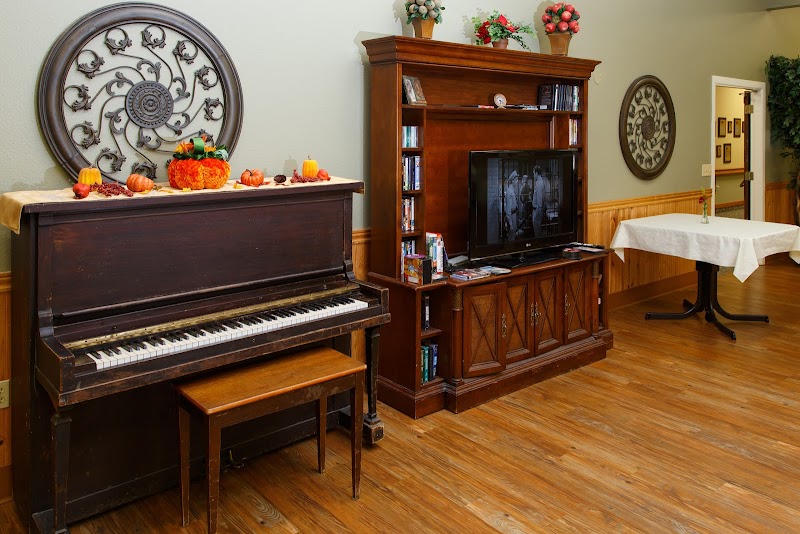
How Does Life Of Coos Bay Compare to Other Oregon Nursing Homes?

Compared to the 100 nursing homes in Oregon, LIFE CARE CENTER OF COOS BAY's overall rating (2 stars) is below the state average of 3.0, staff turnover (75%) is significantly higher than the state average of 46%, and health inspection rating (2 stars) is below the national benchmark.

What Should Families Ask When Visiting Life Of Coos Bay?

Based on this facility's data, families visiting should ask: "What safeguards and monitoring systems are in place to protect residents from abuse or neglect?" "How do you ensure continuity of care given staff turnover, and what is your staff retention strategy?" "Can I visit during a mealtime to observe dining assistance and food quality?" "How do you handle medical emergencies, and what is your hospital transfer rate?" These questions are particularly relevant given the substantiated abuse finding on record and the facility's high staff turnover rate.

Is Life Of Coos Bay Safe?

Based on CMS inspection data, LIFE CARE CENTER OF COOS BAY has documented safety concerns. The facility has 1 substantiated abuse finding (meaning confirmed case of resident harm by staff or other residents). The facility has a 2-star overall rating and ranks #100 of 100 nursing homes in Oregon. Families considering this facility should ask detailed questions about what corrective actions have been taken since these incidents.

Do Nurses at Life Of Coos Bay Stick Around?

Staff turnover at LIFE CARE CENTER OF COOS BAY is high. At 75%, the facility is 29 percentage points above the Oregon average of 46%. Registered Nurse turnover is particularly concerning at 70%. RNs handle complex medical decisions and coordinate care — frequent RN changes can directly impact care quality. High turnover means new staff may not know residents' individual needs, medications, or preferences. It can also be disorienting for residents, especially those with dementia who rely on familiar faces. Families should ask: What is causing the turnover? What retention programs are in place? How do you ensure care continuity during staff transitions?

Was Life Of Coos Bay Ever Fined?

LIFE CARE CENTER OF COOS BAY has been fined $62,868 across 1 penalty action. This is above the Oregon average of $33,708. Fines in this range indicate compliance issues significant enough for CMS to impose meaningful financial consequences. Common causes include delayed correction of deficiencies, repeat violations, or care failures affecting resident safety. Families should ask facility leadership what changes have been made since these penalties.

Is Life Of Coos Bay on Any Federal Watch List?

LIFE CARE CENTER OF COOS BAY is not on any federal watch list. The most significant is the Special Focus Facility (SFF) program, which identifies the bottom 1% of nursing homes nationally based on persistent, serious quality problems. Not being on this list means the facility has avoided the pattern of deficiencies that triggers enhanced federal oversight. This is a positive indicator, though families should still review the facility's inspection history directly.