COTTAGE GROVE POST ACUTE
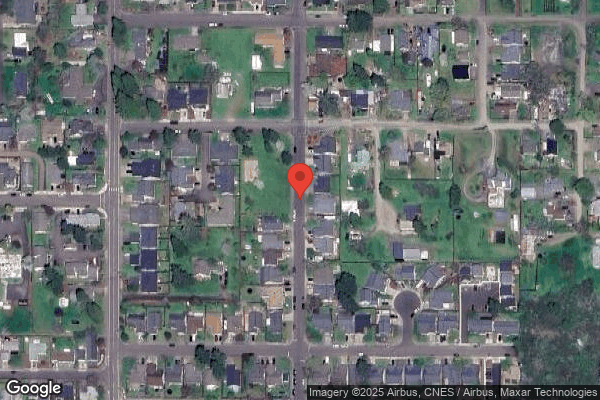
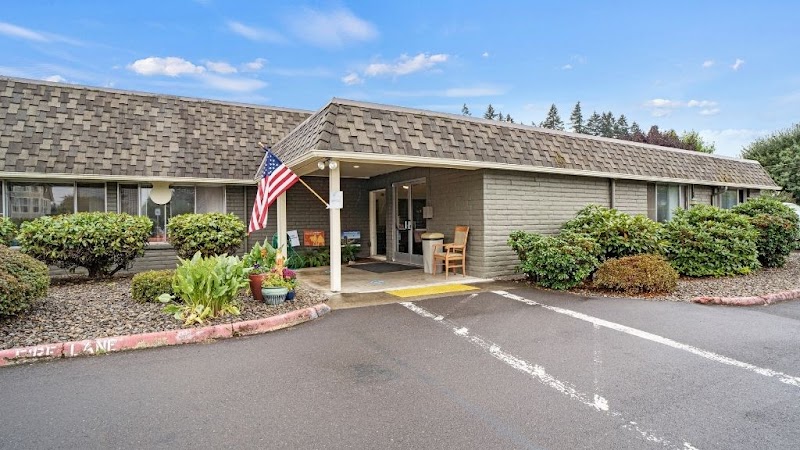
515 GRANT STREET, COTTAGE GROVE, OR 97424 (541) 942-5528
For profit - Corporation 80 Beds PACS GROUP Data: November 2025
Trust Grade
35/100
#83 of 127 in OR
Last Inspection: June 2025

Inspected within the last 6 months. Data reflects current conditions.

Overview

Cottage Grove Post Acute has a Trust Grade of F, which indicates significant concerns about the quality of care provided. Ranking #83 out of 127 facilities in Oregon places it in the bottom half of nursing homes in the state, and #6 out of 13 in Lane County means only five local options are better. The facility's situation is worsening, with the number of reported issues increasing from 8 in 2024 to 10 in 2025. While the staffing rating is below average at 2 out of 5 stars and has a high turnover rate of 59%, it is a positive sign that the facility has not received any fines, suggesting some level of compliance with regulations. However, serious incidents have occurred, such as a resident not receiving pain medication for three days, leading to narcotic withdrawal, and another resident developing a severe pressure ulcer due to inadequate care planning and assessments. Overall, while there are some strengths, the weaknesses and troubling trends raise significant concerns for potential residents and their families.

Trust Score
F
35/100
In Oregon
#83/127
Bottom 35%
Safety Record
Moderate
Needs review
Inspections
Getting Worse
8 → 10 violations
Staff Stability
⚠ Watch
59% turnover. Above average. Higher turnover means staff may not know residents' routines.
Penalties
✓ Good
No fines on record. Clean compliance history, better than most Oregon facilities.
Skilled Nurses
⚠ Watch
Each resident gets only 15 minutes of Registered Nurse (RN) attention daily — below average for Oregon. Fewer RN minutes means fewer trained eyes watching for problems.
Violations
⚠ Watch
26 deficiencies on record. Higher than average. Multiple issues found across inspections.
★★☆☆☆
2.0
Overall Rating
★★☆☆☆
2.0
Staff Levels
★★☆☆☆
2.0
Care Quality
★★☆☆☆
2.0
Inspection Score
Stable
2024: 8 issues
2025: 10 issues

The Good

  • Full Sprinkler Coverage · Fire safety systems throughout facility
  • No fines on record

Facility shows strength in fire safety.

The Bad

2-Star Overall Rating

Below Oregon average (3.0)

Below average - review inspection findings carefully

Staff Turnover: 59%

13pts above Oregon avg (46%)

Frequent staff changes - ask about care continuity

Chain: PACS GROUP

Part of a multi-facility chain

Ask about local staffing decisions and management

Staff turnover is elevated (59%)

11 points above Oregon average of 48%

The Ugly 26 deficiencies on record

2 actual harm
Jun 2025 10 deficiencies 1 Harm
SERIOUS (G) 📢 Someone Reported This

A family member, employee, or ombudsman was alarmed enough to file a formal complaint

Actual Harm - a resident was hurt due to facility failures

Deficiency F0697 (Tag F0697)

A resident was harmed · This affected 1 resident

Based on observation, interview, and record review it was determined the facility failed to provide appropriate pain management for 2 of 2 sampled residents (#s 33 and 39) reviewed for pain management...

Read full inspector narrative →
Based on observation, interview, and record review it was determined the facility failed to provide appropriate pain management for 2 of 2 sampled residents (#s 33 and 39) reviewed for pain management. This failure resulted in Resident 39 not receiving her/his scheduled narcotic pain medications for three days which caused the resident to suffer from narcotic withdrawal, increased pain, and an avoidable hospitalization. This placed residents at risk for narcotic withdrawal and increased pain. Findings include: 1. Resident 39 admitted to the facility in 10/2024 with diagnoses including heart disease and kidney disease. Resident 39's 4/14/25 Quarterly MDS indicated the resident was cognitively intact. Resident 39 received scheduled pain medication and PRN pain medications. Resident 39 had frequent pain, which occasionally affected her/his sleep and ADLs. On 4/23/25 Resident 39 was admitted to hospice. On 6/23/25 at 11:25 AM, and 6/27/25 at 9:15 AM, Resident 39 stated two weeks ago, the facility ran out of her/his prescribed morphine. Resident 39 reported being informed by multiple staff members her/his medication had not been reordered. As a result, she/he went several days without receiving her/his pain medication. Resident 39 stated she/he had been taking morphine for an extended period of time and believed she/he should have been gradually titrated off the medication, rather than cut off. Resident 39 reported experiencing nausea, vomiting, and diarrhea, which led to her/him being sent to the hospital. When asked about her/his pain level when the medication was not available she/he stated The pain I can take, it was the diarrhea that I could not tolerate. The resident indicated her/his pain was unmanaged and she/he was also concerned about her/his blood sugars being all over the place. A 4/23/25 Hospice Physician Order instructed staff to administer morphine sulfate (narcotic pain medication) 0.75 ml three times a day for pain and give 0.75 ml every hour PRN for pain and shortness of breath. Review of a 6/8/25 Progress Note indicated Resident 39 experienced symptoms of opiod withdrawl including: elevated blood pressure, nausea, diarrhea, general malaise, cold sweats, and dizziness. Staff reported the facility ran out of Resident 39's prescribed morphine on 6/7/25 in the morning and were unable to administer the resident's pain medication. Resident 39 experienced symptoms consistent with opioid withdrawal. Staff called the on-call provider to request a medication refill, but they did not respond. Resident 39 was transferred to the hospital for further evaluation and treatment. A 6/2025 MAR revealed the following: -morphine was not administered on 6/7/25 at 3:00 PM and 11:00 PM. -morphine was not administered on 6/8/25 at 700 AM, 3:00 PM, and 11:00 PM. -hydralazine 25 mg was administered on 6/8/25 for elevated blood pressure. -morphine was not administered on 6/9/20 at 7:00 AM, and 3:00 PM. A 6/8/25 Emergency Department Provider Note indicated Resident 39 admitted to the emergency department with fatigue, nausea, vomiting, diarrhea, cold chills and sweats. Resident 39 stated her/his symptoms had been ongoing for the last 24 hours. Resident 39 stated she/he took morphine due to pain related to lower extremity amputations. The resident stated the nursing facility ran out of her/his morphine two days ago. Resident 39's nurse called and confirmed the situation. It appeared completely feasible that the resident was experiencing opioid withdrawals since the last dose was approximately 48 hours prior. Resident 39 was provided an order for oxycodone 5 mg because the facility did not have morphine available. A 6/8/25 Progress Note indicated Resident 39 returned from the hospital with an order for oxycodone 5 mg to be administered every four hours PRN for pain. Resident 39's Pain Level Summary indicated the following on 6/9/25: -12:55 AM, pain level 8/10. -9:45 AM, pain level 8/10. -12:13 PM, pain level 6/10. -3:56 PM, pain level 9/10. -11:22 PM, pain level 3/10. On 6/24/25 at 3:50 PM, Staff 20 (LPN) stated the facility ran out of resident 39's morphine on 6/7/25. She informed the oncoming nurse and assumed the refill would be requested. The next day, she noticed the medication was not reordered and believed the resident was experiencing opioid withdrawal symptoms, including cold sweats, elevated blood pressure, and elevated blood sugar levels. Staff 20 reported leaving three messages for the on-call provider, but did not receive a response. She stated it was typical for the on-call provider not to respond to messages. Staff 20 stated the morphine was typically stocked in the back up medication stock, but administration required approval, which she described as difficult to obtain. Staff 20 added that on 6/8/25 she contacted the hospital, informed them the facility was out of Resident 39's morphine and asked if they could write a short-term prescription. On 6/24/25 at 4:13 PM, Staff 22 (LPN) stated 6/6/25, was when she first noticed Resident 39 was running low on her/his morphine. She reported that no specific staff member was designated to re-order medications and the facility frequently ran out of medications over the weekend. On 6/7/25 during shift change Staff 22 was informed Resident 39 experienced symptoms consistent with opioid withdrawal and was transferred to the hospital. Upon the resident's return, Staff 22 noted the resident was prescribed oxycodone, but not morphine. She stated Resident 39 appeared withdrawn and was not at her/his baseline. Staff 22 further stated the resident's medication was not refilled in a timely manner and acknowledged that it just fell through the cracks. On 6/25/25 at 2:45 PM, Staff 25 (Prescribing Technician) confirmed the facility called the pharmacy on 6/8/25 to request a refill of Resident 39's morphine prescription. On 6/25/25 at 3:18 PM, Staff 23 (Prescribing Technician) and Staff 21 (Pharmacist) stated on 6/9/25 at 8:17 AM, the facility requested a refill for Resident 39's morphine and the medication was delivered to the facility the evening of 6/9/25. On 6/26/25 at 1:20 PM, Staff 2 (DNS) and Staff 24 (Regional Nurse Consultant) reviewed Resident 39's 6/2025 MAR and narcotic log. Staff 2 and Staff 24 confirmed the facility failed to administer seven doses of resident 39's morphine. Documentation indicated the medication was unavailable or not administered. Staff 2 stated the facility's expectation was for nurses to follow the established medication reordering process. Staff 2 acknowledged multiple staff failed to reorder Resident 39's medication in a timely manner. Staff 2 acknowledged Resident 39's hospitalization could have been avoided if the facility had provided timely pain management. Staff 2 confirmed the facility had ongoing issues with communication from the on-call provider and this caused a delay in residents obtaining medication refills. 2. Resident 33 was admitted to the facility in 11/2023 with diagnoses including polyosteoarthritis (osteoarthritis that affects five or more joints in the body simultaneously). A public complaint was received on 3/25/25 which alleged Resident 33 did not receive her/his scheduled pain medication from 3/21/25 through 3/23/25. A review of Physician Orders revealed a 2/22/24 order for Lyrica (a pain medication) twice a day in the morning and in the evening. The 2/2025 MAR revealed Resident 33 did not receive Lyrica starting 3/21/25 evening dose through 3/24/25 morning dose. Medication Administration Notes from 3/21/25 through 3/24/25 revealed Resident 33 was out of Lyrica. A 3/23/25 Progress Note revealed Resident 33 needed a new script for Lyrica and an order refill request was placed in the provider's binder on 3/23/25. A review of the pain monitor from 3/21/25 through 3/24/25 revealed Resident 33's pain level varied from 0/10 to 10/10. A review of the 3/2025 CNA Pain Task documentation revealed Resident 33 experienced pain from 3/21/25 through 3/24/25 which was unchanged with non-pharmacological interventions. On 6/23/25 at 8:23 AM, Resident 33 stated she/he had constant pain in her/his shoulders and lower back. Resident 33 stated the facility ran out of her/his medications often and she/he would go without pain medications until the pharmacy delivered the pain medications. Resident 33 stated without pain medications, her/his pain level gets to 10/10. On 6/25/25 at 1:39 PM, Staff 17 (LPN) stated medications should be ordered when there was a week left so the resident did not run out of medications. Staff 17 stated the facility did not always have an effective system for ordering medications. On 6/26/25 at 10:51 AM, Staff 2 (DNS) stated Resident 33's Lyrica was not available starting the evening dose on 3/21/25 through the morning dose on 3/24/25. Staff 2 stated during this time Resident 33's pain level got up to 9-10/10 but no new orders for pain control were obtained and Resident 33's as needed Tylenol was not administered. Staff 2 stated the CNA task documentation showed non-pharmacological pain control interventions were tried including distraction, repositioning, and rest, but the non-pharmacological pain interventions were not effective. Staff 2 stated her expectation would be the nurse should call the provider for a temporary order in the interim until the Lyrica arrived.
CONCERN (D)

Potential for Harm - no one hurt, but risky conditions existed

Notification of Changes (Tag F0580)

Could have caused harm · This affected 1 resident

Based on interview and record review it was determined the facility failed to notify the physician of the resident's discharge to the hospital for 1 of 1 sampled resident (#39)reviewed for hospitaliza...

Read full inspector narrative →
Based on interview and record review it was determined the facility failed to notify the physician of the resident's discharge to the hospital for 1 of 1 sampled resident (#39)reviewed for hospitalizations. This placed residents at risk for delayed treatment. Findings include: Resident 39 admitted to the facility in 10/2024 with diagnoses including heart disease and kidney disease. A 6/8/25 Progress Note indicated Resident 39 was sent to the hospital for nausea, diarrhea, general malaise, cold sweats, and dizziness. A review of Resident 39's clinical record revealed no indication the resident's physician was notified. On 6/25/25 at 11:44 AM, Staff 19 (Nurse Practitioner) stated she was not informed Resident 39 was sent to the hospital on 6/8/25. On 6/26/25 at 1:20 PM, Staff 2 (DNS) acknowledged Resident 39's physician was not notified when the resident was sent to the hospital.
CONCERN (D)

Potential for Harm - no one hurt, but risky conditions existed

Safe Environment (Tag F0584)

Could have caused harm · This affected 1 resident

Based on observation, interview and record review it was determined the facility failed to exercise reasonable care for the protection of the resident's property from loss or theft for 1 of 2 sampled ...

Read full inspector narrative →
Based on observation, interview and record review it was determined the facility failed to exercise reasonable care for the protection of the resident's property from loss or theft for 1 of 2 sampled residents (#38) reviewed for personal property. This placed residents at risk of loss or theft of property. Findings include: Resident 38 was admitted to the facility in 2/2025 with diagnoses including anxiety and reduced mobility. A 2/13/25 admission MDS revealed Resident 38 was cognitively intact. A 3/9/25 Grievance Concern Problem Identification and Follow-Up form indicated Resident 38 reported a concern with six packs of cigarettes missing. Steps taken revealed social services reviewed and discussed options for tracking cigarettes which came into the facility. Resident 38 did not want to store her/his cigarettes at the nurse's station because many of the locks can be opened with any key. There was no evidence of the cigarettes, so the facility would not refund or replace the cigarettes for Resident 38. Social services would place an order for maintenance to investigate the lock issue. Administration review revealed there was no evidence of Resident 38's cigarettes existence. On 6/23/25 at 9:06 AM, Resident 38 stated the facility's rule was to store residents' smoking materials in a locked box at the nurses' station. Residents kept a key, and staff opened the box when she/he wanted to smoke. Resident 38 stated the keys distributed to residents would open all the locked boxes. Resident 38 stated in 3/2025 she/he had six packs of cigarettes missing out of the locked boxes. On 6/25/25 at 11:31 AM, Staff 13 (CNA) stated Resident 38 reported to her she/he was missing six packs of cigarettes from the lock box. Staff 13 assisted Resident 38 with the grievance form. On 6/25/25 at 11:46 AM, Staff 14 (Social Services Assistant) stated the facility did not allow unsupervised smokers to keep their smoking materials in a lock box in their rooms. Residents were to bring their key to the nurses' station, and a staff member opened the lock box and gave residents their smoking materials and when they were done residents return their smoking materials to the nurses' station. On 6/25/25 at 11:44 AM, and 12:06 PM, The drawer at the nurses' station was observed to have a lock on it. Staff 5 (MDS Coordinator) opened the drawer, which was not locked. A clear box with multiple sections was observed to have locks which opened upward. A key was in the drawer on top of the clear box. The key opened multiple boxes. Staff 1 (Administrator) stated the key was a master key if needed. On 6/27/25 at 7:21 AM, Staff 1 (Administrator) stated she would expect for staff to keep the drawer locked where the cigarettes are stored. Staff 1 stated the facility continued to work on fixing the cigarette storage as it does not work.
CONCERN (D)

Potential for Harm - no one hurt, but risky conditions existed

Deficiency F0628 (Tag F0628)

Could have caused harm · This affected 1 resident

Based on interview and record review it was determined the facility failed to ensure appropriate information was communicated to the receiving health care institution or provider prior to a resident b...

Read full inspector narrative →
Based on interview and record review it was determined the facility failed to ensure appropriate information was communicated to the receiving health care institution or provider prior to a resident being transferred to the hospital for 1 of 1 sampled resident (#39) reviewed for hospitalization. This placed the resident at risk for unassessed needs. Findings include: Resident 39 admitted to the facility in 10/2024 with diagnoses including heart disease and kidney disease. A 6/8/25 Progress Note indicated Resident 39 was sent to the hospital for nausea, diarrhea, general malaise, cold sweats, and dizziness. No evidence was found in Resident 39's clinical record to indicate the facility provided the following prior to Resident 39 being transferred to the hospital: -Contact information of the practitioner who was responsible for the care of the resident. -Advance directive information. -Medications (including when last received). On 6/27/25 at 10:19 AM, Staff 2 (DNS) stated but she was unable to provide documentation to confirm the facility provided appropriate information to the receiving health care institution or provider prior to Resident 39's transport to the emergency department on 6/8/25.
CONCERN (D)

Potential for Harm - no one hurt, but risky conditions existed

Deficiency F0637 (Tag F0637)

Could have caused harm · This affected 1 resident

Based on interview and record review it was determined the facility failed to complete a Significant Change MDS assessment (SCSA) within the required 14 days after a determination of a significant cha...

Read full inspector narrative →
Based on interview and record review it was determined the facility failed to complete a Significant Change MDS assessment (SCSA) within the required 14 days after a determination of a significant change of condition of a resident for 1 of 1 sampled resident (#39) reviewed for hospitalizations. This placed residents at risk for unassessed care needs. Findings include: Resident 39 admitted to the facility in 10/2024 with diagnoses including heart disease and kidney disease. Resident 39's 4/14/25 Quarterly MDS indicated the resident was cognitively intact and was on hospice. On 6/25/25 at 10:11 AM, Staff 5 (LPN/MDS Coordinator) confirmed Resident 39 graduated from hospice on 5/30/25. Staff 5 stated she did not discuss this with Resident 39 and acknowledged she did not complete a SCSA. On 6/26/25 at 1:20 PM, Staff 2 (DNS) confirmed Resident 39 was discharged from hospice on 5/30/25 and acknowledged the facility failed to complete a SCSA for Resident 39.
CONCERN (D)

Potential for Harm - no one hurt, but risky conditions existed

Deficiency F0655 (Tag F0655)

Could have caused harm · This affected 1 resident

Based on observation, interview, and record review it was determined the facility failed to complete a baseline care plan within 48 hours of a resident's admission for 1 of 1 sampled resident (#32) re...

Read full inspector narrative →
Based on observation, interview, and record review it was determined the facility failed to complete a baseline care plan within 48 hours of a resident's admission for 1 of 1 sampled resident (#32) reviewed for pressure ulcers. This placed residents at risk for unmet wound care needs. Findings include: Resident 32 was admitted to the facility in 12/2024 with diagnoses including Multiple Sclerosis (a chronic, autoimmune disease that affects the brain and spinal cord). A review of a 1/1/25 Skin & Wound Evaluation revealed Resident 32 was admitted with a Stage 3 pressure ulcer wound (a full-thickness skin loss, where the wound extends through the skin and into the fat tissue). A 6/24/25 review of Resident 32's care plan revealed no evidence of a baseline care plan for her/his Stage 3 pressure ulcer wound. On 6/24/25 at 2:38 PM, an observation of Resident 32's wound revealed a wound consistent with a Stage 3 pressure ulcer wound. On 6/26/25 at 12:43 PM, Staff 3 (LPN Care Manager) stated when a resident was admitted with a pressure ulcer wound, a care plan focused on current wound(s), with a goal and interventions geared towards wound care and healing must be initiated upon admission. Staff 3 stated Resident 32 was admitted with a Stage 3 pressure ulcer wound and she acknowledged Resident 32 did not have a baseline care plan for her/his pressure ulcer wound. On 6/27/25 at 8:34 AM, Staff 2 (DNS) stated MDS assessments must be completed timely.
CONCERN (D)

Potential for Harm - no one hurt, but risky conditions existed

Quality of Care (Tag F0684)

Could have caused harm · This affected 1 resident

2. Resident 38 was admitted to the facility in 2/2025 with a diagnoses including hypertensive heart disease with heart failure (a condition where the heart cannot pump blood effectively). Physician or...

Read full inspector narrative →
2. Resident 38 was admitted to the facility in 2/2025 with a diagnoses including hypertensive heart disease with heart failure (a condition where the heart cannot pump blood effectively). Physician orders with a start date of 3/15/25 instructed staff to obtain Resident 38's weight every day shift on Saturdays for weight monitoring. A review of Resident 38's weights report revealed from 3/29/25 through 6/2/25, Resident 38's weight was documented on the report as obtained out of 12 times physician ordered. The 5/2025 TAR instructed staff to obtain weekly weights every day shift every Saturday for weight monitoring with a start date of 3/15/25. The TAR was documented as NA three times, a weight of 172 one time, and a code six one time. There was no legend for what NA was defined as. Code six was indicated as glucose. Physician orders with a start date 6/20/25 instructed staff to obtain Resident 38's weight every day shift for cardiac monitoring. The 6/2025 TAR instructed staff to obtain weekly weights every day shift every Saturday for weight monitoring. The TAR was documented as NA three times and a weight of 171 one time. The 6/2025 TAR instructed staff to obtain daily weights every day shift for cardiac monitoring with a start date of 6/20/25. From 6/20/25 through 6/24/25, there were checks documented three times with no weights documented and the code of two documented twice, which indicated Resident 38 refused to have her/his weight obtained. A 6/23/25 Progress Note revealed to obtain a daily weight every day shift for cardiac monitoring. No documentation of Resident 38's weight was recorded on the note. On 6/26/25 at 8:39 AM, Staff 12 (Agency LPN) stated she documented weights on the TAR or under vitals in resident's clinical record. Staff 12 stated she did not recall that she documented NA on the TAR for Resident 38's weights. If a resident refused to have weight obtained, she would typically not document NA. On 6/27/25 at 7:20 AM, Staff 1 (Administrator) and Staff 2 (DNS) stated the expectation of staff would be to complete physician ordered weights and document weights or refusals of weights in the resident's clinical record. Based on interview and record review it was determined the facility failed to follow physician orders for 2 of 7 sampled residents (#s 33 and 38) reviewed for medication and pain medications. This placed residents at risk for adverse side effects and unmet needs. Findings include: 1. Resident 33 was admitted to the facility in 2/2023 with diagnoses including schizoaffective disorder (a mental illness characterized by a combination of psychotic symptoms, similar to schizophrenia, and mood disorder symptoms, like mania or depression). Review of Resident 33's Physician Orders revealed an 4/5/25 order for Austedo 12 mg twice a day prescribed to treat drug induced dyskinesia (a movement disorder characterized by involuntary, repetitive, and sometimes jerky or writhing movements, often triggered by certain medications). The 5/2025 MAR revealed Resident 33 did not receive Austedo on the following days: -5/12/25 AM dose. -5/13/24 AM and PM doses. -5/14/25 AM and PM doses. -5/15/25 AM dose. Review of Medication Administration Notes between 5/12/25 and 5/15/25 revealed Resident 33 was out of Austedo, and the pharmacy was contacted on 5/14/25. A 6/25/25 review of the 6/2025 MAR revealed Resident 33 did not receive Austedo on the following days: -6/14/25 PM dose. -6/15/25 PM dose. -6/16/25 PM dose. -6/17/25 AM dose. -6/18/25 through 6/24/25 AM and PM doses. A review of Medication Administration Notes between 6/14/25 and 6/24/25 revealed Resident 33 was out of Austedo, and the pharmacy was contacted on 6/17/25. A 6/17/25 Medication Administration Note revealed Resident 33 stated she/he could feel the effects of not taking the Austedo. A 6/20/25 Medication Administration Note revealed Resident 33's PCP was notified of the missing doses of Austedo. A 6/25/25 Progress Note revealed Resident 33's PCP was informed of the missing doses of Austedo, and the orders were received to hold the Austedo until the medication was delivered from the pharmacy. On 6/26/25 at 10:51 AM, Staff 2 (DNS) stated Resident 33's medication Austedo was not available from 5/12/25 until the PM dose on 5/15/25 and there was no documentation the PCP was notified. Staff 2 stated Resident 33's Austedo was not available from 6/14/25 until 6/25/25 and stated the PCP was notified on 6/20/25. Staff 2 stated her expectation was to order medications a week prior to running out of the medication so residents did not run out of medication. Staff 2 stated the PCP should be notified as soon as Resident 33's medication was not available.
CONCERN (E)

Potential for Harm - no one hurt, but risky conditions existed

Comprehensive Assessments (Tag F0636)

Could have caused harm · This affected multiple residents

Based on interview and record review it was determined the facility failed to complete timely MDS assessments for 4 of 8 sampled residents (#s 20, 21, 32, and 33) reviewed for MDS and unnecessary medi...

Read full inspector narrative →
Based on interview and record review it was determined the facility failed to complete timely MDS assessments for 4 of 8 sampled residents (#s 20, 21, 32, and 33) reviewed for MDS and unnecessary medications. This placed residents at risk for unassessed needs. Findings include: 1. Resident 20 was admitted to the facility in 1/2025 with diagnoses including reduced mobility and muscle wasting. A review of Resident 20's clinical record revealed her/his Discharge Return Not Anticipated MDS assessment was in progress and overdue by nine days on 6/24/25. On 6/26/25 at 9:59 AM, Staff 5 (MDS Coordinator) stated she was very busy for the last two to three weeks and was behind on her work and confirmed Resident 20's MDS was late. On 6/27/25 at 7:15 AM, Staff 1 (Administrator) and Staff 2 (DNS) stated the expectation for staff was to have the MDSs completed timely. 2. Resident 21 was admitted to the facility in 7/2020 with diagnoses including kidney disease and heart failure. A review of Resident 21's clinical record revealed her/his Annual MDS assessment was in progress and overdue by 13 days on 6/26/25. On 6/26/25 at 9:59 AM, Staff 5 (MDS Coordinator) stated she was very busy for the last two to three weeks and was behind on her work and confirmed Resident 21's MDS was late. On 6/27/25 at 7:15 AM, Staff 1 (Administrator) and Staff 2 (DNS) stated the expectation for staff was to have the MDSs completed timely. 3. Resident 32 was admitted to the facility in 12/2024 with diagnoses including Multiple Sclerosis (a chronic, autoimmune disease that affects the brain and spinal cord). A review of Resident 32's clinical record revealed an 4/5/25 Quarterly MDS completed on 4/21/25. On 6/26/25 at 10:05 AM, Staff 5 (LPN MDS Coordinator) stated Resident 32's 4/5/25 Quarterly MDS was completed on 4/21/25. Staff 5 acknowledged the 4/5/25 Quarterly MDS was completed late and should have been completed by 4/18/25. 4. Resident 33 was admitted to the facility in 2/2023 with diagnoses including schizoaffective disorder (a mental illness characterized by a combination of psychotic symptoms, similar to schizophrenia, and mood disorder symptoms, like mania or depression). a. A review of Resident 33's clinical record revealed a 2/20/25 Annual MDS completed on 3/24/25. On 6/26/25 at 10:05 AM, Staff 5 (LPN MDS Coordinator) stated Resident 33's 2/20/25 Annual MDS was completed on 3/24/25. Staff 5 acknowledged the 2/20/25 Annual MDS was completed late and should have been completed by 3/5/25. b. A review of Resident 33's clinical record revealed a 5/23/25 Quarterly MDS completed on 6/9/25. On 6/26/25 at 10:05 AM, Staff 5 (LPN MDS Coordinator) stated Resident 33's 5/23/25 Quarterly MDS was completed on 6/9/25. Staff 5 acknowledged the 5/23/25 Quarterly MDS was completed late and should have been completed on 6/5/25.
CONCERN (E)

Potential for Harm - no one hurt, but risky conditions existed

Deficiency F0804 (Tag F0804)

Could have caused harm · This affected multiple residents

Based on observation, interview, and record review it was determined the facility failed to provide palatable food to 1 of 1 kitchen and 2 of 4 (#s 4 and 33) residents reviewed for food and kitchen ta...

Read full inspector narrative →
Based on observation, interview, and record review it was determined the facility failed to provide palatable food to 1 of 1 kitchen and 2 of 4 (#s 4 and 33) residents reviewed for food and kitchen tasks. This placed residents at risk for weight loss and reduced quality of life. Findings include: 1. A review of the 6/25/25 lunch menu revealed the facility was to provide: spaghetti with meatballs, herb green beans, and garlic bread sticks. On 6/25/25 at 11:44 AM kitchen meal service was observed. Pasta, meat sauce, garlic bread sticks, and green beans were observed to be served from the steam table. Pasta was observed to be served with tongs, appeared overcooked, and broke apart as it was served. A test tray was requested. On 6/25/25 at 12:22 PM, the test tray was sampled: -herb green beans tasted metallic and were bland. -garlic bread stick was doughy with no garlic flavor. -spaghetti noodles were mushy, soft, and overcooked. -meat sauce was flavorful but the meatball had no flavor. On 6/25/25 at 12:29 PM, Staff 9 (Dietary Manager) was asked to test the meal. Staff 9 stated the pasta was soft, the herb green beans did not taste like anything, the garlic bread stick had no garlic flavor and may have softened while it sat in the steam table. On 6/25/25 at 2:33 PM, Staff 1 (Administrator) stated she would not want to have overcooked pasta to be an everyday occurrence but she has eaten the pasta and generally liked it. Staff 1 stated she expected herb green beans to be herb, would expect the garlic bread to have garlic on it. 2. Resident 4 was admitted to the facility in 10/2024 with diagnoses including quadriplegia (paralysis of all four limbs). On 6/23/25 at 9:09 AM, Resident 4 stated she/he did not care for the food; the vegetables were overcooked and bland with no flavor. On 6/25/25 at 12:22 PM, the test tray was sampled: -herb green beans tasted metallic and were bland. -garlic bread stick was doughy with no garlic flavor. -spaghetti noodles were mushy, soft, and overcooked. -meat sauce was flavorful but the meatball had no flavor. On 6/25/25 at 12:29 PM, Staff 9 (Dietary Manager) was asked to test the meal. Staff 9 stated the pasta was soft, the herb green beans did not taste like anything, the garlic bread stick had no garlic flavor and may have softened while it sat in the steam table. 3. Resident 33 was admitted to the facility in 2/2023 with diagnoses including depression. On 6/23/25 at 8:17 AM, and 6/26/25 at 9:44 AM, Resident 33 stated the food was terrible, cold, and sometimes the meat was too tough. Resident 33 stated she/he had the spaghetti for lunch on 6/25/25. Resident 33 stated the spaghetti, and the meatball did not taste good, were bland, and needed onions or some seasoning added. On 6/25/25 at 12:22 PM, the test tray was sampled: -herb green beans tasted metallic and were bland. -garlic bread stick was doughy with no garlic flavor. -spaghetti noodles were mushy, soft, and overcooked. -meat sauce was flavorful but the meatball had no flavor. On 6/25/25 at 12:29 PM, Staff 9 (Dietary Manager) was asked to test the meal. Staff 9 stated the pasta was soft, the herb green beans did not taste like anything, the garlic bread stick had no garlic flavor and may have softened while it sat in the steam table.
CONCERN (E)

Potential for Harm - no one hurt, but risky conditions existed

Infection Control (Tag F0880)

Could have caused harm · This affected multiple residents

**NOTE- TERMS IN BRACKETS HAVE BEEN EDITED TO PROTECT CONFIDENTIALITY** Based on observation, interview, and record review it was determined the facility failed to follow infection control standards f...

Read full inspector narrative →
**NOTE- TERMS IN BRACKETS HAVE BEEN EDITED TO PROTECT CONFIDENTIALITY** Based on observation, interview, and record review it was determined the facility failed to follow infection control standards for 1 of 3 halls (West Hall) and 1 of 1 sampled resident (#28) during random observations. This placed residents at risk for exposure and contraction of infectious diseases. Findings include: 1. On 6/24/25 at 10:19 AM, Resident 44 was observed touching multiple items in the PPE cart located outside room [ROOM NUMBER] for approximately five minutes. The resident opened multiple drawers and made contact with a facemask, N95 mask, and a stethoscope. Staff 28 (CNA) was standing behind the resident during this time and did not redirect the resident or sanitize the PPE cart following the interaction. On 6/24/25 at 10:26 AM, Staff 14 (LPN) asked Staff 28 to not let Resident 44 touch items in the PPE supplies. Staff 28 then re-directed Resident 44 away from the PPE cart. Staff 14 acknowledged the incident did not align with infection control protocol. On 6/26/25 at 11:43 AM, Staff 26 (RN/Infection Preventionist) acknowledged Resident 44 touching items in PPE cart and staff not sanitizing the carts afterwards was not in alignment with infection control best practice. 2. On 6/24/25 at 10:33 AM, an ice chest and water pitcher were observed on a cart on the [NAME] Hall, positioned near a room under enhanced barrier precautions. The ice scoop was sitting in an uncovered container. On the lower shelf of the cart, there were two boxes of gloves, a box of straws, and an empty cup containing a white liquid substance. On 6/24/25 at 10:38 AM, Staff 27 (CNA) stated many residents pass by the water pitcher cart and it was difficult to ensure they did not place dirty items on the cart. Staff 27 acknowledged the presence of a soiled cup on the water pitcher cart and the uncovered ice scoop. Staff 27 stated it was a challenge to ensure residents did not place items on the cart throughout the day. On 6/25/25 at 9:02 AM, a water pitcher with an uncovered ice scoop was observed on a cart on the [NAME] Hall, positioned near a room under EBP. On 6/26/25 at 11:43 AM, Staff 26 (RN/Infection Preventionist) acknowledged the presence of dirty items sitting next to a clean water pitcher used to serve residents were not in alignment with infection control best practice. 3. Resident 28 was admitted to the facility in 5/2022 with diagnoses including heart failure and kidney disease. A 5/29/25 Physician order instructed staff to clean Resident 28's right heel and cover with foam dressing daily. A 6/9/25 Physician order instructed staff to provide wound care twice a day to Resident 28's buttocks. On 6/24/25 at 10:40 AM, No PPE signage was observed outside Resident 28's room. Multiple staff were observed to enter Resident 28's room to provide personal care without donning PPE. On 6/24/25 at 10:40 AM, Staff 12 (Agency LPN) confirmed Resident 28 had open wounds and she had just completed her/his wound care. Staff 29 (CNA) and Staff 30 (CNA) assisted her with Resident 28's dressing change. Staff 12 stated she was not aware the resident was supposed to be on EBP(enhanced barrier precautions). Staff 12 confirmed no signage was posted outside the resident's door. Staff 12 further added any nurse could post EBP signage. On 6/24/25 at 11:03 AM, Staff 29 stated she was not really sure when a resident should be on precautions because the facility did not always update resident care plans. Staff 29 stated the facility did not always post signage to indicate what kind of precautions residents were on. Staff 29 confirmed she did not wear PPE when assisting with wound care. On 6/24/25 at 11:06 AM, Staff 26 (RN/Infection Preventionist) observed Staff 12, Staff 29, and Staff 30 exiting Resident 28's room. Staff 26 stated Resident 28 should have enhanced barrier precautions signage posted due to Resident 28 having open wounds, but the signage was not posted. Staff 26 also observed Staff 12, Staff 29, and Staff 30 exiting Resident 28's room and confirmed they were not wearing PPE during wound care. Staff 26 acknowledged infection control measures were not followed. On 6/25/25 at 8:51 AM, Staff 12 stated she was not aware she needed to wear PPE before providing direct care to residents on enhanced barrier precautions.
Oct 2024 2 deficiencies
CONCERN (D) 📢 Someone Reported This

A family member, employee, or ombudsman was alarmed enough to file a formal complaint

Potential for Harm - no one hurt, but risky conditions existed

Deficiency F0602 (Tag F0602)

Could have caused harm · This affected 1 resident

**NOTE- TERMS IN BRACKETS HAVE BEEN EDITED TO PROTECT CONFIDENTIALITY** Based on interview and record review it was determined the facility failed to ensure resident pain medication was not misappropr...

Read full inspector narrative →
**NOTE- TERMS IN BRACKETS HAVE BEEN EDITED TO PROTECT CONFIDENTIALITY** Based on interview and record review it was determined the facility failed to ensure resident pain medication was not misappropriated for 1 of 3 sampled residents (#3) reviewed for abuse. This placed residents at risk for increased pain. Findings include: Resident 3 was admitted [DATE] with diagnoses including a leg fracture. Review of a facility's policy Ordering and Receiving Controlled Medications dated 1/2023 revealed the facility must document and verify the quantity of controlled substances received. Review of a pharmacy medication receipt dated 9/26/24 revealed three cards of narcotic medication was delivered to the facility including medication for Resident 3. The receipt was initialed by Staff 3 (LPN). Review of the Facility Reported Incident Form (FRI) dated 9/26/24 revealed a medication card of narcotics (oxycodone 10 mg 14 tablets) for Resident 3 was missing. The form indicated the resident did not miss any doses of pain medication, the facility was searched and law enforcement was notified. Review of the Facility Reportable Incident (investigation) form dated 9/27/24 revealed on 9/26/24 between 10 PM and 10:30 PM the facility received narcotic medication for several residents including Resident 3 all in one package. The medications were received by Staff 4 (LPN) who did not check the contents of the package. At 2:45 AM Staff 3 notified the administrator Resident 3's pain medication card of 14 tablets of oxycodone was missing. The investigation also indicated the medications were not located in the building and the facility could not substantiate or unsubstantiated misappropriation at the time. In an interview on 10/15/24 at 7:30 AM Staff 4 said on 9/26/24 pharmacy delivered some narcotic medications around 10-10:30 PM. Staff 4 said the facility received three cards of narcotics and one card was for Resident 3. Staff 4 said she double checked the package to make sure all the medications were there and placed the package behind the nursing station visible to anyone. Staff 4 said Staff 3 was administering medications to residents that night and Staff 3 was on break when the medications arrived. Staff 4 said she did not have direct observation of the package of medications from the time they arrived to 2:45 AM. Staff 4 said she told Staff 3 pain medications were delivered around 2:45 AM, and said Staff 3 had informed her Resident 3's pain medications were missing. In an interview on 10/15/24 at 9:50 AM Staff 3 said on 9/26/24 the pharmacy delivered a package of narcotic medications while she was on break from 11:00 PM to 11:20 PM. Some time between 11:30 PM and 12 AM, Staff 3 noticed a package of medications on a computer at the nurse's station. Staff 3 said she checked the medications and found Resident 3's card of oxycodone was missing. Staff 3 said no one had told her the medications were delivered. In an interview on 10/16/24 9:00 AM Staff 1 acknowledged facility policy was not followed by staff regarding Resident 3's medication and the medication was misappropriated. On 9/27/24, the Past Noncompliance was corrected when the facility completed a root cause analysis of the incident and determined there was misappropriation of pain medications. The Plan of Correction included: 1. Staff educated on policy and procedures of pharmaceutical receipt, documentation and storage, 2. Auditing procedure and verification processes by DON and Administrator, and 3. Monthly review of receipt and storage of medications and audits to be performed daily for three weeks, weekly for three weeks and then monthly.
CONCERN (D) 📢 Someone Reported This

A family member, employee, or ombudsman was alarmed enough to file a formal complaint

Potential for Harm - no one hurt, but risky conditions existed

Deficiency F0761 (Tag F0761)

Could have caused harm · This affected 1 resident

Based on interview and record review it was determined the facility failed to store narcotic pain medications in a safe manner. This placed residents at risk for misappropriation of medications. Findi...

Read full inspector narrative →
Based on interview and record review it was determined the facility failed to store narcotic pain medications in a safe manner. This placed residents at risk for misappropriation of medications. Findings include: Review of the facility's Controlled Medication Storage policy dated 1/2024 revealed narcotic pain medication must be maintained in separately locked permanently affixed compartments. Review of a pharmacy medication receipt dated 9/26/24 revealed three cards of narcotic medication was delivered to the facility and receipt was initialed by Staff 3 (LPN). Review of the Facility Reported Incident Form (FRI) dated 9/26/24 revealed a medication card of narcotics (oxycodone 10 mg 14 tablets) for Resident 3 was missing. The form indicated the resident did not miss any doses of pain medication, the facility was searched and law enforcement was notified. Review of the Facility Reportable Incident (investigation) form dated 9/27/24 revealed on 9/26/24 between 10 PM and 10:30 PM the facility received narcotic medication for several residents all in one package. The medications were received by Staff 4 (LPN) who did not check the contents of the package and placed the package behind the nursing station. At 2:45 AM Staff 3 notified the administrator Resident 3's pain medication card of 14 tablets of oxycodone was missing. In an interview on 10/15/24 at 7:30 AM Staff 4 said on 9/26/24 pharmacy delivered some narcotic medications around 10-10:30 PM. Staff 4 said the facility received three cards of narcotics. Staff 4 said she double checked the package to make sure all the medications were there and placed the package behind the nursing station visible to anyone. Staff 4 said she did not have direct observation of the package of medications from the time they arrived at 2:45 AM. In an interview on 10/15/24 at 9:50 AM Staff 3 said on 9/26/24 the pharmacy delivered a package of narcotic medications while she was on break from 11:00 PM to 11:20 PM. Some time between 11:30 PM and 12 AM Staff 3 noticed a package of medications sitting on a computer at the nurse's station. In an interview on 10/16/24 9:00 AM Staff 1 acknowledged facility policy was not followed by staff regarding safe storage of narcotic medications. On 9/27/24, the Past Noncompliance was corrected when the facility completed a root cause analysis of the incident and determined there was improper storage of narcotic pain medications. The Plan of Correction included: 1. Staff educated on policy and procedures of pharmaceutical receipt, documentation and storage, 2. Auditing procedure and verification processes by DON and Administrator, and 3. Monthly review of receipt and storage of medications and audits to be performed daily for three weeks, weekly for three weeks and then monthly.
Mar 2024 6 deficiencies
CONCERN (D)

Potential for Harm - no one hurt, but risky conditions existed

Deficiency F0655 (Tag F0655)

Could have caused harm · This affected 1 resident

Based on interview and record review it was determined the facility failed to complete a baseline care plan within 48 hours of a resident's admission for 1 of 2 sampled residents (#253) reviewed for r...

Read full inspector narrative →
Based on interview and record review it was determined the facility failed to complete a baseline care plan within 48 hours of a resident's admission for 1 of 2 sampled residents (#253) reviewed for respiratory care. This placed residents at risk for unmet needs. Findings include: Resident 253 admitted to the facility in 2024 with diagnoses including respiratory failure and sleep apnea (repeat lapses of breathing during sleep). The 2/22/24 hospital Discharge Orders indicated Resident 253's oxygen levels were to be titrated (continuously measured and adjusted) to maintain oxygen saturations above 92 percent. A 2/23/24 progress note indicated Resident 253 required continuous supplemental oxygen during the day. The 2/23/24 baseline care plan had no information related to Resident 253's respiratory needs or equipment. On 3/6/24 at 3:23 PM Staff 27 (LPN) stated after the initial nursing assessment was completed a unit manager was to ensure the care plan was accurate. On 3/6/24 at 4:00 PM Staff 16 (LPN-Resident Care Manager) stated she was not aware Resident 253 required continuous oxygen. Staff 16 acknowledged the information related to the needed respiratory care and equipment for Resident 253 was not included in her/his baseline care plan.
CONCERN (D)

Potential for Harm - no one hurt, but risky conditions existed

ADL Care (Tag F0677)

Could have caused harm · This affected 1 resident

2. Resident 15 admitted to the facility in 2022 with diagnoses including dementia. An 4/24/23 care plan indicated Resident 15 had an ADL self-care performance deficit, and staff were to check nail le...

Read full inspector narrative →
2. Resident 15 admitted to the facility in 2022 with diagnoses including dementia. An 4/24/23 care plan indicated Resident 15 had an ADL self-care performance deficit, and staff were to check nail length and clean on bath days and as necessary. A 12/23/23 Annual MDS indicated Resident 15 was dependent for personal hygiene. A 3/2024 Documentation Survey Report revealed Resident 15 was bathed on 3/1/24 and 3/5/24. On 3/4/24 at 1:26 PM and 3/7/24 at 8:56 AM Resident 15's thumb nails were both approximately an inch long and other nails on her/his hands approximately half inch long with brown debris under the right ring finger and both left and right index fingers. On 3/7/24 Resident 15 also had a reddish tinge on top of multiple fingers around the fingernails. On 3/7/24 at 8:52 AM Staff 1 (Administrator) indicated she would review and provide additional information. On 3/7/24 at 10:17 AM Staff 3 (CNA) stated when bathing Resident 15 she cleaned under her/his toenails and fingernails but did not trim Resident 15's nails because she/he was diabetic and the nurses were required to trim diabetic residents' nails. No diagnosis of diabetes was found in Resident 15's clinical record. No additional information was provided. Based on observation, interview, and record review it was determined the facility failed to ensure dependent residents received assistance with nail care for 2 of 5 sampled residents (#s 15 and 18) reviewed for ADLs. This placed residents at risk for poor hygiene and unmet needs. Findings include: 1. Resident 18 admitted 2022 with diagnoses including diabetes and depression. A physician's order dated 2/7/23 directed licensed nurses to check the resident's finger and toe nails once a week on bath days and trim as needed every Tuesday evening. Staff were to document a + if nails were trimmed and a - if nails were not trimmed. Resident 18's Comprehensive Care Plan revised 2/28/24 indicated the resident often declined nail care and staff were to encourage the resident to receive nail care. According to Resident 18's 2/2024 LN Task Report she/he was scheduled for nail care on 2/6/24, 2/13/24, 2/20/24, and 2/27/24. There was no documentation on any of these days to indicate nail care was completed or refused. On 3/4/24 at 1:54 PM Resident 18 was observed to have very long finger nails on both hands. Resident 18 stated she/he had not asked staff to trim them. The resident was scheduled for a bath/shower on 3/5/24. On 3/6/24 at 11:37 AM Staff 11 (CNA) stated Resident 18 was diabetic so only licensed nurses trimmed Resident 18's nails on the resident's bath days. Staff 11 stated the resident refused a shower on 3/5/24 but allowed a partial bed bath. Staff 11 stated the resident was in need of a nail trim and confirmed nail care was not provided by the nurse. On 3/7/24 at 9:21 AM Staff 27 (LPN) confirmed she did not provide nail care to Resident 18. On 3/7/24 at 12:56 PM Staff 15 (RNCM) and Staff 16 (LPN Resident Care Manager) confirmed Resident 18 needed nail care and there were no recent documented refusals.
CONCERN (D)

Potential for Harm - no one hurt, but risky conditions existed

Quality of Care (Tag F0684)

Could have caused harm · This affected 1 resident

Based on interview and record review it was determined the facility failed to follow a physician's order for daily weights for 1 of 2 residents (#14) reviewed for respiratory care. This placed residen...

Read full inspector narrative →
Based on interview and record review it was determined the facility failed to follow a physician's order for daily weights for 1 of 2 residents (#14) reviewed for respiratory care. This placed residents at risk for delay in treatment. Findings include: Resident 14 admitted to the facility in 2021 with diagnoses including congestive heart failure (CHF), chronic respiratory failure and chronic obstructive pulmonary disease (COPD). According to the resident's medical record she/he was hospitalized for respiratory problems and/or CHF on 11/19/23, 12/7/23, 1/16/24, and 2/21/24. re-admission orders dated 2/25/24 directed the facility to obtain daily weights x 4 weeks for CHF. The order did not include parameters for physician notification, however the facility had standing orders from the medical director indicating if daily weights were obtained related to a diagnosis of CHF the physician was to be notified for weight gain greater than two pounds in 24 hours, three pounds in 72 hours or greater than five pounds in one week. There was no documented evidence the order was clarified to determine if the parameters for notification should be added. Review of the resident's weight records revealed the following documented weights: 3/7/2024 11:09 200.0 Lbs Mechanical Lift 3/6/2024 07:37 195.0 Lbs Mechanical Lift 3/5/2024 08:58 208.0 Lbs Mechanical Lift 3/3/2024 13:38 198.0 Lbs Mechanical Lift 3/2/2024 16:57 201.0 Lbs Mechanical Lift 2/27/2024 13:34 202.0 Lbs Mechanical Lift 2/25/2024 17:51 203.0 Lbs Mechanical Lift The directive for daily weights was on the TAR for licensed nurse acknowledgment. The resident's 2/2024 and 3/2024 TAR indicated to see progress notes for 2/26/24, 2/29/24, 3/3/24, and 3/4/24, however no corresponding progress notes were found in the record for those dates. The weight record was blank for 2/28/24 and 3/1/24. On 3/6/24 at 2:46 PM Staff 29 (CNA) stated CNAs referred to POC (Point of Care, part of the electronic health record) for a list of residents who needed weighed and how often. Staff 29 referred to the POC record and demonstrated Resident 14 was listed as one who required weekly and/or PRN weight, not daily weights. On 3/6/24 at 3:03 PM Staff 12 (LPN) confirmed the order for daily weights was not entered into the record for the direct care staff to know to obtain the weights daily, but it was entered under Licensed Nurse Tasks. On 3/7/24 at 12:02 PM Staff 15 (RNCM) and Staff 16 (LPN Resident Care Manager) confirmed the order was not entered correctly and licensed staff did not follow up until 3/7/24 with the resident's primary provider to report weight variance or to clarify the order.
CONCERN (D)

Potential for Harm - no one hurt, but risky conditions existed

Respiratory Care (Tag F0695)

Could have caused harm · This affected 1 resident

Based on observation, interview, and record review it was determined the facility failed to provide respiratory care and services in accordance with physician orders for 1 of 2 sampled residents (#253...

Read full inspector narrative →
Based on observation, interview, and record review it was determined the facility failed to provide respiratory care and services in accordance with physician orders for 1 of 2 sampled residents (#253) reviewed for respiratory care. This placed residents at risk for unmet respiratory needs. Findings include: Resident 253 admitted to the facility in 2024 with diagnoses including respiratory failure and sleep apnea (repeat lapses of breathing during sleep). The 2/22/24 hospital Discharge Orders indicated Resident 253's oxygen levels were to be titrated (continuously measured and adjusted) to maintain oxygen saturations above 92 percent. The Oxygen Sats (saturation) Summary for Resident 253 indicated her/his oxygen level on 2/22/23 was at 91 percent and no oxygen levels were monitored from 2/27/24 through 3/1/24. A 2/23/24 progress note indicated Resident 253 required continuous supplemental oxygen during the day and the administration record was referenced. The 2/2024 TAR had no documentation of Resident 253's oxygen order or instructions related to the monitoring of her/his oxygen equipment. On 3/4/24 at 3:09 PM and 3/6/24 at 8:28 AM Resident 253 was observed in bed with continuous oxygen in use at two liters per minute through a nasal cannula. On 3/6/24 at 3:11 PM Staff 24 (CNA) stated she only reported issues with Resident 253's oxygen levels if oxygen levels were below 90 percent. On 3/6/24 at 3:41 PM Staff 22 (LPN) stated she recalled Resident 253 was admitted to the facility with supplemental oxygen. Staff 22 acknowledged orders for Resident 253's oxygen were not transcribed to the TAR and she did not verify or enter the oxygen order when Resident 253 admitted to the facility. On 3/6/24 at 4:00 PM Staff 16 (LPN-Resident Care Manager) stated she was not aware Resident 253 required continuous oxygen and her/his oxygen order was not entered into the system.
CONCERN (E)

Potential for Harm - no one hurt, but risky conditions existed

Deficiency F0730 (Tag F0730)

Could have caused harm · This affected multiple residents

Based on interview and record review it was determined the facility failed to ensure CNA staff annual performance reviews were completed for 5 of 5 sampled CNA staff (#s 17, 18, 19, 20, and 21) review...

Read full inspector narrative →
Based on interview and record review it was determined the facility failed to ensure CNA staff annual performance reviews were completed for 5 of 5 sampled CNA staff (#s 17, 18, 19, 20, and 21) reviewed for staffing. This placed residents at risk for a lack of competent staff. Findings include: On 12/6/22 at 9:50 AM Staff 1 (Administrator) provided the most recent performance reviews for Staff 17 (Former CNA), Staff 18 (CNA), Staff 19 (CNA), Staff 20 (CNA), and Staff 21 (CNA), which revealed the following: - Staff 17 was hired on 12/16/04; the facility was unable to provide a performance review. - Staff 18 was hired on 1/25/16; the facility was unable to provide a performance review but stated it was completed in 2020. - Staff 19 was hired on 2/6/17; the facility was unable to provide a performance review. - Staff 20 was hired on 3/2/23; the facility was unable to provide a performance review. - Staff 21 was hired on 2/1/21; the facility was unable to provide a performance review. On 3/7/24 at 11:08 AM Staff 1 (Administrator) acknowledged the performance evaluations were not completed annually for Staff 17, Staff 18, Staff 19, Staff 20, and Staff 21.
CONCERN (F)

Potential for Harm - no one hurt, but risky conditions existed

Deficiency F0801 (Tag F0801)

Could have caused harm · This affected most or all residents

**NOTE- TERMS IN BRACKETS HAVE BEEN EDITED TO PROTECT CONFIDENTIALITY** Based on interview and record review it was determine the facility failed to ensure the dietary manager had current certificatio...

Read full inspector narrative →
**NOTE- TERMS IN BRACKETS HAVE BEEN EDITED TO PROTECT CONFIDENTIALITY** Based on interview and record review it was determine the facility failed to ensure the dietary manager had current certification for 1 of 1 kitchen reviewed. This placed residents at risk for unmet dietary needs. Finding include: On [DATE] at 10:23 AM and 3:09 PM Staff 26 (Dietary Manager) was requested to produce her Dietary Manager certification. Staff 26 stated she believed her certification as a Dietary Manager expired in 4/2023 and she was unable to located her certificate. On [DATE] at 8:30 AM Staff 1 (Administrator) acknowledged Staff 26's certification was expired.
Nov 2022 8 deficiencies 1 Harm
SERIOUS (G) 📢 Someone Reported This

A family member, employee, or ombudsman was alarmed enough to file a formal complaint

Actual Harm - a resident was hurt due to facility failures

Pressure Ulcer Prevention (Tag F0686)

A resident was harmed · This affected 1 resident

Based on observation, interview and record review it was determined the facility failed to prevent the development of a pressure ulcer, failed to ensure accurate and completed wound assessments, faile...

Read full inspector narrative →
Based on observation, interview and record review it was determined the facility failed to prevent the development of a pressure ulcer, failed to ensure accurate and completed wound assessments, failed to care plan the pressure ulcer and failed to demonstrate the resident's clinical condition made the development of a pressure ulcer unavoidable for 1 of 1 sampled resident (#35) reviewed for pressure ulcers. This resulted in Resident 35 developing an unstageable (full thickness skin preventing view of the depth of the wound) pressure ulcer. Findings include: Resident 35 was admitted to the facility in 10/2022 with diagnoses including heart failure and malnutrition. The 10/17/22 Significant Change CAA indicated Resident 35 was at risk for pressure ulcers related to incontinence of bowel and bladder and needed assistance with ADLs. Resident 35 had a Stage 3 (full thickness skin loss) pressure ulcer. The 10/5/22 care plan indicated the resident had bladder incontinence. The resident will remain free from skin breakdown due to incontinence and brief use A Progress Note dated 10/7/22 indicated Resident 35 had an unblanchable area to her/his coccyx (tailbone). This was not identified as a Stage 1 pressure ulcer (unblanchable area). A Skin and Wound Assessment sheet dated 10/31/22 indicated the resident had a pressure ulcer. There was no documentation of the site, stage, description, measurements or if the physician was notified. A Skin and Wound Assessment sheet dated 11/15/22 indicated the resident had a pressure ulcer. There was no documentation of the site, stage or description of the pressure ulcer. A Skin and Wound Assessment sheet dated 11/17/22 indicated the resident had an unstageable pressure ulcer. A review of Resident 35's 10/5/22 through 11/14/22 electronic record revealed no indication staff educated the resident regarding the risks and benefits of repositioning while in bed or the resident's non-compliance with repositioning prior to the development of the unstageable pressure ulcer. Random observations from 11/14/22 through 11/18/22 on day and evening shifts revealed Resident 35 lying flat on her/his back. On 11/15/22 at 4:53 Staff 6 (CNA) stated Resident 35 refused to change positions while in bed. On 11/16/22 at 12:30 PM Staff 25 (CNA) stated Resident 35 refused to reposition while in bed and staff reported this to nursing. On 11/16/22 at 12:40 PM Staff 26 (CNA) stated Resident 35 refused to reposition while in bed and nursing was aware. On 11/16/22 at 2:47 PM Staff 15 (LPN/RCM) stated she was aware the resident refused to reposition while in bed but this was not documented in the electronic record. Staff 15 stated she provided staff education multiple times on the importance of repositioning residents every two hours to avoid pressure ulcers and to document refusals but they did not comply. Staff 15 stated Resident 35 refused repositioning and acknowledged staff did not document the resident's refusals to reposition while in bed. On 11/17/22 at 1:31 PM Staff 2 (DNS) acknowledged on 10/7/22 Resident 35 had a Stage 1 pressure ulcer and a skin sheet should have been completed. Staff 2 further stated Resident 35's pressure ulcer worsened to a Stage 3 and was now unstageable. Staff 2 acknowledged the Skin and Wound Assessment sheets were inaccurate and incomplete and Resident 35's care plan did not have information related to the resident's pressure ulcer.
CONCERN (D) 📢 Someone Reported This

A family member, employee, or ombudsman was alarmed enough to file a formal complaint

Potential for Harm - no one hurt, but risky conditions existed

ADL Care (Tag F0677)

Could have caused harm · This affected 1 resident

Based on interview and record review it was determined the facility failed to provide assistance with a bedpan for 1 of 1 sampled resident (#91) reviewed for ADLs. This placed residents at risk for sk...

Read full inspector narrative →
Based on interview and record review it was determined the facility failed to provide assistance with a bedpan for 1 of 1 sampled resident (#91) reviewed for ADLs. This placed residents at risk for skin breakdown. Findings include: Resident 91 was readmitted to the facility in 8/2022 with diagnoses including hemiparesis (partial paralysis on one side of the body). A 3/29/22 revised care plan revealed Resident 91 had an ADL self-care performance deficit and required two-person total assist with toileting, offer the bedpan to encourage continence and recheck per standard of care. A 9/8/22 FRI investigation indicated Resident 91 was found on a bedpan and stated she/he was placed on the bedpan at approximately 4:30 PM. On 11/15/22 at 2:37 PM Staff 16 (LPN) stated on 9/8/22 day shift reported to Staff 24 (CNA) Resident 91 was on a bedpan. On 11/15/22 at 12:32 PM Staff 24 stated she received report at 2:30 PM from day shift Resident 91 was on a bedpan. Staff 24 stated she saw Resident 91's call light on but thought another CNA answered the light so she did not check on the resident. On 11/15/22 at 3:25 PM Staff 6 (CNA) stated he took the resident her/his dinner tray at 4:45 PM but the resident did not want to eat due to being on the bedpan. Staff 6 stated when he left for dinner he reminded Staff 24, Staff 25 (CNA) and Staff 26 (CNA) Resident 91 was on the bedpan. On 11/17/22 at 3:09 PM Staff 25 stated Staff 24 was assigned to Resident 91 and day shift told Staff 24 Resident 91 was on the bedpan. On 11/17/22 at 3:23 PM Staff 26 stated she came to the facility at 6:00 PM to help staff with dinner. Staff 26 stated she spoke with the resident but she/he did not mention she/he was on the bedpan and staff did not report to her she/he was on the bedpan. Staff 26 stated at 8:30 PM she and Staff 6 found the resident on her/his bedpan. Staff 26 stated when the bedpan was removed the resident had an indentation from the bedpan. On 11/17/22 at 4:49 PM Staff 2 (DNS) stated Staff 24 was assigned to Resident 91 and was told by dayshift the resident was on the bedpan. Staff 2 stated her expectation was when a resident was on a bedpan staff should check the resident every 15 minutes.
CONCERN (E) 📢 Someone Reported This

A family member, employee, or ombudsman was alarmed enough to file a formal complaint

Potential for Harm - no one hurt, but risky conditions existed

Safe Environment (Tag F0584)

Could have caused harm · This affected multiple residents

**NOTE- TERMS IN BRACKETS HAVE BEEN EDITED TO PROTECT CONFIDENTIALITY** Based on observation and interview it was determined the facility failed to provide a clean and well maintained environment for ...

Read full inspector narrative →
**NOTE- TERMS IN BRACKETS HAVE BEEN EDITED TO PROTECT CONFIDENTIALITY** Based on observation and interview it was determined the facility failed to provide a clean and well maintained environment for 5 of 30 resident room floors and 1 of 3 carpeted halls. This placed residents at risk for lack of a clean and homelike environment. Findings include: Observations made during the week of 11/14/22 through 11/18/22 revealed an area in the hallway in front of resident room eleven with carpet frayed and lifted at the seam. The carpet throughout the hall had multiple areas with dark stains and irregular shaped areas of discoloration. On 11/15/22 12:35 PM the floor in resident room [ROOM NUMBER] was observed with black and sticky areas between the bed and the window and at the foot of each bed. The areas near the dresser had large sticky yellow stains. On 11/16/22 at 12:40 PM Staff 14 (Housekeeper) stated the floors in resident rooms six, nine, 23, 28 and 29 were all difficult to clean and remained sticky because the facility no longer obtain special floor cleaning supplies. On 11/16/22 at 1:01 PM Staff 13 (Housekeeping Supervisor) confirmed the special floor cleaning supplies were no longer available. Staff 13 stated the floors were cleaned daily but did not appear clean because of the condition of the floors in many rooms. On 11/17/22 at 11:00 AM the floor in resident rooms six, nine, 23, 28 and 29 and the carpet in the south hall were observed with Staff 1 (Administrator). Staff 1 acknowledged the carpet should be replaced, the floors in the rooms observed did not appear in the best condition and specific plans to address the flooring were not available.
CONCERN (E) 📢 Someone Reported This

A family member, employee, or ombudsman was alarmed enough to file a formal complaint

Potential for Harm - no one hurt, but risky conditions existed

Free from Abuse/Neglect (Tag F0600)

Could have caused harm · This affected multiple residents

3. Resident 2 admitted to the facility in 2017 with diagnoses including depression. A 7/8/22 FRI revealed an allegation of verbal abuse from Staff 20 (former agency CNA) towards Resident 2. An undate...

Read full inspector narrative →
3. Resident 2 admitted to the facility in 2017 with diagnoses including depression. A 7/8/22 FRI revealed an allegation of verbal abuse from Staff 20 (former agency CNA) towards Resident 2. An undated Facility Investigation revealed Staff 13 (Housekeeping Supervisor) heard Resident 2 say she/he did not like Staff 20, Staff 20 then responded, I don't like you either. Staff 13 notified Staff 15 (LPN Resident Care Manager), Staff 15 spoke to Staff 20 about the incident and Staff 20 stated yes, I did say that to her/him, and I am allowed to say that to her/him. Staff 20 was immediately sent home and verbal abuse was substantiated. On 11/16/22 at 6:56 PM Staff 20 stated she recalled the incident and stated under her breath I don't like you either. Staff 20 stated she did not know Resident 2 could hear her but was aware it was wrong to say that to her/him. On 11/17/22 at 11:20 AM Resident 2 recalled the incident with Staff 20 and stated she/he felt it was verbal abuse towards her/him. On 11/17/22 at 2:08 PM Staff 2 (DNS) reviewed the incident and stated she considered the incident to be verbal abuse. 2. Resident 20 was admitted to the facility in 10/2021 with diagnoses including Alzheimer's Disease and anxiety. A 2/9/22 revised care plan for Resident 20's behaviors indicated staff were to keep interactions calm and polite, listen and walk away if necessary. A FRI revealed on 8/20/22 Resident 20 exited her/his room and told Staff 7 (CNA) she/he was wet with urine, her/his bed was wet and she/he needed help. Staff 7 asked Resident 20 to wait for care and Resident 20 responded in frustration. Staff 7 became argumentative and stated I'm not going to help you if you are going to be rude to me. On 11/17/22 at 4:46 PM Staff 11 (CNA) state she heard Staff 7 speak to Resident 20 and indicated the interaction towards Resident 20 was abusive in words and in tone. On 11/18/22 at 9:27 AM Staff 3 (RNCM) stated she completed the investigation and interviewed Resident 20 on 8/20/22. Staff 3 stated Resident 20 was upset because of the way Staff 7 responded and did not assist with her/his care. Staff 3 acknowledged abuse by Staff 7 was substantiated. Based on interview and record review it was determined the facility failed to ensure residents were free from abuse for 3 of 5 sampled resident (#s 9, 20 and 2) reviewed for abuse. This placed residents at risk for abuse. Findings include: 1. Resident 9 was admitted to the facility in 9/2021 with diagnoses including heart failure. The 9/1/22 Annual MDS revealed the resident had a BIMS score of 15 out of 15 (cognitively intact). Resident 241 was admitted in 2/3/22 with diagnoses including dementia. A 7/23/22 Incident report indicated Staff 27 (CNA) entered Resident 9's room and noticed Resident 241 had placed a plastic wet floor sign under Resident 9's legs. Staff 27 moved Resident 241 away from Resident 9. As Staff 27 moved Resident 241 away from Resident 9's room Resident 241 grabbed Resident 9's bedside table and shoved it at her/him. The Incident report further indicated Resident 9 stated she/he was attacked while she/he slept in her/his recliner. Resident 9 stated Resident 241 came into her/his room and hit her/his legs with the wet floor sign. On 11/14/22 at 11:34 AM Resident 9 stated she/he felt abused by Resident 241. On 11/17/22 at 9:09 AM Staff 27 stated Resident 241 was agitated and she gave the resident some space. Staff 27 stated when she turned around the resident went into Resident 9's room. Staff 27 stated she observed Resident 241 hit Resident 9 with the wet floor sign. On 11/17/22 at 1:57 PM Staff 2 (DNS) acknowledged Resident 241 hit Resident 9 with a wet floor sign.
CONCERN (E) 📢 Someone Reported This

A family member, employee, or ombudsman was alarmed enough to file a formal complaint

Potential for Harm - no one hurt, but risky conditions existed

Deficiency F0658 (Tag F0658)

Could have caused harm · This affected multiple residents

**NOTE- TERMS IN BRACKETS HAVE BEEN EDITED TO PROTECT CONFIDENTIALITY** Based on interview and record review it was determined the facility failed to ensure professional standards were followed for me...

Read full inspector narrative →
**NOTE- TERMS IN BRACKETS HAVE BEEN EDITED TO PROTECT CONFIDENTIALITY** Based on interview and record review it was determined the facility failed to ensure professional standards were followed for medication administration for 1 of 3 halls reviewed for late medications. This placed residents at risk for medication complications or worsening conditions. Findings include: Per Division 45 Standards and Scope of Practice for the LPN and RN [PHONE NUMBER]; Conduct Derogatory to the Standards of Nursing Defined: - Failing to dispense or administer medications in a manner consistent with state and federal law. On 12/28/21 during the morning medication pass Staff 19 (CMA) reported Residents 29, 15 and 22 on East hall informed her they did not receive their morning medications on 12/27/21. On 12/28/21 at 11:15 AM the facility conducted a medication administration report audit which revealed the following: Resident 29's 12/2021 MAR revealed: -Pantoprazole (stomach medication) scheduled at 7:00 AM before breakfast was documented as administered at 8:34 AM -Acarbose (diabetic medication) scheduled three times a day before meals at 7:30 AM, 11:30 AM and 5:00 PM and the morning doses were documented as administered at 8:34 AM and 1:34 PM on day shift. -Amlodipine (heart medication) scheduled to be given in the morning between 7:00 AM and 11:00 AM and was documented as administered at 1:35 PM. -Pantoprazole (stomach medication) scheduled to be given before breakfast at 7:00 AM and was documented as administered at 8:34 AM. -Apixaban (blood thinner) scheduled to be given twice a day between 7:00 AM and 11:00 AM and 3:00 PM and 5:00 PM with the first dose documented as administered at 1:34 PM -Glipizide (diabetic medication) scheduled to be given twice a day between 7:00 AM and 11:00 AM and 3:00 PM and 5:00 PM with the first dose documented as administered at 1:34 PM. Resident 15's 12/2021 MAR revealed: -Alphagan (eye drops for glaucoma) to the left eye twice a day scheduled to be given between 7:00 AM and 11:00 AM and 3:00 PM and 5:00 PM with the morning dose documented as administered at 1:55 PM. -Brimonidine (eye drops for glaucoma) to the left eye twice a day scheduled to be given between 7:00 AM and 11:00 AM and 3:00 PM and 5:00 PM. The instructions indicated to wait five minutes between eye drops. Both Alphagan and Brimonidine drops scheduled to be given in the morning were documented as administered at 1:55 PM, an hour before the second dose was scheduled and there was no indication the eye drops were given five minutes apart. -Coreg (heart and blood pressure medication) scheduled with meals at 8:00 AM and 5:00 PM. The morning dose was documented as administered at 1:55 PM. Resident 22's 12/2021 MAR revealed: -Prilosec (stomach medication) scheduled to be given at 7:00 AM 30 minutes before the morning meal was documented as administered at 1:25 PM. -Ofloxacin (antibiotic) and Pred Forte (steroid) eye drops were scheduled four times a day between 7:00 AM and 11:00 AM, 11:00 AM and 1:00 PM, 3:00 PM and 5:00 PM and 8:00 PM and 9:00 PM with instructions to wait five minutes between eye drops. Ofloxacin was documented as administered at 9:10 AM and 1:26 PM and the first two doses of Pred Forte were documented as administered at 1:26 PM. There was no indication the two eye drops were administered five minutes apart or that two doses of Pred Forte were actually administered during the morning shift as ordered. -Coreg (blood pressure and heart failure medication) twice a day between 7:00 AM and 11:00 AM and 3:00 PM and 5:00 PM with the first dose documented as administered at 1:25 PM. Resident 16's 12/2021 MAR revealed: -Baclofen (for muscle spasms) and gabapentin (used to treat nerve pain) was scheduled three times a day with the first two doses to be given between 7:00 AM and 11:00 AM and 11:00 Am and 1:00 PM. Both medications were documented as administered at 1:39 PM for the initial day shift dose. There was no indication another dose was administered on day shift. -Simethicone (for stomach gas) to be given three times a day. The record indicated the first two doses scheduled for 8:00 AM and 12:00 PM were documented as administered at 1:40 PM. Resident 30's 12/2021 MAR revealed: -Lamictal (seizure medication) was scheduled every 12 hours at 9:00 AM and 9:00 PM with the first dose documented as administered at 1:36 PM. -carboxymethylcellulose (eye drops) was scheduled four times a day at 9:00 AM and 12:00 PM on day shift. Both day shift doses were documented as administered at 1:36 PM. Resident 12's 12/2021 MAR revealed: -Acarbose (diabetic medication) scheduled before the first bite of the noon meal at 11:30 AM and was documented as administered at 1:38 PM. Resident 19's 12/2021 MAR revealed: -Pantoprazole (stomach medication) was scheduled to be given before breakfast at 7:00 AM and was documented as administered at 1:48 PM. On 11/18/22 at 8:26 AM Staff 2 (DNS) was asked about the audit of late medications. Staff 2 stated she suspected late medication administration by Staff 21 (former RN). Staff 2 added she counseled Staff 21 previously and when Staff 21 was observed spending most of the morning at the nurses' station, she was reminded about medication pass. When Staff 19 reported the concerns expressed by the residents another audit was conducted and determined continued problems with late medication administration. Refer to F 760
CONCERN (E) 📢 Someone Reported This

A family member, employee, or ombudsman was alarmed enough to file a formal complaint

Potential for Harm - no one hurt, but risky conditions existed

Quality of Care (Tag F0684)

Could have caused harm · This affected multiple residents

3. Resident 2 was admitted to the facility in 2018 with diagnoses including atrial fibrillation (irregular heart rhythm). A 7/20/22 physician's order revealed Resident 2 took digoxin (medication to tr...

Read full inspector narrative →
3. Resident 2 was admitted to the facility in 2018 with diagnoses including atrial fibrillation (irregular heart rhythm). A 7/20/22 physician's order revealed Resident 2 took digoxin (medication to treat irregular heart rhythms) daily related to artrial fibrillation. A 7/26/22 physician's order revealed the facility staff were to complete a serum digoxin level on Resident 2 per a 7/26/22 pharmacy recommendation to monitor for potential adverse consequences of digoxin therapy. A review of Resident 2's medical record revealed no results of the ordered serum digoxin level. On 11/17/22 at 12:58 PM Staff 2 (DNS) stated Resident 2's serum digoxin level was not completed as ordered. Based on interview and record review it was determined the facility failed to follow physician orders and care plan for 3 of 8 sampled residents (#s 2, 28 and 33) reviewed for medications and ADLs. This placed residents at risk for unmet needs. Findings include: 1. Resident 28 was admitted to the facility in 7/2021 with diagnoses including chronic pain and diabetes. A 6/23/22 physician's order revealed a Fleet Enema (saline enema) was to be administered every 72 hours as needed if no bowel movement occurred on the following shift after a Dulcolax suppository (stool softener) application. The nurse practioner must also approve if the Fleet Enema was administered again before three days. A 11/5/22 progress note revealed Resident 28 received bowel care after no bowel movement for three days. The 11/2022 MAR revealed Resident 28 was provided an enema on 11/6/22 and 11/7/22. The 11/2022 TAR revealed Resident 28 was not provided a Dulcolax Suppository prior to the administration of the enema. Resident 28's clinical record revealed the nurse practioner was not notified about the use of the Fleet Enema one day apart. On 11/17/22 at 12:47 PM Staff 5 (LPN) stated the first bowel care for Resident 28 on 11/5/22 was Milk of Magnesia (a laxative) and not Dulcolax. Staff 5 also stated because the first enema on 11/6/22 had minimal results for Resident 28 the second enema was administered on 11/7/22. Staff 5 stated the entire order as written was not followed because Dulcolax was not administered prior to the use of the Fleet Enema. On 11/18/22 at 10:11 AM Staff 3 (RNCM) acknowledged orders for the administration of the Fleet Enema and Dulcolax were not followed and the nurse practioner was not notified as ordered. 2. Resident 33 was admitted to the facility in 1/2022 with diagnoses including chronic obstructive pulmonary disease and stroke. The 1/14/22 admission CAA indicated Resident 33 required extensive assistance with all ADL care. The 6/16/22 revised care plan for skin integrity indicated Resident 33's heels were to be floated while in bed. During random observations on 11/14/22 and 11/15/22 Resident 33 was sleeping in bed and her/his heels were not floated. On 11/16/22 at 1:58 PM Staff 22 (CNA) stated Resident 33 did not like to have her/his heels floated and nurses including Staff 18 (LPN/IP) were informed. On 11/16/22 at 3:57 PM Staff 18 stated when Resident 33 first admitted staff told him that Resident 33 refused to have her/his heels floated and told Staff 3 (RNCM). Staff 18 was unaware Resident 33 remained care planned to have her/his heels floated. On 11/18/22 at 10:05 AM Staff 3 stated she was unaware Resident 33's heels were not floated and acknowledged Resident 33's care plan was not followed.
CONCERN (E) 📢 Someone Reported This

A family member, employee, or ombudsman was alarmed enough to file a formal complaint

Potential for Harm - no one hurt, but risky conditions existed

Pharmacy Services (Tag F0755)

Could have caused harm · This affected multiple residents

Based on interview and record review it was determined the facility failed to ensure narcotic records were reconciled based on standards of practice for 3 of 3 halls reviewed for narcotic reconciliati...

Read full inspector narrative →
Based on interview and record review it was determined the facility failed to ensure narcotic records were reconciled based on standards of practice for 3 of 3 halls reviewed for narcotic reconciliation. This placed residents at risk for misappropriation of medications. Findings include: On 11/17/22 at 10:19 AM observations of the facility's narcotic books for the last three months to current revealed: -The South hall book 1 had 23 of 30 days in 9/2022, 12 of 14 days in 10/2022 and 9 of 17 days in 11/2022 for which there was lack of reconciliation evidence. -The South hall book 15 had 26 of 30 days in 9/2022, 24 of 31 days in 10/2022 and 7 of 17 days in 11/2022 for which there was lack of reconciliation evidence. -The East hall book had 19 of 30 days in 9/2022, 18 of 31 days in 10/2022 and 9 of 17 days in 11/2022 for which there was lack of reconciliation evidence. -The [NAME] hall PRN book had 26 of 30 days in 9/2022, 21 of 31 days in 10/2022 and 4 of 17 days in 11/2022 for which there was lack of reconciliation evidence. -The [NAME] hall book had 18 of 30 days in 9/2022, 16 of 31 days in 10/2022 and 15 of 17 days in 11/2022 for which there was lack of reconciliation evidence. On 11/18/22 at 8:26 AM the narcotic books and reconciliation was discussed with Staff 2 (DNS). Staff 2 stated she recently became aware of the lack of signatures for reconciliation of narcotics and had a plan to audit the books. No additional information was provided.
CONCERN (E) 📢 Someone Reported This

A family member, employee, or ombudsman was alarmed enough to file a formal complaint

Potential for Harm - no one hurt, but risky conditions existed

Deficiency F0760 (Tag F0760)

Could have caused harm · This affected multiple residents

Based on interview and record review it was determined the facility failed to ensure significant medication errors did not occur for 7 of 17 residents (#s 12, 15, 16, 19, 22, 29 and 30) reviewed for m...

Read full inspector narrative →
Based on interview and record review it was determined the facility failed to ensure significant medication errors did not occur for 7 of 17 residents (#s 12, 15, 16, 19, 22, 29 and 30) reviewed for medication administration times. This placed residents at risk for seizures, blood sugar, stomach and blood pressure issues and medication complications. Findings include: On 12/28/21 during the morning medication administration Staff 19 (CMA) was told by several residents they did not receive their medications on the morning of 12/27/21. A facility audit conducted on 12/28/21 of the morning medication administration for 12/27/21 revealed multiple episodes of late medication administration. On 12/28/21 at 11:15 AM the facility conducted a medication administration report audit which revealed the following: 1. Resident 29 was admitted to the facility in 2021 with diagnoses including diabetes. Resident 29's 12/2021 MAR revealed: -Pantoprazole (stomach medication) scheduled at 7:00 AM before breakfast was documented as administered at 8:34 AM -Acarbose (diabetic medication) scheduled three times a day before meals at 7:30 AM, 11:30 AM and 5:00 PM and the morning doses were documented as administered at 8:34 AM and 1:34 PM on day shift. -Amlodipine (heart medication) scheduled to be given in the morning between 7:00 AM and 11:00 AM and was documented as administered at 1:35 PM. -Pantoprazole (stomach medication) scheduled to be given before breakfast at 7:00 AM and was documented as administered at 8:34 AM. -Apixaban (blood thinner) scheduled to be given twice a day between 7:00 AM and 11:00 AM and 3:00 PM and 5:00 PM with the first dose documented as administered at 1:34 PM -Glipizide (diabetic medication) scheduled to be given twice a day between 7:00 AM and 11:00 AM and 3:00 PM and 5:00 PM with the first dose documented as administered at 1:34 PM. 2. Resident 15 was admitted to the facility in 2021 with diagnoses including cardiac disease and chronic respiratory failure. Resident 15's 12/2021 MAR revealed: -Alphagan (eye drops for glaucoma) to the left eye twice a day scheduled to be given between 7:00 AM and 11:00 AM and 3:00 PM and 5:00 PM with the morning dose documented as administered at `1:55 PM. -Brimonidine (eye drops for glaucoma) to the left eye twice a day scheduled to be given between 7:00 AM and 11:00 AM and 3:00 PM and 5:00 PM. The instructions indicated to wait five minutes between eye drops. Both Alphagan and Brimonidine drops scheduled to be given in the morning were documented as administered at 1:55 PM, an hour before the second dose was scheduled and there was no indication the eye drops were given five minutes apart. -Coreg (heart and blood pressure medication) scheduled with meals at 8:00 AM and 5:00 PM. The morning dose was documented as administered at 1:55 PM. 3. Resident 22 was admitted to the facility in 2019 with diagnoses including reflux disease and diabetes. Resident 22's 12/2021 MAR revealed: -Prilosec (stomach medication) scheduled to be given at 7:00 AM 30 minutes before the morning meal was documented as administered at 1:25 PM. -Ofloxacin (antibiotic) and Pred Forte (steroid) eye drops were scheduled four times a day between 7:00 AM and 11:00 AM, 11:00 AM and 1:00 PM, 3:00 PM and 5:00 PM and 8:00 PM and 9:00 PM with instructions to wait five minutes between eye drops. Ofloxacin was documented as administered at 9:10 AM and 1:26 PM and the first two doses of Pred Forte were documented as administered at 1:26 PM. There was no indication the two eye drops were administered five minutes apart or that two doses of Pred Forte were actually administered during the morning shift as ordered. -Coreg (blood pressure and heart failure medication) twice a day between 7:00 AM and 11:00 AM and 3:00 PM and 5:00 PM with the first dose documented as administered at 1:25 PM. 4. Resident 16 was admitted to the facility in 2021 with diagnoses including muscle spasms and pain. Resident 16's 12/2021 MAR revealed: -Baclofen (for muscle spasms) and gabapentin (used to treat nerve pain) was scheduled three times a day with the first two doses to be given between 7:00 AM and 11:00 AM and 11:00 Am and 1:00 PM. Both medications were documented as administered at 1:39 PM for the initial day shift dose. There was no indication another dose was administered on day shift. -Simethicone (for stomach gas) to be given three times a day. The record indicated the first two doses scheduled for 8:00 AM and 12:00 PM were documented as administered at 1:40 PM. 5. Resident 30 was admitted tot he facility in 2020 with diagnoses including epilepsy. Resident 30's 12/2021 MAR revealed: -Lamictal (seizure medication) was scheduled every 12 hours at 9:00 AM and 9:00 PM with the first dose documented as administered at 1:36 PM. -carboxymethylcellulose (eye drops) was scheduled four times a day at 9:00 AM and 12:00 PM on day shift. Both day shift doses were documented as administered at 1:36 PM. 6. Resident 12 was admitted to the facility in 2020 with diagnoses including diabetes. Resident 12's 12/2021 MAR revealed: -Acarbose (diabetic medication) scheduled before first bite of meal at 11:30 AM was documented as administered at 1:38 PM. 7. Resident 19 was admitted to the facility in 2019 with diagnoses including gastroesophageal reflux disorder. Resident 19's 12/2021 MAR revealed: -Pantoprazole (stomach medication) was scheduled to be given before breakfast at 7:00 AM and was documented as administered at 1:48 PM. On 11/18/22 at 8:26 AM Staff 2 (DNS) was asked about the investigation and audit of late medications. Staff 2 stated she suspected late medication administration by Staff 21 (former RN). Staff 2 added she counseled Staff 21 previously and when she was observed spending most of the morning at the nurses' station Staff 21 was reminded about medication pass. When Staff 19 reported the concerns expressed by the residents another audit was conducted and determined continued problems with late medication administration.
Understanding Severity Codes (click to expand)
Life-Threatening (Immediate Jeopardy)
J - Isolated K - Pattern L - Widespread
Actual Harm
G - Isolated H - Pattern I - Widespread
Potential for Harm
D - Isolated E - Pattern F - Widespread
No Harm (Minor)
A - Isolated B - Pattern C - Widespread

Questions to Ask on Your Visit

  • "Why is there high staff turnover? How do you retain staff?"
  • "Can I speak with families of current residents?"
  • "What's your RN coverage like on weekends and overnight?"

Our Honest Assessment

Strengths
  • • No fines on record. Clean compliance history, better than most Oregon facilities.
Concerns
  • • 26 deficiencies on record, including 2 serious (caused harm) violations. Ask about corrective actions taken.
  • • Grade F (35/100). Below average facility with significant concerns.
  • • 59% turnover. Above average. Higher turnover means staff may not know residents' routines.
Bottom line: Trust Score of 35/100 indicates significant concerns. Thoroughly evaluate alternatives.

About This Facility

What is Cottage Grove Post Acute's CMS Rating?

CMS assigns COTTAGE GROVE POST ACUTE an overall rating of 2 out of 5 stars, which is considered below average nationally. Within Oregon, this rating places the facility higher than 0% of the state's 100 nursing homes. A rating at this level reflects concerns identified through health inspections, staffing assessments, or quality measures that families should carefully consider.
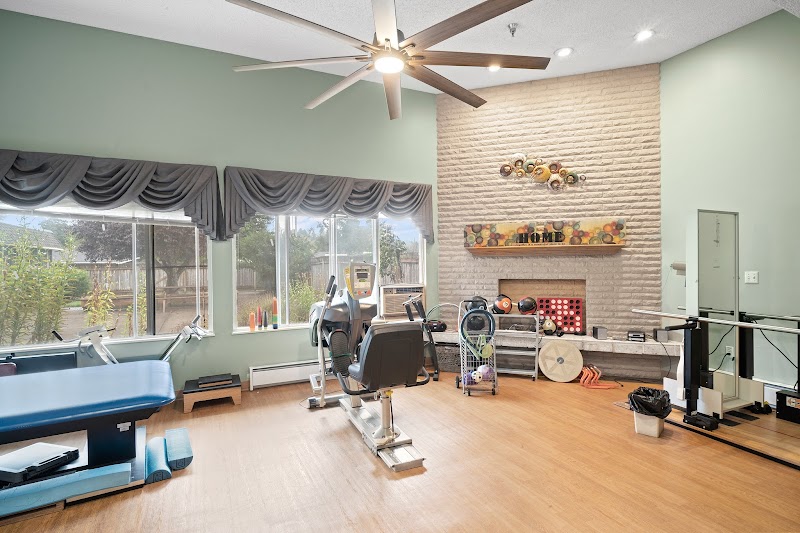
How is Cottage Grove Post Acute Staffed?

CMS rates COTTAGE GROVE POST ACUTE's staffing level at 2 out of 5 stars, which is below average compared to other nursing homes. Staff turnover is 59%, which is 13 percentage points above the Oregon average of 46%. High turnover can affect care consistency as new staff learn residents' individual needs. RN turnover specifically is 100%, which is notably high. RNs provide skilled clinical oversight, so turnover in this role can affect medical care quality.

What Have Inspectors Found at Cottage Grove Post Acute?

State health inspectors documented 26 deficiencies at COTTAGE GROVE POST ACUTE during 2022 to 2025. These included: 2 that caused actual resident harm and 24 with potential for harm. Deficiencies causing actual harm indicate documented cases where residents experienced negative health consequences.
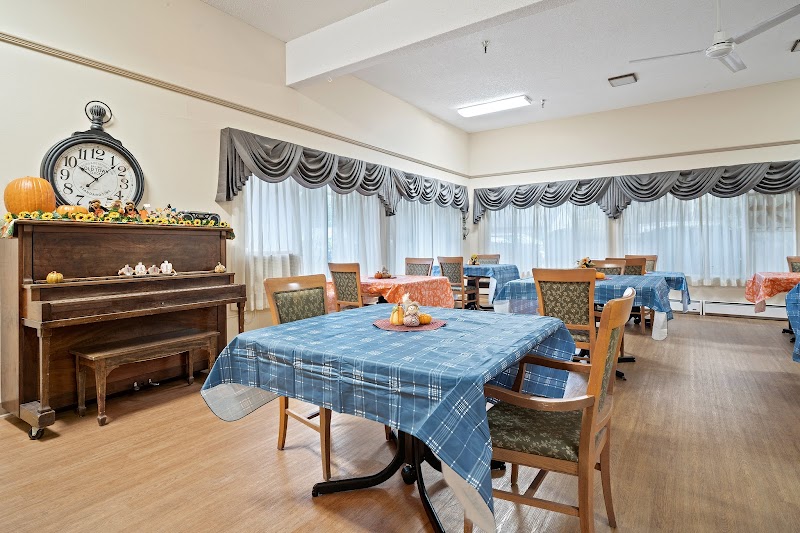
Who Owns and Operates Cottage Grove Post Acute?

COTTAGE GROVE POST ACUTE is owned by a for-profit company. For-profit facilities operate as businesses with obligations to shareholders or private owners. The facility is operated by PACS GROUP, a chain that manages multiple nursing homes. With 80 certified beds and approximately 60 residents (about 75% occupancy), it is a smaller facility located in COTTAGE GROVE, Oregon.

How Does Cottage Grove Post Acute Compare to Other Oregon Nursing Homes?

Compared to the 100 nursing homes in Oregon, COTTAGE GROVE POST ACUTE's overall rating (2 stars) is below the state average of 3.0, staff turnover (59%) is significantly higher than the state average of 46%, and health inspection rating (2 stars) is below the national benchmark.

What Should Families Ask When Visiting Cottage Grove Post Acute?

Based on this facility's data, families visiting should ask: "How do you ensure continuity of care given staff turnover, and what is your staff retention strategy?" "Can you walk me through typical staffing levels on day, evening, and night shifts?" "Can I visit during a mealtime to observe dining assistance and food quality?" "How do you handle medical emergencies, and what is your hospital transfer rate?" These questions are particularly relevant given the facility's high staff turnover rate and the below-average staffing rating.

Is Cottage Grove Post Acute Safe?

Based on CMS inspection data, COTTAGE GROVE POST ACUTE has a clean safety record: no substantiated abuse findings (meaning no confirmed cases of resident harm), no Immediate Jeopardy citations (the most serious violation level indicating risk of serious injury or death), and is not on the Special Focus Facility watch list (a federal program monitoring the lowest-performing 1% of nursing homes). The facility has a 2-star overall rating and ranks #100 of 100 nursing homes in Oregon. While no facility is perfect, families should still ask about staff-to-resident ratios and recent inspection results during their visit.

Do Nurses at Cottage Grove Post Acute Stick Around?

Staff turnover at COTTAGE GROVE POST ACUTE is high. At 59%, the facility is 13 percentage points above the Oregon average of 46%. Registered Nurse turnover is particularly concerning at 100%. RNs handle complex medical decisions and coordinate care — frequent RN changes can directly impact care quality. High turnover means new staff may not know residents' individual needs, medications, or preferences. It can also be disorienting for residents, especially those with dementia who rely on familiar faces. Families should ask: What is causing the turnover? What retention programs are in place? How do you ensure care continuity during staff transitions?

Was Cottage Grove Post Acute Ever Fined?

COTTAGE GROVE POST ACUTE has no federal fines on record. CMS issues fines when nursing homes fail to meet care standards or don't correct problems found during inspections. The absence of fines suggests the facility has either maintained compliance or corrected any issues before penalties were assessed. This is a positive indicator, though families should still review recent inspection reports for the full picture.

Is Cottage Grove Post Acute on Any Federal Watch List?

COTTAGE GROVE POST ACUTE is not on any federal watch list. The most significant is the Special Focus Facility (SFF) program, which identifies the bottom 1% of nursing homes nationally based on persistent, serious quality problems. Not being on this list means the facility has avoided the pattern of deficiencies that triggers enhanced federal oversight. This is a positive indicator, though families should still review the facility's inspection history directly.