MARQUIS SPRINGFIELD

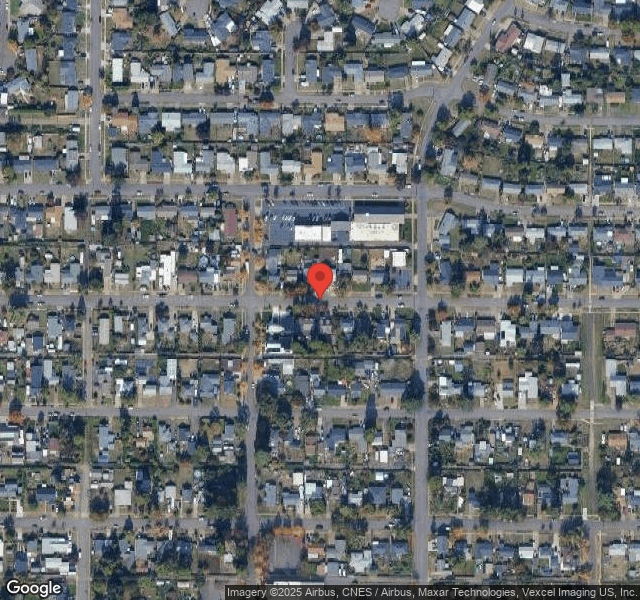
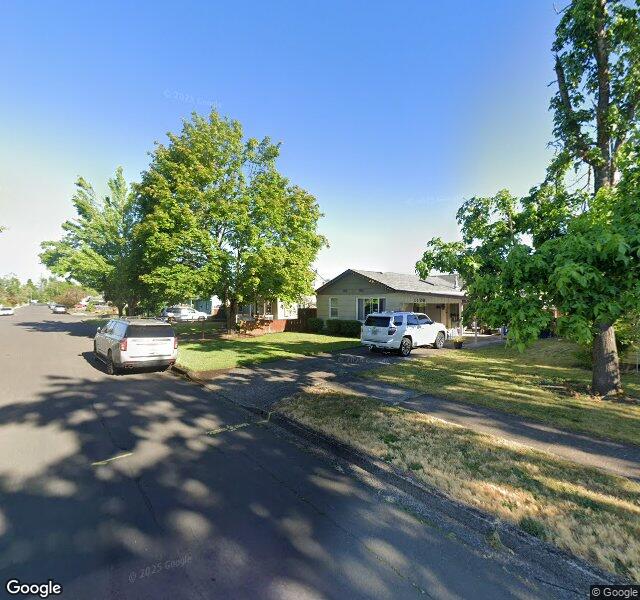
1333 N. 1ST STREET, SPRINGFIELD, OR 97477 (541) 736-2700
For profit - Corporation 136 Beds MARQUIS COMPANIES Data: November 2025
Trust Grade
80/100
#16 of 127 in OR
Last Inspection: August 2024

Within standard 12-15 month inspection cycle. Federal law requires annual inspections.

Overview

Marquis Springfield has a Trust Grade of B+, which indicates it is above average and recommended for families considering care options. It ranks #16 out of 127 facilities in Oregon, placing it in the top half, and #3 out of 13 in Lane County, suggesting only two local options are better. However, the facility is experiencing a worsening trend, with issues increasing from 8 in 2023 to 12 in 2024. Staffing is a strength, with a perfect 5-star rating and a turnover rate of 34%, which is significantly lower than the state average. While there have been no fines, some concerning incidents include a potential theft of narcotic medications and staff not ensuring residents were treated with dignity during meal times. This highlights a need for improvement in both medication management and resident care practices.

Trust Score
B+
80/100
In Oregon
#16/127
Top 12%
Safety Record
Low Risk
No red flags
Inspections
Getting Worse
8 → 12 violations
Staff Stability
○ Average
34% turnover. Near Oregon's 48% average. Typical for the industry.
Penalties
✓ Good
No fines on record. Clean compliance history, better than most Oregon facilities.
Skilled Nurses
○ Average
Each resident gets 35 minutes of Registered Nurse (RN) attention daily — about average for Oregon. RNs are the most trained staff who monitor for health changes.
Violations
⚠ Watch
28 deficiencies on record. Higher than average. Multiple issues found across inspections.
★★★★★
5.0
Overall Rating
★★★★★
5.0
Staff Levels
★★☆☆☆
2.0
Care Quality
★★★★☆
4.0
Inspection Score
Stable
2023: 8 issues
2024: 12 issues

The Good

  • 5-Star Staffing Rating · Excellent nurse staffing levels
  • Full Sprinkler Coverage · Fire safety systems throughout facility
  • No fines on record
  • Staff turnover below average (34%)

    14 points below Oregon average of 48%

Facility shows strength in staffing levels, fire safety.

The Bad

Staff Turnover: 34%

12pts below Oregon avg (46%)

Typical for the industry

Chain: MARQUIS COMPANIES

Part of a multi-facility chain

Ask about local staffing decisions and management

The Ugly 28 deficiencies on record

Dec 2024 2 deficiencies
CONCERN (D) 📢 Someone Reported This

A family member, employee, or ombudsman was alarmed enough to file a formal complaint

Potential for Harm - no one hurt, but risky conditions existed

Report Alleged Abuse (Tag F0609)

Could have caused harm · This affected 1 resident

Based on interviews and record reviews it was determined the facility failed to report a reasonable suspicion of a crime to the State Survey Agency for 4 of 4 sampled residents (#s 101,102, 103 and 10...

Read full inspector narrative →
Based on interviews and record reviews it was determined the facility failed to report a reasonable suspicion of a crime to the State Survey Agency for 4 of 4 sampled residents (#s 101,102, 103 and 104) reviewed for misappropriation of property. This placed residents at risk for further misappropriation of property and incomplete investigations. Findings include: A Police Department Incident/Investigation Report dated 10/28/24 indicated they received a report from the facility regarding possible theft of narcotic medication. A Complaint Form dated 10/23/24 at 10:00 PM to 10/24/24 at 6:00 AM (the night shift) submitted by the facility to the Oregon State Board of Nursing indicated a possible diversion of medications had occurred. On the morning of 10/24/24 the medication aides reported several narcotics had been incorrectly signed out and medications were signed out of the narcotic book but not documented as administered on the eMAR (electronic MAR) by Staff 3 (LPN). There were discrepancies in Staff 3's charting of narcotics. Interviews with residents determined some residents had only received Tylenol for pain relief and not their oxycodone medications. The residents were alert and oriented. An investigation was completed and found other discrepancies. All the concerns found were linked to Staff 3. A report was filed with Law Enforcement. On 12/03/24 at 12:15 PM Staff 2 (DNS) indicated they did not report the concerns to the State Survey Agency, but had reported to OSBN and the local law enforcement agency. Staff 2 stated she felt there may not be enough evidence to prove the diversion of medications. Staff 2 stated she did have concerns with Staff 3's handling of narcotic medications and there were multiple documentation issues which raised her suspicions which included when Staff 3 stated she gave PRN Tylenol at the same time she gave PRN narcotic pain medication. Normally you would administer the Tylenol, and if it was not effective, then administer the narcotic. It did not make sense to give both medications at the same time. On 12/4/24 at 3:17 PM Staff 1 (Administrator) and Staff 2 acknowledged they should have reported to the State Survey Agency.
CONCERN (E) 📢 Someone Reported This

A family member, employee, or ombudsman was alarmed enough to file a formal complaint

Potential for Harm - no one hurt, but risky conditions existed

Deficiency F0602 (Tag F0602)

Could have caused harm · This affected multiple residents

Based on interview and record review it was determined the facility failed to protect residents' rights to be free from misappropriation of property by staff for 4 of 4 sampled residents (#101, 102, 1...

Read full inspector narrative →
Based on interview and record review it was determined the facility failed to protect residents' rights to be free from misappropriation of property by staff for 4 of 4 sampled residents (#101, 102, 103 and 104) reviewed for misappropriation of property. Findings include: 1. Resident 101 was admitted to the facility in 2024, with diagnoses including cancer of the colon and frontal lobe of the brain. A Police Department Incident/Investigation Report dated 10/28/24, indicated the department received a report from the facility regarding possible theft of narcotic medication. On the night of 10/23/24 Staff 3 (Agency LPN) oversaw resident medications on the facility's South Hall and a resident complained to day shift staff she/he did not receive her/his narcotic pain medication and was in pain. Several other residents also complained about not getting their medications. Staff 2 (DNS) began an investigation and multiple medication administration and documentation discrepancies were found specifically with narcotic medications. All the concerns involved Staff 3. A progress note by Staff 4 on 10/24/2024 at 3:07 AM, indicated she called the pharmacy requesting verification of any remaining for Resident 101's oxycodone. Staff 4 called the on-call nurse practitioner to request an order for the resident's medication to ensure Resident 101 was medicated prior to the resident leaving for her/his chemotherapy treatment in the morning. Staff 4 called the pharmacy for authorization to pull the medication from the facility's Pyxis machine (computerized medication dispensing system that helps clinicians safely and efficiently provide the correct medications to the right patients at the right time), then gave the medication to Staff 3 to administer. Staff 4 did not watch Staff 3 administer the medication. The pharmacy Med Bank Report from the Pyxis machine for the early morning hours of 10/24/24 contained the following electronically generated medication information: On 10/24/24 at 4:42 AM, oxycodone was removed for Resident 101 by Staff 4. Resident 101's 10/2024 MAR indicated the resident was administered the following dose of medication on 10/24/24: Oxycodone narcotic pain medication by Staff 3 at 4:00 AM. Staff 3 documented she administered Resident 101's oxycodone medication at 4:00 AM but the medication was not pulled from the Pyxis machine until 4:42 AM. Staff 3 could not have administered the medication before it was available. On 12/3/24 at 12:53 PM Resident 101, stated on 10/23/24 around 11:00 PM she/he requested pain medication and Staff 3 (LPN) told her/him there was no oxycodone (narcotic pain medication) for her/him in the medication cart and she gave her/him Tylenol and a muscle relaxant. Staff 3 told the resident she would let the day shift nurse figure out the oxycodone medication issue in the morning. The resident stated she/he knew the oxycodone medication; it was a smaller pill than her/his other medications and helped her/him to sleep. The Tylenol and muscle relaxant the nurse administered did not help her/him to sleep. The resident stated she/he had increased pain from not receiving the oxycodone and could not sleep that night. On 12/4/24 at 8:30 AM, Staff 4 (LPN) stated two CNAs came to tell her a resident was asking for pain medication and had been asking for quite a while. Staff 4 went to check with Staff 3 to see why she did not give the resident her/his oxycodone medication. Staff 3 stated she gave the resident Tylenol. Staff 4 then told Staff 3 the resident needed her/his oxycodone and if there was no current oxycodone on the cart, she just had to call the on-call physician and get a script called into the pharmacy. Staff 3 told her she was going on a break. Staff 4 stated she told Staff 3 it was neglect to leave a resident in pain. Staff 4 decided she needed to step in to assist the resident and she called the on-call physician, got an order, called the pharmacy for an authorization, pulled the medication from the Pyxis machine (Emergency Kit), and gave the medication to Staff 3 to administer to the resident. In the morning the resident stated she/he did not get the medication and Staff 3 had told her/him she was going to leave it for the day shift to figure out. On 12/4/24 at 8:50 AM, Staff 5 (CNA) stated the evening of 10/23/24 the facility had a scheduled downtime for the computer system from 11:00 PM to 1:15 AM. She reminded Staff 3 about the downtime so Staff 3 could check on her residents before the computer went down. Staff 5 stated Staff 3 did not do so and stated she was not going to look at the PRN sheet (for medications) until after the downtime. Staff 5 stated she had written down a PRN request for Resident 101 for oxycodone because the resident was very painful. When she answered the resident's call light at 1:30 AM the resident said Staff 3 had still not administered the oxycodone. Staff 5 stated she went to the nurse on the other hall to request assistance for the resident. On 12/5/24 at 8:24 AM, Staff 3 (LPN) stated she had computer issues on the evening shift of 10/23/24. Staff stated the computer system kept crashing and probably didn't save her documentation. She remembered Resident 101 had requested pain medication. She told the resident she was waiting for authorization from the pharmacy. Staff 3 stated she made a call to the on-call physician to get the order, then she had to call the pharmacy for an authorization. She said she got the authorization in the middle of the night but did not remember what time it arrived. Staff 3 stated she thought she gave Resident 101 Tylenol and maybe an ice pack. Then Staff 4 pulled the medication from the Pyxis machine and handed it to Staff 3 to administer. Staff 3 stated she thought it was normal for one nurse to just hand medication to another nurse. Staff 3 stated she signed the medication into the narcotic book. The On-Call Physician Log report for the facility indicated Staff 4 was the only person to make a call to the on-call telephone line on 10/24/24. Staff 3 claimed she had completed the steps necessary to get the resident's pain medication but the record showed she did not call the on-call physician for an order for Resident 101 or any other resident. On 12/5/24 at 9:50 AM, Staff 2 (DNS) stated when Staff 3 told the resident she/he would have to wait for pain medication until the day shift nurse came in to figure it out, she was not following standard nursing practice. Staff 2 stated Staff 3 reported she had made the arrangements to get the medication from the Pyxis machine for the resident but Staff 3 did not. Staff 2 also stated other staff reported they were unable to find Staff 3 at numerous times during the shift, she took a lot of breaks, and she met with someone in a van out in the parking lot during the night. Staff also found two medication cups Staff 3 labeled for residents in the trash of a bathroom that was not located in an area where Staff 3 should have disposed of them. Staff 2 acknowledged the oxycodone for Resident 101 was documented as administered by Staff 3 before it was available to administer. Staff 2 stated she had reported the concerns to OSBN and Law Enforcement. 2. Resident 102 was admitted to the facility in 2024, with diagnoses including end stage renal disease and traumatic amputation of the right lower leg. Resident 102 was alert and oriented. A Police Department Incident/Investigation Report dated 10/28/24, indicated they received a report from the facility regarding possible theft of narcotic medication. Multiple medication administration and documentation discrepancies were found, specifically with narcotic medications, and all the concerns involved Staff 3 (Agency LPN). The pharmacy Med Bank Report from the Pyxis machine (computerized medication dispensing system that helps clinicians safely and efficiently provide the correct medications to the right patients at the right time) for the early morning hours of 10/24/24 contained the following medication information: On 10/24/24 at 3:53 AM, oxycodone was removed by Staff 4. Resident 102's 10/2024 MAR indicated the resident was administered the following dose of medication on 10/24/24: oxycodone narcotic pain medication by Staff 3 at 3:48 AM. Staff 3 documented she administered Resident 102's oxycodone medication at 3:48 AM but the medication was not pulled from the Pyxis machine until 3:53 AM. Staff 3 could not have administered the medication before it was available. On 12/4/24 at 10:04 AM, Resident 102 stated no one gave her/him oxycodone on the night shift of 10/23/24 to 10/24/24. Resident 102 stated the bandage came off her/his wound and the linens rubbing on her/his stump was so painful it was a 9 out of 10 on the pain scale. The resident was adamant no one gave her/him any oxycodone. The nurse gave him Tylenol only and it did not help very much. The resident stated they gave her/him something stronger starting the next day. On 12/5/24 at 8:24 AM, Staff 3 stated they had to pull the oxycodone for the resident from the Pyxis machine. Staff 3 stated Staff 4 pulled it and she administered it. Staff 3 stated she put it in a med cup with the Tylenol, the oxycodone was small and the room was dark so maybe the resident didn't see it. On 12/5/24 at 9:50 AM, Staff 2 (DNS) stated Resident 102 was very alert and oriented. It was not remotely possible that she/he would have missed the oxycodone medication in the cup. Staff 2 acknowledged Staff 3 documented she had administered the medication before it was even available. Staff 2 added Staff 3 documented she gave the medication at 3:48 AM and then documented it was effective at 3:53 AM, which is not an adequate amount of time to determine effectiveness. 3. Resident 103 was admitted to the facility in 2019, with diagnoses including metabolic encephalopathy (neurological disorder that occurs when the brain is affected by a chemical imbalance in the blood), and Alzheimer's disease. A Police Department Incident/Investigation Report dated 10/28/24, indicated they received a report from the facility regarding possible theft of narcotic medication. Multiple medication administration and documentation discrepancies were found specifically with narcotic medications and all the concerns involved Staff 3 (LPN). Resident 103's 10/24/2024 MAR indicated at 3:00 AM Resident 103 was marked as sleeping so did not receive her/his scheduled dose of Tramadol (narcotic pain medication). The 10/2024 Narcotic Log book page #043 for Resident 103 indicated one dose of Tramadol was pulled by Staff 3 at 3:00 AM. The page did not contain any documentation of what happened to the medication when it was not administered to the resident because she/he was sleeping. The medication should have been destroyed by Staff 3 with the assist of another nurse to verify destruction. The dose of Tramadol was not found by staff. A pharmacy Disposal of Controlled Drugs in a Long-Term Care facility report dated 10/2024 for Resident 103 verified the dose of Tramadol pulled by Staff 3 on 10/24/24 at 3:00 AM had not been destroyed. On 12/5/24 at 8:24 AM, Staff 3 (LPN) stated if she pulled the medication, but the resident was sleeping, maybe she administered it later or taped it in the book? There was no documentation found in the medical record to indicate what happened to the medication. On 12/5/24 at 9:07 AM, Staff 2 (DNS) stated the Narcotic Log showed Staff 3 pulled the medication at 3:00 AM but she also charted the resident was sleeping at 3:00 AM so she did not administer the medication. Standard nursing practice indicated if a nurse pulled a medication, that nurse should administer the medication, or the nurse should destroy the medication with a second nurse as a witness. Staff 2 stated you do not save the medication for later and you do not tape the medication in the narcotic book. No evidence was found to show the medication, which had not been administered, was destroyed and Staff 2 stated they did not find the medication in the facility. 4. Resident 104 was admitted to the facility in 2024, with diagnoses including heart failure, respiratory failure, and peripheral vascular disease (disorder of the blood which can cause pain, cramping, aching, or burning in the legs and feet.) A Police Department Incident/Investigation Report dated 10/28/24, indicated they received a report from the facility regarding possible theft of narcotic medication. Multiple medication administration and documentation discrepancies were found, specifically with narcotic medications, and all the concerns involved Staff 3 (Agency LPN). Resident 104's 10/2024 MAR indicated on 10/24/24 at 12:09 AM, Staff 3 administered a dose of oxycodone to the resident and the medication was effective. Then at 1:00 AM (50 minutes later) Staff 3 documented she administered a dose of Tylenol. Both doses were documented as administered on the MAR during times the one-to-one sitter stated the resident was asleep. A written statement by Staff 7 (LPN) indicated when she heard report on 10/24/24 at 6:30 AM she asked if Resident 104 had received any pain medication on the night shift and was told by the CNA the resident slept all night. On 12/4/24 at 1:08 PM, Staff 6 (CNA) stated he was the one-to-one sitter with Resident 104 on the night shift of 10/23/24. He worked from 10 PM to 6 AM. He never saw Staff 3 administer any medications to Resident 104 and the resident slept through the night. Staff 6 stated the nurse did come by the hall twice but was only looking for the other nurse and Staff 3 never entered the resident's room. On 12/5/24 at 8:24 AM, Staff 3 stated she administered medication one time during the night shift to Resident 104. She stated she administered the medication while the female CNA went to the bathroom. She also stated the female CNA was on the shorter side and had short, cropped hair. Staff 3 concluded she was in the room with her (female CNA). On 12/5/24 at 9:07 AM, Staff 2 (DNS) acknowledged Staff 3 documented she administered pain medication to Resident 104 but there was a male caregiver assigned as a one-to-one sitter to Resident 104 who reported the nurse never entered the resident's room during the night shift and the resident slept through the night.
Aug 2024 10 deficiencies
CONCERN (D) 📢 Someone Reported This

A family member, employee, or ombudsman was alarmed enough to file a formal complaint

Potential for Harm - no one hurt, but risky conditions existed

Deficiency F0558 (Tag F0558)

Could have caused harm · This affected 1 resident

**NOTE- TERMS IN BRACKETS HAVE BEEN EDITED TO PROTECT CONFIDENTIALITY** Based on observation, interview and record review it was determine the facility failed to ensure a residents call light was with...

Read full inspector narrative →
**NOTE- TERMS IN BRACKETS HAVE BEEN EDITED TO PROTECT CONFIDENTIALITY** Based on observation, interview and record review it was determine the facility failed to ensure a residents call light was within reach for 1 of 2 sampled residents (#25) reviewed for physical environment. This placed residents at risk for lack of ADL assistance. Findings include: Resident 25 was admitted to the facility in 11/2017 with diagnoses including dementia and depression. The Quarterly MDS dated [DATE], revealed Resident 25 had a BIMS score of 15, which indicated the resident was cognitively intact. On 7/29/24 at 1:07 PM Resident 25 stated she/he needed assistance to move her/himself in bed and was not sure where the call light was located. Observations on 7/29/24 from 1:08 PM through 3:09 PM revealed Resident 25's call light was on the left side of her/his bed, on the floor, out of reach. Staff entered Resident 25's room at 1:18 PM, repositioned her/him, and took the resident's lunch tray, but did not ensure her/his call light was within reach. On 7/29/24 at 3:09 PM Staff 16 (CNA) entered the room and acknowledged Resident 25's call light was on the floor and out of reach. Staff 16 stated Resident 25 did not get out of bed and needed her/his call light for assistance. Staff 16 stated staff were expected to ensure call lights were within reach at all times. On 8/1/24 at 4:30 PM Staff 2 (DNS) stated she expected all staff to ensure residents' call lights were not on the floor and were accessible to residents at all times. Staff 2 acknowledged Resident 25's call light was out of reach for an extended period of time.
CONCERN (D) 📢 Someone Reported This

A family member, employee, or ombudsman was alarmed enough to file a formal complaint

Potential for Harm - no one hurt, but risky conditions existed

Deficiency F0582 (Tag F0582)

Could have caused harm · This affected 1 resident

Based on interview and record review it was determined the facility failed to provide information related to financial responsibilities for 1 of 3 sampled residents (#14) reviewed for Skilled Nursing ...

Read full inspector narrative →
Based on interview and record review it was determined the facility failed to provide information related to financial responsibilities for 1 of 3 sampled residents (#14) reviewed for Skilled Nursing Facility Advance Beneficiary Notice of Non-coverage (SNFABN). This placed residents at risk for unforeseen financial responsibilities. Findings include: Resident 14 admitted to the facility in 4/2024 and received Medicare services from 4/26/24 through 6/28/24. Resident 14 received and signed the NOMNC (Notice of Medicare Non-Coverage) on 6/26/24. Although the resident remained in the facility, there was no evidence the resident received a SNFABN providing information on the resident's financial liability. On 7/31/24 at 4:16 PM Staff 5 (Social Service Director) acknowledged Resident 14 did not receive the SNFABN form and did not receive information about financial responsibilities after discharging from Medicare services while remaining in the facility.
CONCERN (D) 📢 Someone Reported This

A family member, employee, or ombudsman was alarmed enough to file a formal complaint

Potential for Harm - no one hurt, but risky conditions existed

Comprehensive Assessments (Tag F0636)

Could have caused harm · This affected 1 resident

**NOTE- TERMS IN BRACKETS HAVE BEEN EDITED TO PROTECT CONFIDENTIALITY** 2. Resident 42 was admitted to the facility on [DATE] with the diagnoses including fracture of the right femur, malignant neopla...

Read full inspector narrative →
**NOTE- TERMS IN BRACKETS HAVE BEEN EDITED TO PROTECT CONFIDENTIALITY** 2. Resident 42 was admitted to the facility on [DATE] with the diagnoses including fracture of the right femur, malignant neoplasm of the lung and type 2 diabetes. Resident 42's admission MDS dated [DATE], Section V: Care Area Assessment (CAA) Summary identified resident's Nutritional Status CAA triggered for further assessment. There was no documentation in the resident's medical record indicating the Nutritional Status CAA was completed or notes referring to where an assessment could be found. On 8/1/24 at approximately 3:00 PM Staff 2 (DNS) confirmed the nutritional status CAA was blank and Resident 42's nutritional needs were not assessed. Based on interview and record review it was determined the facility failed to comprehensively assess a resident's needs related to nutrition for 2 of 3 sampled residents (#s 17 and 42) reviewed for nutrition. This placed residents at risk for unmet nutritional needs and weight loss. Findings include: 1. Resident 17 admitted to the facility in 5/2024 with diagnoses including diabetes, end stage renal disease, and dependence on renal dialysis. The 5/15/24 admission MDS Nutritional Status CAA did not include Resident 17's history, current nutritional status, or plan of care. On 8/1/24 at 1:15 PM Staff 2 (DNS) acknowledged the 5/15/24 admission MDS Nutrition CAA was not comprehensive and did not include Resident 17's history, current nutritional status, or plan of care.
CONCERN (D) 📢 Someone Reported This

A family member, employee, or ombudsman was alarmed enough to file a formal complaint

Potential for Harm - no one hurt, but risky conditions existed

Deficiency F0688 (Tag F0688)

Could have caused harm · This affected 1 resident

**NOTE- TERMS IN BRACKETS HAVE BEEN EDITED TO PROTECT CONFIDENTIALITY** Based on observation, interview and record review it was determined the facility failed to implement a mobility device for 1 of ...

Read full inspector narrative →
**NOTE- TERMS IN BRACKETS HAVE BEEN EDITED TO PROTECT CONFIDENTIALITY** Based on observation, interview and record review it was determined the facility failed to implement a mobility device for 1 of 2 sampled residents (#37) reviewed for positioning and mobility. This placed residents at risk for functional decline. Findings include: Resident 37 was admitted to the facility in 10/2021 with diagnoses including a stroke and dementia. The Quarterly MDS, dated [DATE], revealed Resident 37 had an upper extremity impairment and lower extremity impairment to one side of her/his body. A physician order dated 1/9/24 indicated Resident 37 was to have an InterDry (skin protector) cloth placed into her/his right hand daily. Random observations from 7/29/24 through 7/31/24 revealed Resident 37 was either up in her/his wheelchair or in bed with no skin protecting device in the right palm of her/his hand. On 7/31/24 at 2:20 PM Staff 12 (CNA) stated Resident 37 was alert but had confusion and limitations to her/his right arm and hand. Staff 12 stated an InterDry cloth was to be placed in the resident's right hand at all times due to her/his contracture. Staff 12 entered the room while the resident was in bed and acknowledged Resident 37 did not have anything in her/his right hand. On 8/1/24 at 9:06 AM Staff 11 (CNA) and at 4:18 PM Staff 10 (Agency LPN) stated Resident 37 required an InterDry cloth in her/his right hand daily, due to her/his contracture. Staff 11 and Staff 10 stated it helped reduced sweat and yeast buildup in the palm of the resident's right hand. On 8/1/24 at 4:18 PM Staff 2 (DNS), Staff 6 (LPN Resident Care Manager) and Staff 18 (LPN Resident Care Manager) stated staff were expected to implement the physician order regarding the InterDry cloth and ensure Resident 37 had the InterDry cloth in her/his right hand at all times.
CONCERN (D) 📢 Someone Reported This

A family member, employee, or ombudsman was alarmed enough to file a formal complaint

Potential for Harm - no one hurt, but risky conditions existed

Accident Prevention (Tag F0689)

Could have caused harm · This affected 1 resident

**NOTE- TERMS IN BRACKETS HAVE BEEN EDITED TO PROTECT CONFIDENTIALITY** Based on observation, interview, and record review the facility failed to evaluate the potential risk of choking related to alte...

Read full inspector narrative →
**NOTE- TERMS IN BRACKETS HAVE BEEN EDITED TO PROTECT CONFIDENTIALITY** Based on observation, interview, and record review the facility failed to evaluate the potential risk of choking related to altered swallowing ability for 1 of 3 sampled residents (#430) reviewed for nutrition. This placed residents at risk for choking. Findings include: Resident 430 was admitted to the facility on [DATE] with diagnoses including stroke and dysphagia (difficulty swallowing). A 7/24/24 Speech Therapy Assessment completed while the resident was in the hospital identified medications crusted in either thin liquids or puree. The Evaluation indicated swallow deficits including a delayed swallow response, moderately impaired ability to swallow, and a mild deficit in protecting the airway during swallow. These swallowing deficits increased the risk of aspiration. admission orders dated 7/25/24 did not include information related to safe medication administration (or alternatively, did not indicated safe swallowing precautions related to medication administration). No evidence was found in the resident's clinical record to indicate the facility addressed the 7/24/24 recommendation for crushed medication. A 7/26/24 Speech Therapy Assessment did not include information related to Resident 430's safe consumption of medication. Resident 430's care plan for dysphagia dated 7/28/24 did not include information related to safe medication consumption. On 7/31/24 at 8:54 AM Resident 430 was observed sitting up-right in bed while receiving morning medication in tablet form. After swallowing medication, the resident began aggressively coughing. Staff assisted the resident with clearing his/her airway. On 7/31/24 at 12:04 PM and on 8/1/24 at 9:21 AM Staff 21 (CMA) and Staff 24 (CMA) stated Resident 430 was not flagged for swallow precautions around medication administration. On 7/31/24 at 4:09 PM Staff 23 (SPL) stated the hospital speech therapy recommendations should have been reviewed upon admission. Confirmed Resident 430 was not assessed after admission for the ability to safely swallow medication.
CONCERN (D) 📢 Someone Reported This

A family member, employee, or ombudsman was alarmed enough to file a formal complaint

Potential for Harm - no one hurt, but risky conditions existed

Deficiency F0698 (Tag F0698)

Could have caused harm · This affected 1 resident

Based on interview and record review it was determined the facility failed to ensure dialysis services were in place including transportation, monitoring and communication with the dialysis provider f...

Read full inspector narrative →
Based on interview and record review it was determined the facility failed to ensure dialysis services were in place including transportation, monitoring and communication with the dialysis provider for 1 of 1 sampled resident (#17) reviewed for dialysis. This placed residents at increased risk for complications associated with dialysis treatment. Findings include: Resident 17 admitted to the facility in 5/2024 with diagnoses including diabetes, end stage renal disease, and dependence on renal dialysis. The 5/14/24 care plan indicated Resident 17 was to receive dialysis on Tuesdays, Thursdays and Saturdays. a. On 7/29/24 at 2:01 PM Resident 17 stated transportation failed to pick her/him up from the facility for a dialysis appointment recently and she/he missed dialysis. Resident 17 further stated she/he was fluid overloaded due to missing the appointment. Progress notes indicated the following: -7/20/24 7:08 PM the provider was notified that transportation did not show up to take Resident 17 to dialysis on the morning of 7/20/24. Transportation staff stated Resident 17 did not have a ride scheduled. Resident 17 was on alert to monitor for signs and symptoms of fluid overload due to the missed dialysis appointment until the next appointment on Tuesday (7/23/24). -7/20/24 10:14 PM per the provider the resident required very close monitoring, weights daily, and strict fluid restriction for three days until the next dialysis day. -7/22/24 5:09 AM resident was on alert due to missed dialysis appointment. Resident 17 had left leg pitting edema. Lung sounds were clear to auscultation, all vital signs were within normal limits. The 7/2024 MARs indicated Resident 17 did not have weights documented on 7/22/24. On 7/31/24 at 2:25 PM Witness 1 (Dialysis Administrator) and Witness 2 (Dialysis Nurse Manager) stated Resident 17 missed her/his dialysis appointment on 7/20/24. Witness 1 and Witness 2 stated Resident 17 had dialysis scheduled three times per week but recently started receiving one additional treatment per week per physician orders. On 8/1/24 at 1:15 PM Staff 2 (DNS) acknowledged transportation services failed to transport Resident 17 to a dialysis appointment and she/he missed the ordered dialysis on 7/20/24. Staff 2 stated the expectation was for facility staff to ensure transportation services were provided for Resident 17's dialysis appointments. Staff 2 acknowledged Resident 17 had weights ordered for alert charting starting on 7/21/24 and there was no weight documented for 7/22/24 and no indication the weight was completed as ordered. b. The 7/2024 Dialysis Communication forms indicated the following dates when the facility did not include weight, blood pressure, or if there were concerns or symptoms the resident experienced prior to dialysis: -7/4/24 -7/9/24 -7/13/24 -7/18/24 -7/19/24 On 8/1/24 at 1:15 PM Staff 2 (DNS) acknowledged the dialysis communication forms were incomplete on the identified dates. c. On 7/31/24 at 11:34 AM the facility provided dialysis communication forms for Resident 17. There were no dialysis communication forms completed for the following dates: 7/2/24, 7/3/24, 7/6/24, 7/16/24, 7/23/24 and 7/25/24. On 7/31/24 at 2:25 PM Witness 1 (Dialysis Administrator) and Witness 2 (Dialysis Nurse Manager) stated Resident 17 dialysis dates included 7/2/24, 7/3/24, 7/6/24, 7/16/24, 7/23/24 and 7/25/24. No information was found in the clinical record to indicate communication with the dialysis provider on the identified dates. On 8/1/24 at 1:15 PM Staff 2 (DNS) acknowledged there were no dialysis communication forms completed for 7/2/24, 7/3/24, 7/6/24, 7/16/24, 7/23/24, 7/25/24 and acknowledged Resident 17 received dialysis on the identified dates.
CONCERN (D) 📢 Someone Reported This

A family member, employee, or ombudsman was alarmed enough to file a formal complaint

Potential for Harm - no one hurt, but risky conditions existed

Deficiency F0757 (Tag F0757)

Could have caused harm · This affected 1 resident

Based on interview and record review the facility failed to ensure residents did not receive unnecessary steroid medication for 1 of 6 sampled residents (#15) reviewed for unnecessary medications. Thi...

Read full inspector narrative →
Based on interview and record review the facility failed to ensure residents did not receive unnecessary steroid medication for 1 of 6 sampled residents (#15) reviewed for unnecessary medications. This placed residents at risk for adverse medication consequences. Findings include: Resident 37 was admitted to the facility in 10/2021 with diagnoses including stroke and dementia. A physician's order dated 7/9/24 revealed an order for prednisone (a steroid medication) at 40 mg. Staff were to administer one tablet (40 mg) by mouth daily for five days and then administer half a tablet (20 mg) by mouth daily for four days for gout (inflammatory arthritis). A Medication Error Report dated 7/22/24 revealed Staff 10 (Agency LPN) mistakenly administered 40 mg of prednisone on 7/16/24 instead of the prescribed 20 mg. Staff 9 (LPN) discovered the error on 7/17/24. Staff 9 notified the physician and followed the directive to monitor Resident 37 for any severe reactions while continuing to administer the prednisone per the physician's order. On 7/29/24 Witness 3 (Complainant) stated Resident 37 was given an extra dose of prednisone, but was unable to recall the specific date. Witness 3 stated staff notified her/him of the error, and believed the resident did not experience any adverse reactions due to the additional dose. On 8/1/24 at 11:03 AM Staff 10 stated Resident 37 was on prednisone and was being tapered off of the medication. Staff 10 stated the order lacked specific start and stop dates. Staff 10 acknowledged the error, and emphasized the importance of triple checking medications orders and adherence to the five rights (right patient, right drug, right time, right dose and right route). Staff 10 further stated Resident 37 did not suffer adverse effects from the error. On 8/1/24 at 1:24 PM Staff 9 stated she discovered the medication error on 7/17/24. Resident 37 received an incorrect dose of prednisone on 7/16/24 due to the removal of two prednisone pills from the medication card (bubble packet). Staff 9 stated the physician was notified, and the resident did not experience side effects from the extra dose of prednisone given. On 7/22/24, the facility addressed the Past Noncompliance by completing the following actions: 1. Conducted a thorough investigation of the incident. 2. Interviewed staff members involved in the incident. 3. Provided staff education on 7/22/24 about the five rights and the importance of triple checking physician orders. On 8/1/24 at 3:49 PM Staff 2 (DNS) stated she was notified of the medication error related to Resident 37's extra dose of prednisone administered on 7/16/24. Staff 2 confirmed Staff 10 received education on the five rights and the necessity of triple checking orders to ensure alignment with the MARs. Staff 2 stated Resident 37 did not experience adverse outcomes due to the excessive dose of prednisone.
CONCERN (D) 📢 Someone Reported This

A family member, employee, or ombudsman was alarmed enough to file a formal complaint

Potential for Harm - no one hurt, but risky conditions existed

Deficiency F0840 (Tag F0840)

Could have caused harm · This affected 1 resident

Based on interview and record review it was determined the facility failed to have a dialysis contract in place for 1 of 1 sampled resident (#17) reviewed for dialysis. This placed residents at risk f...

Read full inspector narrative →
Based on interview and record review it was determined the facility failed to have a dialysis contract in place for 1 of 1 sampled resident (#17) reviewed for dialysis. This placed residents at risk for not receiving appropriate dialysis services. Findings include: Resident 17 admitted to the facility in 5/2024 with diagnoses including diabetes, end stage renal disease, and dependence on renal dialysis. The 5/14/24 Care Plan indicated Resident 17 received dialysis three times a week. On 8/1/24 at 1:15 PM Staff 2 (DNS) acknowledged Resident 17 received dialysis from an outside provider and the facility did not have a signed contract with Resident 17's dialysis provider.
CONCERN (E) 📢 Someone Reported This

A family member, employee, or ombudsman was alarmed enough to file a formal complaint

Potential for Harm - no one hurt, but risky conditions existed

Resident Rights (Tag F0550)

Could have caused harm · This affected multiple residents

Based on observation, interview and record review it was determined the facility failed to ensure residents were treated with dignity for 1 of 1 sampled resident (#137) reviewed for dignity, 3 of 15 r...

Read full inspector narrative →
Based on observation, interview and record review it was determined the facility failed to ensure residents were treated with dignity for 1 of 1 sampled resident (#137) reviewed for dignity, 3 of 15 residents (#s 2, 15 and 39) reviewed for assisted dining. This placed residents at risk for lack of dignity. Findings include: 1. Random observations on 7/30/24 from 12:20 PM through 12:50 PM (30 minutes) revealed Staff 19 (CNA) was in the Willamette dining room and Residents 2, 15 and 39 were all seated at the same table for lunch. Staff 19 stood or walked around the table to assist each each of the residents with their lunch meal. On 7/30/24 at 1:13 PM Staff 19 stated the three residents in the Willamette dining room needed assistance and cueing when eating their meals. Staff 19 acknowledged she stood and should have been seated to assist Residents 2, 15 and 39 with their meals. On 8/1/24 at 4:30 PM Staff 2 (DNS) stated she expected all staff to sit with residents who required assistance with eating. Staff 2 stated Staff 19 spoke with her regarding the 7/30/24 dining incident and acknowledged she was supposed to be seated when assisting Residents 2, 15 and 39 with their meals. 2. Resident 179 admitted to the facility in 2024 with diagnoses including neurogenic bladder. Resident 179's 7/25/24 Care Plan indicated the use of an indwelling catheter related to a neurogenic bladder. Observations made on 7/29/24 at 10:50 AM, 11:40 AM, 12:59 PM and 7/30/24 at 12:00 PM revealed Resident 179 laying in bed with her/his room door open. Resident 179's exposed catheter bag contained urine, had no privacy cover and was visible from the hallway. On 7/30/24 at 12:07 PM Staff 2 (DNS) stated residents with catheters were to have a privacy bag or a flap covering the catheter. Staff 2 acknowledged there was no privacy bag or flap covering Resident 179's catheter bag and the resident's catheter was visible from the hallway.
CONCERN (E) 📢 Someone Reported This

A family member, employee, or ombudsman was alarmed enough to file a formal complaint

Potential for Harm - no one hurt, but risky conditions existed

Safe Environment (Tag F0584)

Could have caused harm · This affected multiple residents

2. On 7/29/24 at 1:06 PM lunch was observed in the main dining room. Six of 12 residents were served food on trays and no food or drinks were removed from the trays. On 7/31/24 at 1:03 PM lunch was o...

Read full inspector narrative →
2. On 7/29/24 at 1:06 PM lunch was observed in the main dining room. Six of 12 residents were served food on trays and no food or drinks were removed from the trays. On 7/31/24 at 1:03 PM lunch was observed in the main dining room. Eleven of 12 residents were served food on trays at the table. On 7/31/24 at 2:10 PM Staff 8 (Dietary Manager) stated the facility's protocol was to serve meals on the trays they were delivered on. Staff 8 further stated, I started here as a cook right before Covid and we have always done it that way. On 7/31/24 at 2:30 PM Staff 8 stated he checked the protocol and acknowledged staff were not to serve meals on trays to residents. Based on observation and interview it was determined the facility failed to ensure resident dining environments were homelike, and resident shower rooms were clean for 1 of 2 dining rooms and 5 of 5 shower rooms reviewed for environment. This placed residents at risk for lack of homelike environment and an unsanitary environment. Findings include: 1. Observations on 7/30/24 at 9:25 AM and 8/1/24 at 10:01 AM revealed five individual shower rooms for residents. All five shower rooms were observed to have a heater vent, a small heater unit on the wall, and a ceiling fan. All of them were covered in cobwebs and had dust particle build-up on the exterior and inside (approximately quarter-inch thick dust particles) for each of the three separate components (ceiling fan, heater vent and small heater). On 8/1/24 at 9:32 AM Staff 20 (Housekeeper) stated housekeepers were responsible for cleaning all five shower rooms, which included dusting the ceiling fans, vents and heaters. Staff 20 stated she was unable to clean the accumulated dust particles inside the heater, vent and ceiling fan and would refer the task to Staff 3 (Maintenance Director) to clean. On 8/01/24 12:14 PM Staff 3 acknowledged the thick dust particle buildup in all five shower rooms (including the ceiling fan, heater vent and small heater). Staff 3 indicated he did not normally clean the ceiling fans or heaters unless the motors stopped working. Staff 3 stated it never crossed his mind to clean the heater vents. Staff 3 stated all five showers would be cleaned and dusted.
Apr 2023 8 deficiencies
CONCERN (D)

Potential for Harm - no one hurt, but risky conditions existed

Assessment Accuracy (Tag F0641)

Could have caused harm · This affected 1 resident

**NOTE- TERMS IN BRACKETS HAVE BEEN EDITED TO PROTECT CONFIDENTIALITY** Based on observation, interview and record review it was determined the facility failed to accurately assess dental status for 1...

Read full inspector narrative →
**NOTE- TERMS IN BRACKETS HAVE BEEN EDITED TO PROTECT CONFIDENTIALITY** Based on observation, interview and record review it was determined the facility failed to accurately assess dental status for 1 of 2 sampled residents (#58) reviewed for dental. This placed residents at risk for lack of dental services. Findings include: Resident 58 was admitted to the facility in 2021 with diagnoses including heart failure. An Annual MDS dated [DATE] documented no broken or loosely fitting full or partial dentures. A Quarterly MDS dated [DATE] documented no broken or loosely fitting full or partial dentures. On 4/3/23 at 3:50 PM Resident 58 was observed in her/his room with some missing teeth on the bottom and a lack of upper teeth. Resident 58 stated she/he had upper dentures that were loose and the bottom partial was broken. On 4/7/23 at 1:28 PM dental concerns for Resident 58 were discussed with Staff 2 (DNS) who agreed the MDS was not accurate.
CONCERN (D)

Potential for Harm - no one hurt, but risky conditions existed

ADL Care (Tag F0677)

Could have caused harm · This affected 1 resident

Based on observation, interview and record review it was determined the facility failed to provide ADL care for 1 of 3 sampled residents (#5) reviewed for ADLs. This placed residents at risk for poor ...

Read full inspector narrative →
Based on observation, interview and record review it was determined the facility failed to provide ADL care for 1 of 3 sampled residents (#5) reviewed for ADLs. This placed residents at risk for poor hygiene. Findings include: Resident 5 was admitted to the facility in 2022 with diagnoses including Alzheimer's disease. Resident 5's care plan revised 8/2/22 indicated the resident required assistance with ADL care. Staff were to clean the resident's hands and fingers after eating with a warm washcloth and nail care was to be performed by a licensed nurse only. Observations on 4/3/23 through 4/5/23 during day and evening shifts revealed Resident 5 had a dark brown substance under her/his fingernails and around the nails. On 4/5/23 at 12:26 PM Staff 3 (Resident Care Manager), Staff 17 (Resident Care Manager) and Staff 25 (Resident Care Manager) verified Resident 5's nails were dirty and needed to be cleaned.
CONCERN (D) 📢 Someone Reported This

A family member, employee, or ombudsman was alarmed enough to file a formal complaint

Potential for Harm - no one hurt, but risky conditions existed

Quality of Care (Tag F0684)

Could have caused harm · This affected 1 resident

**NOTE- TERMS IN BRACKETS HAVE BEEN EDITED TO PROTECT CONFIDENTIALITY** Based on interview and record review it was determined the facility failed to follow physician orders for 3 of 6 sampled residen...

Read full inspector narrative →
**NOTE- TERMS IN BRACKETS HAVE BEEN EDITED TO PROTECT CONFIDENTIALITY** Based on interview and record review it was determined the facility failed to follow physician orders for 3 of 6 sampled residents (#s 55, 182, and 189) reviewed for medications and notification. This placed residents at risk for unmet needs. Findings include: 1. Resident 55 was admitted to the facility in 2021 with diagnoses including diabetes. A review of 2/2023 progress notes revealed Resident 55 was sent to the hospital on 2/19/23 and was readmitted on [DATE]. A review of Resident 55's 2/2023 and 3/2023 Blood Sugar Summary revealed Resident 55 had CBG checks on 2/19/23 and 3/19/23 only. A review of 2/23/23 admission Orders revealed orders for CBG checks before meals and at bedtime. A review of Resident 55's 2/2023 through 4/4/23 medical record revealed no evidence indicating CBG checks were performed before meals and at bedtime. A review of a 3/2/23 Physician Progress Note revealed CBG checks were discontinued per resident preference. On 4/7/23 at 9:56 AM Staff 17 (Resident Care Manager) confirmed the 2/23/23 order for CBG checks before meals and at bedtime was not followed. 3. Resident 189 was admitted to the facility in 2017 with diagnoses including chronic UTIs and diabetes. A 2/14/20 revised care plan indicated Resident 189 was at risk for UTIs and medications were to be administered per physician's orders. A 10/7/21 physician order indicated to administer D-Mannose (a supplement form of sugar important in human metabolism) twice daily to Resident 189 for the prevention of reoccurring UTIs. The 12/2021 MAR revealed D-Mannose was not provided to Resident 189 due to medication not available from 12/15/21 through 12/22/21. On 4/6/23 at 10:18 AM Staff 21 (CMA) stated there was a period of time in 12/2021 when Resident 189 went without her/his D-Mannose when the supplement was not available. Staff 21 stated the order for D-Mannose was always in place. On 4/6/23 at 10:30 AM Staff 23 (Central Supply) stated the D-Mannose was a long-term order for Resident 189 and was always purchased through an online supplier. In 12/2021 Staff 24 (former Administrator) was informed the D-Mannose was running low and decided not to purchase the supplement for Resident 189. Staff 24 eventually agreed to purchase the D-Mannose when Resident 189's physician refused to discontinue the order. On 4/6/23 at 10:49 AM Staff 3 (Resident Care Manager) stated Resident 189 was not notified of the issues related to her/his D-Mannose and her/his physician's order was not followed. 2. Resident 182 was admitted to the facility in 2021 with diagnoses including diabetes. A 9/23/21 care plan revealed Resident 182 had renal failure and attended dialysis three days a week at 10:40 AM. An 10/2021 MAR-LN (licensed nurses) instructed staff to administer insulin on a sliding scale with meals. An 10/2/21 through 10/31/21 review of the lunch time administration revealed Resident 182 missed her/his insulin administration 13 times because she/he was out of the facility. On 4/5/23 at 7:02 AM Staff 7 (RN) stated residents who went to dialysis missed their meal and missed their insulin injections during that time. Staff 7 stated the dialysis center did not administer insulin. On 4/7/23 at 9:19 AM Staff 2 (DNS) indicated the facility had difficulty with dialysis. Staff 2 confirmed the facility should work with the physician to modify the orders.
CONCERN (D) 📢 Someone Reported This

A family member, employee, or ombudsman was alarmed enough to file a formal complaint

Potential for Harm - no one hurt, but risky conditions existed

Pressure Ulcer Prevention (Tag F0686)

Could have caused harm · This affected 1 resident

2. Resident 2 was admitted to the facility in 2022 with diagnoses including dementia. A 3/17/23 care plan indicated Resident 2 was at risk for skin impairment and pressure ulcers. Resident 2 developed...

Read full inspector narrative →
2. Resident 2 was admitted to the facility in 2022 with diagnoses including dementia. A 3/17/23 care plan indicated Resident 2 was at risk for skin impairment and pressure ulcers. Resident 2 developed a facility acquired Stage 2 pressure ulcer (partial thickness loss of dermis) to her/his right buttocks. The 9/12/22 through 10/17/22 Skin and Wound Evaluation Reports indicated Resident 2 had a Stage 2 pressure ulcer on her/his coccyx (tail bone). The assessments inaccurately described the wounds or were incomplete. On 4/7/23 at 7:46 AM Staff 1 (Administrator) and Staff 2 (DNS) acknowledged the assessments were not accurate or complete. Based on interview and record review it was determined the facility failed to prevent and accurately and comprehensively assess pressure ulcers for 2 of 5 sampled residents (#s 2 and 186) reviewed for pressure ulcers. This placed residents at risk for pressure ulcers. Findings include: 1. Resident 186 was admitted to the facility in 2019 with diagnoses including Parkinson's disease and rheumatoid arthritis. A review of Resident 186's Skin and Wound Evaluations from 2/6/22 through 7/1/22 revealed the resident had numerous wounds on the left and right feet. The assessments inaccurately described the wounds or were incomplete. On 4/7/23 at 11:54 AM Staff 2 (DNS) verified the assessments were not accurate or complete.
CONCERN (D) 📢 Someone Reported This

A family member, employee, or ombudsman was alarmed enough to file a formal complaint

Potential for Harm - no one hurt, but risky conditions existed

Accident Prevention (Tag F0689)

Could have caused harm · This affected 1 resident

3. Resident 31 admitted to the facility in 2017 with diagnoses including Alzheimer's disease. A review of the facility's updated Microwave Instructions policy revealed the following: Beverages: when h...

Read full inspector narrative →
3. Resident 31 admitted to the facility in 2017 with diagnoses including Alzheimer's disease. A review of the facility's updated Microwave Instructions policy revealed the following: Beverages: when heating beverages, set timer in 15 second intervals, stir beverage and take the temperature of the liquid. The maximum temperature of the liquid should not exceed 160°F. A review of Resident 31's 2/13/23 Annual MDS revealed she/he had a BIMS score of 14 which indicated Resident 31 was cognitively intact. On 4/3/23 at 1:42 PM Resident 31 stated approximately two weeks ago her/his mouth was scalded when she/he drank broth a CNA heated too hot. A review of 3/24/23 through 4/3/23 progress notes revealed Resident 31 reported the burn on 3/25/23 and Resident 31's mouth was not assessed until 3/29/23. Progress notes revealed no evidence of interventions initiated to prevent future burns. On 4/6/23 at 3:14 PM Staff 2 (DNS) stated she found no evidence of a burn when she assessed Resident 31's mouth on 3/29/23 so an investigation was not required. Staff 2 confirmed there was no documentation of her assessment. On 4/7/23 at 9:19 AM Staff 7 (RN) stated he was unaware of a policy regarding warming of resident's food or beverages in the microwave. On 4/7/23 at 9:25 AM the North Dining Room was observed to have a microwave but no thermometer was located. On 4/7/23 at 9:26 AM Staff 20 (CNA) confirmed there was no thermometer located near the microwave in the North dining room and stated he was unaware of a policy for taking the temperature after warming up beverages in the microwave for residents. On 4/7/23 at 9:38 AM the dining room located off the kitchen was observed to have a microwave with the Microwave Instruction Policy on top of the microwave but no thermometer was located. On 4/7/23 at 9:40 AM Staff 27 (Dietary Manager) confirmed there was no thermometer located near the microwave and stated the thermometers often disappeared. Staff 27 stated staff were expected to follow the policy when warming food or beverages in the microwave for residents. On 4/7/23 at 10:12 AM Staff 12 (Resident Care Manager) stated he assessed Resident 31's mouth on 3/29/23 and there was no evidence of a burn. Staff 12 stated Resident 31 had a history of confabulating stories, he ruled out abuse and did not investigate further and did not implement interventions for preventing similar incidents. Staff 12 stated he was not aware of any procedure for taking food or beverage temperatures after heating in the microwave. On 4/7/23 at 10:30 AM Staff 1 (Administrator) confirmed staff were expected to follow the Microwave Instruction Policy when food or beverages were warmed for residents. 2. Resident 182 was admitted to the facility in 2021 with diagnoses including paralysis to the right side of the body. An 10/30/21 Progress Note created at 6:32 PM indicated Resident 182 reported she/he fell on day shift when on the bedside commode at 6:45 AM and her/his legs were numb. Resident 182 reported staff dropped her/him and the resident fell on her/his buttocks. Resident 182 reported her/his buttocks were painful. Staff 10 notified the physician to obtain an x-ray. A review of clinical records did not contain any documentation that a fall investigation was completed in 10/2021. On 4/7/23 at 9:21 AM Staff 2 (DNS) confirmed an investigation should be completed when a resident reported a fall. Based on observation, interview and record review it was determined the facility failed to ensure the environment was free of accident hazards for 3 of 3 sampled residents (#s 31, 51 and 182) reviewed for accidents and smoking. This placed residents at risk for injury. Findings include: 1. Resident 51 was admitted to the facility in 2021 with diagnoses including lung cancer and paraplegia (paralysis of the legs). An observation on 4/3/23 at 1:34 PM revealed a small table, folding chair and a broom and dustpan outside in the parking lot of the facility. The area had trees with foliage surrounding the area. There was no ashtray or fire extinguisher. On 4/3/23 at 2:54 PM Staff 1 (Administrator) and Staff 2 (DNS) stated the facility was a non-smoking facility but there was one resident who smoked. Staff 1 stated Resident 51 went to an area in the parking lot which had a table, chair, broom and dustpan and smoked by herself/himself or with friends and family. Staff 1 stated there was also a covered area by the entrance which Resident 51 used when the weather was bad. On 4/5/23 at 4:21 PM Resident 51 stated she/he kept her/his lighter and cigarettes out by the small table in the parking lot in a plastic bag inside the dustpan. Resident 51 stated she/he stashed all smoking paraphernalia in plastic baggies around the facility and covered them with rocks. Resident 51 stated she/he vaped (inhale and exhale vapor containing substances such as nicotine) at times and the vape pen was in her/his bag on the back of her/his wheelchair. Resident 51 did not allow the surveyor to observe the contents of the bag such as the vape pen. On 4/5/23 at 4:37 PM Staff 1 observed the lighter in a plastic bag in the dustpan. Staff 1 was also made aware of the resident's vape pen. Staff 1 acknowledged the resident should have secured smoking paraphernalia and should not have smoked in the parking lot. Resident 51 was not assessed for safe and independent smoking. On 4/7/23 at 12:35 PM Resident 51 was observed sitting in her/his wheelchair on the sidewalk by a resident's window smoking.
CONCERN (D)

Potential for Harm - no one hurt, but risky conditions existed

Respiratory Care (Tag F0695)

Could have caused harm · This affected 1 resident

Based on observation, interview, and record review it was determined the facility failed to provide oxygen therapy according to physician's orders for 1 of 1 sampled resident (#283) reviewed for respi...

Read full inspector narrative →
Based on observation, interview, and record review it was determined the facility failed to provide oxygen therapy according to physician's orders for 1 of 1 sampled resident (#283) reviewed for respiratory services. This placed residents at risk for unmet respiratory needs. Findings include: Resident 283 was admitted to the facility in 2023 with diagnoses including pneumonia. An Order Audit Report printed on 4/7/23 revealed an order summary from 3/27/23 for oxygen up to two L/M (liters per minute) every shift and to wean off as tolerated. A 4/2023 TAR instructed staff to administer oxygen up to two L/M. From 4/2/23 through 4/5/23, documentation showed Resident 283 received above two L/M nine times out of 10 opportunities. On 4/4/23 at 8:07 AM, Resident 283 was in bed with nasal cannula in place. The oxygen concentrator for Resident 283 was on and set at five L/M. On 4/7/23 at 9:20 AM Staff 2 (DNS) stated she expected staff to contact the physician and obtain an updated order and document the change in Resident 283's clinical record.
CONCERN (D)

Potential for Harm - no one hurt, but risky conditions existed

Deficiency F0760 (Tag F0760)

Could have caused harm · This affected 1 resident

Based on observation, interview and record review it was determined the facility failed to ensure residents were free from significant medication errors for 1 of 4 sampled residents (#55) observed for...

Read full inspector narrative →
Based on observation, interview and record review it was determined the facility failed to ensure residents were free from significant medication errors for 1 of 4 sampled residents (#55) observed for medication administration. This placed residents at risk for medication complications or adverse side effects. Findings include: Resident 55 was admitted to the facility in 2018 with diagnoses including anxiety. A review of the 7/2019 FDA duloxetine (an antedepressant) delayed-release sprinkles prescribing information revealed duloxetine delayed released sprinkle capsules may be swallowed whole or opened and sprinkled over applesauce. If duloxetine sprinkles were not taken as instructed the medication would be released too quickly and at a high concentration which increased the risk for mild and severe adverse side effects and overdose. A review of Resident 55's Physician Orders revealed a 2/28/23 order for duloxetine delayed release sprinkles daily by mouth with instructions to open the capsule and mix the sprinkles inside the capsule with 30 ml applesauce or apple juice at room temperature, ensure pellet integrity was maintained and do not crush, chew or break the medication. On 4/6/23 at 10:55 AM Staff 21 was observed preparing Resident 55's duloxetine for administration. Staff 21 was observed opening the duloxetine capsule and mixing the duloxetine sprinkles with vanilla pudding. On 4/6/23 at 11:03 AM Staff 21 walked into Resident 55's room, sat on a chair next to the resident's bed and started to administer the duloxetine sprinkles in vanilla pudding to Resident 55. Staff 21 was stopped prior to administering the duloxetine and asked if Resident 55's orders said the duloxetine sprinkles could be mixed with pudding. Staff 21 checked Resident 55's orders and stated she was unaware the order specified to mix duloxetine sprinkles with applesauce or apple juice. Staff 21 disposed of the duloxetine sprinkles mixed with pudding and prepared a new dose of duloxetine sprinkles mixed with applesauce. On 4/6/23 at 3:44 PM Staff 2 (DNS) stated staff were expected to follow the physician ordered instructions when medications were administered and Resident 55's duloxetine sprinkles should have been mixed with applesauce or apple juice per the physician orders.
CONCERN (E)

Potential for Harm - no one hurt, but risky conditions existed

Unnecessary Medications (Tag F0759)

Could have caused harm · This affected multiple residents

Based on observation, interview and record review it was determined the facility failed to ensure a medication error rate of less than 5% (5 errors in 31 opportunities resulting in a 16.13% error rate...

Read full inspector narrative →
Based on observation, interview and record review it was determined the facility failed to ensure a medication error rate of less than 5% (5 errors in 31 opportunities resulting in a 16.13% error rate) for 3 of 4 sampled residents (#s 6, 9 and 55) observed for medication administration. This placed residents at risk for medication errors. Findings include: 1. Resident 6 admitted to the facility in 2022 with diagnoses including diabetes. A review of Physician Orders revealed a 7/31/22 order for Miralax Powder (a laxative) one time a day mixed with 4 to 8 ounces (120 to 240 milliters(ml)) of fluid. On 4/6/23 at 8:11 AM Staff 21 (CMA) was observed administering medication to Resident 6 including Miralax (a bowel medication) mixed with approximately 120 ml water. The Miralax mixed with water was left with Resident 6 with approximately 50 ml of fluid remaining. On 4/6/23 at 8:30 AM Staff 21 stated she would check on the resident later to validate if Resident 6 drank all the Miralax mixed with water. A 4/6/23 review of Resident 6's medical record revealed no evidence of an assessment or orders for Resident 6 to self-administer medication. On 4/6/23 at 3:44 PM Staff 2 (DNS) stated no medications, including Miralax, should be left with a resident unless they have been assessed to administer medications to themselves safely and the have orders to self-administer medications 2. Resident 9 was admitted to the facility in 2018 with diagnoses including a chronic cough. A review of Physician Orders revealed a 1/7/23 order for fluticasone furoate aerosol (a steroid inhaler to reduce inflammation) inhale one puff daily with instructions to rinse the resident's mouth and then spit the water out after use, and a 9/27/20 order for Miralax (a bowel medication) one time of day mixed in 8 ounces (240 ml) of fluid. On 4/6/23 at 8:22 AM Staff 21 (CMA) was observed administering medications to Resident 9 including Miralax mixed with water and fluticasone furoate aerosol. Resident 9 took a drink of the water mixed with Miralax after inhaling the fluticasone but was not observed rinsing her/his mouth and spitting out the water. Staff 21 left the remaining Miralax mixed with water with Resident 9 with approximately 60 ml of fluid remaining. On 4/6/23 at 8:30 AM Staff 21 stated she would check on the resident later to validate if Resident 9 drank all the Miralax mixed with water. Staff 21 stated residents were supposed to rinse their mouths out with water and spit the water out after inhaling steroid medications. Staff 21 stated Resident 9 drank water after inhaling Fluticasone but did not spit it out. A 4/6/23 Review of Resident 9's medical record revealed no evidence of an assessment or orders for Resident 9 to self-administer medications. On 4/6/23 at 3:44 PM Staff 2 (DNS) stated she stated no medications, including Miralax, should be left with a resident unless they have been assessed to administer medications to themselves safely and the have orders to self-administer medications. Staff 2 stated staff were expected to follow the physician ordered instructions when medications are administered and should have assisted Resident 6 with rinsing her/his mouth and spitting after inhaling the steroid medication. 3. Resident 55 was admitted to the facility in 2018 with diagnoses including anxiety. A review of Resident 55's Physician Orders revealed a 2/24/23 order for sucralfate (a stomach ulcer medication) four times a day at 8:00 AM, 12:00 PM, 4:00 PM and 8:00 PM and a 2/28/23 order for duloxetine (an antidepressant) delayed release sprinkles daily by mouth with instructions to open the capsule and mix the sprinkles inside the capsule with 30 ml applesauce or apple juice at room temperature, ensure pellet integrity was maintained and do not crush, chew or break the medication. On 4/6/23 at 10:53 AM Staff 21 (CMA) was observed administering sucralfate to Resident 55. On 4/6/23 at 10:55 AM Staff 21 was observed preparing Resident 55's duloxetine for administration. Staff 21 was observed opening the duloxetine capsule and mixing the duloxetine sprinkles with vanilla pudding. On 4/6/23 at 11:03 AM Staff 21 walked into Resident 55's room, sat on a chair next to the resident's bed and started to administer the duloxetine sprinkles in vanilla pudding to Resident 55. Staff 21 was stopped prior to administering the duloxetine and asked if Resident 55's orders said the duloxetine sprinkles could be mixed with pudding. Staff 21 checked Resident 55's orders and stated she was unaware the order specified to mix duloxetine sprinkles with applesauce or apple juice. Staff 21 disposed of the duloxetine sprinkles mixed with pudding and prepared a new dose of duloxetine sprinkles mixed with applesauce. A review of Resident 55's 4/6/2023 MAR revealed Resident 55's sucralfate scheduled for 12:00 PM was held due to late administration of the 8:00 AM dose. On 4/6/23 at 3:44 PM Staff 2 (DNS) stated she was informed the 4/6/23 AM medication pass was late. Staff 2 stated the CMAs were expected to work together to get the medications administered timely. Staff 2 stated staff were expected to follow the physician ordered instructions when medications were administered and Resident 55's duloxetine sprinkles should have been mixed with applesauce or apple juice per the physician orders. Refer to F760
Mar 2022 8 deficiencies
CONCERN (D)

Potential for Harm - no one hurt, but risky conditions existed

Deficiency F0676 (Tag F0676)

Could have caused harm · This affected 1 resident

Based on observation, interview and record review it was determined the facility failed to ensure assistance was provided related to hearing aides for 1 of 1 sampled resident (#40) reviewed for commun...

Read full inspector narrative →
Based on observation, interview and record review it was determined the facility failed to ensure assistance was provided related to hearing aides for 1 of 1 sampled resident (#40) reviewed for communication. This placed residents at risk for a decrease in communication and a potential decrease in quality of life. Findings include: Resident 40 was admitted to the facility in 2021 with diagnoses including a stroke. Resident 40's care plan indicated she/he had impaired hearing related to a hearing deficit. Care planned interventions included: check to ensure the resident's ears were free from wax, report changes in her/his cognitive status, store her/his hearing aides in container when not in use, assist as needed to apply every morning and replace batteries as needed. During an interview on 2/9/22 at 1:17 PM Resident 40 was observed without hearing aides and stated she/he was unable to hear because the hearing aides were in the cabinet drawer next to the bed. The resident demonstrated how her/his hands were affected due to effects from stroke and she/he was unable to apply the hearing aides without help. Resident 40 stated staff did not assist her/him with the hearing aides. On 2/16/22 at 10:25 AM Staff 11 (CNA) stated Resident 40 did not have hearing aides and was able to request help with her/his care needs. On 2/17/22 at 11:03 AM Staff 9 (CNA) revealed Resident 40 had difficulty with using her/his hands for tasks and manipulating utensils. Staff 9 stated the resident had hearing aides but did not always wear them because she/he needed help to put them in her/his ears. On 2/21/22 Witness 1 (Family) stated when he visited he looked for Resident 40's hearing aides and found them out of the charger/container. Witness 1 confirmed facility staff did not routinely assist the resident with her/his hearing aides. During an interview on 2/23/22 Staff 7 (Resident Care Manager) acknowledged staff did not routinely assisting Resident 40 with her/his hearing aids.
CONCERN (D)

Potential for Harm - no one hurt, but risky conditions existed

Quality of Care (Tag F0684)

Could have caused harm · This affected 1 resident

Based on interview and record review it was determined the facility failed to take action on critical lab values for 1 of 1 sampled resident (#85) reviewed for death. This placed residents at risk for...

Read full inspector narrative →
Based on interview and record review it was determined the facility failed to take action on critical lab values for 1 of 1 sampled resident (#85) reviewed for death. This placed residents at risk for unmet medical needs. Findings include: According to the American Diabetes Association, low blood sugar is when your blood sugar levels have fallen low enough that you need to take action to bring them back to your target range. This is usually when your blood sugar is less than 70 . Low blood sugar can cause confusion, lethargy, headaches and seizures. Resident 85 admitted to the facility in 9/2021 with diagnoses including esophagitis (inflammation of the esophagus) and malnutrition. A 10/23/21 Lab Results Report revealed Resident 85 had a blood glucose level of 29. The report indicated the result was a Critical Value. Mayo Clinic defines a critical value lab a result that represents a pathophysiologic state at such variance with normal as to be life-threatening unless something is done promptly and for which some corrective action could be taken. The lab reported the critrical value result via telephone to Staff 10 (Licensed Nurse) on 10/23/21 at 12:58 PM. A review of the resident's electronic medical record did not indicate any documentation of the critical lab value notification or any documentation to indicate an assessment of the resident was done related to her/his critically low glucose level. A 11/17/21 Lab Results Report revealed Resident 85 had a blood glucose level of 51. The report indicated the result was a Critical Value and the lab reported the result via telephone to Staff 15 (Licensed Nurse) on 11/17/21 at 2:31 PM. A review of the resident's electronic medical record did not indicate any documentation of the critical lab value notification or any documentation to indicate an assessment of the resident was done related to her/his critically low glucose level. On 2/23/22 at 10:10 AM Staff 2 (DNS) reported if a resident had a critical lab value, she expected staff to notify the physician immediately. She stated she expected staff to follow the facility's hypoglycemia (deficiency of glucose in the bloodstream) protocol for a critically low blood glucose level. Staff 2 said she expected to see documentation related to the incident.
CONCERN (D)

Potential for Harm - no one hurt, but risky conditions existed

Deficiency F0688 (Tag F0688)

Could have caused harm · This affected 1 resident

Based on interview and record review it was determined the facility failed to provide restorative services for 1 of 1 sampled resident (#25) reviewed for mobility. This placed residents at risk for de...

Read full inspector narrative →
Based on interview and record review it was determined the facility failed to provide restorative services for 1 of 1 sampled resident (#25) reviewed for mobility. This placed residents at risk for decreased range of motion and mobility and decreased psychosocial well-being. Findings include: Resident 25 admitted to the facility in 2017 with diagnoses including muscle weakness, difficulty in walking and depression. The 9/9/20 care plan indicated staff were to provide the resident with restorative services three times a week to maintain and improve impaired physical mobility. Staff were to follow a printed exercise program. A 10/5/21 Physical Therapy Evaluation & Plan of Treatment revealed Resident 25 demonstrated decreased range of motion in ADL performance and increased pain. The therapy evaluation indicated the resident would benefit from physical therapy and restorative services. Without interventions the resident may become more depressed. The Restorative Service Monitor reviewed from 1/24/22 through 2/28/22 revealed restorative services were not offered 10 out of 35 days. On 2/14/22 at 3:00 PM Resident 25 stated a few months prior she/he had a printed exercise workout program and staff assisted her/him with exercise. Resident 25 stated staff lost the exercise program and they no longer offered or assisted her/him with exercise. Resident 25 stated she/he frequently asked staff to assist her/him with exercises but became discouraged and gave up after being told they did not have time to assist. Resident 25 further stated she/he often became depressed when she/he thought about her/his loss of strength and independence. On 2/15/22 at 10:48 AM Staff 16 (CNA) stated the facility did not have a designated restorative aid and he did not know if Resident 25 received restorative services. On 2/16/22 at 3:18 PM Staff 7 (Resident Care Manager) stated she expected staff to provide restorative therapy per the resident's care plan. Staff 7 confirmed the facility failed to offer restorative therapy and the resident experienced a decline in ROM and ADL performance.
CONCERN (D)

Potential for Harm - no one hurt, but risky conditions existed

Accident Prevention (Tag F0689)

Could have caused harm · This affected 1 resident

Based on interview and record review it was determined the facility failed to provide care in accordance with the care plan regarding a safe transfer for 1 of 1 sampled resident (#25) reviewed for acc...

Read full inspector narrative →
Based on interview and record review it was determined the facility failed to provide care in accordance with the care plan regarding a safe transfer for 1 of 1 sampled resident (#25) reviewed for accidents. This placed residents at risk for accidents. Findings include: Resident 25 was admitted to the facility in 2017 with diagnoses including muscle weakness and difficulty walking. The 5/28/19 care plan indicated staff were to ensure wheelchair anti-tip bars were in the downward position before a transfer to keep the wheelchair from tipping backwards. On 2/22/22 at 4:50 PM Resident 25 stated on 2/18/22 after she/he was transferred into the wheelchair she/he asked the CNA to elevate the foot rests. Resident 25 stated when the CNA pulled up on the foot rests the wheelchair tipped backwards, and the resident hit her/his head on the floor. Resident 25 stated the CNA told her/him she did not have the anti-tip bars facing down to prevent the wheelchair from tipping backwards. The 2/22/22 Fall Post Assessment Summary revealed staff failed to ensure the resident's anti-tip devices on the back of the wheelchair were in the correct position. On 2/22/22 at 5:00 PM Staff 20 (CNA) stated Resident 25 was sitting in her/his wheelchair and asked her to adjust the foot rests. Staff 20 stated when she pulled the resident's foot rests upward the resident's wheelchair tipped backwards. Staff 20 stated before adjusting the resident's foot rests she did not check to see if the residents anti-tip bars were facing downward. Staff 20 stated she was not sure if this was on the resident's care plan. On 2/22/22 at 5:25 PM Staff 7 (Resident Care Manager) stated she was not aware of Resident 25's 5/28/19 care plan that indicated staff were to ensure the wheelchair anti-tip bars were in the downward position before a transfer. Staff 7 confirmed the facility did not follow the care plan.
CONCERN (D)

Potential for Harm - no one hurt, but risky conditions existed

Deficiency F0757 (Tag F0757)

Could have caused harm · This affected 1 resident

Based on interview and record review it was determined the facility failed to ensure medications were monitored prior to administration for 1 of 5 sampled residents (# 82) reviewed for medications. T...

Read full inspector narrative →
Based on interview and record review it was determined the facility failed to ensure medications were monitored prior to administration for 1 of 5 sampled residents (# 82) reviewed for medications. This placed residents at risk for adverse side effects. Findings include: 1. Resident 82 was admitted to the facility in 7/2021 with diagnoses including heart disease, diabetes, acute osteomyelitis (bone infection) of the left ankle and foot and amputation of two toes on the left foot. a. According to the American Diabetes Association, normal CBG levels for a person with diabetes are 80 to 130. The resident's Care Plan indicated she/he was at risk for high and low blood sugar levels due to the diagnosis of diabetes. Care planned interventions included to notify the physician when the resident's CBG levels were outside of parameters. Physician Orders dated 7/19/21 included Humulin N insulin (intermediate acting) 36 units in the morning and 14 units with supper. Physician Orders dated 10/4/21 included: * CBGs daily before breakfast and dinner. * Glucagon (hormone used for severe hypoglycemia/low blood sugar) Emergency Kit 1 mg inject intramuscularly PRN for CBG less than 70, give in accordance with hypoglycemia protocol/orders or CBG less than 60, lethargic, unconscious or has seizure and call MD, (also see Glucose Gel order). * Glucose Gel 40% (used to treat very low blood sugar) one dose (one tube) by mouth PRN for hypoglycemia less than 70, give in accordance with hypoglycemia protocols/orders. The resident's record did not include parameters for when CBG levels were higher than normal levels. A 10/26/21 Progress Note (PN) indicated a Licensed Nurse documented Resident 82's dose of 14 units of insulin was held because her/his CBG was 120 before supper. There were no physician's orders to hold the insulin. The nurse rechecked the resident's CBG after eating and it was 111 and noted it was a good thing it was held. The resident's CBG level was 195 the following morning. The medical record did not indicated Resident 82's physician was contacted. Resident 82's MARs from 12/1/21 through 2/10/22 revealed the following CBG results: 12/2021: 12/12: 252, 12/13: 250, 12/14: 327, 12/15: 336, 12/16: 271, 12/17: 260, 12/18: 261, 12/19: 302, 12/22: 328 and 260, 12/23: 290, 12/24: 402 and 315, 12/25: 260, 12/29: 252, and 12/30: 380. 1/2022: 1/2: 362, 1/5: 260, 1/11: 289, 1/14: 270, 1/15: 263, 1/16: 268, 1/17: 346, 1/18: 275, 1/20: 296, 1/23: 303, 1/24: 324, 1/25: 307, 1/26, 267, 1/27, 282, 1/28: 420, and 1/29: 290. 2/2022: 2/1: 291, 2/5: 290, 2/6: 278 2/7: 313, and 2/10: 282. There was no documented evidence Resident 82's high CBG levels were reported to the physician. On 2/22/22 at 1:30 PM Staff 13 (Licensed Nurse) indicated there was no facility protocol for high and low CBG levels. Staff 13 stated she reviewed a resident's previous CBG trends and meals eaten then decided whether to call the physician. Staff 13 indicated she would notify the physician for a CBG greater than 450. b. Resident 82's Care Plan indicated she/he had impaired heart function related to high blood pressure and heart failure. The resident's medical record revealed she/he received the following cardiac medications: * Metoprolol ER (antihypertensive) - The Nursing 2022 Drug Handbook recommends: Always check apical pulse (site on left side of chest with use of a stethoscope) prior to giving, if less than 60 beats per minute, hold and notify physician to verify dose; for diabetics monitor CBGs closely as drug masks common signs and symptoms of hypoglycemia and monitor blood pressure frequently. * Amiodarone (antiarrhythmic) - The Nursing 2022 Drug Handbook recommends: Monitor pulse and blood pressure frequently. * Losartan Potassium (antihypertensive) - The Nursing 2022 Drug Handbook recommends: Monitor blood pressure closely. * Torsemide (diuretic) - The Nursing 2022 Drug Handbook recommends: Monitor blood pressure closely. Resident 82's MARs from 12/1/21 through 2/10/22 revealed the following: a. The resident had the following: on 12/1/21 a pulse of 58, on 12/16/21 a pulse of 56 and on 12/23/21 a pulse of 58 with a blood pressure of 114/60. b. On 12/19/21 the metoprolol and amiodarone were held for a pulse of 68 and blood pressure of 110/92. On 12/26/21 the two medications were held for a pulse of 64 and no blood pressure documented. c. The resident had the following: on 1/2/22 a blood pressure of 112/58, on 1/7/22 a pulse of 52, on 1/9/22 a pulse of 58, on 1/16/22 a blood pressure of 110/58, on 1/19/22 a pulse of 58, on 1/22/22 a blood pressure of 110/60 and on 1/26/22 a pulse of 52. On 1/4/22 the metoprolol and amiodarone were held for a pulse of 58 and blood pressure of 108/58. d. On 2/2/22 the resident had a pulse of 58. The resident's medical record included no documentation of parameters to guide staff for holding medications related to pulse or blood pressure levels. On 2/22/22 at 1:30 PM Staff 13 (Licensed Nurse) verified there were no facility guidelines related to monitoring pulse and blood pressure results. On 3/2/22 at 1:51 PM Staff 4 (Resident Care Manager) reviewed the information regarding the lack of parameters for Resident 82's CBG levels and cardiac medications. Staff 4 acknowledged there were no facility protocols for CBG levels or monitoring for cardiac medications. Staff 4 stated he would not have held the resident's insulin on 10/26/21 and was not sure what happened in that situation. Staff 4 further stated there were no facility blood pressure or pulse parameters unless ordered by the physician but they could be requested.
CONCERN (D)

Potential for Harm - no one hurt, but risky conditions existed

Medication Errors (Tag F0758)

Could have caused harm · This affected 1 resident

2. Resident 25 admitted to the facility in 2017 with diagnoses including depression. The 8/26/19 Behavioral Assessment revealed Resident 25 stated she/he often felt like she/he did not have anything t...

Read full inspector narrative →
2. Resident 25 admitted to the facility in 2017 with diagnoses including depression. The 8/26/19 Behavioral Assessment revealed Resident 25 stated she/he often felt like she/he did not have anything to live for after her/his stroke. A 11/26/21 physician order indicated the resident received Bupropion (an antidepressant) daily. The 5/25/17 care plan revealed the resident may act sad and/or depressed related to acute change in health status and compromised independence. Staff were to refer to the psychotropic medication care plan. The 5/25/17 psychotropic care plan indicated staff were to see the behavior care plan. The 5/19/17 behavior care plan indicated staff were to see the behavior monitor. A review of Resident 25's Behavior Monitors did not identify what caused the resident's depression and did not include resident-centered interventions or monitoring to address her/his depression. On 2/14/22 at 3:00 PM Resident 25 stated she/he took antidepressant medications but they were not always effective. Resident 25 stated she/he often felt depressed because she/he lost her/his strength, mobility and independence and was told by staff they did not have time to assist her/him. Resident 25 further stated she/he did not feel like her/his life was meaningful. On 2/16/22 at 3:30 PM Staff 7 (Resident Care Manager) confirmed the resident's behavior monitor was not resident-centered related to what caused the resident's depression. 3. Resident 46 admitted to the facility in 2017 with diagnoses including depression and bipolar (personality) disorder. The 11/27/19 care plan revealed the resident used psychotropic medication related to depression and bipolar disorder. The staff would evaluate the effectiveness of the medication and monitor for side effects. A 12/20/21 physician order indicated the resident received Amitriptyline (an antidepressant) daily and Aripiprazole (an antipsychotic) daily. A review of Resident 46's 1/2022 and 2/2022 Behavior Monitors did not reveal monitoring related to the psychotropic medications. On 2/16/22 at 3:30 PM Staff 7 (Resident Care Manager) confirmed there was no monitoring in place to monitor for side effects or the effectivness of the psychotropic medications. Based on observation, interview and record review it was determined the facility failed to ensure behaviors were identified and monitored related to the use of psychotropic medications (any drug that affects brain activities associated with mental processes and behavior) for 3 of 5 sampled residents (#s 25, 46 and 62) reviewed for medications and position/mobility. This placed residents at risk for adverse medication side effects. Findings include: 1. Resident 62 was admitted to the facility in 2021 with diagnoses including anxiety disorder, depression and insomnia. The resident's medical record revealed she/he received the following psychotropic medications: Seroquel (psychotropic) for anxiety. Ramelteon (hypnotic) for insomnia. Zoloft (antidepressant) for depression. Ativan (anxiolytic) for anxiety. The resident's 3/31/21 Care Plan revealed the following: * Anxious behavior related to a several year history of anxiety, a new environment, an acute change in health status, compromised independence, worrying about family and pain/comfort. See psychotropic medication plan of care. * Sleeplessness/Insomnia related to history of insomnia, new environment, acute change in health status, pain/comfort and worrying about family. * Resident may act sad/depressed related to acute change in health status, adult failure to thrive, worrying about family and pain/comfort. The medical record lacked documentation of resident specific behaviors to describe how she/he displayed anxiety, depression or insomnia. There was no direction to staff to document/monitor when the resident experienced behaviors related to the use of the psychotropic medications to determine their effectiveness. A 10/7/21 Behavior Psychotropic Meeting indicated the resident's targeted behaviors were some tearfulness and worry due to her/his spouse being in the hospital and the resident expressed being a bit shaky. No time or frequency was documented for the resident's behaviors. A 1/13/22 Behavior Psychotropic Meeting revealed Resident 62 was worried about her/his family and their illnesses, continued need for a feeding tube and not being able to eat regular food. No time or frequency of behaviors was noted. On 2/14/22 at 11:49 PM Staff 3 (Social Services Director) attempted to locate the resident's psychotropic medication plan of care and indicated one was not developed. On 2/17/22 at 3:26 PM Staff 8 (Licensed Nurse) indicated the resident did not have behaviors but she/he worried a lot about her/his family. Staff 8 stated the resident was always pleasant but was overwhelmed at times with her/his medical issues. During an interview on 3/1/22 at 3:08 PM Staff 4 (Resident Care Manager) and the surveyor discussed the resident's use of psychotropic medications and the need to identify how she/he displayed anxiety, depression or insomnia and for staff to provide monitoring. Staff 4 was not aware the resident did not have a psychotropic medication care plan. No additional information was provided.
CONCERN (E)

Potential for Harm - no one hurt, but risky conditions existed

Deficiency F0582 (Tag F0582)

Could have caused harm · This affected multiple residents

**NOTE- TERMS IN BRACKETS HAVE BEEN EDITED TO PROTECT CONFIDENTIALITY** Based on interview and record review it was determined the facility failed to ensure a SNF ABN (Skilled Nursing Facility Advance...

Read full inspector narrative →
**NOTE- TERMS IN BRACKETS HAVE BEEN EDITED TO PROTECT CONFIDENTIALITY** Based on interview and record review it was determined the facility failed to ensure a SNF ABN (Skilled Nursing Facility Advance Beneficiary Notice) was provided for 3 of 3 sampled residents (#s 40, 78 and 234) reviewed for beneficiary notices. This placed residents at risk for unforeseen financial responsibilities. Findings include: CMS Guidance: Facilities must issue the SNF ABN to residents/beneficiaries prior to providing care that Medicare usually covers, but may not pay for, because the care is: not medically reasonable and necessary; or is considered custodial. On 2/14/22 Staff 1 (Administrator) provided a list of residents who had skilled benefit days remaining and were discharged from Medicare Part A services: * Resident 40 was admitted to the facility on [DATE] (start of Medicare Part A services). The last covered day of Medicare Part A Services was 11/5/21 and the facility initiated discharge from Part A services when benefit days were not exhausted. The resident remained in the facility and a SNF ABN form was not issued to Resident 40. The facility did not provide a reason why the form was not provided. * Resident 234 was admitted to the facility on [DATE]. The last covered day of Medicare Part A Services was 10/21/21 and the facility initiated discharge from Part A services when benefit days were not exhausted. Resident 234 was discharged from the facility on 10/22/21 and was not issued a SNF ABN form. * Resident 78 was admitted to the facility on [DATE]. The last covered day of Medicare Part A Services was 10/23/21 and the facility initiated discharge from Part A services when benefit days were not exhausted. The resident remained in the facility and a SNF ABN form was not issued to Resident 78. The facility did not provide a reason why the form was not provided. On 2/15/22 at 2:30 PM Staff 1 acknowledged the failure to ensure SNF ABN forms were provided as required. No additional information was provided.
CONCERN (E)

Potential for Harm - no one hurt, but risky conditions existed

Deficiency F0692 (Tag F0692)

Could have caused harm · This affected multiple residents

3. Resident 2 was admitted to the facility in 1/2020 with diagnoses including heart failure and dysphagia (difficulty or discomfort in swallowing). The 1/24/20 care plan indicated the resident was at ...

Read full inspector narrative →
3. Resident 2 was admitted to the facility in 1/2020 with diagnoses including heart failure and dysphagia (difficulty or discomfort in swallowing). The 1/24/20 care plan indicated the resident was at risk for impaired nutrition related to change in ability to feed self. Resident 2 required total assistance from staff with meals and was to eat in the main dining room following COVID-19 precautions. Staff were to weigh the resident twice a week. A 4/27/20 physician order revealed the resident was on a Fluid Enhancement Program (FEP) and staff were to give 180 ml of fluids four times a day for fluid enhancement. A review of Resident 2's TARs from 12/1/21 through 2/17/22 revealed the resident received the prescribed amount of 180 ml fluid enhancement only six out of 314 attempts. The 2/3/21 care plan indicated the resident was at risk for dehydration and fluid imbalance related to diuretics, and needed assistance with ADLs. Staff were to monitor for signs of dehydration. Staff were to encourage and offer water with every incontinent care episode. A 10/2/21 physician order indicated the resident was to receive Mirtazapine (appetite stimulant) for appetite. On 1/3/22 the resident weighed 168.9 pounds. On 1/20/22 labs results revealed the resident's Blood Urea Nitrogen (BUN) ratio was high. Lab values indicated dehydration. On 1/27/22 the resident weighed 162.0 pounds. A 2/3/22 Nutritional Weight Note indicated the resident's average meal intake was 60% and fluid intake was 456 ml. The note indicated no recent labs reviewed. On 2/7/22 the resident weighed 153.3 pounds A 2/4/22 Nutritional Weight Note indicated the resident's weights were stable and she/he was no longer a candidate for Nutritional at Risk (NAR). On 2/7/22 at 11:35 AM Resident 2 was observed laying in bed during lunch time. Resident 2 was unable to complete an interview. On 2/8/22 at 11:45 AM Resident 2 was observed lying in bed during lunch time. On 2/9/22 at 12:18 PM Resident 2 was observed lying in bed during lunch time. On 2/9/22 at 12:30 PM Staff 17 (Licensed Nurse) stated she was aware of the resident's decreased meal intake, but she was not aware if the resident had a significant weight loss. Staff 16 stated Resident 2 used to eat her/his meals in the main dining room but currently the facility was not allowing communal dining. On 2/9/22 at 12:41 PM Staff 16 (CNA) stated Resident 2 enjoyed eating her/his meals in the main dining room and used to have a good appetite but in 12/2021 the facility closed all main dining due to COVID-19 and was not sure when it would re-open. Staff 16 stated Resident 2 lost a lot of weight since she/he could not eat in the main dining room. The 2/11/22 Nutrition Weight Note indicated the resident's meal intake average was 43% and fluid intake with meals averaged 489 ml/day. The 2/11/22 Multidisciplinary Care Conference indicated Witness 2 (family) and Witness 3 (family) attended the meeting and were informed the resident's meal and fluid intake was below a 5/2021 RD recommendation. Witness 2 stated when they visited Resident 2 she/he frequently requested fluids, drank them when offered and was concerned staff were not offering enough fluids. A 2/11/22 physician order indicated Resident 2 to receive magic cup frozen nutritional treats after meals for weight loss. A 2/16/22 Dietitian Assessment indicated the resident had a significant weight loss over the past 180 days. Resident 2's current meal intake was 25-50% and fluid intake less than 500 ml/day. Resident 2's intakes were below her/his body's needs. Lab results on 1/20/22 suggested possible dehydration. On 2/16/22 at 11:00 AM Staff 18 (CNA) stated Resident 2 used to get up to eat in the main dining room and she/he required assistance with all meals and beverages. Staff 18 stated she was told last month the dining room was closed due to COVID-19 and was not told when it would re-open. On 2/16/22 at 4:38 PM Staff 6 (Resident Care Manager) stated prior to a few months ago Resident 2 ate her/his meals in the main dining room and she/he had a better meal intake. Staff 6 stated she was told all communal dining was closed due to COVID-19 and she did not know when it would resume. Staff 6 stated the resident was reviewed weekly during the NAR (Nutritional at Risk) meetings and continued to lose weight. On 2/21/22 Resident 2 weighed 149.0 pounds. A review of the resident's weights from 1/3/22 through 2/21/22 indicated an 11.8% weight loss. On 2/22/22 at 1:44 PM Staff 18 stated Resident 2 now ate meals in her/his bed and was not able to stay awake during meals. Staff 18 stated when the resident ate in the dining room she/he was more alert and ate more food. On 2/23/22 at 3:16 PM Staff 2 (DNS/Infection Preventionist) acknowledged the 11/15/21 CMS Memorandum Summary authorized Nursing Facilities to resume communal activities and dining and confirmed the facility was not providing communal dining. On 2/24/22 at 9:44 AM Witness 2 (family) stated since Resident 2 was admitted to the facility she/he continued to lose weight and they did not feel staff were qualified to meet her/his dietary needs. Witness 2 stated prior to a few months ago the resident enjoyed eating her/his meals in the dining room but due to COVID-19 ate in her/his room. Witness 2 stated when they came to visit Resident 2 she/he frequently asked for snacks and fluids and consumed most of them when offered. Witness 2 stated the resident always had to wait a long time before staff came to assist her/him with meals. Witness 2 stated staff told them this was because they were short staffed and did not have time to feed the resident sooner. Witness 2 stated by the time staff provided assistance the resident was asleep and they felt staff were impatient. On 2/24/22 at 10:40 AM Witness 3 (family) stated Resident 3 used to have a good appetite and looked forward to eating her/his meals in the dining room, but for the past few months it was closed due to COVID-19 precautions. Witness 3 stated staff assisted the resident with meals in bed. Witness 3 stated Resident 2 never ate her/his meals in bed and they felt it did not honor her/his preferences. Witness 3 stated they came to visit the resident a couple times a week and she/he frequently appeared to be thirsty and they would sometimes wait for hours before staff checked on the resident. Witness 3 stated when the resident asked for fluids they had to go and find staff to assist her/him. During an interview on 2/25/22 at 4:00 PM Staff 6 (Resident Care Manager) reviewed the resident's current weight loss, RD Assessments, NAR notes, lab results and care plan interventions with the surveyor. Staff 6 indicated the resident was dependent on staff for meal assistance and was care planned to eat in the main dining room but was not eating in the dining room due to COVID-19. Staff 6 further stated she did not review the RD assessment and she was not aware of any recent labs suggesting dehydration. Staff 6 confirmed this should have been reviewed during the NAR meetings and the physician should have been notified. Staff 6 stated the facility should have attempted weight loss interventions sooner and acknowledged Resident 2 had significant weight loss. Based on observation, interview and record review it was determined the facility failed to maintain acceptable parameters of nutritional status for 3 of 3 sampled residents (#s 2, 13 and 40) reviewed for nutrition. This placed residents at risk for weight loss. Findings include: 1. Resident 40 was admitted to the facility in 2021 with diagnoses including a stroke. A Physician Assistant (PA) admission Note on 9/16/21 indicated Resident 40 was eating well and weighed 144.6 (lbs). Resident 40's Progress Notes revealed the following: 10/21/21: A Weight Warning revealed the resident weighed 140.3 lbs. 10/26/21: The resident was noted to have confusion, bilateral weakness and was unable to hold a spoon on her/his left side. 11/9/21: The resident complained of increased weakness, numbness and tingling to her/his left hand, increased weakness to right hand and a decrease in ability to feed self. 11/10/21: A Weight Warning indicated the resident weighed 137.3 lbs with increased weakness in her/his hands. The resident recently asked to be fed, however was able and did feed self. 11/19/23: A Weight Warning indicated the resident weighed 135.1 lbs. 11/23/21: A Weight Warning indicated the resident weighed 130.3 lbs. 12/3/21: Staff 7 (Resident Care Manager) documented the resident weighed 131.6 lbs. and had decreased sensation to her/his upper extremities. A 12/17/21 NAR (Nutrition at Risk) meeting note revealed Resident 40 weighed 129.1 lbs. and had an overall average of 47 percent food intake. The meeting information indicated the resident had numbness to her/his bilateral upper extremities and was unable to grasp utensils or hold a cup. Resident 40's 12/23/21 Quarterly MDS revealed she/he experienced weight loss and her/his weight was 128 lbs. A 1/7/22 NAR meeting note indicated the resident weighed 124.8 lbs. and she/he continued to have difficulty feeding herself/himself due to an inability to manipulate silverware. A 1/14/22 NAR meeting note indicated Resident 40's physical limitations previously mentioned may have resolved and she/he was able to eat independently. The meeting notes revealed the resident was presented with food and when staff returned, she/he had eaten the meal. The monitoring meetings were changed to bi-weekly due to slower weight loss by the resident. A 2/4/22 NAR meeting note revealed Resident 40's weights were stabilized with current interventions and she/he was no longer a candidate for NAR and it would be discontinued. The note indicated the resident complained she/he was unable to manipulate utensils due to a physical barrier but was able to use a cell phone and sign forms. The resident's admit weight was 144.6 lbs. and five months later on 2/20/22 her/his weight was 127.2 lbs. for a significant loss of 17.4 lbs. or 12 percent of her/his total body weight. Resident 40's care plan revealed she/he had potential for impaired nutrition related to Covid-19 required social limitations, need for set-up assist with meals and increased caloric need related to pressure wound. Care planned interventions included: assistance with menu selection, provision of dining assistive devices including a cup with handles and C handled devices (fork and spoon for all meals), cut up all foods, set-up assistance and total assistance with meals. On 2/9/22 at 1:10 PM Staff 11 (CNA) delivered a meal tray to Resident 40's room. The meal tray included a covered plate with the main entree, a brownie on a separate plate, a carton of milk and an adaptive utensil/spoon. Staff 11 cut up the main entree for the resident and placed a straw in the carton of milk. The resident asked Staff 11 to help her/him with placing the adaptive utensil/spoon on her/his right hand. Staff 11 had difficulty placing the adaptive utensil/spoon on the resident's right hand. Staff 11 left the room. The resident was not assisted to an appropriate upright position to eat and the plate with the main entree did not have raised sides to facilitate easier scooping of bites of food. The resident was observed to be unable to use her/his hands without difficulty when attempting to move an item on the tray. The surveyor asked Resident 40 how she/he would eat the meal. Resident 40 stated it would take her/him a couple hours to eat due to using the utensil was almost impossible and she/he usually gave up. The resident further stated she/he was reluctant to ask for help because staff report being short-staffed or they did not have time to assist her/him. When the resident tried to scoop up a bite of food she/he experienced problems and gave up after several attempts. The resident stated she/he was going to eat the brownie and drink the milk. The resident had to rotate the tray so she/he could access the carton of milk that was located on the far side of the tray out of her/his reach. On 2/16/22 at 10:25 AM Staff 11 (CNA) stated Resident 40 ate in bed, required setup for meals and staff put the utensils in her/his hand. Staff 11 indicated the resident did pretty well with how much she/he was able to eat but did get frustrated and did not eat all of the meal. On 2/17/22 at 11:03 AM Staff 9 (CNA) indicated the resident required setup for meals and some assist because lunch and dinner were more difficult than breakfast for her/him to manage. Staff 9 stated the resident used adaptive utensils that needed to be placed on her/his hand and she/he did have some difficulty manipulating them at times. Staff 9 stated the resident required assist with actually eating at times when the food was more difficult for her/him to manage. During an interview on 2/21/22 at 4:28 PM Witness 1 (Family) stated Resident 40 required meal setup and also required assist with eating due to she/he was unable to manipulate the utensils. On 2/23/22 at 2:54 PM Staff 7 and the surveyor reviewed the information related to the resident's need for assistance with eating. Staff 7 stated there should have been help provided to the resident during the meal and she acknowledged Resident 40 lost weight. 2. Resident 13 was admitted to the facility in 2019 with diagnoses including Parkinson's disease (central nervous system disorder) and rheumatoid arthritis (chronic inflammatory disorder of the joints). Resident 13's Care Plan indicated she/he had potential/impaired nutrition related to decreased cognition, Parkinson's disease and changes in appetite (revised on 5/22/20). Care planned interventions included assistance with menu selections, use of red foam long handled utensils with all meals, divided plates, assistance with meals, snacks throughout the day and a dietary supplement. A 2/2/22 Progress Note (PN) revealed a Weight Warning for Resident 13's weight of 141.4 lbs. The PN indicated the resident received a dietary supplement twice a day, meal intakes averaged 67 percent and will continue to monitor. The medical record revealed Resident 13's weight on 8/5/21 was 157.6 lbs. and on 2/5/22 her/his weight was 140.3 for a significant loss of 17.3 lbs. or 10.9 percent of her/his total body weight in six months. A 2/7/22 PN indicated a Weight Warning related to the resident's significant weight loss and a Nutrition at Risk (NAR) interdisciplinary team would assess the resident for weight loss. A 2/8/22 Weight/Nutrition at Risk Assessment (NAR) revealed the resident experienced a 7.1 percent weight loss in 90 days and needed more assistance during meals. The assessment indicated the resident had progressive rheumatoid arthritis with significant contractures in both hands. The resident had become unable to feed self, could be forgetful and required assistance with eating at times. During an interview on 2/8/22 at 5:42 PM Witness 4 (Family) revealed Resident 13 had limited mobility with her/his hands and was not eating as well as she/he had been. Witness 4 was aware of the resident's weight loss and expressed concern due to the pain in the resident's hands and her/his inability to use the utensils very well. On 2/16/22 at 10:15 AM Staff 11 (CNA) stated Resident 13 preferred to eat all meals in bed, was unable to use any utensils and was dependent with eating due to pain in her/his arms and hands. Staff 11 indicated the resident usually ate about 75 percent of her/his meals. On 2/22/22 at 2:19 PM Staff 12 (Licensed Nurse) stated Resident 13 did fairly well with eating and mostly ate independently. Staff 12 indicated the resident was able to manipulate the utensils and did not complain of problems while eating. On 3/1/22 at 12:13 PM Staff 13 (Licensed Nurse) stated the resident experienced a decline needed assistance with eating for awhile but staff only recently began providing the assistance. During an interview on 3/2/22 at 1:38 PM Staff 4 (Resident Care Manager) reviewed the resident's current weight loss with the surveyor. Staff 4 indicated the resident was fairly dependent with eating but also reluctant to ask for assistance. Staff 4 stated generally the Dietary Manager initiated a NAR assessment and the resident was last reviewed in 2020. Staff 4 stated the resident liked the new nutritional frozen treat being provided as a supplement. No additional information was provided.
Understanding Severity Codes (click to expand)
Life-Threatening (Immediate Jeopardy)
J - Isolated K - Pattern L - Widespread
Actual Harm
G - Isolated H - Pattern I - Widespread
Potential for Harm
D - Isolated E - Pattern F - Widespread
No Harm (Minor)
A - Isolated B - Pattern C - Widespread

Questions to Ask on Your Visit

  • "Can I speak with families of current residents?"
  • "What's your RN coverage like on weekends and overnight?"

Our Honest Assessment

Strengths
  • • Grade B+ (80/100). Above average facility, better than most options in Oregon.
  • • No major safety red flags. No abuse findings, life-threatening violations, or SFF status.
  • • No fines on record. Clean compliance history, better than most Oregon facilities.
  • • 34% turnover. Below Oregon's 48% average. Good staff retention means consistent care.
Concerns
  • • 28 deficiencies on record. Higher than average. Multiple issues found across inspections.
Bottom line: Generally positive indicators. Standard due diligence and a personal visit recommended.

About This Facility

What is Marquis Springfield's CMS Rating?

CMS assigns MARQUIS SPRINGFIELD an overall rating of 5 out of 5 stars, which is considered much above average nationally. Within Oregon, this rating places the facility higher than 99% of the state's 100 nursing homes. This rating reflects solid performance across the metrics CMS uses to evaluate nursing home quality.

How is Marquis Springfield Staffed?

CMS rates MARQUIS SPRINGFIELD's staffing level at 5 out of 5 stars, which is much above average compared to other nursing homes. Staff turnover is 34%, compared to the Oregon average of 46%. This relatively stable workforce can support continuity of care.

What Have Inspectors Found at Marquis Springfield?

State health inspectors documented 28 deficiencies at MARQUIS SPRINGFIELD during 2022 to 2024. These included: 28 with potential for harm.

Who Owns and Operates Marquis Springfield?

MARQUIS SPRINGFIELD is owned by a for-profit company. For-profit facilities operate as businesses with obligations to shareholders or private owners. The facility is operated by MARQUIS COMPANIES, a chain that manages multiple nursing homes. With 136 certified beds and approximately 75 residents (about 55% occupancy), it is a mid-sized facility located in SPRINGFIELD, Oregon.

How Does Marquis Springfield Compare to Other Oregon Nursing Homes?

Compared to the 100 nursing homes in Oregon, MARQUIS SPRINGFIELD's overall rating (5 stars) is above the state average of 3.0, staff turnover (34%) is significantly lower than the state average of 46%, and health inspection rating (4 stars) is above the national benchmark.

What Should Families Ask When Visiting Marquis Springfield?

Based on this facility's data, families visiting should ask: "Can I visit during a mealtime to observe dining assistance and food quality?" "How do you handle medical emergencies, and what is your hospital transfer rate?" "Can I speak with family members of current residents about their experience?"

Is Marquis Springfield Safe?

Based on CMS inspection data, MARQUIS SPRINGFIELD has a clean safety record: no substantiated abuse findings (meaning no confirmed cases of resident harm), no Immediate Jeopardy citations (the most serious violation level indicating risk of serious injury or death), and is not on the Special Focus Facility watch list (a federal program monitoring the lowest-performing 1% of nursing homes). The facility has a 5-star overall rating and ranks #1 of 100 nursing homes in Oregon. While no facility is perfect, families should still ask about staff-to-resident ratios and recent inspection results during their visit.

Do Nurses at Marquis Springfield Stick Around?

MARQUIS SPRINGFIELD has a staff turnover rate of 34%, which is about average for Oregon nursing homes (state average: 46%). Moderate turnover is common in nursing homes, but families should still ask about staff tenure and how the facility maintains care continuity when employees leave.

Was Marquis Springfield Ever Fined?

MARQUIS SPRINGFIELD has no federal fines on record. CMS issues fines when nursing homes fail to meet care standards or don't correct problems found during inspections. The absence of fines suggests the facility has either maintained compliance or corrected any issues before penalties were assessed. This is a positive indicator, though families should still review recent inspection reports for the full picture.

Is Marquis Springfield on Any Federal Watch List?

MARQUIS SPRINGFIELD is not on any federal watch list. The most significant is the Special Focus Facility (SFF) program, which identifies the bottom 1% of nursing homes nationally based on persistent, serious quality problems. Not being on this list means the facility has avoided the pattern of deficiencies that triggers enhanced federal oversight. This is a positive indicator, though families should still review the facility's inspection history directly.