
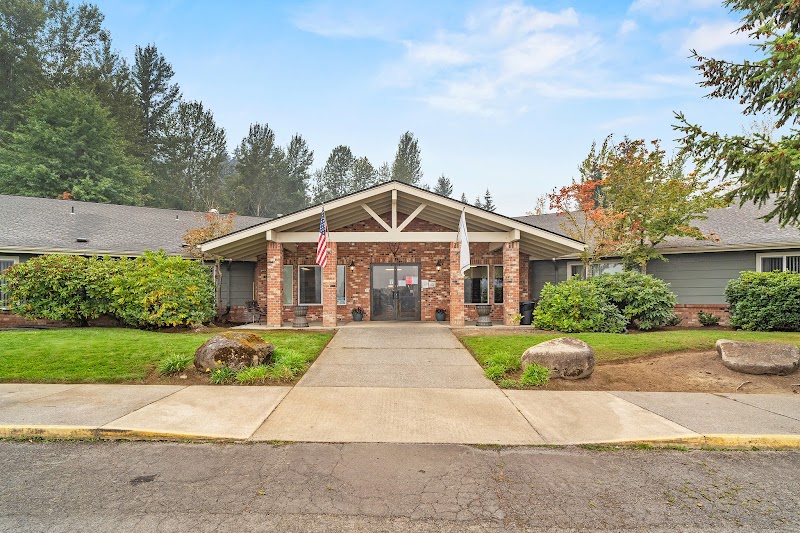
CRESWELL POST ACUTE

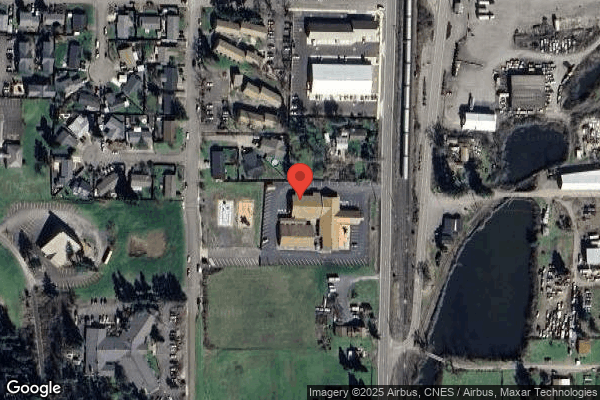
735 SOUTH 2ND STREET, CRESWELL, OR 97426 (541) 895-3333
For profit - Corporation 76 Beds PACS GROUP Data: November 2025
Trust Grade
50/100
#84 of 127 in OR
Last Inspection: August 2024

Within standard 12-15 month inspection cycle. Federal law requires annual inspections.

Overview

Creswell Post Acute has a Trust Grade of C, which means it is average, placing it in the middle of the pack for nursing homes. It ranks #84 out of 127 facilities in Oregon, indicating it is in the bottom half, and #7 out of 13 in Lane County, meaning only six local options are better. The facility is improving, with the number of reported issues decreasing from 19 in 2023 to 18 in 2024. Staffing is a strength, receiving a 4 out of 5 star rating, with a turnover rate of 43%, which is below the state average of 49%. There have been no fines, which is a positive sign, but there are concerns regarding medication administration and discharge planning, including late medication deliveries and incomplete discharge summaries for residents.

Trust Score
C
50/100
In Oregon
#84/127
Bottom 34%
Safety Record
Low Risk
No red flags
Inspections
Getting Better
19 → 18 violations
Staff Stability
○ Average
43% turnover. Near Oregon's 48% average. Typical for the industry.
Penalties
✓ Good
No fines on record. Clean compliance history, better than most Oregon facilities.
Skilled Nurses
○ Average
Each resident gets 30 minutes of Registered Nurse (RN) attention daily — about average for Oregon. RNs are the most trained staff who monitor for health changes.
Violations
⚠ Watch
38 deficiencies on record. Higher than average. Multiple issues found across inspections.
★★☆☆☆
2.0
Overall Rating
★★★★☆
4.0
Staff Levels
★★★★☆
4.0
Care Quality
★★☆☆☆
2.0
Inspection Score
Stable
2023: 19 issues
2024: 18 issues

The Good

  • 4-Star Staffing Rating · Above-average nurse staffing levels
  • 4-Star Quality Measures · Strong clinical quality outcomes
  • Full Sprinkler Coverage · Fire safety systems throughout facility
  • No fines on record
  • Staff turnover below average (43%)

    5 points below Oregon average of 48%

Facility shows strength in staffing levels, quality measures, fire safety.

The Bad

2-Star Overall Rating

Below Oregon average (3.0)

Below average - review inspection findings carefully

Staff Turnover: 43%

Near Oregon avg (46%)

Typical for the industry

Chain: PACS GROUP

Part of a multi-facility chain

Ask about local staffing decisions and management

The Ugly 38 deficiencies on record

Oct 2024 1 deficiency
CONCERN (E) 📢 Someone Reported This

A family member, employee, or ombudsman was alarmed enough to file a formal complaint

Potential for Harm - no one hurt, but risky conditions existed

Deficiency F0661 (Tag F0661)

Could have caused harm · This affected multiple residents

Based on interview and record review it was determined the facility failed to complete a discharge summary which included a final summary of the resident's status for 3 of 4 sampled residents (#s 2, 4...

Read full inspector narrative →
Based on interview and record review it was determined the facility failed to complete a discharge summary which included a final summary of the resident's status for 3 of 4 sampled residents (#s 2, 4, and 5) reviewed for discharge. This placed residents at risk for an unsafe discharge. Findings include: 1. Resident 2 was admitted to the facility in July 2024, with diagnoses including diabetes. Review of a Discharge Summary/Plan of Care form dated 8/28/24, revealed the final summary of the resident's status did not include all items consistent with the resident's most recent comprehensive assessment which included but not limited to functional abilities, urinary incontinence, psychosocial well-being, nutritional status, dental care, pressure ulcer and pain. 2. Resident 4 was admitted to the facility in July 2024, with diagnoses including heart failure. Review of a Discharge Summary/Plan of Care form dated 9/4/24, revealed the final summary of the resident's status did not include all items from the resident's most recent comprehensive assessment which included but not limited to functional abilities, urinary incontinence, psychosocial well-being, nutritional status, dental care, pressure ulcer and pain. 3. Resident 5 was admitted to the facility in June 2018, with diagnoses including dementia. Review of a Discharge Summary/Plan of Care form dated 8/26/24, revealed the final summary of the resident's status did not include all items from the resident's most recent comprehensive assessment which included but not limited to functional abilities, urinary incontinence, psychosocial well-being, nutritional status, dental care, pressure ulcer and pain. In an interview on 10/9/24 at 2:01 PM, Staff 1 (DNS) acknowledged Resident 2, 4 and 5's discharge summaries did not include a complete summary of the resident's final status on discharge.
Aug 2024 17 deficiencies
CONCERN (D) 📢 Someone Reported This

A family member, employee, or ombudsman was alarmed enough to file a formal complaint

Potential for Harm - no one hurt, but risky conditions existed

Resident Rights (Tag F0550)

Could have caused harm · This affected 1 resident

Based on interview and record review it was determined a resident was not spoken to in a dignified manner for 1 of 3 sampled residents (#47) reviewed for dignity. This placed residents at risk for lac...

Read full inspector narrative →
Based on interview and record review it was determined a resident was not spoken to in a dignified manner for 1 of 3 sampled residents (#47) reviewed for dignity. This placed residents at risk for lack of self-worth. Findings include: Resident 47 admitted to the facility in 7/2024 with a diagnosis of post-surgical procedure paraplegia. On 8/14/24 Witness 9 (Anonymous) reported to the State agency Staff 7 (CNA) would not change Resident 47's sheets and it caused Resident 47 to feel afraid and Resident 47 felt she/he had to argue to receive care. A 7/31/24 admission MDS revealed Resident 47 was cognitively intact. On 8/26/24 at 3:30 PM Resident 47 stated her/his sheets were wet from sweat and requested Staff 7 (CNA) to change the sheets. Staff 7 insisted the sheets were not wet. Resident 47 stated it was frustrating to have to always argue with staff to have care provided. Eventually the sheets were changed. On 8/28/24 at 10:31 AM Staff 2 (DNS) stated if a resident requested her/his sheets to be changed, staff should honor the request. Staff 2 stated Resident 47 reported she/he requested her/his sheets to be changed, staff left, and Resident 47 felt it took too long for staff to return. On 8/29/24 at 10:26 AM Staff 7 (CNA) stated on one occasion Resident 47 stated her/his sheets were wet from sweat and wanted the sheets changed. Staff 7 stated she checked the sheets and told resident the sheets were not wet and did not need to be changed. However, she left the room, found another CNA, returned to the resident's room, and they changed her/his sheets.
CONCERN (D)

Potential for Harm - no one hurt, but risky conditions existed

Deficiency F0552 (Tag F0552)

Could have caused harm · This affected 1 resident

Based on interview and record review it was determined the facility failed to obtain consent for an influenza vaccination for 1 of 5 sampled residents (#16) reviewed for immunizations. This placed res...

Read full inspector narrative →
Based on interview and record review it was determined the facility failed to obtain consent for an influenza vaccination for 1 of 5 sampled residents (#16) reviewed for immunizations. This placed residents and responsible parties at risk for lack of informed consent. Findings include: Resident 16 admitted to the facility in 10/2023 with diagnoses including diabetes. An 8/25/24 Quarterly MDS indicated Resident 16 was cognitively intact. An 8/29/24 review of Resident 16's immunization record revealed she/he received the influenza vaccine in the facility on 12/13/23. An 8/29/24 review of Resident 16's medical record revealed no evidence of a signed consent for the influenza vaccine received in the facility on 12/13/23. On 8/29/24 at 3:35 PM Staff 2 (DNS) stated she was unable to locate a signed consent for Resident 16's influenza vaccine received in the facility on 12/13/23. Staff 2 stated consent needed to be obtained prior to a resident receiving vaccines.
CONCERN (D)

Potential for Harm - no one hurt, but risky conditions existed

Notification of Changes (Tag F0580)

Could have caused harm · This affected 1 resident

Based on interview and record review it was determined the facility failed to notify a resident's emergency contact of a hospitalization and a resident's physician for a change of condition for 2 of 6...

Read full inspector narrative →
Based on interview and record review it was determined the facility failed to notify a resident's emergency contact of a hospitalization and a resident's physician for a change of condition for 2 of 6 sampled residents (#s 18 and 47) reviewed for hospitalization and pressure ulcers. This placed residents at risk for lack of family involvement and delayed treatment. Findings include: 1. Resident 18 admitted to the facility in 2010 with a diagnosis of delayed stomach and bowel emptying. An undated admission Record revealed Witness 5 (Family Member), Witness 6 (Family Member), and Witness 7 (Family Member) were Resident 18's emergency contacts. An 10/26/23 Progress Note revealed Resident 18 was transported to the hospital for abdominal pain, nausea, vomiting, and uncontrolled diarrhea. There was no indication any of Resident 18's emergency contacts were notified. A 7/15/24 quarterly MDS indicated Resident 18 was cognitively intact. On 8/26/24 at 4:15 PM Resident 18 stated the facility did not call her/his emergency contacts when she/he was hospitalized . On 8/28/24 at 3:20 PM Staff 3 (RNCM) verified Resident 18's family was not notified of the 10/26/23 hospitalization. 2. Resident 47 admitted to the facility in 7/2024 with a diagnosis of paralysis after spinal surgery. Progress notes revealed the following: - 8/24/24 Resident 47 reported earlier in the day when she/he was assisted to turn there was a pop to her/his back. The nurse assessed the area to have a small lump above the surgical incision. The note indicated family stated they would communicate with the spinal surgeon on 8/26/24. There was no note to indicate staff notified the resident's physician. -8/25/24 Resident 47's pain was controlled with scheduled and PRN pain medications. -8/26/24 Staff 2 (DNS) and Staff 3 (RNCM) assessed the spine and did not see a lump to back. On 8/28/24 at 10:05 AM Staff 2 and Staff 3 acknowledged the physician was not notified at the time staff identified a lump.
CONCERN (D) 📢 Someone Reported This

A family member, employee, or ombudsman was alarmed enough to file a formal complaint

Potential for Harm - no one hurt, but risky conditions existed

Deficiency F0583 (Tag F0583)

Could have caused harm · This affected 1 resident

Based on interview and record review it was determined the facility failed to respect the resident rights to deliver postal service mail unopened for 1 of 3 (#12) sampled resident reviewed for privacy...

Read full inspector narrative →
Based on interview and record review it was determined the facility failed to respect the resident rights to deliver postal service mail unopened for 1 of 3 (#12) sampled resident reviewed for privacy. This placed residents at risk for lack of privacy and confidentiality. Findings include: Resident 12 admitted to the facility in 5/2023 with a diagnosis of diabetes. A 6/11/24 admission MDS revealed Resident 12 was cognitively intact. On 8/27/24 at 9:05 AM, Resident 12 stated she/he was upset because a staff member opened her/his mail a box, which was addressed to her/him. The resident stated the box had supplements and acknowledged she/he needed a doctor's approval before taking the supplements. However, staff did not honor her/his privacy or personal property. On 8/28/24 at 12:03 PM Staff 5 (CMA) stated on 6/3/24 she opened a package addressed to Resident 12's. After shaking the box, she heard a bottle which sounded like it contained supplements or medication. Staff 5 stated she should have let the resident open the box in front of her and acknowledged she violated Resident 12's rights. On 8/28/24 at 12:31 PM Staff 14 (Activity Director) stated she delivered the mail or received assistance to delivar the mail. Staff 14 stated Staff 5 accidentally opened Resident 12's package and immediately addressed the error with Resident 12. Staff 14 stated anything addressed to a resident should be delivered unopened. Staff 14 stated if staff thought there were medications in a box, they should be present and ask if it would be okay for the resident to open her/his mail in front of the staff member. On 8/29/24 at 1:39 PM Staff 3 (RNCM) stated she was unaware a staff member opened Resident 12's mail. Staff 3 stated if mail or a package sounded like it contained supplements or medications, staff could be present when the resident opened her/his mail. Staff 3 stated staff should never open any resident's mail because it was a violation of privacy.
CONCERN (D)

Potential for Harm - no one hurt, but risky conditions existed

Grievances (Tag F0585)

Could have caused harm · This affected 1 resident

1. Resident 16 admitted to the facility in 10/2023 with diagnoses including diabetes. An 8/25/24 Quarterly MDS indicated Resident 16 was cognitively intact. On 8/27/24 at 8:32 AM Resident 16 stated he...

Read full inspector narrative →
1. Resident 16 admitted to the facility in 10/2023 with diagnoses including diabetes. An 8/25/24 Quarterly MDS indicated Resident 16 was cognitively intact. On 8/27/24 at 8:32 AM Resident 16 stated her/his cell phone was stolen a couple of months ago and she/he spent $300 to replace it. Resident 16 stated the facility did not reimburse her/him. On 8/28/24 at 11:39 AM Staff 4 (Social Services) stated she was informed by Resident 16 she/he bought a new phone because she/he lost her/his old phone. Staff 4 stated Resident 16 never filled out a grievance form and she did not complete a grievance form for Resident 16. Staff 4 stated this was a grievance and should have had a grievance form filled out and investigated. Based on interview and record review it was determined the facility failed to initiate a grievance process for 1 of 2 sampled residents (#16) reviewed for personal property. This placed residents at risk for unaddressed concerns. Findings include:
CONCERN (D)

Potential for Harm - no one hurt, but risky conditions existed

Deficiency F0625 (Tag F0625)

Could have caused harm · This affected 1 resident

**NOTE- TERMS IN BRACKETS HAVE BEEN EDITED TO PROTECT CONFIDENTIALITY** Based on interview and record review it was determined the facility failed to ensure a resident received a bed hold policy for 1...

Read full inspector narrative →
**NOTE- TERMS IN BRACKETS HAVE BEEN EDITED TO PROTECT CONFIDENTIALITY** Based on interview and record review it was determined the facility failed to ensure a resident received a bed hold policy for 1 of 2 sampled residents (#47) reviewed for hospitalization. This placed residents at risk for not being informed of their rights to return to the facility. Findings include: Resident 18 admitted to the facility in 2018 with a diagnosis of delayed emptying of the stomach and intestines. Progress Notes from 10/2023 through 8/2024 revealed Resident 18 was hospitalized on [DATE], 11/8/23, and 2/10/24. The notes did not indicate Resident 18 or her/his emergency contacts were provided a bed hold policy. On 8/29/24 at 9:23 AM Staff 4 (Social Services) stated if she was in the facility when a resident was discharged to the hospital, she ensured the resident or representative was provided a bed-hold policy. If it was after hours or on the weekend, nursing staff were to provide the policy. Staff 4 stated Resident 18 was not provided bed-hold policies at the time of the resident's hospitalizations.
CONCERN (D)

Potential for Harm - no one hurt, but risky conditions existed

Deficiency F0655 (Tag F0655)

Could have caused harm · This affected 1 resident

**NOTE- TERMS IN BRACKETS HAVE BEEN EDITED TO PROTECT CONFIDENTIALITY** Based on interview and record review it was determined the facility failed to develop a baseline care plan for 1 of 2 sampled re...

Read full inspector narrative →
**NOTE- TERMS IN BRACKETS HAVE BEEN EDITED TO PROTECT CONFIDENTIALITY** Based on interview and record review it was determined the facility failed to develop a baseline care plan for 1 of 2 sampled residents (#47) reviewed for constipation. This placed residents at risk for unmet care needs. Findings include: Resident 18 admitted to the facility on [DATE] with a diagnosis of paralysis after spinal surgery. A baseline care plan was initiated on 7/26/24 and did not include Resident 47 was to be log-rolled (ensuring the spine did not twist). The care plan was updated on 8/5/24 to include log rolling and spinal precautions, and no leg movement. An untitled therapy document form revealed on 8/5/24 therapy indicated a care plan change was made. The change indicated two staff were to assist Resident 47 for all bed mobility for log rolls, use spinal precautions, and to ensure no leg movement. A 7/31/24 admission MDS revealed Resident 47 was cognitively intact. On 8/26/24 at 3:32 PM Resident 47 stated the staff did not follow therapy directions for turning. On 8/27/24 at 1:35 PM Staff 15 (Therapy Director) stated on 8/5/24 the care plan was updated and a communication form was created. On 8/28/24 at 11:46 AM Staff 16 (Occupational Therapist) stated Resident 47 reported staff did not implement spinal precautions and staff were educated on assisting Resident 47 to turn. On 8/29/24 at 9:00 AM Staff 17 (LPN) stated if a resident had special precautions, such as transfers, the information was located in the care plan and nursing tasks. On 8/29/24 at 9:02 AM Staff 18 (CNA) stated when a resident was admitted to the facility resident specific instructions were on the care plan. On 8/29/24 at 9:27 AM Staff 19 (CNA) stated if a resident was new to the facility the resident's immediate interventions were provided verbally by the nurse. Within 24 hours the information was on their care plan. On 8/29/24 at 11:08 AM Staff 4 (RNCM) acknowledged spinal precautions were not on the baseline care plan and were not added until 8/5/24.
CONCERN (D)

Potential for Harm - no one hurt, but risky conditions existed

Deficiency F0660 (Tag F0660)

Could have caused harm · This affected 1 resident

**NOTE- TERMS IN BRACKETS HAVE BEEN EDITED TO PROTECT CONFIDENTIALITY** Based on interview and record review it was determined the facility failed to ensure safe discharge planning services for 1 of 5...

Read full inspector narrative →
**NOTE- TERMS IN BRACKETS HAVE BEEN EDITED TO PROTECT CONFIDENTIALITY** Based on interview and record review it was determined the facility failed to ensure safe discharge planning services for 1 of 5 sampled residents (#16) reviewed for unnecessary medications. This placed resident at risk for unsafe discharge. Findings include: Resident 16 admitted to the facility in 11/2023 with diagnoses including third degree burns to her/his left chest, abdomen and thigh. A review of a 11/10/23 facility discharge summary revealed Resident 16 was discharged from the facility to home on [DATE] with orders for home health, and Resident 16 had orders for daily wound care to her/his burn wounds. A review of a 11/15/23 hospital history and physical revealed Resident 16 went to the emergence room due to her/his concerns of a wound infection, inability to care for self at home and home health did not come to Resident 16's home since discharge from the facility on 11/10/23. The burn wounds on Resident 16's left chest, left abdomen and left thigh were described as having increased pain and purulent exudates (commonly referred to as pus) coming out of the wound with redness and swelling around the wounds. A review of a 11/16/23 hospital progress not stated Resident 16's burn wounds on her/his left chest, left abdomen and left thigh were infected and Resident 16 was receiving intravenous antibiotics. A review of Resident 16's 11/17/23 admission orders revealed Resident 16 was readmitted to the facility on two different antibiotics for burn wound infections. An 8/25/24 Quarterly MDS indicated Resident 16 was cognitively intact. On 8/28/24 at 11:39 AM Staff 4 (Social Services) stated home health was ordered for Resident 16 upon discharge on [DATE], but home health did not have time to see Resident 16 prior to her/him being admitted to the hospital on [DATE]. On 8/28/24 at 2:54 PM Staff 3 (RNCM) stated Resident 16 was discharged on 11/10/23 with orders for daily wound care to her/his burn wounds. Staff 3 stated, according to Resident 16, her/his roommate was supposed to assist her/him with wound care upon discharge on [DATE]. Staff 3 stated there was no evidence of wound care training completed with Resident 16 or her/his roommate. On 8/29/24 at 1:56 PM Resident 16 stated the facility discharged her/him by mistake. Resident 16 stated she/he was unable to do her/his own wound care and she/he had no family or friends that could do wound care for her/him. Resident 16 stated the facility did not talk to her/him about wound care or train her/him on wound care.
CONCERN (D)

Potential for Harm - no one hurt, but risky conditions existed

ADL Care (Tag F0677)

Could have caused harm · This affected 1 resident

Based on observation, interview, and record review it was determined the facility failed to ensure dependent residents received required assistance with ADLs for 1 of 3 sampled residents (#41) reviewe...

Read full inspector narrative →
Based on observation, interview, and record review it was determined the facility failed to ensure dependent residents received required assistance with ADLs for 1 of 3 sampled residents (#41) reviewed for ADLs. This placed resident at risk for unmet needs. Findings include: Resident 41 admitted to the facility in 1/2024 with diagnoses including diabetes. A 7/13/24 Quarterly MDS indicated Resident 41 had severe cognitive deficits. On 8/27/24 at 9:26 AM Resident 41 was observed to have dirty hair and dirty, jagged fingernails. An 8/28/24 review of shower/bathing documentation revealed the following: - On 7/26/24 shower/bathing activity did not occur due to resident refusal. - On 8/2/24 shower/bathing activity did not occur. - On 8/19/24 Resident 41 received a shower. There was no shower/bathing documentation between 8/3/24 and 8/18/24. An 8/29/24 medical record review revealed no evidence Resident 41 refused shower/bath or nail care on 7/30/24 or between 8/3/24 and 8/18/24. On 8/29/24 at 11:31 AM an observation of Resident 41's fingernails was made with Staff 18 (CNA). Staff 18 stated Resident 41's fingernails needed trimmed and cleaned. On 8/29/24 at 11:43 AM an observation of Resident 41's fingernails was made with Staff 3 (RNCM). Staff 3 stated Resident 41 needed her/his fingernails filed and cleaned. Staff 3 stated nail care should be completed with showers and as needed. On 8/29/24 at 4:01 PM Staff 3 stated Resident 41 should have received showers twice a week. Staff 3 was able to provide documentation which indicated Resident 41 refused her/his shower on 8/9/24. Staff 3 acknowledged Resident 41 should have received a shower/bath on 7/30/24, 8/2/24, 8/6/24, 8/13/24 and 8/16/24. Staff 3 confirmed there was no documentation Resident 41 refused bathing on 7/30/24, 8/2/24, 8/6/24, 8/13/24 and 8/16/24.
CONCERN (D)

Potential for Harm - no one hurt, but risky conditions existed

Deficiency F0685 (Tag F0685)

Could have caused harm · This affected 1 resident

2. Resident 3 admitted to the facility in 3/2023 with diagnoses including diabetes. Progress Notes on 7/27/24 at 6:03 PM revealed Resident 3 inquired about the status of her/his prescription glasses. ...

Read full inspector narrative →
2. Resident 3 admitted to the facility in 3/2023 with diagnoses including diabetes. Progress Notes on 7/27/24 at 6:03 PM revealed Resident 3 inquired about the status of her/his prescription glasses. A review of Resident 3's clinical record revealed no evidence staff followed up on her/his prescription glasses. In an interview on 8/26/24 at 3:51 PM Resident 3 stated she/he saw an ophthalmologist about six weeks ago and was prescribed prescription glasses. Resident 3 said she/he was told it would take about three weeks to receive the glasses, but she/he had still not received them. In an interview on 8/28/24 at 3:20 PM Staff 4 (Social Services Director) and Staff 13 (Social Services Coordinator) stated they were aware Resident 3 had an appointment with the ophthalmologist. Staff 4 provided a copy of the invoice for Resident 3's prescription glasses dated 6/13/24. Staff 4 said the glasses had to be ordered through the insurance provider and said she would be meeting with Resident 3 to complete the order. Based on observation, interview, and record review it was determined the facility failed to assist residents to obtain prescription glasses for 2 of 2 sampled residents (#s 3 and 18) reviewed for vision. This placed residents at risk for impaired vision. Findings include: 1. Resident 18 admitted to the facility in 10/2018 with bowel and stomach dysfunction. A 6/13/24 Eye Exam Summary revealed Resident 18 reported blurred distant vision and a new prescription was provided. A 7/15/24 quarterly MDS revealed Resident 18 was cognitively intact. On 8/26/24 at 4:12 PM Resident 18 stated she/he had a vision appointment, was to get new glasses, but never received her/his glasses. On 8/28/24 at 12:22 PM and 3:16 PM Staff 4 (Social Services) and Staff 20 (Social Services Coordinator) stated Resident 18 just had her/his eyes examined and they did not have the after visit summary. If Resident 18 required new glasses the facility would assist the resident to obtain new glasses. Staff 4 and Staff 20 stated they did not know a new prescription was written.
CONCERN (D) 📢 Someone Reported This

A family member, employee, or ombudsman was alarmed enough to file a formal complaint

Potential for Harm - no one hurt, but risky conditions existed

Pressure Ulcer Prevention (Tag F0686)

Could have caused harm · This affected 1 resident

Based observation, interview, and record review it was determined the facility failed to prevent pressure ulcers for 1 of 4 sampled residents (#47) reviewed for pressure ulcers. This placed residents ...

Read full inspector narrative →
Based observation, interview, and record review it was determined the facility failed to prevent pressure ulcers for 1 of 4 sampled residents (#47) reviewed for pressure ulcers. This placed residents at risk for skin injury. Findings include: Resident 47 admitted to the facility in 7/2024 with a diagnosis of paralysis after spinal surgery. A 7/25/24 admission Nursing Datbase (sic.) revealed Resident 47 did not have a pressure ulcer. A care plan was initiated on 7/26/24 indicating Resident 47 was at risk for pressure ulcers. Interventions included staff were to educate the resident and family on the requirements for positioning. 7/2024 and 8/2024 Progress Notes revealed the following: -7/26/24 Resident 47 was assisted to turn from side to side. The note did not indicate the frequency of turns. -7/27/24 no education was provided. -7/28/24 Resident 47 was assisted with bed mobility. The note did not indicate the frequency of bed mobility. -7/29/24 Resident 47 reported back incision pain and did not want to move any more than necessary. No education was provided. -7/30/24 Resident 47 was assisted to turn from side to side. The note did not indicate the frequency of turns. -7/31/24 no education was provided. -8/1/24 Resident 47 was assisted to turn from side to side. The note did not indicate the frequency of turns. -8/2/24 Resident 47 was assisted to turn from side to side. The note did not indicate the frequency of turns. -8/3/24 Resident 47 was assessed to have an open area less than a dime size on her/his sacrum. There was no additional description of the wound. Orders for wound care and an air mattress were requested. An 8/5/24 Skin Evaluation Form revealed on 8/3/24 Resident 47 was identified to have a deep tissue injury (no open area but the tissue beneath the surface was damaged; the area may be dark purple or red and could be caused by prolonged pressure and or shearing). An 8/5/24 Skin Tear/Bruise/Abrasion/Other Skin Impairment form revealed on 8/3/24 a nurse identified skin impairment to Resident 47's coccyx/sacral area. The Resident Care Manager assessed the wound to be a deep tissue injury with a moisture component observed to the center area of the ulcer. On 8/27/24 at 1:17 PM Staff 21 (CNA) stated Resident 47 was not able to turn independently and at times refused to be turned, especially on night shift. On 8/27/24 at 6:01 PM Witness 2 (Spouse) stated she/he often stayed at the facility for up to nine hours because she/he was from out of town. Witness 2 stated during her/his extended visits she did not observe staff to turn Resident 47 every two hours. On 8/28/24 at 3:10 PM Staff 11 (CMA) stated Resident 47 reported she/he was often not assisted to be turned every two hours. On 8/28/24 at 2:59 PM Staff 22 (LPN) stated Resident 47 was usually compliant with care but did not always stay on her/his side when turned. If education was provided to the resident it would be documented in the progress notes. On 8/28/24 at 11:06 AM Staff 3 (RNCM) stated when Resident 47 was first admitted to the facility the resident did not like to be turned and often was on her/his back. Staff placed pillows on each side of the resident but her/his coccyx was still on the bed. Staff 3 also stated Resident 47 liked to keep her/his head of bed elevated which placed additional pressure on her/his coccyx region. Staff 3 stated when the ulcer was first identified it was light purple with no open area. A request was made to provide documentation Resident 47 was provided risks of not turning prior to the development of a pressure ulcer. No additional information was provided On 8/29/24 at 10:26 AM Staff 6 (CNA) stated it was standard of care to turn a resident every two hours, but in reality, turning a resident every two hours could not be completed due to lack of time.
CONCERN (D)

Potential for Harm - no one hurt, but risky conditions existed

Deficiency F0688 (Tag F0688)

Could have caused harm · This affected 1 resident

Based on observation, interview, and record review it was determined the facility failed to provide a splint for 1 of 2 sampled residents (#2) reviewed for mobility. This placed residents at risk for ...

Read full inspector narrative →
Based on observation, interview, and record review it was determined the facility failed to provide a splint for 1 of 2 sampled residents (#2) reviewed for mobility. This placed residents at risk for worsening contractures. Findings include: Resident 2 admitted to the facility in 3/2010 with a diagnosis of cancer. Occupational Therapy Treatment Encounter Note dated 5/9/24 revealed staff obtained measurements for Resident 2's right finger splint to treat a contracture. An Occupational Therapy Discharge Summary form dated 6/27/24 revealed Resident 2 tolerated the right finger splint for approximately one hour. A care plan last revised on 7/5/24 did not include Resident 2 required a right finger splint. A 7/24/24 physician appointment note revealed Resident 2 was seen for right finger swelling and redness. The note indicated Resident 2 had a right finger contracture and a hand therapy referral for a finger splint was made. On 8/26/24 at 2:46 PM Witness 1 (Family) stated Resident 2 was not able to straighten her/his finger, needed a splint, but did not have one. On 8/27/24 at 1:59 PM Resident 2 was observed without a finger splint. On 8/29/24 at 12:21 PM Staff 4 (Social Services) stated she made appointments for referrals to outside providers. Staff stated she was not aware of the need for a hand therapist or splint. On 8/29/24 at 12:39 PM Staff 15 (Therapy Director) stated Resident 2 had an assessment for a contracture of the right finger and a splint was ordered. In 6/2024 at the end of therapy, Resident 2 was documented to tolerate one hour of splint use. On 8/29/24 at 12:47 PM Staff 23 (CNA) stated if a resident was to wear a splint it was on the care plan. Staff 23 stated she was familiar with Resident 23 and she/he did not have a splint. On 8/29/24 at 12:50 PM Staff 5 (CMA) stated she never saw Resident 2 wear a finger splint. On 8/29/24 at 12:56 PM Staff 24 (CNA) stated she never applied a splint to Resident 2's finger. On 8/29/24 at 1:22 PM Staff 3 (RNCM) stated Resident 2 should have a splint in her/his room because Staff 3 helped order one. Staff 3 acknowledged the splint was not on Resident 2's care plan.
CONCERN (D) 📢 Someone Reported This

A family member, employee, or ombudsman was alarmed enough to file a formal complaint

Potential for Harm - no one hurt, but risky conditions existed

Accident Prevention (Tag F0689)

Could have caused harm · This affected 1 resident

Based on interview and record review it was determined the facility failed to provide supervision during an outing involving alcohol for 1 of 1 sampled resident (#43) reviewed for change of condition....

Read full inspector narrative →
Based on interview and record review it was determined the facility failed to provide supervision during an outing involving alcohol for 1 of 1 sampled resident (#43) reviewed for change of condition. This placed residents at risk for accidents. Findings include: Resident 43 admitted to the facility in 2/2024 with diagnoses including alcohol use. A 6/1/24 Quarterly MDS indicated Resident 43 had moderate cognitive impairment. A review of a 7/30/24 progress note written at 2:26 PM revealed Resident 43 returned from an outing fatigued with a decreased level of responsiveness, was diaphoretic, had abnormal vitals signs and EMTs were called. A review of a 7/30/24 progress note written at 2:43 PM revealed Resident 43 returned to baseline after the EMTs arrived to the facility and refused to go to the hospital. Resident 43 reported he consumed four beers while out of the facility on an outing. An 8/2/24 public complaint alleged the facility failed to ensure resident safety regarding alcohol consumption during an outing and the facility failed to notify the resident representative in a timely manner regarding the resident's change of condition. An 8/7/24 public complaint alleged the facility failed to ensure the resident's safety during a community outing. An 8/14/24 public compliant alleged the facility failed to ensure a safe environment for the resident while on an outing with staff. An investigation dated 8/16/24 revealed two staff members, Staff 26 (Staffing Coordinator) and Staff 25 (HR), took Resident 43 to the river to go rock hunting. Orders were received for Resident 43 to have up to 12 ounces of beer while on the outing. Upon arrival to the river, Staff 26 gave one 12-ounce can of beer that she/he spilled; Resident 43 drank half to three quarters of this beer before it was spilled. Staff 26 gave another 12-ounce beer to Resident 43. Staff 26 and Staff 25 were in the river rock hunting and Resident 43 was on the riverbank with Staff 25's son. Staff 25's son obtained the rest of the beers in the vehicle per Resident 43's request. Staff 26 and Staff 25 stated they were unaware Resident 43 drank more beers than what Staff 26 gave to her/him. Resident 43 stated he drank three and a half 12-ounce beers in total. Upon return to the facility Staff 26 and Staff 25 stated Resident 43's nurse was not notified of her/his consumption of more than the physician ordered limit of 12-ounces of beer. Resident 43 went back to her/his room, staff noticed her/his change of condition and called the EMTs. Resident 43 was back to baseline when the EMTs arrived and she/he declined to go to the hospital. On 8/29/24 at 11:53 AM Staff 25 stated Resident 43 asked her a week before they went to the river to go rock hunting she/he wanted a beer. Orders for the beer were obtained by Staff 2 (DNS). Staff 25 stated when they arrived at the river Resident 43 was given a beer, which spilled, and Staff 26 gave her/him another one. Staff 25 stated she and Staff 26 went into the river to rock hunt and Resident 43 stayed on the riverbank. Staff 25 stated she and Staff 26 were supervising Resident 43, but she was unaware Resident 43 drank more than the beer Staff 26 gave her/him, and she was unaware her son brought the rest of the beers down to the river. Staff 25 stated her son was unaware how many beers Resident 43 could drink. Staff 25 stated they became aware of how many beers were consumed when they were cleaning up and heading back to the facility. Staff 25 stated Resident 43 consumed 2 to 3 beers, but she was unsure. Staff 25 stated Staff 26 brought Resident 43 into the facility. Staff 25 stated she did not inform anyone how many beers Resident 43 drank. On 8/28/24 at 12:07 PM Staff 26 stated she verified the order with Resident 43's provider prior to the outing at the river. Staff 26 stated the provider ordered for Resident 43 to have no more than 12 ounces of beer. Staff 26 stated she and Staff 25 were supervising Resident 43, but she was unaware Resident 43 consumed more beers than what was provided. Staff 26 stated she was unaware how many beers Resident 43 drank, but thought she/he had two 12-ounce beers and maybe a sip of another can. Staff 26 stated she brought Resident 43 back into the facility after the outing and informed the nurse Resident 43 would need a change of clothes, a shower, and a nap. Staff 26 stated she did not inform the nurse how many beers Resident 43 consumed. On 8/29/24 at 12:16 PM Staff 2 stated she received orders for Resident 43 to consume up to 12 ounces of beer on the outing to the river and both Staff 26 and Staff 25 were aware of the order. Staff 2 stated Staff 25's son gave Resident 43 more beers and Resident 43 consumed three and a half 12-ounce cans of beer. Staff 2 stated Staff 26 and Staff 25 did not inform anyone of how many beers Resident 43 consumed upon return to the facility. Staff 2 confirmed Resident 43 was supposed to have been supervised by Staff 26 and Staff 25, but they were unaware of how many beers Resident 43 drank.
CONCERN (D)

Potential for Harm - no one hurt, but risky conditions existed

Unnecessary Medications (Tag F0759)

Could have caused harm · This affected 1 resident

Based on observation, interview and record review it was determined the facility failed to maintain a medication error rate of less than five percent. There were 2 errors in 39 opportunities resulting...

Read full inspector narrative →
Based on observation, interview and record review it was determined the facility failed to maintain a medication error rate of less than five percent. There were 2 errors in 39 opportunities resulting in a 5.13 percent error rate. This placed residents at risk for adverse medication side effects. Findings include: Resident 301 admitted to the facility in 8/2024 with diagnoses including chronic pancreatitis (difficulty with food digestion) and chronic obstructive pulmonary disease. Resident 310's 8/2024 Physician Orders included the following: - Creon Oral Capsule Delayed Release (releases food digesting enzymes) 6000-19000 unit, administer three times a day with meals at 8:00 AM, 12:00 PM, and 5:30 PM. - Advair Diskus Inhalation Aerosol Powder Breath Activated (prevents shortness of breath) 250-50mcg/act, administer twice a day at 8:00 AM and 5:00 PM. Resident 301 was to rinse mouth and spit after inhalation to prevent oral thrush. On 8/28/24 from 9:23 AM to 9:38 AM Staff 5 (CMA/CNA) administered Resident 301's medications after breakfast which included Creon and Advair Diskus Inhalation. During the medication administration observation Staff 5 did not have Resident 301 rinse her/his mouth and spit out the liquid. On 8/28/24 at 12:28 PM Staff 2 (DNS) stated she expected staff to administer medications per physician order and at the physician ordered time. On 8/28/24 at 12:53 PM Staff 5 stated the Creon was not administered at the provider ordered time of 8:00 AM, and Resident 301 did not rinse and spit after her/his Advair Diskus inhalation.
CONCERN (D)

Potential for Harm - no one hurt, but risky conditions existed

Deficiency F0847 (Tag F0847)

Could have caused harm · This affected 1 resident

Based on interview and record review it was determined the facility failed to ensure a resident understood an arbitration agreement for 1 of 3 sampled residents (#47) reviewed for arbitration. This pl...

Read full inspector narrative →
Based on interview and record review it was determined the facility failed to ensure a resident understood an arbitration agreement for 1 of 3 sampled residents (#47) reviewed for arbitration. This placed residents at risk for loss of legal rights. Findings include: Resident 47 admitted to the facility in 7/2024 with a diagnosis of diabetes. A 7/31/24 admission MDS revealed Resident 47 was cognitively intact. A Patient and Facility Arbitration Agreement revealed Resident 47 signed the agreement on 7/25/24. On 8/28/24 at 3:29 PM Resident 47 stated she/he did not recall signing anything regarding an arbitration agreement. The resident stated she/he was so drugged up and no one followed up with her/him regarding an arbitration agreement. On 8/29/24 at 10:43 AM Staff 3 (Social Service Director) stated she was responsible for all admission paperwork, including arbitration agreements. Staff 3 stated she explained the arbitration agreement, it's meaning, and the option to sign the arbitration agreement or not. Staff 3 stated she did not follow up with residents after they signed the arbitration agreement, considering it a one-time task. Staff 3 acknowledged she did not follow up with Resident 47 regarding the arbitration agreement.
CONCERN (E) 📢 Someone Reported This

A family member, employee, or ombudsman was alarmed enough to file a formal complaint

Potential for Harm - no one hurt, but risky conditions existed

Quality of Care (Tag F0684)

Could have caused harm · This affected multiple residents

5. Resident 4 admitted to the facility in 5/2023 with diagnoses including a brain tumor and epilepsy (a seizure disorder). A review of Resident 4's 8/28/24 Medication Admin Audit Report revealed the ...

Read full inspector narrative →
5. Resident 4 admitted to the facility in 5/2023 with diagnoses including a brain tumor and epilepsy (a seizure disorder). A review of Resident 4's 8/28/24 Medication Admin Audit Report revealed the following: -Staff were to administer levothyroxine sodium (endocrine medication) at 7:00 AM, but the levothyroxine was not administered until 8:45 AM (one hour and 45 minutes late). -Staff were to administer apixaban (blood thinner) at 10:00 AM, but the apixaban was not administered until 11:42 AM (one hour 42 minutes late). -Staff were to administer lacosamide (anti-seizure medication) at 10:00 AM, but the lacosamide was not administered until 11:41 AM (one hour and 41 minutes late). -Staff were to administer baclofen (muscle spasm medication) at 10:00 AM, but the baclofen was not administered until 11:42 AM (one hour and 42 minutes late). -Staff were to administer levetiracetam (anti-seizure medication) at 10:00 AM, but the levetiracetam was not administered until 11:42 AM (one hour and 42 minutes late). -Staff were to administer pregabalin (nerve pain medication) at 10:00 AM, but the pregabalin was not administered until 11:41 AM (one hour and 41 minutes late). On 8/28/24 at 12:53 PM Staff 5 (CMA/CNA) verified there were multiple late medications for the 8/28/24 AM medication administration. She stated she was the only person responsible for passing all the resident medications and she struggled to administer medications on time due to high resident acuity. On 8/28/24 at 12:28 PM Staff 2 (DNS) stated the facility had flex and scheduled medication administration times and the expectation was all medications were administered at those times. On 8/28/24 at 3:05 PM Staff 8 (RN) stated multiple residents complained regarding late medications on day shift. 6. Resident 8 admitted to the facility in 7/2024 with diagnoses including stroke and chronic obstructive pulmonary disease. A review of Resident 8's 8/28/24 Medication Admin Audit Report revealed the following: -Staff were to administer acetaminophen (pain medication) at 8:00 AM, but the acetaminophen was not administered until 11:17 AM (three hours and 17 minutes late). On 8/28/24 at 12:53 PM Staff 5 (CMA/CNA) verified there were multiple late medications for the 8/28/24 AM medication administration. She stated she was the only person responsible for passing all the resident medications and she struggled to administer medications on time due to high resident acuity. On 8/28/24 at 12:28 PM Staff 2 (DNS) stated the facility had flex and scheduled medication administration times and the expectation was all medications were administered at those times. On 8/28/24 at 3:05 PM Staff 8 (RN) stated multiple residents complained regarding late medications on day shift. 7. Resident 13 admitted to the facility in 6/2024 with diagnoses including chronic obstructive pulmonary disease and arthritis. A review of Resident 13's 8/28/24 Medication Admin Audit Report revealed the following: -Staff were to administer metoprolol tartrate (blood pressure medication) at 8:00 AM, but the metoprolol tartrate was not administered until 11:19 AM (3 hours and 19 minutes late). -Staff were to administer Oxycodone HCL (opioid pain medication) at 8:00 AM, but the Oxycodone HCL was not administered. This medication was scheduled every four hours and the last dose was administered at 4:00 AM on 8/28/24. -Staff were to administer gabapentin (nerve pain medication) at 8:00 AM, but the gabapentin was not administered. This medication was scheduled for every eight hours. On 8/28/24 at 12:53 PM Staff 5 (CMA/CNA) verified there were two medications not given (Oxycodone and gabapentin), and multiple late medications for the 8/28/24 AM medication administration. She stated she was the only person responsible for passing all the resident medications and she struggled to administer medications on time due to high resident acuity. On 8/28/24 at 12:28 PM Staff 2 (DNS) stated the facility had flex and scheduled medication administration times and the expectation was all medications were administered at those times. On 8/28/24 at 3:05 PM Staff 8 (RN) stated multiple residents complained regarding late medications on day shift. 8. Resident 41 admitted to the facility in 2/2024 with diagnoses including diabetes and chronic kidney disease. An 8/28/24 Medication Admin Audit Report of Resident 41's AM medication administration revealed the following: -Staff were to administer metformin HCL (diabetic medication) at 8:00 AM, but the metformin HCL was not administered until 11:35 AM (three hours and 35 minutes late). On 8/28/24 at 12:53 PM Staff 5 (CMA/CNA) verified there were multiple late medications for the 8/28/24 AM medication administration. She stated she was the only person responsible for passing all the resident medications and she struggled to administer medications on time due to high resident acuity. On 8/28/24 at 12:28 PM Staff 2 (DNS) stated the facility had flex and scheduled medication administration times and the expectation was all medications were administered at those times. On 8/28/24 at 3:05 PM Staff 8 (RN) stated multiple residents complained regarding late medications on day shift. 9. Resident 203 admitted to the facility in 5/2024 with diagnoses including sepsis (severe infection) and chronic pain syndrome. An 8/28/24 Medication Admin Audit Report of Resident 203's AM medication administration revealed the following: -Staff were to administer gabapentin (nerve pain medication) at 8:00 AM, but the gabapentin was not administered until 9:38 AM (one hour and 38 minutes late). -Staff were to administer apixaban (blood thinner) at 8:00 AM, but the apixaban was not administered until 9:37 AM (one hour and 37 minutes late). -Staff were to administer acetaminophen (pain medication) at 8:00 AM, but the acetaminophen was not administered until 9:37 AM (one hour and 37 minutes late). -Staff were to administer Oxycontin (opioid pain medication) at 8:00 AM, but the Oxycontin was not administered until 9:38 AM (one hour and 38 minutes late). This medication was scheduled for every 8 hours. On 8/28/24 at 12:53 PM Staff 5 (CMA/CNA) verified there were multiple late medications for the 8/28/24 AM medication administration. She stated she was the only person responsible for passing all the resident medications and she struggled to administer medications on time due to high resident acuity. On 8/28/24 at 12:28 PM Staff 2 (DNS) stated the facility had flex and scheduled medication administration times and the expectation was all medications were administered at those times. On 8/28/24 at 3:05 PM Staff 8 (RN) stated multiple residents complained regarding late medications on day shift. 4. Resident 14 admitted to the facility 2/2022 with diagnoses including chronic obstructive pulmonary disease. A review of a nursing Progress Note dated 4/11/24 at 7:56 PM revealed Staff 10 (LPN) noted a discrepancy in the Medication Administration Record and the Narcotics Log and said she believed the resident was given oxycodone instead of methadone for pain that morning. A review of the Medication Error report completed by Staff 10 on 4/11/24 revealed Staff 12 administered oxycodone to Resident 14 during the morning medication pass instead of methadone. Staff 12 correctly completed the Narcotics Log for oxycodone but entered methadone in the Medication Administration Report. On 8/29/24 at 1:04 PM Staff 11 (CMA) stated she noted the discrepancy in the Narcotics Log while administering methadone to Resident 14 during her afternoon medication pass on 4/11/24, and reported the discrepancy to Staff 10. On 8/29/24 at 1:17 PM Staff 12 (CMA) stated she did not recall administering the wrong medication to Resident 14 on 4/11/24. On 8/29/24 at 3:47 PM Staff 10 stated Staff 11 alerted her of the discrepancy in the Medication Administration Record the afternoon of 4/11/24, and informed her Resident 14 was likely administered oxycodone instead of methadone during morning medication pass. Staff 10 stated Resident 14 had no adverse side effects from receiving oxycodone. On 8/29/24 at 3:53 PM Staff 2 (DNS) stated she was aware of the medication error on 4/11/24 regarding Resident 14. Staff 2 stated she expected staff to ensure they followed physician orders and verify residents received the correct medications. 3. Resident 43 admitted to the facility in 2/2024 with diagnoses including alcohol use. A 6/1/24 Quarterly MDS indicated Resident 43 had moderate cognitive impairment. A review of a 7/30/24 progress note written at 2:26 PM revealed Resident 43 returned from an outing fatigued with a decreased level of responsiveness, was diaphoretic, had abnormal vitals signs and EMTs were called. A review of a 7/30/24 progress note written at 2:43 PM revealed Resident 43 returned to baseline after the EMTs arrived to the facility and refused to go to the hospital. Resident 43 reported he consumed four beers while out of the facility on an outing. An 8/2/24 public complaint alleged the facility failed to ensure resident safety regarding alcohol consumption during an outing and the facility failed to notify the resident representative in a timely manner regarding the resident's change of condition. An 8/7/24 public complaint alleged the facility failed to ensure the resident's safety during a community outing. An 8/14/24 public compliant alleged the facility failed to ensure a safe environment for the resident while on an outing with staff. An investigation dated 8/16/24 revealed two staff members, Staff 26 (Staffing Coordinator) and Staff 25 (HR), took Resident 43 to the river to go rock hunting. Orders were received for Resident 43 to have 12 ounces of beer while on the outing. Upon arrival to the river, Staff 26 gave one 12-ounce can of beer that she/he spilled; Resident 43 drank half to three quarters of this beer before it was spilled. Staff 26 gave another 12-ounce beer to Resident 43. Staff 26 and Staff 25 were in the river rock hunting, and Resident 43 was on the riverbank with Staff 25's son. Staff 25's son obtained the rest of the beers from the vehicle per Resident 43's request. Staff 26 and Staff 25 stated they were unaware Resident 43 drank more beers than beers Staff 26 gave to her/him. Resident 43 stated he drank three and a half 12-ounce beers in total. Upon return to the facility Staff 26 and Staff 25 stated Resident 43's nurse was not notified of her/his consumption of more than the 12-ounces of beer allowed by the physician order. Resident 43 went back to her/his room, staff noticed her/his change of condition and called EMTs. Resident 43 was back to baseline when the EMTs arrived and she/he declined to go to the hospital. On 8/29/24 at 11:53 AM Staff 25 stated Resident 43 asked her a week before they went to the river to go rock hunting she/he wanted a beer. Orders for the beer were obtained by Staff 2 (DNS). Staff 25 stated when they arrived at the river Resident 43 was given a beer which spilled and Staff 26 gave her/him another one. Staff 25 stated she and Staff 26 went into the river to rock hunt and Resident 43 stayed on the riverbank. Staff 25 stated she and Staff 26 were supervising Resident 43, but she was unaware Resident 43 drank more than the beer Staff 26 gave her/him and she was unaware of her son getting the rest of the beers and bringing them down to the river. Staff 25 stated her son was unaware of how many beers Resident 43 could drink. Staff 25 stated they became aware how many beers were consumed when they were cleaning up and heading back to the facility. Staff 25 stated Resident 43 drank 2 to 3 beers but she was unsure. Staff 25 stated Staff 26 brought Resident 43 into the facility. Staff 25 stated she did not inform anyone how many beers Resident 43 drank. On 8/28/24 at 12:07 PM Staff 26 stated she verified the order with Resident 43's provider prior to the outing at the river. Staff 26 stated the provider stated she gave orders for Resident 43 to have 12 ounces of beer. Staff 26 stated she and Staff 25 were supervising Resident 43 but she was unaware Resident 43 consumed more beers than what she provided to her/him. Staff 26 stated she was unaware how many beers Resident 43 consumed but thought she/he had two 12-ounce beers and maybe a sip of another can. Staff 26 stated she brought Resident 43 back into the facility after the outing and informed the nurse Resident 43 needed a change of clothes, a shower and a nap. Staff 26 stated she did not inform the nurse how many beers Resident 43 consumed. On 8/29/24 at 12:16 PM Staff 2 stated she received orders for Resident 43 to consume 12 ounces of beer on the outing to the river, and both Staff 26 and Staff 25 were aware of the order. Staff 2 stated Staff 25's son gave Resident 43 more beers and Resident 43 consumed three and a half 12-ounce cans of beer. Staff 2 stated Staff 26 and Staff 25 did not inform anyone how many beers Resident 43 consumed upon return to the facility. Staff 2 confirmed Resident 43's physician orders were not followed. Resident 43 should have had no more than one 12-ounce can of beer and Staff 26 and Staff 25 should have informed Resident 43's nurse how many beers Resident 43 consumed so the nurse could inform the provider. Based on observation, interview, and record review it was determined the facility failed to follow physician orders, provide bowel care, and administer medications timely for 9 of 12 sampled residents (#s 2, 4, 8, 13, 14, 41, 43, 47, 203) reviewed for change of condition, restraints, pain, bowel care, and medication pass. This placed residents at risk for ineffective interventions. Findings include: 1. Resident 2 admitted to the facility in 3/2010 with a diagnosis of cancer. A care plan initiated in 2020 revealed Resident 2's bed had bed rails to improve bed mobility. On 8/26/24 at 2:47 PM Witness 1 (Family Member) stated Resident 2 used mobility bars to assist with bed mobility, the facility removed the bars, and she was not informed the reason the mobility bars were removed. On 8/27/24 at 1:59 PM Resident 2 was observed in bed. The bed did not have bed rails. On 8/27/24 at 2:46 PM Staff 3 (RNCM) stated Resident 2's original bed was replaced with a new bed and the rails were not transferred to the new bed. 2. Resident 47 admitted to the facility in 7/2024 with a diagnosis of paralysis after spinal surgery. a. A care plan initiated on 7/25/24 revealed Resident 47 was at risk for constipation. Interventions included: -Staff were to monitor Resident 47 for constipation. Symptoms to monitor included nausea, vomiting, and abdominal distention. -Provide non-pharmacological interventions. -Provide medications to relieve constipation. Resident 47's 7/2024 and 8/2024 Documentation Survey Report revealed: -7/27/24 day shift Resident 47 had a bowel movement. -7/28/24 no bowel movement. -7/29/24 no bowel movement. -7/30/24 no bowel movement. -7/31/24 no bowel movement. -8/1/24 day shift Resident 47 had a small bowel movement. A 7/2024 MAR revealed on 7/30/24 Resident 47 received Milk of Magnesia (laxative) which was documented as effectiveness unknown. No additional laxatives were administered. An 8/2024 MAR revealed on 8/1/24 Resident 47 was administered Milk of Magnesia and sennoside (laxative) and the medication was effective. 7/2024 Progress Notes revealed no assessments of the resident's bowel status or abdomen. On 8/28/24 at 9:56 AM Staff 5(CMA) stated every morning she looked at the bowel report. If a resident did not have a bowel movement in two days, on the third day bowel care was provided. If a resident refused a medication the nurse was notified. On 8/28/24 at 10:11 AM Staff 2 (DNS) stated if a resident was constipated and a medication was not effective, additional interventions should be provided and documented in the progress notes. Staff 2 acknowledged there were no assessments in the progress notes and staff did not provide additional interventions prior to 8/1/24. b. Resident 47's 7/2024 and 8/2024 MARs revealed she/he was to be administered hydromorphone (narcotic pain medication) every four hours at 1200 AM, 4:00 AM, 8:00 AM, 12:00 PM, 4:00 PM and 8:00 PM. Medications were administered one hour or later on the following dates and times: -7/25/24 12:00 dose -7/27/24 8:00 AM dose -8/3/24 4:00 PM dose -8/4/24 4:00 PM dose -8/8/24 12:00 AM dose -8/9/24 8:00 PM dose -8/13/24 4:00 AM dose -8/15/24 8:00 PM dose -8/17/24 12:00 AM dose -8/20/24 12:00 MA dose -8/25/24 4:00 PM dose On 8/27/24 at 1:25 PM Staff 5 (CMA) stated it was difficult to pass the medications, especially in the morning, to 50 residents. Staff 5 also stated at times it was hard to administer Resident 47 her/his medications at the scheduled times and Resident 47 did not like to wait for her/his medications. On 8/28/24 at 10:25 AM Staff 2 (DNS) acknowledged there were multiple days when Resident 47's medications were administered more than one hour after the scheduled time.
CONCERN (E)

Potential for Harm - no one hurt, but risky conditions existed

Deficiency F0761 (Tag F0761)

Could have caused harm · This affected multiple residents

**NOTE- TERMS IN BRACKETS HAVE BEEN EDITED TO PROTECT CONFIDENTIALITY** Based on observation, interview and record review it was determined the facility failed to ensure proper storage and labeling of...

Read full inspector narrative →
**NOTE- TERMS IN BRACKETS HAVE BEEN EDITED TO PROTECT CONFIDENTIALITY** Based on observation, interview and record review it was determined the facility failed to ensure proper storage and labeling of medication and biologicals for 1 of 2 treatment carts and 1 of 1 medication and biologicals refrigerator reviewed for biologicals and medication storage. This placed residents at risk for reduced efficacy of medication, inaccurate tuberculosis testing, and decreased vaccine efficacy. Findings include: During an audit of the South Hall treatment cart with Staff 8 (RN) on [DATE] at 3:50 PM, an open vial of Insulin Glargine dated [DATE] was observed in the cart. Staff 8 examined the vial and confirmed the date on the vial was over 28 days and it should have been discarded. While conducting an audit of the medication and biologicals refrigerator on [DATE] at 11:14 AM with Staff 9 (LPN) an open and undated multi-dose vial of tuberculin solution (a solution used in testing for Tuberculosis), and multiple closed vials of Spikevax (COVID - 19 vaccine) with an expiration date of [DATE] were found in a basket on a shelf. Staff 9 verified there was no open date on the tuberculin and placed it in the sharps container (plastic container designed to safely hold needles and other sharps). Staff 9 verified the vials of Spikevax were expired and stated the facility was waiting for the pharmacy to exchange them for viable vaccines. The tuberculin manufacturer package insert, revised 6/2010, indicated the tuberculin vial was to be discarded 30 days after opening. On [DATE] at 2:11 PM Staff 3 (RNCM) stated the expectation was for all medications to have an open date, the insulin and tuberculin to be put in the sharps container when expired, and for the Spikevax vaccines to be labeled as do not use and returned to the pharmacy.
Sept 2023 7 deficiencies
CONCERN (D) 📢 Someone Reported This

A family member, employee, or ombudsman was alarmed enough to file a formal complaint

Potential for Harm - no one hurt, but risky conditions existed

Free from Abuse/Neglect (Tag F0600)

Could have caused harm · This affected 1 resident

Based on interview and record review it was determined the facility failed to ensure residents were free from verbal abuse for 2 of 3 sampled residents (#s 4 and 5) reviewed for abuse. This placed res...

Read full inspector narrative →
Based on interview and record review it was determined the facility failed to ensure residents were free from verbal abuse for 2 of 3 sampled residents (#s 4 and 5) reviewed for abuse. This placed residents at risk for abuse. Findings include: 1. Resident 4 was admitted to the facility in 2020 with diagnoses including stroke. An 8/19/23 FRI indicated on 8/18/23 Resident 4 and Resident 5 were in the dining room having a conversation. Resident 5 suddenly started yelling at Resident 4, and called her/him and asshole and mother fucker. Staff 11 (CNA) and Staff 12 (CNA) witnessed the incident and attempted to redirect Resident 5 but had a difficult time calming her/him down. An 8/19/23 Incident Investigation revealed Resident 4 and Resident 5 were in the dining room for dinner on 8/18/23 and were having a conversation while waiting for dinner. Resident 5 started to yell at Resident 4 and called her/him an asshole and a mother fucker. The CNA attempted to redirect Resident 5 but had a difficult time calming her/him down. Neither resident wanted to leave the dining room table at which they were both seated. The investigation concluded the verbal resident to resident altercation occurred between Resident 5 to Resident 4. On 9/15/23 at 10:10 AM Staff 12 stated she observed the incident on 8/18/23 and both Resident 4 and Resident 5 were waiting for dinner. Resident 5 became inpatient waiting for her/his meal and called Resident 4 a mother fucker. Neither resident wanted to move from their table. On 9/15/23 at 10:54 AM Staff 2 (DNS) and Staff 24 (RCM-LPN) stated verbal abuse by Resident 5 to Resident 4 was substantiated during the facility investigation. 2. Resident 5 admitted to the facility in 2022 with delusional disorders and dementia. An 8/30/23 Incident Investigation revealed Resident 7 and Resident 5 were sitting in the dining room and Resident 5 was joking with a CNA. The CNA stated to Resident 7 what are you looking at? and in a joking tone Resident 7 stated I am looking at you. Resident 5 thought Resident 7 was looking at her/him and stated, Why are you looking at me? Resident 7 stated [Resident 5] if you don't shut the fuck up, I'm going to beat you up. A CNA intervened immediately and was able to redirect Resident 5 away from the table. The facility substantiated the verbal altercation between Resident 7 to Resident 5. An 8/31/23 FRI revealed Resident 7 told Resident 5 she/he was going to beat her/him up if she/he did not shut the fuck up. Resident 5 was upset after the incident and told staff that Resident 7 hurt her/his feelings. On 9/13/23 at 10:50 AM Staff 6 (CNA) stated she was in the dining room on 8/30/23 and Resident 7 and Resident 5 were sitting by each other. Resident 7 was chatting and then she/he became upset and told Resident 5 she/he was going to beat her/him up. On 9/15/23 at 10:06 AM Resident 7 stated nothing happened between Resident 5 and her/him. Resident 5 and Resident 7 got in a bit of an argument and Resident 5 had an attitude. On 9/15/23 at 10:55 AM Staff 2 (DNS) and Staff 24 (LPN-RCM) stated verbal abuse by Resident 7 to Resident 5 was substantiated during the facility investigation.
CONCERN (D) 📢 Someone Reported This

A family member, employee, or ombudsman was alarmed enough to file a formal complaint

Potential for Harm - no one hurt, but risky conditions existed

Quality of Care (Tag F0684)

Could have caused harm · This affected 1 resident

Based on interview and record review it was determined the facility failed to follow physician's orders for 1 of 3 sampled residents (#6) reviewed for catheter. This placed residents at risk for ineff...

Read full inspector narrative →
Based on interview and record review it was determined the facility failed to follow physician's orders for 1 of 3 sampled residents (#6) reviewed for catheter. This placed residents at risk for ineffective treatment of her/his infection. Findings include: When Vancomycin (an antibiotic medication used to treat several bacterial infections) was used in the treatment of infections, drug monitoring (a Vancomycin trough) is required to establish the concentration of medication in the blood just prior to administration of the next dose. This allows for adjustments to the prescribed dosage by the physician or pharmacist. If Vancomycin concentration in the blood is below therapeutic levels, the result is an ineffective treatment of infection with serious potential consequences. If the concentration is above therapeutic levels it can result in Vancomycin toxicity which can lead to serious consequences including acute renal (kidney) failure. Resident 6 was admitted to the facility in 2023 with diagnoses including methicillin resistant staphylococcus aureus (MRSA a bacterium which is resistant to certain antibiotics) infection. a. An 8/8/23 hospital Discharge Orders Report instructed staff to administer Vancomycin oral solution by mouth daily for 15 days. The report also instructed staff to administer IV medication Vancomycin every 12 hours and for the pharmacy to keep trough levels between 15 and 20 and to send the lab results to the physician. An 8/8/23 Pharmacist Communication Pharmacy Monitoring CPA on File Ongoing Vancomycin Monitoring form indicated Resident 6's Vancomycin trough was 16.8 as of 8/8/23. The target goal was ten to 15. The form indicated to continue the current Vancomycin order with the next Vancomycin trough and basic metabolic panel (BMP, a test which measures eight different substances in the blood) was due on 8/11/23 thirty minutes prior to the Vancomycin dose time. An 8/11/23 Internal medicine Nurse Practitioner Progress Notes indicated the plan was to stop antibiotics on 8/23/23, okay to draw Vancomycin trough as stat (immediately), and weekly labs as ordered. Resident 6 was placed on IV Vancomycin, oral ciprofloxacin (an antibiotic medication used to treat several bacterial infections) and oral Vancomycin due to her/his history of clostridioides difficile (C. diff., an infection of the large intestine). It was recommended Resident 6 receive daily oral Vancomycin for the duration of her/his systemic antibiotics and to prevent another episode of C-diff. The Nurse Practitioner Progress Notes also indicated Nursing issues- lab is here. Vancomycin trough was drawn at incorrect time. Need orders clarified for new draw. An 8/15/23 Pharmacist Communication Pharmacy Monitoring CPA on File Ongoing Vancomycin Monitoring form indicated Resident 6's Vancomycin trough was 12.8 as of 8/15/23 at 8:50 AM and the Vancomycin level was drawn late. The form also indicated to continue the Vancomycin order with the next Vancomycin trough and BMP due on 8/17/23 thirty minutes prior to the dose time. On 8/18/23 faxes from the pharmacy indicated the following: -2:03 PM the pharmacy was refaxing the most recent request for Vancomycin trough and BMP as it was supposed to be completed on 8/17/23. The fax also indicated to please attempt to complete labs as soon as possible and fax results to pharmacy right away. -4:03 PM Resident 6's labs were due and to send them to the pharmacy as soon as available. On 9/15/23 at 11:07 AM Staff 2 and Staff 24 (RCM-LPN) stated they wanted to review the information. Staff 2 stated one day the nurse drew Resident 6's blood for the Vancomycin trough early. No additional information was provided. b. An 8/8/23 hospital Discharge Orders Report instructed staff to administer Vancomycin oral solution by mouth daily for 15 days. The report also instructed staff to administer IV Vancomycin every 12 hours. An 8/11/23 Internal medicine Nurse Practitioner Progress Notes indicated Resident 6 was placed on IV Vancomycin and oral Vancomycin due to her/his history of clostridioides difficile (C. diff., an infection of the large intestine). It was recommended Resident 6 receive daily oral Vancomycin for the duration of her/his systemic antibiotics and to prevent another episode of C-diff. An 8/2023 MAR instructed staff to administer Vancomycin Oral by mouth one time a day for 14 days. On 8/13/23, 8/14/23, 8/15/23, 8/16/23, 8/20/23, 8/21/23 and 8/22/23 the MAR instructed the reader to see progress notes. Administration Notes indicated to administer Vancomycin oral suspension one time a day for 14 days notes as follows: -8/13/23 IV medication administered and physician notified. -8/14/23 no additional information documented. -8/15/23 PICC line in place. -8/16/23 PICC line in place. -8/20/23 no additional information documented. -8/21/23 Do not have medication. -8/22/23 Don't have. On 9/15/23 at 11:04 AM Staff 2 (DNS) and Staff 24 (RCM-LPN) stated since Resident 6's IV line dislodged some of the nurses believed she/he was administered the oral during the time she/he could not receive IV Vancomycin. Staff 2 stated Resident 6's physician ordered the resident to receive both oral and IV Vancomycin.
CONCERN (D) 📢 Someone Reported This

A family member, employee, or ombudsman was alarmed enough to file a formal complaint

Potential for Harm - no one hurt, but risky conditions existed

Incontinence Care (Tag F0690)

Could have caused harm · This affected 1 resident

Based on observation, interview and record review it was determined the facility failed to provide adequate catheter care for 2 of 3 residents reviewed for catheterization (#s 3 and 6) reviewed for ca...

Read full inspector narrative →
Based on observation, interview and record review it was determined the facility failed to provide adequate catheter care for 2 of 3 residents reviewed for catheterization (#s 3 and 6) reviewed for catheter. This placed residents at risk for unmet catheter needs. Findings include: A revised facility In-dwelling Urinary Catheter Policy and Procedure indicated a care plan development would address the catheter use which may include management of the catheter, bag and tubing changes, prevention of drag on the catheter tubing, maintenance of the catheter bag below the level of the resident's pelvis, routine catheter care, fluid intake, preserving resident dignity and monitoring for signs of complications. Resident 3 was admitted to the facility in 2023 with diagnoses including obstructive and reflux uropathy (a blockage of the normal flow of contents of the urinary tract). A 6/13/23 care plan indicated Resident 3 had a urinary catheter and would remain free of catheter related trauma with interventions including position bag and tubing below level of bladder, ensure tubing was free of kinks, monitor for signs and symptoms of UTI, see MAR and TAR for current medical interventions, and urinary catheter care (SPECIFY) (*AR*). No specific catheter care was documented. A 6/17/23 Alert Note indicated Resident 3 was complaining of a full bladder and there was no urine in her/his catheter urine collection bag. Staff 13 (RN) noted the tubing was twisted and after unwinding the tubing the bag collected 750 ml of urine. A 6/18/23 admission MDS indicated Resident 3's BIMS score was 13 which indicated she/he was cognitively intact. Resident 3 had an indwelling catheter. The Urinary Incontinence and Indwelling Catheter CAA indicated Staff were to provide catheter care every shift and as needed and conduct a weekly skin audit. Resident 3 was at risk for skin impairment, pressure ulcers and dehydration. On 7/20/23 a public complaint was received which indicated Resident 3's catheter insertion area was not cleaned daily and the tape to secure the tubing on her/his leg was only changed one time from 6/14/23 through 7/9/23. The skin under the tape had a rash. On 9/12/23 at 8:13 AM Resident 3 stated staff did not change the tape that secured the catheter tubing to her/his leg. Resident 3 stated toward the end of her/his stay they started to provide catheter care but she/he went a couple of weeks without being cleaned. They were emptying her/his catheter bag but not cleaning the catheter insertion site. No documentation was found in clinical records for the monitoring or changing of the tape securing Resident 3's catheter tubing to her/his leg. On 9/13/23 at 8:38 AM Staff 13 stated the device which secures the catheter tubing to the leg should be changed if it was soiled or dislodged, staff should change the location of the tubing, and the industry standard of care was once per week. Staff 13 stated he did not know if the nurse or the CNA completed the care related to the catheter tubing tape, that it depended on facility policy. Staff 13 stated on 6/17/23 he remembered the CNA coming to him and letting him know Resident 3 did not have urine coming out of her/his catheter. He examined the tubing and it was kinked which blocked urine flow. Staff 13 stated he was surprised 750 ml came out as average standard output was about 30 ml per hour. Staff 13 stated it was best practice for a resident with a catheter to have input and output documented each shift. On 9/15/23 at 9:07 AM Staff 22 (CNA) stated changing of the tape to secure the tubing to the leg was normally completed by the nurse. On 9/15/23 at 10:48 AM Staff 2 (DNS) and Staff 24 (RCM-LPN) stated the CNAs were responsible to change the tape for the catheter tubing and, if the tape was soiled or lifting up, CNAs were to move the tape to another place. If the catheter bag was changed the tape was changed. It was expected for staff to generally write a note for patency and the monitoring for UTI was in nursing tasks, size of catheter and balloon size should be on the TAR for changing. 2. Resident 6 was admitted to the facility in 2023 with diagnoses including osteomyelitis (infection of the bone). An 8/8/23 care plan indicated Resident 6 had a urinary catheter with interventions including see MAR and TAR for current medical interventions. Resident 6 had a supra pubic (a flexible tube to drain urine from the bladder inserted into the bladder through the abdomen) catheter. An 8/8/23 through 8/31/23 Documentation Survey Report revealed urinary catheter care per protocol. On day shift it was documented no catheter care was provided nine times during day shift. On night shift there was no documentation catheter care was provided four times. No output of Resident 6's urine was documented on the report. An 8/9/23 admission MDS and Dehydration Fluid Intake CAA indicated Resident 6 had osteomyelitis and dehydration. Resident 6 received IV fluids in the hospital and was at risk for dehydration, infection and sepsis. A 8/20/23 Health Care Log completed by Witness 3 (Family Member) indicated on 8/20/23 Resident 6 reported Staff 22 (CNA) commented to her/him that her/his urine smelled really bad/ and that Resident 6's catheter hygiene was questionable since her/his admission. Resident 6 developed a yeast infection in the abdomen crease where her/his catheter exited her/his body as well as in her/his groin. An 8/20/23 Alert Note indicated Resident 6 had a red yeasty looking rash to her/his pannus (fold of excess skin and fat that hangs down from the abdomen) and right side of her/his groin. A fax was sent to the physician requesting an order for treatment of the rash. On 9/11/23 at 11:26 AM Witness 3 stated she had concerns for Resident 6's care from the first day of admission and so she decided to keep a log of what occurred. On 9/15/23 at 9:07 AM Staff 22 (CNA) stated she did not remember documenting catheter care was not completed in 8/2023. On 9/15/23 at 11:19 AM Staff 2 (DNS) and Staff 24 (RCM-LPN) stated the facility typically did not document output for a resident with a catheter. Resident 6 did not have any signs of dehydration. Staff 2 and Staff 24 were informed catheter care was not provided was documented in clinical records for Resident 6.
CONCERN (D) 📢 Someone Reported This

A family member, employee, or ombudsman was alarmed enough to file a formal complaint

Potential for Harm - no one hurt, but risky conditions existed

Deficiency F0744 (Tag F0744)

Could have caused harm · This affected 1 resident

Based on interview and record review it was determined the facility failed to monitor behaviors related to dementia for 1 of 3 sampled residents (#5) reviewed for abuse. This placed residents at risk ...

Read full inspector narrative →
Based on interview and record review it was determined the facility failed to monitor behaviors related to dementia for 1 of 3 sampled residents (#5) reviewed for abuse. This placed residents at risk for unmet dementia care needs. Findings include: Resident 5 admitted to the facility in 2022 with delusional disorders and dementia. An 4/5/23 Annual MDS and Psychotropic CAA revealed Resident 5 had behaviors which included impulsiveness, yelling, swinging at staff, refusal of care, and arguing with other residents. Resident 5 also made disturbing sexual comments and stated she/he wanted to commit rape. Resident 5 was scheduled to visit with psychiatry and her/his mood was better. Staff were to administer medication as ordered, ensure pharmacist review per protocol, and engage psychiatry as needed. An 4/9/22 care plan indicated Resident 5 had a history of resident-to-resident incidents with interventions including monitor for changes in behavior and the effectiveness of interventions, and attempt to redirect and monitor for signs and symptoms of psychological distress. If Resident 5 became agitated and wanted out of bed she/he thought she/he needed to get up to go home, and staff were to attempt to calm her/him and assist her/him into her/his chair as needed. A 7/6/23 Quarterly MDS indicated Resident 5's BIMS score was seven indicating severe cognitive impairment, and she/he exhibited no behaviors. A review of 8/2023 and 9/2023 TARs, LN tasks (nursing tasks) and Documentation Survey Reports (CNA tasks) revealed no observed behaviors documented for Resident 5. An 8/16/23 Health Status Note indicated Resident 5 displayed more sexual behaviors in the common areas making inappropriate comments to and about other residents and staff members. Resident 5 was redirected without issue by staff. An 8/19/23 FRI indicated on 8/18/23 Resident 4 and Resident 5 were in the dining room having a conversation. Resident 5 suddenly started yelling at Resident 4 and called her/him an asshole and a mother fucker. Staff 11 (CNA) and Staff 12 (CNA) witnessed the incident and attempted to redirect Resident 5 and had a difficult time calming her/him down. On 9/13/23 Staff 6 (CNA) stated she observed Resident 5 with behaviors. Staff 6 stated Resident 5 became fixated on sexual behaviors and became upset about her/his diet and became very angry. Staff 6 stated if Resident 5 made a sexual statement to her she did not document it and ignored it. Staff 6 did not want other staff to refuse to work with Resident 5 because of her/his behaviors. On 9/15/23 at 10:10 AM Staff 12 stated she observed Resident 5 with sexual behaviors. Staff 12 stated Resident 5's sexual behaviors were directed toward her often, and she ignored them or told Resident 5 they were inappropriate. If Resident 5 was safe she left. If there was an incident, she notified the nurse or Staff 2 (DNS). Staff 12 stated she observed the incident on 8/18/23 and both Resident 4 and Resident 5 were waiting for dinner. Resident 5 became impatient waiting for her/his meal and called Resident 4 a mother fucker. Neither resident wanted to move. On 9/15/23 at 10:57 AM Staff 2 and Staff 24 (RCM-LPN) confirmed Resident 5's behaviors and indicated interventions should be documented.
CONCERN (D) 📢 Someone Reported This

A family member, employee, or ombudsman was alarmed enough to file a formal complaint

Potential for Harm - no one hurt, but risky conditions existed

Deficiency F0760 (Tag F0760)

Could have caused harm · This affected 1 resident

Based on interview and record review it was determined the facility failed to administer medications as ordered which resulted in a significant medication error for 1 of 3 sampled residents (#2) revie...

Read full inspector narrative →
Based on interview and record review it was determined the facility failed to administer medications as ordered which resulted in a significant medication error for 1 of 3 sampled residents (#2) reviewed for safe medication system. This placed residents at risk for adverse medication consequences. Findings include: Resident 2 admitted to the facility in 2022 with diagnoses including malnutrition, cirrhosis (degenerative disease of the liver resulting in scarring and liver failure) of the liver. A 11/9/22 care plan indicated Resident 2 was on Hospice services. A 11/17/22 Alert Note indicated family was contacted by phone and notified Resident 2 was declining and if family wanted to visit they should come. The Chaplin was with Resident 2 in her/his room. A 11/18/22 Incident Note indicated Staff 3 (RN) administered sorbitol (to treat constipation), senna (to treat constipation), and Pepsi (to break up obstructions in tubing) through Resident 2's PICC (peripherally inserted central catheter, a long line inserted in a vein to be passed through to larger vein near heart) instead of the J-tube (tube inserted directly through the wall of the intestine to provide necessary medications and nutrition). Hospice was notified and the PICC line was flushed with sterile saline per verbal orders. Resident 2 was monitored for indication of pain and discomfort. The Incident Investigation Report for the 11/18/22 incident indicated liquid medications were administered through Resident 2's PICC line instead of her/his J-tube. Staff 3 reported to a supervisor and notified Hospice of the medication error. Resident 2 was actively transitioning before medication administration. The report indicated Staff 3 administered liquid sorbitol, senna and diazepam (used to treat anxiety, muscle spasms, and alcohol withdrawal) into the PICC line. Staff 2 indicated he pulled up the flush of Pepsi which was meant to go into the J-tube and started administering this as well into the PICC line and realized he was administering the medication in the wrong route and stopped administering the Pepsi. Because Resident 2 was on Hospice it was determined to keep her/him at the facility. The physician did not feel any immediate harm would come to the resident and gave orders to flush the PICC line. The facility submitted a FRI on 11/22/22 which revealed Resident 2 received liquid medication through a PICC line instead of the G-tube (a surgically placed device used to give direct access to the stomach for supplemental feeding, hydration and or medicine). On 9/11/23 Staff 3 confirmed the medication error on 11/18/22 and stated he was educated on medication administration. On 9/15/23 at 10:31 AM Staff 2 (DNS) and Staff 24 (RCM-LPN) confirmed on 11/18/22 Staff 3 administered medication through the wrong route and a medication error occurred. Staff 24 stated Resident 2 had a PICC line, G-tube and a J-tube. The incident met the criteria for past non-compliance as follows: 1. The incident indicated non-compliance for F760. 2. There was sufficient evidence the facility corrected the non-compliance and was in substantial compliance with F760 as evidenced by: -No deficient practice was found at F760 with additional sampled residents. -The deficient practice was identified by the facility and the facility took immediate action to provide one on one counseling with the staff responsible for the medication error. -Medication Pass Observations were implemented for four weeks then went monthly for two months. -All licensed nurses completed competencies on 1/11/23.
CONCERN (E) 📢 Someone Reported This

A family member, employee, or ombudsman was alarmed enough to file a formal complaint

Potential for Harm - no one hurt, but risky conditions existed

ADL Care (Tag F0677)

Could have caused harm · This affected multiple residents

**NOTE- TERMS IN BRACKETS HAVE BEEN EDITED TO PROTECT CONFIDENTIALITY** Based on interview and record review it was determined the facility failed to ensure dependent residents received required assis...

Read full inspector narrative →
**NOTE- TERMS IN BRACKETS HAVE BEEN EDITED TO PROTECT CONFIDENTIALITY** Based on interview and record review it was determined the facility failed to ensure dependent residents received required assistance with ADLs for 3 of 3 sampled residents (#s 3, 5 and 6) reviewed for ADLs. This placed resident at risk for unmet needs. Findings include: 1. Resident 3 admitted to the facility on [DATE] with diagnoses including chronic pain. A 6/18/23 admission MDS indicated Resident 3's BIMS score was 13 indicating she/he was cognitively intact. Resident 3 required one-person physical assist with showers. A 6/2023 Documentation Survey Report indicated from 6/14/23 through 6/30/23 the following: -Page 12 ADL-Bathing Shower Sunday and Wednesday evenings: NA (Not applicable) was documented five times. 6/14/23, 6/18/23, 6/21/23, 6/25/23 and 6/28/23. -Page 16 ADL-Bathing Shower Sunday and Wednesday evenings; RR (resident refused) was documented on 6/18/23 and 6/21/23, no documentation on 6/25/23, and it was documented Resident 3 had a shower on 6/28/23 (18 days without bathing). A 6/19/23 Health Status Note indicated Resident 3 refused a shower on 6/18/23 and requested a sponge bath on 6/19/23. Resident 3 was added to the day shift shower list. No documentation was found in clinical records Resident 3 received a sponge bath on 6/19/23. A 6/23/23 Health Status Note indicated Resident 3 refused a shower on 6/22/23 and stated she/he took one on 6/21/23. Resident 3 was added to the shower list. A public complaint was received on 7/20/23 which indicated staff reported Resident 3 got bathed twice per week, but in actuality was only occasionally bathed once per week. On 9/12/23 at 8:13 AM Resident 3 stated she/he wanted to take a shower and the staff refused to provide one. The staff told her/him they would only provide bathing two times a week and that was it. Resident 3 did not remember refusing any type of bathing while she/he was at the facility. On 9/15/23 at 10:39 AM Staff 2 (DNS) and Staff 24 (RCM-LPN) stated they were unsure why staff kept documenting NA on charting when showers should occur. 2. Resident 5 admitted to the facility in 2022 with delusional disorders and dementia. An 4/5/23 Annual MDS revealed Resident 5's BIMS score was seven, which indicated severe cognitive impact. Resident 5 required physical assistance by one person for bathing. 8/2023 and 9/2023 Documentation Survey Reports revealed from 8/25/23 until 9/13/23 Resident 5 did not receive any type of bathing. It was documented on 8/28/23, 8/31/23 and 9/4/23 the bathing activity did not occur. On 9/7/23 no documentation was completed (20 days without bathing). An 8/31/23 Administration Note indicated Resident 5 refused her/his shower. On 9/15/23 at 11:01 AM Staff 2 (DNS) and Staff 24 (RCM-LPN) stated staff should document refusals and the facility policy was for residents to receive bathing two times a week. 3. Resident 6 was admitted to the facility in 2023 with diagnoses including paraplegia and anxiety disorder. An 8/8/23 care plan indicated Resident 6 had ADL self-care performance deficit and required two person assistance with a mechanical lift for transfers. An 8/9/23 admission MDS revealed Resident 6's BIMS score was 15 which indicated she/he was cognitively intact and she/he required extensive two-person physical assist for transfers. An 8/20/23 Health Care Log completed by Witness 3 (Family Member) indicated the following: -8/11/23 Resident 6 called Witness 3 at noon and reported she/he was still in bed waiting for a bed bath. Resident 6 requested to get up, get dressed and transferred to her/his chair. Resident 6 ended up eating lunch in bed and was still in bed at 3:00 PM. -8/15/23 Resident 6 left a phone message for Witness 3 at 1:15 PM and indicated she/he was still in bed. -8/18/23 Resident 6 called Witness 3 and stated it was unlikely she/he would be up and dressed by 1:00 PM. Witness 3 arrived at 11:00 AM, Resident 6 ate breakfast in bed and was still in bed. A public complaint was received on 8/21/23 which indicated Resident 6 was left in bed all morning into the afternoon and no one assisted her/him out of the bed. On 9/11/23 at 11:26 AM Witness 3 stated she had concerns for Resident 6's care from the first day of admission and so she decided to keep a log of what occurred. On 9/13/23 at 9:30 AM Staff 5 (CNA) stated Resident 6 liked to get up in the morning and there were two times in 8/2023 she came onto her shift for evening shift at 2:00 PM and Resident 6 was still in bed. It was the same CNA scheduled on day shift each time and Staff 5 was frustrated as she had to work harder during her shift to get Resident 6 up as well as complete her other tasks. On 9/13/23 at 10:19 AM Staff 16 (CNA) stated there were times she could not transfer Resident 6 out of bed when she/he wanted to get up. Staff 16 stated she believed it happened two times. On 9/15/23 at 11:01 AM Staff 2 (DNS) and Staff 24 (RCM-LPN) stated it was expected of staff to document resident refusals.
CONCERN (E) 📢 Someone Reported This

A family member, employee, or ombudsman was alarmed enough to file a formal complaint

Potential for Harm - no one hurt, but risky conditions existed

Deficiency F0725 (Tag F0725)

Could have caused harm · This affected multiple residents

**NOTE- TERMS IN BRACKETS HAVE BEEN EDITED TO PROTECT CONFIDENTIALITY** Based on observation, interview and record review it was determined the facility failed to provide sufficient staffing to meet t...

Read full inspector narrative →
**NOTE- TERMS IN BRACKETS HAVE BEEN EDITED TO PROTECT CONFIDENTIALITY** Based on observation, interview and record review it was determined the facility failed to provide sufficient staffing to meet the needs of residents for 3 of 4 sampled residents (#s 6, 8 and 9) and 1 of 3 halls (North) reviewed for staffing. This placed residents at risk for unmet needs. Findings include: 1. Resident 6 was admitted to the facility in 2023 with diagnoses including paraplegia and anxiety disorder. An 8/30/20 care plan indicated Resident 6 was at risk for falls with interventions which included to remind Resident 6 to use her/his call light for assistance and for staff to promptly respond to all requests for assistance. An 8/9/23 admission MDS indicated Resident 6's BIMS score was 15 which indicated she/he was cognitively intact. Resident 6 required extensive two-person assistance with bed mobility and transfers. A Page Report (call light time log) from 8/9/23 through 8/30/23 revealed the following call light wait times for Resident 6: -8/11/23: 6:58 AM, 38 minutes; 5:40 PM, 57 minutes -8/12/23: 7:59 AM, 35 minutes -8/15/23: 8:33 AM, 29 minutes; 9:32 AM, 55 minutes; 12:32 PM, 37 minutes; and 8:25 PM, 24 minutes -8/16/23: 7:54 AM, 40 minutes; 9:54 AM, 44 minutes; 8:12 PM, 29 minutes -8/17/23: 6:59 AM, 42 minutes; 9:05 AM, 32 minutes -8/18/23: 7:06 PM, 24 minutes -8/19/23: 7:02 PM, 24 minutes -8/20/23: 9:06 AM, 28 minutes; 4:03 PM, 23 minutes -8/22/23: 6:53 AM, 24 minutes; 8:54 AM, 25 minutes -8/23/23: 10:00 AM, 43 minutes -8/24/23: 3:38 AM, 25 minutes -8/26/23: 1:12 PM, 27 minutes -8/28/23: 11:00 AM, 35 minutes; 6:02 PM, 64 minutes; 8:20 PM, 25 minutes; 9:35 PM, 30 minutes -8/29/23: 7:03 AM, 57 minutes A review of the DCSDRs (Direct Care Staff Daily Reports) from 8/11/23 through 8/31/23 revealed the facility did not have sufficient CNA staff to meet the state minimum CNA to resident staffing ratios for six of 21 days. An 8/20/23 Health Care Log completed by Witness 3 (Family Member) indicated the following: -8/11/23 Resident 6 called Witness 3 at noon and reported she/he was still in bed waiting for a bed bath. Resident 6 was still in bed at 3:00 PM when she/he wanted to get out of bed in the morning. -8/15/23 Resident 6 called Witness 3 and left message to report she/he was still in bed at 1:15 PM On 9/11/23 at 11:26 AM Witness 3 confirmed the information on the 8/20/23 Health Care log she completed. On 9/15/23 at 9:41 AM Staff 23 (CNA) stated residents complained of long call light wait times, and if she was stuck in a room assisting another resident or on lunch break the hall partner did not always answer her call lights. On 9/15/23 at 11:13 AM Staff 2 (DNS) and Staff 24 (RCM-LPN) stated the expectation for call light wait times was 20 minutes or less and if staff were having difficulty with answering timely to text another staff member to assist. 2. Resident 8 admitted to the facility in 2020 with diagnoses including pressure ulcers. A 5/26/20 care plan indicated Resident 8 was a fall risk with interventions to have her/his call light in reach, and encourage the resident to use the call light for assistance as needed. Resident 8 required prompt response to all requests for assistance. An 8/5/23 Quarterly MDS indicated Resident 8's BIMS score was 14 indicating she/he was cognitively intact. Resident 8 required extensive two-person assistance with bed mobility and was totally dependent on two-persons to assist with toilet use. A Page Report (call light time log) from 9/1/23 through 9/11/23 revealed the following call light wait times for Resident 8: -9/1/23 8:38 PM, 29 minutes -9/2/23 5:52 PM 28 minutes -9/3/23 12:48 PM, 36 minutes; 3:09 PM, 64 minutes; 5:43 PM, 73 minutes; 7:09 PM, 43 minutes; 8:55 PM, 24 minutes -9/5/23 10:51 AM, 33 minutes; 12:35 PM, 64 minutes -9/6/23 11:06 AM, 44 minutes; 12:49 PM, 52 minutes; 2:26 PM, 28 minutes -9/7/23 12:54 PM, 80 minutes; 7:41 PM, 28 minutes -9/8/23 9:26 AM, 25 minutes; 12:29 PM, 81 minutes; 3:50 PM, 28 minutes -9/9/23 3:47 PM, 42 minutes -9/10/23 6:43 AM, 25 minutes; 11:29 AM, 37 minutes; 3:32 PM, 25 minutes -9/11/23 8:29 AM, 31 minutes; 9:45 AM, 40 minutes On 9/11/23 the following occurred: -10:22 AM the nurses' call light monitor indicated Resident 8's call light was activated since 9:45 AM. -10:24 AM Resident 8 was in her/his room in bed and Staff 18 (NA) came into the room and stated she needed to find another staff member to assist. At 11:04 AM staff returned and assisted Resident 8 (40 minutes). -10:31 AM Resident 8 stated call light wait times over 20 minutes were standard procedure, mealtimes were the worst as well as the night shift when there was only one staff for 50 residents. Resident 8 stated she/he got pissed off when she/he had to wait an extended period of time. On 9/13/23 at 9:58 AM Staff 18 stated the reason Resident 8's call light wait time was long on 9/11/23 was because she had to complete two full bed changes because other residents had upset stomachs. On 9/15/23 at 11:13 AM Staff 2 (DNS) and Staff 24 (RCM-LPN) stated the expectation for call light wait times was 20 minutes or less and if staff were having difficulty with answering timely to text another staff member to assist. 3. Resident 9 was admitted to the facility in 2020 with diagnoses including diabetes and anxiety disorder. A 11/13/20 care plan indicated Resident 9 was at risk for falls with interventions including to remind Resident 9 to use the call light for assistance. A 7/15/23 Quarterly MDS indicated Resident 9's BIMS score was 14 indicating she/he was cognitively intact. Resident 9 required extensive one-person assistance with bed mobility and toileting. A review of the DCSDRs (Direct Care Staff Daily Reports) from 8/11/23 through 9/11/23 revealed the facility did not have sufficient CNA staff to meet the state minimum CNA to resident staffing ratios for eight of 32 days. A Page Report (call light time log) from 9/1/23 through 9/11/23 revealed the following call light wait times for Resident 6's: -9/7/23 12:50 PM, 49 minutes -9/11/23 10:03 AM, 24 minutes On 9/11/23 the following occurred: -10:22 AM the call light time log was observed in the Central Hall and Resident 9's call light was activated at 10:03 AM. At 10:27 AM Staff 18 (NA) entered the room and assisted Resident 9 (24 minutes). -10:36 AM Resident 9 stated call light wait times were usually the worst during the mornings and call light wait times were more than 20 to 30 minutes. On 9/13/23 at 9:58 AM Staff 18 stated the reason Resident 9's call light wait time was long on 9/11/23 was because she had to complete two full bed changes because other residents had upset stomachs. On 9/15/23 at 11:13 AM Staff 2 (DNS) and Staff 24 (RCM-LPN) stated the expectation for call light wait times was 20 minutes or less and if staff were having difficulty with answering timely to text another staff member to assist. 4. On 9/13/23 during random observations the following occurred: -11:37 AM observed call light monitors in the Central Hall, room [ROOM NUMBER]'s call light was initiated at 10:42 AM. At 11:43 AM Staff 21 (CNA) entered room [ROOM NUMBER] to assist the resident (61 minutes). -11:45 AM Staff 21 stated she did not know what happened as she just finished taking her lunch and Staff 22 (CNA) was supposed to answer her assigned residents' call lights for her while she was at lunch and apparently Staff 22 did not get to room [ROOM NUMBER]. On 9/15/23 at 11:13 AM Staff 2 (DNS) and Staff 24 (RCM-LPN) stated the expectation for call light wait times was 20 minutes or less and if staff were having difficulty with answering timely to text another staff member to assist.
May 2023 12 deficiencies
CONCERN (D) 📢 Someone Reported This

A family member, employee, or ombudsman was alarmed enough to file a formal complaint

Potential for Harm - no one hurt, but risky conditions existed

Deficiency F0557 (Tag F0557)

Could have caused harm · This affected 1 resident

2. Resident 13 was admitted to the facility in 2023 with diagnoses including dysphagia (difficulty in swallowing food or liquid) following a stroke. A 1/16/23 admission MDS indicated Resident 13 had a...

Read full inspector narrative →
2. Resident 13 was admitted to the facility in 2023 with diagnoses including dysphagia (difficulty in swallowing food or liquid) following a stroke. A 1/16/23 admission MDS indicated Resident 13 had a terminal prognosis and received hospice care. A hospice Meeting Review with certification period 3/19/23 through 5/17/23 instructed staff to approach Resident 13 with a calm and receptive demeanor and allow Resident 13 to vent. On 5/4/23 at 11:28 AM Witness 5 (Hospice RN) was in Resident 13's room. Resident 13 stated she/he would like to receive her/his shower after lunch. Witness 6 (Hospice CNA) entered Resident 13's room with a shower chair and asked Resident 13 if she/he was ready for her/his shower. Resident 13 stated she/he wanted to eat lunch first. Witness 6 stated she did not have enough time as they only gave her an hour. Witness 6's tone of voice was curt. Resident 13 was visibly upset and stated she/he did not want the shower then as she/he wanted to eat. Witness 6 stated she could come in on 5/5/23 and provide a shower at 7:00 AM. The time of the shower was discussed, and Witness 6 then stated it was earlier than she thought so she could provide the shower after Resident 13 ate lunch. Resident 13 became confused on the changes of times for her/his shower and became upset and stated Witness 6 should know how to treat her/him as she was from hospice. On 5/5/23 at 7:45 AM Staff 15 (CNA) stated Resident 13 received her/his shower at 7:00 AM because on 5/4/23 Resident 13 did not eat her/his lunch quick enough and Witness 6 kept stating she only had an hour and then left without providing Resident 13's shower. Staff 15 stated she did not want Resident 13 to hurry with eating lunch as she/he could choke. In an interview on 5/5/23 at 9:58 AM Staff 1 (Administrator), Staff 2 (DNS) and Staff 3 (LPN Resident Care Manager) stated they would speak to hospice regarding to Witness 6. Based on interview and record review it was determined the facility failed to treat residents with respect and dignity for 2 of 9 sampled residents (#s 13 and 55) reviewed for abuse and hospice. This placed residents at risk for lack of dignity. Findings include: 1. Resident 55 was admitted to the facility in 7/2020 with diagnoses including depression. Review of an undated incident investigation revealed on 3/30/23 Resident 55 turned on her/his call light for assistance while getting ready for a resident outing. When the resident did not receive assistance, after some time, the resident started to ring a silver desk bell to get the staff's attention. Resident 55 was worried she/he would miss the outing. Staff 6 (CMA) entered the resident's room and told the resident to stop ringing the silver desk bell. The investigation indicated Staff 6 said she was going to take away her/his silver desk bell and attempted to take it from the resident. Resident 55 moved the desk bell away from Staff 6 and Staff 6 walked out of the room and closed the resident's door. The investigation concluded Staff 6 tried to take Resident 55's silver desk bell away from him/her and isolated the resident by closing the resident's room door. In an interview on 5/2/23 at 9:35 AM Resident 55 stated on 3/30/23 she/he wanted to go on a resident outing and turned on her/his call light for assistance with dressing. Resident 55 stated after an hour no staff came in to the room so she/he started to ring a silver desk bell for help. Resident 55 stated the room door was open and Staff 6 came in to the room and told her/his to stop ringing the bell. Resident 55 stated Staff 6 tried to take her/his bell away and then left the room shutting the door. Resident 55 stated after she/he returned from the outing her/his desk bell was missing. Resident 55 stated Staff 6 did not offer her/him assistance to get out of bed. In an interview on 5/2/23 at 11:51 AM Staff 2 (DNS) stated Staff 6 isolated the resident and was unprofessional telling the resident to stop ringing her/his desk bell. In an interview on 5/3/23 at 7:58 AM Resident 33 (Resident 55's roommate) stated on 3/30/23 Resident 55 needed assistance with getting dressed to go on an outing. Resident 33 stated Resident 55 started ringing a desk bell for help. Staff 6 entered the room and told Resident 5 to stop it and did not ask Resident 55 what the resident needed. Resident 33 also indicated Staff 6 threatened to take Resident 55's desk bell away if she/he did not stop ringing the desk bell. Resident 33 stated Staff 6 was aggressive and tone of voice was mean. Staff 6 then left the room and shut the room door. In an interview on 5/3/23 at 8:11 AM Staff 6 stated on 3/30/23 she entered Resident 55's room to ask what the resident needed and why she/he was ringing the desk bell. Resident 55 told her she/he needed to get ready for an outing. Staff 6 stated she attempted to take the desk bell from Resident 55 but was unable.
CONCERN (D) 📢 Someone Reported This

A family member, employee, or ombudsman was alarmed enough to file a formal complaint

Potential for Harm - no one hurt, but risky conditions existed

Deficiency F0582 (Tag F0582)

Could have caused harm · This affected 1 resident

Based on interview and record review it was determined the facility failed to ensure residents were informed in writing of advance beneficiary information for 1 of 4 sampled residents (#51) reviewed f...

Read full inspector narrative →
Based on interview and record review it was determined the facility failed to ensure residents were informed in writing of advance beneficiary information for 1 of 4 sampled residents (#51) reviewed for required advanced beneficiary notices. This placed residents at risk for not being informed of financial liabilities. Findings include: Resident 51 admitted to the facility with Medicare Part A services on 1/12/22. On 4/8/22 a Notice of Medicare Non-coverage was provided for discontinuation of Medicare Part A services on 4/10/22. According to the Skilled Nursing Facility Beneficiary Protection Notification document provided by the facility, the resident remained in the facility after 4/10/22 under a different payer status. No evidence of written notification of financial responsibility was provided upon surveyor request. On 5/5/23 at 9:16 AM Staff 17 (Social Services) stated changes in coverage were discussed with residents, representatives and family members when Medicare coverage ended, but the facility did not put financial liability information in writing for the resident or the representative.
CONCERN (D) 📢 Someone Reported This

A family member, employee, or ombudsman was alarmed enough to file a formal complaint

Potential for Harm - no one hurt, but risky conditions existed

Free from Abuse/Neglect (Tag F0600)

Could have caused harm · This affected 1 resident

Based on interview and record review it was determined the facility failed to ensure residents were free from abuse for 1 of 8 sampled residents (#21) reviewed for abuse. This placed residents at risk...

Read full inspector narrative →
Based on interview and record review it was determined the facility failed to ensure residents were free from abuse for 1 of 8 sampled residents (#21) reviewed for abuse. This placed residents at risk for abuse. Findings include: The deficient practice was determined to be Past Noncompliance. On 2/18/22 the facility completed a root cause analysis of the incident and moved Resident 57 to another room by herself/himself. The Plan of Correction included: 1. Staff were educated on resident-to-resident altercations on 1/23/22 and 2/18/23 and general abuse and neglect training occurred on 2/10/22 including review of policies and procedures; 2. multiple audits were completed in 1/2022 and 2/2022. Resident 21 was admitted to the facility in 2020 with diagnoses including stroke. A 1/5/22 Incident report revealed on 1/5/22 Staff 6 (CMA) entered the room of Resident 21 and Resident 57 and observed Resident 57 hitting Resident 21's leg with her/his front wheel walker. Staff 6 intervened and moved Resident 57 away from Resident 21. Resident 57 indicated Resident 21 stole her/his two TV remotes and called Resident 21 a liar when she/he denied the allegation. Resident 57 then stood up and walked to Resident 21's bed and hit her/him on the leg. No injuries were identified. The facility substantiated abuse. On 5/1/23 at 2:24 PM Resident 21 stated she/he remembered the incident and confirmed Resident 57 hit her/him on the legs with a front wheel walker. On 5/3/23 at 9:49 AM Staff 6 stated Resident 21 was yelling when she went into the room and Resident 57 was beating Resident 21 with her/his walker and stated to her that Resident 21 stole her/his TV remote. Staff 6 stated Resident 21 hit another resident in 12/2021 in a different room. On 5/5/23 at 9:16 AM Staff 1 (Administrator), Staff 2 (DNS) and Staff 3 (LPN Resident Care Manager) confirmed the incident occurred and the facility substantiated abuse.
CONCERN (D)

Potential for Harm - no one hurt, but risky conditions existed

Comprehensive Care Plan (Tag F0656)

Could have caused harm · This affected 1 resident

Based on observation, interview and record review it was determined the facility failed to develop a comprehensive care plan for 1 of 1 sampled resident (#202) reviewed for unnecessary medication. Thi...

Read full inspector narrative →
Based on observation, interview and record review it was determined the facility failed to develop a comprehensive care plan for 1 of 1 sampled resident (#202) reviewed for unnecessary medication. This placed residents at risk for unmet needs. Findings include: Resident 202 was admitted to the facility in 2023 with diagnoses including atrial fibrillation (abnormal heart rhythm), COPD (chronic obstructive pulmonary disease) and high blood pressure. Resident 202's 4/2023 MAR indicated the resident received an anticoagulant for atrial fibrillation, multiple inhalers for COPD and multiple blood pressure medications. Resident 202's care plan dated 3/7/23 did not include safety interventions and monitoring for bruising or bleeding related to anticoagulant use, or safety interventions and monitoring for multiple medications for COPD and high blood pressure placing the resident at risk for adverse side effects. On 5/4/23 at 9:36 AM Staff 3 (LPN Resident Care Manager) acknowledged Resident 202 received an anticoagulant medication which placed the resident at risk for bruising and bleeding, and multiple COPD and blood pressure medications placing the resident at risk for adverse side effects.
CONCERN (D) 📢 Someone Reported This

A family member, employee, or ombudsman was alarmed enough to file a formal complaint

Potential for Harm - no one hurt, but risky conditions existed

Incontinence Care (Tag F0690)

Could have caused harm · This affected 1 resident

Based on interview and record review it was determined the facility failed to provide adequate incontinent care for 1 of 1 sampled resident (#54) reviewed for incontinence care. This placed residents ...

Read full inspector narrative →
Based on interview and record review it was determined the facility failed to provide adequate incontinent care for 1 of 1 sampled resident (#54) reviewed for incontinence care. This placed residents at risk for skin breakdown. Findings Include: Resident 54 was admitted to the facility in 2022 with diagnoses including UTI. The care plan initiated on 9/7/2022 indicated resident 54 had bladder incontinence related to decreased mobility. Resident 54 was at risk for UTI and staff were to assist the resident with incontinence care. On 1/25/23 a public complaint was received which indicated Witness 8 (Hospital Care Management Team) reported Resident 54 was sent to the hospital on 1/24/23 from the facility to rule out a stroke. Resident 54 arrived in the ER wearing two pull-up type incontinence briefs which were saturated with urine. On 5/3/23 at 7:08 PM Staff 19 (CNA) stated resident 54 wore pull-ups or briefs. Staff 19 stated the resident called for assistance most of the time but was occasionally incontinent. Staff 19 stated she was not aware of any staff who placed two briefs on any residents. On 5/3/23 at 8:04 PM Staff 20 (CNA) stated Resident 54 used the commode but became more incontinent the more sick she/he became. Staff 20 stated she was not aware of any staff who placed two briefs on a resident. On 5/4/23 at 9:22 AM Staff 3 (LPN Resident Care Manager) acknowledged Resident 54 was sent to the hospital wearing two briefs.
CONCERN (D) 📢 Someone Reported This

A family member, employee, or ombudsman was alarmed enough to file a formal complaint

Potential for Harm - no one hurt, but risky conditions existed

Pharmacy Services (Tag F0755)

Could have caused harm · This affected 1 resident

2. Resident 41 was admitted to the facility in 2022 with diagnoses including hypothyroidism (a disorder in which the thyroid does not produce enough hormone). Resident 41's Physician's Orders revealed...

Read full inspector narrative →
2. Resident 41 was admitted to the facility in 2022 with diagnoses including hypothyroidism (a disorder in which the thyroid does not produce enough hormone). Resident 41's Physician's Orders revealed an order for levothyroxine sodium (a thyroid medication) to be administered every morning. Resident 41's 4/2023 MAR revealed levothyroxine was not administered on 4/22/23, 4/23/23, 4/24/23, 4/25/23, 4/26/23, 4/28/23 and 4/29/23. A review of Resident 41's progress notes revealed levothyroxine was not administered because the pharmacy did not send the medication due to the refill being too soon. There was no documentation of Resident 41's physician being notified of the medication errors and no documentation of communication with the pharmacy. On 5/3/23 at 3:32 PM Staff 24 (LPN) stated when medications were not available the staff were to notify the physician to see what they wanted to do, which could include a medication change and labs. On 5/4/23 at 11:39 AM Staff 2 (DNS) reviewed Resident 41's medication record and confirmed the levothyroxine sodium was not administered and the physician was not notified as she expected. Staff 2 stated if the medication was not available due to insurance not paying for it she would sign a form to have the facility pay for the medication but she was not aware of this medication issue. Based on interview and record review it was determined the facility failed to ensure routine medication was obtained timely for 2 of 6 sampled residents (#s 11 and 41) reviewed for pain and medications. This placed residents at risk for medication withdrawal symptoms. Findings include: 1. Resident 11 was admitted to the facility in 9/2022 with diagnoses including ankylosing spondylitis (inflammatory arthritis). Resident 11's 9/22/22 MDS and associated CAAs indicated she/he was alert and oriented. A 1/2023 MAR revealed Resident 11 was to be administered Methadone (narcotic pain medication) four times a day at 9:00 AM, 12:00 PM, 5:00 PM and 9:00 PM. On 1/14/23, a Saturday, Resident 11 did not receive her/his 5:00 PM and 9:00 PM doses. The resident also did not receive the 1/15/23 9:00 AM dose. The 1/14/23 at 4:53 PM Progress Notes indicated the Methadone was on order and the 8:29 PM note indicated the pharmacy was called and the prescription was not authorized to be filled until 1/15/23. There were no additional notes in the resident's record to indicate the physician was called to refill the prescription sooner to prevent missed routine pain medication administrations. A 3/2023 MAR revealed the resident was to be administered Methadone four times a day at 9:00 AM, 12:00 PM, 5:00 PM and 9:00 PM. Resident 11 did not receive her/his Methadone on 3/12/23, a Sunday, at 9:00 AM, 12:00 PM and 5:00 PM. The MAR also indicated Resident 11 did not receive her/his 5:00 PM and 9:00 PM Methadone doses on 3/13/23, or her/his 9:00 AM and 12:00 PM doses on 3/14/23. The 3/12/23 at 6:26 PM Progress Note indicated awaiting [Methadone] delivery from pharmacy. The 8:00 PM note indicated the resident's physician authorized a one time order for Methadone to be administered at 8:00 PM and for 3/12/23 at midnight until the pharmacy delivered the refills. The 3/13/23 at 5:53 PM Progress Note indicated the provider was aware the Methadone was not available and was working on this. The 3/13/23 notes also indicated the physician authorized 12 doses of Methadone but the pharmacy did not deliver the medication. The resident declined to be sent to the emergency room for pain management. The 3/14/23 Progress Note indicated staff called the pharmacy at 8:00 AM, 10:00 AM and 11:00 AM but had to leave messages. When the pharmacy returned the call they indicated the methadone should arrive today. On 5/4/23 at 10:59 AM Witness 7 (Pharmacy Technician) indicated if the facility knew a narcotic was going to run out on the weekend and the prescription could not be refilled sooner, the facility was to call the pharmacy before the weekend. This could prevent the resident from running out of medication and a late delivery. Witness 7 indicated delivery of a medication could take at least four hours so it was important for the facility to call the pharmacy the day before the medication ran out. On 5/2/23 at 12:03 PM Resident 11 stated she/he was admitted to the facility in 9/2022 and the facility ran out of his medication on more than one occasion. There were problems with the delivery service or the pharmacy. Resident 11 indicated she/he took Methadone for the past 22 years for ankylosing spondylitis. Resident 11 indicated it was a very painful disease. Resident 11 indicated if she/he missed one dose of Methadone she/he started to feel withdrawal symptoms which included chills and the sensation that her/his skin was crawling. On 5/2/23 at 3:19 PM and 5/3/23 at 9:37 AM Staff 4 (RNCM) stated Resident 11 was on a strict pain management regimen and managed by a specific physician. At times the prescription ran out on the weekend and pharmacy was not able to deliver the medication on time. In 3/2023, the pharmacy system was down and the pharmacy was not able to fill the prescription and the physician had to send a new prescription to the pharmacy.
CONCERN (D)

Potential for Harm - no one hurt, but risky conditions existed

Drug Regimen Review (Tag F0756)

Could have caused harm · This affected 1 resident

Based on interview and record review it was determined the facility failed to ensure pharmacy review recommendations were addressed by the physician for 1 of 5 sampled residents (#15) reviewed for med...

Read full inspector narrative →
Based on interview and record review it was determined the facility failed to ensure pharmacy review recommendations were addressed by the physician for 1 of 5 sampled residents (#15) reviewed for medications. This placed residents at risk for subtherapeutic medication levels. Findings include: Resident 15 was admitted to the facility in 2022 with diagnoses including depression. Resident 15's current medications last reviewed 4/25/23 revealed the resident was to be administered sertraline (treats depression) 25 mg daily. A Recommendation Summary for Medical Director and DON (Director of Nursing) form dated 2/20/23 indicated Resident 15's current dose of sertraline was 25 mg daily. The dose was noted to be very low and the pharmacist indicated the resident could benefit from a dose of 50 mg or higher. On 5/3/23 at 9:16 AM Staff 4 (RNCM) stated she did not find a response from the 2/20/23 pharmacy recommendation for Resident 15.
CONCERN (D)

Potential for Harm - no one hurt, but risky conditions existed

Unnecessary Medications (Tag F0759)

Could have caused harm · This affected 1 resident

Based on observation, interview and record review it was determined the facility failed to ensure residents were free from a medication error rate less than 5 percent. There were 3 errors in 31 opport...

Read full inspector narrative →
Based on observation, interview and record review it was determined the facility failed to ensure residents were free from a medication error rate less than 5 percent. There were 3 errors in 31 opportunities resulting in a medication error rate of 9.7 percent. This placed residents at risk for adverse medication consequences. Findings include: Resident 18 was admitted to the facility in 2020 with diagnoses including diabetes. On 5/2/23 at 4:15 PM Staff 25 (CMA) was observed to prepare and deliver, lactulose (treats constipation), bupropione (treats depression), metformin (treats diabetes), diclofenac (decreases inflammation) and Tylenol (treats pain) to Resident 18. Staff 25 left the medications at the bedside and stated Resident 18 was assessed and staff were allowed to leave medications at the bedside. Review of the resident's record revealed there was a Self Administration of Medication Evaluation form dated 9/3/21 for staff to leave medications at the bedside. The assessment indicated the medication to be left at the bedside included bupropione and Tylenol. The form did not indicate the resident could self administer lactulose, metformin or diclofenac. On 5/3/23 at 9:40 AM Staff 4 (RNCM) stated residents were to be assessed to self administer specific medications which could be left at the bedside. On 5/3/23 at 10:43 AM Staff 2 (DNS) acknowledged medications left at the bedside during medication administration without an assessment were considered a medication error.
CONCERN (D)

Potential for Harm - no one hurt, but risky conditions existed

Deficiency F0849 (Tag F0849)

Could have caused harm · This affected 1 resident

Based on observation, interview and record review it was determined the facility failed to ensure residents received coordination for end-of-life care for 1 of 1 sampled resident (#13) reviewed for ho...

Read full inspector narrative →
Based on observation, interview and record review it was determined the facility failed to ensure residents received coordination for end-of-life care for 1 of 1 sampled resident (#13) reviewed for hospice. This placed residents at risk for a lack of coordination of care. Findings include: Resident 13 was admitted to the facility in 2023 with diagnoses including dysphagia (difficulty in swallowing food or liquid) following a stroke. The facility's 1/30/23 signed Hospice Contract with the facility agreed to observe, and record on a regular basis, the resident's response to treatment and the facility agreed to notify hospice immediately of any change in condition of the hospice resident. A hospice care plan with a certification period of 1/18/23 through 3/18/23 revealed safety measures of Resident 13 included aspiration precautions with a regular diet. On 5/1/23 at 10:34 AM and at 1:01 PM Resident 13 stated she/he had difficulty eating as she/he could not chew the food. Resident 13 revealed the inside of her/his mouth; no teeth were visible. Resident 13 stated she/he did not like the current wheelchair as it was uncomfortable for her/his legs, and she/he felt like she/he was going to fall out. Staff 15 (CNA) stated Resident 13's wheelchair was not appropriate, and she/he would benefit from a wheelchair which tilted back. Staff 15 attempted to talk Resident 13 in transferring out of bed into her/his wheelchair to reduce her/his pain level to get into an alternate position besides her/his bed and she/he declined. On 5/4/23 at 11:02 AM Witness 5 (Hospice RN) provided a hospice meeting review form (care plan) with a certification period of 3/19/23 through 5/17/23. On 5/4/23 at 12:30 PM the facility provided a hospice meeting review form with a certification period of 1/18/23 through 3/18/23. The updated hospice care plan was not found in Resident 13's clinical records at the facility. On 5/4/23 at 11:24 AM Resident 13 stated she/he did not understand why her/his food was cut up into small pieces but was still difficult to chew. Resident 13 stated she/he would like food which was easy to chew. On 5/4/23 at 10:14 AM Witness 5 (Hospice RN) stated a 5/2/23 choking incident was not reported to her. Witness 5 also stated it was not communicated to her that Resident 13 reported she/he was uncomfortable in her/his wheelchair and was concerned she/he would fall out. In an interview on 5/5/23 at 9:49 AM Staff 1 (Administrator), Staff 2 (DNS) and Staff 3 (LPN Resident Care Manager) stated there were multiple staff who communicated with hospice, and it was usually verbal. Staff 2 stated there was only one documented communication which was sent to hospice. No documentation of communications from the facility to hospice were provided. Refer to F557 and F689
CONCERN (E) 📢 Someone Reported This

A family member, employee, or ombudsman was alarmed enough to file a formal complaint

Potential for Harm - no one hurt, but risky conditions existed

Quality of Care (Tag F0684)

Could have caused harm · This affected multiple residents

Based on interview and record review it was determined the facility failed ensure physician orders were followed for 3 of 6 sampled residents (#s 33, 42 and 54) reviewed for ADLs, nutrition and dialys...

Read full inspector narrative →
Based on interview and record review it was determined the facility failed ensure physician orders were followed for 3 of 6 sampled residents (#s 33, 42 and 54) reviewed for ADLs, nutrition and dialysis. This placed residents at risk for unmet needs. Findings include: 1. Resident 33 was admitted to the facility in 2022 with diagnoses including diabetes. An 8/29/22 care plan revealed Resident 33 attended dialysis three days a week on Tuesday, Thursday and Saturday. The care plan also indicated Resident 33 had diabetes with interventions including providing diabetes medication as ordered by the physician. An 4/2023 TAR instructed staff to inject Lispro insulin before meals on a sliding scale if blood sugar levels were between 90 and 180 and to administer eight units of insulin. If blood sugar levels were over 161 to inject 10 units of insulin. Staff were to hold insulin if blood sugar levels were below 90 or if Resident 33 was not eating. A review during the lunch time insulin administration revealed the following: -4/4/23 indicated Resident 33 was out of facility without her/his medications, and the administration note indicated Resident 33 was at dialysis. Resident 33's blood sugar level was 148. -4/6/23 indicated Resident 33 was out of the facility without her/his medications. No blood sugar level was documented. No administration notes were found . -4/11/23 indicated Resident 33 was out of the facility without her/his medications with not applicable documented for blood sugar level. No administration notes were found. -4/18/23 indicated Resident 33's blood sugar level was 132 and documented as no insulin indicated. Administration notes indicated Resident 33 was at dialysis. -4/20/23 indicated Resident 33 was out of the facility without her/his medications; no blood sugar level documented. No administration notes were found. -4/25/23 indicated Resident 33 was out of the facility without her/his medications and her/his blood sugar level was 151. Administration notes indicated Resident 33 was at dialysis. -4/27/23 indicated Resident 33 was out of the facility without her/his medications with no blood sugar level documented. No administration notes were found. In an interview on 5/5/23 at 9:30 AM Staff 1 (Administrator) Staff 2 (DNS) and Staff 3 (LPN Resident Care Manager) stated the facility did not receive orders to hold Resident 33's insulin. Resident 33 received lunch at dialysis and arrived back at the facility in the afternoon. Staff 2 stated they expected documentation, or the timing would have to be different on Resident 33's administration of insulin. 3. Resident 54 was admitted to the facility in 2022 with diagnoses including lower extremity venous stasis ulcers (skin defect that fails to heal). A 12/7/22 physician order indicated Resident 54 was to receive Coban Two (multi-layer compression bandages) to legs weekly and as needed. A public complaint dated 1/24/23 indicated Resident 54 was sent to the emergency room for a headache. Witness 8 (Hospital Care Management Team) reported Resident 54's lower extremities were purple and wrapped tight with regular Coban (self-adhering bandage) and not Coban Two. On 5/4/23 at 9:22 AM Staff 3 (LPN Resident Care Manager) acknowledged she received a call from the nurse in the emergency room who stated Resident 54 had Coban wrapped tight around her/his legs. Staff 3 stated Staff 28 (RN) placed the wrong Coban wraps on Resident 54 and acknowledged the physician orders were not followed. 2. Resident 42 was admitted to the facility in 2023 with diagnoses including heart disease. An 4/27/23 Physician order revealed Resident 42 was to be administered Lasix (removes excess fluids) PRN for a weight gain of two pounds in 24 hours, a weight gain of three pounds in three days or a weight gain of five pounds in one week. Resident 42's 4/2023 and 5/2023 weights revealed the following: -4/27/23 150 pounds -4/28/23 149 pounds -4/29/23 no weight was obtained -4/30/23 152.4 pounds -5/1/23 152.4 pounds -5/2/3 151 pounds -5/3/23 155 pounds An 4/2023 MAR revealed the resident did not receive PRN Lasix despite a weight gain of over three pounds in two days from 4/28/23 to 4/30/23. A 5/2023 MAR revealed the resident did not receive PRN Lasix despite a weight gain of more than two pounds from 5/2/23 to 5/3/23. On 5/4/23 at 10:14 AM Staff 4 (RNCM) acknowledged the staff did not obtain a weight on 4/29/23 and could not determine if PRN Lasix was needed, and the resident had two missed doses of PRN Lasix when the resident gained weight.
CONCERN (E)

Potential for Harm - no one hurt, but risky conditions existed

Accident Prevention (Tag F0689)

Could have caused harm · This affected multiple residents

**NOTE- TERMS IN BRACKETS HAVE BEEN EDITED TO PROTECT CONFIDENTIALITY** c. Resident 41 was admitted to the facility in 2022 with diagnoses including hypothyroidism (a disorder in which the thyroid doe...

Read full inspector narrative →
**NOTE- TERMS IN BRACKETS HAVE BEEN EDITED TO PROTECT CONFIDENTIALITY** c. Resident 41 was admitted to the facility in 2022 with diagnoses including hypothyroidism (a disorder in which the thyroid does not produce enough hormone). A Care Plan revised 12/20/22 revealed Resident 41 was at risk for falls. A 1/6/23 Health Status Note revealed Resident 41 was found on the floor, was confused, had no signs of injury and was helped back to her/his room. On 5/2/23 at 3:00 PM Staff 5 (LPN Resident Care Manager) reviewed Resident 41's 1/6/23 fall and stated there was no investigation of the fall but she expected one to be completed. On 5/3/23 Staff 2 (DNS) reviewed Resident 41's fall, stated she expected the nurse on duty to complete a fall investigation and notify the physician and resident's family. Staff 2 stated she found witness statements for the 1/6/23 fall but no investigation was completed. 2. Based on observation, interview and record review it was determined the facility failed to ensure the environment remained free from accident hazards for 1 of 1 sampled resident (#13) reviewed for hospice. This placed residents at risk for accidents. Findings include: a. Resident 13 was admitted to the facility in 2023 with diagnoses including dysphagia (difficulty in swallowing food or liquid) following a stroke. A 1/16/23 admission MDS indicated Resident 13 had loss of liquids or solids from her/his mouth when eating or drinking and received hospice care. A 1/10/23 care plan indicated Resident 13 had a nutritional problem. Interventions included a preference to dine in the main dining room and in the resident's room when eating independently. Staff were to monitor, document and report any signs of dysphagia such as pocketing of food, choking, coughing, drooling, holding food in mouth, or several attempts at swallowing, refusing to eat, and if she/he appeared to be concerned during meals. A hospice Meeting Review with a certification period of 1/18/23 through 3/18/23 revealed safety measures of Resident 13 included aspiration precautions with a regular diet. On 5/2/23 the following was observed: -12:02 PM Staff 15 (CNA) and Staff 26 (CNA) delivered Resident 13's food tray. -12:05 PM Staff 26 stayed in her/his room and attempted to cut Resident 13's pork with a fork and could not so used a knife to cut into the pork into approximately one-inch squares. Resident 13 stated she/he was hungry all the time but could not chew her/his food. -12:08 PM Staff 27 (CMA) entered Resident 13's room to administer pain medication and Resident 13 stated a pain level of seven out of 10. -12:11 PM Staff 27 continued to be in Resident 13's room as Resident 13 started choking. Resident 13 reached into her/his mouth and pulled out a slice of pork which was still whole. Staff 27 stated she thought Resident 13 was going to vomit. Resident 13 stated she/he could not eat the pork. -12:18 PM Staff 4 (RNCM) stated she would speak to the kitchen about Resident 13's food and she/he was scheduled for a swallow test on 5/3/23. A 5/3/23 Alert Note indicated a CNA reported Resident 13 was coughing more with meals. Resident 13 was currently on a general regular diet. Resident 13's diet would be downgraded to soft and bite sized and hospice would be notified. No documentation was found in the clinical records Resident 13 choked on 5/2/23. On 5/3/23 the following was observed: -8:23 AM Resident 13 was observed eating pancakes and one slice of uncut bacon was on her/his plate. -8:24 AM Staff 27 entered the room and confirmed the bacon was not considered a soft texture. Staff 27 asked Resident 13 if she/he was going to eat the bacon and she/he stated she/he was not. Staff 27 left the bacon on Resident 13's plate. -8:31 AM Staff 14 (Nutrition and Services Manager) stated Resident 13 was on a regular texture diet and was not on an easy to chew diet. -9:03 AM Resident 13 stated she/he did eat her/his bacon for her/his breakfast, and she/he almost choked on it but did not. -12:02 PM Staff 26 delivered Resident 13's food tray. Resident 13 received chopped up meatloaf in a gravy. Resident 13 stated the meatloaf was tough and difficult to chew. A 5/4/23 [NAME] (instructions for CNAs) revealed Resident 13's diet was a regular diet with regular texture. Nutrition and eating included dining preference-main dining room, dining preference-Resident's room, Eating-Independent. On 5/4/23 at 10:14 AM Witness 5 (Hospice RN) stated Resident 13 was an aspiration risk, should be sitting up when eating, and for 30 minutes after a meal. Witness 5 stated Resident 13 should be supervised while eating and ideally should have someone with her/him while she/he eats. Witness 5 stated the facility did not report Resident 13's choking incident on 5/2/23. On 5/4/23 at 11:24 AM Resident 13 stated she/he did not understand why her/his food was cut up into small pieces but was still difficult to chew. Resident 13 stated she/he would like food which was easy to chew. In an interview on 5/5/23 at 9:49 AM Staff 1 (Administrator), Staff 2 (DNS) and Staff 3 (LPN Resident Care Manager) stated all resident's beds were to be placed in an upright position before eating and Staff 27 was a CMA and did not enter progress notes such as regarding Resident 13 choking. 1. Based on interview and record review it was determined the facility failed to ensure fall investigations were thorough for 3 of 5 sampled residents (#s 15, 41 and 42) reviewed for accidents and care planning. This placed residents at risk for continued falls and neglect of care. Findings include: a. Resident 15 was admitted to the facility in 2022 with diagnoses including an unspecified brain disorder. A 2/3/23 Annual MDS and associated CAAs indicated Resident 15 required extensive assistance with ADLs, had falls in the facility and was at risk for continued falls. A care plan was to be developed to provide interventions to minimize the risk of falls. Resident 15's care plan initiated 1/27/22 revealed the resident was at risk for falls related to impaired balance. The care plan had multiple interventions and revisions including the resident was to have frequent checks to ensure the resident was safe and her/his needs were met. An 4/9/23 Fall investigation indicated Resident 15 fell on 4/9/23 at 1:45 PM. The investigation did not indicate the last time the resident was last assisted or visualized to ensure the resident was safe and/or her/his needs were met. On 5/4/23 at 10:01 AM Staff 4 (RNCM) stated Resident 15 shared her/his room with two additional residents and staff were frequently in the room. When staff assisted with one of the residents they visualized the other two residents to ensure the residents' needs were met. Staff 4 acknowledged the 4/9/23 Fall investigation did not indicate the last time staff assisted or visualized Resident 15. b. Resident 42 was admitted to the facility in 2023 with diagnoses including heart disease. A 2/8/23 admission MDS and associated CAAs indicated Resident 42 was weak, required extensive assistance with ADLs and was at risk for falls. A care plan was to be developed to decrease the risk of falls. A care plan initiated 1/23/23 revealed the resident was at risk for falls due to impaired cognition and poor mobility. The resident had multiple interventions and revisions including staff were to make frequent checks every shift. An 4/5/23 Fall investigation and witness statements indicated Resident 42 fell on 4/5/23 at 9:52 PM. Witness statements indicated the resident was last seen at approximately 6:40 PM, over three hours prior to the fall. On 5/3/23 at 7:42 AM Staff 16 (CNA) stated frequent checks meant staff were to check on a resident more than the standard of every two hours. Staff 16 also indicated staff were to look in the resident's room every time they walked by the room. On 5/3/23 at 2:20 PM Staff 10 (CNA) stated if a resident was on frequent checks it meant the resident was to be visualized every time staff walked by the room and, at a minimum, every hour. On 5/4/23 at 10:12 AM and 12:50 PM Staff 4 (RNCM) indicated the 4/5/23 investigation did not have the last time the resident was visualized and the documents indicated the last time the resident was assisted was approximately three hours prior to the fall. Staff 4 stated the investigation did not include the call light times or when the medication staff were in the room and saw the resident less than one hour before the fall.
CONCERN (E) 📢 Someone Reported This

A family member, employee, or ombudsman was alarmed enough to file a formal complaint

Potential for Harm - no one hurt, but risky conditions existed

Deficiency F0725 (Tag F0725)

Could have caused harm · This affected multiple residents

Based on observation, interview, and record review it was determined the facility failed to provide sufficient staffing to meet the needs of residents for 7 of 9 sampled residents (#s 6, 13, 15, 18, 2...

Read full inspector narrative →
Based on observation, interview, and record review it was determined the facility failed to provide sufficient staffing to meet the needs of residents for 7 of 9 sampled residents (#s 6, 13, 15, 18, 25, 58 and 202) reviewed for staffing. This placed residents at risk for unmet needs. Findings include: 1. Resident 6 was admitted to the facility in 3/2023 with diagnoses including femur fracture. An 4/4/23 admission MDS revealed Resident 6 had a BIMS of 14 indicating she/he was cognitively intact. On 5/3/23 at 8:34 AM Resident 6 stated she/he had to wait for the call light to be answered at times and it resulted in incontinence. The 3/30/23 through 4/5/23 call light response log for Resident 6's room revealed the following call light wait times over 20 minutes: - 3/30/23 at 10:09 AM: 42 minutes - 3/30/23 at 4:16 PM: 40 minutes - 3/30/23 at 8:42 PM: 40 minutes - 3/31/23 at 12:32 PM: 38 minutes - 4/1/23 at 6:18 AM: 29 minutes - 4/1/23 at 12:07 PM: 21 minutes - 4/2/23 at 8:07 AM: 22 minutes - 4/2/23 at 8:45 AM: 24 minutes - 4/3/23 at 7:43 AM: 46 minutes - 4/3/23 at 9:24 AM: 25 minutes - 4/3/23 at 12:24 PM: 33 minutes - 4/4/23 at 8:01 AM: 1 hour and 8 minutes - 4/4/23 at 9:50 AM: 57 minutes - 4/5/23 at 8:57 AM: 22 minutes - 4/5/23 at 9:55 AM: 1 hour and 45 minutes On 5/3/23 at 10:02 AM Staff 13 (CNA) stated Resident 6 was continent during the day. Staff 13 stated call lights took longer to answer at times because the hall had two CNAs on shift and there were many residents who required extensive assistance of two staff. Staff 13 also stated when CNAs were on break the call lights took longer due to only one staff being available to provide care. On 5/3/23 at 11:23 AM Staff 12 (CNA) stated the facility staffed according to the census, but for the level of acuity of the residents the facility was short-staffed. Staff 12 stated the facility had many residents who were two person care so at times it resulted in a longer wait time. Staff 12 also stated it was possible for residents to wait an hour for care due to acuity. On 5/3/23 at 2:11 PM Staff 1 (DNS) stated she expected call wait times to be less than 20 minutes. On 5/4/23 at 2:45 PM Staff 23 (CNA) stated the facility could use additional staff and there were times a call light was on when she went on break and it was still on when she returned from break. 2. Resident 13 was admitted to the facility in 2023 with diagnoses including stroke and dysphagia (difficulty swallowing). A care plan dated 1/25/23 indicated Resident 13 was at risk for falls. Interventions included to encourage Resident 13 to use the call light for assistance and provide prompt responses to all requests for assistance. A Page Report (call light time log) from 4/15/23 through 4/27/23 revealed Resident 13's call light wait times exceeded 20 minutes on several occasions: -4/15/23: 8:42 AM-38 minutes -4/16/23: 11:09 AM-26 minutes -4/17/23: 8:58 AM-28 minutes -4/18/23: 8:11 AM-one hour 21 minutes; and at 11:20 AM-39 minutes -4/19/23: 6:57 AM-52 minutes -4/21/23: 3:43 PM-26 minutes -4/25/23: 11:23-AM 21 minutes -4/26/23: 9:35 AM-29 minutes A review of the DCSDRs (Direct Care Staff Daily Reports) from 4/1/23 through 4/30/23 revealed the facility did not have sufficient CNA staff to meet the state minimum CNA-to-resident staffing ratio for six of 34 days. The DCSDRs revealed the facility also exceeded the state maximum CNA to NA ratio of 25 percent for six of 34 days. On 5/1/23 at 12:48 PM Resident 13 stated the call light wait times were often over an hour when staff were passing out food trays. Resident 13 also stated at night if she/he fell asleep while waiting for her/his call light to be answered, the staff turned off her/his call light and walked away without assisting. On 5/3/23 at 10:58 AM Staff 16 (CNA) stated newer staff did not assist with answering all call lights but only attended to their assigned residents. On 5/4/23 at 6:53 AM Staff 15 (CNA) stated she was usually responsible for eight residents on day shift. Staff 15 also stated it was impossible to get all tasks done each day. In an interview on 5/5/23 at 9:36 AM Staff 1 (Administrator), Staff 2 (DNS) and Staff 3 (LPN Resident Care Manager) stated the acuity of residents' needs increased due to behavioral and health issues. The facility was overstaffing to compensate for staff who called off work and then sending the extra staff home if not needed. Staff 1 stated they did not feel the facility was understaffed. 3. Resident 15 was admitted to the facility in 2022 with diagnoses including a disorder of the brain. A 2/11/22 care plan indicated Resident 15 fell due to balance and weakness issues. Interventions included keeping Resident 15's call light within reach, encouraging the resident to use the call light for assistance and providing prompt responses to all requests for assistance. A Page Report (call light time log) from 4/8/23 through 4/13/23 revealed Resident 15's call light wait times exceeded 20 minutes on several occasions: -4/12/23: 10:10 PM-39 minutes -4/13/23: 4:26 AM-23 minutes; 7:30 AM-47 minutes; and 2:11 PM-58 minutes. A review of the DCSDRs (Direct Care Staff Daily Reports) from 4/1/23 through 4/30/23 revealed the facility did not have sufficient CNA staff to meet the state minimum CNA to resident staffing ratios for six of 34 days. The DCSDRs revealed the facility also exceeded the state 25 percent maximum ratio of NAs to CNAs for six of 34 shifts. On 5/1/23 at 11:38 AM Resident 15 stated the call light wait times were well over 10 minutes and staff came in and turned off the lights. Resident 15 also stated long call light wait times were a concern on all shifts. In an interview on 5/5/23 at 9:36 AM Staff 1 (Administrator), Staff 2 (DNS) and Staff 3 (LPN Resident Care Manager) stated the acuity of residents' needs had increased due to behavioral and health issues. The facility was overstaffing to compensate for staff who called off work and then sending the extra staff home if not needed. Staff 1 stated they did not feel the facility was understaffed. 4. Resident 18 was admitted to the facility in 2019 with diagnoses including respiratory failure. An 4/24/20 care plan indicated Resident 18 was at risk for falls. Interventions included keeping Resident 18's call light within reach, encourage the resident to use the call light for assistance and providing prompt responses to all requests for assistance. A Page Report (call light time log) from 4/1/23 through 4/7/23 revealed Resident 18's call light wait times exceeded 20 minutes on several occasions: -4/1/23: 5:54 AM-one hour 13 minutes; 7:28 AM-34 minutes; 1:59 PM-42 minutes; 5:24 PM-25 minutes -4/2/23: 7:41 AM-50 minutes; 1:54 PM-35 minutes; 10:24 AM-38 minutes; 11:44 AM-38 minutes; 12:45 PM-28 minutes; 5:05 PM-24 minutes; 6:19 PM-31 minutes; and 7:29 PM-34 minutes -4/3/23: 11:47 AM-22 minutes; 12:53 PM-23 minutes; 7:22 PM-23 minutes; and 8:11 PM-25 minutes -4/4/23: 11:54 AM-21 minutes -4/5/23: 5:20 AM-36 minutes; 6:46 AM-52 minutes; 9:50 AM-23 minutes; 4:38 PM-26 minutes; 5:21 PM-55 minutes; 7:16 PM-24 minutes; 7:51 PM-47 minutes; 9:25 PM-51 minutes; and 10:38 PM-45 minutes -4/6/23: 7:35 AM-31 minutes; 12:34 PM-one hour 15 minutes; 3:57 PM-28 minutes; and 9:57 PM-32 minutes -4/7/23: 12:48 AM-35 minutes; 6:19 AM-31 minutes; 11:40 AM-25 minutes; 12:18 PM-29 minutes; 3:55 PM-37 minutes; 4:35 PM-one hour 30 minutes; 6:33 PM-23 minutes; 8:38 PM-36 minutes; 9:21 PM-55 minutes; and 10:41 PM-42 minutes A review of the DCSDRs (Direct Care Staff Daily Reports) from 4/1/23 through 4/30/23 revealed the facility did not have sufficient CNA staff to meet the state minimum CNA to resident staffing ratios for six of 34 days. The DCSDRs revealed the facility exceeded the state 25 percent maximum ratio of NAs to CNAs for six of 34 shifts. On 5/1/23 at 10:28 AM and 5/3/23 at 11:53 AM Resident 18 stated in the last month call light wait times were around 45 minutes to get assistance. Resident 18 stated about 75 percent of the time it was due to staff members not answering the call lights in a timely manner and about 25 percent of the time there were issues with the call light system. In an interview on 5/5/23 at 9:36 AM Staff 1 (Administrator), Staff 2 (DNS) and Staff 3 (LPN Resident Care Manager) stated the acuity of residents' needs had increased due to behavioral and health issues. The facility was overstaffing to compensate for staff who called off work and then sending the extra staff home if not needed. Staff 1 stated they did not feel the facility was understaffed. 5. Resident 25 was admitted to the facility in 2020 with diagnoses including infection in the spine. A 5/26/20 care plan indicated Resident 25 was at risk for falls. Interventions included to encourage Resident 25 to use the call light for assistance and for staff to promptly respond to all requests for assistance. A 2/4/23 Quarterly MDS indicated Resident 25's BIMS score was 15 indicating she/he was cognitively intact. Resident 25 required extensive one-person assistance with toileting, bed mobility and transfers. A Page Report (call light time log) from 4/8/23 through 4/14/23 revealed Resident 25's call light wait times exceeded 20 minutes on several occasions: -4/8/23: 1:54 PM-one hour 20 minutes; 5:32 PM-41 minutes; and 7:48 PM-23 minutes -4/9/23: 8:15 AM-51 minutes; and 9:47 PM-one hour 12 minutes -4/10/23: 1:25 PM-one hour 19 minutes; 5:35 PM-20 minutes; and 9:45 PM-54 minutes -4/11/23: 10:24 AM-27 minutes; 3:11 PM-one hour eight minutes; and 6:34 PM-31 minutes -4/12/23: 10:09 AM-22 minutes -4/13/23: 2:12 PM-55 minutes; 5:43 PM-28 minutes; and 6:49 PM-22 minutes A review of the DCSDRs (Direct Care Staff Daily Reports) from 4/1/23 through 4/30/23 revealed the facility did not have sufficient CNA staff to meet the state minimum CNA to resident staffing ratios for six of 34 days. The DCSDRs revealed the facility exceeded the state 25 percent maximum ratio of NAs to CNAs for six of 34 shifts. On 5/1/23 at 10:31 AM Resident 25 stated the call light wait times could be as long as two hours. Resident 25 stated one night there was one staff member for 50 residents and the facility was short staffed most nights as staff called off work. In an interview on 5/5/23 at 9:36 AM Staff 1 (Administrator), Staff 2 (DNS) and Staff 3 (LPN Resident Care Manager) stated the acuity of residents' needs had increased due to behavioral and health issues. The facility was overstaffing to compensate for staff who called off work and then sending the extra staff home if not needed. Staff 1 stated they did not feel the facility was understaffed. 6. Resident 58 was admitted to the facility in 2022 with diagnoses including morbid obesity and osteoarthritis of the knee. A 5/27/22 care plan indicated Resident 58 was continent of bladder and needed a female urinal. A 6/2/22 admission MDS indicated Resident 58's BIMS score was 13 indicating she/he was cognitively intact. Resident 58 required extensive one-person assistance with toileting. A 6/2/22 Grievance Concern report revealed Resident 58 reported concerns for waiting a long time for her/his call light to be answered. A review of the Direct Care Staff Daily Reports from 5/27/22 through 5/30/22 revealed the facility did not have enough CNA staff to meet the state minimum CNA to resident staffing ratios for three out of the four days reviewed. On 5/3/23 at 9:24 AM Resident 58 stated the call lights were useless the majority of the time. Resident 58 stated call light wait times were about a half an hour and one instance she/he had to wait over two hours and she/he had an incontinent episode because of the long wait. In an interview on 5/5/23 at 9:16 AM Staff 1 (Administrator), Staff 2 (DNS) and Staff 3 (LPN Resident Care Manager) confirmed there were staff shortages in 5/2022. 7. Resident 202 was admitted to the facility in 2023 with diagnoses including foot fracture. A 3/7/23 care plan indicated Resident 202 was at risk for falls. Interventions included encouraging Resident 202 to use the call light for assistance and provide prompt response to all requests for assistance. A Page Report (call light time log) from 4/15/23 through 4/21/23 revealed Resident 202's call light wait times exceeded 20 minutes on several occasions: -4/16/23: 7:35 AM-29 minutes -4/16/23: 1:38 PM-52 minutes -4/17/23: 10:39 AM-25 minutes -4/17/23: 11:14 AM-one hour 17 minutes -4/17/23: 2:34 PM-39 minutes -4/18/23: 5:40 AM-29 minutes -4/18/23: 1:14-PM 35 minutes -4/18/23: 2:56 PM-44 minutes -4/19/23: 2:36 PM-32 minutes -4/19/23: :15 PM-32- minutes -4/19/23: 9:25 PM-22 minutes -4/20/23: 3:13 PM-one hour 19 minutes -4/20/23: 7:38 PM-29 minutes On 5/1/23 at 12:55 PM Resident 202 stated evening shift was the worst and she/he had to wait 30 minutes or more for staff to answer the call light. Resident 202 stated she/he was left on the commode for an hour and could hear the staff in the hall talking and laughing while she/he had her/his call light on. Resident 202 stated she/he had five incontinent episodes due to waiting too long for staff to answer her/his call light. Resident 202 stated she/he had to wait over an hour for pain medication because staff took too long to answer her/his call light. On 5/2/23 at 2:00 PM Staff 12 (CNA) stated the facility was short staffed on weekends. Staff 12 stated the acuity of the residents increased and staff had a difficult time responding to all of the call lights. On 5/3/23 at 8:04 PM Staff 20 (CNA) stated the facility seemed to have enough staff except on the weekends. Staff 20 stated the acuity of care had increased. On 5/4/23 at 9:56 AM Staff 3 (LPN Resident Care Manager) stated staff told her some staff were not answering their call lights. Staff 3 stated the acuity in the facility was high and staff did not have the appropriate training for the high acuity.
Apr 2022 1 deficiency
CONCERN (D)

Potential for Harm - no one hurt, but risky conditions existed

Quality of Care (Tag F0684)

Could have caused harm · This affected 1 resident

Based on observation, interview and record review it was determined the facility failed to ensure appropriate bowel care was provided for 1 of 5 sampled residents (#31) reviewed for medications. This ...

Read full inspector narrative →
Based on observation, interview and record review it was determined the facility failed to ensure appropriate bowel care was provided for 1 of 5 sampled residents (#31) reviewed for medications. This placed residents at risk for unmet bowel care needs. Findings include: Resident 31 was admitted to the facility in 2021 with diagnoses including chronic bilateral lower extremity skin ulcers and acute kidney failure. The resident's 2/18/21 care plan indicated she/he was at risk for constipation, ileus (slowing or stopping of intestinal movement) and impaction (hard stool in the colon that will not pass). The 1/2022 MAR indicated Resident 31 began receiving Miralax (laxative) twice daily on 11/20/21 when it was ordered. A 1/2/22 PN (Progress Note) revealed Resident 31 complained of constipation and pain and felt like she/he could not pass stool. The PN further revealed MOM (Milk of Magnesia - laxative) was administered, fluids were encouraged and the physician was notified. On 1/2/22 the physician was notified of Resident 31's complaint of feeling constipated and pain when trying to pass stool. The physician responded with an order to decrease the dose of Miralax to once daily. The resident's 4/2022 MAR indicated she/he had the following bowel care medications available for administration: - Senna Plus (laxative) BID routinely, - Miralax every morning routinely, - Bisacodyl suppository daily (laxative) PRN for constipation, and - MOM every PRN constipation or no BM in 48 hours. On 4/8/22 the following occurred: - 11:29 AM Resident 31 told the surveyor she/he was having a difficult time trying to pass some hard stool. The resident stated it was very painful and she/he wanted something to help with the BM (bowel movement) but she/he was given nothing. - 11:35 AM Staff 5 (Agency LPN) stated she would tell the CMA to give the resident a stool softener. Resident 31 continued calling out for assistance and did not use the call light. - The 4/2022 MAR revealed MOM was administered to Resident 31 at 11:46 AM by Staff 4 (CMA). The result was documented as unknown. - 11:50 AM, after administration of the MOM to Resident 31, Staff 4 stated she attempted to reposition the resident but the resident declined. - 11:53 AM Staff 4 stated the resident had pain related to constipation and took two bowel care medications. Staff 4 stated Resident 31's inability to reposition while in bed did not help with the constipation. - 12:00 PM Staff 3 (CNA) took Resident 31's lunch tray to her/his room. Staff 3 stated the resident reported she/he had constipation issues and was unable to eat. - 12:26 PM on 4/8/22 the surveyor heard Resident 31 calling out for help. According to the resident's medical record Resident 31 had no documented BMs from 4/6/22 at 1:59 PM through 4/9/22 at 12:33 PM. The 4/2022 MAR indicated Resident 31 was administered MOM on 4/10/22 at 9:59 AM and the result was documented as ineffective. On 4/10/22 at 5:31 PM Resident 31 was heard by the surveyor repeatedly calling out help from her/his room. At 5:41 PM on 4/10/22 the surveyor visited Resident 31 who was agitated and calling out to staff for help because she/he was unable to locate the call light. The resident stated she/he was trying to have a BM, but it was too hard and painful to pass. The resident's medical record revealed no documented BMs for Resident 31 on 4/10/22. On 4/11/22 at 12:56 AM the resident's medical record indicated a medium BM was documented. On 4/11/22 at 12:05 PM Resident 31 was observed lying in bed and there was a strong smell of BM. The resident stated she/he had been trying to have a BM but it was too painful. The resident further stated the problem with having BMs had been going on for awhile. The resident received MOM at 3:12 PM on 4/11/22 and the result was documented as ineffective. During an interview on 4/12/22 at 10:06 AM Staff 2 (DNS) revealed the bowel protocol followed by the facility was to provide MOM after three days without a BM, if the MOM was ineffective a suppository was administered and if there were no results an enema was administered. Staff 2 acknowledged Resident 31 was not provided appropriate bowel care.
Understanding Severity Codes (click to expand)
Life-Threatening (Immediate Jeopardy)
J - Isolated K - Pattern L - Widespread
Actual Harm
G - Isolated H - Pattern I - Widespread
Potential for Harm
D - Isolated E - Pattern F - Widespread
No Harm (Minor)
A - Isolated B - Pattern C - Widespread

Questions to Ask on Your Visit

  • "Can I speak with families of current residents?"
  • "What's your RN coverage like on weekends and overnight?"

Our Honest Assessment

Strengths
  • • No major safety red flags. No abuse findings, life-threatening violations, or SFF status.
  • • No fines on record. Clean compliance history, better than most Oregon facilities.
  • • 43% turnover. Below Oregon's 48% average. Good staff retention means consistent care.
Concerns
  • • 38 deficiencies on record. Higher than average. Multiple issues found across inspections.
  • • Grade C (50/100). Below average facility with significant concerns.
Bottom line: Mixed indicators with Trust Score of 50/100. Visit in person and ask pointed questions.

About This Facility

What is Creswell Post Acute's CMS Rating?

CMS assigns CRESWELL POST ACUTE an overall rating of 2 out of 5 stars, which is considered below average nationally. Within Oregon, this rating places the facility higher than 0% of the state's 100 nursing homes. A rating at this level reflects concerns identified through health inspections, staffing assessments, or quality measures that families should carefully consider.

How is Creswell Post Acute Staffed?

CMS rates CRESWELL POST ACUTE's staffing level at 4 out of 5 stars, which is above average compared to other nursing homes. Staff turnover is 43%, compared to the Oregon average of 46%. This relatively stable workforce can support continuity of care. RN turnover specifically is 59%, which is notably high. RNs provide skilled clinical oversight, so turnover in this role can affect medical care quality.

What Have Inspectors Found at Creswell Post Acute?

State health inspectors documented 38 deficiencies at CRESWELL POST ACUTE during 2022 to 2024. These included: 38 with potential for harm.

Who Owns and Operates Creswell Post Acute?

CRESWELL POST ACUTE is owned by a for-profit company. For-profit facilities operate as businesses with obligations to shareholders or private owners. The facility is operated by PACS GROUP, a chain that manages multiple nursing homes. With 76 certified beds and approximately 61 residents (about 80% occupancy), it is a smaller facility located in CRESWELL, Oregon.

How Does Creswell Post Acute Compare to Other Oregon Nursing Homes?

Compared to the 100 nursing homes in Oregon, CRESWELL POST ACUTE's overall rating (2 stars) is below the state average of 3.0, staff turnover (43%) is near the state average of 46%, and health inspection rating (2 stars) is below the national benchmark.

What Should Families Ask When Visiting Creswell Post Acute?

Based on this facility's data, families visiting should ask: "Can I visit during a mealtime to observe dining assistance and food quality?" "How do you handle medical emergencies, and what is your hospital transfer rate?" "Can I speak with family members of current residents about their experience?"

Is Creswell Post Acute Safe?

Based on CMS inspection data, CRESWELL POST ACUTE has a clean safety record: no substantiated abuse findings (meaning no confirmed cases of resident harm), no Immediate Jeopardy citations (the most serious violation level indicating risk of serious injury or death), and is not on the Special Focus Facility watch list (a federal program monitoring the lowest-performing 1% of nursing homes). The facility has a 2-star overall rating and ranks #100 of 100 nursing homes in Oregon. While no facility is perfect, families should still ask about staff-to-resident ratios and recent inspection results during their visit.

Do Nurses at Creswell Post Acute Stick Around?

CRESWELL POST ACUTE has a staff turnover rate of 43%, which is about average for Oregon nursing homes (state average: 46%). Moderate turnover is common in nursing homes, but families should still ask about staff tenure and how the facility maintains care continuity when employees leave.

Was Creswell Post Acute Ever Fined?

CRESWELL POST ACUTE has no federal fines on record. CMS issues fines when nursing homes fail to meet care standards or don't correct problems found during inspections. The absence of fines suggests the facility has either maintained compliance or corrected any issues before penalties were assessed. This is a positive indicator, though families should still review recent inspection reports for the full picture.

Is Creswell Post Acute on Any Federal Watch List?

CRESWELL POST ACUTE is not on any federal watch list. The most significant is the Special Focus Facility (SFF) program, which identifies the bottom 1% of nursing homes nationally based on persistent, serious quality problems. Not being on this list means the facility has avoided the pattern of deficiencies that triggers enhanced federal oversight. This is a positive indicator, though families should still review the facility's inspection history directly.