Avamere Rehabilitation Of Eugene
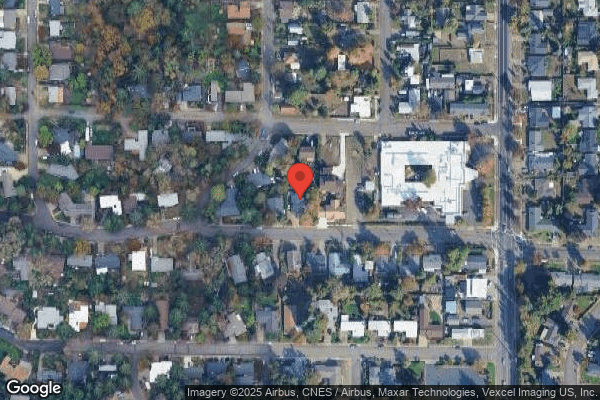
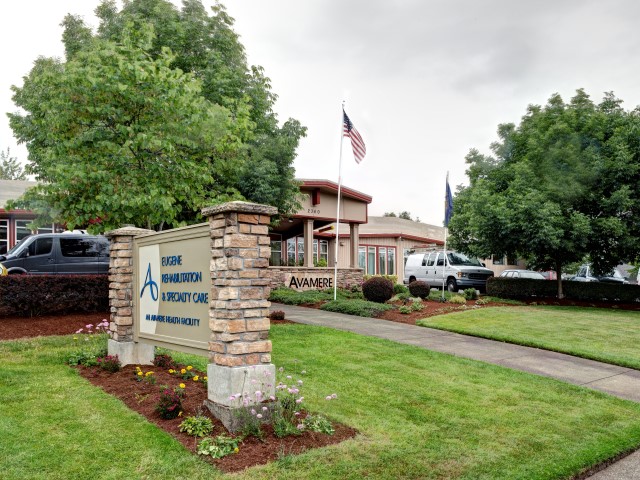
2360 CHAMBERS STREET, EUGENE, OR 97405 (541) 687-1310
For profit - Corporation 92 Beds AVAMERE Data: November 2025 1 Immediate Jeopardy citation
Trust Grade
3/100
#107 of 127 in OR
Last Inspection: August 2024

Within standard 12-15 month inspection cycle. Federal law requires annual inspections.

Overview

Avamere Rehabilitation of Eugene has received a Trust Grade of F, indicating significant concerns about the facility's overall quality and care. With a state rank of #107 out of 127 in Oregon, they are in the bottom half of facilities, and #11 out of 13 in Lane County, meaning only two local options are worse. Although the facility is improving, with issues decreasing from 33 in 2024 to just 1 in 2025, there are still serious weaknesses, including a critical finding related to infection control that led to the spread of COVID-19. Staffing is average with a turnover rate of 49%, and while RN coverage is also average, the facility has incurred $36,472 in fines, which is concerning. Specific incidents include a failure to create a care plan for a resident on blood thinners, which could lead to serious complications, and missed opportunities to assess a resident who could not get necessary imaging due to a pacemaker, indicating potential gaps in care.

Trust Score
F
3/100
In Oregon
#107/127
Bottom 16%
Safety Record
High Risk
Review needed
Inspections
Getting Better
33 → 1 violations
Staff Stability
⚠ Watch
49% turnover. Above average. Higher turnover means staff may not know residents' routines.
Penalties
✓ Good
$36,472 in fines. Lower than most Oregon facilities. Relatively clean record.
Skilled Nurses
○ Average
Each resident gets 32 minutes of Registered Nurse (RN) attention daily — about average for Oregon. RNs are the most trained staff who monitor for health changes.
Violations
⚠ Watch
47 deficiencies on record. Higher than average. Multiple issues found across inspections.
★☆☆☆☆
1.0
Overall Rating
★★★☆☆
3.0
Staff Levels
★★★★☆
4.0
Care Quality
★☆☆☆☆
1.0
Inspection Score
Stable
2024: 33 issues
2025: 1 issues

The Good

  • 4-Star Quality Measures · Strong clinical quality outcomes
  • Full Sprinkler Coverage · Fire safety systems throughout facility
  • No fines on record

Facility shows strength in quality measures, fire safety.

The Bad

1-Star Overall Rating

Below Oregon average (3.0)

Significant quality concerns identified by CMS

Staff Turnover: 49%

Near Oregon avg (46%)

Higher turnover may affect care consistency

Federal Fines: $36,472

Above median ($33,413)

Moderate penalties - review what triggered them

Chain: AVAMERE

Part of a multi-facility chain

Ask about local staffing decisions and management

The Ugly 47 deficiencies on record

1 life-threatening
May 2025 1 deficiency
CONCERN (D) 📢 Someone Reported This

A family member, employee, or ombudsman was alarmed enough to file a formal complaint

Potential for Harm - no one hurt, but risky conditions existed

Quality of Care (Tag F0684)

Could have caused harm · This affected 1 resident

Based on interview and record review it was determined the facility failed to ensure a resident received wound care according to physician orders for 1 of 3 sampled residents (#102) reviewed for wound...

Read full inspector narrative →
Based on interview and record review it was determined the facility failed to ensure a resident received wound care according to physician orders for 1 of 3 sampled residents (#102) reviewed for wound care. This placed residents at risk for worsening wounds or infection. Findings include: Resident 102 was admitted to the facility in 3/2025, with diagnoses including an open fracture of the left lower leg with a deep incisional surgical site and diabetes. Resident 102's Hospital Discharge Instruction Orders dated 3/15/25 revealed staff were to make a follow-up appointment with the surgeon in two weeks and provide the following surgical wound care instructions: -Honeycomb dressing on for 7 days. Change if saturated more than 50%. Leave off after 7 days. Resident may shower. -Call MD for excessive drainage. -OK to remove staples two weeks after surgery if patient is still present in facility. -Apply ice to affected area as needed (typically 20 minutes every 2-3 hours) to control swelling and pain. -If splint or cast in place please keep clean and dry until first post visit. Resident 102's admission Nursing Database dated 3/15/25 contained no information related to the resident's deep incisional surgical site of the left shin or for the care and treatment of the wound. The 3/2025 MAR and TAR for Resident 102 revealed no orders for wound care or monitoring of the wound from 3/15/25 to 3/31/25. Resident 102's Provider Progress Note dated 4/1/25 indicated the resident had missed her/his two week follow-up appointment with the surgeon and staff reported the resident's surgical wound had new slough (necrotic tissue), increased redness and some drainage. The provider determined the presence of cellulitis (bacterial infection of the skin and underlying tissue) and started the resident on an antibiotic. The 4/2025 updated MAR and TAR for Resident 102 revealed an order for wound care to the left shin daily and PRN every day shift. The TAR revealed no wound care was provided on 4/2/25 or 4/4/25. On 5/23/25 at 8:30 AM, Staff 4 (Wound Care/LPN) indicated Resident 102's surgical site should have been checked and monitored by nursing staff on admission. Staff 4 acknowledged the sutures had not been removed per the resident's physician's order. Staff 4 stated he saw the wound on 4/1/25 and reported his concerns regarding the resident's wound to the physician. On 5/23/25 at 9:00 AM, Staff 3 (RNCM) indicated the orders for wound care for the resident upon admission were not transcribed into the resident's medical record. Staff 3 acknowledged Resident 102's orders for her/his dressing was not implemented for the first seven days, there was no documentation for monitoring the resident's wound, the resident's follow-up appointment was missed and the resident's sutures were not removed.
Oct 2024 1 deficiency
CONCERN (D) 📢 Someone Reported This

A family member, employee, or ombudsman was alarmed enough to file a formal complaint

Potential for Harm - no one hurt, but risky conditions existed

Accident Prevention (Tag F0689)

Could have caused harm · This affected 1 resident

Based on interview and record review it was determined the facility failed to ensure interventions to prevent a resident's elopement were in place for 1 of 3 sampled residents (#315) reviewed for acci...

Read full inspector narrative →
Based on interview and record review it was determined the facility failed to ensure interventions to prevent a resident's elopement were in place for 1 of 3 sampled residents (#315) reviewed for accidents. This placed residents at risk for lack of a safe enviroment. Findings include: Resident 315 admitted to the facility in 5/2024 with diagnoses including Parkinson's disease (disease of the nervous system) and repeat falls. A 9/15/24 revised care plan indicated Resident 315 was an elopement risk with impaired safety awareness, she/he was not to leave the facility unattended and staff were to determine the reason for her/him wanting to leave the facility with pleasant diversions offered. A 9/16/24 Nursing Care Note indicated Resident 315 was observed exiting the facility out the back door (close to her/his room) by Staff 10 (CNA) and two staff followed the resident. Resident 315 came back into the building with assistance by Staff 3 (Resident Care Manager-LPN). Resident 315 acknowledged she/he attempted to leave the building (unattended) and 15-minute checks were implemented. A 9/16/24 Elopement Risk Evaluation indicated Resident 315 was cognitively impaired with poor decision-making skills, verbally expressed the desire to leave the building, had a history of wandering, but no history of elopement. A 9/27/24 revised care plan indicated Resident 315 was able to self-propel with the use of a manual wheelchair and may need one staff to assist for mobility if weak and fatigued. A 9/28/24 at 2:26 PM Alert Note indicated Resident 315 was observed in her/his wheelchair in the hall at 2:00 PM. At 2:03 PM a staff member observed the resident from a facility window at the top of the hill on the road next to the stop sign which was next to the facility. Resident 315 hid her/his wheelchair in the courtyard and went out a different back door (not close to his room). Resident was placed on 15 minute checks. A 9/28/24 at 10:01 PM Situation, Background, Assessment and Recommendation Progress Note indicated Resident 315 did not seek to leave the building for the last 30 days until 9/28/24. Resident 315 was interviewed and was able to described how and why she/he left the building. On 9/30/24 at 11:59 AM Staff 11 (CNA) stated he was aware Resident 315 was exit-seeking over the last seven days. On 9/30/24 at 12:28 PM Staff 3 stated there was no investigation completed related to the 9/16/24 elopement incident because Resident 315 did not leave the facility grounds. On 9/30/24 at 1:08 PM and 1:30 PM Staff 10 stated on 9/16/24 she observed Resident 315 on the outside of the back door with no other staff around. Staff 10 stated she assumed the resident knew the code for the back door based on her observation of the 9/16/24 incident because no other staff were in the vicinity. On 9/30/24 at 8:50 PM Staff 7 (LPN) stated she began an investigation when Resident 315 eloped from the building at 2:00 PM on 9/28/24. Staff 7 acknowledged Resident 315 was not asked how she/he exited the building until she/he exited the building the second time in the evening on 9/28/24. On 10/1/24 at 3:52 PM Staff 1 (Administrator in Training) stated an investigation for Resident 315's exit seeking behavior was not started as required for the 9/16/24 incident. Staff 1 stated because she was unaware of the 9/16/24 incident, she believed 15 minute checks were sufficient to keep Resident 315 safe on 9/28/24 at 2:00 PM when she was informed. Staff 1 acknowledged interventions related to her/his ability to leave the building unattended and elope was not discovered and implemented due to the lack of investigations after the first two incidents.
Aug 2024 31 deficiencies 1 IJ (1 affecting multiple)
CRITICAL (K)

Immediate Jeopardy (IJ) - the most serious Medicare violation

Infection Control (Tag F0880)

Someone could have died · This affected multiple residents

**NOTE- TERMS IN BRACKETS HAVE BEEN EDITED TO PROTECT CONFIDENTIALITY** Based on observation, interview, and record review it was determined the facility failed to follow appropriate infection control...

Read full inspector narrative →
**NOTE- TERMS IN BRACKETS HAVE BEEN EDITED TO PROTECT CONFIDENTIALITY** Based on observation, interview, and record review it was determined the facility failed to follow appropriate infection control procedures, had delayed infection control implementation, inappropriate cohorting of residents for 1 of 1 facility. This deficient practice was determined to be an immediate jeopardy situation and the deficiency resulted in the spread of COVID 19. This placed residents at risk for continued spread of potential deadly infectious diseases. Findings include: According to the CDC website dated 6/2024 health care providers who enter the room of a patient with suspected or confirmed SARS-CoV-2 infection should adhere to Standard Precautions and use a NIOSH Approved particulate respirator with N95 filters or higher, gown, gloves, and eye protection (i.e., goggles or a face shield that covers the front and sides of the face). According to the CDC website dated 3/2024 patients with suspected clostridium difficile should be placed in a singe-patient room, if a single-patient room is not available patients with confirmed clostridium difficile may room together. On 7/29/24 at 9:30 AM Staff 1 (Administrator in Training) informed surveyors upon entrance that the facility is in a COVID outbreak, 4 staff and 5 residents, there was no sign on the door to indicate a COVID outbreak. Staff 1 stated 4 staff and 5 residents tested positive on 7/29/24. On 7/29/24 at 10:57 AM the dispensers in the hall near rooms 507, 513, 517 and 520 had no sanitizer in them. On 7/29/24 at 12:01 PM Staff 4 (CNA) entered room [ROOM NUMBER], a COVID 19 precaution room, without eye protection. On 7/29/24 at 12:14 PM Staff 4 removed her dirty gown, gloves and mask, then proceeded to place a clean mask on. Staff 4 failed to perform hand hygiene after taking off the dirty mask and before putting on a clean mask. On 7/29/24 at 12:26 PM Staff 5 (LPN) was observed checking Resident 20's CBG. Resident 20 was on enteric (intestinal)contact precautions. Staff 5 exited the room with her dirty gloves still on and stated she was going to remove the dirty gloves after she sanitized the CBG monitor. Staff 5 sanitized the CBG monitor, removed the dirty gloves and used alcohol based sanitizer to clean her hands. When asked why Staff 5 did not wash hands with soap and water per the verbiage on the enteric precaution sign, Staff 5 stated she did not need to use soap and water because she did not change Resident 20. On 7/29/24 at 12:29 PM Witness 11 (Family) asked about staff wearing N95 masks. Witness 11 stated she was not notified the facility was in a COVID 19 outbreak and she would not have brought her son into the facility had she notified. On 7/29/24 at 12:46 PM Staff 26 (CNA) was observed delivering a lunch tray to Resident 20. Resident 20 was on enteric contact precautions. Staff 26 removed her dirty PPE and used alcohol based sanitizer upon exiting the room. When asked why Staff 26 did not wash her hands with soap and water, Staff 26 stated there was no need to wash with soap and water if not touching, down below and stated Resident 20 was on precautions for her/his catheter. On 7/29/26 at 12:46 PM Staff 4 was observed assisting Resident 43 with eating her/his lunch in a room with COVID 19 and enteric precautions. without wearing eye protection. Staff 4 stated she was informed she did not need to wear eye protection when providing care to Resident 43 since she/he had not tested positive for COVID 19, only her/his roommate had tested positive for COVID 19. On 7/26/24 at 1:08 PM Staff 34 (Infection Preventionist) stated staff entering a room on precautions for COVID 19, staff are expected to wear a gown, gloves, a mask and eye protection. Staff 34 stated when staff exit a room on COVID 19 precautions, staff are expected to remove their dirty PPE, including their mask, perform hand hygiene and then put a clean mask on. Staff 34 stated upon entering a room in enteric contact precaution room, staff are expected to wear a gown and gloves, and upon exiting the room staff are expected to remove the gown and gloves and wash their hands with soap and water. On 7/29/24 at 2:25 PM Staff 39 (housekeeping) stated she was aware there were multiple dispensers out of hand sanitizer in the COVID positive hall. Staff 39 stated she was unable to refill the dispensers because the facility had been out of hand sanitizer for a week. On 7/29/24 at 2:26 PM Staff 37 (CNA) was observed without eye protection while in a room on COVID 19 precautions. Staff 37 stated he does not wear eye protection and stated he usually wore his glasses with blinders on the side and acknowledged his glasses did not have blinders on them now. On 7/30/24 at 8:30 AM Staff 42 (CNA) was observed removing a dirty face shield, placing the dirty face shield in the clean PPE cart and without changing his face mask. On 7/30/24 at 12:57 PM Witness 10 (family) was observed in the facility without a face mask on. Witness 6 stated no one stopped her as she walked down the 500 hall and stated she was not informed of the COVID 19 outbreak in the facility. On 7/30/24 at 1:00 PM Staff 8 (CNA) was observed exiting room [ROOM NUMBER], a COVID 19 precaution. Staff 8 removed her dirty mask and placed on a clean mask without performing hand hygiene in between. Staff 34 was standing next to Staff 8 and had not intervened. Staff 8 acknowledged she should have performed hand hygiene before she obtained a clean mask and stated the clean cart of PPE was now contaminated, the clean PPE needed to be disposed of and the PPE cart needed to sanitized prior to being restocked. On 7/30/24 at 1:00 PM a cart was observed to have used COVID tests on the bottom shelf. Staff 34 acknowledged the used COVID 19 tests and stated he was going to throw them away when COVID testing was completed. On 7/30/24 at 1:28 PM Staff 40 (CNA) was observed exiting room [ROOM NUMBER], which was on COVID 19 precautions, wearing dirty PPE. Staff 40 went into the hall and put dirty dishes in a cart located in the hallway. Staff 40 stated he was trained to wear the same PPE worn in a COVID 19 precaution room when placing dirty dishes into the cart in the hallway. Staff 40 was observed going back to room [ROOM NUMBER], where he removed his dirty gown, gloves, and eye protection. Staff 40 was observed walking down the hall with his dirty mask on. Staff 40 stated he was looking for a new mask and then he located a new mask in the PPE cart outside room [ROOM NUMBER]. On 7/30/24 at 2:07 PM Staff 34 stated the first staff and resident tested positive for COVID 19 on 7/25/24 and two more residents tested positive on 7/30/24. Staff 34 stated Resident 35 was placed on enteric precautions on 6/11/24 related to suspicion of clostridium difficile (a type of bacteria that can cause inflammation of the colon). Resident 30 was moved into Resident 35's room on 6/14/24, and Resident 35 tested positive for clostridium difficile on 6/17/24. Staff 34 stated Resident 30 should not have been moved in with Resident 35 due to the contagious risk of clostridium difficile. On 7/30/24 at 2:29 PM Staff 31 (Housekeeper) was observed exiting room [ROOM NUMBER], a COVID 19 precaution room. Staff 31 did not complete hand hygiene after she removed dirty surgical mask. Staff 31 was observed touching clean the laundry and entering into room [ROOM NUMBER] with the potentially contaminated laundry. On 7/30/24 at 6:31 PM Staff 43 (dietary aid) was observed washing dishes and walking through the kitchen with no face mask on. On 7/30/24 at 6:38 PM Staff 1, Staff 10 (Regional Nurse), Staff 2 (Administrator) and Staff 2 (DNS) were notified of the immediate jeopardy situation related to infection control. On 7/30/24 at 8:53 PM an acceptable immediate risk removal plan to address the serious risk to residents' health and welfare was received and implemented by the facility. The plan indicated the following facility actions: -The DNS and Administrators were educated on the COVID 19 Policy, Outbreak Checklist and COVID 19 Infection Control Manual. -The Infection Preventionist was placed on suspension due to the enormity of the deficiencies. -The new Infection Preventionist was educated on the COVID 19 Policy, Outbreak Checklist and COVID 19 Infection Control Manual and skills demonstrated. -New Infection Preventionist will be educated on the COVID 19 Policy, Outbreak Checklist and COVID 19 Infection Control Manual upon hire. -Starting on 7/30/24 all staff were educated on the COVID 19 Policy, Outbreak Checklist and COVID 19 Infection Control Manual for continued compliance of these policies, with emphasis on proper PPE usage and hand hygiene for each type of infection. -All staff will wear N95 masks while in resident care areas, and in COVID positive rooms will wear a N95 mask, gown, sanitized or disposable goggles and gloves when providing direct patent care and remove all these items before they leave COVID positive room and a new N95 mask will be placed. -DNS will put face shields on all the COVID 19 isolation carts to replace the need to use goggles exclusively. Staff were educated regarding the face shields usage and disposal. A few clean goggles were left in the isolation carts in case of need. -Starting 7/30/24 wide base resident testing will be completed every 2-3 days and as symptoms are present until the facility goes two weeks without any positive tests. -Starting 7/30/24 wide base staff testing will happen before staff members start their shift and as symptoms present until the facility goes two weeks without any positive test. -The SSD called the first emergency contact for each resident and informed them of the current COVID outbreak. -All new residents will be informed of the current COVID outbreak before admission the the facility. -A sign was place on all entrance doors to inform visitors about the COVID 19 outbreak and was placed next to the sign in sheet in the lobby. -Facility acquired hand sanitizer to fill all dispensers and extra to make sure it is accessible to staff for proper hand hygiene. The DNS and designees will conduct spot checks of proper hand hygiene, donning and doffing PPE, signage and equipment cleansing at least three times per shift per day for one week. Then once daily for one week. then once a week for 4 weeks. then once a month for four months. Any discrepancies will be brought to the QAPI team for further review. -The DNS or designee will review the 24-hour report and bowel care list Monday through Friday, Saturday and Sunday will be reviewed on Monday, for any symptoms of clostridium difficile, and to ensure policies had been followed correctly. Any discrepancies will be brought to the QAPI team for further review. On 7/31/24 at 9:28 AM Staff 25 (NA) stated she had just received training on infection control procedure and hand hygiene on 7/31/24 a few minutes before the interview. At 9:30 AM Staff 25 was observed exiting a room on COVID 19 precautions, Staff 25 failed to change her mask upon exit from the room. Staff 25 stated she was not trained on the need to change her mask after exiting a COVID 19 precaution room. Staff 25 was observed getting a clean mask, she held the clean mask in one hand while she removed her dirty mask with the other hand, she applied her clean mask with one hand while holding her dirty mask with the other hand, she balled up dirty mask in her hand, walked down the hall and threw away her dirty mask in a room that was not on precautions for COVID 19. Staff 25 had not performed hand hygiene until reminded to do so. On 7/31/24 at 9:51 AM Staff 11 (CNA) stated she tested herself for COVID 19 prior to working on 7/31/24. Staff 11 stated she was trained by Staff 6 (LPN Unit Manager/IP) to swab each nostril 3 times. On 7/31/24 at 9:53 AM Staff 32 (Housekeeper) stated she was tested for COVID 19 by Staff 33 (Housekeeping Manager) prior to start of work on 7/31/24. On 7/31/24 at 9:55 AM Staff 33 stated she was trained to perform COVID 19 tests by Staff 2 and to swab each nostril three times. A review of the COVID 19 testing instructions on 7/31/24 at 10:00 AM revealed each nostril needed to swabbed five times for 15 seconds. On 7/31/24 at 10:10 AM the COVID 19 testing instructions were reviewed with Staff 10 (Regional Nurse). Staff 10 acknowledged each nostril needed to be swabbed five times for 15 seconds and stated all staff and residents would be retested on [DATE]. On 7/31/24 at 3:15 PM it was determined the immediacy was removed after verification of completion of the immediate jeopardy removal plan.
CONCERN (D)

Potential for Harm - no one hurt, but risky conditions existed

Deficiency F0552 (Tag F0552)

Could have caused harm · This affected 1 resident

Based on interview and record review it was determined the facility failed to inform residents of the risks and benefits of psychotropic medication use for 1 of 5 sampled resident (#12) reviewed for m...

Read full inspector narrative →
Based on interview and record review it was determined the facility failed to inform residents of the risks and benefits of psychotropic medication use for 1 of 5 sampled resident (#12) reviewed for medications. This placed residents at risk for being uniformed. Findings include: Resident 12 admitted to the facility in 2024 with diagnoses including anxiety disorder and depression. A review a 7/18/24 physician order revealed Resident 12 received Lexapro (antidepressant) daily. A review of the medical record revealed no risk and benefit information for Lexapro. On 8/5/24 at 10:26 AM Staff 2 (DNS) verified the risk and benefit information was not reviewed with Resident 12.
CONCERN (D)

Potential for Harm - no one hurt, but risky conditions existed

Deficiency F0554 (Tag F0554)

Could have caused harm · This affected 1 resident

Based on observation, interview, and record review it was determined the facility failed to assess a resident's ability to self-administer medications for 1 of 1 sampled resident (#11) reviewed for re...

Read full inspector narrative →
Based on observation, interview, and record review it was determined the facility failed to assess a resident's ability to self-administer medications for 1 of 1 sampled resident (#11) reviewed for respiratory care. This placed residents at risk for improper medication administration. Findings include: Resident 11 was admitted to the facility in 8/2014 with diagnoses including COPD (lung disease). On 7/31/24 at 10:57 AM Resident 11 was sitting up in bed with two inhaler medications for COPD on the bedside table. Resident 11 explained these medications were used to help her/his breathing. No assessment was found in the medical record for self-administration of medications for Resident 11. On 7/31/24 at 11:23 AM Staff 26 (LPN) confirmed Resident 11 was not assessed to self-administer her/his medications and should have been assessed prior to self-administration of her/his medications.
CONCERN (D) 📢 Someone Reported This

A family member, employee, or ombudsman was alarmed enough to file a formal complaint

Potential for Harm - no one hurt, but risky conditions existed

Deficiency F0557 (Tag F0557)

Could have caused harm · This affected 1 resident

Based on interview and record review it was determined the facility failed to ensure residents were treated in a dignified manner for 1 of 3 sampled residents (#265) reviewed for dignity. This placed ...

Read full inspector narrative →
Based on interview and record review it was determined the facility failed to ensure residents were treated in a dignified manner for 1 of 3 sampled residents (#265) reviewed for dignity. This placed residents at risk for psychosocial harm. Findings include: Resident 265 was admitted to the facility in 12/2023 with diagnoses including depression. A 12/10/23 MDS indicated Resident 265 was cognitively intact. A review of a 2/9/24 Nursing Facility Reported Incident Form revealed Resident 265 had complained about a HIPPA violation committed by Staff 34 (former SSD). A review of a 2/12/24 witness statement from Staff 35 (Activities Director) revealed on 2/7/24 Staff 35 was driving the bus to the bank and heard Staff 34 talking with Resident 265 about the name Resident 265 preferred to go by and Staff 34 asked Resident 265 about her/his finances. When they returned to the facility, Staff 35 brought Resident 265 to her/his room and Resident 265 expressed to Staff 35 how the interaction with Staff 34 had upset her/him. A review of a 2/12/24 witness statement from Resident 265 stated on 2/7/24 Staff 3 asked her/him all kinds of probing questions about her/his preferred name her/his finances and Staff 34 stated Resident 265's house was in foreclosure. Resident 265 stated she/he told Staff 34 she was wrong and Staff 34 replied and said she had read Resident 265's chart and knew everything about her/him. Resident 265 stated she/he felt her/his HIPPA rights were violated. Resident 265 stated on 2/9/24 Staff 34 came into her/his room. Staff 34 asked how Resident 265 liked her/his new room, Resident 265's hands were shaking and she/he replied the room was ok. Staff 34 stated, it could be worse, you could be homeless. A review of a 2/12/24 witness statement from Staff 34 revealed on 2/7/24 while on the bus she was talking to Resident 265 to try to make a connection with her/him. Staff 34 stated she asked about Resident 265's preferred name and asked about Resident 265's finances. Staff 34 stated there was another resident in the back of the bus but this resident was unable to hear the discussion. Staff 34 stated on 2/9/24 she checked in with Resident 265 and Staff 34 denied any issues from that visit. A review of a 2/12/24 investigation had indicated Staff 34 had violated Resident 265's HIPPA rights and had caused Resident 265 to have increased anxiety and distress. On 8/2/24 at 9:14 AM Staff 36 (CNA) stated Resident 265 had informed her of the incident on the bus on 2/7/24 with Staff 34. Staff 36 stated Resident 265 was a private person and was upset by the incident. On 8/2/24 at 10:00 AM Staff 35 stated she was driving Staff 34, Resident 265 and another resident to the bank. The other resident was sitting in the back of the bus and Resident 265 was sitting in the middle of the bus. Staff 35 stated she heard Staff 34 talking to Resident 265 about the name she/he preferred to go by and about Resident 265's house getting foreclosed on. Staff 35 stated she could hear Resident 265 getting upset but Staff 34 kept talking and did not appear to understand Resident 265 was getting upset. When they returned to the facility, Staff 35 took Resident 265 to her/his room. Resident 265 asked Staff 35 why Staff 34 would say those things in front of another resident and Resident 265 stated she felt like her/his privacy was violated. Staff 35 assisted Resident 265 with completing a grievance form. On 8/5/24 at 10:35 AM the investigation was reviewed with Staff 1 (Administrator in Training), no further information was provided.
CONCERN (D)

Potential for Harm - no one hurt, but risky conditions existed

Deficiency F0572 (Tag F0572)

Could have caused harm · This affected 1 resident

Based on interview and record review it was determined the facility failed to provide rules and regulations governing resident conduct and responsibilities for 1 of 3 sampled residents (#214) reviewed...

Read full inspector narrative →
Based on interview and record review it was determined the facility failed to provide rules and regulations governing resident conduct and responsibilities for 1 of 3 sampled residents (#214) reviewed for food. This placed residents at risk for being unformed about rules for resident conduct. Finding include: Resident 214 was admitted to the facility in 6/2024 with diagnoses including stroke and anxiety. A 1/2024 facility Resident Handbook indicated compact refrigerators may be approved for patient use. A 7/16/24 Quarterly MDS indicated Resident 214 was cognitively intact. On 8/2/24 at 11:38 AM Resident 214 stated Staff 14 (Maintenance Director) at one time indicated small refrigerators were allowed in resident rooms and she/he was confused why a request for her/his own refrigerator was recently denied. Resident 214 stated she/he did not receive a copy of a Resident Handbook upon admission to the facility and had no knowledge related to any official rules related to compact refrigerators in resident rooms. On 8/2/24 at 3:49 PM Staff 1 (Administrator in Training) acknowledged at least since 3/2024 residents were not provided a copy of the Resident Handbook as expected.
CONCERN (D)

Potential for Harm - no one hurt, but risky conditions existed

Deficiency F0578 (Tag F0578)

Could have caused harm · This affected 1 resident

2. Resident 18 was admitted to the facility in 5/2016 with diagnoses including congested heart failure (a disease in which the heart cannot pump enough blood). A 5/30/24 care conference indicated Resi...

Read full inspector narrative →
2. Resident 18 was admitted to the facility in 5/2016 with diagnoses including congested heart failure (a disease in which the heart cannot pump enough blood). A 5/30/24 care conference indicated Resident 18 would like assistance formulating an Advanced Directive. A 7/30/24 review of Resident 18's medical record revealed no evidence of an Advanced Directive. On 7/31/24 at 10:43 AM Resident 18 stated she/he would like to complete an Advanced Directive. On 8/2/24 at 8:26 AM Staff 24 (Social Service Director) confirmed Resident 18 did not have an Advanced Directive on file. Based on interview and record review it was determined the facility failed to obtain information related to advance directives and health care decisions for 2 of 3 sampled residents (#s 12 and 18) reviewed for advance directives. This placed residents at risk for not having their health care decisions honored. Findings include: 1. Resident 12 was admitted to the facility in 3/2024 with a diagnosis of a hip fracture. A 3/28/24 admission 72-hour huddle note indicated Resident 12 had an advance directive and a copy was to be retained for the resident's electronic record. Resident 12's clinical record did not contain her/his advance directive. On 8/1/24 at 1:50 PM Staff 24 (Social Services Director) acknowledged Resident 12's electronic record did not contain an advance directive.
CONCERN (D)

Potential for Harm - no one hurt, but risky conditions existed

Notification of Changes (Tag F0580)

Could have caused harm · This affected 1 resident

2. Resident 266 was admitted to the facility in 7/2024 with diagnoses including dementia and history of UTIs. A 7/26/24 census for Resident 266 revealed she/he moved to a different room on 7/26/24. O...

Read full inspector narrative →
2. Resident 266 was admitted to the facility in 7/2024 with diagnoses including dementia and history of UTIs. A 7/26/24 census for Resident 266 revealed she/he moved to a different room on 7/26/24. On 7/29/24 at 8:02 PM Witness 3 (Family) stated she was not informed prior to Resident 266's room move even when Witness 3 arrived for a family visit. Review of Resident 266's clinical record revealed no communication to family related to Resident 266's room move. On 8/2/24 at 3:53 PM Staff 9 (admission Coordinator) stated she did not consider the impact of a room move on Resident 266 with her/his dementia. Staff 9 acknowledged the move occurred without family involvement and there was no written communication related to Resident 266's room move. Based on interview and record review it was determined the facility failed to notify family for 2 of 4 sampled residents (#s 4 and 266) reviewed for notification. This placed resident representatives at risk for lack of being informed. Findings include: 1. Resident 4 was admitted to the facility in 1/2024 with a diagnosis of MS (multiple sclerosis: lack of electrical impulses from the brain to the body creating impaired body functions). Resident 4's undated admission Record revealed Witness 6 (Family) was her/his first emergency contact. A 5/21/24 Progress Note revealed Resident 4 had a change in mentation, loose stools and, dark orange urine. The note indicated a RN sent the resident to the hospital for evaluation based on her/his history of decreased kidney function and diagnosis of MS. The note did not indicate Resident 4's emergency contact was notified. On 8/5/24 at 12:51 PM Witness 6 stated she was not notified of Resident 4's 5/2024 hospitalization. On 8/5/24 at 2:11 PM Staff 1 (Administrator) stated Resident 4's emergency contact was not notified of the resident's change of condition and hospitalization.
CONCERN (D) 📢 Someone Reported This

A family member, employee, or ombudsman was alarmed enough to file a formal complaint

Potential for Harm - no one hurt, but risky conditions existed

Deficiency F0583 (Tag F0583)

Could have caused harm · This affected 1 resident

2. Resident 265 was admitted to the facility in 12/2023 with diagnoses including depression. A 12/10/23 admission MDS indicated Resident 265 was cognitively intact. A review of a 2/9/24 Nursing Facili...

Read full inspector narrative →
2. Resident 265 was admitted to the facility in 12/2023 with diagnoses including depression. A 12/10/23 admission MDS indicated Resident 265 was cognitively intact. A review of a 2/9/24 Nursing Facility Reported Incident Form revealed Resident 265 had complained about a HIPPA violation committed by Staff 34 (former SSD). A review of a 2/12/24 witness statement from Staff 35 (Activities Director) revealed on 2/7/24 Staff 35 was driving the bus to the bank and heard Staff 34 talking with Resident 265 about the name Resident 265 preferred to go by and Staff 34 asked Resident 265 about her/his finances. When they returned to the facility, Staff 35 brought Resident 265 to her/his room and Resident 265 expressed to Staff 35 how the interaction with Staff 34 had upset her/him. A review of a 2/12/24 witness statement from Resident 265 stated on 2/7/24 Staff 34 asked her/him all kinds of probing questions about her/his preferred name her/his finances and Staff 34 stated Resident 265's house was in foreclosure. Resident 265 stated she/he told Staff 34 she was wrong and Staff 34 replied and said she read Resident 265's chart and knew everything about her/him. Resident 265 stated she/he felt her/his HIPPA rights were violated. Resident 265 stated on 2/9/24 Staff 34 came into her/his room. Staff 34 asked how Resident 265 liked her/his new room, Resident 265's hands were shaking and she/he replied the room was ok. Staff 34 stated, it could be worse, you could be homeless. A review of a 2/12/24 witness statement from Staff 34 stated on 2/7/24 while on the bus she was talking to Resident 265 to try to make a connection with her/him. Staff 34 stated she asked about Resident 265's preferred name and asked about Resident 265's finances. Staff 34 stated there was another resident in the back of the bus but this resident was unable to hear the discussion. Staff 34 stated on 2/9/24 she checked in with Resident 265 and Staff 34 denied any issues from that visit. A review of a 2/12/24 investigation had indicated Staff 34 violated Resident 265's HIPPA rights and caused Resident 265 to have increased anxiety and distress. On 8/2/24 at 9:14 AM Staff 36 (CNA) stated Resident 265 informed her of the incident on the bus on 2/7/24 with Staff 34. Staff 36 stated Resident 265 was a private person and was upset by the incident. On 8/2/24 at 10:00 AM Staff 35 stated she was driving Staff 34, Resident 265 and another resident to the bank. The other resident was sitting in the back of the bus and Resident 265 was sitting in the middle of the bus. Staff 35 stated she heard Staff 34 talking to Resident 265 about the name she/he preferred to go by and about Resident 265's house getting foreclosed on. Staff 35 stated she could hear Resident 265 getting upset but Staff 34 kept talking and did not appear to understand Resident 265 was getting upset. When they returned to the facility, Staff 35 took Resident 265 to her/his room. Resident 265 asked Staff 35 why Staff 34 would say those things in front of another resident and Resident 265 stated she felt like her/his privacy was violated. Staff 35 assisted Resident 265 complete a grievance form. On 8/5/24 at 10:35 AM the investigation was reviewed with Staff 1 (Administrator in Training), no further information was provided. Based on interview and record review it was determined the facility failed to maintain resident rights to privacy for 2 of 5 sampled residents (#s 263 and 265) reviewed for dignity and privacy. This placed residents at risk for psychosocial harm. Findings include: 1. Resident 263 was admitted to the facility in 6/2023 with diagnoses including dementia and malnutrition. A 1/16/24 Quarterly MDS indicated Resident 263 was cognitively impaired. A 2/9/24 Discharge Plan of Care indicated Resident 263 was discharged to a memory care facility. On 7/30/24 at 10:15 AM Witness 4 stated unwanted family members entered Resident 263's new memory care facility and she was unaware how they obtained the information regarding Resident 263's discharge location. A 7/31/24 Contacts list for Resident 263 indicated only Witness 4 (Family) and Witness 5 (Family) had access to Resident 263's medical information. On 7/31/24 at 4:18 PM Staff 1 (Administrator in Training) acknowledged she was aware Staff 27 (former Social Service Director) informed family members who were not on Resident 263's contact list about Resident 263's discharge location.
CONCERN (D)

Potential for Harm - no one hurt, but risky conditions existed

Safe Environment (Tag F0584)

Could have caused harm · This affected 1 resident

Based on observation, interview, and record review it was determined the facility failed to provide a comfortable and homelike environment for 1 of 4 sampled residents (#48) reviewed for ADLS. This pl...

Read full inspector narrative →
Based on observation, interview, and record review it was determined the facility failed to provide a comfortable and homelike environment for 1 of 4 sampled residents (#48) reviewed for ADLS. This placed residents at risk for an unhomelike living environment. Findings include: Resident 48 admitted to the facility in 3/2024 with diagnoses including palliative care and schizophrenia (mental illness). Observations made from 7/29/24 through 8/1/24 on day and evening shifts revealed the following: -7/29/24 at 2:13 PM, fall mats with dried white and yellow debris, brown dirt and a blanket were on top of the fall mats. Washcloths in the resident's sink with a dark brown substance on them. -7/30/24 at 9:10 AM, fall mats still with dried white and yellow debris and what appeared to be pink ice cream or juice. -8/1/24 at 10:55 AM, large towels remained on the floor mat and dirty wash clothes in sink. Staff 19 (CNA) was observed going in and out of the resident's room without grabbing the dirty towels or washcloths. -8/1/24 at 11:02 AM, large towels with yellow and brown debris on the fall mats, and wash clothes in the sink with brown debris on them. -On 8/1/24 at 11:10 AM, Staff 29 (Regional Nurse Consultant) observed Resident 48's room and acknowledged the room was not a homelike environment.
CONCERN (D) 📢 Someone Reported This

A family member, employee, or ombudsman was alarmed enough to file a formal complaint

Potential for Harm - no one hurt, but risky conditions existed

Free from Abuse/Neglect (Tag F0600)

Could have caused harm · This affected 1 resident

Based on interview and record review it was determined the facility failed to ensure residents were free from neglect for 1 of 1 sampled resident (#264) reviewed for accidents. This place residents at...

Read full inspector narrative →
Based on interview and record review it was determined the facility failed to ensure residents were free from neglect for 1 of 1 sampled resident (#264) reviewed for accidents. This place residents at risk for neglect. Findings include: Resident 264 admitted to the facility in 4/2024 with diagnoses including leg surgery and chronic pain. An 4/23/24 admission MDS indicated Resident 264 was cognitively intact. A FRI (facility reported incident) indicated on 4/28/24 at 8:00 PM Resident 264 requested tea from Staff 28 (Former CNA). The tea was brought in a hydration mug with a straw, Resident 264 took a drink through the straw and the hot water burnt her/his tongue and roof of her/his mouth. The FRI indicated the administrator was notified on 4/29/24 at 11:00 AM A facility investigation, finalized on 4/29/24, concluded neglect was substantiated as Resident 264 was injured from the hot tea. On 7/31/24 at 11:25 AM Staff 19 (CNA) stated staff training involved not serving the resident really hot beverages, and to make sure the beverages are tempted before serving them to the residents. On 7/31/24 11:45 AM Resident 264 stated she/he was getting ready for bed and Staff 28 offered the resident some hot tea. Resident 264 stated Staff 28 returned with her/his hydration mug which had a large plastic straw, and took a large drink of the tea and burnt her/his mouth. Resident 264 stated Staff 28 filled the mug with extremely hot water and neglected to warn her/him that the tea was very hot. Resident 264 stated she/he was screaming from the pain, and burnt her/his throat and tongue. Resident 264 stated skin came off the roof or her/his mouth, and the pain lasted for approximately two days. On 7/31/24 at 12:14 PM Staff 8 (CNA) stated staff completed training related to hot beverages and to make sure they are not too hot for the residents. On 8/1/24 at 2:40 PM Staff 6 (LPN-Resident Care Manager) acknowledged the tea was hot enough to burn Resident 264's mouth and tongue and caused discomfort. Staff 6 stated staff completed training related to serving hot beverages to residents. Staff 6 acknowledged the staff member should have tempted the beverage before serving it to Resident 264.
CONCERN (D) 📢 Someone Reported This

A family member, employee, or ombudsman was alarmed enough to file a formal complaint

Potential for Harm - no one hurt, but risky conditions existed

Report Alleged Abuse (Tag F0609)

Could have caused harm · This affected 1 resident

Based on interview and record review it was determined the facility failed to report an allegation of neglect to the appropriate State Agency within two hours for 1 of 1 sampled resident (#264) review...

Read full inspector narrative →
Based on interview and record review it was determined the facility failed to report an allegation of neglect to the appropriate State Agency within two hours for 1 of 1 sampled resident (#264) reviewed for accidents. This placed residents at risk for abuse and neglect. Findings include: Resident 264 admitted to the facility in 4/2024 with diagnoses including leg surgery and chronic pain. An 4/23/24 admission MDS indicated the Resident 264 was cognitively intact. A FRI (facility reported incident) indicated on 4/28/24 at 8:00 PM Resident 264 requested tea from Staff 28 (Former CNA). The tea was brought in a hydration mug with a straw, Resident 264 took a drink through the straw and the hot water burnt her/his tongue and roof of her/his mouth. The FRI indicated the administrator was notified on 4/29/24 at 11:00 AM A facility investigation, finalized on 4/29/24, concluded neglect was substantiated as Resident 264 was injured from the hot tea. On 8/1/24 at 2:40 PM Staff 6 (LPN-Resident Care Manager) acknowledged he was aware of the incident on 4/28/24 at 8:00 PM but did not send the FRI to the State Agency until 4/29/24 at 12:00 PM. Staff 6 acknowledged the facility did not report the neglect within the two hour timeframe.
CONCERN (D) 📢 Someone Reported This

A family member, employee, or ombudsman was alarmed enough to file a formal complaint

Potential for Harm - no one hurt, but risky conditions existed

Comprehensive Care Plan (Tag F0656)

Could have caused harm · This affected 1 resident

Based on observation, interview and record review it was determined the facility failed to implement a comprehensive care plan for 3 of 9 sampled residents (#s 2, 165, and 266) reviewed for medication...

Read full inspector narrative →
Based on observation, interview and record review it was determined the facility failed to implement a comprehensive care plan for 3 of 9 sampled residents (#s 2, 165, and 266) reviewed for medications, accidents, and hospice. This placed residents at risk for unmet care needs. Finding include: 1. Resident 2 was admitted to the facility in 2/2024 with diagnoses including diabetes and dementia. The 6/5/24 revised care plan indicated there was no initial care plan for Resident 2's diabetic goals and interventions. The 6/30/24 through 7/30/24 Order Review History Report indicated Resident 2 had multiple orders for diabetic care which started on 2/26/24 including nail care by nursing. The 7/2024 Diabetic Administration Record indicated Resident 2 received insulin each morning. On 8/1/24 at approximately 1:00 PM Staff 23 (LPN-Resident Care Manager) acknowledged Resident 2 lacked a diabetic care plan. 2. Resident 266 was admitted to the facility in 7/2024 with diagnoses including dementia and history of UTIs. A 7/16/24 Elopement Risk Evaluation identified Resident 266 as high risk for wandering. A 7/16/24 care plan had no goal or interventions related to Resident 266's high risk for wandering. On 7/29/24 at 12:41 PM and 3:05 PM Resident 266 was observed in the hall while wandering in her/his wheelchair and asked to get out of the building to find her/his car and family. On 8/1/24 at 12:46 PM Staff 6 (LPN-Resident Care Manager) acknowledged Resident 266's care plan was not complete related to her/his risk of elopement. 3. Resident 165 was admitted to the facility in 7/2024 with diagnoses including hospice care. A review of Resident 165's clinical record revealed no comprehensive care plan was completed related to the resident's hospice care and or scheduled hospice visits. On 8/5/24 at 9:56 AM Staff 2 (DNS) acknowledged Resident 165's comprehensive care plan did not include any information regarding hospice care and services or scheduled hospice visits.
CONCERN (D)

Potential for Harm - no one hurt, but risky conditions existed

ADL Care (Tag F0677)

Could have caused harm · This affected 1 resident

Based on observation, interview, and record review it was determined the facility failed to provide care and services to maintain good grooming and hygiene for 2 of 4 sampled residents (#s 48 and 164)...

Read full inspector narrative →
Based on observation, interview, and record review it was determined the facility failed to provide care and services to maintain good grooming and hygiene for 2 of 4 sampled residents (#s 48 and 164) reviewed for ADLs. This placed residents at risk for unmet needs. Findings include: 1. Resident 48 was admitted to the facility in 3/2024 with diagnoses including hospice services and chronic bed confinement. The 3/11/24 care plan indicated Resident 48 was totally dependent on staff for personal hygiene care and dressing. On 7/29/24 at 2:32 PM Resident 48 was observed to have greasy, uncombed hair, long jagged fingernails with brown debris underneath, food on her/his face and in her/his mouth, facial hair, and a shirt with dried dark brown debris. On 7/31/24 at 11:06 AM Witness 9 (Caregiver) stated Resident 48 did not receive the ADLS care she/he needed. Witness 9 stated Resident 48 needed staff to wash her/his hair, trim and clean her/his nails, shave her/him daily, lotion her/his dry feet, and put a clean shirt on the resident daily. Witness 9 stated she completed the ADL care while visiting but staff should provide the care. On 8/2/24 at 9:35 AM Staff 23 (LPN-Resident Care Manager) acknowledged Resident 48 should be cleaned up daily which included being shaved per her/his request. Staff 23 stated all ADLS should be completed by staff daily as the standard of care and not Witness 9. 2. Resident 164 was admitted to the facility in 7/2024 with diagnoses including hospice services and chronic dementia. The 7/12/24 care plan directed staff to provide constant/intermittent supervision with physical assist combing hair, brushing teeth, shaving, washing and drying face and hands. On 7/30/24 at 2:32 PM Resident 164 was observed with long fingernails with brown debris underneath. On 8/2/24 at 9:47 AM Staff 23 (LPN-Resident Care Manager) acknowledged Resident 164's nails were long with brown debris underneath and needed to be cleaned.
CONCERN (D)

Potential for Harm - no one hurt, but risky conditions existed

Pressure Ulcer Prevention (Tag F0686)

Could have caused harm · This affected 1 resident

Based on interview, and record review it was determined the facility failed to investigate a new facility acquired pressure ulcer for 1 of 2 sampled residents (#20) reviewed for pressure ulcers. This ...

Read full inspector narrative →
Based on interview, and record review it was determined the facility failed to investigate a new facility acquired pressure ulcer for 1 of 2 sampled residents (#20) reviewed for pressure ulcers. This placed residents at risk for worsening pressure ulcers. Findings include: Resident 20 was admitted to the facility in 2/2020 with diagnoses including hemiplegia (paralysis of one side of the body) of the left nondominant side. A 7/29/24 review of Resident 20's medical record revealed a 2/9/24 facility acquired stage 3 pressure ulcer (a full thickness tissue loss wound cause by pressure) to her/his sacrococcygel (tailbone). A review of a 7/29/24 Wound Evaluation revealed a stage 3 wound on Resident 20's sacrococcygel which measured 0.76 cm by 0.5 cm. On 8/1/24 at 12:28 PM Staff 37 (Regional Nurse Consultant) stated there was no investigation completed for Resident 20's 2/9/24 facility acquired pressure ulcer to her/his sacrococcygel. On 8/2/24 at 10:53 AM Resident 20 was observed to have an open stage 3 wound on her/his right upper buttock near the sacrococcygel area. Resident 20's wound and entire buttock area was surrounded by red moisture associated damaged skin.
CONCERN (D) 📢 Someone Reported This

A family member, employee, or ombudsman was alarmed enough to file a formal complaint

Potential for Harm - no one hurt, but risky conditions existed

Accident Prevention (Tag F0689)

Could have caused harm · This affected 1 resident

**NOTE- TERMS IN BRACKETS HAVE BEEN EDITED TO PROTECT CONFIDENTIALITY** Based on observation, interview, and record review it was determined the facility failed to ensure windows on the first floor lo...

Read full inspector narrative →
**NOTE- TERMS IN BRACKETS HAVE BEEN EDITED TO PROTECT CONFIDENTIALITY** Based on observation, interview, and record review it was determined the facility failed to ensure windows on the first floor locked for 1 of 1 sampled resident (#163) reviewed for accidents. This placed residents at risk for an unsecured environment. Findings include: 1. Resident 163 was admitted to the facility in 5/2024 with a diagnosis of spinal (neck) surgery. A Census report from 5/29/24 through 6/3/24 revealed Resident 163 resided in room [ROOM NUMBER] and 205. While in both rooms, Resident 163 was in a bed located by a window. On 7/29/24 at 12:30 PM Witness 7 (Complainant) stated Resident 163's windows were able to be opened even when the locking device was utilized. On 7/31/24 at 7:50 AM Staff 14 (Maintenance) verified the windows in both 201 and 205 had broken locking devices and were easily opened. Staff 14 stated he was not aware of the issue.
CONCERN (D)

Potential for Harm - no one hurt, but risky conditions existed

Incontinence Care (Tag F0690)

Could have caused harm · This affected 1 resident

2. Resident 266 was admitted to the facility in 7/2024 with diagnoses including dementia and history of UTIs. A 6/19/24 hospital History and Physical indicated Resident 266 was seen at the emergency ...

Read full inspector narrative →
2. Resident 266 was admitted to the facility in 7/2024 with diagnoses including dementia and history of UTIs. A 6/19/24 hospital History and Physical indicated Resident 266 was seen at the emergency department and admitted to the hospital with increased confusion, dark urine and a fever. A 7/9/24 hospital Progress Note indicated Resident 266's repeat UTIs were most likely due to poor perineum (area around genitals) hygiene based on her/his unique anatomical features. A 7/16/24 care plan indicated Resident 266 required intermittent to constant supervision for personal hygiene including hands and perineum and had acute pain related to UTIs. A 7/22/24 admission MDS indicated Resident 266 was frequently incontinent of bladder and never incontinent of bowel. On 8/1/24 at 12:06 PM Staff 11 (CNA) stated she understood general perineum care but did not recall any communication or training related to Resident 266's unique needs. On 8/1/24 at 12:46 PM Staff 6 (LPN-Resident Care Manager) stated Witness 3 (Family) revealed Resident 266 had distinct behaviors which increased with her/his UTIs and Witness 3 was informed by the hospital that lack of Resident 266's perineum care was likely the cause of her/his repeat UTIs. Staff 6 stated he did not review Resident 266's hospital notes and acknowledged Resident 266's care plan lacked personalized details related to her/his UTI symptoms. Staff 6 acknowledged he did not inform all CNAs verbally or update the resident's care plan regarding the need for improved perineum care for Resident 266. Based on interview and record review it was determined the facility failed to provide adequate care for 2 of 3 sampled residents (#s 4 and 266) reviewed for UTIs. This placed residents at risk for UTIs. 1. Resident 4 was admitted to the facility in 1/2024 with a diagnosis of MS (multiple sclerosis: lack of electrical impulses from the brain to the body creating impaired body functions). A 1/26/24 admission MDS revealed Resident 4 had a urinary catheter (medical tubing inserted in the bladder to drain urine) and staff were to ensure the urine flowed to prevent UTIs. A 7/2024 TAR and associated Progress Notes revealed staff were to flush (instill sterile fluid to prevent the tubing from clogging) Resident 4's urinary catheter on Monday, Wednesday, and Fridays. From 7/1/24 through 7/19/24 staff had eight opportunities to flush the catheter. On five occasions the flush was not completed due to lack of sterile solution or did not occur. On 8/5/24 at 12:51 PM Witness 6 (Family) stated Resident 4 was susceptible to UTIs and staff were to flush the catheter to ensure good urine flow. One Friday, staff did not flush the catheter and the staff reported it would get done on the next scheduled Monday. On 8/5/24 at 2:11 PM Staff 29 (Regional RN Consultant) stated there was a nationwide recall of sterile water. If a resident's catheter was not able to be flushed due to lack of supply, the physician was to be notified to determine if an alternate solution was to be used. A request was made to Staff 29 to provide documentation the flushes were completed as ordered. No additional information was provided.
CONCERN (D)

Potential for Harm - no one hurt, but risky conditions existed

Respiratory Care (Tag F0695)

Could have caused harm · This affected 1 resident

3. Resident 267 admitted to the facility in 7/2024 with diagnoses including kidney failure and sleep apnea (interruption in breathing). A 7/24/24 Nursing admission Assessment for respiratory indicated...

Read full inspector narrative →
3. Resident 267 admitted to the facility in 7/2024 with diagnoses including kidney failure and sleep apnea (interruption in breathing). A 7/24/24 Nursing admission Assessment for respiratory indicated Resident 267 had a CPAP (Continuous Positive Airway Pressure) machine. Review of the clinical record for Resident 267 did not indicate any care plan interventions or treatments related to her/his CPAP machine. On 8/1/24 at 10:29 AM Resident 267 was observed in bed with a CPAP machine and exposed mask on her/his bedside table with a package of bowel movement wipes placed on top of the mask. [NAME] flecks were observed inside the tubing connected to the CPAP machine. On 8/1/24 at 11:04 AM Staff 11(CNA) confirmed Resident 267's CPAP mask was exposed during the day on her/his bedside table whenever she worked. On 8/1/24 at 11:06 AM Staff 6 (LPN-Resident Care Manager) acknowledged there was no follow-up to obtain orders or care plan for Resident 267's CPAP machine, the tubing was dirty, and the CPAP mask was improperly stored. Based on observation, interview, and record review it was determined the facility failed to ensure residents' respiratory equipment was maintained for 3 of 6 sampled residents (#s 11, 164 and 267) reviewed for respiratory, ADLs and dialysis. This placed residents at risk for respiratory issues. Findings include: 1. Resident 11 was admitted to the facility in 8/2014 with diagnoses including COPD (lung disease). The facility's revised Policy and Procedure dated 11/2011 indicated the following: - after a nebulizer (a compressor which turns liquid medications into a fine mist which is inhaled through a mouthpiece) treatment the nebulizer container should be removed, rinsed with fresh tap water, and dried on a clean paper towel or gauze sponge -reconnect to the administration set-up when air dried -Take care not to contaminate the internal nebulizer tubes -Wipe the mouthpiece with a damp paper towel or gauze sponge -Store the circuit in a plastic bag -Discard the administration set-up every seven days Observations from 7/29/24 through 8/5/24 on day and evening shifts revealed Resident 11 had nebulizer equipment including the mouthpiece in her/his recliner, laying on an emesis bag, urinal, and incontinent wipes. An incontinent pad, dirty shirt and dirty pillowcases were also on top of the equipment. A review of the resident's medical record revealed no documentation for the care and services of the nebulizer. On 8/2/24 at 9:21 AM Staff 23 (LPN-Resident Care Manager) confirmed Resident 11's nebulizer was not cleaned or stored in a sanitary manner and there was nothing in the resident's medical record for the care and services of the nebulizer. 2. Resident 164 was admitted to the facility in 7/2024 with diagnoses including pneumonia and hypoxia (oxygen deficiency). The facility's revised Policy and Procedure dated 11/2011 indicated the following: - after a nebulizer (a compressor which turns liquid medications into a fine mist which is inhaled through a mouthpiece) treatment the nebulizer container should be removed, rinsed with fresh tap water, and dried on a clean paper towel or gauze sponge -reconnect to the administration set-up when air dried -Take care not to contaminate the internal nebulizer tubes -Wipe the mouthpiece with a damp paper towel or gauze sponge -Store the circuit in a plastic bag -Discard the administration set-up every seven days Observations from 7/29/24 through 8/5/24 on day and evening shifts revealed Resident 164 had nebulizer equipment including the mouthpiece on her/his night stand with a bag of incontinent briefs, and bedding laying on top of the equipment. A review of the resident's medical record revealed no documentation for care and service of the nebulizer. On 8/2/24 at 9:47 AM Staff 23 (LPN-Resident Care Manager) confirmed Resident 164's nebulizer was not cleaned or stored in a sanitary manner and there was nothing in the resident's medical record regarding the care and services of the nebulizer equipment.
CONCERN (D)

Potential for Harm - no one hurt, but risky conditions existed

Deficiency F0699 (Tag F0699)

Could have caused harm · This affected 1 resident

Based on interview and record review it was determined the facility failed to evaluate and provide person centered interventions for 1 of 1 sampled resident (#51) reviewed for mood and behavior. This ...

Read full inspector narrative →
Based on interview and record review it was determined the facility failed to evaluate and provide person centered interventions for 1 of 1 sampled resident (#51) reviewed for mood and behavior. This place residents at risk for re-traumatization. Finding include: Resident 51 was admitted to the facility in 5/2024 with diagnoses including PTSD (Post Traumatic Stress Disorder) and anxiety. A 5/25/24 care plan for trauma indicated Resident 51 had PTSD and to ask permission to approach the resident during activities such as personal care, delivering medication and combing/brushing of hair (which were not mentioned as triggers by Resident 51). An activity intervention included not to touch Resident 51 when she/he was sleeping. On 7/29/24 at 12:14 PM Resident 51 stated she/he had disturbing nightmares related to combat and staff were not aware of how to assist with her/his PTSD. Staff 51 stated she/he had requested counseling but there was no followup to the request. On 8/2/24 at 9:22 AM Staff 15 (CNA) confirmed Resident 51 had one to three disruptive nightmares weekly and believed other CNAs documented the nightmares. On 8/2/24 at 9:38 AM Staff 6 (LPN-Resident Care Manager) stated no nightmares were documented for Resident 51 so this issue was not addressed. On 8/2/24 at 10:08 AM Staff 24 (Social Services Director) stated no assessment form for PTSD was available or completed when Resident 51 was admitted so details about Resident 51's PTSD were unknown. Staff 24 stated he was unaware of Resident 51's request for counseling. On 8/2/24 at 10:18 AM Staff 2 (DNS) stated there was no formal training for PTSD when a new PTSD form was introduced six months prior. Staff 2 acknowledged the facility should have evaluated Resident 51 on admission for her/his PTSD, the care plan for trauma for the resident should be personalized and charting for Resident 51's nightmares needed to improve.
CONCERN (D)

Potential for Harm - no one hurt, but risky conditions existed

Deficiency F0730 (Tag F0730)

Could have caused harm · This affected 1 resident

Based on interview and record review it was determined the facility failed to complete nurse aide performance reviews every twelve months for 3 of 5 sampled CNAs (#s 3, 4, and 7) reviewed for staffing...

Read full inspector narrative →
Based on interview and record review it was determined the facility failed to complete nurse aide performance reviews every twelve months for 3 of 5 sampled CNAs (#s 3, 4, and 7) reviewed for staffing. Findings include: Review of 5/23/24 through 7/2024 training documents revealed the following: -Staff 3's last performance review was in 2022. -Staff 4's last performance review was in not in her record and her hire date was 7/18/22. -Staff 7's last performance review was in 2022. On 8/1/24 at 8:30 AM Staff 2 (DNS) verified Staff #s 3, 4, and 7 did not have their annual performance reviews.
CONCERN (D)

Potential for Harm - no one hurt, but risky conditions existed

Deficiency F0757 (Tag F0757)

Could have caused harm · This affected 1 resident

Based on interview and record review it was determined the facility failed to provide monitoring for anticoagulant medications for 1 of 5 sampled residents (#18) reviewed for medications. This placed ...

Read full inspector narrative →
Based on interview and record review it was determined the facility failed to provide monitoring for anticoagulant medications for 1 of 5 sampled residents (#18) reviewed for medications. This placed residents at risk for unidentified medication adverse side effects. Findings include: Resident 18 was admitted to the facility in 5/2016 with diagnoses including atrial fibrillation (an irregular heartbeat). A review of Resident 18's physician orders revealed a 7/11/22 order for apixaban, an anticoagulant medication (a blood thinner). A 7/31/24 review of Resident 18's care plan revealed no evidence of a care plan for anticoagulant medication. An 8/2/24 review of Resident 18's medical record revealed no evidence of monitoring for adverse side effects from anticoagulant medications. On 8/2/24 at 1:52 PM Staff 23 (LPN Resident Care Manager) Stated Resident 18 took an anticoagulant medication, apixaban, and should have been monitored for adverse side effects such as bleeding and bruising. Staff 23 confirmed Resident 18 was not monitored for adverse side effects from anticoagulant medications.
CONCERN (D)

Potential for Harm - no one hurt, but risky conditions existed

Medication Errors (Tag F0758)

Could have caused harm · This affected 1 resident

Based on interview and record review it was determined the facility failed to attempt a gradual dose reduction and montior for psychotropic medications for 2 of 5 sampled residents (#s 12 and 15) revi...

Read full inspector narrative →
Based on interview and record review it was determined the facility failed to attempt a gradual dose reduction and montior for psychotropic medications for 2 of 5 sampled residents (#s 12 and 15) reviewed for medications. this placed residents at risk for adverse medication reactions. Findings include: 1. Resident 12 admitted to the facility in 3/2024 with diagnoses including anxiety disorder and depression. A review of 7/2024 MAR revealed Resident 12 was administered Lexapro (antidepressant), Trazodone (antidepressant), Xanax (antianxiety) and Buspirone (antianxiety). A review of the 7/2024 behavior monitors revealed interventions but did not list triggers for the resident's behaviors. On 8/1/24 at 10:46 AM Staff 15 (CNA) stated Resident 12 had triggers which made her/his anxiety worse. Staff 15 stated her/his triggers were when therapy comes into her/his room without some notification, if her/his call light was not answered timely, and if she/he feels lonely. Staff 15 stated there were more, but those were the main triggers. On 8/2/24 at 2:24 PM Staff 6 (LPN-Resident Care Manager) stated Resident 12 had triggers which made her/his anxiety and depression worse but they were not listed and staff were not aware of her/his triggers. Staff 6 acknowledged Resident 12 was not monitored appropriately for Lexapro, Trazodone, Xanax, and Buspirone. 2. Resident 15 was admitted to the facility in 11/2016 with a diagnosis of heart disease. 8/8/23 through 10/31/23 Progress Notes revealed Resident 15 did not exhibit behaviors or change in mood. An undated medication report revealed on 10/21/23 Resident 15's Wellbutrin (antidepressant) was increased from 300 mg daily to 450 mg daily. A 12/21/23 Psychotropic Medication review revealed Resident 15 was pleasant to staff and no behaviors or moods were documented for the quarter. The form indicated Resident 15's last Wellbutrin GDR was 12/27/22. A 12/2023 MAR revealed Resident 15 was administered 450 mg daily. A 6/18/24 Psychotropic Medication review revealed Resident 15's last GDR was 12/6/23. On 8/2/24 at 8:39 AM Staff 23 (LPN Resident Care Manager)acknowledged the increase in her/his Wellbutrin in 10/2023. A request was made to Staff 23 to provide documentation to justify the increase to the dosage of Wellbutrin and the rationale for no GDR in 12/2023. No additional information was provided.
CONCERN (D)

Potential for Harm - no one hurt, but risky conditions existed

Deficiency F0761 (Tag F0761)

Could have caused harm · This affected 1 resident

Based on observation and interview it was determined the facility failed to ensure a treatment cart was locked for 1 of 2 units (Shasta Unit). This placed residents at risk for injury. Findings includ...

Read full inspector narrative →
Based on observation and interview it was determined the facility failed to ensure a treatment cart was locked for 1 of 2 units (Shasta Unit). This placed residents at risk for injury. Findings include: On 7/30/24 at 2:23 PM to 2:43 PM a Shasta Unit treatment cart was observed to be unlocked. The cart was in an alcove and one wall of the alcove blocked the view of the cart from the nurse's station. Nursing staff and therapy staff walked by the cart at 2:28 PM, 2:33 PM, and 2:36 PM and did not lock the cart. On 7/30/24 at 2:43 PM Staff 31 (LPN) stated she just came on shift, was not aware the treatment cart was unlocked, and it should be locked.
CONCERN (D)

Potential for Harm - no one hurt, but risky conditions existed

Menu Adequacy (Tag F0803)

Could have caused harm · This affected 1 resident

**NOTE- TERMS IN BRACKETS HAVE BEEN EDITED TO PROTECT CONFIDENTIALITY** Based on observation, interview and record review the facility failed to prepare therapeutic diets for 1 of 3 sampled residents ...

Read full inspector narrative →
**NOTE- TERMS IN BRACKETS HAVE BEEN EDITED TO PROTECT CONFIDENTIALITY** Based on observation, interview and record review the facility failed to prepare therapeutic diets for 1 of 3 sampled residents (#267) reviewed for nutrition. This placed residents at risk for compromised nutrition. Finding include: The 7/31/24 posted lunch menu included: Smoke Sausage, Lyonnaise Potatoes and Steamed Cabbage. A Diet Spread Sheet for the 7/31/24 menu indicated residents with a limited salt, phosphate (dietary nutrient) or potassium (dietary nutrient) diet were to be served roasted pork in place of the sausage. 1. Resident 267 was admitted to the facility in 7/2024 with diagnoses including kidney failure and hip fracture. A 7/25/24 physician Order Details indicated Resident 267 was to receive a diet limited in salt, potassium and phosphate. On 8/1/24 at 10:29 AM Resident 267 stated on 7/31/24 the menu option provided for lunch included sausage (a food high in salt and phosphates) which was delivered. Resident 267 stated she/he ate the sausage because it was provided and trusted the facility to provide the correct diet. Resident 267 stated because she/he received dialysis treatments the therapeutic diet was very important. On 8/1/24 at 8:30 AM Staff 13 (Cook) stated he was never trained to provide alternative options for those on restricted diets according the spreadsheet and did not prepare the pork roast on 7/31/24 during lunch that was necessary to fulfill the requirements for therapeutic diets. On 8/5/24 at 9:53 AM Staff 21 (Dietary Manager) acknowledged since a new menu system began around 4/2024 no alternative menu items were purchased to accommodate those on therapeutic diets. Staff 21 stated theraputic diet should be followed. 2. On 7/31/24 at 12:00 PM Staff 13 (Cook) was observed to serve lunch for residents from the food he prepared. No pork roast was observed on the tray line. At approximately 1:10 PM a tray ticket for room [ROOM NUMBER] was observed which indicated a limited salt, potassium and phosphate diet was to be served. The tray ticket included a typed option for chicken or pork roast. Sausage was served with the tray ticket to room [ROOM NUMBER]. On 8/1/24 at 8:30 AM Staff 13 (Cook) stated he was never trained to provide alternative options for those on restricted diets according the spreadsheet and did not prepare the pork roast on 7/31/24 during lunch that was necessary to fulfill the requirements for therapeutic diets. On 8/5/24 at 9:53 AM Staff 21 (Dietary Manager) acknowledged since a new menu system began around 4/2024 no alternative menu items were purchased to accommodate those on therapeutic diets. Staff 21 stated theraputic diet should be followed.
CONCERN (D)

Potential for Harm - no one hurt, but risky conditions existed

Deficiency F0806 (Tag F0806)

Could have caused harm · This affected 1 resident

**NOTE- TERMS IN BRACKETS HAVE BEEN EDITED TO PROTECT CONFIDENTIALITY** Based on observation, interview and record review the facility failed to provide food according to residents' meal preferences f...

Read full inspector narrative →
**NOTE- TERMS IN BRACKETS HAVE BEEN EDITED TO PROTECT CONFIDENTIALITY** Based on observation, interview and record review the facility failed to provide food according to residents' meal preferences for 2 of 5 sampled residents (#s 1 and 214) reviewed for food. This placed residents at risk for lack of meal satisfaction. Finding include: The 4/23/24 Resident Council notes indicated residents had concerns about meal preferences that were not provided as requested including: -Residents who asked CNAs for an different menu selection after a meal was delivered often did not receive any replacement. -Residents' meal plates did not contain the foods which were selected by the residents. The 5/21/24 and 6/26/24 Resident Council notes indicated residents continued to have concerns about meal preferences that were not provided as requested and the dietary department was aware. 1. Resident 1 was admitted to the facility in 11/2016 with diagnoses including anemia and acute kidney failure. On 7/30/24 at 7:50 AM Resident 1 stated she/he often did not receive what she/he ordered for meals. On 7/31/24 11:10 AM Staff 21 (Dietary Manager) stated she was aware of issues with residents who did not receive food they ordered which should not occur. On 8/2/24 at 1:34 PM Resident 1's lunch meal tray was observed with only pasta and asparagus on the plate. The printed menu and tray ticket indicated Resident 1 selected the pasta, asparagus and potatoes. Resident 1 stated errors with her menu choices often occurred. Resident 1 also stated because of her/his own self-limiting special diet it was very important for her/him to receive the foods that were ordered. 2. Resident 214 was admitted to the facility in 2024 with diagnoses including stroke and anxiety. A 7/22/24 revised care plan indicated Resident 214 disliked mushy vegetables, beets, mushrooms, eggs, peas and carrots and requested small portions. 7/29/24 at 1:14 PM Resident 214 stated she/he does not want beets, peas and carrots but continued to receive them despite what was written on her/his ticket even during the current week. On 7/31/24 11:10 AM Staff 21 (Dietary Manager) stated she was aware of issues with residents who did not receive food they ordered which should not occur. 3. The 7/31/24 posted lunch menu included: Smoke Sausage, Lyonnaise Potatoes and Steamed Cabbage. On 7/31/24 11:10 AM Staff 21 (Dietary Manager) stated she was aware and acknowledged there were issues with their new menu system and tray ticket accuracy since the menu system was implemented around 4/2024. At approximately 1:07 PM a meal tray ticket for room [ROOM NUMBER] was observed which indicated the resident requested potatoes and cabbage only. The meal tray also included sausage which was not requested by the resident. On 7/31/24 at 1:11 PM Staff 21 (Dietary Manager) stated the kitchen ran out of sausage during meal service, a resident in room [ROOM NUMBER] received no sausage despite her/his request for sausage and there was no sausage available for the sample meal tray. On 7/31/24 at approximately 1:36 PM a sample meal tray was received and did not include sausage on the sample tray.
CONCERN (D)

Potential for Harm - no one hurt, but risky conditions existed

Deficiency F0847 (Tag F0847)

Could have caused harm · This affected 1 resident

Based on interview and record review it was determined the facility failed to ensure residents understood the meaning of an arbitration agreement (disputes are resolved with a neutral party and not in...

Read full inspector narrative →
Based on interview and record review it was determined the facility failed to ensure residents understood the meaning of an arbitration agreement (disputes are resolved with a neutral party and not in court) for 3 of 3 sampled residents (#s 9, 53, and 165) reviewed for arbitration. This placed residents at risk for being uninformed of their legal rights. Findings include: 1. Resident 9 was admitted to the facility in 5/2024 with a diagnosis of Parkinson's disease. A 5/14/24 admission MDS revealed Resident 9 was cognitively intact. A Patient and Facility Arbitration Agreement revealed Resident 9 signed the agreement on 5/9/24. On 7/31/24 at 12:15 PM Resident 9 stated she/he remembered signing a large number of papers at the time of her/his admission but did not recall anything about arbitration. On 7/31/24 at 12:25 PM Staff 9 (Admissions) stated she reviewed the arbitration agreement when she had a resident or resident representative sign the admission paperwork. Staff 9 stated she did not follow-up with residents after they signed the papers to ensure they understood what was signed. She was not sure if Resident 9 fully understood the agreement so she called Witness 2 (Family) and reviewed the arbitration document with her/him and Resident 9 signed the papers. On 7/31/24 at 4:23 PM Witness 2 stated did not know what an arbitration agreement was and only talked to the the facility about financial eligibility issues. 2. Resident 53 was admitted to the facility in 6/2024 with a diagnosis of heart disease. A Patient and Facility Arbitration Agreement revealed Resident 53 signed the agreement on 6/5/24. A 6/9/24 admission MDS revealed Resident 53 was cognitively intact. On 7/31/24 at 10:31 AM Resident 53 stated she/he had no idea what an arbitration agreement was. On 7/31/24 at 12:25 PM Staff 9 (Admissions) stated she reviewed the arbitration agreement with a resident when she had the resident or resident representative fill out the admission paperwork. If she felt a resident did not understand the agreement she called a resident's representative. Staff 9 stated she did not follow-up with residents after they signed the papers to ensure they understood the arbitration agreement. 3. Resident 165 was admitted to the facility in 7/2024 with a diagnosis of Parkinson's disease. A Patient and Facility Arbitration Agreement revealed Resident 165 signed the agreement on 7/19/24. A 7/23/24 admission MDS revealed Resident 156 was cognitively intact. On 7/31/24 at 8:05 AM Resident 165 stated she/he did not recall signing an arbitration agreement. Resident 165 stated an arbitration agreement was when another person spoke on your behalf. On 7/31/24 at 12:25 PM Staff 9 (Admissions) stated she reviewed the arbitration agreement with a resident when she had the resident or resident representative sign the admission paperwork. If she felt a resident did not understand the agreement she called a resident's representative. Staff 9 stated she did not follow-up with residents after they signed the papers to ensure they understood the arbitration agreement.
CONCERN (D)

Potential for Harm - no one hurt, but risky conditions existed

Antibiotic Stewardship (Tag F0881)

Could have caused harm · This affected 1 resident

Based on interview and record review it was determined the facility failed to ensure antibiotics were indicated for 1 of 3 sampled residents (#4) reviewed for UTIs. This placed residents at risk for d...

Read full inspector narrative →
Based on interview and record review it was determined the facility failed to ensure antibiotics were indicated for 1 of 3 sampled residents (#4) reviewed for UTIs. This placed residents at risk for developing drug resistant organisms. Findings include: Resident 4 was admitted to the facility in 1/2024 with a diagnosis of MS (multiple sclerosis: lack of electrical impulses from the brain to the body creating impaired body functions). 3/2024 and 4/2024 MARs revealed Resident 4 was administered antibiotics for a possible UTI from 3/30/24 through 4/5/24. A 3/31/24 Lab Results form revealed Resident 4's UA did not require a culture. Resident 4's clinical record revealed there was no rationale for the continuation of antibiotics when there was no indication Resident 4 had a UTI. On 8/2/24 at 10:17 AM Staff 6 (LPN Resident Care Manager) verified there was no rationale documented in Resident 4's clinical record to indicate the benefit of the continuation of antibiotics outweighed the risks.
CONCERN (D)

Potential for Harm - no one hurt, but risky conditions existed

Deficiency F0883 (Tag F0883)

Could have caused harm · This affected 1 resident

Based on interview and record review it was determined the facility failed to provide immunizations, consents and declinations for 3 of 5 sampled residents (#s 3, 20, and 22) reviewed for immunization...

Read full inspector narrative →
Based on interview and record review it was determined the facility failed to provide immunizations, consents and declinations for 3 of 5 sampled residents (#s 3, 20, and 22) reviewed for immunizations. This placed residents at risk for infections. Findings include: 1. Resident 3 was admitted to the facility in 12/2018 with diagnoses including congestive heart failure (a condition in which the heart cannot pump enough blood). An 8/5/44 review of Resident 3's immunizations revealed she/he received the COVID 19 vaccination on 12/23/20, 1/13/21 and 10/19/21, no evidence of COVID 19 boosters were administered after 10/19/21. An 8/5/24 review of Resident 3's medical record revealed no evidence of signed consents for the COVID 19 vaccinations received on 12/23/20, 1/13/21 and 10/19/21 and no evidence any COVID 19 booster vaccinations were offered, administered or declined after 10/19/21. On 8/5/24 at 10:35 AM Staff 1 (Administrator in Training) stated the vaccination offerings, consents and declinations were kept in a binder. Staff 1 was unable to locate Resident 3's consents for the COVID 19 vaccinations on 12/23/20, 1/13/21 and 10/19/21 and was unable to locate evidence Resident 3 was offered or declined any COVID vaccination boosters after 10/19/21. 2. Resident 20 was admitted to the facility in 3/2017 with diagnoses including chronic obstructive pulmonary disease (a lung disease causing restricted airflow and breathing problems). An 8/5/24 review of Resident 20's medical record revealed no evidence she/he was offered a pneumonia vaccination. On 8/5/24 at 10:35 AM Staff 1 (Administrator in Training) stated vaccination offerings, consents and declinations were kept in a binder. Staff 1 was unable to locate evidence Resident 20 was offered or refused a pneumonia vaccination. 3. Resident 22 was admitted to the facility in 12/2021 with diagnoses including chronic obstructive pulmonary disease (a lung disease causing restricted airflow and breathing problems). A 8/5/24 review of Resident 22's immunizations revealed she/he was administered a COVID 19 vaccination booster on 12/13/23. An 8/5/24 review of Resident 22's medical record revealed no evidence of a consent for the 12/13/23 administration of the COVID 19 vaccination booster. On 8/5/24 at 10:35 AM Staff 1 (Administrator in Training) stated vaccination offerings, consents and declinations were kept in a binder. Staff 1 was unable to locate Resident 22's consent for the COVID 19 vaccination booster.
CONCERN (D)

Potential for Harm - no one hurt, but risky conditions existed

Deficiency F0919 (Tag F0919)

Could have caused harm · This affected 1 resident

Based on observation and interview it was determined the facility failed to ensure a call light was accessible for 2 of 3 sampled residents (#s 20 and 48) reviewed for hospice and pressure ulcers. Thi...

Read full inspector narrative →
Based on observation and interview it was determined the facility failed to ensure a call light was accessible for 2 of 3 sampled residents (#s 20 and 48) reviewed for hospice and pressure ulcers. This placed resident at risk for unmet needs. Findings include: 1. Resident 20 was admitted to the facility in 2/2020 with diagnoses including hemiplegia (paralysis of one side of the body) of the left nondominant side. On 7/31/24 at 11:12 AM Resident 20 was observed in bed, her/his call light hung off the left side of the bed between the mattress and side rail towards the floor. Resident 20 had softly yelled for help whenever a staff member walked past her/his room. On 7/31/24 between 11:12 AM and 11:26 AM multiple staff were observed to have walked past Resident 20's room without stopping or assisting Resident 20. On 7/31/24 at 11:26 AM Staff 33 (Housekeeping Manager) was observed cleaning Resident 20's door. Resident 20 asked for help to scratch her/his back and Staff 33 stated she could not assist but would get assistance. On 7/31/24 between 11:26 AM and 11:48 AM multiple staff were observed to have walked past Resident 20's room without stopping or assisting Resident 20. Resident 20 continued to yell out softly whenever a staff member walked past her/his door. On 7/31/24 at 11:48 the surveyor asked Staff 7 (CNA) if Resident 20's call light was in reach. Staff 7 stated it was not in reach, and then Staff 7 went into Resident 20's room to provide assistance. On 8/2/24 at 8:47 AM Resident 20 was observed in bed, her/his call light hung off the left side of the bed towards the floor between the mattress and side rail. On 8/2/24 at 9:39 AM Resident 20 was observed in bed, her/his call light continued to hang off the left side of the bed towards the floor between the mattress and side rail. On 8/2/24 at 9:46 AM Resident 20's call light was observed to still be hanging off the left side of the bed towards the floor between the mattress and side rail. Staff 4 (CNA) confirmed Resident 20's call light was not within reach and then fixed the call light so Resident 20 could reach it. On 8/2/24 at 10:25 AM Staff 23 (LPN Resident Care Manager) confirmed residents' call light were required to be within reach at all times. 2. Resident 48 was admitted to the facility in 3/2024 with diagnoses including paranoid schizophrenia (mental disorder), chronic bed confinement, and hospice care. Resident 48's 3/14/24 care plan indicated the resident is moderate risk for falls related to a history of falls. The resident is bedbound with impaired mobility, and is non-verbal. Interventions were to keep call light within reach while in bed. Observations from 7/29/24 through 8/1/24 on day and evening shifts Resident 48's call light was in a dresser drawer and not within reach. On 7/31/24 at 11:36 AM Staff 28 (LPN) stated the resident was able to use her/his call light. Staff 28 verified the resident's call light was not within reach. On 8/1/24 at 11:26 AM Staff 17 (LPN) stated the resident was able to use her/his call light. Staff 17 verified the resident's call light was in the nightstand drawer and not within reach. On 8/2/24 at 9:35 AM Staff 23 (LPN-Resident Care Manager) stated Resident 48's call light should be within reach at all times and was not.
CONCERN (E)

Potential for Harm - no one hurt, but risky conditions existed

Deficiency F0657 (Tag F0657)

Could have caused harm · This affected multiple residents

3. Resident 18 was admitted to the facility in 5/2016 with diagnoses including atrial fibrillation (an irregular heartbeat). A review of Resident 18's physician orders revealed a 7/11/22 order for api...

Read full inspector narrative →
3. Resident 18 was admitted to the facility in 5/2016 with diagnoses including atrial fibrillation (an irregular heartbeat). A review of Resident 18's physician orders revealed a 7/11/22 order for apixaban, an anticoagulant medication (a blood thinner). A 7/31/24 review of Resident 18's care plan revealed no evidence of a care plan for anticoagulant medication. On 8/2/24 at 1:52 PM Staff 23 (LPN Resident Care Manager) Stated Resident 18 took an anticoagulant medication, apixaban, and confirmed Resident 18 was not care planned for anticoagulant medications. 4. Resident 48 was admitted to the facility in 4/2024 with diagnoses including paranoid schizophrenia (mental disorder), chronic bed confinement, and hospice care. Resident 48's 3/14/24 care plan indicated the resident was moderate risk for falls related to a history of falls. The resident is bedbound with impaired mobility. Observations from 7/29/24 through 8/1/24 on day and evening shifts revealed Resident 48 had bilateral fall mats. On 7/31/23 at 11:06 AM Witness 9 (Caregiver) stated Resident 48 had fall mats for a while related to falls. On 8/2/24 at 9:35 AM Staff 23 (LPN-Resident Care Manager) acknowledged Resident 48 had bilateral fall mats related to falls but the care plan was not revised for the fall mats. Based on interview and record review it was determined the facility failed to update care plans for 4 of 11 sampled residents (#s 4, 15, 18, and 48) reviewed for UTIs, medications, ADLs, and accidents. This placed residents at risk for unmet care needs. Findings include: 1. Resident 4 was admitted to the facility in 1/2024 with a diagnosis of MS (multiple sclerosis: lack of electrical impulses from the brain to the body creating impaired body functions). Resident 4's care plan initiated on 5/7/24 revealed her/his urinary catheter was to be flushed (instilling a sterile solution into the catheter to ensure the tubing does not clog) three times per week. A 7/20/24 Progress Note revealed Resident 4's urology (specialized in urinary systems i.e. bladder, kidneys etc.) clinic sent physician orders to flush her/his urinary catheter (medical tubing inserted in the bladder to drain urine) one to two times each day. On 8/2/24 at 10:59 AM Staff 23 (LPN Resident Care Manager) stated when new orders were received for residents, the floor nurses were to update care plans. Staff 23 stated Resident 4's care plan was not updated to reflect a change in urinary catheter flushes. 2. Resident 15 was admitted to the facility in 11/2016 with a diagnosis of heart disease. A Care Plan revised on 5/16/24 revealed Resident 15 was at risk for falls and non-slip material was to be placed on her/his walker handles to prevent her/his hands from slipping. A 5/22/24 quarterly MDS indicated Resident 15 was cognitively intact. On 7/31/24 at 10:58 AM Resident 15's walker handles were observed without non-slip material. Resident 15 stated the non-slip material always came off and she/he did not use it because her/his hands did not slip. On 8/2/24 at 8:39 AM Staff 23 (LPN Resident Care Manager) stated she was not aware the resident no longer used the non-slip material on her/his walker and acknowledged the care plan was not updated.
CONCERN (E) 📢 Someone Reported This

A family member, employee, or ombudsman was alarmed enough to file a formal complaint

Potential for Harm - no one hurt, but risky conditions existed

Quality of Care (Tag F0684)

Could have caused harm · This affected multiple residents

4. Resident 42 was admitted to the facility in 7/2023 with diagnoses including spinal stenosis (a narrowing of the spinal canal in the lower part of the back). A review of a 12/7/23 neurology appointm...

Read full inspector narrative →
4. Resident 42 was admitted to the facility in 7/2023 with diagnoses including spinal stenosis (a narrowing of the spinal canal in the lower part of the back). A review of a 12/7/23 neurology appointment form revealed orders for a MRI (magnetic resonance imaging test that uses magnets and radio waves to make detailed pictures of the inside of the body) of Resident 42's spine. A 2/15/24 Progress Note stated Resident 42 was unable to get an MRI completed due to a pacemaker with no information available on the type of pacemaker. The Progress Note stated the neurologist's office was to fax an order for a CT scan (computed tomography is a diagnostic test that uses a series of computerized views take from different angles to create internal pictures of the body). A review of Resident 42's medical record revealed no evidence of an order for a CT scan and no evidence it was completed. On 8/5/24 at 9:39 AM Staff 2 (DNS) stated Resident 42 was unable to get a MRI completed because there was no information about her/his pacemaker that was placed in China. Staff 2 stated the neurology office was notified in 2/2024 and was to send orders for a CT scan. Staff 2 confirmed there was no other documentation related to the CT scan and the it had not been completed. 5. Resident 165 was admitted to the facility in 7/2024 with diagnoses including hospice. The 7/19/24 care plan for Resident 165 provide instructions for pain management including: assessment, monitoring for pain as well as prompt treatment with ordered pain medication. The goal was for Resident 165 to verbalize satisfaction with pain management by decreased reports of pain. The 7/23/24 admission MDS indicated Resident 165 had pain related to lower left extremity infection. A progress note dated 7/21/24 at 5:20 PM indicated Resident 165 stated her/his pain was not well controlled with current medications. The on-call hospice nurse was to inform the hospice office on the morning of 7/22/24. A progress note dated 8/2/24 at 11:28 PM indicated hospice had an order for Resident 165 to receive morphine IR (immediate release). The note further indicated the resident was made aware due to her/him requesting the medication for a while. A progress note dated 8/2/24 at 1:31 PM indicated Resident 165 was not getting pain relief from the current regimen. Staff 17 (LPN) stated she told hospice again of the resident's concerns, but no new orders were provided. On 7/29/24 at 1:06 PM Resident 165 stated she/he had been asking hospice for morphine IR because the regimen she/he was on did not control her/his pain. On 7/30/24 at 1:44 PM Resident 165 was observed in her/his room and stated she/he was painful and her/his pain medications were not working. On 8/1/24 at 1:46 PM Resident 165 was observed in her/his room and stated she/he was in a lot of pain. Resident 165 stated she/he thought hospice was supposed to keep her/him comfortable but they were not. On 8/5/24 at 10:00 AM Staff 2 (DNS) stated she could not find physician notes indicating why the resident was not started on morphine IR when hospice was notified on 7/21/24. Based on observation, interview, and record review it was determined the facility failed to follow-up with pain medication, perform neuro checks, follow physician orders and perform wound assessments for 5 of 10 sampled residents (#s 4, 15, 42, 163, and 165) reviewed for pain, accidents, UTI, and hospice. This placed residents at risk for unmet care needs. Findings include: 1. Resident 4 was admitted to the facility in 1/2024 with a diagnosis of MS ((multiple sclerosis: lack of electrical impulses from the brain to the body creating impaired body functions). A 7/2024 TAR revealed when Resident 4's urinary catheter (medical tubing inserted in the bladder to drain urine) was replaced, staff were to obtain a UA and culture (identified orginisms which caused a UTI). A 7/18/24 Progress Note revealed Resident 4 reported abdominal pain and there was no urine in the resident's catheter tubing or catheter urine collection bag. Staff replaced the existing catheter with a new sterile catheter and obtained a urine sample. A 7/18/24 Lab Results Report revealed the UA was not completed because the temperature of the sample was not correct and the urine was sent in the incorrect specimen collection tube. Resident 4's clinical record revealed no information to indicate a new sample was obtained. On 8/2/24 at 10:59 AM Staff 23 (LPN Resident Care Manager) stated if the sample was not able to be processed in the lab, staff should communicate with the physian and obtain orders if the UA was to be recollected. Staff 23 stated this was not done for Resident 4's 7/18/24 urine sample. 2. Resident 15 was admitted to the facility in 11/2016 with a diagnosis of heart disease. A 5/15/24 fall investigation revealed Resident 15 fell and hit her/his head. The fall was not observed by staff. A 5/15/24 Neurological Flow Sheet (a tool to identify a head injury) revealed staff were to obtain vital signs, check pupil size, assess if a resident could follow commands, and the assess the strength of her/his legs and arms. 12 of 22 opportunies a complete assessment was not performed. Eight of the incomplete assessments indicated Resident 4 refused the assessment or was sleeping. A 5/22/24 quarterly MDS revealed Resident 15 was cognitively intact. On 7/31/24 at 12:11 PM Resident 15 stated she/he did not refuse the neurological assessments and stated the assessments were important for the staff to monitor her/him after a fall when her/his head hit the floor hard. On 7/31/24 at 1:16 PM Staff 2 (DNS) stated the assessments should have been done to ensure the resident did not have a head injury. If the resident was asleep, staff should wake the resident and complete the assessment. 3. Resident 163 was admitted to the facility in 5/2024 with a diagnosis of cervical (neck) spine surgery. A 5/29/24 admission Nursing Database assessment revealed Resident 163 had a neck incision and it was covered with a neck brace. There was no assessment of the incision. Resident 163's clinical record from 5/29/24 through 6/3/24 did not include any assessment of her/his incision. A 6/3/24 Discharge Skin Summary revealed the resident had a surgical incision that was covered. There was no assessment to describe the status of the incision. On 7/29/24 at 12:30 PM Witness 7 (Complainant) stated the dressing to the incision was not removed until 6/3/24 when Resident 163 was discharged from the facility and admitted to a new nursing facility. Witness 7 stated when the new facility staff removed the dressing the incision did not have signs of infection and was healing. On 8/1/24 at10:35 AM Staff 2 (DNS) stated she was not able to find an assessment of Resident 163's incision.
CONCERN (E) 📢 Someone Reported This

A family member, employee, or ombudsman was alarmed enough to file a formal complaint

Potential for Harm - no one hurt, but risky conditions existed

Deficiency F0947 (Tag F0947)

Could have caused harm · This affected multiple residents

Based on interview and record review it was determined the facility failed to ensure CNAs received 12 hours of training for 3 of 5 sampled staff (#s 3, 4, and 7) reviewed for staffing. Findings includ...

Read full inspector narrative →
Based on interview and record review it was determined the facility failed to ensure CNAs received 12 hours of training for 3 of 5 sampled staff (#s 3, 4, and 7) reviewed for staffing. Findings include: Review of CNA training records revealed: -Staff 3 was hired in 7/2016 and did not have 12 hours of training for the last one year. -Staff 4 was hired in 7/2022 and did not have 12 hours of training for the last one year. -Staff 7 was hired in 9/2021 and did not have 12 hours of training for the last one year. On 8/1/24 at 8:30 AM Staff 2 (DNS) verified Staff 3, 4, and 7 did not have 12 hours of training in the last year.
Feb 2024 1 deficiency
CONCERN (D) 📢 Someone Reported This

A family member, employee, or ombudsman was alarmed enough to file a formal complaint

Potential for Harm - no one hurt, but risky conditions existed

Deficiency F0563 (Tag F0563)

Could have caused harm · This affected 1 resident

**NOTE- TERMS IN BRACKETS HAVE BEEN EDITED TO PROTECT CONFIDENTIALITY** Based on interview and record review it was determined the facility failed to honor the right to receive visitors of his or her ...

Read full inspector narrative →
**NOTE- TERMS IN BRACKETS HAVE BEEN EDITED TO PROTECT CONFIDENTIALITY** Based on interview and record review it was determined the facility failed to honor the right to receive visitors of his or her choice for 1 of 3 sampled residents (#4) reviewed for visitation. This placed residents at risk for lack of visitation. Findings include: Resident 4 was admitted to the facility in 6/2023 with diagnoses including pressure ulcers. Review of a letter dated 10/10/23 revealed Witness 10 (Family Member) requested the facility not allow Witness 3 (Complainant) or Witness 7 (Friend) to visit the resident and to notify Witness 10 if anyone asked about the resident. Review of a MDS assessment dated [DATE] revealed the resident was cognitively intact. Review of a progress note dated 11/11/23 at 4:34 PM revealed the resident had visitors which included Witness 3. Staff had been instructed by the resident's responsible party Witness 3 was not allowed contact with the resident. The resident's visitors were asked to leave the facility, said good bye to the resident and left peacefully. Review of a progress note dated 11/11/23 at 4:38 PM revealed the nurse was notified by a staff person that Witness 3 was not allowed to visit the resident. Witness 10 informed the facility Witness 3 was not to visit the Resident. The note indicated staff were notified on the next shift to be aware of unauthorized visitors. Review of a progress note dated 11/15/23 at 11:18 AM revealed a phone call was received from Witness 3. Staff 2 (LPN) told Witness 3 that she/he was not allowed to speak with the resident. Witness 3 wanted Staff 2 to ask the resident if she/he wanted to speak to her/him. Staff 2 stated she would not ask the resident. Review of a progress note dated 11/15/23 at 11:35 AM revealed Staff 3 (RNCM) received a call from Witness 3 who inquired as to why she/he was unable to speak with her grandma and wanted clarification why she/he was unable to visit the resident. Witness 3 stated Witness 10 did not have the right to limit the resident's visitors. Witness 3 asked Staff 3 to speak to the resident and ask her/him if she/he wanted to see Witness 3. Staff 3 declined to do so. Resident was alert and oriented to self (cognitively intact) and Witness 3 was not on resident's contact list. Review of a progress note dated 11/15/23 at 1:02 PM revealed the resident received a call from Witness 7 (Friend). The note indicated Witness 7 was listed as someone that is not supposed to have contact with the resident. Staff 2 informed Witness 7 that she would speak to Witness 10 about allowing her/him talk to the resident. Staff 2 told Witness 7 that she/he was not able to speak to the resident. Review of a progress note dated 11/15/23 at 1:08 PM revealed Witness 7 called the facility and stated the resident asked her/him to call the resident back. Staff 2 informed Witness 7 she/he could not speak with the resident at this time. Witness 7 asked if the resident was being held hostage. Staff 2 stated that the resident was not, said goodbye and hung up. Review of a care plan dated 11/16/23 revealed the resident was care planned for psychosocial well-being and interventions included a list of people not allowed to visit the resident per the resident's request. The list included Witness 3 and Witness 7. Review of a physician order dated 11/17/23 revealed if any callers who want to speak to resident MUST know the password: [NAME]. If they do not know this word, no calls may be transferred into her/his room. Review of the resident's profile in the electronic record revealed special instructions were listed which included people not allowed to visit the resident which included Witness 3 and Witness 7. Review of the November 2023, December 2023 and January 2024 Treatment Administration Records revealed callers who want to speak to resident MUST know the password: [NAME]. If they do not know this word, no calls may be transferred into her room and was initialed by staff each shift. In an interview on 1/24/24 at 9:51 AM Resident 4 indicated she/he wanted to speak to and visit with Witness 3 and had not spoken to Witness 3 in some time. In an interview on 1/26/24 at 8:55 AM Resident 4 said Witness 3 was a longtime friend of the family. In an interview on 1/26/24 at 9:01 AM Witness 3 said the facility would not allow her/him to visit the resident because she/he was not on the approved list of people allowed to talk to the resident. Witness 3 said she/he had never caused any problems at the facility and just wanted to see the resident. In an interview on 1/26/24 at 9:40 AM Staff 2 said on 11/15/23 she spoke with Witness 3 and Witness 7. Both were listed as people the resident was not allowed to visit with. Staff 2 acknowledged she did not ask the resident if she/he wanted to visit with Witness 3 and 7. In an interview on 1/29/24 at 8:47 AM Staff 1 (DNS) acknowledged staff did not allow the resident a choice of who she/he could visit with. In an interview on 2/1/24 at 8:58 AM Staff 3 spoke with Witness 3 on 11/15/23 and told her/him they were not allowed to speak to the resident. Staff 3 acknowledged she did not ask the resident if she/he wanted or preferred.
Aug 2023 2 deficiencies
CONCERN (D) 📢 Someone Reported This

A family member, employee, or ombudsman was alarmed enough to file a formal complaint

Potential for Harm - no one hurt, but risky conditions existed

Free from Abuse/Neglect (Tag F0600)

Could have caused harm · This affected 1 resident

Based on interview and record review it was determined the facility failed to provide care and services to ensure the resident's right to be free from abuse was honored for 1 of 1 sampled resident (#1...

Read full inspector narrative →
Based on interview and record review it was determined the facility failed to provide care and services to ensure the resident's right to be free from abuse was honored for 1 of 1 sampled resident (#13) reviewed for abuse. This placed residents at risk for abuse. Findings include: Resident 13 admitted to the facility in 2019 with diagnoses including depression and anxiety. A facility Incident Report dated 2/4/23 indicated Resident 13 reported Staff 17 (CNA) treated her/him badly and attempted to change the resident's brief without permission. The resident indicated Staff 17 and Staff 16 came into the room. Staff 17 forcefully pulled her/his covers back and put her hands on the resident to undo her/his brief. Resident 13 told the CNA to stop and tried to push the CNA away. The resident reported Staff 17 said she/he stunk and would not listen when the resident told her to stop. The resident screamed at Staff 17. The nurse came in and pulled the CNA off the resident and had the CNA leave the room. The facility Incident Report dated 2/4/23 also included the following: -On 2/8/23 Witness 19 (Roommate) reported she heard Resident 13 yell Ouch or No or something similar. Witness 19 heard Resident 13 start screaming, Get your hands off me! and Resident 13 started crying and screaming like she/he was in a panic. It sounded like Resident 13 was being attacked. The nurse ran in so it must have been loud because the door was closed. Witness 19 did not want Staff 17 to ever come back because she did not how to treat people. -On 2/8/23 Staff 18 (LPN) reported she saw the two CNAs go into the resident's room. Five minutes later she heard Resident 13 screaming, leave me alone, leave me alone! The resident sounded distressed. The resident said Staff 17 had grabbed her/his hands and tried to force her/him into changing her/his brief. The resident told Staff 18 the CNA was rude and aggressive. Staff 17 was argumentative with Staff 18 but finally left the room. -On 2/9/23 witness accounts corroborated the resident's grievance. The event was substantiated as abuse and Staff 17 was terminated. On 8/9/23 at 3:32 PM Resident 13 stated she/he remembered the incident very well and was still very angry about what happened. The CNA grabbed her/his brief and tried to pull it off very aggressively. The resident tried to push Staff 17 off of her/him but the CNA would not listen. The resident said she/he screamed and swore at Staff 17 because she/he felt she/he was being attacked. Resident 13 said Staff 17 was physically abusive to her/him when trying to pull off the brief and was holding her/his hands down. The resident said her/his roommate heard the whole thing and was very upset, too. During the interview with Resident 13 on 8/9/23 at 3:32 PM the resident was observed to get quite distressed when explaining what happened. The resident became agitated and was upset by the incident. On 8/10/23 at 10:34 AM Staff 16 (CNA) indicated she was in the room with Staff 17 when the incident occurred. She said Staff 17 tried to force the resident to be changed and would not take no for an answer. She held the resident down and ripped the sheets off the bed, then tried to rip the brief off the resident. The resident was screaming at her. Staff 17 was screaming and swearing at the resident too. Staff 16 said she was telling Staff 17 to stop but she would not stop. Staff 17 said the resident stunk and had to be changed right then and just kept trying to force the resident. Staff 17 was pushing the resident's hands aside but the resident did not want to be changed. Staff 16 said Staff 17 had an attitude from the time they first went into the room, but the resident had the right to say no. Staff 16 also said she felt Staff 17 should not work with residents. She had never heard a CNA speak to or treat a resident that way. On 8/10/23 at 2:00 PM Staff 1 (Administrator) acknowledged abuse had occurred. Although the facility had determined abuse had occurred related to intimidation of the resident, she understood there was also physical abuse related to Staff 17 putting her hands on the resident, verbal abuse related to swearing, intimidating and screaming at the resident and psychosocial harm related to the resident's emotional distress from the incident.
CONCERN (E) 📢 Someone Reported This

A family member, employee, or ombudsman was alarmed enough to file a formal complaint

Potential for Harm - no one hurt, but risky conditions existed

Deficiency F0725 (Tag F0725)

Could have caused harm · This affected multiple residents

Based on interview and record review it was determined the facility failed to ensure sufficient nursing staffing on a 24-hour basis for 1 of 1 building reviewed for staffing. This placed residents at ...

Read full inspector narrative →
Based on interview and record review it was determined the facility failed to ensure sufficient nursing staffing on a 24-hour basis for 1 of 1 building reviewed for staffing. This placed residents at risk for unmet care needs. Findings include: Review of Direct Care Staff Daily Reports from 3/1/23 through 3/31/23, 4/1/23 through 4/30/23 and 7/1/23 through 7/31/23 revealed the facility was understaffed for CNAs 29 of 31 days in 3/2023, 15 of 30 days in 4/2023 and 9 of 30 days in 7/2023 or 53 of the 91 days reviewed. Resident Council Notes were reviewed from 3/2023, 4/2023 and 7/2023 and included the following: *3/22/23: CNAs would come in and write on the white boards (daily care staff) and residents would not see the CNAs again during the shift. -Trash cans in resident bathrooms were hardly ever checked and CNAs were to empty them on every shift. -Agency CNAs never brought snack carts around, even some of the long term CNAs did not bring it around. The snacks were important to diabetic residents especially at bedtime. -CNAs were not asking residents regular daily questions related to input (food and fluids) and output (urine and bowel) so residents had no idea what was being charted about them. -Urinals were not being rinsed out which caused odors. *4/22/23: -Call lights were becoming an issue again. There were response times up to 49 minutes. It would be helpful if staff would at least pop in to see what was needed. -Staff did not take a minute, before leaving the room, to ensure residents had all they needed. -Many staff were seen outside of rooms chatting instead of answering call lights. *7/25/23: Continued issue of nursing staff not offering to change the resident's bed sheets on at least one of their shower days. -Beds not being made daily continued to be an issue. -Call light wait times had increased again. CNAs were seen walking past call lights if they were not assigned to the rooms. When CNAs went to lunch the resident's call-light remained on until the CNA returned (CNA lunch times were 30 minutes). -Shower rooms were not being cleaned after each use. -CNAs were not documenting how much residents were eating. -Ice water was not being refilled throughout the day. A Grievance form dated 7/25/23 included an interview with Resident 21 which indicated the resident turned on her/his call light around 9:10 AM. The resident had a staff member check if the call light was working, and it was. The call light was finally answered about 10:05 AM by the CNA. Resident 21 wrote, This happened frequently and they always said the same thing, I was at lunch or they were not my assigned CNA. The following interviews were conducted with residents: On 8/2/23 at 2:00 PM Resident 19 indicated she/he waited over 30 minutes for a response to the call light and had to sit in a wet brief which was very uncomfortable. Resident 19 indicated she/he called her/his spouse to come in and help. On 8/2/23 at 2:17 PM Resident 22 said call lights were a problem. They could take anywhere from 20 minutes to over an hour. The resident said she/he had a really bad heart and was afraid no one would answer the call light to help. Resident 22 also indicated she/he had a 46 minute wait time for a call light recently. Some CNAs would walk past call lights often and not answer them. Resident 22 said she/he drew the line at 10 minutes response time to call lights. If response was over that time, it was too long. On 8/9/23 at 5:47 PM Resident 20 stated the facility had a major staffing issue which got worse after COVID. From the beginning of the year it was bad. Agency staff would chart they completed her/his personal nursing treatments when they had not. They sometimes did not even come into the room. The resident would ask staff on the next shift to verify this. When the facility only had one nurse on the long term care unit, the residents did not get all their nursing treatments done. One nurse could not do it all with 40 to 50 residents. The residents regularly had call light response times of 40 minutes to 1 and 1/2 hours including while they were sitting in their own bowel movement or sitting in urine from a leaky catheter. There was one emergency on night shift for a fall which needed the one nurse and all the aides to help, so there was no one to give the resident her/his medications. There have been a lot of unwitnessed falls because there was not enough staff to oversee the residents with behavior issues. Resident 20 stated she/he needed her/his cares done because they are what keeps me alive. The following interviews were conducted with Staff: On 8/3/23 at 11:14 AM Staff 21 (LPN) said staffing was an issue at the facility, the same as everywhere else. They did try to get floor staff but were not always successful. The Maintenance Director, the Activities Director and the Social Services Assistant were all CNAs and they got called to work the floor as CNAs often. Weekends were an on-going issue, for all shifts. The main shortage on the weekends was for nurses, both LPN and RNs. Staff 21 stated the staffing problem had gotten worse in the past year. On 8/3/23 at 1:17 PM Staff 20 (CNA) said the facility was short of staff especially lately. If someone called out for a shift, they could not find anyone to fill the shift. The facility was short of CNAs and LPNs. The day shift was usually fine, but not always, the evening and night shift were bad and the facility was always short on weekends. Staff were often working 10 to 12 hour days and always needed to rush to get tasks completed. There were many residents with behavior issues which took up a lot of time and the acuity rate in the building was high. When they were short of staff on evenings or weekends it was hard to take lunches and they could not do showers. They could not move the showers to the next day because day shift would have too many showers and could not get them done either. A recent night shift had only 3 CNAs for the whole building and the facility had 60 residents. That was 20 residents for each CNA which was a lot. Sometimes a nurse had from 40 to 50 residents by themselves on the long-term-care hall. When they were short of nurses there were residents who missed treatments. Resident 20 had extensive care needs with wound care on the back, skin creams and flushing of her/his nephrostomy tube (artificial opening created between the kidney and the skin which allows for the urinary diversion directly from the upper part of the urinary system) which could not get done. On 8/3/23 at 2:15 PM Staff 13 (CNA) stated night shift and evening shift had the most trouble with staffing. They had lost one big staffing agency which did not help the situation. It was hard sometimes to complete all their tasks assigned because of how many residents they would end up with. It depended on the acuity and the acuity in the facility was frequently high. People were just not showing up for shifts and it was really hard to find coverage if someone did not show up. On 8/3/23 at 2:30 PM Staff 12 (LPN) stated evening shifts, night shifts and weekends had the most difficulty with staffing. The facility also needed more LPNs. On weekends, if a nurse needed to help with wound care it limited what they could get done on the shift. If there was a fall or a new admit they did not have time to touch the TAR which included nail care, creams and other minor nursing tasks. Falls were a big problem because there were so many of them. On evenings, for the last couple weeks, the facility only had four CNAs and there should be 5. Staff 12 said quite often they were working short of staff. The facility did have a new CNA class but the CNAs hired were only for day shift and that was not the shifts which had the most trouble with understaffing. Staff 12 stated residents were not always getting prompt responses from staff. On 8/4/23 at 2:22 PM Staff 3 (RNCM) said staffing shortages for evenings, nights and weekends (Friday, Saturday and Sunday) were the worst. The evening shift was short one person currently. She came to work a few weeks ago and there was only one nurse for the whole building. On weekends they need more LPNs and CNAs. Staff 3 also said the agency staff frequently did not show up and did not call in. On 8/9/23 at 2:43 PM Staff 20 (CNA) stated on evening shift they did not have enough CNAs. When they did not have enough CNAs, they could not do showers and it had been that way since the beginning of the year. If you missed showers, you could not put it on the next day because day shift did not have time to do it either. On night shift if you were short CNAs, it threw the whole schedule off. The night CNAs would have to start rounds early to get them done on time, so they would have to start them at 3:00 AM and the next shift came in at 6:00 AM. So some residents would go over the 2 hour toileting times and they would have briefs that were soaked. On 8/10/23 at 9:43 AM Staff 19 (CNA) indicated when the facility was understaffed only some nurses would pitch in and help. Some days they had 20 residents each. Staff 19 said she knew in 4/2023 Resident 21 waited an hour to get put to bed. When only 3 CNAs worked evenings the residents would not get their showers. The facility was not able to get replacement staff for call outs or no shows. The staffing agencies did not always have someone to send out or agency staff did not always show up. Some people did not want to work, some staff were burnt out and many did not want to pick up extra shifts. On weekends, staff was very bare. The facility recently had a day with five new resident admissions and Staff 19 said that would be a struggle even with adequate staff. On 8/2/23 at 11:15 PM Staff 2 (DNS) acknowledged the facility staffing shortages during 2023.
Jan 2020 4 deficiencies
CONCERN (D)

Potential for Harm - no one hurt, but risky conditions existed

ADL Care (Tag F0677)

Could have caused harm · This affected 1 resident

Based on observation, interview and record review it was determined the facility failed to ensure residents received the necessary services to maintain grooming for 1 of 1 sampled resident (#66) revie...

Read full inspector narrative →
Based on observation, interview and record review it was determined the facility failed to ensure residents received the necessary services to maintain grooming for 1 of 1 sampled resident (#66) reviewed for ADLs. This placed residents at risk for unmet grooming needs. Findings include: Resident 66 admitted to the facility in 2019 with diagnoses including stroke. The 11/8/19 ADL Care Plan indicated the resident required physical assistance from one staff for personal hygiene. On 1/27/20 at 4:08 PM Resident 66 was observed to have visible growth of hair to her/his face. On 1/27/20 at 4:08 PM Resident 66 stated she/he had asked staff to shave her/him but indicated staff stated they were too busy to shave her/him. On 1/29/20 at 12:10 PM Resident 66 had not been shaved. Staff 9 (LPN) was notified the resident would like to be shaved and stated she/he would let the resident's CNA know to shave the resident. On 1/29/20 at 12:55 PM Staff 13 (CNA) stated Staff 9 asked him to shave the resident and stated he would shave her/him after lunch. On 1/29/20 at 4:11 PM Staff 5 (RCM/LPN) was notified Resident 66 had requested for two days to be shaved and it was not completed. Staff 5 was told a nurse and CNA had been notified of the resident's request but the task was not completed. Staff 5 indicated she would make sure the task was completed.
CONCERN (D)

Potential for Harm - no one hurt, but risky conditions existed

Deficiency F0688 (Tag F0688)

Could have caused harm · This affected 1 resident

**NOTE- TERMS IN BRACKETS HAVE BEEN EDITED TO PROTECT CONFIDENTIALITY** Based on observation, interview and record review it was determined the facility failed to provide restorative assistance servic...

Read full inspector narrative →
**NOTE- TERMS IN BRACKETS HAVE BEEN EDITED TO PROTECT CONFIDENTIALITY** Based on observation, interview and record review it was determined the facility failed to provide restorative assistance services for a contracture for 1 of 2 sampled residents (#42) reviewed for range of motion. Findings include: Resident 42 was admitted to the facility in 2017 with diagnoses including dementia and a brain injury. A Therapy RA Referral Form dated 11/21/19 instructed staff to provide Resident 42 with range of motion (ROM) to the resident's shoulder, neck stretching and to maintain grip strength twice a week. From 1/27/20 though 1/31/20 multiple observations of Resident 42 revealed her/his head was bent sideways to her/his right shoulder and without changing position. The RA Daily Sheets for all residents who were to receive restorative aide services revealed Resident 42 only received range of motion (ROM) on 11/21/19 and 1/28/20. Resident 42's Annual MDS dated [DATE] indicated the resident had limited range of motion (ROM) to her/his upper extremity on one side. Resident 42's comprehensive care plan updated 12/30/19 indicated the resident had limited ROM and pain. The interventions to provide the resident with shoulder flexion, TheraPutty (hand putty) and to lift the resident's head gently 10 times two days a week were documented in TASKS for only 1/24/20, 1/27/20 and 1/29/20. On 1/29/20 at 1:00 PM Staff 11 (RA) stated he did not document providing ROM in TASKS but documented ROM in progress notes. Progress notes in Resident 42's clinical record revealed two notes in 2018 related to the resident's wheelchair, no notes related to ROM in 2019 and one note dated 1/28/20 related to ROM. On 1/30/20 at 2:30 PM Staff 11 (RA) stated he was supposed to work full time as a restorative assistant but he spent a lot of time completing many other tasks, for example: repairing residents' wheelchairs and taking residents to appointments. He confirmed the only documentation he had to reveal ROM was provided to Resident 42 was the one note in progress notes, twice on the RA Daily Sheet and the three times in TASKS. On 1/31/20 at 9:15 AM Staff 2 (DNS) and Staff 11 (RA) confirmed Resident 42's clinical record revealed a lack of documentation to show the resident was offered and received RA services. Staff 2 also stated Staff 11's position with the facility was to complete RA services full time and not work as a CNA. On 1/31/20 at 10:06 AM Staff 12 (Maintenance Director) confirmed Staff 11 (RA) did other duties such as cleaning commodes and fixing sinks.
CONCERN (E)

Potential for Harm - no one hurt, but risky conditions existed

Deficiency F0578 (Tag F0578)

Could have caused harm · This affected multiple residents

Based on interview and record review it was determined the facility failed to provide follow-up documentation on advance directives for 4 of 4 sampled residents (#s 28, 50, 63 and 67) reviewed for adv...

Read full inspector narrative →
Based on interview and record review it was determined the facility failed to provide follow-up documentation on advance directives for 4 of 4 sampled residents (#s 28, 50, 63 and 67) reviewed for advanced directive. This placed residents at risk for being uninformed of their medical rights. Findings include: The facility's Advanced Directive policy dated 1/5/00 indicated A copy of the advance directive will be filed in the Advance Directive section of resident's charts. 1. Resident 28 was admitted to the facility in 2019 with diagnoses including kidney disease and a leg amputation. The resident's 72 Hour Huddle document dated 11/19/19 indicated yes, a copy of the Advance Directive is to be obtained for the medical record. No advance directive could be located in Resident 28's medical record. On 1/30/20 at 8:20 AM Staff 8 (Transitions Coordinator) stated when she completed the 72 Hour Huddle document the choice box indicated yes or no the resident had an advance directive. Staff 8 stated she marked yes which indicated she gave the resident a copy of the advance directive. Staff 8 acknowledged there was no follow up to ensure the facility received a copy of Resident 28's advance directive. 2. Resident 50 was admitted to the facility in 2019 with diagnoses including heart failure and stroke. On 1/28/20 at 7:54 AM Resident 50 and her/his spouse indicated they were not offered an advance directive upon admission. The resident's 10/19/19 Care Conference document indicated no one in attendance. No advance directive could be located in Resident 28's medical record. On 1/30/20 at 8:20 AM Staff 8 (Transition Coordinator) stated when she completed the 72 Hour Huddle document the choice box indicated yes or no the resident had an advance directive. Staff 8 stated she marked yes which indicated she gave the resident a copy of the advance directive. Staff 8 acknowledged she did not follow-up to see if one was completed to put in the resident's medical record. Staff 8 further acknowledged she could not find an advance directive for Resident 28 in the electronic health record. 3. Resident 63 was admitted to the facility in 2020 with diagnoses including heart failure. The resident's 72 Hour Huddle document dated 1/13/20 had no documentation an advance directive was offered to the resident. No advanced directive could be located in Resident 63's medical record. On 1/30/20 at 8:20 AM Staff 8 stated when she completed the 72 Hour Huddle document the choice box indicates yes or no the resident had an advance directive. Staff 8 stated she marked yes which indicates she gave the resident a copy of the advance directive. Staff 8 acknowledged there was no follow up to ensure the facility received a copy of Resident 63's advance directive. 4. Resident 67 was admitted to the facility in 2017 with diagnoses including a leg fracture. The resident's Care Conference Check-In document dated 11/7/19 had no documentation an advance directive was offered to the resident. No advanced directive could not be located in Resident 67's medical record. On 1/30/20 at 8:20 AM Staff 8 (Transition Coordinator) stated when she completed the 72 Hour Huddle document the choice box indicated yes or no the resident had an advance directive. Staff 8 stated she marked yes which indicated she gave the resident a copy of the advance directive. Staff acknowledged there was no follow up to ensure the facility received a copy of Resident 67's advance directive. On 1/30/20 at 10:11 AM Staff 7 (Social Service Director) acknowledged there was no follow up to ensure the facility received a copies of residents' advance directives.
CONCERN (E)

Potential for Harm - no one hurt, but risky conditions existed

Safe Environment (Tag F0584)

Could have caused harm · This affected multiple residents

**NOTE- TERMS IN BRACKETS HAVE BEEN EDITED TO PROTECT CONFIDENTIALITY** Based on observation and interview it was determined the facility failed to provide a clean and homelike environment for 9 of 10...

Read full inspector narrative →
**NOTE- TERMS IN BRACKETS HAVE BEEN EDITED TO PROTECT CONFIDENTIALITY** Based on observation and interview it was determined the facility failed to provide a clean and homelike environment for 9 of 10 sampled bathrooms in resident rooms (#s 513, 515, 520, 522, 528, 530, 532, 533 and 534) and a clean floor in room [ROOM NUMBER] reviewed for environment. This placed residents at risk for an unhomelike environment. Findings include: 1. On 1/27/20 during observations on the 500 hall of the facility a strong scent of urine was detected. The smell was strong and did not dissipate during the one to two hour timeframe the surveyor was in the hallway visiting rooms. The smell was strongest inside the residents' rooms and near the bathroom doors. On 1/27/20 at 4:15 PM Resident 46 revealed she/he was aware of the strong urine smell coming from the bathroom. The resident stated the toilet was too short and the commode which was over the toilet allowed leakage of urine to spill onto the floor. The resident stated staff usually put a rolled-up towel on the floor to sop up the excess but the urine soaked towel added to the odor. The resident indicated facility staff removed the towel when the surveyors came into the building. On 1/28/20 at 7:59 AM another observational tour of the restrooms on the 500 hall revealed a very strong smell of urine pervaded the bathrooms especially in rooms 522, 528, 530, 532, 533 and 534. These bathrooms were shared by four residents each from the two adjoining rooms to each bathroom. Multiple observations from 1/27/20 through 1/30/20 on the 500 hall revealed housekeeping staff cleaning the bathrooms. After staff were done cleaning the bathrooms the urine smell was still evident. In some of the bathrooms the smell of bleach was very strong but the smell of urine was still evident. On 1/28/20 at 7:44 AM Staff 9 (LPN) who worked on the 500 hall observed the bathrooms in question and acknowledged the presence of a strong urine smell and noted there was no urine present in the toilets. On 1/30/20 at 1:31 PM a strong urine smell was again noted in rooms 520, 528, 530, 532, 533 and 534. Three surveyors were present during the observation and acknowledged the strong smell of urine was still present. On 1/31/20 at 10:01 AM Staff 12 (Maintenance Director) indicated he had changed out the toilet wax rings and looked at them for leaks but did not find any leaks. Staff 12 acknowledged the bathroom floors in facilities usually have sheet vinyl which prohibited urine from leaking under the flooring but the 500 hall rooms had a type of vinyl tiles which could allow seepage under the seams and account for the urine smell. 2. Multiple observations from 1/27/20 through 1/30/20 revealed an unpleasant urine odor in a rooms 513's and 515's bathroom. On 1/27/20 at 12:10 PM the spouse of the resident in room [ROOM NUMBER] stated the bathroom in the resident's room had an very strong urine odor. On 1/28/20 at 8:41 AM Staff 5 (LPN/RCM) confirmed an odor of urine was present in the resident's bathroom. On 1/29/20 at 2:45 PM Staff 1 (Administrator) confirmed an odor of urine was present in the resident's bathroom. 3. Observations from 1/28/20 at 7:39 AM through 1/28/20 at 4:27 PM revealed room [ROOM NUMBER] had dried light brown substance on the floor. Multiple staff were observed going in and out of the room walking over the dried substance on the floor. On 1/28/20 at 12:18 PM housekeeping was observed in room [ROOM NUMBER] sweeping the floor. The resident in room [ROOM NUMBER] was occupied and asked housekeeping to come back to clean when she/he was not busy. On 1/28/20 at 4:27 PM Staff 1 (Administrator) was notified the dried light brown substance had been on room [ROOM NUMBER]'s floor since 7:30 AM with multiple staff and housekeeping going in and out of the room without cleaning the floor. Staff 1 acknowledged the dried light brown substance on the floor in room [ROOM NUMBER] and stated housekeeping cleaned the residents' rooms daily but he would have someone clean the floor in room [ROOM NUMBER] right away.
May 2018 7 deficiencies
CONCERN (D)

Potential for Harm - no one hurt, but risky conditions existed

Resident Rights (Tag F0550)

Could have caused harm · This affected 1 resident

**NOTE- TERMS IN BRACKETS HAVE BEEN EDITED TO PROTECT CONFIDENTIALITY** Based on observation, interview and record review it was determined the facility failed to ensure residents were able to communi...

Read full inspector narrative →
**NOTE- TERMS IN BRACKETS HAVE BEEN EDITED TO PROTECT CONFIDENTIALITY** Based on observation, interview and record review it was determined the facility failed to ensure residents were able to communicate with staff for 1 of 1 sampled residents (#10) reviewed for unnecessary medications. This placed residents at risk for unmet needs. Findings include: Resident 10 was admitted to the facility in 1/2016 with diagnoses including dementia. Resident 10's Annual MDS dated [DATE] with coordinating CAA for Cognitive Loss/Dementia indicated the resident had memory impairment, physical deficits and spoke little English. Resident 10's Communication CAA revealed the resident had difficulty speaking and understanding English. Resident 10's revised care plan dated 5/9/18 indicated staff could use interpreting services when the resident was not able to communicate in English or to use a family member. An observation on 5/10/18 at 12:42 PM revealed Resident 10 was in the dining room eating lunch with other residents. The residents sitting at the table were talking with each other and did not include Resident 10 in conversation. During an interview on 5/11/18 at 10:32 AM Staff 4 (CNA) indicated Resident 10 did not speak or understand English well and family did not visit often. Staff 4 further stated the resident would get frustrated because she/he could not communicate well with staff and would get agitated. Staff 4 indicated he would communicate with the resident by pointing at different objects. During an interview on 5/11/18 at 11:48 AM Staff 3 (LPN/Resident Care Manager) indicated the resident's family rarely visited Resident 10 due to her/his progression with dementia. Staff 3 acknowledged they did not utilize the interpreting services.
CONCERN (D)

Potential for Harm - no one hurt, but risky conditions existed

Safe Environment (Tag F0584)

Could have caused harm · This affected 1 resident

**NOTE- TERMS IN BRACKETS HAVE BEEN EDITED TO PROTECT CONFIDENTIALITY** Based on observation and interview it was determined the facility failed to maintain a clean comfortable homelike environment fo...

Read full inspector narrative →
**NOTE- TERMS IN BRACKETS HAVE BEEN EDITED TO PROTECT CONFIDENTIALITY** Based on observation and interview it was determined the facility failed to maintain a clean comfortable homelike environment for 1 of 2 hallways reviewed for environment. This placed residents at risk for unkempt environment. Findings include: On 5/7/18 at 1:01 PM resident room [ROOM NUMBER] was observed to have scraped drywall and a hole in the drywall. On 5/8/18 at 9:27 AM resident room [ROOM NUMBER] was observed to have a large area of scraped drywall which was an uncleanable surface. On 5/8/18 at 10:00 AM resident room [ROOM NUMBER] had a strong urine odor in the bathroom. On 5/8/18 at 11:42 AM resident room [ROOM NUMBER] had a strong urine odor in the bathroom. On 5/8/18 at 4:27 PM resident room [ROOM NUMBER] was observed to have a large hole in the drywall. On 5/10/18 at 12:40 PM Staff 8 (Maintenance Director) acknowledged the strong urine odors in resident room [ROOM NUMBER] and 505's bathrooms. He acknowledged the drywall was scraped and/or had holes and were uncleanable surfaces in resident rooms 504, 515 and 525.
CONCERN (D)

Potential for Harm - no one hurt, but risky conditions existed

Comprehensive Assessments (Tag F0636)

Could have caused harm · This affected 1 resident

Based on interview and record review it was determined the facility failed to comprehensively assess 1 of 2 sampled residents (#57) reviewed for urinary tract infections. This place residents at risk ...

Read full inspector narrative →
Based on interview and record review it was determined the facility failed to comprehensively assess 1 of 2 sampled residents (#57) reviewed for urinary tract infections. This place residents at risk for infections. Findings include: Resident 57 admitted to the facility in 4/2018 with diagnoses including end stage renal disease and diabetes. The 4/6/18 Hospital History and Physical revealed Resident 57 was a good historian, had a history of recurrent UTIs (urinary tract infections) and self catheterized (allows urine to drain freely from the bladder) due to difficulty with UTIs and alleviating her/his bladder. The 4/24/18 admission MDS Urinary Incontinence and Indwelling Catheter Use CAA indicated Resident 57 had no history of incontinence however, was at risk due to physical limitations and pain. The CAA did not include information regarding Resident 57's history of recurrent UTIs and no description or indication the resident's history or utilization for self-catherization. On 5/8/18 at 9:54 AM Resident 57 stated she/he had a history of UTIs and had self-catheterized for some time due to difficulty with urination and infections. On 5/11/18 at 2:36 PM Staff 7 (DNS) acknowledged the 4/24/18 Urinary Incontinence and Indwelling Catheter Use CAA was not comprehensive.
CONCERN (D)

Potential for Harm - no one hurt, but risky conditions existed

Assessment Accuracy (Tag F0641)

Could have caused harm · This affected 1 resident

**NOTE- TERMS IN BRACKETS HAVE BEEN EDITED TO PROTECT CONFIDENTIALITY** 3. Resident 8 readmitted to the facility in 7/2017 with diagnoses including dementia and depression. A Significant Change MDS co...

Read full inspector narrative →
**NOTE- TERMS IN BRACKETS HAVE BEEN EDITED TO PROTECT CONFIDENTIALITY** 3. Resident 8 readmitted to the facility in 7/2017 with diagnoses including dementia and depression. A Significant Change MDS completed 7/27/17 indicated the resident was received hospice care services. The 4/26/18 Quarterly MDS indicated Resident 8 did not receive hospice care services. On 5/14/18 at 10:47 AM Staff 1 (RN/MDS Coordinator) and Staff 2 (DNS) acknowledged the 4/26/18 Quarterly MDS did not identify Resident 8 received hospice care services. 2. Resident 45 admitted to the facility in 3/2018 with diagnoses including Parkinson's disease. Resident 45's admission MDS dated [DATE] indicated the resident did not have intermittent catheterization. The resident's 5/2018 TAR indicated the resident was to have a straight catheterization every night and as needed. On 5/14/18 at 12:12 PM Staff 3 (LPN/Resident Care Manager) acknowledged Resident 45 had intermittent catheterization and the MDS was coded inaccurately. Based on interview and record review it was determined the facility failed to accurately code the MDS related to pressure ulcers, catheter care and hospice for 3 of 9 sampled residents (#s 8, 45 and 59) reviewed for unnecessary medications, pressure ulcer and hospice. This placed residents at risk for unmet needs. Findings include: 1. Resident 59 was admitted to the facility in 6/2017 with diagnoses including Stage 4 pressure ulcer of the sacral region. The 7/10/17 admission MDS Section M: Skin Condition indicated Resident 59 did not have unhealed pressure ulcers. The 7/16/17 Pressure Ulcer CAA indicated Resident 59 had a Stage 4 pressure ulcer. On 5/14/18 at 11:47 AM Staff 1 (RN/MDS Coordinator) acknowledged the discrepancies between the CAA and Section M and stated Section M was not coded to reflect Resident 59's pressure ulcer that was present on admit.
CONCERN (D)

Potential for Harm - no one hurt, but risky conditions existed

Quality of Care (Tag F0684)

Could have caused harm · This affected 1 resident

Based on interview and record review it was determined the facility failed to follow physician orders for 2 of 6 sampled residents (#s10 and 57) reviewed for dialysis and unnecessary medications. This...

Read full inspector narrative →
Based on interview and record review it was determined the facility failed to follow physician orders for 2 of 6 sampled residents (#s10 and 57) reviewed for dialysis and unnecessary medications. This placed residents at risk for adverse side effects. Findings include: 1. Resident 57 admitted to the facility in 4/2018 with diagnoses including diabetes, end stage renal disease and the resident was dependent on hemodiaylsis (a procedure to remove fluid and waste products from the blood). a. A 4/11/18 physician order indicated Resident 57 was to receive amitriptyline (a medication to treat depression) 25 mg by mouth nightly. A 4/12/18 progress note revealed amitriptyline was entered into the EMR (electronic record) as 50 mg to be given before bedtime. The resident received one dose of 50 mg on 4/11/18 when she/he should have received 25 mg of amitriptyline before bedtime. b. A 4/17/18 physician order indicated Resident 57 was to receive amlodipine (a medication to treat high blood pressure) 10 mg on Sunday, Tuesday, Thursday and Saturday on her/his non-dialysis days. A 4/18/18 progress note revealed the amlodipine order was entered into the EMR (electronic medical record) incorrectly and directed staff to administer amlodipine QD (daily). The resident received one dose of amlodipine on her/his hemodialysis day, 4/18/18. On 5/11/18 at 1:22 PM Staff 7 (DNS) stated she was aware of the medication errors on 4/12/18 and 4/18/18, investigations were completed with no outcome to Resident 57. 2. Resident 10 admitted to the facility in 1/2016 with diagnoses including diabetes. A 7/24/16 physician order indicated to notify the physician if the resident's CBG was less than 60 or greater than 400. The 4/2018 DAR (Diabetic Administration Record) indicated Resident 10 had a CBG on 4/15/18 of 429, on 4/16/18 the resident's CBG was 403. A 5/8/18 DAR indicated the resident's CBG was 474. A review of the clinical record revealed no indication the physician was notified of the high CBGs. On 5/1/18 at 8:37 AM Staff 3 (LPN/Resident Care Manager) acknowledged the physician was not notified of the high CBGs.
CONCERN (E)

Potential for Harm - no one hurt, but risky conditions existed

Accident Prevention (Tag F0689)

Could have caused harm · This affected multiple residents

**NOTE- TERMS IN BRACKETS HAVE BEEN EDITED TO PROTECT CONFIDENTIALITY** Based on observation, interview and record review the facility failed to ensure the environment was free of potential accident h...

Read full inspector narrative →
**NOTE- TERMS IN BRACKETS HAVE BEEN EDITED TO PROTECT CONFIDENTIALITY** Based on observation, interview and record review the facility failed to ensure the environment was free of potential accident hazards for 1 of 2 resident halls reviewed for environment. This placed the residents at increased risk for accidents. Findings include: On 5/8/18 at 10:00 AM resident room [ROOM NUMBER] was observed to have very hot water in the bathroom. On 5/8/18 at 11:42 AM resident room [ROOM NUMBER] was observed to have very hot water in the bathroom. A total of eight residents shared the bathrooms in resident rooms [ROOM NUMBERS]. Seven of the residents were alert and oriented. Resident 16 had a diagnosis of Alzheimer's disease. Resident 16 was interviewed on 5/8/18, answered questions appropriately and did not present as incapable of appropriate water use in the bathroom. On 5/10/18 at 3:40 PM Staff 9 (Nursing Assistant) stated Resident 16 was a little confused and used the bathroom on her/his own. On 5/10/18 at 2:10 PM Staff 8 (Maintenance Director) used a digital thermometer to check the bathroom water in resident rooms [ROOM NUMBERS]. room [ROOM NUMBER]'s water temperature was 122.8 degrees F and room [ROOM NUMBER]'s was 123.3 degrees F. Staff 8 acknowledged the water temperature should be 120 degrees F or below.
MINOR (C)

Minor Issue - procedural, no safety impact

Staffing Information (Tag F0732)

Minor procedural issue · This affected most or all residents

Based on interview and record review it was determined the facility failed to ensure the daily staff posting was accurate for 6 out of 34 days reviewed for staffing. This placed residents at risk for ...

Read full inspector narrative →
Based on interview and record review it was determined the facility failed to ensure the daily staff posting was accurate for 6 out of 34 days reviewed for staffing. This placed residents at risk for lack of staffing information. Findings include: A review of the Direct Care Staff Daily Reports, dated 4/16/18 through 5/9/18 revealed six instances when portions of the form were left blank or were inaccurate. The incomplete or inaccurate information included daily census, and the number of hours worked by staff. On 5/11/18 at 1:04 PM Staff 7 (DNS) acknowledged the Direct Care Staff Daily Report forms were incomplete and inaccurate for the six instances and should have been completed by the staff.
Understanding Severity Codes (click to expand)
Life-Threatening (Immediate Jeopardy)
J - Isolated K - Pattern L - Widespread
Actual Harm
G - Isolated H - Pattern I - Widespread
Potential for Harm
D - Isolated E - Pattern F - Widespread
No Harm (Minor)
A - Isolated B - Pattern C - Widespread

Questions to Ask on Your Visit

  • "What changes have you made since the serious inspection findings?"
  • "Can I speak with families of current residents?"
  • "What's your RN coverage like on weekends and overnight?"

Our Honest Assessment

Strengths
  • • Licensed and certified facility. Meets minimum state requirements.
Concerns
  • • Multiple safety concerns identified: 1 life-threatening violation(s), Special Focus Facility, $36,472 in fines, Payment denial on record. Review inspection reports carefully.
  • • 47 deficiencies on record, including 1 critical (life-threatening) violation. These warrant careful review before choosing this facility.
  • • $36,472 in fines. Higher than 94% of Oregon facilities, suggesting repeated compliance issues.
  • • Grade F (3/100). Below average facility with significant concerns.
Bottom line: This facility is on CMS's Special Focus list for poor performance. Consider alternatives strongly.

About This Facility

What is Avamere Rehabilitation Of Eugene's CMS Rating?

CMS assigns Avamere Rehabilitation Of Eugene an overall rating of 1 out of 5 stars, which is considered much below average nationally. Within Oregon, this rating places the facility higher than 0% of the state's 100 nursing homes. A rating at this level reflects concerns identified through health inspections, staffing assessments, or quality measures that families should carefully consider.
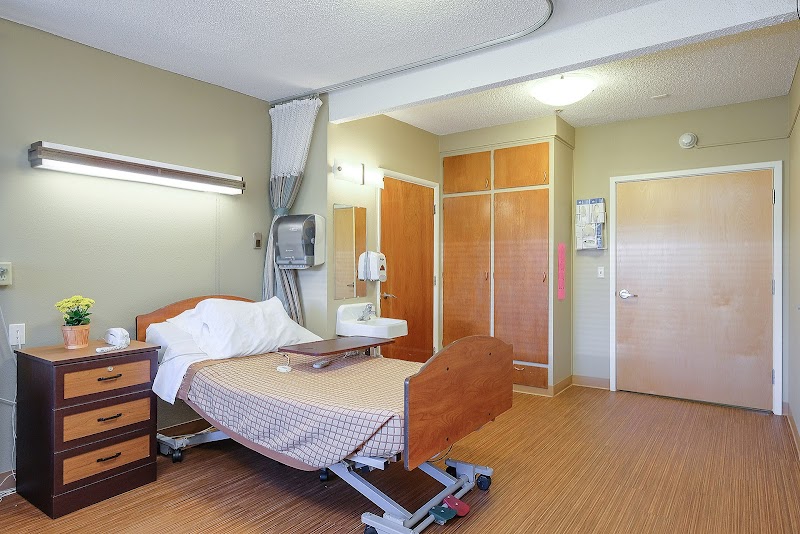
How is Avamere Rehabilitation Of Eugene Staffed?
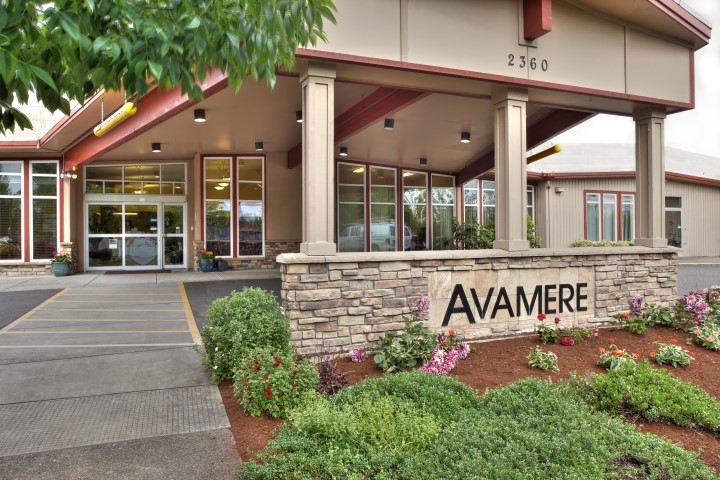
CMS rates Avamere Rehabilitation Of Eugene's staffing level at 3 out of 5 stars, which is average compared to other nursing homes. Staff turnover is 49%, compared to the Oregon average of 46%. RN turnover specifically is 71%, which is notably high. RNs provide skilled clinical oversight, so turnover in this role can affect medical care quality.

What Have Inspectors Found at Avamere Rehabilitation Of Eugene?

State health inspectors documented 47 deficiencies at Avamere Rehabilitation Of Eugene during 2018 to 2025. These included: 1 Immediate Jeopardy (the most serious level, indicating potential for serious harm or death), 45 with potential for harm, and 1 minor or isolated issues. Immediate Jeopardy findings are rare and represent the most serious regulatory concerns. They require immediate corrective action.
Who Owns and Operates Avamere Rehabilitation Of Eugene?

Avamere Rehabilitation Of Eugene is owned by a for-profit company. For-profit facilities operate as businesses with obligations to shareholders or private owners. The facility is operated by AVAMERE, a chain that manages multiple nursing homes. With 92 certified beds and approximately 57 residents (about 62% occupancy), it is a smaller facility located in EUGENE, Oregon.

How Does Avamere Rehabilitation Of Eugene Compare to Other Oregon Nursing Homes?

Compared to the 100 nursing homes in Oregon, Avamere Rehabilitation Of Eugene's overall rating (1 stars) is below the state average of 3.0, staff turnover (49%) is near the state average of 46%, and health inspection rating (1 stars) is much below the national benchmark.

What Should Families Ask When Visiting Avamere Rehabilitation Of Eugene?

Based on this facility's data, families visiting should ask: "What changes have been made since the serious inspection findings, and how are you preventing similar issues?" "Can I visit during a mealtime to observe dining assistance and food quality?" "How do you handle medical emergencies, and what is your hospital transfer rate?" "Can I speak with family members of current residents about their experience?" These questions are particularly relevant given the facility's Immediate Jeopardy citations.

Is Avamere Rehabilitation Of Eugene Safe?

Based on CMS inspection data, Avamere Rehabilitation Of Eugene has documented safety concerns. Inspectors have issued 1 Immediate Jeopardy citation (the most serious violation level indicating risk of serious injury or death). The facility is currently on the Special Focus Facility watch list (a federal program monitoring the lowest-performing 1% of nursing homes nationwide). The facility has a 1-star overall rating and ranks #100 of 100 nursing homes in Oregon. Families considering this facility should ask detailed questions about what corrective actions have been taken since these incidents.

Do Nurses at Avamere Rehabilitation Of Eugene Stick Around?

Avamere Rehabilitation Of Eugene has a staff turnover rate of 49%, which is about average for Oregon nursing homes (state average: 46%). Moderate turnover is common in nursing homes, but families should still ask about staff tenure and how the facility maintains care continuity when employees leave.

Was Avamere Rehabilitation Of Eugene Ever Fined?

Avamere Rehabilitation Of Eugene has been fined $36,472 across 1 penalty action. The Oregon average is $33,444. While any fine indicates a compliance issue, fines under $50,000 are relatively common and typically reflect isolated problems that were subsequently corrected. Families should ask what specific issues led to these fines and confirm they've been resolved.

Is Avamere Rehabilitation Of Eugene on Any Federal Watch List?

Avamere Rehabilitation Of Eugene is currently an SFF Candidate, meaning CMS has identified it as potentially qualifying for the Special Focus Facility watch list. SFF Candidates have a history of serious deficiencies but haven't yet reached the threshold for full SFF designation. The facility is being monitored more closely — if problems continue, it may be added to the official watch list. Families should ask what the facility is doing to address the issues that led to this status.