AVAMERE RIVERPARK OF EUGENE
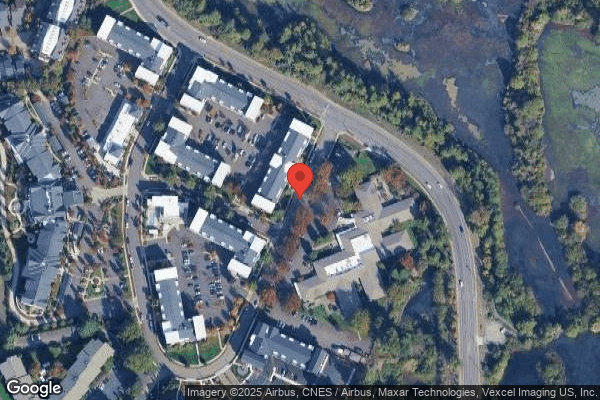
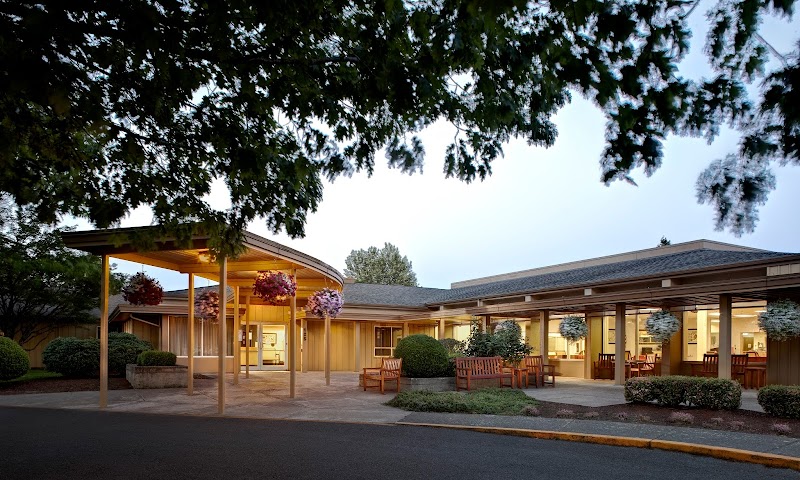
425 ALEXANDER LOOP, EUGENE, OR 97401 (541) 345-6199
For profit - Corporation 119 Beds AVAMERE Data: November 2025
Trust Grade
0/100
#106 of 127 in OR
Last Inspection: October 2024

Within standard 12-15 month inspection cycle. Federal law requires annual inspections.

Overview

Avamere Riverpark of Eugene has received a Trust Grade of F, indicating significant concerns about the facility's quality of care. Ranking #106 out of 127 nursing homes in Oregon places it in the bottom half, and #10 out of 13 in Lane County suggests that only a few local options are better. Although the facility is showing improvement, reducing issues from 17 in 2024 to 2 in 2025, there are still serious concerns, including $75,335 in fines, which is higher than 82% of Oregon facilities. Staffing is a relative strength with a rating of 4 out of 5 stars, and a turnover rate of 42%, which is below the state average, indicating that staff are generally stable. However, there have been serious incidents, such as a resident suffering rib fractures and a head injury after falling from a broken shower chair, and another resident receiving medication that should not have been crushed, posing risks for adverse side effects.

Trust Score
F
0/100
In Oregon
#106/127
Bottom 17%
Safety Record
High Risk
Review needed
Inspections
Getting Better
17 → 2 violations
Staff Stability
○ Average
42% turnover. Near Oregon's 48% average. Typical for the industry.
Penalties
✓ Good
$75,335 in fines. Lower than most Oregon facilities. Relatively clean record.
Skilled Nurses
○ Average
Each resident gets 30 minutes of Registered Nurse (RN) attention daily — about average for Oregon. RNs are the most trained staff who monitor for health changes.
Violations
⚠ Watch
50 deficiencies on record. Higher than average. Multiple issues found across inspections.
★☆☆☆☆
1.0
Overall Rating
★★★★☆
4.0
Staff Levels
★★★☆☆
3.0
Care Quality
★☆☆☆☆
1.0
Inspection Score
Stable
2024: 17 issues
2025: 2 issues

The Good

  • 4-Star Staffing Rating · Above-average nurse staffing levels
  • Full Sprinkler Coverage · Fire safety systems throughout facility
  • No fines on record
  • Staff turnover below average (42%)

    6 points below Oregon average of 48%

Facility shows strength in staffing levels, fire safety.

The Bad

1-Star Overall Rating

Below Oregon average (3.0)

Significant quality concerns identified by CMS

Staff Turnover: 42%

Near Oregon avg (46%)

Typical for the industry

Federal Fines: $75,335

Well above median ($33,413)

Moderate penalties - review what triggered them

Chain: AVAMERE

Part of a multi-facility chain

Ask about local staffing decisions and management

The Ugly 50 deficiencies on record

9 actual harm
Jul 2025 2 deficiencies 1 Harm
SERIOUS (G) 📢 Someone Reported This

A family member, employee, or ombudsman was alarmed enough to file a formal complaint

Actual Harm - a resident was hurt due to facility failures

Accident Prevention (Tag F0689)

A resident was harmed · This affected 1 resident

Based on interview and record review, it was determined the facility failed to ensure resident care equipment was monitored as recommended for 1 of 3 sampled residents (#12) reviewed for accidents. Re...

Read full inspector narrative →
Based on interview and record review, it was determined the facility failed to ensure resident care equipment was monitored as recommended for 1 of 3 sampled residents (#12) reviewed for accidents. Resident 12 experienced a fall from a broken shower chair, sustained rib fractures, and a closed head injury. Findings include: Resident 12 was admitted to the facility in 9/2024 with diagnoses including stroke. A 5/14/25 Fall investigation revealed Staff 12 (CNA) was providing Resident 12 with a shower. Resident 12's shower chair broke and Resident 12 fell onto the shower room floor, complaining of head and right rib pain. Resident 12 was sent to the hospital. A 5/14/25 hospital After Visit Summary revealed Resident 12 was diagnosed with a rib fracture, a closed head injury, and a bruise. A review of the undated shower chair owner's manual revealed the chair was to be checked at least monthly for glued fittings by attempting to pull the polyvinyl chloride (type of plastic) out of the fittings. The pipes on the shower chair needed to be checked for cracking, fractures, or other damage at least monthly. A Work History Report printed on 7/9/25 revealed no inspections of shower chairs were completed in 2024 or 2025. On 7/8/25 at 12:35 PM, Resident 12 stated on 5/11/25 the shower chair came apart and two CNAs put the chair back together. On 5/14/25 she/he received a shower and the chair collapsed causing fractured ribs. On 7/8/25 at 2:03 PM, Staff 11 (CNA) stated on 5/11/25 Resident 12 was in the shower chair and Staff 10 (CNA) noticed a piece was coming apart on the chair. Staff 11 stated they transferred Resident 12 to her/his wheelchair and Staff 10 took the shower chair to the maintenance room. Attempts to reach Staff 10 on 7/8/25 and 7/9/25 were unsuccessful. On 7/8/25 at 2:24 PM, Staff 8 (Maintenance Lead) stated on 5/12/25, there was a shower chair in the boiler room. Staff 8 stated there was no note on the chair and no work order was received for the chair. Staff 8 stated he did a visual inspection and figured a work order would come in. The shower chair was gone from the boiler room on 5/13/25. Staff 8 stated he did not do anything with the chair. On 7/9/25 at 10:37 AM, Staff 12 stated she obtained the shower chair from the shower room on 5/14/25 and placed Resident 12 in the shower chair. Staff 12 did not hear any cracking noises when setting Resident 12 into the chair or while taking her/him to the shower room. After the shower was completed, Staff 12 rolled the chair toward her so she could dry Resident 12's feet and the shower chair collapsed. On 7/9/25 at 11:09 AM, Staff 1 (Administrator) stated during the investigation they identified the process for broken equipment needed to be more streamlined. The deficient practice was identified as Past Noncompliance based on the following: On 5/16/25, the deficient practice was identified by the facility and was corrected when the facility completed an investigation and identified system failures of using the same equipment which previously was broken. The Plan of Correction included: -Broken shower chair was removed and discarded. -A facility wide audit and inspection of all shower chairs was completed. A new process was implemented for logging equipment inspections as well as a new tagging process for equipment requiring maintenance. -Facility wide education was provided to staff on equipment safety checks, the process for when equipment needed maintenance, and the new tagging process for equipment requiring maintenance. -Audits were completed for random staff knowledge on equipment not functioning properly and audits of shower chairs' functional status were completed on the following dates: 5/23/25, 5/30/25, 6/6/25, 6/7/25, 6/13/25, 6/20/25, 6/27/25, and 7/3/25.
CONCERN (D) 📢 Someone Reported This

A family member, employee, or ombudsman was alarmed enough to file a formal complaint

Potential for Harm - no one hurt, but risky conditions existed

Incontinence Care (Tag F0690)

Could have caused harm · This affected 1 resident

2. Resident 16 was admitted to the facility in 7/2022 with diagnoses which included stroke. A 5/5/25 Bowel and Bladder Evaluation indicated Resident 16 was a candidate for scheduled toileting (timed ...

Read full inspector narrative →
2. Resident 16 was admitted to the facility in 7/2022 with diagnoses which included stroke. A 5/5/25 Bowel and Bladder Evaluation indicated Resident 16 was a candidate for scheduled toileting (timed voiding). A 5/5/25 quarterly MDS indicated Resident 16 was cognitively intact. A 6/3/25 care plan revealed Resident 16 was incontinent of bowel and bladder. Resident 16 had a history of urgency incontinence. Interventions included assisting with using the bathroom before breakfast and after lunch per preference to anticipate needs, resident used briefs, provide incontinentence care as needed, and provide peri care (cleaning of the genital area) after an incontinent episode. A public complaint was received on 6/23/25 alleging in 6/2025 Resident 16 was not cleaned properly after a bowel movement. The brief was clean, but Resident 16 had dried feces over groin area, buttocks and down her/his thighs. On 7/8/25 at 9:16 AM, Witness 1 (Complainant) stated twice in 6/2025 she found Resident 16 with dried feces on her/him. Witness 1 stated the first instance involved dried feces on her/his back, causing skin irritation. Witness 1 stated Staff 6 (CNA) came in, saw the dried feces on Resident 16, and cleaned her/him. The second instance involved dried feces on Resident 16's groin area. On 7/8/25 at 12:42 PM, Resident 16 stated staff would put her/him in a wheelchair and she/he would be in it all day with no incontinentence care unless she/he advocated for assistance. On 7/8/25 at 1:23 PM, Staff 6 (CNA) stated in 6/2025 he came on shift and assisted Resident 16 because she/he had dried feces on her/him and some dry skin flakes on her/his buttocks. Staff 6 stated Resident 16 was not fully cleaned following the previous incontinent episode. On 7/8/25 at 1:31 PM, Staff 5 (CNA) stated there was a day in 6/2025 when Resident 16 had explosive diarrhea and she was changing Resident 16's shirt and pants all day long. On 7/9/25 at 8:32 AM, Staff 7 (CNA) stated Resident 16 was difficult to clean after a bowel movement. Staff 7 stated she did not leave Resident 16 unclean after incontinentence care and there were times when she could only get 90 percent of Resident 16's feces off her/him because she/he would refuse additional cleaning. Staff 7 reported it to the nurse and let the next CNA know during the shift change. On 7/9/25 at 11:04 AM and 12:25 PM, Staff 1 (Administrator) stated she would expect staff to clean a resident thoroughly unless a resident refused. If a resident refused, CNA staff were expected to report the refusal to the nurse. Staff 2 (DNS) stated she expected the nurse to document if the resident refused incontinentence care in case there was a skin issue. Based on interview and record review it was determined the facility failed to provide adequate incontinentence and catheter care for 2 of 3 sampled residents (#s 14 and 16) reviewed for catheter care. This placed residents at risk for unmet care needs, skin breakdown and loss of dignity. Findings include: 1. Resident 14 was admitted to the facility in 12/2022 with diagnoses including chronic venous hypertension with ulcer and inflammation of bilateral lower extremity. A 12/2024 Annual MDS indicated Resident 14 was cognitively intact. A 12/16/24 signed order instructed staff to provide catheter care each shift. A 6/2025 TAR instructed staff to provide catheter care each shift. Catheter care was not completed during the night shift on 6/6/25. A FRI received on 6/9/25 alleged on 6/6/25 Resident 14 was not provided incontinentence care. On 7/8/25 at 9:05 AM, Resident 14 stated she/he notified staff she/he needed her/his brief changed on 6/6/25. Staff 14 (CNA) stated she could not provide care immediately and would return. On 7/8/25 at 4:10 PM, Staff 13 (CNA) stated during night shift on 6/6/25 he went to check on Resident 14 around 11:00 PM. Resident 14 was not changed for nine hours. Resident 14's catheter bag was full and was not checked on night shift. On 7/9/25 at 11:00 AM, Staff 10 (CNA) stated Resident 14 reported Staff 14 (CNA) answered her/his call light and stated she would return and never did on 6/6/25. Staff 10 and Staff 13 assisted Resident 14 with the brief change on the next shift. Staff 10 stated it was evident Resident 14 was not provided catheter or incontinentence care during the night shift on 6/6/25. Messages were left with Staff 14 (CNA) twice on 7/8/25 and twice on 7/9/25. Calls were not returned. On 7/9/25 at 11:32 AM, Staff 1 (Administrator) acknowledged Resident 14 was not provided incontinentence care and the expectation was to provide care each shift.
Oct 2024 16 deficiencies 2 Harm
SERIOUS (G) 📢 Someone Reported This

A family member, employee, or ombudsman was alarmed enough to file a formal complaint

Actual Harm - a resident was hurt due to facility failures

Deficiency F0658 (Tag F0658)

A resident was harmed · This affected 1 resident

**NOTE- TERMS IN BRACKETS HAVE BEEN EDITED TO PROTECT CONFIDENTIALITY** Based on observation, interview, and record review it was determined the facility failed to ensure professional standards were f...

Read full inspector narrative →
**NOTE- TERMS IN BRACKETS HAVE BEEN EDITED TO PROTECT CONFIDENTIALITY** Based on observation, interview, and record review it was determined the facility failed to ensure professional standards were followed for 2 of 6 sampled residents (#s 39 and 442) for medication administration. This placed residents at risk for adverse side effects and cross contamination. Findings include: Per OAR [PHONE NUMBER] Scope of Practice Standards for All Licensed Nurses (1) Standards related to the licensee's responsibility for safe nursing practice. The licensee shall: (A) Adhere to professional practice and performance standards; Per OAR [PHONE NUMBER] Conduct Derogatory to the Standards of Nursing Defined: Conduct that adversely affects the health, safety, and welfare of the public, fails to conform to legal nursing standards, or fails to conform to accepted standards of the nursing profession, is conduct derogatory to the standards of nursing. Such conduct includes, but is not limited to: (2) Conduct related to achieving and maintaining clinical competency: (a) Failing to conform to the essential standards of acceptable and prevailing nursing practice. Actual injury need not be established; (3) Conduct related to the client's safety and integrity: 1. Resident 442 admitted to the facility in 4/2024 with diagnoses including bipolar disorder (mental health disorder). A public complaint was received on 5/30/24 which alleged on 5/29/24 at 7:30 AM Staff 28 (RN) administered Resident 442's morning medications, and within 30 minutes Witness 2 (Complainant) noticed the resident was not responding to staff when spoken to and became out of it. An 4/6/24 physician order indicated staff were to administer chlorpromazine (antipsychotic for mental disorder) PO, vitamin D3 PO, Protonix (treat reflux) PO, lithium ER (extended release for bipolar disorder) PO, and propranolol (for high blood pressure) PO. On 10/10/24 Drugs.com indicated lithium ER should not be crushed, chewed, or broken. A 5/29/24 Progress Note indicated Resident 442 had a difficult time swallowing her/his medication in the morning, so Staff 28 (RN) crushed Resident 442's medication and administered the medication in pudding. On 10/9/24 at 12:11 PM Staff 28 (RN) acknowledged she crushed Resident 442's lithium, which was not to be crushed, and no Medication Error documents were found in the resident's electronic record. On 10/9/24 at 3:03 PM Staff 2 (DNS) acknowledged Staff 28 crushed Resident 442's lithium medication, which was not to be crushed, and no Medication Error documents were found in the resident's electronic record. 2. Resident 39 admitted to the facility in 2/2024 with diagnoses including diabetes. On 10/9/24 at 11:50 AM Staff 28 (RN) was observed to check Resident 39's CBG (blood sugar measurement) level in the dining room. Staff 28 placed the glucometer on the North medication cart and cleaned the glucometer with small alcohol prep wipes. On 10/9/24 at 12:10 PM Staff 28 stated she always used alcohol prep wipes to sanitize the glucometer, and she was not aware of another sanitizing wipe. On 10/9/24 12:15 PM Staff 3 (LPN-Resident Care Manager) and Staff 30 (LPN-Resident Care Manager) stated the glucometer should be sanitized with the proper sanitizing wipes.
SERIOUS (G) 📢 Someone Reported This

A family member, employee, or ombudsman was alarmed enough to file a formal complaint

Actual Harm - a resident was hurt due to facility failures

Deficiency F0760 (Tag F0760)

A resident was harmed · This affected 1 resident

Based on interview and record review it was determined the facility failed to ensure residents were free from significant medication errors for 1 of 4 sampled residents (#442) reviewed for change of c...

Read full inspector narrative →
Based on interview and record review it was determined the facility failed to ensure residents were free from significant medication errors for 1 of 4 sampled residents (#442) reviewed for change of condition. This placed residents at risk for adverse side effects of medications. Findings include: Resident 442 admitted to the facility in 4/2024 with diagnoses including bipolar disorder (mental health disorder). An 4/6/24 physician order indicated staff were to administer lithium ER (extended release antipsychotic for bipolar disorder). On 10/10/24 Drugs.com indicated lithium ER should not be crushed, chewed, or broken. A 5/29/24 Progress Note indicated Resident 442 had a difficult time swallowing her/his medication in the morning, so Staff 28 (RN) crushed Resident 442's medication and administered the medication in pudding. On 10/9/24 at 12:11 PM Staff 28 (RN) acknowledged she crushed Resident 442's lithium, which was not to be crushed, and no Medication Error documents were found in the resident's electronic record. On 10/9/24 at 3:03 PM Staff 2 (DNS) acknowledged Staff 28 crushed Resident 442's lithium medication, which was not to be crushed, and no Medication Error documents were found in the resident's electronic record. Refer to F658
CONCERN (D)

Potential for Harm - no one hurt, but risky conditions existed

Resident Rights (Tag F0550)

Could have caused harm · This affected 1 resident

Based on observation, interview and record review it was determined the facility failed to ensure residents were treated with dignity for 1 of 1 sampled resident (#39) reviewed for medication administ...

Read full inspector narrative →
Based on observation, interview and record review it was determined the facility failed to ensure residents were treated with dignity for 1 of 1 sampled resident (#39) reviewed for medication administration. This placed residents at risk for lack of dignity. Findings include: Resident 39 admitted to the facility in 2/2024 with diagnoses including diabetes. On 10/10/24 at 11:50 AM Staff 28 (RN) performed a CBG (blood sugar measurement) check on Resident 39 in the dining room without permission from the resident with multiple residents in the dining room. Resident 39 required an insulin injection, Staff 28 raised the resident's shirt and administered the insulin into her/his abdomen. Resident 39 asked Staff 28 to administer the injection in her/his arm multiple times. Another resident in proximity to Resident 39 looked away during her/his insulin administration. On 10/10/24 at 12:05 PM Staff 3 (LPN-Resident Care Manager) and Staff 30 (LPN-Resident Care Manager) acknowledged Staff 28 failed to protect Resident 39's dignity by performing a CBG check in the dining room, and by lifting Resident 39's shirt in a populated common area to administer insulin.
CONCERN (D)

Potential for Harm - no one hurt, but risky conditions existed

Deficiency F0553 (Tag F0553)

Could have caused harm · This affected 1 resident

Based on interview and record review it was determined the facility failed to ensure a resident's representative was included in the care planning process for 1 of 2 sampled residents (#77) reviewed f...

Read full inspector narrative →
Based on interview and record review it was determined the facility failed to ensure a resident's representative was included in the care planning process for 1 of 2 sampled residents (#77) reviewed for communication. This placed residents at risk for lack of input in the care planning process. Findings include: Resident 77 admitted to the facility in 12/2023 with diagnoses including stroke and aphasia (language disorder). An 4/18/24 Comprehensive Plan of Care Review indicated N/A (not applicable) related to the attendance of the responsible party. A 7/22/24 Annual MDS indicated Resident 77's BIMS assessment could not be completed, she/he was rarely understood and she/he used nonverbal communication to express her/his needs. A 7/23/24 Comprehensive Plan of Care Review indicated N/A related to the attendance of the responsible party. An 10/7/24 resident profile for Resident 77 indicated Witness 1 (Family Member) was her/his main contact. On 10/7/24 at 4:01 PM Witness 1 stated she did not receive invitations to Resident 77's care conferences and she was in the facility weekly. On 10/10/24 at 9:27 AM Staff 7 (Business Office Manager) stated invitations sent to Witness 1 for Resident 77's care conferences were completed through the mail, the invitations were returned to the facility due to an out of date address and the last attempt to contact Witness 1 was nine months earlier. Staff 9 stated Staff 6 (Social Services Coordinator) was not informed the invitations to Witness 1 were returned. On 10/10/24 at 9:39 AM Staff 6 stated family involvement at care conferences would benefit Resident 77. Staff 6 acknowledged there was no communication with Resident 77 or Witness 1 to ensure family contacts were included in the care planning process.
CONCERN (D) 📢 Someone Reported This

A family member, employee, or ombudsman was alarmed enough to file a formal complaint

Potential for Harm - no one hurt, but risky conditions existed

Notification of Changes (Tag F0580)

Could have caused harm · This affected 1 resident

3. Resident 42 admitted to the facility in 6/2024 with diagnoses including cellulitus (deep infection of the skin) and heart failure. A 7/8/24 Alert Note indicated Resident 42 was observed with a redd...

Read full inspector narrative →
3. Resident 42 admitted to the facility in 6/2024 with diagnoses including cellulitus (deep infection of the skin) and heart failure. A 7/8/24 Alert Note indicated Resident 42 was observed with a reddened area above her/his left ankle and the resident requested to be sent to the emergency department. Resident 42 returned to the facility with a diagnoses of cellulitis and new orders for antibiotics. There was no indication Resident 42's physician was notified of the resident's change of condition. A 9/12/24 progress note indicated Resident 42 complained of uncontrolled pain and an inability to move her/his leg which had copious amounts of drainage. Resident 42 was transported to the emergency department. There was no indication Resident 42's physician was notified of the resident's change of condition. On 10/11/24 at 12:29 PM Staff 2 (DNS) acknowledged no physician was notified on 7/8/24 or 9/12/24 of the resident's change of condition. Based on interview and record review it was determined the facility failed to notify the physician regarding refusals and changes in condition for 3 of 9 sampled residents (#s 26, 42, and 442) reviewed for medications, and change of condition. This placed residents at risk for lack of physician involvement. Findings include: The facilities 2/2021 Requesting, Refusing, and/or Discontinuing Care or Treatment Policy indicated; -the healthcare practitioner must be notified of refusal of treatment. 1. Resident 26 admitted to the facility in 10/2017 with diagnoses including kidney failure. A 9/25/24 physician order indicated staff were to complete daily weights, and call the physician for a weight gain of two to three pounds per day over a two-day period or five pounds in one week. A review of the 9/2024 and 10/2024 TARs indicated Resident 26 refused daily weights from 9/25/24 through 10/9/24. A 9/25/24 physician order indicated staff were to check Resident 26's CBG (blood sugar measurement) level four times a day and to notify the physician for a CBG level less than 70 or greater than 400 before meals and at bedtime. No documentation was found in Resident 26's clinical record the physician was notified of the refusals of daily weights and CBG checks from 9/25/24 through 10/9/24. On 10/9/24 at 3:44 PM Staff 2 (DNS) confirmed the physician was not notified at any time of refusals for daily weights or CBG checks from 9/25/24 through 10/9/24. 2. Resident 442 admitted to the facility in 4/2024 with diagnoses including stroke. A 4/6/24 physician order indicated staff were to administer chlorpromazine (antipsychotic for mental disorder) PO, vitamin D3 PO, Protonix (treat reflux) PO, lithium ER (extended release for bipolar disorder) PO, and propranolol (for high blood pressure) PO. On 10/10/24 Drugs.com indicated the above medications should not be crushed or chewed. A public complaint was received on 5/30/24 which alleged on 5/29/24 at 7:30 AM Staff 28 (RN) administered Resident 442's morning medications, and within 30 minutes Witness 2 (Complainant) noticed the resident was not responding to staff when spoken to and became out of it. On 10/7/24 at 2:13 PM Witness 2 stated Resident 442 was brought to the dining room for breakfast but did not eat. Witness 2 stated the resident was lethargic. Witness 2 stated Staff 28 was notified of the change of condition but the resident was not assessed. On 10/8/24 at 1:55 PM Staff 32 (CNA) stated on 5/29/24 Resident 442 was lethargic in the morning and was placed back in bed. Staff 32 stated Staff 28 was notified but the resident was not assessed. Staff 32 stated the resident was placed in her/his wheelchair for lunch but the resident was more lethargic and not responsive to stimuli. Staff 32 stated Staff 28 was again notified but the resident was not assessed. Staff 32 stated Staff 34 (CNA) was notified and requested Staff 3 (LPN-Resident Care Manager) to assess Resident 442. On 10/8/24 at 1:06 PM Staff 3 stated Staff 32 and Staff 34 requested she assess Resident 442. Staff 3 stated the resident was lethargic and sent out and admitted to the hospital. A 5/29/24 Progress Note indicated Resident 442 had a difficult time swallowing her/his morning medications, so the medications were crushed and placed in pudding for administration. A 5/29/24 Hospital Summary Note indicated Resident 442 arrived to the emergency room with altered mental status, and mildly elevated lithium levels. Normal lithium levels were 1.2 millequivents per liter and the resident's level was 2.5 millequivents per liter. Resident 442 was transferred to the ICU (intensive care unit). No documentation was found in Resident 442's clinical record the physician was notified of the change of condition the morning of 5/29/24. On 10/9/24 at 12:11 PM Staff 28 stated Resident 442 took her/his medication whole in applesauce or pudding, but on the morning of 5/29/24 she/he could not swallow her/his medications and was lethargic. Staff 28 stated she crushed Resident 442's morning medications and placed them in pudding. Staff 28 acknowledged she crushed medications, which should not be crushed, and did not notify the physician of the resident's change of condition. On 10/9/24 at 3:03 PM Staff 2 (DNS) acknowledged Staff 28 crushed Resident 442's morning medications, which were not to be crushed, and did not notify the physician of the resident's change of condition timely.
CONCERN (D)

Potential for Harm - no one hurt, but risky conditions existed

Transfer Notice (Tag F0623)

Could have caused harm · This affected 1 resident

3. Resident 89 admitted to the facility in 10/2024 with diagnoses including non-infective gastroenteritis (inflammation of the stomach) and colitis (inflammation of the colon). A 9/7/24 Progress Note ...

Read full inspector narrative →
3. Resident 89 admitted to the facility in 10/2024 with diagnoses including non-infective gastroenteritis (inflammation of the stomach) and colitis (inflammation of the colon). A 9/7/24 Progress Note revealed Resident 89 discharged to the hospital on 9/7/24. No evidence was found in Resident 89's health record to indicate a transfer notice with appeal rights was provided in writing to her/him or the Office of the State Long-Term Care Ombudsman was notified of the resident's transfer to the hospital. On 10/10/24 at Staff 1 (Administrator) acknowledged the facility did not provide transfer notices to residents, their representatives, or the Office of the State Long-Term Care Ombudsman. 2. Resident 44 admitted to the facility in 2/2024 with diagnoses including seizures. An 8/12/24 Progress Note revealed Resident 44 was transported to the hospital. No evidence was found in Resident 44's health record to indicate a transfer notice was provided to Resident 44, her/his representative, or a representative of the Office of the State Long-Term Care Ombudsman. On 10/10/24 at 3:57 PM Staff 1 (Administrator) reviewed the transfer to the hospital and stated the facility did not provide a transfer notice to Resident 44, her/his representative, or a representative of the Office of the State Long-Term Care Ombudsman. Based on interview and record review it was determined the facility failed to ensure the required parties were notified of resident hospitalizations for 3 of 7 sampled residents (#s 42, 44, and 89) reviewed for hospitalization and change of condition. This placed residents at risk for lack of advocacy. Findings include: 1. Resident 42 admitted to the facility in 6/2024 with diagnoses including cellulitus (deep infection of the skin) and heart failure. A 9/12/24 Progress Note indicated Resident 42 was transported to the emergency department due to complaints of uncontrolled pain. A 9/12/24 MDS Discharge Assessment was completed with an anticipated return from the hospital. Review of Resident 42's clinical record revealed no transfer notice was provided to Resident 42, her/his representative, or a representative of the Office of the State Long-Term Care Ombudsman. On 10/11/24 at 12:29 PM Staff 2 (DNS) acknowledged a transfer notice was not provided to Resident 42, her/his representative, or a representative of the Office of the State Long-Term Care Ombudsman.
CONCERN (D)

Potential for Harm - no one hurt, but risky conditions existed

Deficiency F0625 (Tag F0625)

Could have caused harm · This affected 1 resident

**NOTE- TERMS IN BRACKETS HAVE BEEN EDITED TO PROTECT CONFIDENTIALITY** 3. Resident 89 was admitted to the facility on 10/2024 with a diagnosis of noninfective Gastroenteritis and Colitis A review of...

Read full inspector narrative →
**NOTE- TERMS IN BRACKETS HAVE BEEN EDITED TO PROTECT CONFIDENTIALITY** 3. Resident 89 was admitted to the facility on 10/2024 with a diagnosis of noninfective Gastroenteritis and Colitis A review of Resident 89's 8/20/24 review 5-day MDS Assessment revealed she/he was cognitively intact. A review of Resident 89's nursing progress notes revealed she/he was discharged to the hospital on 9/7/24 and was readmitted to the facility on [DATE]. No evidence was found in Resident 89's health record to indicate a transfer notice with appeal rights was provided in writing to her/him or the Office of the State Long-Term Care Ombudsman was notified of the resident's transfer to the hospital. On 10/11/24 at 12:51 PM Staff 27 (Guest Services Coordinator) stated she was not able to get a hold of resident 89 and documented late entry. 2. Resident 44 admitted to the facility in 2/2024 with diagnoses including seizures. A 8/12/24 Progress Note revealed Resident 44 was transported to the hospital. A review of the medical record revealed no documentation a bed hold policy was provided to Resident 44 or her/his resident representative. On 10/10/2024 at 3:57 PM Staff 1 (Administrator) reviewed the transfer to the hospital and stated the facility did not provide the bed hold to Resident 44 or his/her resident representative at the time of or after her/his transfer to the hospital. Based on interview and record review it was determined the facility failed to provide residents with a written notice of the facility's bed hold policy at the time of transfer to the hospital for 3 of 7 sampled residents (#s 42, 44, and 89) reviewed for hospitalization and change of condition. This placed residents at risk for lack of knowledge regarding their choices and potential financial responsibilities. Findings include: 1. Resident 42 was admitted to the facility in 6/2024 with diagnoses including cellulitus (deep infection of the skin) and heart failure. A 9/12/24 progress note indicated Resident 42 was transported to the emergency department due to complaints of uncontrolled pain. A 9/12/24 MDS Discharge Assessment was completed with return anticipated. A reviewed of Resident 42's clinical record revealed no documentation the resident or her/his representative was provided information regarding the facilty bed hold policy. On 10/11/24 at 11:09 AM Staff 14 (LPN) stated she did not understand the process to provide bed hold information to Resident 42 when she/he was transferred to the hospital and did not receive training related to the expectations. On 10/11/24 at 12:29 PM Staff 2 (DNS) acknowledged the requirement to provide bed hold information to Resident 42 was not met.
CONCERN (D) 📢 Someone Reported This

A family member, employee, or ombudsman was alarmed enough to file a formal complaint

Potential for Harm - no one hurt, but risky conditions existed

Deficiency F0657 (Tag F0657)

Could have caused harm · This affected 1 resident

Based on interview and record review it was determined the facility failed to complete comprehensive care plans within the required timelines and revise care plan interventions for 2 of 7 sampled resi...

Read full inspector narrative →
Based on interview and record review it was determined the facility failed to complete comprehensive care plans within the required timelines and revise care plan interventions for 2 of 7 sampled residents (#s 38 and 42) reviewed for change of condition, ADL care and edema. This placed residents at risk for unmet needs. Findings include: 1. Resident 38 admitted to the facility in 8/2022 with diagnoses including kidney disease and UTI. On 10/7/24 at 11:25 AM Resident 38 reported recurrent UTIs every three months, and also reported chronic bladder discomfort, burning with urination, and a sense of urinary urgency. The 7/21/23 care plan documented Resident 38 was at risk for UTIs with history of UTIs. There were no documented updates or revisions to the goals or interventions since the original date of care plan initiation on 7/21/23. On 10/9/24 at 5:17 PM Staff 3 (LPN-Resident Care Manager) reported the 7/21/23 care plan included Resident 38's recurring UTIs however the interventions were not revised or updated since the date the care plan was initiated. On 10/11/24 at 8:18 AM Staff 2 (DNS) reported Resident 38 was diagnosed with six UTI's in 2023. Staff 2 confirmed the 7/21/23 care plan was not revised to address Resident 38's recurring UTIs. 2. Resident 42 admitted to the facility in 6/2024 with diagnoses including heart failure and severe obesity. The 6/14/24 admission MDS indicated Resident 42 was occasionally incontinent of bladder and required substantial to maximum assistance with toileting hygiene. An 10/3/24 revised care plan indicated staff were to provide intermittent supervision for Resident 42's personal hygiene including her/his perineum (genital area), and staff were to monitor for signs of heart failure including edema. On 10/9/24 at 3:42 PM Resident 42 stated when staff entered her/his room they often left without asking if she/he need additional assistance. Resident 42 stated she/he did not ask for toileting hygiene from those who did not know her/him well because the request was embarrassing and she/he stated toileting hygiene should be offered. Resident 42 stated because of all her/his care needs, it was difficult to remember to request assistance to elevate her/his legs to reduce the swelling. On 10/10/24 at 5:38 PM Staff 2 (DNS) and Staff 1 (Administrator) acknowledged Resident 42's care plan was not personalized to meet the needs of the resident related to personal hygiene and edema interventions and Resident 42's care needs increased since her/his 9/2024 hospitalization.
CONCERN (D)

Potential for Harm - no one hurt, but risky conditions existed

Deficiency F0679 (Tag F0679)

Could have caused harm · This affected 1 resident

2. Resident 21 admitted to the facility in 2/2021 with diagnoses including depression. On 10/7/24 at 11:18 AM Resident 21 stated she/he was not interested in group activities and staff did not provide...

Read full inspector narrative →
2. Resident 21 admitted to the facility in 2/2021 with diagnoses including depression. On 10/7/24 at 11:18 AM Resident 21 stated she/he was not interested in group activities and staff did not provide in-room activities. On 10/9/24 at 11:26 AM Staff 4 (Activities Director) stated Resident 21 preferred to stay in bed. Staff 4 stated Resident 21's in-room activities included use of electronics, television, music and one-to-one visits. An 10/10/24 medical record review revealed Resident 21 had one-to-one activity once in the last 30 days. On 10/10/23 at 11:07 AM Staff 1 (Administrator) stated she was unable to locate any other one-to-one activity documentation for Resident 21 in the last 30 days. Based on observation, interview, and record review it was determined the facility failed to provide meaningful activities to dependent residents for 2 of 3 sampled residents (#s 21 and 37) reviewed for activities. This placed residents at risk for a diminished quality of life. Findings include: 1. Resident 37 admitted to the facility in 7/2023 with diagnoses including stroke. The 7/15/24 Annual MDS revealed Resident 37's cognition was severely impaired, her/his family was involved in her/his care and indicated she/he enjoyed listening to music, spending time outside, and participating in religious activities. Resident 37's comprehensive care plan revealed her/his activities of interests were gospel music, Christmas, and bible study. The care plan interventions included staff were to provide one on one time, help Resident 37 go to activities, remind her/him of the activities she/he enjoyed, and leave music on for Resident 37. The 10/2024 Activities Calendar included weekly bible study social visits and weekly bible study. Resident 37's medical record included no documentation of her/his participation in group activities or one on one activities for the last thirty days. There were no Activity Progress Notes for Resident 37. On 10/7/24 at 10:59 AM Resident 37 was laying in bed. On 10/8/24 at 1:03 PM bible study social visits were occurring in the activity room, but Resident 37 was not in the activity room. Staff 4 (Activity Director) stated the residents in the activity were praying with the bible studies ladies. On 10/8/24 at 1:05 PM Resident 37 was laying in bed and the television was on, but the volume was off. On 10/8/24 at 2:01 PM the facility had bible study in the activity room. Resident 37 was laying in bed with the television on, but the volume was off. On 10/9/24 at 2:21 PM Resident 37 was laying in bed and the television was on, but the volume was off. On 10/9/24 at 2:41 PM Staff 36 (CNA) stated she did not see Resident 37 participate in activities. Staff 36 stated after Resident 37 finished meals she/he was helped to bed and left with the television on. Staff 36 stated Resident 37's family wanted the television and volume on for her/him because that was what she/he did at home. On 10/10/24 at 9:49 AM Staff 4 stated the activities department provided one on one visits for residents who did not attend group activities. Staff 4 stated Resident 37 was very religious, however the CNA staff did not assist her/him into the wheelchair so the activities staff could take Resident 37 to the religious activities she/he enjoyed. Staff 4 stated there was no documentation of group or one on one activities provided for Resident 37 in the last 30 days. On 10/10/24 at 10:12 AM Staff 35 (CNA) stated she was unaware of any group activities in which Resident 37 was interested in attending. Staff 35 stated after meals she helped Resident 37 back to bed. Staff 35 stated activities of interest for residents should be on the care plan. On 10/10/24 at 10:21 AM Resident 37 was laying in bed and the television was on, but the volume was off. On 10/10/24 at 2:31 PM Staff 37 (CMA) stated Resident 37 did not go to activities at all. Staff 37 said there was a time when Resident 37 had the television on with the volume on but the roommate did not want the sound on. On 10/10/24 at 2:35 PM Staff 19 (CNA) stated Resident 37 was generally lying down in bed in her/his in room watching television. Staff 19 stated Resident 37 was never in activities and she was not aware of any activities she/he should attend. On 10/10/24 at 3:55 PM Staff 1 (Administrator) stated she had seen Resident 37 in the dining room and with the television and music on. Staff 1 stated she expected staff to know what activities in which residents wanted to participate, and for those to be listed on the care plan.
CONCERN (D)

Potential for Harm - no one hurt, but risky conditions existed

Pressure Ulcer Prevention (Tag F0686)

Could have caused harm · This affected 1 resident

2. Resident 62 admitted to the facility in 12/2022 with diagnoses including a left below the knee amputation. A 9/20/24 investigation indicated Resident 62 had a wound to her/his left knee. The wound ...

Read full inspector narrative →
2. Resident 62 admitted to the facility in 12/2022 with diagnoses including a left below the knee amputation. A 9/20/24 investigation indicated Resident 62 had a wound to her/his left knee. The wound was described as a 3 cm red area with a white area in the center. Resident 62 stated the wound was a pressure wound due to friction from her/his prosthetic leg rubbing on her/his knee. The investigation concluded the wound was an abrasion caused by the prosthetic leg rubbing on Resident 62's left knee. Resident 62 was encouraged to take breaks from wearing the prosthetic leg during the day. A 9/20/24 Wound Evaluation indicated Resident 62 had a 1.27 cm by 1.02 cm abrasion to her/his left knee. On 10/7/24 at 10:46 AM Resident 62 stated she/he had a pressure wound on her/his left knee. On 10/10/24 at 10:59 AM Staff 18 (LPN) stated Resident 62 had some weight loss and due to the weight loss, Resident 62's prosthetic leg did not fit correctly which resulted in a wound on Resident 62's left knee. On 10/11/24 at 9:20 AM Staff 3 (LPN-Resident Care Manager) stated Resident 62's wound on her/his left knee was caused by the prosthetic leg being too big, which caused friction between the knee and the prosthetic, and resulted in an abrasion to Resident 52's left knee. On 10/11/24 at 9:23 AM Staff 20 (LPN-Resident Care Manager) stated Resident 62's prosthetic leg was adjusted twice and padding was added to help the prosthetic leg fit Resident 62 better. On 10/11/24 at 9:30 AM Staff 3 acknowledged Resident 62's wound on her/his left knee was classified incorrectly, and the wound met the definition of a pressure wound. Based on observation, interview and record review it was determined the facility failed to properly assess pressure ulcers for 2 of 4 sampled residents (#s 13 and 62) reviewed for pressure ulcers. This placed residents at risk for worsening pressure ulcers. Findings include: 1. Resident 13 admitted to the facility in 7/2024 with diagnoses including muscle weakness. The 7/28/24 admission MDS indicated Resident 13 was at risk for pressure ulcers due to incontinence and decreased mobility. The 7/25/24 care plan revised on 9/26/24 indicated Resident 13 had current skin concerns including pressure injuries to the bilateral buttocks. A 9/24/24 incident report indicated Resident 13 was being monitored for redness and a CNA found two large blisters. There was no documentation which indicated where the pressure ulcers were located on the resident. A 9/25/24 Weekly Skin assessment indicated the resident's skin was intact. A 9/25/24 Wound Evaluation indicated the resident had a pressure ulcer to her/his sacrum (bone at the end of the lower back). The 10/1/24 Wound Evaluation indicated the resident had a pressure ulcer to her/his sacrum. The 10/8/24 Wound Evaluation indicated the resident had a pressure ulcer to her/his sacrum. On 10/9/24 at 10:24 AM Resident 13 was observed with pressure ulcers on her/his bilateral buttocks not her/his sacrum. On 10/9/24 at 4:51 PM Staff 29 (RN) stated the wounds were on Resident 13's bilateral buttocks not the sacrum and there was no documentation in Resident 13's medical record which identified blisters to the bilateral buttocks. On 10/9/24 at 5:03 PM Staff 2 (DNS) acknowledged Resident 13's pressure ulcer investigation was not accurate or thorough.
CONCERN (D) 📢 Someone Reported This

A family member, employee, or ombudsman was alarmed enough to file a formal complaint

Potential for Harm - no one hurt, but risky conditions existed

Accident Prevention (Tag F0689)

Could have caused harm · This affected 1 resident

Based on observation, interview, and record review it was determined the facility failed to supervise a resident while eating for 1 of 4 sampled residents (#292) reviewed for change of condition. This...

Read full inspector narrative →
Based on observation, interview, and record review it was determined the facility failed to supervise a resident while eating for 1 of 4 sampled residents (#292) reviewed for change of condition. This placed residents at risk for aspiration or choking. Findings include: Resident 292 admitted to the facility in 2/2024 with diagnoses including dementia. A 2/20/24 admission MDS revealed Resident 292 had swallowing difficulties. A review of Resident 292's 3/11/24 care plan revealed an intervention of close supervision while eating. A 3/19/24 investigation revealed on 3/14/24 after 10:30 PM Staff 24 (former staff member) assisted Resident 292 into the Central Dining Room, gave her/him a peanut butter and jelly sandwich and then went to the Central Nursing Station to chart. Staff 24 stated she asked Staff 26 (LPN) to supervise Resident 292 while she/he ate. Staff 26 was charting at the Central Nursing Station and was not in the dining room. On 10/10/24 at 11:09 AM Staff 22 (CNA) stated close supervision of a resident meant the staff were to remain within arm's length of the resident while eating. On 10/10/24 at 2:45 PM Staff 3 (LPN-Resident Care Manager) stated close supervision of a resident meant the staff were to remain within arm's length of the resident while eating. On 10/10/24 at 4:01 PM Staff 25 (ST-Rehab Manager) stated close supervision of residents when eating meant staff must sit at the same table or an adjoining table and the resident was not left unattended with the food tray. On 10/10/24 at 7:56 PM Staff 26 stated he was unaware Resident 292 was eating a sandwich in the Central Dining Room, and he was not supervising Resident 292 while she/he was eating. On 10/11/24 at 10:05 AM Staff 2 (DNS) stated close supervision required staff to sit at the same table or the next table with the resident. Staff 2 observed the Central Dining Room from the Central Nursing Station and acknowledged the dining room could not be observed from the Central Nursing Station. Staff 2 stated Resident 292 did not receive close supervision while eating on 3/14/24. The deficient practice was identified as Past Noncompliance based on the following: On 3/15/24 the deficient practice was identified by the facility and was corrected by 3/18/24 when the facility completed a root cause analysis of the incident and determined the facility failed to provide needed supervision for a resident when eating. The Plan of Correction included: -A facility-wide audit to verify all aspiration risk-related documentation and care plans were current to orders and therapy recommendations. -Educate staff on supervision levels. -Spot audit residents during meals or snack time to verify they received the appropriate supervision level. -Audit staff to quiz recall on different supervision levels.
CONCERN (D) 📢 Someone Reported This

A family member, employee, or ombudsman was alarmed enough to file a formal complaint

Potential for Harm - no one hurt, but risky conditions existed

Respiratory Care (Tag F0695)

Could have caused harm · This affected 1 resident

Based on observation, interview and record review it was determined the facility failed to thoroughly assess and monitor respiratory status and maintain respiratory equipment for 2 of 2 sampled reside...

Read full inspector narrative →
Based on observation, interview and record review it was determined the facility failed to thoroughly assess and monitor respiratory status and maintain respiratory equipment for 2 of 2 sampled residents (#s 17 and 42) reviewed for respiratory services. This placed residents at risk for worsening respiratory status. Findings include: 1. Resident 17 admitted to the facility in 7/2023 with diagnoses including chronic obstructive pulmonary disease (a lung disease that makes it difficult to breathe), congestive heart failure (a long-term condition that occurs when the heart is unable to pump enough blood to meet the body's needs) and pulmonary hypertension (a condition that affects the blood vessels in the lungs, making it harder for blood to flow to the lungs and causing the heart to work harder to pump blood). A 9/22/24 Progress Note indicated Resident 17 had a wet productive cough, generalized body aches and tested negative for COVID 19. A 9/23/24 Progress Note indicated Resident 17 had increased weakness, a moist cough, lethargy, nausea, coarse lungs sounds, COVID 19 negative and the provider was notified. A 9/24/24 Progress Note indicated the provider saw Resident 17 and new antibiotics orders were received for an upper respiratory infection (a viral, contagious illness that affects the upper respiratory system). A 9/25/24 Progress Note indicated Resident 17 had coarse lungs, a productive cough, oxygen saturation was at 91% without oxygen and was tired and weak. No further documentation was found to indicate thorough respiratory assessments were completed for Resident 17 after 9/25/24. An 10/1/24 Provider Progress Note indicated Resident 17 reported mild improvement in cough and pulmonary congestion. Resident 17 was noted to have normal respiratory effort and a mild cough. The note did not include evidence of a thorough respiratory assessment. An 10/2/24 Progress Note indicated Resident 17 refused RA due to being sick. A review of progress notes from 10/3/24 through 10/8/24 revealed no further documentation of Resident 17's respiratory status. On 10/7/24 at 12:54 PM Resident 17 was observed in her/his bed with oxygen on at two liters per minute via nasal cannula. Resident 17 had a moist cough. On 10/9/24 at 11:34 AM Staff 12 (CNA) stated Resident 17 had a moist cough for the last two to three weeks. Staff 12 stated Resident 17's cough worsened and she/he needed oxygen continuously since the resident started coughing. On 10/10/24 at 10:56 AM Resident 17 was observed in bed, oxygen in place at two liters per minute via nasal cannula, and a moist cough was noted. On 10/11/24 at 11:50 AM Staff 2 (DNS) stated she expected alert charting with respiratory symptoms to include assessment of lung sounds, cough, temperature, oxygen saturation and related respiratory symptoms until the respiratory symptoms resolved. Staff 2 agreed Resident 17 continued to experience respiratory symptoms and did not receive thorough respiratory assessments after 9/25/24. 2. Resident 42 admitted to the facility in 6/2024 with diagnoses including sleep apnea (a pause in breathing during sleep). A 6/10/24 care plan indicated Resident 42's CPAP (Continuous Positive Airway Pressure) machine was to be worn as tolerated. A 7/30/24 physician order directed staff to empty the water reservoir of Resident 42's CPAP machine daily and wash her/his CPAP mask each morning. The 9/2024 and 10/2024 TARs indicated to refer to nursing notes on 9/4/24, 9/5/24, 9/26/24, 9/28/24, 10/2/24 and 10/3/24 related to the care of Resident 42's CPAP reservoir and mask by Staff 10 (LPN). No nursing notes were found. On 10/9/24 at 3:42 PM Resident 42 was observed with her/his CPAP machine in use and stated the machine was rarely cleaned. On 10/10/24 at 5:19 PM Staff 10 stated she was often unable to complete the task to clean and service Resident 42's CPAP machine due to the request by the resident to return at a later time during the day when the machine was not in use. Staff 10 indicated Resident 42 rarely removed her/his CPAP machine. On 10/10/24 at 5:38 PM Staff 2 (DNS) acknowledged Resident 42's CPAP machine needed to be emptied and mask cleaned as ordered even if the resident's equipment was often in use.
CONCERN (D) 📢 Someone Reported This

A family member, employee, or ombudsman was alarmed enough to file a formal complaint

Potential for Harm - no one hurt, but risky conditions existed

Deficiency F0725 (Tag F0725)

Could have caused harm · This affected 1 resident

2. Resident 76 admitted to the facility in 4/2024 with diagnoses including quadriplegia. The comprehensive care plan for Resident 76 revealed she/he had a sip and puff call light (a call light activat...

Read full inspector narrative →
2. Resident 76 admitted to the facility in 4/2024 with diagnoses including quadriplegia. The comprehensive care plan for Resident 76 revealed she/he had a sip and puff call light (a call light activated by the mouth) to request help and staff were to ensure it was placed so Resident 76 could reach it with her/his mouth to activate it. The care plan also indicated Resident 76 was dependent on staff for all care due to quadriplegia and required two staff with a mechanical lift to transfer from chair to bed. On 10/9/24 at 11:14 AM Resident 76 was in her/his wheelchair in front of the television in her/his room, and the call light was across the room at the bedside. A CMA was in the room and provided medications and, as she left, Resident 76 stated she/he wanted to go back to bed and asked the CMA to activate the call light. The call light was activated. On 10/9/24 at 11:20 AM Staff 22 (CNA)was observed to enter Resident 76's room, turned off the call light, but did not provide care to Resident 76 and did not move the call light within her/his reach. Staff 22 then assisted another resident into the shower. On 10/9/24 at 11:46 AM Staff 22 returned to Resident 76's room with Staff 21 (CNA) and stated they were going to assist Resident 76 back to bed. On 10/10/24 at 2:31 PM Staff 37 (CMA) stated residents often complained about not receiving care timely. On 10/10/24 at 2:35 PM Staff 19 (CNA) stated staff were mandated to work extra shifts and were often called in to work extra. Staff 19 also stated the facility had many residents who required two people for care due to transfer assistance and behavioral needs, but the facility did not take that into consideration when determining how many staff worked each shift. On 10/10/24 at 3:43 PM Staff 2 (DNS) stated she expected staff to answer call lights within 12 to 15 minutes and the call light should be left on until staff were ready to provide care. Staff 2 stated she expected staff to ensure Resident 76 had her/his call light properly placed so she/he could call for assistance. On 10/11/24 at 8:48 AM Staff 21 stated on 10/9/24 Resident 76's hall was very busy and acknowledged there was a delay in assisting her/him back to bed. Based on observation, interview, and record review it was determined the facility failed to provide sufficient staffing for 2 of 8 sampled residents (#s 42 and 76) reviewed for staffing. This placed residents at risk for unmet needs. Findings include: 1. Resident 42 admitted to the facility in 6/2024 with diagnoses including heart failure, diabetes and severe obesity. A 6/14/24 admission MDS indicated Resident 42 was occasionally incontinent of bladder and required substantial to maximum assistance with toileting hygiene. A 9/26/24 through 10/9/24 CNA Task for Toileting Hygiene document identified Resident 42 required substantial assistance or was dependent on staff for toileting hygiene for 20 of 40 opportunities. An 10/3/24 revised care plan indicated staff were to provide intermittent supervision for Resident 42's personal hygiene including her/his perineum (genital area) and care after incontinent episodes. On 10/7/24 at 1:59 PM Resident 42 stated she/he urinated often due to her/his medication and frequently waited up to an hour for assistance with toileting hygiene. Resident 42 stated she/he complained to Staff 1 (Administrator) about her/his concerns of her/his inability to thoroughly complete toileting hygiene independently, but the lack of staffing assistance continued. Resident 42 stated it was difficult to get timely assistance due to her/his requirement for two person assistance. On 10/9/24 at 10:32 AM Resident 42's call light was observed on and no staff were in her/his room. At 11:03 AM Staff 12 (CNA) entered Resident 42's room and shut off the call light before exiting the room to look for additional staff assistance. On 10/9/24 at 11:04 AM Staff 12 (CNA) stated, when she entered Resident 42's room to address her/his call light, no other CNA was in the resident's room. Staff 12 was observed to leave Resident 42's room to obtain bed pad supplies and stated she also needed to look for another CNA due to the requirement for two person care for Resident 42. At 11:06 AM two staff were observed to enter Resident 42's room. On 10/9/24 at 3:19 PM Staff 9 (CNA) stated over the last few weeks there were less staff assigned to Resident 42's hall than in prior months and stated she observed one 30 minute call light wait time for Resident 42 while Staff 9 was on her break. On 10/10/24 at 2:35 PM Staff 19 (CNA) stated staffing was a concern especially on weekends due to staff absences. Staff 19 stated she did not believe the facility had a working system to address weekend staffing issues and posted schedules did not take into consideration the staffing needs for those residents with behaviors who required two-person assistance. On 10/10/24 at 2:46 PM Staff 5 (CNA) stated the issues related to heavy care needs on Resident 42's hall were communicated to the Resident Care Manager, but there was no change. Light duty staff were added to the hall, but it was not effective because they could not assist with bariatric care needs. On 10/10/24 at 5:19 PM Staff 10 (LPN) stated because of the lack of timely response for assistance, Resident 42 attempted to complete her/his personal hygiene care independently. Staff 10 confirmed Resident 42's hall had a high level of care needs and staff voiced their concerns to management. On 10/11/24 at 12:29 PM Staff 1 (Administrator) and Staff 2 (DNS) were present when issues with Resident 42 were reviewed. Staff 2 stated there were times when staffing for Resident 42 related to two person care and bariatric needs were not met due to call offs and staffing challenges. Staff 1 acknowledged staffing needs based on acuity needed to be met.
CONCERN (D)

Potential for Harm - no one hurt, but risky conditions existed

Deficiency F0847 (Tag F0847)

Could have caused harm · This affected 1 resident

Based on interview and record review it was determined the facility failed to ensure residents understood the meaning of an arbitration agreement (disputes resolved with a neutral party and not in cou...

Read full inspector narrative →
Based on interview and record review it was determined the facility failed to ensure residents understood the meaning of an arbitration agreement (disputes resolved with a neutral party and not in court) for 2 of 5 sampled residents (#s 13 and 76) reviewed for arbitration. This placed residents at risk for being uninformed of their legal rights. Findings include: 1.Resident 13 admitted to the facility in 7/2024 with diagnoses including muscle weakness. A 7/28/24 Medicare 5-Day MDS indicated Resident 13 was cognitively intact. An 10/7/24 facility provided list of residents who signed a facility Arbitration Agreement indicated Resident 13 signed an Arbitration Agreement. On 10/10/24 at 11:56 AM Resident 13 stated she/he was not aware of signing an arbitration agreement. On 10/11/24 at 3:00 PM Witness 3 (Family Member) stated she did not recall speaking to anyone regarding arbitration agreements when the arbitration form was offered. On 10/11/24 at 8:51 AM Staff 1 (Administrator) acknowledged they should ensure residents or their representatives understood the arbitration agreement. 2.Resident 76 admitted to the facility in 4/2024 with diagnoses including a pressure ulcer. A 4/7/24 admission MDS indicated Resident 76 was cognitively intact. An 10/7/24 facility provided list of residents who signed a facility Arbitration Agreement indicated Resident 76 signed an Arbitration Agreement. On 10/10/24 at 11:52 AM Resident 76 stated she/he did not remember signing an arbitration agreement and arbitration was not explained to her/him. On 10/11/24 at 8:51 AM Staff 1 (Administrator) acknowledged they should ensure residents or their representatives understood the arbitration agreement.
CONCERN (D) 📢 Someone Reported This

A family member, employee, or ombudsman was alarmed enough to file a formal complaint

Potential for Harm - no one hurt, but risky conditions existed

Infection Control (Tag F0880)

Could have caused harm · This affected 1 resident

Based on observation, interview and record review it was determined the facility failed to ensure the community use glucometer was properly sanitized between resident uses for 1 of 1 sampled resident ...

Read full inspector narrative →
Based on observation, interview and record review it was determined the facility failed to ensure the community use glucometer was properly sanitized between resident uses for 1 of 1 sampled resident (#39) reviewed during CBG checks. This placed all residents who required CBG checks at risk for bloodborne illness. Findings include: Resident 39 admitted to the facility in 2/2024 with diagnoses including diabetes. On 10/9/24 at 11:50 AM Staff 28 (RN) was observed to check Resident 39's CBG (blood sugar measurement) level in the dining room. Staff 28 placed the glucometer on the North medication cart and cleaned the glucometer with small alcohol prep wipes. On 10/9/24 at 12:10 PM Staff 28 stated she always used alcohol prep wipes to sanitize the glucometer, and she was not aware of another sanitizing wipe. On 10/9/24 12:15 PM Staff 3 (LPN-Resident Care Manager) and Staff 30 (LPN-Resident Care Manager) stated the glucometer should be sanitized with the proper sanitizing wipes.
CONCERN (D)

Potential for Harm - no one hurt, but risky conditions existed

Antibiotic Stewardship (Tag F0881)

Could have caused harm · This affected 1 resident

Based on observation, interview, and record review it was determined the facility failed to ensure an antibiotic was indicated for use for 1 of 2 sampled residents (#17) reviewed for respiratory care....

Read full inspector narrative →
Based on observation, interview, and record review it was determined the facility failed to ensure an antibiotic was indicated for use for 1 of 2 sampled residents (#17) reviewed for respiratory care. This placed residents at risk for antibiotic resistant organisms. Findings include: Resident 17 admitted to the facility in 7/2023 with diagnoses including chronic obstructive pulmonary disease (a lung disease that makes it difficult to breathe), congestive heart failure (a long-term condition that occurs when the heart is unable to pump enough blood to meet the body's needs) and pulmonary hypertension (a condition that affects the blood vessels in the lungs, making it harder for blood to flow to the lungs and causing the heart to work harder to pump blood). A 9/22/24 Progress Note indicated Resident 17 had a wet productive cough, generalized body aches and tested negative for COVID 19. A 9/24/24 Progress Note indicated a provider visit with Resident 17 and a new antibiotic order was received for an upper respiratory infection (an illness that affects the upper respiratory system). On 10/7/24 at 12:54 PM Resident 17 was observed in her/his bed with oxygen on at two liters per minute via nasal cannula. Resident 17 had an occasional moist cough. On 10/11/24 at 10:28 AM Staff 17 (Infection Preventionist) stated Resident 17 tested negative for COVID 19 on 9/18/24 and 9/22/24 and Resident 17 was started on an antibiotic for an upper respiratory infection on 9/24/24. Staff 17 stated a chest x-ray was not completed and no other lab tests were completed to confirm Resident 17 had an upper respiratory infection or to confirm Resident 17 did not have complications from her/his respiratory diagnoses. Staff 17 stated the facility used the McGeer's Criteria for antibiotic stewardship to ensure residents were not treated unnecessarily with antibiotics. Staff 17 acknowledged Resident 17 did not meet the McGeer's Criteria for an upper respiratory infection, and Resident 17 required further diagnostic testing before starting an antibiotic.
Mar 2024 1 deficiency
CONCERN (D) 📢 Someone Reported This

A family member, employee, or ombudsman was alarmed enough to file a formal complaint

Potential for Harm - no one hurt, but risky conditions existed

Quality of Care (Tag F0684)

Could have caused harm · This affected 1 resident

Based on observations, interview and record review it was determined the facility failed to follow physician orders and follow the care plan for 3 of 10 sampled residents (#s 3, 5 and 9) reviewed for ...

Read full inspector narrative →
Based on observations, interview and record review it was determined the facility failed to follow physician orders and follow the care plan for 3 of 10 sampled residents (#s 3, 5 and 9) reviewed for medications and ADLs. This placed residents at risk for unmet care needs. Findings include: 1. Resident 9 was admitted to the facility in January 2023 with diagnoses including chronic pain syndrome. Review of a physician order dated 1/5/23, revealed the resident was to receive Morphine (narcotic pain medication) 100 mg three times a day. The resident was to receive the Morphine at 8:00 AM, 2:00 PM and 9:00 PM. Review of a progress note dated 10/11/23 at 5:12 AM, revealed the facility was out of the resident's Morphine and the resident was upset and cursing at the nurse. Review of an October 2023 MAR revealed the resident was not administered Morphine on 10/11/23 at 8:00 AM. Review of a progress note dated 12/11/23 at 4:59 AM, revealed the facility was out of the resident's Morphine and the resident was upset. At 11:11 AM, Resident 9 reported a pain level of 10/10 and was administered PRN pain medication. Review of a December 2023 MAR revealed the resident was not administered Morphine on 12/11/23 at 8:00 AM. Observation on 3/20/24 at 10:04 AM, revealed Resident 9 was in bed and appeared in no acute distress and did not appear to be in pain. In an interview on 3/20/24 at 10:04 AM, Resident 9 said the facility did not administer 1-2 doses of Morphine. Resident 9 said the facility did not re-order the medication timely which caused the facility to run out of her/his medication. The resident indicated this caused her/him increased pain. In an interview on 3/28/24 at 8:30 AM, Staff 1 (Administrator) and Staff 2 (DNS) both acknowledged the resident did not receive Morphine pain medication as ordered by the resident's physician. 2. Resident 3 was admitted to the facility in July 2023 with diagnoses including vascular dementia. Review of a care plan dated 10/14/23, revealed the resident required assistance with ADLs due to dementia and a history of falls. Interventions included one person assist with bathing. Review of a progress note dated 2/2/24 at 11:16 PM, revealed the resident was found unresponsive to commands and heart rate at 140. The note indicated the resident was removed from the bathtub, taken to the resident's room, dried and dressed. Staff would continue to monitor. Review of an incident report/investigation dated 2/2/24, revealed the resident was left alone in the bathtub from 9:30 PM through 10:55 PM, and was found unresponsive. The resident was removed from the bathtub, returned to bed, placed on alert monitoring and the DNS was notified. The investigation revealed Resident 3 was on hospice care and had episodes of unresponsiveness and nonverbal. The resident care plan was reviewed and the care plan was not followed. Resident 3 was awake and responsive at 10:30 PM and back to baseline at 2:00 AM. In an interview on 3/20/24 at 9:45 AM, Resident 3 said she/he was left in the shower by herself/himself but did not remember the date. Resident 3 said he felt stuck and was not harmed. In an interview on 3/26/24 at 8:10 AM, Staff 3 (CNA) said on 2/2/24 the resident was taken to the shower by Staff 4 (CNA) and left in the bathtub from around 9:30-9:45 PM to around 11:00 PM. Staff 3 said the resident was removed from the bathtub by Staff 4 and the charge nurse and was awake but unresponsive and not talking. Staff 4 no longer worked at the facility. In an interview on 3/26/24 at 9:32 AM, Staff 5 (CNA) said on 2/2/24 Staff 4 had checked on the resident in the shower and then took a 30 minute break. Staff 5 said Staff 4 had forgotten Resident 3 was in the bathtub. Staff 5 was aware the resident required one person assist with showers. In an interview on 3/28/24 at 9:00 AM, Staff 2 (DNS) acknowledged the resident's care plan was not followed regarding bathing. 3. Resident 5 was admitted to the facility in January 2024 with diagnoses including fibromyalgia. Review of a hospital physician order dated 1/6/24, revealed the resident was to receive colchicine (anti-inflamatory) by mouth daily. Review of a January 2024 MAR revealed the resident did not receive colchicine from 1/7/24 through 1/18/24. In an interview on 3/27/24 at 8:30 AM, Staff 2 (DNS) acknowledged the resident did not receive the colchicine as ordered by the resident's physician due to problems acquiring the medication from the pharmacy.
Jun 2023 15 deficiencies 1 Harm
SERIOUS (G)

Actual Harm - a resident was hurt due to facility failures

Pressure Ulcer Prevention (Tag F0686)

A resident was harmed · This affected 1 resident

**NOTE- TERMS IN BRACKETS HAVE BEEN EDITED TO PROTECT CONFIDENTIALITY** 2. Resident 16 was admitted to the facility in 2021 with diagnoses including multiple sclerosis (a disease of the central nervou...

Read full inspector narrative →
**NOTE- TERMS IN BRACKETS HAVE BEEN EDITED TO PROTECT CONFIDENTIALITY** 2. Resident 16 was admitted to the facility in 2021 with diagnoses including multiple sclerosis (a disease of the central nervous system), pressure ulcer and on hospice. A 12/15/22 Significant Change MDS indicated Resident 16 was on hospice and at risk for pressure ulcers due to decreased mobility and urinary incontinence. Staff were to provide skin treatments as ordered and monitor for any changes in Resident 16's skin condition. A 5/13/23 Wound Nursing Order indicated to cleanse Resident 16's genital area wound. Apply Iodosorb (iodine gel) to the wound bed and cover with an adhesive foam dressing. The dressing was to be changed as needed if soiled or loose. A 6/12/23 Wound Nursing Order indicated to monitor a blanchable (skin that turns white when pressed) redness located at the the base of Resident 16's genital area and notify the provider of any worsening. A 6/13/23 Progress Note at 6:59 AM revealed Resident 16 had a very loose bowel movement and Staff 13 (LPN) redressed her/his pressure ulcer with new dressing after Resident 16 was cleaned. No additional information about Resident 16's wounds were documented. On 6/13/23 at approximately 1:15 PM a hospice encounter note indicated the original wound to Resident 16's genital area continued to improve and a new Stage 1 pressure ulcer (wound which remained red when touched) was at the base of Resident 16's genital area according to a facility nurse since Resident 16 declined a wound assessment during the visit. A 6/14/23 at 1:04 PM Skin and Wound Evaluation revealed Resident 16's wound located at the the base of her/his genital area was a Stage 3 (full-thickness skin loss) pressure ulcer and measured 4.3 cm long and 1.7 cm wide. Evidence of infection included increased drainage, redness and warmth and the wound was bleeding and had a scab. The evaluation also revealed the loss of skin was due to urine or friction. A note revealed it was the first time a nurse assessed the pressure ulcer wound and nursing used the 5/16/23 order to treat the wound. On 6/29/23 at 5:06 PM Staff 13 stated on 6/13/23 at 6:59 AM she observed Resident 16 already had a scab on another pressure ulcer. On 6/28/23 at 10:12 AM Staff 2 (DNS) stated the facility neglected to complete a wound assessment for Resident 16's second pressure ulcer and no investigation related to the wound was started. Based on interview and record review it was determined the facility failed to assess and treat residents' pressure ulcers for 2 of 3 sampled residents (#s 16 and 79) reviewed for pressure ulcers. Resident 16 developed at Stage 3 pressure ulcer. This placed residents at risk for infections. Findings include: 1. Resident 79 was admitted to the facility 6/9/23 (Friday) with diagnoses including respiratory failure. Hospital Discharge Orders Report dated 6/9/23 revealed Resident 79 had a pressure ulcer to the tailbone region. Wound care was to be provided every Monday, Wednesday and Friday. A 6/9/23 admission Nursing Database indicated the resident had a pressure ulcer to the tailbone. There were no measurements or descriptions of the ulcer on the form. A 6/2023 TAR revealed no wound care was provided until 6/13/23. This was four days after admission to the facility. Progress Notes revealed the following: -6/10/23 wound care was not provided because the resident started to fall asleep and refused -6/11/23 at 8:54 PM resident had pain to the tailbone region -6/11/23 at 9:08 PM tailbone region open with yellow green purulent (pus-indicative of infection) drainage, MD notified. -6/13/23 Wound nurse indicated she was asked to see the resident. The ulcer, which spanned from the tailbone to the anus, was 7.5 cm long and was full of slough (non-viable tissue). The resident verbalized pain to the buttock region. The wound nurse applied a dressing, but the resident immediately removed it. -6/14/23 the resident's physician assessed the resident and sent the resident to the hospital emergency department due to agitation and to rule out a stroke or sepsis from a wound infection. The resident returned with a diagnoses of wound infection. Skin and Wound Evaluation Forms revealed the following: -There was no form filled out when the resident was admitted on [DATE] -6/13/23 the ulcer was described as an unstageable pressure ulcer (unable to determine depth due to slough), the wound had 90% slough, signs of infection including increased drainage, redness and pain, moderate amount of purulent (pus) drainage. There was no length or width documented. -No form documented for 6/20/23 -6/27/23 the ulcer was noted to be improved. The ulcer was 7.9 cm long, was 100% covered with slough, did not have signs of infection and the note indicated the resident frequently removed the dressings. On 6/29/23 at 10:20 AM Staff 1 (LPN-Resident Care Manager) stated Resident 79 was admitted to the facility with a pressure ulcer to the tailbone region. Staff 1 stated staff were to assess all wounds, including pressure ulcers, and document in the clinical record on the skin assessment forms. Staff were to document treatment provided on the TAR. If a resident refused a treatment, staff were to attempt to provide the treatment on different shifts until the treatment was provided. Staff 1 also stated the pressure ulcers were to be monitored weekly. Staff 1 acknowledged the resident's pressure ulcer was not described in detail on the skin assessment sheet, treatments were not documented as provided for four days and skin assessments were not done on 6/20/23 when the wound nurse did not come into the facility. Staff 1 indicated the facility staff should have filled out the assessment if the wound nurse was not in the building.
CONCERN (D) 📢 Someone Reported This

A family member, employee, or ombudsman was alarmed enough to file a formal complaint

Potential for Harm - no one hurt, but risky conditions existed

Resident Rights (Tag F0550)

Could have caused harm · This affected 1 resident

Based on interview and record review it was determined the facility failed to ensure a resident was treated with respect for 1 of 1 sampled resident (#34) reviewed for dignity. This placed residents a...

Read full inspector narrative →
Based on interview and record review it was determined the facility failed to ensure a resident was treated with respect for 1 of 1 sampled resident (#34) reviewed for dignity. This placed residents at risk for lack of respectful encounters. Findings include: Resident 34 was admitted to the facility in 2020 with diagnoses including paraplegia (inability to voluntarily move the lower part of the body) and anxiety disorder. A 1/13/23 revised care plan indicated Resident 34 had a history of receiving verbal aggression, staff were to stop activity if it was bothersome to her/him and monitor her/his emotional and physical distress. Staff were also to recognize Resident 34's experience and approach Resident 34 calmly. An 4/13/23 Quarterly MDS indicated Resident 34 had no verbal aggression towards others and was cognitively intact. A 5/1/23 FRI alleged on 4/29/23 Resident 34 was mistreated by Staff 6 (LPN) when Staff 6 came into Resident 34's room and yelled at her/him. Staff 6 was suspended pending investigation and Resident 34 requested Staff 6 no longer provide any of her/his care. A 5/1/23 investigation of the 4/29/23 incident revealed Resident 34 asked for assistance for her/his roommate and Staff 6 bust[ed] in the door and yelled at me and that she's running behind. Resident 34 did not feel threatened by Staff 6 but wanted Staff 6 to have a more professional attitude towards her/him. On 6/27/23 at 9:44 AM Resident 34 stated she/he had to go outside to calm herself/himself down when Staff 6 was assigned to her/his room again that week. On 6/28/23 at 1:39 PM and 6/29/23 at 2:42 PM Staff 5 (LPN-Resident Care Manager) stated based on observations Resident 34 was willing to approach Staff 6 after the 4/29/23 incident, and the facility began to reassign Staff 6 back to providing direct care for Resident 34. Staff 5 stated she should have discussed with Resident 34 the option of Staff 6's return to provide her/his care and did not. On 6/29/23 at 11:26 AM Staff 6 stated on 4/29/23 she probably did not approach Resident 34 with the respect she/he wanted based on what she learned after reading her/his care plan. Staff 6 stated she repeated herself loudly and directly to Resident 34 to clarify a misunderstanding related to her/his roommate's care. Staff 6 confirmed she provided direct care for Resident 34 after the incident, believed those encounters felt awkward at times for both her and the resident but other nurses were unwilling to trade resident room assignments when Staff 6 requested. On 6/30/23 at 9:02 AM Staff 20 (Social Services Director) stated during recent conversations with Resident 34 she/he confirmed she/he did not want Staff 6 to provide her/his care. Staff 20 stated it violated Resident 34's need for respect even more when the facility scheduled Staff 6 to work with her/him without her/his consent.
CONCERN (D)

Potential for Harm - no one hurt, but risky conditions existed

Deficiency F0552 (Tag F0552)

Could have caused harm · This affected 1 resident

Based on interview and record review it was determined the facility failed to ensure a cognitively impaired resident's representative was provided risk and benefits of a psychotropic medication prior ...

Read full inspector narrative →
Based on interview and record review it was determined the facility failed to ensure a cognitively impaired resident's representative was provided risk and benefits of a psychotropic medication prior to initiation and failed to ensure a resident's right to implement medication options was honored for 2 of 5 sampled residents (#s 63 and 76) reviewed for unnecessary medications. This placed residents at risk for lack of appropriate medical treatment decisions. Findings include: 1. Resident 63 was admitted to the facility in 2022 with diagnoses including major depressive disorder. Resident 63's 12/2022 admission weight was 146.8 pounds and her/his weight on 6/23/23 was 172 pounds. The 4/2023 through 6/2023 Behavior Monitoring Record and MAR indicated Resident 63 did not have negative behaviors and received amitriptyline (an antidepressant medication) daily for depression. A 6/11/23 Quarterly MDS revealed Resident 63 was cognitively intact. A 7/2/23 Epocrates (a professional website that provides clinical references on drugs) reference revealed a common reaction to the use of amitriptyline was weight gain. On 6/28/23 at 3:49 PM Resident 63 stated there was no recent discussion about any changes to her/his medications and her/his weight gain since admission. Resident 63 was concerned about her/his weight gain. On 6/30/23 at 10:46 AM Staff 5 (LPN-Resident Care Manager) stated she had a discussion in 4/2023 with Resident 63 about the discontinuation of her/his amitriptyline and assumed Resident 63's physician would follow-up with this recommendation which was sent through an email. Staff 5 acknowledged there was no documentation about the discussion in Resident 63's clinical record or follow up with the physician to ensure Resident 63's request for the discontinuation of her/his medication was honored. 2. Resident 76 was admitted to the facility 6/1/23 with diagnoses including traumatic brain injury. A Consent for use of Psychotropic Medication Therapy for trazodone (antidepressant) and fluoxetine (antidepressant) indicated the resident gave verbal consent for use of the medications on 6/2/23. A 6/6/23 admission MDS and associated CAAs indicated Resident 76 was unable to complete an interview for cognitive testing and demonstrated severe cognitive deficits. On 6/28/23 at 10:23 AM Staff 1 (LPN-Resident Care Manager) indicated Resident 76's cognition was significantly impaired when she/he was admitted to the facility and likely did not understand the risk and benefits of the psychotropic medications. Staff 1 indicated the resident's family was involved with her/his care and staff should have reviewed the consents with the resident's family.
CONCERN (D)

Potential for Harm - no one hurt, but risky conditions existed

Deficiency F0553 (Tag F0553)

Could have caused harm · This affected 1 resident

Based on interview and record review it was determined the facility failed to include a resident in the plan of care for 1 of 1 sampled resident (#34) reviewed for urinary catheter. This placed reside...

Read full inspector narrative →
Based on interview and record review it was determined the facility failed to include a resident in the plan of care for 1 of 1 sampled resident (#34) reviewed for urinary catheter. This placed residents at risk for lack of inclusion in the care planning process. Findings include: Resident 34 was admitted to the facility in 2020 with diagnoses including paraplegia (inability to voluntarily move the lower part of the body) and anxiety disorder. An 4/13/21 revised care plan indicated to provide urinary catheter care each shift, empty the catheter as needed and Resident 34 preferred to perform her/his own catheter care. An 4/13/23 Quarterly MDS indicated Resident 34 had an urinary catheter and was cognitively intact. A 1/5/23 physician order indicated a Foley (flexible tube) urinary catheter was to be changed monthly. The 6/2023 TAR indicated the urinary catheter was changed on 6/18/23 by Staff 6 (LPN). A 6/25/23 progress note indicated Resident 34 requested a new urinary catheter and bag due to clogging and changed her/his urinary catheter independently with no difficulty. On 6/27/23 at 10:03 AM Resident 34 stated over the last six months she/he started to replace her/his own urinary catheter although it was not her/his preference and it was difficult to do so. Resident 34 stated she/he was not aware of what was on her/his care plan. On 6/29/23 at 11:26 AM Staff 6 stated she was verbally instructed to give Resident 34 the urinary catheter supplies and she/he preferred to replace her/his own urinary catheter although this was not a typical practice for nurses. On 6/29/23 at 2:42 PM Staff 5 (LPN-Resident Care Manager) stated Resident 34 always changed her/his own urinary catheter and was not offered a copy of her/his care plan as a point of discussion about her/his care preferences. Staff 5 acknowledge Resident 34 was not always involved in the determination of her/his care.
CONCERN (D)

Potential for Harm - no one hurt, but risky conditions existed

Deficiency F0554 (Tag F0554)

Could have caused harm · This affected 1 resident

Based on observation, interview and record review it was determined the facility failed to comprehensively assess residents' ability to self-administer medications for 1 of 1 sampled resident (#34) re...

Read full inspector narrative →
Based on observation, interview and record review it was determined the facility failed to comprehensively assess residents' ability to self-administer medications for 1 of 1 sampled resident (#34) reviewed for non-pressure skin conditions. This placed resident at risk for adverse medication reactions. Findings include: Resident 34 was admitted to the facility in 2020 with diagnoses including paraplegia (inability to voluntarily move the lower part of the body) and anxiety disorder. An 4/13/23 Quarterly MDS revealed Resident 34 was cognitively intact and had no impairment to her/his upper extremities. A 6/8/23 progress note revealed Resident 34 was seen by a NP because of a rash on her/his hand. A 6/12/23 physician order indicated to apply hydrocortisone solution (medication use to treat skin irritation) to Resident 34's hand twice daily for two weeks. On 6/28/23 at 12:01 PM Resident 34 was observed with a tube of hydrocortisone cream dated 6/8/23. Resident 34 stated the medication was in her/his possession since it was first ordered and she/he applied the medication as needed. On 6/28/23 at 1:39 PM Staff 5 (LPN-Resident Care Manager) stated there was no conversation or assessment completed for Resident 34 to self-administer the cream. As a result a nurse should have administered the cream.
CONCERN (D)

Potential for Harm - no one hurt, but risky conditions existed

Assessment Accuracy (Tag F0641)

Could have caused harm · This affected 1 resident

**NOTE- TERMS IN BRACKETS HAVE BEEN EDITED TO PROTECT CONFIDENTIALITY** Based on interview and record review it was determined the facility failed to accurately assess a resident's gradual dose reduct...

Read full inspector narrative →
**NOTE- TERMS IN BRACKETS HAVE BEEN EDITED TO PROTECT CONFIDENTIALITY** Based on interview and record review it was determined the facility failed to accurately assess a resident's gradual dose reduction (GDR) status for 1 of 5 sampled residents (#14) and to accurately assess a resident's dental status for 1 of 1 sampled resident (#76) reviewed for unnecessary medications and dental status. This placed residents at risk for unassessed needs. Findings include: 1. Resident 14 was admitted to the facility in 1/2022 with diagnoses including depression and bipolar disorder. The 5/2/23 Quarterly MDS indicated Resident 14 had a GDR on 2/17/23 for Abilify (antipsychotic), Trazodone (antidepressant) and Lexapro (antidepressant). On 6/30/23 at 8:45 AM Staff 1 (LPN-Resident Care Manager), Staff 2 (DNS) and Staff 5 (LPN-Resident Care Manager) acknowledged Resident 14 did not have a GDR on 2/17/23 and Resident 14's Quarterly MDS dated [DATE] was coded incorrectly. 2. Resident 76 was admitted to the facility in 6/2023 with diagnoses including traumatic brain injury. A 6/5/23 admission MDS indicated the resident did not have dental issues. On 6/28/23 at 8:55 AM Resident 76 was observed to have broken upper front teeth. On 6/28/23 at 11:28 AM Staff 1 (LPN-Resident Care Manager) acknowledged the MDS was not coded correctly and staff therefore did not assess the resident for dental needs.
CONCERN (D)

Potential for Harm - no one hurt, but risky conditions existed

Deficiency F0657 (Tag F0657)

Could have caused harm · This affected 1 resident

3. Resident 69 was admitted to the facility in 2022 with diagnoses including stroke and hemiparalysis (weakness on one side of the body) of the left side. A 5/30/23 revised care plan indicated to off...

Read full inspector narrative →
3. Resident 69 was admitted to the facility in 2022 with diagnoses including stroke and hemiparalysis (weakness on one side of the body) of the left side. A 5/30/23 revised care plan indicated to offer and place a bolster between Resident 69's left heel and gluteal (muscles of the buttock area). No additional information was found on the care plan related to ROM therapy. The 6/2023 Tasks: ROM indicated Resident 69 was offered and accepted ROM exercises six times through 6/28/23. A 6/9/23 OT Discharge Summary revealed staff were trained on the use of a left knee bolster for pain and contracture reduction and a ROM program was created to promote mobility in the left upper and lower extremities for Resident 69. On 6/26/23 at 4:14 PM and 6/29/23 at 12:50 PM Resident 69 was observed in bed with her/his left knee bent and no pillow or bolster in place. Resident 69 stated her/his hip no longer worked properly and she/he often had pain. On 6/29/23 at 12:43 PM Staff 14 (CNA) stated he believed Resident 69's bolster was used only for her/his hip pain. Staff 14 stated he did not inform nursing when Resident 69 refused the use of the bolster because the care plan did not indicate it was part of therapy. On 6/29/23 at 1:50 PM Staff 2 (DNS) stated Resident 69's care plan should have been revised to include the details of her/his ROM therapy and indicate the pillow or bolster was used to assist with her/his contracture. 2. Resident 66 was admitted to the facility in 7/2022 with diagnoses including stroke. A Progress Note dated 1/12/23 indicated Resident 66 had a cranioplasty (surgical repair of skull defects). A care plan dated 1/18/23 indicated staff were to use enhanced barrier precautions related to her/his scalp wound due to Resident 66's viral infections. Staff were to don gloves and gowns for all cares. On 6/29/23 at 9:08 AM Staff 7 (CNA), Staff 8 (CNA) and Staff 9 (CNA) stated they were unsure if Resident 66 was on enhanced barrier precautions. After looking in the resident's care plan, staff acknowledged Resident 66's care plan indicated she/he was on enhanced barrier precautions. On 6/29/23 at 9:56 AM Staff 5 (LPN-Resident Care Manager) and Staff 22 (LPN-Infection Preventionest) confirmed Resident 66's head wound healed; the care plan should not include enhanced barrier precautions and should be updated. Based on observation, interview and record review it was determined the facility failed to update resident care plans to reflect edema, ROM and infection control precautions for 3 of 8 sampled resident (#s 49, 66 and 69) reviewed for edema, rehabilitation and unecessary medications. This placed residents at risk for lack of resident centered interventions. Findings include: 1. Resident 49 was admitted to the facility 5/23/23 with diagnoses including a fall and cervical neck fracture. A 5/23/23 Nursing admission Database indicated the resident did not have edema (swelling/fluid retention). NP Progress Notes dated 6/8/23 indicated the resident was seen for hypertension follow-up and had newly identified edema to both legs and feet. The resident was assessed to not be short of breath and the NP ordered labs and additional medications. Resident 49's Comprehensive Care Plan last updated 6/20/23 did not have an identified focus area of edema, with goals or interventions to prevent edema. On 6/26/23 at 2:22 PM Resident 49 was observed to have edema to both legs and the resident's legs were not elevated. On 6/29/23 at 12:21 PM Staff 1 (LPN-Resident Care Manager) acknowledged Resident 49 developed edema after the care plan was initiated and the NP initiated new medications. Staff 1 indicated the care plan was not updated to reflect a new condition which was being treated and there were no additional non-pharmacological interventions in place to assist the resident to decrease the edema such as elevating the legs and/or monitoring the resident's weights.
CONCERN (D)

Potential for Harm - no one hurt, but risky conditions existed

Quality of Care (Tag F0684)

Could have caused harm · This affected 1 resident

Based on interview and record review it was determined the facility failed to a ensure an order discrepancy related to pain medication was clarified and ensure a resident was assessed after falls for ...

Read full inspector narrative →
Based on interview and record review it was determined the facility failed to a ensure an order discrepancy related to pain medication was clarified and ensure a resident was assessed after falls for 2 of 7 sampled residents (#s 48 and 76) reviewed for pain and accidents. This placed residents at risk for increased pain and unidentified injuries. Findings include: 1. Resident 48 was admitted to the facility 6/15/23 with diagnoses including knee replacement. Hospital Discharge Medications revealed tramadol was to be administered every six hours. The order was not PRN. A hard copy of the prescription (required to be sent to the pharmacy in order for the medication to be filled), attached to the order form, was for tramadol PRN. The resident's clinical record did not contain documentation to indicate the resident's physician was notified of the tramadol order discrepancy. On 6/29/23 at 10:14 AM Staff 1 (LPN-Resident Care Manager) stated if the admission orders did not correlate with the hard copy of the prescription to be sent to the pharmacy, the staff were to call the physician for clarification. A request was made to Staff 1 to provide evidence the staff clarified the tramadol orders with the resident's physician. No additional information was provided. 2. Resident 76 was admitted to the facility in 2023 with diagnoses including brain injury. Progress Notes revealed the following: -6/8/23 at 9:40 AM Resident 76 fell -6/8/23 at 11:43 PM the resident continued on neurological checks (assessment to rule out head injury) -No note for 6/9/23 -6/10/23 at 5:56 PM the resident was noted to move her/his arms/legs, lungs were clear and the resident was alert but forgetful -6/10/23 at 9:24 PM the resident fell from a recliner and then fell from the bed -No notes for 6/11/23 -6/12/23 the resident was noted to not have injuries from the fall -No notes for 6/13/23 A Neurological Flow Sheet initiated 6/8/23 revealed the following: -vital signs were obtained every 15 minutes from 5:30 PM through 6:15 PM, every 30 from 6:45 PM through 8:15 PM and hourly from 8:15 PM through 11:15 PM. A total of 11 vital sets were obtained. -nursing assessments to assess the resident's neurological condition were completed 2 of 11 opportunities, at 10:15 PM and 11:15 PM. A Neurological Flow Sheet initiated 6/9/23 revealed the following: -vital signs were obtained every four hours from 12:15 AM through 8:15 AM and every eight hours from 6/10/23 12:15 PM through 8:15 AM. A total of 11 vital sets were obtained. -nursing assessments to assess the resident's neurological condition were not completed on two occasions and partially completed on two occasions. Only 3 of 7 assessments were complete. A Neurological Flow Sheet initiated 6/10/23 revealed the following: -vital signs were obtained every 15 minutes from 11:00 AM through 11:45 AM, every 30 minutes from 11:45 AM through 12:45 PM and every hour from 1:45 PM through 4:45 PM. A total of 11 vital sets were obtained. -nursing assessments to assess the resident's neurological condition were not completed for the 11 opportunities. On 6/28/23 at 10:23 AM Staff 1 (LPN-Resident Care Manager) stated after an unwitnessed fall, neurological assessments were to be completed, documented and the resident was to be monitored for injuries after the fall every shift for at least 72 hours. Staff 1 reviewed the resident's record and acknowledged the staff did not monitor the resident each shift. On 6/28/23 at 2:37 PM Staff 2 (DNS) stated the nurses or CNAs initiated the neurological assessments sheets. The CNAs obtained all the required vital sign sets but the nurses did not always complete the required nursing assessments at the designated intervals.
CONCERN (D)

Potential for Harm - no one hurt, but risky conditions existed

Accident Prevention (Tag F0689)

Could have caused harm · This affected 1 resident

Based on interview and record review it was determined the facility failed to ensure a resident's fall was investigated for 1 of 4 sampled residents (#76) reviewed for accidents. This placed residents...

Read full inspector narrative →
Based on interview and record review it was determined the facility failed to ensure a resident's fall was investigated for 1 of 4 sampled residents (#76) reviewed for accidents. This placed residents at risk for unassessed risk factors. Findings include: Resident 76 was admitted to the facility in 2023 with diagnoses including traumatic brain injury. Review of the resident's Progress Notes revealed on 6/10/23 the resident fell two times. One time the resident fell from her/his recliner and another time the resident fell while she/he attempted to put her/his socks on. A review of 6/10/23 fall investigations revealed there was no investigation for the resident's fall from the recliner. On 6/28/23 at 10:10 AM Staff 2 (DNS) stated each fall was to be investigated to ensure risk factors were taken into account. Staff 2 acknowledged only one investigation was completed for the two falls which occurred on 6/10/23.
CONCERN (D)

Potential for Harm - no one hurt, but risky conditions existed

Deficiency F0745 (Tag F0745)

Could have caused harm · This affected 1 resident

Based on interview and record review it was determined the facility failed to obtain specialized physician appointments for 1 of 1 sampled resident (#76) reviewed for bowel and bladder. This placed re...

Read full inspector narrative →
Based on interview and record review it was determined the facility failed to obtain specialized physician appointments for 1 of 1 sampled resident (#76) reviewed for bowel and bladder. This placed residents at risk for lack of specialized care. Findings include: Resident 76 was admitted to the facility 6/1/23 with diagnoses including brain injury and urine retention. 6/1/23 hospital admission orders included the resident was to have urology and neurology follow-up appointments. On 6/28/23 at 10:23 AM Staff 1 (LPN-Resident Care Manager) stated when a resident admitted from the hospital the nursing staff forwarded referrals for specialists to the social service department. Staff 1 indicated she was not aware of any appointments for Resident 76. On 6/28/23 at 11:40 AM Staff 21 (Social Services) stated if a resident came directly from a hospital the nursing staff were to fax the specialist the referral form for an appointment. Staff 21 stated she was not notified the resident needed referrals to the urologist or neurologist but stated it was listed on the admission paperwork.
CONCERN (D)

Potential for Harm - no one hurt, but risky conditions existed

Pharmacy Services (Tag F0755)

Could have caused harm · This affected 1 resident

Based on interview and record review it was determined the facility failed to reorder pain medications in a timely manner for 1 of 3 sampled residents (#49) reviewed for pain. This placed residents at...

Read full inspector narrative →
Based on interview and record review it was determined the facility failed to reorder pain medications in a timely manner for 1 of 3 sampled residents (#49) reviewed for pain. This placed residents at risk for unrelieved pain. Findings include: Resident 49 was admitted to the facility 5/23/23 with diagnoses including cervical (neck) fractures. 5/23/23 hospital admission orders included orders for oxycodone (narcotic pain medication). The prescription did not have any refills and the pharmacy was to only dispense ten tablets. Resident 49's 5/2023 MAR revealed the resident took one oxycodone on 5/23/23, three tablets on 5/24/23 and 5/25/23 and two tablets on 5/26/23. The last tablet was administered at approximately 11:00 AM. Only one dose on 5/25/23 at 8:41 PM was documented as ineffective. The following two doses on 5/26/23 were documented as effective. Progress Notes from 5/24/23 through 5/27/23 revealed the resident was alert, oriented, pleasant and reported neck pain. The notes did not indicate the resident had unresolved pain. A 5/29/23 admission MDS and CAAs indicated Resident 49 was cognitively intact, had pain related to her/his neck injury and chronic knee pain. The resident's pain was almost constant. On 6/26/23 at 12:18 PM Resident 49 stated on one weekend the facility ran out of her/his pain medication and she/he had to go to the hospital to get pain medication. On 6/29/23 at 1:29 PM Witness 1 (Pharmacy Technician) stated the facility requested to pull one oxycodone from the emergency kit on the day the resident admitted to the facility. The pharmacy did not receive any additional refill requests unil the new order came in on 5/26/27 and 30 tablets were sent to the facility on 5/27/23. On 6/29/23 at 1:51 PM Staff 4 (LPN) stated if a resident was running low on a narcotic they could ask the resident's provider to send in a new prescription to the pharmacy. The NP was in the facility multiple times a week so they could ask her in person or the staff could call the medical office. The medical providers were available seven days a week. Staff 4 stated the nursing staff should request medication refills before they ran out. On 6/29/23 at 12:20 PM Staff 1 (LPN-Resident Care Manager) acknowledged the last pill was administered to the resident on 5/26/23 at approximately 10:00 AM. Staff 1 acknowledged the resident only had a prescription for ten pills, used up to three pills a day and staff did not call for a new prescription until the day the medication ran out. Staff 1 indicated the resident was transported to the hospital and was restarted on her/his pain medication the next day.
CONCERN (D)

Potential for Harm - no one hurt, but risky conditions existed

Medication Errors (Tag F0758)

Could have caused harm · This affected 1 resident

**NOTE- TERMS IN BRACKETS HAVE BEEN EDITED TO PROTECT CONFIDENTIALITY** 2. Resident 52 was readmitted to the facility in 4/2022 with diagnoses including recurrent major depressive disorder and general...

Read full inspector narrative →
**NOTE- TERMS IN BRACKETS HAVE BEEN EDITED TO PROTECT CONFIDENTIALITY** 2. Resident 52 was readmitted to the facility in 4/2022 with diagnoses including recurrent major depressive disorder and generalized anxiety disorder. Records indicated on 6/1/23 Resident 52 started Hydroxyzine (antianxiety medication) for generalized anxiety disorder and on 6/2/23 started Abilify (antipsychotic medication) for recurrent major depressive disorder. On 6/3/23 Resident 52 completed a PASRR (Pre-admission Screening and Resident Review) Level II Evaluation (in depth evaluation to determine needs, settings, and services for residents with serious mental illness or intellectual disability). Suggested recommendations included increase of Abilify from 2mg daily to 5mg daily: monitor for potential side effects of nausea, vomiting, headache, tremor, insomnia, increase appetite and weight gain. Both medications, Hydroxyzine and Abilify were not incorporated into Resident 52's 6/6/23 comprehensive care plan that reflected person-centered medication related goals and parameters for monitoring the resident's condition, including the likely adverse consequences. On 6/29/23 at 4:45 PM Staff 17 (CNA) stated she was unaware Resident 52 received the antipsychotic and antianxiety medications. Staff 17 stated she would monitor the resident for adverse side effects through the resident's vital signs and by her knowledge of the resident. On 6/30/23 at 9:32 AM Staff 10 (CNA) stated she was unaware what medications Resident 52 was receiving. When asked how she monitored the resident for any adverse side effects from her/his medications, she stated she watched the resident's mood and looked at the bottom of the [NAME] (abbreviated care plan), which showed what to monitor the resident for. On 6/30/23 at 10:10 AM Staff 19 (Agency LPN-Charge Nurse) stated she was unaware of Resident 52's medications. She stated she monitored residents through their vital signs, how alert/oriented the residents were and any changes in their mentation. On 6/30/23 at 11:37 AM Staff 16 (LPN-Resident Care Manager) stated a resident was placed on alert charting for at least three days for any new psychotropic medication. Residents were followed at all psychotropic meetings that occur monthly. Nurses and CNA staff were made aware of resident's new medications through their care plan or [NAME]. Staff 16 acknowledged Resident 52's care plan did not include the antipsychotic and antianxiety medications the resident was receiving, including the adverse side effects staff were to monitor. Based on interview and record review it was determined the facility failed to monitor a resident for psychotropic medication side effects for 2 of 5 sampled residents (#s 52 and 76) reviewed for medications. This placed residents at risk for adverse medication reactions. Findings include: 1. Resident 76 was admitted to the facility in 2023 with diagnoses including brain injury. admission orders dated 6/1/23 revealed the resident was to receive trazodone (antidepressant) PRN for inability to sleep and fluoxetine (antidepressant) every day. A Pharmacist Communication form dated 6/1/23 indicated the resident was administered fluoxetine daily and trazodone. The combined use of the medications placed the resident at risk for serotonin syndrome (can cause symptoms ranging from tremors to death). The form directed staff to keep the Pharmacist Communication form in the MAR while the resident took both medications and to monitor the resident for symptoms including tremor, fast heart rate, low grade fever, confusion, muscle spasm and impaired mobility. Staff were to monitor for high fever, muscle activity, low or high blood pressures, seizures and lung injuries. If symptoms occurred the physician was to be notified and the medication was to be discontinued. A Care Plan initiated 6/2/23 indicated the resident was on antidepressants and staff were to monitor for side effects including drowsiness, mood change, rigid muscles muscle cramps and vomiting. The care plan did not indicate the resident was at increased risk for serotonin syndrome. A 6/2023 MAR revealed the resident was administered trazodone on eight occasions and fluoxetine daily. The MAR did not direct staff to monitor the resident for serotonin syndrome. On 6/28/23 at 12:24 PM Staff 2 (DNS) stated the pharmacy review indicated the resident was at increased risk for serotonin syndrome and staff should monitor the resident. The resident's physician reviewed the recommendations and agreed. Staff 2 indicated if nursing staff saw the symptoms they would notify the physician and the medication would be discontinued. On 6/28/23 at 12:38 PM Staff 4 (LPN) stated she was familiar with Resident 76 and administered the resident her/his medications. Staff 4 stated if the resident was to be monitored for serotonin syndrome it would be on the MAR and they would document each shift they monitored the resident for symptoms. If staff observed symptoms it would be documented in the progress notes and the physician would be notified. Staff 4 reviewed Resident 76's MAR and stated they were not currently monitoring the resident for serotonin syndrome.
CONCERN (D)

Potential for Harm - no one hurt, but risky conditions existed

Medical Records (Tag F0842)

Could have caused harm · This affected 1 resident

Based on interview and record review it was determined the facility failed to ensure resident records were complete for 1 of 3 sampled residents (#49) reviewed for pain. This placed residents at risk ...

Read full inspector narrative →
Based on interview and record review it was determined the facility failed to ensure resident records were complete for 1 of 3 sampled residents (#49) reviewed for pain. This placed residents at risk for lack of pertinent medical assessment documentation in the clinical record. Findings include: Resident 49 was admitted to the facility in 2023 with diagnoses including cervical (neck) fractures. 5/23/23 hospital admission orders included orders for oxycodone (narcotic pain medication). The prescription did not have any refills and the pharmacy was to only dispense ten tablets. Progress Notes from 5/24/23 through 5/27/23 revealed the resident was alert, oriented pleasant and reported neck pain. The notes did not indicate the resident had unresolved pain and did not indicate the resident had to be transported to the hospital to obtain pain medication. A 5/30/23 MDS indicated Resident 49 was cognitively intact. On 6/26/23 12:18 PM Resident 49 stated on one weekend the facility ran out of her/his pain medication and she/he had to go to the hospital to get pain medication. On 6/29/23 12:20 PM Staff 1 (LPN-Resident Care Manager) acknowledged the resident was transported to the hospital on 5/26/23 when her/his pain medication ran out and the staff did not document the resident's condition prior to discharge or condition upon return to the facility. Refer to F755
CONCERN (D)

Potential for Harm - no one hurt, but risky conditions existed

Infection Control (Tag F0880)

Could have caused harm · This affected 1 resident

Based on observation, interview and record review it was determined the facility failed to ensure the care plan was followed regarding infection control precautions for 1 of 3 sampled residents (#79) ...

Read full inspector narrative →
Based on observation, interview and record review it was determined the facility failed to ensure the care plan was followed regarding infection control precautions for 1 of 3 sampled residents (#79) reviewed for pressure ulcers. This placed residents at risk for infections. Findings include: Resident 79 was admitted to the facility in 2023 with diagnoses including a pressure ulcer. A care plan dated 6/13/23 revealed the resident had a history of multi-drug resistant organisms in the lungs and was on enhanced barrier precautions. Staff were to wear a gown and gloves during care including when staff assisted the resident with showers. On 6/29/23 at 9:18 AM a sign was observed by the entrance of Resident 79's room. The sign indicated the resident was on enhanced barrier precautions. The instructions indicated staff must wear mask, gown and gloves when providing high contact care. Staff 23 (CNA) was observed to exit Resident 79's room with a mask on. Staff 23 escorted Resident 79 to another room and shut the door. On 6/29/23 at 9:36 AM Staff 23 stated she did not often work with Resident 79 and just finished assisting the resident with a shower. Staff 23 stated she did not wear a gown while providing care and acknowledged the sign on the resident's door entrance directed staff to wear a mask, gloves and gown while providing care. On 6/29/23 at 9:40 AM Staff 22 (LPN-IP) stated Resident 79's care plan included enhanced barrier precautions and staff should follow the directions listed on the sign by the resident's door.
CONCERN (E)

Potential for Harm - no one hurt, but risky conditions existed

Deficiency F0883 (Tag F0883)

Could have caused harm · This affected multiple residents

Based on interview and record review it was determined the facility failed to provide risk and benefits for the flu vaccine and/or provide vaccines for 4 of 5 sampled residents (#s 7, 13, 22 and 55) r...

Read full inspector narrative →
Based on interview and record review it was determined the facility failed to provide risk and benefits for the flu vaccine and/or provide vaccines for 4 of 5 sampled residents (#s 7, 13, 22 and 55) reviewed for immunizations. This placed residents at risk for illness and lack of informed consent. Findings include: 1. Resident 7 was admitted to the facility in 2020 with diagnoses including a stroke. Review of the resident's clinical record revealed the resident received PCV13 (pneumonia vaccine) in 2019. No documentation was found to indicate additional pneumonia vaccines were offered or provided as required. On 6/30/23 at 9:15 AM Staff 22 (LPN-IP) verified the resident was not offered additional pneumonia vaccines. 2. Resident 13 was admitted to the facility in 2020 with diagnoses including heart disease. Review of the resident's record revealed there was no documentation the flu vaccine was offered for the 2022/2023 flu season. On 6/30/23 at 9:15 AM Staff 22 (LPN-IP) stated she was not able to find any documentation related the resident's 2022/2023 flu vaccine. 3. Resident 22 was admitted to the facility in 2021 with diagnoses including heart disease. Review of resident 22's record revealed she/he signed a consent for the influenza vaccine on 5/5/22, but there was no documentation to indicate the resident received the vaccine from 10/2022 through 3/2023. The record also indicated the resident received the last pneumonia vaccine 8/2018 and was eligible for another pneumonia vaccine. The record did not have documentation to indicate the facility offered or administered additional pneumonia vaccines as required. On 6/30/23 at 9:15 AM Staff 22 (LPN-IP) verified the resident did not receive the flu vaccine and was not offered additional pneumonia vaccines. 4. Resident 55 was admitted to the facility in 2021 with diagnoses including kidney disease. The resident's record revealed Resident 55 signed a consent to receive the PPSV23 pneumonia vaccine but there was no documentation to indicate the resident received the vaccine. On 6/30/23 at 9:15 AM Staff 22 (LPN-IP) stated she was not able to find documentation to indicate the resident received the pneumonia vaccine after she/he signed the consent.
Mar 2023 7 deficiencies 3 Harm
SERIOUS (G) 📢 Someone Reported This

A family member, employee, or ombudsman was alarmed enough to file a formal complaint

Actual Harm - a resident was hurt due to facility failures

Deficiency F0658 (Tag F0658)

A resident was harmed · This affected 1 resident

Based on interview and record review it was determined the facility failed to ensure Staff 6 (LPN) adhered to professional standards of practice related to abuse and residents' changes in condition fo...

Read full inspector narrative →
Based on interview and record review it was determined the facility failed to ensure Staff 6 (LPN) adhered to professional standards of practice related to abuse and residents' changes in condition for 5 of 8 sampled residents (#s 305, 309, 312, 314 and 315) reviewed for abuse and change of condition. This failure resulted in Residents 305, 309 and 314 who experienced mental and verbal abuse and Residents 312 and 315 experienced a noted decline in condition without timely intervention prior to the residents' hospitalization. Findings include: OAR 8510450040 Scope of Practice Standards for All Licensed Nurses indicated the following: (1) Standards related to the licensed nurse's responsibilities for client advocacy. The licensed nurse: (b) Intervenes on behalf of the client to identify changes in health status, to protect, promote and optimize health, and to alleviate suffering. OAR 8510450050 Scope of Practice Standards for Licensed Practical Nurses indicated the following: (2) Standards related to the Licensed Practical Nurse's responsibility for nursing practice implementation. Under the clinical direction of the RN or other licensed provider who has the authority to make changes in the plan of care, and applying practical nursing knowledge drawn from the biological, psychological, social, sexual, economic, cultural and spiritual aspects of the client's condition or needs, the Licensed Practical Nurse shall: (a) Conduct and document initial and ongoing focused nursing assessments of the health status of clients by: (A) Collecting objective and subjective data from observations, examinations, interviews, and written records in an accurate and timely manner as appropriate to the client's health care needs and context of care. (D) Anticipating and recognizing changes or potential changes in client status; Identifying signs and symptoms of deviation from current health status; and (C) Selecting appropriate nursing interventions and strategies. OAR 8510450070 Conduct Derogatory to the Standards of Nursing Defined indicated the following: Nurses, regardless of role, whose behavior fails to conform to the legal standard and accepted standards of the nursing profession, or who may adversely affect the health, safety, and welfare of the public, may be found guilty of conduct derogatory to the standards of nursing. Such conduct shall include, but is not limited to, the following: (1) Conduct related to the client's safety and integrity: (b) Failing to take action to preserve or promote the client's safety based on nursing assessment and judgment. (2) Conduct related to other federal or state statute/rule violations: 1. a.) Resident 305 was admitted to the facility in 2020 with diagnoses including hemiplegia (one-sided paralysis) and hemiparesis (one-sided weakness), major depression and epilepsy. Resident 305 was alert and oriented. A complaint intake dated 12/8/22 indicated Staff 5 (CNA) and Staff 7 (CNA) heard Staff 6 (LPN) yelling and screaming at Resident 305 to take her/his medications. Staff 6 had also turned on all the lights in the resident's room, even though it was careplanned not to turn all the lights on, because it triggered the resident and set her/him off. Staff 7 attempted to stop Staff 6 from yelling at the resident and to leave the room to deescalate the situation but Staff 6 would not cooperate so she left to get help. The complaint indicated facility management was aware of Staff 6's behaviors but no corrective action was taken. On 3/21/23 at 9:45 AM Staff 14 (RCM/LPN) acknowledged she had not identified the incident as possible mental and verbal abuse by Staff 6 and she failed to investigate the incident. Staff 14 did notify Staff 1 (Administrator) and Staff 2 (DNS) of the incident but they also failed to identify it as possible abuse. The incident was later determined to be mental and verbal abuse of Resident 305 by Staff 6. b.). Resident 309 was admitted to the facility in 2018 with diagnoses including stroke with hemiplegia (one-sided paralysis) and hemiparesis (one-sided weakness) and respiratory failure. On 3/22/23 at 12:01 PM Staff 4 (RCM/LPN) indicated she was aware Staff 6 had multiple negative interactions with residents including Resident 309. Staff 6 would raise her voice to residents, throw temper tantrums and argue with residents. She had given verbal corrections to Staff 6. Staff 4 said she was aware that Resident 309 had also reported complaints about Staff 6. Social Services was aware of the resident's concerns and it was discussed at the resident's care conference. The resident stated she did not feel safe around Staff 6. Staff 14 stated she took her concerns to Staff 1 (Administrator) and Staff 2 (DNS) but was not aware that any corrective action was taken. The incident was later determined to be mental and verbal abuse of Resident 309 by Staff 6. c.) Resident 314 was admitted to the facility in 2018 with diagnoses including neurocognitive disorder with Lewy bodies (progressive dementia that leads to a decline in thinking, reasoning and independent function). On 3/22/23 at 12:01 PM Staff 14 (RCM/LPN) indicated she was aware Staff 6 had multiple negative interactions with residents including Resident 314. Staff 6 would raise her voice to residents, throw temper tantrums and argue with residents. She had given verbal corrections to Staff 6. Resident 314 had verbalized complaints such as Staff 6 was belittling (made her/him feel stupid), not patient with her/him and Staff 6 demanded the resident take her/his pills and she/he had no right to refuse. Staff 14 stated she took her concerns to Staff 1 (Administrator) and Staff 2 (DNS) but was not aware that any corrective action was taken. 2. a.) Resident 312 was admitted to the facility in 2022 with diagnoses including hemicraniectomy (surgical procedure where a large flap of the skull is removed and the dura is opened; this gives space for the swollen brain to bulge and reduces the intracranial pressure), HIV disease and viral Hepatitis C. On 3/22/23 at 12:18 PM Staff 15 (CNA) stated she had been working on Sunday 3/12/23. She was in the dining room and noticed that Resident 312 had fluid coming out of the back of her/his head, her/his hair was matted down with fluid and there was leaking onto the neck area. Due to the resident's background of brain surgery with a skull flap (allows access to the brain) she was very concerned. She asked the resident's CNA Staff 9 if the nurse Staff 6 (LPN) knew about the drainage. Staff 6 said she would contact the doctor but then did nothing about it. Staff 15 felt Staff 6 would not respond so went to Staff 18 (LPN). Staff 18 looked at the resident and said the resident should go out to the hospital. Staff 18 spoke to Staff 6 and expressed concerns about the resident's condition. Staff 6 said the resident was fine and she was not sending the resident to the hospital and just wiped off the fluid with gauze without using gloves (on a resident with a brain wound and infectious diseases). Staff 9 came by later and told her Staff 6 was squeezing the resident's head like a pimple and they both knew that was wrong. Staff 18 had talked to the DNS but nothing was done to correct the situation. The evening shift came on and finally sent the resident to the hospital. No documentation was found in the resident's medical record to indicate Staff 6 called or tried numerous times to contact the physician; no assessment of the resident was completed by Staff 6 related to the possible change of condition for Resident 312 and no interventions were noted. No documentation was found to indicate Staff 6 had followed nursing standards of practice to address a possible change of condition for Resident 312 or that Staff 2 (DNS) had done any follow up to ensure the resident received appropriate care. On 3/27/23 at 5:50 PM Staff 11 (RCM/LPN) stated the Central Hall charge nurse called her about Resident 312. Cognitively the resident was at baseline so she left it in the hands of the DNS. On Friday 3/10/23 the resident had complained about her/his head hurting. Staff 11 stated she expected the LPNs to know when they should send a resident to the hospital. They should do an assessment. She found no assessment for Resident 312. Staff 6 said she tried to reach the physician but there was no documentation to verify she had tried. Staff 11 thought Staff 6 had sent the resident out to the hospital but she did not. Staff 6 just put the note in the medical record for the evening shift nurse. Staff 6 should have been able to make the determination to send the resident out as needed without waiting for the physician to return a call. She knew it was a Sunday and reaching the physician would not be easy. There were also instructions to send the resident to the hospital if her/his condition worsened because the neurosurgeon was on call that weekend. b.) Resident 315 was admitted to the facility in 2018 with diagnoses including spastic cerebral palsy, persistent asthma and chronic respiratory failure and chronic obstructive pulmonary disease (COPD). On 3/24/23 at 8:58 AM Staff 17 (CNA) said Staff 15 (CNA) and Staff 9 (CNA) reported concerns to her about the condition of a couple of residents that day (3/12/23) including Resident 315. They told her the resident was having difficulty breathing so Staff 6 told the CNA to give her/him a shower to help the breathing but the resident needed to go to a hospital not take a shower. The resident had trouble breathing since early morning and she/he could not eat. The resident's respirations were 135. They told Staff 6 this was not normal for the resident but she would not send the resident out. She did one breathing treatment which did not help. Nothing else was done by Staff 6. The resident was finally sent out by the evening shift nurse by Staff 13. A hospital H&P dated 3/12/23 indicated the resident's chief complaint was shortness of breath for the last few days and much worse today. In the Emergency Department Resident 315 was noted to be in respiratory distress. The resident received nebulizer treatment, IV steroids, oxygen and IV magnesium. The resident remained with increased difficulty breathing and audible rhonchi (secretions in the airway) and therefore the hospitalist was consulted for admission. The Hospital Course: resident was admitted with acute asthma exacerbation and human metapneumovirus infection (same virus family as RSV). On 3/27/23 at 5:50 PM Staff 11 (RCM/LPN) indicated she expected LPNs to know when they should send someone out to the hospital and when to do an assessment. There was no assessment or documentation by Staff 6. Staff 11 said if Resident 315's breathing was as bad as staff indicated she/he should have been sent out to the hospital without waiting. Staff 11 understood Staff 6 did one nebulizer treatment for Resident 315 but it was not effective. Staff 11 also said Staff 6 directed the CNA to give the resident a shower to help his breathing. That was not an appropriate medical treatment for a resident in respiratory distress. See F600 and F684
SERIOUS (G) 📢 Someone Reported This

A family member, employee, or ombudsman was alarmed enough to file a formal complaint

Actual Harm - a resident was hurt due to facility failures

Quality of Care (Tag F0684)

A resident was harmed · This affected 1 resident

Based on interview and record review it was determined the facility failed to to identify, assess and select appropriate interventions for residents' change in condition for 2 of 2 sampled residents (...

Read full inspector narrative →
Based on interview and record review it was determined the facility failed to to identify, assess and select appropriate interventions for residents' change in condition for 2 of 2 sampled residents (#s 312 and 315) reviewed for a change of condition. This failure resulted in Resident 312 and Resident 315 experiencing a noted decline in condition without timely medical intervention prior to the residents' hospitalizations. Findings include: 1. Resident 312 was admitted to the facility in 2022 with diagnoses including hemicraniectomy (surgical procedure where a large flap of the skull is removed and the dura is opened; this gives space for the swollen brain to bulge and reduces the intracranial pressure), HIV disease and viral Hepatitis C. A hospital History & Physical dated 3/12/23-3/16/23 indicated the resident had a hemicraniectomy on 6/20/22. The resident underwent a cranioplasty (neurosurgical procedure designed to repair or reshape irregularities or imperfections in the skull) on 1/12/23 it was noted the right brain hemisphere had necrosis and turned into a soupy yellow substance. Later the brain broth grew staph epidermidis (gram-positive bacteria). The resident was sent to the Emergency Department for swelling and drainage from the recent head injury site and was admitted to the hospital's neurosurgical service. An operative Note indicated the resident underwent: 1. Incision, irrigation and sharp debridement of the right posterior cranial wound. 2. Removal of underlying hardware. A Neurosurgery Progress Note dated 3/14/23 indicated the resident's primary admitting diagnoses included cellulitis (skin infection) of the scalp. The skull flap was not removed. It did not look infected, but there was a need to keep pressure on the head to prevent the fluid from reaccumulating. A broad spectrum antibiotic was ordered and staples needed to be removed in 2-3 weeks. On 3/21/23 at 12:01 PM Resident 312 stated she/he did not remember much about the day she/he went to the hospital but staff told her/him they would send her/him when they were ready. The resident remembered her/his head not feeling right and she/he wanted to go to the hospital for a couple of days prior. On 3/22/23 at 12:18 PM Staff 15 (CNA) stated she had been working on Sunday 3/12/23. She was in the dining room and noticed Resident 312 had fluid coming out of the back of her/his head, her/his hair was matted down with fluid and there was leaking onto the neck area. Due to the resident's background of brain surgery with a skull flap she was very concerned. She asked Staff 9 (CNA) if Staff 6 (LPN) knew about the drainage. Staff 6 said she would contact the doctor but then did nothing about it. Staff 15 felt Staff 6 would not respond so went to Staff 18 (LPN). Staff 18 looked at the resident and said the resident should go out to the hospital. Staff 18 spoke to Staff 6 and expressed concerns about the resident's condition. Staff 6 said the resident was fine and she was not sending the resident to the hospital and just wiped off the fluid with gauze without using gloves (on a resident with an surgical brain wound and infectious disease). Staff 9 came by later and told her Staff 6 was squeezing the resident's head like a pimple and they both knew that was wrong. Staff 18 had talked to the DNS but nothing was done during the entire day shift. On 3/23/23 at 10:48 Staff 9 indicated she got the resident up that morning and into her/his chair. She noticed the leakage from the back of the resident's head. She went and told Staff 6 who looked and touched it (with her hands not gloved for a resident with an open brain wound and infectious disease) but did not do anything else about it. She was very concerned so she spoke to Staff 15 (CNA) and Staff 17 (CNA). Staff 15 went and told another nurse Staff 18 because they felt it was serious and Staff 6 was not responding. Later Staff 9 said she saw Staff 6 squeezing the area on the resident's head with her two thumbs like she was squeezing a pimple. Staff 18 was told again and Staff 9 asked if she should contact the DNS. Staff 18 contacted the DNS. Later that day Staff 9 reported to Staff 6 the wound was still swollen and draining and Staff 6 just told her to change the pillowcase. It felt that Staff 6 was not acting fast enough and the resident needed to go to the hospital. This went on for all of day shift. When the evening shift nurse came on duty, she sent the resident out within the hour. The resident never said no to going out to the hospital. On 3/23/23 at 3:30 PM Staff 2 (DNS) indicated the leaking had been identified by an RCM/LPN on 3/10/23 and an appointment had been made for Monday 3/13/23. He received a call from the day shift nurse indicating the wound was draining a lot and staff felt Staff 6 was not addressing the issue. He called Staff 6 who told him she was cleaning the drainage out of the resident's hair. Staff 6 said she called the physician's office and left a message and was waiting for a call back. Staff 6 told him she kept trying to get a hold of the physician. The resident was not sent out until the evening shift came on duty. Staff 2 did not indicate he had done anything else about the situation. No documentation was found in the resident's medical record to indicate Staff 6 called or tried numerous times to contact the physician; no assessment of the resident was completed by Staff 6 related to the possible change of condition for Resident 312 and no interventions were noted. No documentation was found to indicate Staff 6 had followed nursing standards of practice to address a possible change of condition for the resident. No documentation was found to indicate Staff 2 (DNS) had done anything else about the situation. On 3/23/23 at 3:00 PM Staff 18 (LPN) said a CNA came to her and said Staff 6 was not listening to her about a problem with Resident 312. The resident (who had recent brain surgery) had an area on the head that was swollen and draining a significant amount of a clear but lightly bloody fluid from the surgical site. Staff 18 went and spoke with Staff 6 who said she would take care of it. Staff 18 told Staff 6 if there was significant drainage, she should send the resident to the hospital. Staff 18 knew an RCM/LPN had noticed a little drainage the day before and they had called the neurosurgeon and set an emergency appointment for Monday but were told if the area got worse (swollen and drainage) the resident should go to the hospital because the neurosurgeon was on call at the hospital that weekend. Staff 6 said it was just an abscess and blew her off. Staff 18 stated another staff member, Staff 17 (CNA) came to her and said she saw Staff 6 trying to drain the wound herself. Staff 6 had her two thumbs and was pushing on the wound area like you would squeeze a pimple. Staff 18 indicated you should never do that for a brain surgery patient. The RCM/LPN was notified and then the DNS but nothing happened. The resident did not get sent to the hospital until the evening shift nurse came to work and she sent the resident out. Staff 6 should have assessed the resident but she did not. The resident was admitted to the hospital and had a surgical procedure and also had cellulitis (a skin infection) of the scalp. On 3/24/23 at 9:28 AM Staff 13 (LPN) said she worked the evening shift on 3/12/23. When she came in to work CNAs came up to her and told her there was a problem with Resident 312. The resident had fluid leaking from her/his surgical incision, the area was swollen and Staff 6 had been pressing on the area trying to drain it. They were all worried about the resident and felt Staff 6 was not addressing the issue. Staff 6 told her Resident 312 did not want to go to the hospital. Staff 13 went and saw the resident and thought she would have to convince the resident to go to the hospital but the resident told Staff 13 she/he had been asking to go to the hospital for three days so of course she/he would go. Then Staff 19 (CMA) told me Staff 6 kept telling her to give Resident 312 a pain pill, but you are not supposed to give pain medication if the resident may be going out to the hospital. Staff 6 first told Staff 13 to give the pain pill but Staff 13 would not because it should not be done under the circumstances and Staff 6 should know that was the case. Staff 13 said she had to assess the resident first. Staff 13 sent the resident out within the first hour she was on duty. Staff 6 put a note in the record which made it appear she had sent the resident out but she did not. Staff 13 indicated Staff 6 did not like to take recommendations from other staff and did not listen to them. Staff 13 was upset about the issue with Resident 312 because the resident wanted to go to the hospital. She tried to explain to Staff 6 as a nurse you should be able to assess a resident and determine that it would be more important to send the resident to the hospital if needed than to wait for a call back from a physician on a weekend. Staff 13 stated Staff 6 did not identify the change of condition, did not assess the resident and failed to intervene on the resident's behalf. On 3/27/23 at 5:50 PM Staff 11 (RCM/LPN) stated the Central Hall charge nurse had called her about Resident 312. Cognitively the resident was at baseline so she left it in the hands of the DNS. On Friday 3/10/23 the resident had complained about her/his head hurting. Staff 11 stated she expected the LPNs to know when they should send a resident to the hospital. They should do an assessment. She found no assessment for Resident 312. Staff 6 said she tried to reach the physician but there was no documentation to verify she had tried. Staff 11 thought Staff 6 had sent the resident out to the hospital but she did not, the evening shift nurse did. Staff 6 just put the note in the medical record. She should have been able to make the determination to send the resident out as needed without waiting for the physician to return a call. She knew it was a Sunday and reaching the physician would not be easy. 2. Resident 315 was admitted to the facility in 2018 with diagnoses including spastic cerebral palsy, persistent asthma and chronic respiratory failure and chronic obstructive pulmonary disease (COPD). On 3/12/23 at 10:22 AM Staff 6 (LPN) wrote: Resident presented with complaints of cough and congestion and audible wheezing noted. Breathing treatment inhaler given with little relief. Resident had Duoneb (breathing treatment) prior to breakfast. The resident stated, It helped a little. On 3/23/23 at 10:11 AM Staff 21(CNA) said Resident 315 was breathing wrong. The resident's vitals were off and the resident said she/he needed to go to the hospital. Staff 21 said she had just started her evening shift when she noticed the resident was not breathing right. A CNA on the front hall called her into the room and the resident said she/he could not breath well so Staff 21 ran and grabbed the nurse. Another staff told her the resident was in bed all day and that was not normal behavior for the resident. She was very concerned about the resident. She knew the resident well and he did not look or sound good. On 3/24/23 at 8:58 AM Staff 17 (CNA) indicated Staff 15 (CNA) and Staff 9 (CNA) reported concern to her about the condition of a couple of residents that day (3/12/22) including Resident 315. They told her the resident was having difficulty breathing and Staff 6 told the CNA to give the resident a shower to help the breathing but the resident needed to go to a hospital not take a shower. The resident had trouble breathing since early morning and she/he could not eat. The resident's respirations were 135. The CNAs stated they told Staff 6 but she did not send the resident out. She had done one breathing treatment earlier which did not help. Nothing else was done by Staff 6. The resident was finally sent out by the evening shift nurse Staff 13. On 3/24/23 at 9:28 AM Staff 13 (LPN) said she worked the evening shift on 3/12/23. When she came in to work CNAs came up to her and told her there was a problem with Resident 315. Multiple staff came to tell her to keep an eye on Resident 315 as the resident was not breathing well and did not look good. Within an hour she sent the resident out to the hospital. After shift change report she went in to see Resident 315. The resident's stats were down and she/he looked bad. The resident should have been sent out earlier. Staff 13 stated she had never sent two people out to the hospital in that short amount of time. The resident had a c-pap mask on and by the way she/he was breathing she could tell she/he must have had breathing issues for quite a while. Two CNAs changed the resident and said the resident could barely breathe. Staff 13 looked at the resident's history and the aides got her/ him ready. When she was on the phone with 911 for Resident 315 she requested Staff 6 to assist with the call to the hospital on the conditions of the resident during the day but Staff 6 would not do so. Staff 13 said Staff 6 should have sent both the residents out to the hospital but did not do so. No documentation was found to indicate Staff 6 had assessed Resident 315 or provided appropriate interventions for a resident with respiratory distress. A hospital H&P dated 3/12/23 indicated the resident's chief complaint was shortness of breath for the last few days and much worse today. In the Emergency Department Resident 315 was noted to be in respiratory distress. The resident received nebulizer treatment, IV steroids, oxygen and IV magnesium. The resident remained with increased difficulty breathing and audible rhonchi (secretions in breathing) and therefore the hospitalist was consulted for admission. The Hospital Course: resident was admitted with acute asthma exacerbation and human metapneumovirus infection (same virus family as RSV). On 3/27/23 at 5:50 PM Staff 11 (RCM/LPN) indicated she expected the LPNs to know when they should send someone out to the hospital and when to do an assessment. There was no assessment or documentation by Staff 6. Staff 11 said if the resident's breathing was as bad as they said, she/he should have been sent out to the hospital without waiting. She understood Staff 6 did one nebulizer treatment for Resident 315 but it was not effective. Staff 11 also said for Staff 6 to direct the CNA to give the resident a shower to help his breathing was not an appropriate medical treatment for a resident in respiratory distress.
SERIOUS (G) 📢 Someone Reported This

A family member, employee, or ombudsman was alarmed enough to file a formal complaint

Actual Harm - a resident was hurt due to facility failures

Administration (Tag F0835)

A resident was harmed · This affected 1 resident

Based on deficient practice in the areas of Freedom from Abuse, Neglect and Exploitation, Investigate/Prevent/Correct Alleged Violations and failure to adhere to Professional Standards of Practice of ...

Read full inspector narrative →
Based on deficient practice in the areas of Freedom from Abuse, Neglect and Exploitation, Investigate/Prevent/Correct Alleged Violations and failure to adhere to Professional Standards of Practice of nursing to identify, assess and intervene for residents' Change of Condition it was determined the facility was not administered by the management team in an effective and efficient manner to attain or maintain the highest practicable physical, mental and psychosocial well-being of each resident. As a result: Residents 305, 309 and 314 were mentally and verbally abused and Residents 312 and 315 experienced delays in treatment for significant changes of condition requiring hospitalization. Findings include: 1.The facility failed to ensure residents were free from mental and verbal abuse. a. On 12/8/22 Staff 5 (CNA) heard Staff 6 (LPN) yelling and screaming at Resident 305 to take her/his medications. Staff 5 indicated facility management was aware of Staff 6's behaviors but had done nothing about it and Staff 6 continued to work with residents. On 12/8/22 Staff 7 (CNA) heard Staff 6 (LPN) yelling and screaming at Resident 305. Staff 7 said she felt Staff 6 deliberately antagonized residents and many of them did not care for her. Staff 7 said she knew some residents would refuse their medications so they would not have to interact with Staff 6. Staff 7 said she believed this was verbal abuse but no one at the facility ever interviewed her about this incident and Staff 6 continued to work with residents. On 3/23/23 Staff 14 (RCM/LPN) indicated Staff 6 had negative interactions with Resident 305 and with other residents also. Staff 6 would raise her voice to the residents and throw temper tantrums. Staff 14 said she told Staff 6 not to argue with residents and she had given verbal corrections. Staff 6 was also belittling, demeaning and disrespectful to residents and other staff. She reported her concerns to Staff 1 (Administrator) and Staff 2 (DNS) but nothing was done. On 3/20/23 Staff 1 (Administrator) and Staff 2 (DNS) indicated Staff 4 (RCM/LPN) would have the information about this incident. No documentation was provided to indicate an investigation had been done by Staff 1 or Staff 2. On 3/21/23 Staff 4 (RCM/LPN) said CNAs came and told her there was a problem between Staff 6 and Resident 305. She told Staff 1 (Administrator) and Staff 2 (DNS) about the incident. Staff 4 acknowledged she had not identified the incident as possible abuse and she failed to investigate the CNAs abuse allegations. She stated she did not complete an investigation and she should have. She did not interview or speak to the CNAs who were present during the incident or to other residents or staff. Staff 1 (Administrator) and Staff 2 (DNS) were notified of the incident but also failed to identify it as possible abuse. b. On 3/23/23 Resident 314 stated one of the nurses was very mean to her. The resident said the nurse was very rude to her/him, she was not patient or nice and made her/him feel bad. The resident's roommate was alert and oriented and identified the nurse in question as Staff 6. On 3/22/23 Staff 14 (RCM/LPN) indicated she was aware Staff 6 had multiple negative interactions with residents including Resident 314. Staff 14 stated she took her concerns to Staff 1 (Administrator) and Staff 2 (DNS) but no corrective action was taken. On 3/23/23 Staff 1 (Administrator) and Staff 2 (DNS) provided no additional documentation related to this incident. c. On 3/23/23 Resident 309 indicated there was a problem with Staff 6. Staff 6 was very belligerent and rude to her/him, her/his roommate, other residents and staff. Staff 6 snapped at everyone. Resident 309 also stated she did not like to come out of her/his room when Staff 6 worked because it was so unpleasant to be around her. On 3/22/23 Staff 14 (RCM/LPN) indicated she was aware Resident 309 had reported complaints about Staff 6. The resident stated she did not feel safe around Staff 6. Staff 14 stated she took her concerns to Staff 1 (Administrator) and Staff 2 (DNS) but was not aware that any corrective action was taken and Staff 6 continued to work with residents. On 3/23/23 at 3:45 PM Staff 1 (Administrator) and Staff 2 (DNS) provided no additional documentation related to this incident. Refer to F 600 2. The facility failed to ensure staff to resident incidents were investigated to rule out abuse. a. On 12/8/22 Staff 5 (CNA) said she heard Staff 6 (LPN) yelling and screaming at Resident 305. Staff 5 stated she felt it was verbal abuse but no one interviewed her about it and Staff 6 continued to work with residents. On 12/8/22 Staff 7 (CNA) indicated she heard Staff 6 yelling at Resident 305. She tried to get Staff 6 to stop yelling and leave the room but Staff 6 would not. Staff 7 felt it was abuse but no one interviewed her about it. On 3/21/23 at 9:45 AM Staff 4 (RCM/LPN) said CNAs came and told her there was a problem between Staff 6 and Resident 305. Staff 4 acknowledged she had not identified the incident as possible abuse and she failed to investigate the CNAs abuse allegations. Staff 1 (Administrator) and Staff 2 (DNS) were notified of the incident but also failed to identify it as possible abuse. No documentation of an investigation was provided by Staff 1 (Administrator) or Staff 2 (DNS) when requested. Refer to F 610 3. The facility failed to ensure residents were comprehensively evaluated and received timely treatment for serious changes of conditions which resulted in hospital admissions. a. Resident 312 was admitted to the facility in 2022 with diagnoses including hemicraniectomy (surgical procedure where a large flap of the skull is removed and the dura is opened; this gives space for the swollen brain to bulge and reduces the intracranial pressure), HIV disease and viral Hepatitis C. On 3/22/23 Staff 15 (CNA) stated she went to Staff 6 about Resident 312 having swelling and fluid draining from the site where she had brain surgery. Due to the resident's background of brain surgery with a skull flap (allows access to the brain) she was very concerned. Staff 6 said she would contact the doctor but did not and did nothing else about the CNAs concerns. Staff 15 then notified another nurse Staff 18 (LPN) who recommended Staff 6 send the resident out to the hospital. Staff 6 did not. Staff 18 spoke to the DNS and he called Staff 6 but nothing was done to correct the situation and no additional interventions were attempted. On 3/23/23 at 10:48 Staff 9 (TITLE) indicated noticed swelling and leakage from the back of Resident 312's head. She told Staff 6 who looked and touched it (with her hands not gloved for a resident with an open brain wound and infectious disease) but did not do anything else about it. Staff 9 also said she saw Staff 6 squeezing the area on the resident's head with her two thumbs like she was squeezing a pimple. Later Staff 9 reported to Staff 6 the resident's head was still swollen and draining and Staff 6 told her to change the pillowcase. Staff 9 felt that Staff 6 was not acting fast enough and the resident needed to go to the hospital On 3/23/23 at 3:30 PM Staff 2 (DNS) indicated the leaking had been identified by an RCM/LPN on 3/10/23 and an appointment had been made for Monday 3/13/23. He received a call from the day shift nurse indicating the wound was draining a lot and staff felt Staff 6 was not addressing the issue. He called Staff 6 who told him she was cleaning the drainage out of the resident's hair. Staff 6 said she called the physician's office and left a message and was waiting for a call back. She did not send the resident to the hospital although numerous staff had indicated she should. Staff 2 did not indicate he had done anything else about the situation. On 3/24/23 at 9:28 AM Staff 13 (LPN) said she worked the evening shift on 3/12/23. She was the nurse who send finally sent Resident 312 to the hospital. Staff 6 did not identify the resident's change of condition, did not assess the resident and failed to intervene on the resident's behalf. No documentation was found in the resident's medical record to indicate Staff 6 called or tried numerous times to contact the physician; no assessment of the resident was completed by Staff 6 related to the serious change of condition for Resident 312 and no interventions were noted. No documentation was found to indicate Staff 6 had followed nursing standards of practice to address a possible change of condition for the resident. No documentation was found to indicate Staff 2 (DNS) had done anything about the situation or provide any intervention for the resident. b. Resident 315 was admitted to the facility in 2018 with diagnoses including spastic cerebral palsy, persistent asthma and chronic respiratory failure and chronic obstructive pulmonary disease (COPD). On 3/24/23 at 8:58 AM Staff 17 (CNA) indicated Staff 15 (CNA) and Staff 9 (CNA) reported concerns to her about the condition of Resident 315. They told her the resident was having difficulty breathing and Staff 6 told the CNA to give the resident a shower to help the breathing. They felt the resident needed to go to a hospital not take a shower. The resident had trouble breathing since early morning and could not eat. The resident's respirations were 135. The CNAs stated they told Staff 6 but she would not send the resident to the hospital. Staff 6 did one breathing treatment earlier which did not help. Nothing else was done by Staff 6. On 3/24/23 at 9:28 AM Staff 13 (LPN) said she worked the evening shift on 3/12/23. When she came in to work multiple CNAs came to her and told her there was a problem with Resident 315. Resident 315 was not breathing well and did not look good. Staff 13 went in to see the resident. The resident's stats were down and she/he looked bad. The resident had a c-pap mask on and by the way she/he was breathing she could tell she/he must have had breathing issues for quite a while. She assessed the resident, checked the resident's history and sent him out with an hour of starting her shift. When she was on the phone with 911 for Resident 315, she requested Staff 6 assist with the call to the hospital on the conditions of the resident during the day but Staff 6 would not do so. Staff 13 said Staff 6 should have sent the resident out to the hospital in the morning when his breathing issues had worsened, but she did not. This was the second resident Staff 6 had failed to send out to the hospital that day. No documentation was found to indicate Staff 6 had assessed Resident 315 or provided appropriate interventions for a resident with respiratory distress. A hospital H&P dated 3/12/23 indicated the resident's chief complaint was shortness of breath for the last few days and much worse today. In the Emergency Department Resident 315 was noted to be in respiratory distress. The resident received nebulizer treatment, IV steroids, oxygen and IV magnesium. The resident remained with increased difficulty breathing and audible rhonchi (secretions in breathing) and therefore the hospitalist was consulted for admission. The Hospital Course: resident was admitted with acute asthma exacerbation and human metapneumovirus infection (same virus family as RSV). Refer to F600, F610, F658 and F684 4. The facility failed to ensure Professional Standards of Practice were adhered to related to Abuse and Changes of Condition. a.) On 3/21/23 at 9:45 AM Staff 4 (RCM/LPN) said CNAs came and told her there was a problem between Staff 6 and Resident 305. Staff 4 acknowledged she had not identified the incident as possible abuse and she failed to investigate the CNAs abuse allegations. Staff 1 (Administrator) and Staff 2 (DNS) were notified of the incident but also failed to identify it as possible abuse. The incident was later determined to be mental and verbal abuse of Resident 305 by Staff 6. On 3/21/23 no documentation of an investigation was provided by Staff 1 (Administrator) or Staff 2 (DNS) when requested. b.) On 3/22/23 at 12:01 PM Staff 4 (RCM/LPN) indicated she was aware Staff 6 had multiple negative interactions with residents including Resident 309 and she was aware that Resident 309 had also reported complaints about Staff 6. The resident stated she did not feel safe around Staff 6. Staff 14 took her concerns to Staff 1 (Administrator) and Staff 2 (DNS) but was not aware that any corrective action was taken and Staff 6 continued to work with residents. The incident was later determined to be mental and verbal abuse of Resident 309 by Staff 6. No documentation was found or provided related to Resident 309's reported complaints about Staff 6. c.) On 3/22/23 at 12:01 PM Staff 14 (RCM/LPN) indicated Staff 6 had multiple negative interactions with residents including Resident 314 who complained Staff 6 was mean to her/him. Staff 14 stated she took her concerns to Staff 1 (Administrator) and Staff 2 (DNS) but was not aware that any corrective action was taken and Staff 6 continued to work with residents. The incident was later determined to be mental and verbal abuse of Resident 314 by Staff 6. No documentation was found or provided related to Resident 314's reported complaints about Staff 6. d.) On 3/22/23 Staff 15 (CNA) stated she went to Staff 6 about Resident 312 having swelling and fluid draining from the site where she had brain surgery. Due to the resident's background of brain surgery with a skull flap (allows access to the brain) she was very concerned. Staff 6 said she would contact the doctor but did not and did nothing else about it. Staff 15 then notified another nurse Staff 18 (LPN) who recommended Staff 6 send the resident out to the hospital. Staff 6 did not. Staff 18 spoke to the DNS and he called Staff 6 but nothing was done to correct the situation. On 3/27/23 Staff 11 (RCM/LPN) stated she expected LPNs to know when they should send a resident to the hospital. They should do an assessment. She found no assessment for Resident 312. Staff 6 said she tried to reach the physician but there was no documentation to verify she had tried. Staff 6 failed to make the determination to send the resident out as needed. Staff 6 knew it was a Sunday and reaching the physician would not be easy. There were also instructions to send the resident to the hospital if her/his condition worsened because the neurosurgeon was on call that weekend. Staff 6 failed to identify, assess or intervene for the resident with a change of condition that required hospitalization. No documentation was found to indicate Staff 6 had followed nursing standards of practice to address a serious change of condition for Resident 312 or that Staff 2 (DNS) had done any follow up to ensure the resident received appropriate care. e.) On 3/24/23 Staff 17 (CNA) indicated Staff 15 (CNA) and Staff 9 (CNA) reported concerns to her about the condition of Resident 315. The resident had trouble breathing since early morning and she/he could not eat. The resident's respirations were 135. Staff 17 said they told Staff 6 this was not normal for the resident but she would not send the resident out. She did one breathing treatment for the resident which did not help. Nothing else was done by Staff 6. A hospital H&P dated 3/12/23 indicated the resident's chief complaint was shortness of breath for the last few days and much worse today. In the Emergency Department Resident 315 was noted to be in respiratory distress. The Hospital Course: resident was admitted with acute asthma exacerbation and human metapneumovirus infection (same virus family as RSV). On 3/27/23 Staff 11 (RCM/LPN) indicated she expected LPNs to know when they should send someone out to the hospital and when to do an assessment. There was no assessment or documentation by Staff 6. Staff 11 said if Resident 315's breathing was as bad as staff indicated he should have been sent out to the hospital without waiting. She understood Staff 6 did one nebulizer treatment for Resident 315 but it was not effective. Staff 11 also said Staff 6 had directed a CNA to give the resident a shower to help her/his breathing. That was not an appropriate medical treatment for a resident in respiratory distress. Refer to F600 and F658
CONCERN (D) 📢 Someone Reported This

A family member, employee, or ombudsman was alarmed enough to file a formal complaint

Potential for Harm - no one hurt, but risky conditions existed

Resident Rights (Tag F0550)

Could have caused harm · This affected 1 resident

Based on interview and record review it was determined the facility failed to protect residents' rights to make health care decisions for 2 of 3 sampled residents (#s 306 and 310) reviewed for residen...

Read full inspector narrative →
Based on interview and record review it was determined the facility failed to protect residents' rights to make health care decisions for 2 of 3 sampled residents (#s 306 and 310) reviewed for resident rights. This placed residents at risk for health care decisions in conflict with residents' wishes. Findings include: 1. Resident 306 was admitted to the facility in 2017 with diagnoses including heart failure and end stage kidney disease. Resident 306's care plan for 12/2022 indicated the resident self-directed her/his own care and was able to make her/his needs known. The resident was normally in the activity room or doing activities with the activity department if not in her/his room or out for an appointment. The resident enjoyed being out and about. On 3/20/23 at 2:34 PM Staff 5 (CNA) said she was told by Staff 6 to get vitals on Resident 306 but the resident did not want to leave the activities room and she relayed that information to Staff 6. Staff 6 got mad and stomped down to the activities room and removed the resident from the room. Staff 5 said she saw Staff 6 take Resident 306 to her/his room even though the resident did not want to leave and indicated Staff 3 (Activities Director) also saw the resident removed from the room. On 3/21/23 at 3:07 PM Staff 3 said Resident 306 was an avid activities person. The resident often stayed in the activities room all day and sometimes had meals there. On 12/7/22 Staff 6 came to the activities room and told the resident she/he had to go back to her/his room. The resident did not want to go. Staff 6 aggressively unlocked the resident's wheelchair and took the resident to her/his room. Staff 6 put the resident in bed and would not get the resident back up for the next activity which the resident wanted to attend. The resident was upset by being forced to leave the activities room. On 3/21/23 at 4:15 PM Resident 306 indicated she/he did not remember anything that happened in 12/2022. On 3/22/23 at 11:26 AM Staff 6 indicated she would never force a resident to leave the room. She did not remember it happening. Staff 6 said the resident appeared abnormally tired, woke the resident up and asked if she/he was okay. Staff 6 said she remembered Staff 3 was upset with her because the resident wanted to leave the activity. Staff 3 said the resident was just fine where she/he was but Staff 6 removed the resident anyway. On 3/23/23 at 3:30 PM Staff 1 (Administrator) and Staff 2 (DNS) had no additional information. No Incident Report or documentation was found related to this incident. 2. Resident 310 was admitted to the facility in 2020 with diagnoses including multiple sclerosis (disease of the brain and spinal cord) and paraplegia (paralysis of the legs and lower body). On 3/22/23 at 12:18 PM Staff 15 (CNA) said a lot of residents complained about Staff 6 (LPN). Resident 310 said she/he would not work with her anymore. The resident said she was pushy and would not let the residents decide anything for themselves. On 3/23/23 at 10:06 AM Staff 16 (CMA) said Resident 310 refused to take a laxative from Staff 6 but said she/he would take a suppository at bedtime instead. Staff 6 gave the laxative to the resident anyway. The resident was alert and oriented and was angry at what Staff 6 had done. On 3/23/23 at 10:23 AM Resident 310 stated she/he had a big problem with Staff 6. Staff 6 said she/he was on the bowel list and needed to take a laxative. The resident told Staff 6 she/he was fine, did not want to take the medication but would take a suppository at bedtime. Staff 6 gave the medication to her/him anyway. The resident was very upset and said she/he keeps an eye on her. On 3/22/23 at 10:21 AM Staff 14 (RCM/LPN) said she was aware of Resident 310 and the bowel care issue. The resident was on the bowel care list but she/he refused the PRN bowel medication. Staff 6 gave it to the resident anyway. The resident asked if Staff 6 gave it to him anyway and she said yes.
CONCERN (D) 📢 Someone Reported This

A family member, employee, or ombudsman was alarmed enough to file a formal complaint

Potential for Harm - no one hurt, but risky conditions existed

Free from Abuse/Neglect (Tag F0600)

Could have caused harm · This affected 1 resident

Based on interview and record review it was determined the facility failed to protect the residents' rights to be free from mental and verbal abuse by Staff 6 for 3 of 6 sampled residents (#s 305, 309...

Read full inspector narrative →
Based on interview and record review it was determined the facility failed to protect the residents' rights to be free from mental and verbal abuse by Staff 6 for 3 of 6 sampled residents (#s 305, 309 and 314) reviewed for abuse. This placed residents at risk for further abuse and negative psychosocial impact. Findings include: Resident 305 was admitted to the facility in 2020 with diagnoses including hemiplegia (one-sided paralysis) and hemiparesis (one-sided weakness), major depression and epilepsy. Resident 305 was alert and oriented. A 12/2/22 BIMS Evaluation indicated the resident was cognitively intact. A 12/9/22 Psychotropic Medication Review indicated Resident 305's status in the past month included occasional refusals of care and medications. The resident had no behaviors in the past month. The 12/2022 TAR indicated the resident had occasional behaviors including: agitation, refusal of care, swearing and sadness. Interventions included leave the room and return later. A complaint intake dated 12/8/22 indicated Staff 5 (CNA) and Staff 7 (CNA) heard Staff 6 (LPN) yelling and screaming at Resident 305 to take her/his medications. Staff 6 also turned on all the lights in the resident's room, even though it was careplanned not to turn the resident's lights on, because it triggered the resident and set her/him off. Staff 7 attempted to stop Staff 6 from yelling at the resident and leave the room but Staff 6 would not so she left and requested assistance from the RCM/LPNs. The complaint indicated facility management was well aware of Staff 6's behaviors but had done nothing about it. On 3/21/23 at 10:30 AM Staff 7 (CNA) stated she heard an altercation with very loud voices in unpleasant tones. She went to Resident 305's room and saw all the lights were on which would upset the resident. Staff 6 was passing medications and wanted the lights on even though the resident was care planned to not have the lights on. To deescalate the situation Staff 7 suggested Staff 6 open the door and use the light from the hallway but she would not. The resident and Staff 6 were both yelling and screaming and would not listen so she went to get help. The resident wanted the overhead light off, and for Staff 6 to leave the room, but she would not do so. Staff 6 did nothing to deescalate the situation. Staff 7 said she felt Staff 6 deliberately antagonized residents and many of them did not care for her. Staff 7 said she knew some residents would refuse their medications so they would not have to interact with Staff 6. Staff 7 believed this was verbal abuse and no one at the facility ever interviewed her about this incident. In an additional interview on 3/31/23 Staff 7 indicated while she was in the resident's room, she saw no medication cup on the table and no medications on the bed. Staff 6 and the resident were yelling about the lights. She did not see the resident grab or attempt to grab Staff 6 but both of them were very heated. On 3/21/23 at 2:34 PM Staff 5 (CNA) said she and Staff 7 ran over when she heard Staff 6 yelling at Resident 305 in the resident's room. Staff 5 said Staff 6 had a bad attitude with the residents and with other staff. Resident 305 was care planned not to have the lights on in the room because it gave her/him headaches and triggered the resident but the lights were all on. Staff 7 tried to get Staff 6 to stop and leave the room but Staff 6 would not. On 3/21/23 at 3:07 PM Staff 3 (Activities Director) said she spoke to Resident 305 after the incident with Staff 6. The resident requested Staff 6 not work with her/him anymore. The resident told Staff 3 the nurse turned on all the lights and loudly and rudely told her/him take your meds. The resident told Staff 6 to leave but she would not go away. Resident 305 had migraines and depression and Staff 6 was very loud, demanding and too energetic. Turning on the lights could trigger her/his migraine headaches. Staff 3 stated she had recommended to Staff 6 to step outside if she was overwhelmed and not to take things out on the residents. Staff 3 said she would never allow an employee to speak to residents the way Staff 6 does. It was just not acceptable. On 3/23/23 at 10:21 AM Staff 14 (RCM/LPN) indicated she was aware that Staff 6 had issues with Resident 305 on previous occasions. There were multiple times when Staff 6 had negative interactions with the resident and with other residents also. She reported her concerns to Staff 1 (Administrator) and Staff 2 (DNS) but nothing was done. Staff 6 would raise her voice to the residents and throw temper tantrums. Staff 14 said she told Staff 6 not to argue with residents and she had given verbal corrections. Staff 6 was also belittling, demeaning and disrespectful to residents and other staff. The administration were aware of the issues and concerns related to Staff 6 but no corrective action was taken. On 3/23/23 at 11:26 AM Staff 6 (LPN) indicated she remembered the incident with Resident 305. She said she knocked on the door, slipped into the room, shut the door and ran into the resident's roommate. She turned the light on over the sink because she knew the resident did not like the other lights on and she respected resident preferences. She told the resident she needed the light on for her safety. She set the cup of medications on the table by the bed. The resident told her to turn the light off and she told her/him she could not because she might fall. Staff 6 further stated she told the resident if she/he took the meds she would leave the room. The resident grabbed the meds and told her to get out again. Staff 6 said per OSBN she could not leave narcotics in the room so she had to stay. Staff 6 said she picked up two pills off the bed because the resident dropped them, and told the resident again to take the pills and she would leave. Staff 6 said she was in a tough situation because the resident was calling her names and yelling at her but she just took a deep breath. The resident then put some pills in her/his mouth. A CNA told her to leave the room but she could not, which escalated the resident even more. She saw the resident throw her/his head back with meds. She then said she was leaving the room and hoped the resident had swallowed the meds. Since the resident was so agitated she did not check the effectiveness of the medications. Staff 6 said it was unusual for her to turn the lights on without telling the resident. On 3/23/23 at 4:10 PM Resident 305 indicated she/he remembered the incident with Staff 6. Staff 6 charged into the room and even ran into the resident's roommate which the resident said showed she was not being careful. She yelled at her/him, take your pills. Resident 305 asked which medications they were because there was one the resident did not want to take, but she just said, morning meds. The resident asked again because she/he wanted to know which medications she was giving her/him. Staff 6 got really mad and started flipping on all the lights and yelling at me. The resident told her to get the hell out but she would not leave. Staff 6 said she was looking for pills and she grabbed some stuff off the resident's tray and again told her/him to, Take your pills! Resident 305 said the look in her eyes was really horrible and she scared the hell out of her/him. The resident had never seen her like that before. They were both yelling because she/he was mad and scared and Staff 6 just would not listen. Resident 305 said they had a few go rounds before and she/he did not want her working with her/him anymore. The resident said Staff 6 knew her/his care plan said not to turn on the lights because they hurt my eyes but she did it anyway. On 3/20/23 at 4:11 PM Staff 1 (Administrator) and Staff 2 (DNS) indicated Staff 4 (RCM/LPN) would have the information about this incident. No documentation was provided to indicate an investigation had been done. On 3/21/23 at 9:45 AM Staff 4 (RCM/LPN) indicated Staff 6 was overwhelmed very easily. Regarding the incident with Resident 305, Staff 4 said she was not an actual witness to the incident but she thought Staff 6 and Resident 305 were arguing. The CNAs came to her and told her there was a problem. She told the Staff 2 (DNS) and Staff 1 (Administrator). She heard the resident was upset by the lights being turned on in her/his room. She was told the nurse was arguing with the resident not yelling at the resident. She was aware staff should not argue with residents. She said she spoke with Staff 6 and with Resident 305 but she did not have anything documented. She stated she did not complete an investigation and she should have. She did not interview or speak to the CNAs who were present during the incident or to other residents or staff. 2. Resident 314 was admitted to the facility in 2018 with diagnoses including neurocognitive disorder with Lewy bodies (progressive dementia that leads to a decline in thinking, reasoning and independent function). On 3/23/23 at 4:32 PM Resident 314 was interviewed related to any possible abuse she/he may have witnessed in the facility. Resident 314 stated, One of the nurses here is very mean to me. The resident said she/he could picture the nurse but was having trouble remembering the nurse's name. Resident 314 said her/his roommate would remember the nurses name because her/his roommate had trouble with the nurse too. The resident went on to say when she would ask the nurse for something the nurse would be mean and bad tempered to her/him and say, just do what I say. The resident stated it was like she/he did not have any choice and all the residents were at her mercy. The resident said the nurse was very rude to her/him, she was not patient or nice and made her/him feel bad. Resident 314 was very upset and she had some memory issues but her/his story was consistent. The resident's roommate was alert and oriented and identified the nurse in question as Staff 6. On 3/22/23 at 11:26 AM Staff 6 indicated she was not aware of any other residents who had an issue with her besides Resident 305. On 3/22/23 at 12:01 PM Staff 14 (RCM/LPN) indicated she was aware Staff 6 had multiple negative interactions with residents including Resident 314. Staff 6 would raise her voice to residents, throw temper tantrums and argue with residents. She had given verbal corrections to Staff 6. Resident 314 had verbalized complaints such as Staff 6 was belittling (made her/him feel stupid), was not patient with her/him and Staff 6 demanded the resident take her/his pills and she/he had no right to refuse. Staff 14 stated she took her concerns to Staff 1 (Administrator) and Staff 2 (DNS) but was not aware that any corrective action was taken. On 3/23/23 at 3:45 PM Staff 1 (Administrator) and Staff 2 (DNS) provided no additional documentation related to this incident. 3. Resident 309 was admitted to the facility in 2018 with diagnoses including stroke with hemiplegia (one-sided paralysis) and hemiparesis (one-sided weakness) and respiratory failure. On 3/23/23 at 10:45 AM Resident 309 was interviewed related to any possible abuse she/he may have witnessed in the facility. The resident indicated there was a problem with Staff 6. Resident 309 said Staff 6 would get angry with her/him because she/he tried to intervene when Staff 6 was being mean to her/his roommate. Resident 309 said her/his roommate had memory issues and Staff 6 was short tempered and rude to the roommate which upset her/him a lot. Then Staff 6 would withhold or delay Resident 309's pain medications when the resident asked for them and say, you don't get them yet. She would hold them as long as possible to get back at me. Resident 309 went on to say Staff 6 was rough and very aggressive and would always slam her medication cart around. Staff 6 was very belligerent and rude to her/him, the roommate, other residents and staff. Staff 6 snapped at everyone. The resident also said there was a recent incident where Staff 6 had put a pill in her/his medication cup that was not hers/his. When she/he told her, Staff 6 grabbed the pill from the resident and said it wasn't her/his medication. It was as if Resident 309 gave herself/himself the wrong medication. Resident 309 also stated she did not like to come out of her/his room when Staff 6 worked because it was so unpleasant to be around her. On 3/22/23 at 11:26 AM Staff 6 indicated she was not aware of any other residents who had an issue with her besides Resident 305. On 3/22/23 at 12:01 PM Staff 14 (RCM/LPN) indicated she was aware Staff 6 had multiple negative interactions with residents including Resident 309. Staff 6 would raise her voice to residents, throw temper tantrums and argue with residents. She had given verbal corrections to Staff 6. Staff 14 said she was aware that Resident 309 had also reported complaints about Staff 6. Social Services was aware of the resident's concerns and it was discussed at the resident's care conference. The resident stated she did not feel safe around Staff 6. Staff 14 stated she took her concerns to Staff 1 (Administrator) and Staff 2 (DNS) but was not aware that any corrective action was taken. On 3/23/23 at 3:45 PM Staff 1 (Administrator) and Staff 2 (DNS) provided no additional documentation related to this incident.
CONCERN (D) 📢 Someone Reported This

A family member, employee, or ombudsman was alarmed enough to file a formal complaint

Potential for Harm - no one hurt, but risky conditions existed

Report Alleged Abuse (Tag F0609)

Could have caused harm · This affected 1 resident

Based on interview and record review it was determined the facility failed to report an allegation of abuse for 1 of 6 sampled residents (#305) reviewed for abuse. This placed the residents at risk fo...

Read full inspector narrative →
Based on interview and record review it was determined the facility failed to report an allegation of abuse for 1 of 6 sampled residents (#305) reviewed for abuse. This placed the residents at risk for diminished psychosocial wellbeing and abuse. Findings include: Resident 305 was admitted to the facility in 2020 with diagnoses including hemiplegia (one-sided paralysis) and hemiparesis (one-sided weakness), major depression and epilepsy. Resident 305 was alert and oriented. On 12/8/22 Staff 5 (CNA) and Staff 7 (CNA) heard Staff 6 (LPN) yelling and screaming at Resident 305 to take her/his medications. Staff 6 also turned on all the lights in the resident's room, even though it was careplanned not to turn the resident's lights on, because it triggered the resident and set her/him off. Staff 7 attempted to stop Staff 6 from yelling at the resident and to leave the resident's room but Staff 6 would not listen or assist to deescalate the situation so Staff 7 left to get help. The complaint intake also indicated facility management was aware of Staff 6's behavioral issues but no corrective action was taken. On 3/21/23 at 9:45 AM Staff 4 (RCM/LPN) said the CNAs came and told her there was a problem between Staff 6 and Resident 305. Staff 4 stated she told Staff 2 (DNS) and Staff 1 (Administrator). Staff 4 said she was told the nurse was arguing with the resident. Staff 6 was aware staff should not argue with residents. Staff 4 acknowledged she had not identified the incident as possible abuse and she failed to investigate the CNAs abuse allegation. She stated she did not complete an investigation and she should have. She did not interview or speak to the CNAs who were present during the incident or to other residents or staff. Since she did not investigate the incident, which was later identified as abuse, it was not reported as required. No documentation was provided by the facility to show they investigated this incident.
CONCERN (D) 📢 Someone Reported This

A family member, employee, or ombudsman was alarmed enough to file a formal complaint

Potential for Harm - no one hurt, but risky conditions existed

Investigate Abuse (Tag F0610)

Could have caused harm · This affected 1 resident

Based on interview and record review it was determined the facility failed to thoroughly investigate and rule out potential abuse for 1 of 6 sampled residents (#305) reviewed for abuse. Without thorou...

Read full inspector narrative →
Based on interview and record review it was determined the facility failed to thoroughly investigate and rule out potential abuse for 1 of 6 sampled residents (#305) reviewed for abuse. Without thorough investigations, the facility could not prevent or prohibit further abuse. This placed residents at risk for continued abuse. Findings include: On 12/8/22 Staff 5 (CNA) said she heard Staff 6 (LPN) yelling and screaming at Resident 305. Staff 5 stated she felt it was verbal abuse but no one interviewed her about it. On 12/8/22 Staff 7 (CNA) indicated she heard Staff 6 yelling at Resident 305. She tried to get Staff 6 to stop yelling and leave the room but Staff 6 would not. Staff 7 felt it was abuse but no one interviewed her about it. On 3/21/23 at 9:45 AM Staff 4 (RCM/LPN) said CNAs came and told her there was a problem between Staff 6 and Resident 305. She told Staff 1 (Administrator) and Staff 2 (DNS) about the incident. She said the nurse was arguing with the resident. She was aware staff should not argue with residents. No documentation was found or provided to indicate the incident was investigated. Staff 4 acknowledged she had not identified the incident as possible abuse and she failed to investigate the CNAs abuse allegations. She stated she did not complete an investigation and she should have. She did not interview or speak to the CNAs who were present during the incident or to other residents or staff. Staff 1 (Administrator) and Staff 2 (DNS) were notified of the incident but also failed to identify it as possible abuse. No documentation of an investigation was provided by Staff 1 (Administrator) or Staff 2 (DNS) when requested.
May 2022 9 deficiencies 2 Harm
SERIOUS (G)

Actual Harm - a resident was hurt due to facility failures

Pressure Ulcer Prevention (Tag F0686)

A resident was harmed · This affected 1 resident

**NOTE- TERMS IN BRACKETS HAVE BEEN EDITED TO PROTECT CONFIDENTIALITY** Based on observation, interview and record review the facility failed to assess, monitor and follow physician orders that were c...

Read full inspector narrative →
**NOTE- TERMS IN BRACKETS HAVE BEEN EDITED TO PROTECT CONFIDENTIALITY** Based on observation, interview and record review the facility failed to assess, monitor and follow physician orders that were consistent with professional standards of practice for 1 of 4 sampled residents (# 37) reviewed for pressure ulcers. Resident 37 had a worsening wound. Findings include: Resident 37 was admitted to the facility in 8/2020 with diagnoses including diabetes and stroke. A revised care plan dated 10/25/21 indicated Resident 37 had an ADL self-care performance deficit and limited mobility related to stroke, morbid obesity and depression. Resident 37 required two-person assistance with bed mobility and repositioning. Resident 37 was at risk for impaired skin integrity and staff were to consult the wound nurse as appropriate. Resident 37 was readmitted on [DATE] with diagnoses of MRSA (methicillin resistant staphylococcus). A 4/25/22 admission Nursing Database revealed Resident 37's BIMS was 15 indicating she/he was cognitively intact. Resident 37 had a right heal blister. The length was 2.0 cm by a width of 1.5 cm. The blister was intact with brown edges. A physician order dated 4/25/22 directed staff to protect the blister by covering with Meplilex (a border dressing), and change the dressing every three days on Mondays and Thursdays. Staff were directed to keep the heel offloaded from the bed surface at all times and were to use a green offloading boot or pillow. -There was no clinical documented evidence of weekly wound assessments for Resident 37's and the care plan was did not direct staff to offload her/his right heel. On 5/2/22 at 10:20 AM and 5/5/22 at 11:06 AM Resident 37 stated she had a wound on her/his right heel and was not sure how she/he acquired it. Resident 37 stated she/he was to have a heel protector on her/his right foot when in bed but it was was not always done. Resident 37 stated she/he only had her/his right heel bandage changed one time that she/he could recall. Random observations on 5/4/22 from 12:43 PM through 3:00 PM revealed Resident 37 was in bed and her/his right foot was resting on the mattress without a boot protector or pillow underneath the right foot. On 5/5/22 at 11:14 AM Resident 37 was in bed with her/his right foot uncovered, her/his right foot was rolled outward as she/he tried to lift her/his foot, her/his heel stuck to the sheet. Resident 37's right heel was not bandaged the wound was nickel size, red in the center and white around the outside edges of the wound. On 5/5/22 at 3:11 PM Staff 26 (RCM/LPN) entered the room and acknowledged Resident 37's right heel was not offloaded. Staff 26 described the wound and indicated a circle at the base of her/his right heel, the wound was reddish/purple and the outer portion was white, not hot or warm, no drainage to the wound and Resident 37 indicated the wound was not painful. On 5/5/22 interviews were completed with Staff 27 (CNA) at 12:30 PM, Staff 32 (CNA) at 2:39 PM and Staff 31 (CNA) at 2:56 PM. All stated Resident 37 was dependent for bed mobility and repositioning in bed. Staff stated they were not aware of and wounds on Resident 37 except for her/his incision site from a previous fall. On 5/5/22 at 3:25 PM Staff 26 (RCM/LPN) acknowledged Resident 37's wound was not monitored appropriately. The right heel wound did not have a dressing on it, was not offloaded while the resident was in and Resident 37 was not placed on weekly wound rounds. A Skin and wound Evaluation on 5/6/22 revealed Resident 37 had a deep tissue injury (persistent non-blanchable deep red, maroon or purple discoloration) and was present upon admission. The wound area measured 2.1 cm squared by 1.7 cm in length by 1.8 cm in width. On 5/9/22 at 11:25 Staff 1 (Administrator) and Staff 2 (DNS) expected staff to complete thorough skin audits upon admission or re-admission, ensure weekly skin and wound rounds were initiated and completed, the care plan to be reflective of Resident 37's skin integrity and staff to follow the care plan.
SERIOUS (G)

Actual Harm - a resident was hurt due to facility failures

Accident Prevention (Tag F0689)

A resident was harmed · This affected 1 resident

Based on interview and record review the facility failed to ensure a resident was transferred safely for 1 of 2 sampled residents (#37) reviewed for accidents. Resident 37 sustained a fracture to her/...

Read full inspector narrative →
Based on interview and record review the facility failed to ensure a resident was transferred safely for 1 of 2 sampled residents (#37) reviewed for accidents. Resident 37 sustained a fracture to her/his left femur. Findings include: Resident 37 was admitted to the facility in 8/2020 with diagnoses including diabetes and stroke. A revised care plan dated 10/25/21 indicated Resident 37 had an ADL self-care performance deficit and limited mobility related to stroke, morbid obesity and depression. Resident 37 required two-person assistance with bed mobility, repositioning and required a mechanical lift for transfers. A Fall Incident Report dated 3/27/22 revealed the following: -Resident 37 was being transferred from her/his bed to her/his wheelchair by Staff 28 (CNA) and Staff 29 (CNA) and the mechanical lift tipped over during the transfer. -Staff 28 indicated while transferring Resident 37, the mechanical lift legs were partially open to allow her/his wheelchair to fit as close to her/him as possible and Resident 37 was sideways in the mechanical lift directly above her/his wheelchair which was also sideways. When Staff 28 and Staff 29 pulled up the straps on the back of the mechanical lift to get her/him positioned correctly the entire mechanical lift tipped over sideways. -Staff 29 indicated while transferring Resident 37 she/he was hooked up to the mechanical lift and the mechanical lift legs were partially opened to get her/him as close to her/his wheelchair as possible. Resident 37 was sideways directly above the wheelchair when Staff 28 and Staff 29 pulled her/him back her/his weight shifted towards the bathroom and the mechanical lift just fell on top of her/him towards the bathroom and Staff 29 tried to push the mechanical lift out of the way but could not catch the lift in time. -The mechanical lift legs were not in a locked position and were not fully open when the mechanical lift tipped over onto Resident 37. The mechanical lift was rated for Resident 37's weight. -Resident 37 was on the floor and her/his head was against the bathroom door and the mechanical lift was pressed on top of her/him. -Staff 17 (LPN) assessed Resident 37 for injuries once the mechanical lift was removed off her/him. Resident 37 was yelling and screaming throughout the assessment and her/his pain level was 10 out 10. Resident 37 bumped her/his head during the fall, complained of pain to her/his left knee and left hip and her/his right great toenail was partially off and bleeding. -Resident 37 was sent to the hospital which revealed she/he had fractured her/his left leg. A 5/1/22 Plan of Correction revealed the following: -A facility incident report was completed regarding the 3/27/22 incident which revealed Resident 37 was being transferred from her/his bed to her/his wheelchair by Staff 28 (CNA) and Staff 29 (CNA) and the mechanical lift tipped over during the transfer. The mechanical lift legs were not in a locked position and were not fully open when the mechanical lift tipped over onto Resident 37. The mechanical lift was rated for Resident 37's weight. Resident 37 fractured her/his leg due to the fall. -All staff were educated and completed competencies regarding safe transfers. -Continued education occurred at the all staff meetings, CNA meetings and the Hoyer lift manufacturer training video was viewed at the meetings. -The results of the weekly audits completed were brought to Quality Assurance and Performance Improvement and further audits would be completed as directed. On 5/2/22 at 10:27 AM Resident 37 stated she/he had fractured her/his left leg due to a transfer in the mechanical lift. Resident 37 stated two CNAs were transferring her/him from her/his bed to her/his wheelchair and the whole lift tipped over and she/he was still in the sling when she/he hit the floor. Resident 37 stated staff got her/him unattached from the sling and moved the mechanical lift off her/him and her/his entire left side was very painful. Resident 37 stated she/he was sent to the hospital and x-rays confirmed she/he broke her/his left femur as a result from the mechanical lift fall. On 5/6/22 at 11:28 AM Staff 28 stated she assisted with the transfer on 3/27/22 for Resident 37. Staff 28 stated she was behind the mechanical lift and had the control in her hand. Staff 29 was the other CNA in the room and Staff 29 was repositioning Resident 37 while in the sling to get her/him in the wheelchair. When Staff 29 pulled on the sling, the mechanical lift fell over on top of Resident 37. Staff 28 stated she remembered the legs of the mechanical lift being partially opened and one of them she thought was in a locked position. Staff 28 stated Resident 37 was still attached in the sling when the mechanical lift fell on top of her/him. Staff 28 stated Resident 37 was crying in pain and yelling her/his leg hurt and she/he did not want to be on the floor. Staff 28 stated Staff 17 entered the room, assessed her/him and the mechanical lift was pulled off Resident 37. On 5/9/22 at 9:36 AM Staff 29 stated she assisted with the transfer on 3/27/22 for Resident 37. Staff 29 stated Resident 37 was in the mechanical lift moving her/him from the bed to the wheelchair when Staff 28 (her CNA partner) pulled Resident 37 towards her, the mechanical lift tipped over on the floor and was on top of Resident 37. Staff 29 did not recall if the mechanical lift legs were locked or open because it happened so fast. Staff 29 stated Resident 37 had some blood to her/his toe and landed on her/his left side. On 5/9/22 at 10:01 AM Staff 17 stated she was in the building working at the nurses' station on 3/27/22 when she heard a loud crash and entered Resident 37's room, and found her/him on the floor with the mechanical lift on top of her/him. Staff 17 stated the mechanical lift legs were not fully opened and they were not in a locked position causing the mechanical lift to tip over. Staff 17 stated Resident 37 was hysterical, talking fast and swearing. On 5/9/22 at 11:25 AM Staff 39 (Regional Nurse Consultant) stated he was in the building when Resident 37 had her/his fall on 3/27/22. Staff 39 stated he entered the room and Resident 37 was up against the bathroom door and complained of pain to her/his left side. Staff did move her/him away from the bathroom door and she/he was having increased pain to her/his left leg. Staff 39 stated Staff 28 and Staff 29 were doing a side transfer with Resident 37 and should not have attempted the transfer. Staff 39 further stated the mechanical legs were not fully open or in a locked position when attempting to place Resident 37 in her/his wheelchair.
CONCERN (D)

Potential for Harm - no one hurt, but risky conditions existed

Comprehensive Care Plan (Tag F0656)

Could have caused harm · This affected 1 resident

Based on observation, interview and record review it was determined the facility failed to implement a care plan for 1 of 1 sampled resident (#76) reviewed for respiratory services. This placed reside...

Read full inspector narrative →
Based on observation, interview and record review it was determined the facility failed to implement a care plan for 1 of 1 sampled resident (#76) reviewed for respiratory services. This placed residents at increased risk for unmet respiratory needs. Findings include: Resident 76 was admitted to the facility in 4/2022 with a diagnosis including COPD (Chronic obstructive pulmonary disease). A 4/7/22 admission Nursing Database revealed Resident 76 had difficulty breathing, was on oxygen at two liters per minute through nasal cannula (a device used to deliver supplemental oxygen). A 4/11/22 admission MDS revealed Resident 76 was administered oxygen. A review of Resident 76's care plan revealed no documentation of her/his respiratory status, goals or interventions. On 5/2/22 at 8:38 AM, 5/4/22 at 9:20 AM and 5/4/22 at 11:45 AM Resident 76 was observed with a nasal cannula in place receiving oxygen from an oxygen concentrator (a medical device that provides oxygen). On 5/5/22 at 12:53 PM Staff 5 (RCM/LPN) confirmed Resident 76's care plan did not include her/his respiratory status, goals or interventions and stated her/his respiratory information should be included on the care plan.
CONCERN (D)

Potential for Harm - no one hurt, but risky conditions existed

Quality of Care (Tag F0684)

Could have caused harm · This affected 1 resident

Based on interview and record review the facility failed to follow physician orders for 2 of 4 sampled residents (#s 37 and 80) reviewed for pressure ulcers. This placed residents at risks for unmet n...

Read full inspector narrative →
Based on interview and record review the facility failed to follow physician orders for 2 of 4 sampled residents (#s 37 and 80) reviewed for pressure ulcers. This placed residents at risks for unmet needs. Findings include: 1. Resident 37 was admitted to the facility in 12/2020 with diagnoses including diabetes and stroke. A 4/25/22 BIMS evaluation revealed Resident 37's BIMS was 15 indicating she/he was cognitively intact. A physician recapitulation order dated 4/21/22 directed staff to administer 125 units of Humulin (short acting insulin), Pen-Injector subcutaneously one time daily in the evening. Staff were to notify the provider if Resident 37's CBG (capillary blood glucose) was less than 70 or greater than 300. A review of the 4/2022 Diabetic Administration record and nursing notes revealed the following: -4/2/22 Resident 37's CBG was 61 and a number five indicated to hold and refer to nurses, notes. -The 4/2/22 EMAR order note indicated Resident 61 was responsive and wanted orange juice. No documentation was found if the physician was notified of the low blood sugar or if her/his blood sugar was rechecked. -4/3/22 Resident 37's CBG was 89 and a number five indicated to hold and refer to nurses' notes. -The 4/3/22 EMAR order note indicated Resident 37's insulin was out of stock. Held anyway due to low CBG. The pharmacy states will send in tonight's run. No documentation was found to indicate if the physician was notified of her/his insulin being out of stock, if insulin was delivered from the pharmacy or if Resident 37 received her/his insulin later that shift. On 5/5/22 at 3:25 PM and 5/6/22 at 12:54 PM Staff 26 (RCM/LPN) stated staff was expected to follow physician orders and staff should have called the physician on 4/2/22 regarding the low blood sugar and Resident 37's blood sugar should have been administered on 4/3/22. On 5/9/22 at 11:25 AM Staff 1 (Administrator), Staff 2 (DNS) and Staff 39 (Regional Nurse Consultant) were present for an interview. Staff 1 and Staff 2 stated staff were expected to follow physician orders and recheck Resident 37's blood sugars on 4/2/22 as necessary to ensure the low blood sugar was trending upward. Staff 2 indicated the physician should have been notified regarding Resident 37's insulin being out of stock on 4/3/22 and inquired how to proceed if they received the insulin from the pharmacy during the shift. 2. Resident 80 was admitted to the facility in 2021 with diagnoses including right leg amputation, left toe amputation and pressure ulcer. The 5/8/21 physician order indicated Resident 80 was non-weight bearing on the left foot, placed in a pressure relief boot and prevent pressure against the left heel wound. Multiple observations from 5/2/22 through 5/6/22 on day and evening shifts revealed Resident 80 did not have a pressure relief boot on her/his left foot. On 5/4/22 at 2:45 PM Resident 80 stated staff did not place her/his pressure relief boot on while she/he was in bed or in her/his wheelchair for months. A review of Resident 80's clinical record from 4/1/22 through 5/6/22 did not reveal Resident 80's pressure relief boots were placed on her/him while in bed or in her/his wheelchair. On 5/6/22 at 11:47 AM Staff 16 (RCM/LPN) acknowledged there was no documentation to reveal Resident 80's pressure relief boots were placed on her/him from 4/1/22 though 5/6/22.
CONCERN (D)

Potential for Harm - no one hurt, but risky conditions existed

Respiratory Care (Tag F0695)

Could have caused harm · This affected 1 resident

Based on observations, interview and record review it was determined the facility failed to provide respiratory care and services in accordance with physician orders for 1 of 1 sampled resident (#76) ...

Read full inspector narrative →
Based on observations, interview and record review it was determined the facility failed to provide respiratory care and services in accordance with physician orders for 1 of 1 sampled resident (#76) reviewed for respiratory services. This placed residents at risk for unmet respiratory needs. Findings include: Resident 76 was admitted to the facility in 4/2022 with a diagnosis including COPD (Chronic obstructive pulmonary disease). A review of hospital signed physician orders Summary of Care Document revealed no physician orders for oxygen administration. A 4/7/22 admission Nursing Database revealed Resident 76 had difficulty breathing, was on oxygen at two liters per minute through nasal cannula (a device used to deliver supplemental oxygen). A 4/11/22 admission MDS revealed Resident 76 was administered oxygen. A review of Resident 76's care plan revealed no documentation of her/his respiratory status, goals or interventions. A review of the 4/2022 MAR and TAR revealed no treatment was in place for Resident 76's oxygen administration. A O2 [oxygen] Sats [saturation] Summary Report from 4/7/22 through 5/5/22 at 1:09 AM revealed Resident 76's oxygen saturations were checked 85 times with 59 instances of her/his oxygen saturations being checked while she/he was administered oxygen via nasal cannula. No documentation was found in clinical records to indicate Resident 76 had physician orders for her/his specific respiratory care needs, for the cleaning of the oxygen filter or replacement of the tubing. On 5/2/22 at 8:38 AM, 5/4/22 at 9:20 AM and 5/4/22 at 11:45 AM Resident 76 was observed with a nasal cannula in place receiving oxygen from an oxygen concentrator (a medical device that provides oxygen). Resident 76's oxygen concentrator filter was observed with a layer of dust and no date was found on Resident 76's tubing to indicate when the tubing was last changed. On 5/5/22 at 12:53 PM Staff 5 (RCM/LPN) confirmed Resident 76 did not have specific physician orders for her/his respiratory needs in place.
CONCERN (D)

Potential for Harm - no one hurt, but risky conditions existed

Deficiency F0711 (Tag F0711)

Could have caused harm · This affected 1 resident

Based on interview and record review it was determined the facility failed to ensure physcian orders were reviewed and signed by a physician for 1 of 4 sampled residents (#15) reviewed for pressure ul...

Read full inspector narrative →
Based on interview and record review it was determined the facility failed to ensure physcian orders were reviewed and signed by a physician for 1 of 4 sampled residents (#15) reviewed for pressure ulcers. This placed residents at risk for unassessed medical needs and adverse side effects of medication. Findings Include: Resident 15 was admitted to the facility in 7/2021 with diagnoses including diabetes and a leg fracture. During a review of the resident's clinical record on 5/3/22 no physician signed orders were found. On 5/9/22 at 10:53 AM Staff 1 (Administrator) and Staff 2 (DNS) stated Resident 15's physician had not signed or dated the resident's orders since 10/2021.
CONCERN (E)

Potential for Harm - no one hurt, but risky conditions existed

Deficiency F0578 (Tag F0578)

Could have caused harm · This affected multiple residents

**NOTE- TERMS IN BRACKETS HAVE BEEN EDITED TO PROTECT CONFIDENTIALITY** 2. Resident 30 admitted to the facility in 7/2021 with diagnoses including dementia and depression. A revised care plan dated [D...

Read full inspector narrative →
**NOTE- TERMS IN BRACKETS HAVE BEEN EDITED TO PROTECT CONFIDENTIALITY** 2. Resident 30 admitted to the facility in 7/2021 with diagnoses including dementia and depression. A revised care plan dated [DATE] revealed no Advance Directive was on file and Resident 70 expressed interest so a blank copy was provided to her/him. A [DATE] Significant Change MDS revealed Resident 70's BIMS was 7 indicating she/he was cognitively impaired. A interview was attempted on [DATE] at 2:00 PM and on [DATE] at 11:18 AM and Resident 70 would not respond to any questions. No Advance Directive was found in the clinical records no documentation was found regarding Resident 70's medical choices were discussed with her/him or with a representative. On [DATE] at 10:26 AM Staff 35 (Social Services), Staff 36 (Social Services) and Staff 38 (Social Services) stated the process for the Advance Directive was to ask the resident or representative during the admission process/care conference and move forward with the process if the resident or representative wanted to complete the Advance Directive. Staff 35, Staff 36 and Staff 38 stated they should follow up with the resident or representative to ensure it was completed so the Advance Directive could be placed in medical records. Staff acknowledged no follow up was completed with Resident 70. 3. Resident 88 admitted to the facility in 1/2021 with diagnoses including COPD (chronic obstructive pulmonary disease) and depression. A revised care plan dated [DATE] revealed no Advance Directive was on file and Resident 88 expressed interest so a blank copy was provided to her/him. A [DATE] Care Conference revealed Resident 88 was working on her/his Advance Directive. A [DATE] admission MDS revealed Resident 88's BIMS was 15 indicating she/he was cognitively intact. On [DATE] at 12:19 PM Resident 88 stated she completed an Advance Directive and her/his daughter had a copy but could not recall if the facility had one on file or not. No Advance Directive was found in the clinical records for Resident 88. On [DATE] at 10:26 AM Staff 35 (Social Services), Staff 36 (Social Services) and Staff 38 (Social Services) stated the process for the Advance Directive was to ask the resident or representative during the admission process/care conference and move forward with the process if the resident or representative wanted to complete the Advance Directive. Staff 35, Staff 36 and Staff 38 stated they should follow up with the resident or representative to ensure it was completed so the Advance Directive could be placed in medical records. Staff acknowledged no follow up was completed with Resident 88. Based on interview and record review it was determined the facility failed to assist residents to formulate an advanced directive and periodically review the resident's wishes regarding cardiopulmonary resuscitation (CPR) for 3 of 5 sampled residents (#s 46, 70 and 88) reviewed for advanced directives. This placed residents at risk for healthcare decisions to conflict with resident wishes. Findings include: 1. Resident 46 was admitted to the facility in 3/2022 with a diagnosis including fracture of right lower leg. A [DATE] hospital History and Physical revealed Resident 46 was full code (if a person's heart stopped beating and/or they stopped breathing, all resuscitation procedures will be provided to keep them alive) for code status. No advanced directives were identified on Resident 46's face sheet. No POLST (Physician's Orders for Life Sustaining Treatment), was found in Resident 46's clinical records. No documentation was found to indicate Resident 46's medical choices were discussed with her/him or with a representative. On [DATE] at 10:30 AM and 10:38 Staff 5 (RCM/LPN) stated she would check the file to see if there was an Advance Directive for Resident 46. Staff 5 confirmed Resident 46 did not have an Advance Directive in her/his clinical records. On [DATE] at 10:26 AM Staff 35 (Social Services), Staff 36 (Social Services) and Staff 38 (Social Services) stated the process for the Advance Directive was to ask the resident or representative during the admission process and move forward with the process if the resident or representative accept. Staff 35, Staff 36, and Staff 38 stated staff should follow up with the resident or representative if the resident wanted to complete an Advance Directive to ensure the Advance Directive was in the medical records.
CONCERN (E)

Potential for Harm - no one hurt, but risky conditions existed

Menu Adequacy (Tag F0803)

Could have caused harm · This affected multiple residents

3. Resident 3 admitted to the facility in 4/2016 with a diagnoses including cellulitis of the lower legs and lymphedema. A 4/28/22 Quarterly MDS revealed Resident 3's BIMS was 15 indicating she/he was...

Read full inspector narrative →
3. Resident 3 admitted to the facility in 4/2016 with a diagnoses including cellulitis of the lower legs and lymphedema. A 4/28/22 Quarterly MDS revealed Resident 3's BIMS was 15 indicating she/he was cognitively intact. On 5/3/22 at 8:32 AM Resident 3 stated she/he completed her/his diet menu the day prior but she/he did not always get what she/he requested and it happened frequently. On 5/4/22 at 12:58 PM a lunch test tray from the kitchen was reviewed and on the menu was chicken, polenta and vegetables. The lunch tray did not include polenta which was listed on the menu. On 5/4/22 at 1:15 PM Staff 1 (Administrator) and Staff 2 (DNS) confirmed resident's food trays did not always have what was documented on the menus. 4. Resident 21 admitted to the facility in 10/2017 with diagnoses including diabetes, end stage renal disease and chronic heart failure. A 2/9/22 Quarterly MDS revealed Resident 21's BIMS was 15 indicating she/he was cognitively intact. On 5/2/22 at 11:57 AM Resident 21 stated she/he never gets the correct food items. Resident 21 stated at times she/he completed her/his own dietary slip for meals or staff would assist but when her/his meals came they were not correct or she/he could not eat the items brought to her/him such as potatoes, salty items and milk. An observation on 5/4/22 at 12:14 PM revealed Resident 21 received her/his meal tray along with her/his dietary slip which indicated she/he requested chicken noodle soup for lunch but instead she/he received potato soup. On 5/4/22 at 12:35 PM Resident 21 stated they served her/him potato soup instead of chicken noodle soup and this happens all the time. Resident 21 stated she/he talked to staff and dietary staff but continued to receive the wrong items. On 5/4/22 at 1:15 PM Staff 1 (Administrator) and Staff 2 (DNS) confirmed resident's food trays did not always have what was documented on the menus. On 5/5/22 at 2:22 PM Staff 33 (CNA) stated on 5/4/22 the kitchen brought Resident 21 potato soup when she requested chicken noodle soup. Staff 33 further stated this was an ongoing issue with the kitchen. Based on observation, interview and record review it was determined the facility failed to provide menus which were implemented and to honor resident food choices for 5 of 5 sampled residents (#s 3, 9, 21, 46, and 90) reviewed for dietary needs. This placed residents at risk for unmet food preferences. Findings include: 1. Resident 46 was admitted to the facility in 3/2022 with a diagnosis including fracture of right lower leg. A 3/21/22 admission MDS revealed Resident 46's BIMS was 14 indicating she/he was cognitively intact. On 5/2/22 at 11:01 AM Resident 46 stated on 4/22/22 she/he obtained her/his breakfast and it had two strips of bacon with nothing else. Resident 46 stated she/he requested eggs, potatoes and toast with the breakfast and did not receive those breakfast items. Resident 46 stated not obtaining all the food requested happened frequently. On 5/4/22 at 12:58 PM a lunch test tray from the kitchen was evaluated. Documented on the menu was chicken, polenta and vegetables. The reviewed lunch tray did not include polenta. On 5/4/22 at 1:15 PM Staff 1 (Administrator) and Staff 2 (DNS) confirmed resident's food trays did not always have what was documented on the menus. 2. Resident 90 was admitted to the facility in 4/2022 with a diagnosis including surgical aftercare. A 4/19/22 admission MDS revealed Resident 90's BIMS was 15 indicating she/he was cognitively intact. On 5/3/22 at 8:51 AM Resident 90 stated she/he wished the kitchen would read the menu for her/his breakfast she/he received mostly potatoes and no toast. Resident 90 stated half of the time she/he did not receive what she requested on the menu. On 5/4/22 at 12:58 PM a lunch test tray from the kitchen was completed documented on the menu was chicken, polenta and vegetables. The lunch tray did not include polenta as documented on the menu. On 5/4/22 at 1:15 PM Staff 1 (Administrator) and Staff 2 (DNS) confirmed resident's food trays did not always have what was documented on their menus. On 5/9/22 at 10:34 AM Staff 15 (Dietary Manager) stated he continued to have a problem with getting supplies from their supplier. 5. Resident 9 was admitted to the facility in 2019 with diagnoses including kidney disease. The 4/28/22 Annual MDS indicated Resident 9's BIMS score was 15 which indicated she/he was cognitively intact. On 5/2/22 at 8:07 AM Resident 9 stated she/he did not receive the food she/he ordered. Resident 9 stated she/he did not know what some of the menu items were and had to research them before she/he ordered a meal. On 5/2/22 at 8:57 AM, an observation and interview revealed Resident 9 had a bowl of sausage and two english muffins. Resident 9 stated she/he also ordered eggs and cereal but did not receive those items. Resident 9 stated this occurred daily. On 5/4/22 at 12:58 PM a lunch test tray from the kitchen was reviewed documented on the menu was chicken, polenta and vegetables. On 5/4/22 at 1:15 PM Staff 1 (Administrator) and Staff 2 (DNS) confirmed resident's food trays did not always have what was documented on the menu.
CONCERN (E)

Potential for Harm - no one hurt, but risky conditions existed

Deficiency F0804 (Tag F0804)

Could have caused harm · This affected multiple residents

2. On 5/2/22 at 11:57 AM Resident 21 stated she/he [never gets the correct food items and yesterday her/his dinner was cold and tasted bad.] Resident 21 stated this was an ongoing issue with the kitch...

Read full inspector narrative →
2. On 5/2/22 at 11:57 AM Resident 21 stated she/he [never gets the correct food items and yesterday her/his dinner was cold and tasted bad.] Resident 21 stated this was an ongoing issue with the kitchen. On 5/4/22 at 12:58 PM a lunch test tray was delivered to the survey team from the kitchen with mixed grilled vegetables, some burnt and over cooked chicken which was dry and tough. On 5/4/22 at 1:15 PM Staff 1 (Administrator) and Staff 2 (DNS) stated they did not personally care for mixed vegetables so could not provide a comment on the flavor. Both Staff 1 and Staff 2 confirmed the chicken was tough. 3. On 5/3/22 at 8:32 AM Resident 3 stated she received her/his breakfast and the cream of wheat was very runny and not good. On 5/4/22 at 12:58 PM a lunch test tray was delivered to the survey team from the kitchen with mixed grilled vegetables, some burnt and over cooked chicken which was dry and tough. On 5/4/22 at 1:15 PM Staff 1 (Administrator) and Staff 2 (DNS) stated they did not personally care for mixed vegetables so could not provide a comment on the flavor. Both Staff 1 and Staff 2 confirmed the chicken was tough. Based on observation, and interview it was determined the facility failed to ensure proper flavor, palatability and food temperatures were maintained for food trays served from 1 of 1 facility kitchens reviewed for food service. This placed residents at risk for food that was not palatable, or appetizing. Findings include: 1. On 5/2/22 at 11:01 AM Resident 46 stated the flavor of the food was mediocre to bad and the week of 4/22/22 through 4/30/22 the flavor was disgusting. Resident 46 stated she ate yogurt and fruit for two meals because the food was not good and that was the alternative meal, she/he chose but it was not satisfying and did not fill her/him up. On 5/2/22 at 12:30 PM Resident 90 stated sometimes the food was bad and she/he ordered the alternative meal. Resident 90 pointed at her/his lunch and stated she/he was eating the alternative meal as the lunch was not good. On 5/4/22 at 12:58 PM a lunch test tray was delivered to the survey team from the kitchen which contained of the mixed grilled vegetables, and burnt over cooked chicken which was dry and tough. On 5/4/22 at 1:15 PM Staff 1 (Administrator) and Staff 2 (DNS) stated they did not personally care for mixed vegetables so they could not provide a comment on the flavor. Both Staff 1 and Staff 2 confirmed the chicken was tough. 4. On 5/2/22 at 8:57 AM Resident 9 stated The food was cold, the facility did not have warming plates for everyone and the food was burnt. Resident 9 had her/his breakfast in her/his room which had a bowl of burnt sausage and two english muffins which were burnt and hard. Resident 9 stated a week ago she/he ordered a cheese steak sandwich as an alternative for lunch. When Resident 9's sandwich arrived there was still a plastic wrapper on the cheese. On 5/4/22 at 12:58 PM a lunch test tray was delivered to the survey team from the kitchen which contained mixed grilled vegetables and burnt overcooked chicken which was dry and tough. On 5/4/22 at 1:15 PM Staff 1 (Administrator) and Staff 2 (DNS) stated they did not personally care for mixed vegetables so they could not provide a comment on the flavor. Both Staff 1 and Staff 2 confirmed the chicken was tough.
Understanding Severity Codes (click to expand)
Life-Threatening (Immediate Jeopardy)
J - Isolated K - Pattern L - Widespread
Actual Harm
G - Isolated H - Pattern I - Widespread
Potential for Harm
D - Isolated E - Pattern F - Widespread
No Harm (Minor)
A - Isolated B - Pattern C - Widespread

Questions to Ask on Your Visit

  • "Can I speak with families of current residents?"
  • "What's your RN coverage like on weekends and overnight?"

Our Honest Assessment

Strengths
  • • 42% turnover. Below Oregon's 48% average. Good staff retention means consistent care.
Concerns
  • • Multiple safety concerns identified: 9 harm violation(s), $75,335 in fines. Review inspection reports carefully.
  • • 50 deficiencies on record, including 9 serious (caused harm) violations. Ask about corrective actions taken.
  • • $75,335 in fines. Extremely high, among the most fined facilities in Oregon. Major compliance failures.
  • • Grade F (0/100). Below average facility with significant concerns.
Bottom line: Trust Score of 0/100 indicates significant concerns. Thoroughly evaluate alternatives.

About This Facility

What is Avamere Riverpark Of Eugene's CMS Rating?

CMS assigns AVAMERE RIVERPARK OF EUGENE an overall rating of 1 out of 5 stars, which is considered much below average nationally. Within Oregon, this rating places the facility higher than 0% of the state's 100 nursing homes. A rating at this level reflects concerns identified through health inspections, staffing assessments, or quality measures that families should carefully consider.
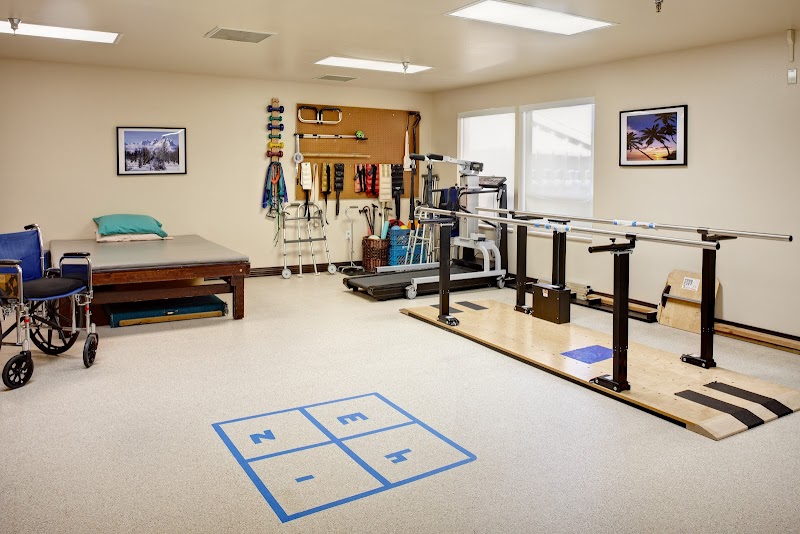
How is Avamere Riverpark Of Eugene Staffed?

CMS rates AVAMERE RIVERPARK OF EUGENE's staffing level at 4 out of 5 stars, which is above average compared to other nursing homes. Staff turnover is 42%, compared to the Oregon average of 46%. This relatively stable workforce can support continuity of care.

What Have Inspectors Found at Avamere Riverpark Of Eugene?

State health inspectors documented 50 deficiencies at AVAMERE RIVERPARK OF EUGENE during 2022 to 2025. These included: 9 that caused actual resident harm and 41 with potential for harm. Deficiencies causing actual harm indicate documented cases where residents experienced negative health consequences.
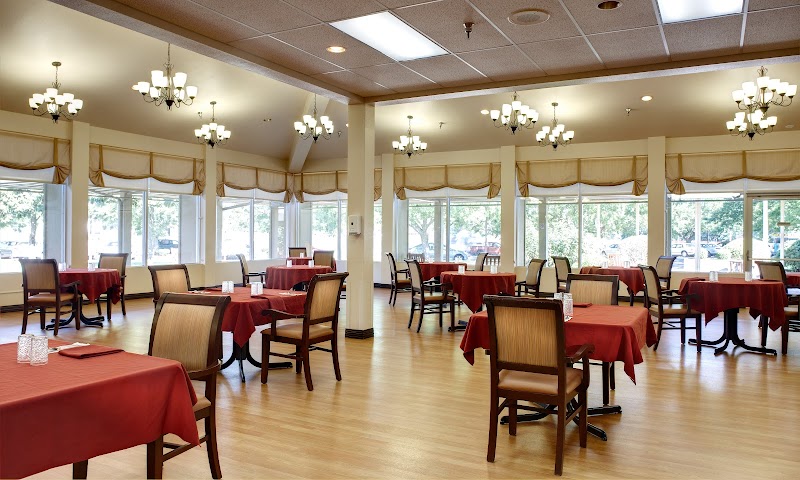
Who Owns and Operates Avamere Riverpark Of Eugene?

AVAMERE RIVERPARK OF EUGENE is owned by a for-profit company. For-profit facilities operate as businesses with obligations to shareholders or private owners. The facility is operated by AVAMERE, a chain that manages multiple nursing homes. With 119 certified beds and approximately 88 residents (about 74% occupancy), it is a mid-sized facility located in EUGENE, Oregon.
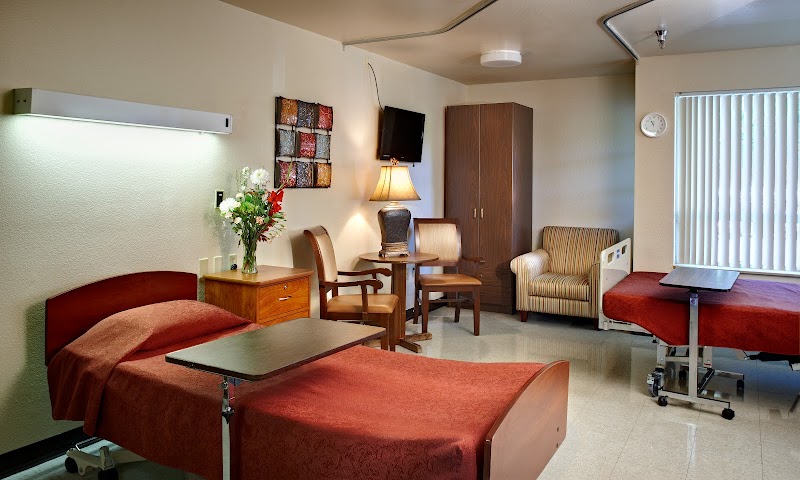
How Does Avamere Riverpark Of Eugene Compare to Other Oregon Nursing Homes?

Compared to the 100 nursing homes in Oregon, AVAMERE RIVERPARK OF EUGENE's overall rating (1 stars) is below the state average of 3.0, staff turnover (42%) is near the state average of 46%, and health inspection rating (1 stars) is much below the national benchmark.

What Should Families Ask When Visiting Avamere Riverpark Of Eugene?

Based on this facility's data, families visiting should ask: "Can I visit during a mealtime to observe dining assistance and food quality?" "How do you handle medical emergencies, and what is your hospital transfer rate?" "Can I speak with family members of current residents about their experience?"

Is Avamere Riverpark Of Eugene Safe?

Based on CMS inspection data, AVAMERE RIVERPARK OF EUGENE has a clean safety record: no substantiated abuse findings (meaning no confirmed cases of resident harm), no Immediate Jeopardy citations (the most serious violation level indicating risk of serious injury or death), and is not on the Special Focus Facility watch list (a federal program monitoring the lowest-performing 1% of nursing homes). The facility has a 1-star overall rating and ranks #100 of 100 nursing homes in Oregon. While no facility is perfect, families should still ask about staff-to-resident ratios and recent inspection results during their visit.

Do Nurses at Avamere Riverpark Of Eugene Stick Around?

AVAMERE RIVERPARK OF EUGENE has a staff turnover rate of 42%, which is about average for Oregon nursing homes (state average: 46%). Moderate turnover is common in nursing homes, but families should still ask about staff tenure and how the facility maintains care continuity when employees leave.

Was Avamere Riverpark Of Eugene Ever Fined?

AVAMERE RIVERPARK OF EUGENE has been fined $75,335 across 2 penalty actions. This is above the Oregon average of $33,832. Fines in this range indicate compliance issues significant enough for CMS to impose meaningful financial consequences. Common causes include delayed correction of deficiencies, repeat violations, or care failures affecting resident safety. Families should ask facility leadership what changes have been made since these penalties.

Is Avamere Riverpark Of Eugene on Any Federal Watch List?

AVAMERE RIVERPARK OF EUGENE is not on any federal watch list. The most significant is the Special Focus Facility (SFF) program, which identifies the bottom 1% of nursing homes nationally based on persistent, serious quality problems. Not being on this list means the facility has avoided the pattern of deficiencies that triggers enhanced federal oversight. This is a positive indicator, though families should still review the facility's inspection history directly.