GREEN VALLEY REHABILITATION HEALTH CENTER
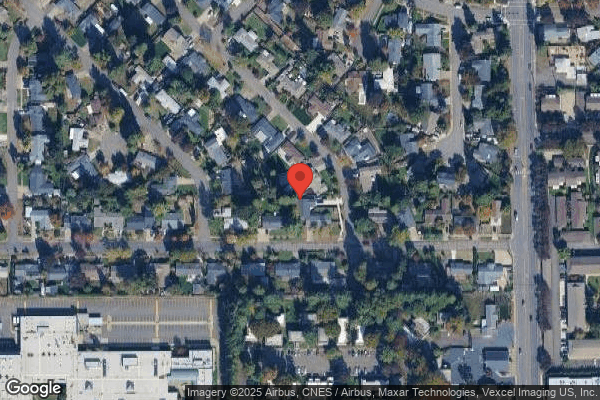
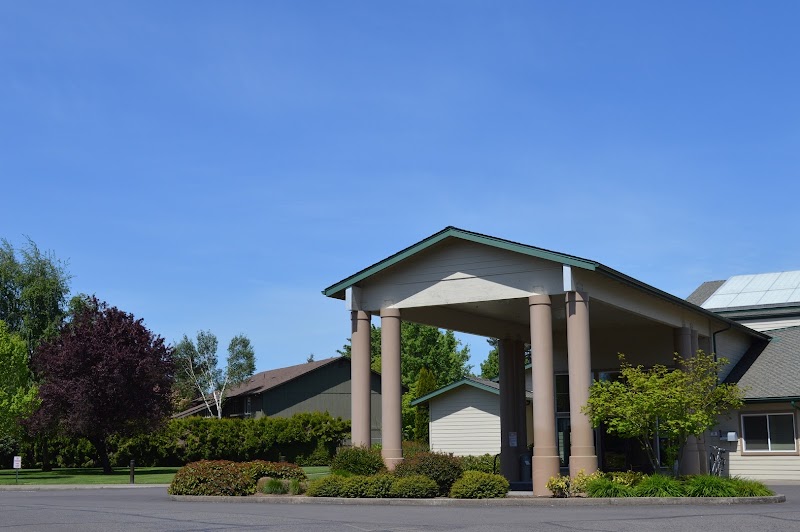
1735 ADKINS STREET, EUGENE, OR 97401 (541) 683-5032
For profit - Corporation 110 Beds VOLARE HEALTH Data: November 2025
Trust Grade
10/100
#88 of 127 in OR
Last Inspection: September 2024

Within standard 12-15 month inspection cycle. Federal law requires annual inspections.

Overview

Green Valley Rehabilitation Health Center has received a Trust Grade of F, indicating significant concerns about the quality of care provided. Ranking #88 out of 127 facilities in Oregon places them in the bottom half, while their county rank of #8 out of 13 suggests limited better options nearby. The facility is improving, with a decrease in issues from 36 in 2024 to just 2 in 2025. However, staffing is a concern, rated at 2 out of 5 stars, with a turnover rate of 58%, which is higher than the state average. Notably, there have been serious incidents, including a resident being injured due to improper care during a shower and staff being under the influence of drugs while on duty, raising significant alarms about safety and supervision. Overall, while there are some positive trends, the facility's past issues and current staffing challenges are concerning for families considering care for their loved ones.

Trust Score
F
10/100
In Oregon
#88/127
Bottom 31%
Safety Record
High Risk
Review needed
Inspections
Getting Better
36 → 2 violations
Staff Stability
⚠ Watch
58% turnover. Above average. Higher turnover means staff may not know residents' routines.
Penalties
✓ Good
$53,024 in fines. Lower than most Oregon facilities. Relatively clean record.
Skilled Nurses
⚠ Watch
Each resident gets only 20 minutes of Registered Nurse (RN) attention daily — below average for Oregon. Fewer RN minutes means fewer trained eyes watching for problems.
Violations
⚠ Watch
71 deficiencies on record. Higher than average. Multiple issues found across inspections.
★★☆☆☆
2.0
Overall Rating
★★☆☆☆
2.0
Staff Levels
★★★★★
5.0
Care Quality
★☆☆☆☆
1.0
Inspection Score
Stable
2024: 36 issues
2025: 2 issues

The Good

  • 5-Star Quality Measures · Strong clinical quality outcomes
  • Full Sprinkler Coverage · Fire safety systems throughout facility
  • No fines on record

Facility shows strength in quality measures, fire safety.

The Bad

2-Star Overall Rating

Below Oregon average (3.0)

Below average - review inspection findings carefully

Staff Turnover: 58%

12pts above Oregon avg (46%)

Frequent staff changes - ask about care continuity

Federal Fines: $53,024

Above median ($33,413)

Moderate penalties - review what triggered them

Chain: VOLARE HEALTH

Part of a multi-facility chain

Ask about local staffing decisions and management

Staff turnover is elevated (58%)

10 points above Oregon average of 48%

The Ugly 71 deficiencies on record

2 actual harm
Feb 2025 2 deficiencies
CONCERN (D) 📢 Someone Reported This

A family member, employee, or ombudsman was alarmed enough to file a formal complaint

Potential for Harm - no one hurt, but risky conditions existed

Respiratory Care (Tag F0695)

Could have caused harm · This affected 1 resident

Based on observation, interview and record review it was determined the facility failed to follow physician's orders related to oxygen administration for 1 of 3 sampled residents (#8) reviewed for res...

Read full inspector narrative →
Based on observation, interview and record review it was determined the facility failed to follow physician's orders related to oxygen administration for 1 of 3 sampled residents (#8) reviewed for respiratory care. This placed residents at risk for respiratory complications. Findings include: Resident 8 was admitted to the facility in 1/2024, with diagnoses including respiratory failure with hypoxia (lack of oxygen) and asthma. Resident 8's 2/2024 Physician's Orders indicated staff was to administer oxygen continuously at 2 liter per minute via nasal cannula. This order was discontinued when Resident 8 was sent out to the hospital. Resident 8 re-admitted on 12/2024 without an order for oxygen. On 1/31/25 at 12:20 PM, Staff 3 (SSD) confirmed Resident 8 had an appointment on 12/9/24 at summit surgical. Staff 3 remembered her/him coming back upset about the appointment. On 1/31/25 at 10:38 AM, Staff 44 (CNA) stated Resident 8 should have had oxygen when she/he went out to the appointment on 12/9/24. Resident 8 came back and her/his pulse oxygen reading was at 64%. Staff were supposed to send oxygen tanks with residents, which attach to residents' wheelchairs. Staff 4 stated Resident 8 did not have an oxygen tank with her/him during her/his appointment. On 1/28/25 at 10:32 AM, Resident 8 was observed with a nasal canula in place and an oxygen concentrator running at four liters per minute. On 2/3/25 at 10:36 AM, Resident 8 was observed with a nasal canula in place and an oxygen concentrator running at four liters per minute. On 2/3/25 at 10:40 AM, Staff 9 (CMA) confirmed Resident 8 was on four liters of continuous oxygen. Review of Resident 8's clinical record found no order for the resident's continuous oxygen at four liters. On 2/3/25 at 10:43 AM, Staff 2 (DNS) was informed Resident 8 was on oxygen without an order. Staff 2 stated they would look into it.
CONCERN (F) 📢 Someone Reported This

A family member, employee, or ombudsman was alarmed enough to file a formal complaint

Potential for Harm - no one hurt, but risky conditions existed

Deficiency F0725 (Tag F0725)

Could have caused harm · This affected most or all residents

Based on observation, interview and record review it was determined the facility failed to assure there was sufficient nursing staff available to provide nursing and related services to meet the resid...

Read full inspector narrative →
Based on observation, interview and record review it was determined the facility failed to assure there was sufficient nursing staff available to provide nursing and related services to meet the residents' needs safely and timely for 2 of 2 units reviewed for staffing. This placed residents at risk for missed or delayed care, missed or late meals, an increase safety risk for falls and aspiration, and a decline in health status. Findings include: Intermittent call light and staffing observations conducted on 1/29/25 from 8:15 AM to 5:00 PM revealed call light wait times up to 27 minutes. Intermittent call light and staffing observations conducted on 1/30/25 from 5:00 AM to 2:00 PM revealed call light wait times up to 40 minutes. Review of the facility's grievances found the following: - On 11/6/24, staff entered Resident 24's room and found Resident 24 soaked so bad that it was dripping off of [her/his] bed onto the ground and there was a huge puddle of pee underneath. Additionally, the resident was found laying flat in bed with no oxygen, her/his oxygen saturation was 79% (normal is 93-100%) and the resident stated she/he saw yellow spots. - On 11/20/24, Resident 18 indicated she/he experienced long call light wait times and soiled linens. - On 12/16/24, staff did not provide timely incontinent care and Resident 5 sat in a soiled brief for an hour and a half before care was received. - On 1/27/25, Resident 31 indicated she/he had waited over two hours for assistance with her/his lunch meal and expressed via a writing board, I feel sad, no one comes. I'm always last. The facility's 11/2024 and 1/2025 Resident Council Notes revealed concerns related to call lights. The facility's Payroll Based Journal (PBJ) Reports revealed in 11/2024, the facility was short CNA staff for 17 shifts; and in 12/2024 short CNA staff for five shifts. The facility's Direct Care Staff Daily Report from 1/1/25 to 1/26/25 revealed the facility was short eight CNAs for seven shifts. On 1/28/25 at 10:19 AM, Resident 5 stated call light wait times were long and she/he occasionally missed showers because there was not enough staff. On 1/28/25 at 11:58 AM, Resident 4 stated call light wait times were long and she/he did not always get a shower. On 1/28/25 at 3:58 PM, Resident 11 stated the facility was short staffed, call light wait times could be long and she/he sometimes did not get any incontinent care at night. On 1/29/25 at 10:06 AM, Resident 17 stated she/he frequently waited a long time for call lights to be answered and assistance with her/his care needs. Resident 17 further stated meal trays were often delivered late. On 1/29/25 at 10:07 and 2/3/25 at 9:15 AM, Resident 3 stated staff ignored the call lights and she/he would wait for hours. Resident 3 stated she/he needed incontinence care recently, no staff came to provide care and sometimes her/his friend would help with brief changes. Resident 3 stated showers did not always get done, meals were served late, and the resident smoke breaks were missed. On 1/29/25 at 10:12 AM, Resident 16 stated there was not enough staff and had to wait a long time for her/his call light to be answered and her/his care needs were not met in a timely manner. Resident 16 further stated meal trays were delivered late. On 1/31/25 at 10:02 AM, Resident 15 stated there was not enough staff to meet her/his needs and concerns without having to wait a long time and call light wait times were between 45 minutes to hours long. Resident 15 stated meal trays were delivered late due to staffing and the food was often cold. Resident 15 further stated staffing and call lights were complained about at every Resident Council meeting with no resolution. On 1/31/25 at 10:09 AM, Resident 14 stated there was not enough staff to meet her/his needs in a timely manner, she/he had to wait over an hour for assistance and needed staff to provide incontinent care more often. Resident 14 further stated meal trays were delivered late and the food was sometimes cold. On 1/31/25 at 11:36 AM, Resident 34 stated staff did not respond to her/his call lights, frequently left her/him in soiled briefs and did not ensure she/he had fresh water to drink. Resident 34 stated she/he was care planned to be a two person assist with the Hoyer (mechanical lift) to transfer, but would be transferred with one staff member at times. Resident 34 further stated call lights could take two hours to be answered, and meal trays were passed late. On 2/3/24 at 9:07 AM, Resident 2 stated the facility missed having resident smoke breaks at least twice a week. On 2/3/25 at 12:24 PM, Resident 1 stated smoke breaks would be late or canceled due to staffing issues. On 1/29/25 at 11:20 AM, Witness 23 (Family) stated she visited Resident 35 daily and observed there was not enough staff to meet her/his basic care needs. Witness 23 stated Resident 35 was left in soiled briefs and bed linens for over one and a half hours, would come in to visit and find multiple soiled briefs in the trash can with a full urinal hung from the side of the can. Witness 23 stated she would empty the urinal and take out the trash during her visits. Witness 23 further stated she brought the family dog for a visit and the dog jumped up on the side of the bed and came down with feces all over his fur. Witness 23 stated the nursing staff were overwhelmed, stretched too far, and the care the facility provided was a failure of basic human decency. On 1/30/25 at 1:18 PM, Witness 25 (Family) stated Resident 18 waited a long time for her/his call light to be answered. Witness 25 stated she visited weekly and another family member visited daily. Witness 25 further stated on many occasions, she would activate the call light and no staff would respond. Witness 25 stated Resident 18 would sit in a soiled brief for 30 - 45 minutes after the call light was activated. Witness 25 further stated on one occasion she activated the call light at 11:25 AM because she wanted Resident 18 up in the wheelchair and taken to the dining room for lunch. After waiting over 25 minutes, she got Resident 18 dressed, into the wheelchair, and took her/him to the dining room herself. On 1/31/25 at 11:46 AM, Witness 26 (Family) stated she visited Resident 24 daily and observed the resident sitting in soiled briefs for an extended length of time due to short staffing. Witness 26 stated staff did not put in Resident 24's hearing aides or assist Resident 24 to brush her/his teeth. Witness 26 stated due to inadequate staffing Resident 24 did not get her/his call lights answered timely, receive timely incontinence care, or get her/his trash taken out of her/his room. Witness 26 stated she now cleaned out Resident 24's drinking cups and took out her/his trash when she visited. Witness 26 stated she had observed staff go in to other resident rooms, shut off the light and not provide care to the residents on multiple occasions. Additionally, Witness 26 stated staff had informed Resident 24 on multiple occasions, they could not provide incontinence care because they were taking other residents out to smoke or they needed to provide eating assistance with meals. On 1/28/25 at 1:33 PM, Staff 44 (LPN) stated staffing could be a nightmare and management had an I don't care attitude. Staff 44 stated showers were haphazard if they got done; many residents did not get showers. Staff 44 stated call lights on the weekend could be 70 - 90 minutes before they were answered; other days the wait time might average up to 30 minutes. Staff 44 further stated smoke breaks could get missed, meal trays were served late, and residents who needed assistance with meals were served last. On 1/29/25 at 1:24 PM, Staff 45 (CMA) stated medications could be passed an hour or more late on some days due to the workload. On 1/28/25 at 2:35 PM, Staff 18 (CNA) stated the facility's staffing ratios were not sufficient for the acuity needs of the residents. On 1/28/25 at 3:00 PM, Staff 20 (CNA) stated the day shift CNAs frequently double briefed (put two incontinence briefs on at the same time) several residents were not provided incontinent care every two hours as appropriate. Staff 20 further stated showers were not always completed on evening shift because it was hard to fit in a shower. On 1/28/25 at 3:31 PM, Staff 21 (CNA) stated resident call light wait times were long and it was difficult to complete resident showers so they were not completed on many occasions. On 1/29/25 at 9:00 AM, Staff 5 (Unit Manager) stated the majority of the intermediate care facility (ICF) residents were a two person assist with a high acuity level. Staffing was unacceptable, not safe for the acuity level, and an ongoing problem that turned into an every day problem. Staff 5 stated resident showers were missed, residents did not get repositioned, and when she arrived in the morning she often found residents soaked in urine because the night shift did not have enough staff to complete their last rounds. Staff 5 further stated documentation often got missed because there was not enough time to complete it, meals were served late, and the residents who required assistance to eat were assisted last. On 1/29/25 at 9:05 AM, Staff 25 (CNA) stated the facility worked short staffed a lot and some residents did not want to wait for assistance. On 1/29/25 at 9:16 AM, Staff 6 (CNA) stated she was regularly assigned nine or ten residents, was not able to complete the residents care per their individual plans of care, and would let some things go. Staff 6 stated she would not get everyone's teeth brushed, miss resident showers and not able to perform personal hygiene. Staff 6 further stated this occurred almost daily. On 1/29/25 at 9:19 AM, Staff 33 (CNA) stated she was unable to get Resident 10 up in the morning when the facility was short staffed which would cause her/him to get very upset. Staff 33 stated when she was assigned 13 residents to care for she was unable to complete showers or provide care per the residents' care plan. On 1/29/25 at 9:24 AM, Staff 7 (CNA) stated when the facility was short staffed she was responsible for eight to 13 residents on day shift. When this occurred call lights were not answered timely, showers would not get done, and it was hard to meet residents' needs. Staff 6 stated many residents were a two person assist for care and those residents waited a long time for assistance. Staff 6 stated when she arrived for her shift she would find residents soaked in urine, with one time a resident's entire bed was wet. Staff 6 further stated meal trays were passed late and residents who needed supervision with meals were brought to the dining room for meals, however, no staff were available to supervise them. These situations occurred at least once or twice a week. On 1/29/25 at 9:28 AM, Staff 26 (CNA) stated staffing levels were not good and Resident 11 was usually soaked with urine every morning when she arrived on shift. Staff 26 stated showers did not get done and residents complained about it. On 1/29/25 at 10:17 AM, Staff 3 (SSD) stated, staffing is sickening to me, and it's a consistent problem. Staff stated residents complained of staffing and call lights at every Resident Council meeting. Staff 3 stated residents did not receive showers, brief changes or bed linen changes because one CNA to nine residents was not feasible with the high acuity level. Staff 3 stated she had recently received facility Grievance Forms for a resident's bed that was not changed for two weeks, a two hour wait time for the call light to be answered and general call light and staffing concerns. Staff 3 further stated one to two days a week residents who need assistance and supervision in the dining room were not observed by staff; especially on evening shift. On 1/30/25 at 10:26 AM, Staff 11 (CNA) stated due to short staffing she had to rush resident care, omit showers, teeth brushing and personal hygiene, give untimely incontinent care and perform two person Hoyer transfers by herself because no staff was available to help her. Staff 11 stated when she arrived on day shift she would often find residents soaked with urine due to low CNA staffing levels on night shift. Staff 11 stated meal trays were delivered late, residents who required assistance to eat either received late assistance or sometimes not get to eat, and residents who required supervision with meals were left unsupervised. Staff 11 further stated she was told the nurses at the nurses' station would supervise the residents (there was an obstructed view into the dining room from the nurses' station.) On 1/30/25 at 10:52 AM, Staff 10 (CNA) stated it was difficult to provide adequate care due to staffing levels. Staff 10 stated he was unable to provide care per the residents care plan, showers were constantly missed and he was unable to reposition the residents who needed repositioning every two hours. Staff 10 stated the hardest part was when a continent resident would activate the call light for toileting assistance and because he was unable to answer the call light timely they would soil themselves. Staff 10 further stated meal trays were usually passed late and the residents who required assistance were assisted very late. There were multiple occasions when breakfast did not get passed until after 9:00 AM, which then delayed lunch, and because lunch was late he could not get to his last resident round and had to pass off the residents' afternoon care to the next shift. On 1/30/25 at 11:15 AM, Staff 12 (Staffing Coordinator) stated she utilized a matrix to determine staffing levels and looked at both the facility census and number of residents who received the bariatric rate. Staff 12 stated she did not staff to the residents' acuity, needs or diagnoses. Staff 12 verified the facility was short staffed on several shifts in 11/2024, 12/2024 and 1/2025. On 1/30/25 at 11:50 AM Staff 2 (DNS) and Staff 4 (Assistant DNS) stated the facility determined staffing levels off the census based on the regulations and the minimum state staffing levels for the bariatric rate.
Sept 2024 34 deficiencies 2 Harm
SERIOUS (G)

Actual Harm - a resident was hurt due to facility failures

Free from Abuse/Neglect (Tag F0600)

A resident was harmed · This affected 1 resident

Based on interview and record review it was determined the facility failed to protect residents' right to be free from physical abuse by staff for 1 of 1 sampled resident (#82) reviewed for abuse. Res...

Read full inspector narrative →
Based on interview and record review it was determined the facility failed to protect residents' right to be free from physical abuse by staff for 1 of 1 sampled resident (#82) reviewed for abuse. Resident 82 was mistreated by staff resulting in physical injury. Findings include: Resident 82 admitted to the facility in 1/2024 with diagnoses including stroke. A 1/19/24 admission MDS indicated Resident 82 was moderately impaired with decision making due to aphasia (unable to formulate language). Resident 82 was able to answer yes or no questions and used thumbs up for yes, and thumbs down for no. A 7/24/24 FRI indicated Staff 74 (CNA) showered Resident 82 and bumped the resident's foot on the wall while exiting the shower room. Staff 74 left the hall and left Resident 82 sitting in the shower chair. Staff 75 (CNA) reported the resident's toe was bleeding and no report or communication was given to her. On 9/11/24 at 3:44 PM Staff 34 (LPN) stated Staff 74 was the shower aide on 7/24/24 and gave Resident 82 a shower. Staff 34 stated a staff member did not show up for work and Staff 74 was reassigned to provide direct care to residents. Staff 34 stated Staff 74 became angry, pushed Resident 82's shower chair hard out of the shower room causing the resident's toe to hit the door. Staff 34 stated the toenail was lifted off the toenail bed and was bleeding badly. Staff 34 stated Staff 74 left Resident 82 in the room alone without a call light and did not report to another CNA she was leaving. On 9/11/24 at 4:02 PM Staff 5 (Unit Manager-LPN) and Staff 6 (Unit Manager-LPN) stated Staff 34 reported Staff 74 was pulled from the bath aide position to care for residents, became angry, injured the resident's toe on the shower room door, and left the facility without reporting to another CNA. Staff 5 stated Staff 74 left the resident alone in her/his room in the shower chair without a call light. On 9/11/24 at 4:33 PM Staff 75 (CNA) stated on 7/24/24 she provided showers for residents. Staff 75 stated Staff 74 arrived to help complete showers. Staff 75 stated Staff 74 was told she would be pulled from showers to provide care to residents. Staff 75 stated Staff 74 became angry, walked out of the shower room with Resident 82 still in the shower with the water running and no call light, and started yelling down the hall. Staff 75 stated she came into the hall to see what happened and observed Staff 74 pull the shower chair roughly and hit the resident's toe on the shower room door. Staff 75 stated the resident's toe was bleeding badly. Staff 75 stated Staff 74 pushed the resident into her/his room and left her/him alone with only a towel on and without a call light. On 9/11/24 at 4:38 PM Staff 2 (DNS) stated Staff 74 did not complete a proper hand-off or report to another CNA she was leaving the floor before she left. Staff 2 acknowledged Resident 82's toe was hit on the shower room door as a result of Staff 74's mistreatment of Resident 82.
SERIOUS (G) 📢 Someone Reported This

A family member, employee, or ombudsman was alarmed enough to file a formal complaint

Actual Harm - a resident was hurt due to facility failures

Accident Prevention (Tag F0689)

A resident was harmed · This affected 1 resident

**NOTE- TERMS IN BRACKETS HAVE BEEN EDITED TO PROTECT CONFIDENTIALITY** 4. On 9/11/24 at 12:39 PM Staff 79 (LPN) stated there was an incident in 5/2024 involving Staff 77 (Former NA) who smoked metham...

Read full inspector narrative →
**NOTE- TERMS IN BRACKETS HAVE BEEN EDITED TO PROTECT CONFIDENTIALITY** 4. On 9/11/24 at 12:39 PM Staff 79 (LPN) stated there was an incident in 5/2024 involving Staff 77 (Former NA) who smoked methamphetamine (controlled stimulant medication) in the staff bathroom while working on shift, and continued to finish the shift after it was reported to management. She stated staff reported Staff 77 hallucinated on the unit, and there was a strong chemical smell in the staff bathroom. Review of Staff 77's 5/28/24 time punch record indicated she clocked in at 1:57 PM, clocked out at 5:53 PM, and did not clock in again until 6/1/24. On 9/12/24 at 6:14 PM Staff 78 (CNA) stated she was working evening shift (2:00 PM until 10:00 PM) on 5/28/24 with Staff 77 as her skilled unit hall partner. She stated Staff 77 was missing for a long stretch of time and was later seen walking down the hallway making swiping motions to her head, mumbling to herself, and shaking her head vigorously. Staff 78 stated when asked if Staff 77 was ok, she replied she was trying to get it off, get it off, there are screws in my head. Staff 78 stated she reported to her charge nurse and wrote a statement about the incident and gave it to management. On 9/13/24 at 12:53 PM Staff 1 (Administrator) stated she received a phone call on 5/28/24 about the reported incident. Staff 1 stated she told Staff 77 to go home and suspended her until an investigation was completed. Staff 1 stated it took two days to create an account with a drug testing center, and Staff 77's drug test results were negative on 5/30/24 so she did not do further investigation. Staff 1 acknowledged the complete investigation for this incident was the drug test dated 5/30/24. Based on observation, interview and record review it was determined the facility failed to ensure supervision for dysphagia, execute fall interventions, and execute elopement interventions for 3 of 8 sampled resident (#s 55, 93, and 164) reviewed for accidents. The facility failed to ensure a safe environment for residents on 1 of 1 unit (skilled) identified during random interviews. Resident 164 fell from an elevated bed resulting in fractured legs. Findings include: 1. Resident 55 admitted to the facility in 7/2024 with diagnoses including dysphagia (difficulty in swallowing) and dementia. Review of Resident 55's care plan revised on 7/29/24 revealed the resident had an ADL self-care performance deficit due to decreased mobility and generalized weakness. Interventions included to have Resident 55 in the dining room for meals with supervision. On 9/8/24 at 12:56 PM Resident 55 was observed in the dining room with pureed food on a plate. No staff were observed in the dining room. On 9/10/24 at 12:52 PM Resident 55 was observed in her/his room sitting on her/his bed with the bedside table in front of her/him. Resident 55 had pureed food on her/his plate with approximately half the food eaten. No staff were in the room or observed in the hallway within line of sight. On 9/11/24 at 1:10 PM Resident 55 was observed in her/his room with no staff in the room. Food was on Resident 55's plate with approximately half the food eaten. On 9/13/24 at 8:33 AM Staff 1 (Administrator) Staff 2 (DNS) and Staff 56 (Regional Nurse) stated they expected staff to supervise Resident 55 as care planned. 2. A review of an undated Resident Leaving the Facility policy revealed the following: -Residents who leave the facility are expected to sign out in the sign out book. -Information needed in sign out book: method of contact and expected time of return. -Medications will be provided to the resident or responsible party taking the resident out. -Upon return the resident or responsible party will sign the resident back into the facility. A review of an undated Elopement Preventions Guidelines facility policy revealed the following: -Residents will have a physician order indicating if the resident can leave the facility. The order will indicate if the resident can leave independently or must have supervision. -Each resident who leaves the facility will sign out and sign in upon return. -If employee observes a resident leaving the premises, and the employee does not know if the resident has a physician order allowing the resident to leave independently the employee will stay with the resident and notify another employee to verify the resident has an order. -An employee who intervenes in an elopement attempt will stay with the resident until other staff arrive to assist. -If a resident cannot be located, staff will verify whether the resident was on an authorized leave or pass. -If elopement was suspected the action checklist will be implemented. Resident 93 admitted to the facility in 6/2024 with diagnoses including dementia, stroke, alcohol abuse and seizures. A review of Resident 93's care plan dated 6/10/24 revealed she/he had an ADL self-care performance deficit, a communication problem due to dementia, and an alteration in neurological status due to dementia which required cueing and reorientation as needed. Resident 93 had a seizure disorder and was at risk for injury. The care plan indicated Resident 93 had a history of alcohol abuse and limited physical mobility. The admission MDS with ARD of 6/15/24 revealed Resident 93 had a BIMS score of 15 which indicated the resident was cognitively intact. The cognitive loss CAA indicated Resident 93 had episodes of confusion. Resident 93 was not able to care for herself/himself for quite some time. A review of signed physician orders dated 8/12/24 revealed Resident 93 was approved for therapeutic leave of absence with a responsible person and took prescribed medications. A review of the MAR dated 9/2024 instructed staff to administer hydration of choice four times a day, and on 9/6/24 at 4:00 PM indication Resident 93 was not in facility. A review of 9/6/24 Nursing Notes revealed the following: -10:42 PM Resident 93 was not in the facility all evening shift which was reported to Staff 38 (LPN), and to follow protocol when Resident 96 was considered a missing person. -11:19 PM Resident 93 had not returned to the facility since the morning of 9/6/24. Staff 38 contacted Staff 21 (RN-Staff Coordinator) who was the on-call weekend nurse. Staff 21 instructed to call him again if Resident 93 was not back in the facility by 5:00 AM on 9/7/24. A review of 9/7/24 Nurses Notes revealed the following: -5:12 AM, it was nearly 20 hours since Resident 93 left the facility and she/he did not returned all night. Staff 38 placed another call to Staff 21. Resident 96's emergency contact was called but there was no answer, and then local law enforcement was called on the non-emergent line to report Resident 93 missing. Details of Resident 93's recent alcohol use and volatile behaviors was provided, and law enforcement suggested to call local hospitals. -5:33 AM Local hospitals were contacted, but with no results. -1:02 PM Resident 93 was on alert for behaviors. At approximately 8:00 AM on 9/7/24 local law enforcement arrived to let the facility know Resident 93 was located. Resident 93 was found with a non-functioning power wheelchair.The on-call nurse was alerted and assisted helping the resident back to the building. On 9/8/24 at 4:24 PM Resident 93 stated she/he was lost five miles away from the facility and the police found her/him. Resident 93 stated no one answered when she/he attempted to call. Resident 93 stated she/he was missing overnight, and no staff spoke to her/him about the incident. Resident 93 stated she/he was cold and uncomfortable and she/he missed all her/his treatments. Resident 93 stated she/he did not tell anyone she/he left the facility. Resident 93 felt like no one cared about her/him being missing. A Nursing Facility Reported Incident dated 9/9/24 indicated on 9/6/24 Resident 93 left the faciity on the evening shift around 11:00 PM and she/he did not sign out. The facility LPN called the emergency contact and local law enforcement. Law enforcement was able to find Resident 93 approximately six miles away from the facility in her/his powerchair with a failed battery in the morning on 9/7/24. Observations from 9/10/24 through 9/12/24 revealed Resident 93 in a manual wheelchair in the facility or outside on facility property. On 9/10/24 at 11:03 AM Staff 44 (LPN) stated Resident 93 was missing for 24 hours. At 2:00 PM on 9/6/24 she/he was not in the facility. At 10:00 PM he/she was still not back and typically Resident 93 would be back in the facility. Staff 44 stated Resident 93 was a danger to herself/himself and to other people. Resident 93 had become violent, aggressive and did not listen to rules. Staff 44 stated she did not check if Resident 93 had signed out in the book to notify staff of her/him leaving the facility. Staff 44 stated she was taught after eight to 10 hours of a resident missing the resident would be reported as a missing person. Staff 44 stated there was chaos on her shift and she left the information with the night nurse. On 9/10/24 at 11:21 AM Staff 32 (LPN) stated it was not uncommon for Resident 93 to leave the facility. Resident 93 had dementia and forgot to sign out. On 9/6/24 she/he left the facility around 7:00 AM. Usually if she/he left that early she/he came back around 12:00 PM or 1:00 PM. Staff 32 stated she was not concerned when Resident 93 had not returned to the facility at 2:00 PM and she notified the oncoming nurse. Staff 32 stated when Resident 93 returned to the facility she/he reported she/he had become lost. Staff 32 did not believe Resident 93 was safe to leave the facility. On 9/10/24 at 12:07 PM Staff 38 stated Resident 93 was absolutely not cognitively and physically able to be out in the community on her/his own. When Resident 93 first arrived at the facility Staff 38 took 15 to 20 minutes explaining a document so Resident 93 could understand what she/he was signing. Staff 38 stated when she was completed with her shift on 9/7/24 at 6:00 AM Resident 93 was not back to the facility. On 9/11/24 at 9:06 AM and 9/13/24 at 8:41 AM Staff 1 (Administrator) Staff 2 (DNS) and Staff 56 (Regional Nurse) stated they were working on a discharge plan for Resident 93 and continued to work on the investigation for Resident 93's elopement. Staff 1 confirmed Resident 93 did not sign out of the facility when she/he left on 9/6/24. 3. Resident 164 admitted to the facility 7/2022 with a diagnosis of high blood pressure. According to the National Library of Medicine, a comminuted fracture was a break or splinter of the bone into more than two fragments. Considerable force and energy was required to fragment bone, fractures of this degree occur after high-impact trauma such as vehicle accidents and falling from a high place. Fractures of this type which may happen with low pressure include cancer and weak bones. An 8/6/24 annual MDS revealed Resident 164 was previously assessed and care planned for cognitive loss. Resident 164 was assessed for further loss of vision, physical safety , ie (sic) Falls. A care plan was developed to minimize risks, promote socialization, and prevent falls. Resident 164 had limitations which included the inability to walk due to a femur fracture in 2022, decreased ROM to the shoulders and elbows, muscle weakness, reconditioning and balance abnormalities. Resident 164 had Cognitive: fear of falling and dementia with moderate cognitive impairment deficits. A care plan initiated 7/28/22 revealed Resident 164 was at risk for falls due to deconditioning, balance problems, incontinence, and her/his unawareness of safety needs. Interventions included ensuring Resident 164's commonly used items were within reach, bilateral bed canes, and non-skid footwear. 8/25/24 Progress Notes revealed Staff 18 (LPN) heard a resident scream from room [ROOM NUMBER]. Staff 18 entered the room and found resident 164 falling out of bed, her/his body was out of the bed but both arms were hanging onto the bed canes, and she/he was screaming for help. Resident 164's legs were bent in a kneeling position and the left leg was twisted under the bed side table. A large amount of blood was on the floor from a laceration to Resident 164's left leg (shin). Resident 164 reported severe pain and her/his bed was noted to be in the high position. The note indicated Resident 164's CNA visualized her/him 30 minutes prior to the fall. An 8/25/24 Unwitnessed Fall investigation revealed Resident 164 fell to the floor quite hard landing on both legs. Resident 164 reported she/he attempted to reposition. The investigation indicated the air mattress may have deflated when Resident 164 was close to the edge of the mattress. The air mattress was removed to prevent future slips out of bed. An 8/25/24 hospital New Consult Note Hospital Medicine summary revealed Resident 164 fell out of bed and had fractures of the left and right leg. The right leg fracture was comminuted. The imaging studies were suggestive of pathological fractures (fracture caused by weak bones) and metastatic cancer (cancer which spread). An 8/31/24 hospital Discharge Summary did not include a diagnosis of cancer. An 8/31/24 hospice admission Visit Summary revealed Resident 164 had a fall from her/his raised hospital bed. An 8/31/24 NSG (nursing) Admission/readmission Evaluation form revealed Resident 164's reason for admission was a fall from a great height, broke both legs, and was to be admitted to hospice immediately. On 9/10/24 at 4:09 PM Staff 69 (CMA) stated Resident 164 kept her/his bed at least waist high so she/he could see the television better. It was never in the normal low position. Resident 164 was able to adjust her/his bed independently. Staff 68 (CNA) stated on 8/25/24 she was not assigned to Resident 164 when she/he fell. Staff 68 heard yelling and went to Resident 164's room. Staff 18 (LPN) was already in her/his room. Resident 164 reported she/he tried to reposition, her/his legs became stuck in a blanket and she/he fell. Resident 164's bed was high even for her/his normal high. Staff 68 stated when she worked with Resident 164 she tried to encourage her/him to lower the bed because it was always so high up, and propped pillows between the resident and the rail to prevent rolling out of bed. Resident 164 was able to use the bed controls to elevate the bed. The bed should never have been that high. Staff 68 stated Resident 164 did not have mats on the ground even when the bed was in a high position. On 9/10/24 at 8:25 PM Staff 74 (CNA) stated when she arrived on shift at 6:00 AM she observed Resident 164 in bed sleeping. Resident 164 was laying on her/his right side. Staff 18 stated she did not remember the height of Resident 164's bed but she/he liked to elevate the bed. There were no mats on the ground and the call light was activated. On 9/10/24 at 5:02 PM Staff 70 (CNA) stated she worked the day Resident 164 fell. She was in another room at the time and heard a noise and went to Resident 164's room. The nurse and CMA were already in the room. Resident 164 was hanging onto the bed rails and would not let go. eventually Resident 164 was lowered to the floor. Staff 70 stated when she entered the 164's room the bed was at least waist high. Resident 164 liked to have the bed high so she/he could watch television. The resident's bed was at least waist high the dayshe/he fell. Resident 164 was able to adjust the bed, did not have mats on the ground, and had an air mattress. On 9/10/24 at 5:12 PM Staff 71 (CMA) stated at approximately 6:45 AM she administered Resident 164 her/his medicine. Later she heard the nurse call for help. When she entered Resident 164's room the resident was holding onto her/his bed cane and was upright but not standing. Resident 164's legs were contorted and wrapped in a blanket. Resident 164 reported she/he tried to adjust her/his position, her/his legs fell over the side of the bed, and the momentum carried her/him off the bed. Resident 164's bed was pretty high and she/he liked it high so she/he could see the television better. Staff 71 stated she did not recall seeing pillows between the resident and the bed rails. On 9/11/24 at 10:53 AM Staff 5 (LPN Resident Care Manager) stated Resident 164 was at risk for falls and liked to keep her/his bed elevated. The resident had an air mattress. Staff 5 stated the standard of care was to keep the bed in a normal or low position and not high. Staff 5 stated she never reviewed the risks with Resident 164 of keeping her/his bed elevated. After the resident returned from the hospital the bed was care planned to be in a low position and mats on the floor. On 9/13/24 at 1:22 PM Staff 33 (LPN) stated Resident 164 liked to keep her/his bed high and not at a normal height of a bed. After Resident 164 fell staff educated other residents to keep their beds in a low position. Staff 18 stated the resident's bed height was the resident's choice. On 9/13/24 at 1:42 PM Witness 9 (Friend) stated Resident 164's bed was always high. Staff raised the bed to provide care and never lowered it.
CONCERN (D)

Potential for Harm - no one hurt, but risky conditions existed

Deficiency F0554 (Tag F0554)

Could have caused harm · This affected 1 resident

Based on interview and record review it was determined the facility failed to ensure a safe system for a resident's self-administration of medication for 1 of 6 sampled residents (#44) reviewed for ac...

Read full inspector narrative →
Based on interview and record review it was determined the facility failed to ensure a safe system for a resident's self-administration of medication for 1 of 6 sampled residents (#44) reviewed for accidents. This placed residents at risk for adverse medication reactions. Findings include: Resident 44 admitted to the facility in 2021 with a diagnosis of heart disease. An 4/22/24 annual MDS revealed Resident 44 was cognitively intact. A 5/12/23 Self-Administration of Medication form revealed Resident 44 was assessed to be capable of self-administration of medications. The form did not indicate which medications Resident 44 was able to self-administer. A care plan initiated 9/2023 revealed Resident 44 was not able to walk and propelled in a wheelchair with staff assistance. The care plan also indicated Resident 44 self-administered over-the-counter supplements which were kept at her/his bedside. The care plan did not identify which medications she/he could self-administer. A 9/2024 MAR revealed Resident 44 had orders to self-administer supplements which were kept at the resident's bedside. A 9/6/24 Provider Note revealed Resident 44 had an old skin graft donor site to the left thigh. The resident reported she/he put Desitin on the site by accident and the site worsened significantly. Progress Notes revealed on 9/6/24 Resident 44's thigh donor site was assessed to be open, had slough, and bled. The note indicated the wound nurse evaluated the site. On 9/7/24 the site was much better but Resident 44 reported the site was still very painful. On 9/8/24 at 12:09 PM Resident 44 stated she/he applied Desitin to her/his skin donor site and it worsened. On 9/9/24 at 8:42 AM and 9/10/24 an unlocked shelf in Resident 44's room was observed to have one bottle of rubbing alcohol (disinfectant), one bottle of hydrogen peroxide (disinfectant), and nine bottles of oral supplements. The shelf was on the wall at the foot of the resident's bed. On the window sill next to Resident 44's bed one tube of Desitin (barrier cream) was observed. On 9/10/24 at 11:47 AM Staff 17 (CMA) stated medications were not to be left at the bedside unless a resident had physician orders to self-administer specific medications. Staff 17 stated Resident 44 had a lot of medications in her/his room. On 9/10/24 at 12:00 PM with Resident 44 and Staff 5 (LPN Resident Care Manager) Staff 5 stated Resident 44 was assessed and had orders for two different supplements to be kept at the bedside. Staff 5 acknowledged there were multiple bottles of supplements, creams and liquid disinfectants in Resident 44's room. Staff 5 stated the medications were to be locked in a secure area and were not. Staff 5 also stated Resident 44 applied Desitin to her/his donor site and it worsened but was now better.
CONCERN (D)

Potential for Harm - no one hurt, but risky conditions existed

Deficiency F0578 (Tag F0578)

Could have caused harm · This affected 1 resident

Based on interview and record review it was determined the facility failed to ensure a resident was assisted with formulating an advance directive for 1 of 3 sampled residents (#164) reviewed for adva...

Read full inspector narrative →
Based on interview and record review it was determined the facility failed to ensure a resident was assisted with formulating an advance directive for 1 of 3 sampled residents (#164) reviewed for advance directives. This placed residents at risk for lack of end-of-life choices being honored. Findings include: Resident 164 admitted to the facility in 2022 with a diagnosis of chronic kidney disease. A 7/30/24 IDT (Interdisciplinary Team) Care Plan Conference/Welcome Meeting Form revealed Resident 164 was able to voice her/his needs but was cognitively impaired. The form also indicated she/he wanted to formulate an advance directive with the assistance of her/his friend. Progress Notes from 7/30/24 to 9/9/24 did not include a follow up note to indicate staff communicated with Resident 164 or her/his friend to assist with formulating an advance directive. On 9/10/24 at 4:01 PM Staff 3 (Social Services) stated she recalled Resident 164 verbalizing she/he wanted to formulate an advance directive. Staff 3 indicated if assistance was provided it would be documented in the progress notes. Staff 3 indicated she would provide documentation if she/he had any additional information. No additional information was provided.
CONCERN (D) 📢 Someone Reported This

A family member, employee, or ombudsman was alarmed enough to file a formal complaint

Potential for Harm - no one hurt, but risky conditions existed

Notification of Changes (Tag F0580)

Could have caused harm · This affected 1 resident

2. Resident 86 admitted to the facility in 3/2024 with diagnosis including UTI and paraplegia (impairment in lower extremities). A 6/18/24 revised care plan indicated to monitor Resident 86 for signs ...

Read full inspector narrative →
2. Resident 86 admitted to the facility in 3/2024 with diagnosis including UTI and paraplegia (impairment in lower extremities). A 6/18/24 revised care plan indicated to monitor Resident 86 for signs and symptoms of discomfort related to her/his catheter care. A 9/8/24 progress note by Staff 38 (LPN) indicated during routine incontinent care Resident 86's catheter was dislodged during the early morning hours and she/he was transported to the hospital to have the catheter reinserted. Staff 38 indicated she would defer to call Resident 86's emergency contact until later in the morning. On 9/8/24 at 11:36 AM Witness 5 (Complainant) stated she was not notified by the facility Resident 86 was sent to the hospital on 9/8/24. On 9/12/24 at 5:25 PM Staff 38 stated she did not want to notify the family in the middle of the night when Resident 86 went to the hospital to have her/his catheter reinserted. Staff 38 stated she spoke to the nurse on the next shift and conveyed family needed to be notified. On 9/13/24 at 8:35 AM Staff 4 (Unit Manager-LPN) acknowledged Resident 86's family should have been informed immediately when the resident went to the hospital. Based on interview and record review it was determined the facility failed to notify the physician or resident representative regarding refusals and changes in condition for 3 of 7 sampled residents (#s 55, 86 and 165) reviewed for medications, change of condition and catheter care. This placed residents at risk for delay in treatment. Findings include: 1. Resident 55 admitted to the facility in 7/2024 with diagnoses including chest pain. A review of the 9/2024 TAR instructed staff to administer a lidocaine patch to the affected area one time a day for pain. From 9/1/24 through 9/9/24 Resident 55 refused the patch nine times out of nine opportunities. No documentation was found in Resident 55's clinical record the physician was notified of the refusals from 9/1/24 through 9/9/24. On 9/10/24 at 4:51 PM Staff 1 (Administrator) confirmed the physician was not notified at any time from 9/1/24 through 9/9/24 regarding the lidocaine patch refusals. 3. Resident 165 admitted to the facility in 9/2024 with a diagnosis of pneumonia. A Progress Note written by Staff 10 (LPN) revealed on 9/8/24 Resident 165 removed her/his oxygen, her/his oxygen levels dropped to the 70's several times at night, and staff made frequent checks on Resident 165. On 9/12/24 at 1:18 PM Staff 2 (DNS) stated if a resident's oxygen level dropped into the 70's Staff 2 expected nursing staff to stabilize the resident and then notify the resident's physician. A request was made to provide documentation Resident 165's physician was notified of the change of condition. No additional information was provided. On 9/12/24 at 7:01 PM Staff 10 stated Resident 165's oxygen level decreased all night the night of 9/8/24. Resident 165 was confused, removed the oxygen, and was a mouth breather. Staff 10 stated he placed the oxygen device near the resident's mouth and the oxygen levels improved. The oxygen levels continued to drop throughout the night because when Resident 165 turned in bed the oxygen tubing was accidentally removed. Staff 3 stated he did not notify Resident 165's physician.
CONCERN (D) 📢 Someone Reported This

A family member, employee, or ombudsman was alarmed enough to file a formal complaint

Potential for Harm - no one hurt, but risky conditions existed

Report Alleged Abuse (Tag F0609)

Could have caused harm · This affected 1 resident

Based on interview and record review it was determined the facility failed to report timely to the State Survey Agency for an allegation of elopement for 1 of 7 sampled residents (#93) reviewed for ac...

Read full inspector narrative →
Based on interview and record review it was determined the facility failed to report timely to the State Survey Agency for an allegation of elopement for 1 of 7 sampled residents (#93) reviewed for accidents. This placed residents at risk for elopement. Findings include: Resident 93 was admitted to the facility in 6/2024 with diagnoses including dementia, stroke, alcohol abuse and seizures. A FRI dated 9/9/24 indicated on 9/6/24 Resident 93 left the facility, and it was reported to the State Agency on 9/9/24. On 9/13/24 at 8:37 AM Staff 1 (Administrator) Staff 2 (DNS) and Staff 56 (Regional Nurse) stated staff did not report the elopement to the facility administration staff until 9/9/24. Refer to F689
CONCERN (D)

Potential for Harm - no one hurt, but risky conditions existed

Investigate Abuse (Tag F0610)

Could have caused harm · This affected 1 resident

Based on interview and record review it was determined the facility failed to thoroughly investigate an injury for 1 of 9 sampled residents (#82) reviewed for abuse and accidents. This placed resident...

Read full inspector narrative →
Based on interview and record review it was determined the facility failed to thoroughly investigate an injury for 1 of 9 sampled residents (#82) reviewed for abuse and accidents. This placed residents at risk for neglect of care. Findings include: Resident 82 admitted to the facility in 1/2024 with diagnoses including stroke. A 7/24/24 FRI indicated Staff 74 (CNA) showered Resident 82 and bumped the resident's foot on the wall while exiting the shower room. Staff 74 left the facility prior to the end of her shift and left Resident 82 sitting in the shower chair. Staff 75 (CNA) reported the resident's toe was bleeding and there was no report or communication given to staff about the resident being left alone. A 7/25/24 facility Investigation completed by Staff 5 (Unit Manager-LPN) specified the following summary of Resident 82's injury on 7/24/24: after Resident 82 was assisted with a shower Staff 74 bumped the resident's foot on the wall while exiting the shower room, but did not realize the resident had an injury to her/his toe. Staff 74 left the resident in her/his room with another CNA. Staff 75 observed the resident's toe bleeding and notified the nurse. Education was provided to Staff 74 to avoid future injury to residents and to ensure reporting to the nurse if an injury occurred. Education was also provided for proper hand-off with teammates when leaving the facility. The investigation provided did not include an interview with the resident, nurses and other CNAs involved. On 9/11/24 at 3:44 PM Staff 34 (LPN) stated Staff 74 was the shower aide on 7/24/24 and gave Resident 82 a shower. Staff 34 stated a staff member did not show up for work and Staff 74 was reassigned to provide direct care to residents. Staff 34 stated Staff 74 became angry, pushed Resident 82's shower chair hard out of the shower room causing the resident's toe to hit the door. Staff 34 stated the toenail was lifted off the toenail bed and was bleeding badly. Staff 34 stated Staff 74 left Resident 82 in the room alone without a call light and did not report to another CNA she was leaving. On 9/11/24 at 4:38 PM Staff 5 (Unit Manager-LPN) acknowledged the investigation did not include an interview with the resident, other CNAs involved or the nurses on duty.
CONCERN (D)

Potential for Harm - no one hurt, but risky conditions existed

Transfer Notice (Tag F0623)

Could have caused harm · This affected 1 resident

2. Resident 262 admitted to the facility in 8/2024 with diagnoses including anxiety and a leg fracture. The admission MDS with and ARD of 8/26/24 revealed Resident 262's BIMS score was 15 which indic...

Read full inspector narrative →
2. Resident 262 admitted to the facility in 8/2024 with diagnoses including anxiety and a leg fracture. The admission MDS with and ARD of 8/26/24 revealed Resident 262's BIMS score was 15 which indicated she/he was cognitively intact. An 8/28/24 Nursing Note indicated Resident 262 had a pain level of 10 on a scale from zero to 10. The on-call physician was notified and suggested to call the hospital emergency department to notify them Resident 262 would be sent to the hospital for disimpaction (procedure to remove trapped stool from the rectum). No documentation was found in Resident 262's clinical records to indicate a transfer notice with appeal rights was provided in writing to her/him or the Office of the State Long-term Care Ombudsman was notified of the resident's transfer to the hospital. On 9/12/24 at 11:36 AM Staff 63 (Medical Records) stated she did not complete ombudsman notifications. On 9/12/24 at 11:54 AM Staff 56 (Regional Nurse) stated medical records was designated to complete the ombudsman notifications. Based on interview and record review it was determined the facility failed to ensure the Office of the State Long-Term Care Ombudsman was notified of resident hospitalizations for 2 of 2 sampled residents (#s 95 and 262) reviewed for hospitalizations. This placed residents at risk for lack of access to an advocate to inform them of their options and rights. Findings include: 1. Resident 95 admitted to the facility in 7/2024 with a diagnosis of cancer. A Progress Note dated 7/6/24 revealed Resident 24 requested to be sent to the hospital for shortness of breath. Emergency services were called and the resident was transferred to the hospital. Resident 95's clinical record revealed no documentation to indicate the State Long-Term Care Ombudsman was notified. On 9/12/24 at 11:36 AM Staff 63 (Medical Records) stated she worked in her current position for eight years and never sent a message to the State Long-Term Care Ombudsman. On 9/12/24 at 11:54 AM Staff 56 (Regional RN) stated medical records staff were to send resident discharge information to the ombudsman office.
CONCERN (D)

Potential for Harm - no one hurt, but risky conditions existed

Deficiency F0625 (Tag F0625)

Could have caused harm · This affected 1 resident

2. Resident 262 admitted to the facility in 8/2024 with diagnoses including anxiety and a leg fracture. The admission MDS with and ARD of 8/26/24 revealed Resident 262's BIMS score was 15 which indic...

Read full inspector narrative →
2. Resident 262 admitted to the facility in 8/2024 with diagnoses including anxiety and a leg fracture. The admission MDS with and ARD of 8/26/24 revealed Resident 262's BIMS score was 15 which indicated she/he was cognitively intact. An 8/28/24 Nursing Note indicated Resident 262 had a pain level of 10 on a pain scale from zero to 10. The on-call physician was notified and suggested to call the hospital emergency department to notify them Resident 262 would be sent to the hospital for disimpaction (procedure to remove trapped stool from the rectum). No documentation was found in Resident 262's clinical records to indicate a bed hold policy was provided in writing to Resident 262 when she/he transferred to the hospital on 8/28/24. On 9/12/24 at 11:59 AM Resident 262 stated she/he did not remember or know anything about a bed hold policy. On 9/12/24 at 12:36 PM Staff 1 (Administrator) and Staff 2 (DNS) confirmed no bed hold notice was provided to Resident 262 on 8/28/24 when she/he transferred to the hospital. Based on interview and record review it was determined the facility failed to provide a bed hold policy for 2 of 2 sampled residents (#s 95 and 262) reviewed for hospitalization. This placed residents at risk for lack of knowledge related to their right to return to the facility. Findings include: 1. Resident 95 admitted to the facility 7/2024 with a diagnosis of cancer. A Progress Note dated 7/6/24 revealed Resident 24 requested to be sent to the hospital for shortness of breath. Emergency services were called and the resident was transferred to the hospital. Resident 95's clinical record revealed no documentation to indicate Resident 95 or her/his representative were provided a bed hold policy at the time of discharge. On 9/12/24 at 11:19 AM Staff 22 (Social Services) stated she was not sure who provided residents with a bed hold policy when they were transferred to the hospital. On 9/12/24 at 11:25 AM Staff 58 (LPN) stated when a resident was sent to the hospital she was not sure who provided the resident or representative the bed hold policy. Staff 58 stated at other facilities where she worked the bed hold policy was at the nurses station but she did not see any bed hold policies at this facility. On 9/12/24 11:33 AM Staff 64 (Admissions) stated upon admission residents were provided a bed hold policy. Staff 64 stated Resident 95 did not complete the admission paperwork and a bed hold policy was not provided to her/him. Staff 64 stated if she was not in the facility the nurses had a bed hold policy in the admission paperwork and were to provide it to the resident. Staff 64 stated she did not see a bed hold policy in the resident's record.
CONCERN (D)

Potential for Harm - no one hurt, but risky conditions existed

Deficiency F0657 (Tag F0657)

Could have caused harm · This affected 1 resident

2. Resident 86 admitted to the facility in 3/2024 with diagnosis including depression and paraplegia (impairment in lower extremities). A 6/18/24 revised care plan indicated the following: -All staff ...

Read full inspector narrative →
2. Resident 86 admitted to the facility in 3/2024 with diagnosis including depression and paraplegia (impairment in lower extremities). A 6/18/24 revised care plan indicated the following: -All staff were to involve Resident 86 in decisions about her/his care. -Resident 86 required extensive assistance by one staff for personal hygiene (which including shaving) and was dependent on staff for dressing. -Monitor Resident 86 for symptoms of depression including repetitive anxious or health-related concerns. No details related to interventions for Resident 86's anxiety or preferences for dressing or shaving were indicated. On 9/11/24 at 9:21 AM Staff 80 (CNA) stated Resident 86 needed to receive consistent encouragement to accept care due to her/his anxiety related to her/his depression. Staff 80 stated the resident accepted care and did not refuse if staff understood how to engage her/him. On 9/11/24 at 5:50 PM Resident 86 stated she/he preferred to be clean shaven and choose clothes when leaving the facility. On 9/12/24 at 11:10 AM Staff 8 (CNA) acknowledged shaving for Resident 86 did not occur daily because some staff did not know the resident and her/his preferences for personal hygiene were lacking in the care plan. On 9/12/24 at 11:53 AM Staff 3 (Social Services) confirmed Resident 86's care plan should include specific anxiety interventions and details of her/his preferences for dressing and shaving. Refer to F758 Example #1 Based on observation, interview and record review it was determined the facility failed to revise care plans related to interventions for personal equipment for 3 of 12 sampled residents (#s 2, 86 and 164) reviewed for ADLs, medications and respiratory care. This placed residents at risk for unmet needs. Findings include: 1. Resident 2 admitted to the facility in 5/2016 with diagnoses including chronic pain. An observation on 9/10/24 at 11:44 AM revealed a mini arctic air conditioner on Resident 2's bedside table and a suction machine on the resident's night stand. A 7/4/24 care plan revealed no information regarding the air conditioner or the suction machine. On 9/10/24 at 11:58 AM Staff 4 (Unit Manager-LPN) acknowledged there was no information regarding the air conditioner or the suction machine on the resident's care plan. 3. Resident 165 readmitted to the facility in 8/2024 post-surgical reparir of leg fractures. An 8/31/24 hospice admission Visit Summary revealed Resident 165 was to be administered haloperidol (antipsychotic medication) and Ativan (anti anxiety medication) PRN. A care plan initiated 8/2022 revealed no interventions related to the use of haloperidol and ativan. There were no interventions identified to monitor for medication adverse reactions, what triggered Resident 165's anxiety or need for the PRN medications. There were also no interventions identified to try prior to the use of the PRN haloperidol or Ativan. On 9/11/24 at 2:55 PM Staff 14 (LPN Resident Care Manager) stated social services usually updated care plans related to psychotropic medications and Resident 165's care plan was not updated. Refer to 758 Example #2b.
CONCERN (D) 📢 Someone Reported This

A family member, employee, or ombudsman was alarmed enough to file a formal complaint

Potential for Harm - no one hurt, but risky conditions existed

Deficiency F0658 (Tag F0658)

Could have caused harm · This affected 1 resident

Based on interview and record review it was determined the facility failed to ensure staff did not falsify documentation for 1 of 1 staff (#20). This placed residents at risk for adverse medication re...

Read full inspector narrative →
Based on interview and record review it was determined the facility failed to ensure staff did not falsify documentation for 1 of 1 staff (#20). This placed residents at risk for adverse medication reactions. Findings include: On 6/25/24 the Past Noncompliance was corrected when the facility identified the cause of the incident and determined vital signs were not obtained by a CMA prior to medication administration resulting in a drop in blood pressure. The plan of correction included: -6/28/24 nurse and CMA education was provided related to the 10 rights of medication administration. -7/3/24 an audit was initiated for residents with blood pressure parameters -7/3/24 the facility reported Staff 20 (CMA) to the Oregon State board of Nursing. -7/3/24 education was initiated to all nurses and CMAs regarding standards and scope of practice related to their licensure and obtaining vital signs prior to medication administration. Resident 41 was admitted to the facility in 8/2023 with a diagnosis of paraplegia (inability to move legs). A 7/10/24 annual MDS revealed Resident 41 was cognitively intact. A 6/2024 MAR revealed Resident 41 was to be administered Baclofen (muscle relaxant) three times a day and the medication was to be held if her/his systolic blood pressure (top number) was less than 100. On 6/25/24 at 3:00 PM Resident 41's BP was documented to be 100/68 and the medication was documented as administered. An investigation initiated on 6/25/24 revealed Resident 41 was administered a muscle relaxant which was to be held if her/his systolic blood pressure was less than 100. Staff 20 documented the blood pressure to be 100/68 for the 3:00 PM dose and the medication was documented as given. Staff 19 (LPN) was notified by a CNA Resident 41's blood pressure was 89/65. When Staff 19 questioned Staff 20 if she took Resident 41's blood pressure Staff 20 stated she looked at the morning blood pressure and guessed what the blood pressure would be at 3:00 PM. On 9/12/24 at 3:38 PM Staff 20 acknowledged she did not obtain Resident 41's blood pressure at 3:00 PM and just made up a blood pressure to enter into the MAR. Refer to F760
CONCERN (D) 📢 Someone Reported This

A family member, employee, or ombudsman was alarmed enough to file a formal complaint

Potential for Harm - no one hurt, but risky conditions existed

ADL Care (Tag F0677)

Could have caused harm · This affected 1 resident

2. Resident 86 admitted to the facility in 3/2024 with diagnosis including depression and paraplegia (impairment in lower extremities). An 4/1/24 State Agency public complaint indicated Resident 86 wa...

Read full inspector narrative →
2. Resident 86 admitted to the facility in 3/2024 with diagnosis including depression and paraplegia (impairment in lower extremities). An 4/1/24 State Agency public complaint indicated Resident 86 was not assisted with bathing as needed since admission. A 3/2024 Documentation Survey Report indicated Resident 86 refused bathing on two out of eight days when Staff 81 (CNA) provided care. A 6/18/24 revised care plan indicated Resident 86 required extensive assistance by one staff for personal hygiene (including shaving) and two staff were needed to assist the resident with showers, but she/he preferred bed baths. The Shower/Bathe Self Wednesday and Sunday task indicated Resident 86 was scheduled for bathing on 9/8/24 and bathing was not applicable. On 9/11/24 at 9:21 AM Staff 80 (CNA) stated Resident 86 needed to receive consistent encouragement to accept care due to her/his anxiety related to her/his depression. Staff 80 stated the resident accepted care and would not refuse bathing if staff understood how to engage her/him. On 9/11/24 at 5:50 PM Resident 86 was observed seated in the dining room with quarter inch long facial hair. Resident 86 stated no staff offered to shave her/him on 9/11/24 and she/he preferred to be clean-shaven. On 9/12/24 at 11:10 AM Staff 8 (CNA) stated shaving for Resident 86 did not occur daily because some staff who cared for her/him were inconsistently assigned to Resident 86, did not know the resident and were overwhelmed as newer employees. Staff 8 stated Resident 86 accepted needed care when consistent staff provided care due to her/his anxiety. On 9/13/24 at 8:35 AM Staff 4 (Unit Manager-LPN) stated on 9/13/24 she asked a nurse to shave Resident 86 and acknowledged the resident's preference for shaving was not completed as expected. Staff 4 stated Staff 81 only worked at the facility for a short period of time and Resident 86 would only refuse bathing if staff did not know how to approach her/him. Staff 4 confirmed improved interventions for Resident 86's bathing and personal hygiene care were needed. Based on observation, interview and record it was determined the facility failed to provide care and services to maintain good grooming for 3 of 4 sampled residents (# 62, 86 and 98) reviewed for ADLs. This placed residents at risk for unmet needs. Findings include: 1. Resident 62 admitted to the facility in 6/2022 with diagnoses including chronic pain. A public complaint was received on 5/2/24 which alleged Resident 62 received only four showers in the month of 5/2024. The In Room Care Plan instructed staff to shower Resident 62 on Mondays and Fridays. The Documentation Survey Report dated 5/1/24 through 5/31/24 revealed Resident 62 received three showers in the month of 5/2024. On 9/8/24 11:50 PM Resident 62 was observed lying in bed. The resident's hair appeared greasy, and body odor was present. On 9/8/24 at 12:50 PM Resident 62 stated she/he received four showers a month which was not enough. Resident 62 stated she/he was supposed to receive two showers a week but was not getting them. On 9/9/24 at 1:09 PM Staff 36 (CNA) and Staff 68 (CNA) stated there was not enough time or enough staff to get all showers completed for residents. On 9/10/24 at 3:09 PM Staff 35 (CNA) stated there was not enough staff to get showers completed for residents. On 9/13/24 at 8:33 AM Staff 5 (Unit Manager-LPN) confirmed Resident 62 was not receiving her/his showers as care planned. 3. Resident 98 admitted to the facility in 7/2024 with a diagnosis of a stroke. A 7/19/24 admission MDS revealed Resident 98 was cognitively intact, had a stroke, and required assistance with most ADLs. A bath task form from 8/11/24 through 9/10/23 revealed Resident 98 was to be showered two times a week. Resident 98 received one bed bath, one sponge bath, refused two showers, and not applicable was documented on two days. 8/2024 and 9/2024 Progress Notes included no rationale for the lack of bathing for Resident 98, or if additional attempts to bathe Resident 98 were made when the resident refused. On 9/10/24 at 11:12 AM Resident 98 stated she/he wanted her/his hair washed, but staff stated they did not have enough time. Resident 98 was observed to have oily hair. On 9/10/24 at 11:26 AM Staff 12 (CNA) stated Resident 98 was not scheduled to have a shower on 9/10/24, but the resident reported she/he did not smell good so Staff 12 provided Resident 98 a bed bath. Staff 12 stated it was hard to complete all work due to staffing issues. On 9/11/24 at 6:38 AM Staff 9 (CNA) stated on a shower task NA meant bathing did not occur. If a resident refused a bath staff were to document the refusal on the bath audit and give it to the nurse. On 9/11/24 at 5:28 PM a request was made to Staff 2 (DNS) to provide documentation staff attempted to offer Resident 98 additional bathing opportunities. No additional information was provided. On 9/13/24 at 8:52 AM Staff 32 (LPN) stated the CNA was to inform the nurse if a resident refused bathing. Staff were to offer two more times and then a different CNA would approach the resident. If the resident continued to refuse bathing a note was to be made in the progress notes.
CONCERN (D)

Potential for Harm - no one hurt, but risky conditions existed

Deficiency F0679 (Tag F0679)

Could have caused harm · This affected 1 resident

Based on observation, interview and record review it was determined the facility failed to provide meaningful activities for dependent residents for 2 of 2 sampled residents (#s 14 and 54) reviewed fo...

Read full inspector narrative →
Based on observation, interview and record review it was determined the facility failed to provide meaningful activities for dependent residents for 2 of 2 sampled residents (#s 14 and 54) reviewed for activities. This place residents at risk for lack of social interaction and isolation. Findings include: 1. Resident 14 admitted to the facility in 2022 with diagnoses including dementia and depression. A 7/8/24 Annual MDS indicated it was very important for Resident 14 to do her/his favorite activity and go outside when the weather was good. Resident 14's mobility device included her/his wheelchair. A 7/8/24 IDT (interdisciplinary team) Care Plan Conference/Welcome Meeting Form indicated Resident 14 had outbursts due to her/his frustrations and no activities staff were in attendance at the care conference. The meeting activity note indicated Resident 87 has been spending [her/his] time resting/napping in bed, watching tv, using personal cell phone, reading, doing puzzle books, enjoys going outside when the weather is nice in [her/his] power chair, eating meals in [her/his] room and in the dining room and visiting with family and friends. A 7/21/24 revised care plan indicated Resident 14 had no interest in attending group activities and went outside with her/his power chair when the weather was nice and on independent outings to the store. An 8/14/24 through 9/9/24 Task: Activity Participation indicated Resident 14 did not go outside during the time period and attended no group activities. On 9/8/24 at 12:20 PM Resident 14 was observed engaged in no activities and stated she/he often sat in the hall with nothing to do. Resident 14 was observed sitting in the hall in her/his manual wheelchair and stated she/he was bored. On 9/9/24 at 1:38 PM Resident 14 was observed looking out the window on a nice day for an extended period of time while she/he was seated in her/his manual wheelchair by an outside door. On 9/10/24 at 8:48 AM Staff 7 (Activity Director) stated over the last three to four months Resident 14 attended group activities which was beneficial for her/him to continue. Staff 7 stated Resident 14's electric wheelchair was discontinued a month ago due to safety. Staff 7 acknowledged the resident's activity care plan should be updated and she/he should have received assistance to go outside during the last 30 days. On 9/12/24 at 12:02 PM Staff 3 (Social Services) stated resident care conferences lacked representation by activities in order to meet the needs of residents including Resident 14. 2. Resident 54 admitted to the facility in 12/2023 with diagnoses including depression and anxiety. A 12/31/23 admission MDS indicated it was somewhat important for Resident 54 to engage in her/his favorite activity and very important to go outside when the weather was nice. Resident 54 had no limitations in her/his upper extremities. A 7/1/24 IDT (interdisciplinary team) Care Plan Conference/Welcome Meeting Form indicated no activities staff were in attendance, a discussion occurred related to crochet supplies, and Resident 54 wanted to be asked about activities. A 7/9/24 Activities/Recreation Quarterly/Annual Review indicated Resident 54 enjoyed listening to music, afternoon naps, and knitting, crocheting and sewing. On 9/8/24 at 3:29 PM Resident 54 remained in bed and stated no staff inquired about her/his activity interests, which included crocheting, and she/he requested activity options. On 9/9/24 at 4:05 PM Staff 82 (Activities Assistant) stated quarterly activity assessments may be missed or incomplete and not capture important information of residents. Staff 82 stated she was unaware of Resident 54's interest in crocheting even though a sewing group was recently added to the schedule. On 9/10/24 at 8:48 AM Staff 7 (Activities Director) stated when Resident 54 admitted to the facility it was difficult to engage residents and follow through because of the lack of staffing in the the activities department. On 9/12/24 at 12:02 PM Staff 3 (Social Services) stated resident care conferences lacked representation by activities in order to meet the needs of residents including Resident 54.
CONCERN (D)

Potential for Harm - no one hurt, but risky conditions existed

Deficiency F0685 (Tag F0685)

Could have caused harm · This affected 1 resident

Based on interview and record review it was determined the facility failed to follow through on services to maintain hearing for 1 of 2 sampled residents (#86) reviewed for communication and sensory. ...

Read full inspector narrative →
Based on interview and record review it was determined the facility failed to follow through on services to maintain hearing for 1 of 2 sampled residents (#86) reviewed for communication and sensory. This placed residents at risk for lack of adequate hearing. Findings include: Resident 86 admitted to the facility in 3/2024 with diagnoses including depression and paraplegia (impairment in lower extremities). A 5/7/24 IDT (interdisciplinary team) Care Plan Conference/Welcome Meeting Form indicated Resident 87 required hearing services which required orders for her/his ears to be cleaned. A 5/31/24 Quarterly MDS indicated Resident 86 had no hearing aids and her/his hearing was adequate. On 9/11/24 at 9:21 AM Staff 80 (CNA) stated Resident 86 had issues with her/his hearing. On 9/12/24 at 11:53 AM Staff 3 (Social Services) stated she was aware Resident 87 had ongoing wax build-up in her/his ears which was to be addressed through physician orders and acknowledged there was no follow-through by nursing to ensure the orders were in placeand services provided after the 5/7/24 care conference. On 9/13/24 at 8:35 AM Staff 4 (Unit Manager-LPN) confirmed she neglected to obtain the physician orders for Resident 87's ear wax removal.
CONCERN (D)

Potential for Harm - no one hurt, but risky conditions existed

Pressure Ulcer Prevention (Tag F0686)

Could have caused harm · This affected 1 resident

Based on observation interview and record review it was determined the facility failed to ensure a pressure ulcer was assessed and provided treatment timely for 1 of 3 sampled residents (#98) reviewed...

Read full inspector narrative →
Based on observation interview and record review it was determined the facility failed to ensure a pressure ulcer was assessed and provided treatment timely for 1 of 3 sampled residents (#98) reviewed for pressure ulcers. Findings include: Resident 98 admitted to the facility in 7/2024 with a diagnosis of a stroke. A 7/12/24 NSG (Nursing) Admission/readmission Evaluation form revealed Resident 98 was admitted to the facility with no pressure ulcers. A 7/19/24 admission CAA revealed Resident 98 was at risk to develop pressure ulcers due to incontinence and assistance was required for repositioning. Staff were to reposition the resident every two hours. A 9/2/24 Direct Care Staff Daily Report revealed a RN worked on the the evening and night shifts. A 9/2/24 Progress Note revealed a CNA reported Resident 98 had an open area to her/his coccyx which was the size of the tip of a cotton swab. A request for orders was sent to the physician. Resident 98's clinical record revealed no comprehensive assessment of the pressure ulcer until 9/5/24. A 9/5/24 Wound Evaluation revealed Resident 98 had a Stage 3 (full thickness skin loss but bone, tendon, or muscle is not exposed) pressure ulcer. The ulcer was 0.66 cm long, 0.44 cm wide and was covered with 70 percent slough (dead tissue). The pressure ulcer was identified to be facility acquired. The note indicated the ulcer was cleaned and a foam dressing was applied. A wound consultant agreed with current treatment with an addition of an air mattress. A 9/2024 TAR revealed treatment was not documented as completed until 9/6/24. On 9/10/24 at 3:16 PM Staff 65 (LPN) stated she was the first nurse to assess Resident 98's pressure ulcer. Staff 65 stated she did not stage the ulcer or initiate a skin sheet because it was not in her/his LPN scope of practice to stage a pressure ulcer. On 9/11/24 at 10:33 AM Staff 14 (LPN Resident Care Manger) stated when a pressure ulcer was first identified it should be staged and measured. Staff 14 acknowledged the first comprehensive assessment and documented wound care was completed on 9/5/24 and not 9/2/24. On 9/13/24 at 8:59 AM with Staff 1 (Administrator), Staff 2 (DNS) and Staff 56 (Regional Consultant), Staff 2 stated if a RN was in the building the RN should assess a newly identified pressure ulcer.
CONCERN (D) 📢 Someone Reported This

A family member, employee, or ombudsman was alarmed enough to file a formal complaint

Potential for Harm - no one hurt, but risky conditions existed

Incontinence Care (Tag F0690)

Could have caused harm · This affected 1 resident

**NOTE- TERMS IN BRACKETS HAVE BEEN EDITED TO PROTECT CONFIDENTIALITY** Based on observation, interview and record review it was determined the facility failed to provide adequate catheter and inconti...

Read full inspector narrative →
**NOTE- TERMS IN BRACKETS HAVE BEEN EDITED TO PROTECT CONFIDENTIALITY** Based on observation, interview and record review it was determined the facility failed to provide adequate catheter and incontinent care for 3 of 15 sampled residents (#s 24, 86 and 164) reviewed for ADLs, accidents and catheter care. This placed residents at risk for unmet incontinent care needs. Findings include: 1. Resident 24 admitted to the facility in 6/2024 with a diagnosis of heart disease. Resident 24's 6/13/24 annual MDS indicated she/he was cognitively intact. On 9/8/24 at 11:35 AM Resident 24 reported she/he regularly waited 30 minutes for the call light to be answered by staff when she/he needed bowel and bladder care. She/he stated the delayed call light responses by staff caused significant frustration and emotional stress from waiting this length of time with a soiled brief. On 9/9/24 at 8:44 AM call light response observations revealed the following: -Resident 24's call light was activated at 8:44 AM. Staff went to her/his door at 9:06 AM and left the call light activated. -At 9:09 AM staff went to Resident 24's room and turned the call light off. -At 9:19 AM, Resident 24 was interviewed and stated she/he needed a brief change, and it was not changed. Resident 24 stated she/he often fell asleep while she/he waited for assistance with bowel and bladder care and this morning, when she/he awoke, her/his meal tray was on her/his table, the food was cold, and staff did not try and wake her/him to eat or to complete bowel and bladder care which was the reason she/he activated her/his call light. A 9/10/24 at 11:20 AM interview with Staff 6 (CNA) confirmed Resident 24 did not refuse bowel and bladder care and only refused showers if her/his bowels were loose. Staff 6 confirmed she was also frustrated with the low staffing challenges because she could not offer the care the resident needed and deserved. A 9/10/24 at 2:03 PM interview with Witness 7 (Complainant) confirmed Resident 24's bowel and bladder care often was delayed, and she/he was concerned about the integrity of Resident 24's skin because of the delayed ADL care. Currently Resident 24 did not have evidence of skin breakdown, but her/his anxiety was heightened due to waiting for help with a soiled brief. Witness 7 reported Resident 24 experienced this problem several times a week. 2. Resident 86 admitted to the facility in 3/2024 with diagnoses including depression and paraplegia (impairment in lower extremities). A 2/29/24 admission Urinary Incontinence and Indwelling Catheter CAA indicated Resident 86 had an indwelling catheter on admission, staff were to check on the resident routinely in anticipation of her/his needs, and the care plan goal was for no trauma or infection related to the use of her/his indwelling catheter. A 7/26/24 physician orders revealed the facility was not to change Resident 86's new suprapubic catheter (tubing surgically inserted into the abdomen for urine drainage.) A 9/6/24 urology provider note indicated Resident 86 had her/his suprapubic catheter changed during an out of facility appointment and the balloon (used to hold the catheter in place) was reinflated. No nursing progress notes or assessment related to the replacement of Resident 86's suprapubic catheter on 9/6/24 were found. A 9/8/24 nursing progress note indicated Resident 86's catheter came out of his abdomen during routine care and she/he was sent to the emergency room to have her/his catheter reinserted. No nursing assessment or hospital notes were found related to the 9/8/24 emergency room visit and catheter reinsertion for Resident 86. On 9/12/24 at 5:25 PM Staff 38 (LPN) stated Resident 86's catheter balloon was already deflated when her/his catheter slipped out on 9/8/24 during routine care. Staff 38 stated she was unaware Resident 86's catheter was replaced on 9/6/24 and she/he was not monitored for her/his new catheter as she expected which could contribute to the issue that occurred on 9/8/24. Staff 38 stated after Resident 86 returned from the emergency room on 9/8/24 there was no paperwork from the hospital and she assumed there were no concerns with Resident 86's catheter procedure by the hospital. Staff 38 acknowledged Resident 86 was not monitored upon her/his return on 9/8/24. On 9/13/24 at 8:35 AM Staff 4 (Unit Manager-LPN) stated emergency room records should be obtained after a resident returns and confirmed Resident 86 should be specifically monitored related to her/his catheter after changes occurred. 3. Resident 164 readmitted to the facility on [DATE] post-surgical repair of fractured legs. Resident 164's clinical record indicated she/he had an allergy to aloe. A care plan revised on 8/27/24 revealed Resident 164 had fragile skin and non-aloe wipes were to be used for incontinent care. On 9/10/24 at 2:15 PM Staff 35 (CNA) stated Resident 164's bottom was very red because staff did not use the correct wipes on her/his skin. Staff 35 stated Resident 164 was allergic to the aloe wipes and had to use a specific type of wipes. Staff 35 stated she worked with Resident 164 on 9/7/24 and the other staff did not use the non-aloe wipes. There were lots of aloe wipes in the room and she removed them. The special wipes were in the resident's closet but there was no sign on the door to remind staff not to use the aloe wipes. Staff 35 stated the hospice nurse was aware of the incident. On 9/10/24 at 3:31 PM Staff 72 (LPN) stated she did not work with Resident 164 when she/he resided on the long term care side. Staff 72 stated when Resident 164 was readmitted to the skilled unit she did not know she/he required special wipes. The wipes were at the bottom of her/his closet. On 9/10/24 at 3:34 PM Witness 10 (Hospice Staff) stated the LPN who assessed Resident 164 on 9/7/24 made a note indicating Resident 164 required special wipes and when staff used the aloe wipes the resident was very painful. On 9/10/24 at 4:11 PM Staff 5 (LPN Resident Care Manager) stated on 8/31/24 she moved the resident's special wipes and put them in the closet. Staff 5 stated the sign may not have been moved to the resident's new room when she/he first readmitted to the facility . On 9/11/24 at 7:30 AM a sign on Resident 164's current room closet door read Do no use regular wipes on (Resident 164) please use pampers sensitive wipes. Ask unit manager if no wipes are available in room.
CONCERN (D)

Potential for Harm - no one hurt, but risky conditions existed

Respiratory Care (Tag F0695)

Could have caused harm · This affected 1 resident

3. Resident 87 admitted to the facility in 3/2024 with diagnoses including respiratory failure and congestive heart failure. A 6/28/24 revised care plan indicated Resident 87 was to receive medication...

Read full inspector narrative →
3. Resident 87 admitted to the facility in 3/2024 with diagnoses including respiratory failure and congestive heart failure. A 6/28/24 revised care plan indicated Resident 87 was to receive medications and inhalers as ordered for altered respiratory status and to monitor for effectiveness and side effects. The 9/2024 MAR indicated Resident 87 was to orally inhale her/his Ipratropium-Albuterol (medication to address shortness of breath) solution three times a day as of 9/5/24 for five days. On 9/8/24 at 10:38 AM Resident 87's nebulizer (a device to convert medication into a fine mist to inhale) was observed placed directly on the top of her/his bedside table. On 9/10/24 at 11:19 AM Staff 17 (CMA) stated she worked throughout the facility and was not aware nebulizers for residents were to be stored with a protective barrier until 9/10/24. Staff 17 stated there were no instructions how Resident 87's nebulizer was to be cleaned or serviced although she believed it was necessary. On 9/10/24 at 4:39 PM Staff 4 (Unit Manager-LPN) acknowledged Resident 87's nebulizer should be cleaned after each use and instructions for storage and monthly maintenance of the device should be indicated as a task for nursing. 2. Resident 55 admitted to the facility in 7/2024 with diagnoses including pulmonary embolism (PE, blockage of lung artery). A review of Resident 55's care plan revised on 7/29/24 revealed Resident 55 had altered respiratory status and difficulty breathing due to PE and was at risk for complications. Interventions included oxygen therapy as ordered and PRN. Oxygen settings were one to two liters PRN and keep oxygen saturation levels greater than 90 percent. A review of signed physician orders dated 8/7/24 instructed staff to administer oxygen one to four liters per minute and document oxygen saturations and liters per minute every shift with a start date of 7/26/24. A review of the 9/2024 TAR instructed staff to administer oxygen one to four liters per minute and to keep oxygen saturations above 90 percent. Staff were to document oxygen saturations and liters per minute every shift with a start date of 7/26/24. From 9/1/24 through evening shift 9/9/24 liters per minute were documented NA with no liter per minute documented. The TAR also instructed staff to administer one to four liters per minute and document oxygen saturations and liters per minute every shift for heart disease with a start date of 8/26/24. From 9/1/24 through evening shift of 9/9/24 the liters per minute was documented as NA with no liters per minute documented. Observations from 9/8/24 at 12:56 PM through 9/12/24 at 10:13 AM revealed no instances Resident 55 was administered oxygen. On 9/13/24 at 8:35 AM Staff 1 (Administrator) Staff 2 (DNS) and Staff 56 (Regional Nurse) stated they would check on orders to determine if orders were PRN. At 11:39 Staff 2 provided a Hospice Medication List. The list instructed staff to provide one to four liters per minute of oxygen PRN, and titrate as needed for dyspnea with a start date of 8/24/24. The list was not a signed physician's order. Based on interview and record review it was determined the facility failed to provide respiratory care and services in accordance with physician orders and standards of practice for 3 of 5 sampled residents (#s 2, 55 and 87) reviewed for respiratory services. This placed residents at risk for unmet respiratory needs. Findings include: 1. Resident 2 admitted to the facility in 5/2016 with diagnoses including chronic pain. An observation on 9/10/24 at 11:58 AM revealed a suction machine on the resident's nightstand covered in dust. There was a yankauer (oral suctioning tool) lying on the nightstand covered with dust, and the canister (collects body fluids such as mucus) was half full of a yellowish liquid with white debris. A physician order dated 2/18/20 indicated to check the suction machine canister weekly on Saturday night, if used that week replace the canister every night shift every Saturday. On 9/10/24 at 11:44 AM Resident 2 stated she/he did not use the suction machine for three or four years. On 9/10/24 at 11:58 AM Staff 4 (Unit Manger-LPN) acknowledged the dirty suction machine and stated the resident had an order for a suction machine on 6/29/20 which was four years ago. Staff 4 acknowledged the resident did not use the suction machine for years and it should have been removed from the resident's room.
CONCERN (D)

Potential for Harm - no one hurt, but risky conditions existed

Deficiency F0697 (Tag F0697)

Could have caused harm · This affected 1 resident

Based on interview and record review the facility failed to provide pain medications as ordered for 1 of 4 sampled residents (#262) reviewed for pain management. This placed residents at risk for unco...

Read full inspector narrative →
Based on interview and record review the facility failed to provide pain medications as ordered for 1 of 4 sampled residents (#262) reviewed for pain management. This placed residents at risk for uncontrolled pain. Findings include: Resident 262 admitted to the facility in 8/2024 with diagnoses including a leg fracture and pain due to internal orthopedic prosthetic devices. The admission MDS with an ARD of 8/26/24 revealed Resident 262's BIMS score was 15 which indicated she/he was cognitively intact. Resident 262 had frequent pain presence which effected her/his sleep quality and day-to-day activities occasionally, with a level of eight on a scale of zero to 10. A 9/2024 MAR instructed staff to administer oxycodone (to treat moderate to severe pain) 5 mg tablet every four hours PRN for moderate pain. If the pain level was below two, administer zero mg, pain level from two to five administer five mg, pain level five to 10 administer 10 mg. On 9/7/24 Resident 262 was administered 10 mg for a pain level of eight at 1:07 AM, at 5:14 AM she/he was administered 10 mg for a level of eight pain, and at 12:11 PM for a pain level of 10 pain. A 9/7/24 at 12:11 PM Administration Note by Staff 46 (CMA) revealed oxycodone every four hours PRN for moderate pain. If the pain level was below two, administer zero mg, pain level from two to five administer five mg, pain level five to 10 administer 10 mg. Resident 262 complained of pain. On 9/8/24 at 10:11 AM Resident 262 stated on 9/7/24 she/he activated her/his call light at 9:15 AM. Resident 262 stated a staff member finally came in and she/he notified them of the need for PRN pain medication. Resident 262 stated no one came back and she/he did not see any staff until 12:00 PM when they delivered her/his lunch. On 9/12/24 at 7:57 AM Witness 3 (Staff) stated Resident 262 was on PRN pain medication and she/he expected the medication every four hours and most staff who worked with her/him were aware. On 9/12/24 at 9:16 AM and 9/13/24 at 8:06 AM Staff 46 stated she did not remember 9/7/24 or if she received a request for PRN pain medication related to Resident 262. Staff 46 stated it could be crazy around here. Staff 46 stated the CNA may not have informed her for Resident 262's need for PRN pain medications. Staff 46 stated she was assigned both units and may have not been able to administer the medication. Staff 46 stated the facility was low on staff and staff were not robots. Staff 46 confirmed Resident 262 was consistent in requesting her/his PRN pain medications. On 9/13/24 at 8:44 AM Staff 1 (Administrator) Staff 2 (DNS) and Staff 56 (Regional Nurse) stated the expectation was to provide pain medications as physician ordered and to follow through with PRN pain medication requests.
CONCERN (D)

Potential for Harm - no one hurt, but risky conditions existed

Deficiency F0698 (Tag F0698)

Could have caused harm · This affected 1 resident

Based on observation, interview and record review it was determined the facility failed to ensure residents received proper dialysis care and services after dialysis for 1 of 3 sampled residents (#58)...

Read full inspector narrative →
Based on observation, interview and record review it was determined the facility failed to ensure residents received proper dialysis care and services after dialysis for 1 of 3 sampled residents (#58) reviewed for personal property. This placed residents at risk for dialysis complications. Findings include: Resident 58 admitted to the facility in 2/2023 with diagnoses including end stage renal disease (kidney disease) and dependence on renal dialysis (a process of removing waste products and excess fluid from the body). A review of a 6/19/24 Significant Change MDS indicated Resident 58 was cognitively intact. On 9/8/24 at 10:48 AM Resident 58 stated she/he had a fistula (surgically created passage in the arm connecting an artery to a vein) in her/his left arm and she/he had no issues with her/his dialysis treatment on every Tuesday, Thursday, and Saturday. She/he stated staff did not check her/his fistula or vitals upon return from dialysis. Resident 58's 11/8/23 care plan indicated the resident was receiving hemodialysis three times a week. The interventions included monitoring for infection at the fistula site as well as monitoring for bleeding and symptoms of kidney malfunction. The interventions also included checking the fistula thrill and bruit (vibration and rushing sound present in a fistula). The 6/2024 through 9/2024 MARs and TARs included no orders for monitoring for bleeding, infection, or kidney malfunction. The TARs indicated the order to check the thrill and bruit was discontinued on 6/11/24. Review of Resident 58's 6/2024 through 9/2024 progress notes revealed no documented refusals or missed dialysis appointments. Resident 58's records for 6/1/24 through 9/12/24 indicated the resident had 45 opportunities to go to the dialysis center. The resident's record revealed staff completed the pre-dialysis paperwork 35 times and the post-dialysis paperwork four times. On 9/13/24 at 9:49 AM Staff 18 (LPN) stated nursing staff filled out the pre-dialysis form in the computer and sent a printed copy with the resident to the dialysis center. She stated the post-dialysis form was completed on the computer after the resident returned to the facility. On 9/13/24 at 9:57 AM Staff 4 (Unit Manager-LPN) stated she monitored Resident 58's dialysis status through the forms nursing staff filled out on dialysis days. She stated the pre-dialysis forms got lost at times and the dialysis center had very poor communication with the facility. She stated the expectation was for nursing staff to fill out the pre and post-dialysis forms and to check for thrill and bruit every day Resident 58 went to the dialysis center. She acknowledged the missing pre and post-dialysis documentation and the lack of an order for checking the thrill and bruit.
CONCERN (D) 📢 Someone Reported This

A family member, employee, or ombudsman was alarmed enough to file a formal complaint

Potential for Harm - no one hurt, but risky conditions existed

Deficiency F0745 (Tag F0745)

Could have caused harm · This affected 1 resident

Based on interview and record review it was determined the facility failed to obtain specialized physician appointments for 1 of 1 sampled resident (#62) reviewed for ADLs. This placed resident at ris...

Read full inspector narrative →
Based on interview and record review it was determined the facility failed to obtain specialized physician appointments for 1 of 1 sampled resident (#62) reviewed for ADLs. This placed resident at risk for lack of specialized care. Findings include: A public complaint was received on 5/2/24 which alleged the facility failed to arrange the resident's nerve block procedure per physician orders. Resident 62 admitted to the facility in 6/2022 with diagnoses including chronic pain. A 1/13/23 physician order indicated the resident was to have a referral to neurology and cardiology for evaluation and a bilateral ultrasound guided glenohumeral injection (needle into the shoulder joint to deliver an injection). On 9/13/24 at 8:45 AM Staff 3 (Social Services) acknowledged the direction to schedule appointments was not addressed.
CONCERN (D)

Potential for Harm - no one hurt, but risky conditions existed

Pharmacy Services (Tag F0755)

Could have caused harm · This affected 1 resident

Based on observation, interview and record review it was determined the facility failed to obtain a resident's medication for 1 of 6 sampled residents (#164) reviewed for medications. This placed resi...

Read full inspector narrative →
Based on observation, interview and record review it was determined the facility failed to obtain a resident's medication for 1 of 6 sampled residents (#164) reviewed for medications. This placed residents at risk for increased pain. Findings include: Resident 164 readmitted to the facility in 8/2024 with a diagnosis of post-surgical repair of leg fractures. A 9/2024 MAR revealed staff were to apply a fentanyl patch (narcotic pain medication) with a start date of 9/9/24. The MAR indicated the patch was not applied. On 9/11/24 at 8:39 AM Witness 11 (Pharmacy Technician) stated the pharmacy did not receive a valid prescription from the provider. On 9/9/24 the pharmacy requested a new prescription but did not yet receive it. On 9/11/24 at 8:44 AM Staff 31 (LPN) stated if a medication was not available from the pharmacy the CMA was to notify the nurse and the nurse would follow up with the pharmacy. On 9/11/24 at 8:49 AM with Staff 21 (LPN Staffing Coordinator) a fentanyl patch was observed in the automated medication dispensing system. Staff 21 stated if a resident did not have a medication, staff should see if the medication was available in the dispensing machine. If the medication was a narcotic staff would need to call the pharmacy to get permission to remove the medication. If staff had called the pharmacy on 9/9/24 to obtain authorization to remove the a fentanyl patch, they may have found out the pharmacy did not have a valid prescription. On 9/11/24 at 8:50 AM Staff 14 (LPN Resident Care Manager) stated she was not sure the reason staff did not follow up with the pharmacy on 9/9/24 when they did not have a fentanyl patch to administer to Resident 164.
CONCERN (D)

Potential for Harm - no one hurt, but risky conditions existed

Medication Errors (Tag F0758)

Could have caused harm · This affected 1 resident

Based on interview and record review it was determined the facility failed to monitor residents on psychotropic medications for 2 of 5 sampled residents (#s 87 and 164) reviewed for psychotropic medic...

Read full inspector narrative →
Based on interview and record review it was determined the facility failed to monitor residents on psychotropic medications for 2 of 5 sampled residents (#s 87 and 164) reviewed for psychotropic medications. This placed residents at risk for receiving unnecessary psychotropic medications. Findings include: 1. Resident 87 admitted to the facility in 3/2024 with diagnosis which included bipolar (mood swings) disorder. The 6/28/24 revised care plan indicated Resident 87 used psychotropic medications and to monitor effectiveness and side effects of the medications. The 8/2024 MAR indicated Resident 87 received duloxetine (antidepressant medication) daily as of 7/30/24 related to her/his bipolar depression. An 8/20/24 Psychotropic Medication Review indicated Resident 87's aripiprazole (antipsychotic medication) and quetiapine (antipsychotic medication) were reviewed and were ordered to address hallucinations, delusion and rejection of care. Duloxetine was also reviewed with no indication for the specific use of the medication. The 8/2024 Monitors indicated no monitor was in place for adverse reactions or behaviors related to Resident 87's antidepressant medication. On 9/8/24 at 10:38 AM Resident 87 stated she/he was depressed since she/he came to the facility. On 9/10/24 at 4:39 PM Staff 4 (Unit Manager-LPN) stated it was discussed with interdisciplinary team members the duloxetine was added to address Resident 87's continued depression and rejection of care. Staff 4 acknowledged the monitoring of side effects and behaviors related to Resident 87's duloxetine was not in place and improved documentation was needed to address the use of the resident's antidepressant. 2. Resident 164 readmitted to the facility 8/2024 with a diagnosis of leg fractures. a. A 9/2024 MAR revealed staff were to administer Ativan (antianxiety) PRN. One dose was administered on 9/9/24. A care plan revised on 9/5/24 revealed Resident 164 was on hospice services. Staff were to administer medications as ordered. A care plan related to the use of an antianxiety medication was not developed. Resident 164's clinical record revealed no documentation to indicate non-pharmacological interventions were provided prior to the Ativan administration. On 9/11/24 at 8:02 AM and 2:55 PM Staff 14 (LPN Resident Care Manager) stated a care plan with non-pharmacological interventions was not developed for Resident 64's PRN Ativan. Staff 14 acknowledged there were no interventions documented prior to the 9/9/24 medication administration. On 9/11/24 at 2:49 PM Staff 31 (LPN) stated she was not sure how to document non-pharmacological interventions for PRN psychotropic medications. Normally the monitor alerted staff to monitor residents for adverse side affects of psychotropic medications. b. A 9/2024 MAR revealed staff were to administer Ativan and haloperidol PRN. One dose of Ativan was administered on 9/9/24 and haloperidol was not administered. A care plan revised on 9/5/24 revealed Resident 164 was on hospice services. Staff were to administer medications as ordered. A care plan related to the use of antianxiety and antipsychotic medications was not developed. Resident 164's clinical record revealed no documentation to indicate staff monitored Resident 164 for side affects of the antianxiety and antipathetic medications. On 9/11/24 at 2:55 PM Staff 14 (LPN Resident Care Manager) stated staff were to monitor for medication side affects on the MAR. Staff 14 stated a monitor for Resident 164's Ativan and haloperidol was not developed.
CONCERN (D) 📢 Someone Reported This

A family member, employee, or ombudsman was alarmed enough to file a formal complaint

Potential for Harm - no one hurt, but risky conditions existed

Deficiency F0760 (Tag F0760)

Could have caused harm · This affected 1 resident

Based on interview and record review it was determined the facility failed to prevent a significant medication error for 1 of 6 sampled resident's (#41) reviewed for unnecessary medications. This plac...

Read full inspector narrative →
Based on interview and record review it was determined the facility failed to prevent a significant medication error for 1 of 6 sampled resident's (#41) reviewed for unnecessary medications. This placed residents at risk for adverse medication reactions. Findings include: On 6/25/24 the Past Noncompliance was corrected when the facility identified the cause of the incident and determined vital signs were not obtained by a CMA prior to medication administration resulting in a drop in blood pressure. The plan of correction included: -6/28/24 nurse and CMA education was provided related to the 10 rights of medication administration. -7/3/24 an audit was initiated for residents with blood pressure parameters. -7/3/24 the facility reported Staff 20 to the Oregon State board of Nursing. 7/3/24 education was initiated to all nurses and CMAsregarding standards and scope of practice related to their licensure and obtaining vital signs prior to medication administration. Resident 41 admitted to the facility in 8/2023 with a diagnosis of paraplegia (inability to move legs). A 6/2024 MAR revealed Resident 41 was to be administered Baclofen (muscle relaxant) three times a day and the medication was to be held if her/his systolic blood pressure (top number) was less than 100. On 6/25/24 at 3:00 PM Resident 41's BP was documented to be 100/68 and the medication was documented as administered. An investigation initiated on 6/25/24 revealed Resident 41 was administered a muscle relaxant which was to be held if her/his systolic blood pressure was less than 100. Staff 20 documented the blood pressure to be 100/68 for the 3:00 PM dose and the medication was documented as given. Staff 19 (LPN) was notified by a CNA Resident 41's blood pressure was 89/65. When Staff 19 questioned Staff 20 if she took Resident 41's blood pressure Staff 20 stated she looked at the morning blood pressure and guessed what the blood pressure would be at 3:00 PM. On 9/9/24 at 3:21 PM Staff 19 stated Resident 41 had chronic low blood pressure. Staff 19 stated a CNA took Resident 41's blood pressure at approximately 3:00 PM and her/his blood pressure was low and a huge drop from the morning blood pressure. On 9/12/24 at 3:38 PM Staff 20 acknowledged she did not obtain Resident 41's blood pressure at 3:00 PM and just made up a blood pressure to enter into the MAR.
CONCERN (E)

Potential for Harm - no one hurt, but risky conditions existed

Deficiency F0552 (Tag F0552)

Could have caused harm · This affected multiple residents

2. Resident 87 admitted to the facility in 3/2024 with diagnosis which included bipolar (mood swings) disorder. A 6/15/24 Quarterly MDS revealed Resident 87 was cognitively intact. The 8/2024 MAR indi...

Read full inspector narrative →
2. Resident 87 admitted to the facility in 3/2024 with diagnosis which included bipolar (mood swings) disorder. A 6/15/24 Quarterly MDS revealed Resident 87 was cognitively intact. The 8/2024 MAR indicated Resident 87 received duloxetine (antidepressant medication) daily since 7/30/24 related to her/his bipolar depression. Review of Resident 87's clinical record indicated no documentation the resident or responsible party were provided risk and benefit information for the use of duloxetine. On 9/10/24 at 4:39 PM Staff 4 (Unit Manager-LPN) acknowledged Resident 87 was not provided the the risk and benefits for the use of duloxetine. Based on interview and record review it was determined the facility failed to provide the risk and benefits for the use of an antipsychotic medication to a resident/responsible party prior to administration for 4 of 5 sampled residents (#s 55, 87, 164, and 165) reviewed for medications. This placed resident responsible parties at risk for lack of informed consent. Findings include: 1. Resident 55 admitted to the facility in 7/2024 with diagnoses including pulmonary embolism (blockage of a lung artery). A review of the 9/2024 MAR instructed staff to administer sertraline (to treat depression) one time a day for depressive episodes with a start date of 7/27/24. The MAR instructed staff to administer lorazepam (to treat anxiety) every four hours as needed for nausea and agitation with a start date of 8/29/24. No information was found in the record to indicate the resident or responsible party were provided risk and benefits information for the use of sertraline or lorazepam. On 9/13/24 at 8:36 AM Staff 1 (Administrator) Staff 2 (DNS) and Staff 56 (Regional Nurse) stated they knew there was a system issue related to the provision of risks and benefits information. 3. Resident 164 readmitted to the facility in 8/2024 with a diagnosis of surgical repair of leg fractures. An 8/31/24 NSG (Nursing) Admission/readmission Evaluation form revealed Resident 164 was cognitively intact. A 9/2024 MAR revealed Resident 164 was to be administered haloperidol (antipsychotic medication to treat mental health disorders) PRN for restlessness. No doses were administered. The MAR also indicated she/he was to be administered Ativan (antianxiety medication) PRN for nausea, anxiety, and restlessness. One dose was administered on 9/9/24. Resident 164's clinical record revealed no consents were obtained related to the haloperidol and Ativan. On 9/10/24 at 8:59 AM Staff 22 (Social Services) stated the social service staff were to obtain consents for psychotropic medications. If the resident admitted to the facility and social services was not in the building, the nursing staff did not obtain consents. Staff 22 acknowledged consents were not obtained for Resident 164's psychotropic medications. 4. Resident 165 admitted to the facility in early 9/2024 with a diagnosis of a stroke. A 9/6/24 NSG (Nursing) Admission/readmission Evaluation form revealed Resident 165 was alert and oriented to person and situation. The form indicated Resident 165's family was present on admission. A 9/2024 MAR revealed Resident 165 was to be administered Lexapro (for anxiety and depression) daily. The MAR indicated Lexapro was administered daily starting on 9/7/24. Resident 165's clinical record revealed no consent was obtained for the use of Lexapro. On 9/10/24 at 8:59 AM Staff 22 (Social Services) stated she was responsible for obtaining consents for psychotropic medications. Staff 22 also stated the nursing staff did not obtain consents for psychotropic medications prior to administering psychotropic medications to residents. Staff 22 acknowledged a consent was not obtained from Resident 165 or her/his representative prior to medication administration.
CONCERN (E)

Potential for Harm - no one hurt, but risky conditions existed

Deficiency F0565 (Tag F0565)

Could have caused harm · This affected multiple residents

Based on interview and record review it was determined the facility failed to provide a response to Resident Council grievances for 1 of 1 resident group reviewed for grievances. This placed residents...

Read full inspector narrative →
Based on interview and record review it was determined the facility failed to provide a response to Resident Council grievances for 1 of 1 resident group reviewed for grievances. This placed residents at risk for a decline in psychosocial well-being. Findings include: A grievance policy revised 3/2023 indicated the grievance officer (administrator) would take immediate action to prevent further potential violations of any resident right while a grievance was investigated. Review of Council Minutes notes dated 7/16/24 revealed : -CNAs: No improvement-getting worse. - Council members also wanted reimbursement for lost or stolen items and voiced concern about menus not being followed. -Call light response time was awful. -Head phones being used 8/2024 Council Agenda notes revealed: -CNAs not knocking on bathroom doors -CNAs have attitudes -Meals were up to 1.5 hours late -Resident laundry being delivered to wrong rooms. During a resident council meeting on 9/10/24 at 2:51 PM, residents stated the facility staff did not respond to concerns or grievances voiced by resident council. Residents voiced the following concerns: 1. Staff wore earphones on (NOC) night shift. 2. Day shift CNAs used their phones and ignored resident call lights. 3. Not enough help or staff to meet their needs and long call light responses up to 60 minutes. 4. Residents unanimously reported they received no follow-up for their concerns or grievances. 5. Clothing and personal items were missing, and no staff addressed the concerns. 6. A lack of variety of snacks. On 9/12/24 at 1:02 PM Staff 7 (Activities Director) stated there were several changes in administrators (three in the last year) and this made it more difficult for consistency with communication between staff members regarding who was responsible to respond to grievances. Staff 7 stated for the last six months grievances were given to department heads who were not aware of what to do with them. The grievance process did not propagate from the department heads to the administrator. Staff 7 also stated residents voiced their discouragement with the lack of acknowledgement, and it negatively impacted their mood and sense of dignity. An 8/2024 online grievance log revealed a brief description of grievances, but the form did not have a follow-up section and did not identify who would address the concern. On 9/13/24 at 1:44 PM, Staff 7 confirmed there was no follow-up section included on the online grievance log. On 9/12/24 at 3:02 PM Staff 1 confirmed there were no grievance resolutions.
CONCERN (E) 📢 Someone Reported This

A family member, employee, or ombudsman was alarmed enough to file a formal complaint

Potential for Harm - no one hurt, but risky conditions existed

Safe Environment (Tag F0584)

Could have caused harm · This affected multiple residents

**NOTE- TERMS IN BRACKETS HAVE BEEN EDITED TO PROTECT CONFIDENTIALITY** Based on observation, interview, and record review it was determined the facility failed to ensure residents' rooms were clean, ...

Read full inspector narrative →
**NOTE- TERMS IN BRACKETS HAVE BEEN EDITED TO PROTECT CONFIDENTIALITY** Based on observation, interview, and record review it was determined the facility failed to ensure residents' rooms were clean, in good repair and free of clutter for 5 of 5 sampled residents (#s 2, 62, 71, 98, and 162) reviewed for ADLs and environment. This placed residents at risk for lack of a homelike environment. Findings include: 1. Resident 2 admitted to the facility in 5/2016 with diagnoses including chronic pain. On 9/10/24 at 11:44 AM Resident 2's room was observed with the following: -Multiple tissue boxes, paperwork, cups, utensils, books, and a miniature arctic air conditioner on the bedside table. The air conditioner had approximately one half inch of brown dust on the vents and on the internal filters. -Food boxes, pop cans, and paperwork on the floor and the bedside table. Resident 2 stated she/he had the arctic air conditioner for three years and nobody cleaned it for her/him. Resident 2 stated she/he did not like her/his room so cluttered and asked staff to help clean her/his room, but nobody helped her/him. On 9/10/24 at 11:58 AM Staff 4 (Unit Manager-LPN) acknowledged the resident's air conditioner had thick dirt and dust on the vents and on the internal filters, and the resident's room was cluttered and did not appear homelike. 2. Resident 62 admitted to the facility in 6/2022 with diagnoses including chronic pain. On 9/8/24 at 12:30 PM Resident 62 stated housekeeping cleaned her/his bathroom, but it was still dirty with urine and dark brown debris around the toilet bowl and yellow-colored debris on the floor. Resident 62's bathroom was observed with urine and dark brown debris around the toilet bowl and yellow-colored debris on the floor. On 9/8/24 at 12:45 PM Staff 55 (RN) acknowledged Resident 62's bathroom had urine and dark brown debris around the toilet bowl, yellow-colored debris on the floor, and was not clean or homelike. 3. Resident 98 admitted to the facility in 7/2024 with a diagnosis of a stroke. A 7/19/24 admission MDS revealed Resident 98 was cognitively intact. Resident 98's clinical record indicated she/he resided in her/his current room (room [ROOM NUMBER]A)since 8/26/24. Resident 71 admitted to the facility in 9/2023 with a diagnosis of a bone infection. A 9/5/24 annual MDS revealed Resident 98 was cognitively intact. Resident 71's clinical record indicated she/he resided in room [ROOM NUMBER] from 4/26/24 through 8/15/24. On 9/8/24 at 12:23 PM an area approximately 12 inches high by 12 inches wide of unpainted white wall patching material was observed on the wall below the window in room [ROOM NUMBER]. On 9/9/24 at 3:06 PM Staff 28 (Maintenance) stated weekly rounds were made of all resident rooms. If a wall was patched it was painted the next day and the patch was likely from rounds the previous week. On 9/12/24 at 10:35 AM Resident 98 stated the patch was on the wall since she/he moved into the room. On 9/12/24 at 10:50 AM Resident 71 stated there was a patch on the wall when she/he resided in room [ROOM NUMBER], and she/he just didn't look at it. 4. Resident 162 admitted to the facility in 4/2024 with a diagnosis of heart disease. Resident 162's clinical record revealed she/he resided in room [ROOM NUMBER] while in the facility. An 4/11/24 five day assessment revealed Resident 162 was cognitively intact. On 4/16/24 Resident 162 reported to the State Agency the window blind control wand was broken and the blinds could not be opened in room [ROOM NUMBER]. On 9/8/24 at 4:38 PM Resident 162 stated the window blind control wand was broken while she/he resided in room [ROOM NUMBER]. Resident 162 stated she/he reported the issue to staff, but did not recall the name of the staff. On 9/9/24 at 2:56 PM the blind in room [ROOM NUMBER] was observed with the control wand missing preventing adjustment. On 9/9/24 at 2:52 PM Staff 62 (Maintenance) looked at the maintenance log and stated there were no reports in 4/2024 related to a broken window blind control wand in room [ROOM NUMBER]. On 9/9/24 at 2:58 PM Staff 29 (CMA) verified the blind control wand was missing and the slats could not be easily adjusted to let sunlight into the room. Staff 29 stated a work order would be entered into the maintenance computer system to alert maintenance to replace the blind control wand. On 9/9/24 at 3:01 PM Staff 28 (Maintenance) stated maintenance staff conducted weekly room audits but the maintenance department was dependent on the nursing staff to report room concerns via the maintenance computer system.
CONCERN (E) 📢 Someone Reported This

A family member, employee, or ombudsman was alarmed enough to file a formal complaint

Potential for Harm - no one hurt, but risky conditions existed

Grievances (Tag F0585)

Could have caused harm · This affected multiple residents

**NOTE- TERMS IN BRACKETS HAVE BEEN EDITED TO PROTECT CONFIDENTIALITY** Based on observation, interview and record review it was determined the facility failed to provide a written grievance, resoluti...

Read full inspector narrative →
**NOTE- TERMS IN BRACKETS HAVE BEEN EDITED TO PROTECT CONFIDENTIALITY** Based on observation, interview and record review it was determined the facility failed to provide a written grievance, resolution, or communication with a resident or representative for 3 of 17 sampled residents (#s 63, 98 and 162) and 1 of 2 units reviewed for dignity, food, staffing and accidents. This placed residents at risk for unresolved concerns. Findings include: 1. Resident 63 admitted to the facility in 5/2024 with diagnoses including heart failure and chronic kidney disease. Review of a 7/18/24 Discharge MDS indicated Resident 63 was cognitively intact. On 9/11/24 at 3:59 PM Staff 51 (Scheduler) stated Resident 63 reported a missing ring to staff on 8/13/24. She stated a sign was made to alert staff, and a written grievance was given to management. Observation of the sign mentioned by Staff 51 revealed the wording missing on 8/13/24 silver ring with this symbol (large image of a masonic symbol). Please give to nurse if found! Review of the 8/2024 grievance log revealed no grievances related to Resident 63. Review of Resident 63's 8/2024 and 9/2024 progress notes showed no entries regarding reports of a missing ring. On 9/12/24 at 11:38 AM Staff 1 (Administrator) stated she interviewed Resident 63 on 8/14/24 and had email communication with her/him regarding the missing ring. She stated the facility ordered a replacement ring, and acknowledged there were no grievances or documentation for the incident in Resident 63's chart. 4. On 9/3/24 a public complaint was received which indicated staff did not provide timely incontinence care, and a resident's call light was unplugged intentionally. On 9/10/24 at 2:31 PM Witness 4 (Staff) stated when she came onto shift one day in 9/2024 she found one resident with missing blankets, one resident's call light was unplugged in room [ROOM NUMBER], and several rooms including Rooms 1A, 1B, 21, 25A, 25B, 26A, and 26B had residents who did not receive incontinent care all night and had skin breakdown. Witness 4 informed the nurse and it was her understanding Staff 33 (LPN) completed a grievance. At times residents had to stay up in their wheelchairs when there needed to be six to 10 full bed changes because there were not enough linens to complete the bed changes. A review of the 9/2024 Grievance Report Log revealed one grievance listed on 9/9/24 completed by Staff 3 (Social Worker) for a care concern for room [ROOM NUMBER]. No grievances were found for Witness 4's concerns related to resident care. On 9/13/24 at 2:56 PM Staff 1 (Administrator) stated there was only one grievance which was turned in so far in 9/2024. On 9/13/24 at 3:05 PM Staff 33 (LPN) stated Witness 4 notified the Unit Manager about the concerns. Staff 33 stated there were five residents who were not in great shape. Some of the residents had a pad change but not a fitted sheet and they were disorganized. Staff 33 stated some residents pulled out their call light cords. On 9/13/24 at 3:12 PM Staff 4 (LPN Unit Manager) and Staff 5 (LPN Unit Manager) stated Staff 33 completed the grievance related to the concerns of residents who did not receive timely incontinent care. The grievances then typically went to Staff 1 or Staff 2 (DNS). 2. Resident 98 admitted to the facility in 7/2024 with a diagnosis of a stroke. A 7/19/24 admission MDS revealed Resident 98 was cognitively intact. On 9/8/24 at 12:20 PM Resident 98 stated staff spoke rudely to her/him during the 9/8/24 night shift. Resident 98 reported to Staff 10 (LPN) the CNA told her/him that she/he got upset too easily. Resident 98 stated she/he felt like no one saw or heard her/him. On 9/12/24 at 12:30 PM Staff 1 (Administrator) stated if a resident had a concern about how staff treated her/him a grievance form should be completed in order for administration to verify if the situation occurred. Staff 1 stated she was not aware of a concern related to the manner in which staff provided care to Resident 98. On 9/10/24 at 1:03 PM and 9/12/24 at 7:41 PM Staff 10 stated Resident 98 reported the CNA did not help her/him quickly enough. Staff 10 stated the CNA answered Resident 98's call light and left to find another CNA to assist with Resident 98's care. As the CNA left the room Resident 98's roommate requested to use the bathroom and since the roommate was a one-person assist the CNA assisted the roommate before helping Resident 98. Resident 98 reported the staff did not care for her/his needs and took too long. Staff 10 stated he spoke to the CNA to improve her/his communication skills but did not fill out a grievance. On 9/12/24 at 12:14 PM Staff 13 (Agency CNA) stated she did not recall Staff 10 communicating with her regarding Resident 98. 3. Resident 162 admitted to the facility in 4/2024 with a diagnosis of heart disease. An 4/15/24 Progress Note indicated Resident 162 called the police to report concerns including she/he was served moldy food. An 4/16/24 five day MDS assessment revealed Resident 162 was cognitively intact. On 9/10/24 at 9:28 AM Staff 1 (Administrator) stated she was aware of Resident 162's report of moldy food but did not have a grievance form related to the issue. Staff 1 stated she was not the administrator in 4/2024. On 9/9/24 at 3:45 PM Staff 23 (Former Administrator) stated Resident 162 called the police. Staff 23 stated the facility immediately threw out all the perishable snacks and investigated the incident. Staff 23 stated a grievance form was completed and placed in the grievance binder. Refer to F812 example 1 for additional information.
CONCERN (E)

Potential for Harm - no one hurt, but risky conditions existed

Deficiency F0680 (Tag F0680)

Could have caused harm · This affected multiple residents

Based on interview and record review it was determined the facility failed to provide a qualified professional to direct the activities program for 1 of 1 facility reviewed for activities. This placed...

Read full inspector narrative →
Based on interview and record review it was determined the facility failed to provide a qualified professional to direct the activities program for 1 of 1 facility reviewed for activities. This placed residents at risk for unmet physical, mental and psychosocial needs. Findings include: The 7/2024 Council Minutes indicated Staff 7 (Activities Director) recorded the minutes as the person responsible. On 9/10/24 at 8:48 AM Staff 7 (Activity Director) stated she worked for the facility in the activities department since 5/2023 and was promoted to the Director position in 7/2024 which included responsibility to organize the Resident Council. Staff 6 acknowledged she did not have an activities certification. On 9/13/24 at 1:07 PM Staff 1 (Administrator) confirmed the certification for Staff 7 was not completed as required.
CONCERN (E) 📢 Someone Reported This

A family member, employee, or ombudsman was alarmed enough to file a formal complaint

Potential for Harm - no one hurt, but risky conditions existed

Deficiency F0725 (Tag F0725)

Could have caused harm · This affected multiple residents

**NOTE- TERMS IN BRACKETS HAVE BEEN EDITED TO PROTECT CONFIDENTIALITY** 2. Resident 24 admitted to the facility in 6/2019 with a diagnosis of heart disease. Resident 24's 6/13/24 annual MDS indicated...

Read full inspector narrative →
**NOTE- TERMS IN BRACKETS HAVE BEEN EDITED TO PROTECT CONFIDENTIALITY** 2. Resident 24 admitted to the facility in 6/2019 with a diagnosis of heart disease. Resident 24's 6/13/24 annual MDS indicated she/he was cognitively intact. On 9/8/24 at 11:35 AM Resident 24 reported she/he regularly waited 30 minutes for her/his call light to be answered by staff when she/he needed bowel and bladder care. She/he stated the delayed call light responses by staff caused significant frustration and emotional stress from waiting that length of time with a soiled brief. A 9/9/24 at 8:44 AM call light observation revealed the following: -Resident 24's call light was activated at 8:44 AM. Staff went to her/his door at 9:06 AM and left the call light activated. -At 9:09 AM staff went to Resident 24's room and turned the call light off. -At 9:19 AM, Resident 24 was interviewed and stated she/he needed a brief change, and it was not changed. Resident 24 stated she/he often fell asleep while she/he waited for assistance with bowel and bladder care and this morning, when she/he awoke, her/his meal tray was on her/his table, the food was cold, and staff did not try and wake her/him to eat or to complete bowel and bladder care which was the reason she/he activated her/his call light. A 9/10/24 at 11:03 AM interview with Staff 3 (Social Service Director) revealed Resident 24, as well as other residents, complained on a weekly basis about call lights not being answered in a timely manner and care being delayed or not completed. Staff 3 confirmed delayed care was a common complaint with residents at the facility and as managers they audited the call lights. Staff 3 also stated today there was a 49-minute wait for a call light response on Resident 24's hall. A 9/10/24 at 11:20 AM interview with Staff 6 (CNA) confirmed she was frustrated with the low staffing challenges because she could not offer the care the resident needed and deserved. A 9/10/24 at 2:03 PM interview with Witness 7 (Complainant) confirmed Resident 24's bowel and bladder care often was delayed, and she/he was concerned about the integrity of Resident 24's skin because of the delayed ADL care. Currently Resident 24 did not have evidence of skin breakdown, but her/his anxiety was heightened due to waiting for help with a soiled brief. Witness 7 reported Resident 24 experienced this problem several times a week. Based on observation, interview and record review it was determined the facility failed to provide sufficient staffing to meet the needs of residents for 1 of 14 sampled residents (#24) and 2 of 2 units (Skilled unit and long-term unit) reviewed for staffing. This placed residents at risk for unmet needs. Findings include: 1. A review of an 4/15/24 Intake Information revealed a public complaint received by the State Agency indicated the facility was short-staffed for CNAs. Due to inadequate staffing CNAs could not provide showers for all the residents scheduled for the evening shift. A review of Council Minutes dated 4/19/24 revealed call light wait times were up to 30 to 45 minutes, especially on the night shift. A review of Council Minutes dated 7/16/24 revealed call light wait times were awful. A review of a 7/31/24 Intake Information revealed a public complaint received by the State Agency indicated the facility was short-staffed for both CNAs and nurses. There was difficulty for night nurses to provide care to residents and to complete nursing tasks. On day shift, CNA staff could not provide showers to all assigned residents. A review of a 9/3/24 Intake Information revealed a public complaint received by the State Agency indicated the facility was short-staffed, which caused outcomes such as untimely call light responses, late meal assistance for residents, and not all showers were completed. The following resident interviews occurred on 9/8/24: -10:06 AM Resident 262 stated she/he had to wait and wait and had an incontinent episode because of waiting. On 9/7/24 she/he activated her/his call light and she/he did not receive assistance for over two hours. -10:23 AM Resident 78 stated the facility was not good at answering call lights. Resident 78 felt staff ignored her/him on purpose. -10:48 AM Resident 58 stated the facility was slow in answering call lights. -11:32 AM Resident 29 stated call light wait times were questionable and when COVID-19 was active in the facility it took staff longer to answer call lights. -11:44 AM Resident 2 stated the facility was always short-staffed on all shifts and staff turnover was high. -11:59 AM Resident 44 stated call light wait times were 30 minutes and last week she/he had loose bowel movements several times. Resident 44 attempted to clean herself/himself and eventually a staff member came in and assisted. -12:28 PM Resident 40 stated her/his breakfast tray was still on the bedside table. At times call light wait times were over 20 minutes. -1:01 PM Resident 97 stated there was not enough staff for the number of residents. Call light wait times were 30 minutes at times. Resident 97 stated there were no staff in the hallway around 9:00 PM. -3:32 PM Resident 54 stated in 8/2024 she/he waited over 30 minute to receive incontinent care. Staff indicated to Resident 54 she/he was not the only one who needed assistance. -4:16 PM Resident 73 stated she/he waited a long time for staff to answer call lights. At times Resident 73 had to call the facility via telephone to have a staff member come into her/his room. On 9/8/24 at 4:37 PM Staff 51 (Scheduler) stated staff did not have time to access snacks for diabetic residents. Staff 51 stated she did call light wait audits which were showing call light wait times of 50 minutes. On 6/18/24 there was a call light wait time of 55 minutes. On 9/9/24 observations revealed: -3:32 AM the call light monitor at the nurses' station indicated room [ROOM NUMBER]'s call light was on for 17 minutes. At 3:36 AM Staff 13 (Agency CNA) went into room [ROOM NUMBER] with a 21-minute call light wait time. -6:34 AM the call light monitor in the main dining room revealed room [ROOM NUMBER]-1 call light wait time at 31 minutes. At 6:42 room [ROOM NUMBER]-1 call light wait time was at 39 minutes. At 6:47 AM Staff 66 (CNA) and Staff 21 (LPN Staffing Coordinator) stated the facility typically had staffing issues when they had to rearrange the CNAs because staff called off for work. This delayed resident call light wait times. Staff 66 stated she did not normally work the section of room [ROOM NUMBER] and she did not know what was occurring, she just went in and answered the call light. On 9/9/24 at 7:40 AM Witness 2 (Staff) confirmed the staffing concerns from the 4/15/24 public complaint. Witness 2 stated there was a problem with staff calling off work with no repercussions. On 9/9/24 at 8:35 AM Staff 67 (CNA) stated the facility was short-staffed every day, and on evening shift she was assigned 11 to 14 residents. On 9/9/24 at 8:39 AM Resident 63 stated she/he waited 45 minutes for her/his call light to be answered. Resident 63 reported 30 minutes was the usual wait time. On 9/10/24 at 11:21 AM Staff 32 (LPN) stated resident acuity was high and in the last six months the facility had 100 resident falls. Staff 32 did not believe there was enough staff to provide the residents the needed care. CNAs complained they were behind and could not get their work done. Staff 32 stated there were a lot of staff who called off of work and there was no accountability for the staff missing work. On 9/10/24 at 2:51 PM during a resident council meeting residents had the following concerns: -Staff wearing earphones on night shift. -Day shift CNAs looking at their phones and ignoring resident call lights. -Not enough staff to meet the needs of the residents. -Long call light response times; 30 to 60 minute wait. On 9/10/24 at 8:08 AM a call light monitor at the nurses station revealed room [ROOM NUMBER]-3 call light wait time was 20 minutes. On 9/10/24 at 2:31 PM Witness 4 (Staff) confirmed the 9/3/24 public complaint. Witness 4 stated there were concerns with staffing with too many call lights to answer, and showers not completed for residents. Witness 4 stated she could not take her breaks as she could not leave the residents with no one to cover while she was on break. Witness 4 stated she saw staff completing two-person transfers by themselves because there was not enough staff to complete the task with the required two people. Witness 4 stated there were no nurses on the floor who could help CNAs when there was a staff shortage. On 9/11/24 at 9:52 AM the call light monitor in the main dining room revealed room [ROOM NUMBER] call light wait time was 20 minutes. The resident in room [ROOM NUMBER] stated she/he was waiting for someone to close her/his window as she/he could not reach it. At 9:55 AM the call light wait time was 23 minutes. On 9/12/24 at 7:18 AM Staff 37 (CNA) stated at times she was unable to complete resident showers. Staff 37 stated the residents assigned were not balanced and some residents had a higher acuity than others, so if she was assigned many residents with high acuity then it was difficult to complete all the assignments. Staff 37 stated Sundays were the worst as many staff called off work and it was getting worse. On 9/12/24 at 7:35 Staff 39 (CNA) stated call light wait times was the biggest issue. When she came onto her shift at night the call light wait times were 25 to 30 minutes. On 9/11/24 there was one call light wait time which had maxed out on the system at 99 minutes. Staff 39 stated staffing shortages occurred off and on. In 4/2024 there was a large turn over in staff which caused a shortage and in 7/2024 there was a shortage in staff. On 9/12/24 at 7:57 AM Witness 3 (Staff) confirmed the 7/31/24 public complaint concerns. Witness 3 stated 9/11/24 was a good example of short staffing as they only had three CNAs on night shift and did not try to find additional staff. There was COVID-19 active in the facility, staff were rushed and there were long call light wait times. Call light wait times were up to 20 minutes when staff had to put on PPE. Pain medications were not provided to residents timely. On 9/12/24 at 10:27 AM the call light monitor in the main dining room indicated the call light wait time for room [ROOM NUMBER] was 24 minutes. On 9/13/24 the call light monitor at the nurses station revealed room [ROOM NUMBER]-1 call light wait time was 20 minutes. On 9/11/24 at 8:26 AM Staff 1 (Administrator) Staff 2 (DNS) and Staff 56 (Regional Nurse) stated the facility had a norovirus (causes severe vomiting and diarrhea) outbreak in 4/2024, the facility had COVID-19 in the facility in 7/2024, 8/2024 and 9/2024, and confirmed there were staffing issues.
CONCERN (E) 📢 Someone Reported This

A family member, employee, or ombudsman was alarmed enough to file a formal complaint

Potential for Harm - no one hurt, but risky conditions existed

Deficiency F0727 (Tag F0727)

Could have caused harm · This affected multiple residents

Based on interview and record review it was determined the facility failed to staff a registered nurse for 8 consecutive hours per day 7 days per week for 7 out of 93 days reviewed for staffing. This ...

Read full inspector narrative →
Based on interview and record review it was determined the facility failed to staff a registered nurse for 8 consecutive hours per day 7 days per week for 7 out of 93 days reviewed for staffing. This placed residents at risk for unmet assessment needs. Findings include: A review of the Direct Care Staff Daily Reports dated 4/1/24 through 4/30/24, 7/1/24 through 7/31/24, 8/8/24 through 8/31/24 and 9/1/24 through 9/8/24 revealed there were seven days without eight consecutive hours of registered nurse coverage on any shift in a 24 hour period. On 9/13/24 at 8:37 AM and 11:25 AM Staff 1 (Administrator) Staff 2 (DNS) and Staff 56 (Regional Nurse) stated they would look at the RN coverage. No additional information was provided related to the required RN coverage.
CONCERN (E) 📢 Someone Reported This

A family member, employee, or ombudsman was alarmed enough to file a formal complaint

Potential for Harm - no one hurt, but risky conditions existed

Staffing Information (Tag F0732)

Could have caused harm · This affected multiple residents

Based on interview and record review it was determined the facility failed to post accurate and complete staffing information for 6 of 6 days reviewed for staffing. This placed residents at risk for i...

Read full inspector narrative →
Based on interview and record review it was determined the facility failed to post accurate and complete staffing information for 6 of 6 days reviewed for staffing. This placed residents at risk for incomplete and inaccurate staffing information. Findings include: On the following days and times the Direct Care Staff Daily Report revealed the following : -9/8/24 at 3:00 PM, all three shifts no census was documented for day and evening shift. -9/9/24 at 3:36 AM, 9/8/24 posting for the night shift did not have census documented. -9/10/24 at 9:58 AM, no census documented on day shift. -9/11/24 at 6:57 AM no census documented for day shift; 10:12 AM, no census documented on day shift. -9/12/24 at 10:01 AM, no census documented for day shift. 9/13/24 at 8:20 AM, no census documented for day shift. On 9/13/24 at 8:37 AM Staff 1 (Administrator) Staff 2 (DNS) and Staff 56 (Regional Nurse) stated staff should document census each shift on the report.
CONCERN (E)

Potential for Harm - no one hurt, but risky conditions existed

Deficiency F0847 (Tag F0847)

Could have caused harm · This affected multiple residents

Based on interview and record review it was determined the facility failed to ensure residents understood the meaning of an arbitration agreement (disputes resolved with a neutral party and not in cou...

Read full inspector narrative →
Based on interview and record review it was determined the facility failed to ensure residents understood the meaning of an arbitration agreement (disputes resolved with a neutral party and not in court) for 3 of 3 sampled residents (#s 19, 163 and 262) reviewed for arbitration. This placed residents at risk for being uninformed of their legal rights. Findings include: 1. Resident 19 admitted to the facility in 8/2024 with diagnoses including a fracture of the left femur and chronic kidney disease. Review of an 8/7/24 Medicare 5-Day MDS indicated Resident 19 was cognitively intact. Review of a Patient and Facility Arbitration Agreement revealed Resident 19 signed the document on 8/29/24. On 9/11/24 at 10:16 AM Resident 19 stated she/he knew what arbitration meant but did not remember signing an agreement at this facility. On 9/12/24 at 4:37 PM Staff 59 (Admissions Coordinator) stated she told all new admissions they had the right to decline or agree and had 30 days to change their mind. She stated she explained the definition and process of arbitration and offered a copy to all admissions. She stated she gave all admissions her business card and told them to contact her with any questions. 2. Resident 163 admitted to the facility in 8/2024 with diagnoses including kidney failure and respiratory failure. Review of a 9/1/24 Medicare 5-Day MDS indicated Resident 163 was cognitively intact. Review of a Patient and Facility Arbitration Agreement revealed Resident 163 signed the document on 8/28/24. On 9/11/24 at 5:02 PM Resident 163 stated she/he remembered signing the arbitration agreement. Resident 163's spouse stated she/he had further questions about the agreement, and she/he was given a copy of the signed agreement but did not get an explanation about the process as requested. Resident 163's spouse stated she/he still did not know exactly what arbitration meant and was under the impression the facility would not take care of Resident 163 unless the agreement was signed. On 9/12/24 at 4:37 PM Staff 59 (Admissions Coordinator) stated she told all new admissions they had the right to decline or agree and had 30 days to change their mind. She stated she explained the definition and process of arbitration and offered a copy to all admissions. She stated she gave all admissions her business card and told them to contact her with any questions. 3. Resident 262 admitted to the facility in 8/2024 with diagnoses including respiratory failure and gout. Review of an 8/26/24 Medicare 5-Day MDS indicated Resident 262 was cognitively intact. Review of a Patient and Facility Arbitration Agreement revealed Resident 262 signed the document on 8/23/24. On 9/11/24 at 5:12 PM Resident 262 stated she/he did not remember signing an arbitration agreement and arbitration was not explained to them at admission. She/He stated, when you're not feeling well and people tell you to sign a bunch of papers, you just get it done. On 9/12/24 at 4:37 PM Staff 59 (Admissions Coordinator) stated she told all new admissions they had the right to decline or agree and had 30 days to change their mind. She stated she explained the definition and process of arbitration and offered a copy to all admissions. She stated she gave all admissions her business card and told them to contact her with any questions.
CONCERN (E)

Potential for Harm - no one hurt, but risky conditions existed

Infection Control (Tag F0880)

Could have caused harm · This affected multiple residents

**NOTE- TERMS IN BRACKETS HAVE BEEN EDITED TO PROTECT CONFIDENTIALITY** 3. Ongoing observations conducted on 9/8/24 through 9/12/24 between the hours of 3:00 AM and 6:30 PM revealed the following: - ...

Read full inspector narrative →
**NOTE- TERMS IN BRACKETS HAVE BEEN EDITED TO PROTECT CONFIDENTIALITY** 3. Ongoing observations conducted on 9/8/24 through 9/12/24 between the hours of 3:00 AM and 6:30 PM revealed the following: - Multiple staff members with N95 masks worn improperly or not being worn while in resident care areas and while in COVID-19 positive rooms. - Personal Protective Equipment storage bins outside the rooms of COVID-19 positive residents were missing supplies from each bin. - Multiple staff not wearing proper eye protection while in COVID-19 positive rooms. On 9/12/24 at 4:44 PM Staff 60 (RN Infection Preventionist) stated the facility's current COVID-19 outbreak started on 8/9/24 and was present on both resident care units. He stated the expectation of all staff was to adhere to the Centers for Disease Control infection control guidelines including wearing eye protection when entering rooms that require eye protection and wearing a properly fitted N95 in the correct manner. He acknowledged staff were not always following these protocols when on the units. 4. During an infection control audit of the laundry area on 9/11/24 at 12:50 PM the following was observed: - A wall mounted fan blowing from the dirty to the clean side of the laundry room with visible dirt caked on front grill and all fan blades. - The dirty linen room had no air circulation. - Wet towels around the base of one washing machine with water visibly leaking from a pipe going down the side of the washing machine. - One dryer with a broken heating element. - One washing machine with a broken door requiring the use of a wrench to loosen bolts to get the door open and to seal the door shut. On 9/11/24 at 4:24 PM Staff 54 (Account Manager) stated the broken washing machine was fixed multiple times without permanent resolution of the leaking water and broken door issues. She stated towels were placed around the base of the washing machine to keep the floor dry and staff safe from slipping. She stated the broken heating element for the dryer was fixed multiple times without permanent resolution, and staff used it for non-heat drying only. On 9/12/24 at 12:25 PM Staff 28 (Corporate Maintenance) stated the broken washer replacement parts were on order and that he adjusted the machine every few days to keep it operational. On 9/13/24 at 2:36 PM Staff 54 acknowledged the fan in the laundry room was broken and covered in dirt. She also stated there was very little air flow in the laundry area unless a breeze came through the open windows. 5. Resident 20 admitted to the facility in 2024 with diagnoses including diabetes and infection following a procedure. Review of an 8/23/24 Medicare 5-Day MDS indicated Resident 20 was cognitively intact. On 9/12/24 at 5:42 PM Staff 57 (CNA/Student Nurse) was observed using a CBG glucometer to check Resident 20's blood sugar level. Upon completion of the test, Staff 57 removed the test strip and put the CBG glucometer back into the medication cart drawer without sanitizing the device. On 9/12/24 at 5:45 PM Staff 33 (LPN) confirmed the proper infection control process was not followed by Staff 57 while using the CBG glucometer. Based on observation, interview, and record review it was determined the facility failed to ensure appropriate use of PPE and failed to follow infection control standards for 2 of 2 units and 1 of 1 laundry room reviewed for infection control. The facility additionally failed to ensure the community use CBG glucometer was properly cleaned and sanitized between resident uses for 1 of 1 sampled resident (#20) reviewed during CBG checks. This placed residents at risk for the spread of infection and placed all residents who required CBG checks at risk for bloodborne illness. Findings include: 1. On 9/9/24 at 3:28 AM Staff 38 (LPN) was observed sitting on a stool across the hall from the nurses' station on the long-term side of the facility with no mask on. Staff 30 (LPN) was observed sitting at the nurses' station with no mask on. At 3:56 AM Staff 38 was observed coming out of an empty resident room with no mask on. Staff 38 stated COVID-19 caused some staffing issues, but CNA staff could still complete their work. On 9/13/24 at 11:14 AM Staff 1 (Administrator) Staff 2 (DNS) and Staff 56 (Regional Nurse) confirmed staff should wear masks while there was COVID-19 active in the facility. 2. On 9/10/24 at 8:49 AM the breakfast cart was observed coming onto the skilled unit. One tray was observed to have no cover on the plate and the food was exposed. At 8:54 AM Staff 67 (CNA) removed the tray from the cart. Staff 67 stated trays came out of the kitchen without covers on the plates. Staff 67 then delivered the tray to room [ROOM NUMBER]. On 9/10/24 at 9:00 AM Staff 60 (RN Infection Preventionist) stated the tray of food should have a cover when going down the hallway. If there was no lid the tray should not be delivered to the resident.
CONCERN (F) 📢 Someone Reported This

A family member, employee, or ombudsman was alarmed enough to file a formal complaint

Potential for Harm - no one hurt, but risky conditions existed

Food Safety (Tag F0812)

Could have caused harm · This affected most or all residents

3. A 9/8/24 at 9:37 AM interview with Staff 7 (CNA) revealed she reported the ICF unit refrigerator was in unsanitary condition, and the sandwiches had no label for expiration date. Staff 7 reported s...

Read full inspector narrative →
3. A 9/8/24 at 9:37 AM interview with Staff 7 (CNA) revealed she reported the ICF unit refrigerator was in unsanitary condition, and the sandwiches had no label for expiration date. Staff 7 reported she did not use the food in the unit refrigerator as she was concerned it was expired and unsafe for consumption. On 9/8/24 at 9:46 AM observation of the unit refrigerator revealed eight sandwiches without date labels and one food-soiled and broken refrigerator shelf (previously taped together). An unsanitary sticky wooden corner shelf was food-soiled and holding peanut butter, syrup, bananas and crackers. The floor surrounding the refrigerator was soiled and sticky. An expired orange and a soiled washcloth sat on top of the refrigerator. On 9/13/24 at 9:18 AM observation of the unit refrigerator revealed no change from initial observation five days earlier except for addition of date labels on sandwiches. A 9/13/24 at 9:34 AM interview with Staff 60 (Infection Prevention Nurse) confirmed the wooden shelf was uncleanable and soiled with sticky food. He stated the shelf was uncleanable and unsanitary and he would replace it with a cleanable surface shelf. Staff 60 also confirmed the unsanitary condition of the refrigerator, surrounding floor, broken refrigerator shelf, expired orange, and soiled washcloth on top of the refrigerator. 2. A 9/10/24 Dietary Forms Service Line Temperature Log indicated chicken temperature was recorded at 139 degrees. A 9/11/24 Dietary Forms Service Line Temperature Log indicated poultry temperature was recorded at 151 degrees and the meatloaf was 155 degrees. On 9/11/24 at 3:11 PM recorded temperatures were reviewed with Staff 40 (Dietary Manager). Staff 40 indicated the chicken, poultry and meatloaf temperatures were holding temperatures but did not indicate the temperatures were verified for potentially hazardous food. She stated she did not have a system in place to verify the final cooking temperatures were met. Based on observation, interview and record review it was determined the facility failed to serve foods at appropriate temperatures and store and serve foods in a sanitary manner for 1 of 5 sampled residents (#162) reviewed for foods, 1 of 1 kitchen and 1 of 2 unit refrigerators observed. This placed residents at risk for foodborne illnesses. Findings include: 1. Resident 162 admitted to the facility in 4/2024 with a diagnosis of heart disease. An 4/15/24 Progress Note indicated Resident 162 called the police to report concerns including she/he was served moldy food. An 4/16/24 five day MDS assessment revealed Resident 162 was cognitively intact. On 9/9/24 at 3:45 PM Staff 23 (Former Administrator) stated Resident 162 called the police because she/he alleged the facility served moldy food. Staff 23 stated the facility immediately threw out all the perishable snacks and investigated the incident. Staff 23 did not recall if they verified if the food was moldy. On 9/10/24 at 6:09 PM Staff 30 (LPN) stated she worked when Resident 162 called the police related to moldy food. Staff 30 stated she did not see the food but saw photos of the food. The photo was obviously taken in the facility dining room. The sandwich had green mold on it and the fruit cup had white bumps on it. The bumps which she saw were the bumps that form before food became moldy.
Feb 2024 2 deficiencies
CONCERN (E) 📢 Someone Reported This

A family member, employee, or ombudsman was alarmed enough to file a formal complaint

Potential for Harm - no one hurt, but risky conditions existed

Deficiency F0727 (Tag F0727)

Could have caused harm · This affected multiple residents

Based on interview and record review it was determined the facility failed to use the services of a Registered Nurse for at least eight consecutive hours a day, seven days a week for 3 of 39 days revi...

Read full inspector narrative →
Based on interview and record review it was determined the facility failed to use the services of a Registered Nurse for at least eight consecutive hours a day, seven days a week for 3 of 39 days reviewed for RN staffing coverage. This placed residents at risk for lack of RN oversight including resident assessment, care and services. Findings include: A review of the Direct Care Staff Daily Reports from 1/14/24 through 2/25/24 revealed the following days with no RN coverage for eight consecutive hours: -2/10/24 -2/11/24 -2/18/24 On 2/28/24 at 9:51 AM Staff 1 (Administrator) and Staff 2 (DNS) acknowledged the facility lacked RN coverage on the identified dates. No additional information was provided.
CONCERN (E) 📢 Someone Reported This

A family member, employee, or ombudsman was alarmed enough to file a formal complaint

Potential for Harm - no one hurt, but risky conditions existed

Staffing Information (Tag F0732)

Could have caused harm · This affected multiple residents

Based on interview and record review it was determined the facility failed to ensure the Direct Care Staff Daily reports were accurate for 20 of 39 days reviewed for staffing. This placed residents at...

Read full inspector narrative →
Based on interview and record review it was determined the facility failed to ensure the Direct Care Staff Daily reports were accurate for 20 of 39 days reviewed for staffing. This placed residents at risk for inaccurate staffing information. Findings include: A review of Direct Care Staff Daily Reports and nursing staff time sheets from 1/14/24 through 2/25/24 revealed the Direct Care Staff Daily Reports were inaccurate for the number of staff on duty and the hours staff worked for the following dates: - 1/18/24 through 1/19/24 - 1/23/24 through 1/25/24 - 1/27/24 - 2/2/24 through 2/7/24 - 2/9/24 - 2/10/24 - 2/12/24 through 2/17/25 - 2/19/24 On 2/29/24 at 12:24 PM Staff 1 (Adminstrator) indicated via email the Direct Care Staff Daily Reports were inaccurate.
Nov 2023 6 deficiencies
CONCERN (D) 📢 Someone Reported This

A family member, employee, or ombudsman was alarmed enough to file a formal complaint

Potential for Harm - no one hurt, but risky conditions existed

ADL Care (Tag F0677)

Could have caused harm · This affected 1 resident

Based on interview and record review it was determined the facility failed to ensure residents were provided bathing for 3 of 6 sampled residents (#s 1, 4 and 9) reviewed for ADLs. This placed residen...

Read full inspector narrative →
Based on interview and record review it was determined the facility failed to ensure residents were provided bathing for 3 of 6 sampled residents (#s 1, 4 and 9) reviewed for ADLs. This placed residents at risk for a decline in hygiene. Findings include: 1. Resident 1 was admitted to the facility in 2023 with diagnoses including cancer. An 10/2013 bathing record revealed Resident 1 was to receive bathing on Mondays and Fridays. Resident 1 received three of six showers. On 11/14/23 at 2:54 PM a request was made to Staff 2 (DNS) to provide documentation to indicate Resident 1 received two showers a week. No additional information was provided. 2. Resident 4 was admitted to the facility in 2018 with diagnoses including diabetes. A 6/21/23 Annual MDS and CAAs revealed the resident was weak and and was dependent or required extensive assistance with most ADLs. An 10/2023 and 11/2023 bathing report revealed the resident received four of ten showers and the resident refused two showers. The resident was not documented to have a shower for 27 days. An 10/26/23 BIMS Evaluation (cognitive exam) indicated Resident 4 was cognitively intact. On 11/14/23 at 9:59 AM Resident 4 stated if she/he did not want to take a shower, the staff did not always return to provide her/him a bed bath. On 11/14/23 at 11:15 AM Staff 3 (LPN Resident Care Manager) acknowledged Resident 4 frequently refused bathing and there was no indication staff provided a bed bath resulting in multiple missed showers or baths. 3. Resident 9 was admitted to the facility in 2023 with diagnoses including knee surgery. An 10/10/23 admission MDS and CAAs revealed Resident 9 was cognitively intact and required assistance with all cares. Bathing records revealed the following: -9/2023 two opportunities for bathing and none were provided. -10/2023 eight opportunities for bathing and three were provided. -11/2023 three opportunities for bathing and one was provided. On 11/8/23 at 11:55 AM Resident 9 stated she/he was in the facility for three weeks and did not receive very much assistance with bathing and she was really stinky. On 11/14/2023 at 3:13 PM Staff 2 (DNS) acknowledged there was limited documentation on bathing provided for Resident 9. A request was made for documentation to indicate Resident 9 was offered bathing at least two days a week. Only one additional day was provided for the month of October to indicate the resident received three and not two baths.
CONCERN (D) 📢 Someone Reported This

A family member, employee, or ombudsman was alarmed enough to file a formal complaint

Potential for Harm - no one hurt, but risky conditions existed

Quality of Care (Tag F0684)

Could have caused harm · This affected 1 resident

Based on interview and record review it was determined the facility failed to ensure a resident's medication was administered as prescribed for 1 of 3 sampled residents (#4) reviewed for incontinent c...

Read full inspector narrative →
Based on interview and record review it was determined the facility failed to ensure a resident's medication was administered as prescribed for 1 of 3 sampled residents (#4) reviewed for incontinent care and failed to ensure call lights were answered timely to address bowel care needs for 1 of 10 sampled (#2) residents reviewed for call lights. This placed residents at risk for ineffective medication regimen and unmet needs. Findings include: 1. Resident 4 was admitted to the facility in 2018 with diagnoses including diabetes. A 9/2023 and 10/2023 TAR revealed the resident was to be administered clotrimazole cream (antifungal) for five days from 9/27/23 through 10/1/23. The cream was not available on 9/27/23 and 9/28/23. The cream was subsequently only administered for three days. On 11/14/23 at 11:15 AM Staff 3 (LPN Resident Care Manager) acknowledged the cream was not administered as prescribed. 2. Resident 2 was admitted to the facility in 2023 with diagnoses including paralysis. A 9/21/23 Grievance Form revealed Resident 2 reported concerns including long call light response times. Staff met with the resident and addressed her/his concerns. On 9/26/23 Resident 2 reported there was some improvement. An 10/13/23 MDS and CAAs revealed Resident 2 was alert and oriented. Resident 2 struggled to live in the facility because she/he did not cope well with waiting for her/his call light to be answered. On 11/14/23 at 11:39 AM Staff 32 (LPN Resident Care Manager) stated the resident reported concerns of waiting up to 45 minutes for her/his call light to be responded to. On 11/14/23 at 2:15 PM Resident 2 stated in 9/2023 she/he was more dependent and had a colostomy (surgical incision in the abdomen for bowel movements), at times it took staff over 30 minutes to answer her/his call light and the colostomy bag would leak. Resident 2 stated she/he reported the concerns to administration and the issue improved but did not resolve.
CONCERN (D) 📢 Someone Reported This

A family member, employee, or ombudsman was alarmed enough to file a formal complaint

Potential for Harm - no one hurt, but risky conditions existed

Respiratory Care (Tag F0695)

Could have caused harm · This affected 1 resident

Based on interview and record review it was determined the facility failed to ensure resident oxygen flow rates were documented for 2 of 4 sampled residents (#s 1 and 10) reviewed for respiratory ther...

Read full inspector narrative →
Based on interview and record review it was determined the facility failed to ensure resident oxygen flow rates were documented for 2 of 4 sampled residents (#s 1 and 10) reviewed for respiratory therapy. This placed residents at risk for lack of documented oxygen needs. Findings include: 1. Resident 1 was admitted to the facility in 2023 with diagnoses including cancer. An 10/16/23 physician order revealed the resident was to be administered one to four liters of oxygen to keep her/his saturation levels greater than 90% and staff were to document the oxygen levels and the liters provided. The order also indicated the oxygen was to be used to maintain an oxygen saturation of 92% or greater. Progress Notes from 10/16/23 through 11/1/23 revealed the following: -10/16/23 oxygen saturation was 92%, the resident wore oxygen but staff did not document how much oxygen was required. -10/20/23 oxygen saturation was 94%, the resident wore oxygen but staff did not document how much oxygen was required. -10/21/23 oxygen saturation was 97%, the resident wore oxygen but staff did not document how much oxygen was required. -10/29/23 oxygen saturation was 93%, the resident wore oxygen but staff did not document how much oxygen was required. -10/30/23 oxygen saturation was 94%, the resident wore oxygen but staff did not document how much oxygen was required. On 11/14/23 at 2:54 PM Staff 2 (DNS) acknowledged staff were to document the amount of oxygen required to maintain Resident 1's oxygen level at prescribed levels on the above dates. No additional information was provided. 2. Resident 10 was admitted to the facility in 2023 with diagnoses including liver disease. 10/27/23 physician orders revealed Resident 10 was to wear oxygen at one to four liters to keep her/his oxygen saturation levels greater than 94 percent. Staff were directed to document the saturation levels and liters of oxygen required. Resident 10's Progress Notes revealed the following: -10/27/23 oxygen saturation was 92%, no oxygen was documented as administered or refused -10/28/23 oxygen saturation was at 94%, no oxygen was documented as administered or refused -10/29/23 oxygen saturation was at 94%, no oxygen was documented as administered or refused -10/30/23 oxygen saturation was 93%, no oxygen was documented as administered or refused -11/2/23 oxygen saturation was 90%, no oxygen was documented as administered or refused -11/3/23 oxygen saturation was at 94%, no oxygen was documented as administered or refused -11/4/23 oxygen saturation was 92%, no oxygen was documented as administered or refused -11/5/23 oxygen saturation was 90%, no oxygen was documented as administered or refused -11/6/23 oxygen saturation was at 94%, no oxygen was documented as administered or refused -11/9/23 oxygen saturation was at 94%, no oxygen was documented as administered or refused On 11/14/23 at 3:29 PM Staff 2 acknowledged the resident's orders were to maintain oxygen saturation levels greater than 94%. A request was made to Staff 2 to provide documentation the resident was provided or refused oxygen to maintain a saturation greater than 94%. No additional information was provided.
CONCERN (D) 📢 Someone Reported This

A family member, employee, or ombudsman was alarmed enough to file a formal complaint

Potential for Harm - no one hurt, but risky conditions existed

Deficiency F0757 (Tag F0757)

Could have caused harm · This affected 1 resident

Based on interview and record review it was determined the facility failed to follow physician orders regarding a narcotic pain medication resulting in an excessive dose for 1 of 3 sampled residents (...

Read full inspector narrative →
Based on interview and record review it was determined the facility failed to follow physician orders regarding a narcotic pain medication resulting in an excessive dose for 1 of 3 sampled residents (#12) reviewed for medications. This placed residents at risk for adverse medication side effects. Findings include: Resident 12 was admitted to the facility in 7/2023 with diagnoses including heart disease. Review of a physician's order dated 7/18/23 revealed the resident was to receive liquid hydromorphone (narcotic pain medication) 1.5ml (20mg/ml) by mouth every hour for pain. In a written statement on 9/20/23 at 10 AM Staff 13 (LPN) indicated Staff 14 (CMA) realized she had administered too much hydromorphone to Resident 12 and did not confirm the dose prior to administration. Review of a progress note dated 9/20/23 at 3:21 PM revealed Resident 12 was administered 15 ml of hydromorphone instead of 1.5 ml. The note indicated Hospice was notified and told the facility to monitor the resident every 30 minutes for two hours and then once every hour. The note indicated the resident was awake and alert. Review of an ER note dated 9/20/23 revealed Resident 12 was monitored for four hours and had no complications. Review of a Nursing Facility Reported Incident (FRI) form dated 9/21/23 at 5:15 PM revealed a medication error was identified on 9/20/23 regarding Resident 12 was administered 15 mls of hydromorphone instead of 1.5 ml. The form indicated the resident was treated with Narcan (opiod reversal agent), monitored and sent to the ED for evaluation. Hospice and the resident's physician were notified and the resident returned to the facility a few hours later with no injuries. Review of a written statement on 9/25/23 at 10:15 AM Resident 12 indicated administration of the Narcan caused a few minutes of pain but her/his pain was managed. Resident 12 also indicated she/he knew the dose administered was not correct and should have told Staff 14. Review of an incident investigation dated 9/26/23 revealed Resident 12 had received the wrong dose of hydromorphone because Staff 14 had misread the MAR and did not verify the dose prior to administration. The investigation ruled out harm and intentional mistreatment. In an interview on 11/15/23 at 9:51 AM Staff 14 indicated on 9/20/23 a medication error occurred with Resident 12. Staff 14 said she administered to much pain medication to Resident 12 because she misread the dose on the MAR.
CONCERN (D) 📢 Someone Reported This

A family member, employee, or ombudsman was alarmed enough to file a formal complaint

Potential for Harm - no one hurt, but risky conditions existed

Deficiency F0773 (Tag F0773)

Could have caused harm · This affected 1 resident

Based on interview and record review it was determined the facility failed to ensure lab results were reviewed by a physician in a timely manner for 1 of 3 sampled residents (#8) reviewed for UTI. Thi...

Read full inspector narrative →
Based on interview and record review it was determined the facility failed to ensure lab results were reviewed by a physician in a timely manner for 1 of 3 sampled residents (#8) reviewed for UTI. This placed residents at risk for delayed treatment. Findings include: Resident 8 was admitted to the facility in 2023 with diagnoses including heart disease. Progress Notes revealed on 10/4/23 Resident 8's Physician Assistant assessed the resident for reports of tea colored urine. Orders were provided to obtain and urine sample and culture if indicated. An 10/2023 TAR revealed staff were to obtain a urine sample to rule out a UTI and the lab was to be notified when the sample was obtained. An 10/9/23 Lab Results Report revealed Resident 8 had a UTI, the urine was cultured and the reported date of the results was 10/9/23. The results included the antibiotics which would be effective against the organism found in the resident's urine. The report indicated the results were faxed on 10/9/23. A Progress Note dated 10/11/23 revealed the resident's Physician Assistant reviewed the urine culture results and started the resident on an antibiotic. This was two days after the lab results were available. An 10/2023 MAR revealed Resident 8 was started on an antibiotic for the UTI on 10/11/23. On 11/27/23 at 7:56 PM Staff 2 (DNS) acknowledged the UA final results were available to review on 10/9/23 and the physician did not review the results until 10/11/23 resulting in a delay in treatment.
CONCERN (D) 📢 Someone Reported This

A family member, employee, or ombudsman was alarmed enough to file a formal complaint

Potential for Harm - no one hurt, but risky conditions existed

Deficiency F0919 (Tag F0919)

Could have caused harm · This affected 1 resident

Based on interview and record review it was determined the facility failed to ensure a call light was accessible for 1 of 3 sampled residents (#3) reviewed for call lights. This placed residents at ri...

Read full inspector narrative →
Based on interview and record review it was determined the facility failed to ensure a call light was accessible for 1 of 3 sampled residents (#3) reviewed for call lights. This placed residents at risk for incontinence. Findings include: Resident 3 was admitted to the facility in 2021 with diagnoses including a stroke. A 5/5/23 Quarterly MDS indicated Resident 3 was cognitively intact. A 5/15/23 Bowel and Bladder Screener assessment indicated Resident 3 was at times incontinent of bowel and bladder. A 6/2023 bowel record indicated the resident was incontinent on 6/26/23 night shift. On 6/28/23 Witness 3 (Complainant) stated Resident 3 reported on 6/26/23 at 3:00 AM she/he did not have a call light accessible, had to call out for help, staff did not come timely and was subsequently incontinent. On 11/15/2023 12:18 PM Staff 10 (CNA) stated Resident 3 was able to use the call light and if the resident did not have a call light was able to call out verbally for assistance. Staff 10 indicated on 6/26/23 she was not assigned to care for Resident 3. At some point during the night shift she heard a resident calling out for help, it took a few minutes to figure out who called for help and then identified Resident 3 called for help. Resident 3 did not have her/his call light. It was not within reach and staff did not know how it became out of the resident's reach. On 11/15/2023 12:35 PM Staff 11 (CNA) stated she recalled when Resident 3 did not have access to the call light and yelled out for help. Staff 11 stated it took approximately 10 minutes to locate who was yelling. Staff 3 stated the resident was incontinent, but this was not unusual for the resident on the night shift.
May 2023 25 deficiencies
CONCERN (D)

Potential for Harm - no one hurt, but risky conditions existed

Deficiency F0552 (Tag F0552)

Could have caused harm · This affected 1 resident

Based on interview and record review it was determined the facility failed to notify a resident of a medication change for 1 of 4 sampled residents (#17) reviewed for care planning. This placed reside...

Read full inspector narrative →
Based on interview and record review it was determined the facility failed to notify a resident of a medication change for 1 of 4 sampled residents (#17) reviewed for care planning. This placed residents at risk for lack of notification and participating in treatment decisions. Findings include: Resident 17 was admitted to the facility in 2021 with diagnoses including drowsiness. A 1/2023 MAR instructed staff to administer Modafinil (reduces extreme sleepiness) 200 mg daily which was discontinued on 1/4/23. On 1/4/23 staff were instructed to administer Modafinil 100 mg daily. No documentation was found in the clinical records Resident 17 was notified of the change of dosage of Modafinil. On 5/15/23 at 1:05 PM Resident 17 stated she/he was prescribed Modafinil, the dosage was reduced and she/he was not notified of the reason for the reduction. On 5/22/23 at 9:45 AM documentation was requested regarding if Resident 17 was notified of a dosage change for Modafinil from Staff 2 (DNS) and Staff 28 (Regional Nurse Consultant). At 10:53 AM Staff 28 stated there was no additional information to provide.
CONCERN (D)

Potential for Harm - no one hurt, but risky conditions existed

Deficiency F0558 (Tag F0558)

Could have caused harm · This affected 1 resident

Based on observation, interview and record review it was determined the facility failed to provide call lights residents could activate and ensure residents had comfortable mattresses for 2 of 9 sampl...

Read full inspector narrative →
Based on observation, interview and record review it was determined the facility failed to provide call lights residents could activate and ensure residents had comfortable mattresses for 2 of 9 sampled residents (#s 5 and 451) reviewed for accommodation of needs and environment. This placed residents at risk for unmet needs. Findings Include: 1. Resident 451 was admitted to the facility in 5/2023 with diagnoses including central cord syndrome (an incomplete spinal cord injury) and heart failure. A Care Plan revised 5/15/23 revealed Resident 451 required extensive assistence to fully dependent for all care and staff were to ensure Resident 451's call light was within reach. On 5/16/23 at 1:58 PM Resident 451 was observed in bed, her/his call light was placed on her/his stomach approximately two inches from her/his hand. Resident 451 stated she/he could not move her/his hand to the call light, and when it was within reach it was hard to push. The call light was tapped three times and it did not activate. On 5/16/23 at 2:02 PM Staff 41 (LPN Unit Manager) stated Resident 451's call light needed to be on a hard surface to work. Staff 41 confirmed the call light was out of Resident 451's reach. Staff 41 was able to activate the call light after two unsuccessful taps. On 5/16/23 at 3:09 PM Staff 23 (Maintenance Director) stated when Resident 451 was first admitted to the facility she/he was provided with a touch pad call light and could use it at that time. Staff 23 stated he also provided a wedge call light to go under the pillow but at the time of admit it was not appropriate. On 5/16/23 at 3:20 PM Staff 41 stated it was hit or miss whether or not Resident 451 could use the call light, and her/his spouse, who was also Resident 451's roommate, was to call for assistance. Staff 41 stated the facility staff did frequent checks on Resident 451. On 5/17/23 at 3:15 PM Staff 2 (DNS) stated the facility tried to place Resident 451's call light at the end of the bed the previous night in an attempt to help her/him use it. Staff 2 stated Resident 453 (Resident 451's spouse) would continue to use the call light for both of them. Resident 451's call light was observed in her/his bedside table out of her/his reach. Staff 2 confirmed this and moved the call light so it was within reach. Resident 453 stated she/he had to use the call light for Resident 451 and had to wake up whenever Resident 451 coughed or called out. Resident 453 stated she/he would like it if Resident 451 could call for assistance her/himself. 2. Resident 5 was admitted to the facility in 2022 with diagnoses including pain and an abnormal heart rhythm. A 3/29/23 revised care plan indicated to anticipate Resident 5's need for pain relief, to respond immediately to her/his complaint of pain, and the use of an air mattress was in place due to her/his potential for skin impairment. A 5/3/23 Work Order indicated Resident 5 stated her/his mattress was lumpy and uncomfortable. On 5/15/23 at 11:47 AM Resident 5 was observed upright in bed on top of an air mattress. Resident 5 stated her/his mattress needed to be changed because the bed caused her/him great discomfort. Resident 5 indicated she/he communicated this issue to CNAs and nurses for some time but the issues was not resolved. On 5/17/23 at 10:26 AM Staff 39 (CNA) stated Resident 5 complained about the bed, she/he was repositioned in the bed to ensure the air chambers were in the right place, but it did not resolve Resident 5's discomfort. On 5/17/23 at 10:30 AM Staff 51 (CNA) stated he was aware of Resident 5's issue with the mattress for over one month and spoke to Staff 23 (Maintenance Director) about it. On 5/18/23 at 9:45 PM Staff 23 stated he heard about Resident 5's mattress through a 5/3/23 work order, adjusted the mattress and did not hear about additional complaints. On 5/22/23 at 8:16 AM Staff 2 (DNS) stated she expected Resident's 5 discomfort related to her/his mattress should have been addressed earlier and not continue for four weeks.
CONCERN (D)

Potential for Harm - no one hurt, but risky conditions existed

Deficiency F0578 (Tag F0578)

Could have caused harm · This affected 1 resident

Based on interview and record review it was determined the facility failed to offer and periodically review advance directives for 2 of 4 sampled residents (#s 5 and 251) reviewed for advance directiv...

Read full inspector narrative →
Based on interview and record review it was determined the facility failed to offer and periodically review advance directives for 2 of 4 sampled residents (#s 5 and 251) reviewed for advance directives. This placed residents at risk for unmet needs. Findings include: 1. Resident 5 was admitted to the facility in 2022 with diagnoses including hypertension. A 1/31/23 Quarterly MDS revealed Resident 5 had a BIMS score of 15 which indicated she/he was cognitively intact. A 7/28/22 Acknowledgement Form revealed Resident 5 received a blank copy of an advance directive. An 10/26/22 IDT Care Plan Conference/Welcome Meeting Form revealed Resident 5 did not have an advance directive on file but did not indicate if the resident wished to complete one. On 5/17/23 at 5:05 PM Staff 5 (Social Servics Director) stated advance directives were handled by admissions staff on admit to the facility and they were not reviewed periodically. On 5/17/23 at 12:00 PM Staff 1 (Administrator) stated advance directives were to be offered and reviewed on admission and quarterly. 2. Resident 251 was admitted to the facility in 2023 with diagnoses including an infection and was cognitively intact. A 5/1/23 care conference for Resident 251 did not include information about an advance directive. A review of the medical record on 5/16/23 did not reveal any information related to whether Resident 251 had an advance directive. On 5/17/23 at 3:12 PM Resident 251 was asked about an advance directive. The resident stated she/he but did not remember being asked about her/his desire to execute an advance directive or being offered a copy of an advance directive. On 5/17/23 at 5:05 PM Staff 5 (Social Services Director) was asked about the advance directive process in the facility and stated the admission person asked new admissions if they had an advance directive and obtained a copy if they had one. Staff 5 added the facility should review advance directives quarterly. Staff 5 stated the facility did not follow up with residents about their desire to execute an advance directive.
CONCERN (D)

Potential for Harm - no one hurt, but risky conditions existed

Deficiency F0582 (Tag F0582)

Could have caused harm · This affected 1 resident

Based on interview and record review it was determined the facility failed to ensure residents were informed in writing of advanced beneficiary information for 1 of 3 sampled residents (#454) reviewed...

Read full inspector narrative →
Based on interview and record review it was determined the facility failed to ensure residents were informed in writing of advanced beneficiary information for 1 of 3 sampled residents (#454) reviewed for required beneficiary notification. This placed residents at risk for not being informed of financial liabilities. Findings include: Resident 454 was admitted to the facility with Medicare Part A services in 2022. On 11/15/22 a Notice of Medicare Non-coverage was provided related to a pending discontinuation of Medicare Part A services on 11/17/22. According to the Skilled Nursing Beneficiary Protection Notification document provided by the facility, the resident remained in the facility after 11/17/22 paying privately. No evidence of written notification of financial responsibility was provided upon surveyor request. On 5/17/23 at 2:56 PM Staff 43 (Social Services Director) stated Resident 454 should have received an Advanced Beneficiary Notification form to inform her/him of her/his financial liability, but she/he did not.
CONCERN (D) 📢 Someone Reported This

A family member, employee, or ombudsman was alarmed enough to file a formal complaint

Potential for Harm - no one hurt, but risky conditions existed

Free from Abuse/Neglect (Tag F0600)

Could have caused harm · This affected 1 resident

Based on observation, interview and record review, it was determined the facility failed to protect residents' right to be free from sexual abuse for 1 of 6 sampled residents (#18) reviewed for abuse....

Read full inspector narrative →
Based on observation, interview and record review, it was determined the facility failed to protect residents' right to be free from sexual abuse for 1 of 6 sampled residents (#18) reviewed for abuse. This placed residents at risk for abuse. Findings include: Resident 18 was admitted to the facility in 2018 with diagnoses including dementia. Resident 62 admitted to the facility in 2021 with diagnoses including stroke and dementia with behavioral disturbance. A DSR (Documentation Survey Report) revealed in 1/2023 Resident 62 was sexually inappropriate on 1/8/23 on day shift, and the resident exhibited the behavior previously. Resident 62 was also sexually inappropriate on 1/19/23 on day shift. No notes were found in the clinical records what sexually inappropriate behaviors occurred on 1/8/23 and 1/19/23. A DSR revealed in 4/2023 Resident 62 was sexually inappropriate on 4/23/23 during evening shift, and on 4/27/23 during day shift. No notes were found in the clinical records what sexually inappropriate behaviors occurred on 4/23/23. A 4/27/23 Nursing Note indicated a CNA reported Resident 62 presented with sexual behaviors to a student NA and to continue to monitor noted behavior. A 5/2023 DSR revealed on 5/3/23 during day shift and evening shift Resident 62 was sexually inappropriate. A 5/3/23 Nursing Note indicated Resident 18 was in the dining room after dinner watching TV. Staff 36 (CNA) observed Resident 62 caressing Resident 18's right shoulder and right breast. Staff 36 moved Resident 62 away and asked if Resident 18 was okay. Resident 18 stated yes. Staff 36 asked if Resident 62 touched her/him and she stated yes. An Investigation Summary completed 5/10/23 revealed on 5/3/23 Staff 36 reported to Staff 20 (LPN) Resident 62 was found in the dining room touching Resident 18's right shoulder and caressing her/his right chest while they watched TV. The investigation ruled out abuse or neglect as it appeared Resident 62 was touching Resident 18's arm and shoulder and not the breast. A 5/10/23 revised care plan indicated Resident 62 was sexually inappropriate with female staff as well as seeking out female residents. Resident 62 made inappropriate sexual comments to female staff and grabbed female staff's breasts and vaginal area. Interventions included to always keep Resident 62 within line of sight when out of her/his room. On 5/16/23 at 9:39 AM, 5/17/23 at 9:31 AM, 11:33 AM and 12:21 AM Resident 62 was observed in the dining room with no staff observed within line of sight of Resident 62. On 5/18/23 at 12:17 PM Staff 36 stated she went to get Resident 62 about 8:30 PM to put her/him to bed and Resident 18 was watching TV. Staff 36 stated she saw Resident 62 have her/his good hand rubbing Resident 18's shoulder and breast. Staff 36 stated she pulled Resident 62 away from Resident 18 and put Resident 62 into bed. Staff 36 asked Resident 18 right after the incident if Resident 62 was touching her/his chest and she/he replied yes. Staff 36 stated Resident 62 made inappropriate comments to staff. Staff 36 stated Resident 62 was care planned to be within line of sight of a staff member when she/he was out of her/his bed. On 5/18/23 at 10:48 AM Staff 20 stated she was the charge nurse on the evening of 5/3/23, Resident 18 and Resident 62 were in the dining room watching TV and Resident 62 was touching Resident 18's shoulder and breast. Staff 20 stated Resident 62 had a look like you caught me. On 5/19/23 at 12:02 PM Resident 62 was observed in the dining room watching TV with three other same gender residents. A staff member was in the room and after approximatly one minute the staff member left the dining room and walked down the hall out of sight from Resident 62. On 5/22/23 at 8:36 AM Staff 2 (DNS) stated Resident 62 initially had one on one supervision but was since care planned to be within line of sight of a staff member.
CONCERN (D) 📢 Someone Reported This

A family member, employee, or ombudsman was alarmed enough to file a formal complaint

Potential for Harm - no one hurt, but risky conditions existed

Comprehensive Assessments (Tag F0636)

Could have caused harm · This affected 1 resident

Based on interview and record review it was determined the facility failed to comprehensively assess 2 of 5 sampled residents (#s 19 and 46) reviewed for unnecessary medications. This placed residents...

Read full inspector narrative →
Based on interview and record review it was determined the facility failed to comprehensively assess 2 of 5 sampled residents (#s 19 and 46) reviewed for unnecessary medications. This placed residents at risk for unassessed needs. Findings include: 1. Resident 46 was admitted to the facility in 2021 with diagnoses including anxiety and contracture. An 8/2/22 Annual MDS revealed Resident 46's BIMS score was 15 which indicated she/he was cognitively intact. The section for Preferences for Routine and Activities was not assessed for Resident 46. On 5/22/23 at 8:28 AM Staff 2 (DNS) stated she would expect the MDS to be completed timely. 2. Resident 19 was admitted to the facility in 2021 with diagnoses including low back pain, depression and Bipolar disorder (mental illness characterized by extreme mood swings). An 7/21/22 admission MDS revealed Resident 19's BIMS score was 15 which indicated she/he was cognitively intact. Resident 19 received scheduled pain medications and received PRN pain medications or was offered and declined PRN pain medications. Resident 19 should have a pain assessment interview completed. Resident 19 was not assessed if she/he had pain in the last five days. Resident 19's pain frequency, pain effect on function and pain intensity was not assessed. On 5/22/23 at 8:28 AM Staff 2 (DNS) stated she would expect the MDS to be completed timely.
CONCERN (D)

Potential for Harm - no one hurt, but risky conditions existed

Deficiency F0655 (Tag F0655)

Could have caused harm · This affected 1 resident

Based on interview and record review it was determined the facility failed to develop a baseline care plan to meet the immediate care needs for 1 of 5 sampled residents (#251) reviewed for medications...

Read full inspector narrative →
Based on interview and record review it was determined the facility failed to develop a baseline care plan to meet the immediate care needs for 1 of 5 sampled residents (#251) reviewed for medications. This placed residents at risk for unmet care needs. Findings include: Resident 251 was admitted to the facility in 2023 with diagnoses including infection and diabetes. A review of Resident 251's baseline care plan revealed interventions for diabetes, hypertension, ADL and mobility deficits, falls and depression. The baseline care plan did not address Resident 251's infection and antibiotic use, anticoagulant use, heart failure, anxiety disorder, chronic and acute pain related to gout, discitis (infection of the disc space) and bladder cancer for which she/he was being treated. On 5/18/23 at 10:17 AM Staff 46 (Assistant DNS) was asked about care plan development and stated the floor nurse started the care plan based on the initial assessment and then the Unit Manager reviewed and added other pertinent care needs. Staff 46 agreed there were additional problems that should have been included in the baseline care plan.
CONCERN (D)

Potential for Harm - no one hurt, but risky conditions existed

Comprehensive Care Plan (Tag F0656)

Could have caused harm · This affected 1 resident

Based on interview and record review it was determined the facility failed to develop a resident centered activity care plan for 1 of 1 sampled resident (#12) reviewed for activities. This placed resi...

Read full inspector narrative →
Based on interview and record review it was determined the facility failed to develop a resident centered activity care plan for 1 of 1 sampled resident (#12) reviewed for activities. This placed residents at risk for lack meaningful activities. Findings include: Resident 12 was re-admitted to the facility in 2020 with diagnoses including cognitive deficit and legal blindness. A 5/6/22 Annual MDS indicated it was very important for the resident to listen to music, be around pets, keep up with the news and it was very important for the resident to do her/his favorite activities. A care plan last revised in 1/2023 indicated the resident liked to watch television, eat meals in her/his room and spend time with her/his family. The interventions did not indicate the type of television the resident preferred. The care plan also did not indicate the resident liked pets, music, and that the resident liked to keep current on the latest news. On 5/18/23 at 2:46 PM Staff 35 (Activity Director) stated she just started to work at the facility and was starting to familiarize herself with the residents. Staff 35 stated she wanted to ensure the residents with dementia had an activity program which was meaningful to each resident. Staff 35 acknowledged Resident 12's care plan did not include many interventions specific to the resident's preferences. Staff 35 also acknowledged the care plan did not indicate the type of music or television shows the resident preferred and did not indicate the resident liked pets. Staff 35 stated they had a volunteer who brought in animals and Resident 12 might benefit from a visit. Staff 35 also stated the residents with dementia could also benefit from more 1:1 activities from staff for social engagement. Refer to F679
CONCERN (D) 📢 Someone Reported This

A family member, employee, or ombudsman was alarmed enough to file a formal complaint

Potential for Harm - no one hurt, but risky conditions existed

ADL Care (Tag F0677)

Could have caused harm · This affected 1 resident

2. Resident 400 was admitted to the facility in 2023 with diagnoses including palliative care and chronic obstructive pulmonary disease. A 5/15/23 updated care plan indicated Resident 400 required one...

Read full inspector narrative →
2. Resident 400 was admitted to the facility in 2023 with diagnoses including palliative care and chronic obstructive pulmonary disease. A 5/15/23 updated care plan indicated Resident 400 required one person to assist her/him with personal hygiene which included oral care. The 5/4/23 through 5/16/23 ADL-Personal Hygiene task which included oral care indicated that six times Resident 400 was independent for her/his care. On 5/15/23 at 1:22 PM Resident 400 was observed sitting upright in bed and stated she/he had no teeth but wanted her/his mouth cleaned and oral care was not done since he/she admitted over a week ago. On 5/18/23 at 11:28 AM Resident 400 stated she/he still did not have her/his mouth cleaned and the staff who provided care were too quick to leave the room for her/him to ask for any additional assistance. On 5/18/23 at 12:51 PM Staff 39 (CNA) stated she did not yet provide Resident 400 with oral care on 5/18/23 and it should have been done earlier in the day. Staff 39 stated she assisted Resident 400 once before when she first started and oral care was not provided on that day either. On 5/18/23 at 2:53 PM Staff 10 (CNA) stated she provided no assistance during personal hygiene during the times she cared for Resident 400. Staff 10 stated she understood assistance was not required for Resident 400 based on communication with other CNAs and was surprised to learn Resident 400 needed one person to assist with her/his personal hygiene. Staff 10 stated she normally waited for an indication of interest in oral care from an independent resident before oral care was offered and now understood the issue because of Resident 400's need for assistance. On 5/18/23 at 3:10 PM Staff 7 (LPN Unit Manager) stated they were still trying to understand Resident 400's routine and expectations but staff should look at the care plan to know how to care for any resident. Based on interview and record review it was determined the facility failed to provide ADL care for 2 of 9 sampled residents (#s 102 and 400) reviewed for ADL care. This placed residents at risk for unmet care needs. Findings include: 1. Resident 102 was admitted to the facility in 12/2022 with diagnoses including dementia. Review of shower records dated 12/23/22 through 2/15/23 revealed: Resident 102 received one shower from 12/25/22 through 1/1/23. Resident 102 received one shower from 1/2/23 through 1/10/23. In an interview on 5/17/23 at 7:15 AM Witness 10 (Complainant) said Resident 102 did not receive showers or baths while at the facility. Witness 10 said the resident's family gave the resident at least one shower because the facility did not offer showers. Witness 10 said the resident's preference was to receive at least two showers a week. In an interview on 5/17/23 at 9:18 AM Staff 2 (DNS) acknowledged Resident 102 did not receive at least two showers a week per the resident's preference.
CONCERN (D)

Potential for Harm - no one hurt, but risky conditions existed

Deficiency F0679 (Tag F0679)

Could have caused harm · This affected 1 resident

Based on observation, interview and record review it was determined the facility failed to develop a meaningful activity program for 1 of 1 sampled resident (#12) reviewed for activities. This placed ...

Read full inspector narrative →
Based on observation, interview and record review it was determined the facility failed to develop a meaningful activity program for 1 of 1 sampled resident (#12) reviewed for activities. This placed residents at risk for decreased quality of life. Findings include: Resident 12 was re-admitted to the facility in 2020 with diagnoses including cognitive deficit and legal blindness. A 5/6/22 Annual MDS indicated it was very important for the resident to listen to music, be around pets, keep current with the latest news and to do her/his favorite activities. A Care Plan revised in 1/2023 indicated the resident liked to watch television, eat meals in her/his room and spend time with her/his family. The interventions did not indicate the type of television the resident preferred. The care plan also did not indicate the resident liked pets, music, and she/he liked to keep current with the latest news. An Activity Provided task form revealed from 4/15/23 to 5/15/23 activities were not offered. On 5/16/23 at 2:18 PM Staff 33 (CNA) stated Resident 12's health declined, she/he did not participate in activities and the resident only got up for meals. On 5/17/23 at 11:46 AM Staff 34 (CNA) stated she never took residents to activities, including Resident 12. On 5/18/23 at 2:46 PM Staff 35 (Activity Director) stated she just started to work at the facility and was starting to familiarize herself with the residents. Staff 35 stated she wanted to ensure the residents with dementia had an activity program which was meaningful to each resident. Staff 35 acknowledged Resident 12's Care plan did not include many interventions specific to the resident's preferences. Staff 35 acknowledged the care plan did not indicate the type of music or television shows the resident preferred and did not indicate the resident liked pets. Staff 35 stated they had a volunteer who brought in animals and Resident 12 might benefit from a visit. Staff 35 also stated residents with dementia could also benefit from more 1:1 activities from staff for social engagement. Staff 35 also acknowledged the resident's record did not have documentation to show the resident was offered any type of activities.
CONCERN (D)

Potential for Harm - no one hurt, but risky conditions existed

Quality of Care (Tag F0684)

Could have caused harm · This affected 1 resident

Based on interview and record review it was determined the facility failed to follow physician orders and care plans for 1 of 4 sampled residents (# 73) reviewed for care planning. This placed residen...

Read full inspector narrative →
Based on interview and record review it was determined the facility failed to follow physician orders and care plans for 1 of 4 sampled residents (# 73) reviewed for care planning. This placed residents at risk for unmet needs. Findings include: Resident 73 was admitted in 2022 with diagnoses including chronic pain and adjustment disorder with mixed anxiety and depressed mood. An 8/16/22 revised care plan indicated to involve Resident 73 in her/his care and decision making daily and Resident 73's ventral hernia (a protrusion of intestine or abdominal tissue through a weak spot in the stomach muscle) added to her/his chronic pain. An 10/13/22 physician note revealed Resident 73 needed to lose weight in order to be a surgical candidate. A 12/20/22 physician note indicated Resident 73's ventral hernia was worsening and to refer to general surgery for evaluation. A 1/13/23 Provider Order Sheet identified a referral for bariatric surgery that needed to occur before hernia surgery. On 5/15/23 at 2:17 PM Resident 73 stated she/he had an appointment with a surgeon on 1/13/23 who made a referral in order to get her/his hernia surgery and the faciltiy had not yet scheduled the surgery. On 5/17/23 at approximately 2:00 PM Staff 5 (Social Services Director) stated she was not aware appointments that were lacking for Resident 73, but recognized deficiencies in communication related to residents' needs. On 5/18/23 at 3:10 PM Staff 7 (LPN Unit Manager) stated a charge nurse handled referrals and she was not aware of any referrals not addressed for Resident 73. Staff 7 referred to the 1/13/23 referral in Resident 73's medical record and stated she had conversations with Resident 73 routinely about her/his care needs but conversations with Resident 73 were not documented. On 5/19/23 at 3:34 PM Staff 1 (Administrator) and Staff 2 (DNS) stated they expected the ward clerk to enter the referrals into the schedule system and the Unit Manager to follow up to ensure the referral was done.
CONCERN (D)

Potential for Harm - no one hurt, but risky conditions existed

Deficiency F0685 (Tag F0685)

Could have caused harm · This affected 1 resident

Based on interview and record review it was determined the facility failed to ensure residents were provided routine eye appointments for 1 of 2 sampled residents (#42) reviewed for communication and ...

Read full inspector narrative →
Based on interview and record review it was determined the facility failed to ensure residents were provided routine eye appointments for 1 of 2 sampled residents (#42) reviewed for communication and sensory needs. This placed residents at risk for worsening vision. Findings include: Resident 42 was admitted to the facility in 2023 with diagnoses including cataracts (clouding of the eye lens impairing clear sight). A 7/9/22 admission MDS indicated Resident 42 had visual impairment and was not able to see distance due to cataracts. The resident was at risk for continued vision loss. Review of resident 42's record revealed there was no scheduled vision appointments to ensure the resident's cataracts were monitored. An 4/11/23 Quarterly MDS indicated Resident 42 was cognitively intact. On 5/15/23 at 11:01 AM Resident 42 stated she/he was diagnosed with cataracts before admission to the facility. The facility was aware of the cataracts and did not yet set up an appointment. On 5/7/23 at 3:35 PM Staff 5 (Social Services Director) stated she was not aware Resident 42 had cataracts. If she was aware she would follow-up with the resident and make an appointment. Staff 5 stated the nursing staff did not request assistance to set up an appointment. On 5/17/23 at 3:49 PM and 5/18/23 at 11:30 AM Staff 3 (LPN Unit Manager) stated if a resident had cataracts it was important for follow-up with the resident's provider to see how often the resident was to be examined. Staff 3 stated Resident 42 did not have an eye appointment since she/he was admitted to the facility. Staff 3 also indicated follow-up was important to ensure vision did not deteriorate.
CONCERN (D)

Potential for Harm - no one hurt, but risky conditions existed

Deficiency F0688 (Tag F0688)

Could have caused harm · This affected 1 resident

Based on interview and record review it was determined the facility failed to provide ROM for 1 of 5 sampled residents (#60) reviewed for mobility. This placed residents at risk for decreased ROM. Fin...

Read full inspector narrative →
Based on interview and record review it was determined the facility failed to provide ROM for 1 of 5 sampled residents (#60) reviewed for mobility. This placed residents at risk for decreased ROM. Findings include: Resident 60 was admitted to the facility in 2023 with diagnoses including a stroke. A 1/12/23 admission MDS indicated Resident 60 required the assistance of two staff for most ADLs. The resident participated in therapy and was at risk for continued decline, contractures and muscle weakness. The goal was to minimize risks. A Care Plan initiated 1/29/23 indicated the resident had limited mobility and staff were to provide daily gentle ROM as tolerated. The resident's record from 4/15/23 to 5/16/23 did not have documentation to indicate ROM was provided. An 4/18/23 Quarterly MDS indicated the resident did not have functional limitation in ROM to the arms or legs. On 5/17/23 at 2:24 PM Staff 18 (Therapy Director) stated he did not work with Resident 60. Staff 18 stated the therapy notes indicated the resident was able to move her/his arms and legs but refused to feed her/himself. On 5/17/23 at 2:41 PM Staff 37 (CNA) stated Resident 60 was able to move all her/his arms and legs. If the resident required ROM it was on the care plan. Staff 37 stated he never provided ROM for Resident 60. On 5/17/23 at 2:45 PM Staff 38 (LPN Unit Manager) acknowledged the resident's care plan indicated the resident was to have gentle ROM but the task was not set up for staff to document. A request was made to Staff 38 to provide documentation to show Resident 60 was provided or offered ROM. No additional information was provided.
CONCERN (D) 📢 Someone Reported This

A family member, employee, or ombudsman was alarmed enough to file a formal complaint

Potential for Harm - no one hurt, but risky conditions existed

Accident Prevention (Tag F0689)

Could have caused harm · This affected 1 resident

Based on observation, interview and record review it was determined the facility failed to investigate falls and supervise meals per care plan for 2 of 11 sampled residents (#s 84 and 99) reviewed for...

Read full inspector narrative →
Based on observation, interview and record review it was determined the facility failed to investigate falls and supervise meals per care plan for 2 of 11 sampled residents (#s 84 and 99) reviewed for accidents and nutrition. This placed residents at risk for injury and choking. Findings include: 1. Resident 84 was admitted to the facility in 2023 with diagnoses including dysphagia (difficulty swallowing) and dementia. The 3/28/23 care plan indicated the resident had an ADL self-care performance deficit and was to be supervised while eating. The care plan further indicated resident 84 had a swallowing problem related to not having upper dentures with a goal the resident would have no choking episodes. Staff were to monitor, document and report as needed signs or symptoms of dysphagia including: -pocketing -choking -coughing -drooling -holding food in her/his mouth -several attempts at swallowing -refusing to eat -appearing concerned during meals Meal observations on 5/16/23 through 5/22/23 during breakfast and lunch revealed Resident 84 in her/his bed with the door and curtain closed eating her/his meals. No staff were observed in the resident's room supervising. On 5/22/23 at 8:52 AM Staff 7 (LPN Unit Manager) stated the resident did not have swallowing problems. On 5/22/23 at 8:57 AM Staff 38 (CNA) stated she was not aware the resident had swallowing problems or if she/he was to be supervised while eating. On 5/22/23 at 9:00 AM Staff 22 (CNA) stated she was not aware the resident had swallowing problems or if she/he was to be supervised while eating. On 5/22/23 at 10:55 AM Resident 84 stated she/he choked on a hamburger awhile back but had not choked since. Resident 84 stated she/he did not have upper teeth and some food was hard to chew and swallow. On 5/22/23 at 11:09 AM Staff 7 and Staff 42 (LPN Unit Manager) stated they were not aware Resident 84 had swallowing problems and needed to be supervised with meals. Staff 7 and Staff 42 agreed the resident should have been supervised while eating. 2. Resident 99 admitted to the facility in 2022 with diagnoses including hip fracture. A 12/2/22 Progress Note created at 10:34 AM indicated Resident 99's daughter reported the resident hit her/his leg with the wheelchair or the door during a transfer. A 12/2/22 Progress Note created at 1:18 PM indicated Resident 99's daughter-in-law called the facility and stated the resident's leg was hit by the wheelchair or door as she/he was being transferred back to the facility. A 12/2/22 Progress Note created at 2:50 PM indicated Resident 99's daughter-in-law stated during transport Resident 99's leg was hit with the wheelchair. A review of the 12/2/22 Incident Report contained mixed information from all the incidents which was not accurate. On 5/19/23 at 3:30 PM Staff 1 (Administrator), Staff 2 (DNS) and Staff 28 (Regional Nurse Consultant) confirmed the investigation was not complete or accurate.
CONCERN (D) 📢 Someone Reported This

A family member, employee, or ombudsman was alarmed enough to file a formal complaint

Potential for Harm - no one hurt, but risky conditions existed

Incontinence Care (Tag F0690)

Could have caused harm · This affected 1 resident

Based on observation, interview and record review it was determined the facility failed to provide incontinent care for 1 of 9 sampled residents (#46) reviewed for ADLs. This placed residents at risk ...

Read full inspector narrative →
Based on observation, interview and record review it was determined the facility failed to provide incontinent care for 1 of 9 sampled residents (#46) reviewed for ADLs. This placed residents at risk for lack of incontinent care. Findings include: Resident 46 was admitted to the facility in 2021 with diagnoses including anxiety and contracture (shortening of tendons and ligaments). A 6/28/22 Resident Council Minutes revealed peri care was not completed well enough and when asked for more care the resident was met with a bad attitude. An 8/2/22 Annual MDS revealed Resident 46's BIMS score was 15 which indicated she/he was cognitively intact. Resident 46 required extensive one-person physical assist with toilet use. An 8/2022 Documentation Survey Report revealed Staff 12 (CNA) worked with Resident 46 eight-night shifts from 8/1/22 through 8/10/22. Staff 14 (CNA) worked four-day shifts after Staff 12 worked a night shift from 8/1/22 through 8/10/22. On 5/15/23 at 11:47 AM Resident 46 stated call light wait times were long over the last year. Resident 46 stated she/he had incontinent episodes because of waiting, and staff left her/his urinal on the trash can and she/he could not reach it. Resident 46 stated call light wait times were worse on day and evening shifts. Resident 46's urinal was observed to be hanging on her/his trash can approximately six feet away and out of Resident 46's reach. On 5/18/23 at 12:06 PM Witness 1 (Complainant) stated in 2022 the following occurred. -Week of 5/16/22 there were two occasions when Resident 46 was incontinent of bowel, used the call light for assistance, and staff took a long time to to respond. On both occasions staff told Resident 46 to finish eating and then they would assist her/him with peri-care. Resident 46 did not want to sit in a soiled brief while eating. -8/2022 Resident 46 reported to Witness 1 that Staff 12 worked the night shift and two times refused to change Resident 46's brief. -2/20/23 Witness 1 met with Resident 46, and she/he was soiled and required a brief change. Resident 46 stated staff left to obtain another staff person to assist with her/his incontinent care but did not come back. The call light was activated, and the wait time was 40 minutes. On 5/19/23 at 11:34 Staff 14 stated in 8/2022 she remembered coming on to day shift and Resident 46 had dried bowel movement on her/him two to three different instances. On 5/22/23 at 8:23 AM Staff 2 (DNS) stated it was expected for staff to check residents every two hours for peri care. Refer to F725
CONCERN (D)

Potential for Harm - no one hurt, but risky conditions existed

Deficiency F0700 (Tag F0700)

Could have caused harm · This affected 1 resident

Based on observation, interview and record review it was determined the facility failed to ensure risk and benefits for the use of bed canes were discussed with residents' responsible parties for 1 of...

Read full inspector narrative →
Based on observation, interview and record review it was determined the facility failed to ensure risk and benefits for the use of bed canes were discussed with residents' responsible parties for 1 of 7 sampled residents (#12) reviewed for accidents. This placed residents at risk for injury. Findings include: Resident 12 was admitted to the facility in 2016 with diagnoses including dementia and legal blindness. A 9/27/22 cognitive assessment form indicated the resident had a score indicating severe memory issues. A Fall investigation dated 4/29/23 indicated the resident was found on the floor with her/his left hand hanging onto the bed cane. The resident did not sustain an injury. A 5/8/23 Restraint versus Enable Screen form indicated the resident requested the bilateral bed canes for mobility. The resident was assessed to be oriented to person, had impaired cognition, and had poor safety awareness and attempted to get out of bed on her/his own. The resident had recent falls. The assessment indicated the bed canes did not limit the resident's movement and helped assist her/him with repositioning and holding while turning to the side. The form indicated the risk and benefits of the bed canes were reviewed with Resident 12. On 5/16/23 at 9:11 AM Resident 12's bed was observed with bilateral bed canes. There were open areas in the bed canes which a resident's hand/arm could become entrapped. On 5/18/23 at 2:25 PM Staff 7 (LPN Unit Manager) stated Resident 12 recognized staff and could respond to some questions. Staff 7 stated Resident 12's spouse was involved with her/his care. Staff 7 indicated Resident 12 used the bed canes for mobility. Staff acknowledged the consent for use of bed canes with potential risk versus benefits was reviewed with a cognitively impaired resident and not her/his responsible party. On 5/22/23 at 9:19 AM Staff 49 (SLP) stated she worked with Resident 12 and indicated the resident could not process complex information such as risk and benefits. With a low cognitive assessment score it was best to review information with the resident's responsible party.
CONCERN (D) 📢 Someone Reported This

A family member, employee, or ombudsman was alarmed enough to file a formal complaint

Potential for Harm - no one hurt, but risky conditions existed

Dental Services (Tag F0791)

Could have caused harm · This affected 1 resident

**NOTE- TERMS IN BRACKETS HAVE BEEN EDITED TO PROTECT CONFIDENTIALITY** Based on interview and record review it was determined the facility failed to ensure appointments were made to replace dentures ...

Read full inspector narrative →
**NOTE- TERMS IN BRACKETS HAVE BEEN EDITED TO PROTECT CONFIDENTIALITY** Based on interview and record review it was determined the facility failed to ensure appointments were made to replace dentures in a timely manner for 1 of 4 sampled residents (#15) reviewed for dental. This placed residents at risk for weight loss. Findings include: Resident 15 was admitted to the facility in 1/2022 with diagnoses including a stroke. A 1/21/22 admission Inventory of Personal Items form revealed Resident 15 had upper and lower dentures. An 8/23/22 public complaint indicated in approximately 6/2022 Resident 15's dentures were in a paper towel on a food tray. The tray was removed and the dentures were thrown away. The staff were aware of the lost dentures but did not help set up an appointment or assist with reimbursement for the dentures. A 12/20/22 hospital Speech Therapy note indicated Resident 15 admitted to the hospital on [DATE]. During the speech therapy assessment Resident 15 reported her/his upper denture was missing. A 12/23/22 Nutritional Evaluation form indicated the resident gained weight in the last month and did not have chewing or swallowing issues. The form revealed NA [Not Applicable] for dentures. A 12/31/22 Social Service Note indicated Staff 5 (Social Services Director) spoke to Resident 15's family. The family member reported many months ago an upper denture was lost. Arrangements were made to send the resident to the denturist but the resident went to the hospital and the appointment was canceled. A 12/31/22 revised care plan indicated staff were to arrange an appointment to remake the resident's upper plate which was lost or thrown away. On 5/16/23 at 10:19 AM Witness 2 (Family) indicated the resident's dentures were lost for approximately one year and the facility did not assist with the appointments for replacement. On 5/18/23 at 8:49 AM Resident 15 stated her/his dentures were missing since approximately 5/2022. On 5/18/23 at 11:38 AM Staff 5 stated she started to work in the facility in 11/2022 and was not sure when the resident's dentures were lost. There was no missing item form related to the dentures. Staff 5 indicated once she was aware of the missing denture she ensured an appointment was made. On 5/19/23 at 3:50 PM Staff 20 (LPN) stated Resident 15 lost her/his dentures in 2022 but she was not sure of the exact month. On 5/18/23 at 12:10 PM Staff 2 (DNS) stated she was not sure if or when the resident lost her/his dentures. Staff 2 acknowledged the resident had appointments set for denture replacements. A request was made for information on when the dentures were lost. No additional information was provided.
CONCERN (D)

Potential for Harm - no one hurt, but risky conditions existed

Deficiency F0806 (Tag F0806)

Could have caused harm · This affected 1 resident

Based on observation, interview and record review it was determined the facility failed to ensure food preferences were honored for 2 of 8 sampled residents (#s 46 and 400) reviewed for food. This pla...

Read full inspector narrative →
Based on observation, interview and record review it was determined the facility failed to ensure food preferences were honored for 2 of 8 sampled residents (#s 46 and 400) reviewed for food. This placed residents at risk for lack of food choices. Findings include: 1. Resident 400 was admitted to the facility in 2023 with diagnoses including palliative care and chronic obstructive pulmonary disease. A 5/10/23 Dietary Profile indicated Resident 400 received a puree diet texture and liked bananas, muffins, beef, chicken and turkey but did not like sausage. A 5/11/23 BIMS evaluation revealed Resident 400 was cognitively intact. On 5/15/23 at 1:18 PM Resident 400 stated food came to her/him automatically and she/he received no choices for meals. Resident 400 stated preferences were asked during a recent interview but her/his preferences were not included in the food provided. On 5/17/23 at 9:31 AM Staff 9 (Dietary Manager) stated based on current food production sheets there were no alternative choices available for residents on a puree texture diet. On 5/18/23 at 12:01 PM with Staff 11 (Regional Dietary Manager) the kitchen computerized menu system was observed with the surveyor including specific food preferences for Resident 400. Staff 11 stated any resident with pureed texture or diabetic menus had meal choices but Staff 11 did not believe those options were communicated to all those residents. Staff 11 stated special diets were prepared as a default menu unless a resident was interviewed and a select menu was chosen. Staff 11 confirmed the food preferences for Resident 400 were not in the computer menu system as Staff 11 expected. Staff 11 stated because of the error Resident 400's food preferences were not honored. 2. Resident 46 was readmitted to the facility in on 5/2023 with diagnoses including anxiety and contracture (shortening of tendons and ligaments). A 5/2023 Documentation Survey Report revealed on 5/14/23 no documentation Resident 46 received her/his breakfast or lunch. On 5/17/23 at 8:34 AM Resident 46 stated she/he requested cream of wheat, but the kitchen had none. Resident 46 was eating cold cereal. Staff 19 brought in another bowl of cold cereal. On 5/17/23 at 12:50 PM Staff 19 (CNA) stated during breakfast on 5/17/23 she went into the kitchen to get cream of wheat cereal for Resident 46 as she/he requested. Staff 19 stated the kitchen was out of cream of wheat cereal before the meal service was over and they offered to send oatmeal for Resident 46 instead. Staff 11 (Regional Dietary Manager) confirmed Resident 46 did not get what she/he ordered and had to settle for cold cereal. A 5/18/23 Dietary Profile indicated Resident 46 liked cream of wheat.
CONCERN (E) 📢 Someone Reported This

A family member, employee, or ombudsman was alarmed enough to file a formal complaint

Potential for Harm - no one hurt, but risky conditions existed

Resident Rights (Tag F0550)

Could have caused harm · This affected multiple residents

Based on observation, interview and record review it was determined the facility failed to provide a homelike dining experience for 1 of 3 dining rooms (main) reviewed for dining, and failed to speak ...

Read full inspector narrative →
Based on observation, interview and record review it was determined the facility failed to provide a homelike dining experience for 1 of 3 dining rooms (main) reviewed for dining, and failed to speak to residents respectfully for 1 of 1 sampled resident (#15) reviewed for dignity. This placed residents at risk for an unhomelike environment and mental anguish. Findings include: 1. On 5/15/23 at 12:33 PM the main dining room center table had five residents at the table for lunch. One resident was served their meal, but then other tables in the dining room were served before the rest of the residents at the center table were served. The last resident at the center table was not served their meal until 12:53 PM, 20 minutes after the first resident was served. On 5/17/23 at 12:41 PM the main dining room center table had eight residents at the table for lunch, three residents were served their meals and were eating. The meal cart was moved to a hallway and the meal service in the dining room stopped until the next meal cart came out. The last resident at the center table was not served their meal until 12:50 PM, 19 minutes after the first residents were served. On 5/22/23 at 12:26 PM the main dining room center table had six residents sitting for lunch, three had their meals and were eating. The meal cart was moved to a hallway and meal service in the dining room stopped until the next meal cart came out. At 12:38 PM the remaining residents at the center table were served their meals, 12 minutes after the first residents were served. On 5/22/23 at 10:20 AM Staff 1 (Administrator) stated she expected the staff to deliver meals in the dining room to all residents at a table one table at a time. 2. Resident 15 was admitted to the facility in 2022 with diagnoses including a stroke. An undated investigation summary revealed Resident 15 alleged abuse on 10/11/22. Resident 15 alleged Staff 32 (Former Agency CNA) was rough with care while providing a bed pan. The investigation indicated Staff 32 was mad at the resident and threw the bedpan. Resident 15's roommate called the front desk to report the concern. The investigation was completed and abuse was ruled out. On 05/16/23 at 10:19 AM Witness 2 (Family) stated Resident 42 was Resident 15's roommate at the time of the incident. An 10/26/22 Quarterly MDS indicated Resident 15 was cognitively intact. On 5/18/23 at 8:49 AM Resident 15 stated the Staff 32 was mad at her/him because she/he did not use the bed pan. Resident 15 stated the CNA spoke to her/him in an angry voice. Resident 15 also stated her/his roommate called the nurse's station. A 11/18/22 public complaint form revealed Resident 15 reported to Witness 1 (Complainant) Staff 32 sternly spoke to her/him when Staff 32 assisted the resident with the bed pan. The CNA was angry. Witness 1 indicated the resident reported the incident to the facility staff. On 5/17/23 at 12:35 PM Witness 1 stated Resident 15 reported the incident with just the facts, she/he was not emotional about the events. On 5/17/23 at 11:24 AM Resident 42 stated she/he recalled an incident when Staff 32 entered her/his room to assist Resident 15 with a bed pan. A privacy curtain was pulled so she/he could not see the resident but could hear the interaction. Staff 32 yelled at the resident. Resident 42 stated she/he was concerned about the interaction and called the nurses station to report the concern. Resident 42 stated Resident 15 did not say anything to Staff 32. On 5/18/23 at 8:25 AM Staff 32 denied speaking to Resident 15 in an undignified manner. On 5/19/23 at 10:59 AM with Staff 1 (Administrator), Staff 2 (DNS) and Staff 28 (Regional Nurse Consultant) present, Staff 1 stated Staff 32 denied being rough with Resident 15 and abuse was ruled out. Staff 1 acknowledged Resident 15 and Resident 42 both reported Staff 32 did not speak to Resident 15 in a dignified manner while providing care.
CONCERN (E) 📢 Someone Reported This

A family member, employee, or ombudsman was alarmed enough to file a formal complaint

Potential for Harm - no one hurt, but risky conditions existed

Deficiency F0657 (Tag F0657)

Could have caused harm · This affected multiple residents

4. Resident 73 was admitted in 2022 with diagnoses including chronic pain and adjustment disorder with mixed anxiety and depressed mood. A 6/15/22 revised care plan indicated to involve Resident 73 i...

Read full inspector narrative →
4. Resident 73 was admitted in 2022 with diagnoses including chronic pain and adjustment disorder with mixed anxiety and depressed mood. A 6/15/22 revised care plan indicated to involve Resident 73 in her/his care and decision making daily. An 10/4/22 IDT (Interdisciplinary Team) Care Conference/Welcome Meeting Form indicated Resident 73 was present and multiple care areas were reviewed. There was no evidence of ongoing IDT Care Conferences found. On 5/17/23 at approximately 2:00 PM Staff 5 (Social Services Director) stated care meetings with residents in general were lacking and reduced the opportunity for a resident's care team to directly hear and address the needs of residents like Resident 73. On 5/18/23 at 11:32 AM Resident 73 stated if she/he participated in her team care meetings she/he could ensure her/his care needs were coordinated. On 5/19/23 at 3:34 PM Staff 1 (Administrator) and Staff 2 (DNS) confirmed because of the lack of resident involvement in care meetings some communication that was needed for Resident 73's care was not updated. 3. Resident 9 admitted to the facility in 2020 with diagnoses including Parkinson's disease. A Care Plan initiated 10/2020 indicated the resident was at risk for falls and staff were to ensure the wheelchair cushion with a lateral wedge which was provided by therapy was used to prevent the resident from leaning over in the wheelchair. An 10/11/22 Annual MDS assessment indicated Resident 9 had reduced mobility and ADL function related to Parkinson's disease (a progressive neurological disorder) and a decline was expected. Resident 9 was at risk for falls and worked with therapy for balance. The 12/2022 cognitive assessment indicated the resident had mild cognitive impairment. On 5/19/23 at 9:00 AM Resident 9 was observed in her/his wheelchair without a lateral wedge for positioning. On 5/19/23 at 10:10 AM and 10:47 AM Staff 7 (LPN Unit Manager) acknowledged the resident did not have a lateral cushion and leaned to both sides. Staff 7 indicated the care plan was not updated to reflect the resident's current wishes to not use the wedge. Based on interview and record review it was determined the facility failed to update and involve the resisidents in the care plan for 4 of 16 sampled residents (#s 9, 43, 73, and 102) reviewed for accidents, positioning and care planning. This placed residents at risk for unmet needs. Findings include: 1. Resident 43 was admitted to the facility in 10/2018 with diagnoses including Rheumatoid arthritis (RA). Review of an incident report dated 1/10/23 revealed Resident 43 was found on the floor in the resident's room after an unwitnessed fall. The incident report indicated the resident self transferred from bed to use the bathroom, fell and was bleeding from the forehead. The report also indicated the resident was at risk for falls due to decreased mobility related to RA, muscle wasting, abnormal gait and repeated falls. The resident was determined to have poor safety awareness. Review of a care plan for falls revised 1/17/23 revealed Resident 43 was at risk for falls due to reconditioning, gait and balance problems and a history of falls at home. Interventions included bed canes, anticipate resident needs, non-skid socks and call light within reach. The care plan did not include the resident's fall on 1/10/23 with injury and poor safety awareness. The care plan did not include the resident's current risks of the use of a walker to ambulate throughout the facility. In an interview on 5/19/23 at 8:57 AM Resident 43, who was alert and oriented, indicated on 1/10/23 she/he fell attempting to use the bathroom. Resident 43 said she/he did not use a wheelchair much for moving around the building and now she/he used a walker specially modified for her/him. In an interview on 5/19/23 at 11:38 AM Staff 1 (Administrator) acknowledged Resident 43's care plan was not updated regarding the recent fall, poor safety awareness and the use of a walker for ambulation. 2. Resident 102 was admitted to the facility in 12/2022 with diagnoses including dementia. Review of an incident report dated 1/6/23 revealed Resident 102 was found sitting on the floor in the resident's room after an unwitnessed fall. The report indicated the resident was at risk for falls due to confusion and disorientation due to dementia, encephalopathy, abnormal gait and mobility, muscle wasting, difficulty walking and a history of falls. The report also indicated the fall occurred due to the resident's self transfer and poor safety awareness. Review of an incident report dated 1/21/23 revealed Resident 102 was found on the floor in the resident's room after an unwitnessed fall. The report indicated the resident had attempted to dress herself/himself and lost balance. The report also indicated the resident was at risk for falls due to a history of falls, abnormal gait, confusion related to dementia and difficulty walking. Staff were to implement frequent checks and monitor for signs of latent injury. The resident was later diagnosed with a hip fracture which required surgery. Review of a fall care plan revised on 2/17/23 revealed the resident was at risk for falls due to confusion, gait problems, dementia and a history of falls. Interventions included anticipate resident needs and bed canes. The care pan did not include falls in the facility on 1/6/23 and 1/21/23, the resident's poor safety awareness due to dementia and interventions, such as frequent checks, to mitigate the risk of additional falls. In an interview on 5/17/23 at 9:18 AM Staff 2 (DON) acknowledged the resident's care plan was not updated to reflect the resident's recent falls, additional causative risks and interventions such a frequent checks.
CONCERN (E) 📢 Someone Reported This

A family member, employee, or ombudsman was alarmed enough to file a formal complaint

Potential for Harm - no one hurt, but risky conditions existed

Deficiency F0725 (Tag F0725)

Could have caused harm · This affected multiple residents

**NOTE- TERMS IN BRACKETS HAVE BEEN EDITED TO PROTECT CONFIDENTIALITY** Based on observation, interview and record review it was determined the facility failed to provide sufficient staffing to meet t...

Read full inspector narrative →
**NOTE- TERMS IN BRACKETS HAVE BEEN EDITED TO PROTECT CONFIDENTIALITY** Based on observation, interview and record review it was determined the facility failed to provide sufficient staffing to meet the needs of residents for 3 of 16 sampled residents (#s 15, 19 and 46) and 2 of 4 halls reviewed for staffing. This placed residents at risk for unmet needs. Findings include: 1. Resident Council Minutes reviewed for 8/30/22, 10/18/22, 11/22/22 and 4/19/23 indicated a concern with long call light wait times on all shifts. In observations on 5/17/23 the following was revealed on (ICF) Intermediate Care Facility Halls A and B: -7:28 AM the call light monitoring system at the nurses' station room [ROOM NUMBER]-1 indicated 75 minutes. -7:46 AM Staff 29 (CMA) entered room [ROOM NUMBER]-1 with medications and when she exited the call light was still on. Staff 29 stated she thought 10-1 would like a cup of coffee. -7:53 AM a staff member entered room [ROOM NUMBER]-1 with coffee and the light was turned off (one hour and 40 minutes). -8:28 AM through 8:37 AM the call light monitoring system at the nurses' station revealed room [ROOM NUMBER]-1 was on 48 minutes and room [ROOM NUMBER]-2 was on 29 minutes. -8:41 AM Staff 51 (CNA) entered room [ROOM NUMBER]-1 and the call light was turned off (one hour one minute). Staff 51 stated he did not have a difficult time answering call lights timely. -9:26 AM the call light monitoring system at the nurses' station revealed room [ROOM NUMBER]-1 was on 20 minutes. On 5/18/23 at 10:48 AM Staff 20 (LPN) stated there were some complaints from residents regarding agency CNAs not answering call lights timely. Staff 20 stated some CNAs would not answer a resident's call light if they were not assigned to them and she informed them that all the residents are theirs. On 5/18/23 at 11:02 AM Staff 27 (CNA) stated residents complained of long call light wait times. On 5/22/23 at 8:43 AM Staff 2 (DNS) stated she expected call light wait times to be around 10 to 15 minutes. 2. Resident 19 was admitted to the facility in 2021 with diagnoses including low back pain, depression and Bipolar disorder (mental illness characterized by extreme mood swings). The 4/19/23 Resident Council minutes indicated call light wait times took up to 30 minutes or longer. CNAs came in and turned off the call light stating they would come back but did not. CNAs looked at the call lights and walked away. On 5/15/23 observations and interviews revealed the following: -10:31 AM Staff 22 (CNA) and Staff 31 (CNA) entered Resident 22's room to answer the call light (26 minutes). -10:36 AM Resident 19 stated long call light wait times happened daily and evening took the most time. Resident 19 stated staff do not work well together. On 5/22/23 at 8:43 AM Staff 2 (DNS) stated she expected call light wait times to be around 10 to 15 minutes. 3. Resident 46 was admitted to the facility in 2021 with diagnoses including anxiety and contracture (shortening of tendons and ligaments). An 8/2/22 Annual MDS revealed Resident 46's BIMS score was 15 which indicated she/he was cognitively intact. Resident 46 required extensive one-person physical assist with toilet use. Resident Council Minutes reviewed for 8/30/22, 10/18/22, 11/22/22 and 4/19/23 indicated a concern with long call light wait times on all shifts. On 5/15/23 at 11:47 AM Resident 46 stated call light wait times were long over the last year. Resident 46 stated she/he had incontinent episodes because of long call light wait times. As staff left her/his urinal on the trash can and she/he could not reach it. Resident 46 stated the worst times of the day were day and evening shifts. Resident 46's urinal was observed to be hanging on her/his trash can approximately six feet away and out of Resident 46's reach. On 5/18/23 at 12:06 PM Witness 1 (Complainant) stated the following occurred from 5/2022 through 3/2023: -Week of 5/16/22 two occasions when Resident 46 was incontinent of bowel and used the call light for assistance and it took a long time for staff to respond. -The week of 6/2022 on two occasions Resident 46 waited for two hours for staff to respond to her/his call light. Resident 46 required assistance with getting dressed after using her/his urinal. -On 10/10/22 Witness 1 visited with Resident 46 and her/his call light was on when he arrived. Witness 1 stated the call light was not answered for an hour. -11/21/22 Witness 1 stated he met with Resident 46 for approximately an hour and her/his call light was on, but staff did not respond to the call light. Resident 46 required assistance with cutting up her/his food. -2/20/23 Witness 1 met with Resident 46 and she/he was soiled and required a brief change. Resident 46 stated staff left to obtain another staff person to assist with incontinent care but did not come back. The call light was activated and the wait time was 40 minutes. On 5/18/23 at 11:02 AM Staff 27 (CNA) stated residents complained of long call light wait times and stated Resident 46 complained she/he got ignored on other shifts and sat for 30 minutes or more waiting for her/his call light to be answered. A review of the DCSDRs (Direct Care Staff Daily Reports) from 5/20/22 through 5/23/22, 6/11/22 through 6/20/22, 10/1/22 through 10/11/22 and 2/15/23 through 2/25/23 revealed the facility did not have sufficient CNA staff to meet the state required minimum CNA to resident staffing ratios for 15 of 79 shifts. On 5/22/23 at 8:43 AM Staff 2 (DNS) stated she expected call light wait times to be around 10 to 15 minutes. 4. Resident 15 was admitted to the facility in 2022 with diagnoses including a stroke. A 7/26/22 Quarterly MDS indicated Resident 15 was cognitively intact. An 8/23/22 public complaint indicated it took staff up to 60 minutes to answer Resident 15's call light. The 8/30/22 Resident Council Minutes revealed long call light wait times on all shifts and improvement was still needed. On 5/18/23 at 8:49 AM Resident 15 stated it could take up to one to one and a half hours for staff to answer the call light. Resident 15 indicated she/he told staff about her/his concern. The 8/16/22 through 8/23/22 Direct Care Staff Daily Reports revealed the facility did not meet the state required minimum CNA to resident staffing ratio on 8/16/22 evening shift, all shifts on 8/20/22, day and evening shifts on 8/21/22, evening shift on 8/22/22 and all shifts on 8/23/22. On 5/19/23 at 9:27 AM Staff 50 (CNA) stated when the facility did not have sufficient staff it took longer to answer call lights. Staff 50 did not indicate how long it took to answer call lights. On 5/18/23 at 8:25 AM Staff 32 (Former Agency CNA) stated CNA staff did not cover for each other when they went on lunch. Call light wait times were over 30 minutes while she was at lunch and no one covered for her. On 5/18/23 at 10:51 AM Staff 52 (LPN) stated at times the CNAs did not cover for each other and staff tried to answer the call lights within 20 minutes. On 5/22/23 at 10:22 AM Staff 1 (Administrator) confirmed insufficient staff on at least one shift on 8/16/22, 8/20/22, 8/21/22, 8/22/22 and 8/23/23.
CONCERN (E)

Potential for Harm - no one hurt, but risky conditions existed

Staffing Information (Tag F0732)

Could have caused harm · This affected multiple residents

Based on observation, interview and record review it was determined the facility failed to ensure the Direct Care Staff Daily Reports (DCSDR) were accurate and posted in a prominent location for 5 of ...

Read full inspector narrative →
Based on observation, interview and record review it was determined the facility failed to ensure the Direct Care Staff Daily Reports (DCSDR) were accurate and posted in a prominent location for 5 of 5 days reviewed for staffing. This placed residents and visitors at risk for lack of staffing information. Findings include: 1. The DCSDRs were compared against the nursing schedule for the first five days of the survey. The review indicated discrepancies. On 5/15/23 at 3:48 PM the nurse on the Intermediate Care hall was observed talking with another staff member who asked about additional staffing due to call ins. The nurse stated no additional staff were coming into work and they were down two staff for the shift. A review of the 5/15/23 DCSDR revealed only an adjustment to the census number and no adjustment to the number of staff as a result of the call ins for that day. Additionally, the DCSDR forms for 5/16/23 to 5/19/23 revealed adjustments to the census numbers only. On 5/19/23 at 10:24 AM Staff 2 (DNS) was asked about the process related to staffing. Staff 2 stated the staffing person filled out the form and then the nurse was expected to confirm the staff numbers for each shift making adjustments as needed. The forms were then reconciled by the staffing person with the assignment sheets to confirm accuracy. The facility provided copies of the DCSDR forms and the assignment sheets for 5/15/23 through 5/19/23. The DCSDRs revealed many changes to each form related to staffing numbers. There was no indication who made the adjustments to the staffing numbers. On 5/19/23 at 12:41 PM the DCSDRs were reviewed with Staff 46 (Assistant DNS) and Staff 28 (Regional Nurse Consultant) for accuracy and they agreed the nurses did not make the adjustments to the staffing numbers and the numbers did not appear accurate. On 5/19/23 at 1:15 PM Staff 28 provided updated DCSDRs and stated the staffing person counted the Unit Managers in the licensed nurse category which was not accurate. 2. The Direct Care Staff Daily Reports (DCSDR) were observed posted on the Intermediate Care side of the facility behind closed double doors. There were no other locations throughout the facility which indicated the number of staff present on shift. On 5/22/23 at 9:55 AM the location of the DCSDR posting was discussed with Staff 1 (Administrator) and Staff 2 (DNS) who stated the forms were posted in that location for years and would be moved to the entrance of the facility in a prominent location.
CONCERN (E)

Potential for Harm - no one hurt, but risky conditions existed

Infection Control (Tag F0880)

Could have caused harm · This affected multiple residents

**NOTE- TERMS IN BRACKETS HAVE BEEN EDITED TO PROTECT CONFIDENTIALITY** Based on observation, interview and record review it was determined the facility failed to use PPE appropriately for 1 of 4 hall...

Read full inspector narrative →
**NOTE- TERMS IN BRACKETS HAVE BEEN EDITED TO PROTECT CONFIDENTIALITY** Based on observation, interview and record review it was determined the facility failed to use PPE appropriately for 1 of 4 halls (subacute B) and 1 of 3 dining rooms (main dining room) reviewed for infection control. This placed residents at risk for exposure to infections. Findings include: On 5/15/23 at 12:33 PM Staff 44 (CNA) served meals in the main dining room. Staff 44 wore gloves, delivered and set up a meal for a resident, returned to the meal cart with the same gloves without completing hand hygiene and began to get another meal tray out for another resident. Staff 44 stated she wore the gloves because at times the residents required their meals to be cut up. Staff 44 stated she did not sanitize her hands in between serving residents because she wore gloves and did not change her gloves between residents. On 5/17/23 at 8:23 AM Staff 45 (NA) exited room [ROOM NUMBER] with gloves on, removed them as she went through the hall, balled the dirty gloves into her hand and went into room [ROOM NUMBER]. Staff 45 then exited room [ROOM NUMBER] with a bag of garbage and the same balled up gloves in her hand, walked down the hall and disposed of both in the dirty utility room. Staff 45 confirmed she exited room [ROOM NUMBER] with gloves and brought them into room [ROOM NUMBER]. Staff 45 stated this was not good practice but did it because she was in a rush. On 5/19/23 at 10:08 AM Staff 40 (LPN) was in the hallway with gloves on both hands and a handful of unbagged dirty linen in one hand. Staff 40 stopped in the hallway to speak with a staff, removed her face mask with a gloved hand and then placed the mask back on her face. Staff 40 then spoke to another staff, removed her face mask with the same gloved hand and then replaced the face mask. Staff 40 confirmed wearing the gloves in the hallway and touching her face mask with the glove was not acceptable practice but she was busy. On 5/19/23 at 10:17 AM Staff 42 (Infection Preventionist) reviewed the identified infection control issues and stated they were not acceptable.
CONCERN (F) 📢 Someone Reported This

A family member, employee, or ombudsman was alarmed enough to file a formal complaint

Potential for Harm - no one hurt, but risky conditions existed

Deficiency F0804 (Tag F0804)

Could have caused harm · This affected most or all residents

Based on observation, interview and record review it was determined the facility failed to ensure proper flavor and food palatability was maintained for 1 of 1 facility kitchen reviewed for food servi...

Read full inspector narrative →
Based on observation, interview and record review it was determined the facility failed to ensure proper flavor and food palatability was maintained for 1 of 1 facility kitchen reviewed for food service and 5 of 8 sampled residents (#s 19, 40, 43, 46 and 399) reviewed for food. This placed residents at risk for food that was not palatable or appetizing. Findings include: 1. Resident 399 was admitted to the facility in 2021 with diagnoses including paralysis on the right dominant side and cognitive communication deficit. A 1/18/23 Meal/Temperature Audit revealed resident food comments included that the meat was a little difficult to chew. The 2/22/23 and 4/20/23 Meal/Temperature Audits revealed resident food comments included that the food was bland. A 3/27/23 Dining Committee Meeting Minutes revealed resident food comments included that the meat was tough. On 5/17/23 at 12:55 PM Staff 9 (Dietary Manager) was observed during lunch meal service to scrape the sides of a pan of grits to serve the few remaining meals. On 5/17/23 at 1:22 PM a food test tray was sampled. The cheesy grits were bland without the taste or appearance of cheese as indicated on the menu and served in a portion cup. The portion cup contained approximately two ounces instead of four ounces of grits. The pork was bland and tough to chew. The green beans were overcooked and mushy and the roll on the plate touched the liquid from the green beans. On 5/17/23 at 2:51 PM Staff 11 (Regional Dietary Manager) stated Staff 9 was new to his position and should have asked for assistance when he realized that the grits served were running low and the final servings did not meet quality standards. On 5/17/23 at 5:32 PM Witness 5 (Complainant) stated the facility often served tough meat and Resident 399 complained about the palatability of her/his food. On 5/19/23 at 9:06 AM Staff 11 and Staff 4 (Dietary Manager) stated in 1/2023 tough meats were addressed through staff education, the administration was notified and resident food concerns were addressed and continued to be addressed in the moment. 2. Resident 46 was admitted to the facility in 2021 with diagnoses including anxiety and contracture (shortening of the tendons and ligaments). A 1/18/23 Meal/Temperature Audit revealed resident food comments included that the meat was a little difficult to chew. A 3/27/23 Dining Committee Meeting Minutes indicated concerns regarding tough meat. On 5/15/23 at 11:50 AM Resident 46 stated the pork tasted low quality and was extremely tough. On 5/17/23 at 1:22 PM a test tray was provided to the survey team with pureed and regular texture food. The two trays consisted of pork, green beans, cheesy grits, roll and fruit. The pork was bland, overcooked and tough. On 5/19/23 at 9:06 AM Staff 11 and Staff 4 (Dietary Manager) stated in 1/2023 tough meats were addressed through staff education. The administration was notified and resident food concerns were addressed. 3. Resident 19 was admitted to the facility in 2021 with diagnoses including anxiety. A 7/21/22 admission MDS revealed Resident 19's BIMS score was 15 which indicated she/he was cognitively intact. The 2/22/23 and 4/20/23 Meal/Temperature Audits revealed resident food comments included that the food was bland. On 5/15/23 at 10:42 AM Resident 19 stated the food did not taste good, there were too many carbohydrates all in one meal and there was very little variety in the menu. On 5/17/23 at 1:22 PM a test tray was provided to the survey team with pureed and regular texture food. The two trays consisted of pork, green beans, cheesy grits, roll and fruit. The regular textured green beans were flavorless and overcooked. The cheesy grits for the regular texture had a small amount of cheese and were flavorless. The cheesy grits for the pureed tray did not have cheese and were flavorless. The kitchen served garlic bread but ran out and served rolls. The pork was bland, overcooked and tough. On 5/17/23 at 2:51 PM Staff 11 (Regional Dietary Manager) stated Staff 9 was new to his position and should have asked for assistance when he realized the grits served were running low and the final servings did not meet quality standards. On 5/19/23 at 9:06 AM Staff 11 and Staff 4 (Dietary Manager) stated in 1/2023 tough meats were addressed through staff education. The administration was notified and resident food concerns were addressed. 4. Resident 40 was admitted to the facility in 2022 with diagnoses including heart disease. The 9/27/21 admission MDS indicated the resident was at risk for nutritional deficits related to a BMI (body mass index) of 25.79, and due to constipation noted on admission and during the assessment look-back period. The 2/14/23 care plan indicated Resident 40 had the potential for nutritional problems related to the need for therapeutic diet, history of heart disease and GERD (gastrointestinal reflux disease). A 1/18/23 Meal Temperature Audit revealed resident food comments included the meat was a little difficult to chew. The 2/22/23 and 4/20/23 Meal Temperature Audits revealed resident food comments included the food was bland. The 3/27/23 Dining Committee Meeting Minutes revealed residents indicated the meat was tough. On 5/16/23 at 8:35 AM Resident 40 was in her/his room eating breakfast which consisted of a fried egg, toast, and sausage. Resident 40 stated the food had no flavor, was cold, the toast was soggy, and the egg was rubbery. The food did not appear appetizing. On 5/19/23 at 12:35 PM Resident 40 was observed in her/his room eating lunch which consisted of a chicken breast, garlic cauliflower, broccoli and a roll. Resident 40 stated the chicken was dry and she/he was not able to cut the chicken with a fork and the cauliflower and broccoli were cold with no flavor. Resident 40 had to call staff to cut her/his chicken and add gravy. The food did not appear appetizing. On 5/19/23 at 12:40 PM Staff 38 (CNA) and Staff 39 (CNA) observed Resident 40's lunch tray and stated the meal appeared unappetizing. On 5/17/23 at 1:22 PM a food test tray was sampled. The cheesy grits were bland without the taste or appearance of cheese as indicated on the menu. The pork was bland, appeared overcooked and tough. On 5/19/23 at 9:06 AM Staff 4 (Dietary Manager) stated in 1/2023 tough meats were addressed through staff education, the administration was notified and resident food concerns were addressed and continue to be addressed. 5. Resident 43 was admitted to the facility in 2022 with diagnoses including malnutrition. The 12/10/22 admission MDS nutritional status CAA triggered due to a diagnosis of malnutrition. The resident's admitting weight was 93.4 lbs. The 3/3/23 revised care plan indicated Resident 43 had nutritional problem due to a low BMI, rheumatoid arthritis, the need for an altered texture diet, and increased metabolic demand for participation in therapies. The care plan further indicated goals to maintain adequate nutritional status as evidenced by maintaining weight and no signs or symptoms of malnutrition. A 1/18/23 Meal Temperature Audit revealed resident food comments included the meat was a little difficult to chew. The 2/22/23 and 4/20/23 Meal Temperature Audits revealed resident food comments included the food was bland. The 3/27/23 Dining Committee Meeting Minutes revealed residents indicated the meat was tough. On 5/15/23 at 1:03 PM Resident 43 was observed in her/his room having lunch. Resident 43 stated the food was awful, it was cold and had no flavor. Resident 43 had crumbled up meat with gravy, noodles and bread. Resident 43 stated she/he would not eat the food due to the food being cold and bland. The food did not appear appetizing. On 5/16/23 at 8:11 PM Resident 43 was observed in her/his room having breakfast. Resident 43 had scrambled eggs and toast. Resident 43 stated the food had no flavor, the bread was soggy and eggs were cold. Resident 43 stated most of the time she/he did not eat the food because it tasted bad and was cold. Resident 43 stated she/he did not ask for an alternative because all of the food tasted bad. On 5/16/23 at 8:22 PM Staff 22 (CNA) observed Resident 43's breakfast and stated the meal appeared unappetizing. On 5/17/23 at 1:22 PM a food test tray was sampled. The cheesy grits were bland without the taste or appearance of cheese as indicated on the menu. The pork was bland, appeared overcooked and tough. On 5/19/23 at 9:06 AM Staff 4 (Dietary Manager) stated in 1/2023 tough meats were addressed through staff education, the administration was notified and resident food concerns were addressed and continue to be addressed.
CONCERN (F)

Potential for Harm - no one hurt, but risky conditions existed

Food Safety (Tag F0812)

Could have caused harm · This affected most or all residents

Based on observation, interview and record review it was determine the facility failed to ensure processes were followed to provide a clean and sanitary kitchen for 1 of 1 kitchen. This placed residen...

Read full inspector narrative →
Based on observation, interview and record review it was determine the facility failed to ensure processes were followed to provide a clean and sanitary kitchen for 1 of 1 kitchen. This placed residents at risk for food borne illnesses. 1. On 5/17/23 at 9:12 AM the Dish Machine Log for 5/2023 was reviewed and no temperatures or chemicals were yet recorded for 5/17/23. Staff 11 (Dietary Manager) was observed using the dish machine to wash dishes and was asked to test the chemical level of the low temperature dish machine. Results revealed the sanitizer level was at ten instead of 100 parts per million as required. Staff 4 (Dietary Manager) was called. On 5/17/23 at approximately 9:15 AM Staff 4 stated the kitchen typically used the dish machine to clean dishes left from the previous meal before breakfast was served and chemical levels and temperatures were not usually checked until after breakfast. Staff 4 stated all dishes would be rewashed because standards were not met. On 5/17/23 at 3:16 PM Staff 4 stated a new chemical system for the dish machine was installed in 3/2023 and not all staff were trained how to properly prime the machine pump when new chemicals were added. 2. On 5/17/23 at 12:01 PM the Service Line Checklist was reviewed for 5/17/23 and no start of meal food temperatures for breakfast or lunch were found. Staff 4 (Dietary Manager) stated food temperatures were to be checked prior to each meal service to ensure each food reached the minimum cooking temperature for food safety. Staff 4 confirmed the temperatures for breakfast and lunch on 5/17/23 did not occur as expected. On 5/17/23 at 12:15 PM the half wall between the kitchen food service area and preparation area was observed. A pipe connected from the top of the wall to the ceiling was covered with grease and dust, the hood and shelf above the stove was covered with a film of grease and splatters of brown debris and grease were on the wall behind the stove and on the side of the oven. Staff 4 stated the areas were to be cleaned daily and confirmed the amount of grease and debris in the area appeared to be more than a week's worth of accumulation. An unlabeled and undated cleaning log for the previous week was reviewed and Staff 4 stated it was not yet completed. On 5/17/23 at 11:52 AM Staff 8 (Dietary Aide) stated that resident and snack refrigerators were checked twice daily for outdated food. On 5/17/23 from 12:27 PM to approximately 12:40 PM the snack and resident refrigerators in the facility were observed with Staff 11 (Regional Dietary Manager). A variety of foods that belonged to residents and containers of boxed juices provided by the facility were identified as not appropriately dated to identify the expiration date of the food. A whole chicken with a date of 5/12/23, an opened container of banana almond milk with a date of 4/18/23 and unidentifed sandwiches with the date of 5/1/23 were also observed. Staff 11 confirmed all observed refrigerators contained some undated or outdated food and did not meet food safety standards. On 5/17/23 at 3:48 PM Staff 11 stated the weekly cleaning log were last completed on 4/2/23 and weekly cleaning of the kitchen was not done as expected.
Apr 2022 2 deficiencies
CONCERN (D)

Potential for Harm - no one hurt, but risky conditions existed

Investigate Abuse (Tag F0610)

Could have caused harm · This affected 1 resident

Based on interview and record review it was determined the facility failed to conduct thorough investigations to rule out abuse and neglect for 2 of 2 sampled residents (#s 12 and 188) reviewed for in...

Read full inspector narrative →
Based on interview and record review it was determined the facility failed to conduct thorough investigations to rule out abuse and neglect for 2 of 2 sampled residents (#s 12 and 188) reviewed for injuries of unknown origin. This placed residents at risk for abuse and neglect. Findings include: 1. Resident 12 was admitted to the facility in 2020 with diagnoses including heart failure and Alzheimer's Disease. An Incident Report dated 7/6/21 indicated a CNA reported Resident 12 had a new skin issue. The resident was assessed and found to have two shin wounds. The report indicated the wounds may have occurred when the resident was transferred using a sit-to-stand lift (mobility aide to assist residents to rise from a seated position and sit from a standing position). The resident was unable to give a description of what happened. There was no statement from the CNA who reported the incident or from the CNA who transferred the resident. The nurse who assessed the resident was not identified in the report. There was no documentation from the nurse who wrote the report to indicate why it was felt the wounds were a shearing injury related to the transfer using the sit-to-stand lift. No other substantial information was provided in the Incident Report. A Progress Note dated 7/9/21 included an investigation summary of the incident reported on 7/6/21 and indicated staff noted reddened areas on both the resident's shins. The resident did not know what happened but suggested it happened while she/he was being toileted and using the sit-to-stand lift since the shin wounds were located where the padding on the lift rested on her/his shins. The resident, who had an Alzheimer's diagnoses, was the only one to report the lift as the possible cause of the shin wounds. No documentation was found to indicate an investigation of the use of the lift was conducted or identification of the staff member who had transferred the resident. The summary indicated abuse and neglect were ruled out but not enough information was included in the summary to indicate how abuse and neglect were ruled out. No witness statements were included in the summary and no indication training would be provided to staff who transferred residents with mobility aides to prevent further injuries. On 4/22/22 at 10:07 AM Staff 1 (Administrator), Staff 2 (DNS) and Staff 3 (Regional Nurse Consultant) indicated there were no additional investigation materials available and they understood the investigation was not thorough. 2. Resident 188 was admitted to the facility in 2021 with diagnoses including dementia and a history of falls. An Incident Report dated 4/30/21 indicated a CNA noted Resident 188's left foot was bleeding through her/his non-skid sock. A nurse removed the sock and the left great toe nail came off with the sock. Neither the CNA or the resident knew what occurred. No written witness or staff statements were included with the report. There was no information as to where the resident was, or what the resident was doing, when the injury occurred and no identification of any staff involved. A Progress Note dated 5/4/21 included an investigation summary for injury to the left great toe sustained on 4/30/21. The resident was assisted to the toilet by a CNA via the sit-to-stand lift (mobility aide to assist residents to rise from a seated position and sit from a standing position). When the CNA returned, bleeding was seen from the resident's left foot. When the sock was removed the toe nail came away with the sock. The summary included it was likely the resident hit her/his toe against a part of the stand-aide during the transfer causing the injury to the toe. No information was included related to the sit-to-stand lift and how it may have been involved in the injury or if the resident was left alone in the lift. The CNA involved was not identified and no statement from the aide was provided. There was no information provided to indicate staff would receive additional training on use of the sit-to-stand lifts. The summary indicated abuse and neglect were ruled out but not enough information was included in the summary to indicate how abuse and neglect were ruled out. On 4/22/22 at 10:07 AM Staff 1 (Administrator), Staff 2 (DNS) and Staff 3 (Regional Nurse Consultant) indicated there were no additional investigation materials available and they understood the investigation was not thorough.
CONCERN (D)

Potential for Harm - no one hurt, but risky conditions existed

Medication Errors (Tag F0758)

Could have caused harm · This affected 1 resident

Based on observation, interview and record review it was determined the facility failed to ensure psychotropic medications were appropriately managed for 2 of 7 sampled residents (#s 74 and 78) review...

Read full inspector narrative →
Based on observation, interview and record review it was determined the facility failed to ensure psychotropic medications were appropriately managed for 2 of 7 sampled residents (#s 74 and 78) reviewed for medications. This placed residents at risk for unnecessary psychotropic medications. Findings include: 1. Resident 78 was admitted to the facility in 3/2022 with diagnoses including Alzheimer's Disease, depression and anxiety disorder. A review of the 3/2022 MAR indicated Resident 78 received: -Seroquel (antipsychotic) 50 mg at noon and 100 mg at bedtime for generalized anxiety. -Cymbalta (antidepressant) 60 mg twice a day for depression. -Namenda (used to treat confusion in dementia) 10 mg twice a day for dementia without behavioral disturbance. -Risperdal (antipsychotic) 0.5 mg twice a day for dementia/bipolar from 3/22/22 to 3/26/22. - Ativan (antianxiety) 1 mg every 4 hrs PRN for nausea, agitation or anxiety started 3/31/22. Resident 78 was admitted to hospice services on 3/31/22 related to dementia. A Psychiatric-Mental Health Nurse Practitioner (PMHNP) evaluation dated 3/31/22 recommended starting haloperidol (antipsychotic) 2.5 mg twice a day, Ativan 0.5 mg twice a day and consider decrease of Cymbalta as a dose greater than 60 mg was rarely effective with further plans to discontinue Cymbalta. There was no evidence in the record to indicate the recommendations were considered or implemented. A review of the 4/2022 MAR indicated: -Cymbalta dose did not change and was not discontinued per the recommendation of the PMHNP. -haloperidol 5 mg twice a day was started on 4/19/22, which was twice the recommended dosage. -Seroquel 200 mg twice a day reduced to 100 mg twice a day on 4/19/22. -Ativan 1 mg every 4 hrs PRN continued and was administered a total of 38 times. It was twice the recommended dose and not scheduled per the recommendation of the PMHNP. A Pharmacy Review dated 4/5/22 recommended an AIMS ([Abnormal Involuntary Movement Scale] used to determine the presence of abnormal movements caused by antipsychotic medications) be conducted for Resident 78. A Psychotropic Medication Review conducted on 4/13/22 with committee recommendations revealed the following: -continue Cymbalta -attempted use of Risperdal and subsequent discontinuation by hospice. -discontinue Seroquel 200 mg twice a day due to high dose and ineffectiveness -transition to haloperidol 5 mg twice a day to manage behaviors and review next month -continue use of Ativan. There was no documented risk/benefit or consent in the record for the use of Ativan or haloperidol, no rationale for the use of two antipsychotic medications or the high dose of Cymbalta and there was no evidence the recommendations provided by the PMHNP were reviewed or considered. Observations of Resident 78 on 4/27/22 and 4/28/22 found her/him to be up in a wheelchair looking out a window or watching TV, calm with occasional foot movements, fidgeting and talking to someone not seen. On 4/28/22 at 10:09 AM Staff 6 (Unit manager) was asked about the use of two antipsychotic medications, medication consents, the high dose of Cymbalta and when AIMS tests should be completed. Staff 6 stated when Resident 78 moved to LTC she was confused. Resident 78's Seroquel was 200 mg twice a day. The facility planned to decrease the resident's Seroquel dose and eventually discontinue the medication due to the high dose and ineffectiveness and use the haloperidol. Staff 6 stated the taper was usually for two weeks but it was not completed. She did not know why there were no consents for Ativan and haloperidol, why the dose of Cymbalta was double the usual dose or why the PMHNP recommendations were not implemented. She stated the AIMS test was usually done at admission and the pharmacist would inform the facility if one was needed. There was no evidence in the record to indicate further reduction of Seroquel or a change in the recommendations. On 4/28/22 at 11:39 AM Staff 2 (DNS) was asked about medication review and stated the facility obtained consents, conducted an AIMS test upon admission and residents were placed on monitoring. Staff 2 stated she was aware Resident 78 used Seroquel and Cymbalta prior to entering the facility and the facility made adjustments to the Seroquel to manage Resident 78's behaviors. Staff 2 did not provide any additional information related to the dose of Cymbalta. Staff 2 acknowledged the diagnosis for Seroquel was incorrect, a consent for Ativan was added to the record on 4/28/22 and there was no consent for the use of haloperidol. 2. Resident 74 was admitted to the facility in 2019 with diagnoses including bipolar II disorder (patterns of manic and depressive episodes) and anxiety disorder. Resident 74's medical record revealed she/he received psychotropic medications since admission to the facility. The 9/14/21 Psychotropic Medication Review revealed the following information regarding the resident's medications: -Abilify (antipsychotic) 2 mg every morning, decreased from 5 mg based on a 5/6/21 GDR, -Buspar (antianxiety) 10 mg BID, -Ambien (hypnotic) 5 mg at bedtime, increased from 2.5 mg on 6/23/21 due to a failed GDR attempted on 4/7/21 and -Wellbutrin (antidepressant) 150 mg every morning started 10/1/19. A 2/15/22 physician order indicated Resident 74's Ambien was increased from 5 mg to 7.5 mg at bedtime. The 3/7/22 Psychotropic Medication Review noted the increase in the dose of the resident's Ambien to 7.5 mg at bedtime. There was no additional information regarding the increased dose of the medication. A physician order dated 3/23/22 decreased the dose of Ambien to 5 mg at bedtime. The medical record revealed no additional information related to the decreased dose of Ambien. Psychotropic Medication Reviews from 3/1/21 through 3/23/22 lacked information related to GDRs for the Buspar and Wellbutrin. The 4/2022 MAR indicated Resident 74 currently received the following psychotropic medications and the dosages: -Abilify 2 mg every morning, -Buspar 10 mg BID, -Ambien 5 mg at bedtime and -Wellbutrin 150 mg daily. During an interview on 4/28/22 at 9:38 AM Staff 6 (Unit Manager) stated the resident wanted to be in charge of her/his psychiatric medications but she/he did not go to scheduled appointments or follow up as required. Staff 6 said the resident recently went to a different doctor for Ambien and got the dose increased after the dose was decreased. Staff 6 indicated other staff were aware of the resident's attempts to be secretive and manipulative with her/his medications. Staff 6 indicated GDR information should be documented in the resident's record. The surveyor requested copies of the GDR history for the resident's current psychotropic medications: Abilify, Ambien, Buspar and Wellbutrin. No additional information was provided.
Understanding Severity Codes (click to expand)
Life-Threatening (Immediate Jeopardy)
J - Isolated K - Pattern L - Widespread
Actual Harm
G - Isolated H - Pattern I - Widespread
Potential for Harm
D - Isolated E - Pattern F - Widespread
No Harm (Minor)
A - Isolated B - Pattern C - Widespread

Questions to Ask on Your Visit

  • "What safeguards are in place to prevent abuse and neglect?"
  • "Why is there high staff turnover? How do you retain staff?"
  • "Can I speak with families of current residents?"
  • "What's your RN coverage like on weekends and overnight?"

Our Honest Assessment

Strengths
  • • Licensed and certified facility. Meets minimum state requirements.
Concerns
  • • Multiple safety concerns identified: Federal abuse finding, 2 harm violation(s), $53,024 in fines. Review inspection reports carefully.
  • • 71 deficiencies on record, including 2 serious (caused harm) violations. Ask about corrective actions taken.
  • • $53,024 in fines. Extremely high, among the most fined facilities in Oregon. Major compliance failures.
  • • Grade F (10/100). Below average facility with significant concerns.
Bottom line: This facility has a substantiated abuse finding. Extreme caution advised. Explore alternatives.

About This Facility

What is Green Valley Rehabilitation's CMS Rating?

CMS assigns GREEN VALLEY REHABILITATION HEALTH CENTER an overall rating of 2 out of 5 stars, which is considered below average nationally. Within Oregon, this rating places the facility higher than 0% of the state's 100 nursing homes. A rating at this level reflects concerns identified through health inspections, staffing assessments, or quality measures that families should carefully consider.
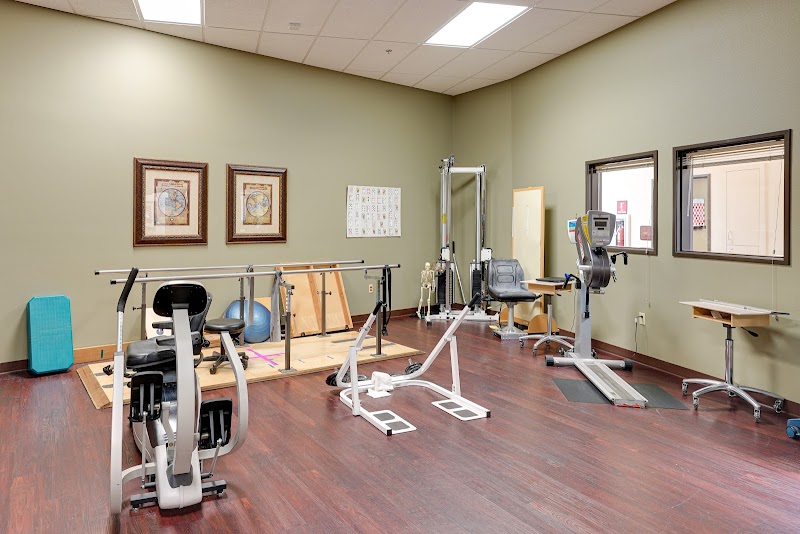
How is Green Valley Rehabilitation Staffed?

CMS rates GREEN VALLEY REHABILITATION HEALTH CENTER's staffing level at 2 out of 5 stars, which is below average compared to other nursing homes. Staff turnover is 58%, which is 12 percentage points above the Oregon average of 46%. High turnover can affect care consistency as new staff learn residents' individual needs. RN turnover specifically is 67%, which is notably high. RNs provide skilled clinical oversight, so turnover in this role can affect medical care quality.

What Have Inspectors Found at Green Valley Rehabilitation?

State health inspectors documented 71 deficiencies at GREEN VALLEY REHABILITATION HEALTH CENTER during 2022 to 2025. These included: 2 that caused actual resident harm and 69 with potential for harm. Deficiencies causing actual harm indicate documented cases where residents experienced negative health consequences.
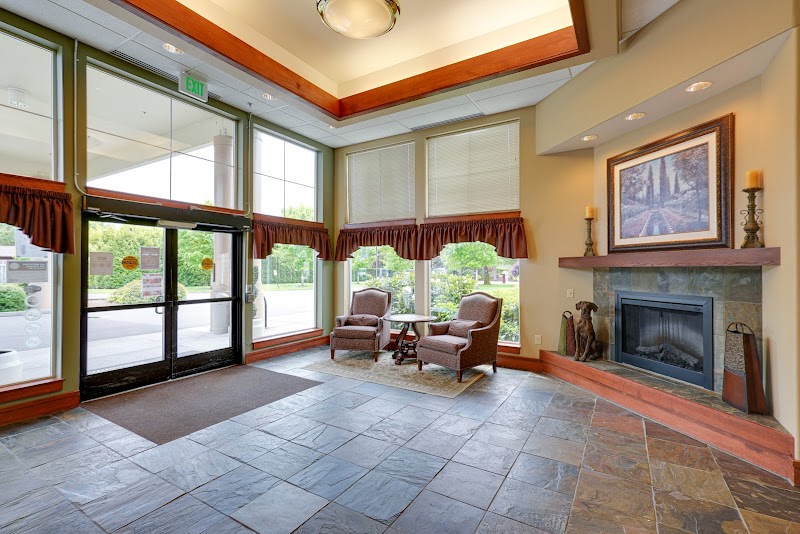
Who Owns and Operates Green Valley Rehabilitation?

GREEN VALLEY REHABILITATION HEALTH CENTER is owned by a for-profit company. For-profit facilities operate as businesses with obligations to shareholders or private owners. The facility is operated by VOLARE HEALTH, a chain that manages multiple nursing homes. With 110 certified beds and approximately 103 residents (about 94% occupancy), it is a mid-sized facility located in EUGENE, Oregon.
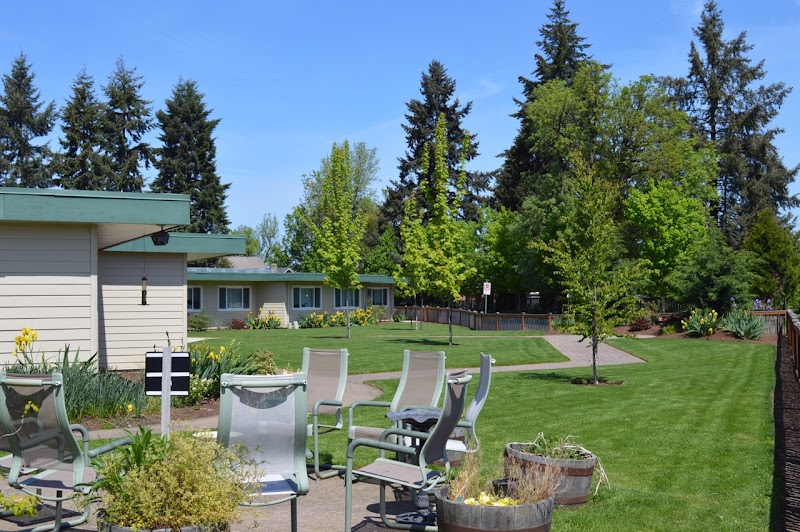
How Does Green Valley Rehabilitation Compare to Other Oregon Nursing Homes?

Compared to the 100 nursing homes in Oregon, GREEN VALLEY REHABILITATION HEALTH CENTER's overall rating (2 stars) is below the state average of 3.0, staff turnover (58%) is significantly higher than the state average of 46%, and health inspection rating (1 stars) is much below the national benchmark.

What Should Families Ask When Visiting Green Valley Rehabilitation?

Based on this facility's data, families visiting should ask: "What safeguards and monitoring systems are in place to protect residents from abuse or neglect?" "How do you ensure continuity of care given staff turnover, and what is your staff retention strategy?" "Can you walk me through typical staffing levels on day, evening, and night shifts?" "Can I visit during a mealtime to observe dining assistance and food quality?" These questions are particularly relevant given the substantiated abuse finding on record, the facility's high staff turnover rate, and the below-average staffing rating.

Is Green Valley Rehabilitation Safe?

Based on CMS inspection data, GREEN VALLEY REHABILITATION HEALTH CENTER has documented safety concerns. The facility has 1 substantiated abuse finding (meaning confirmed case of resident harm by staff or other residents). The facility has a 2-star overall rating and ranks #100 of 100 nursing homes in Oregon. Families considering this facility should ask detailed questions about what corrective actions have been taken since these incidents.

Do Nurses at Green Valley Rehabilitation Stick Around?

Staff turnover at GREEN VALLEY REHABILITATION HEALTH CENTER is high. At 58%, the facility is 12 percentage points above the Oregon average of 46%. Registered Nurse turnover is particularly concerning at 67%. RNs handle complex medical decisions and coordinate care — frequent RN changes can directly impact care quality. High turnover means new staff may not know residents' individual needs, medications, or preferences. It can also be disorienting for residents, especially those with dementia who rely on familiar faces. Families should ask: What is causing the turnover? What retention programs are in place? How do you ensure care continuity during staff transitions?

Was Green Valley Rehabilitation Ever Fined?

GREEN VALLEY REHABILITATION HEALTH CENTER has been fined $53,024 across 1 penalty action. This is above the Oregon average of $33,609. Fines in this range indicate compliance issues significant enough for CMS to impose meaningful financial consequences. Common causes include delayed correction of deficiencies, repeat violations, or care failures affecting resident safety. Families should ask facility leadership what changes have been made since these penalties.

Is Green Valley Rehabilitation on Any Federal Watch List?

GREEN VALLEY REHABILITATION HEALTH CENTER is not on any federal watch list. The most significant is the Special Focus Facility (SFF) program, which identifies the bottom 1% of nursing homes nationally based on persistent, serious quality problems. Not being on this list means the facility has avoided the pattern of deficiencies that triggers enhanced federal oversight. This is a positive indicator, though families should still review the facility's inspection history directly.